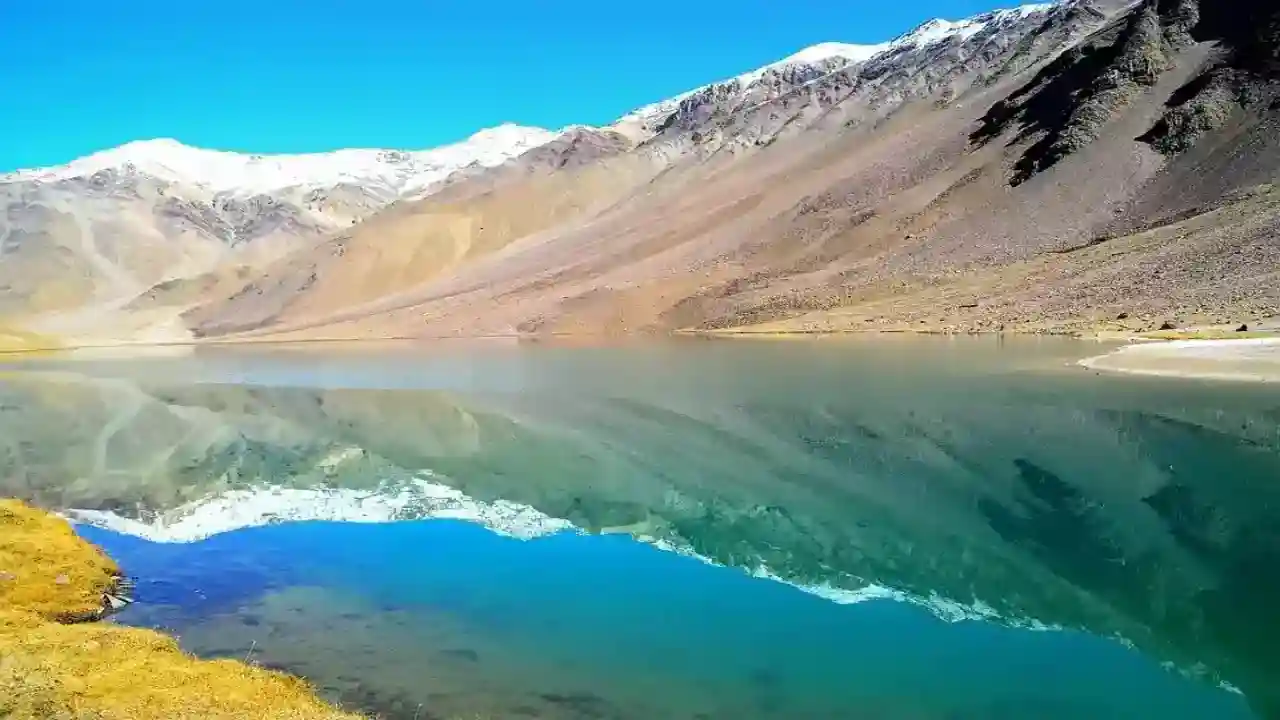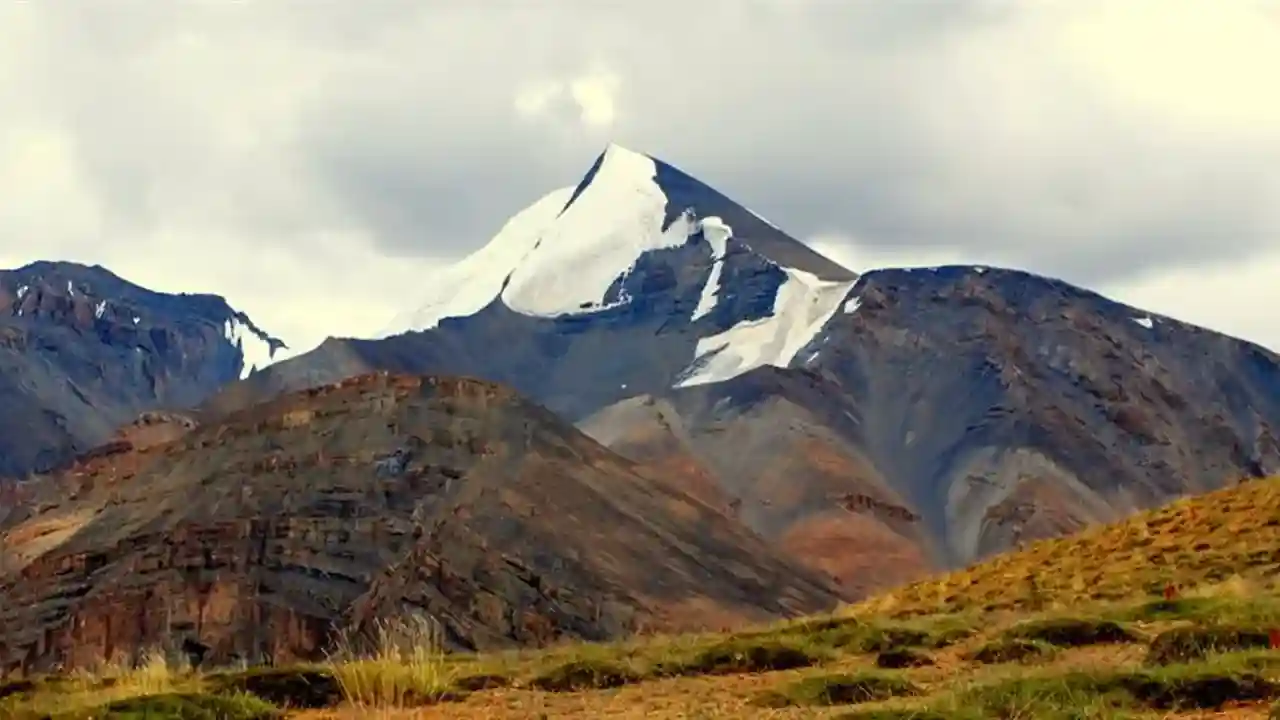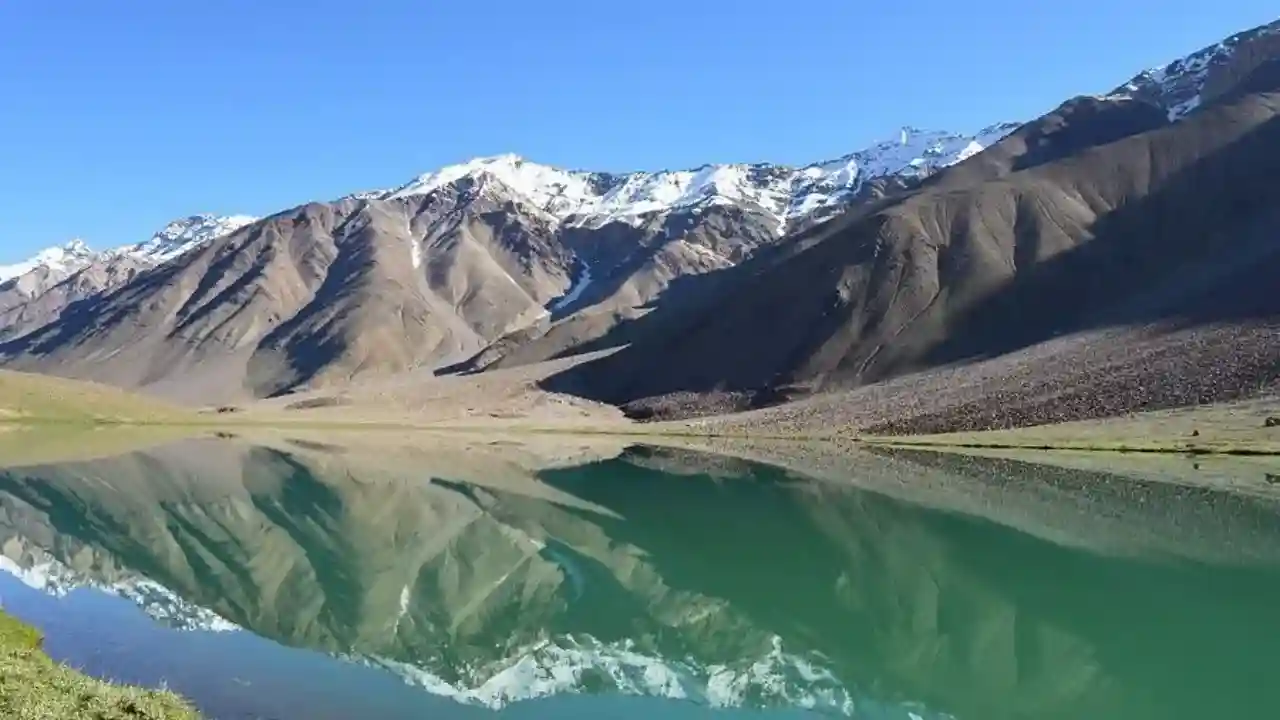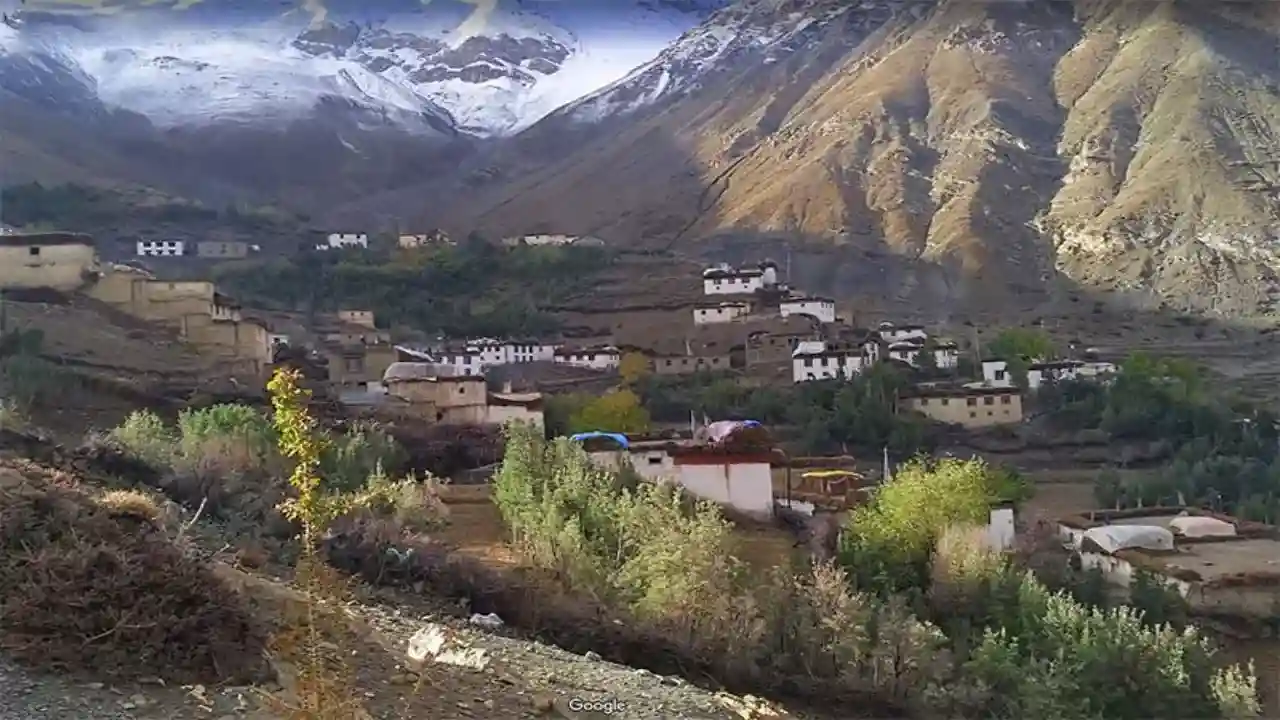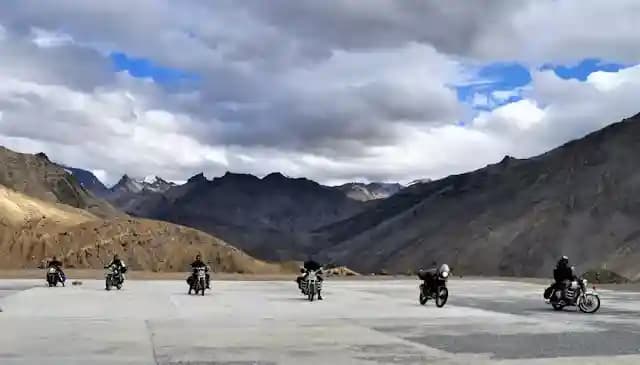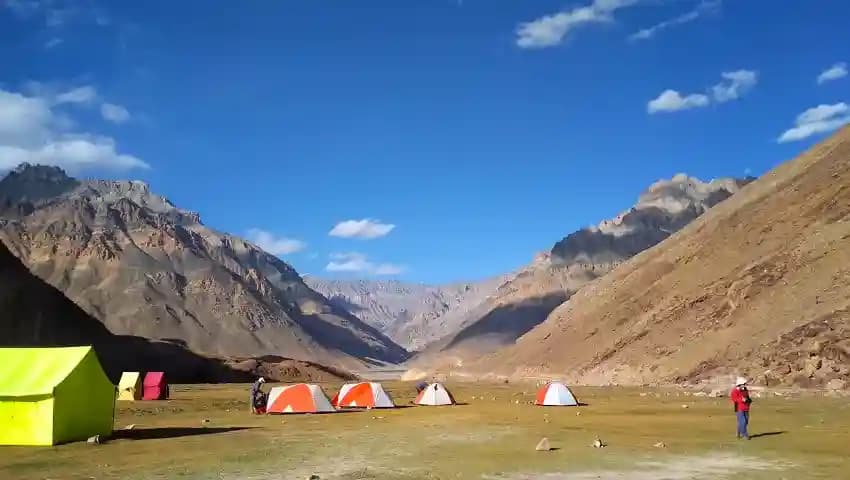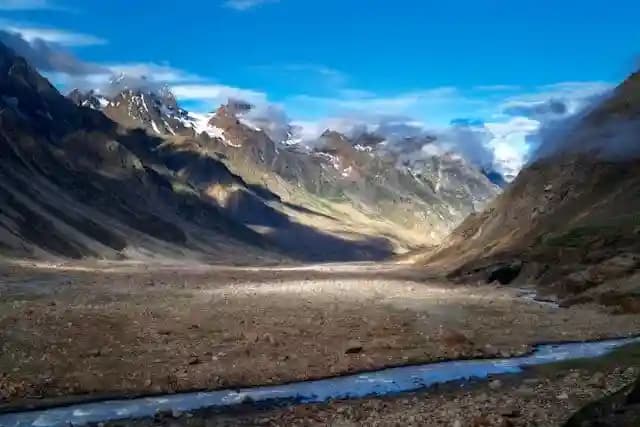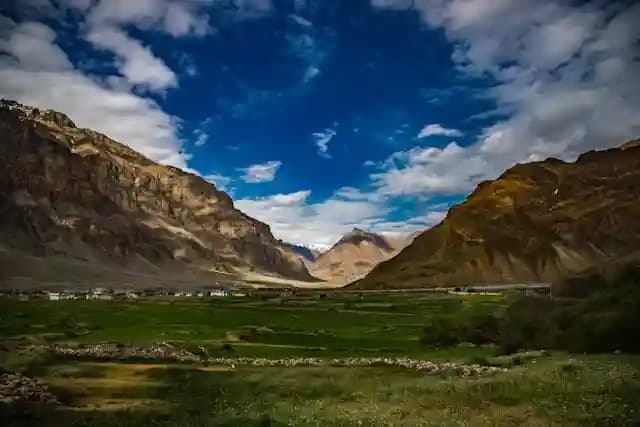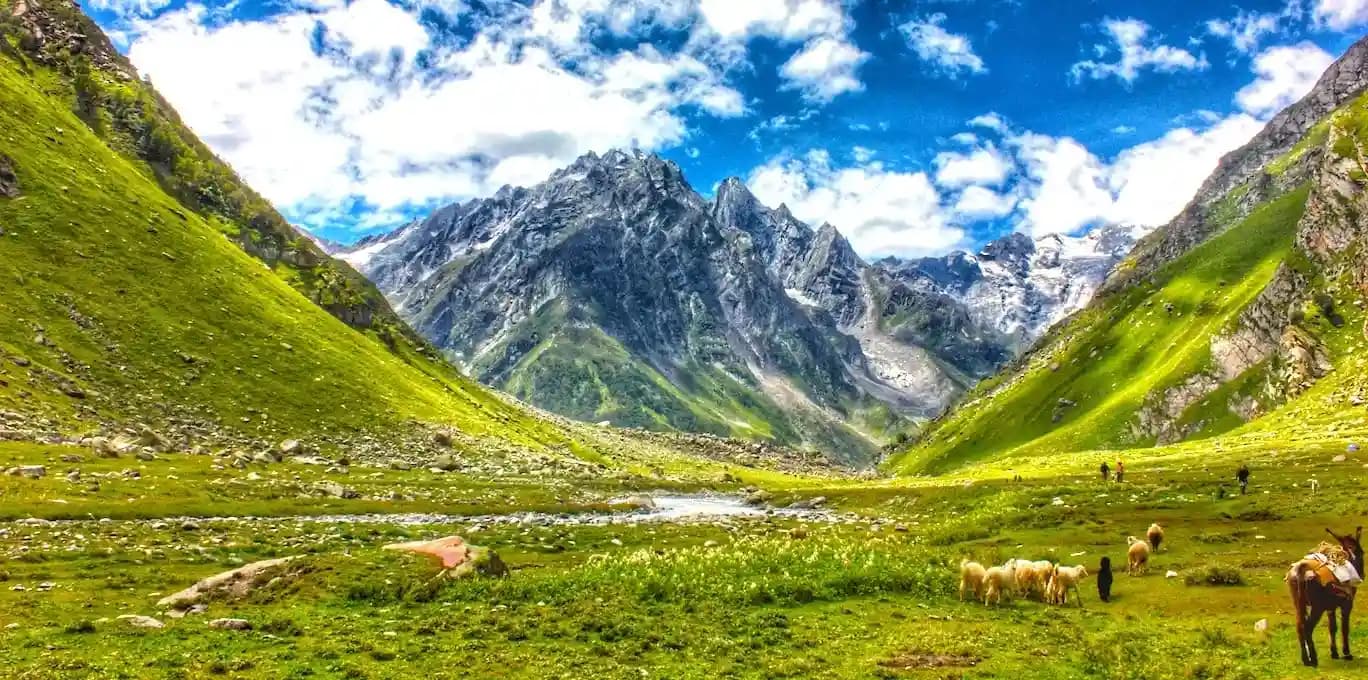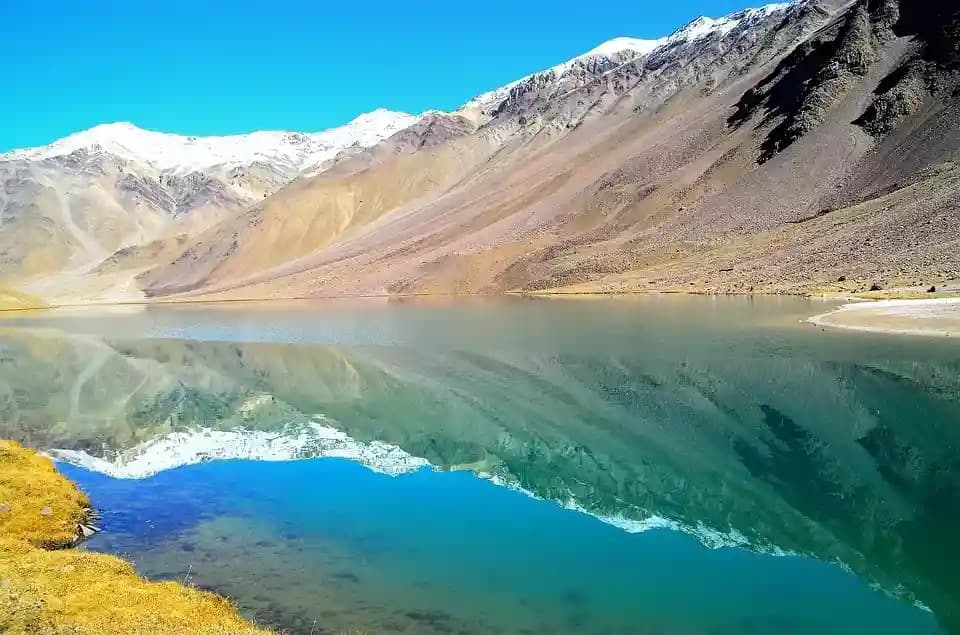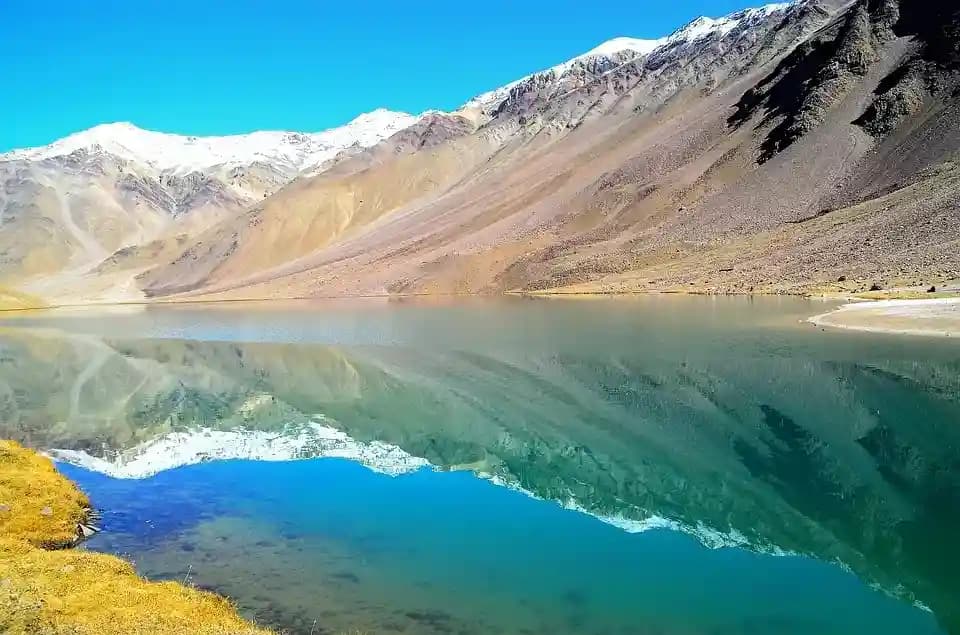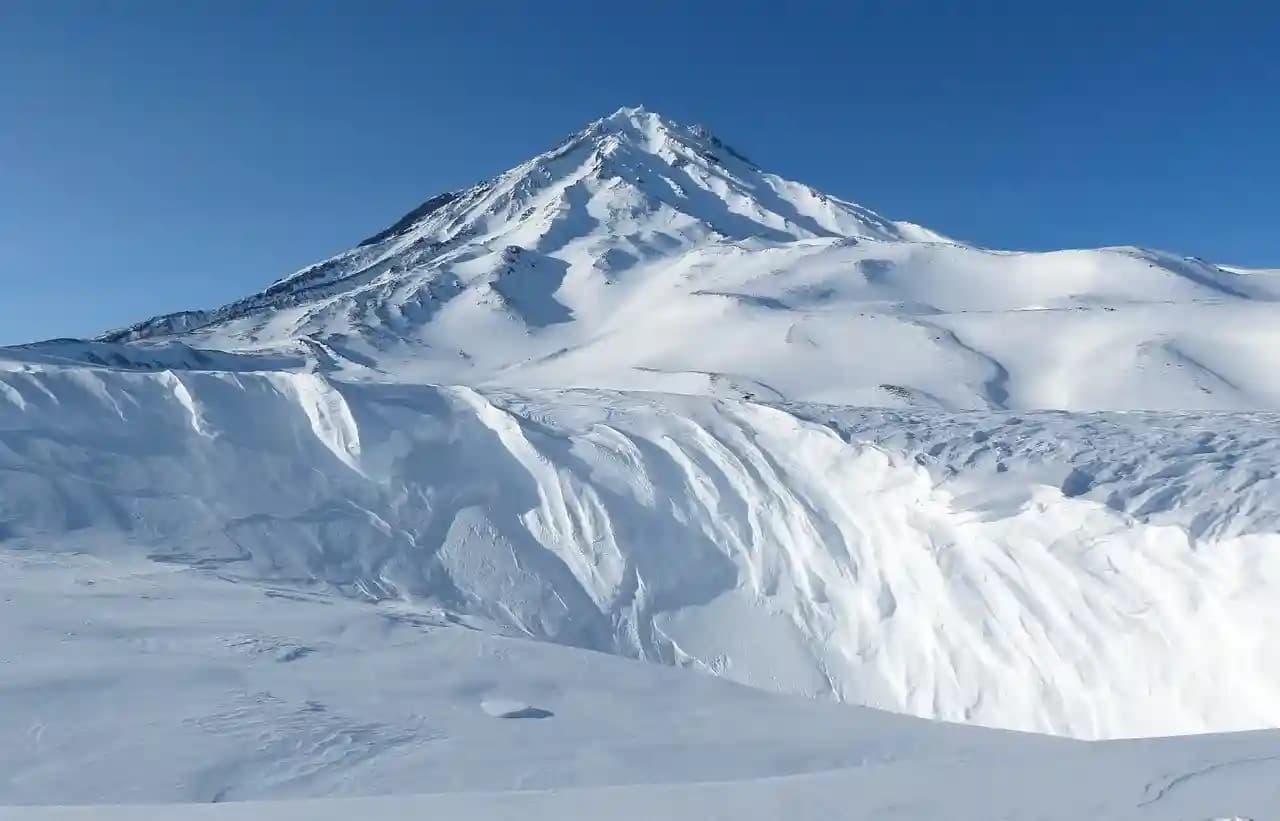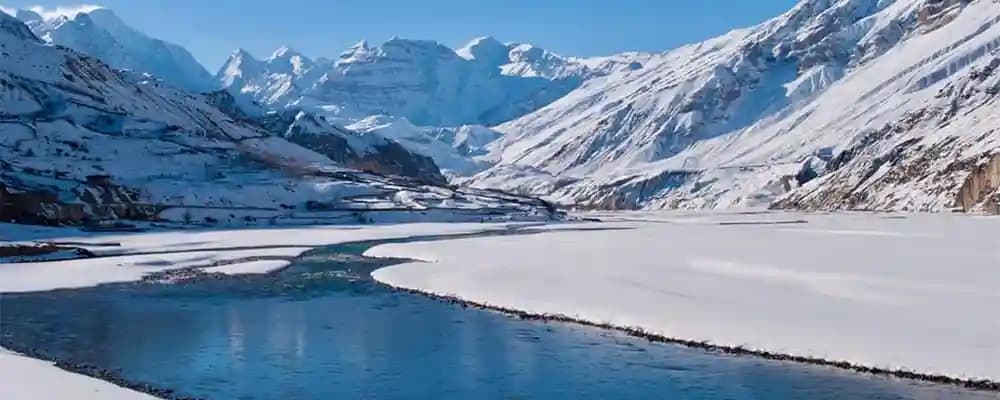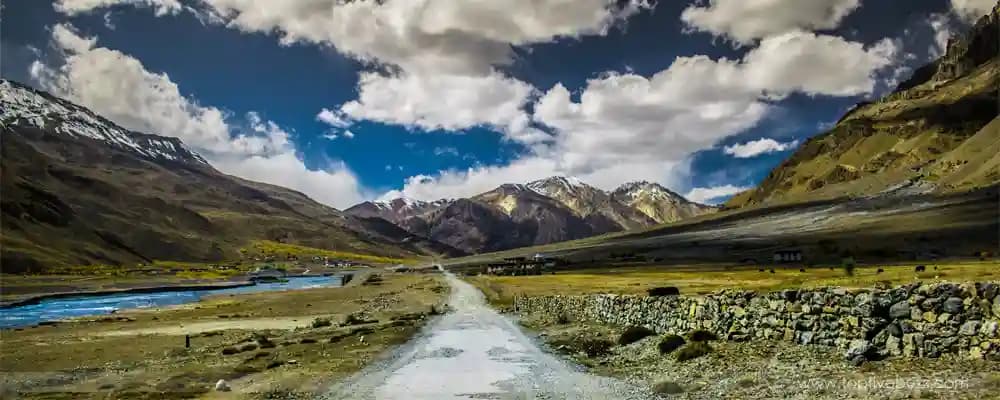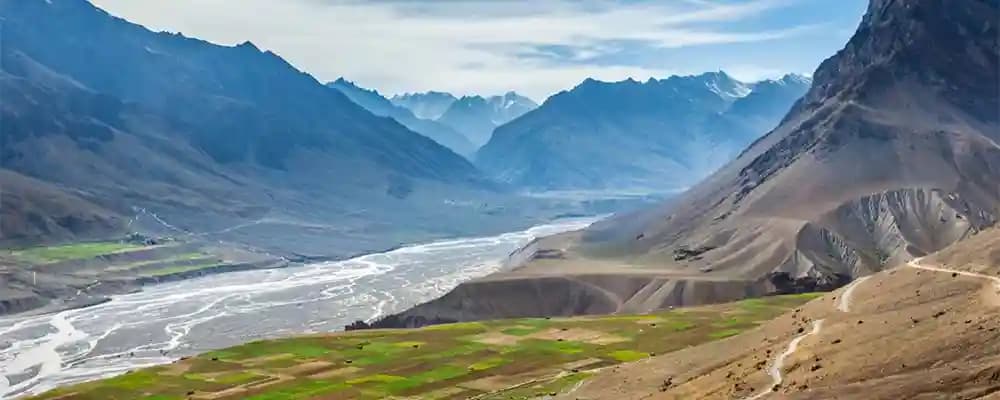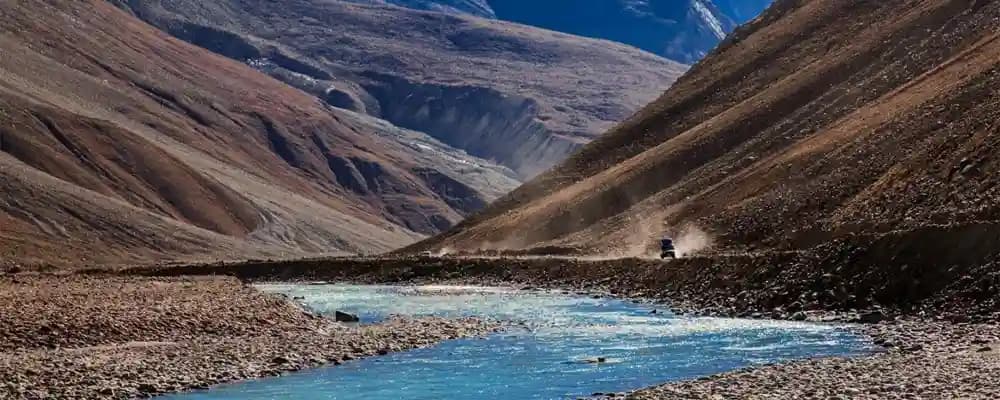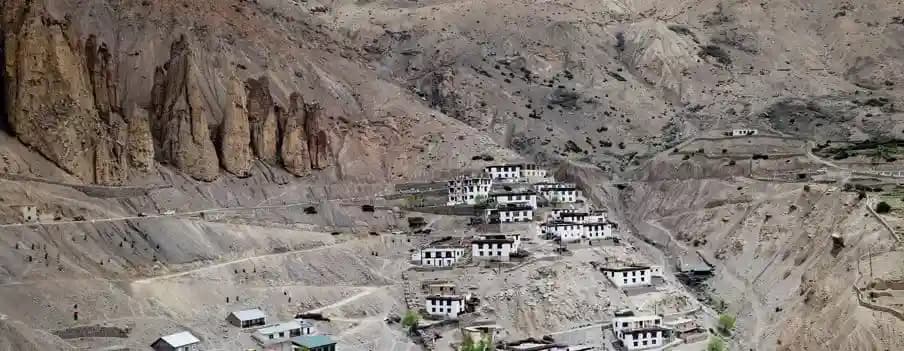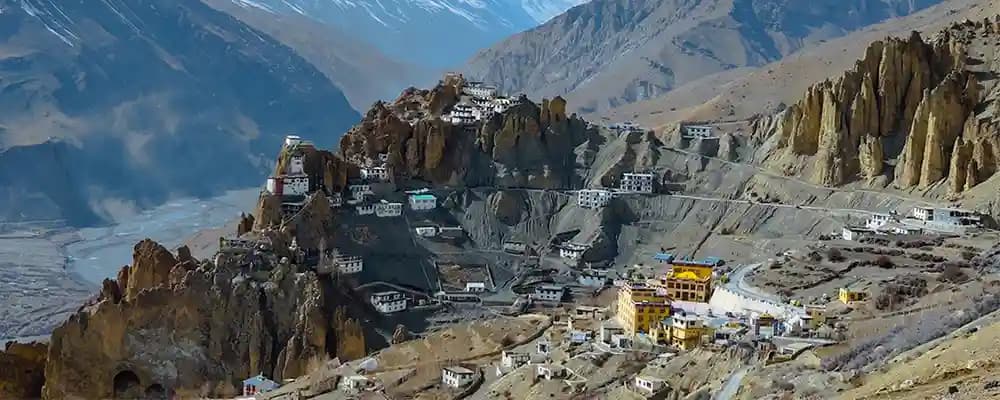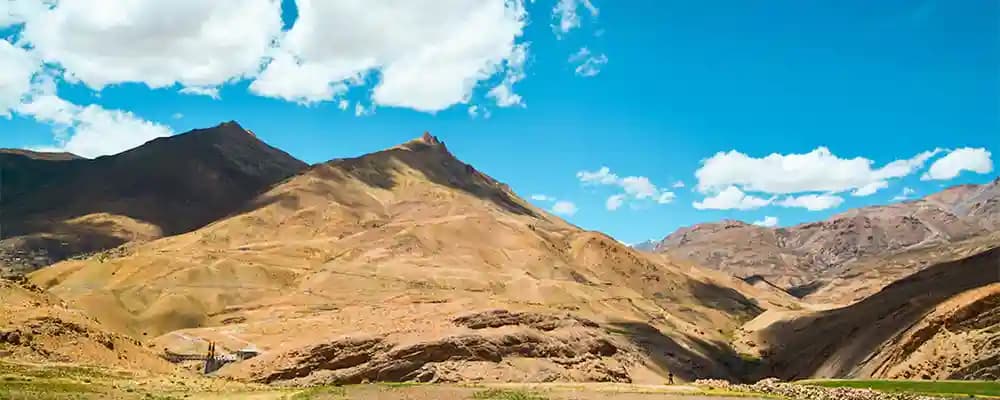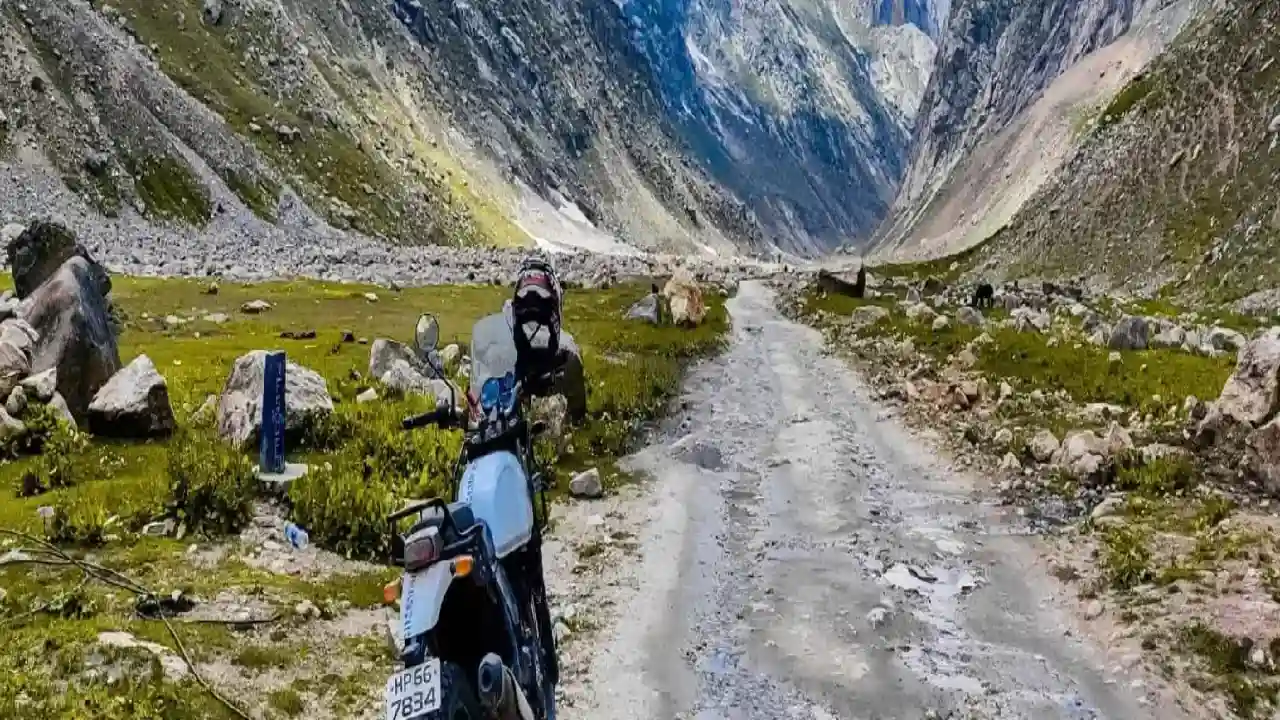
Are you planning a Spiti bike trip? Then, you must be wondering which route to choose between the Manali vs Shimla route for Spiti bike trip. Both routes offer stunning views of the Himalayas, but the experience of the journey is radically different on each side. One route is filled with mountain passes and challenging roads that pump up your adrenaline, while the other brings a gradual increase in altitude and more cultural aspects along with it. The correct route choice affects riding difficulty, acclimatisation, fuel planning and overall comfort. This guide compares both routes in detail to let riders decide on the best Spiti Valley bike trip packages, which path matches their experience level, bike condition and travel goals, hence making the Spiti bike trip safer and more memorable.
About Spiti Valley Routes: Manali vs Shimla
Spiti Valley can be accessed through two main routes. Both routes are very different from each other in terms of safety, comfort and acclimatisation, especially for a bike trip.
Spiti via Shimla Route
The Shimla route is known for its gradual altitude gain and is ideal for first-time riders. This makes it easier on the body. Roads are mostly stable, villages are frequent and medical help is a lot more accessible. This route stays open longer during the year and is better suited for riders who prefer a steady journey.
Route: Delhi → Shimla → Reckong Peo → Nako → Tabo → Kaza
Road Opening: May to October
Travel Time: Around 2- 3 days from Delhi to Kaza
Best For: First-time riders, self-drivers and relaxed journeys
Altitude Gain & Acclimatisation: The slow climb from lower elevations allows the body to adjust naturally, reducing the risk of Acute Mountain Sickness (AMS) during the journey.
Road Conditions & Safety: Roads remain mostly paved till Kalpa, with only short rough stretches after Nako
Spiti via Manali Route
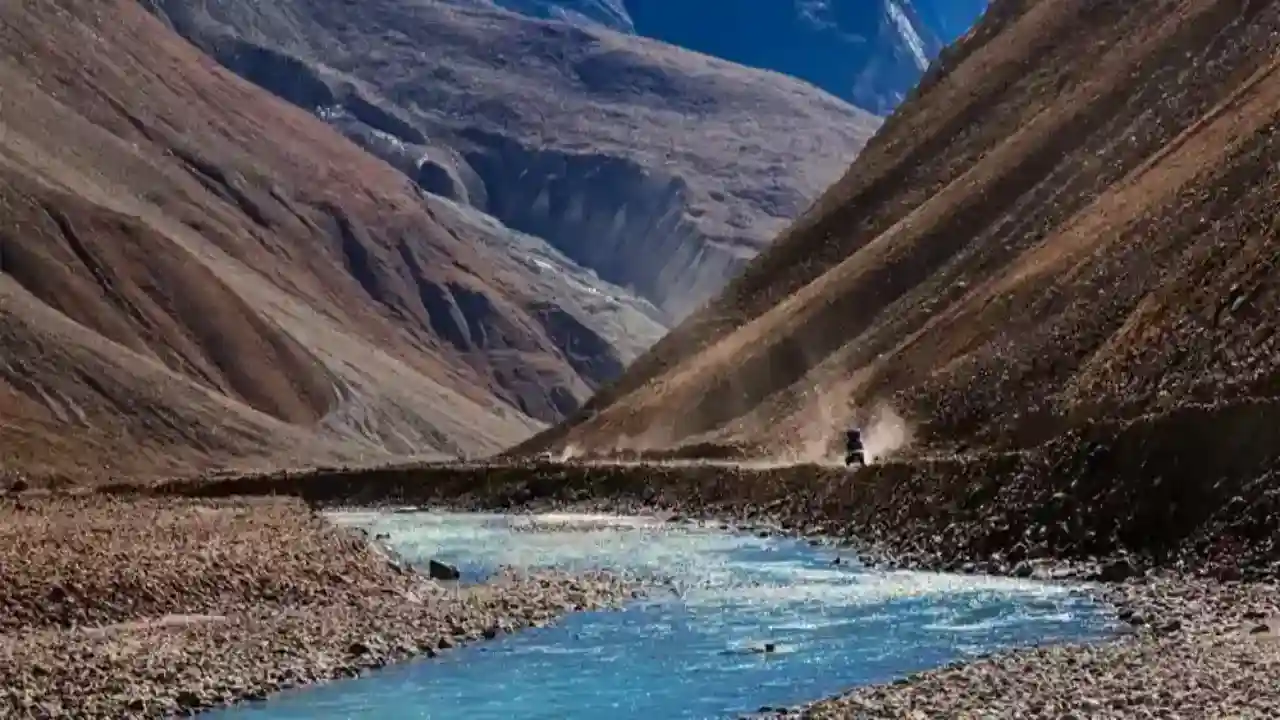
The Manali route is shorter but far more challenging. The sharp rise in altitude increases the risk of AMS and road conditions can be rough, especially after Gramphu. This route is preferred by experienced riders looking for a thrilling ride.
Route: Delhi → Manali → Atal Tunnel → Kunzum Pass → Kaza
Road Opening: Mid-June to mid-October (weather dependent)
Travel Time: 10- 12 hours from Manali to Kaza (non-stop)
Best For: Experienced riders and adventure-focused bike trips
Altitude Gain & Acclimatisation: The rapid jump in altitude, especially after Manali, can cause headaches, nausea and fatigue due to limited time for the body to acclimatise
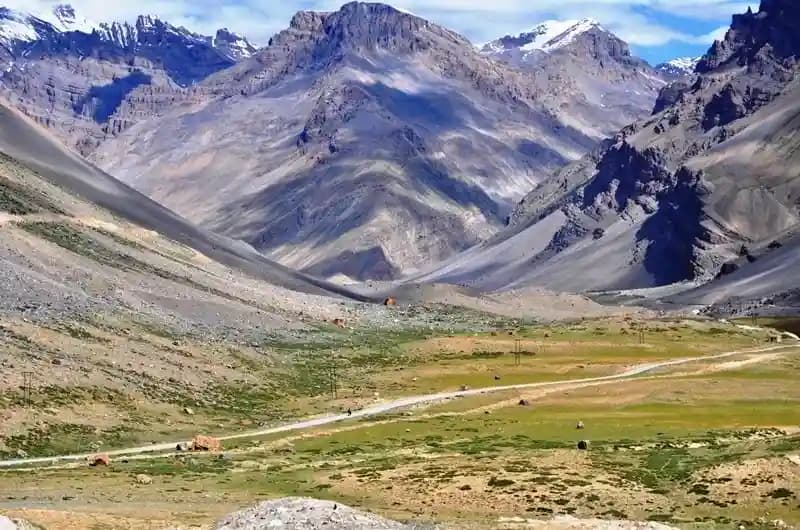
Road Conditions & Safety: Post-Gramphu, riders face rocky terrain, water crossings, slush and loose gravel
Best Time for Manali vs Shimla Route for a Spiti Bike Trip
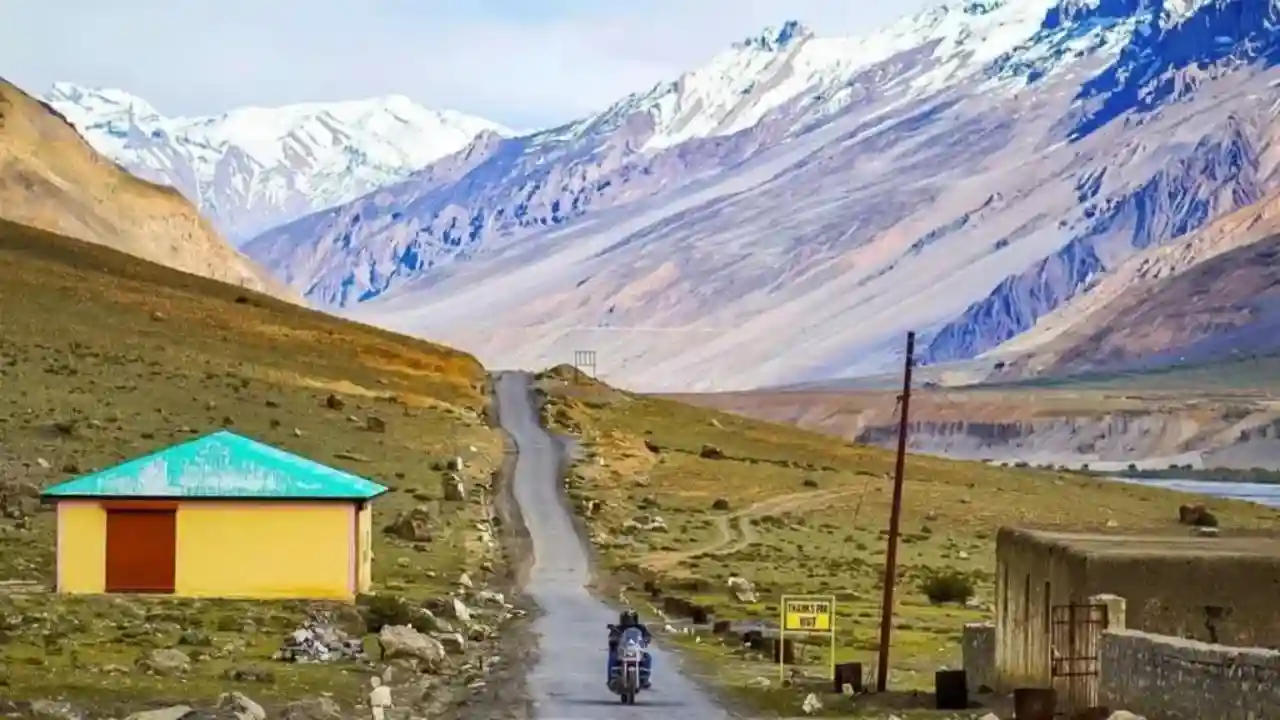
Choosing the best time to go on Spiti Valley Bike Trip is crucial for a safe and enjoyable Spiti bike trip, as both routes follow different seasonal patterns.
Shimla Route: This route remains accessible for a comparatively longer duration, typically from May to October. Since this route stays at comparatively lower altitudes in the beginning, snow melts earlier, and road conditions get stabilised earlier. The period from June to September is considered the best, with roads clear, weather moderate and good acclimatisation for riders. This route is well-suited for early-season Spiti excursions or to travel to Spiti Valley in winter.
Manali Route: The Manali route is normally accessible from mid-June to mid-October, but it really depends on the snow clearance at Kunzum Pass. The months of July and August bring in dramatic landscapes, but they also bring in a lot of hazards like landslides and water crossings, not to mention slush. September is generally marked as the best month on this side, with stable weather, fewer tourists around and clearer skies. A trip in the early or late parts of the season is quite unpredictable because of the chances of snowfall.
How to Reach Spiti Valley: Manali vs Shimla Route
As far as the Manali vs Shimla route for the Spiti bike trip from Delhi is concerned, both routes have distinctly different experiences in terms of distance, altitude gain, road quality and daily riding hours.
Shimla Route: The journey to Spiti via Shimla is longer but better paced. The drive from Delhi to Kaza usually takes 2- 3 days, with breaks planned overnight to avoid fatigue and height sickness. Common places to break up the ride are in beautiful settings like Narkanda, Kalpa or Nako, allowing a very organic pace to acclimatise. Travel times remain moderate, road surfaces are predominantly stable, and the overall tempo is sustainable, especially for first-time long Himalayan rides.
Manali Route: The Manali corridor is a faster but more tedious option. In good conditions, Kaza can be reached in 10- 12 hours, but this route entails longer riding times and tougher roads. The itinerary includes less time for rest and requires an early start to cross safely over Kunzum Pass and the Batal-Gramphu stretch. Continuous riding, uncertain road conditions and significant altitude increase may lead to fatigue, especially in the case of those riders who have less experience with heights.
Manali vs Shimla Route for Spiti Bike Trip Itinerary
The decision between the Manali vs Shimla route for the Spiti bike trip goes beyond issues of preference to directly impinging on physiological adaptation, motorcycle performance and risk exposure. The following outlines represent day-by-day itineraries for both routes, along with the best places to visit on Spiti Valley bike trip, tailored to a Spiti Valley bike trip from Delhi.
Spiti Bike Trip Itinerary via Shimla Route (7- 8 Days)
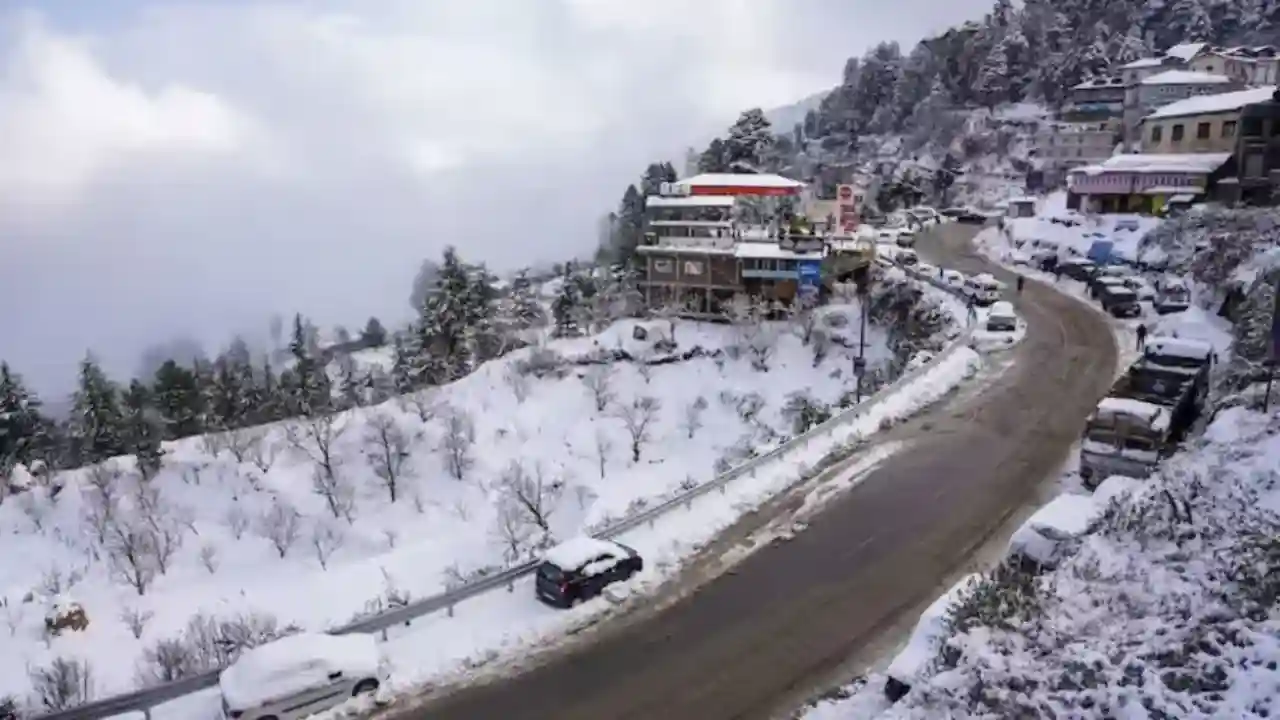
This route is recommended for first-time Spiti riders, riders on rented bikes and anyone prioritising acclimatisation.
Day 1: Delhi → Narkanda
The first riding day is critical in the Manali vs Shimla route for Spiti bike trip because it sets the pace for acclimatisation. The drop from Delhi down to Narkanda allows for gradual physiological adjustment as elevation rises up to around 9,000 ft. A stop at Narkanda, one of the best hill stations near Shimla, helps riders sleep at altitude without stressing the body too early.
Distance: 410 km
Riding Time: 9 - 10 hours
Road condition: Fully paved highways
Altitude: 9,000 ft
Day 2: Narkanda → Kalpa / Reckong Peo
This day showcases why the Shimla side is preferred in the Manali vs Shimla route for Spiti bike trip debate. The ride follows the Sutlej River for long stretches, keeping the gradient of climbs very gentle. The roads are mostly asphalted until Reckong Peo, minimizing riding fatigue. An overnight halt facilitates gradual acclimatization.
Distance: 160 km
Riding Time: 6 - 7 hours
Road condition: Mostly paved, stable mountain roads
Altitude: 9,700 ft
Day 3: Kalpa → Nako → Tabo
From this point onward, the landscape changes dramatically, marking a key transition in the Manali vs Shimla route for Spiti bike trip. Lush green valleys give way to parched, high-altitude desert landscapes. Highways become narrower and irregularly uneven; however, the rise in altitude is largely constrained. Nako serves as the main high-altitude halt, while Tabo village offers assured accommodation and medical facilities.
Distance: 170 km
Riding Time: 6 - 7 hours
Road condition: Narrow roads with broken patches
Altitude: 10,760 ft
Day 4: Tabo → Dhankar → Kaza
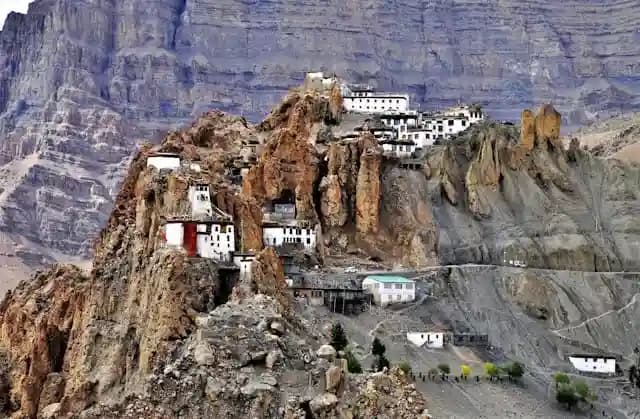
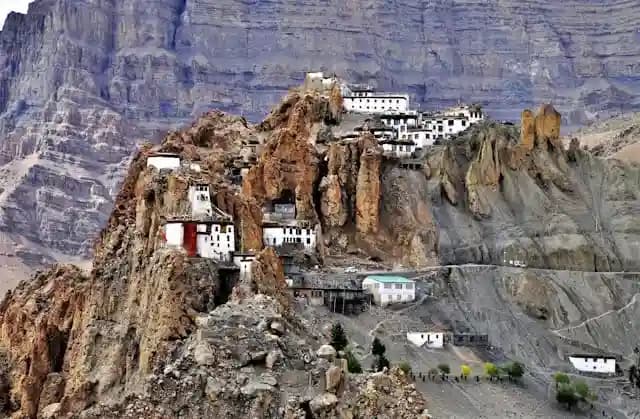
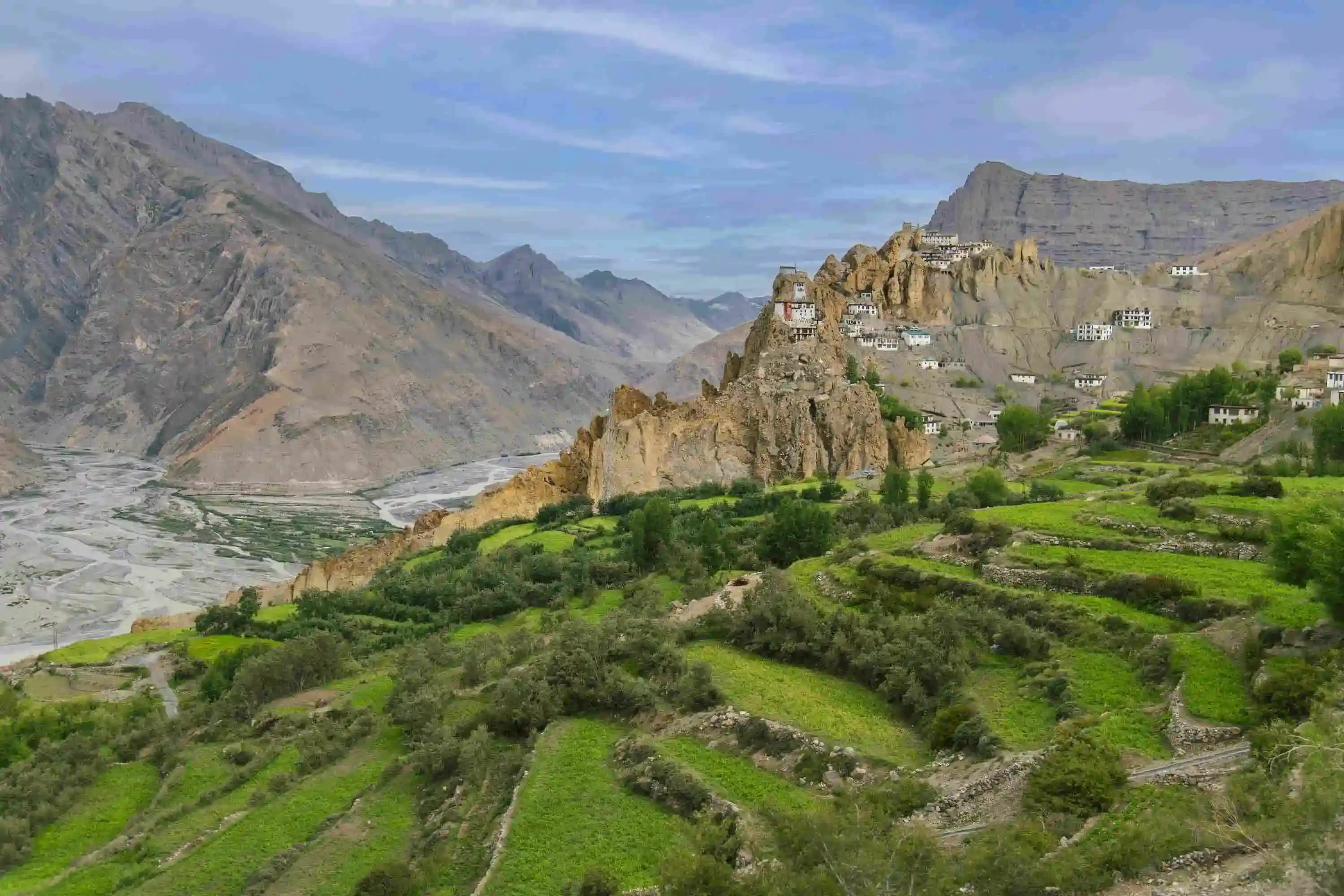
This intentionally short day highlights the smart pacing of the Shimla side in the Manali vs Shimla route for Spiti bike trip comparison. With limited distance, the focus stays on acclimatisation rather than riding hours. Roads alternate between broken patches and paved sections. The Dhankar detour introduces steep climbs and sharp turns.
Distance: 50 km
Riding Time: 3 - 4 hours
Road condition: Mixed paved and broken stretches
Altitude: 12,500 ft
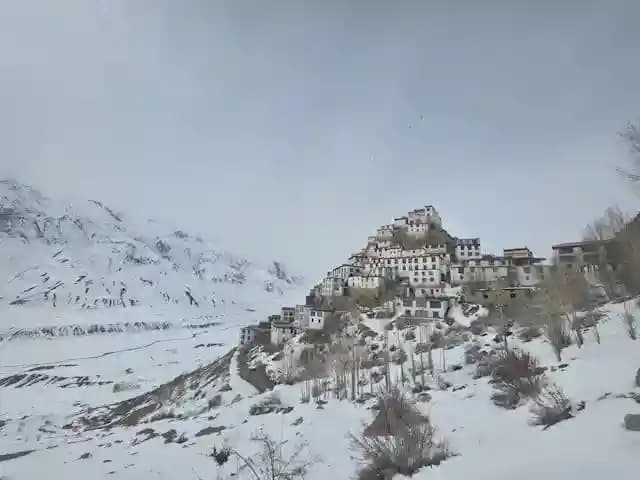
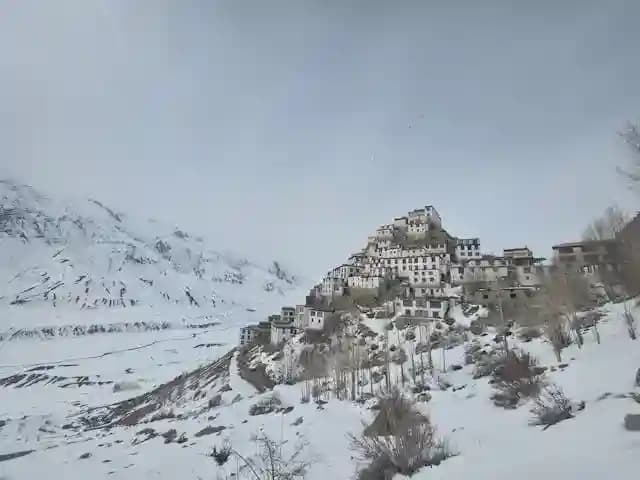
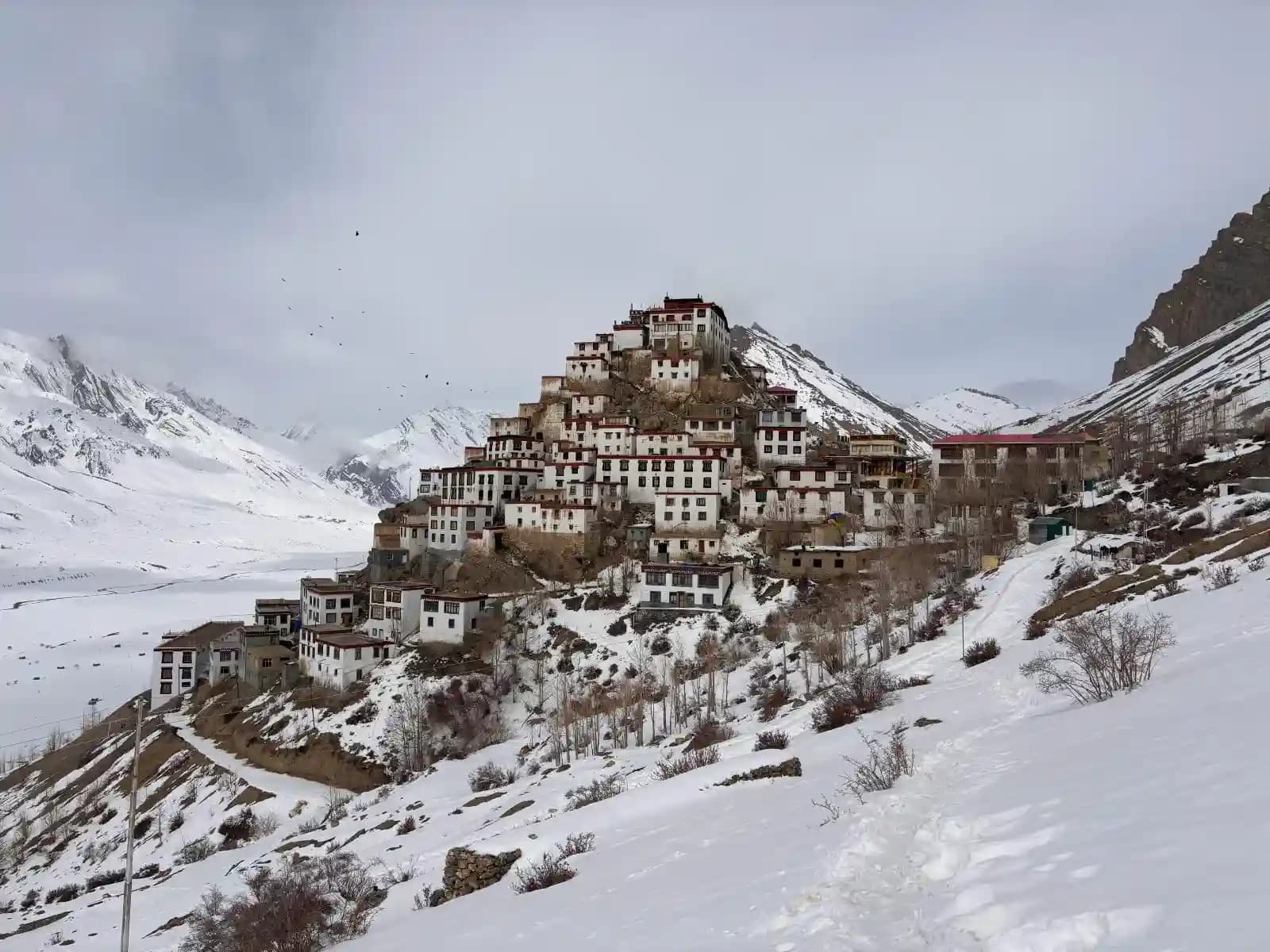
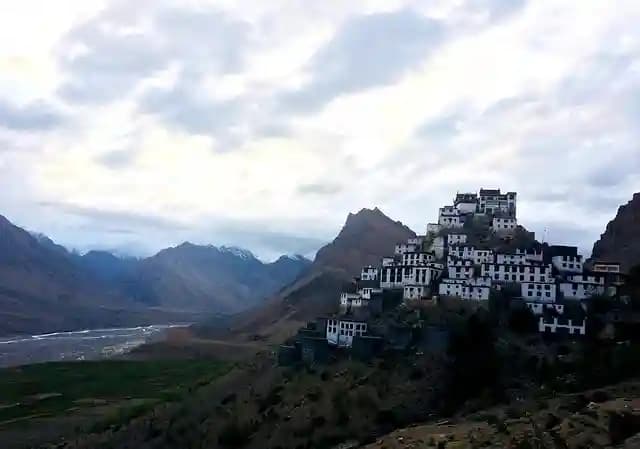
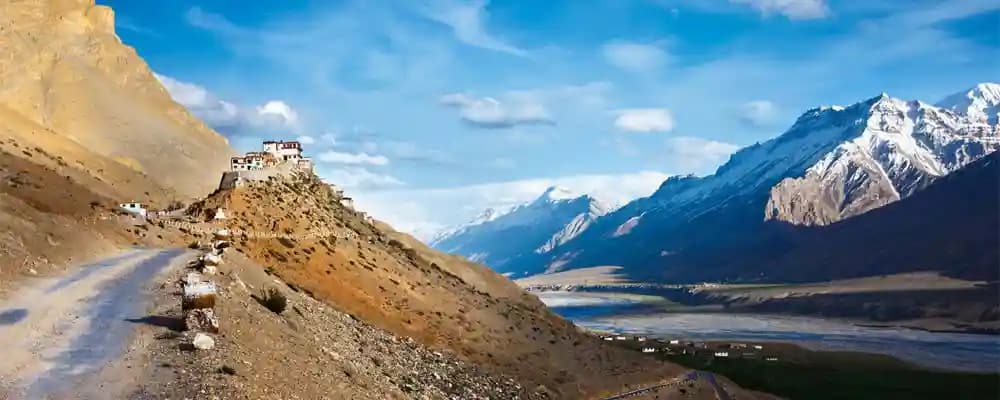
Day 5: Kaza → Key → Kibber → Langza → Hikkim
This forms the classic high-altitude village circuit loop, best done after proper acclimatization. This is another reason the Shimla route gets a favorable rating when it comes to deciding between the Manali vs Shimla route for Spiti bike trip. The roads are rugged, steep and often unpaved and the distances are relatively short. Kaza is a trustworthy base with petrol, puncture repair facilities and food availability.
Distance: 60 km
Riding Time: 4 - 5 hours
Road condition: Gravel roads, dirt tracks, steep climbs
Altitude: 13,500- 14,500 ft (villages)
Day 6: Kaza → Pin Valley (optional)
Pin Valley is optional but achievable because riders entering via Shimla are usually well acclimatised by now - a clear advantage in the Manali vs Shimla route for Spiti bike trip. The road is narrow, broken and landslide-prone, requiring slow and concentrated riding.
Distance: 40 km
Riding Time: 3 - 4 hours
Road condition: Narrow, broken, landslide-prone
Altitude: 12,000- 13,000 ft
Day 7- 8: Exit via Manali or return via Shimla
The exit plan depends entirely on Kunzum Pass opening and current weather conditions. Riders exiting via Manali should be prepared for rough terrain and sudden altitude drops, while returning via Shimla offers a slower, safer descent after days spent at high altitude.
Spiti Bike Trip Itinerary via Manali Route
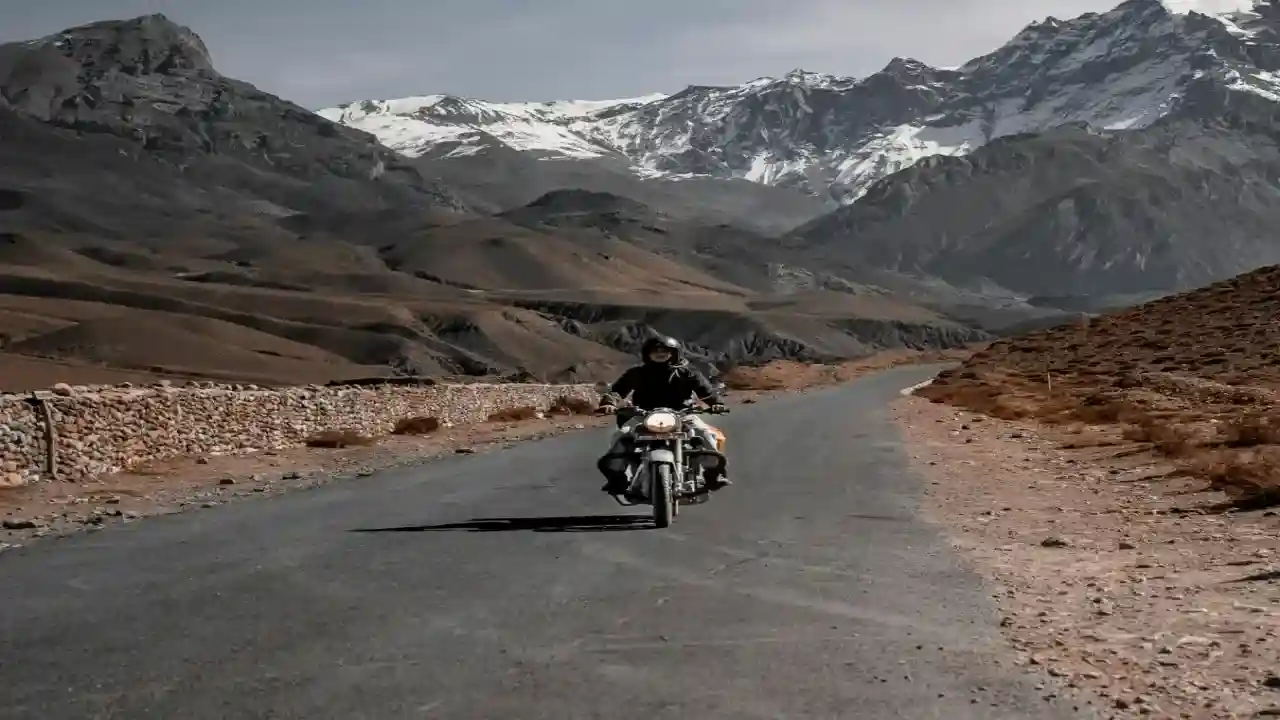
The Manali route to Spiti is the faster, high-altitude option, ideal for experienced riders. This day-wise plan covers distances, terrain and key acclimatisation points to help you navigate the challenging yet rewarding journey
Day 1: Delhi → Manali
The stretch from Delhi to Manali is long and has substantial gain in altitude, with the night halt at nearly 6,700 ft. Traffic congestion around Chandigarh, Mandi and Kullu could delay progress, with early fatigue setting in. Unlike the Shimla route, this route gives little acclimatisation.
Distance: 540 km
Riding Time: 12- 14 hours
Road condition: Mostly paved, heavy traffic zones
Altitude: 6,700 ft
Day 2: Manali → Jispa / Keylong
Gradients get steeper, the roads worse and the temperature falls after crossing the Atal Tunnel, one of the best places to visit in Manali. This is a day of steep ascents, landslide-prone sections and sudden changes in weather. Suitable only for experienced riders, an overnight stay here aids necessary acclimatization before higher passes.
Distance: 140 km
Riding Time: 5- 6 hours
Road condition: Paved with landslide zones
Altitude: 10,500 ft
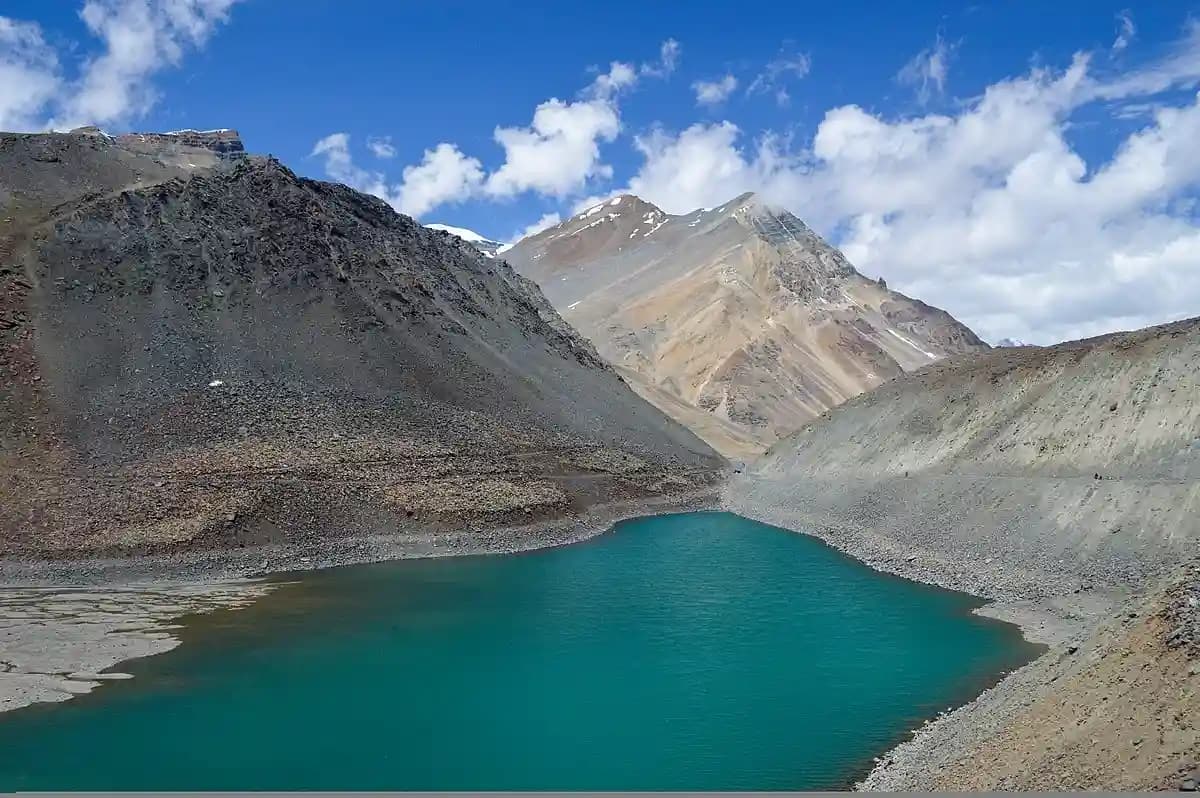
Day 3: Jispa / Keylong → Kaza (via Kunzum Pass)
This is the most demanding day, featuring rapid ascent from roughly 10,500 ft to approximately 15,000 ft at Kunzum Pass, with rocky, unpredictable surfaces, water crossings and slush. Very limited options for fueling and provisioning combined with pronounced altitude gain render this leg mentally and physically exhausting.
Distance: 180 km
Riding Time: 8 - 10 hours
Road condition: Broken roads, gravel, water crossings
Altitude: 12,500 ft (Kaza), 15,000 ft (Kunzum Pass)
Day 4: Kaza → Key → Kibber → Langza → Hikkim
High-altitude village circuit with rough and steep roads. Riders may feel stronger altitude effects compared to the Shimla route. Skip detours if symptoms of AMS appear. Kaza provides fuel, food and repairs.
Distance: 60 km
Riding Time: 4- 5 hours
Road condition: Gravel, steep climbs
Altitude: 13,500- 14,500 ft
Day 5: Kaza → Pin Valley (optional)
Optional ride for riders who are well-acclimatised. The road is narrow, with a poor surface and prone to landslides; it requires confident riding. A lot of people bypass Pin Valley because of accumulated fatigue from quick altitude gain.
Distance: 40 km
Riding Time: 3- 4 hours
Road condition: Narrow, broken, landslide-prone
Altitude: 12,000- 13,000 ft
Day 6- 7: Kaza → Manali (Return)
The return is by the same strenuous route. Afternoon snow or rain may make Kunzum Pass hazardous. Leave early, to avoid worsening water crossings. Descent eases breathing but the fatigue is still heavy, highlighting why the Manali vs Shimla route for Spiti bike trip is faster but physically taxing.
Distance: 200 km
Riding Time: 9 - 11 hours
Road condition: Broken stretches, water crossings
Altitude: 15,000 ft → 6,700 ft
Conclusion
The decision of which route to take for a Spiti bike trip can have a major impact on your travel, comfort and overall experience. When you’re deciding between the Manali vs Shimla route for Spiti bike trip, the Shimla route is best for those who are travelling for the first time as it provides a gradual ascent, better acclimatisation and more leveled roads, thus, making it safer for families and self, drivers. In contrast, the Manali route is quicker, more exciting and should only be considered by the riders with a lot of experience who are looking for adrenaline rush at high altitudes, however, it is accompanied with steeper climbs and rougher terrain. Planning your ride, considering the best time to visit and following travel tips ensures a safer, enjoyable journey.