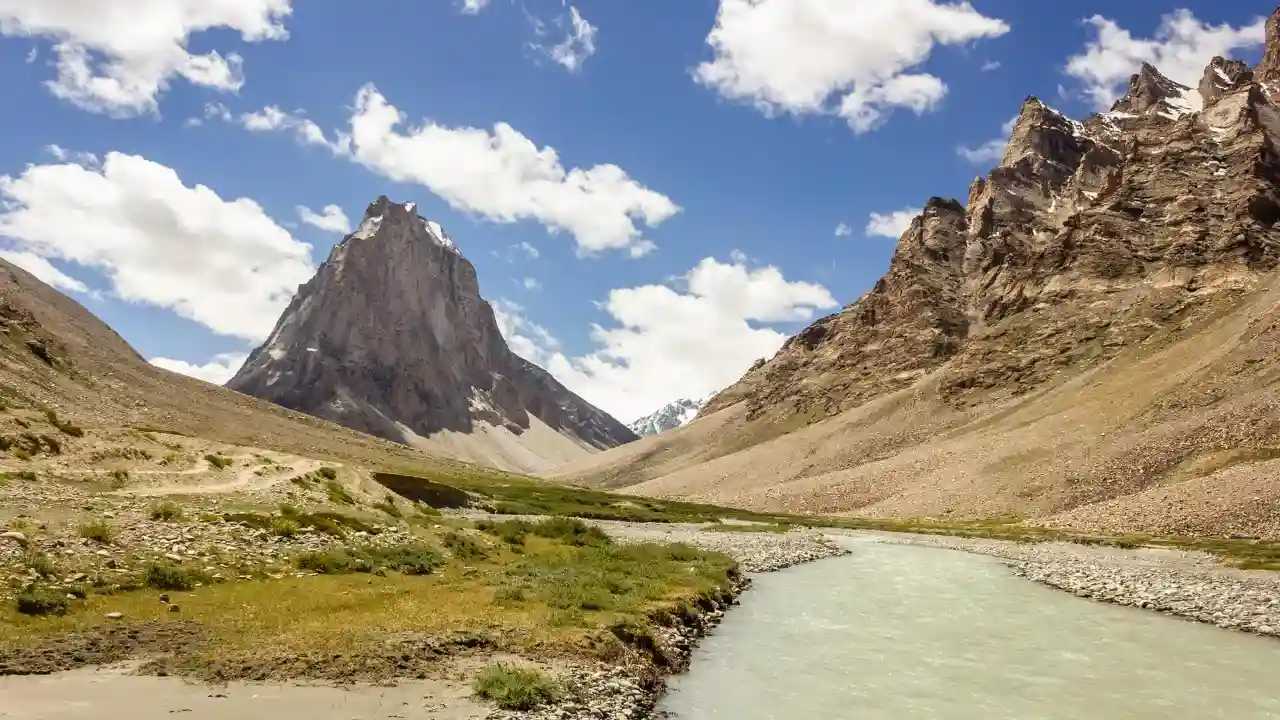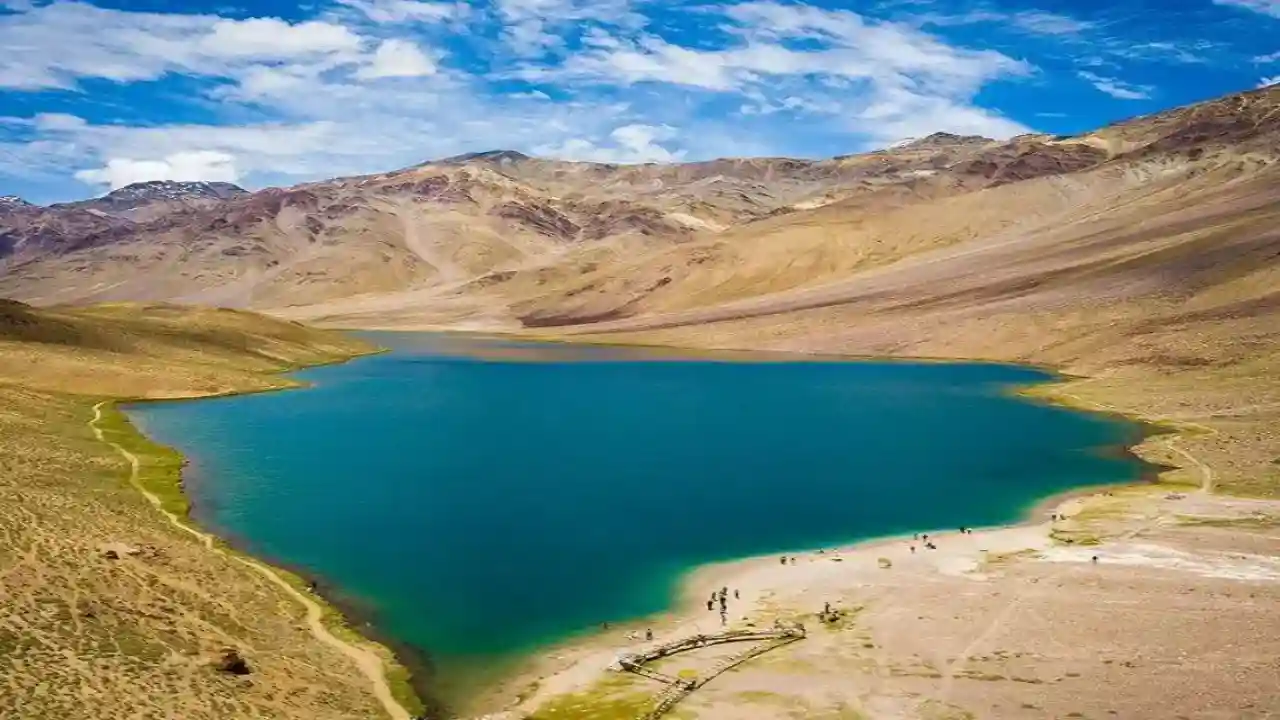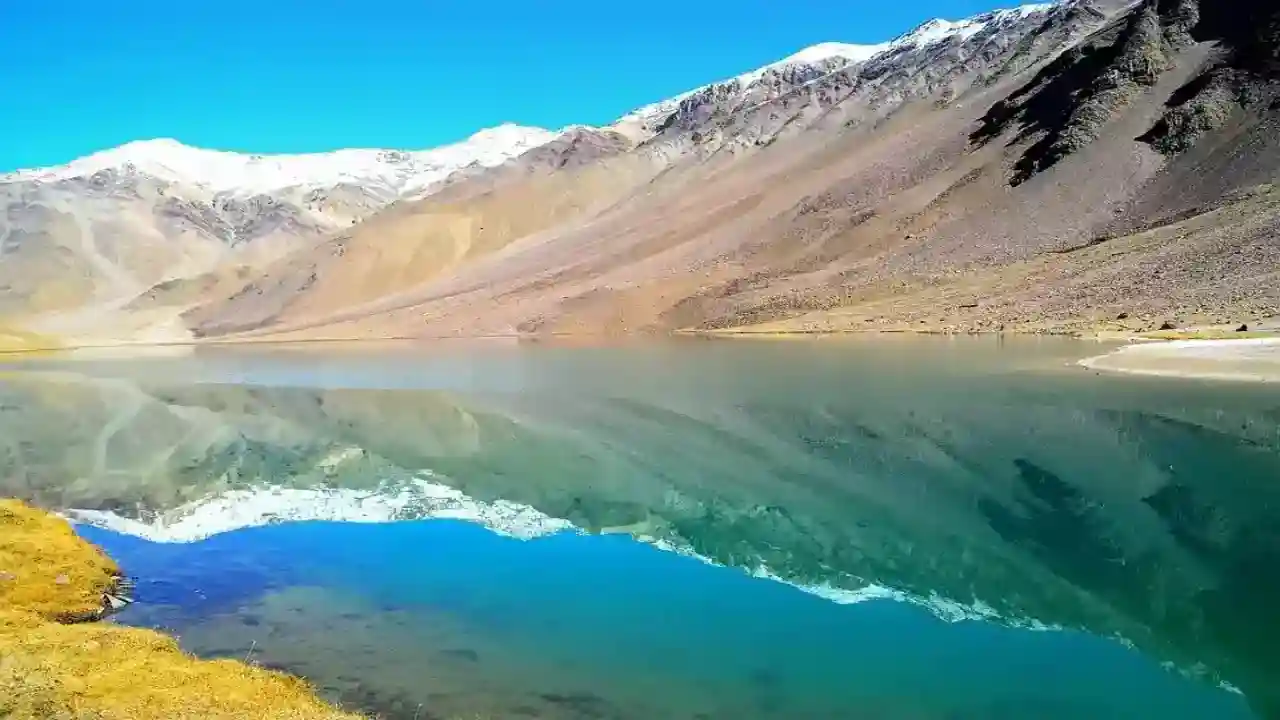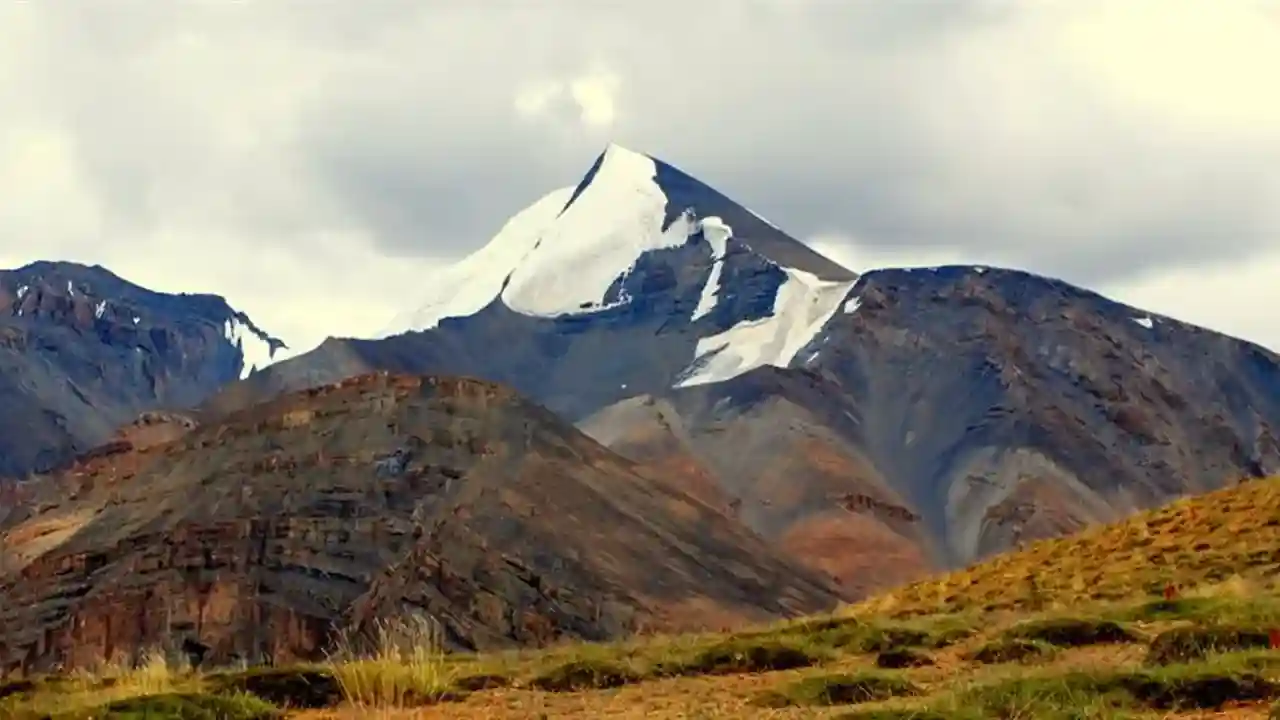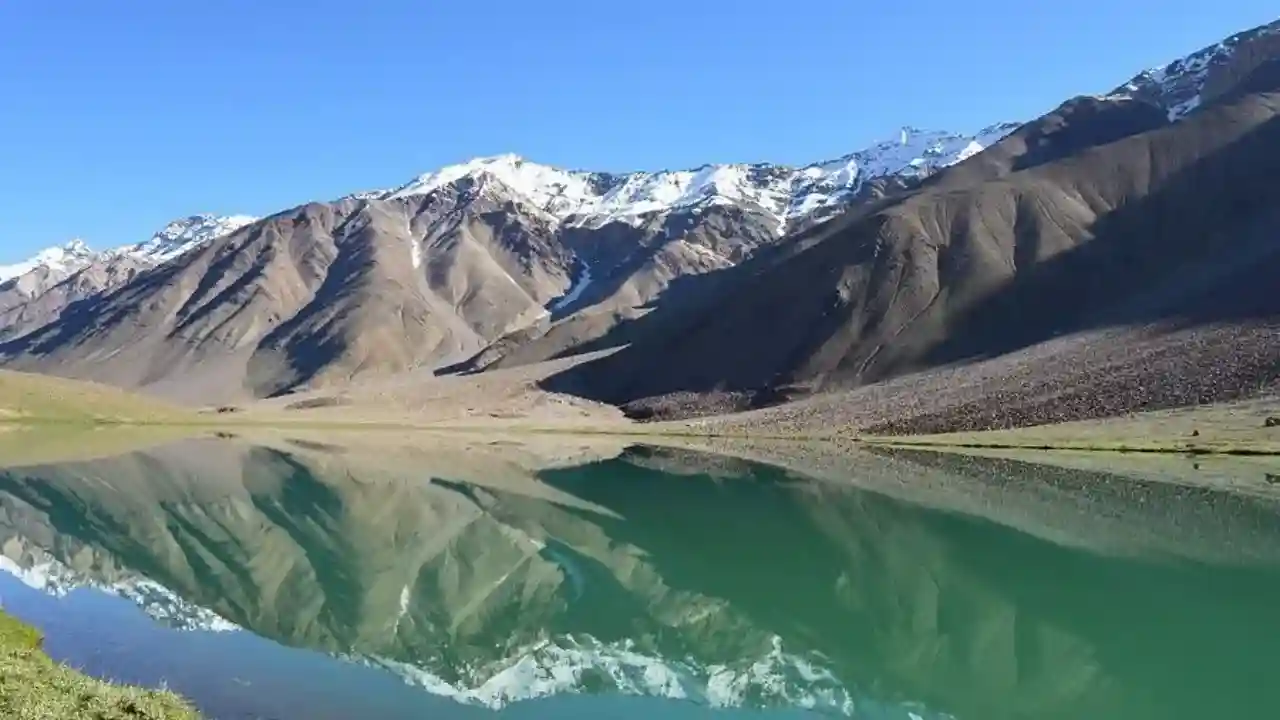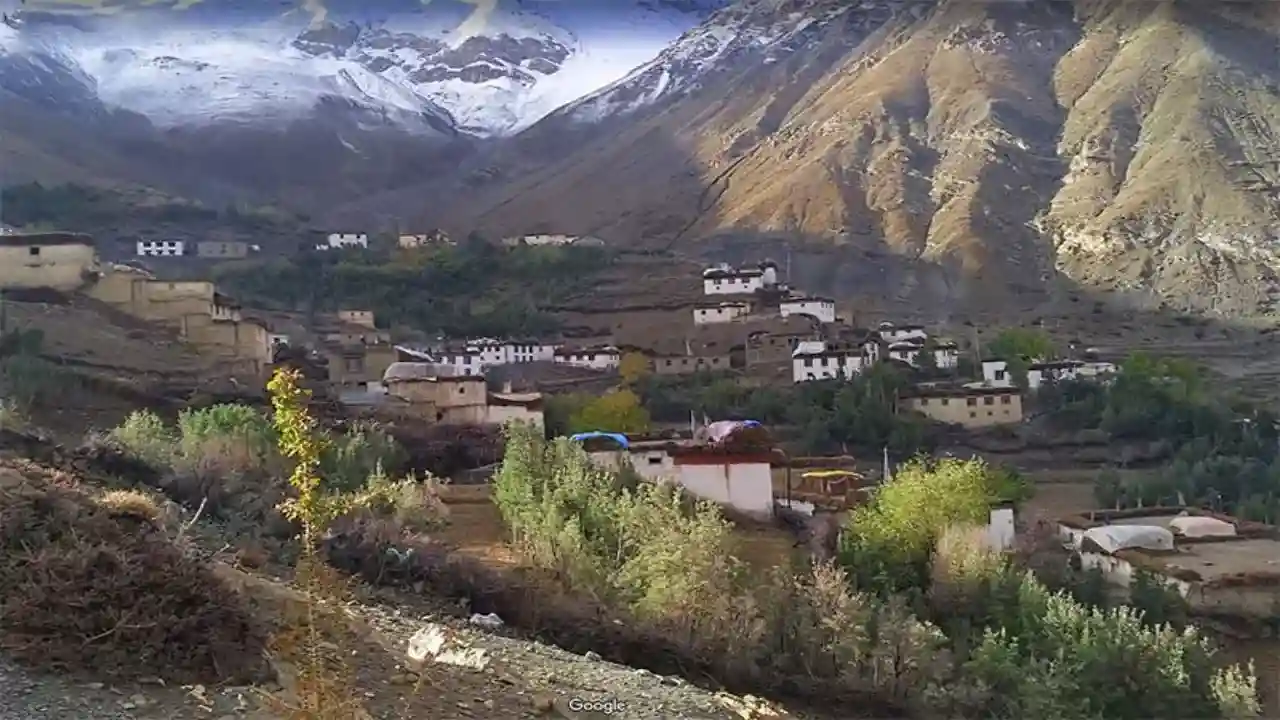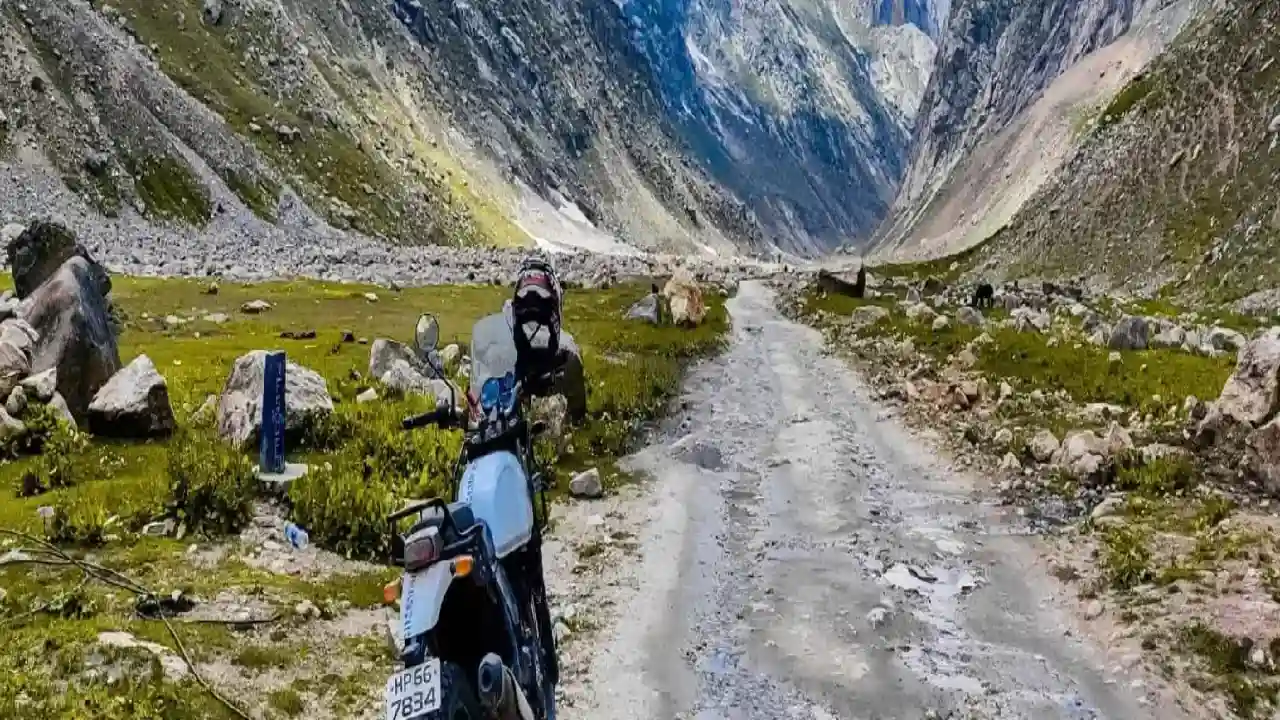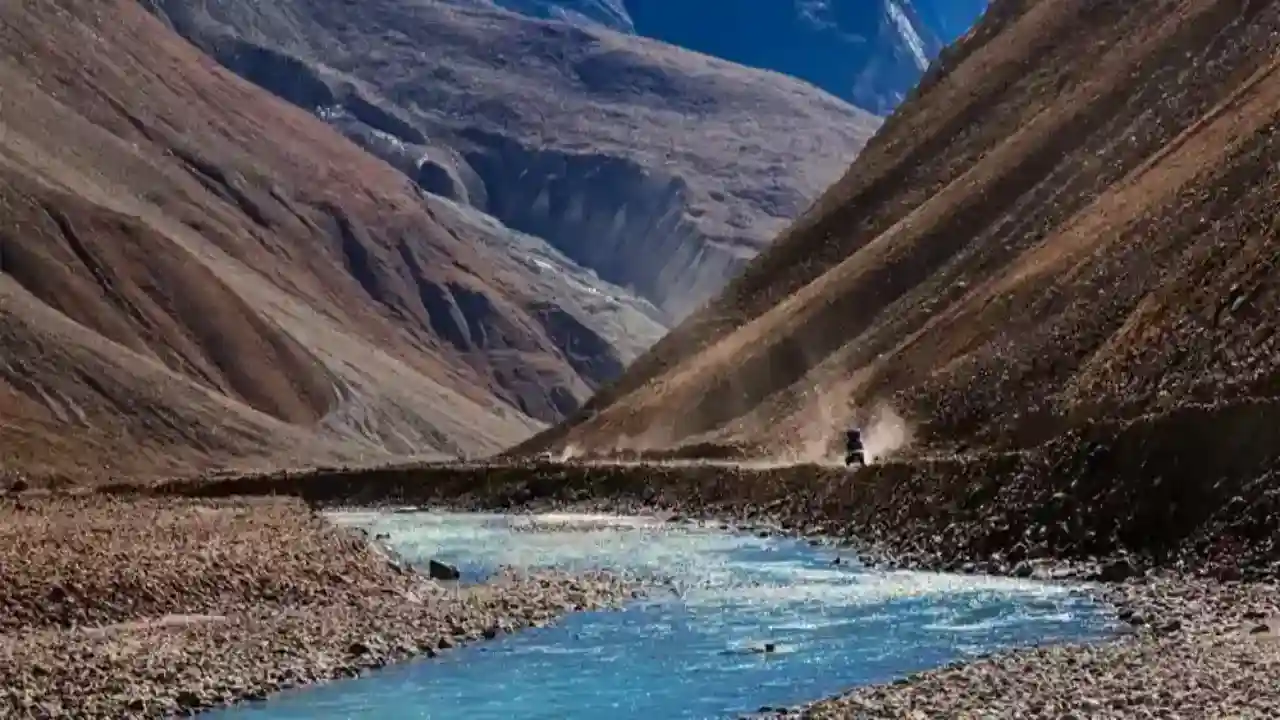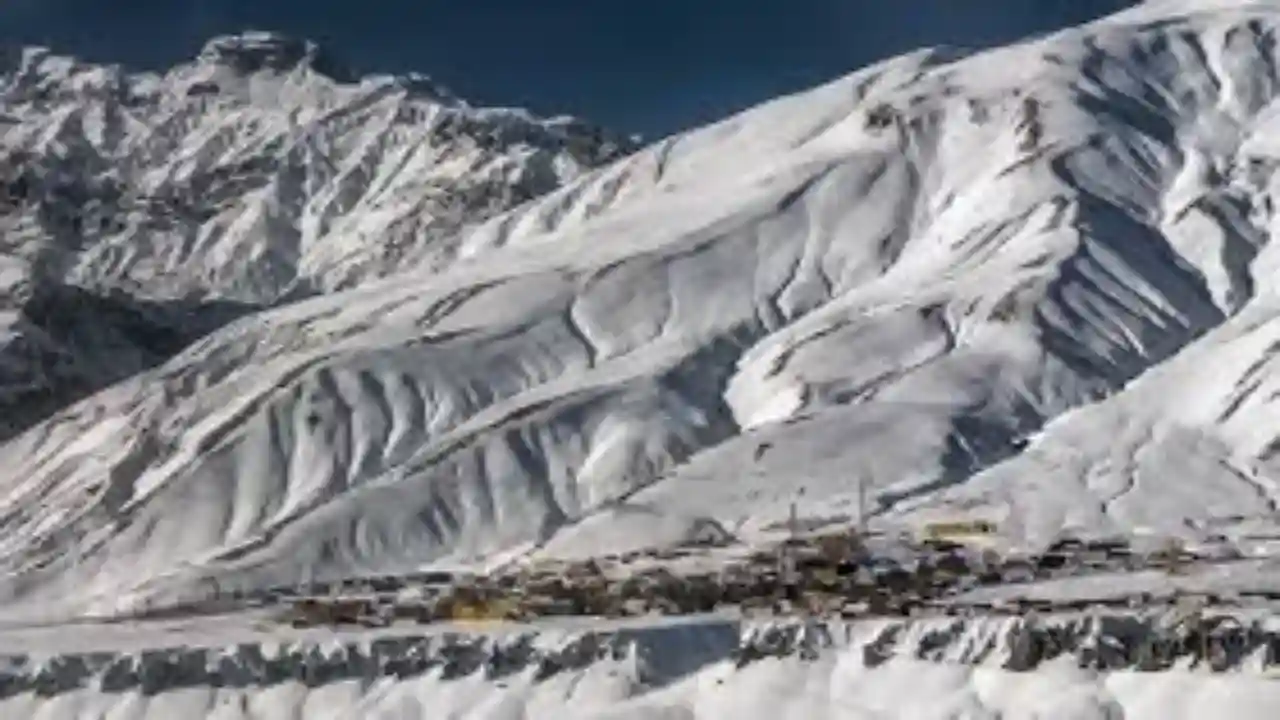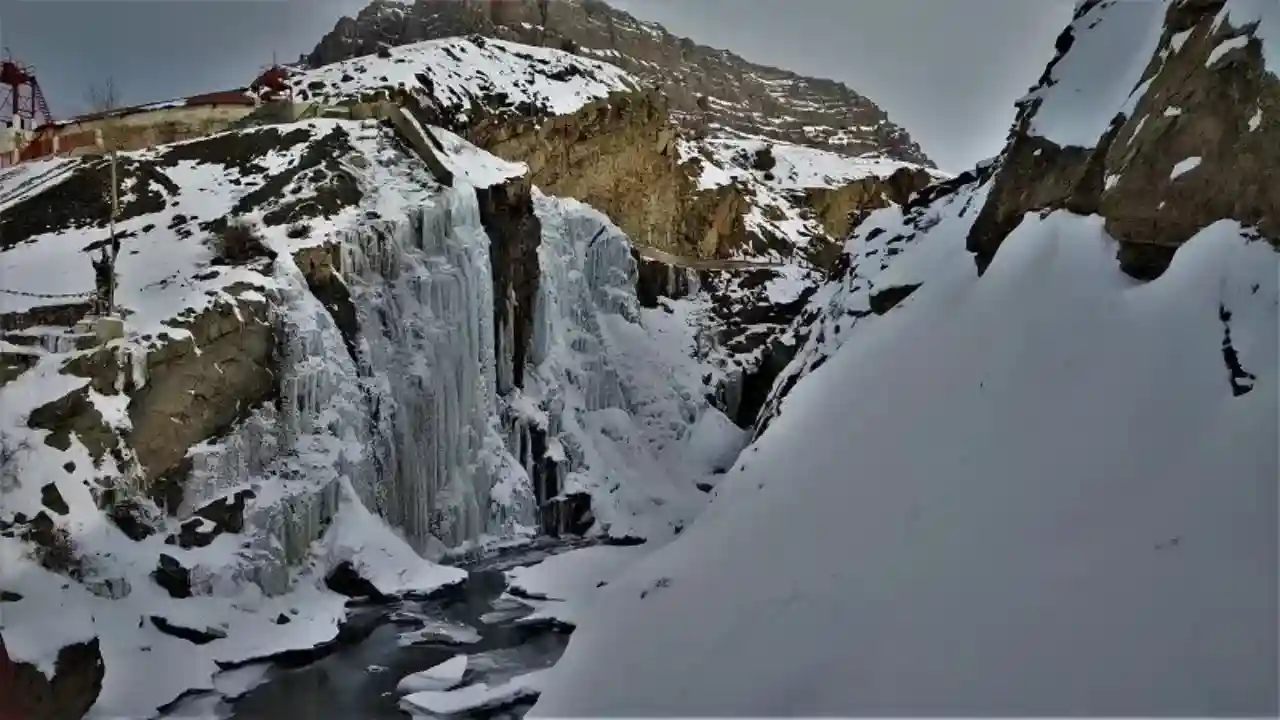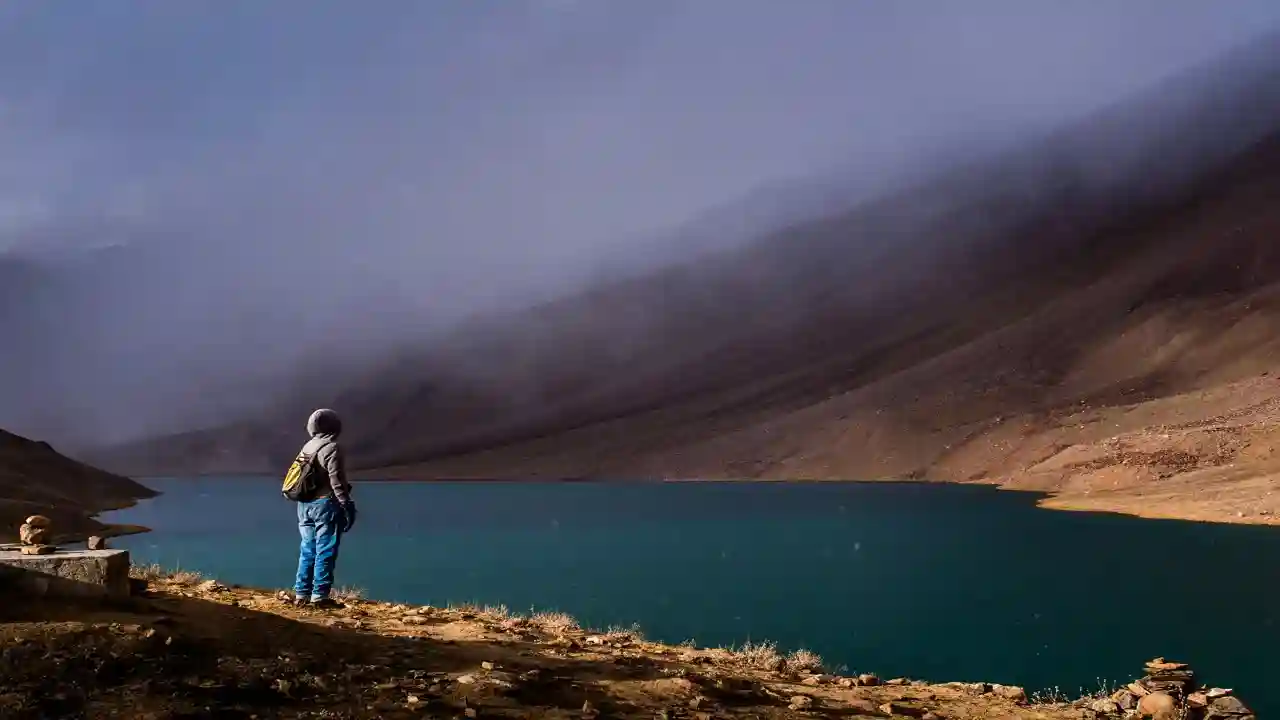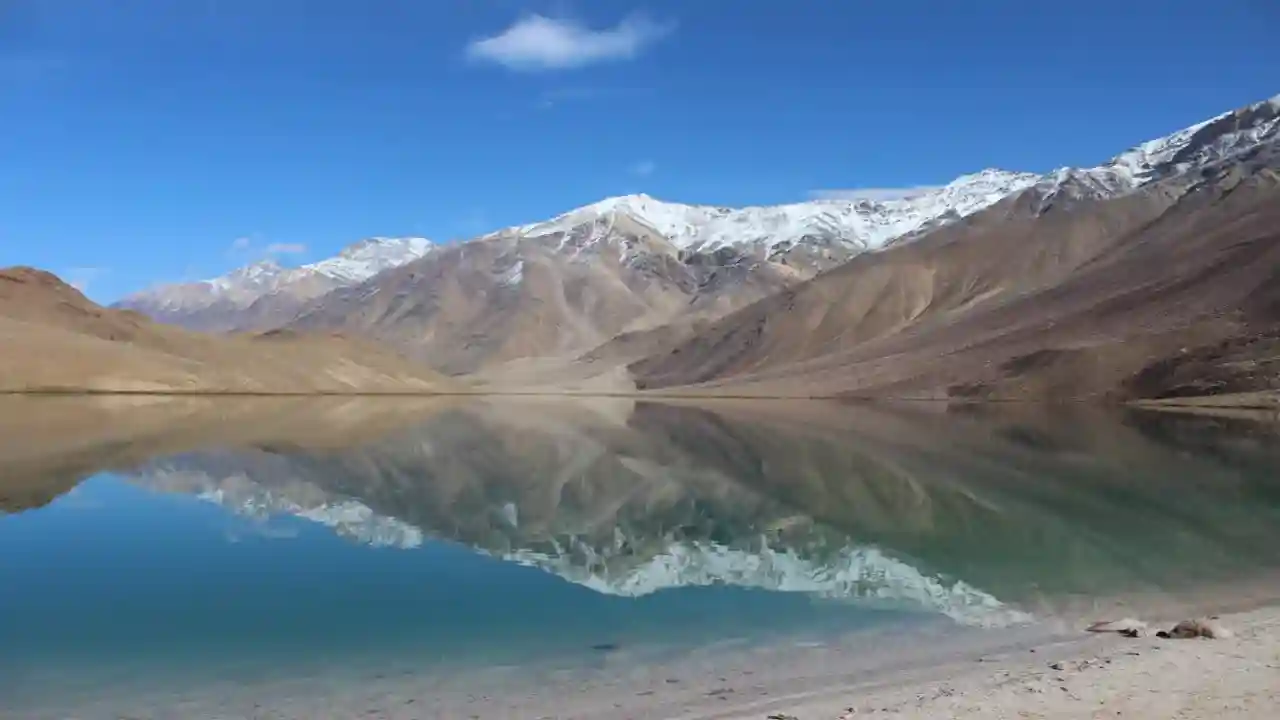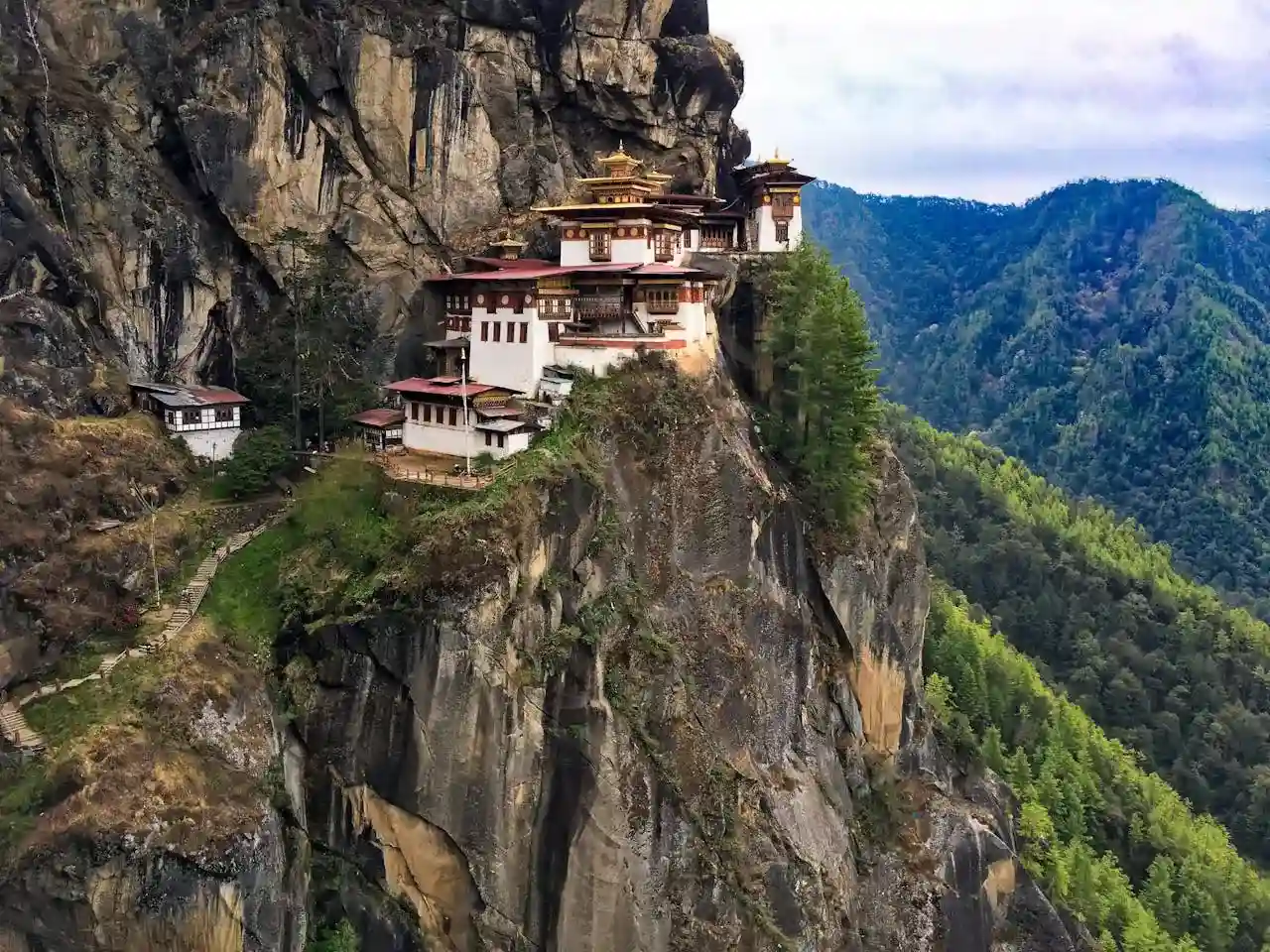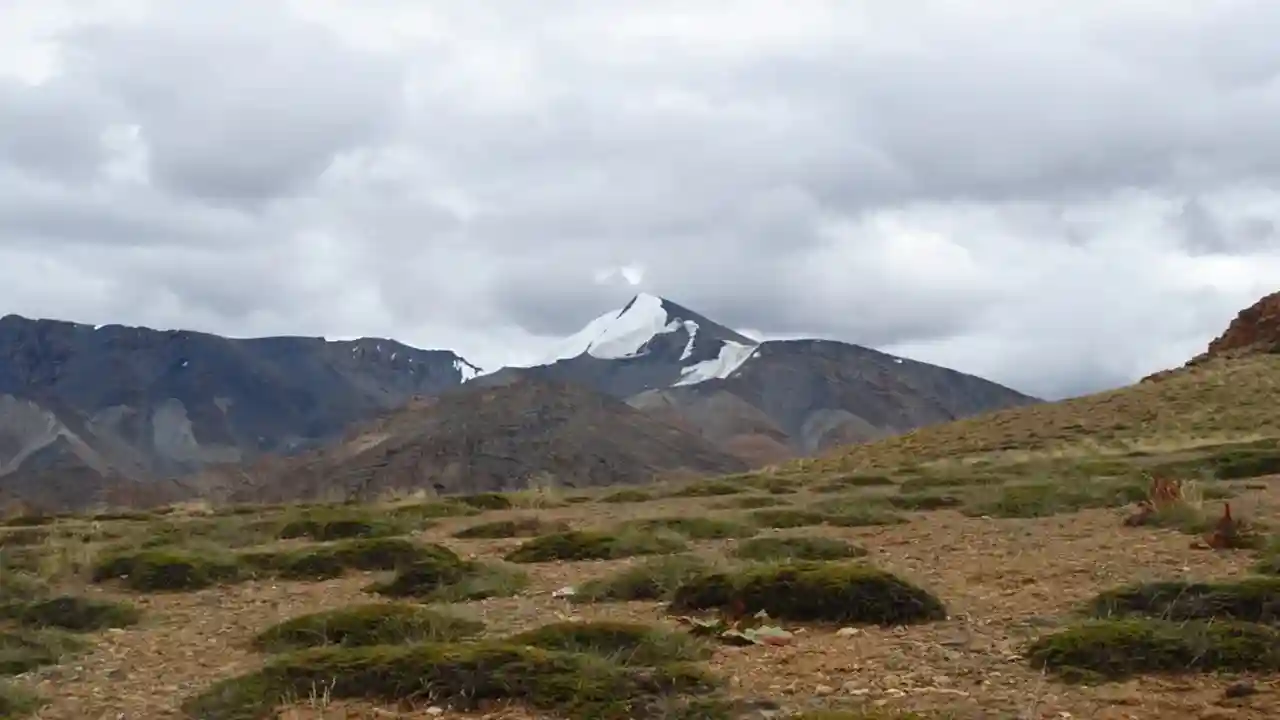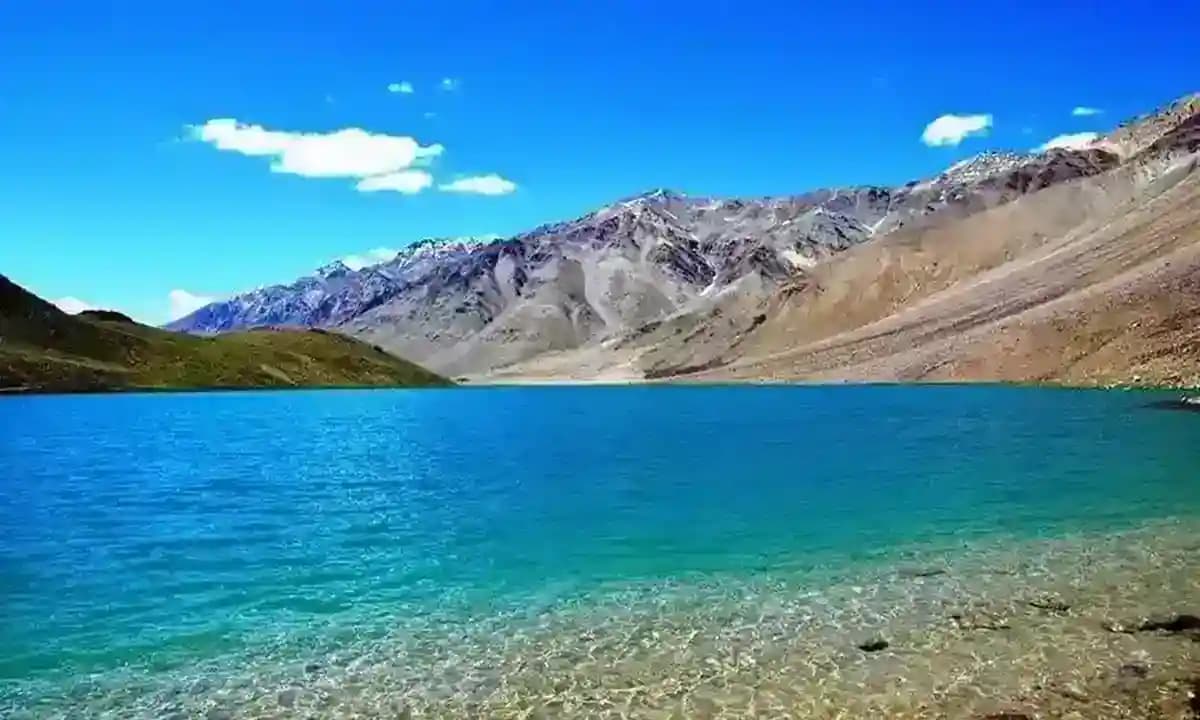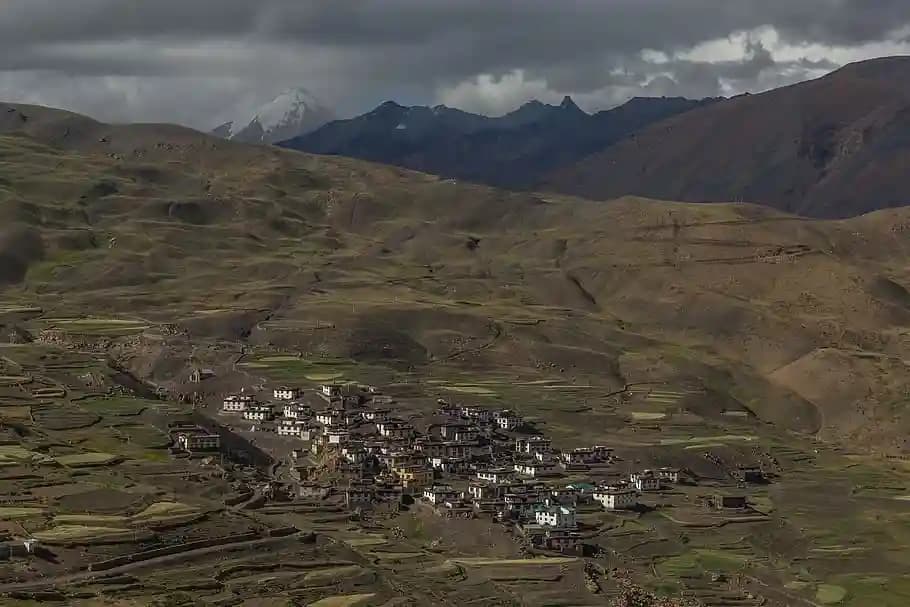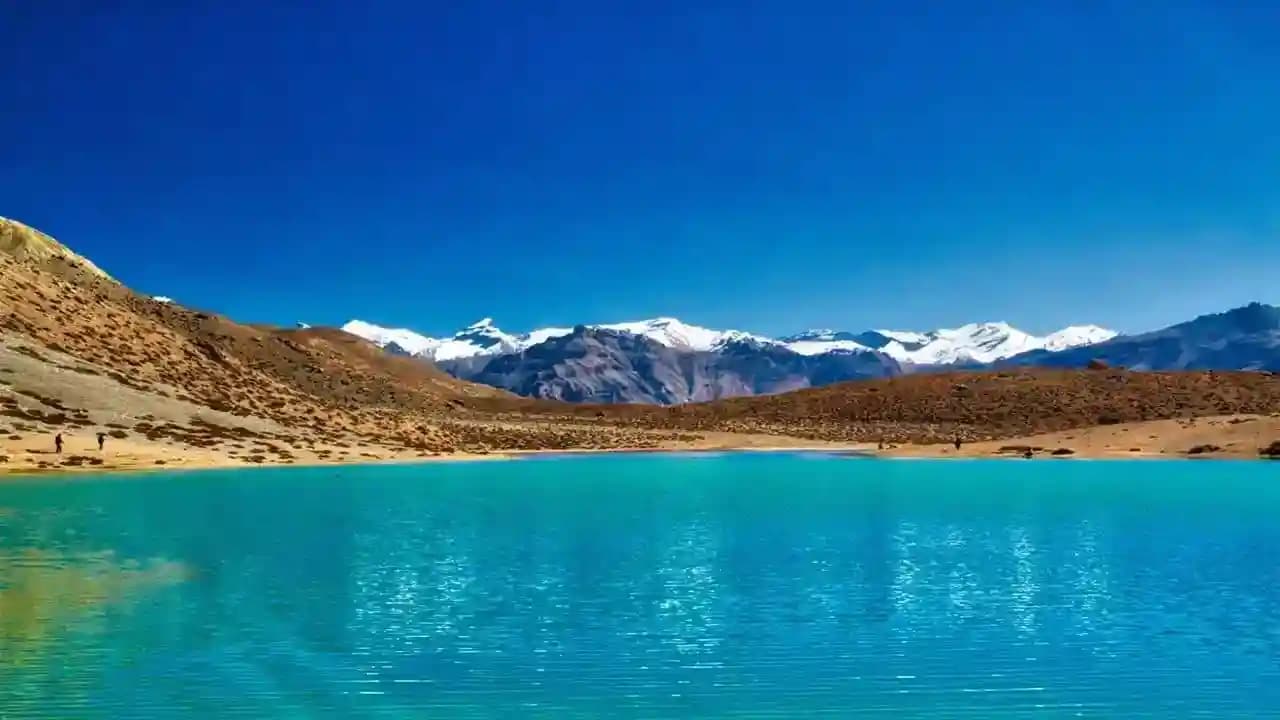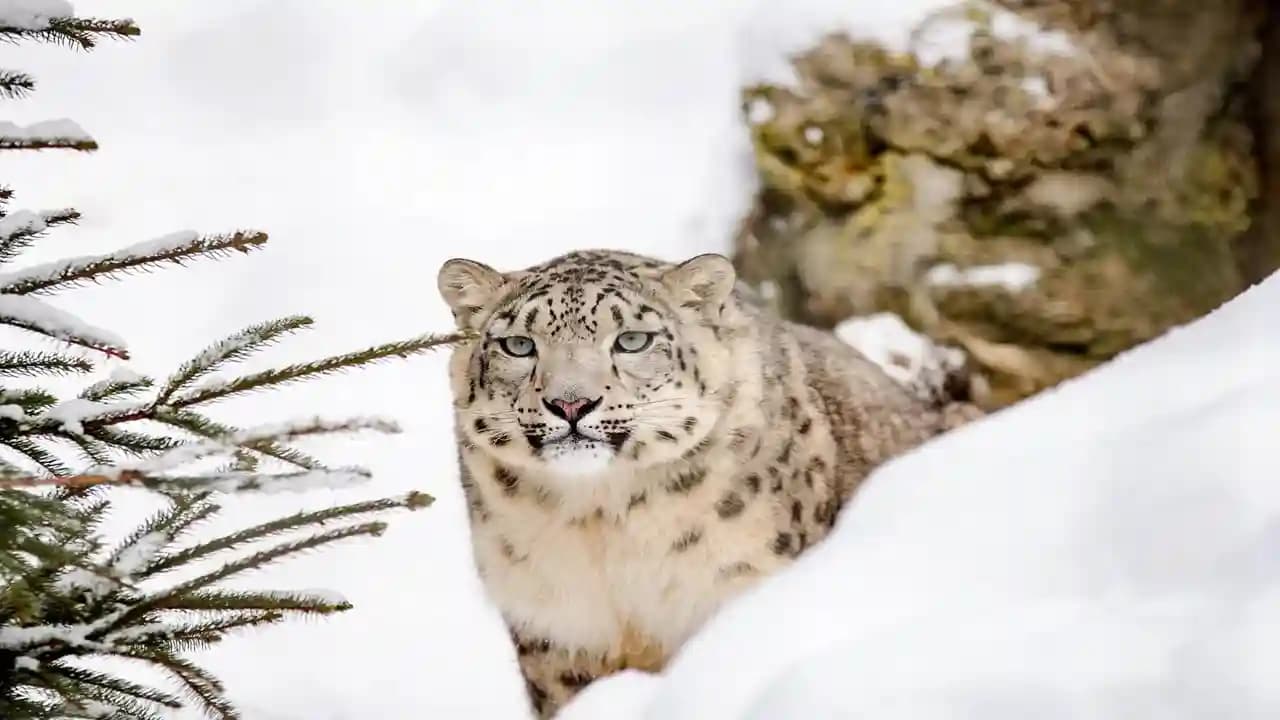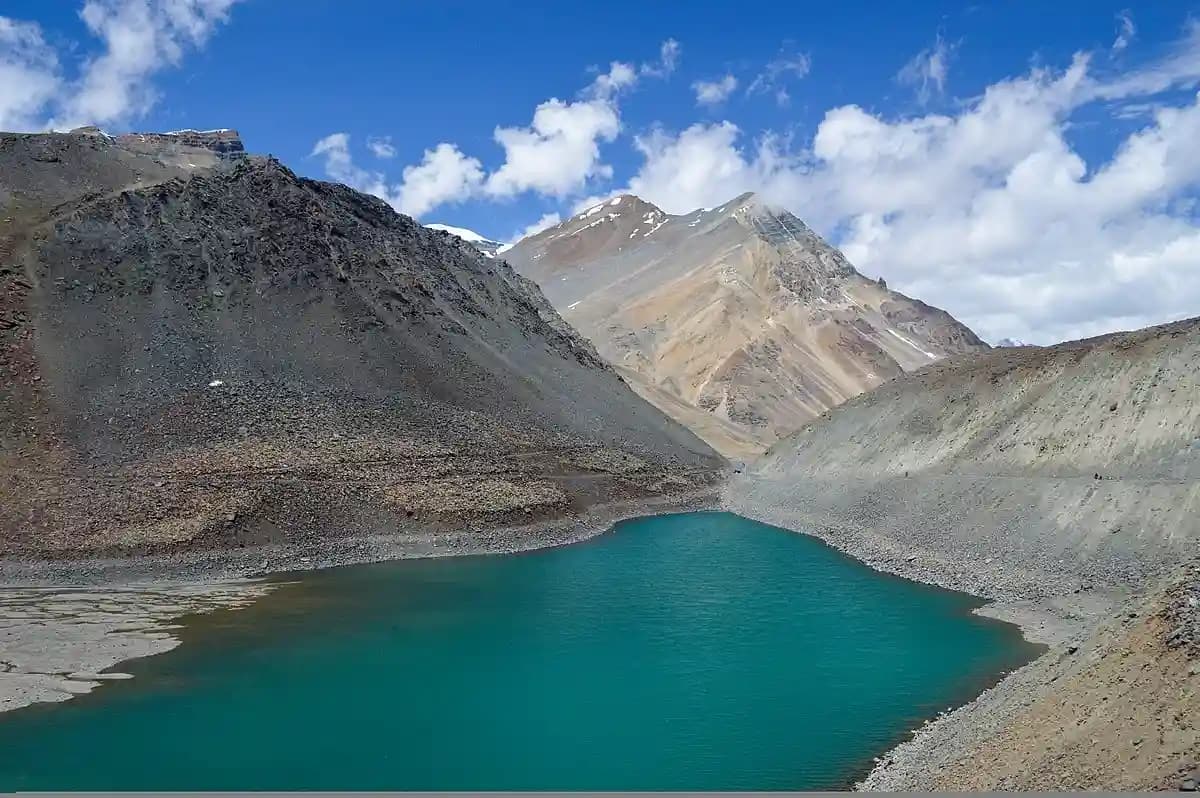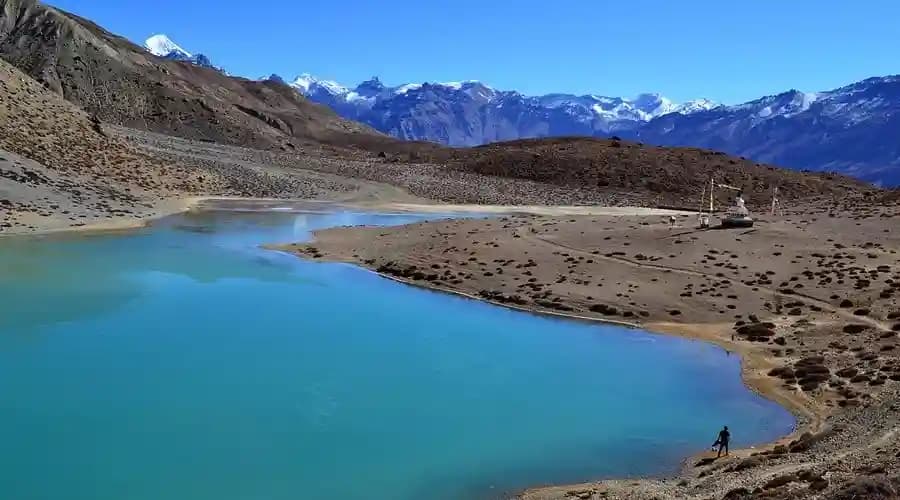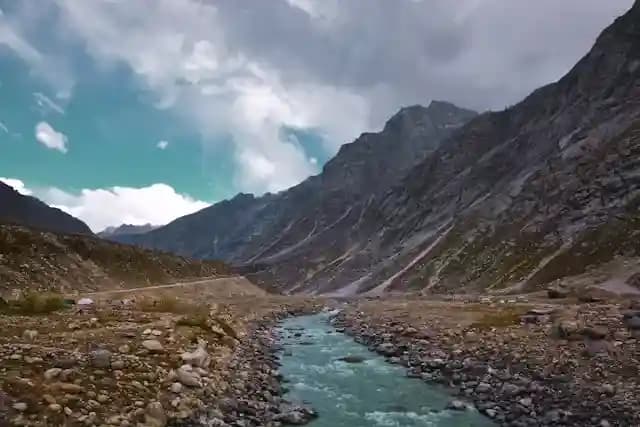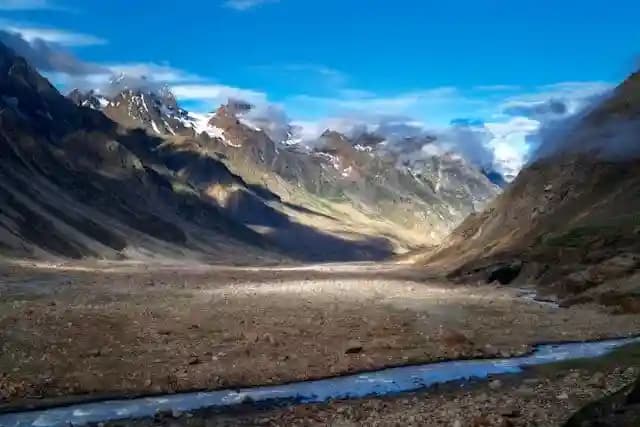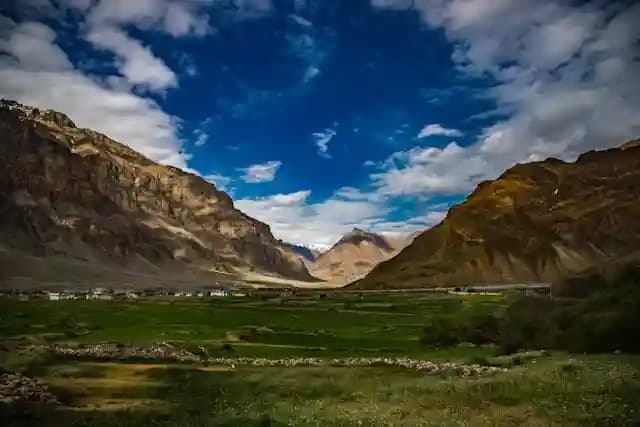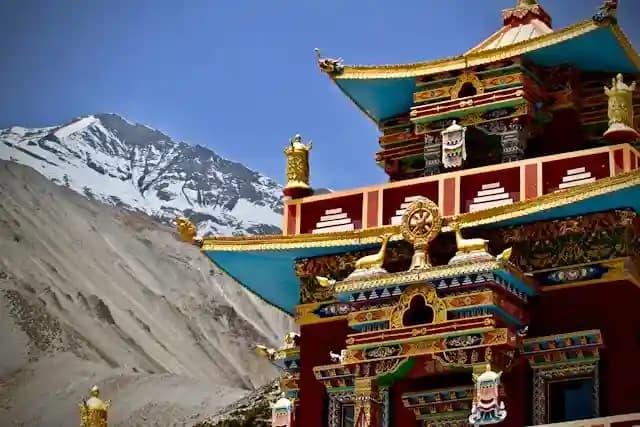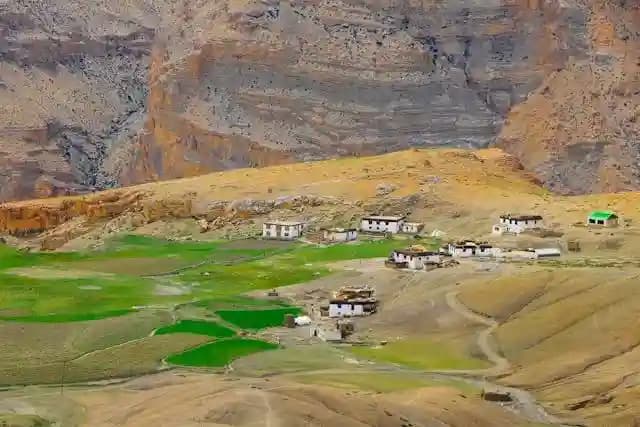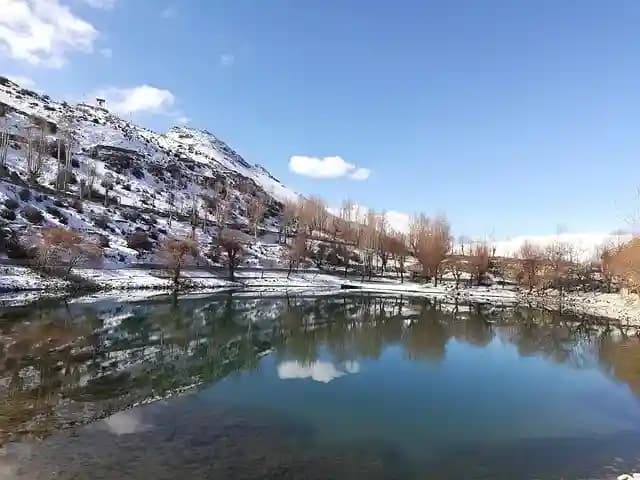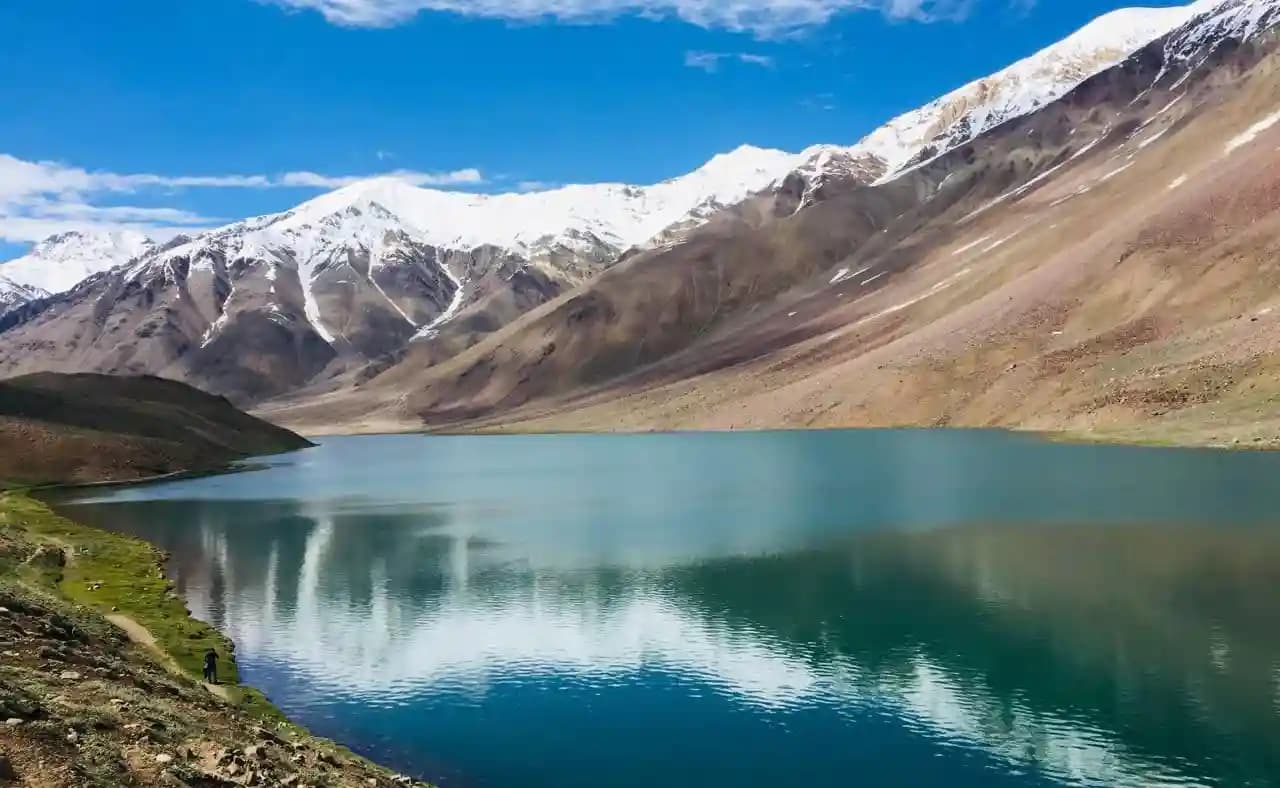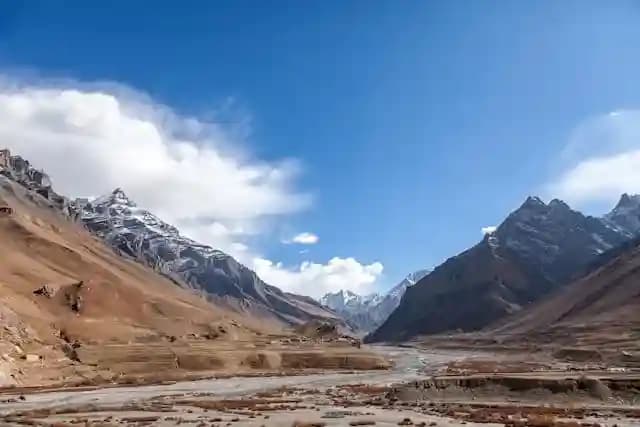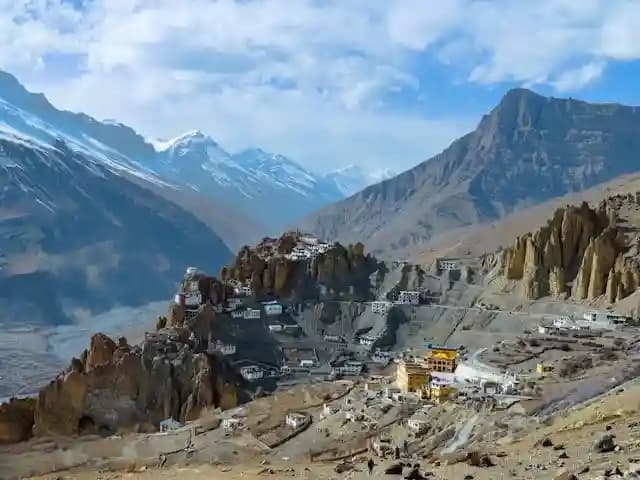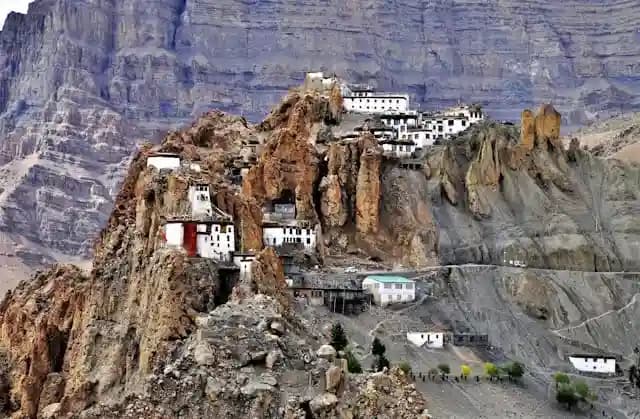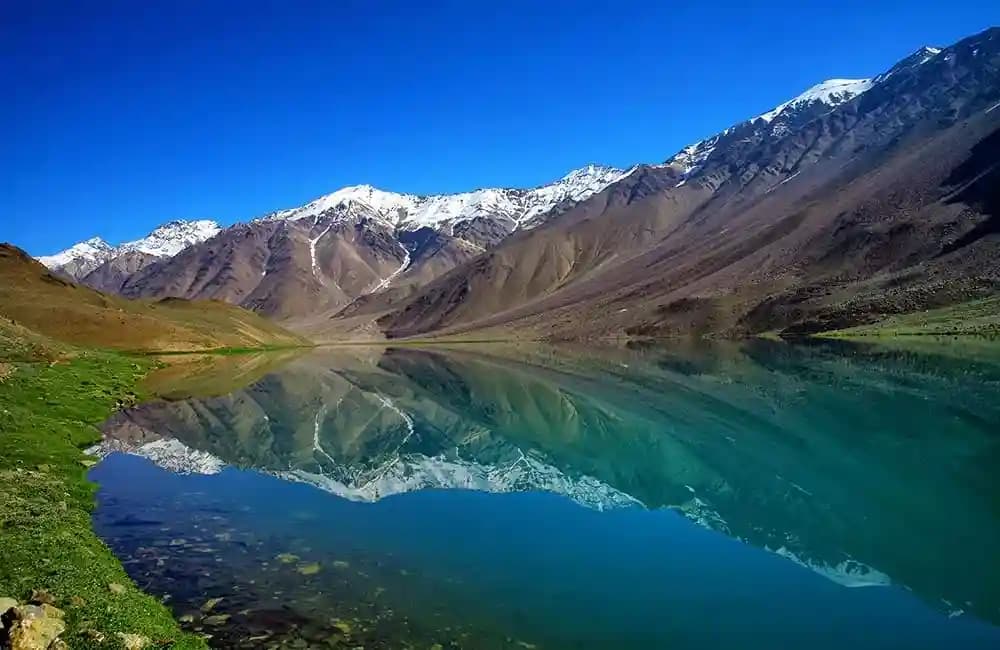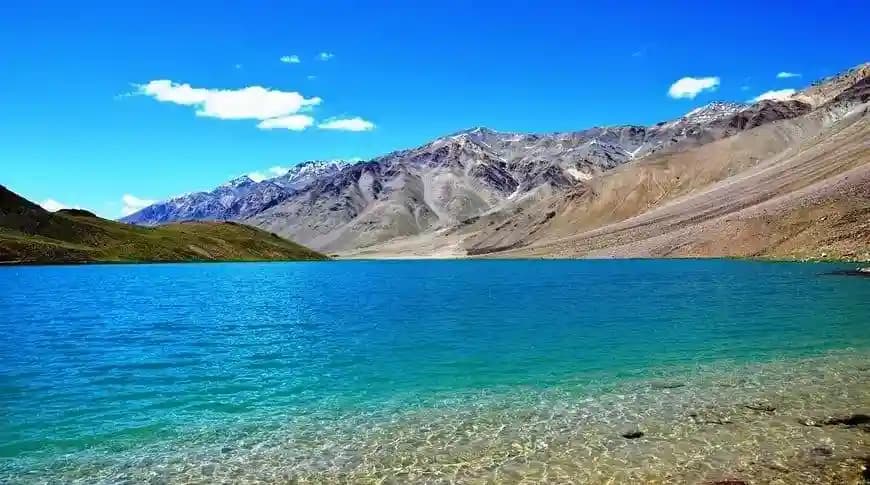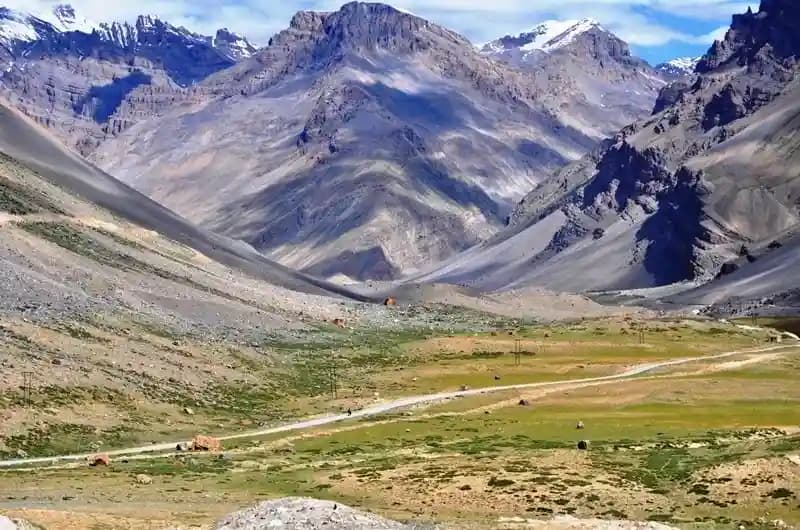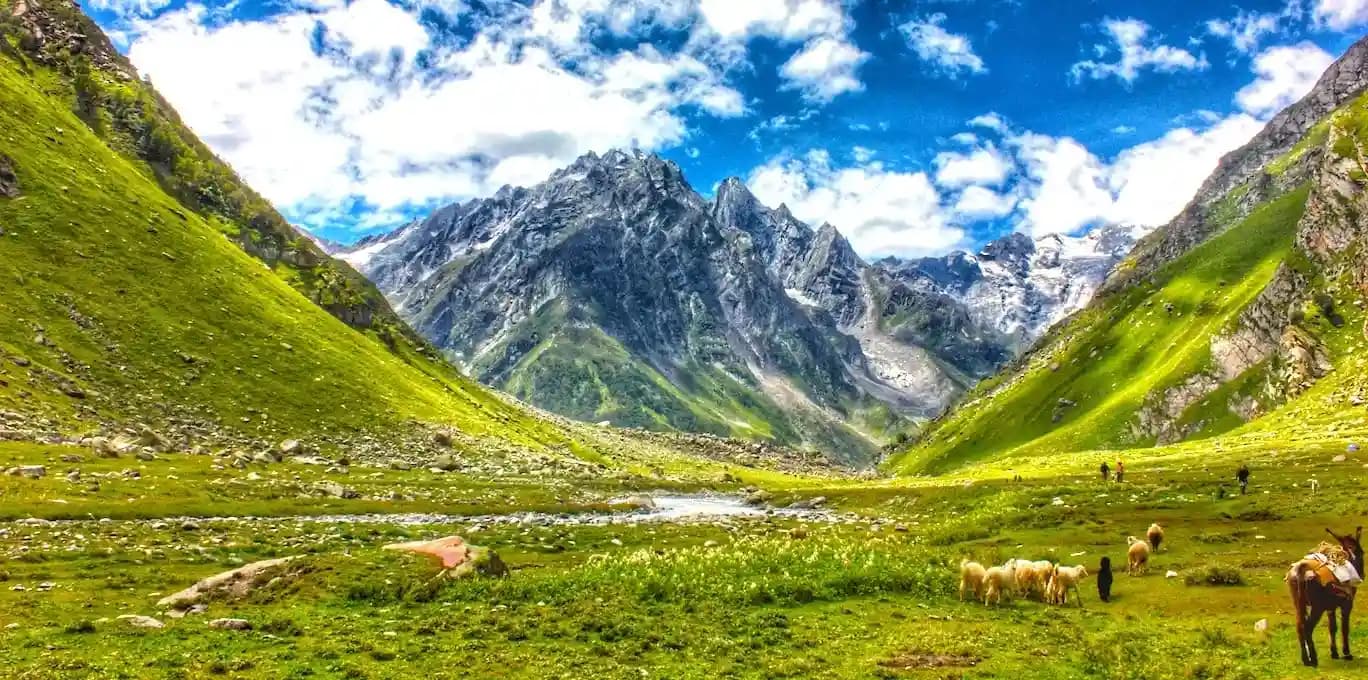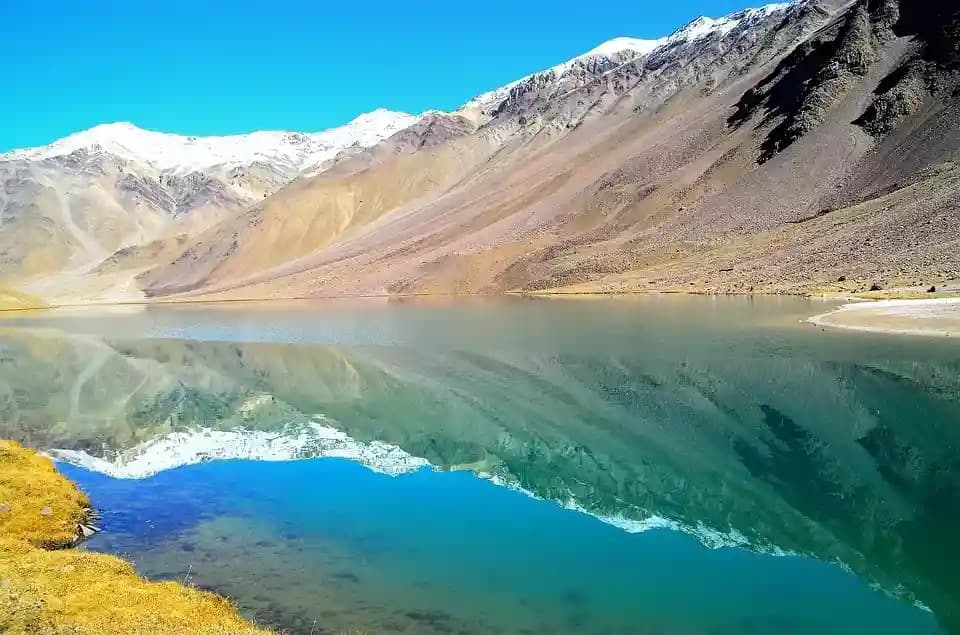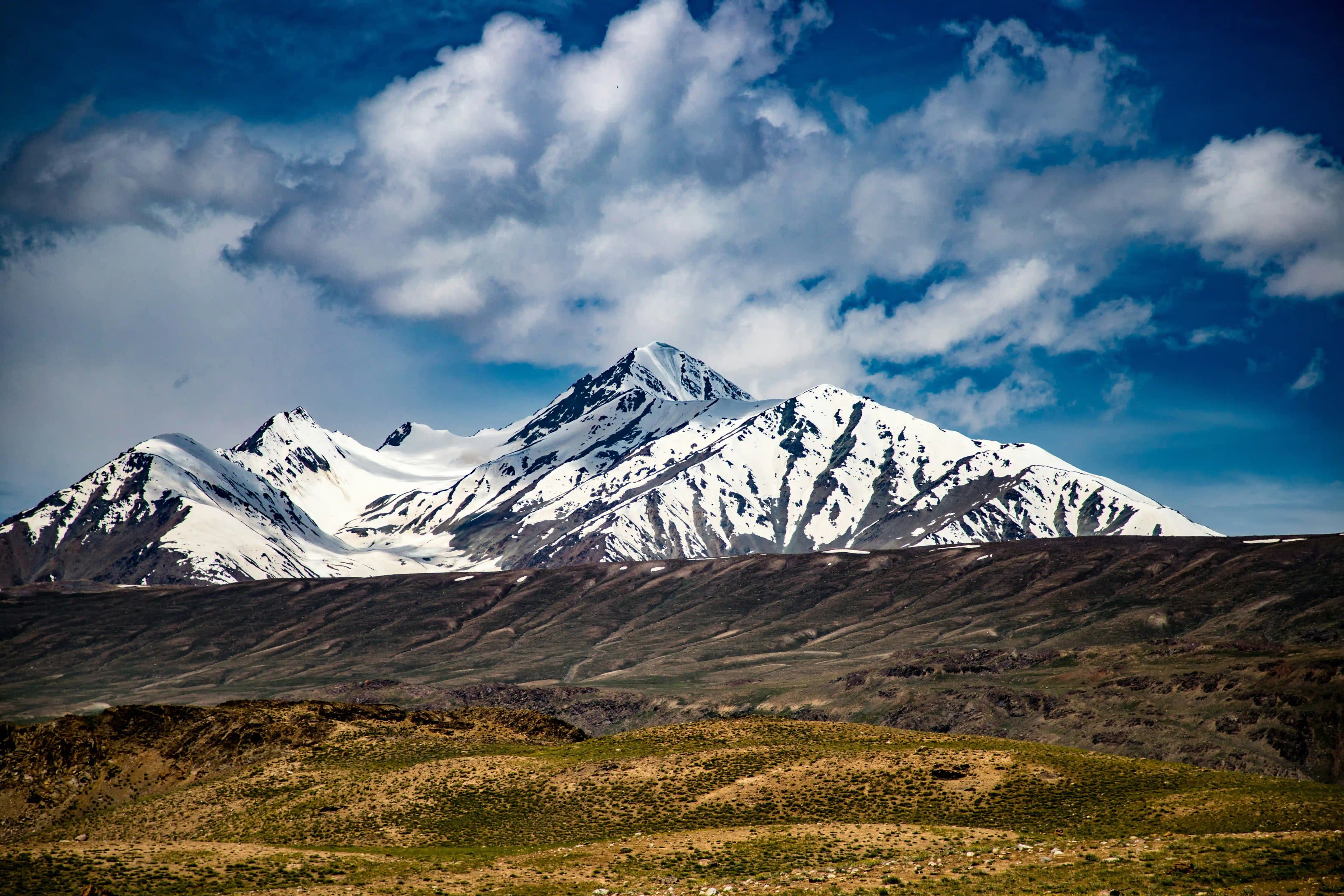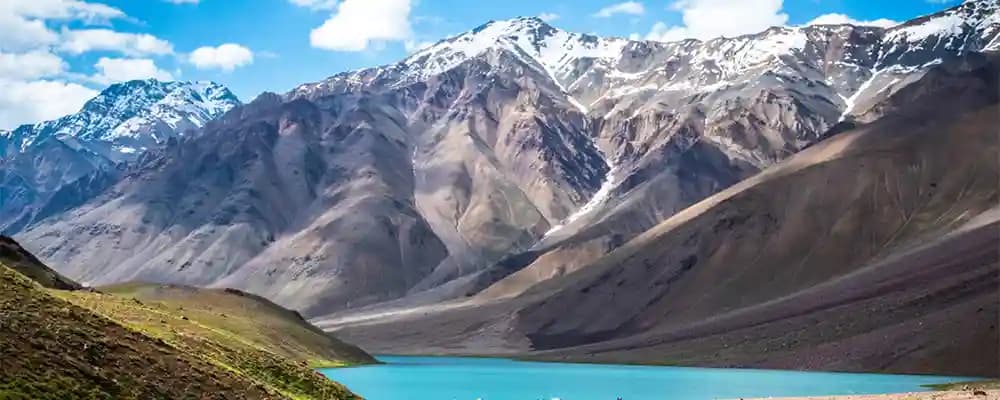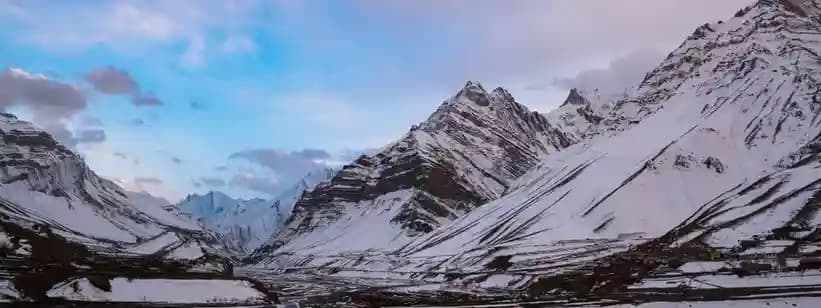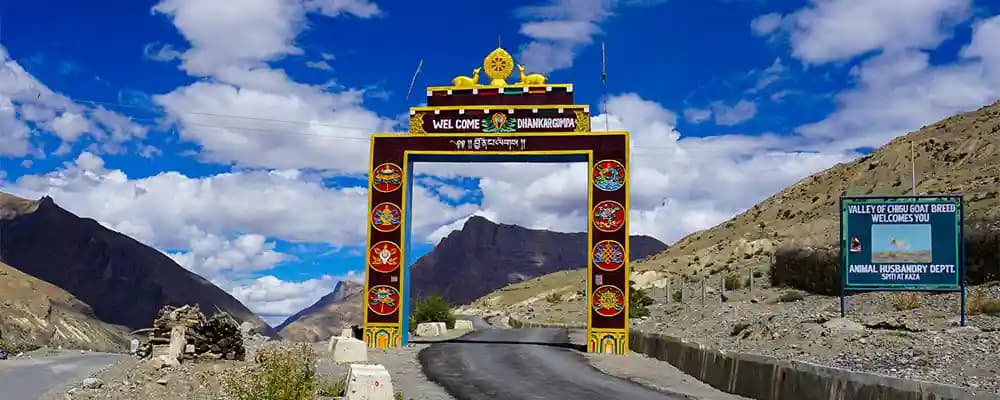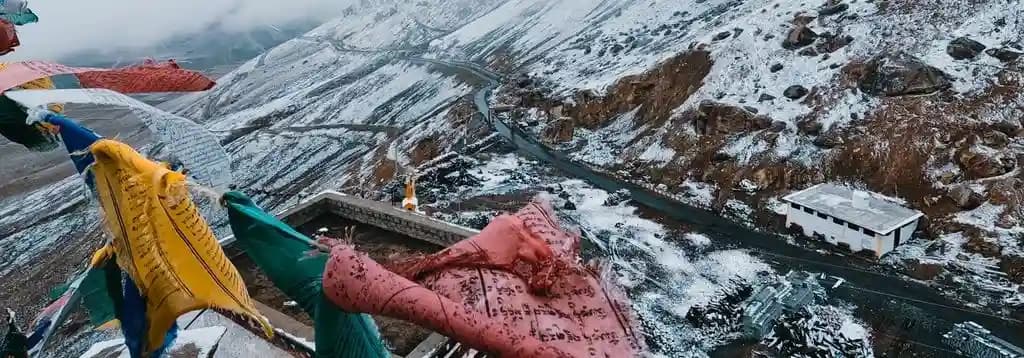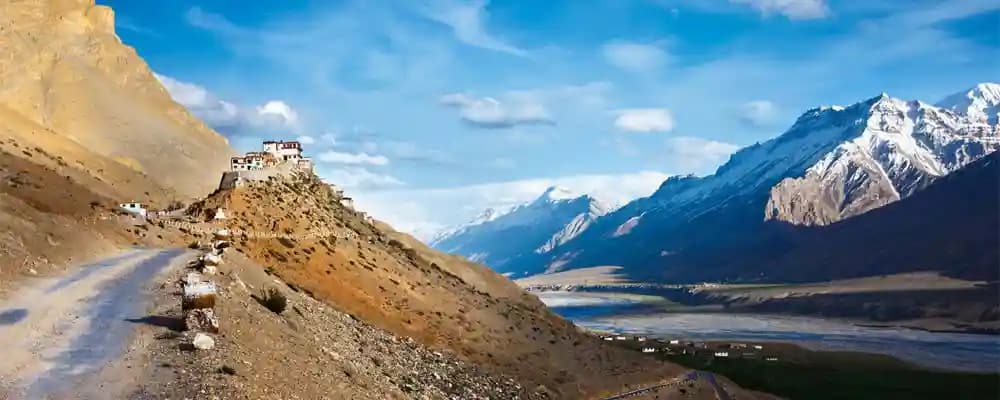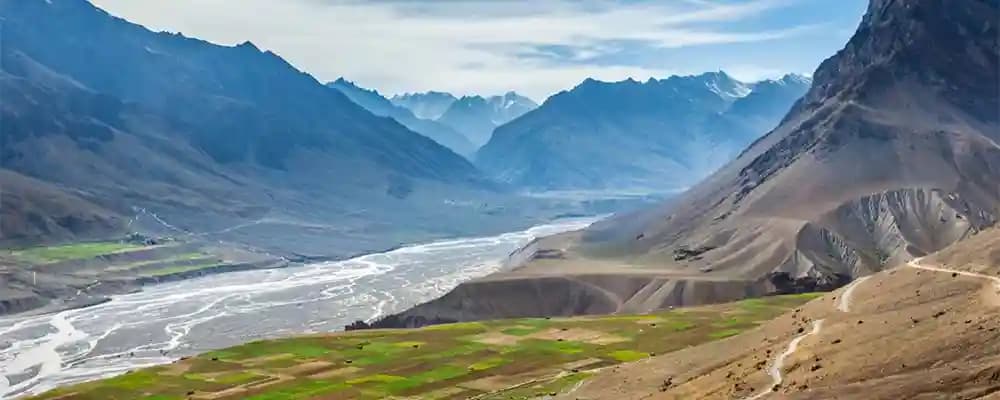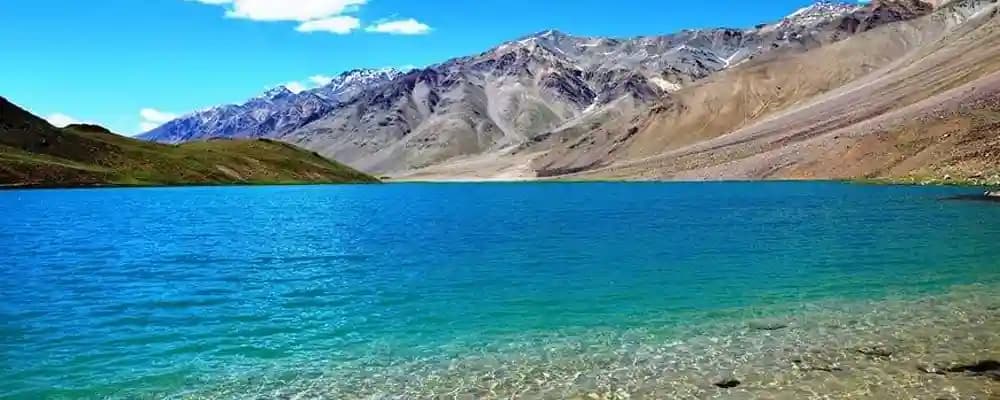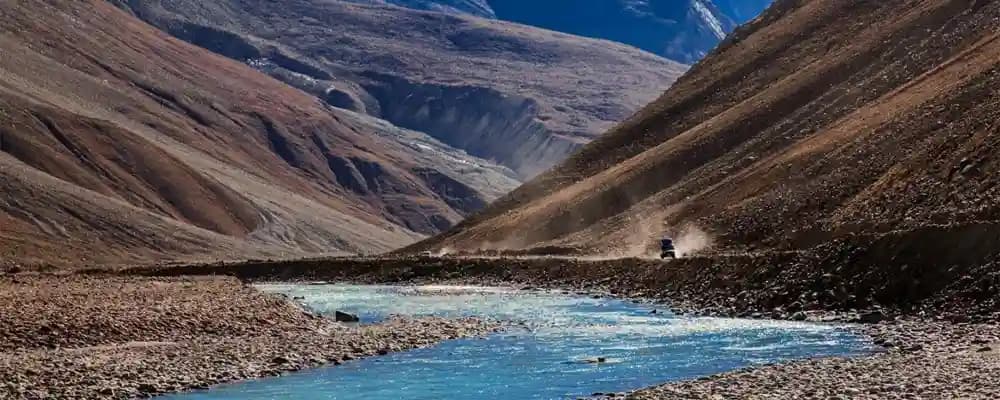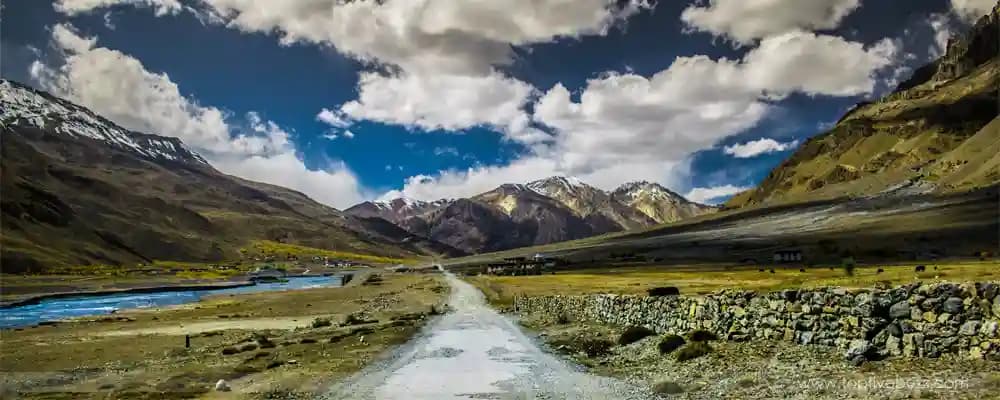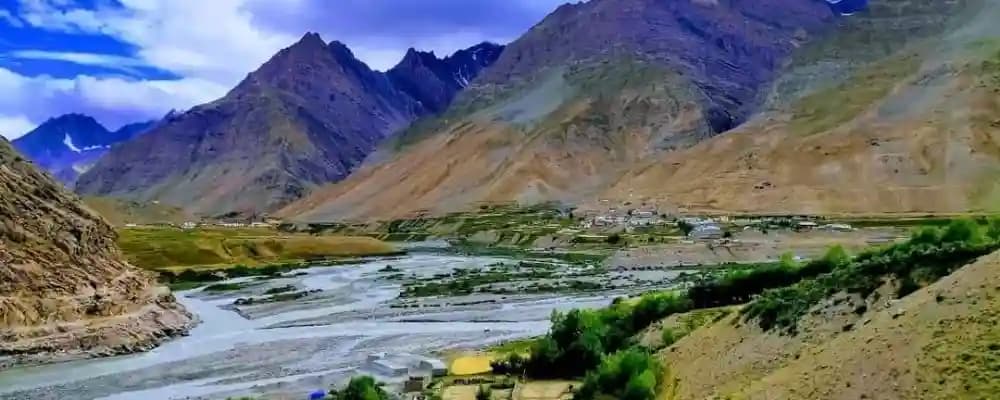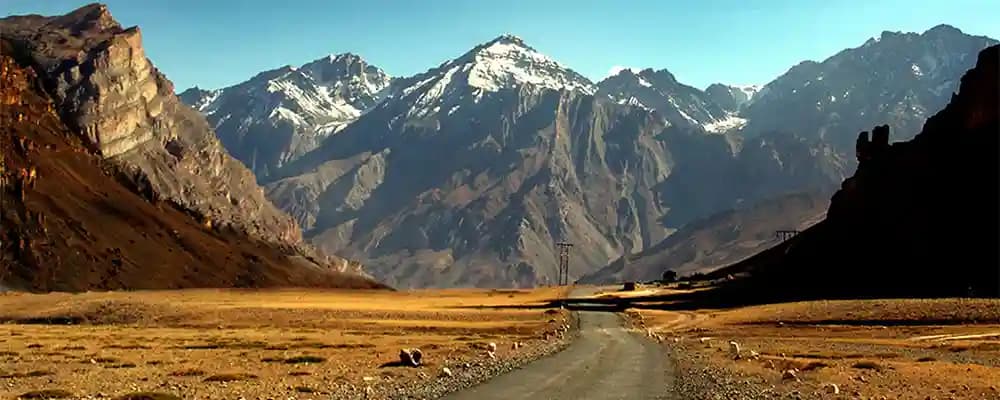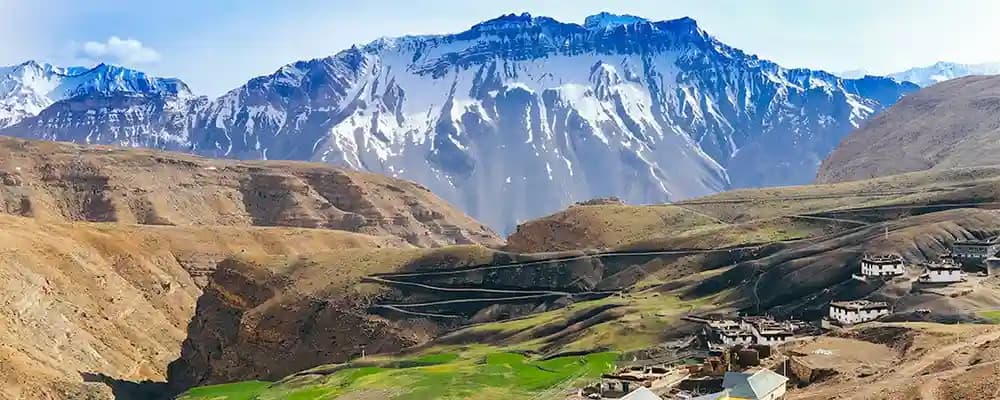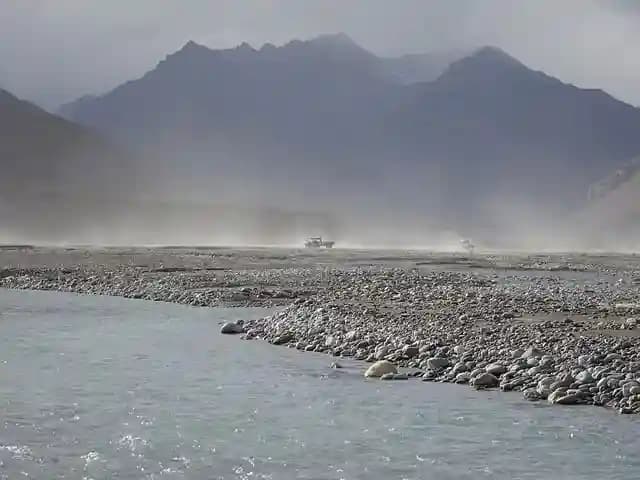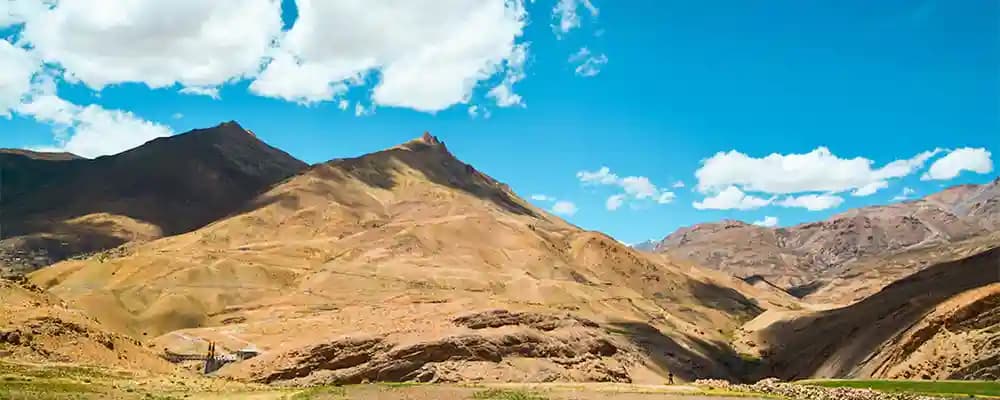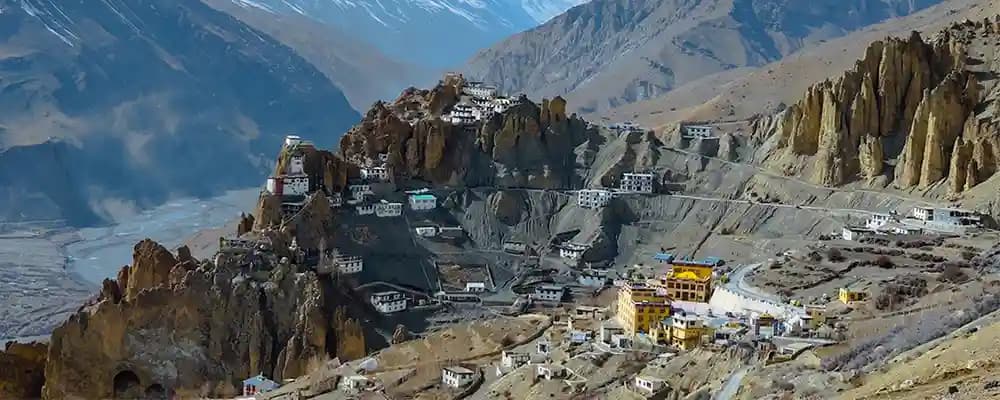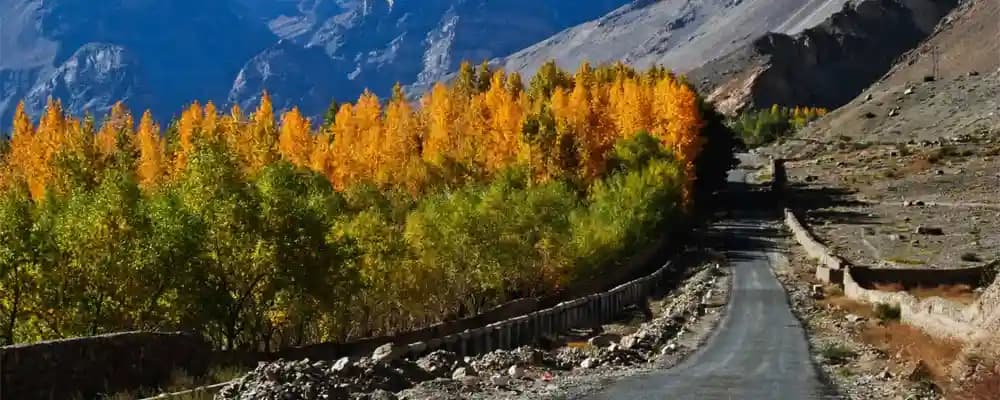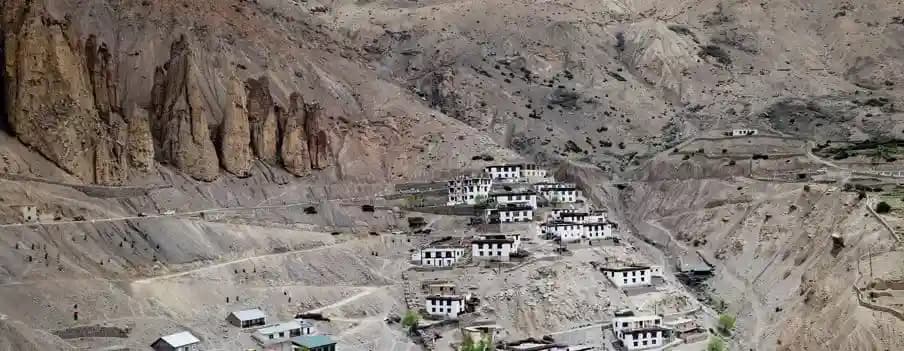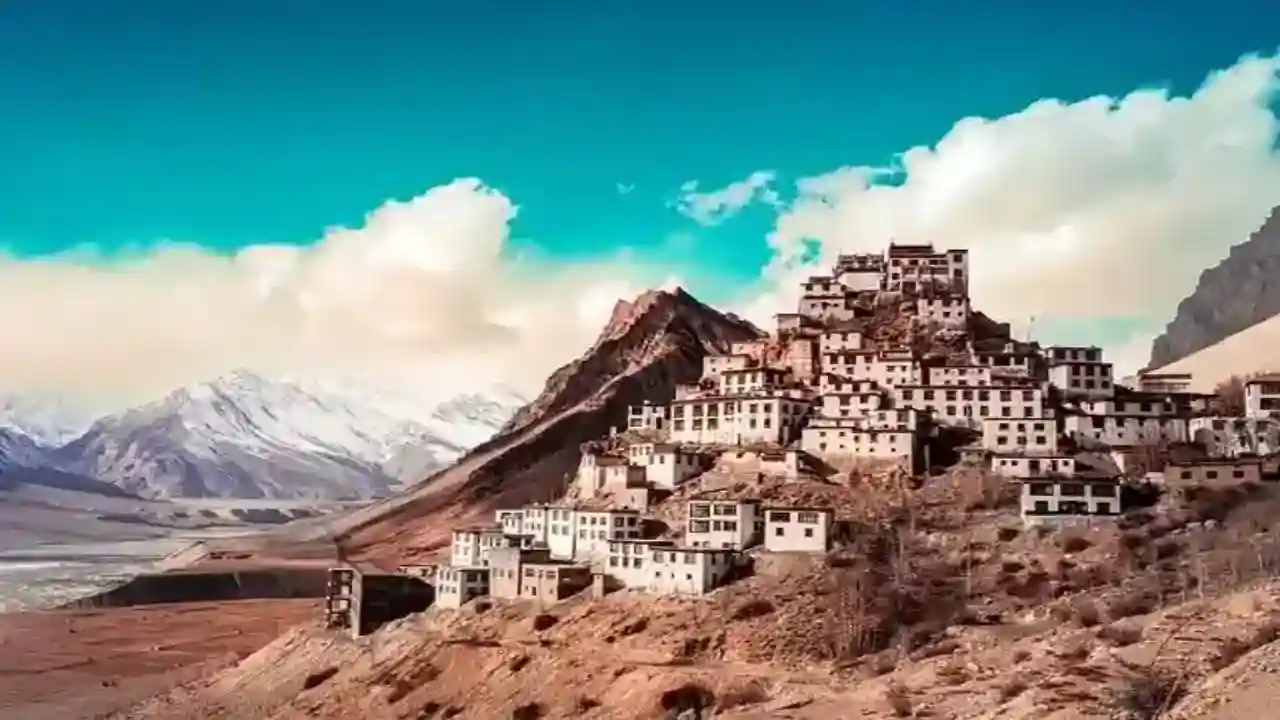
Do you know a place that feels like one that is straight out of a dream? One that is wrapped up in the beauty of bare mountains, quiet monasteries and roads that challenge your patience as well as your spirit? It’s none other than the ultimate Himalayan beauty- Spiti Valley. Described as ‘a world within a world’ by Rudyard Kipling, Spiti Valley is one of the most peaceful and least populated regions in India. It is located on the Tibetan plateau at an average elevation of over 3,500 meters. Be it villages that seem frozen in time or be it the monasteries sitting on top of cliffs, each turn in Spiti is a story of survival and simplicity. With the help of this Spiti Valley travel guide, you will understand what makes the region so special, what to expect before visiting Spiti and which Spiti Valley trip packages will let you explore the beauty of Spiti like never before.
Best Time to Visit Spiti Valley
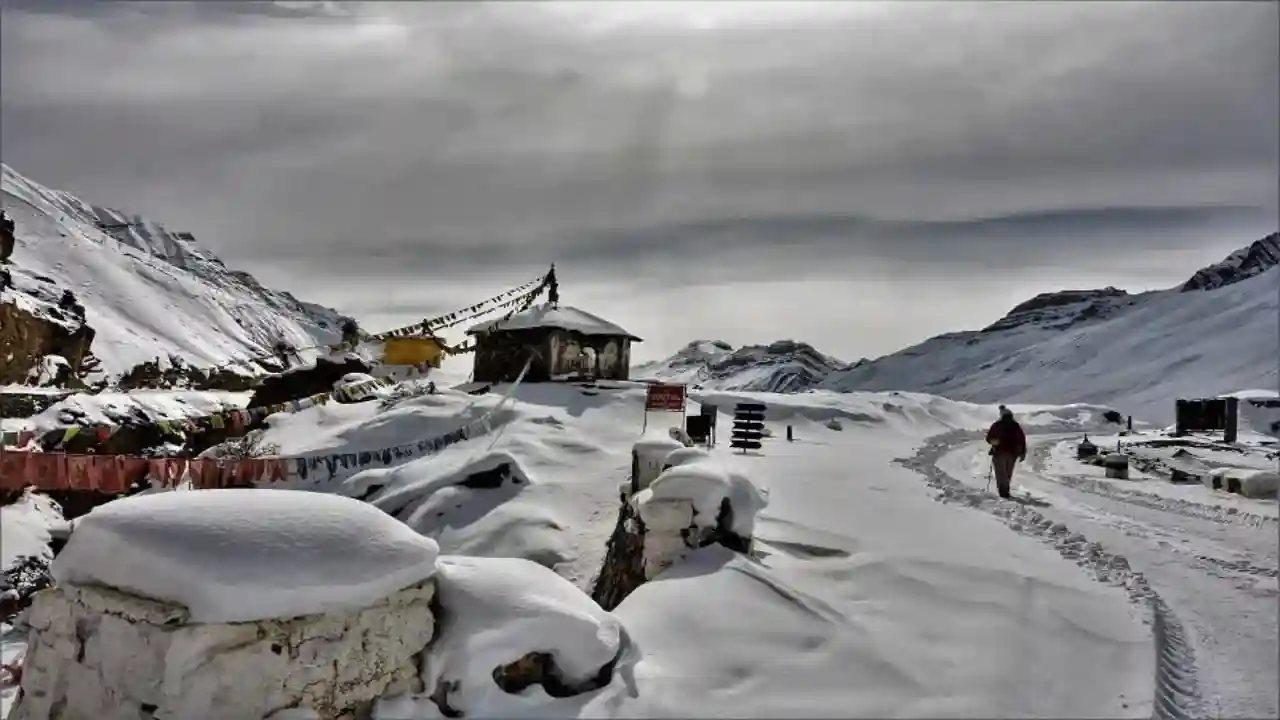
The best time to visit Spiti Valley is between May and October, when it opens up after months of heavy snows and harsh winter conditions. In these months, Manali and Shimla roads are open and it is easy and safer to travel. Summers in Spiti are pleasant during the day, with temperatures ranging between 10°C and 25°C, while nights remain cold due to the high altitude. As per Spiti Valley Travel guide, it is the best time to take a road trip, visit monasteries, stay in a village and even take photos because the skies are clear and the landscapes appear to be boldly raw.
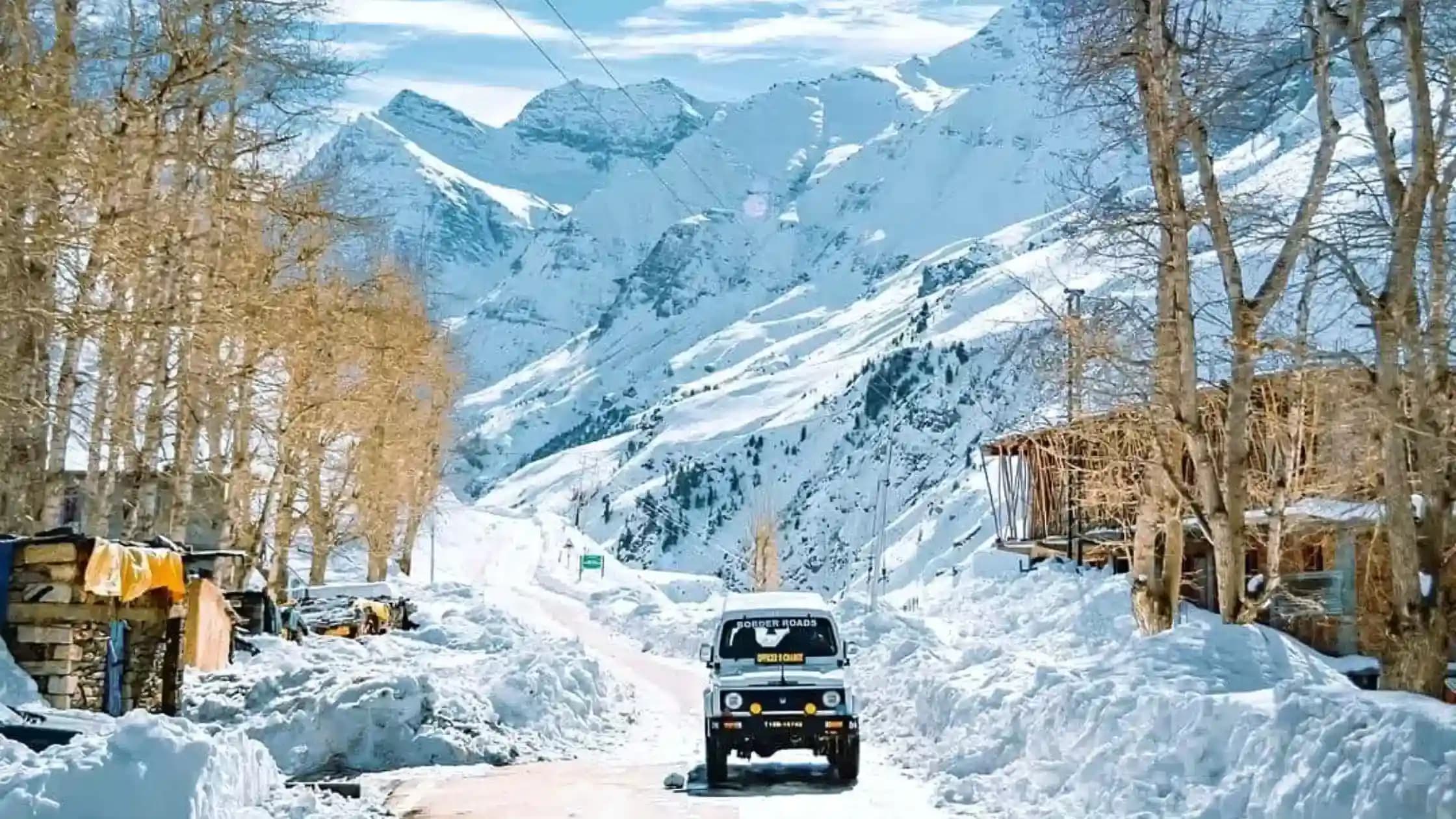
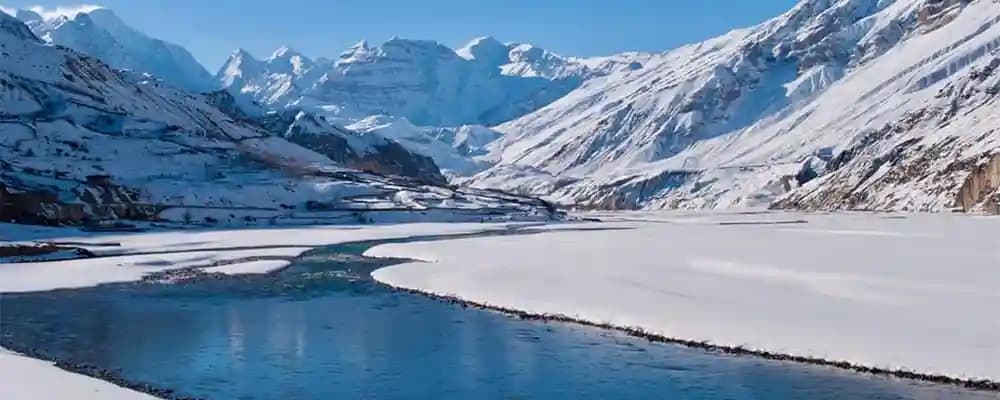
The weather in July and August is a bit warmer and there are also landslides at times due to monsoon activity in lower Himachal, particularly on the Manali-Kaza route. But Spiti does not receive much rainfall. The months of September and early October are ideal as they offer less traffic, cool temperatures and golden mountain colour before winter arrives and the roads close and the weather turns bad. Winter seasons, November-April, are only ideal for experienced travellers, as roads are closed and the weather is not favourable.
How to Reach Spiti Valley
If you’re wondering about how to reach Spiti valley from Delhi, you just know that there is no direct air or rail connectivity. Thus, road travel is unavoidable for the final stretch. Most travellers reach nearby cities in Himachal Pradesh first and then continue by road. The journey is long, physically demanding and a carefully planned Spiti Valley Travel guide is needed due to altitude and weather conditions.
By Air: Spiti Valley does not have an airport. The nearest airport is Bhuntar Airport near Kullu, about 250 km from Kaza, with limited flights from Delhi and Chandigarh. From Bhuntar, travellers must continue by road via Manali or the longer Shimla–Kinnaur route.
By Train: There is no railway station in Spiti Valley. Kalka is the nearest major railway station, connected to Delhi and Chandigarh. From Kalka, travellers usually go to Shimla by road or toy train and then continue towards Spiti via Kinnaur. This route takes more time but helps with gradual acclimatisation.
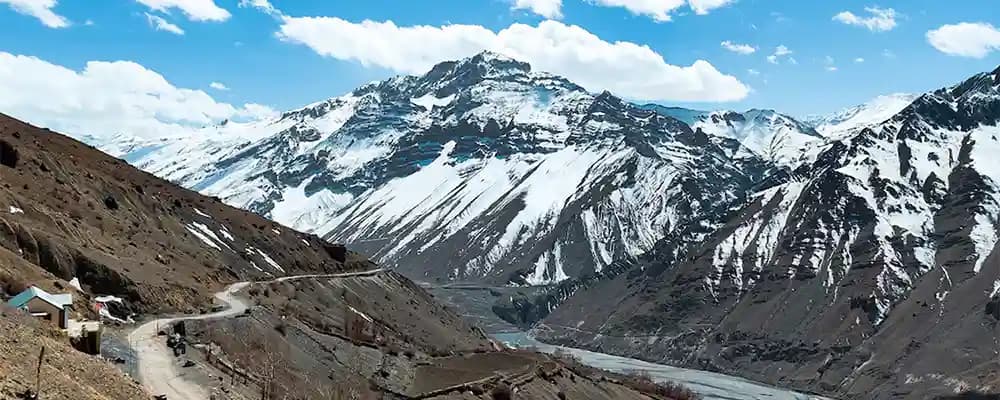
By Road: Road travel is the only direct way to reach Spiti Valley. The Shimla route remains open for most of the year and is considered safer for first-time visitors. The Manali route is shorter and more scenic but stays open only from late June to mid-October due to snowfall.
Permits for Spiti Valley
Most Indian travellers do not need to have any special permit to go to Spiti Valley. You can visit such popular areas as Kaza, Key Monastery, Kibber, Langza, Hikkim and Pin Valley without any documentation. This is why understanding the Spiti Valley permit for Indians vs Tourists is important before planning your trip. However, foreign nationals are required to have an Inner Line Permit (ILP) to visit some of the conservation zones in Spiti. This permit may be obtained from the Office of the District Magistrate either in Shimla, Reckong Peo, or Kaza or with the help of registered travel agencies. Travellers are requested to go through a Spiti Valley travel guide and carry a copy of their passport, visa, and passport-sized photos.
It should be stated that the permit regulations may vary according to the weather conditions or the orders of local administration, so it is always a good idea to check the latest changes before travelling. Moreover, it is always advisable to have more than one copy of your ID when travelling between villages, as you may be required to provide it to the police and army checkpoints.
Best Places to Visit in Spiti Valley
Spiti Valley is dotted with surreal landscapes, ancient monasteries and high-altitude wonders that feel untouched by time. Each of the places to visit in Spiti Valley included in a Spiti Valley travel guide tells a different story, blending raw Himalayan beauty with deep-rooted culture and history.
1. Kaza
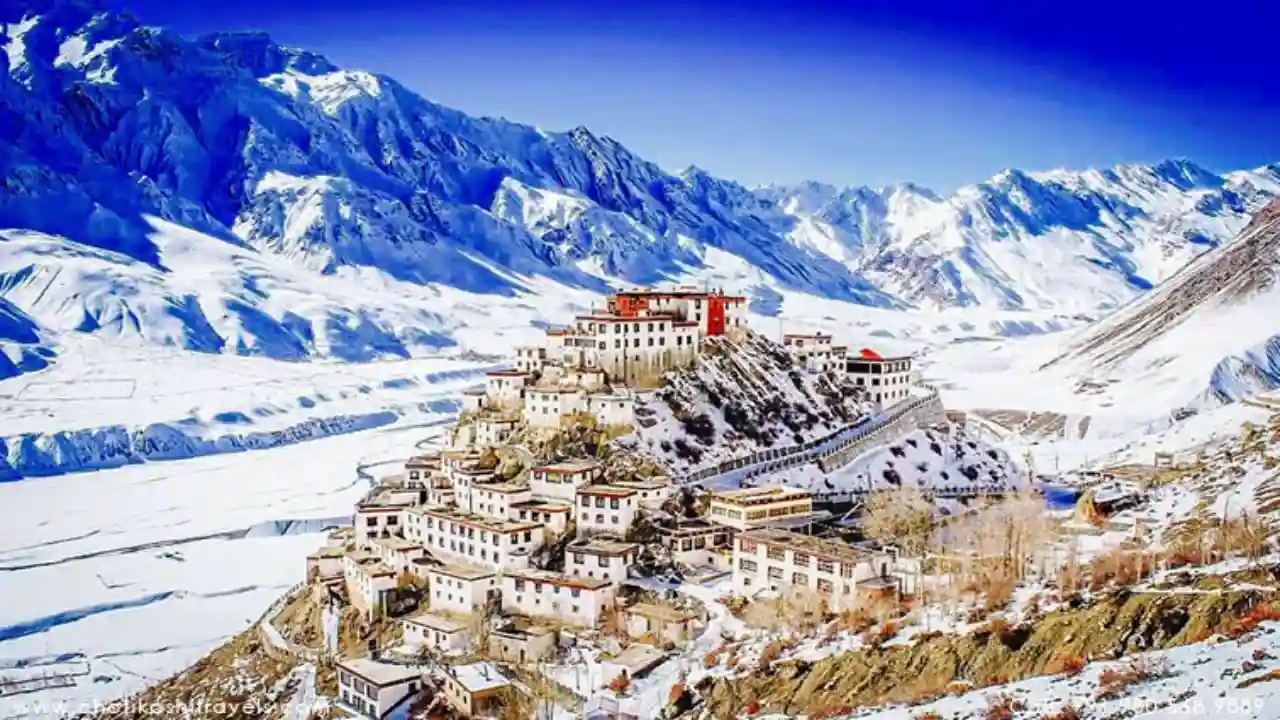
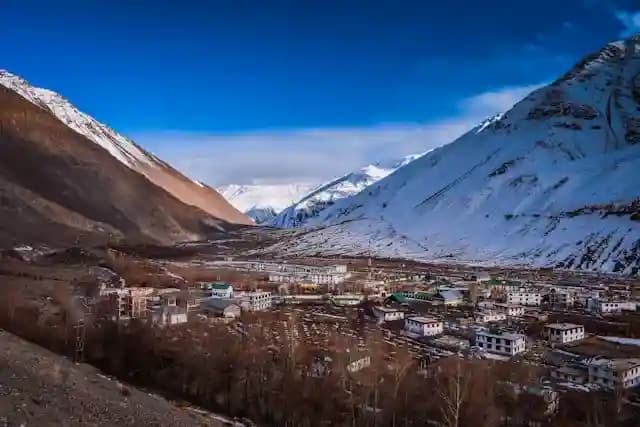
Kaza is the administrative and logistical centre of the Spiti Valley, symbolising the place where tourists tend to spend the largest part of their time. It is the most reliable source of necessary facilities such as fuel, automated teller machines, internet access, medical aid, coffee shops and various types of accommodations ranging from hostels to home stays. Moreover, Kaza is a very important point for acclimatisation before proceeding to the higher settlements of Hikkim, Komic and Langza Village. Due to its strategic position, most of the day trips included in the Spiti Valley travel guide begin and end in Kaza.
Location: Spiti Valley, Himachal Pradesh
Timings: Open all day
Entry Fees: Free
2. Key Monastery
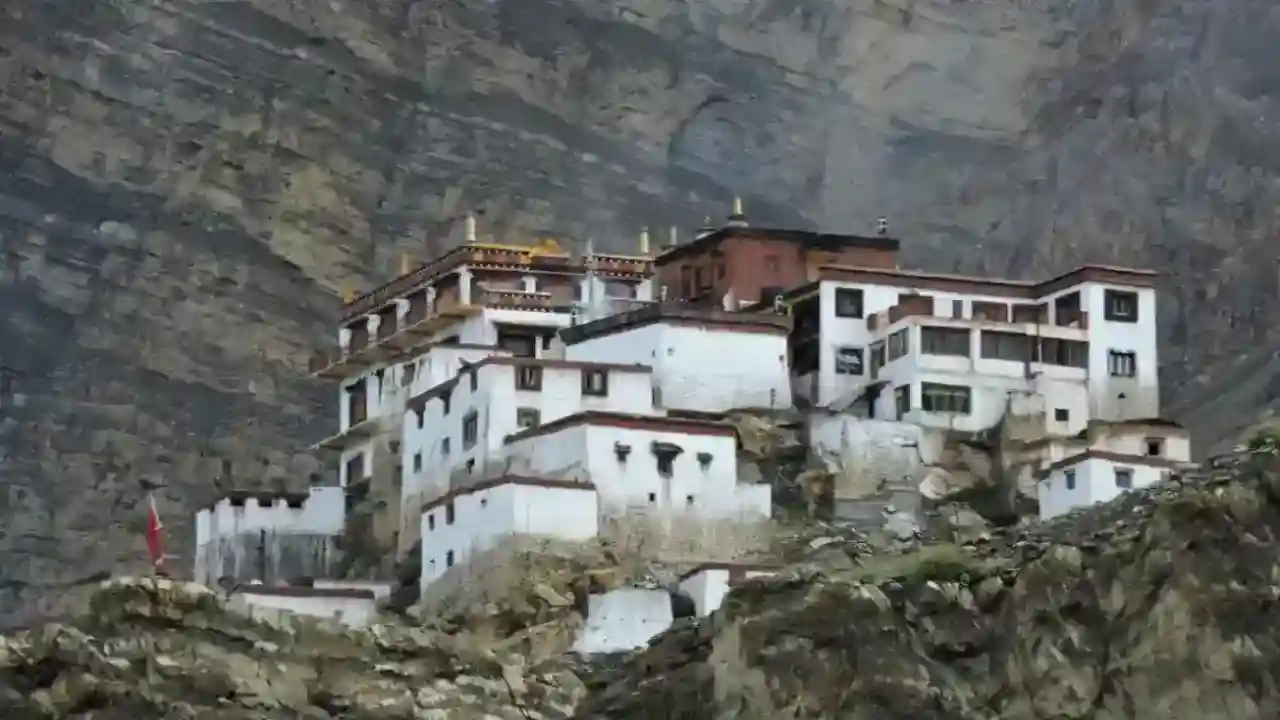
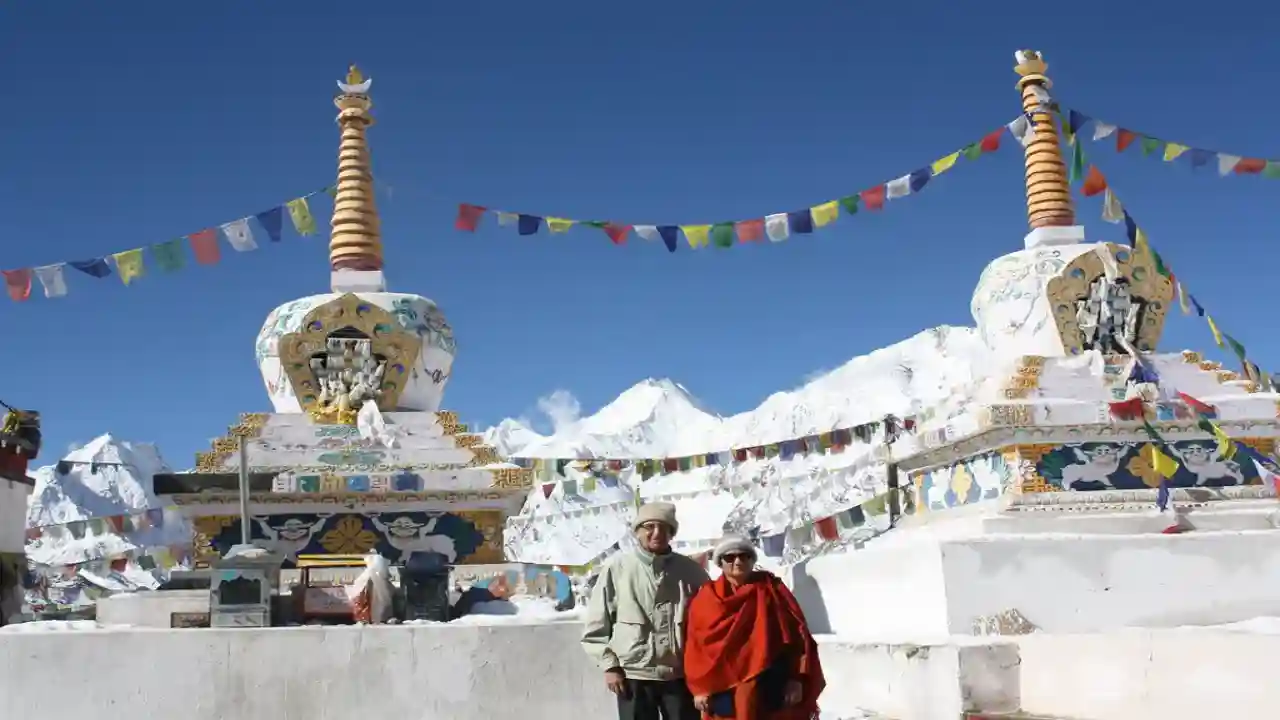
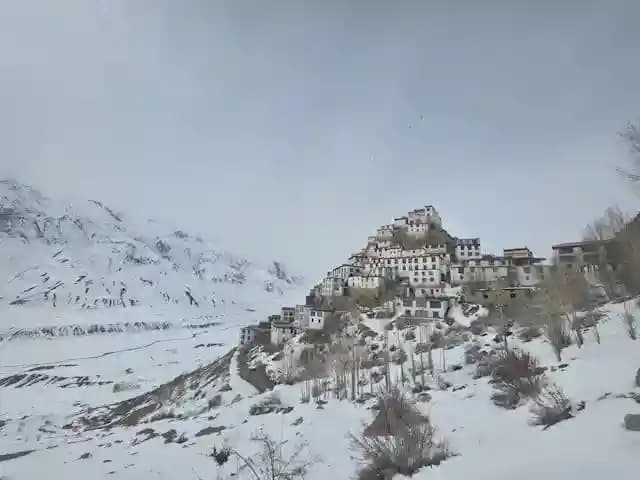
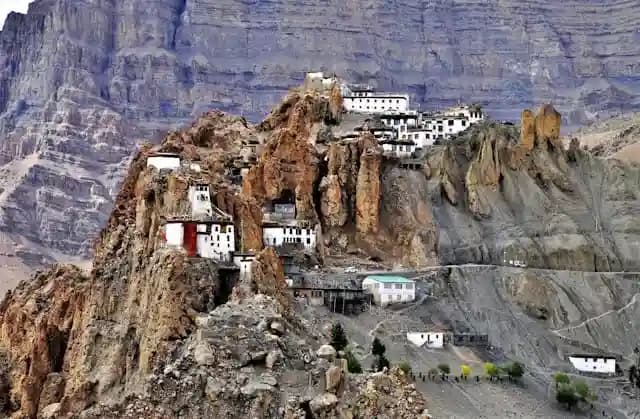
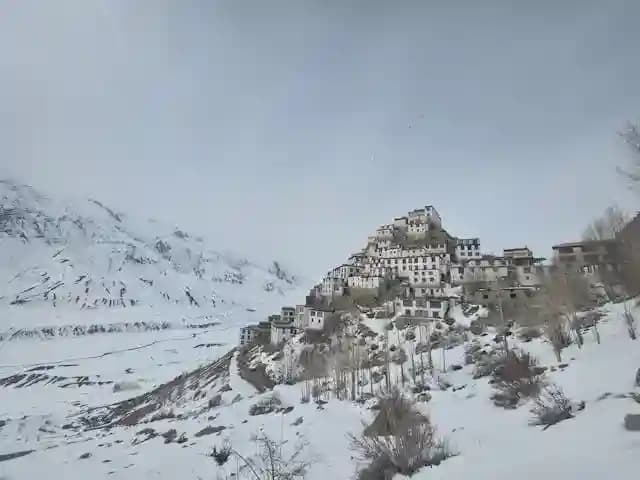
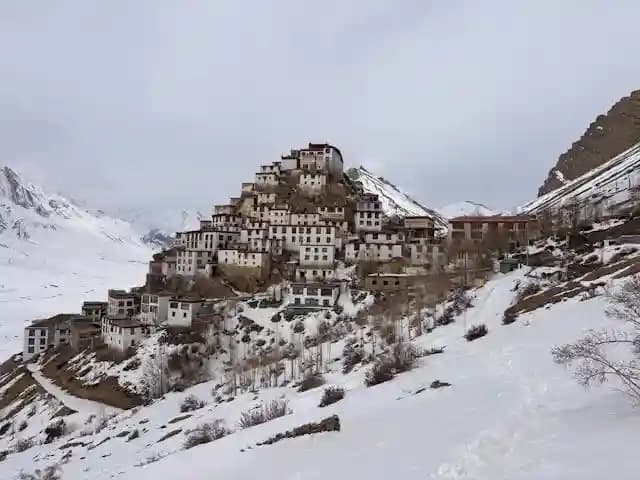
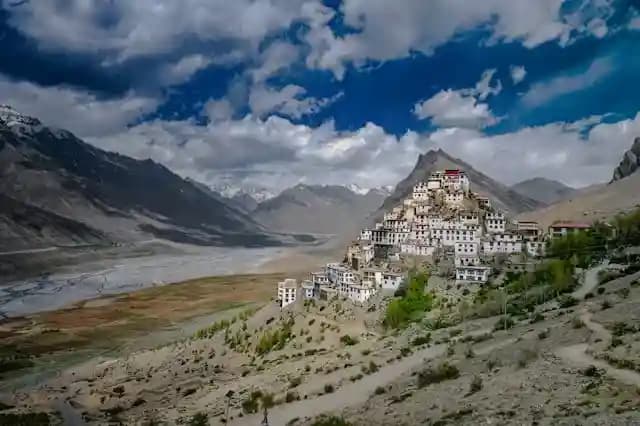
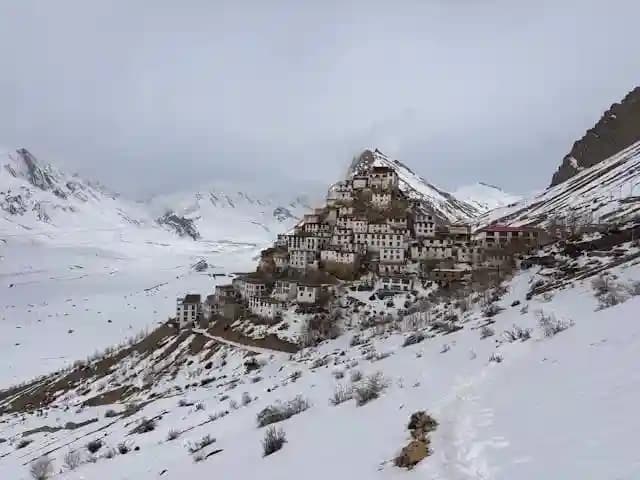
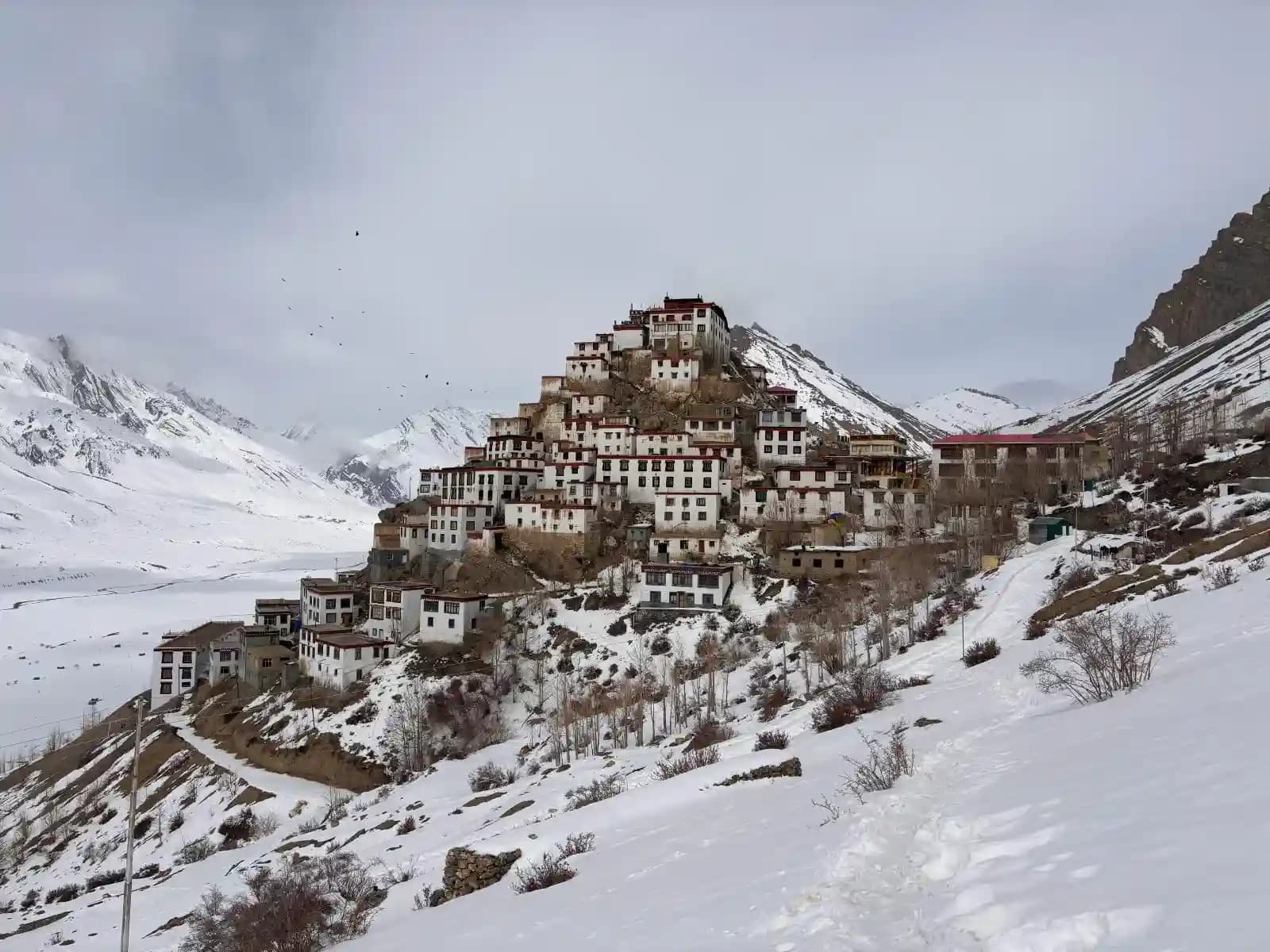
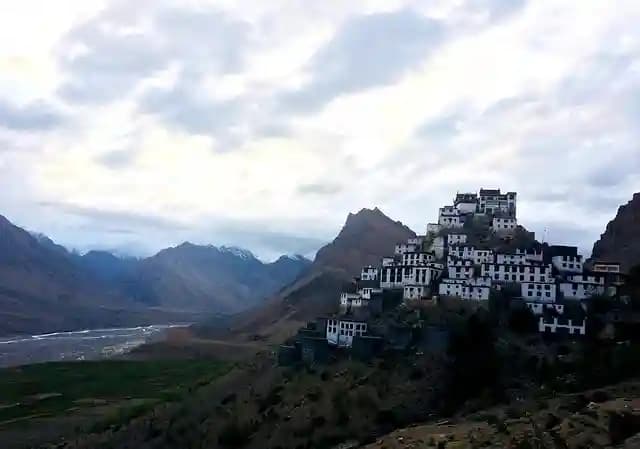
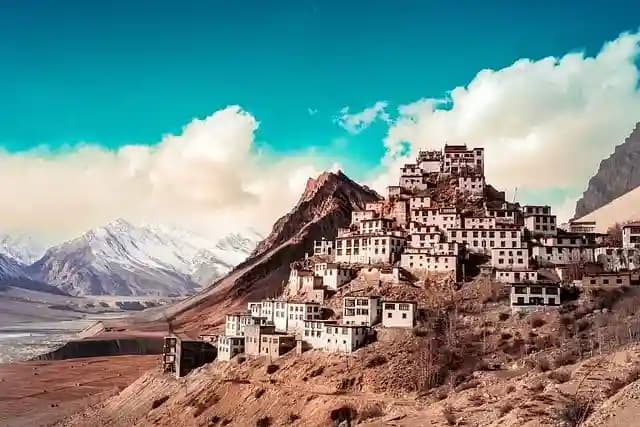
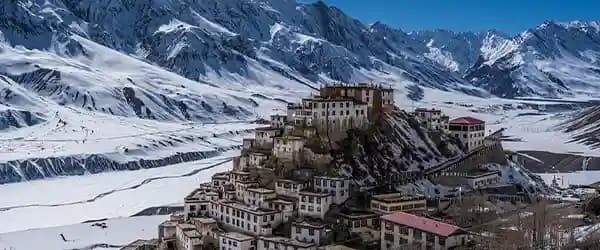
Key Monastery is the largest and most visually striking monastery in the Spiti Valley, rising majestically from a hill overlooking the Spiti River. It has a history of over one thousand years and is still a thriving hub of Buddhist scholarship and worship. Inside the monastery are ancient thangkas, manuscripts, paintings and prayer halls that depict the Tibetan Buddhist culture. Its strategic location offers breathtaking views of the valley, especially during sunrise and sunset. Its location near Kaza makes it one of the most accessible yet culturally significant stops in Spiti Valley travel guide
Location: Near Kaza, Spiti Valley
Timings: 6:00 AM - 6:00 PM
Entry Fees: Free
3. Kibber Village
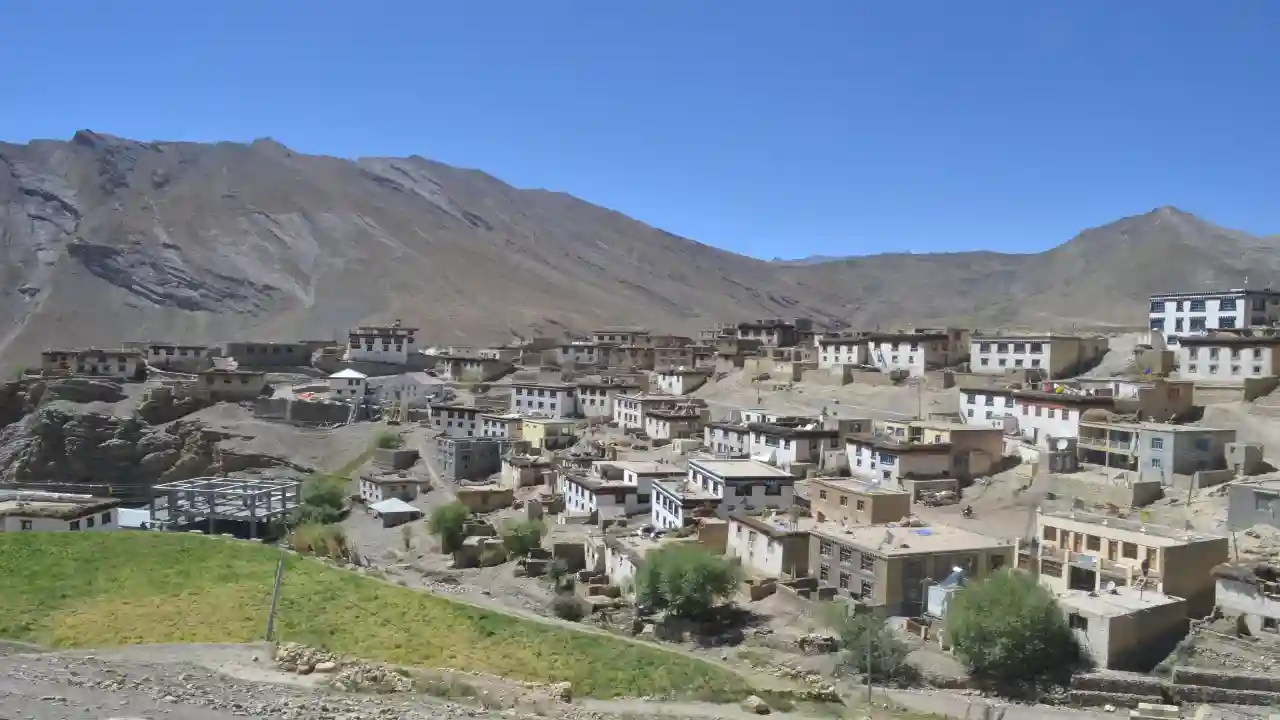
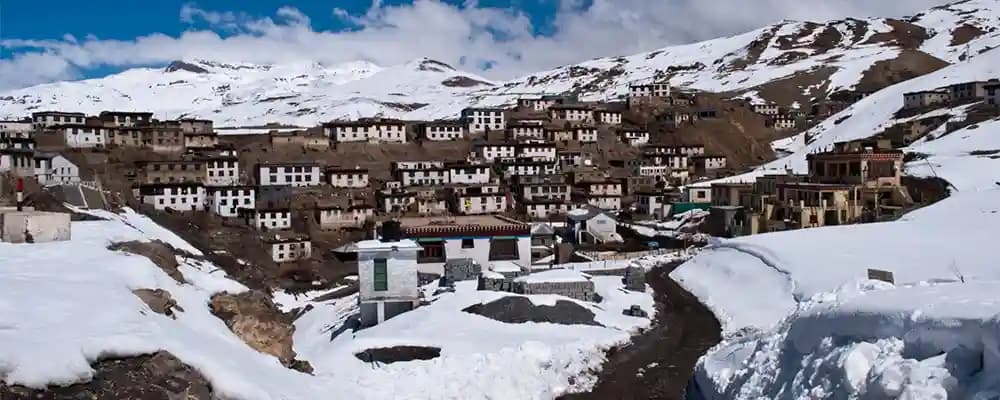
Kibber Village is one of the highest permanently inhabited settlements in the world and provides a candid insight into life at significantly high altitudes. Situated above Kaza, this village is known for its stone-lined houses, narrow streets and breathtaking views of snow-capped mountains. It is also the base for treks to Parang La and Kanamo Peak. Kibber has harsh winters, making its survival mechanisms and life in the village of specific interest to anyone interested in Spiti’s ways of life.
Location: Around 18 km from Kaza
Timings: Open all day
Entry Fees: Free
4. Langza Village
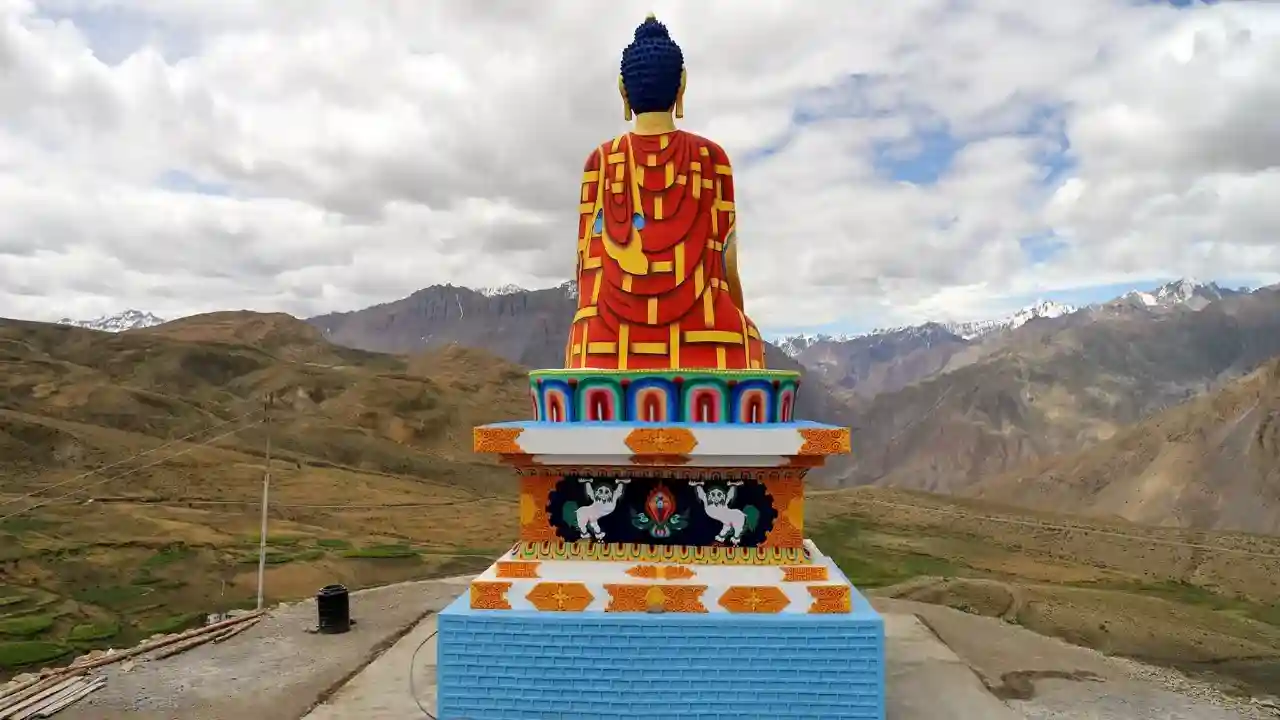
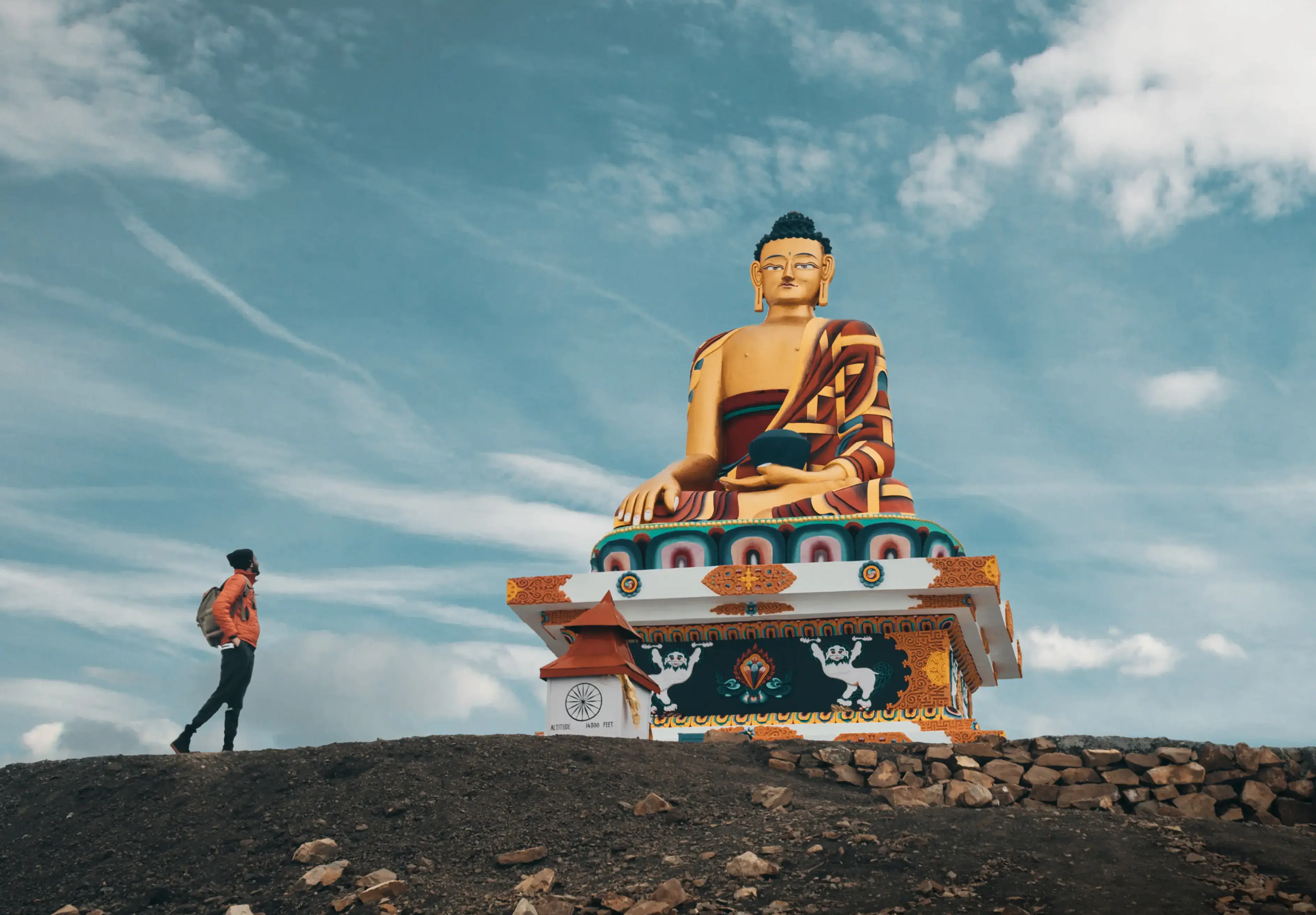
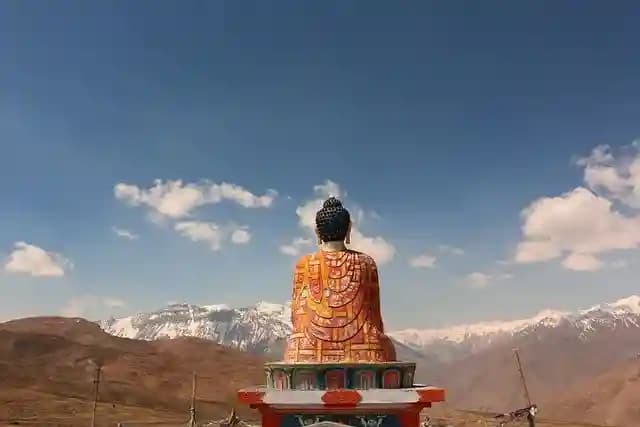
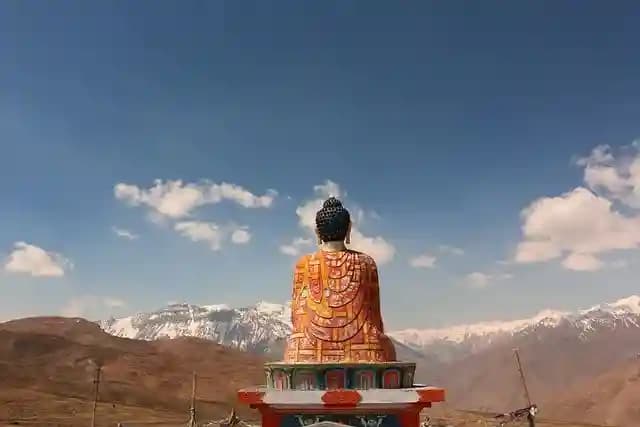
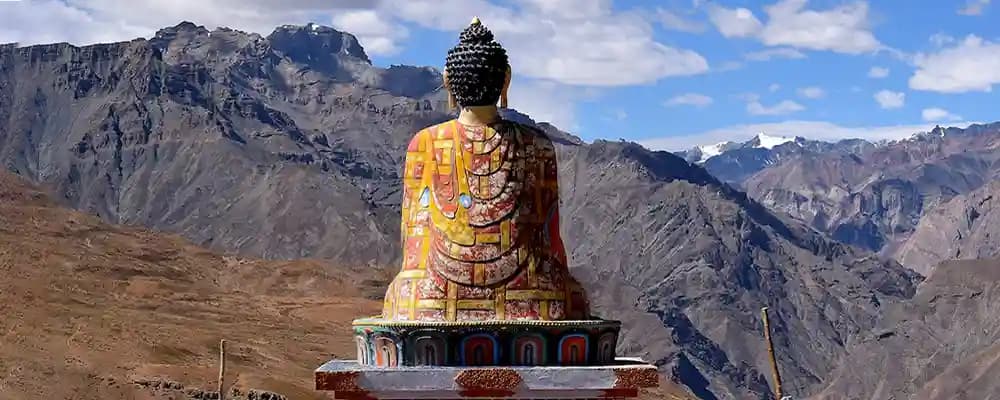
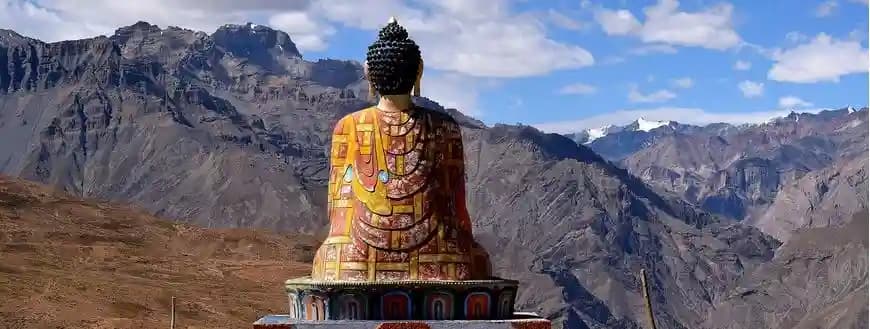
Langza Village is famous for its fossil-filled terrain and a large statue of Buddha overlooking the valley. Located at a high altitude, the village offers a clear view of the Chau Chau Kang Nilda peak and the barren mountains surrounding it. Fossils from millions of years ago are still embedded in the rocks of Langza, making it a popular destination for geology buffs. The laid-back atmosphere and relatively less number of tourists in the village allow tourists to experience the rural Spiti life in a peaceful and unfiltered way.
Location: About 16 km from Kaza
Timings: Open all day
Entry Fees: Free
5. Hikkim Village
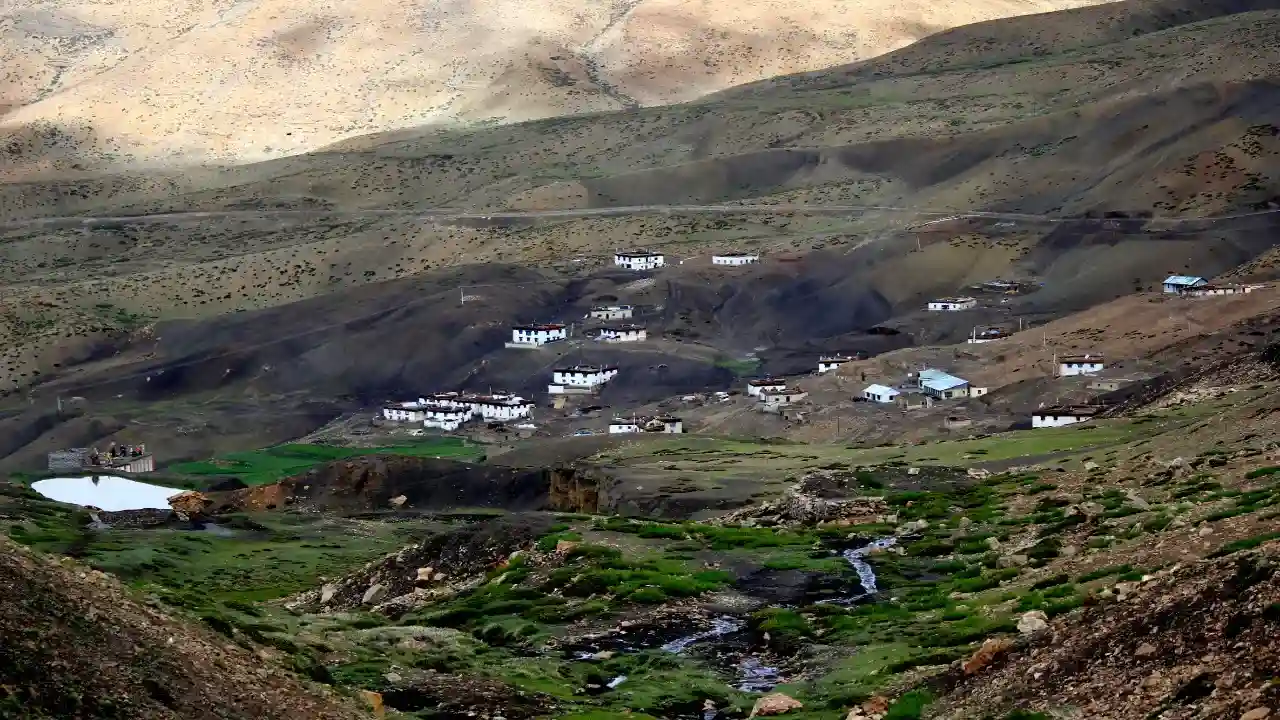
Hikkim Village is globally known for housing the world’s highest post office, perched at an altitude of over 4,400 metres. Sending a postcard from here has become a memorable experience for travellers visiting Spiti Valley. Beyond the post office, Hikkim offers stunning views of the surrounding mountains and a peaceful village atmosphere. The journey to Hikkim also passes through dramatic high-altitude terrain, making the drive equally rewarding. Despite its remote location, the village, commonly included in the Spiti Valley travel guide, reflects a strong sense of community and simplicity.
Location: Around 18 km from Kaza
Timings: 10:00 AM - 4:00 PM (Post Office hours may vary)
Entry Fees: Free
6. Komic Village
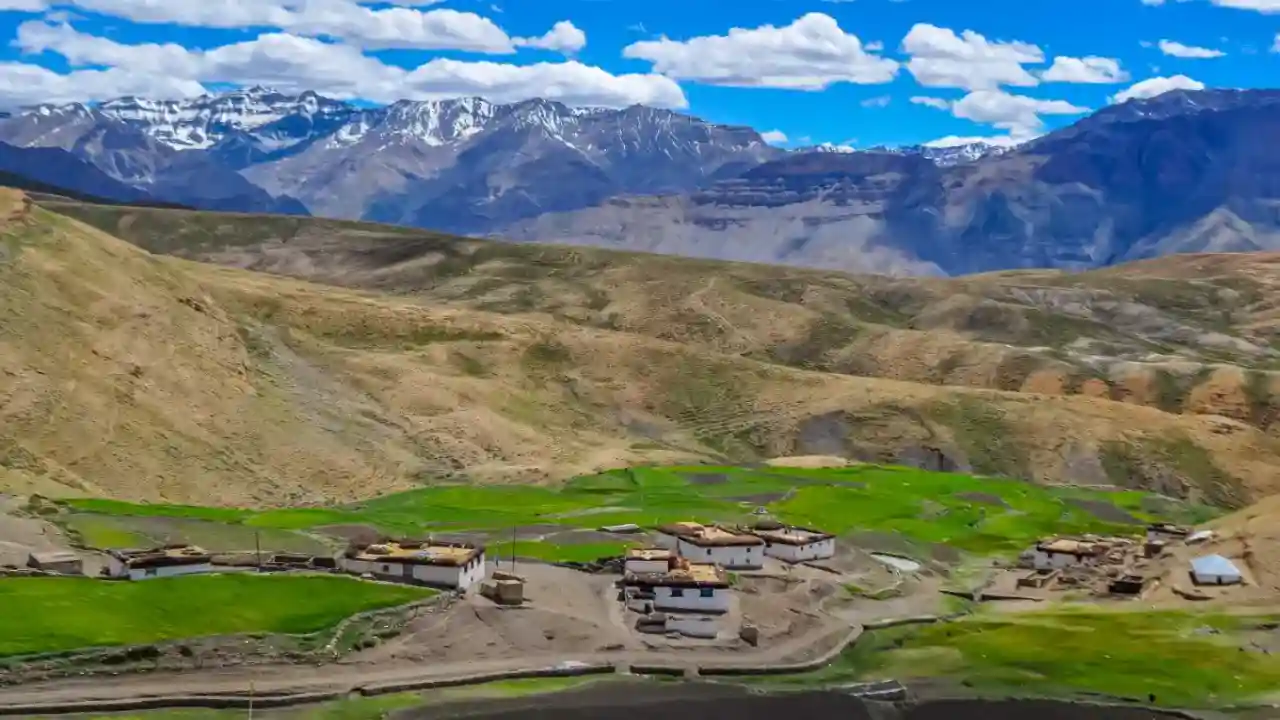
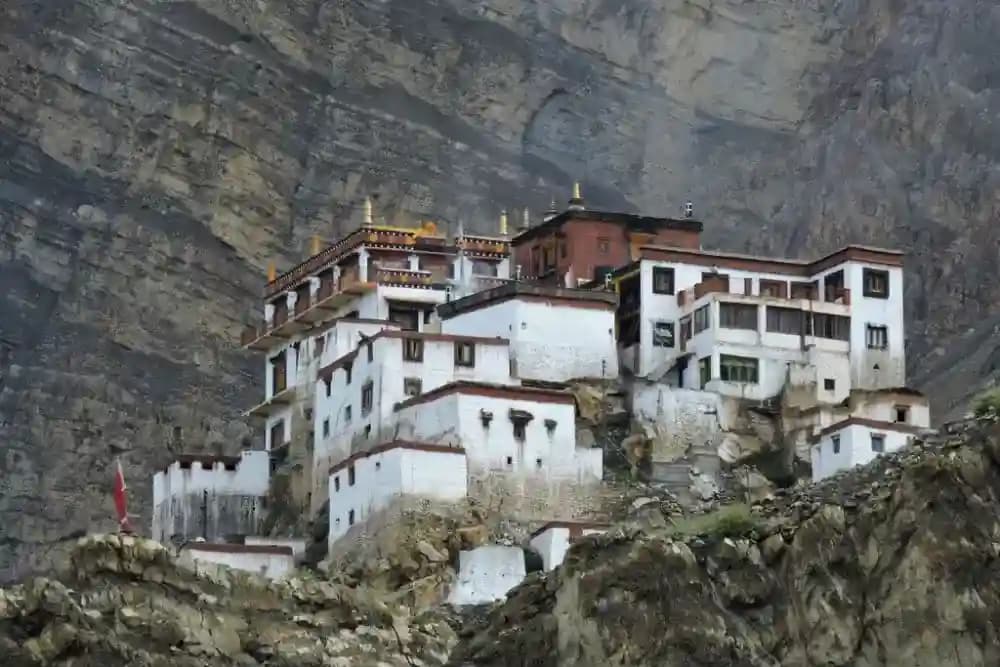
Komic Village is one of the highest motorable villages in the world and is home to the historic Tangyud Monastery. The village is located in a remote setting, surrounded by vast open spaces with very little human activity. The pace of life in Komic is slow, shaped by the harsh climatic conditions and resource constraints. Visiting Komic offers a glimpse into how people live in such high-altitude areas. The contrast between the monastery, village houses and snow-capped mountains creates a setting that is harsh yet very peaceful.
Location: Around 19 km from Kaza
Timings: Open all day
Entry Fees: Free
7. Tabo Monastery
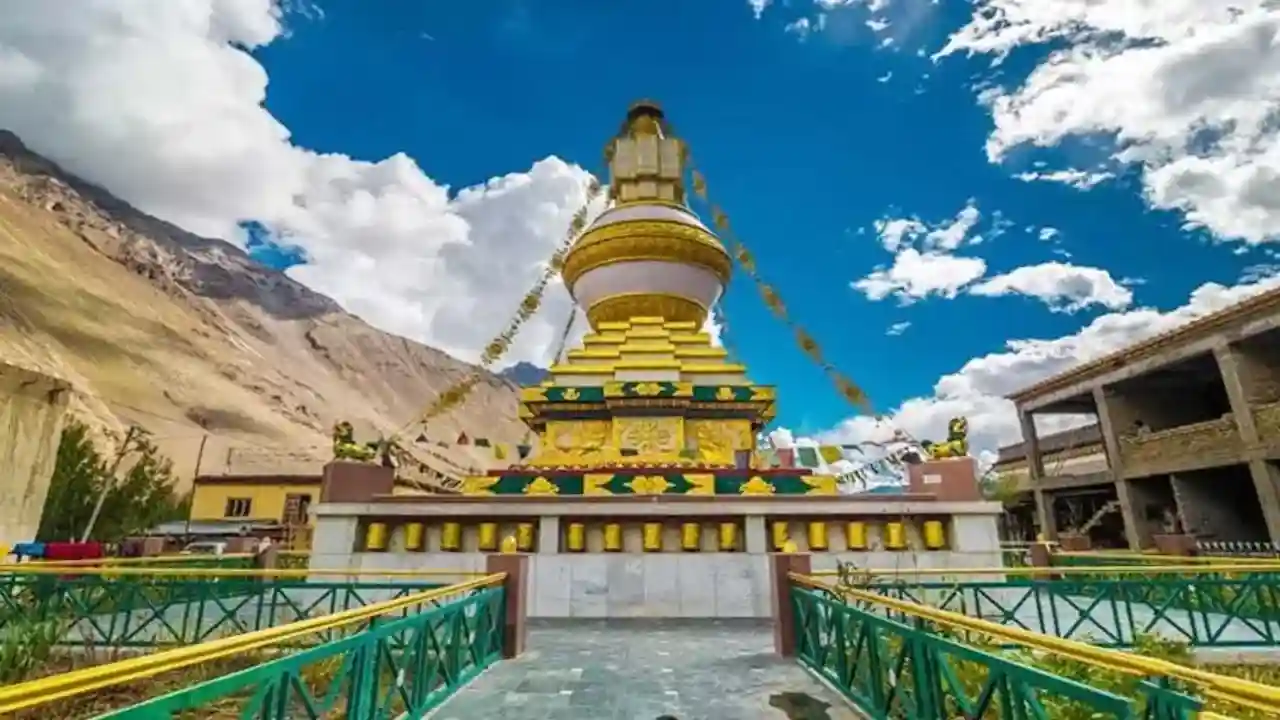
Tabo Monastery is one of the oldest running Buddhist monasteries in India and has great religious importance in the Himalayan region. Unlike other monasteries situated on hilltops, Tabo Monastery, located in Tabo Village, lies on flat ground, blending perfectly with the desert landscape. Inside the monastery, one can see preserved murals, ancient texts and meditation cells that are over a thousand years old. The monastery is a complex of temples, stupas and monks’ dwellings, making it a complete spiritual hub. The peaceful environment of the monastery is a world away from the harsh conditions and long journeys of Spiti.
Location: Tabo Village, Spiti Valley
Timings: 8:00 AM - 6:00 PM
Entry Fees: Free
Top Things to Do in Spiti Valley
This Spiti Valley travel guide states a wide range of thrilling and immersive activities that go beyond sightseeing, perfect for adventure seekers and experience lovers. From high-altitude treks to night-sky photography, each of the things to do in Spiti Valley challenges you while connecting you with the raw Himalayan landscape.
1. Go on High-Altitude Treks Across Raw Himalayan Terrain
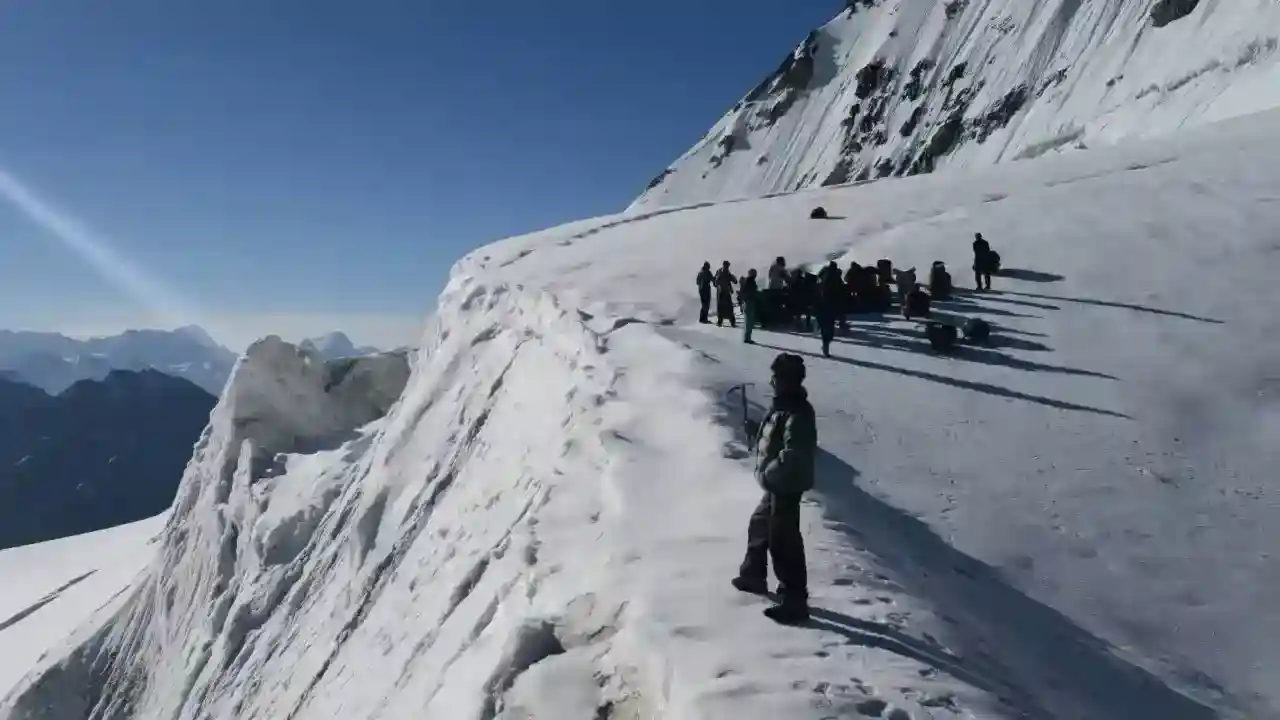
Trekking in the high-altitude regions of Spiti is one of the most challenging and rewarding experiences in the valley. Trekking in these regions involves crossing barren mountain ranges, steep climbs and areas of low oxygen. The most challenging aspect of Spiti Valley trek in these regions is the unpredictable change in weather. The treks in these regions are more about endurance than speed. Trekking in Spiti is a true adventure sport and is included in the best Spiti Valley travel guide, especially meant for those who want to test their endurance.
2. Try River Crossing and Stream Navigation
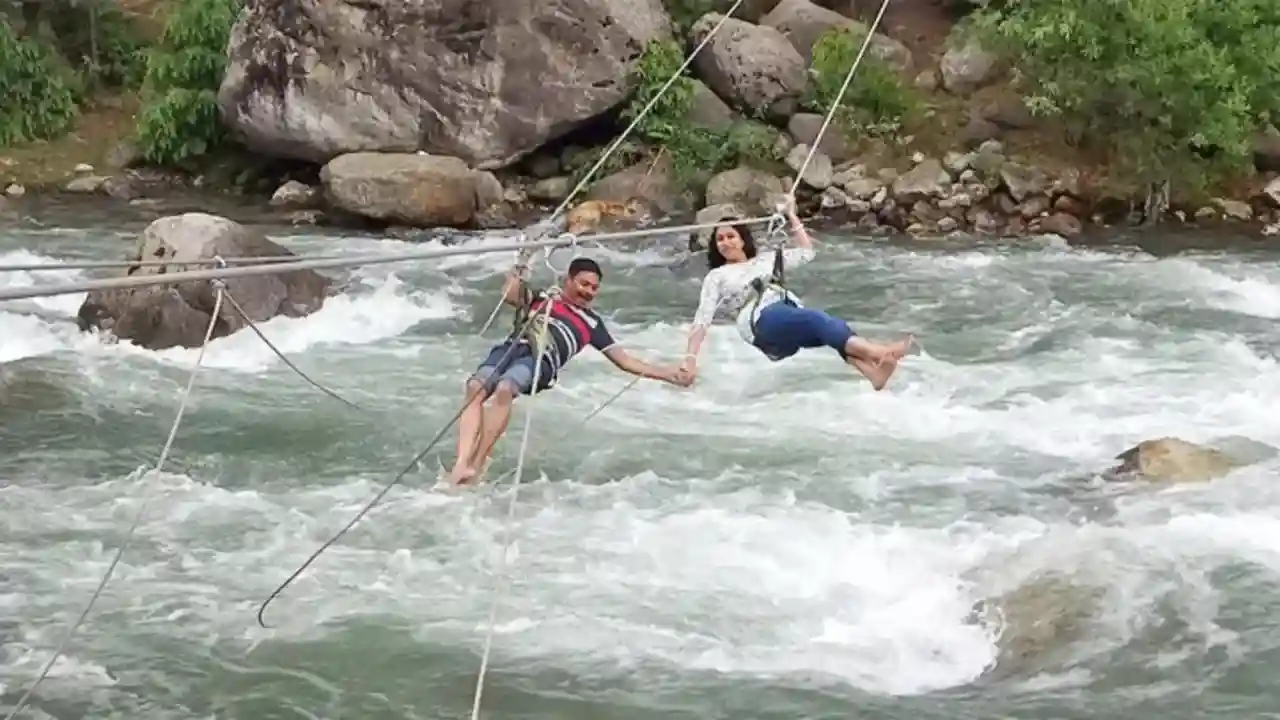
River crossing is a typical adventure sport in Spiti, as glacial rivers meet roads and trekking routes. Adventurers often cross these rivers by wading through ice-cold water with primitive methods such as forming a human chain or using trekking poles for support. River crossing involves the risks of cold shock, uneven riverbeds and fast currents. This sport requires focus, cooperation and poise. As per the best Spiti Valley travel guide, this is a memorable experience that one cannot afford to miss out on while discovering the rugged terrain of Spiti.
3. Camp Overnight in Extreme Weather Conditions
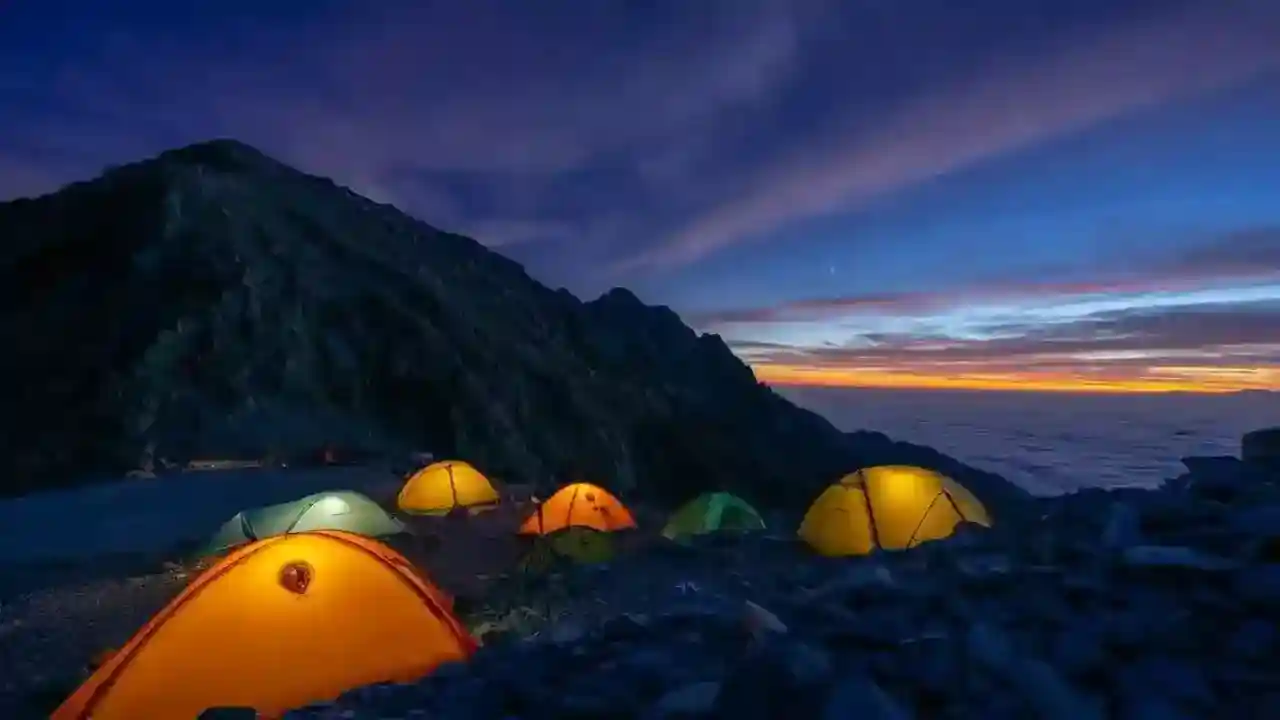
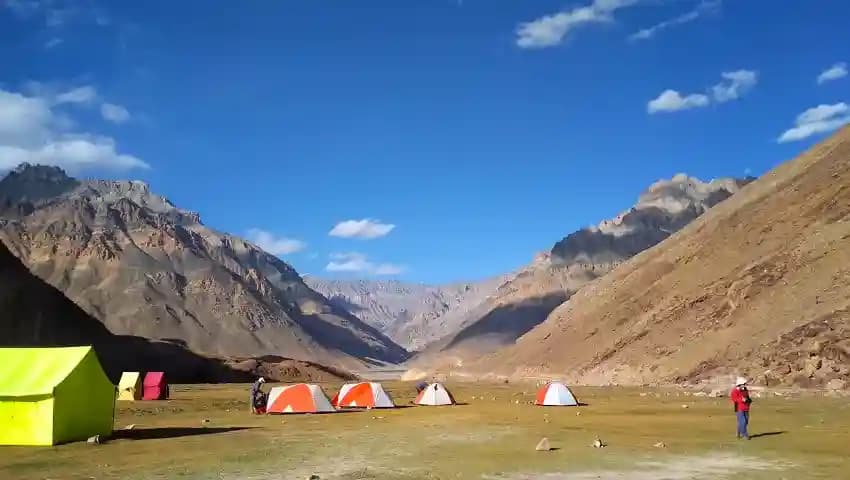
Camping in Spiti Valley is a hands-on survival activity included in a Spiti Valley travel guide rather than a comfort experience. Setting up tents, securing them against strong winds and managing warmth during freezing nights requires preparation and practical skills. Travellers learn to layer clothing, manage fuel efficiently and protect themselves from sudden temperature drops. Cooking simple meals outdoors and sleeping under sub-zero conditions make camping here a physically immersive activity. It builds resilience and offers a direct connection with Spiti’s harsh but stunning environment.
4. Go Mountain Biking on High-Altitude Roads
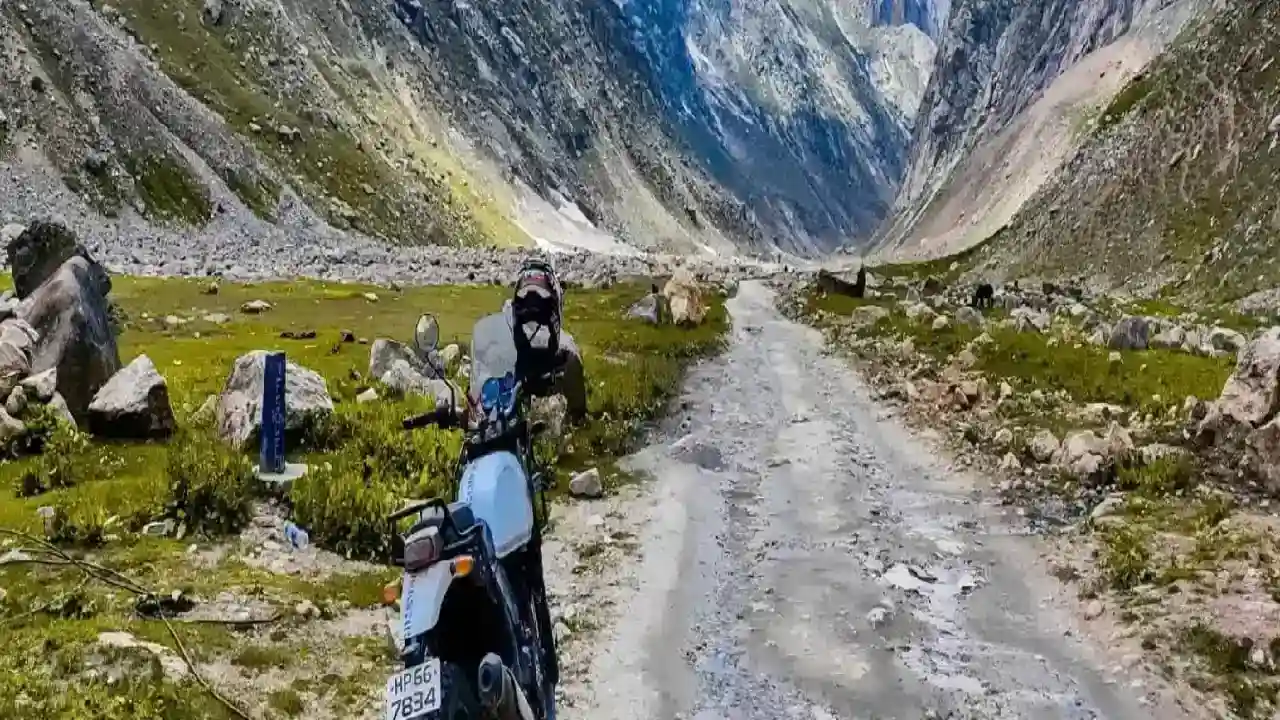
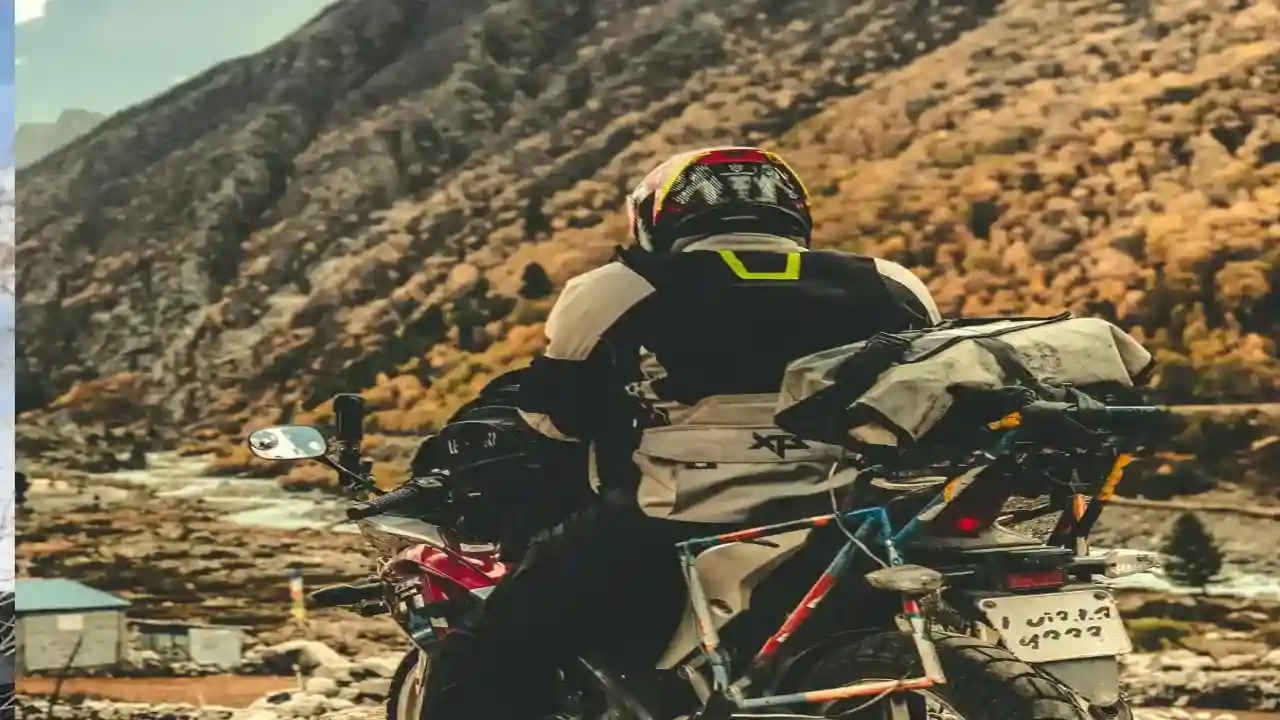
Mountain biking in Spiti is a physically demanding task that can be attributed to the steep climbs, gravel roads and altitude. The bikers have to work on maintaining balance on the uneven terrain and at the same time, save energy due to the low oxygen levels. The long stretches of terrain without any habitation make it an even more challenging task, thus underlining the need for self-sufficiency. The task evaluates the strength of the lower limbs, respiratory capacity and mental focus. Riding through the vast open valleys and sharp mountain turns makes high-altitude biking in Spiti one of the best parts of the Spiti Valley travel guide.
5. Try Astrophotography and Night-Sky Shooting

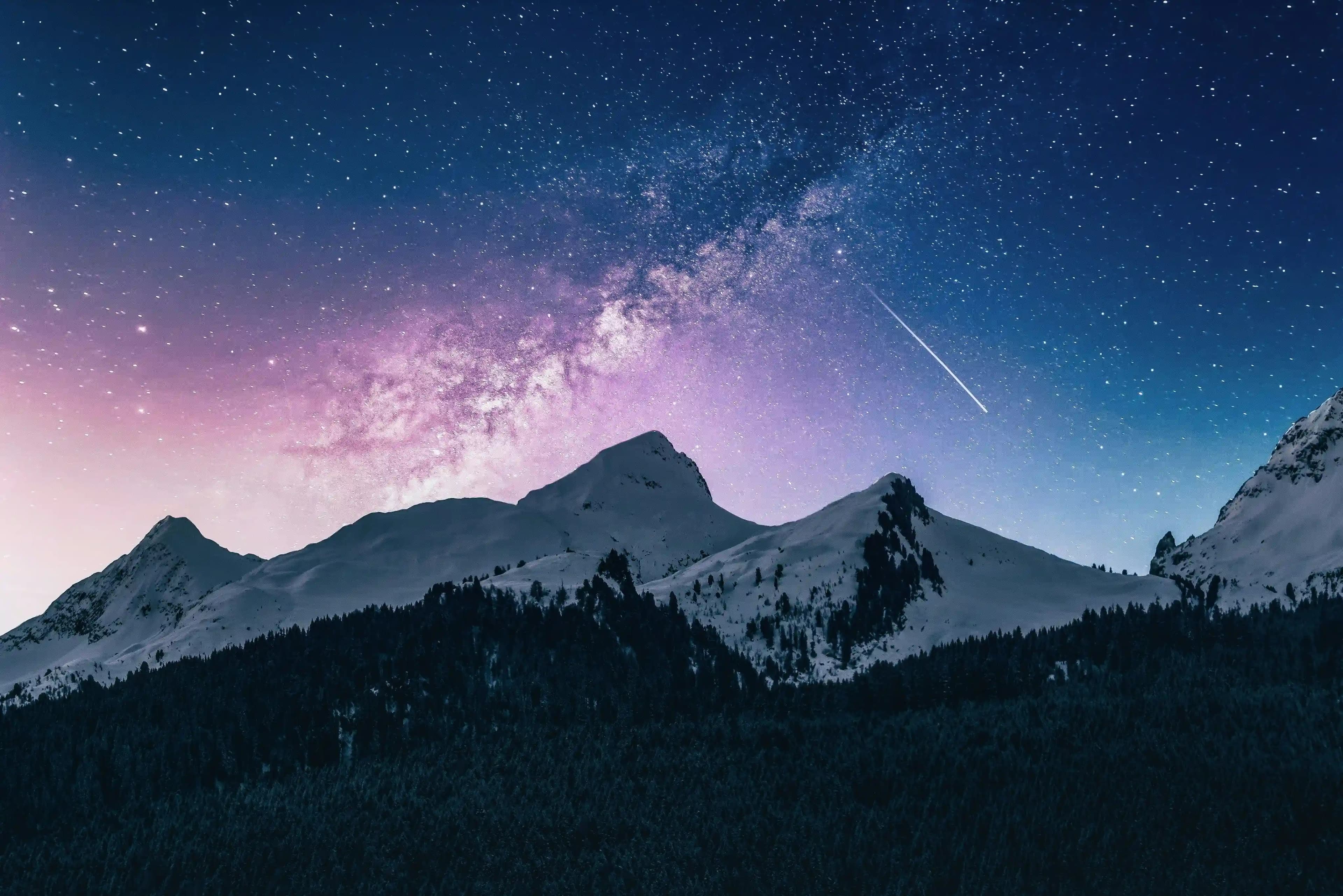
Astrophotography is a dynamic night-long activity in Spiti, which depends on careful planning, equipment arrangement and technical expertise. Adventurers spend considerable time outdoors to adjust camera settings, steady tripods and take prolonged exposures in sub-zero temperatures. The process of taking photographs of star trails or the Milky Way requires patience and accuracy. This activity combines physical endurance with artistic expression, especially during late-night photo shoots. The combined process makes astrophotography in Spiti a difficult but extremely rewarding experience for photography enthusiasts.
Essential Tips for Travelling to Spiti Valley
Acclimatise properly to avoid altitude sickness; start slow in Kaza
Carry enough cash; ATMs are limited and don’t always work
Fill fuel tanks at Kaza or Rangrik; petrol pumps are sparse
Pack layered clothing; temperatures can fluctuate drastically between day and night
Keep a basic medical kit and medicines for altitude sickness handy
Check road and weather conditions before starting your journey, especially during monsoon or winter
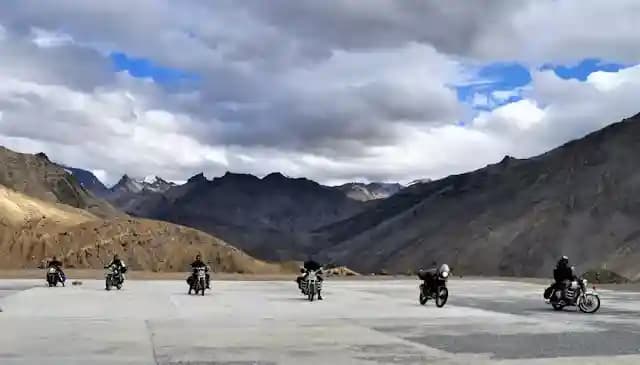
Use a sturdy vehicle or bike suitable for rugged mountain roads
Carry offline maps and GPS; network coverage is patchy
Respect local customs, monasteries and wildlife while exploring
Stay hydrated and carry high-energy snacks for long drives or treks.
Keep extra warm clothing, gloves and sunglasses for snow or sunny high-altitude conditions
Respect local wildlife and avoid littering in fragile Himalayan ecosystems
Try local cuisine and interact with villagers to understand Spiti’s culture better
Carry power banks and portable chargers; electricity can be inconsistent in remote areas
Avoid night driving on mountain roads due to low visibility and sharp turns
Have a copy of permits and ID proofs handy, as some areas require travel authorisation
Conclusion
Adventure, culture and scenic beauty are all beautifully combined in a Spiti Valley trip, providing visitors with experiences that linger long even after they depart. Every activity included in the Spiti Valley travel guide offers an opportunity to establish a close connection with the mountains- from hiking through untamed terrain and touring historic monasteries to stargazing beneath immaculate Himalayan skies. The trip is safer and more pleasurable with careful preparation, acclimatization and respect for regional traditions. Be it seeking adrenaline-pumping adventures or serene escapes, Spiti Valley promises an unforgettable Himalayan experience for every kind of traveller.