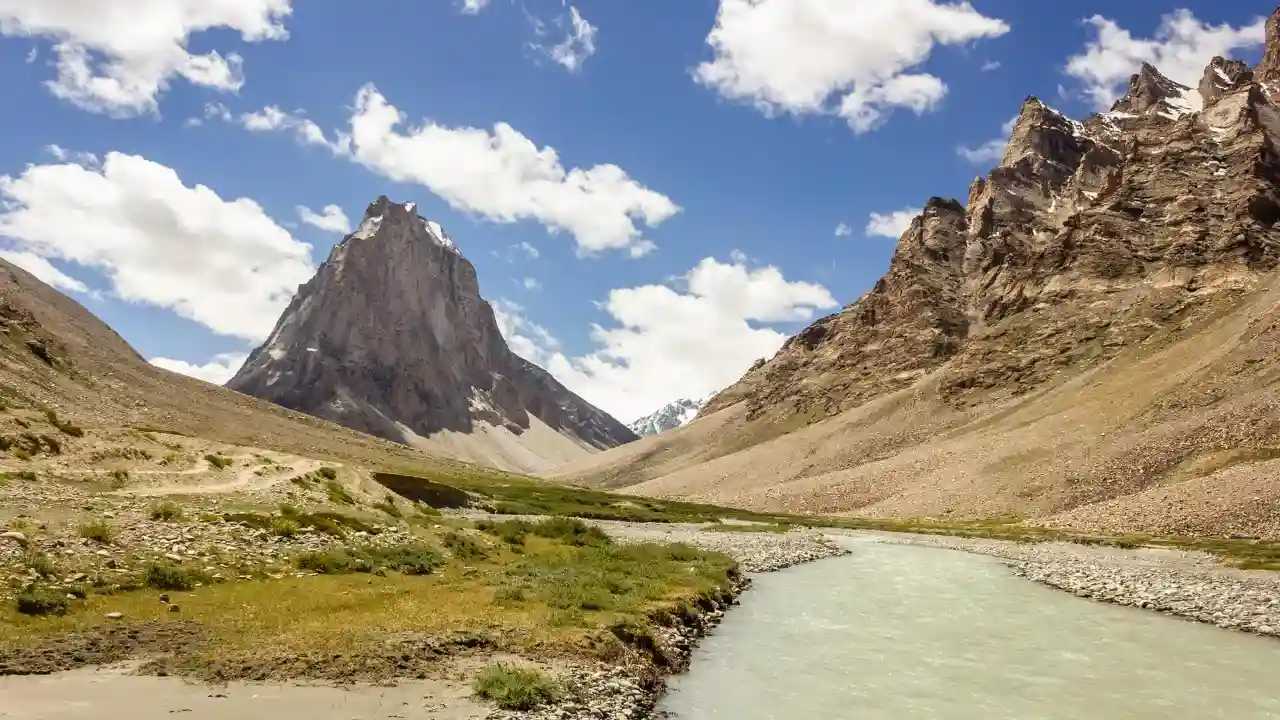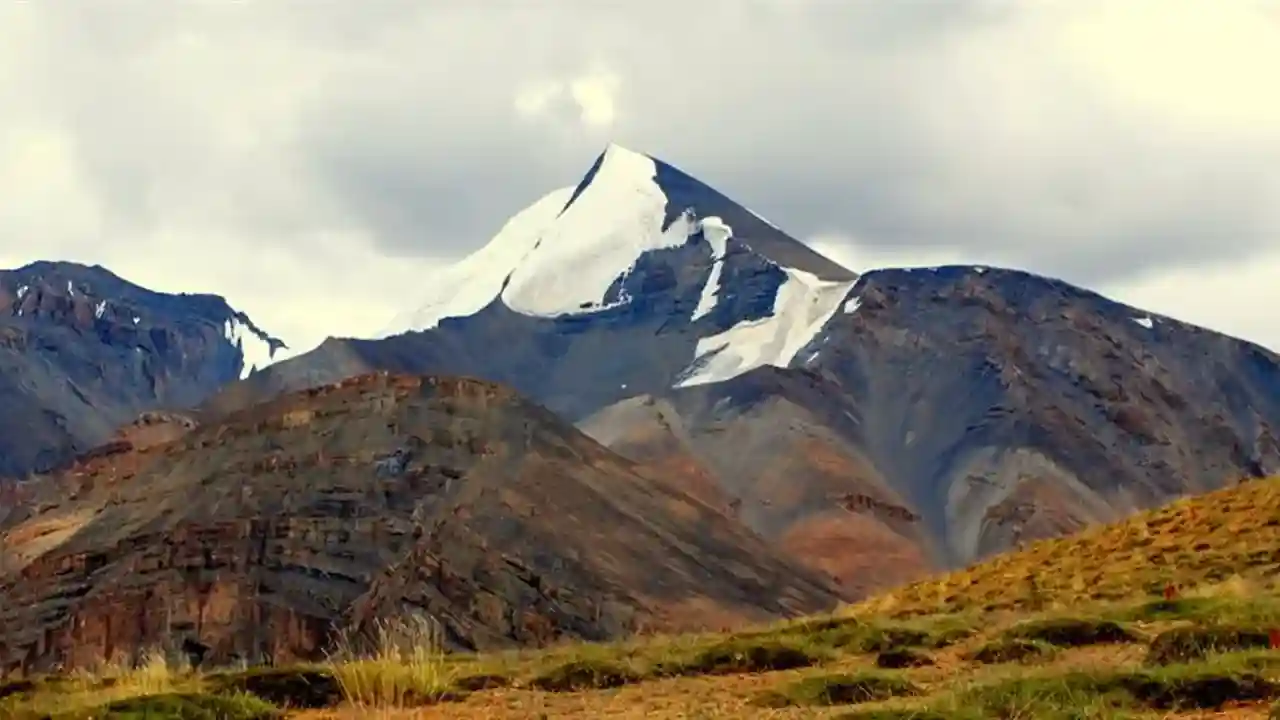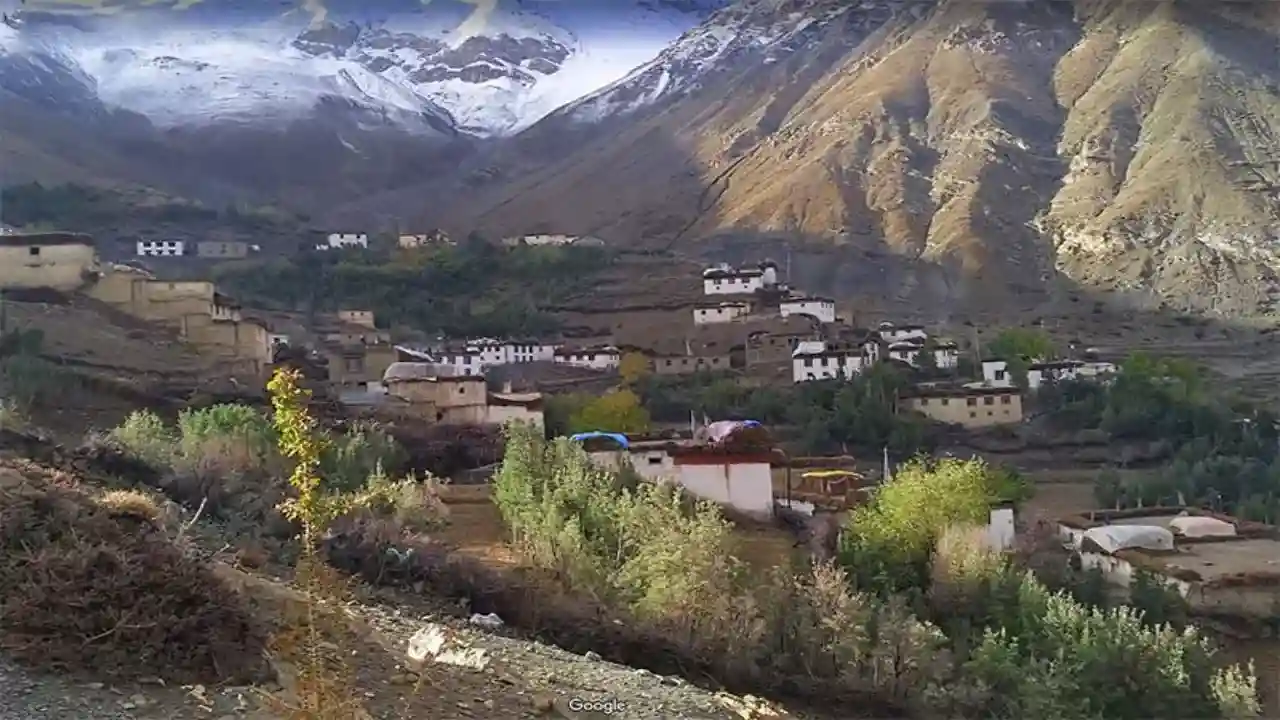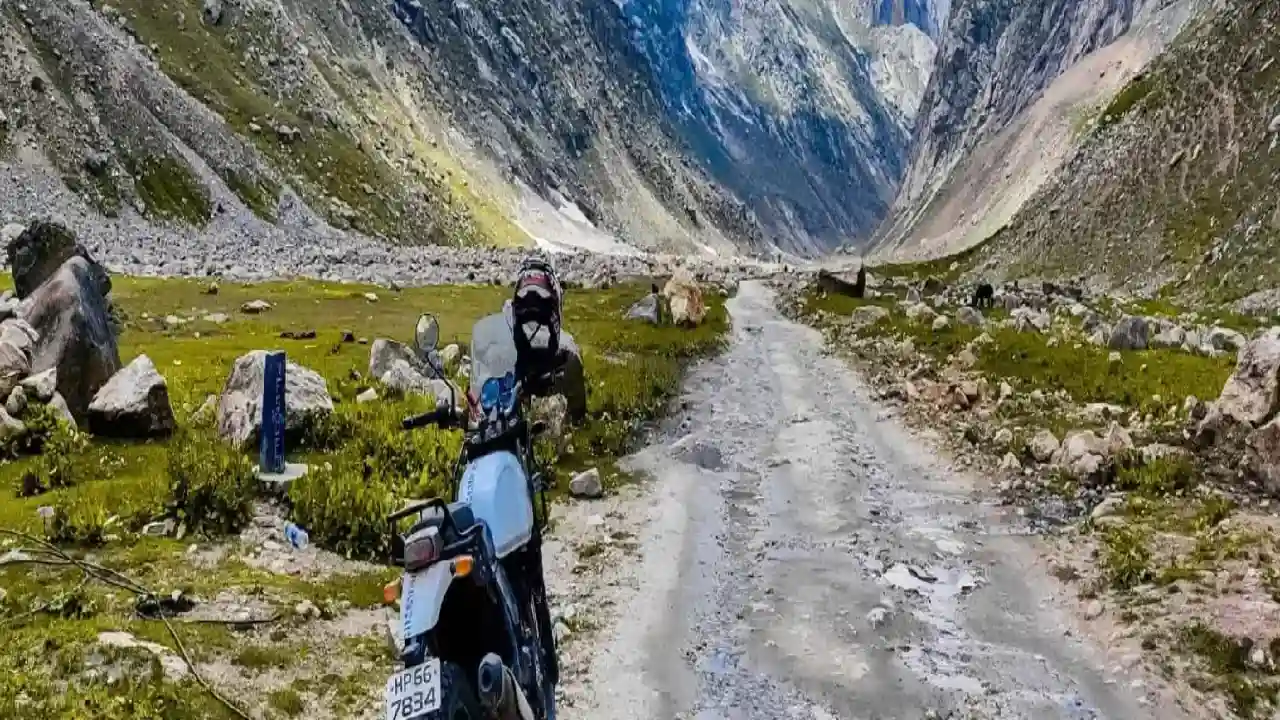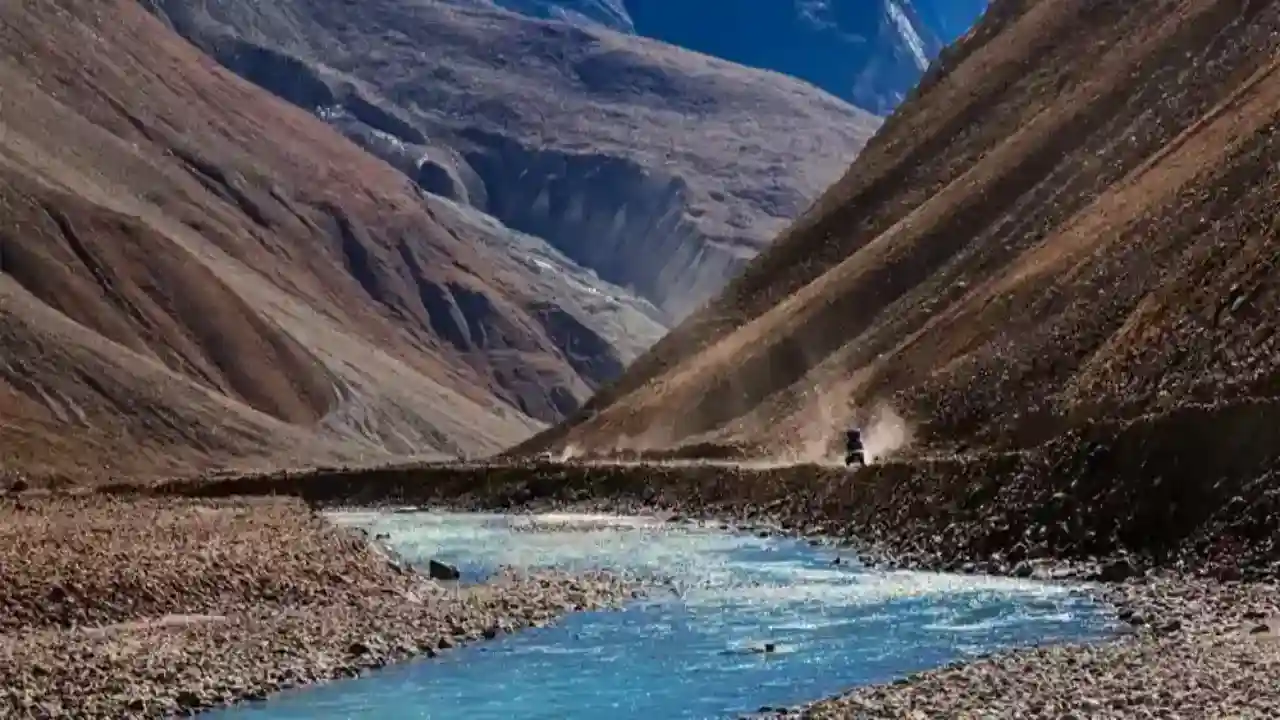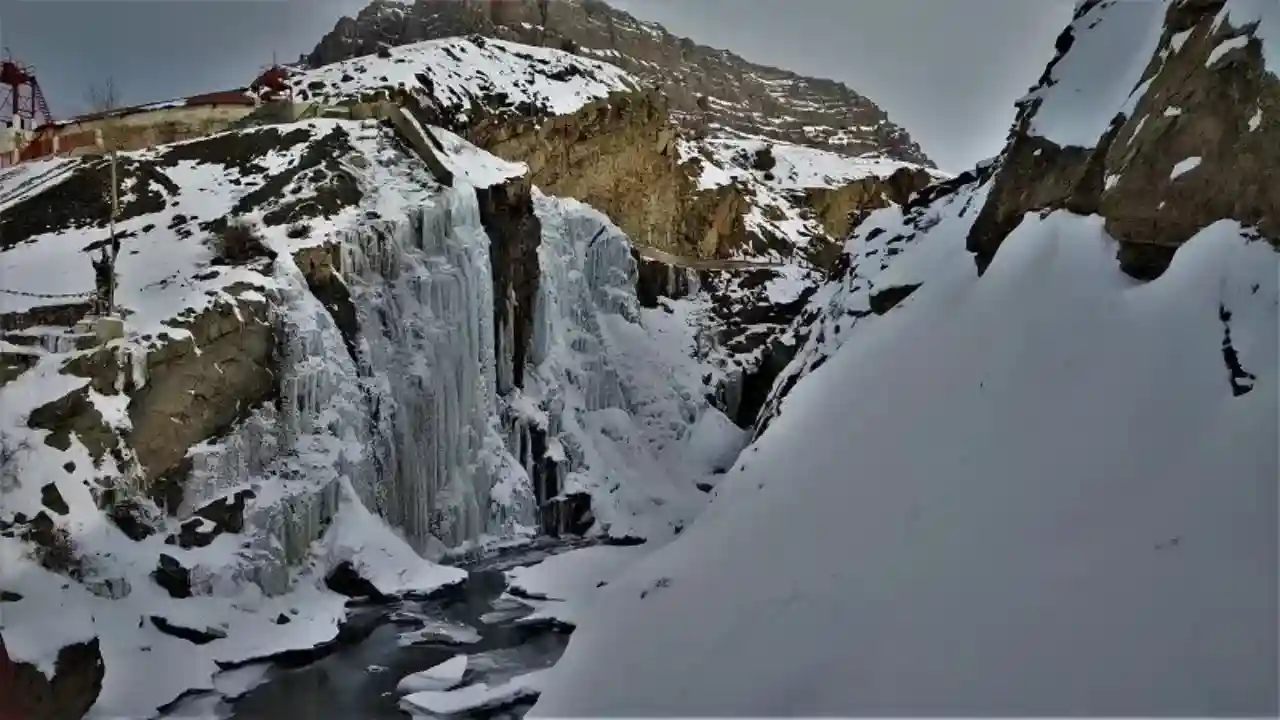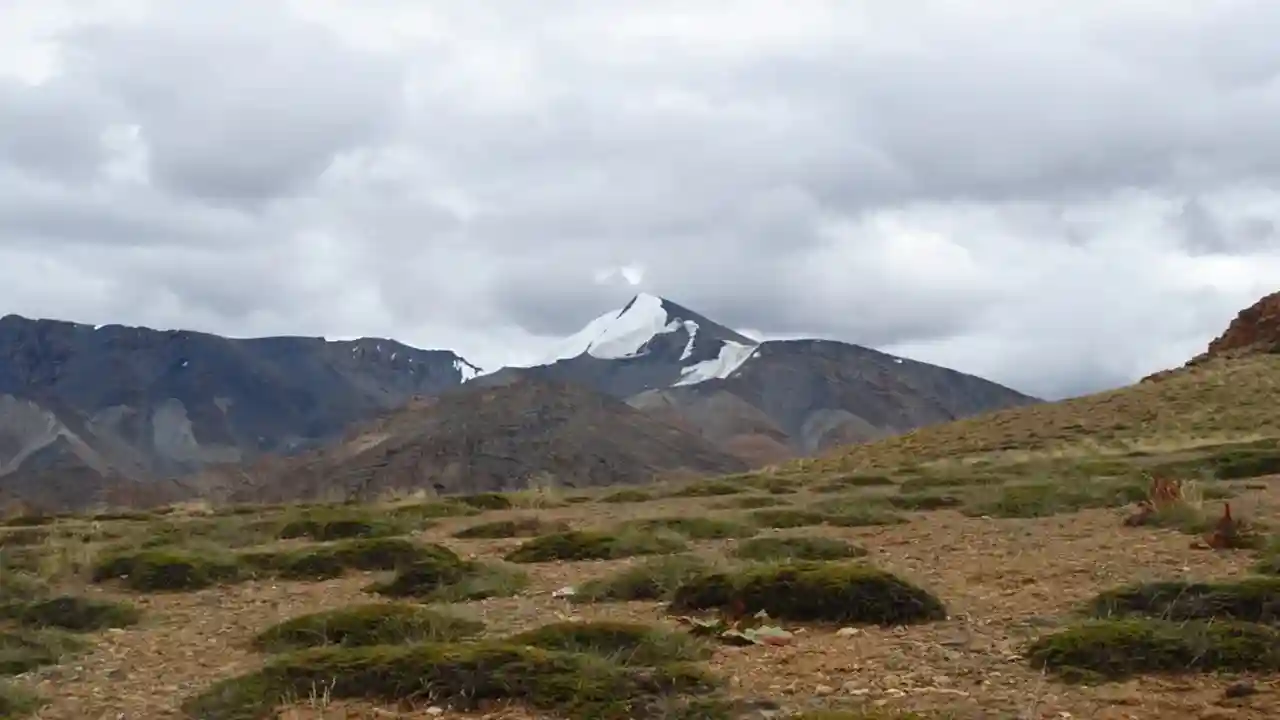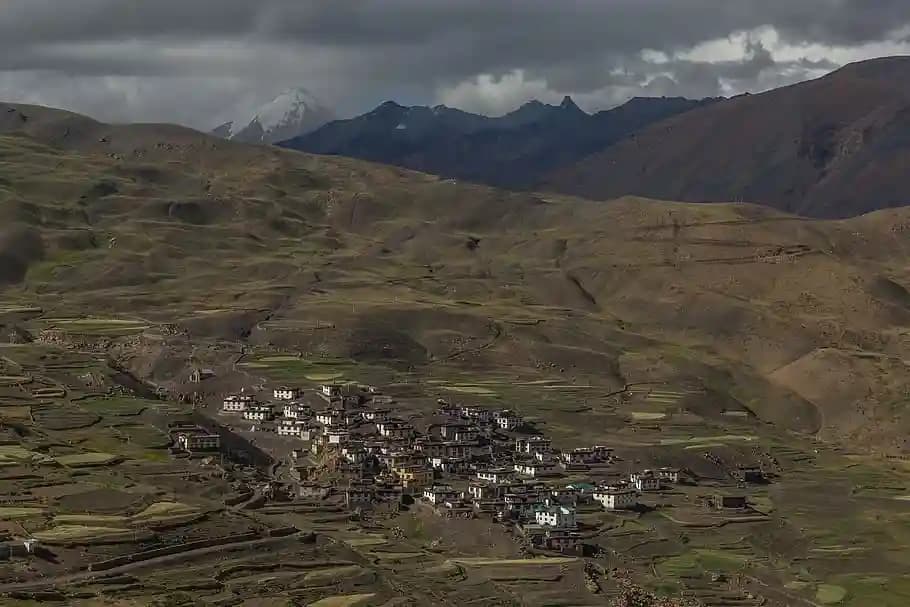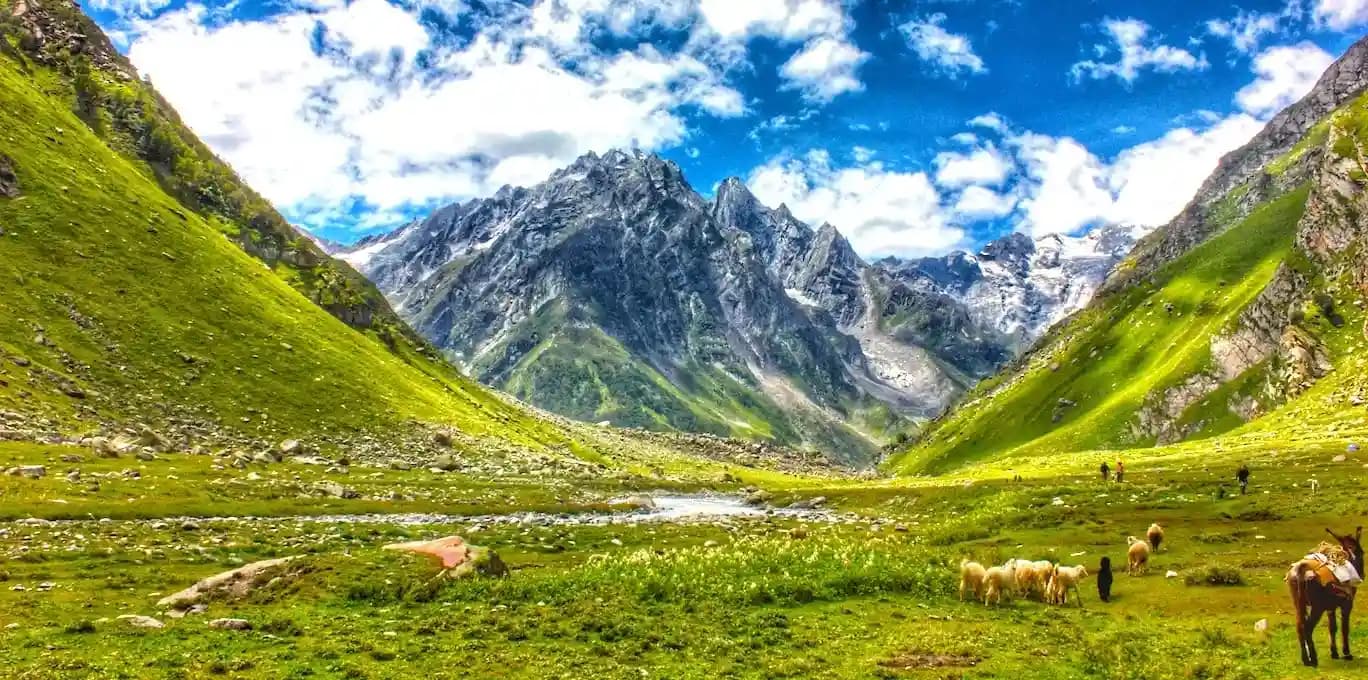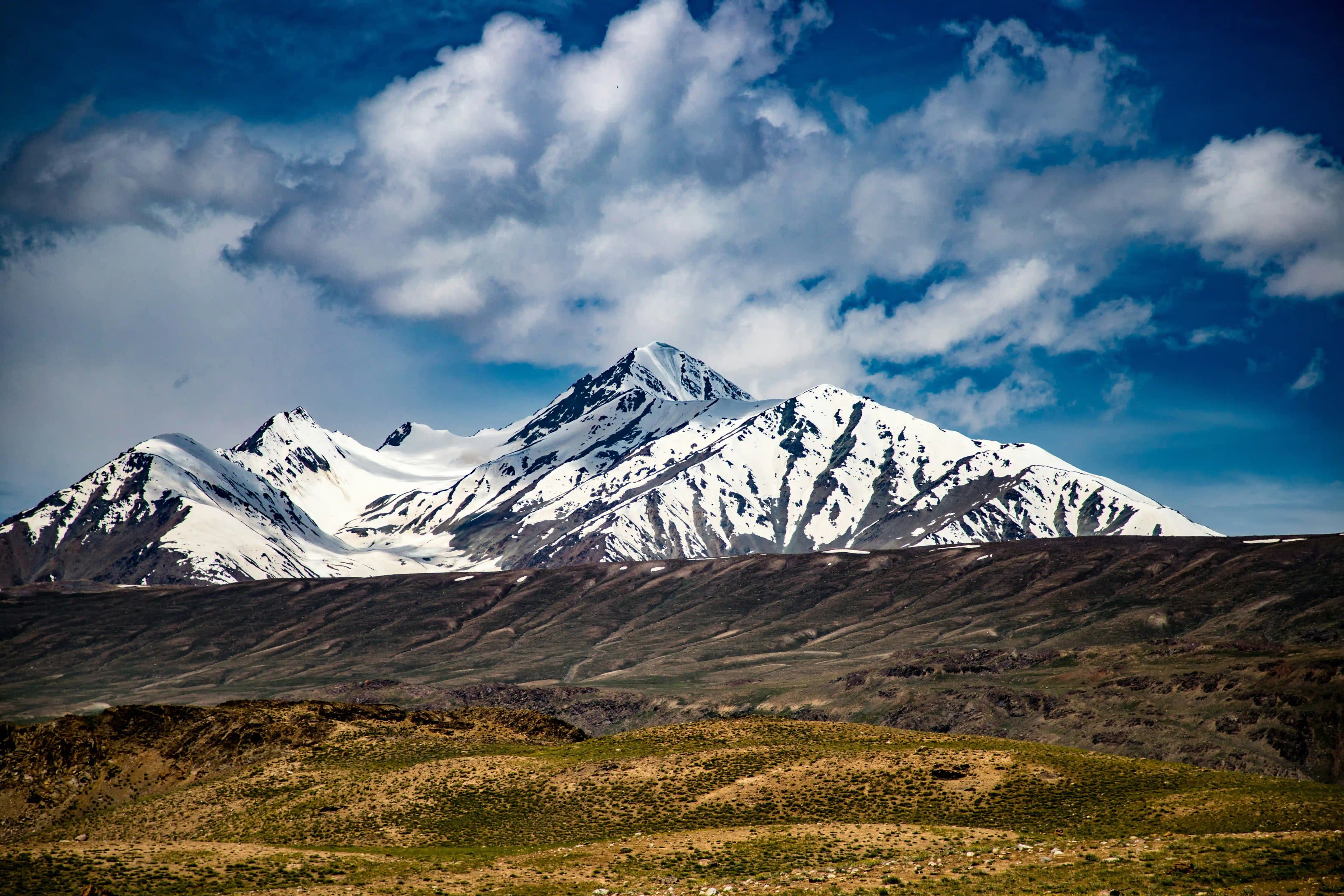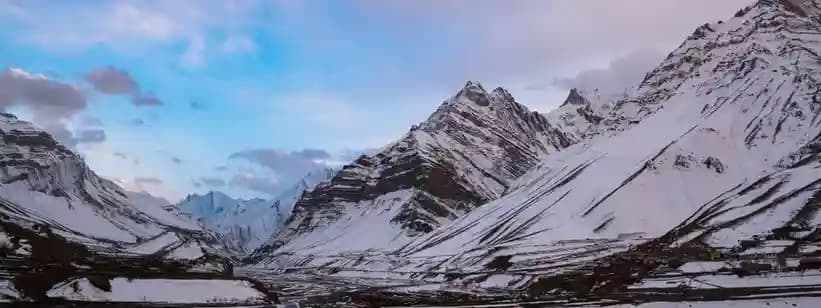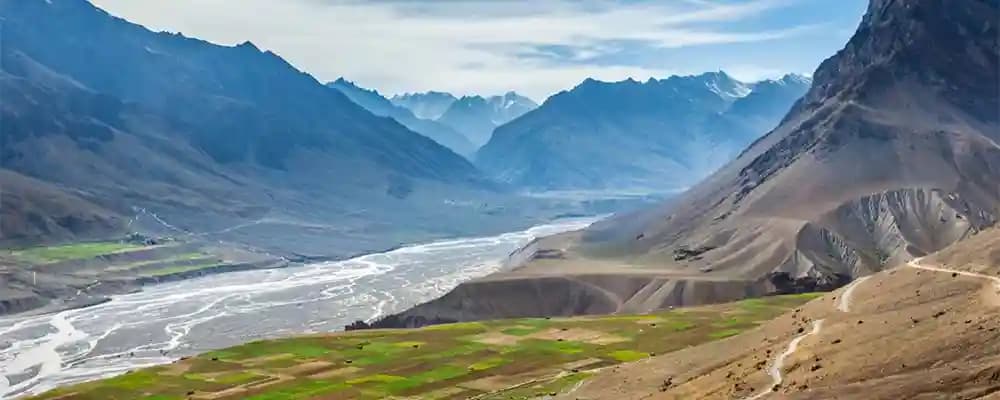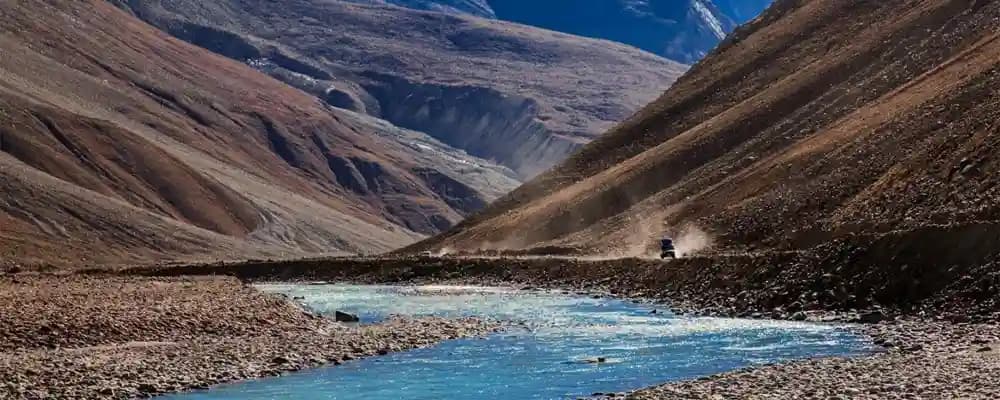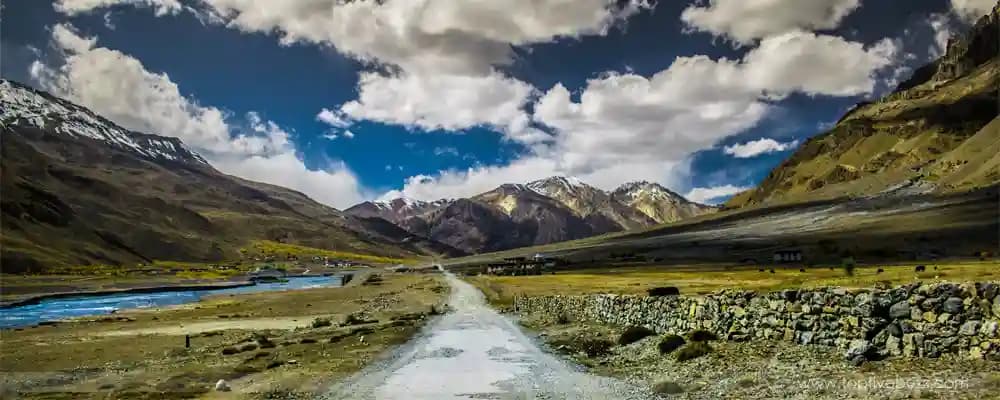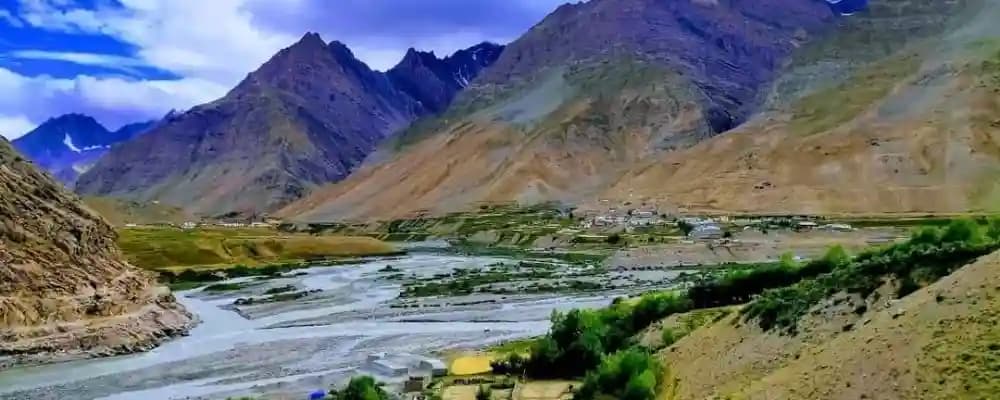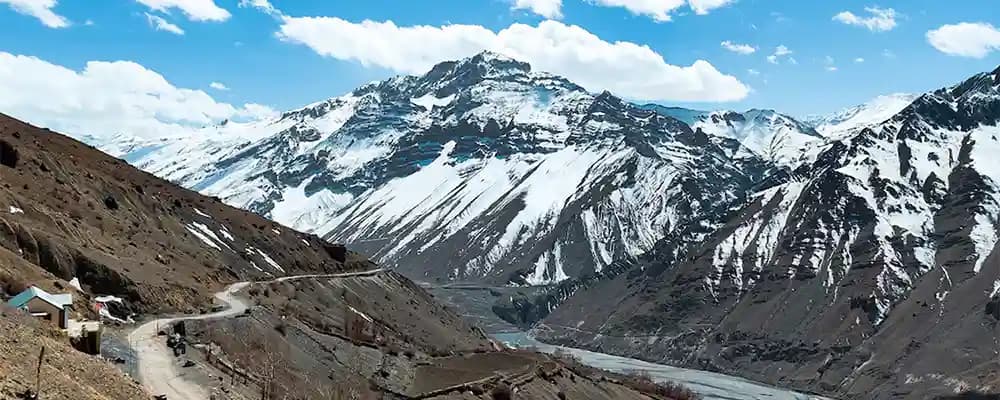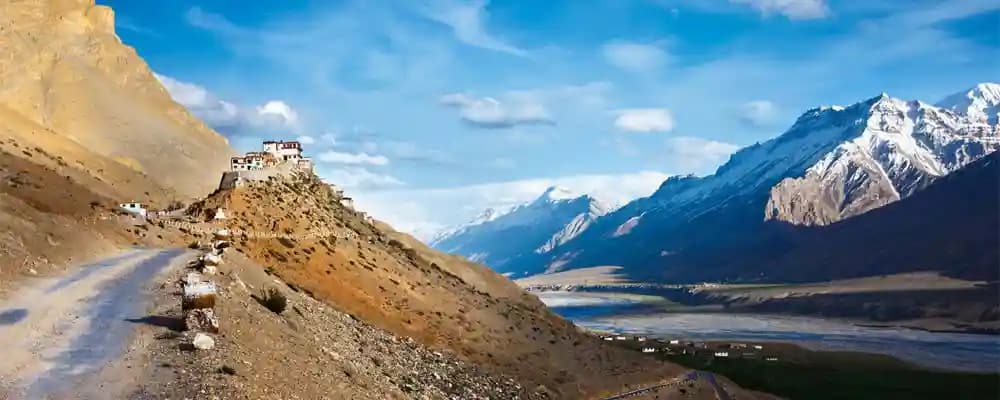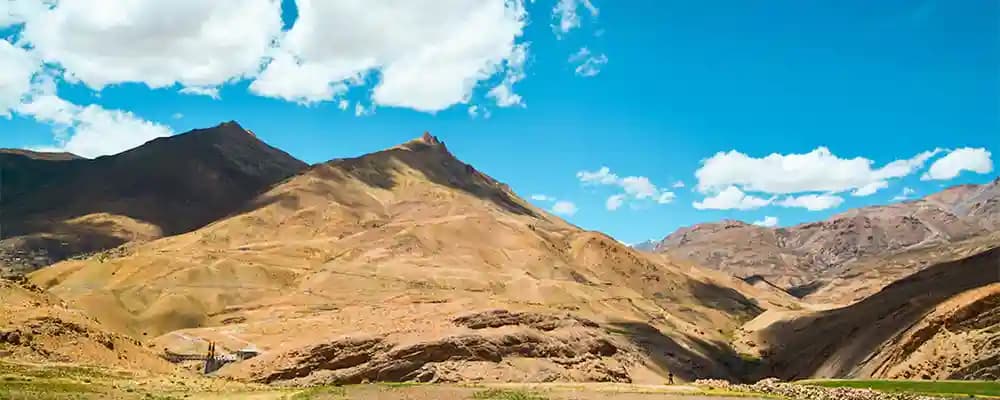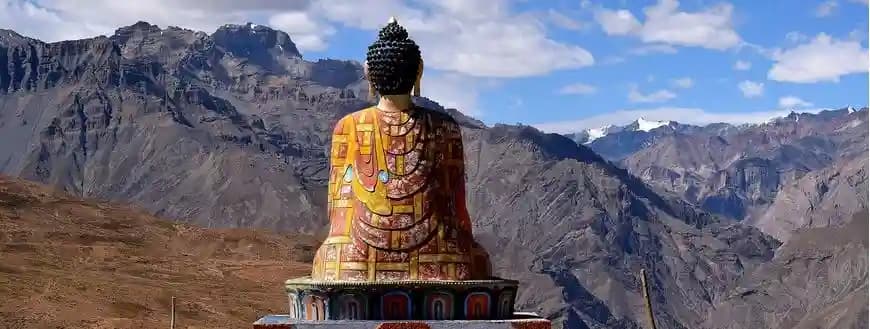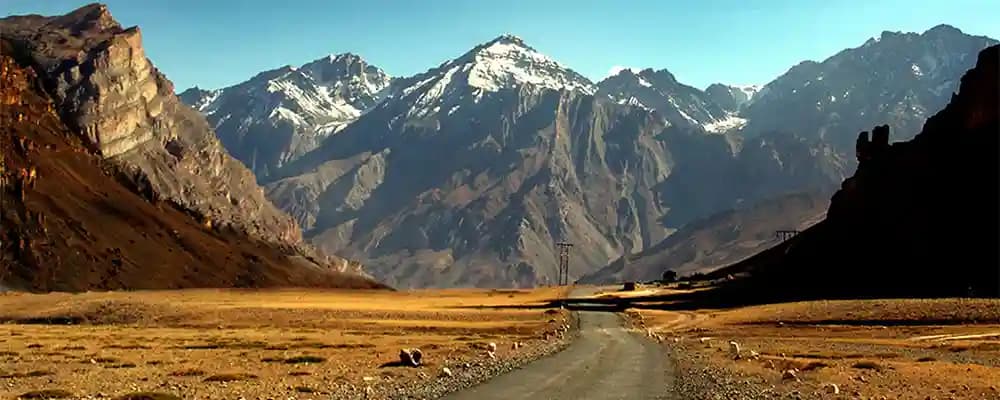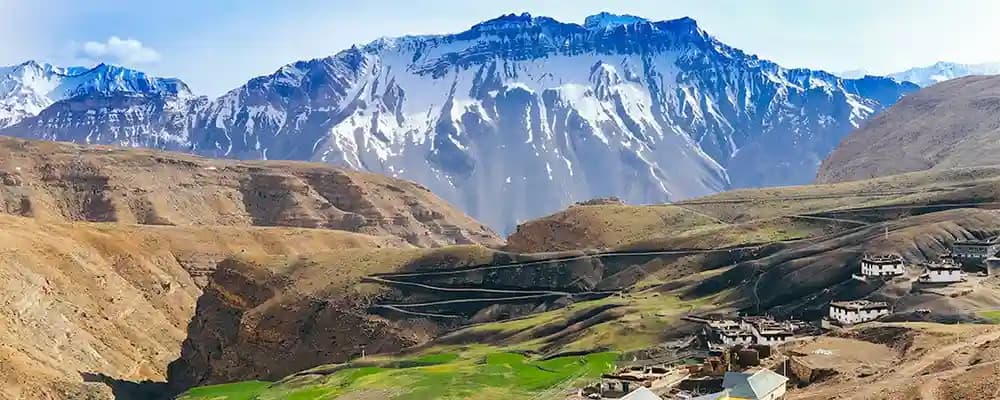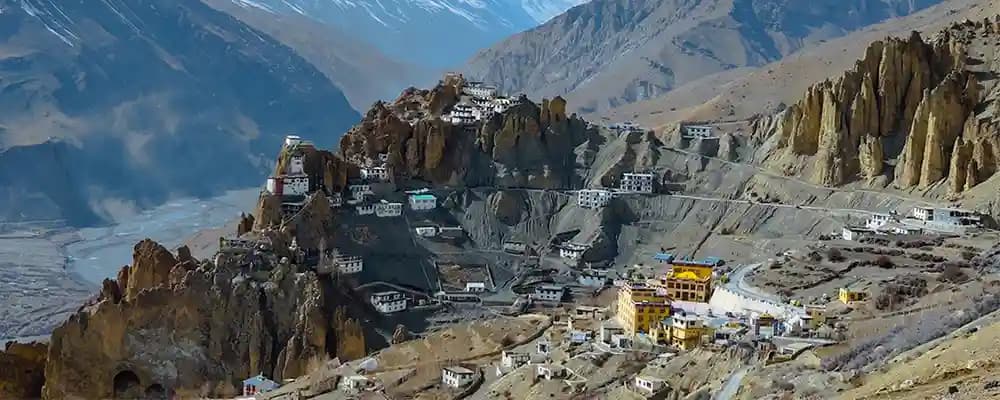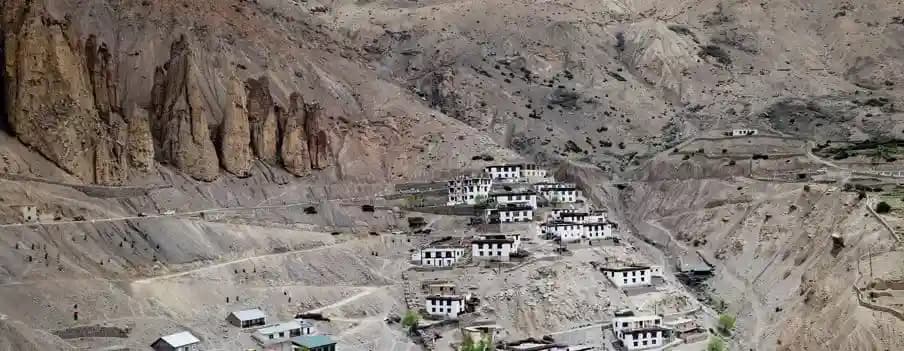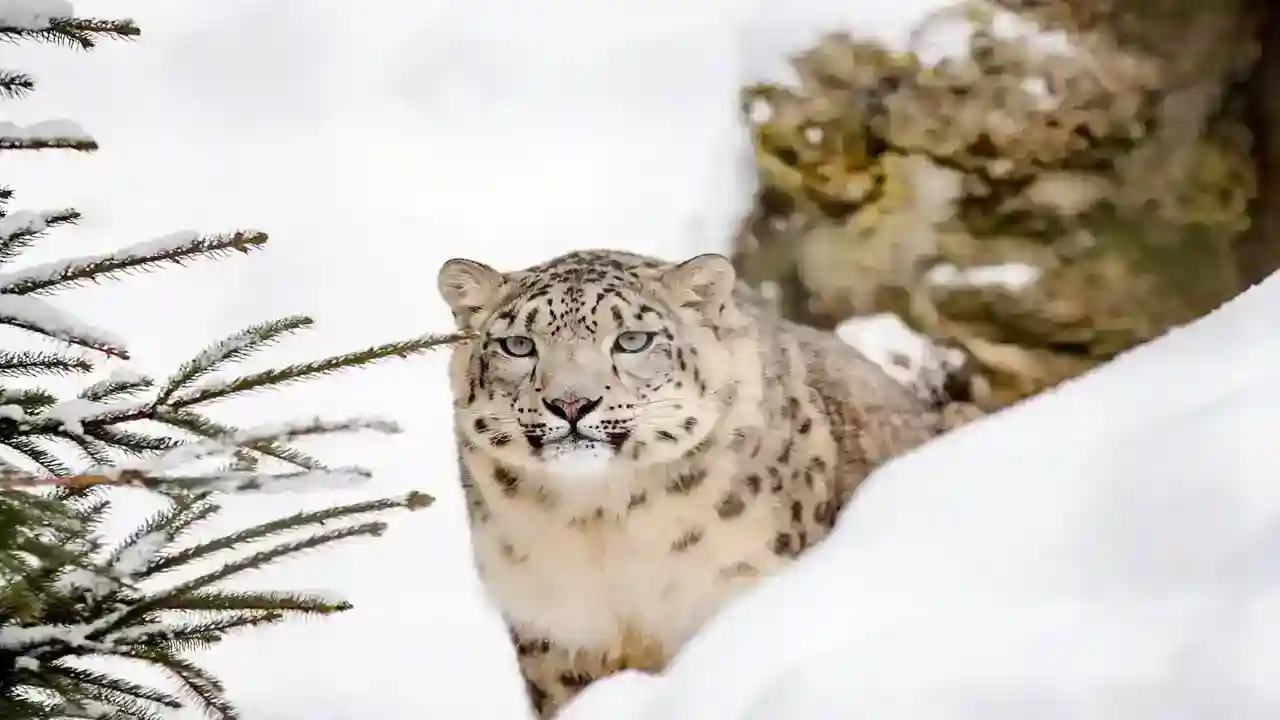
Can a cold desert hide rare wolves and wild cats? Spiti looks empty at first, with rocky mountains and freezing cold everywhere you look. But there's actually a whole world of incredible creatures living here if you know where to find them. The wildlife of Spiti Valley includes snow leopards moving across silent peaks, Tibetan wolves hunting together, and rare ibex balancing on steep cliffs. Spiti Valley wildlife survives in extreme conditions that seem impossible for most animals.
Most travellers choose a Spiti tour package for the ancient monasteries and stunning views. What they don't realise is that the valley shelters species found almost nowhere else. This guide covers all the prime sanctuaries and spots where these elusive animals actually show up. Find out where to head, what signs to look for, and which months give the best shot at spotting these magnificent creatures in action.
Animals That Call Spiti Home
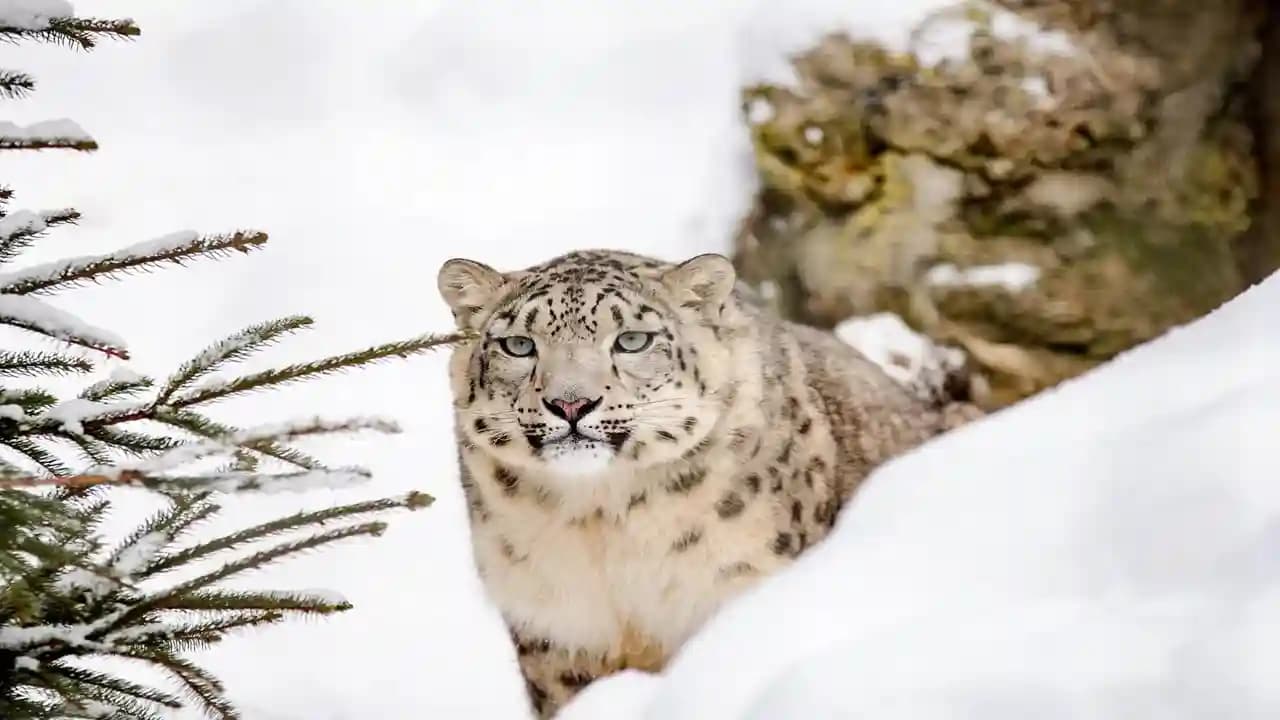
Spiti sits at altitudes where most creatures simply can't survive. But somehow, the wildlife of Spiti Valley has figured out how to thrive in this frozen world. The snow leopard rules these mountains as the biggest wildlife of Spiti Valley, weighing up to 55 kg and hunting blue sheep across icy slopes. Tibetan wolves travel in packs of six to eight and hunt together in the thin mountain air. Look at the cliffs, and you'll see Himalayan ibex balancing on edges that seem impossible to stand on. The tiny pika, a rabbit cousin, spends summer collecting grass to store for winter when food disappears. Tibetan wild ass gallop across the high plains surprisingly fast, even with so little oxygen up there. Golden eagles nest on remote cliffs and circle the skies watching for any movement below. Spotting these creatures ranks among the most rewarding things to do in Spiti Valley for nature lovers.
Best Time to See Wildlife in Spiti Valley

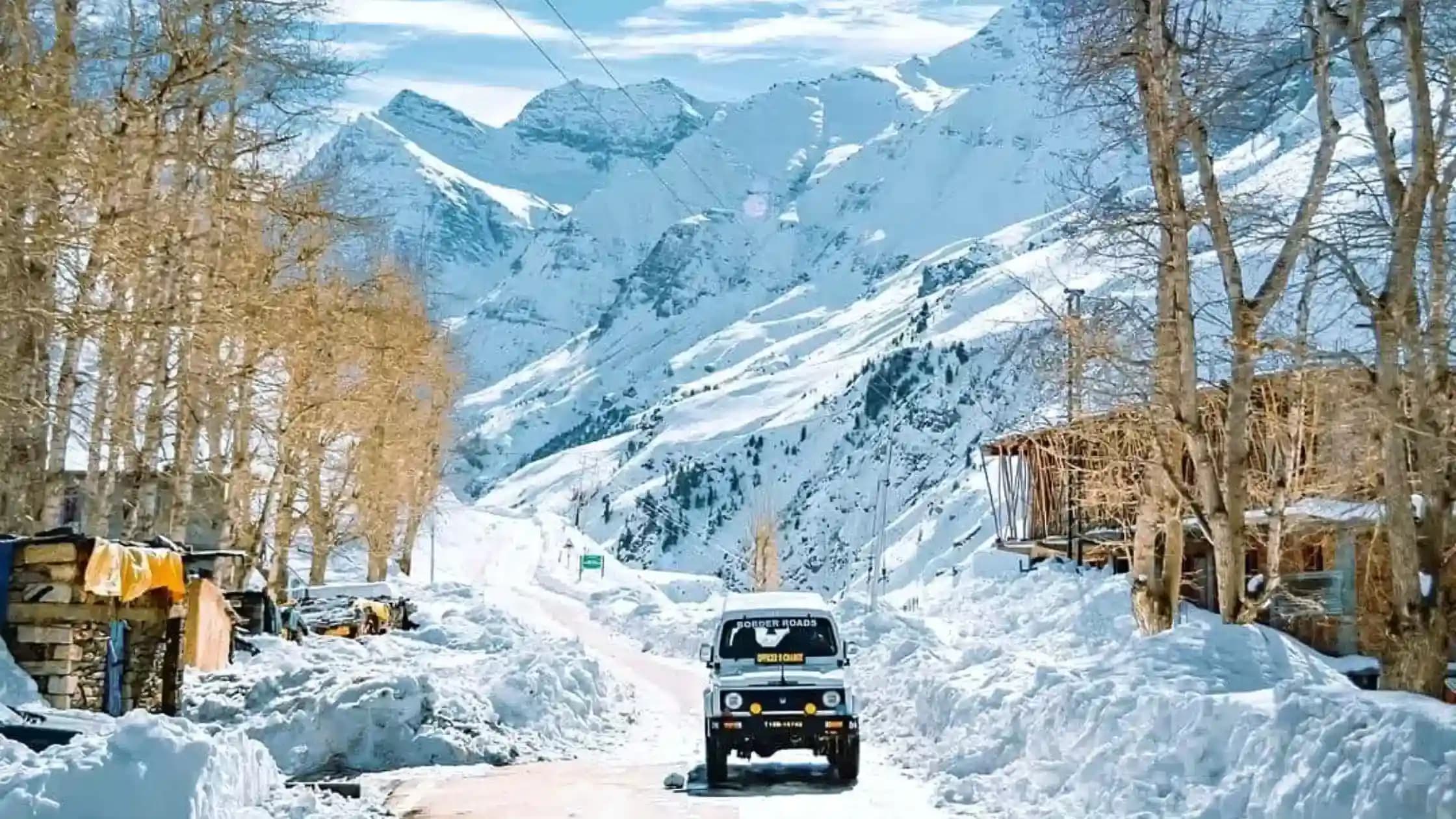
Wildlife spotting in Spiti happens best between May and October when the cold eases up. Days warm up to around 15°C to 20°C, which makes trekking actually doable without freezing. The snow finally melts, and the mountain passes that stayed blocked all winter open up again. The best time to visit Spiti Valley for seeing animals is during these warmer months when the wildlife of Spiti Valley comes alive and moves around openly. Animals descend to lower grazing areas after months of hiding from the brutal cold. October brings something special because snow leopards start their mating season and become a bit less secretive. Winter months from November to April push temperatures down to minus 30°C and blanket everything under thick snow. Most roads become completely inaccessible, and animals retreat to protected valleys where humans can't reach them.
Top Places to Spot Wildlife of Spiti Valley
Finding wildlife in Spiti comes down to knowing exactly where to go. Certain areas attract animals because of natural resources and safe terrain. These wildlife places in Spiti Valley offer the best chances of spotting rare species in their natural habitat. Among all the places to visit in Spiti Valley, these 4 incredible locations stand out where sightings happen most often.
1. Pin Valley National Park
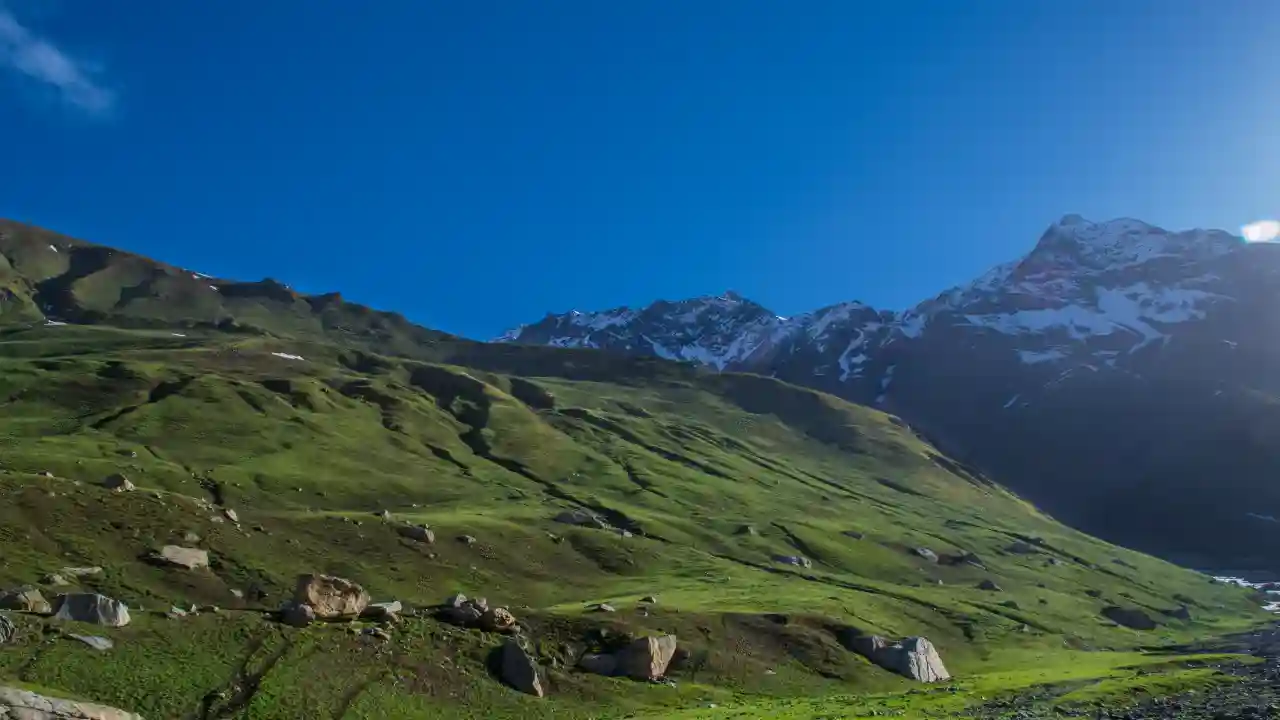
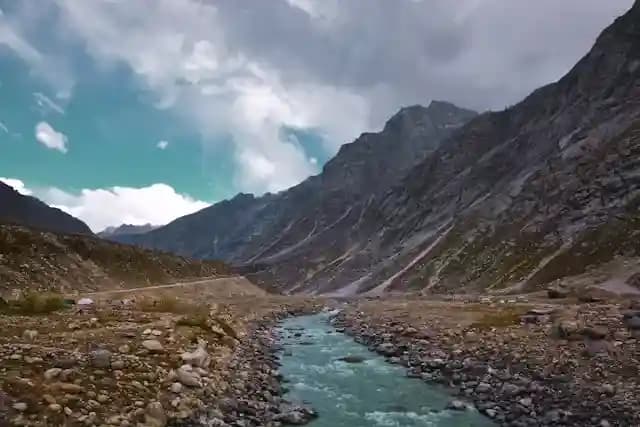
This park covers over 675 square kilometres of cold desert landscape. Snow leopards roam freely here, and locals often spot their paw prints along trails. Pin Valley National Park also shelters Siberian ibex, red fox, and bearded vultures circling overhead. The valley floor has patches of juniper forests that provide cover for smaller mammals. Summer months bring out the wildlife of Spiti Valley as animals move to open grazing areas. The Parahio River cuts through the centre and creates natural water sources. Hiking deeper into the park increases your chances of encountering something rare and memorable.
Location: Spiti Valley, Himachal Pradesh (3,000-6,000m altitude).
Entry fee: Free (₹50 camera).
Key wildlife: Snow leopards, Siberian ibex, bearded vultures.
2. Kibber Wildlife Sanctuary

Kibber village marks the entry point to one of the best places for wildlife spotting in Spiti Valley. The sanctuary extends across high-altitude terrain above 4,000 metres. Blue sheep graze on steep slopes in groups of twenty or more. Tibetan wolves hunt these areas and their howls echo through the mountains at dawn. Kibber Wildlife Sanctuary has recorded the highest density of snow leopards in the entire region. Golden eagles and Himalayan griffons nest on cliff faces throughout the reserve. October through March brings snow leopards closer to Kibber village, searching for prey. Local guides know the movement patterns and can take you to recent sighting spots.
Location: Spiti Valley near Kibber village (4,200m altitude).
Entry fee: ₹100 per person.
Key wildlife: Snow leopards, blue sheep, Tibetan wolves.
3. Suraj Tal Wildlife Sanctuary
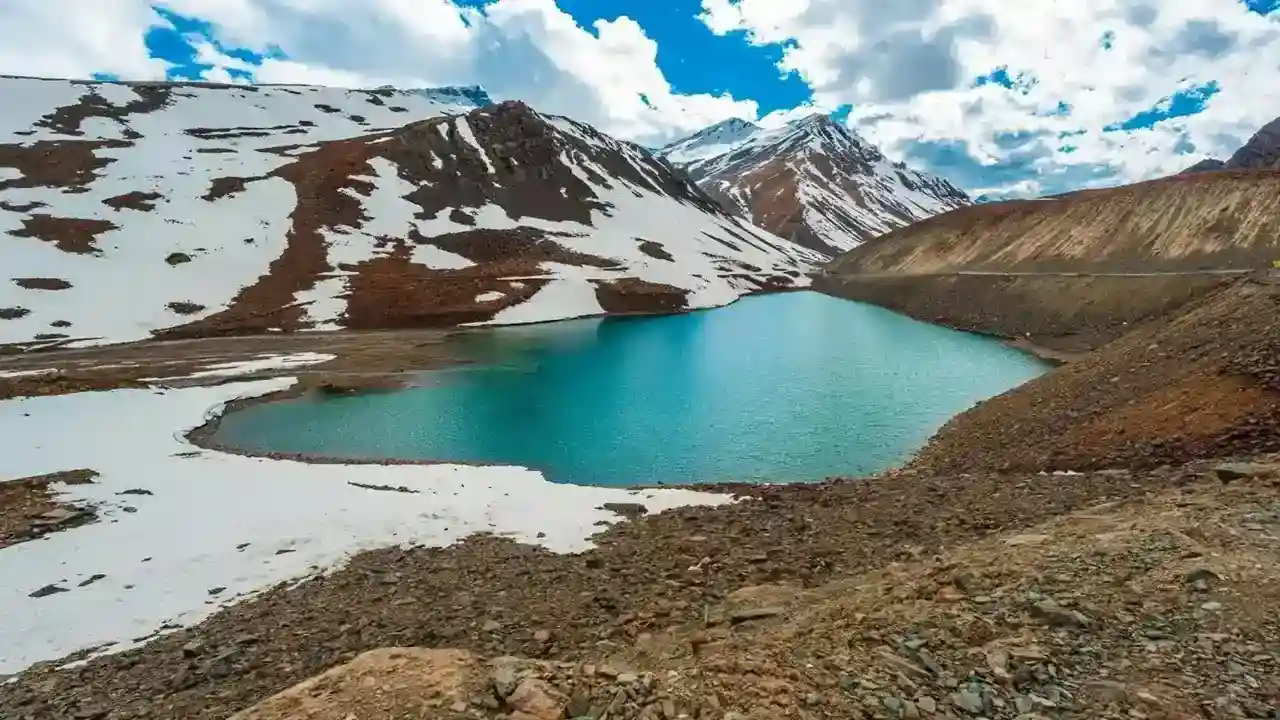
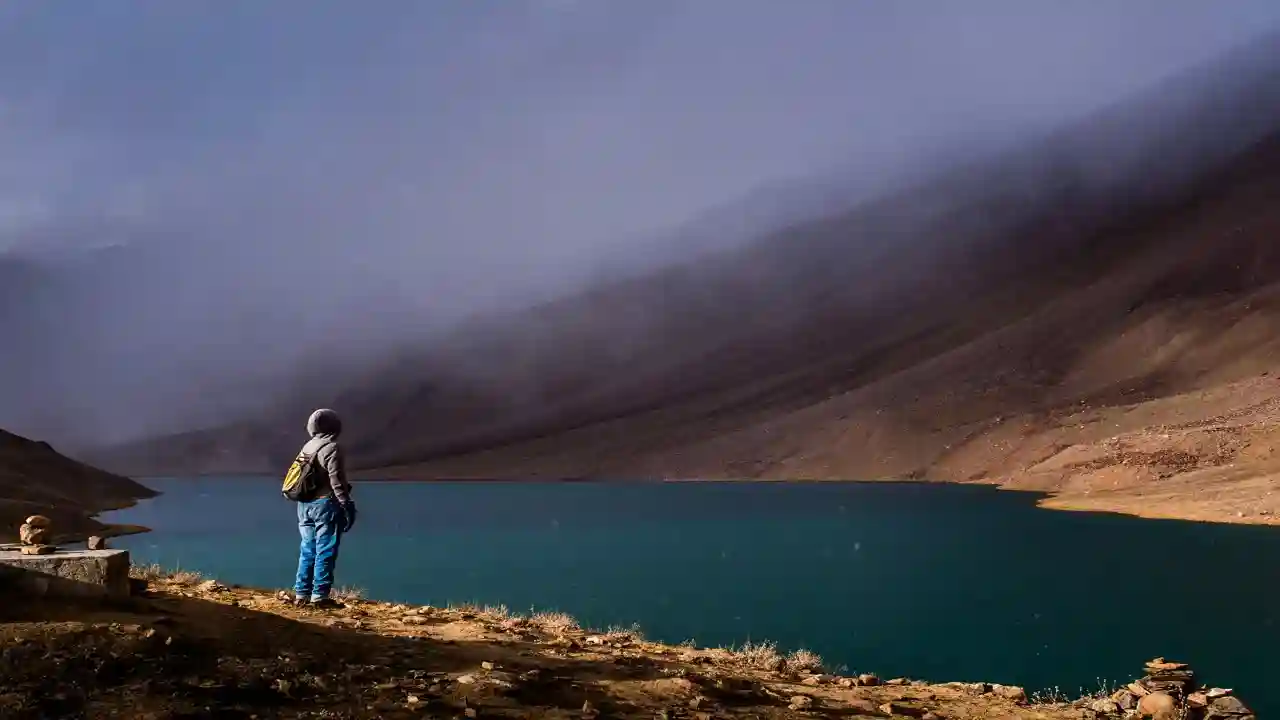
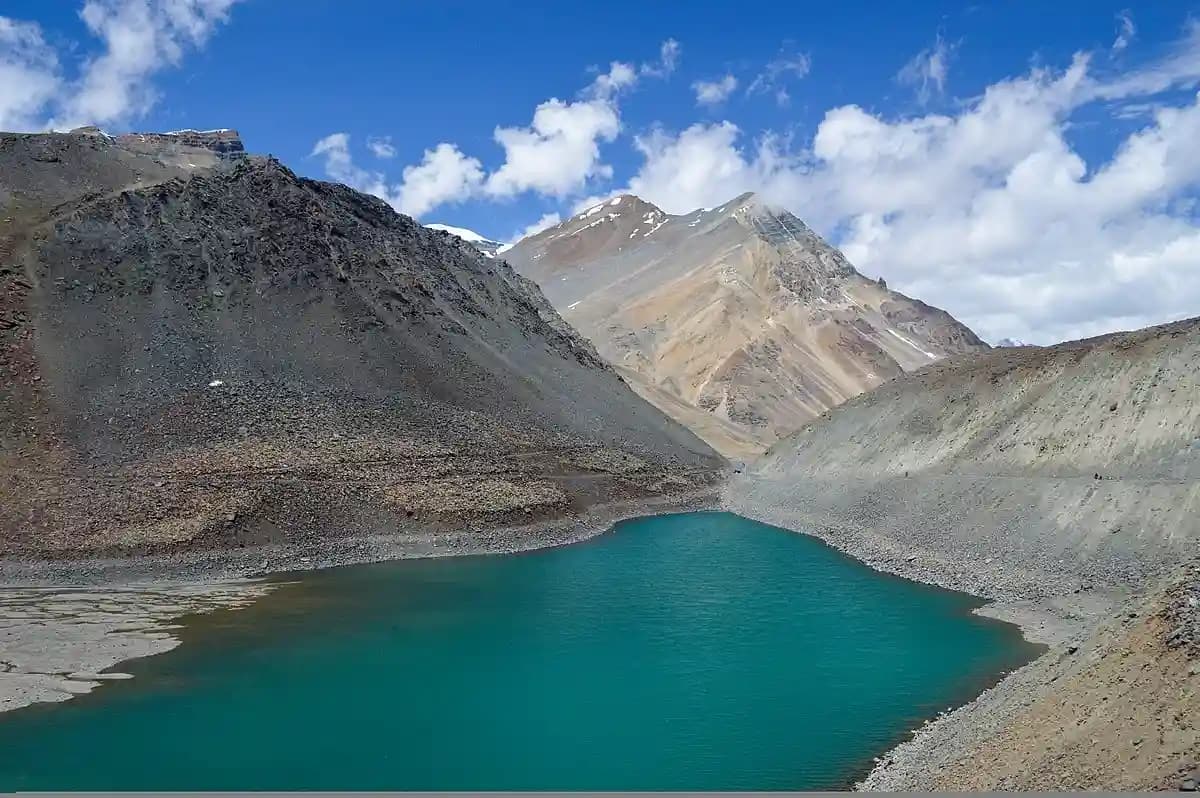
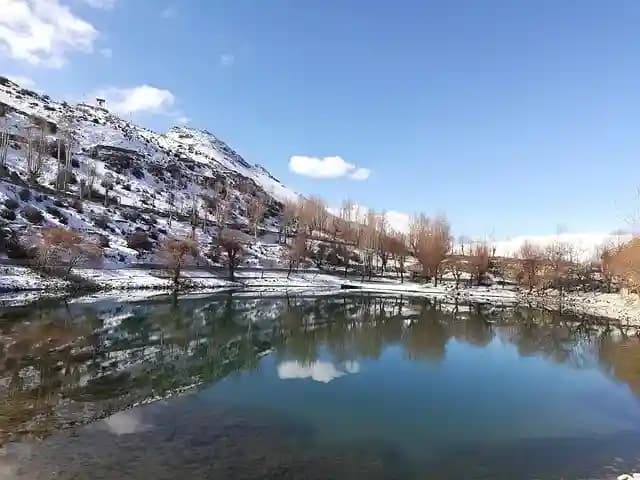
The sanctuary surrounds Suraj Tal lake, which gleams bright blue at 4,800 metres altitude. Tibetan gazelles gather near the lake shores during early morning hours. This area has minimal human presence, so Spiti Valley wildlife behaves more naturally here. Marmots pop out from rocky burrows and whistle warnings when predators approach. The landscape looks completely barren but supports a surprising number of species. Snow leopards cross this zone while moving between hunting territories in different valleys. Suraj Tal Wildlife Sanctuary becomes accessible only from June, when the snow clears from the roads. Birdwatchers come here specifically for Himalayan snowcock and brown accentor sightings.
Location: Lahaul-Spiti near Suraj Tal lake (4,800m altitude).
Entry fee: Free or nominal.
Key wildlife: Tibetan gazelles, marmots, Himalayan snowcocks.
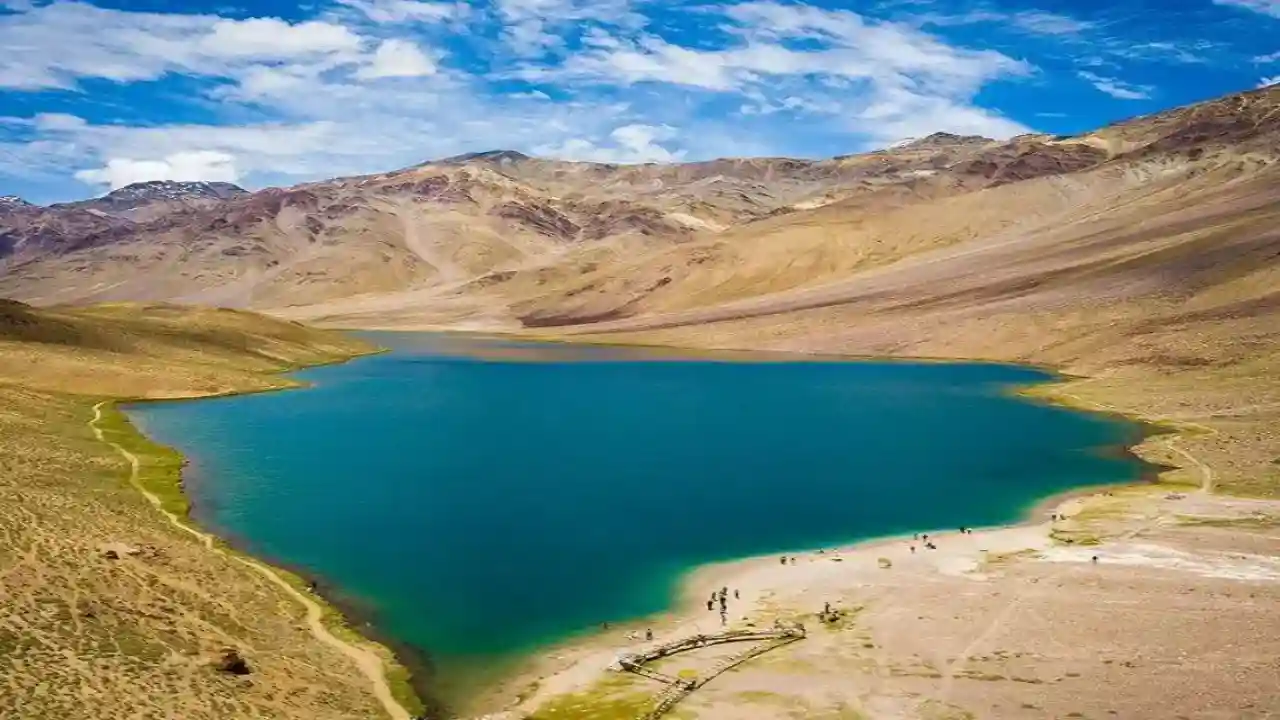
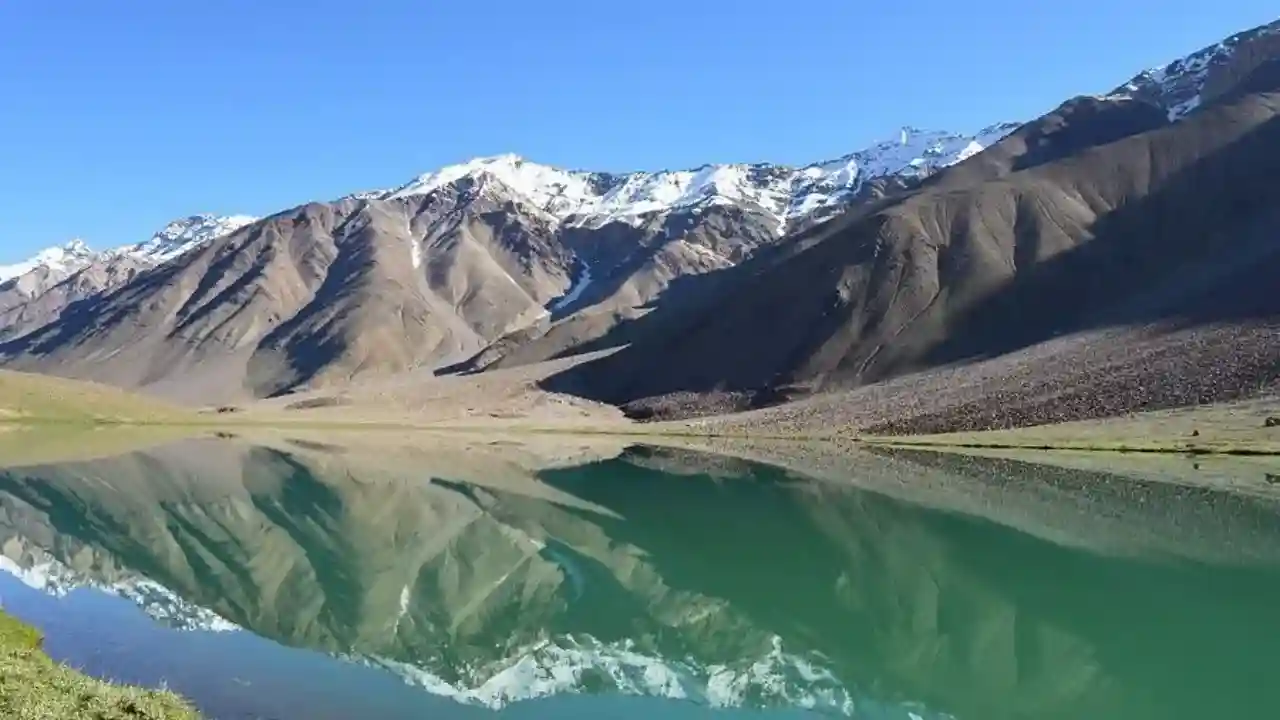
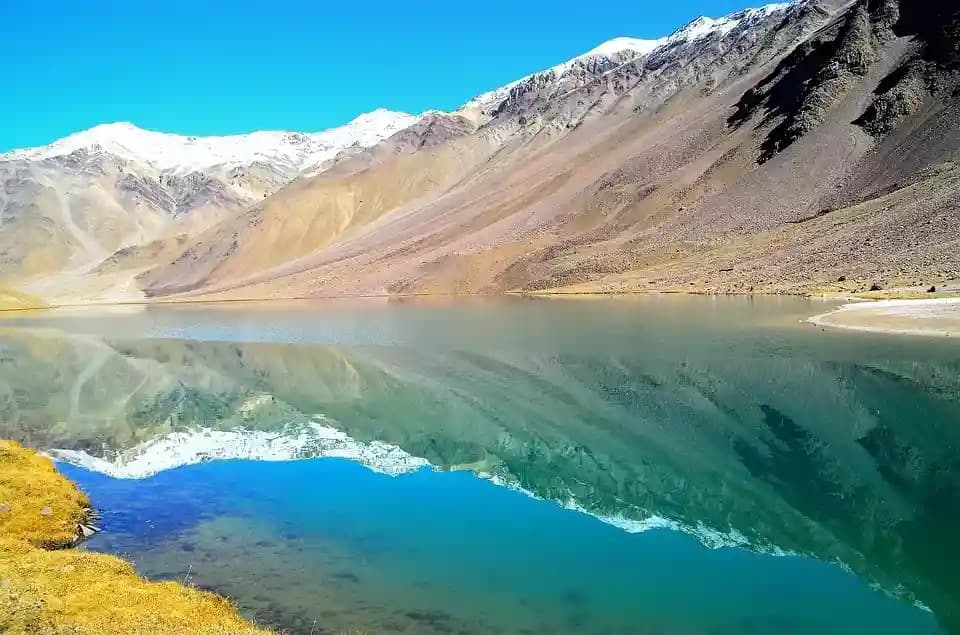
4. Chandratal Wildlife Sanctuary
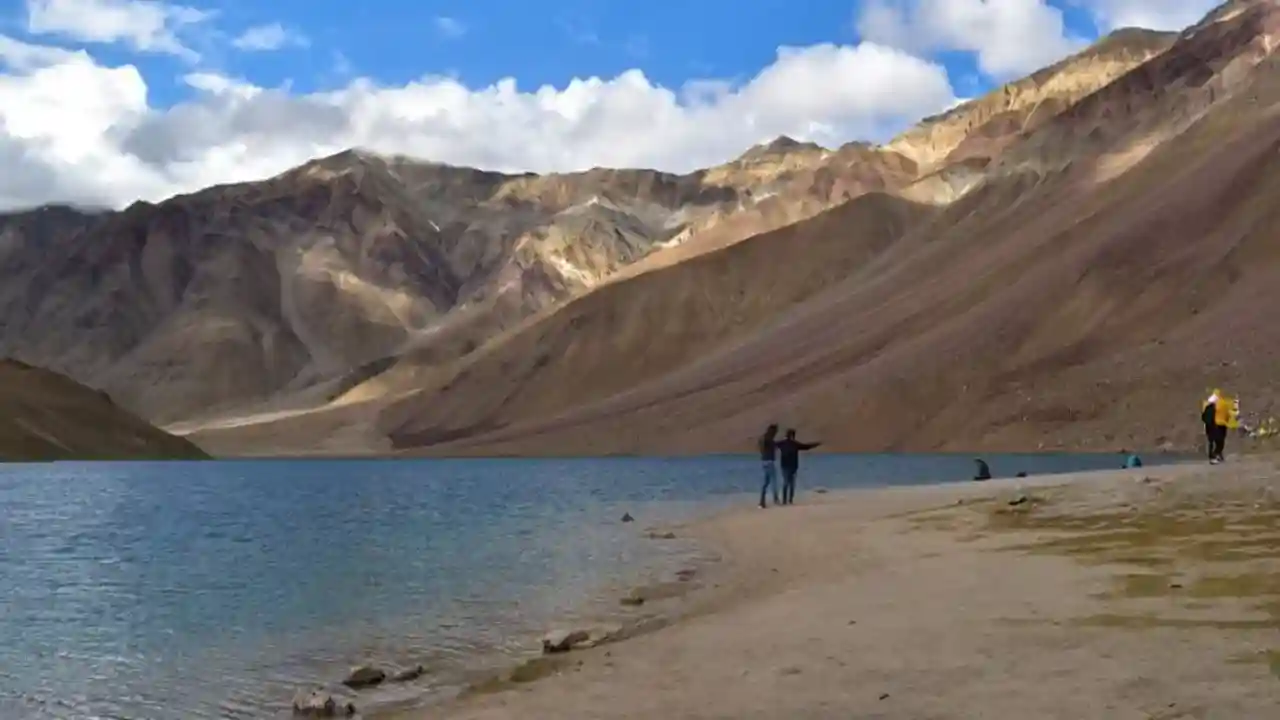
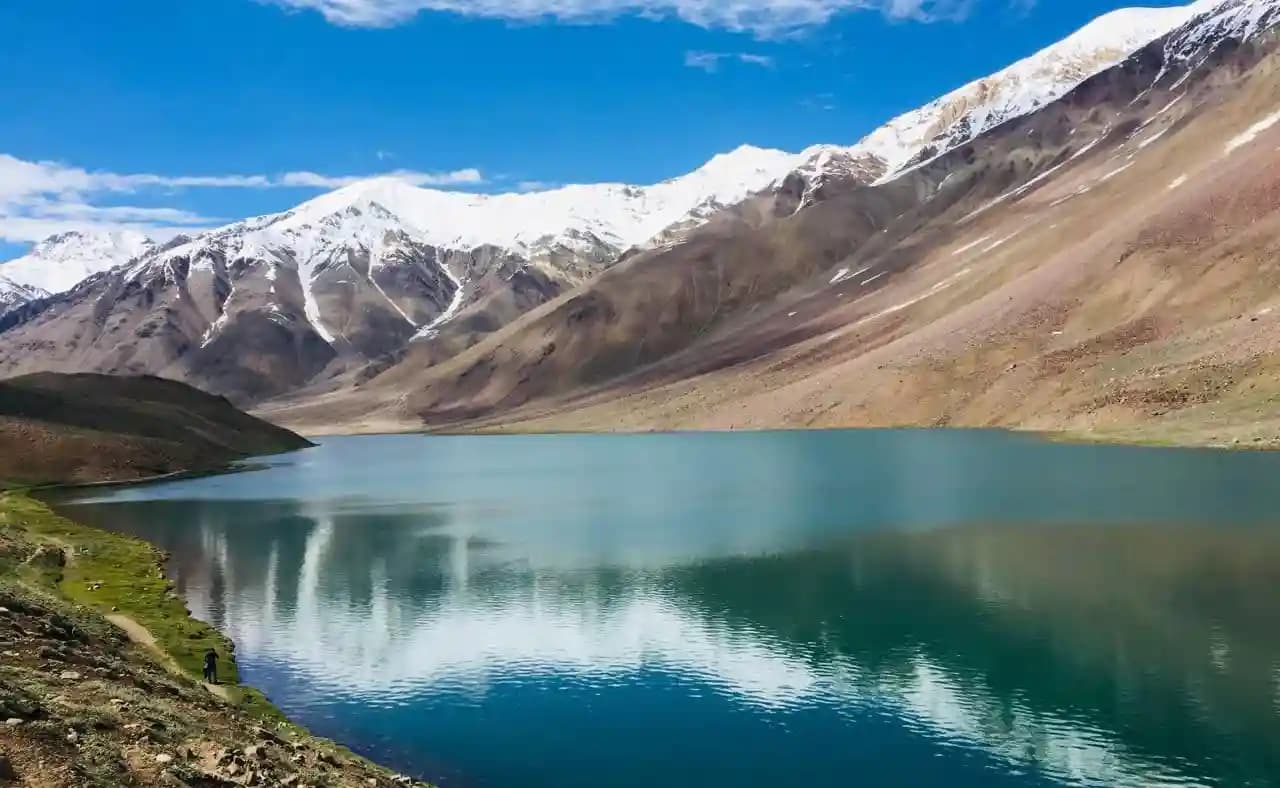
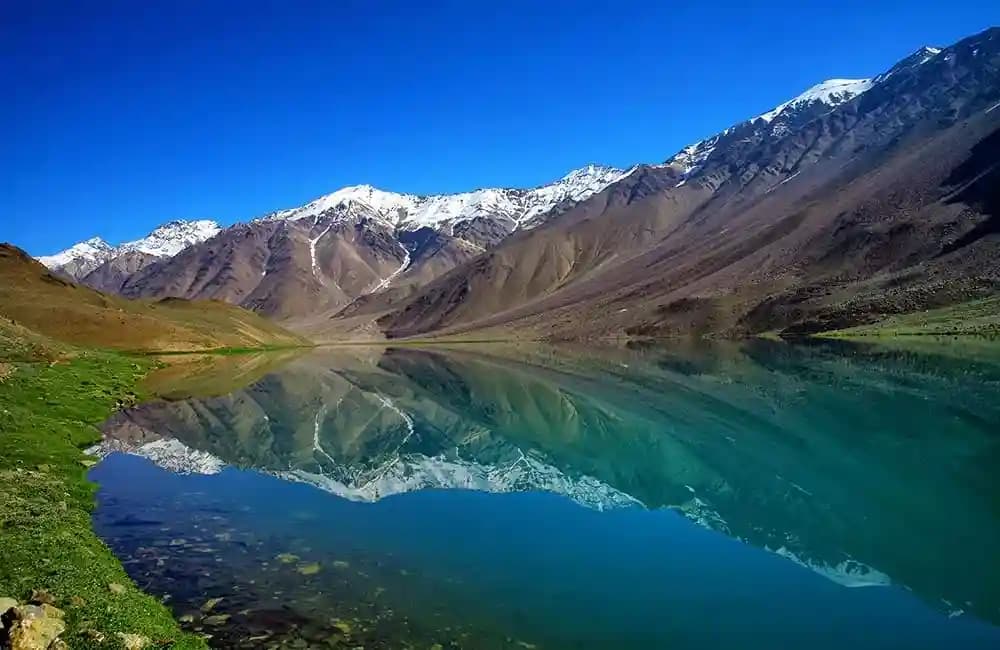
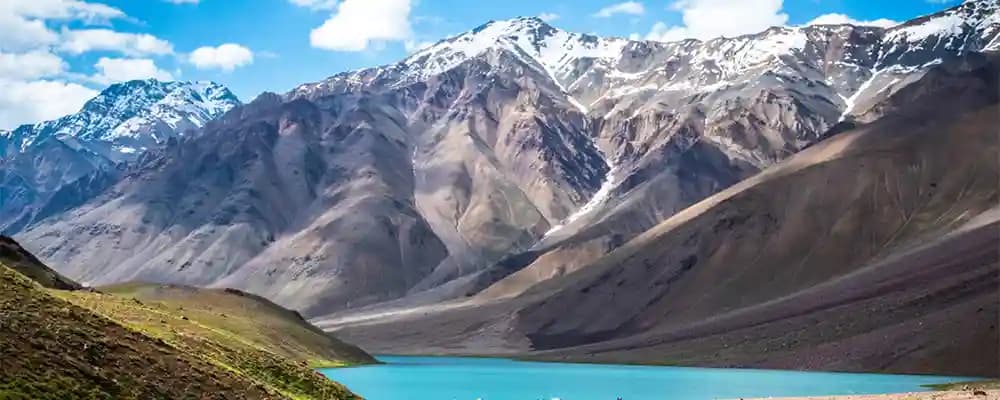
Chandratal Lake attracts visitors with its crescent shape and crystal clear water at a high altitude. The sanctuary around it protects the fragile ecosystem that barely survives up there. Himalayan marmots are everywhere, sitting on rocks in the sun and fattening up before winter hibernation starts. Kestrels hover above the grasslands, hunting for pikas and voles moving around below. The wildlife of Spiti Valley depends on these protected zones to survive harsh conditions. Chandratal Wildlife Sanctuary also has healthy populations of Tibetan woolly hare and mountain weasel. Dawn and dusk offer the best lighting and animal activity around the lake. Camping here overnight gives you multiple chances to spot nocturnal hunters on the move.
Location: Spiti Valley around Chandratal lake (4,300m altitude).
Entry fee: ₹150 Indians, ₹500 foreigners.
Key wildlife: Himalayan marmots, kestrels, Tibetan woolly hares.
Conclusion
Spiti Valley keeps its secrets hidden, and that makes finding animals here feel really special. These creatures live through cold and conditions that would kill most other species easily. Seeing a snow leopard cross a far ridge or watching Tibetan wolves hunt changes how you think about nature completely. The wildlife of Spiti Valley shows that life survives even where it seems impossible. These sanctuaries protect animals you won't find in many other places, and your visit actually helps conservation work. Bring binoculars, stay patient, and get ready for moments that happen once in your lifetime. The mountains wait with wildlife encounters that only the luckiest travellers ever witness.