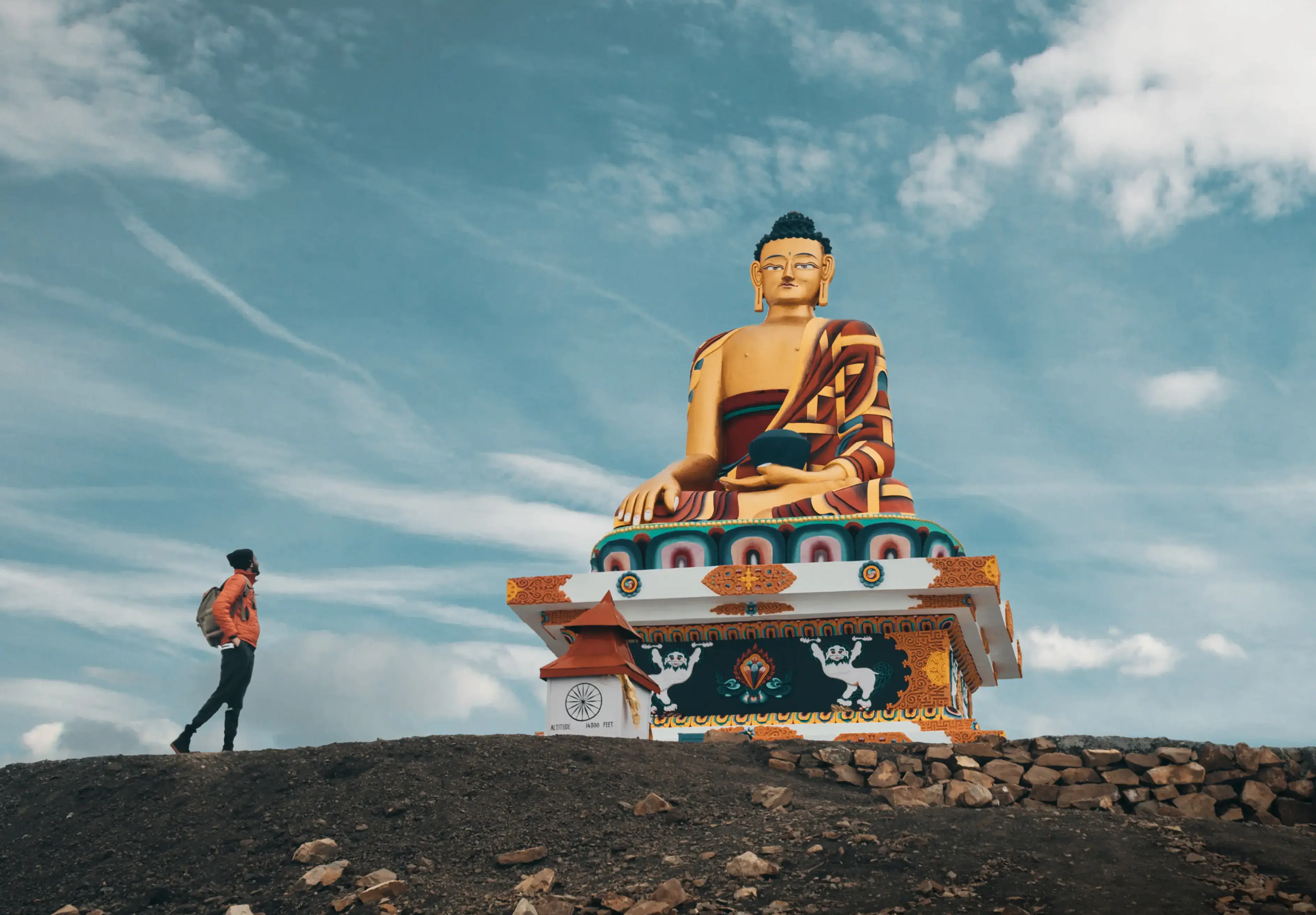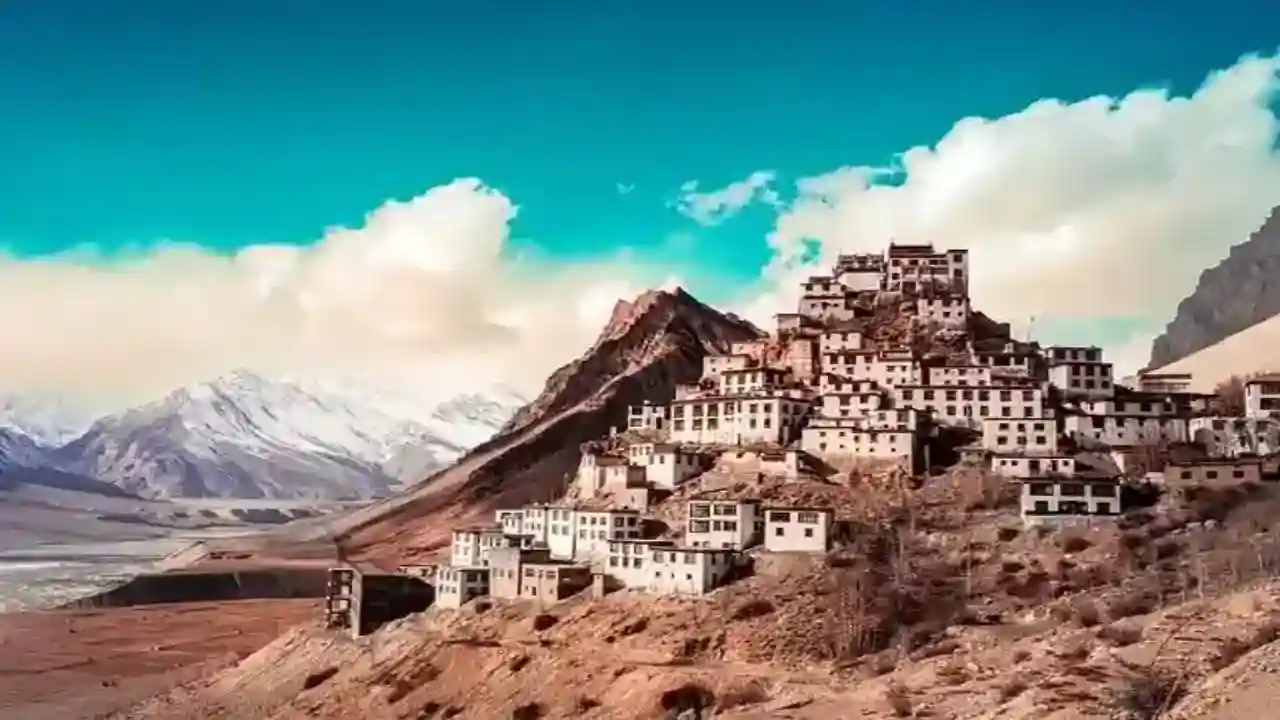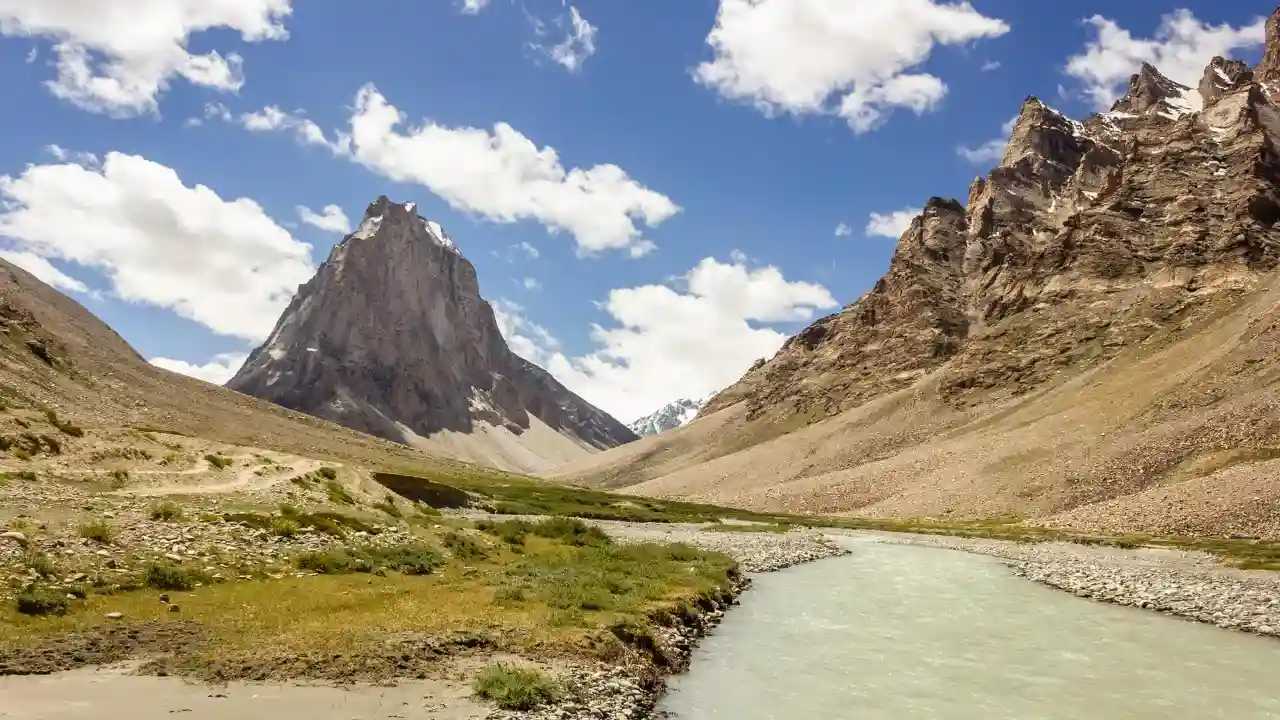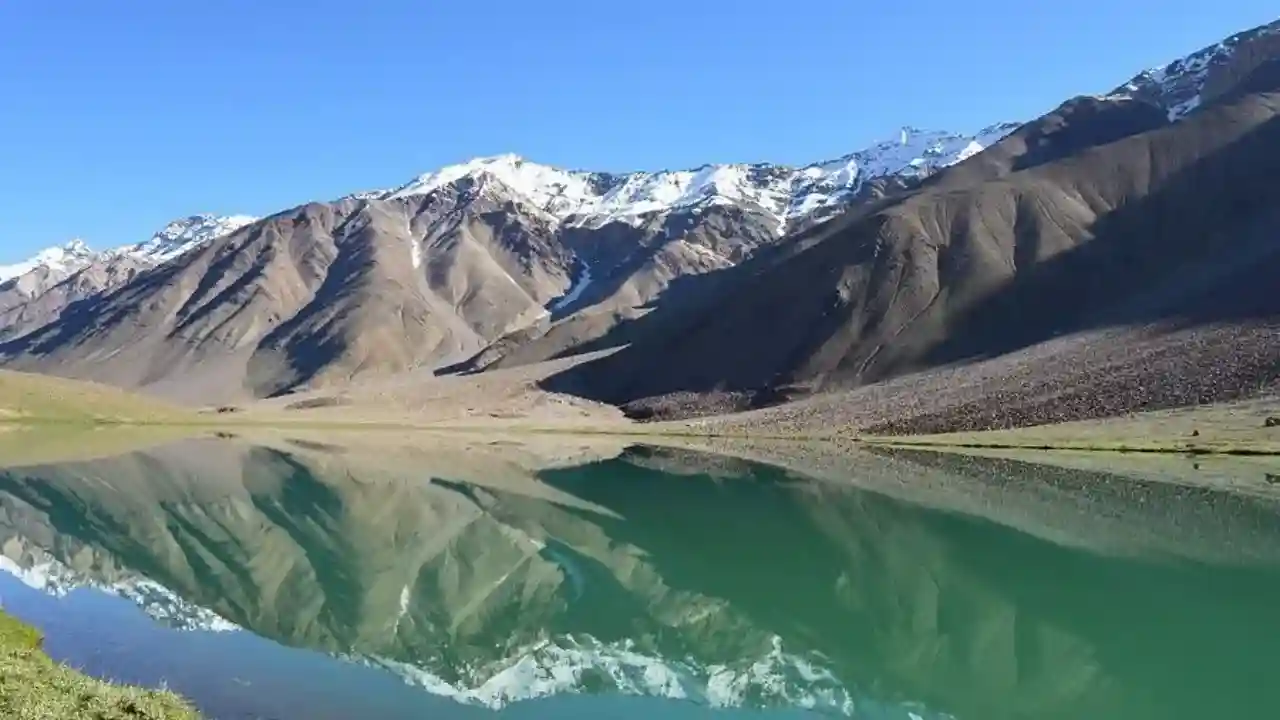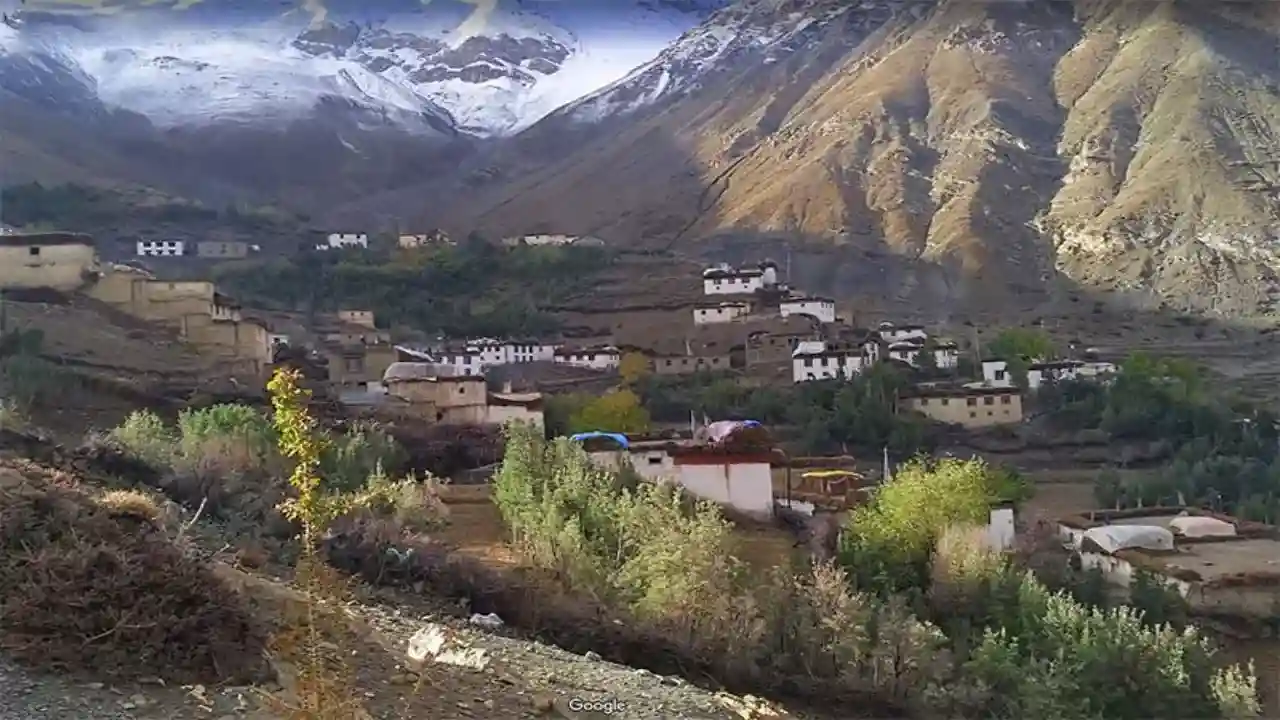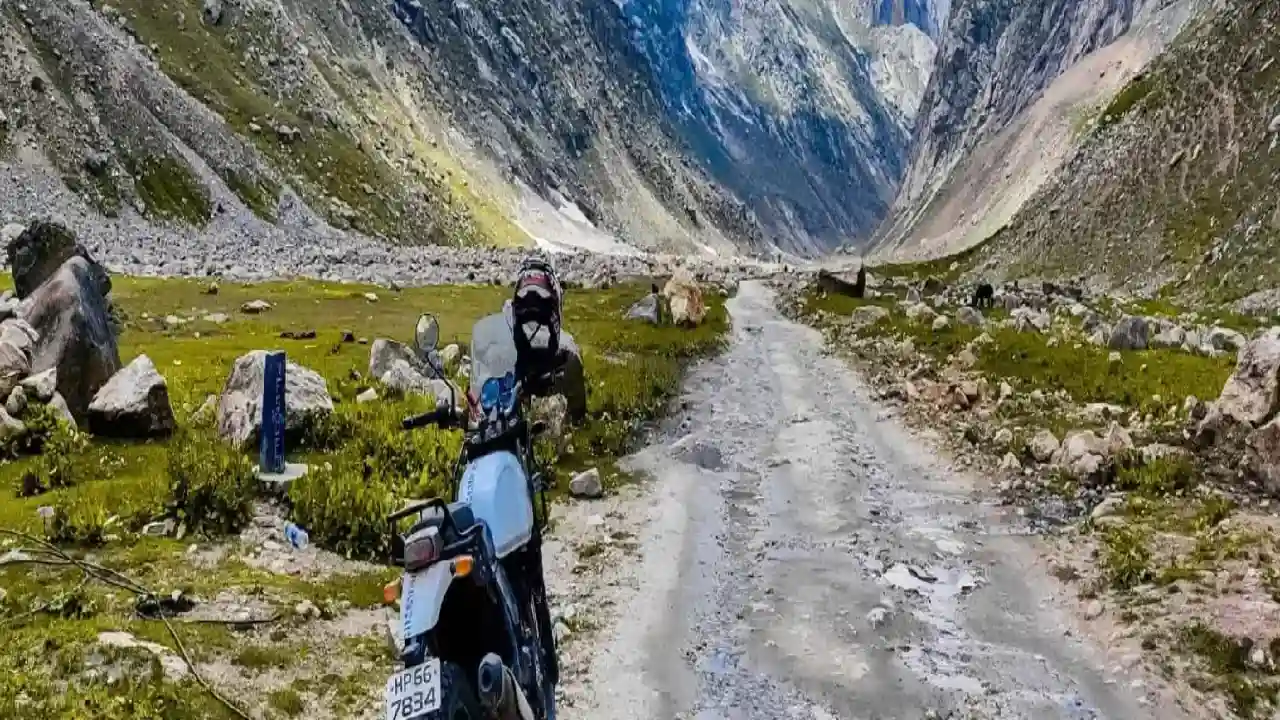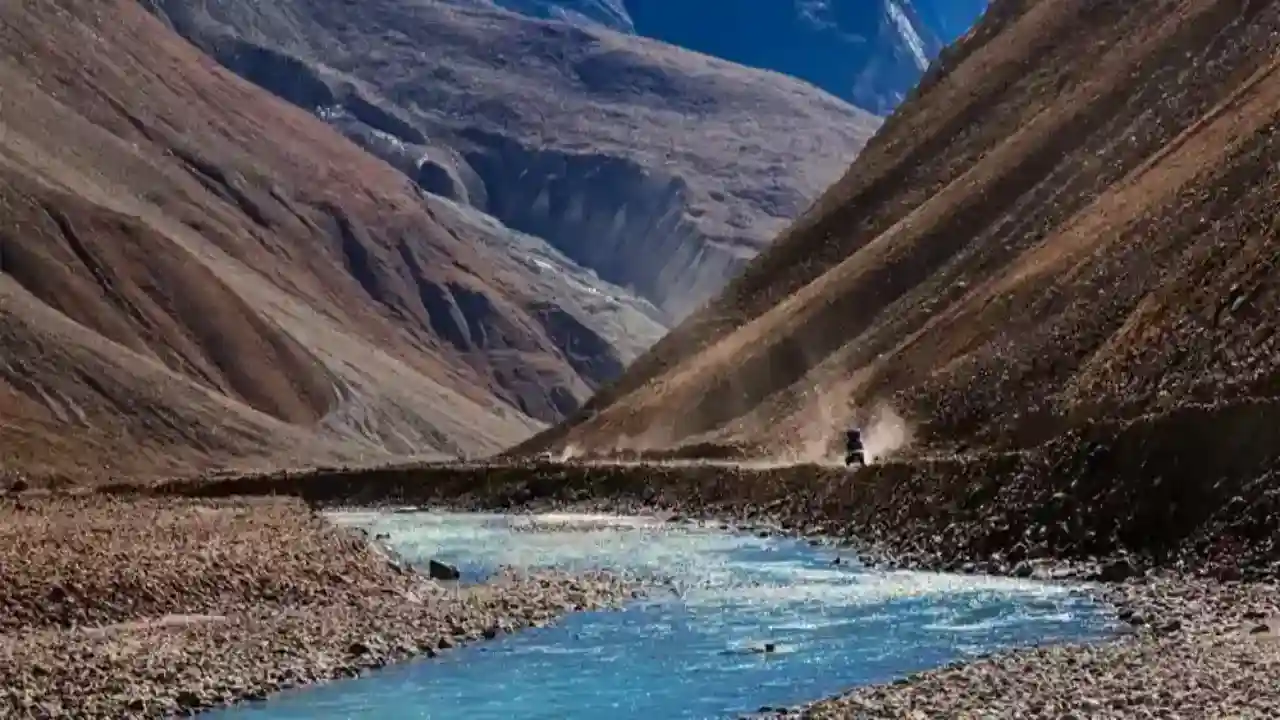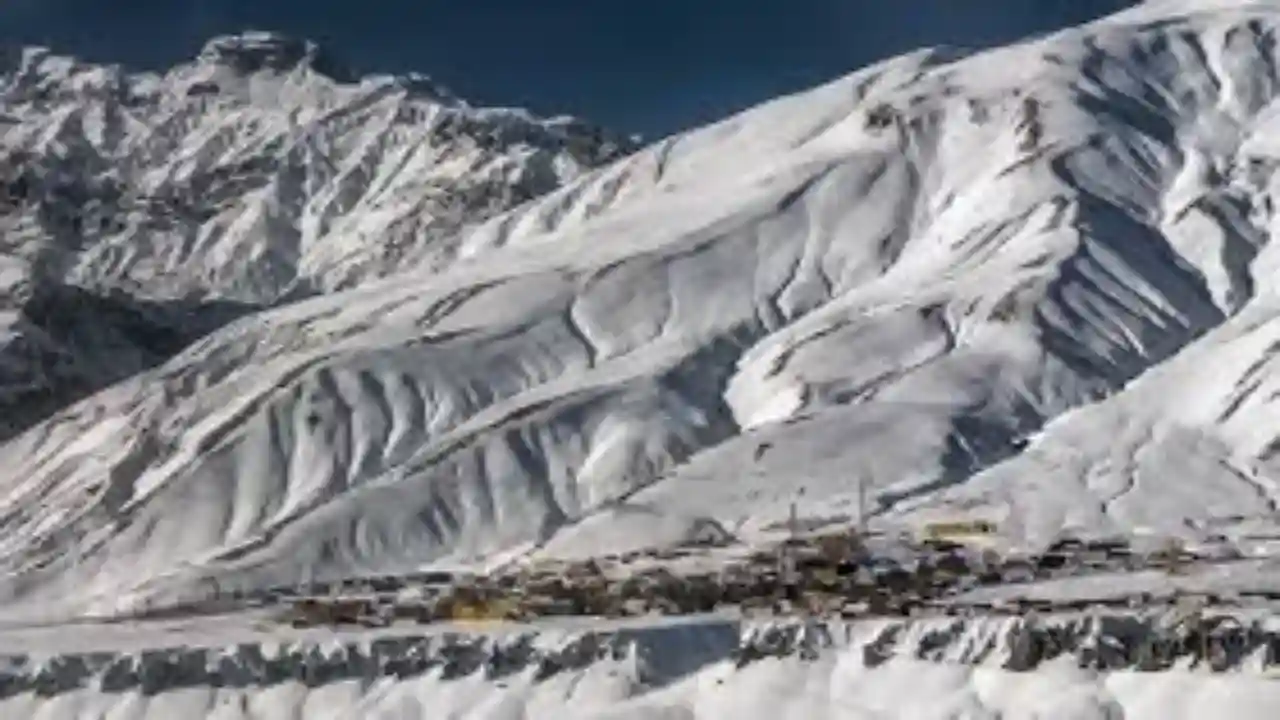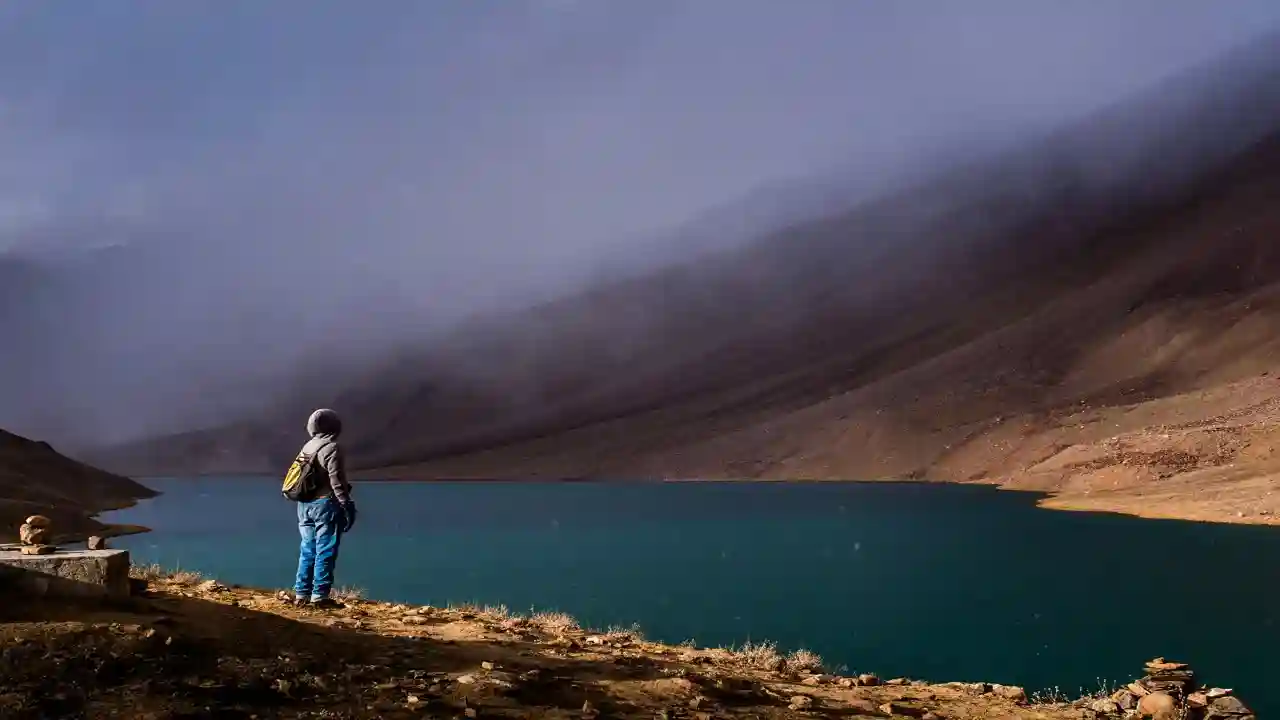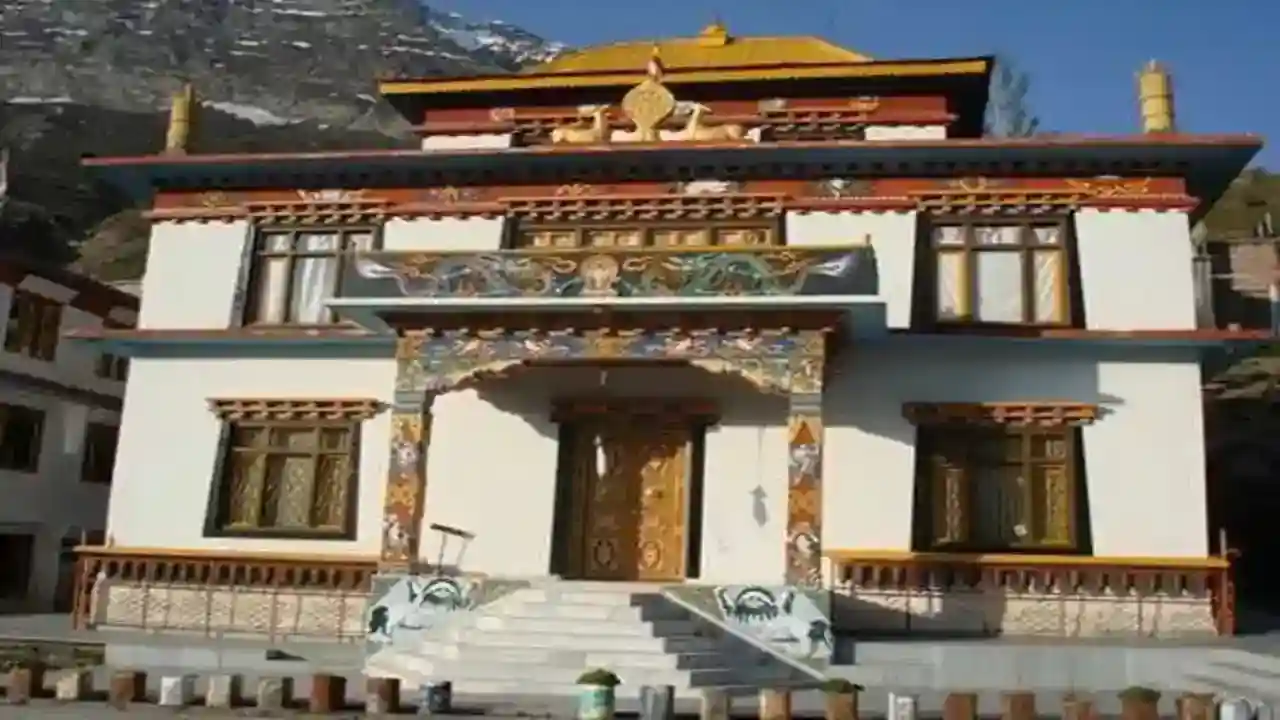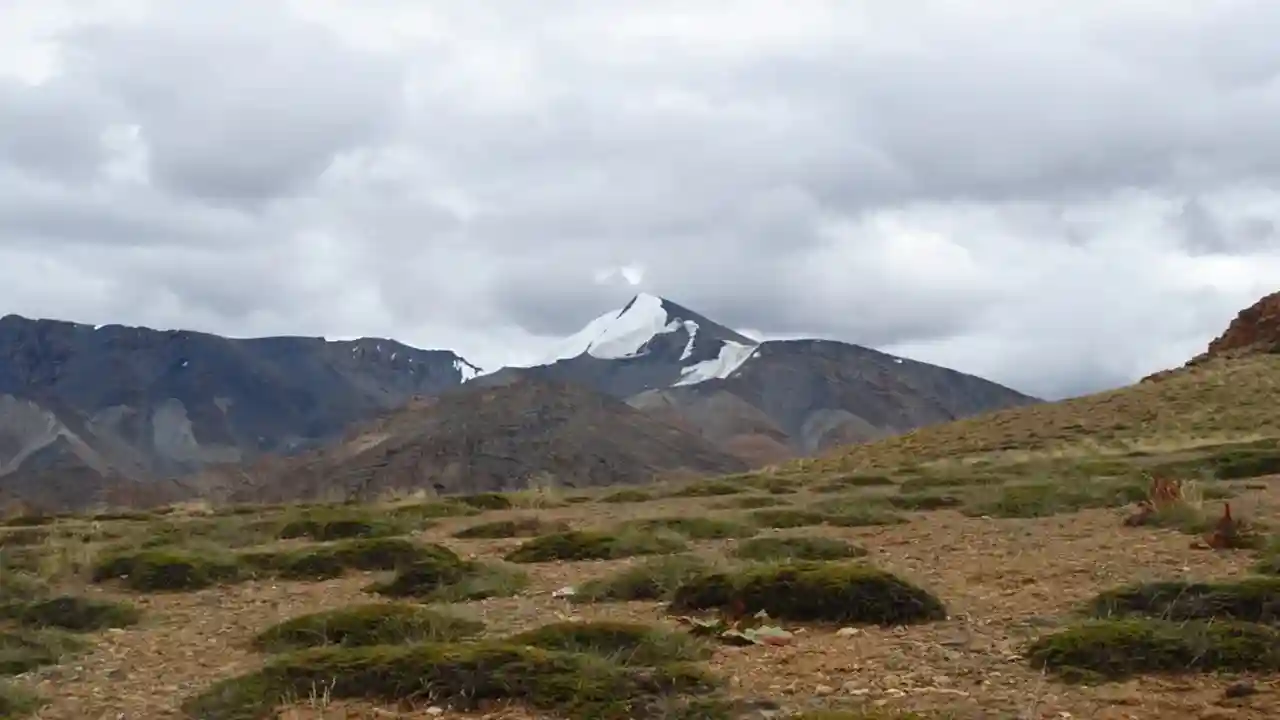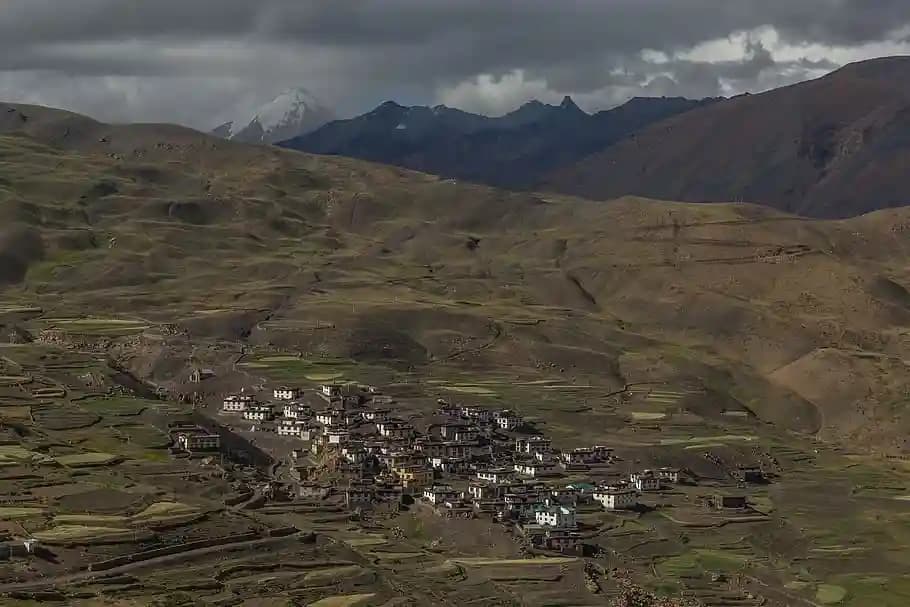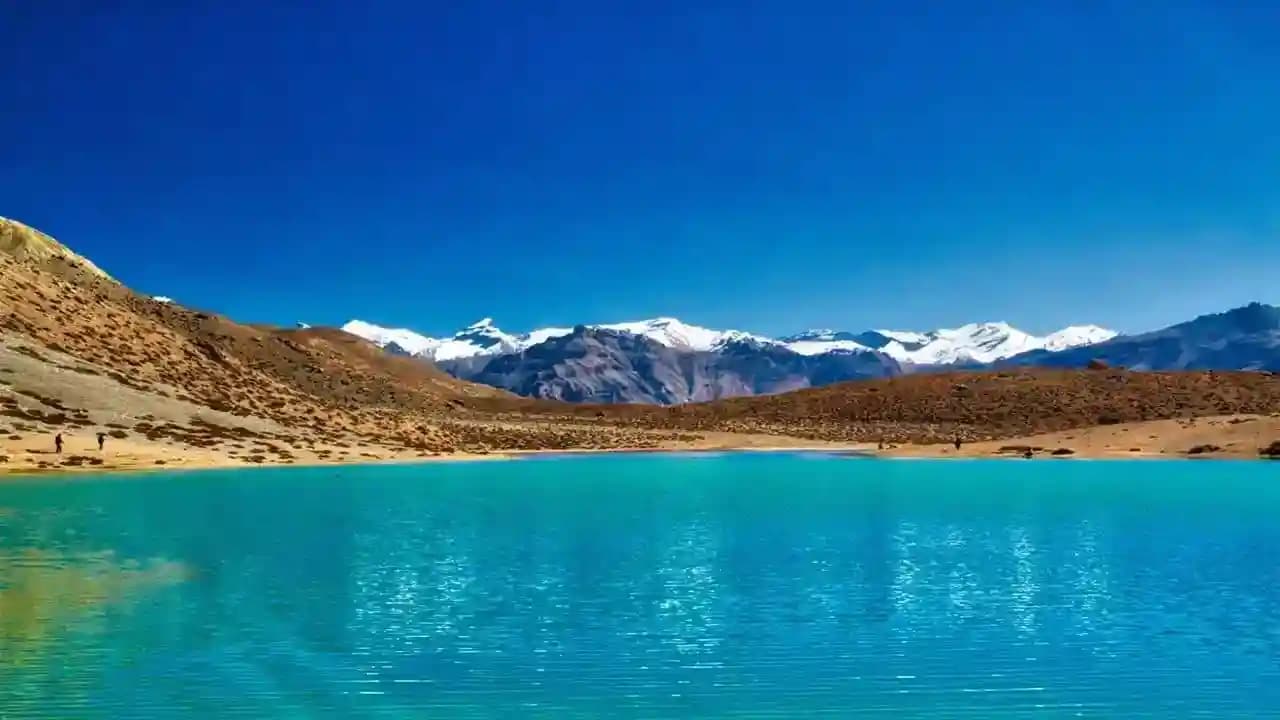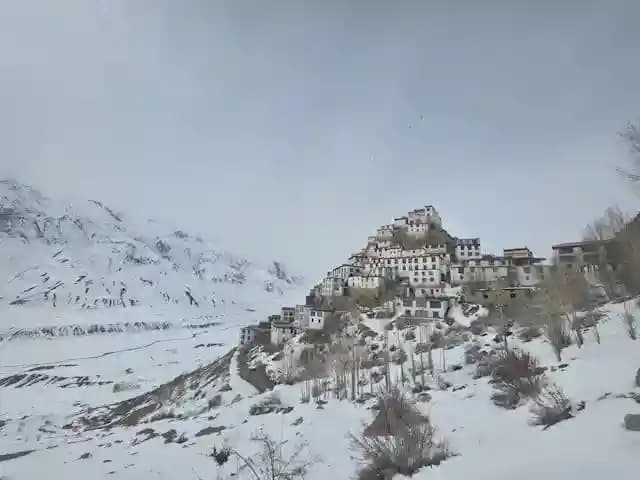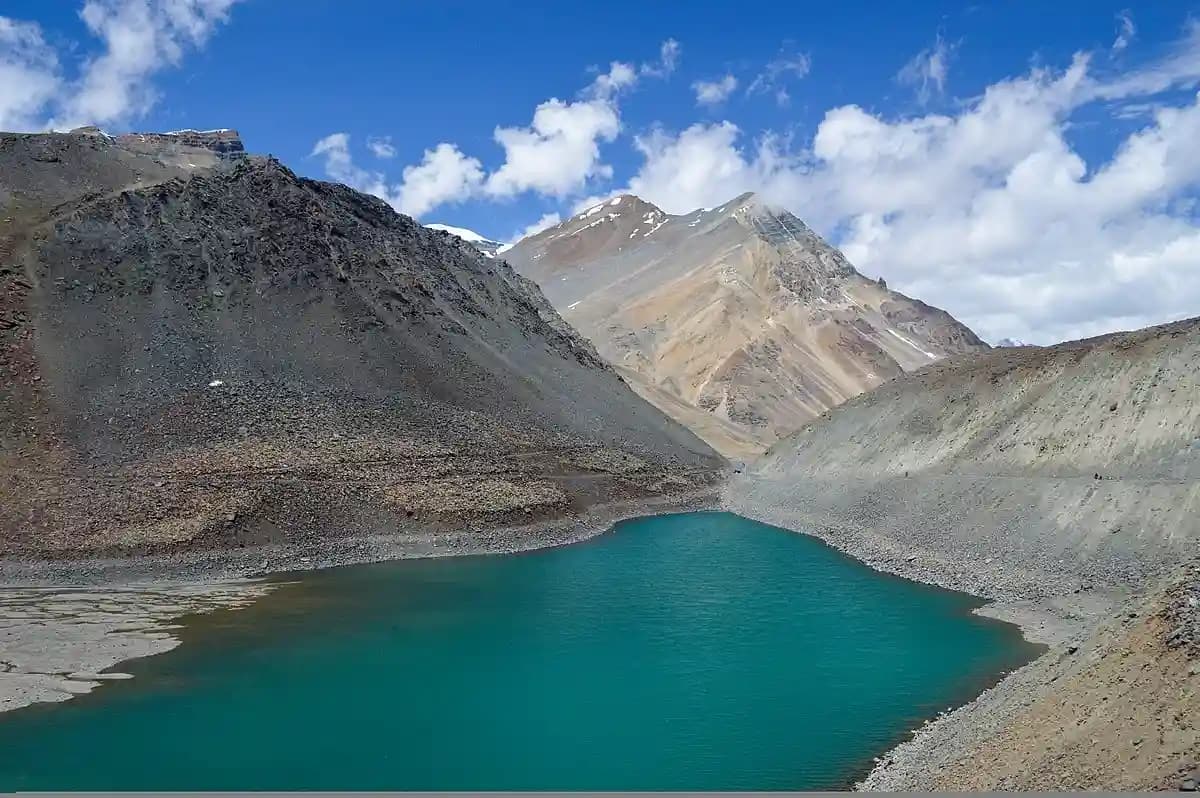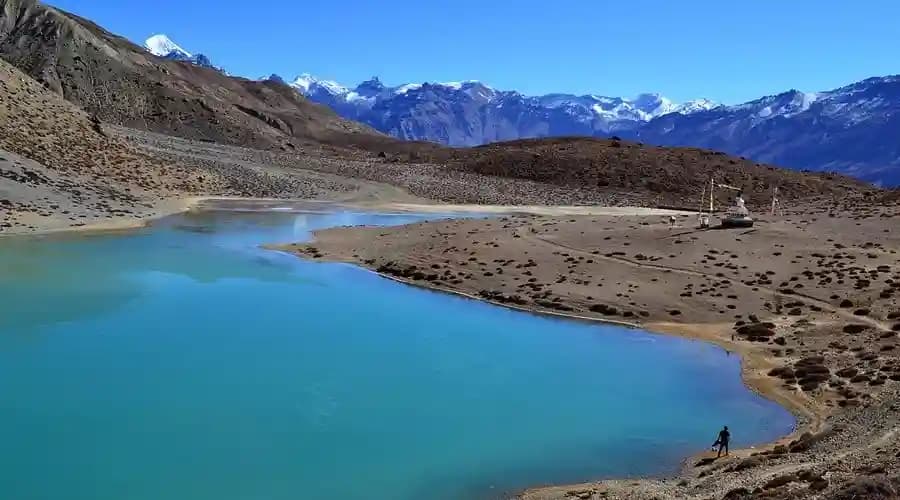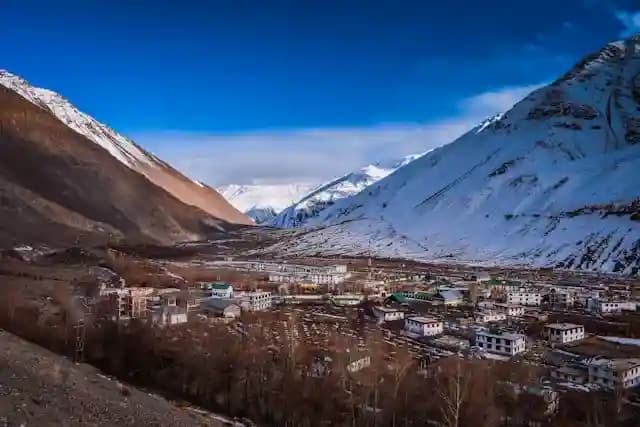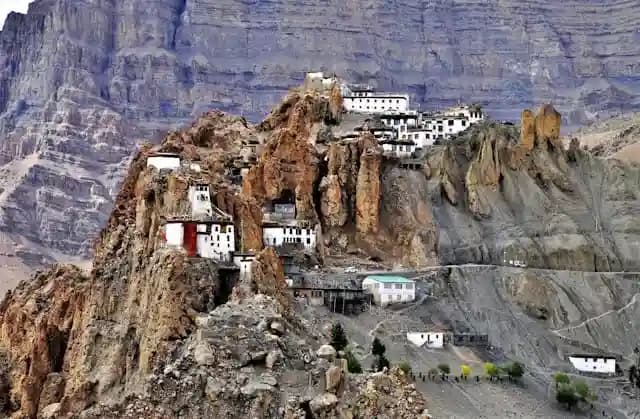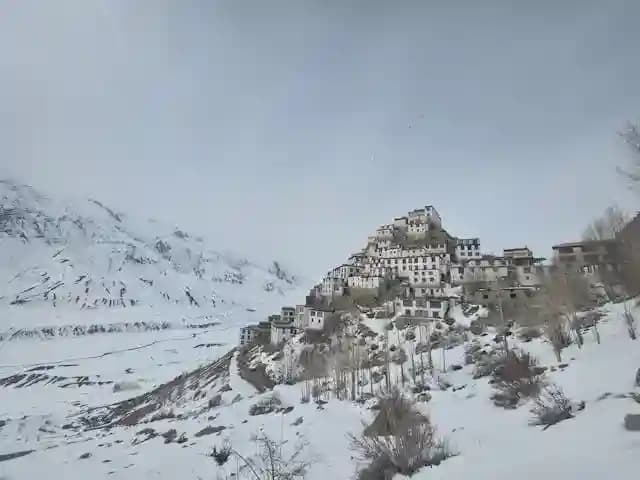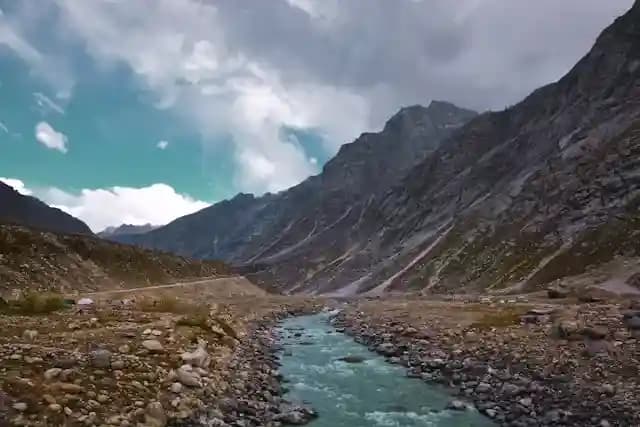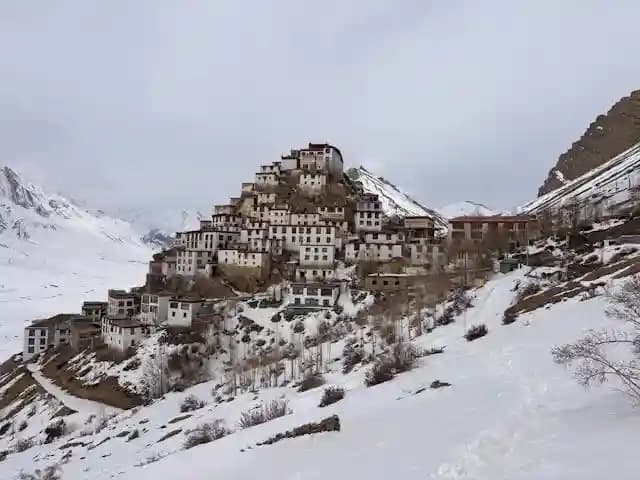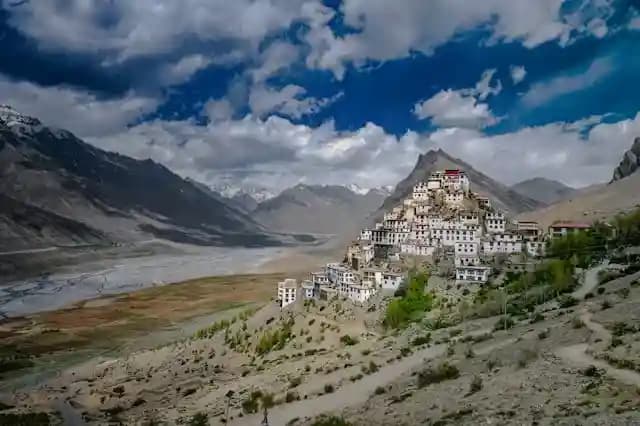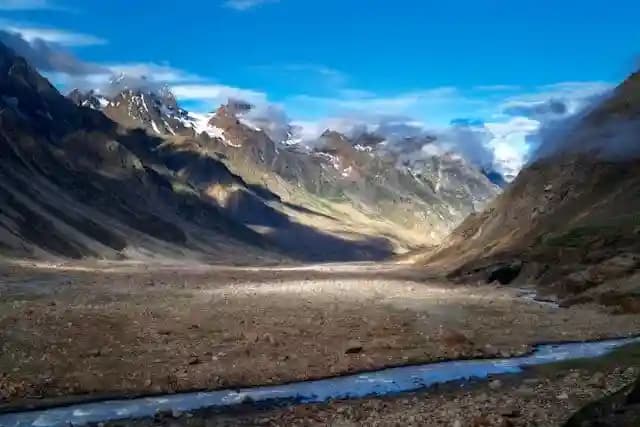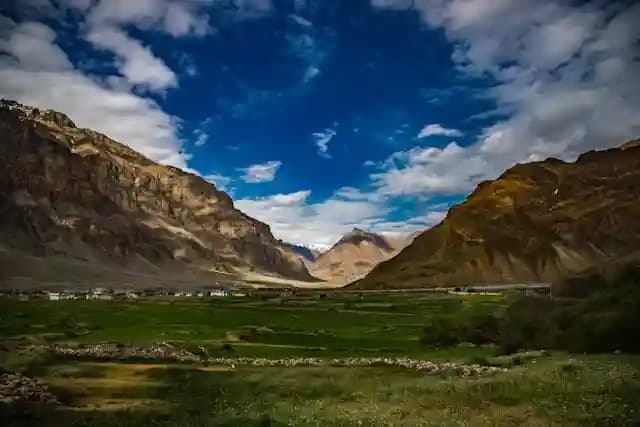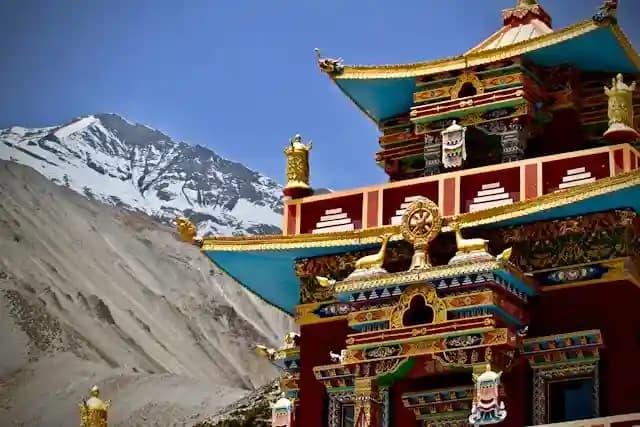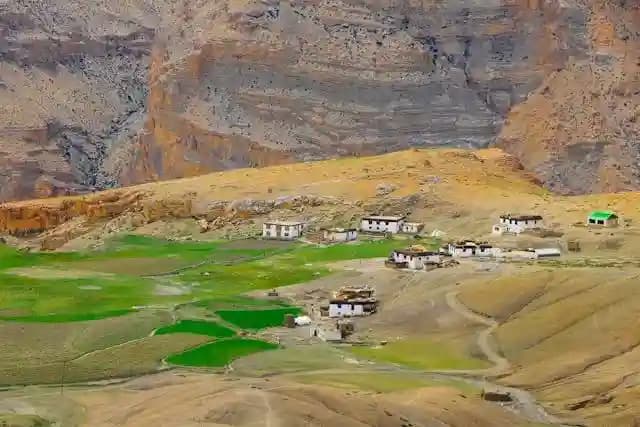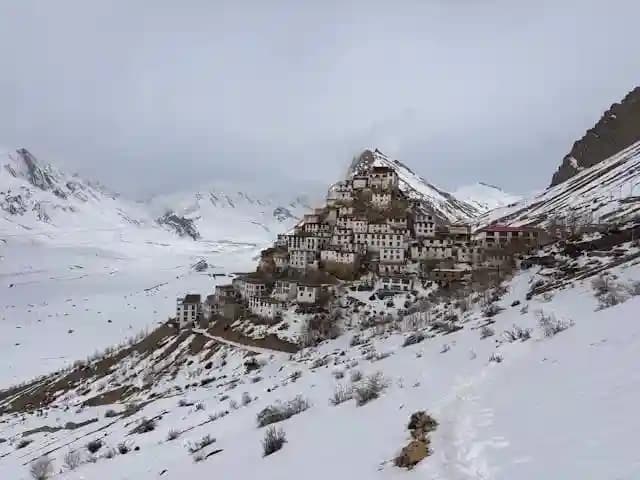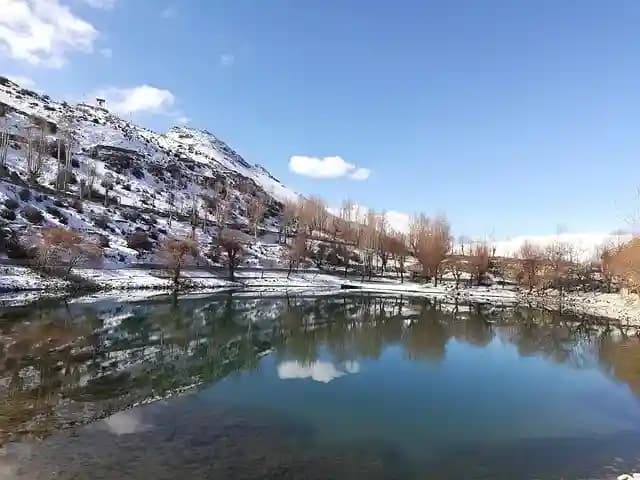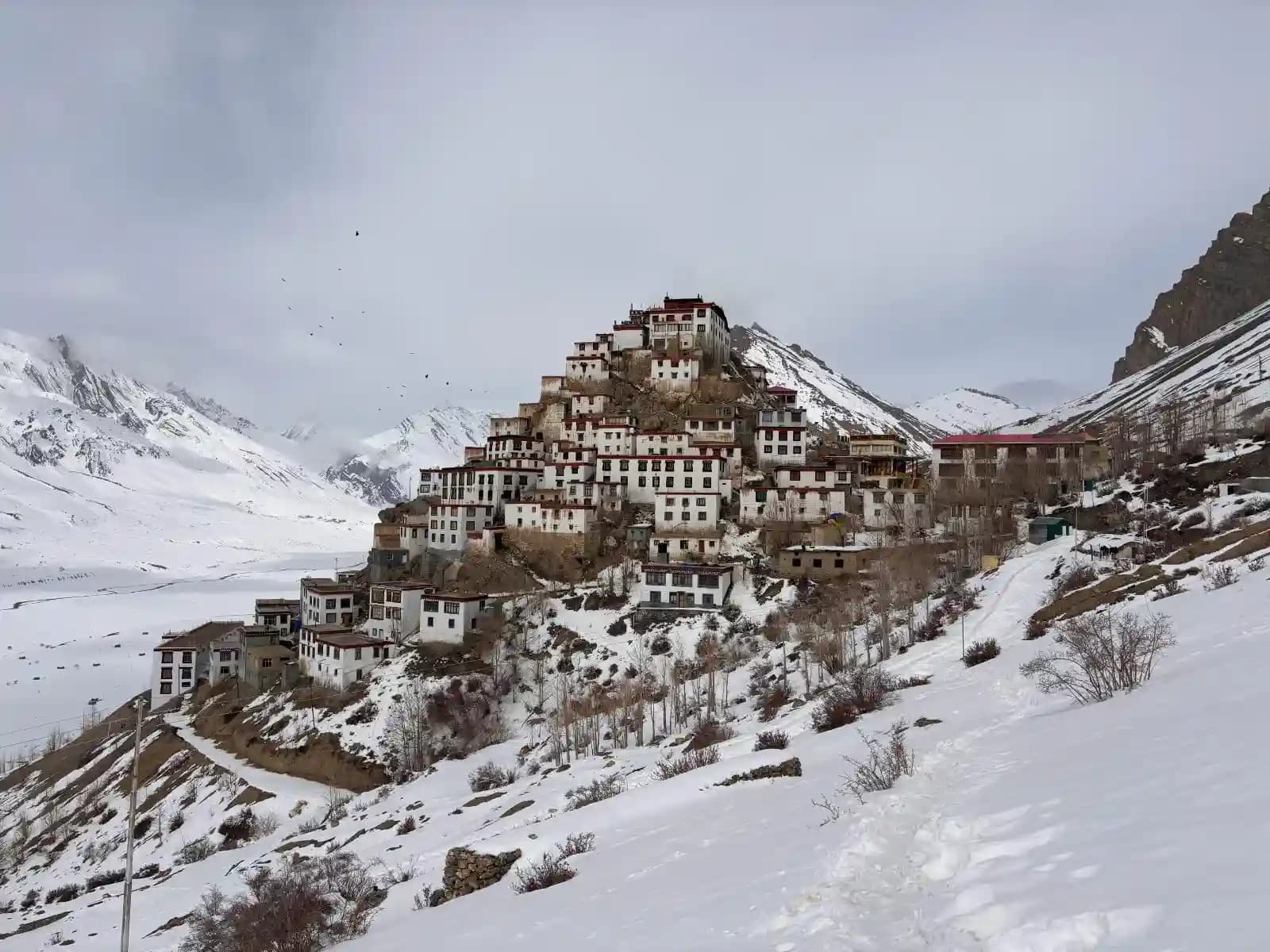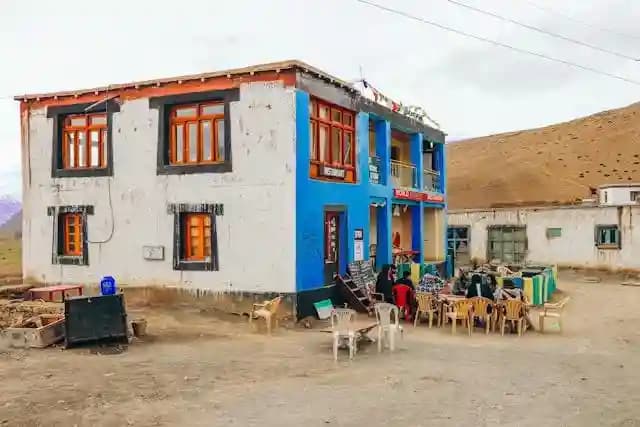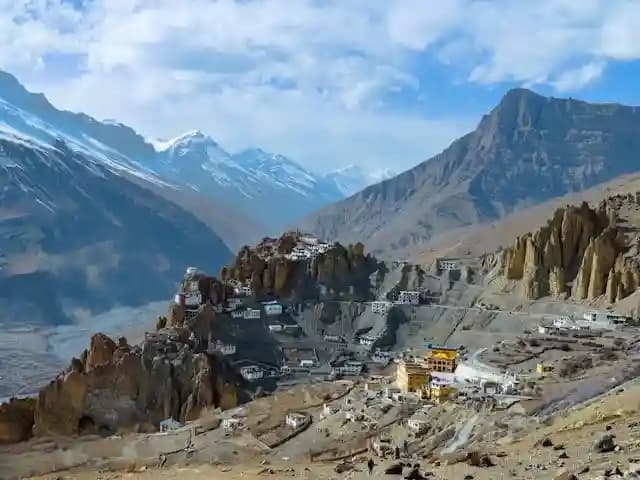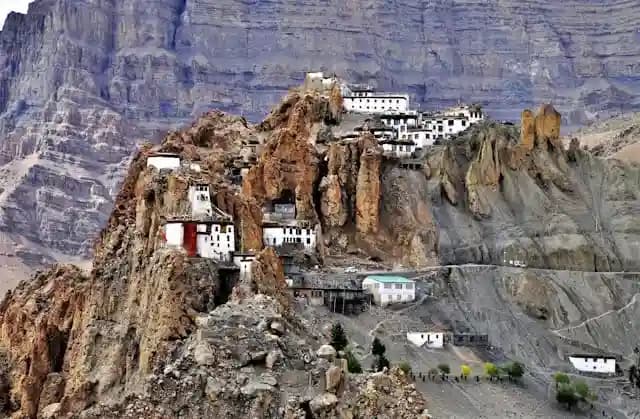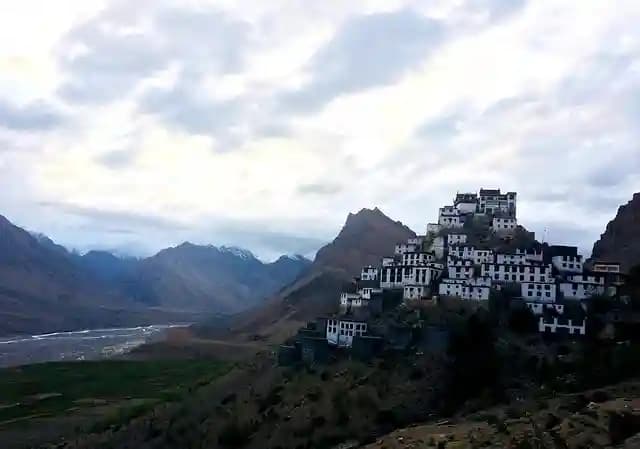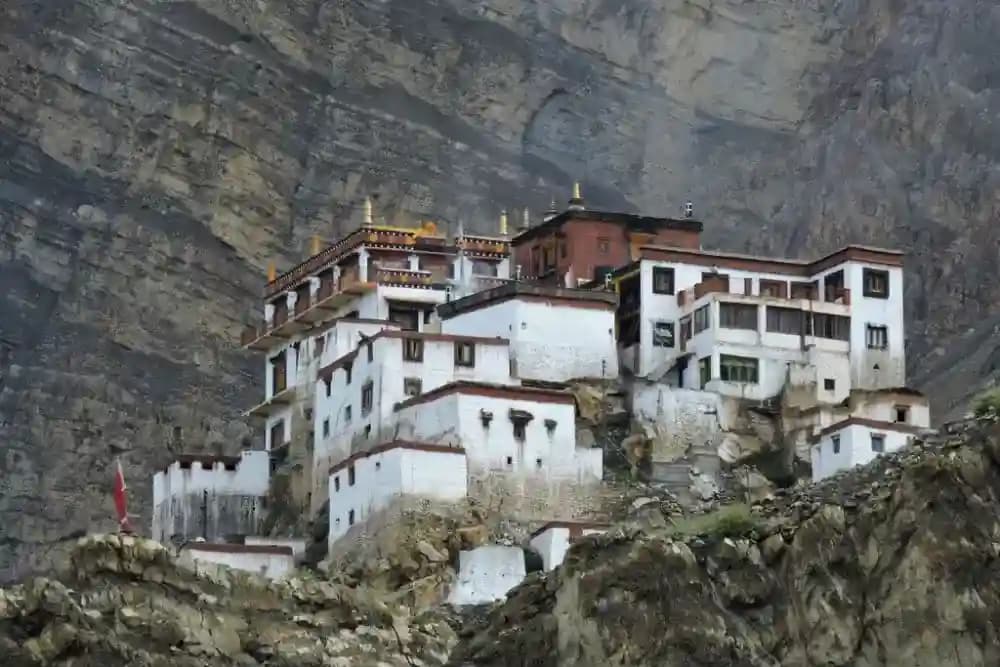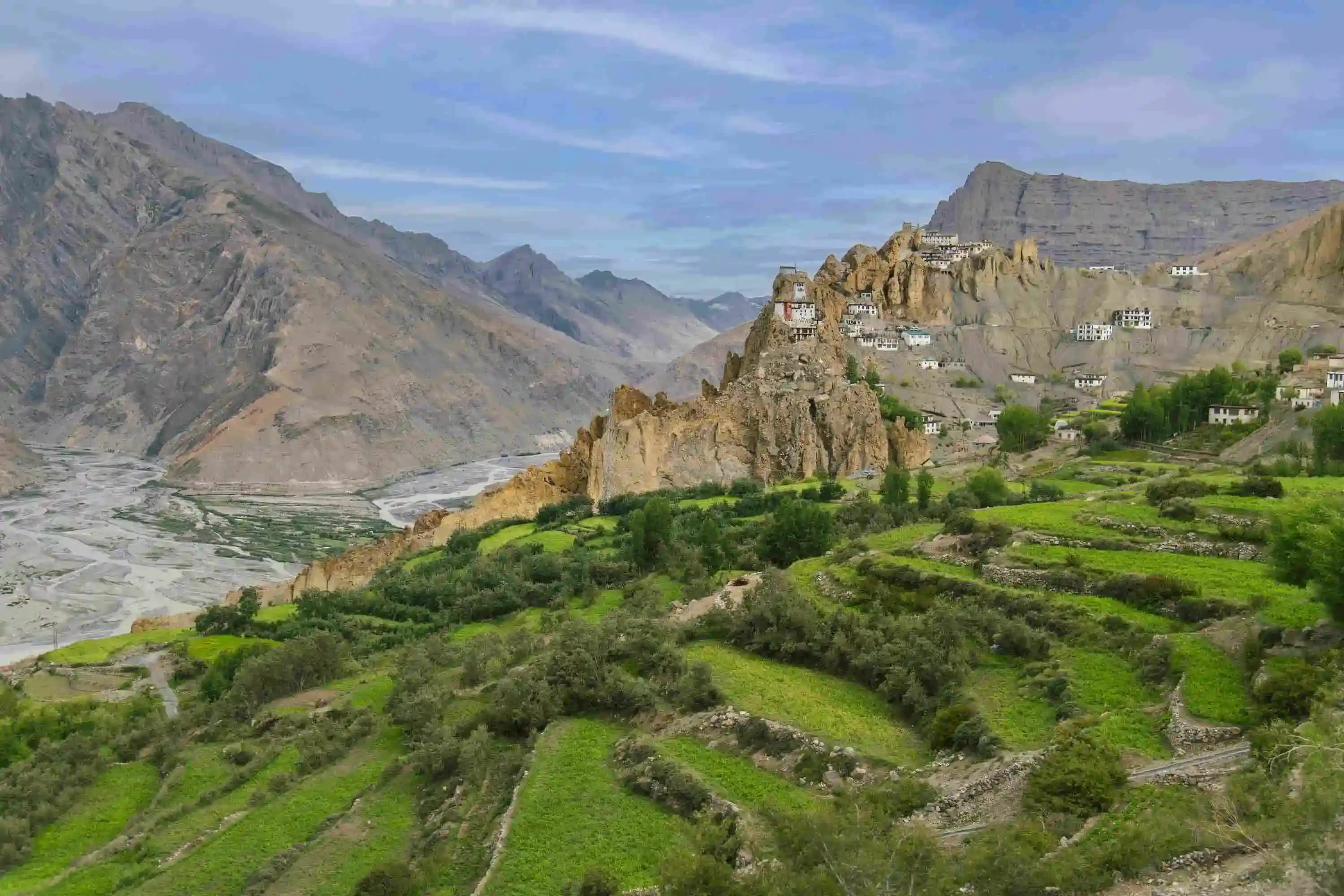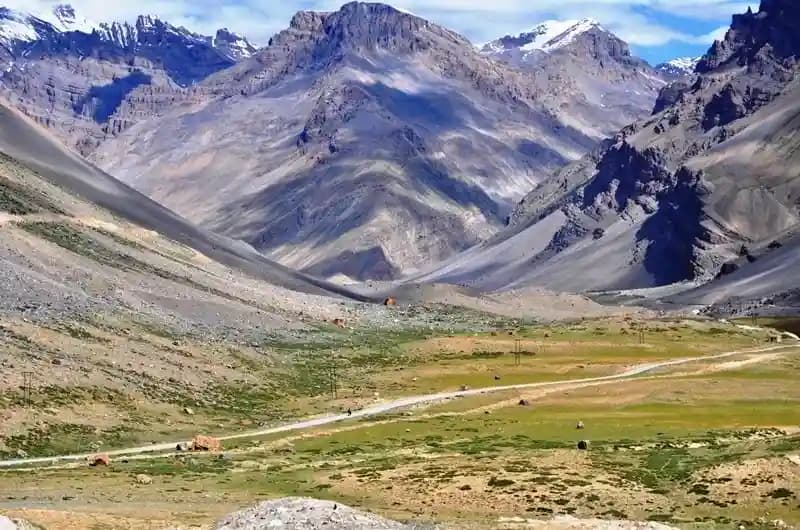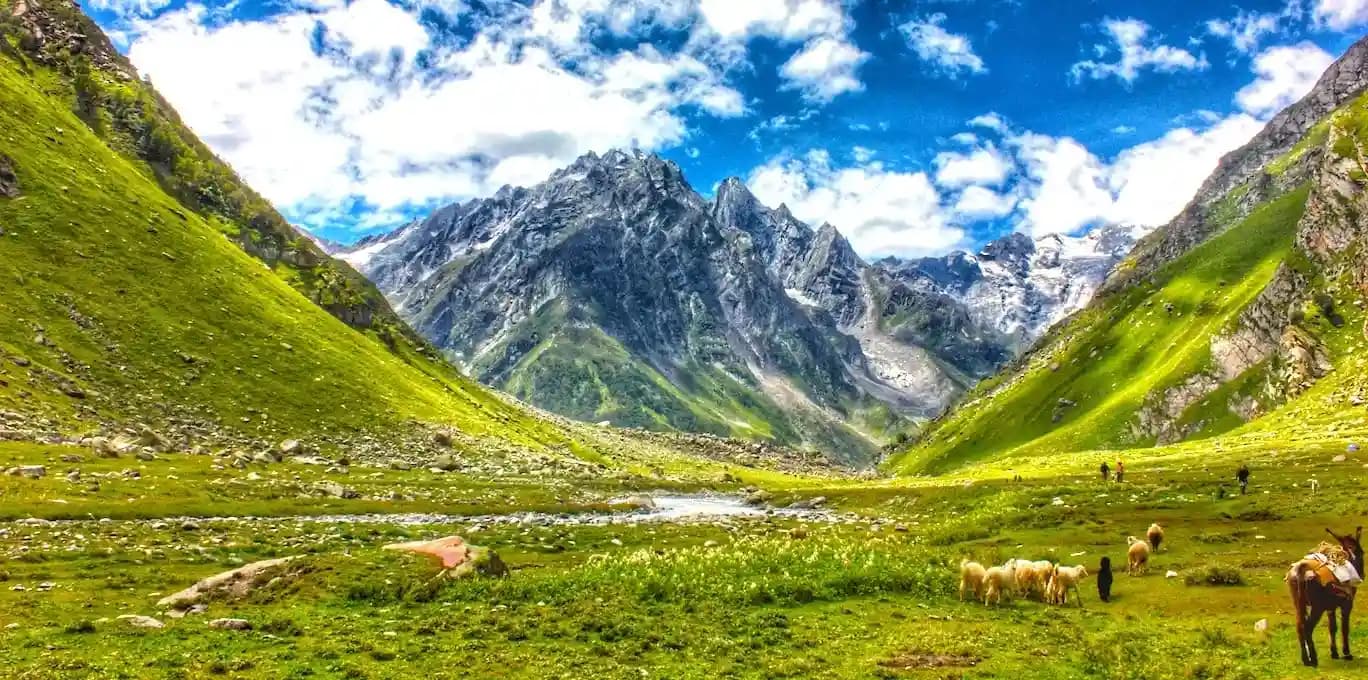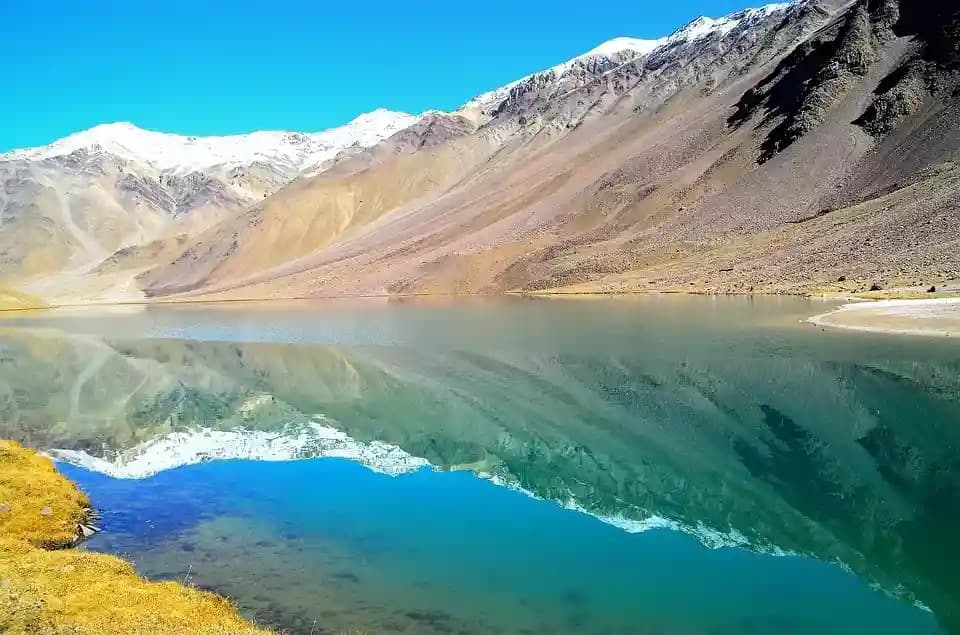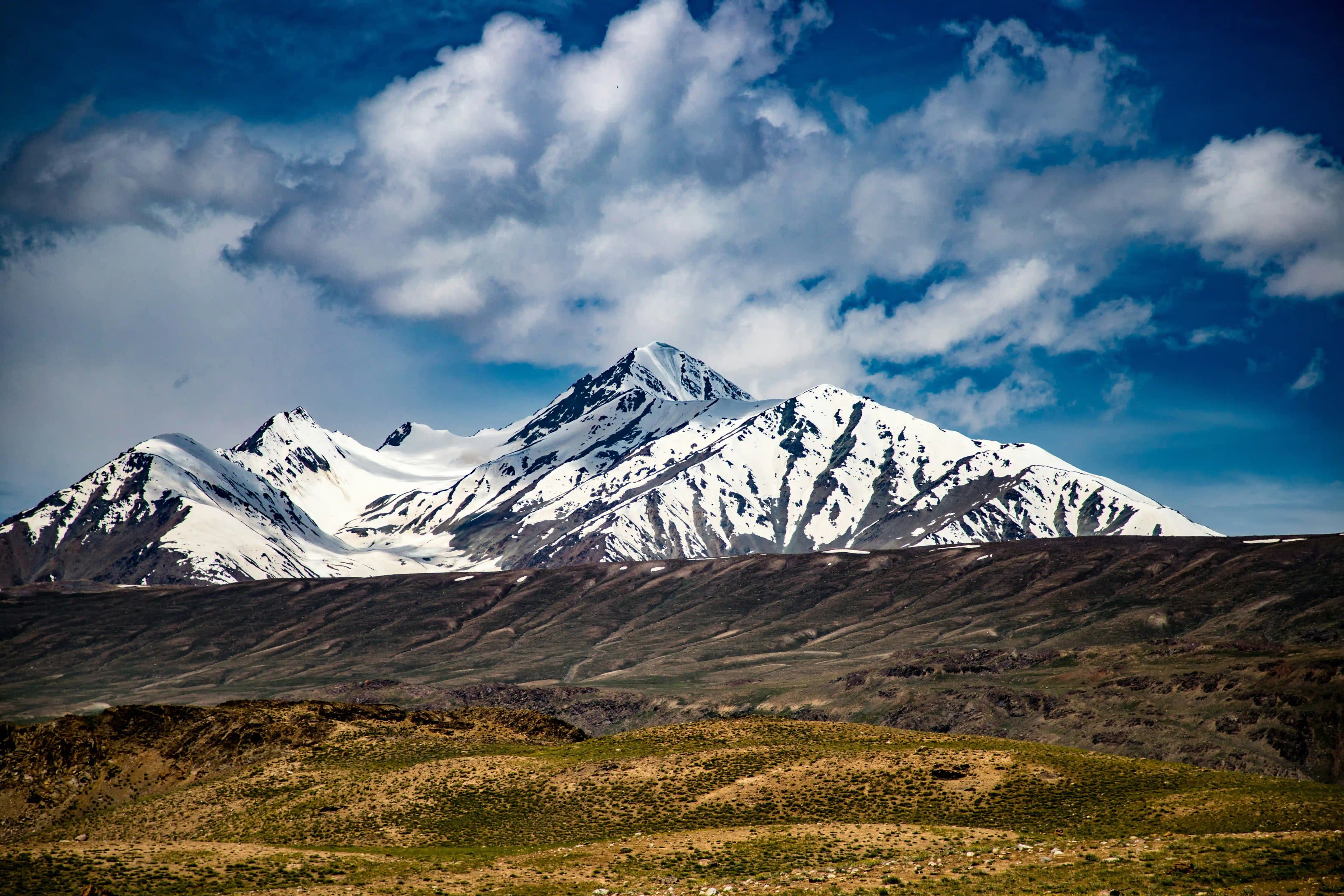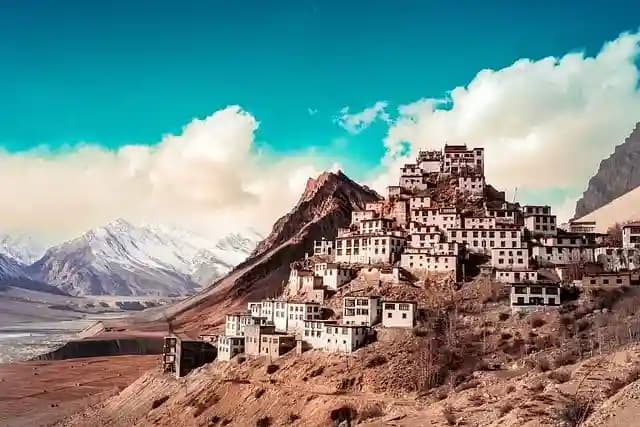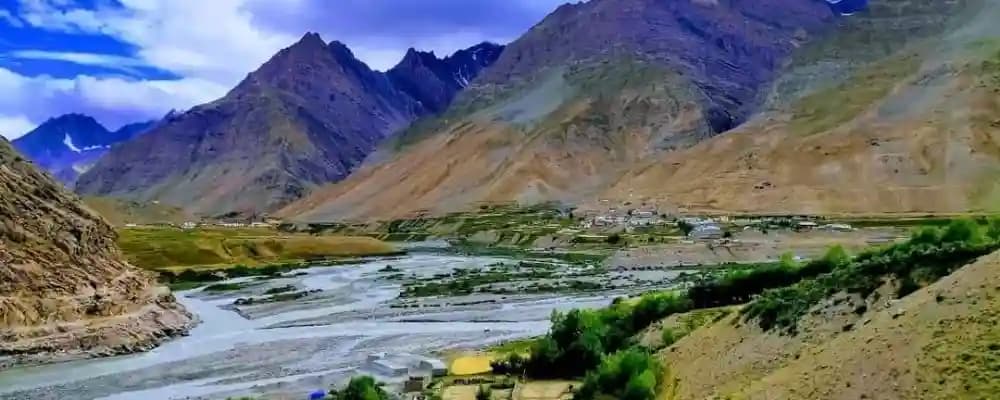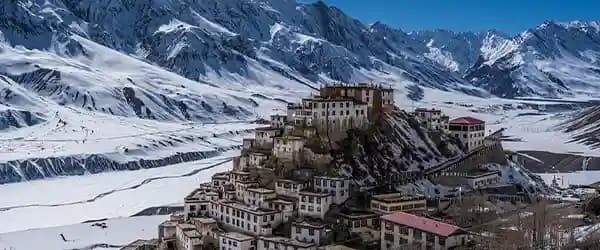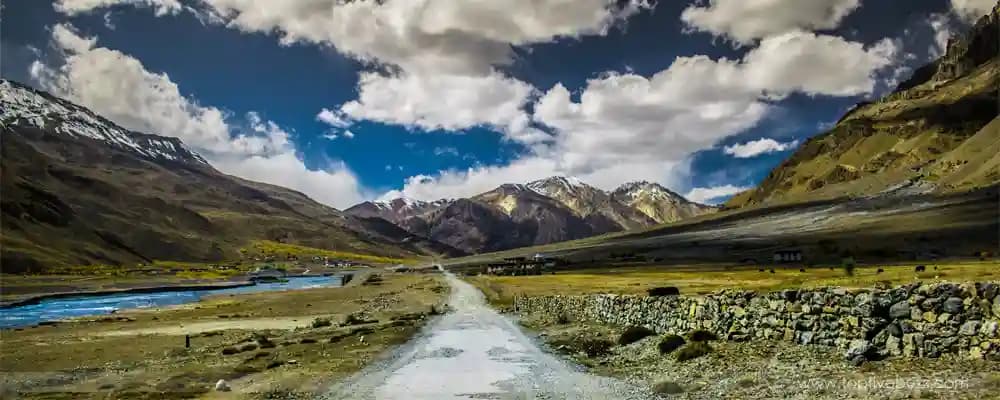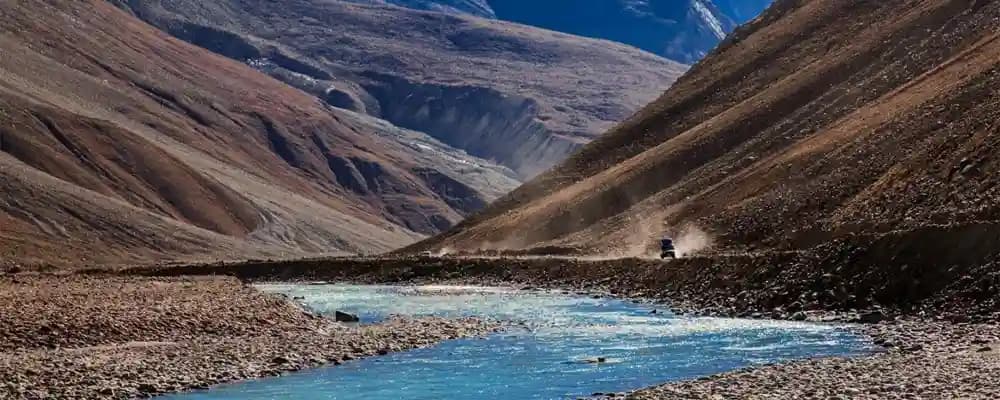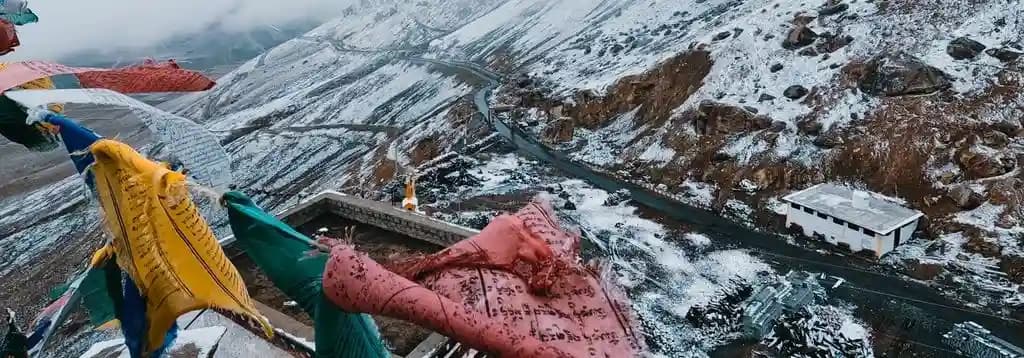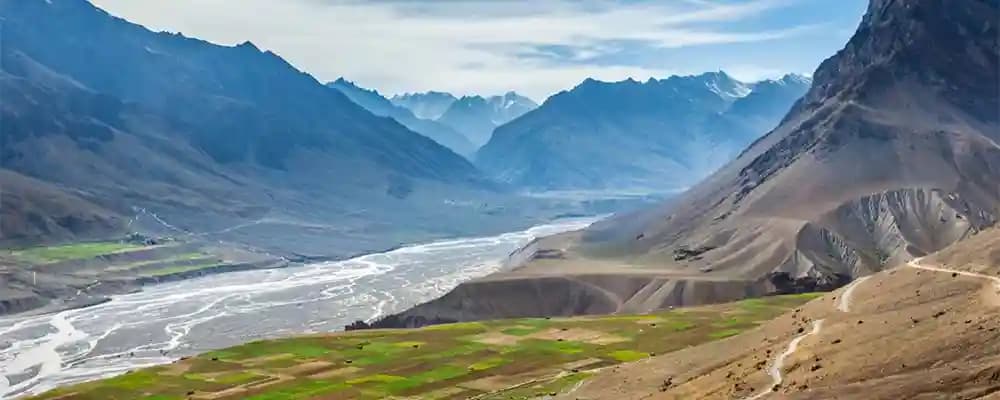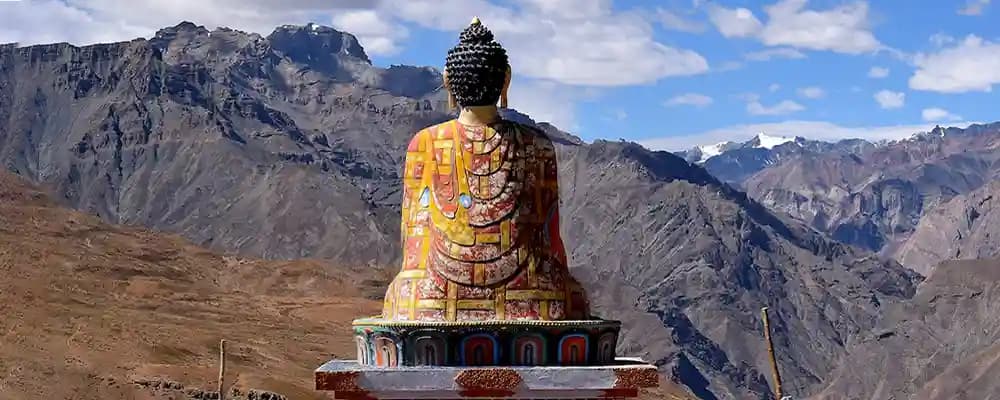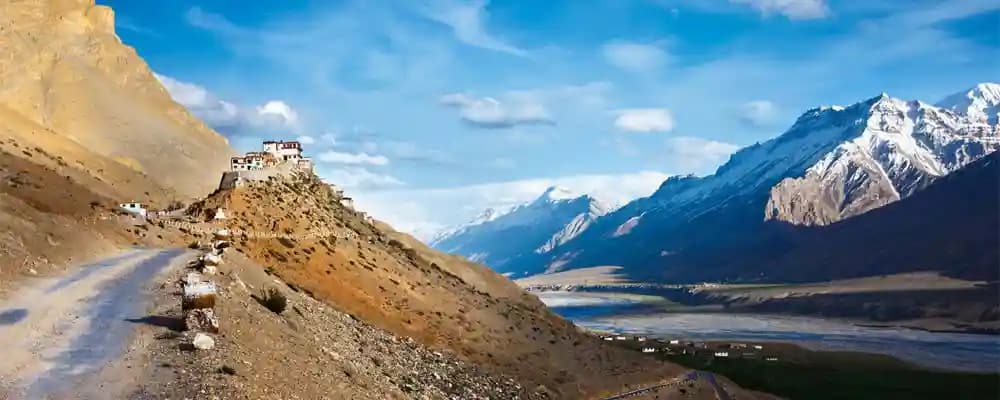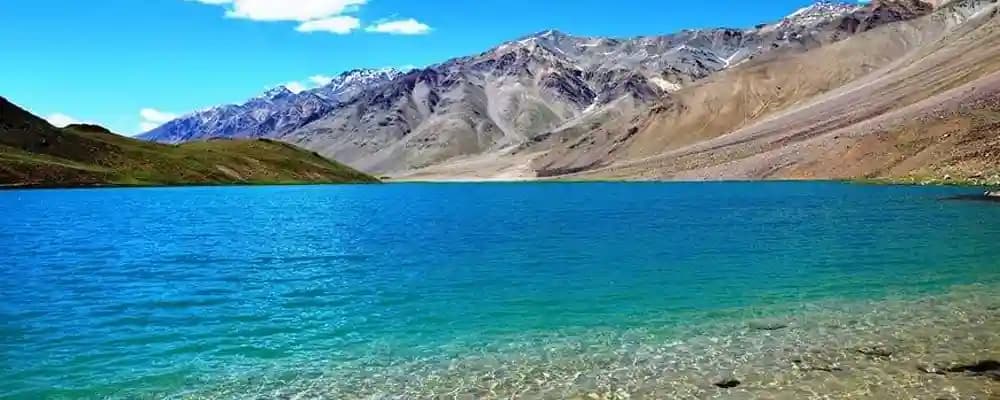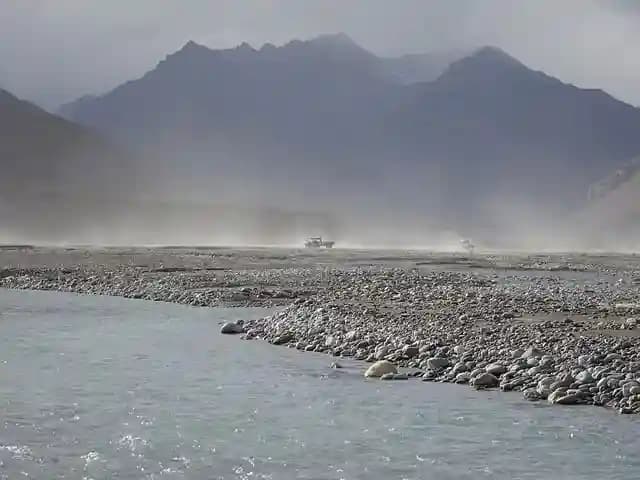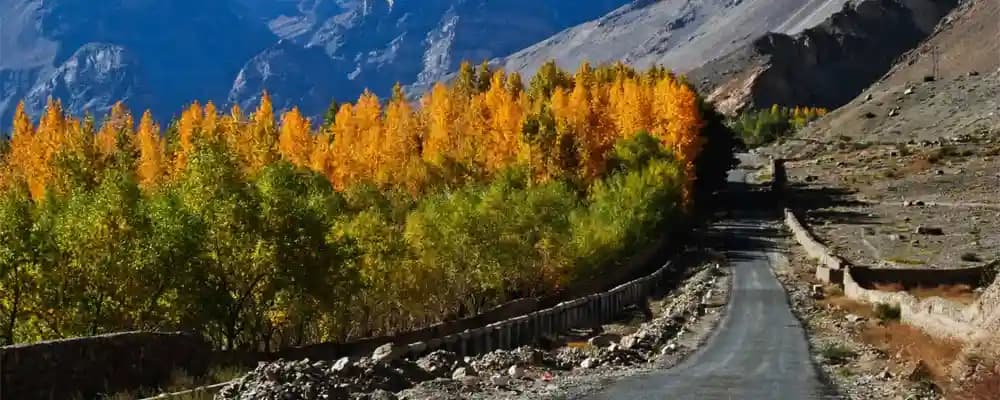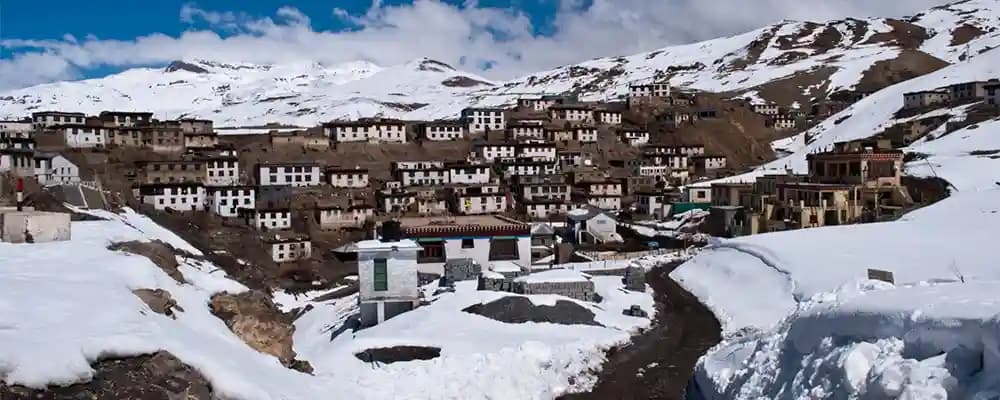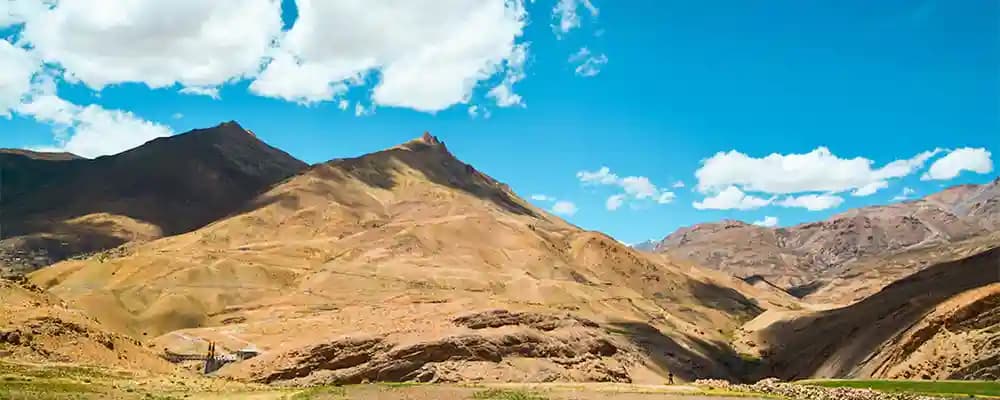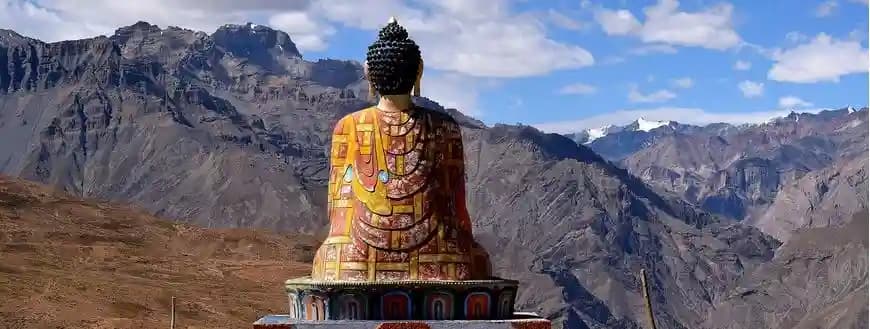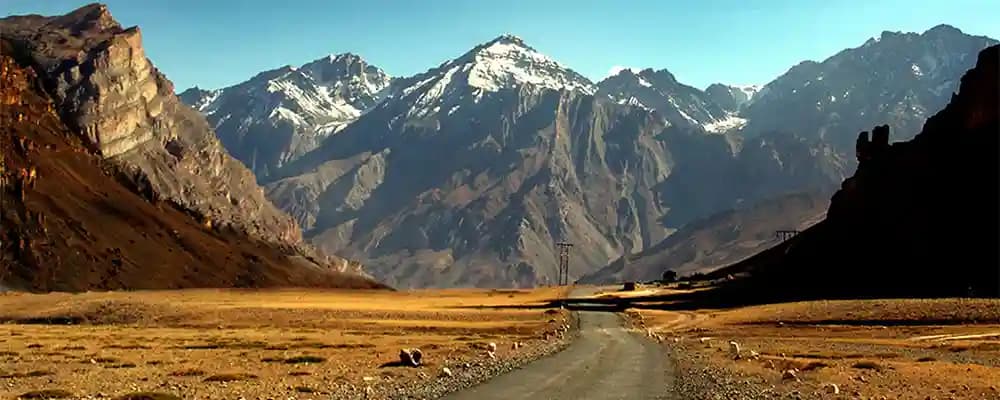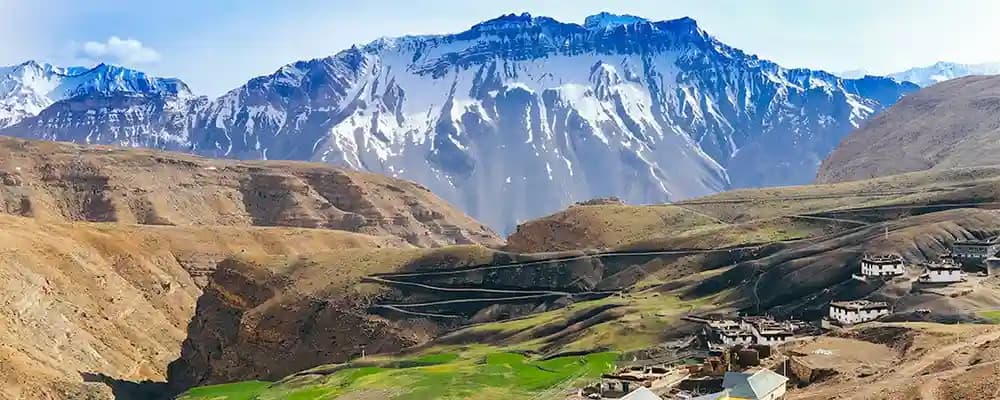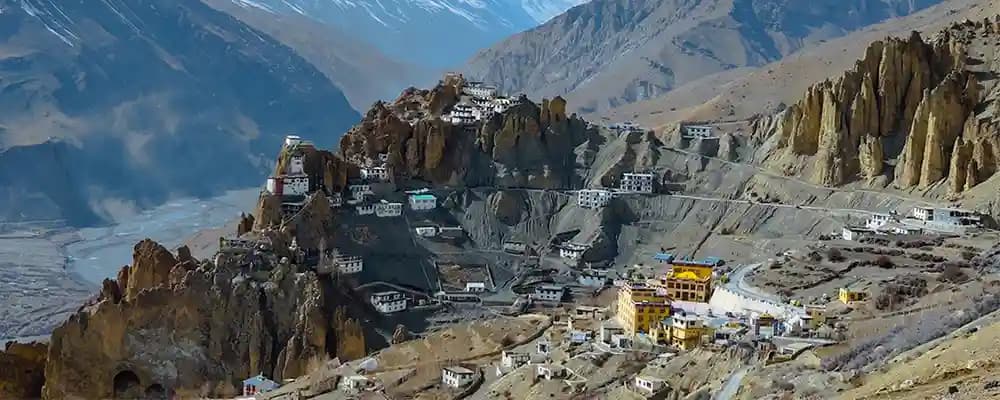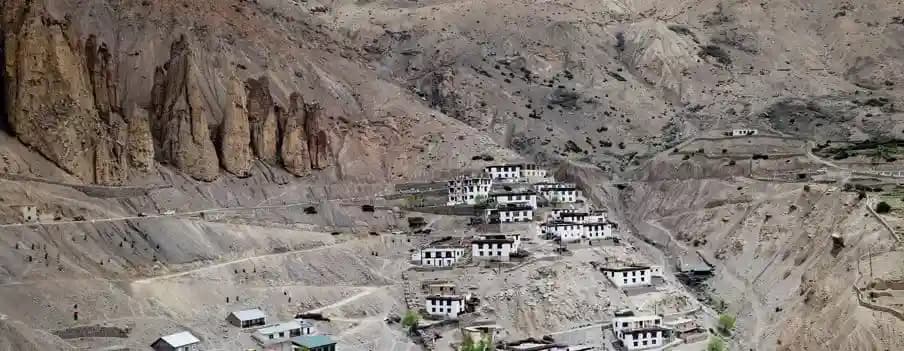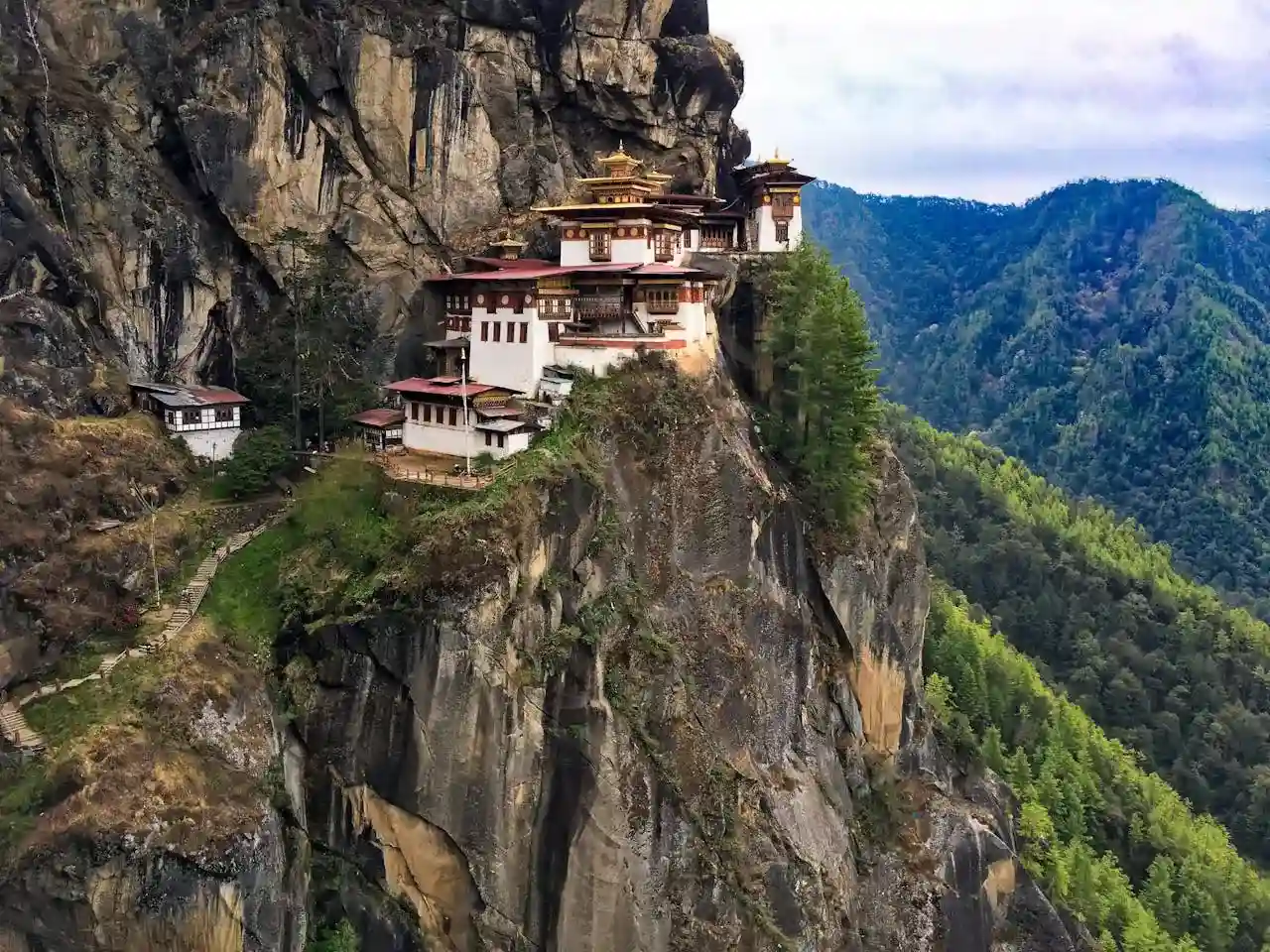
Looking for a quiet monastery that still feels rooted in local life? The road near Tandi takes you to a place where stories sit quietly in the walls, and the setting feels real, not staged. The Gandhola Monastery, also called Guru Ghantal Monastery, is located near the river and is surrounded by mountains that are gently rising. It is one of the ancient religious establishments in the Lahaul region, and the locals continue to visit this Monastery on a daily basis of faith.
The monastery is small but rich in character, with simple rooms, old paintings and a calm courtyard. Many travellers notice it while moving between valleys or while planning wider routes that include Spiti Valley holiday packages. This blog shares its history, architecture, visiting details and nearby stops that fit easily into your journey. Let this guide help you pause, look closer and add something meaningful to your trip.
History & Architecture of Gandhola Monastery
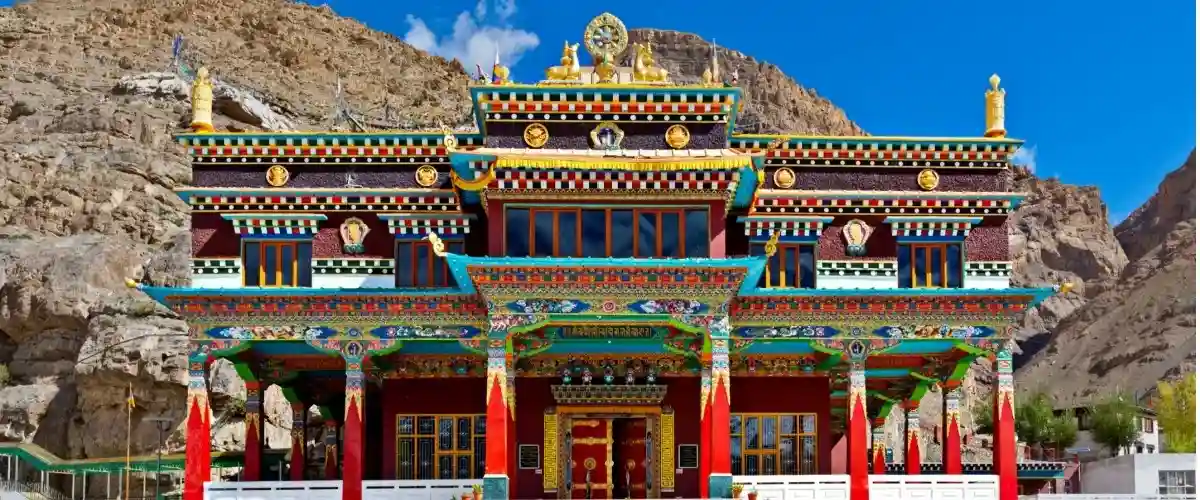
Gandhola Monastery is believed to have been built around the 8th century, making it one of the oldest religious sites in the Lahaul region. Local stories link its origin to Guru Padmasambhava, who is said to have meditated here while travelling through the valley. Over the years, the structure has been repaired and rebuilt after floods and natural damage, yet the spiritual importance has remained unchanged. Because of its age and location, Gandhola Monastery India holds a quiet place in local faith and daily worship.
The design is simple and shaped by the land around it. Whitewashed walls, flat roofs, and small prayer rooms make up the space. Inside, you find old murals, prayer flags, and a peaceful courtyard used for rituals. Known locally as Guru Ghantal Gompa, the monastery does not try to impress with size. Its value comes from history, belief, and the steady presence it has kept for centuries.
Best Time to Visit Gandhola Monastery
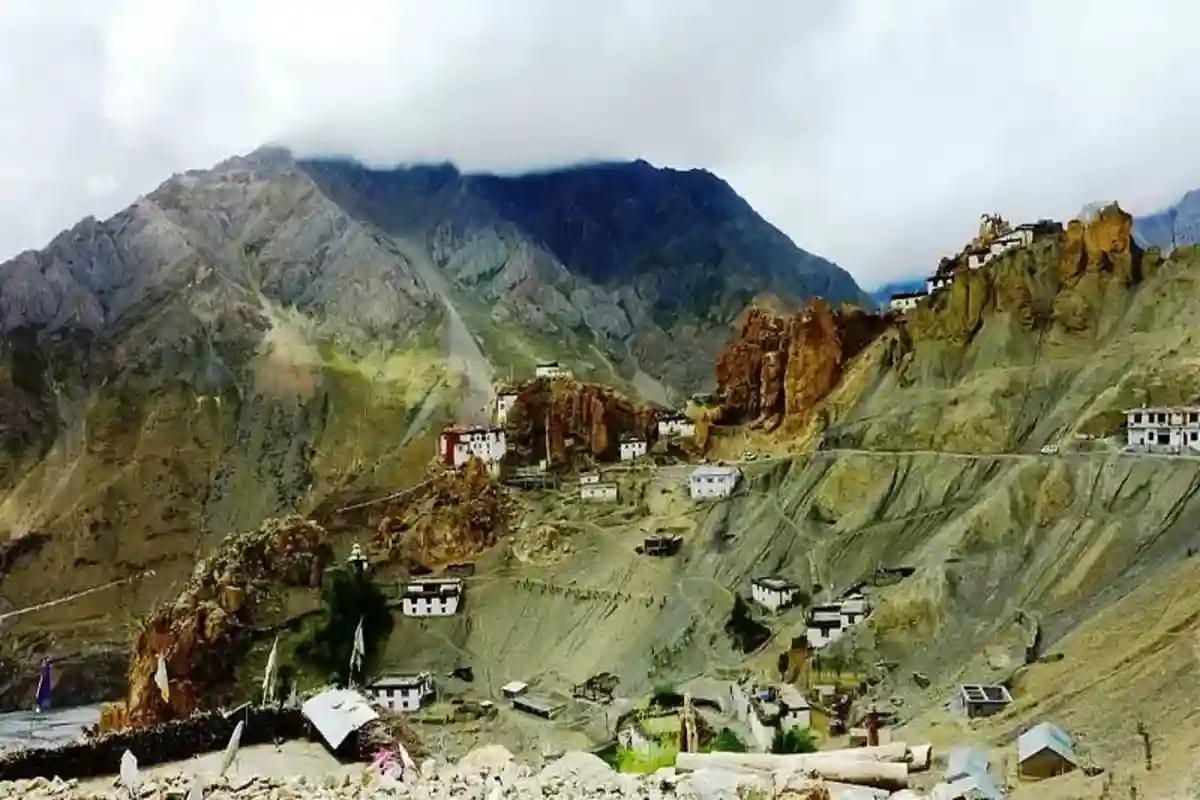
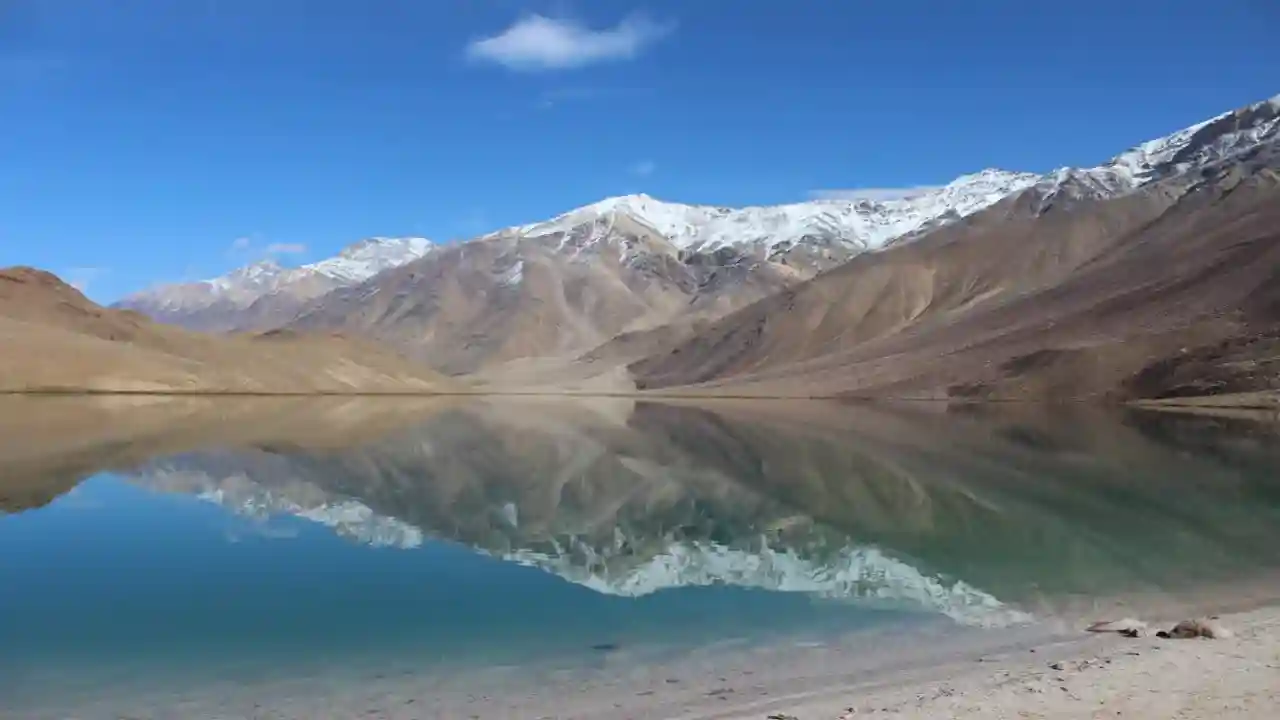
The best time to visit Gandhola Monastery is from May to October, when the weather is good, and the roads are actually accessible. During these months, daytime temperatures usually range between 10°C and 20°C, so the short walk around the monastery feels comfortable enough. You can see the surrounding mountains pretty clearly, and the river nearby flows well without any issues. Visiting Guru Ghantal Monastery in this season also feels easier since local villages are active, and travel between Lahaul and nearby valleys is smooth.
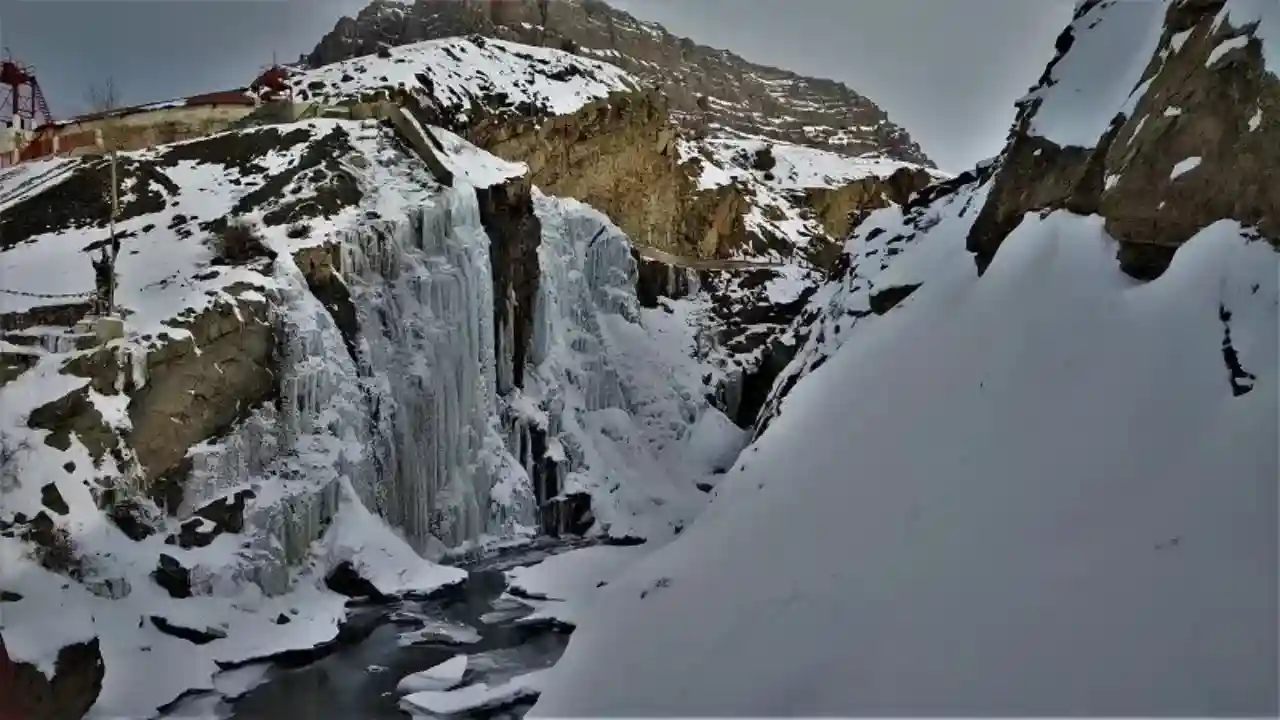
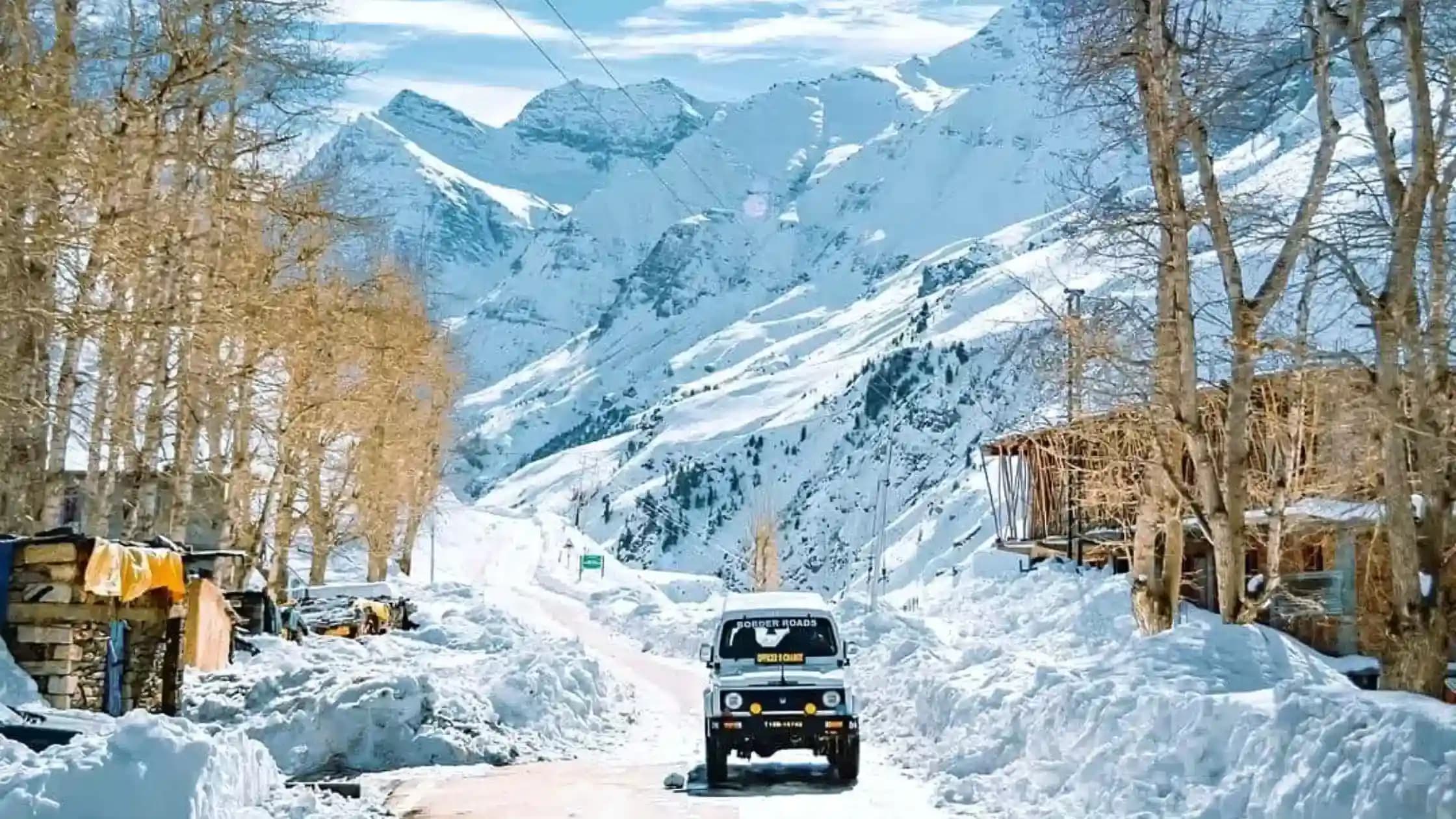
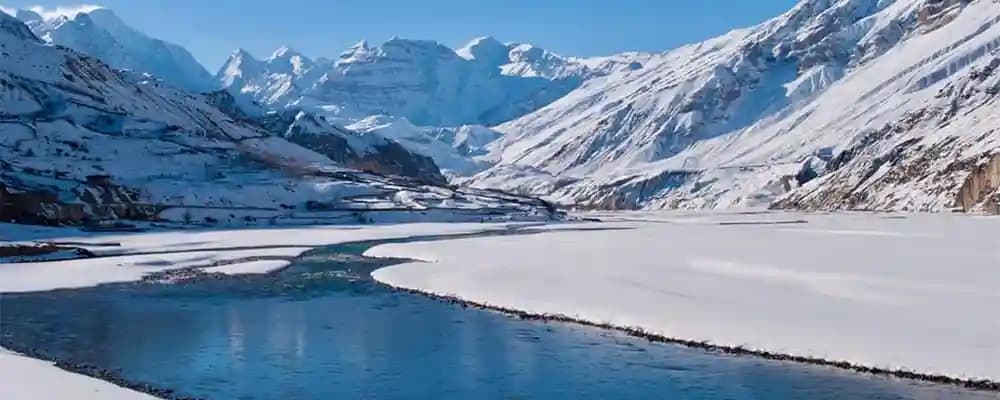
The colder months from November to March bring heavy snowfall, and temperatures can drop below -10 °C. Access becomes difficult, and the area stays very quiet. April marks the shift toward spring, but some roads may still be blocked. If you are planning a wider mountain journey, this timing also matches the best time to visit Spiti Valley, as both regions follow similar weather patterns.
Gandhola Monastery Timings
Opening Hours: 6:00 AM – 6:00 PM (daily)
Best Time to Visit: Early morning (6:00 AM – 9:00 AM) or late afternoon (4:00 PM – 6:00 PM) for a peaceful atmosphere
Prayer Sessions: Usually held in the morning around 7:00 AM
Note: Gandhola Monastery timing may vary slightly during winter months or special festivals, so it's best to check locally before visiting
How to Reach Gandhola Monastery
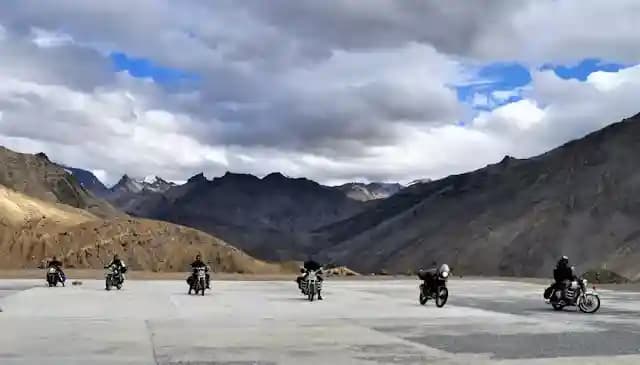
Gandhola Monastery is easy to reach if you are already travelling in Lahaul or passing through the Keylong area. It sits close to the main highway, so you do not need any long walks or difficult routes. Most visitors reach it while moving between Manali, Keylong and Spiti.
By Air: The nearest airport is Bhuntar Airport near Kullu, around 160 km away. From the airport, taxis and buses run toward Keylong via the Atal Tunnel. Once you reach Tandi, the monastery is just a short drive from the main road. Local taxis can drop you right near the entrance.
By Train: There is no railway station in Lahaul or Spiti. The closest major station is Chandigarh. From there, you need to continue by road to Manali and then cross the Atal Tunnel toward Keylong. Gandhola Monastery location falls near Tandi village, which lies on this route.
By Road: Road travel is the most practical option. Gandhola Monastery lies about 18 km from Keylong and very close to Tandi village. Buses and shared taxis running between Manali and Keylong pass through this stretch daily in summer. You can ask the driver to stop near the monastery, as it sits just off the main highway and is easy to spot. The route for reaching Spiti Valley from Delhi passes through here, so it's easy to add this stop.
Places to Visit Near Gandhola Monastery
Once you're done exploring the monastery, a few nearby spots are easy to include in the same plan. These places are close to the river valley and show different sides of the region. Together, they fit naturally into wider routes covering places to visit in Spiti Valley, without adding long drives or feeling rushed.
1. Tandi Sangam
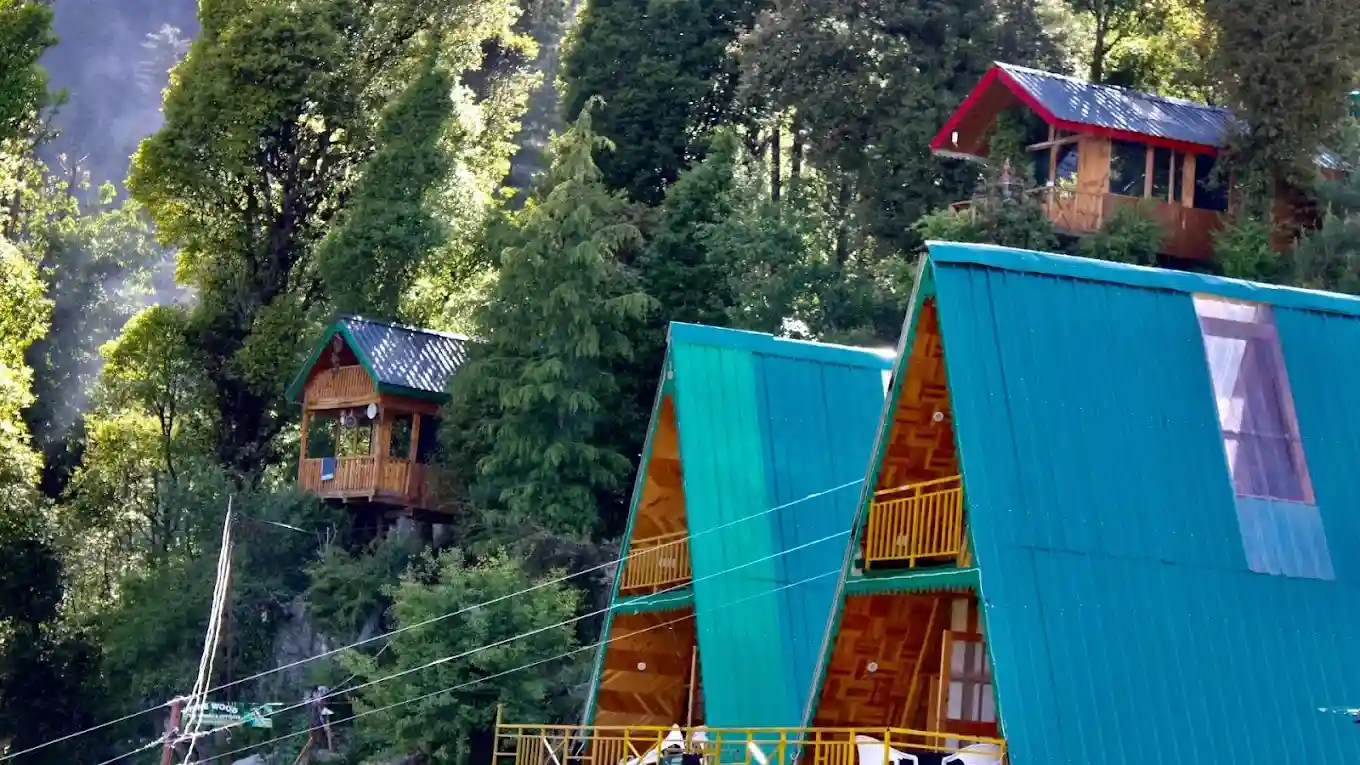
Just a short drive away, the point where the Chandra and Bhaga rivers meet creates a view that feels both powerful and quiet. This is Tandi Sangam, a place locals respect deeply and often stop at before longer journeys. The colour of the water changes with light and season, so it never really looks exactly the same. When visiting the Gandhola Monastery India, many people pause here because it shows how important rivers are to life in Lahaul. The spot doesn't take long to visit, but leaves an impression.
Distance from Gandhola Monastery: About 8 km
Best Time to Visit: May to October
2. Kardang Monastery
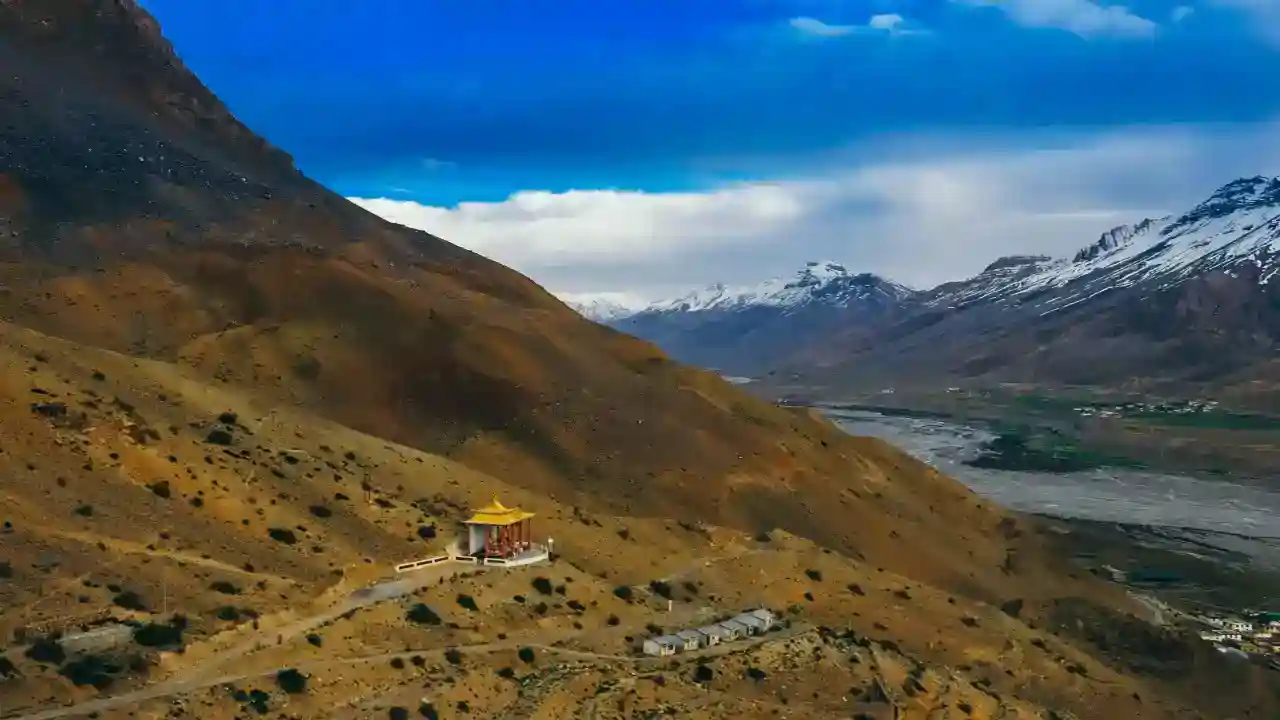
Across the Bhaga River, a quiet hill holds one of the most important monasteries in the valley. Kardang Monastery is known for its old murals, prayer halls and wide views that stretch across fields and villages. The walk around the complex feels open and gives you space to take things in slowly. Those exploring Guru Ghantal Gompa often pair it with Kardang because both places reflect the deep Buddhist roots of this region. If you're looking for things to do in Spiti Valley beyond the usual treks and cafes, spending time in these quieter monasteries offers something different. The monastery is active, so you might see monks going about their daily routines.
Distance from Gandhola Monastery: Approximately 20–22 km
Best Time to Visit: Late May to September
3. Shashur Monastery
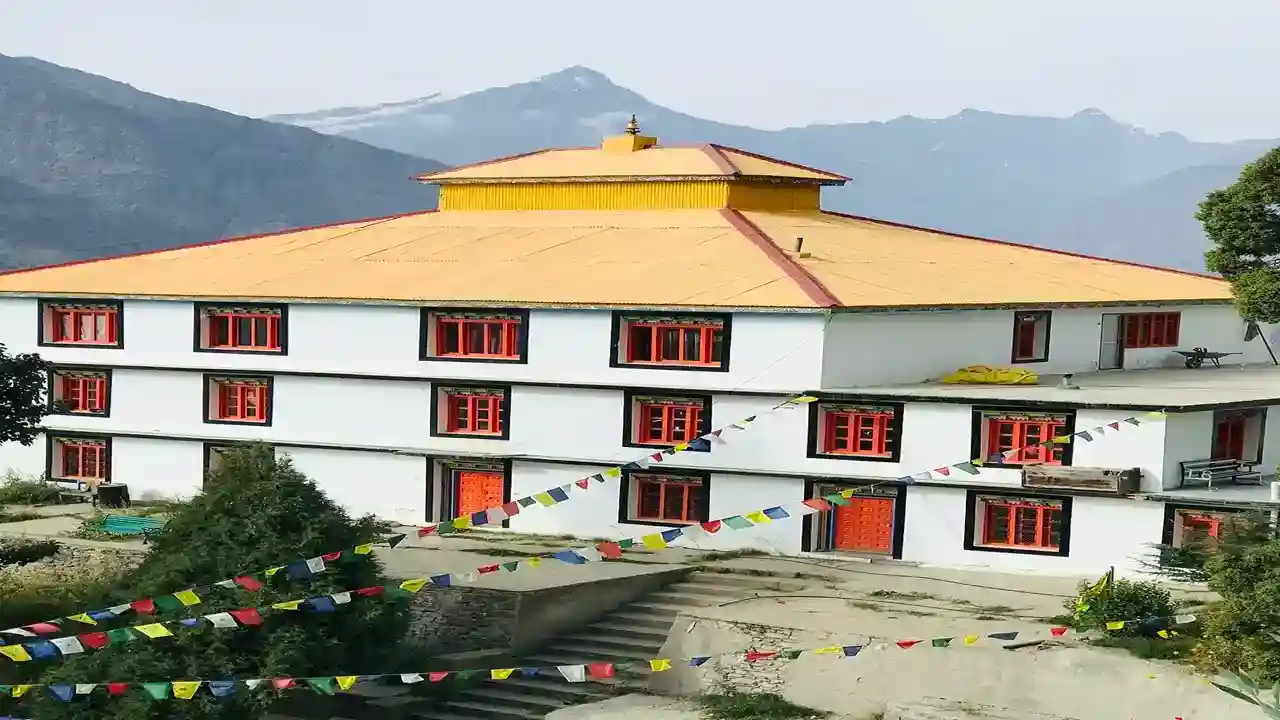
A gentle climb above Keylong leads to Shashur Monastery, surrounded by tall pine trees and plenty of open air. The inside walls are filled with colourful paintings and the main hall feels warm, like people actually use it regularly. From the courtyard, the valley spreads out clearly below and you get a sense of how everything connects. After visiting Gandhola Monastery, this stop adds something different through its size, setting and the monks who still live here. It's not crowded or overly touristy, which helps.
Distance from Gandhola Monastery: Around 25–28 km
Best Time to Visit: June to September
4. Keylong Town
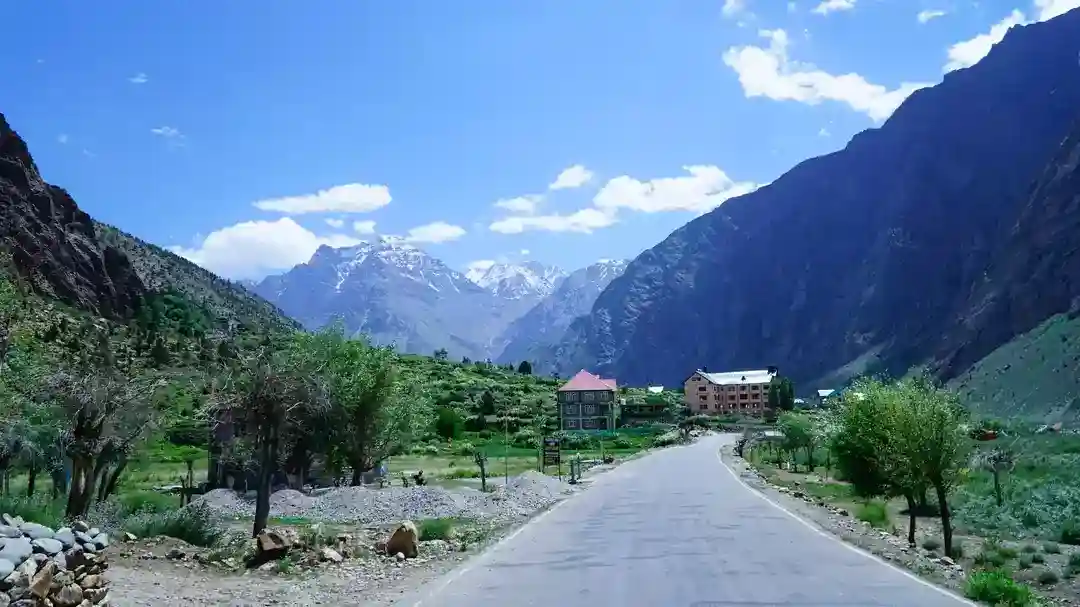
A short drive brings you into Keylong, the main town of Lahaul, where daily life feels normal and grounded. Small markets, a few cafés and riverside walks make it easy to relax for a while. Many travellers stop here after Gandhola Monastery to rest, grab a meal and pick up supplies. The town also gives you context for the surrounding monasteries by showing how culture and everyday routines exist side by side. It's not flashy, but that's exactly why it works as a break between monastery visits.
Distance from Gandhola Monastery: About 18–20 km
Best Time to Visit: May to October
5. Jispa Village
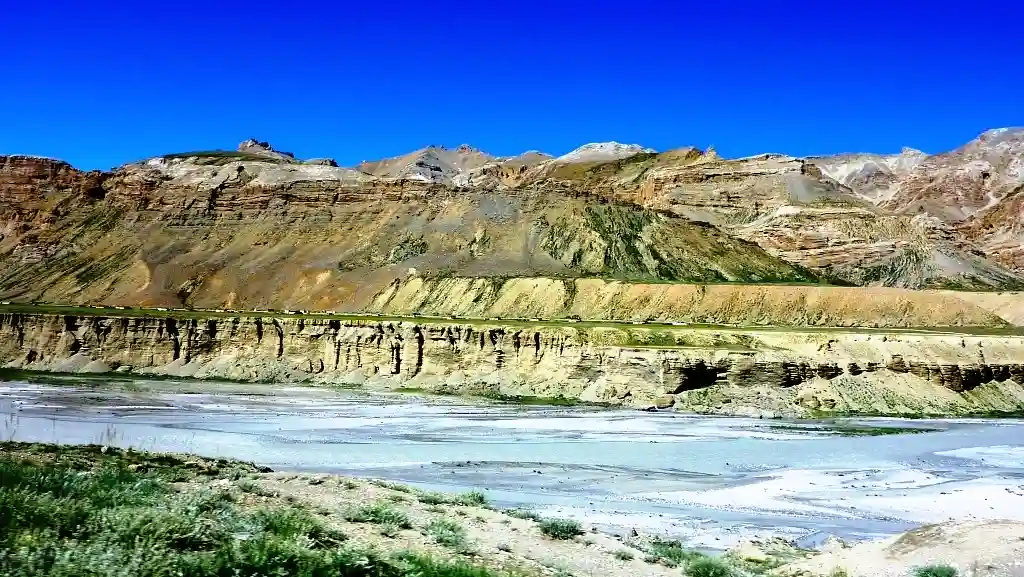
Further along the river, Jispa opens into wide views and a village setting that doesn't feel rushed. The Bhaga River flows close to the road and the mountains sit far back, giving the place an open, airy feel. Homestays and quiet paths make it a good spot to rest for a night or just wander around. When visiting Guru Ghantal Gompa, ending the day here makes sense, especially if you like simple walks and fresh mountain air. The village is small but welcoming, and you can actually talk to locals.
Distance from Gandhola Monastery: Approximately 38–40 km
Best Time to Visit: June to September
Conclusion
Visiting Gandhola Monastery gives you more than just photos and temple visits. You get to see how ancient traditions still thrive in one of the most remote corners of India. The murals, the prayers, the quiet mountains around it all come together to create something you don't experience every day. Whether you're into history, spirituality, or just love exploring offbeat places, this monastery has something real to offer. The journey might be tough with rough roads and high altitudes, but that's what makes it worth it. Pack your bags, prep yourself for the cold, and head out to experience Spiti's hidden gem before it gets too crowded.