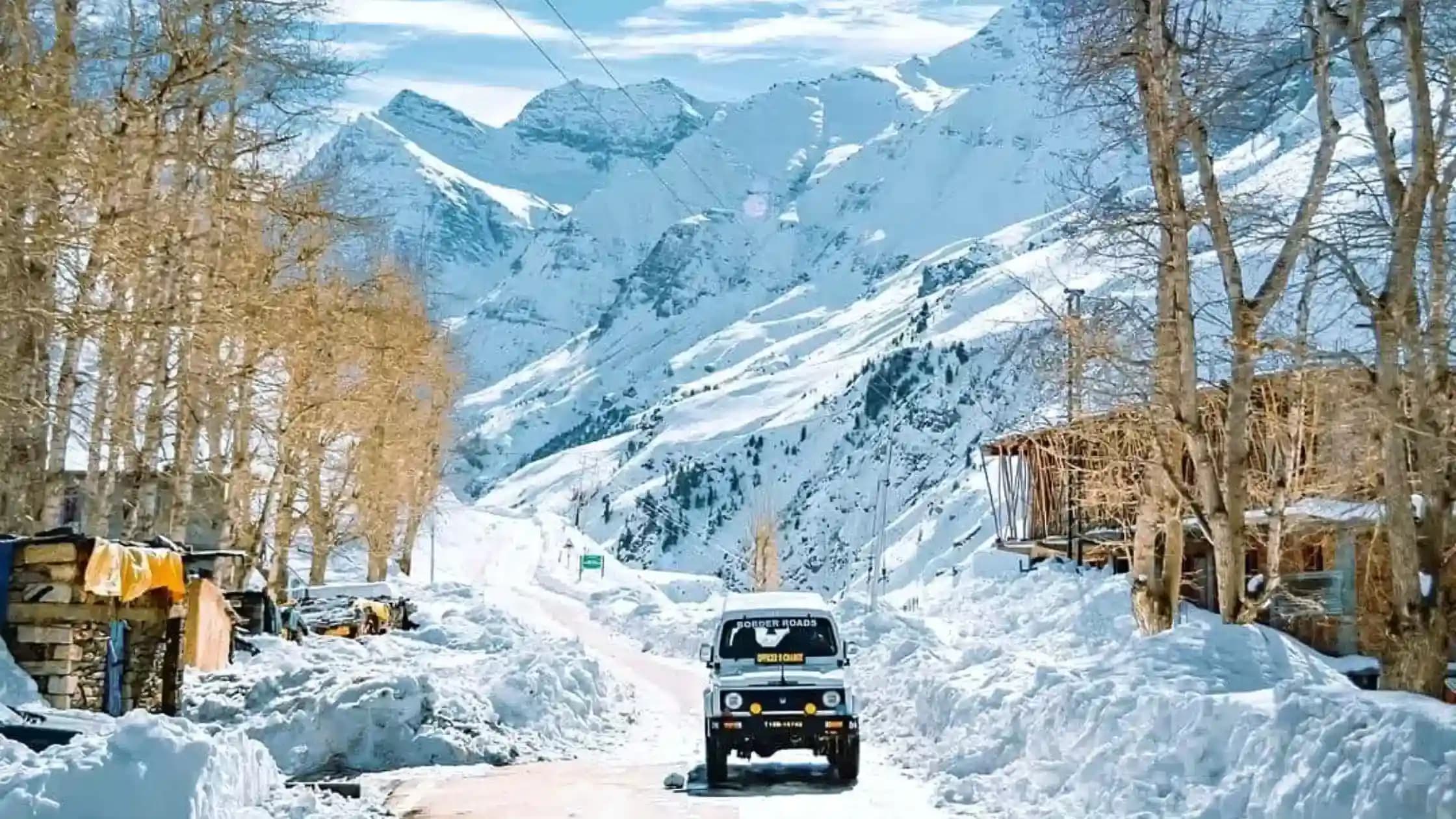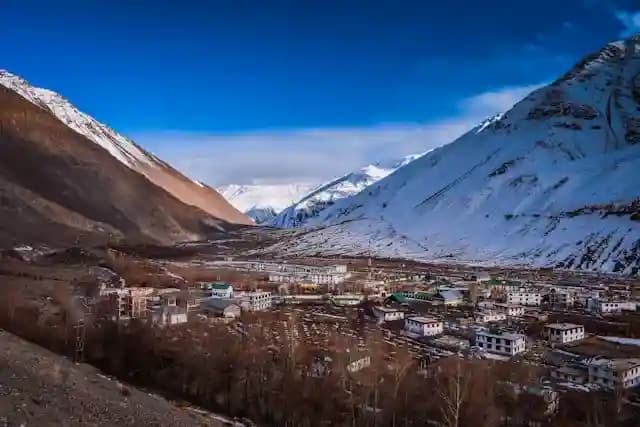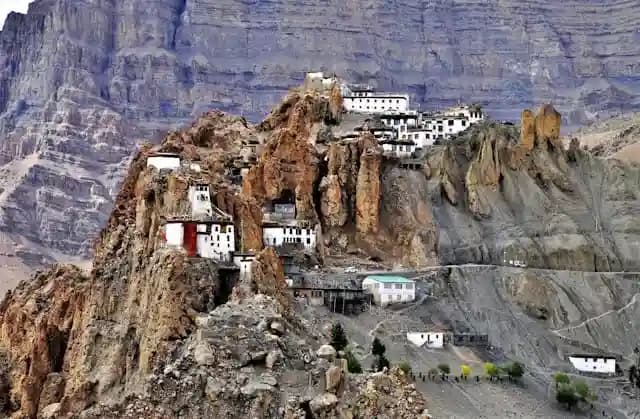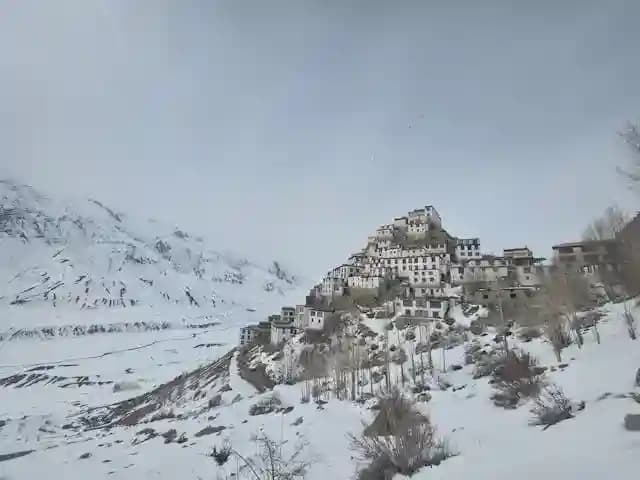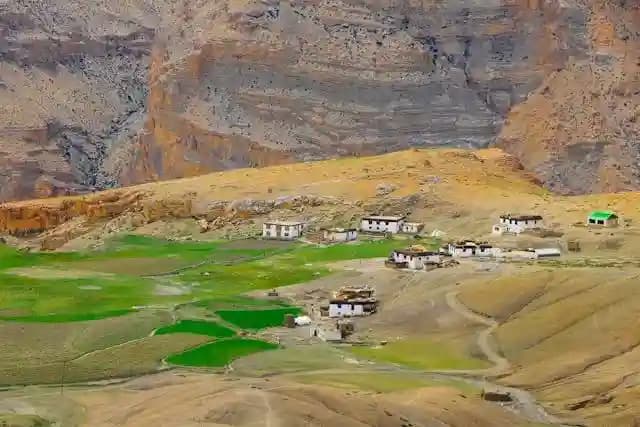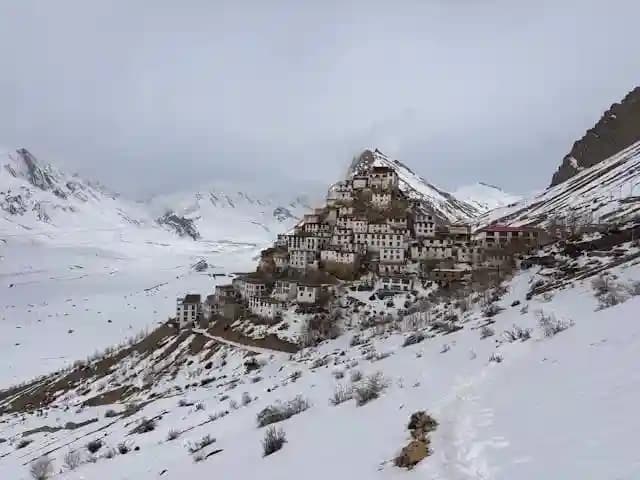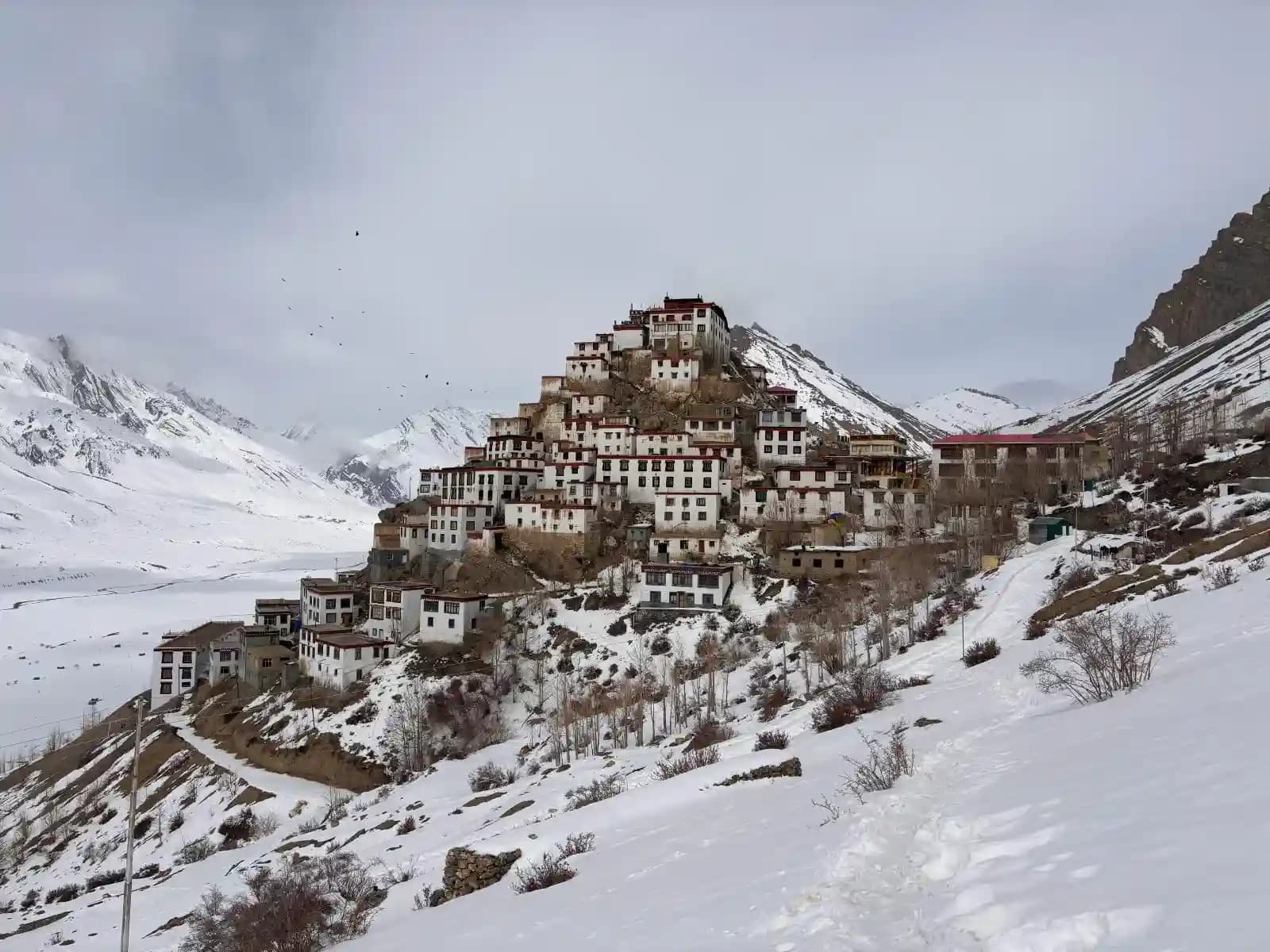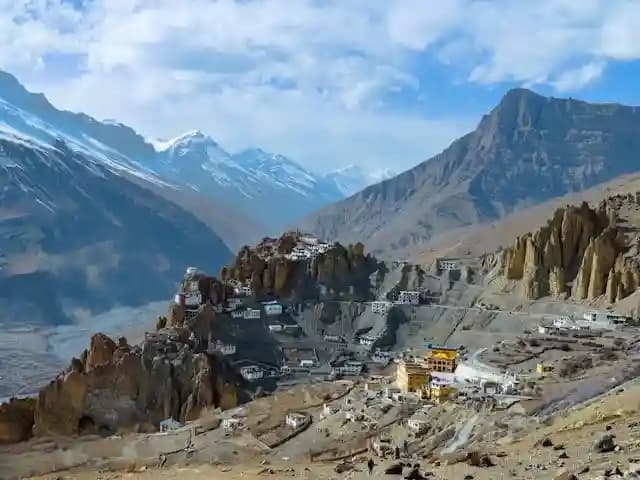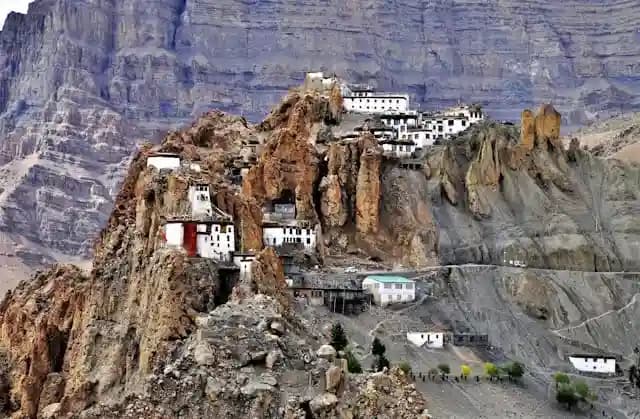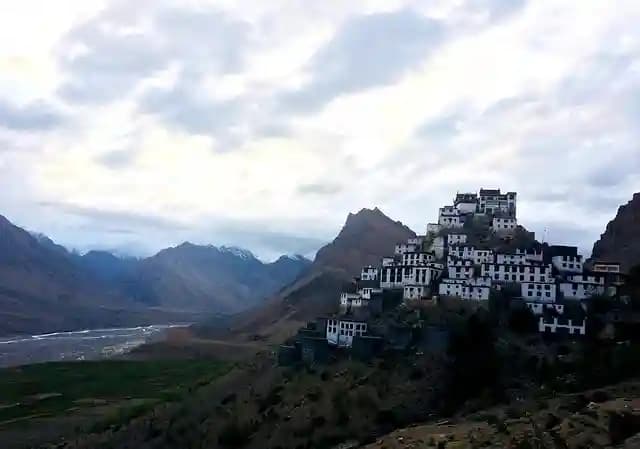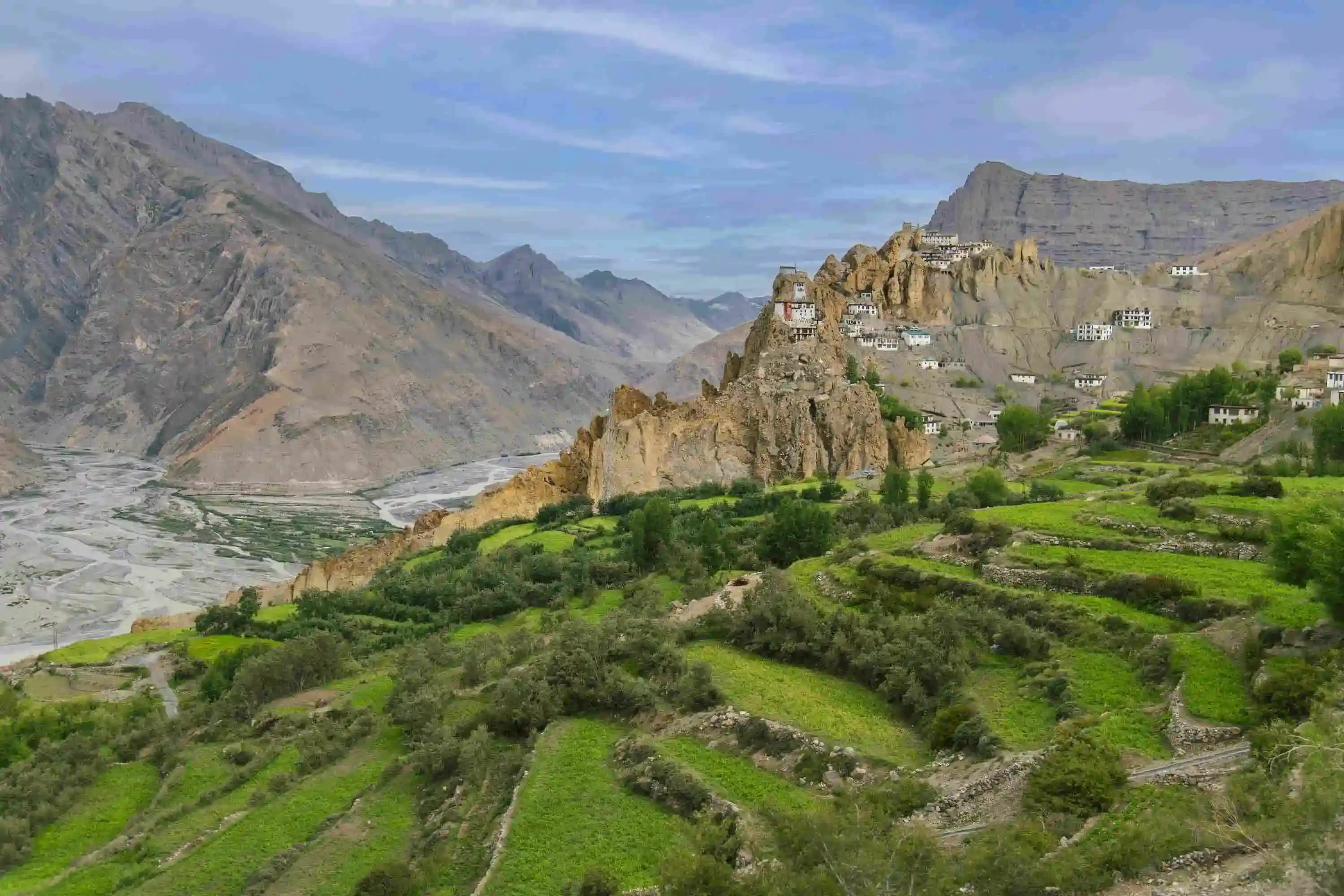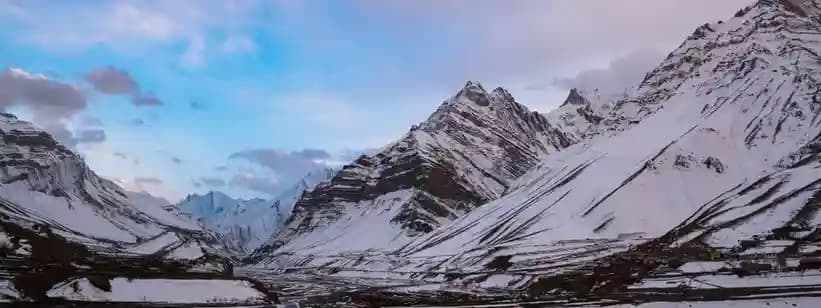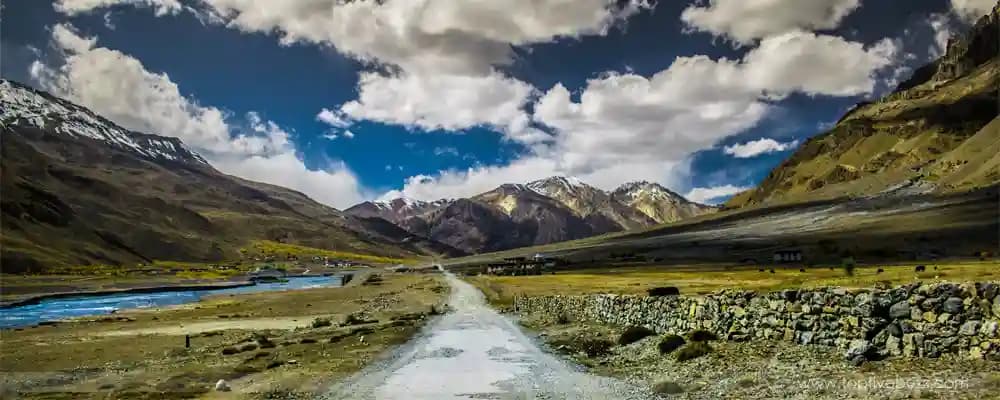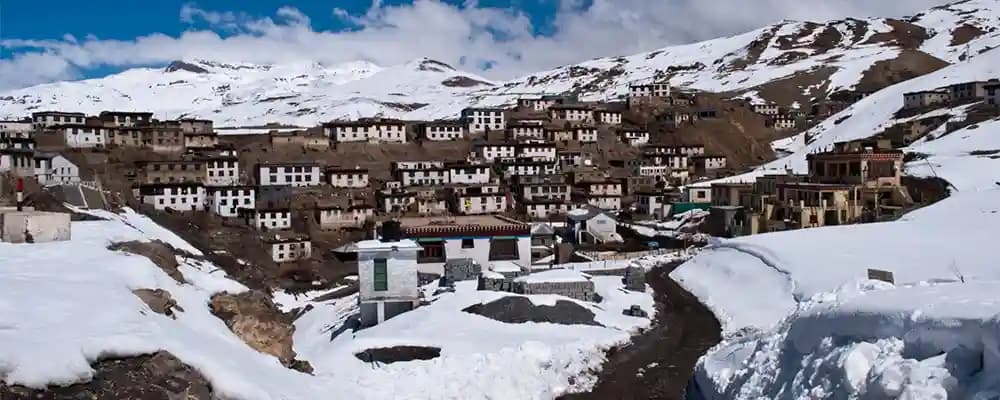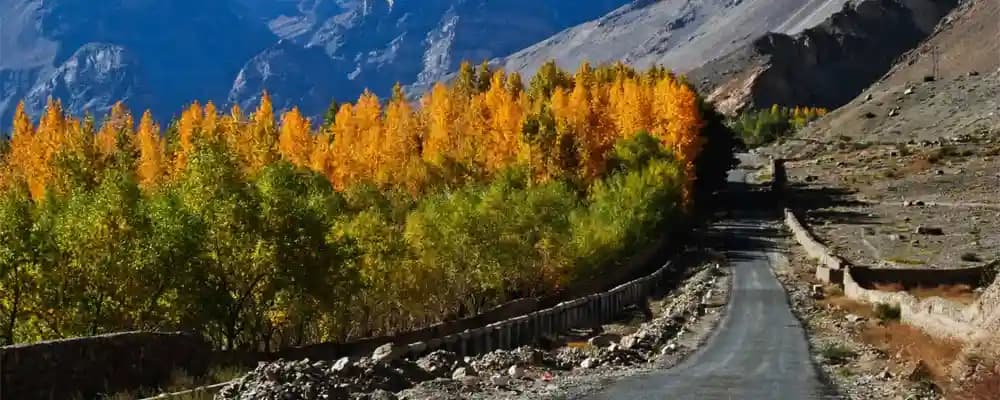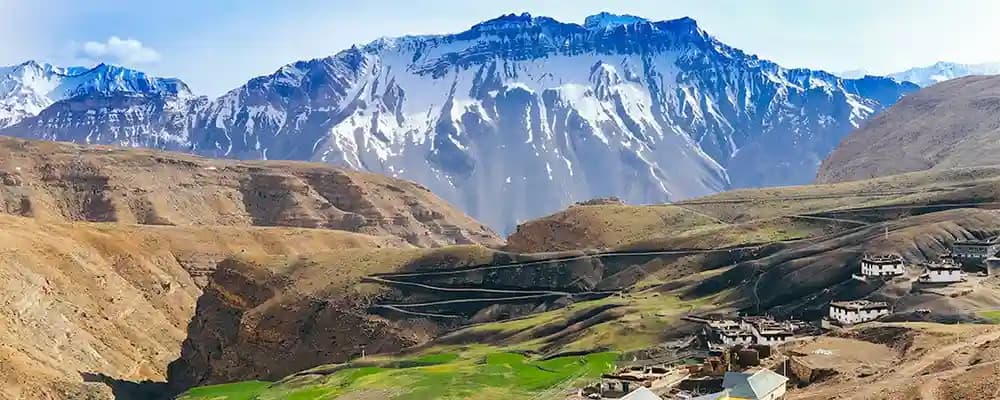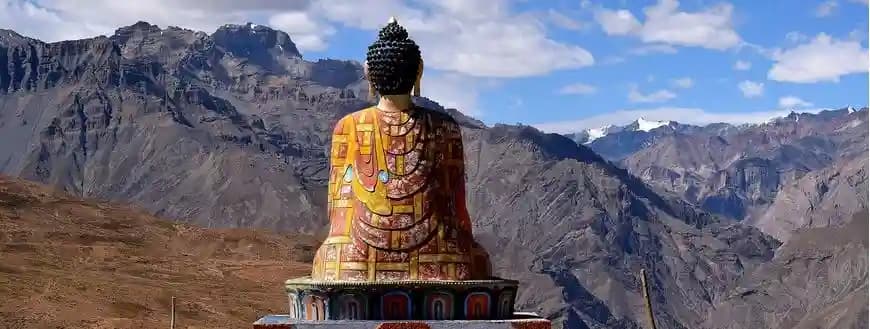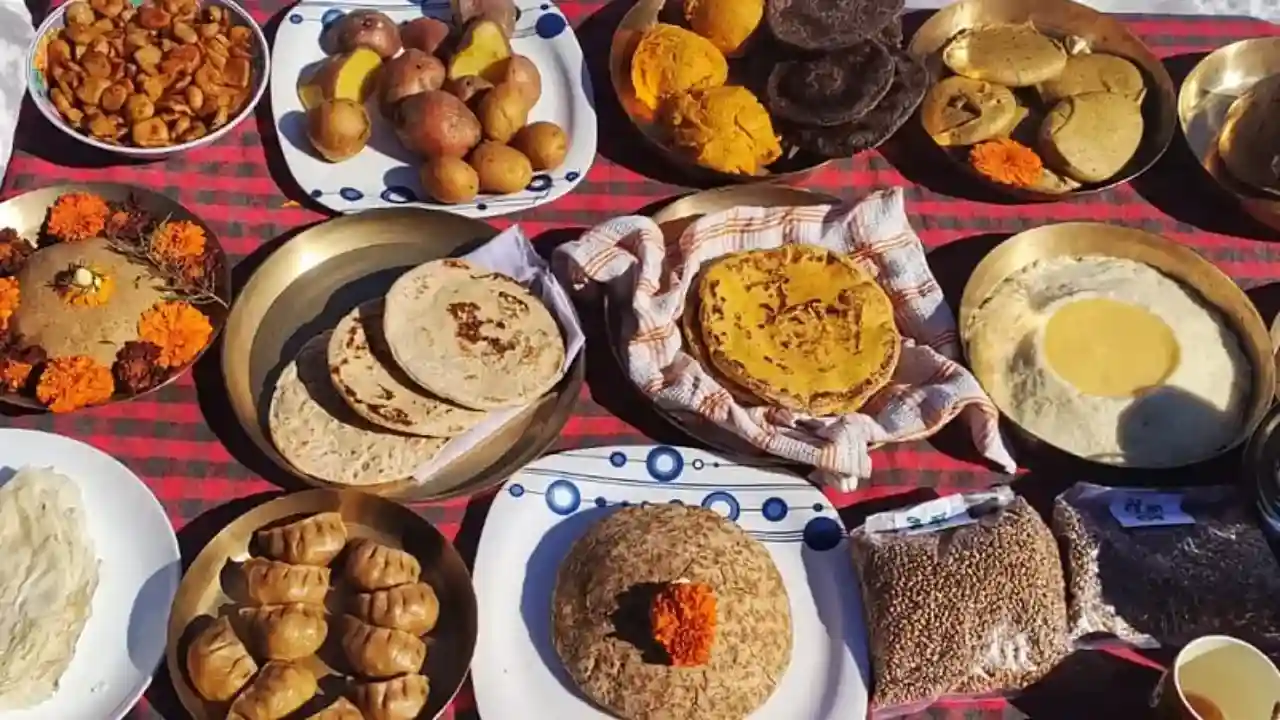
A visit to the Himalayas is incomplete without feeling the soul of the mountain. The food in Spiti that you will try is not just about nutrition; it is about warmth, survival, culture, and tradition. Every meal here is a narration about severe winters, simple life, and close community ties. The cuisine of the valley is shaped by the cold climate, lack of resources, and the influences of Tibet. As you pass by monasteries, villages, and high roads, the flavours of Spiti will become a part of your journey. Explore the Spiti Valley trip packages, and you’ll understand that, from hot soups to butter tea, homemade breads to slow-cooked meals, this is one place that offers something which one can rarely experience anywhere around. This guide is going to reveal the famous food in Spiti Valley, as the best way to know the mountains is to sit down, share a meal and explore the authentic local food in Spiti Valley.
Best Food in Spiti Valley
The finest cuisine here reflects simplicity, warmth, and nourishment. The cooking methods and harsh living conditions of Tibetan people make each meal tasty, light to digest, and prepared with a lot of love in a small kitchen, local cafes, and homestays. Below mentioned is the top food in Spiti Valley.
1. Thukpa
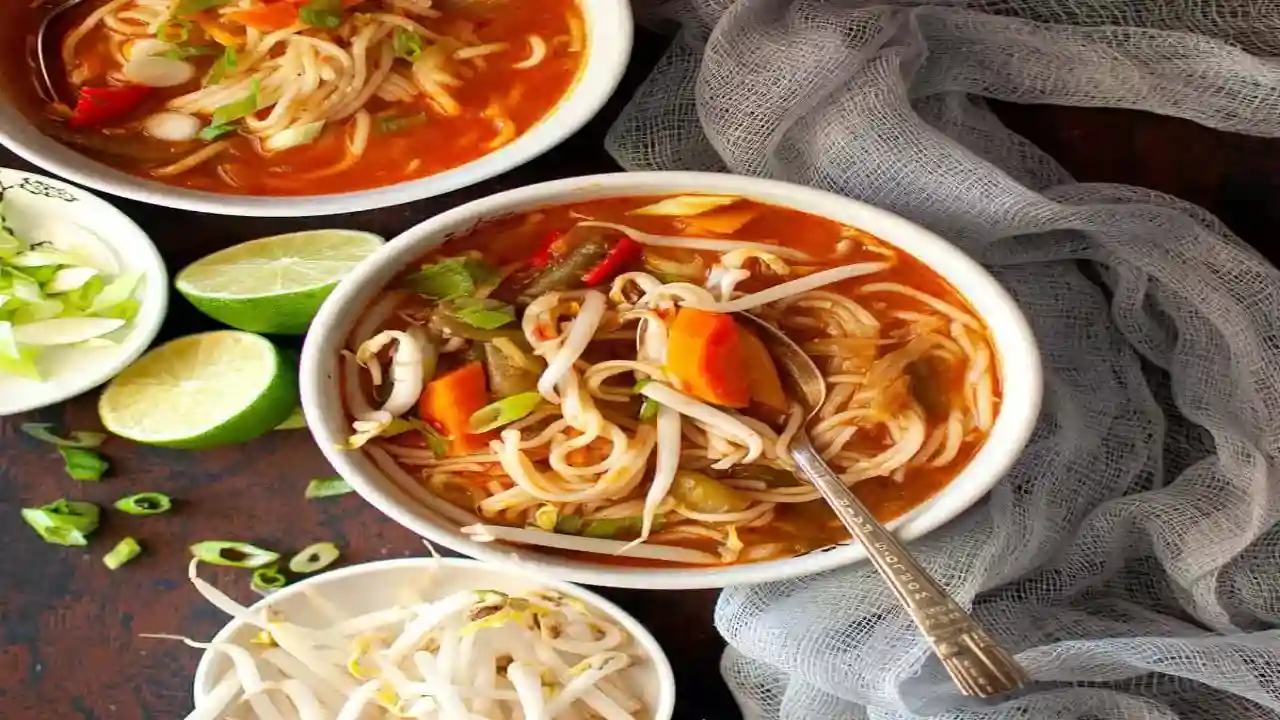
Thukpa is one of the most comforting meals for the people here in the Spiti Valley. It is a warm noodle soup that is a daily favourite in Spiti, especially during colder evenings and freezing winters. The light yet full broth consisting of hand-cut noodles, seasonal vegetables, and sweet spices helps in warming the body even at high altitude. According to most of the tourists, Thukpa introduced them to the spirit of the valley, as its focus on simplicity, cosiness, and survival.
Where to try: Top cafes in Kaza, Langza village homestays, monastery guest kitchens.
Average cost: ₹120- ₹250 per bowl
Best Time: At night or in the evening when it is cold.
2. Momos
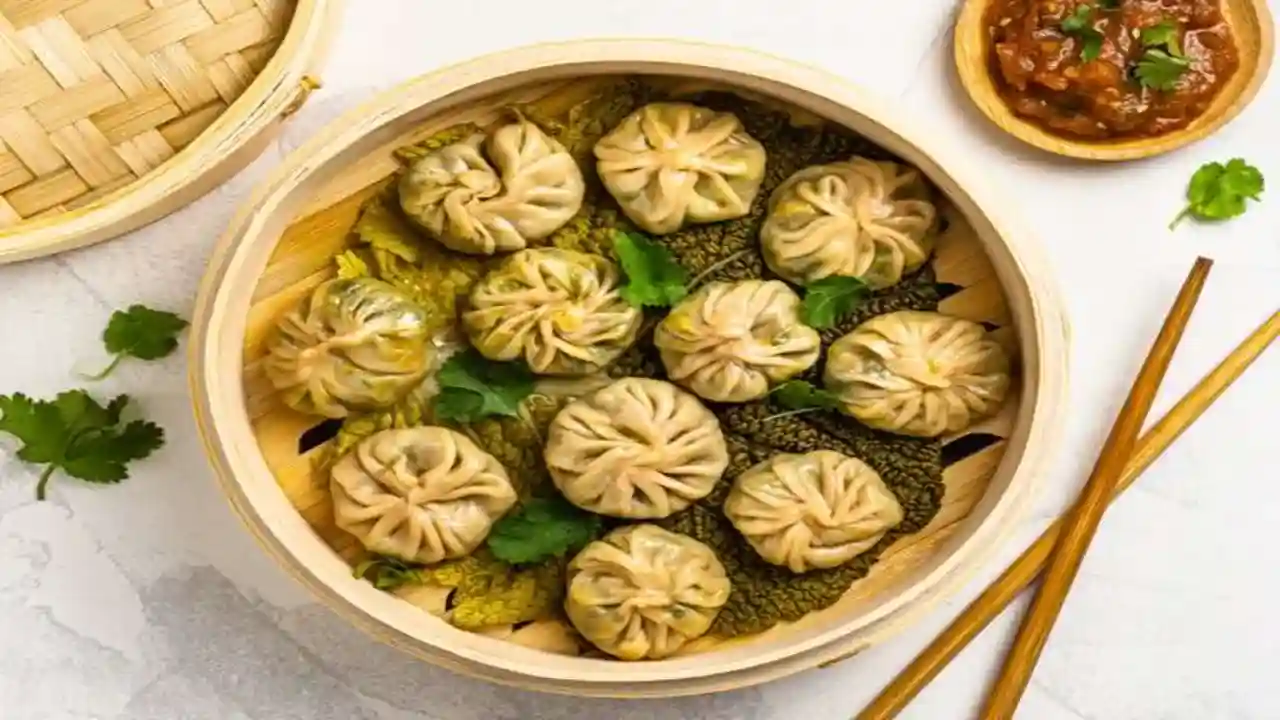
Momos in Spiti Valley is a popular dumpling dish which is one of the most loved dishes, influenced by the Tibetan culture. They are steamed, stuffed with vegetables or meat and served hot with spicy red chutney. The juicy filling is trapped inside the thin, smooth wrapping to ensure they are full but not heavy, and this makes them ideal when one is travelling at high altitude.
Where to try: Kaza Market cafes and Dhankar village restaurants.
Average cost: ₹100- ₹200 per plate
Best Time: Afternoon snack or light meal.
3.Butter Tea (Po Cha)
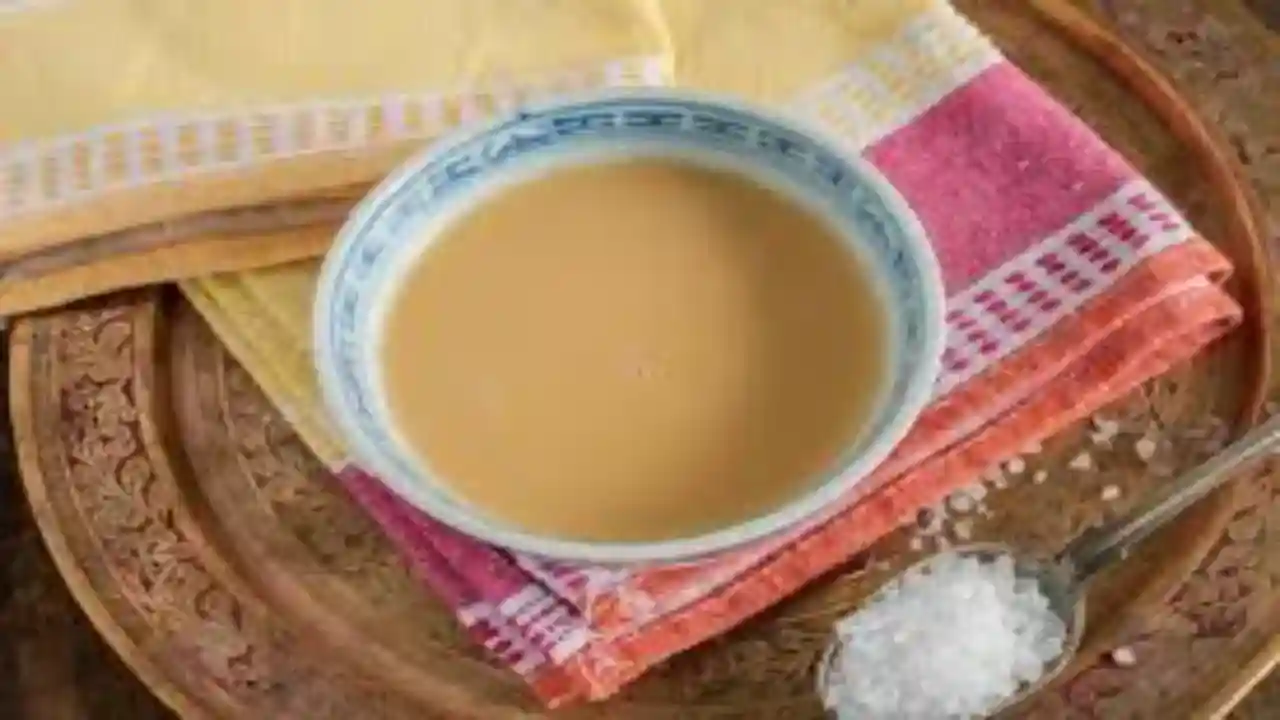
Butter tea or Po Cha is one of the traditional teas that helps locals to stay warm and stay hydrated in the most extreme cold conditions. It is prepared using tea leaves, yak butter, salt and water. It is a thick, slightly salty beverage that provides immediate energy and makes the body adapt to the high altitude. Its taste might seem unusual at first, but it is one of the most essential hot drinks loved by the locals there to keep them warm
Where to try: Homestays, monasteries, and village homes.
Average Cost: It is typically free to the people staying in the hotel; ₹50- ₹100 rupees in guest kitchens.
Best Time: In the morning or in the evening.
4. Skyu
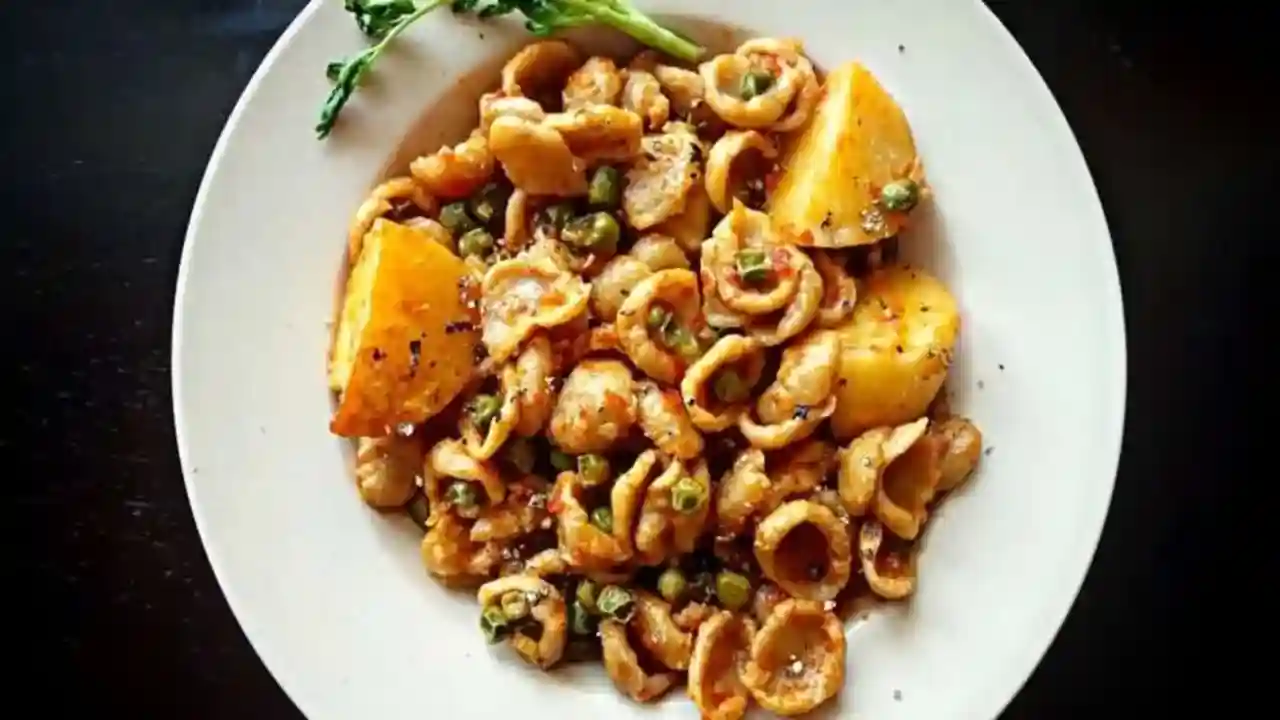
Skyu is a classic, hand-rolled, dough pudding that is cooked slowly with food and spices, with a low level of hotness, making it the most loved Spiti Valley cuisine. The broth imparts its flavours to its thick and soft dough, giving it a warm and filling quality, which feels particularly good in long winters. It is not a fast food, but is prepared with due care for special events or on cold days, representing the emotional aspect of local food in the Spiti Valley.
Where to try: Village homestays in Langza, Lhalung, and Komic.
Average cost: ₹200- ₹350 per serving
Best time: Lunch or Dinner is the best time to eat.
a. Chhang
One of the local fermented beverages, made from barley, is called Chhang, and it is an important part of the Spit Valley food culture. It is mildly alcoholic and is usually consumed during festivals and social gatherings to keep the body warm and relaxed in the cold weather. Its taste is not very strong but light and slightly sour. People often offer it as a welcome drink to their guests, making it an important food to try in the Spiti Valley.
Where to try: Village houses and local festivals.
Average cost: It is usually free when it is provided by hosts.
Best time: Evening
5. Tingmo
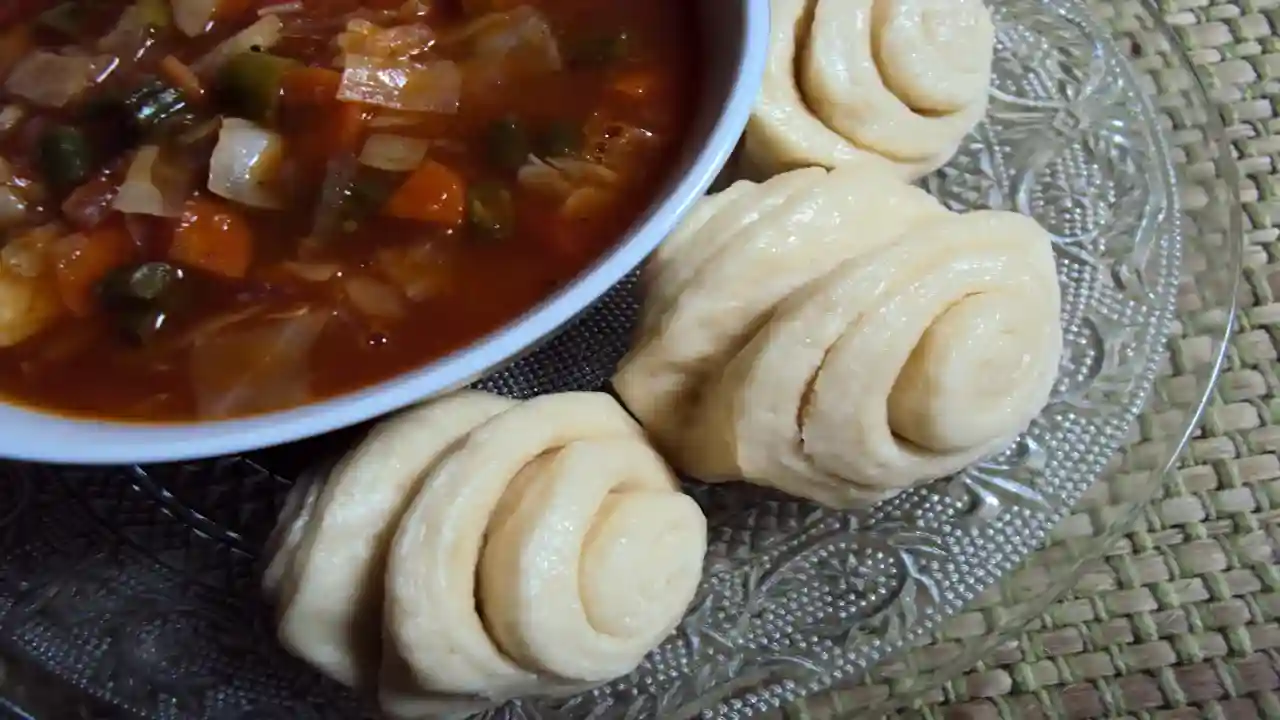
Tingmo is a dough-based soft steamed bread, which is a classic food in the Spiti Valley. Its fluffy texture, lightness and mild sweetness make it a delicious complement to the vegetable or meat curry, soaking up the gravy very well. It is baked, not roasted, thus it is easy to digest and offers great comfort and nourishment, particularly after long travel hours. It has a simple and satisfying nature that is appreciated by travellers and is also considered the best food in Spiti Valley.
Where to try: Cafes in Kaza.
Average cost: ₹150 to ₹250.
Best Time: Lunch or dinner.
6. Tsampa
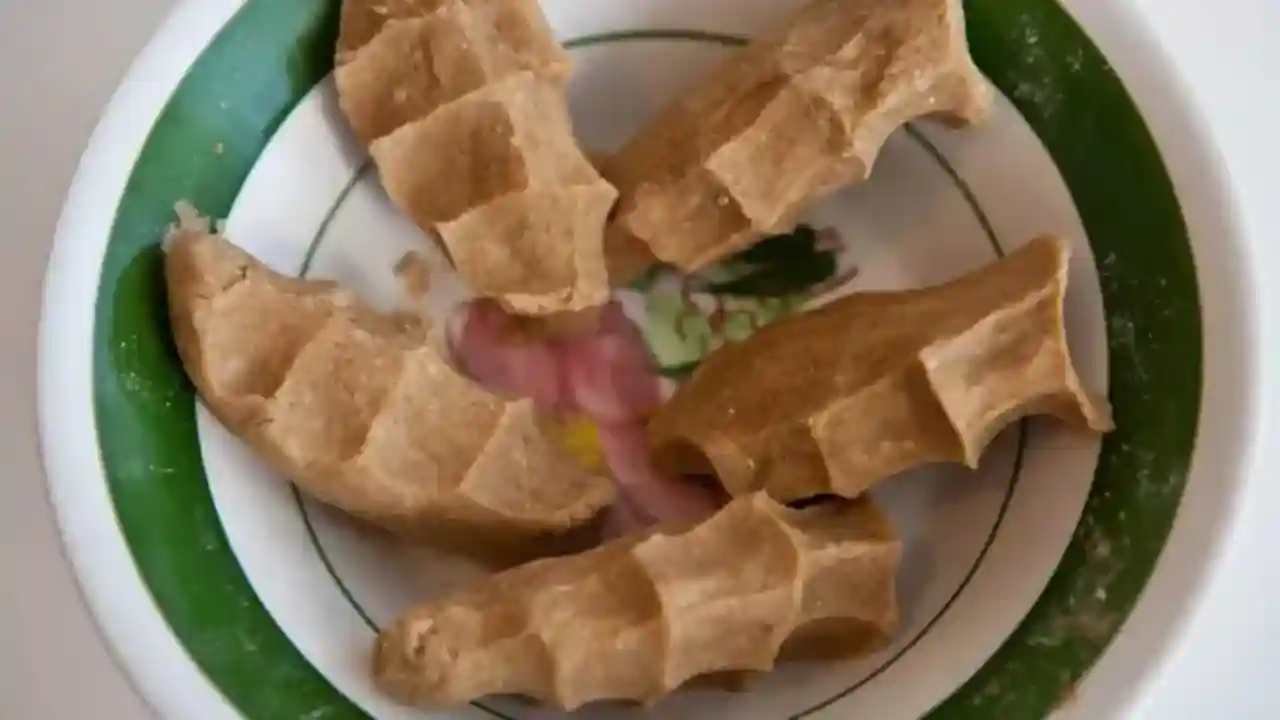
Tsampa is roasted barley flour, which is one of the oldest food items in the Spiti Valley. It is combined with butter tea or water to create a thick paste, that is thick and this gives rapid energy and warms the body. It is based on the Tibetan culture and still has an earthy, nutty taste that is important in terms of survival on the high altitudes. The consumption of Tsampa depicts that local food keeps people alive under hostile weather.
Where to try: Homestays and monasteries.
Average cost: Included in the meal price.
Best time: Morning.
7. Thenthuk
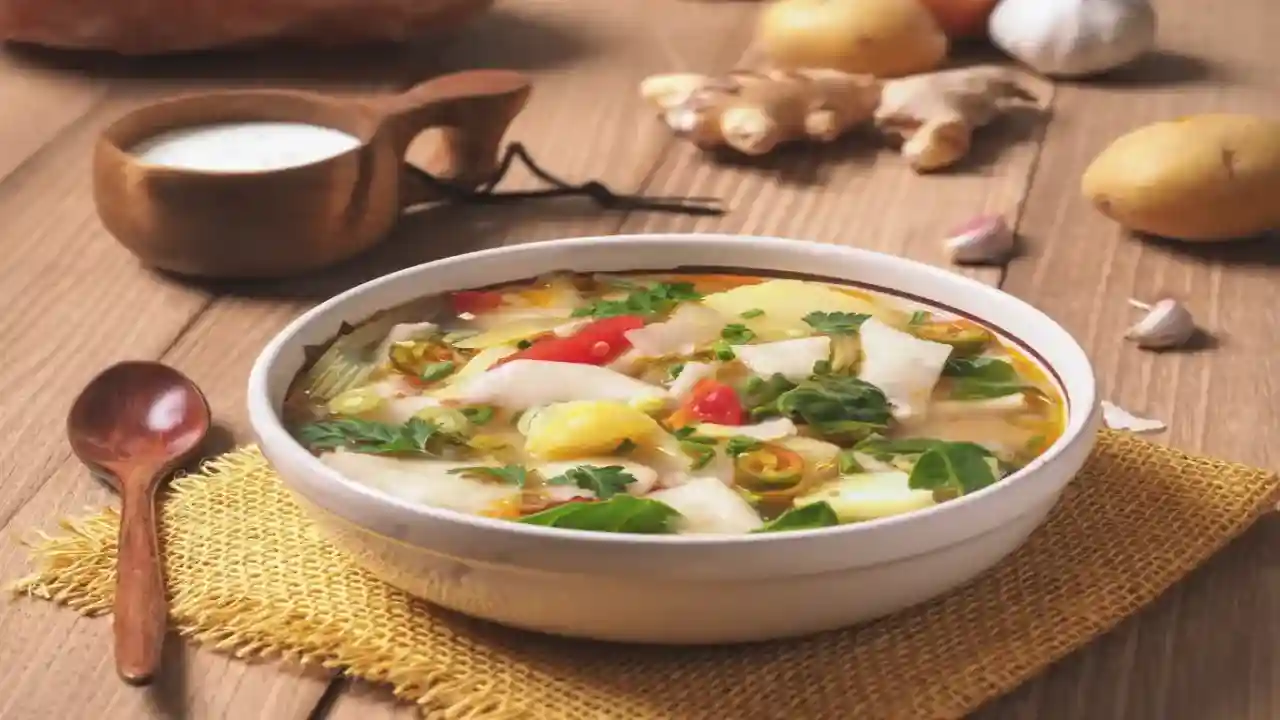
Thenthuk is a thick noodle soup, which is similar to Thukpa. The noodles are hand-pulled and then cooked in the soup, and they are filling and very hearty on cold days. It is warm, comforting, and convenient, and can be considered the comforting taste of Spiti, which people love especially in winter.
Where to try: Cafes and homestays are the best places to eat in Spiti Valley.
Average cost: ₹150 to ₹300.
Best time: Dinner
8. Khambir
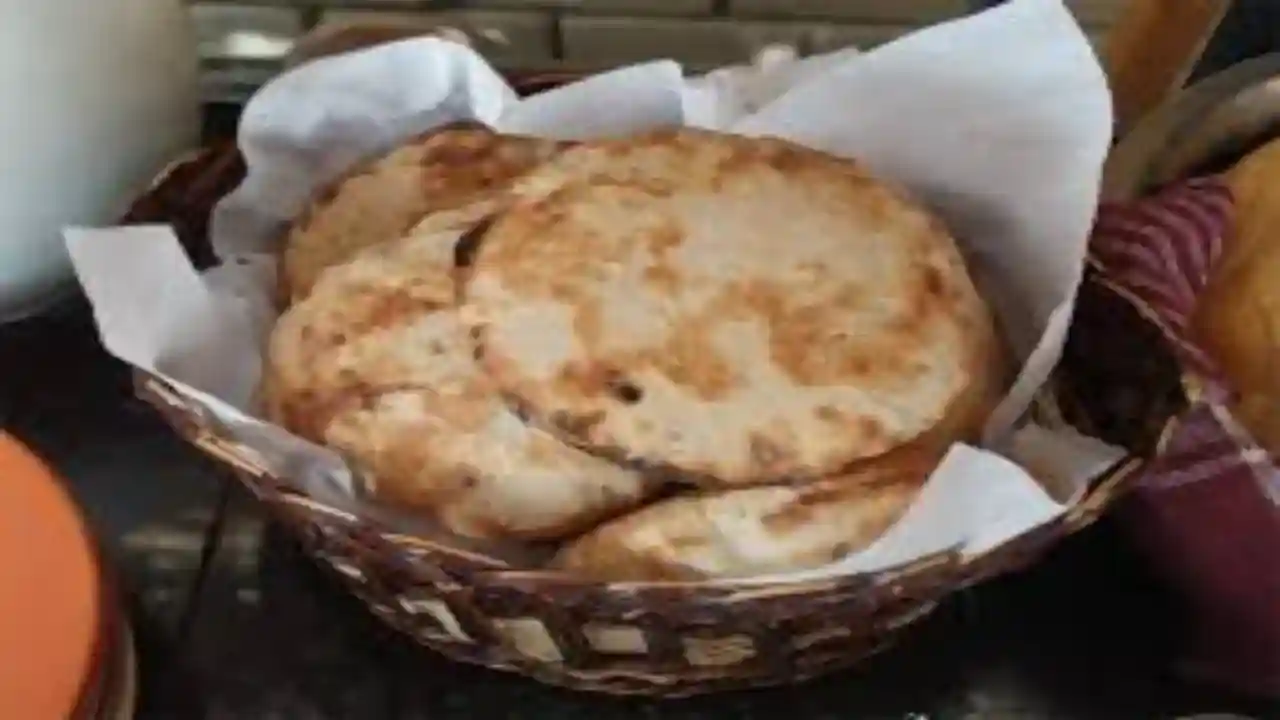
The bread is called Khambir, has a dense texture, and is slightly fermented and pan-cooked. It is usually served with butter, jam or curry, and it is very filling and long-lasting. It is good in cold weather. It is consumed by many locals daily as it is very simple and homely, something really enjoyed by the travellers.
Where to try: Homestays.
Average cost: ₹80 to ₹150.
Best time: Breakfast.
9. Buckwheat Pancakes

Buckwheat pancakes are made using the locally grown grains and cooked on the flat pans. Healthy, light, and slightly nutty, they represent eco-friendly agricultural activity and simple Spiti Valley cuisine. The buckwheat pancakes are usually served during breakfast hours and are a favourite among health-conscious tourists.
Where to try: Village houses.
Average cost: ₹100 to ₹200.
Best time: Morning.
10. Paba
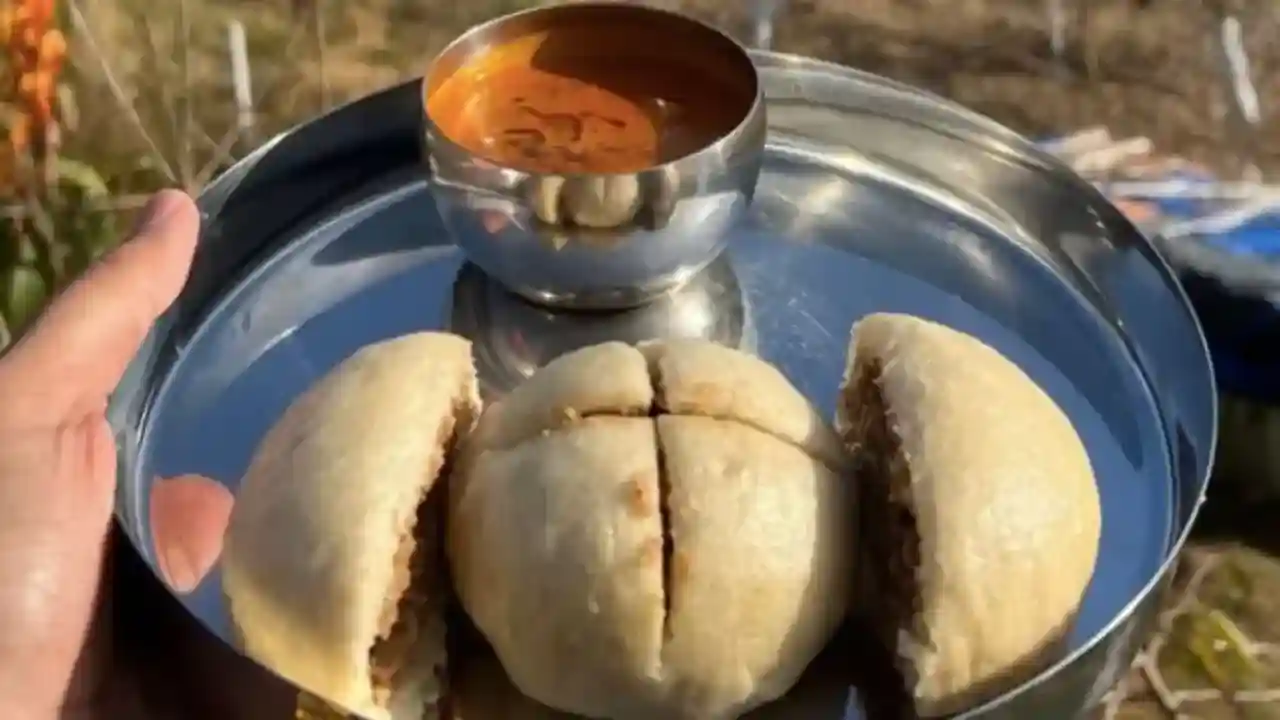
Paba is a famous dish that is made from roasted barley flour cooked in a lot of water to form a thick paste. Not only is it warming even when served hot, but it is also hearty even in small quantities, supplying great energy and warmth in chilly mountain conditions. Its light and potato taste is excellent with lentil or vegetable curry, and it shows the lifestyle of the Spiti Valley, which is based on survival. It is a type of food which is made fresh by the homestay owners, particularly for lunch or dinner.
Where to try: Village homestays, Langza, Lhalung, and Komic.
Average cost: This is part of homestay meals or ₹200- ₹300 when served independently.
Best Time: Lunch or dinner.
11. Yak Meat Curry
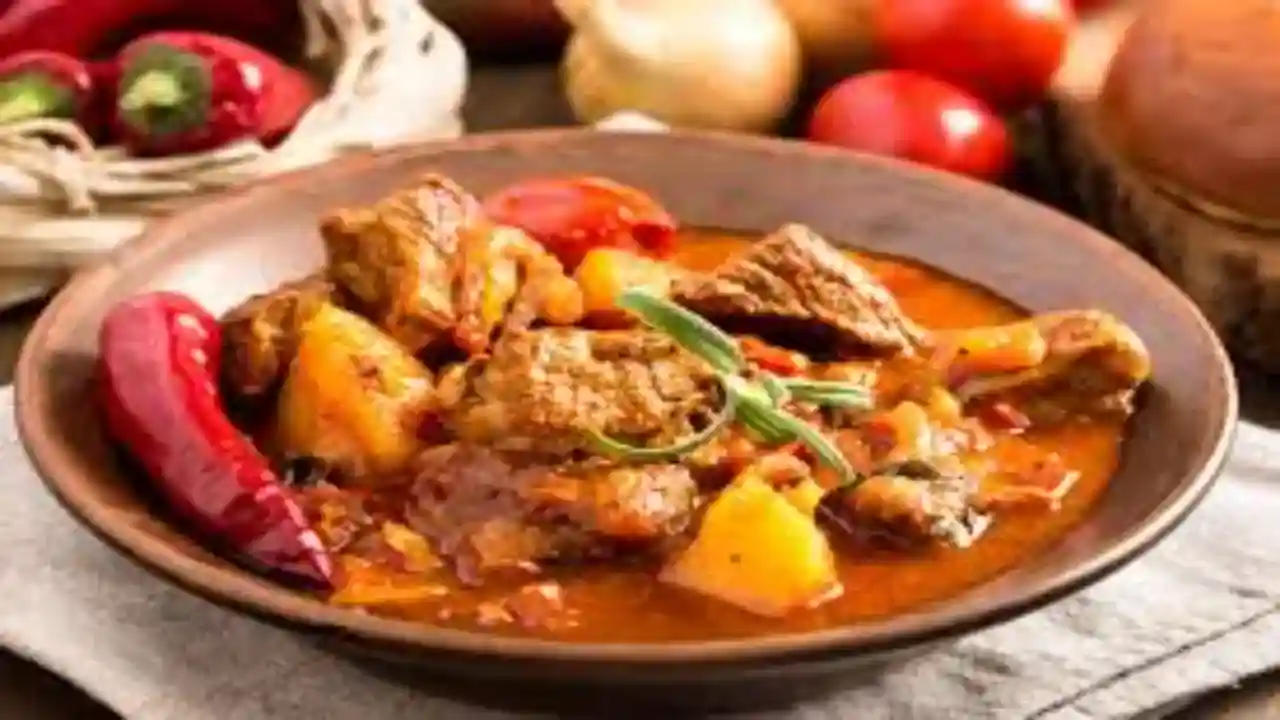
Yak Meat Curry is a traditional non-vegetarian food and a must-try food in Spiti Valley. The flesh is rich, fatty, and tender due to the slow cooking, but the natural taste is brought out by the rather mild spices. It is rich in protein, and it helps the body to sustain long durations in cold environments, thus considered a staple in cold areas. The food represents the robust, hearty nature of Spiti Valley food.
Where to try: Villages, homestays, and special homestays.
Average cost: ₹350 to ₹500 per serving.
Best Time: Dinner, particularly during winter.
12. Local Vegetable Stew
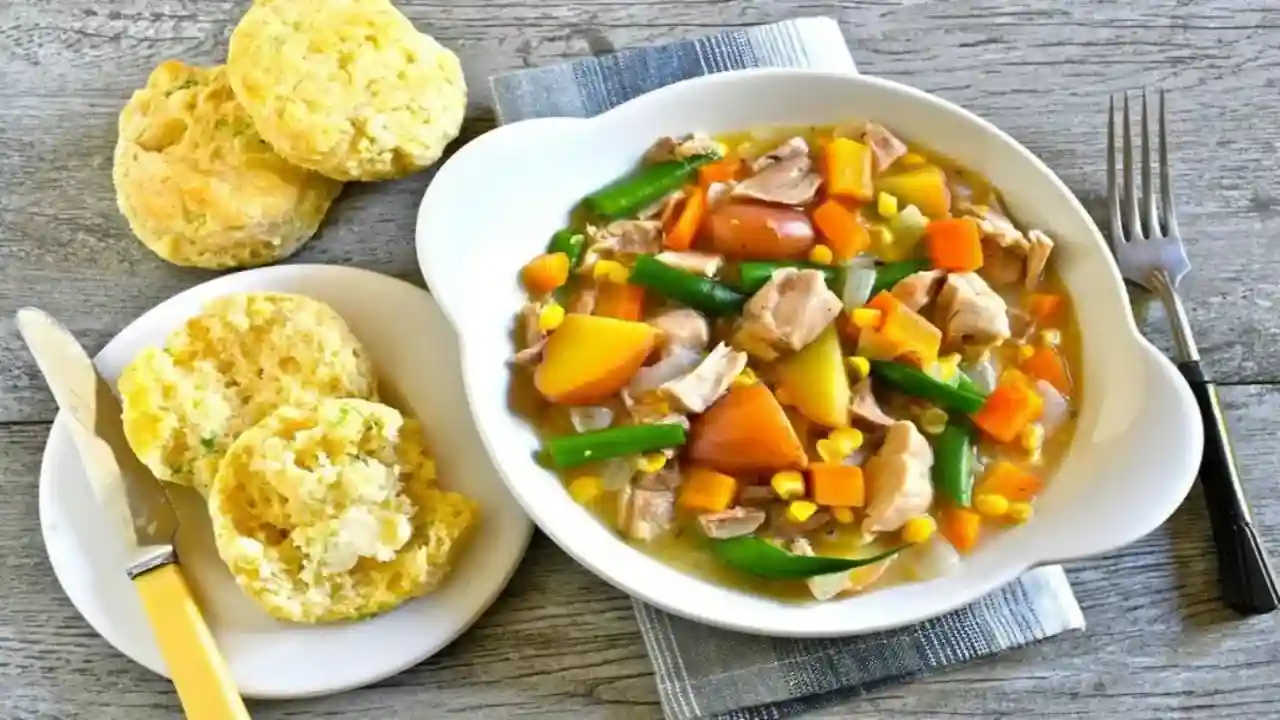
Local Vegetable Stew is a very basic and cosy meal that represents the Spiti Valley cuisine. It is prepared with vegetables that are grown locally, and cooked slowly in water with light spices and herbs. The stew is also light and healthy, which makes it perfect for travellers who are getting accustomed to high altitude. None of the heavy oil or spices is added, and the natural vegetable flavours shine. This is a warm, nutritious meal that is one of the safest as well as the most popular among first-time visitors. It is usually accompanied by a meal or as a separate meal.
Where to try: Cafes, Kaza and village homestays.
Average cost: ₹150 to ₹250 per bowl
Best Time: Lunch or dinner.
13. Gur Gur Chai
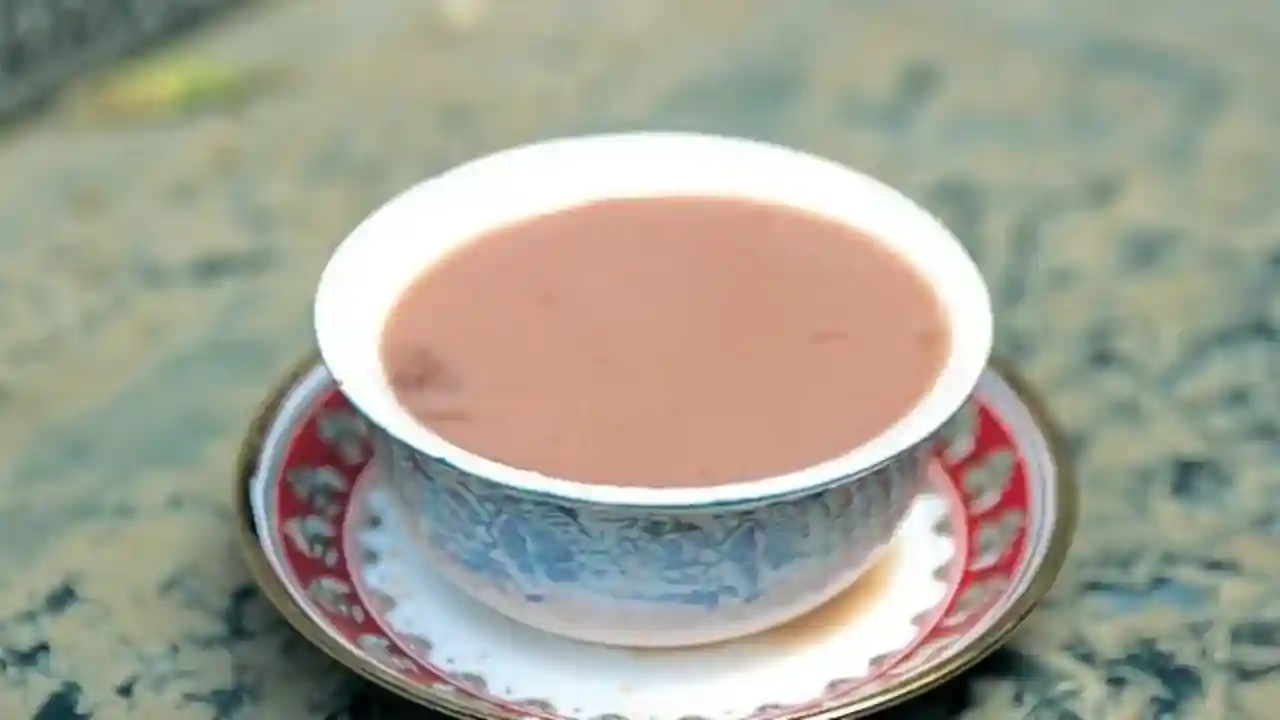
Gur Gur Chai is a more dense and richer version of butter tea, and it is a main part of the food in Spiti Valley. It is prepared by boiling tea leaves in water, salt and yak butter and then whisked to a froth. The tea is salty, and it is very satisfying. Gur Gur Chai ensures that the body stays warm and hydrated during the freezing weather. It is consumed by the locals daily, particularly in the morning and evening. It may taste unusual to the tourists,, but it is the true flavour of Spiti. This tea is usually served to guests.
Where to try: Village homes, monasteries and homes.
Average cost: The price is usually free to the guests.
Best Time: Morning or evening.
14. Apricot-Based Foods
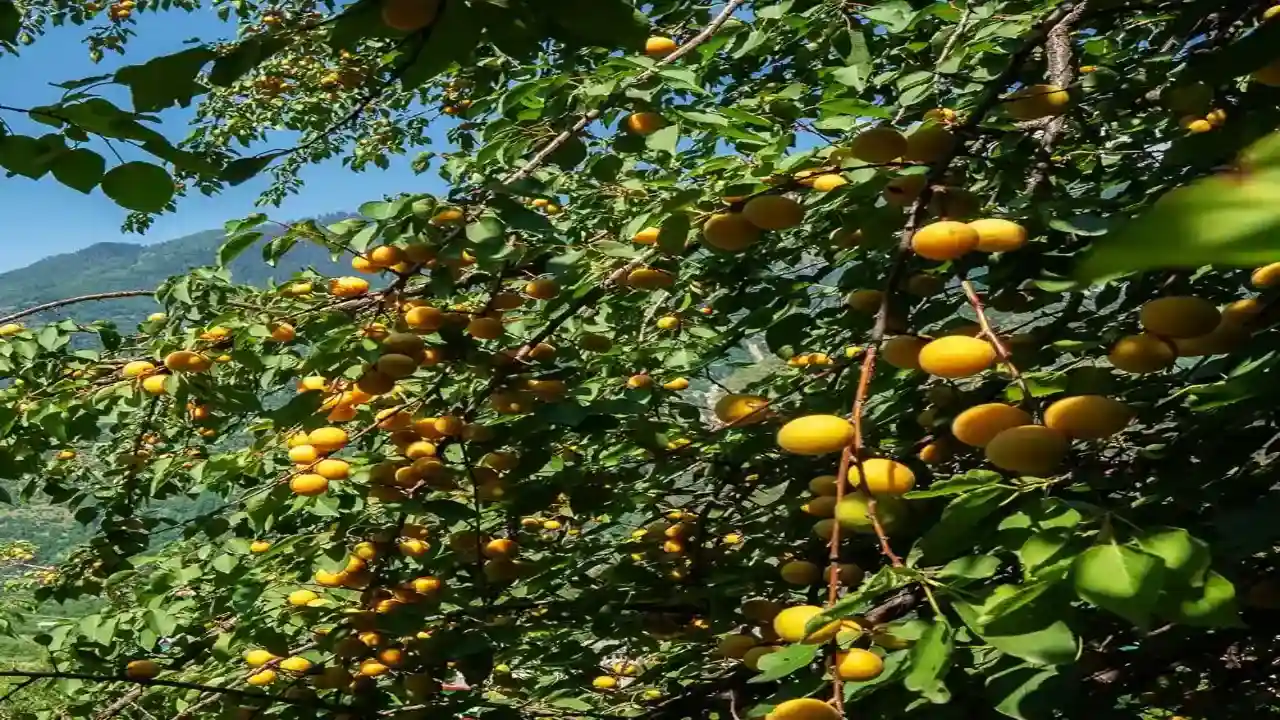
In Spiti Valley, apricots are naturally grown, and therefore, food products are processed using apricots uniquely. People in the area find a lot of uses for apricots, which include dry fruit, jam, oil, and desserts. Dried apricots can be taken as snacks, and apricot oil is used in cooking as well as in skin care. These foods contain a lot of nutrients and give energy in cold months. The apricots have a sweet and slightly tangy flavour that gives some variety to the otherwise plain food in Spiti Valley.
Where to try: Village stalls and the Khan market of Kaza.
Average cost: ₹200 to ₹500 rupees on the basis of the product.
Best Time: Summer and early autumn.
conclusion
Having a taste of the Spiti Valley makes one experience the heart of the mountains. All the meals are slow, basic, and very profound. The tastes remain long after the trip is over. The best food in Spiti valley is warm soups and homemade breads, thus relates people to the local life, culture, and survival. In case you are looking for a trip that will not only nourish your soul but also your stomach, you need to consider a trip to Spiti Valley, which will include a taste of the local food.