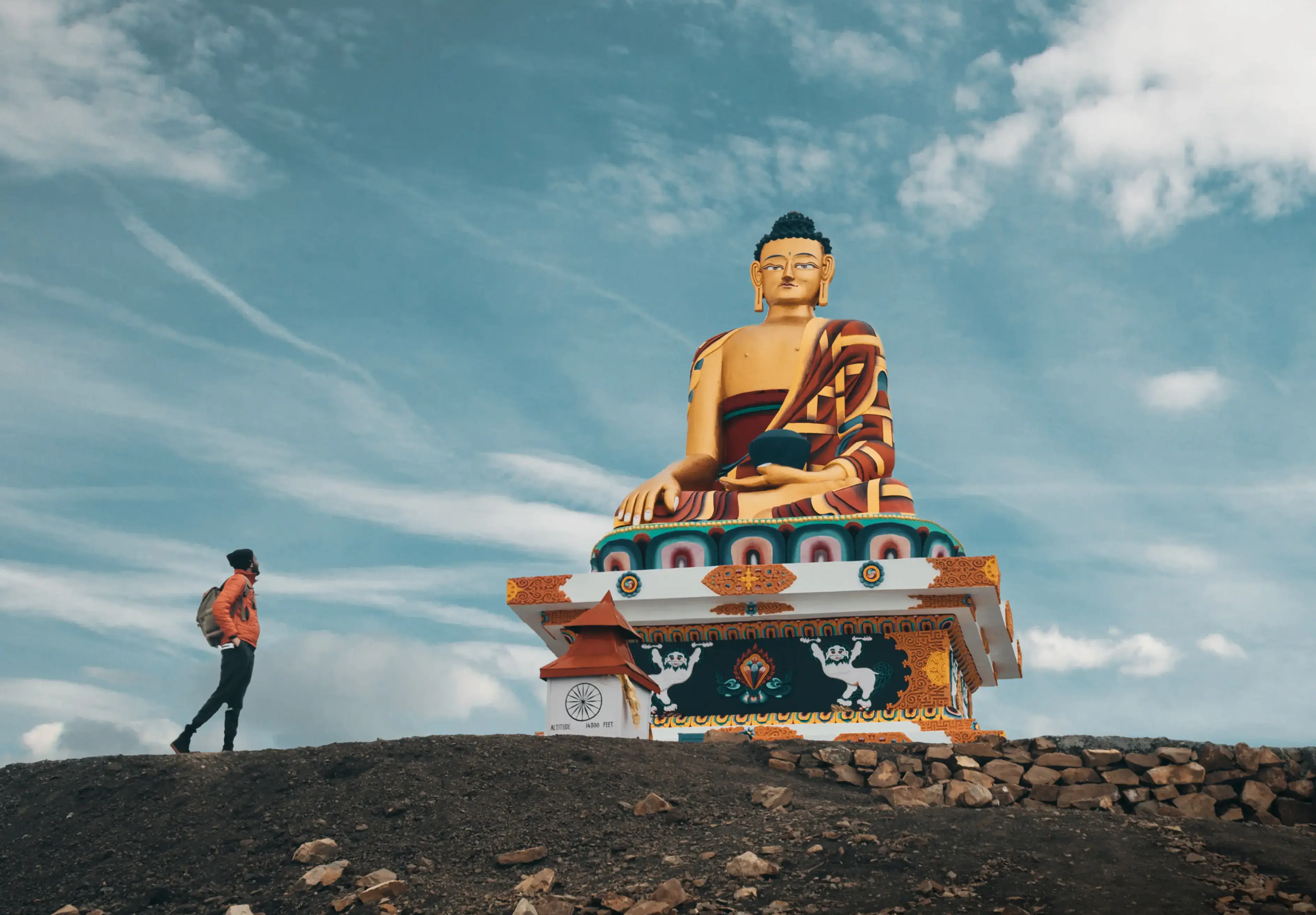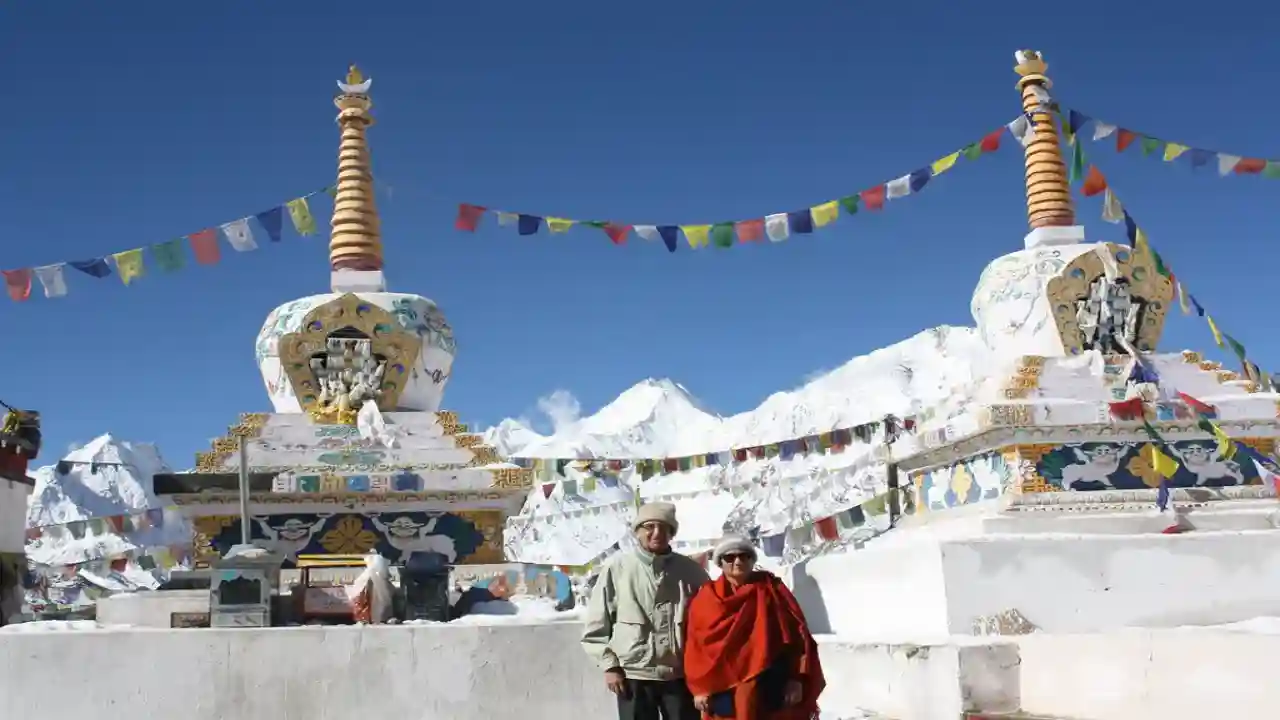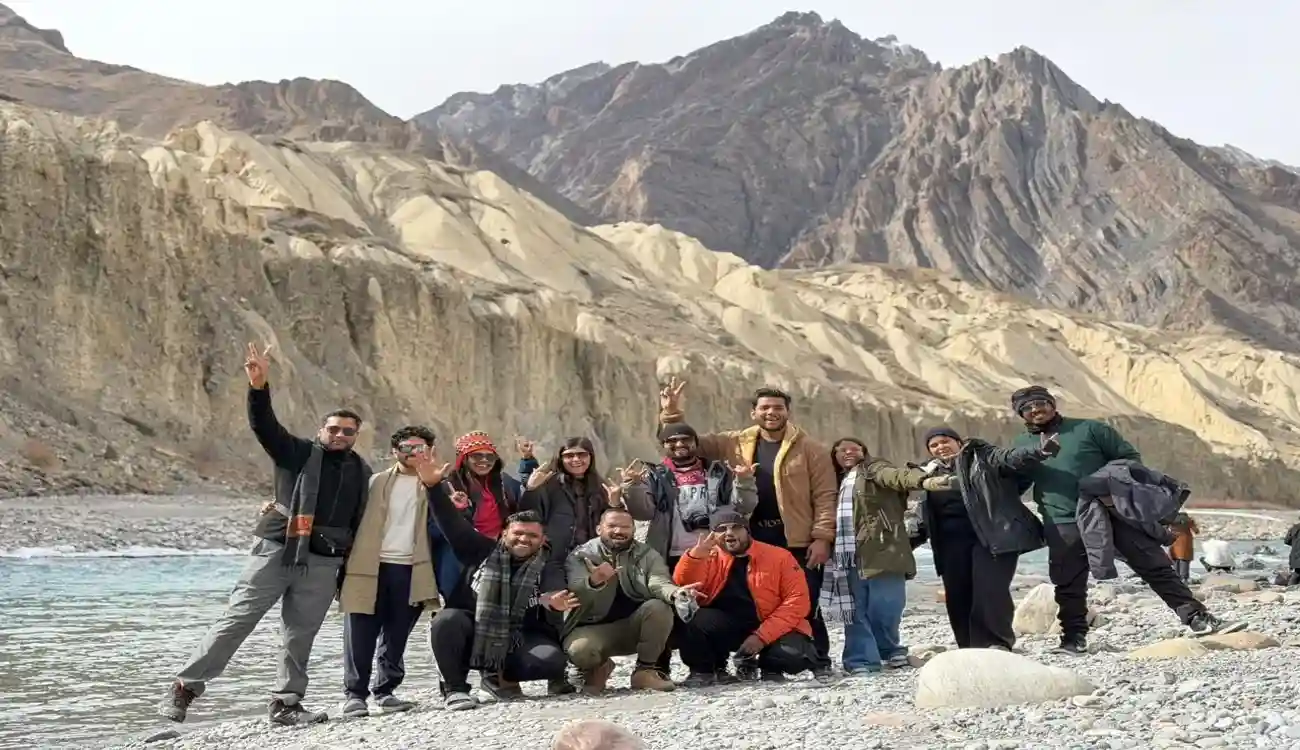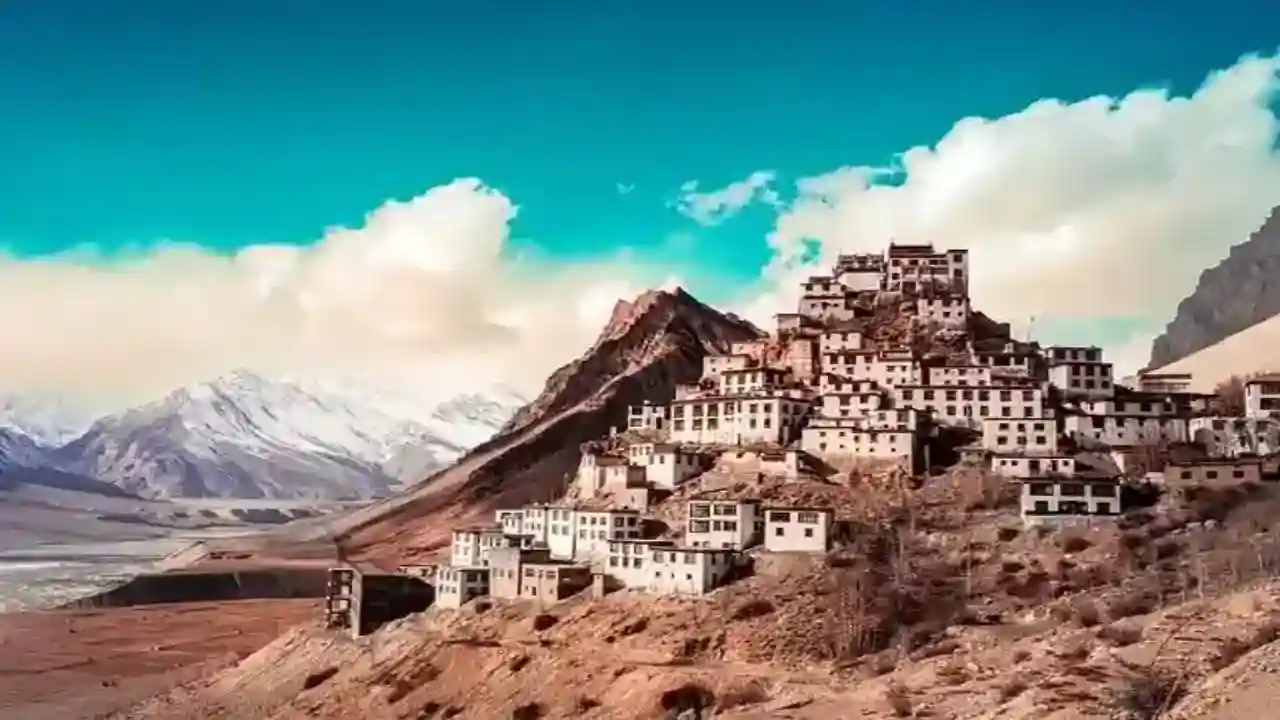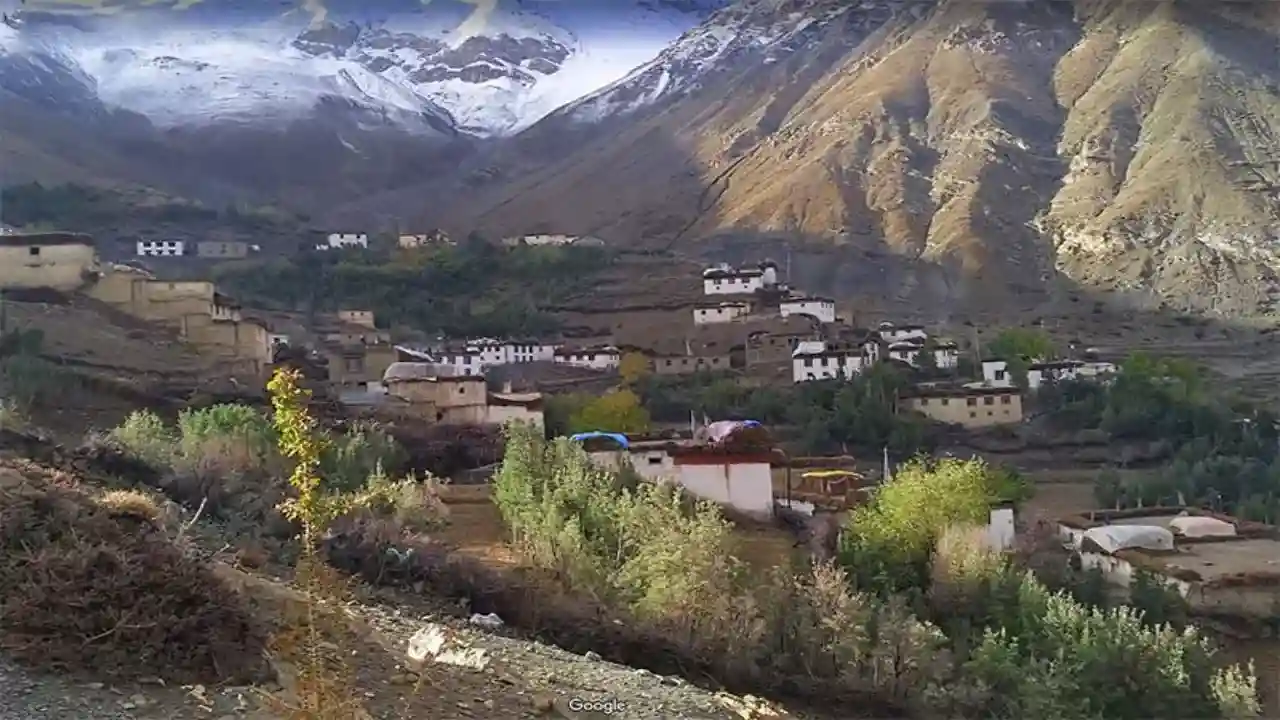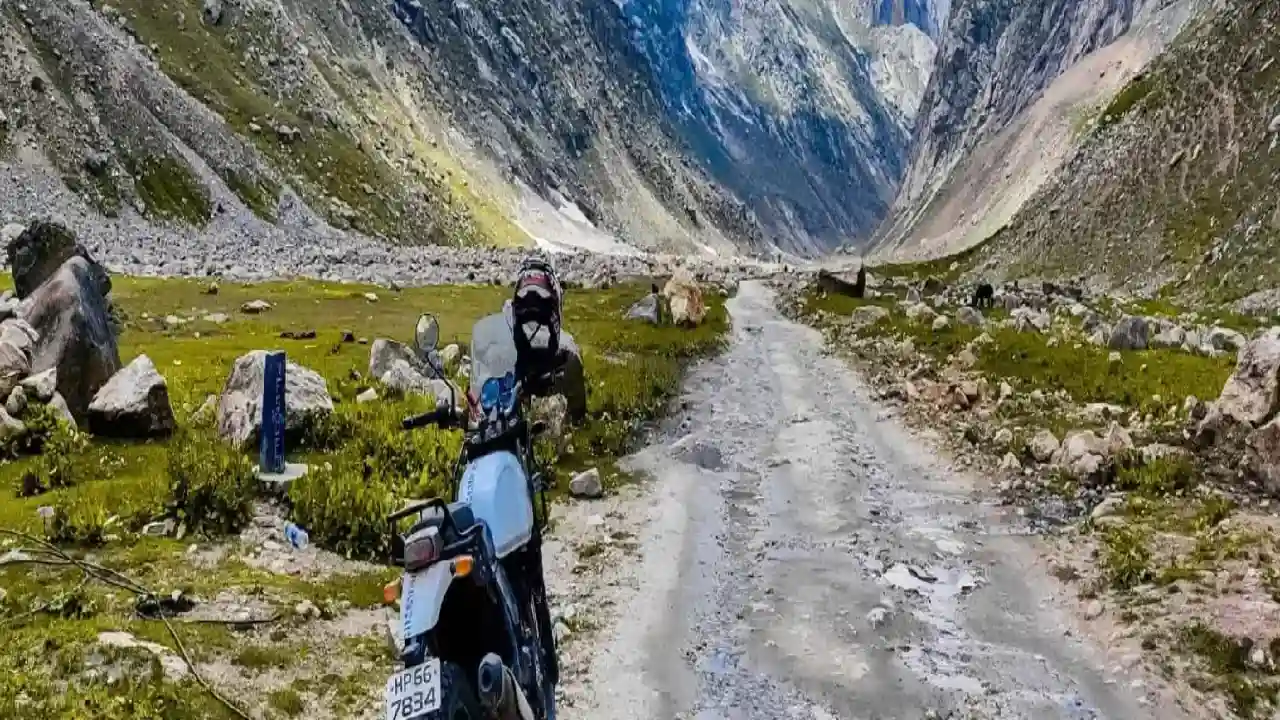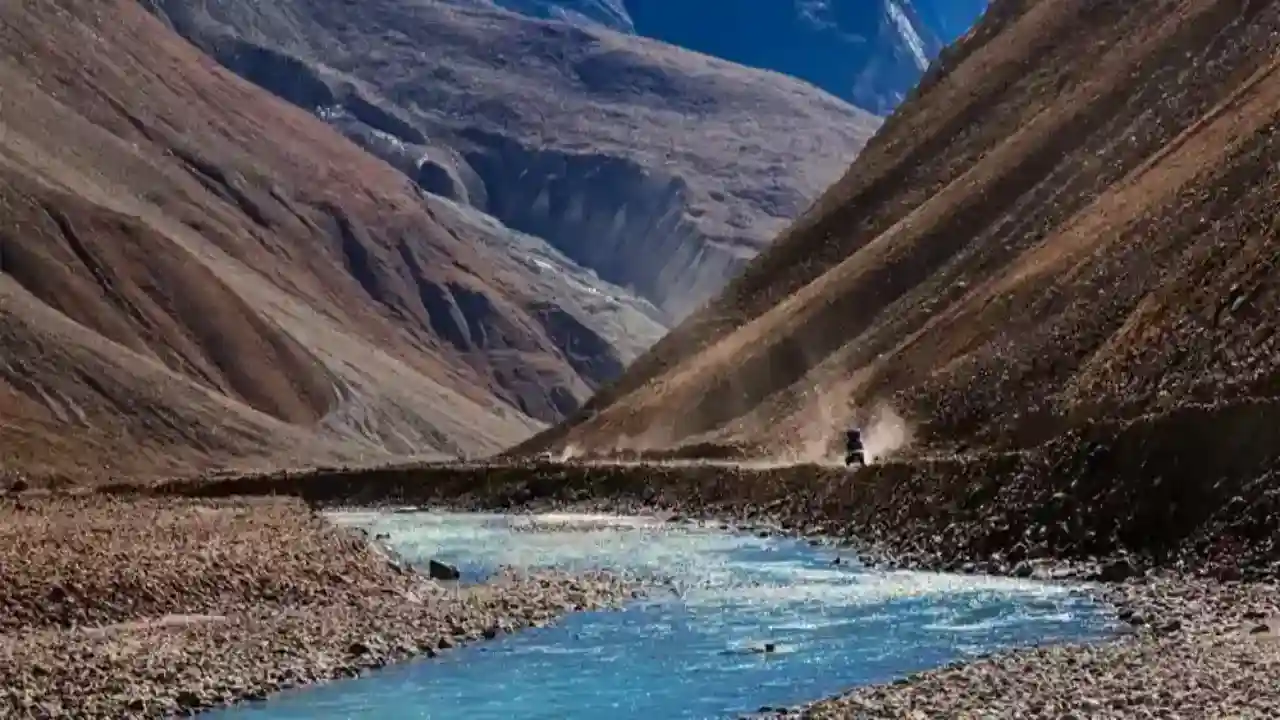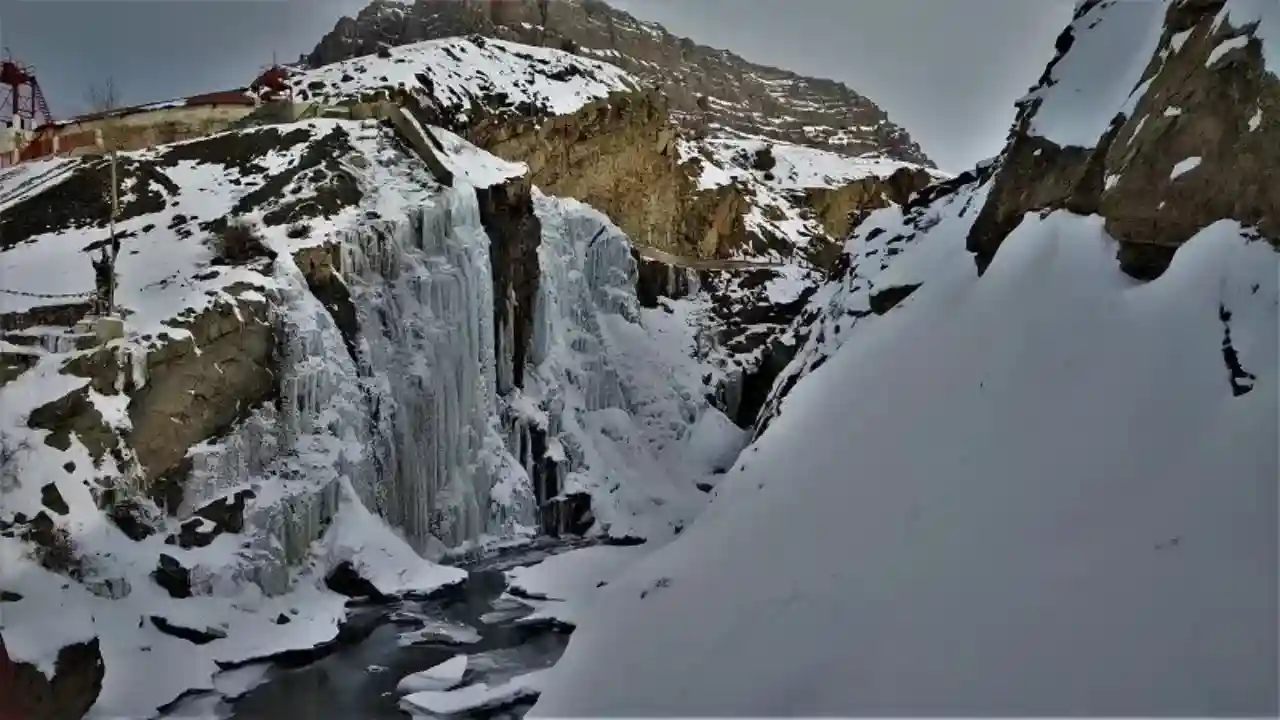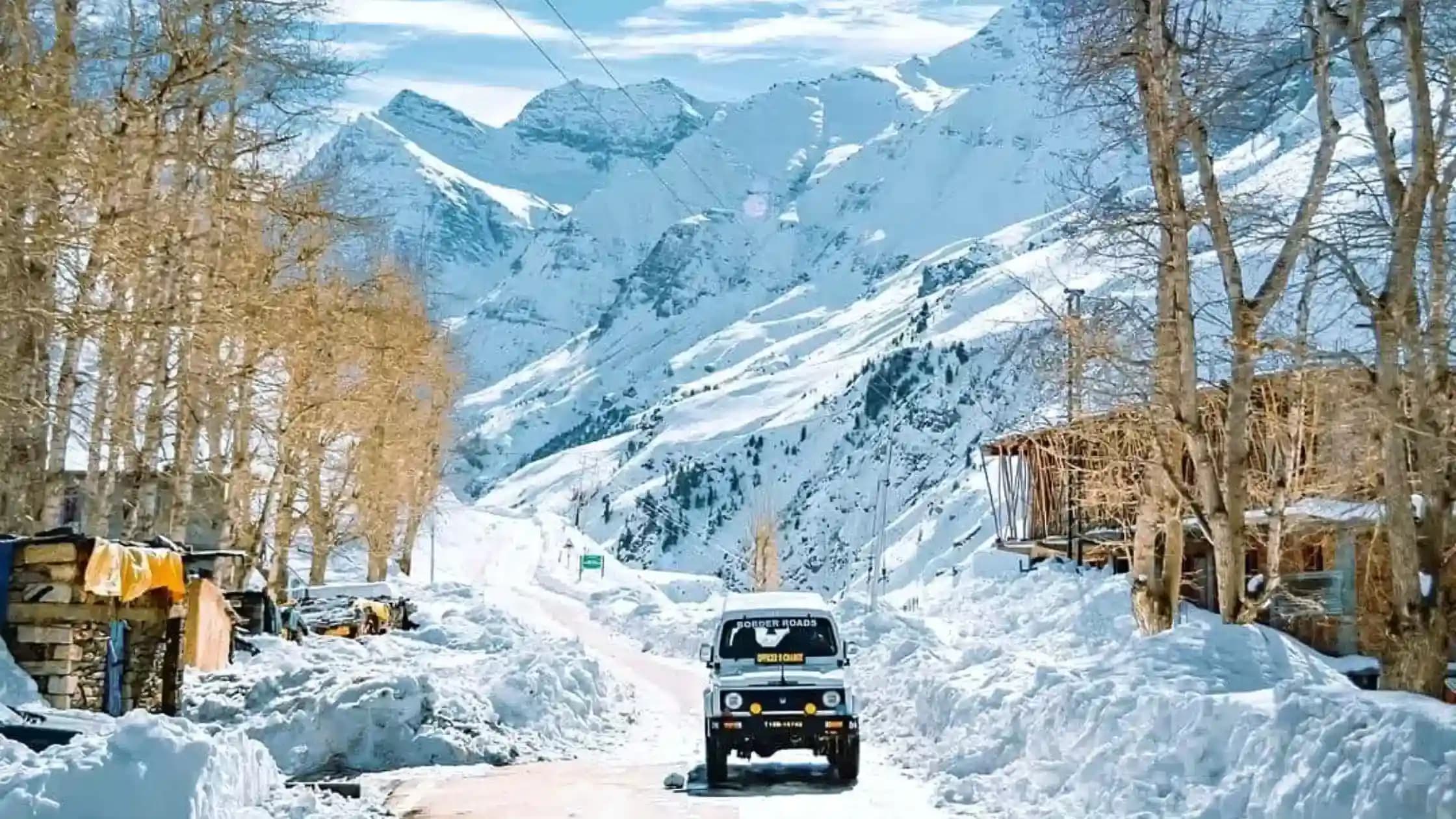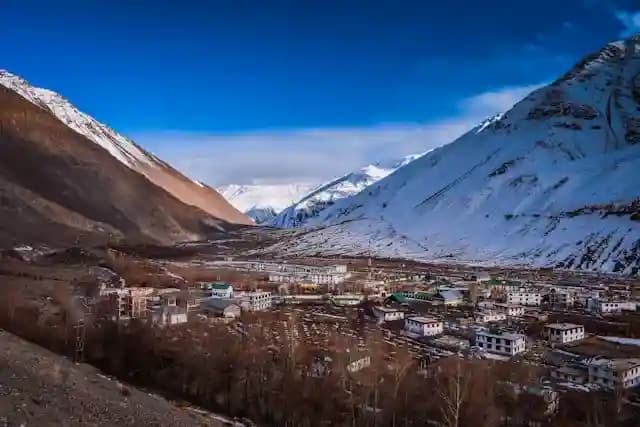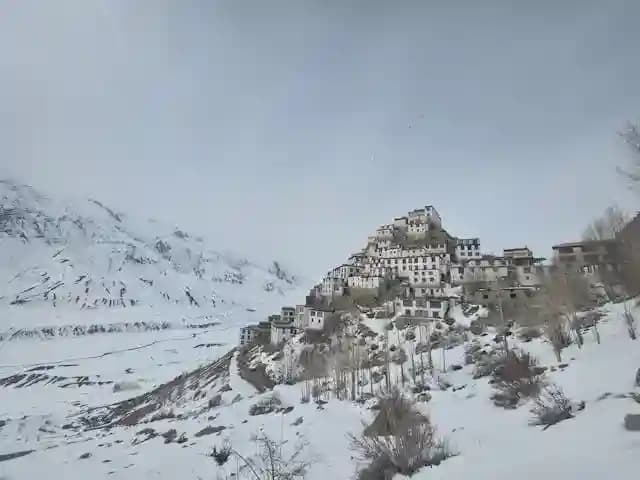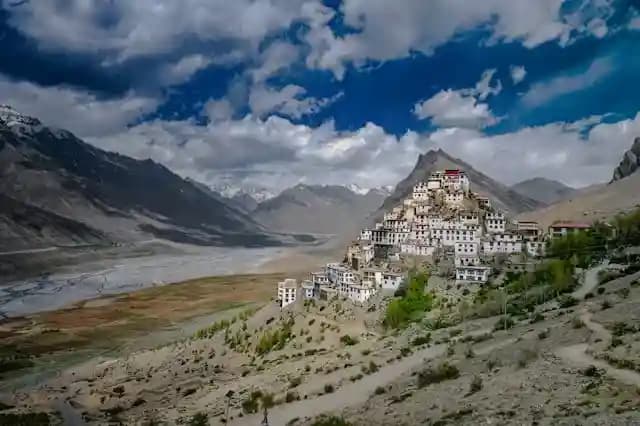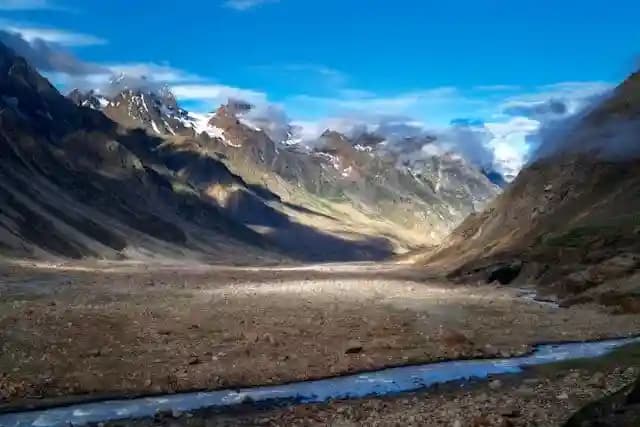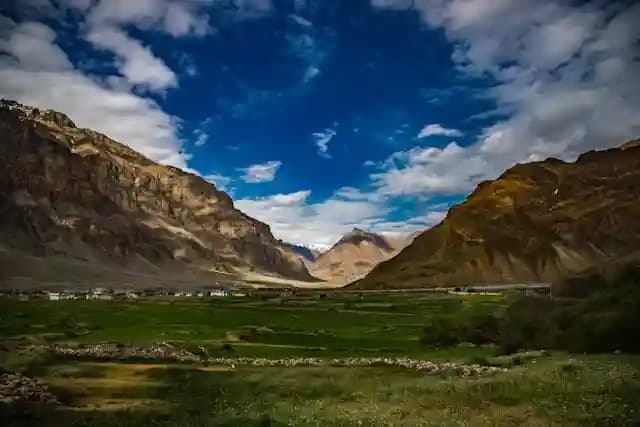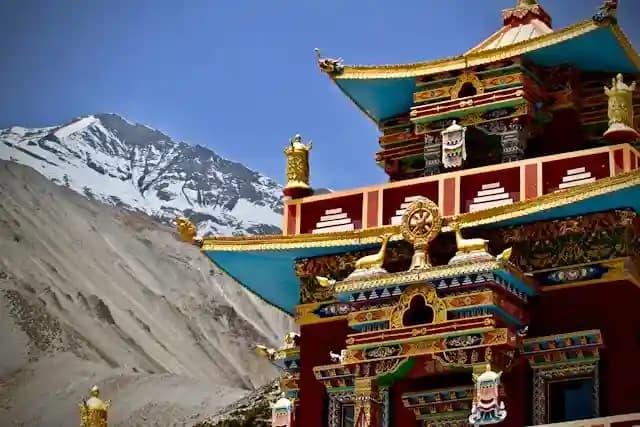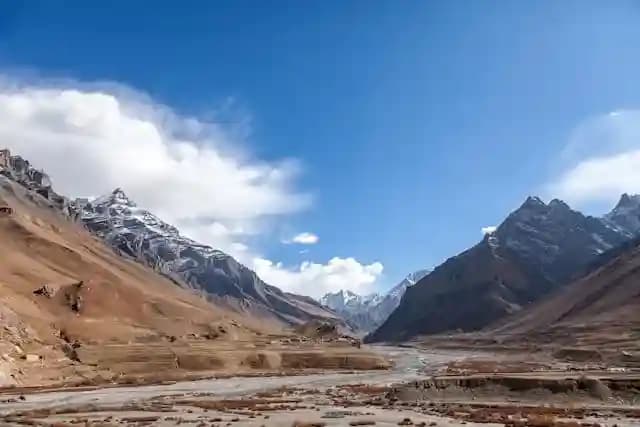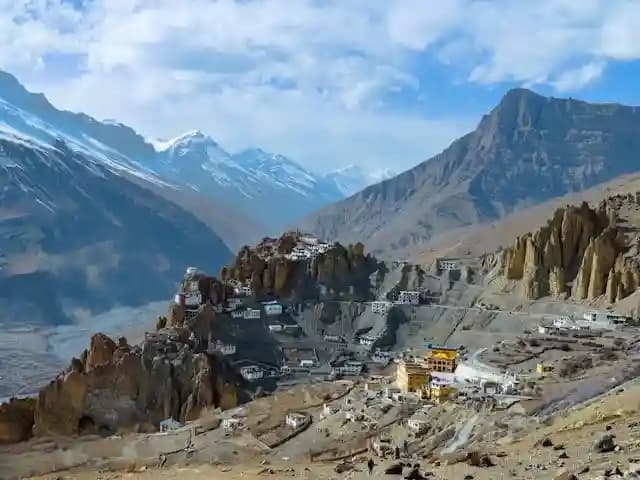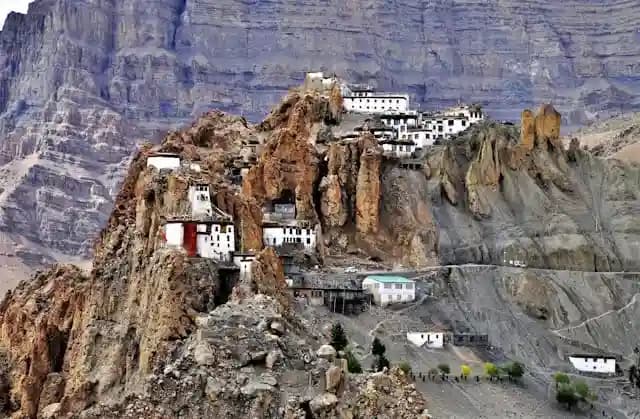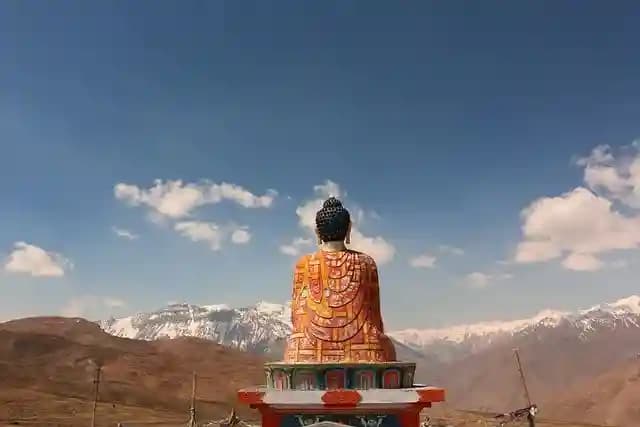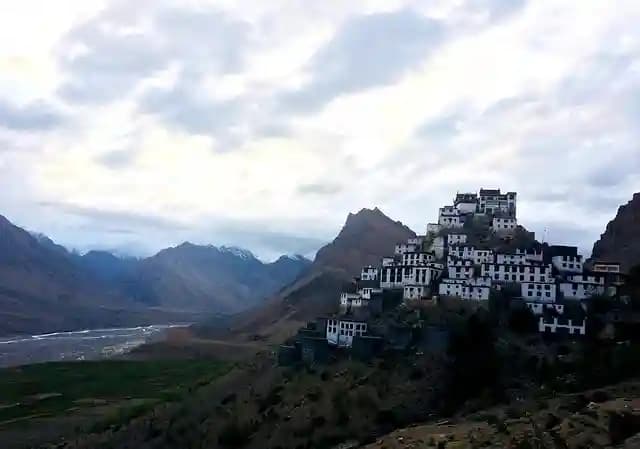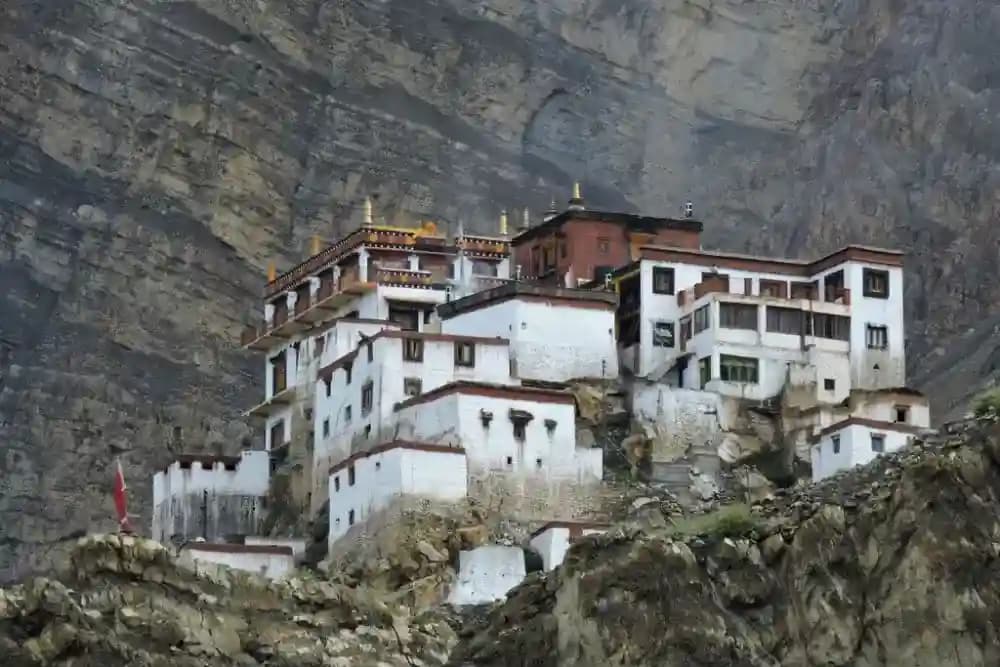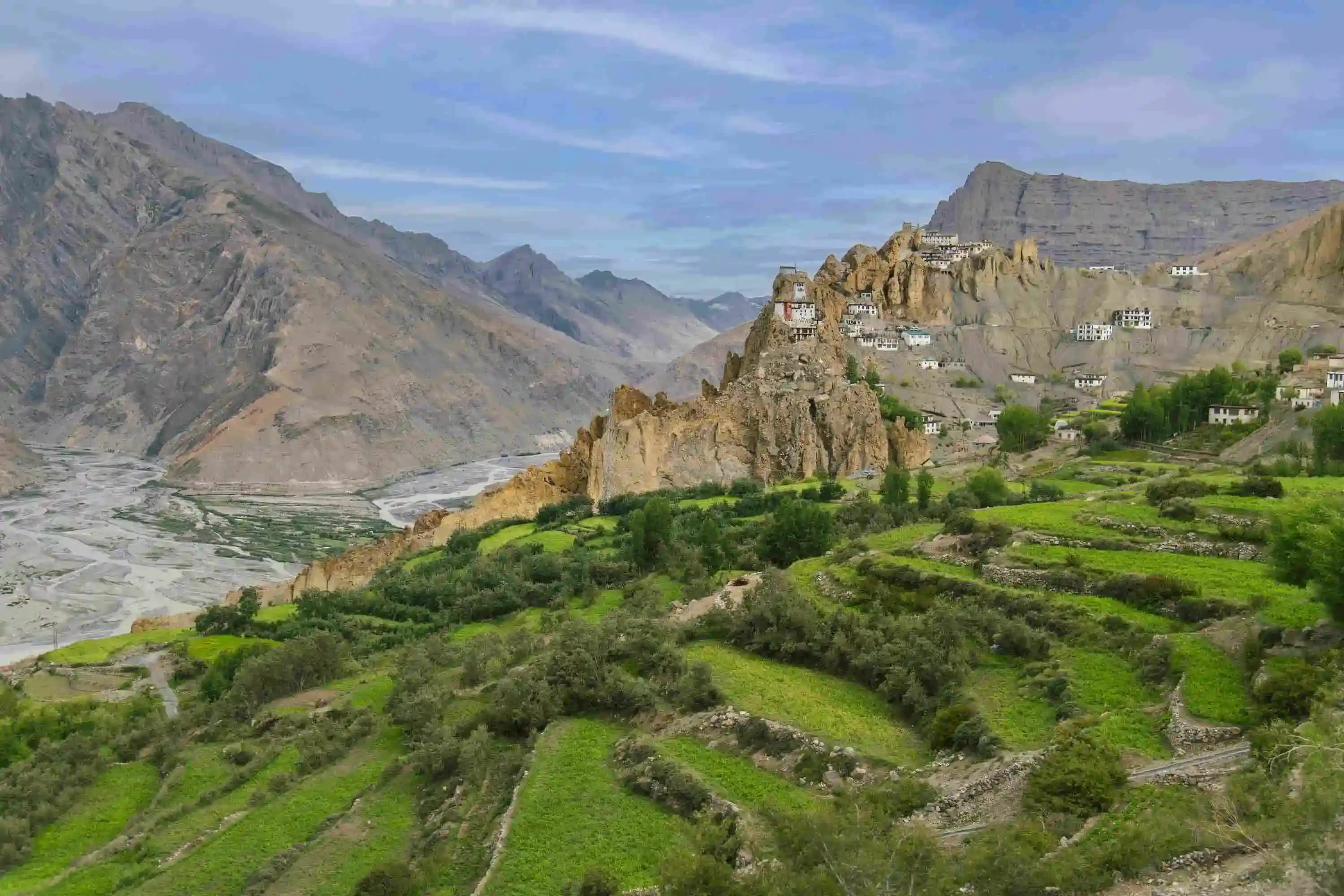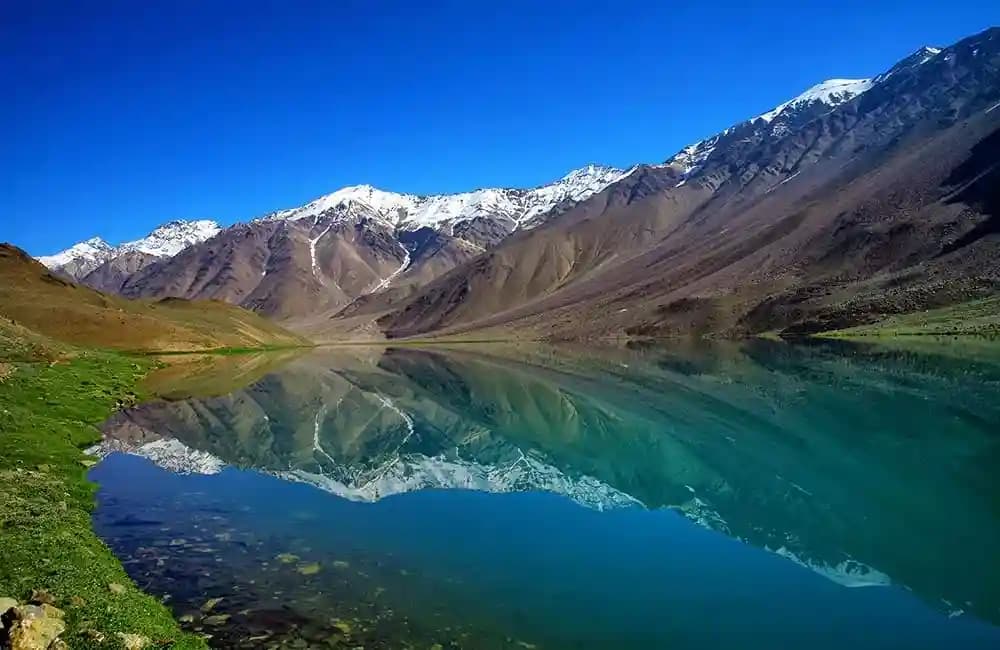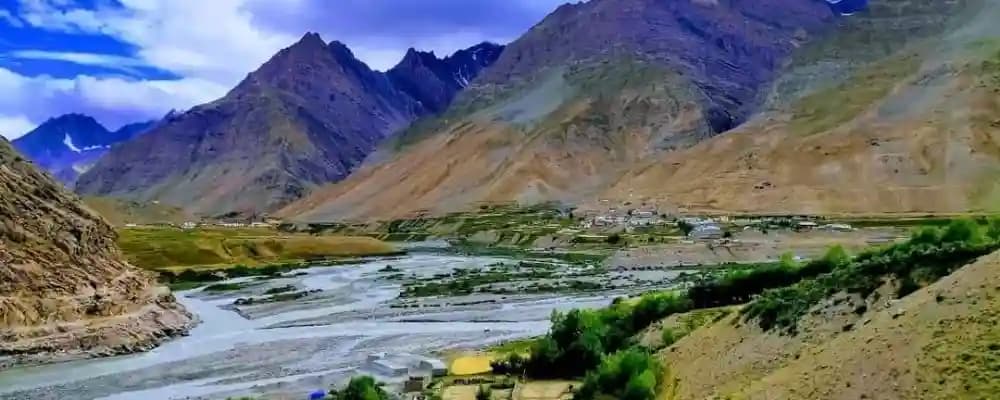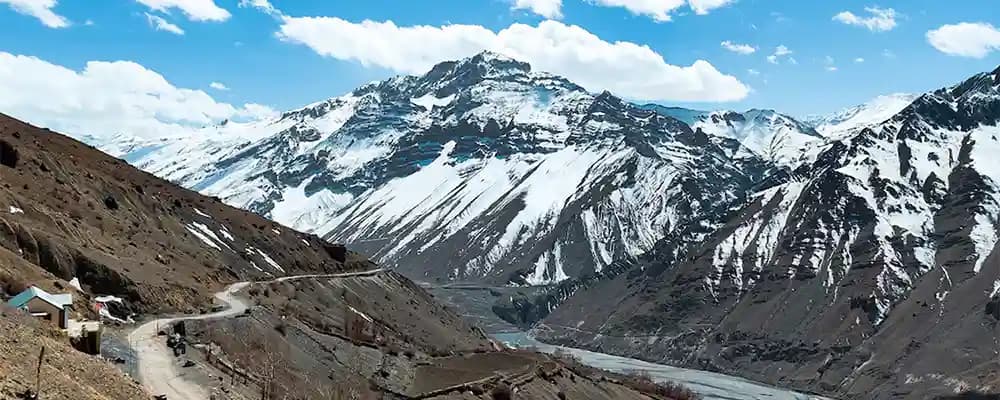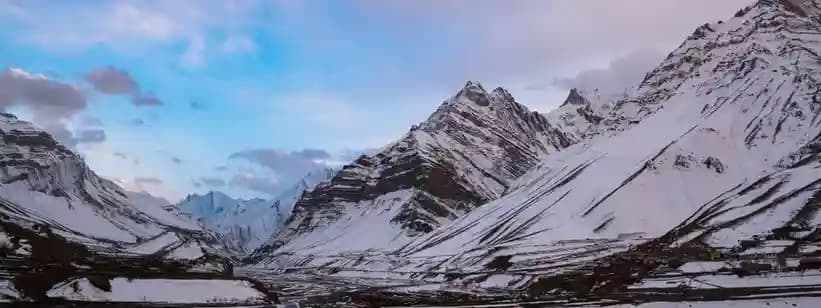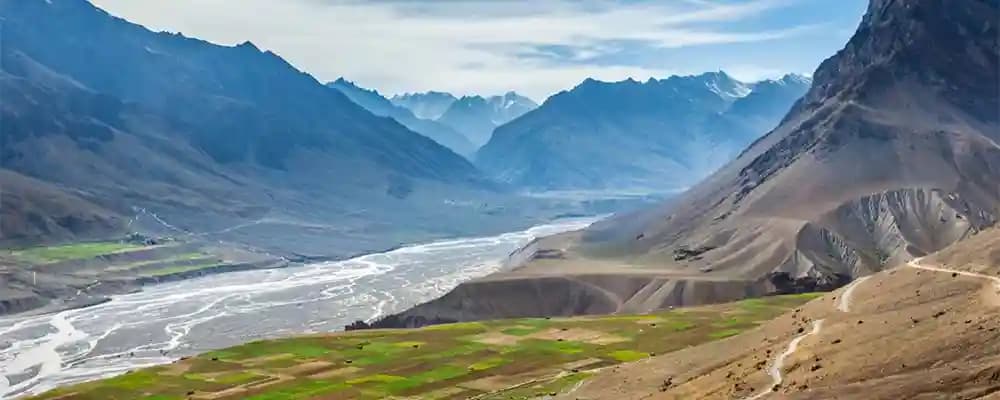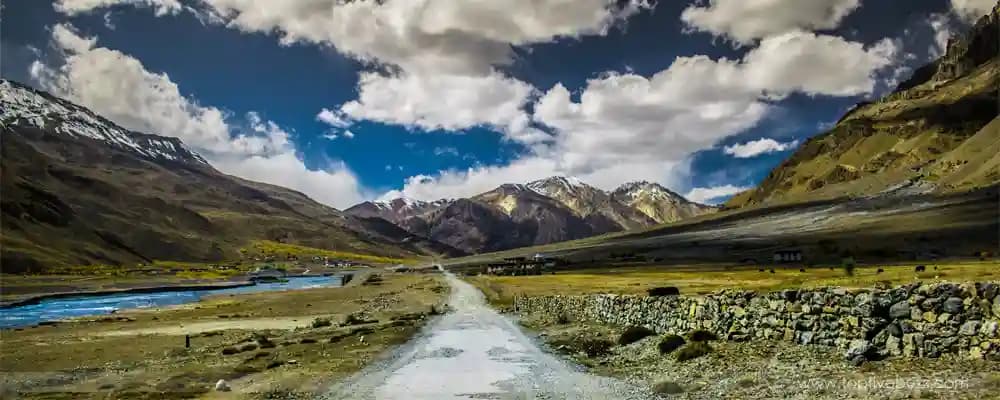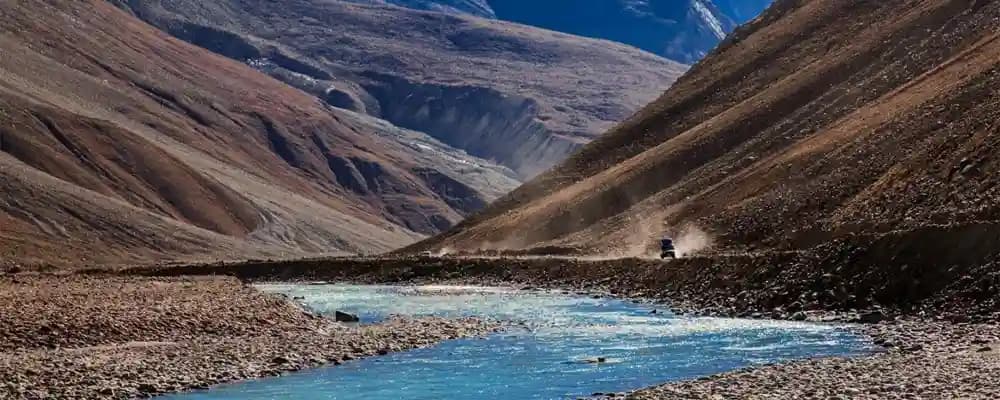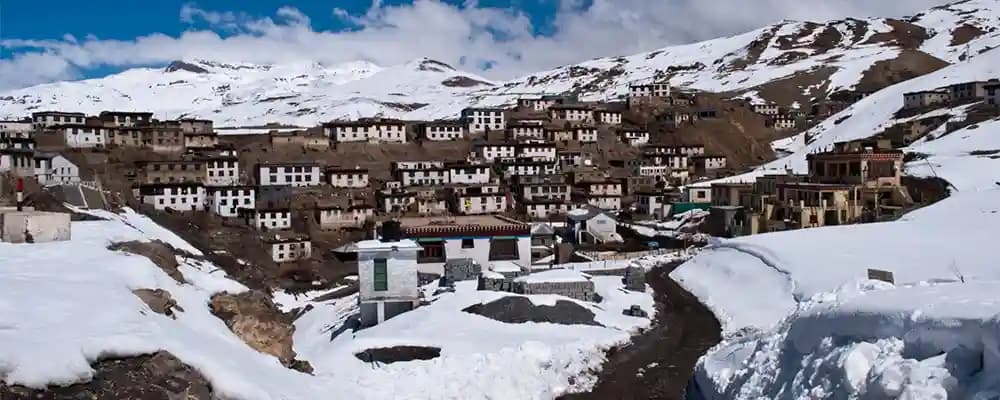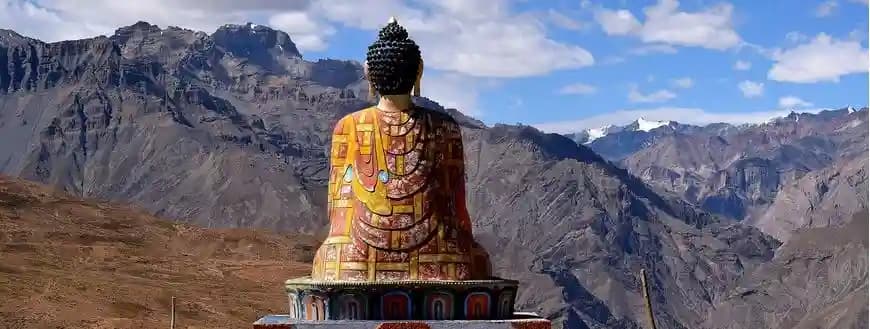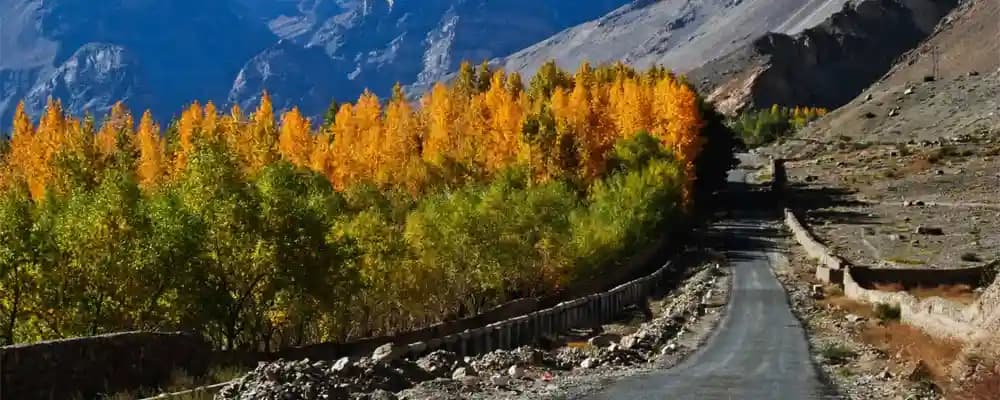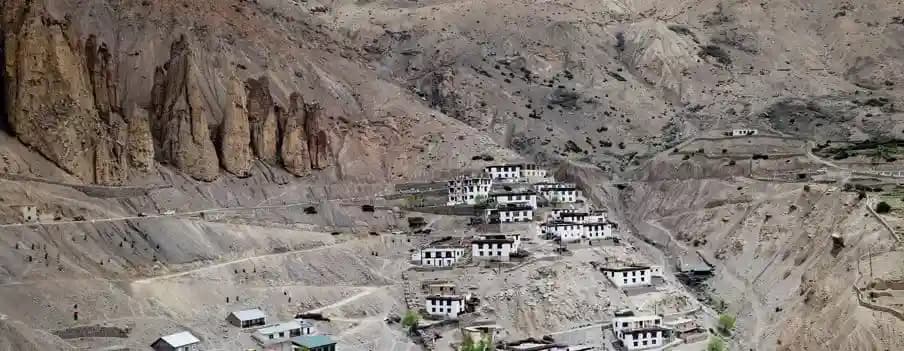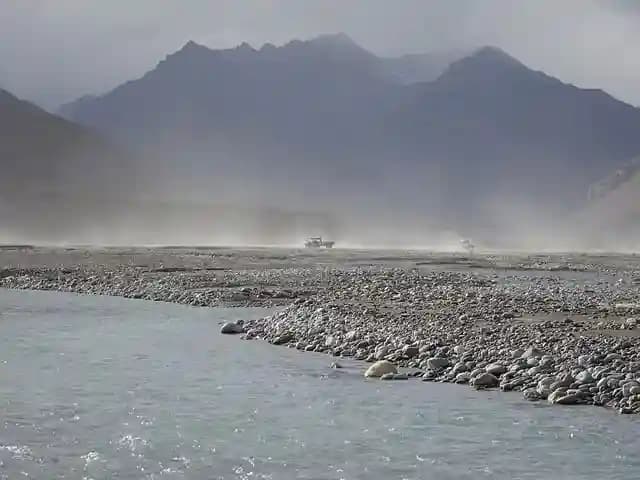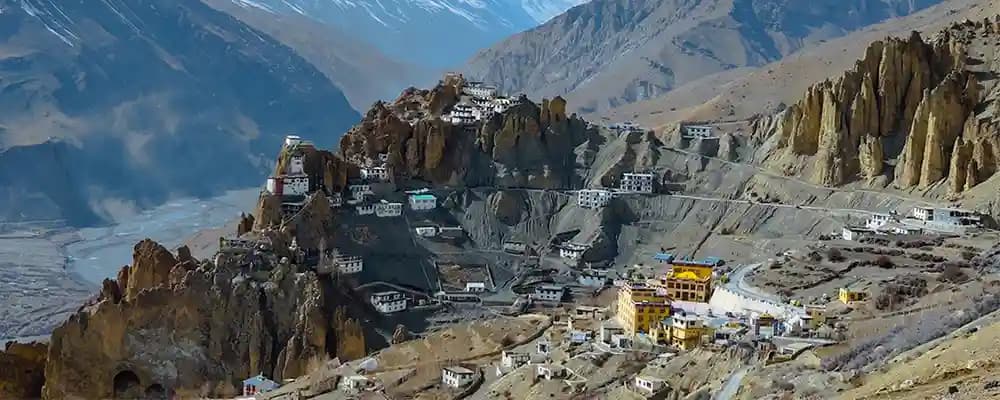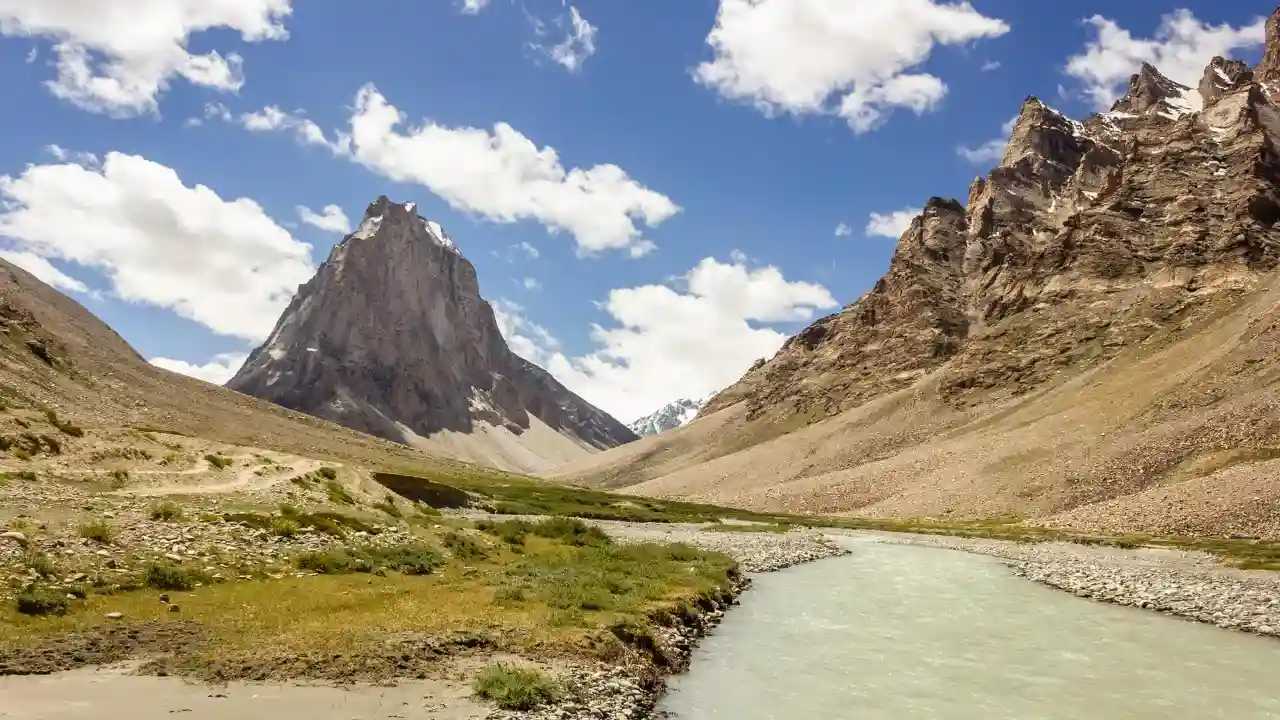
What happens when the last village disappears behind you? The Darcha Padum trek takes you deep into Zanskar, where ancient monasteries cling to cliffs and villages appear like mirages in the barren landscape. This challenging route connects Lahaul with remote Zanskar Valley, crossing high mountain passes and following the roaring Tsarap River through some of the most dramatic terrain in the Himalayas.
This guide covers everything you need, from transport options and a day-by-day breakdown to the ideal months for attempting this trek and practical tips that actually matter. Planning a Spiti Valley tour? This trek makes an incredible extension into even more remote territory. Discover why this less-travelled path remains one of India's most rewarding high-altitude adventures.
About Darcha Padum Trek
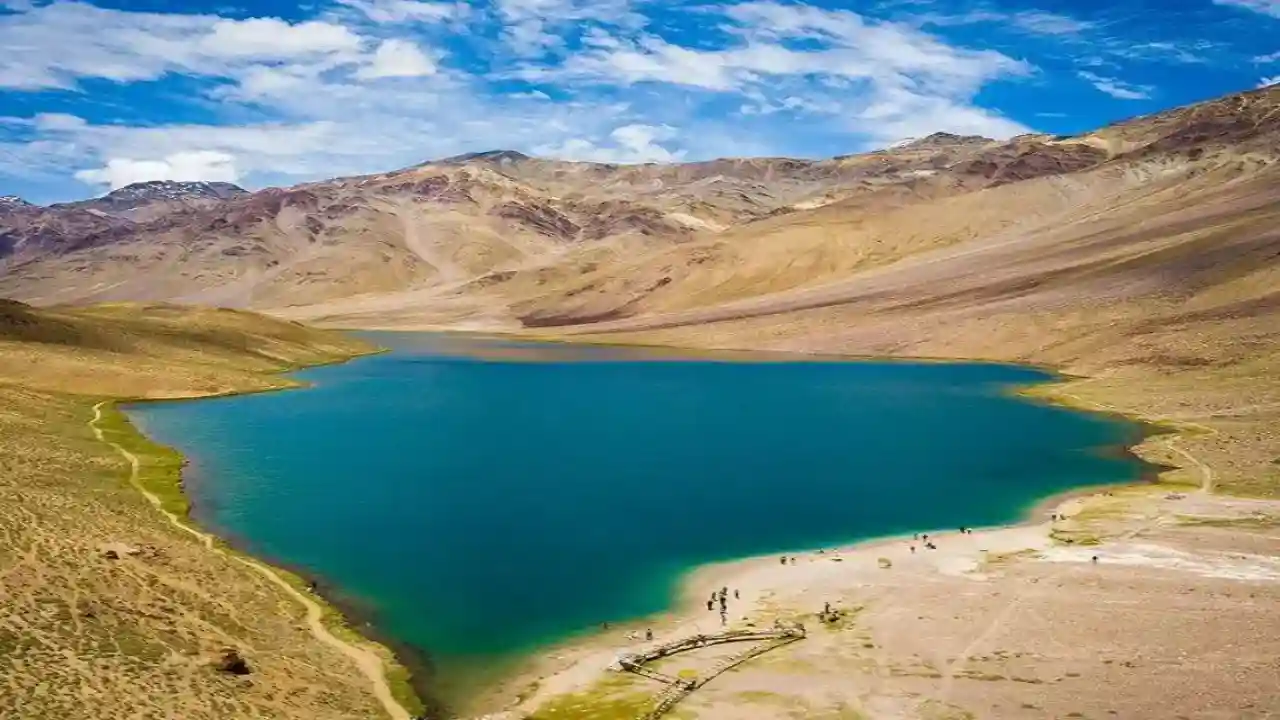
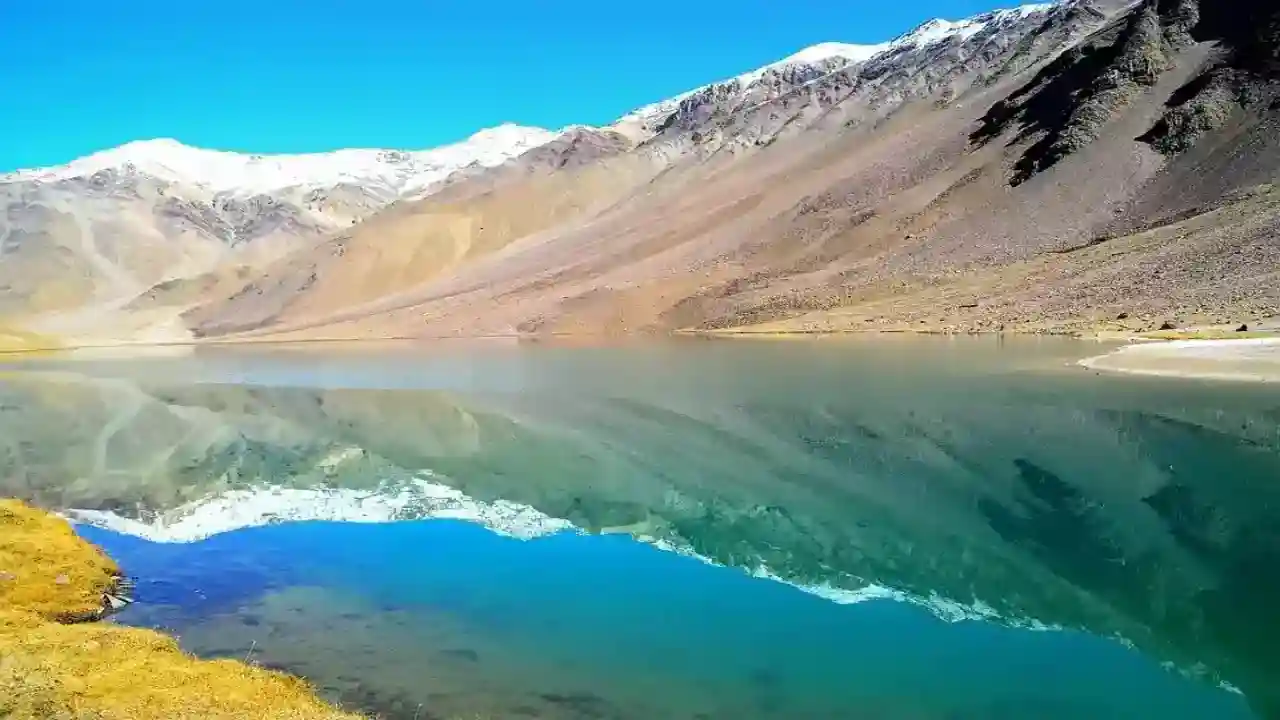
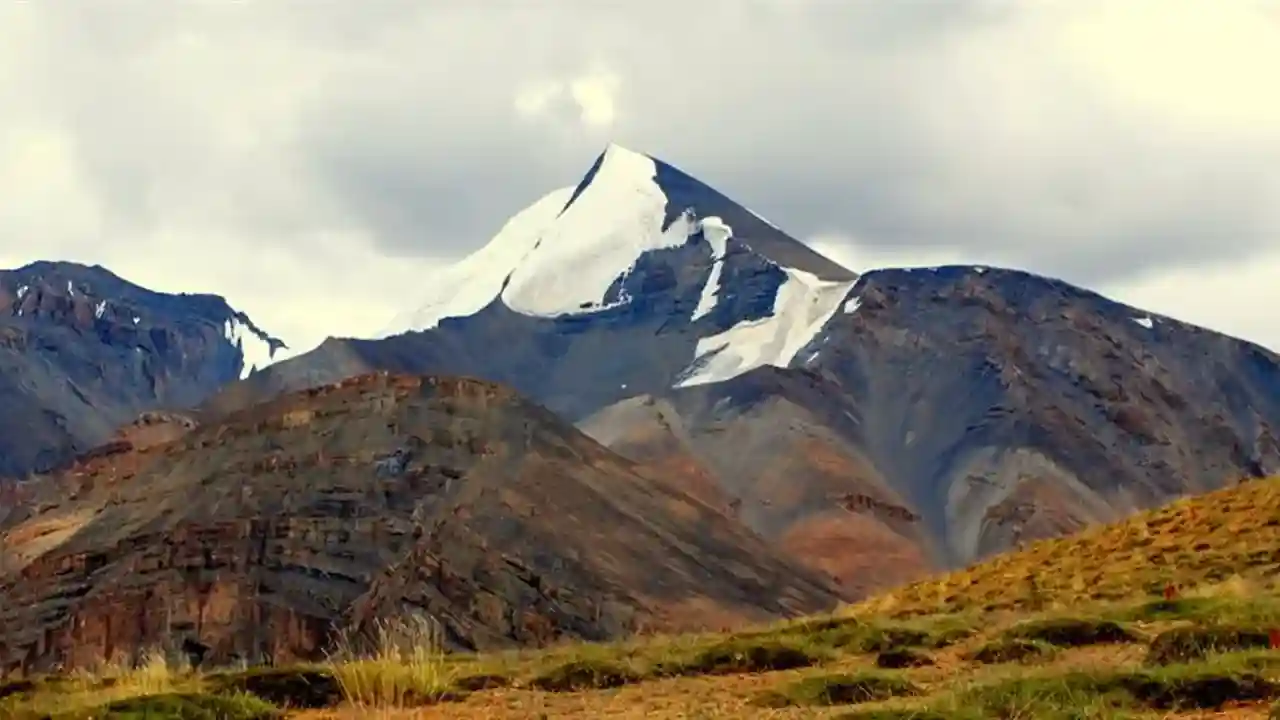
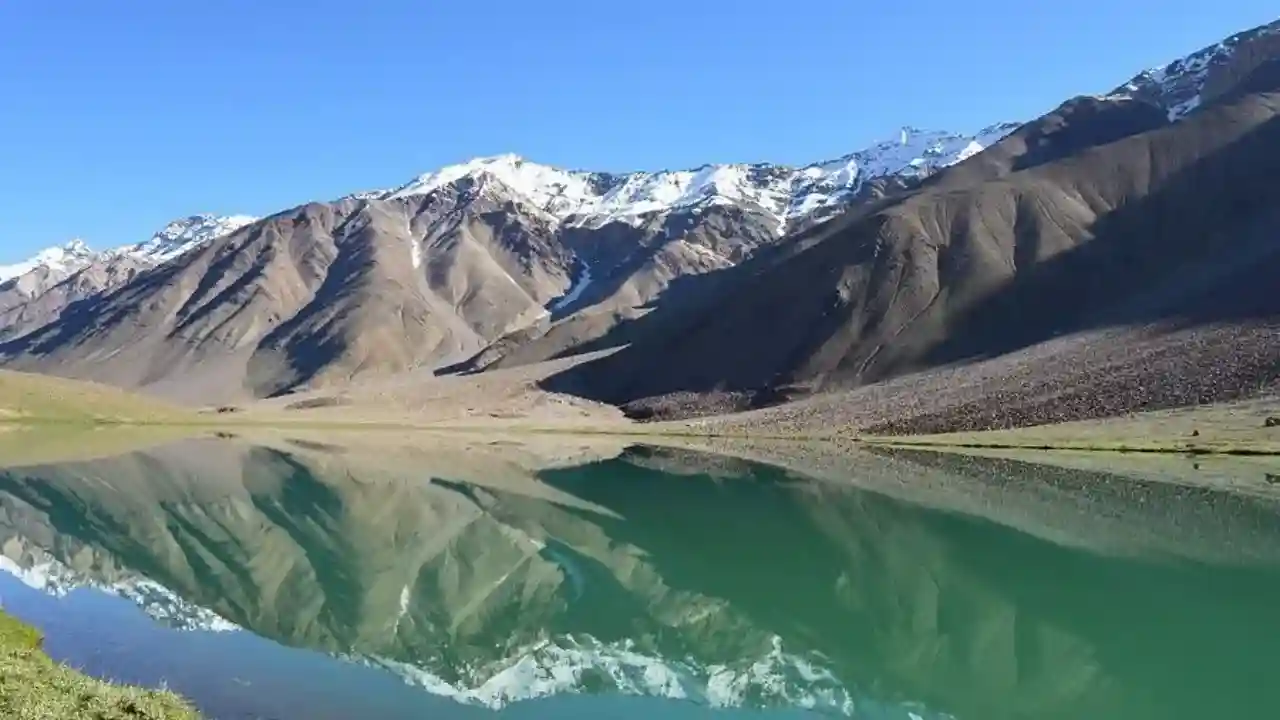
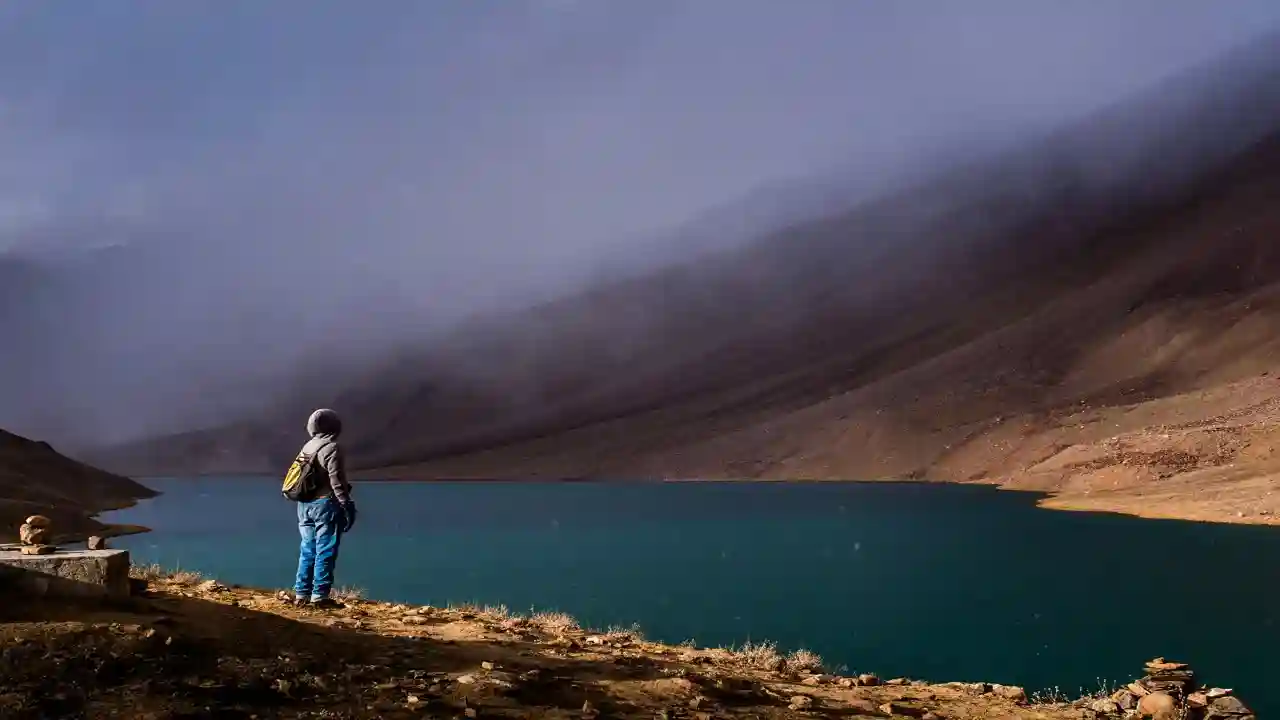
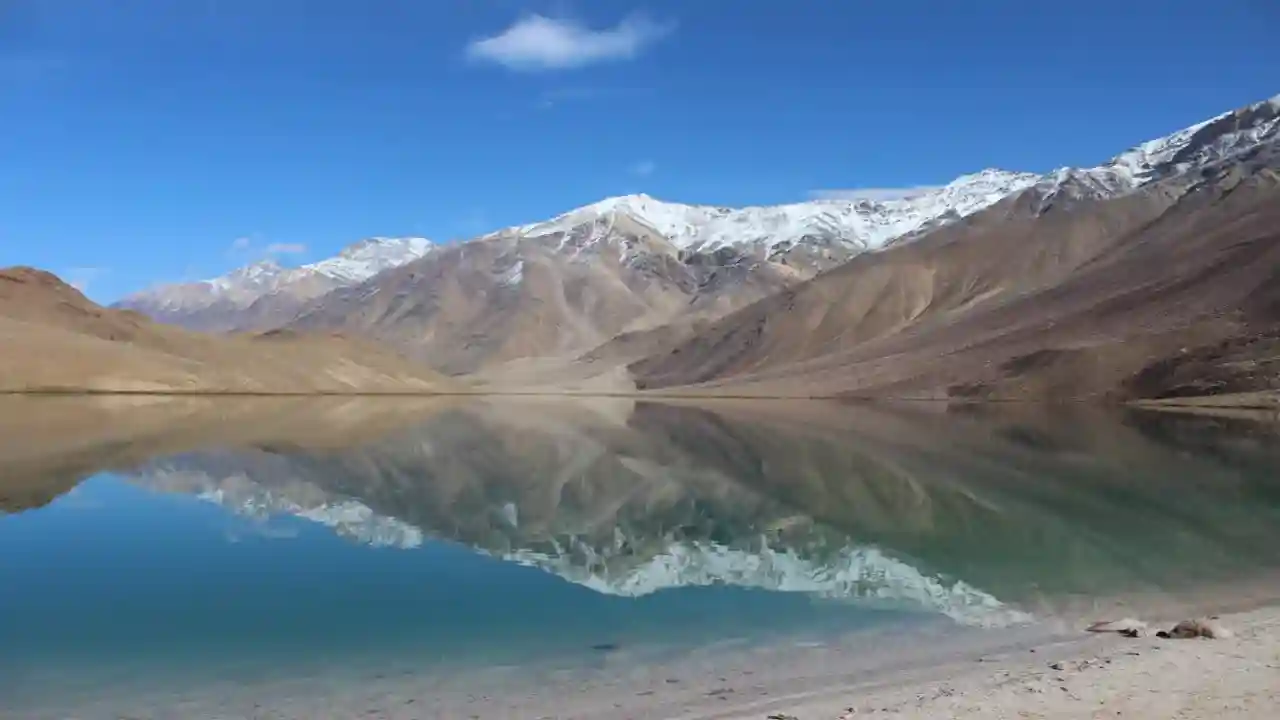
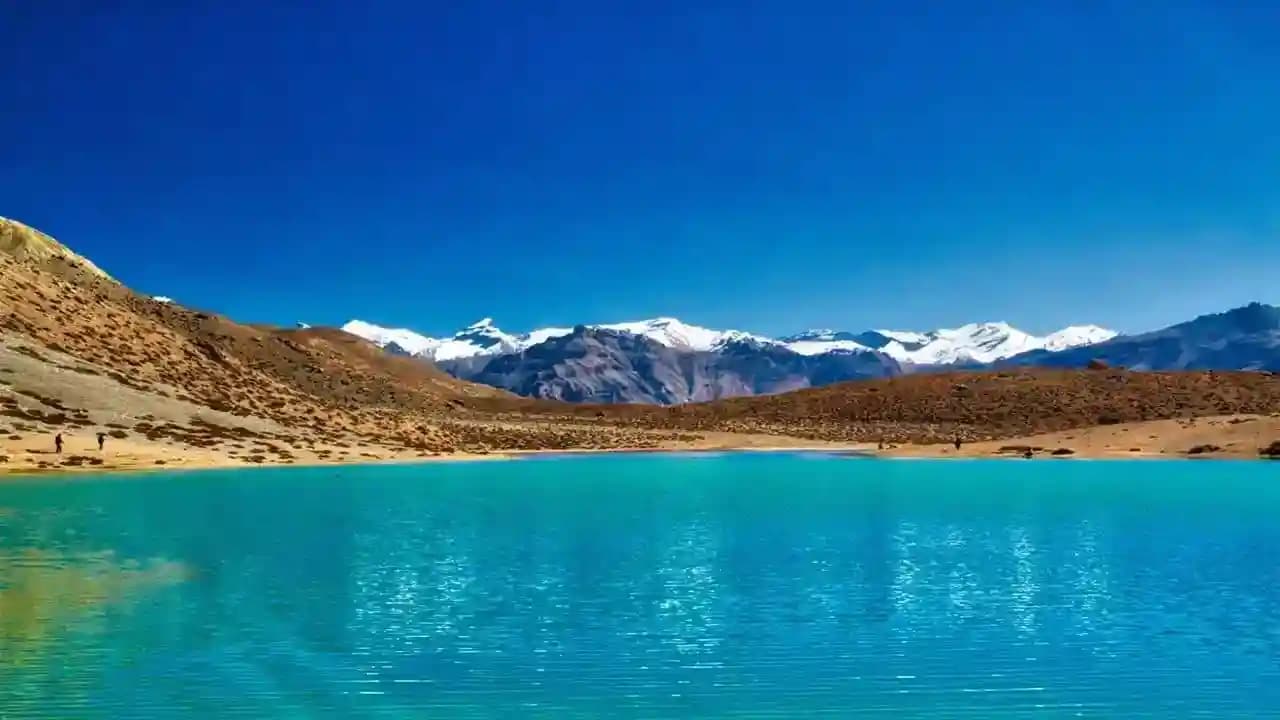
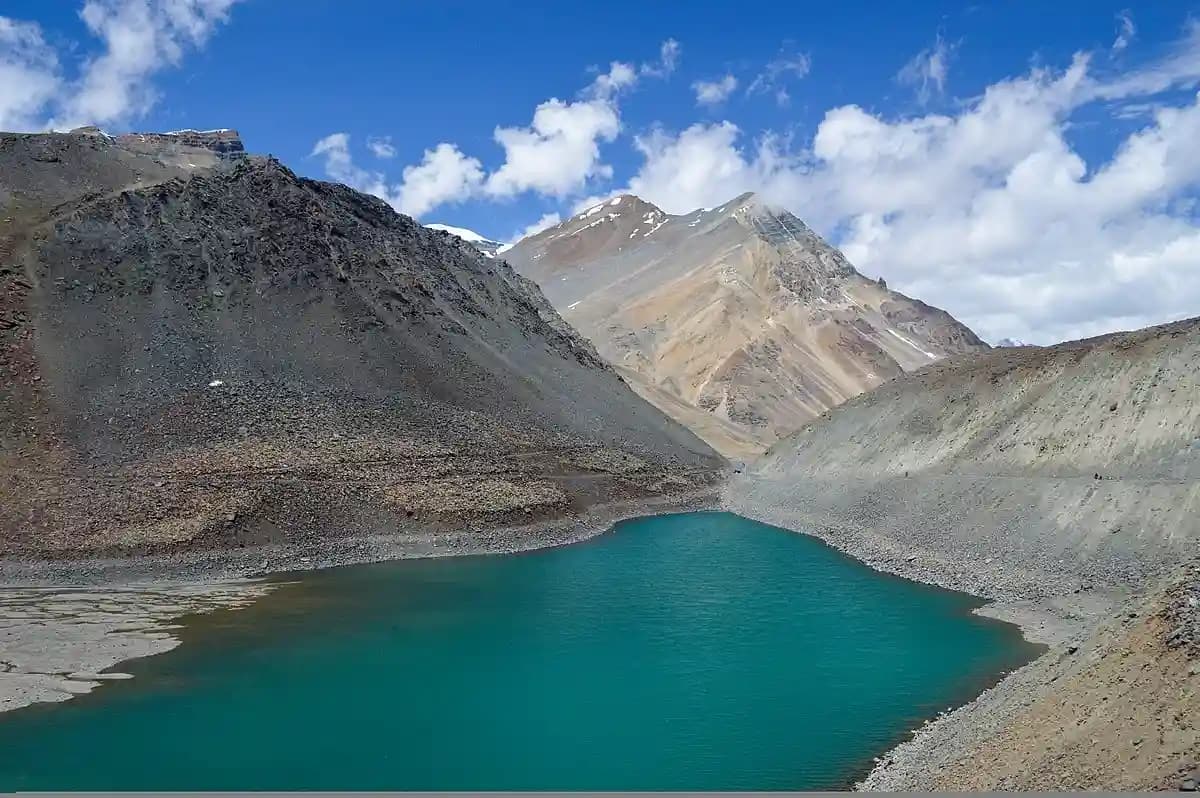
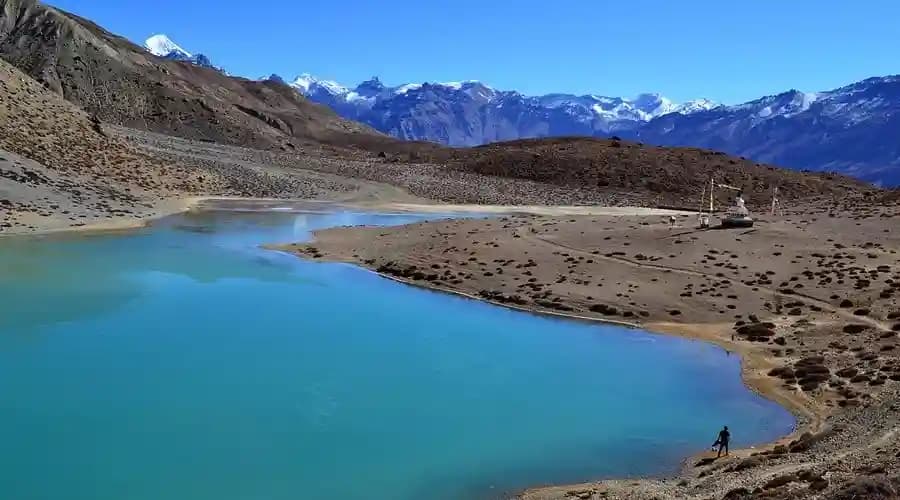
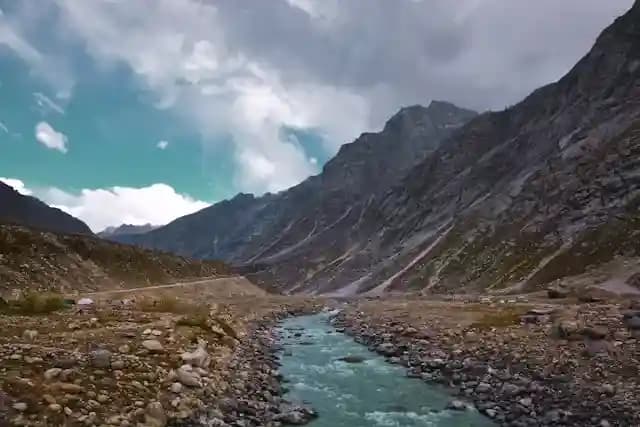
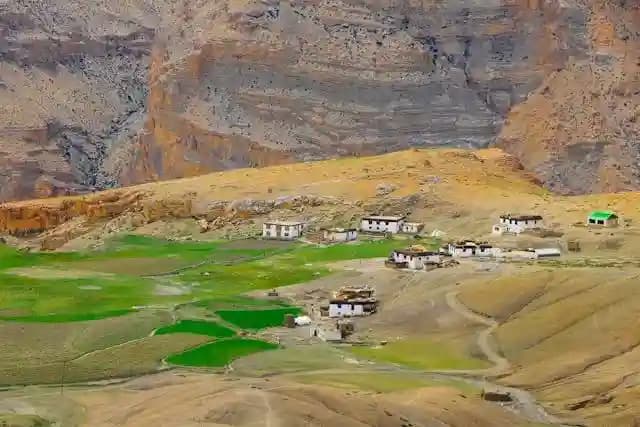
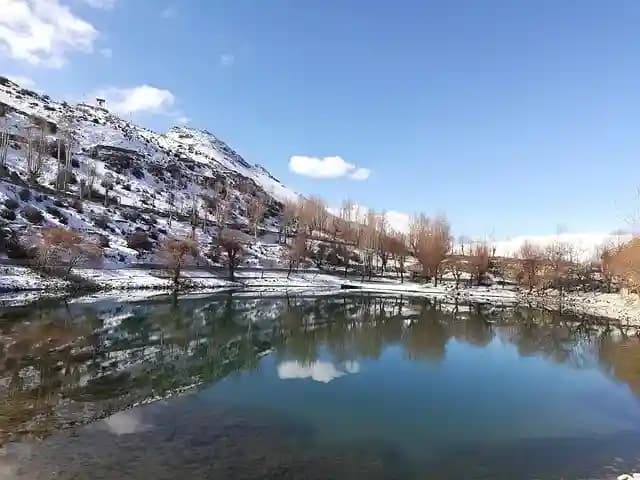
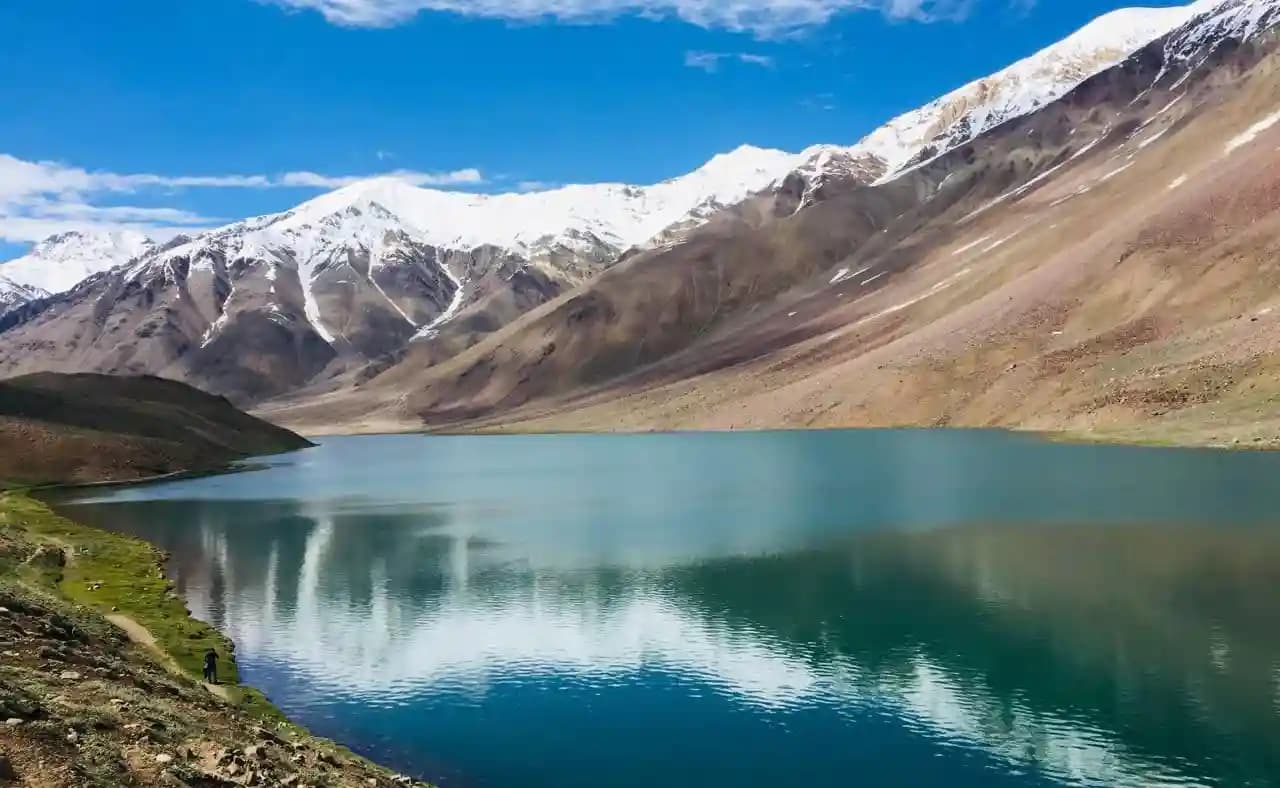
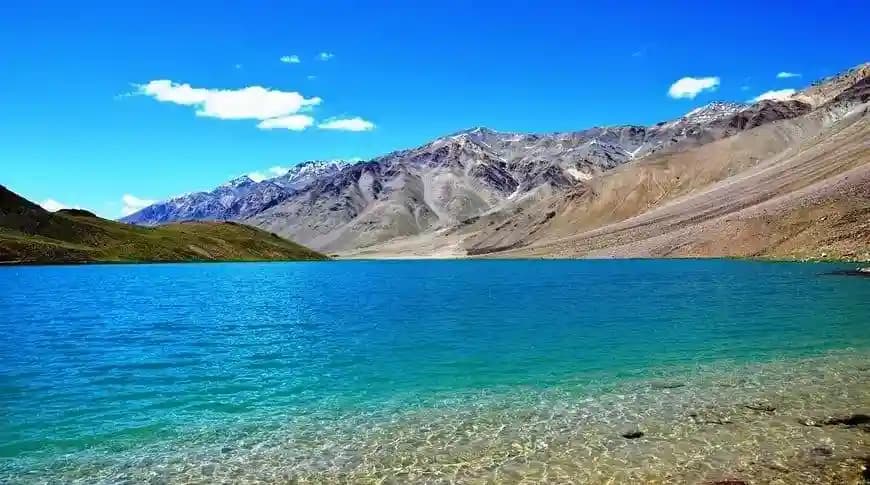
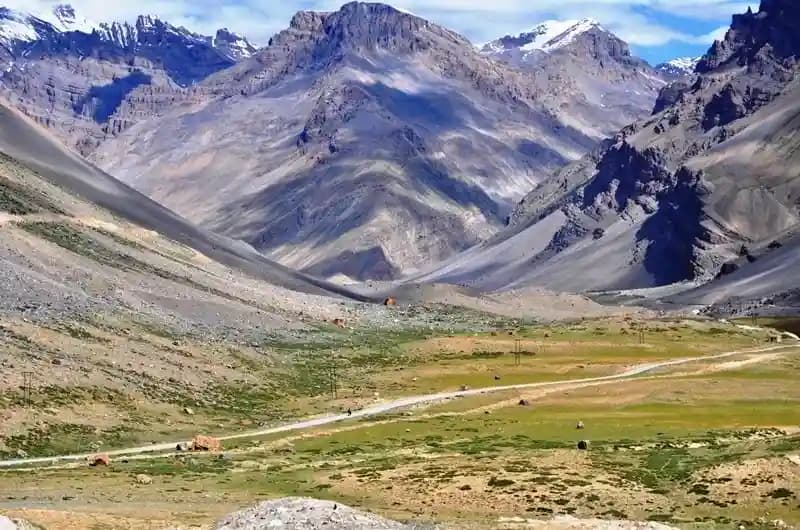
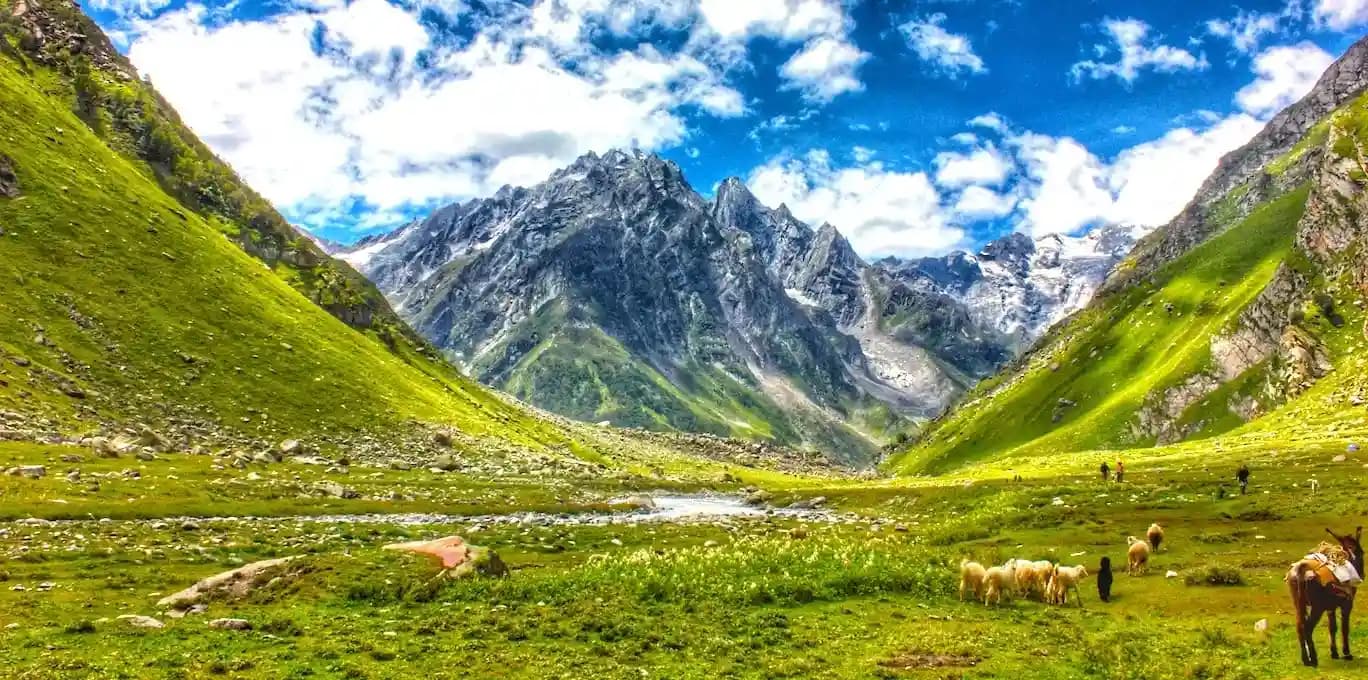
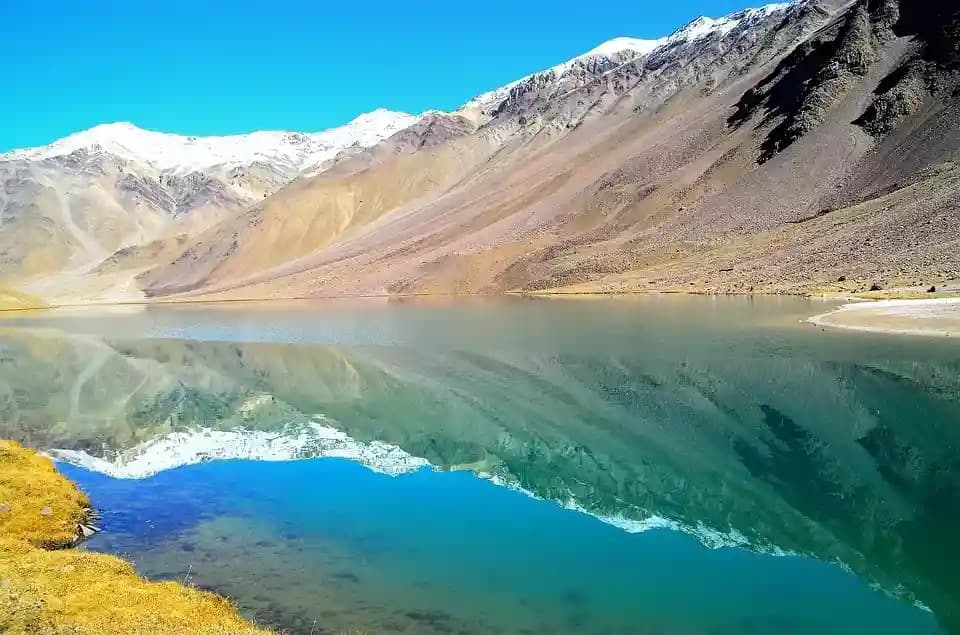
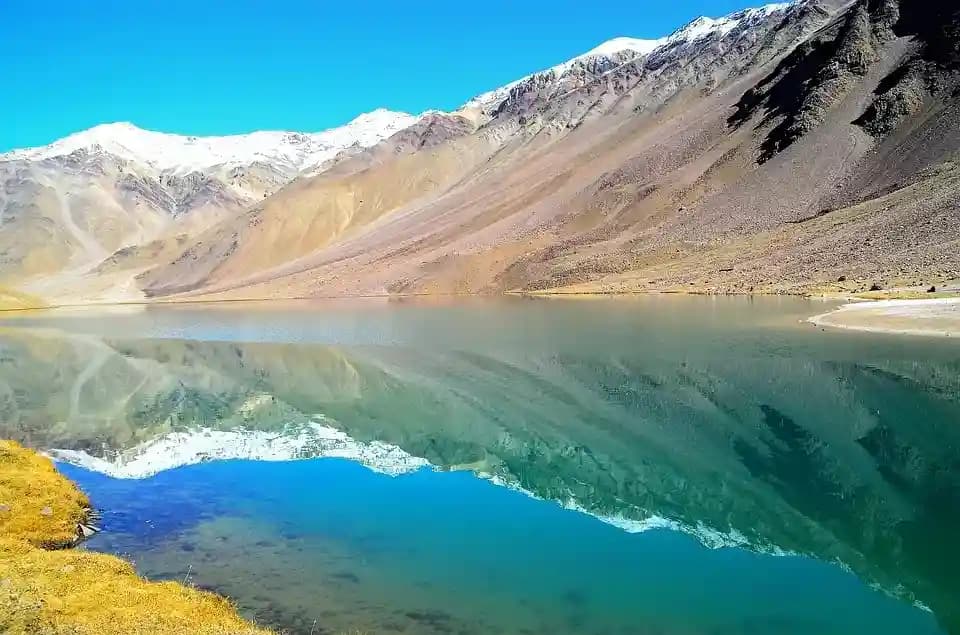
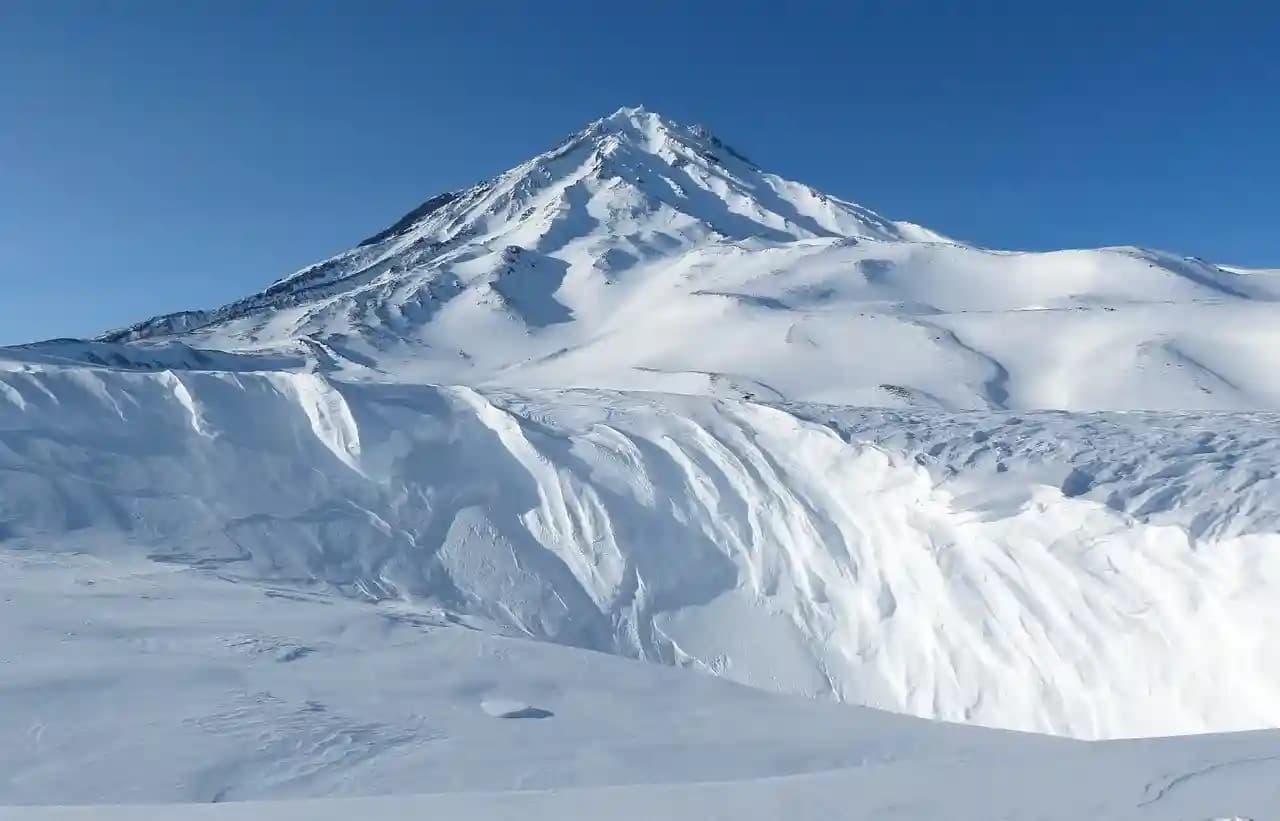
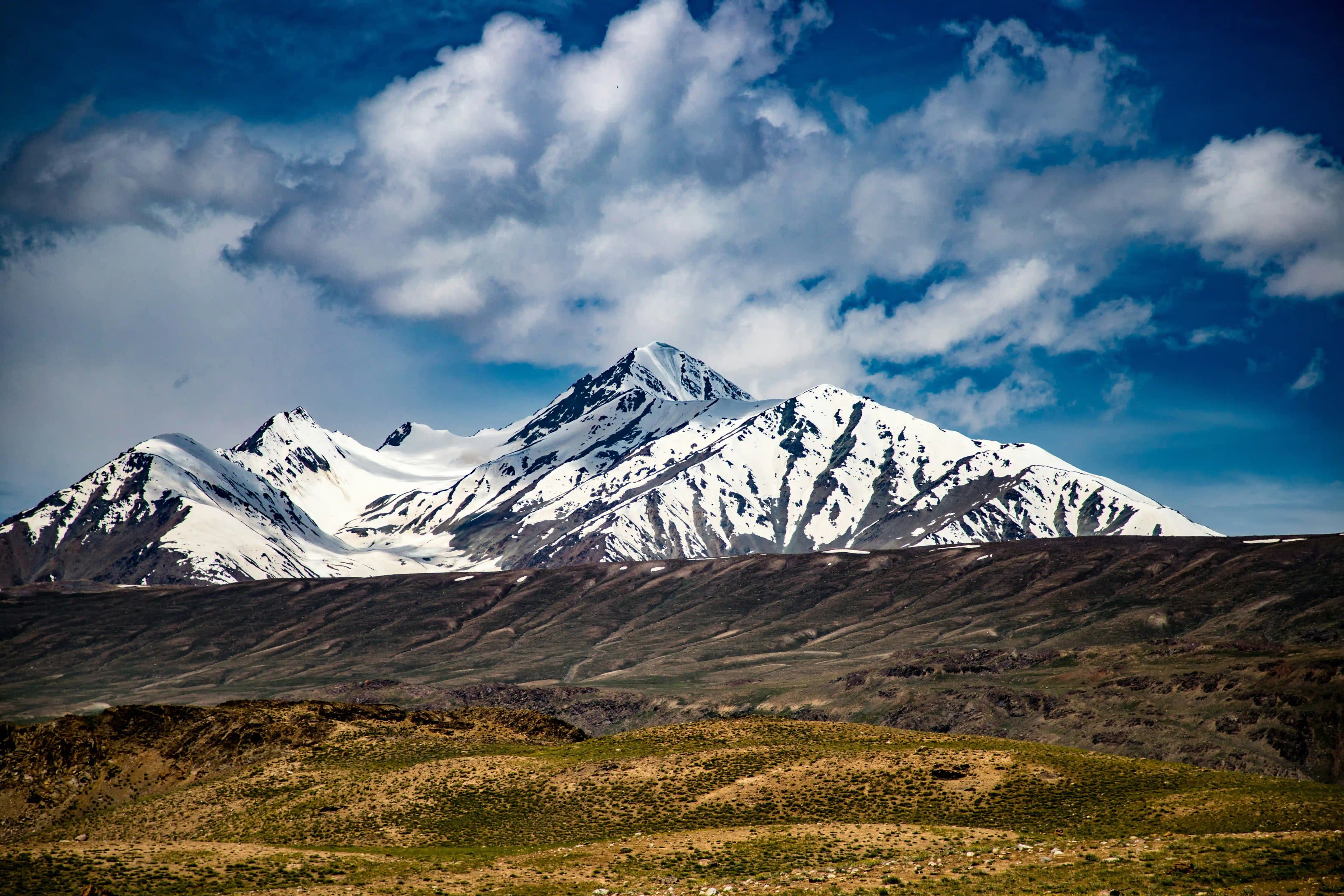
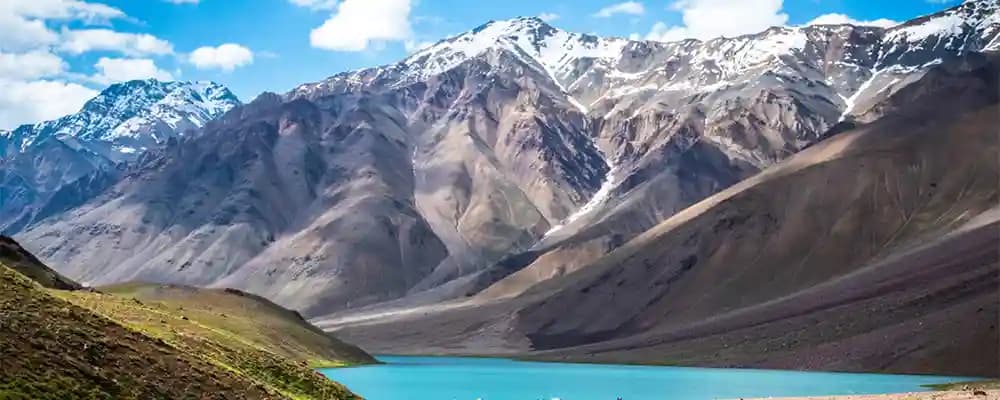
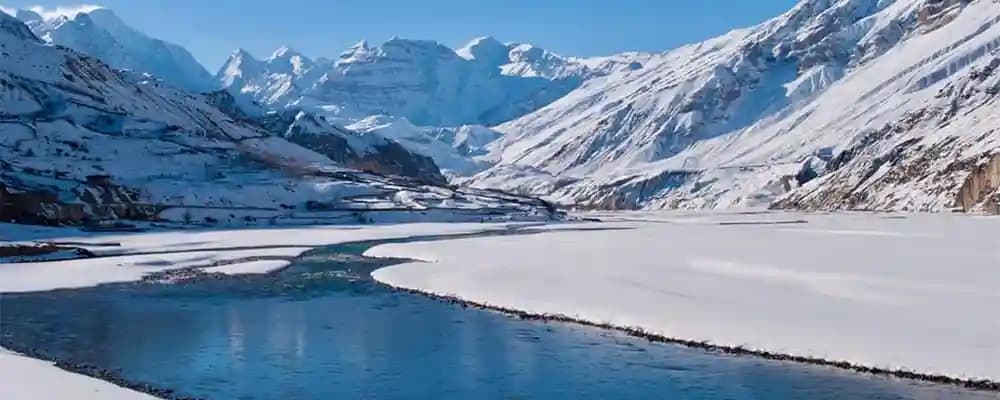
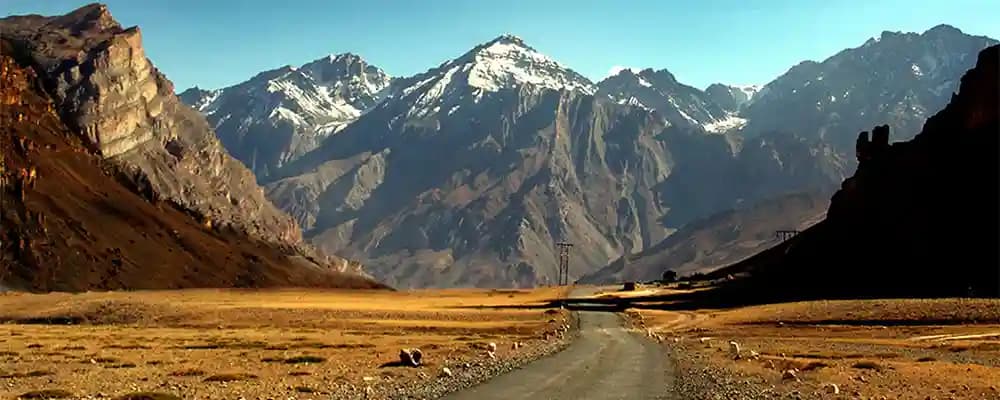
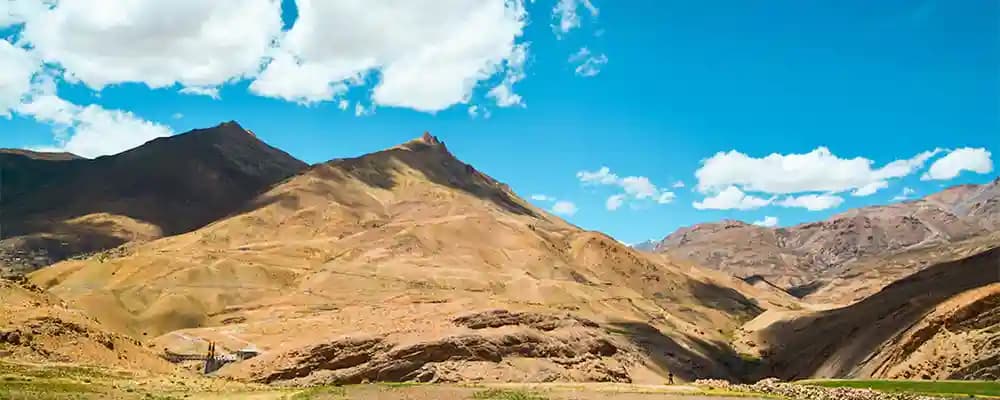
The Darcha Padum trek is a classic Trans Himalayan expedition that connects Lahaul with the isolated Zanskar Valley. Unlike the busy trails in Himachal or popular Spiti Valley treks, this one stays empty. You walk next to the Tsarap River for days. The lakes are so blue they don't look real. Sometimes you meet villagers who can't leave their homes for six months once the snow blocks the passes. You need to be fit for this trek. But what you see makes it worth every step. The mountains here are absolutely wild.
Essential Information:-
Darcha Padum trek distance: Approximately 120-130 km
Duration: 9-12 days trekking (up to 15-19 days with travel)
Darcha Padum trek difficulty: Moderate to challenging (requires prior trekking experience)
Maximum altitude: 5,090 metres at Shingo La Pass
Darcha Padum trek price: ₹18,000-₹25,000 for organised groups
Best time: Late June to mid-September when passes are snow-free
Starting point: Darcha village (3,360 metres)
Ending point: Padum (3,650 metres)
Best Time to Do Darcha Padum Trek
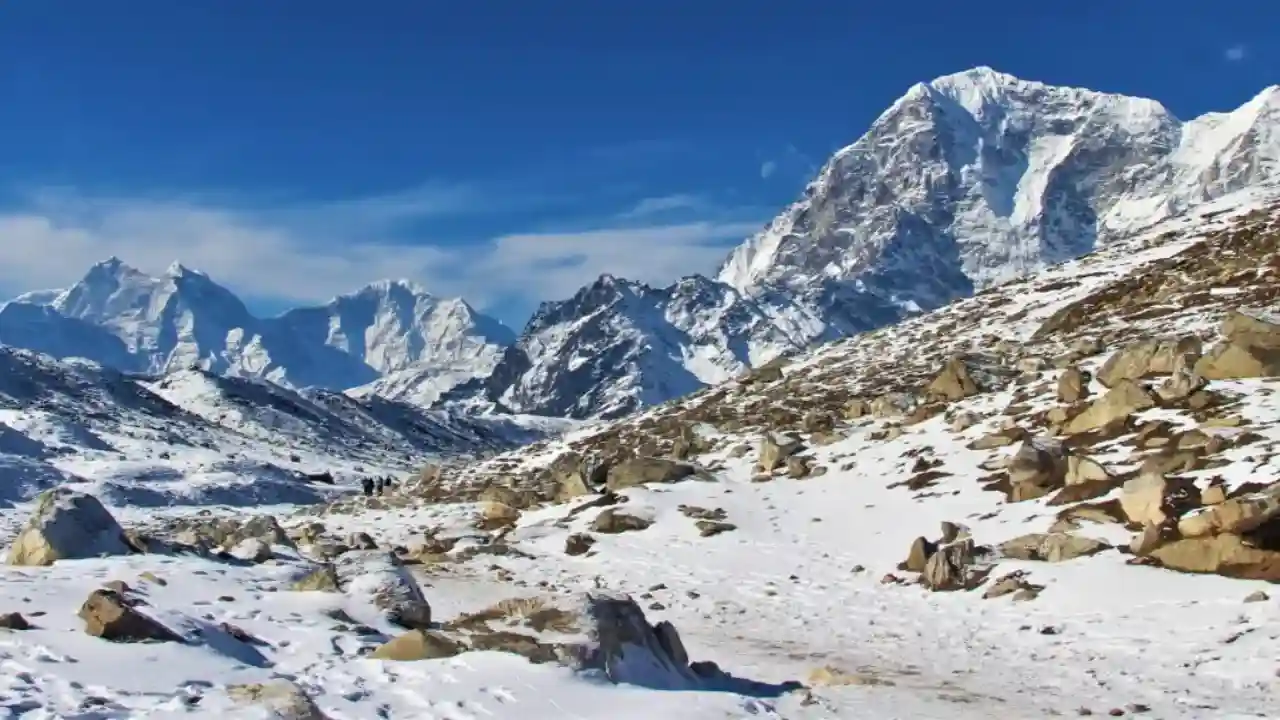
The best time for Darcha Padum Trek is between late June and mid-September. That's when the high passes finally open up after winter snowmelt. July and August are the busiest months with daytime temperatures around 15°C to 20°C. Nights get quite cold though, dropping to 0°C or 5°C at higher camps.
Early June can be tricky because Shingo La Pass often has leftover snow. Late September brings unpredictable weather and early snowfall can start anytime then. The Darcha Padum trek route gets completely blocked from October to May due to heavy snow. These months also match the best time to visit Spiti Valley nearby. Monsoons don't really touch this region because it falls in the rain shadow area. You get clear skies and stable conditions throughout the summer months here.
How to Reach Darcha Padum Trek
The Darcha Padum trek route begins from Darcha village in the Lahaul Valley. It lies 25 km south of Keylong on the Manali Leh Highway. Most trekkers fly into Bhuntar Airport near Kullu or take overnight buses from Delhi to Manali. From Manali, you have to take a taxi or a shared cab to Darcha. It can take approximately 6 to 7 hours, and the shared ride costs between ₹800 to ₹1,200 per person. The Darcha to Keylong distance is just 25 km, but the entire route from Manali covers 135 km through Rohtang Pass or Atal Tunnel.
The road stays open from June to October and remains decent till Keylong. Private taxis from Manali to Darcha charge around ₹4,000 to ₹5,000 for the entire vehicle. You can break the journey by staying overnight in Keylong and taking a local cab next morning. Darcha has very basic guesthouses and a few dhabas for meals before starting the Darcha Padum trek. Try to reach Darcha by afternoon, so you have time to sort permits and pack supplies.
Darcha Padum Trek Itinerary (9-12 Days)
The Darcha Padum trek takes anywhere between 9 to 12 days based on how fast you walk and how well you acclimatise. Lots of trekkers add extra days to check out places to visit in Spiti Valley by going back through Kaza.
Day 1: Manali to Darcha (135 km, 6-7 hours)
Drive from Manali through the Atal Tunnel or the Rohtang Pass till you reach Darcha village. Spend the whole day resting and getting used to 3,360 metres. Go through your gear once and pick up anything you forgot from local shops.
Day 2: Darcha to Palamo (14 km, 5-6 hours)
The Darcha Padum trek starts here and you follow the Bhaga River going upstream through a narrow gorge. The path goes up slowly with barren mountains visible on either side. You camp near Palamo at 3,750 metres and there's a small shepherd settlement nearby.
Day 3: Palamo to Zanskar Sumdo (16 km, 6-7 hours)
You keep walking next to the river over rocky ground and cross a few small streams. Rarik village comes on the way where villagers bring their animals during the summer months. Zanskar Sumdo is where two rivers meet at 3,900 metres.
Day 4: Zanskar Sumdo to Chumik Nakpo (12 km, 5-6 hours)
The land around you becomes emptier as you go higher into the Trans Himalayan zone. Several stream crossings get difficult in the afternoon when ice melts. You camp at Chumik Nakpo which is 4,100 metres high with massive peaks all around.
Day 5: Chumik Nakpo to Ramjak (14 km, 6-7 hours)
Walk through big open valleys that have some grass growing in patches and you might see blue sheep. The Darcha Padum Trek Route goes much deeper into Zanskar now. Ramjak is at 4,400 metres and has some stone shelters that shepherds use.
Day 6: Ramjak to Shingo La Base Camp (10 km, 4-5 hours)
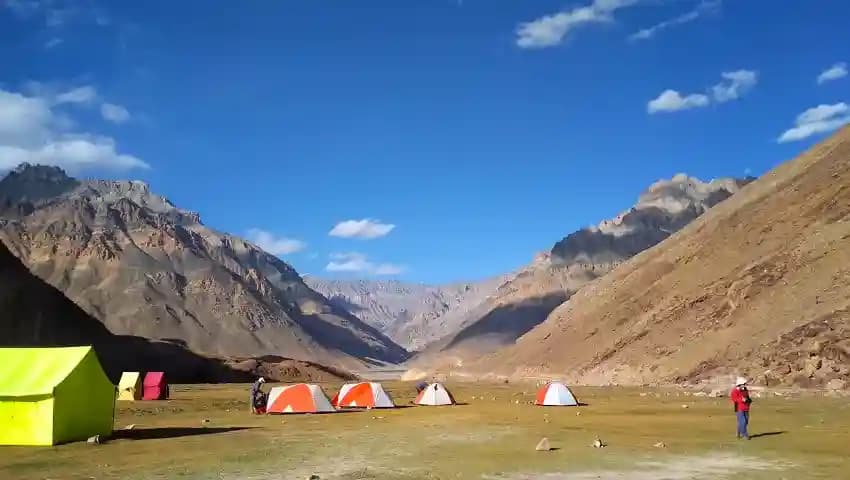
This is a shorter day so your body gets ready for the big pass tomorrow. The path climbs through rocky areas and you can see Shingo La from here. Camp sits at 4,700 metres and it gets really cold after the sun goes down.
Day 7: Shingo La Base to Lakang via Shingo La Pass (18 km, 8-9 hours)
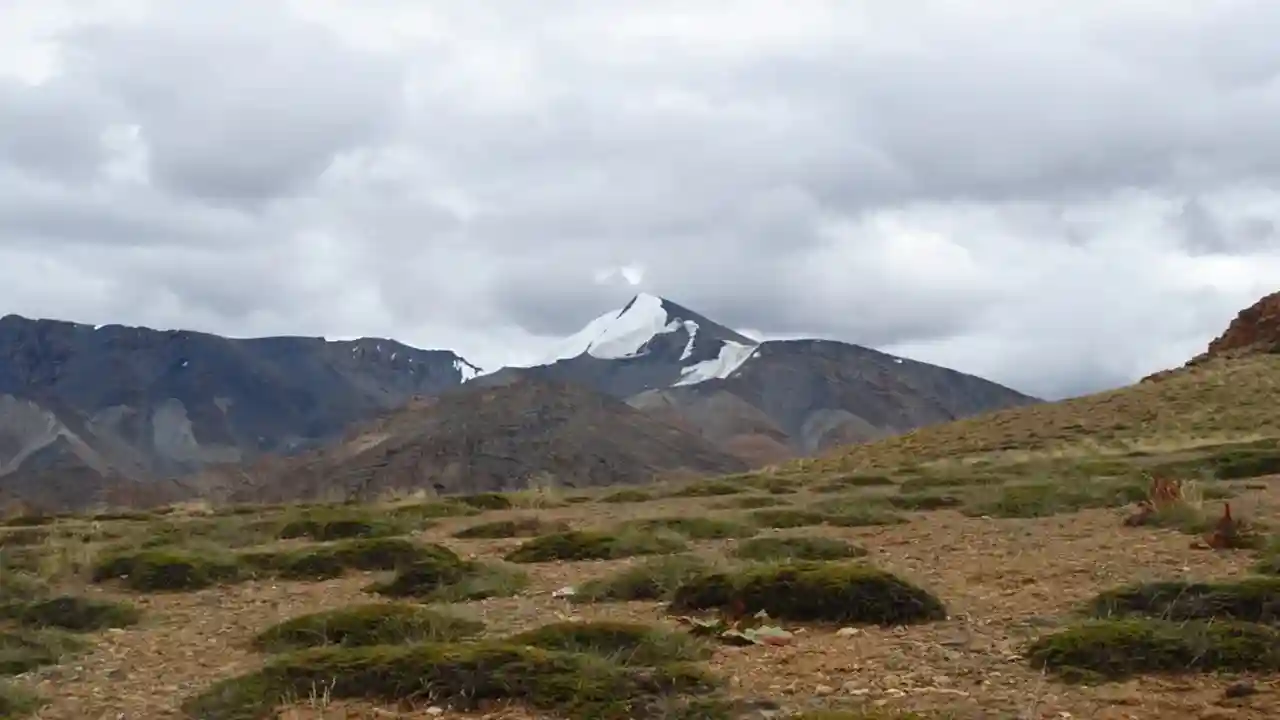
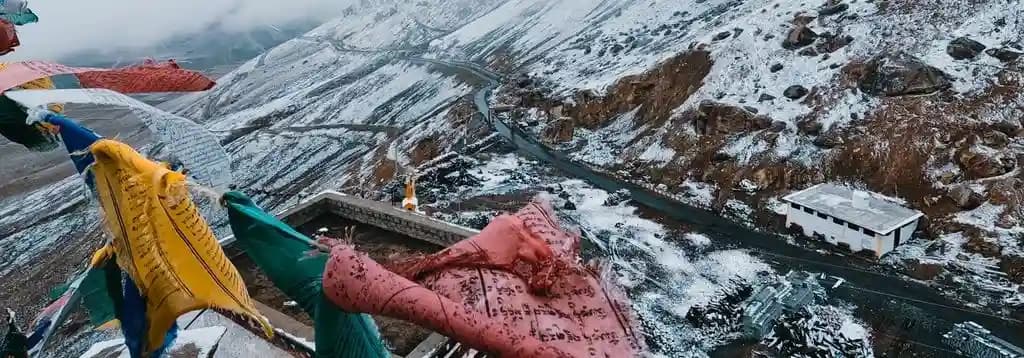
This is the hardest day because you cross Shingo La at 5,091 metres in the early morning. Going up takes around 3 to 4 hours over loose rocks and some snow. Once you reach the top, you come down very steeply to the Lakang camp at 4,250 metres on the Zanskar side.
Day 8: Lakang to Kurgiak (18 km, 7-8 hours)
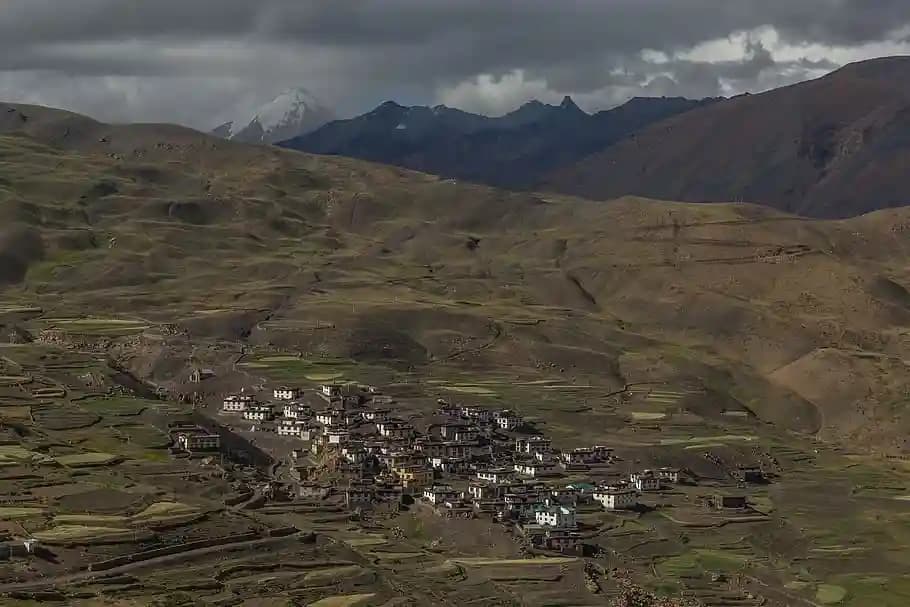
A long walk down through a pretty valley with the Tsarap River running below you. Plants start appearing again as you lose altitude and Lakang village has old mud houses. You camp near Kurgiak at 3,800-4,050 metres where people grow barley and peas in small fields.
Day 9: Kurgiak to Purne (16 km, 6-7 hours)
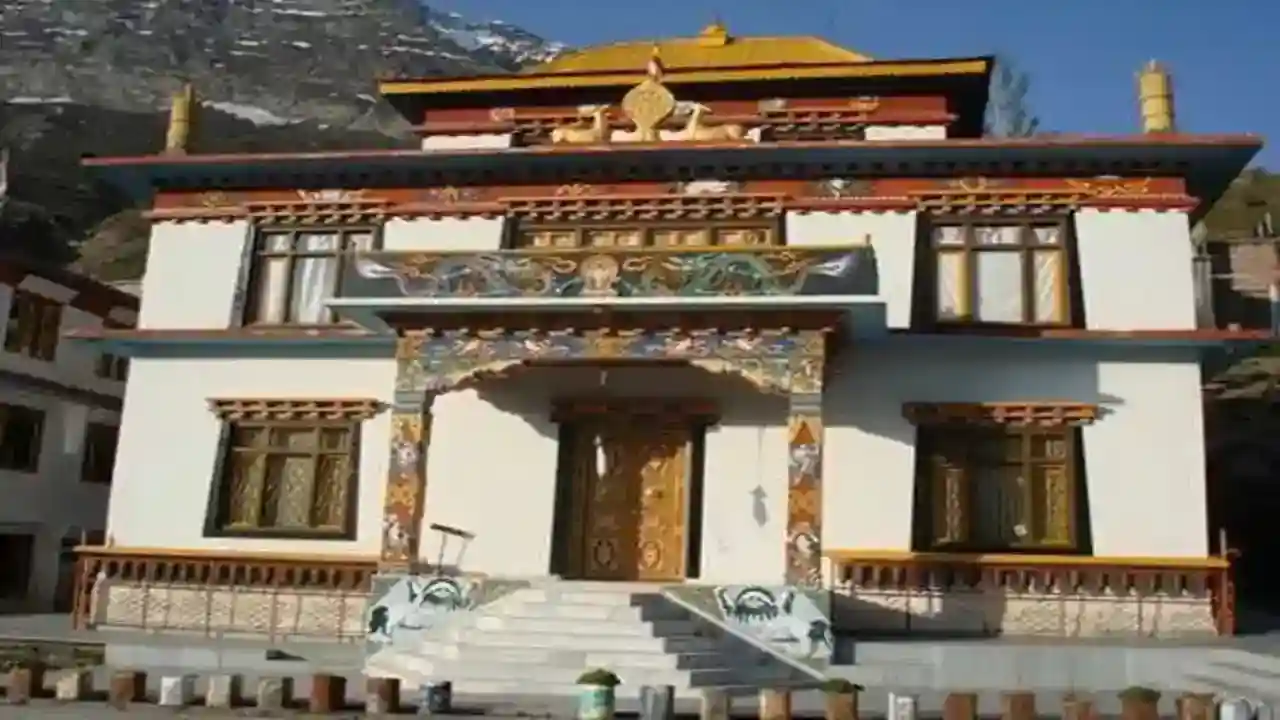
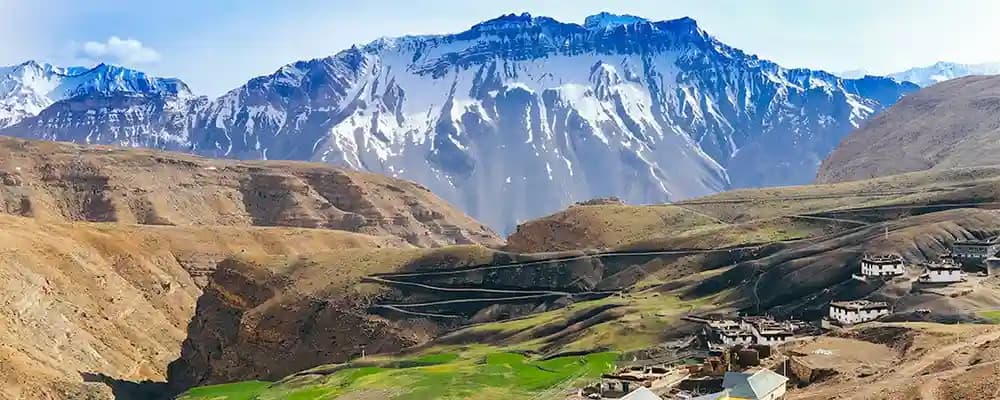
An easy day walking along the river with villages appearing every few kilometres. Things to do at Darcha Padum trek are visiting old monasteries and talking to Zanskari families living here. Purne village has a little gompa you can visit and some houses take in guests.
Day 10: Purne to Phuktal Monastery and back (20 km, 7-8 hours)
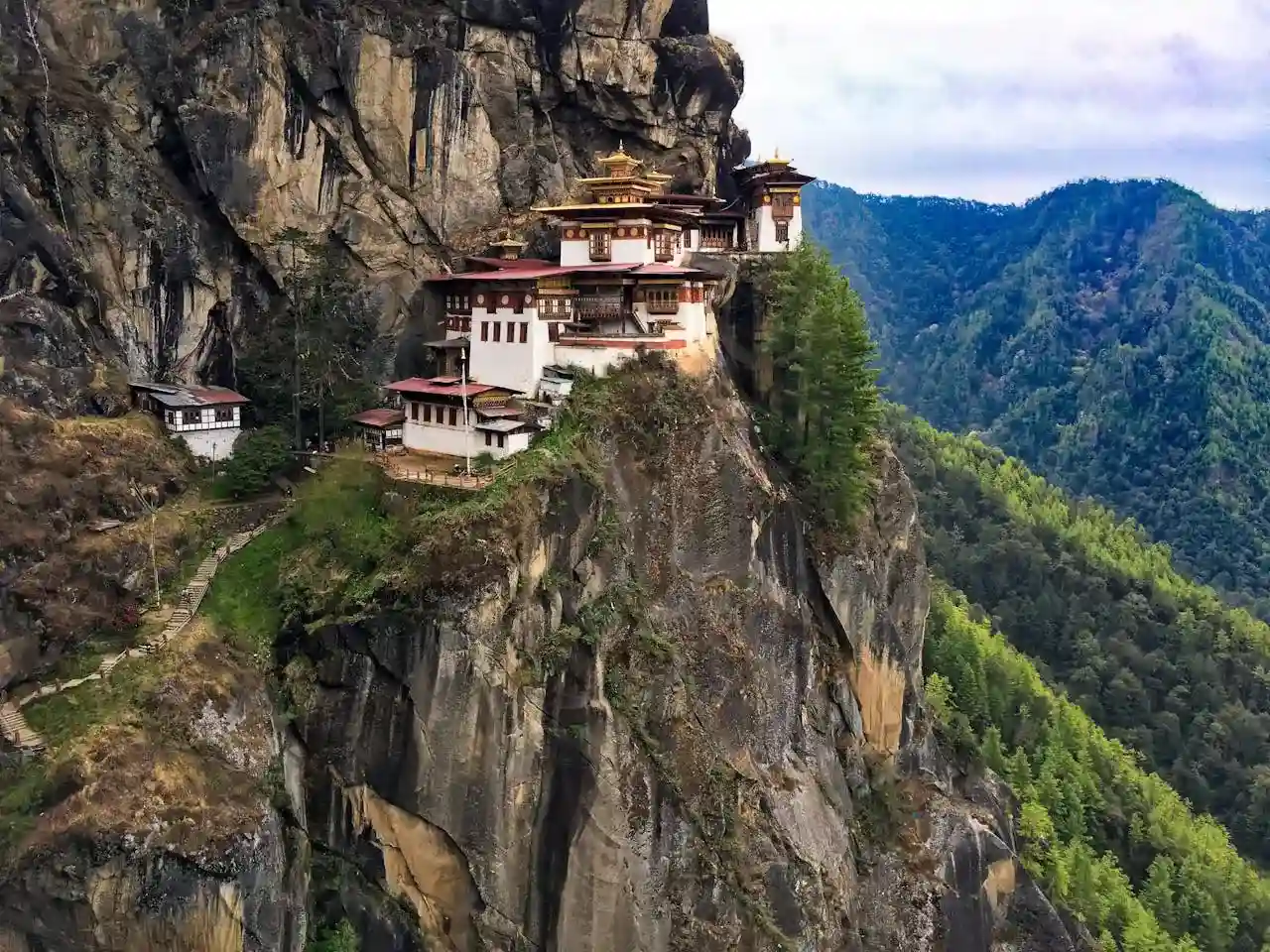
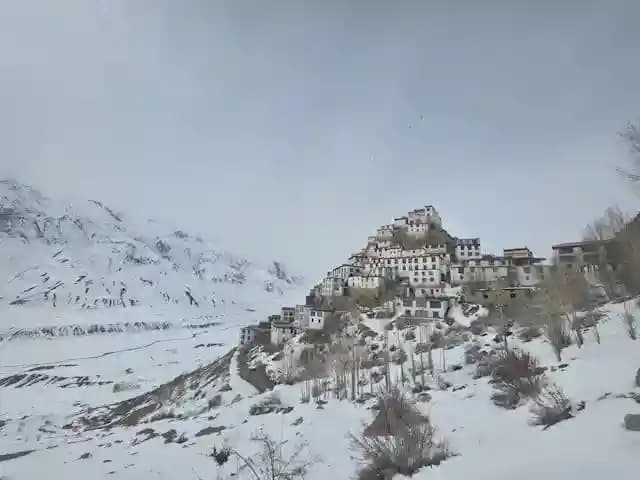
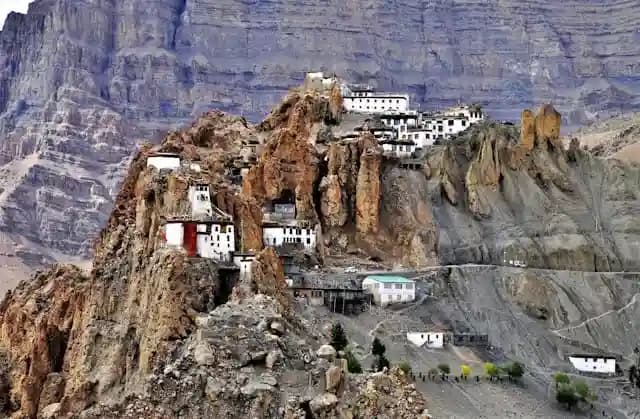
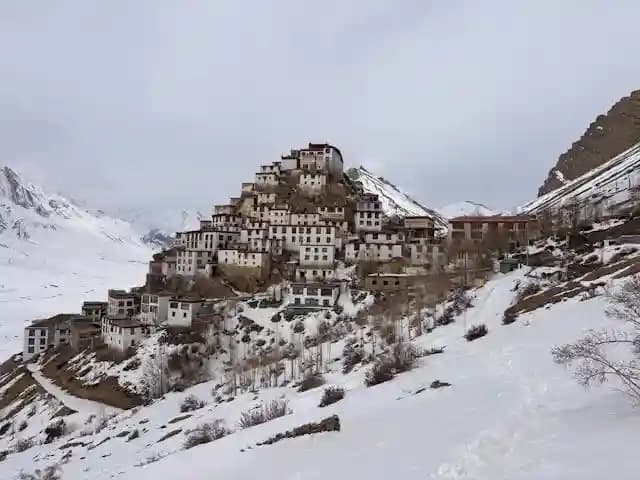
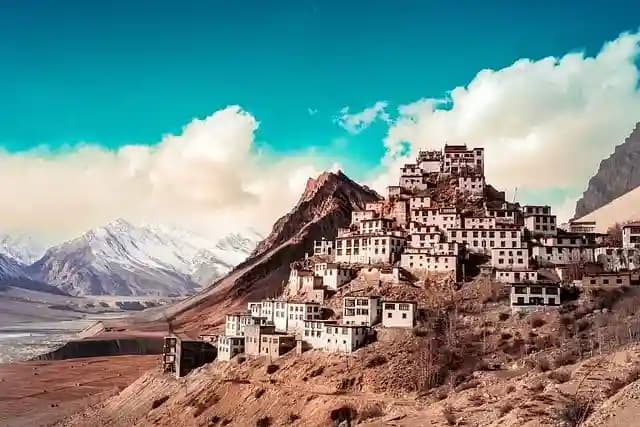
Go off route to see Phuktal Monastery which is built right into a cliff above the river. Around 70 monks live in this 12th-century monastery and you have to climb quite steep to reach it. Come back to Purne to sleep or camp near the monastery if they let you.
Day 11: Purne to Padum (18 km, 6-7 hours)
The last bit of walking follows a rough dirt road that goes through multiple villages. Padum is where Zanskar's government offices are, and it has simple hotels, eating places, and your phone will work here. Have a good meal and sleep in an actual bed after finishing your trek.
Day 12: Buffer Day / Explore Padum
Keep one extra day in case bad weather slows you down or you want to see Padum properly and some monasteries around it. You can also look into things to do in Spiti Valley if you're heading back the long way through Kaza.
Tips for Darcha Padum Trek
Proper preparation makes a huge difference on this challenging high altitude trek. These practical tips will help you tackle the Darcha Padum trek safely and enjoy the experience fully.
Train for High Altitude: Start cardio training at least 2 months before with regular running or stair climbing. The Darcha Padum trek demands good stamina for 6 to 8-hour walking days above 4,000 metres.
Pack Light but Smart: Carry only essentials, as extra weight costs more with porters. A minus 10°C sleeping bag and layered clothing work better than bulky jackets.
Acclimatise Properly: Spend at least one night in Manali or Keylong before starting. Never rush the itinerary if you feel headaches or nausea.
Carry Enough Cash: ATMs stop after Keylong, and the Darcha Padum trek route has zero banking facilities. Bring cash for emergencies, tips and village supplies.
Book Permits in Advance: Foreign trekkers need Inner Line Permits processed through operators. Indians just need a valid photo ID throughout the trek.
Stay Hydrated Always: Drink 4 to 5 litres daily to prevent altitude sickness. Carry purification tablets as not all water sources are safe.
Protect from Sun Exposure: High altitude sun burns badly even on cloudy days. Use SPF 50 sunscreen and wear a hat with UV sunglasses.
Hire Experienced Guides: Solo trekking works, but guides know the terrain and help during river crossings or emergencies.
Conclusion
The Darcha Padum Trek takes you through landscapes that few people get to witness in their lifetime. From crossing the mighty Shingo La Pass to camping beside roaring rivers and meeting Zanskari locals in remote villages, every day brings something completely new. This trek tests your limits but rewards you with experiences that no luxury vacation can match. The isolation, the raw beauty and the sense of achievement you feel reaching Padum make all the effort worthwhile. If you've been dreaming about a proper Himalayan adventure away from crowded tourist trails, this route through Zanskar delivers exactly that. Pack your bags, get your fitness sorted and prepare yourself for one incredible journey across the Trans Himalayas.