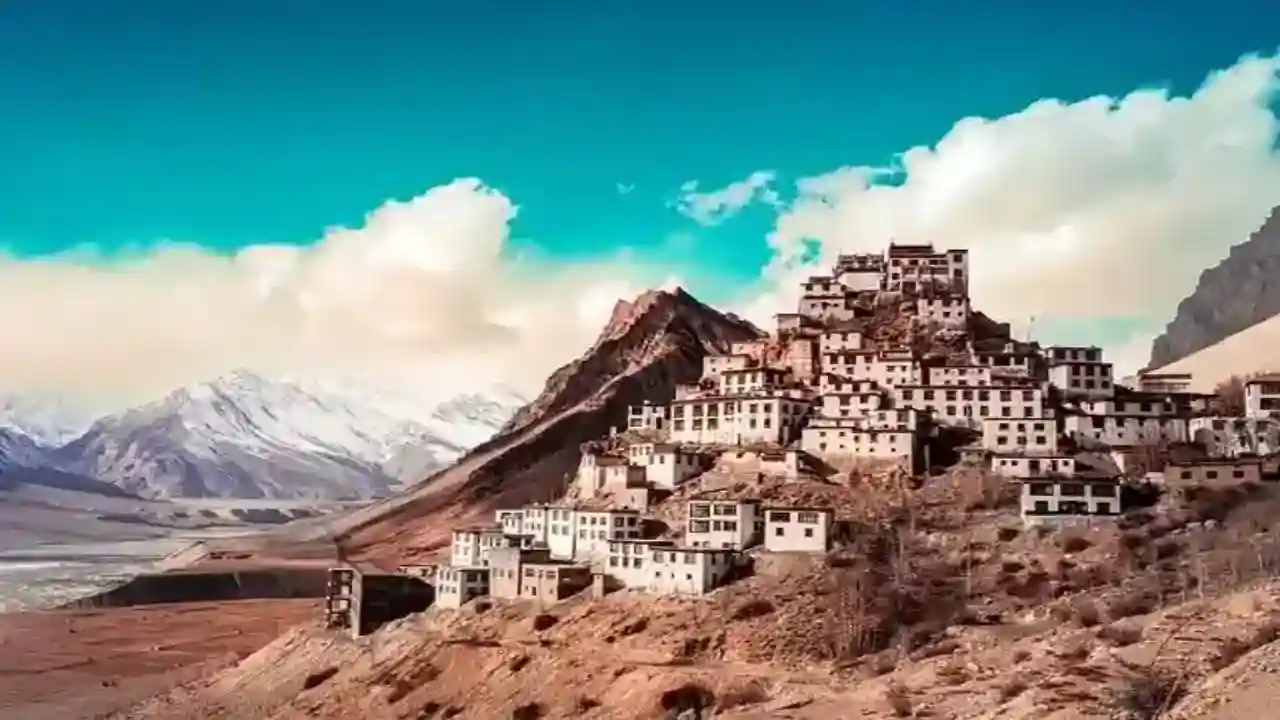
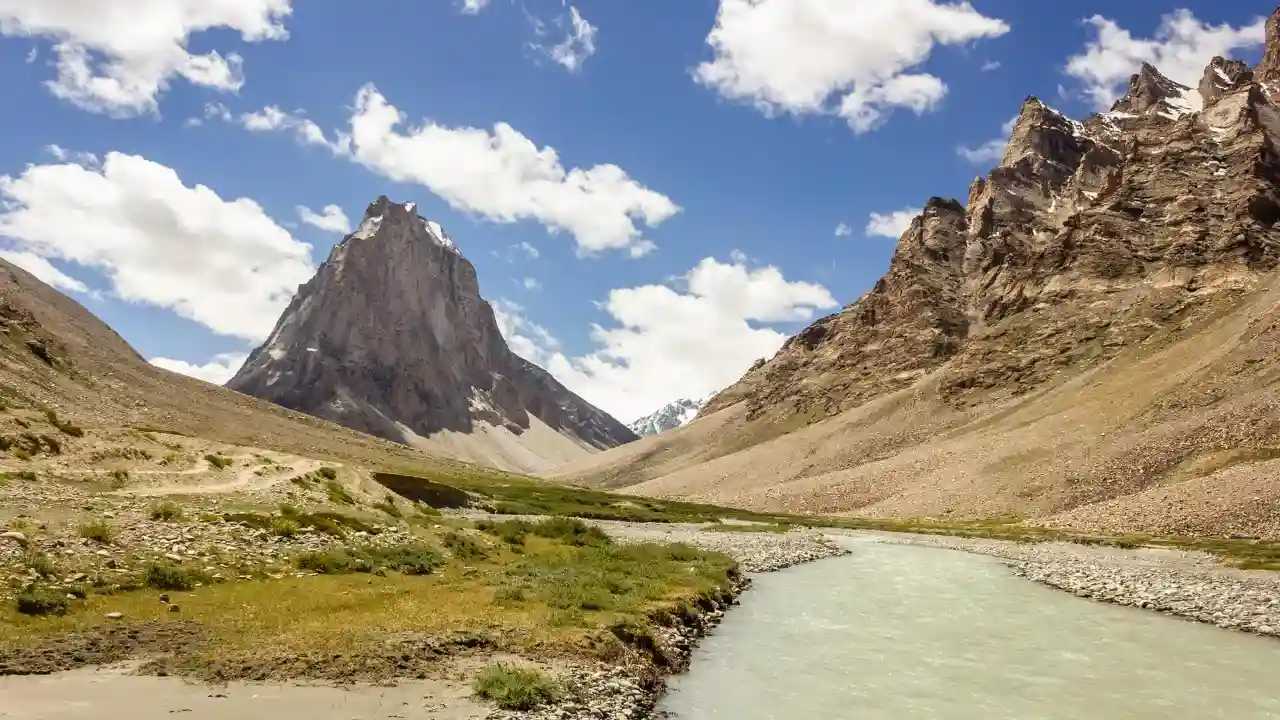
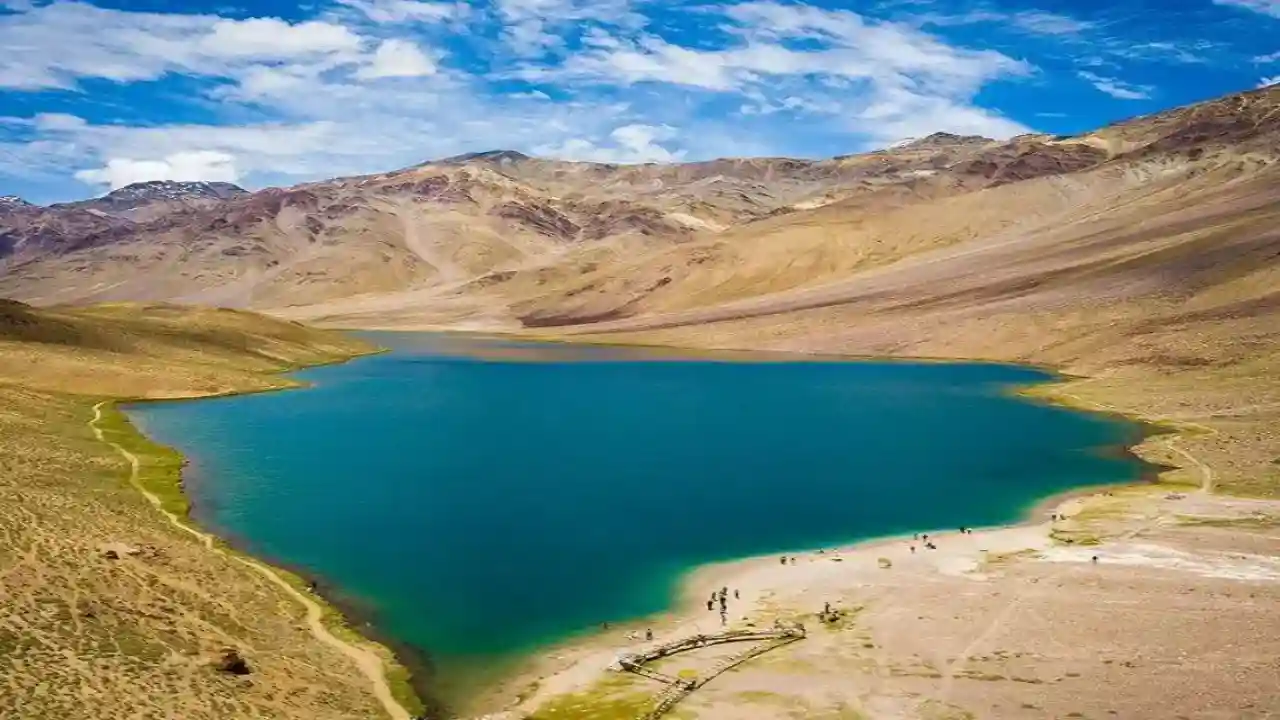
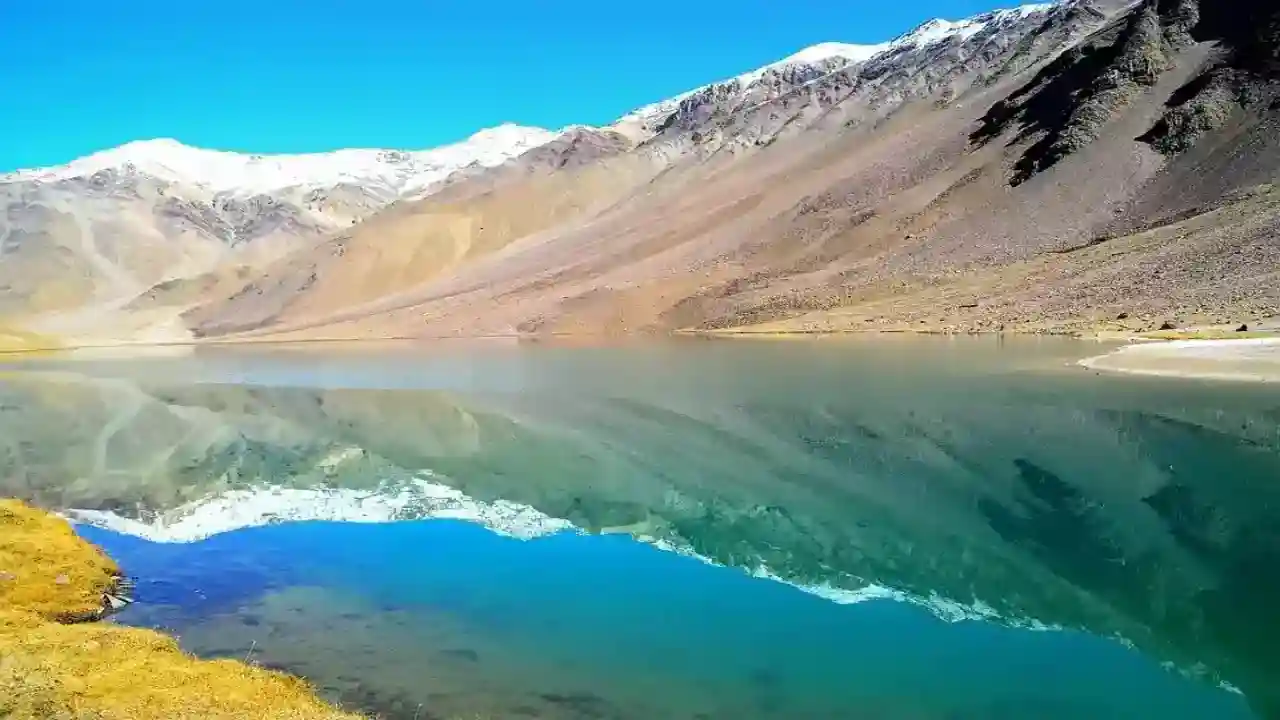
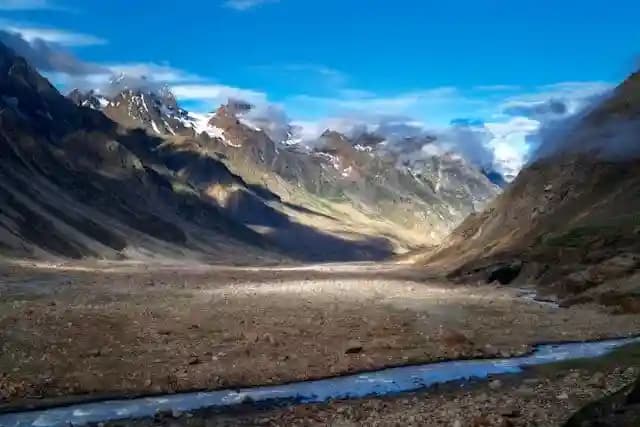
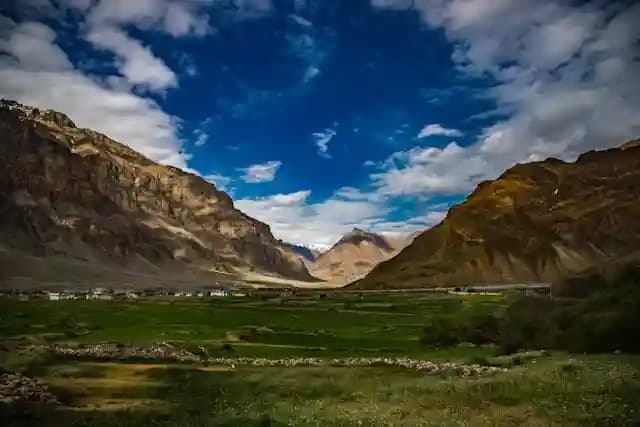
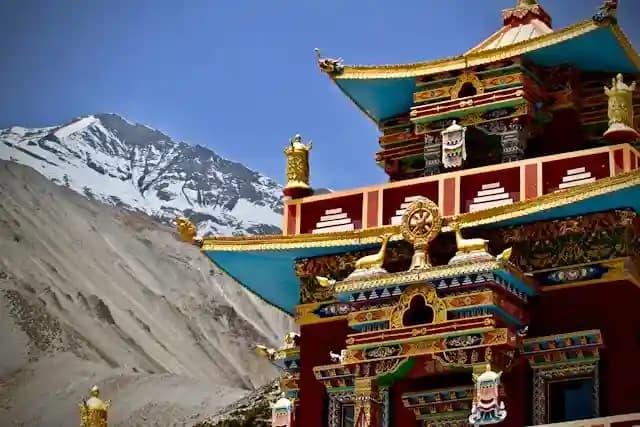
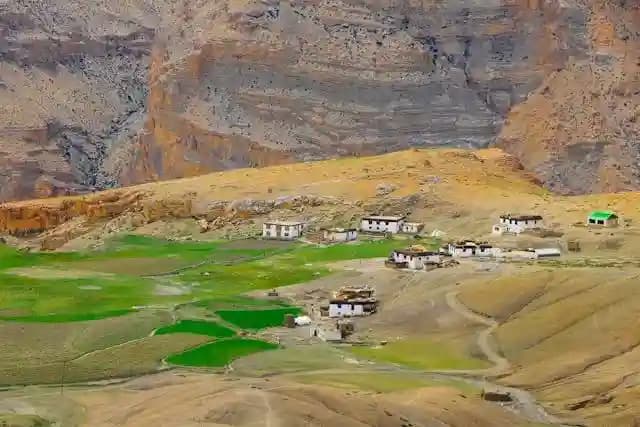
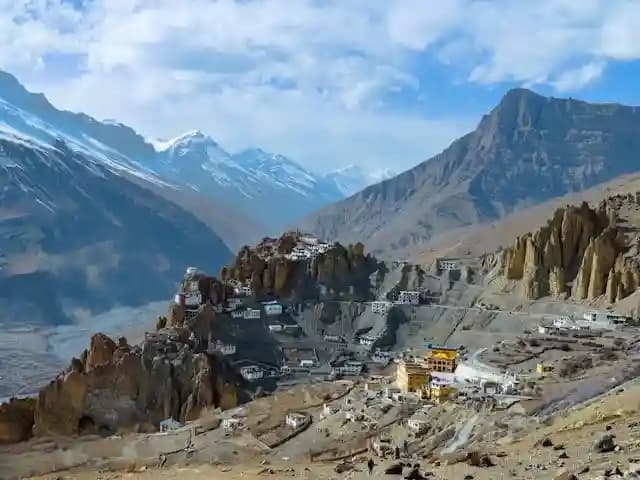
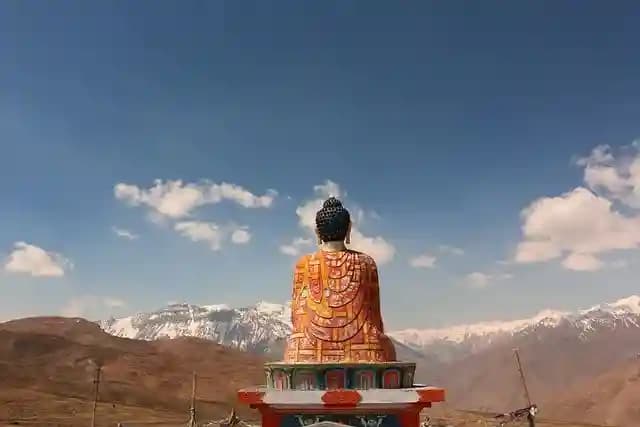
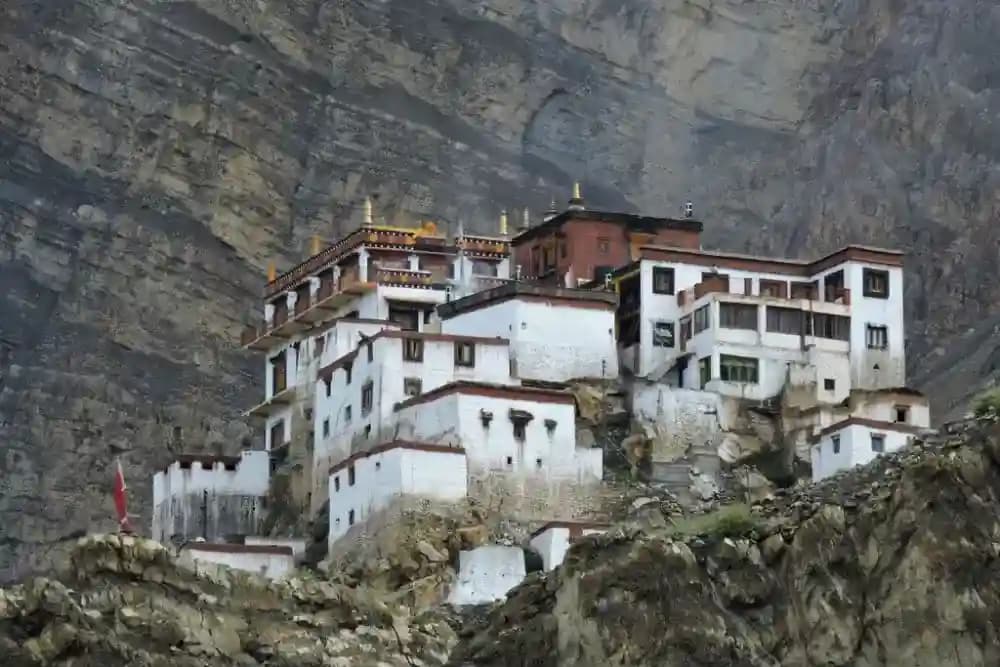
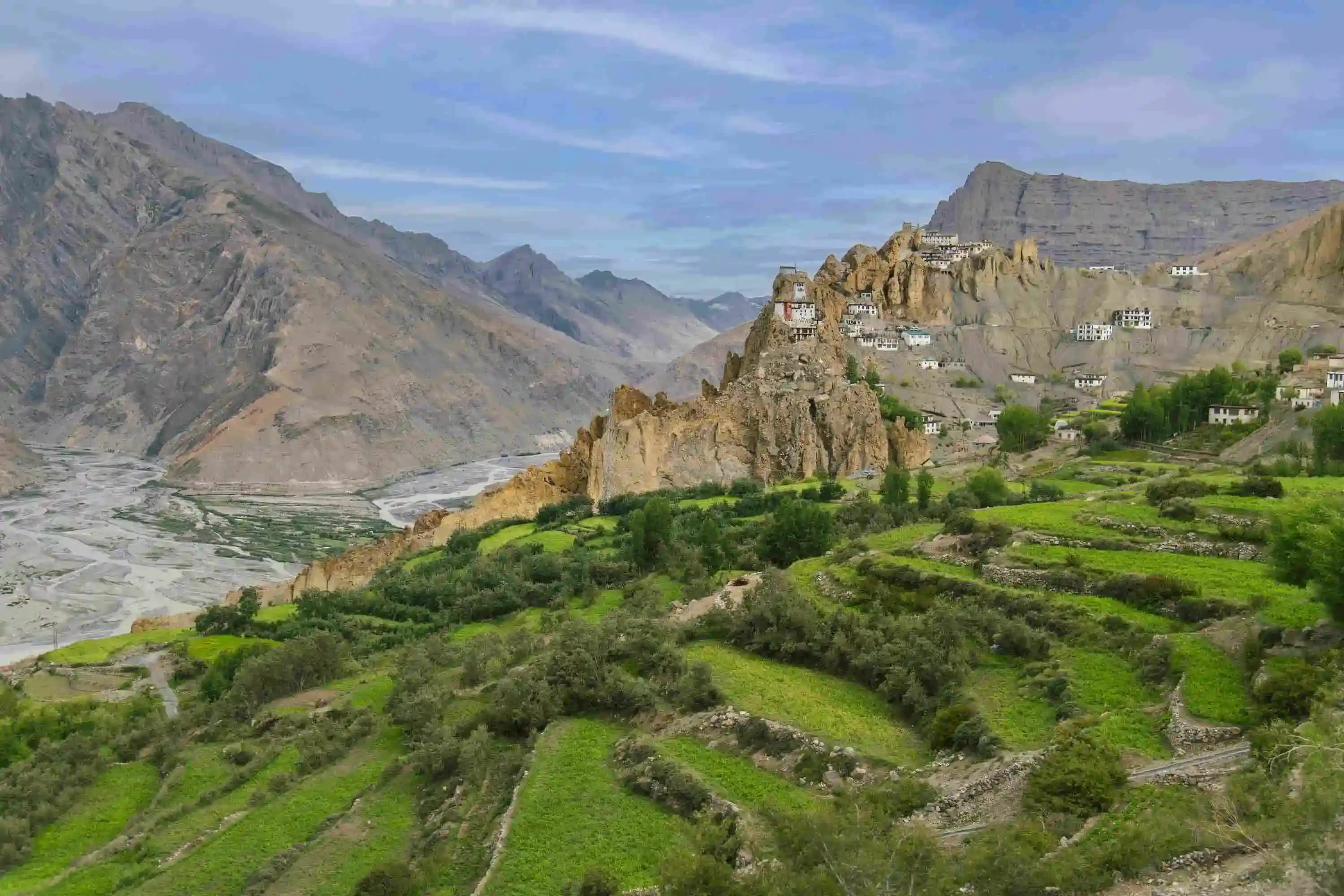
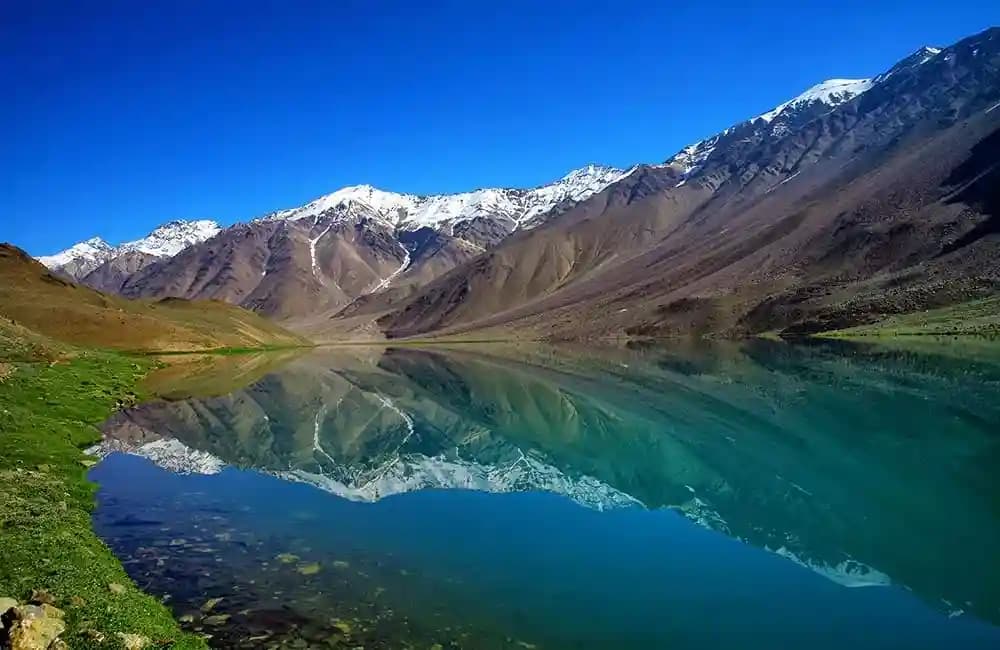
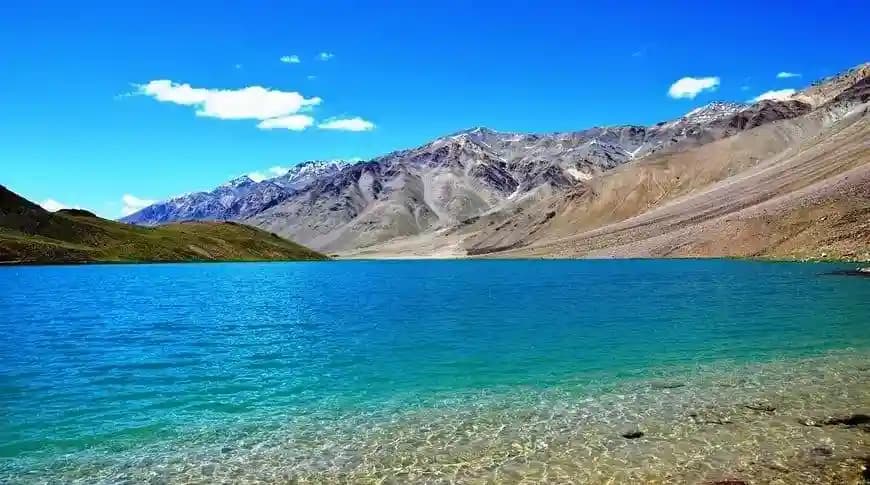
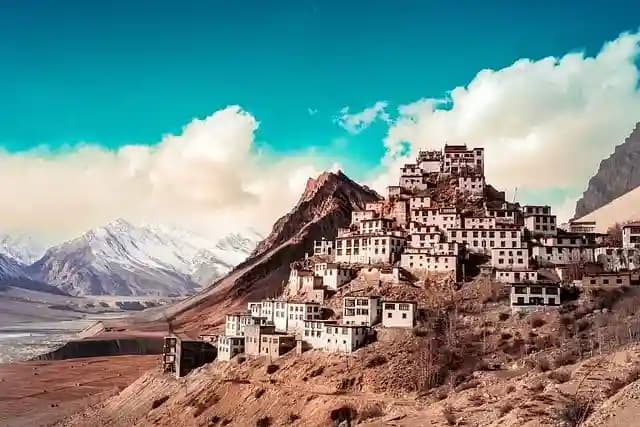
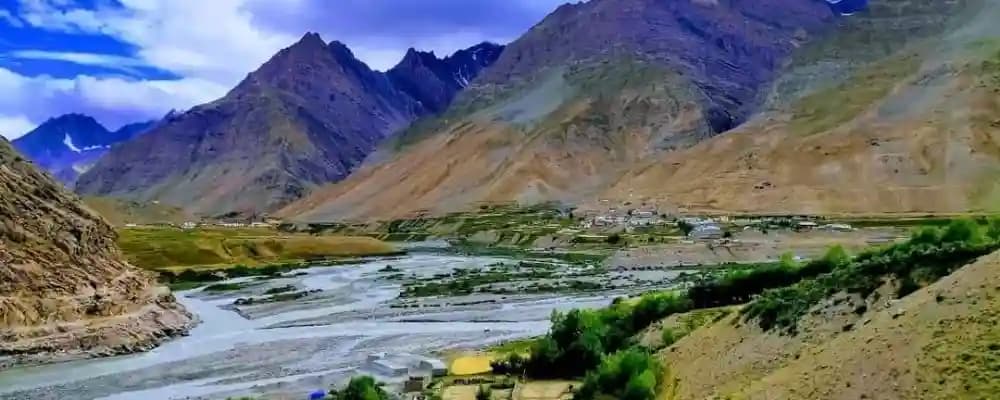
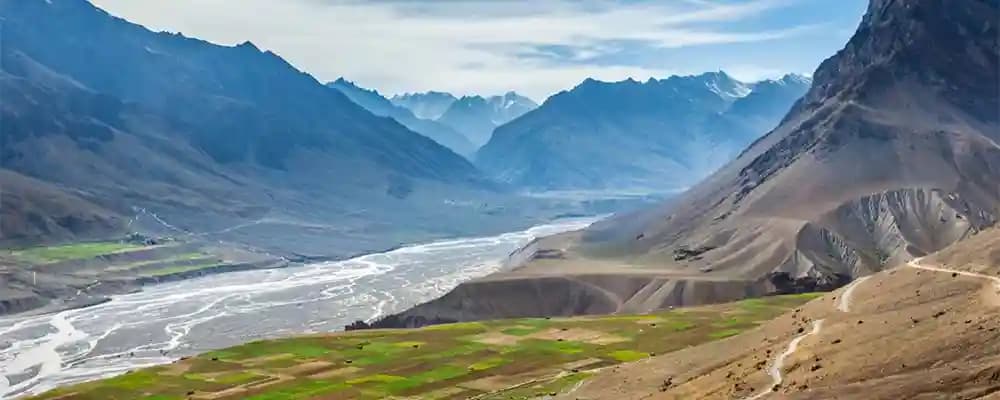
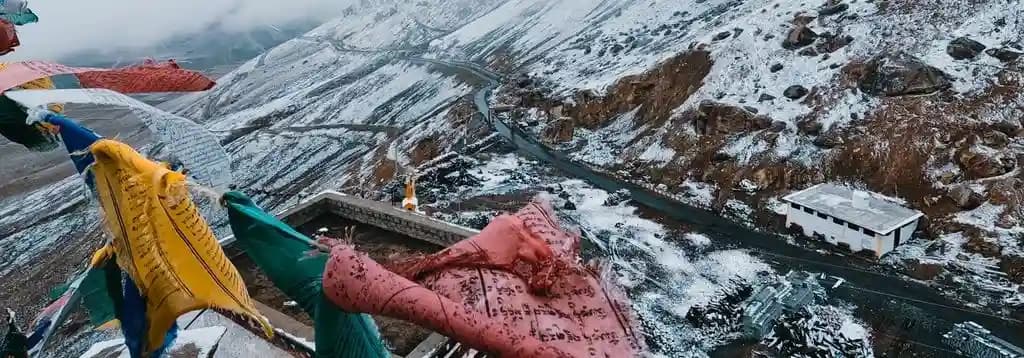
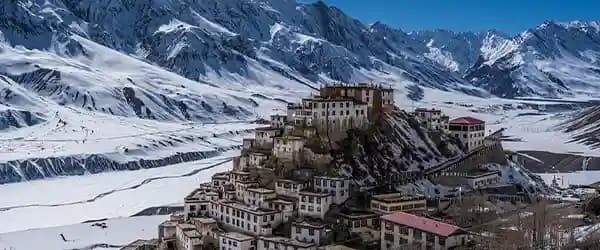
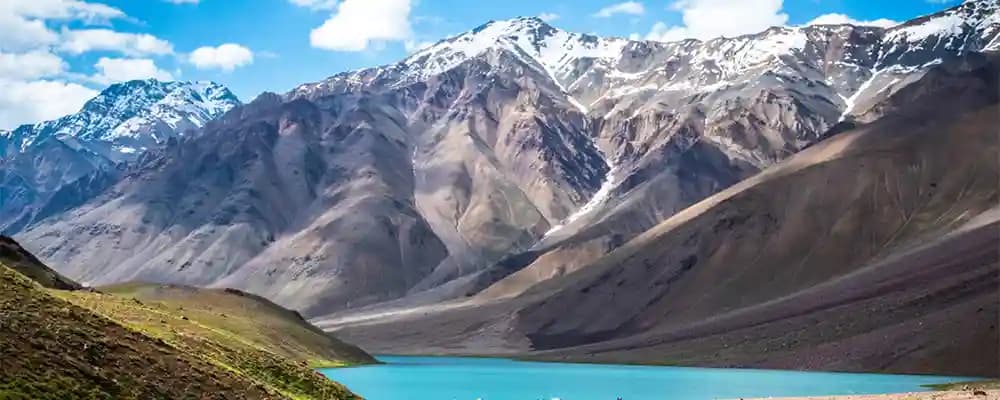
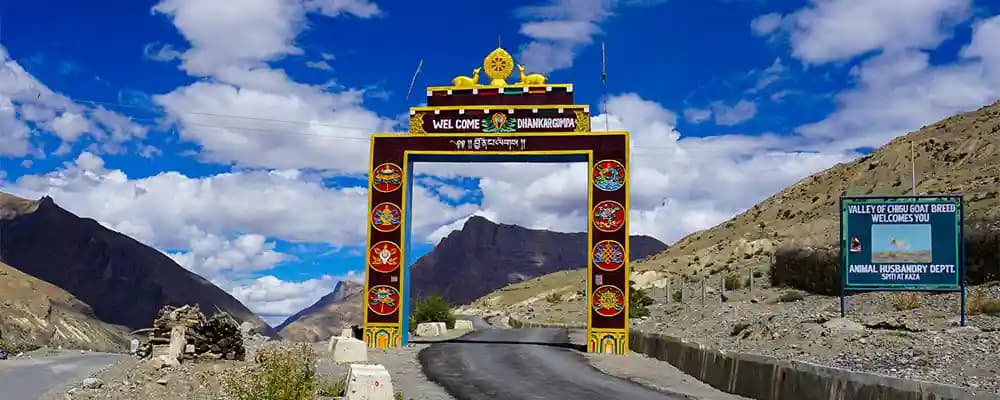
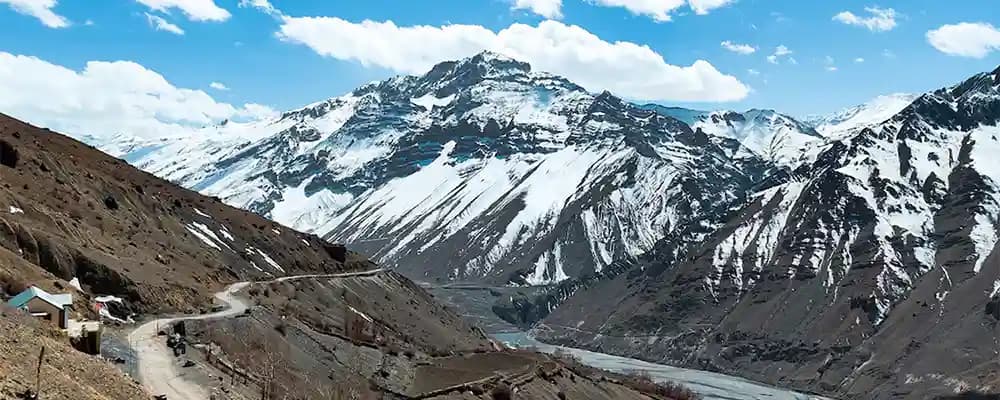
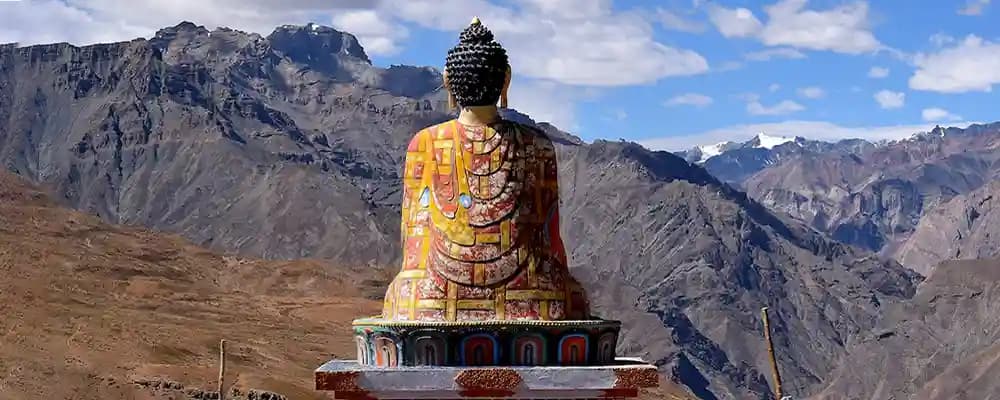
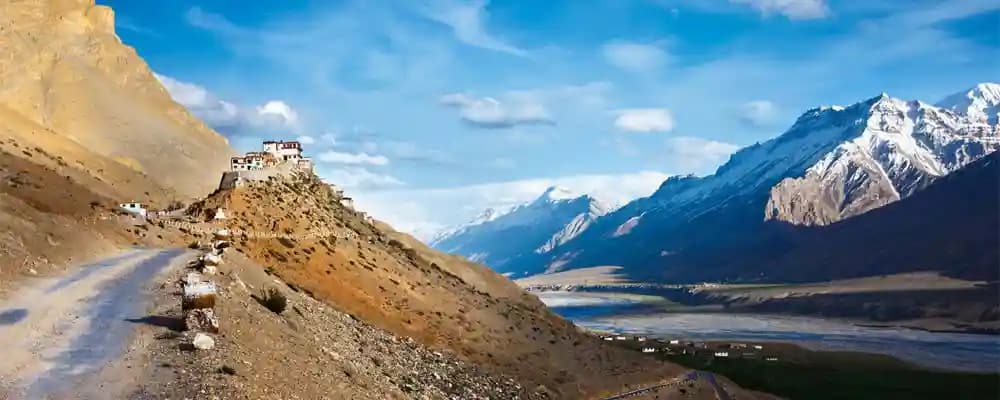
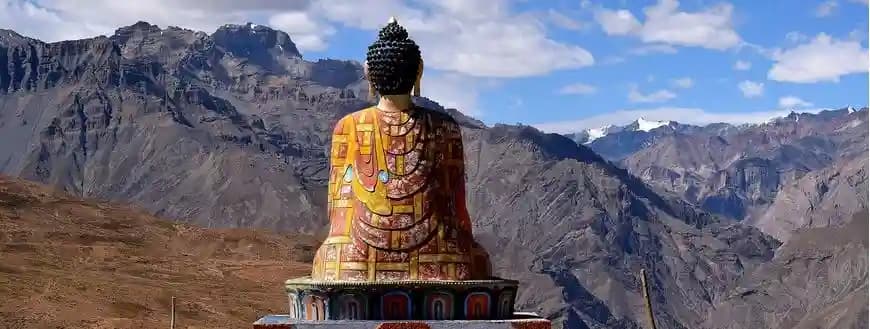
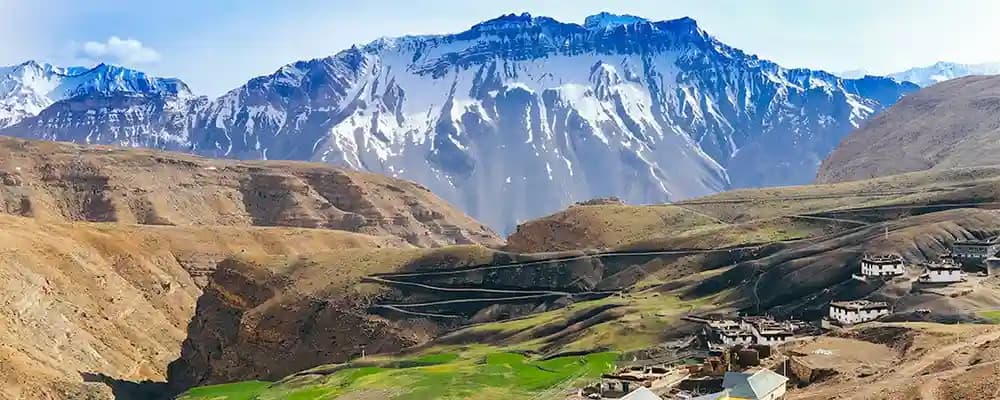
Himachal Pradesh's Spiti Valley is a remote, highland area that draws tourists with its harsh landscapes, old monasteries, and peaceful mountain towns. Permits required for Indian vs. foreign tourists in Spiti often become a point of confusion while planning a trip, especially if you are coming here for the first time. Most of the valley can be visited by Indian tourists without any special permission. However, because Spiti is close to international lines, tourists from other countries need to follow extra rules. This makes it even more important to know what you need to do to get a permit even before you add this destination to your Spiti Valley tour. This guide explains the permit rules in easy-to-understand language so that people can plan a trip to Spiti Valley that goes smoothly.
What is a Spiti Valley Permit?
Visitors from other countries need to get a Spiti Valley permit in order to visit certain protected and border-sensitive parts of the valley. People often call it an Inner Line Permit (ILP) or a Protected Area Permit (PAP). This permit is needed because Spiti is close to foreign borders, and there are rules about how non-Indian citizens can move around for safety reasons.
Indian citizens don't need a Spiti Valley permit to visit most tourist spots; a legal government photo ID is enough. The permit lists the places that are allowed and how long it is good for. It must be carried the whole way because it is checked at several points in the valley.
Spiti Valley Permit for Foreign Nationals
Foreign nationals must obtain a Protected Area Permit (PAP) to travel to restricted areas in the Spiti Valley. It is a mandatory criteria set up by the government to get the permit before entering the Spiti Valley region.
Where to Apply:
District Magistrate’s Office, Shimla
District offices at Reckong Peo or Keylong (route-dependent)
Most travellers apply through a registered travel agent, which is faster and more reliable.
Documents Required:
Passport (photo page copy)
Valid Indian visa (copy)
Passport-sized photographs
Brief travel itinerary (places and dates)
Cost:
Government fee is usually nominal (often ₹0-₹500)
Travel agents may charge a service fee depending on the processing time
Validity & Conditions:
Issued for specific areas and dates only
Must be carried at all times during your trip; checks are common at checkpoints
Group travel may be required in certain zones (as per local territorial rules)
Always confirm the latest rules before applying, as regulations can change.
Spiti Valley Permit for Indians
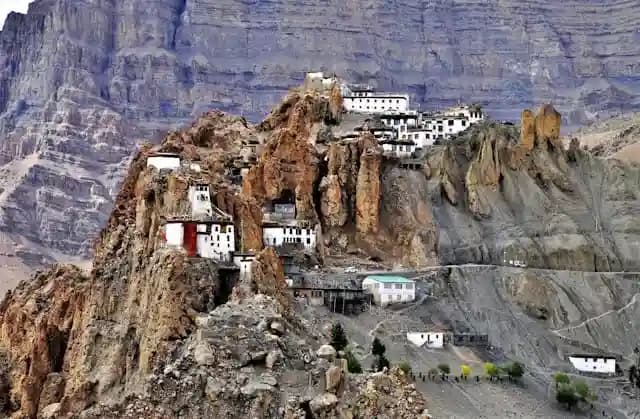
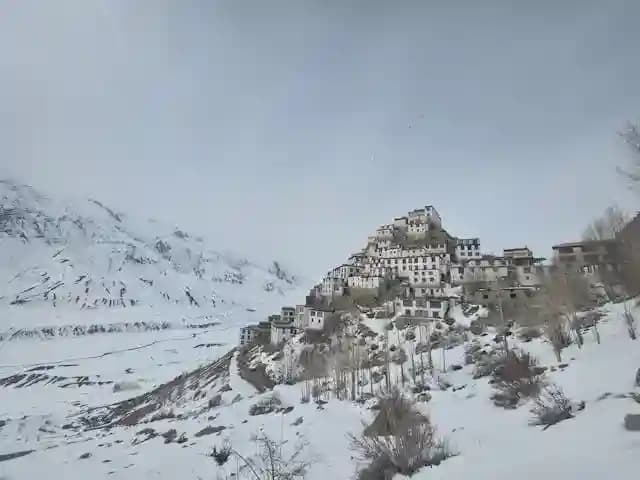
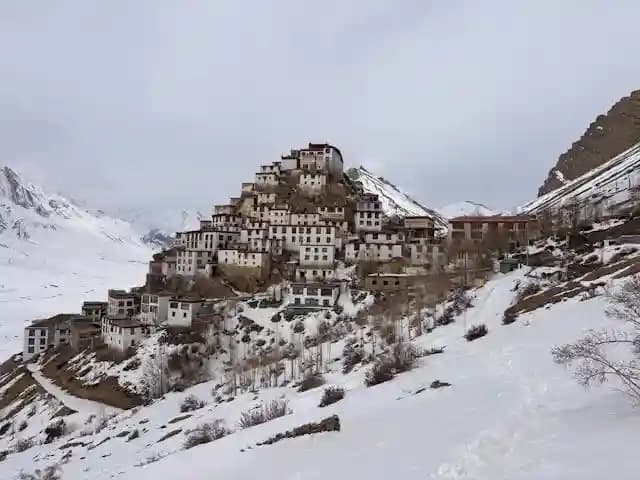
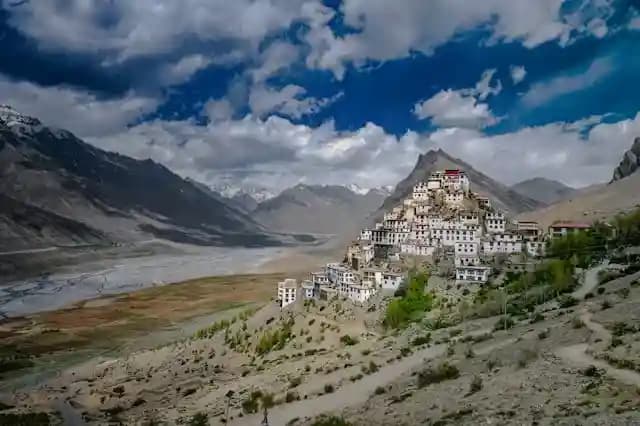
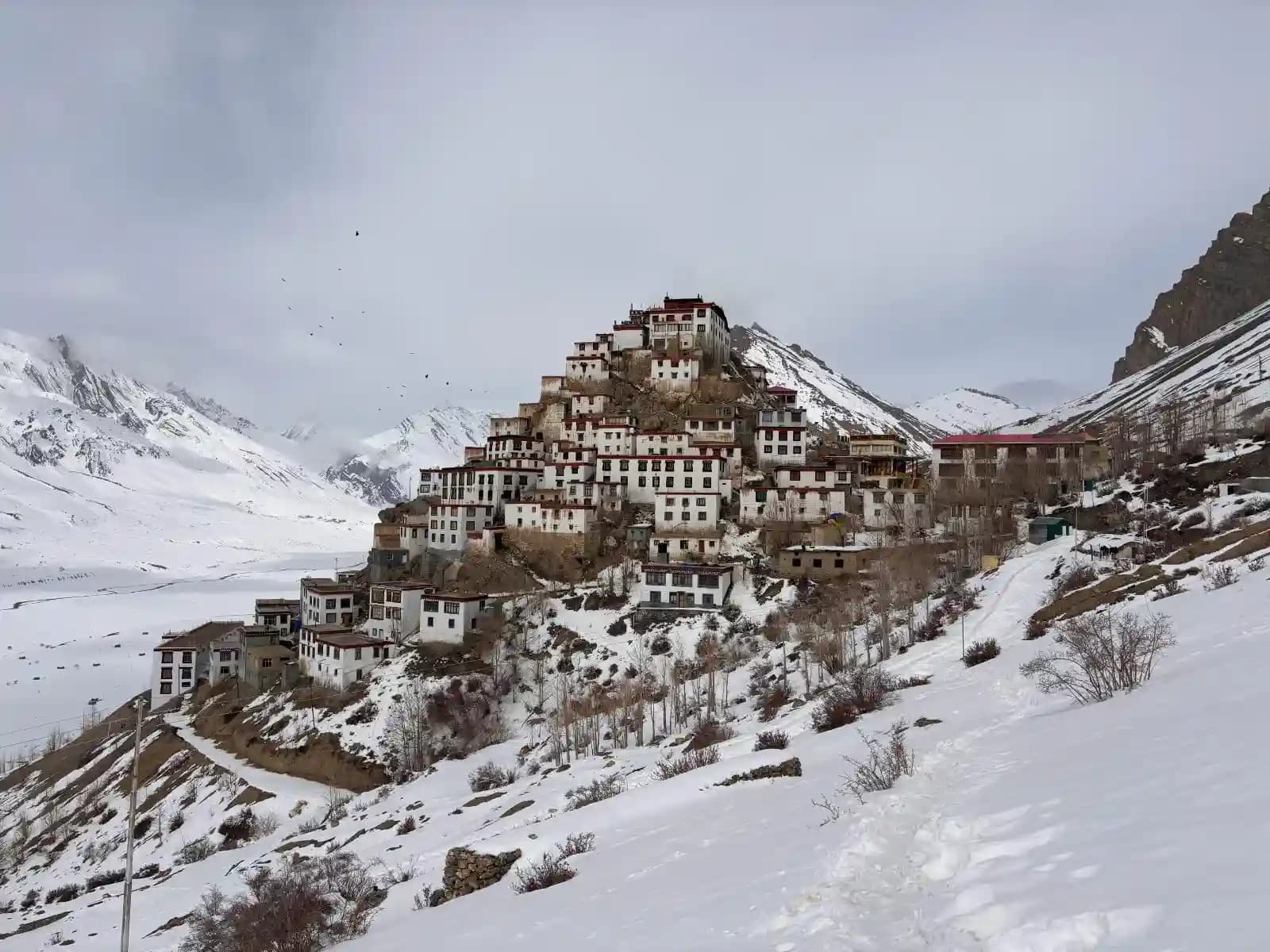
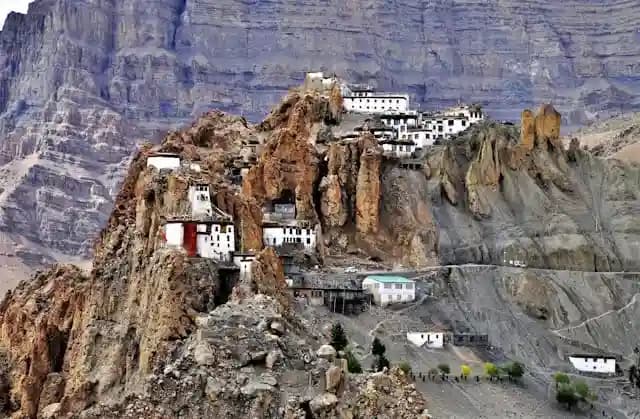
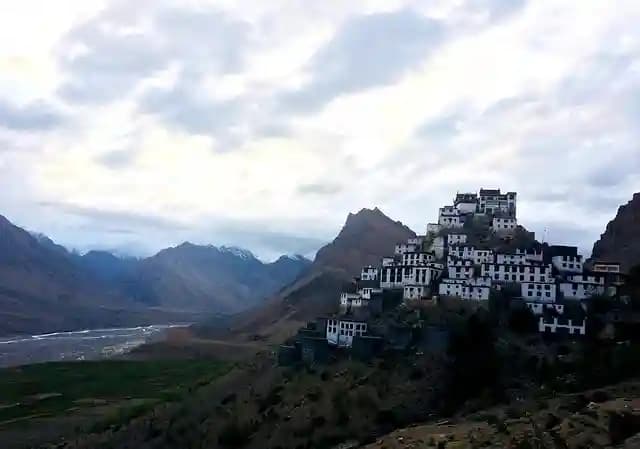
As per the current rules, Indian people don't need a special permit to visit Spiti Valley. Indian tourists can go to popular places like Kaza, Tabo, Dhankar, Key Monastery, Langza, without a travel permit. At local checkpoints, you only need to show some documents. Let's take a look at a proper breakdown of the things you need.
Where to Apply?
No application is needed for Spiti Valley travel for Indian tourists.
The Rohtang Pass permit (if you plan to take the Manali route) can be applied in the online mode through the Himachal Pradesh government portal.
Documents Required:
Valid government-issued photo ID, such as:
Aadhaar card
Driving licence
Voter ID
Passport
No additional travel documents are required for Spiti Valley sight seeing itself.
Cost:
Indian tourists do not need to pay any kind of fee to visit the Spiti Valley region.
If travelling via the Manali through the Rohtang Pass route, a Rohtang Pass permit may be required.
The permit may involve minimal charges of around ₹150-₹250, applicable only for route-specific or Inner Line permit-related matters.
Validity & Conditions:
There is no specific time period for validity of Spiti Valley access for Indian tourists.
The Rohtang Pass permit is valid only for the selected date of travel.
Travel may be restricted within 40 km of Indo-Tibet or Indo-China border areas, depending on local regulations even for Indian Tourists.
Conclusion
Understanding the permits in spiti is a must requirement for planning a smooth and hassle-free trip to this remote Himalayan region that everyone is eyeing on. Indian tourists with a valid photo ID can go anywhere in the Spiti Valley without any problems. However, tourists from other countries must follow certain rules and get a Protected Area Permit to enter certain places. These rules are closely implemented by the security forces and strictly followed at checkpoints. As a traveller, if you want to avoid any kind of delay or cut short the last-minute hassle, it is important to learn about the different permit requirements. If you know what to do, you can enjoy the unique scenery, culture, and beauty of Spiti Valley without having to worry about paperwork.