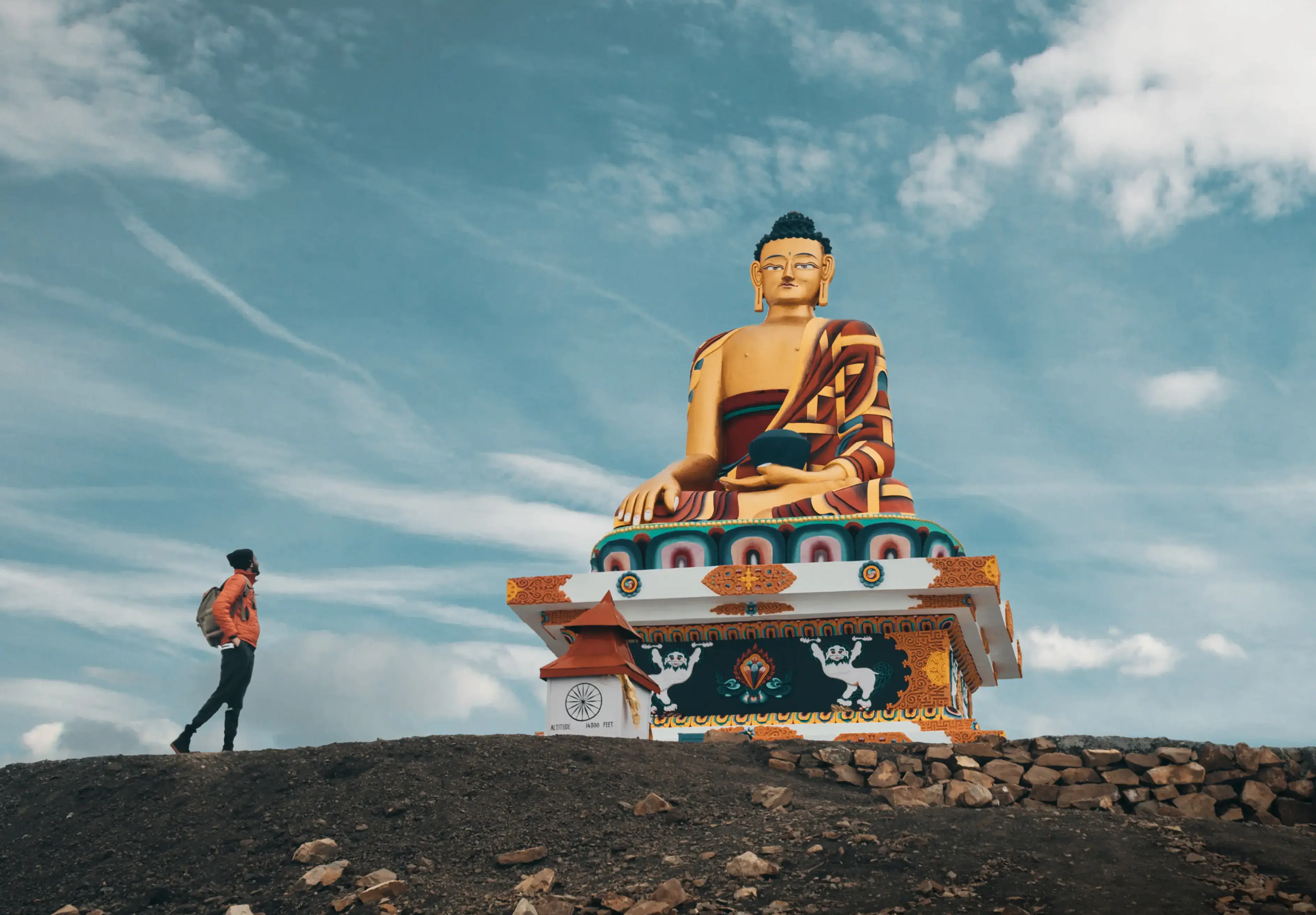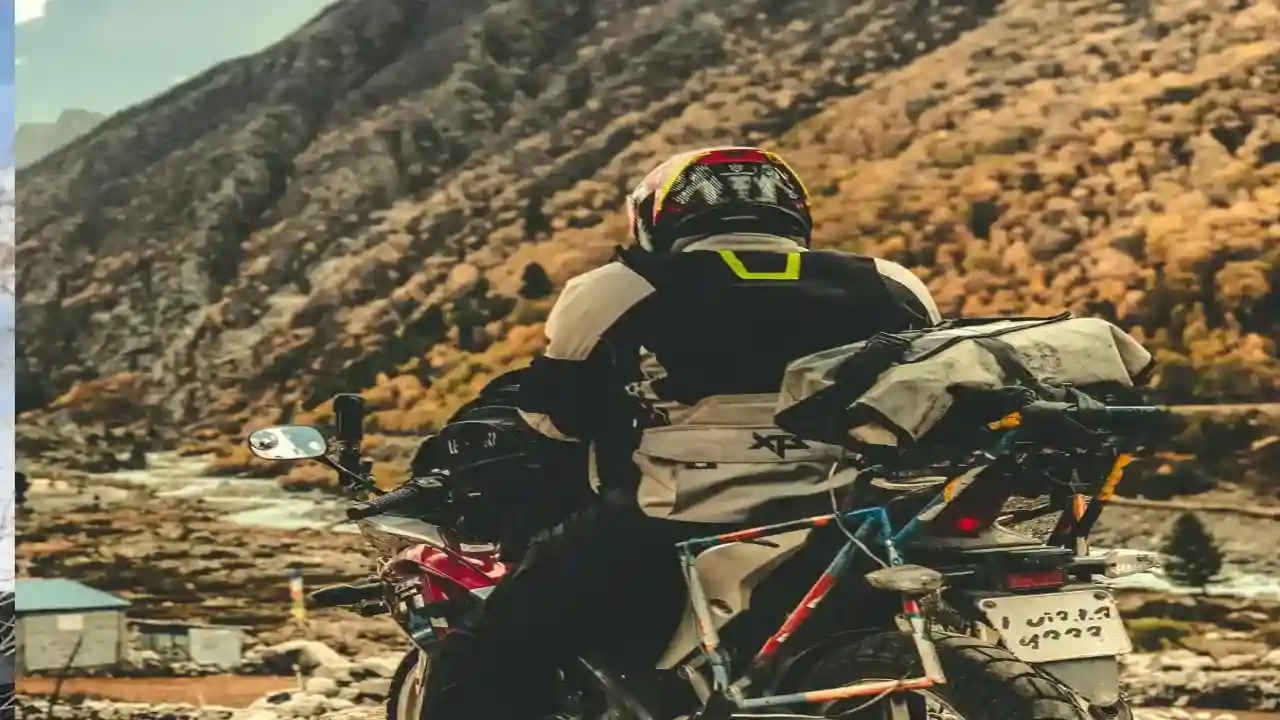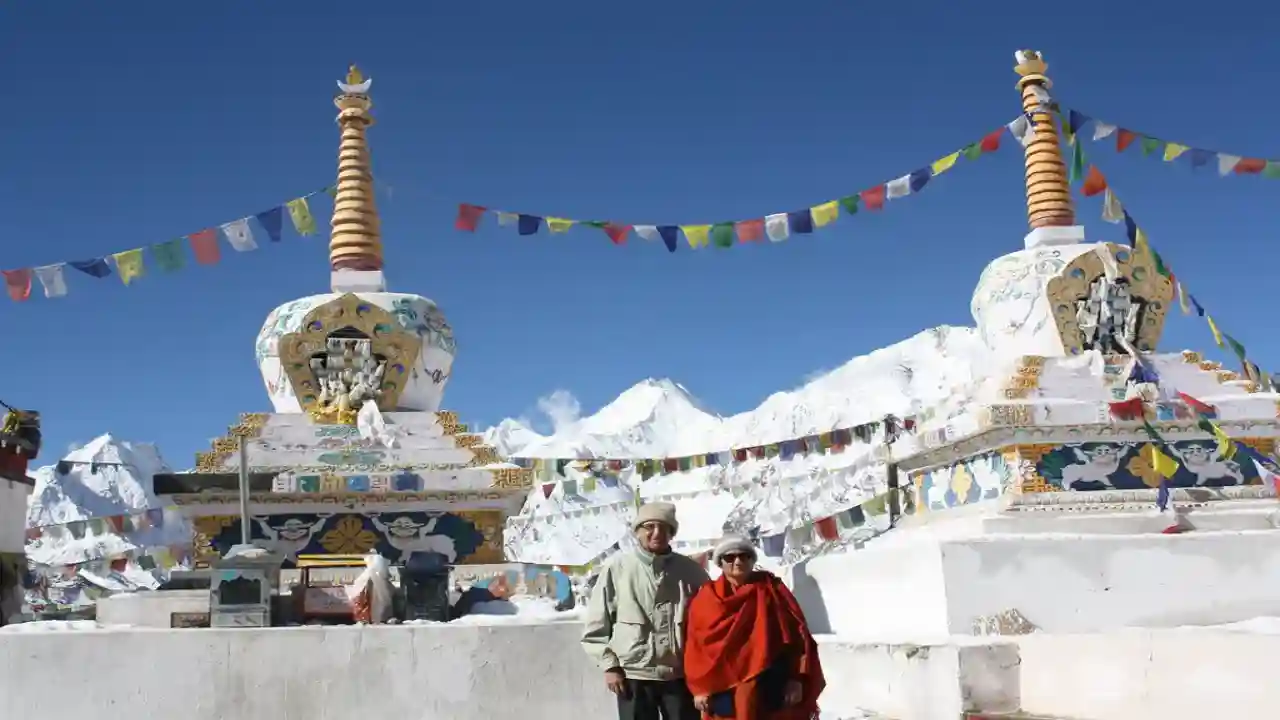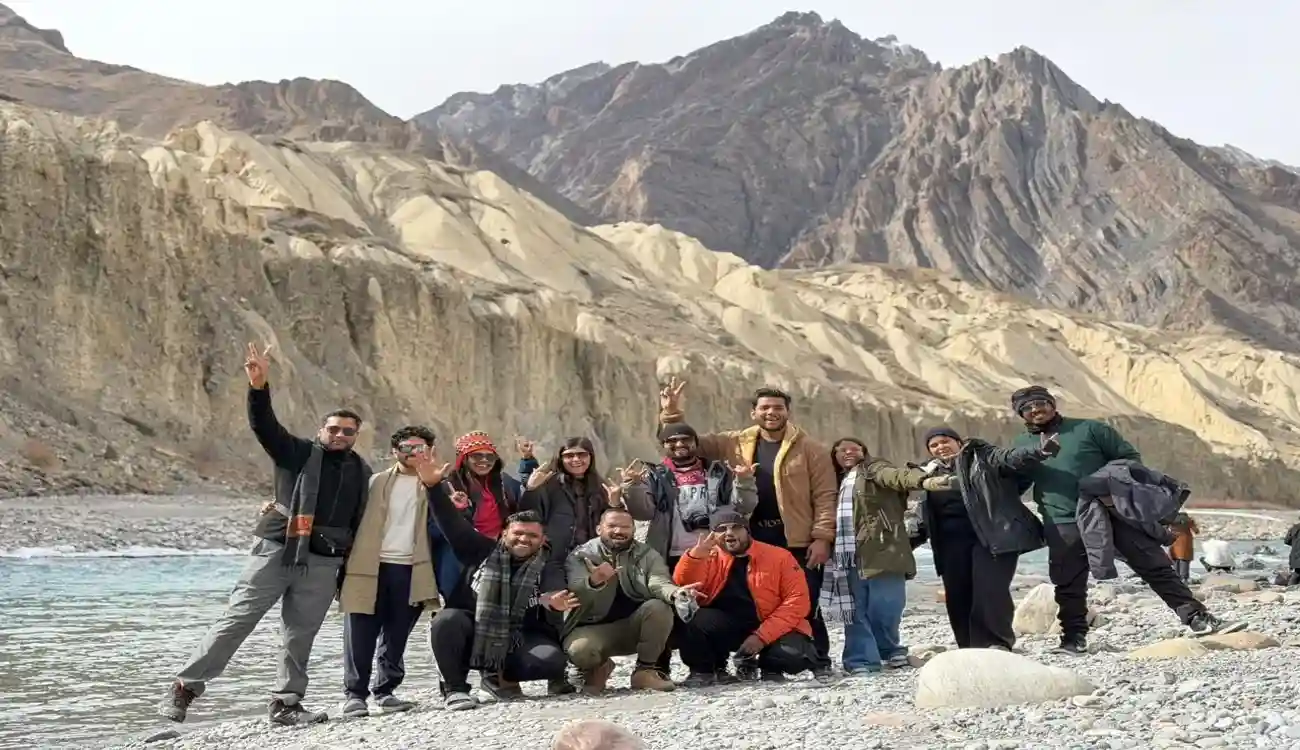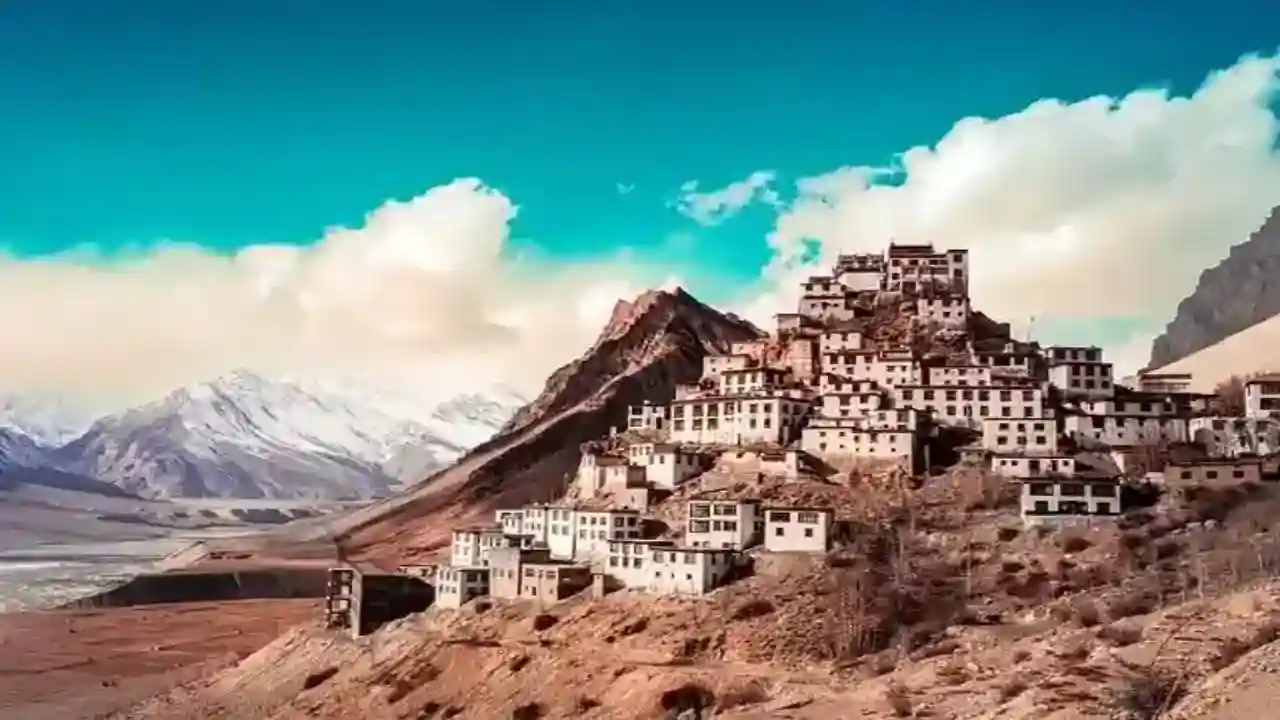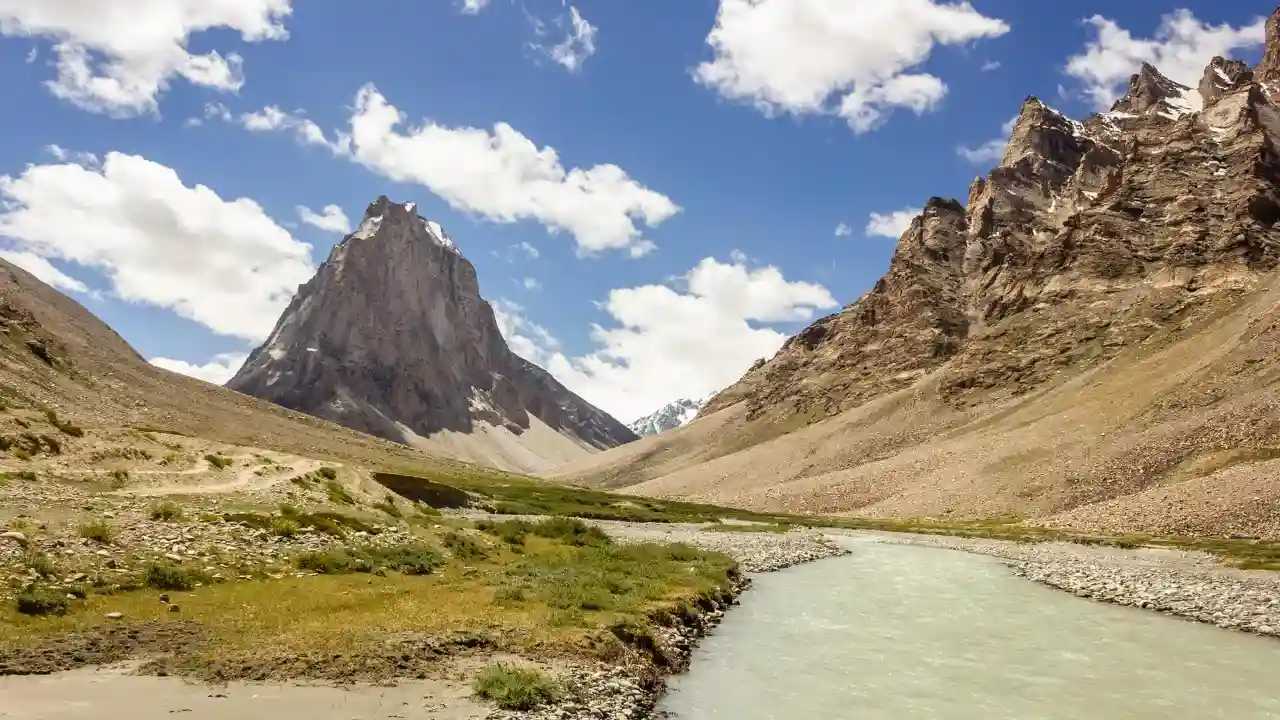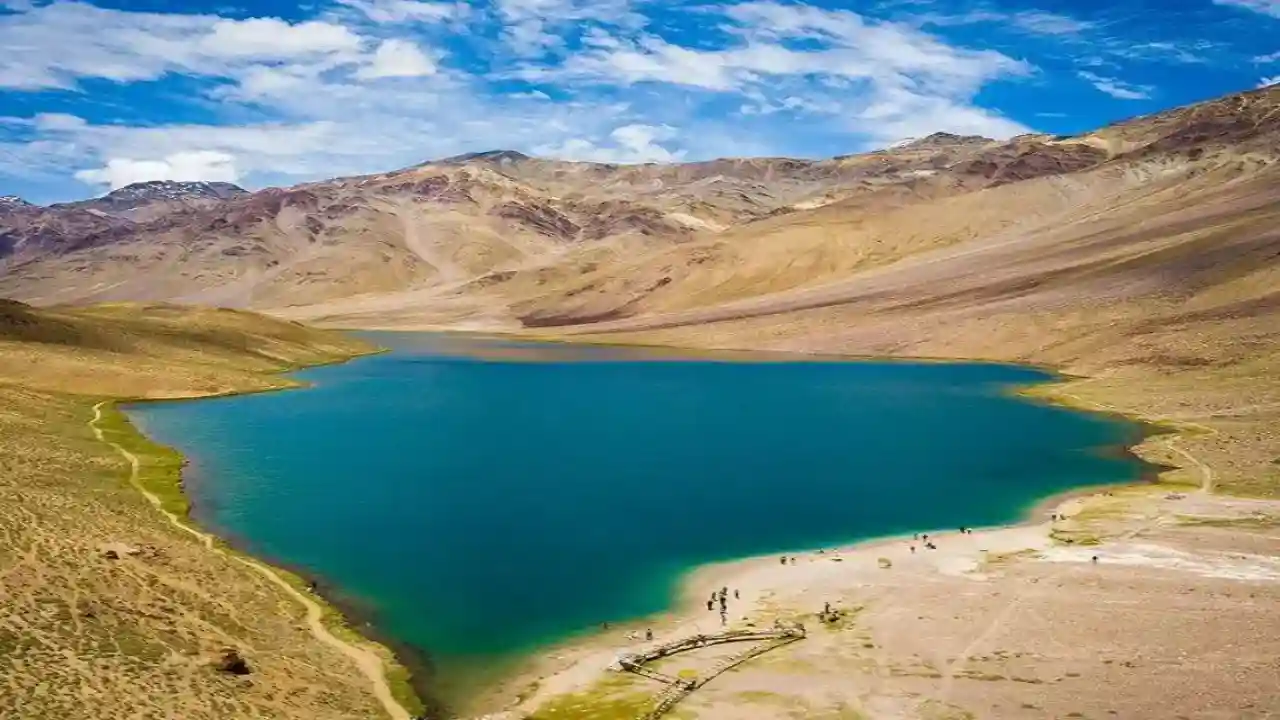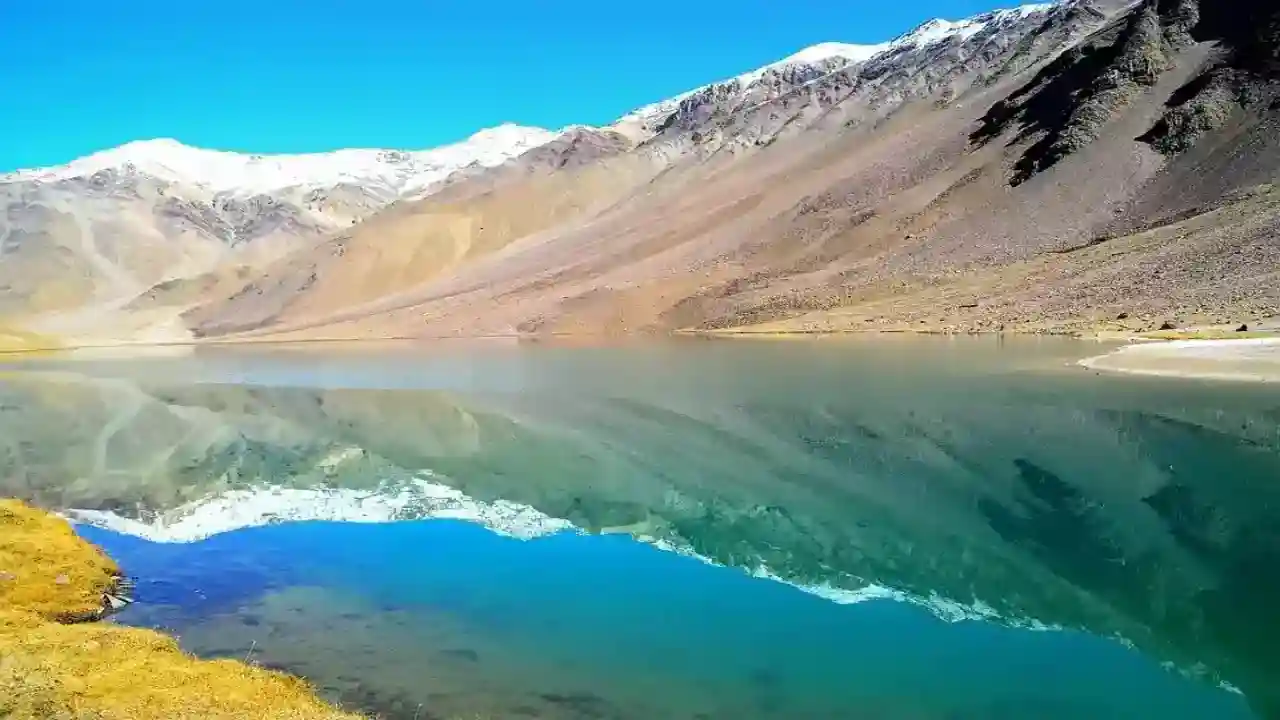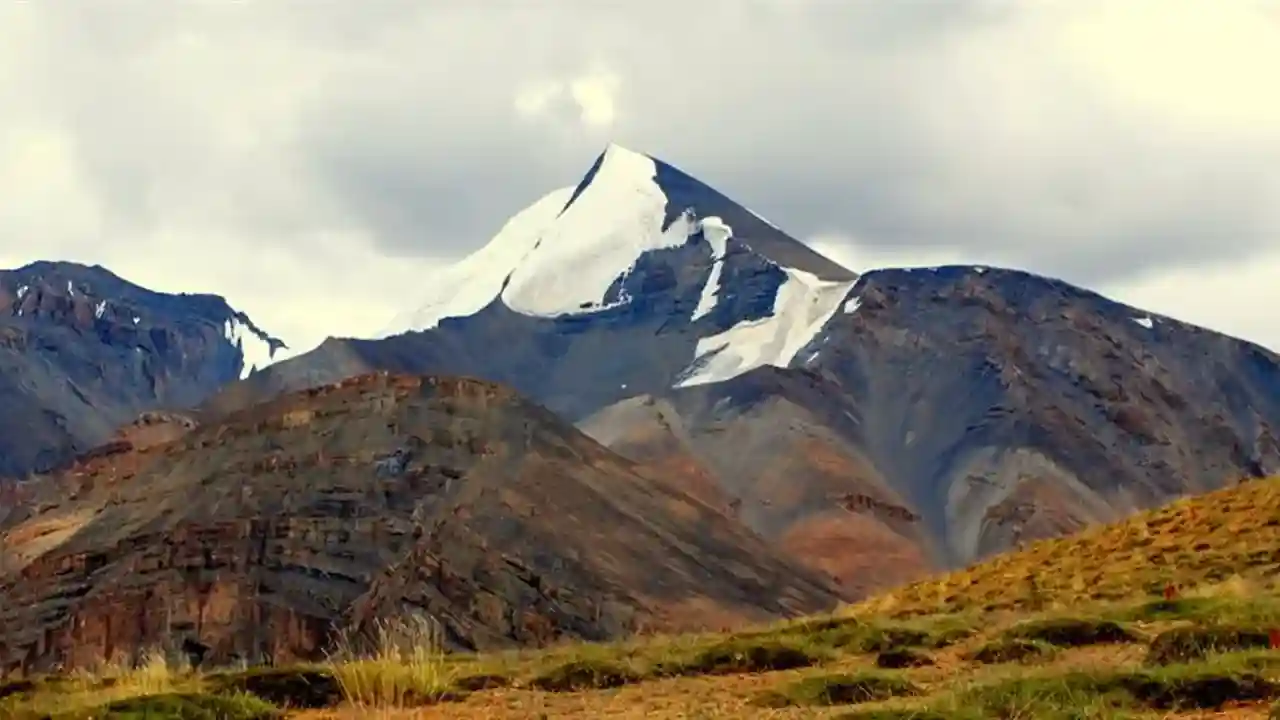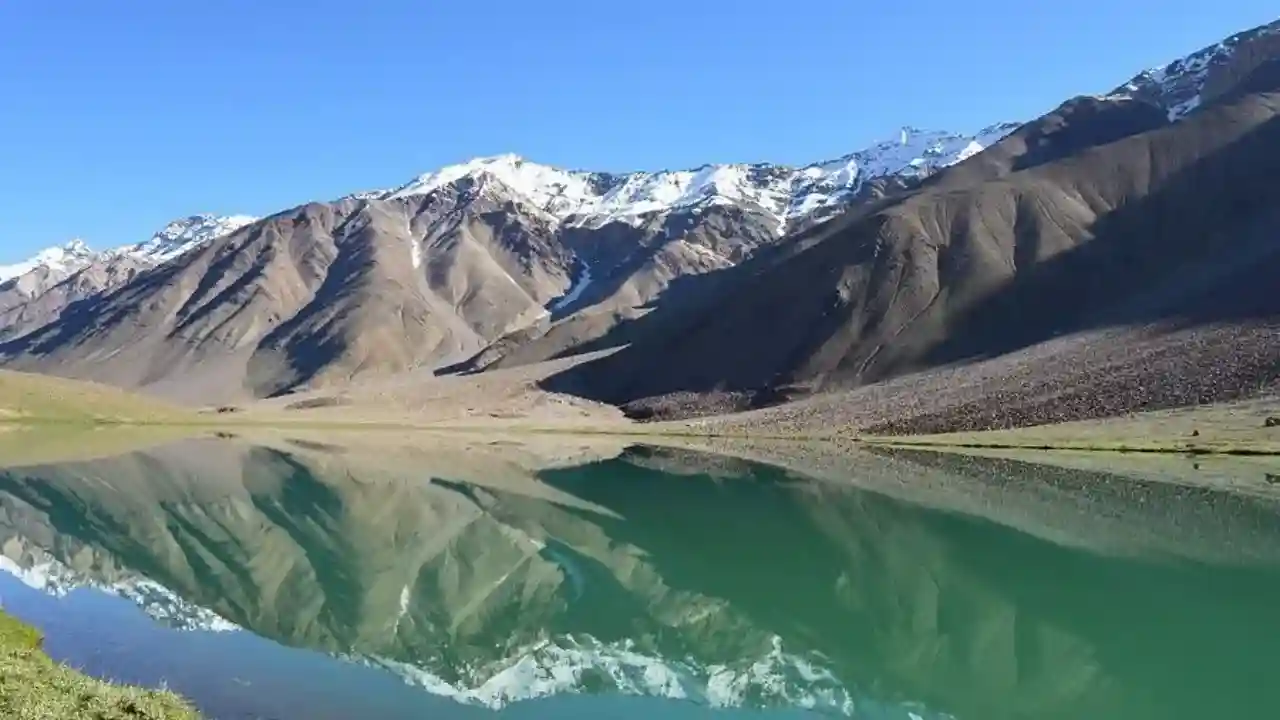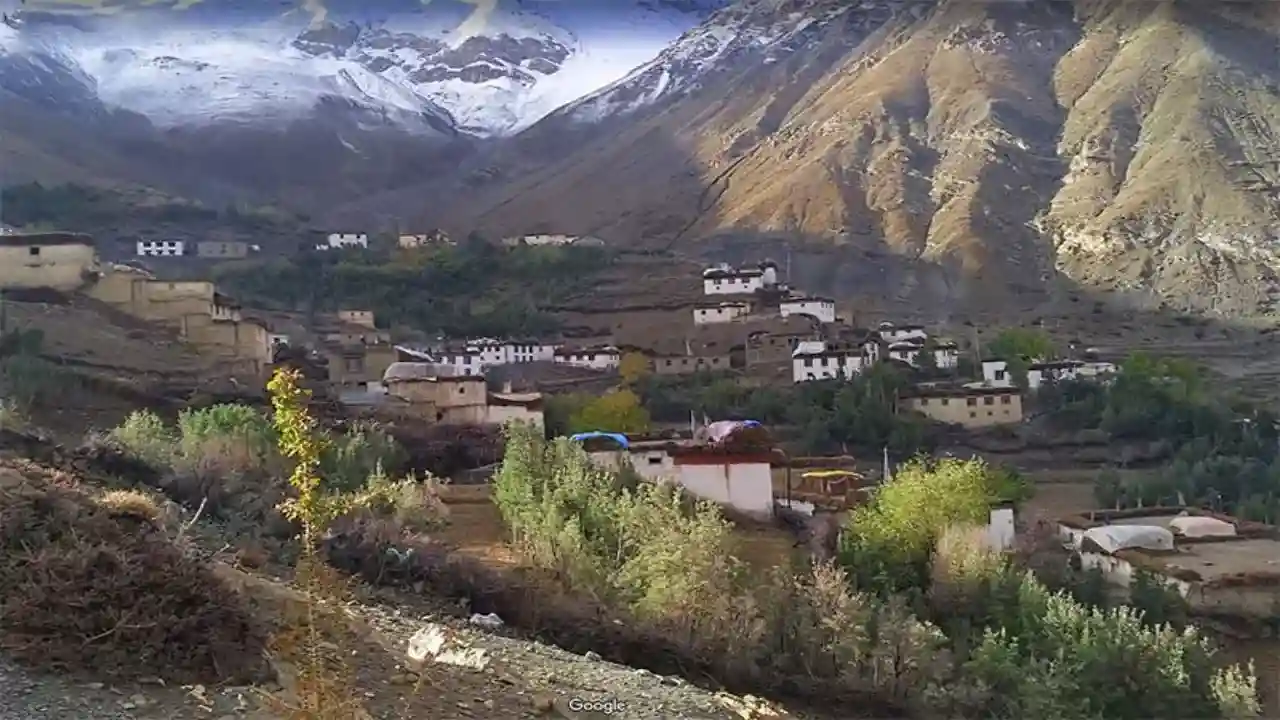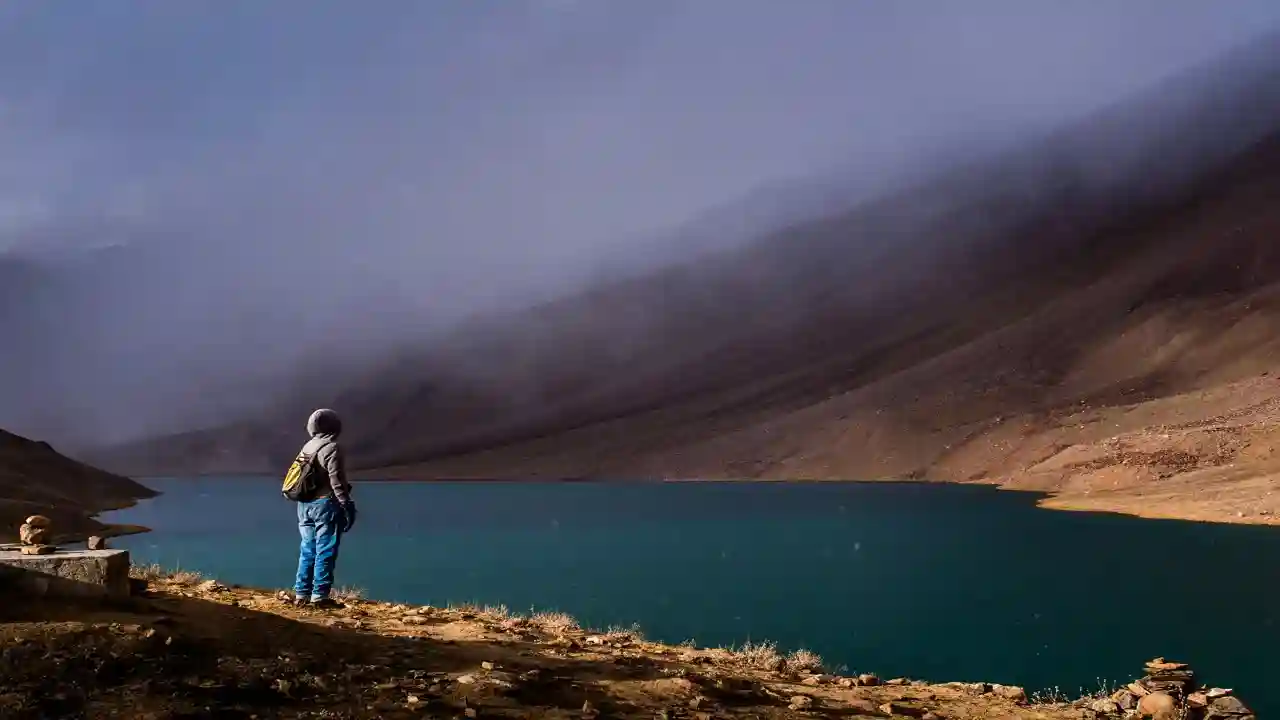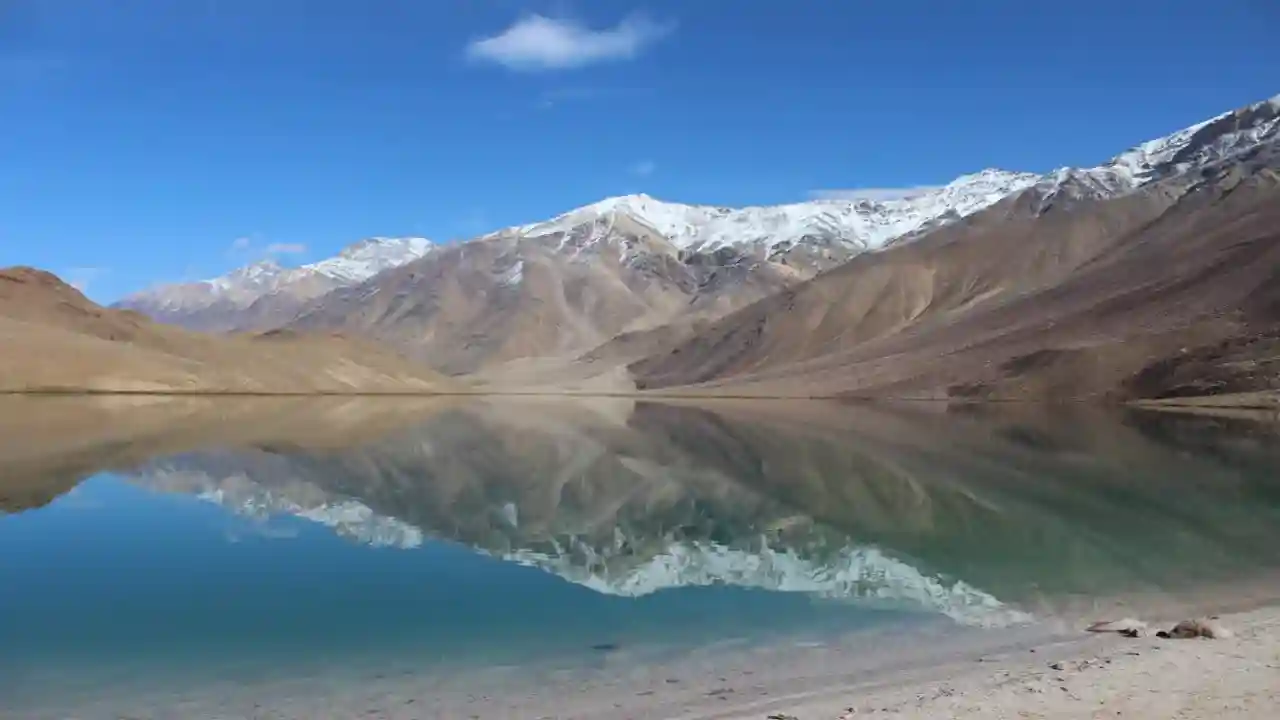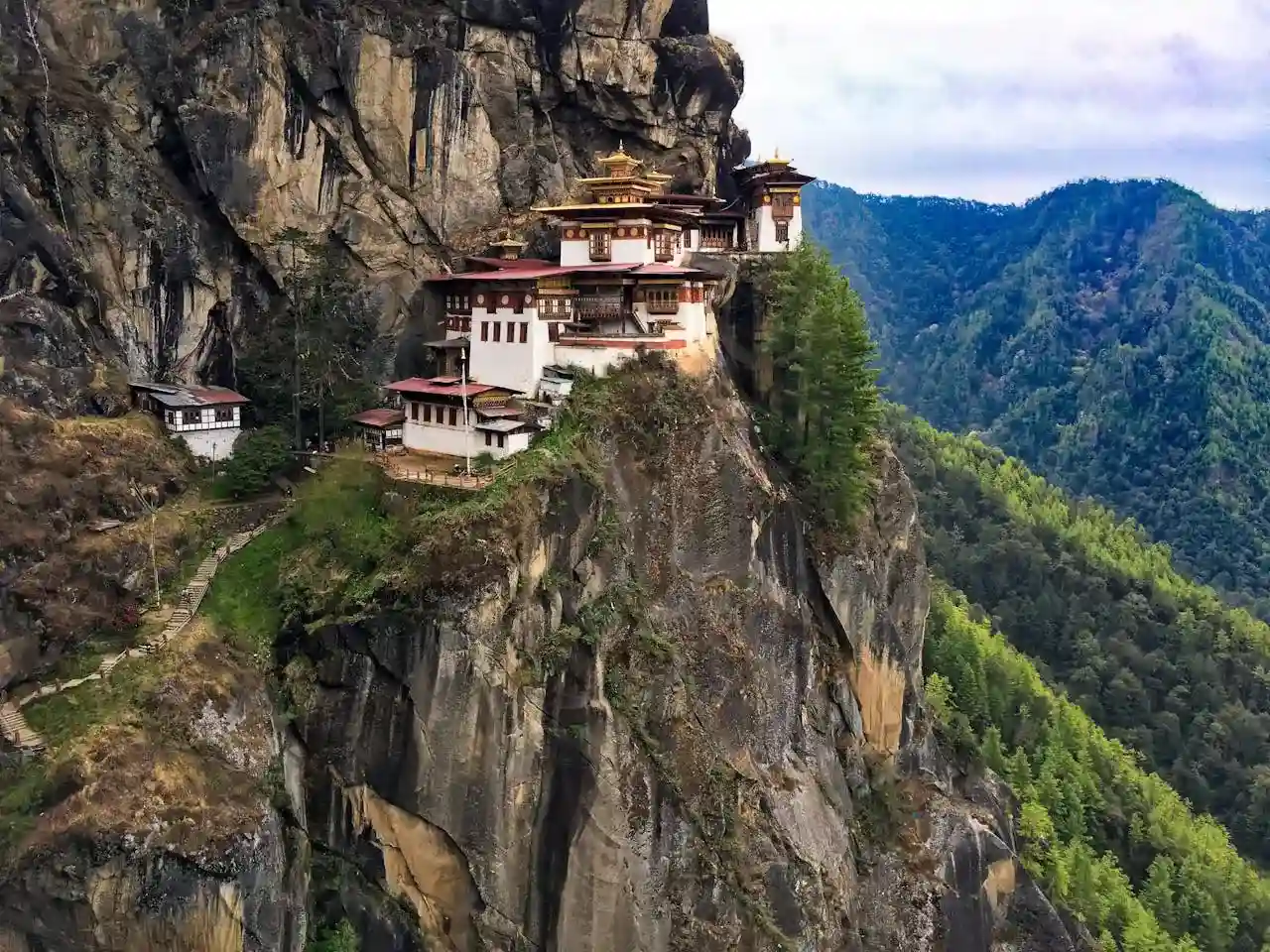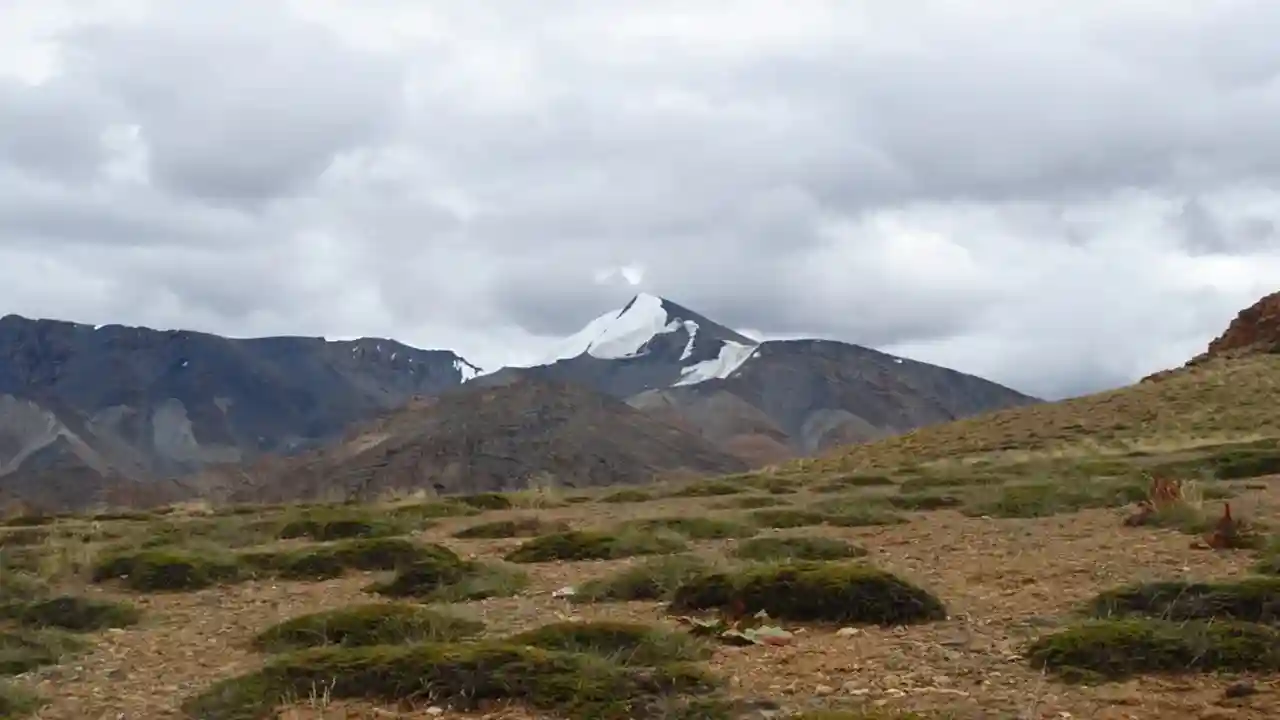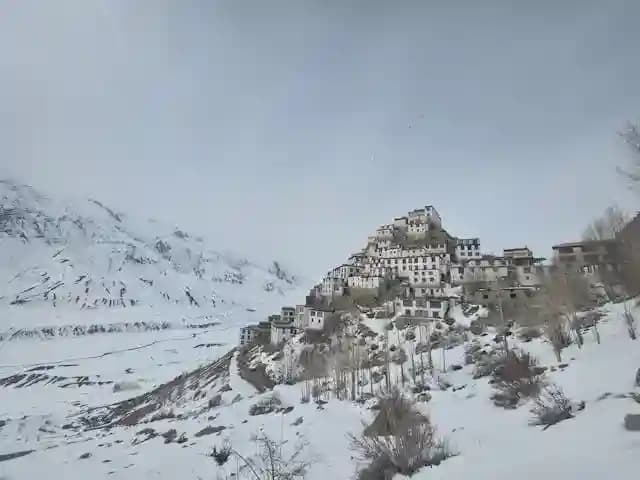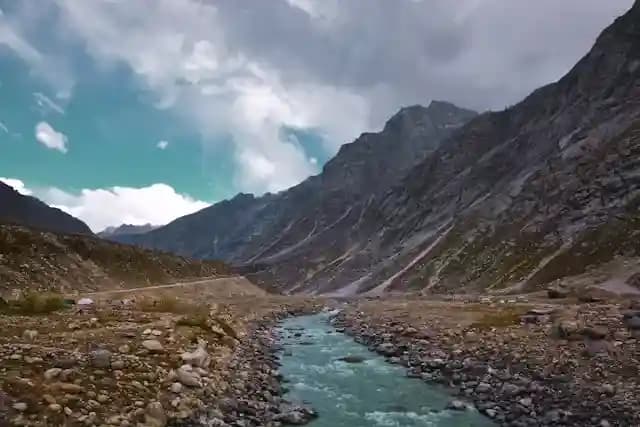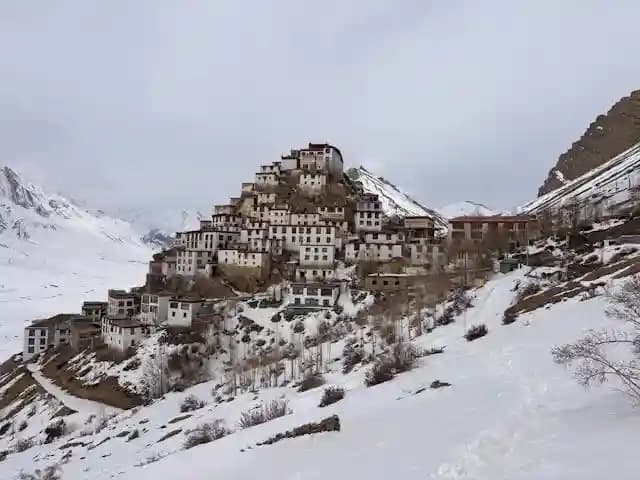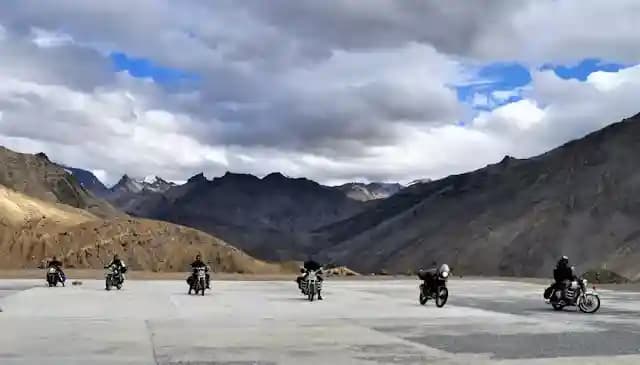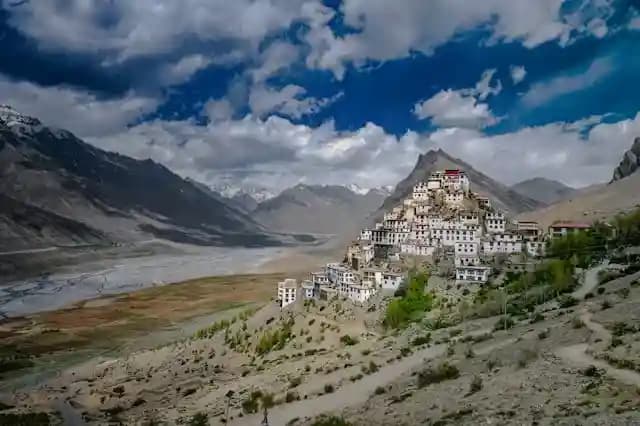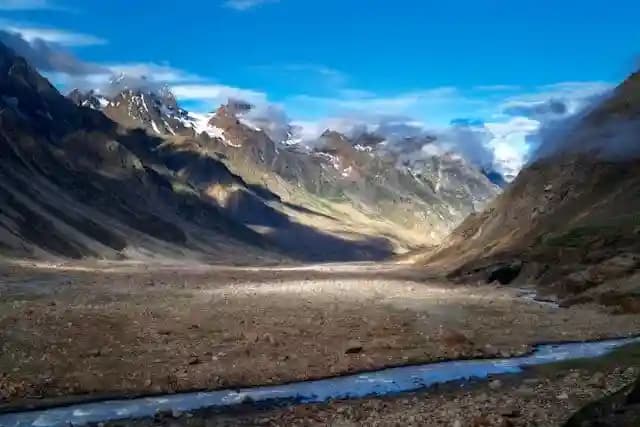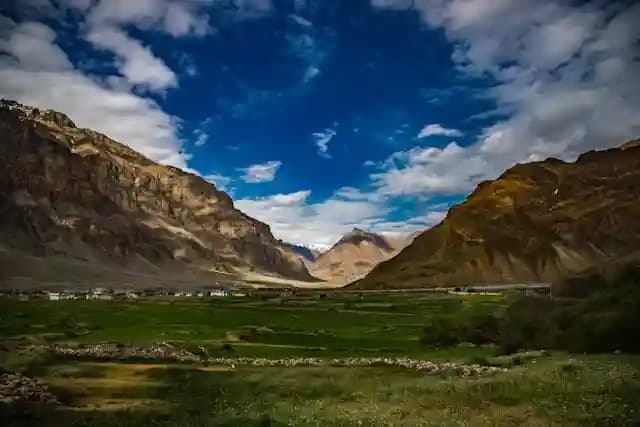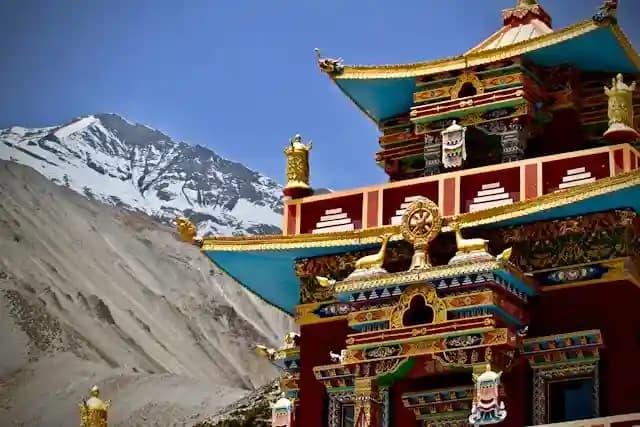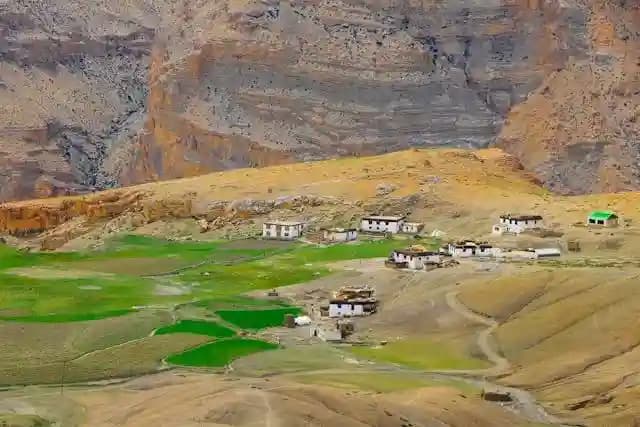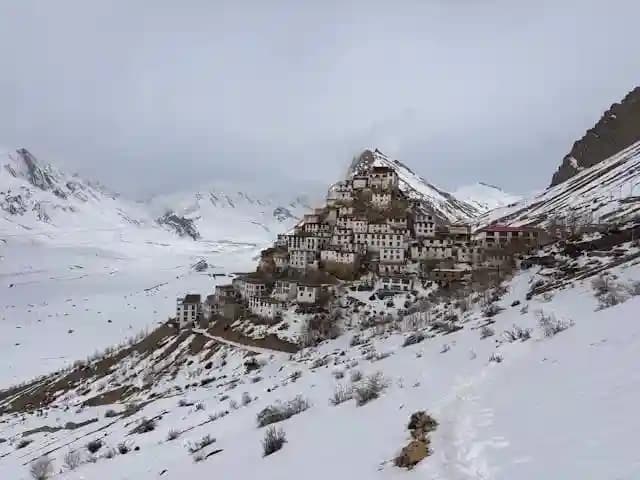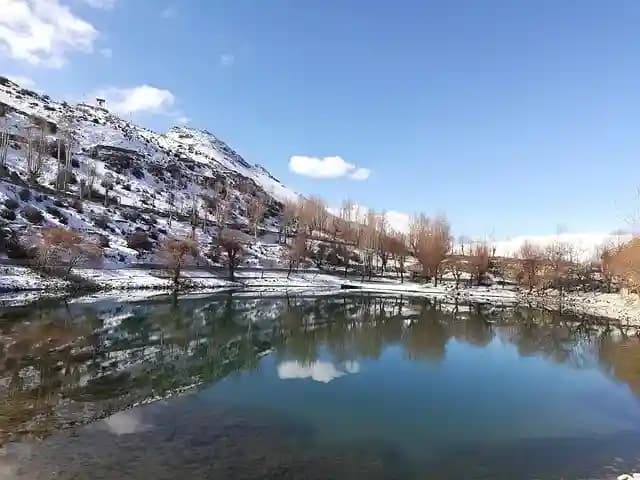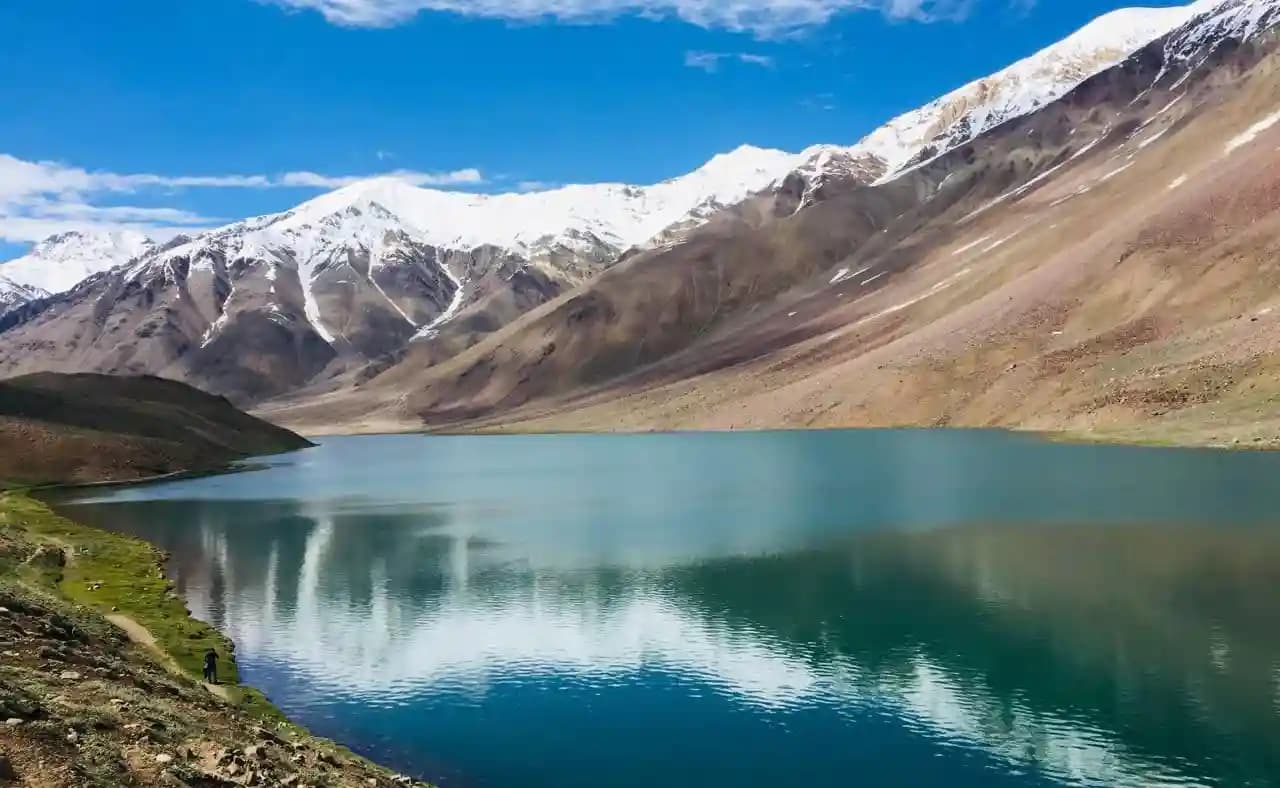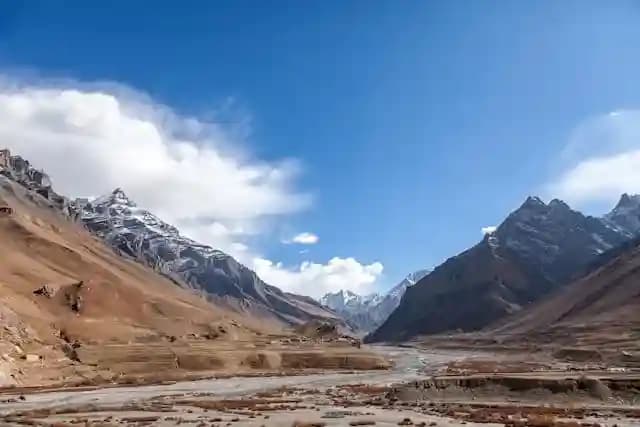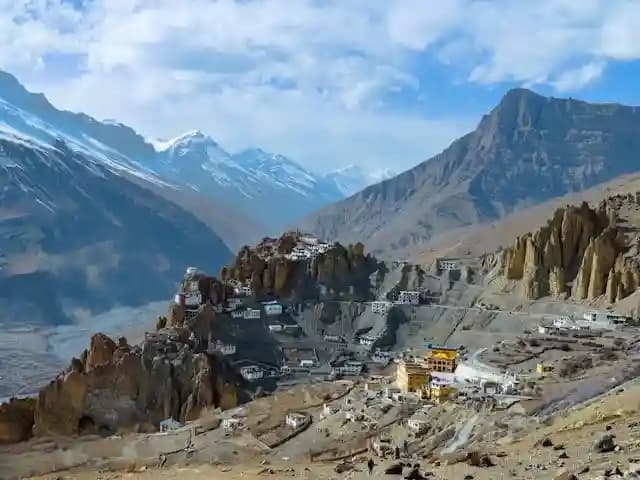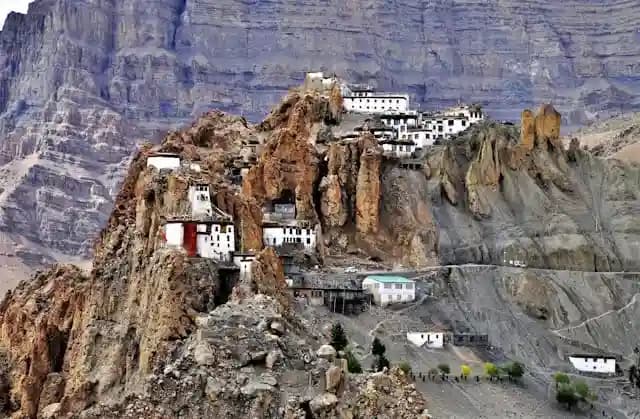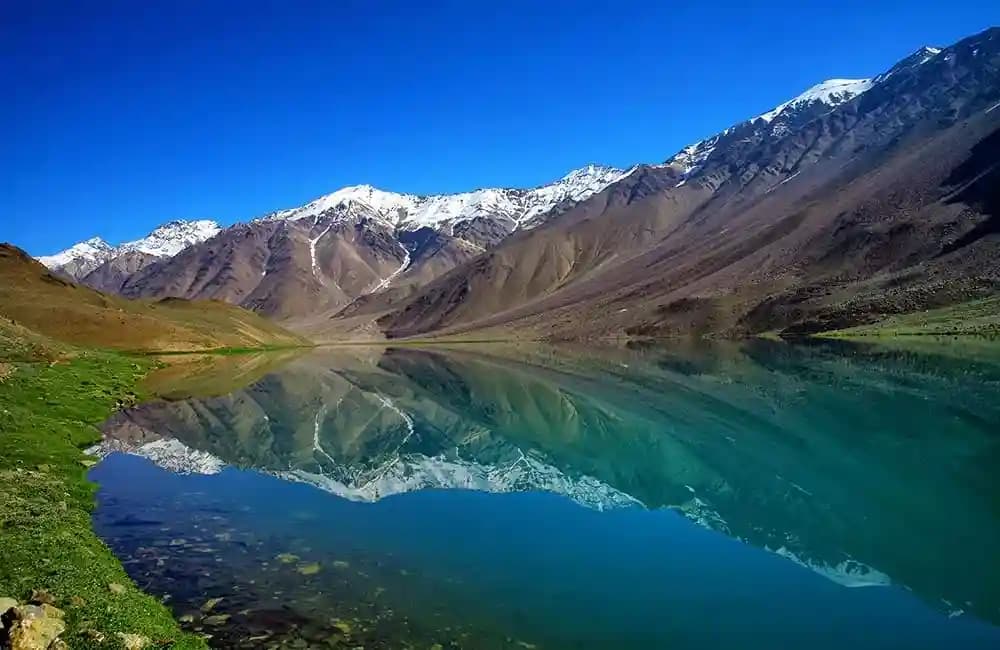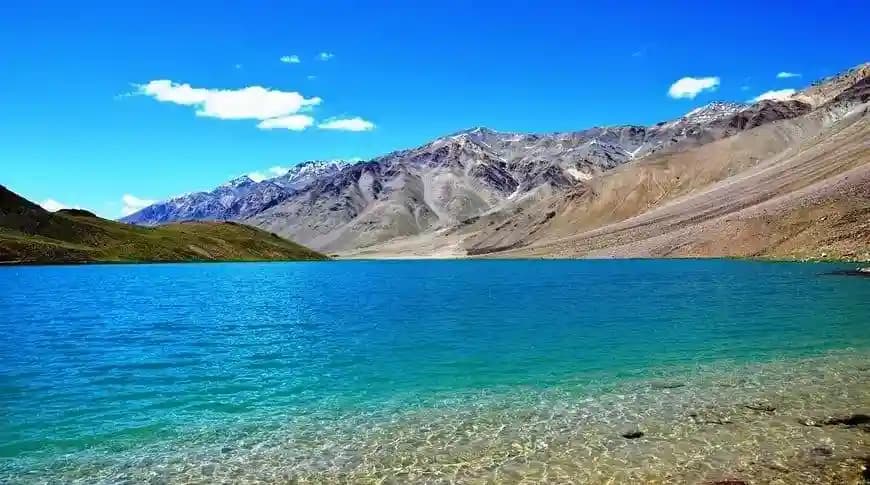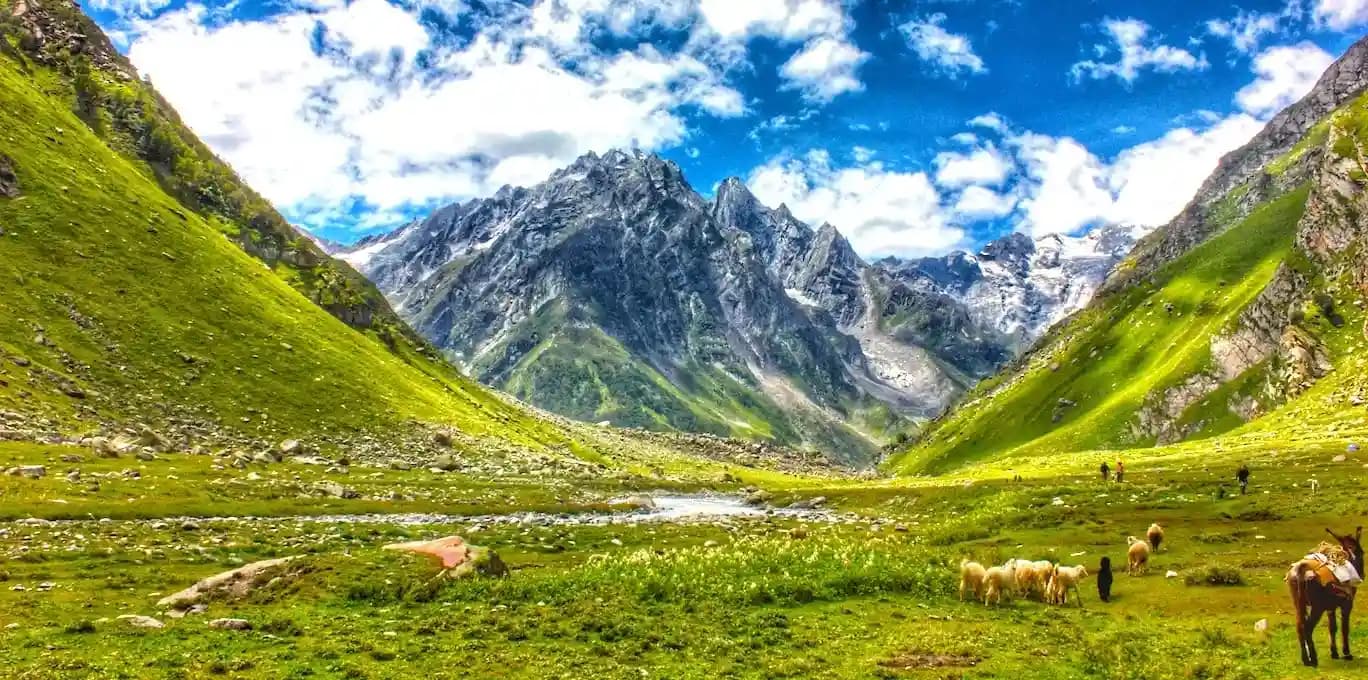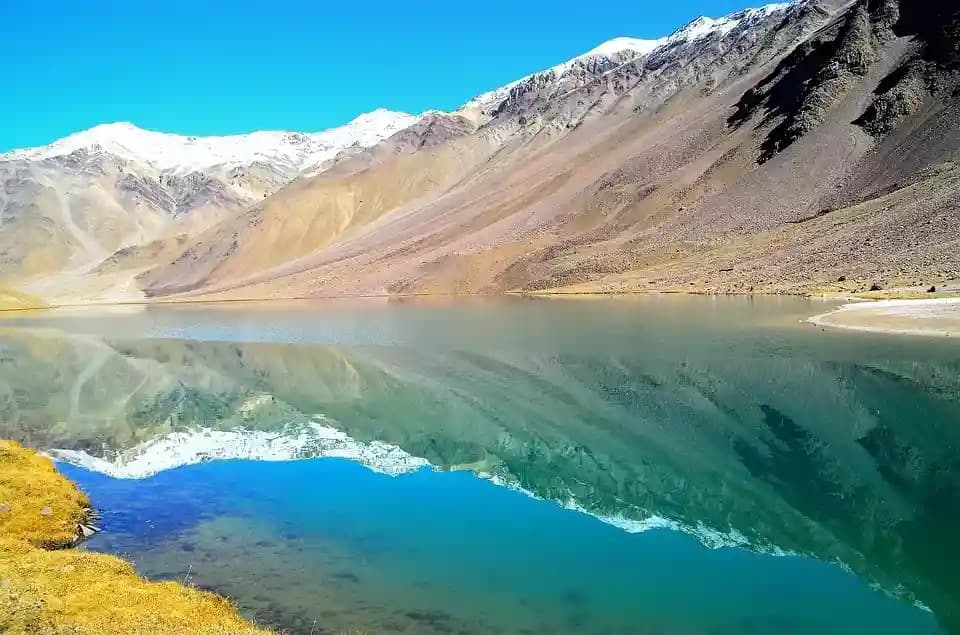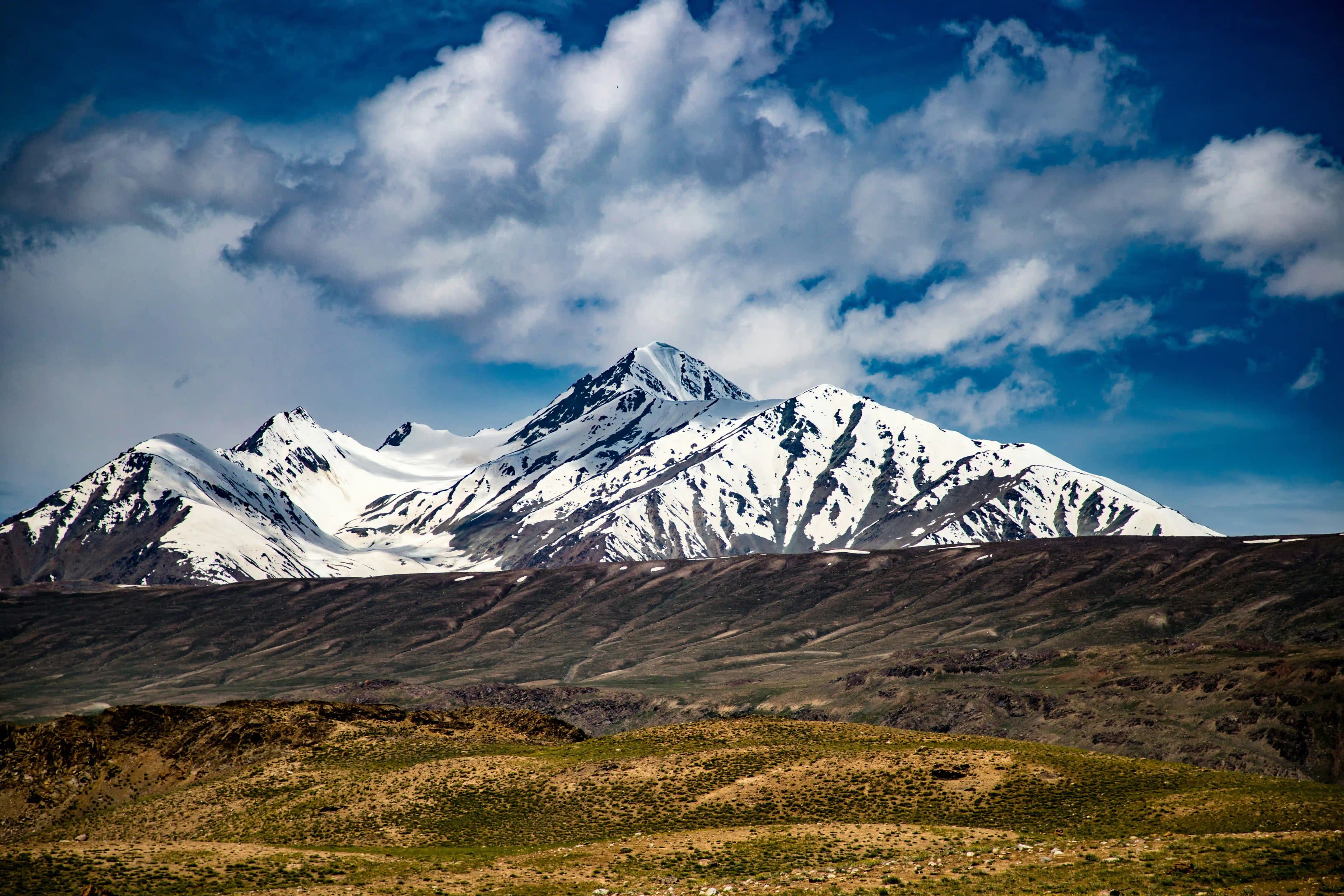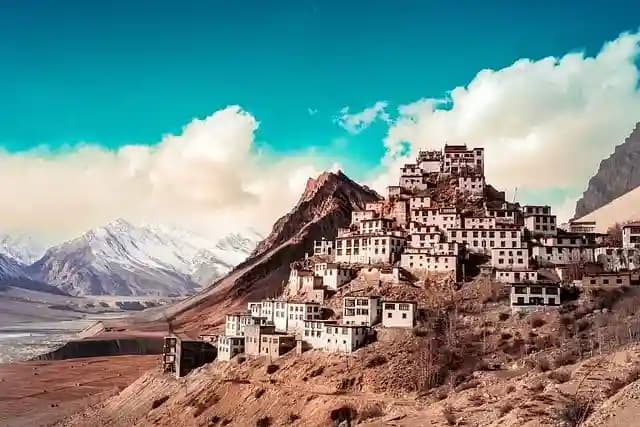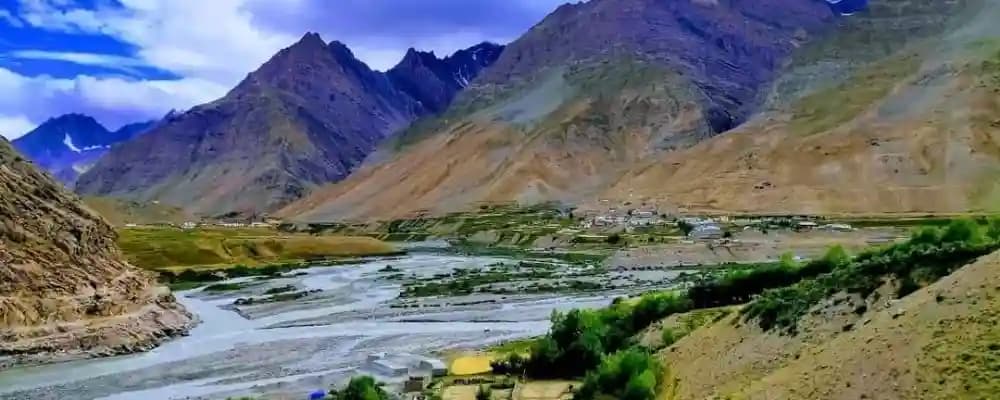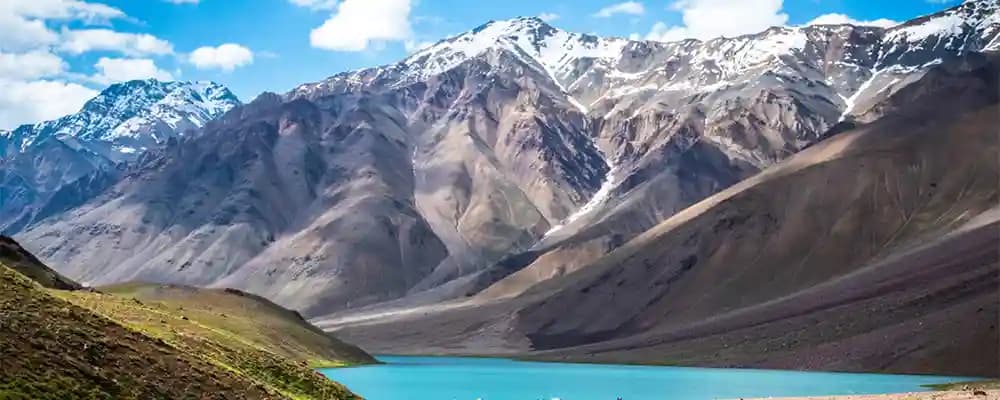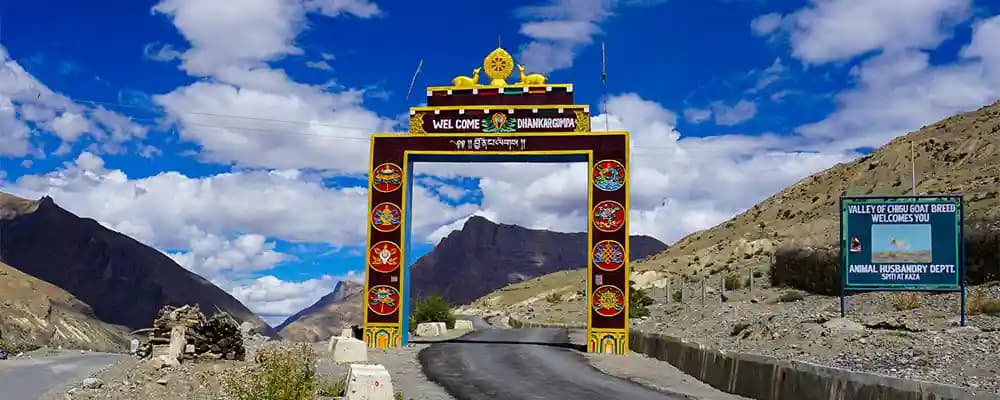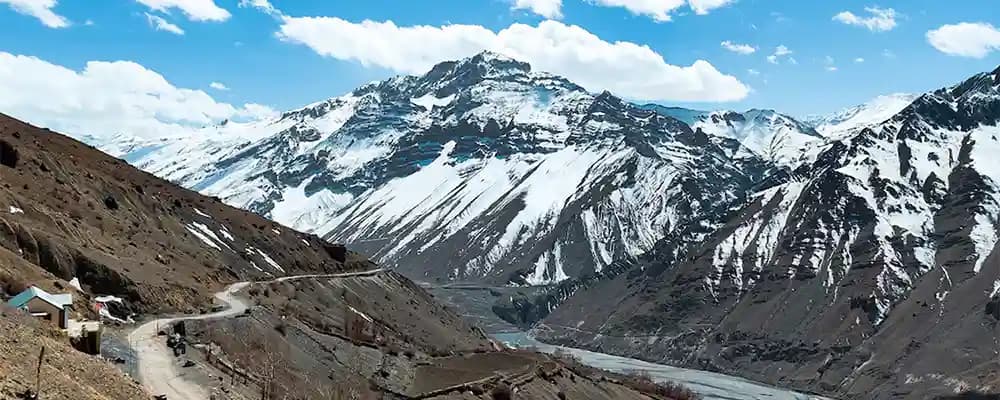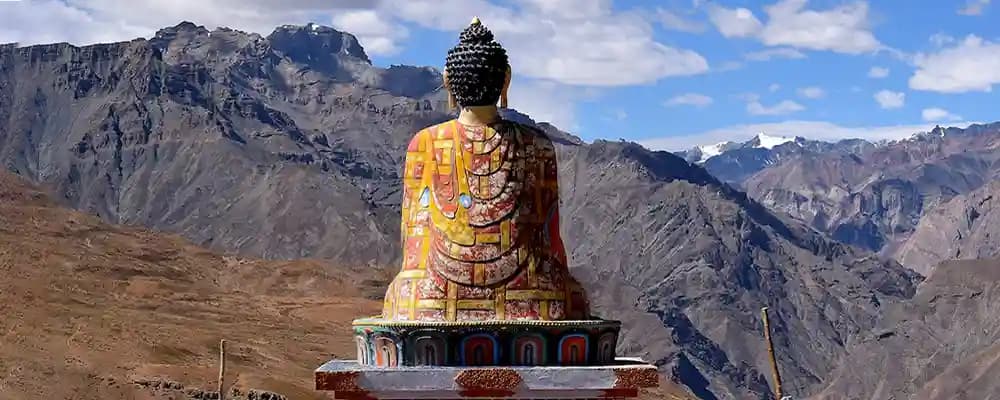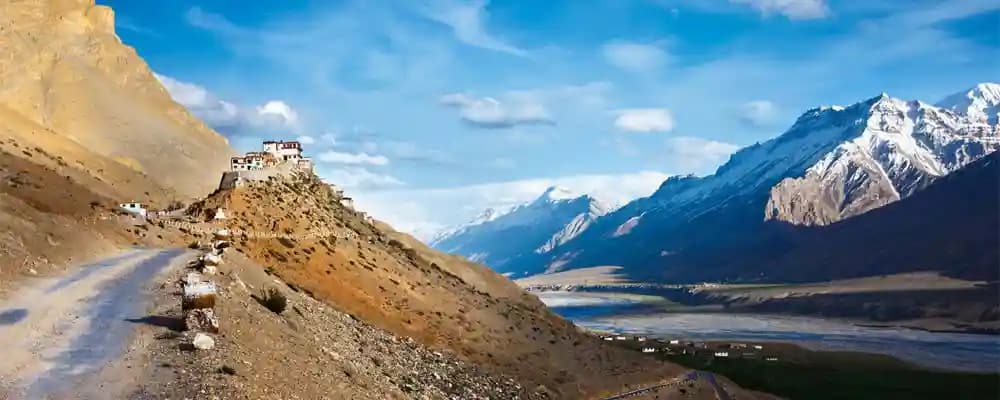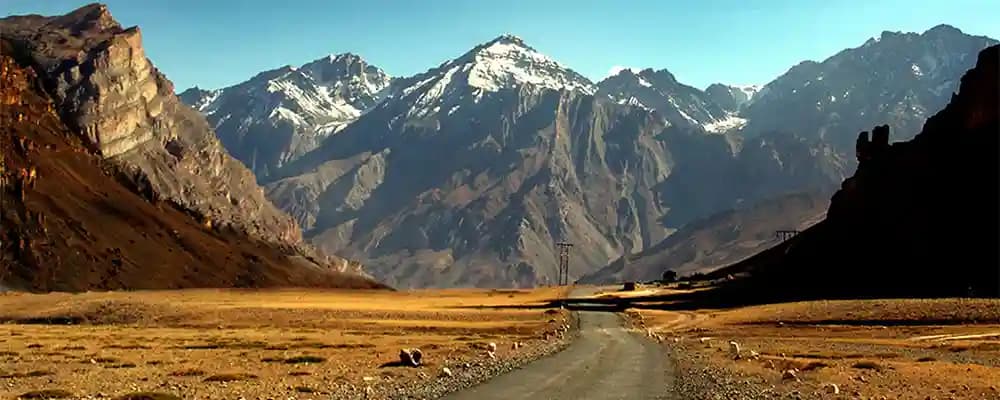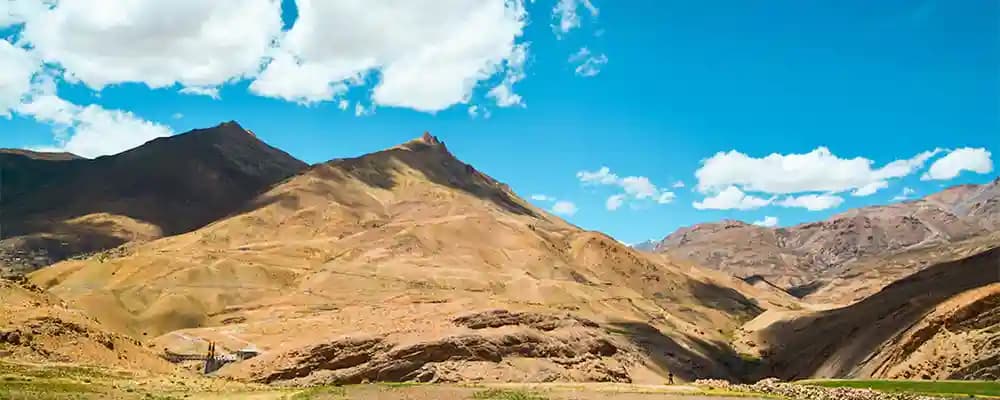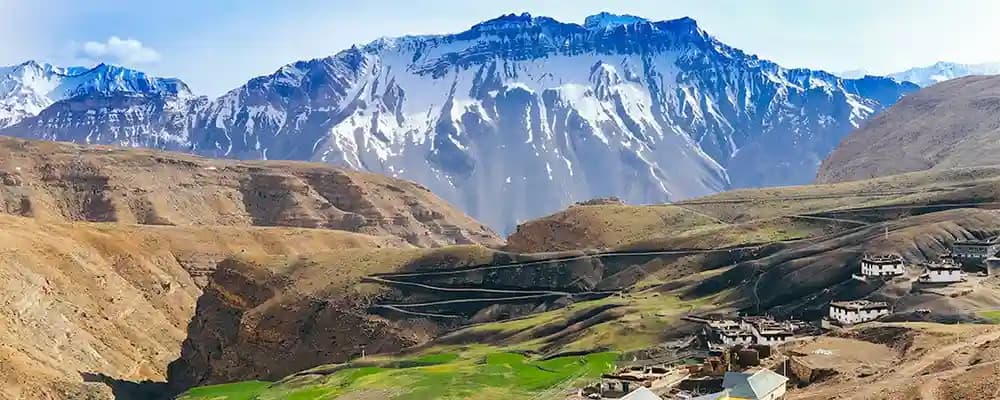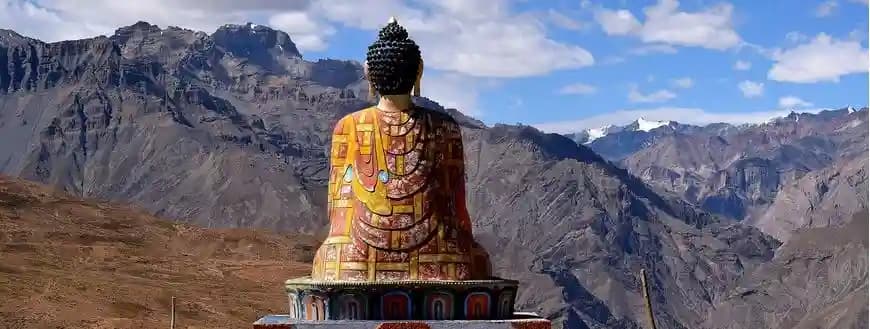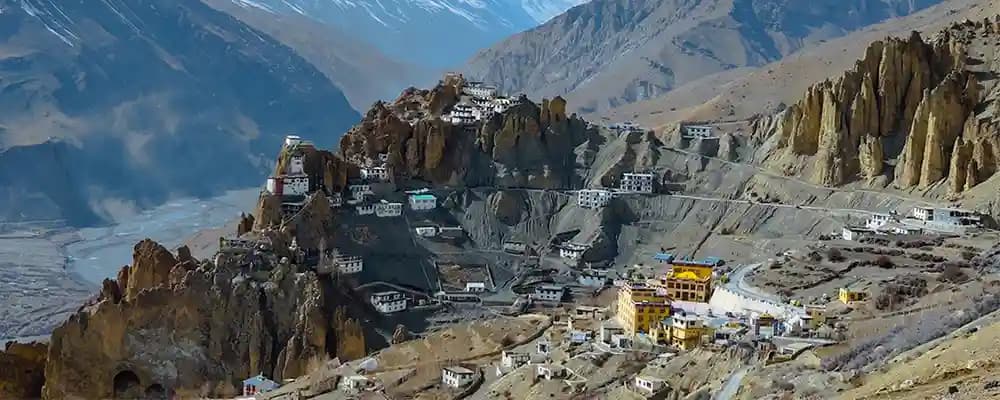
Spiti Valley attracts people who crave silence, open spaces, and real mountain life. The quiet roads, small villages, and slow days give you space to think and relax. Solo travel here feels very different. You go when you want, stop to look at something interesting, and notice small things. Like morning light on mountains or tea with locals. That's exactly why solo travellers keep choosing Spiti.
Then the real questions come up. How cold will it actually get? What happens when your phone has no signal for days? Is help available if something goes wrong? That's when the main question hits. Is Spiti Valley safe for solo travellers? Some people plan every detail themselves. Others go with Spiti tour for smoother logistics and backup support. This guide gives straight facts on solo safety, so you book your trip feeling sure and excited.
What Spiti Valley Is Really Like for Travellers
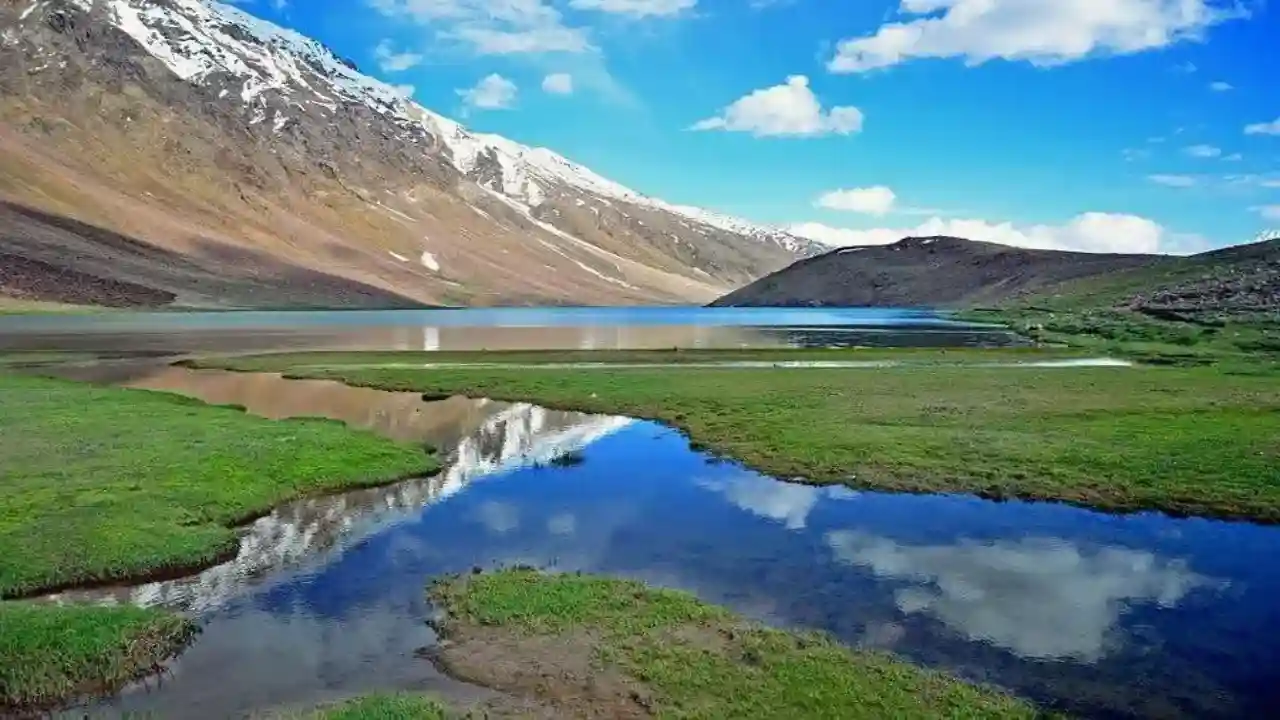
Before talking about safety, it helps to know what daily life in Spiti actually looks like. The valley has its own pace, and understanding these basics makes solo travel much easier.
High Altitude and How Your Body Feels
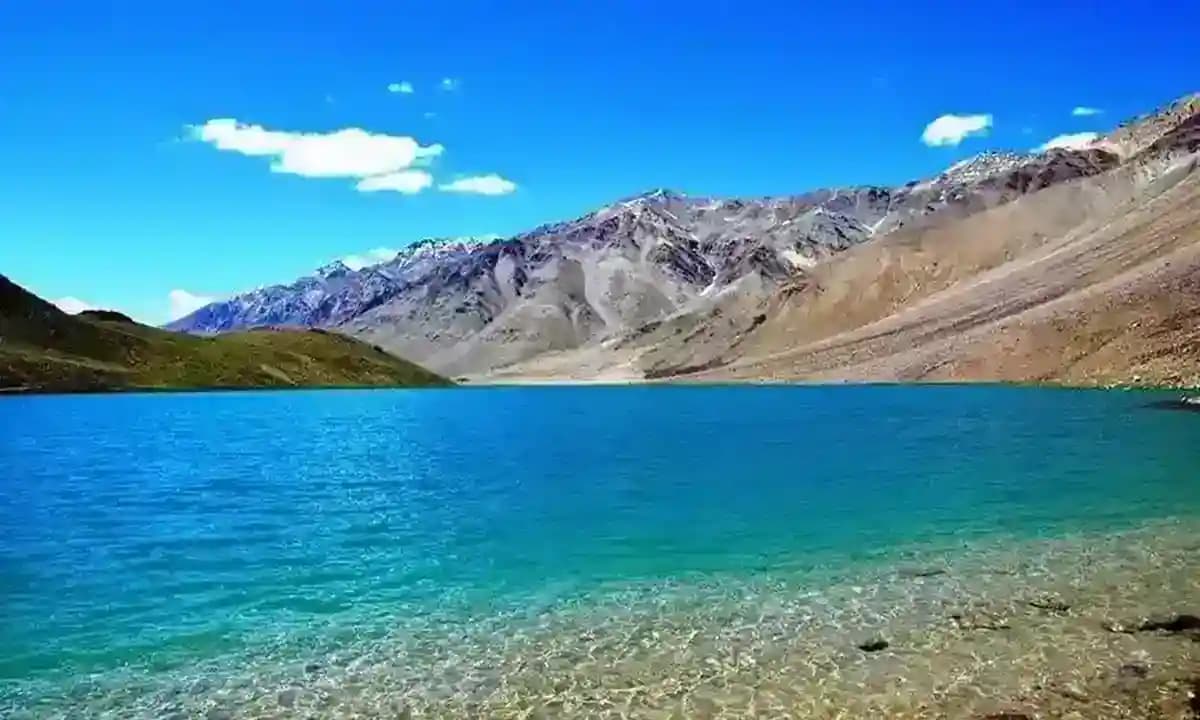
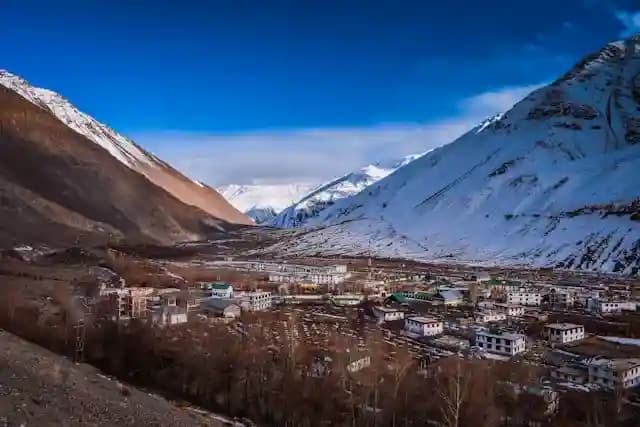
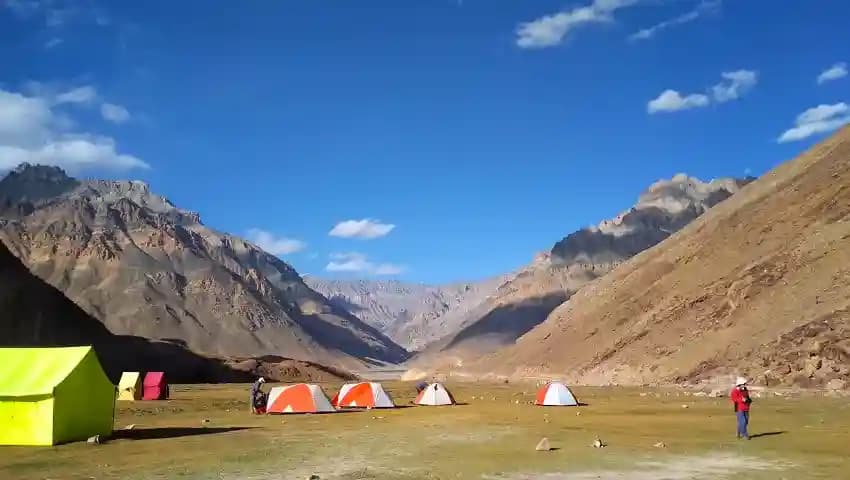
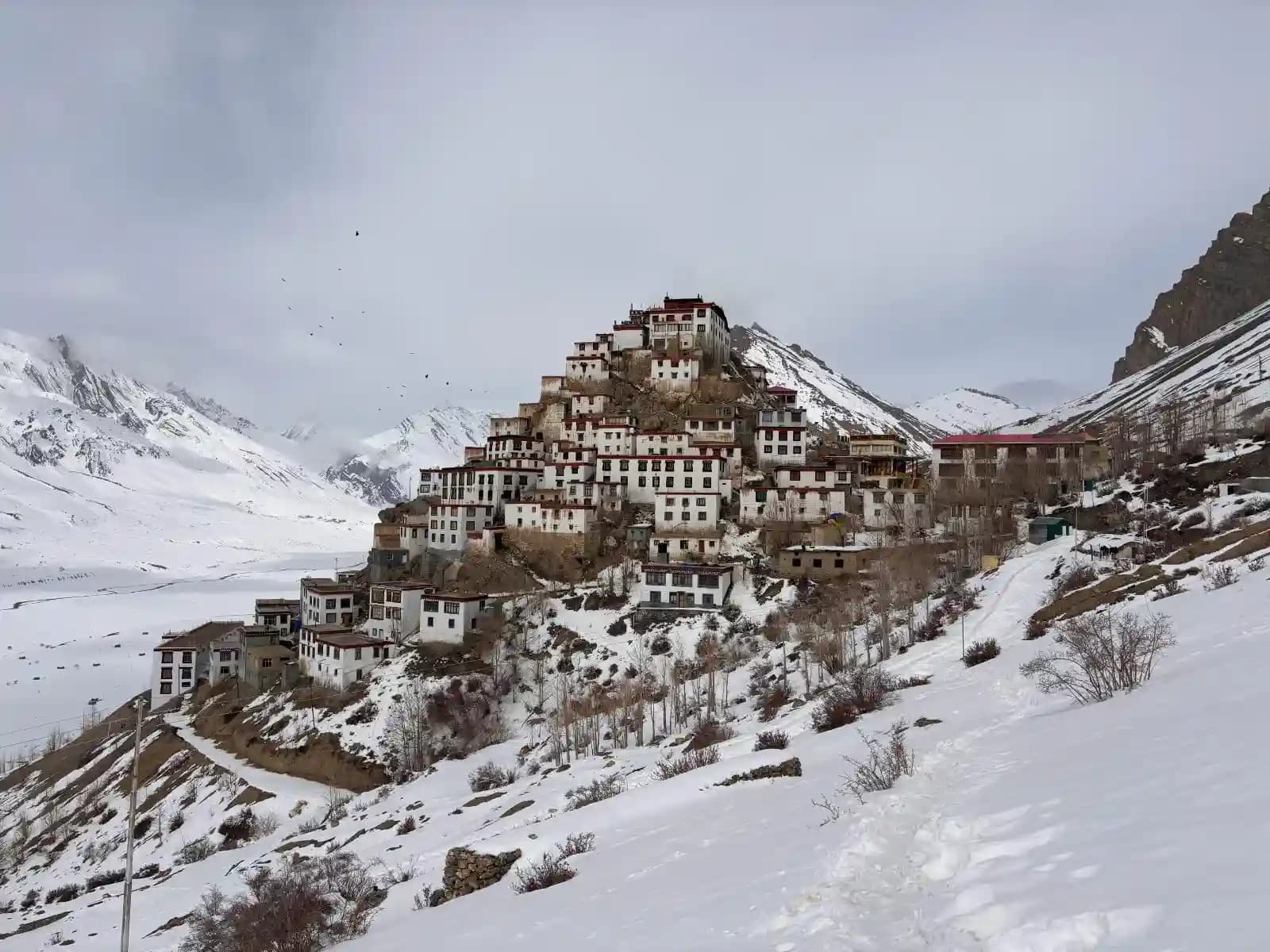
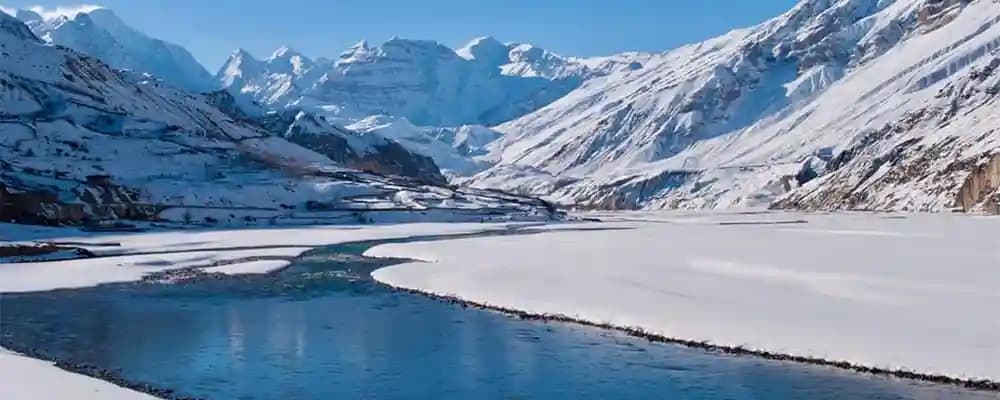
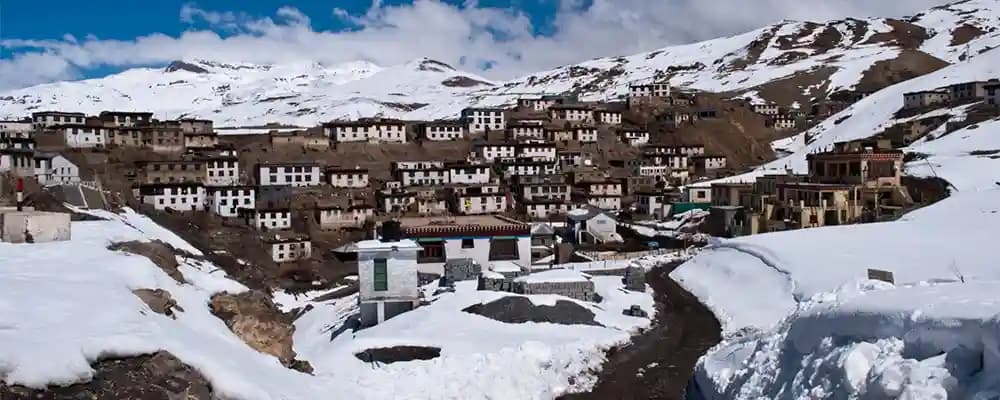
Spiti Valley is a high-altitude cold desert. Most villages sit above 3,500 metres, which means there's less oxygen in the air. Many first-time visitors feel tired, lightheaded, or short of breath. This is completely normal and nothing to worry about. Your body just needs some time to get used to it. Taking rest for the first two days really helps and makes the rest of your trip so much better. When people ask is Spiti Valley safe for solo travellers, altitude is often the first real concern they should think about.
Long Distances and Slow Travel
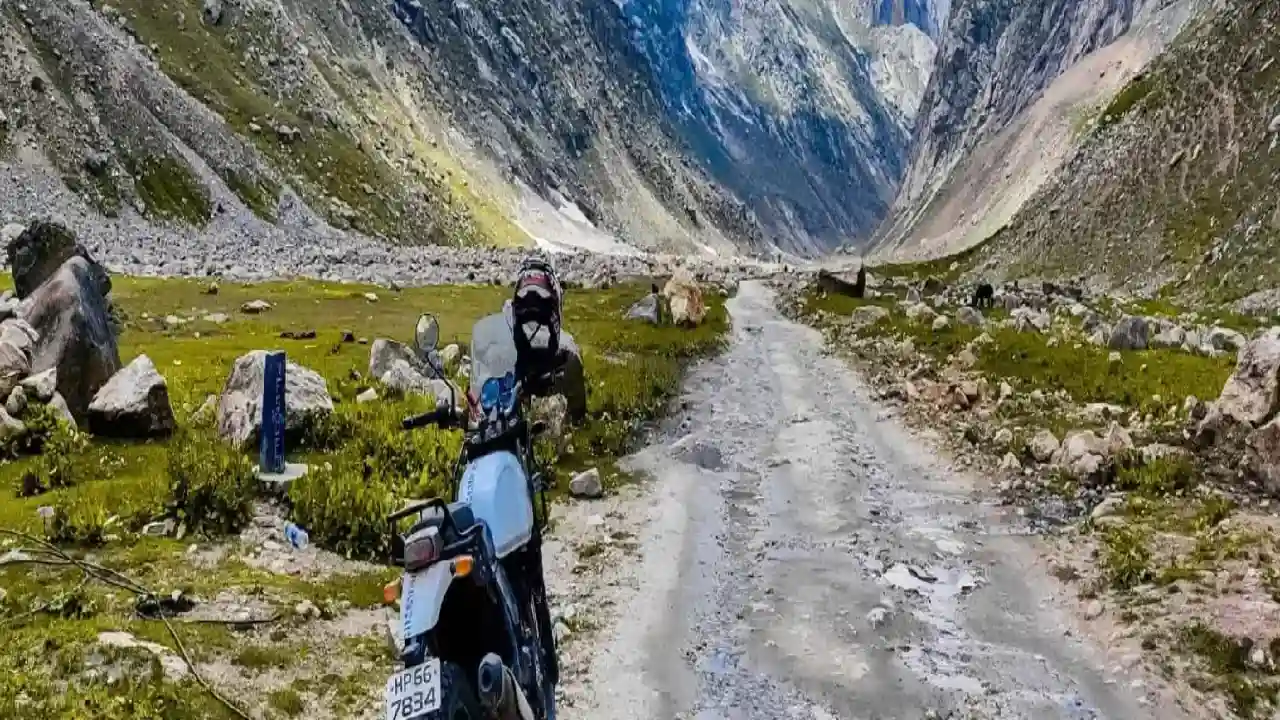
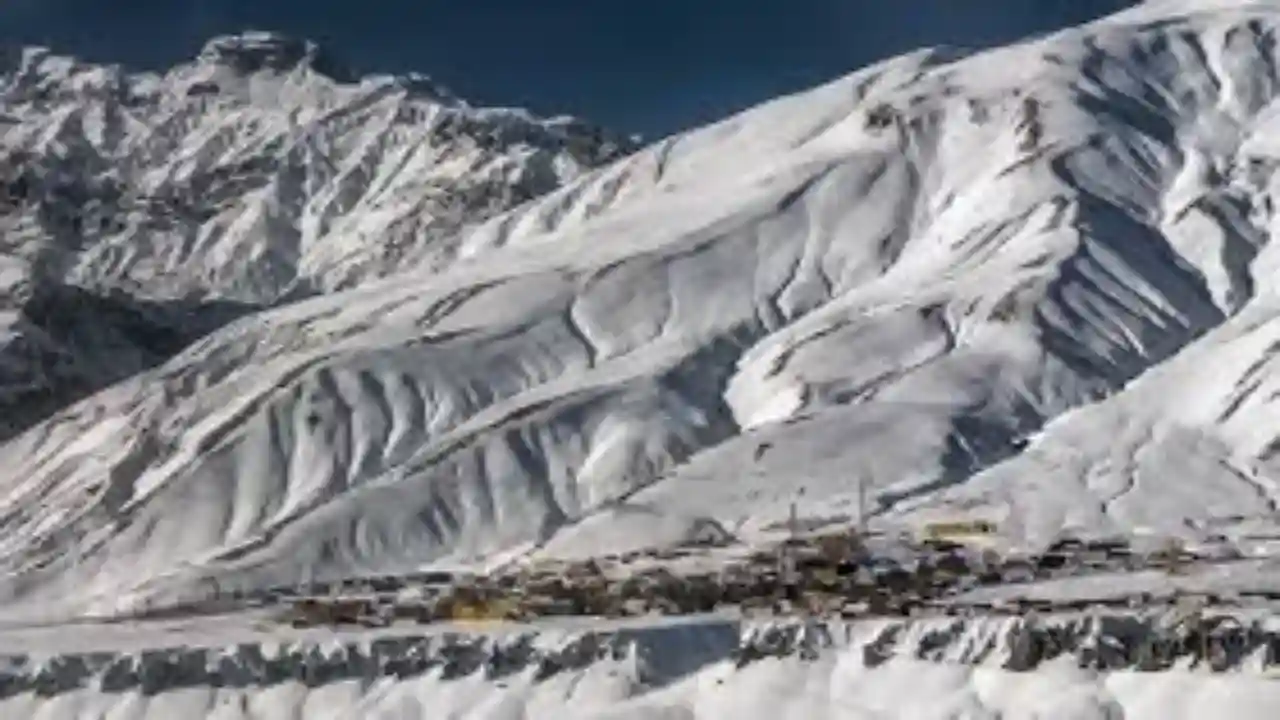
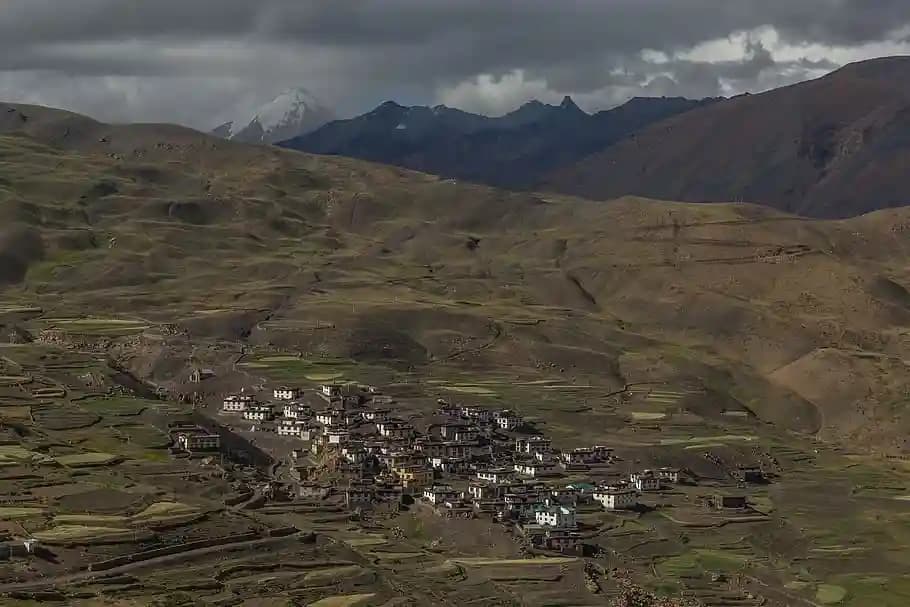
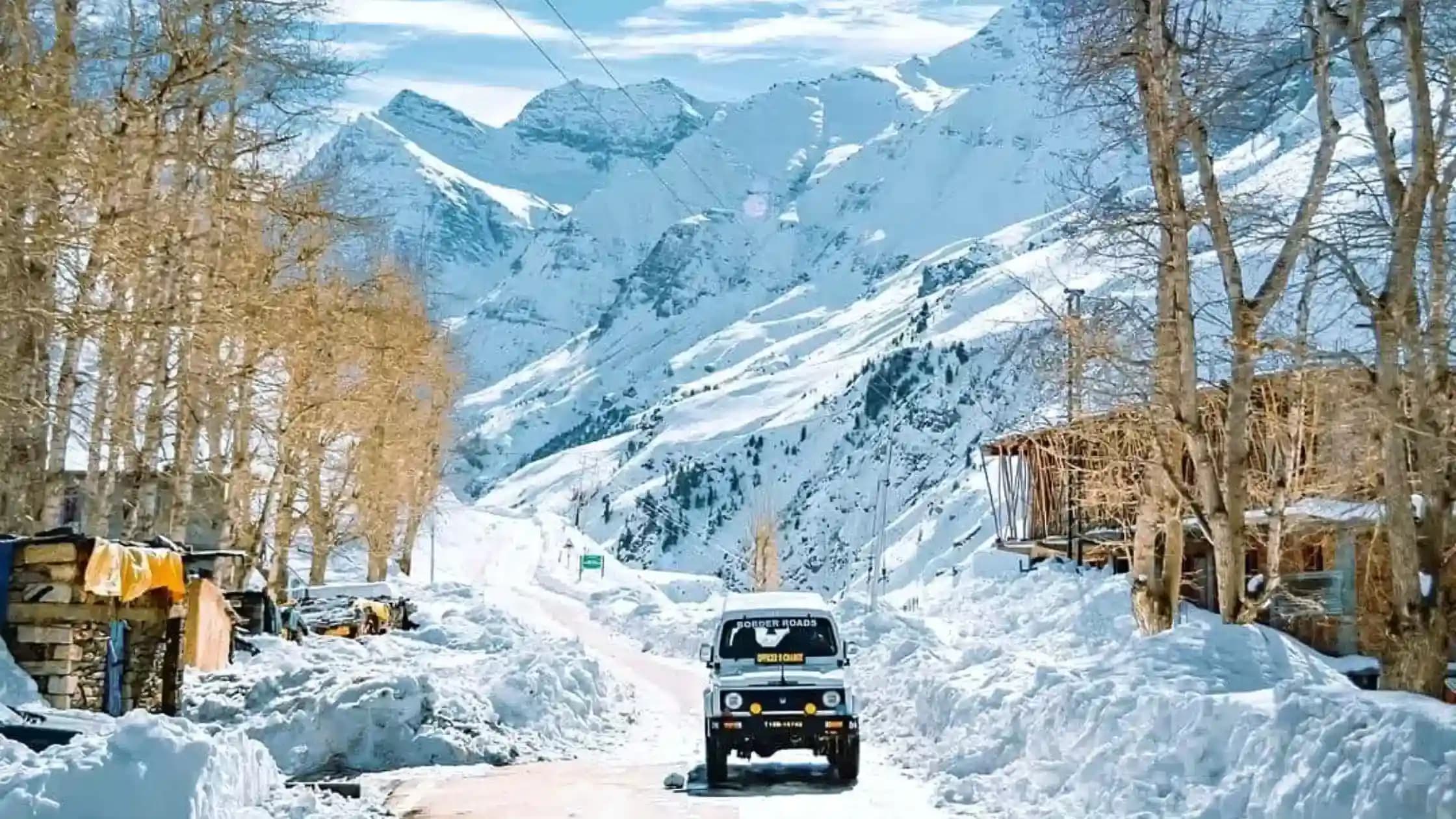
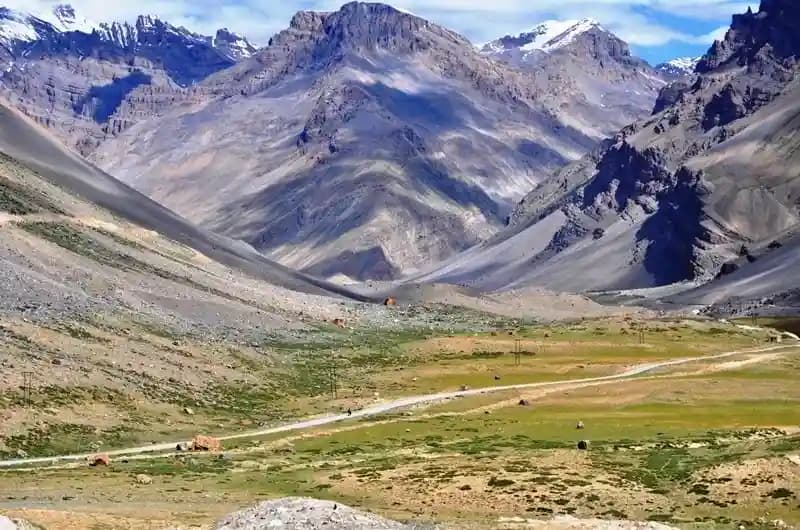
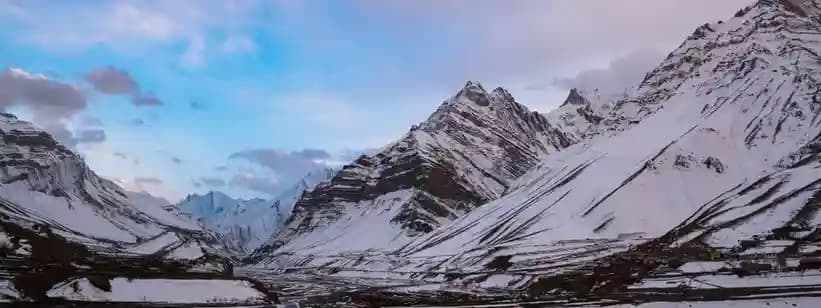
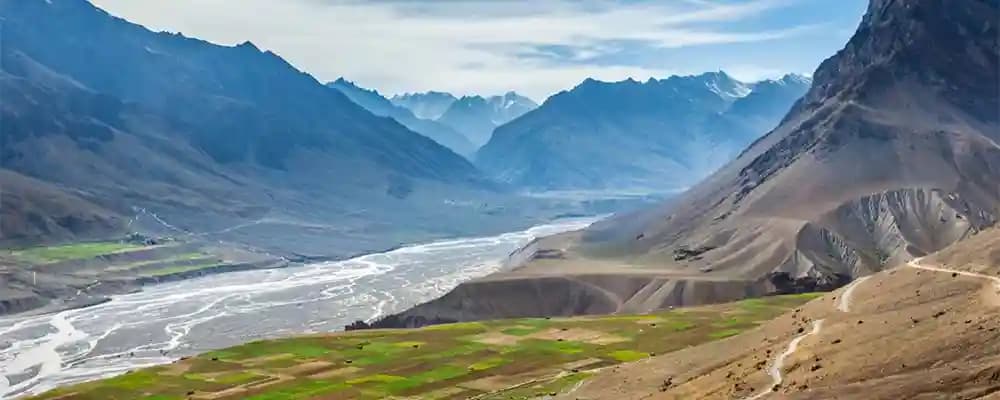
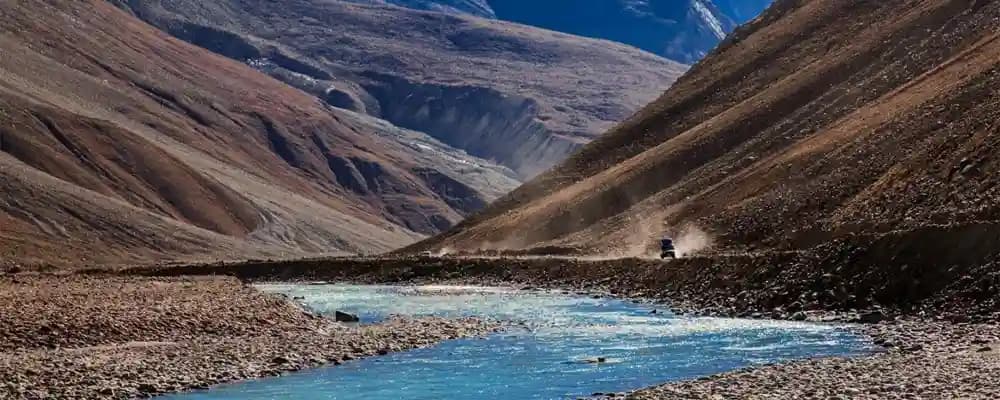
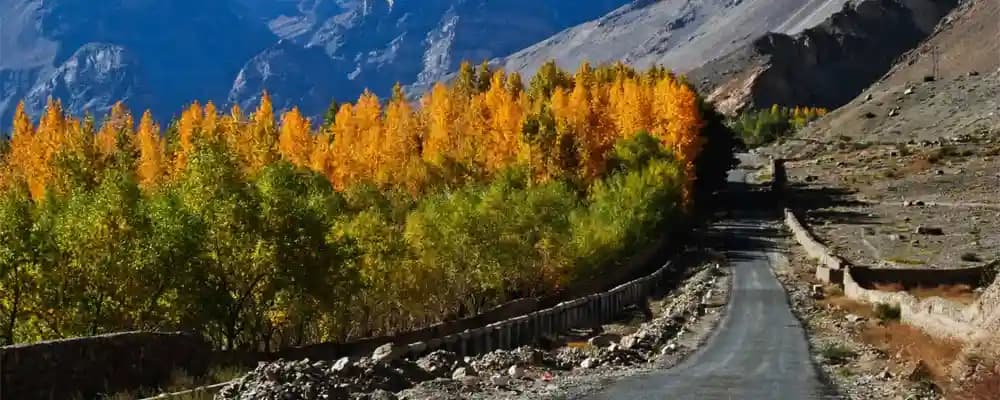
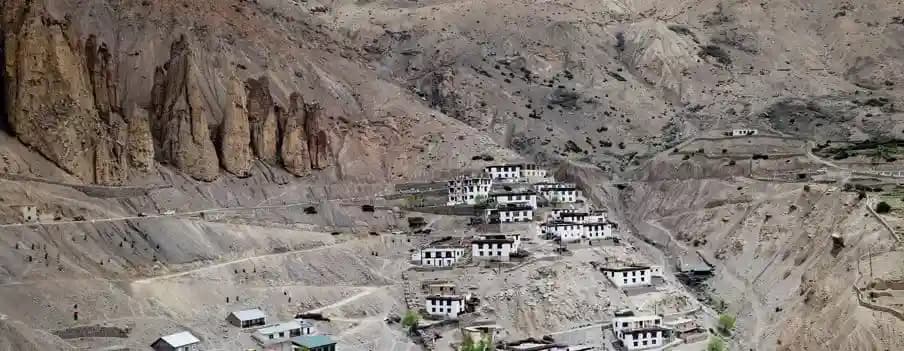
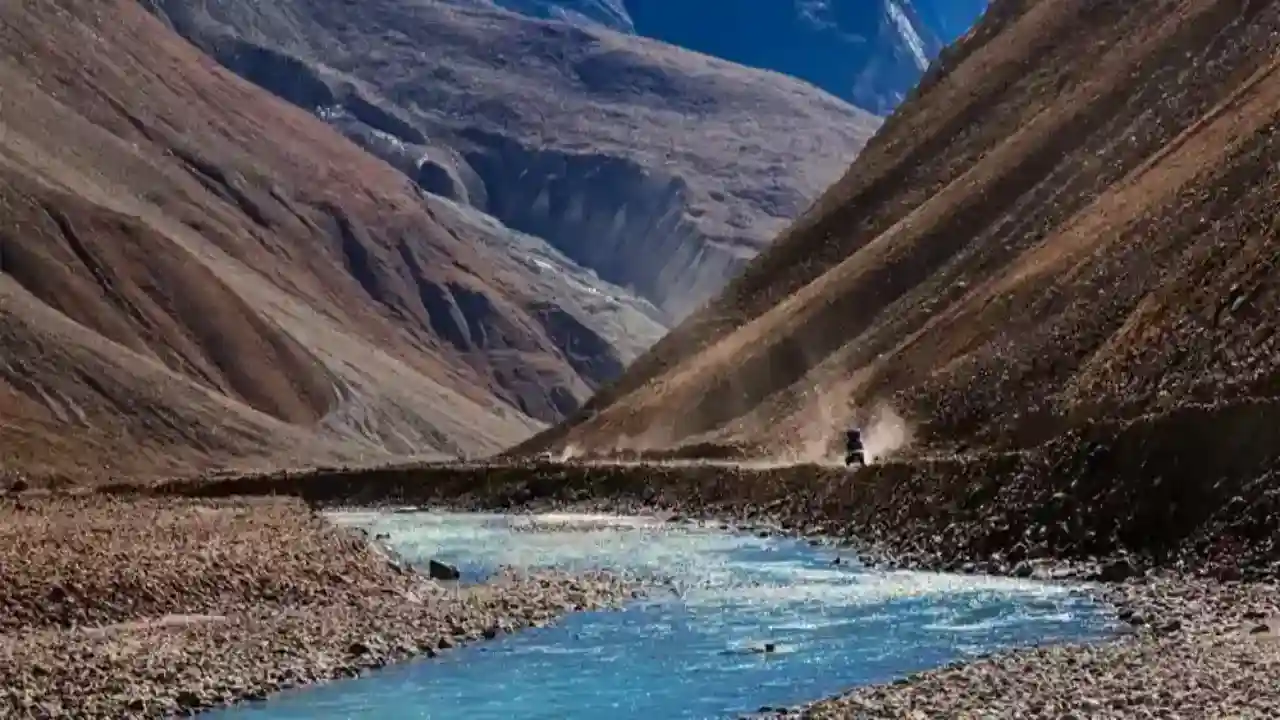
The valley is wide and open, with mountains all around. Villages are pretty far from each other, so even short trips can take hours. Roads are narrow and often run right beside rivers or steep drops. During summer, buses and shared taxis connect most areas without much trouble. This is why the best time to visit Spiti Valley falls between May and October, when transport runs smoothly. But in winter, heavy snow blocks the roads completely, which is why solo travel becomes tough during those months.
Weather and Daily Comfort
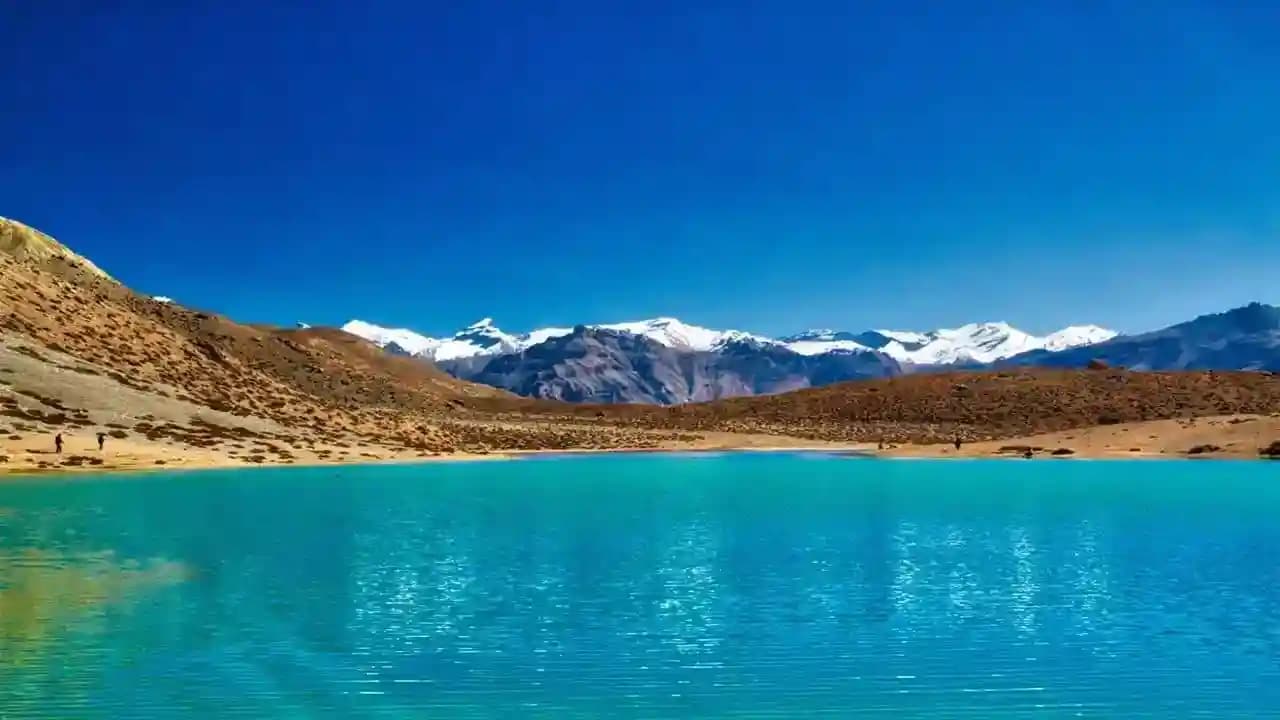
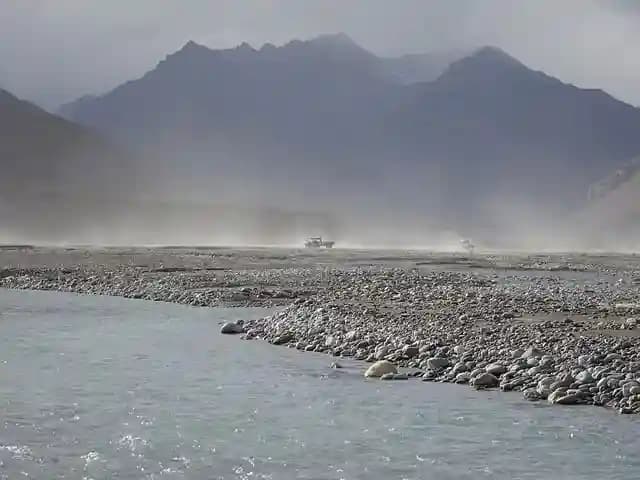
Spiti weather changes really fast. Mornings might feel warm and sunny, but nights get freezing cold. Rain or snow can start without any warning. Phone signals only work in some spots, and the internet is really slow when it does work. There aren't many ATMs or petrol pumps around either. Planning which places to visit in Spiti Valley becomes easier once you understand these daily challenges. The locals deal with all this every single day, and just knowing what to expect is part of understanding that the Spiti Valley is safe for solo travellers.
Are the People in Spiti Safe to Be Around?
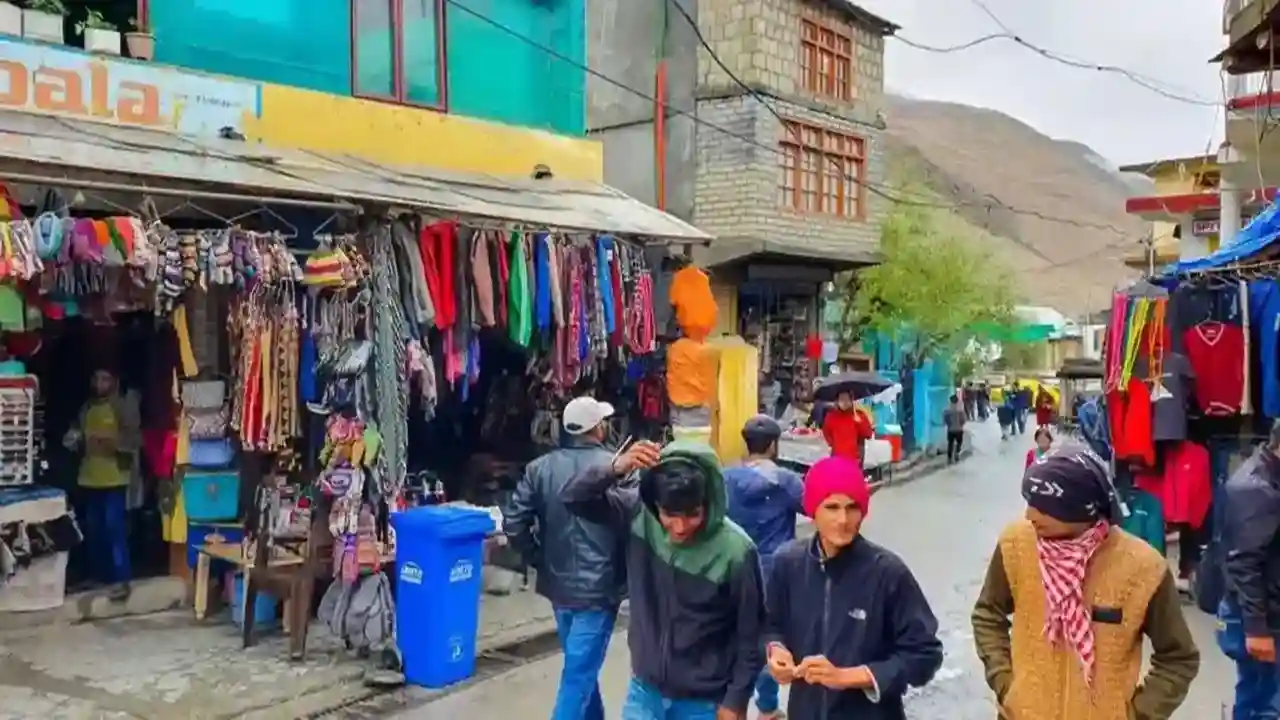
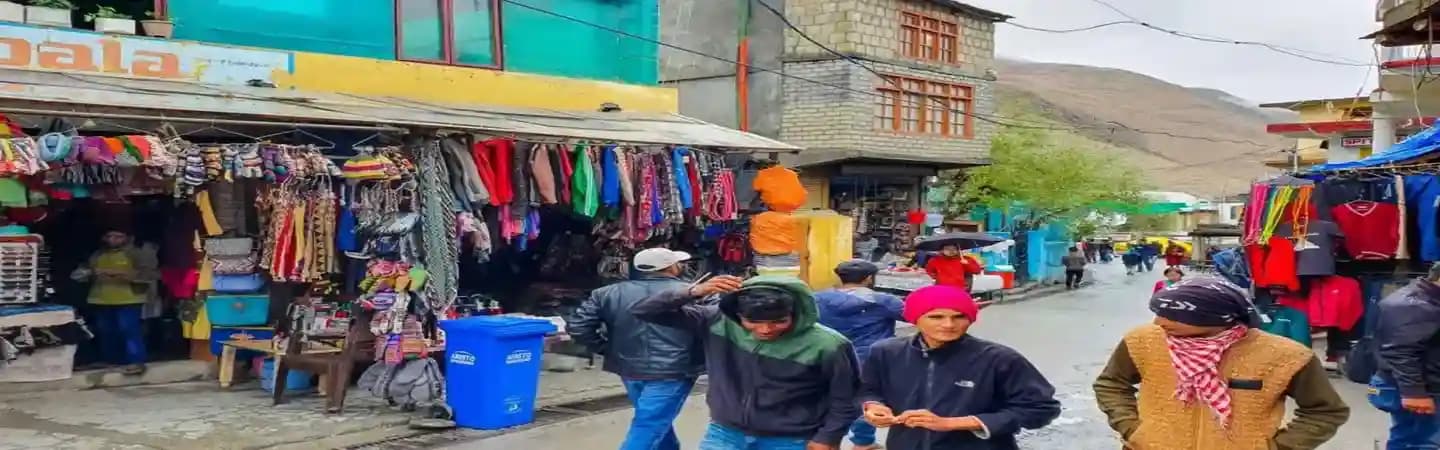
Is Spiti Valley safe for solo travellers when it comes to the locals? Absolutely. Crime is extremely rare here. Villages are small, and everyone knows each other, so visitors are easy to notice. But that actually works in your favour because locals tend to look out for travellers. Walking alone during the day in places like Kaza feels completely safe. The people are genuinely polite and helpful, and many follow Buddhist traditions that value peace and kindness.
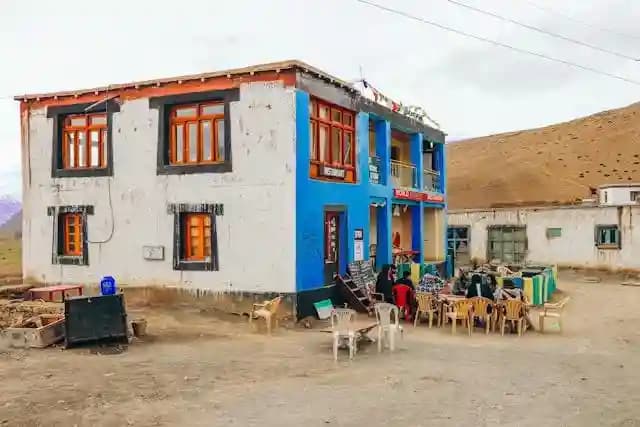
You'll often get help without even asking, whether it's directions or a heads-up about the weather. Homestays add another layer of comfort because families welcome you in and treat you well. There are police posts in main areas, but serious problems hardly ever happen. The real challenges in Spiti come from nature, not people. Understanding this is key to Spiti Valley solo travel safety.
Safety for Women Travelling Alone in Spiti Valley
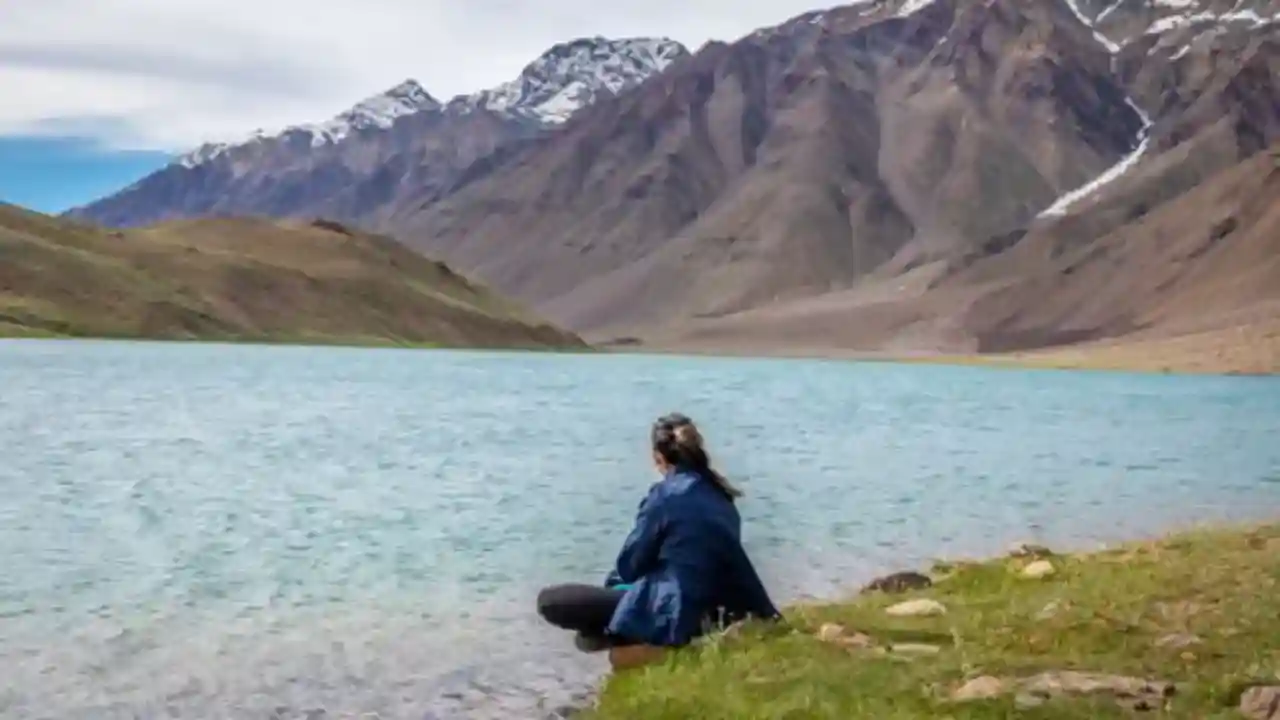
Solo female travel in Spiti Valley is considered very safe. Many women visit alone every year and have great experiences. The local culture is respectful, and unwanted attention is rare. Homestays are especially good for women since hosts treat you like family and look out for you. Walking around during the day is completely fine. It's better to avoid night travel because of the cold and poor visibility, not because of people. Dressing modestly helps you blend in, and sharing your plans with hosts adds extra safety. With basic awareness, solo female travel in Spiti Valley feels calm and relaxed.
What Can Actually Go Wrong in Spiti
These are the honest answers to is Spiti Valley safe for solo travellers, and knowing them helps you prepare properly.
Altitude Sickness
The biggest risk inthe Spiti Valley is altitude sickness. You might get headaches, feel sick to your stomach, or just feel exhausted. Climbing too high, too fast makes it worse, so giving yourself rest days really matters.
Sudden Weather Changes
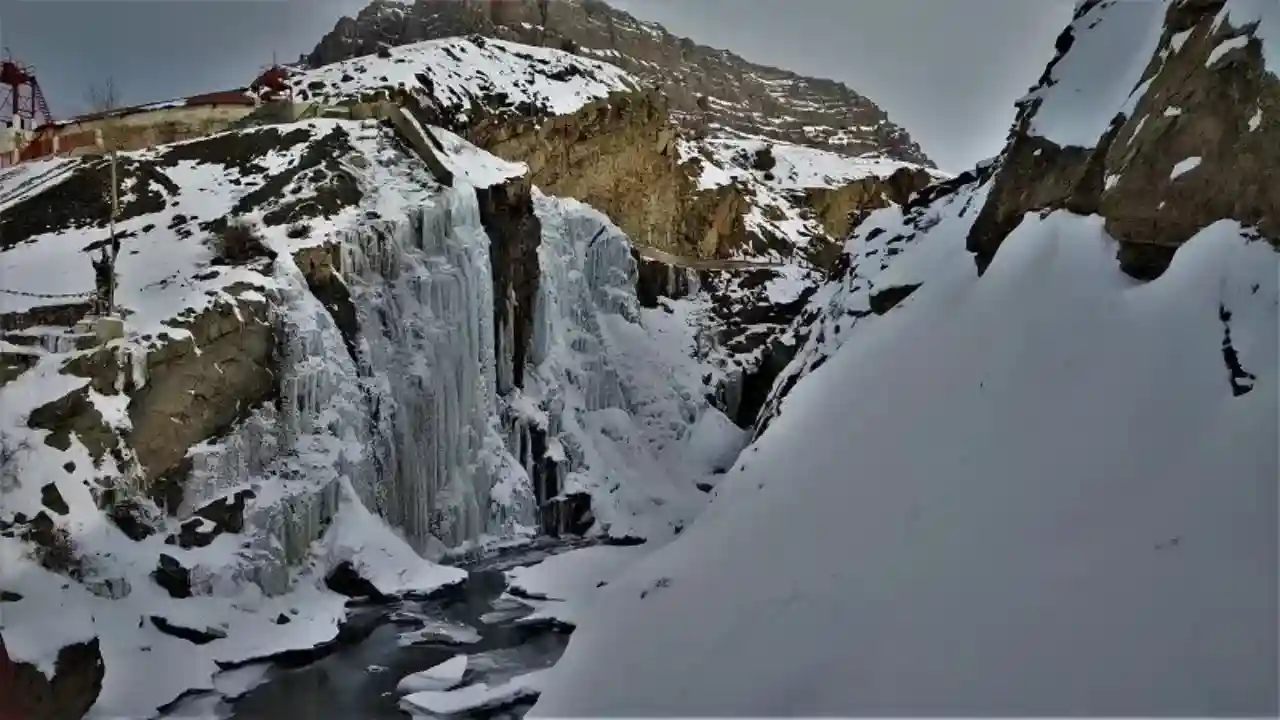
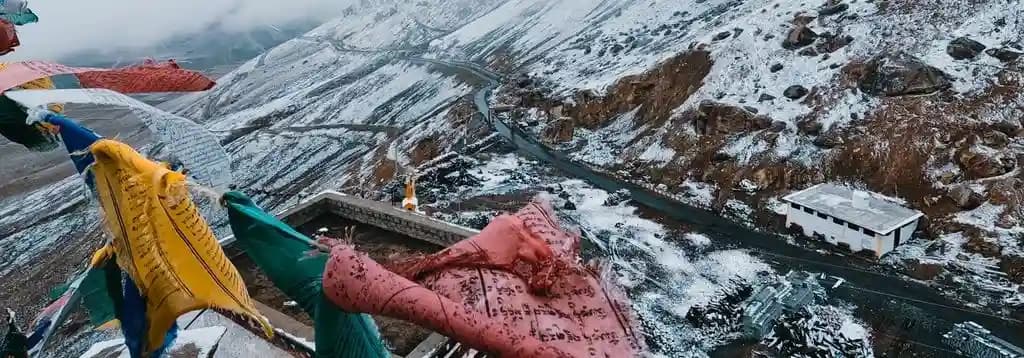
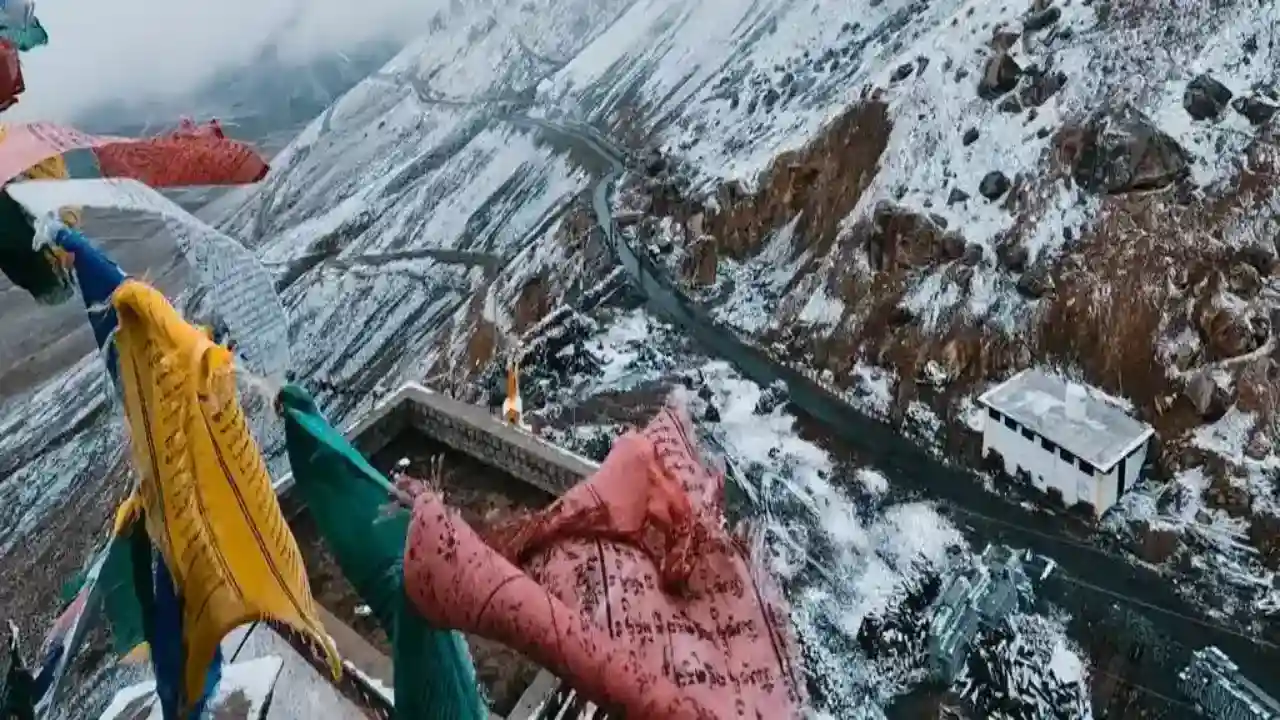
Snow or rain can block roads out of nowhere. Always add a few buffer days to your plan in case you get stuck waiting for roads to clear.
Limited Medical Help
Small health centres can handle basic issues like fever or minor injuries, but anything serious means you'll need to travel hours to reach a proper hospital.
Weak Phone Signals
Your phone won't work in most places, which can feel isolating. Let your family know this before you leave, and write down emergency numbers on paper. These are key things to know before travelling solo to Spiti, and being ready for them makes the trip much less stressful.
Practical Safety Tips for Solo Travel in Spiti Valley
Safe solo travel depends on simple habits and smart planning. Here are the most important things to keep in mind.
Visit between May and October: Roads stay open, and the weather behaves better during these months. Winter snow blocks everything and makes travel nearly impossible.
Take Two Days to Adjust: Don't rush into activities or things to do in Spiti Valley right after reaching. Your body needs time to handle the thin mountain air.
Tell Someone Your Plans: Share your travel route and where you're staying with family. Phones don't work everywhere, so this really matters.
Drive Only in Daytime: Roads hug cliff edges and get really dangerous after dark. Finish your journey before the sun goes down.
Pick Local Transport: Local drivers handle these tricky mountain roads every day. Shared rides also mean help is around if needed.
Choose Homestays Over Hotels: Host families actually look out for you. They'll warn you about the weather and help when things don't go as planned.
Eat Hot Food and Drink Plenty: Warm meals fight the cold, and water stops altitude sickness. Stick to home-cooked food from your homestay.
Pack Medicine and Warm Clothes: Bring pills for headaches and stomach problems. Carry enough layers because nights drop below freezing.
Save Maps and Write Numbers Down: Download maps before going, since the internet won't work. Keep emergency contacts on paper, not just your phone.
Listen to Local Weather Warnings: Villagers know when storms are coming or when roads turn unsafe. Take their warnings seriously and change plans when told.
Conclusion
So, is Spiti Valley safe for solo travellers? The short answer is yes, but you need to be smart about it. The people there are kind, and the crime rate is almost zero. The real problems come from altitude, weather, and how remote everything is. If you plan carefully, give yourself time to adjust, and listen to locals, you'll be just fine. Solo travel in Spiti isn't about being fearless. It's about being prepared and respectful of the mountains. Thousands of people do it every year and come back with stories they'll never forget. Take your time, pack right, stay flexible with your plans, and you'll have an incredible experience.