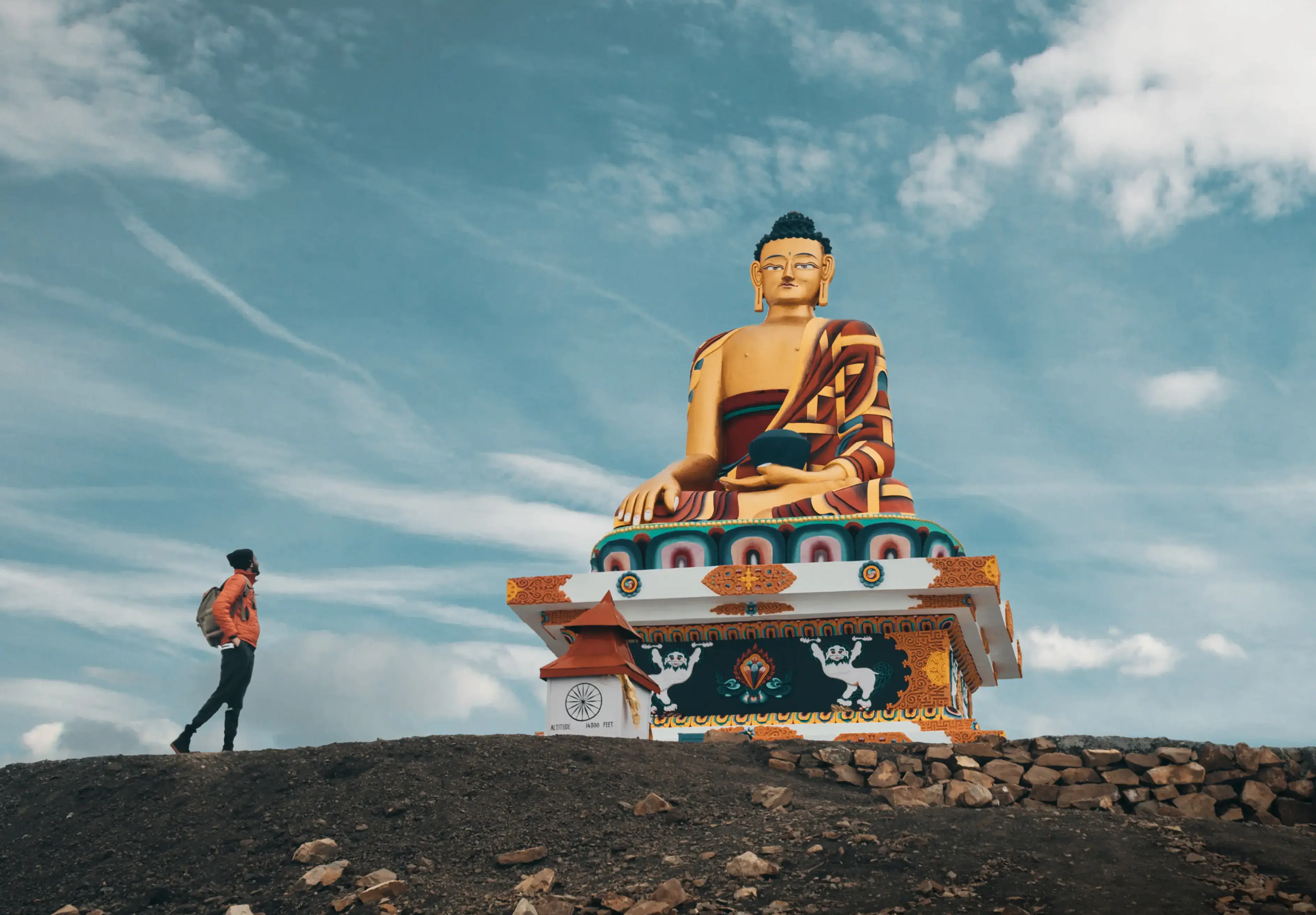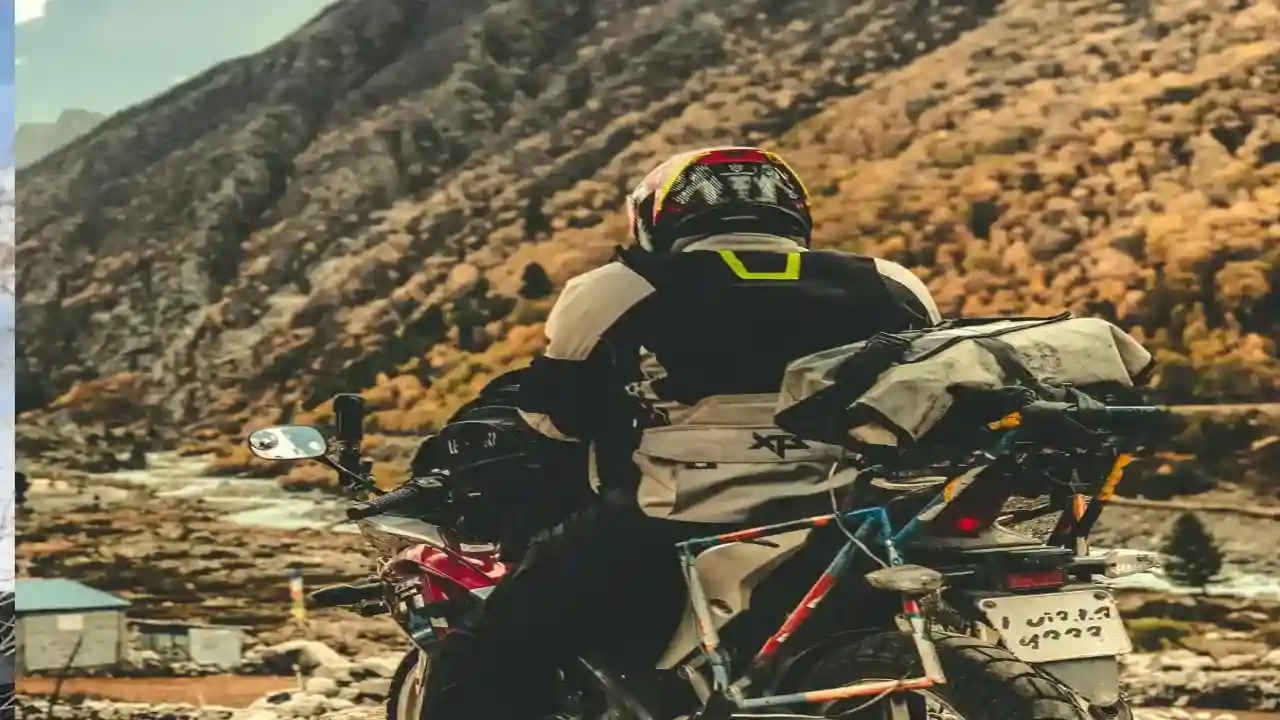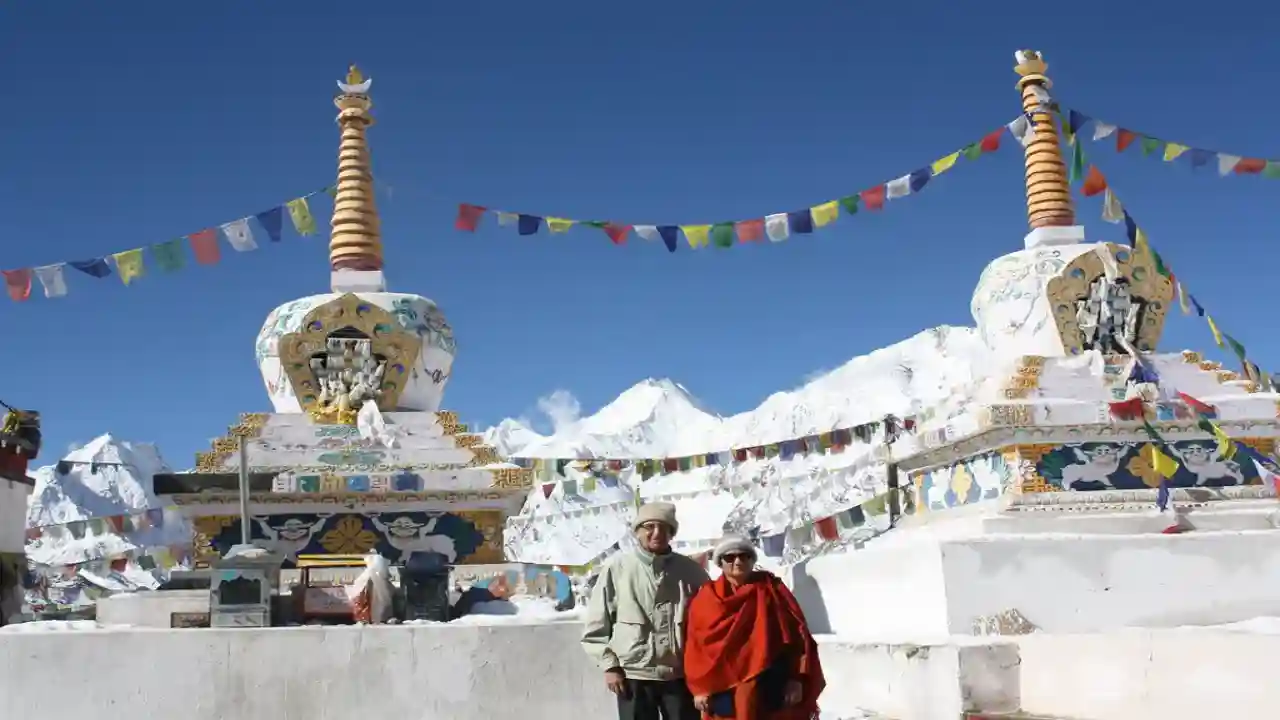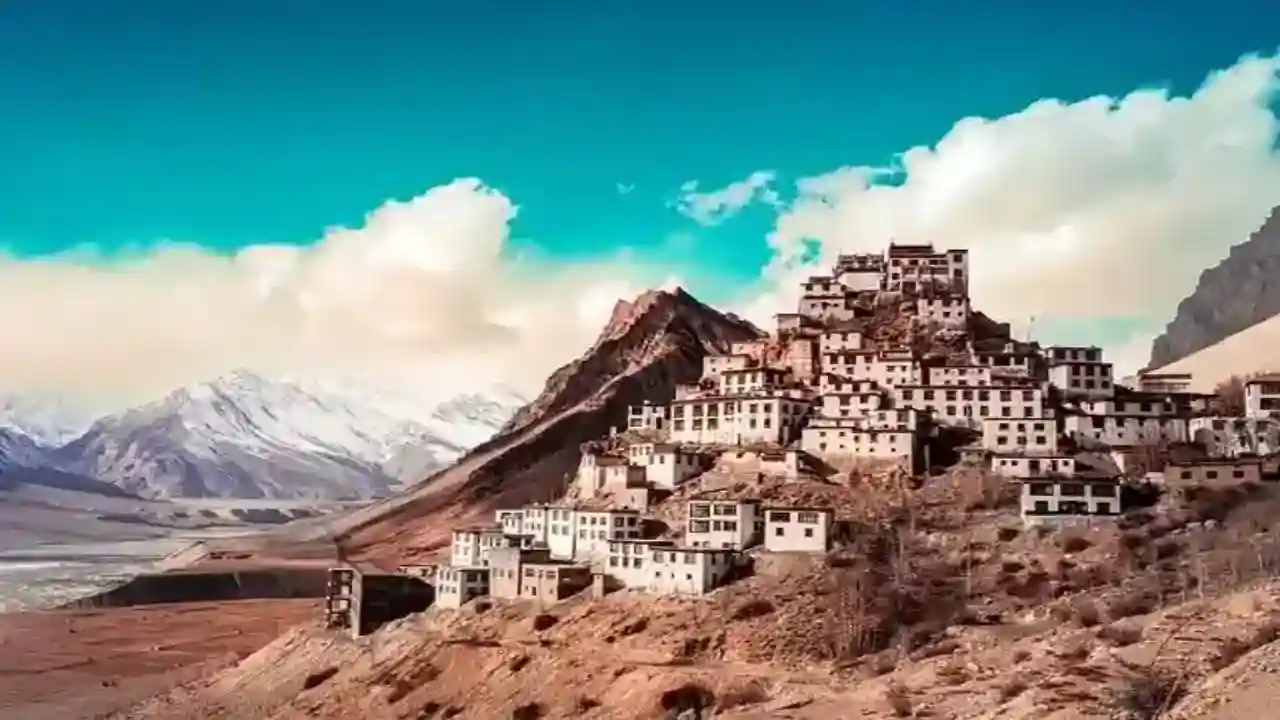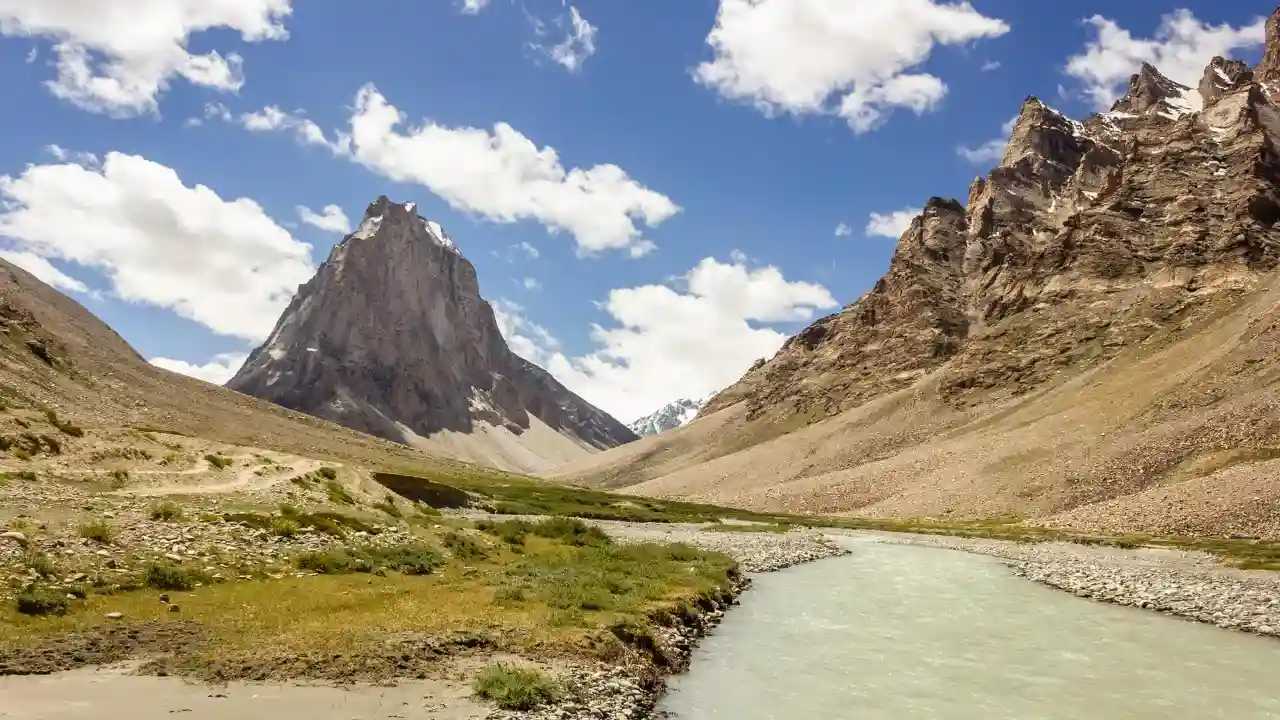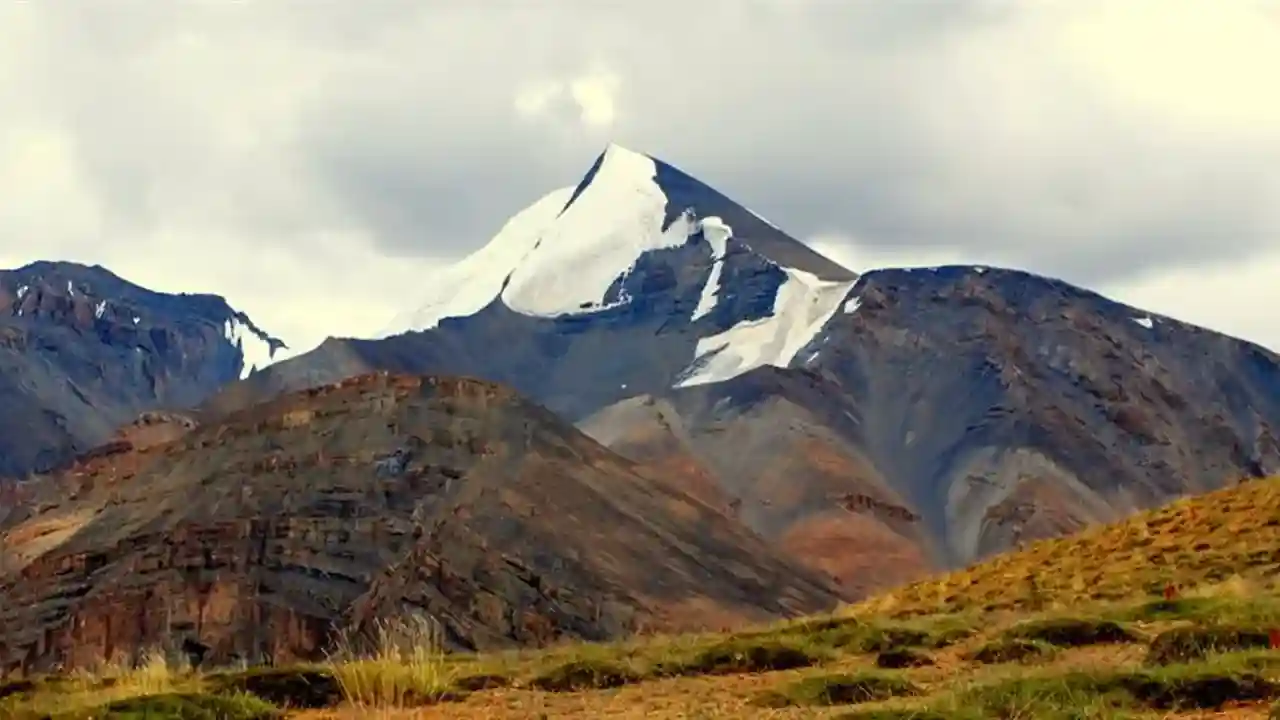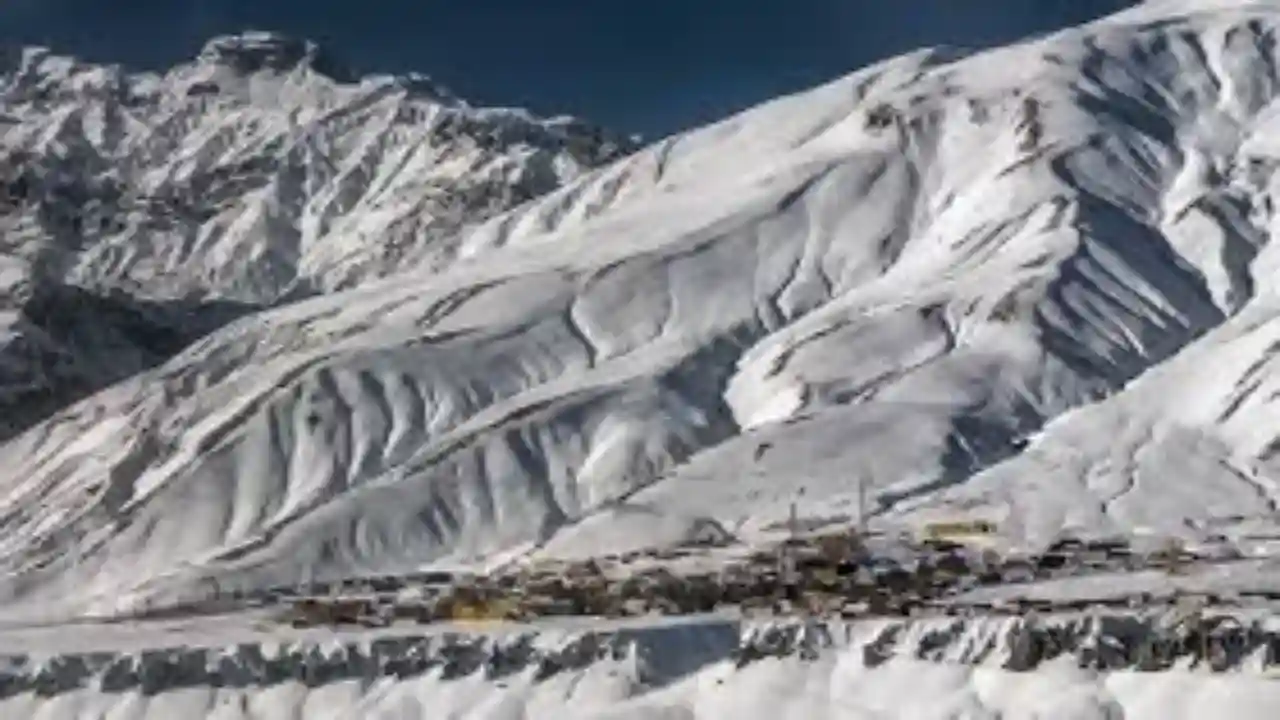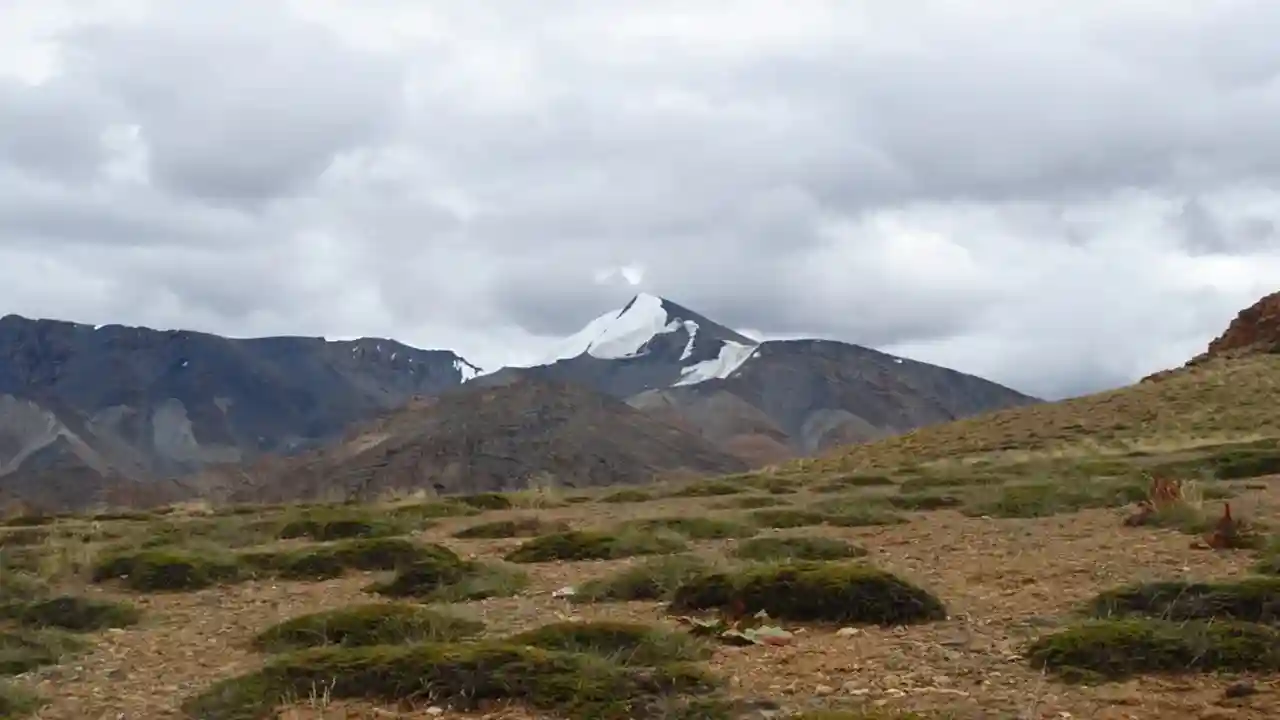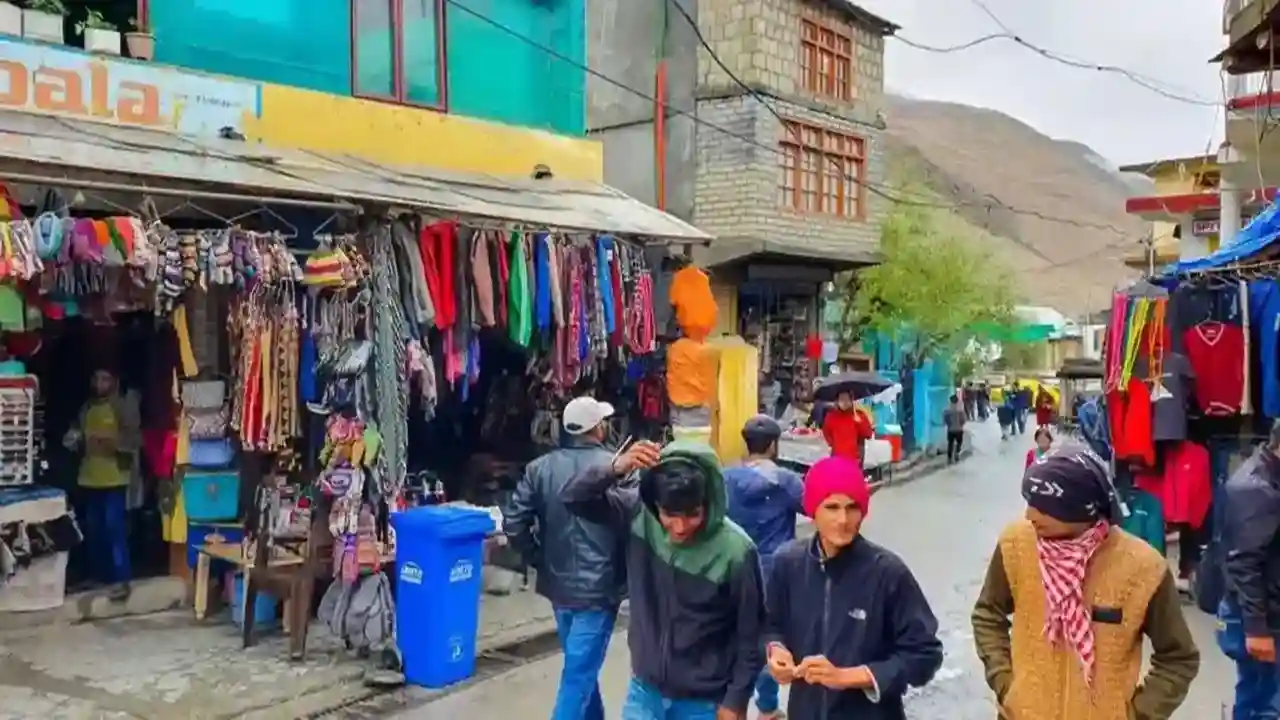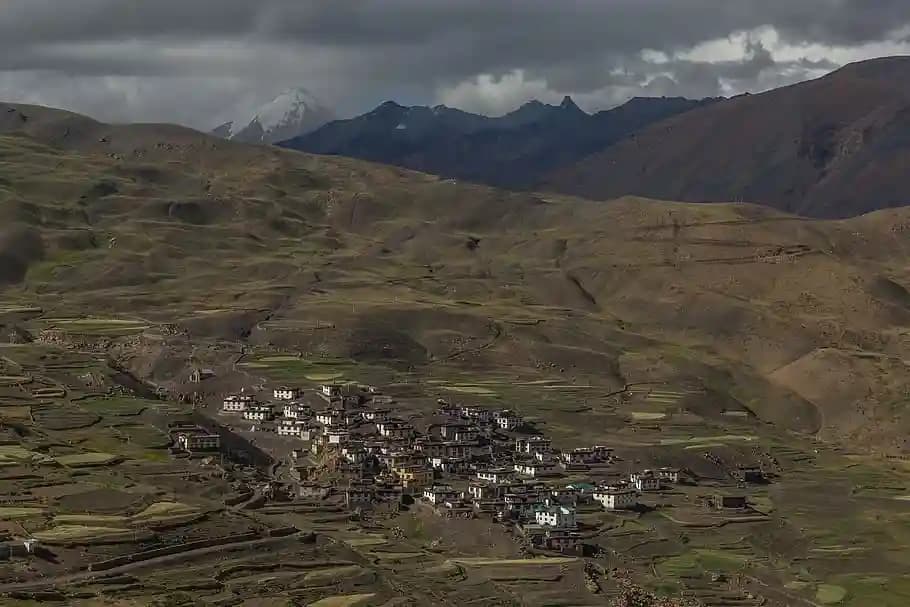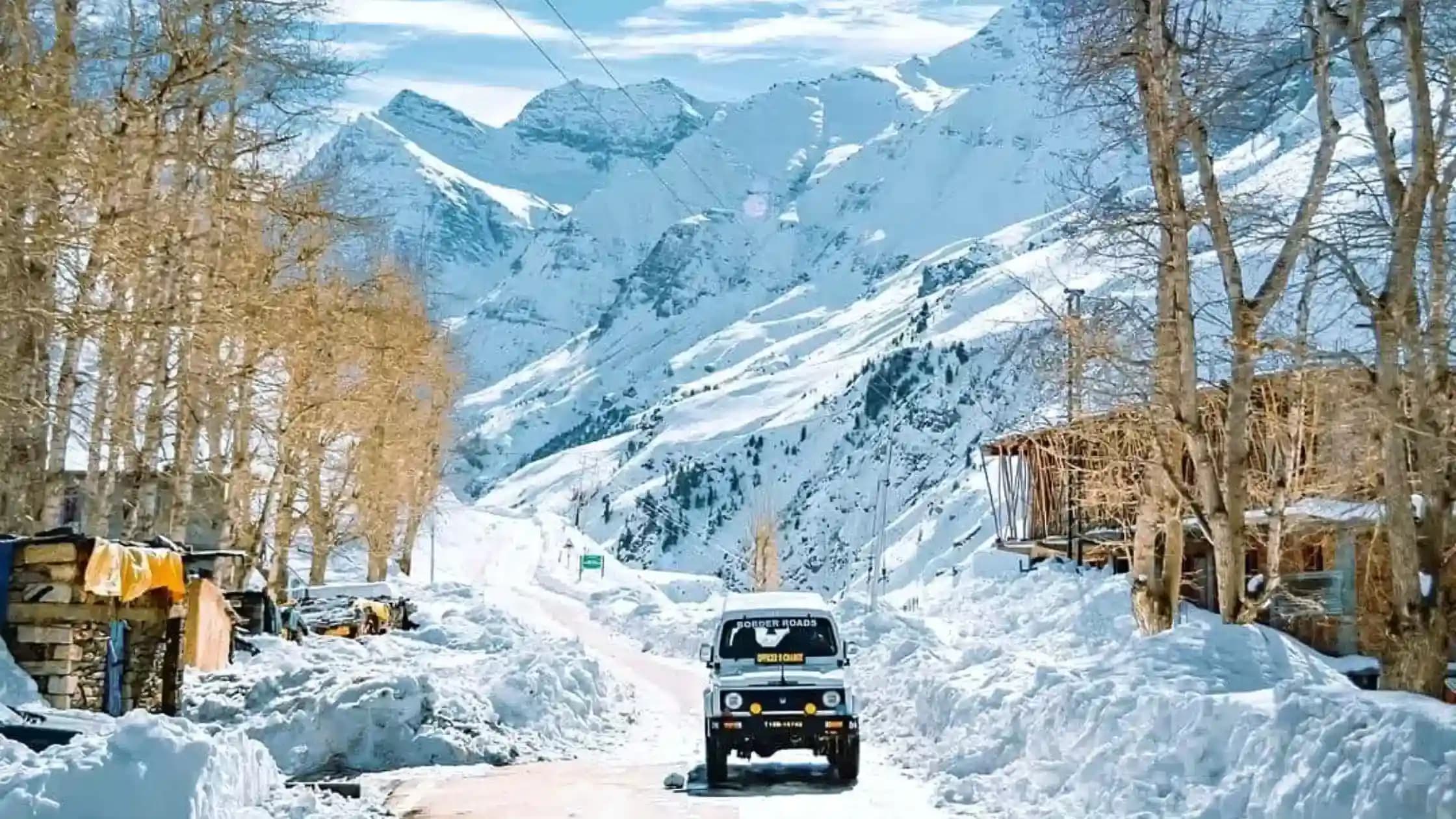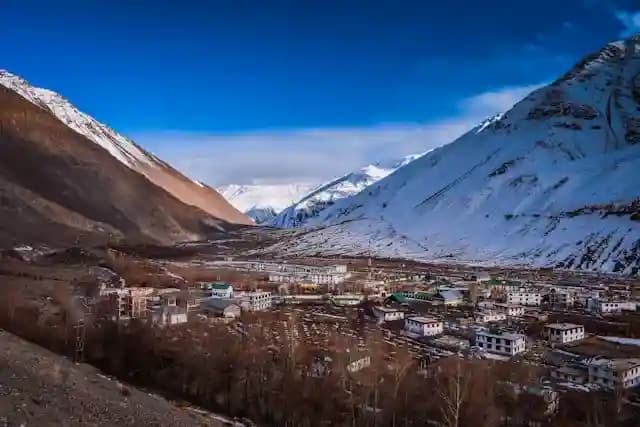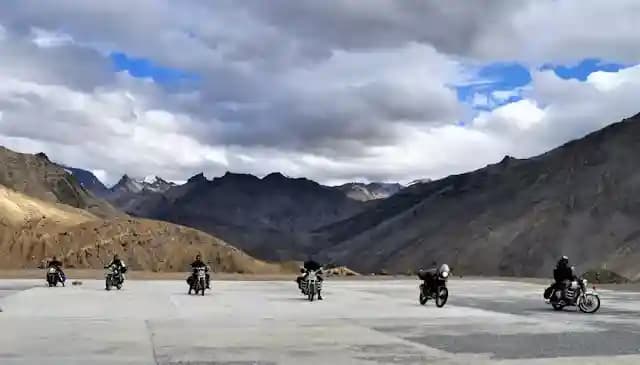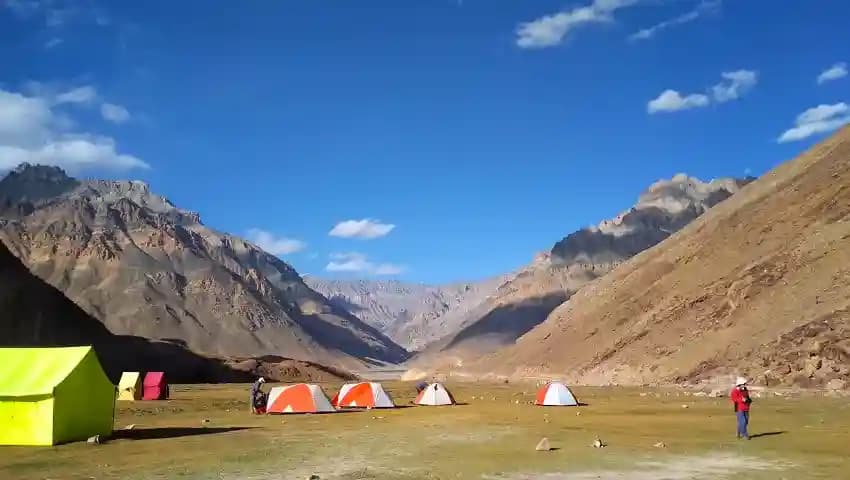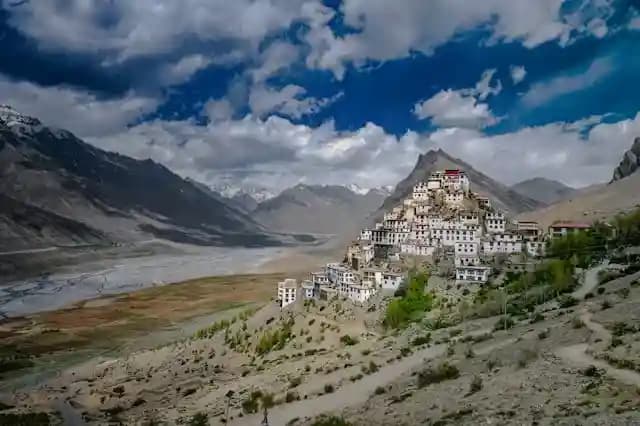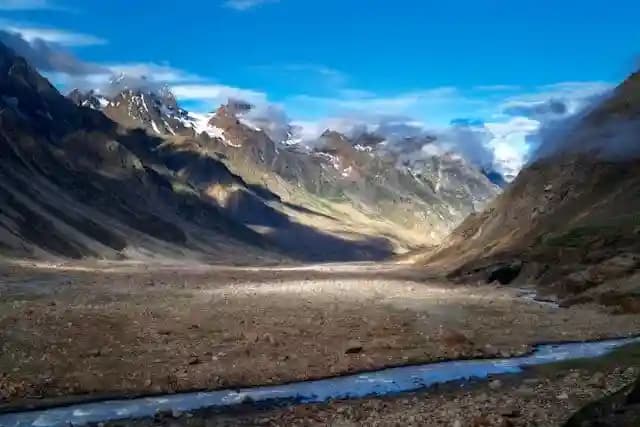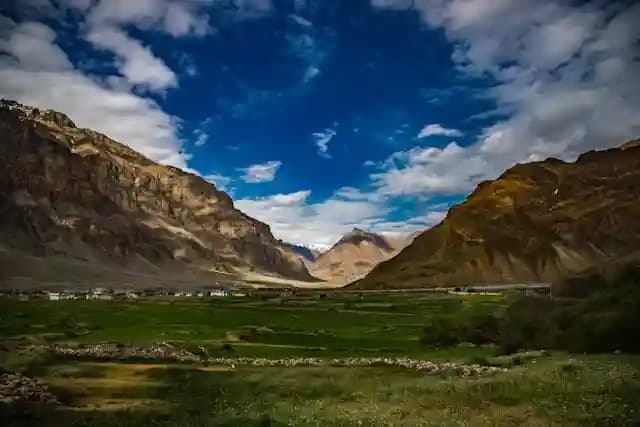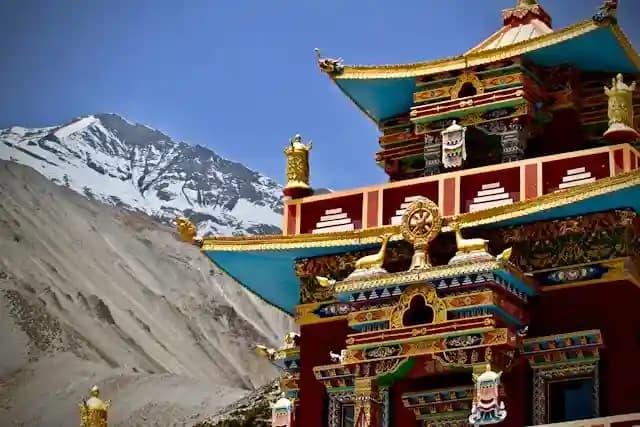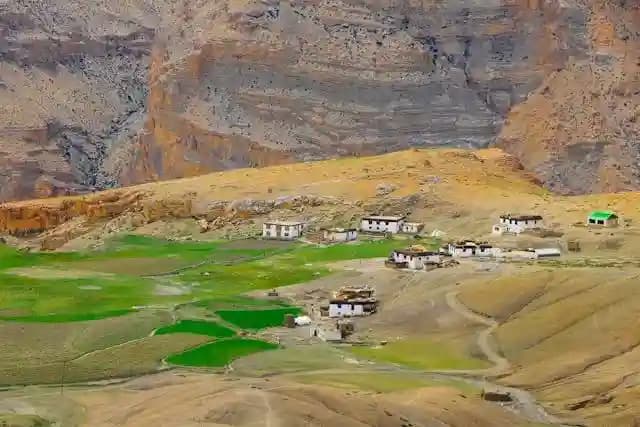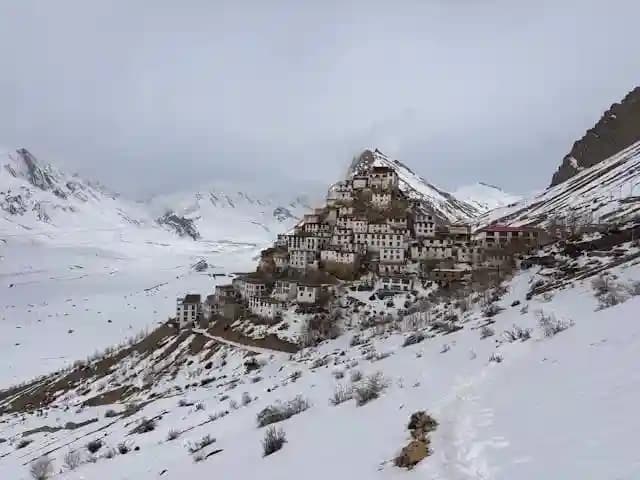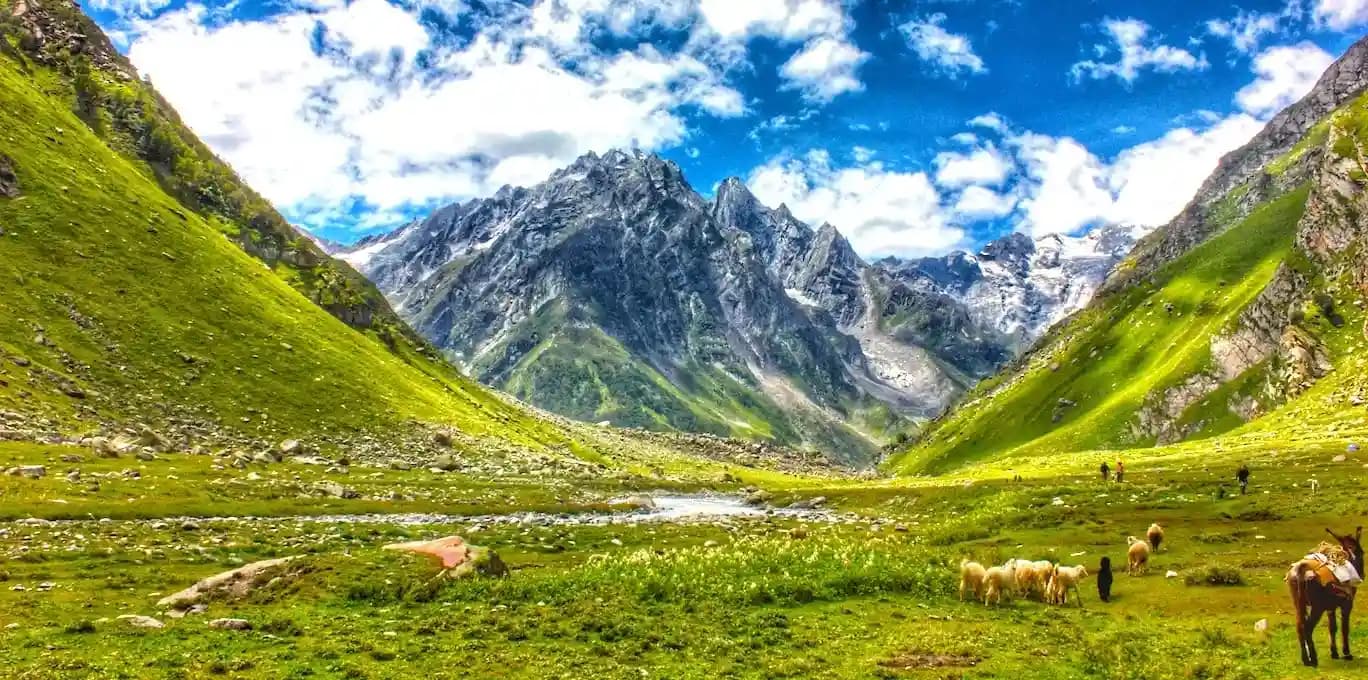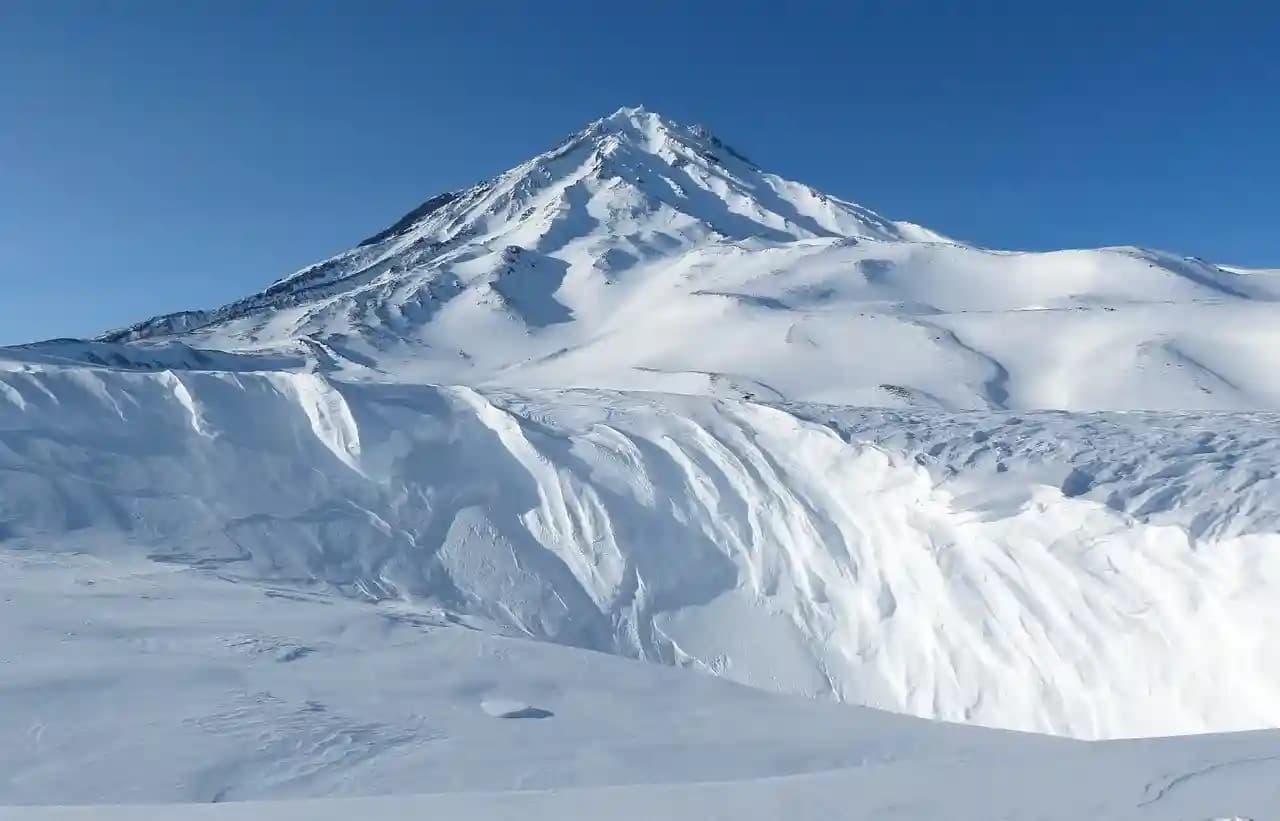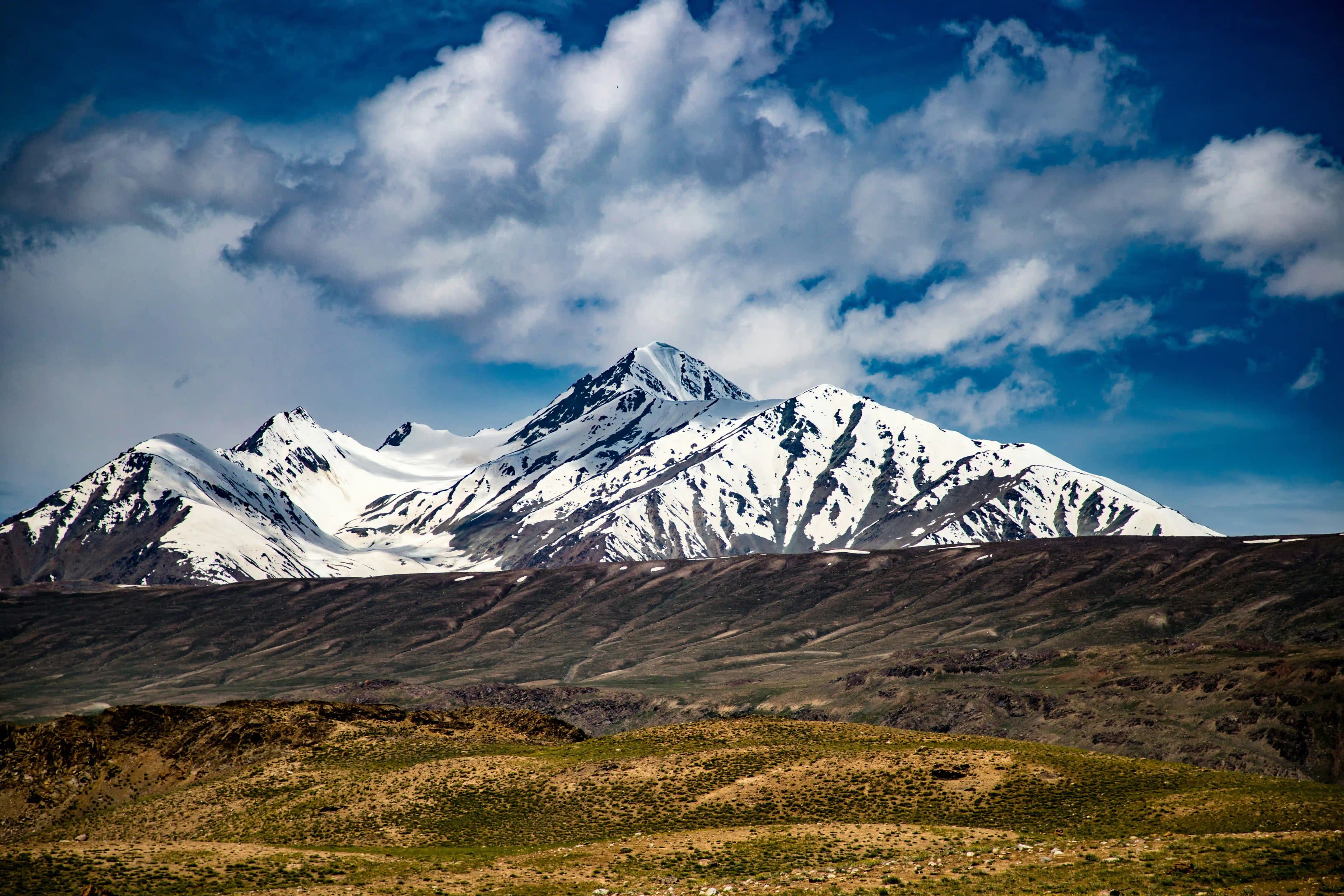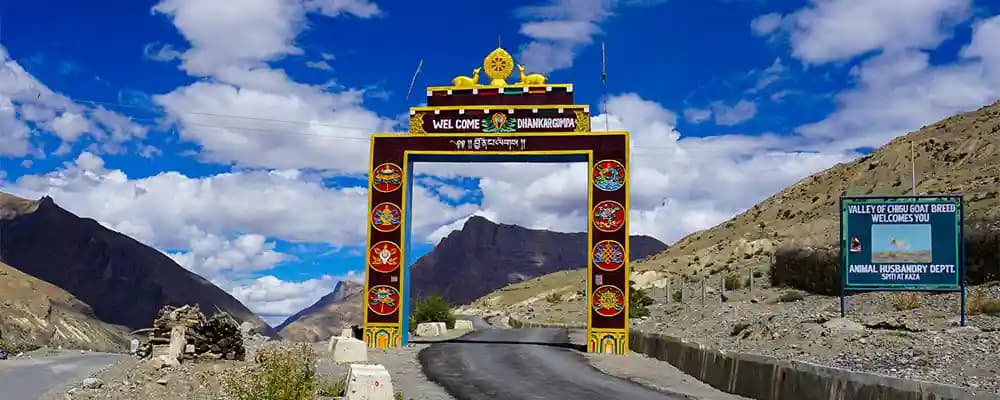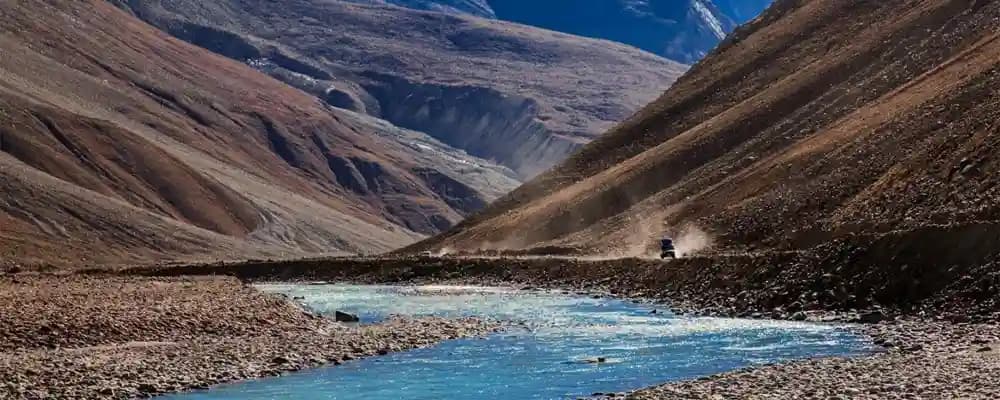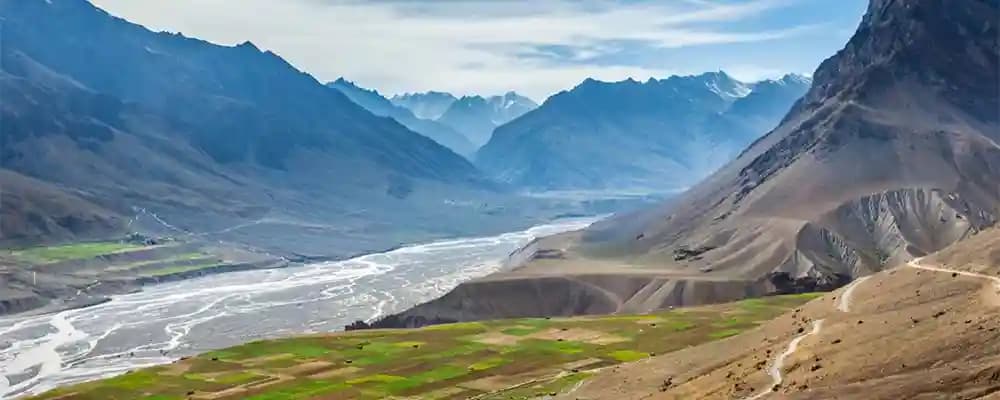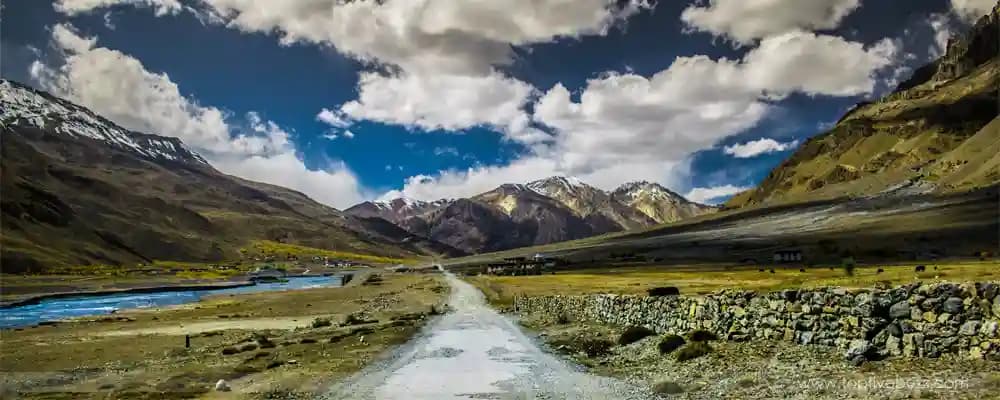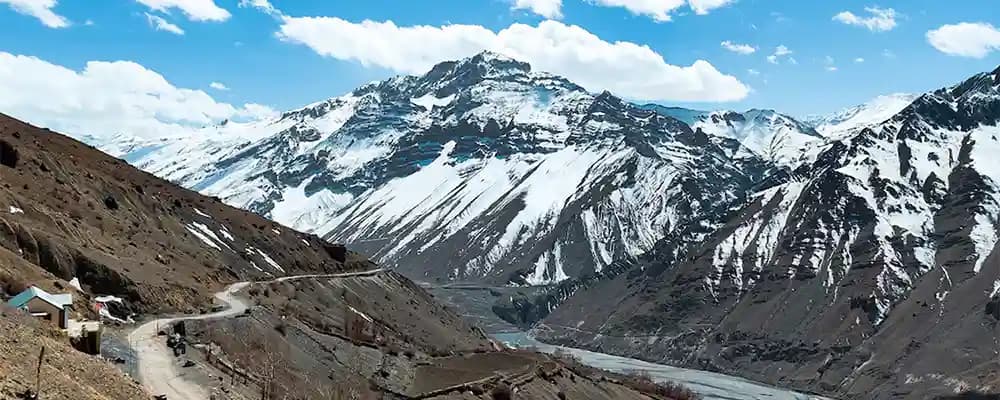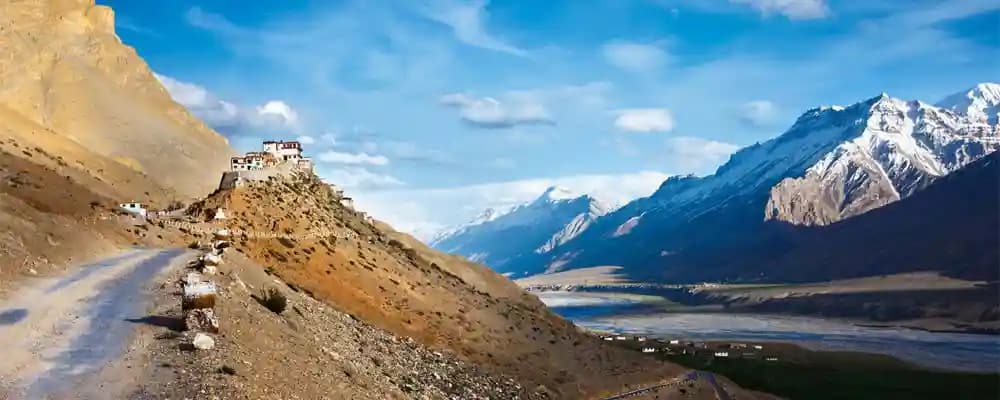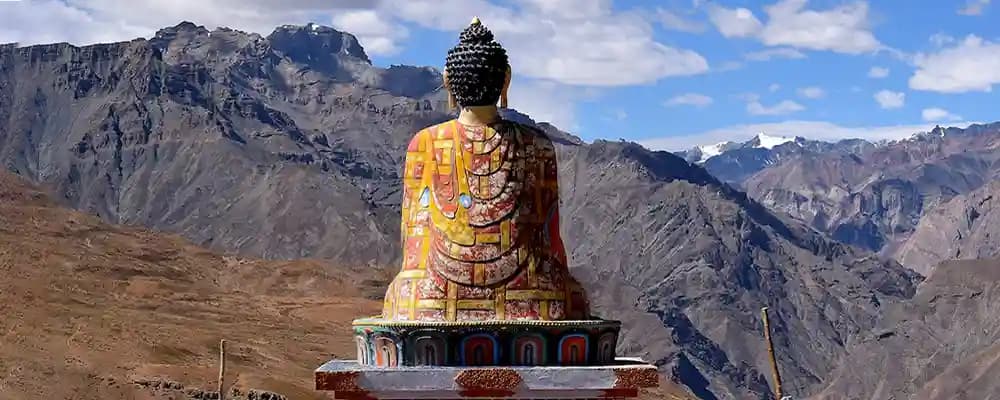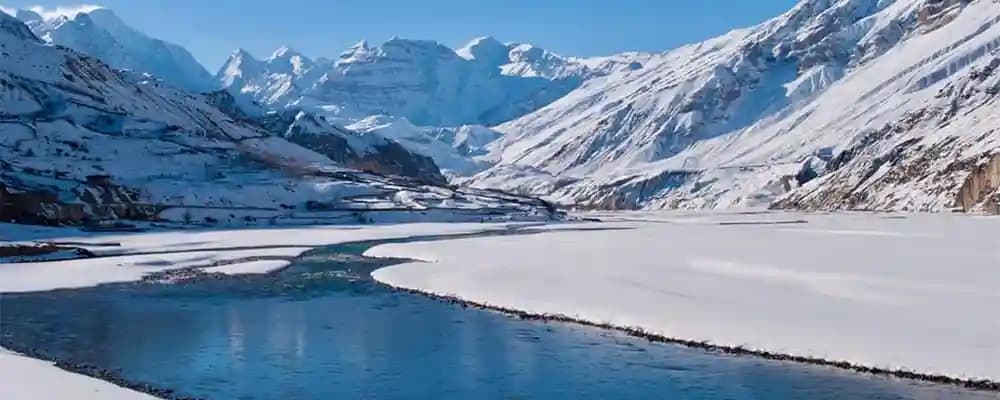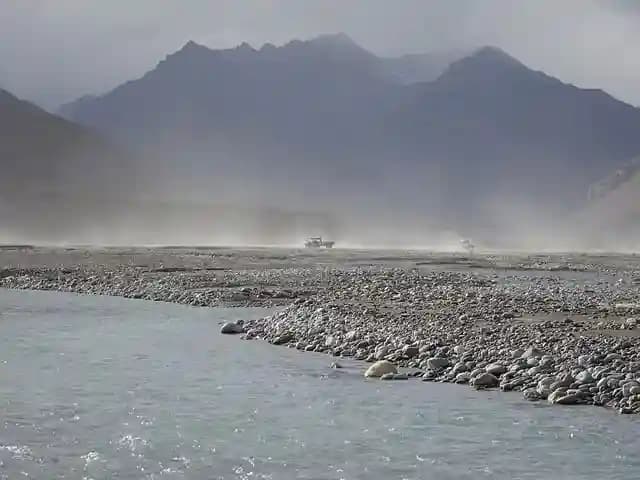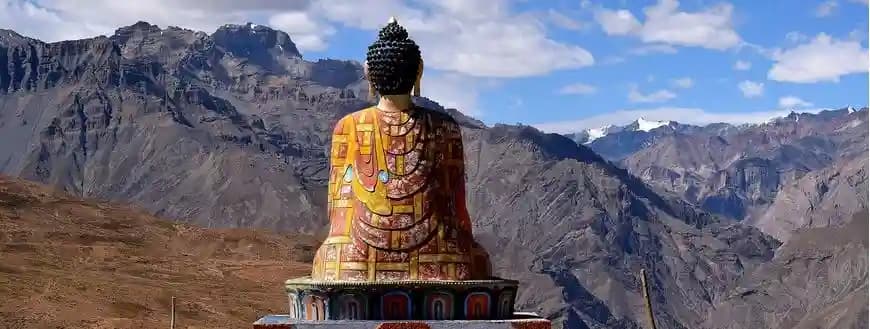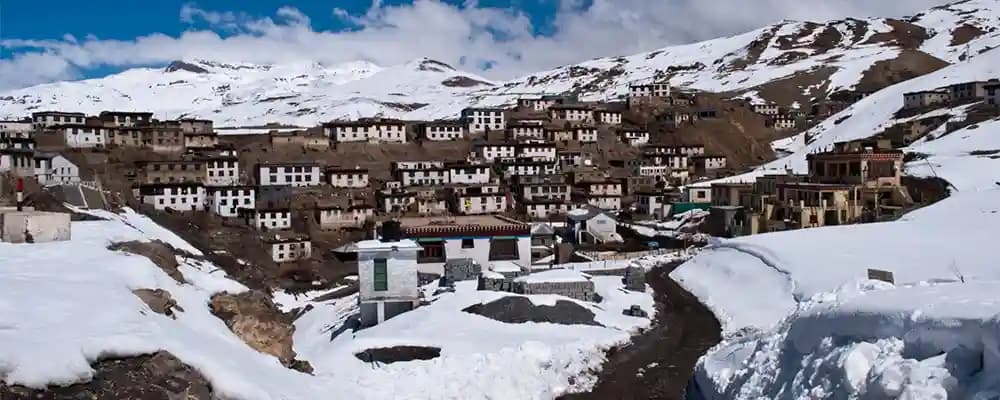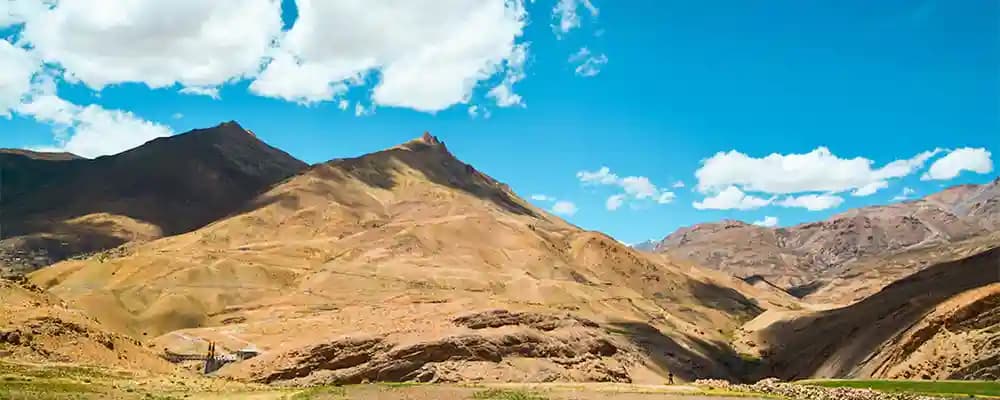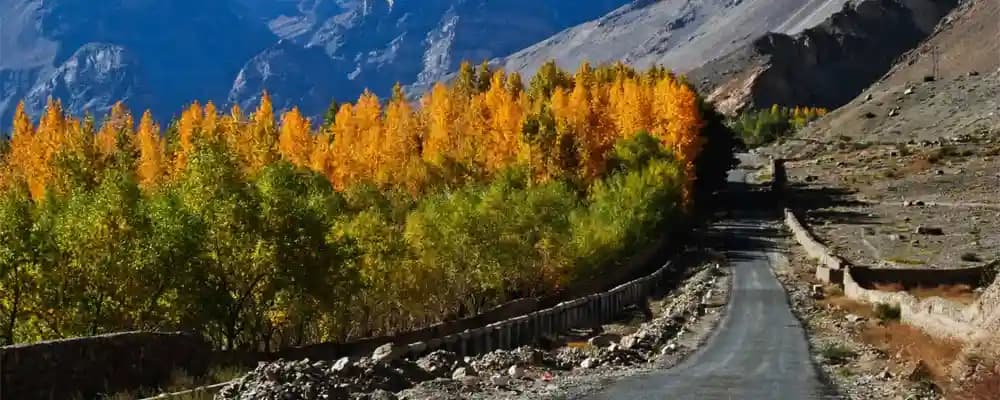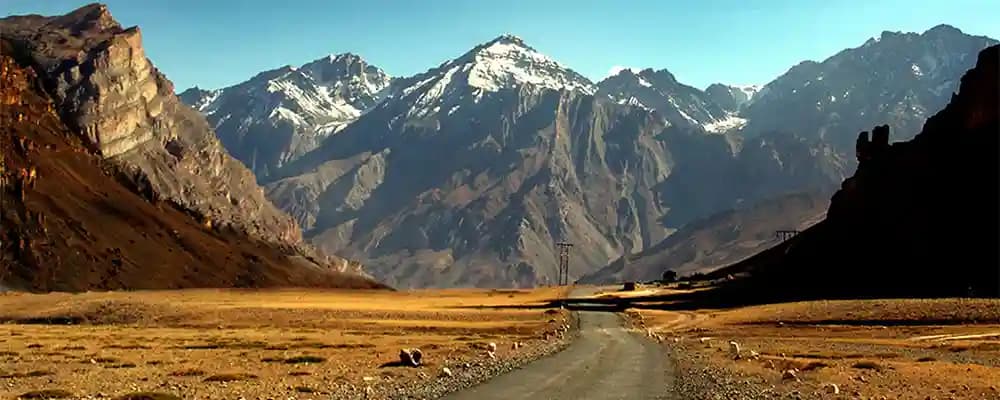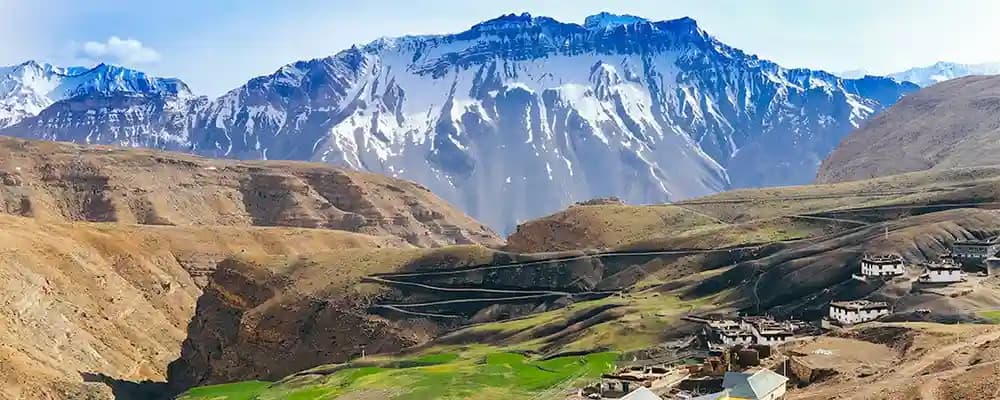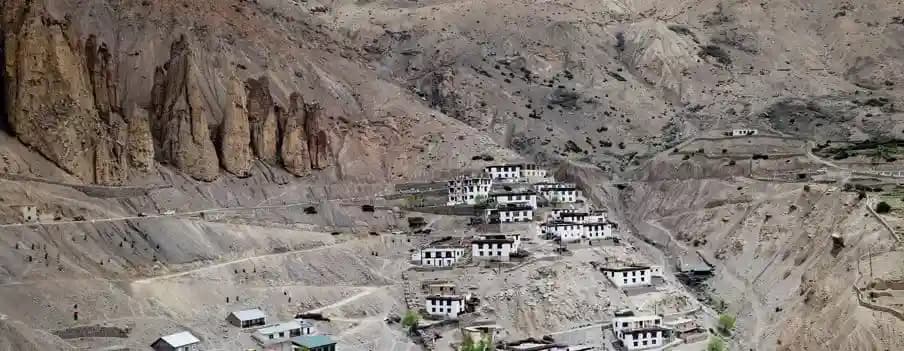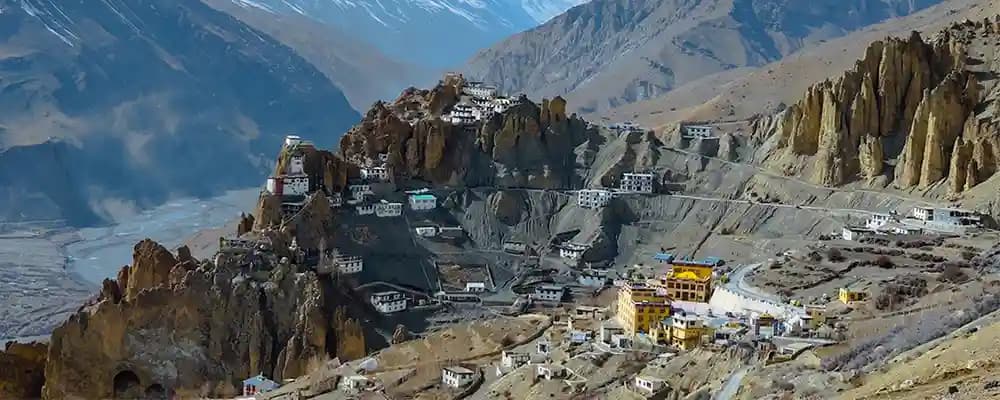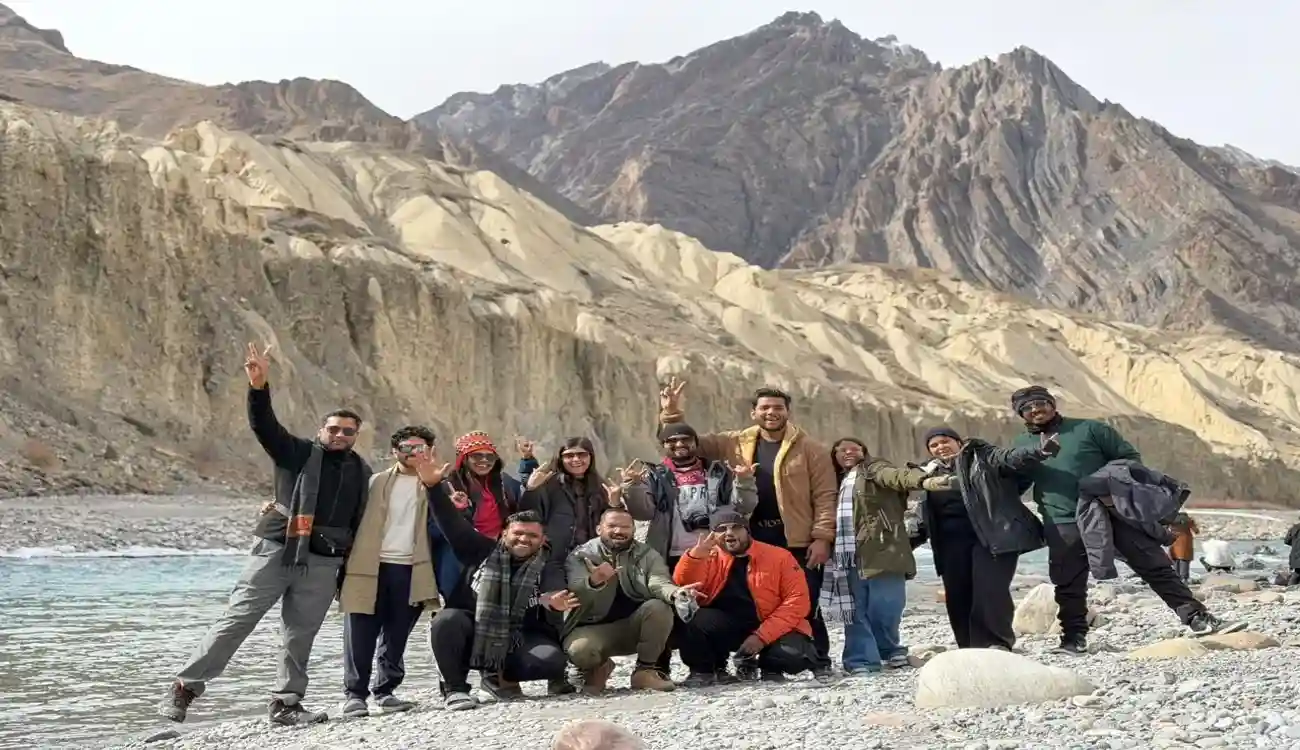
Leaving behind comfort, routine, and overthinking, Anshul Barve set out on a solo winter journey to the raw and silent landscapes of Spiti Valley in January. With snow-covered roads, sub-zero temperatures, and vast Himalayan views, Spiti wasn’t an easy destination, but that’s exactly what made it unforgettable. Travelling solo on a regular Winter Spiti itinerary with Capture A Trip, Anshul discovered not just a destination, but a slower rhythm of life that stayed with him long after the journey ended.
Traveller Details
Name: Anshul Barve
Date of Travel: 10th January – 17th January 2026
Trip Type: Solo Travel
Itinerary: Regular Winter Spiti Valley Itinerary
Package Booked: Winter Spiti Valley Tour with Capture A Trip
Why Spiti, and Why Solo
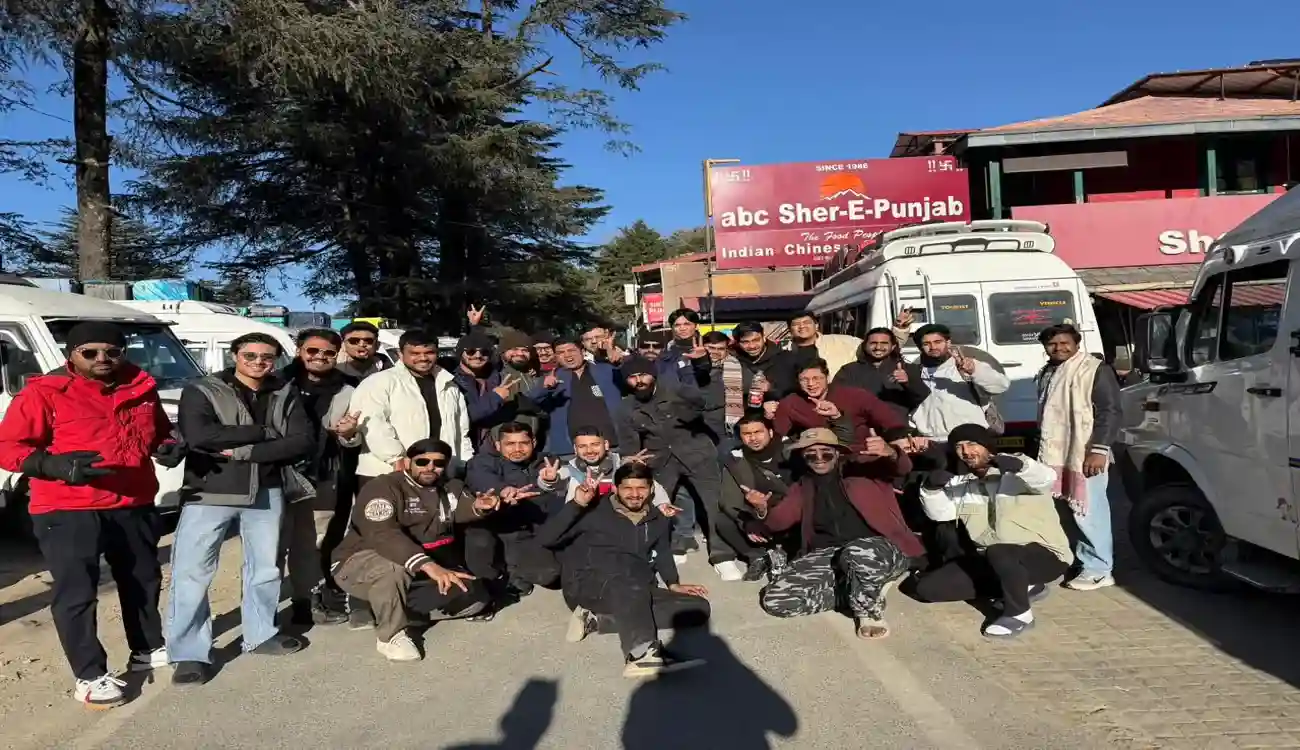
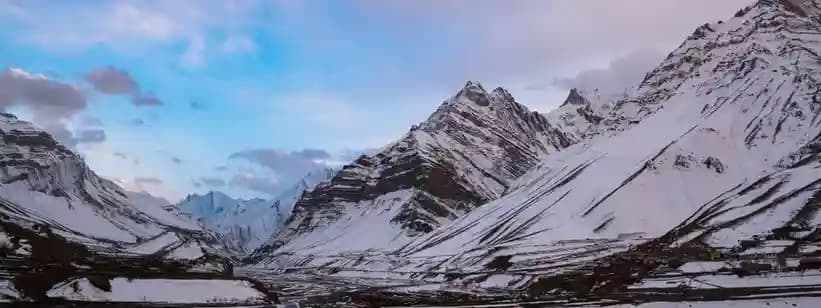
I didn’t go to Spiti with a detailed plan or a long list of expectations. I just knew I wanted to travel alone and be somewhere completely different from my everyday life. Spiti felt intimidating at first because of the harsh winter, unpredictable roads, and extreme remoteness, but that same uncertainty made it exciting.
I chose to travel with Capture A Trip mainly because I didn’t want logistics to become a source of stress in such a remote region. In winter especially, planning routes, permits, stays, and transport can get overwhelming. I wanted the mental space to simply experience Spiti, and looking back, that decision made a huge difference.
My Itinerary at a Glance
Duration: 7 Days
Route: Delhi → Shimla → Reckong Peo → Kaza → Tabo → Chandratal → Manali → Delhi
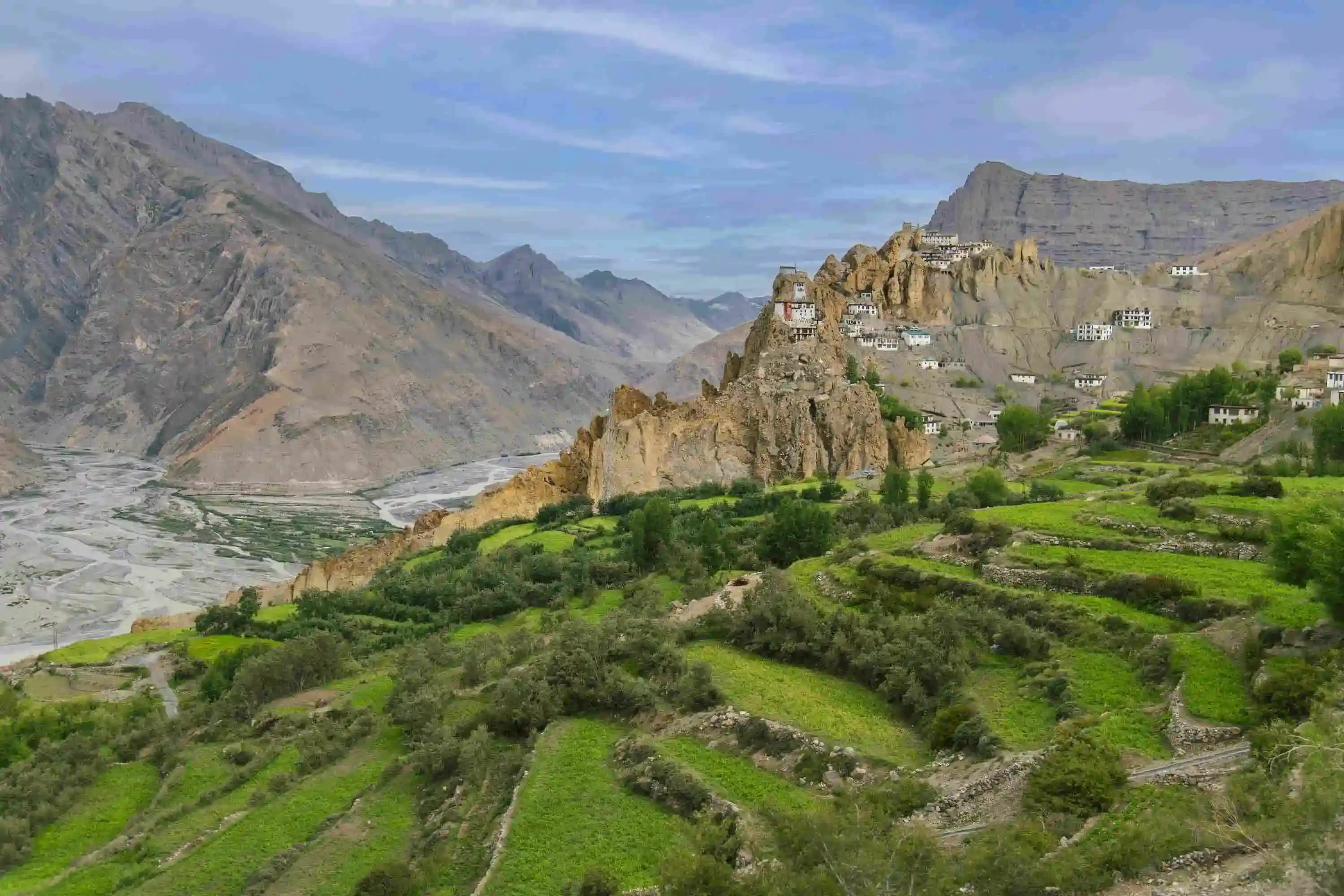
Key Places Covered: Key Monastery, Tabo Monastery, Hikkim, Langza, Kunzum Pass, Chandratal Lake
The Journey In: Long Roads and Easy Conversations
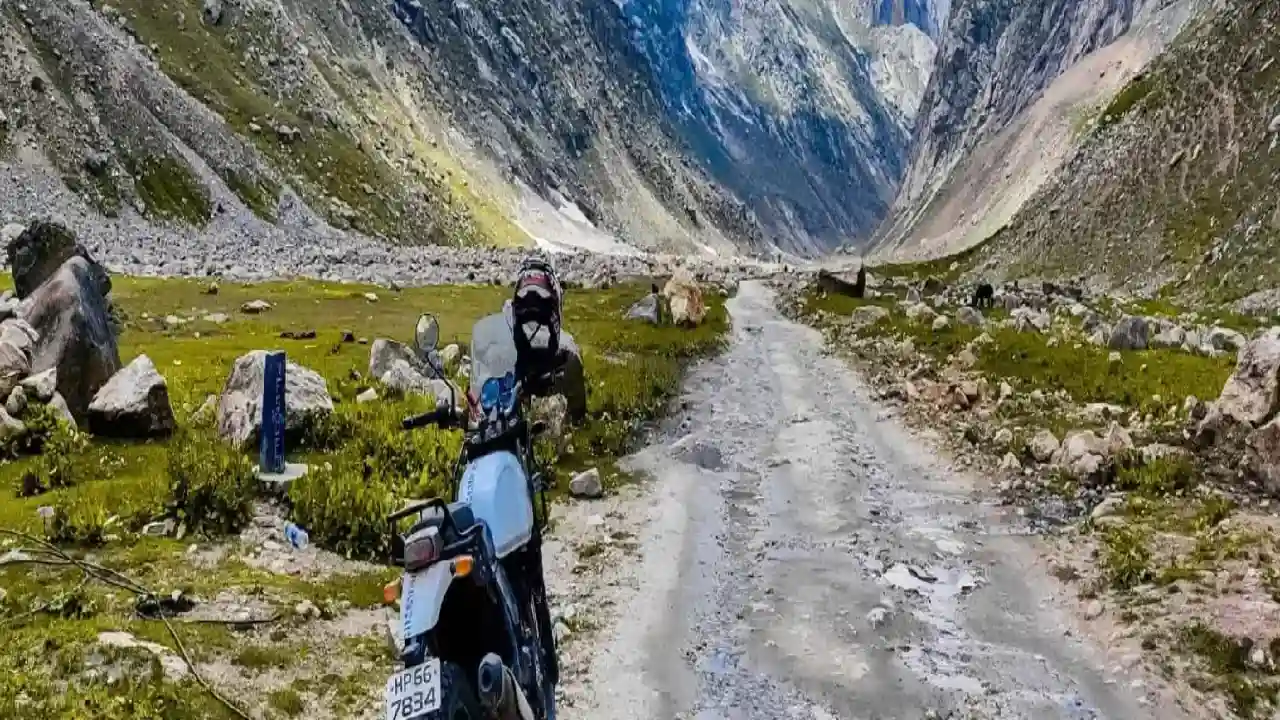
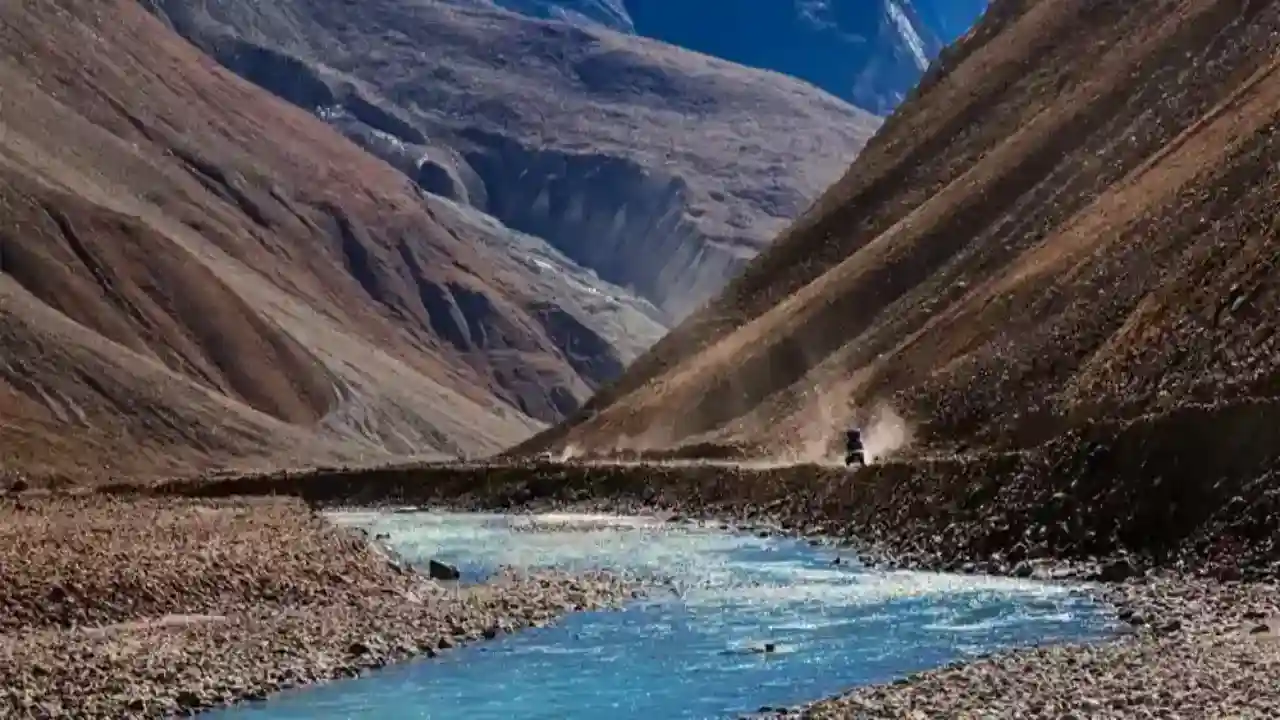
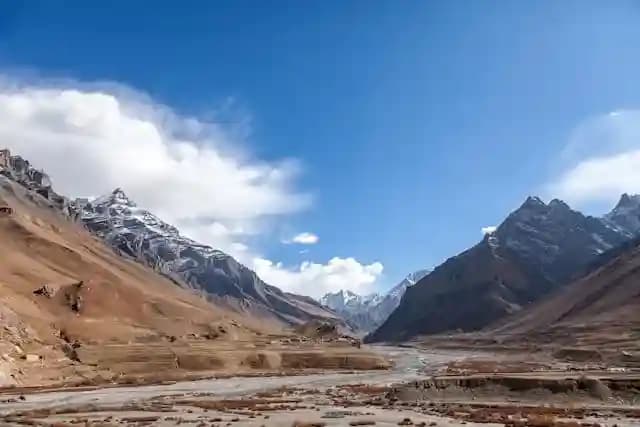
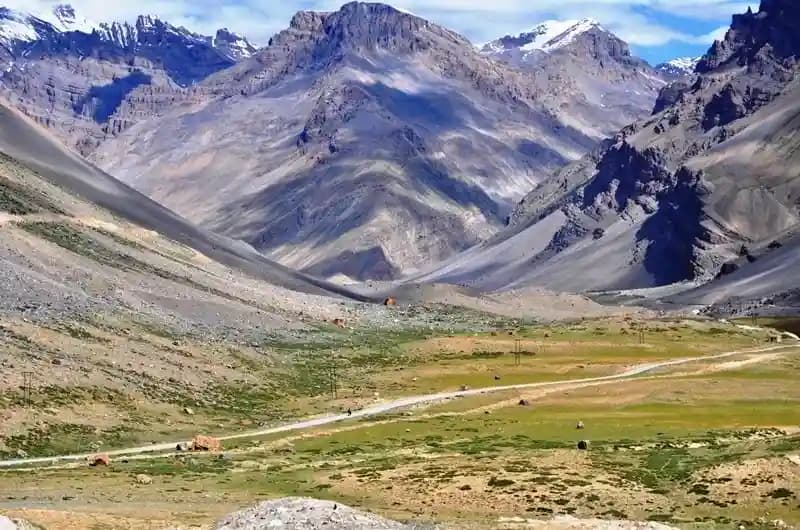
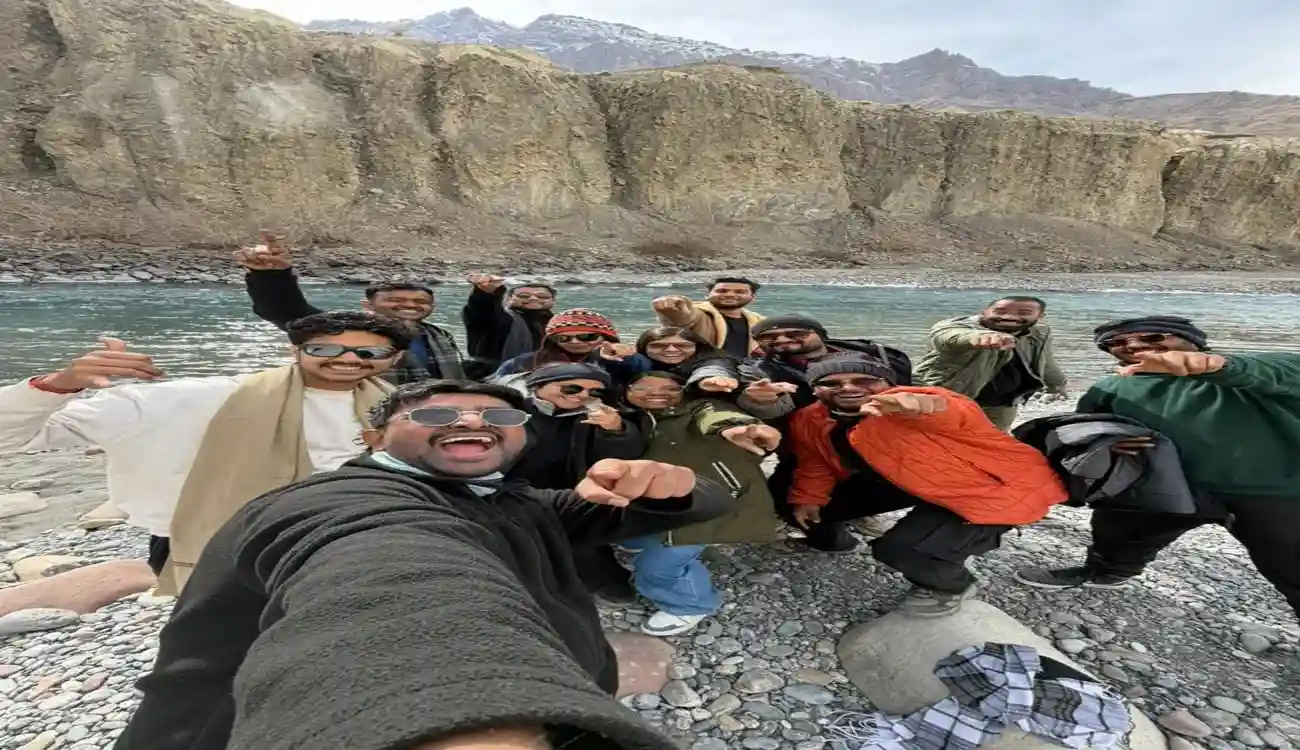 The journey into Spiti was long and tiring, but never uncomfortable. As we climbed higher, the roads got rougher and the air colder, but our driver was calm and experienced something that really matters in the mountains. We stopped often, never rushed, and had time to simply step out, breathe, and absorb the surroundings.
As a solo traveller, I was slightly nervous on the first day, but that feeling faded quickly. Most people in the group were travelling solo or with just one companion, so conversations happened naturally. Nothing felt forced, and silence was just as acceptable as chatter.
Spiti Doesn’t Overwhelm You, It Slowly Grows on You!
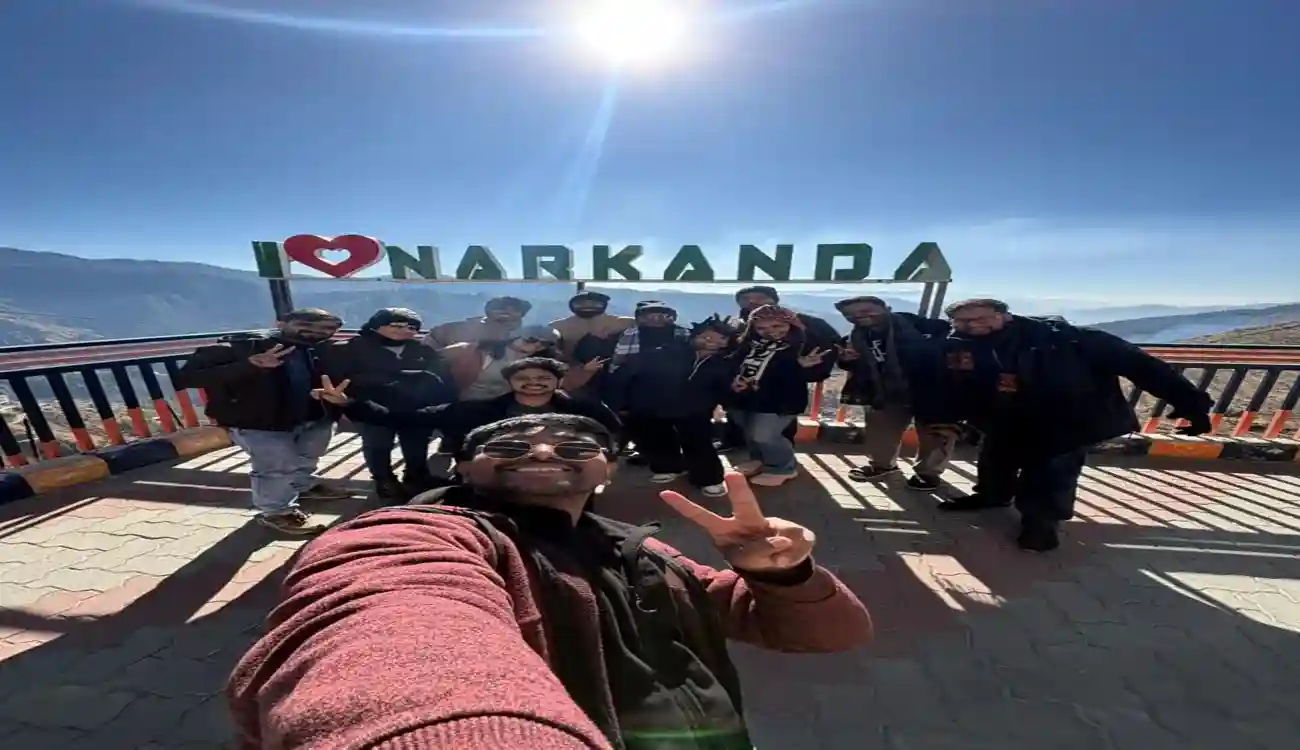
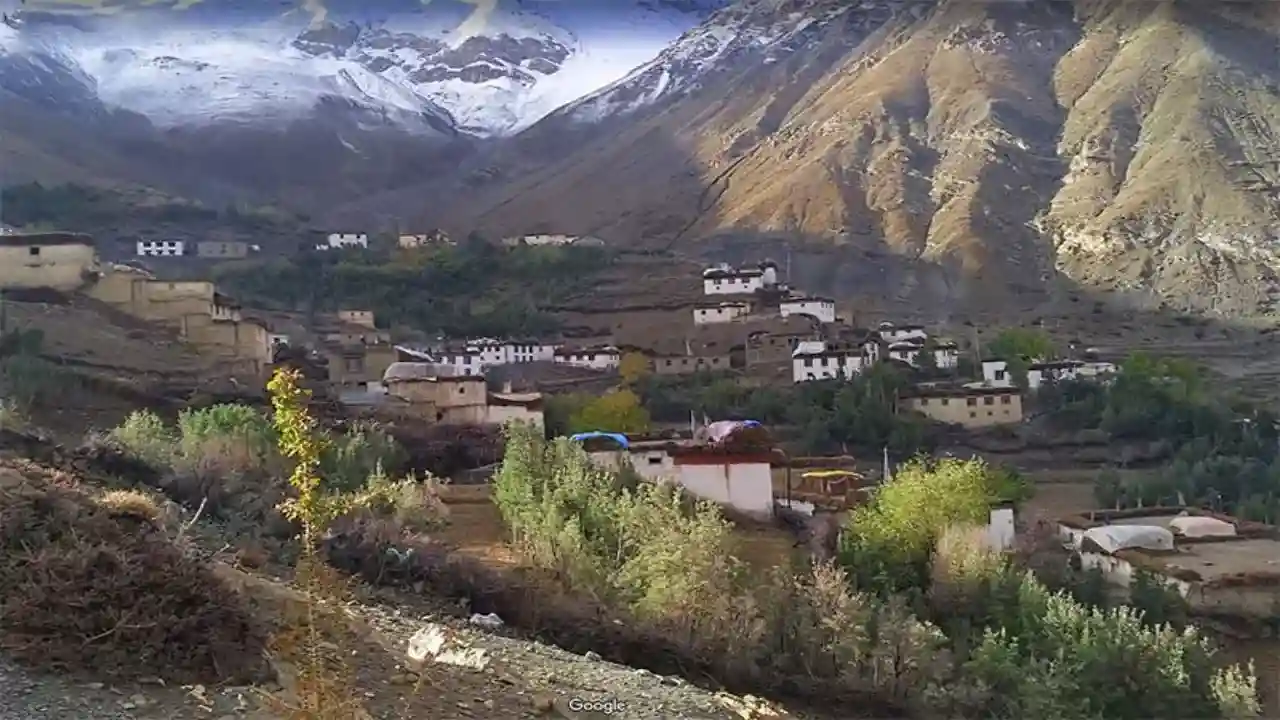
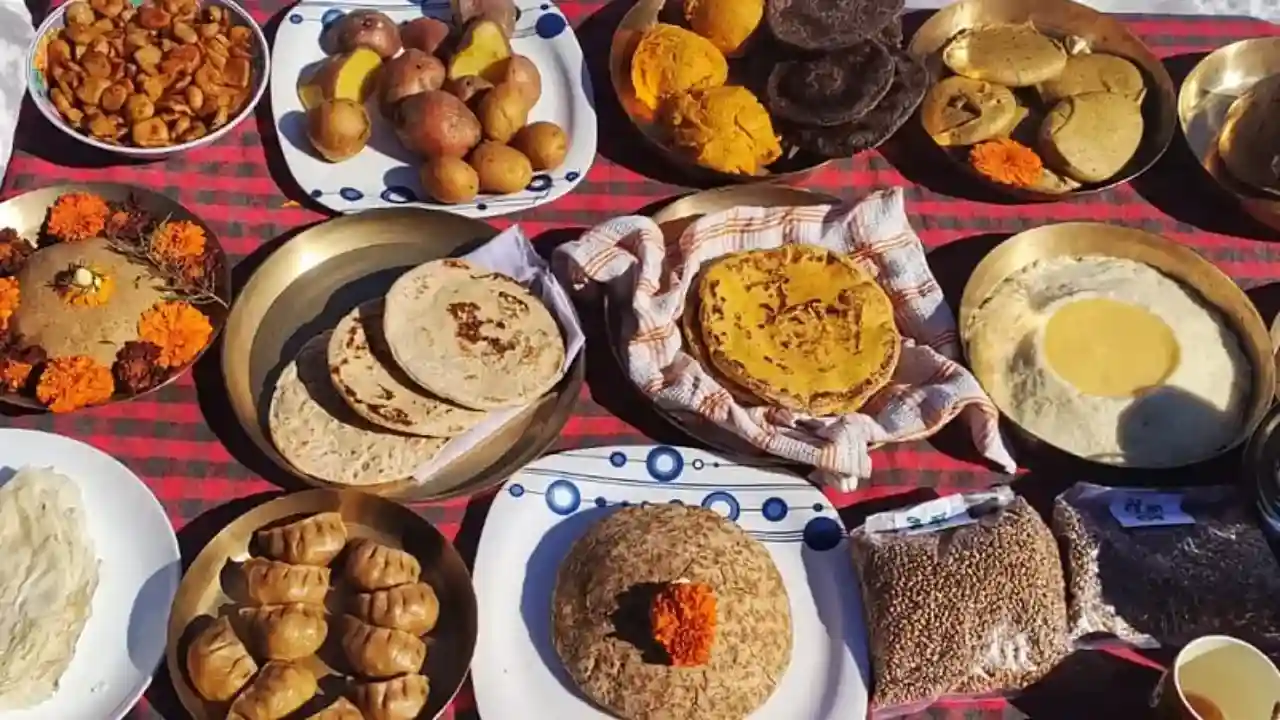
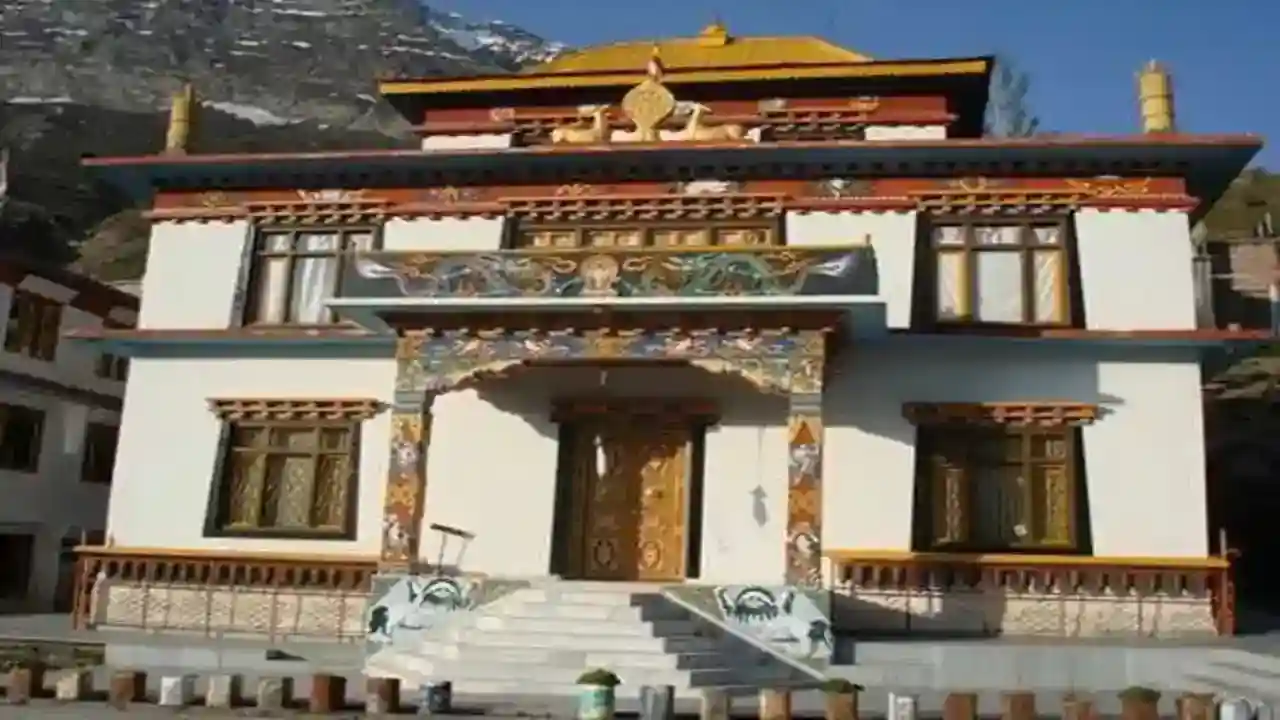
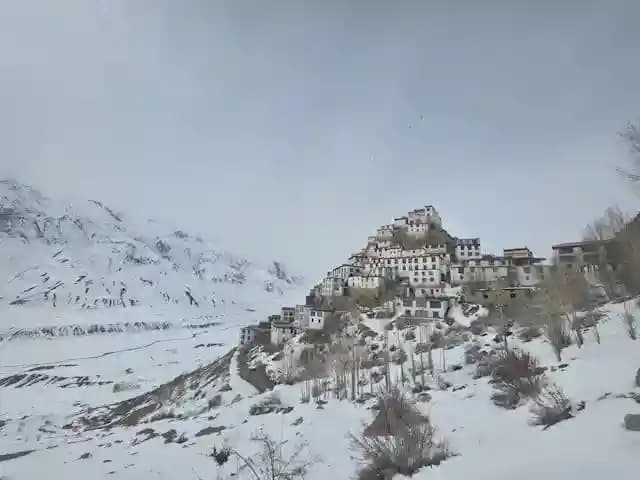
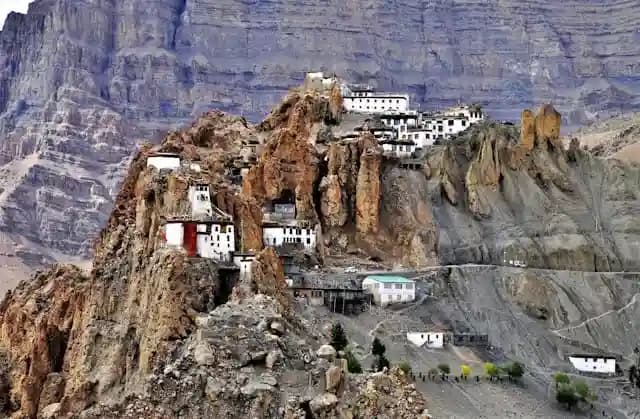
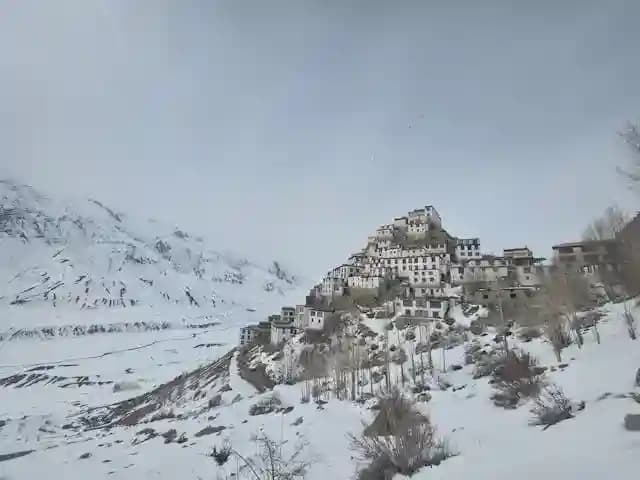
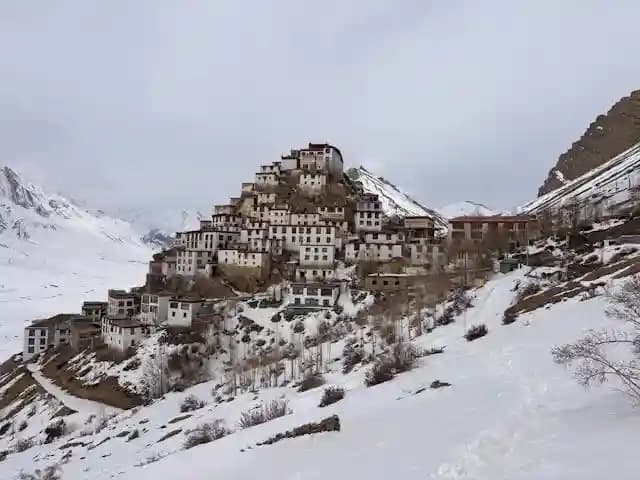
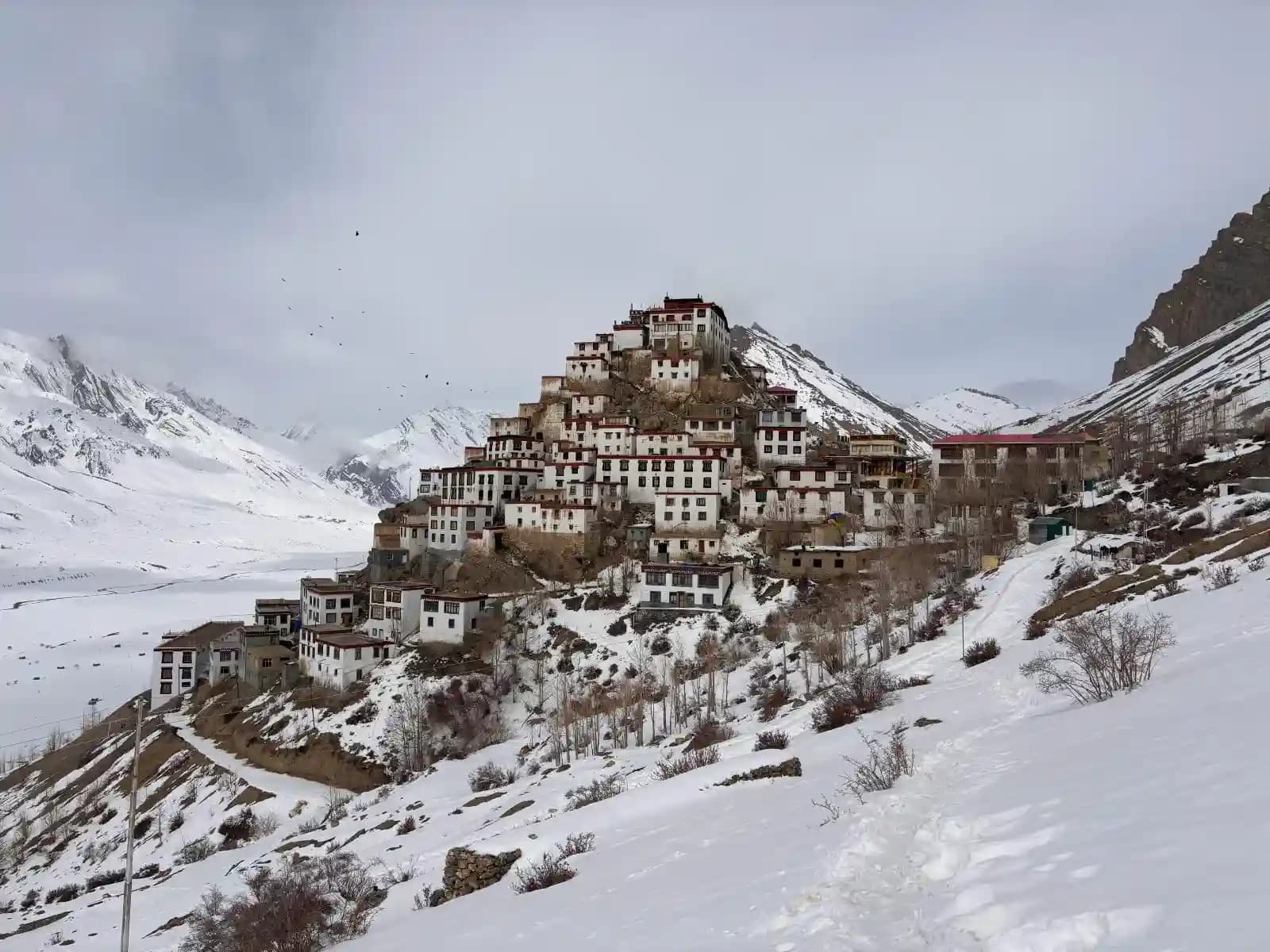
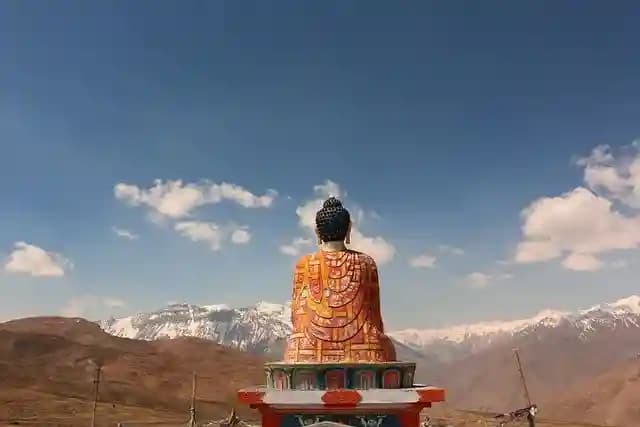
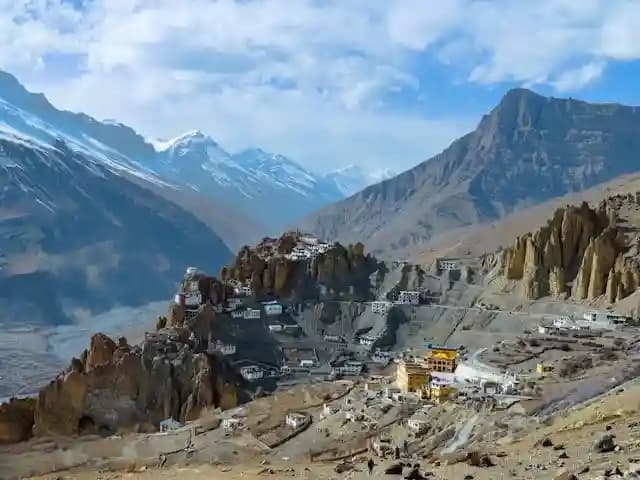
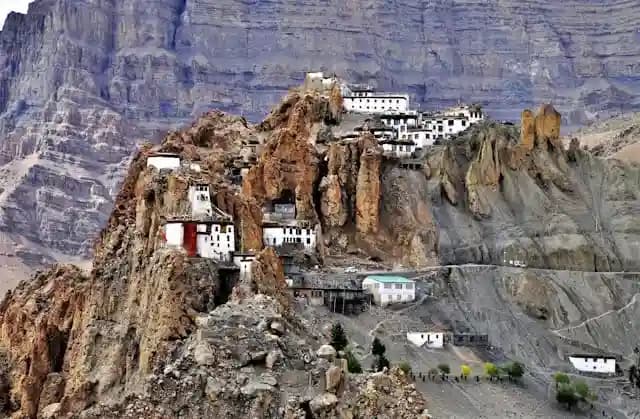
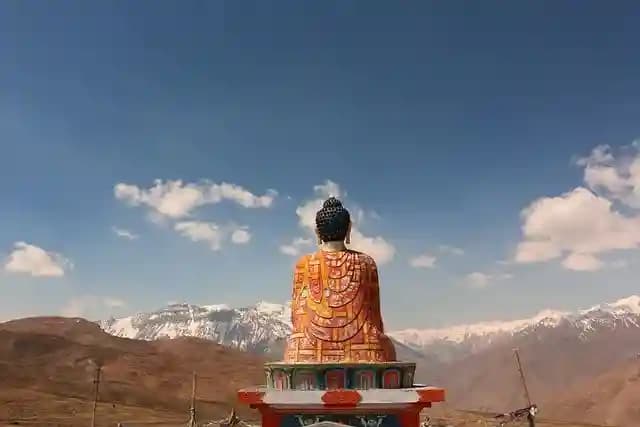
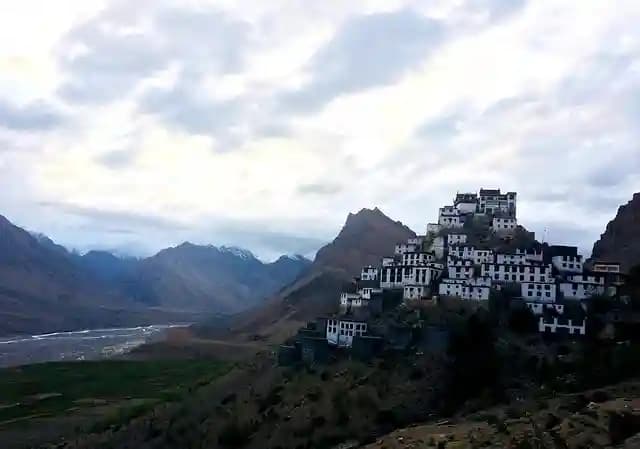
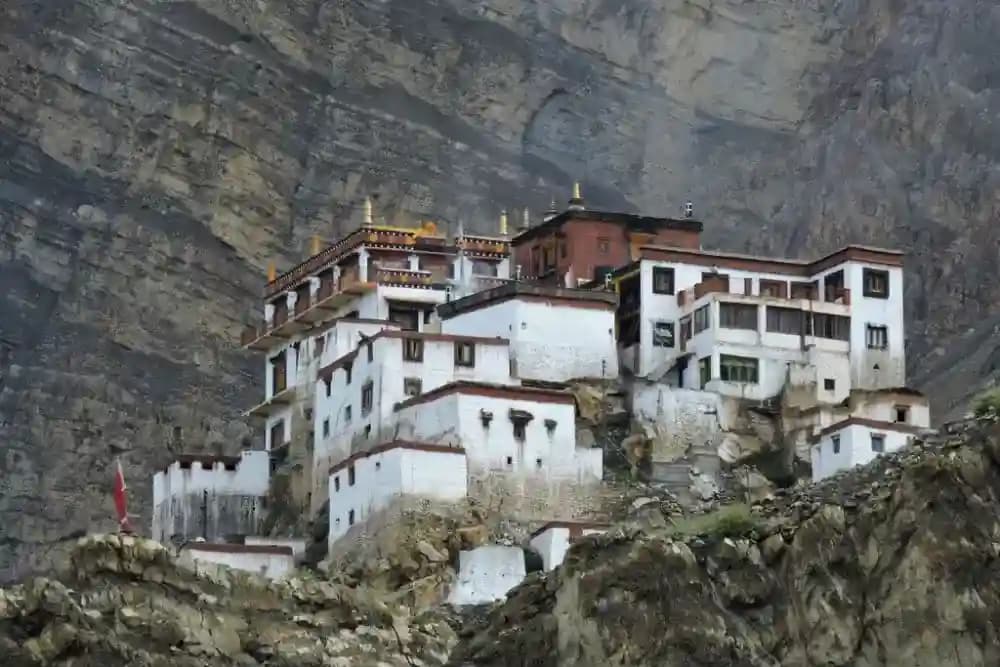
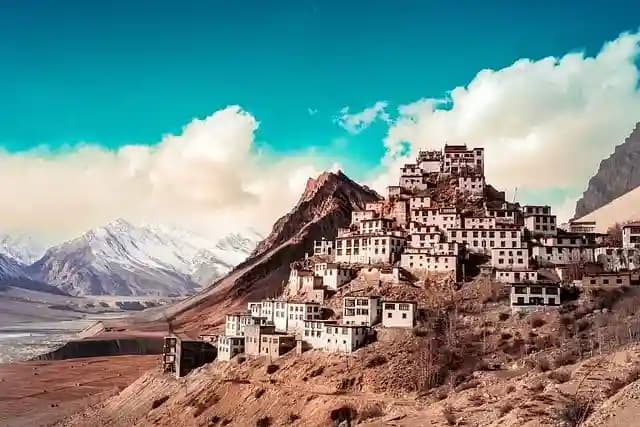
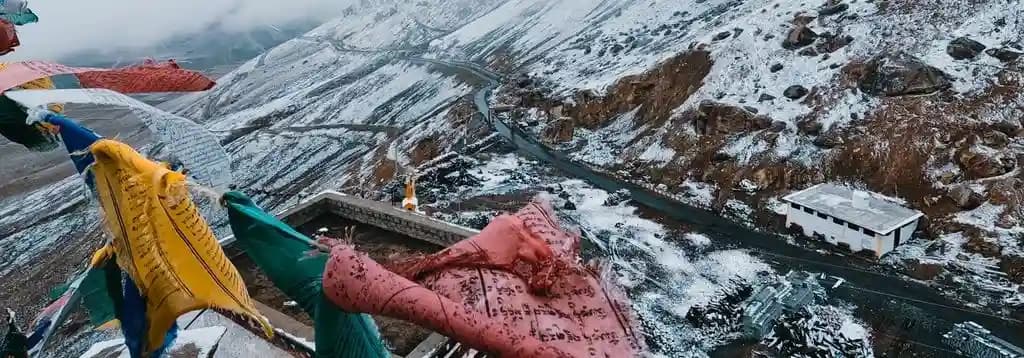
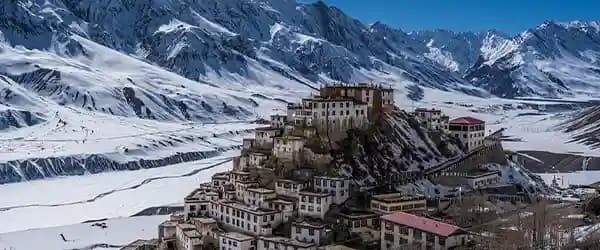
We visited places like Key Monastery, Tabo, Hikkim, and Langza, but what stayed with me most were the in-between moments. Sitting quietly while prayer flags fluttered in the cold wind. Watching locals go about their day. Eating simple, warm meals after long drives.
The trip leaders were always around present but never intrusive. They checked in regularly about altitude, health, and comfort, made sure everyone was eating well, and kept plans flexible depending on weather and road conditions. That balance made the trip feel safe without feeling controlled.
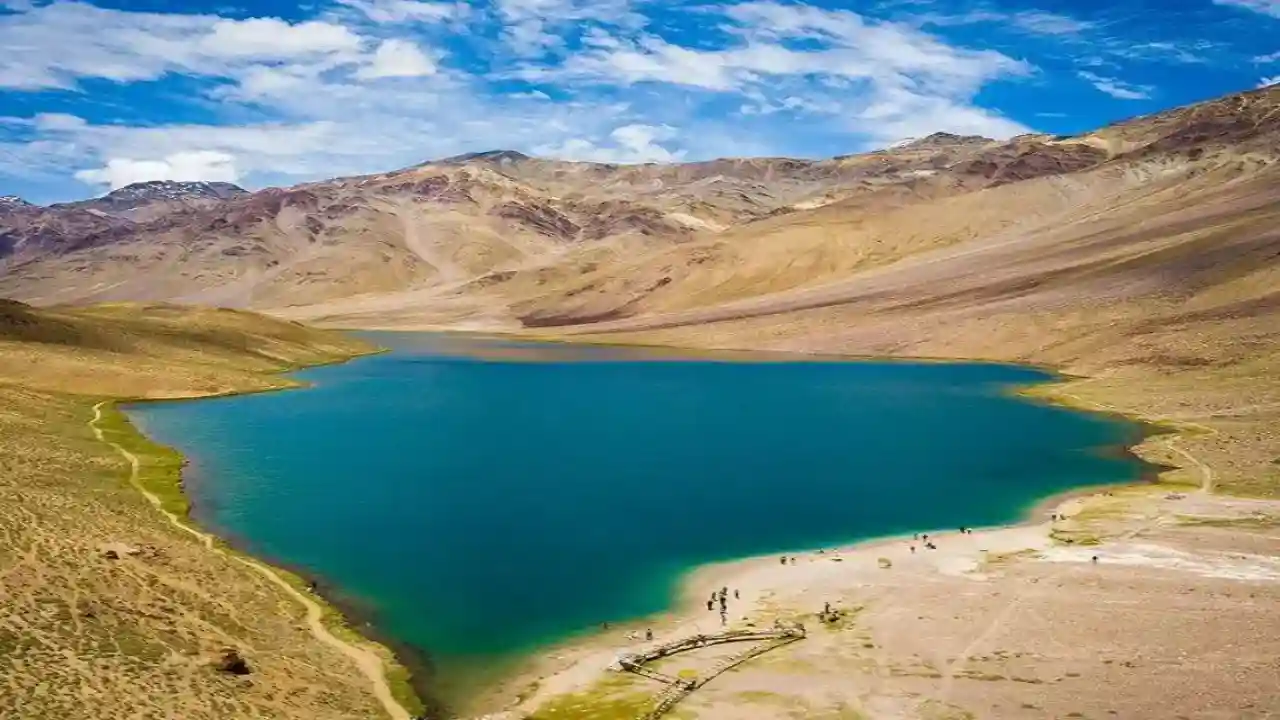
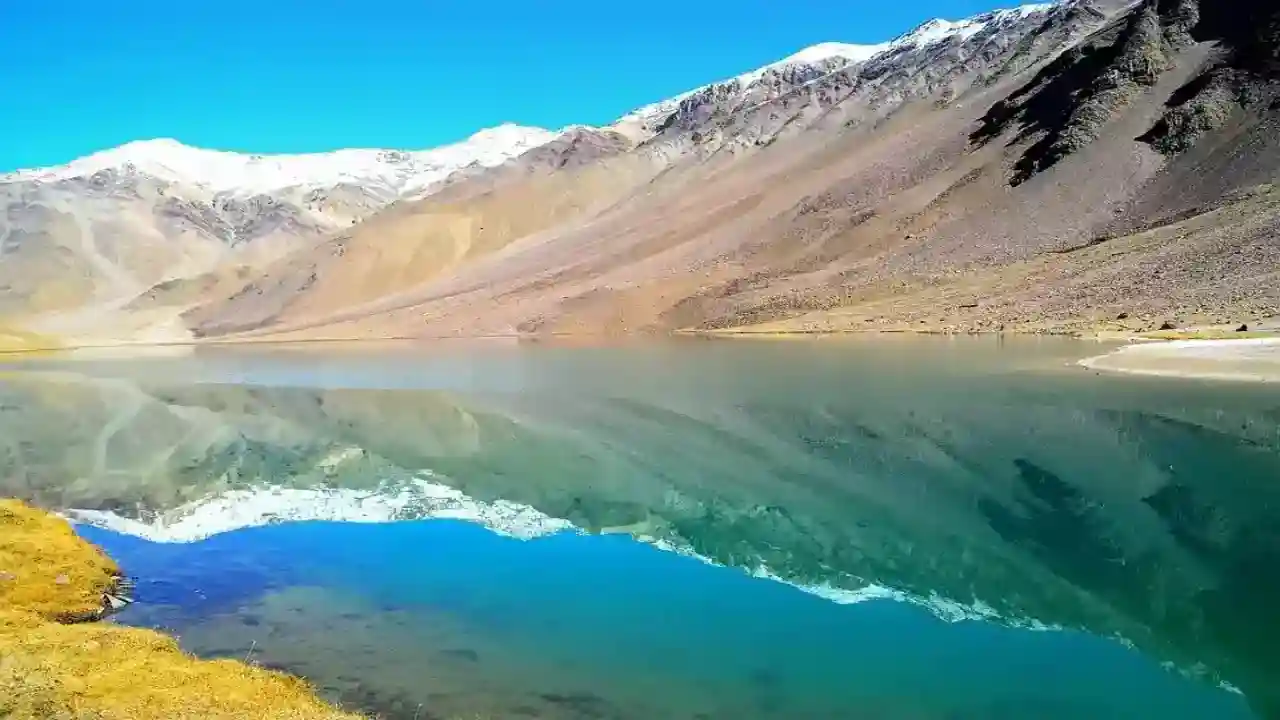
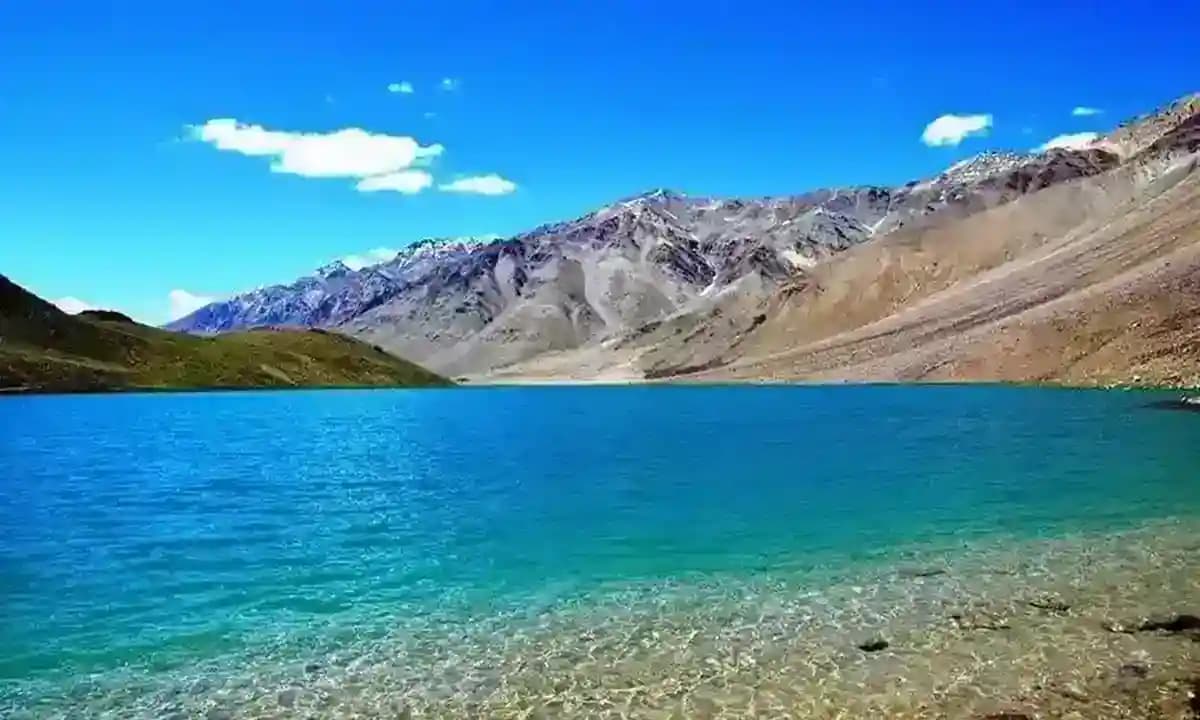
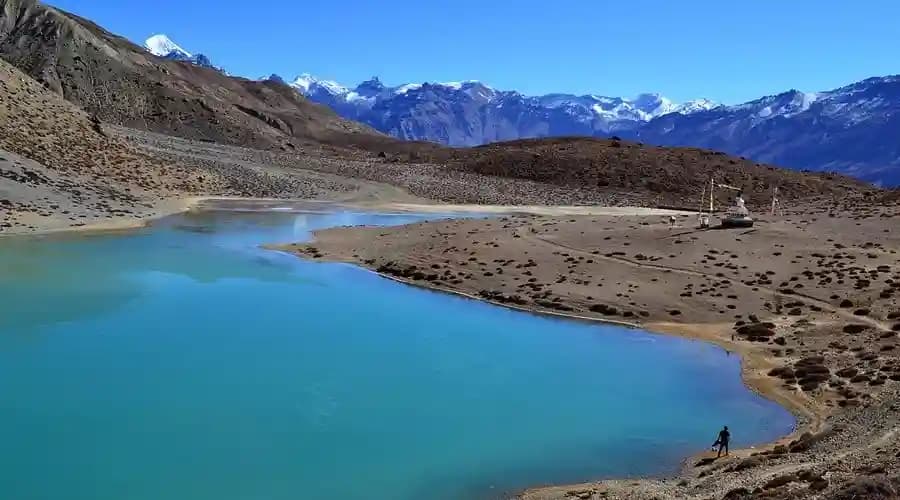
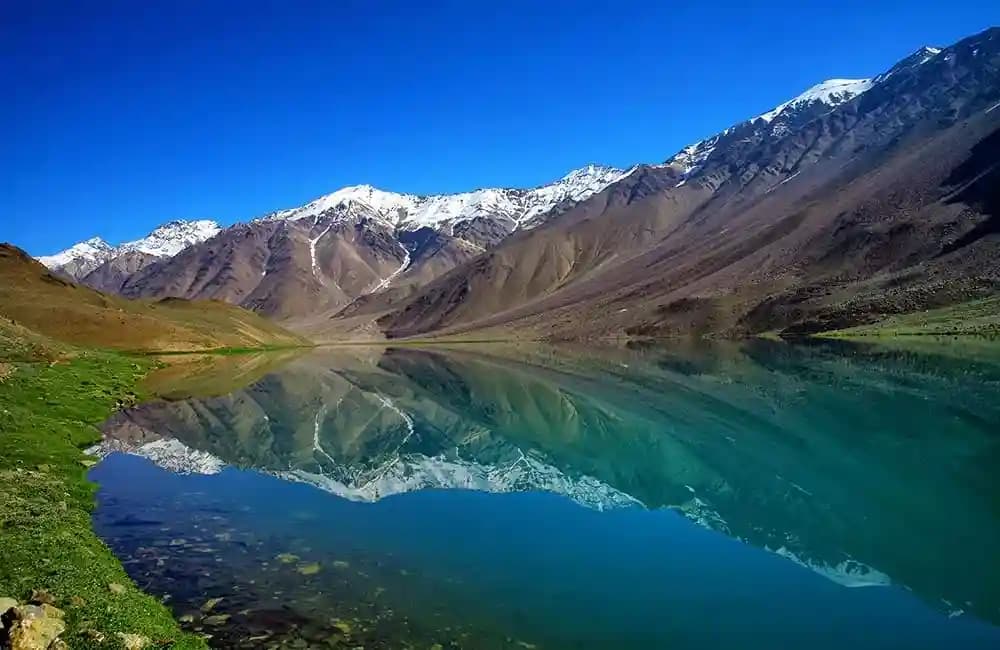
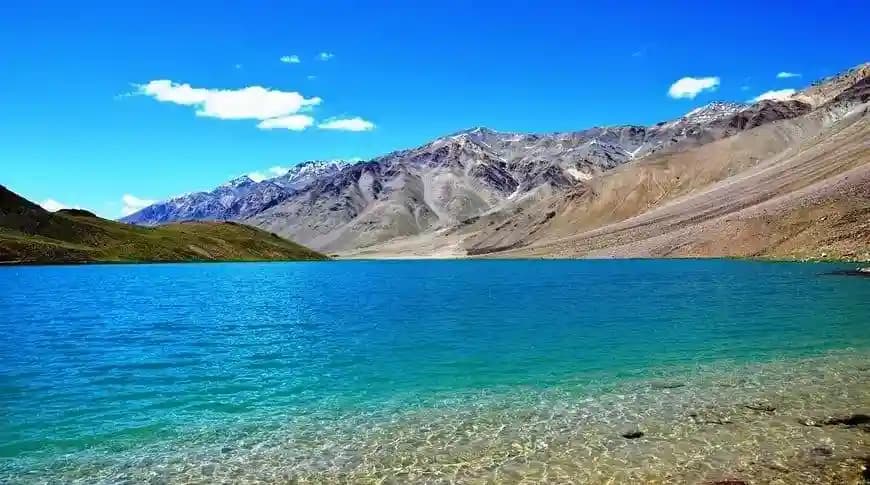
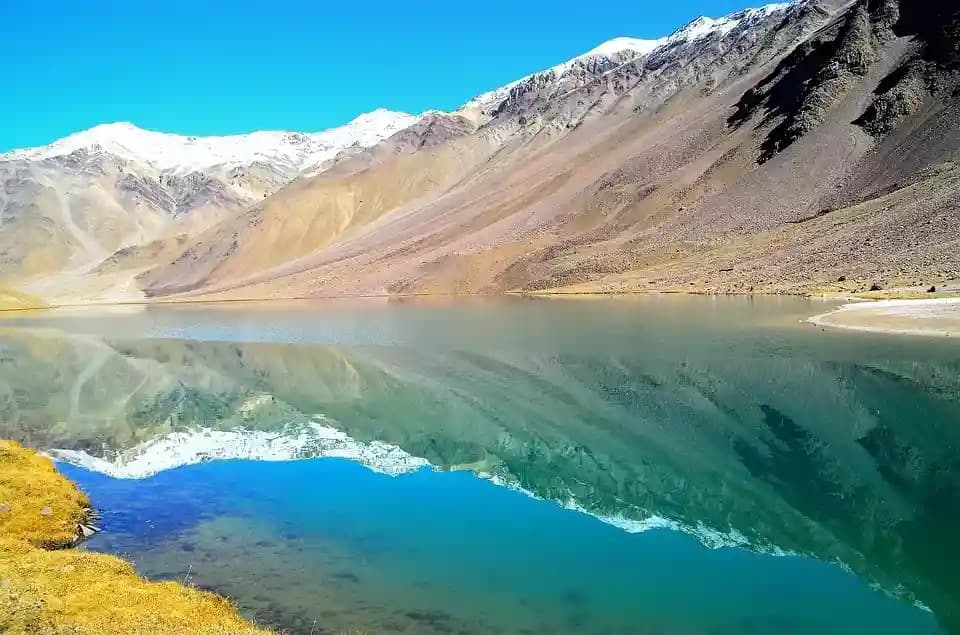
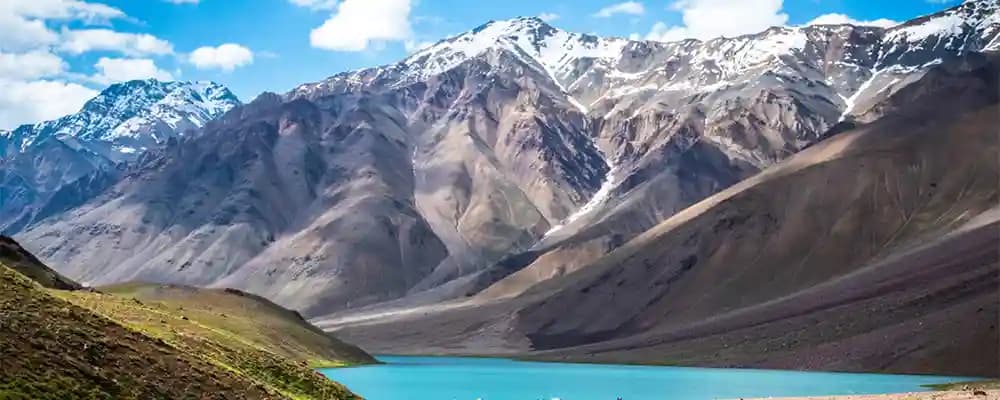
The Night at Chandratal was Unreal
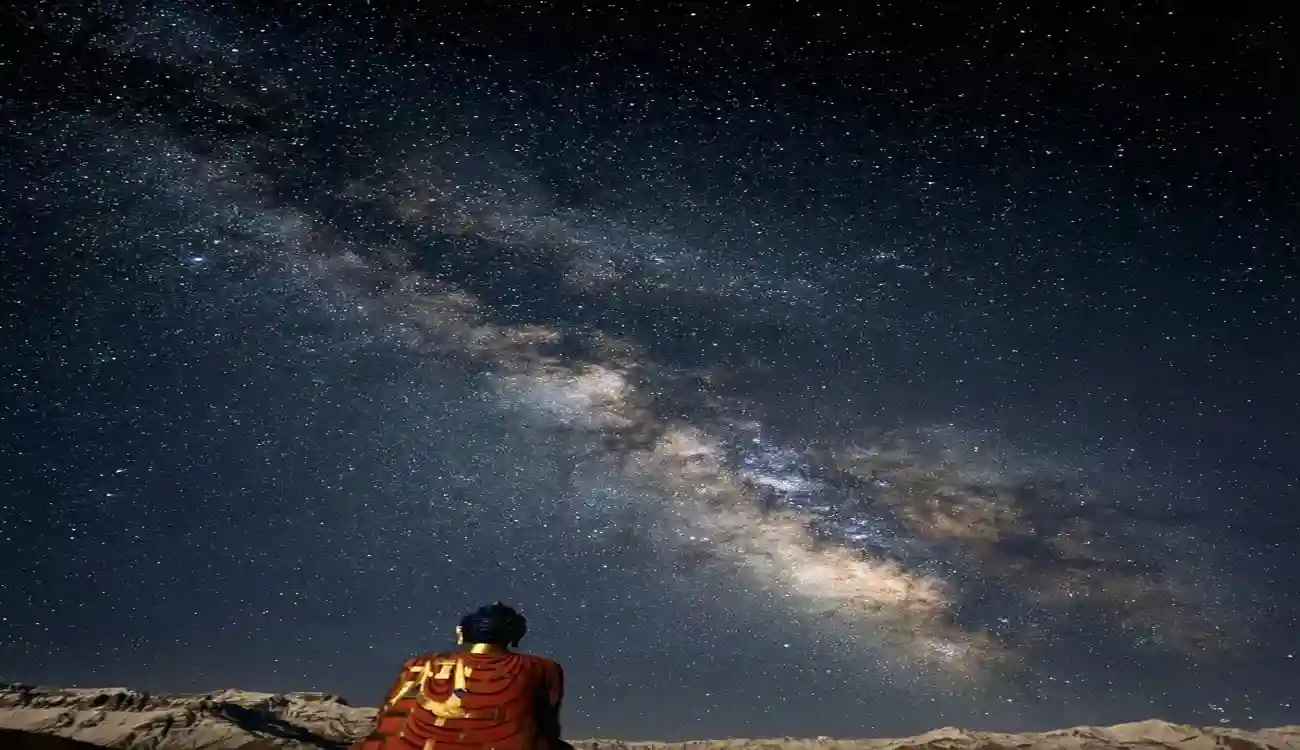
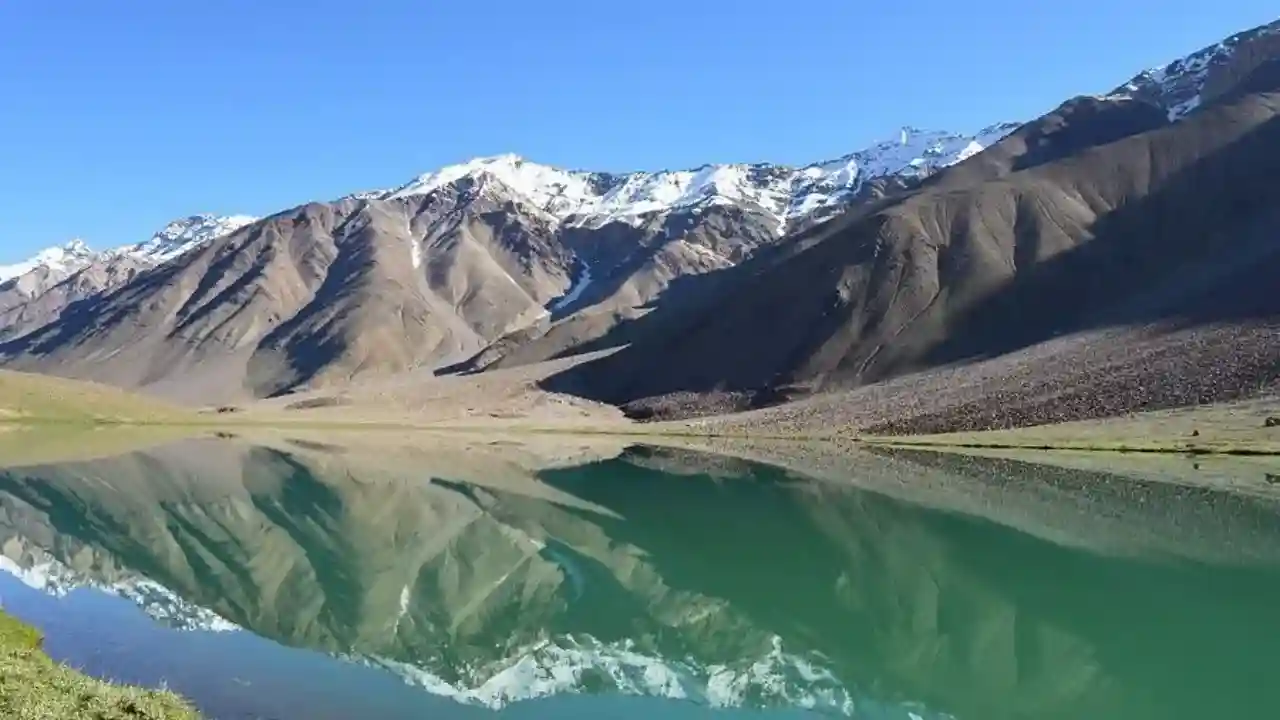
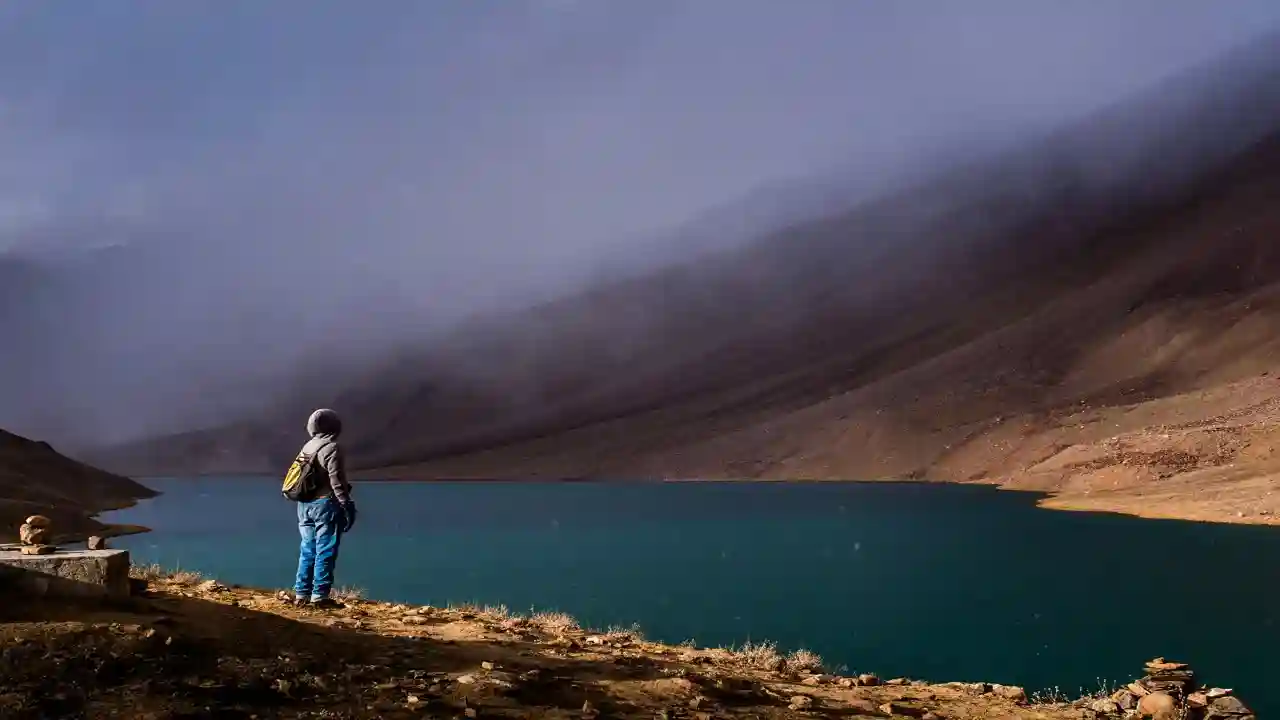
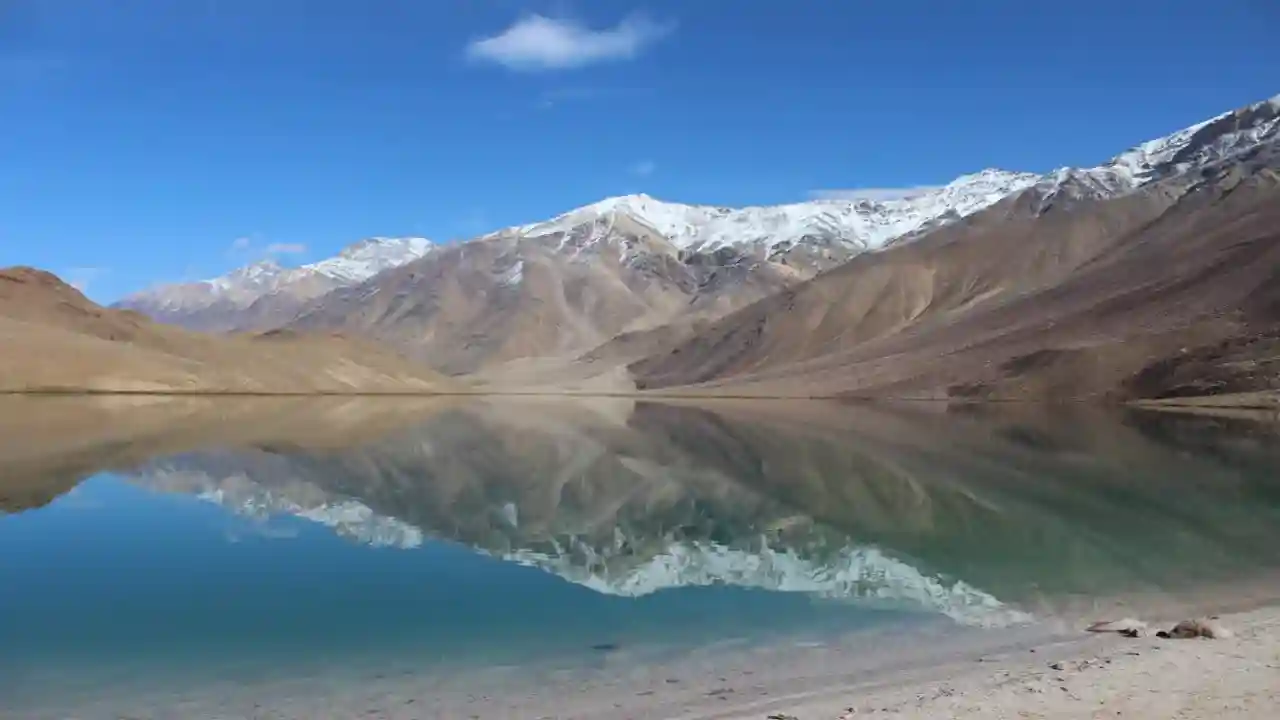
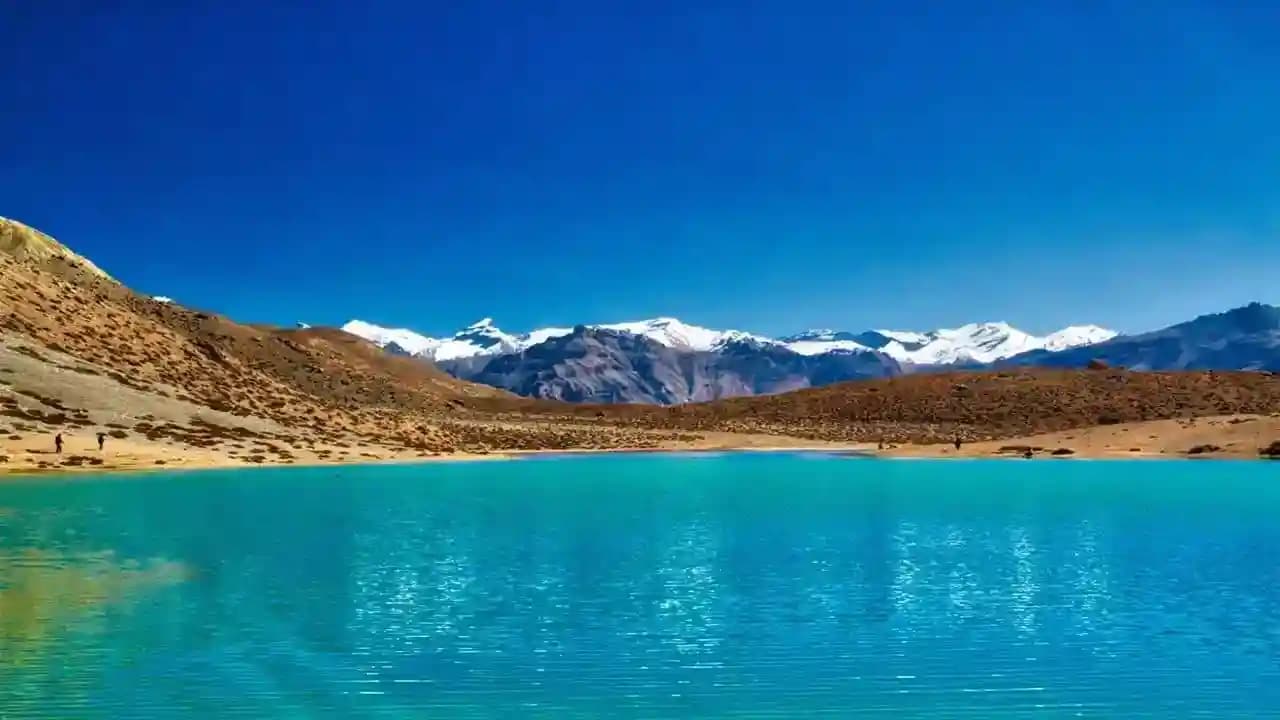
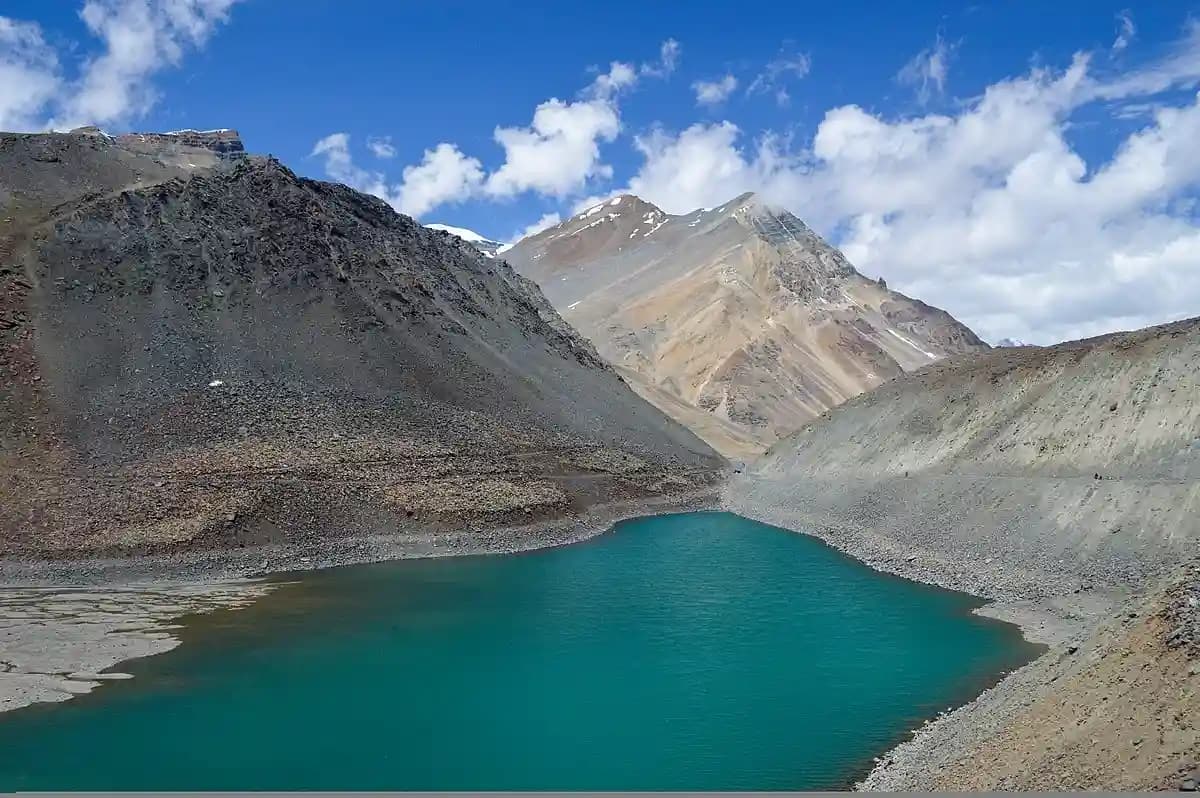
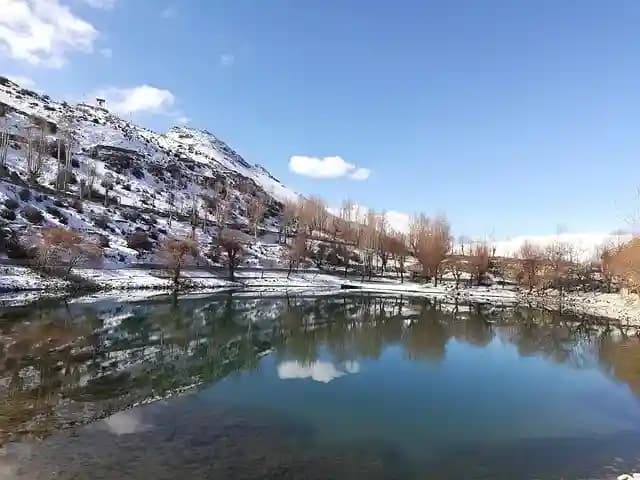
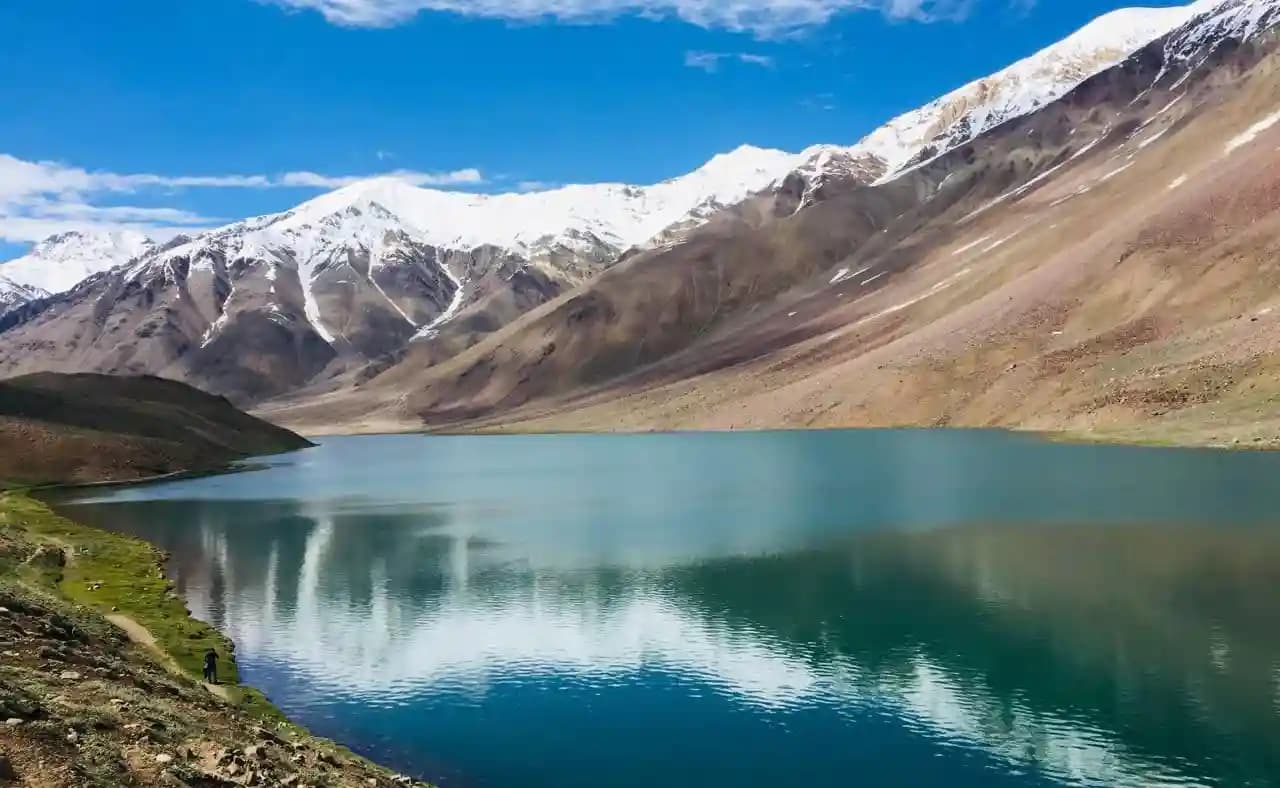
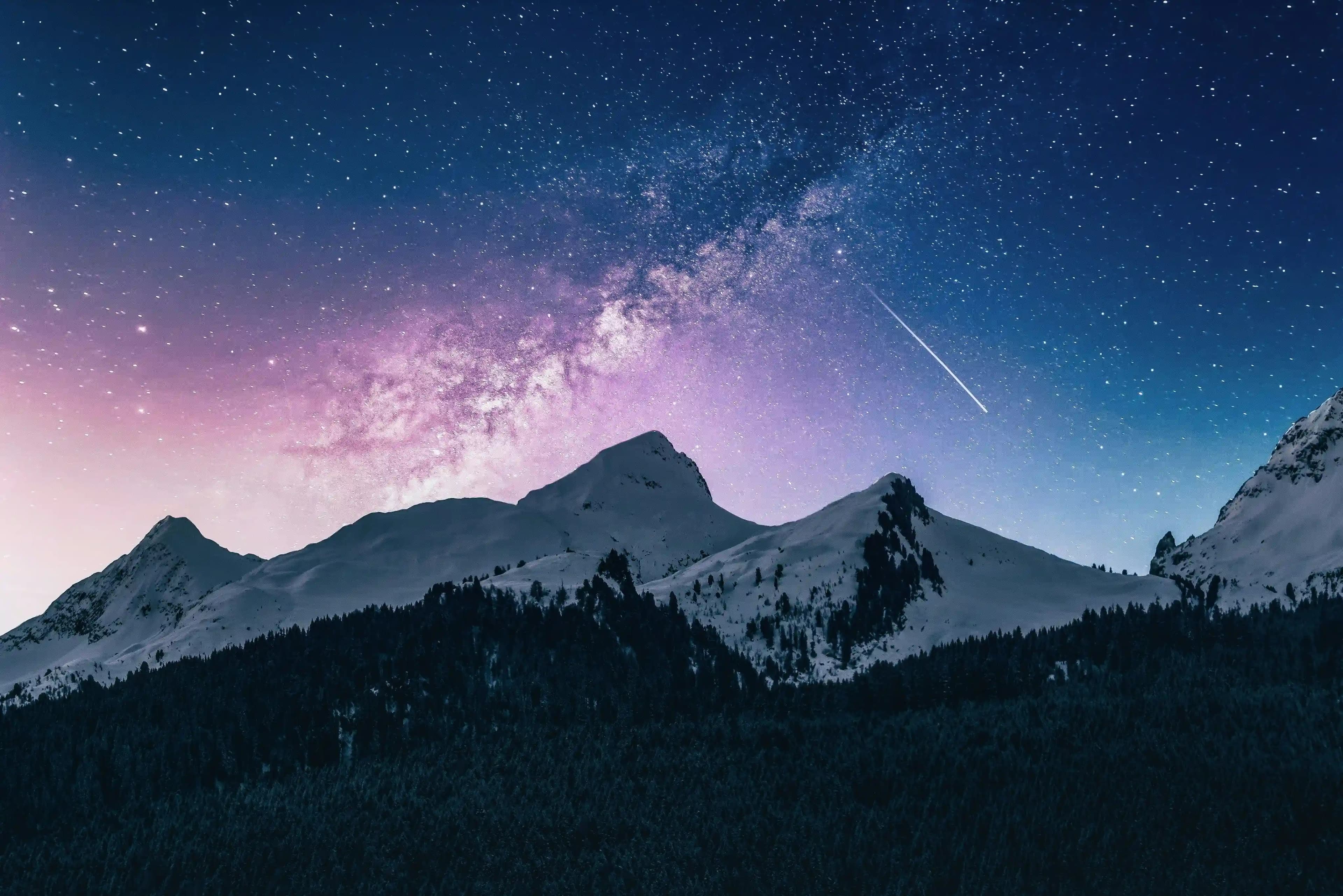
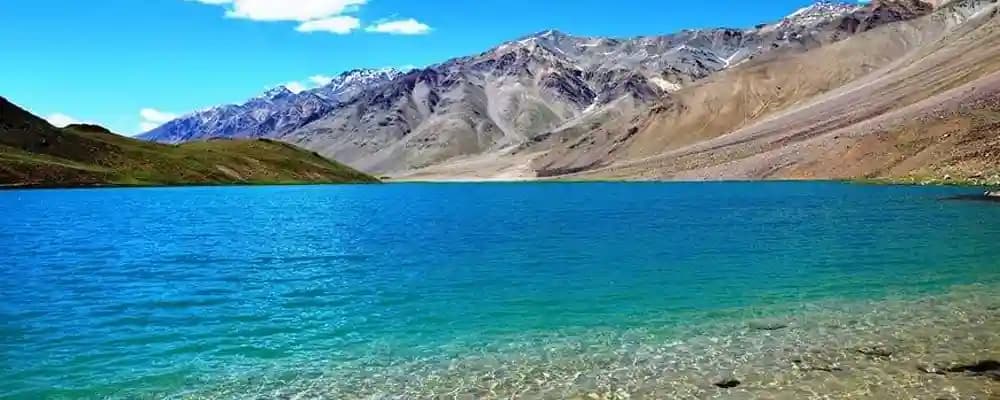
It was cold, windy, and silent in a way I had never experienced before. The lake looked different from every angle, and once darkness settled in, the sky completely opened up. No city lights. No noise. Just endless stars above frozen mountains.
What impressed me most was how well everything was managed despite how remote the location was. Properly set-up camps, warm food, and no chaos. When you’re travelling solo, these small things matter, they let you relax and truly enjoy where you are.
Feeling Safe as a Solo Traveller
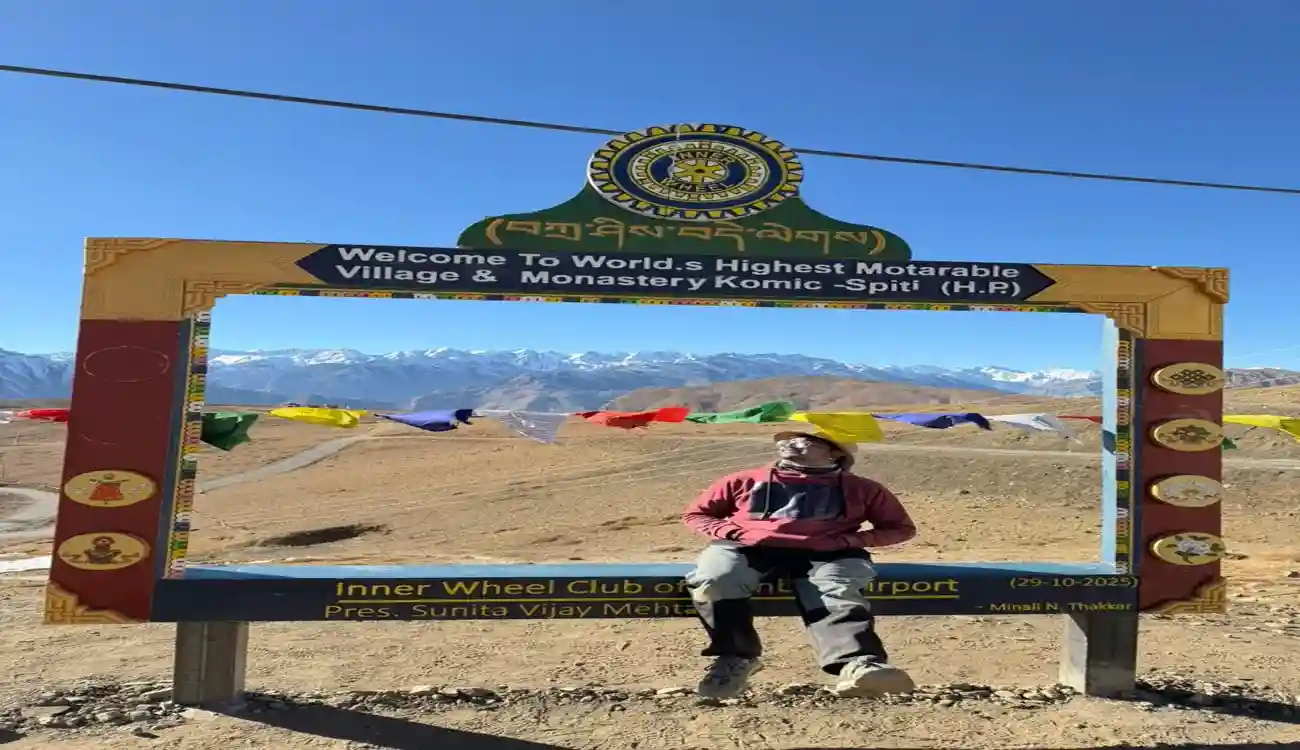
This was my first solo trip to such a remote winter destination, and safety was always somewhere in the back of my mind. But throughout the journey, I never felt unsure or uncomfortable.
There was clarity about daily plans, routes, and what to expect. If someone felt unwell, it was addressed immediately. If weather forced changes, it was communicated clearly. That transparency builds trust, especially when you’re travelling alone. I never felt like I had to ‘figure things out’ in a stressful way. I had my independence, but also support when needed and that balance made all the difference.
Learning to Slow Down
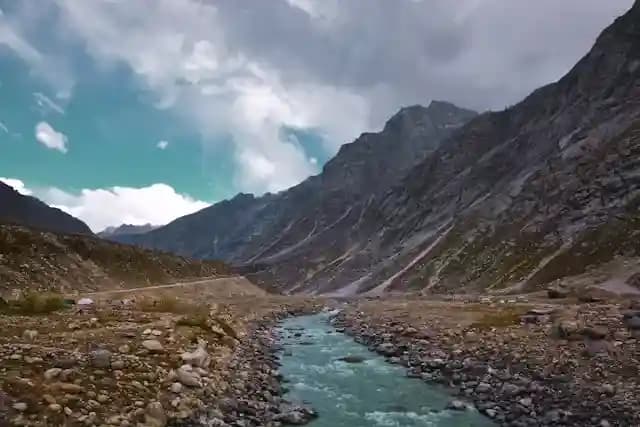
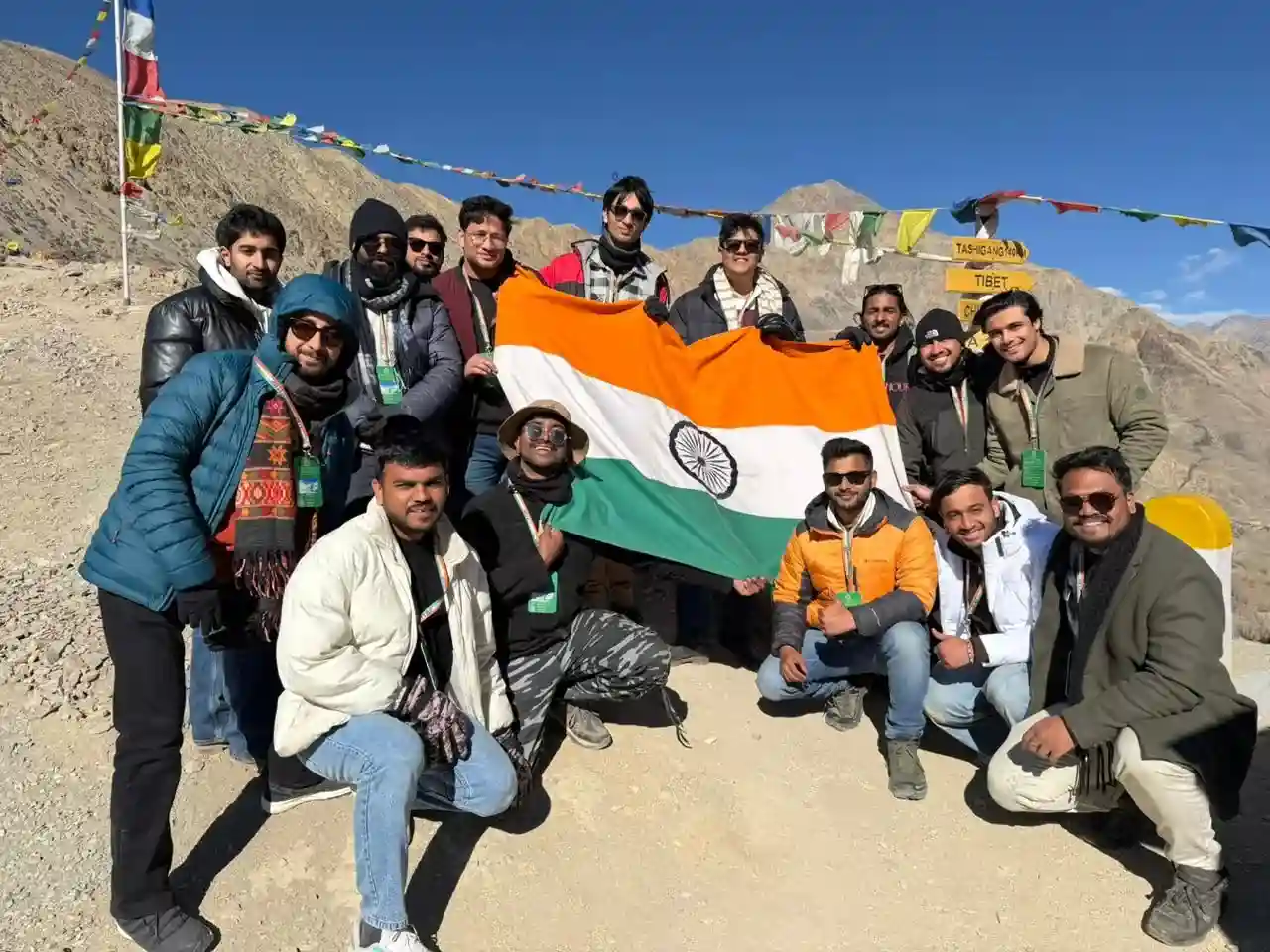 Spiti has a way of slowing you down without trying too hard. Initially, I was still thinking in terms of schedules and plans, but that didn’t last long. Life there moves according to the weather, the roads, and sometimes just how the day feels.
Mornings were quiet. A cup of hot tea, cold air on your face, and mountains slowly lighting up with the sunrise. Even waiting around didn’t feel frustrating it felt natural.
Travelling solo helped. There was no pressure to talk, perform, or constantly do something. Sitting quietly felt enough.
The People Who Made It Warmer
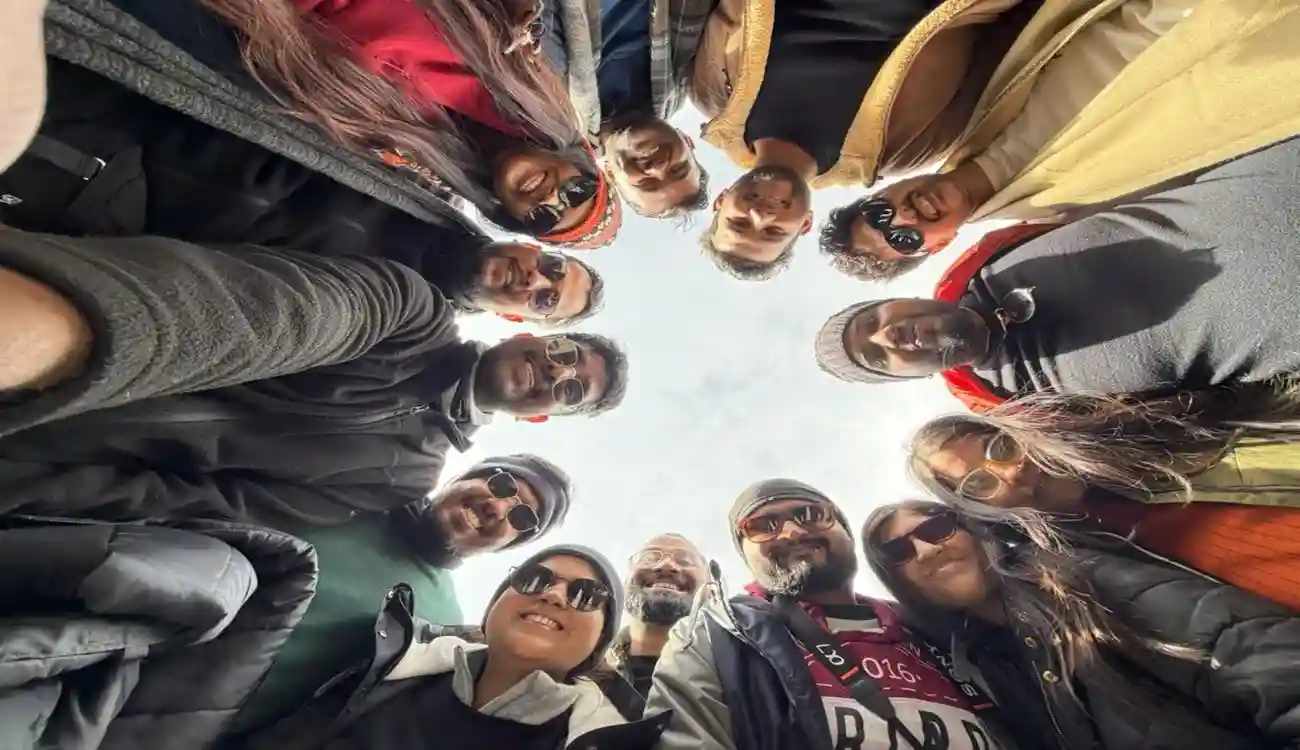
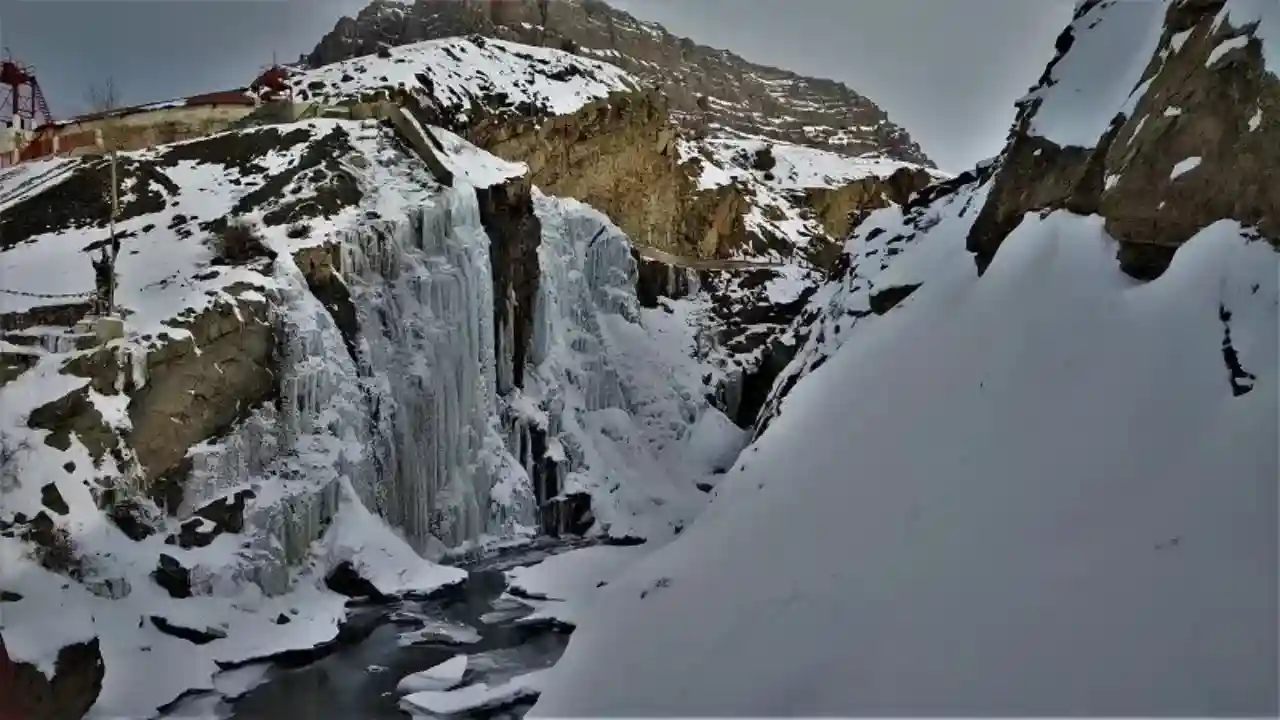
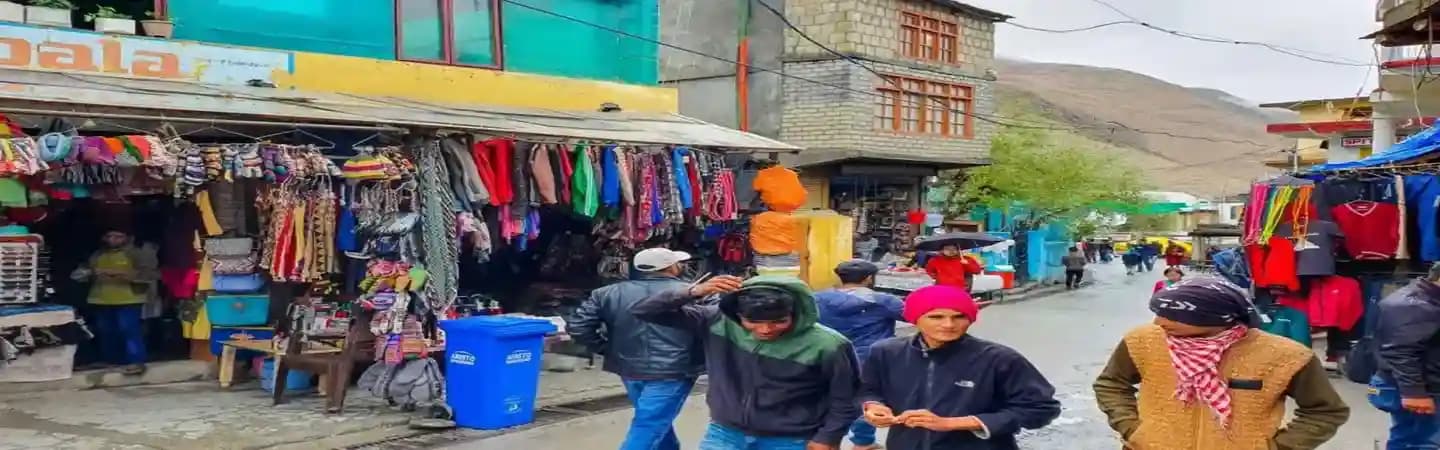
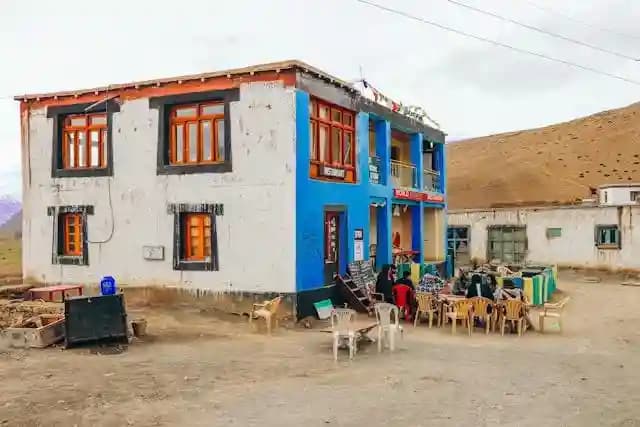
Spiti may look harsh, especially in winter, but the people are warm in the simplest ways. No dramatic gestures just small acts of kindness that stayed with me. Homestay owners checking if we’d eaten properly. Locals helping us walk safely on icy paths. Smiles exchanged despite language barriers. These moments made the journey easier.
Even within the group, there was an unspoken understanding. Some days we talked a lot; some days barely at all and both felt perfectly okay.
What I Took Back With Me
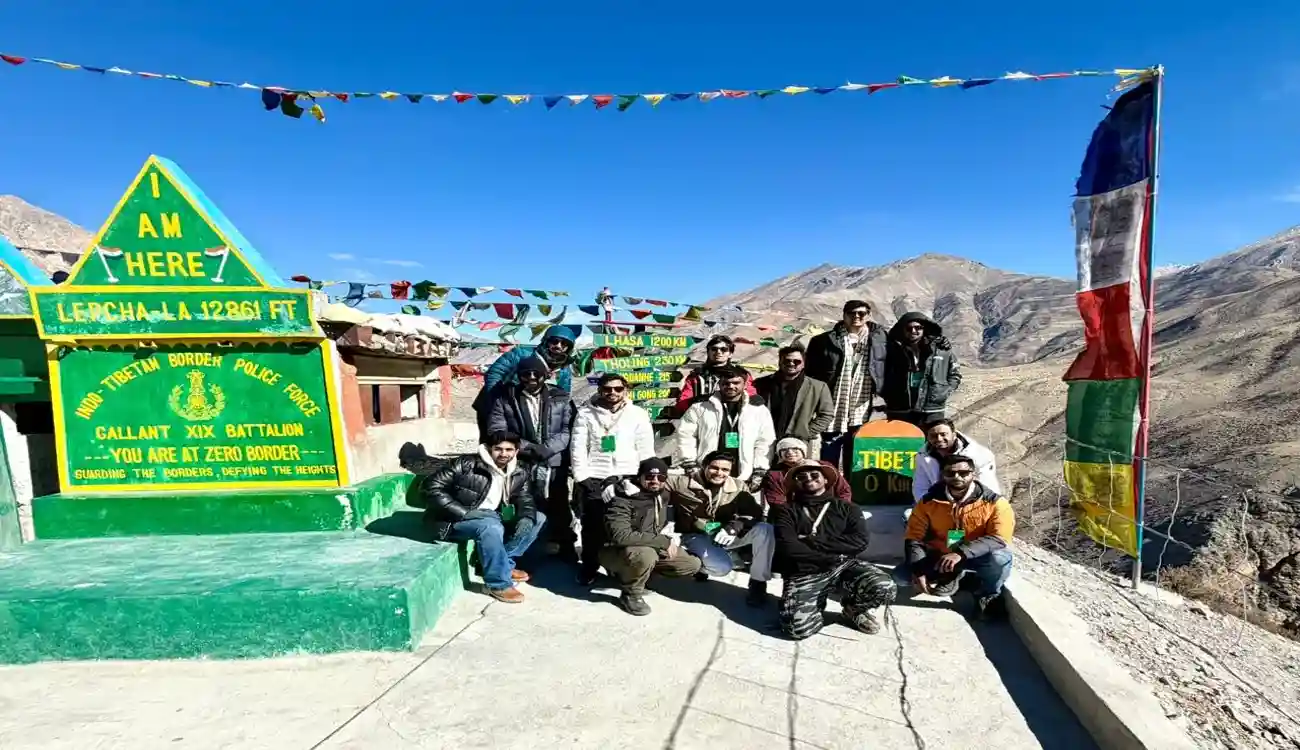
By the time the trip ended, it didn’t feel like I had just visited a place. It felt like I had slowed down mentally more than physically.
Spiti stayed with me even after I returned. The quiet, the landscapes, the simplicity. Travelling solo there gave me confidence, and doing it with the right people around made it easier than I had expected.
Even now, I feel calmer. Less rushed. More okay with silence. Spiti isn’t a place you simply visit and move on from. It stays with you, quietly reminding you to slow down, to be okay with less noise, fewer distractions, and more space to just be.