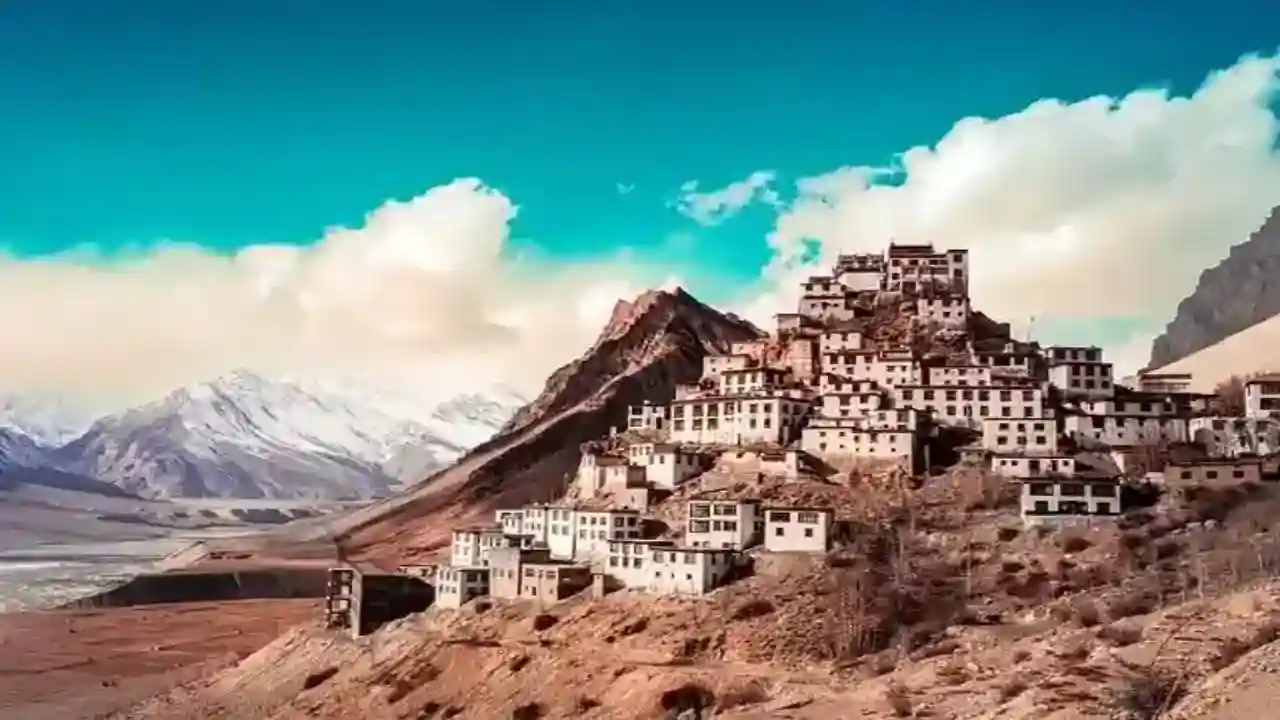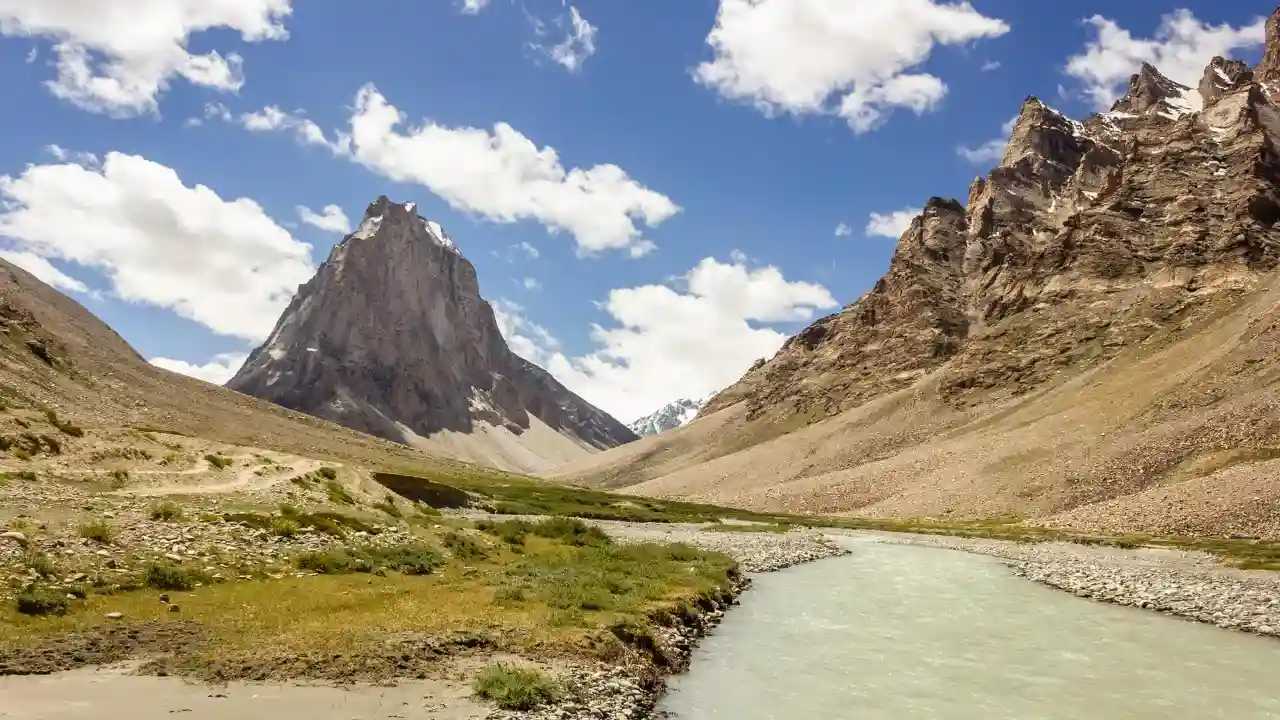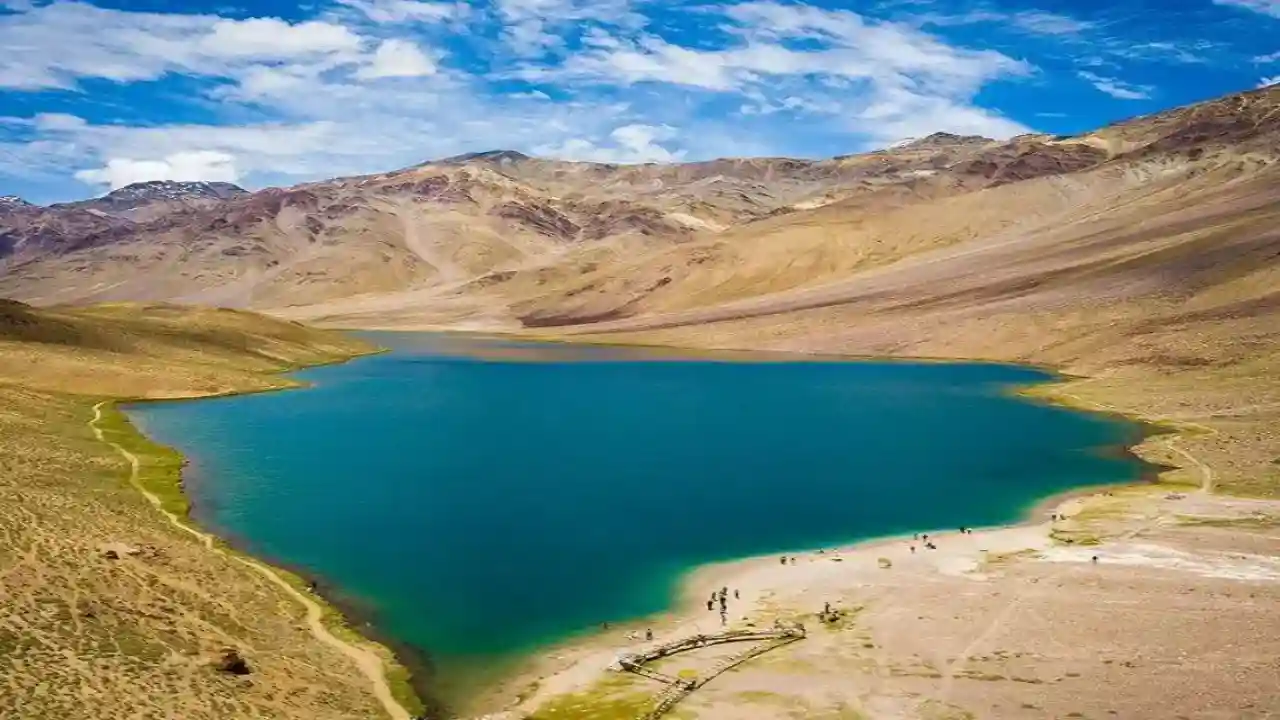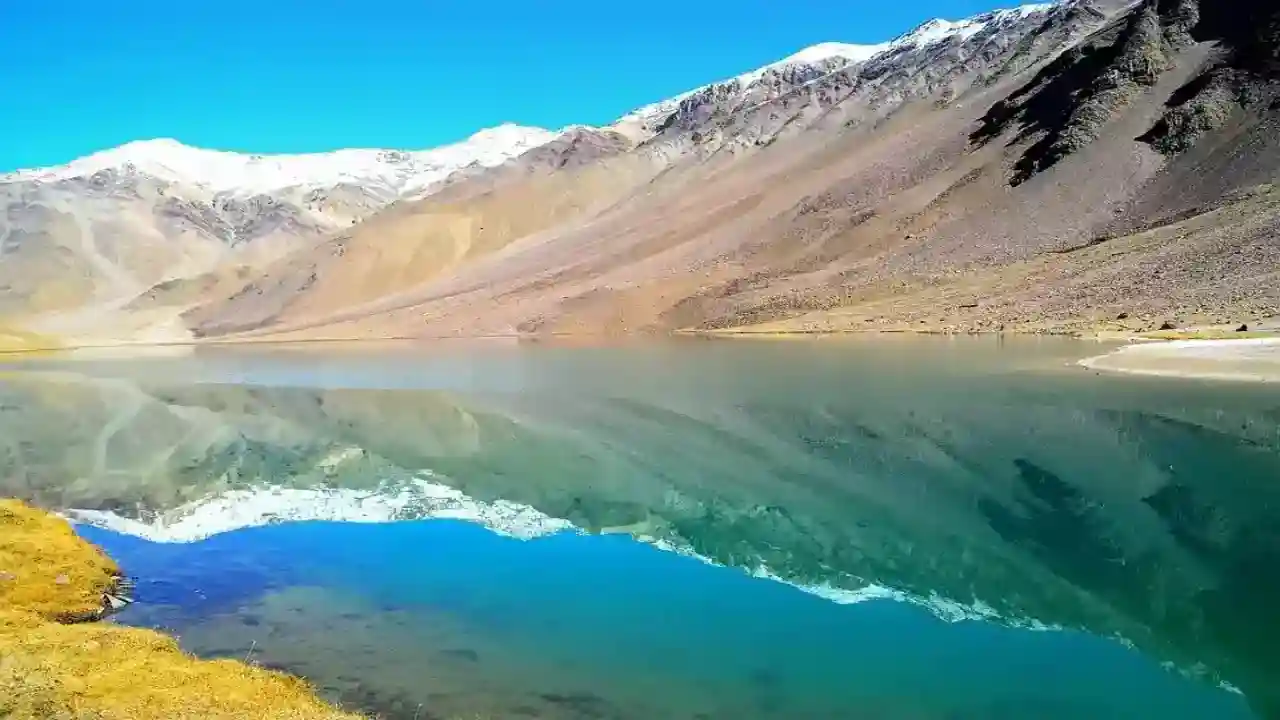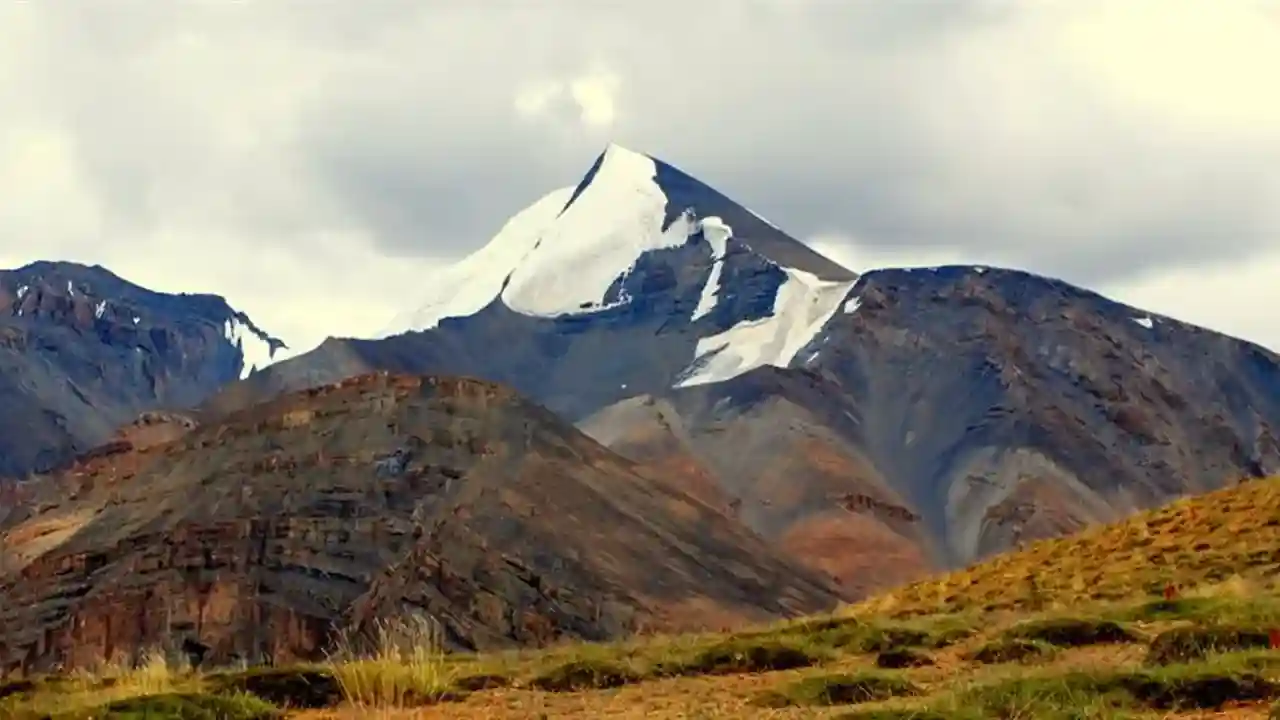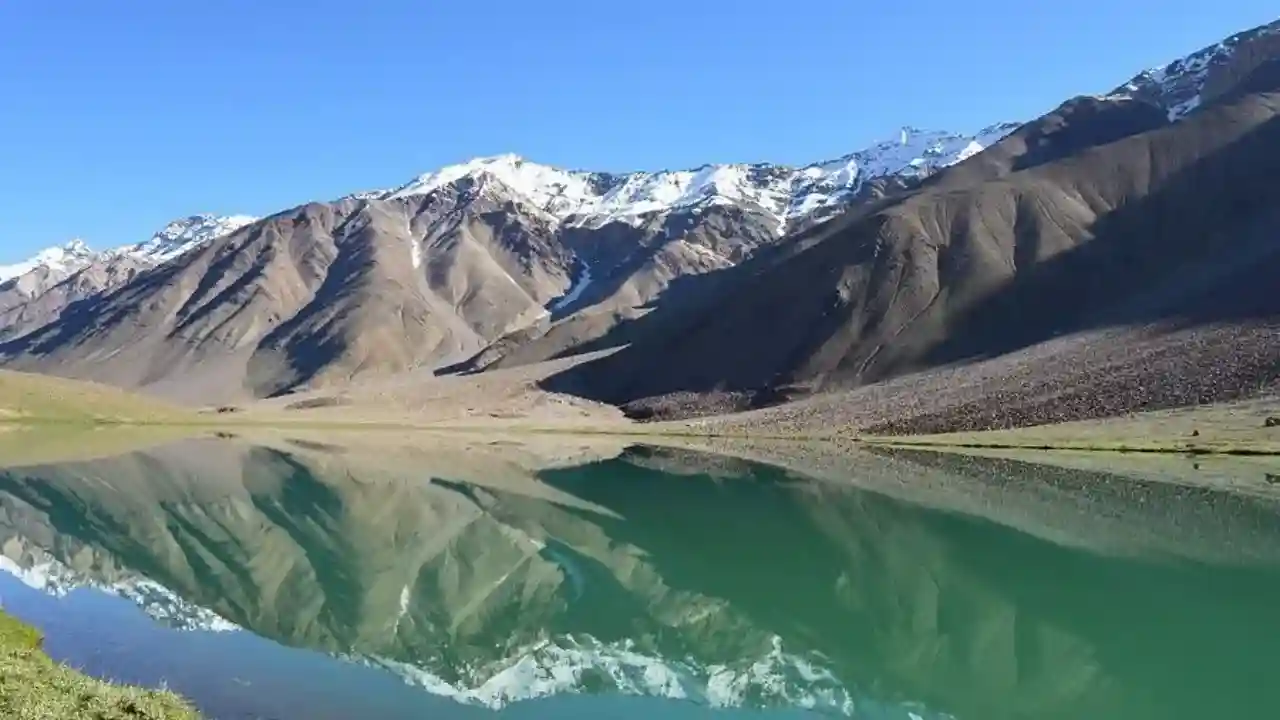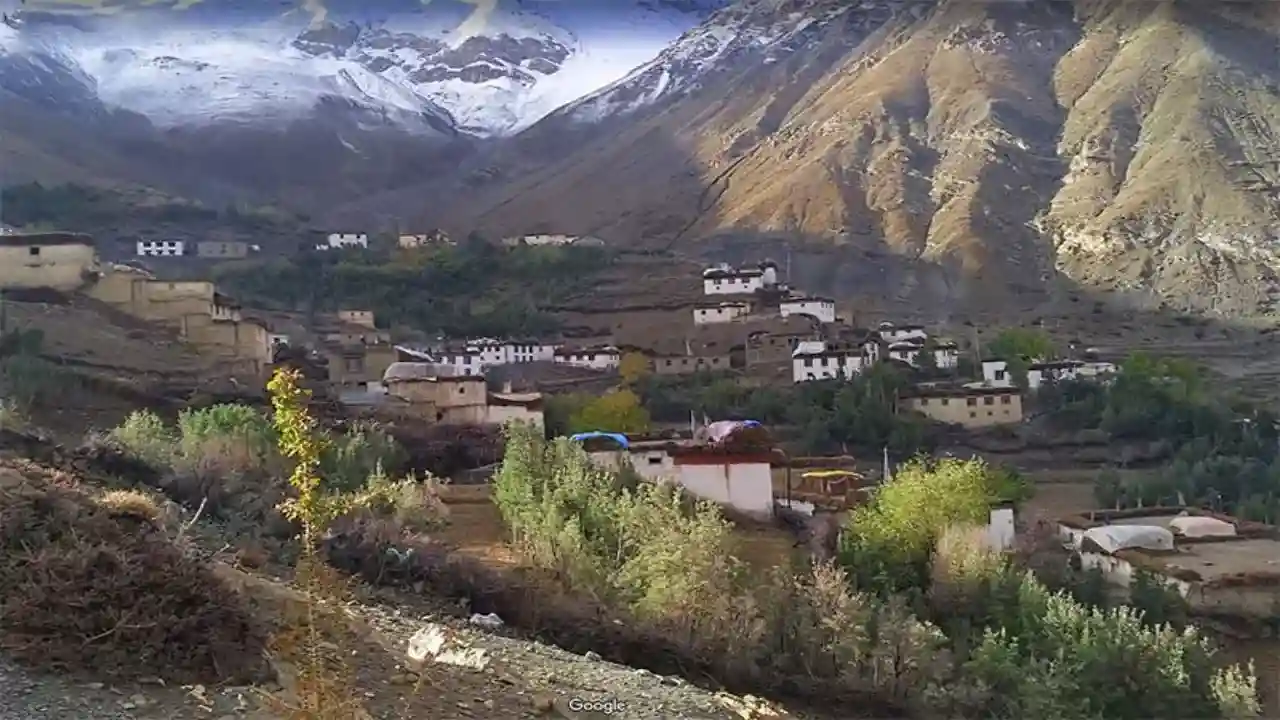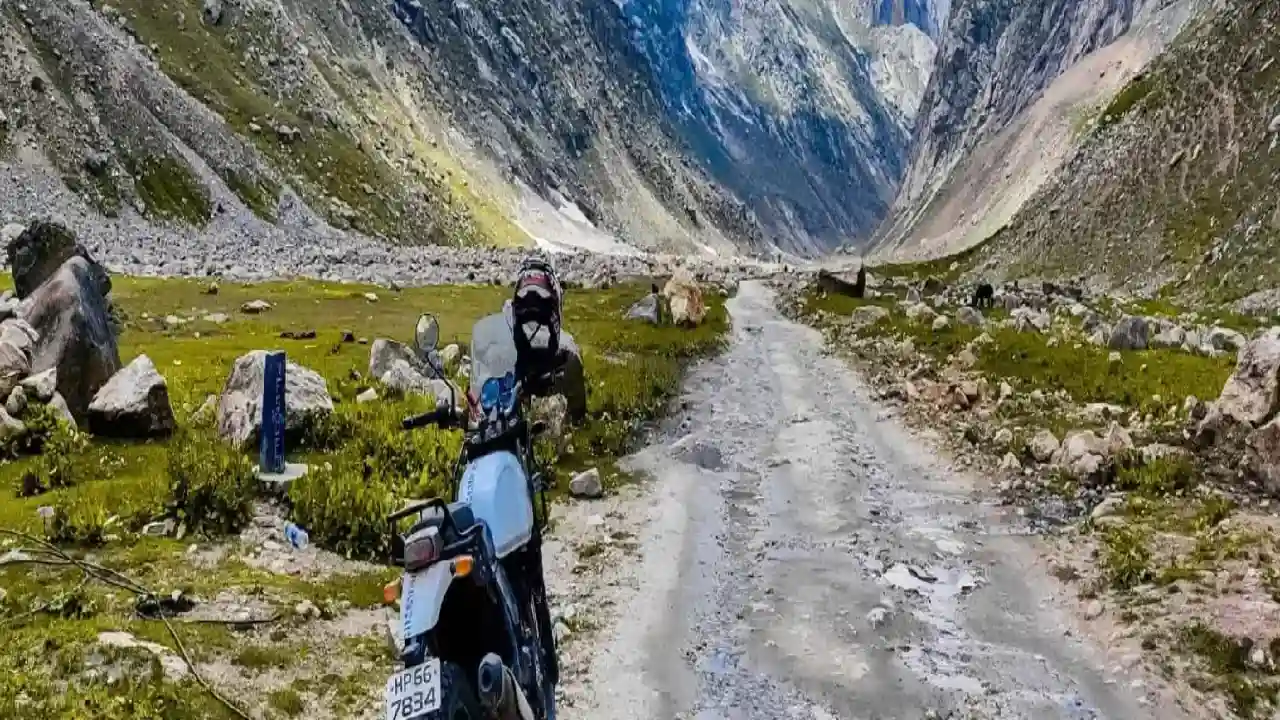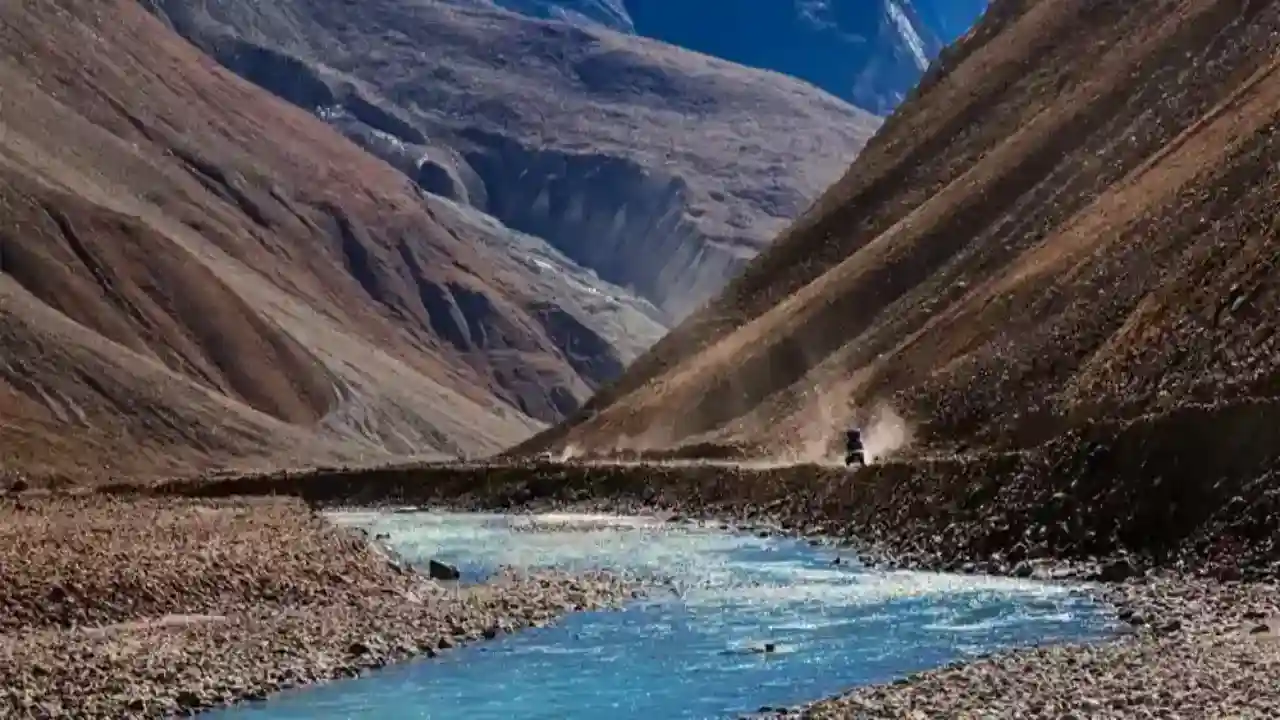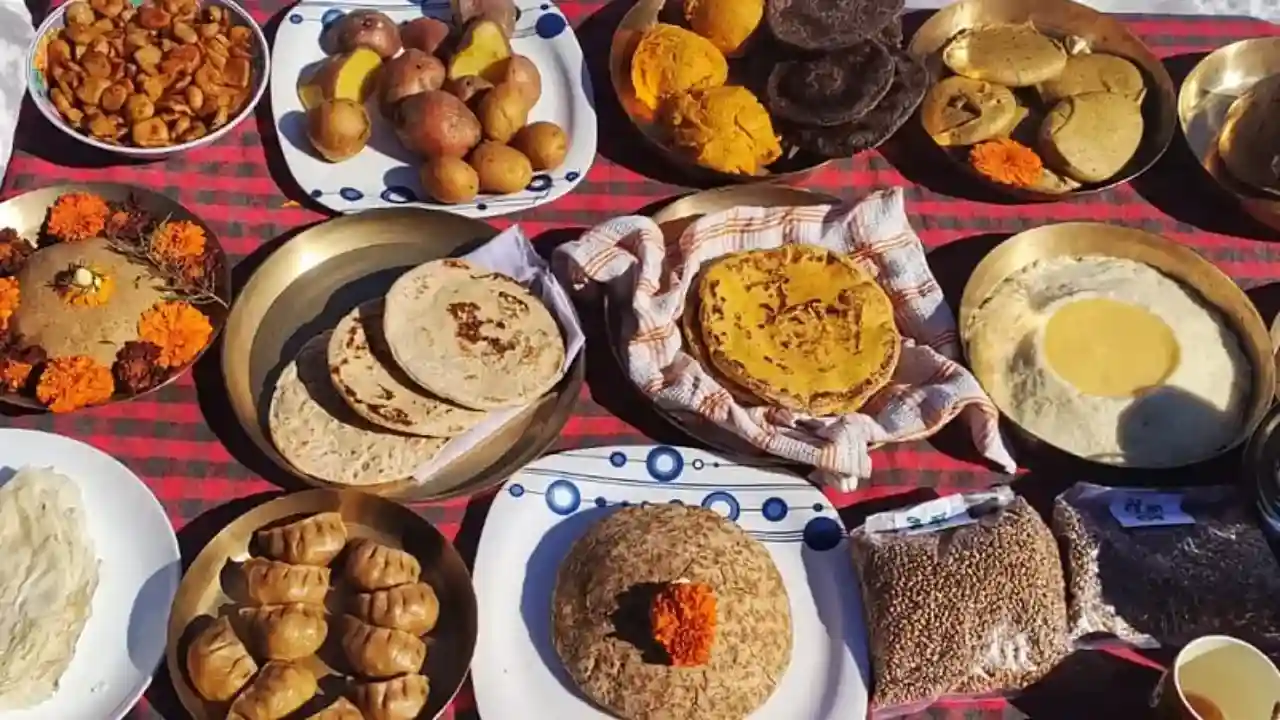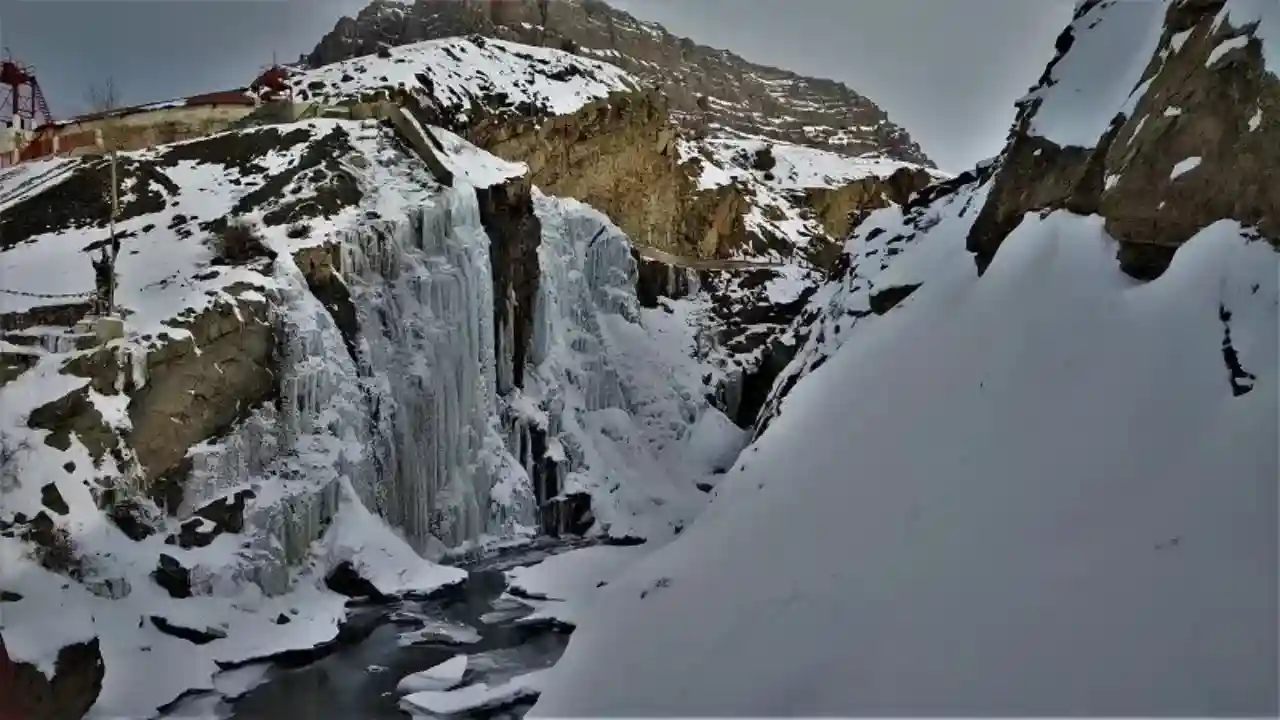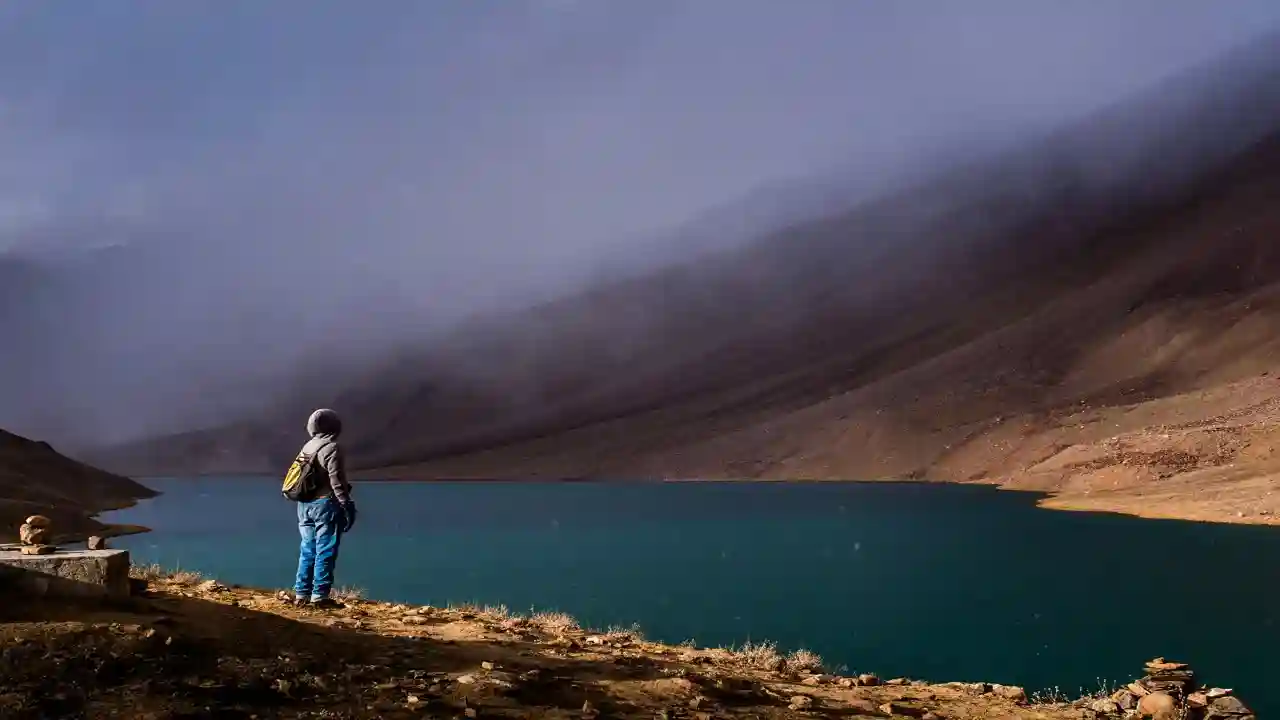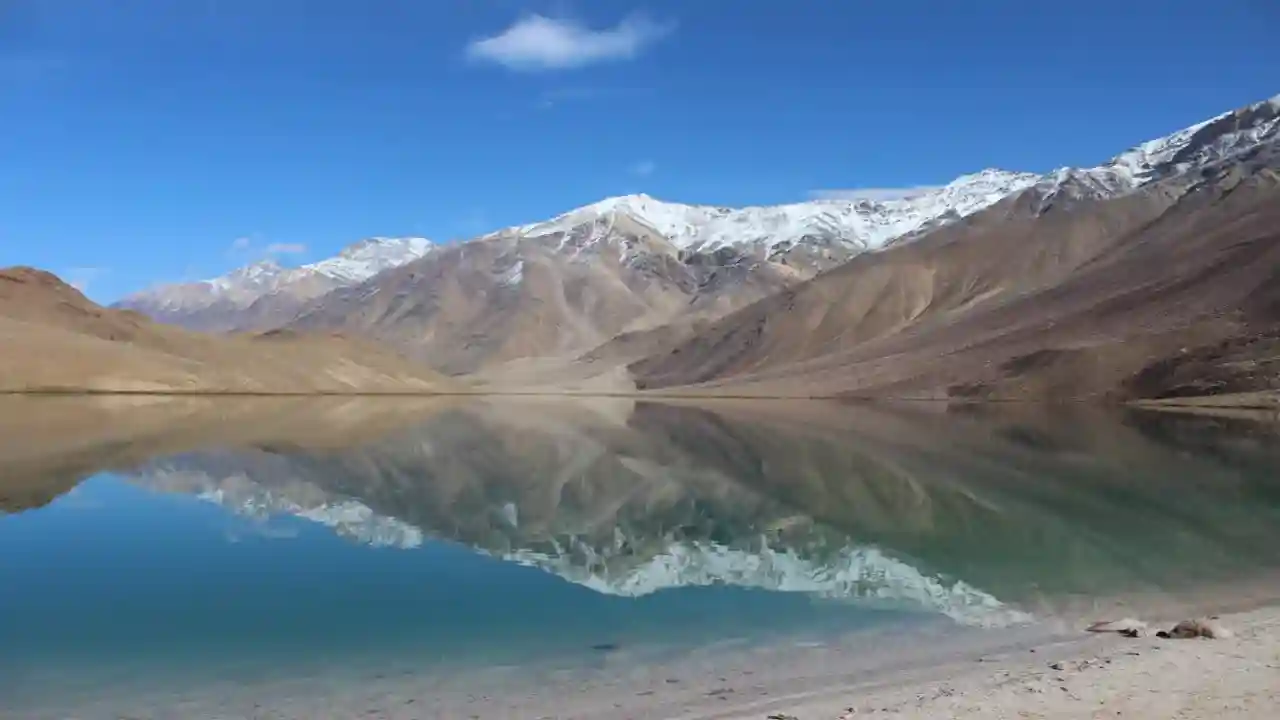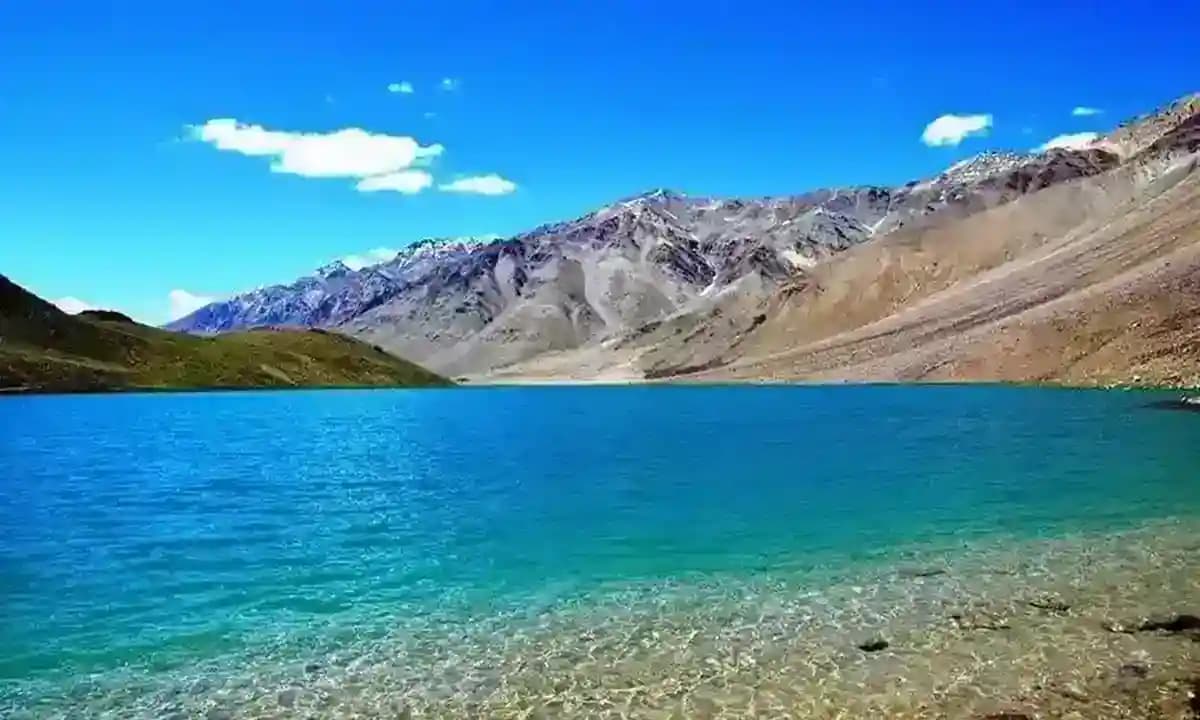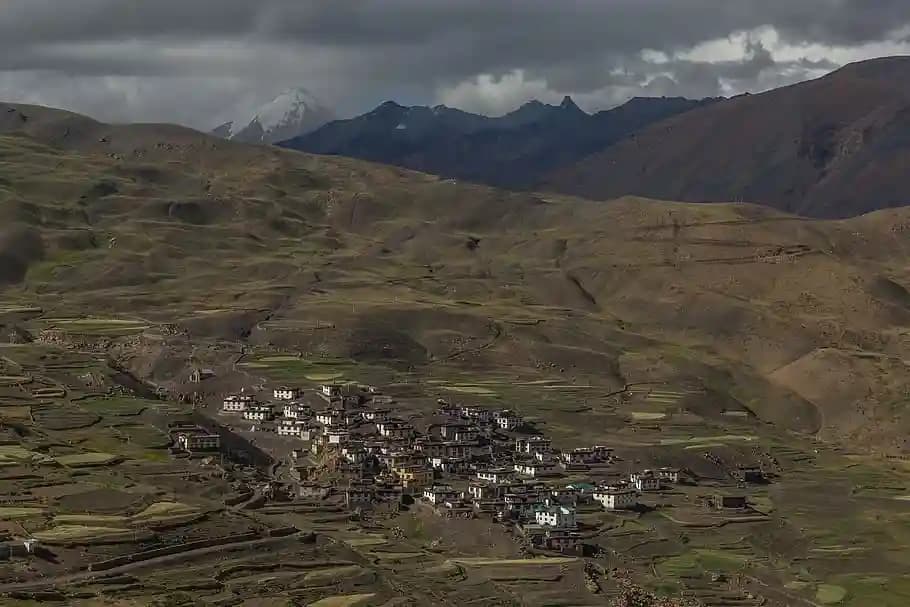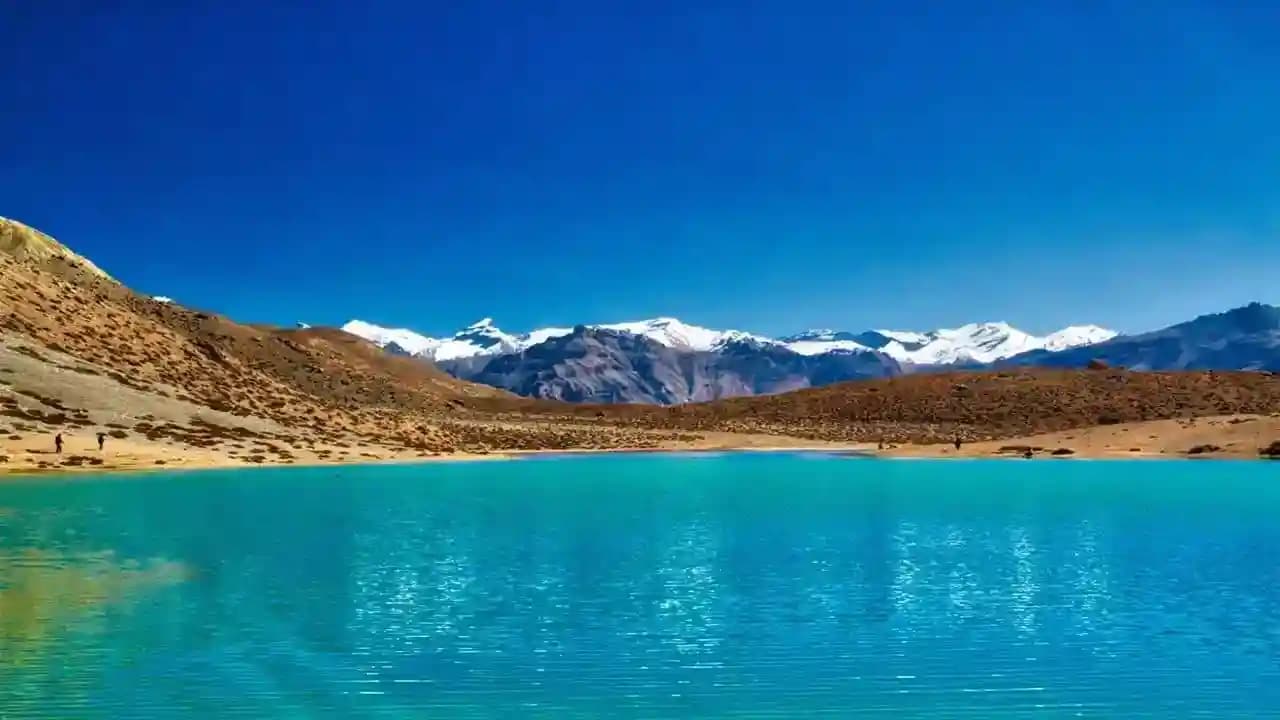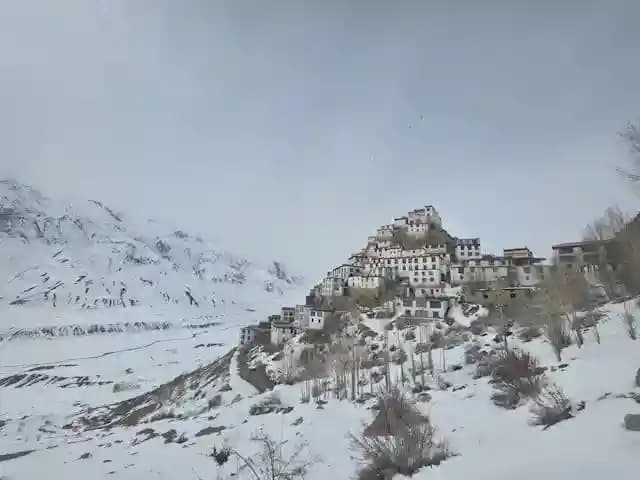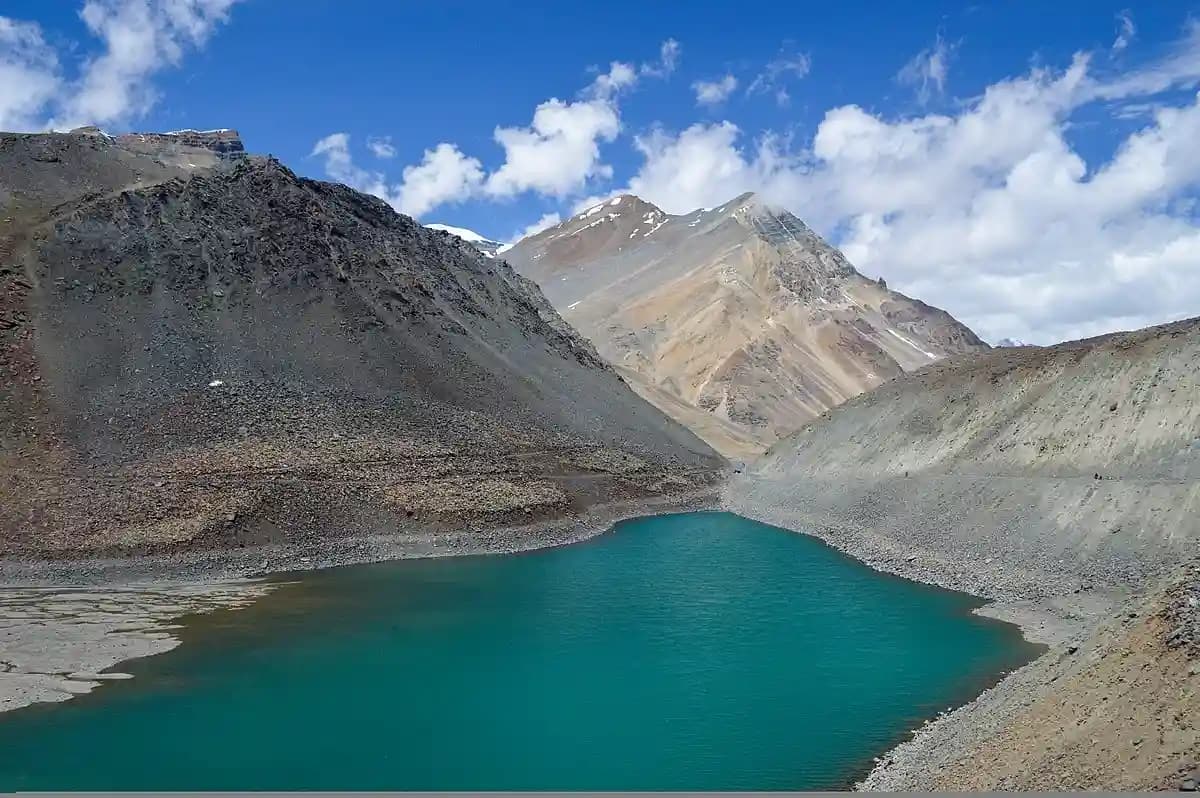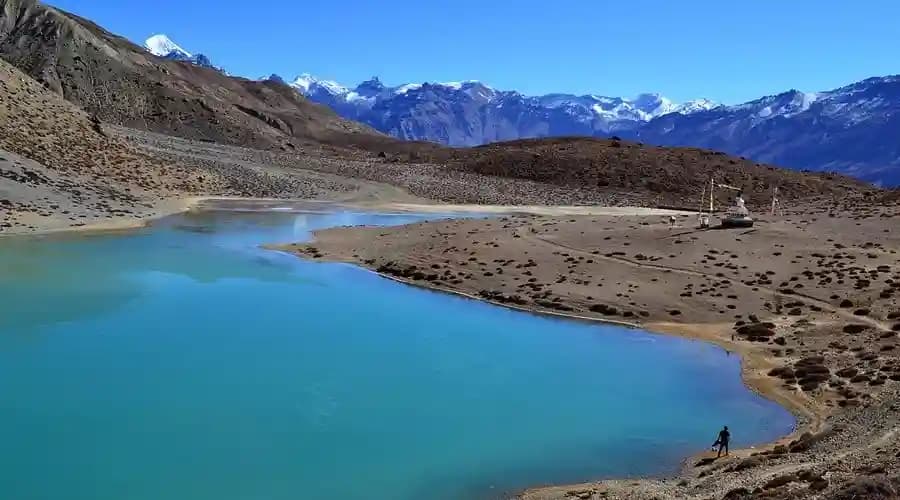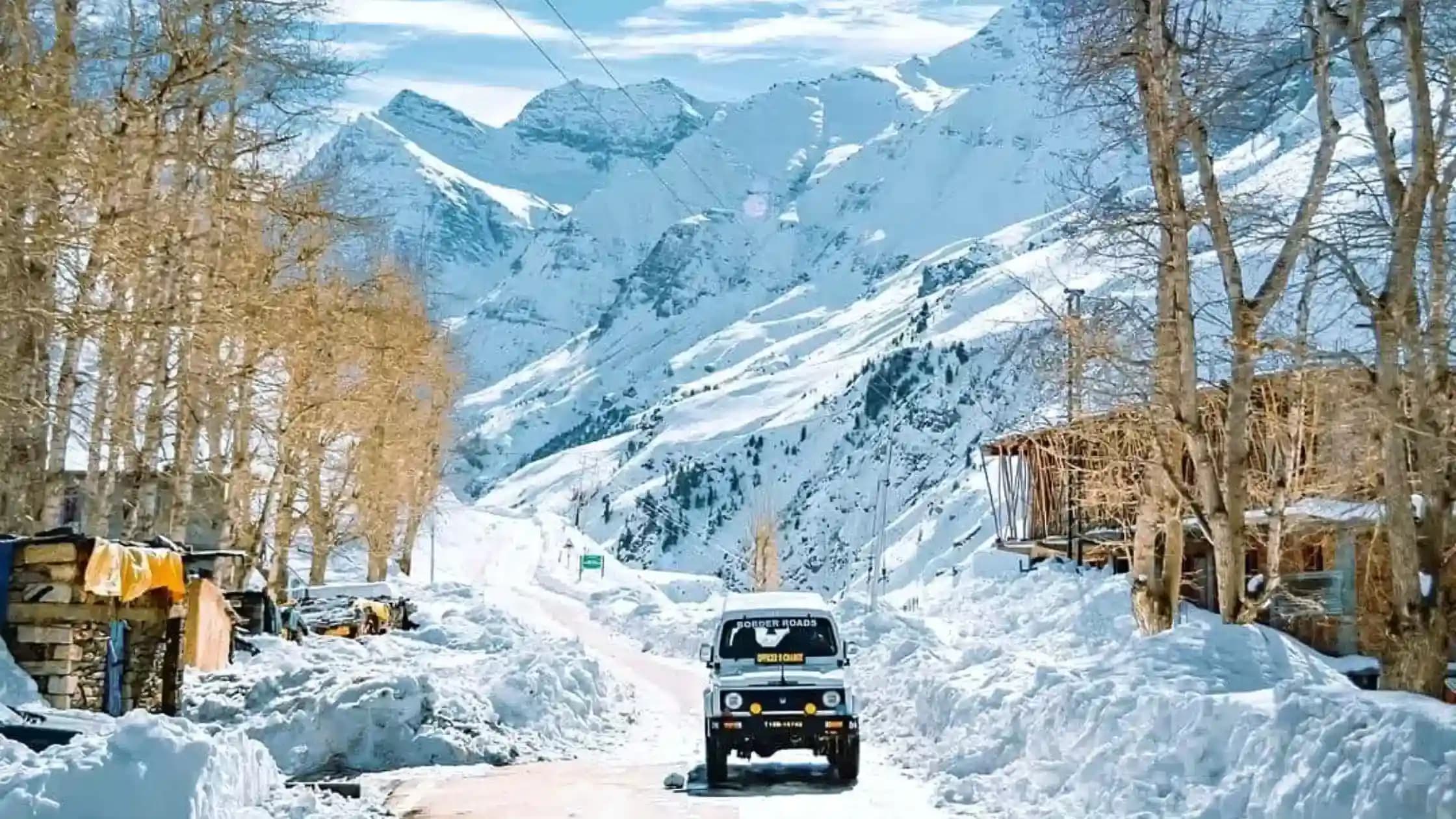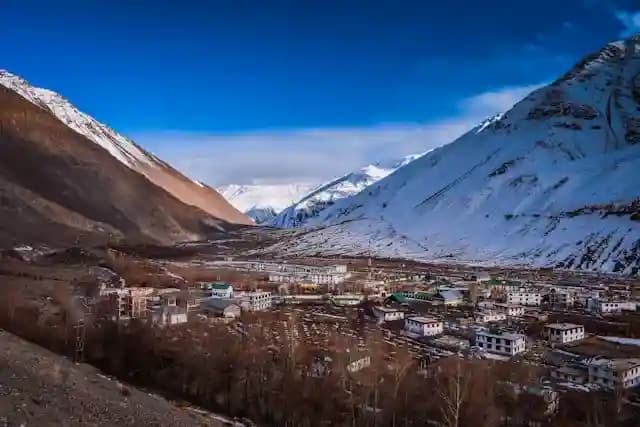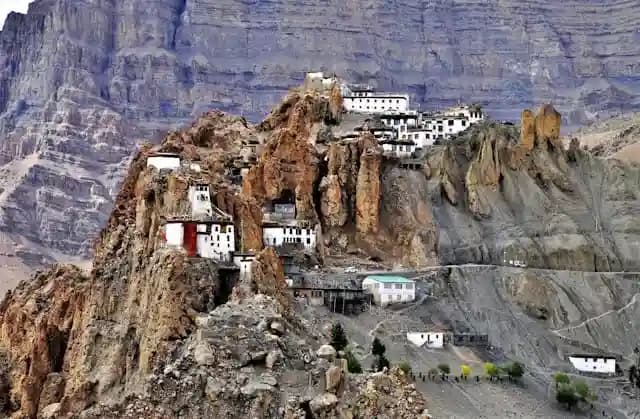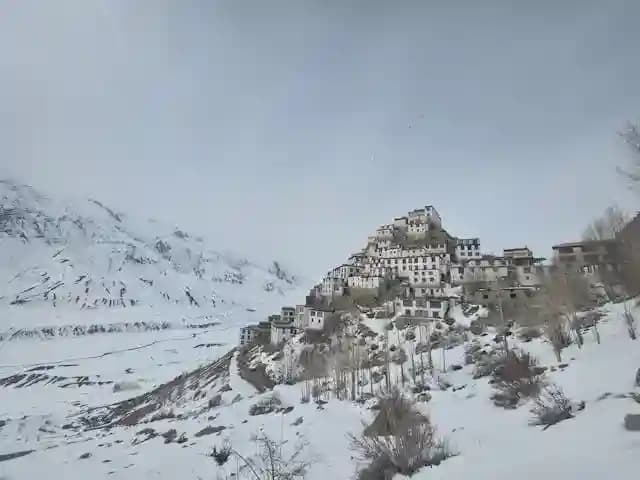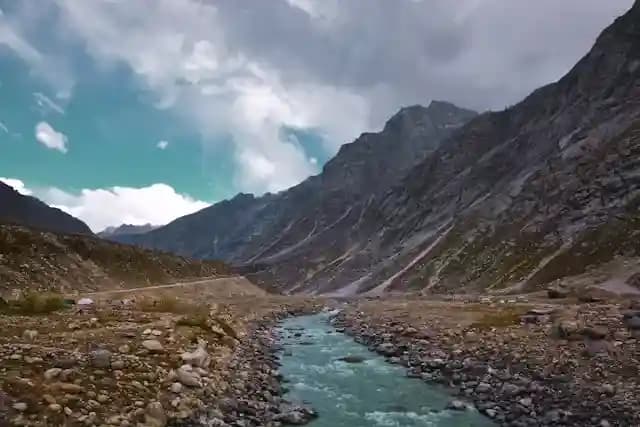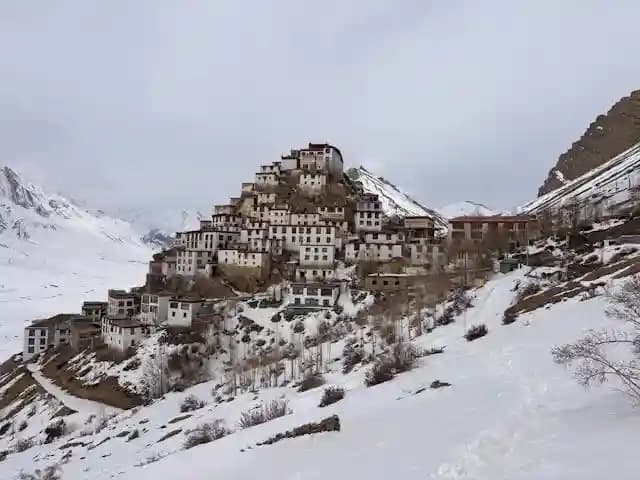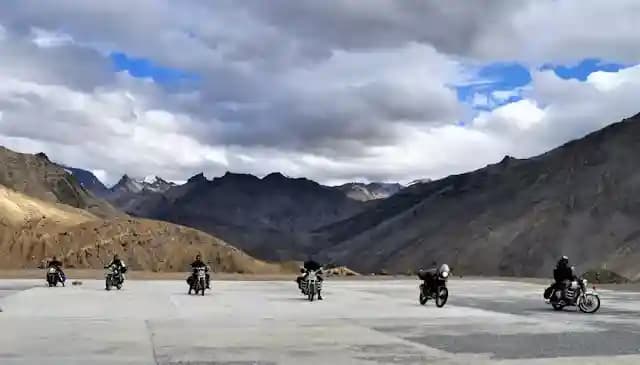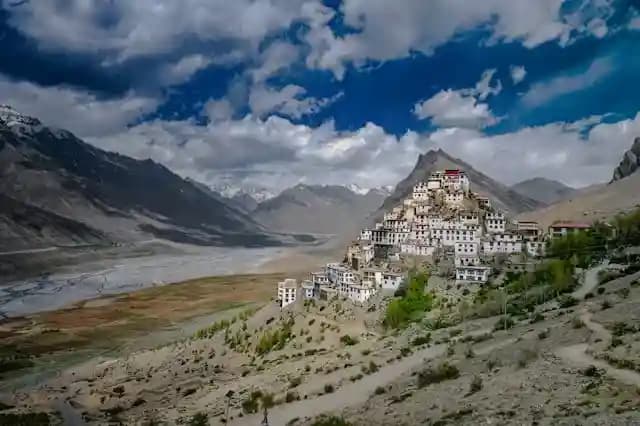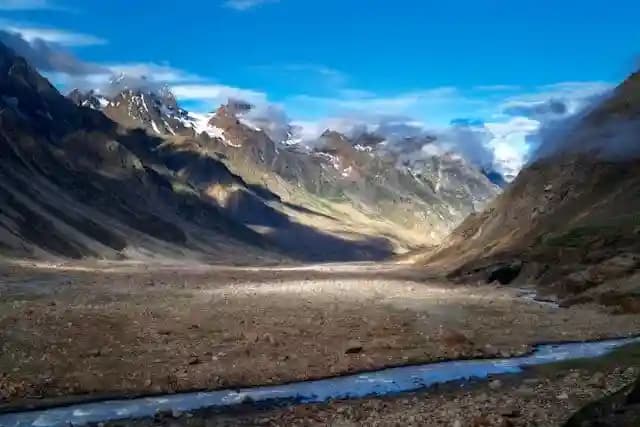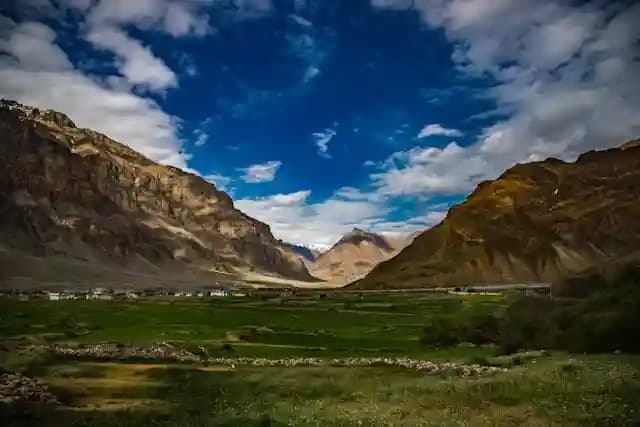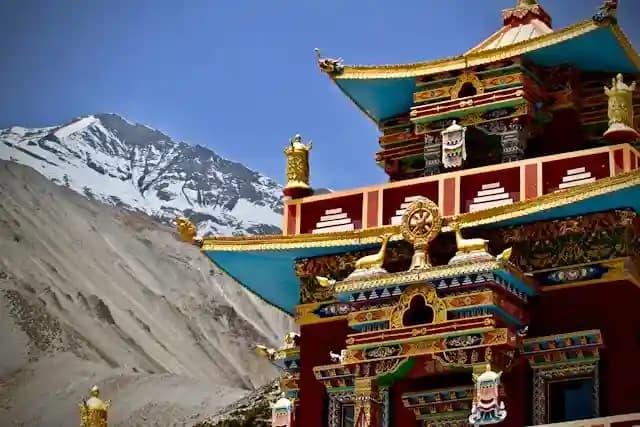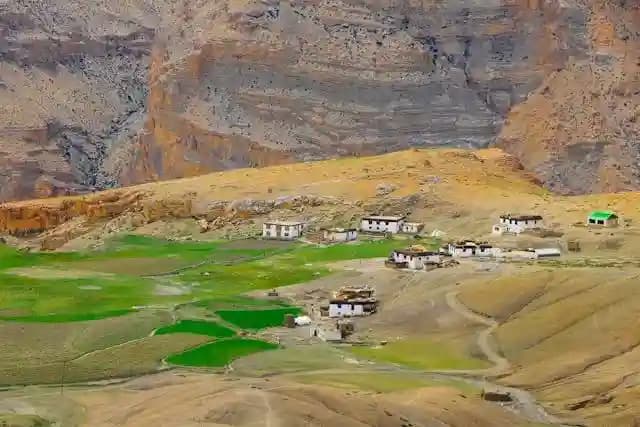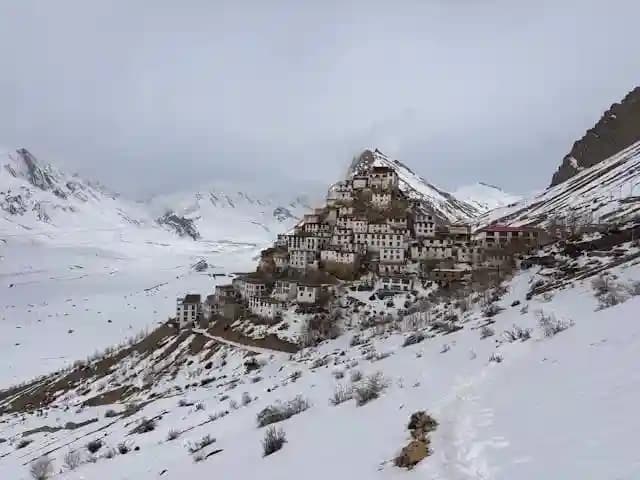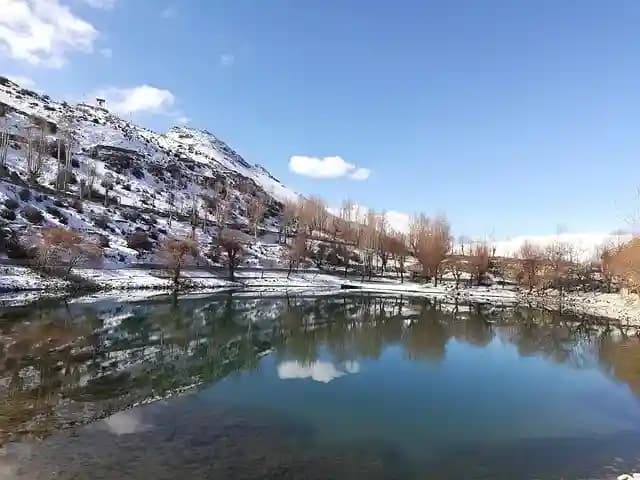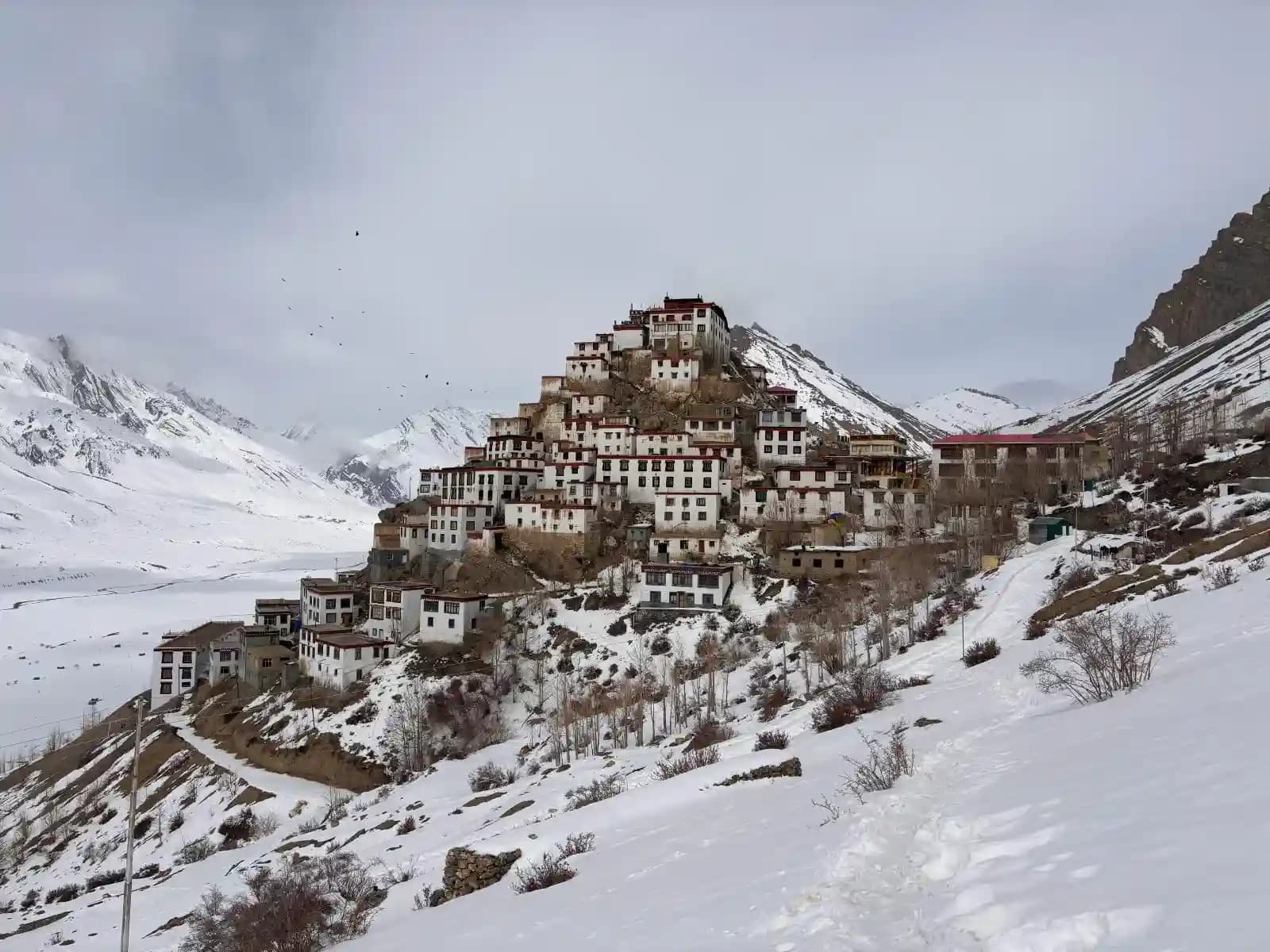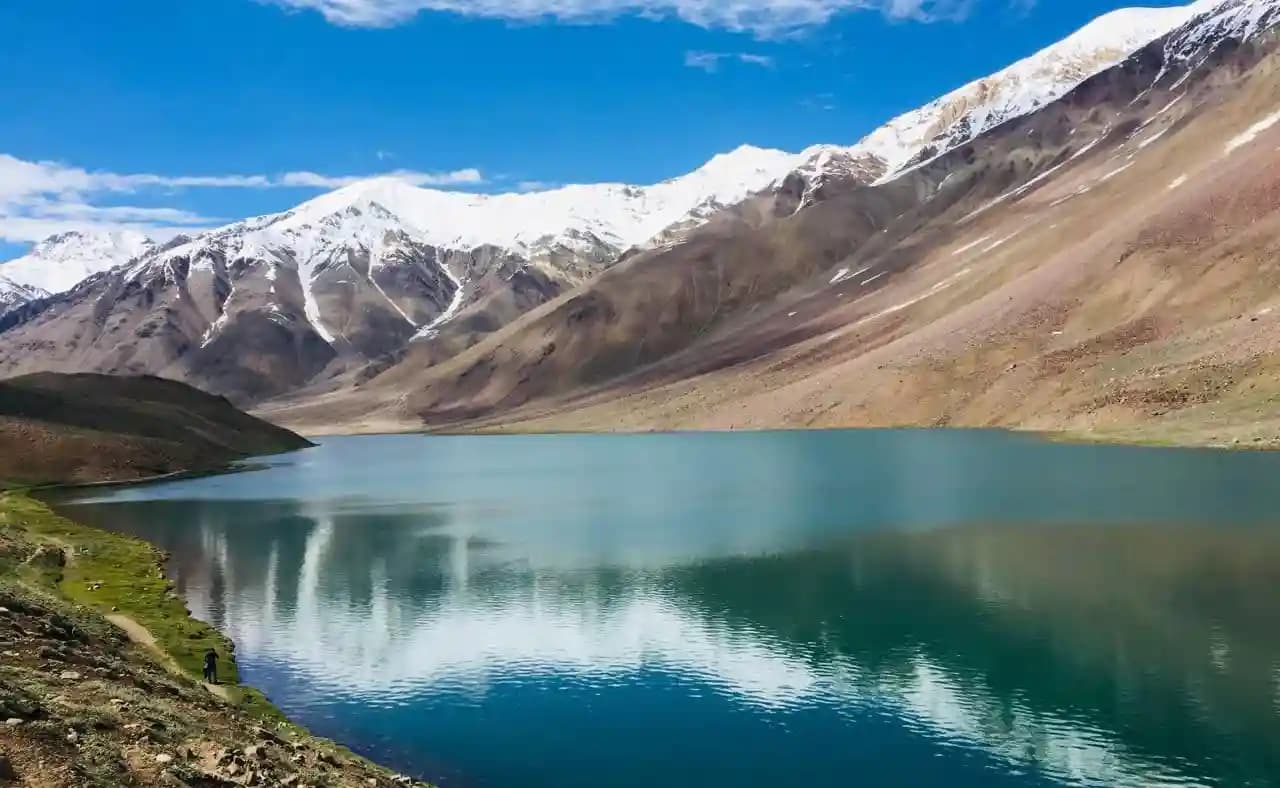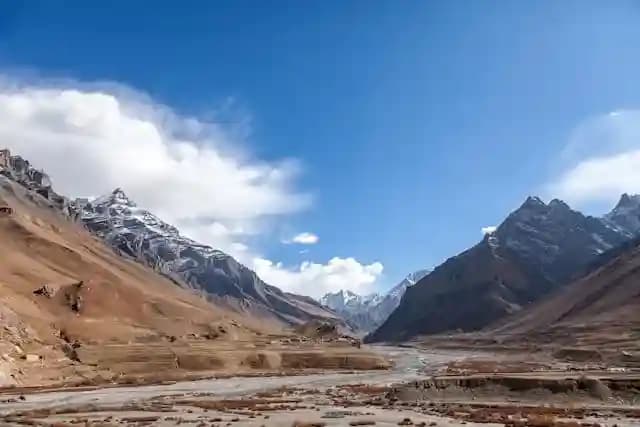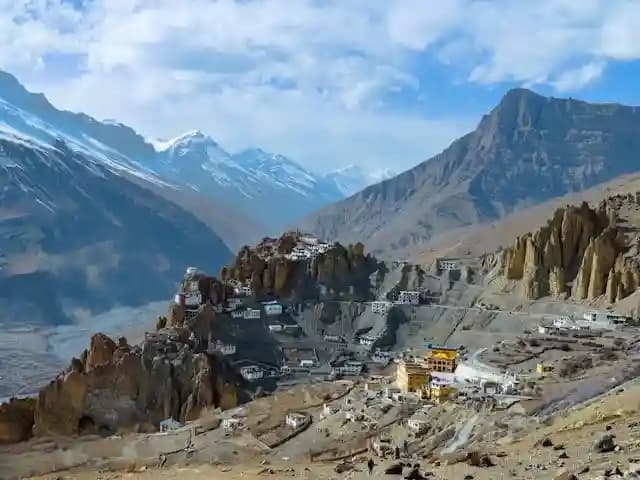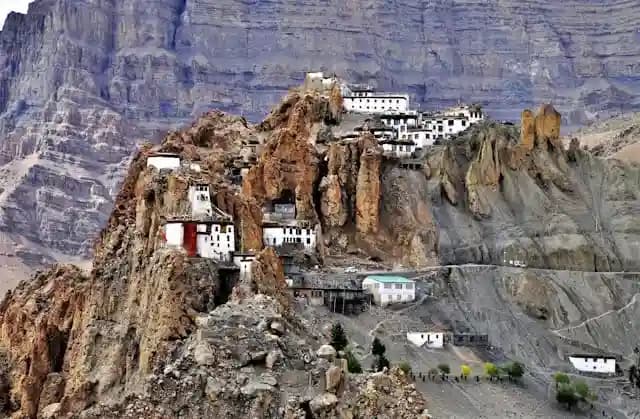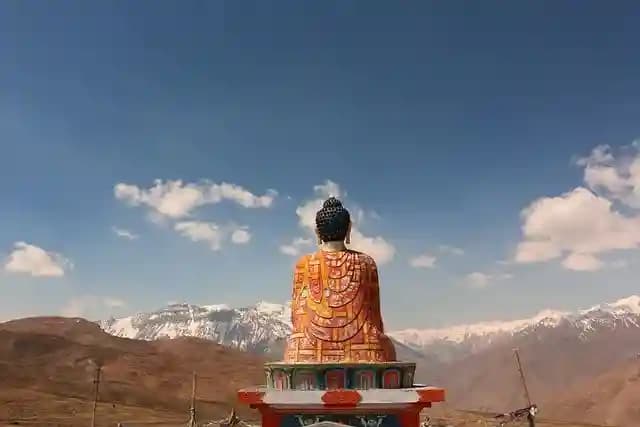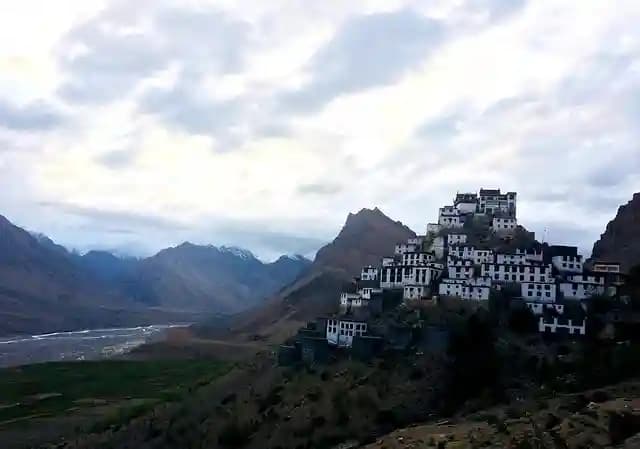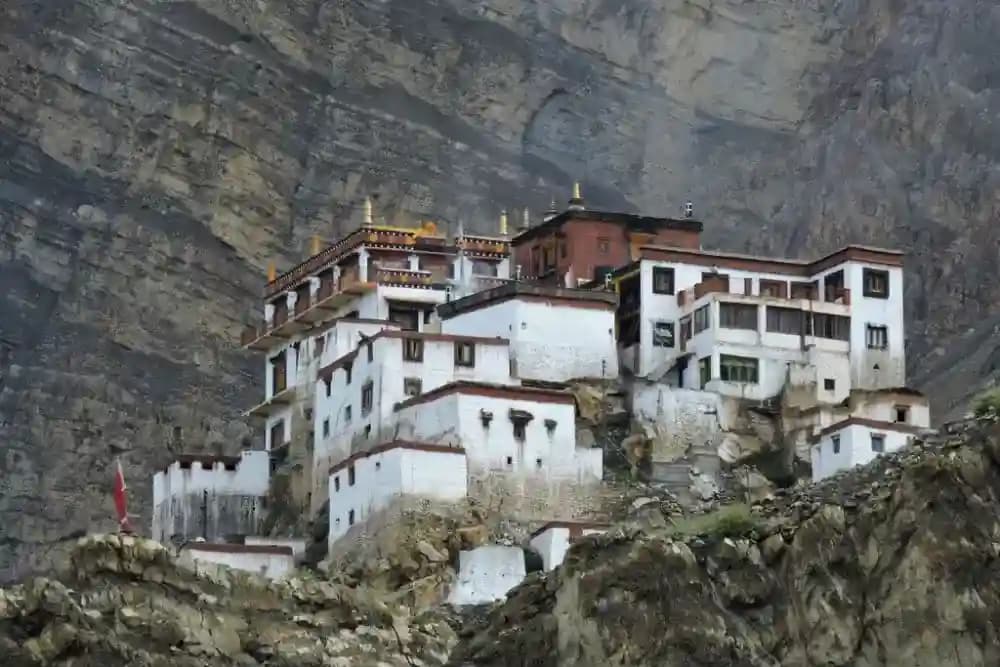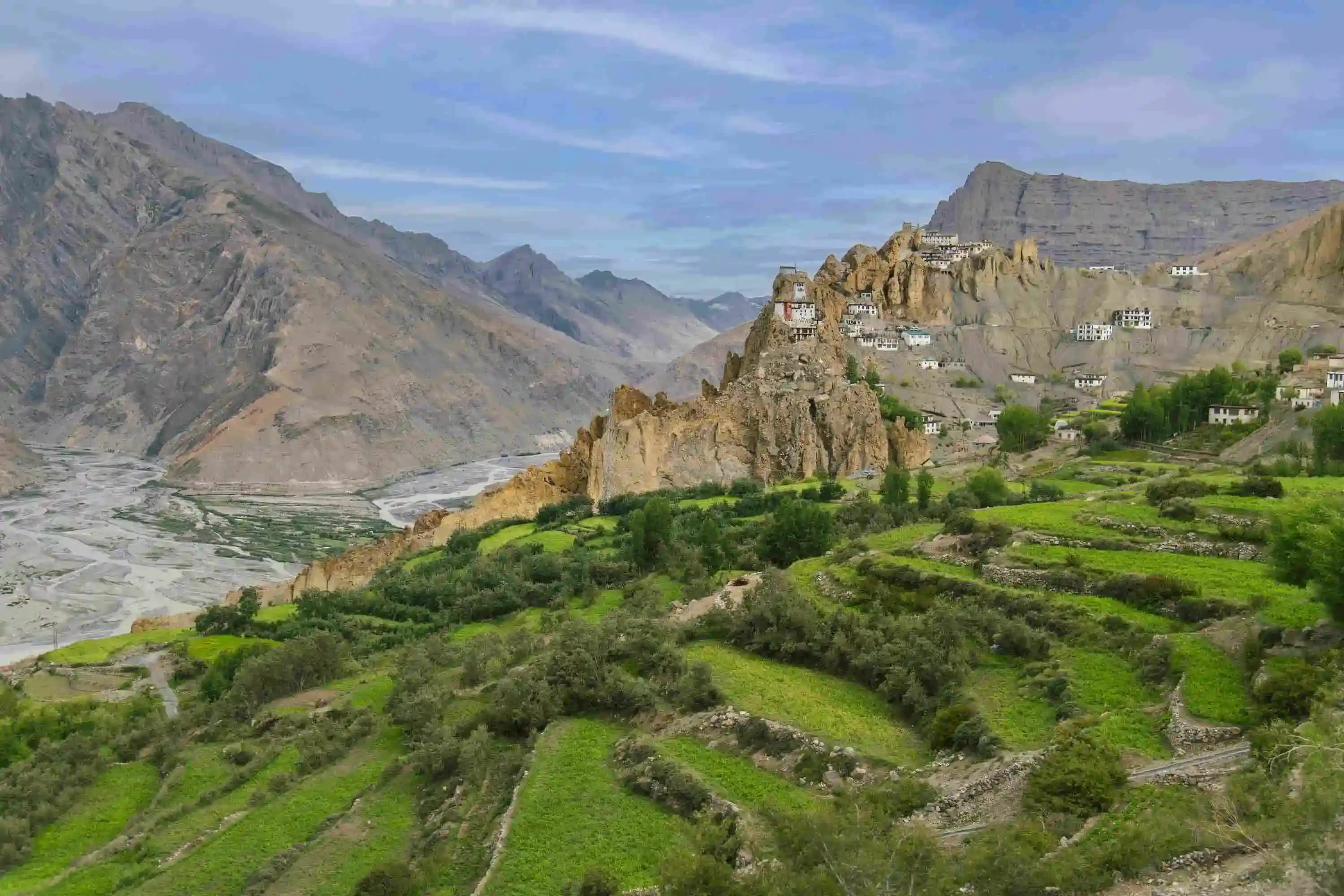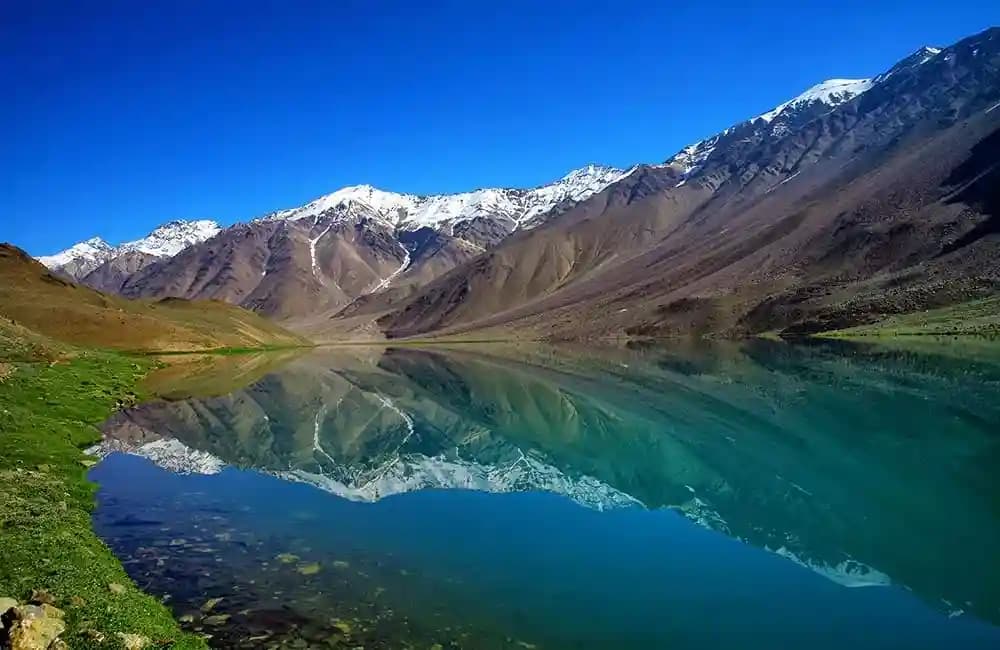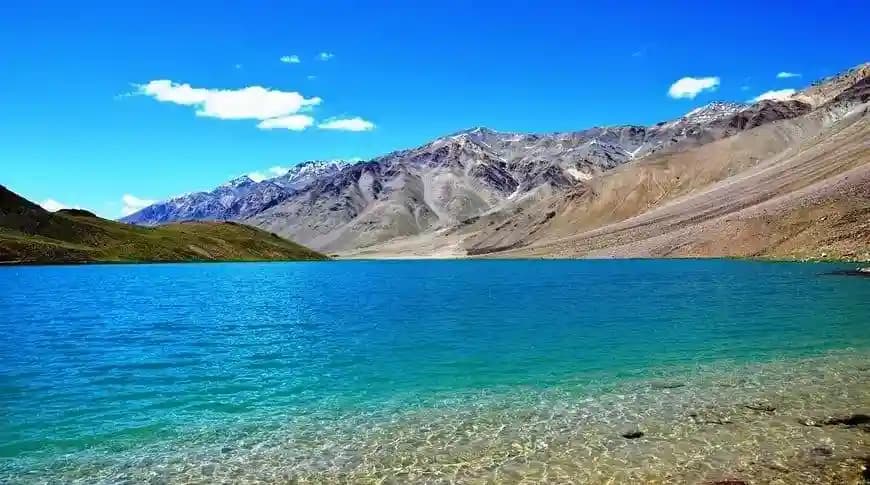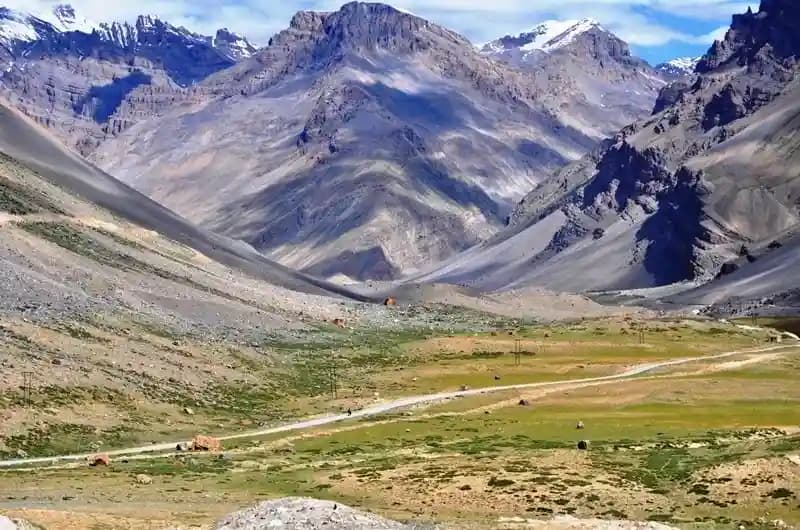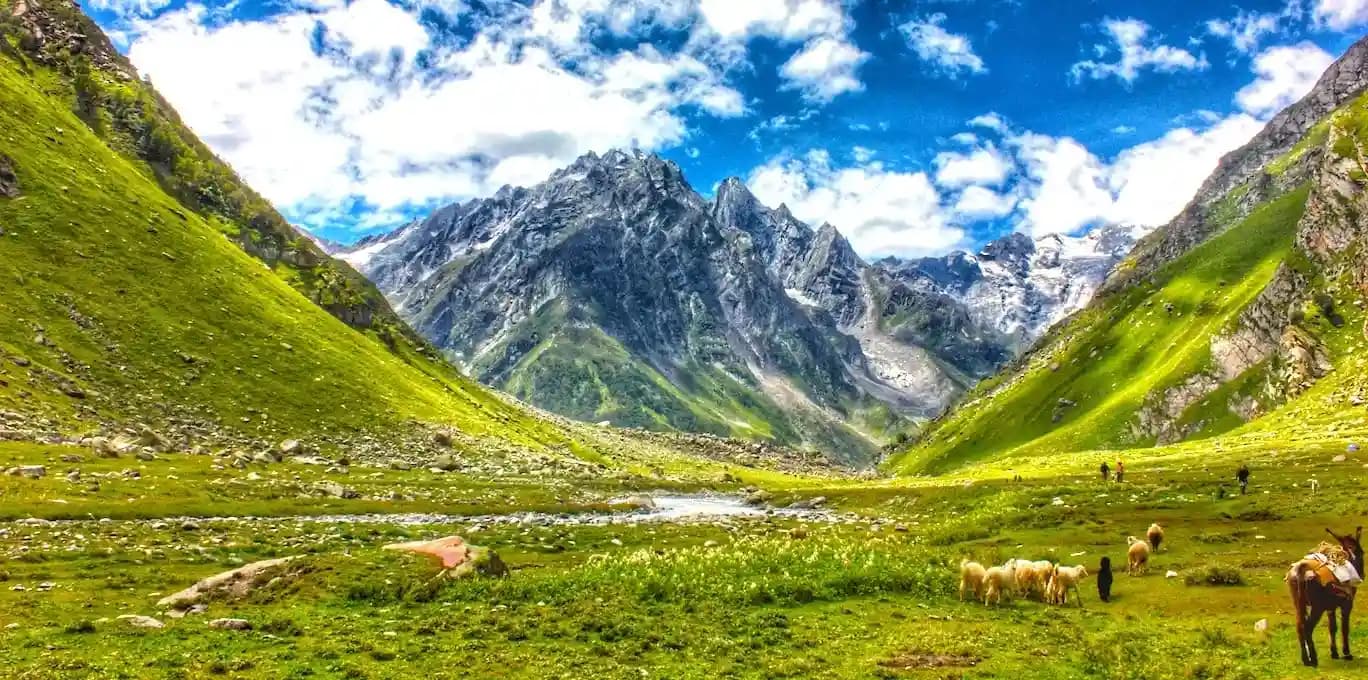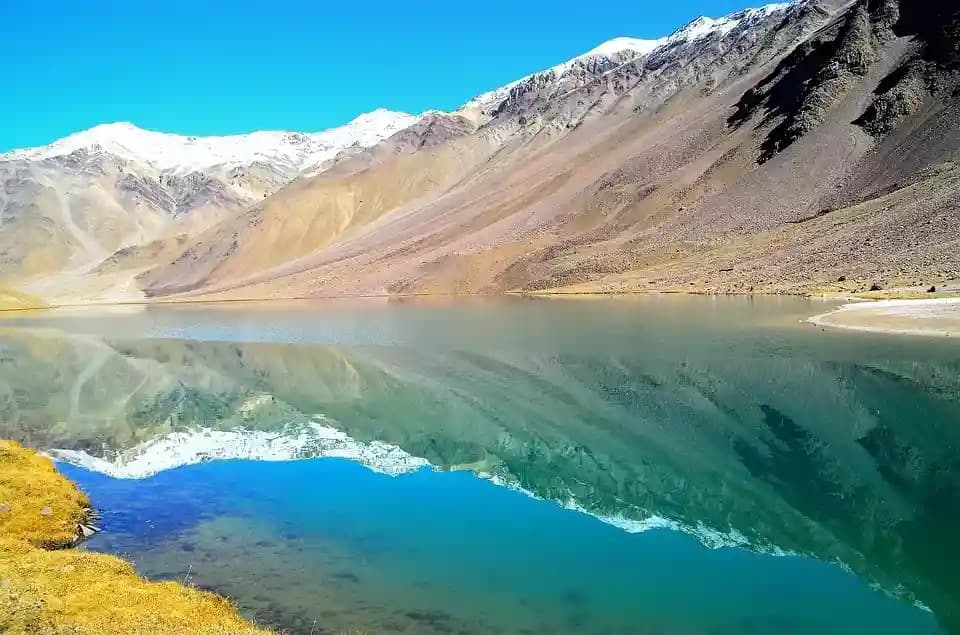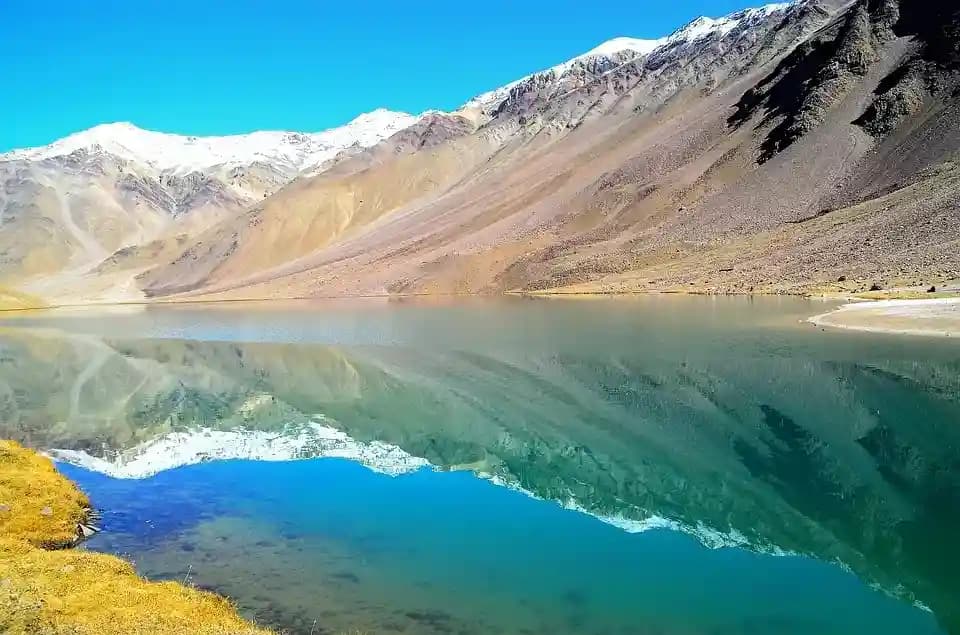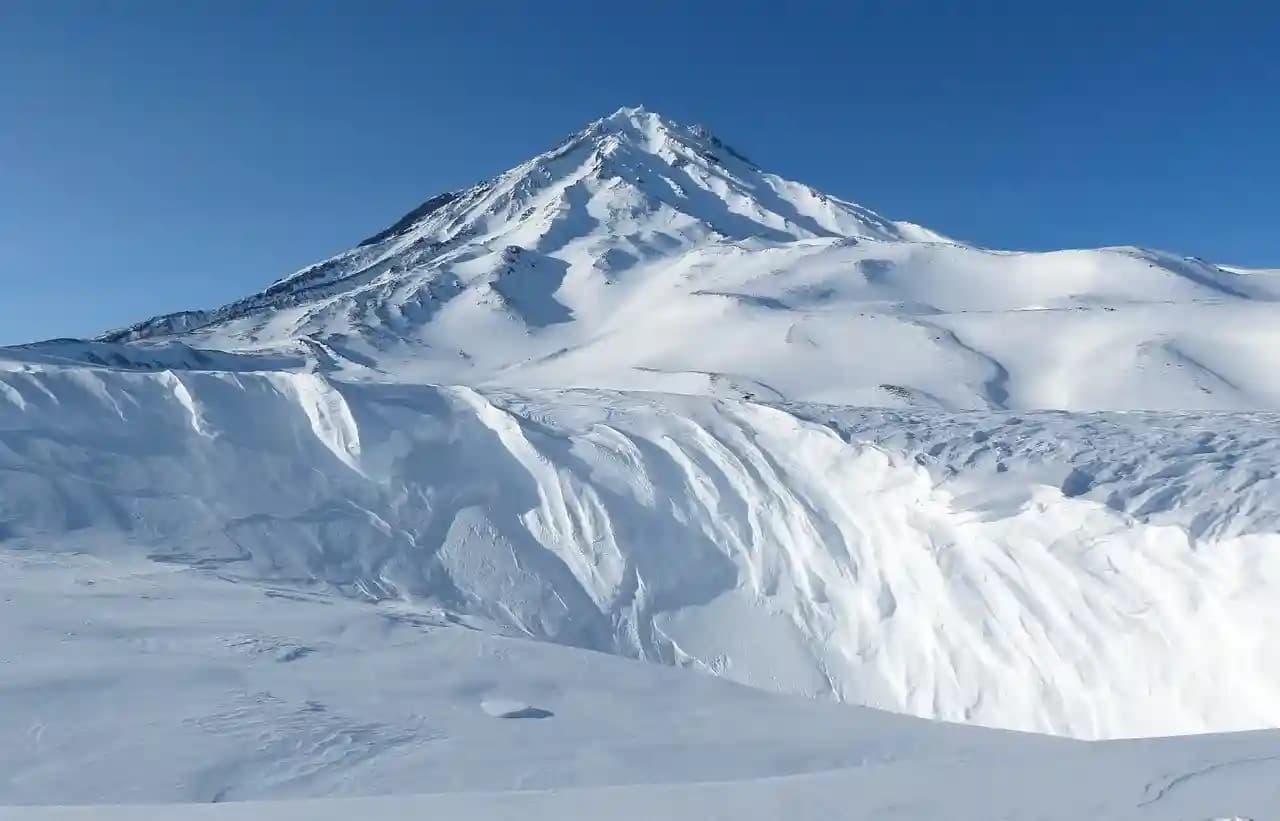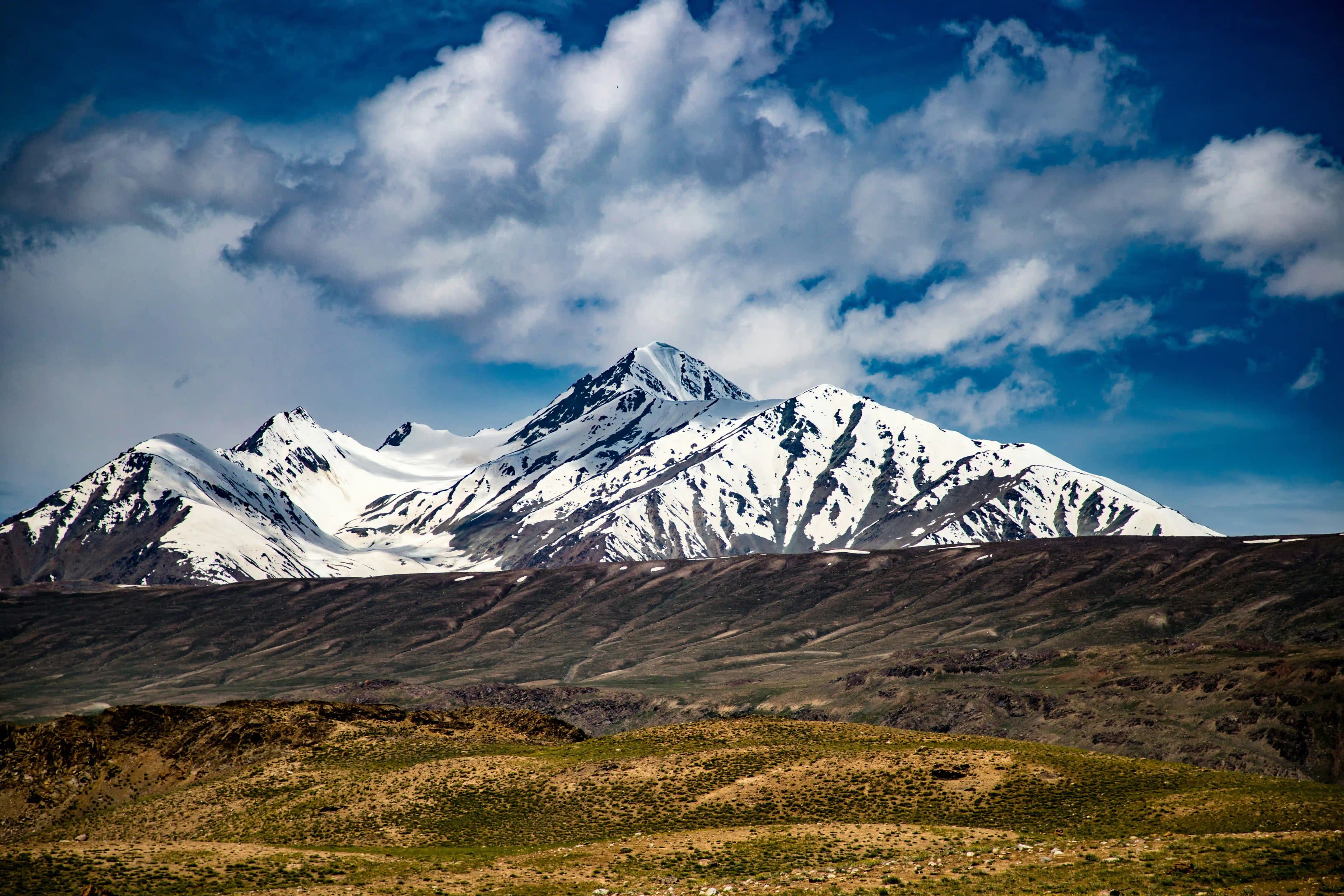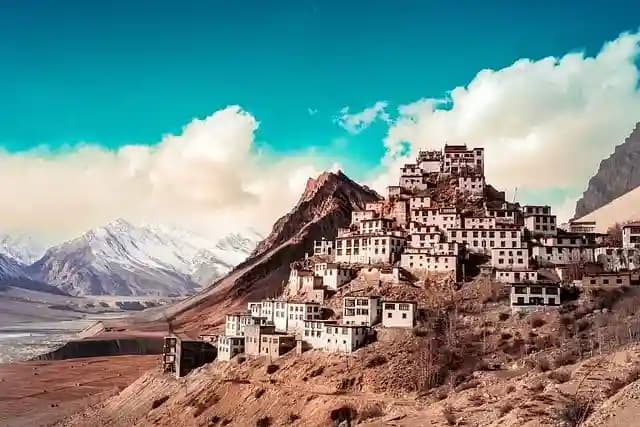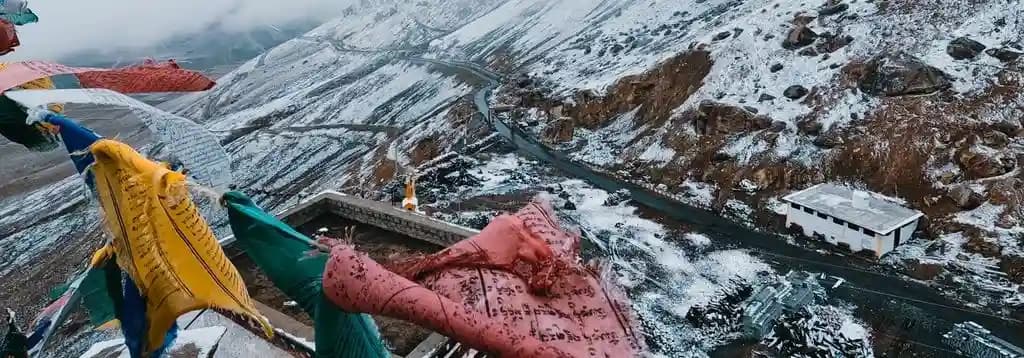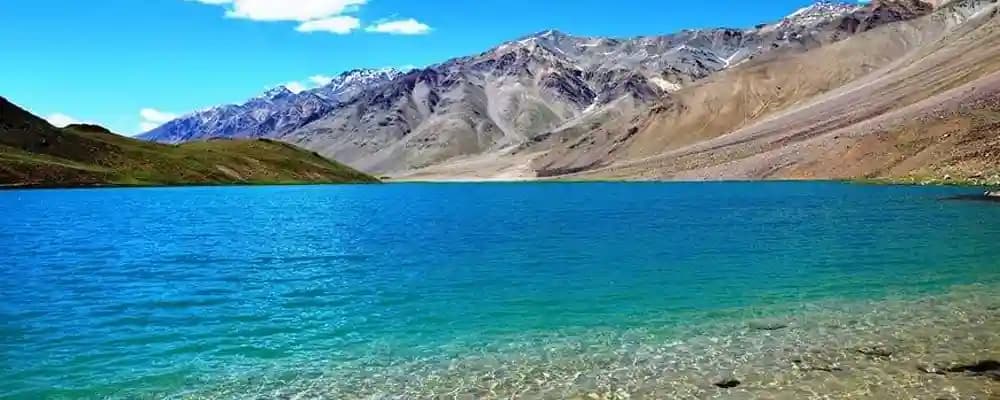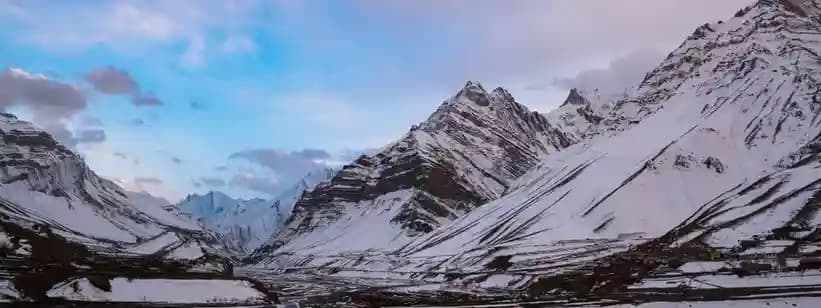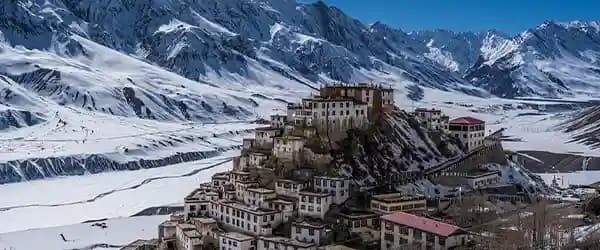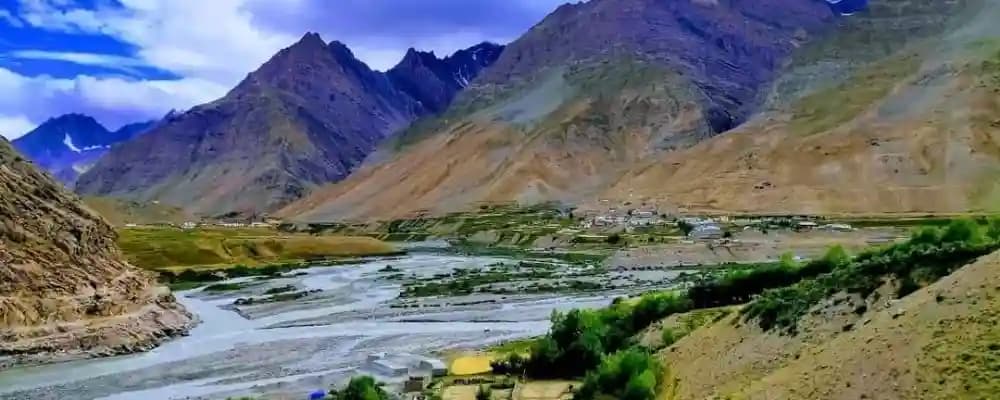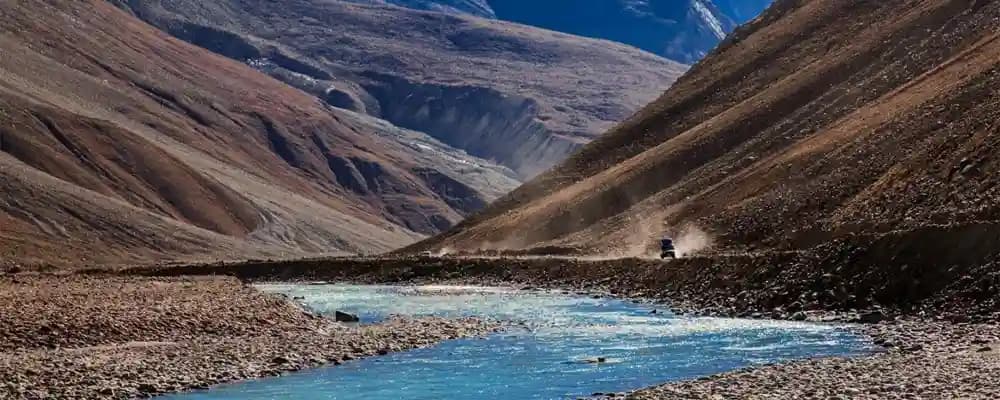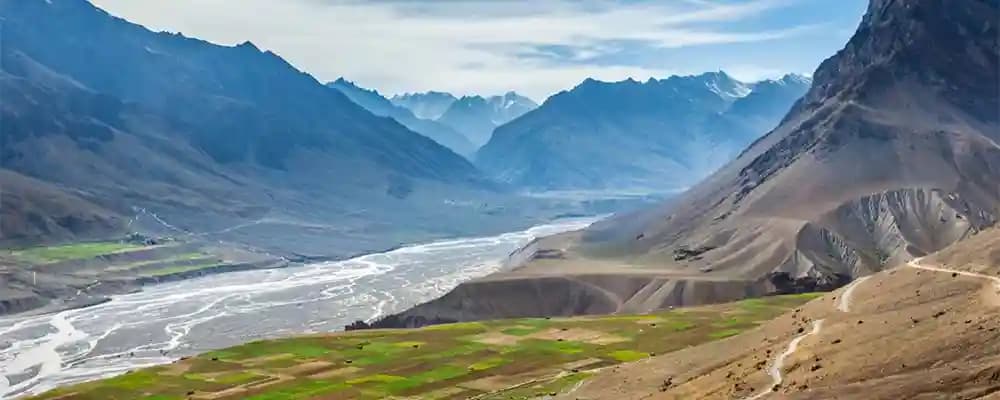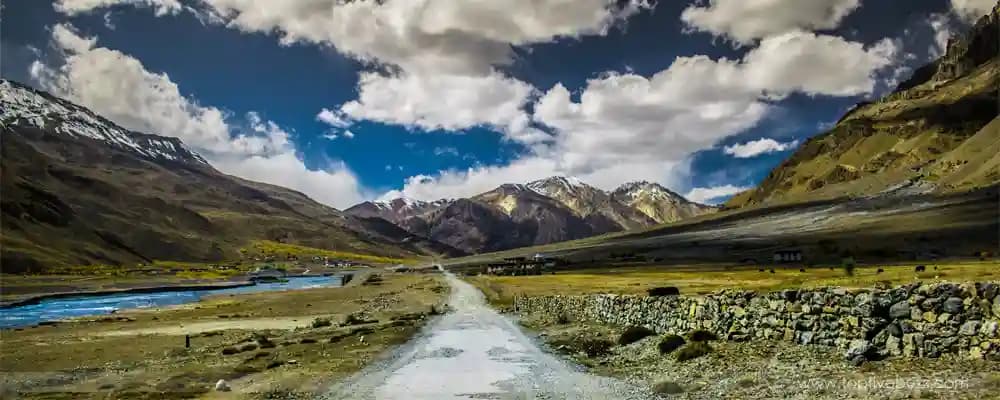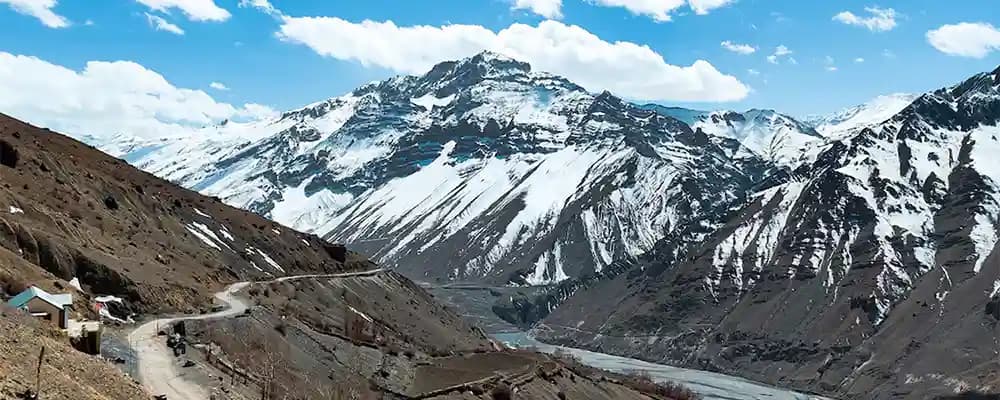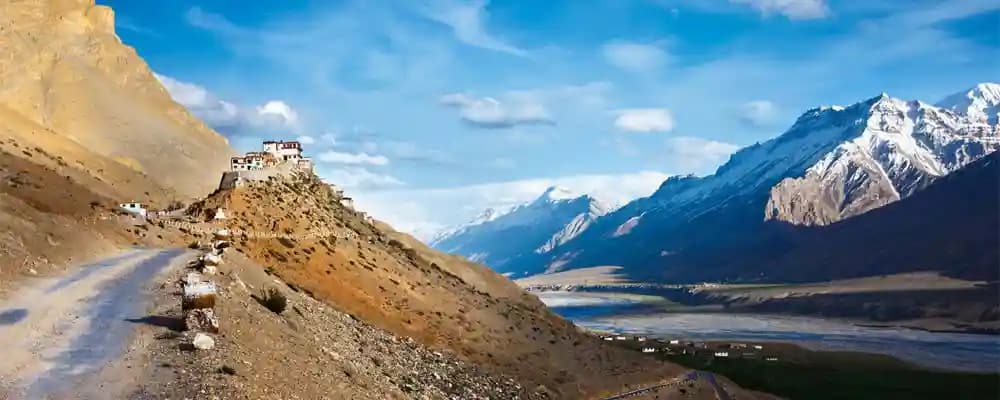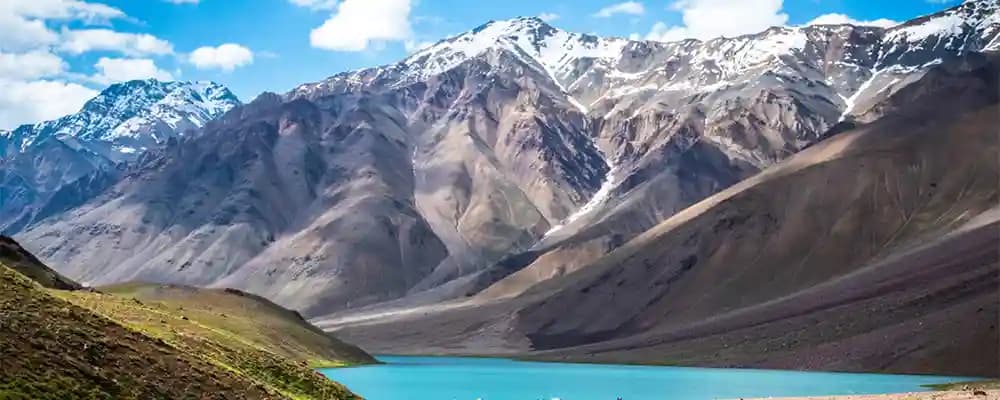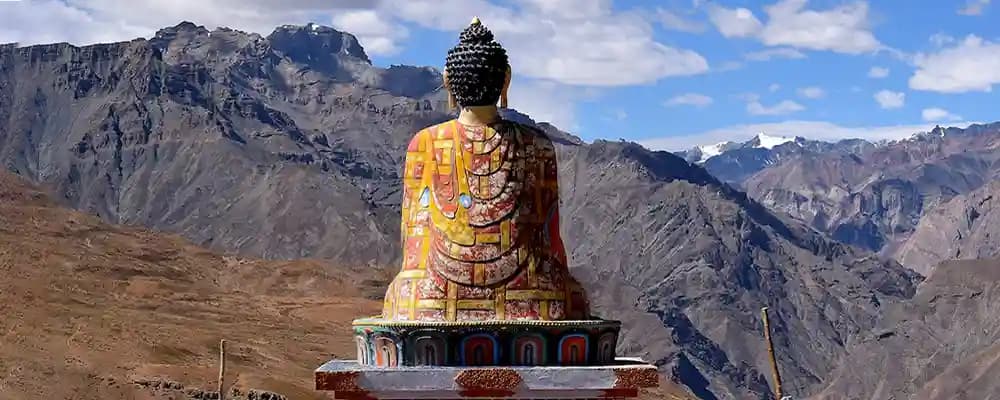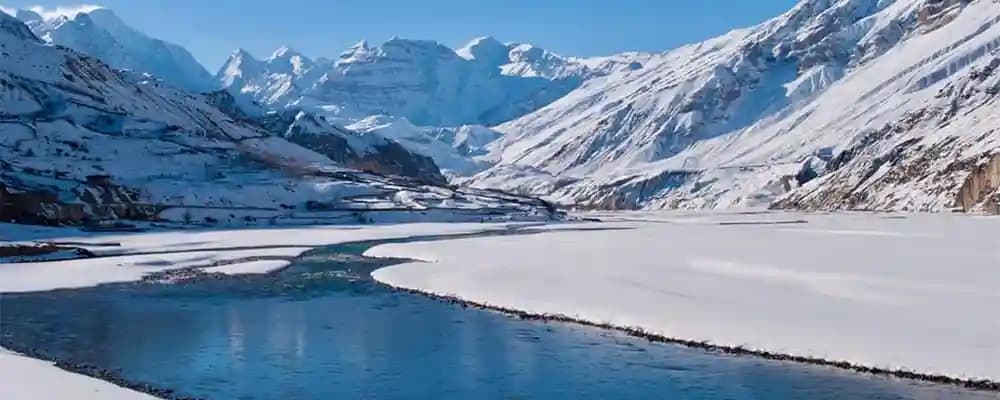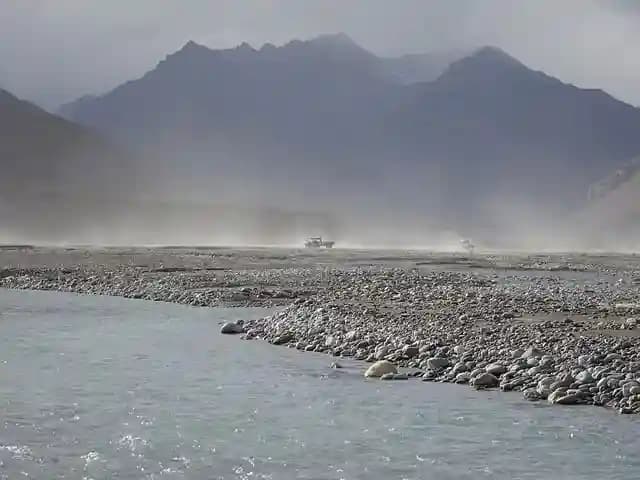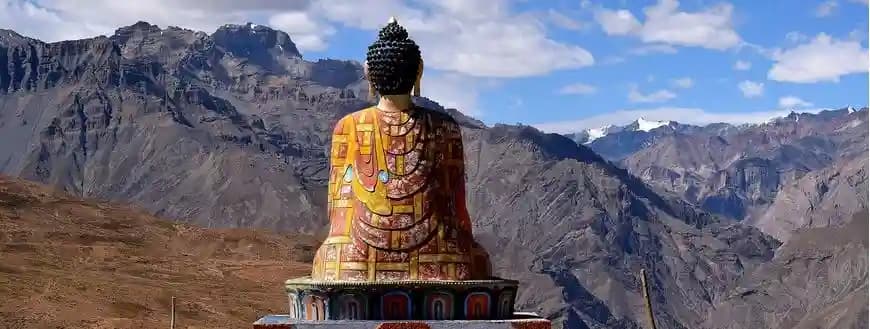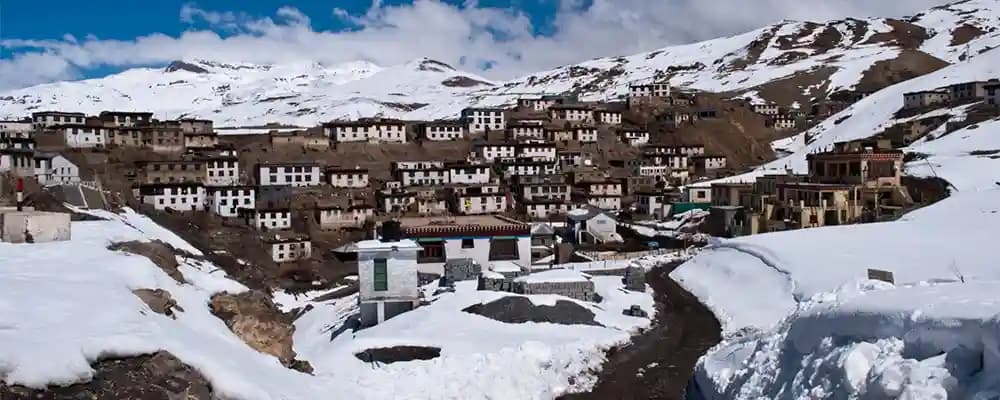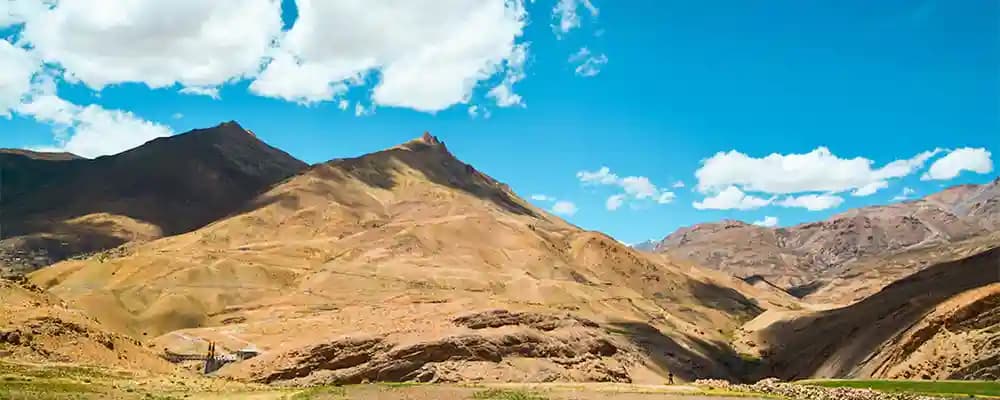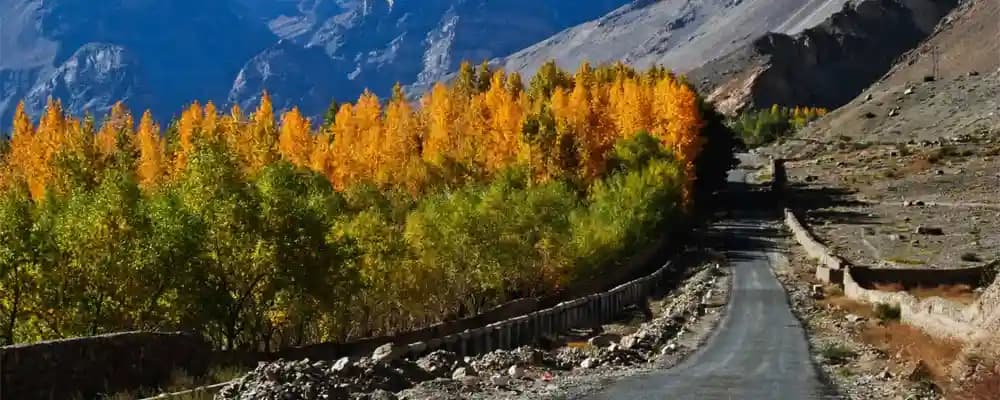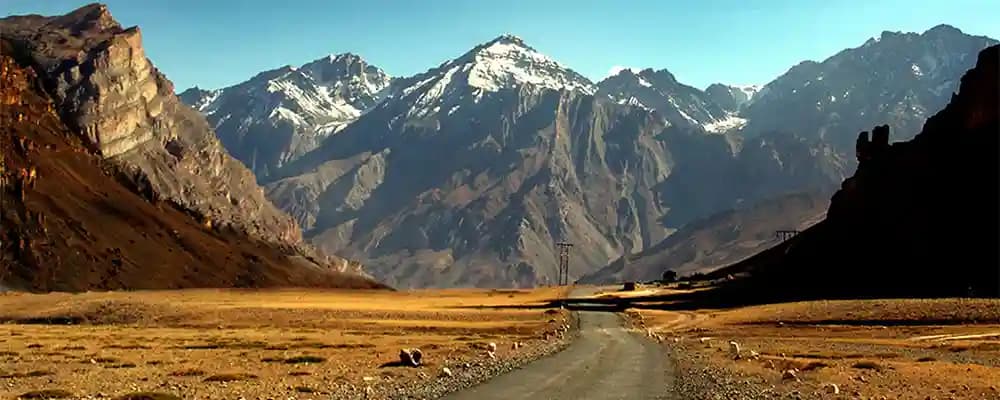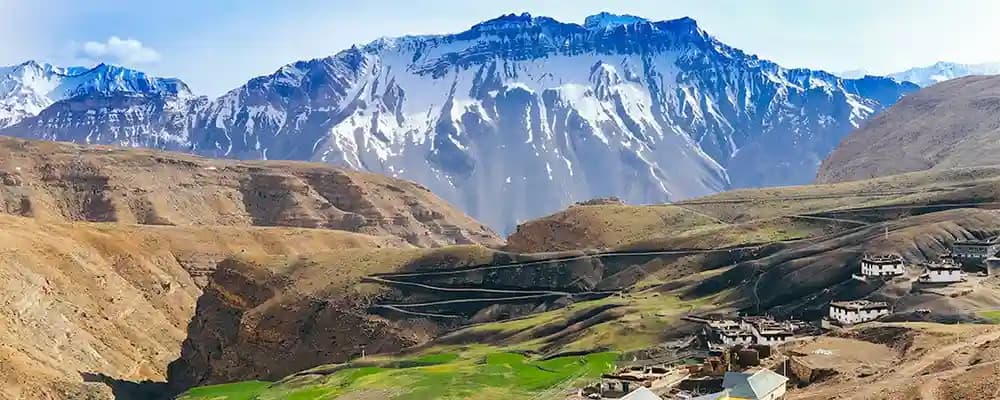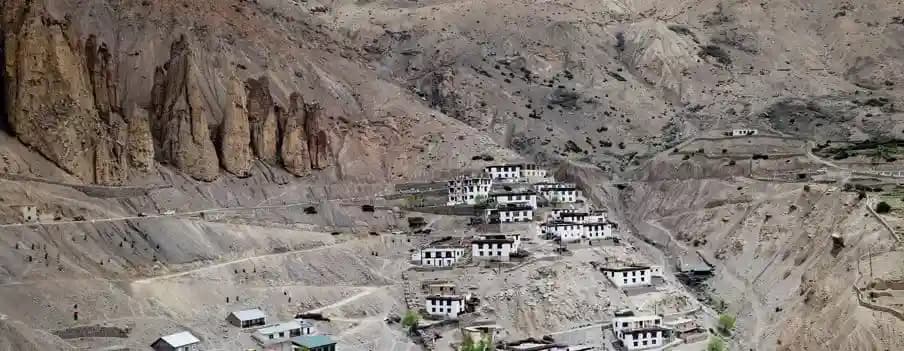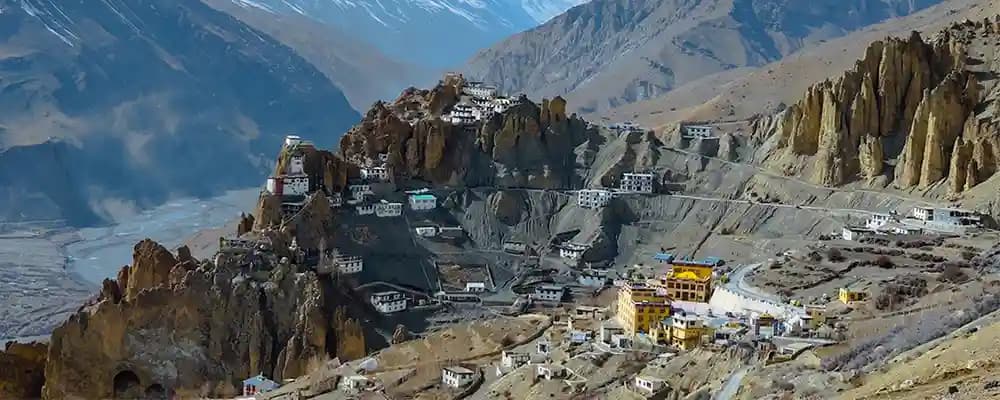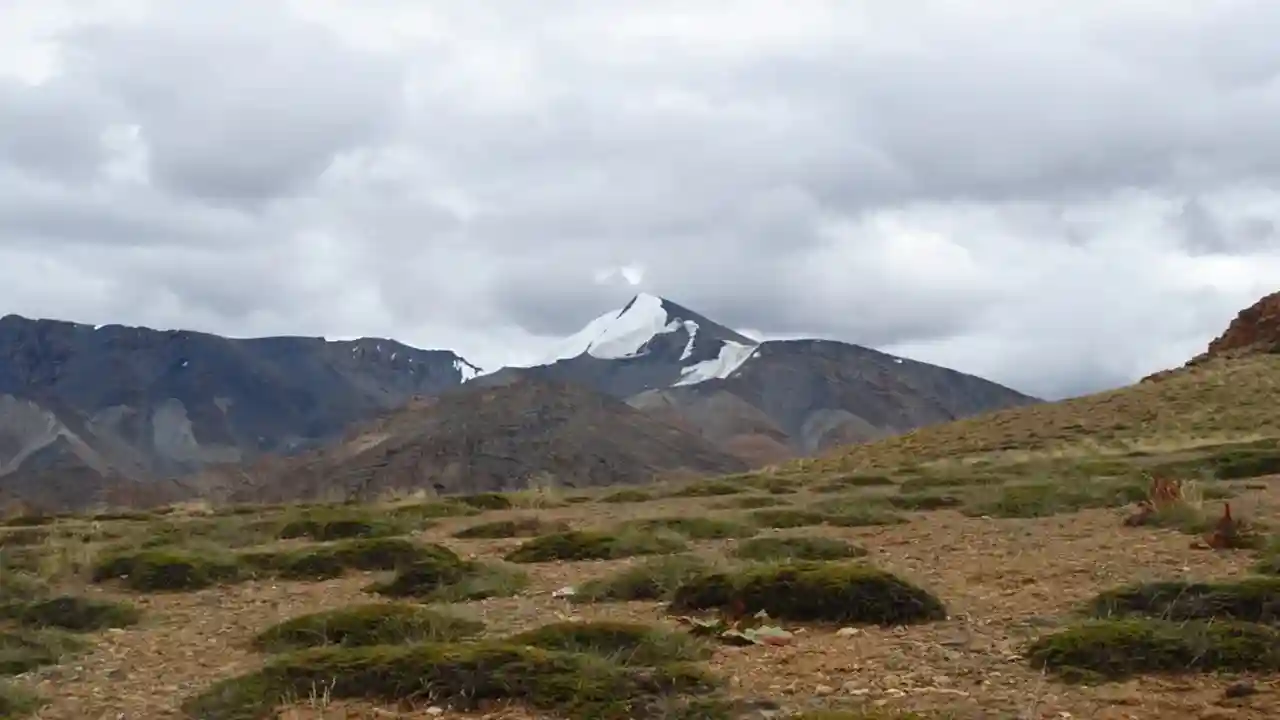
Ever walked an ancient trade route suspended between two legendary Himalayan regions? The Parang La Trek connects the rugged wilderness of Spiti Valley with the vast plains of Ladakh, taking you across landscapes frozen in time. Following paths once travelled by traders and herders, the Parang La Trek leads through deep gorges, snow-dusted ridges, and rocky valleys before revealing the breathtaking blue waters of Tso Moriri Lake. Every step blends challenge with beauty, silence with discovery.
This guide covers everything about the Parang La Trek: best time to go, route details, difficulty levels, costs, permits, and essential tips. Whether you're an experienced trekker seeking your next high-altitude challenge or planning a broader adventure through Spiti Valley trip packages, this trek promises an unforgettable journey. If solitude, endless skies, and crossing a 5,580-meter pass sound thrilling, start planning your expedition into the heart of the Himalayas.
About Parang La Trek
The Parang La Trek is a high-altitude adventure that connects the remote Spiti Valley to the beautiful Tso Moriri Lake in Ladakh. It takes an ancient trade route that has been used by the traders and herders, making it one of the most special Himalayan journeys. This trek starts near Kibber in Spiti and takes you across rocky valleys, broad riverbeds and the snow-covered Parang la Pass at approximately 5,580-5,600 metres. At this point, the road gradually leads into the expansive Ladakh scenery and culminates at the quiet blue waters of the Tso Moriri. The journey is difficult but rewarding, with breathtaking scenery and a feel of wilderness. This is why the Parang La Trek is loved by experienced trekkers.
Parang La Trek Distance: The trek covers approximately 128 km, spanning from Spiti to Ladakh across high-altitude terrain.
Parang La Trek Height: The highest point, Parang La Pass, is at an altitude of about 5,580-5,600 meters (18,300 feet).
Parang La Trek Duration: The standard itinerary lasts 9 days, with some operators offering 8-day routes.
Parang La Trek Difficulty: The trek is considered difficult to challenging, suitable only for experienced trekkers with prior high-altitude experience due to its steep climbs, rocky trails, and risk of altitude sickness.
Best Time for Parang La Trek
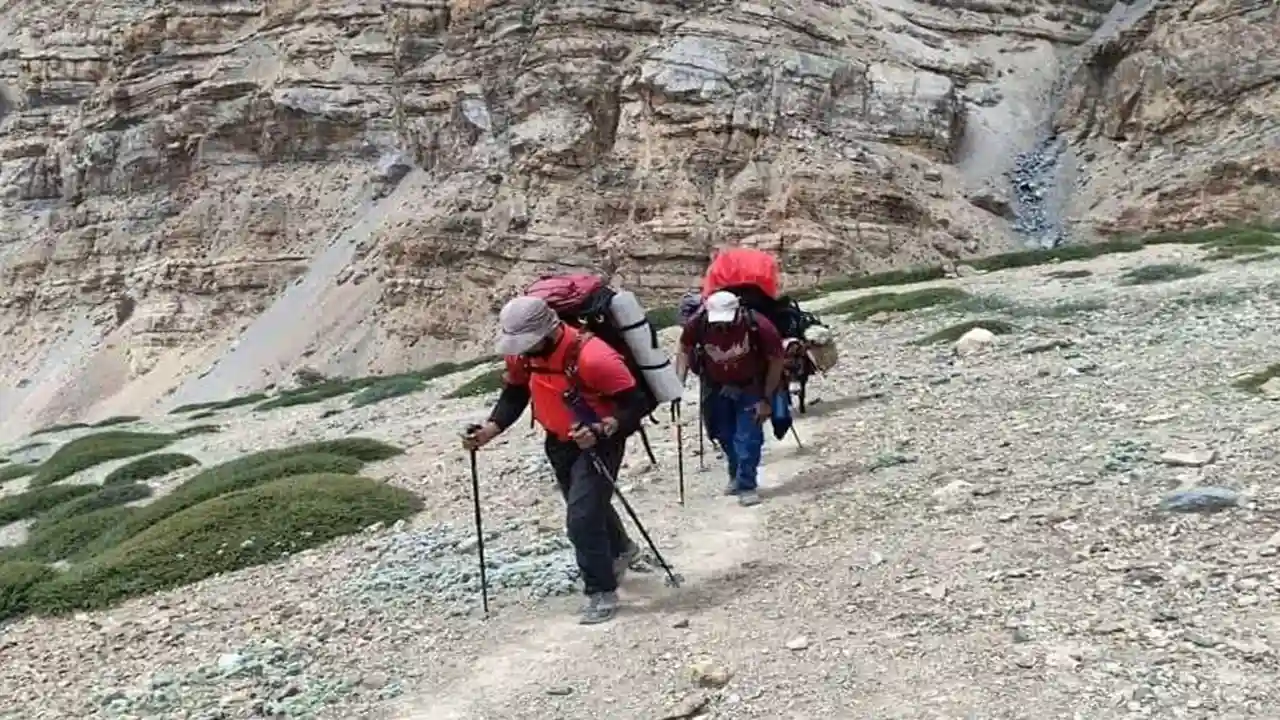
The most appropriate moment to attempt the Parang La Trek is between mid-July and early September, when the snows have melted, and the high pass is relatively safe. The weather at this time is more predictable and ideal for traversing the glaciers, riverbeds, and rocky areas. Days are cool, while the nights are even colder, particularly near the pass. This parang la trek season is also a window to have an excellent view of the mountain and smooth river crossings. It is not always safe to attempt the trek outside this time because of heavy snow or unpredictable weather, and therefore, timing is essential to have a good and safe journey.
How to Reach Parang La Trek
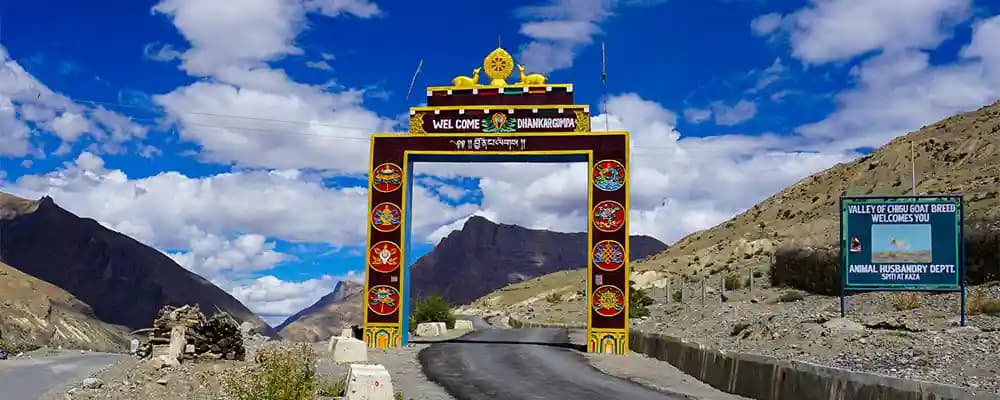
To reach the Prang La Trek, start by travelling to Kaza in Spiti Valley. You can get to Kaza by road from Manali or Shimla. Once you arrive in Kaza, take a short drive to Kibber, which is the main starting point for the trek. Local taxis and buses are available for this part of the journey, making it easy to reach Kibber from Kaza. After finishing the trek, you will return to Kibber and then head back to Kaza by road. From Kaza, you can continue your journey to other destinations in Spiti or Ladakh, including Tso Moriri. Shared taxis and private vehicles are available for these routes, making travel convenient and hassle free.
Parang La Trek Difficulty
The Parang La Trek is challenging and best suited for experienced trekkers, with the trail climbing to about 5,580 - 5,600 meters at Parang La Pass, where the thin here can cause altitude sickness. The route features rocky paths, glacial moraines, loose scree, snowy tracks, and river beds, so every step needs care. Most days involve 5–7 hours of trekking with steep climbs and descents. The Parang La Trek best time is between July and September, when the weather is stable and the trails are accessible. The route is remote, with no shops or villages, so you’ll depend entirely on your team and supplies.
Parang La Trek Cost & Permits
The cost of Parang La Trek varies with the operator, route, services, and group size, but a standard 9 day itinerary between Spiti and Ladakh usually comes around ₹45,950 per person, with early bookings or group discounts sometimes bringing it down to about ₹31,900 per person. When it comes to Parang La Trek permits, you generally need an Inner Line Permit (ILP) for the Tso Moriri region in Ladakh and a few local registrations in SPiti, which operators usually arrange on your behalf. Foreign nationals must go through registered agencies; Indian trekkers usually get these permits without much hassle during the Parang La Trek season.
Tentative Parang La Trek Itinerary
The Parang La Trek is a route that used to be a trade route connecting the Spiti Valley and Ladakh in the past. This road leads you through deep gorges, rocky ascents and the snowy Parang La Pass, making the Parang La trek in Spiti Valley a very rare combination of difficulty and beauty. The expedition gradually changes from the dry mountains of Spiti to the open plateaus of Ladakh, and this makes this trek a favourite among expert trekkers.
Day 1: Arrival in Kibber
Reach Kibber village in Spiti and rest to acclimatise. The day will get your body ready before you embark on the high-altitude Parang La Trek.
Day 2: Kibber to Thaltak Meadow
Start trekking from Kibber and head to Thaltak Meadow. This is an easy path that provides you with the first actual sight of the mountains on the Parang La trek route.
Day 3: Thaltak Meadow to Borogen
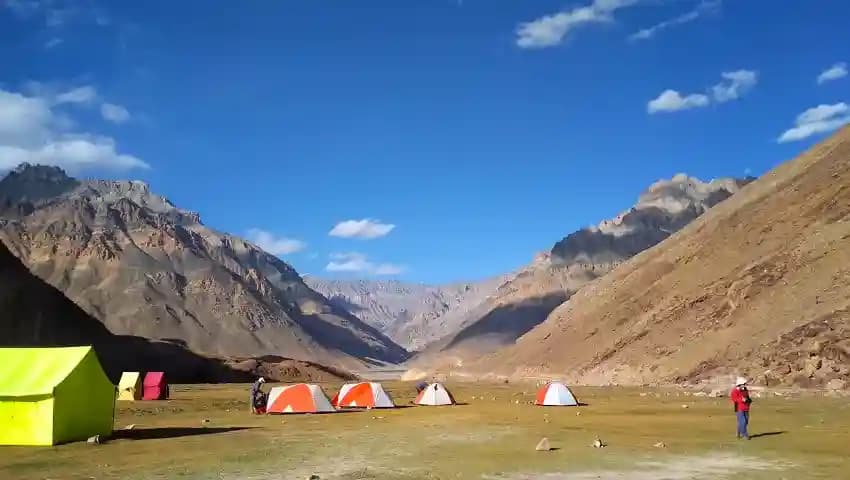
Descend into a deep gorge from Thaltak and climb back up to Borogen, a high altitude camp site which displays the unpolished face of the Parang La trek mountain ranges.
Day 4: Borogen to Parang La Base Camp
Start trekking from Borogen to the base of the Parang La pass trek. The landscape turns rocky and difficult nearer to the snowy pass.
Day 5: Base Camp to Parang La Pass to Pare Chu Valley
Cross the Parang La Pass (approximately 5,580-5,600 m), the most difficult part of the Parang La Pass trek Spiti to Ladakh. After the pass, descend into the silent and open valley of Pare Chu.
Day 6: Pare Chu Valley to Norbu Sumdo
Follow the riverbed of Pare Chu all the way to Norbu Sumdo, a major crossing place in this remote area.
Day 7: Norbu Sumdo to Kiangdom
Keep on walking through open valleys to Kiangdom, a lovely camping place by the border of Tso Moriri Lake.
Day 8: Kiangdom to Tso Moriri Lake / Karzok
Walk along the lakeside and finish your trek at Tso Moriri Lake, marking the final steps of your unforgettable Parang La Trek.
Tips & Advice Before You Go
In case you are going to Parang La Trek, here are a few tips to bear in mind:
ID Proof & Travel Documents: Bring government ID, health information and other documents needed to check checkpoints. These papers are frequently required during the parang la trek season for verification.
Essential Gear: Bring warm clothes, a down jacket, quality trekking shoes, gloves, and a warm sleeping bag to keep you warm all the way through the Parang La Trek. The right equipment will enable you to manage the terrain and the overall Parang La trek challenge.
Trekking Essentials: Bring a waterproof jacket, headlamp, trekking poles, sunglasses, sunscreen and a personal first-aid kit. These little necessities will make the Parang La Trek easier, and save you from changing weather.
Hydration & Food Supplies: Bring reusable water bottles, minerals and snacks to maintain your energy level. Good hydration is most important due to the high Parang La trek height.
Navigation & Safety Items: Carry power bank, map or offline navigation and emergency medicines. Useful in distant places where the Parang La Trek lacks any shops or villages.
Conclusion
The trek consists of silence, discovery, and the stunning Himalayan mountains. The Parang La Trek is a unique hiking experience, a combination of difficult terrain and old routes with tranquillity and high altitude. From the dramatic valleys of Spiti to the sparkling blue waters of Tso Moriri in Ladakh, every minute here is meaningful and unforgettable. To those who want to have an adventure that is both wilderness and soul exercise, this trek comes with a set of memories that will linger with you long after the trek is over.