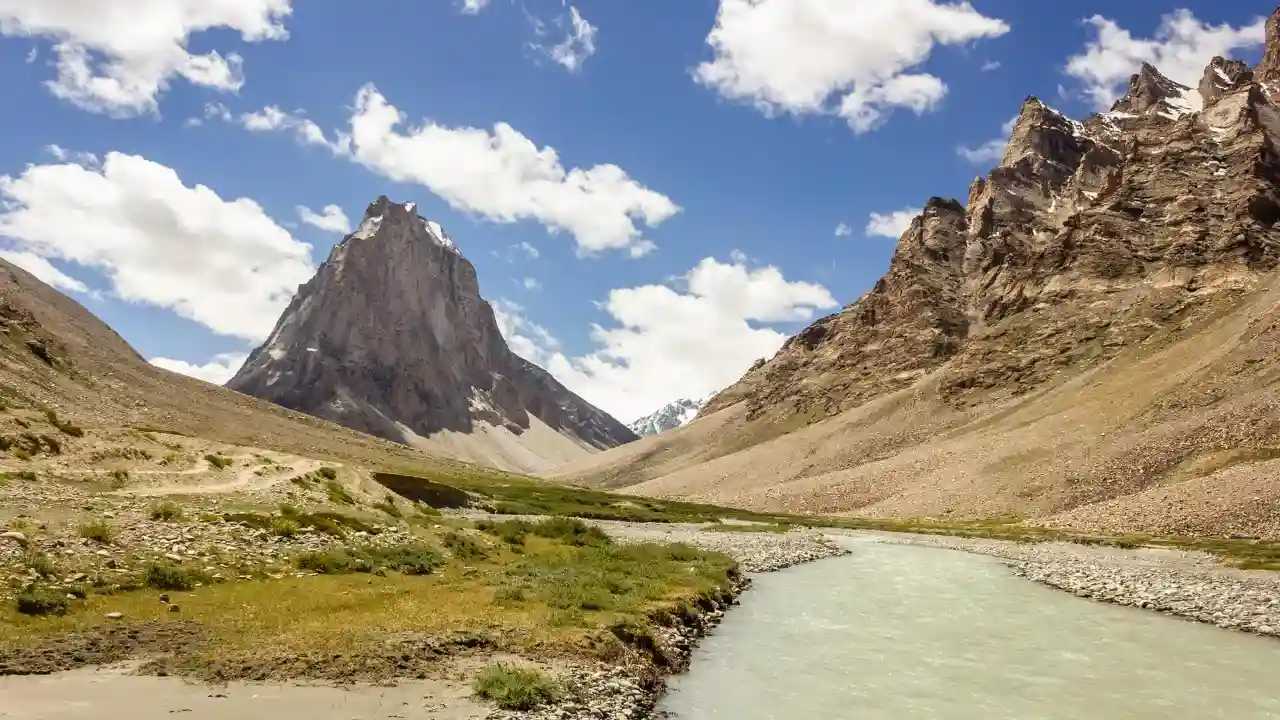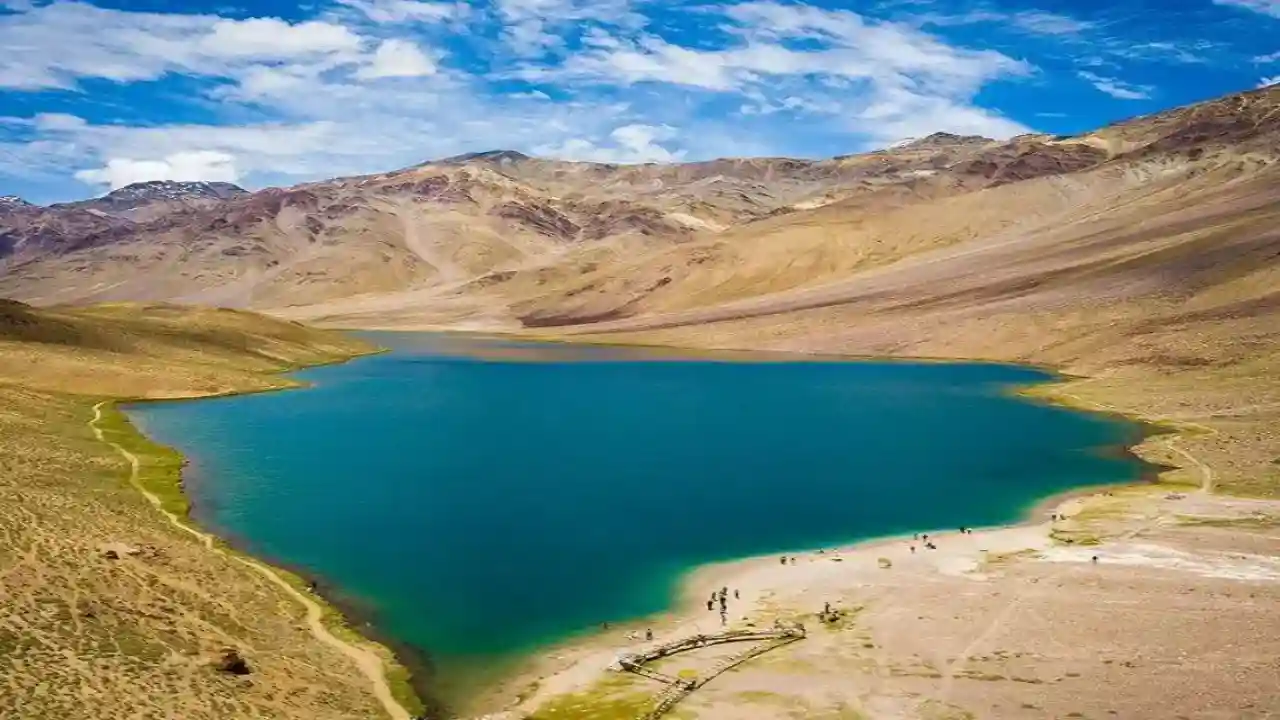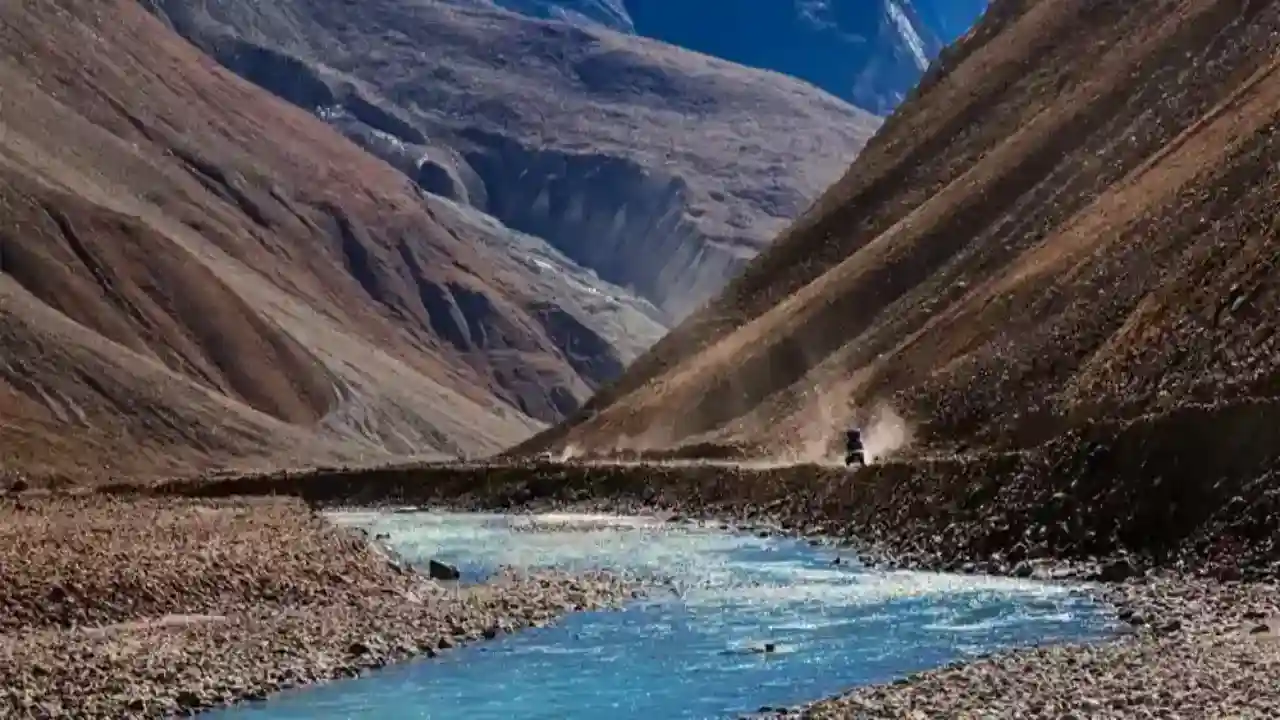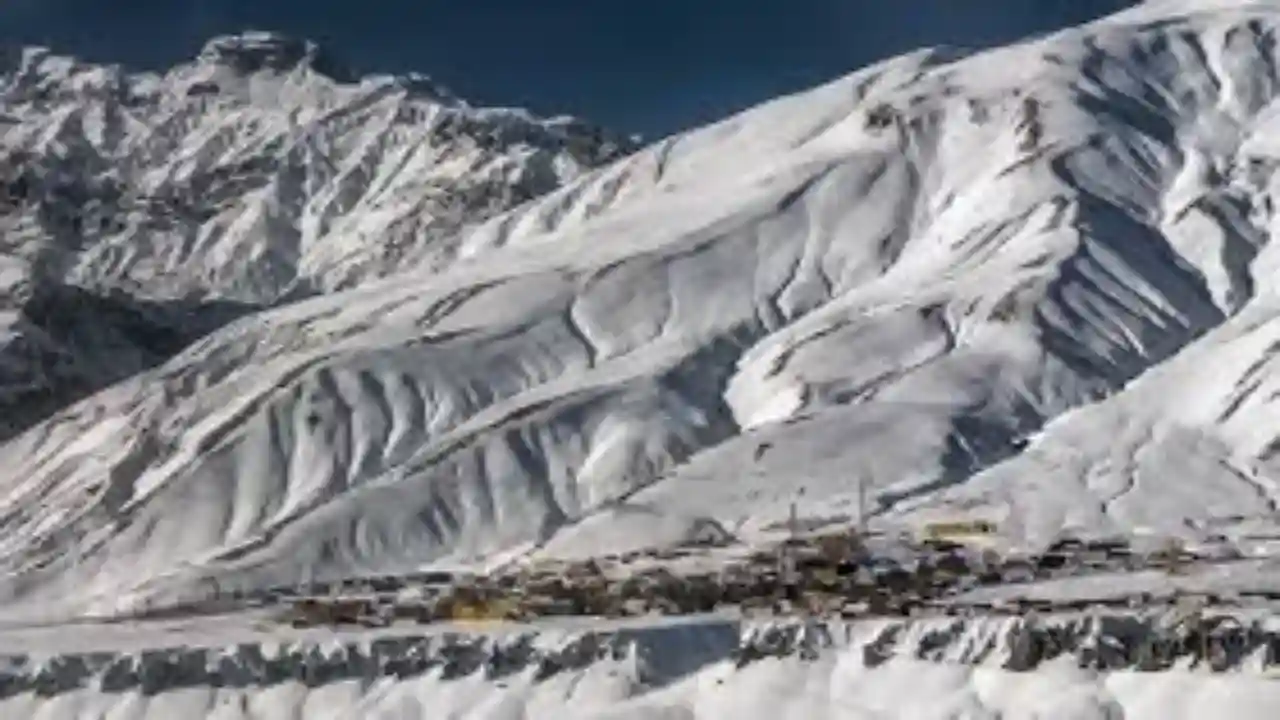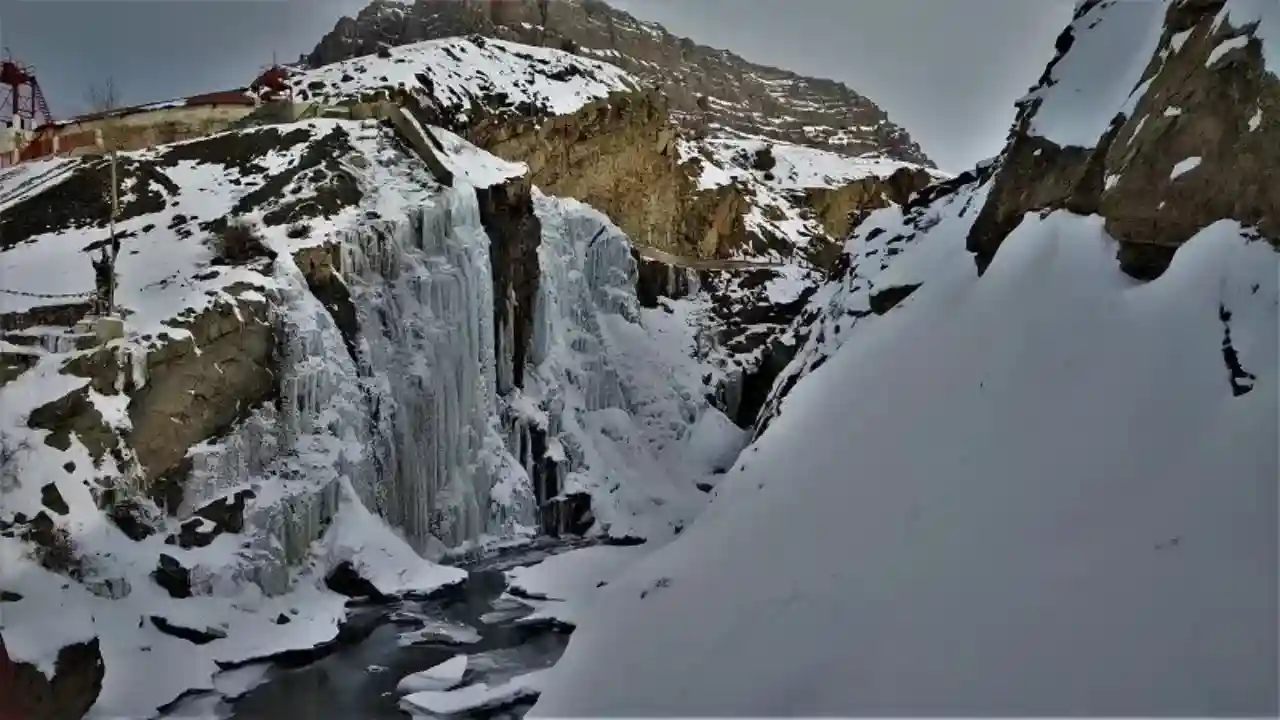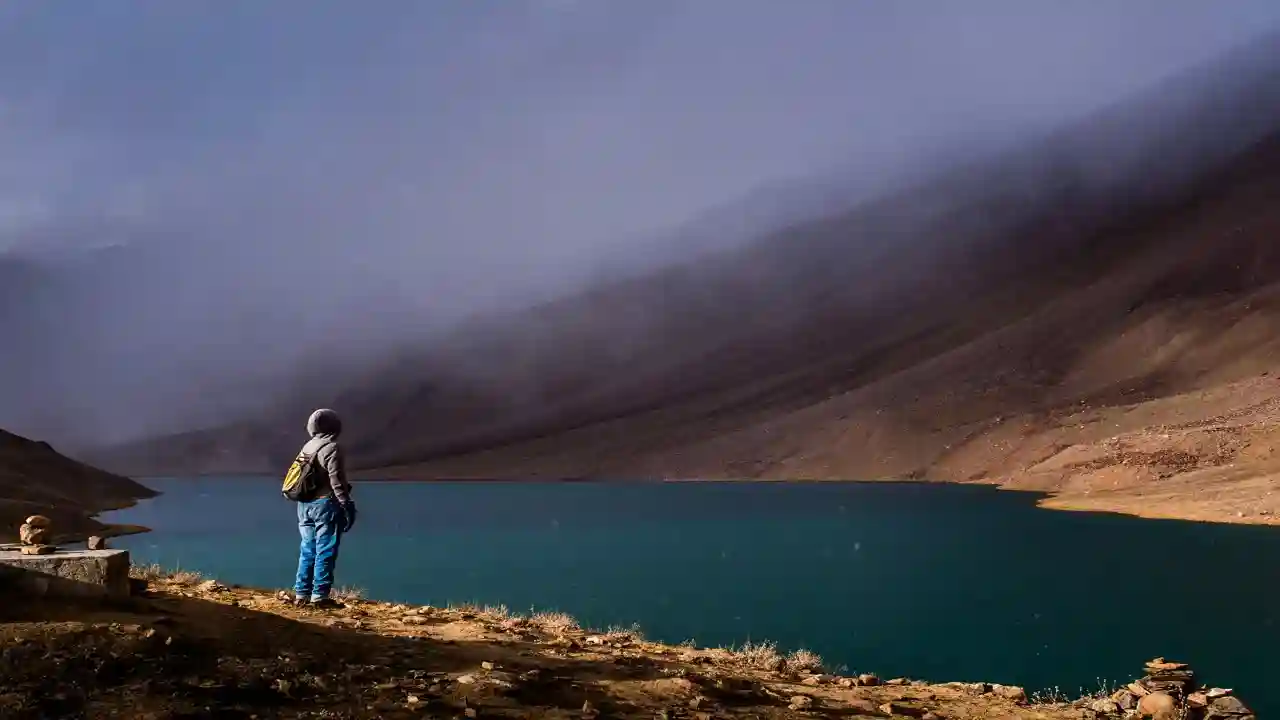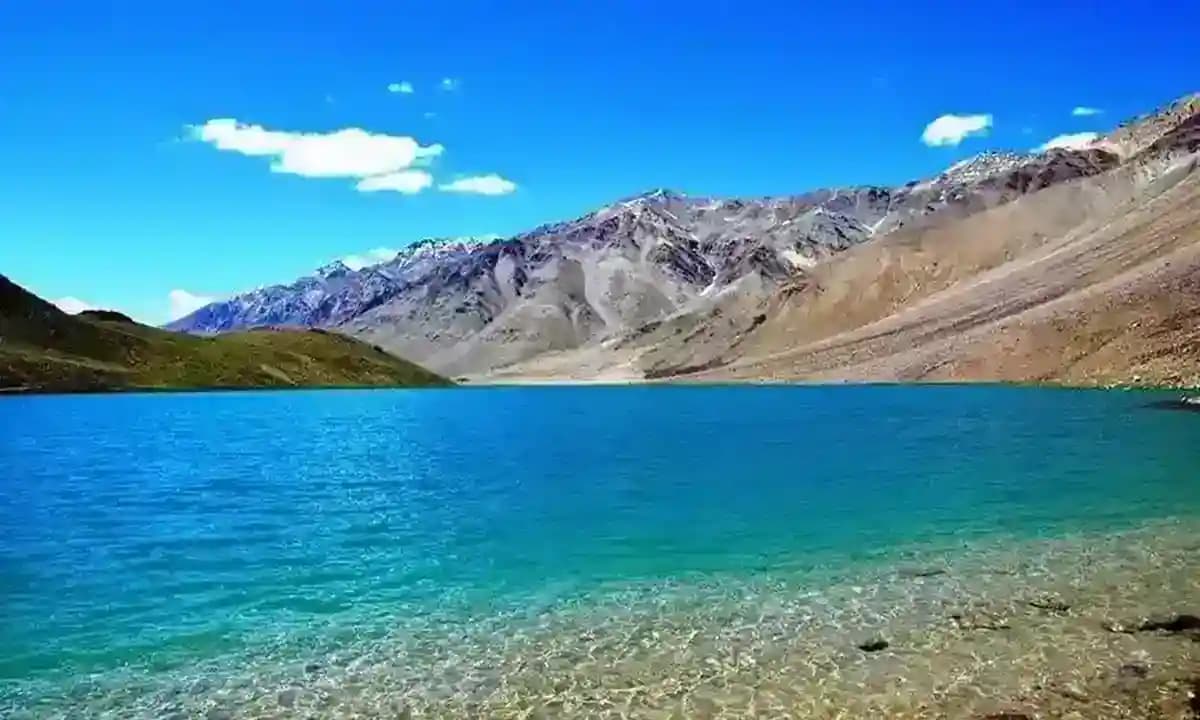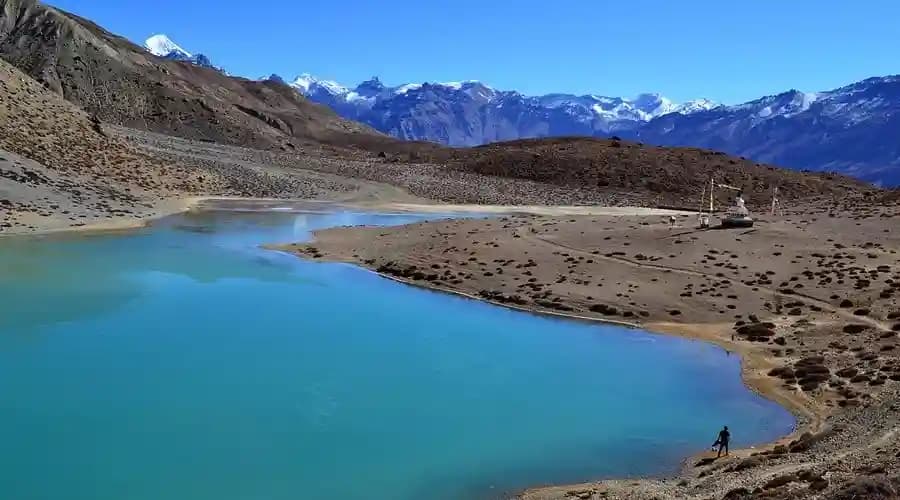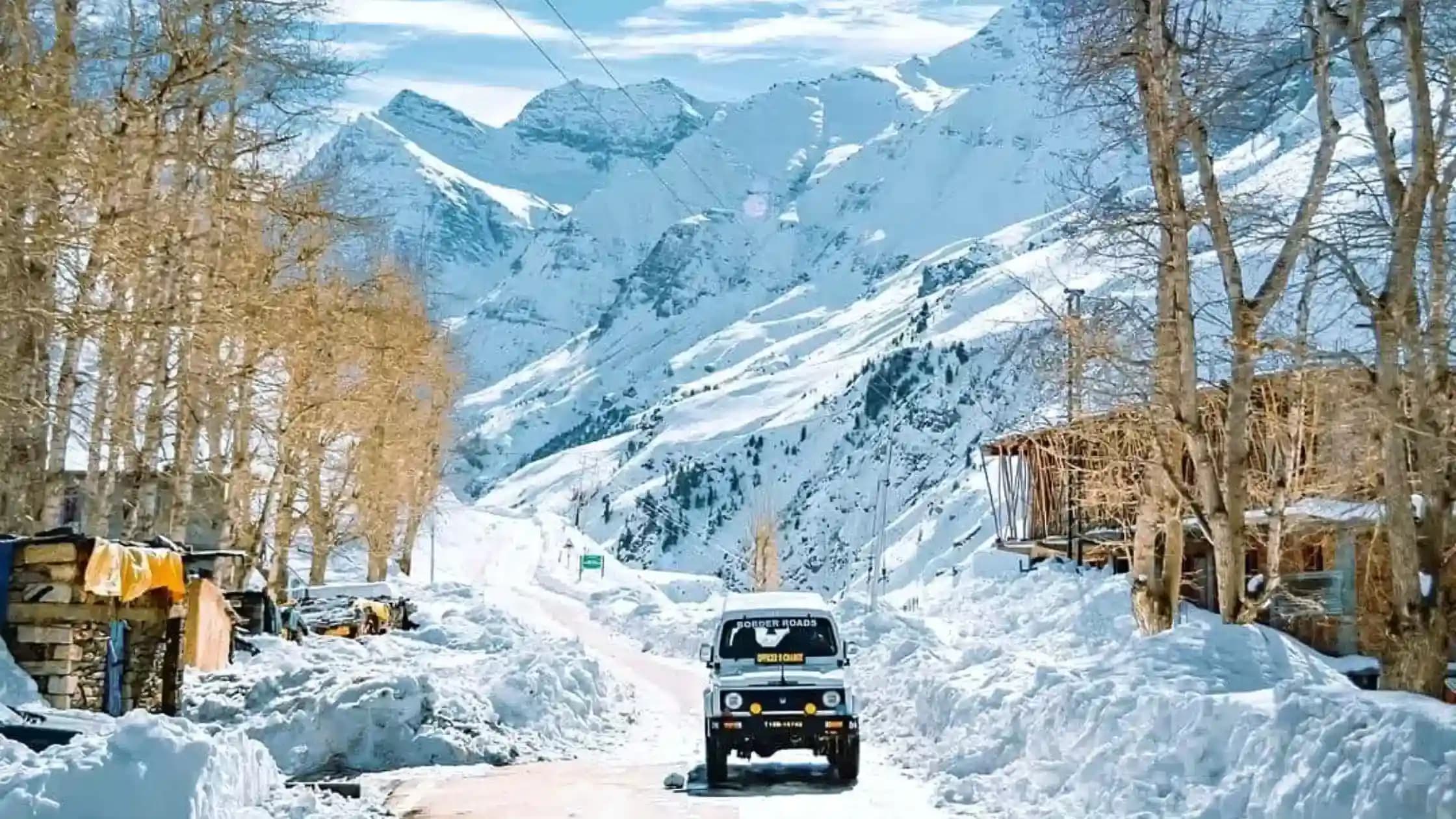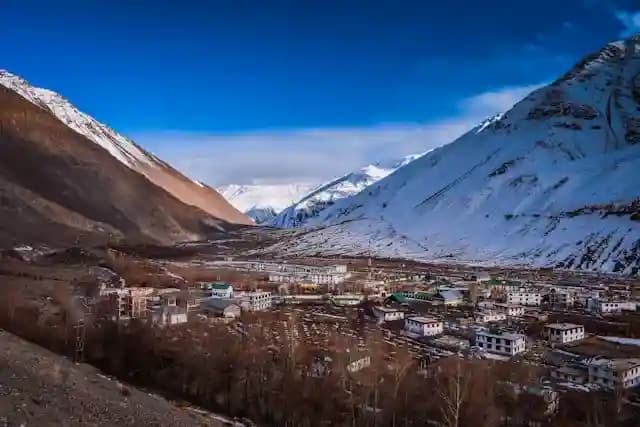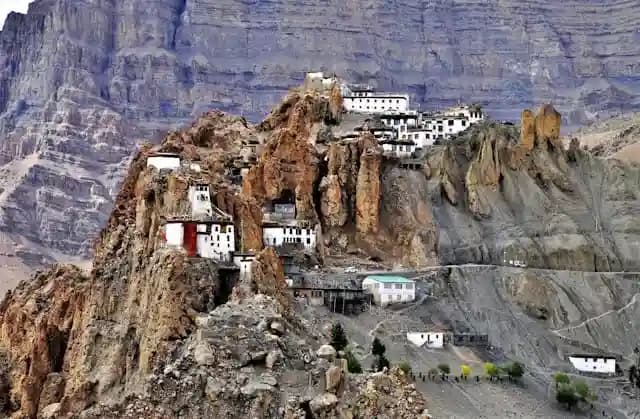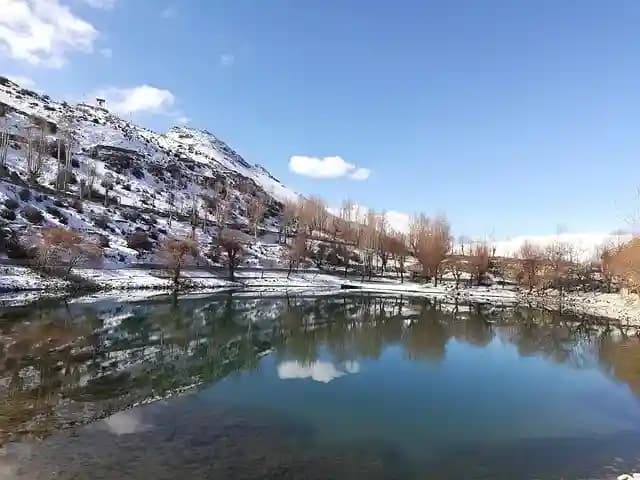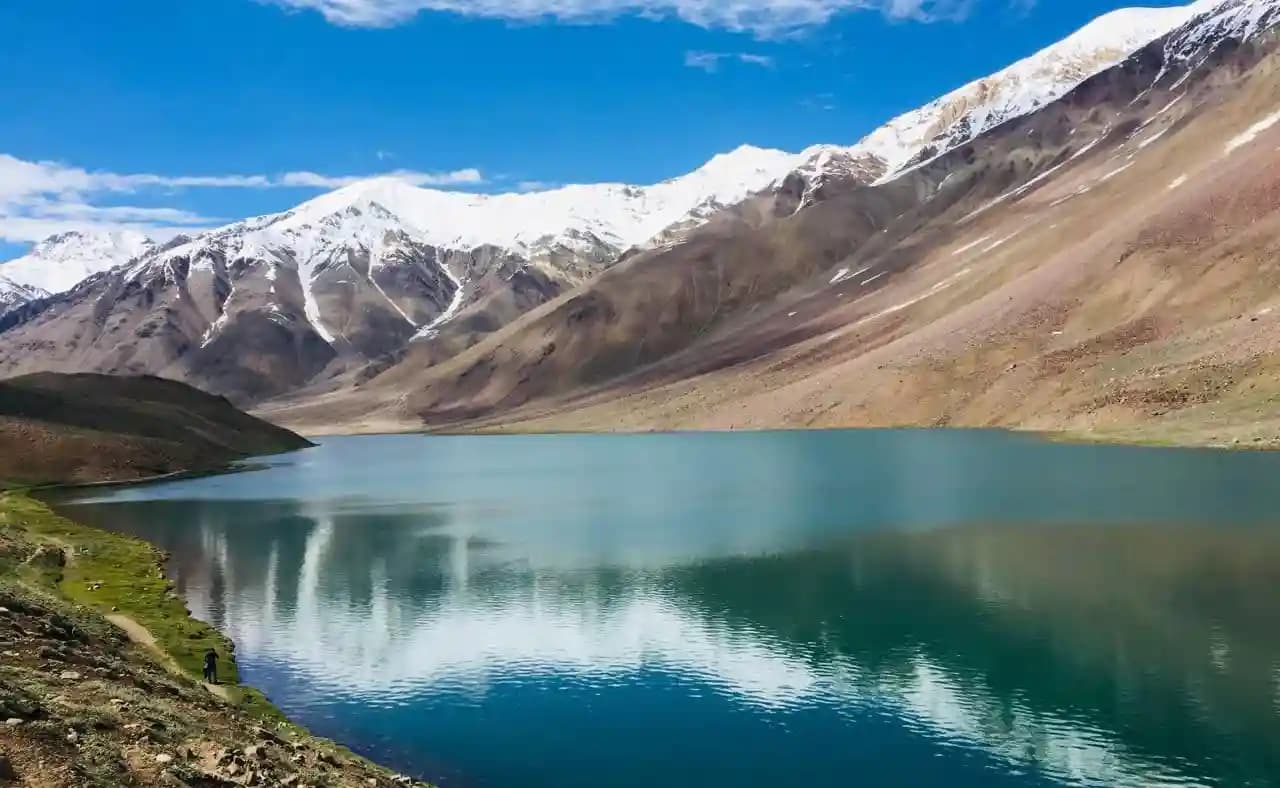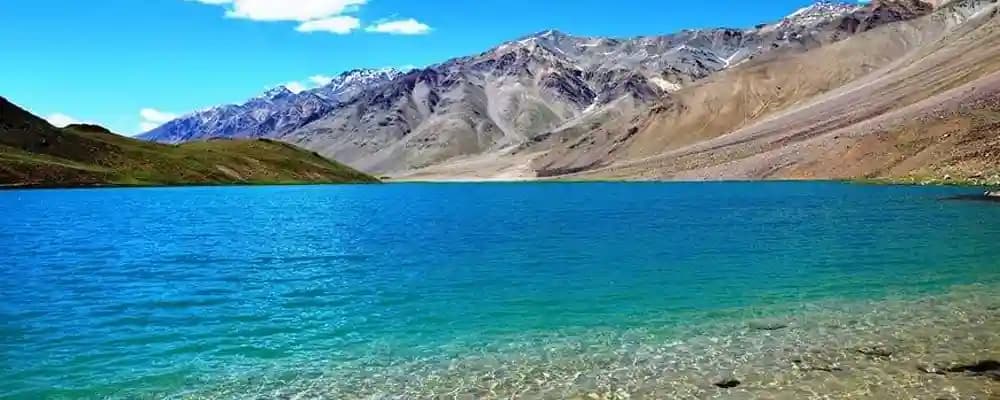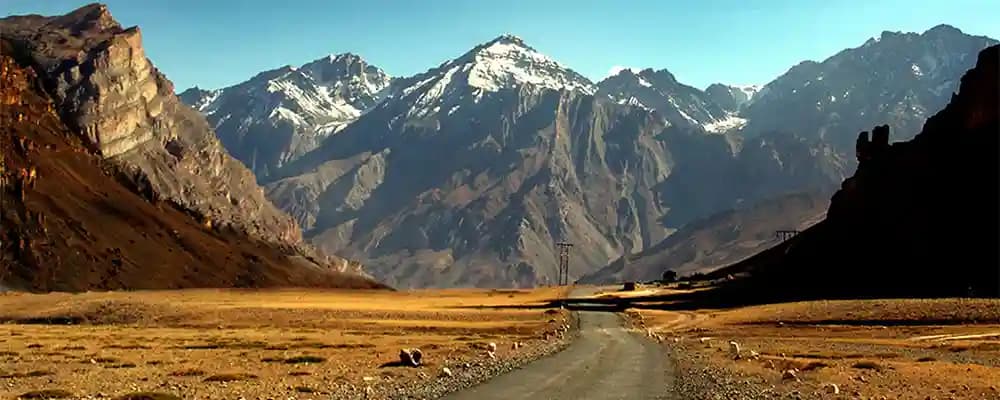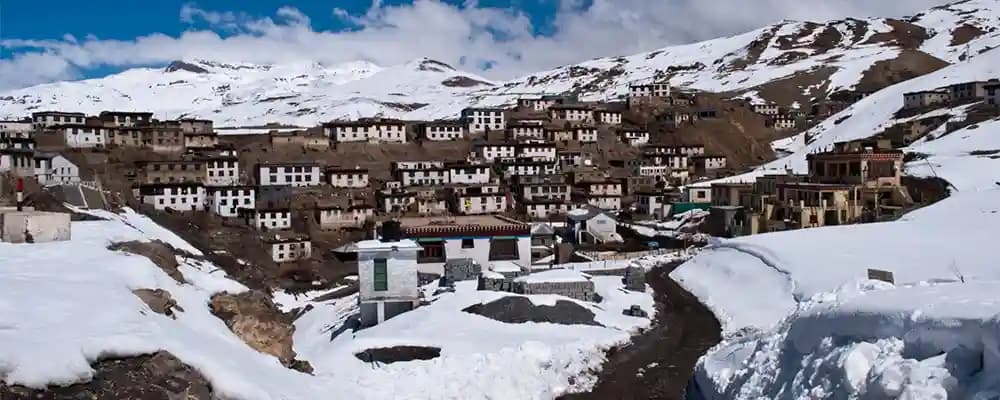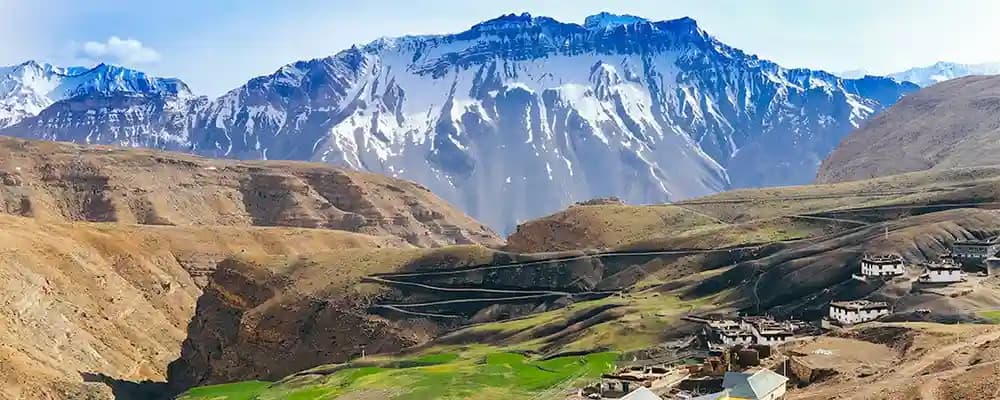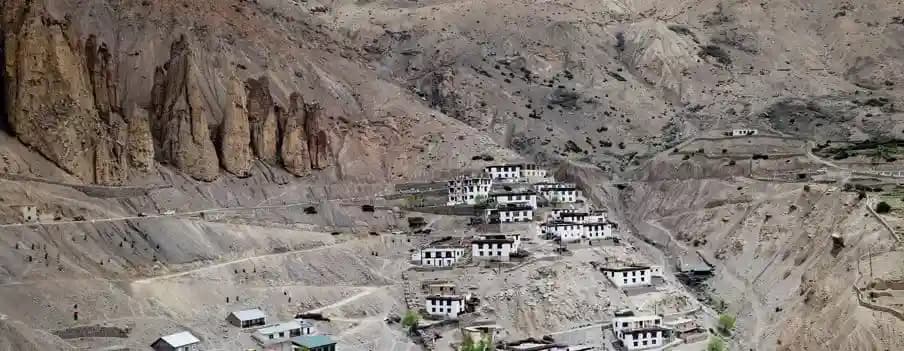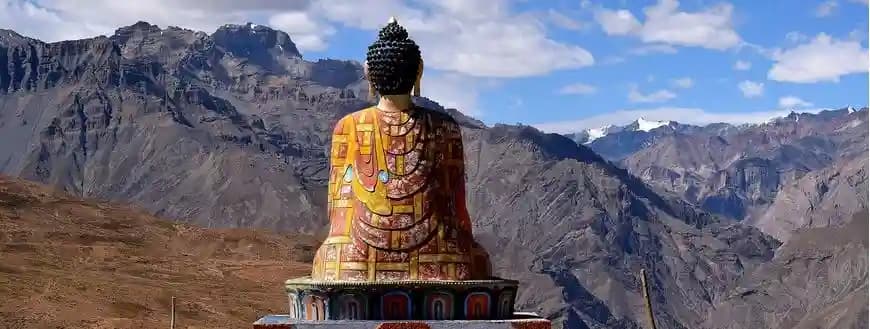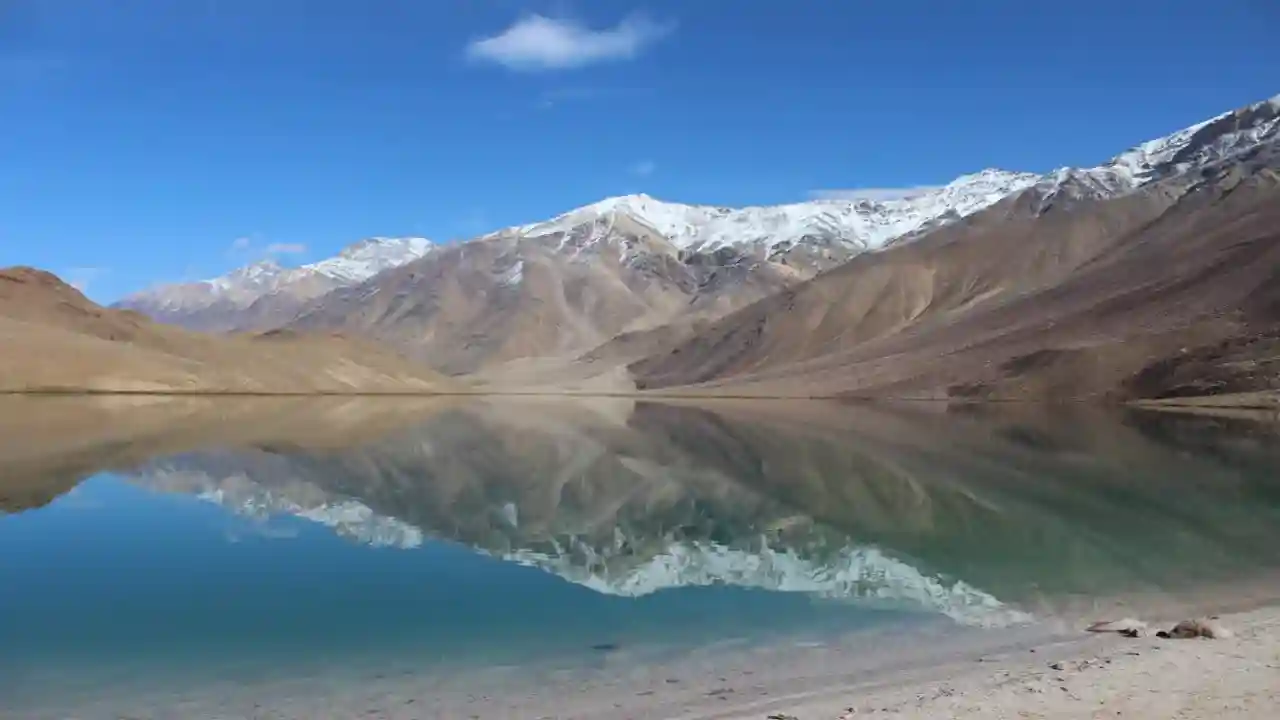
Surrounded by the barren mountains high in the Spiti Valley, the Chandratal Lake has always been more of a legend than just another destination. Its moon-shaped curve, changing colours along with the distant location have given rise to myths about Chandratal Lake that have been passed down for generations by locals, shepherds, as well as travellers.
Some people believe that the lake is protected by spirits; some think that it was a place where gods used to meet, and others fear that this is a place that should not be visited after the sun goes downand the moon. Over time, facts and folklore have blended so closely that it is hard to separate truth from imagination. In this blog, we will take a look at the most popular myths about the lake and where they came from and what actually holds true today to help you choose the best package for your trip to spiti and plan the best trip ever.
7 Popular Myths About Chandratal Lake
Chandratal Lake is not just known for its stunning beauty but is also very popular for the many stories that surround it. Over the years, myths linked to its isolation, weather, and spiritual beliefs have shaped how people see this high-altitude lake. Let us now have a look at these Chandratal Lake beliefs and myths about Chandratal Lake, along with their origins
1. Chandratal Lake Changes Colour Due to Supernatural Powers
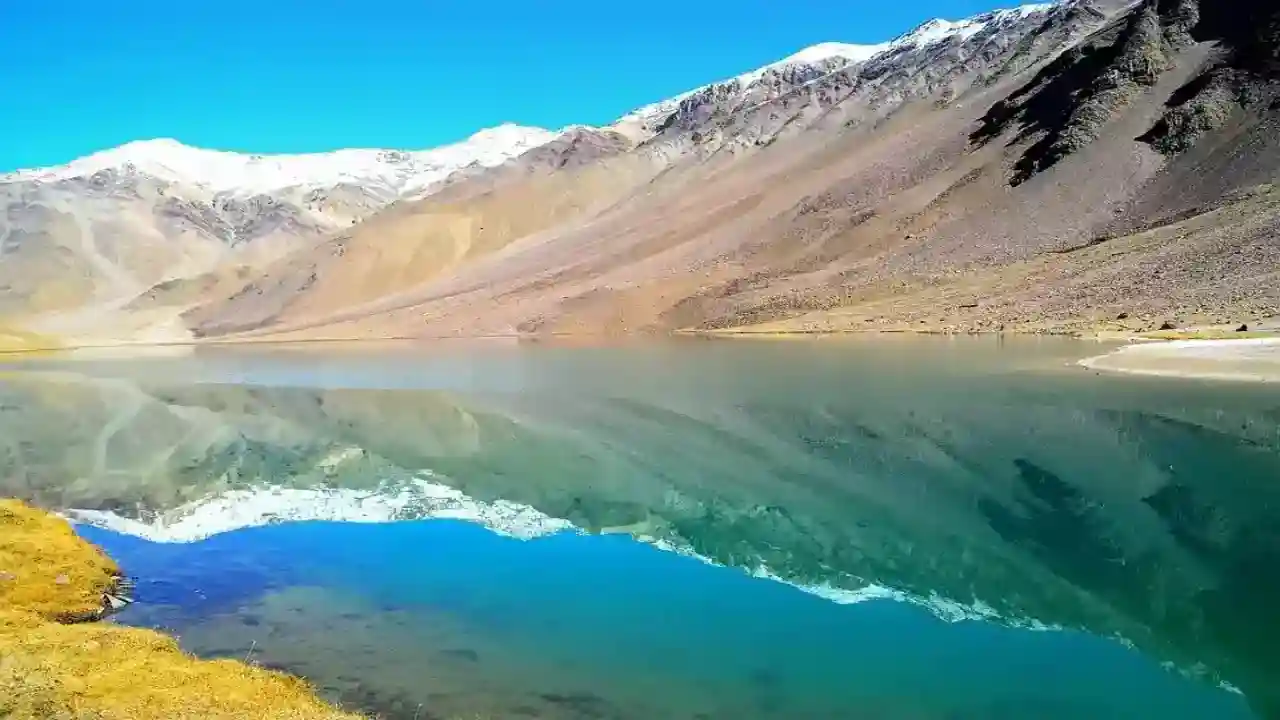
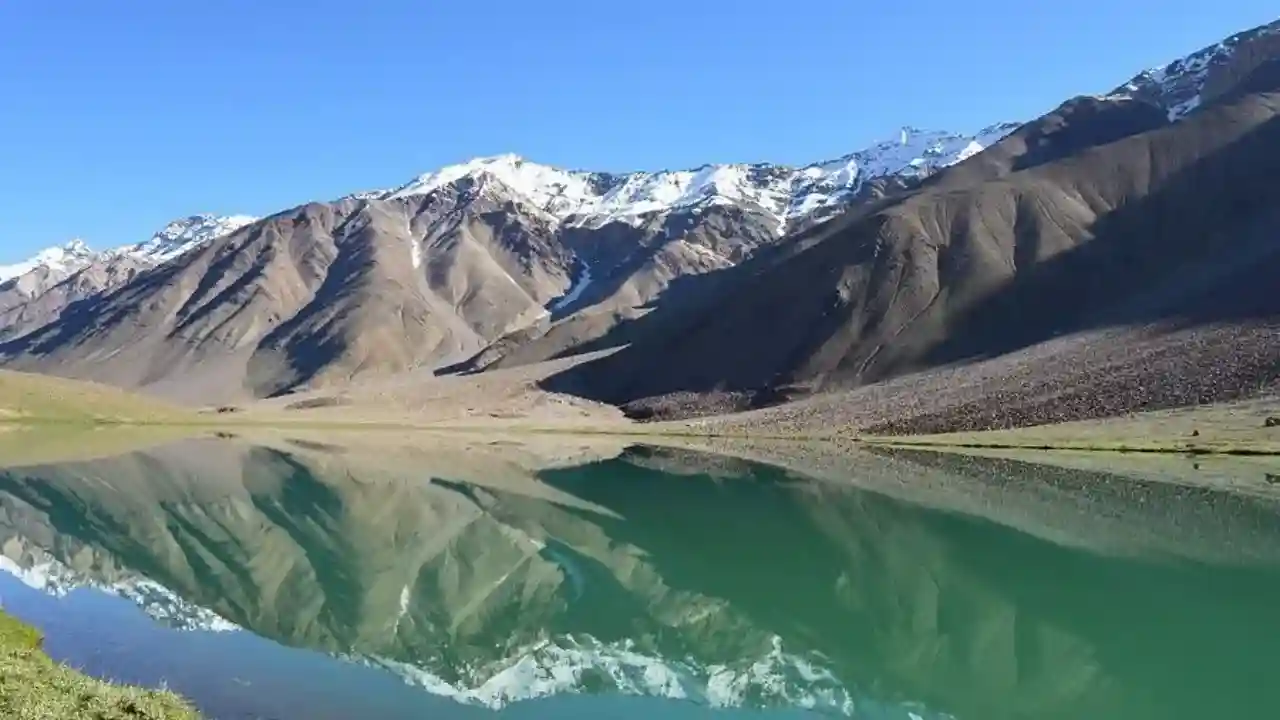
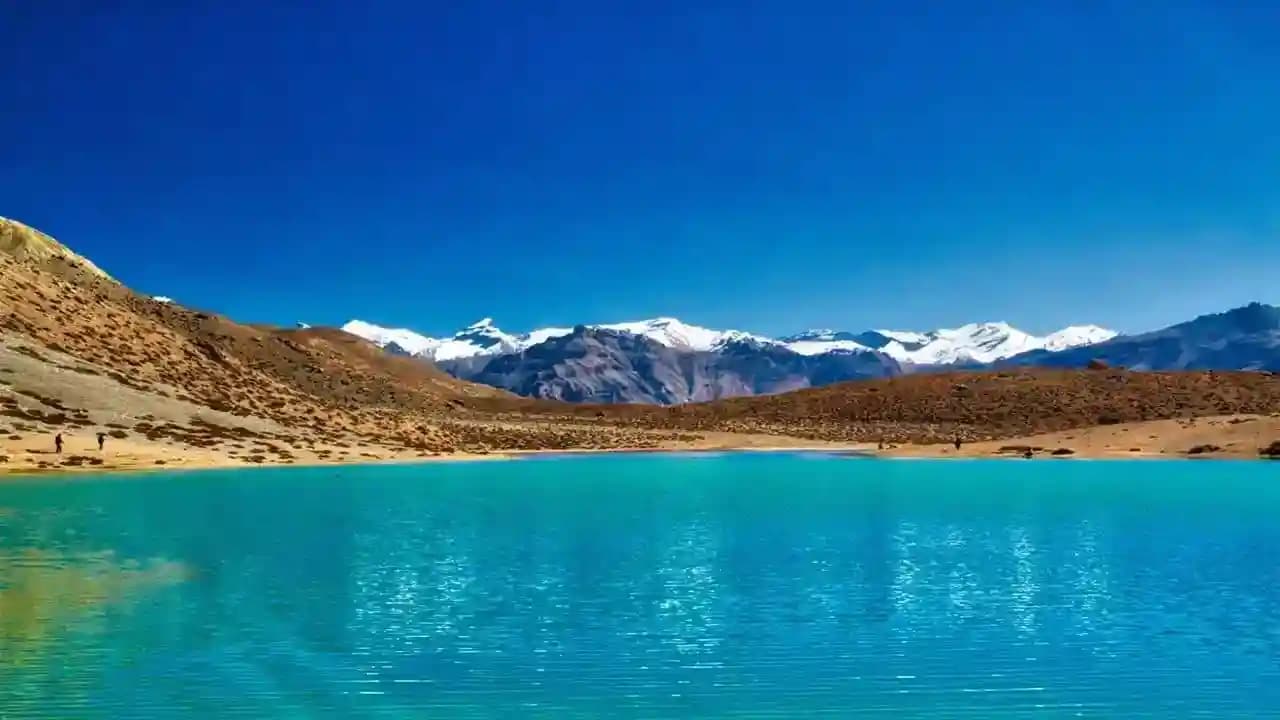
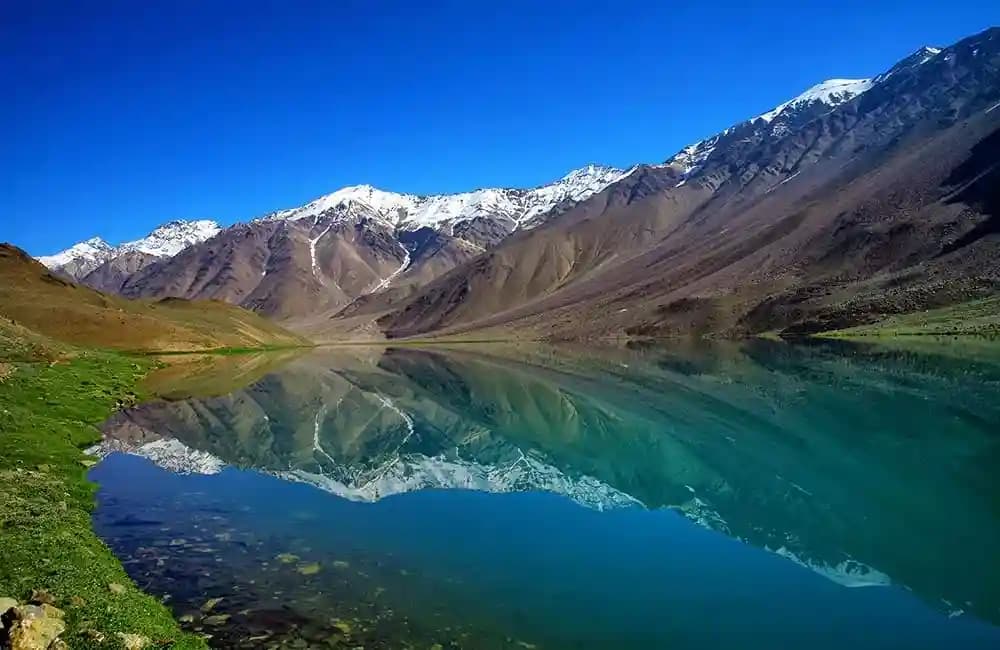
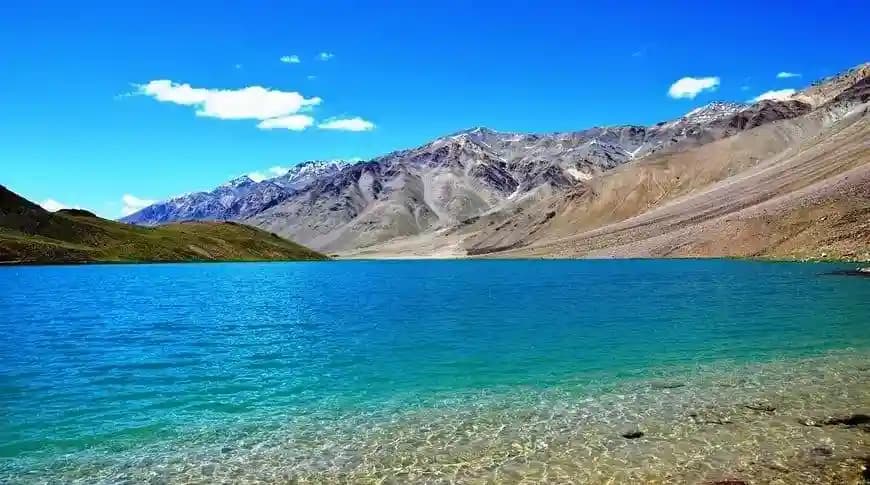
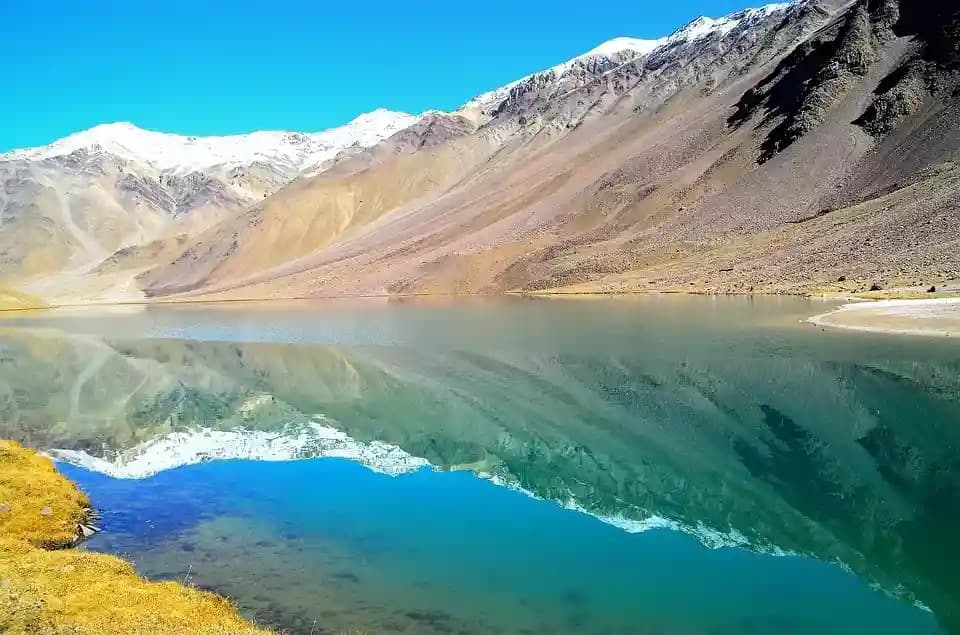
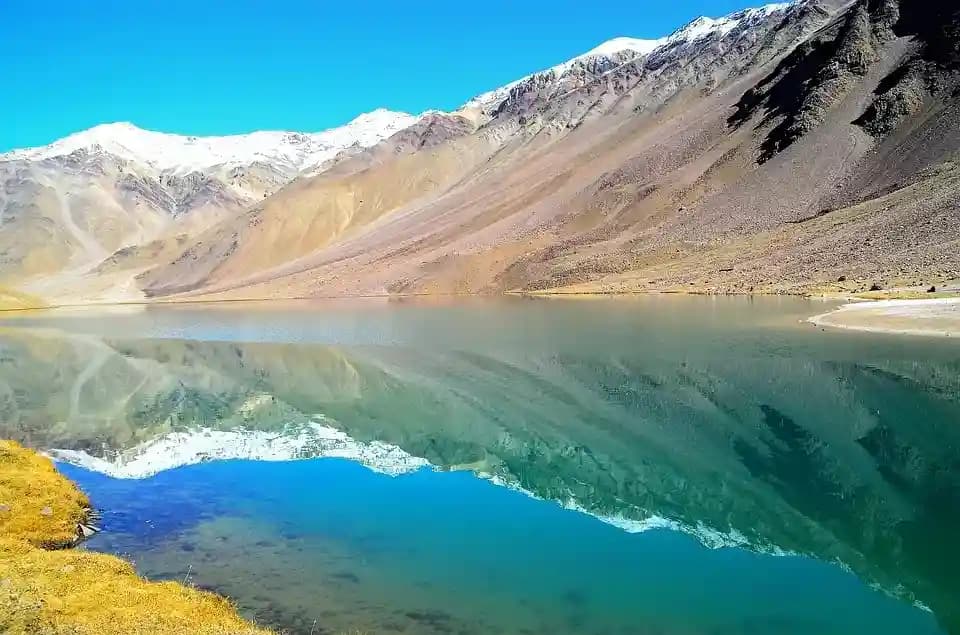
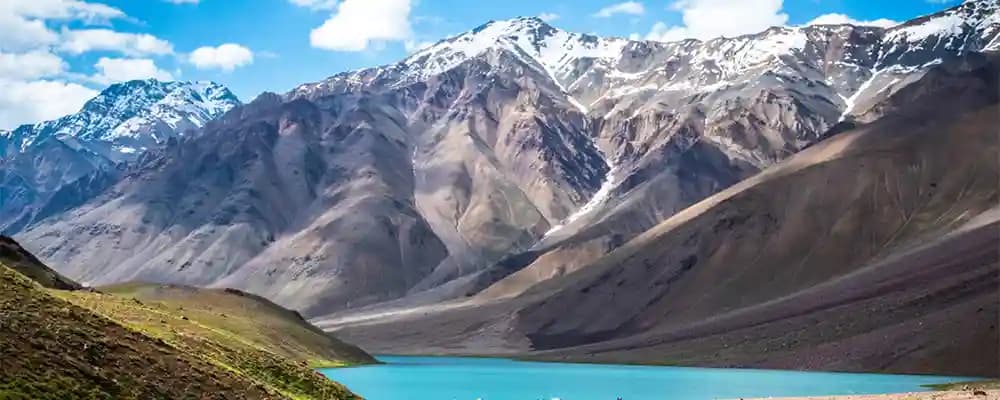
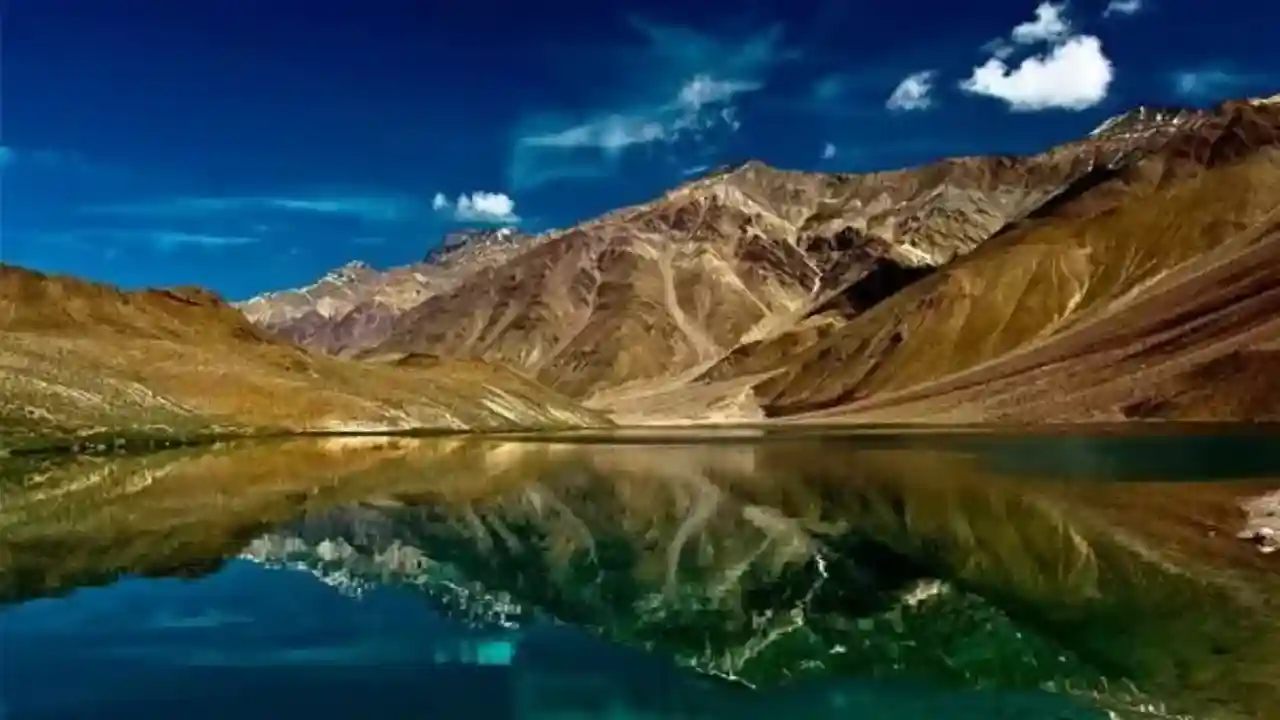
One of the most popular myths about Chandratal Lake is that it changes colour due to supernatural powers. Many attribute the change of colour of the Chandratal Lake to some divine or supernatural energy. It is, in fact, a natural happening, and quite scientific. Chandratal Lake is a high-altitude glacial lake. Change in its colour depends upon sun rays, the shifting moments of clouds, and the reflection generated by the snow-laden surrounding peaks.
The water of this lake has all the fine glacial sediments and minerals, which scatter sunlight differently at different times of the day. A pale blue-like colour seen during the morning hours gradually turns into deep turquoise during the afternoon. Similar colour changes are also experienced in many glacial lakes in the Himalayas, indicating that it is a scientific phenomenon, not a mystical one.
2. Camping Overnight Near Chandratal Brings Bad Luck
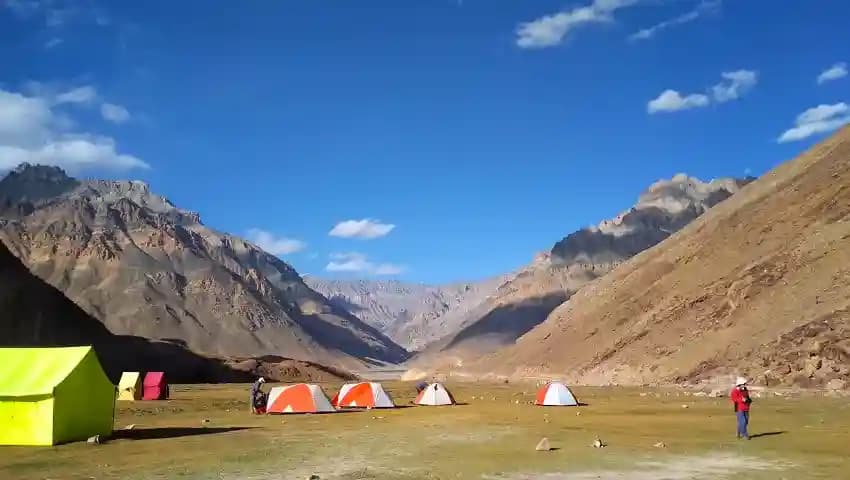
Many people residing in the area and tourists believe that night camping near Chandratal Lake invites bad luck or negative energy. This is one of the myths about Chandratal Lake, which mainly evolved because night camping around the lake is not allowed. The ban was enacted for very realistic reasons and had nothing to do with the spiritual world. Chandratal is a plateau that stands at an altitude of about 4,300 metres, receiving nighttime temperatures that plunge low and winds that become extremely powerful.
The topography is environmentally sensitive, and the presence of humans causes a disturbance in its ecosystem. For these reasons, the authorities allow camping only at specific sites many kilometres away. In fact, there is no historical or scientific evidence linking misfortune with the lake.
3. Chandratal Was Formed During the Mahabharata Era
There are various Chandratal lake myths that associate the lake with the Mahabharata, especially with narratives related to the exile of the Pandavas. According to a local belief, Yudhishthira attained heaven near the lake when Lord Indra came to take his soul in his chariot of fire. Another legend suggests that some divine chariots once crossed the region, and the marks they left led to the formation of the lake.
These are the points that contribute to the sacred status of Chandratal, but none of them has archaeological or historical evidence. Scientific research explains that Chandratal was formed by glacial erosion and melting over thousands of years, shaping its distinctive crescent form. The myths about Chandratal Lake reflect cultural storytelling and spiritual symbolism rather than documented history.
4. Chandratal Lake Has No Bottom
It is believed by many that the Chandratal Lake is bottomless because its centre appears very dark and deep. This effect is an optical illusion created by transparent water, low sediment levels, and absorption of light with more depth. Scientific measurements put the depth at around 13 to 15 meters, which is considered average for glacial lakes of this size. The deep blue colouration at the centre results from reduced light reflection from deeper water. Just like these myths about Chandratal Lake, many are associated with alpine lakes globally, particularly those at high elevations with crystalline water.
5. Chandratal Is Haunted by Spirits
One of the myths about Chandratal Lake is that the idea that it is haunted is essentially based on its remote location, stillness, and extreme weather conditions. Sudden fog and strong winds with isolation can be unsettling, especially for first-time visitors. However, no reported incidents or credible local records of paranormal activity can be traced in this region. The main risks associated with Chandratal are altitude sickness, dehydration, hypothermia, and unpredictable changes in the weather.
Whenever travellers neglect acclimatisation guidelines or go forward to visit in the late season, discomfort becomes misjudged as supernatural happenings. With adequate preparation and guidance, the area is relatively safe and tranquil.
6. Folk Tale of the Heartbroken Mermaid
One of the lesser-known folk stories associated with Chandratal involves a mythical mermaid said to reside in its waters. Local stories and myths about Chandratal Lake tell of a shepherd who once visited the lake while grazing his livestock and met a mermaid. The two supposedly fell in love, but the shepherd was already married and hid this truth from her. Finding out about the marriage, the mermaid disappeared, and locals say her spirit still wanders around these lakes in search of love.
This story most probably stemmed from the isolation and silence of the lake. No historical, cultural, or scientific basis supports the theory of the presence of mermaids in Chandratal.
7. The Romantic Love Story of Chandra and Bhaga
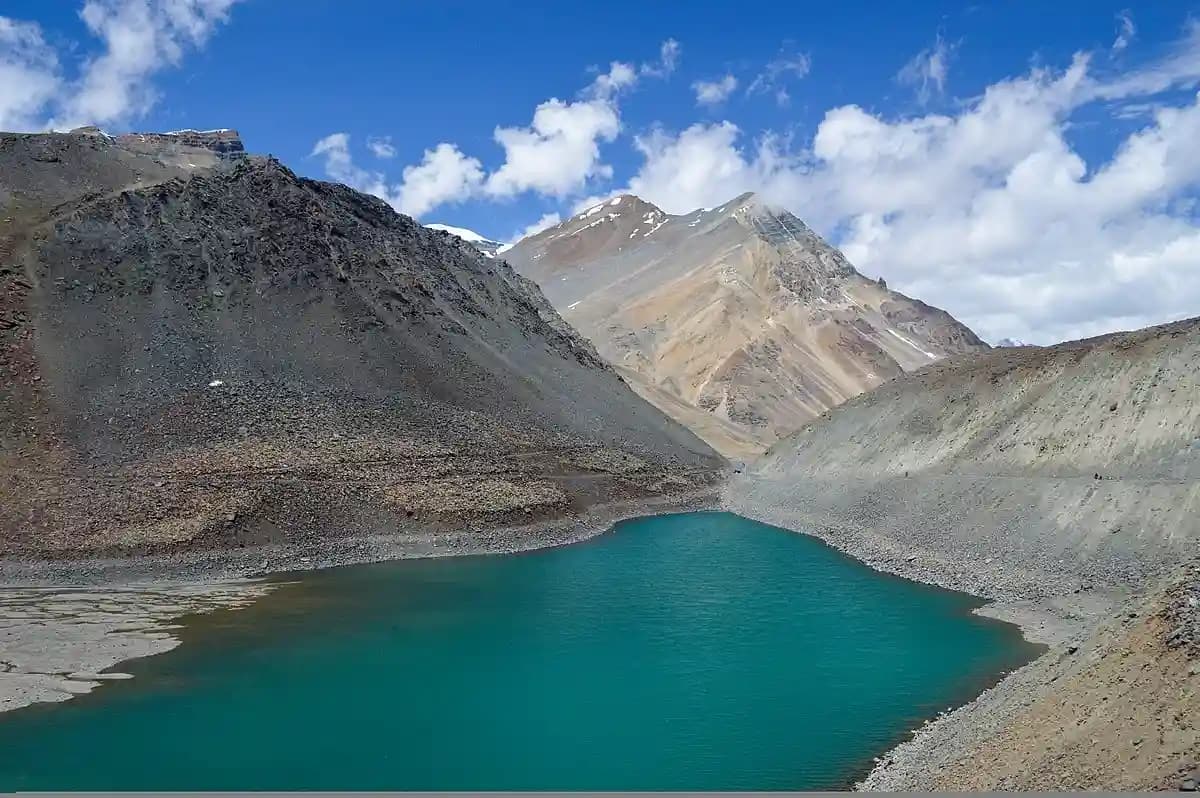
One of the most popular myths about Chandratal Lake is a legend associated with the lake that romanticises its origin through a divine love story. According to this myth, Chandra, the daughter of the Moon God, fell in love with Bhaga, the son of the Sun God. Their relationship was forbidden, so the two lovers tried to secretly see each other at Baralacha La. When they failed to meet there, they reunited near the Chandrabhaga River instead. It is said that they created Suraj Taal and Chandra Taal, personifications of their eternal love. Although this is culturally relevant, it has no geological relevance. Scientific evidence suggests both lakes were created due to glacial activity rather than divine intervention.
Conclusion
Besides being a high-altitude lake in the Spiti Valley, the Chandratal Lake is a place where nature, mythology, and belief converge. Over the years, plenty of myths about Chandratal lake, including folk stories of deities, heavenly creatures and epic connections, have added layers of mystery to its calm blue waters. These narratives are indicative of the strong cultural and spiritual attachment of locals to the landscape. Meanwhile, scientific studies clearly explain Chandratal’s formation through glacial activity and thus remind the travellers about the strong forces of nature that created the Himalayas.
Understanding both sides helps visitors appreciate the lake in a more meaningful way. Myths keep traditions alive, while facts offer clarity. Chandratal is thus not only one of the most beautiful places to visit in India, but is also a representation of how history, faith and nature harmoniously exist in the mountains.