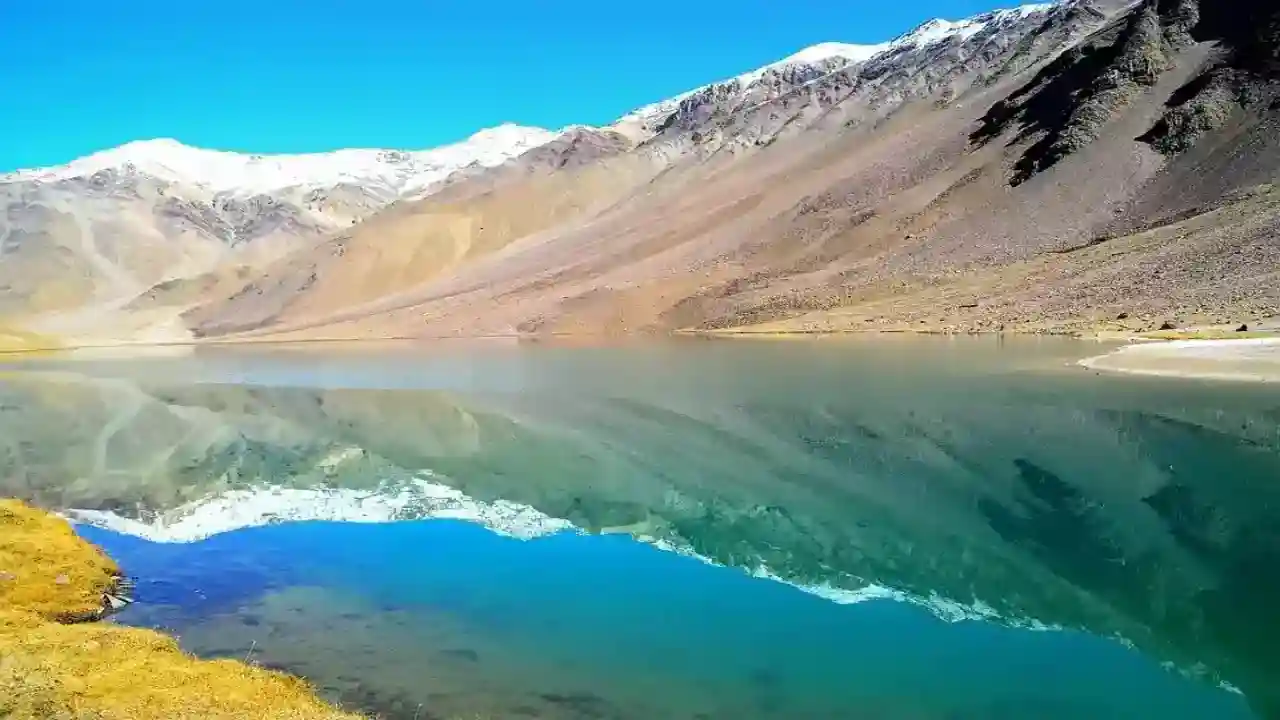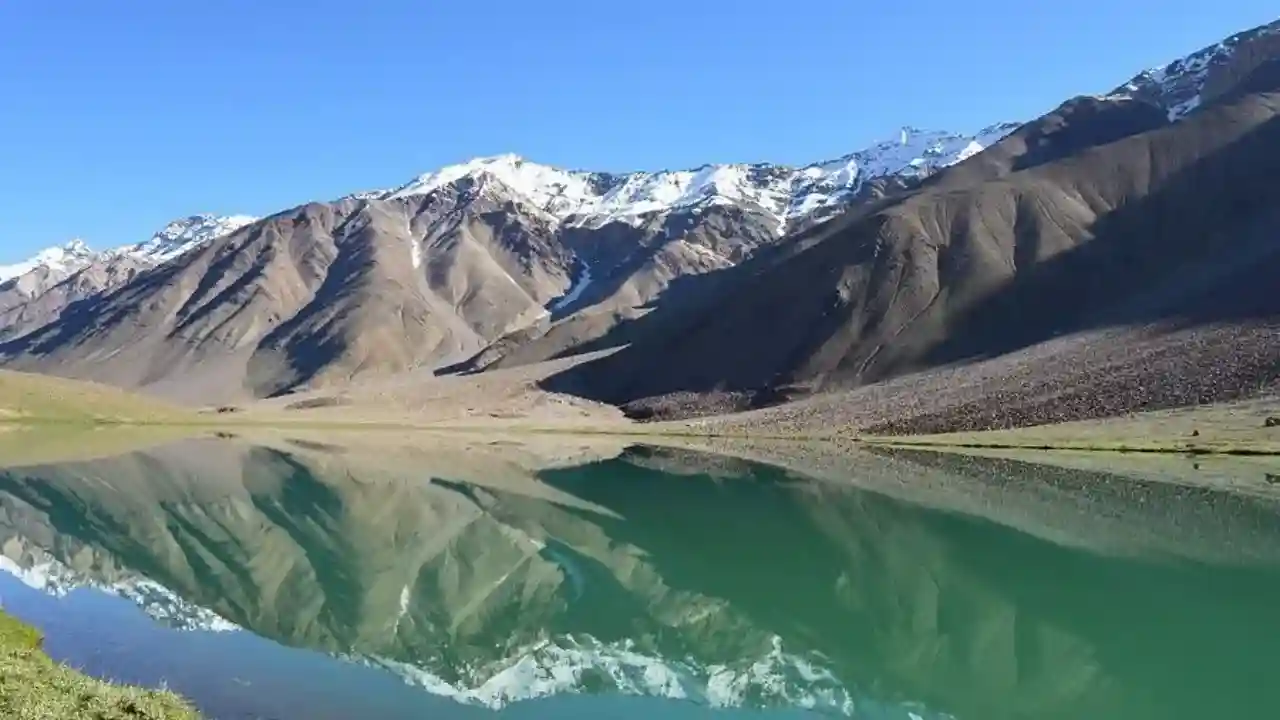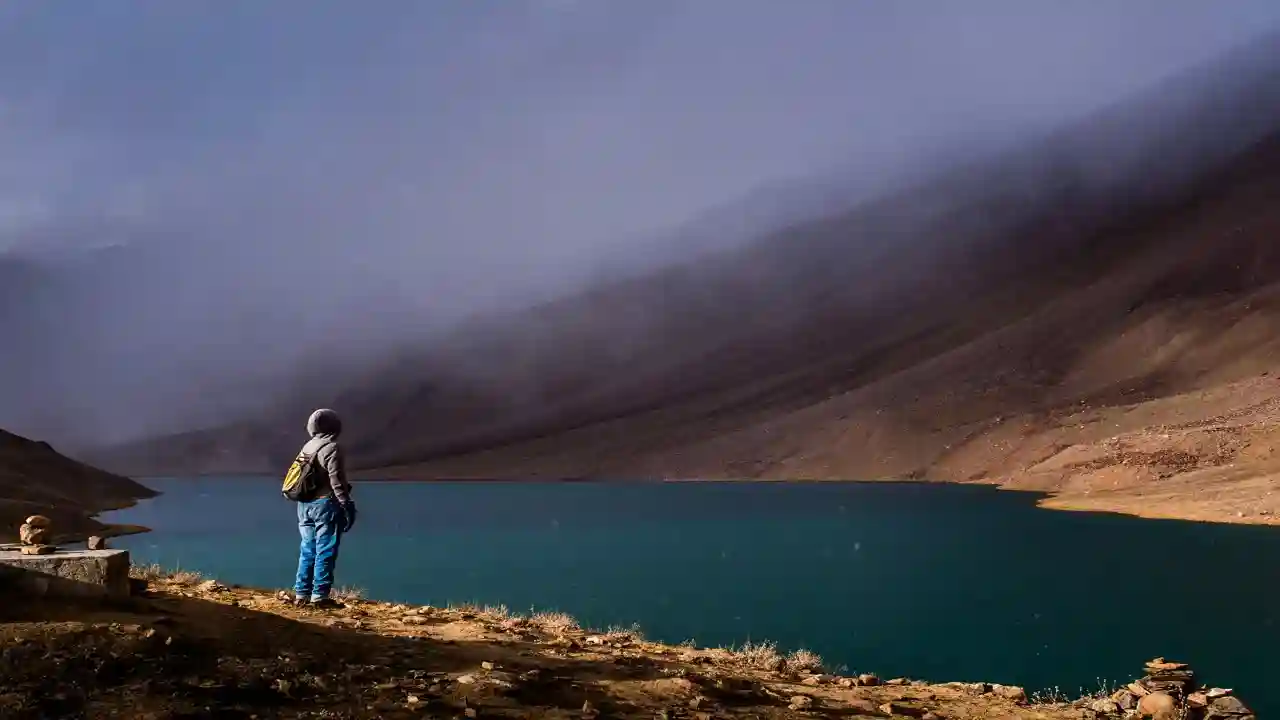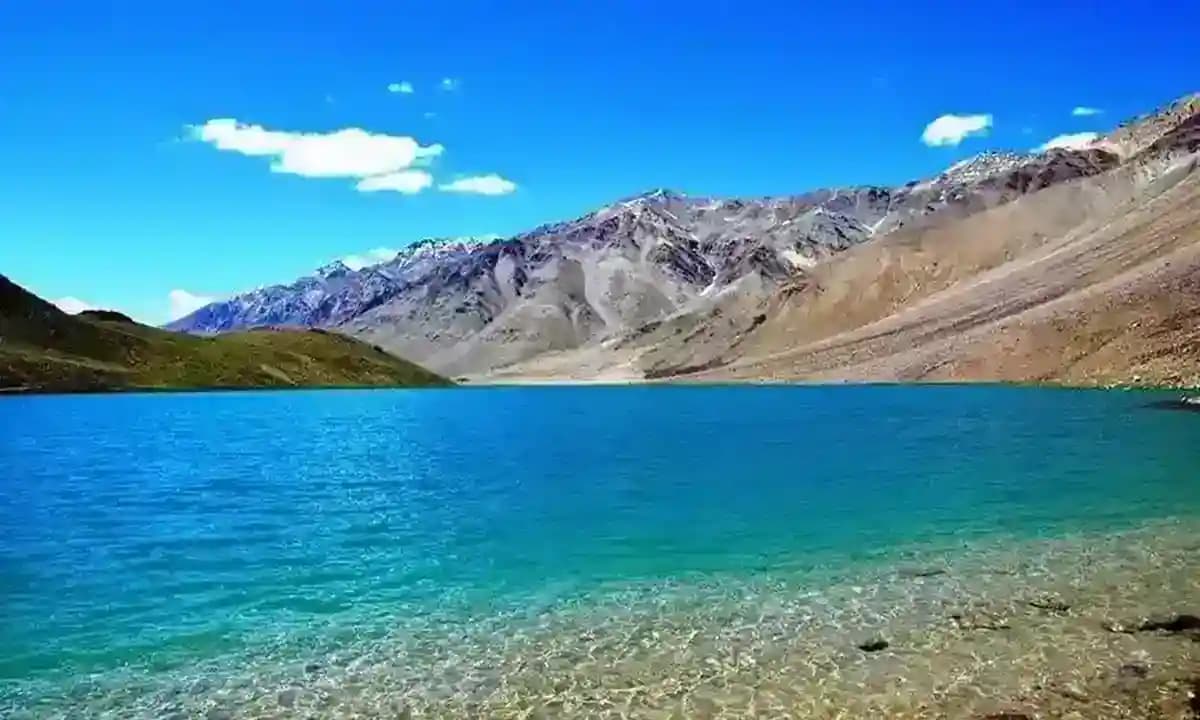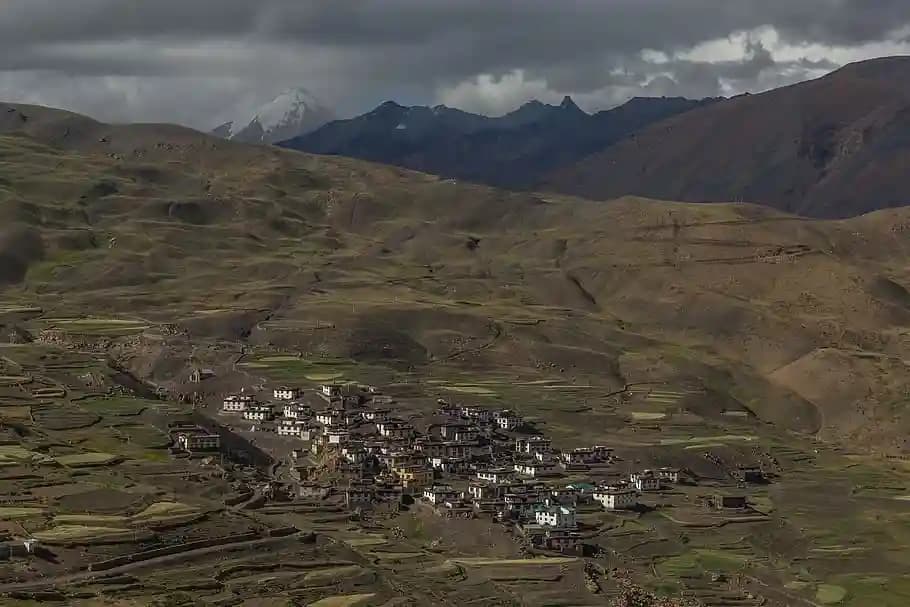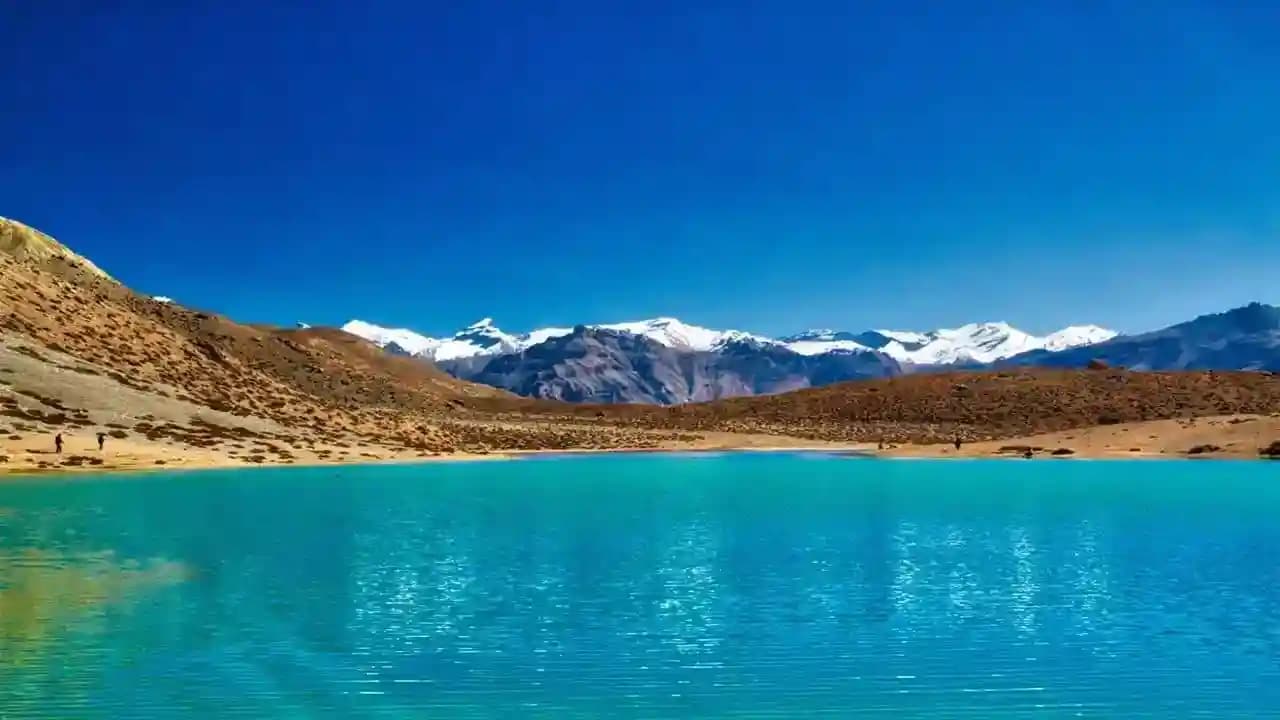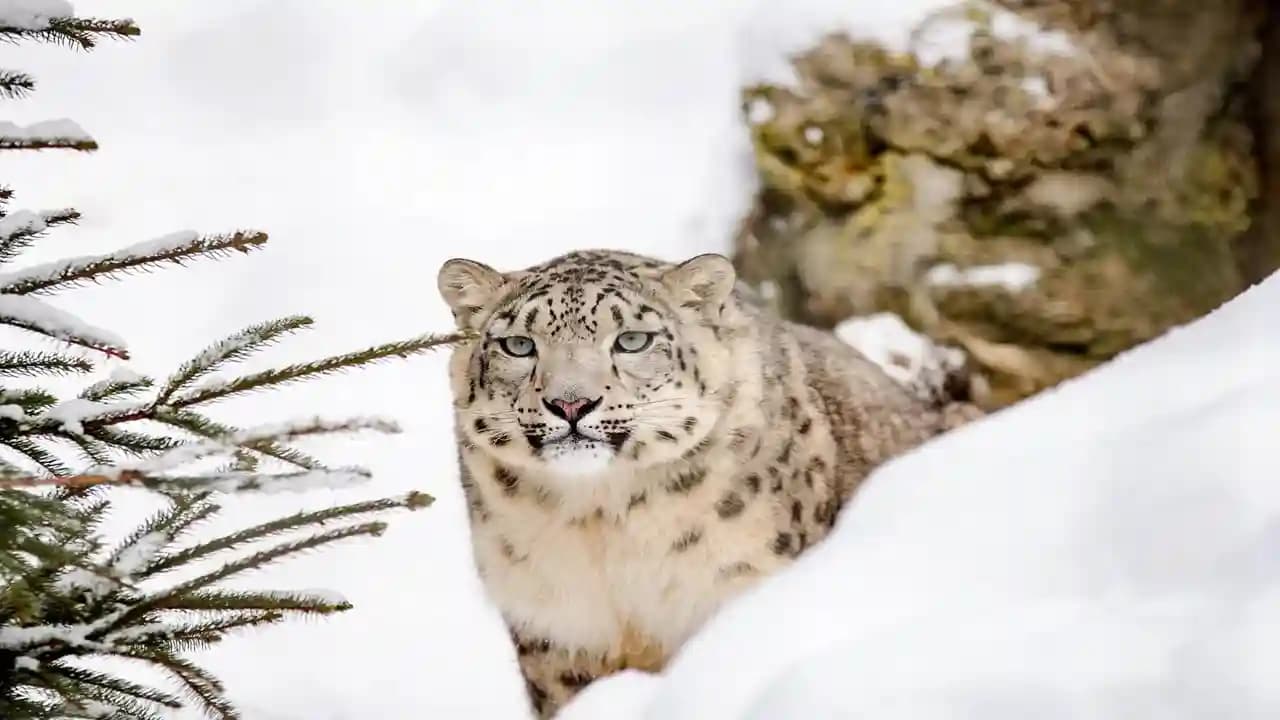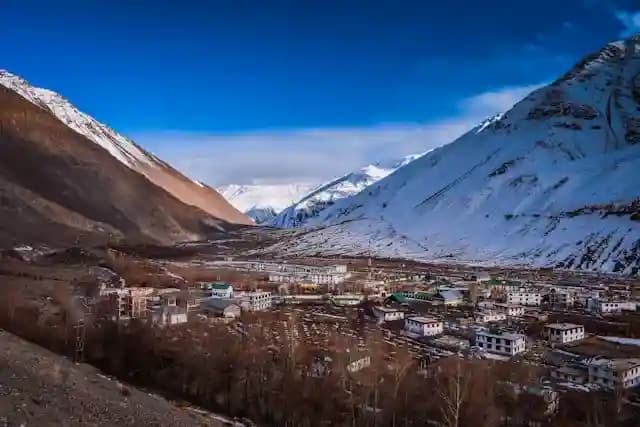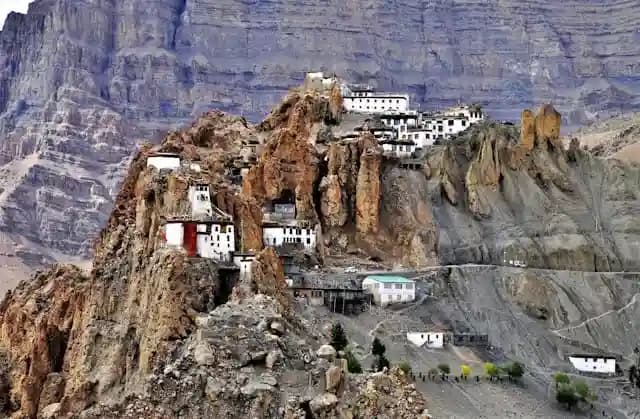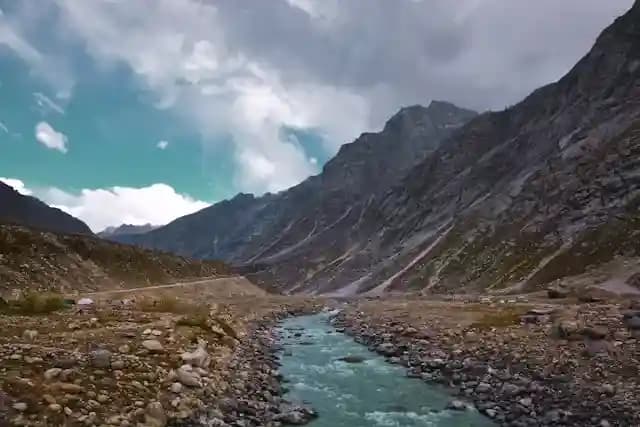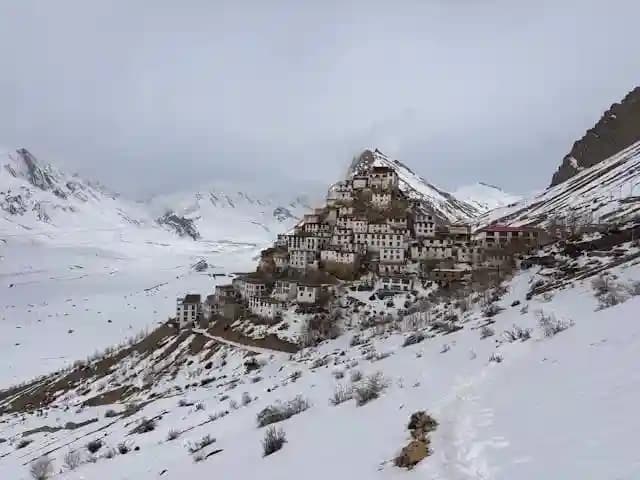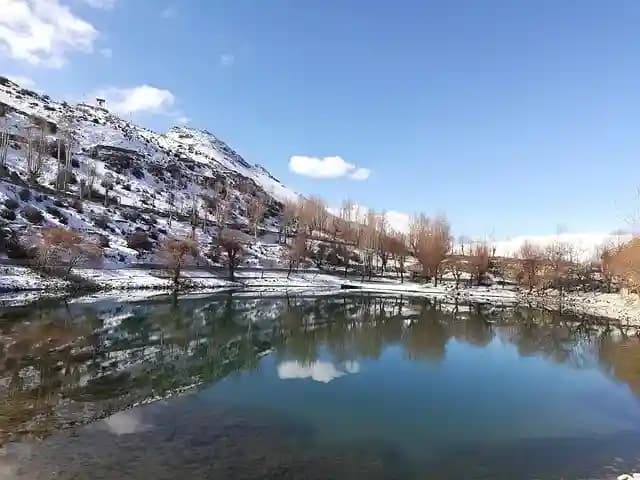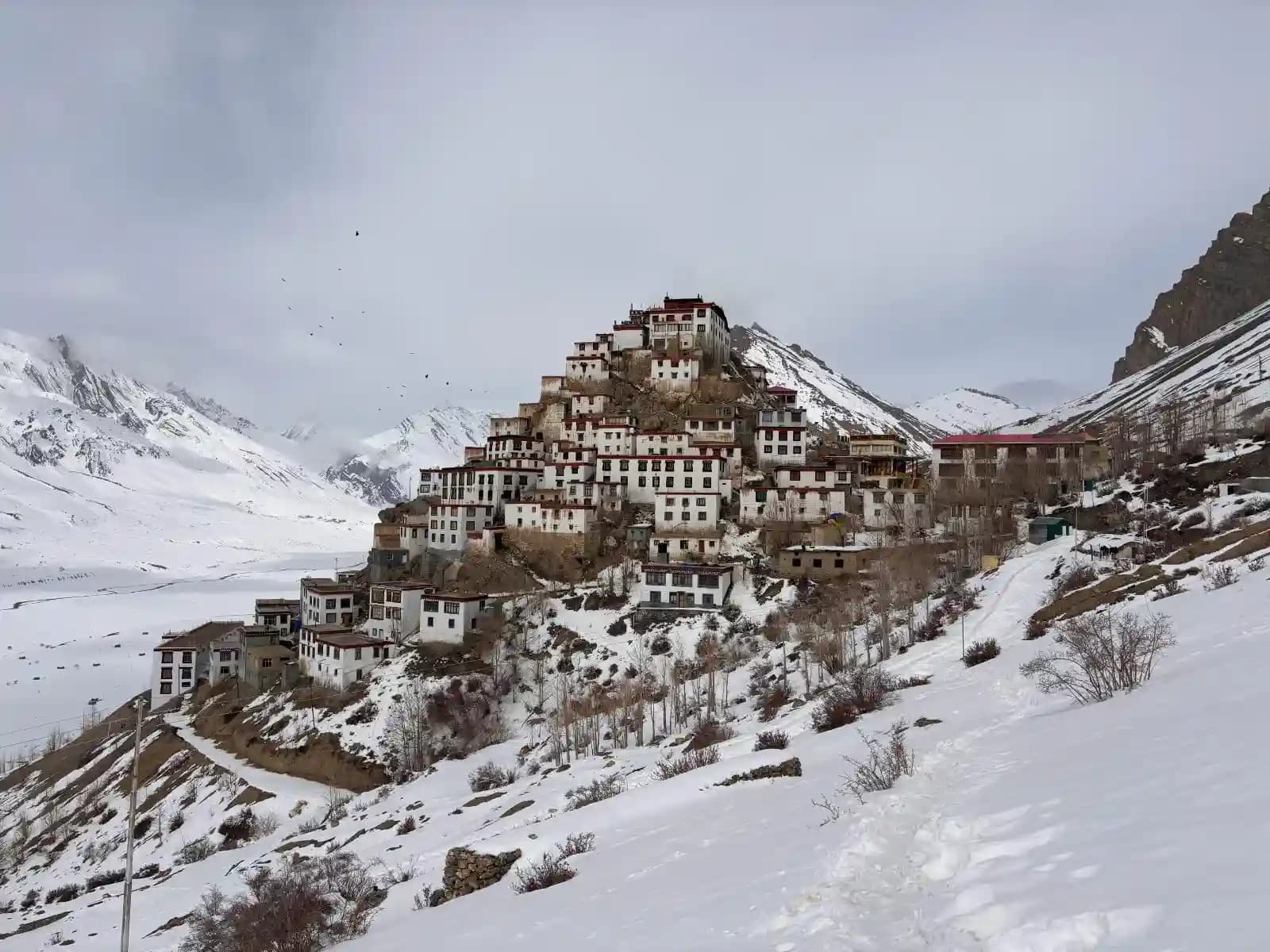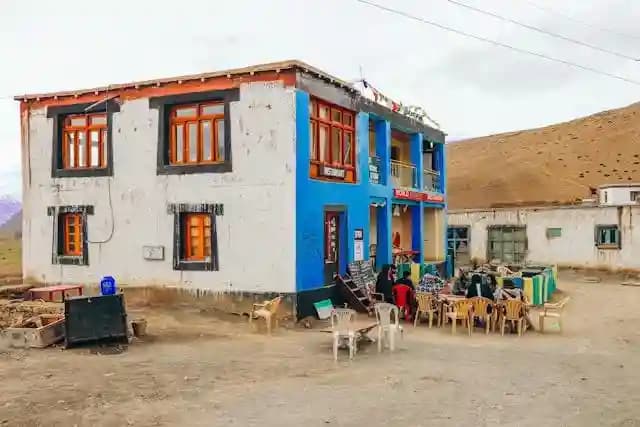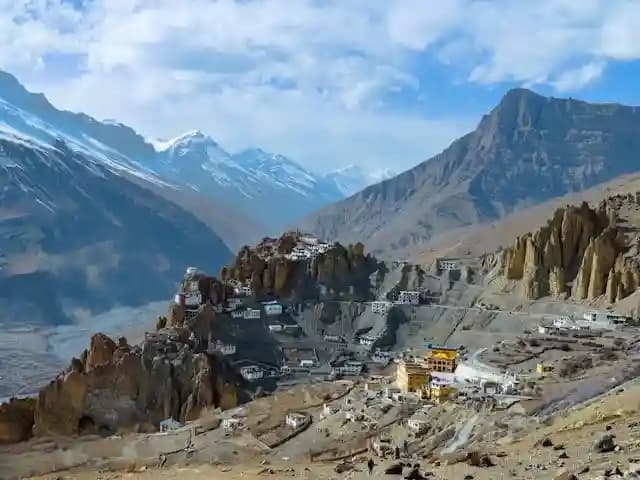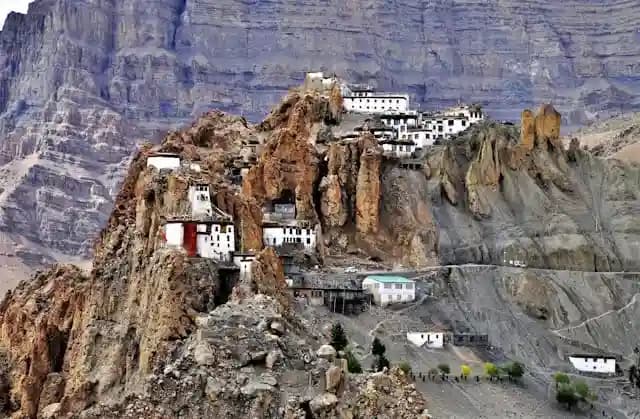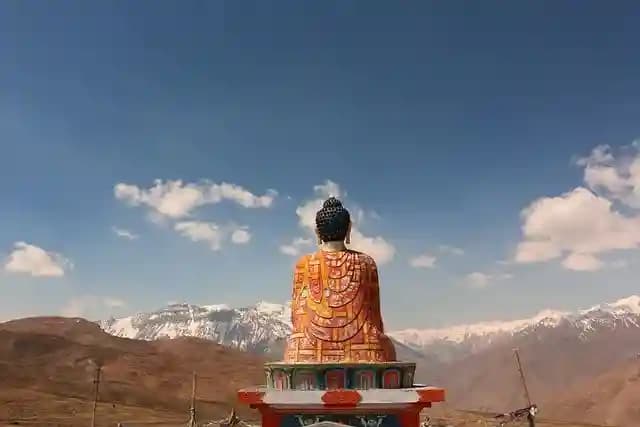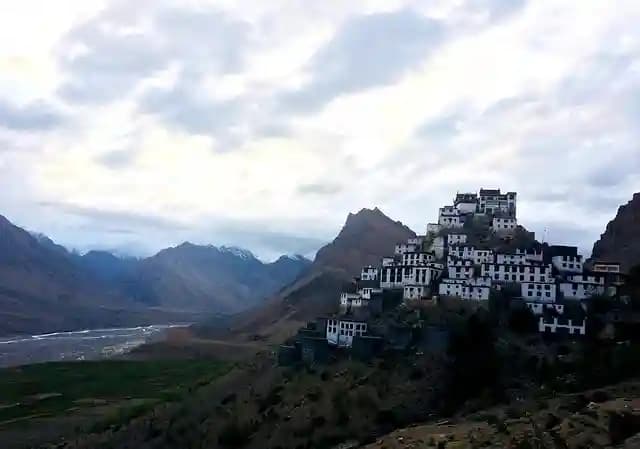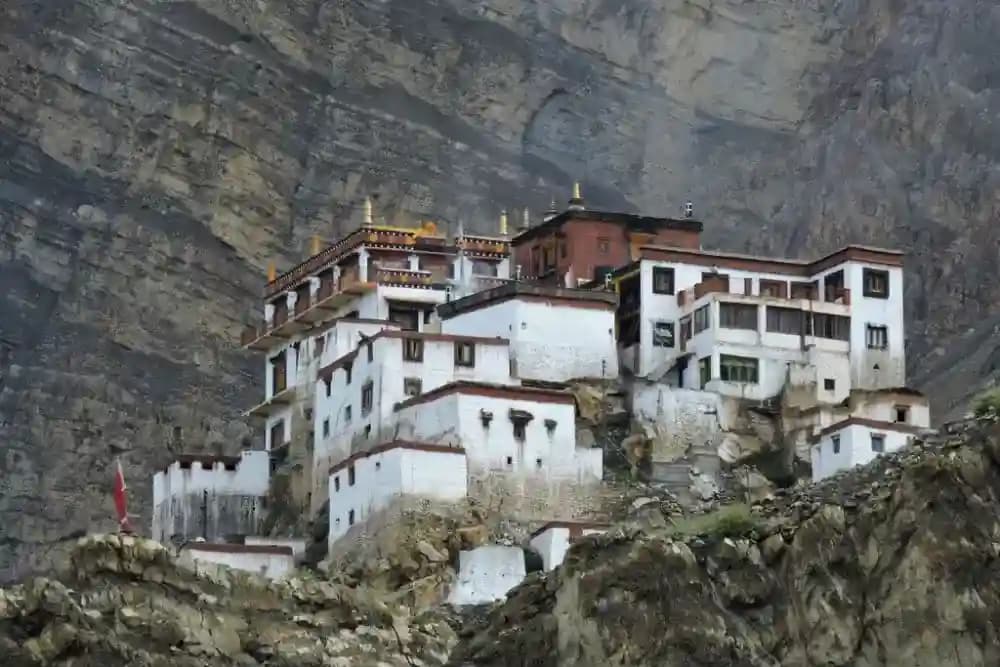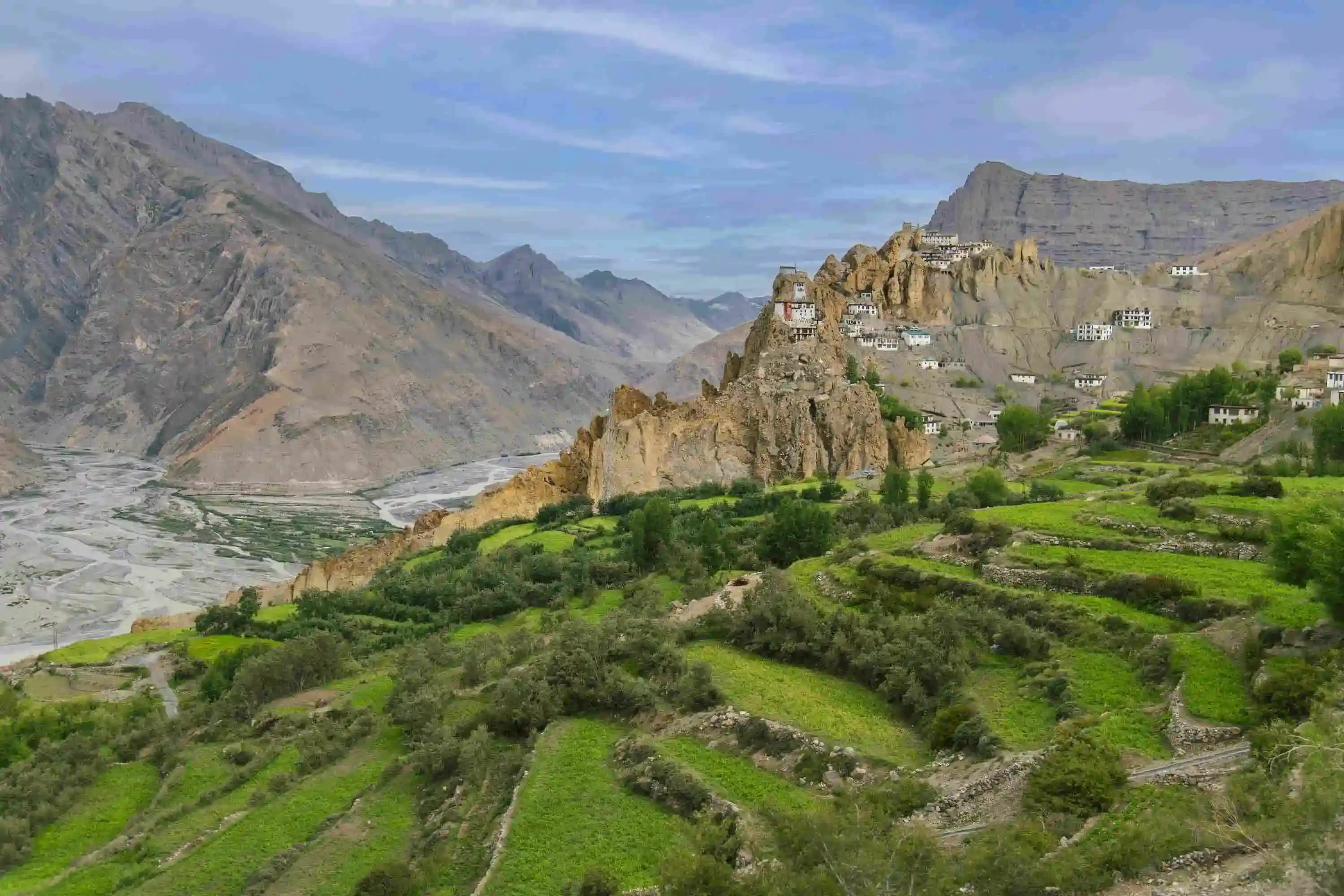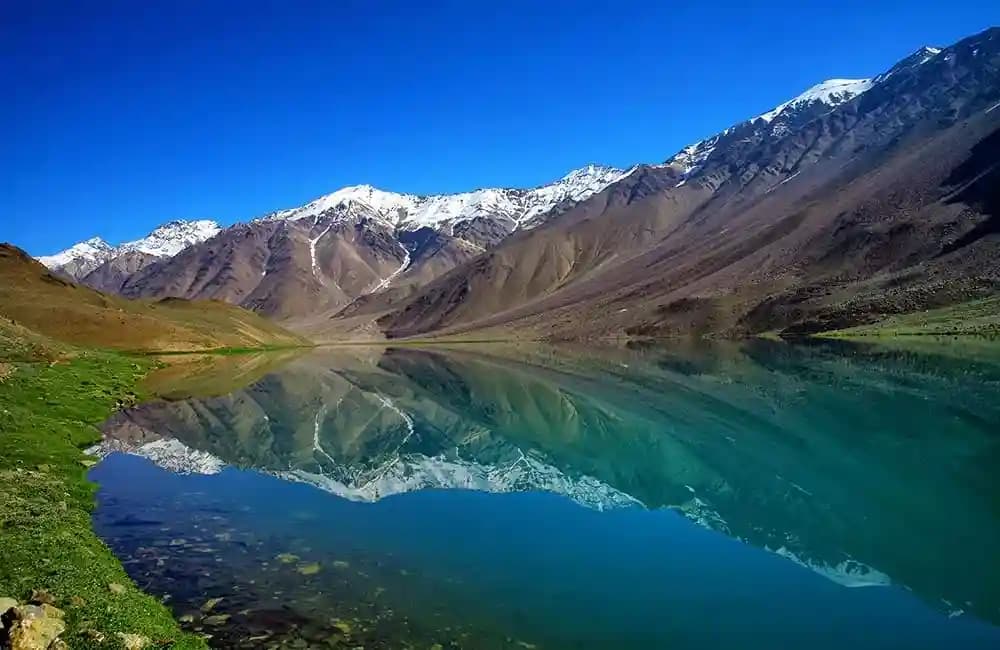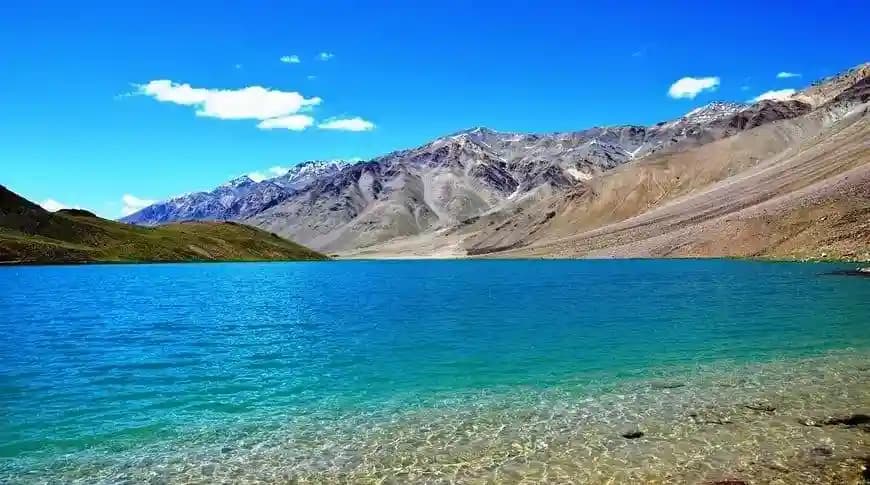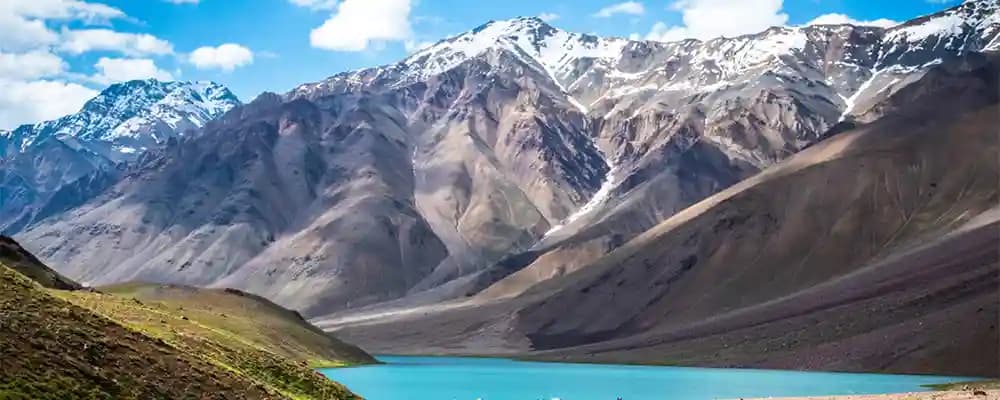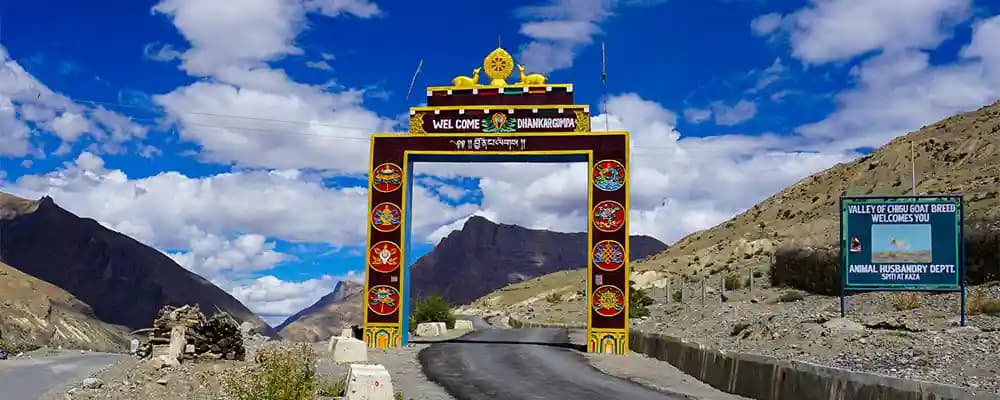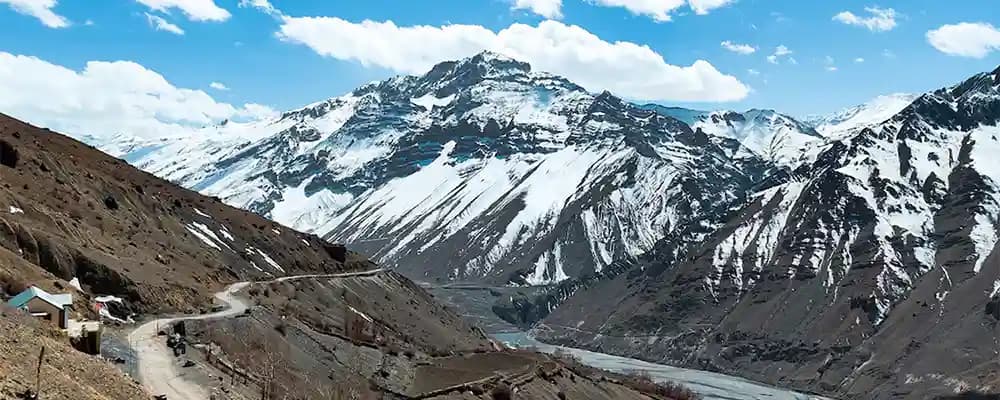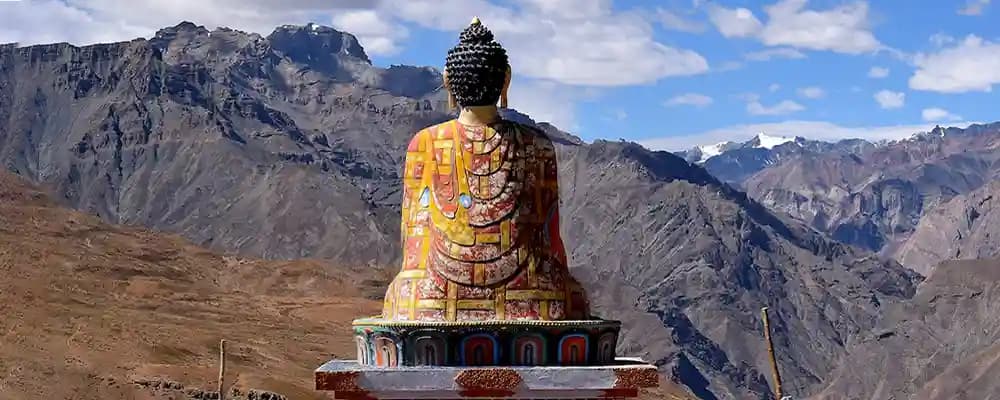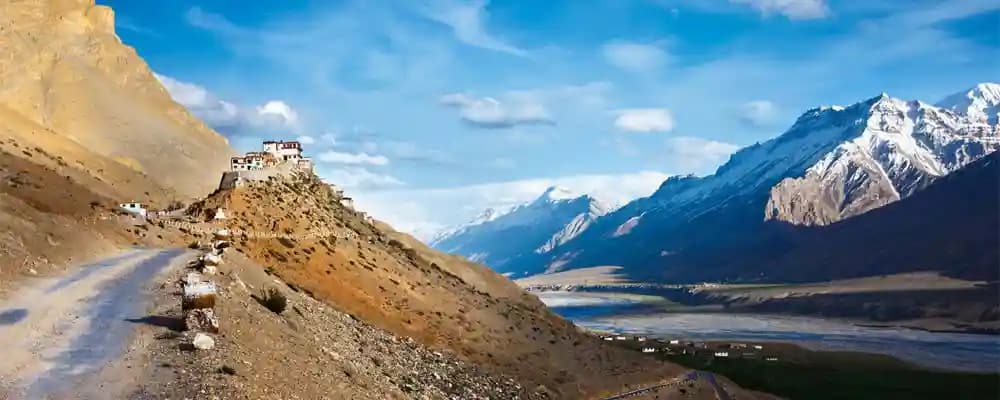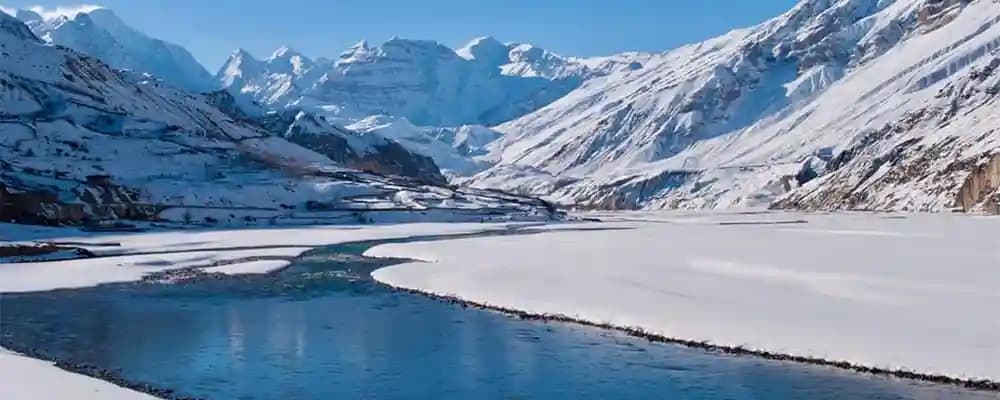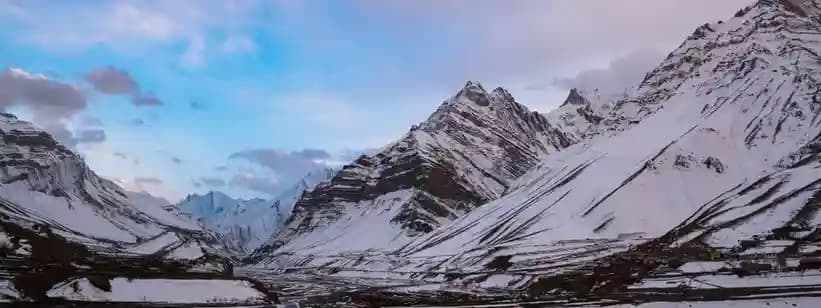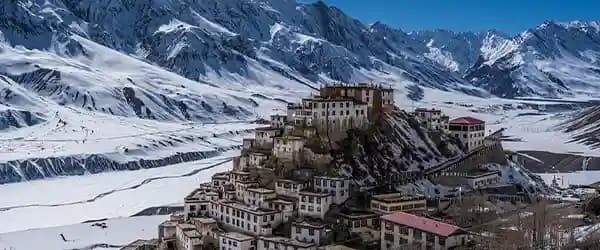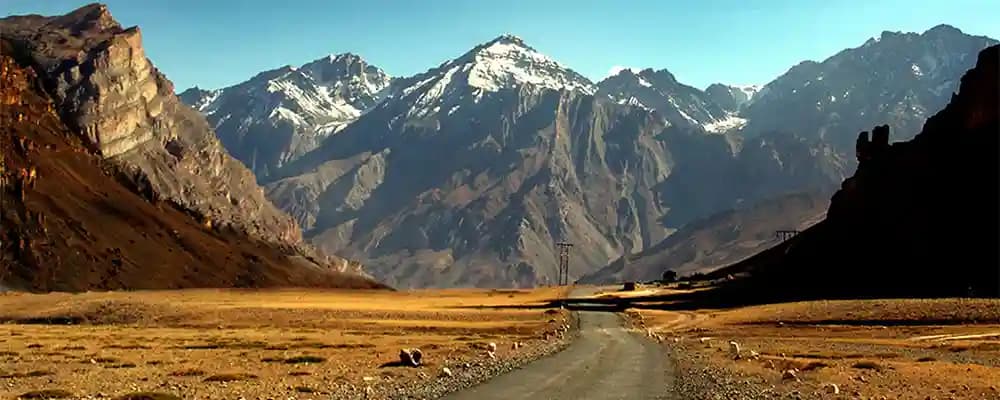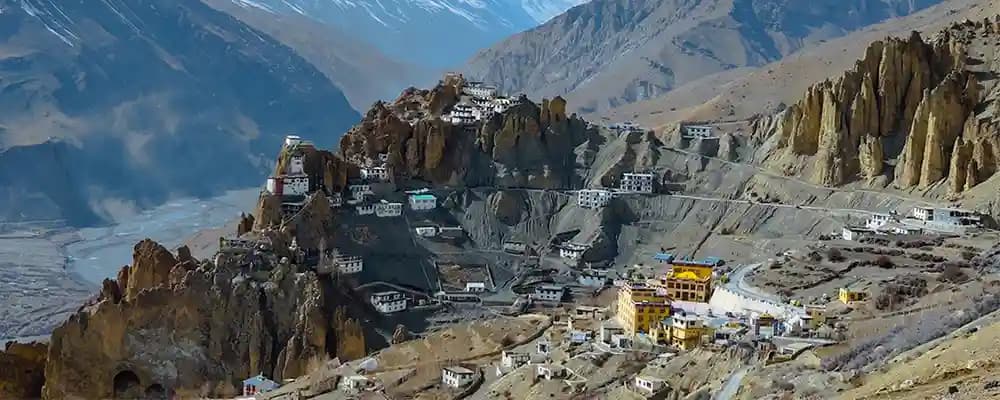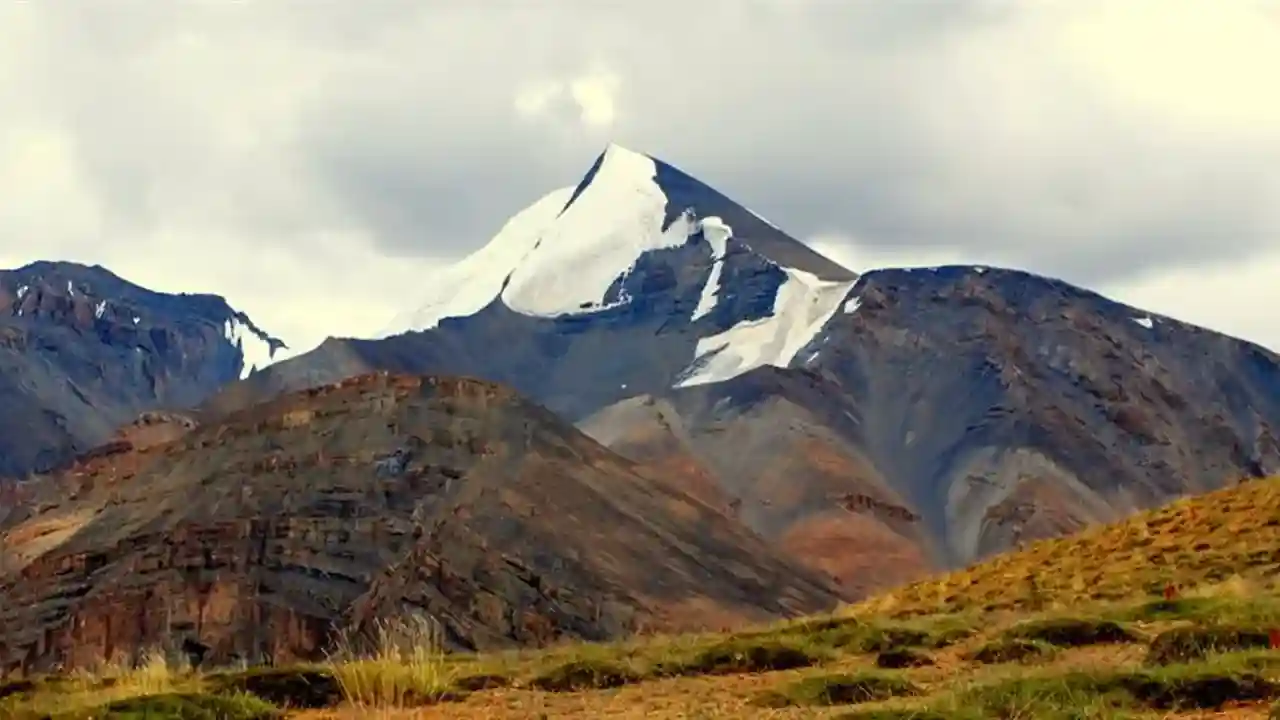
Looking for an adventure that takes you above the clouds? Tucked away in the remote corners of Spiti Valley sits Kanamo Peak, a thrilling high-altitude summit that rewards trekkers with views most people only see in dreams. At 5,974 metres, this isn't just another mountain trek. It's a proper challenge that pushes your limits whilst surrounding you with some of the most dramatic landscapes the Himalayas have to offer.
The Kanamo Peak Trek mixes technical climbing with stunning scenery. Many trekkers going on Spiti Valley tour skip this spot, so you get fewer crowds and raw mountain beauty. This blog tells you how to get there, what the trek involves, a tentative itinerary and tips that actually matter. Want to know if this peak belongs on your bucket list?
About Kanamo Peak Trek
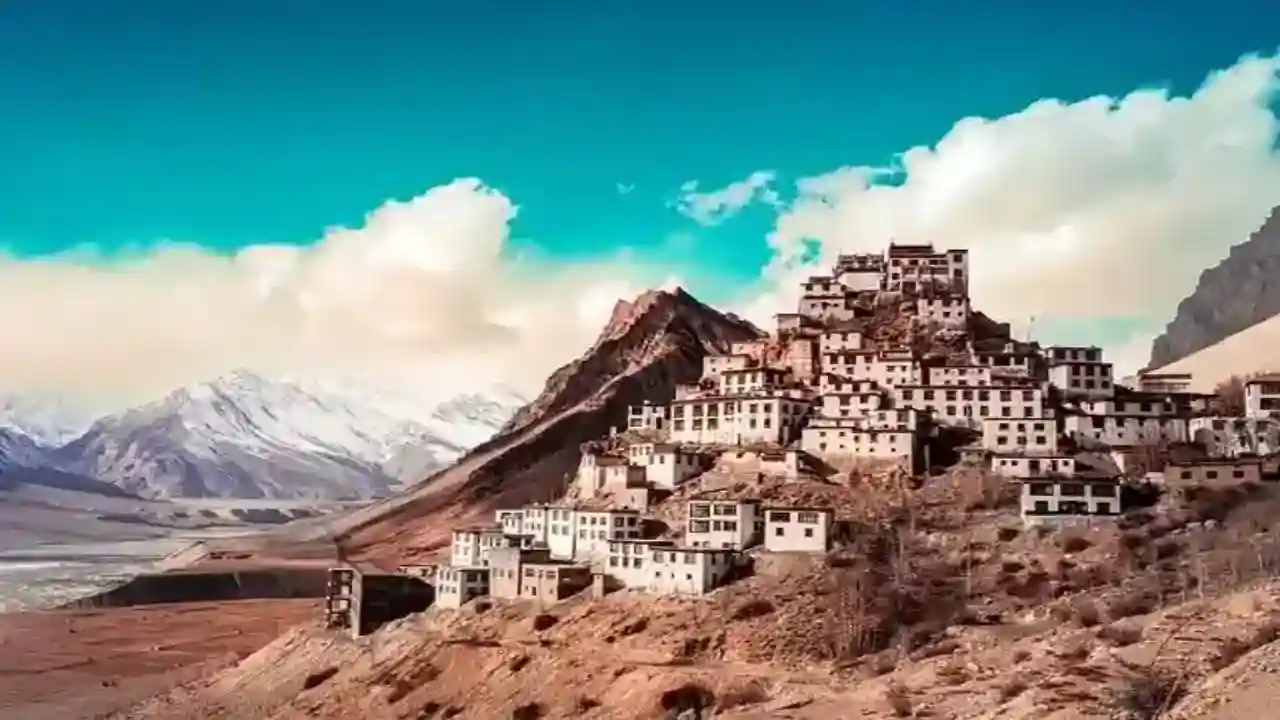
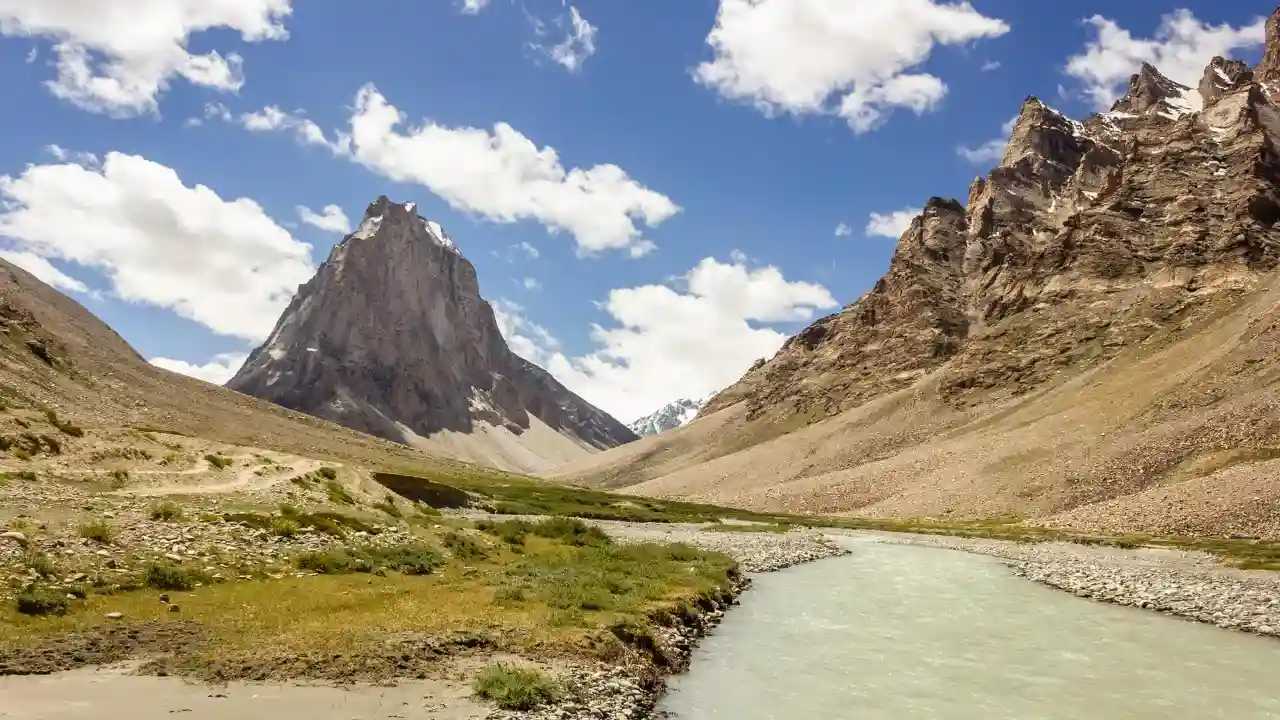
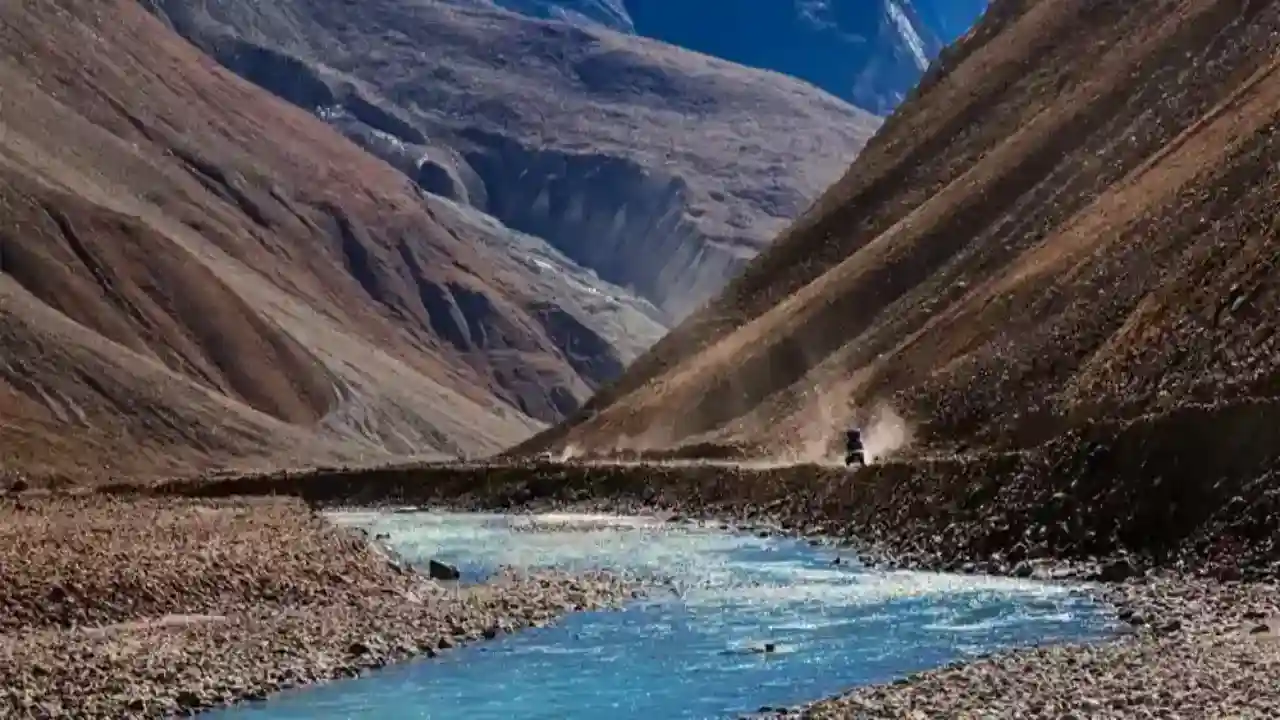
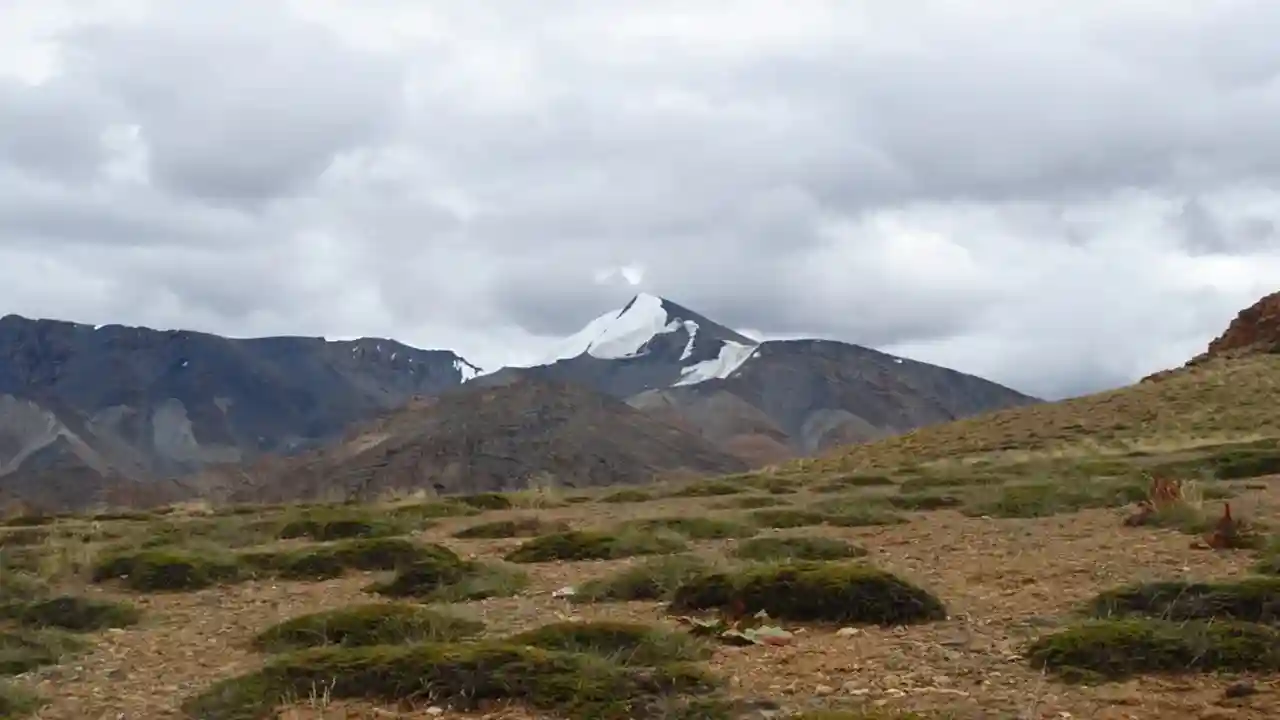
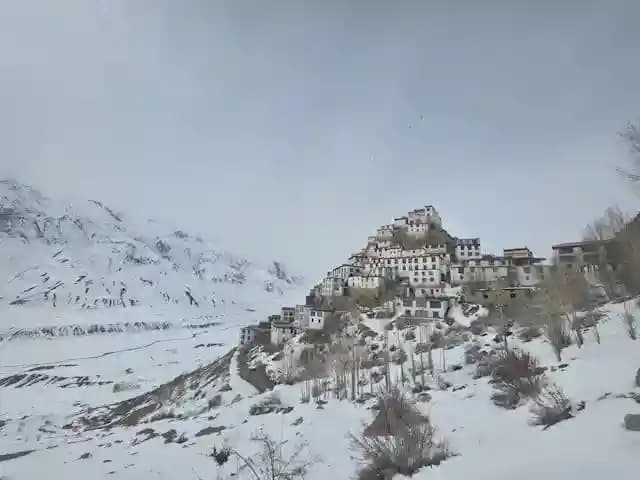
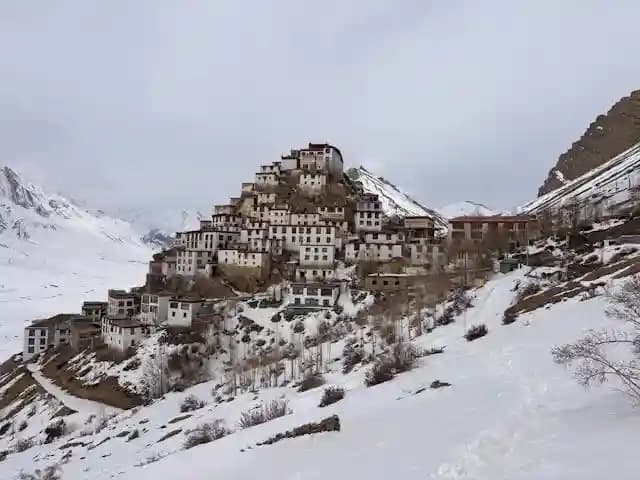
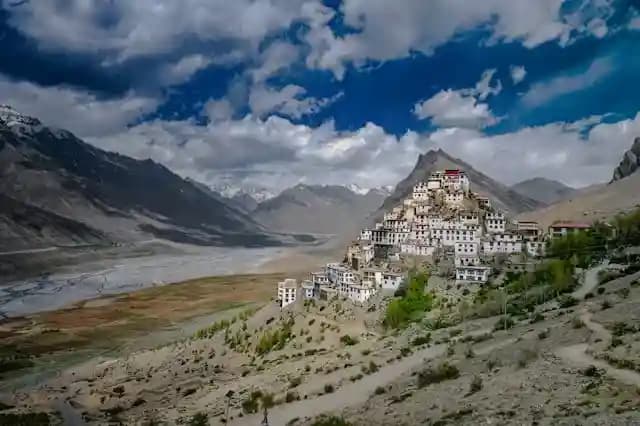
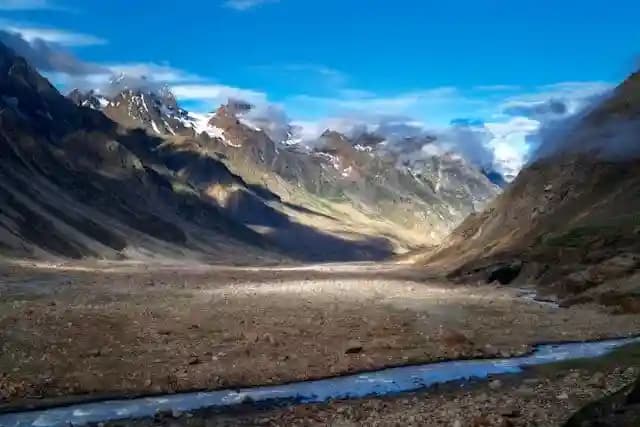
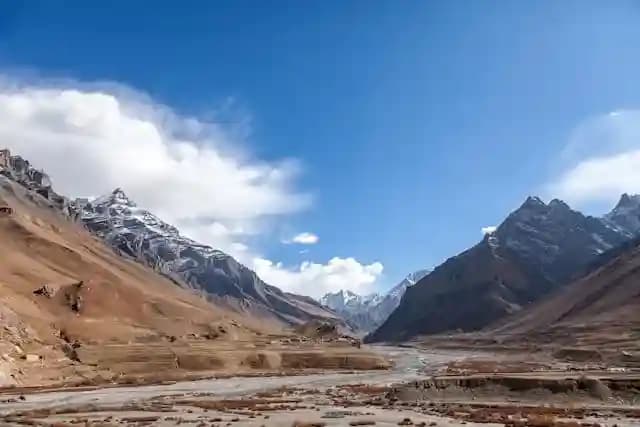
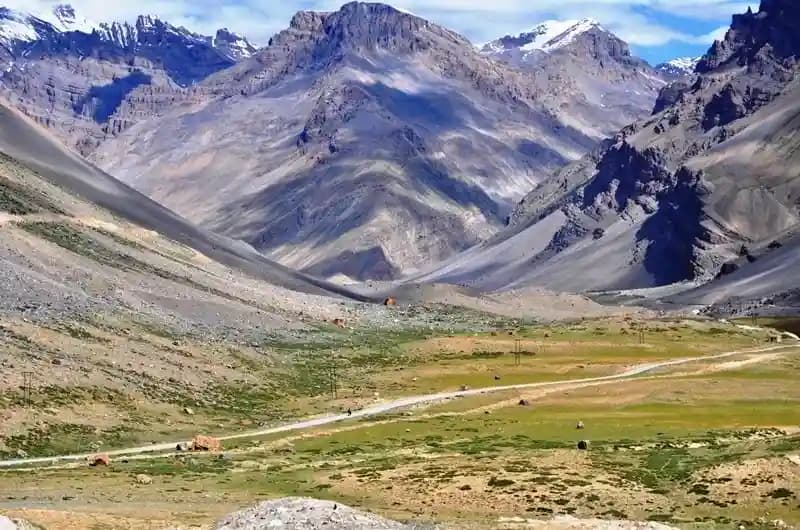
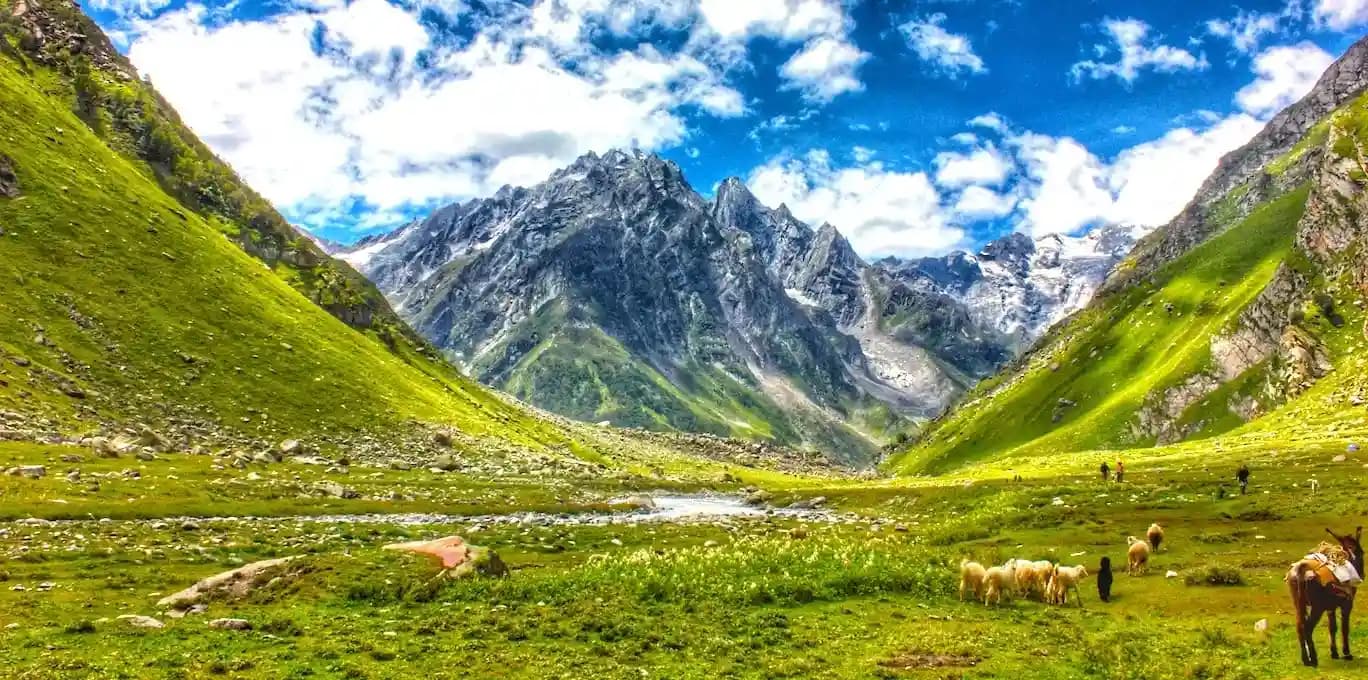
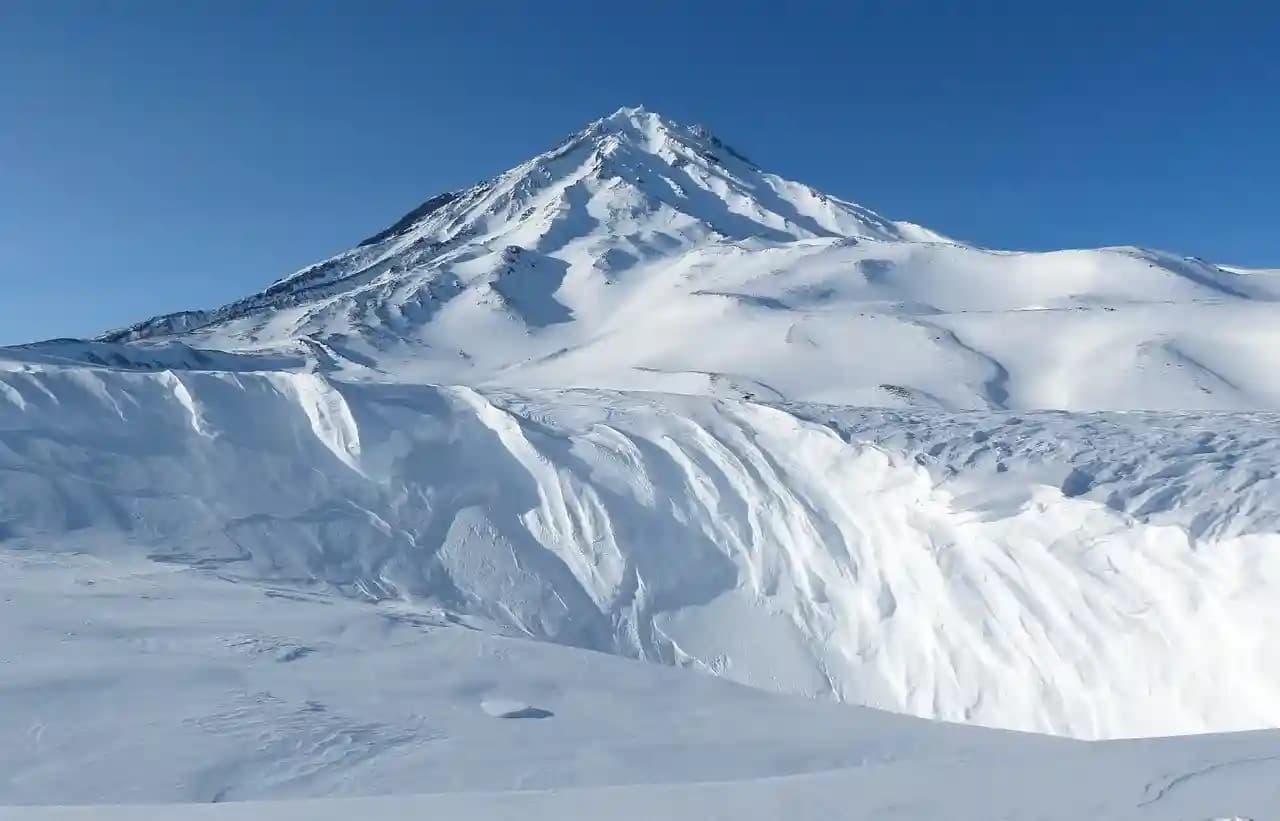
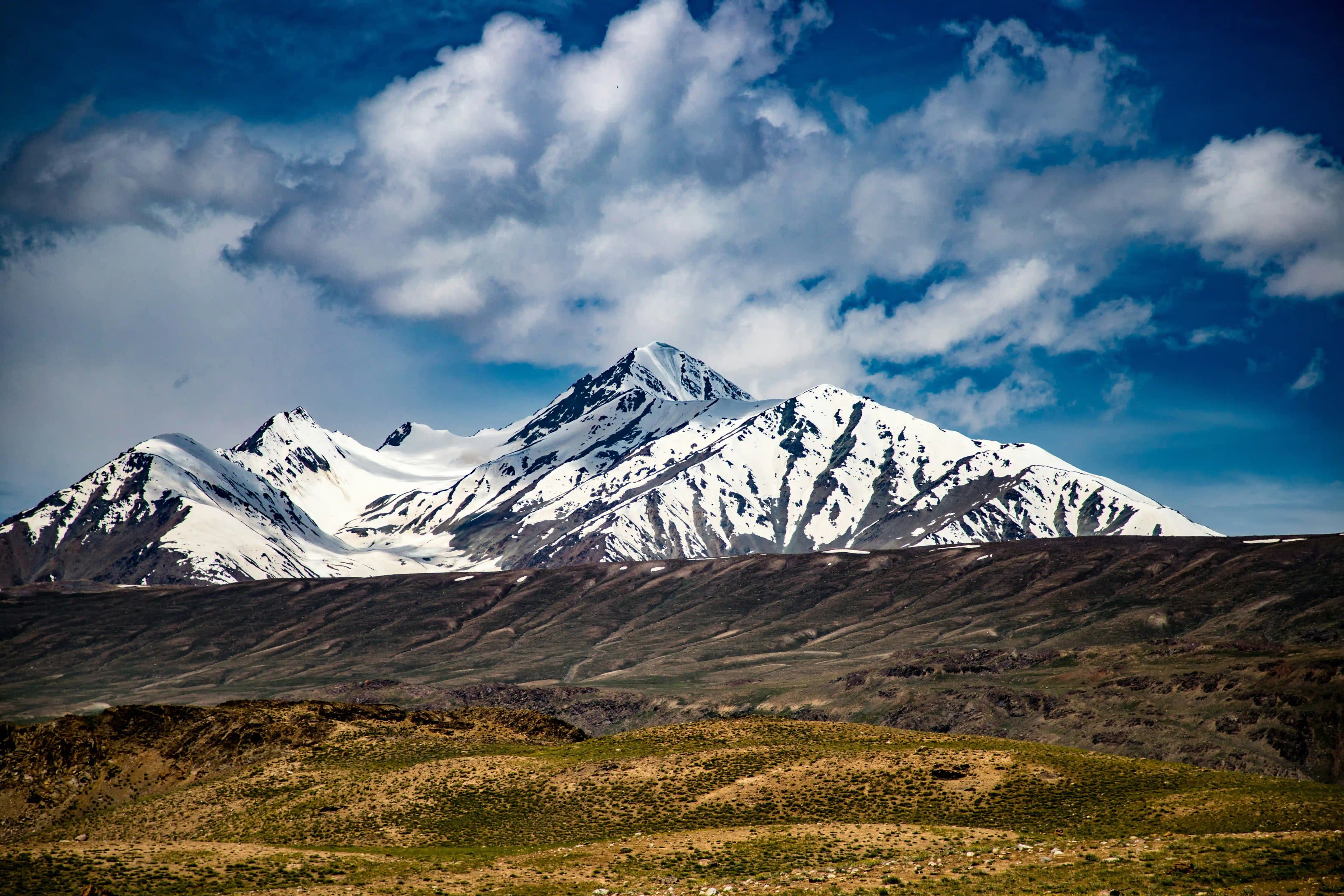
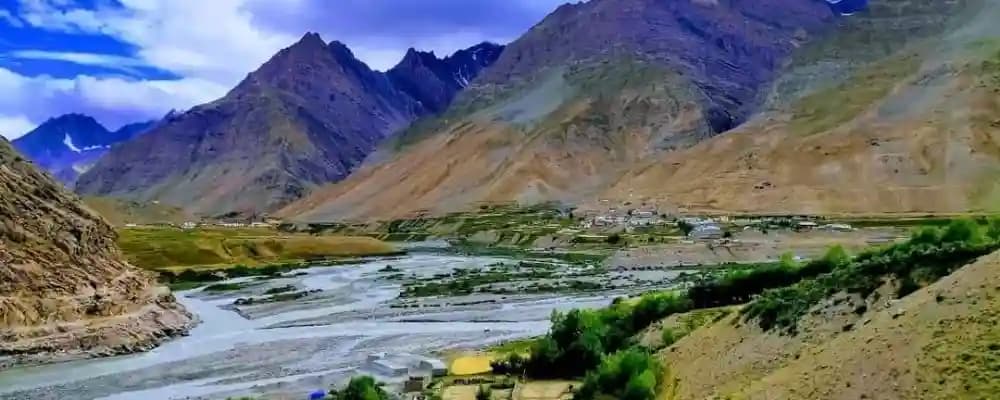
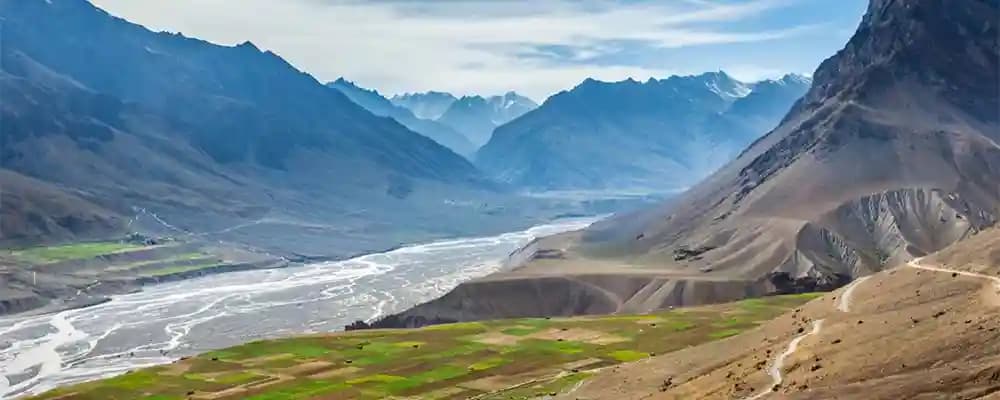
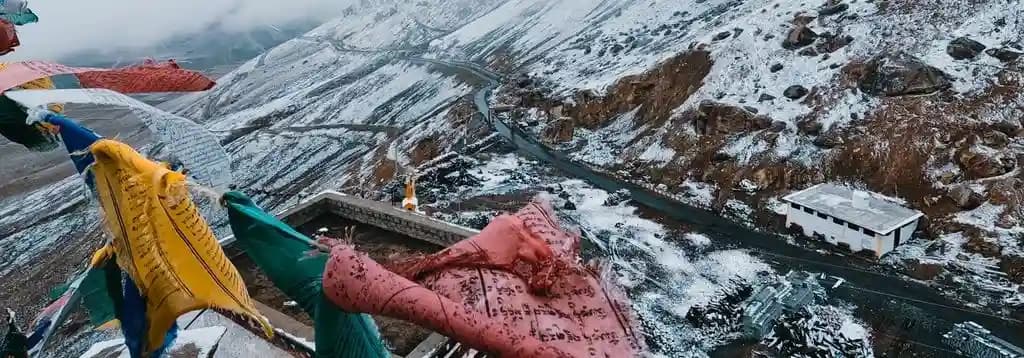
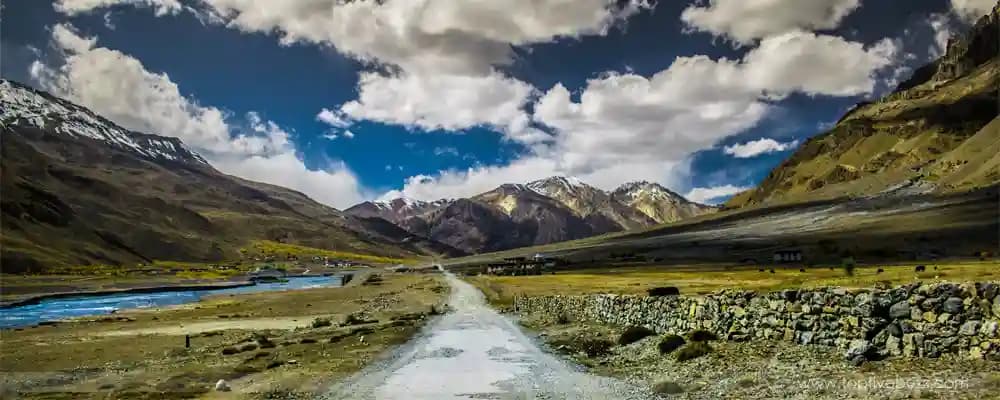
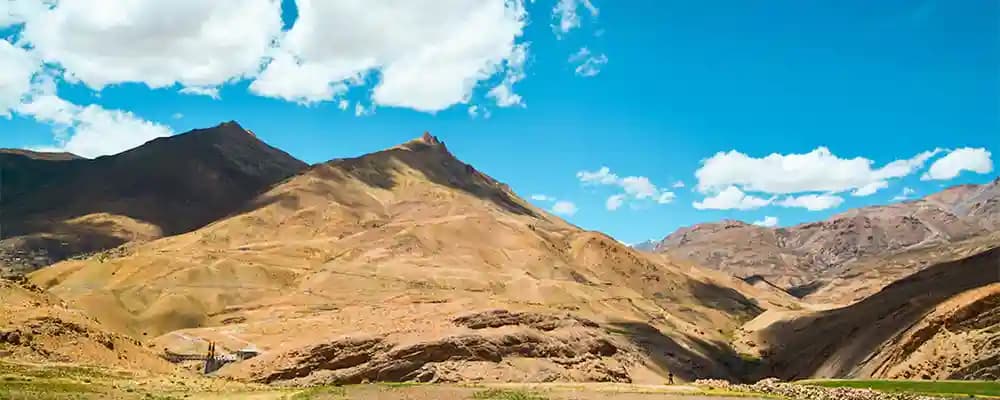
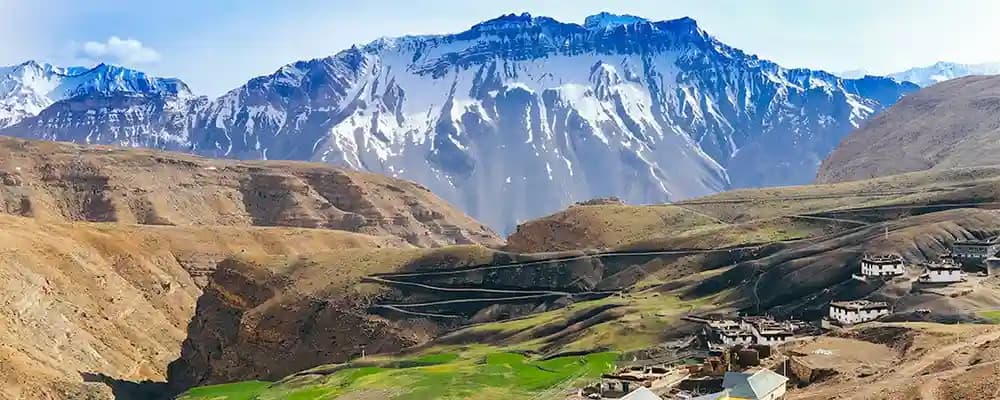
The Kanamo Peak Trek starts from Kibber village in Spiti Valley and follows a clear trail up grassy slopes. You pass small streams and prayer flags before reaching rocky sections near the summit plateau. The views open up to Parvati Valley, Pin River valley, and endless brown ridges under bright Spiti skies. At 5,940 metres, thin air reminds everyone to move slowly and steadily. Most trekkers add this to their list of things to do in Spiti Valley since it needs good fitness but no special climbing skills.
Kanamo Peak Trek Distance: 14 km round trip
Kanamo Peak Trek Height: 5,940 metres summit
Kanamo Peak Trek Difficulty Level: Moderate to challenging
Duration: 6–8 hours total
Best time: Mid July to September
Best Time to Visit Kanamo Peak Trek
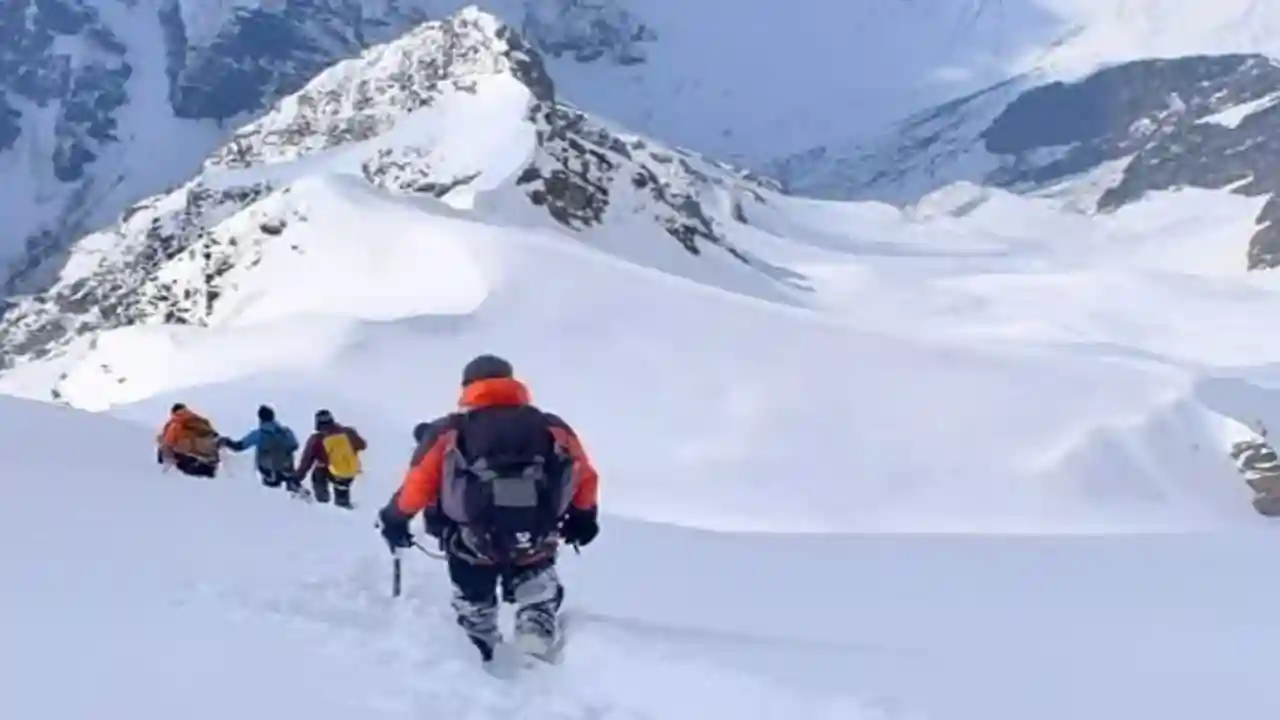
The Kanamo Peak Trek Best time falls between mid-July and September when the weather stays stable, and snow conditions are most predictable. During these months, daytime temperatures at base camp range from 10°C to 15°C whilst nights drop to 0°C to -5°C. June and early July can still have heavy snow from winter, making the climb more technical and risky. October onwards gets too cold with temperatures falling to -10°C at night and unpredictable snowfall that blocks routes.
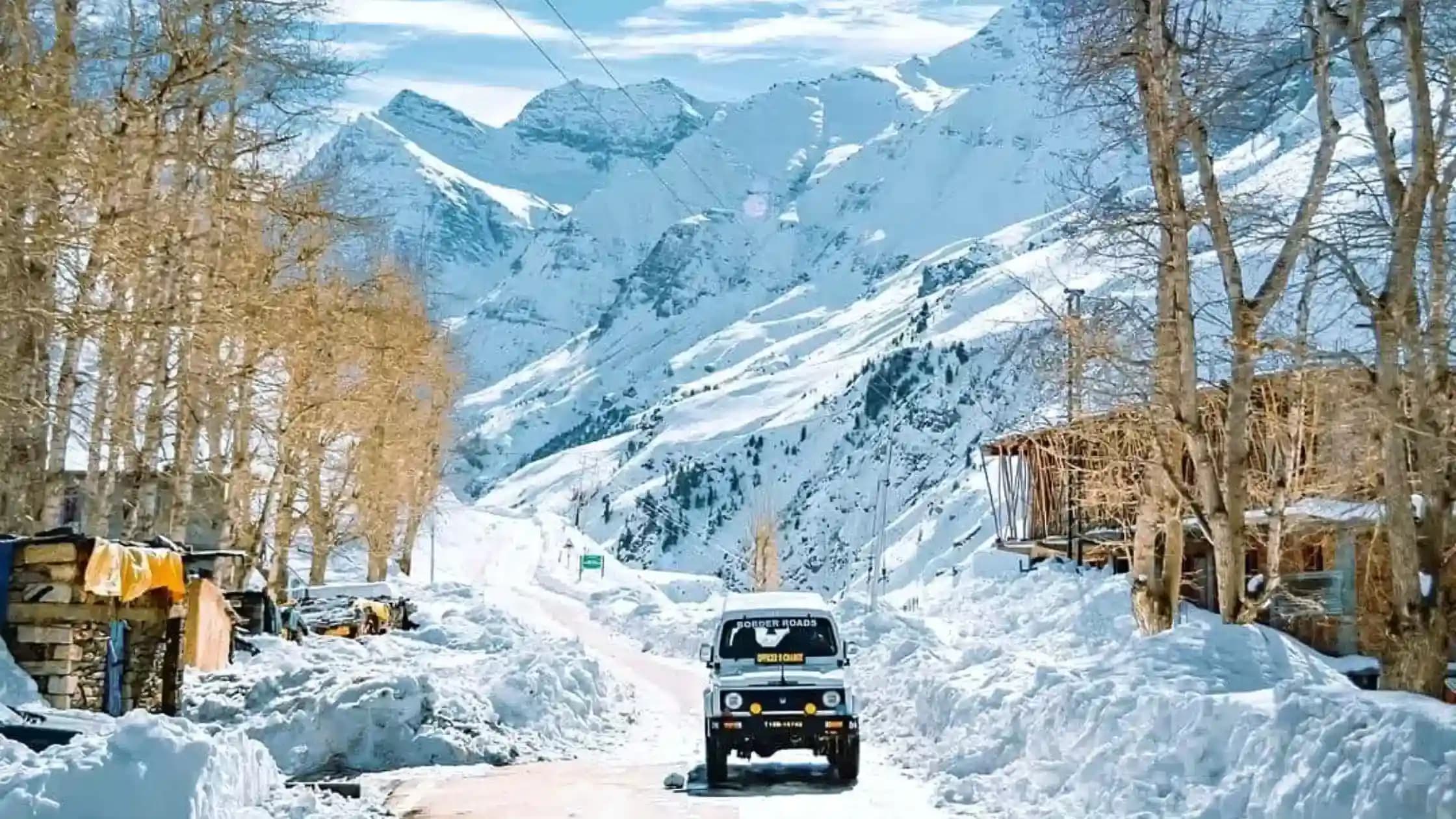
Avoid November to April completely as roads close due to heavy snow and temperatures plummet to -20°C or lower, making the trek extremely dangerous. Spiti sits in a rain shadow area, so monsoons don't really affect this region, which also makes it the best time to visit Spiti Valley for attempting the summit.
How to Reach Kanamo Peak Trek
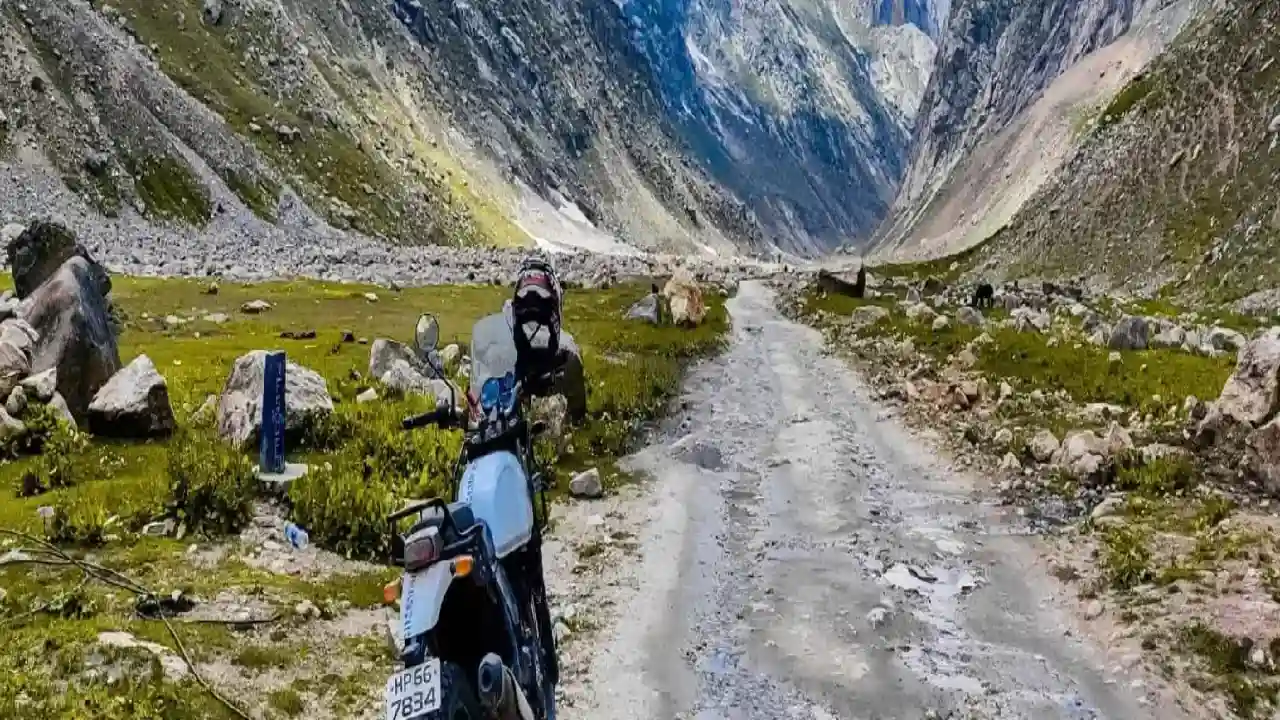
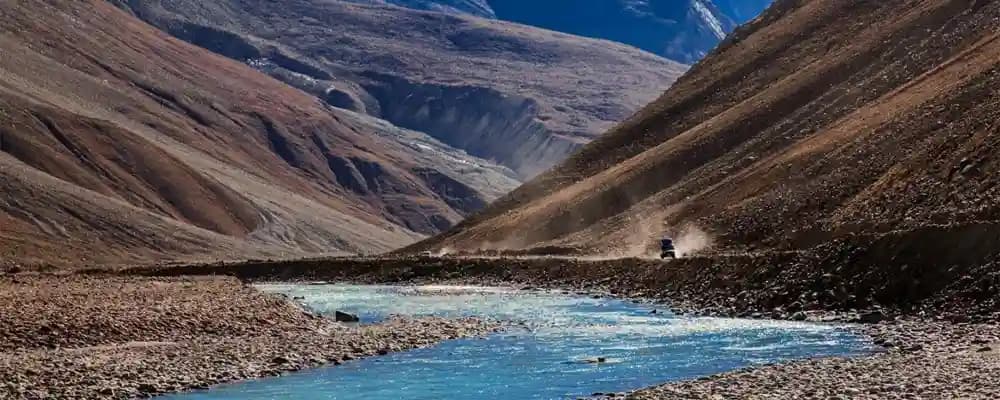
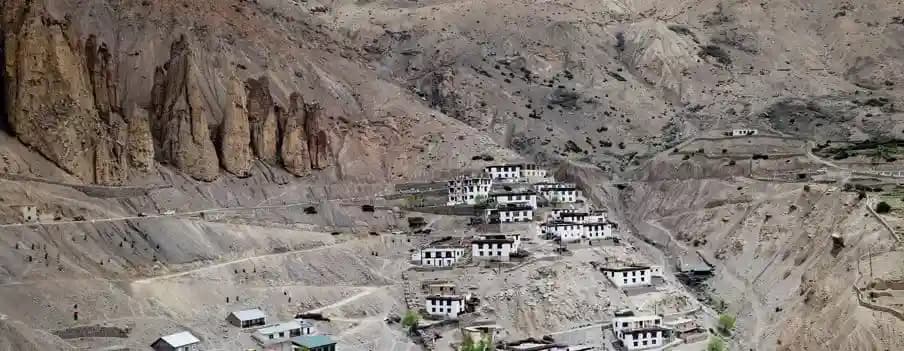
Getting to the Kanamo Peak Trek starts with reaching Kibber Village, your base camp at 4,205 metres. Most people fly to Kullu-Manali or take a bus there first. From Manali, it's a 200 km drive to Kaza that takes 8-10 hours through Rohtang Pass or Atal Tunnel. Roads get rough after Gramphu with narrow stretches and potholes. HRTC buses run daily from Manali to Kaza for ₹500-700, or hire a private taxi for ₹4,000-6,000. From Kaza, Kibber is just 16 km away, about 45 minutes on bumpy mountain roads. This route is standard for most Spiti Valley treks starting from Kibber.
Shared taxis from Kaza to Kibber cost ₹100-150 per person but only leave when full. Private taxis charge ₹800-1,000. The Kanamo Peak Trek Distance from Kibber to the summit is roughly 10-12 km round trip. Spend a day in Kibber acclimatising before you climb. Roads stay closed from November to April because of snow. Mobile network disappears after Gramphu, so download offline maps and tell someone your plans before heading out.
Tentative 8-Day Itinerary for Kanamo Peak Trek
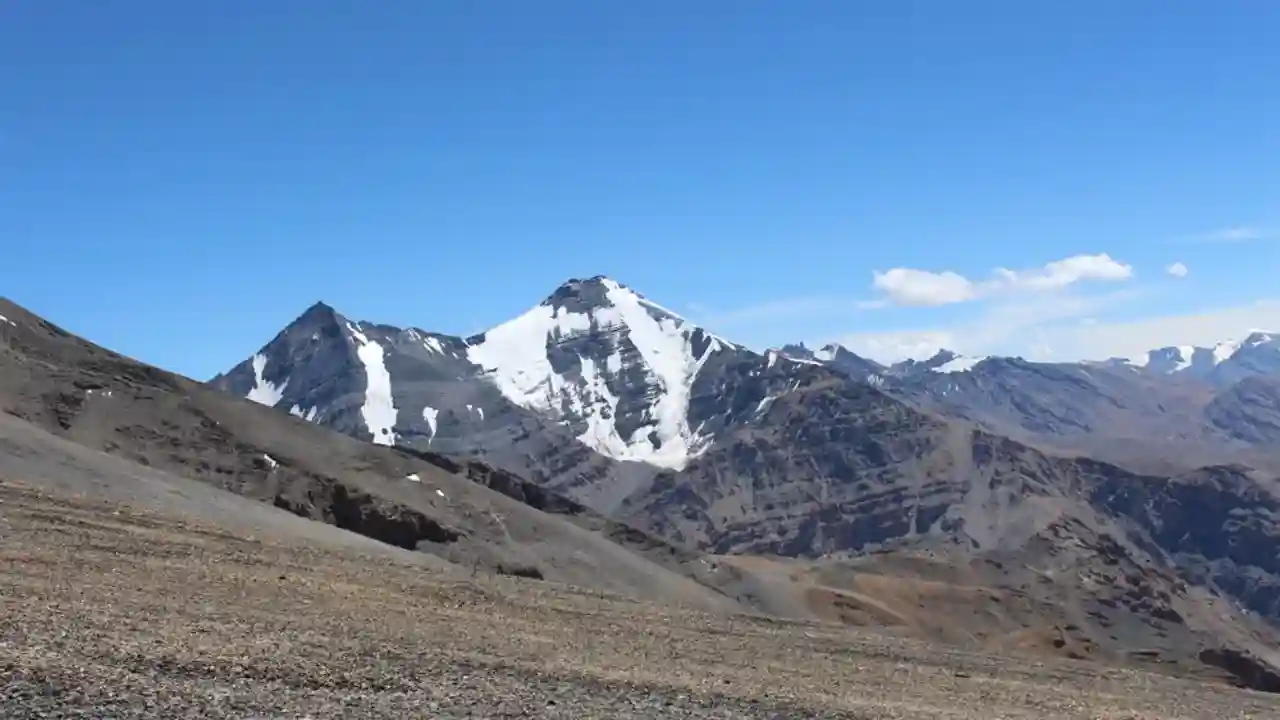
The Kanamo Peak Trek needs proper planning and acclimatisation to make it safe and enjoyable. This 8-day Kanamo Peak Trek itinerary includes travel time, rest days and the actual summit attempt. It gives your body enough time to adjust to high altitude whilst covering all the important spots along the way.
Day 1: Arrival in Manali
Reach Manali by morning or afternoon, based on your travel. Check the local market for any last trekking gear you need. Settle into a guesthouse, eat well and rest. The long drive to Spiti starts the next day.
Day 2: Manali to Kaza (200 km, 8-10 hours)
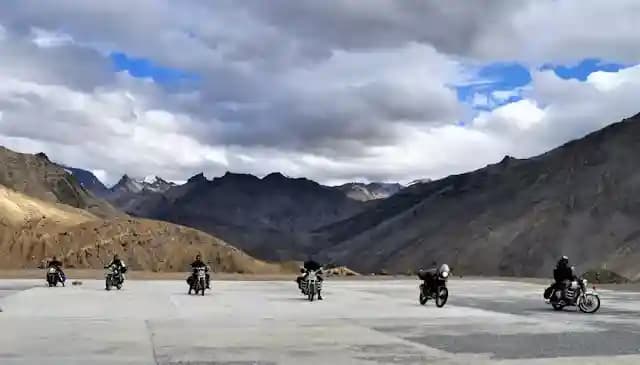
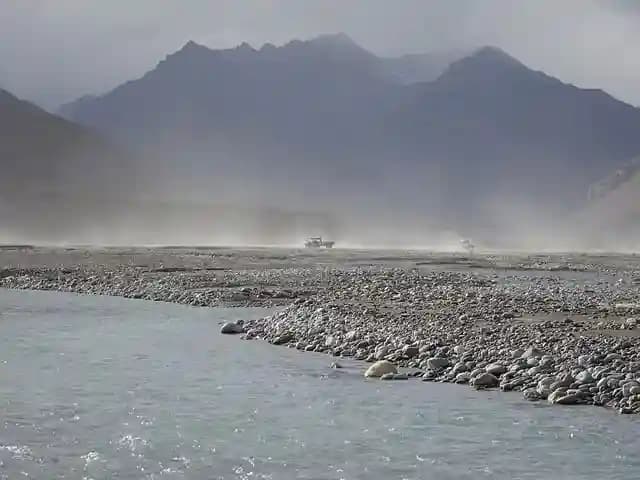
Leave early at 6 am or 7 am to arrive in Kaza before dark. Drive through Rohtang Pass or Atal Tunnel, then Gramphu, Batal and Kunzum Pass. The scenery changes from green valleys to Spiti's bare, moon-like land. Roads get rough with stream crossings, so it takes most of the day.
Day 3: Kaza to Kibber Village (16 km, 1 hour)
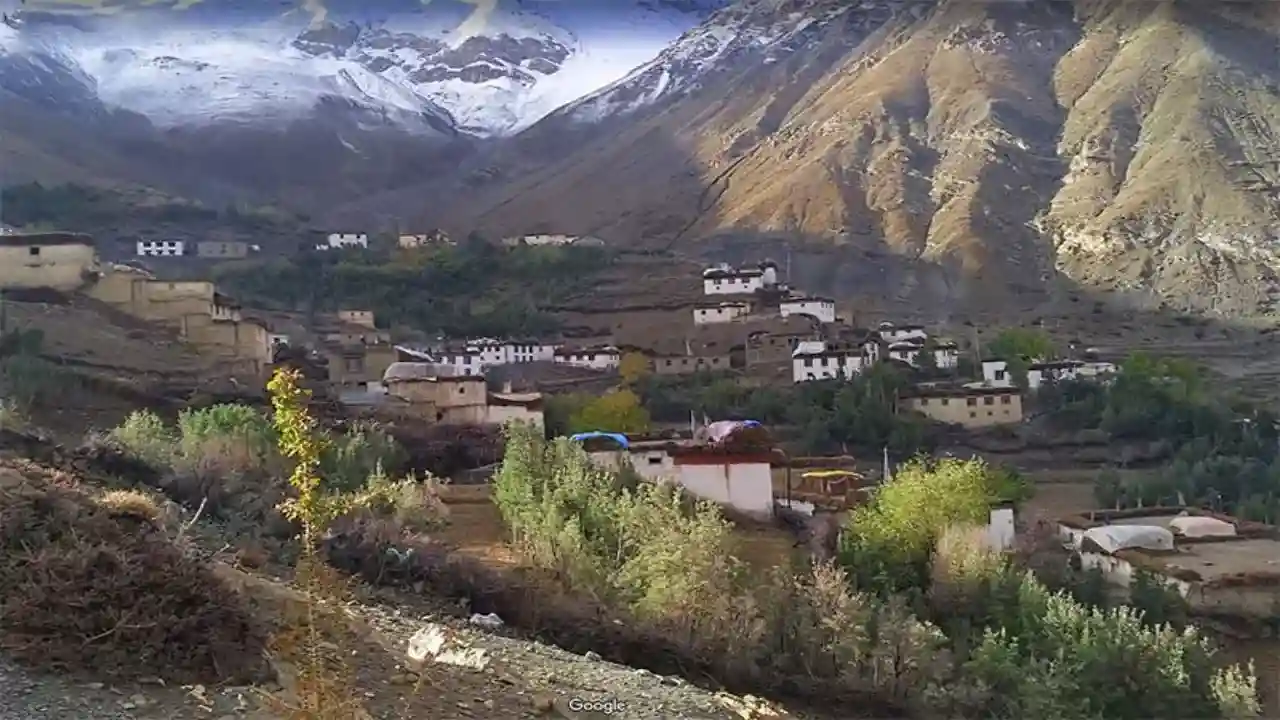
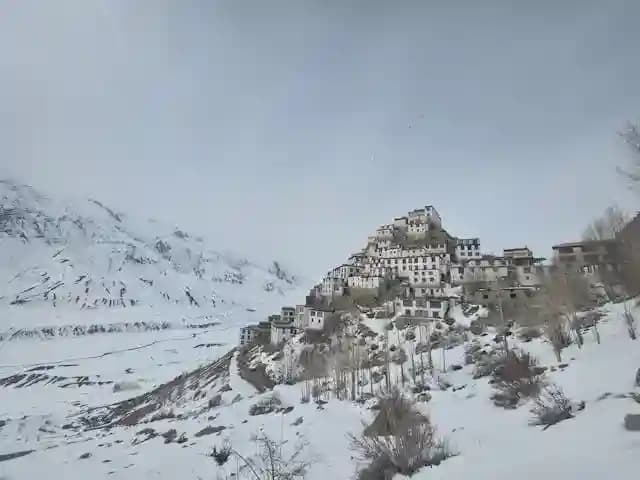
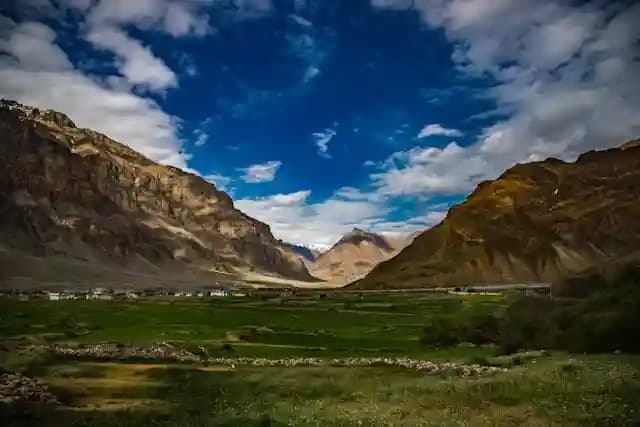
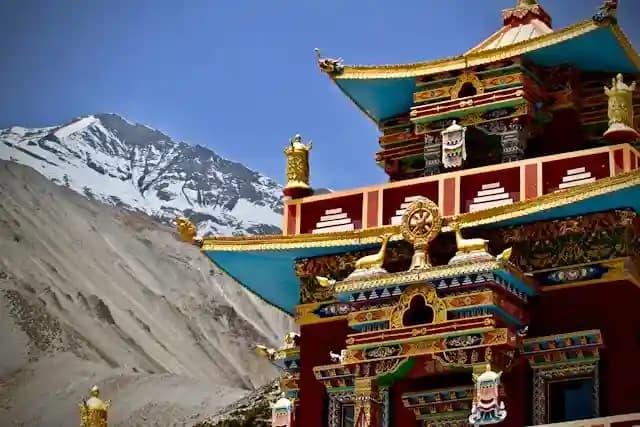
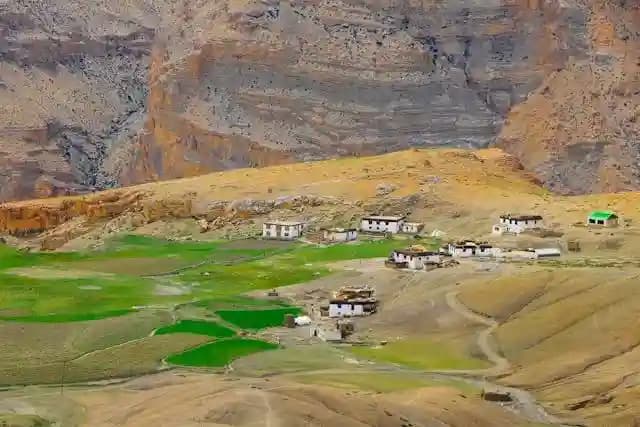
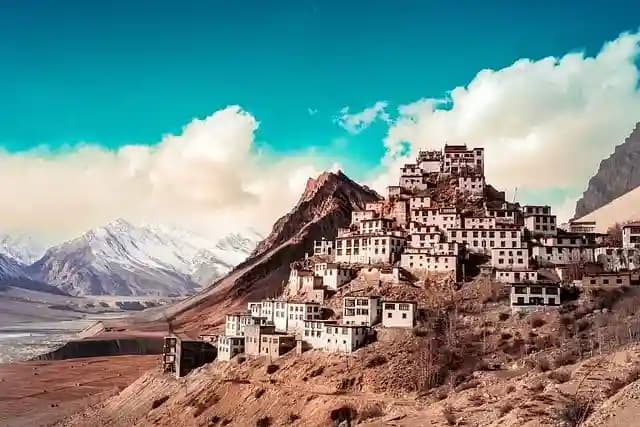
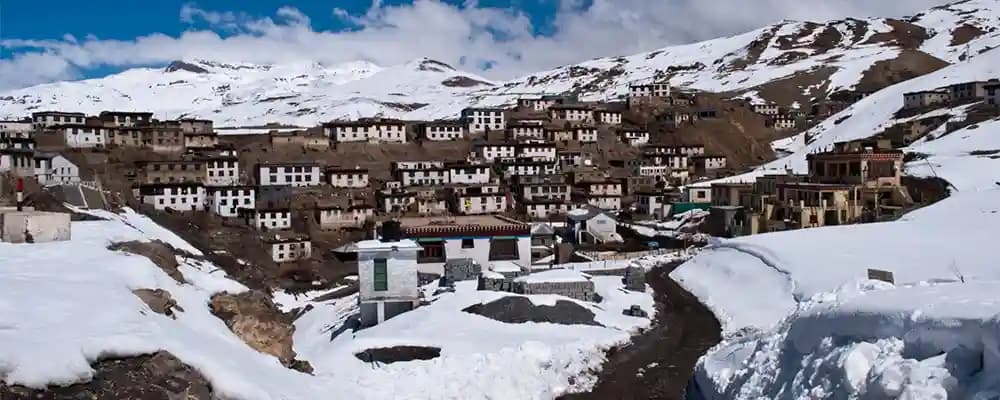
Take a short, bumpy drive to Kibber village in the morning. Kibber sits at 4205 metres, one of the highest villages with road access. Walk around slowly and visit the monastery if you wish. Avoid stairs or hard work as your body adjusts to the thin air.
Day 4: Rest Day in Kibber
Use this day fully for acclimatisation. It matters a lot for the Kanamo Peak Trek success. Walk lightly to Gette Village or Chicham Bridge, Asia's highest. Stop if you feel a headache or nausea. Drink 4 to 5 litres of water and eat warm, simple meals.
Day 5: Kibber to Kanamo Base Camp (4-5 hours)
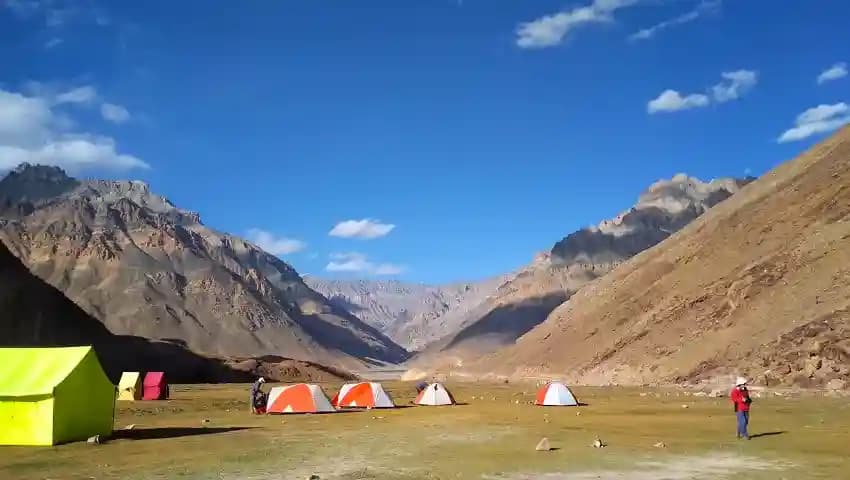
Start the trek after breakfast from Kibber. Follow rocky paths and meadows with little plants. Cross small streams and boulders to reach base camp. Set up tents, eat your dinner early and sleep by 8 pm or 9 pm for the summit start.
Day 6: Summit Day, Base Camp to Kanamo Peak and Back (8-10 hours)
Wake at 2 or 3 am and begin by 4 am with headlamps. Climb loose rocks first, then snow slopes. Use crampons and ice axes. The last ridge may need ropes. Reach Kanamo Peak at 5974 metres for views over Spiti and Lahaul. Stay 15 to 20 minutes for photos, then head down to base camp carefully.
Day 7: Base Camp to Kibber, Then Kaza
Pack after breakfast and trek down to Kibber in 3 to 4 hours. Your legs feel tired but going down helps. Drive back to Kaza, check into a guesthouse and take a shower. Enjoy a warm meal to mark the end of your Kanamo Peak Trek.
Day 8: Kaza to Manali (200 km, 8-10 hours)
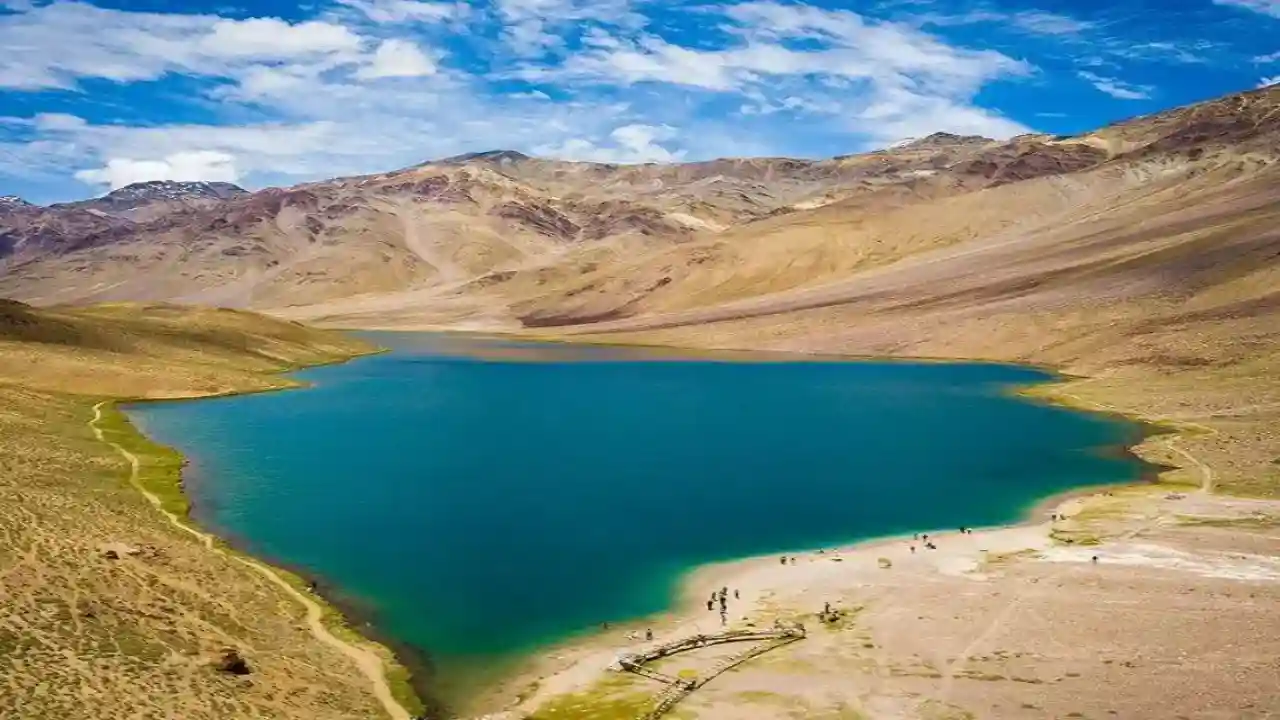
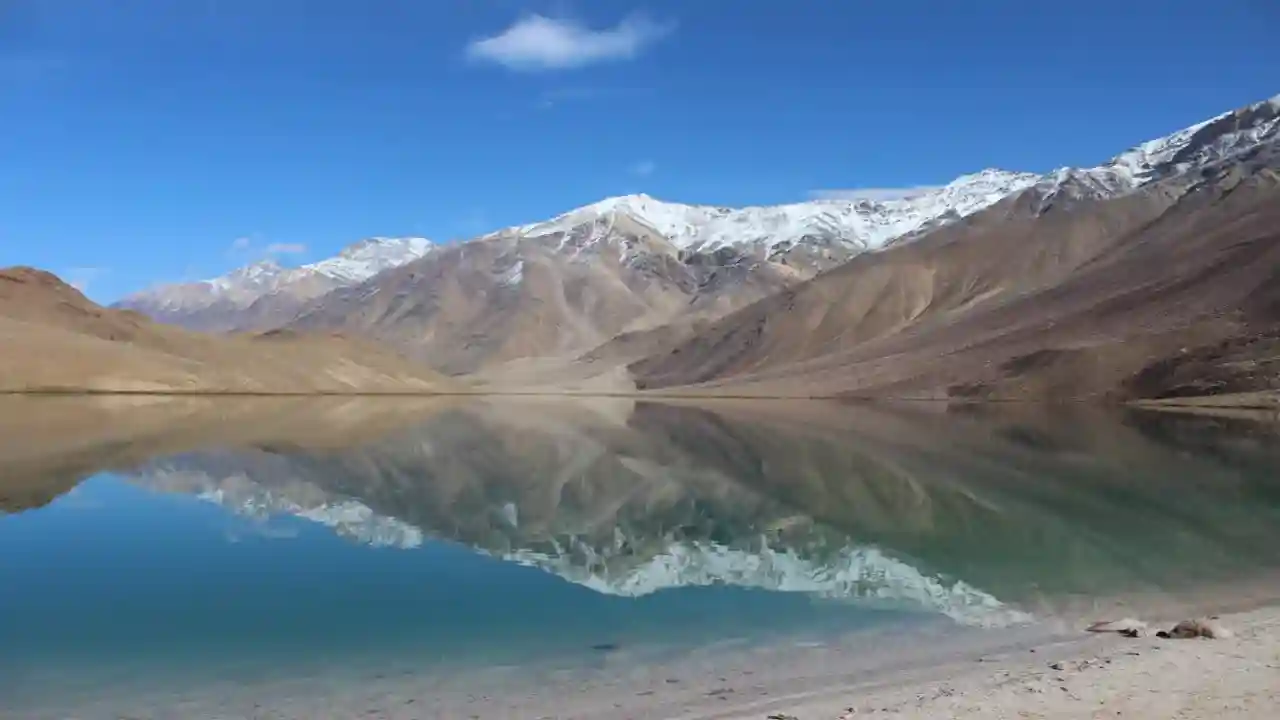
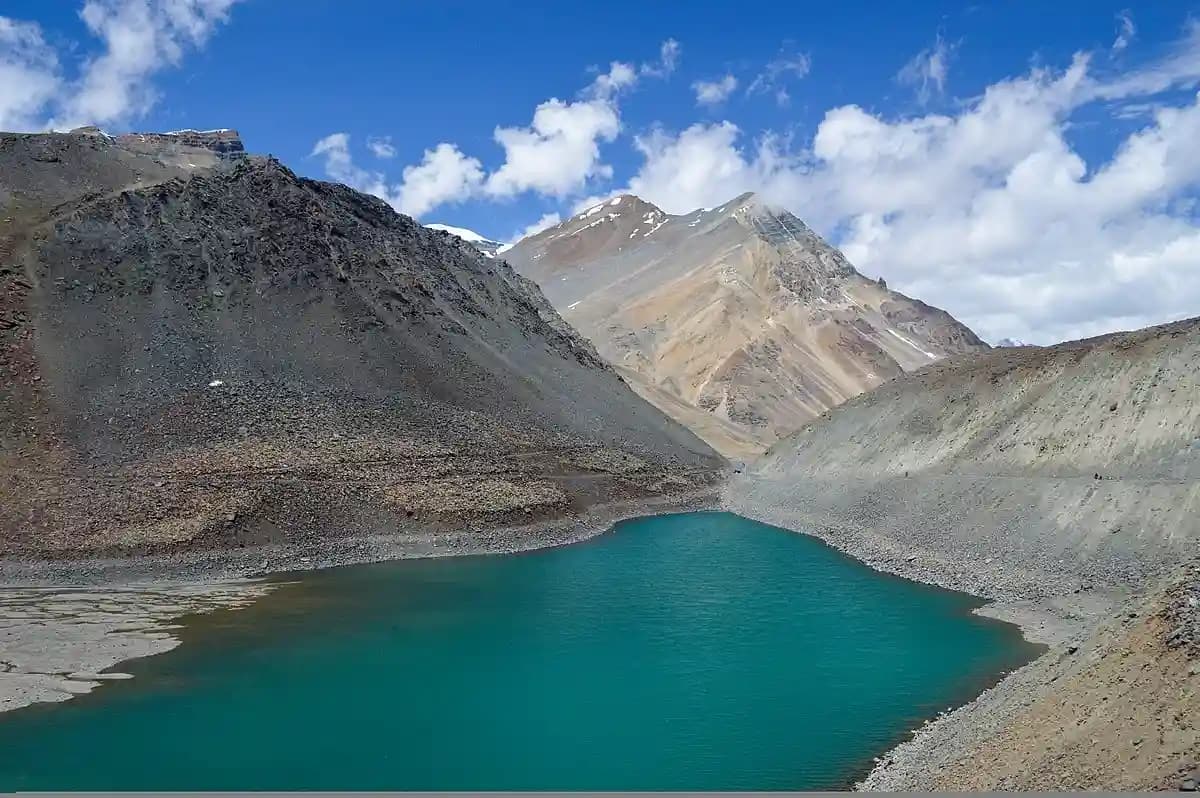
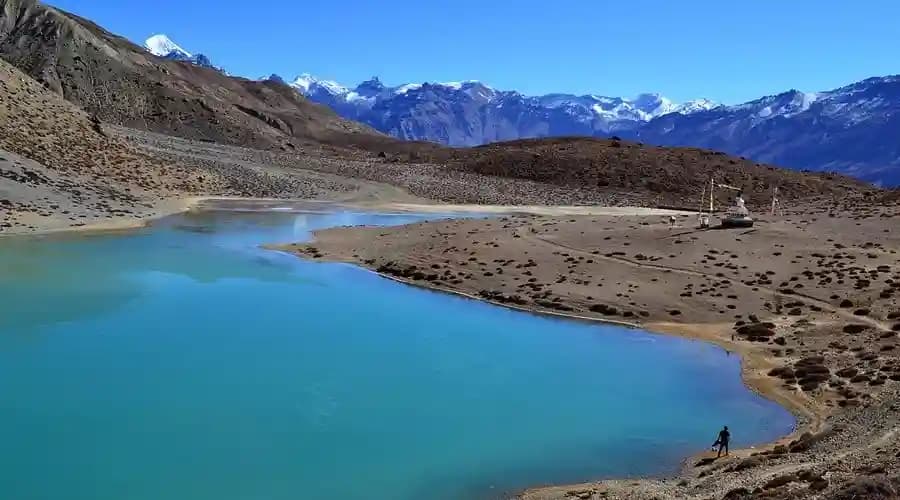
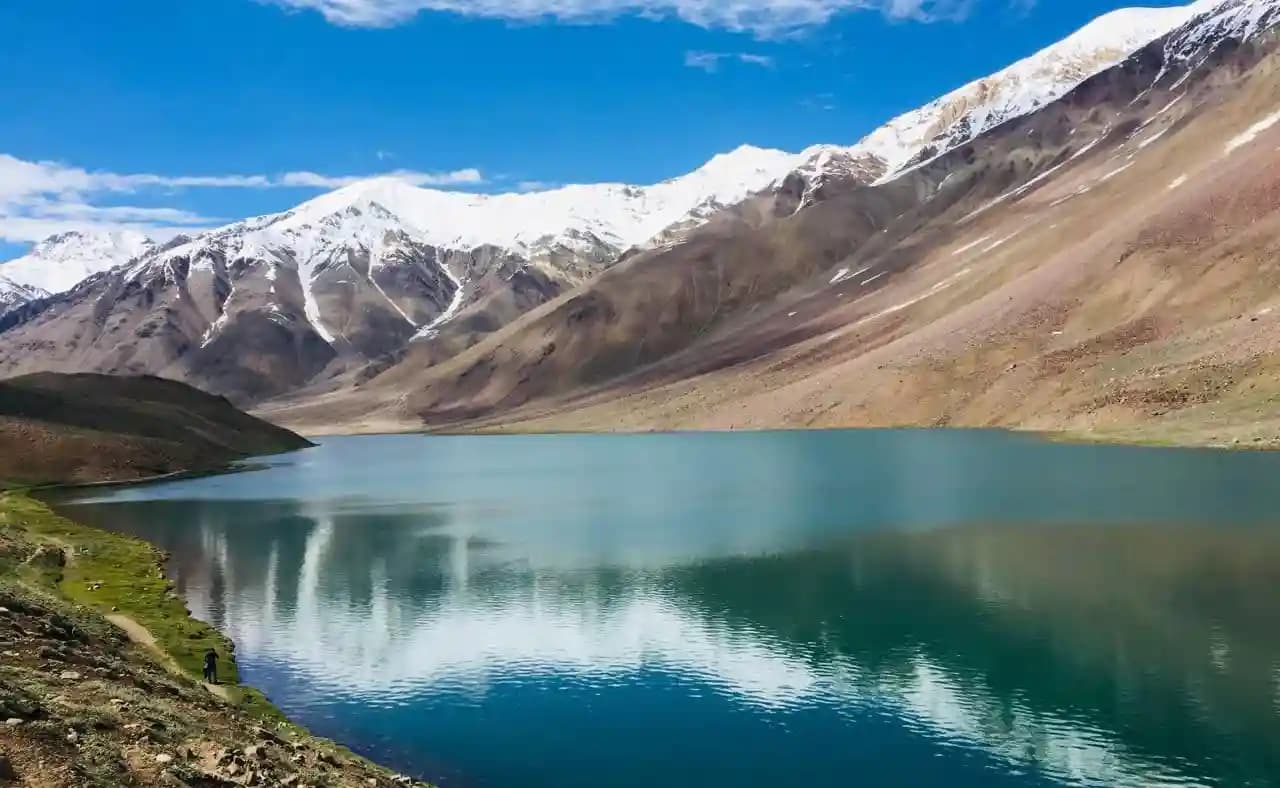
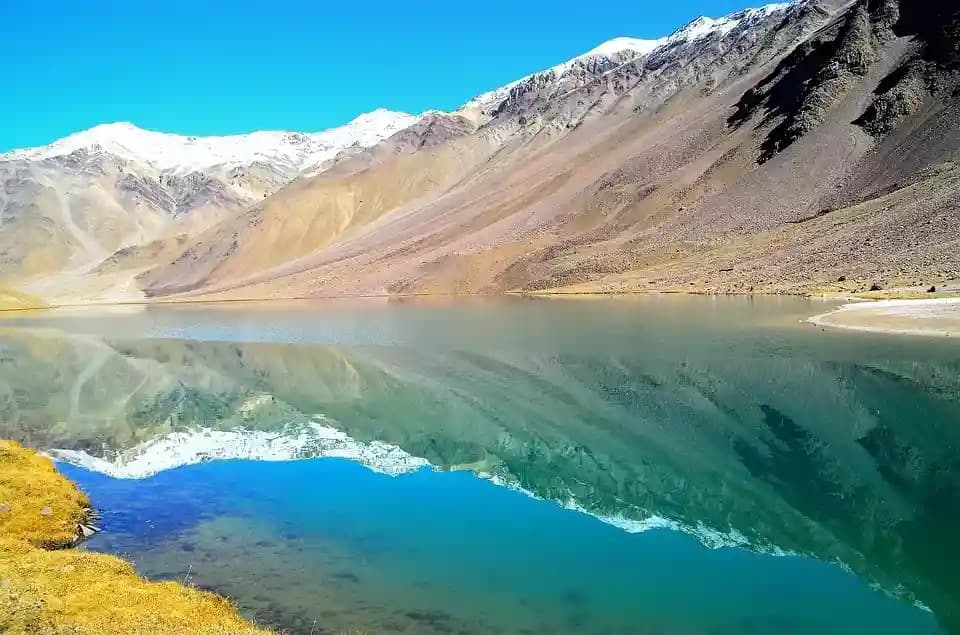
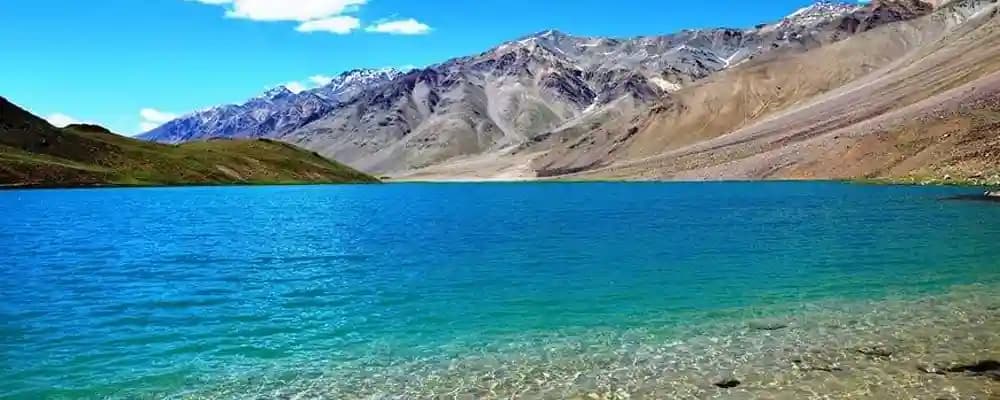
Set off early to return to Manali on the same route. The Kanamo Peak Trek best time runs from May to October. Roads stay open, and the weather holds steady. Stop at Kunzum Pass or Chandratal Lake if time allows. Reach Manali by evening with memories of your high adventure.
Essential Tips for Kanamo Peak Trek
Heading out on the Kanamo Peak Trek means planning ahead for Spiti's tough high-altitude conditions. These simple tips keep you safe and let you enjoy the adventure without nasty surprises.
Acclimatise Properly: Spend at least two full days in Kibber before the Kanamo Peak Trek summit push because altitude sickness doesn't care how fit you are.
Carry Technical Gear: Crampons, ice axe, rope and harness aren't optional for this climb, so rent them in Manali if you don't own them.
Pack Smart Layers: Temperatures drop to minus degrees at night and warm up during the day, so carry thermals, fleece, down jacket and windproof shells.
Hire a Local Guide: The Kanamo Peak Trek has technical sections with crevasses and rope work that need someone who knows the mountain properly.
Stay Hydrated Always: Drink 4-5 litres of water daily, even when you're not thirsty, because dehydration at altitude makes breathing and climbing ten times harder.
Start summit early: Leave base camp by 3 am on Kanamo Peak Trek summit day. This gets you down before the afternoon winds pick up.
Sort permits: Foreigners need an Inner Line Permit for Spiti. Pick it up at Kaza's SDM office or apply online ahead.
Pack meds and snacks: Bring Diamox for altitude issues, painkillers, bandages, plus nuts and chocolate for quick energy on the go.
Watch the weather: Check forecasts a few days before the Kanamo Peak Trek summit. Bad storms make ridges too risky, so delay if needed.
Conclusion
Standing at nearly 6,000 metres with the entire Spiti Valley spread below you is something that changes how you see mountains forever. The Kanamo Peak Trek isn't the easiest climb out there, but that's exactly what makes reaching the top feel so incredibly rewarding. You'll need proper preparation, the right gear and enough patience to let your body adjust to the thin air. The technical bits might scare you at first, but they're manageable with a good guide and some common sense. Spiti itself is worth the journey even without the summit. Plan well, trek safe and enjoy every moment of this wild adventure.