Are you in Gujarat and wishing to explore a place so unique that it changes your whole experience? Well, if yes, then you are in for a treat. A place where silence speaks louder than noise, and simplicity feels powerful, this is the magic of Sabarmati Ashram. The minute you enter, the world becomes slow, and a feeling of tranquillity surrounds you. This is not just a tourist spot; it is a place where ideas changed a nation.
The Sabarmati Ashram, Gujarat, is the former home of Mahatma Gandhi and is situated on the banks of the Sabarmati River. The most significant freedom movements in India began here. Now, if you are wondering where Sabarmati Ashram is located, it is in Ahmedabad, where numerous visitors come from all over the globe. Here in this blog, you will get to know its history, facts, visiting details and all you need to know to plan your visit.
How to Reach Sabarmati Ashram
Sabarmati Ashram is easily reachable and is comfortable as well, being well-connected with all major sections of Ahmedabad and the surrounding cities. It is easy and efficient whether you are flying there, taking a train or driving to this serene place. It is approximately 5 km away from the city of Ahmedabad.
By Air: Sardar Vallabhbhai Patel International Airport is around 8 km away.
By Train: Ahmedabad Railway Station is about 6 km from the ashram.
By Road: It can be easily reached by taxis, auto-rickshaws and local buses.
Local Travel: Cabs using apps are very common.
Best Time to Visit Sabarmati Ashram
To ensure your visit to the Ashram Gujarat is even more special, it is important to make the right choice of time. Its location on the riverside and the peaceful environment ensure that it is pleasant almost all year round, although there are months when it is even better.
Visiting here is best between October and March when the weather is cool and comfortable. During the summer, Ahmedabad is very hot, whereas monsoons are humid. It is best to visit the ashram in early mornings and evenings when things are calm.
Ideal Months: October to March
Sabarmati Ashram timings: Generally 8: 30 AM to 6: 30 PM.
Sabarmati Ashram entry fee: Free for all visitors
History of Sabarmati Ashram
The history of the Ashram is closely attached to the freedom struggle of India. In 1917, it was founded by Mahatma Gandhi. So if you are wondering that Sabarmati Ashram established in which year, then it was opened in 1915 and moved to the Sabarmati location in 1917.
It was at this ashram that the most significant movements were organised, such as the well-known Dandi March of 1930. Here, Gandhi had his followers and was able to practice such values as truth, non-violence, and simple living. The ashram was a peaceful place that contributed to the development of the ideas that transformed history. It is today a symbol of bravery, self-control and solidarity.
Facts About Sabarmati Ashram
The following are some interesting facts which make the Ashram really special:
Historical Importance: The Ashram was the home of Mahatma Gandhi, where he spent more than ten years of his life and where the historic Salt March led by Gandhi began in 1930.
Location Significance: The ashram is also located on the banks of the Sabarmati River, selected by Gandhi due to its calm atmosphere, and position between a jail and a cremation ground.
Free Entry for Visitors: It is one of the most peculiar ones as the entry fee to the Ashram of Sabarmati does not charge any money, and everyone can encounter the history of the Ashram unhindered.
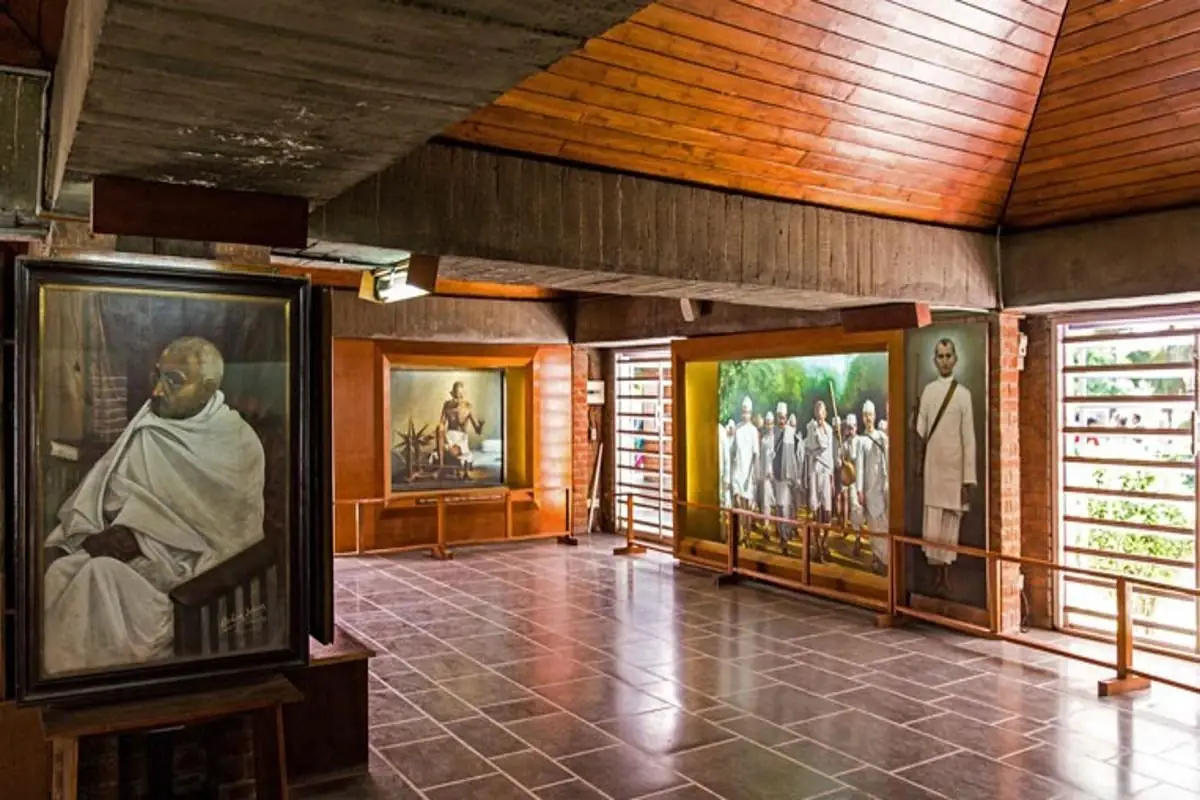
Museum and Archives: The ashram also has a museum where visitors can find letters, photographs and the personal belongings of Gandhi, providing them with a better insight into his life and philosophy, which also makes visiting this place one of the best things to do in Gujarat.
Simple Living Philosophy: Today, the Ashram reminds the whole world about the principles of simplicity, self-reliance and truth of Gandhi, which is why it is not only a historical site but also his living inspiration.
Places to Visit in Sabarmati Ashram
A visit to the Ashram is like a journey into the history books, with every corner whispering a tale. You will find it so easy and, at the same time, so strong as you venture on, making it one of the best places to visit in Gujarat. All the places within the ashram are significant, and when combined, they make a very touching experience.
1. Hriday Kunj
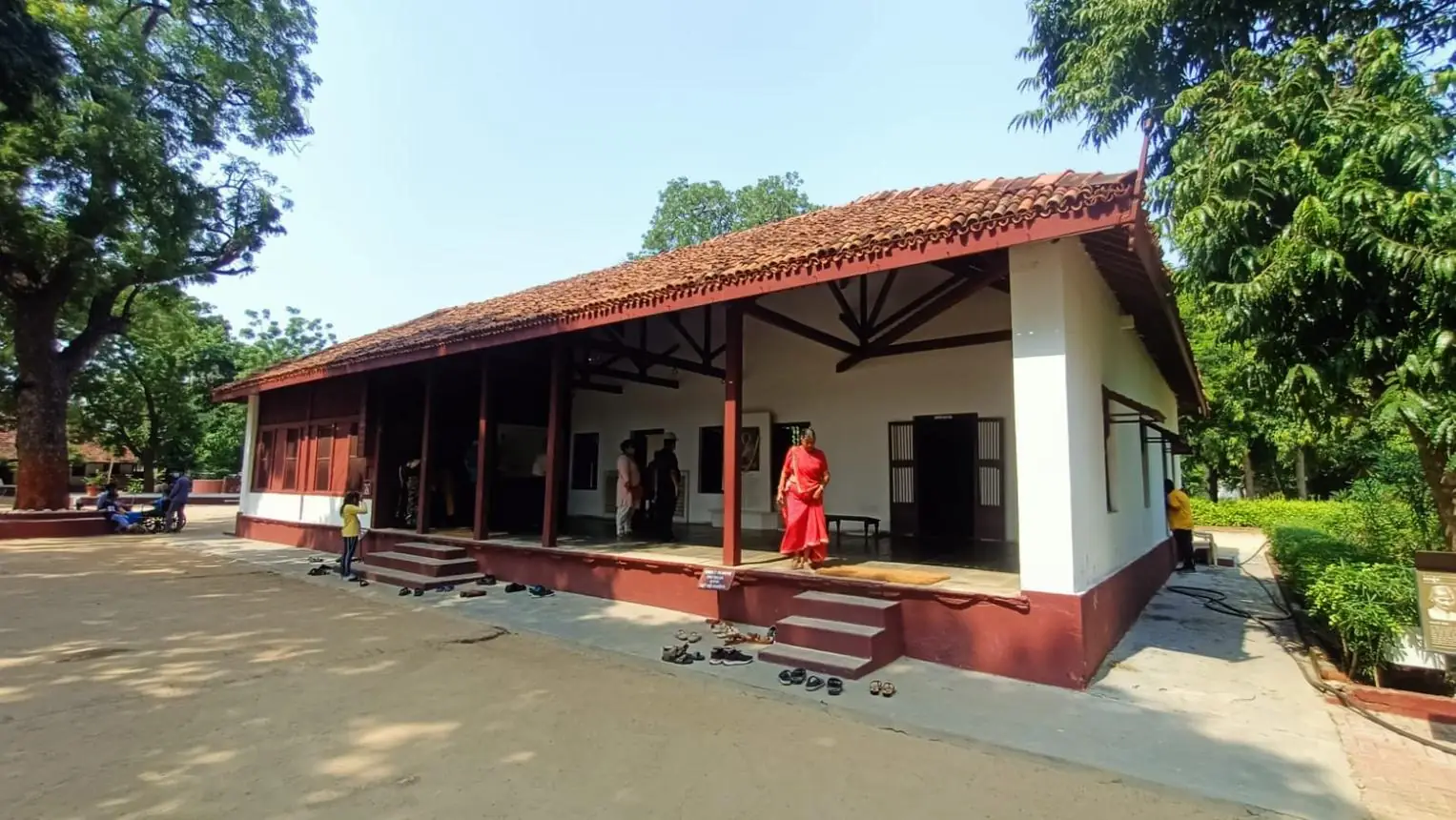 Hriday Kunj is the most significant and heartfelt place within Sabarmati Ashram. This house was where Mahatma Gandhi spent his time. The name Hriday Kunj translates to the abode of the heart, and it indeed feels like it. The interiors have the personal items of Gandhi, such as the spinning wheel, writing desk, and other simple stuff of his living.
The space is a reflection of his way of life, simple, disciplined, and serene. The stroll through this space brings you closer to his thoughts and life. It is among the most popular spots, and a must-visit for all visitors.
2. Gandhi Smarak Sangrahalaya (Museum)
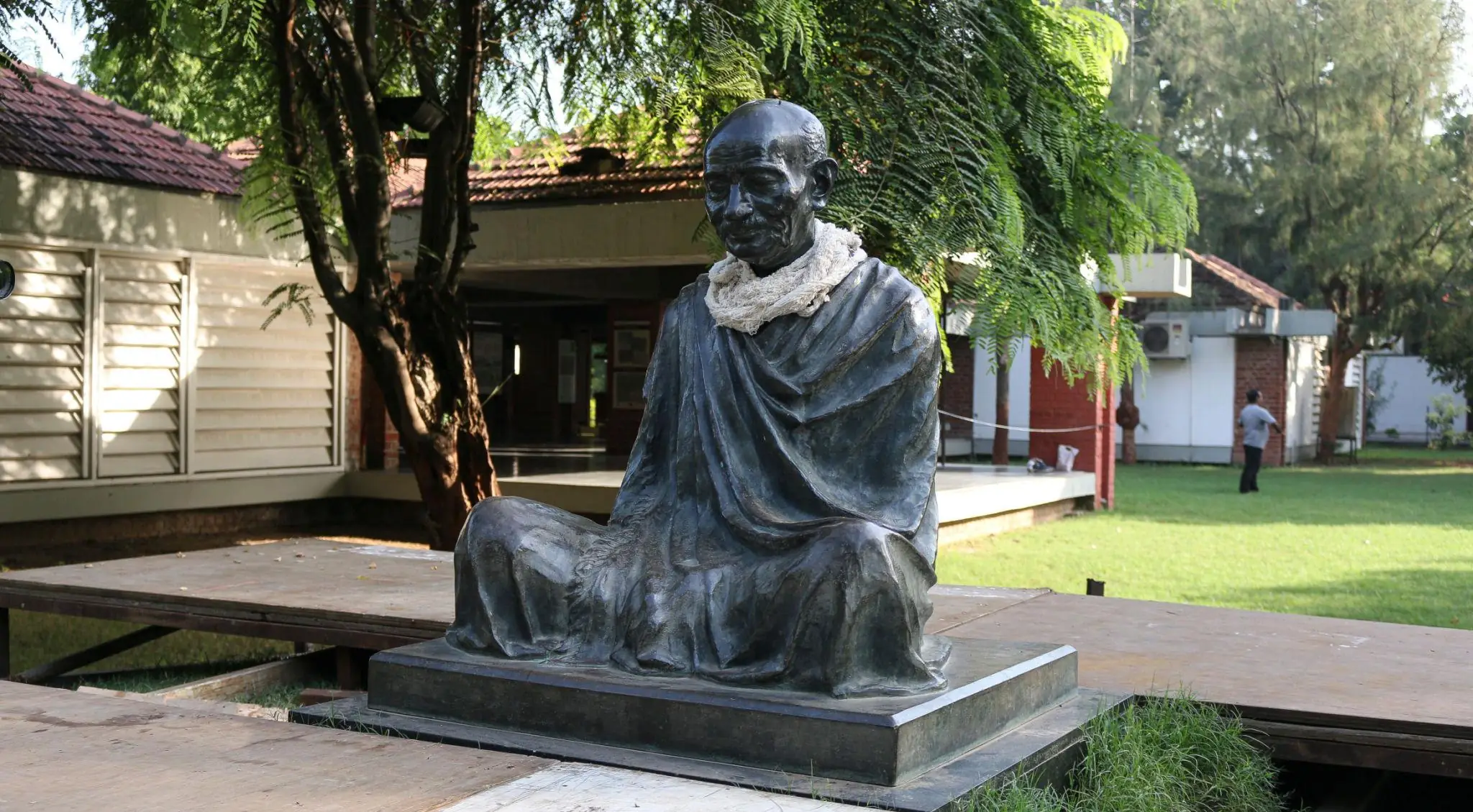 History is alive in the most interesting manner in the museum of the Ashram in Gujarat. It exhibits photographs, letters, and documents of the life of Gandhi and of the freedom struggle of India. The displays are less ornamental and yet effective, enabling the visitors to grasp his journey and thoughts.
There are also archives that are rare, and you can see the way movements were planned and done. The relaxed environment within the museum makes the process of learning significant and intimate. It is a location where you cannot only see history, but also touch it.
3. Magan Niwas
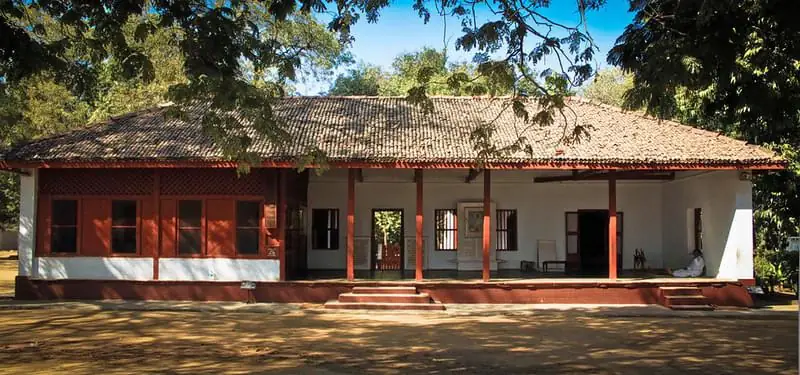 Magan Niwas is named after Maganlal Gandhi, who was a close associate of Gandhi. He was instrumental in the day-to-day running of the Ashram. This place highlights the importance of teamwork and dedication in the ashram’s functioning.
You will be able to hear about how various activities were arranged and how the community collaborated. It also describes the spirit of self-reliance that Gandhi was of. A tour of Magan Niwas will give you a better idea of how the ashram was a functioning whole.
4. Vinoba Kutir and Mira Kutir
 These small huts inside the Ashram were home to two important followers of Gandhi, Vinoba Bhave and Mirabehn. They both devoted their lives to serving the nation and to propagating the teachings of Gandhi. The huts are modest and quiet, indicating that they led a disciplined and goal-oriented life.
Going to such locations gives one an understanding of how the lives of people who were inspired by Gandhi were, and how they decided to take the same direction. It gives another dimension to your knowledge about the impact of the ashram.
5. Upasada Mandir (Prayer Ground)
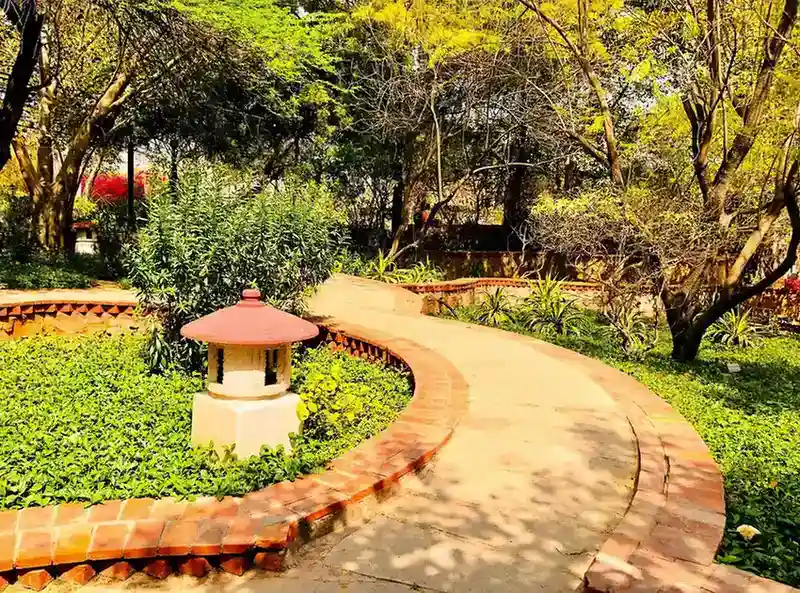
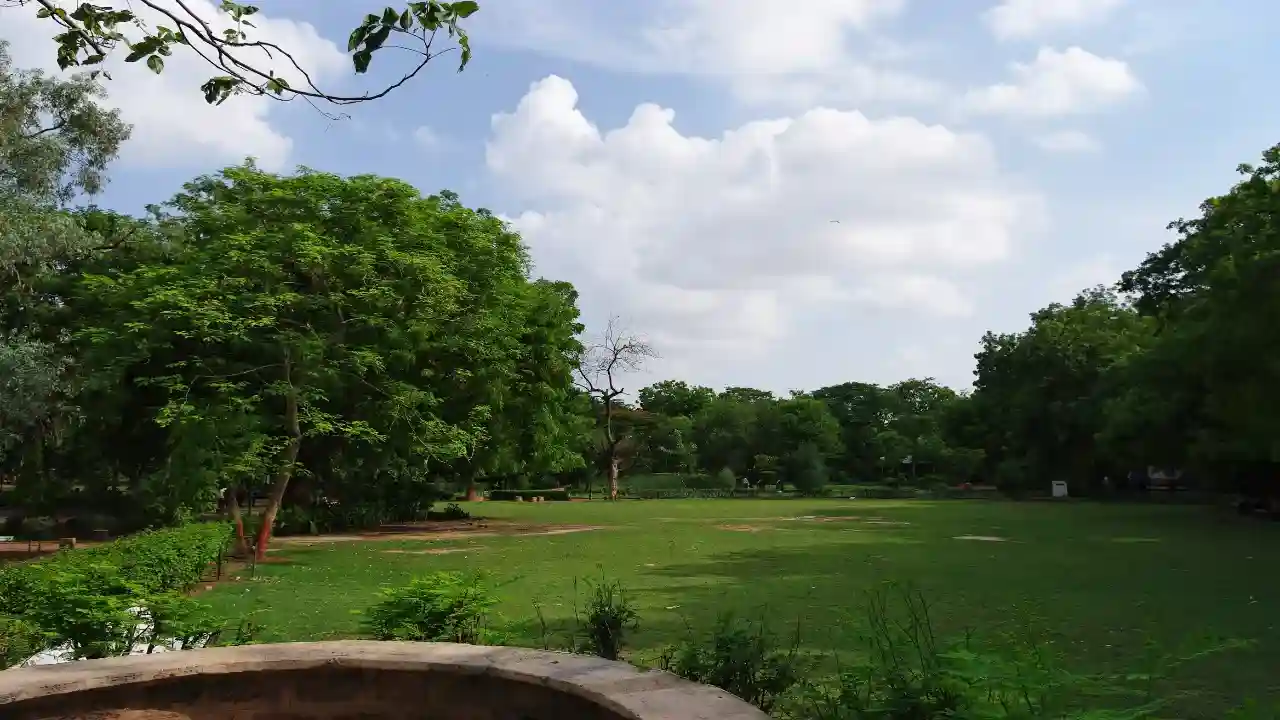
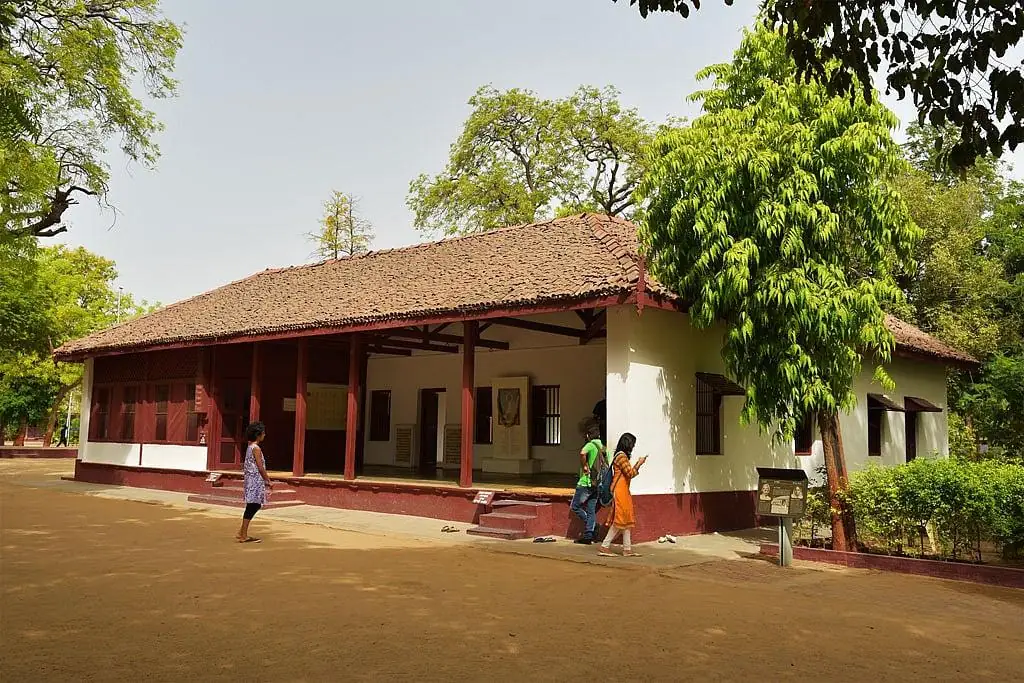 The open prayer ground is known as the Upasana Mandir, on which Gandhi and his followers assembled every day. It happens to be one of the calmest places within the Ashram of Sabarmati. Religious prayers of various religions had been carried out here, demonstrating the concept of togetherness and the prudence of all religions.
Sitting here offers a calm and clear feeling. It is further enhanced by the simplicity of the place. It leaves a reminder to the visitors of the need to live in harmony, peace, and unity.
Tips for Visiting Sabarmati Ashram
When you visit the Ashram well in advance, you will find it even more meaningful. The following are just a few tips that can guide you to experience the best of your time:
Visit early in the morning for a peaceful and less crowded experience
Stay quiet and admire the quiet setting.
Wear comfortable clothes and shoes for walking.
Photography is permitted in most of the places, but maintain decorum.
Take time to read the displays so as to better know the history.
Bring water in warmer seasons.
Check Sabarmati Ashram timings before visiting
Conclusion
You may go to places, and only a few remain with you, and Sabarmati Ashram is one of the latter. It is not merely about buildings or history; it is about experiencing the strength of simplicity and reality. When you stroll along its peaceful walks, you start to discern how little things can make big differences.
It is an ideal place to visit if you want to have a peaceful, meaningful and inspirational journey. So, plan this quiet escape, and each step will take you back to history, and each moment will inspire you.