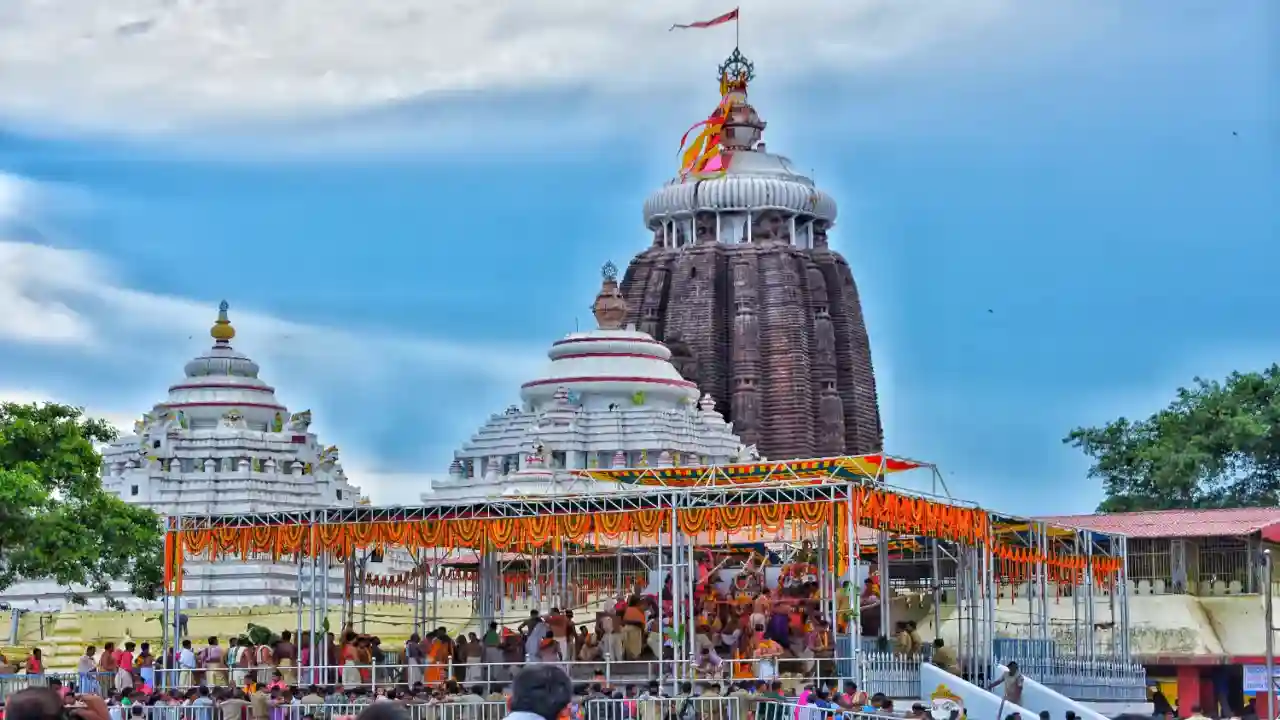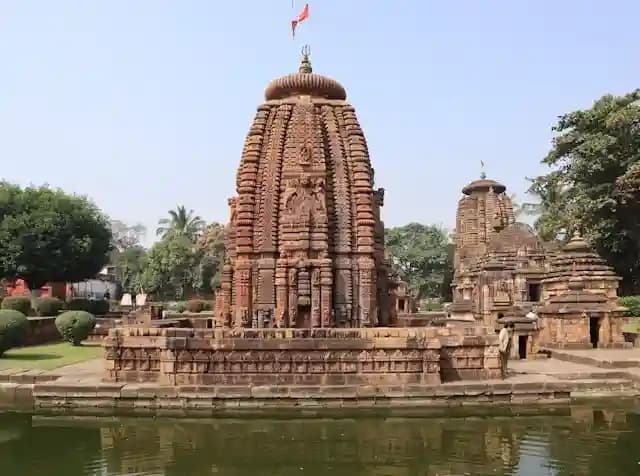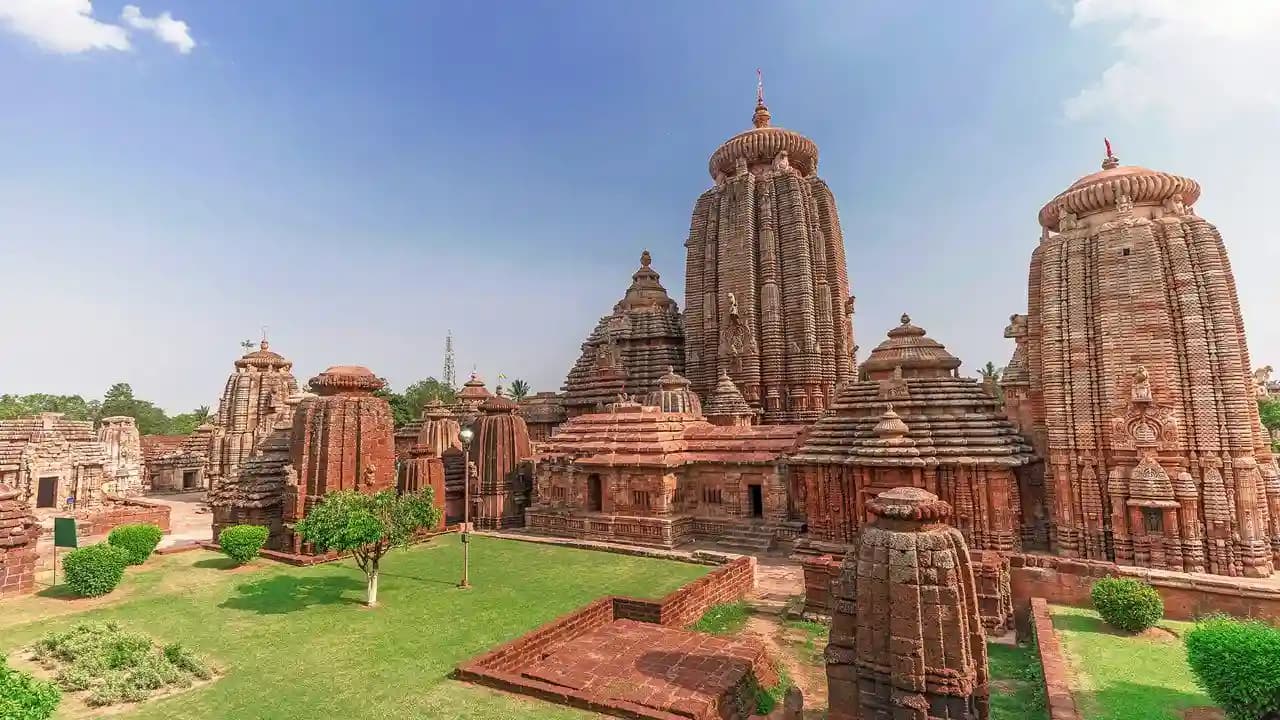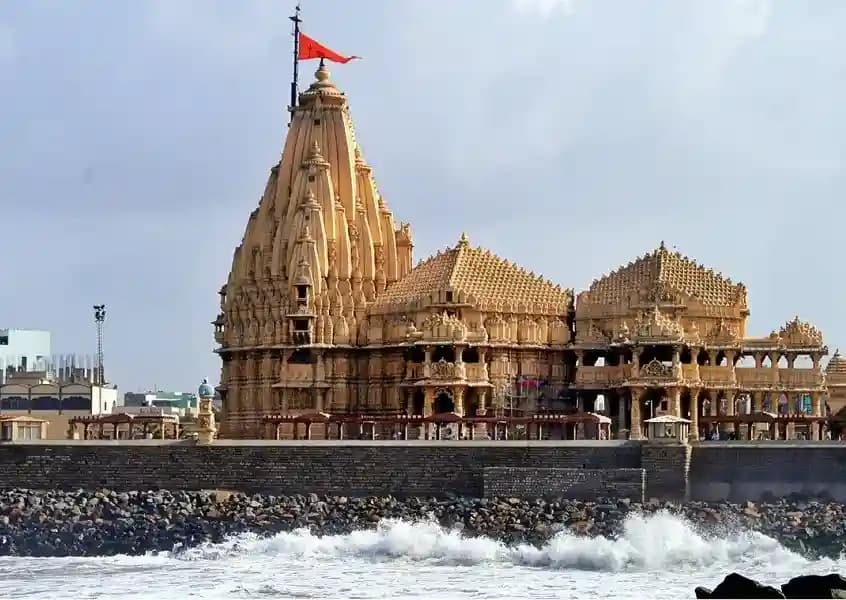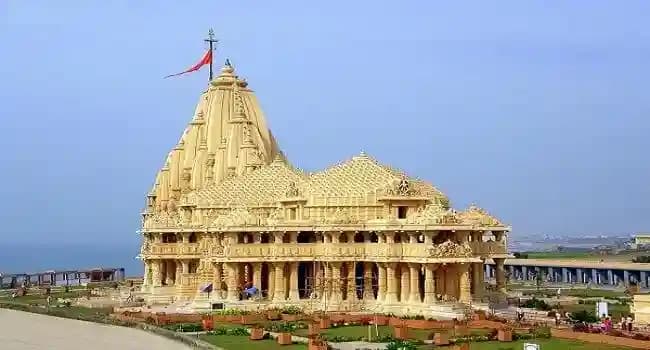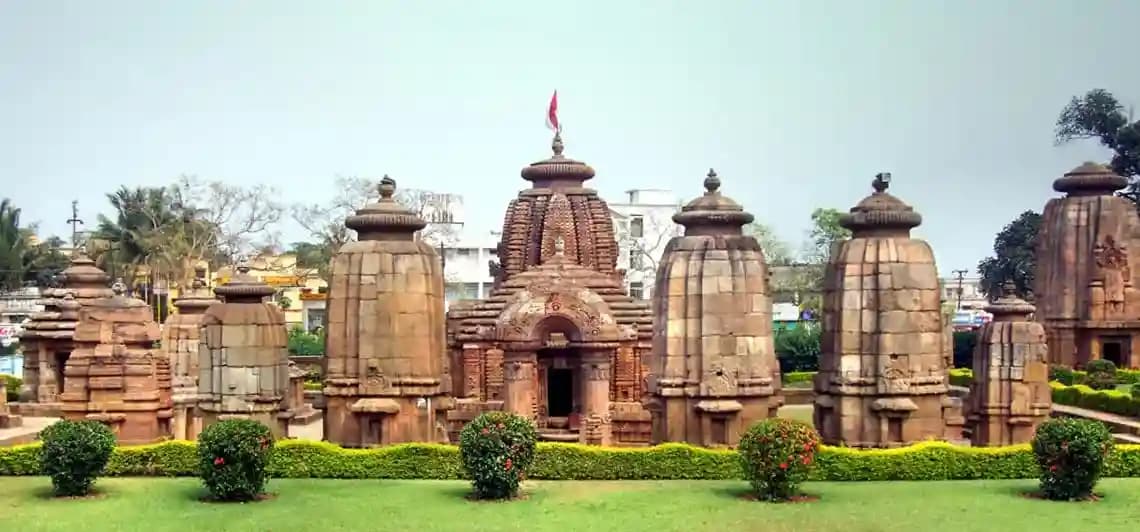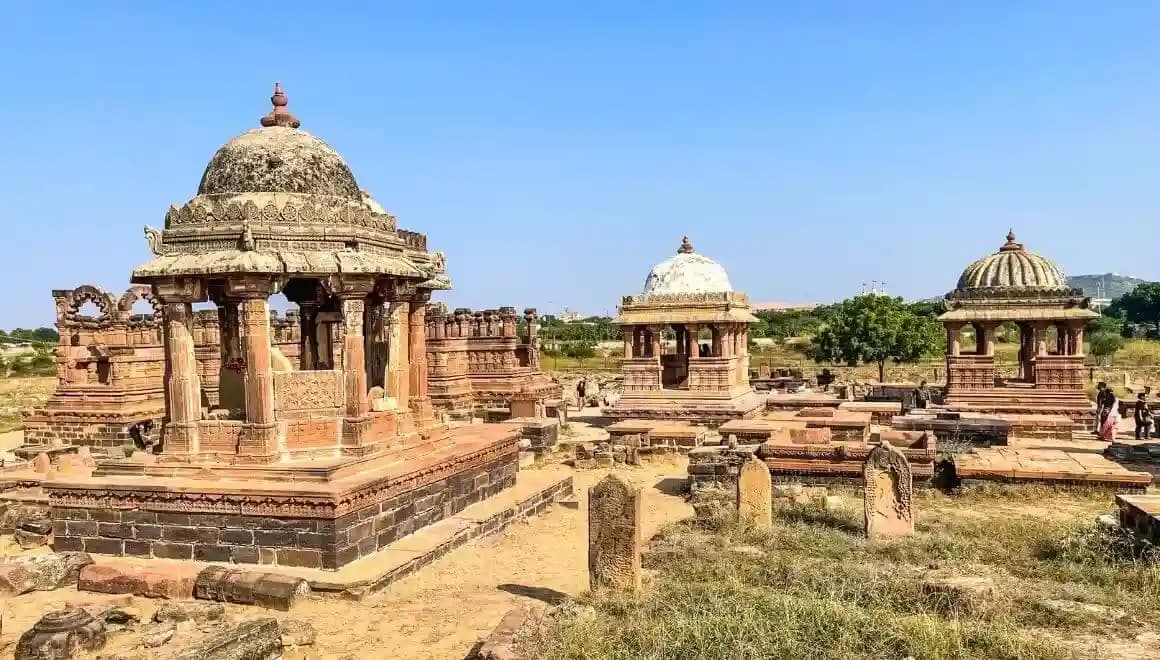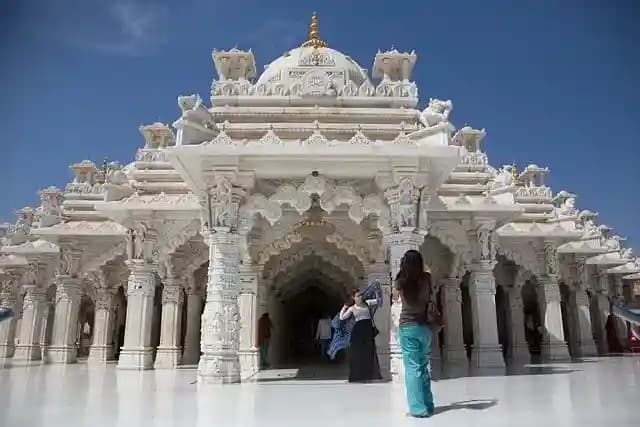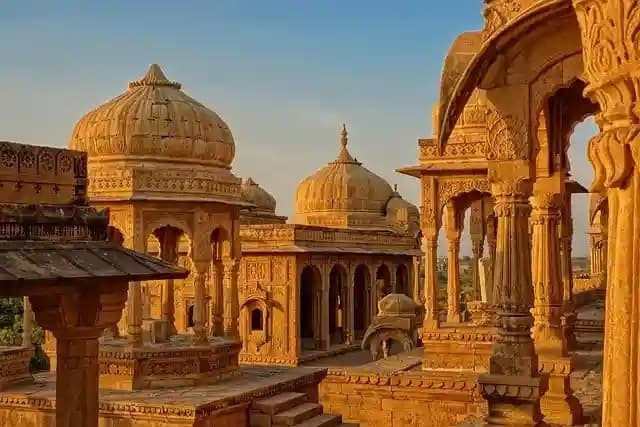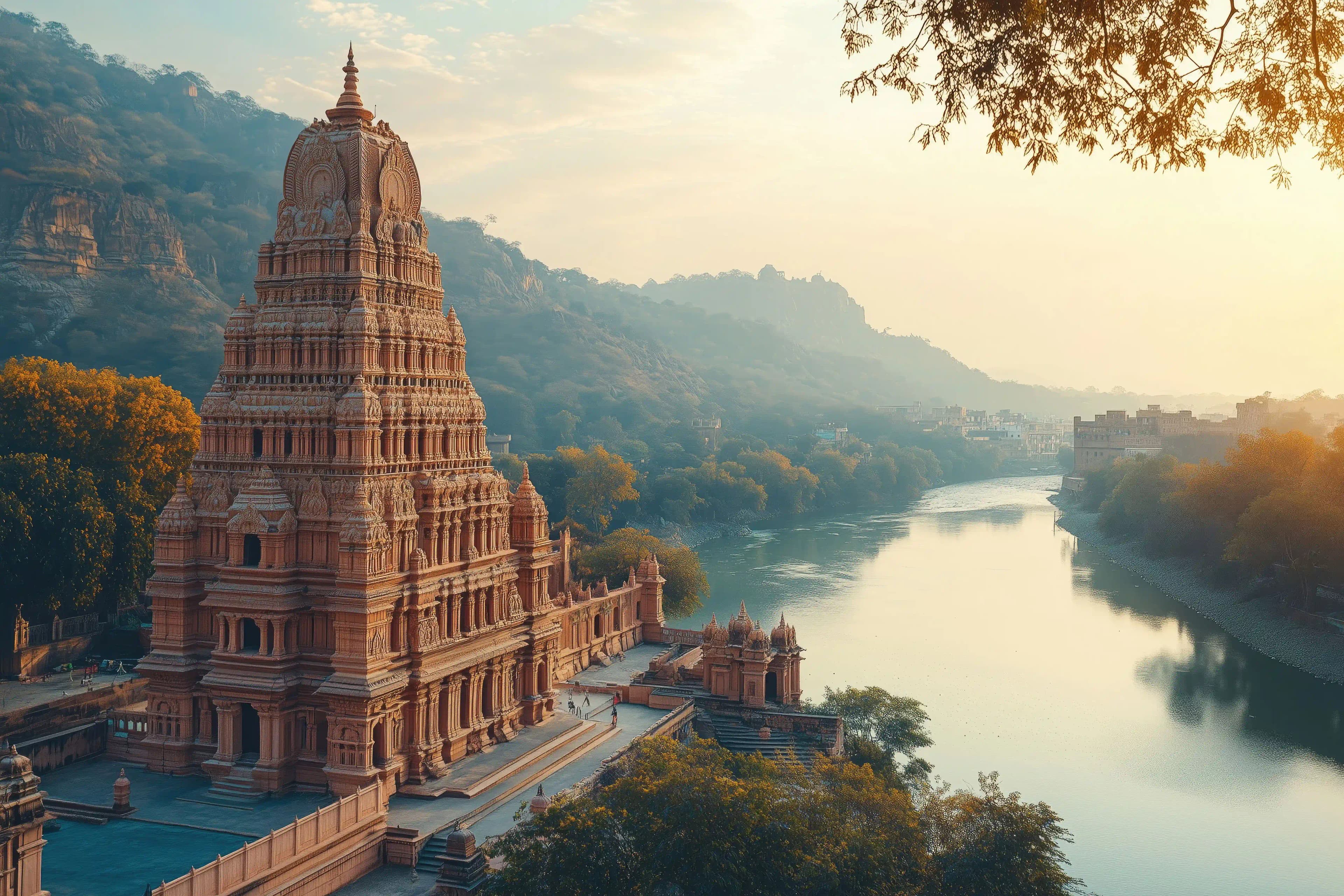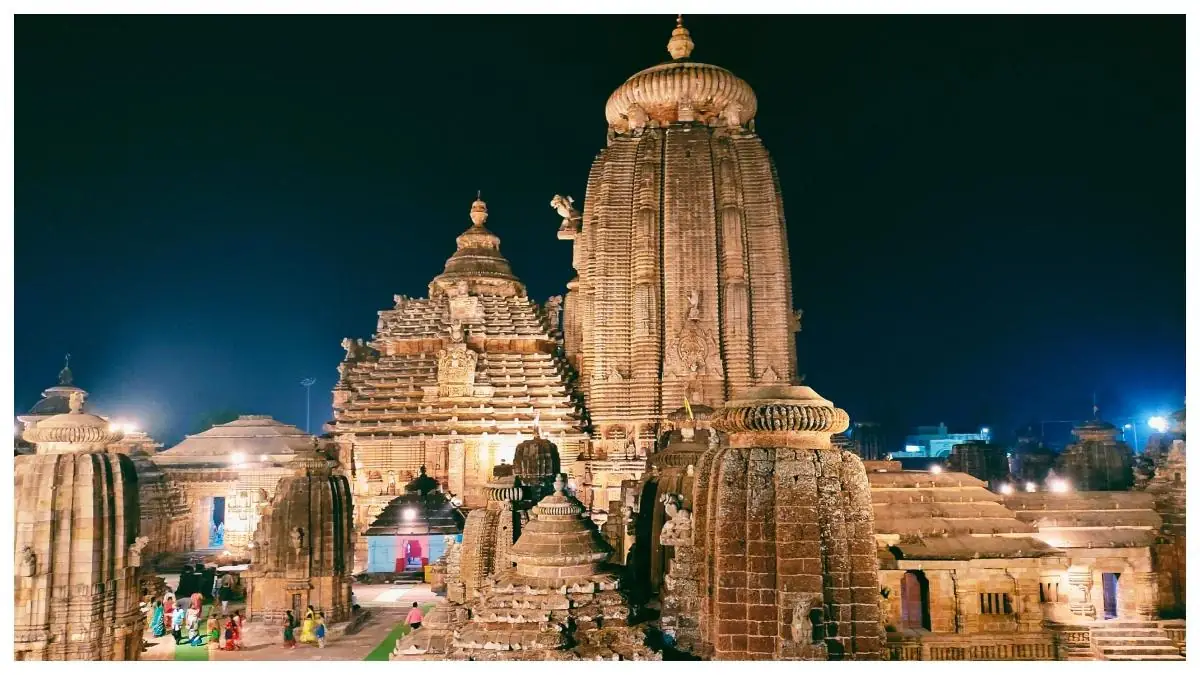
Bhubaneswar is famously called the Temple City of India, as it has numerous large temples, including Lingaraj Temple. Lingaraj Temple is considered one of the most important and oldest temples in the city. People visit the temple for prayer, to learn about its history, and to experience its vast temple complex. The temple is builtin the traditional style of Odisha and shows how skilled the craftsmen of that time were.
Lingaraj Temple is dedicated to Lord Shiva, and thousands of devotees come here every day. Some come to offer prayers, some come to learn about the temple’s past, and many stop here to understand why this place has such huge importance in the city. Every part of the temple, from its tall building to its inner areas, tells stories of the place. It is a place where old designs and traditions come together.
In this blog, you will get to know the history of Lingaraj Temple, its timings, the best time to visit, temple architecture, travel distance, and everything you need before planning your visit.
Quick Facts About Lingaraj Temple
Lingaraj Temple Bhubaneswar has many interesting features. Here is a simple table that highlights the most important ones.
Temple Name: Lingaraj Temple
Location: Bhubaneswar, Odisha
Main Deity: Lord Shiva
Shivling: Swayambhu Lingaraj Shivling
Lingaraj Temple Height: Around 180 feet
Architecture Style: Kalinga Architecture
Built In: 11th century
Opening Time: Early morning (around 5:00 AM)
Closing Time: Late evening (around 9:00 PM)
Entry Rule: Only Hindus are allowed inside
Distance from Station: 4 km from Bhubaneswar Railway Station
Best Time to Visit: October to March
Lingaraj Temple History
The history of Lingaraj Temple goes back many centuries. The temple was mainly built in the 11th century by King Jajati Keshari during the rule of the Somavamsi dynasty. Later rulers started adding more structures and continued to maintain the temple. Over time, it became the most important religious place in Bhubaneswar. The temple was built to worship Lord Shiva. Here, Shiva is worshipped in the form of Harihara, which is a form of Shiva and Vishnu together. This reflects how different religious traditions were brought together in one place. Because of this, the temple became important to followers of both traditions.
Ancient texts mention Lingaraj Mandir as an important place for rituals and festivals. Kings and local people supported the temple for generations. It was not only a place of prayer but also a place of culture and learning. Even today, many old rituals are followed exactly as they were in the past. This makes the temple very special.
One commonly asked question is, is Lingaraj Temple a Jyotirlinga? The answer is no, it is not. However, the temple is still considered sacred and holds importance equal to many popular Shiva temples. The form of Shiva worshipped here is different. The deity is known as Harihara, which is a combination of Shiva and Vishnu. This makes the temple special because it represents unity between two major traditions. The Lingaraj Temple Shivling is also believed to be swayambhu, which increases its spiritual importance.
Lingaraj Temple Architecture
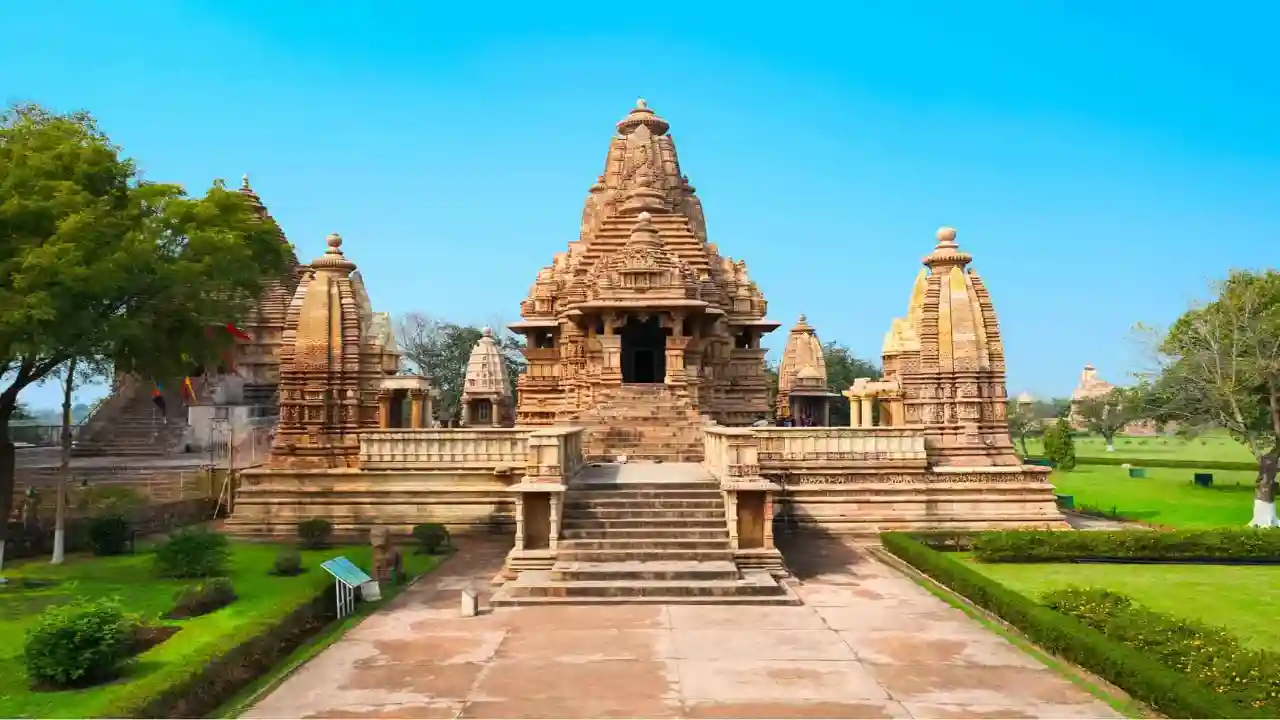
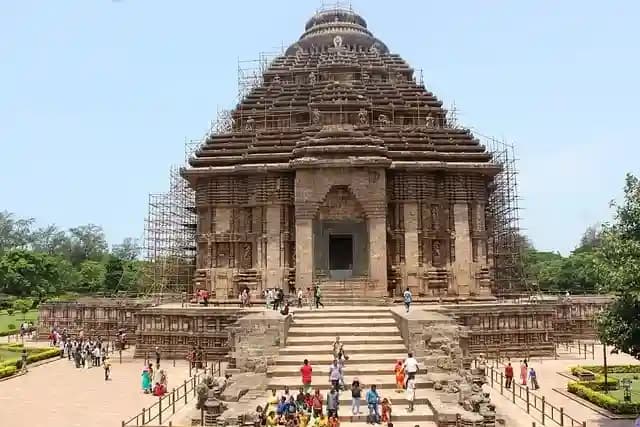
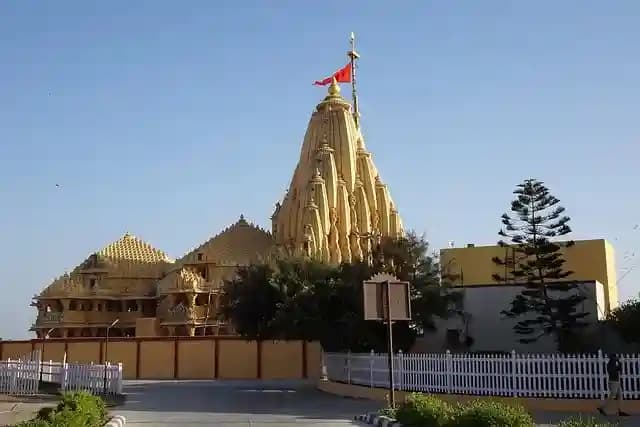
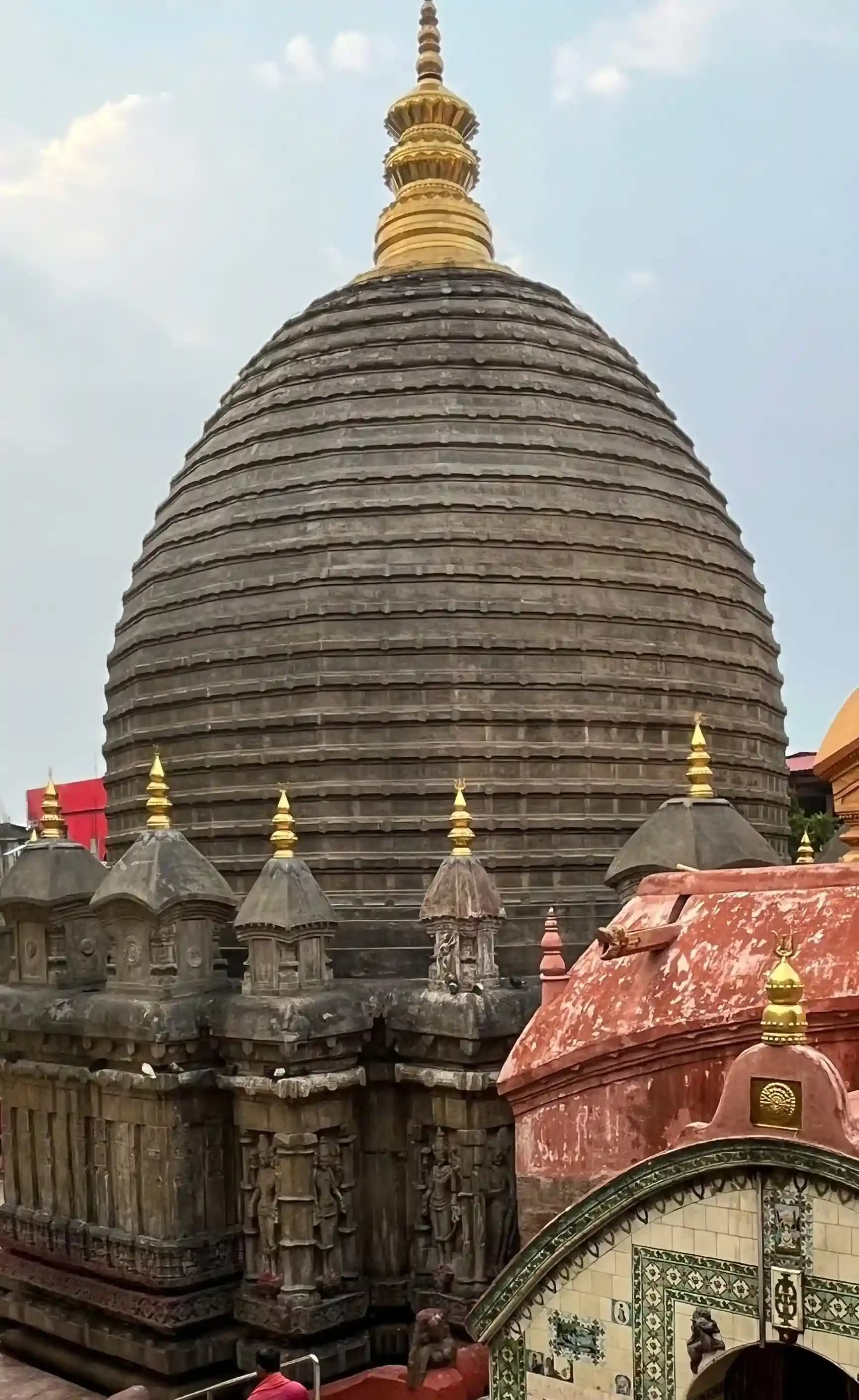
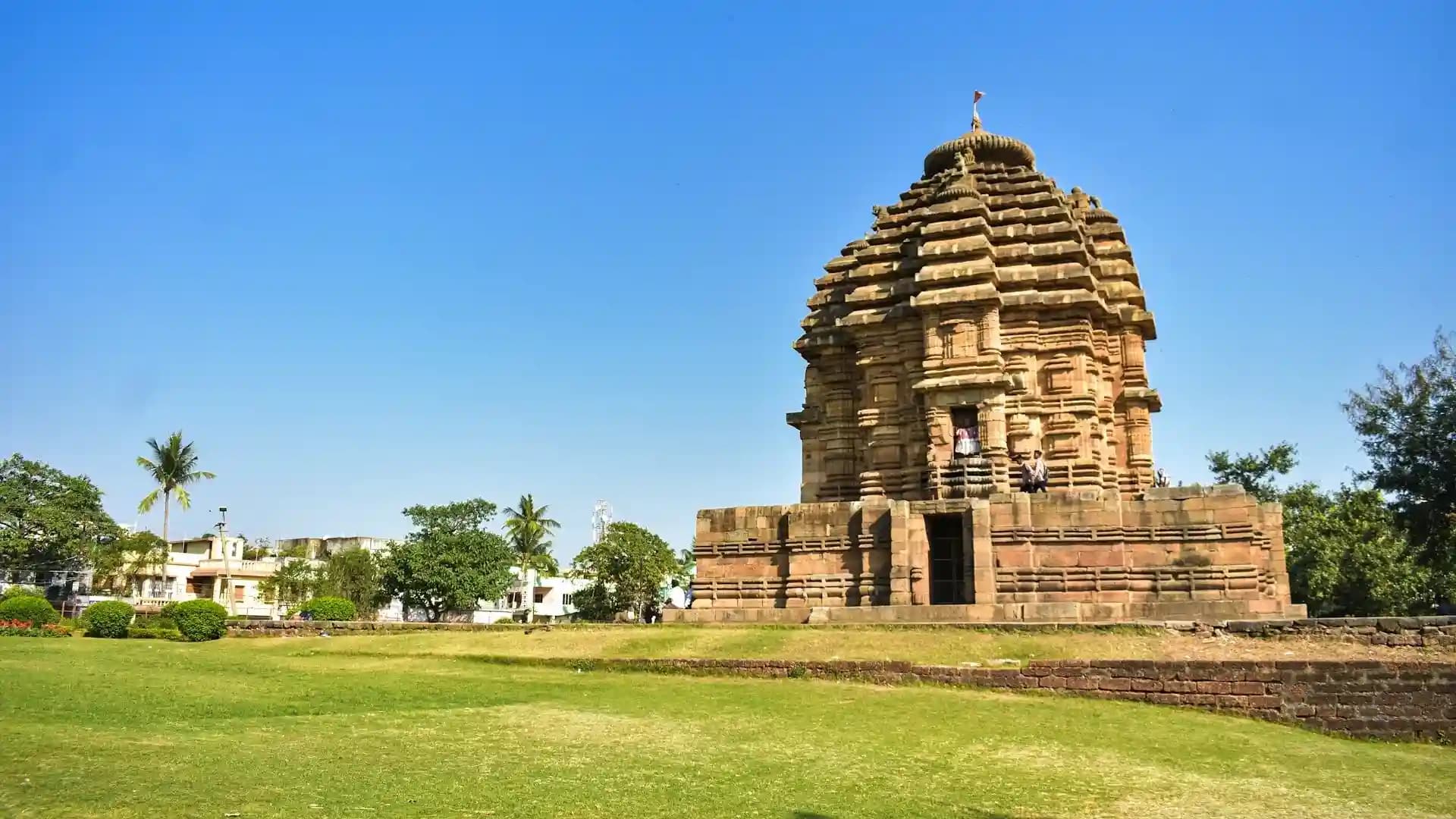
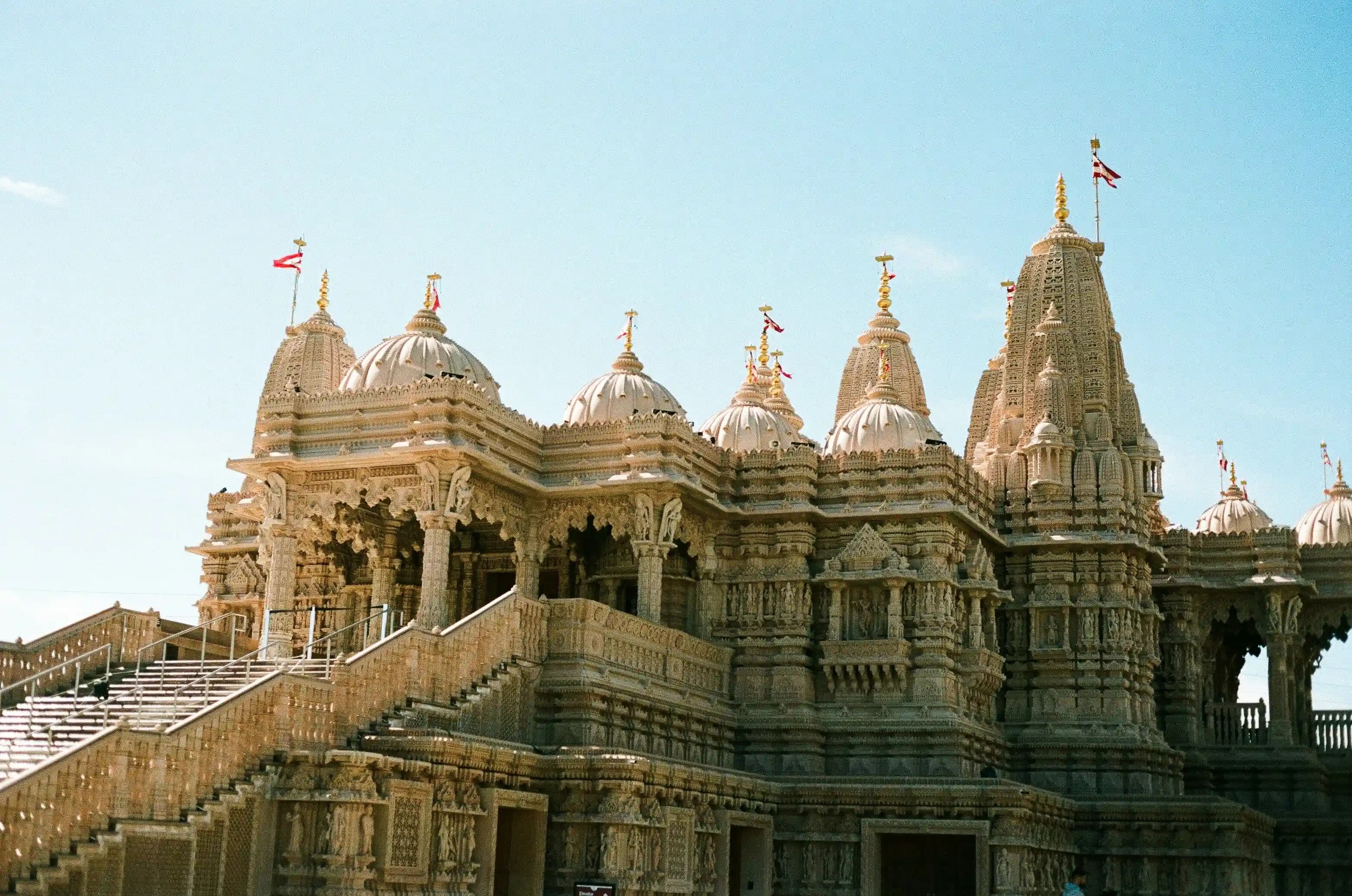
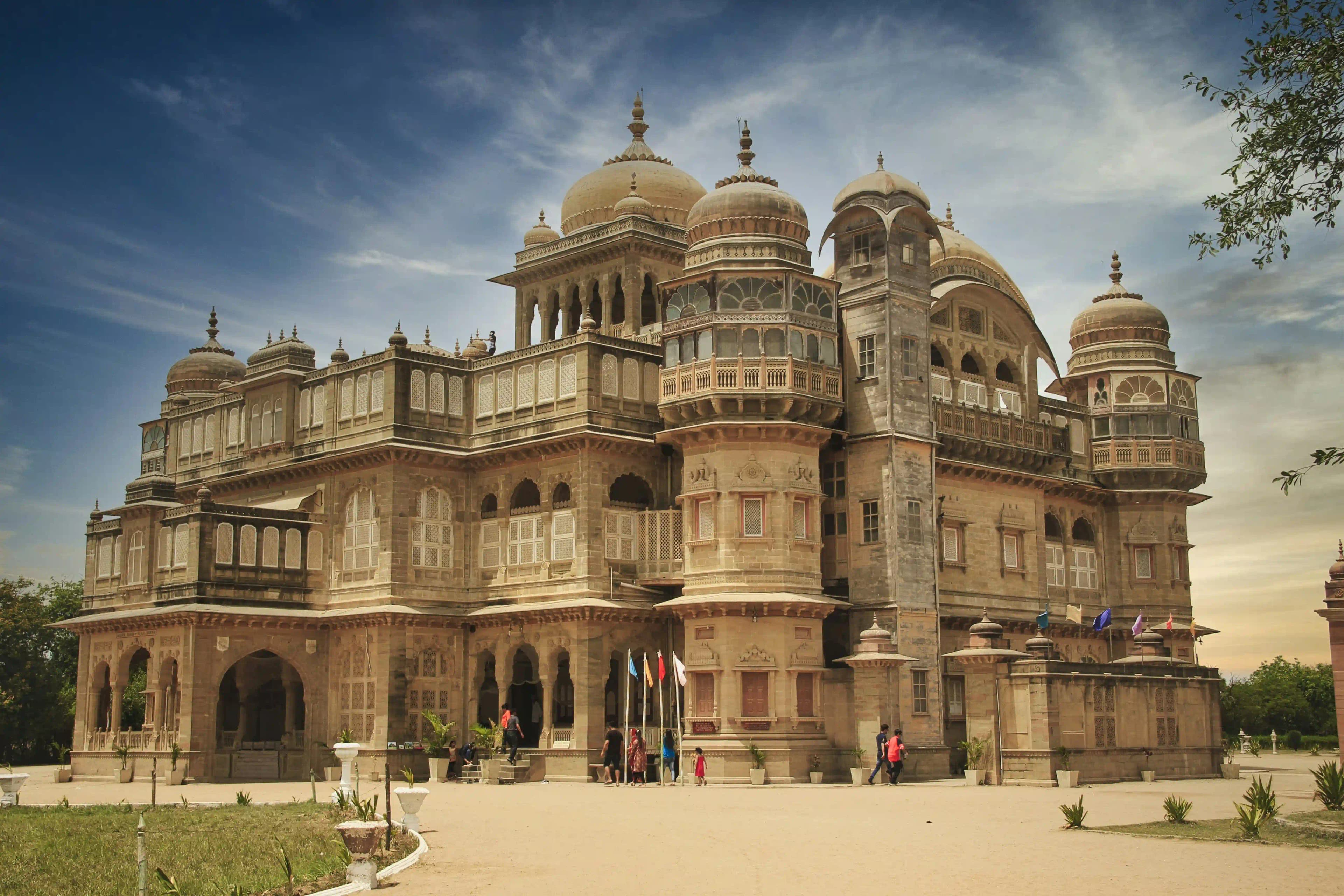
The architecture of Lingaraj Temple is one of its strongest points of beauty. It is made in the traditional Kalinga style, which is known for tall buildings, detailed carvings, and stone work that lasts for centuries.
The main structure, known as the Vimana, rises to a height of about 180 feet.. This makes it one of the tallest temple towers in Bhubaneswar. The temple area has four main parts: the sanctum, the assembly hall, the festival hall, and the natya mandap. Each section has its own design and purpose. The walls are covered with stone carvings and sculptures that show gods and goddesses. Also, different dancers, animals, and scenes from old stories. Every element was handcrafted, highlighting the exceptional skill of the craftsmen.
Inside the main area, you will find the Lingaraj Temple Shivling, which is considered swayambhu, meaning self-manifested. People believe the Shivling has existed here long before the temple was built around it. The stone used in the temple changes colour slightly at different times of the day. Morning light and evening light make the temple look very different. This simple shift adds beauty without any extra decoration. Lingaraj Temple architecture shows how strong and balanced temple design in Odisha has always been.
Inside Lingaraj Temple
Stepping inside the Lingaraj Temple area feels like entering a very old world. The first thing you notice is the tall building above everything else. As you walk inside, you see many smaller shrines located around the main temple. Each one is dedicated to a different deity and has its own design. The main area has the famous Lingaraj Temple Shivling. People believe it is self-born, which makes it one of the most pure parts of the temple. The priests perform daily rituals here, and the area stays active with prayers and chants. The atmosphere feels deeply spiritual and filled with devotion.
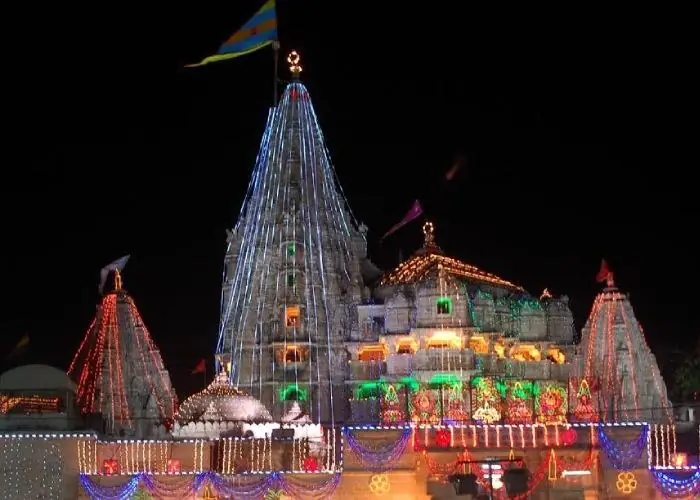
There is courtyards inside the area. These open spaces help people move easily, even during busy hours. You will also notice stone paths and thick pillars. The walls are decorated with ancient stone carvings. Many of these carvings show scenes from daily life and stories from old texts. During special festivals, the inside area becomes full of lights with lamps and decorations. On normal days, it stays calm and slow, giving you time to check out everything closely.
Visiting Lingaraj Temple inside gives a clear idea of how ancient temples were built and how traditions have been alive for centuries.
Festivals Celebrated at Lingaraj Temple
Many important festivals are Celebrated at Lingaraj Temple, and each festival has a different experience. These festivals are:
Maha Shivratri - This is the biggest festival at Lingaraj Temple, it is for Lord Shiva. The temple remains open all day and night with continuous prayers and large numbers of devotees.
Ashokashtami - This 5–7 day festival, deemed a "Papa Binashakari Yatra", involves transporting the idol of Lord Lingaraj on a chariot to the Rameswar Temple.
Makar Sankranti - This festival marks the end of winter and the sun’s northward movement. Special rituals are performed in the temple to welcome the new harvest season.
Prathamastami - Families pray for the good of their eldest child. The temple sees traditional rituals that many locals take part in every year.
Kartik Purnima - The temple lights up with lamps, and the evening feels very peaceful. People visit for blessings on this full moon day.
Chandan Yatra - The deities are offered sandalwood paste to keep them cool during warm days. The festival sees some traditional rituals and less flow of people.
Shravan Month Rituals - The whole month is dedicated to Shiva, so the temple sees a good flow of people. Mondays are important as that is the day of Lord Shiva.
Basanta Panchami - This festival marks the beginning of the spring season. The temple is decorated with flowers, and devotees pray for knowledge and new beginnings.
Best Time to Visit Lingaraj Temple
The weather in Bhubaneswar plays a big role in planning your visit. The best months to visit Lingaraj Temple are from October to March. Mornings are pleasant, making it comfortable to walk around the temple complex. Many tourists choose these months because the heat is low and the air feels fresh. Summer can be difficult during the day. The stone floor and open spaces become warm, so early mornings are the only good option. The monsoon months bring rain, which makes the temple area slippery. Visitors should move carefully and wear proper footwear during the monsoon season.
Festivals like Shivratri and Ratha Yatra see large crowds. The energy is high, and the temple looks beautiful with lights and decorations.
How to Reach Lingaraj Temple
Lingaraj Temple is located in the old part of Bhubaneswar and is easy to reach from most areas of the city. The roads to the temple are well connected, and public transport is also available.
By Train
If you are arriving by train, the Bhubaneswar station to Lingaraj Temple distance is around 4 kilometres. From the railway station, you can take an auto rickshaw or a cab. The ride usually takes about 15 to 20 minutes and depends on traffic.
By Air
For people coming by air, Biju Patnaik International Airport is about 6 kilometres away. Cabs are available outside the airport and take you directly to the temple.
By Road
Local buses run close to the temple area, but autos are the better option. If you are staying in the city, most drivers know the route when you ask for Lingaraj Mandir.
Knowing the Lingaraj Temple distance from major areas in the city helps you plan your travel without confusion.
Rules To Follow While Visiting Lingaraj Temple
Before entering the temple, it helps to know a few basic rules. These points will make your visit better.
Clothes that cover shoulders and knees are expected, and simple cotton outfits work well in Bhubaneswar’s warm weather.
Only Hindus can enter the main area. Non-Hindu visitors can view the temple from the outside platform provided.
Cameras and phones are not allowed inside the temple area, and most visitors leave these at the security counter.
Always listen to the staff members and respect the ritual spaces inside the temple.
Places to Visit Near Lingaraj Temple
Many beautiful and historic places are located close to Lingaraj Temple. You can visit them on the same day without a long travel time.
1. Bindusagar Lake
Bindusagar Lake is located within walking distance of the temple. It is an important part of the daily rituals of Lingaraj Temple, and many ceremonies begin here. The lake has steps on all sides and is a quiet space to sit for a few minutes. Mornings feel pleasant, and the area has a nice view of old Bhubaneswar life.
2. Mukteshwar Temple
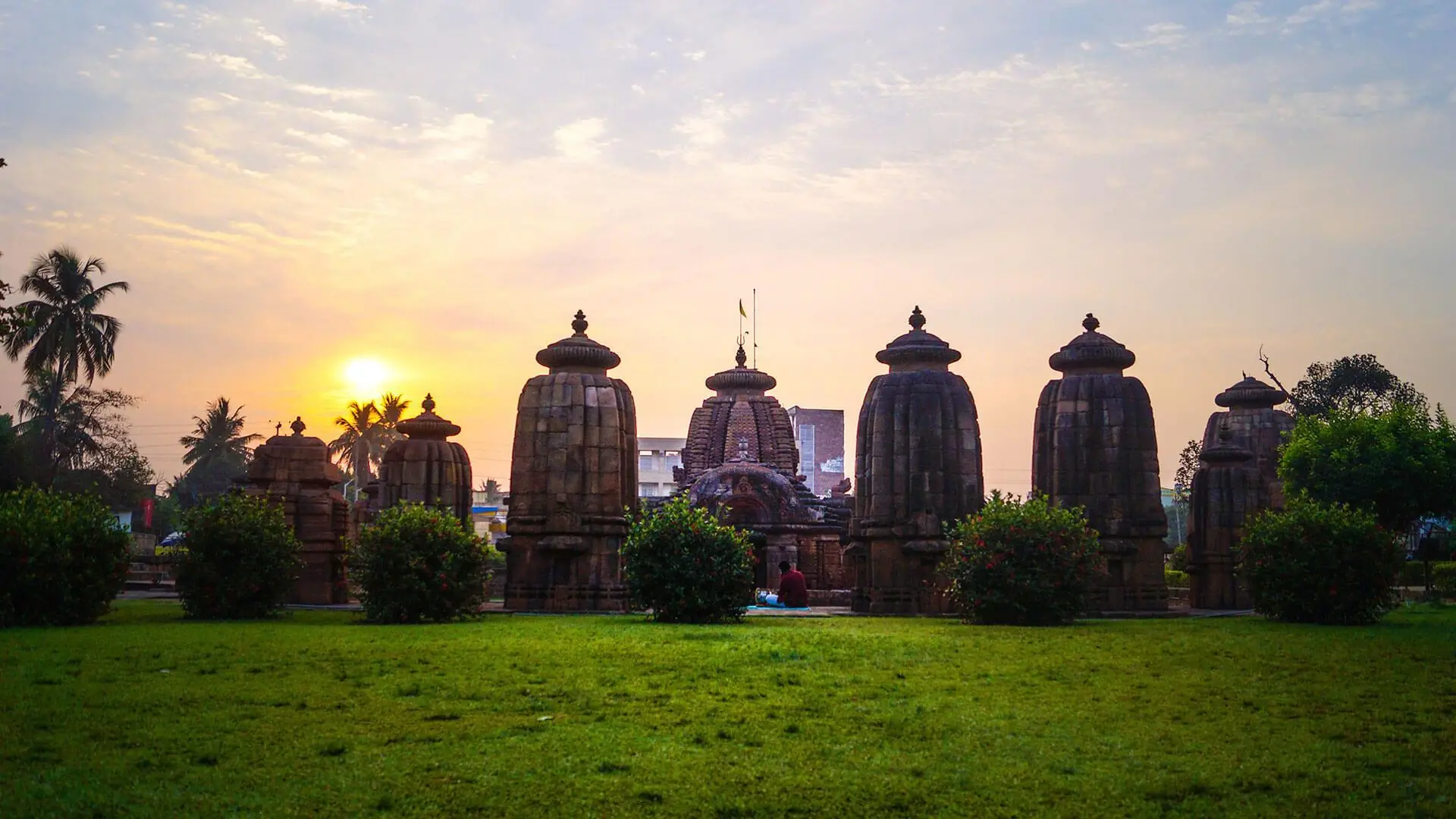
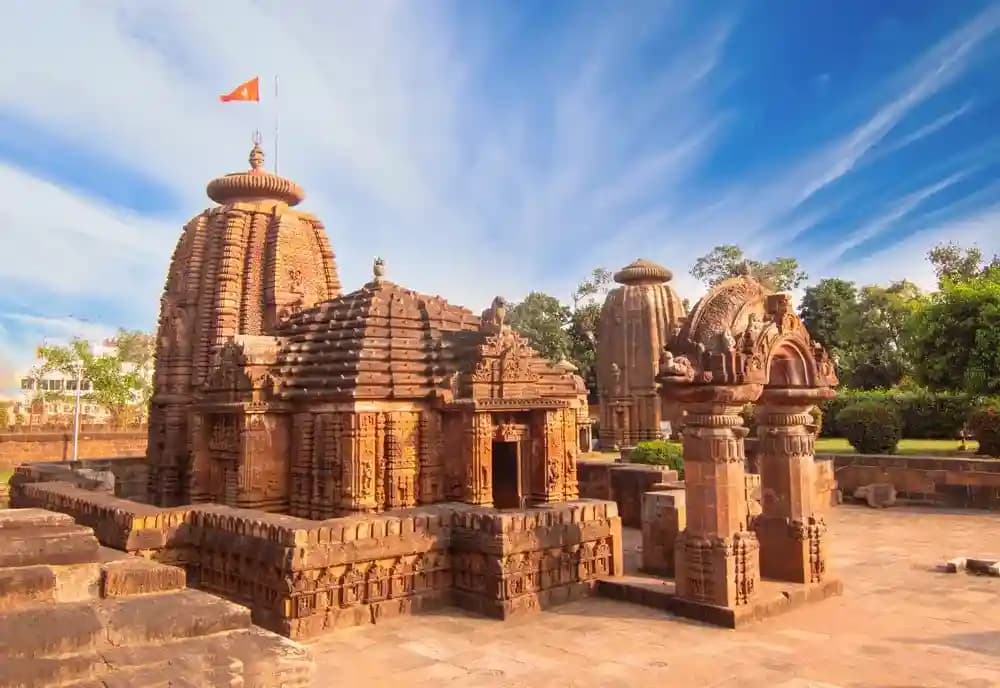
Mukteshwar Temple is one of the best examples of early Odisha architecture. The stone arch at the entrance is its most famous thing to check out. The walls show scenes from old stories. It is a small temple, but every part is detailed and worth looking at. It is located only a few minutes from Lingaraj Mandir.
Rajarani Temple
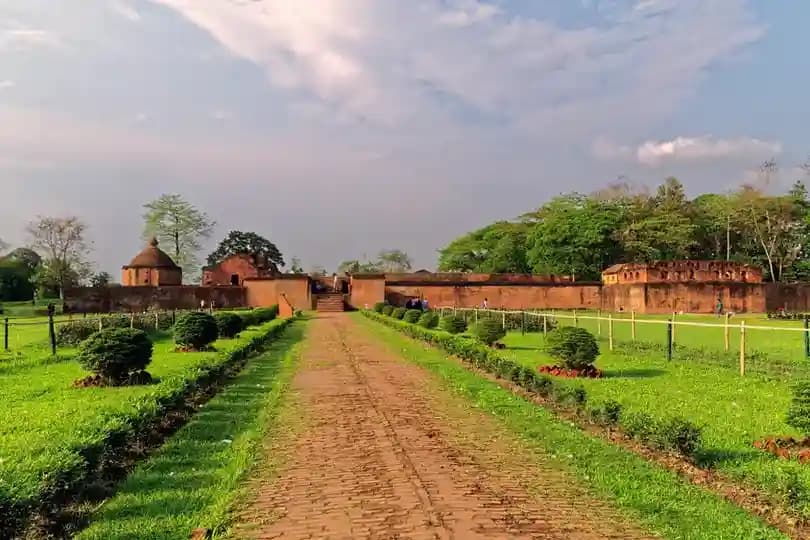
Rajarani Temple stands out because of its red and yellow stone. It does not have any deity now, but people visit it for its beautiful walls and the building. The lawns around the temple make it a good place for walks. The peaceful area and open space give a different experience compared to the busy temple areas.
Conclusion
Lingaraj Temple is at the heart of Bhubaneswar’s history and devotion.It is a place where ancient traditions continue to be practiced every day, and people get a clear picture of how important faith is in the life of the city. A visit here is not only about prayer. It also helps you understand the culture and stories that shaped this place. Whether you like history or architecture, this temple brings all of it together in one place.