What makes a place so potent that people return to it, over and over again, even when it has become too crowded or exhausting? For many, that answer rests within the hallowed halls of the Puri Jagannath Temple, a sacred place that is emotionally and spiritually significant beyond its physical presence. Located in the beach town of Puri in Odisha, this temple is thousands of years old. This is not just a destination for prayer. People come here to feel they’re a part of traditions that remain living ones, ones that are enacted daily, and deeply revered. The sound of the temple bells, the crowd that runs through the small lanes, and the rhythm of rituals are something that makes this place special. In this blog, you’ll get to know about the Puri Jagannath Temple history, daily timings, who built it, its height, long-believed mysteries, and important facts that every visitor should know.
Puri Jagannath Temple History
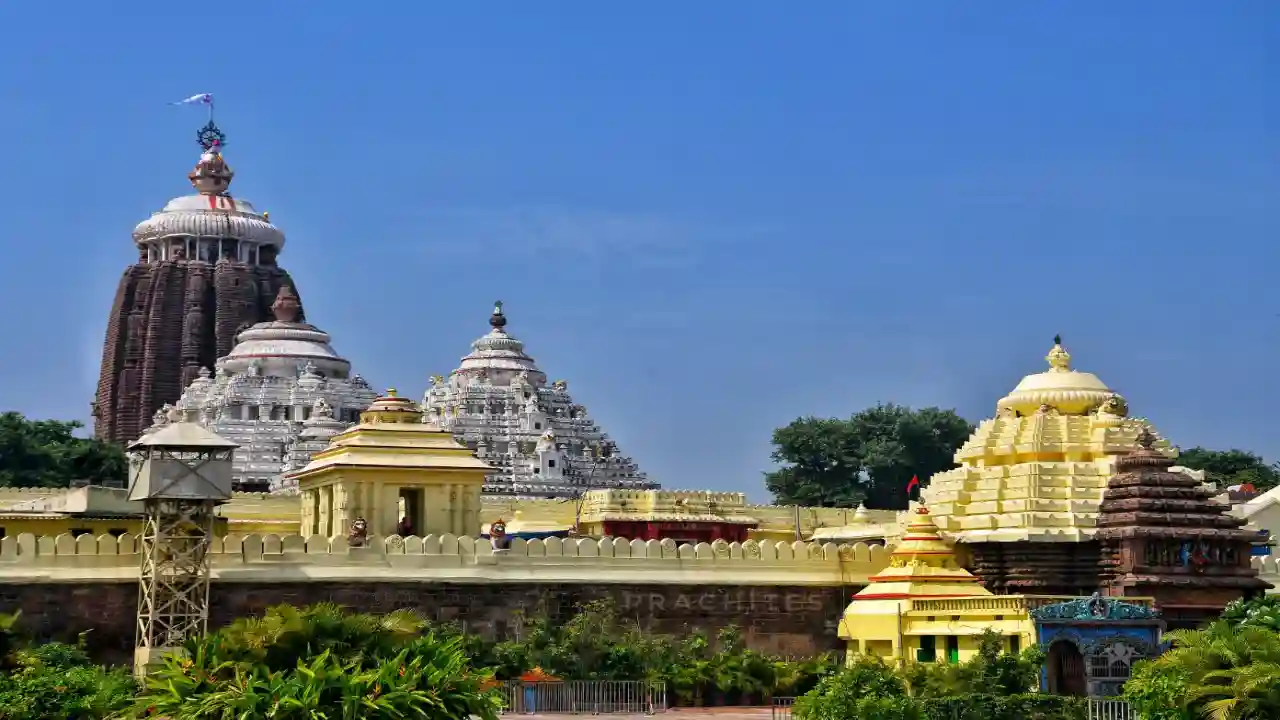
The story starts way back with a king named Indradyumna. Old tales say he had a dream about a divine wooden log washing up on the shore. So he built the first small temple on a hill called Nilachala to house Lord Jagannath.
That was centuries ago, referenced in the Mahabharata as well. As time passed by, people rebuilt and built more. It was really around the 12th century that things began to take shape. Things got started around 1134 by a king named Anantavarman Chodaganga Deva of the Eastern Ganga dynasty. He used to worship Shiva originally, but then he became a Vishnu follower which actually makes sense because Jagannath is an avatar of Vishnu.
His grandson Anangabhima Dev III finished the big tower part by 1216. Temple records like the Madala Panji back this up. Later, Gajapati kings stepped in with more gifts and walls. Today, the whole area covers about 10 acres, all fenced in nicely, and it stands out as one of the most respected historical places in Odisha. It's one of the four key pilgrimage spots in India, drawing people for that deep spiritual vibe.
Essential Information about Jagannath Temple
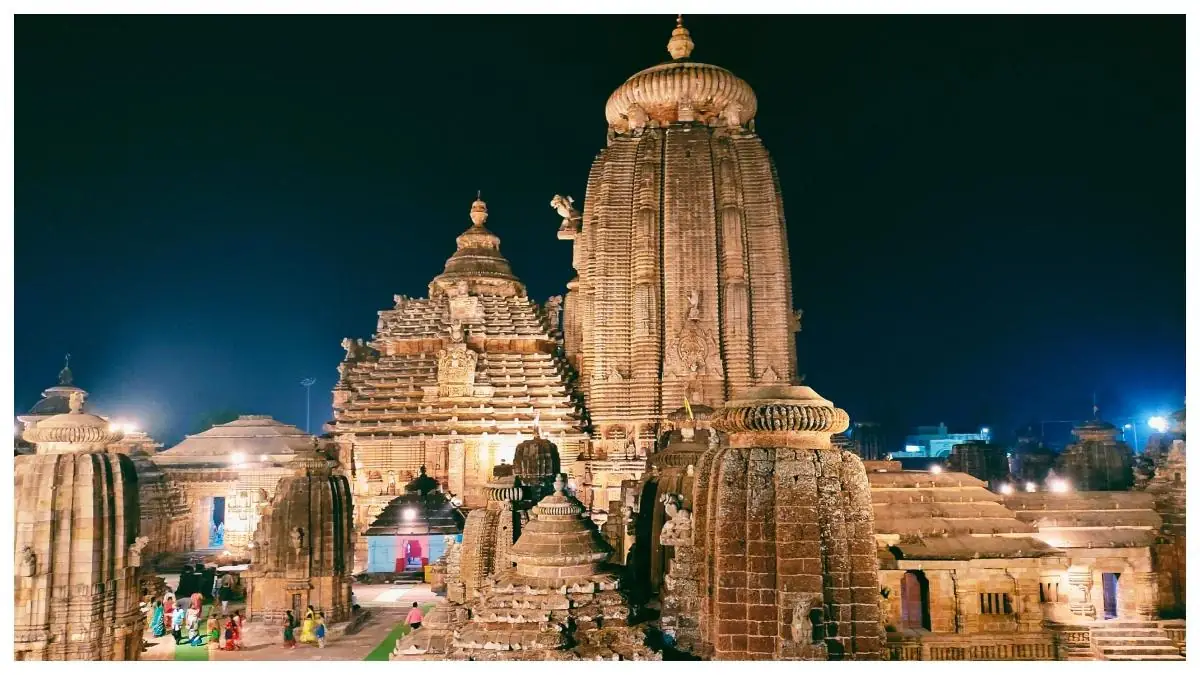
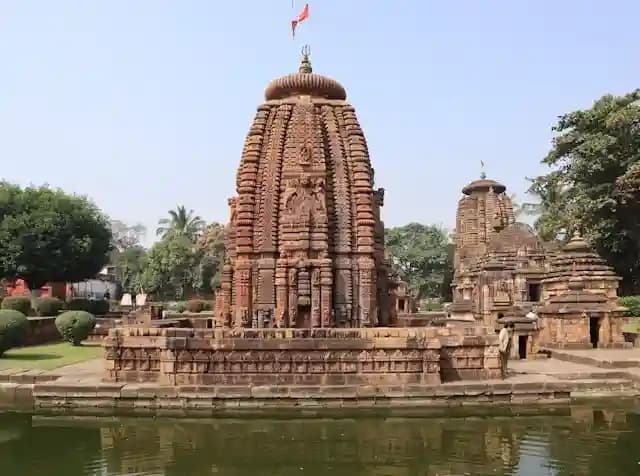
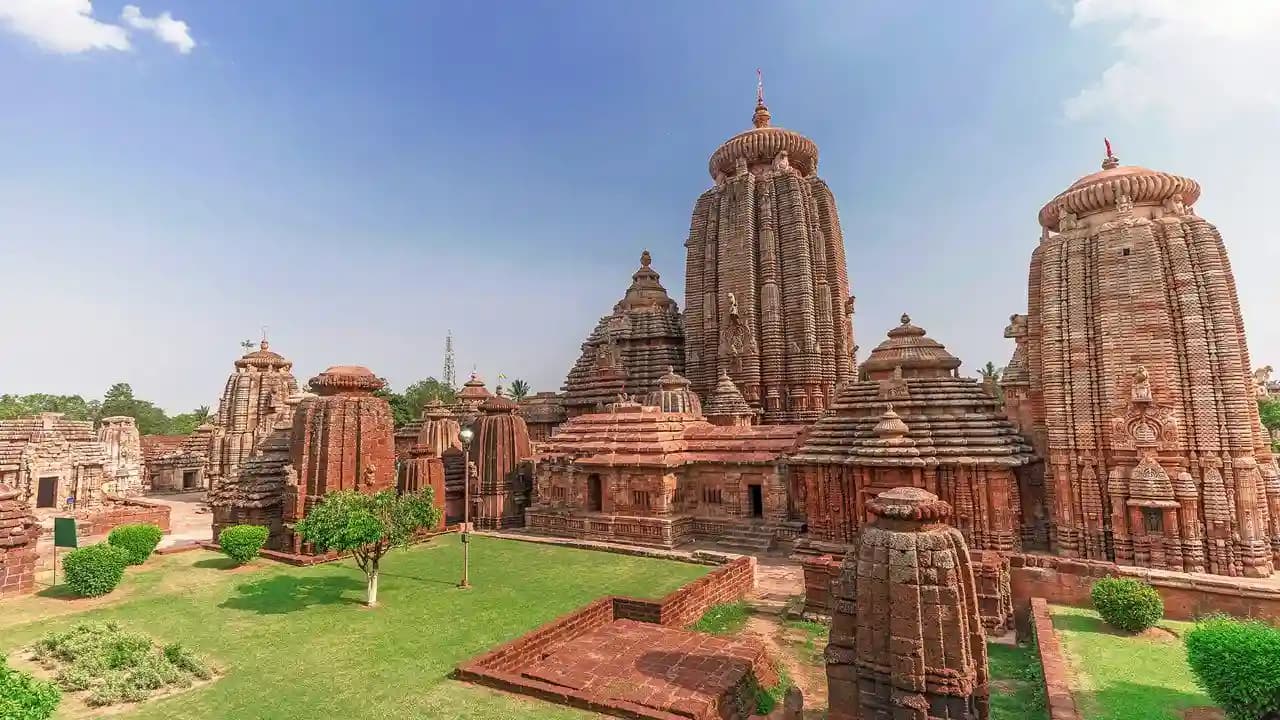
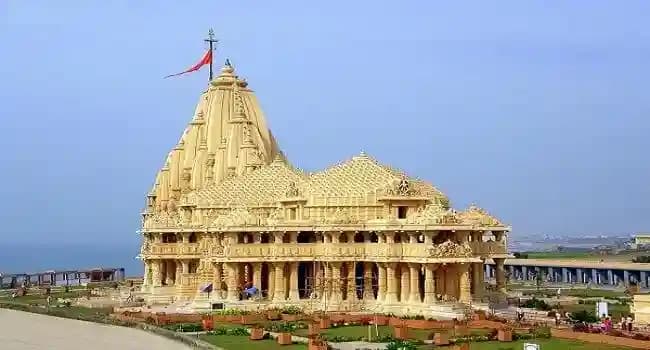
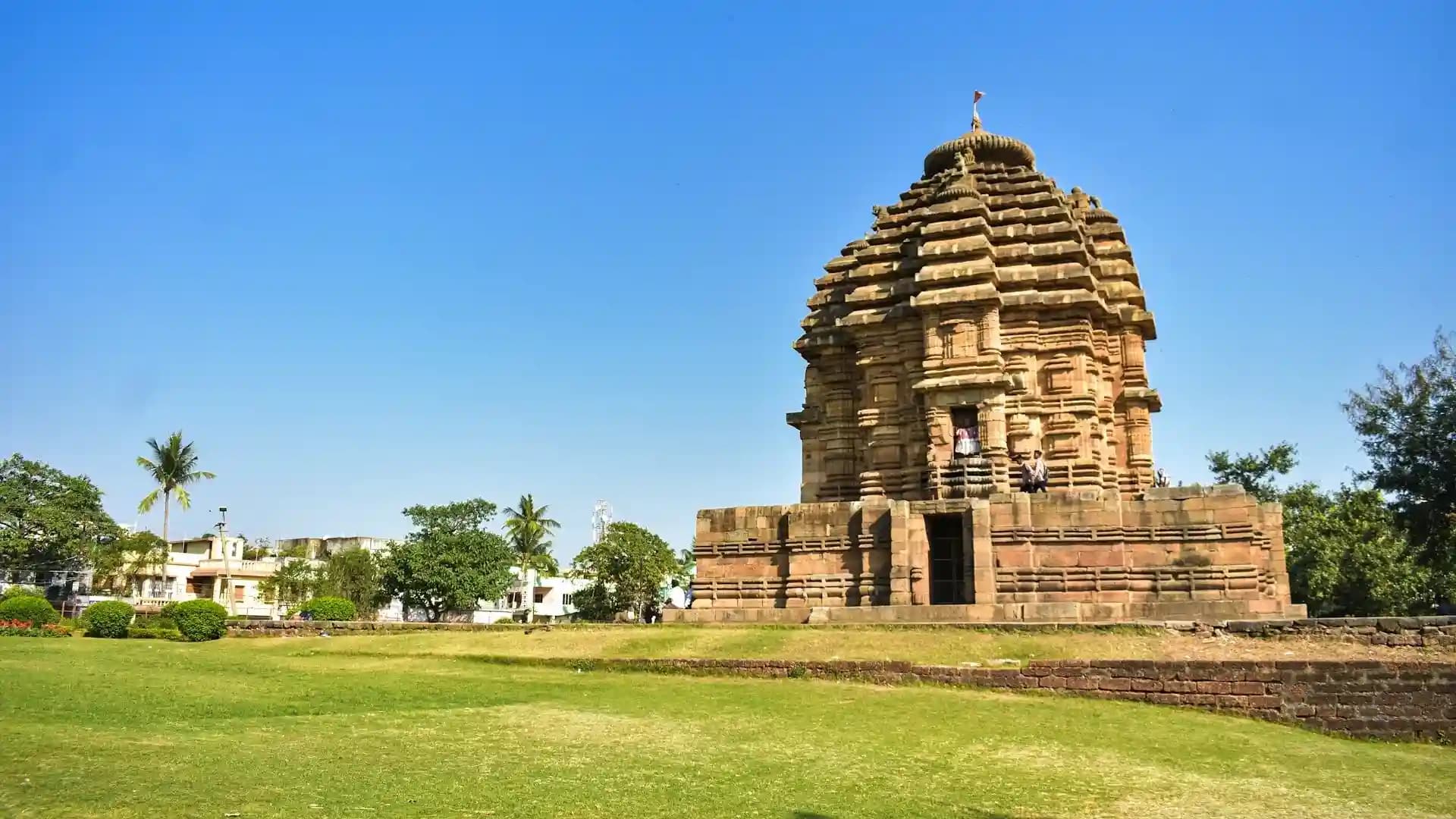
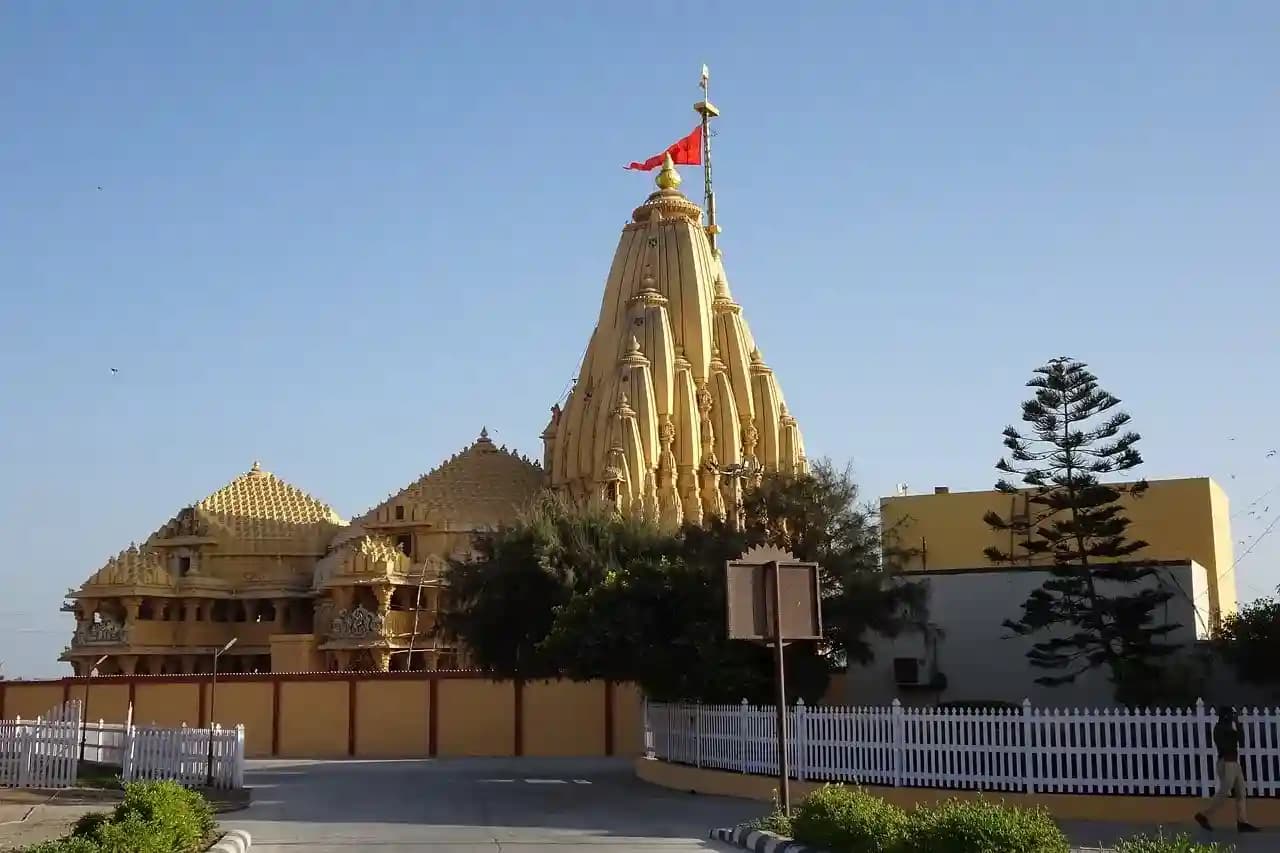
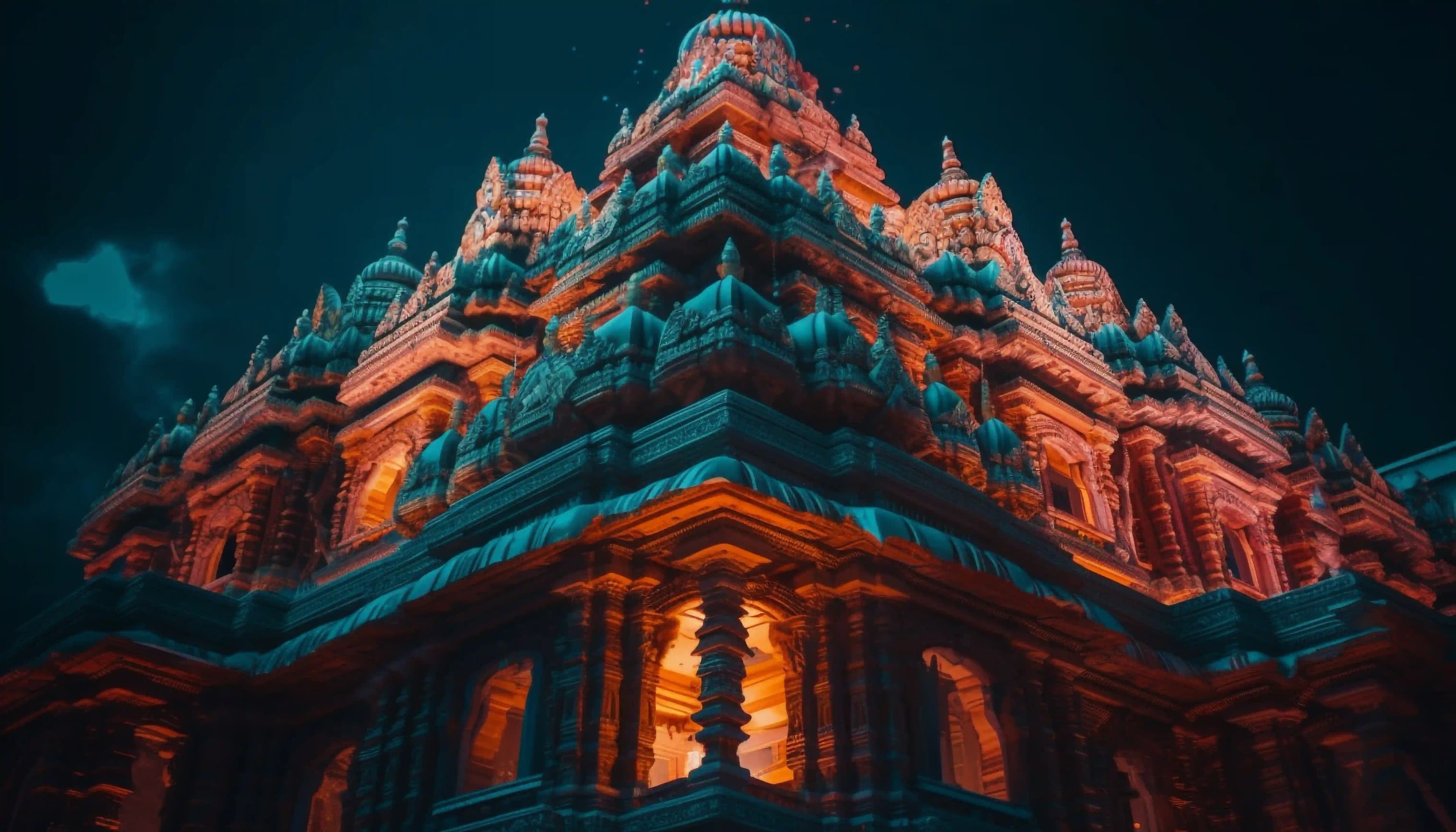
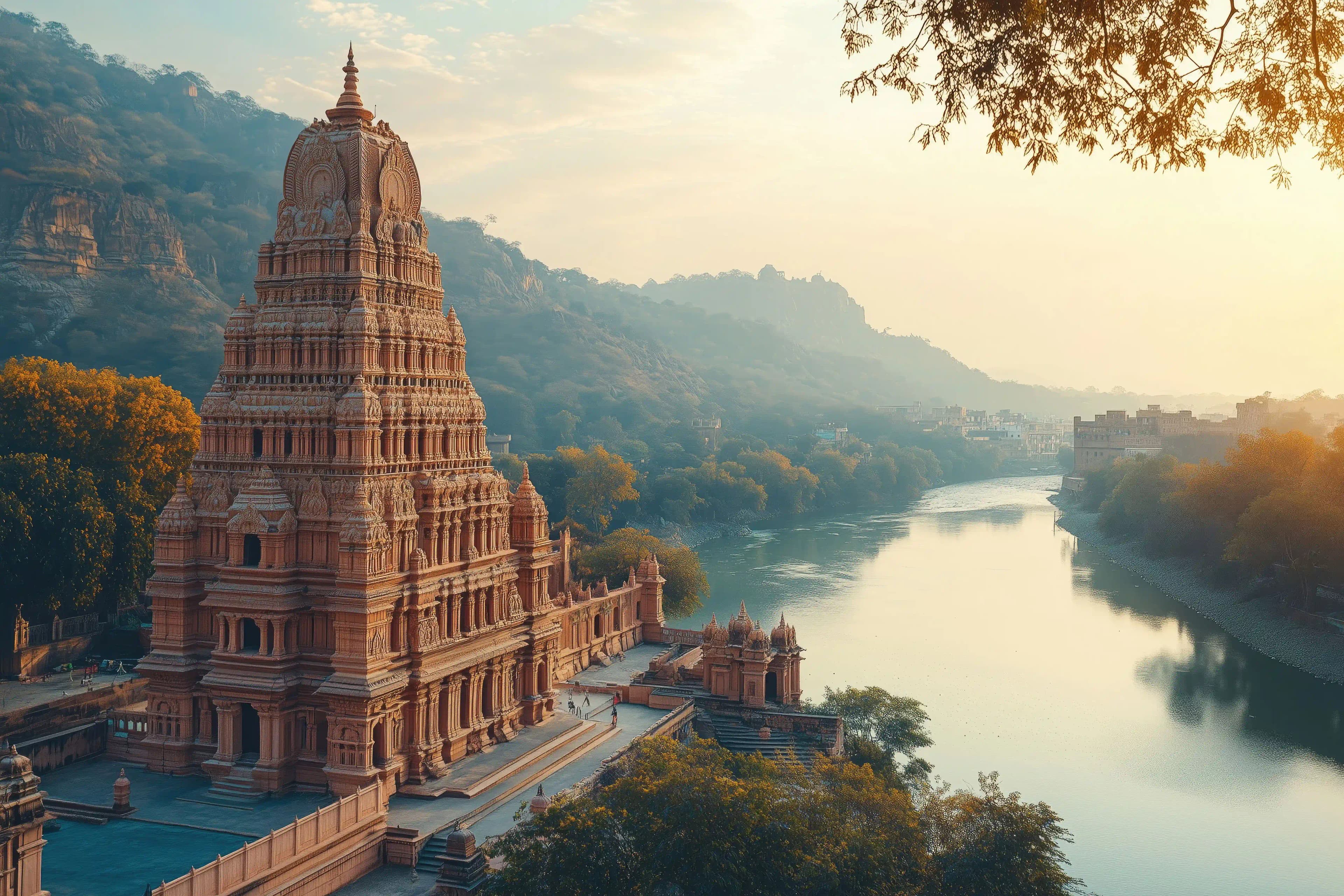
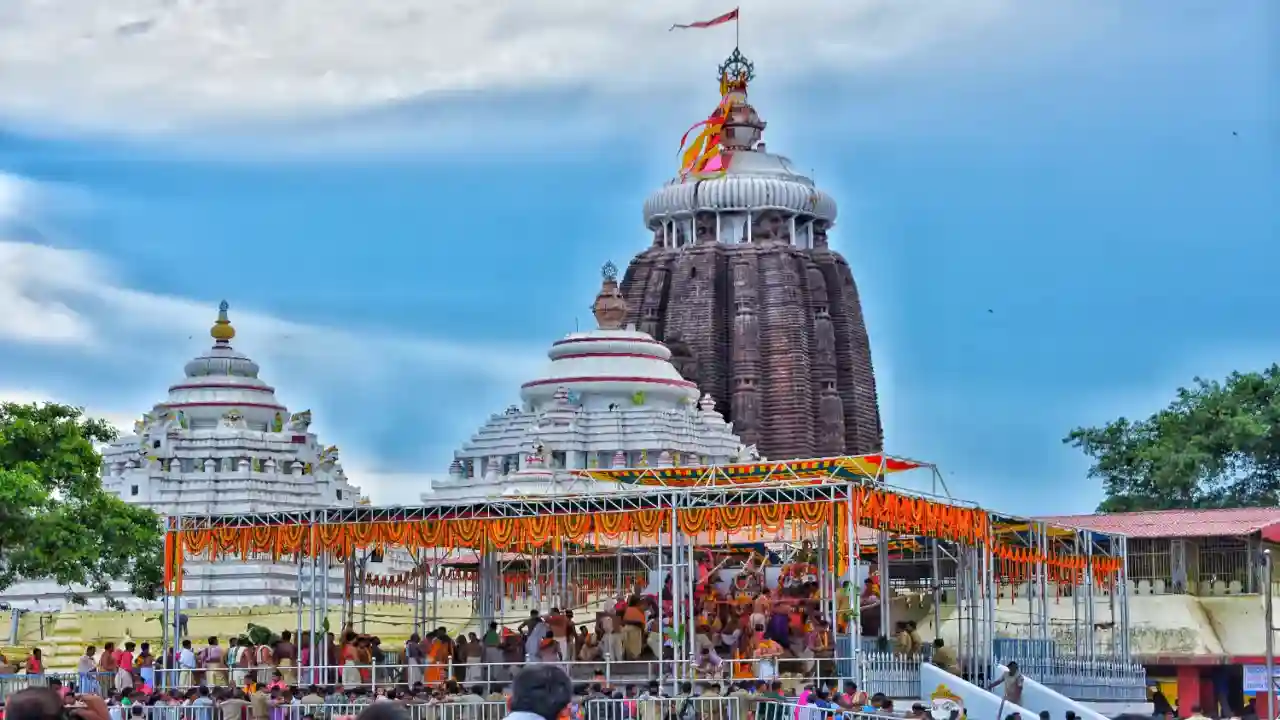
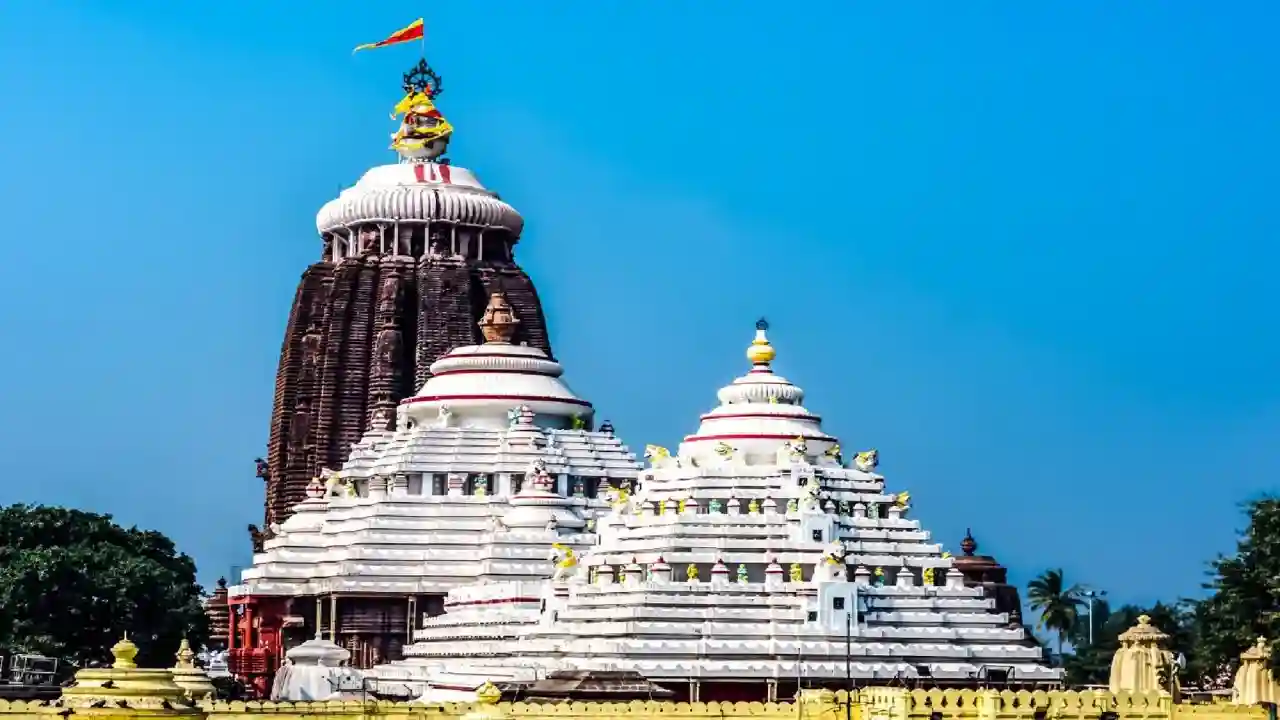
The Jagannath Temple is known as much for its structure as for its traditions. Architecturally, it follows the Kalinga style, common to Odisha but most impressive in scale here. The temple’s main tower dominates the skyline of Puri and can be seen from far away.
Location: Puri,disha
Jagannath Temple Height: About 214 feet (65 metres)
Jagannath Temple Timings: 5:30 AM - 2 PM, 3 PM - 9 PM
Main Deity: Lord Jagannath with siblings Balabhadra and Subhadra.
Entry Fee: Free for general darshan, 100-500 for VIP darshan
Who built Jagannath Temple: King Anantavarman Chodaganga Deva
Types of Darshan: General, Special, and VIP
Average Waiting Time: 30 minutes on regular days, several hours during festivals
VIP Darshan: Available through paid passes
Best Time To Visit Jagannath Temple
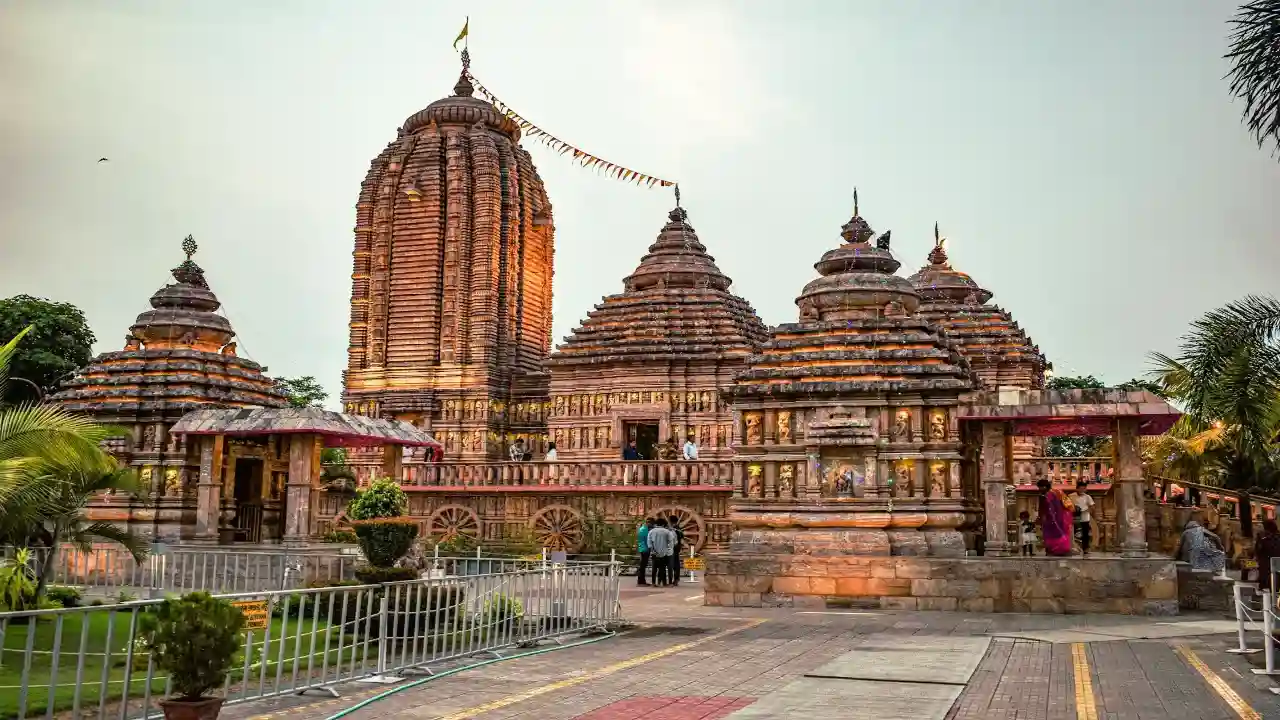
You can head to Jagannath Temple any time of year since it stays open daily, but your comfort really depends on the weather and crowds.
October to February brings the nicest days with cool breezes and temps around 15-25°C, which is also considered the best time to visit Puri.
March to May gets pretty hot, sometimes pushing 35°C, so aim for early mornings when it's bearable and less packed.
June-July means Rath Yatra fever, with massive crowds pulling chariots, but book ahead if you want that electric vibe.
August-September sees rains keeping numbers down, though paths can get slippery, making it a quieter spiritual escape.
Mornings always feel calmer for that peaceful darshan, no matter the month.
Festivals of Jagannath Temple
Here are five must-know festivals at Jagannath Temple:
Rath Yatra (Chariot Festival):
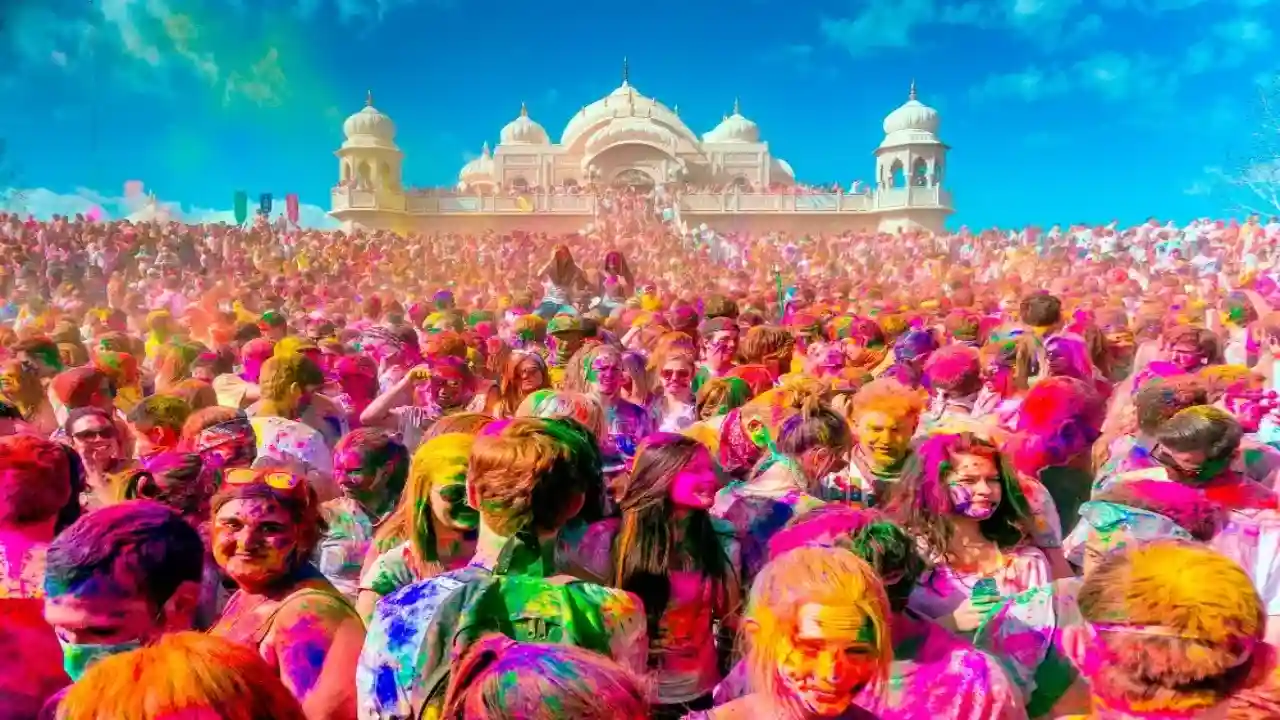
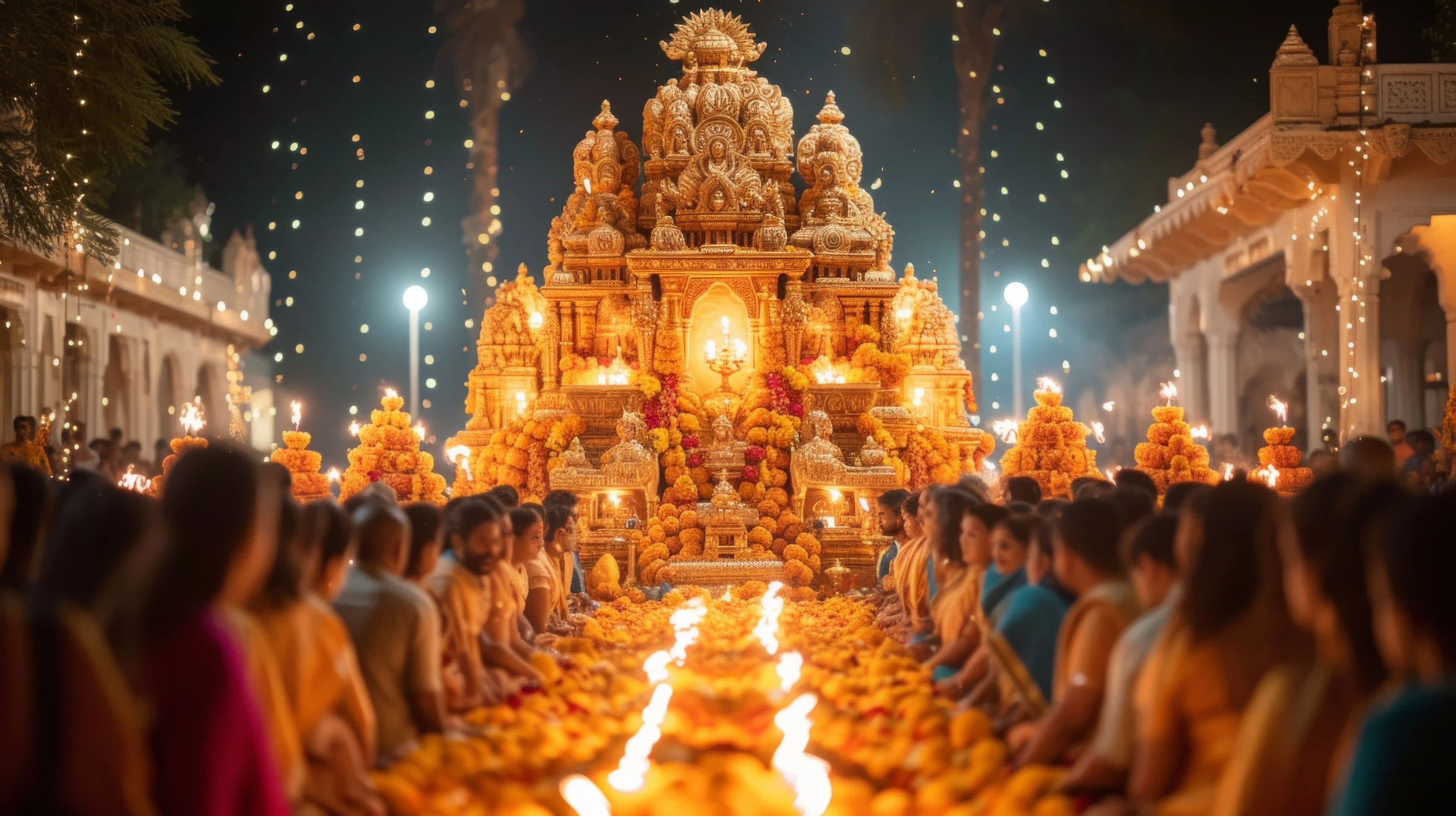
Rath Yatra is the largest festival in Jagannath Temple. Yearly in June or July, they place Lord Jagannath, Balabhadra, and Subhadra, the deities, on large wooden chariots to roam through Puri’s streets. Thousands come to pull the ropes in search of blessings and good fortune. The town turns into a huge party of joy and faith, drawing crowds from all over India and even far away. Those chariots get built new every time, keeping the old ways alive just like always.
Snana Purnima (Bathing Festival):
This comes in June. The gods get a big bath with 108 pots of scented water. After that, they rest like they're a bit sick. They wear fun elephant outfits. Families show up for the parades. It mixes care with old stories in a sweet way.
Nabakalebara (New Body Ceremony):
It only happens every 8 to 19 years. The next one is in 2034. Workers change the wooden idol bodies in secret at night. They move the souls with a special mystery thing. People travel long ways to see it. The whole idea of renewal feels so deep.
Janmashtami:
We celebrate Krishna's birthday in August. Prayers go late into the night. No one eats until then. The temple sings with bhajans. The gods dress in special clothes. It brings quiet devotion without huge crowds.
Niladri Bijay (Return Festival):
This follows the Rath Yatra. The gods come back to the temple after nine days away. Brass bands play loud music. Dancers move through the streets. Crowds cheer like family at home. It ends the big trip on a high note.
These festivals make the temple feel alive every day. That's why searches for "Festival of Jagannath Temple" never stop. They pull you right in.
Jagannath Puri Temple Mystery
What makes this place extra special are the odd things that happen.
Take the wheel on top, the Sudarshan Chakra. From whatever side you look at it, it's the same. Birds steer clear of flying over it. Sounds from the sea hit the shore instead of the usual way around. The flag does its own thing with the breeze. During the day, no shadows fall from the building.
Every few years, they remake the wooden idols in a secret ceremony called Nabakalebara, with thousands of carved bits inside. The process is secretive and deeply symbolic.
In the kitchens, there are never-ending pots of food, known as Mahaprasad. Cooks don’t even check beforehand, but somehow they hit the mark for 100,000+people daily,things like that keep people talking.
How To Reach Puri Jagannath Temple
Reaching the Jagannath Temple in Puri is quite straightforward. Whether arriving from a nearby city or another state, travel options are easy to find and convenient to use.
By Air: You can get down at Biju Patnaik International Airport, Bhubaneswar. The temple is 60 km from Bhubaneswar on NH-16.
By Train: Puri Railway Station is well-connected to cities
By Road: Regular buses and taxis from Bhubaneswar
You can get auto rides every 10 minutes from the Puri station. Group trips to Odisha spots make it fun and safe.
Things To Do Near Jagannath Temple
After visiting the temple, the area around it offers simple, meaningful experiences, and these are some of the most loved things to do in Puri if you want to slow down.
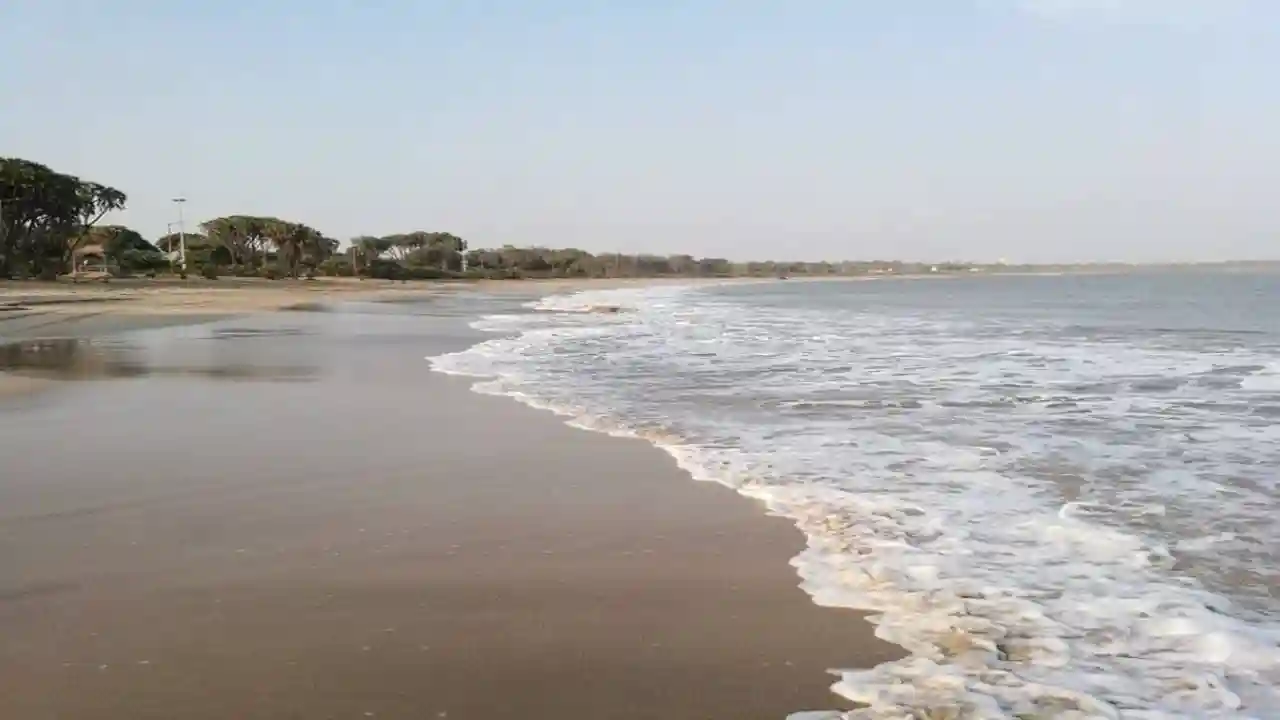
1. Walk to Puri Beach at Dawn After Darshan
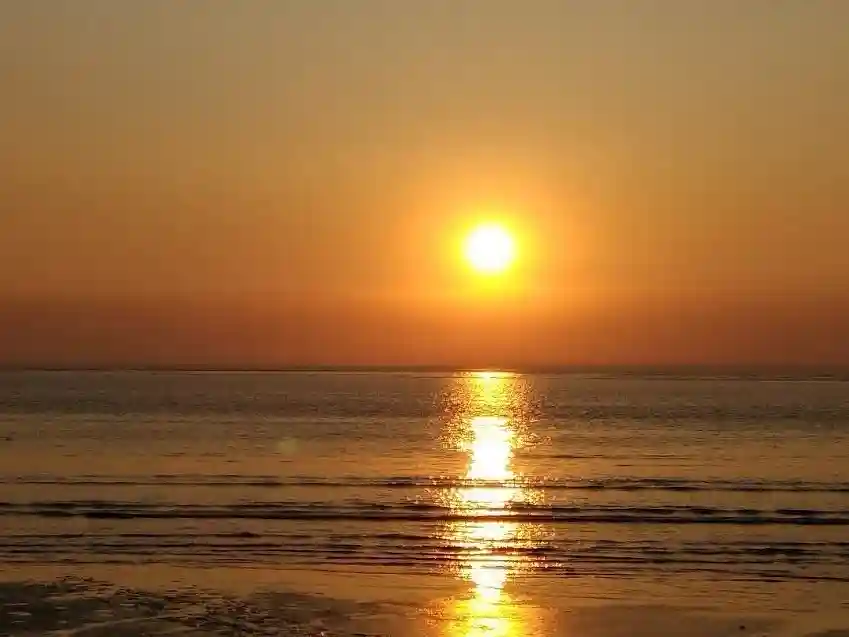
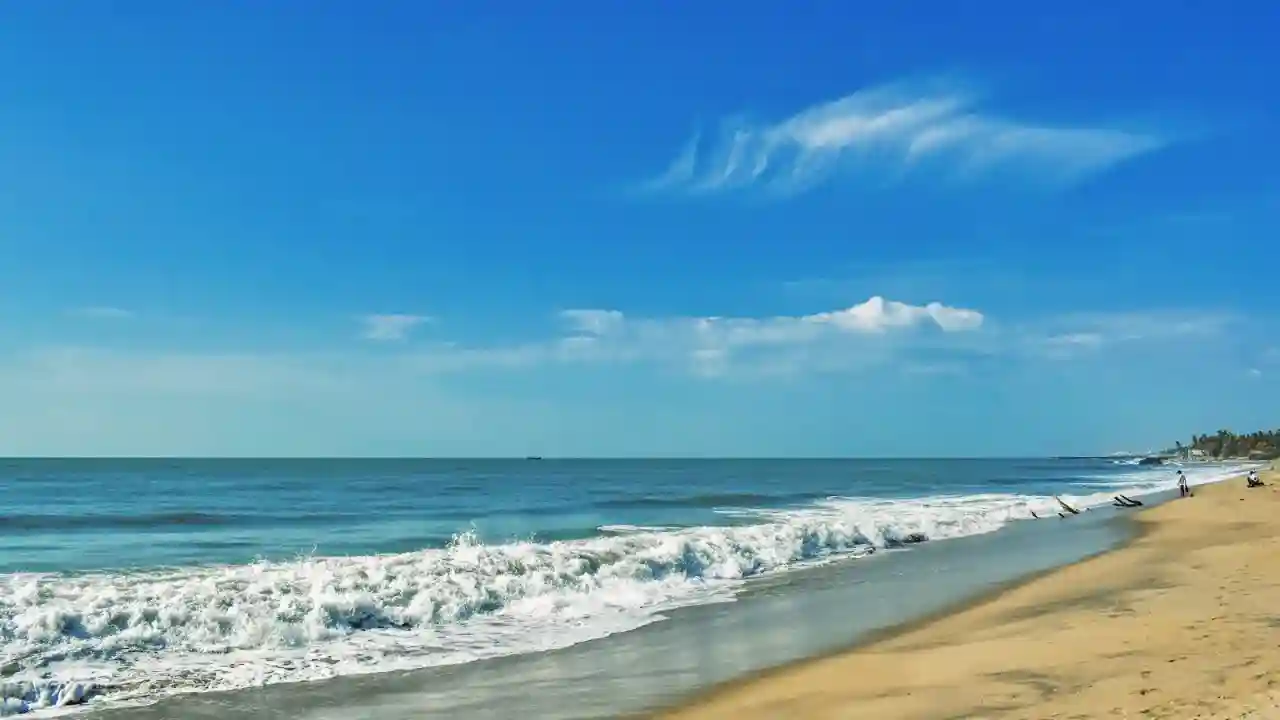
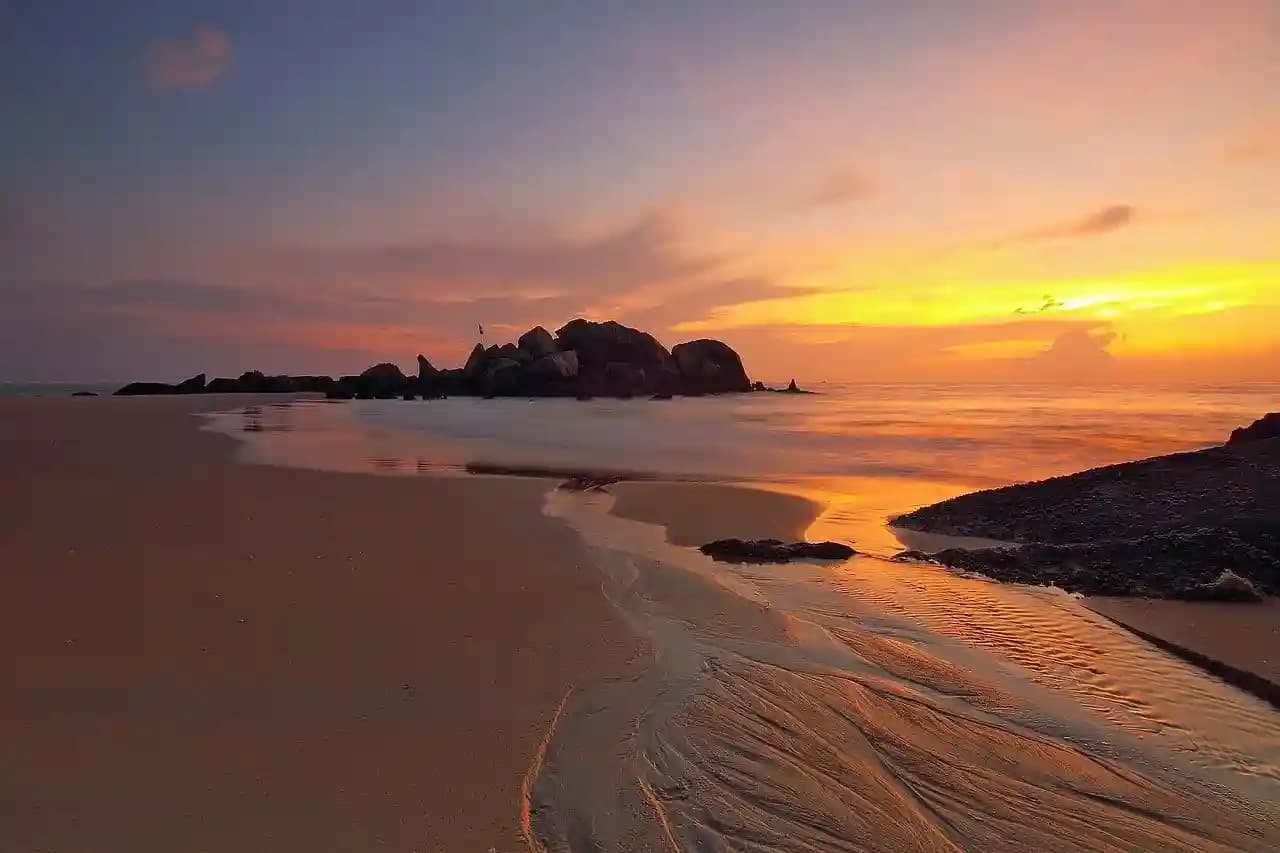
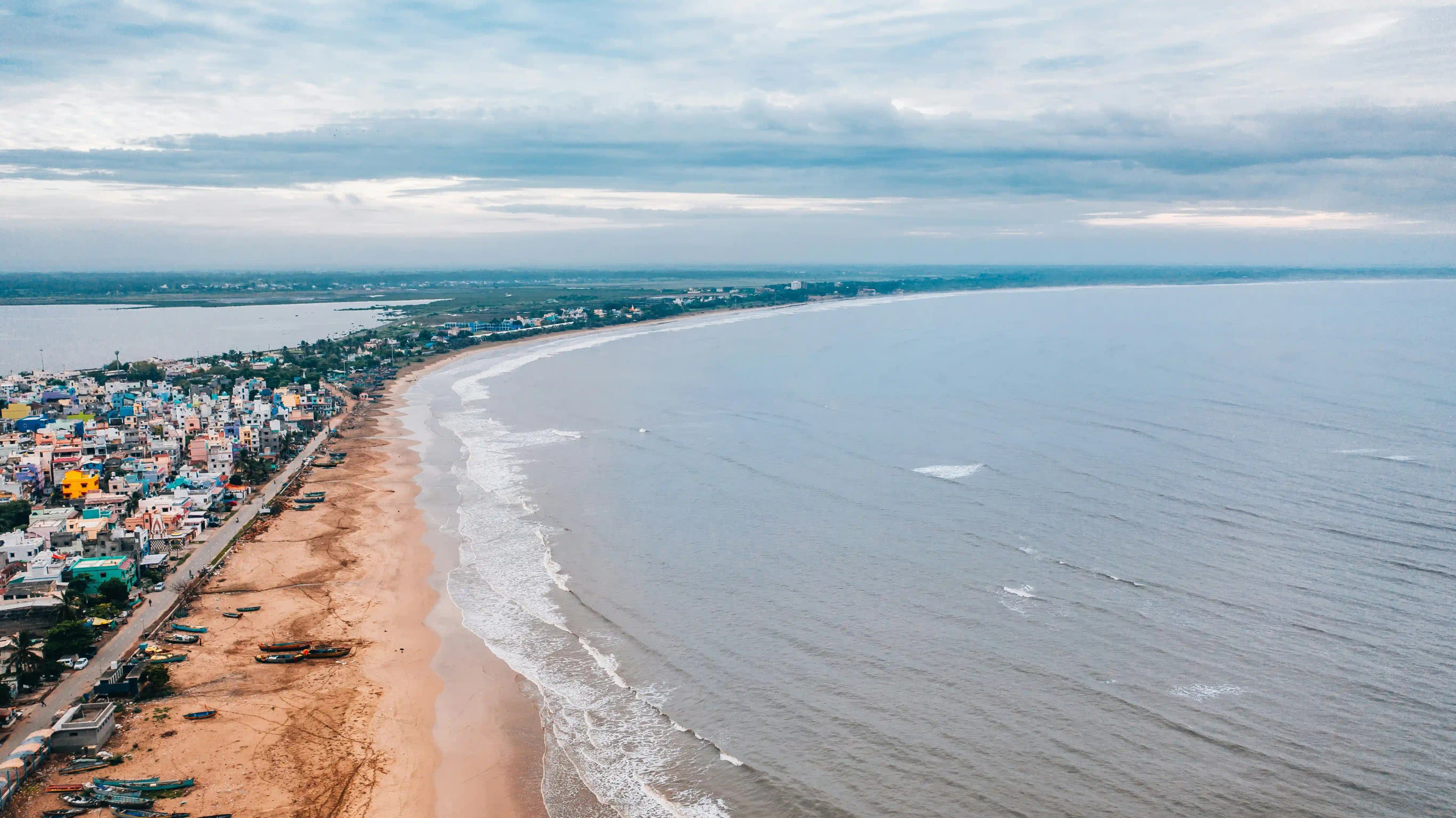
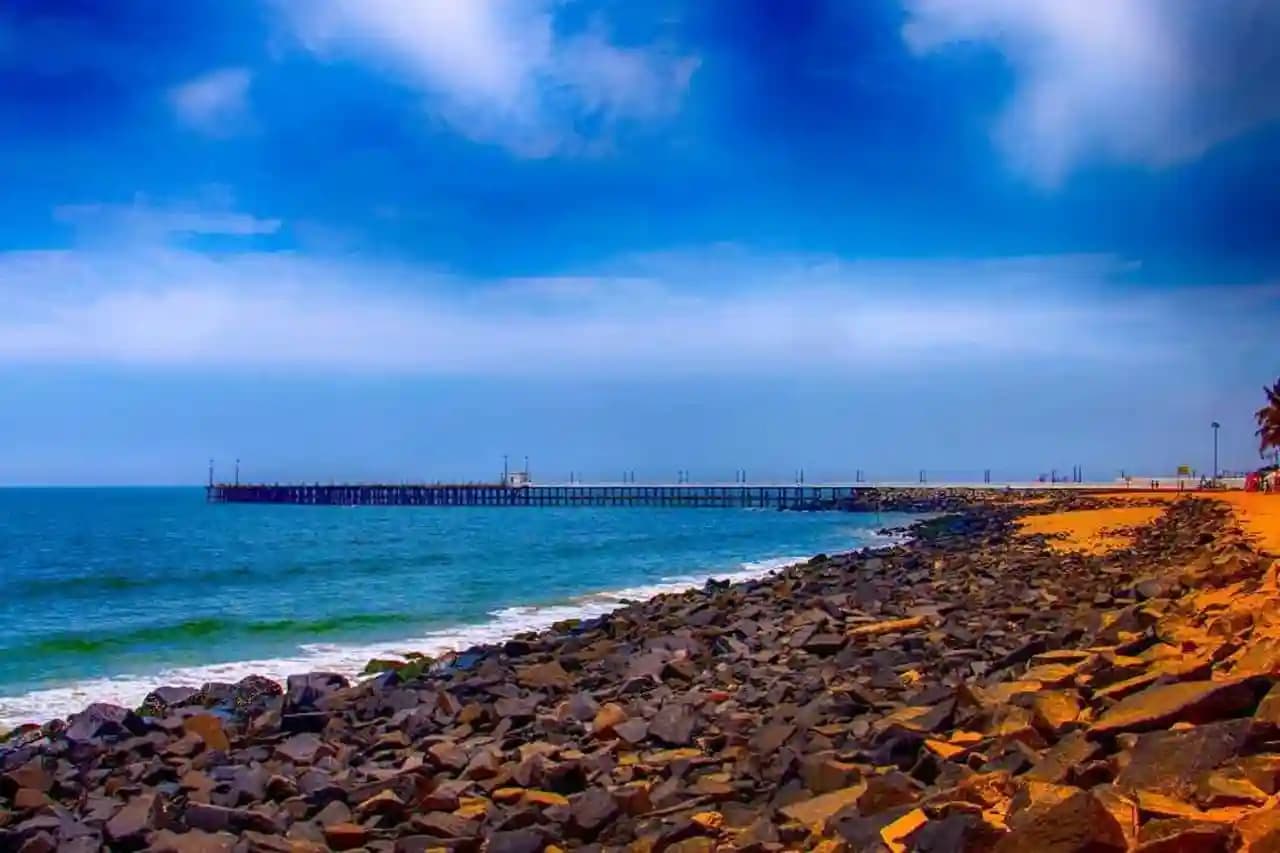
A calm walk to the beach after temple darshan offers fresh air, soft sunrise views, and quiet moments by the sea. It is perfect for reflection, photography, or simply soaking in Puri’s peaceful morning rhythm.
2. Taste Mahaprasad at Anand Bazaar
Enjoy the sacred Mahaprasad served within the temple complex, prepared using age-old rituals. Sharing this consecrated food is both a spiritual experience and a taste of authentic Jagannath tradition.
3. Explore Local Markets for Shell and Appliqué Crafts
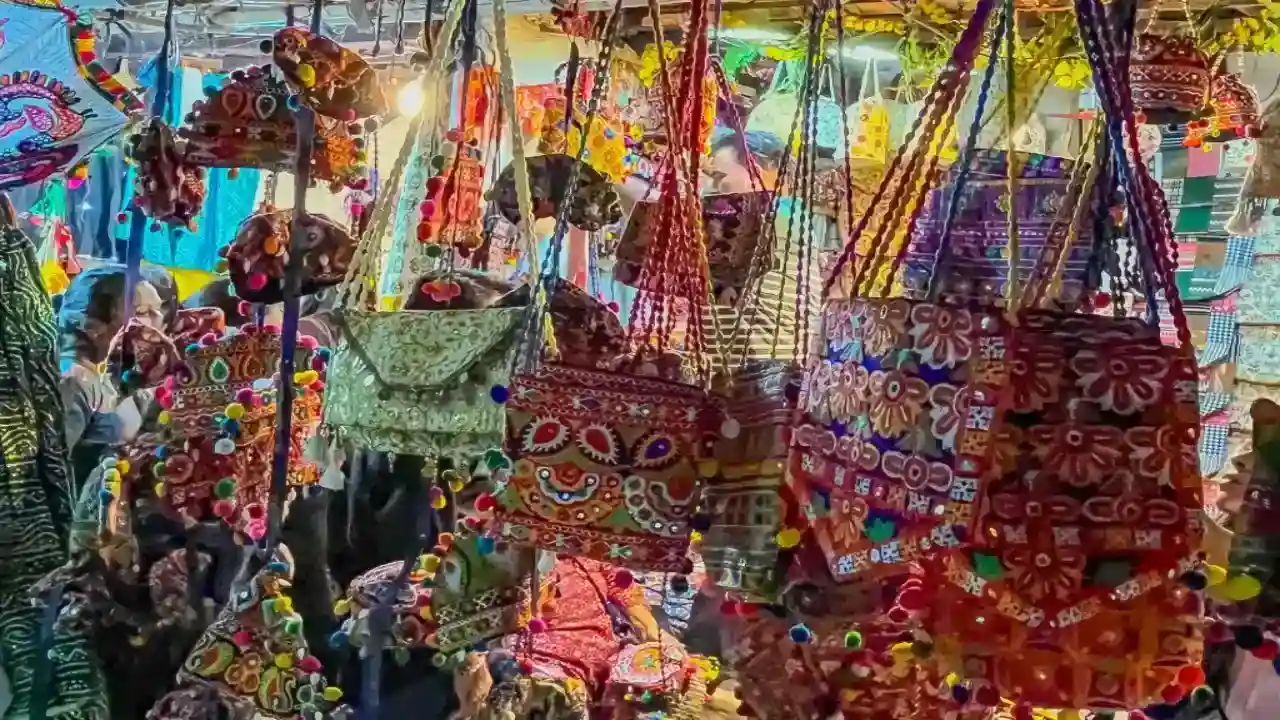
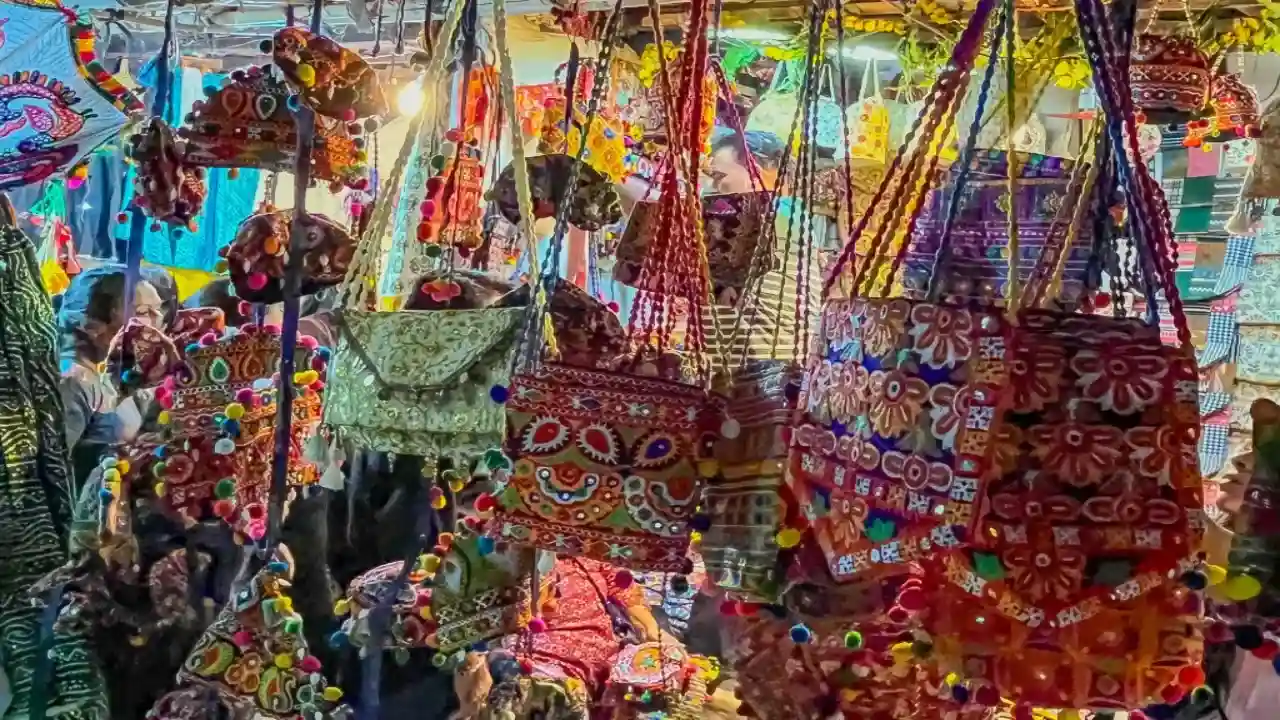
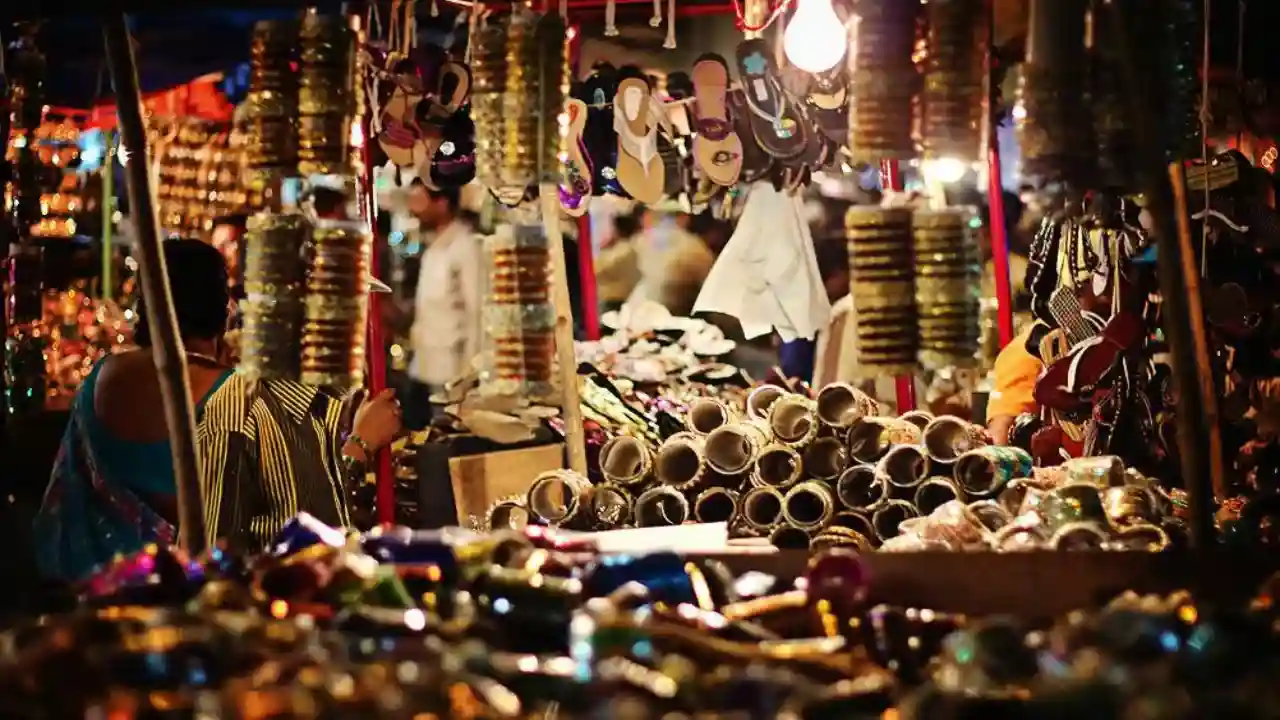
Browse nearby markets for Puri’s famous shell work, appliqué textiles, and handmade souvenirs. These lanes reflect local craftsmanship and are ideal for meaningful, cultural shopping.
4. Try Cycling Through the Old Lanes of Puri
Cycling through narrow heritage streets lets you experience everyday life, small temples, and old homes up close. It is a slow, immersive way to explore the city beyond tourist spots.
5. Listen to the Evening Aarti from Outside the Temple
Standing outside during the evening aarti lets you hear chants, bells, and prayers fill the air. The atmosphere is serene and spiritually uplifting, even without entering the temple.
Places To Visit Near Jagannath Temple
A visit to the Jagannath Temple often leaves people wanting to explore a little more of Puri and its surroundings. Once darshan is done, the area nearby offers calm temples, lively villages, and natural spots that balance the spiritual experience. Below are some of the famous places to visit in Puri near Jagannath Temple.
1. Gundicha Temple
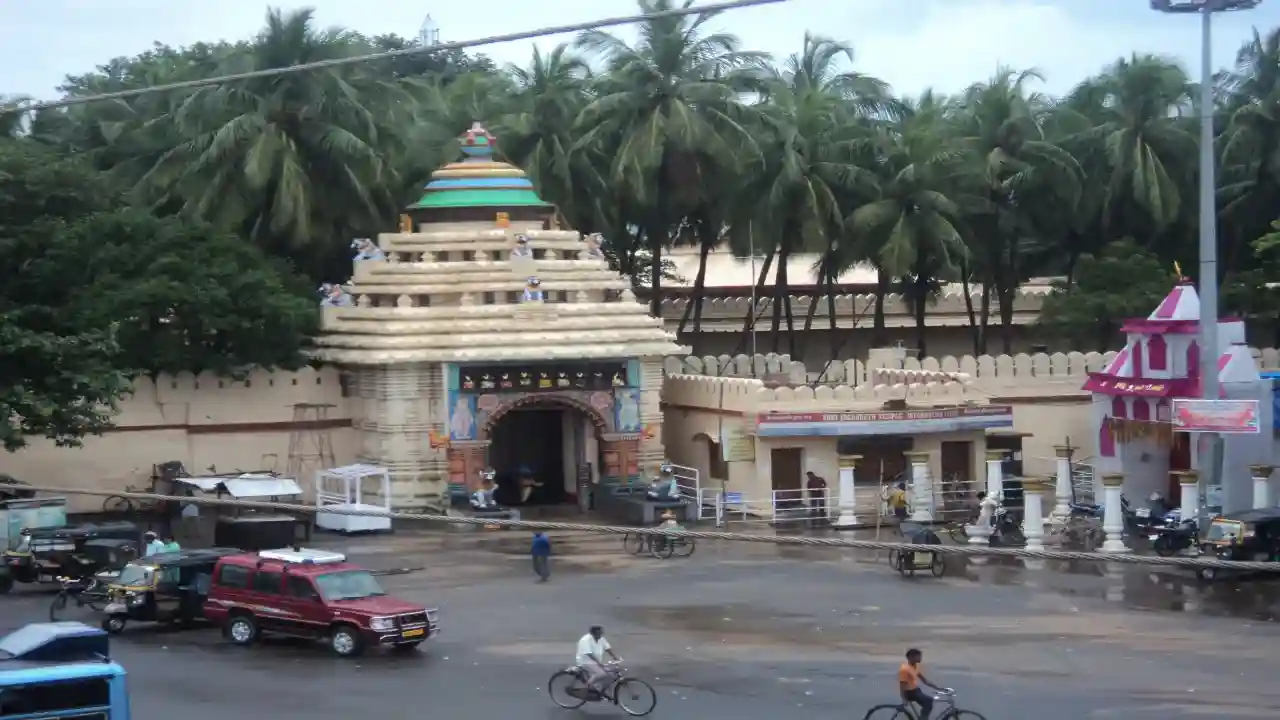
Located a short distance from the main temple, Gundicha Temple is where the deities rest during the Rath Yatra. The atmosphere here feels quieter and less crowded, making it a peaceful stop. Outside festival time, it’s a good place to slow down and take a short break.
2. Lokanath Temple
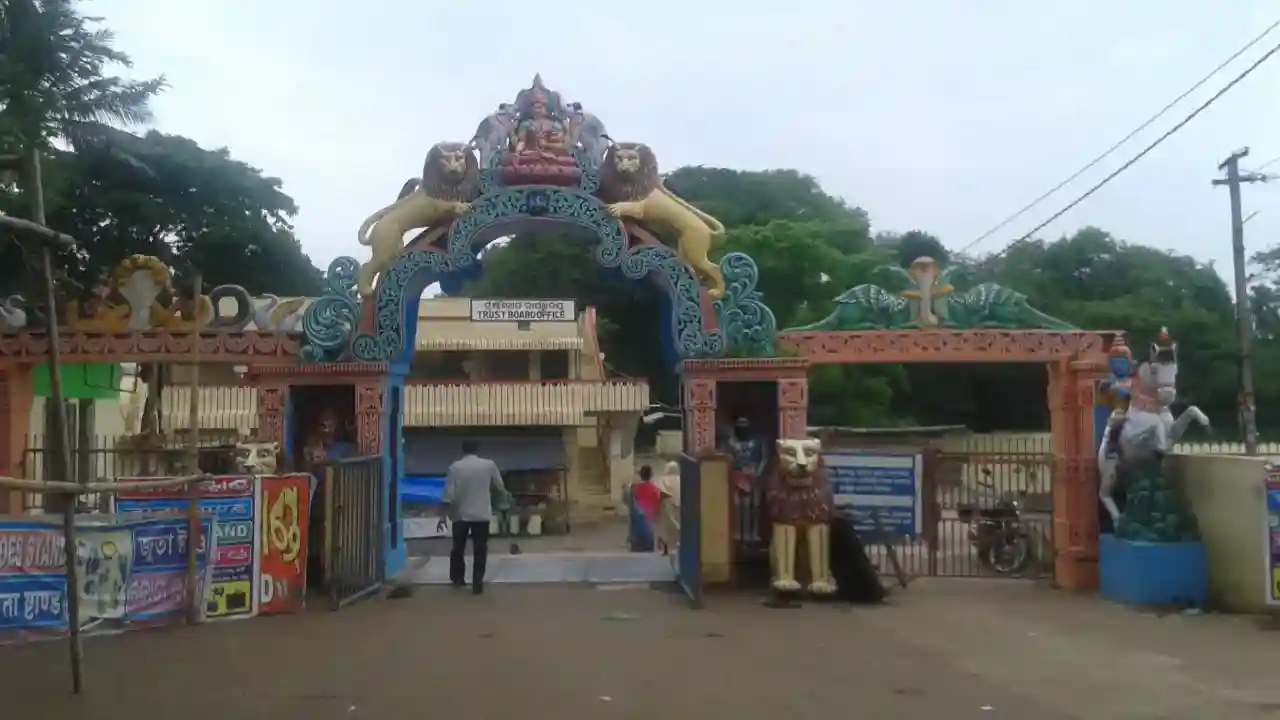
Lokanath Temple is known for its calm setting and the sacred pond surrounding the shrine. Dedicated to Lord Shiva, it sees fewer visitors, which adds to its serene feel. Early mornings here are especially soothing.
3. Puri Beach
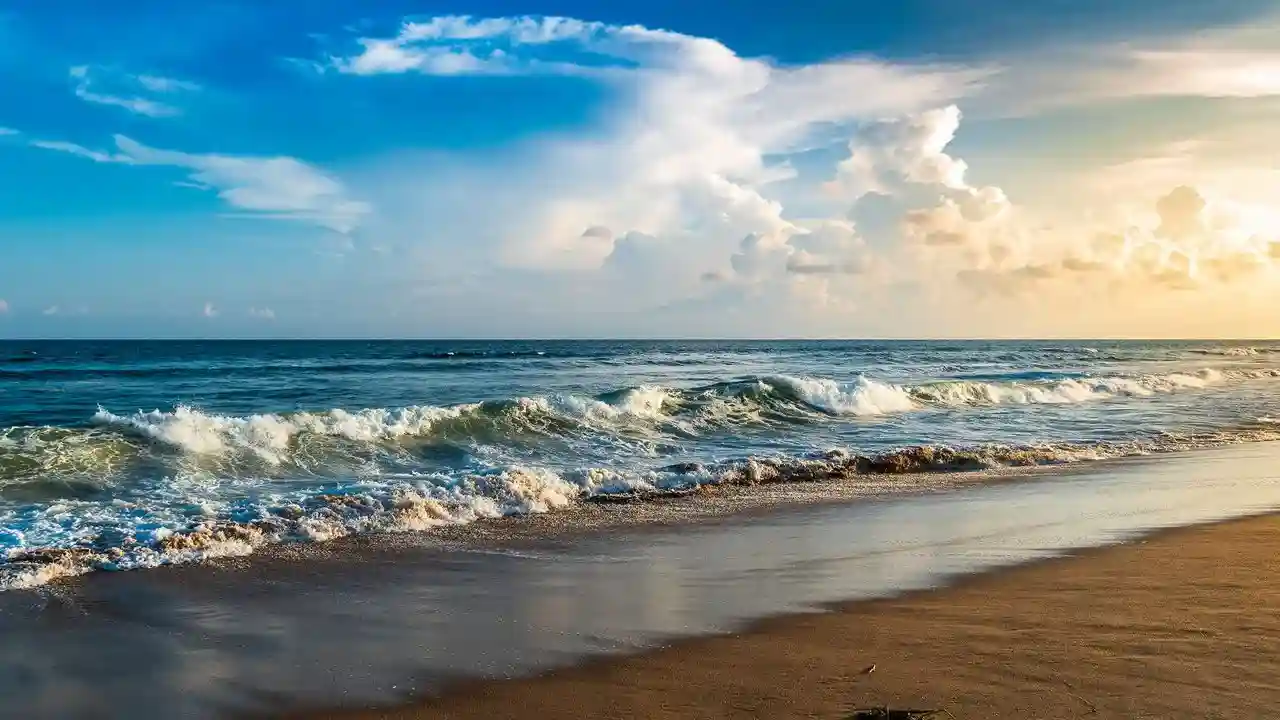
Puri Beach is perfect for an easy sunset stroll after a temple visit. The sound of waves, local snacks, and open space make it a relaxing contrast to the busy temple lanes. Evenings are lively but not overwhelming.
4. Raghurajpur Artist Village
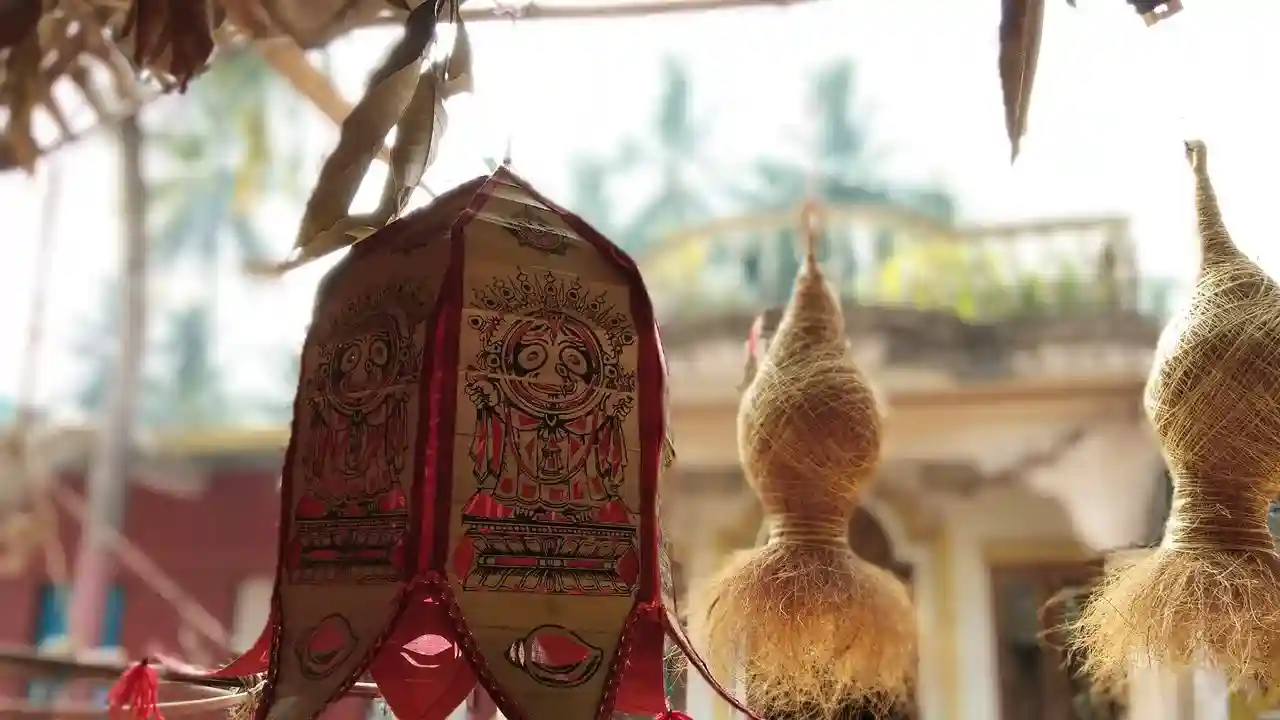
Around 15 km from Puri, this village is famous for traditional paintings, palm-leaf art, and handcrafted souvenirs. Many homes double as art studios, and visitors can watch artists at work. It’s a great place to understand Odisha’s creative side.
5. Chilika Lake

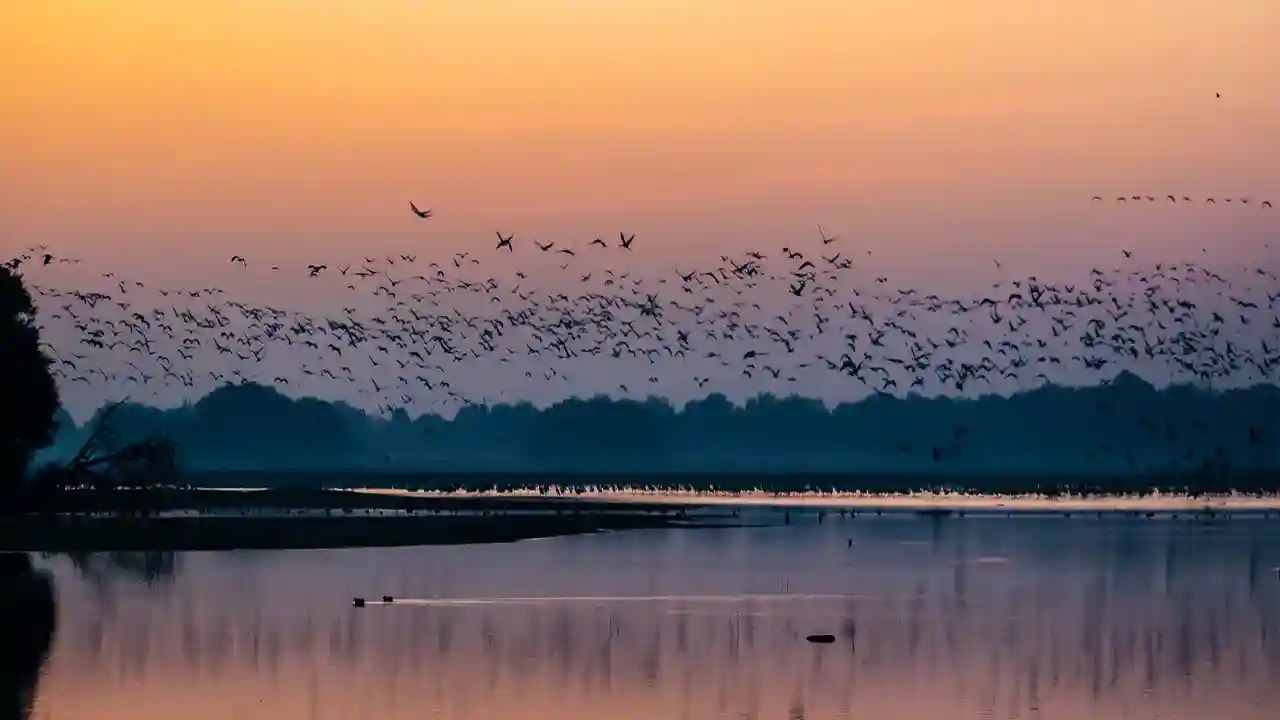
About 50 km away, Chilika Lake is ideal for a day trip. Boating through the calm waters and spotting migratory birds is the main highlight. The bird sanctuary area is especially popular during the winter months.
Travel Tips
Before heading to the temple, it helps to know a few simple things that can make the visit smoother and more comfortable. Below are some practical travel tips that many visitors find helpful during their visit:
Dress modestly, cover shoulders, and knees.
No shorts, sleeveless for men/women.
Remove shoes outside.
Do not break the queues
Use of cameras and phones is prohibited in the temples
Entry of non-Hindus is not allowed inside
Carry water and your ID.
Go early, hydrate in the heat.
Eat light before the queues.
Book VIP if crowds scare you.
Use the Odisha Tourism app for updates.
Conclusion
The Puri Jagannath Temple is not just a place people visit once and move on from. It stays with them. Long after the crowds, the queues, and the sound of bells fade, something about this temple quietly lingers. Maybe it’s the way ancient rituals still shape everyday life, or how faith here feels lived-in rather than displayed. History, devotion, and routine blend so naturally that it never feels forced. For anyone seeking more than just sightseeing, the Puri Jagannath Temple offers a rare sense of connection one that feels timeless, grounded, and deeply human.