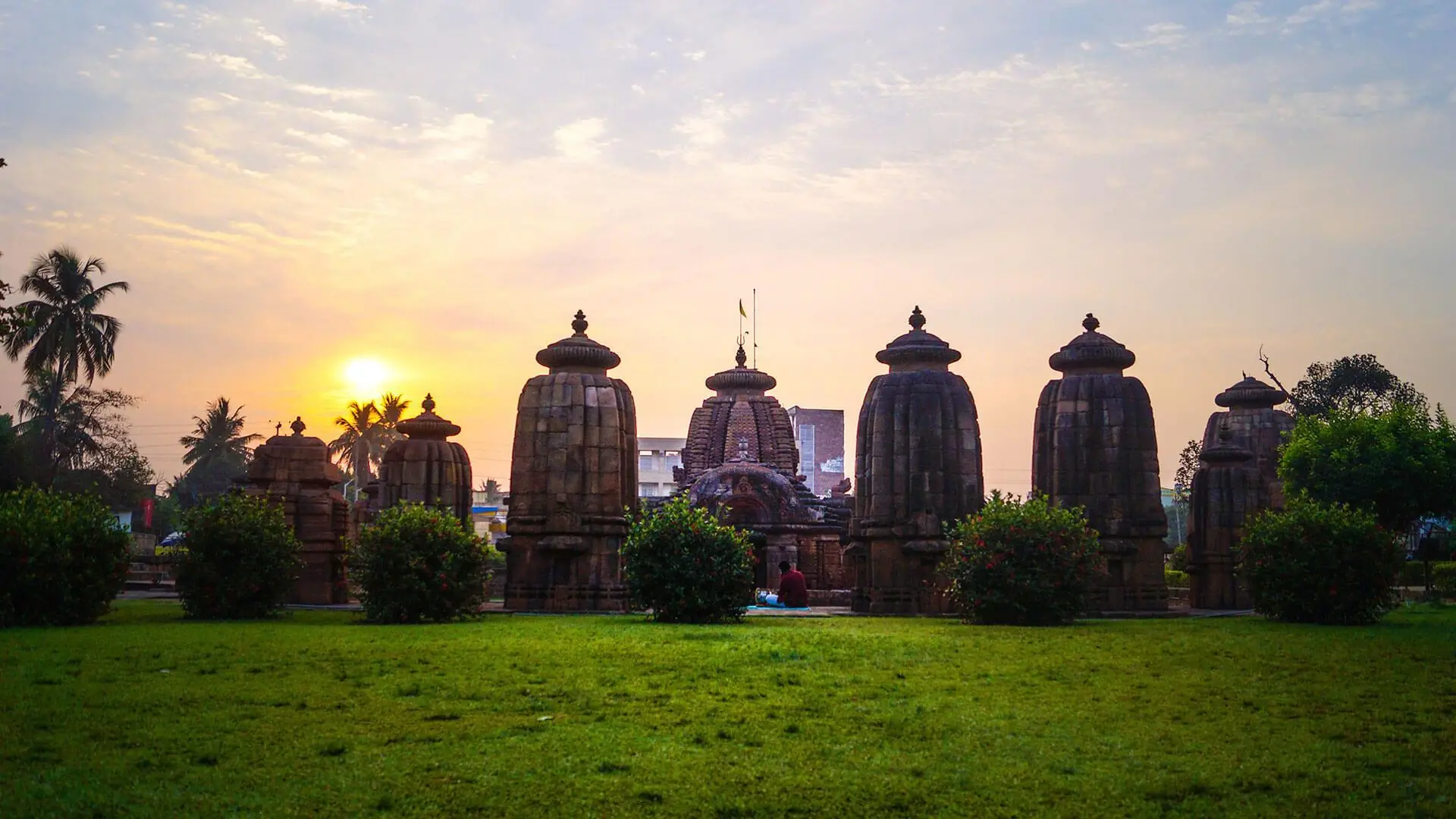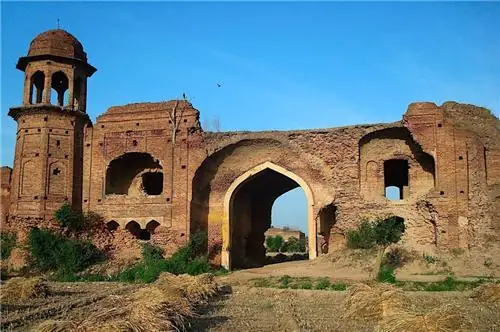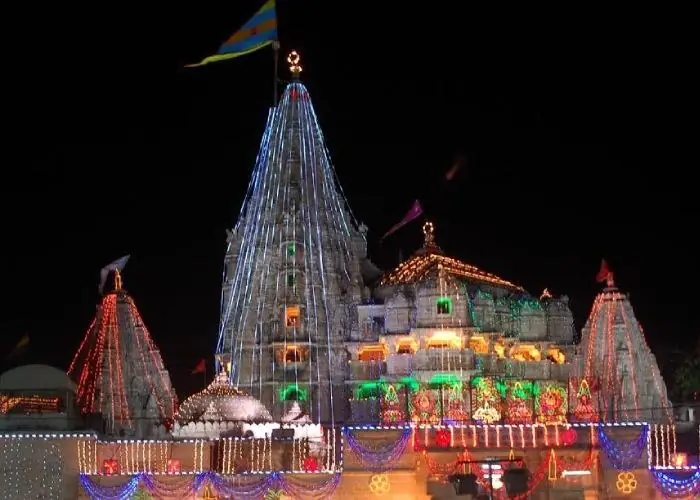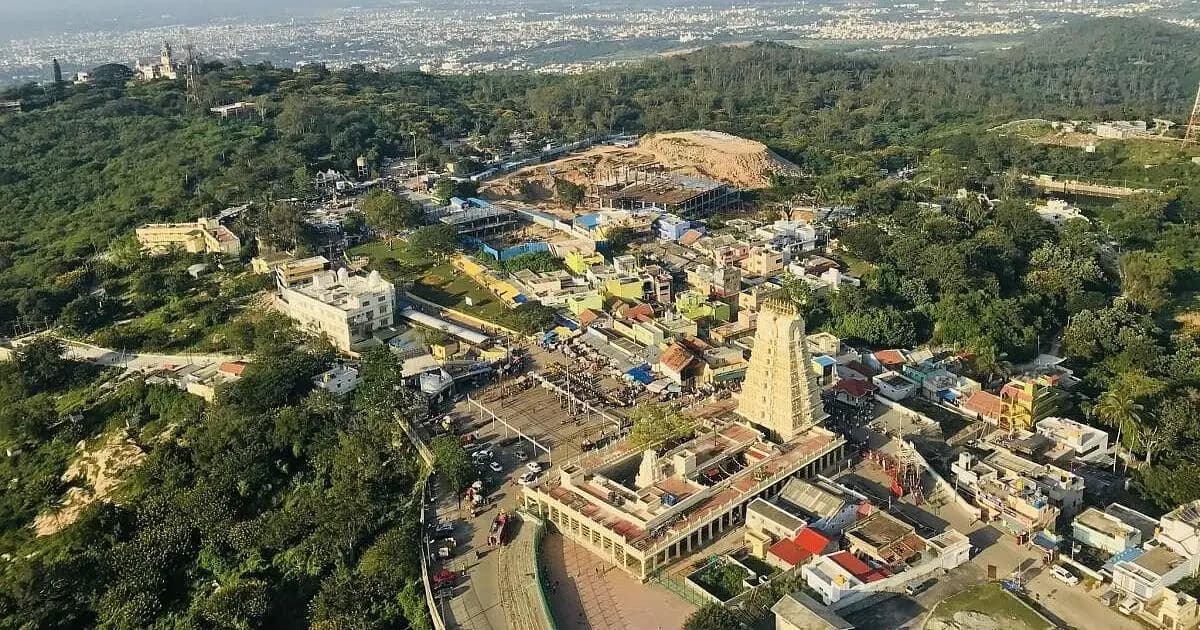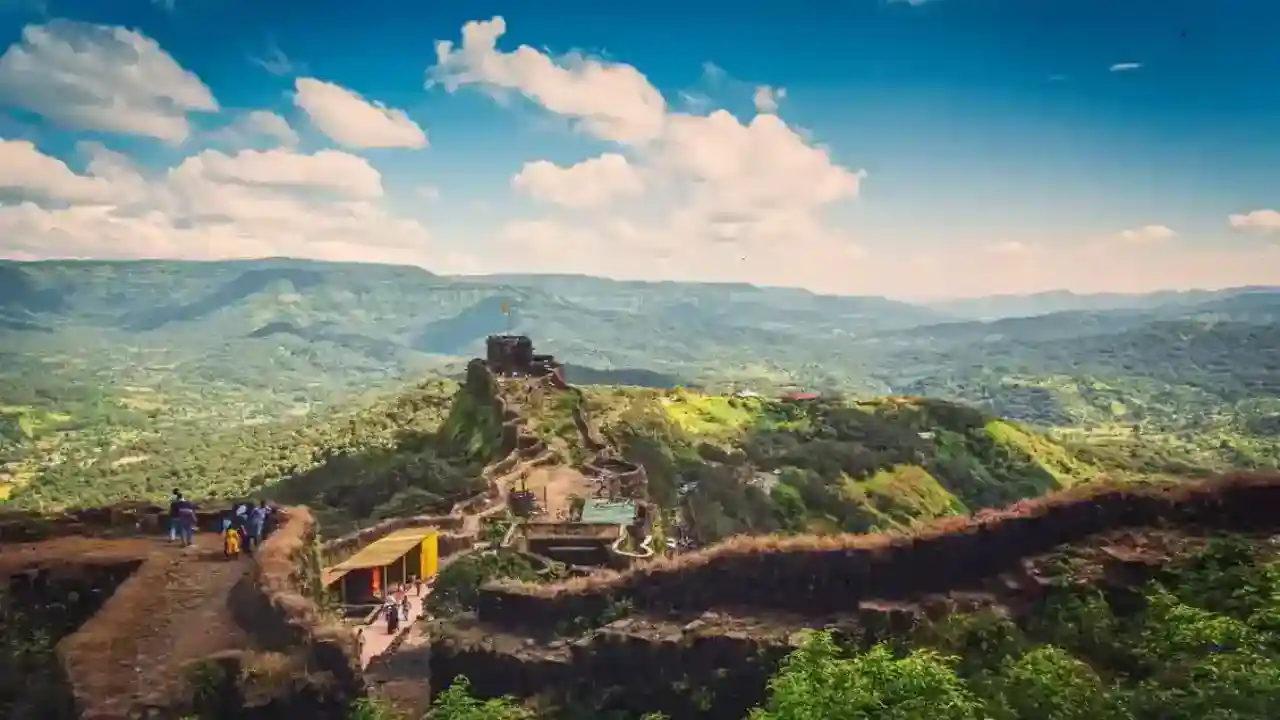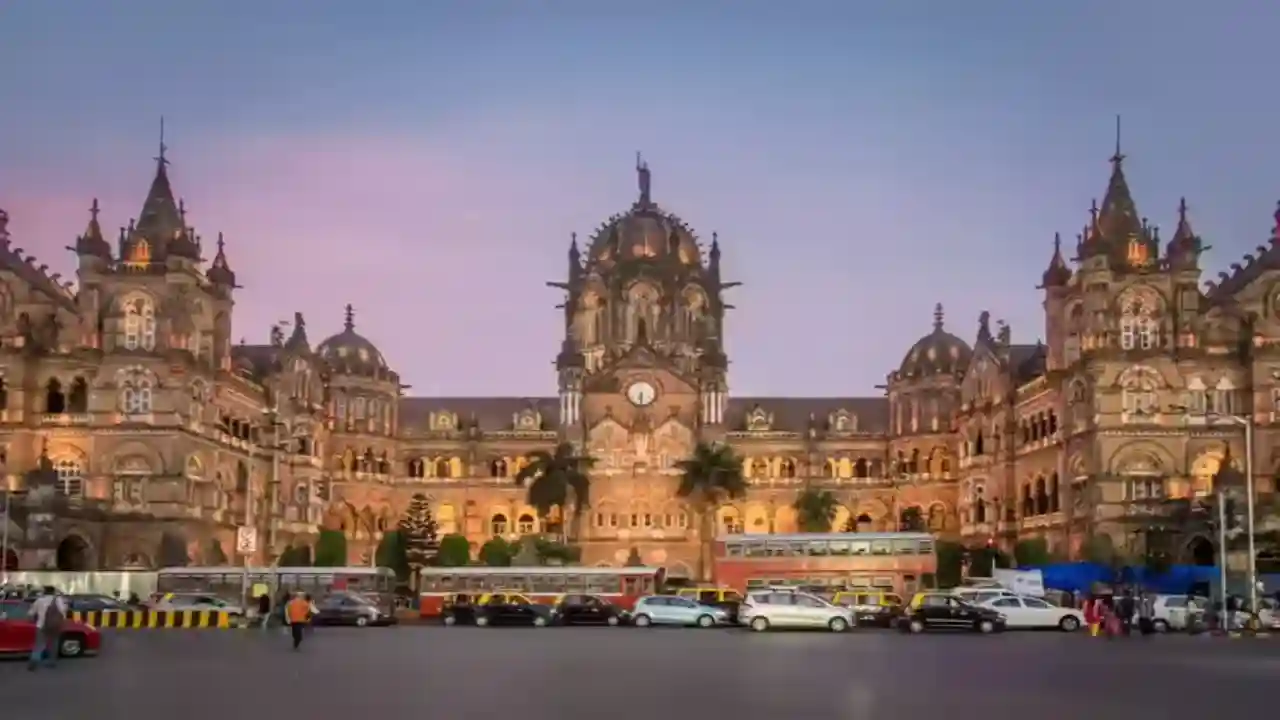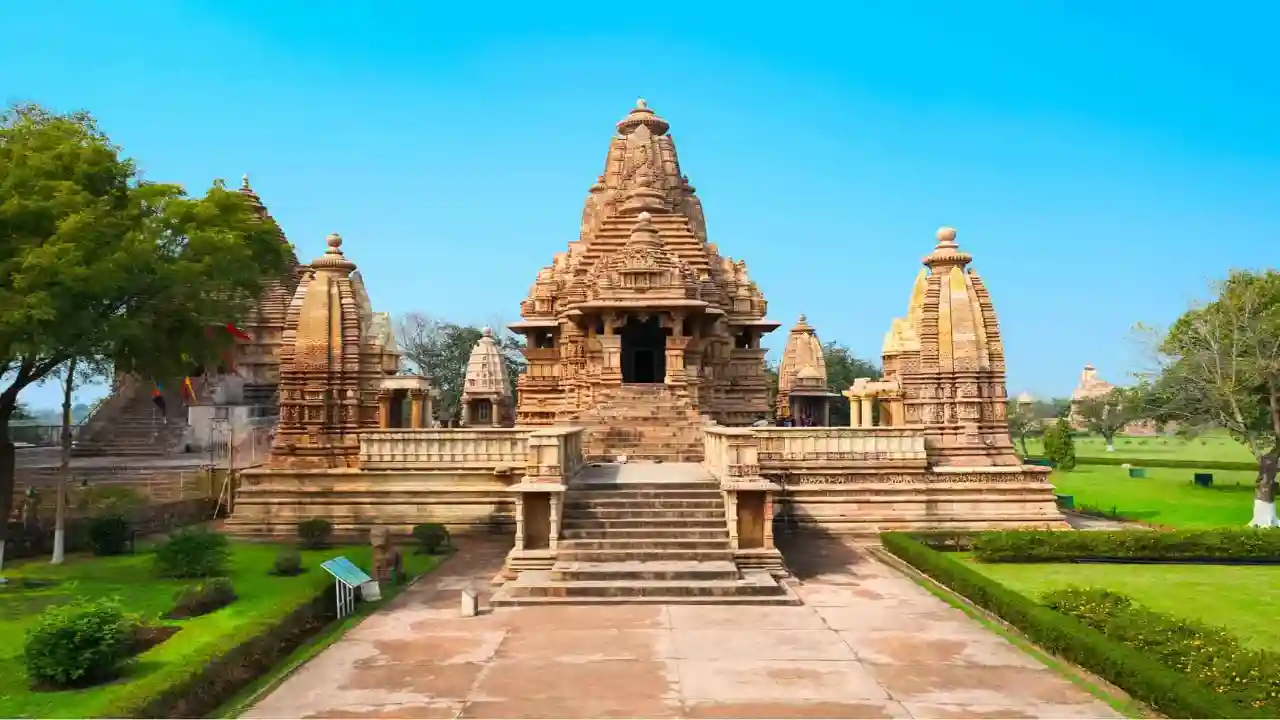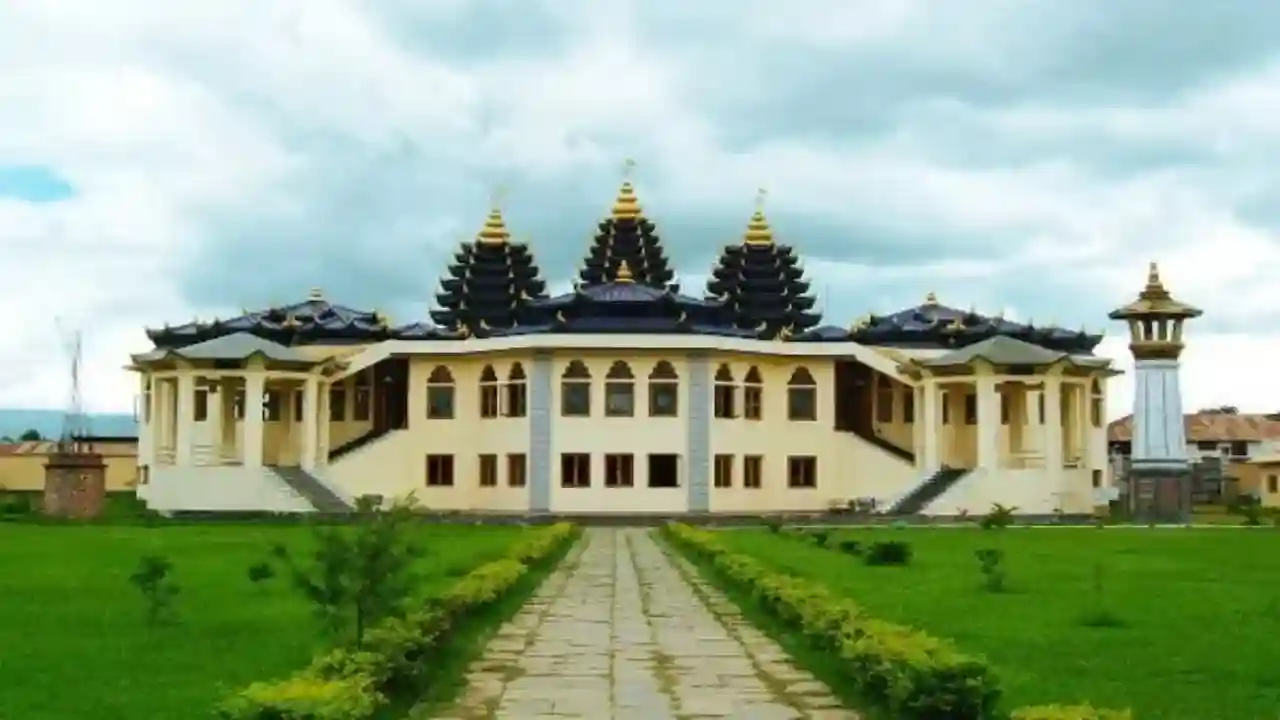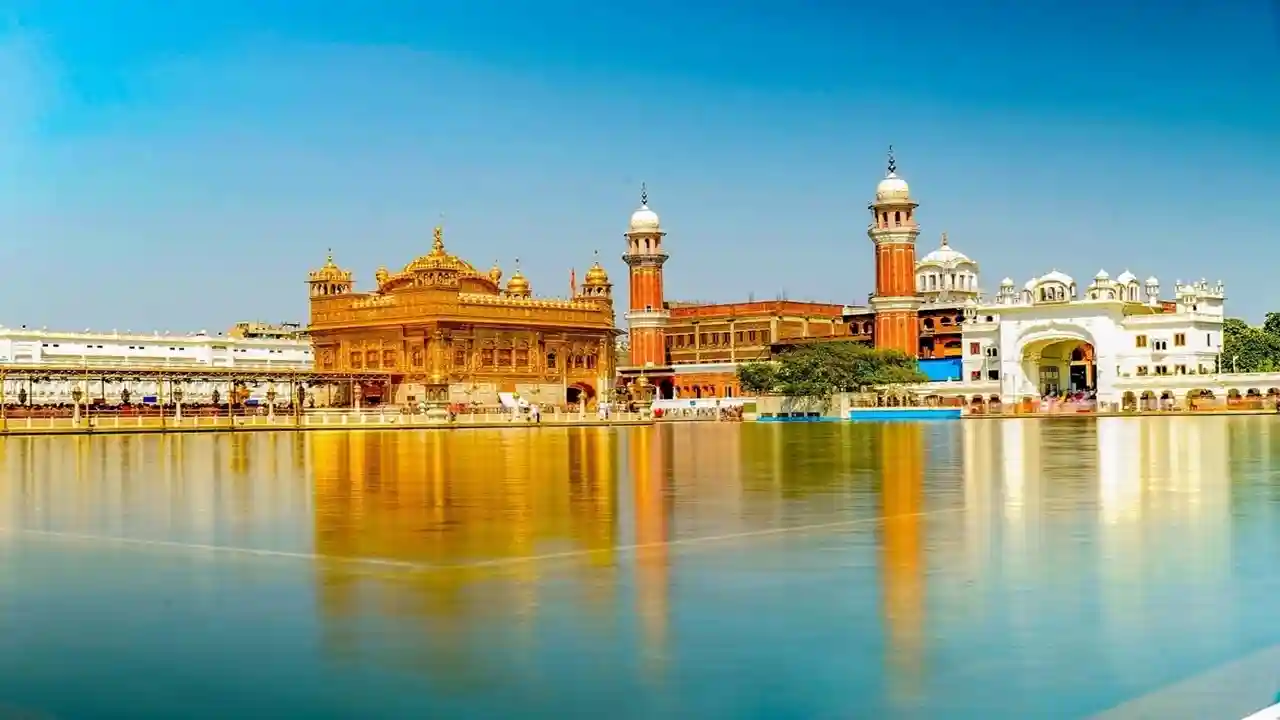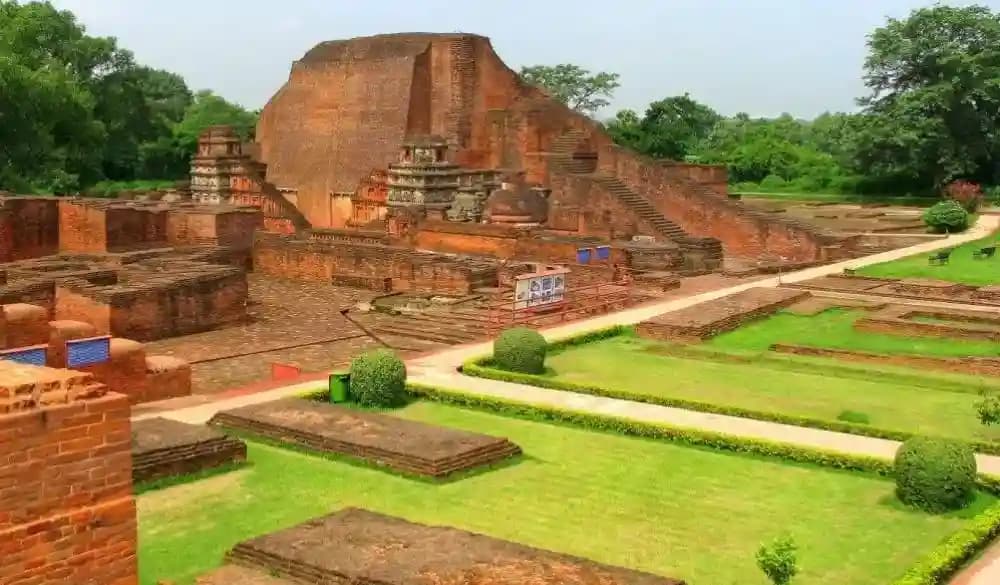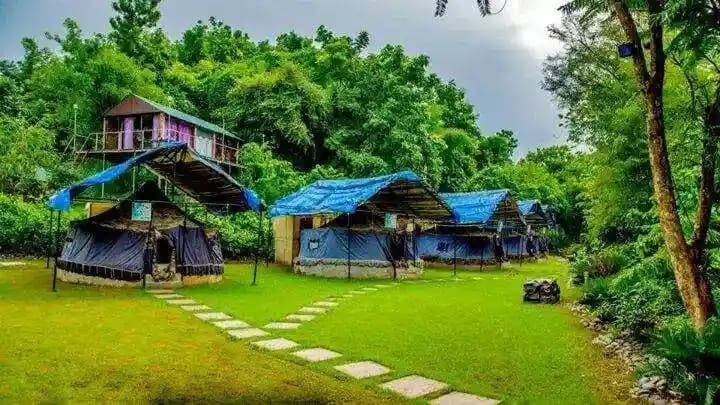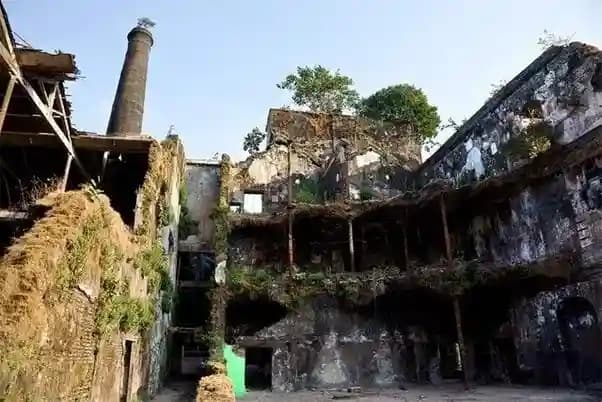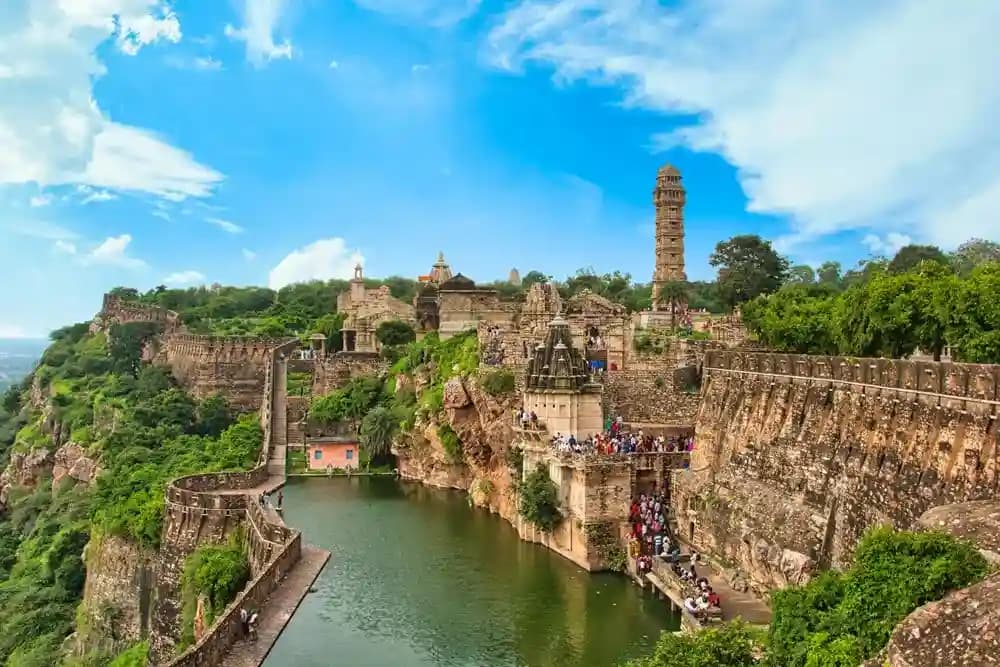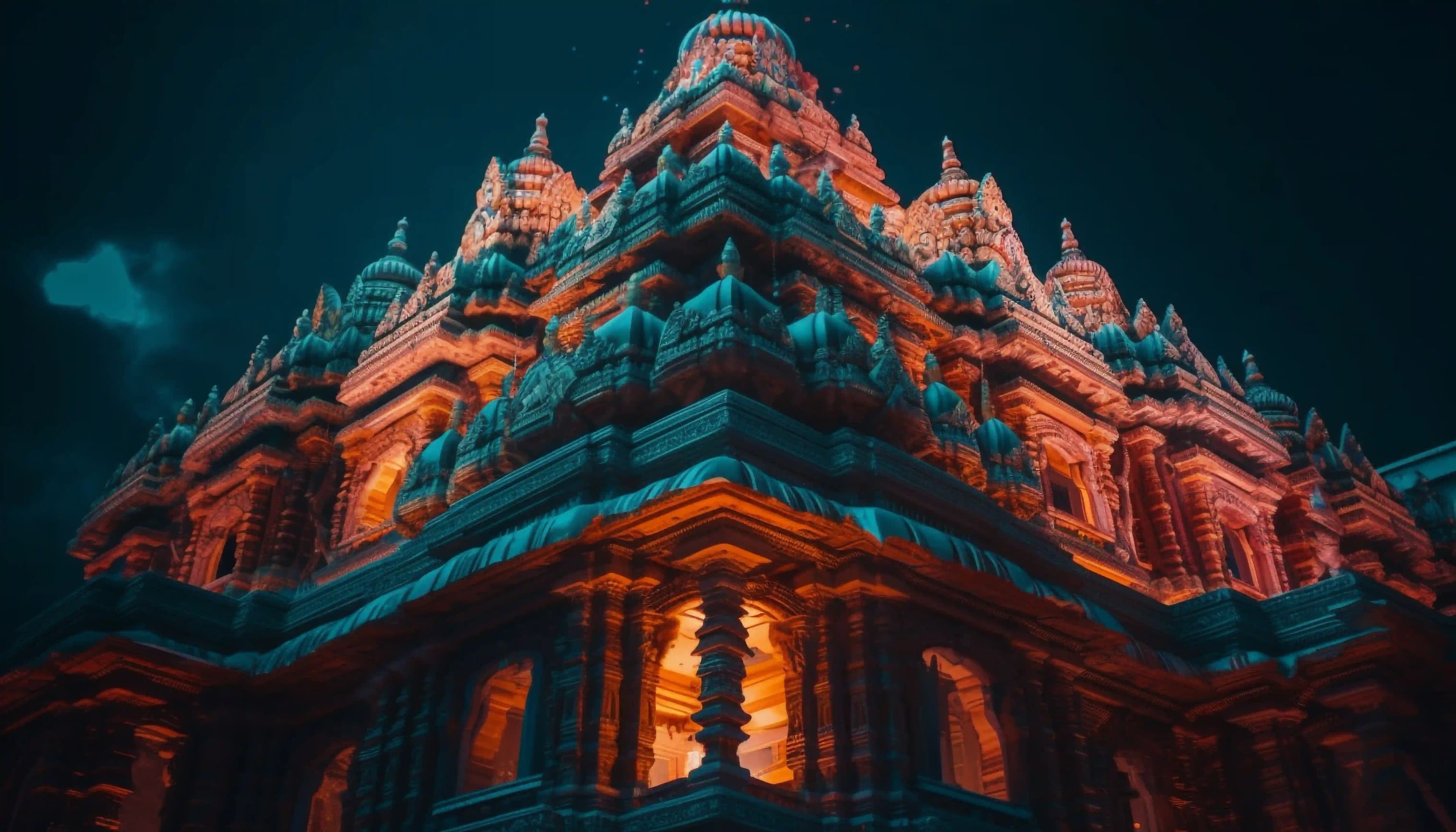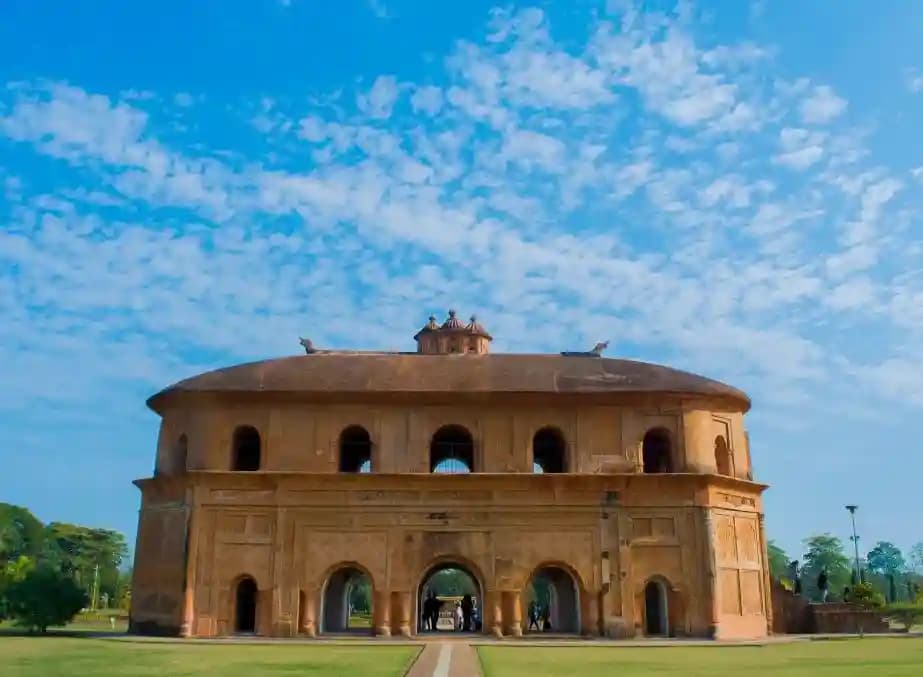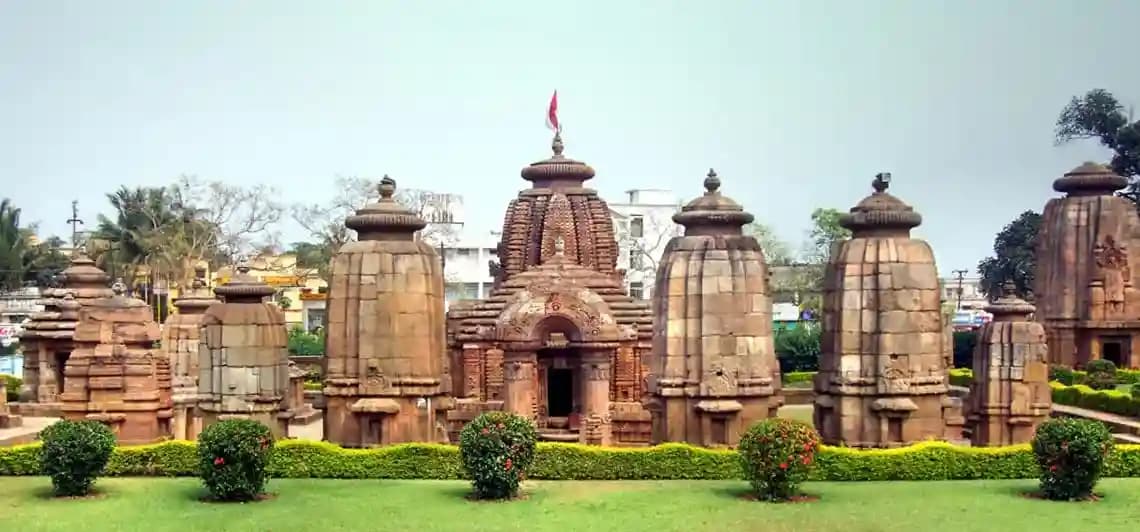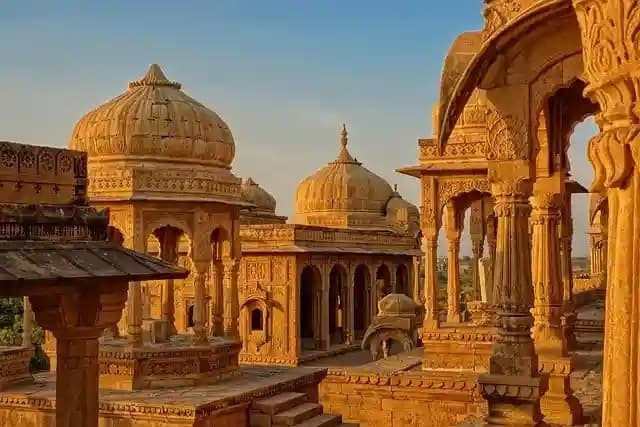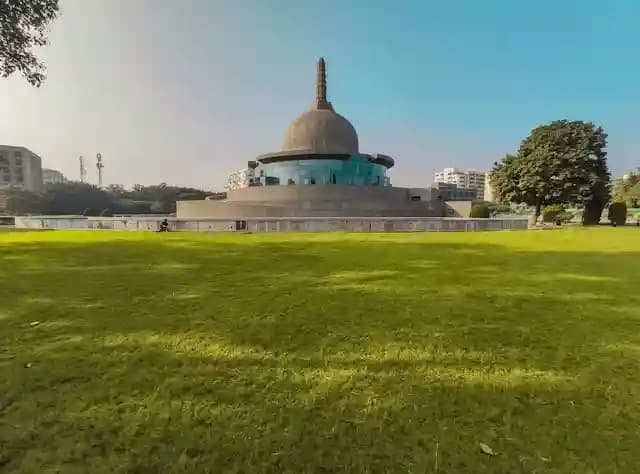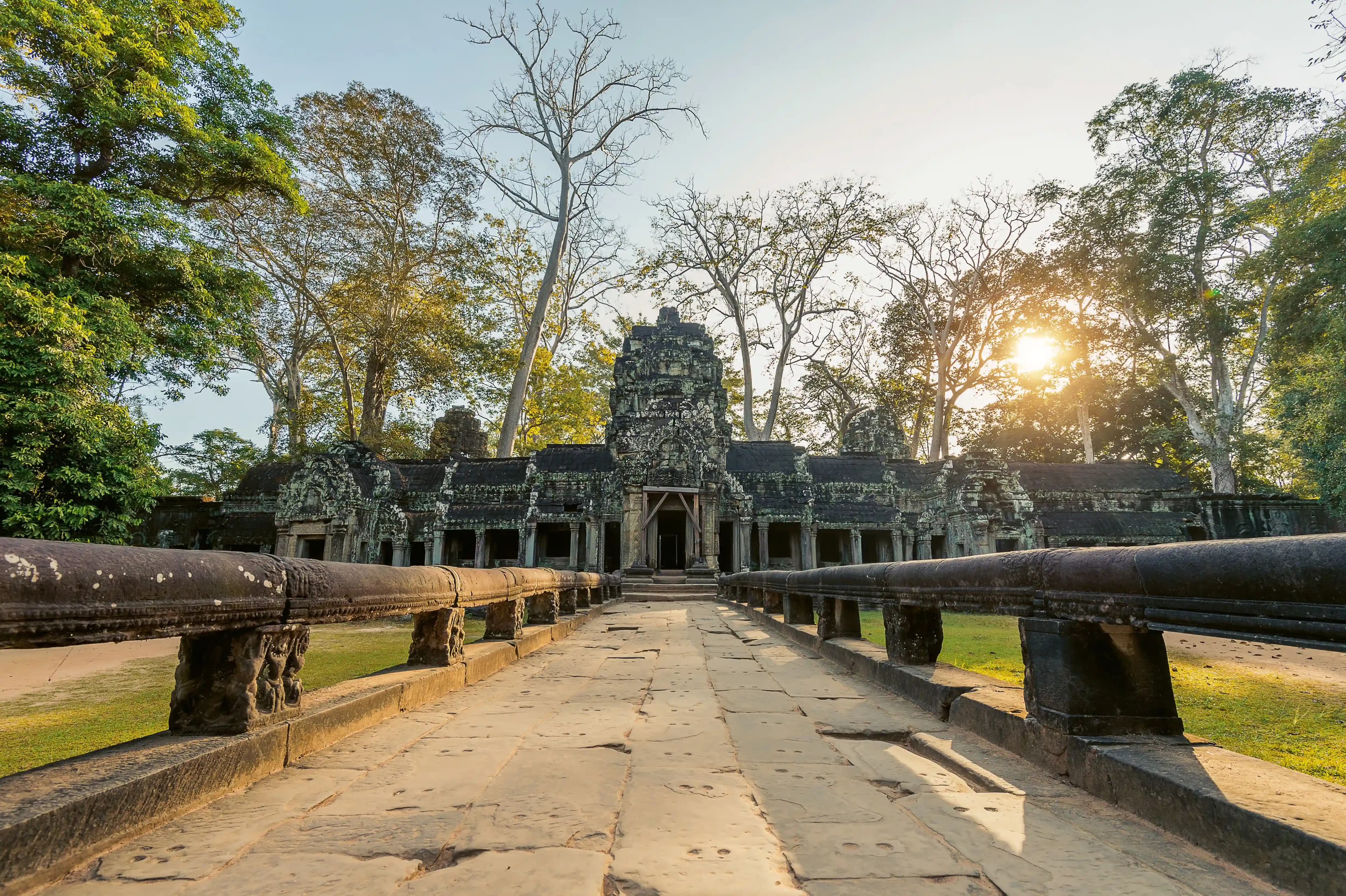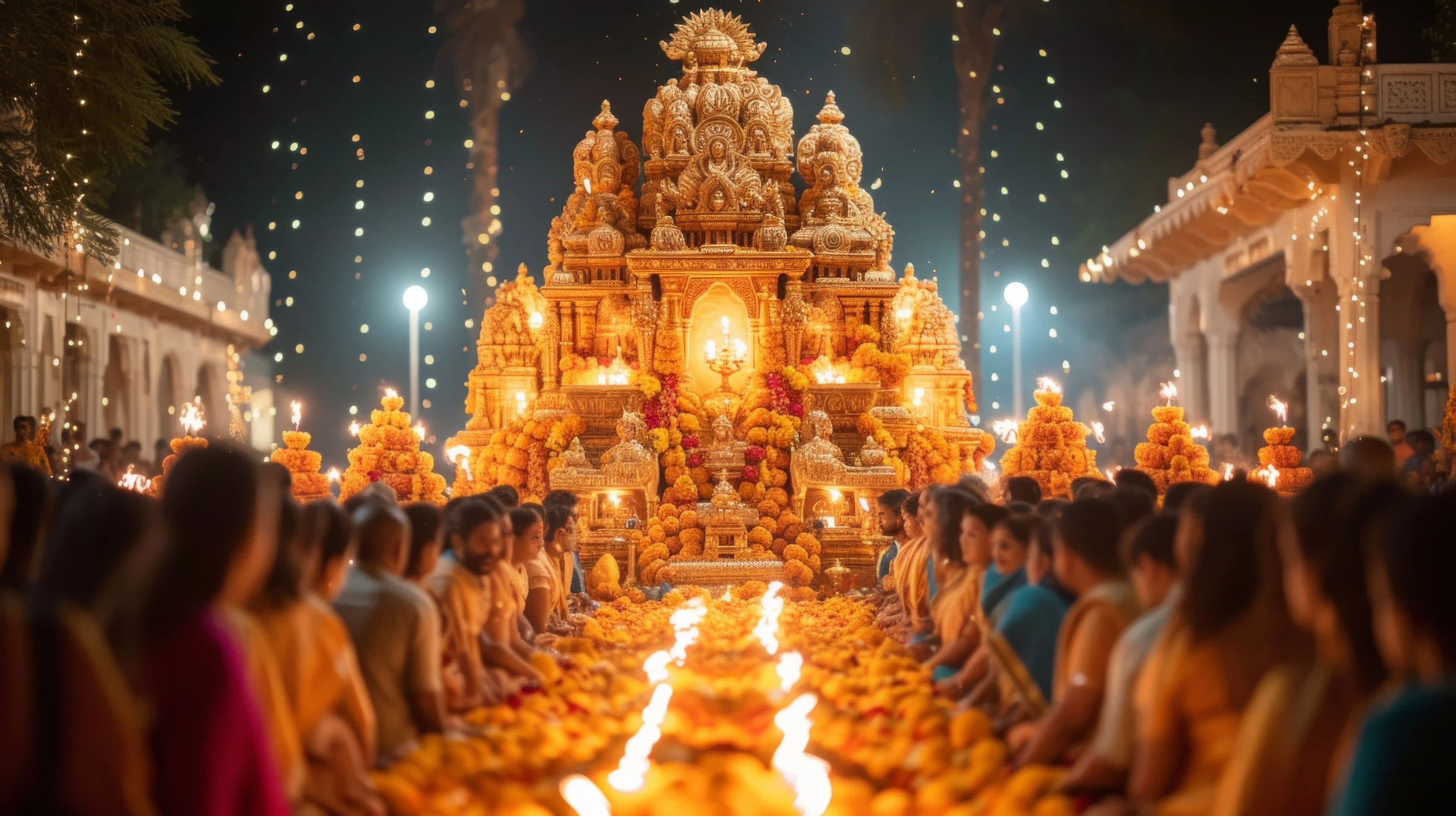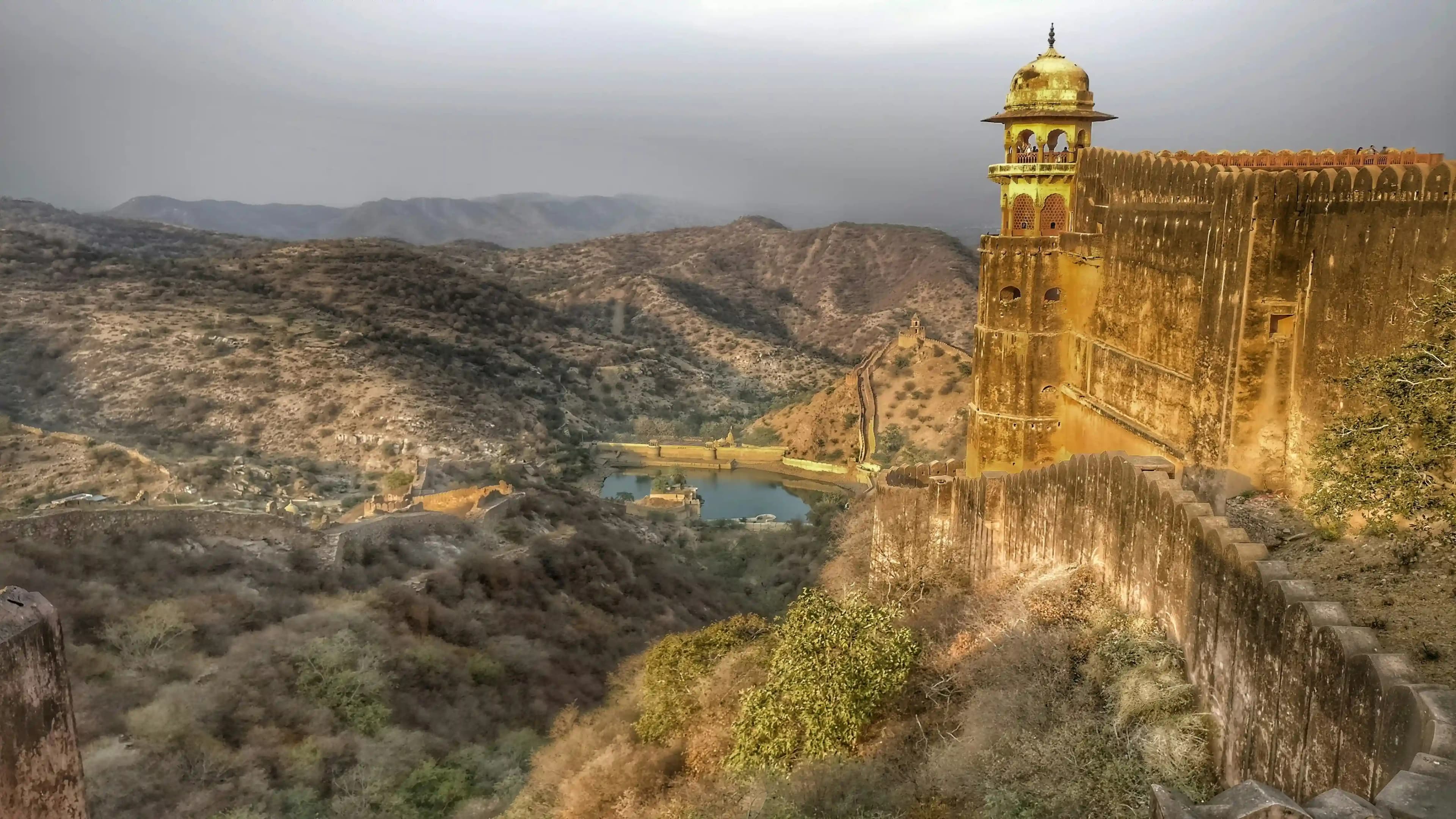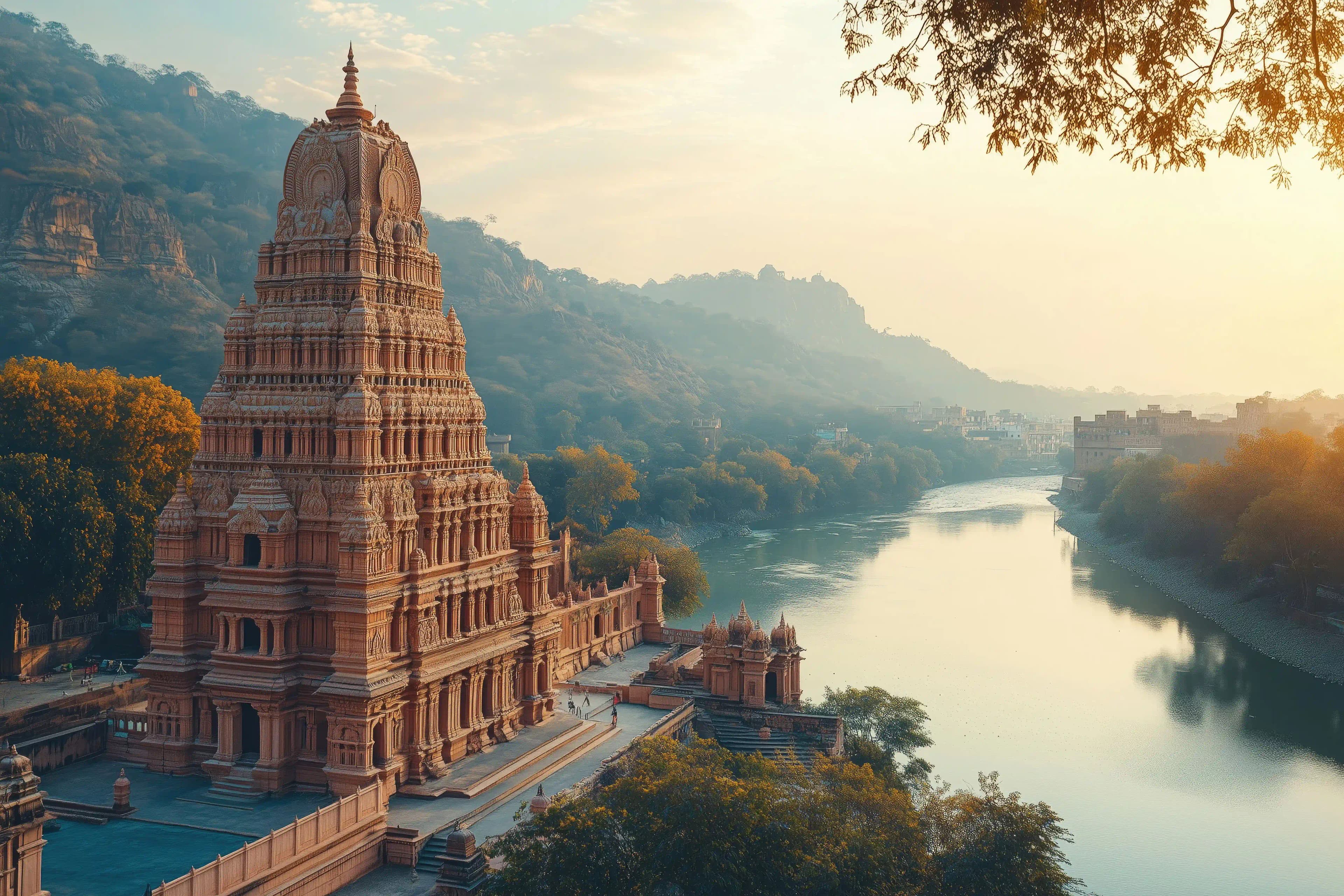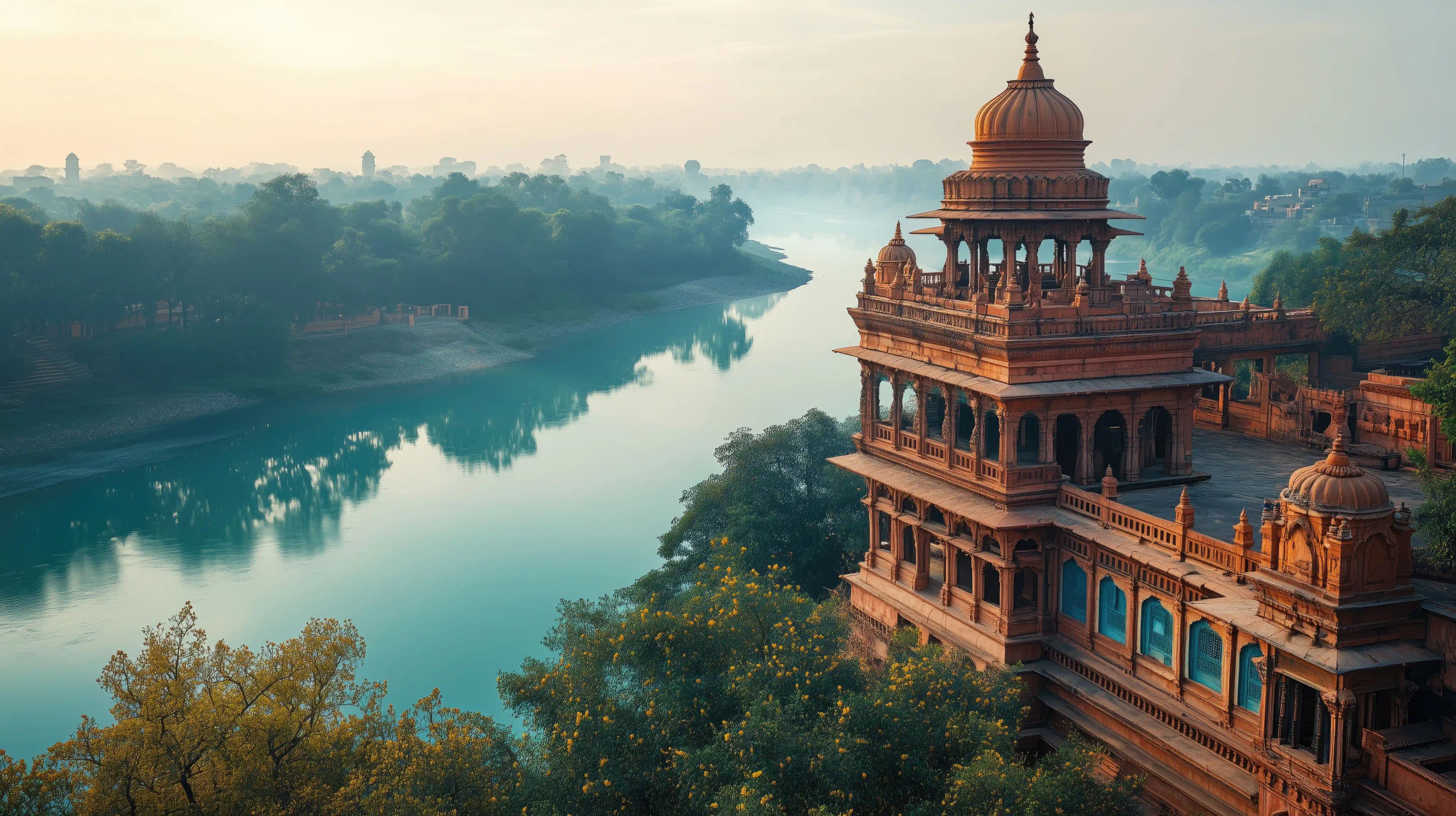
Ever wondered where India keeps its most treasured secrets? From ancient temples carved into rock to forts that witnessed empires rise and fall, every corner of this country tells a story spanning centuries. The World Heritage Sites in India, recognised by UNESCO, preserve this incredible legacy. India currently has 44 UNESCO World Heritage Sites, including 36 cultural treasures and 7 natural wonders that showcase diverse history, architectural brilliance, and rare ecosystems. These places aren't just tourist spots; they're living proof of what makes India extraordinary.
What makes these sites so special? They've survived centuries because of their cultural importance, unique architecture, or natural features you won't find anywhere else. This guide walks you through the top 10 World Heritage Sites of India, covering what makes each one worth visiting and how to plan your trip. Ready to explore India's most protected and fascinating landmarks? Let's get started.
Top 10 World Heritage Sites in India
India has many beautiful monuments and natural wonders but some really stand out because of their history as well as global importance. These top 10 heritage sites of India recognised by UNESCO show the true cultural and natural richness of our country.
1. Taj Mahal, Agra
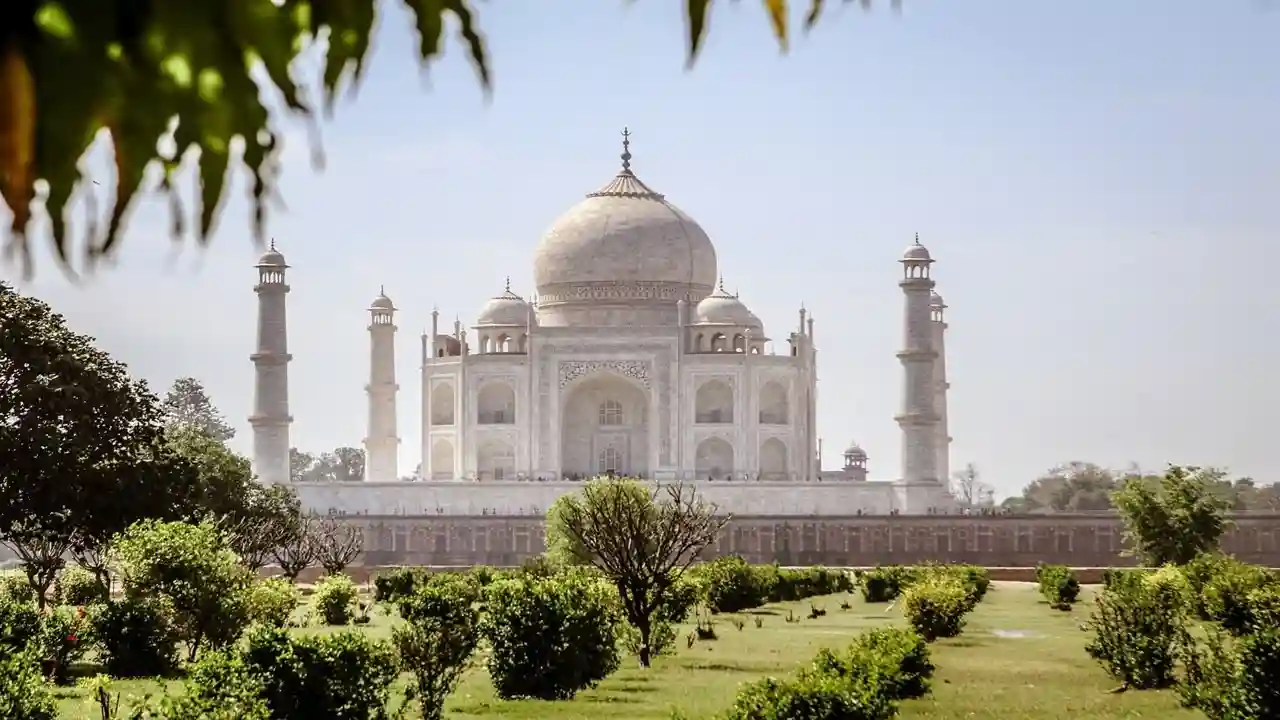
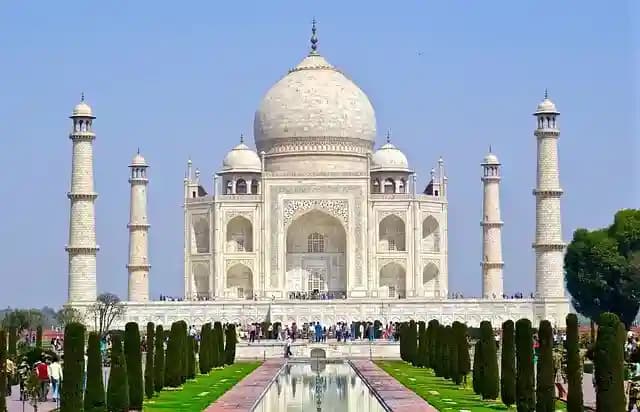
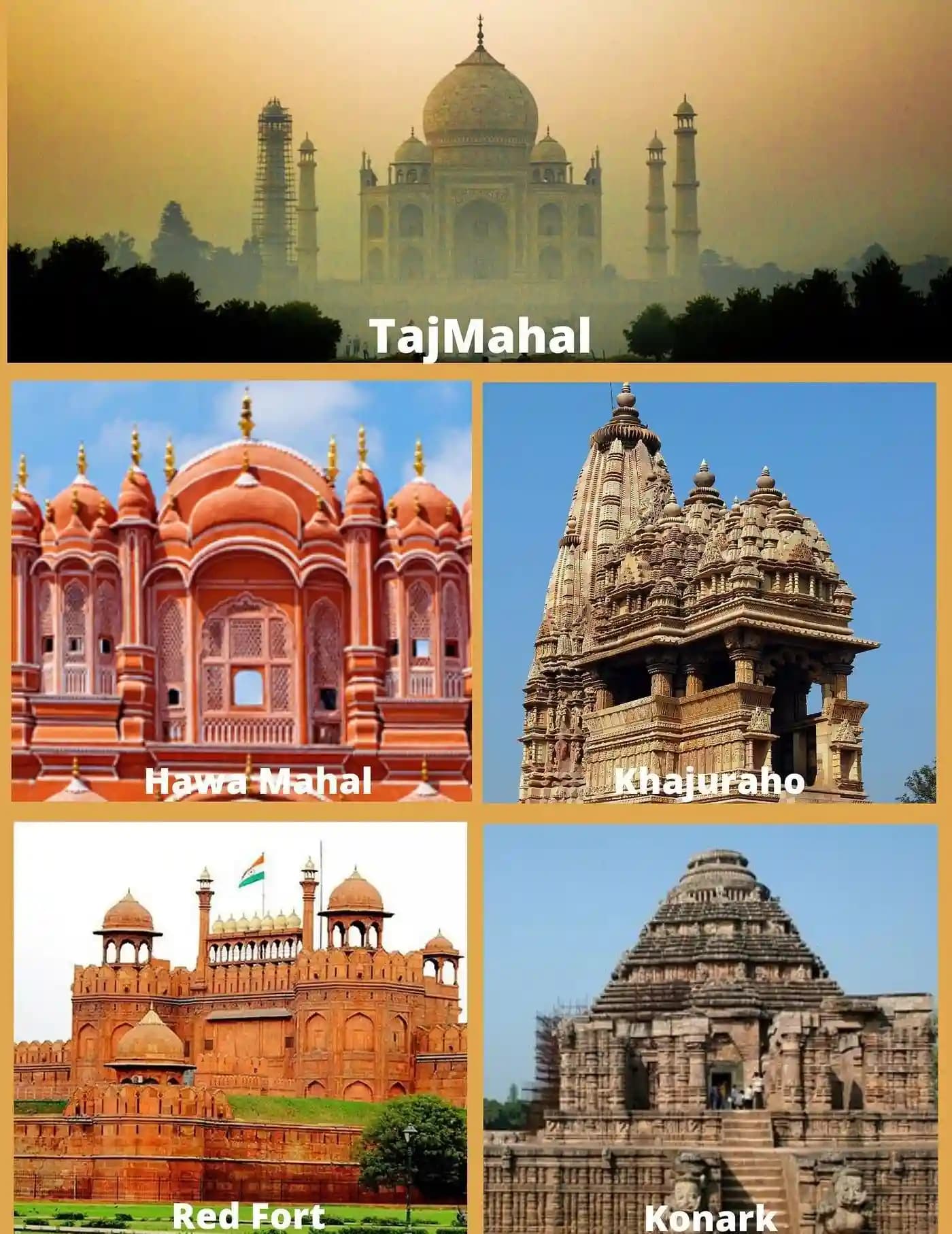
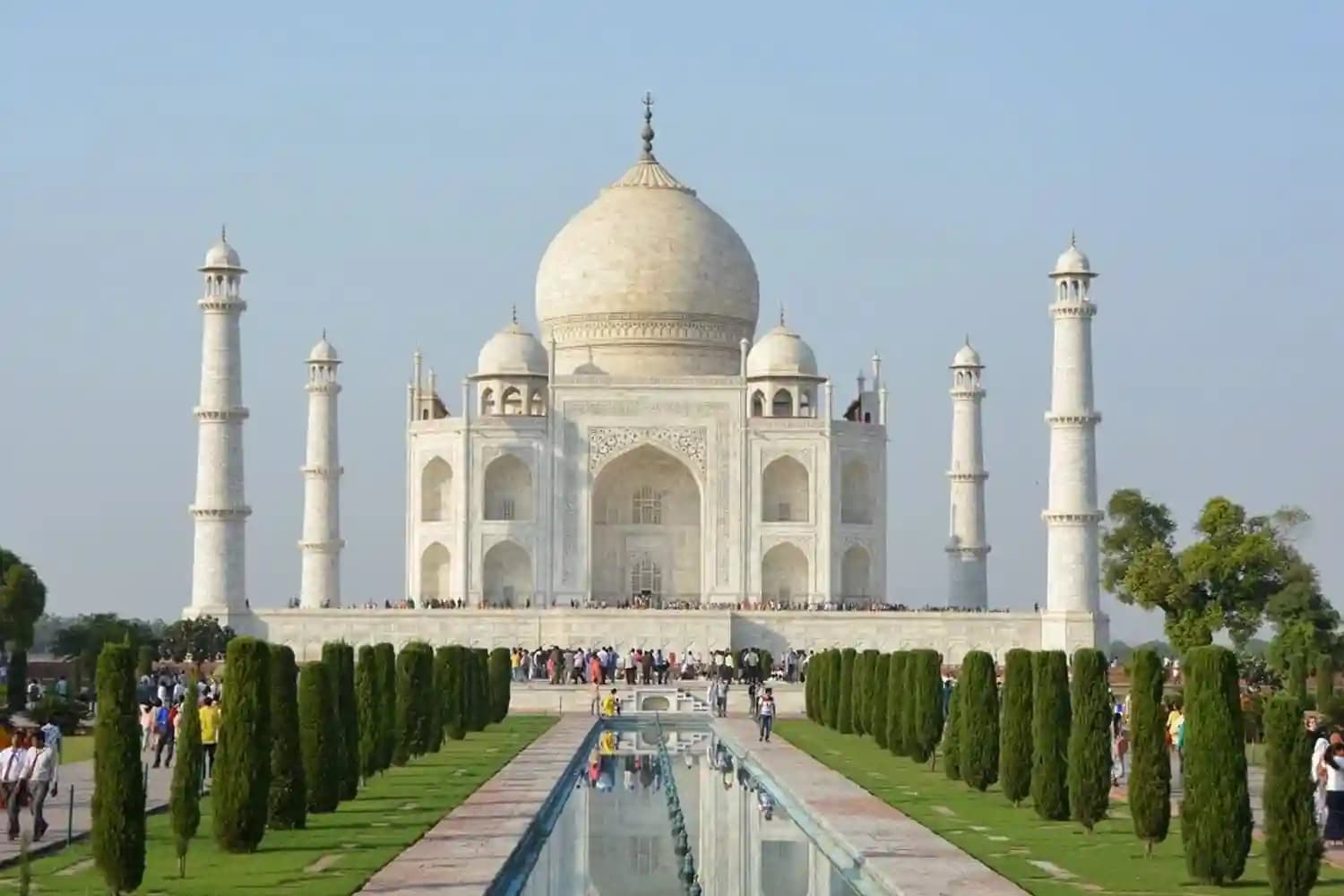
The Taj Mahal is one of the most famous monuments in the world and a prime UNESCO World Heritage Site in India. Built by the Mughal emperor Shah Jahan, the monument is one of the seven wonders of the world and is known for its white marble architecture and tranquil gardens surrounding the structure. At sunrise, the monument is even more stunning because this is when the marble glows softly. Tourists from all over the world come to admire its design and learn about its history. Commonly considered to be a symbol of love, it is also an integral part of the cultural sites in India among the World Heritage Sites in India.
Location: Agra, Uttar Pradesh
Timings: Sunrise to sunset (closed on Fridays)
Entry Fee: around ₹50 for Indians, ₹540 for SAARC/BIMSTEC citizens, ₹1100 for Foreign/NRI tourists (prices excluding mausoleum access)
2. Qutub Minar, Delhi
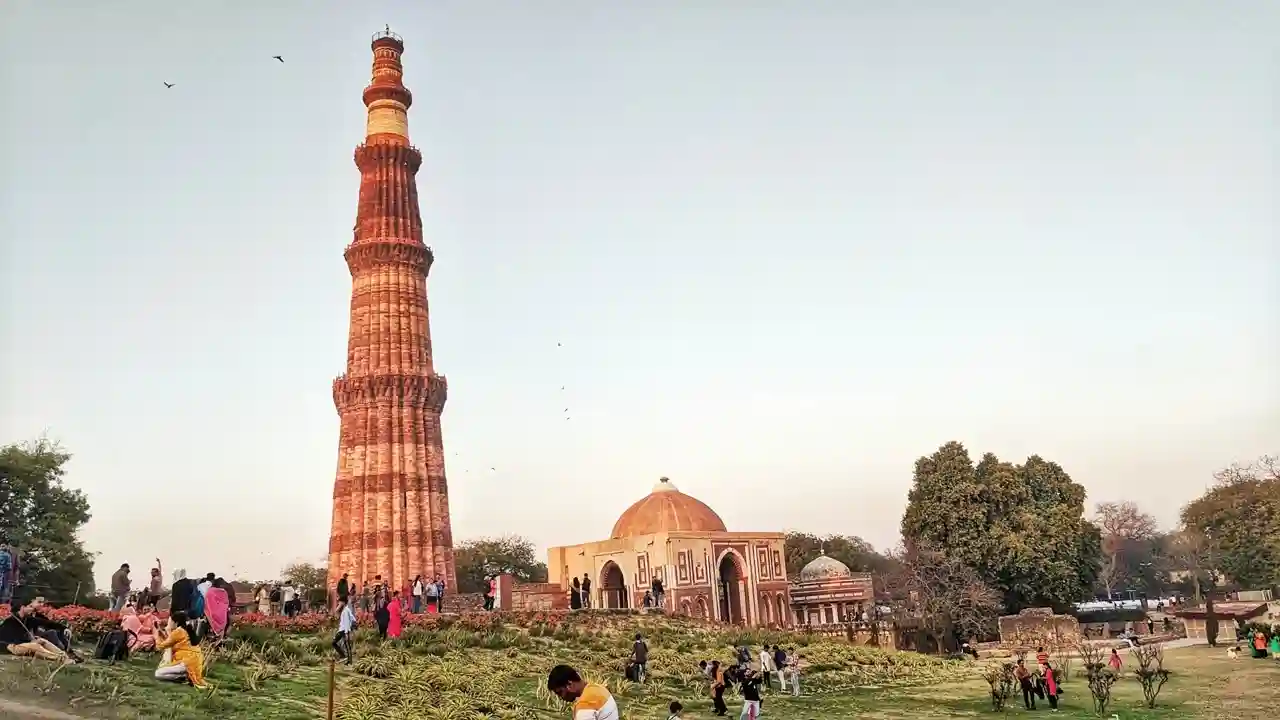
The Qutub Minar is a tall red sandstone tower built in the 12th century, standing within a complex that encompasses ancient monuments, pillars and mosques. Intricate carvings on the minaret reflect early Indo-Islamic architectural style. Many travellers visit it along with the other World Heritage Sites in India to see the huge iron pillar and the remains of old temples. This place provides an open, extended environment that is suitable for walking and explaining Delhi's historical urban landscape.
Location: Mehrauli, Delhi
Timings: 7 AM to 5 PM
Entry Fee: ₹35 for Indian citizens (including SAARC/BIMSTEC) and ₹550 for foreign tourists, with free entry for children under 15
3. Hampi, Karnataka
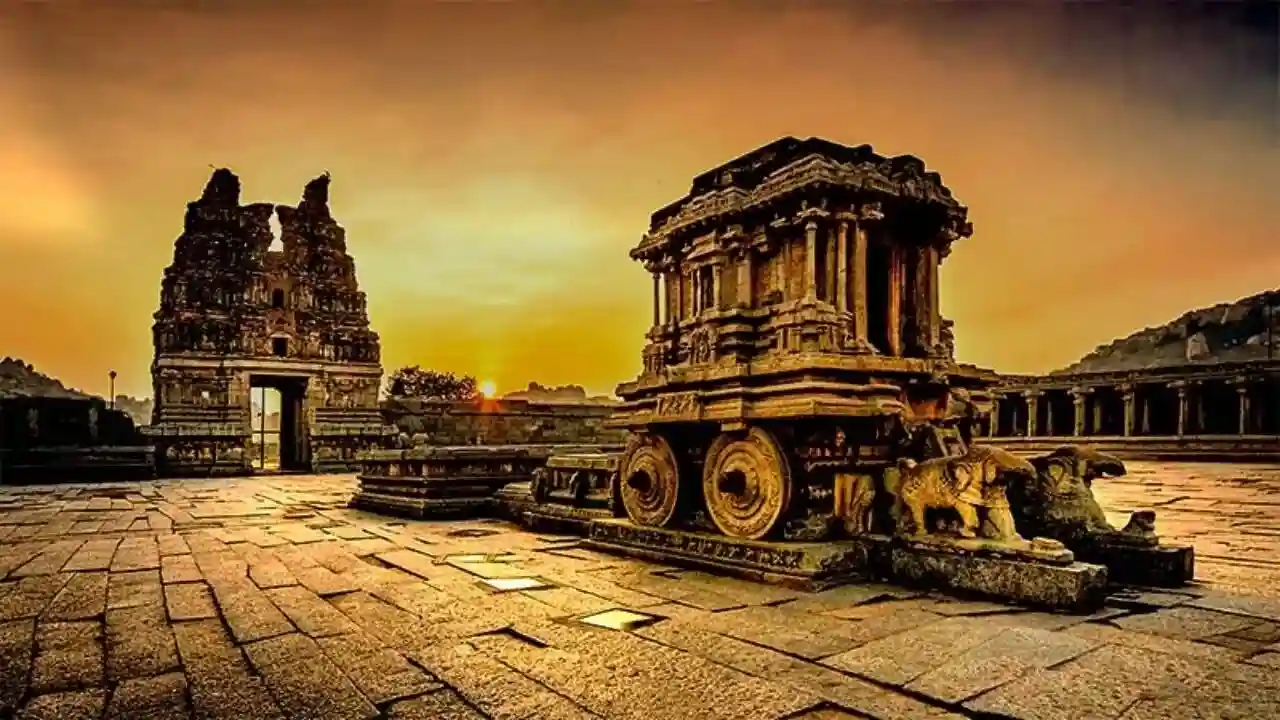
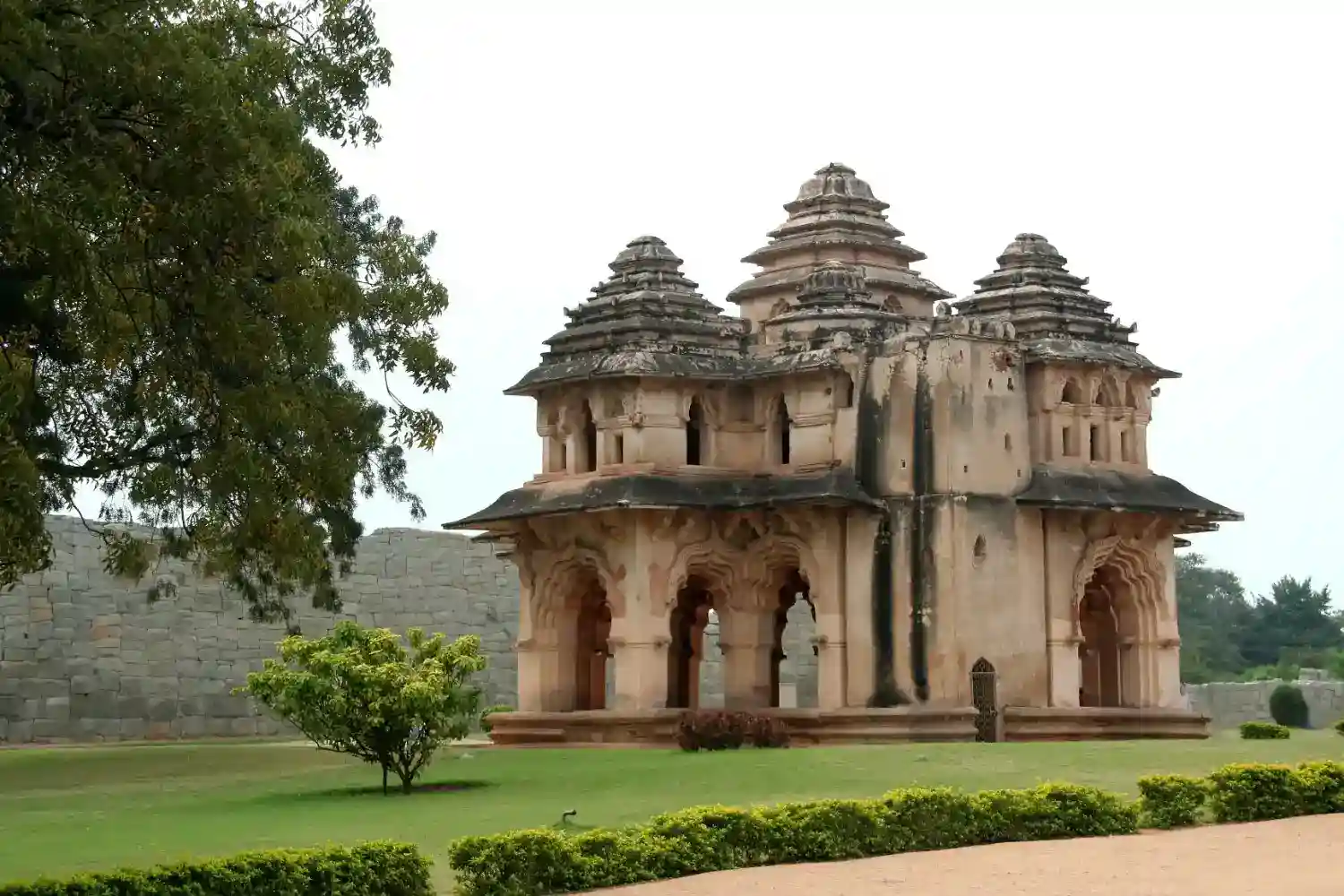
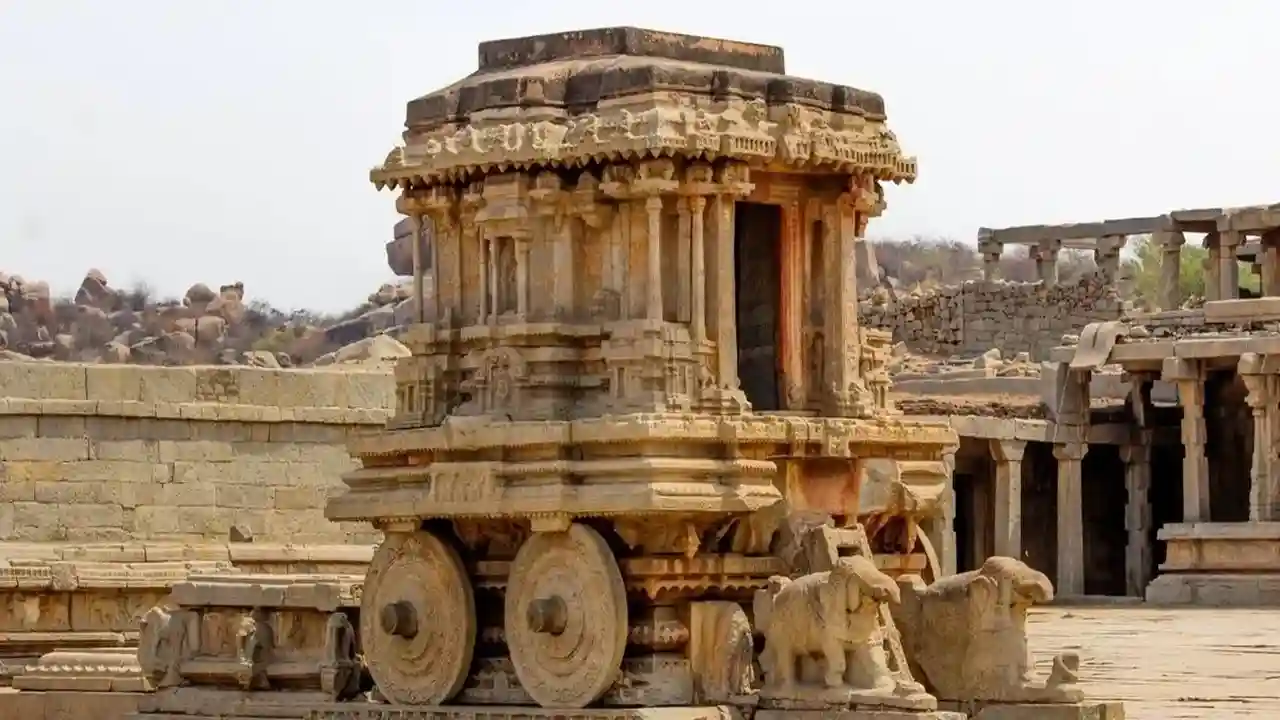
Hampi represents a vast historical landscape that is filled with a plethora of temples, marketplaces and ancient stone pavilions. Once the capital of the Vijayanagara Empire, the site is highly renowned among the World Heritage Sites in India for its grand architecture and the presence of colossal boulders spread around in the landscape. Main places to visit in Hampi include the Virupaksha Temple, the Stone Chariot and old royal enclosures are the main highlights here. Visitors typically enjoy walking, cycling and exploring the settlement to comprehend the governance and urban living of that great medieval settlement.
Location: Bellary district, Karnataka
Timings: 6 AM to 6 PM
Entry Fee: ₹40 for Indians and ₹600 for foreigners
4. Kaziranga National Park, Assam

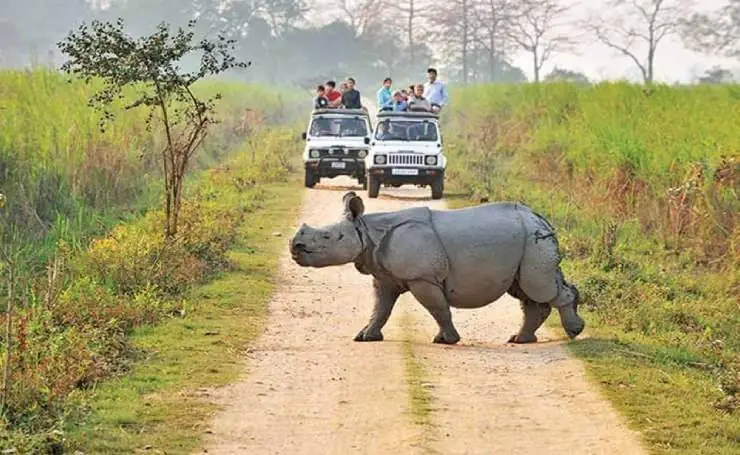
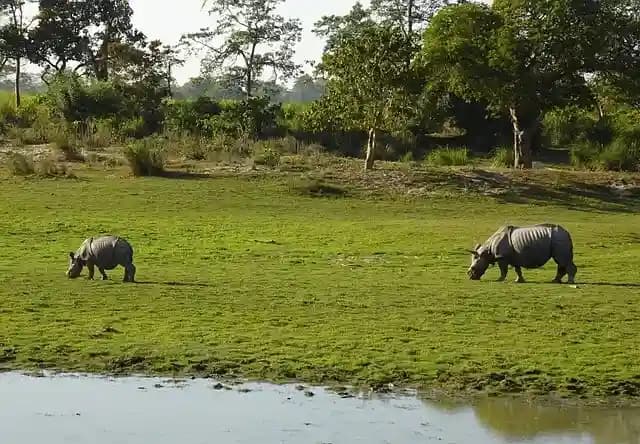
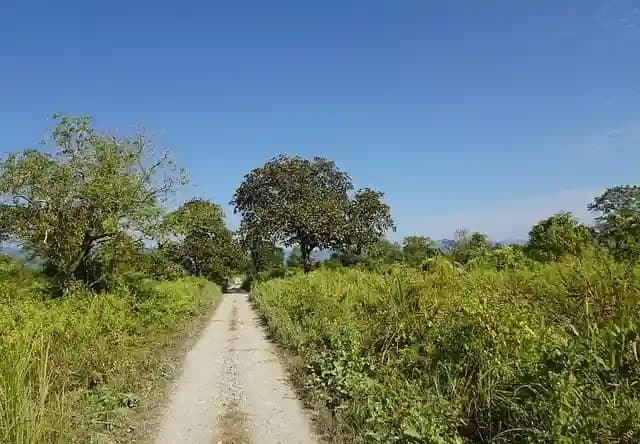
Kaziranga National Park is renowned as the famous natural World Heritage Sites in India. It is home to the one-horned rhinoceros, elephants, deer and many birds. The grasslands, wetlands and forests within the park make it one of the richest wildlife belts in the country. Jeep rides and elephant safaris allow visitors to explore the places to visit in Kaziranga and see the animals in their natural home. It also is an important site for the conservation of endangered species.
Location: Golaghat & Nagaon districts, Assam
Timings: Open November to April
Entry Fee: ₹100/person (Indian), Elephant Safaris around ₹1500 (Indian) / ₹3500 (Foreigner), and Jeep Safaris costing significantly more, from roughly ₹4500 (Indian) to over ₹9000 (Foreigner)
5. Ramappa Temple, Telangana
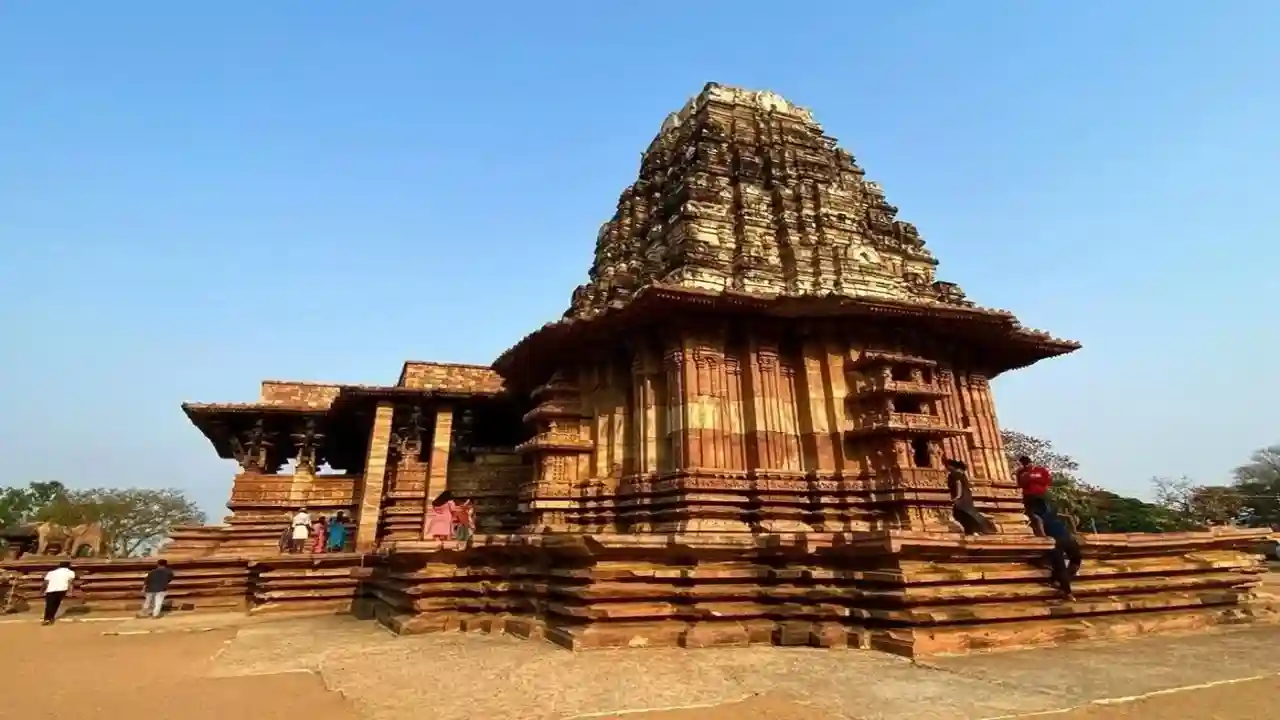
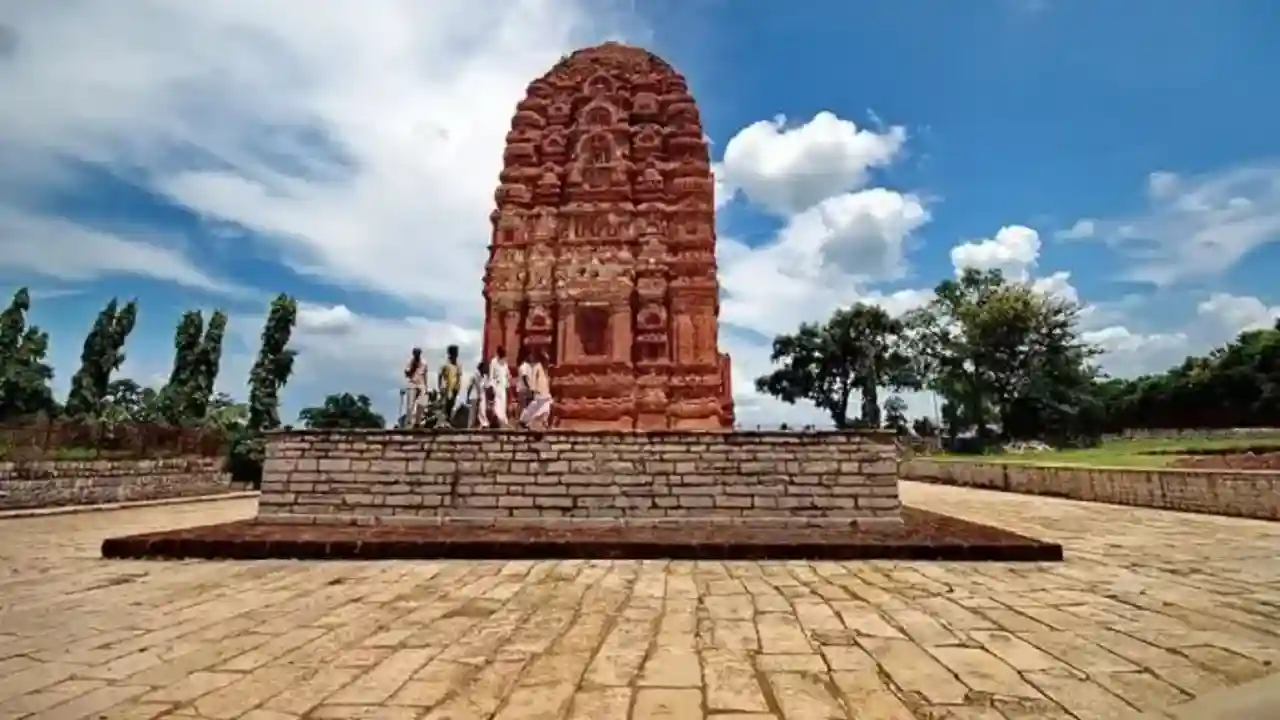
Ramappa Temple is the latest World Heritage Site in India, characterised by its intricate carvings and peculiar usage of "floating bricks" in construction. The temple dates back to the Kakatiya period and is famous for its detailed sculpture work, which includes depictions of dancers and mythological scenes. Devotees are drawn to the Shivalinga present inside and historians cherish the skill involved. The quiet village surrounding adds to the meditative feel of the site and makes it one of the best temples in India.
Location: Mulugu district, Telangana
Timings: 6 AM to 6 PM
Entry Fee: ₹25 per person for Indian Citizens; ₹300 per person for Foreign Nationals; Free for Children (Below 15 years)
6. Ajanta Caves, Maharashtra
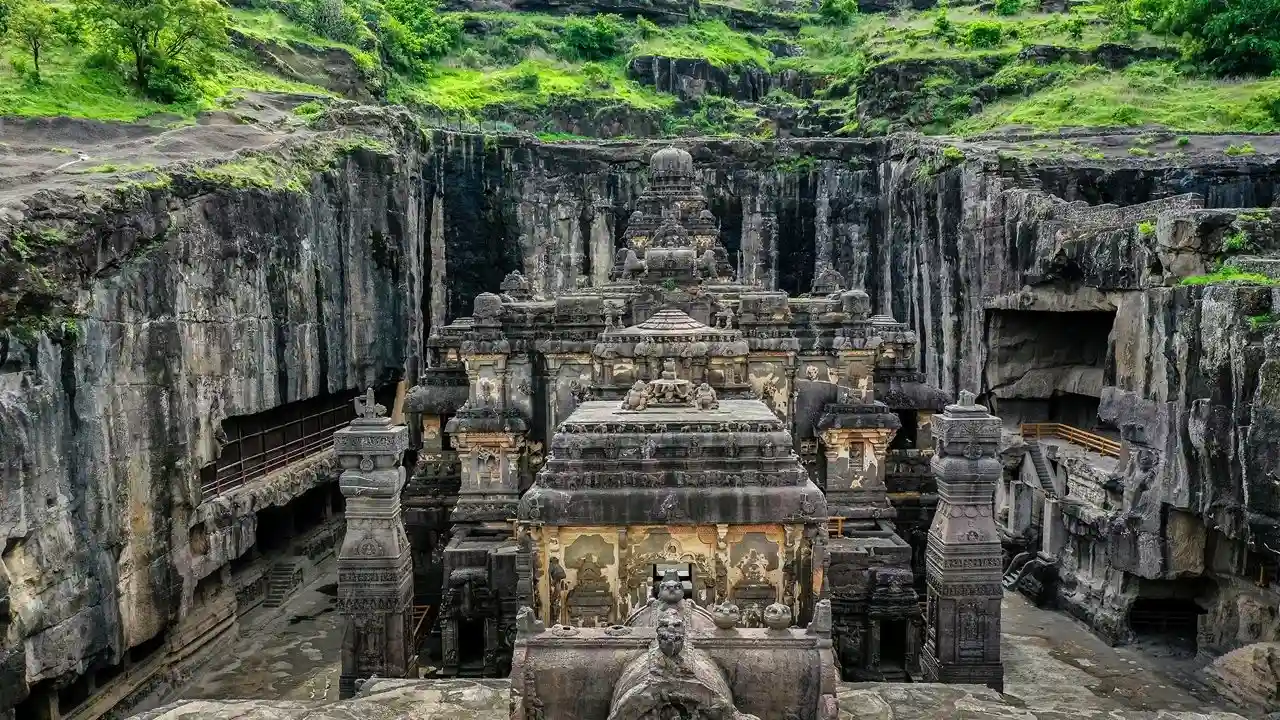
The Ajanta Caves are among the first world heritage site in India, known for its elaborate paintings and rock-cut Buddhist halls. Carved between the 2nd century BCE and the 6th century CE, the walls depict stories from the life of the Buddha painted with natural pigments. The caves are notably serene and cool, and are thus a favourite place for scholars and enthusiasts of ancient art. The Ajanta and Ellora caves are regarded as among the finest examples of ancient Indian art among the World Heritage Sites in India.
Location: Ajanta, Aurangabad District, Maharashtra
Timings: 9:00 AM - 5:00 PM (Closed on Mondays)
Entry Fee: ₹40 (Indians/SAARC/BIMSTEC), ₹600 (Foreigners)
7. Ellora Caves, Maharashtra
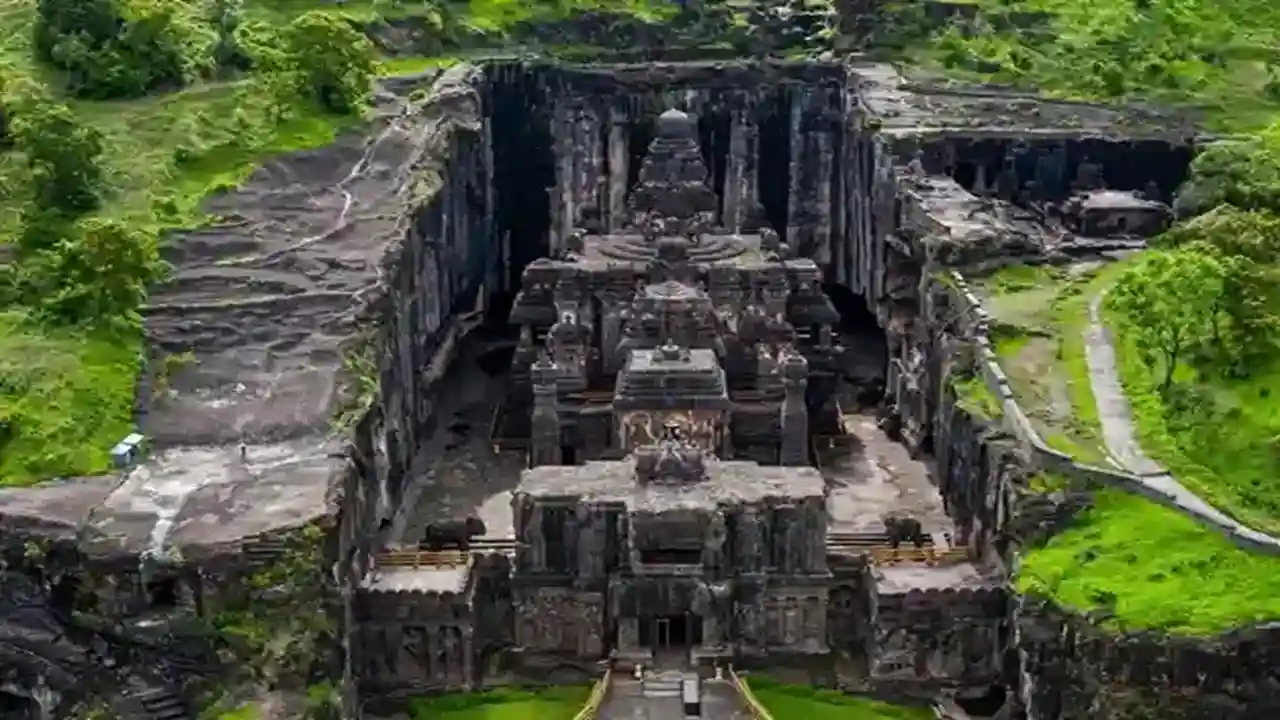
Ellora Caves are another amazing set of World Heritage Sites in India, famous for Hindu, Buddhist and Jain rock-cut caves that are located nearby. The most popular structure here is the Kailasa Temple, carved from a single huge rock. The sculpture, columns and carvings at the site stand in testimony to the skills of ancient Indian builders. Tourists usually walk across the extensive halls to admire the rock-altered artistry. Ellora is a classic example of religious coexistence and cultural synthesis.
Location: Ellora, Aurangabad District, Maharashtra
Timings: 6:00 AM to 6:00 PM (Closed on Tuesdays)
Entry Fee: ₹40 (Indians/SAARC/BIMSTEC), ₹600 (Foreigners)
8. Sun Temple, Konark
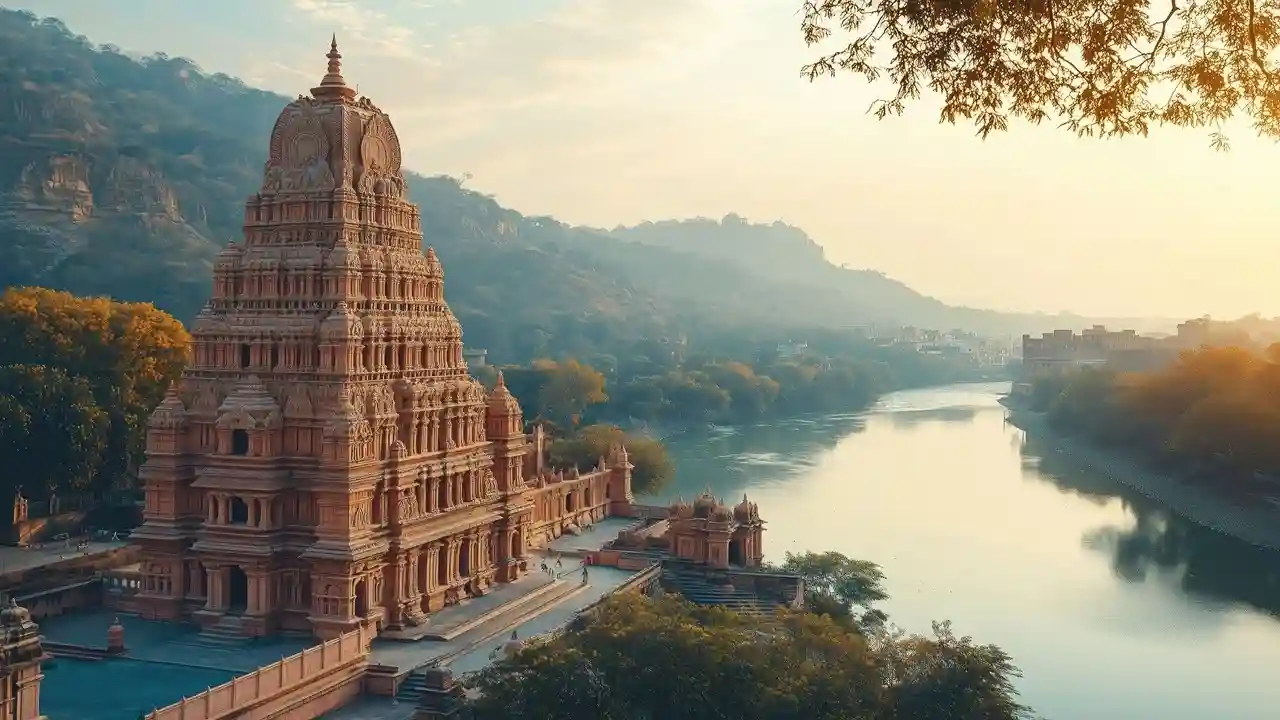
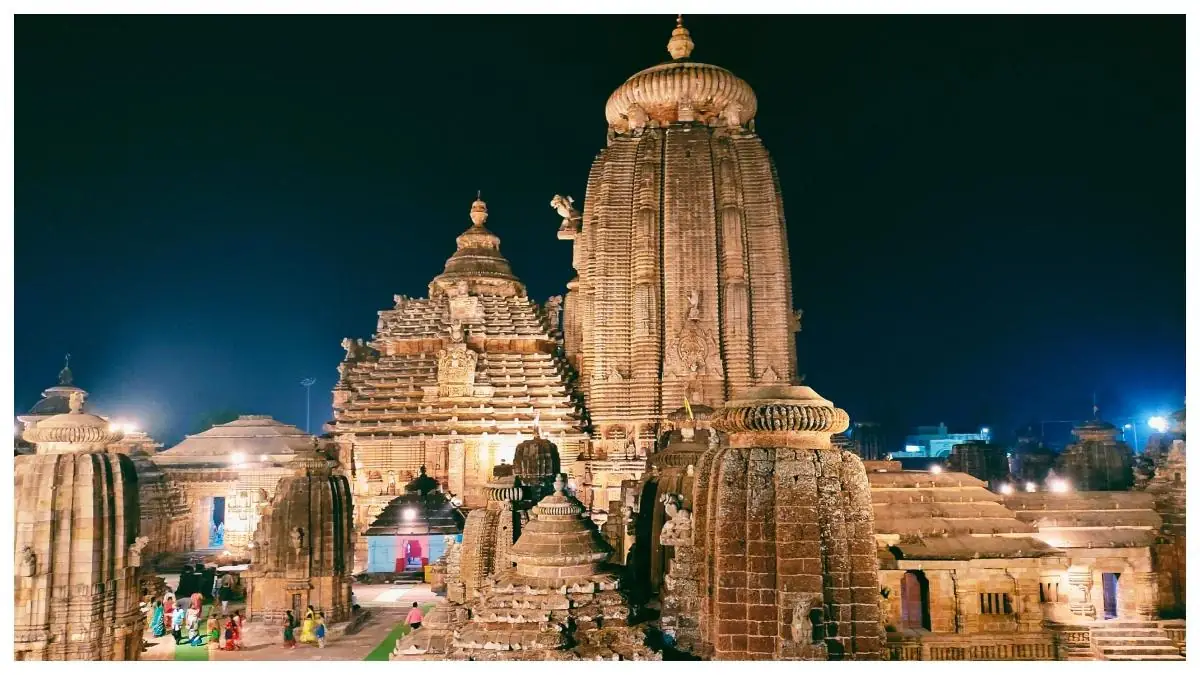
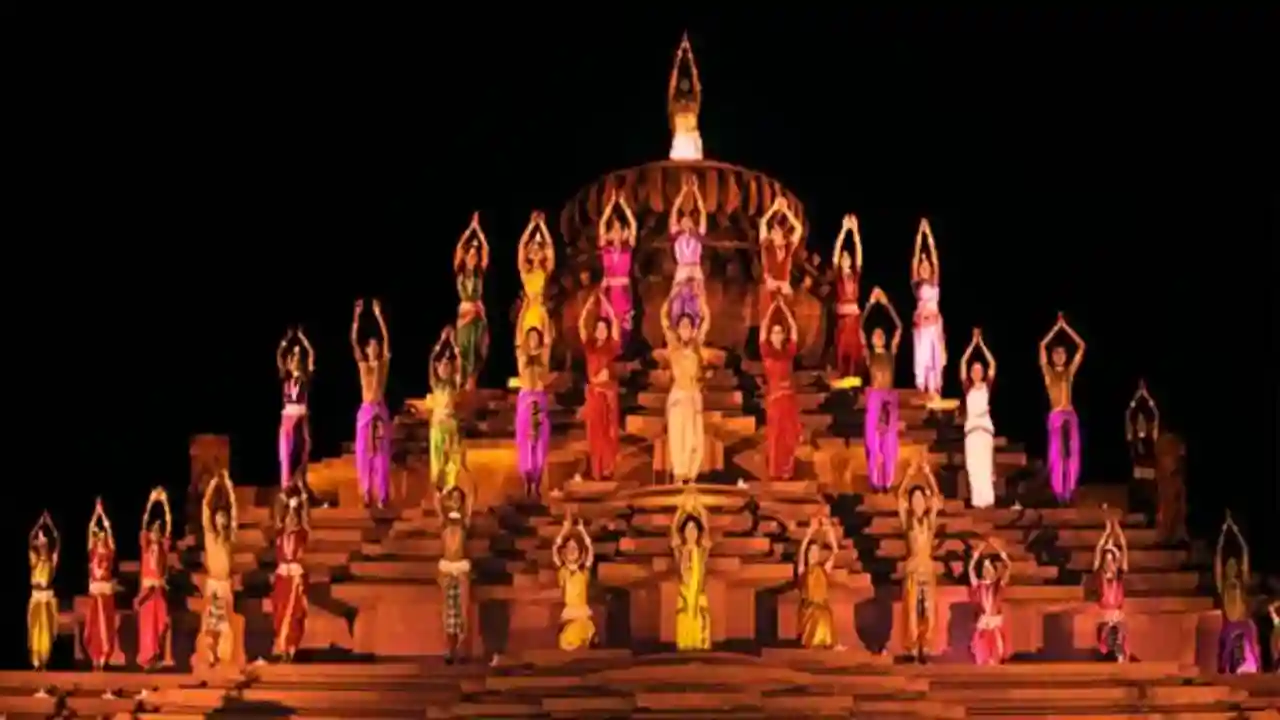
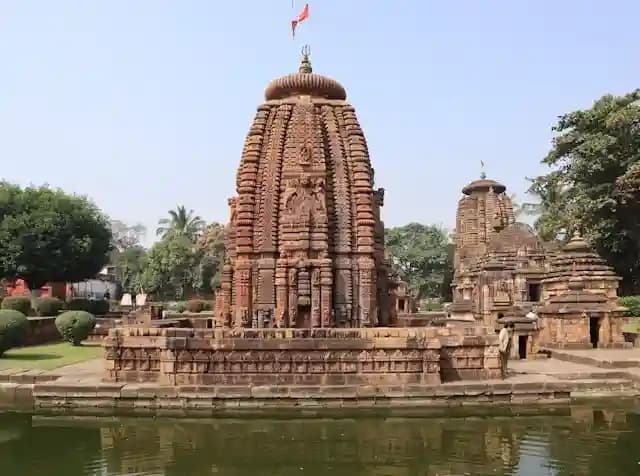
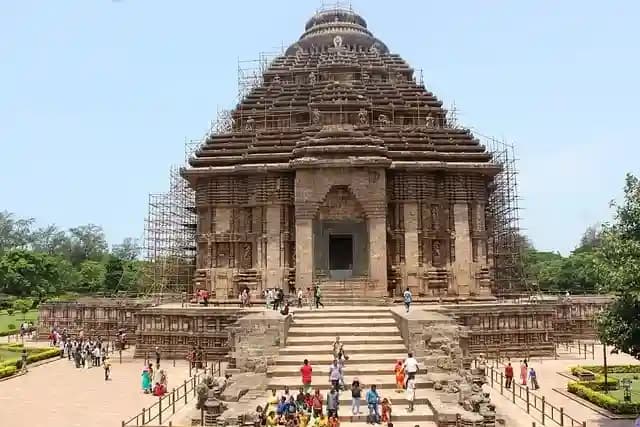
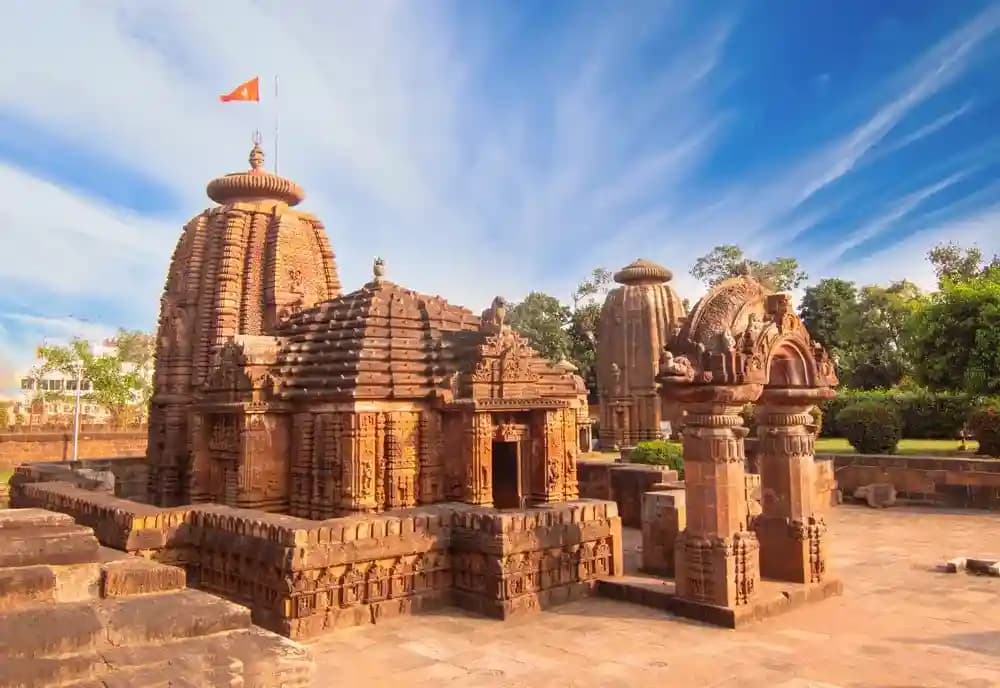
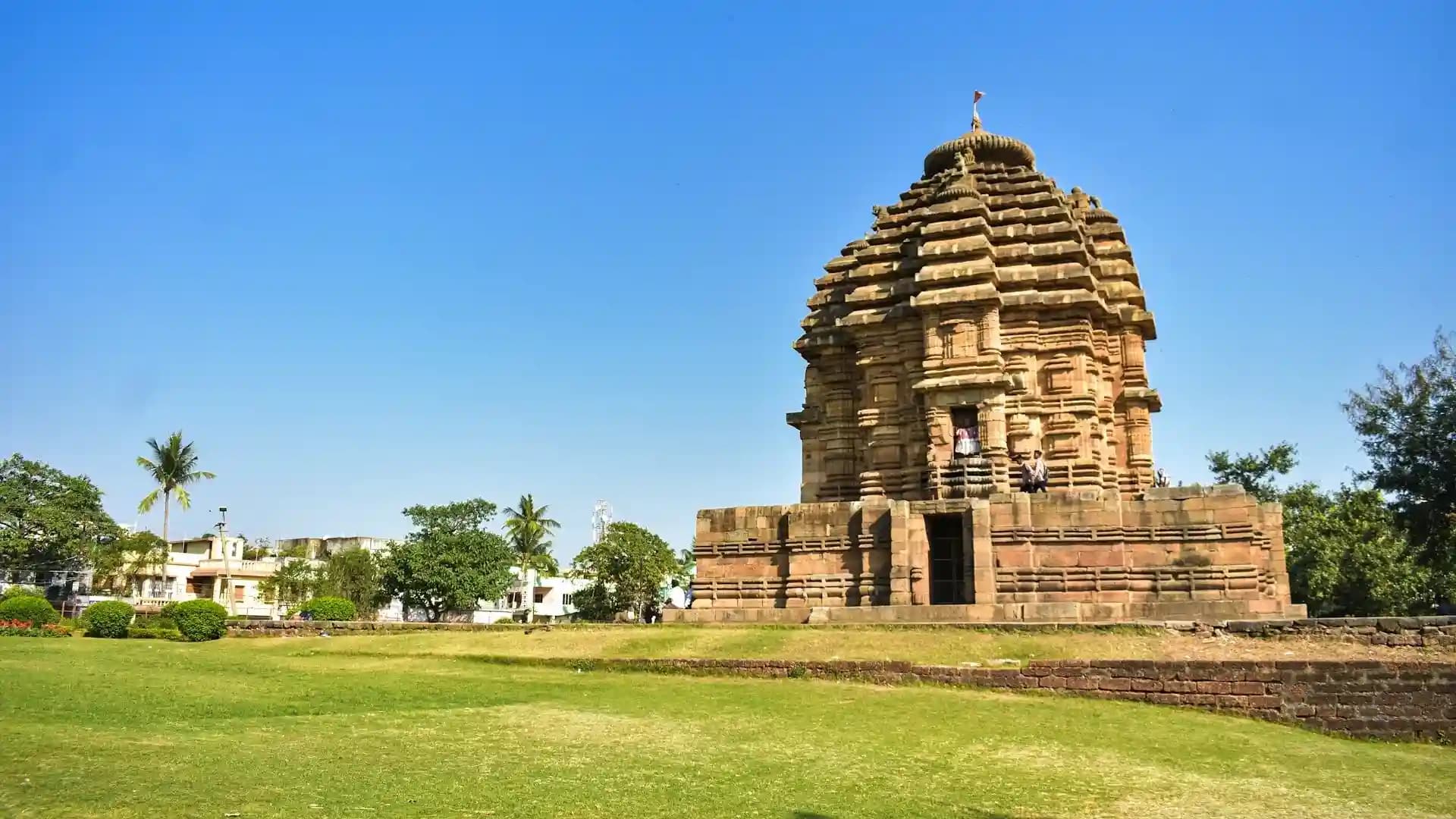
The Konark Sun Temple is one of India's most iconic World Heritage Sites in India, built in the form of a giant chariot. The walls of the temple are decorated with detailed carvings of dancers, animals and scenes from daily life. The structure is dedicated to the Sun God and reflects the strong artistic style of the Odisha rulers. Though large parts of the complex have collapsed through the ages, remaining sculptures continue to enthrall visitors. The site is a must-visit among the sun temples of India, especially for anyone who is interested in architecture, history and culture.
Location: Konark, Puri District, Odisha
Timings: 5:00 am to 11:00 pm
Entry Fee: Free
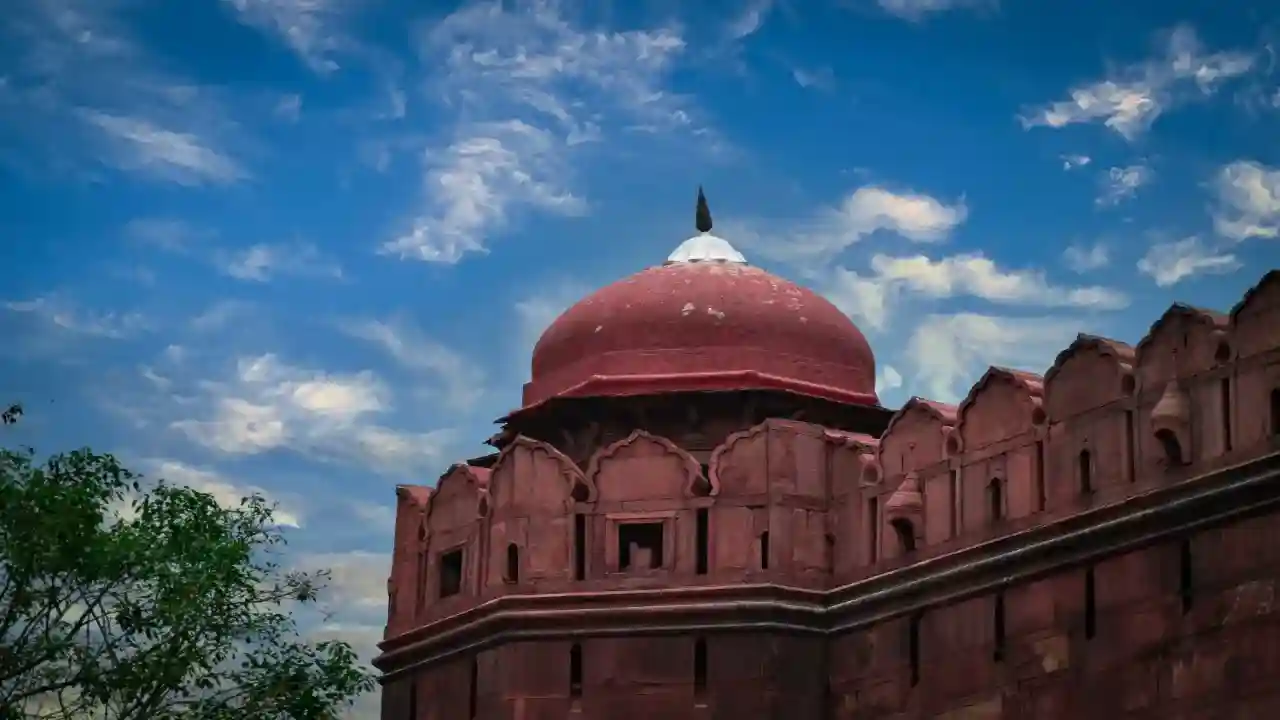
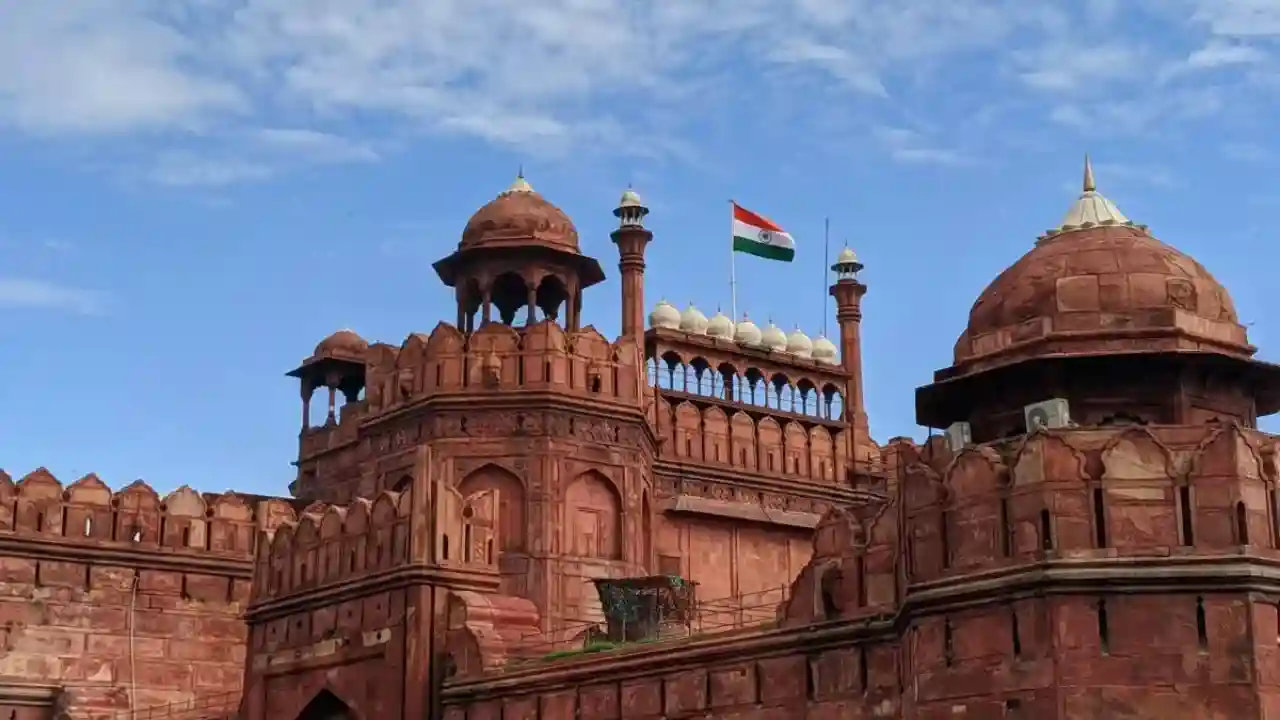
9. Red Fort Complex, Delhi
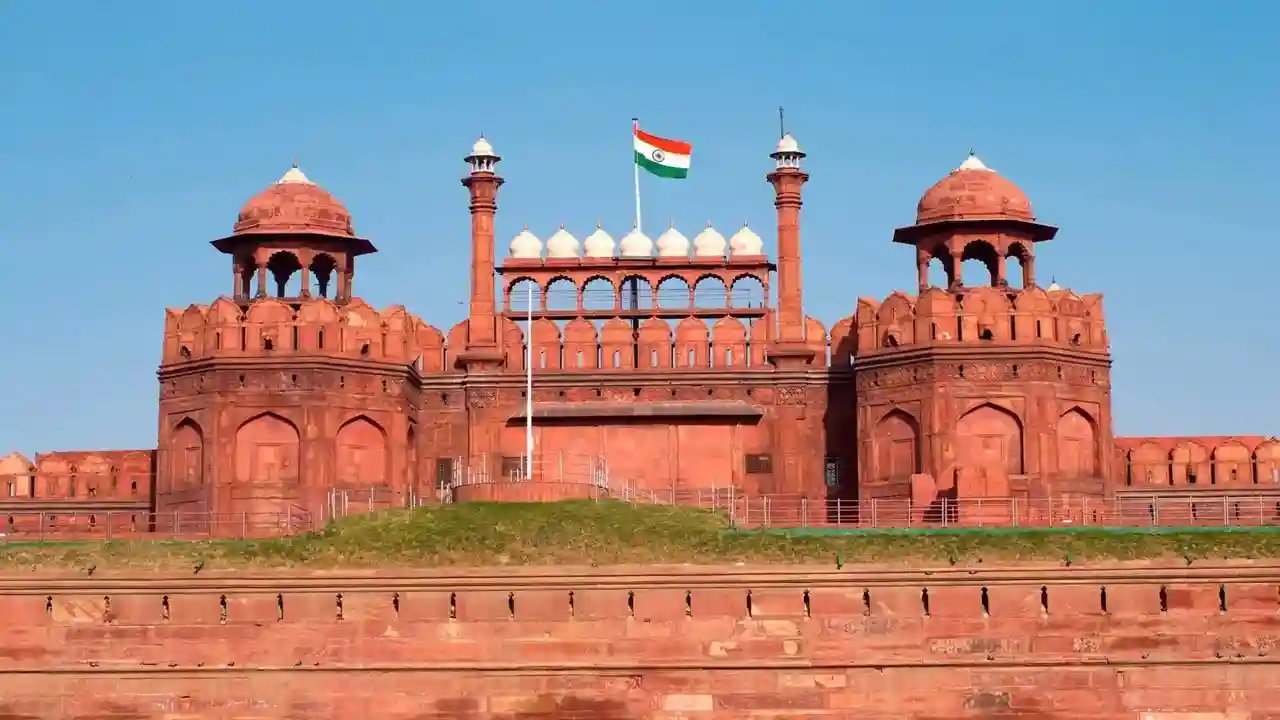
The Red Fort is one of the most famous World Heritage Sites in India and a strong symbol of Indian history. The fort was built by the Mughal emperor Shah Jahan and has grand gates, halls and beautiful gardens. The red sandstone walls depict the imperial style and political power of the Mughal era. Every evening, a sound-and-light show illustrates Delhi's historical journey here. The fort also hosts the Prime Minister's Independence Day address each year.
Location: Netaji Subhash Marg, Old Delhi
Timings: 9:30 AM - 4:30 PM (Closed on Mondays)
Entry Fee: ₹35 (Indians), ₹500 (Foreigners)
10. Great Living Chola Temples, Tamil Nadu
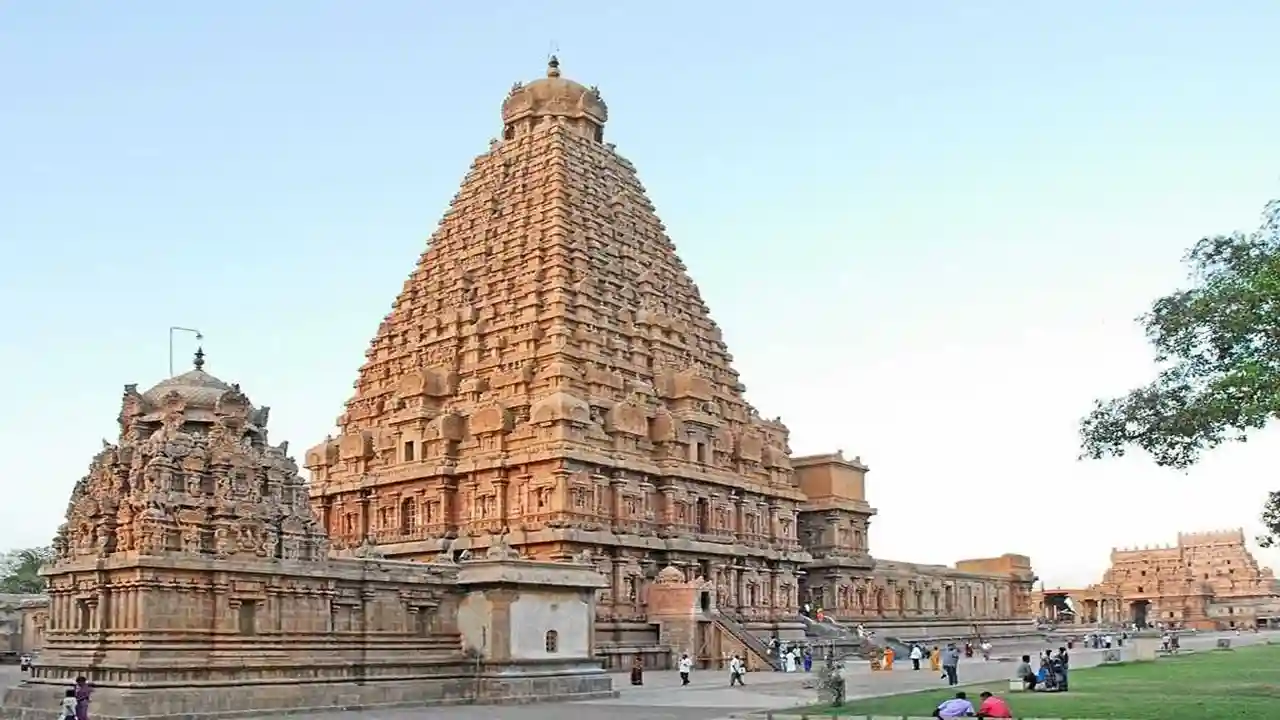
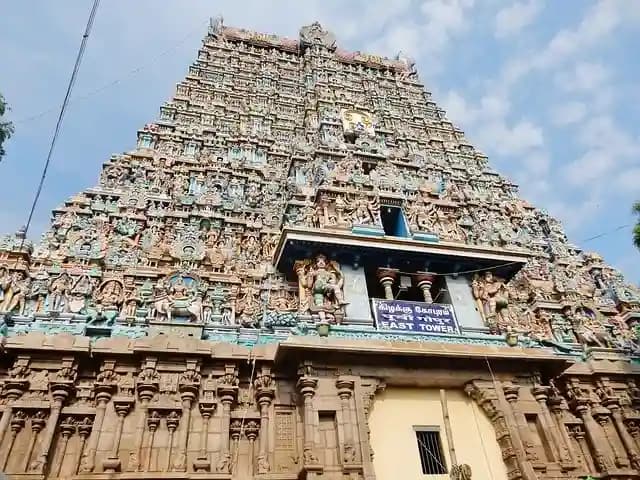
The Great Living Chola Temples are unique World Heritage Sites in India, built by the Chola dynasty more than a 1000 years ago. The tall gateways, monumental stone sculpture and robust architectural forms are some of the main features of the key temples: Brihadeeswarar Temple, Gangaikonda Cholapuram and Airavatesvara. Each temple contains detailed carvings illustrating episodes from Hindu mythological narratives. These remain active places of worship and demonstrate the continuing vitality of Chola artistry.
Location: Thanjavur, Gangaikonda Cholapuram & Kumbakonam regions
Timings: 6:00 AM - 8:00 PM
Entry Fee: Free
Conclusion
India has a lot of unique places that enable us to know a bit of our long history, strong culture and natural beauty. Each of the World Heritage Sites in India, be it old temples, painted caves, forts or wildlife parks, tell us something significant about the way people used to live quite a long time ago. These places are protected so future generations can also learn from them as well. The experience of visiting these sites is an opportunity to observe the actual story of India with your own eyes. They demonstrate the skill of ancient builders, the creativity of artists and the richness of our traditions. Plan a trip to explore these gems and let it be a reminder of the importance to keep our heritage safe.