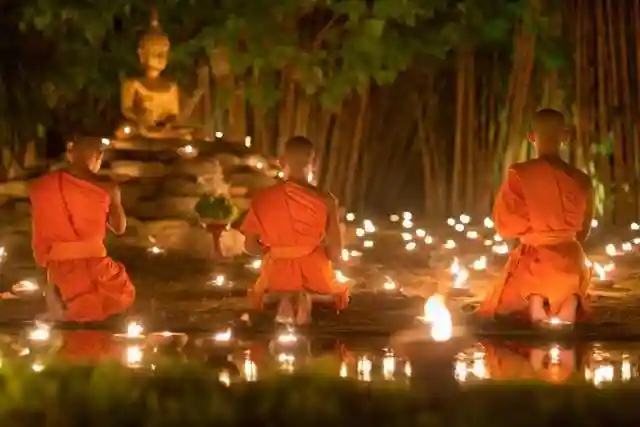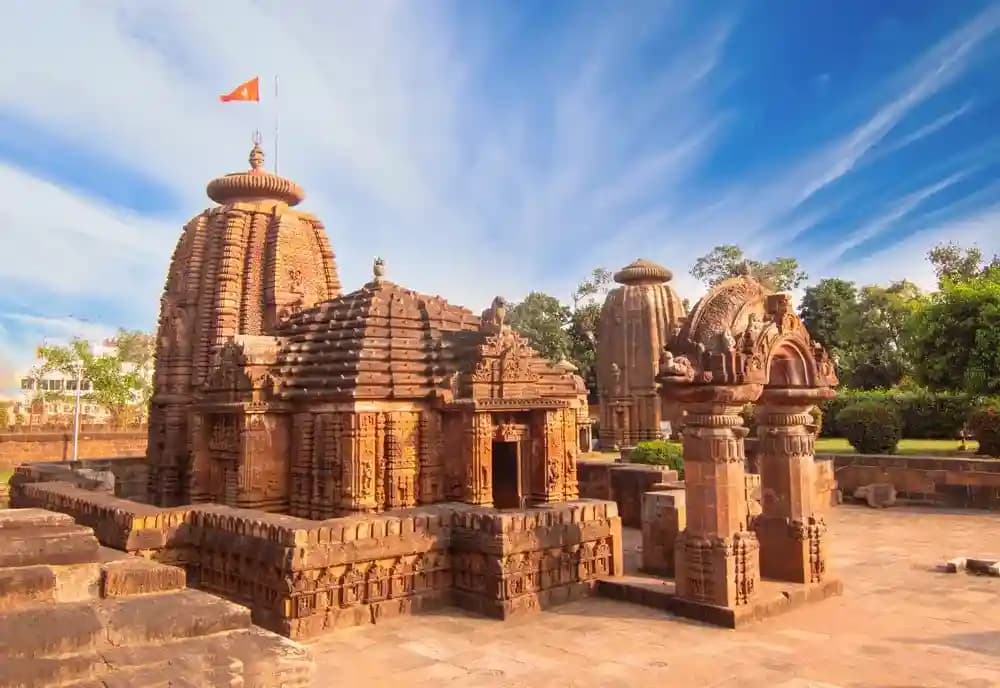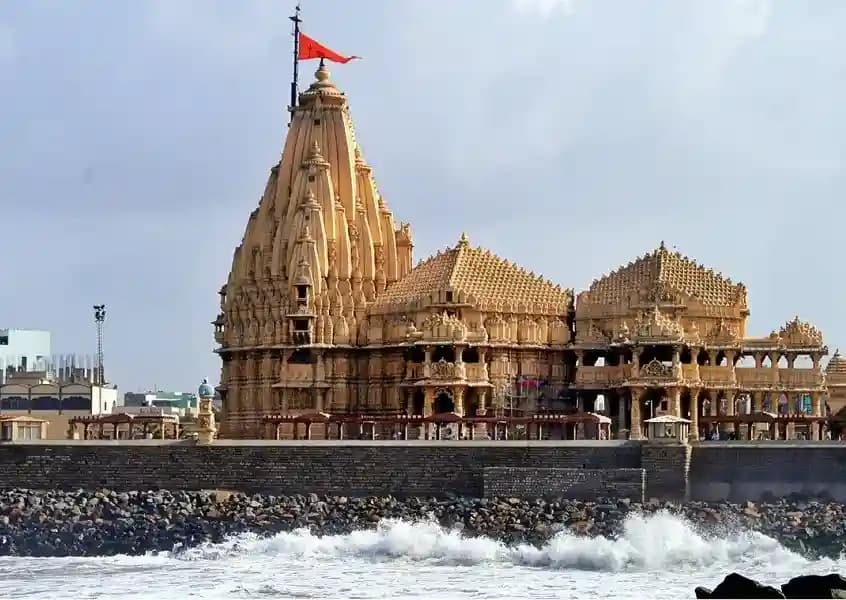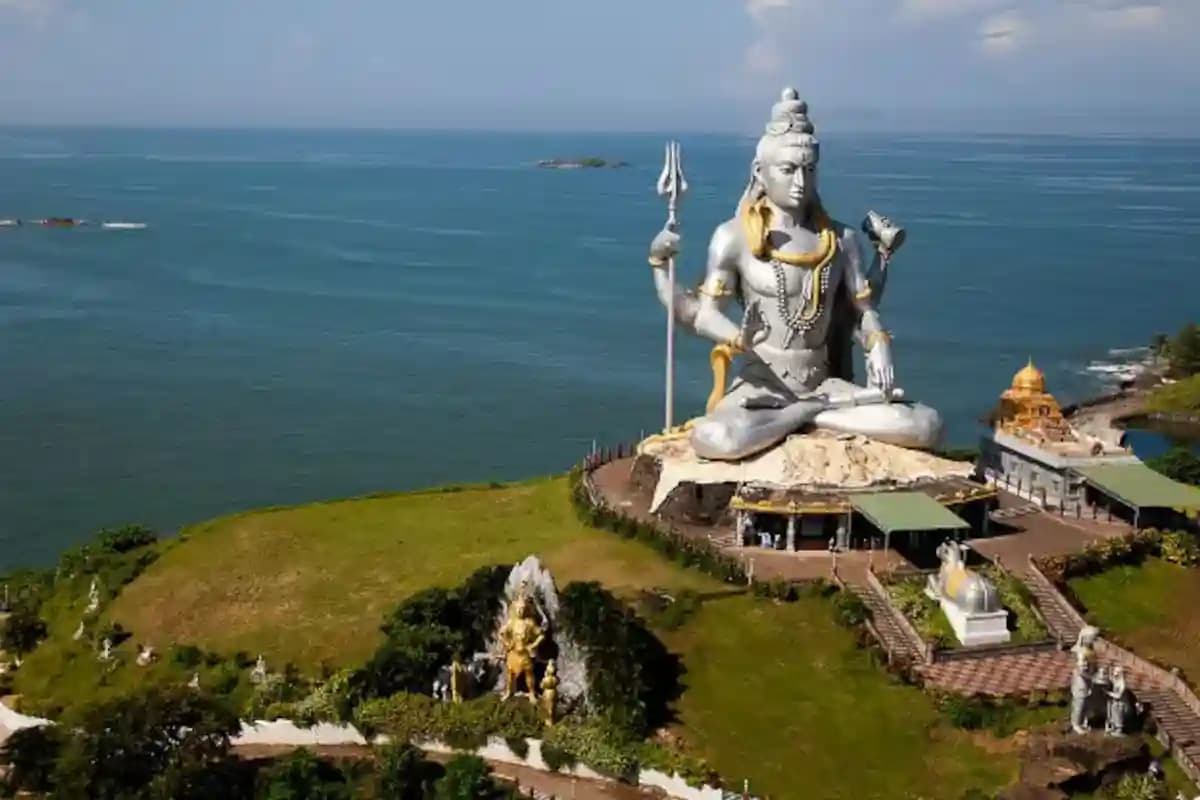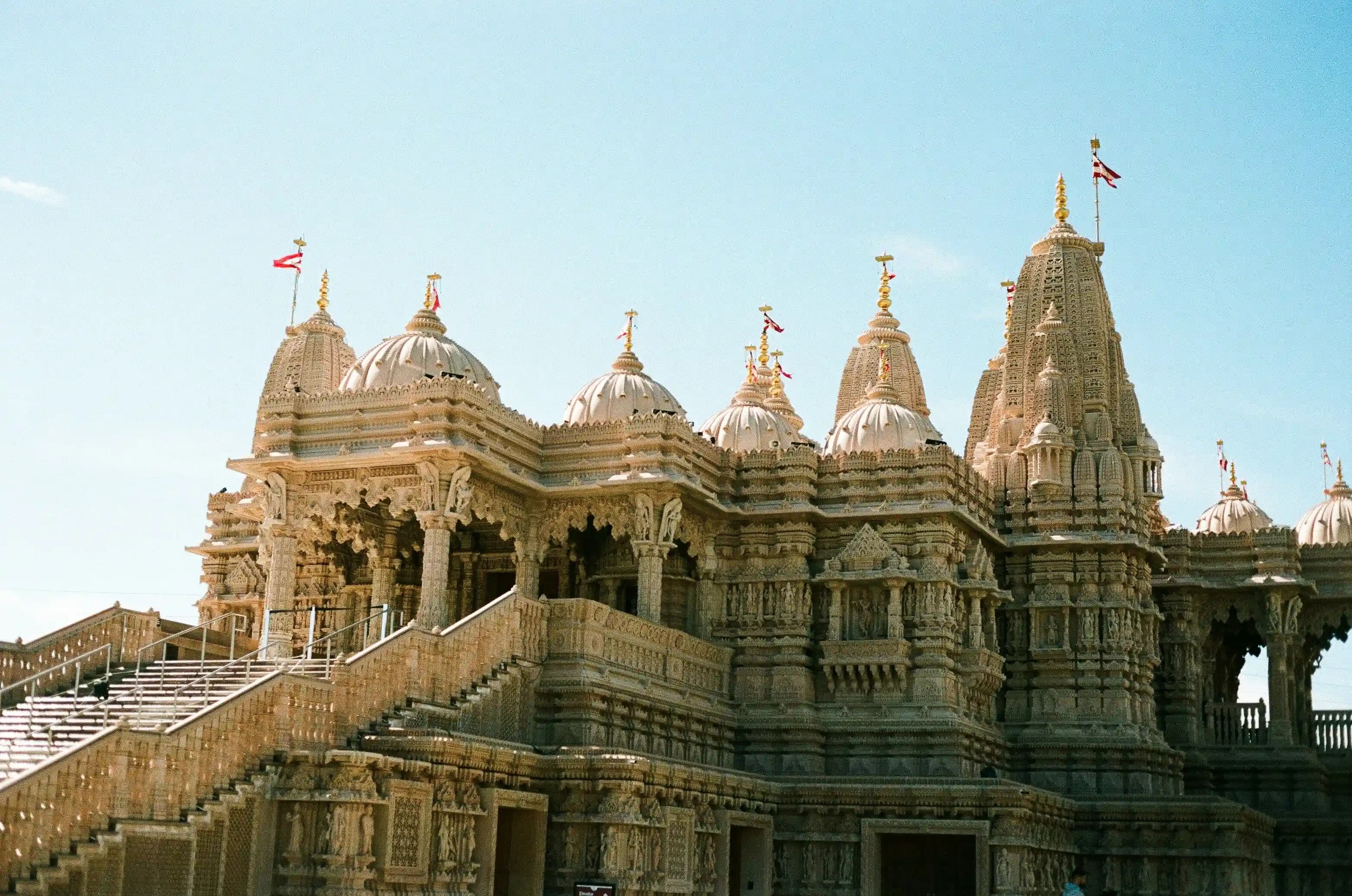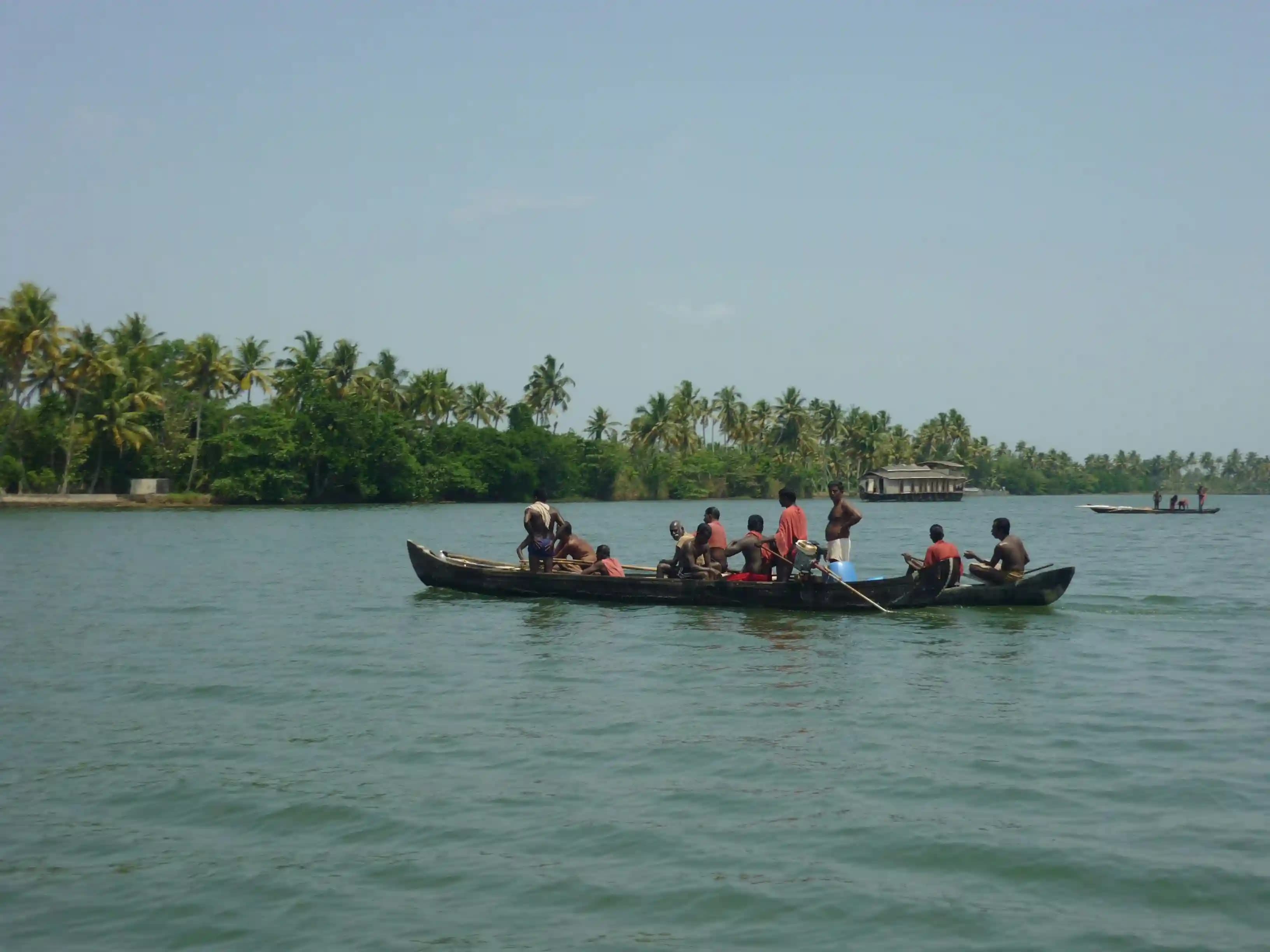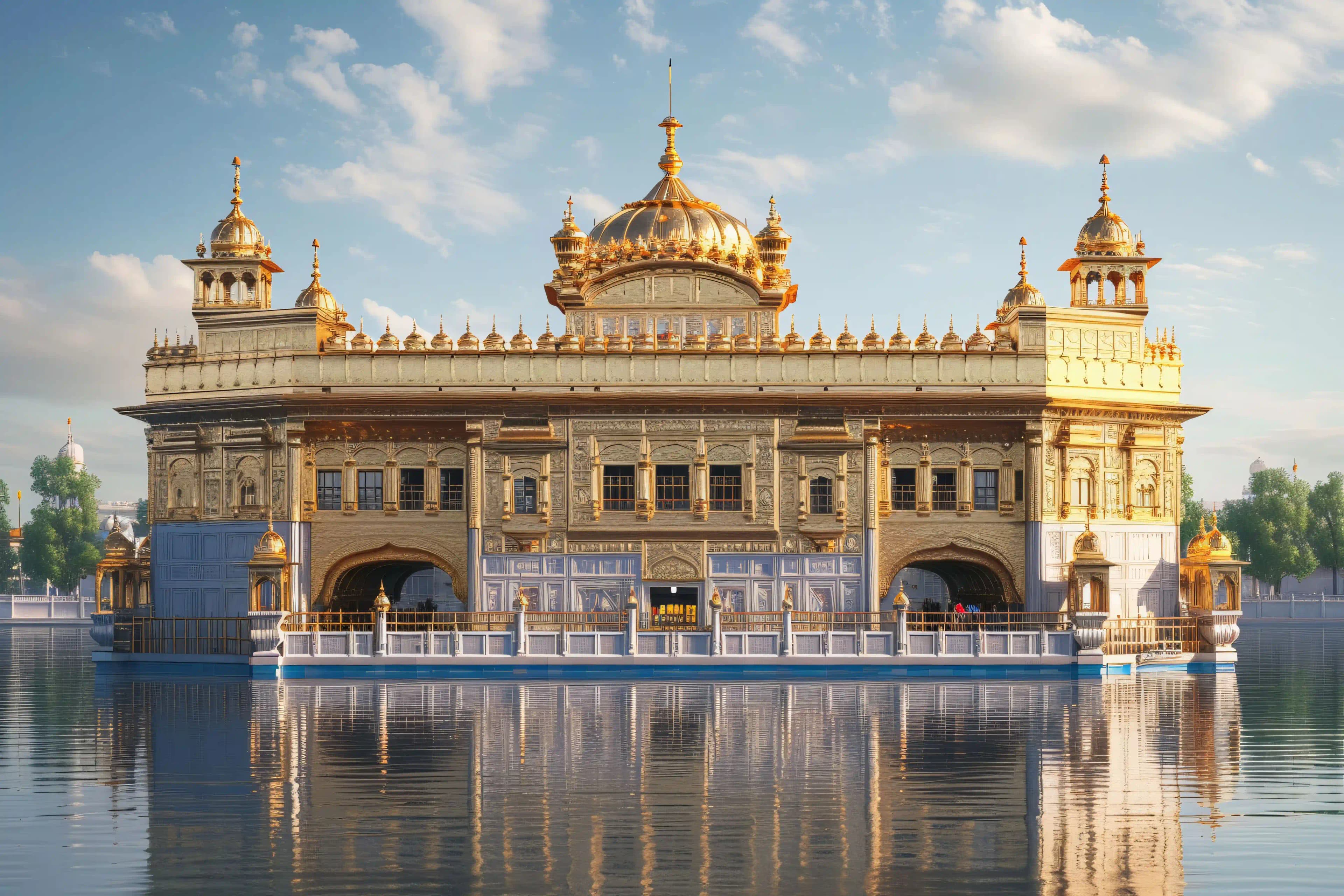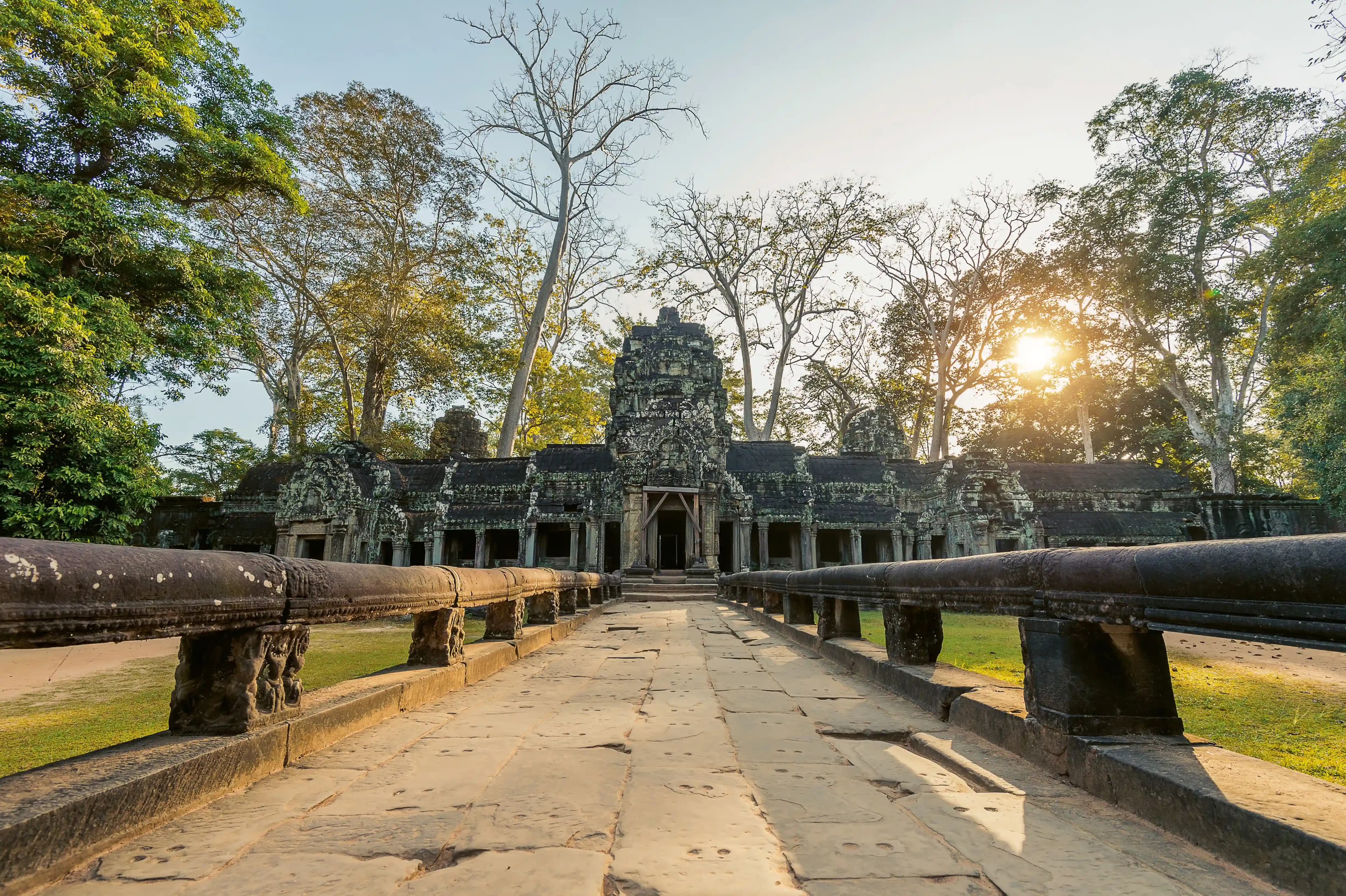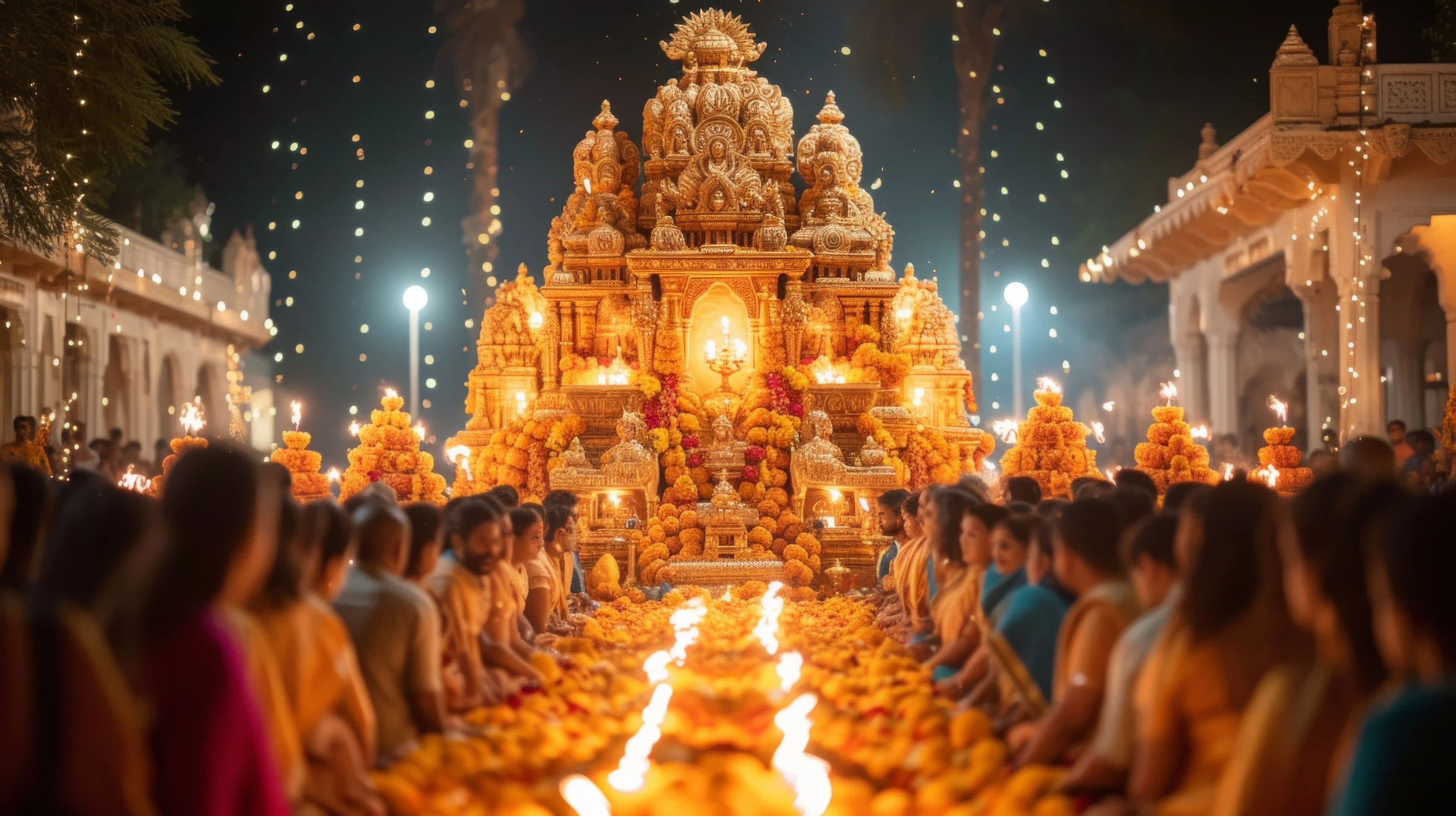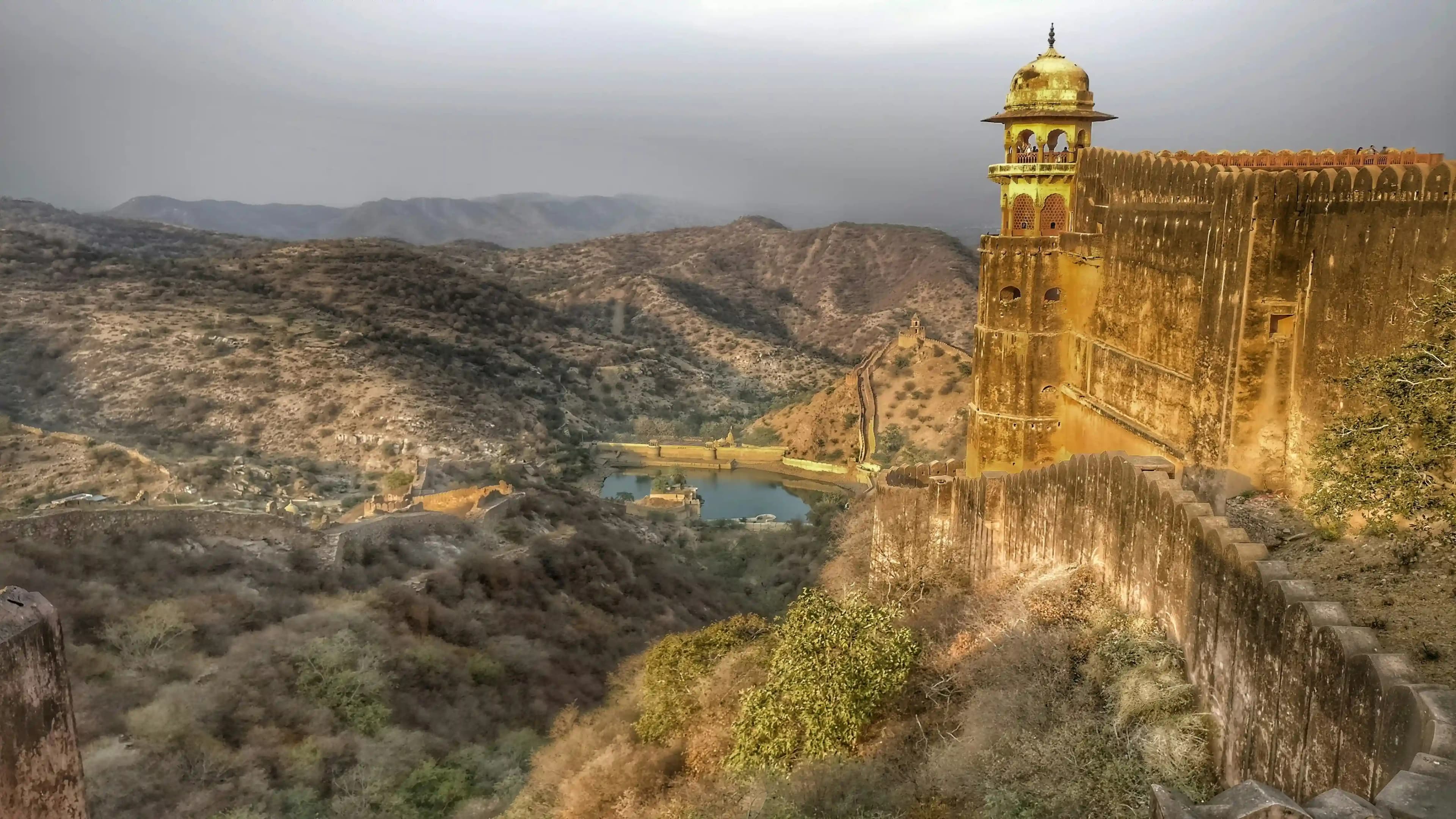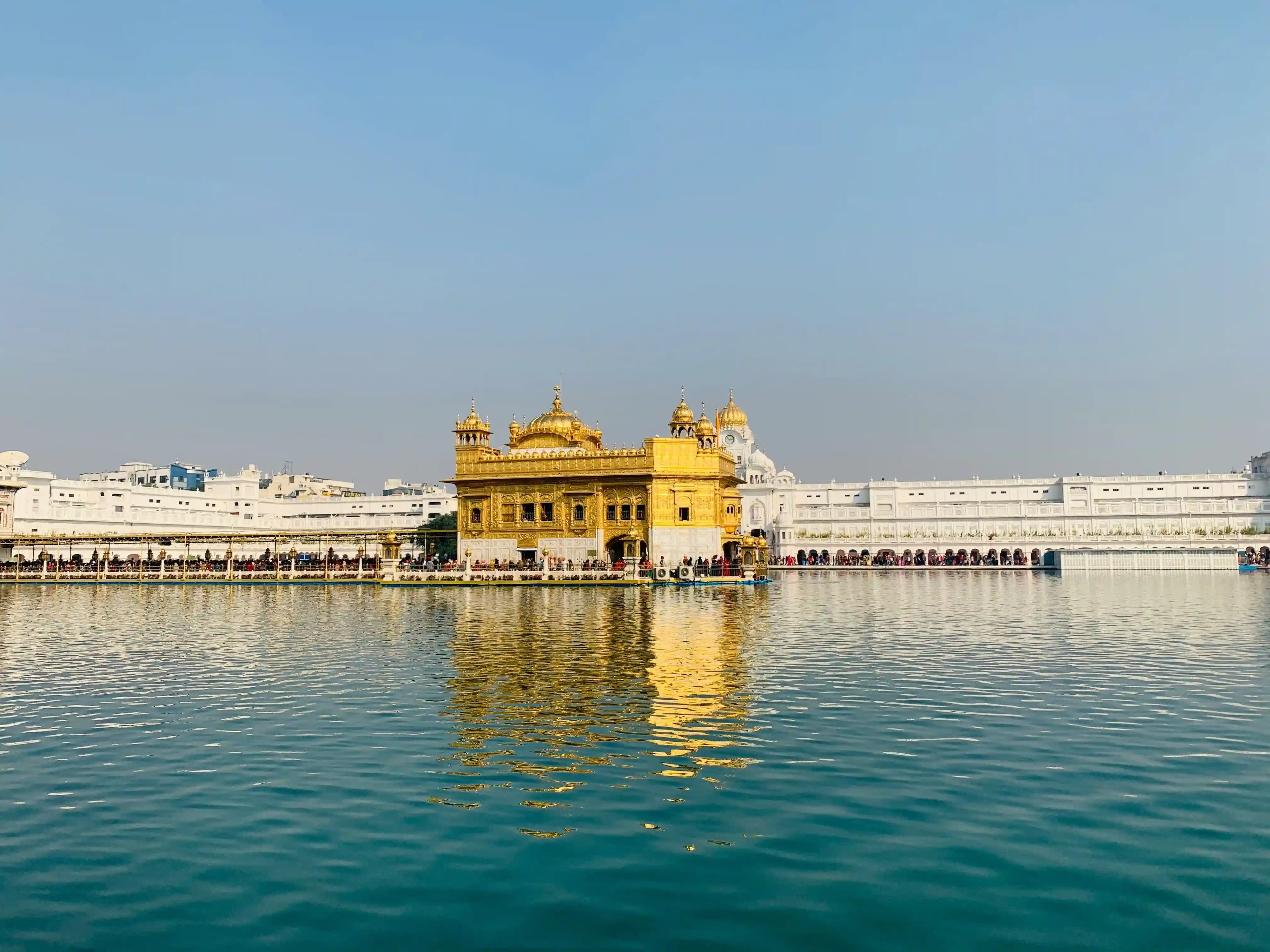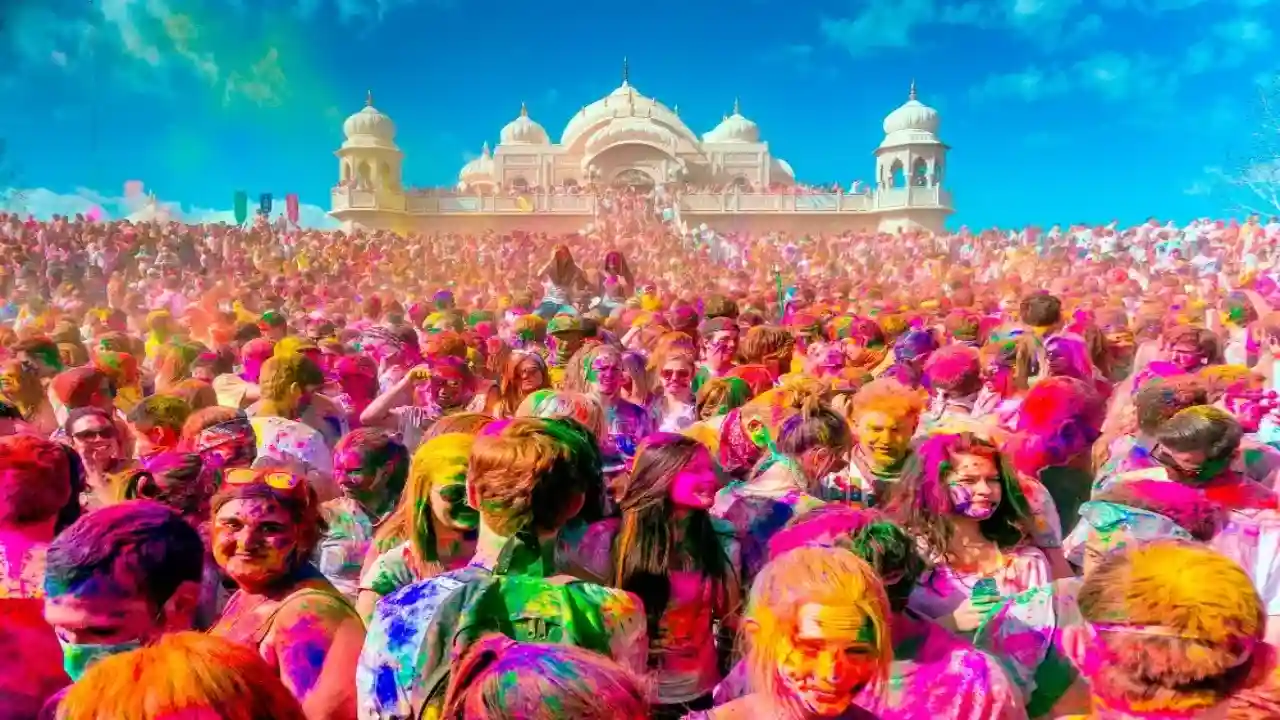
Colours are not always loud. Sometimes, they whisper a story of devotion, calmness, and ancient rituals. Holi in South India is not about loud music and wild crowds; it is about meaning, balance, and quiet joy. While in the rest of India, the day of Holi is a burst of playful chaos, the southern states celebrate it in an atmosphere of grace, prayer, and tradition.
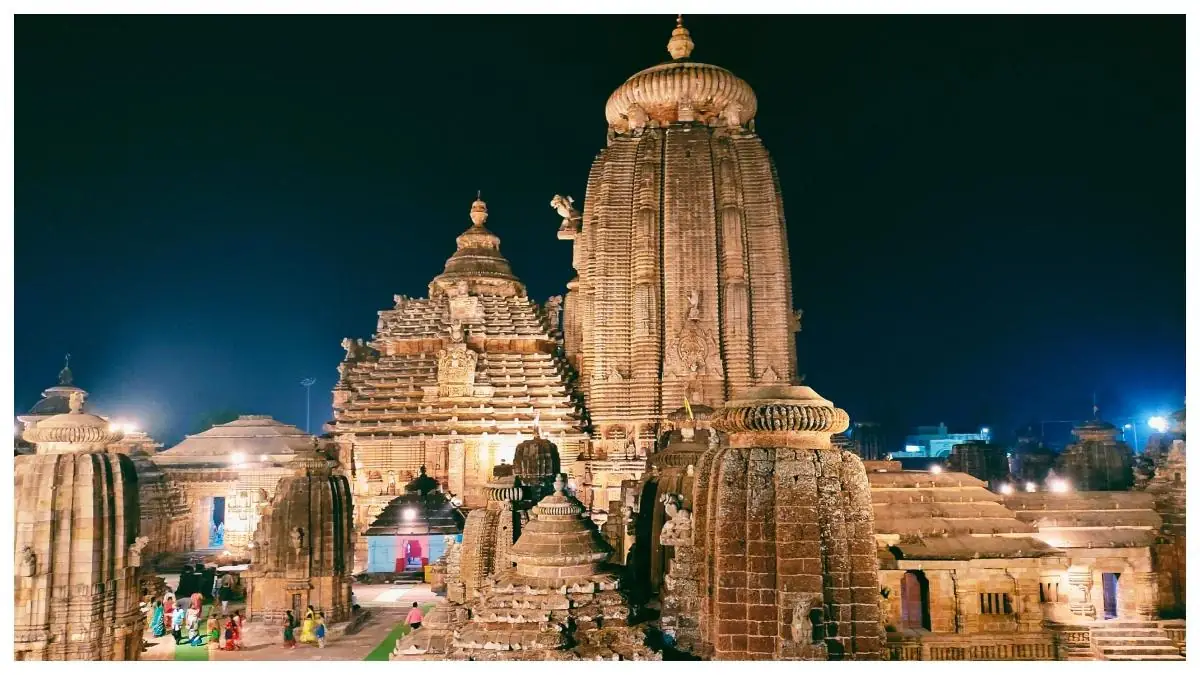
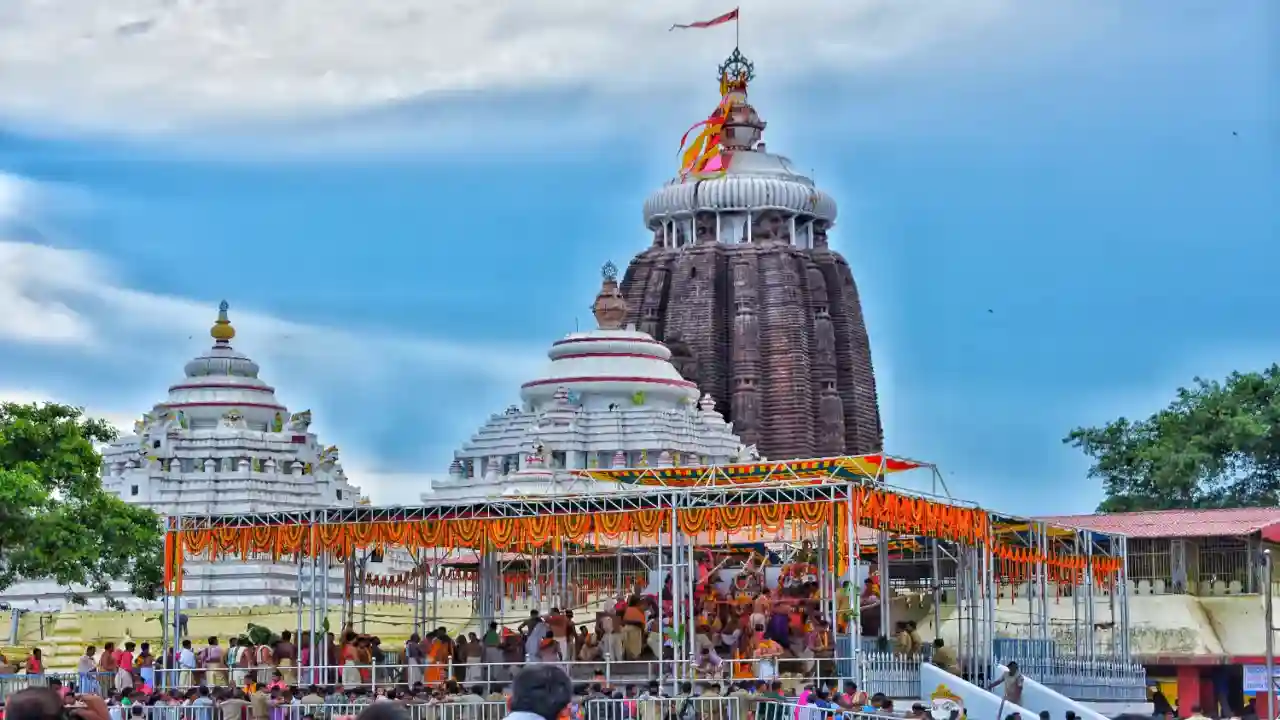
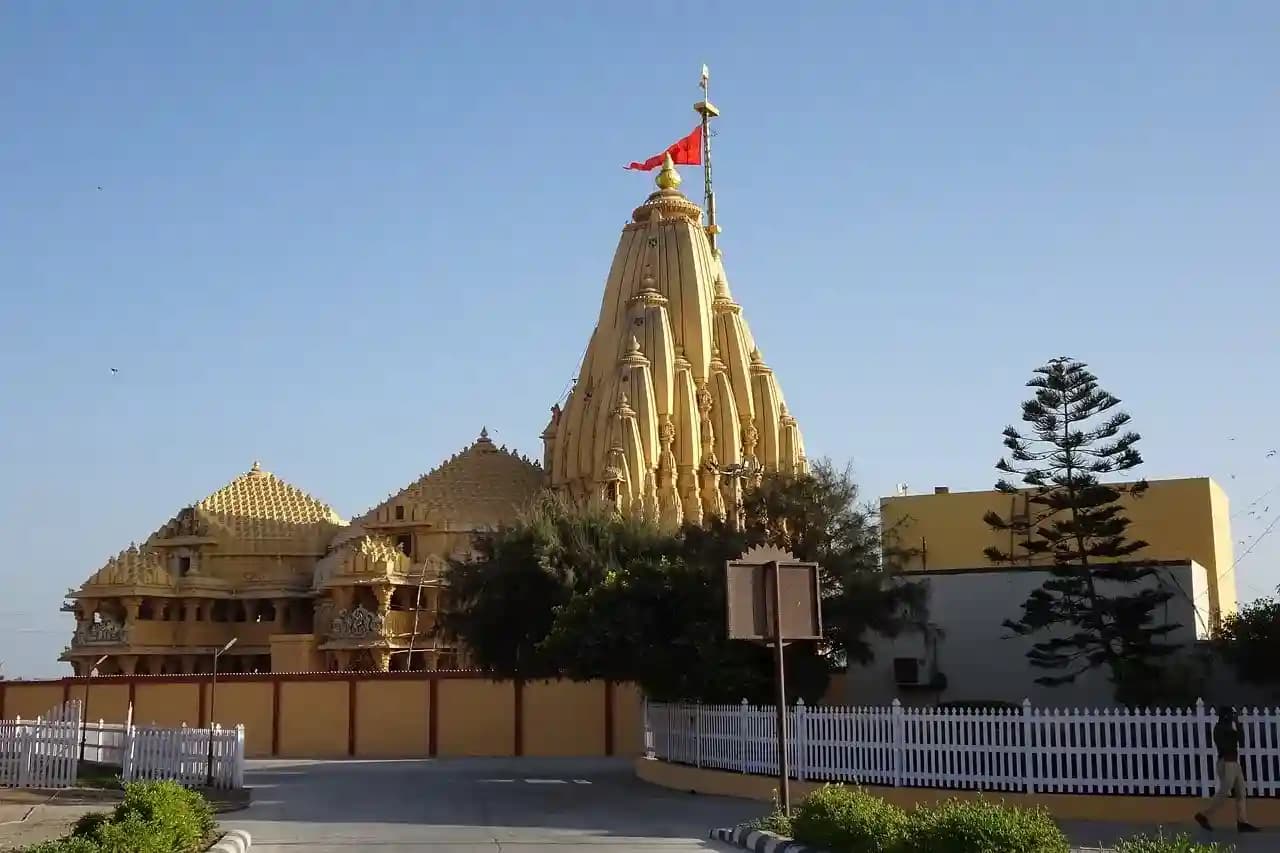
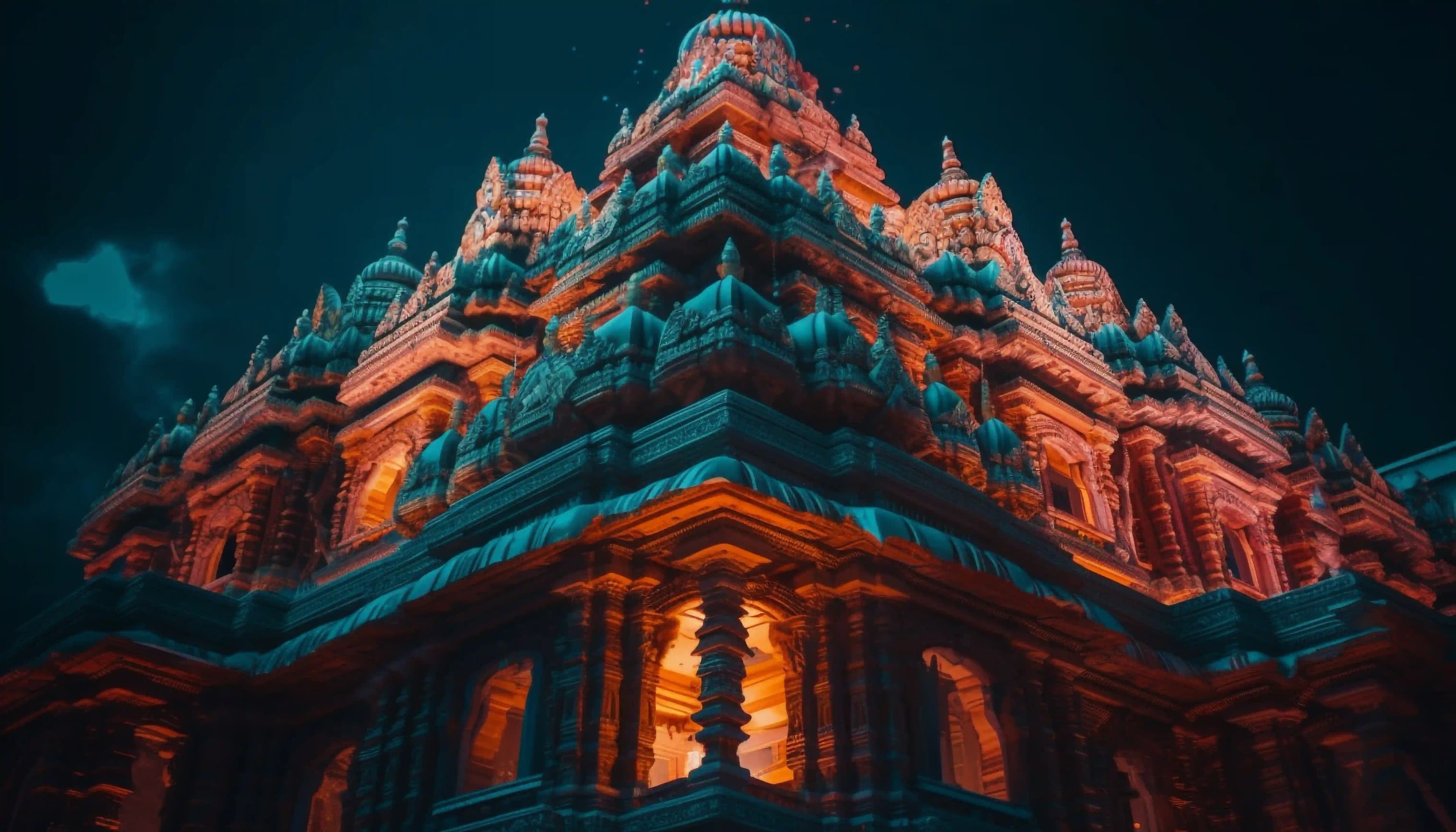
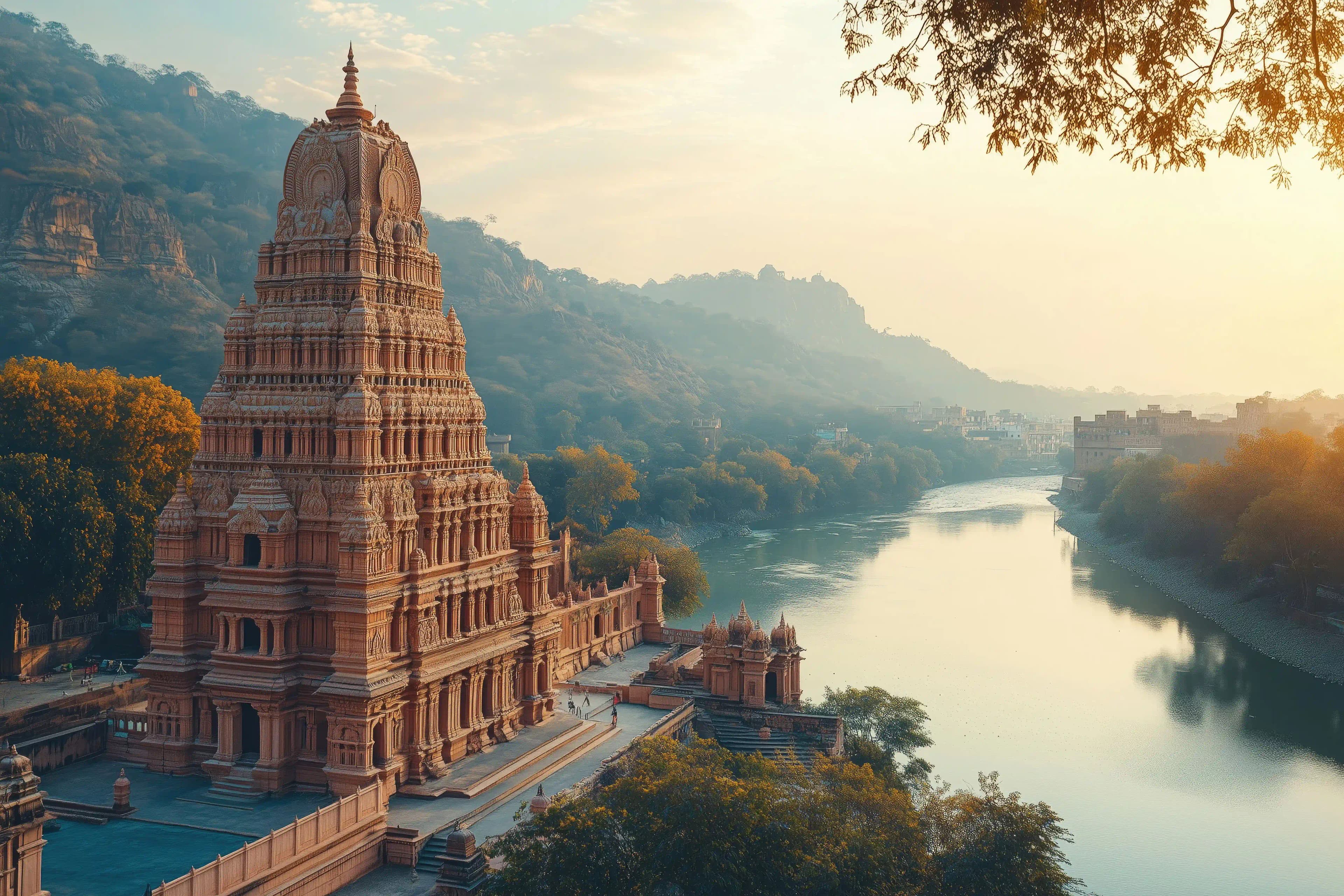
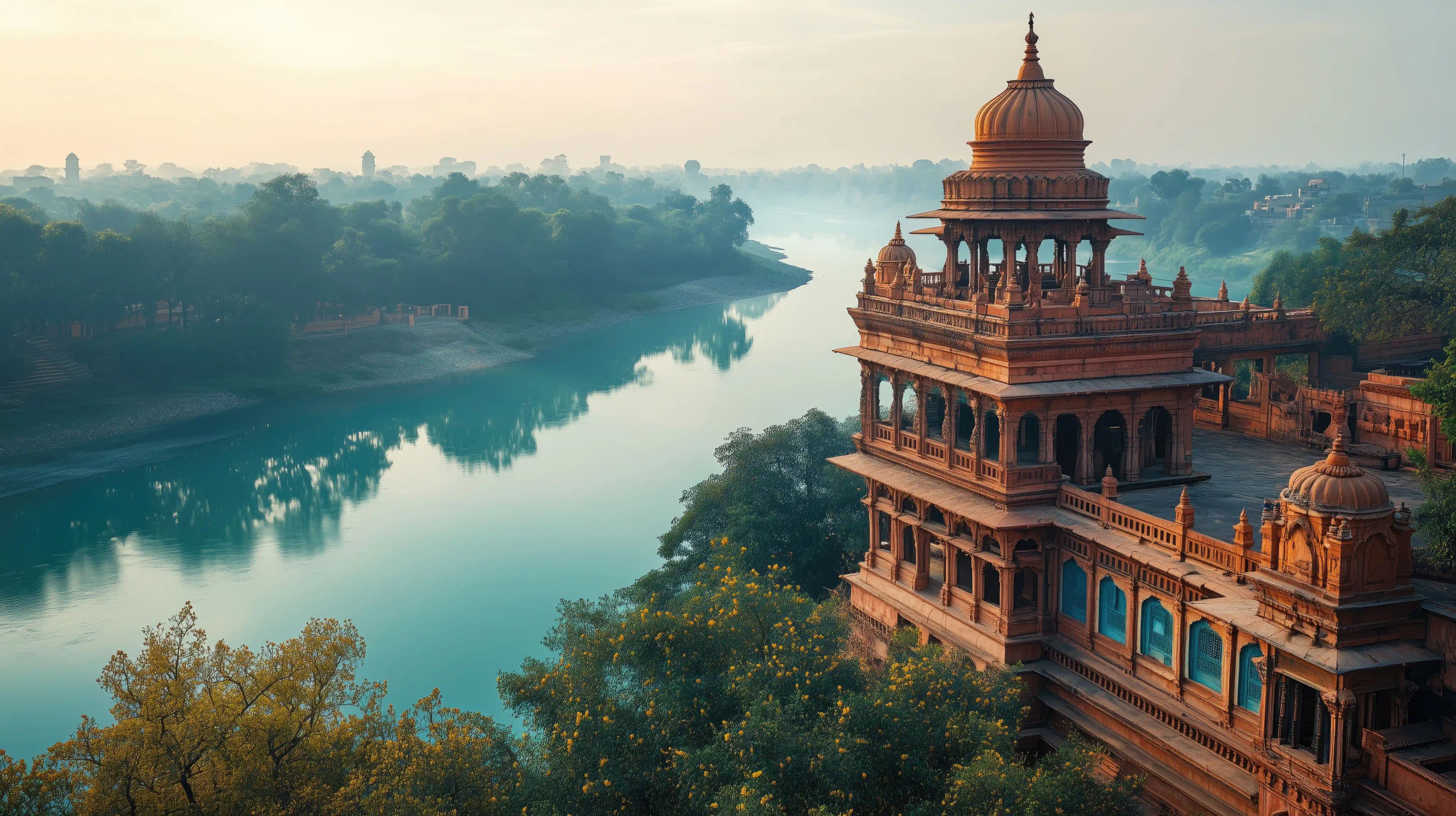
During Holi in South India, it is temples that lead the celebrations, communities are united, and the rituals prevail above the colours. From sacred temple ceremonies to small, heartfelt gatherings, this version of Holi is intensely personal. If you want to feel the tranquil festival with its cultural and spiritual undertones, this is the journey you need to take across the best places to celebrate Holi in South India in the best possible way.
Where to Celebrate Holi in South India?
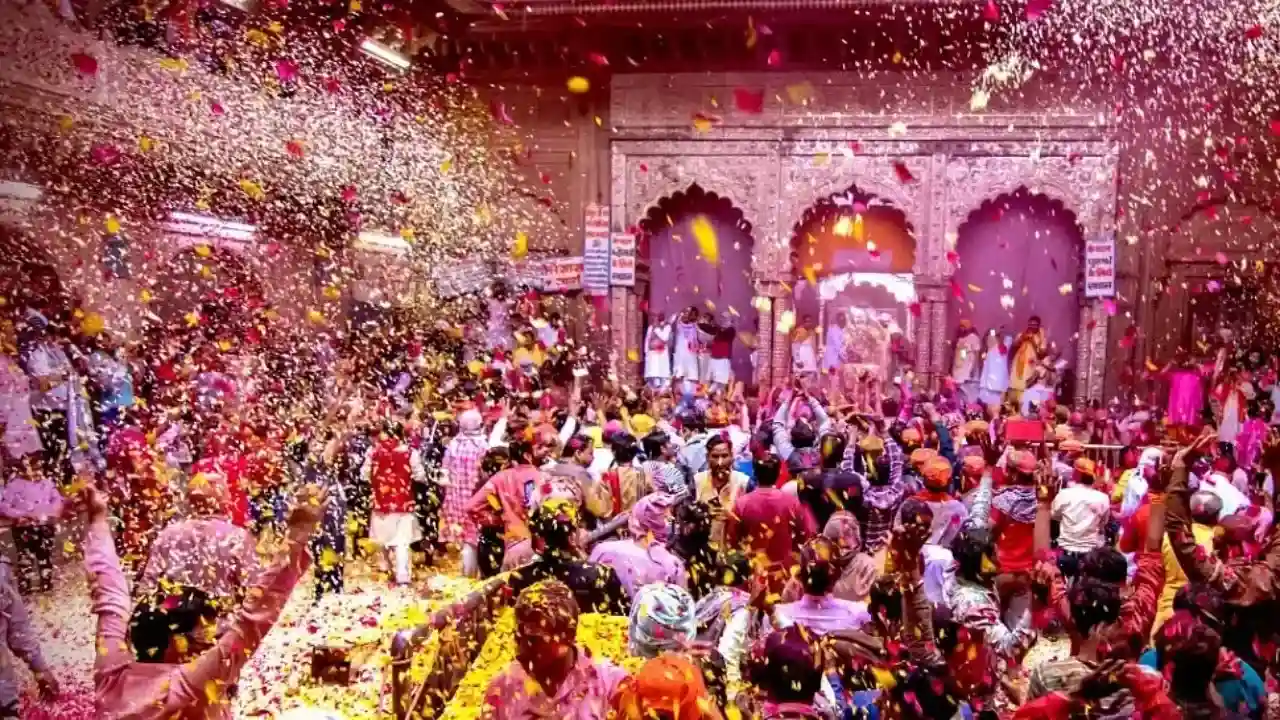
Holi may not be as loud in the South, but it is very much rich in terms of culture, tradition, and symbolism. Each state celebrates the festival differently, as various beliefs and customs are followed in different states. Exploring the best places to celebrate Holi in South India is a good travel experience that is full of temples, rituals, and community bonding.
1. Tamil Nadu
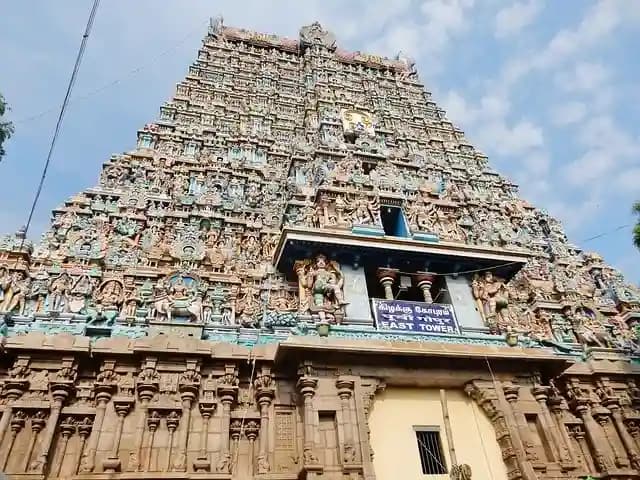
In Tamil Nadu, Holi is celebrated in many parts of the state. The emphasis is on temple rituals, praying, and spiritual gatherings instead of colours. Devotees visit Murugan and Shiva temples, and there are processions and sacred ceremonies. The atmosphere is peaceful and pious, and hence it is ideal for those travellers who wish to experience Holi through faith and traditions. While there is little in the way of colours, the spiritual energy of the festival is something that leaves a lasting impression.
What is it called here: Panguni Uthiram, which is celebrated mostly by rituals in the temple and prayers.
2. Karnataka
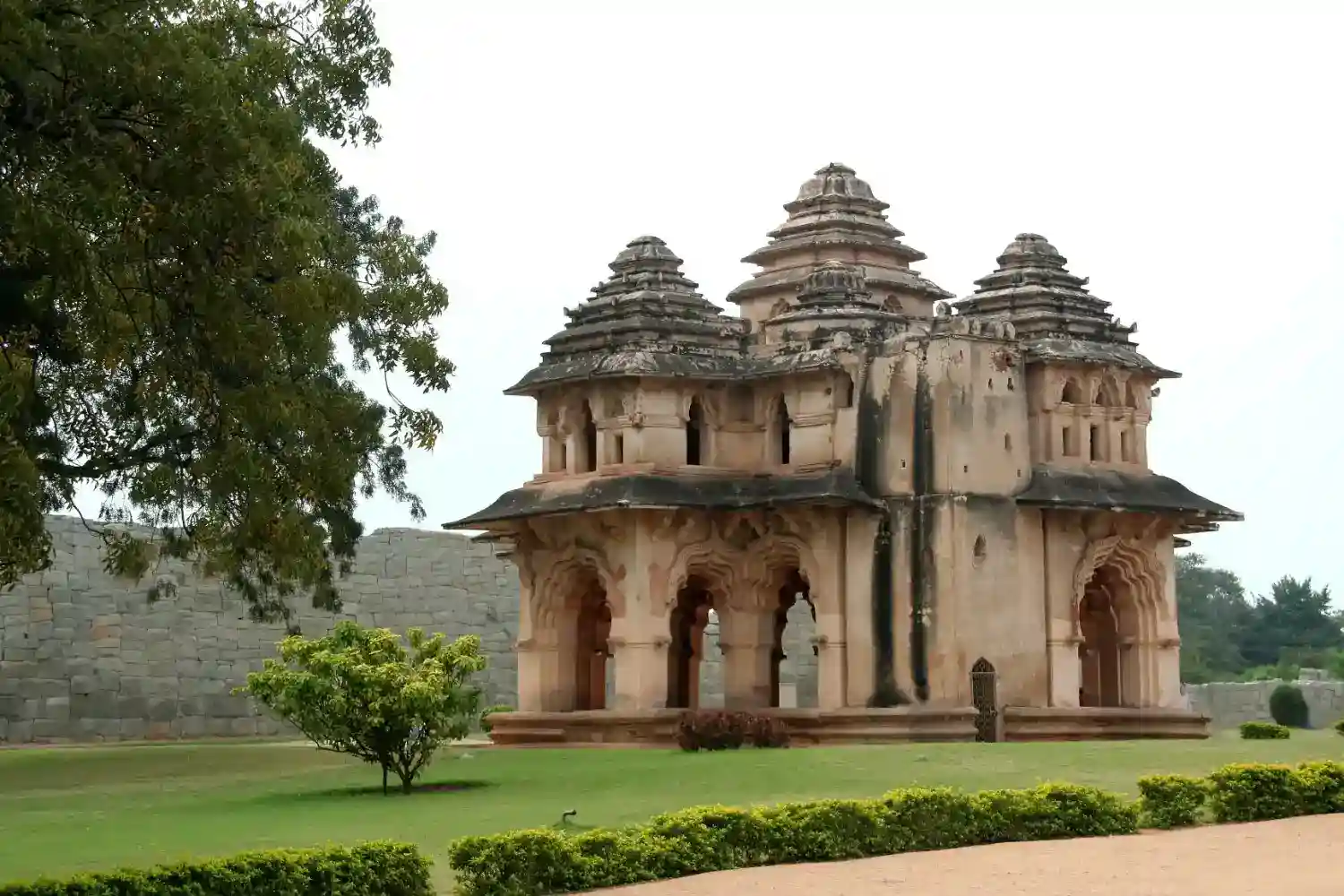
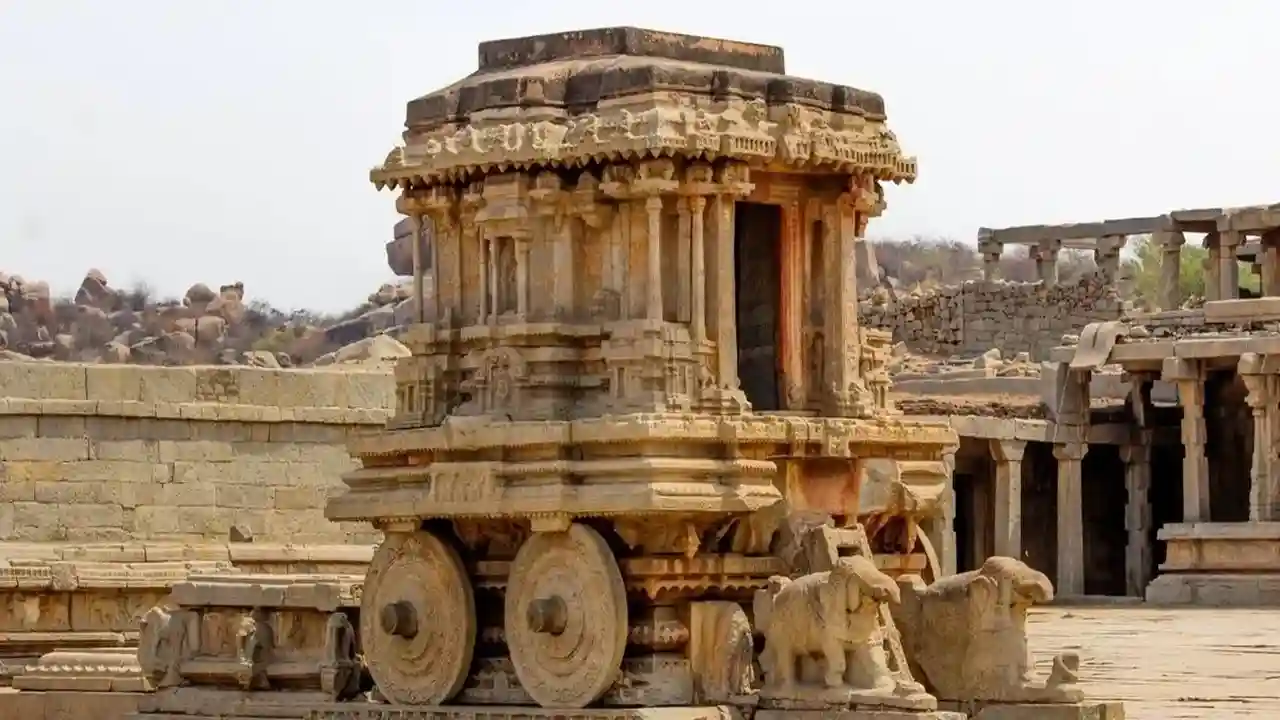
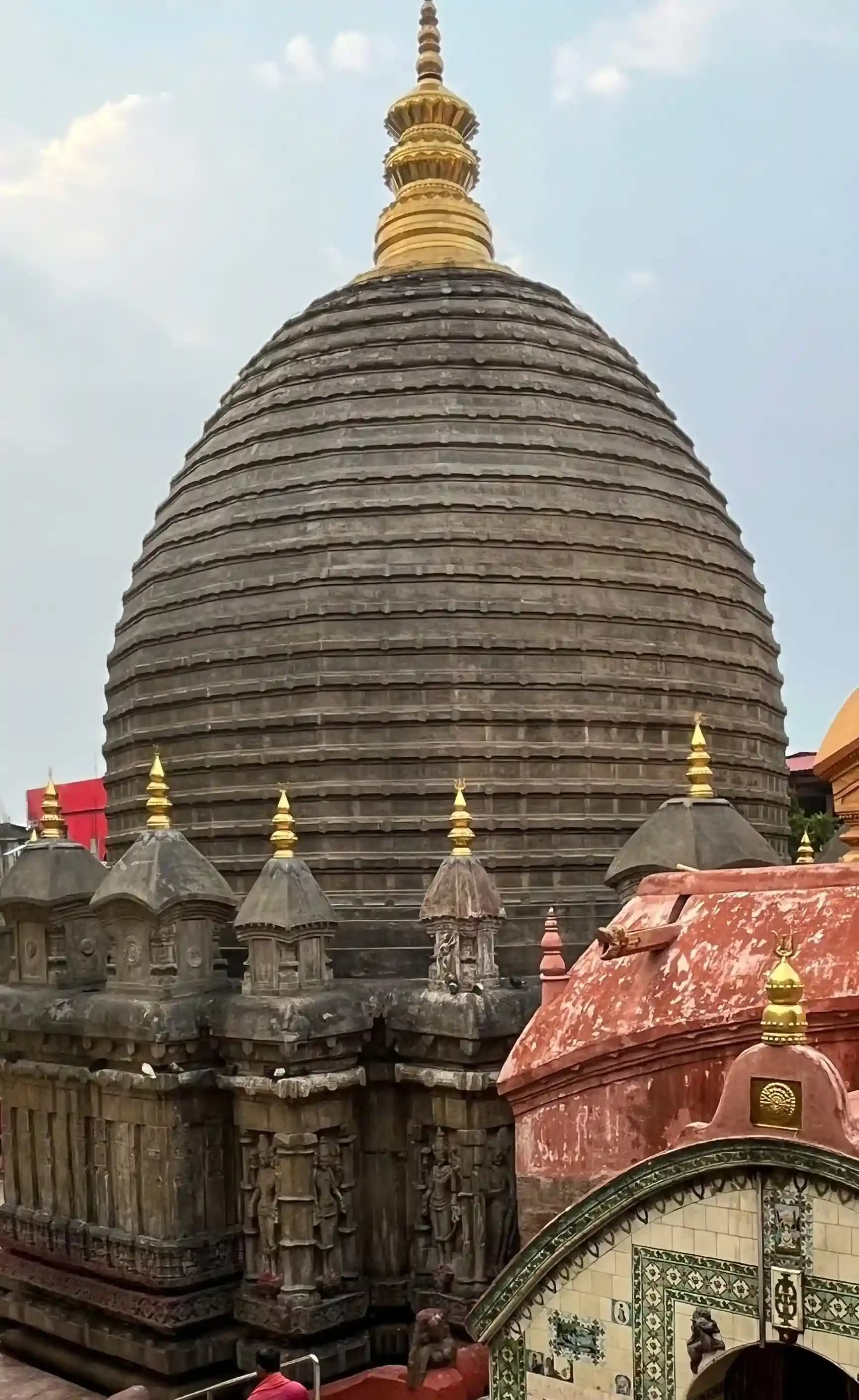
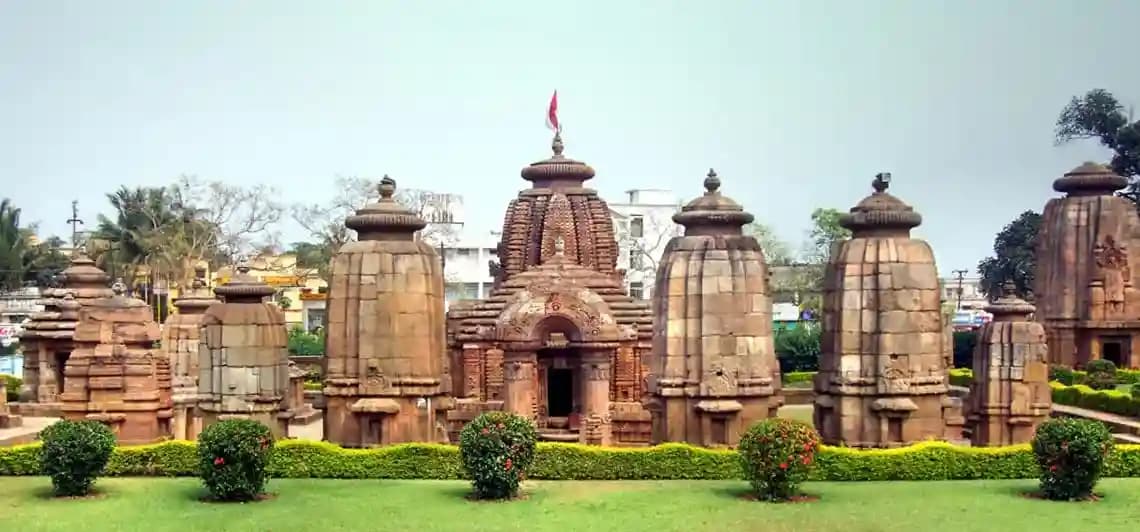
Karnataka offers one of the best experiences of Holi, especially in Hampi and Udupi. Here, Holi is celebrated as Kamana Habba, which symbolises the burning of desire and ego. Rituals, bhajans and cultural programmes are conducted in temples in South India. In heritage towns, travellers can witness some mild colour play with music and dance. The combination of history, temples, and celebration of the community makes Karnataka a balanced and soulful place to be around during Holi.
What is it called here: Kamana Habba, which is the symbolism of burning the desire and ego.
3. Andhra Pradesh
In Andhra Pradesh, Holi is mostly related to Holika dahan and temple-based rituals. The festival is celebrated silently, and families go to temples and offer prayers. People believe the rituals bring good energy and eliminate the bad. Public colour play is restricted, and the day is more of a faith day than a celebration. Villages and temple towns give a wholesome atmosphere to the visitor and enable them to understand the hidden cultural aspect of Holi in the area.
What is it called here: Holika Dahan or simply Holi.
4. Telangana
Telangana celebrates Holi with a lot of ritual importance, particularly in the temple towns and rural areas. Known by tradition associated with Kamadahanam, the festival is based on the lighting of sacred fires and offering prayers. People gather in community spaces to participate in rituals which symbolise the burning of evil. Colour play is minimal, but the unity of culture is strong.
What is it called here: Kamadahanam, which specialises in ritual fire ceremonies.
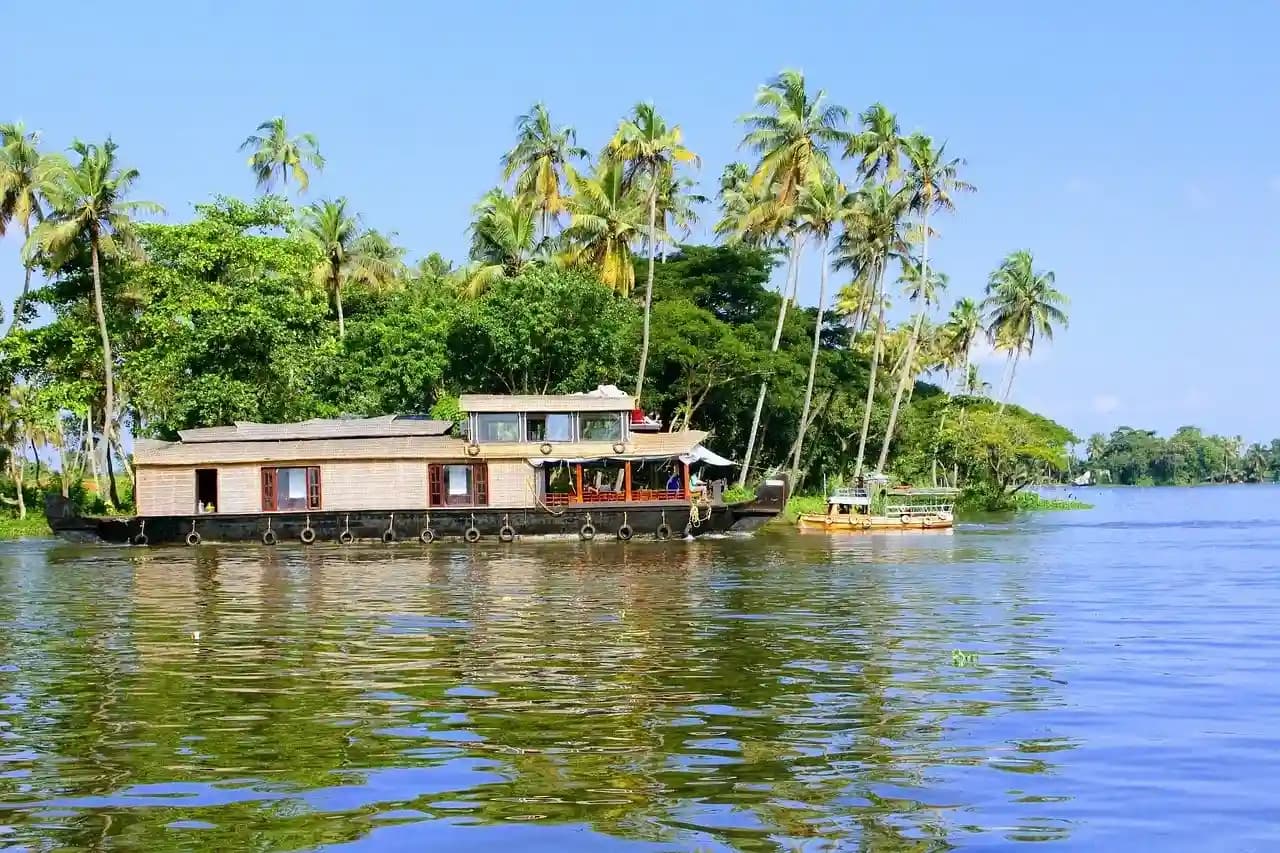
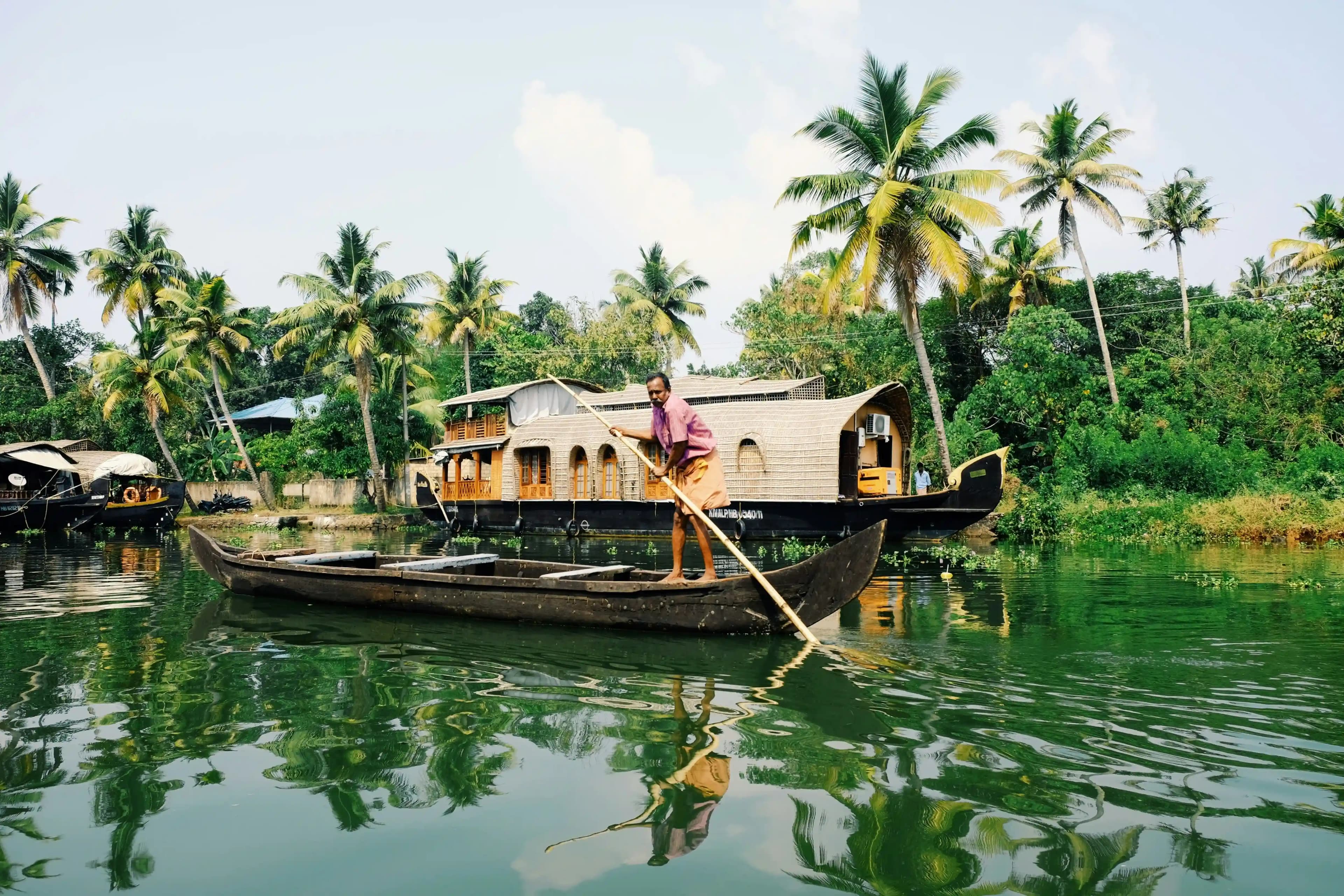
5. Kerala
Kerala celebrates Holi as Manjal Kuli, and especially Palakkad and Thrissur are famous for this. Turmeric water is used instead of colouring chemicals, which makes it eco-friendly and symbolic. People come together in temples, paint themselves with turmeric, and spend time eating sweets. This form of Holi emphasises purity, health, and tradition. Though low-key, it is an expression of Kerala's great respect for rituals and nature and is a refreshing cultural experience for the visitor.
What is it called here: Manjal Kuli, where Turmeric water is used as a substitute for traditional colours.
What Makes Holi in South India Different?
The beauty of Holi in South India is that it is calm and very rich in culture. Unlike the exuberant chaos of Holi in other parts of the country, Holi in South India does not deviate from the meaning, rituals, and community values. Let us see what is truly unique about it.
1. Rooted in Mythology
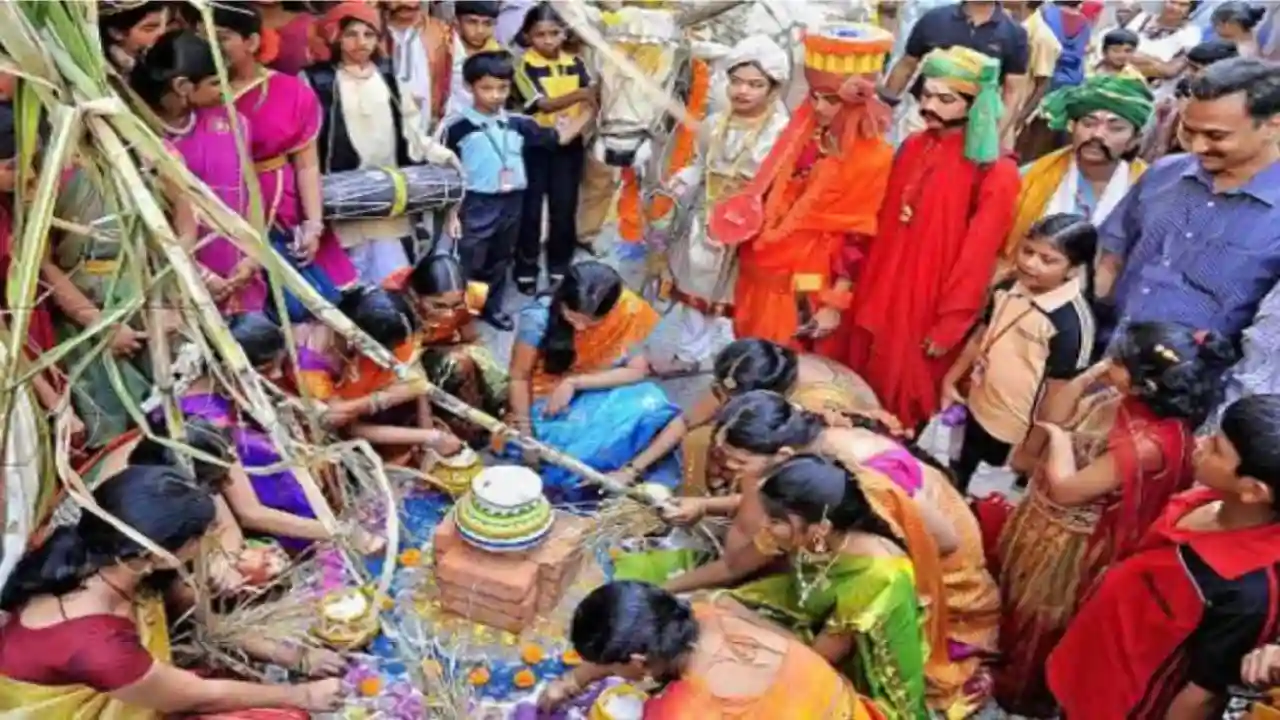
The history of Holi in South India is closely related to the myths and legends of the deities and temples. Stories of Kama Deva, Prahlada, and divine sacrifice are remembered by rituals, not by playing with colours. Temples re-create these myths using prayer, songs, and symbolic acts, which make the festival spiritually rich and reflective, rather than loud.
2. Eco‑friendly & Traditional
One of the most beautiful things about South Indian Holi is that it is eco-friendly. Natural ingredients such as turmeric, flowers, and sandalwood are used in place of chemical colours. This traditional approach helps to protect the environment as well as our health while retaining cultural authenticity. It reveals a mindful approach to the celebration of the festivals in respect for nature.
3. Minimal Use of Colours
Unlike North India, South Indian Holi has very little colour play. The focus is still on rituals, prayers, and social bonding. When colours are used, they are natural and symbolic, and not loud. This minimal approach provides the family and spiritual traveller with a peaceful environment.
4. Focus on Temple and Community
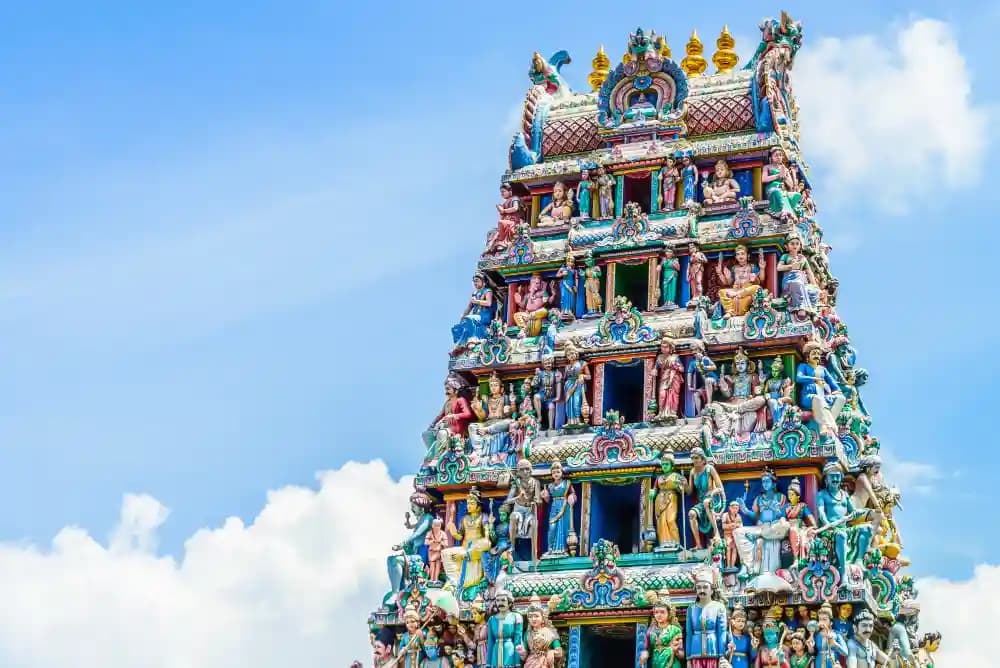
Temples are central to the celebration of Holi in South India. People gather together for prayers, bhajans, and rituals, which build up the communal feeling. The festival becomes a collective spiritual experience as opposed to an individual celebration. This temple-centred approach brings people together in harmony and devotion.
5. A Ritual-Centred Celebration
In South Indian Holi, rituals are more important than entertainment. Holika Dahan, special poojas, and mythological storytelling are the focus of the celebration. Every act has its significance, which makes the festival very pensive and culturally rich for the seekers of the true traditions.
Conclusion
Holi in South India is a festival that touches your heart softly. It teaches us that when it comes to celebration, there doesn't always need to be noise; sometimes, silence, prayer, and togetherness speak louder. From holy temples to eco-friendly celebration, this festival is a different, deeper way of experiencing Indian culture. If you are looking for a meaningful journey with a lot of tradition, calm, and cultural beauty, then Holi in South India welcomes you. Don’t wait any longer and get started on planning this peaceful escape, where every ritual will become a memory and every moment feels true, real, and unforgettable.