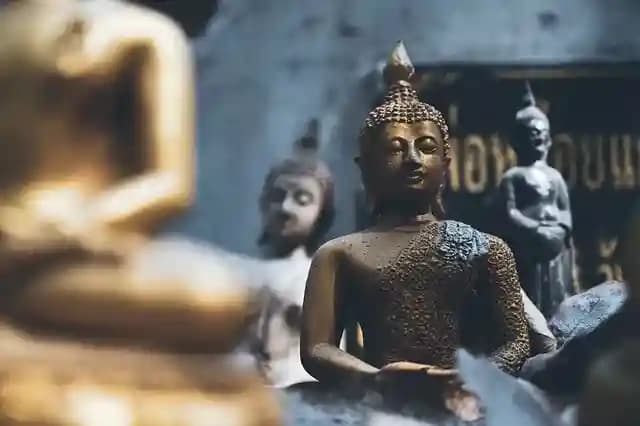
What if one full moon marked an entire life, from birth to enlightenment to final liberation? That idea shapes Buddha Purnima 2026, observed across Asia and beyond. Also called Vesak or Buddha Jayanti, the day is linked to three events in the life of Gautama Buddha: his birth, his enlightenment, and his Mahaparinirvana, all placed on the Vaishakha full moon. The lunar calendar fixes the date between April and May; in 2026, it falls on May 1. In 1999, the United Nations added Vesak to its list of international observances, citing the Buddha’s teachings on peace and restraint.
The day is not limited to monasteries. It is observed across India, Nepal, Sri Lanka, Thailand, and other Southeast Asian countries, each with its own customs. This blog covers the 2026 date, meaning places to visit in India, and how to plan your trip.
Buddha Purnima 2026 – Date, Tithi and Timing
The date may look simple, but the timing is where things matter. Buddha Purnima in 2026 will be observed on Friday, May 1, based on the Vaishakha full moon. Many people go by the calendar date, but the actual observance depends on the Purnima tithi. That is what decides when rituals and temple activities take place. This is where many travellers get caught off guard, sometimes missing important ceremonies by just a few hours.
Key details to note:
Date: May 1, 2026 (Friday)
Occasion: 2588th birth anniversary of Gautama Buddha
Tithi: Vaishakha Purnima (Full Moon Day)
Peak Ritual Time: Early morning and evening
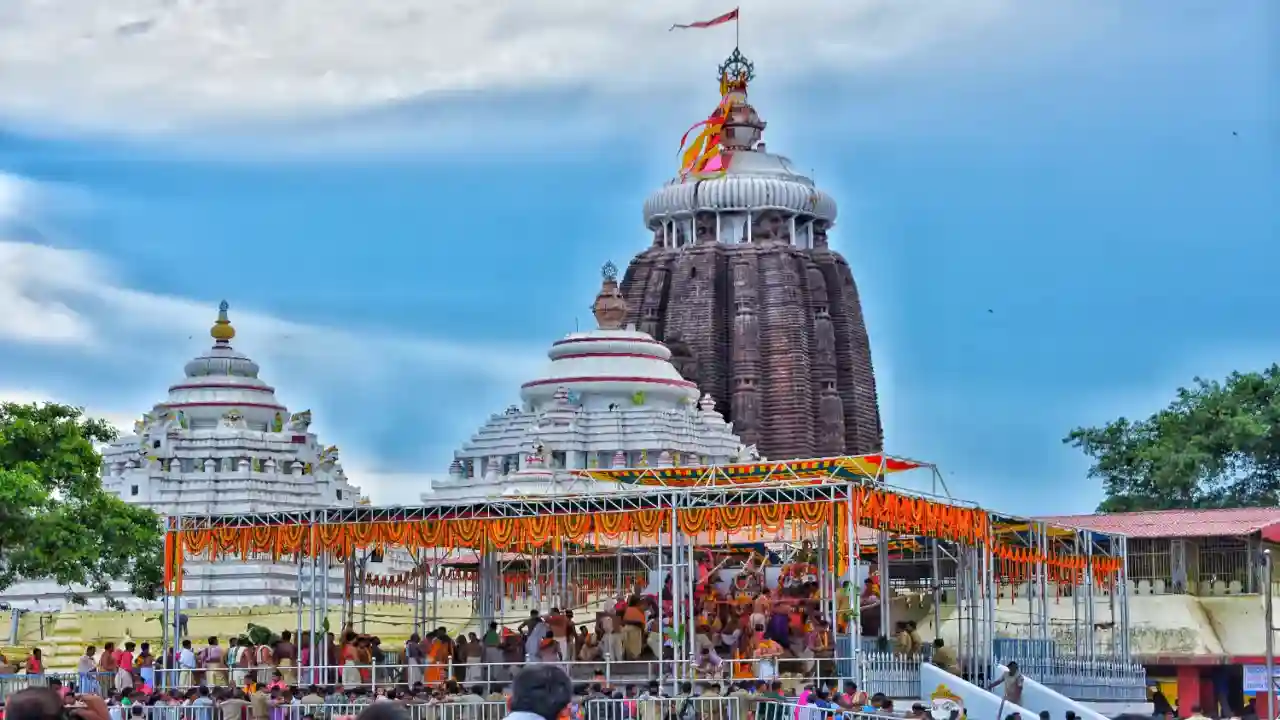
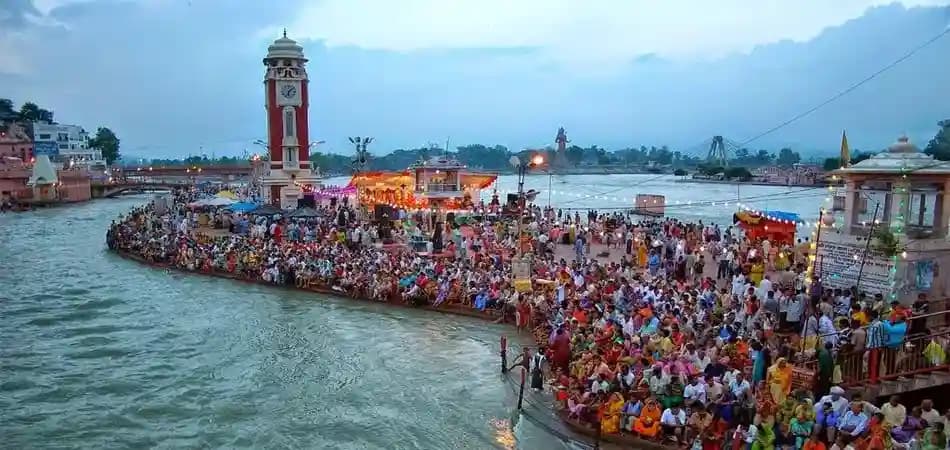
Crowd Alert: Heavy footfall expected at Bodh Gaya, Sarnath, and Kushinagar
The full moon phase stretches over several significant parts of the day. That is also why temples get crowded around sunrise and during evening prayers. It is not always sufficient to just look at the date of Buddha Purnima. Local temple timings should be checked for planning purposes, especially if you want to avoid long lines or congested areas.
Why is Buddha Purnima celebrated?
Buddha Purnima marks three events in the life of Gautama Buddha:
His birth in Lumbini
His enlightenment under the Bodhi tree in Bodh Gaya
His Mahaparinirvana (death) at Kushinagar
Tradition places all three on the same full moon day in the month of Vaishakha. This overlap is why the day is often called the “Thrice Blessed Festival.” The label is not just symbolic. It shapes how the day is observed. The focus is less on ritual display and more on personal behaviour.
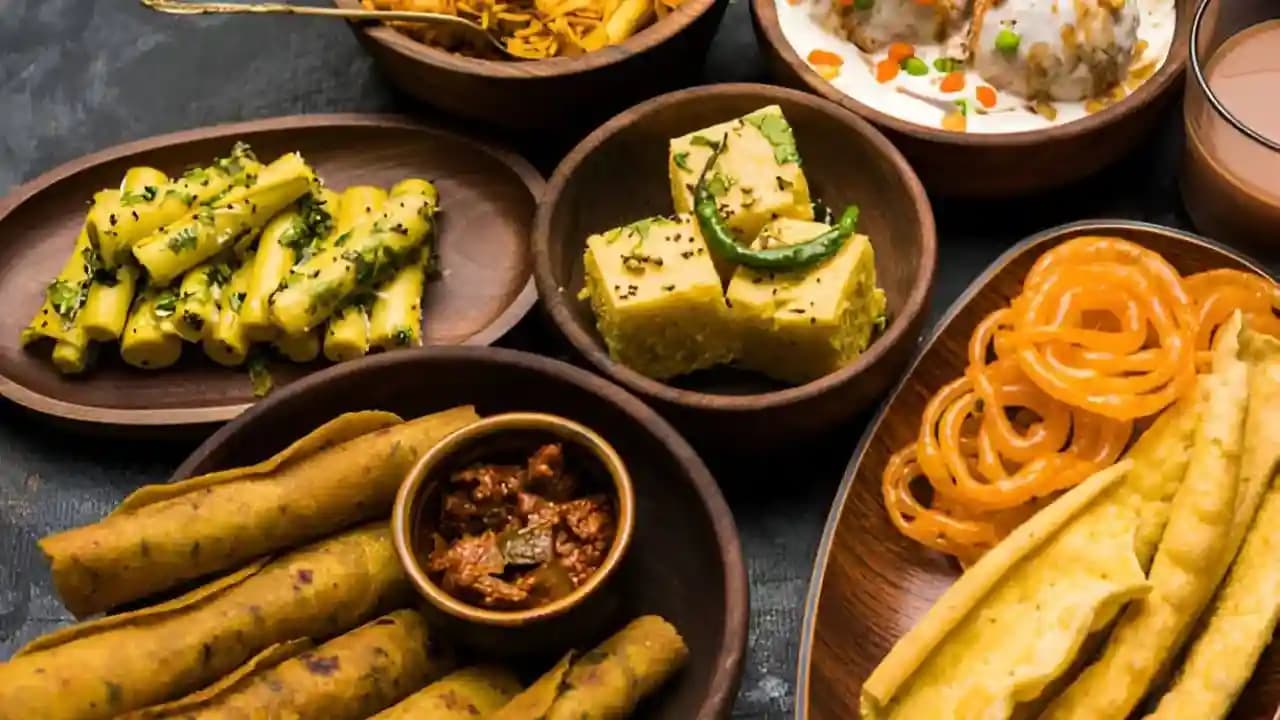
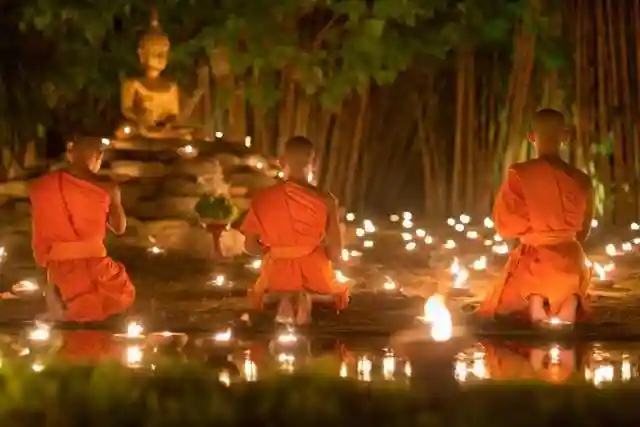
Many people treat the day as a test of conduct. In places like Sarnath and Bodh Gaya, visitors spend hours in quiet meditation or listen to readings from Buddhist texts. In Sri Lanka and Thailand, families prepare simple vegetarian meals and give them to monks or to people who cannot afford food.
There is also a long-standing belief that actions on this day have stronger moral consequences. That idea influences choices. People avoid killing animals, reduce consumption, and step away from habits they want to drop. Some release birds or fish, although this practice is debated today because it can harm local ecosystems. Across regions, the pattern holds. Buddha Purnima is not treated as a date to remember an event from the past. It is used as a day to act differently, even if only for a few hours.
Buddha Purnima Kya Hota Hai
Buddha Purnima is not just a festival; it reflects the life and teachings of Gautama Buddha. The word “Buddha” means the Enlightened One, while “Purnima” refers to the full moon day. That is why the festival is observed on the full moon of the Vaishakha month, usually falling in April or May. On this day, people remember his birth, his enlightenment, and his Mahaparinirvana, so it goes beyond a simple celebration. Many see it as a moment to pause, think about how they live, and bring more peace, compassion, and awareness into everyday life rather than just following rituals.
Is Buddha Purnima A Govt Holiday?
Yes, Buddha Purnima is govt holiday in India. There are some variations in people's experiences.
Buddha Purnima 2026 is an official (gazetted) holiday in India; therefore, the majority of government offices, banks, and public institutions will be closed on this day. Many private sector organisations and schools also observe a holiday on this day (especially in states with a strong Buddhist influence or where this festival is widely celebrated). However, this does not mean that these are necessarily peaceful or relaxed days, especially at the major places of pilgrimage.
Here are some things you can expect on this day:
Government Offices and Banks: Closed throughout India
Schools and Colleges: Generally closed, but this can vary from school to school
Public Transport: Service is operating, but will likely be overcrowded in the vicinity of the main sites
Tourist Areas: Experience a lot of tourist traffic (i.e. Bodh Gaya, Sarnath)
State Variations: There may be differences in observable events
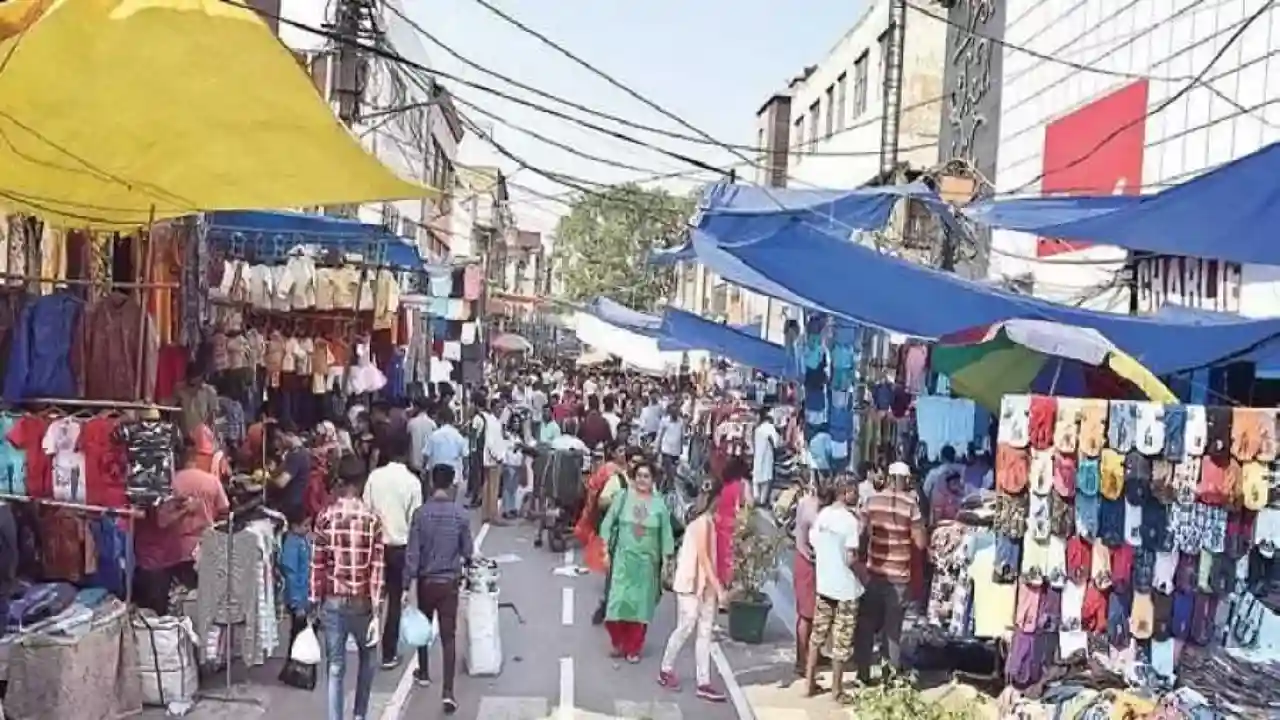
Even though it is a holiday academically, many high-traffic locations can be anything but peaceful or relaxing (for example: long lines at various sites, heavy traffic, and the lack of last-minute accommodation bookings). Therefore, the need for planning ahead increases, especially for visitors during this time.
How Buddha Purnima Is Celebrated Across India
Celebrations vary by location. The experience changes completely. While the core rituals and Buddha Purnima wishes remain rooted in prayer, charity, and reflection, the way Buddha Purnima is observed differs across regions. Some places focus on large gatherings and ceremonies, while others offer quieter, more immersive spiritual experiences. Choosing where to go matters more than most travellers expect.
1. Bodh Gaya
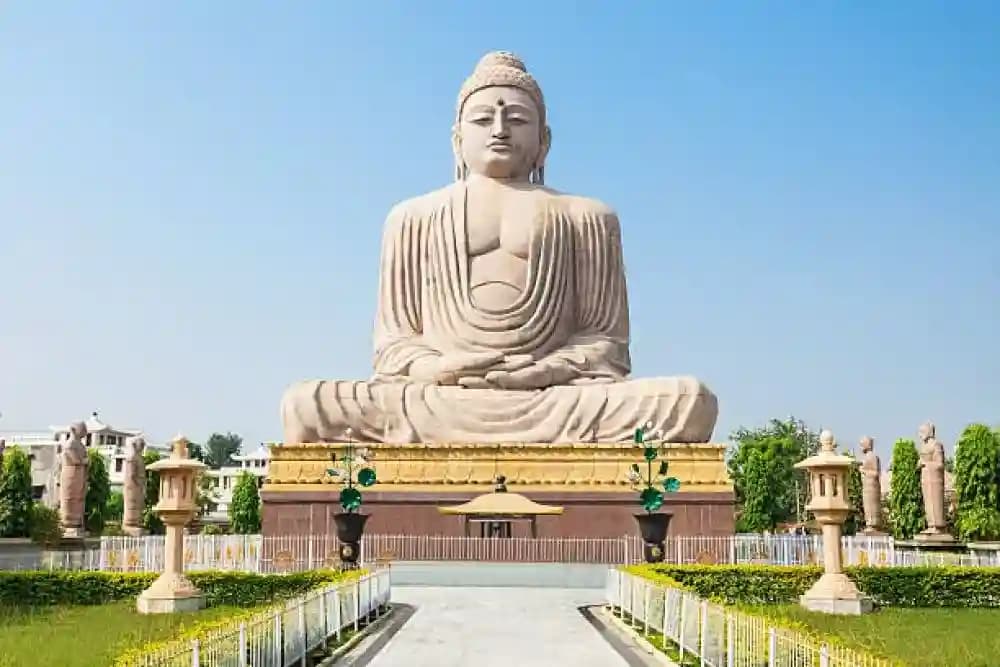
This is where Siddhartha Gautama became the Buddha. The town moves around that fact. During Buddha Purnima 2026, the area around the Mahabodhi Temple fills up before sunrise. Monks from Sri Lanka, Thailand, Myanmar, and Japan sit in rows chanting in their own languages. The Bodhi tree is surrounded almost the entire day.
The pace is slow because it has to be. Security checks happen at multiple points, and the line to enter the temple complex can stretch far beyond the main gate by mid-morning. If you reach before 7:30 AM, you can still find a corner to sit quietly. After that, movement becomes restricted, and most people are guided along fixed paths.
Best time: Before 8 AM
What you’ll notice: Monks in different robes, continuous chanting, tight security checks
What to expect: Long queues, limited time near the tree, crowded prayer zones
2. Sarnath
This is where the first sermon was delivered, a few weeks after enlightenment. Around the Dhamek Stupa, the atmosphere is more spread out than in Bodh Gaya. Prayer groups gather on the grass, and processions move slowly around the stupa. Some monasteries open their halls for public chanting.
The museum nearby sometimes displays relics from this period, which draws steady footfall throughout the day. Crowds build up, but the space allows for easier movement. You won’t feel pushed along the way you might in Bodh Gaya.
Best time: Early morning or after 4 PM
What you’ll notice: Group prayers, small fairs, occasional relic displays
What to expect: Moderate crowds, entry control near the stupa and museum
3. Kushinagar
This is where the Buddha passed away. At the Mahaparinirvana Temple, people gather quietly, many carrying flowers or candles. The reclining Buddha statue inside the temple draws a steady line through the day.
The Ramabhar Stupa, believed to be the cremation site, sees smaller groups who stay longer, often sitting in silence. The town doesn’t rush. Even during Buddha Purnima, the crowd grows in waves rather than all at once. Ceremonies can continue for several days, so visitors spread out. Accommodation is limited, which becomes the main constraint rather than crowd density.
Best time: Before 10 AM
What you’ll notice: Candle offerings, longer prayer sessions, quieter groups
What to expect: Steady flow of visitors, fewer restrictions, fewer hotel options
4. Sikkim and Ladakh
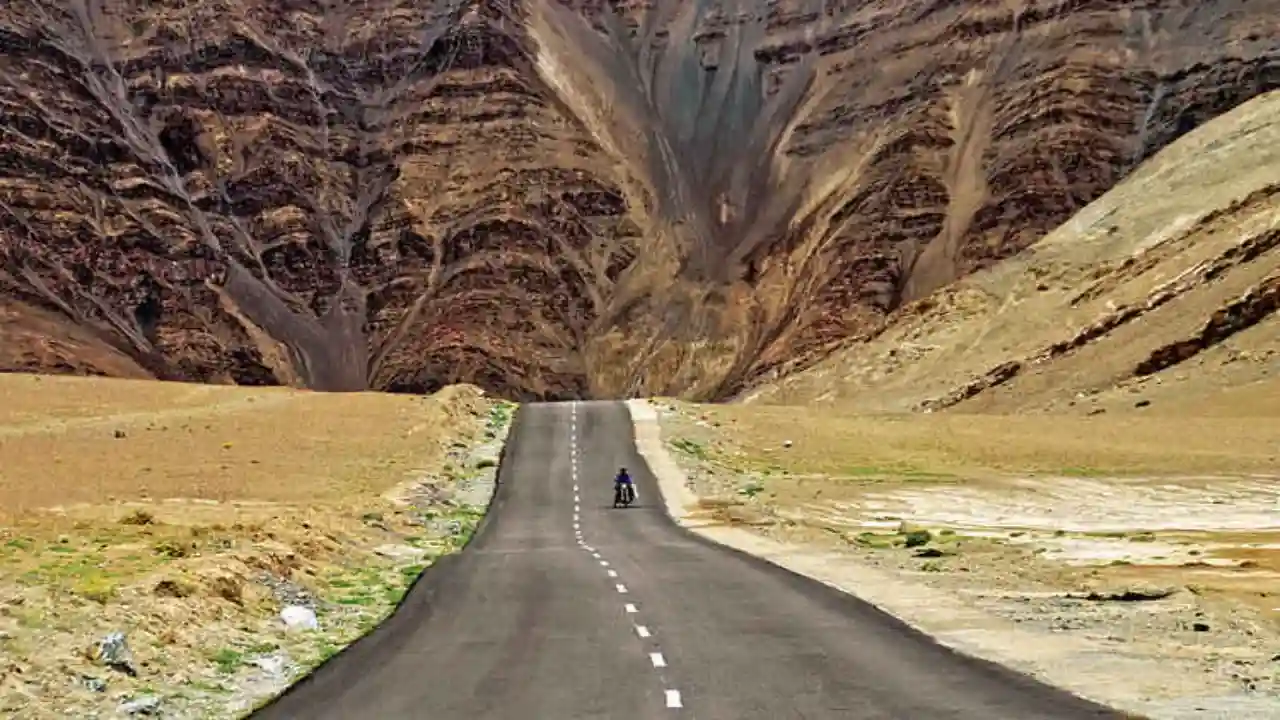
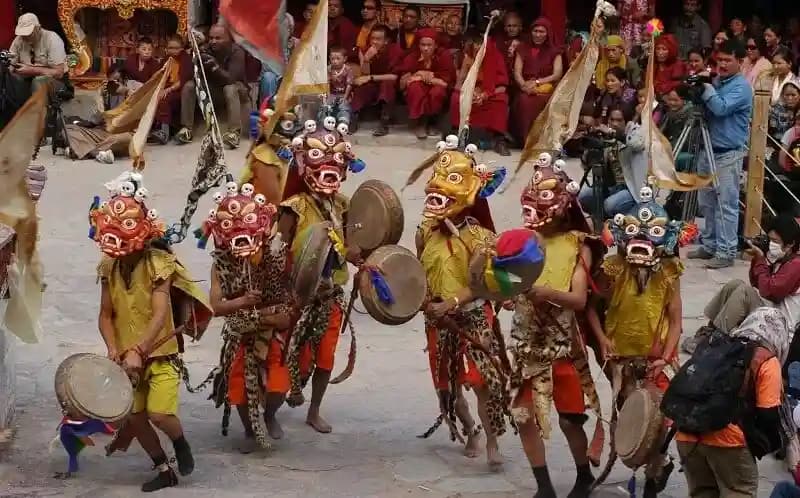
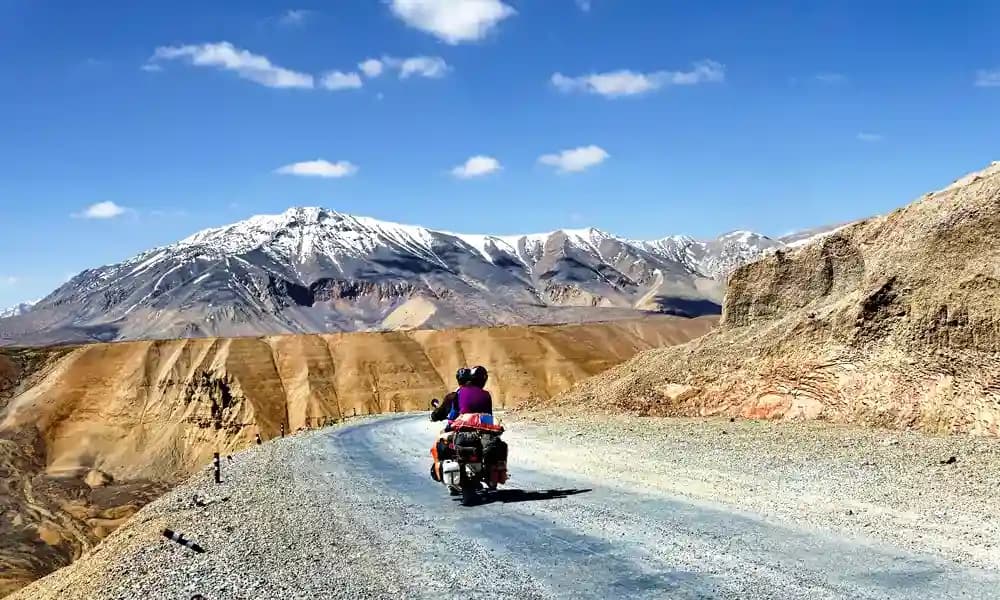
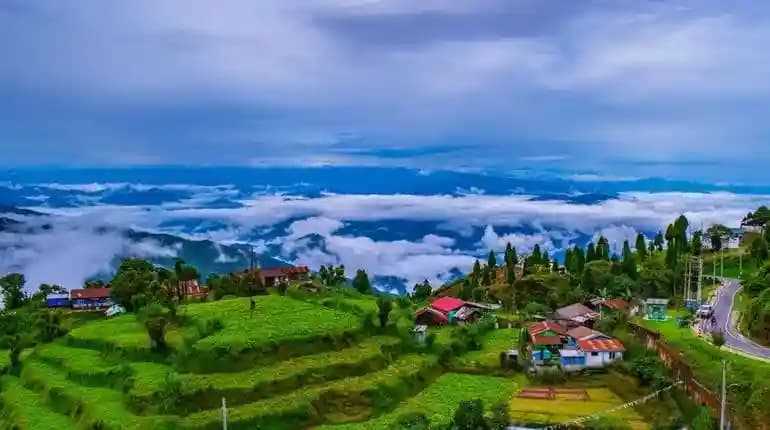
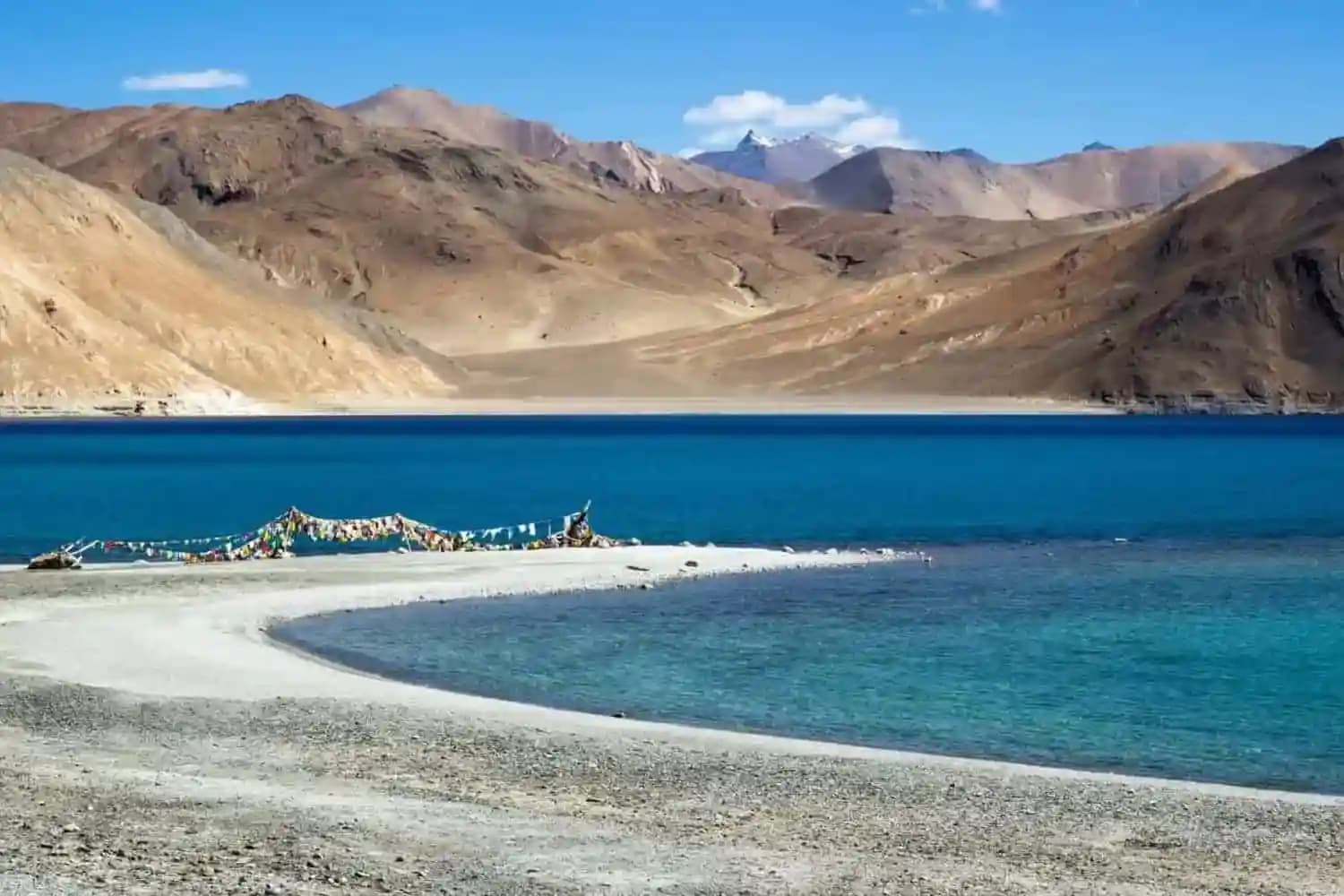
In these regions, the setting changes everything. At Rumtek Monastery and Hemis Monastery, the day begins with prayer ceremonies led by resident monks. Chanting happens inside assembly halls rather than open temple grounds. Some monasteries organise masked dances or teachings depending on the schedule.
The number of visitors is lower, but getting there takes planning. Flights to Leh or Bagdogra can be delayed, and road travel depends on the weather and permits. You won’t deal with long queues here. The trade-off is access.
Best time: Morning ceremonies where people greet with Buddha Purnima wishes
What you’ll notice: Monastery rituals, smaller gatherings, local participation
What to expect: Fewer crowds, travel delays, patchy connectivity
Travel Tips Before You Visit
A few small decisions will decide how your day goes. If you’re heading to places like Bodh Gaya or Sarnath on Buddha Purnima, expect plans to shift once you arrive. Roads get blocked without much notice, and walking often becomes faster than waiting for transport.
Book your hotel at least two to three weeks early. In Bodh Gaya, rooms near the Mahabodhi Temple fill up first, and last-minute options are usually far from the main area.
Skip the 10 AM to 4 PM window if you can. That’s when queues are longest and security checks slow everything down. Early morning or late afternoon gives you more space and less waiting.
Wear light cotton clothes, but keep shoulders and knees covered. Temple staff do turn people away for this, especially near inner areas.
Do not depend entirely on autos or local taxis. During peak hours, many routes are closed, and drivers avoid crowded zones. Plan to walk short distances.
Carry small cash. In towns like Bodh Gaya and Kushinagar, card machines and UPI payments can fail when networks get overloaded.
Leave gaps between plans. Moving even one kilometre near temple zones can take far longer than expected once crowds build.
Conclusion
Buddha Purnima is observed across very different settings, from the dense temple lanes of Bodh Gaya to the open grounds of Sarnath and the quieter stretches of Kushinagar.
The teachings speak about balance and awareness. The experience on the ground depends on timing, patience, and how you move through the day. Crowds, security checks, and travel delays are part of it. If you plan around those realities, you get more than a quick visit. You get time to sit, watch, and take in what’s happening without being rushed from one checkpoint to the next. That difference comes down to preparation, not luck