Introduction
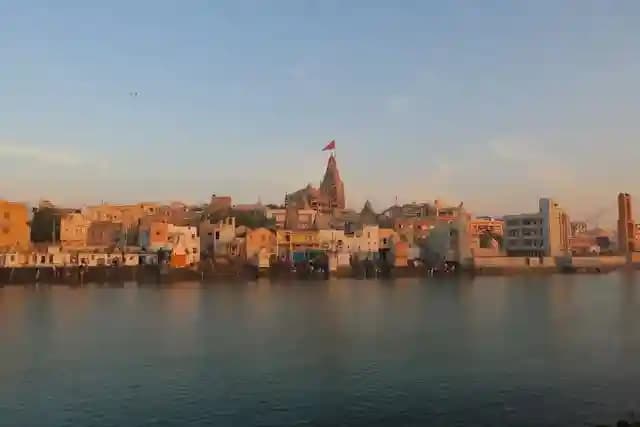
What is it about Dwarka that continues to draw devotees centuries after Lord Krishna is believed to have ruled this coastal city? Unlike many pilgrimage towns that feel ceremonial or limited to specific rituals, Dwarka functions as a living town where worship blends naturally into daily life. At the centre of it all stands the dwarkadhish temple, shaping not just religious practices but also the pace and character of the town around it.
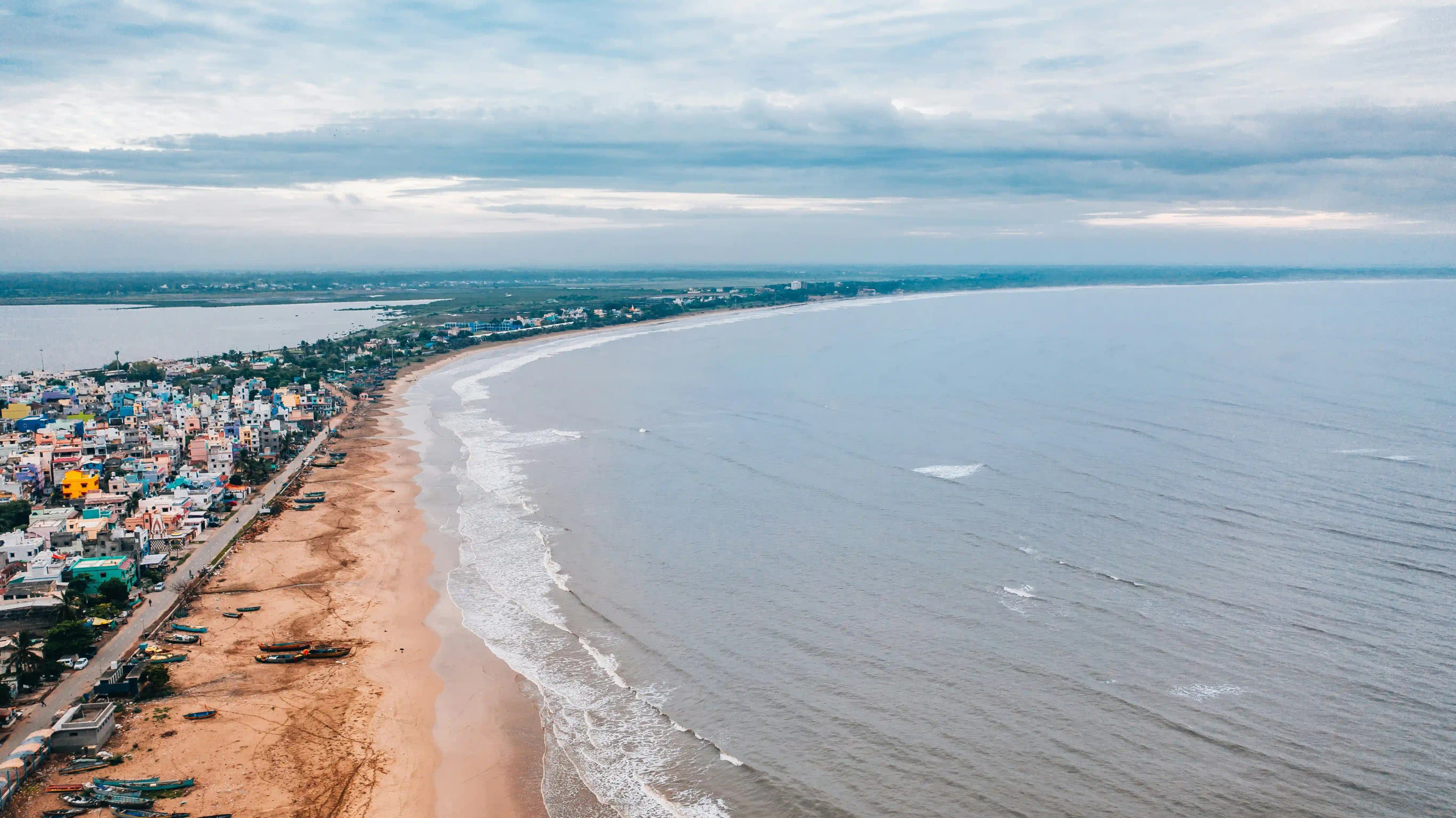
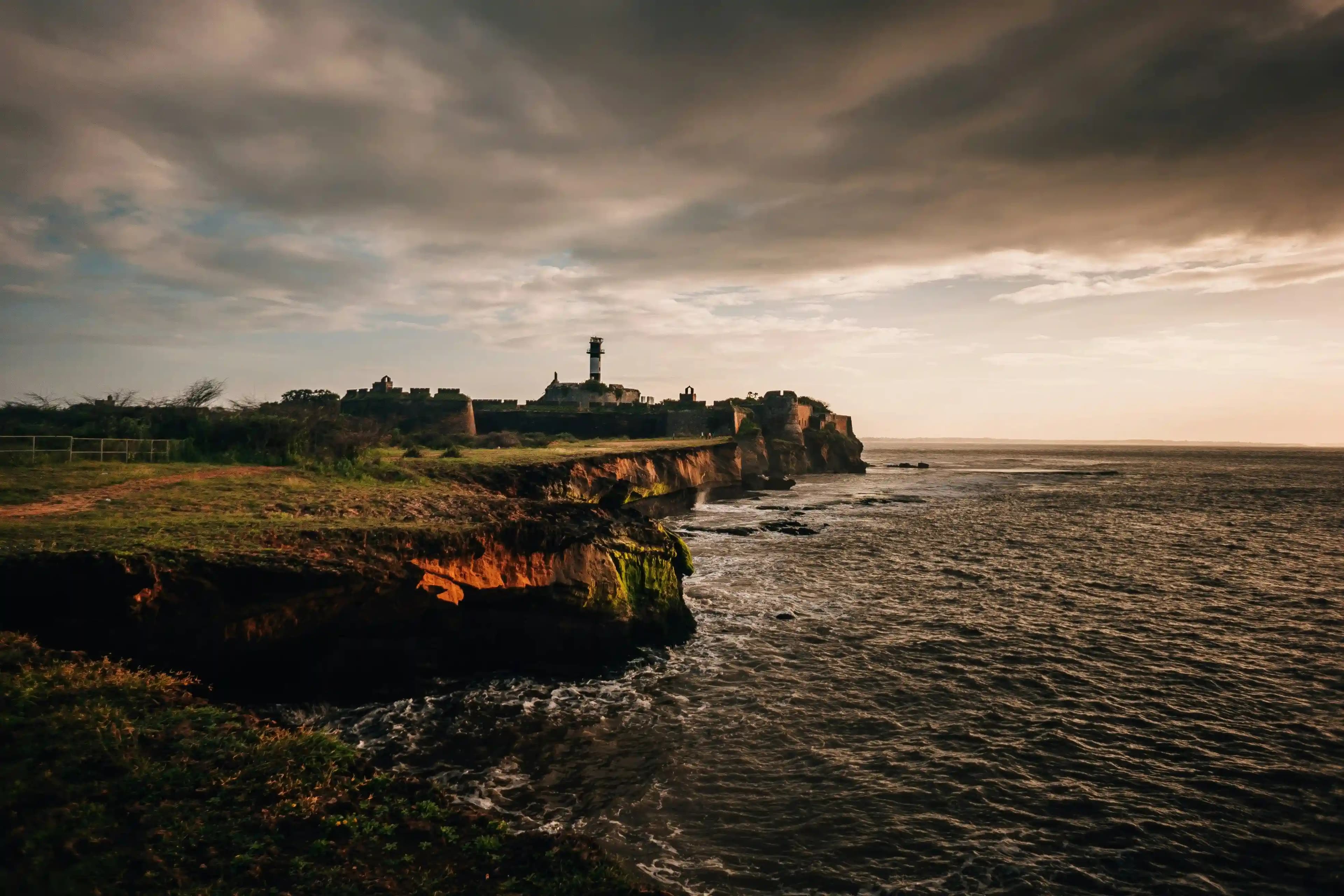
Set along Gujarat’s western coast, the temple is closely tied to Krishna’s life and legends, yet it also reflects how faith, architecture, and geography come together in a very real, practical way. A visit here involves more than darshan alone. From understanding temple customs and timings to planning travel and nearby visits, a little preparation goes a long way. In this blog, you’ll get to know how to plan your visit, what to expect inside the temple complex, and how to spend your time around Dwarka without feeling rushed.
Important Information about Dwarkadhish Temple
The following table offers quick, factual information about the shree dwarkadhish temple that first-time visitors and returning devotees usually look for.
Location: Dwarka, Devbhoomi Dwarka district, Gujarat, India.
Entry Fee: None; admission is free for all visitors.
Operating Hours: 7:00 AM to 12:30 PM and 5:00 PM to 9:00 PM daily.
Optimal Visiting Window: October to March (due to lower regional temperatures).
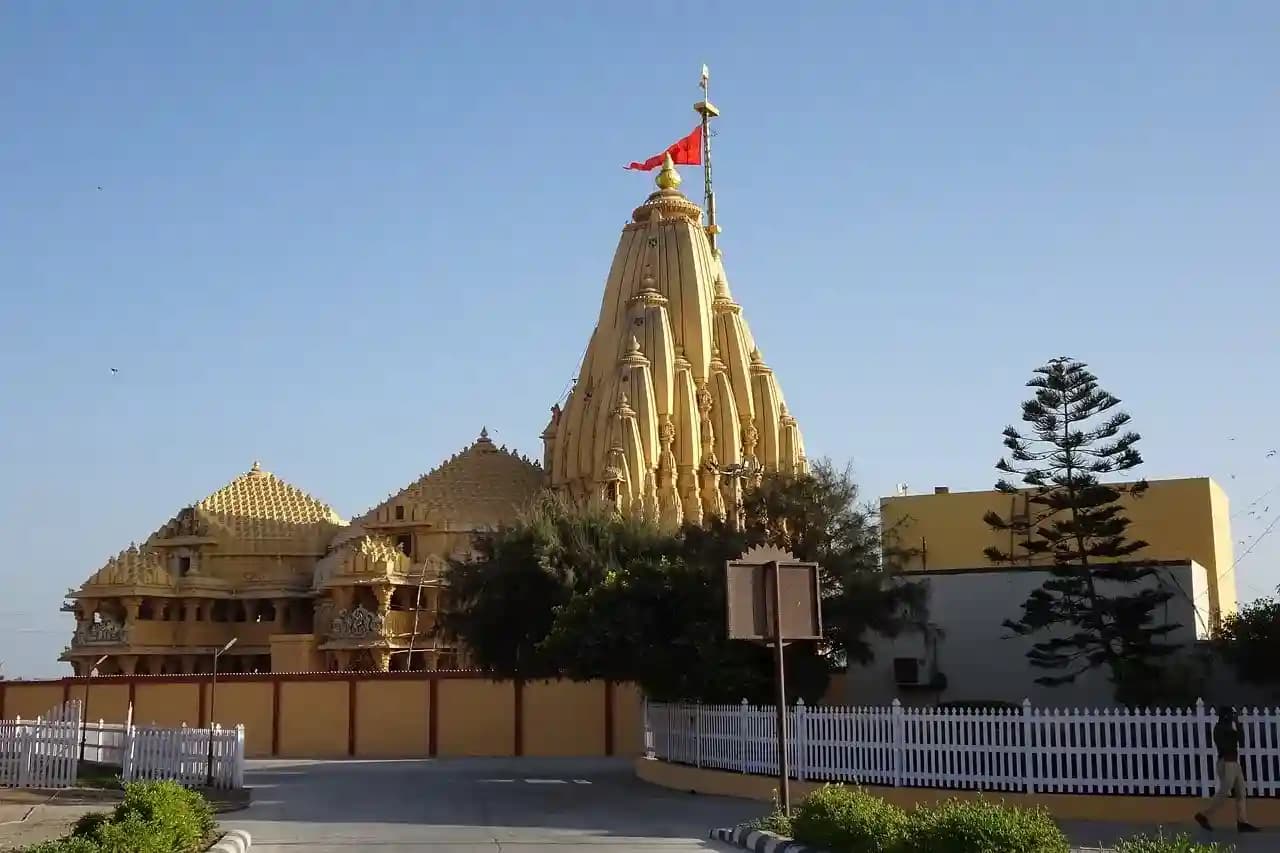
Primary Features: Chalukyan architecture, intricate stone carvings, and a 78-metre main shikhara.
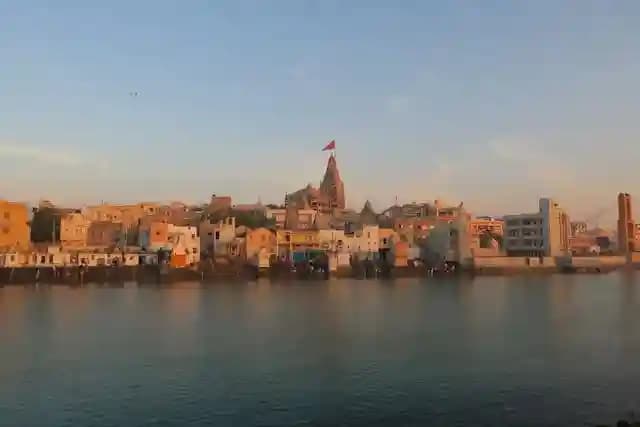
Geographic Markers: Situated at the confluence of the Gomti River and the Arabian Sea.
Prohibitions: Mobile phones, cameras, and electronic items are not permitted inside the complex.
What Is The Best Time To Visit Dwarkadhish Temple
Selecting the best time to visit Dwarkadhish Temple requires balancing the coastal climate with the town's religious calendar. For a physically comfortable journey, the winter months from October to March are ideal. During this window, temperatures hover between 20°C and 30°C, providing a cool sea breeze that makes standing in long darshan queues much more bearable compared to the sweltering 40°C summer heat.
However, if your goal is spiritual intensity rather than comfort, visiting during Janmashtami (August/September) is unmatched. While the monsoon humidity is high and the crowds are immense, the temple's energy during Krishna’s birth celebrations is a bucket-list experience for many devotees.
Dwarkadhish Temple Rituals
The Dwarkadhish Temple operates on a regular schedule, as per the ancient rituals of worship. The temple is open to devotees in two major sessions, namely the morning and evening sessions, in which various aartis are conducted. These rituals enable devotees to have a glimpse of the deity in various avatars. The mornings are relatively less crowded, while the evenings witness more devotees, especially on weekends and holidays.
Dwarkadhish Temple Darshan Timings
Morning: 7:00 AM to 12:30 PM
Evening: 5:00 PM to 9:00 PM
Dwarkadhish Temple History
With strong ties to Lord Krishna, Dwarkadhish Temple has a long history in Hinduism. According to ancient writings like the Puranas, Harivamsa, and Mahabharata, Dwarka is the city that Krishna established following his departure from Mathura. Although the temple you see today is primarily from the 15th or 16th century, people have worshipped here for thousands of years. The temple has undergone multiple reconstructions over the years as a result of invasions and natural deterioration. Nonetheless, the temple continues to be a significant historical landmark and a site of worship because the customs and rituals have persisted.
Architecture And Design Of Dwarkadhish Temple, Dwarka
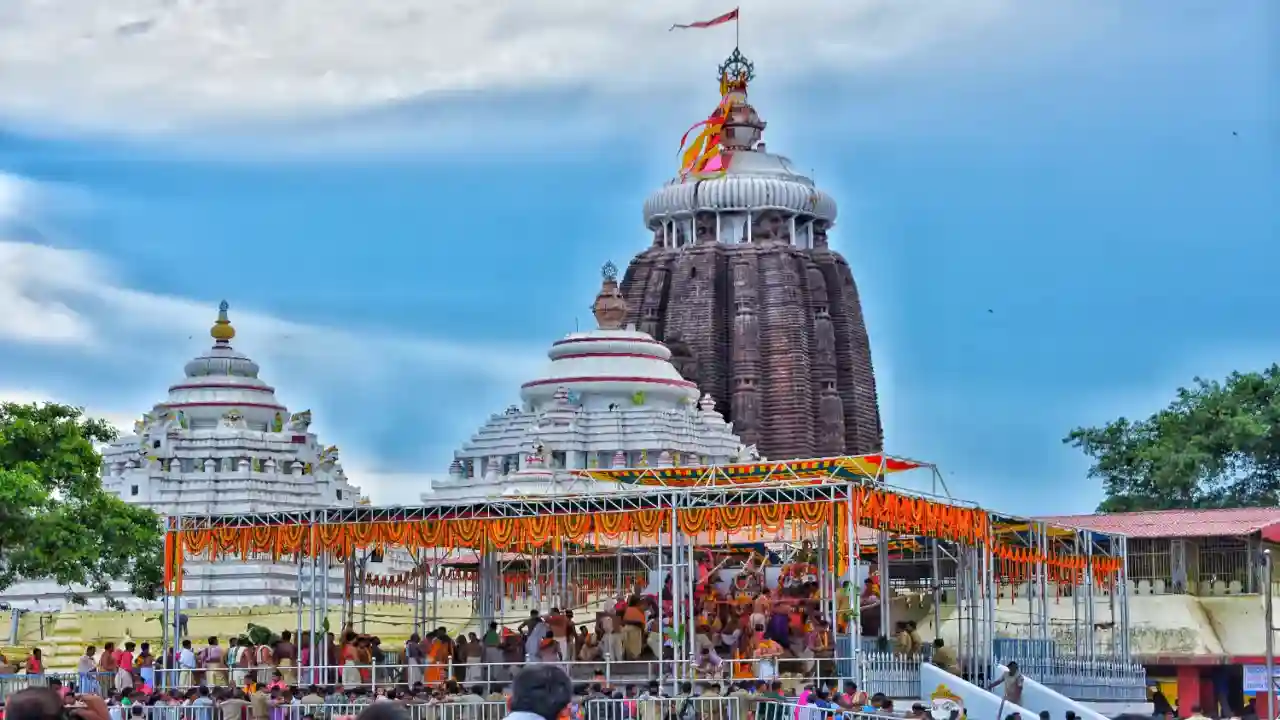
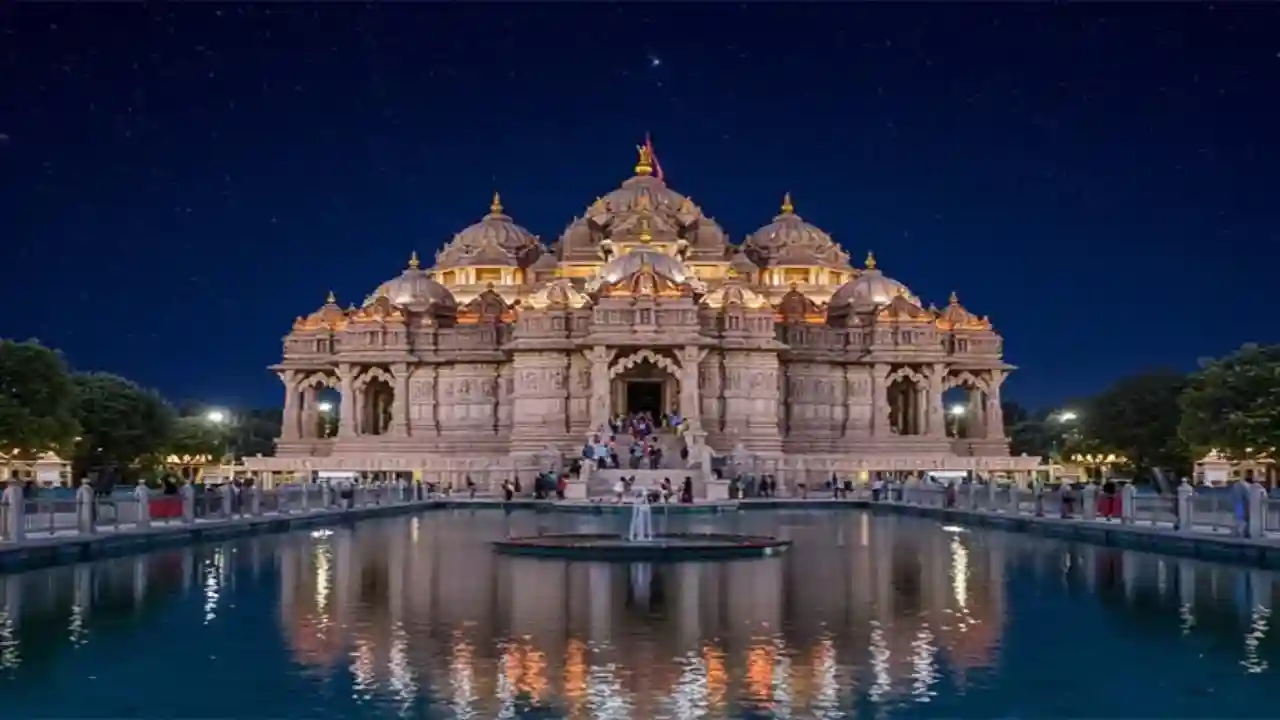
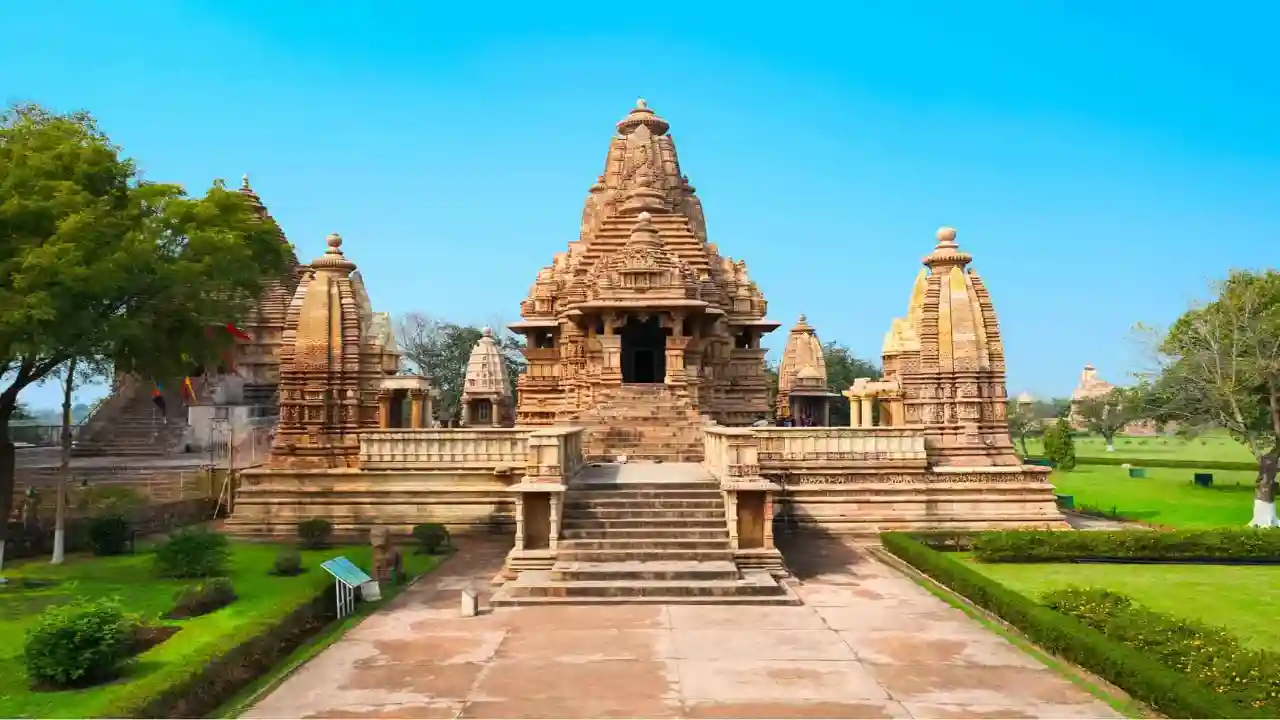
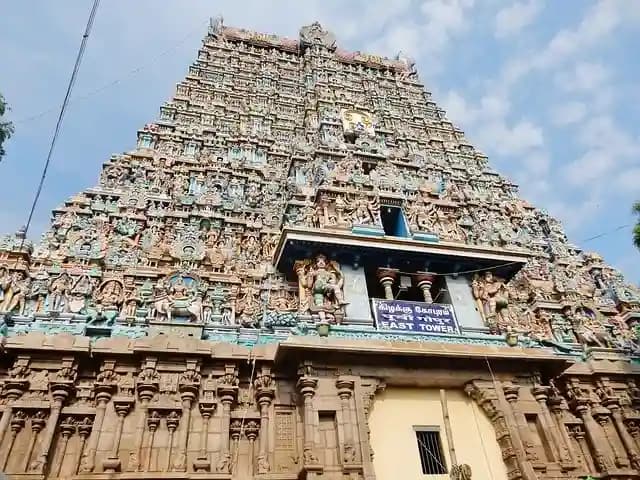
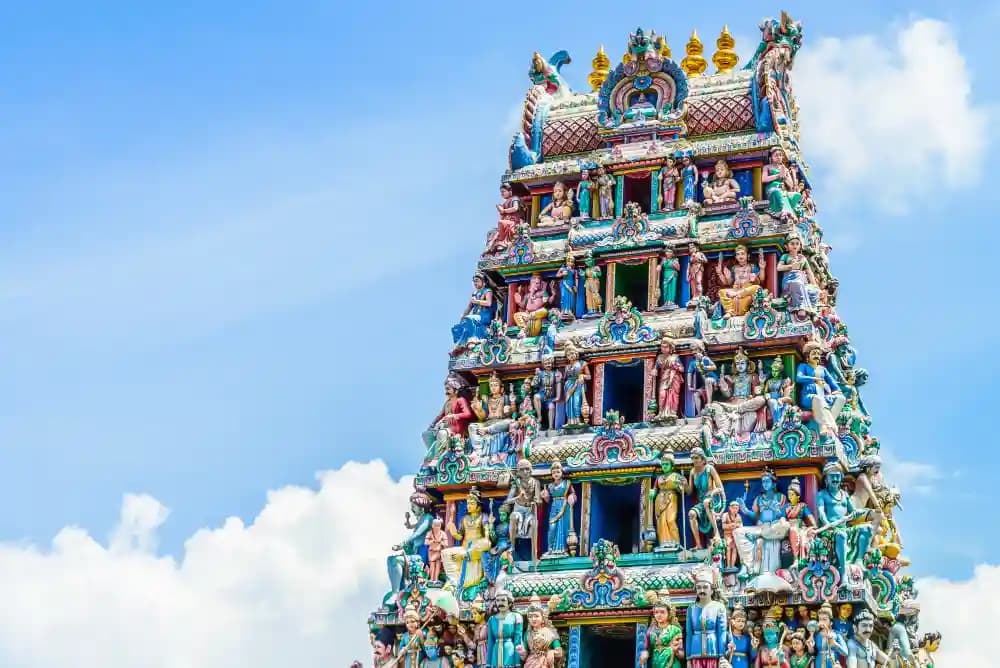
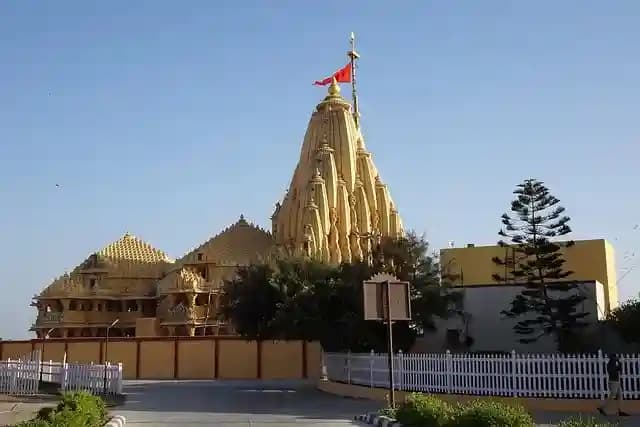
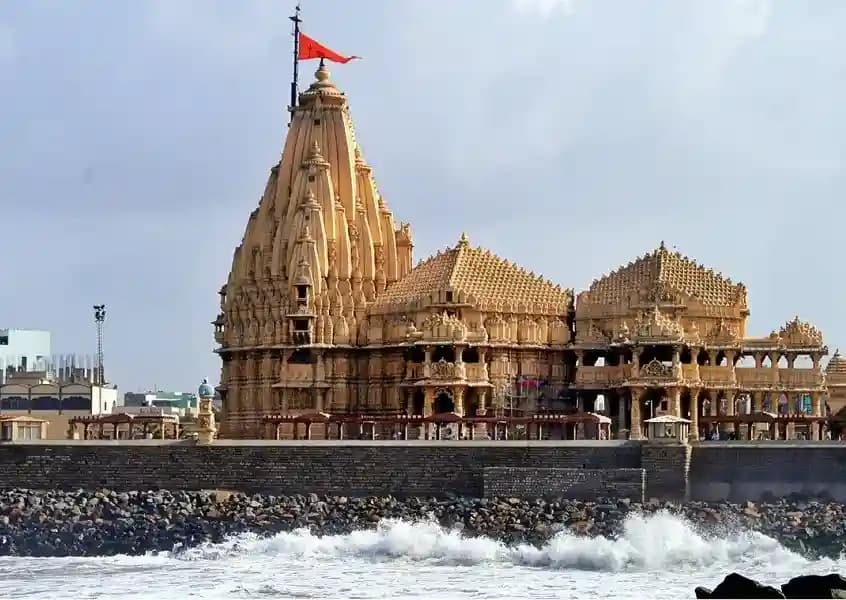
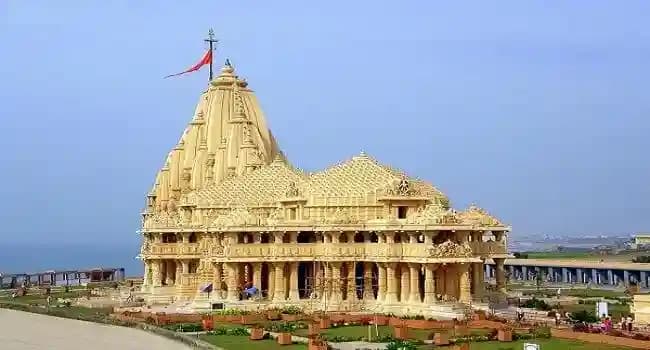
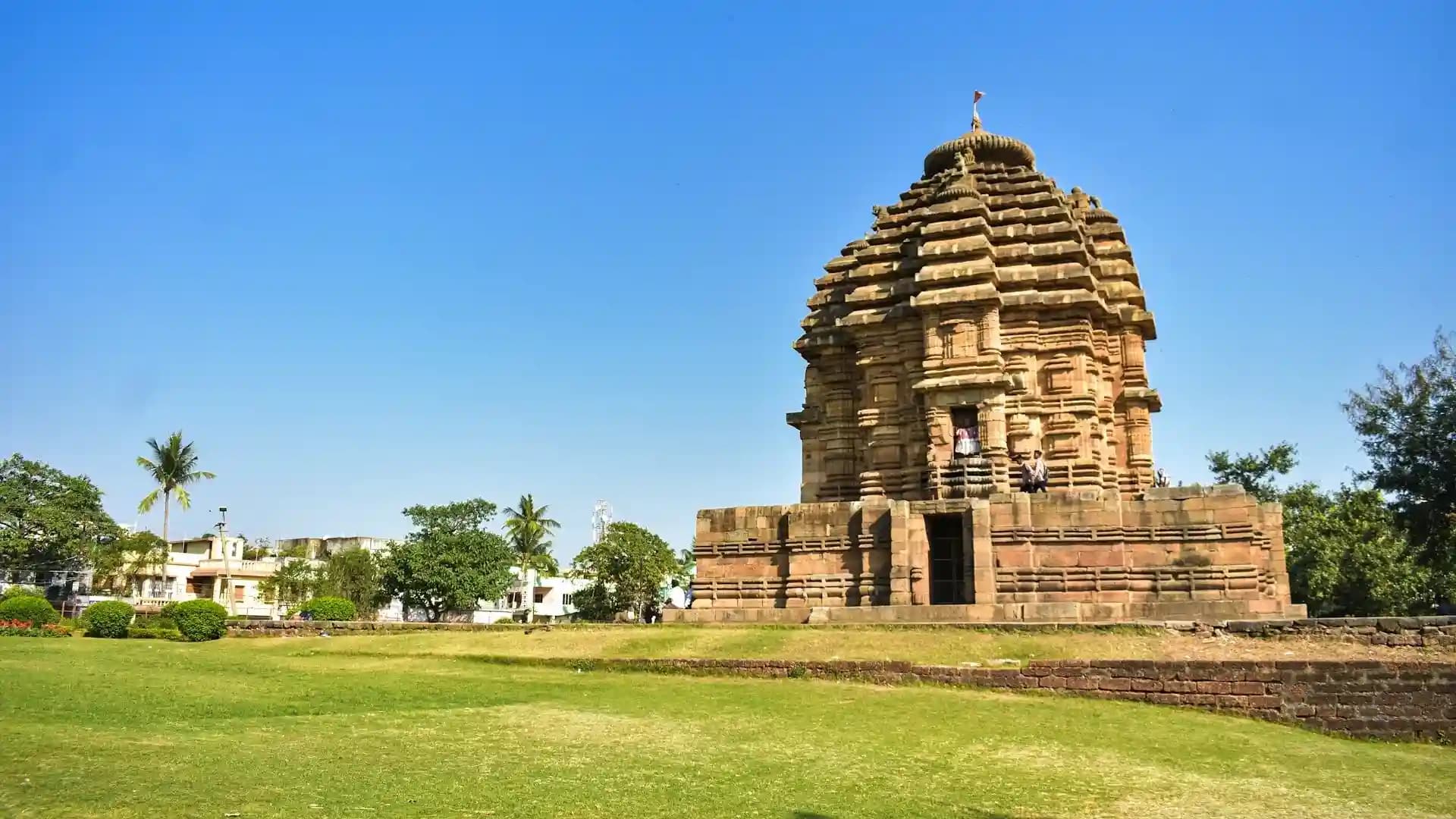
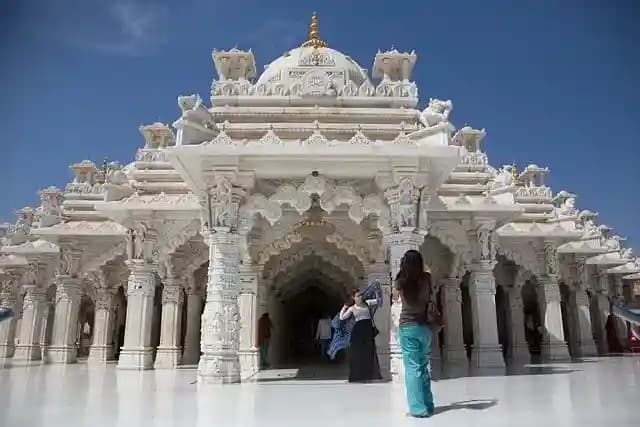
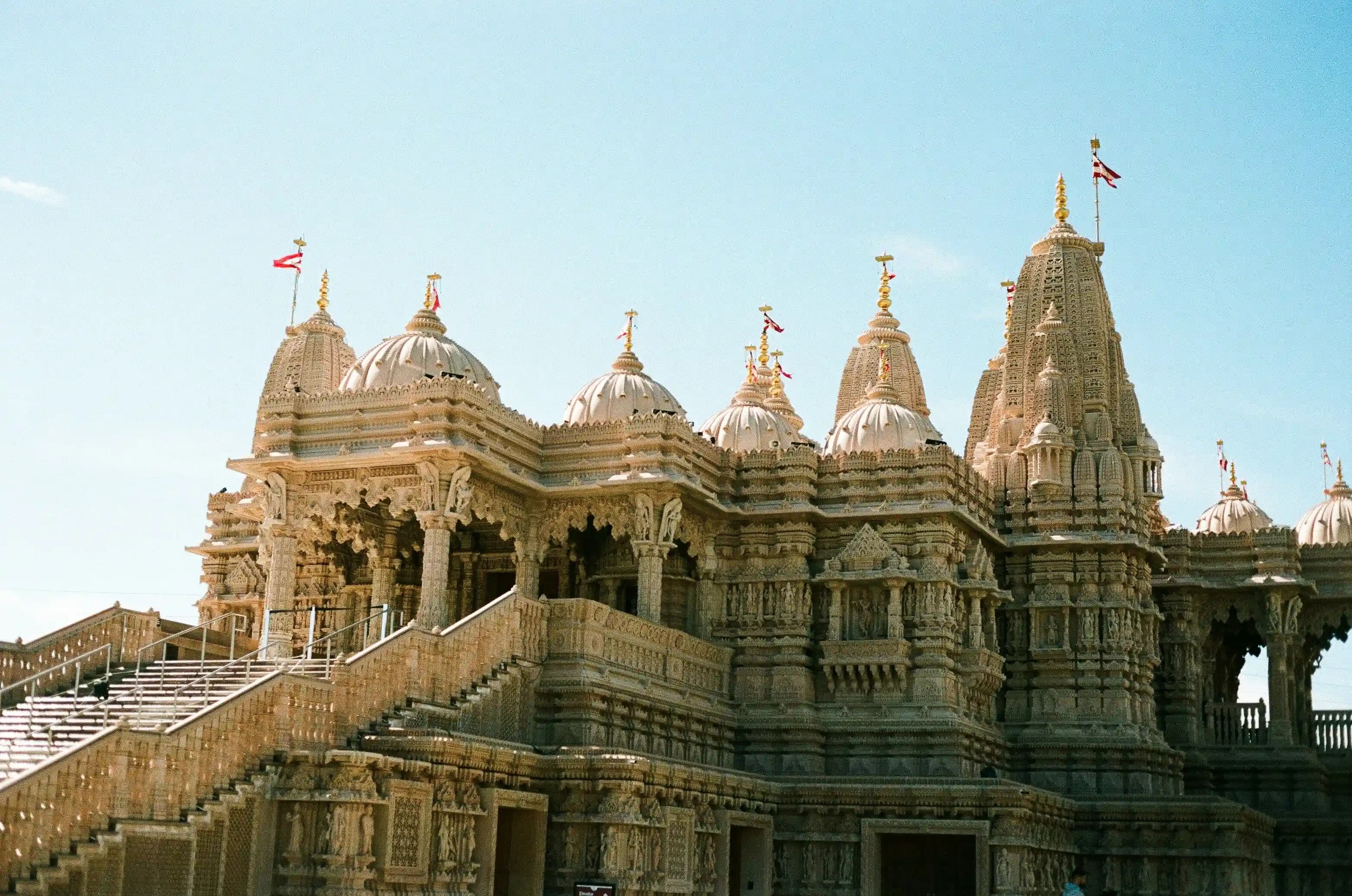
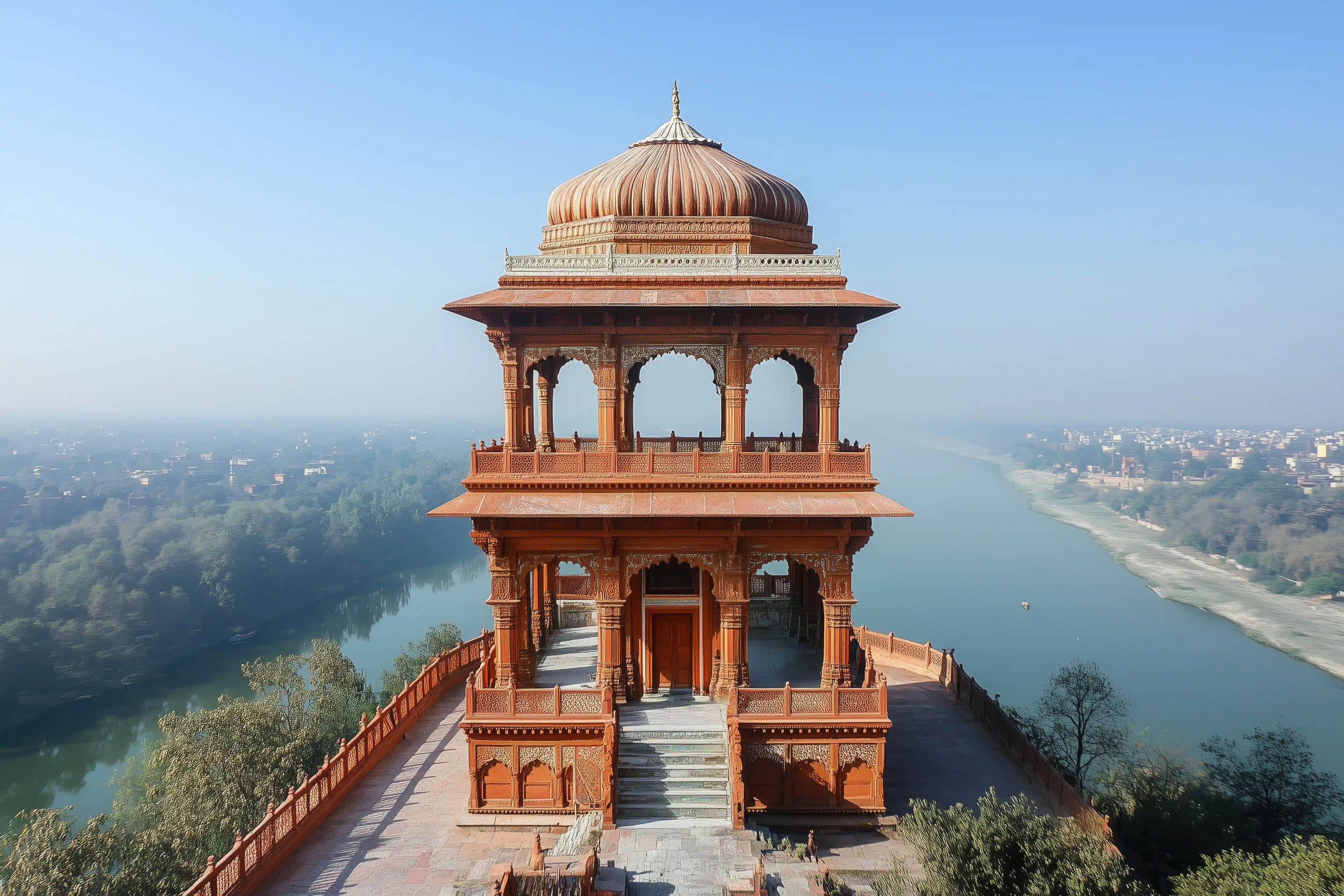
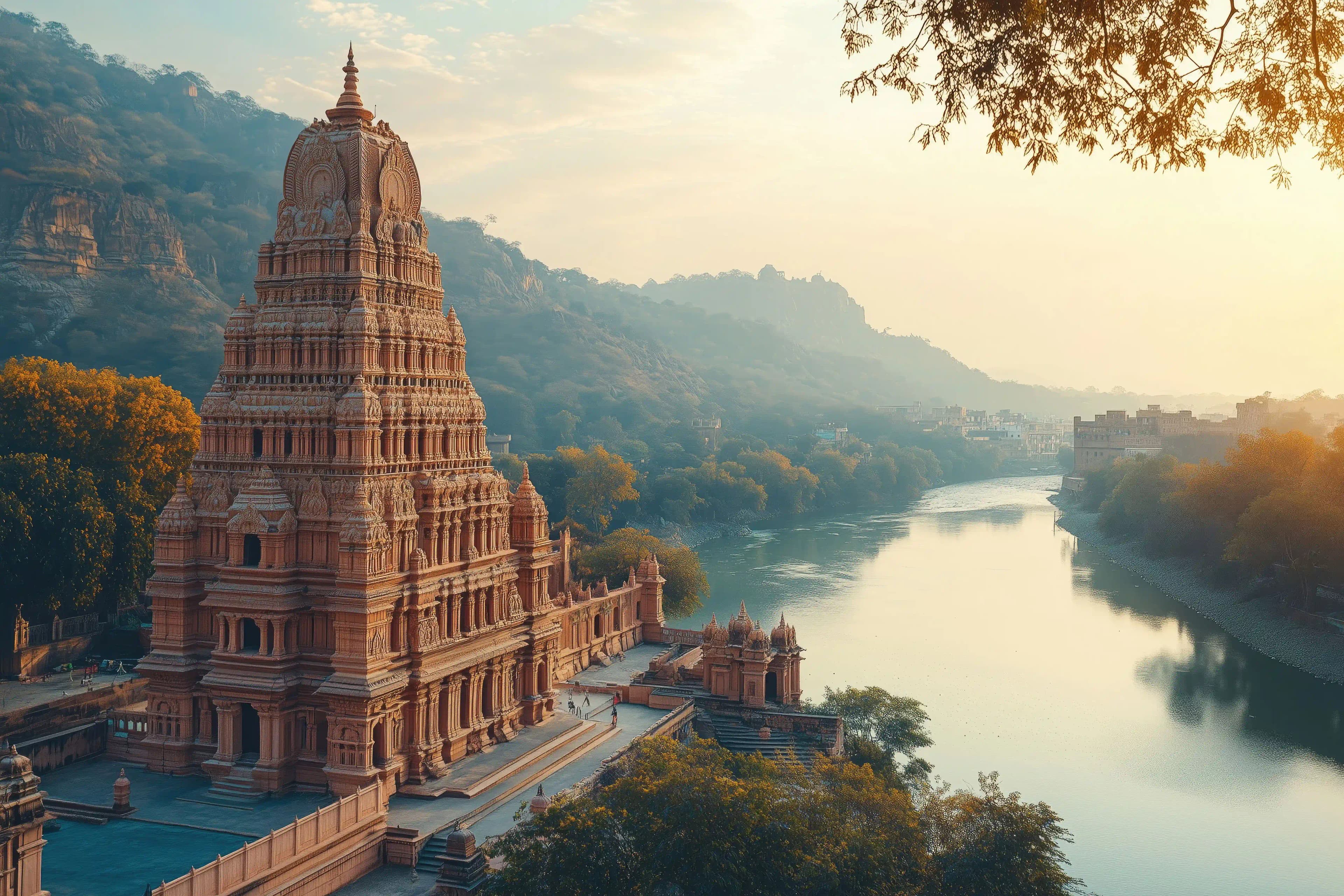
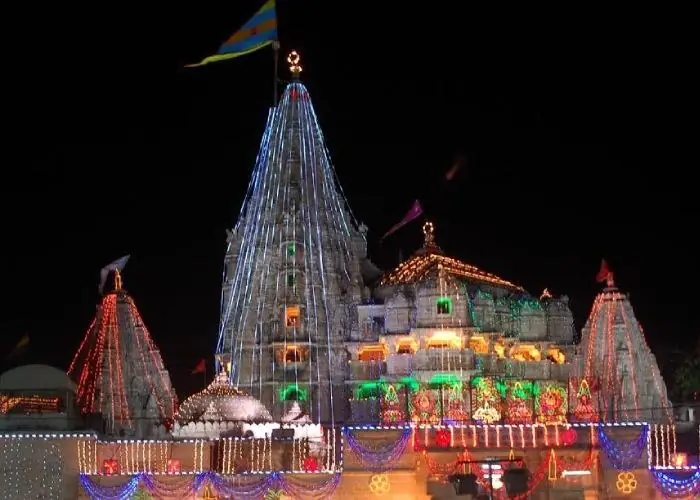
Standing tall in the traditional Chalukya style is the Dwarkadhish Temple in Dwarka. Five stories of solid limestone, constructed to withstand the salty coastal air, immediately catch your attention. However, the shikhara is what truly catches your eye. You can see it from all over town as it soars roughly 78 meters into the sky. The temple is adorned with elaborate stonework and symbolic details that all point upward, giving the impression that the entire structure aspires to reach the clouds.
Places To Visit Near Dwarkadhish Temple
Within a few kilometres of the Dwarkadhish temple, there are several other important religious and cultural sites. A visit to these sites is also a must for the travellers in order to get the maximum out of their trip and have a complete exposure to Dwarka. Below are such sites you should visit nearby.
1. Gomti Ghat
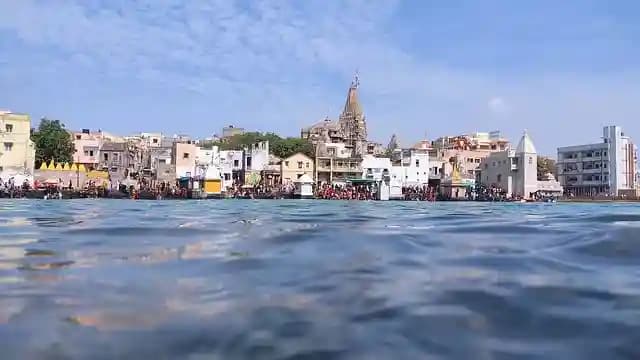
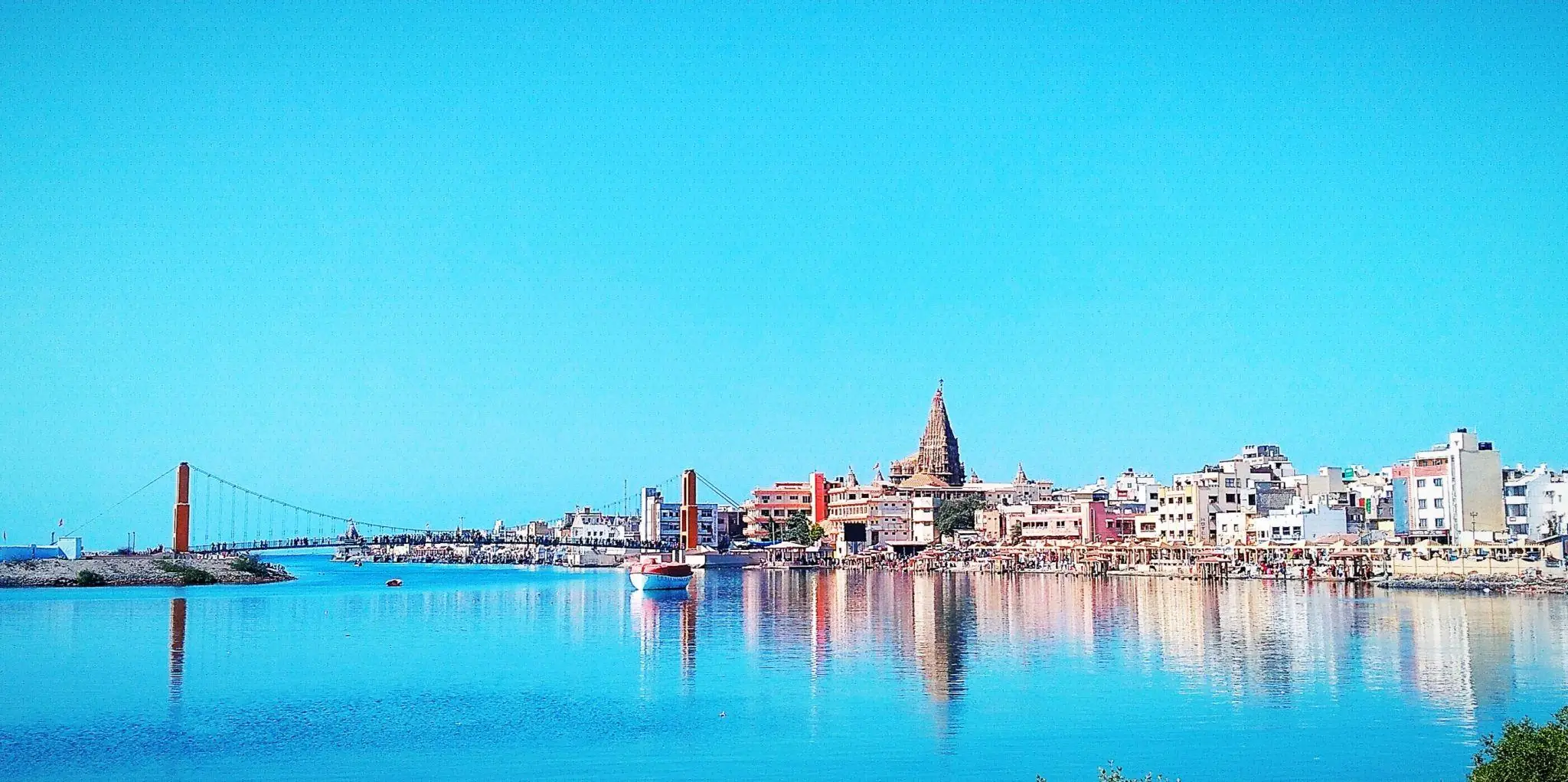
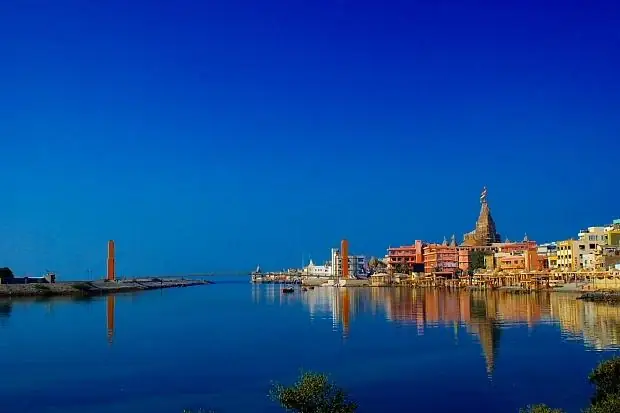 Gomti Ghat is situated at the end of the Gomti River, where it meets the Arabian Sea in Dwarka. It is positioned right next to the southern entrance of the principal temple, which can be reached by going down the 56 steps of the Swarga Dwar. There are some smaller temples surrounding the ghat, which are dedicated to gods such as Samudra Dev, Saraswati Maa, and Laxmi Maa, and it is also connected to the Panchkui beach area through the Sudama Setu suspension bridge.
Location: Adjacent to Dwarkadhish Temple
Best Time To Visit: Early morning or evening
2. Rukmini Devi Temple
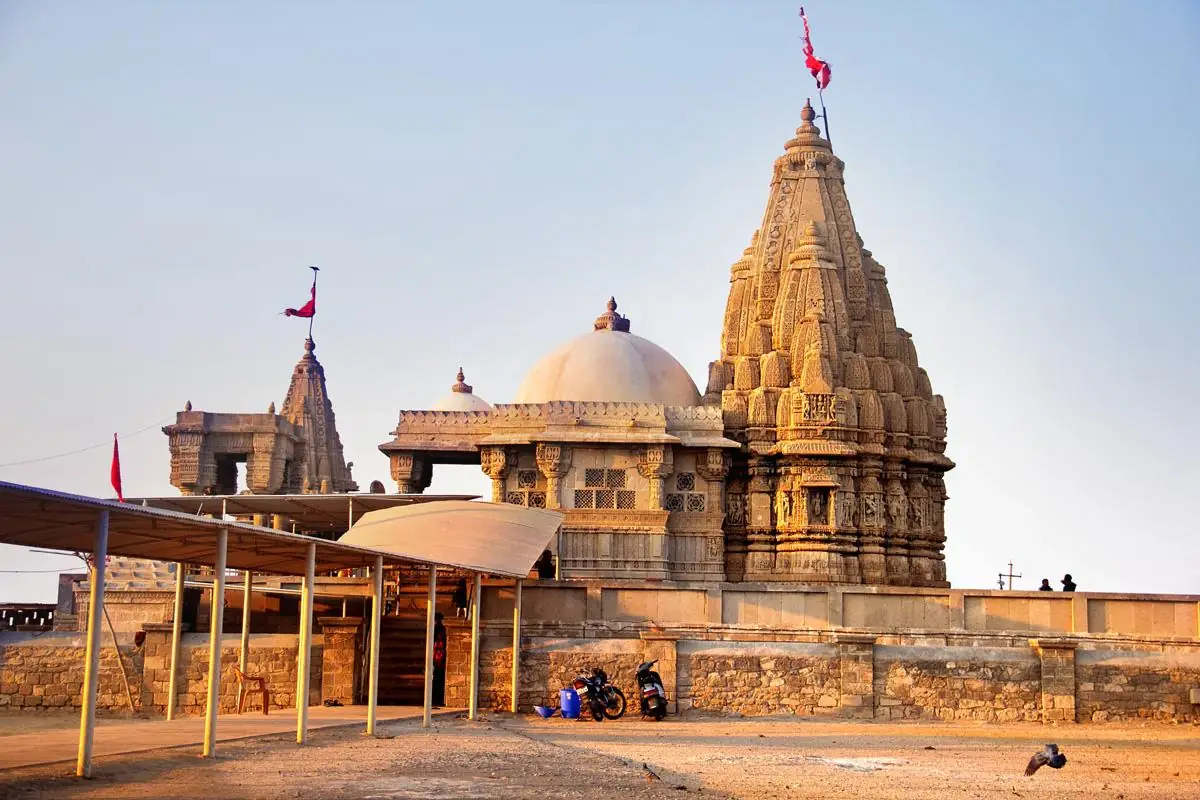 Built as per the tenets of Solanki architecture, the 12th-century Rukamni Devi temple is famous for its carvings of human figures and the Gajathara (elephant) frieze on its pedestal. As per Hindu mythology, it is located 2 km away from the main town because of a curse by Sage Durvasa, which resulted in Rukmini being separated from Lord Krishna. As a religious site, the temple is a must-visit for devotees to attain spiritual fulfilment, especially through the Jal Daan ritual, which looks for merit in a place where the water has been cursed.
Best Time To Visit: Morning hours
Location: Around 2 km from Dwarka town
3. Bet Dwarka
 Bet Dwarka holds a special place in Hindu tradition. People see it as Lord Krishna’s family home, not just a temple, but a place where he actually lived with his loved ones. That’s different from the main temple in Dwarka city, which feels more like his royal court. The island’s name comes from the Gujarati word “Bhent,” meaning “gift.” This spot is famous because it’s where Krishna and his old friend Sudama reunited. It was here that Sudama presented a meager offering of puffed rice, or "poha," which was a symbol of his devotion.
Best Time To Visit: October to March
Location: Off the coast near Okha
4.Nageshwar Jyotirlinga
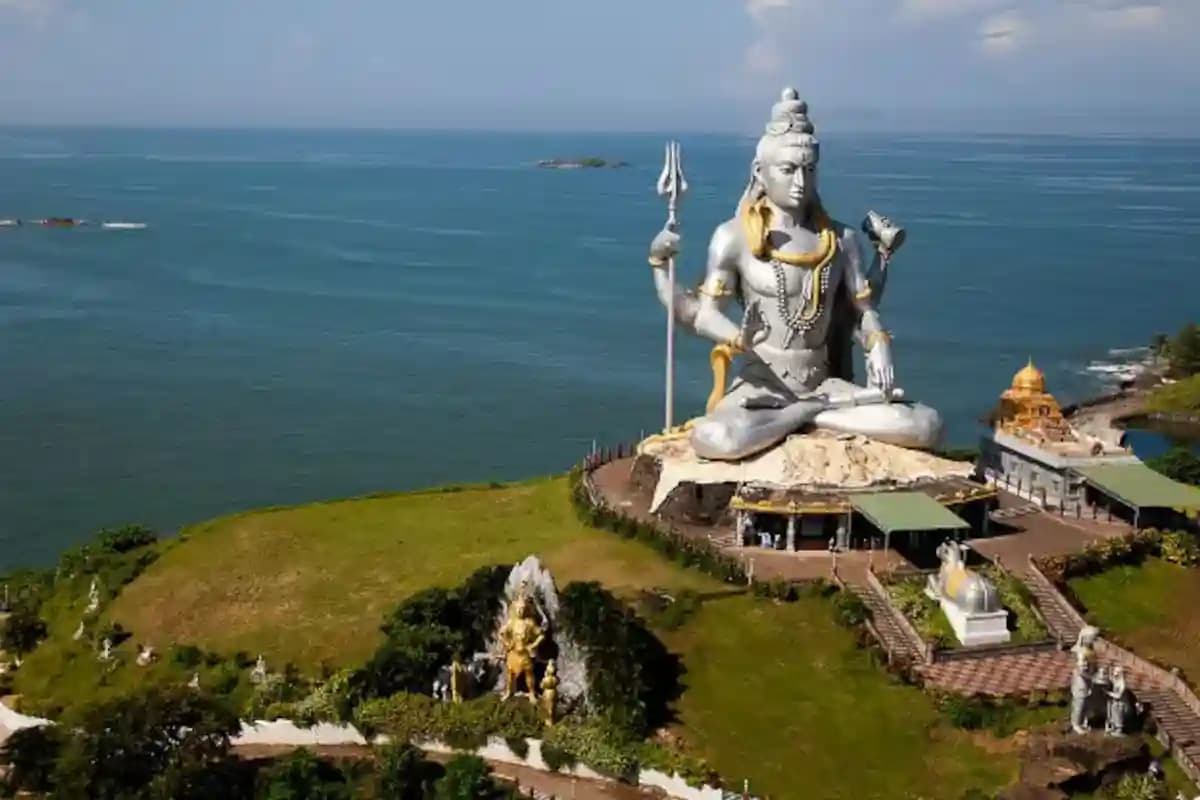
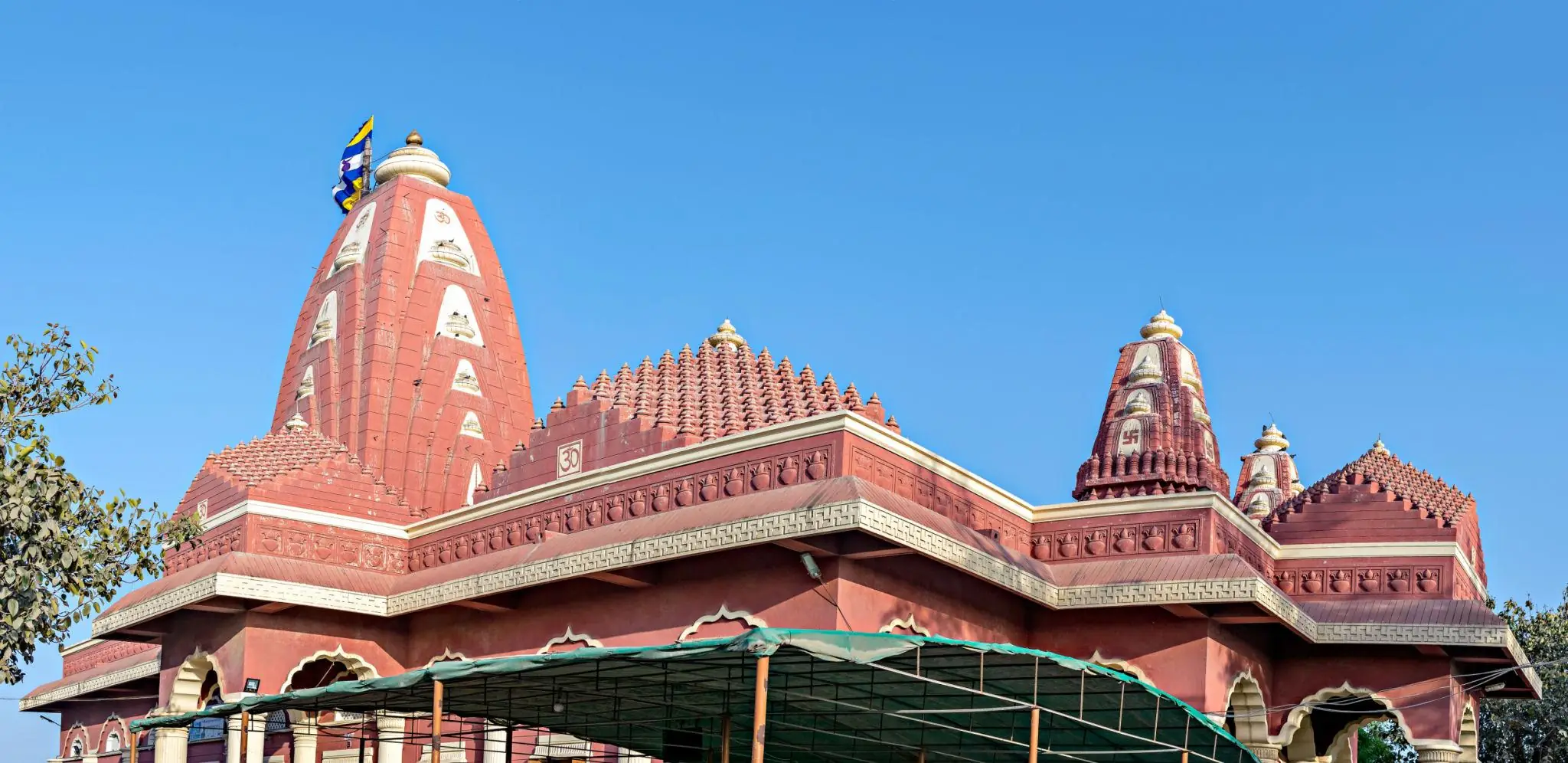 Nageshwar Jyotirlinga is one of the twelve Jyotirlingas and is dedicated to Lord Shiva. It is of great religious significance. It is not very far from Dwarka, and one can easily reach there by road. The presence of a huge statue of Lord Shiva makes it a major point of pilgrimage, which is also visited along with shree dwarkadhish temple.
Best Time To Visit: Early morning
Location: About 17 km from Dwarka
How To Reach Dwarkadhish Temple
Shree Dwarkaddhish Temple is well connected with air, train, as well as by road. The choice of transport may differ depending on whether you are a solo traveller or traveling with family, and how far the place is from your home.
By Air
The nearest airport to dwarkadhish temple is Jamnagar Airport, situated at a distance of approximately 130 kilometres. The airport receives regular flights from major Indian cities. From Jamnagar, travellers can hire taxis or use state-run buses to reach Dwarka, with the road journey taking around three to four hours depending on traffic conditions.
By Train
Dwarka Railway Station (DWK) is the nearest railway station to dwarkadhish temple and serves as the most preferred option for pilgrims. The station is well connected with direct and connecting trains from Ahmedabad, Rajkot, Vadodara, and Mumbai. Since the railway station lies close to the temple area, reaching the temple after arrival is quick and convenient using local transport or a short walk.
By Road
Dwarka is well linked through national and state highways, making road travel a practical choice for visitors. The distance from Jamnagar is around 130 kilometres, while Rajkot lies approximately 225 kilometres away and Ahmedabad about 440 kilometres. Buses operated by GSRTC and private operators run regularly from major cities. Within Dwarka, auto-rickshaws, e-rickshaws, taxis, and walking are commonly used, as most religious sites are located within a compact area.
Tips To Follow While Visiting Dwarkadhish Temple
Visitors to shree dwarkadhish temple are expected to follow certain rules and dress guidelines to maintain the sanctity of the temple. These regulations are strictly enforced, especially during peak pilgrimage seasons, and are designed to ensure smooth darshan and respectful conduct within the temple premises.
Mobile phones, cameras, and electronic devices are not allowed inside the temple premises.
Photography and videography are strictly prohibited within the temple complex.
Carrying large bags, backpacks, and food items inside the temple is not permitted.
Security checks are compulsory for all visitors, and cooperation with temple authorities is expected.
Modest and traditional attire is strongly advised while visiting the temple.
Men are recommended to wear full-length trousers or dhotis.
Women are advised to wear sarees, salwar suits, or clothing that covers the shoulders and knees.
Shorts, sleeveless tops, and revealing clothes are not advised and may restrict entry during busy hours
Conclusion
A journey to dwarkadhish temple Gujarat goes beyond routine sightseeing. It brings together centuries of belief, structured rituals, and a setting shaped by the sea and sacred waters. The experience is as much about understanding tradition as it is about planning wisely, knowing when to visit, how to move around, and what to expect inside the temple complex. With nearby pilgrimage sites, clear travel access, and defined visitor guidelines. When approached with preparation and respect, the visit becomes calm, purposeful, and genuinely memorable rather than rushed or overwhelming.