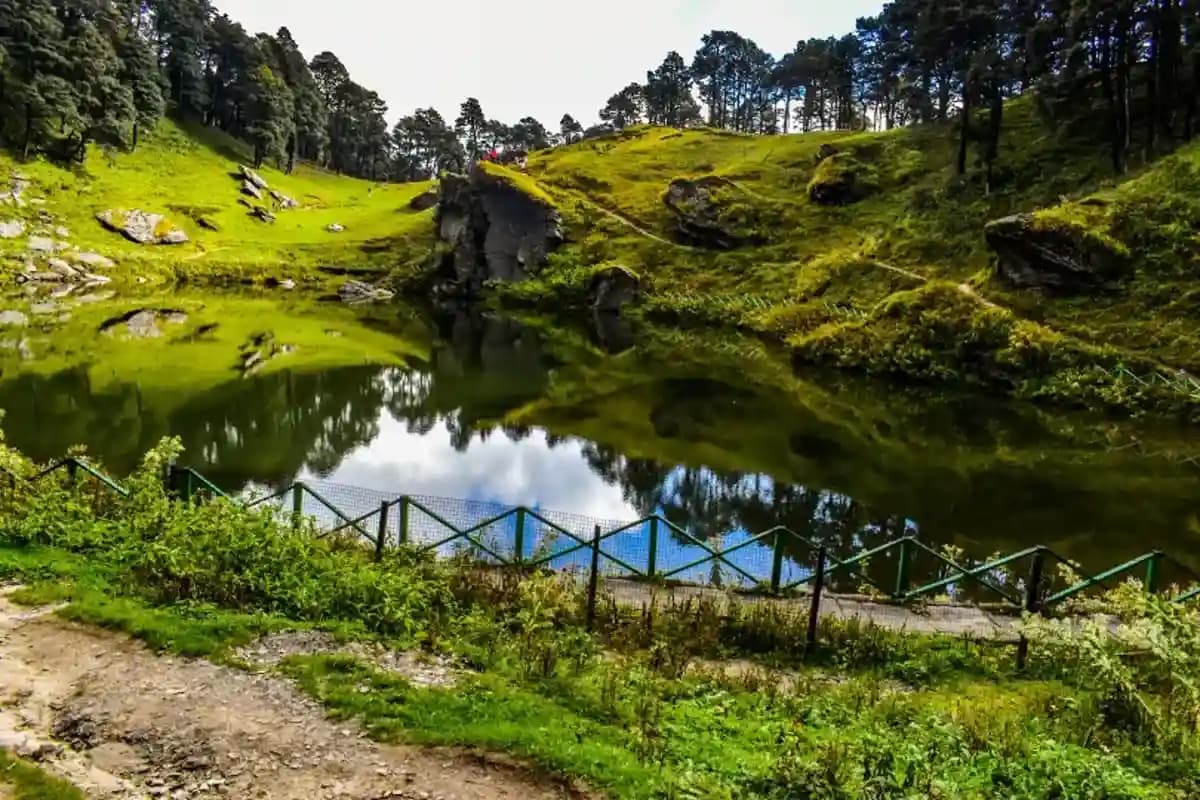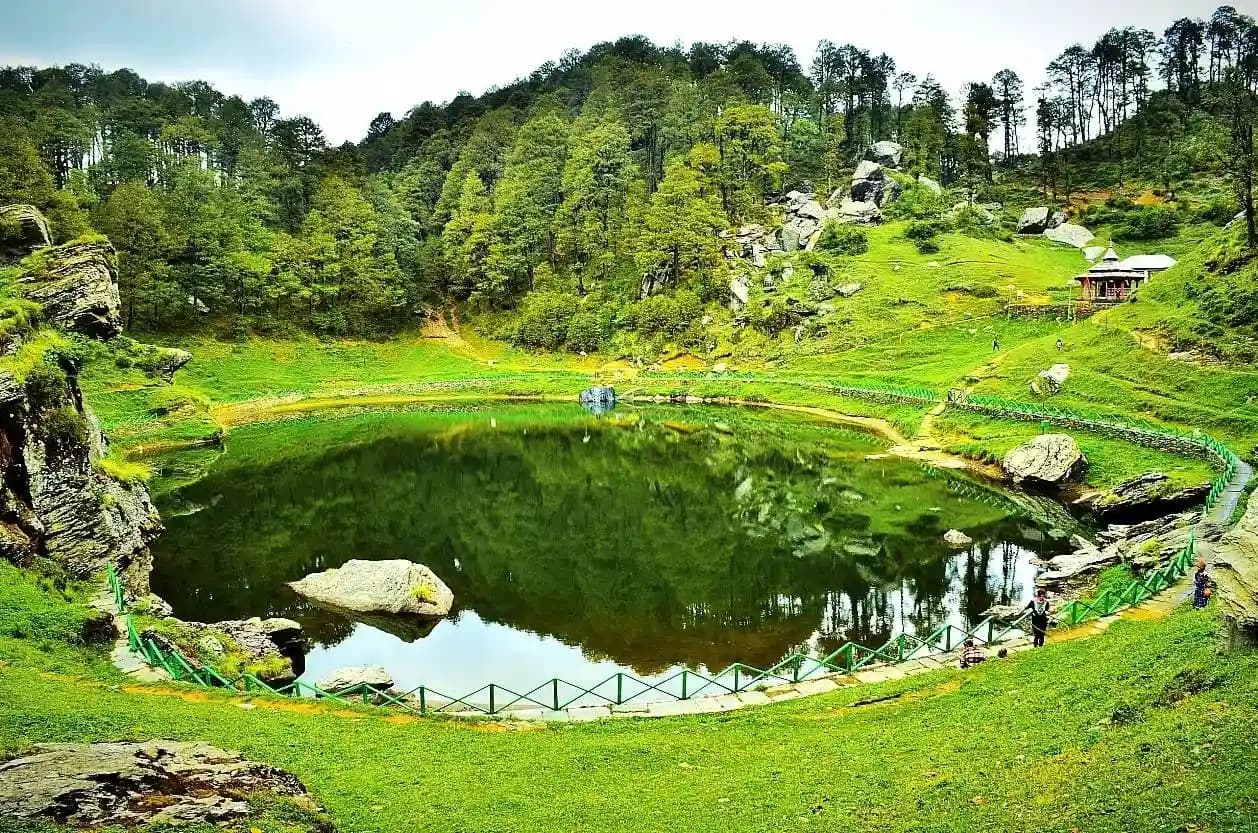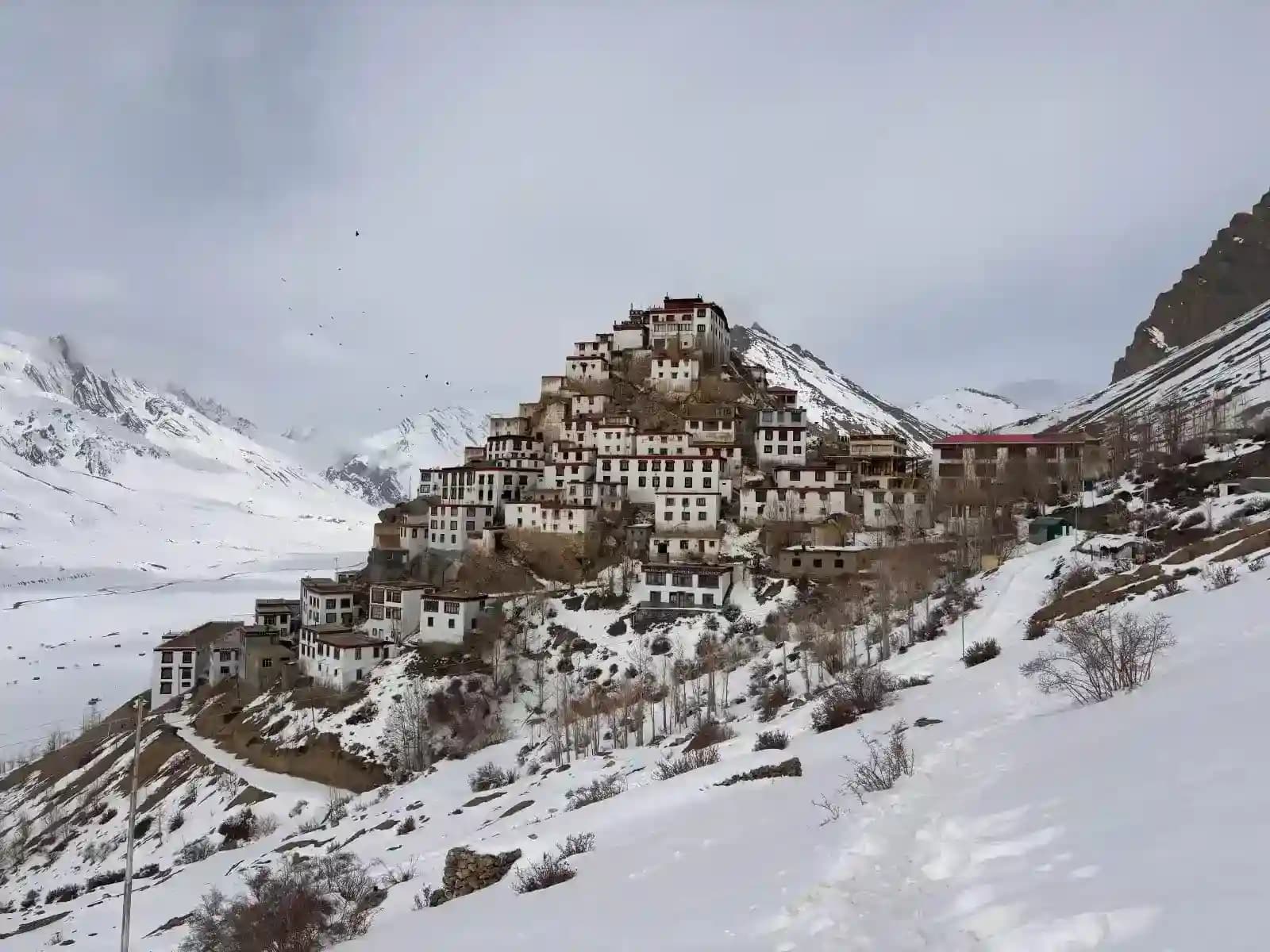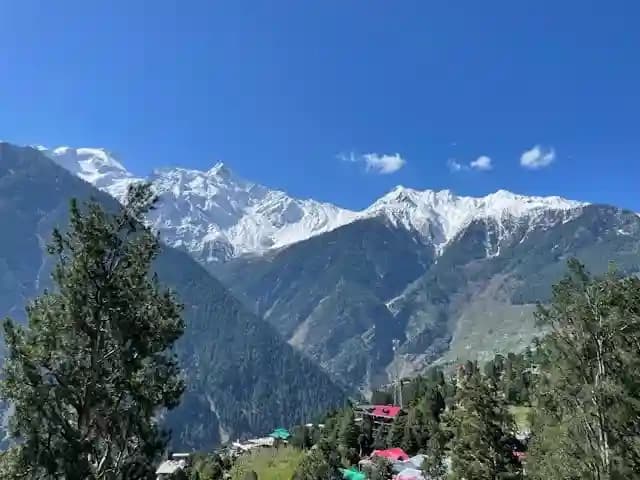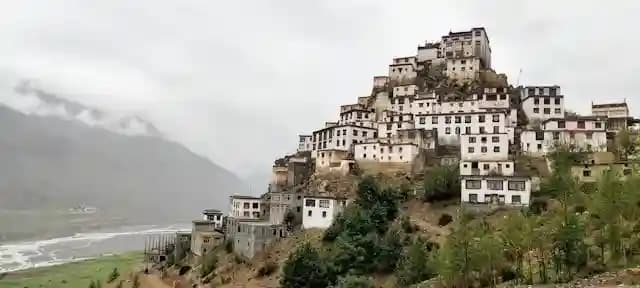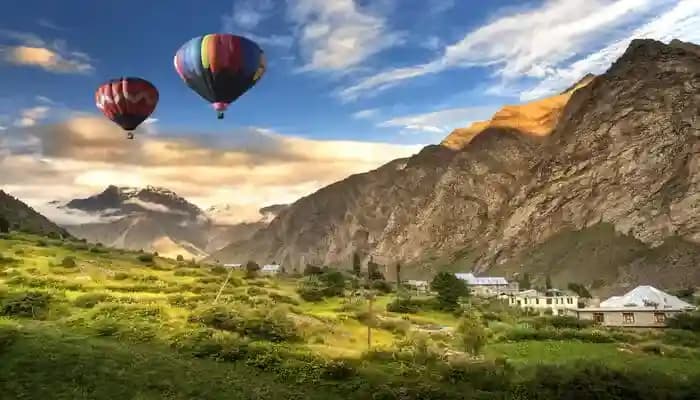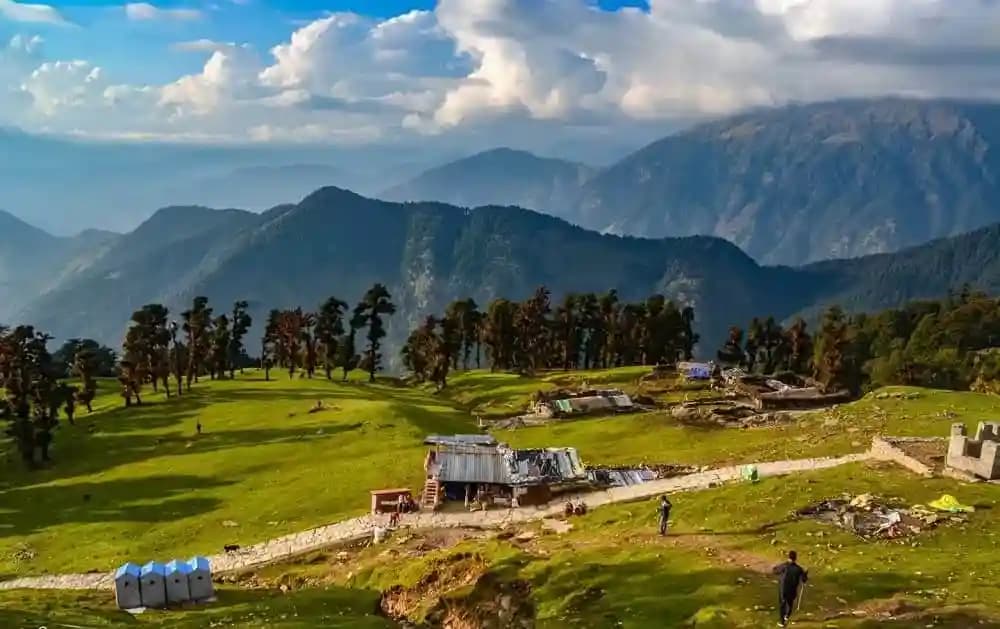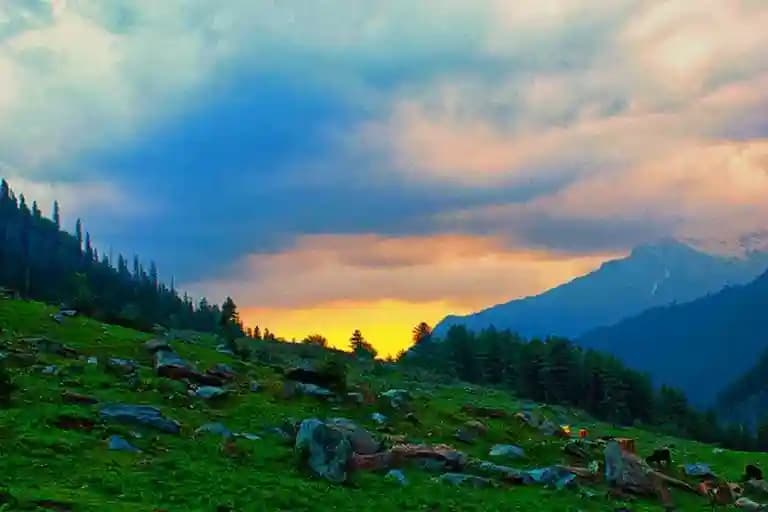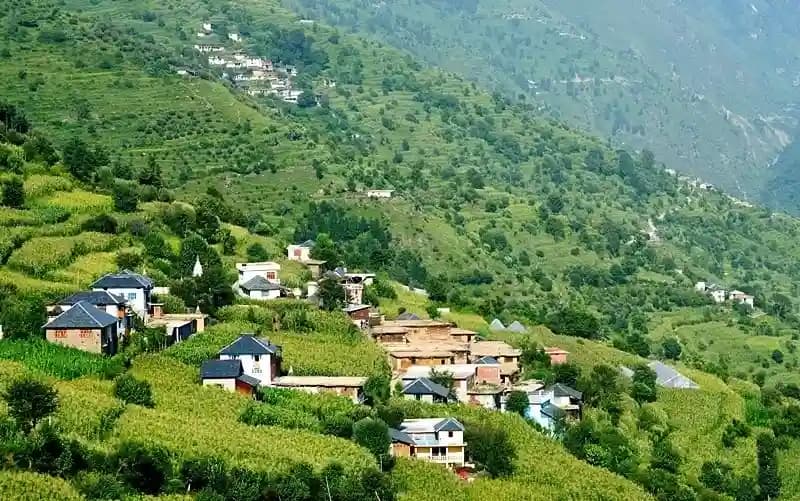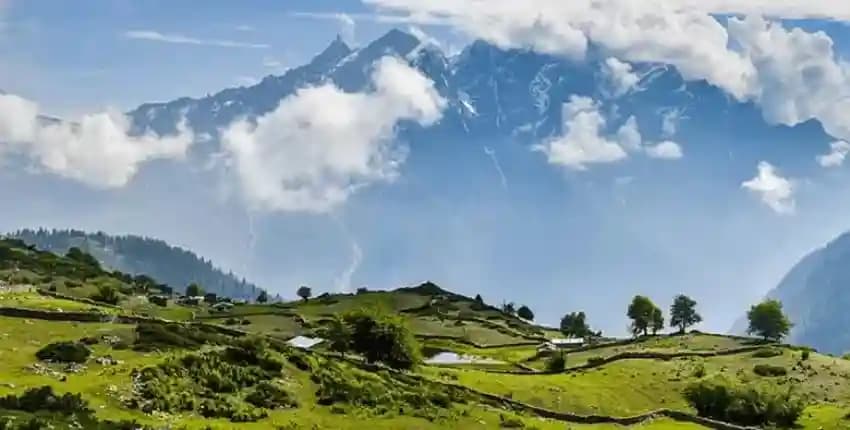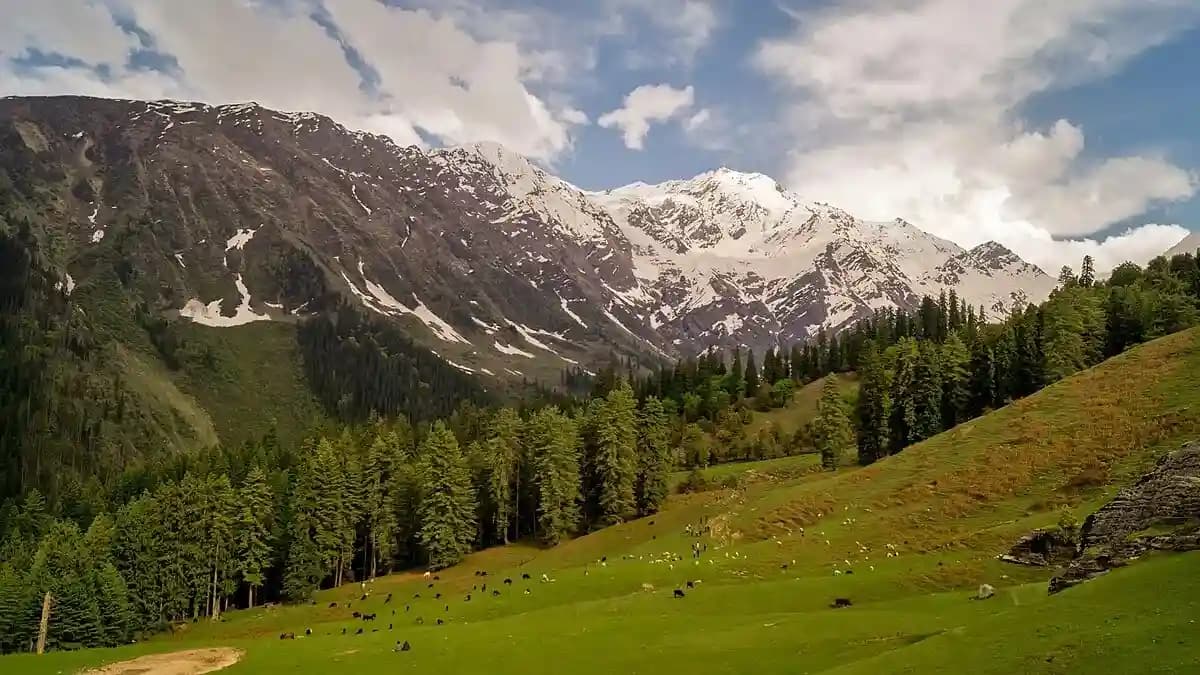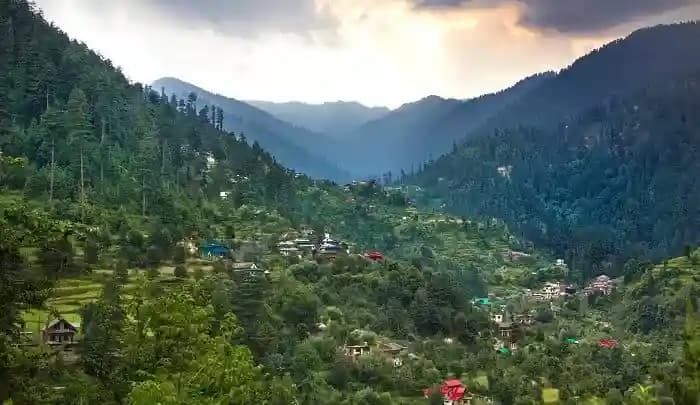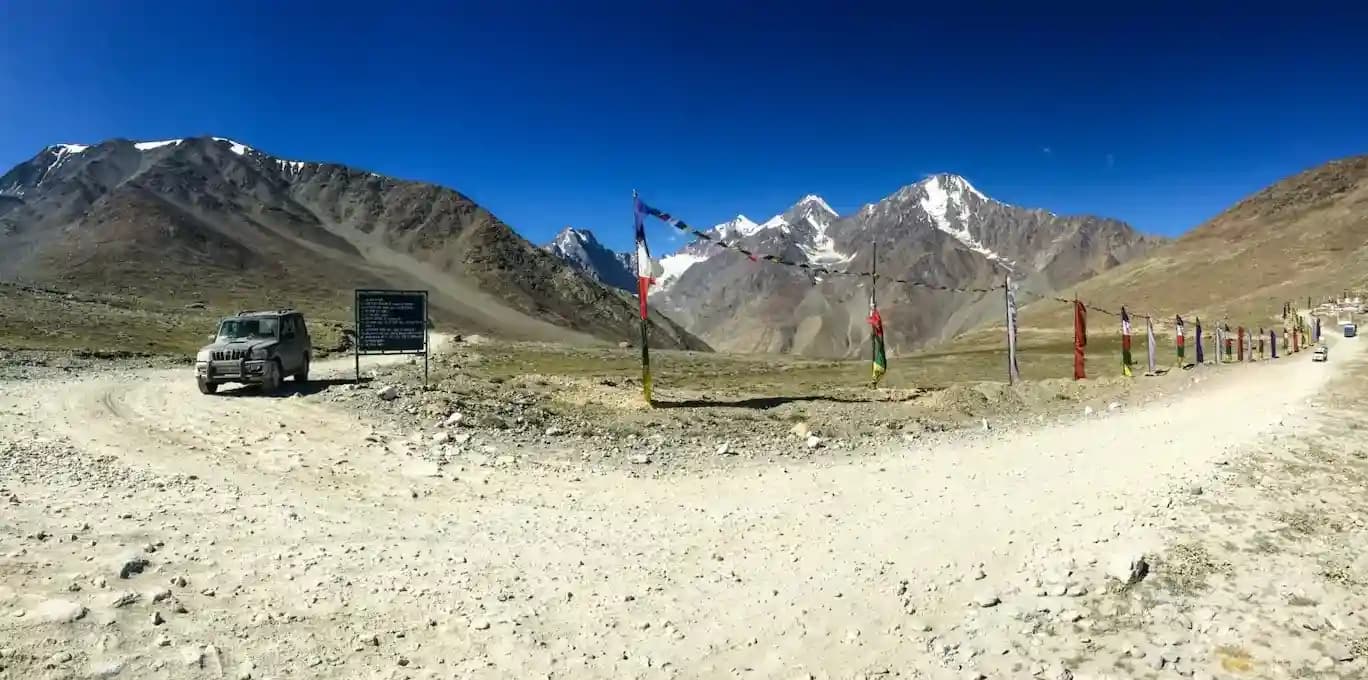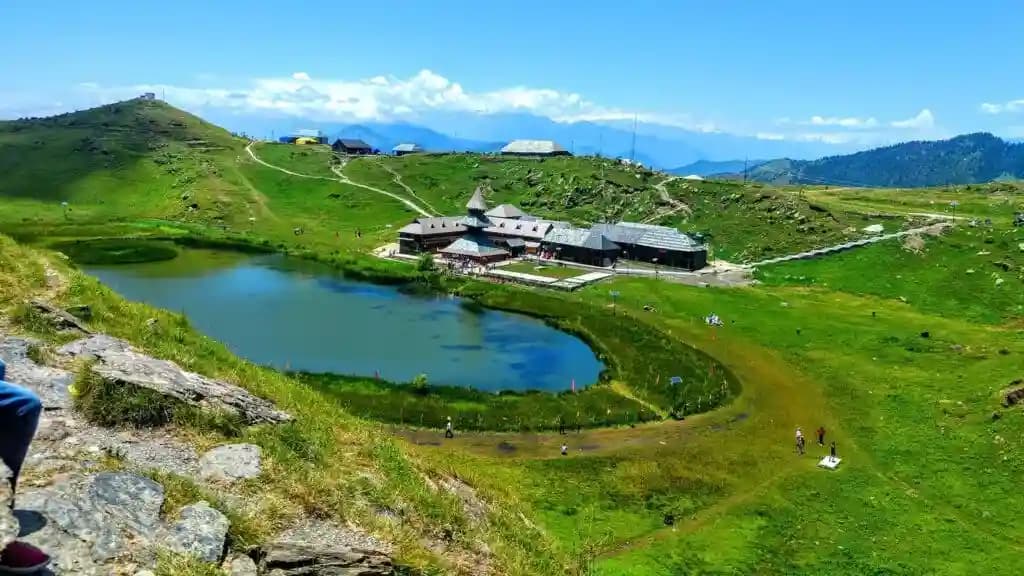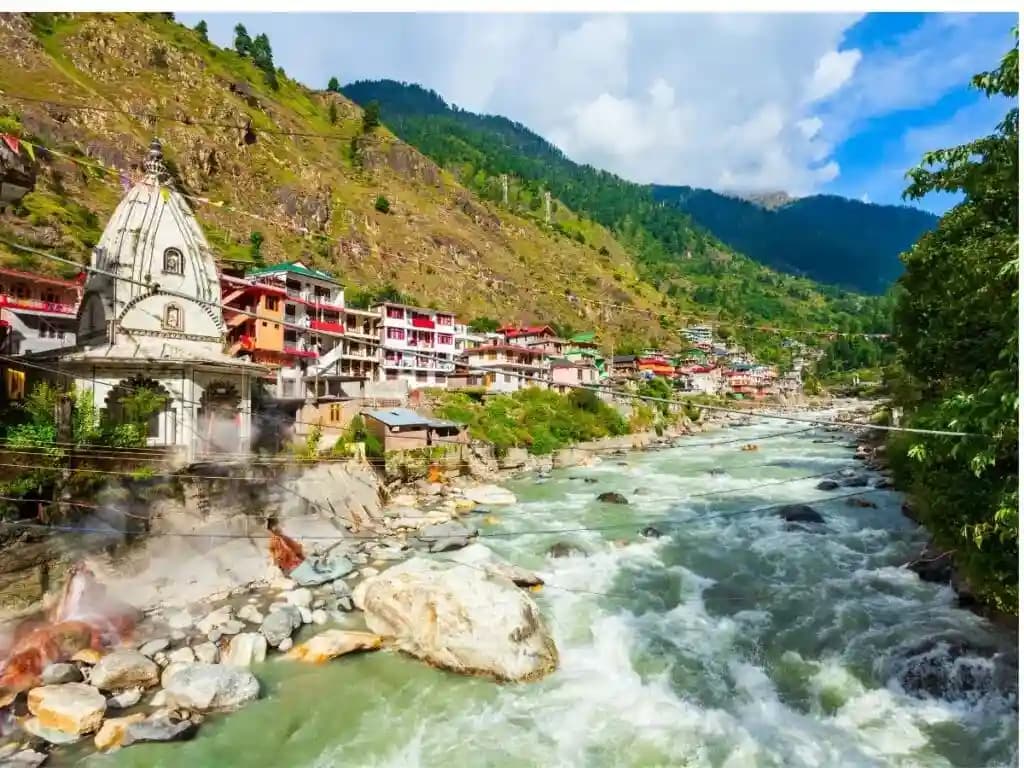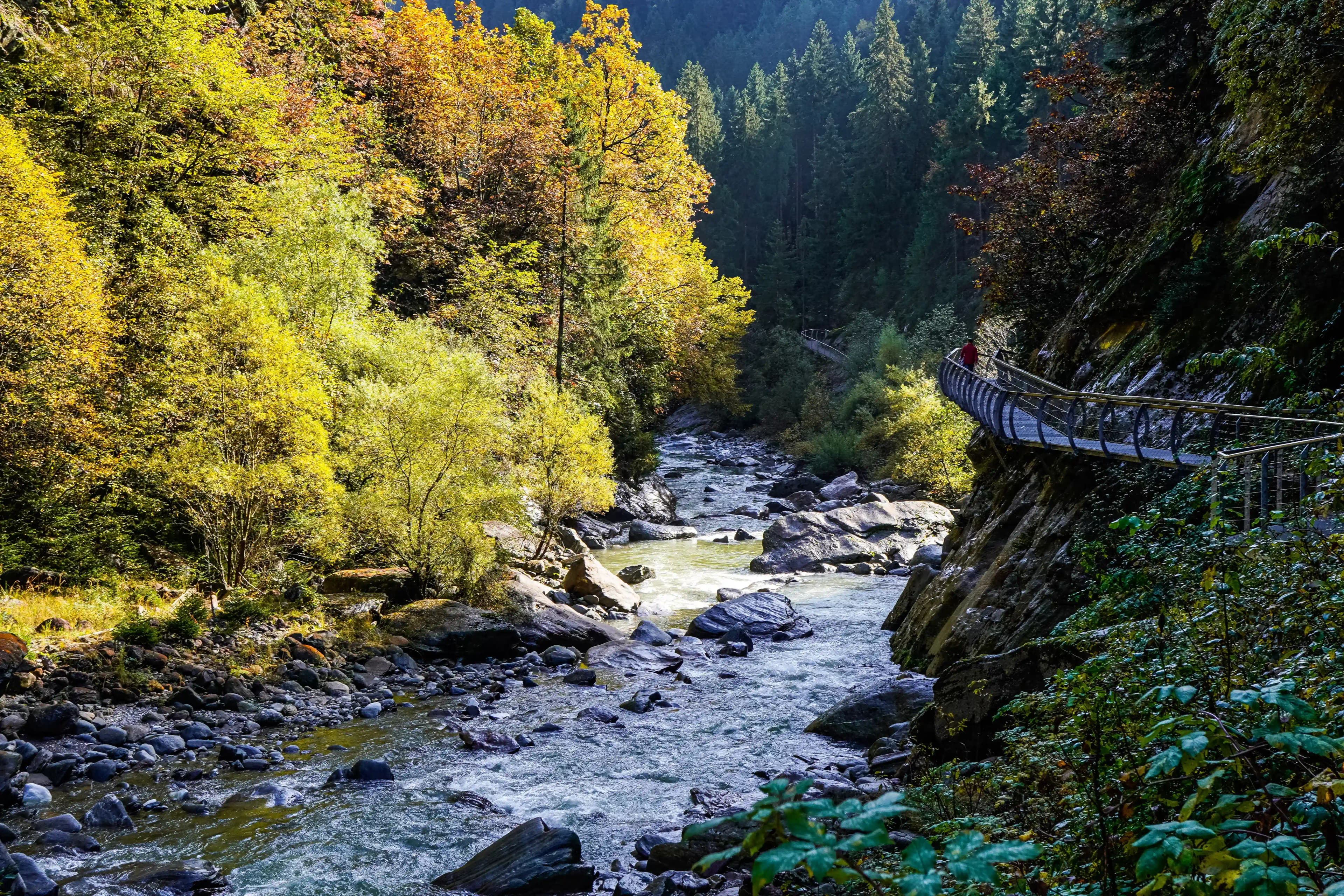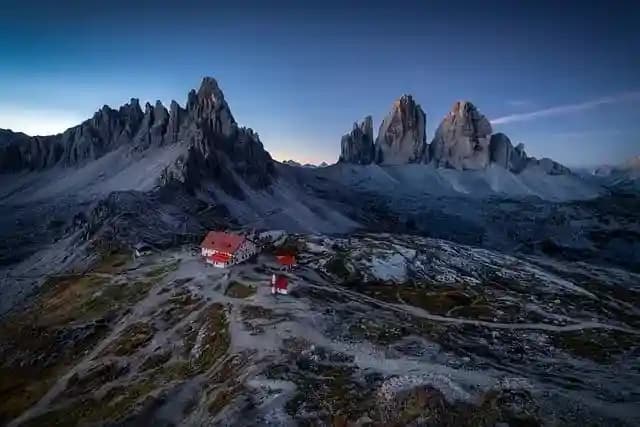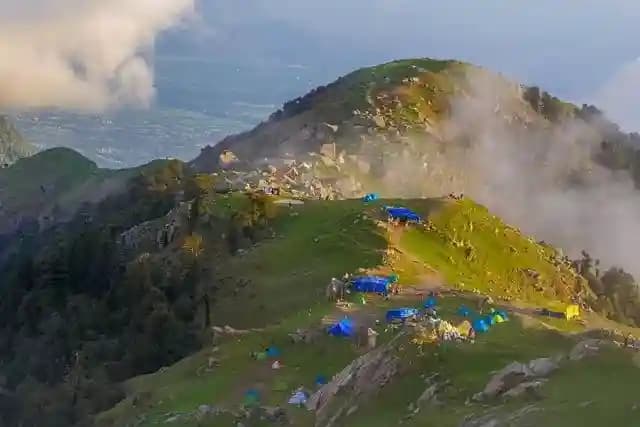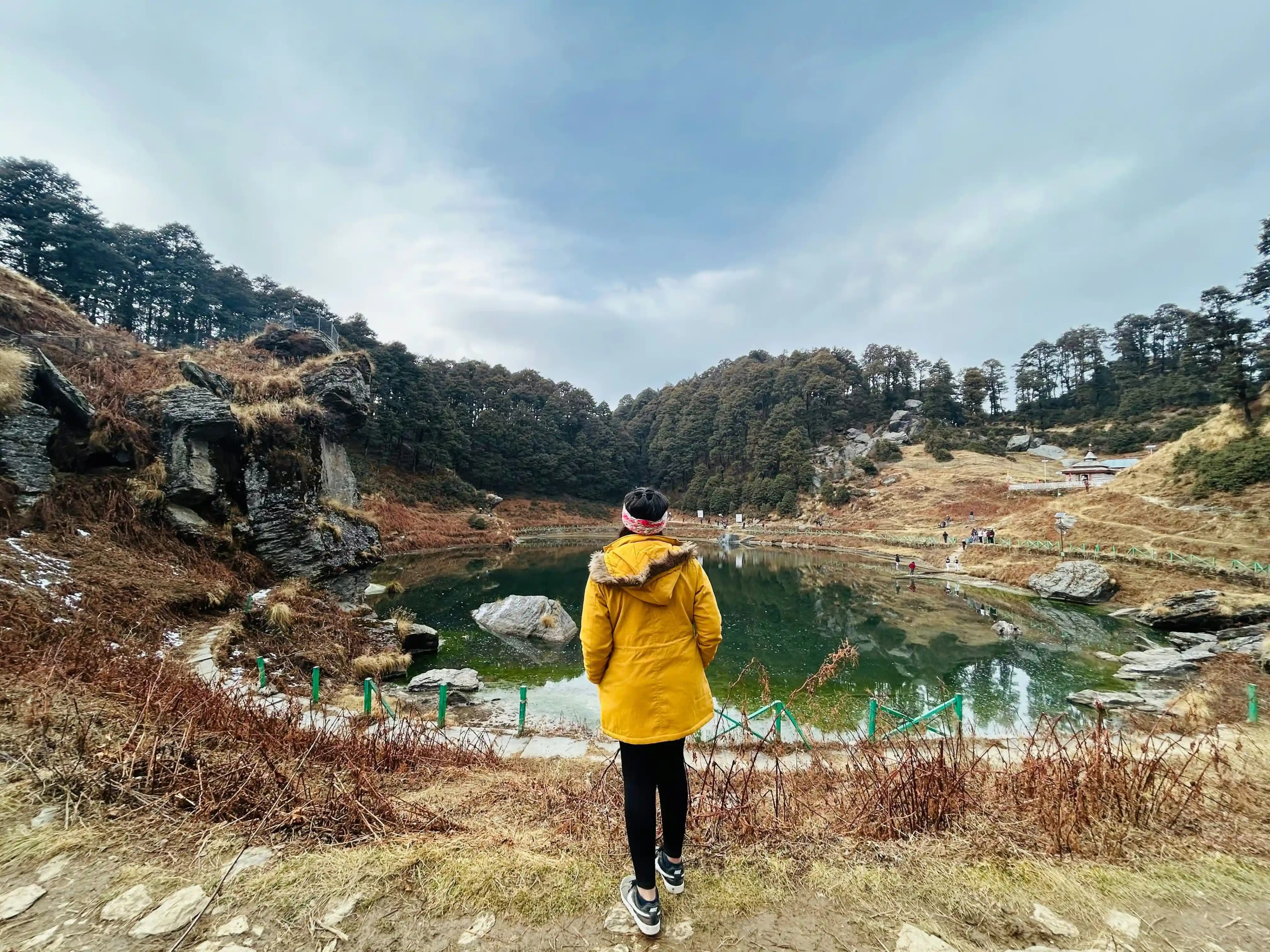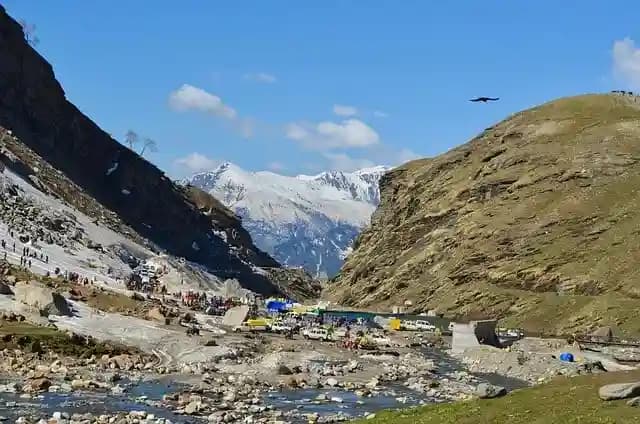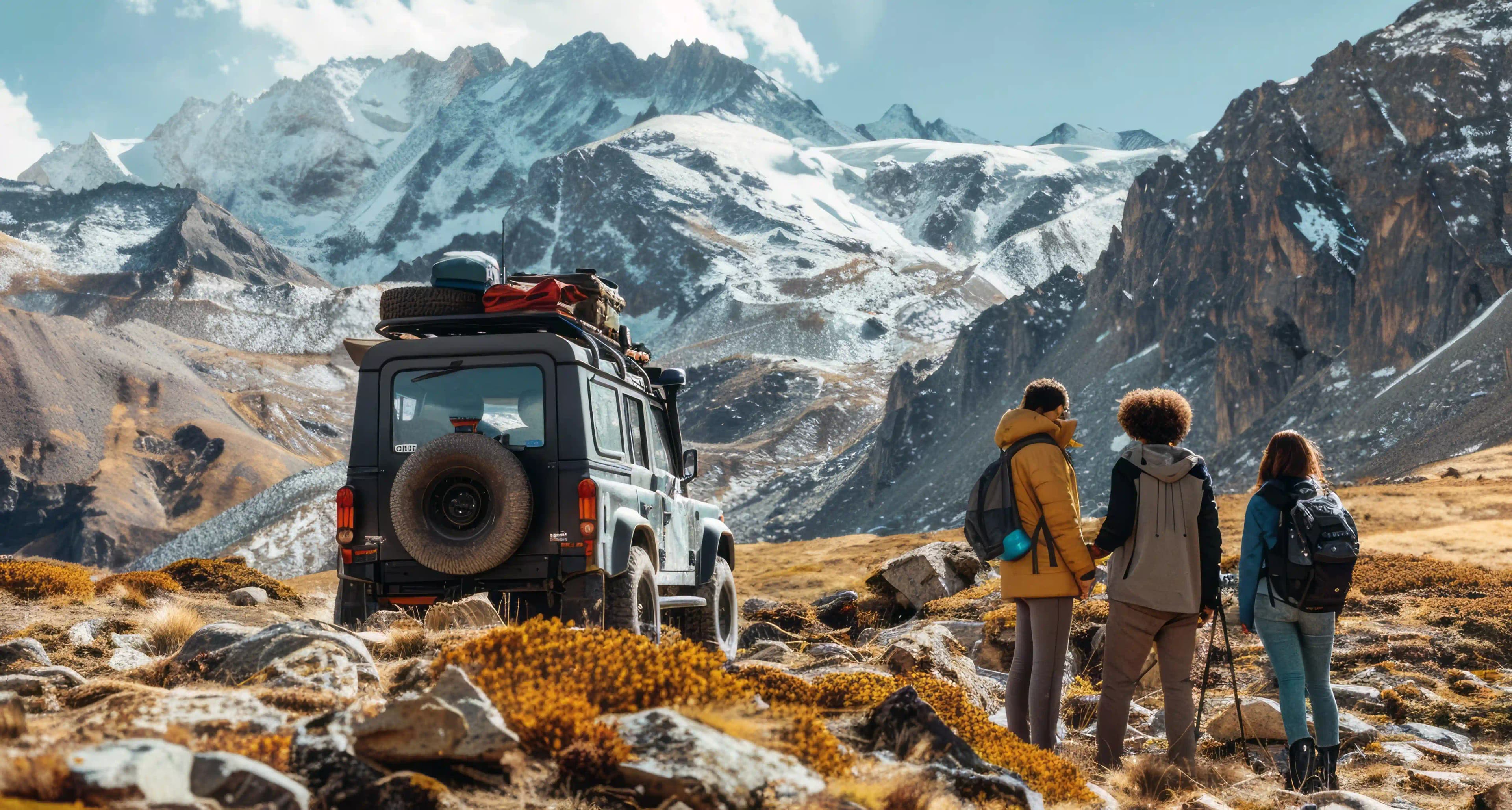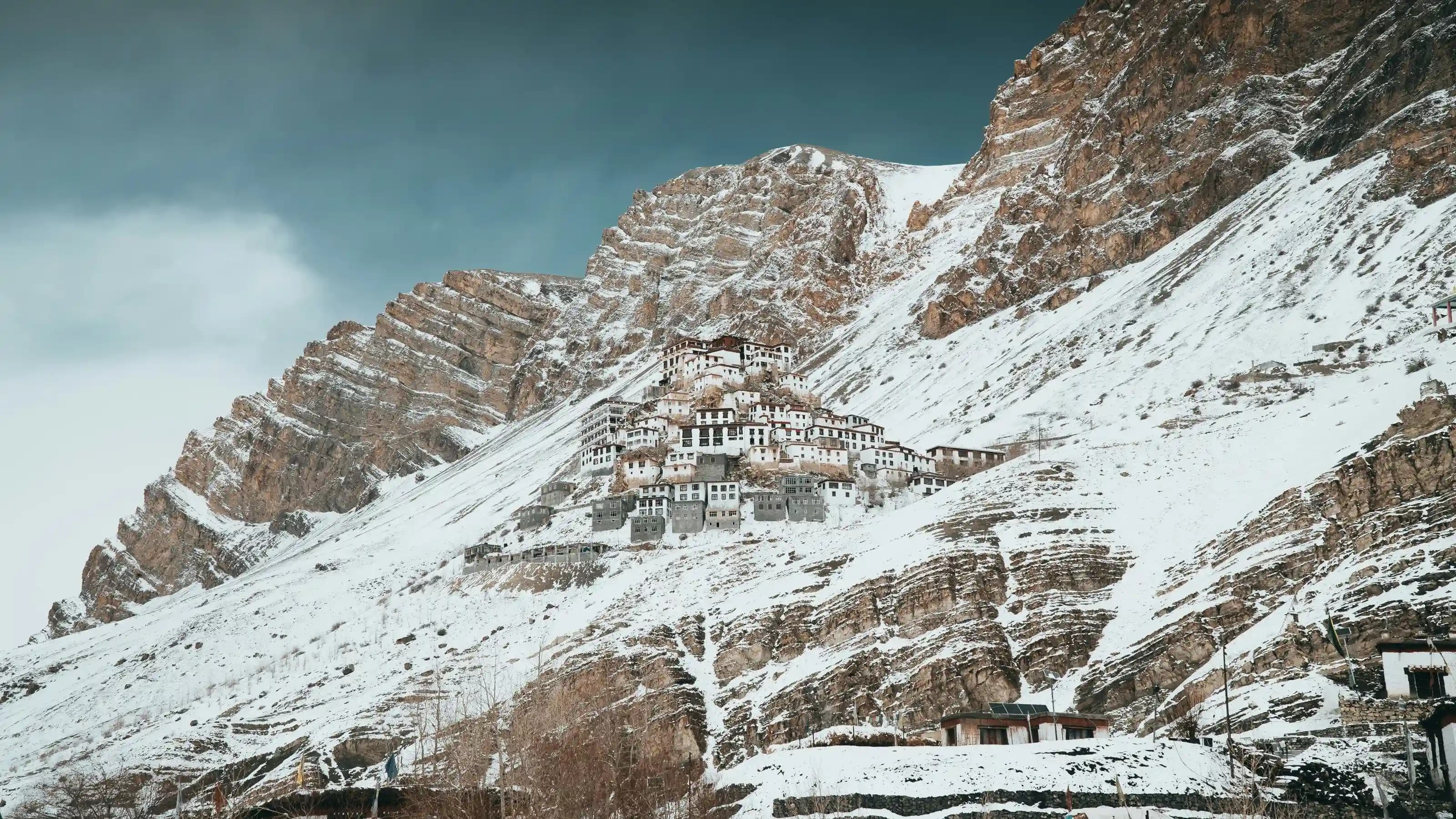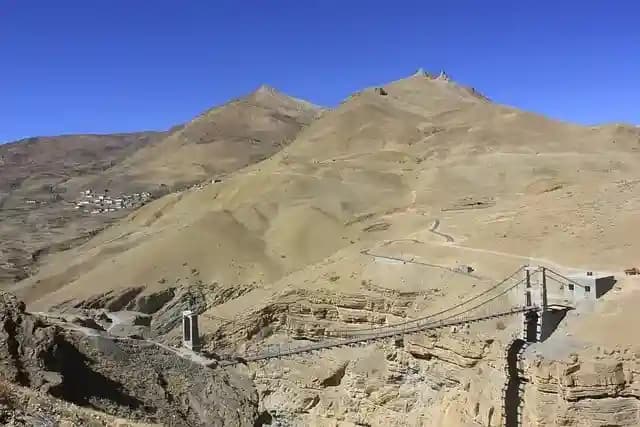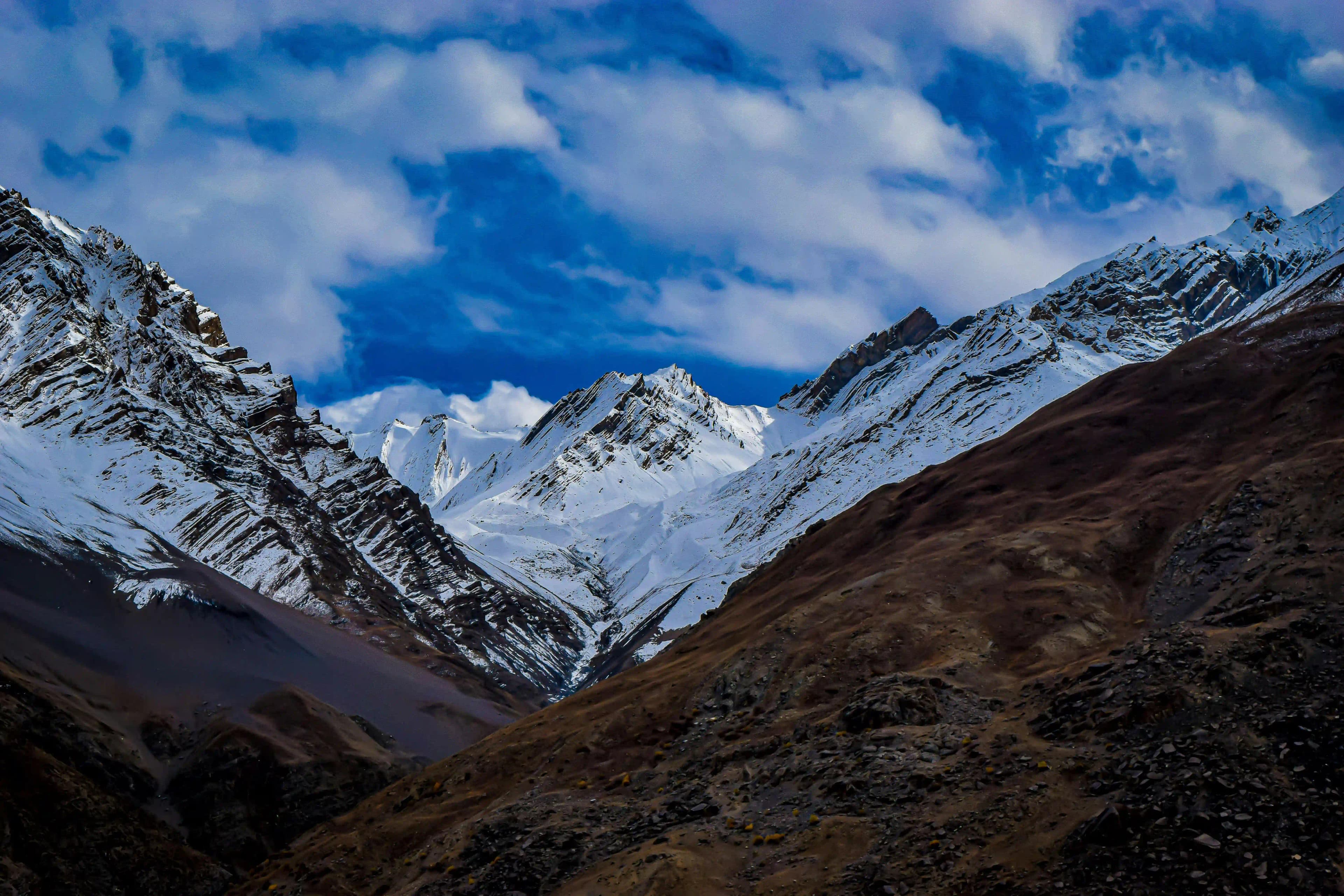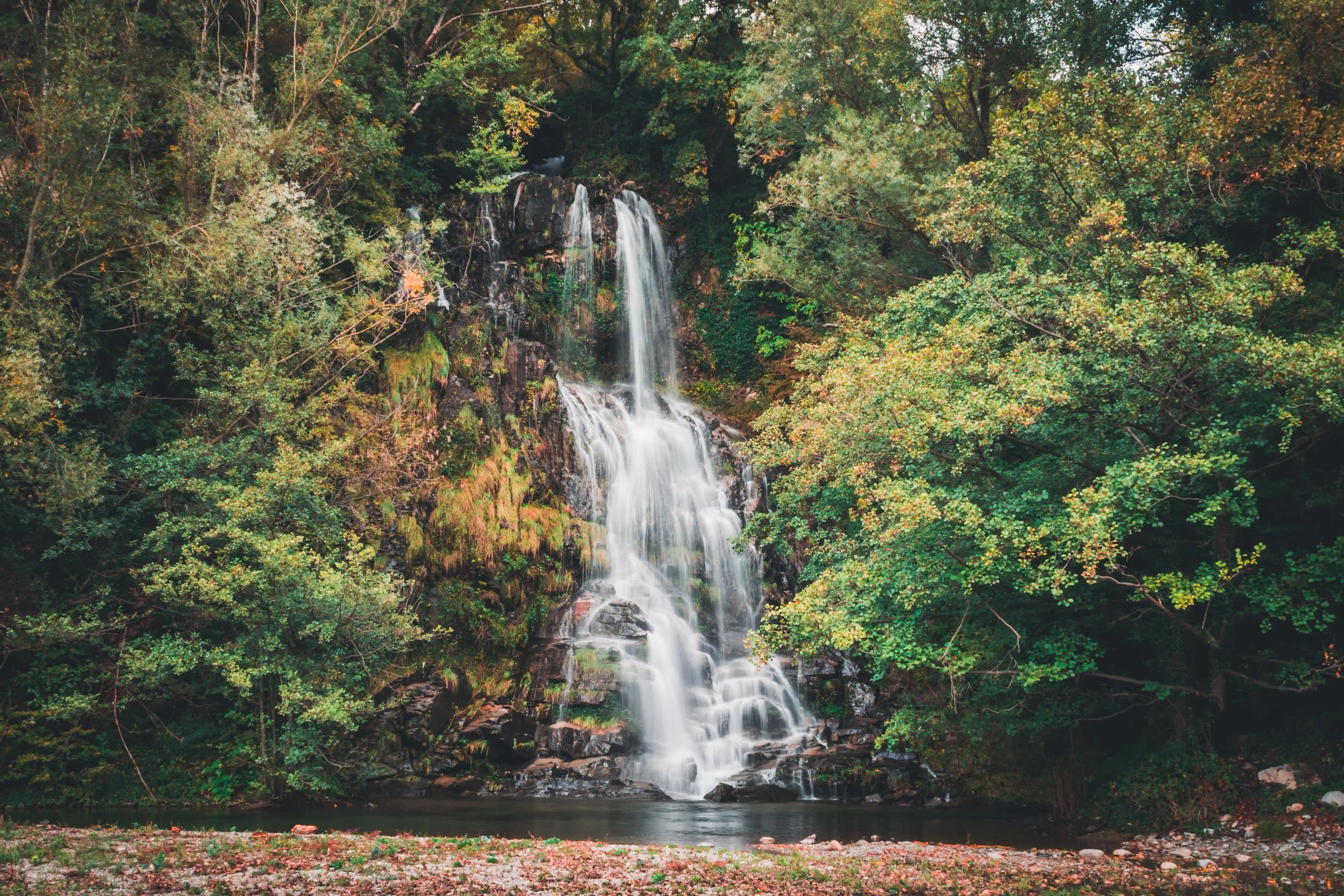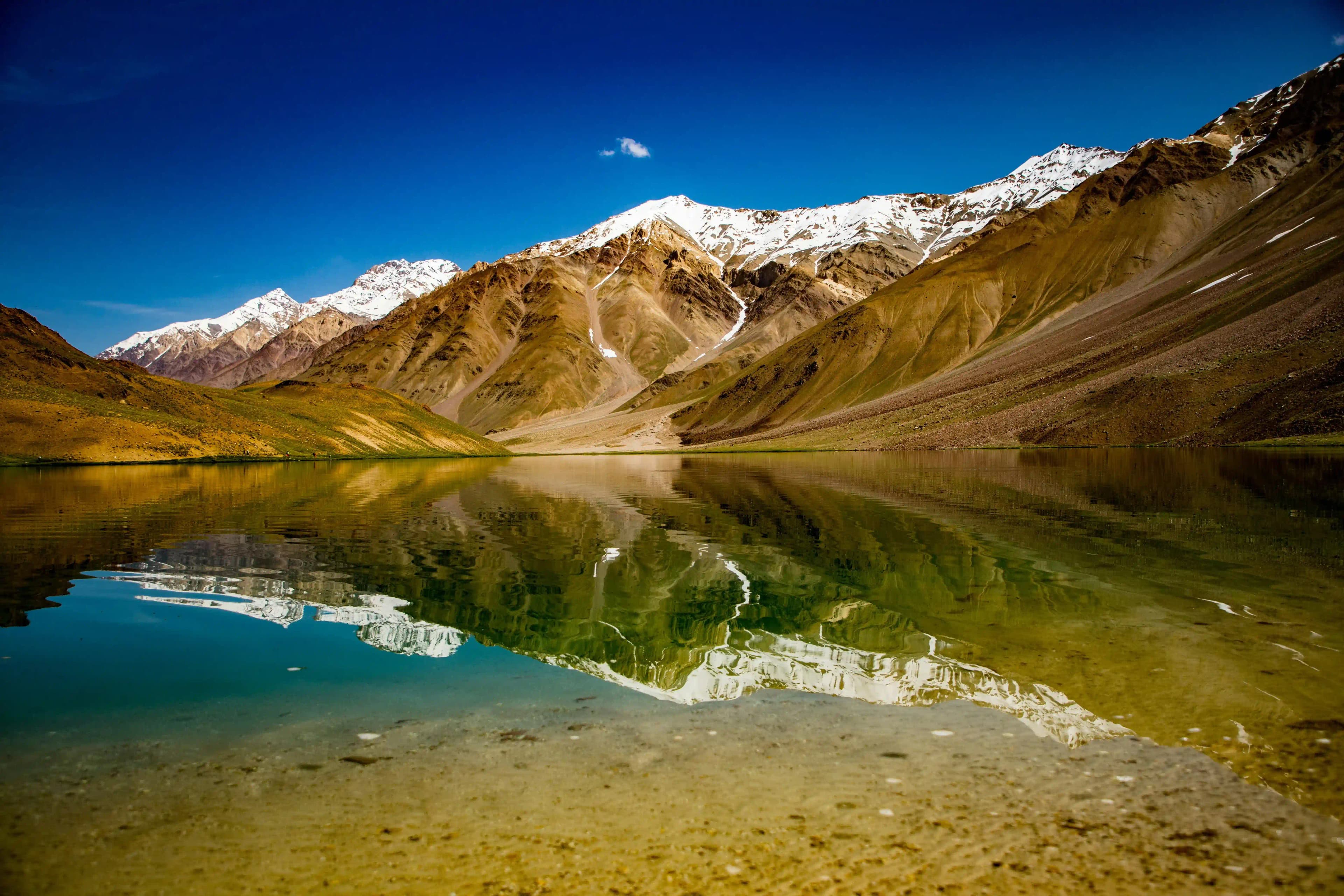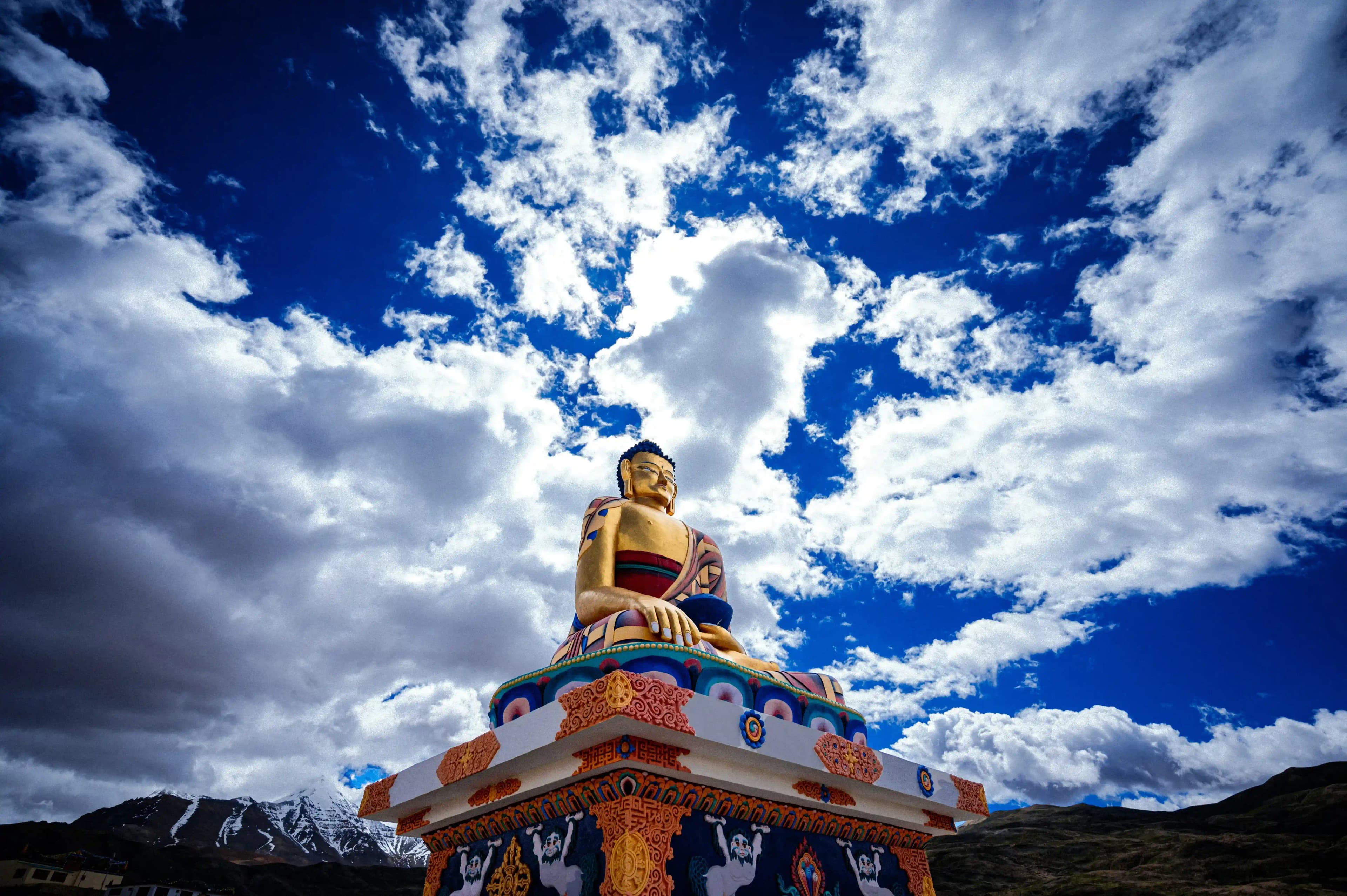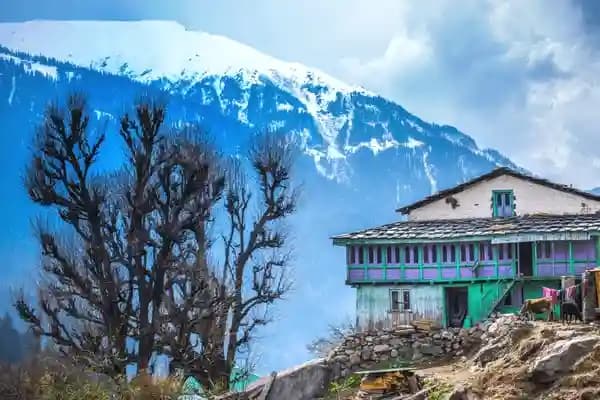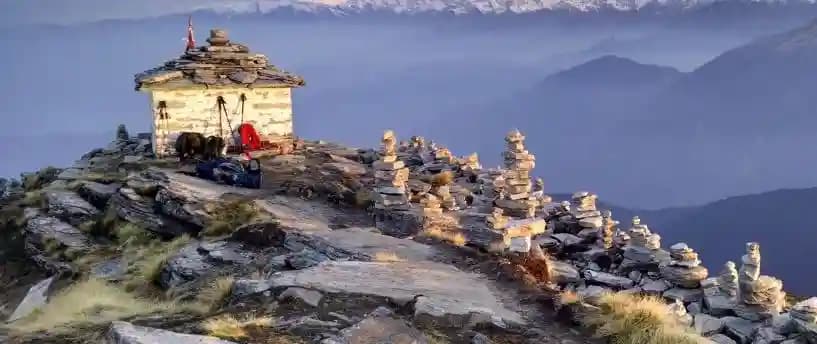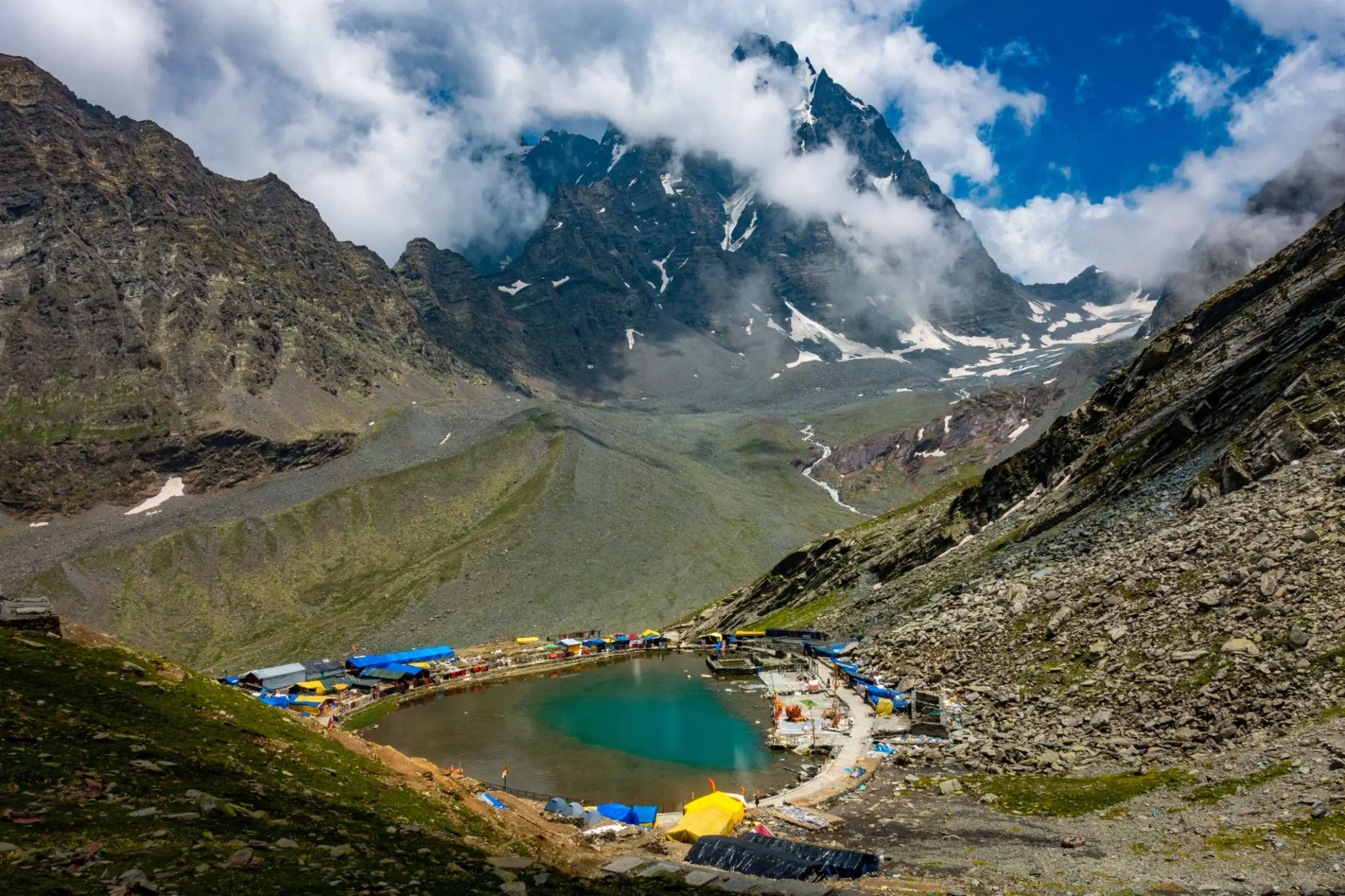
Manimahesh Lake, situated high up in the Pir Panjal mountain range within the state of Himachal Pradesh, is one of India’s sacred alpine lakes. It is considered the earthly dwelling place of the god Lord Shiva. Manimahesh Lake Height is approximately 4,080 meters (13,385 feet) above sea level, making it one of the highest and most sacred alpine lakes in Himachal Pradesh. It is near the town of Bharmour within the Chamba District, equidistant from the towns of Chamba, Bharmour, Machhalipatt, and the famous temple town, Lakutu.
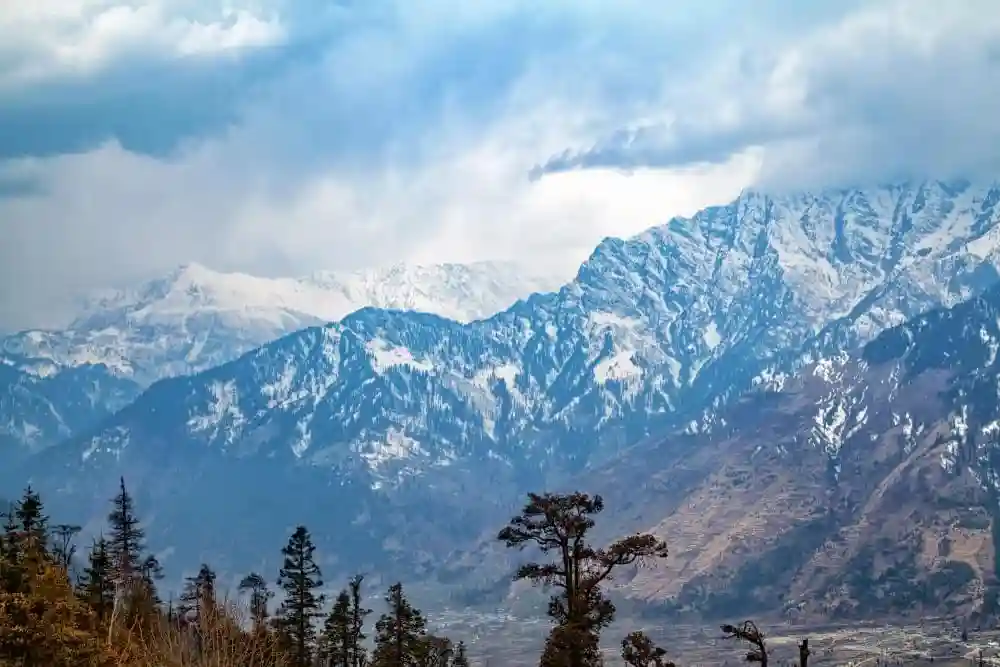
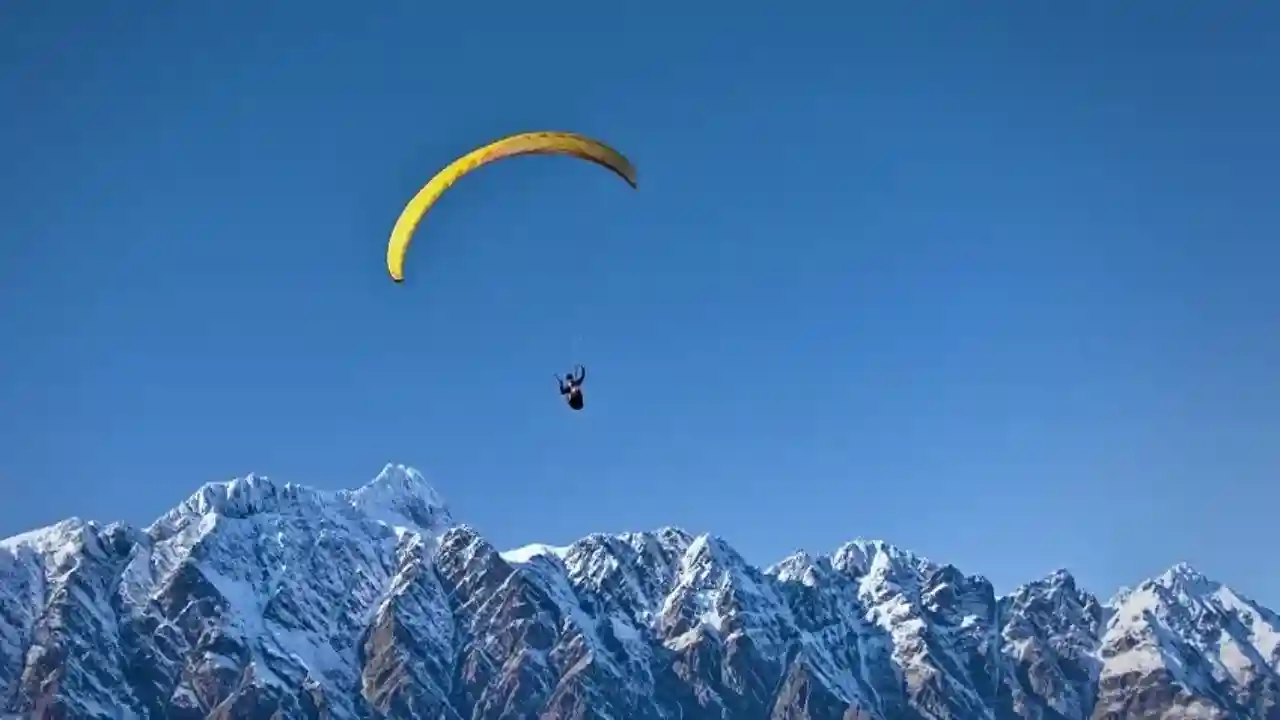
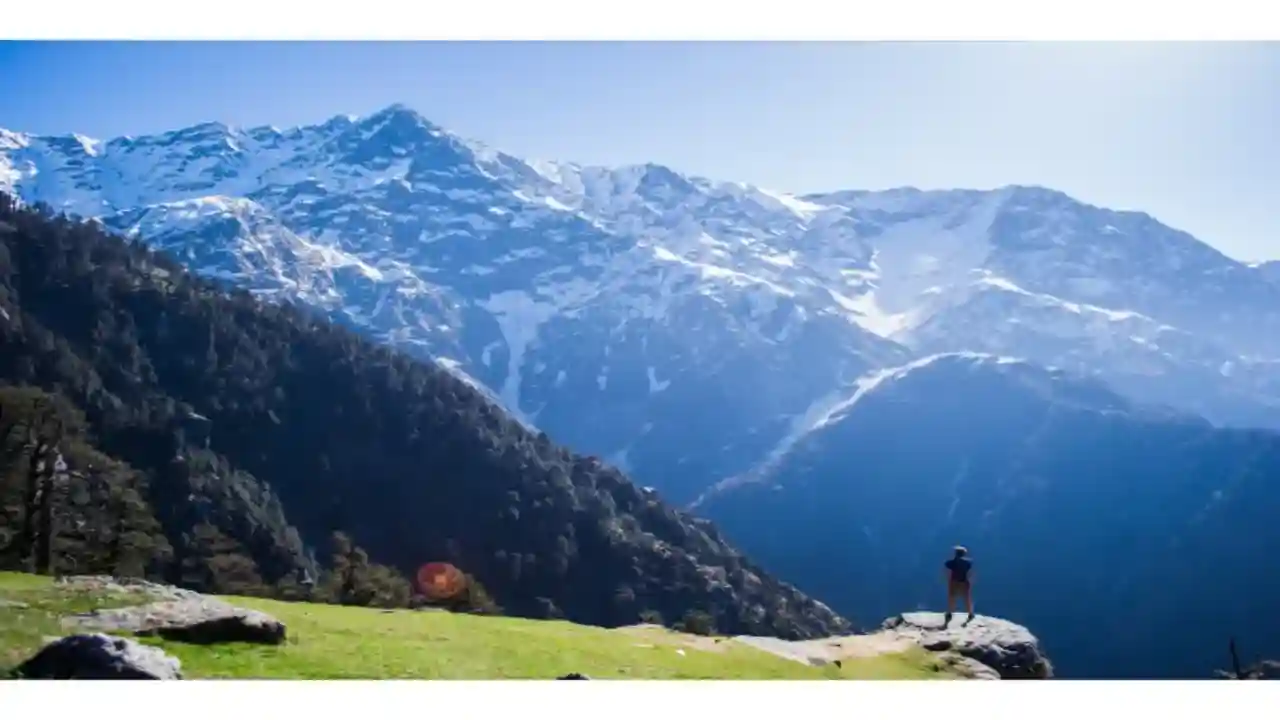
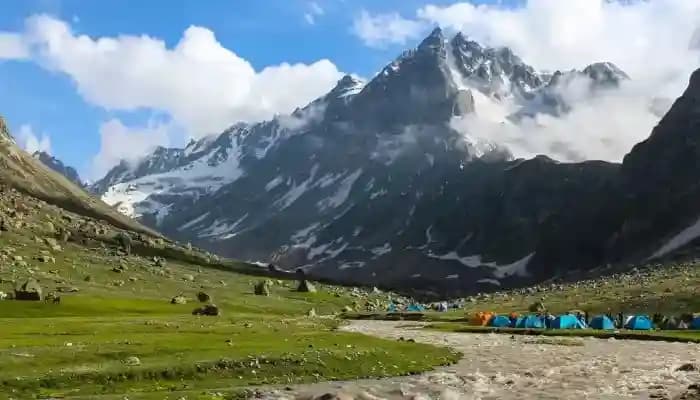
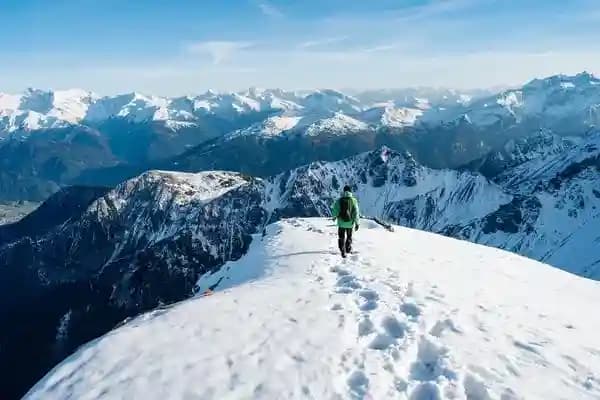
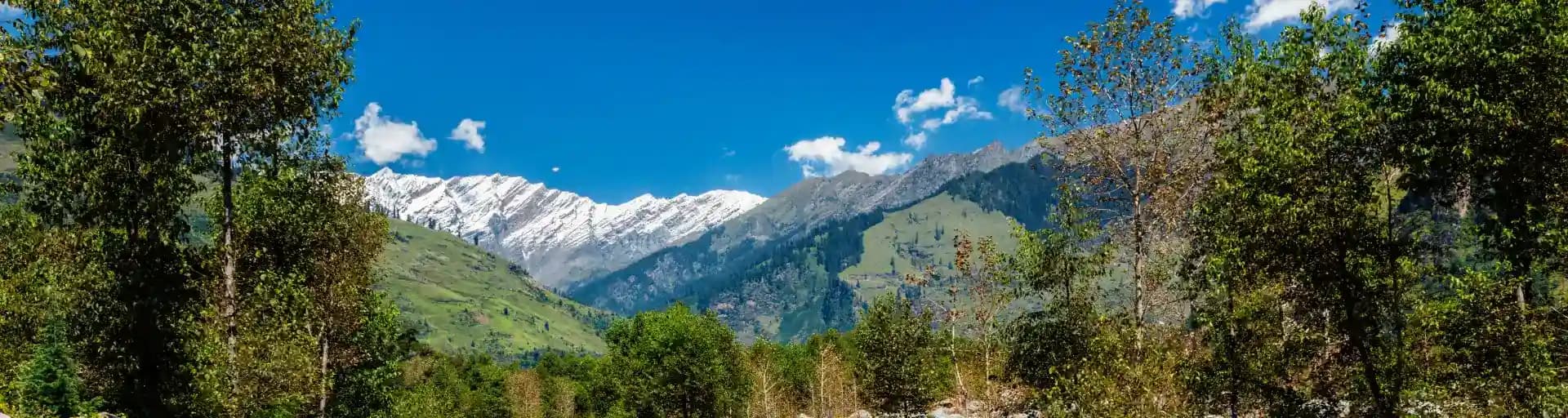
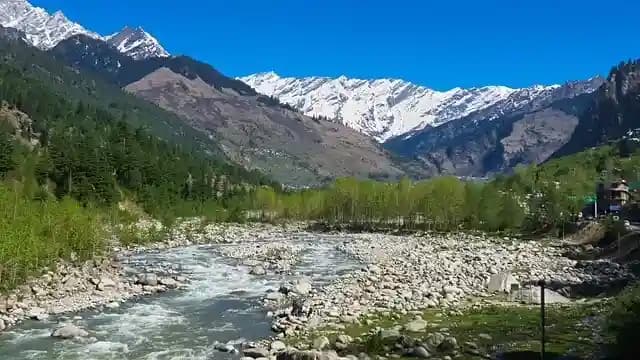
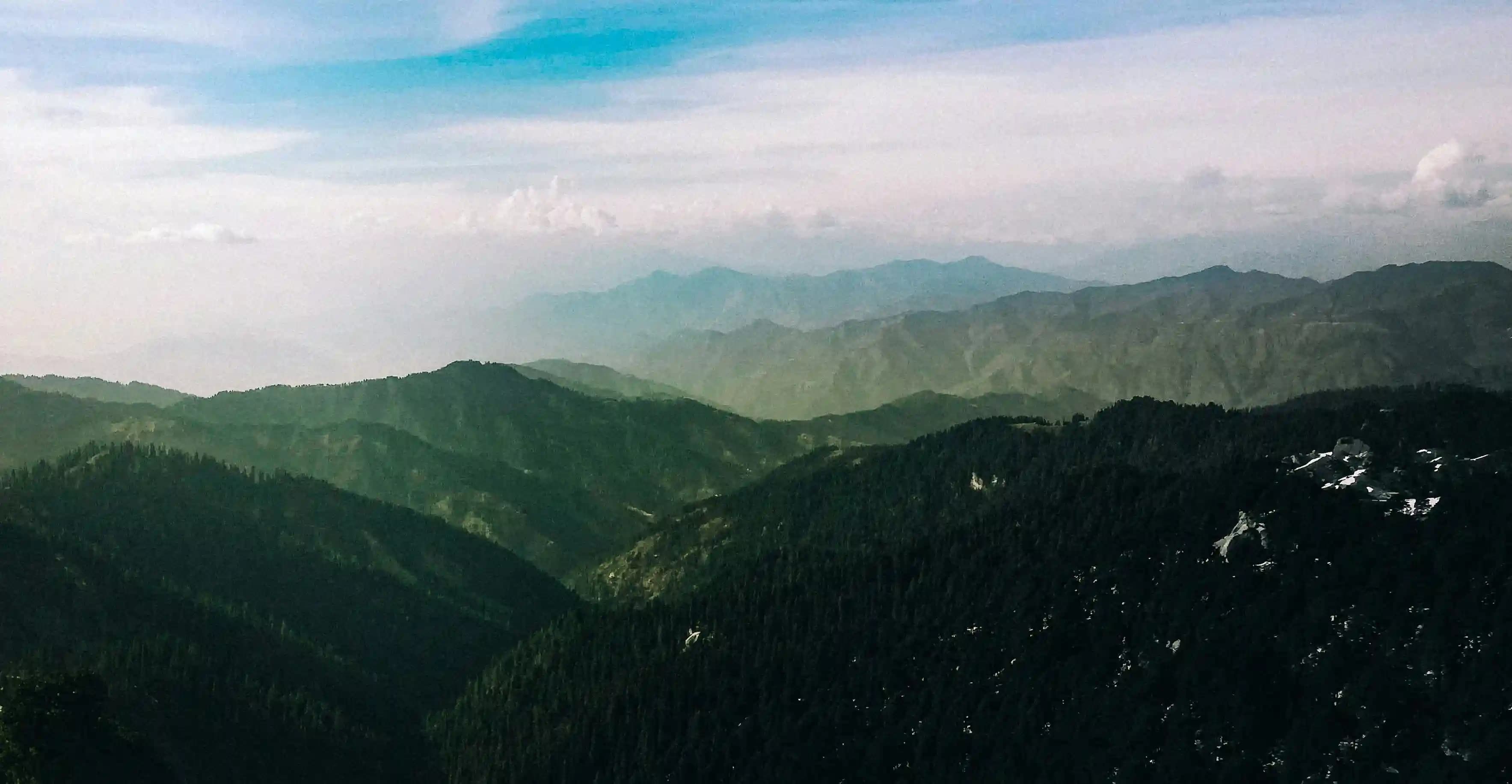
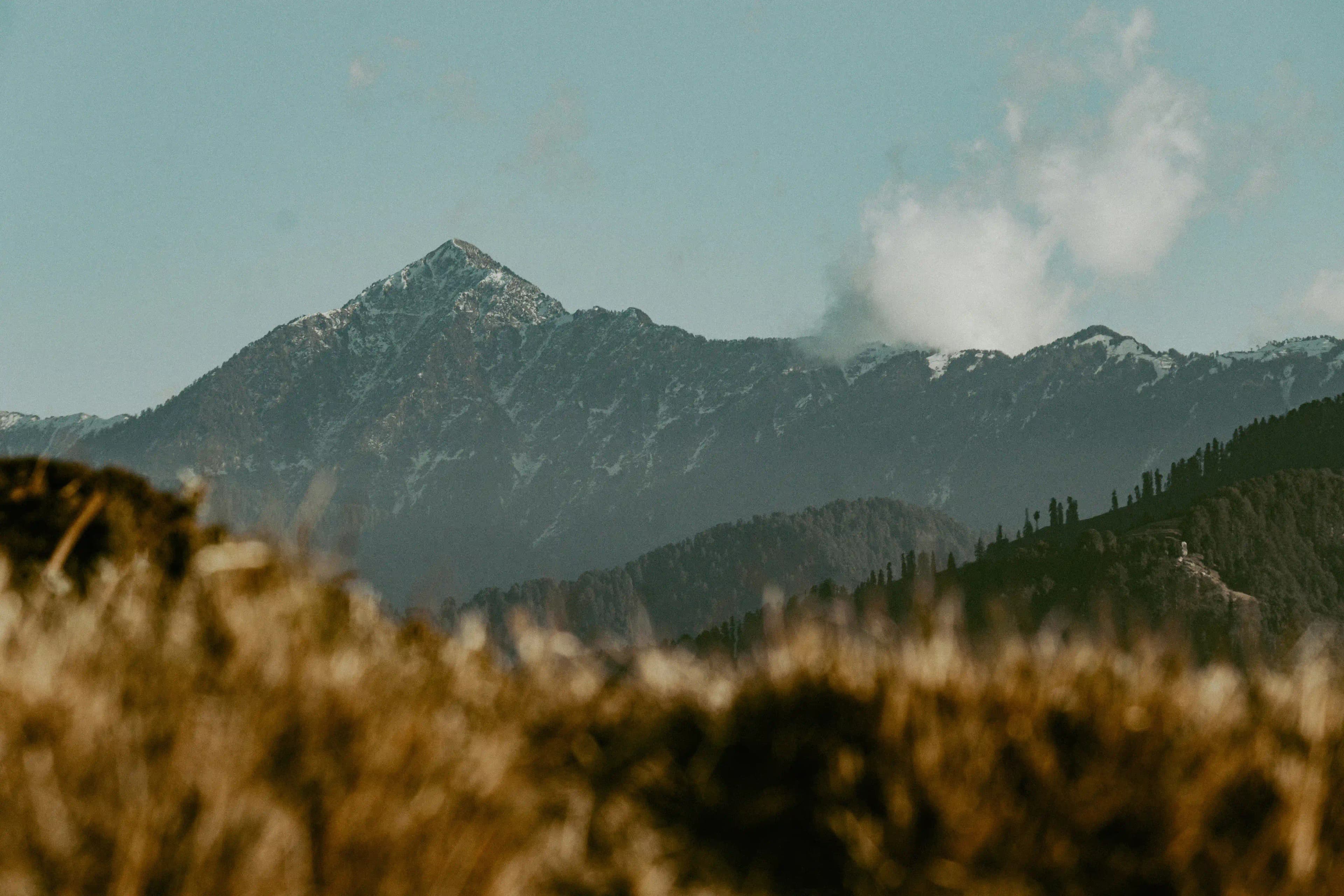
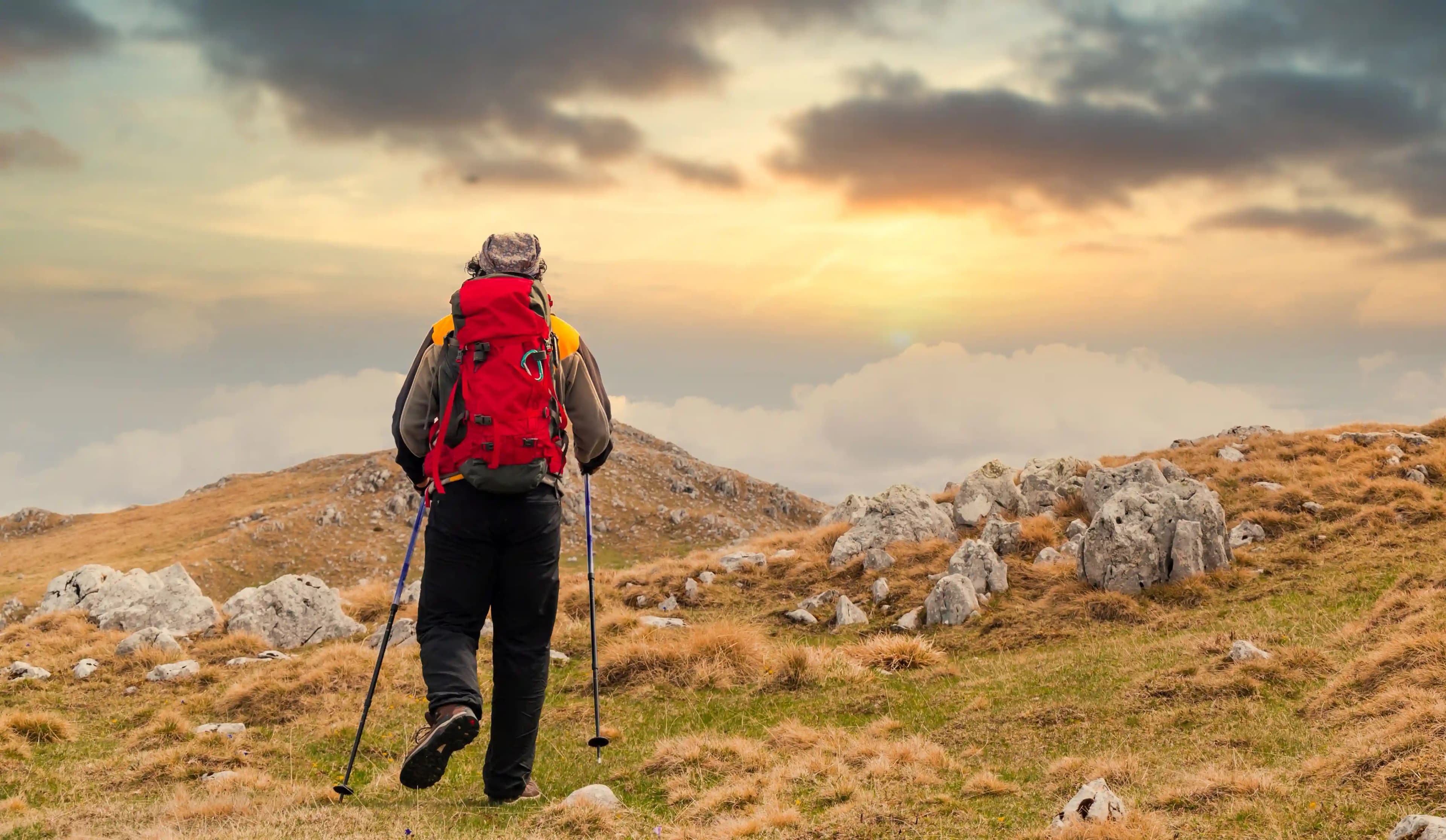
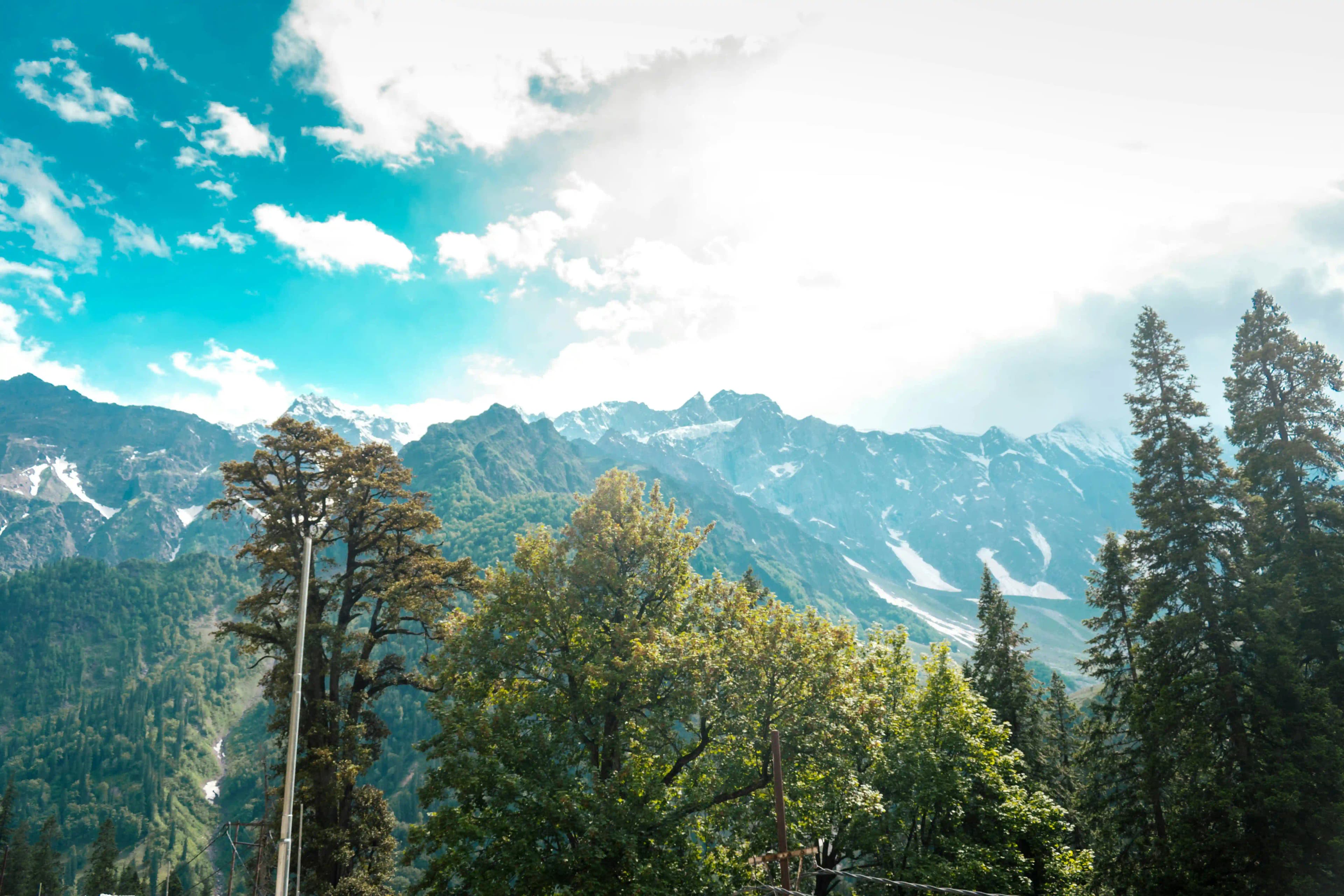
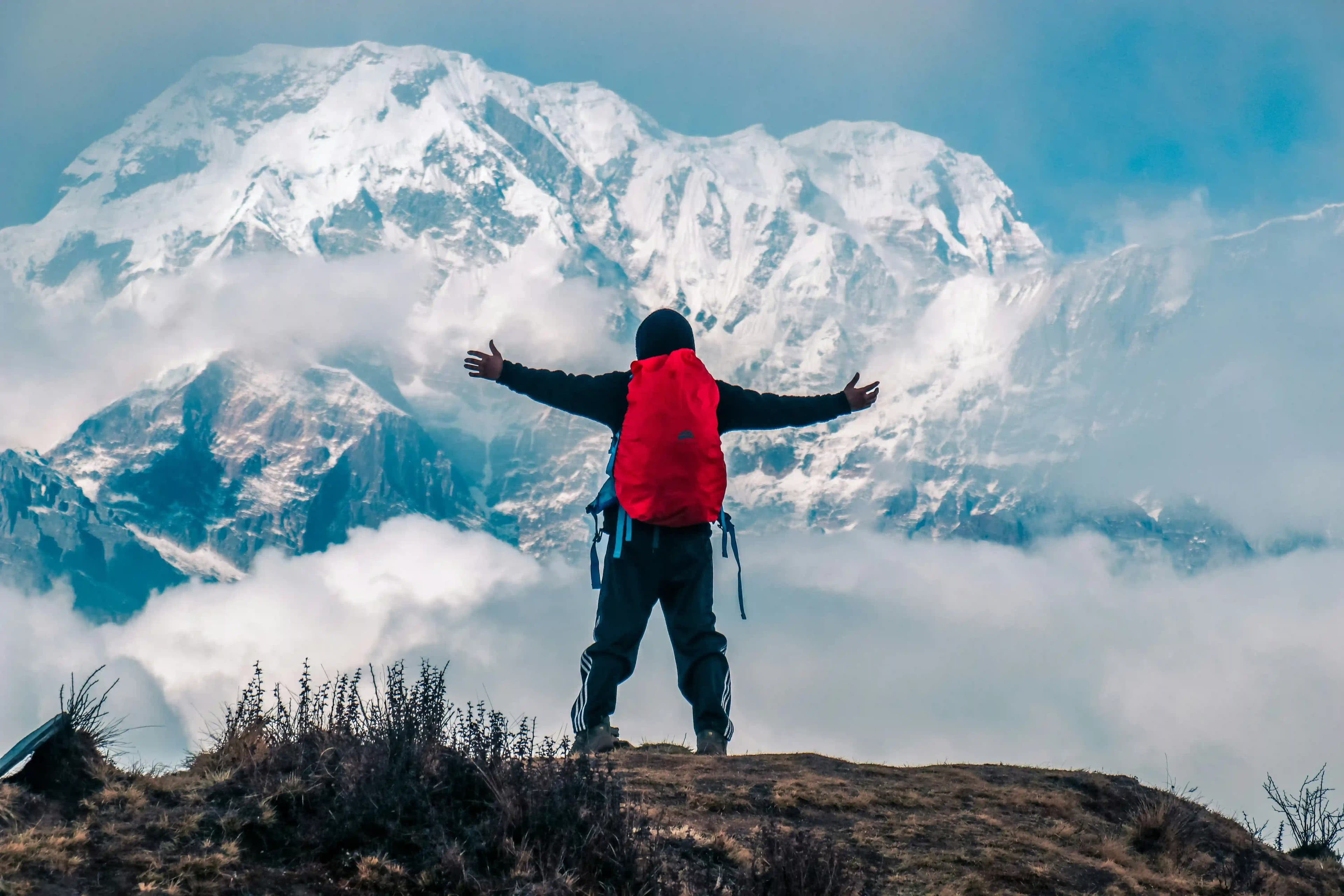
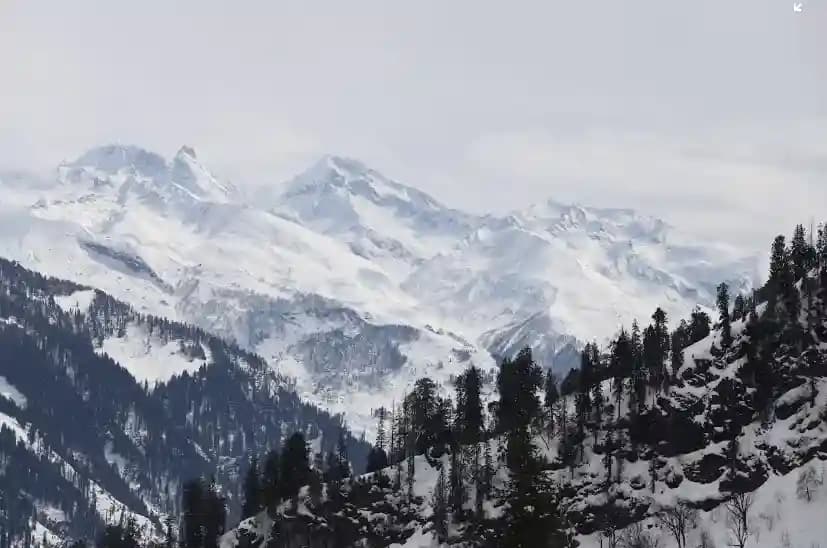
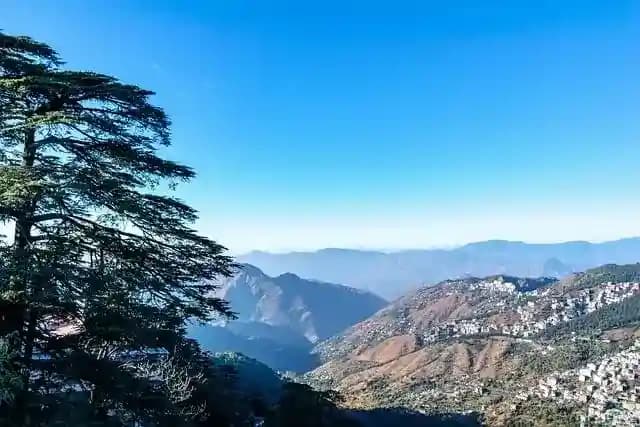
There exist numerous legends that refer to the Manimahesh Lake. As per one of the legends, Lord Shiva did penance on the shores of this lake. It is a norm for every person to bathe in the holy waters of the Lake. Surrounded by snow-capped mountains, glaciers, and virgin landscapes of the Himalayas, the Manimahesh Lake is a destination for those seeking adventure and a paradise for those willing to trek. It matters little for which activity one visits the lake, for it promises a transcendent experience.
Significance of Manimahesh Lake
Manimahesh Lake is considered to hold great religious, cultural, and spiritual importance in the context of the religion of Hinduism, mainly related to the devotees of the God Shiva. As this is considered to be the sacred abode of the God Shiva, the Manimahesh Lake is considered to be related to the sacred Mount Kailash, being considered the ‘Kailash of Himachal Pradesh.’ A rock resembling the Shiva Lingam is located near this sacred Manimahesh Lake.
The lake is thus the focal point of the annual Manimahesh Yatra in August-September, which forms one of the most sacred pilgrimages of North India. Devotees undertake a tough trek to seek blessings and perform holy rituals, along with a holy dip in the icy waters, which is believed to cleanse sins and bring spiritual purification.
Besides religion, Manimahesh Lake Height is approximately 4,080 meters (13,385 feet) above sea level, symbolizing the deep connection of the Himalayan communities to nature. It epitomizes faith, stamina, and devotion; it also acts as a reminder of how fragile yet powerful in beauty the Himalayas can be. The special blend of spirituality and natural grandeur makes Manimahesh Lake truly significant and a place of reverence.
Trek to Manimahesh
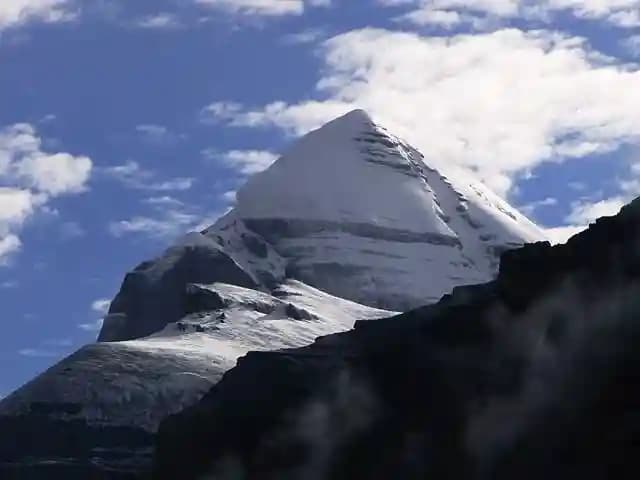
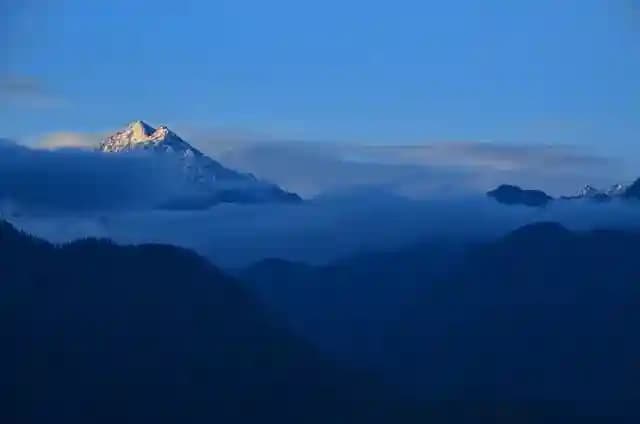
The Manimahesh trek or Manimahesh Yatra, however, gives you a face-to-face encounter with Manimahesh Kailash, which is said to be one of the prestigious thrones or living places of Lord Shiva. It is placed at Chamba District, Himachal Pradesh, and is otherwise called Chamba Kailash. The term Manimahesh is composed of two words, i.e., Mani, which is simply a gem or crystal, and Mahesh, which is simply another term for Lord Shiva. The Manimahesh Peak is said to carry Lord Shiva's lingam in a crystal-shaped state, called Mani, at its peak. This kind of Mani is said to shine extremely well under some specific conditions, as soon as light hits it. Some observe these glowing lights in the wee hours of the day, while others observe them at night. This peak is said to be inhabited by Lord Shiva.
An interesting factor surrounding the Manimahesh peak is that nobody has ever managed to climb to the top of the peak. It is calculated that the height of the Manimahesh peak is approximately 18,556 feet or 5656 meters. People have managed to climb the various 8000-meter peak heights on more than one occasion. Thus, it is incredibly surprising that the Manimahesh peak remains unconquered.
The Manimahesh Trek Route
The Manimahesh Yatra is the most popular and accessible route to Manimahesh Lake and is done every year during August and September, commencing from Krishna Janmashtami, also called Chota Snan, and culminating on Radha Ashtami, also called Bada Snan. The trekking season lasts for a period of two to three weeks.
1. Reach Bharmaur
The trek starts at Bharmour, about 60 kilometers from Chamba. The first stop is at the nearby Bharmani Devi Temple Shrine, where taking a holy dip at the kund is considered an essential ritual before embarking upon the trek. After reaching Bharmour, pilgrims travel through the road route until they end at Hadsar, roughly at a distance of 12 kilometers, after which they trek.
2.Hadsar to Dhancho
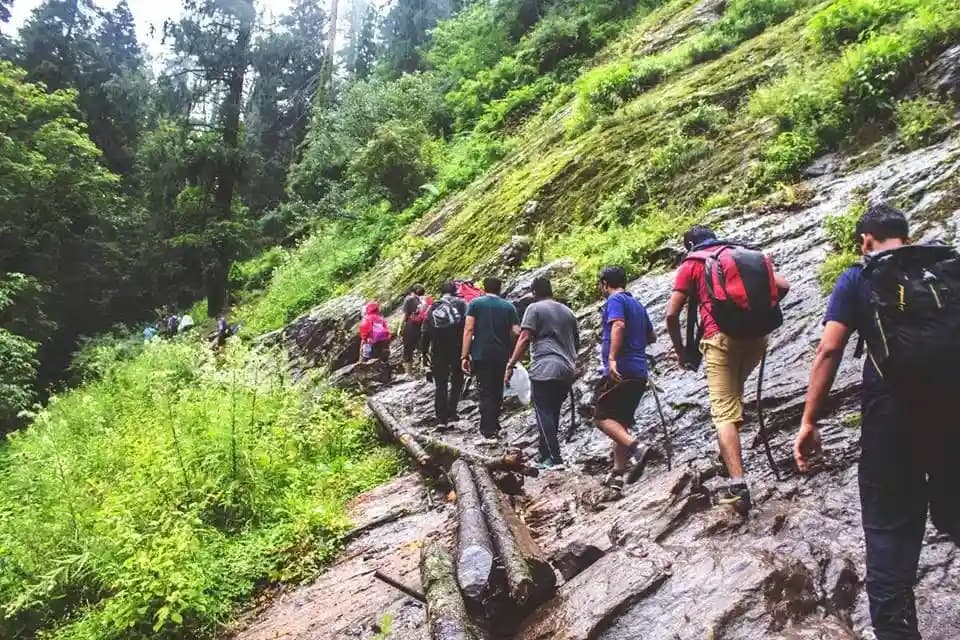
The journey is about 6 kms and takes 3 to 4 hours via a gradual track with food stalls and langars on the way. Enroute, this is where some pilgrims stay overnight in this place. From here, the track goes through the well-developed Shiv Gharat track to reach Gauri Kund, a sacred place connected to the goddess Parvati.
3. Gauri Kund to Manimahesh Lake
The distance between Gauri Kund and Manimahesh Lake is approximately 1 km. On arriving at Manimahesh Lake, devotees take a holy dip, seeking blessings while experiencing an awe-inspiring view of Manimahesh Peak, which is otherwise known as Kailash Peak, thus concluding this holy pilgrimage.
Best Time to Visit Manimahesh Lake
Since Manimahesh Lake's temperature remains cold throughout the year, the most favorable time for visiting Manimahesh Lake is during August and September. Manimahesh Lake altitude results in a cold climate, low oxygen levels, and spectacular views of glaciers and snow-capped mountains
Summer Season: it spans from June to early July, marking the beginning of the accessibility trekking journey, although snow may still be present along the upper trails. Summer is an ideal time only for expert trekkers who prefer to trek during cold weather and when fewer trekkers are around.
Monsoon Season: It lasts from July to September, bringing greenery to the area, which can be a great time to trek, although it is a season in which landslides occur. However, the main yatra season is during this time, which is under the administrative control.
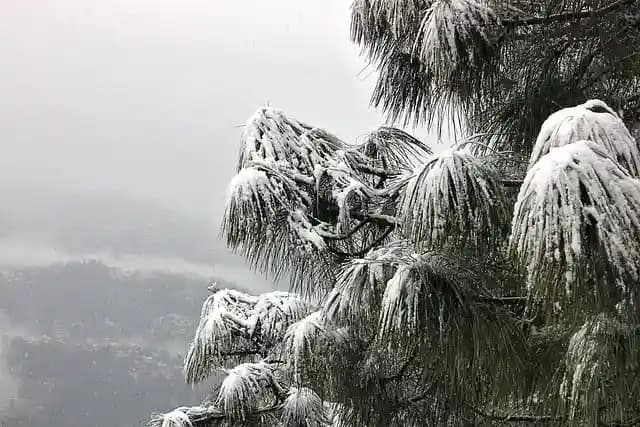
Winter Season: It starts from October to May, and should not be attempted, as the roads remain closed due to large amounts of snowfall, and the temperature remains low, falling far below the freezing level.
Things to Do at Manimahesh Lake
Manimahesh Lake represents a unique combination of religious sanctity, adventures awaited, and the natural appeal of the territory. There are certain significant things to be covered as one visits the Manimahesh Lake. They are mentioned below:
1. Take a Holy Dip in the Lake
Devotees believe that a holy bath in the icy waters of Manimahesh Lake washes away the sins and brings spiritual purification. The experience is considered the highlight of the Manimahesh Yatra.
2. Visit the Manimahesh Kailash Peak & Shiva Lingam
Show your reverence at the natural Shiva Lingam located near the lake's rock formation, and explore the majestic Manimahesh Kailash Peak, a revered pilgrimage site for Lord Shiva's devotees.
3. Trek Through Scenic Himalayan Trails
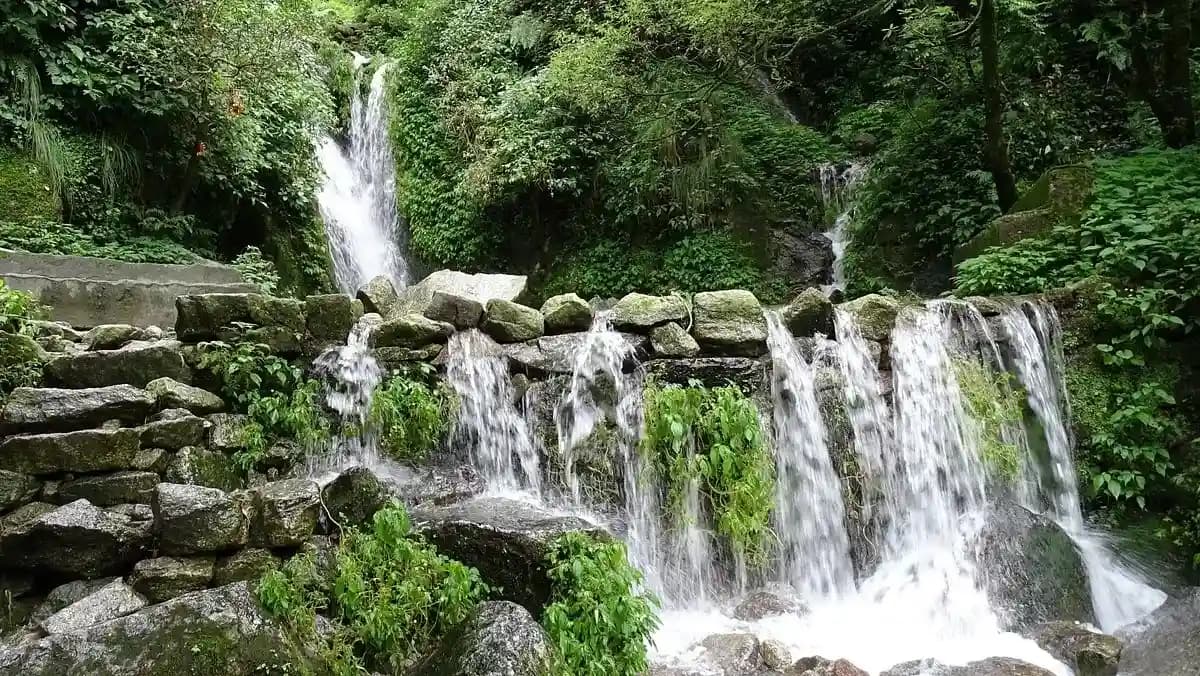
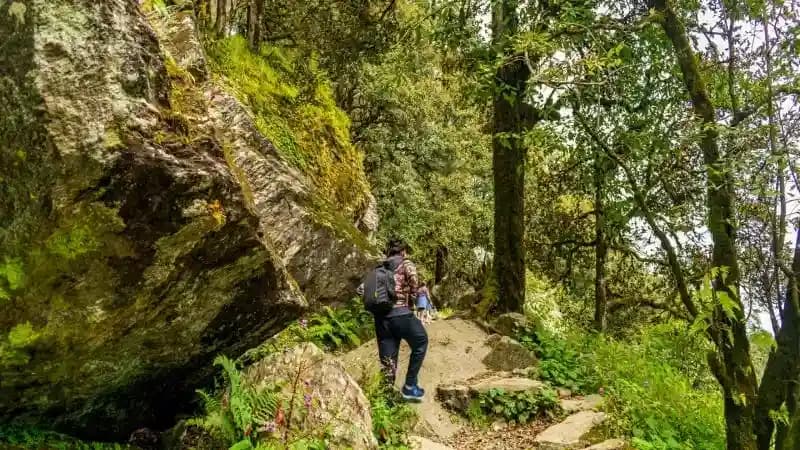
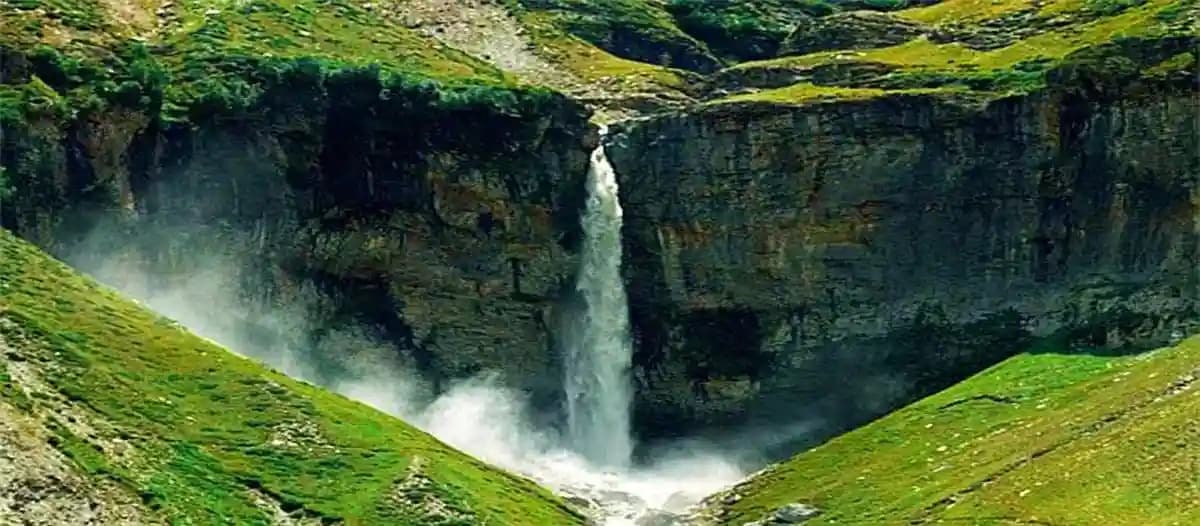
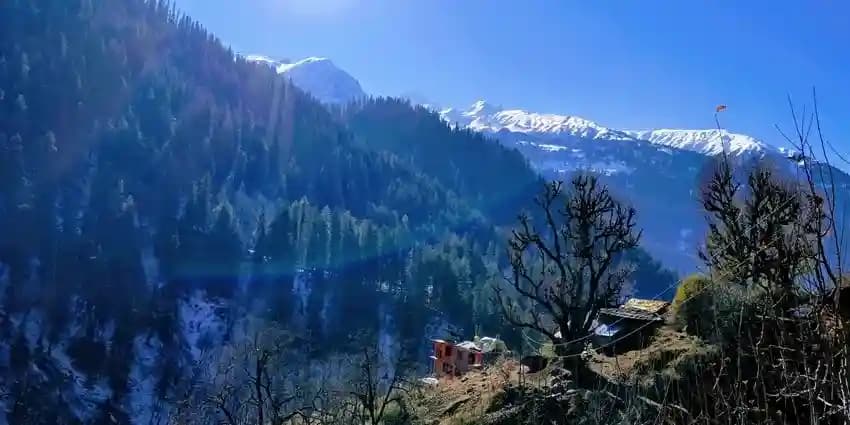
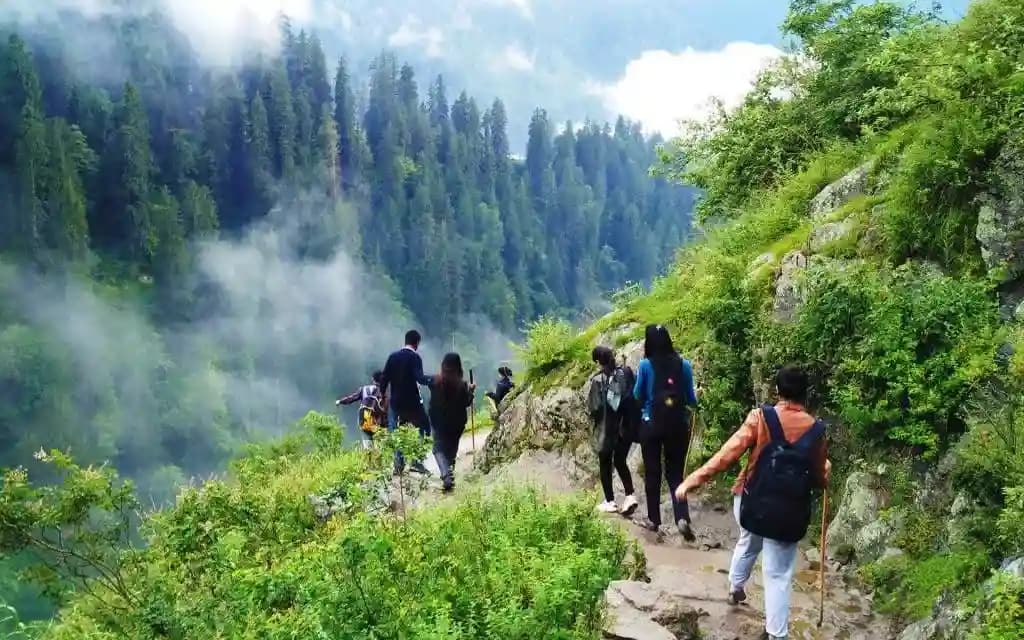
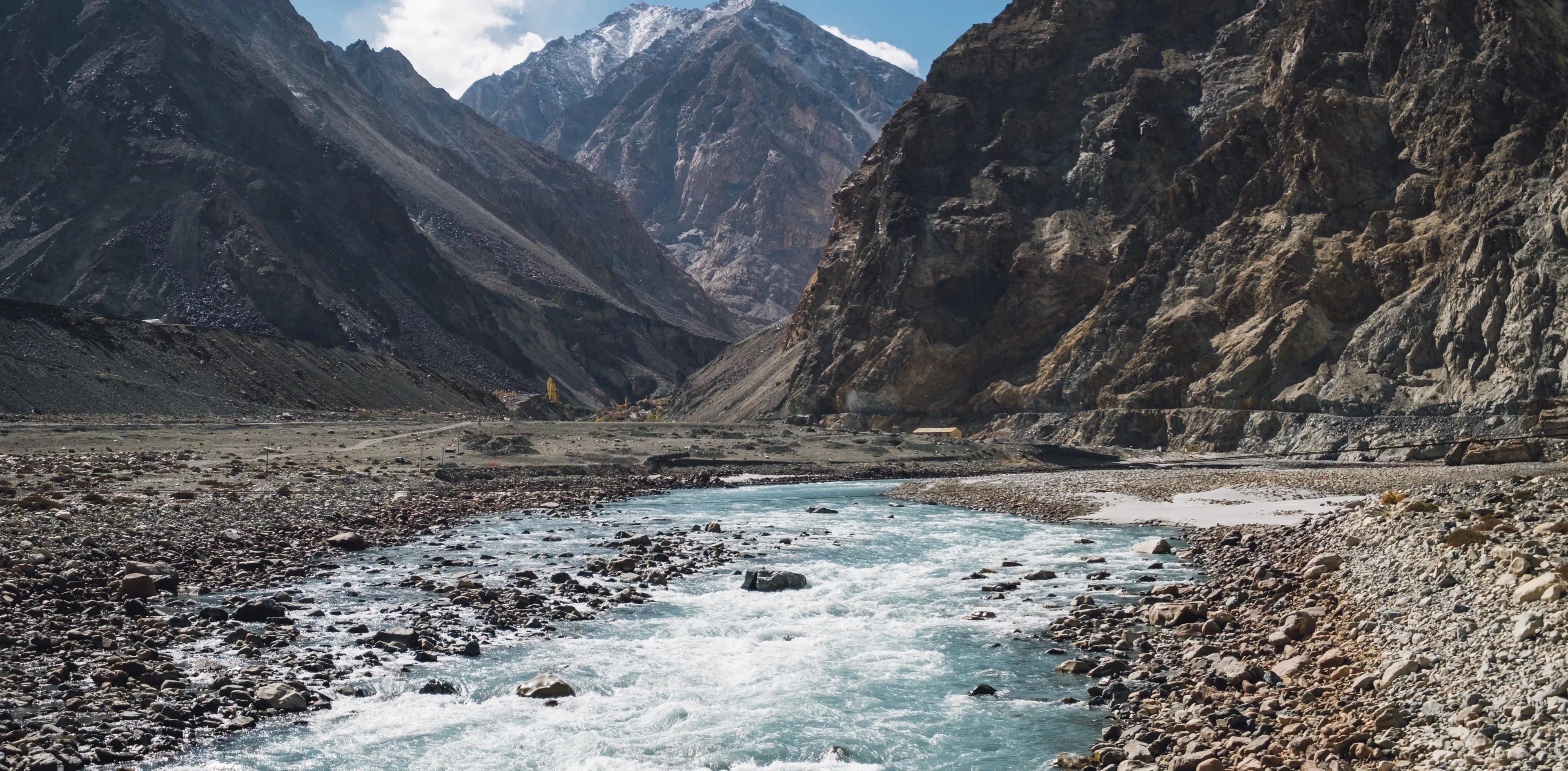
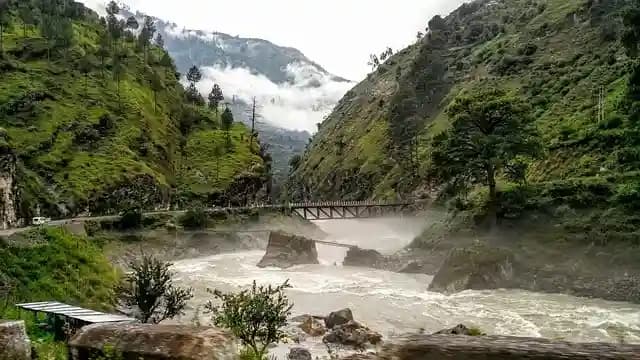
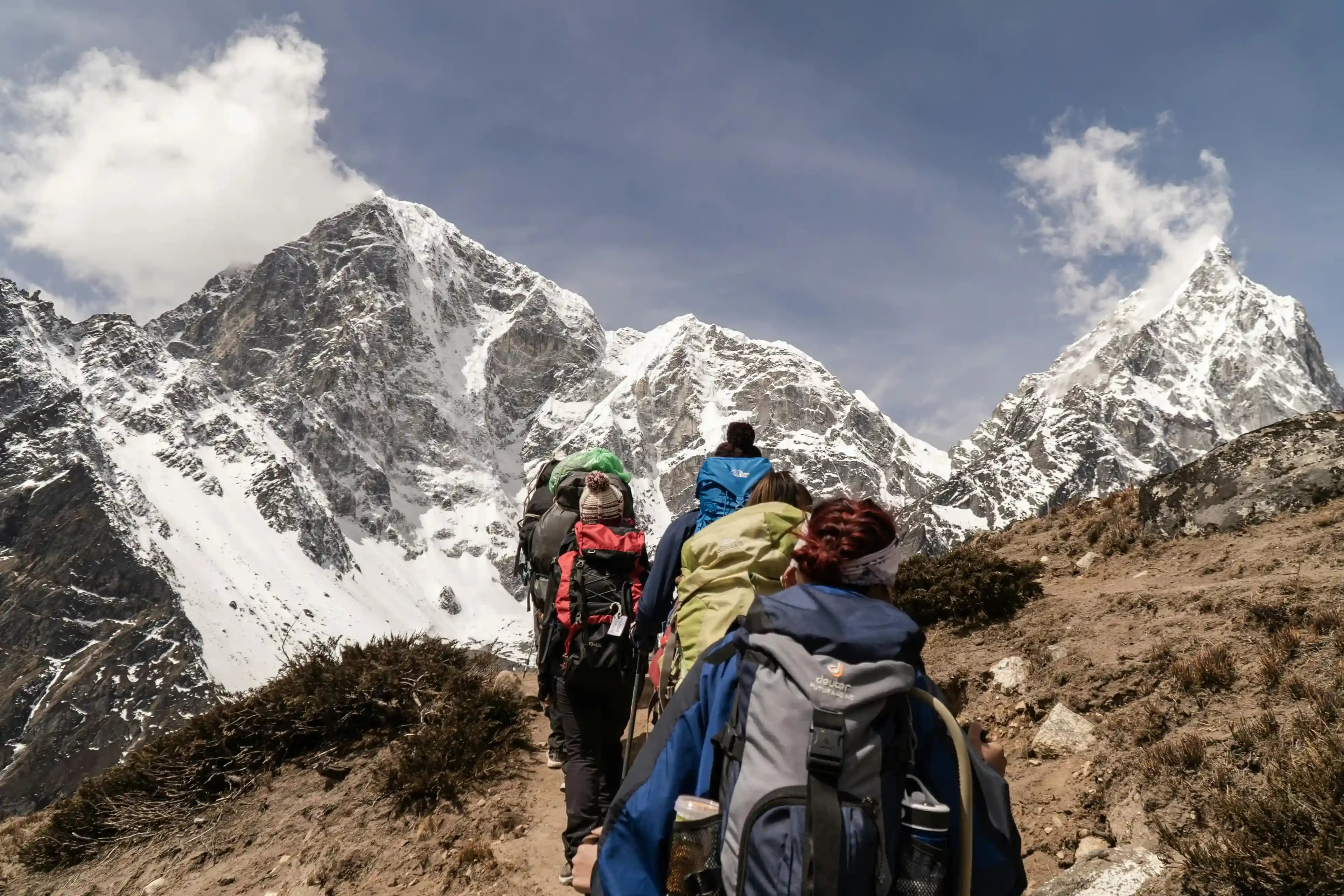
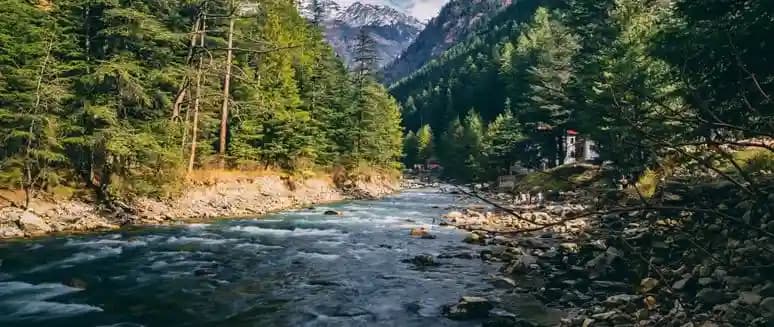
The trek from Hadsar to Manimahesh Lake passes through breathtaking landscapes, waterfalls, alpine meadows, and glaciers, and hence is a rewarding adventure for its devotees.
4. Attend the Manimahesh Yatra
One gets to participate in the spiritual energy, rituals, and cultural traditions associated with this sacred pilgrimage as part of the annual yatra during August–September.
5. Photography & Nature Observation
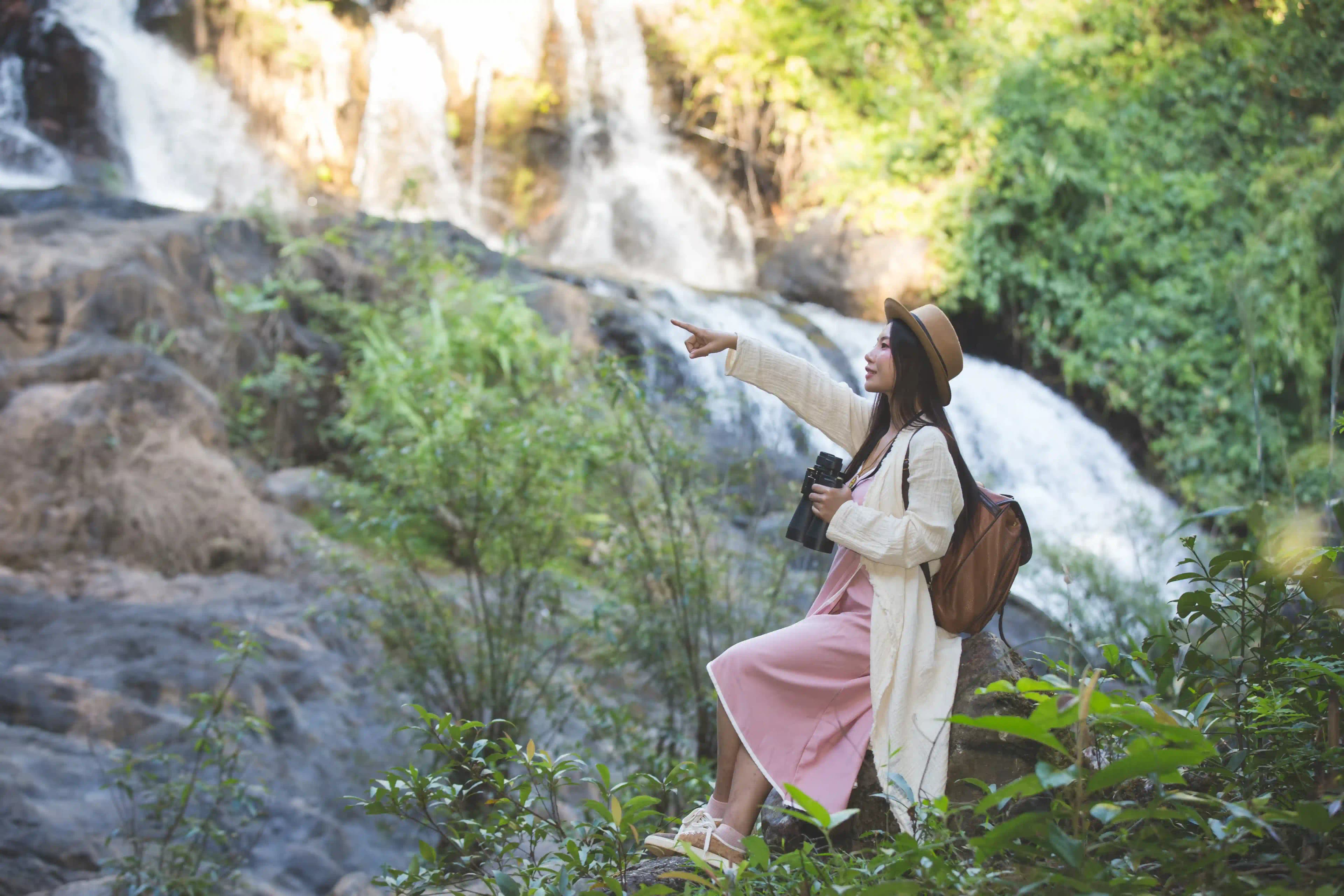
Capture stunning views of snow-covered peaks, crystal-clear waters, and dramatic mountain scenery. The region is also ideal for observing Himalayan flora and fauna.
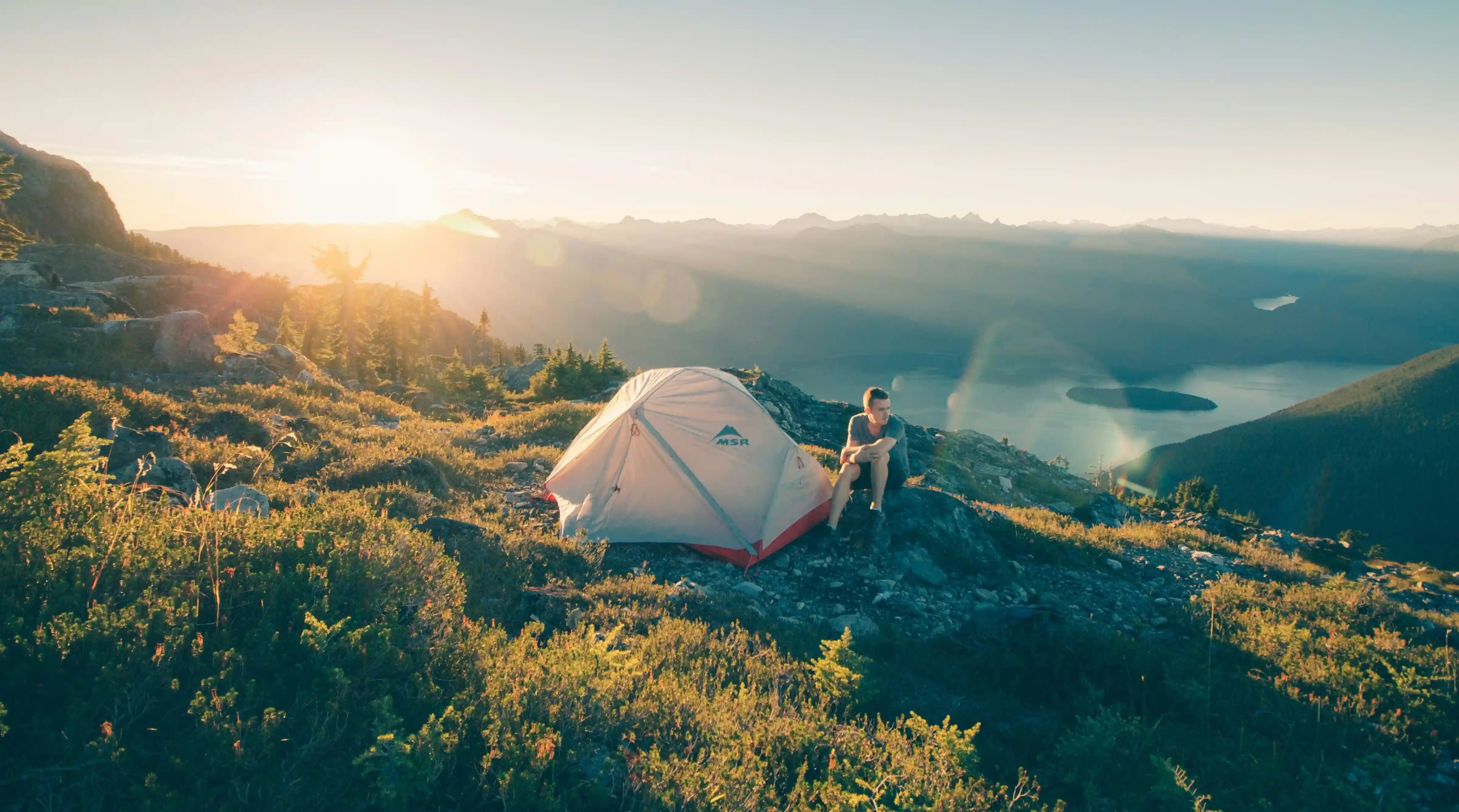
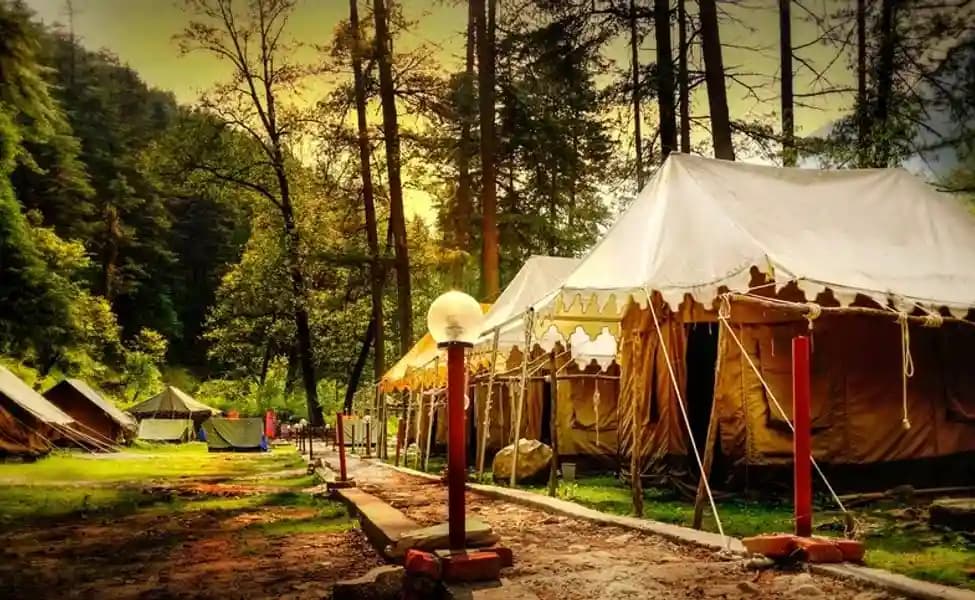
6. Camping Near Dhancho or the Lake
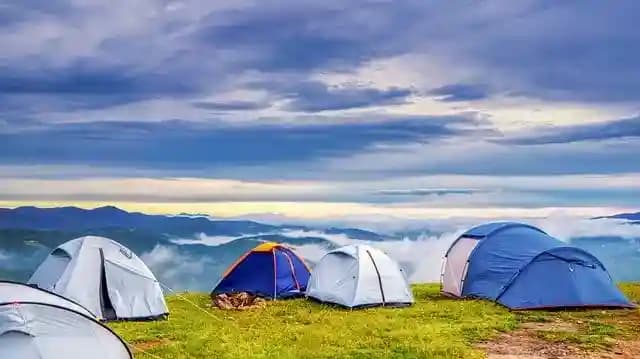
The camp near Dhancho or every other place near the lake is always ready for nightly camping trips for the adventurous spirits among them.
7. Explore Nearby Sacred Spots
Also, be sure to visit nearby holy sites like Gauri Kund and Sundrasi; these are important stops along the pilgrimage route and add spiritual depth to your journey.
How to Reach Manimahesh Lake
How to reach Manimahesh Lake involves a combination of road travel and trekking, given its location in a distant high-altitude region in Himachal Pradesh. Reaching Manimahesh Lake usually commences at Bharmour, a small town in Chamba, Himachal Pradesh, which acts as the base camp of Manimahesh Yatra and trek.
By Air:
The nearest airport is Gaggal Airport in Kangra. This airport is located at a distance of 180-190 km from Bharmour. At Gaggal Airport in Kangra, taxi or bus services can be taken till Chamba and then Bharmour.
By Train:
The nearest major railway station is the Pathankot railway station, located around 180 km away. Pathankot railway station is well-connected to major cities like Delhi and Amritsar. Some frequent buses and taxis provide transport from Pathankot railway station to Chamba and Bharmour.
By Road:
It is well connected by road with Chamba, Dharamshala, Pathankot, etc. In this region, state government as well as private buses operate regularly to this place. Then, tourists reach Hadsar, i.e., Hadsar village, which is the start of this trek. It is said that from this place, there is an easy trekking trail available.
Places to Visit Near Manimahesh Lake
Apart from the Manimahesh Lake, the region is spotted with various sacred and natural spots that will make your traveling experience a much more spiritual and equally appealing one. Each one of these surrounding spots adds spiritual depth and natural beauty to your journey.
1. Bharmour
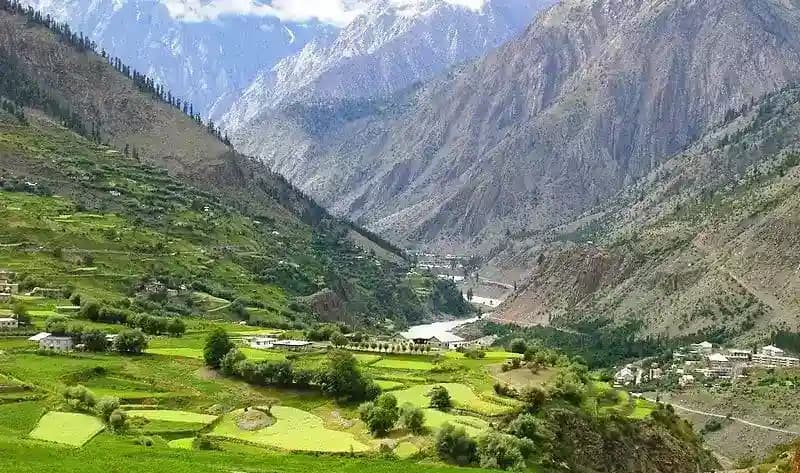
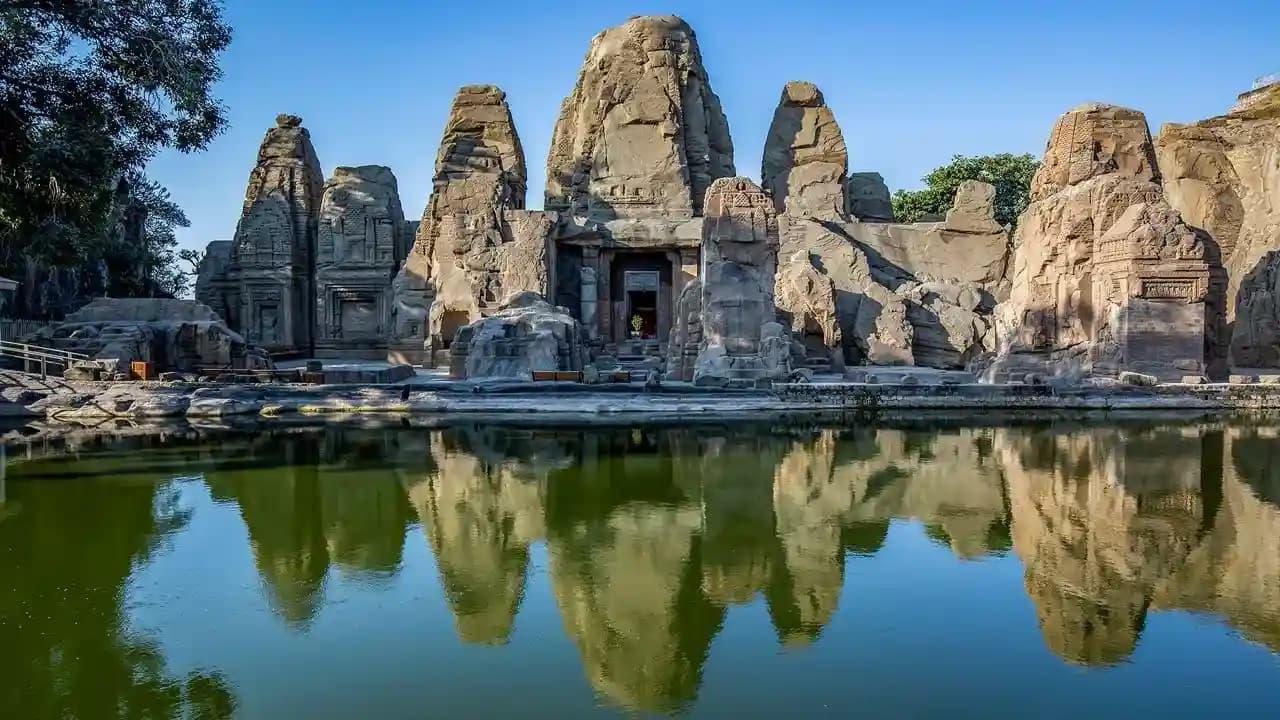
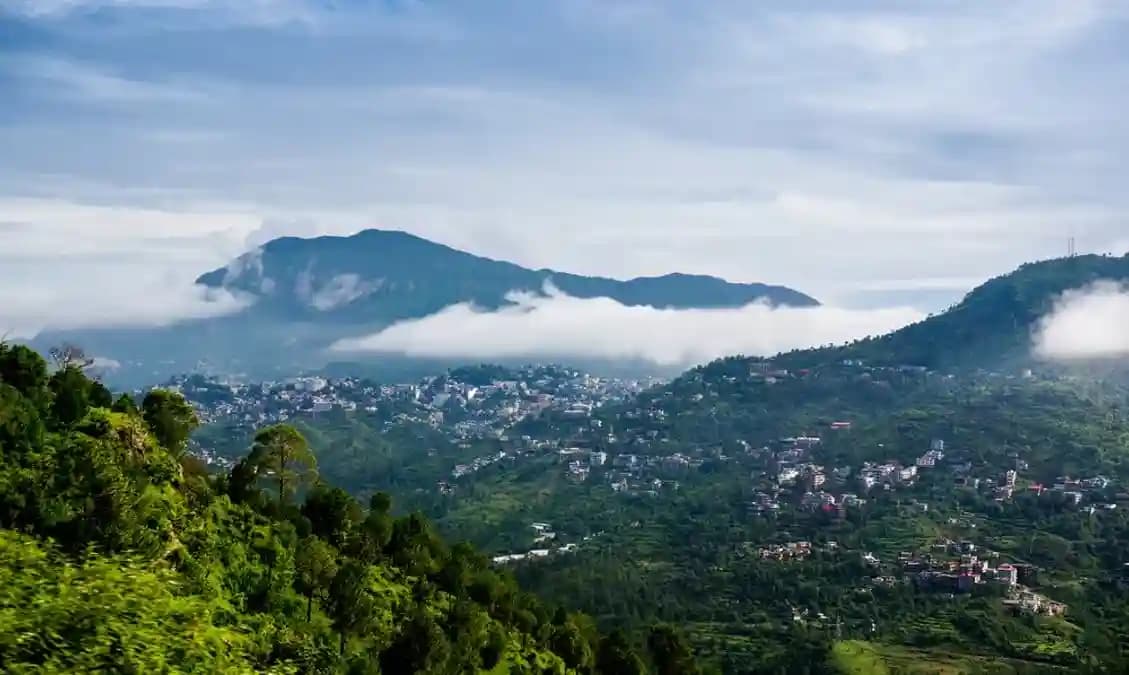
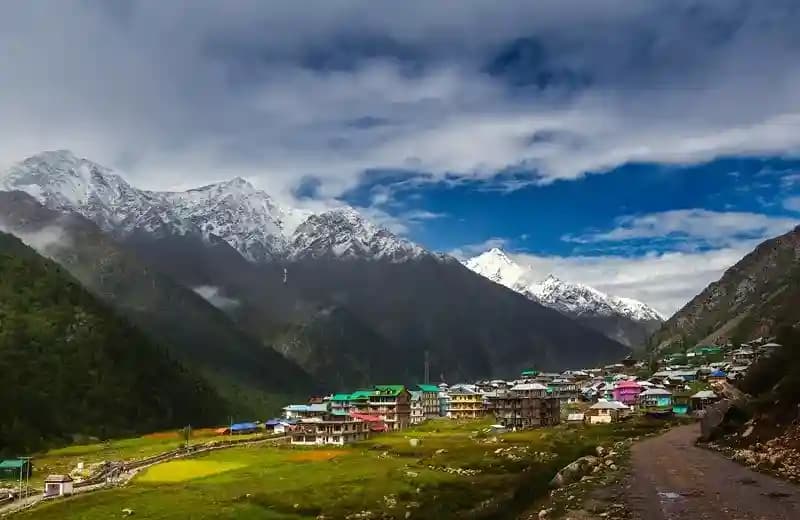
Bharmour is a historical hill town located in the Chamba District of Himachal Pradesh and holds prime importance due to its association with the base of the holy Manimahesh Yatra. Bharmour to Manimahesh Lake distance is approximately 25–26 km in total. This picturesque town, surrounded by lush valleys and towering mountains, reflects the essence of spirituality and traditional architecture set amidst the serene environment of the Himalayas. The acclaimed Chaurasi Temple Complex, having 84 ancient temples of various Hindu deities such as Lord Shiva and Goddess Lakshmi, is the major draw in the town of Bharmour. Bharmani Devi Temple is another religious site that offers the holy dip to the devotees before their departure to Manimahesh Lake.
2. Bharmani Devi Temple
Located near Bharmour, the temple of Bharmani Devi is a sacred temple and part of the journey undertaken by pilgrims on the Manimahesh Yatra trek. The pilgrims must take a holy dip in the kund before the journey. It is believed that such a holy dip cleanses the soul. The scenic beauty of the forest and mountains surrounding this sacred temple provides a peaceful environment, and most pilgrims begin their journey only after having visited the temple.
3. Gauri Kund
Gauri Kund is a sacred stop during the journey on the Manimahesh Yatra route, and it is related to Goddess Parvati. It is believed that Goddess Parvati used to bathe at this location. Gauri Kund is considered a sacred location. Women take a dip at Gauri Kund before moving forward towards Manimahesh Lake. There are temporary camps and food stalls in and around Gauri Kund, located on the Manimahesh Yatra route. The location offers a beautiful view of the peaks and glaciers.
4. Dhancho
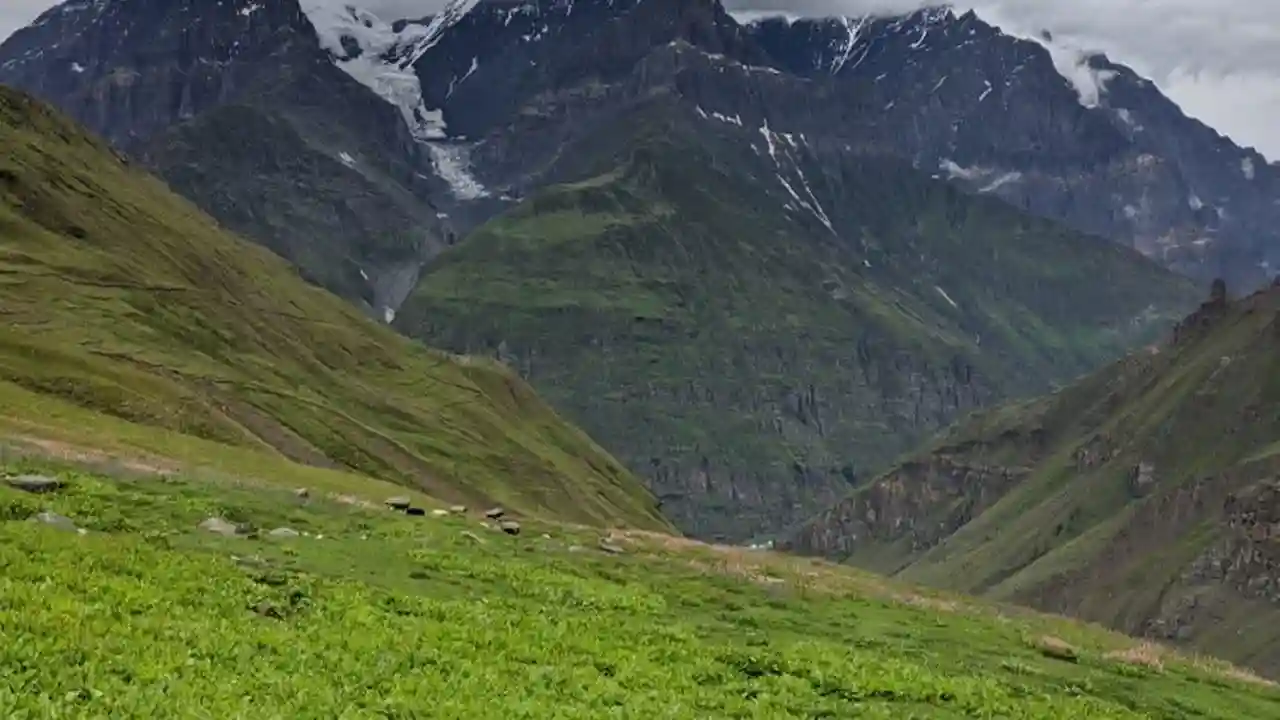
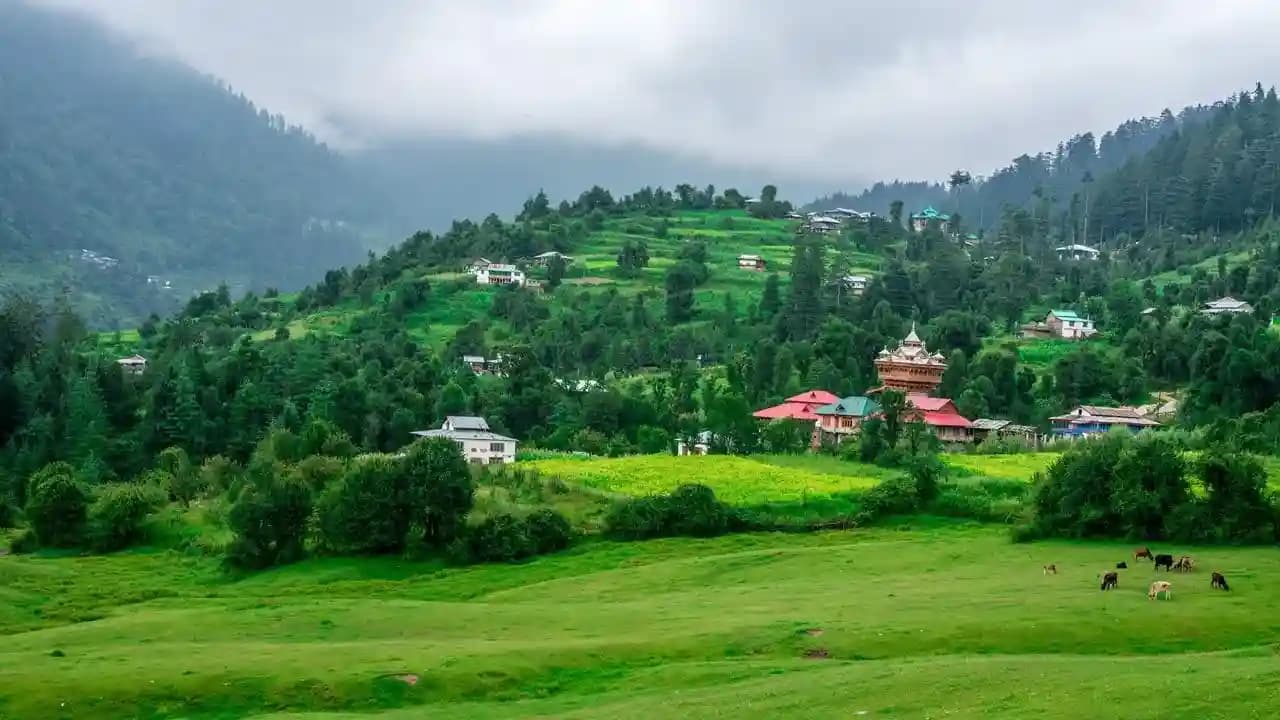
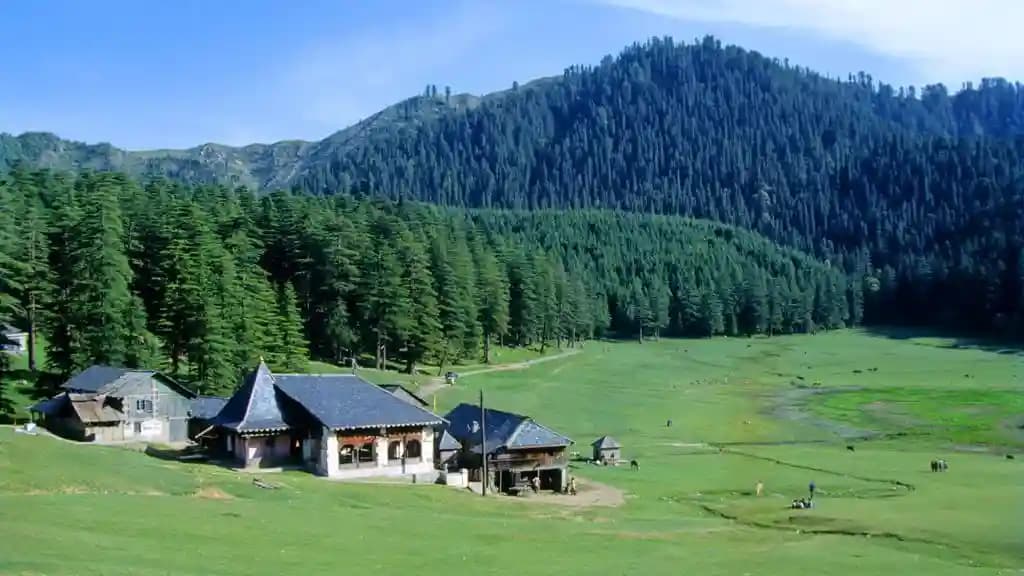
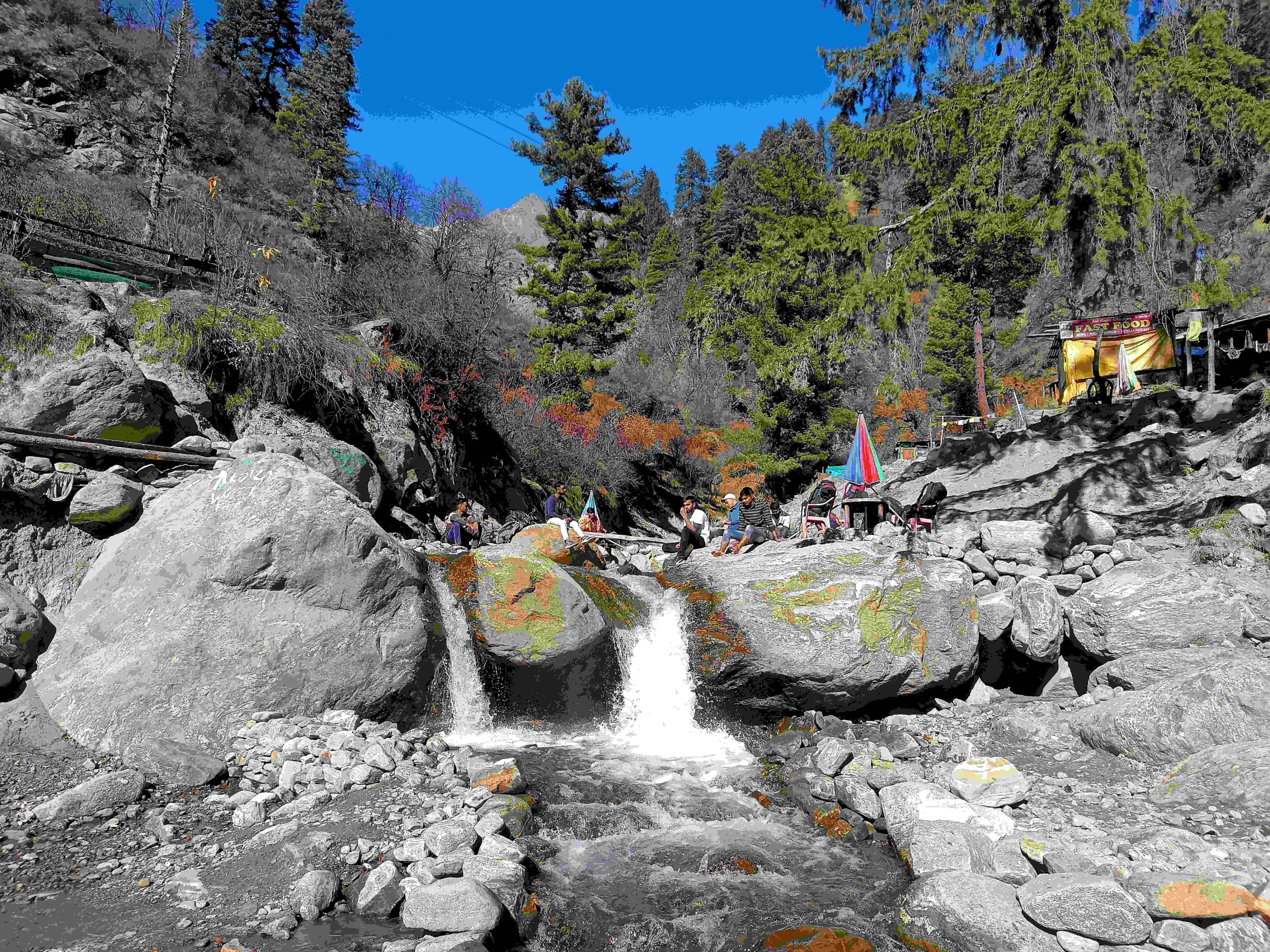
Dhancho is a beautiful meadow, and this is one of the important stop-overs. It is in a picturesque location with many waterfalls, rocky peaks, and alpine scenery, making it a suitable platform to give rest to the tired pilgrims. There are many camps and food stalls that are present at this stopover. The peaceful location with the sound of the flowing streams and the valley makes it an important stopover. Many trekking enthusiasts choose to stop at this location, making it an appropriate place to acclimatize.
5. Chamba Town
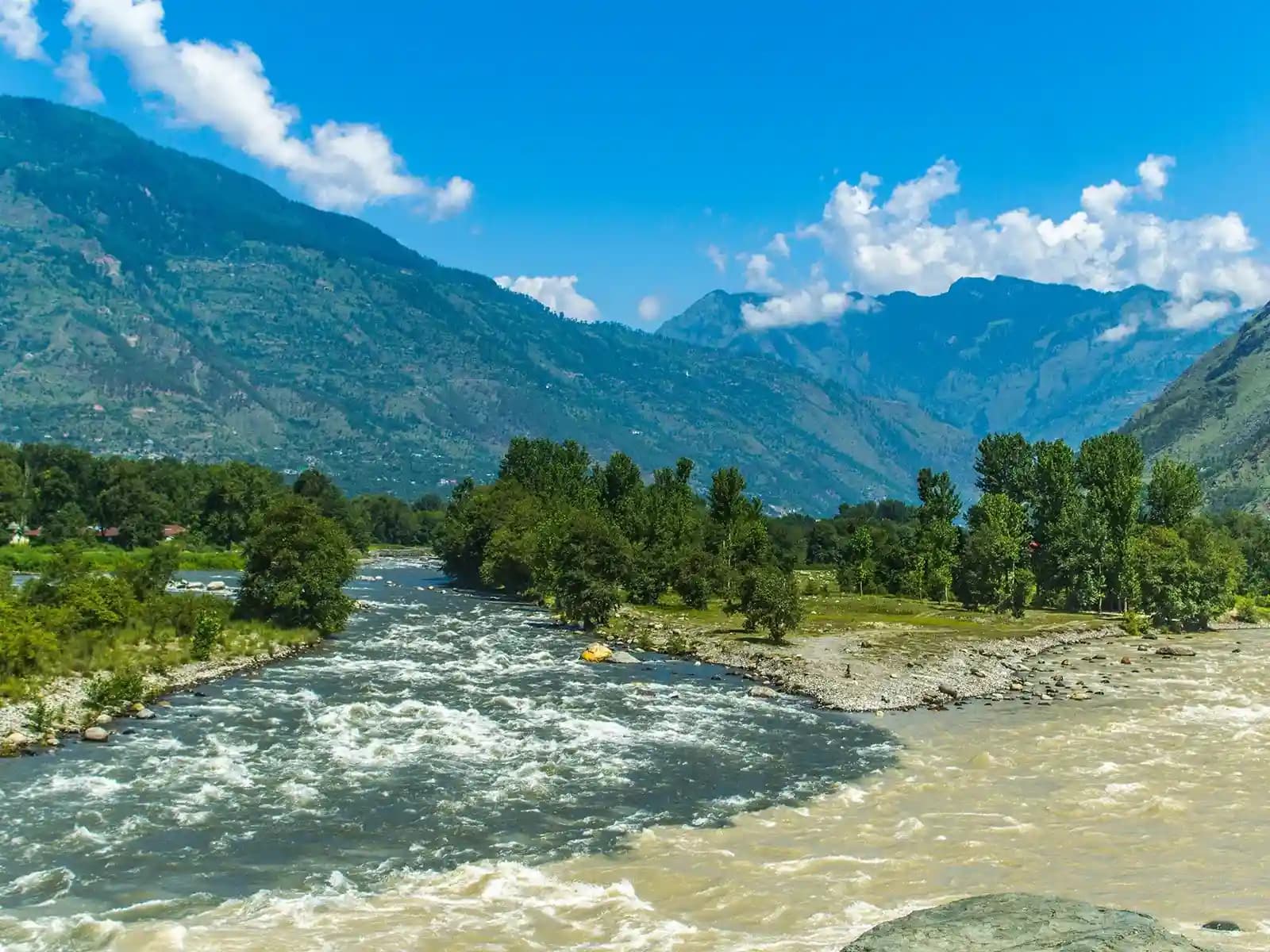
Chamba Town is known as the cultural and historical center of Himachal Pradesh, which is known for its ancient temples, museums, and traditional handicrafts. Many tourists prefer to stop in Chamba before or after their visit to Manimahesh Lake, as they seek more knowledge about the rich heritage of this place. Chamba Town is renowned for its Chamba Rumal embroidery and its scenic view, which stretches along the Ravi River. This city is also very feasible due to the good road connectivity.
6. Hadsar Village
Hadsar Village marks the official beginning of the trek to Manimahesh Lake. It is from this point that the pilgrims trek towards Dhancho and further. Hadsar Village is a basic facility point, a parking area, and a glimpse of simple village life in the Himalayas. During the yatra season, the village becomes vibrant with the presence of pilgrims, ponies, and basic amenities.
Conclusion
Manimahesh Lake is more than just an adventurous high-altitude trekking destination; Manimahesh Lake, along with its delightfully spiritual trekking routes, temples, and halts, is an experience that showcases the perfect fusion of spirituality and nature in all its magnificent and pure glory. Whether you go there as a pilgrim seeking blessings or an adventurous trekker looking to explore the magnificence of the Himalayas, Manimahesh Lake is an experience that sure leaves an imprint on your heart and soul. So, if you are eager to have a fantastic experience at Manimahesh Lake, then with proper planning and awareness, you can definitely have an experience of a lifetime.