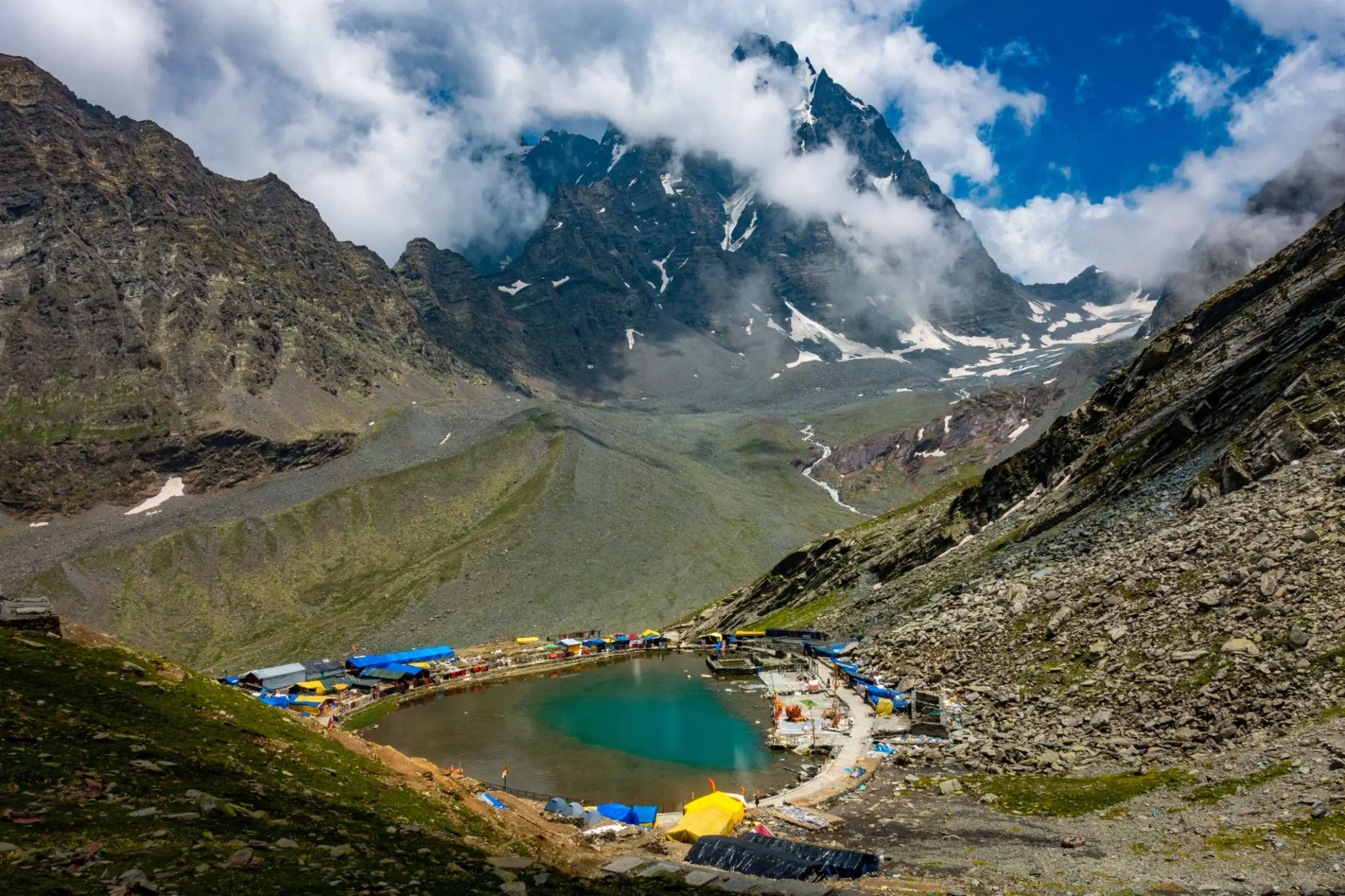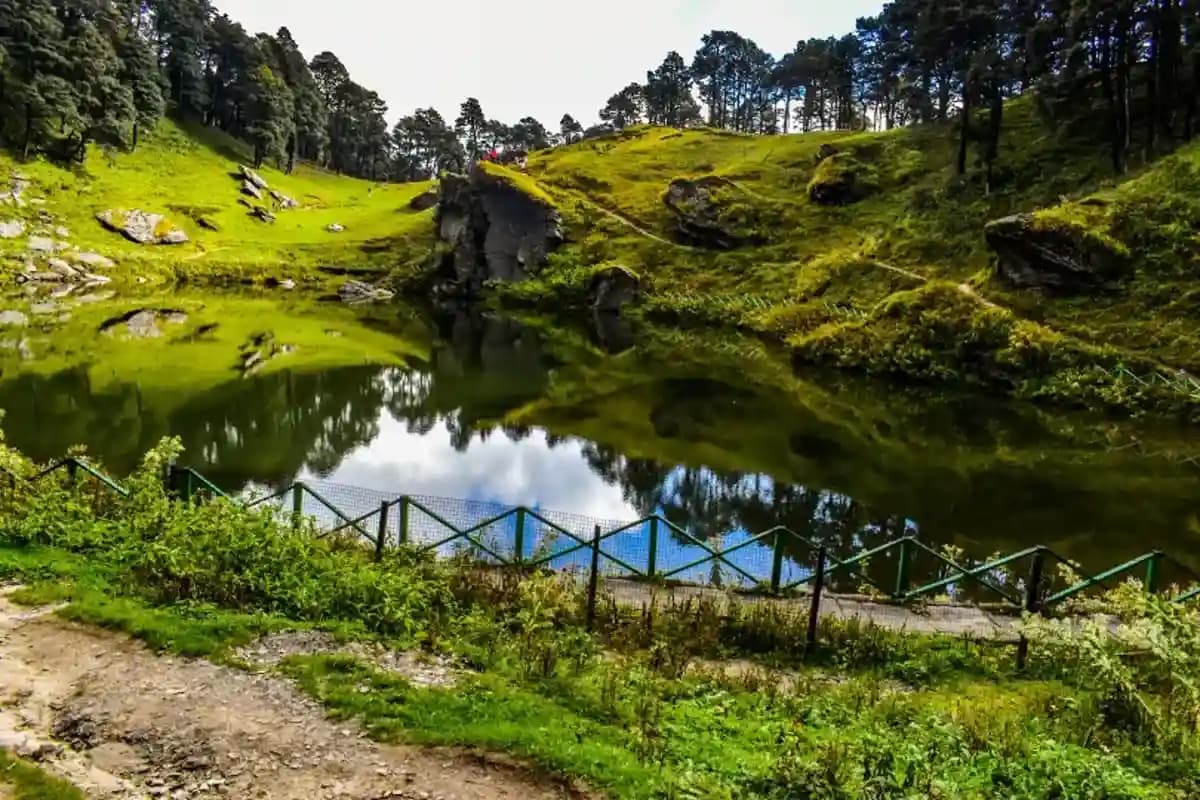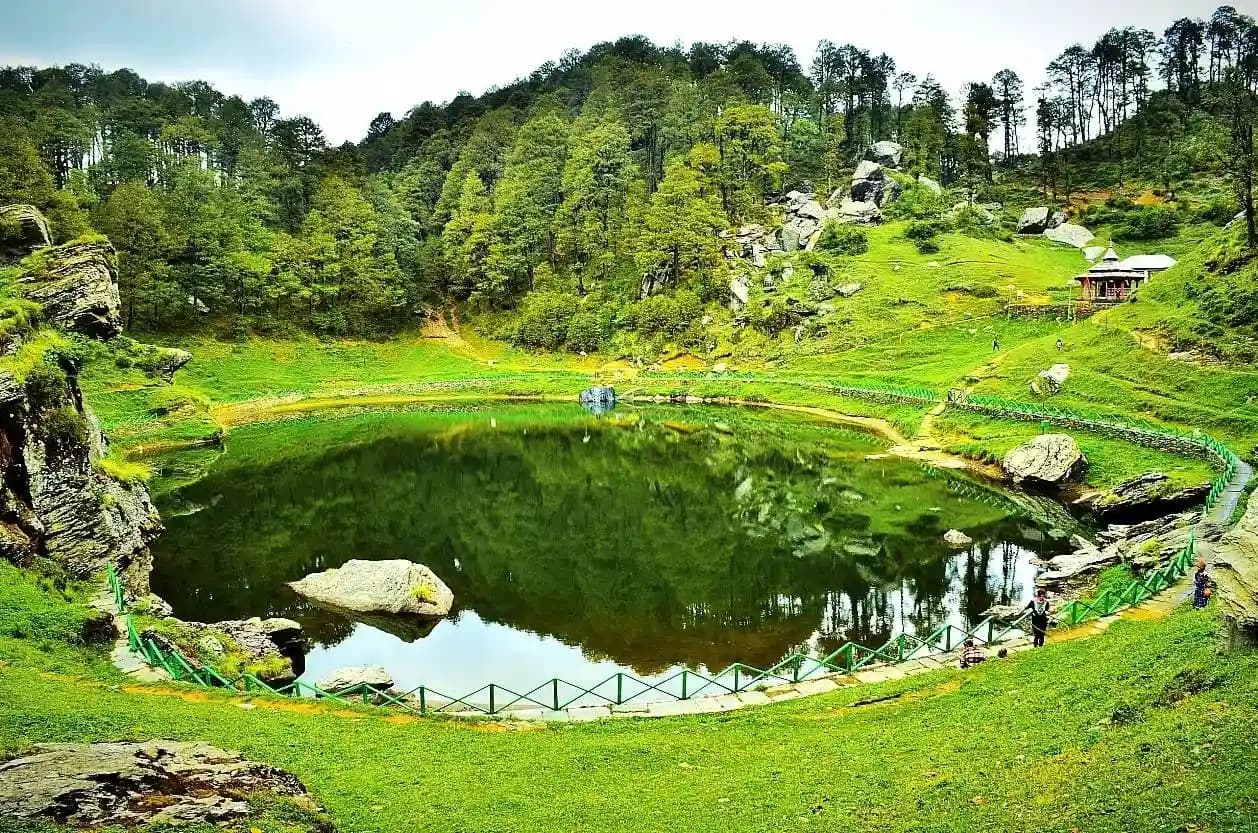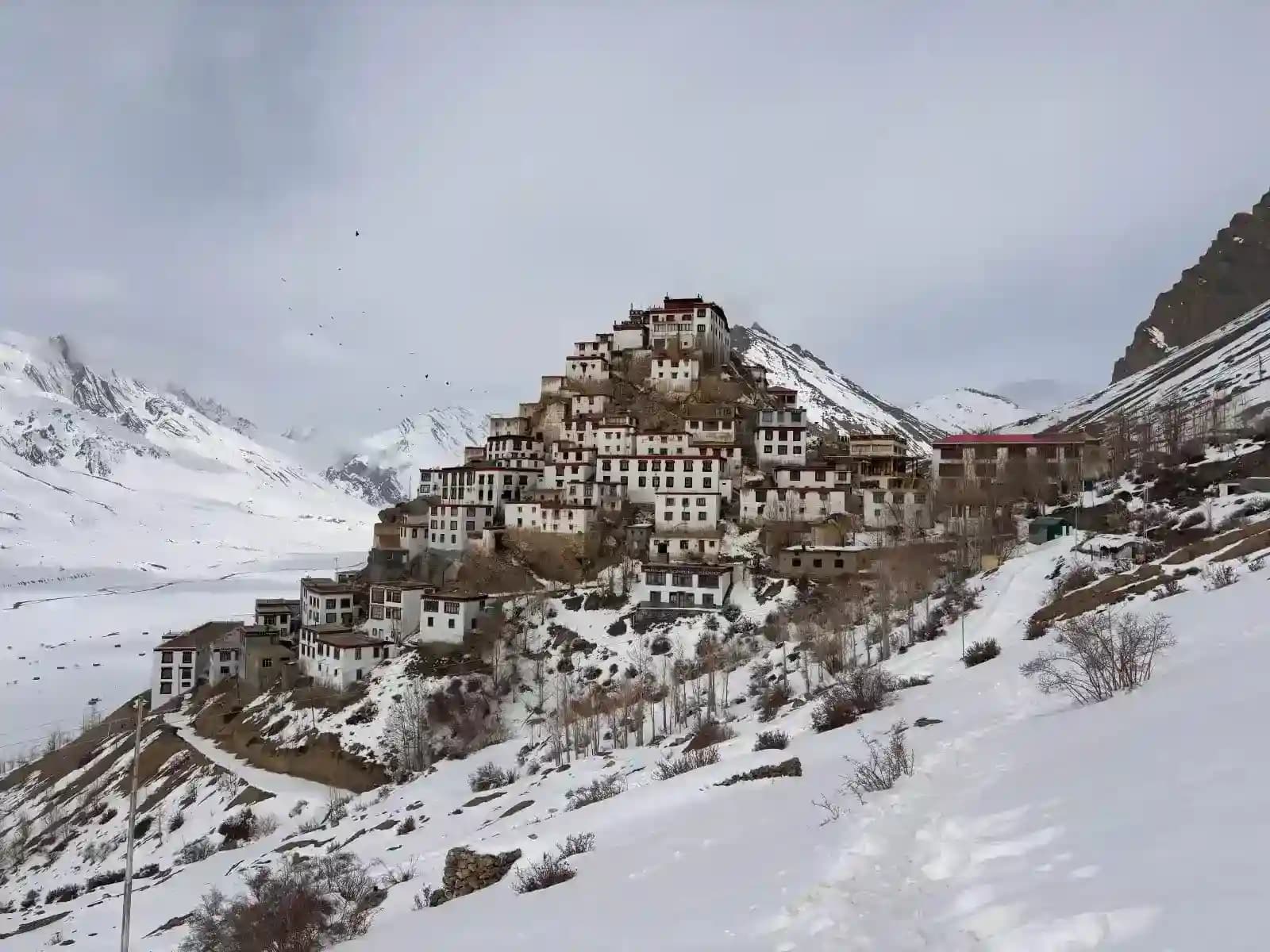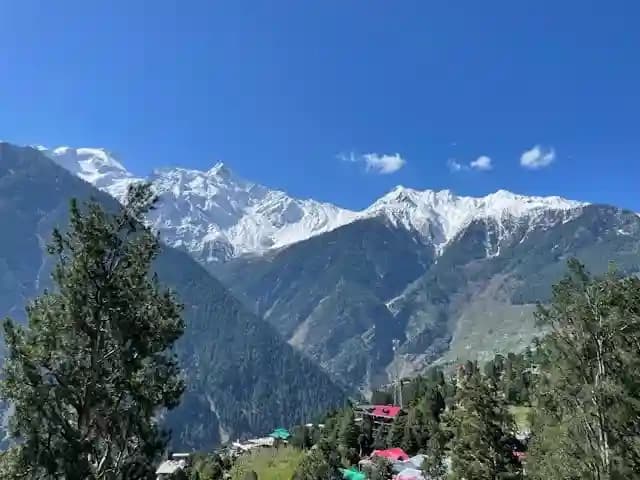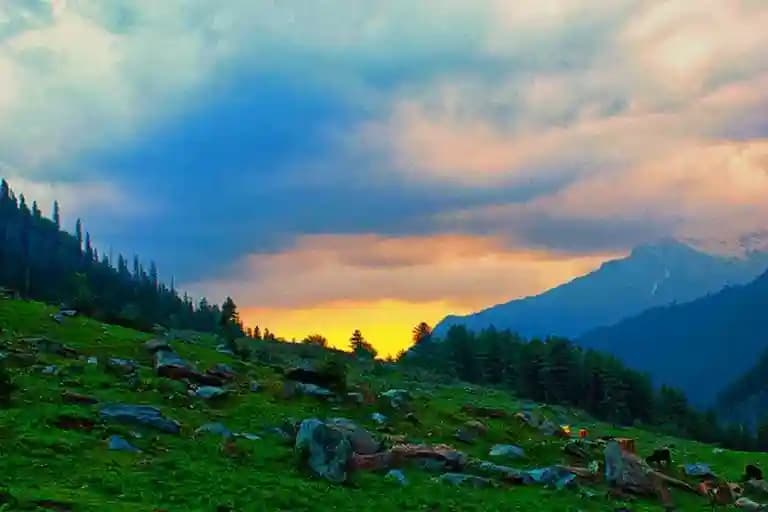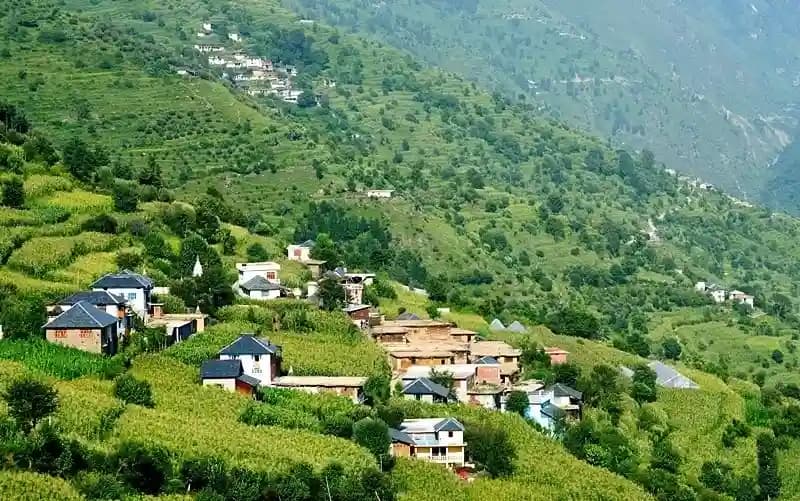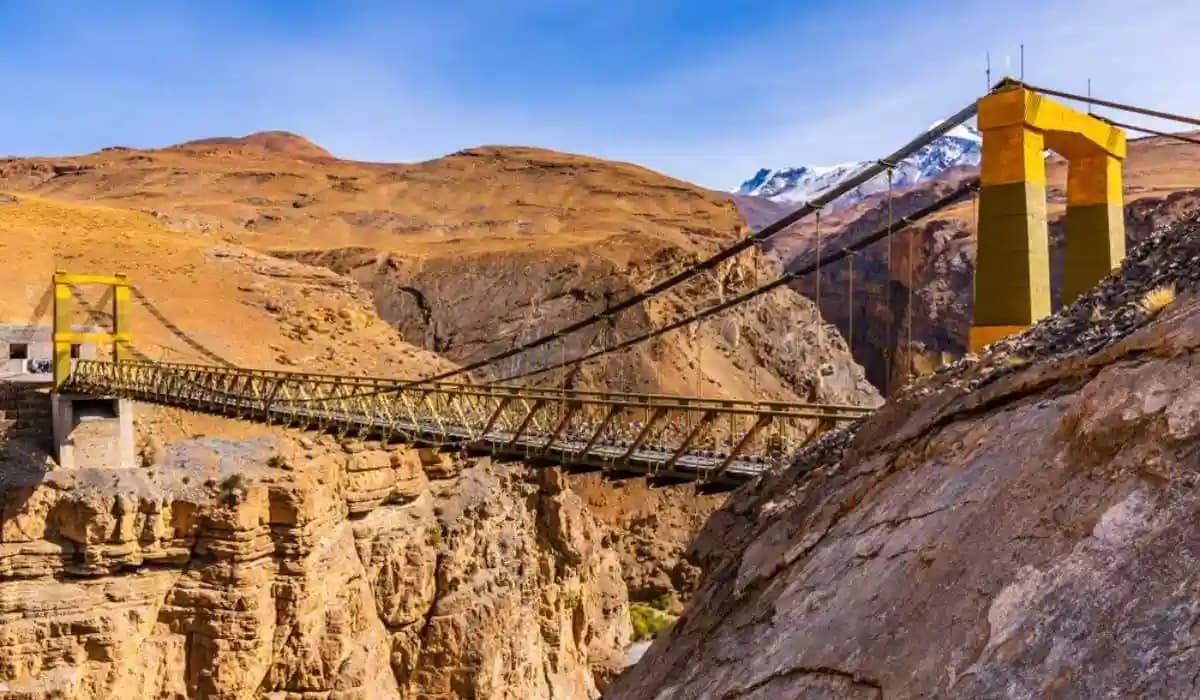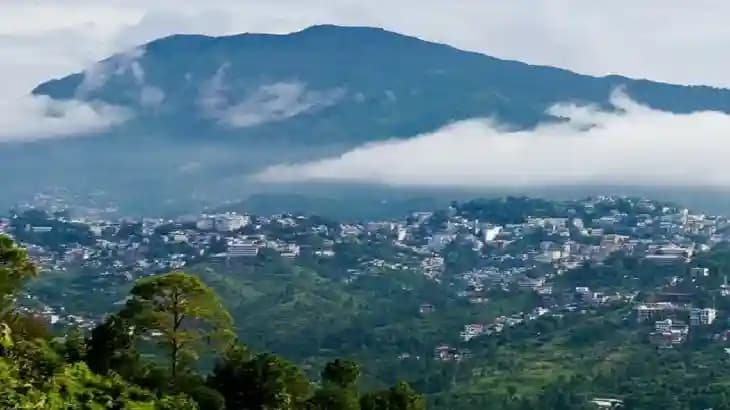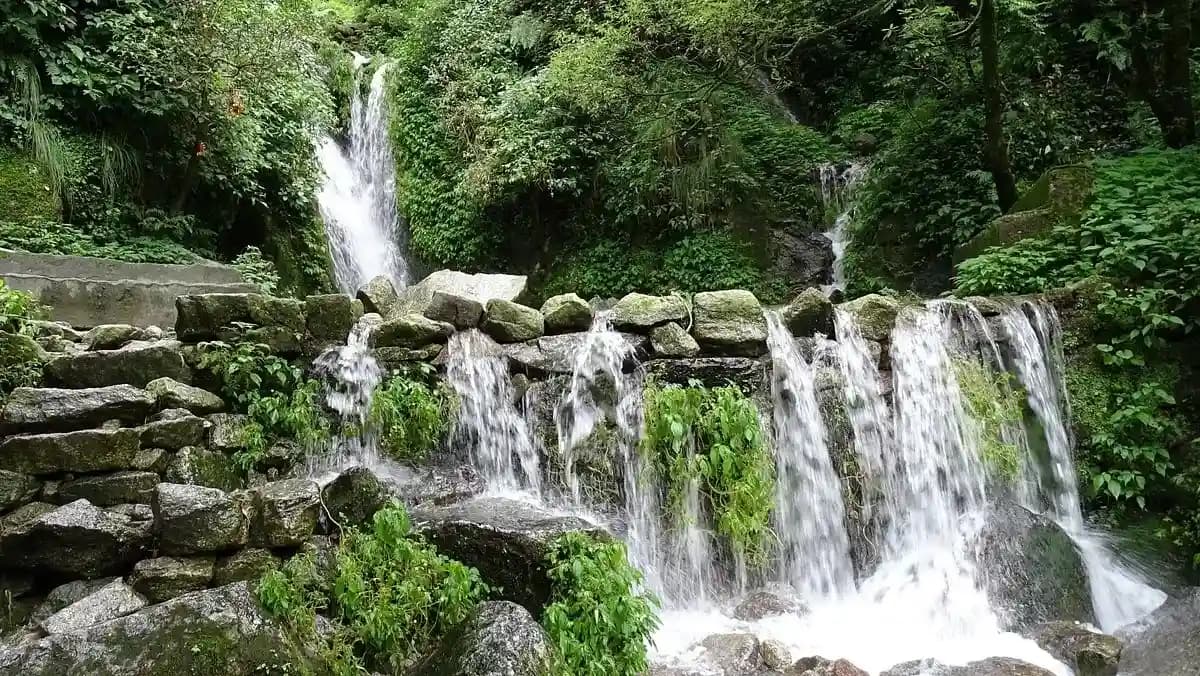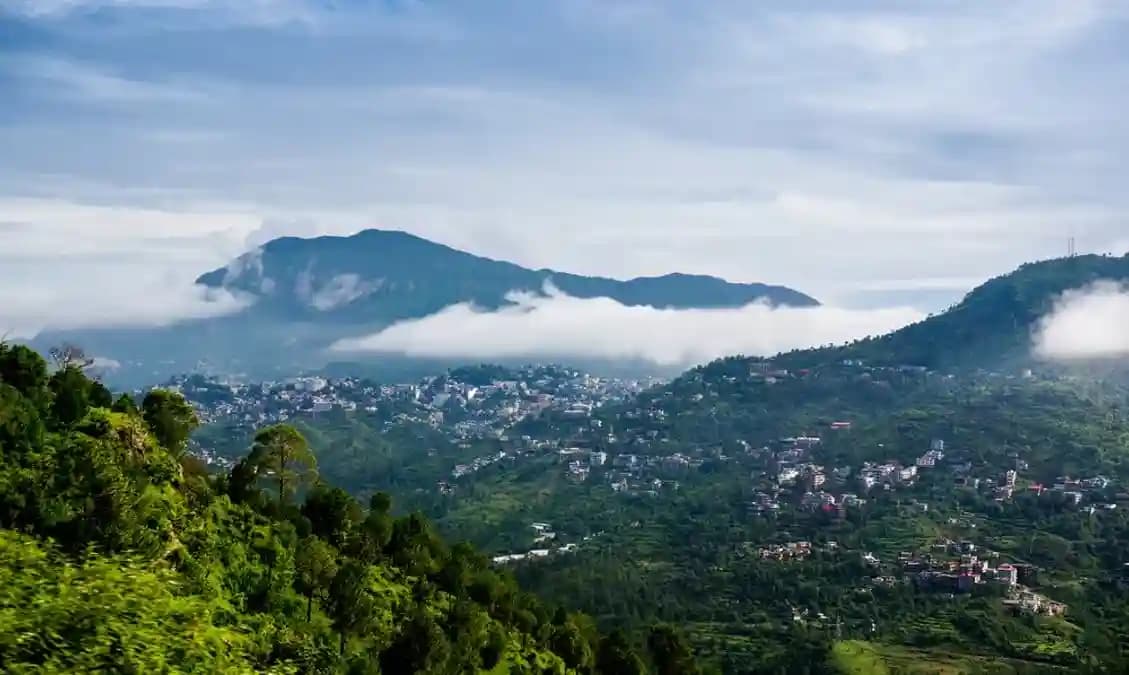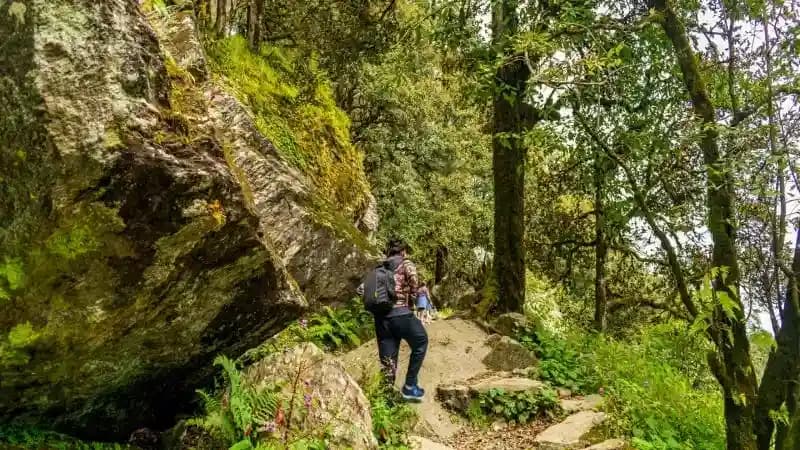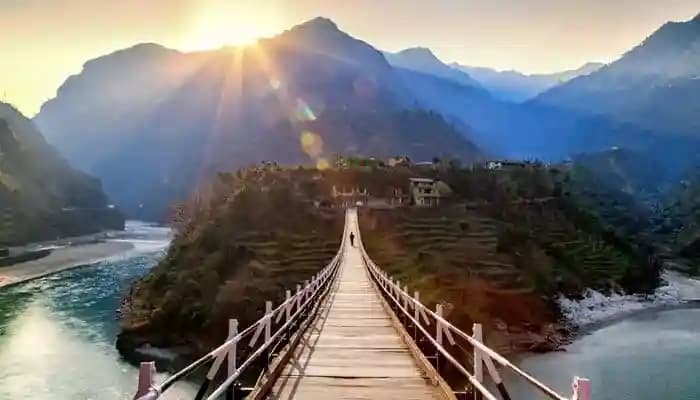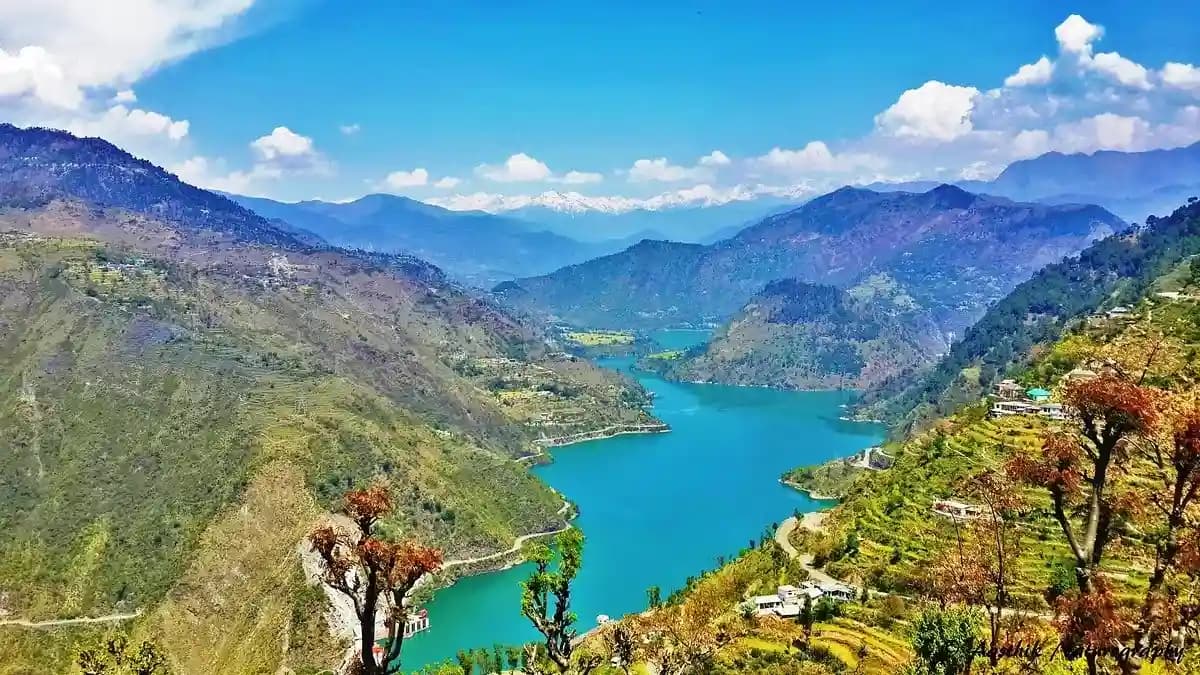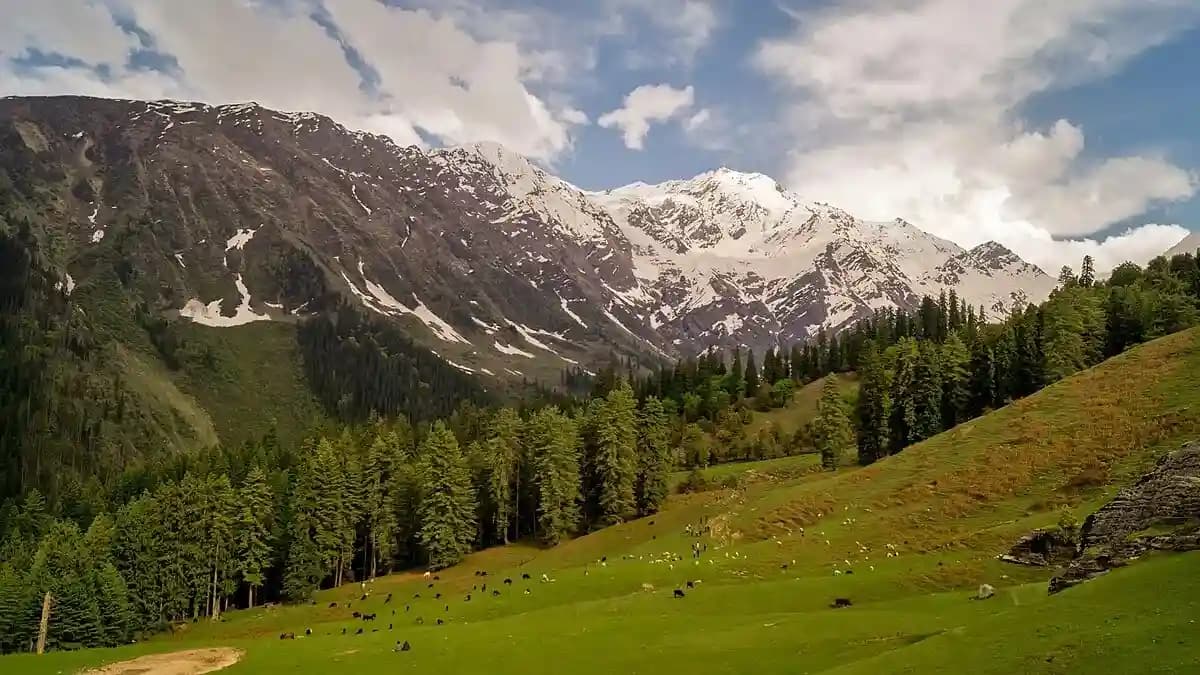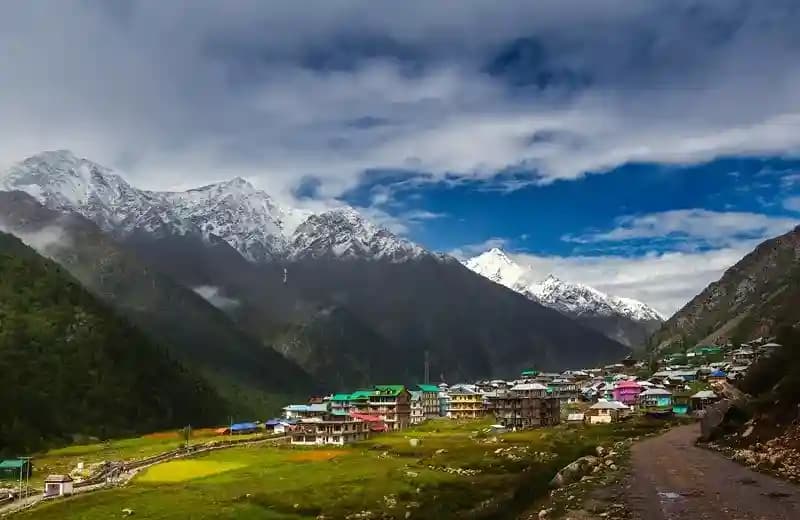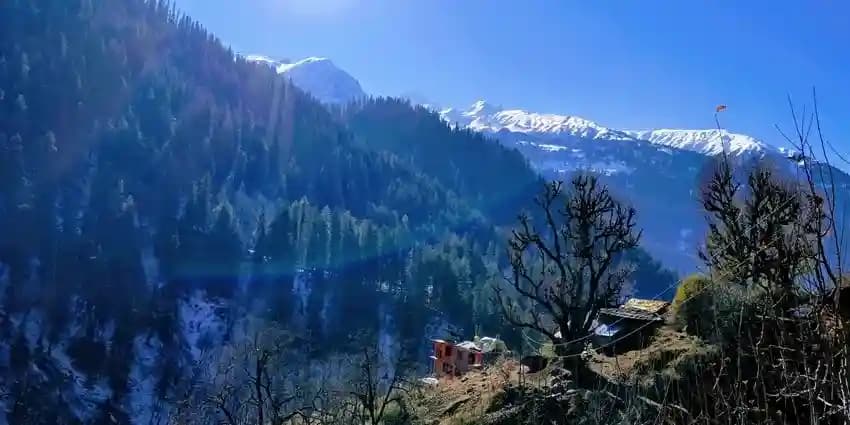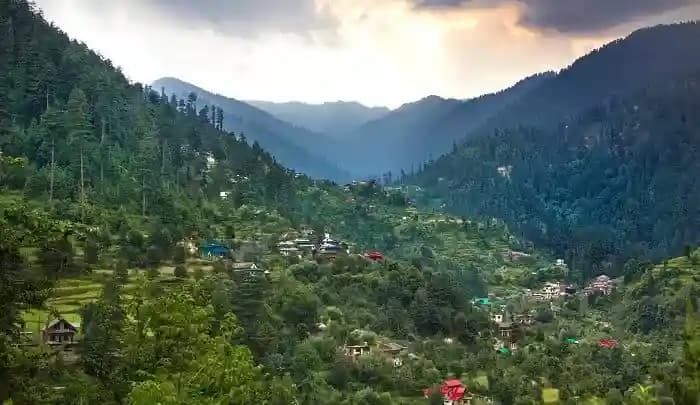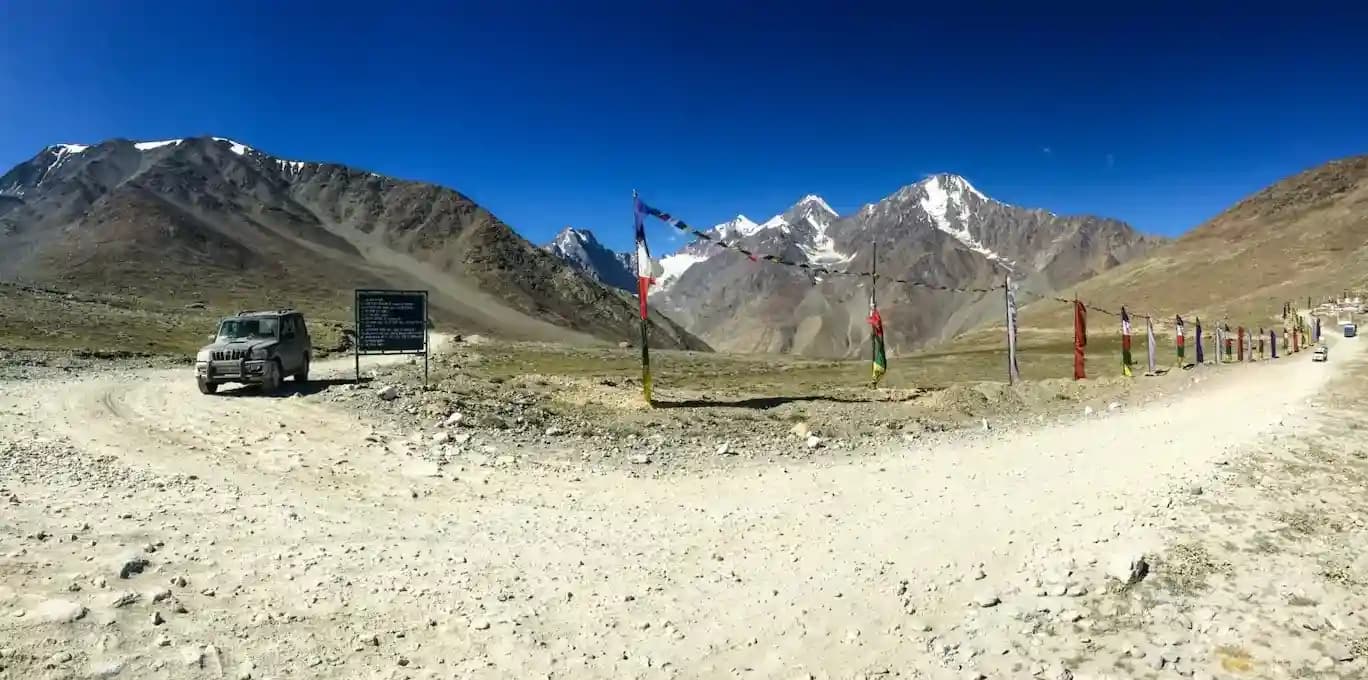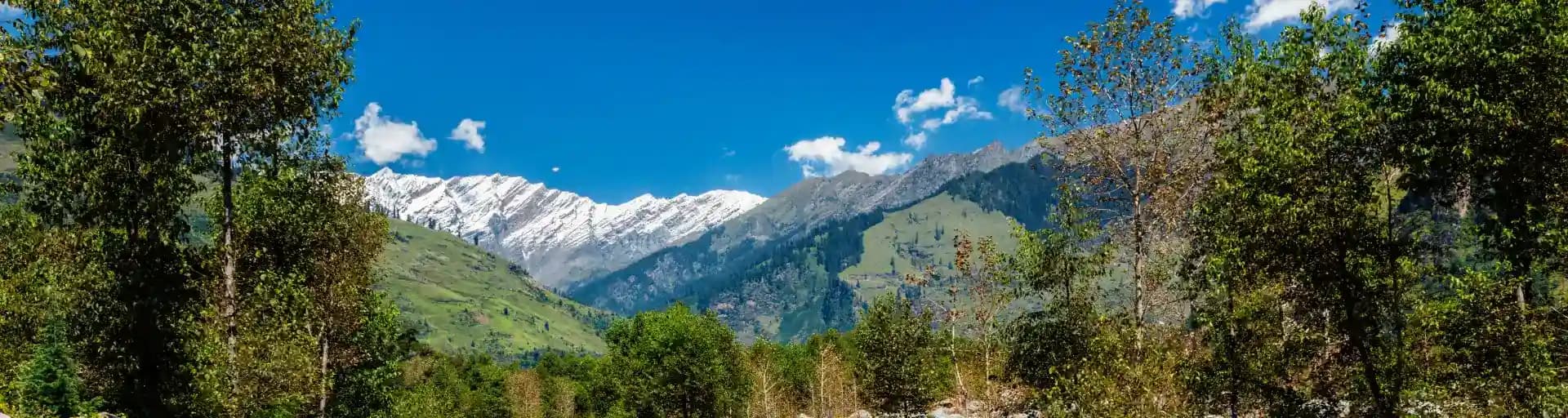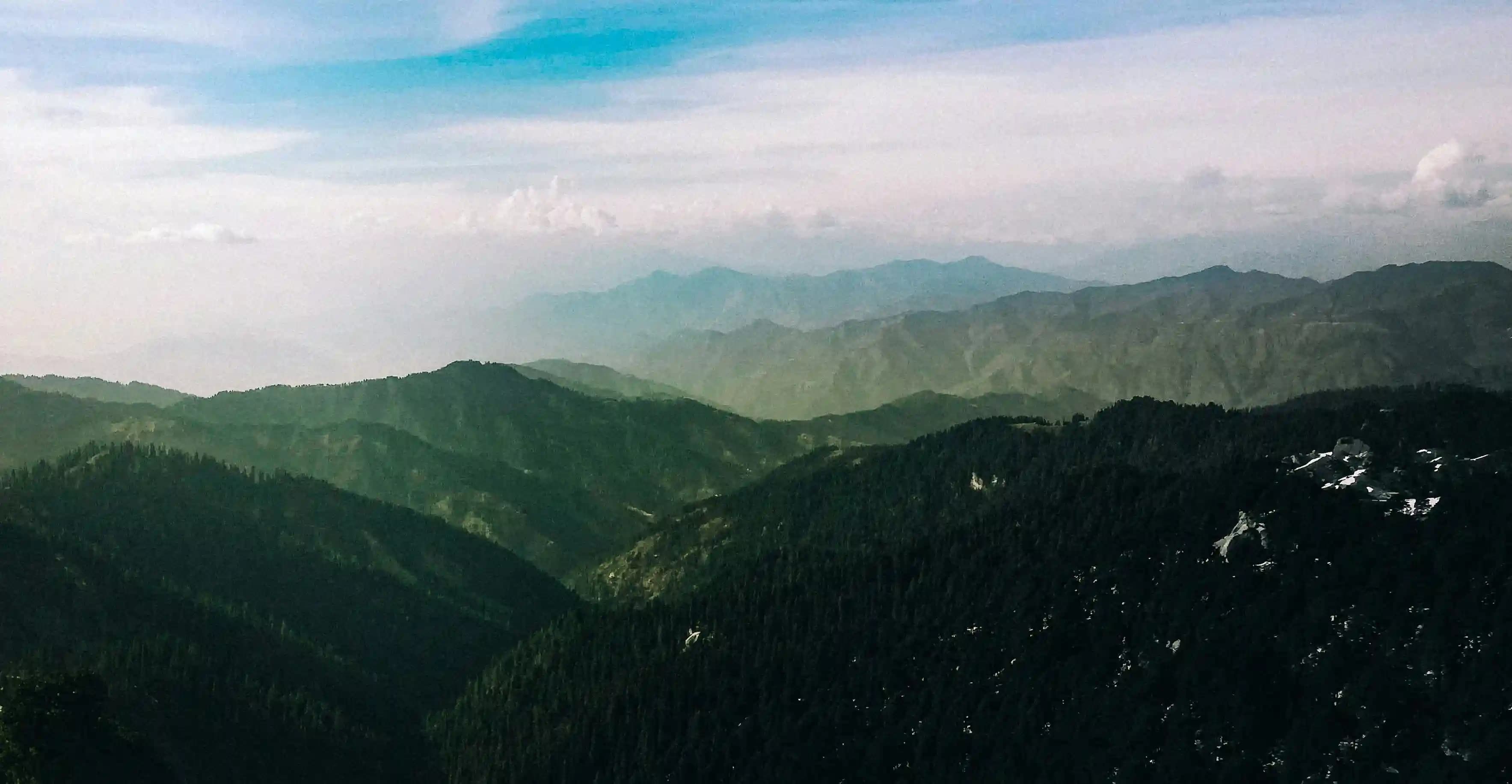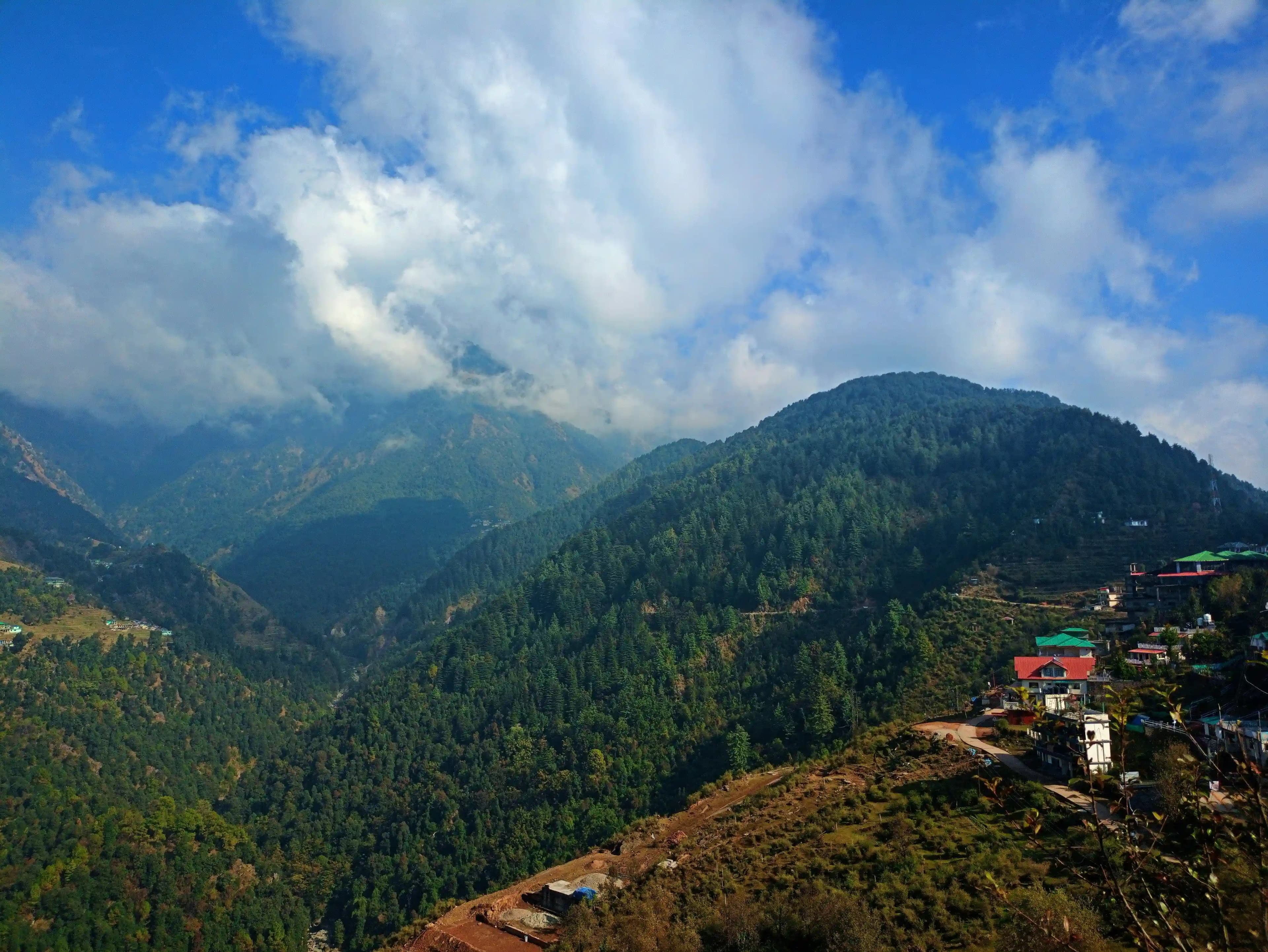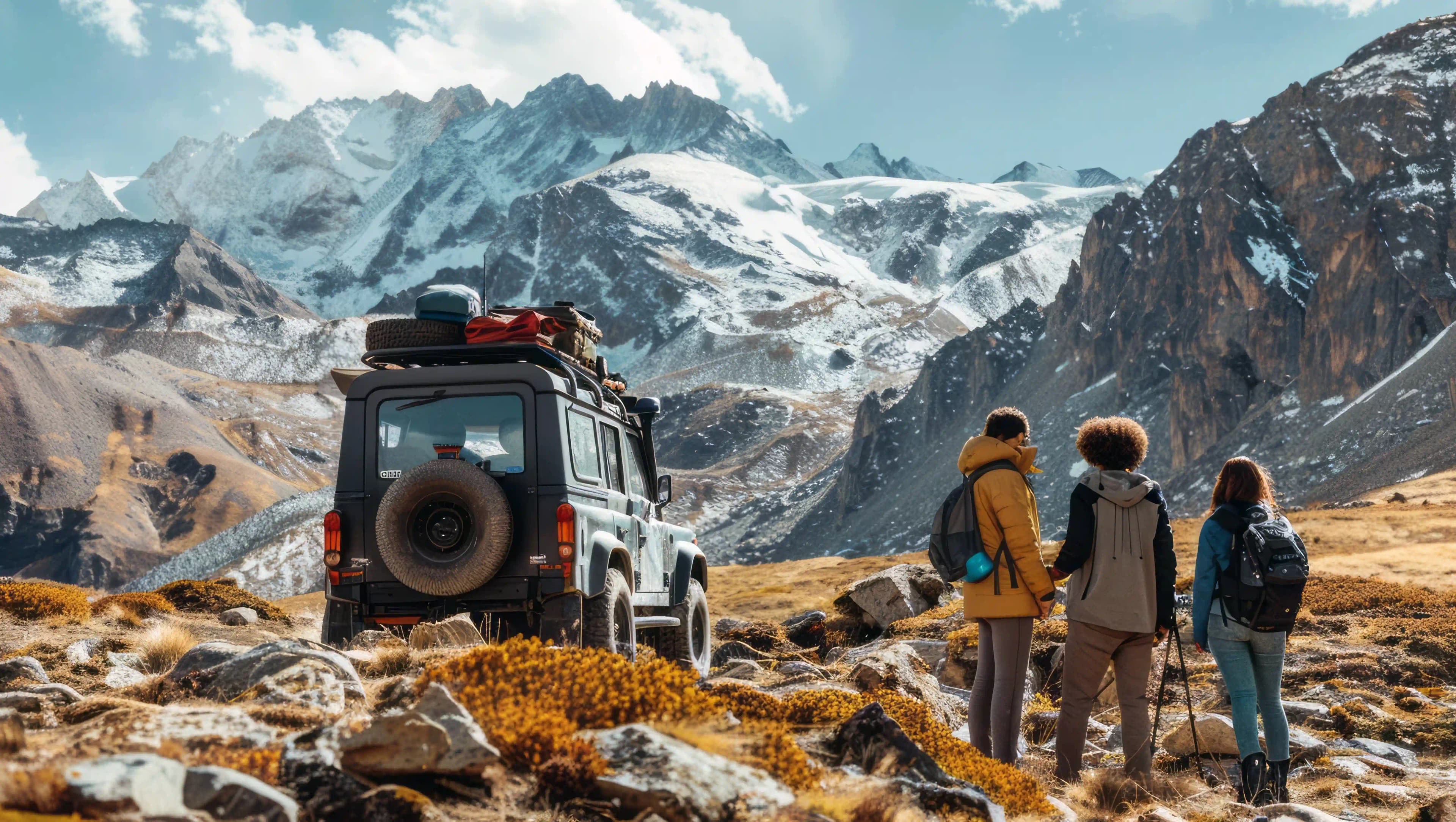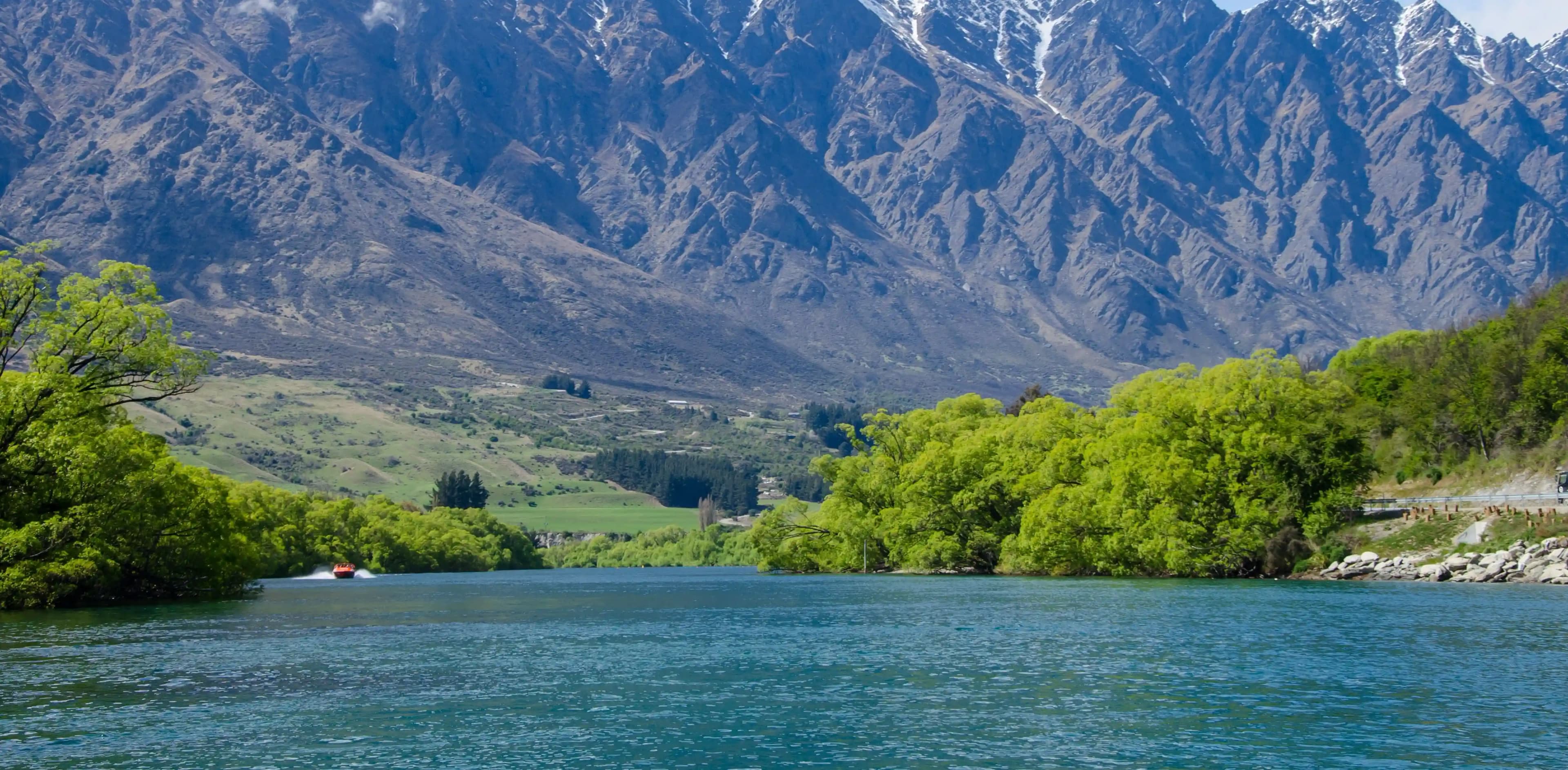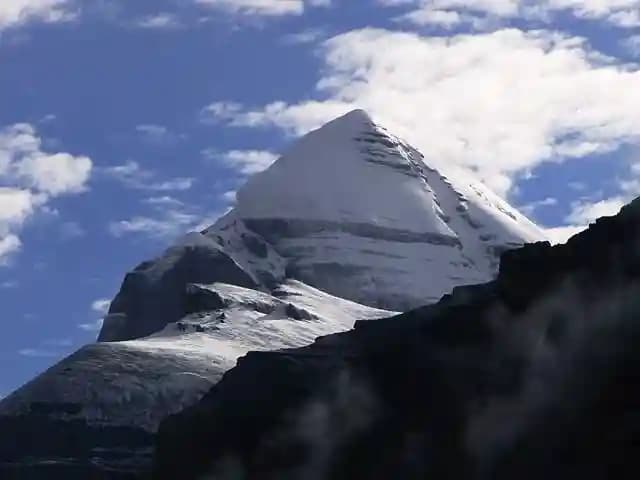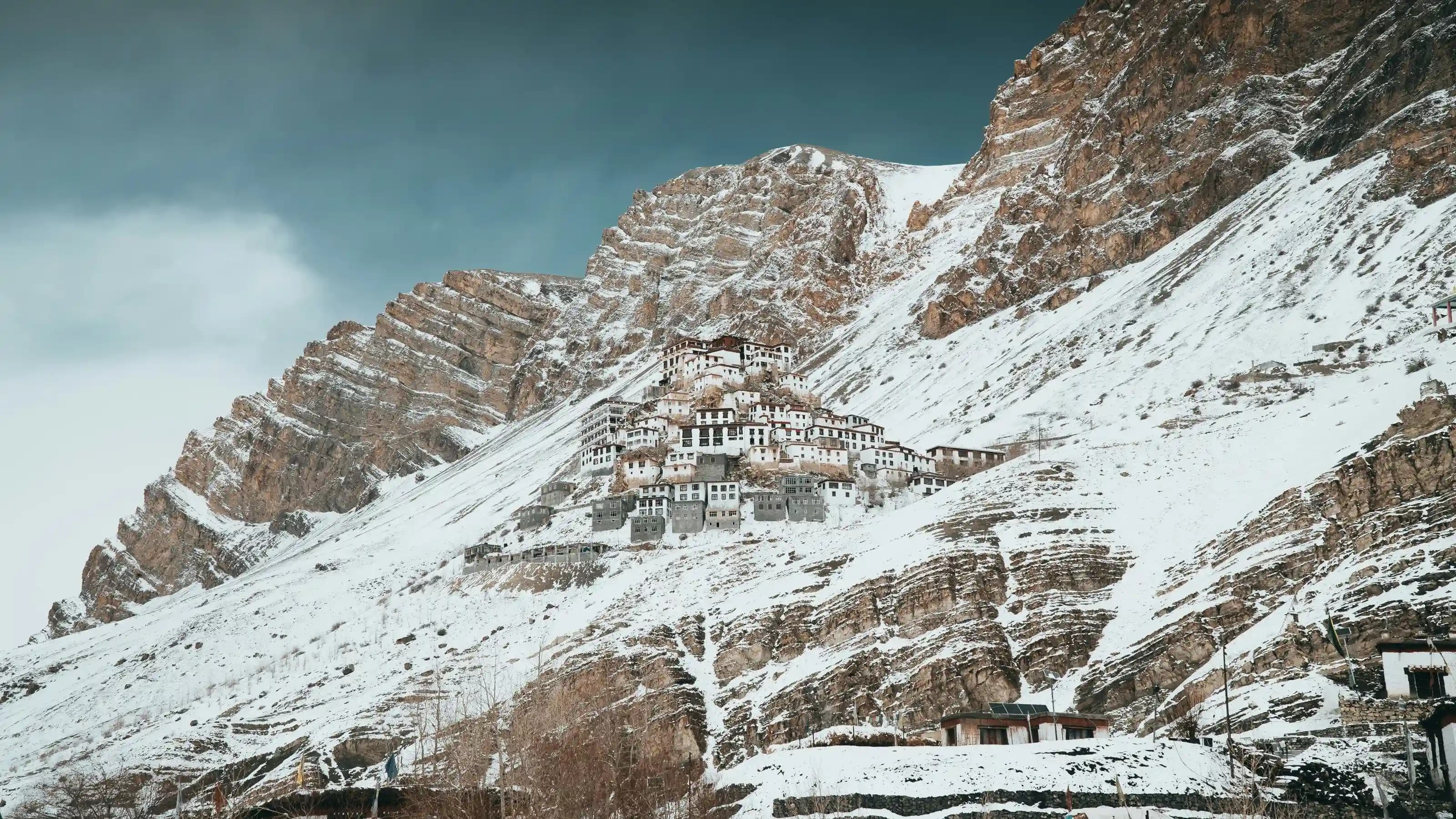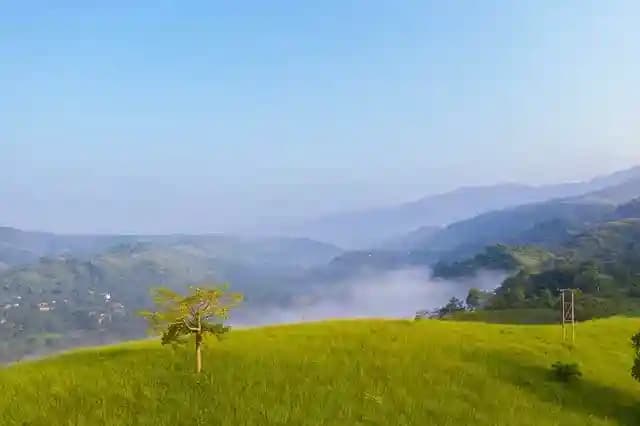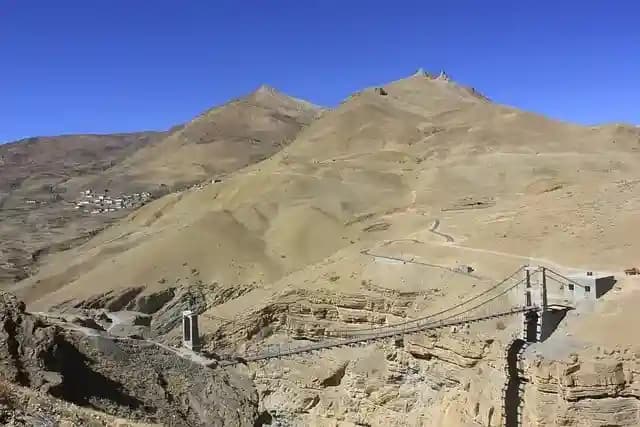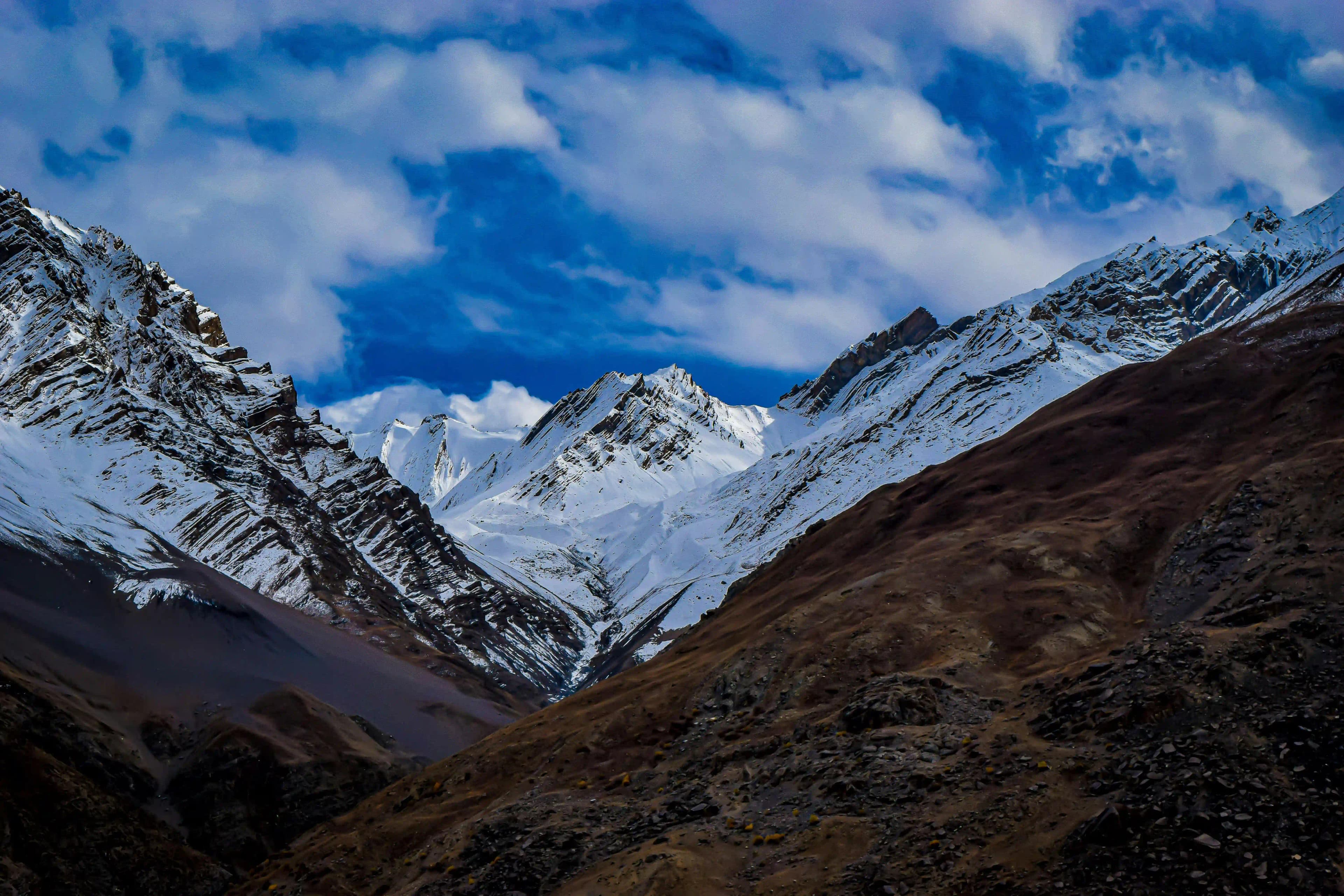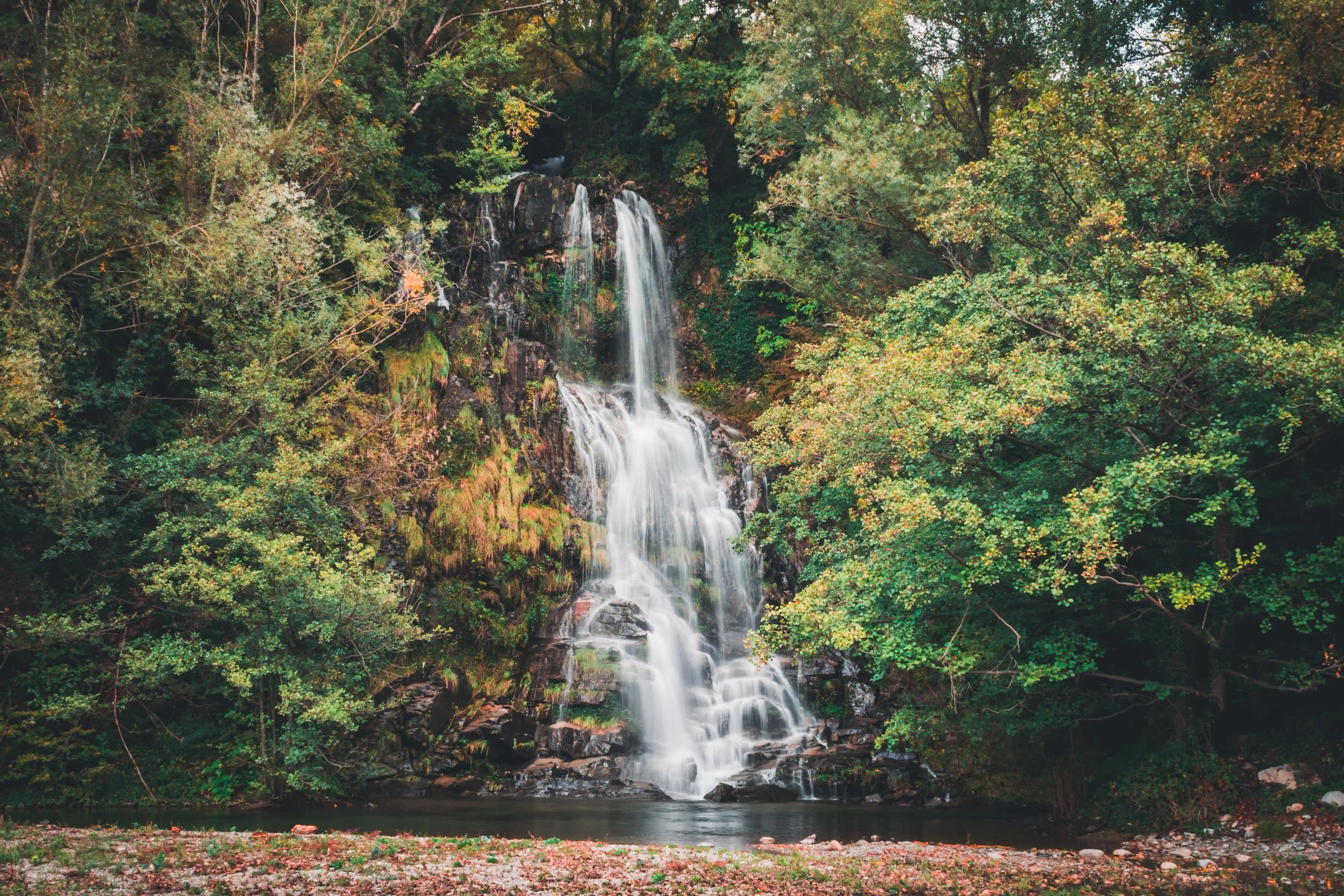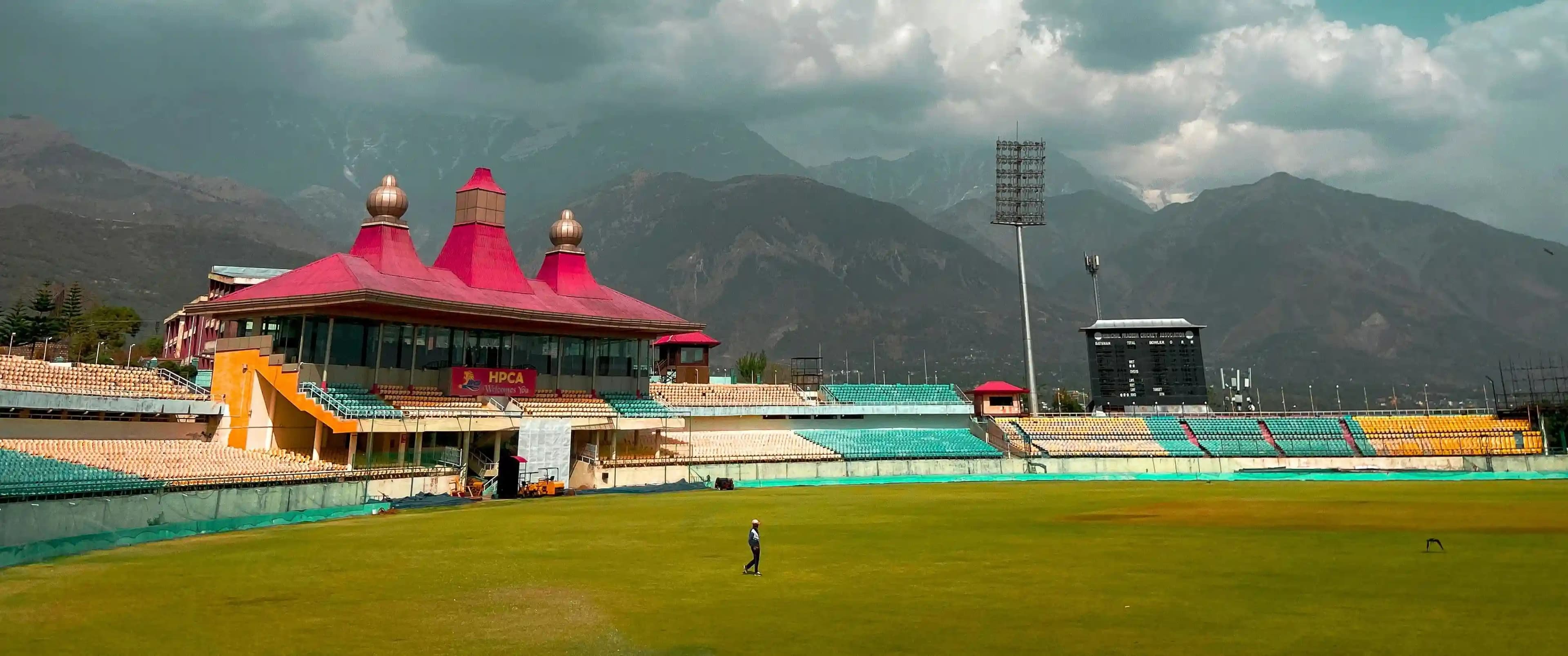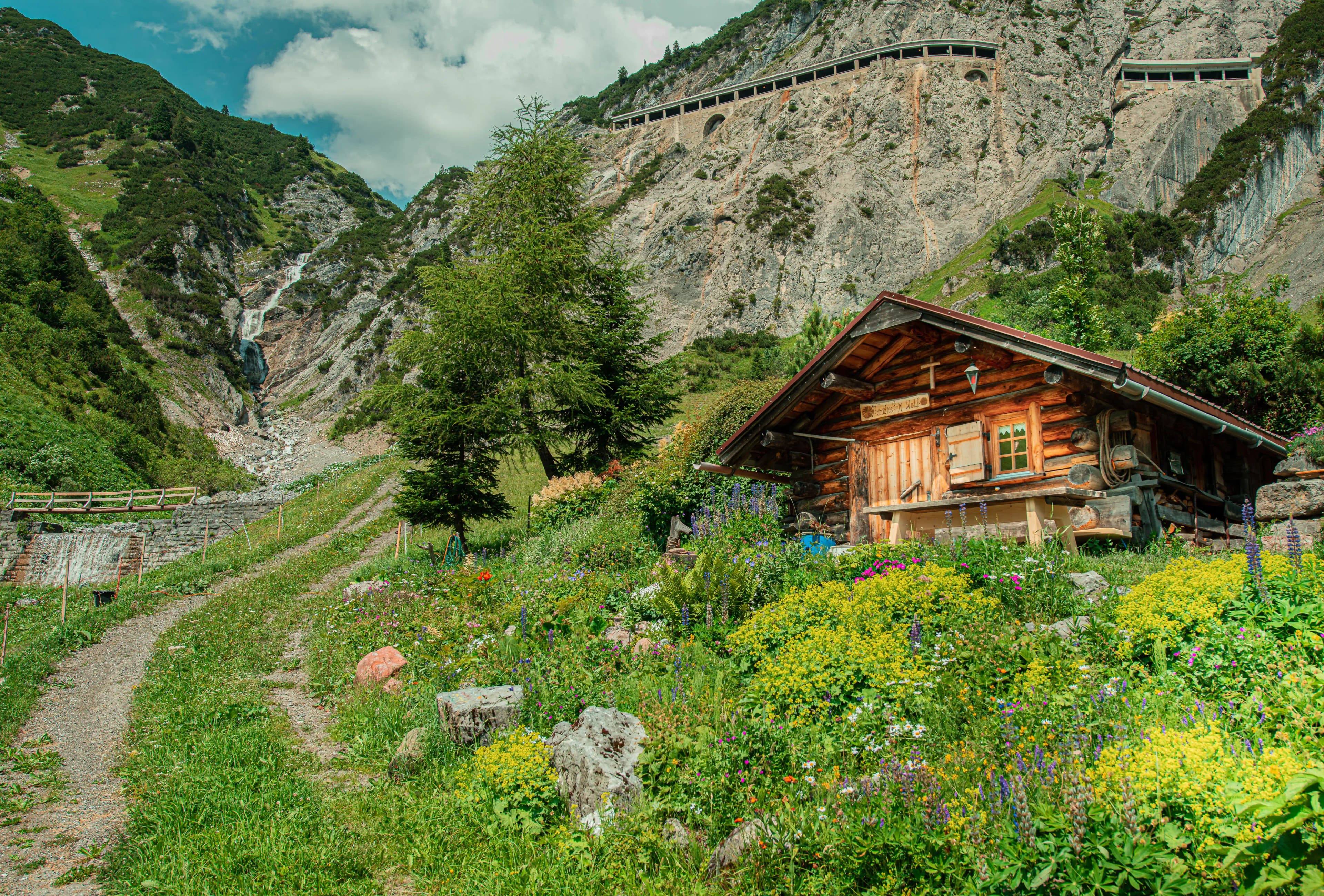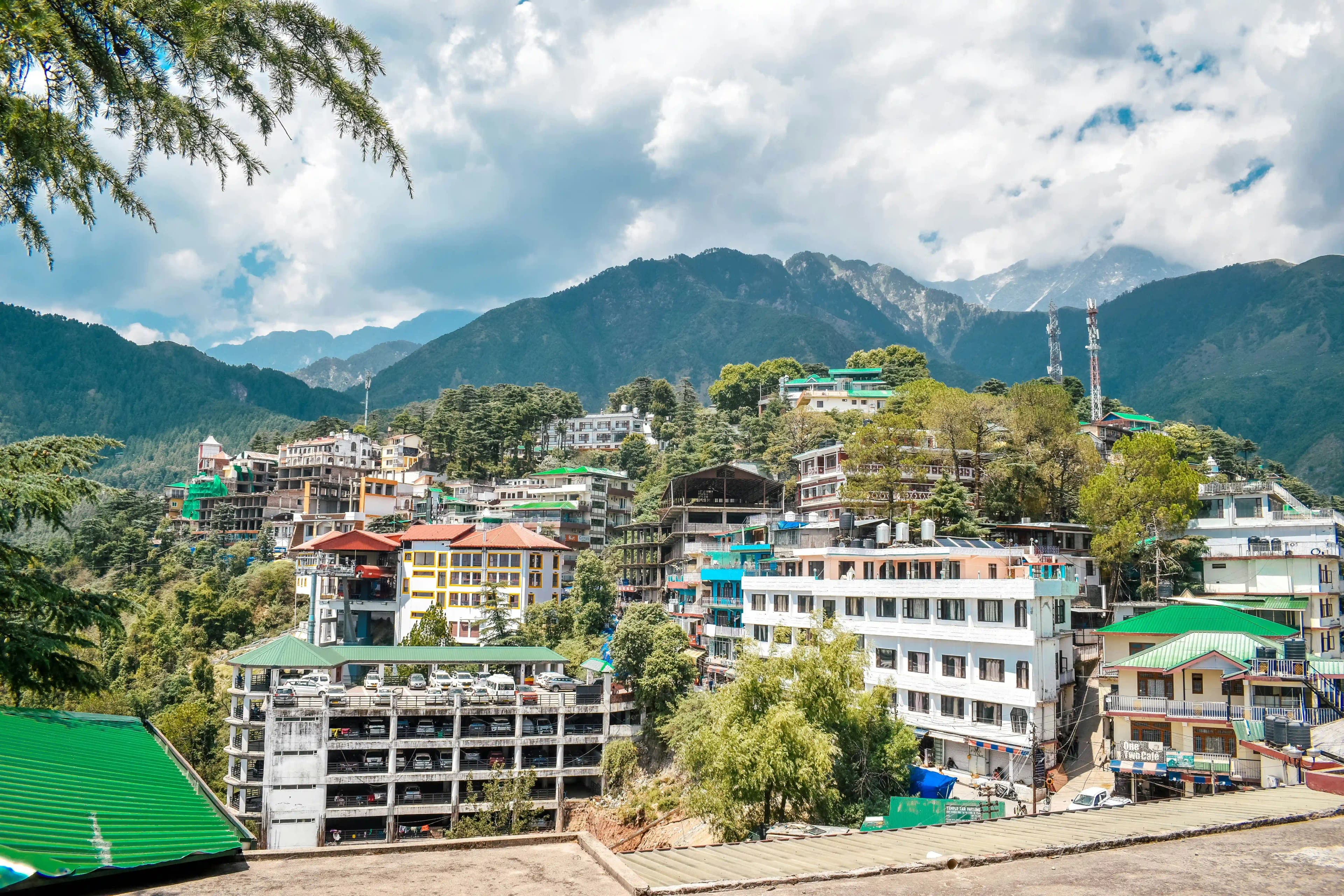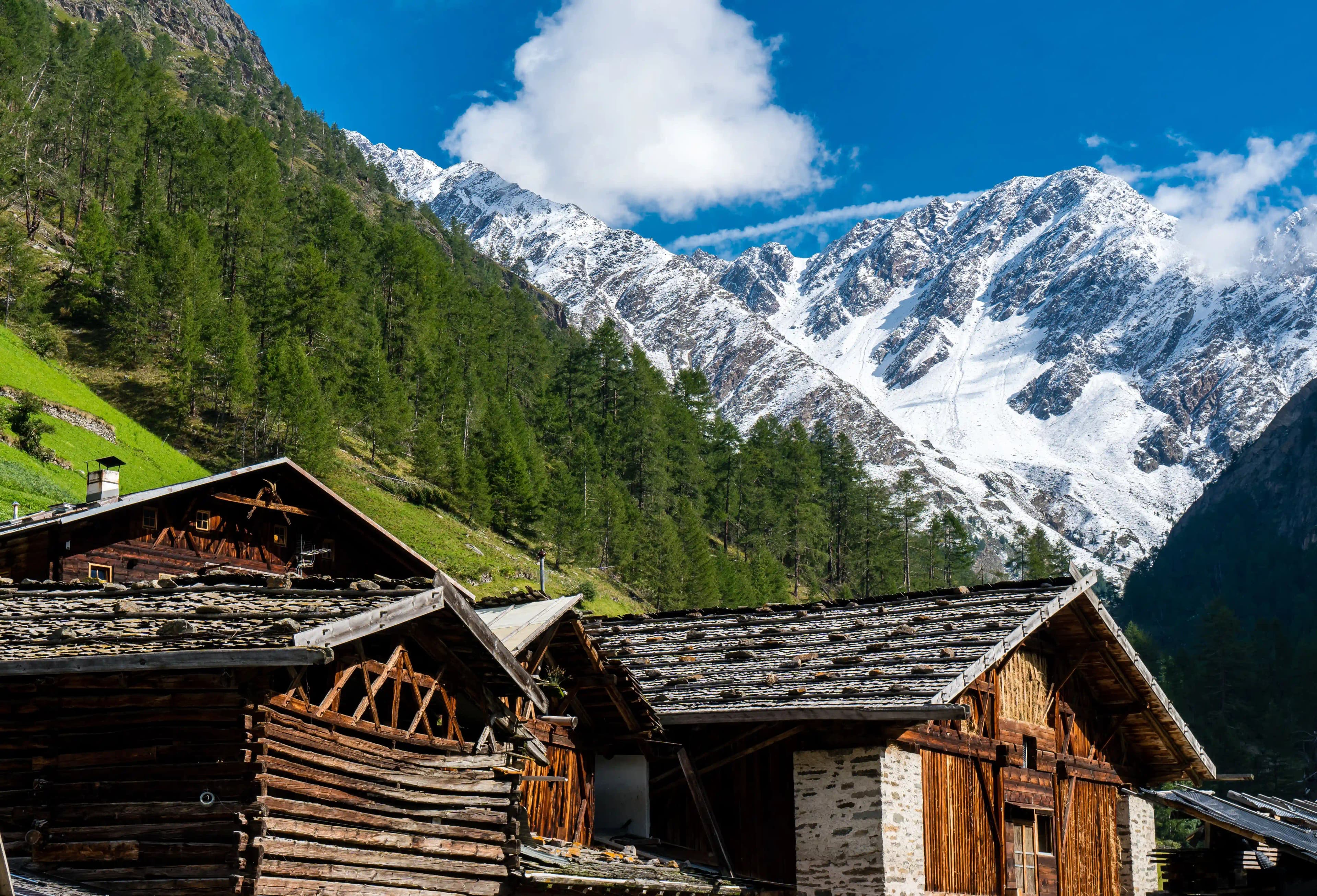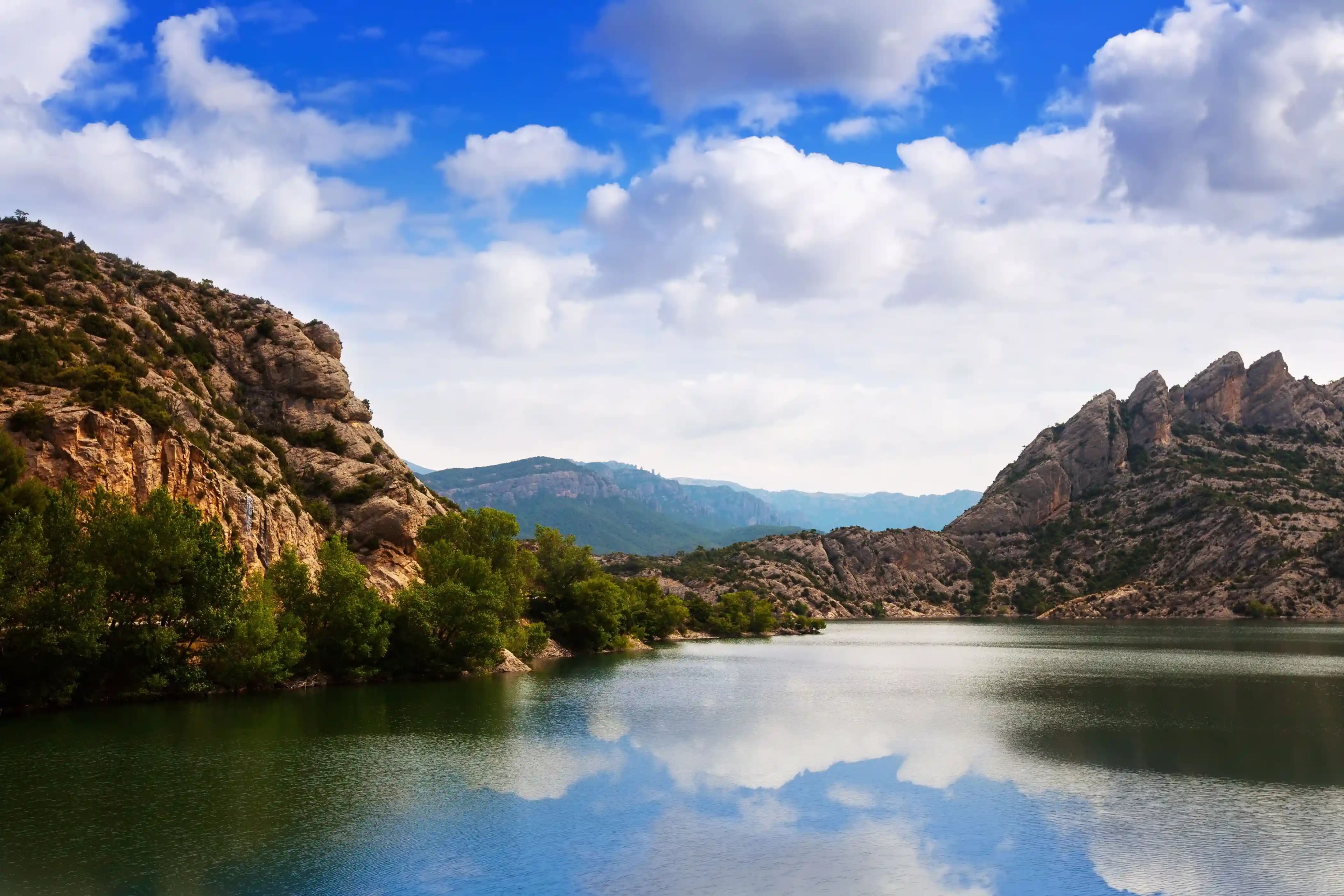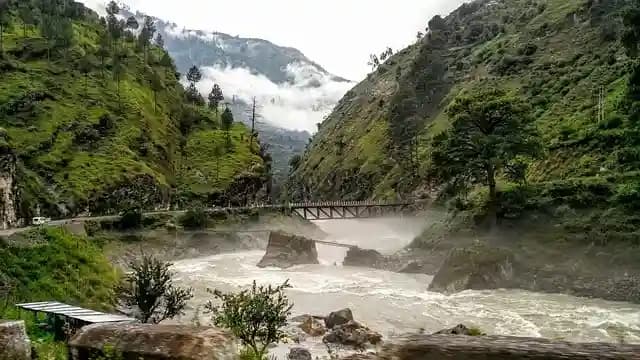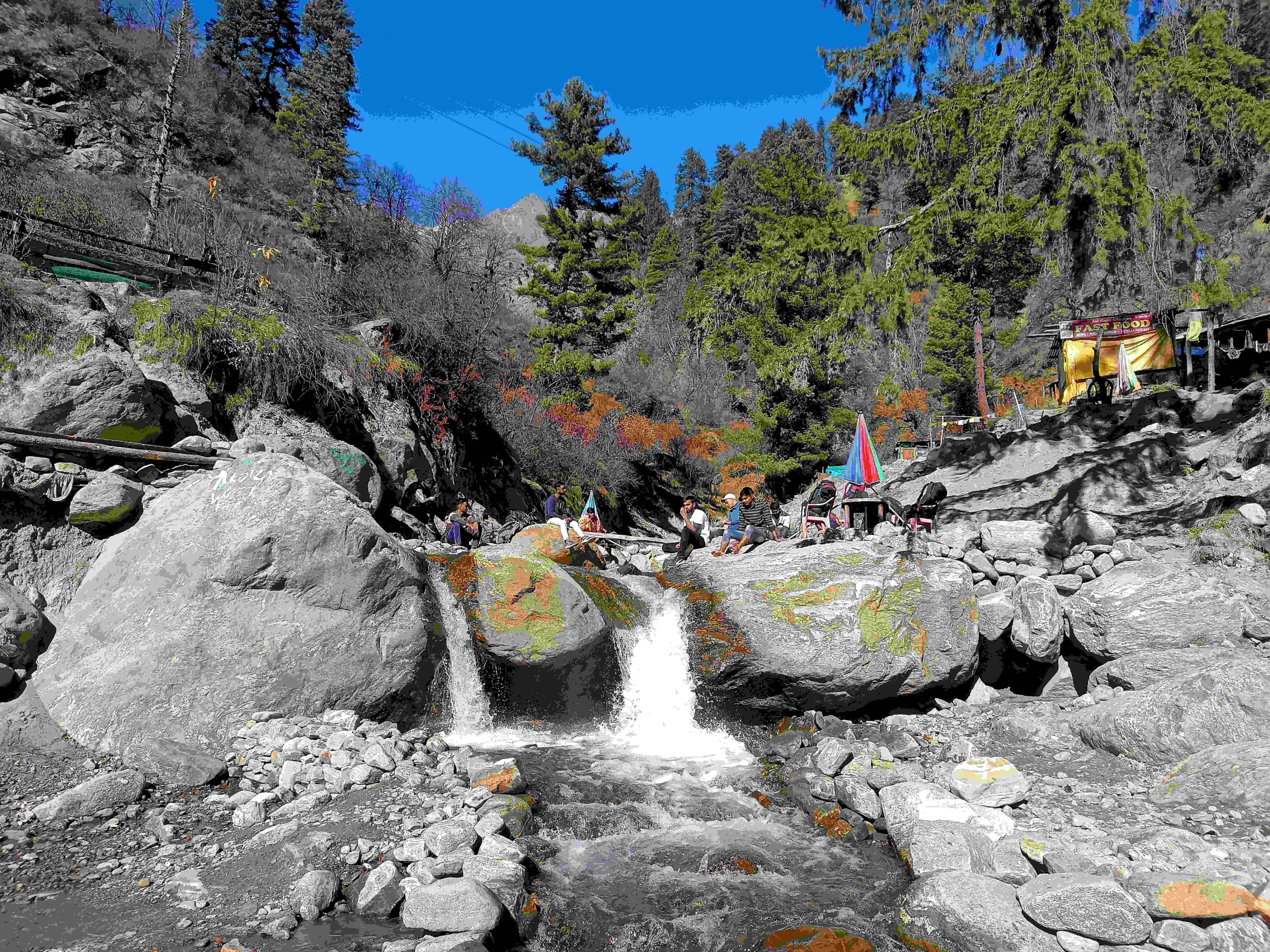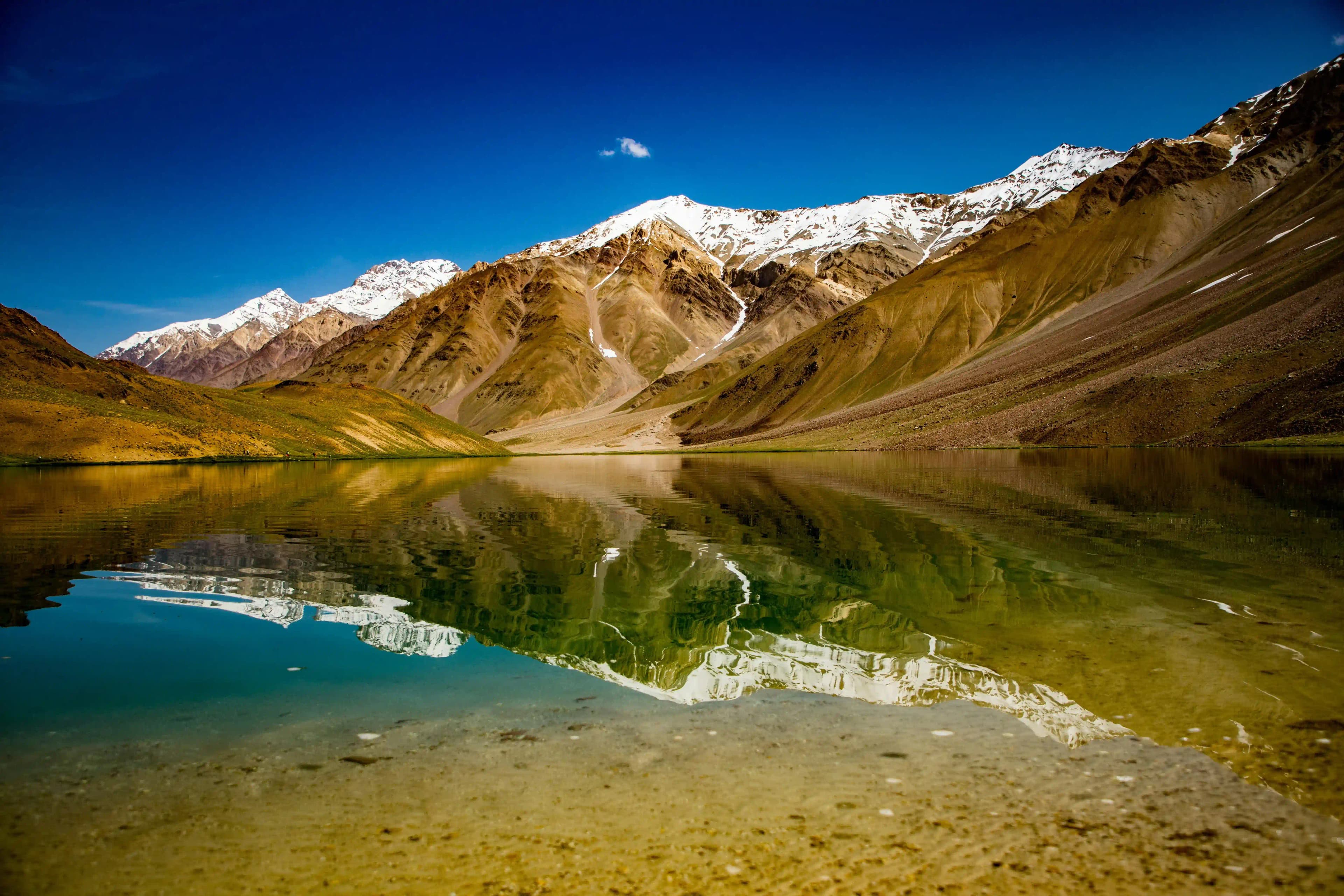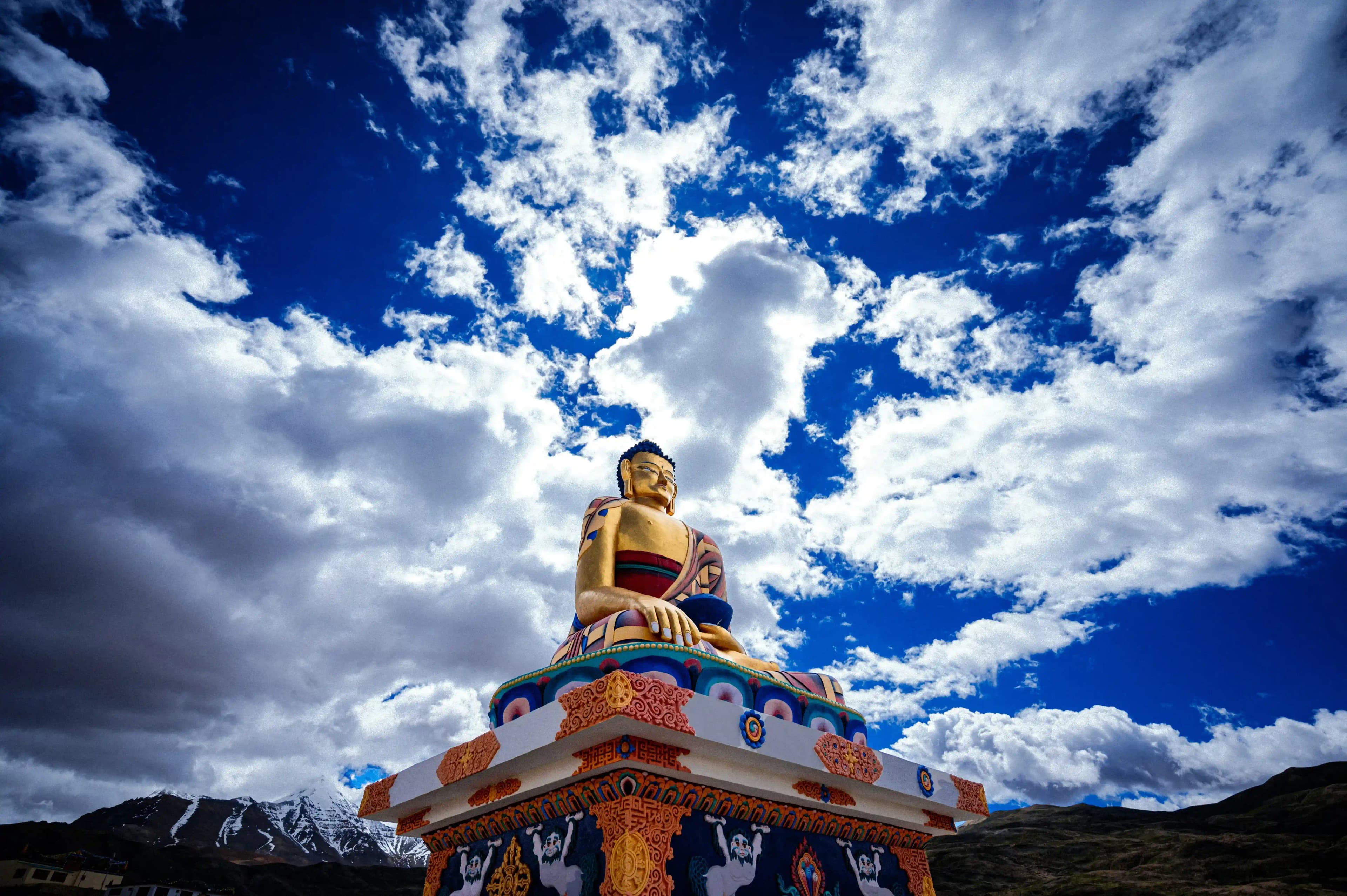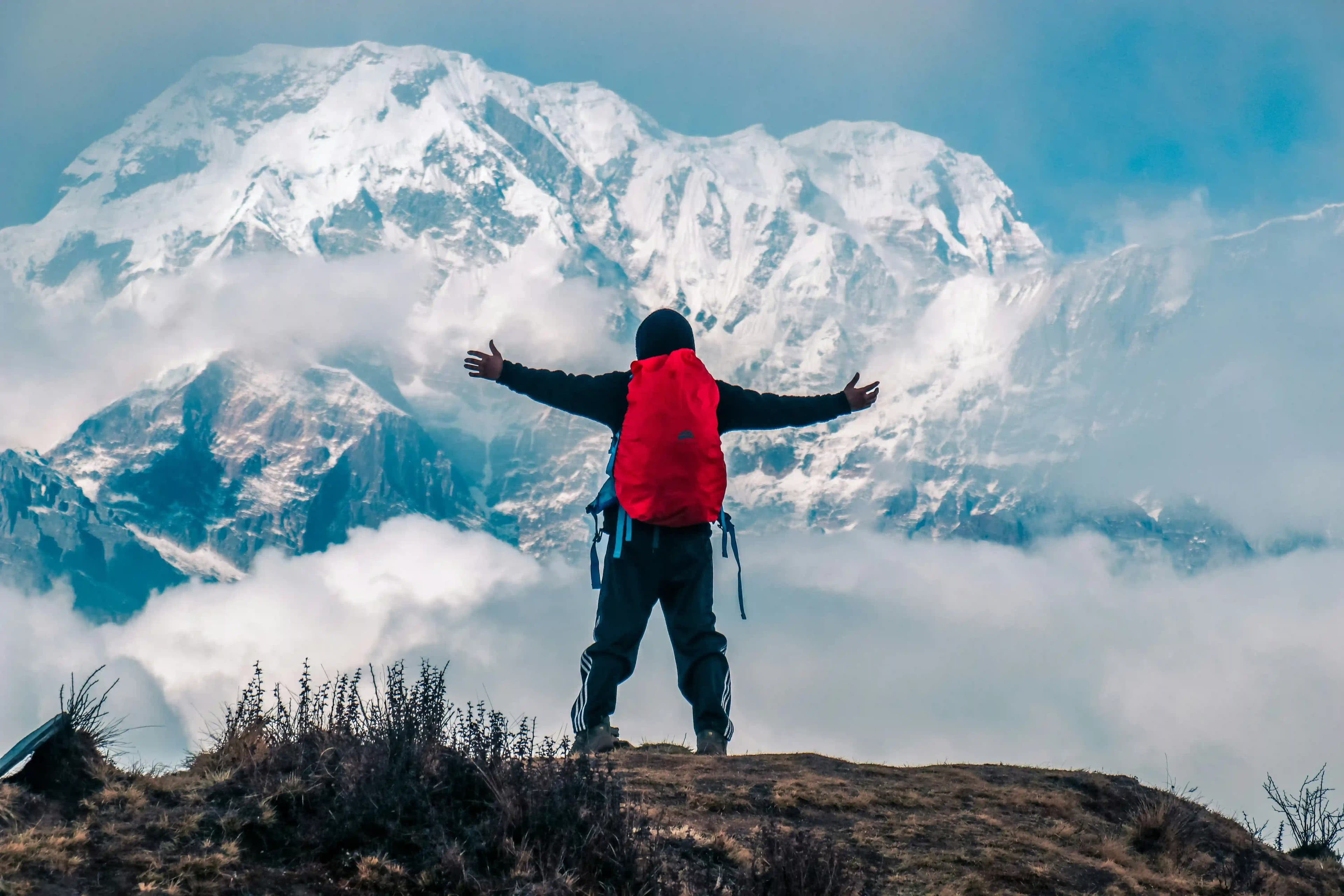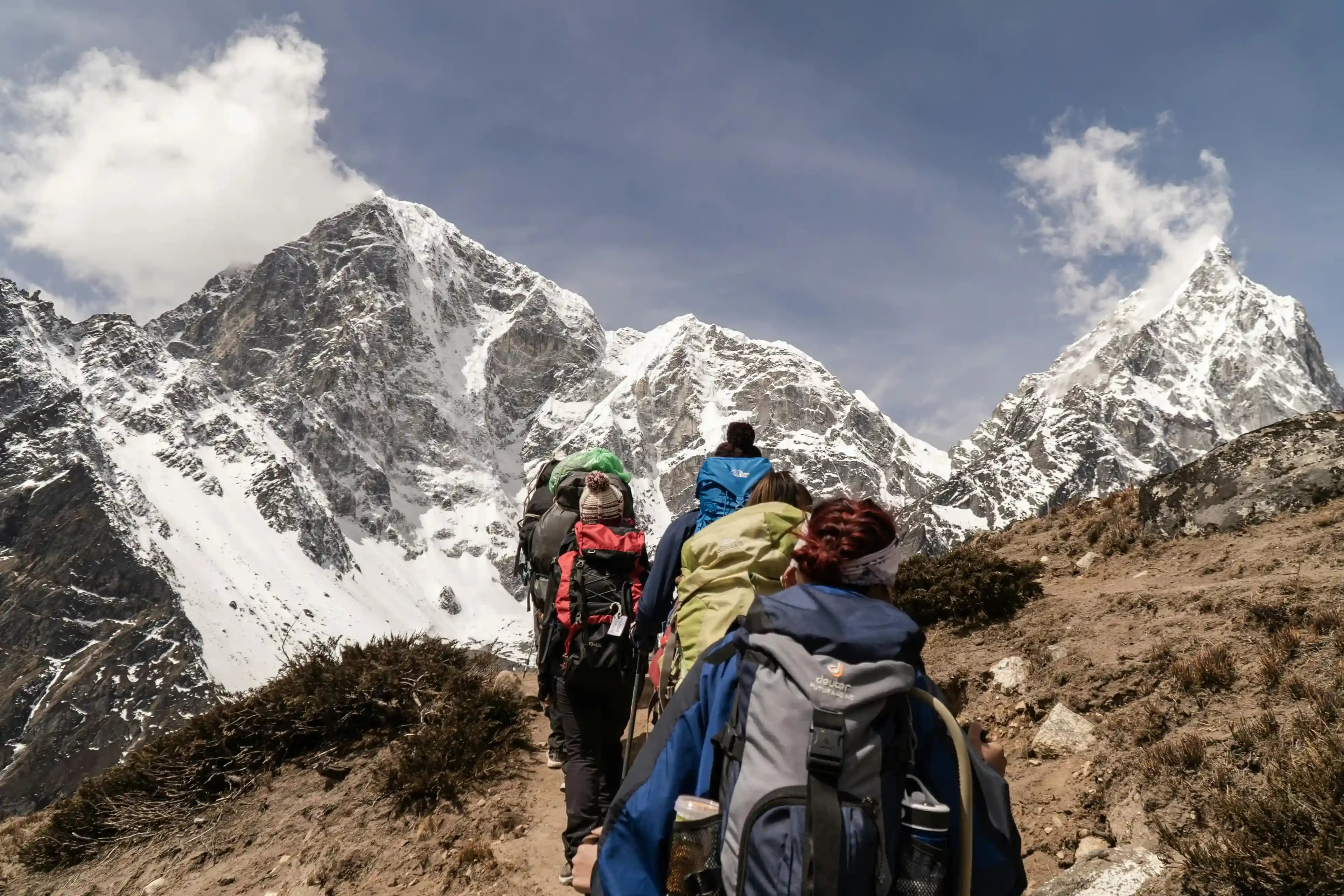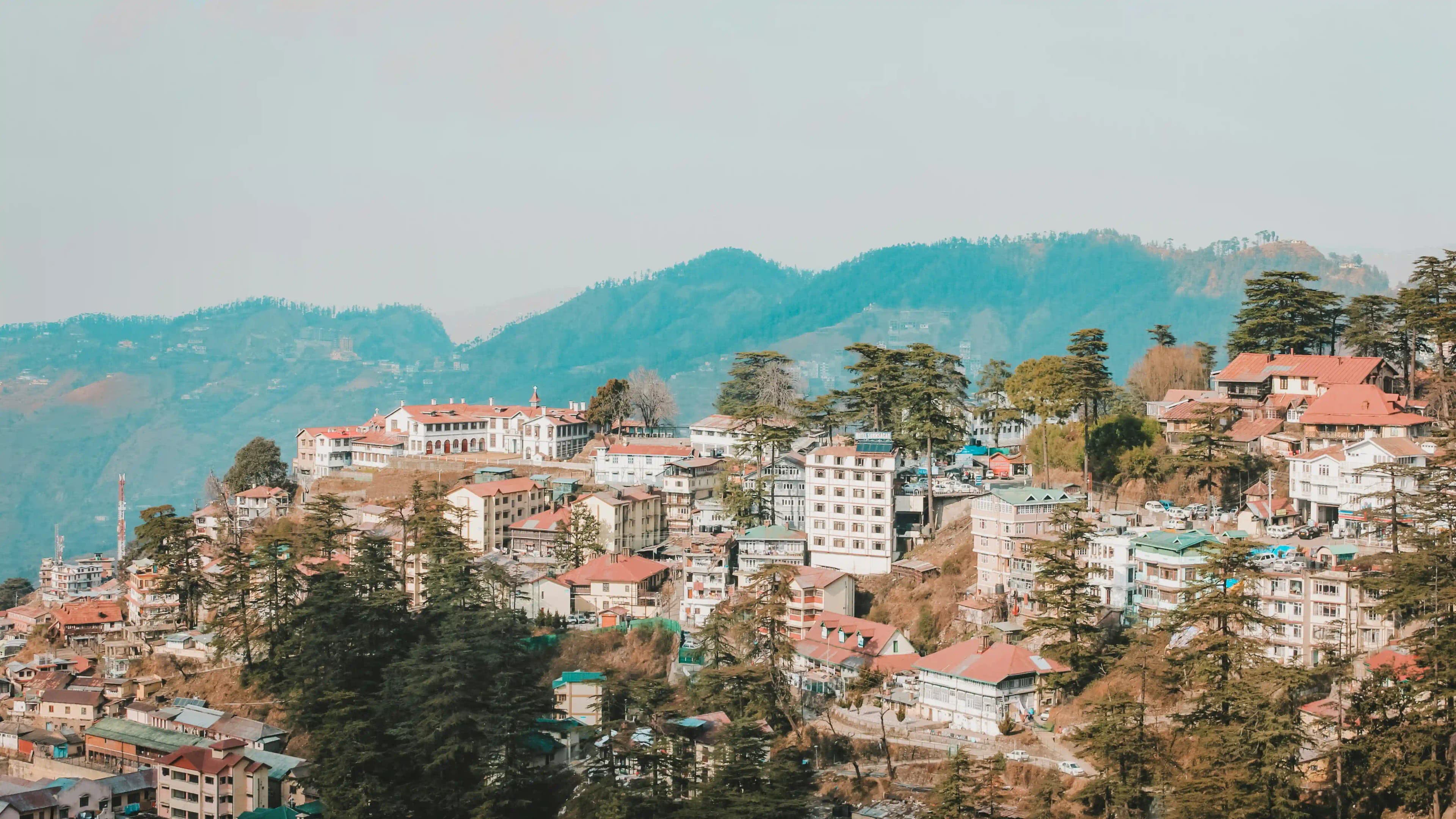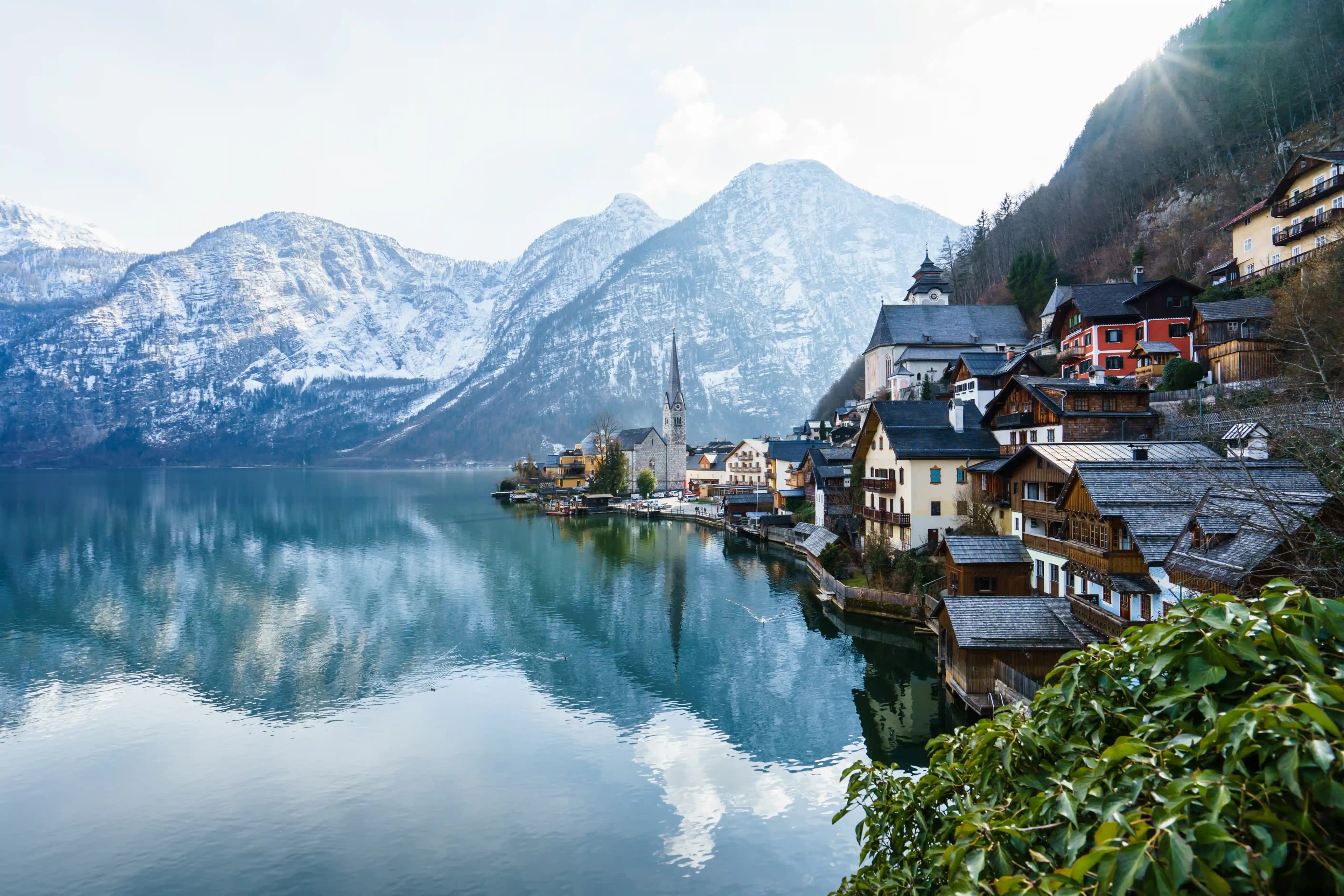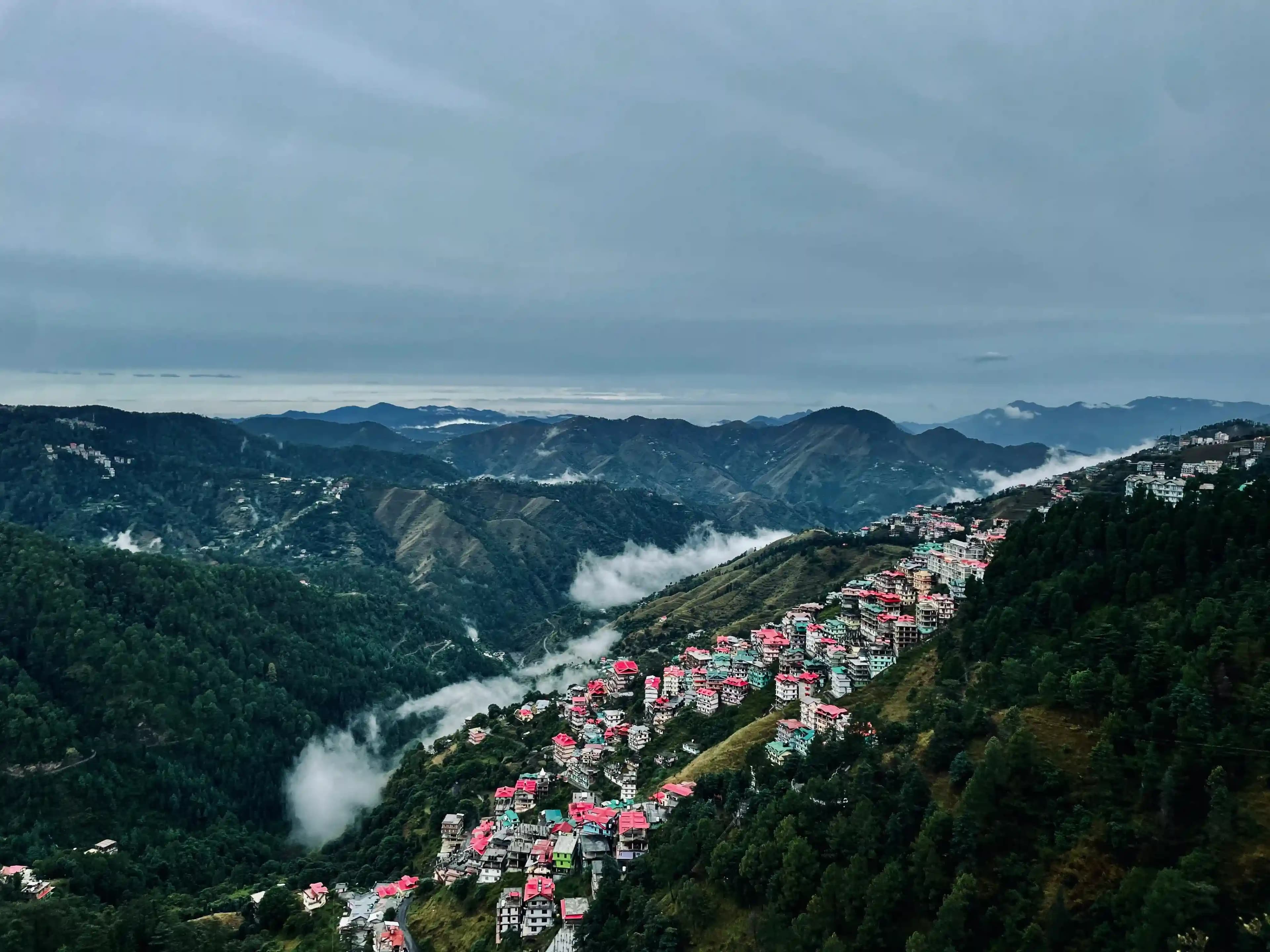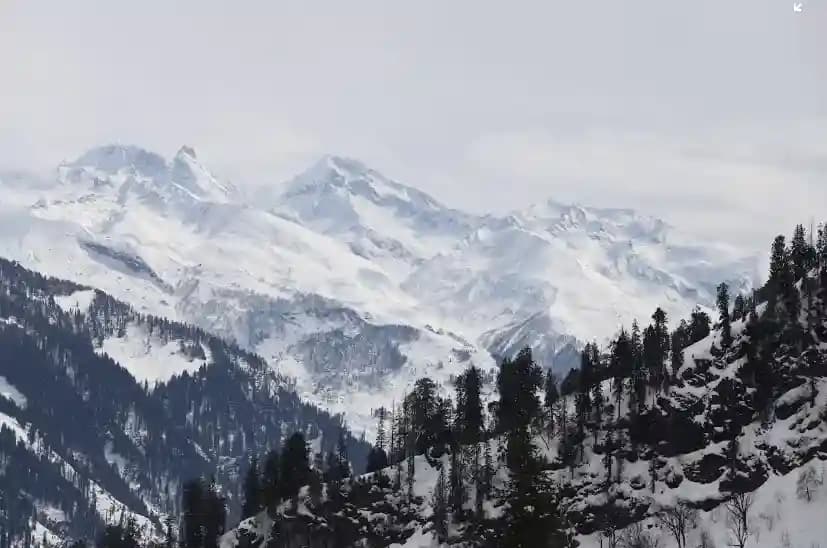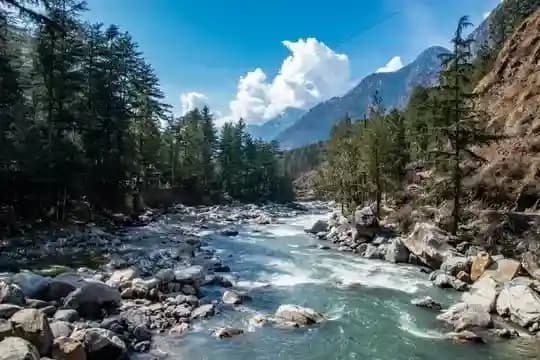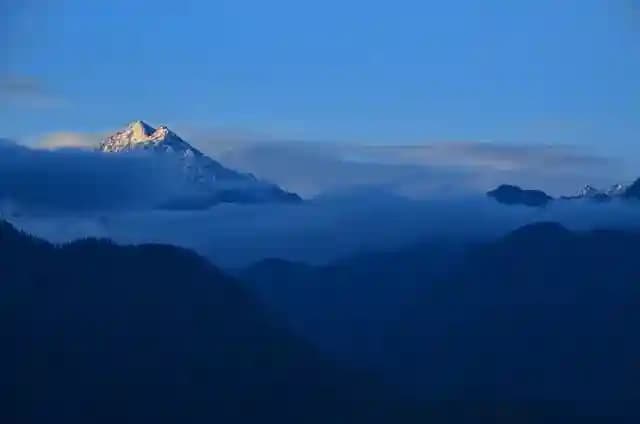
The trek to the Ghepan Lake is one of the most enchanting walks in the Himalayas. It is a trail that takes one to a glacial lake so blue that the colour never shifts. Most of the glacial lakes change color with the sunlight, but Ghepan Lake remains a constant neon blue throughout the day, and therefore it is one of the rarest sights in Lahaul Valley.
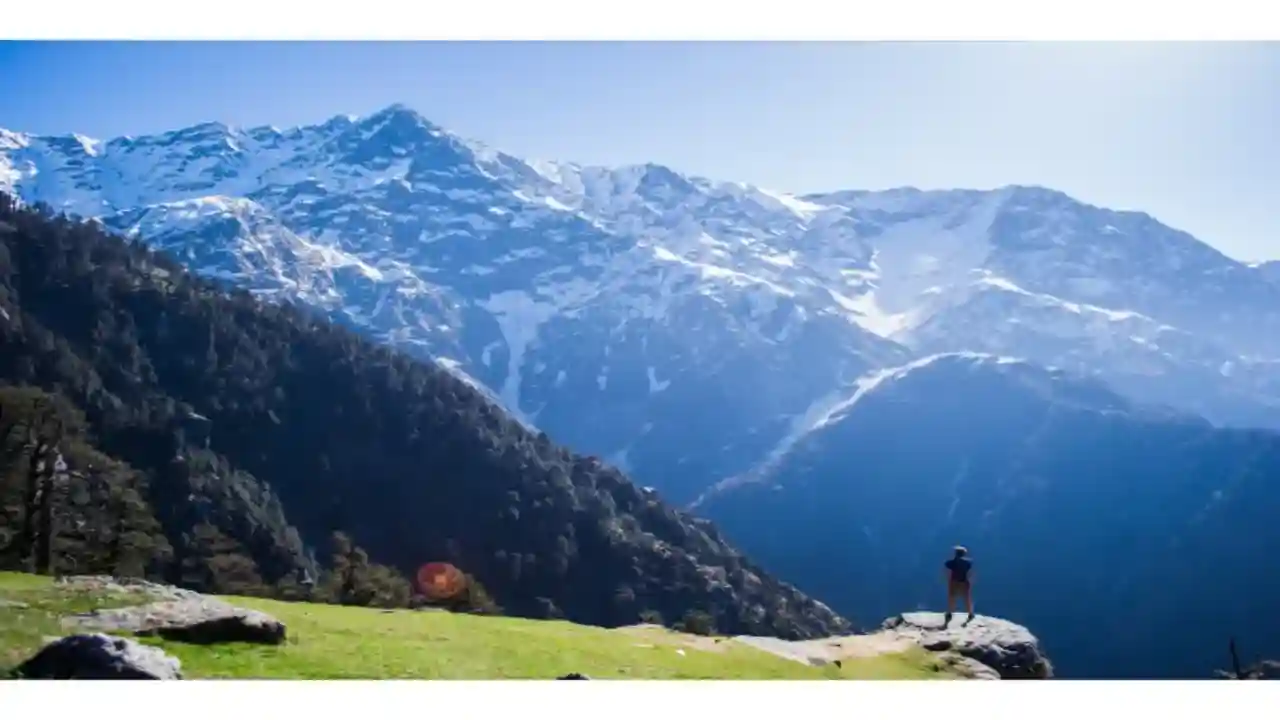
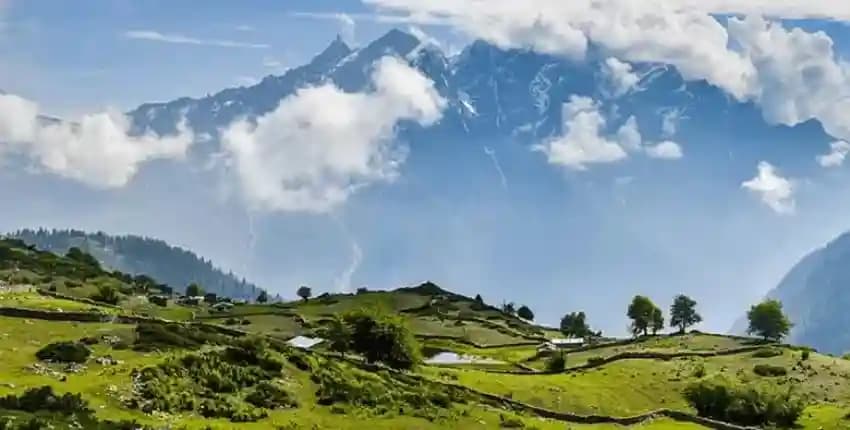
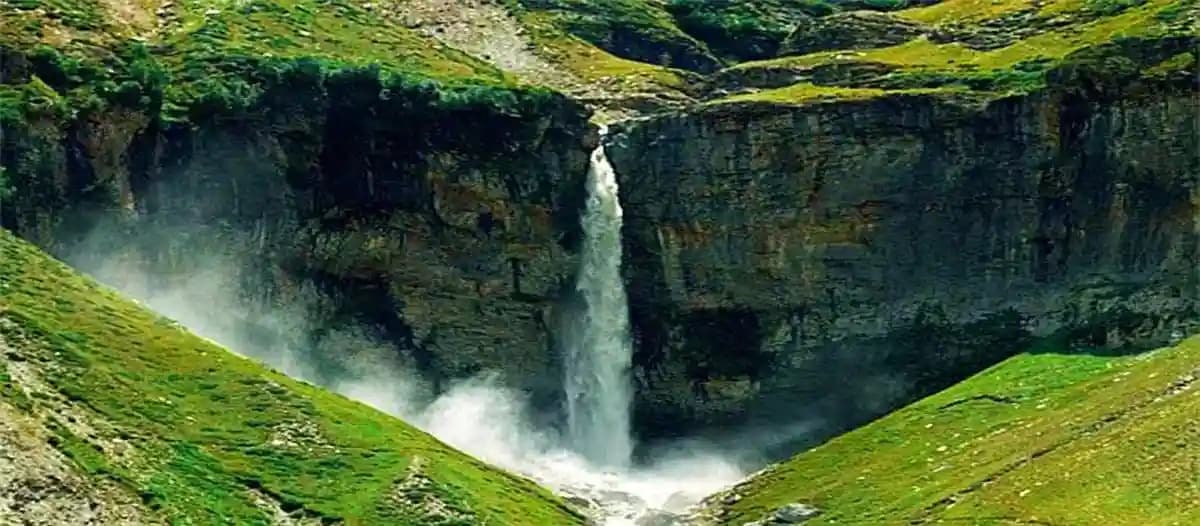
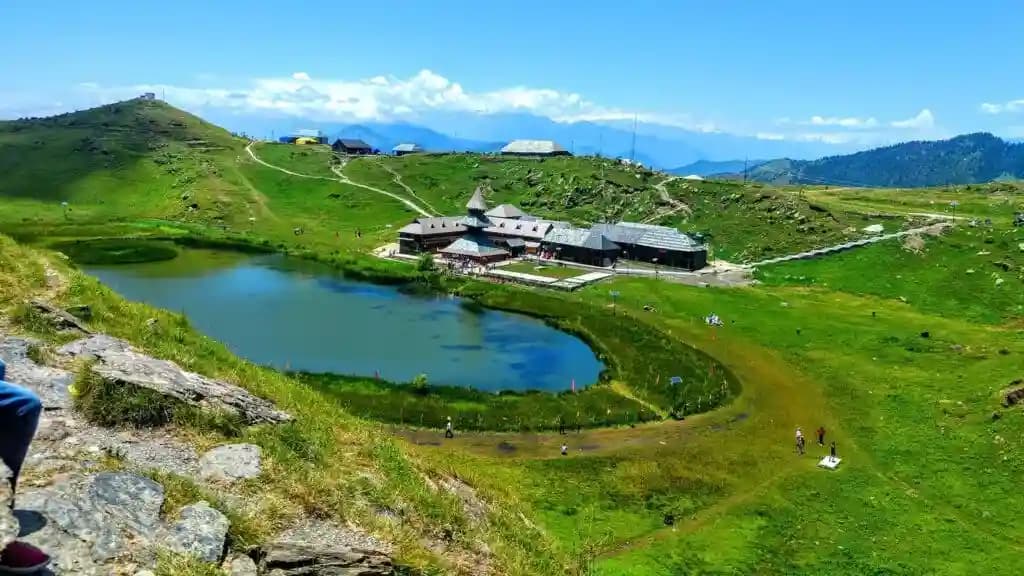
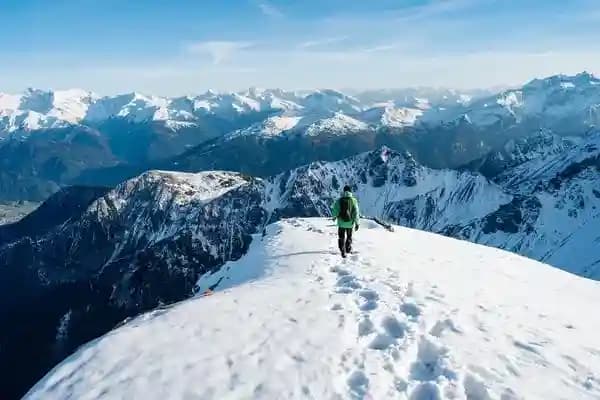
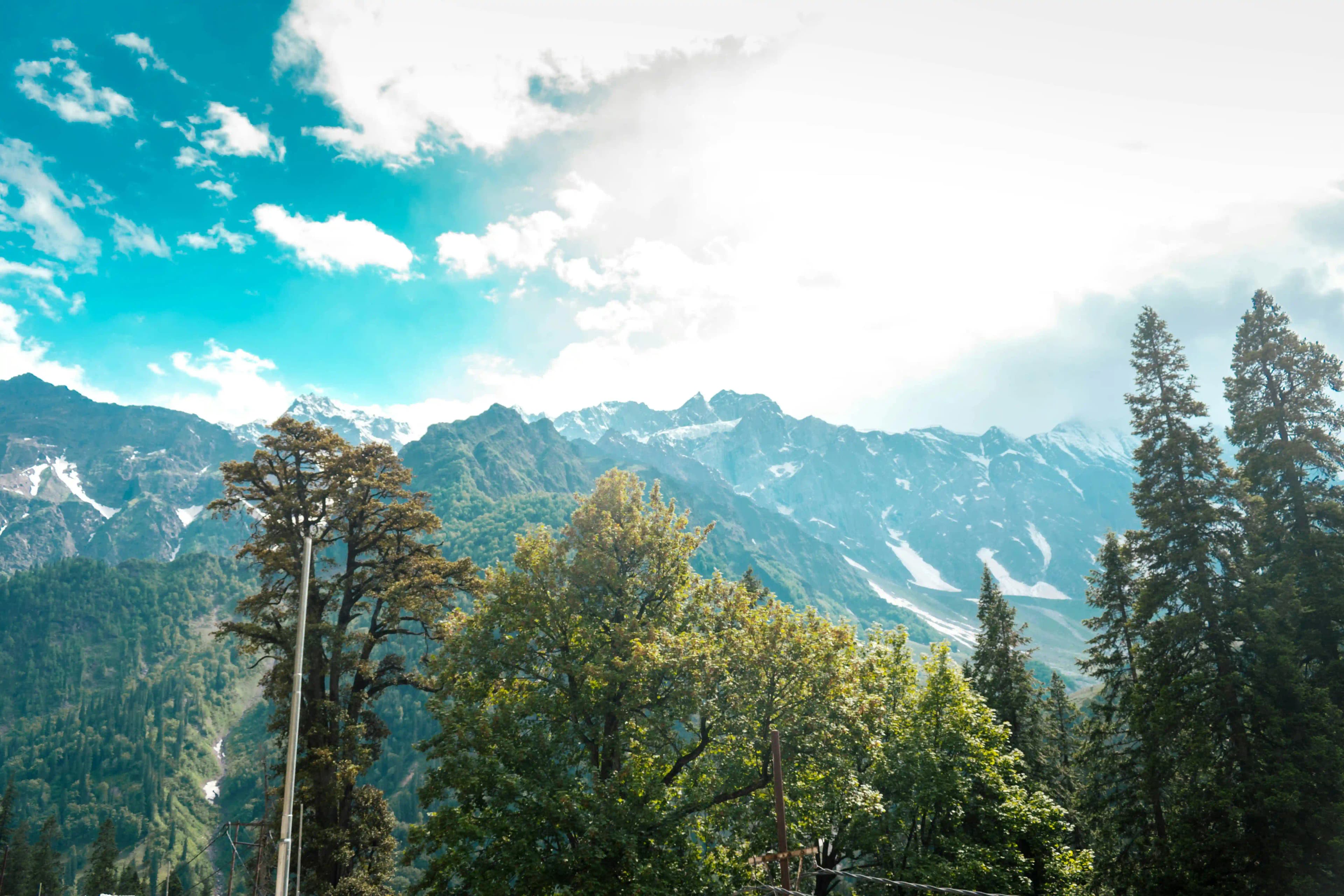
The Ghepan lake trek takes you at a very high altitude of 4,140 metres, and the trail passes through lush wild meadows, icy streams and glacial waterfalls that drop down from snow-covered peaks. Each turn you take here is new, untainted and serene. When the gleaming blue lake surrounded by gorgeous tall white mountains does at last come in sight, you feel your breath being taken away. For those looking for the best Spiti Valley Tour Packages and planning a Himalayan getaway, this trail is something you really shouldn't miss out on to complete your Spiti trip and make it an unforgettable one!
Ghepan Lake Trek: An Overview
The Ghepan Lake Trek leads to a glacial lake of bright blue colour, located high in the Lahaul Valley. The path starts around Sissu and traverses green fields, icy brooks and rugged ranges until it leads you to the beautiful neon-blue lake at about 4,130- 4,140 metres. The entire trip normally spans 4-6 days from Manali or Sissu, with a distance of about 25-38 km depending on the specific route and camps. When it comes to the Ghepan Lake trek difficulty level, the hike is moderate. You will get to enjoy steep parts, some crossings of rivers and loose scree. So, basic fitness and careful walking are important. The best season to visit the places to visit in Himachal Pradesh as well as the trek is June to October when the trail is mostly clear.
Base village / Trailhead: Sissu (drive from Manali on the Manali-Leh road).
Ghepan Lake trek height: 4,130- 4,140 m (about 13,550-13,600 ft) at Ghepan Lake.
Ghepan Lake trek distance: 25-38 km round trip (varies by itinerary and camping points).
Typical duration: 4-6 days (Manali/Sissu to Sissu/Manali)
Difficulty level: Moderate (steep ascents, river crossings, some unmarked/scree sections)
Best season: June to October (stable weather and clear trails)
Highlights: Neon-blue glacial lake, floating ice chunks, wildflower meadows, waterfalls and panoramic Himalayan views.
Best Time for Ghepan Lake Trek
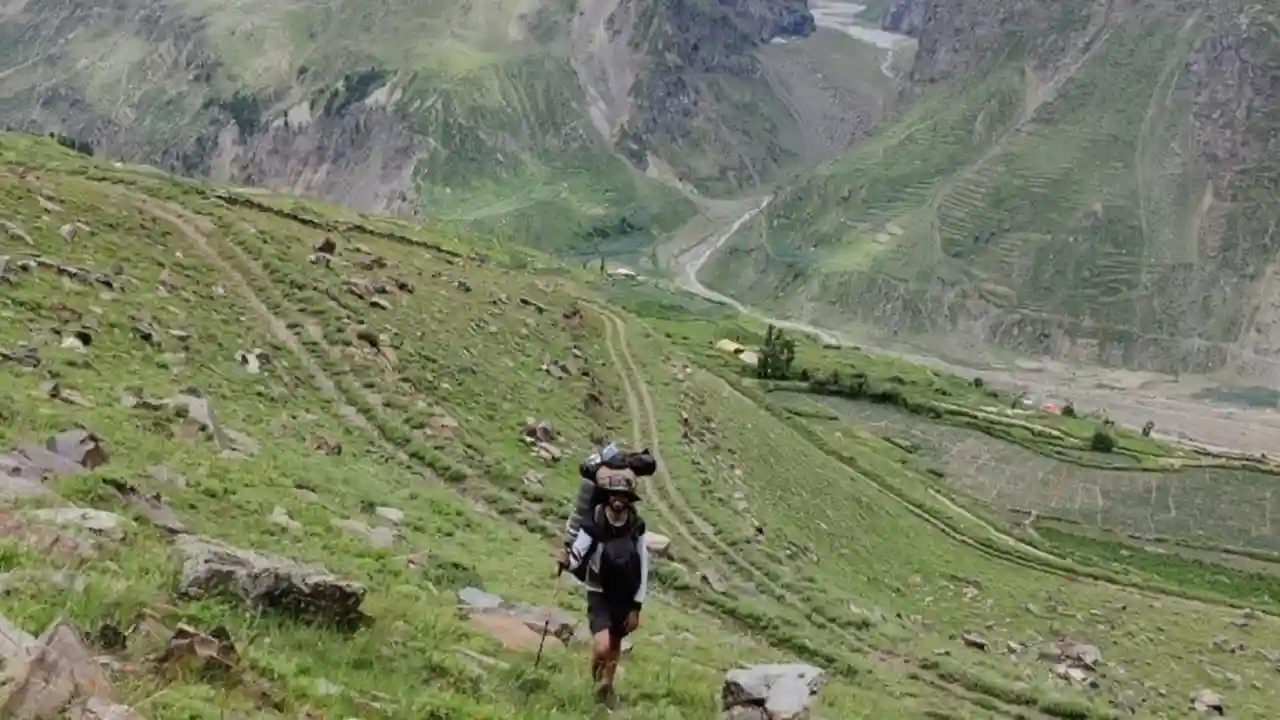
The best time to visit Himachal Pradesh Ghepan Lake is between June and October, when the trail is open, the winter snow has melted, and the weather remains clear enough to enjoy trekking. These months open up the path to the 4,140-metre-high lake, the wild meadows on the valley are in blossom, and the neon-blue of the glacial lake is clearest in the sun. Days remain warm enough to hike, whereas nights become cold yet bearable when it is covered with warm clothes. It is also very visible, which provides the spectacular views of waterfalls, glaciers and snow-capped mountains.
Ghepan Lake Trek Time (Ideal Season): June to October
Ghepan Lake weather: 10°C to 18°C (approx.) during the day; 0°C to 6°C (approx.) during the night
Night Temperature: Trail Condition: Snow-free, stable, safest during this window
How to Reach Ghepan Lake for Trekking
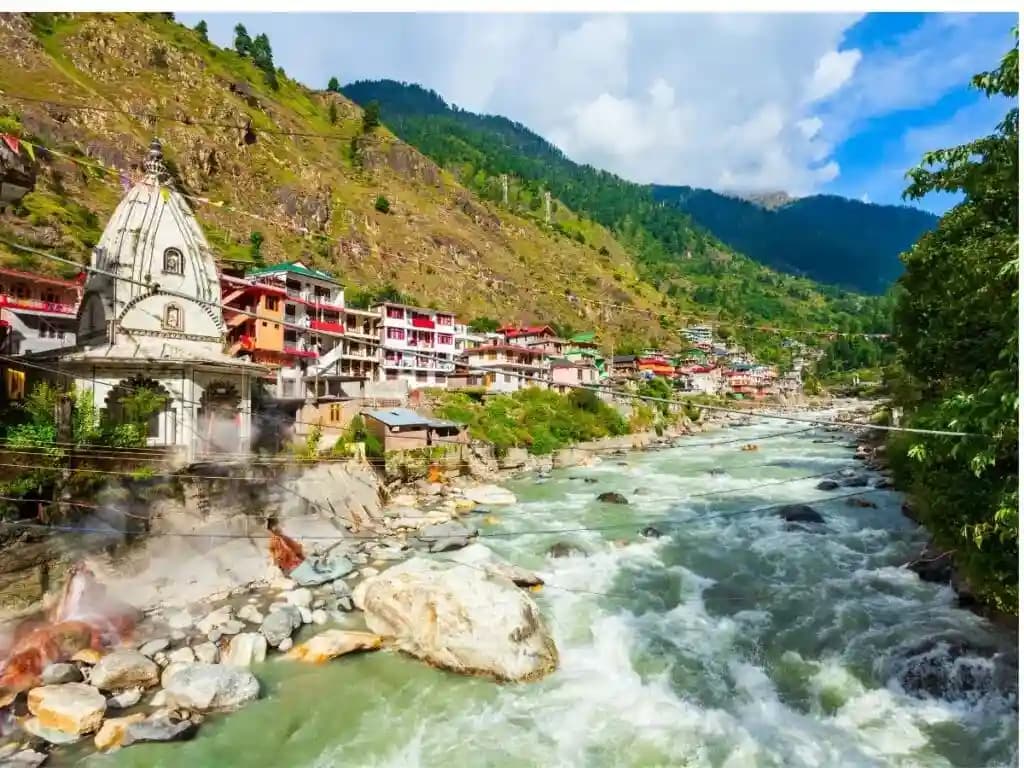
To begin the Ghepan Lake location, travellers must first reach Sissu village in the Lahaul Valley. This village has the Sissu Waterfall and serves as the official starting point of the Ghepan Ghat Lake trek. Most people take overnight buses, shared taxis, and private cars and travel via Manali as it is well connected to Delhi, Chandigarh, and other major North Indian cities. From Manali, the journey continues along the Atal Tunnel-Sissu route. This route makes the drive really quick, scenic, as well as accessible throughout most months of the year. Once you reach Sissu, you can stay overnight, acclimatise, and prepare. The trek from Sissu gradually climbs through glacial valleys, wildflower meadows, rocky paths as well and mountain streams before finally leading you to the neon-blue Ghepan Lake. The entire approach is absolutely scenic and makes the journey to the trailhead an adventure on its own.
Nearest major town: Manali - well connected via buses and taxis from Delhi/Chandigarh
Road route: Manali → Atal Tunnel → Lahaul Valley → Sissu
Starting point: Sisu/Sissu village (base for Ghepan Lake Trek)
A Detailed Ghepan Lake Trek Itinerary
Given below is a detailed Ghepan Lake Trek itinerary for a 3 day trek that will, for sure, make your trekking experience all the more exciting and unforgettable. Let us have a look at what each day unfolds!
Day 01: Manali (2050m)→Ratill Village near Sissu (3130m) → Trek to Base Camp (3515m)
Part 1: Drive from Manali to Ratill
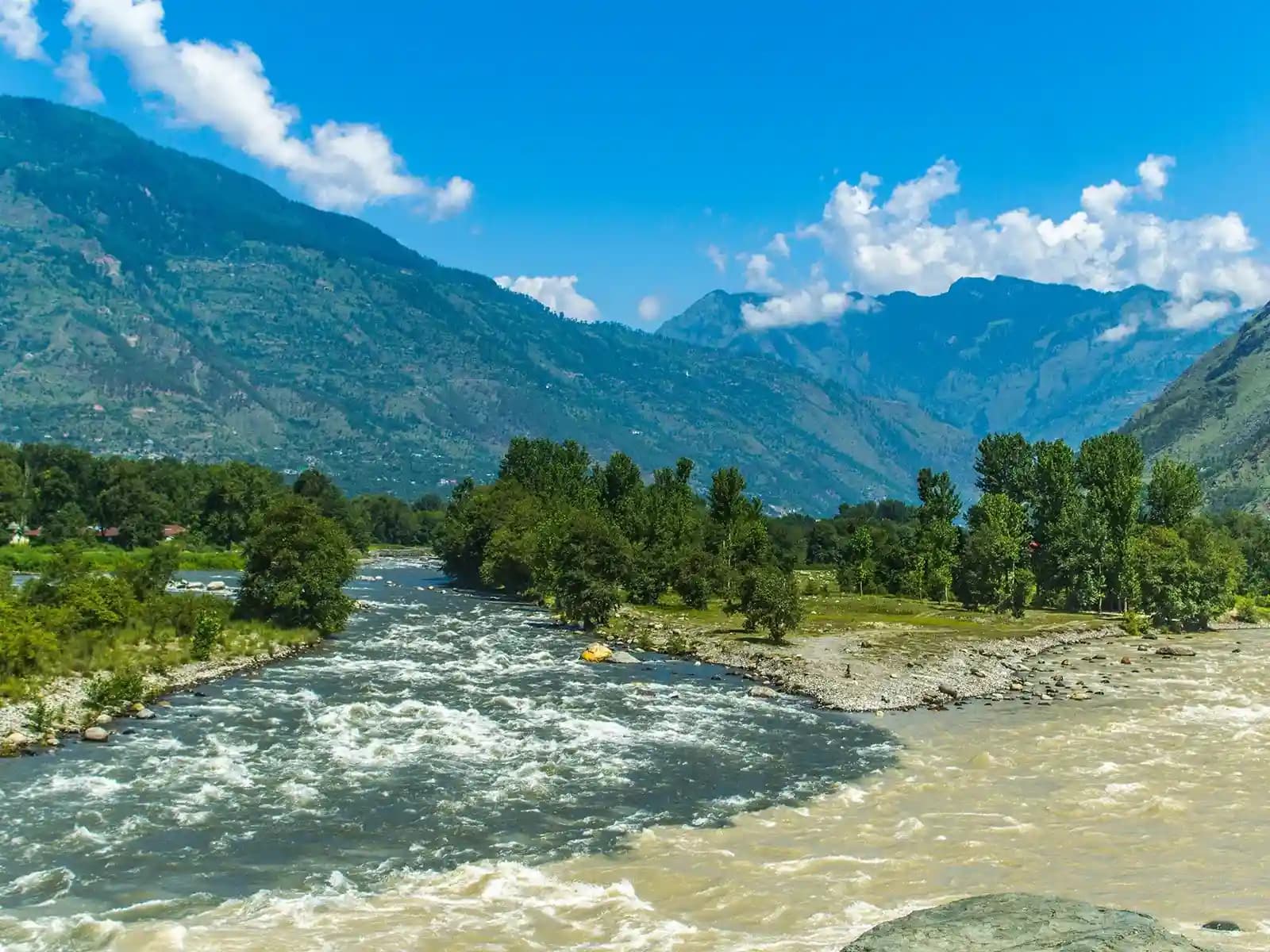
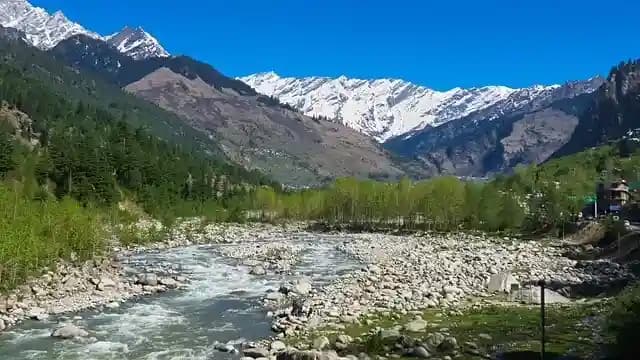
The tour starts at 9:00 AM from Rambagh in Manali, where members report to the expedition leader for a short briefing detailing the activities that would cover the course of the day. Soon after, the drive starts along the Beas River via the Atal Tunnel, a 9-km conduit that has redefined access to the Lahaul region by reducing the time taken.
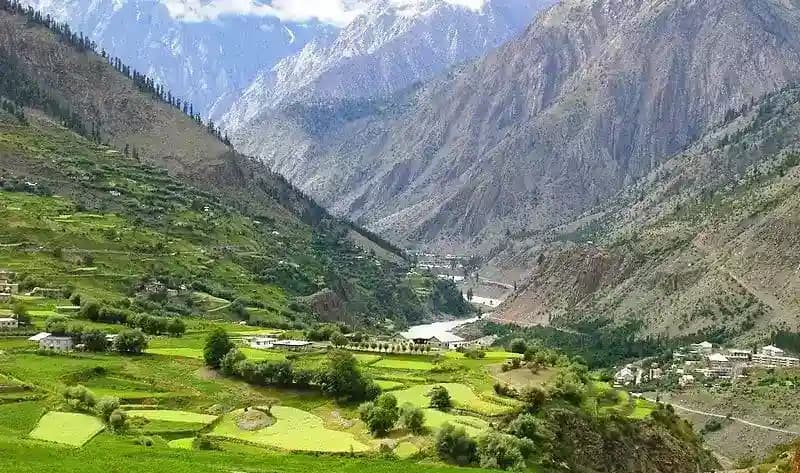
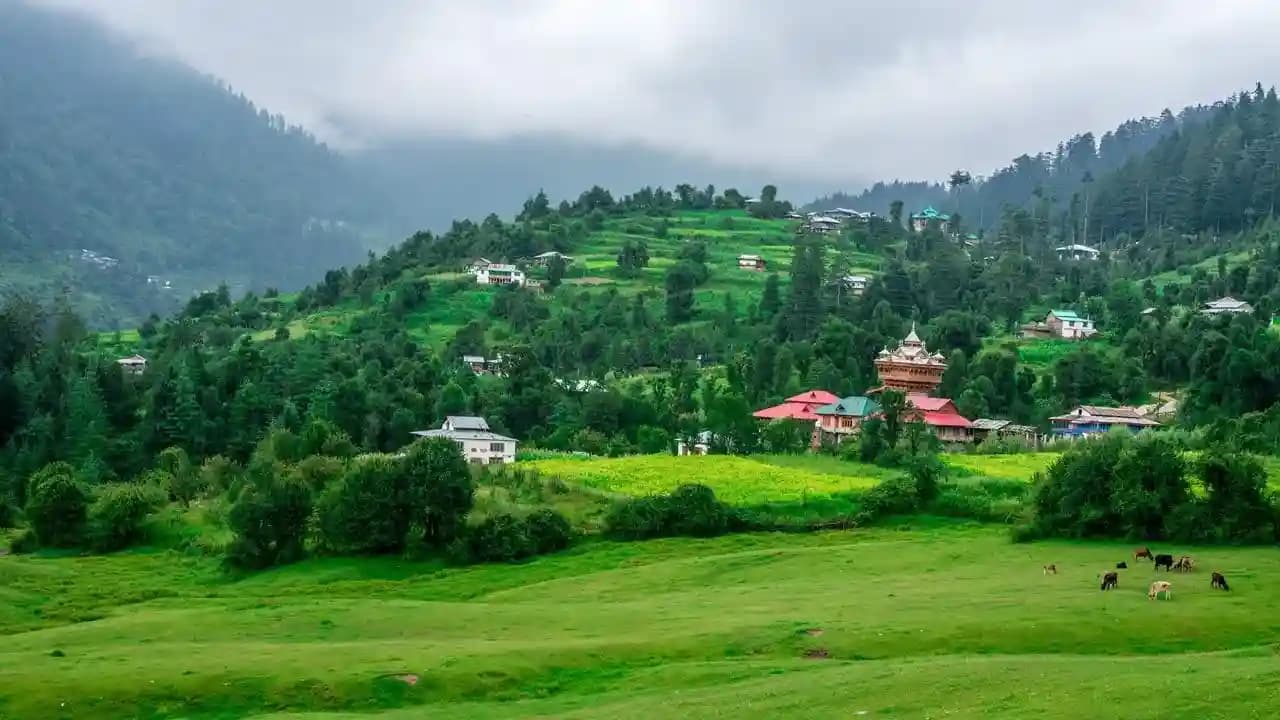
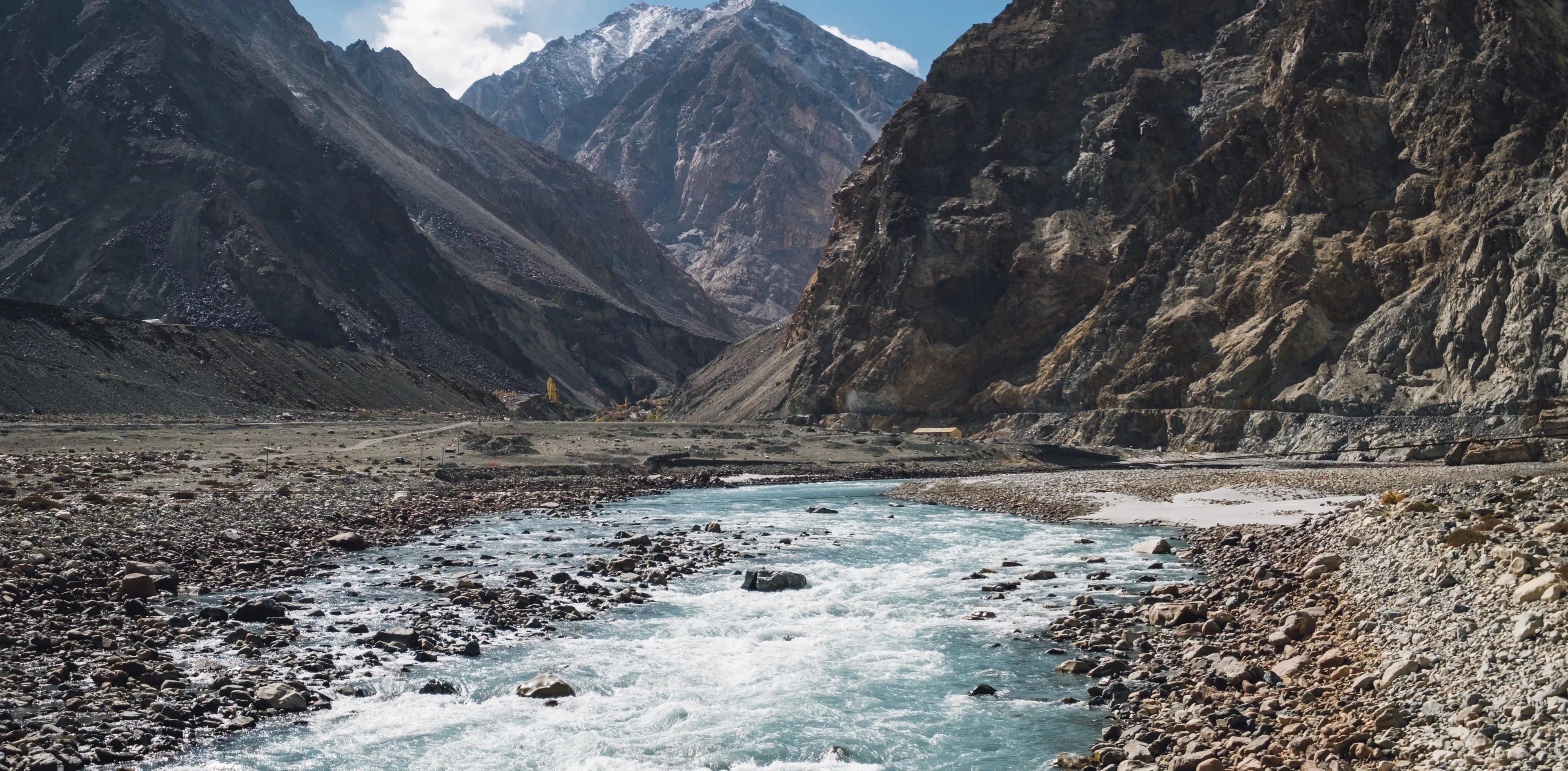
On the other side of the tunnel, the landscape suddenly changes into extensive valleys with stark mountain shapes and the Chandra River coming into prominence. The road is essentially a mixture of twisting turns and straight stretches, but the views of the surroundings are always spectacular. By noon, you reach Ratill, a tiny settlement tucked among farming fields and mountain slopes.
Part 2: Trek from Ratill to Base Camp
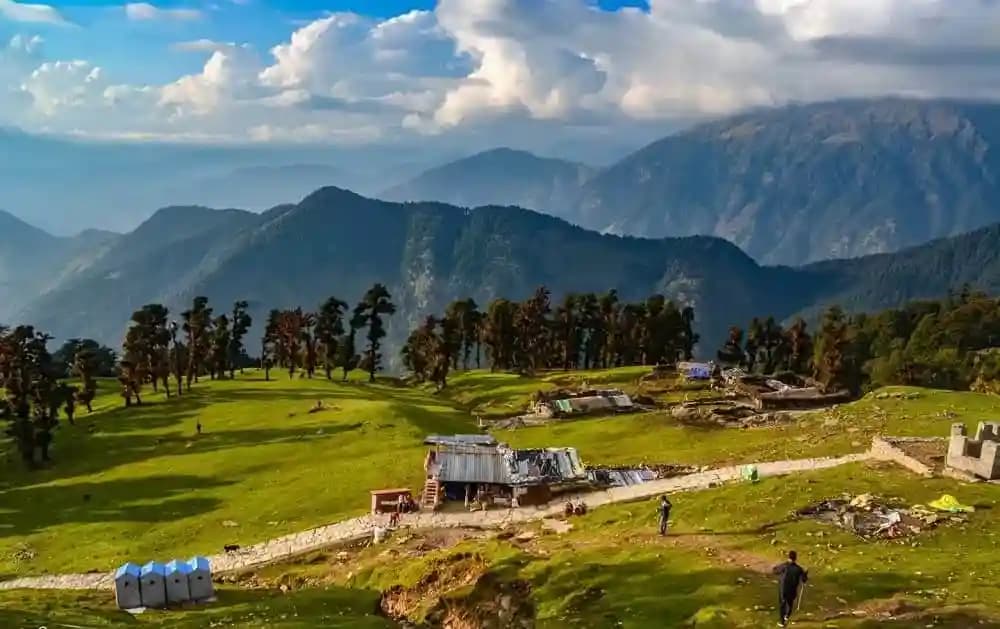
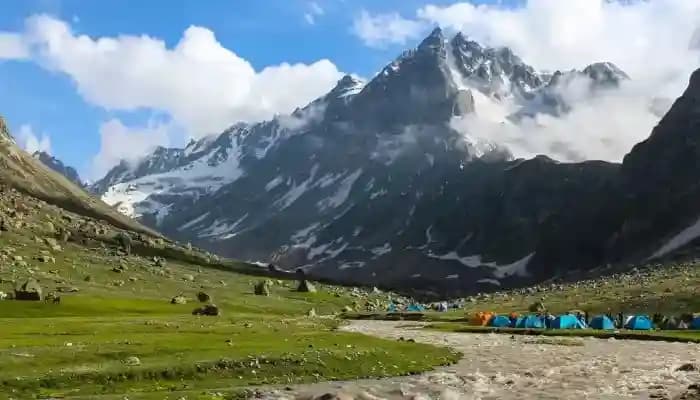
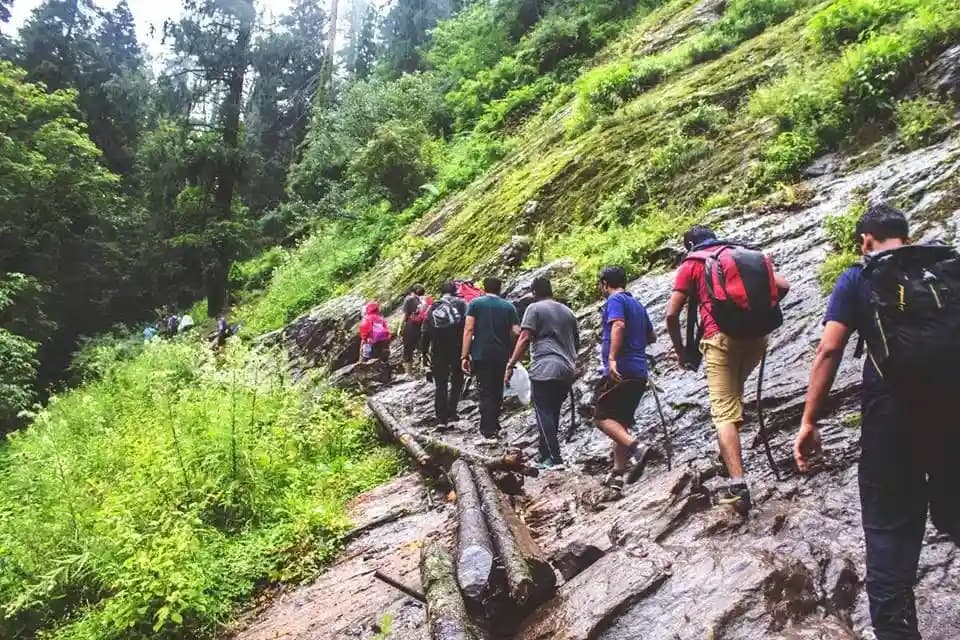
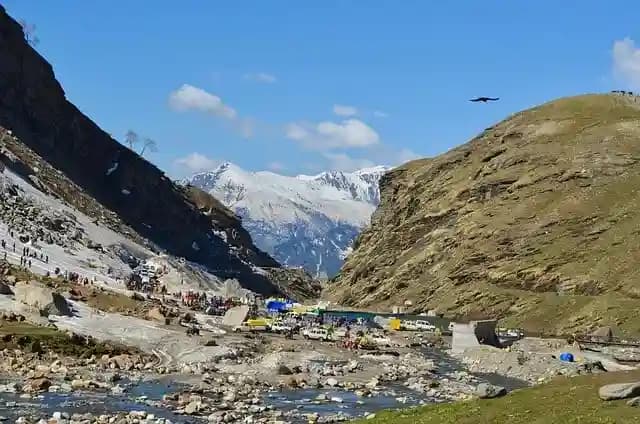
After lunch in Ratill, the trek starts with gentle meadows and a couple of river crossings. The terrain then shifts to rocky sections decorated with wild flowers which give the valley a burst of colour. There are a lot of loose stones, and one has to make conscious and careful moves.
A short climb brings the group to open grassy grounds where one can sight sheep quite often. The trail approaches the Ratill Naala. This is followed by a slippery patch and a cold-water crossing. A narrow glacial part also comes along this trail- one of the trickier parts- where one needs to go slow for about half an hour or so.
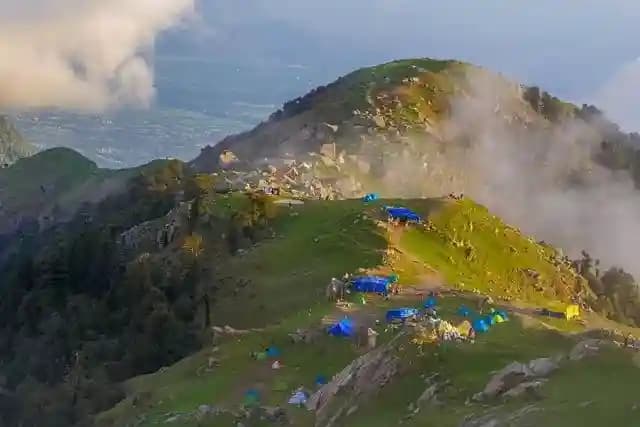
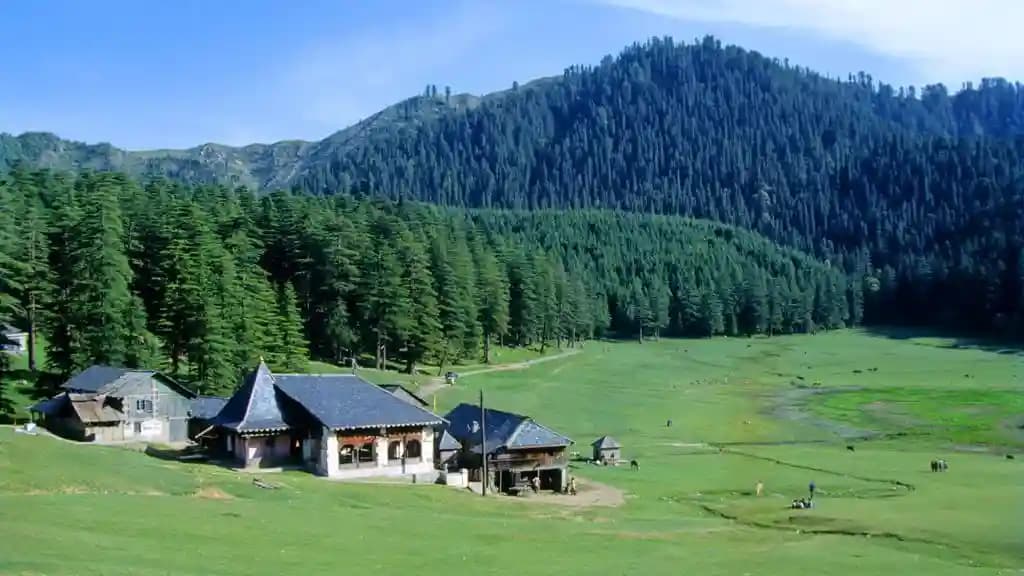
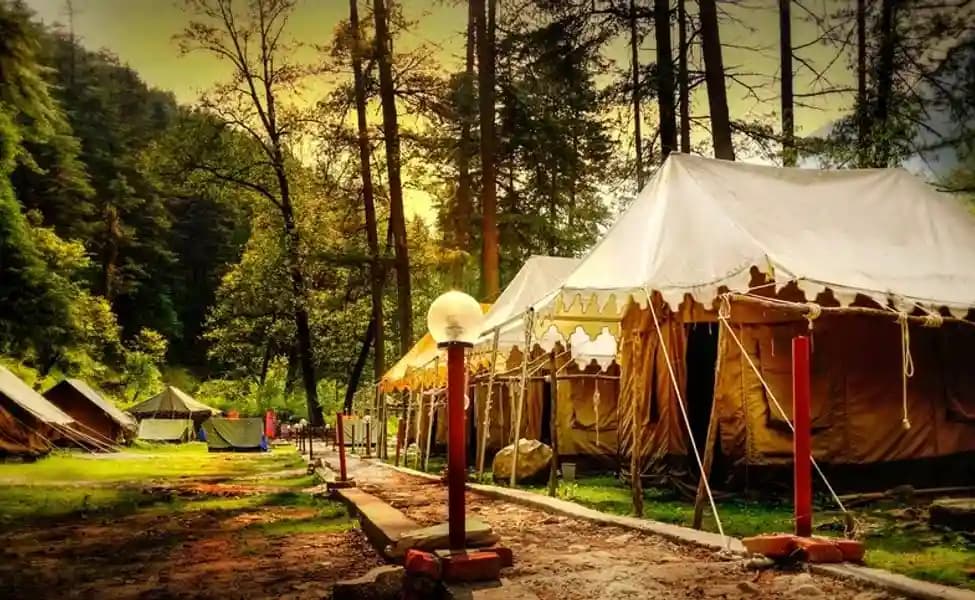
The final stretch is a mix of grassy patches and loose-rock paths until you reach the campsite set in broad meadows. The surroundings are serene, and the sky feels close, and in the evening there are clouds floating over the valley. Thus it is the most ideal spot for acclimatization as well as overnight stay.
Altitude gain: 2050m → 3515m
Drive distance: 48 km
Drive time: 2 hours
Trek distance: 8 km
Trek time: 7-8 hours
Trail: Ghepan Ghat trail
Water sources: 3 stream points
Difficulty: Moderate
Day 02: Base Camp (3515m) → Ghepan Lake (4310m) → Base Camp (3515m)
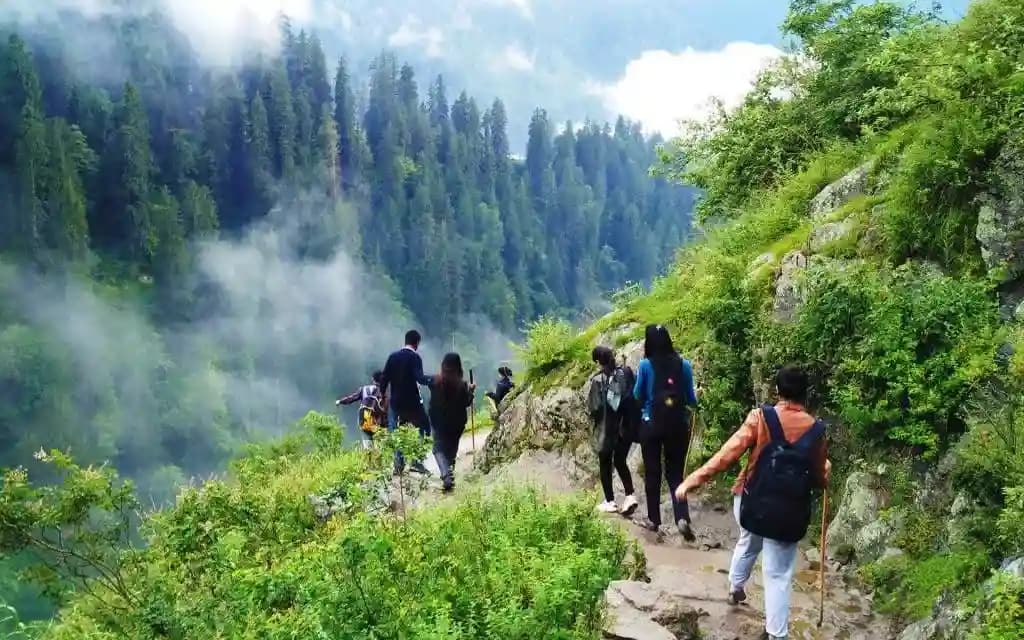
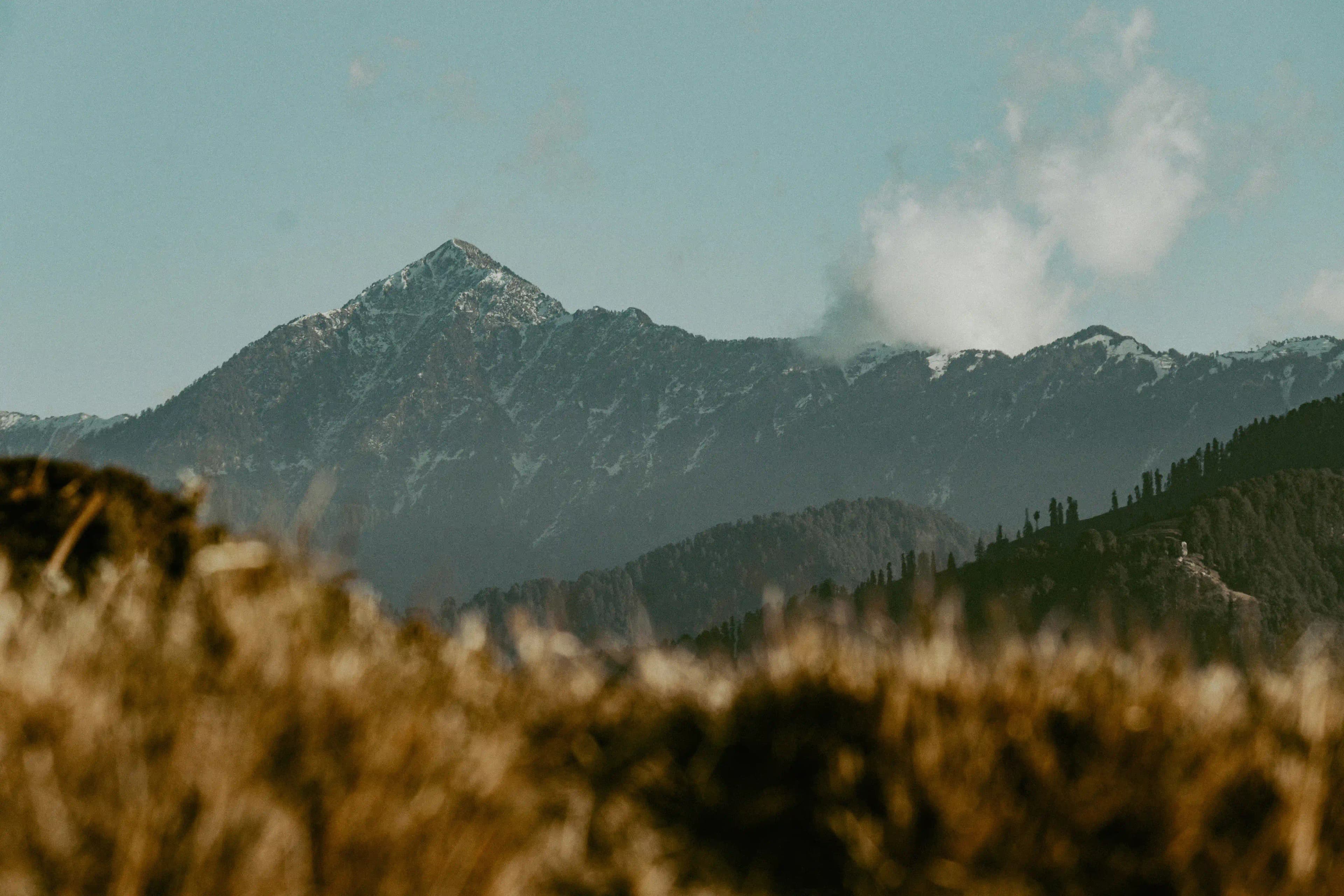
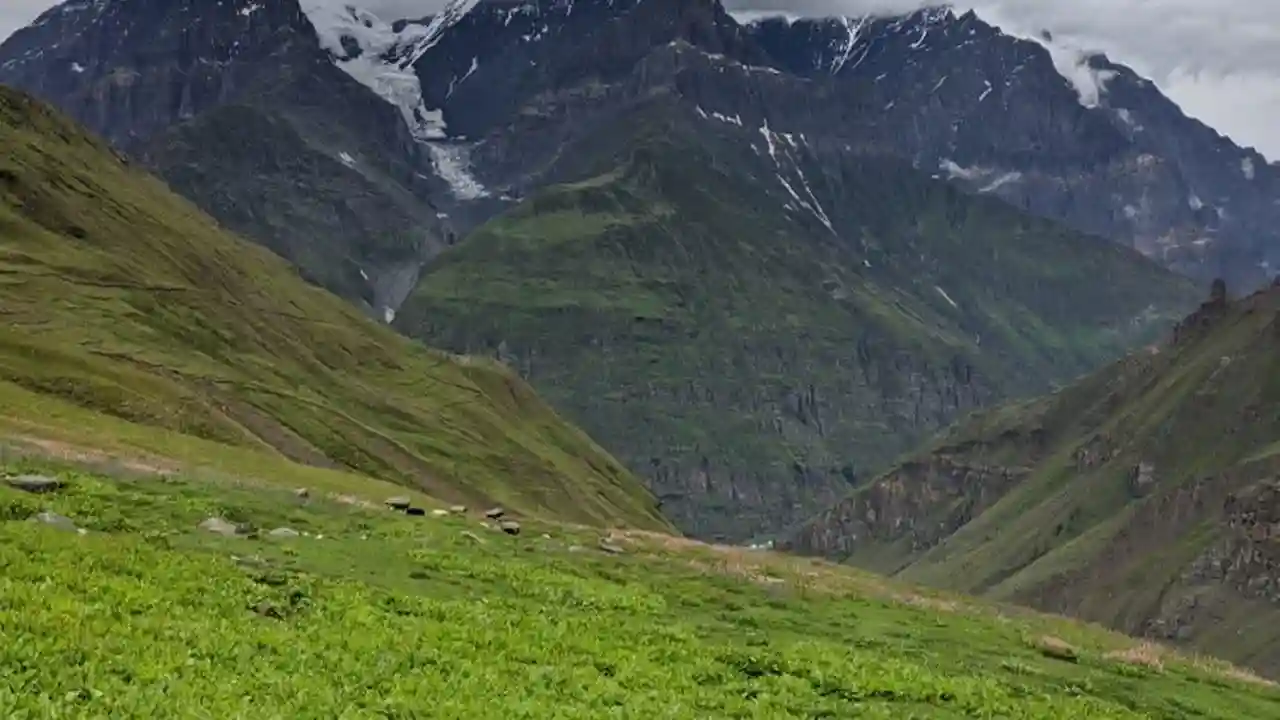
The second day starts off early, usually just after sunrise and is designed to take best advantage of the cooler morning conditions. The first section involves a steady climb over loose boulders, followed by ascending a ridge. From this point, the path briefly drops down to a place where trekkers refill water before the main climb begins. With the increase in altitude, the valley becomes increasingly dramatic with views of glaciers, large boulders and small meadows beside the path. The upper stretch is stunning as hanging glaciers and wide slopes lead the travelers towards Ghepan Lake.
When one finally arrives at Ghepan Lake, the landscape suddenly feels otherworldly. The lake sits at an elevation of 4310 m and is colored in a brilliant, iridescent icy-blue, which remains exceptionally vibrant even in cloudy conditions because of the glacial minerals present. After a break, the descent begins and you return back to the Base Camp by late evening.
Altitude gain: 3515m → 4310m
Trek distance: 9- 10 km
Duration: 9- 10 hours
Trail: Ghepan Ghat trail
Water sources: Limited
Difficulty: Moderate to easy
Day 03: Base Camp (3515m) → Ratill Village (3230m) → Drive to Manali (2050m)
The final day starts with a gradual descent through the meadows and rocky parts that were covered on the way up. Morning light offers a whole new dimension to the valley, with patches of flowers, small streams, glacial slopes and shifting hues of green and brown accompanying the route.
In about six to seven hours, the trek team arrives at Ratill from where vehicles take you back towards Manali. The drive retraces the Chandra River valley and crosses the Atal Tunnel once more before reaching Manali by late afternoon. Thus, the Ghepan Lake Trek concludes as a short trek yet full of scenic richness and pronounced Himalayan topography that make this one of the best things to do in Himachal Pradesh to make the experience unforgettable.
Altitude loss: 3515m → 2050m
Trek distance: 8 km
Duration: 6-7 hours
Trail: Same as Day 1
Drive distance: 48 km
Drive duration: 2 hours
Water sources: Several along the trail
Difficulty: Easy
Things to Carry for Ghepan Lake Trek
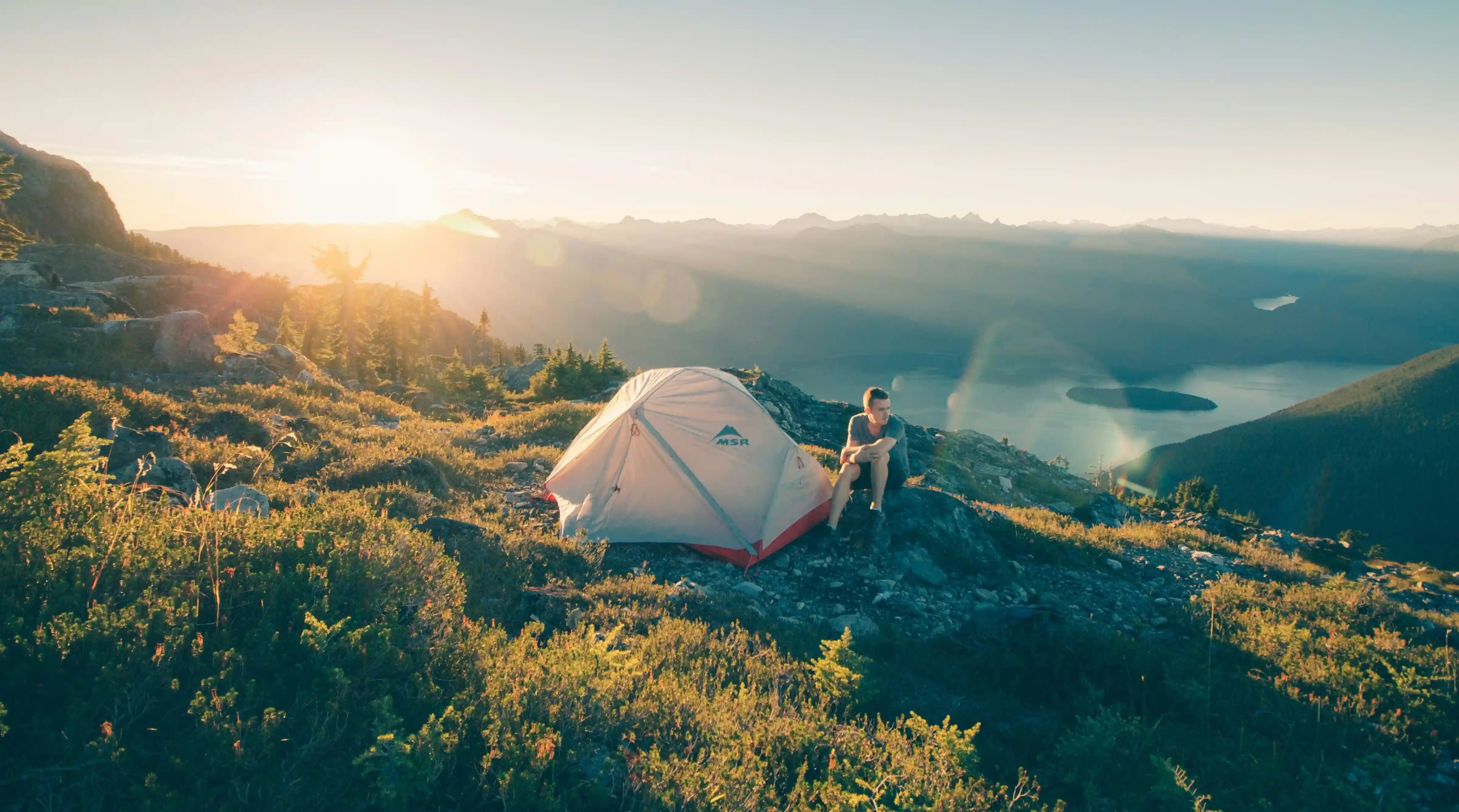
Packing the right things makes a lot of differences on this trek. The Ghepan Lake weather is cold, the trail has water crossings and the nights can be a lot freezing. Carrying the correct gear keeps you warm, dry and helps you stay prepared at every step of the trek.
Clothing
Thermal wear, fleece jacket, down jacket
Quick-dry T-shirts and trekking trousers
Rain jacket or poncho
Woollen cap, gloves and extra warm socks
Footwear
Strong trekking shoes with good grip
Woollen socks and extra pairs
Gaiters (optional but useful during snow patches)
Gear
Trekking pole
Headlamp with extra batteries
Daypack (20-30L) + main backpack (50-60L)
Water bottle or hydration pack
Personal Essentials
Sunscreen (SPF 50), sunglasses, lip balm
First-aid kit and personal medicines
ORS packets or electrolytes
Power bank and waterproof covers
Food & Others
Dry fruits, energy bars, small snacks
ID proof, basic toiletries, small towel
Travel Tips for the Ghepan Lake Trek
Ghepan Lake is a high-altitude trek. So a few smart travel habits can make your journey a lot easier as well as safer. The weather changes quickly in Lahaul Valley and the trail shifts between rocky paths, meadows and glacier patches. These tips help you stay comfortable and help you to enjoy the trek without any stress.
Walk at a steady pace on the first day to help your body adjust to the height
Drink water often so you do not feel tired or breathless
Take short breaks on steep climbs instead of long rests
Follow your trek leader closely on loose rocks and narrow sections
Start early every morning because the weather is clearer and the trail is safer
Keep yourself warm with proper layers, especially in the evening and early morning
Do not litter or step on wildflowers, as the valley is very fragile and beautiful
Carry ORS or electrolyte packets to stay hydrated and avoid fatigue on long climbs
Keep a power bank fully charged, as mobile networks are weak and charging points are limited
Inform your family about your approximate itinerary before the trek because the phone signal drops after Sissu
Avoid walking too close to the edge during glacier patches; always follow your guide’s instructions
Stretch lightly before starting the trek every morning to prevent muscle stiffness
Maintain some distance from grazing sheep and mules on narrow trails to avoid slips or falls
Conclusion
The trek to the Ghepan Lake is one of the most spectacular high-altitude treks in Himachal Pradesh. The vibrant blue colour of the lake along with the snow-capped peaks and tranquil valleys, collectively imparts distinctive significance to the journey of the Ghepan Lake trek. The trail covers a moderate distance but includes rocky sections, large meadows, glaciers and streams, keeping the trekkers continually engaged in nature, solitude and adventure. The best part of the trek is the moment you finally see the neon-blue lake shining between the mountains. So wait no more, pack your bags, carry proper trekking equipment and adhere to guidelines and have the safest and the most memorable trek of your life. Ghepan Lake is truly a destination you will remember for a lifetime.