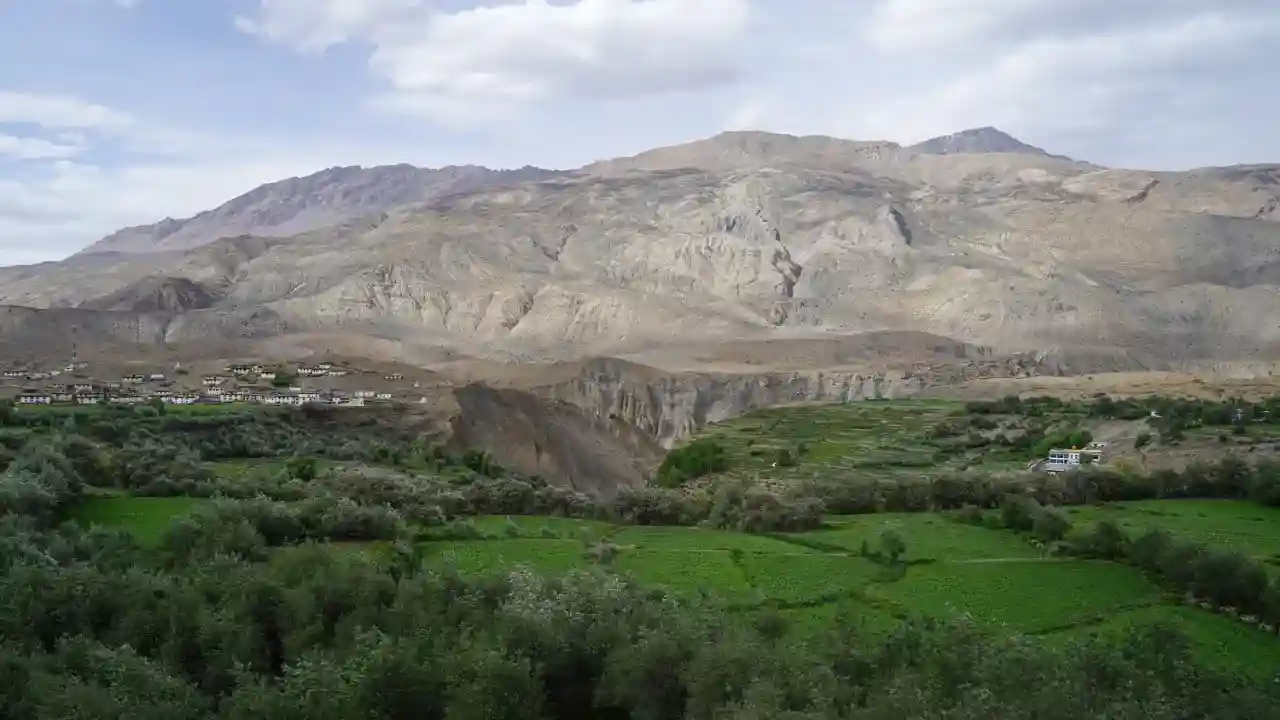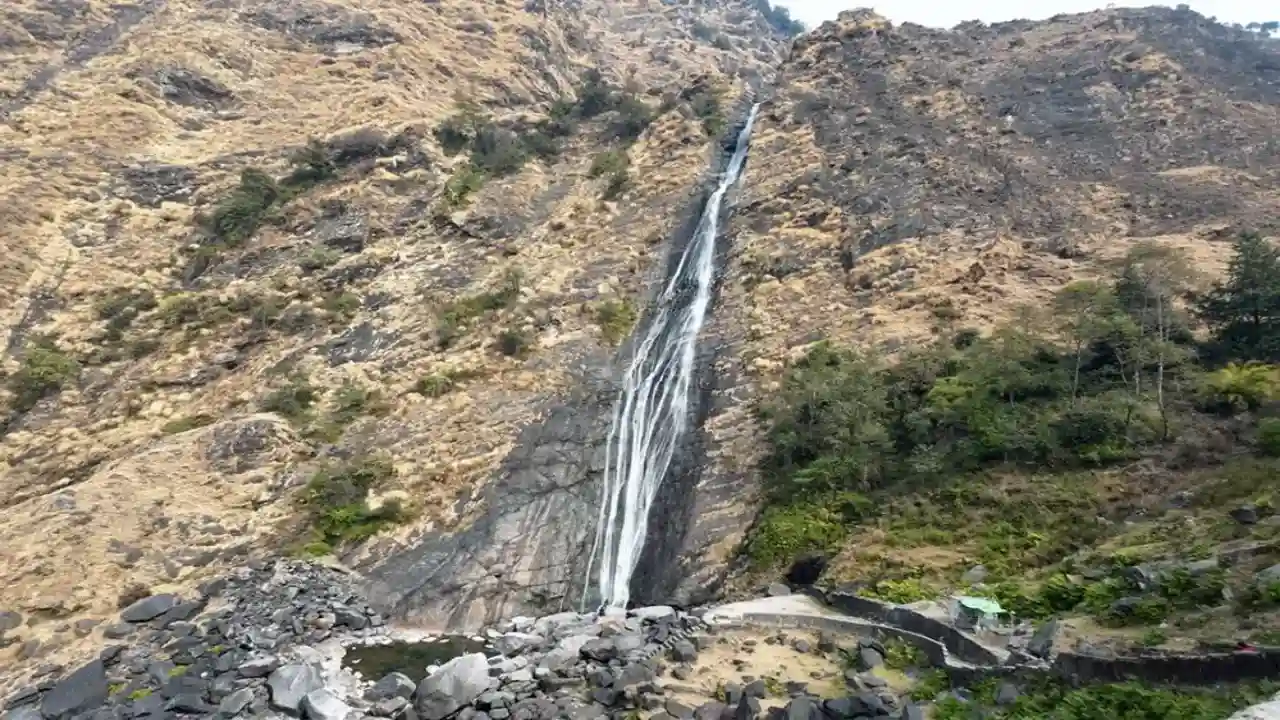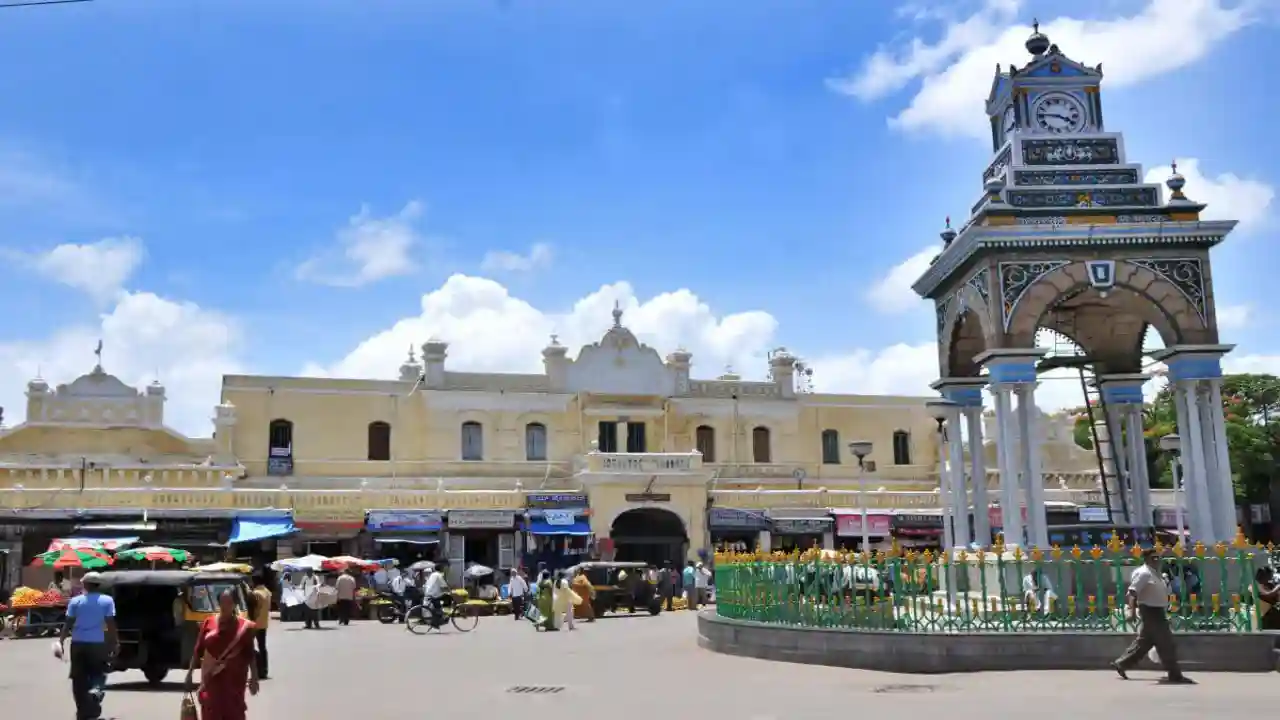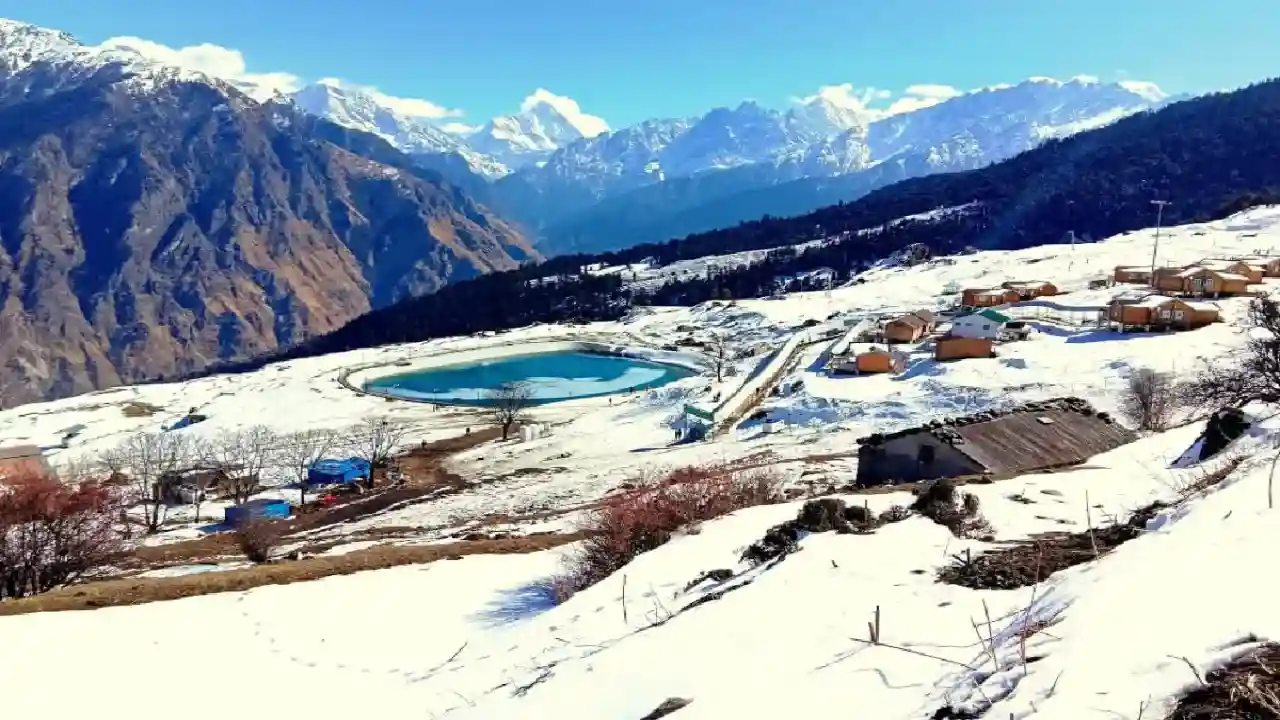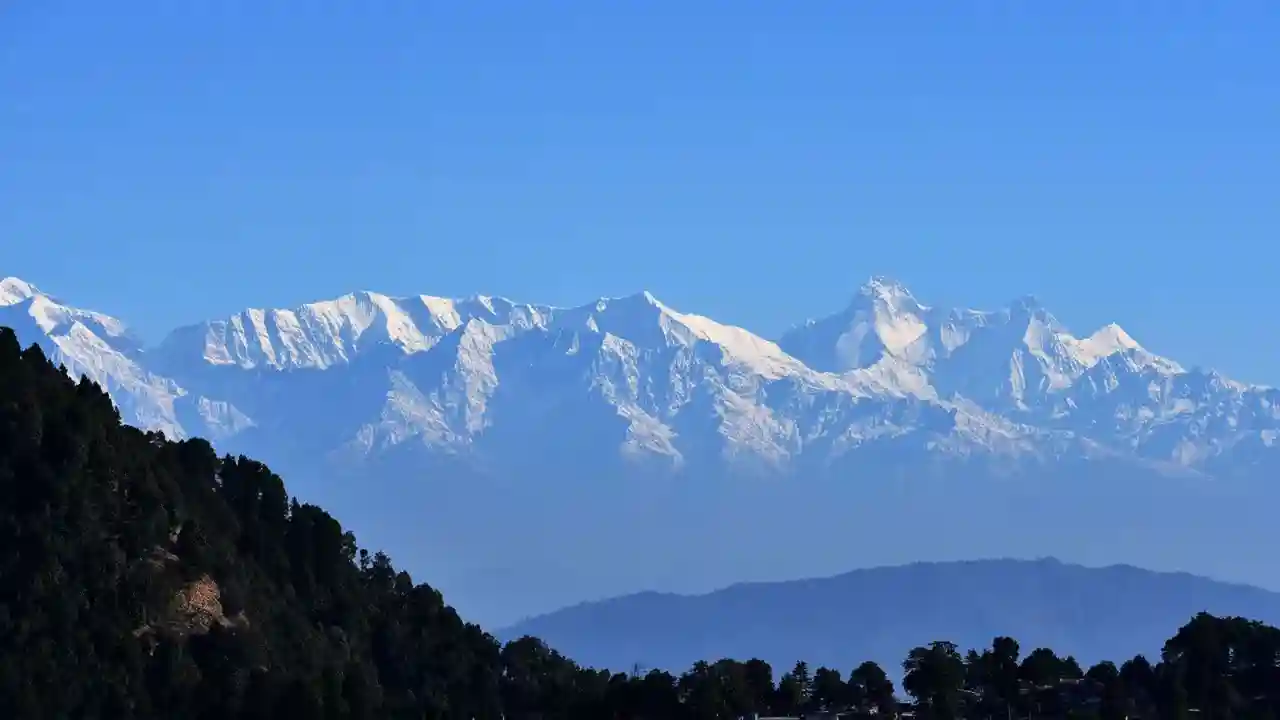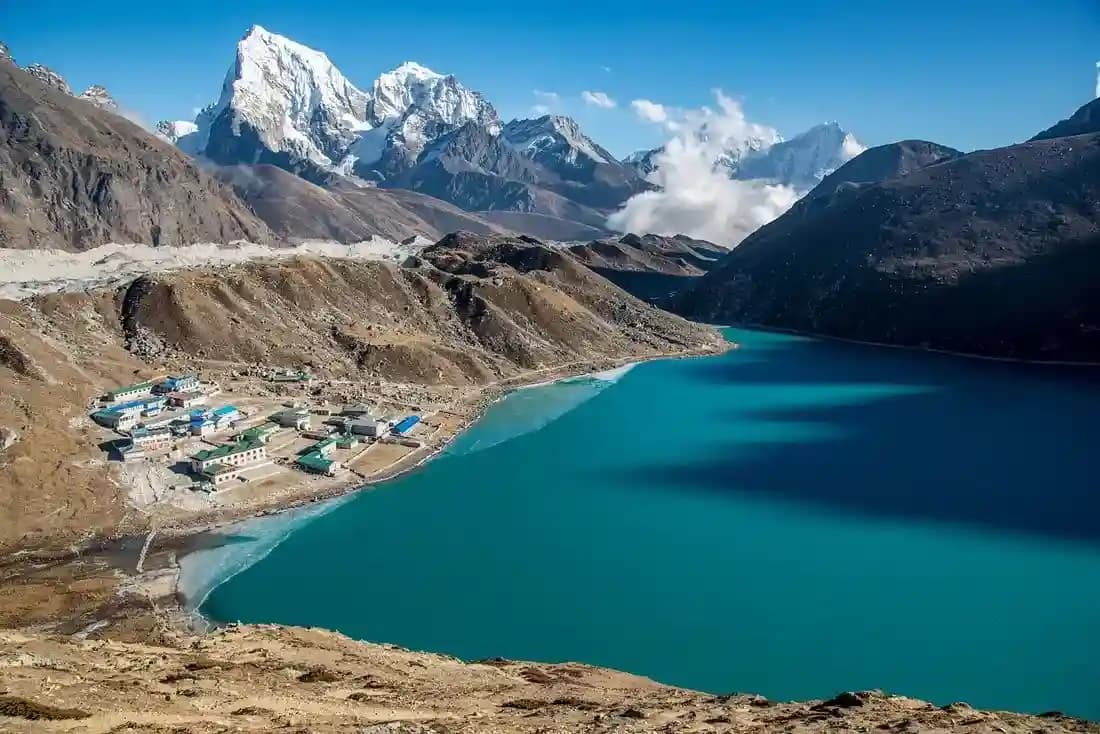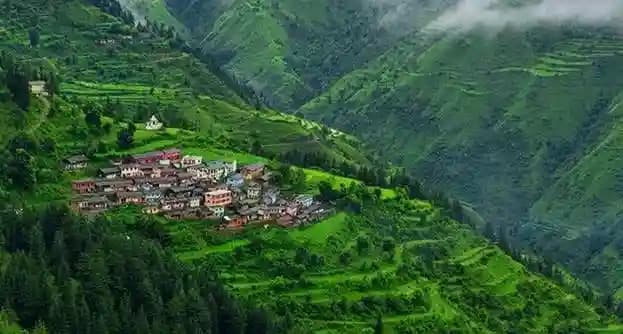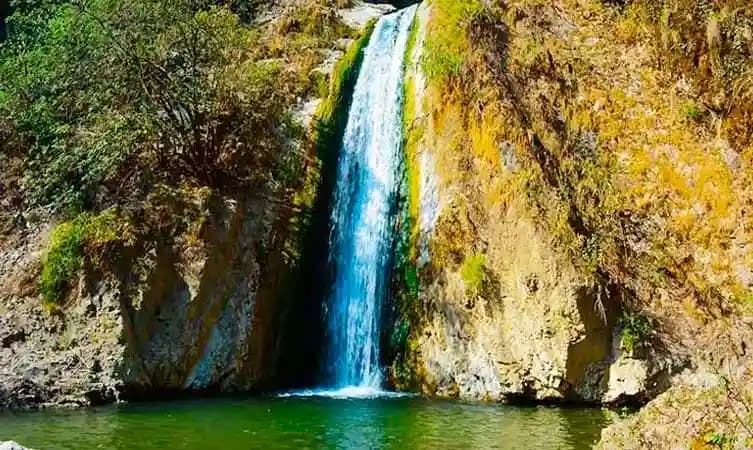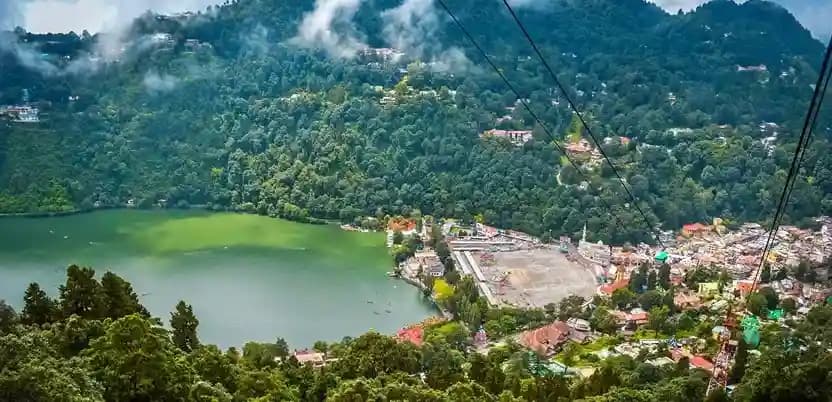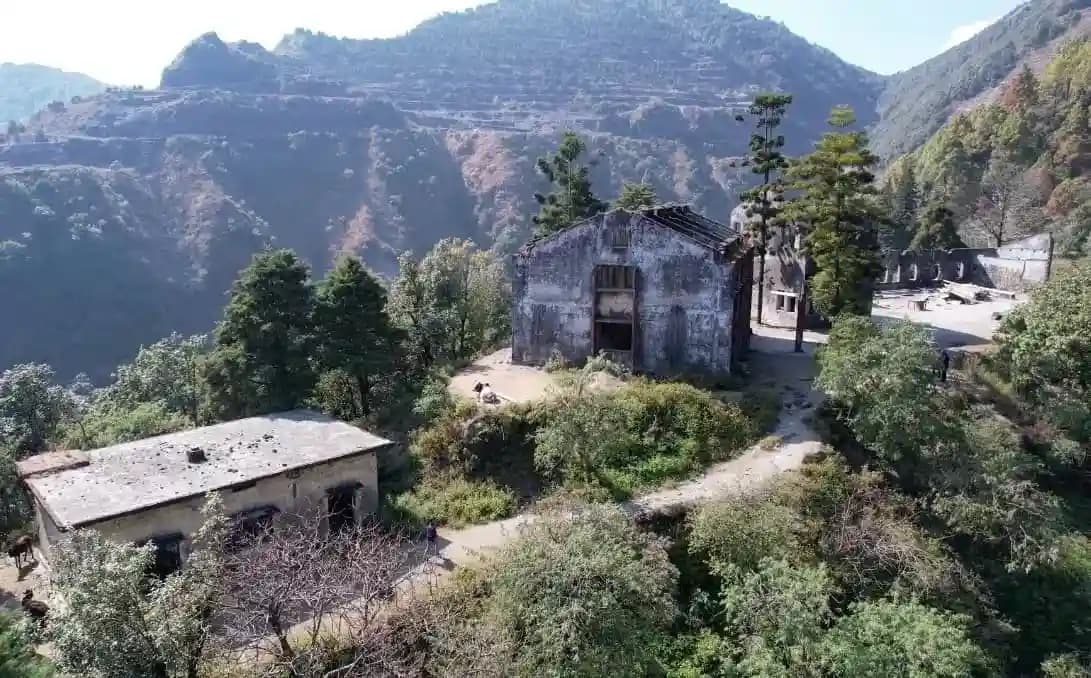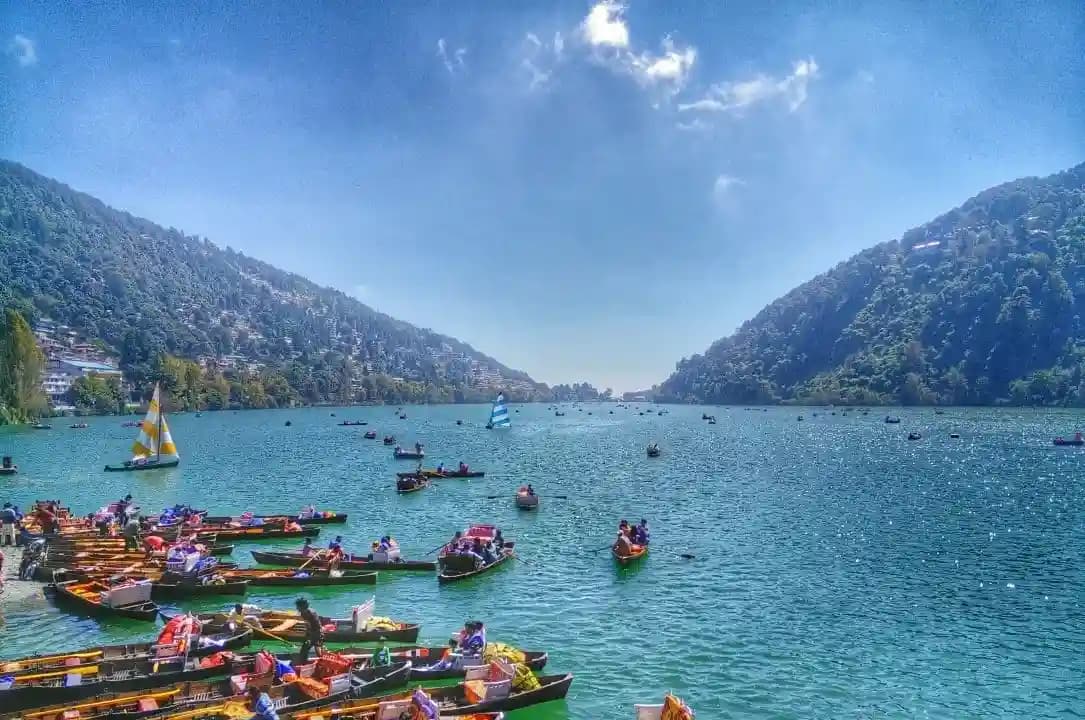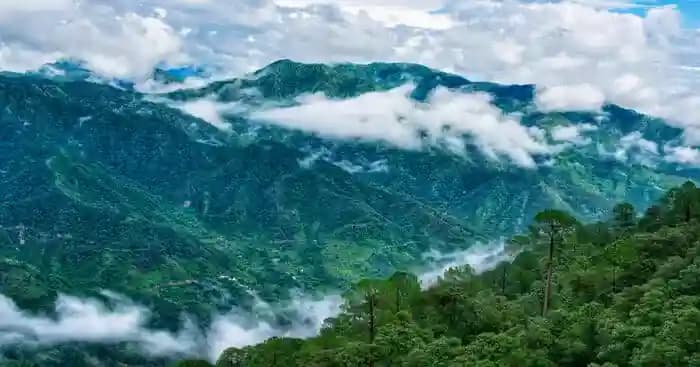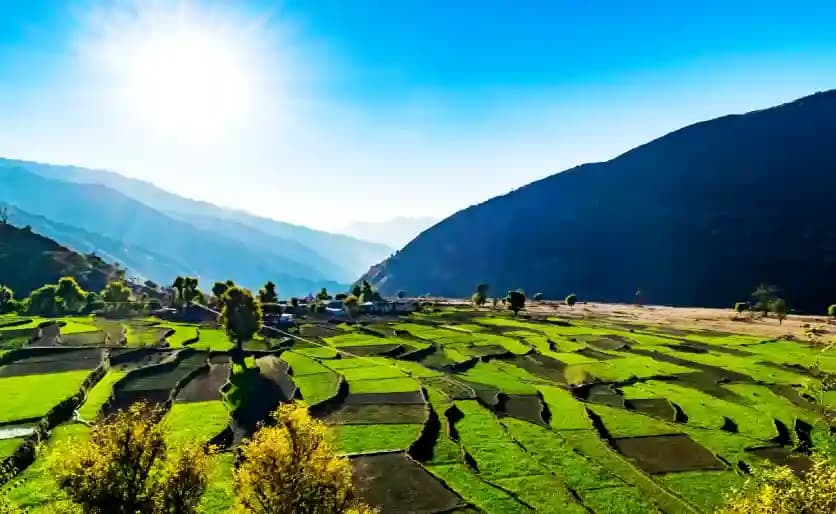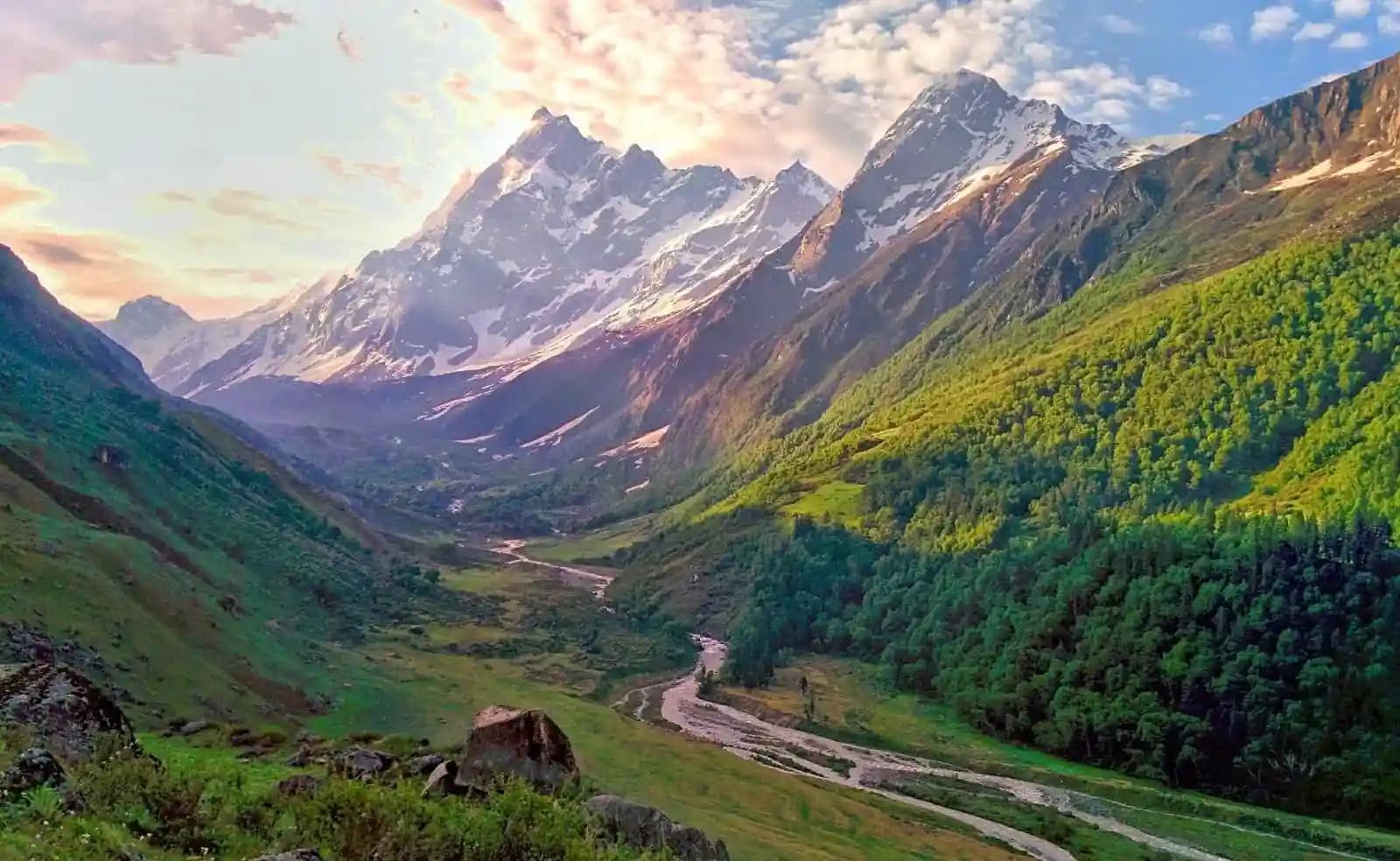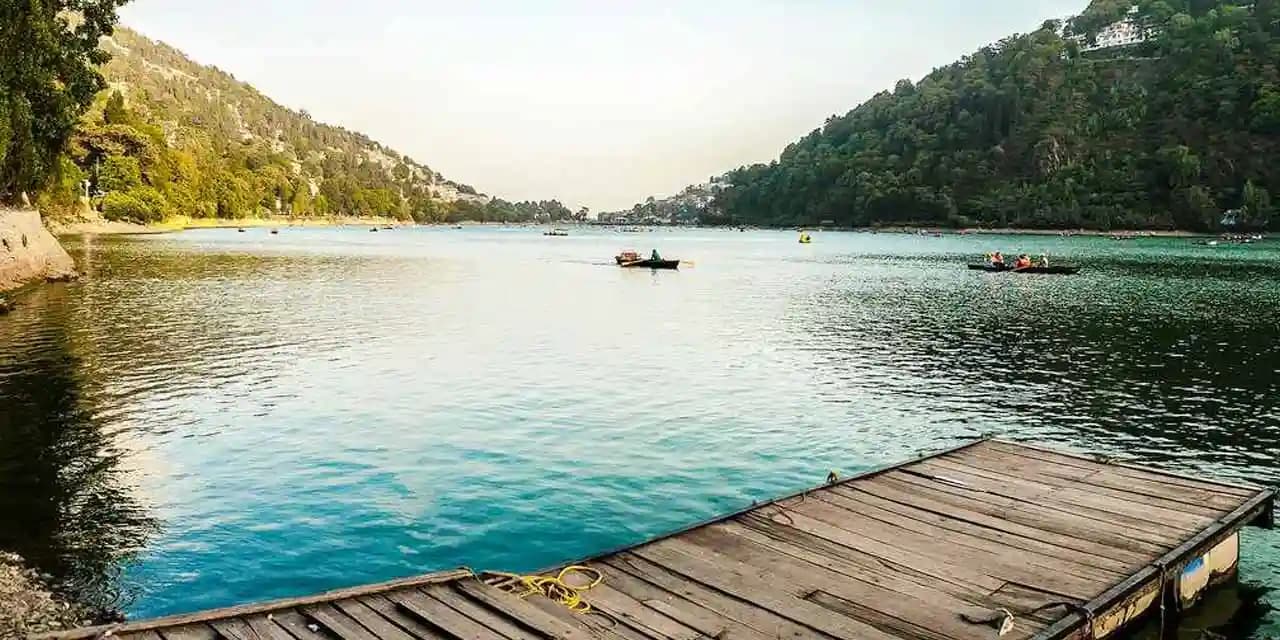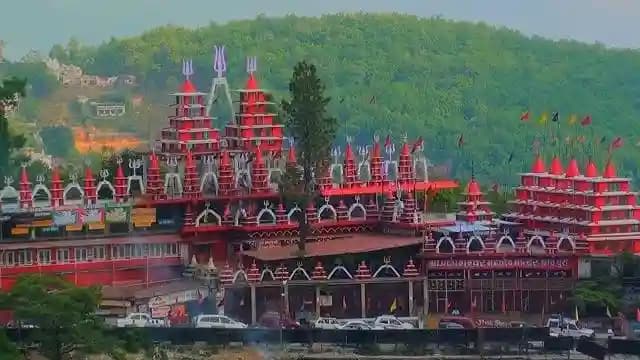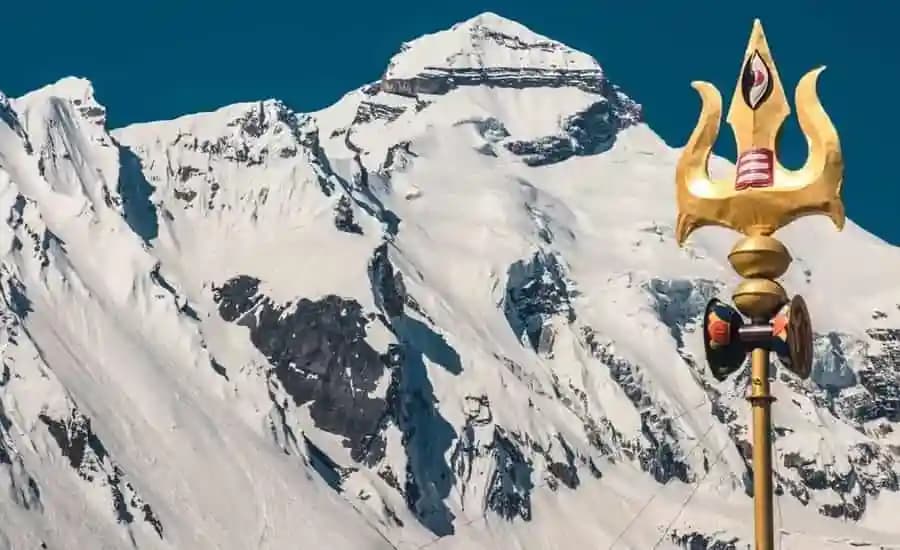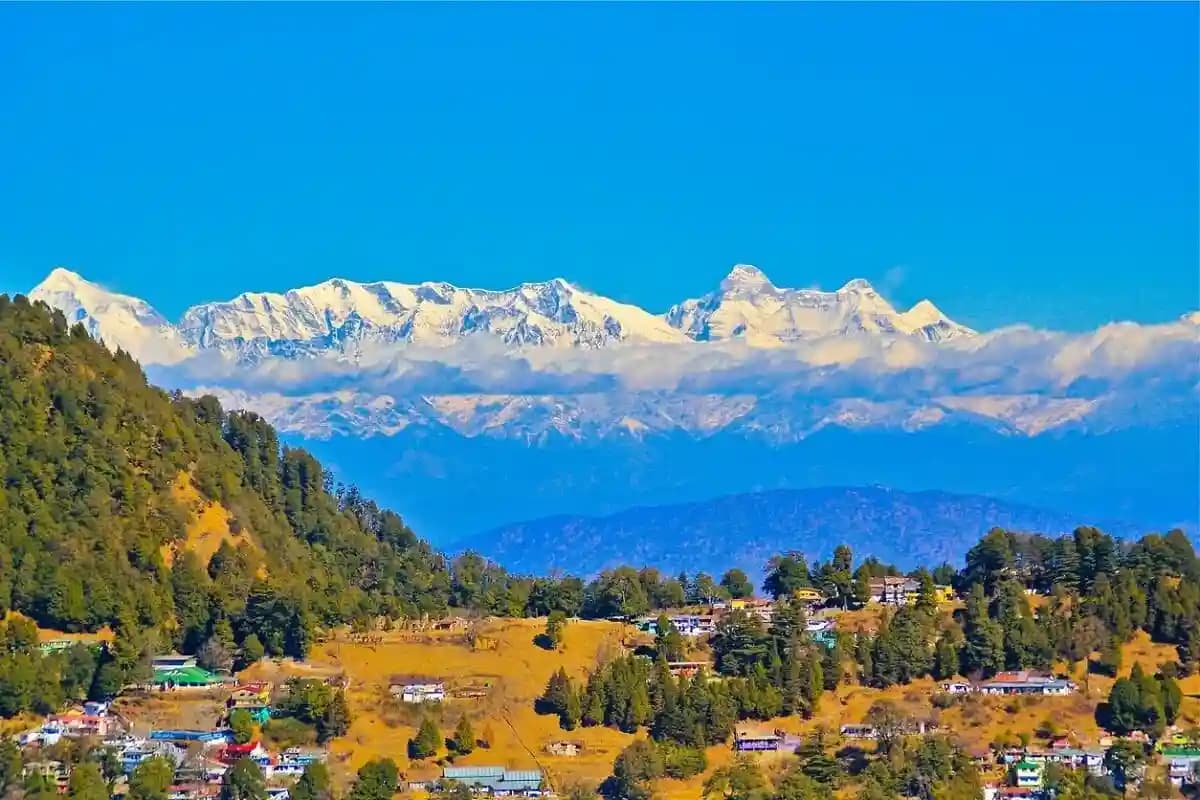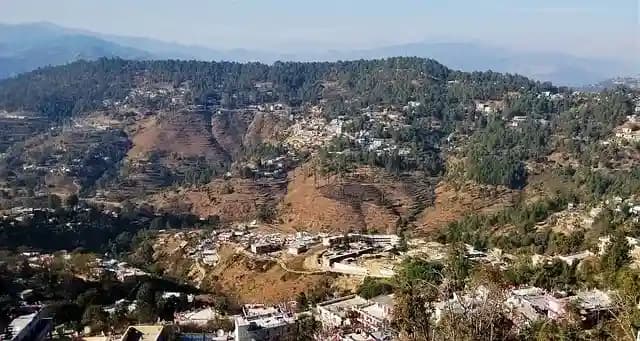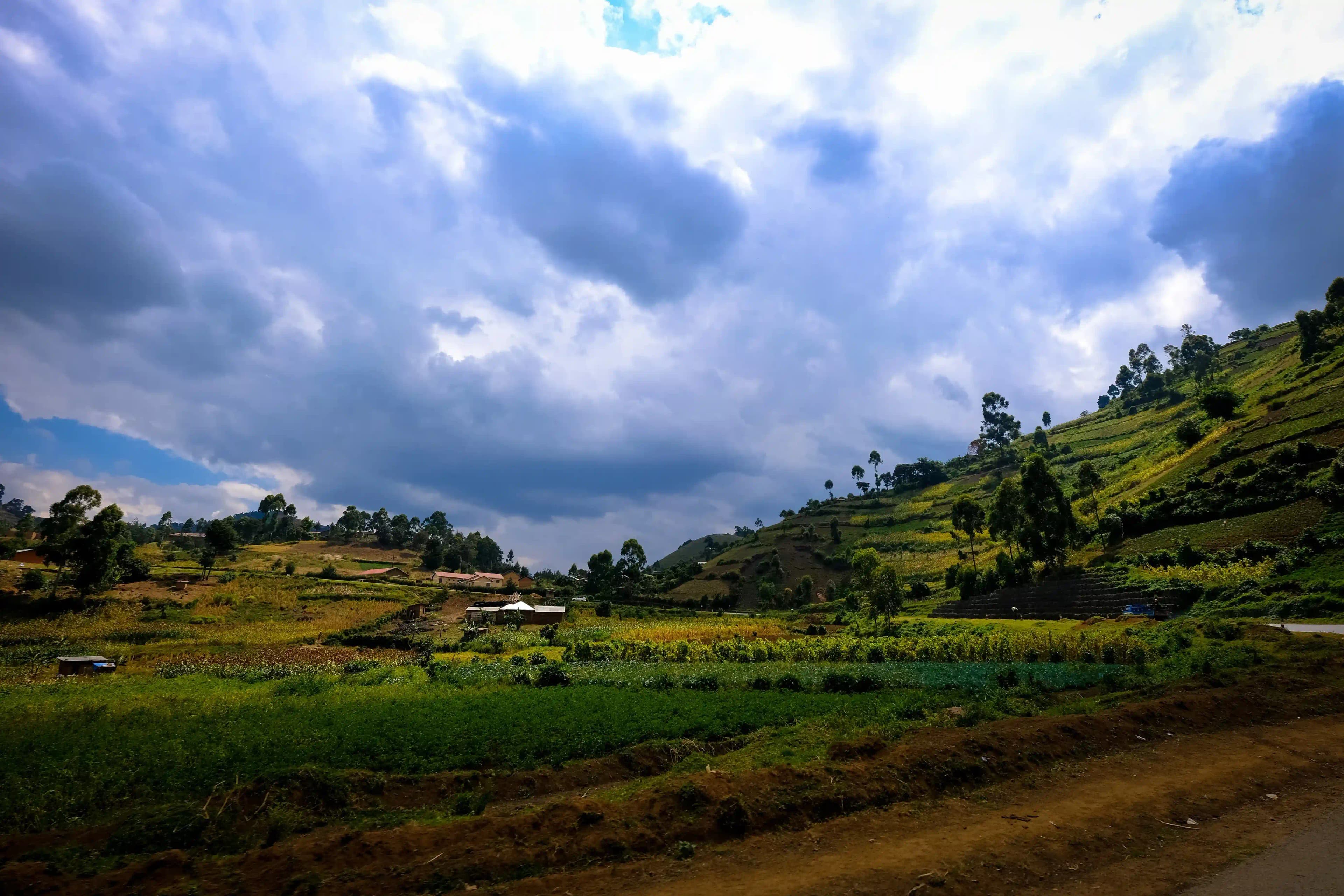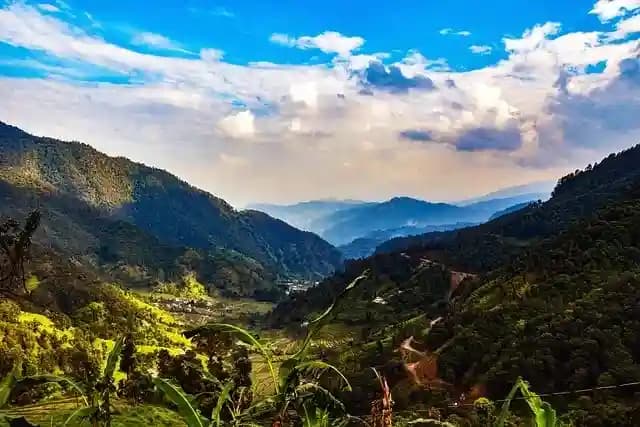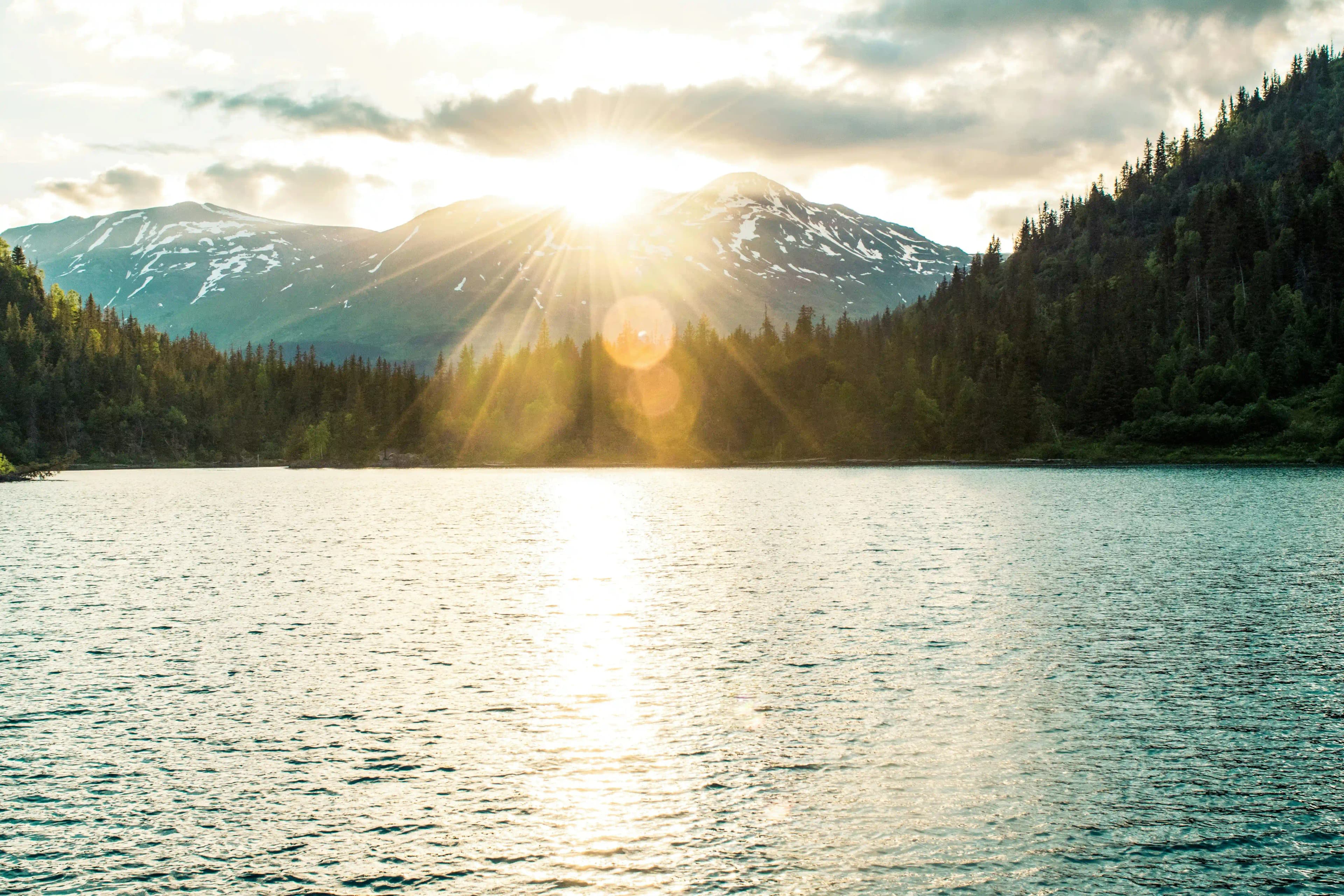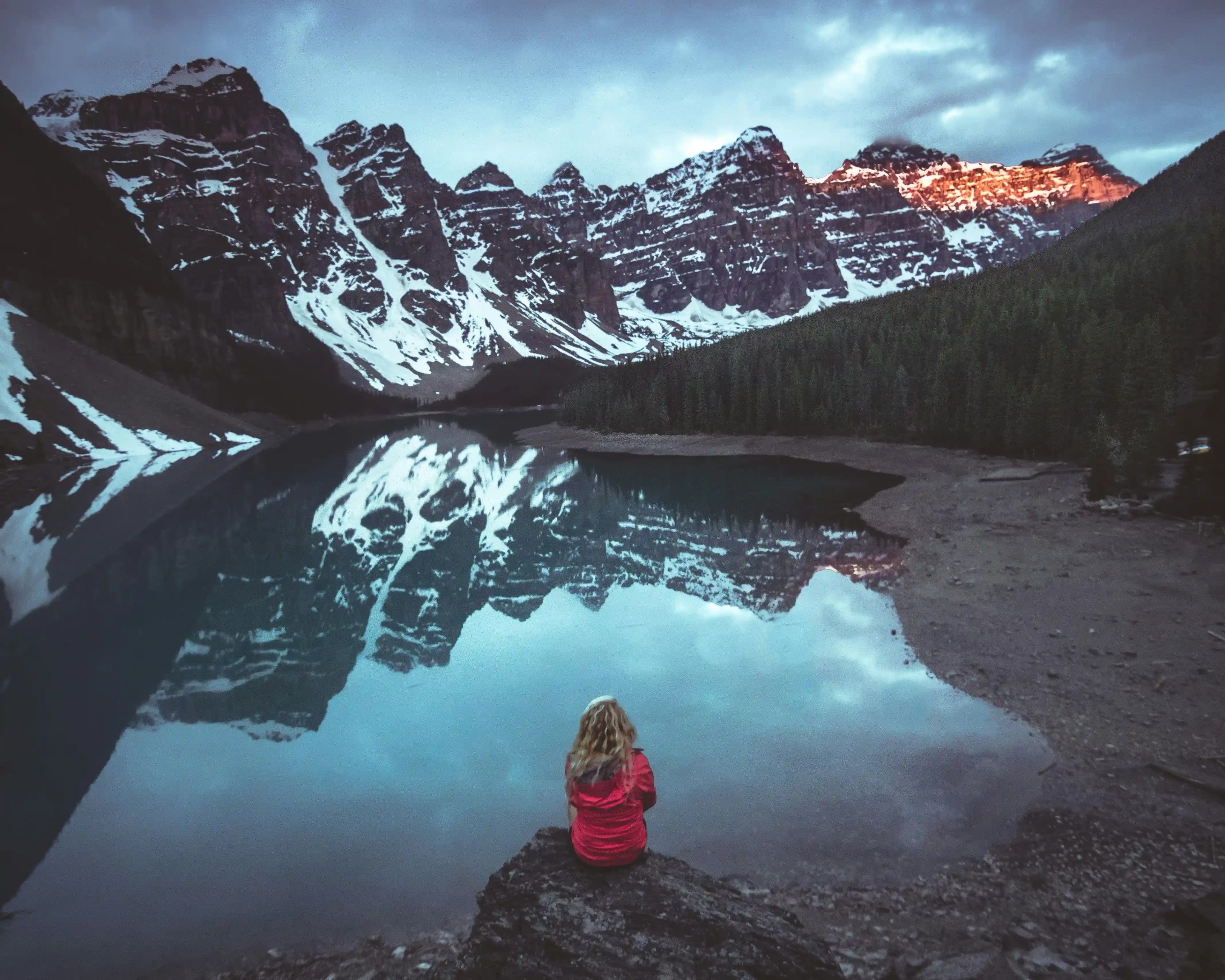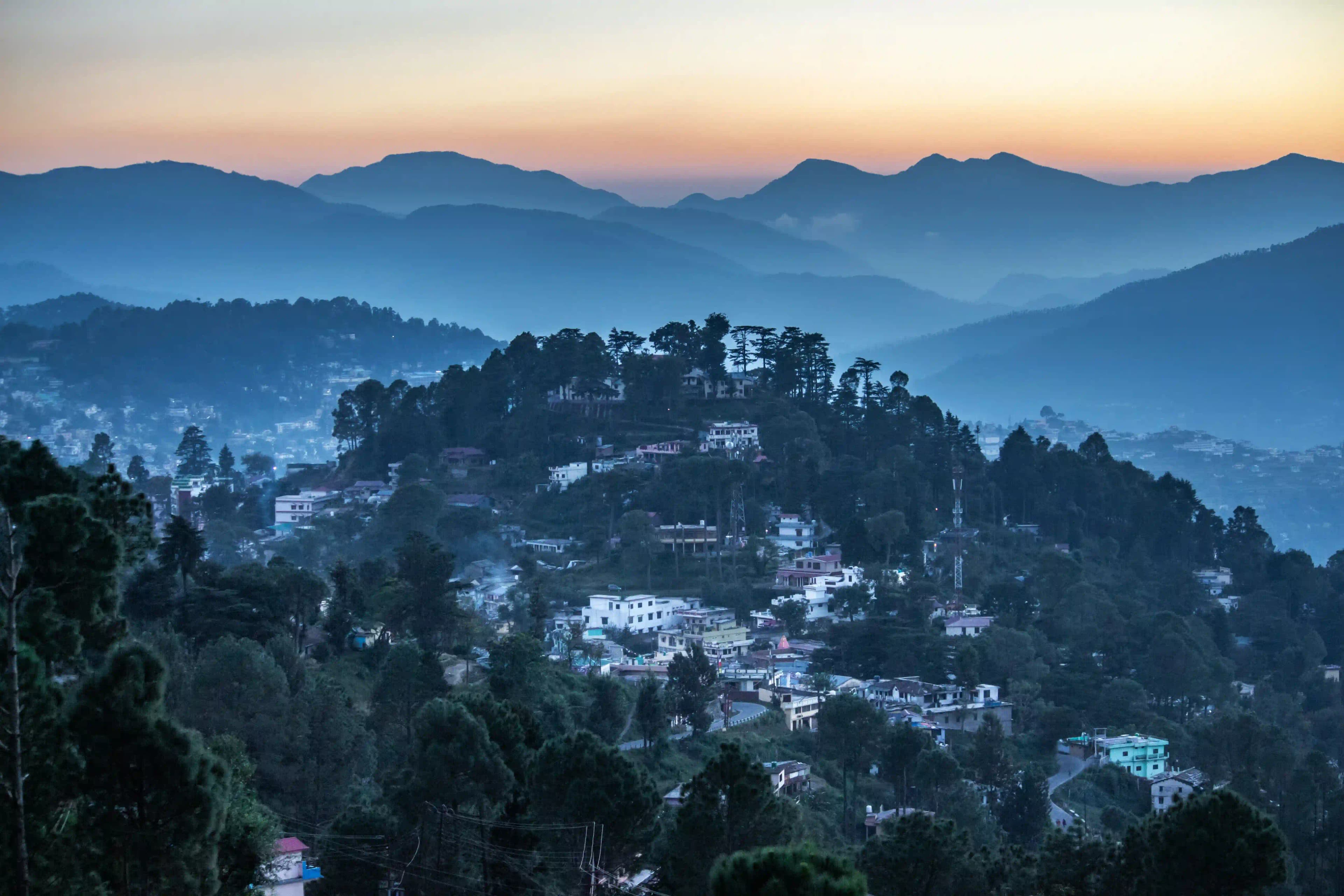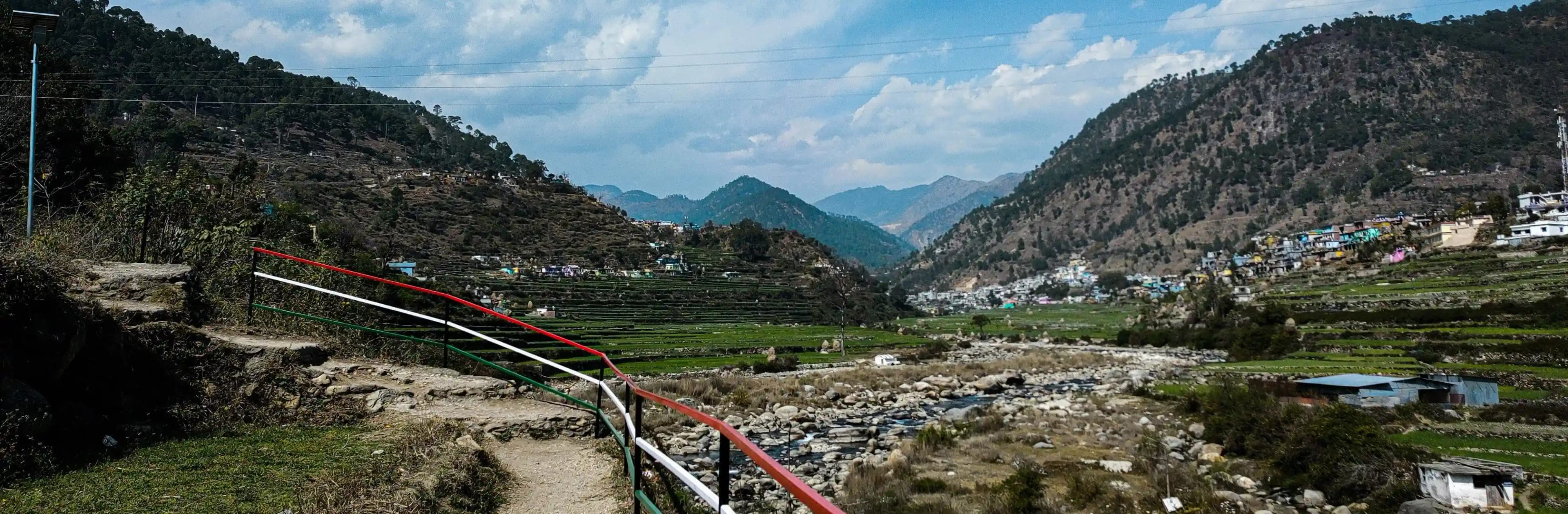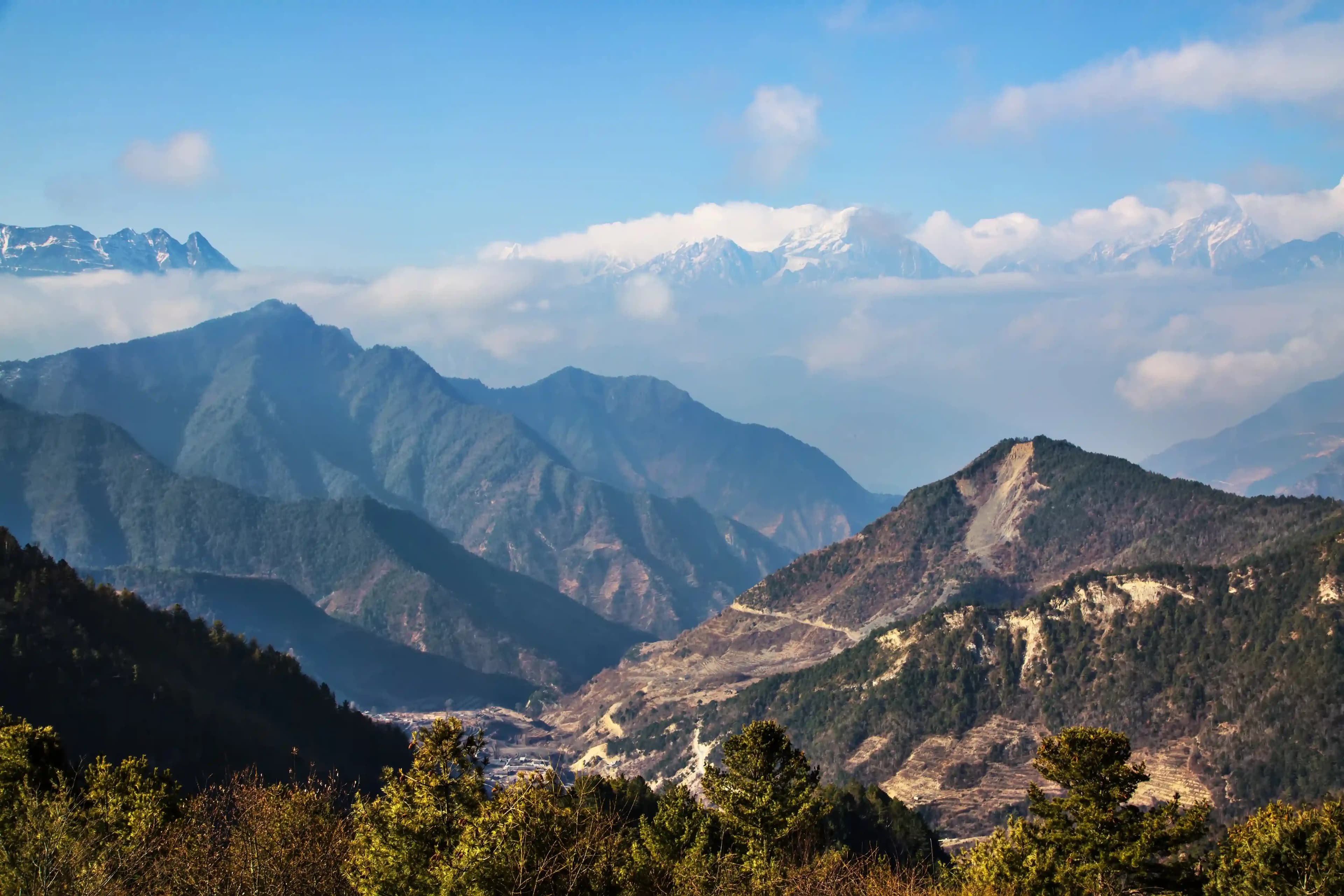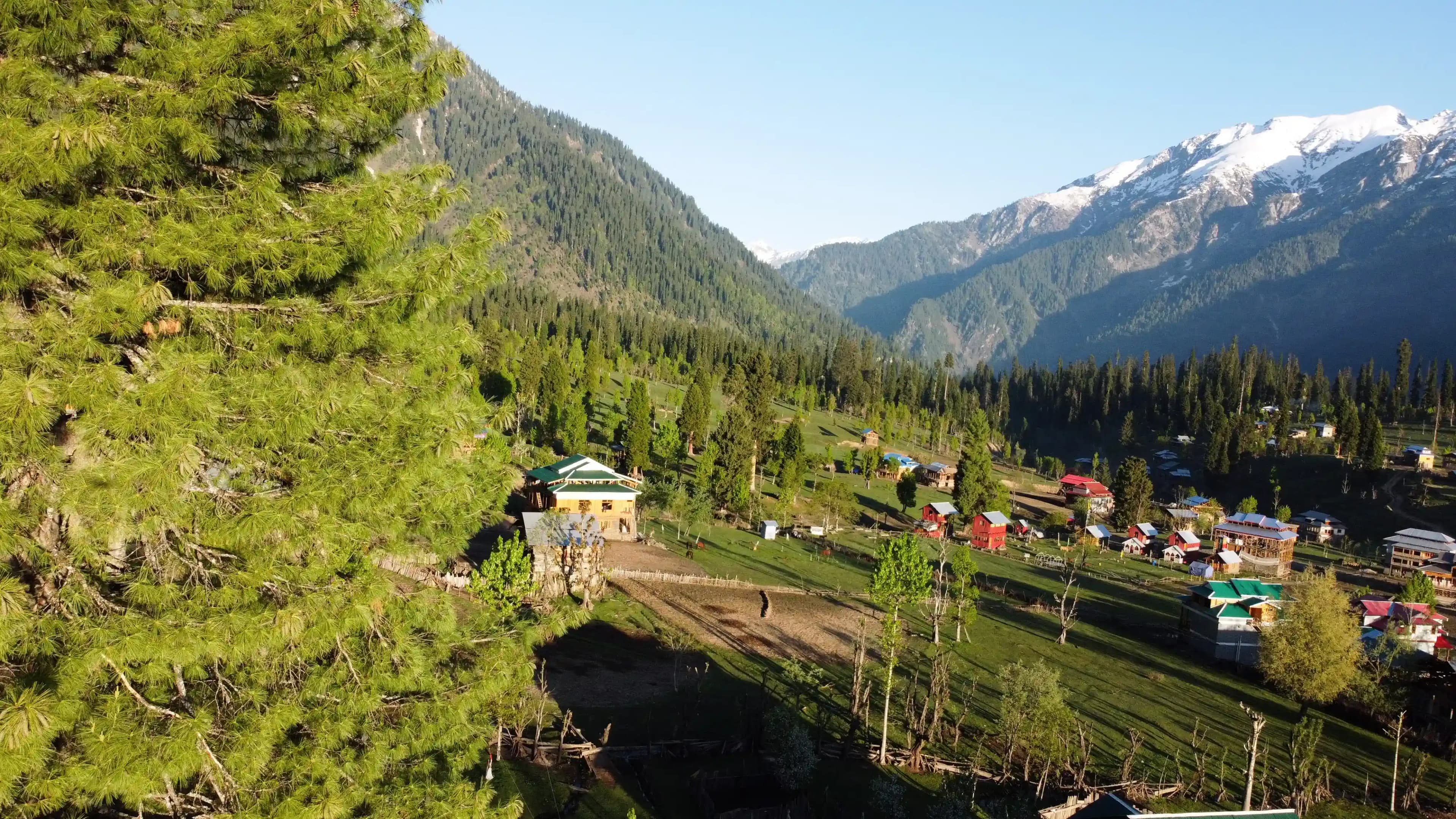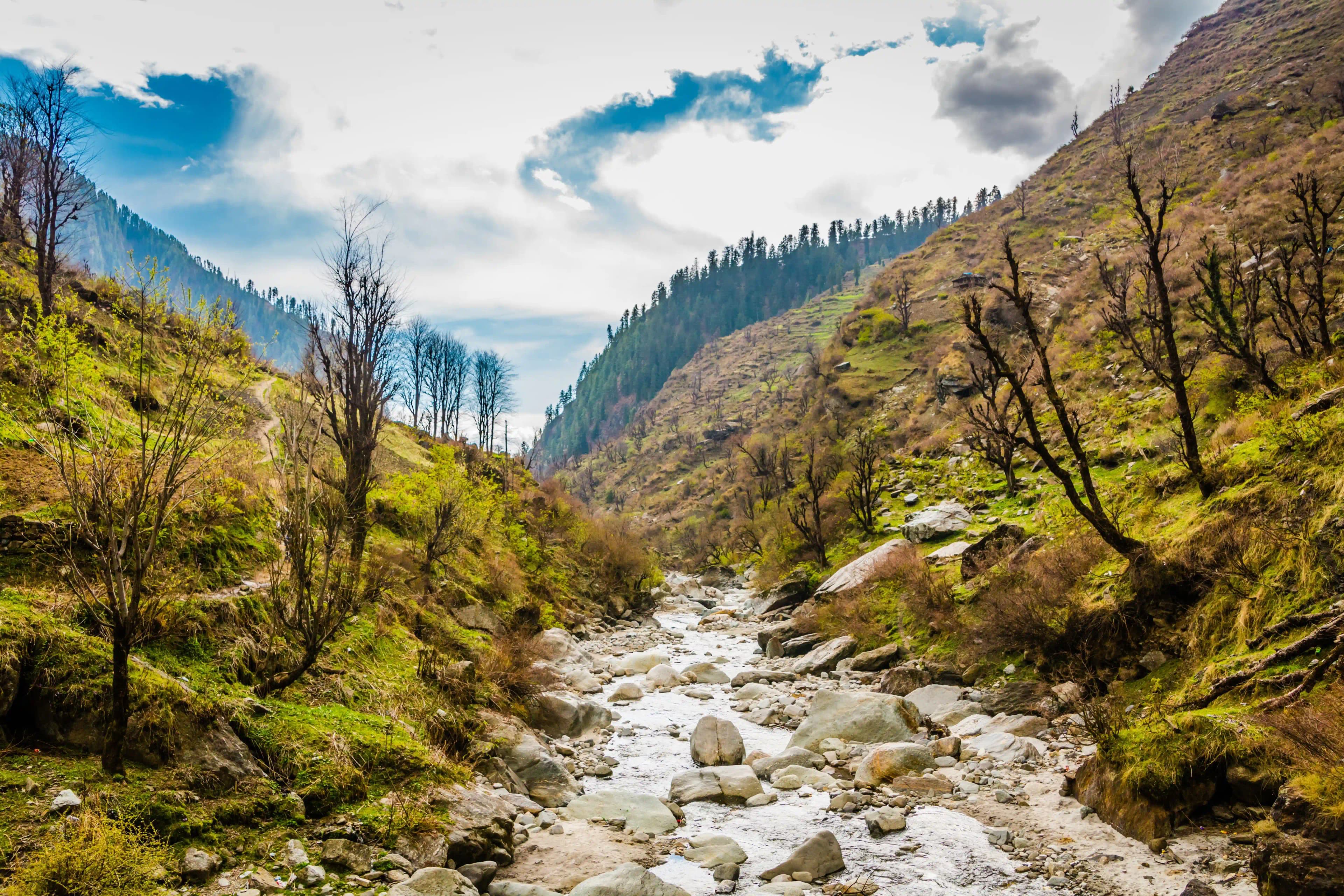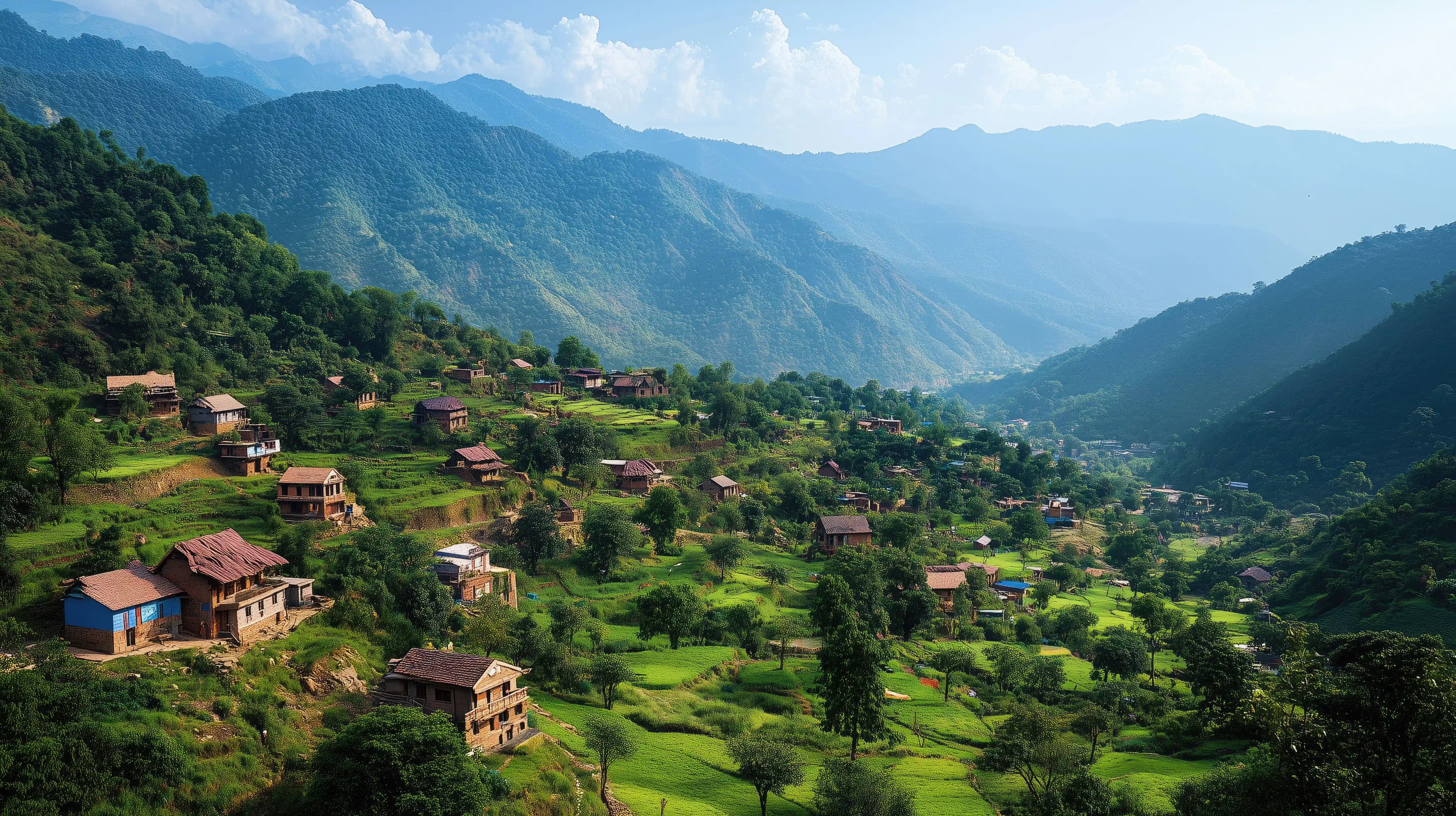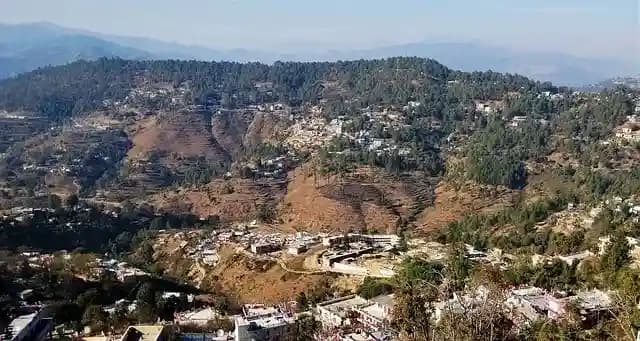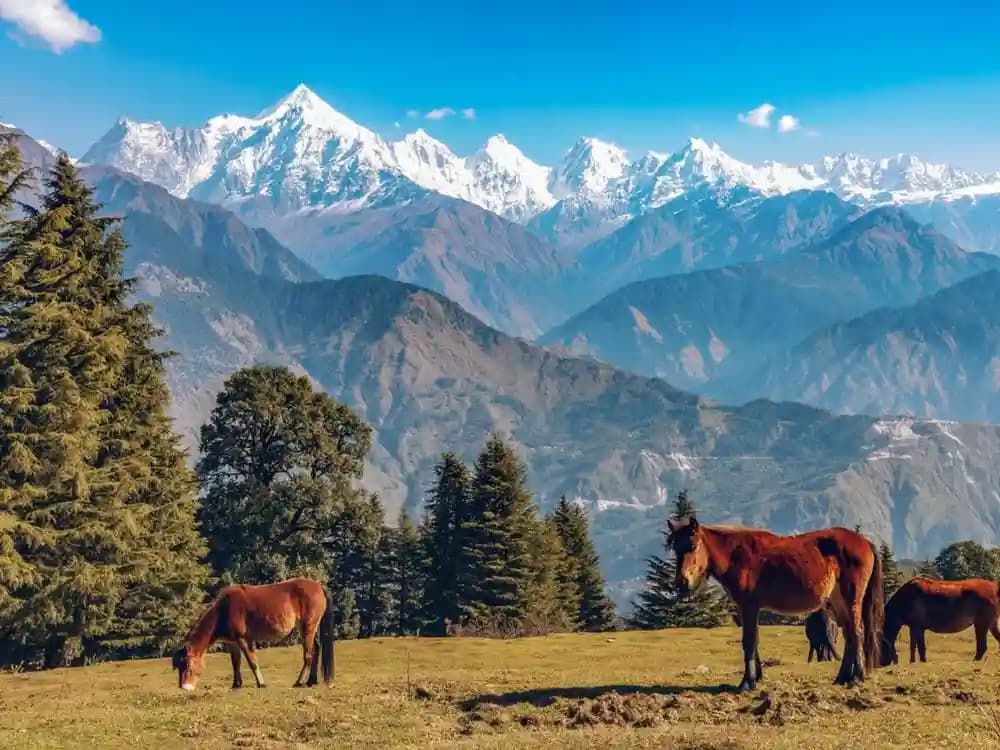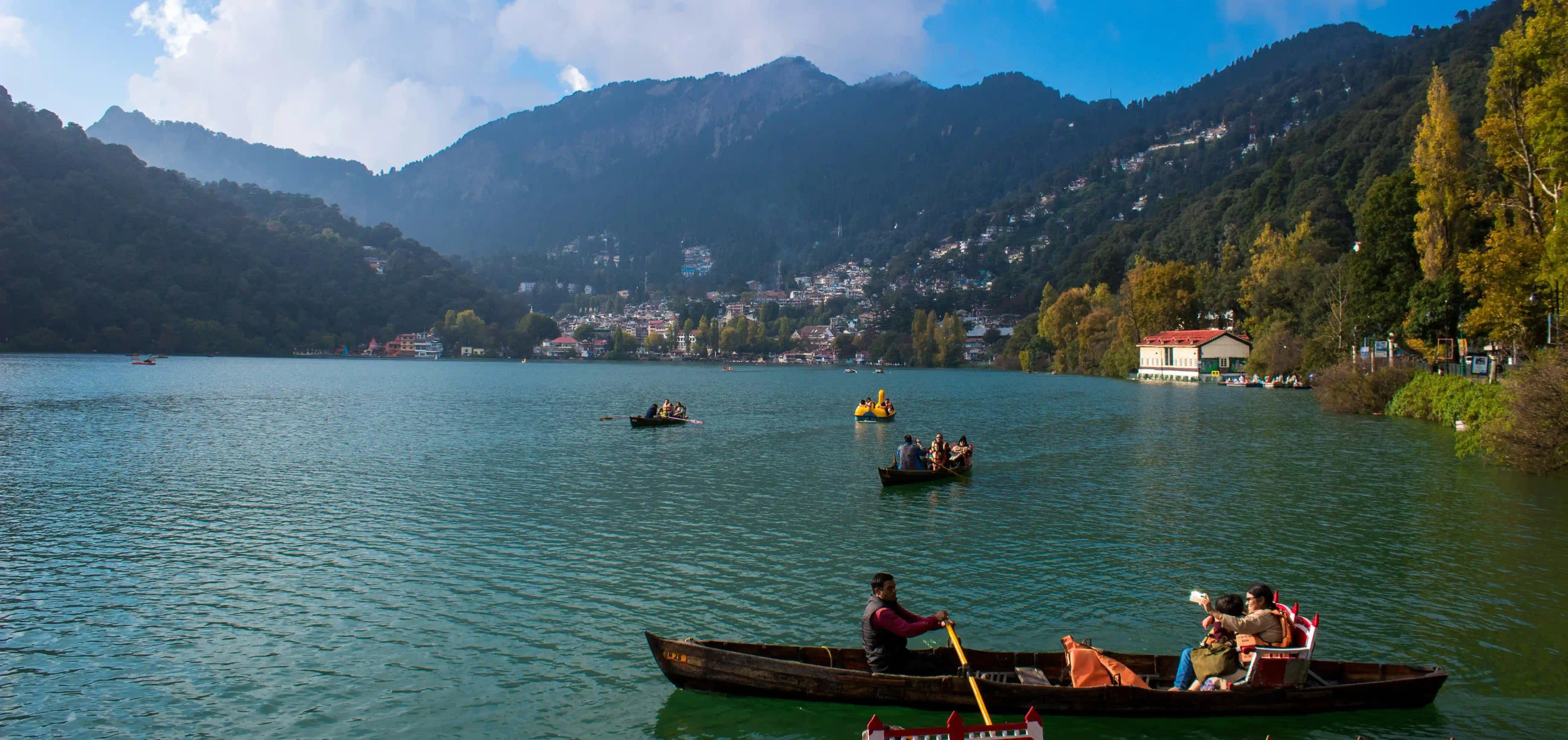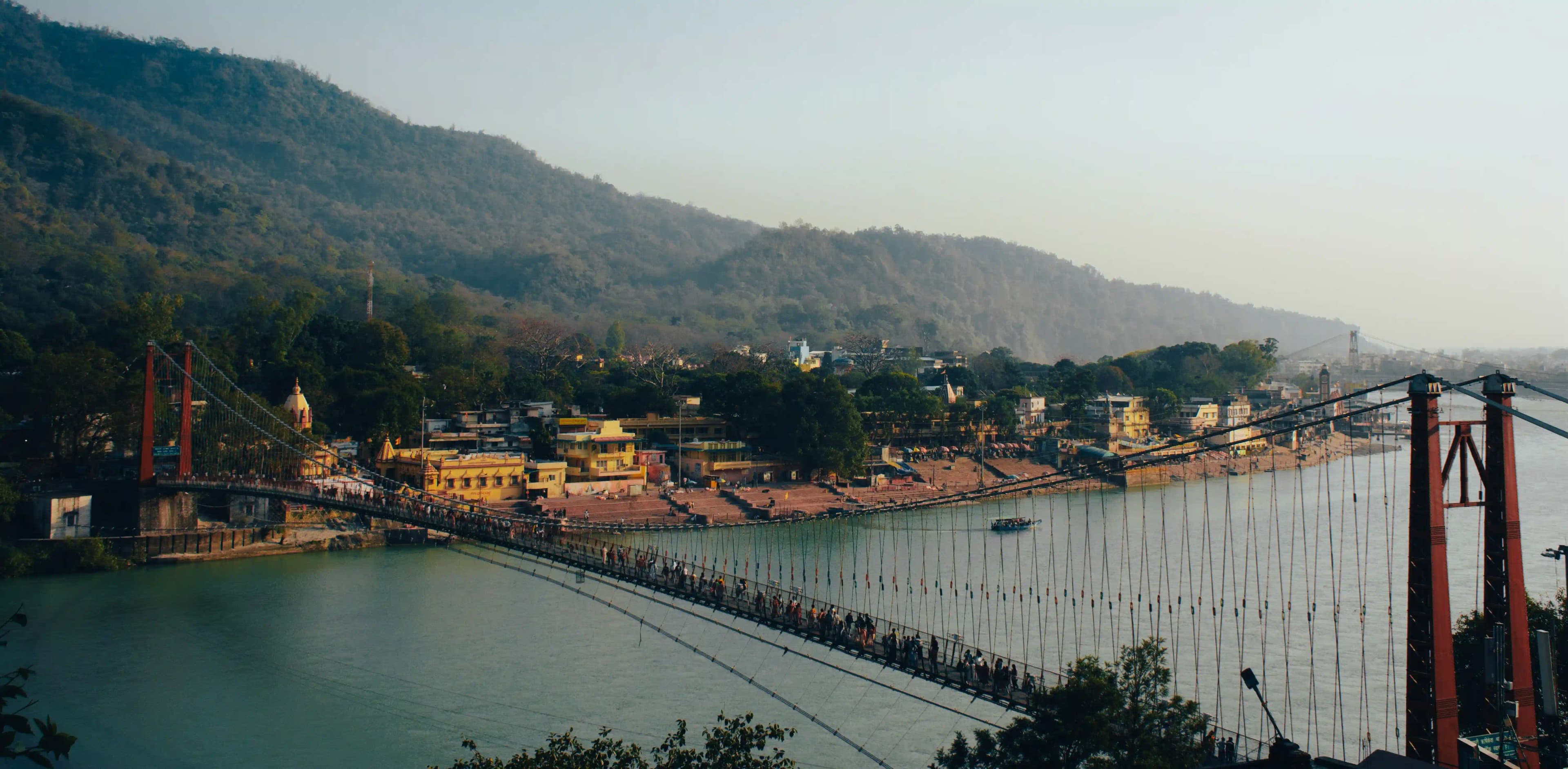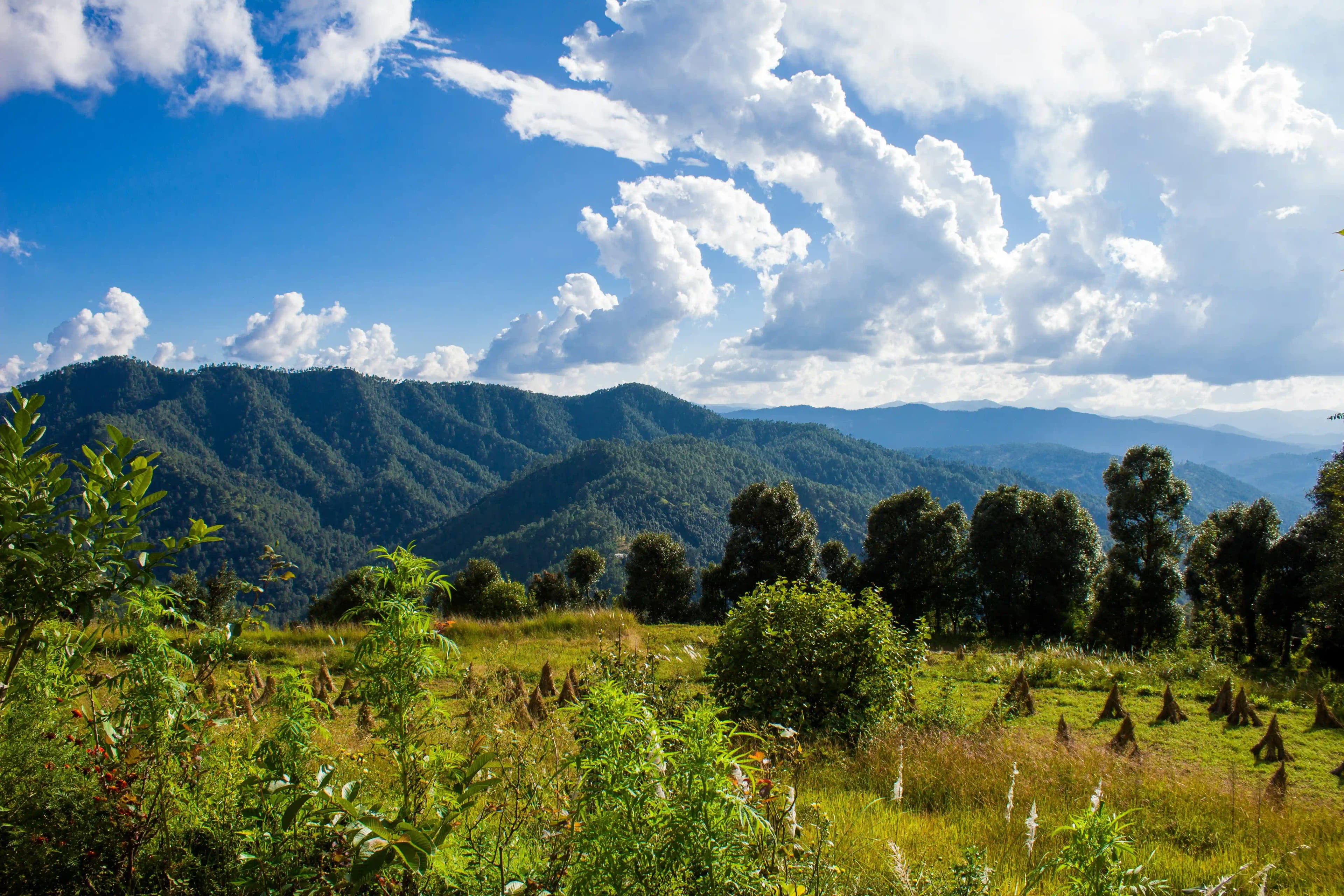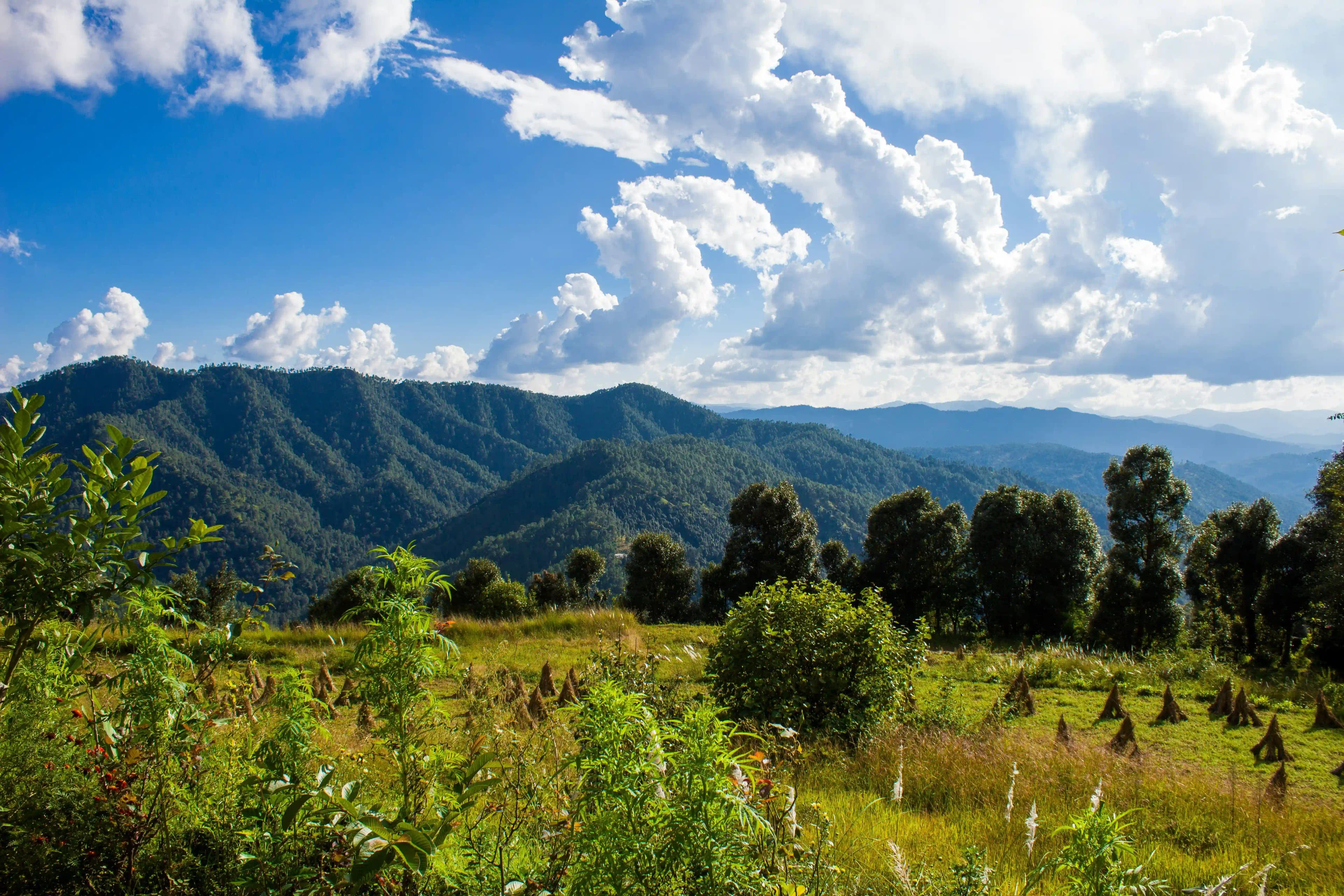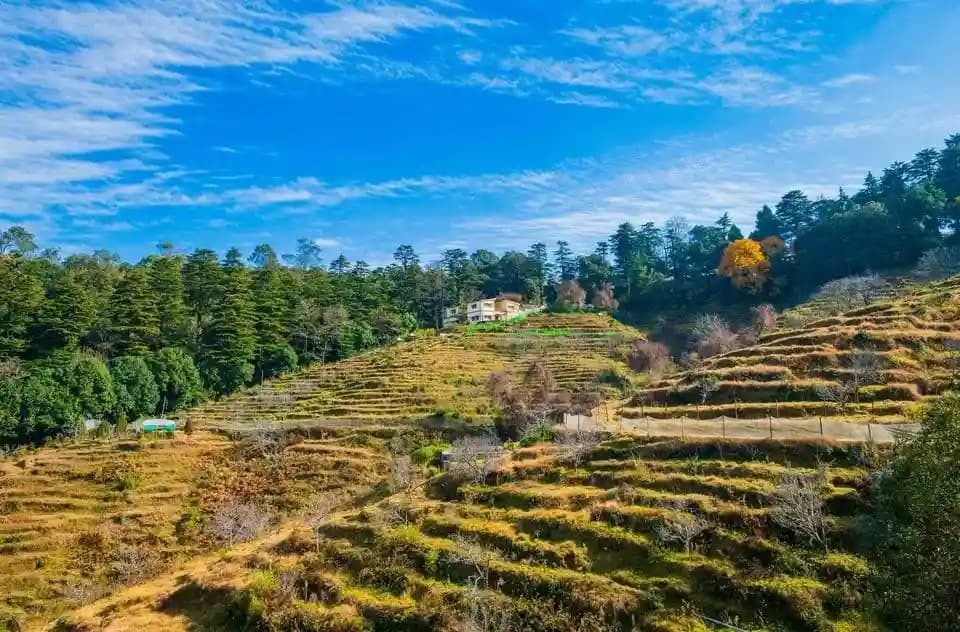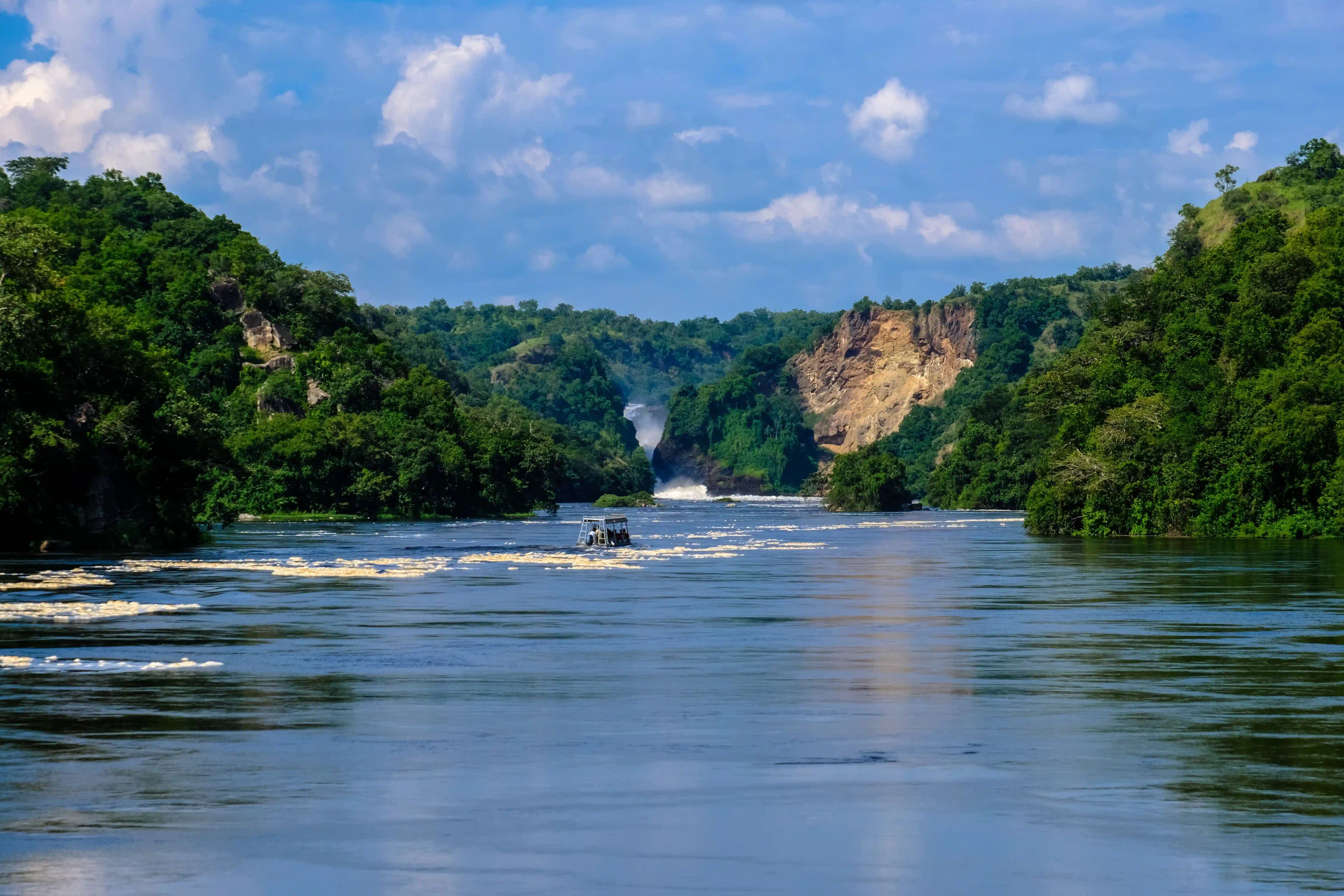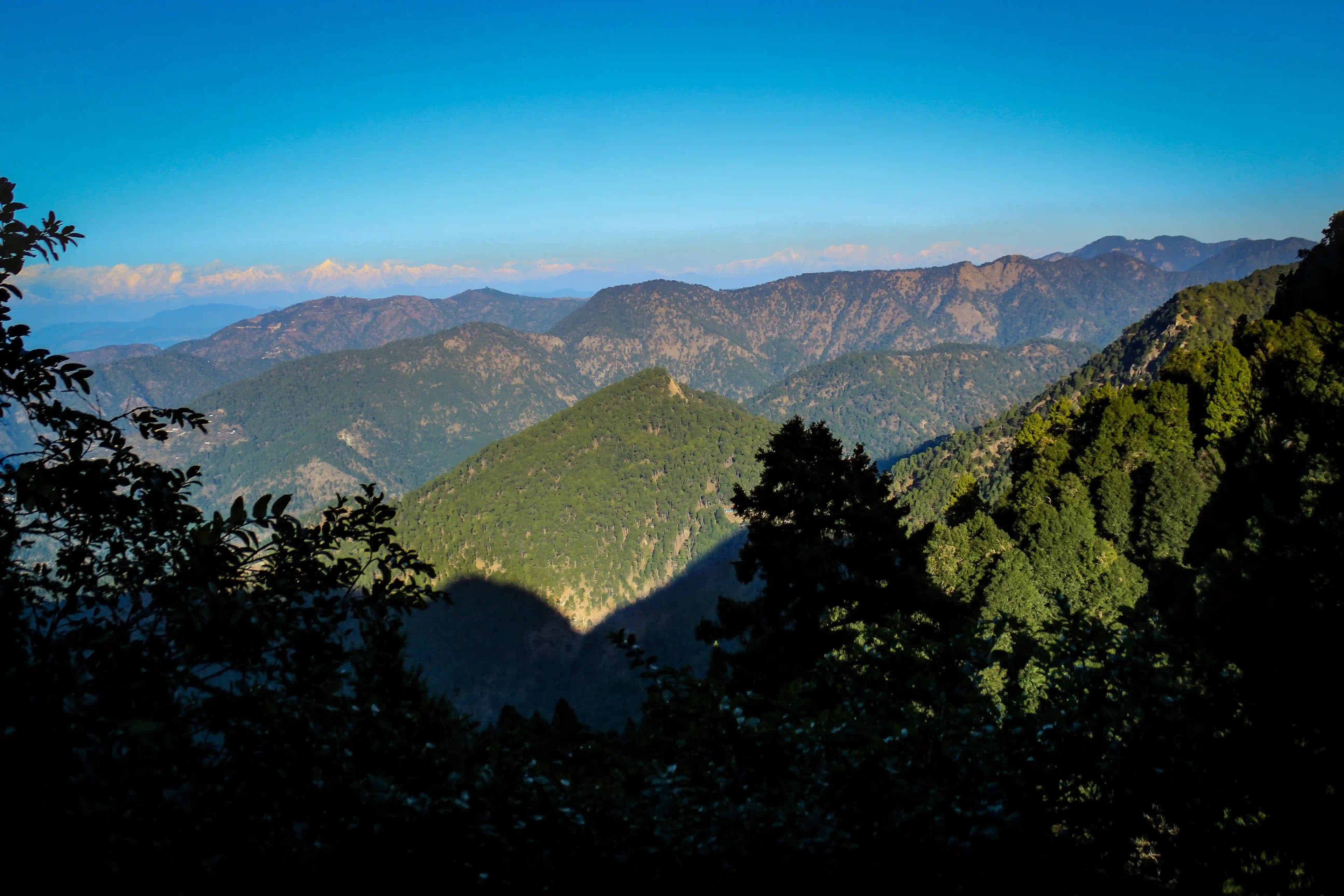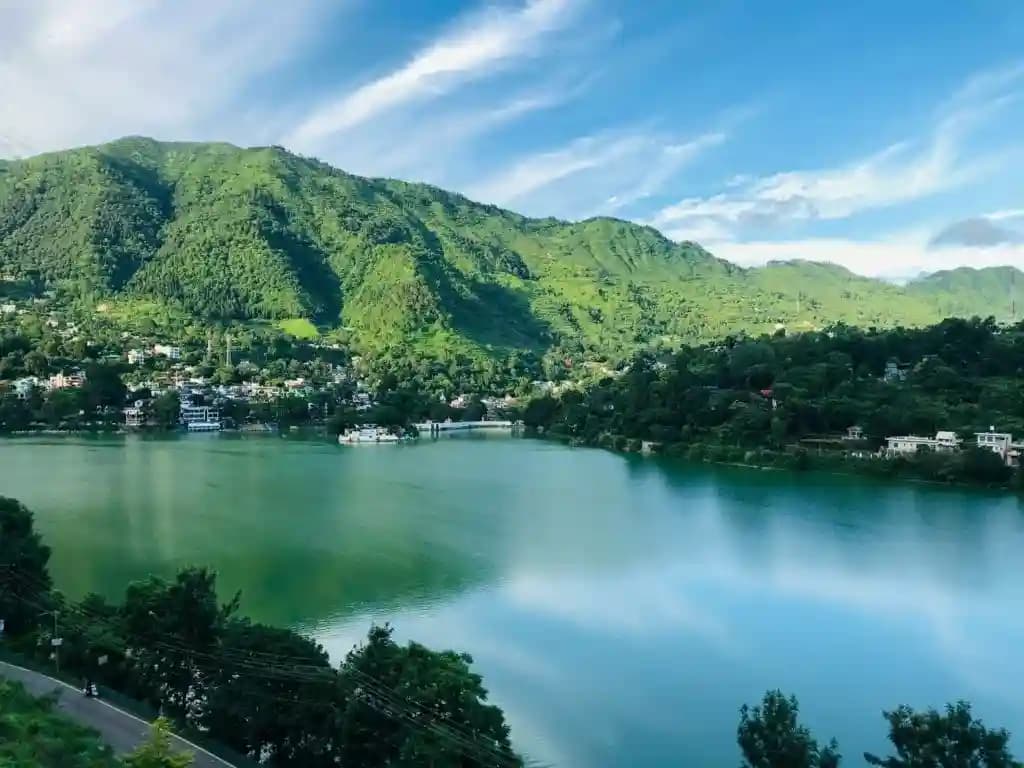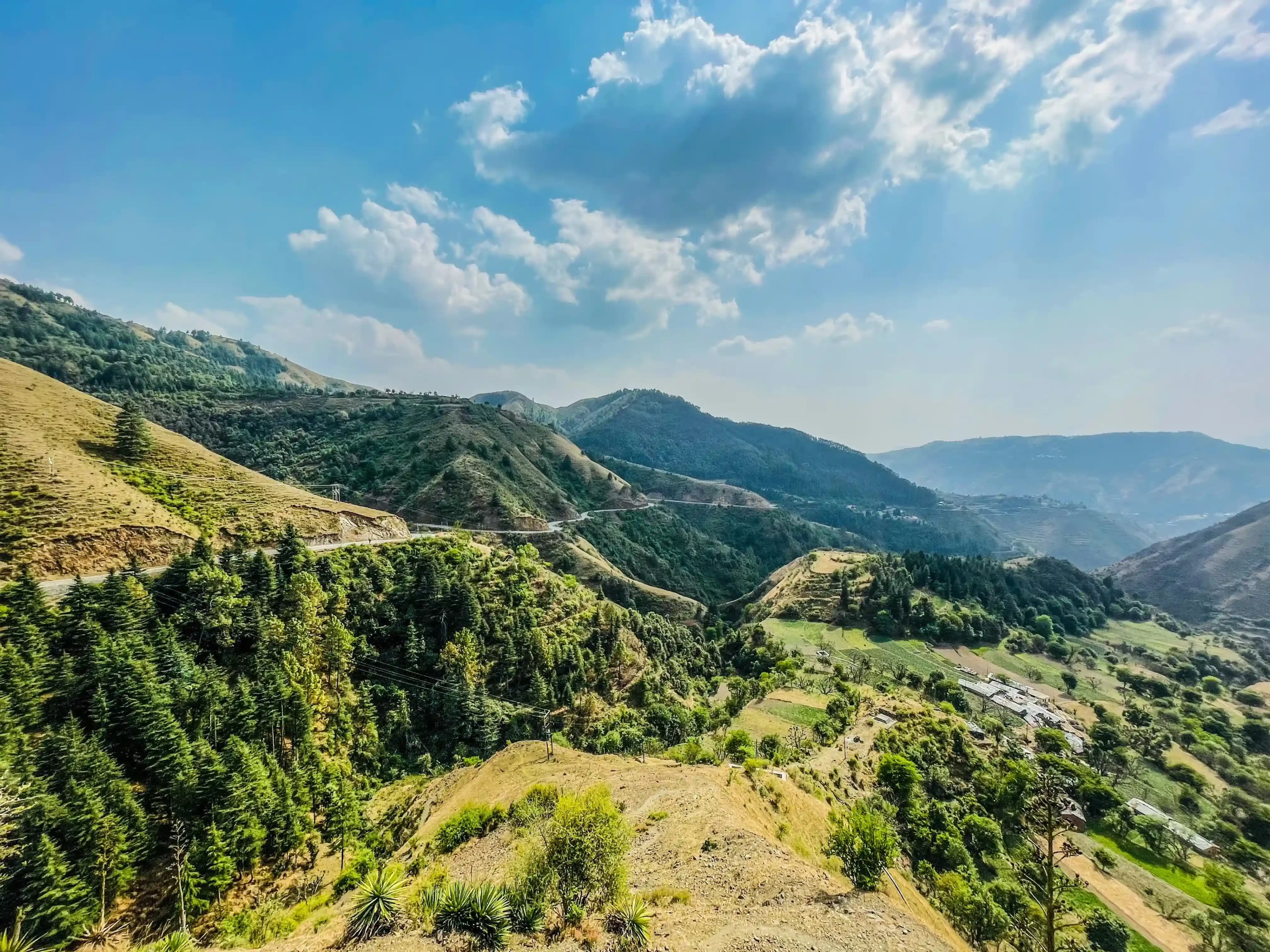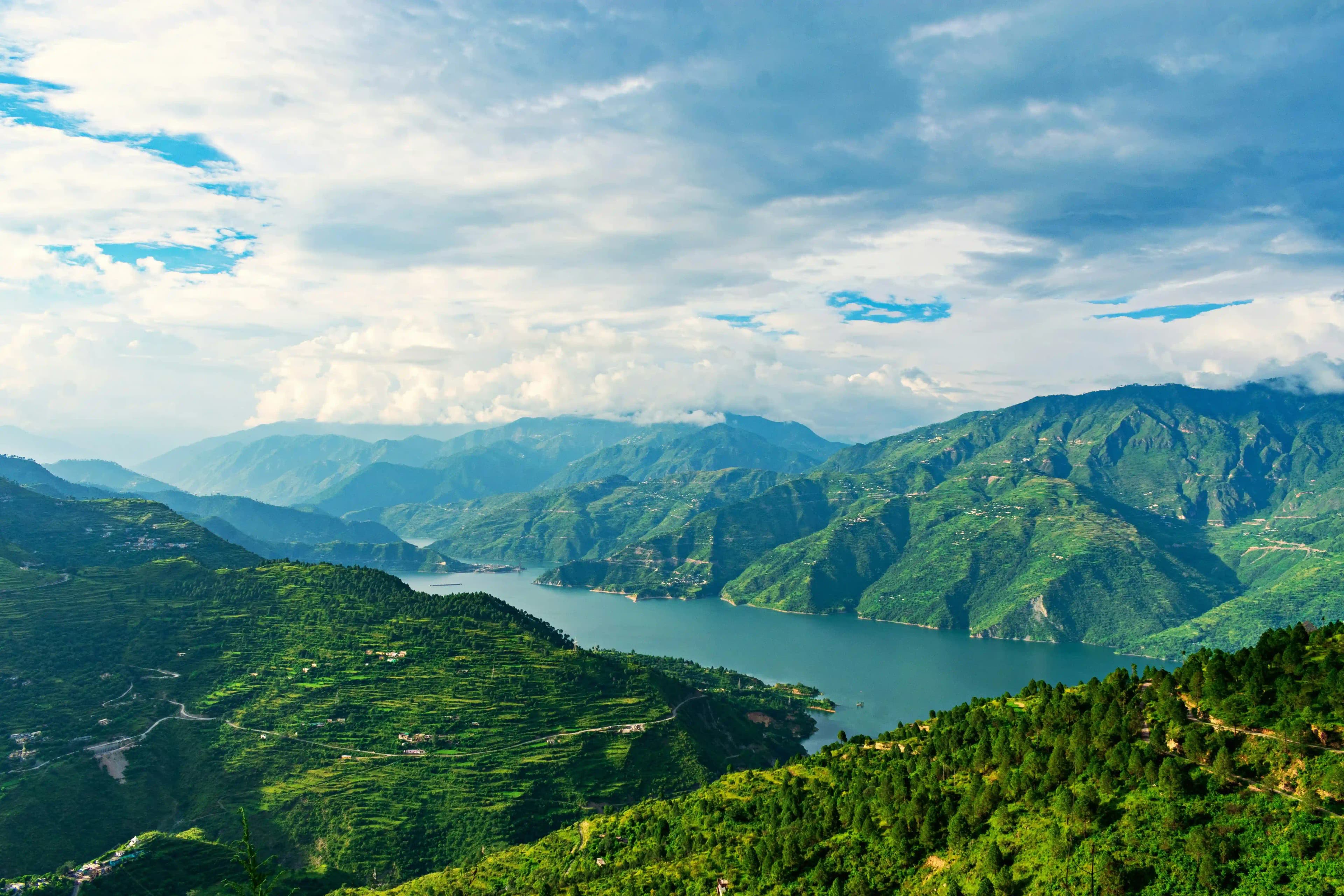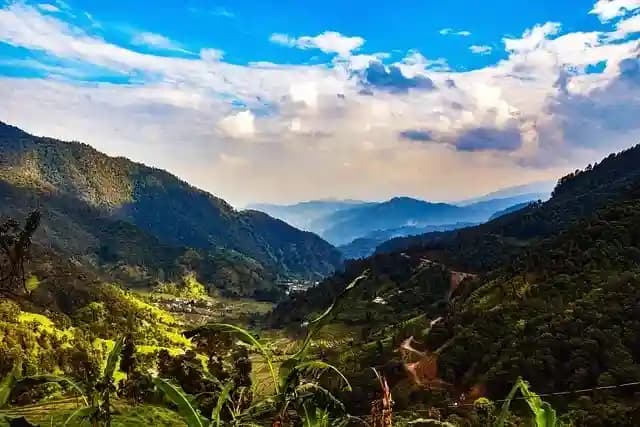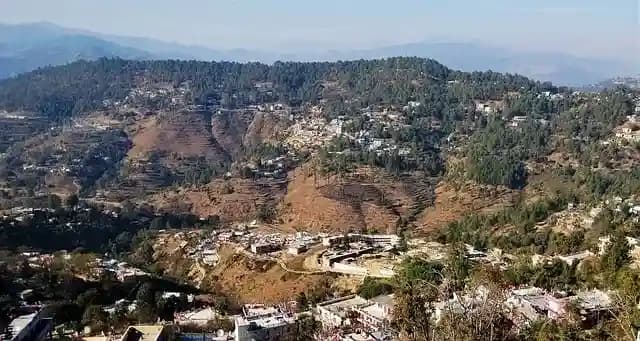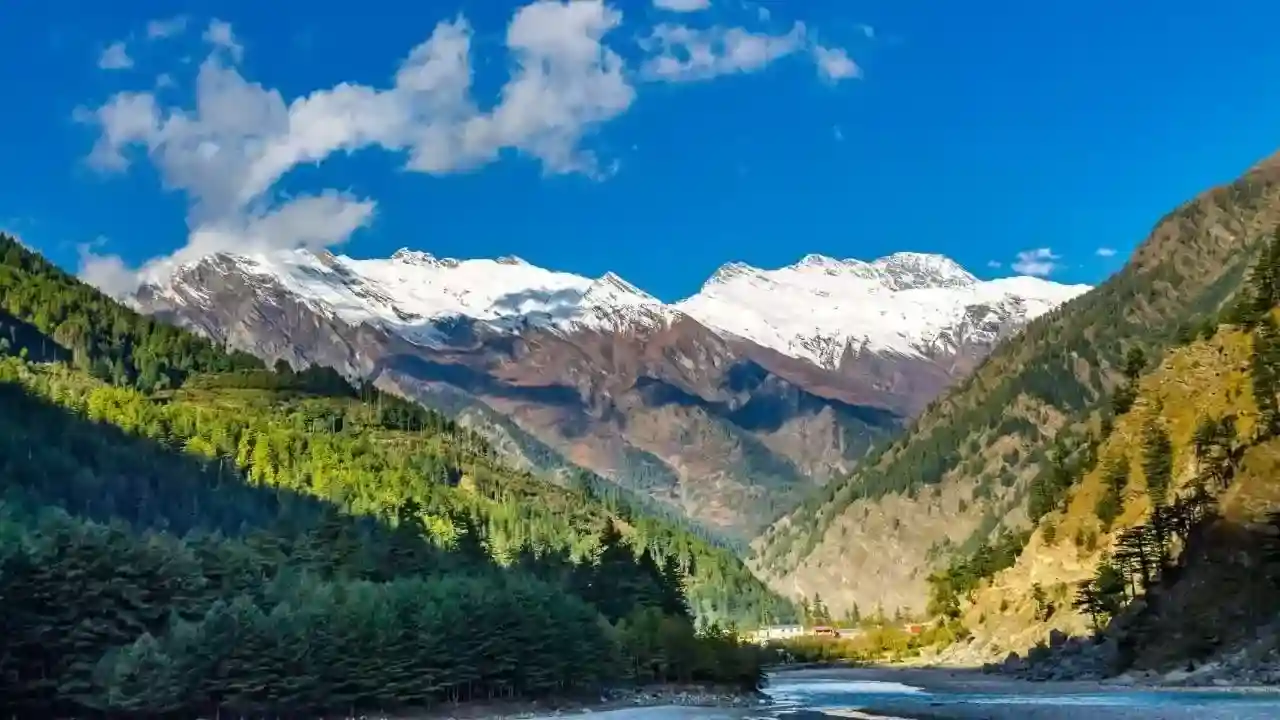
Situated in the district of Uttarkashi, the great Harsil Valley sits at the peak of Uttarakhand. It is located at an altitude of about 2620 metres on the banks of the River Bhagirathi. This valley is a bunch of 8 villages, such as Sukki, Mukhba/Mukhva, Harsil, Bagori, Dharali, Jhala, Jaspur, and Purali.
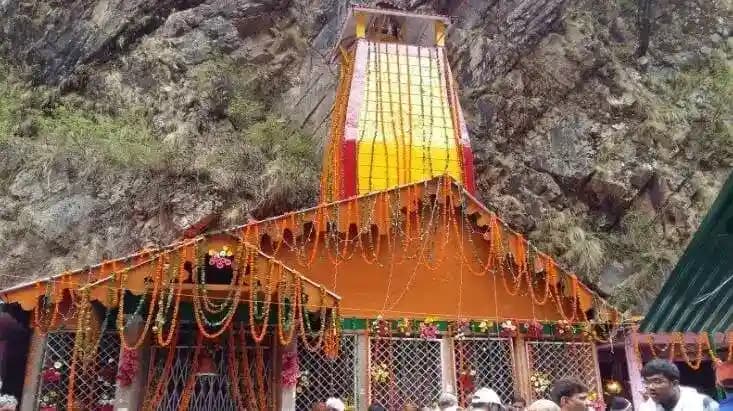
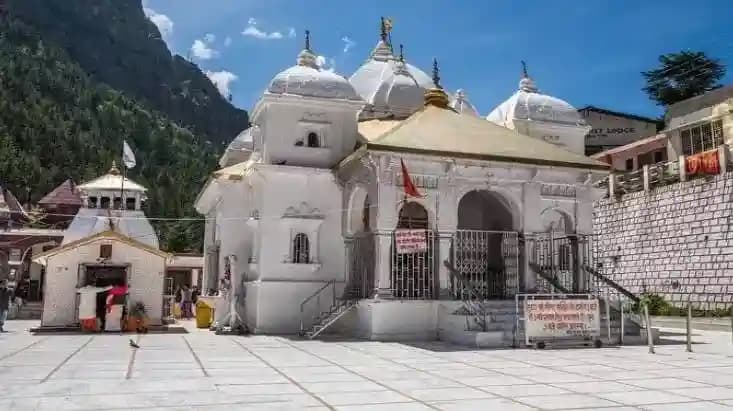
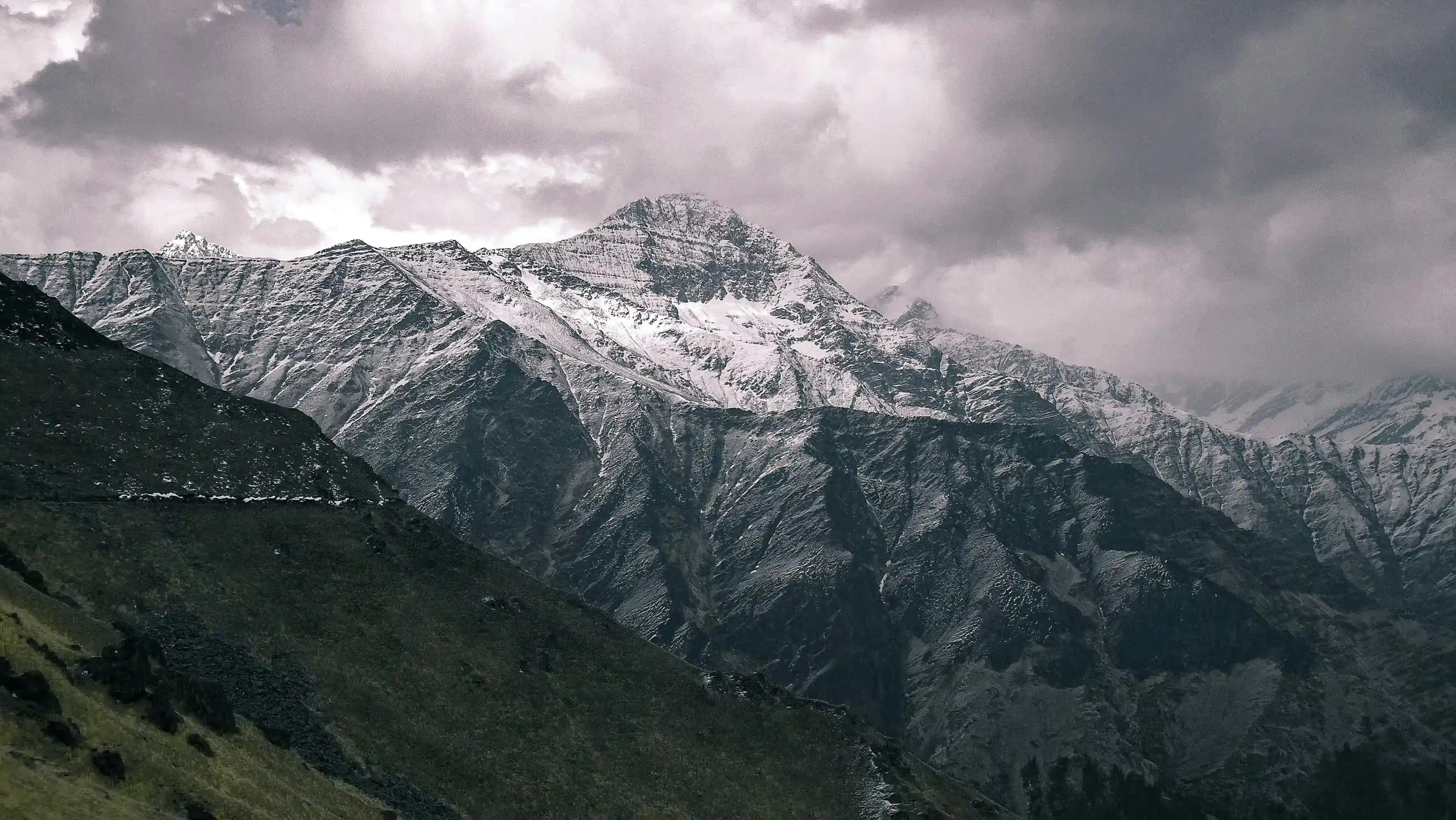
Harsil Valley is a part of the religious trip to Gangotri Dham, located 25 KM away from it. Many travellers pass through the valley as part of an Uttarakhand tour package, yet often miss exploring its peaceful gardens, cosy homestays, and stunning viewpoints of Mount Srikant and Bandarpoonch. Many cultures reside here, such as Hindus, Buddhists, Jadh Bhotia, natives, and so on.
History of Harsil Valley
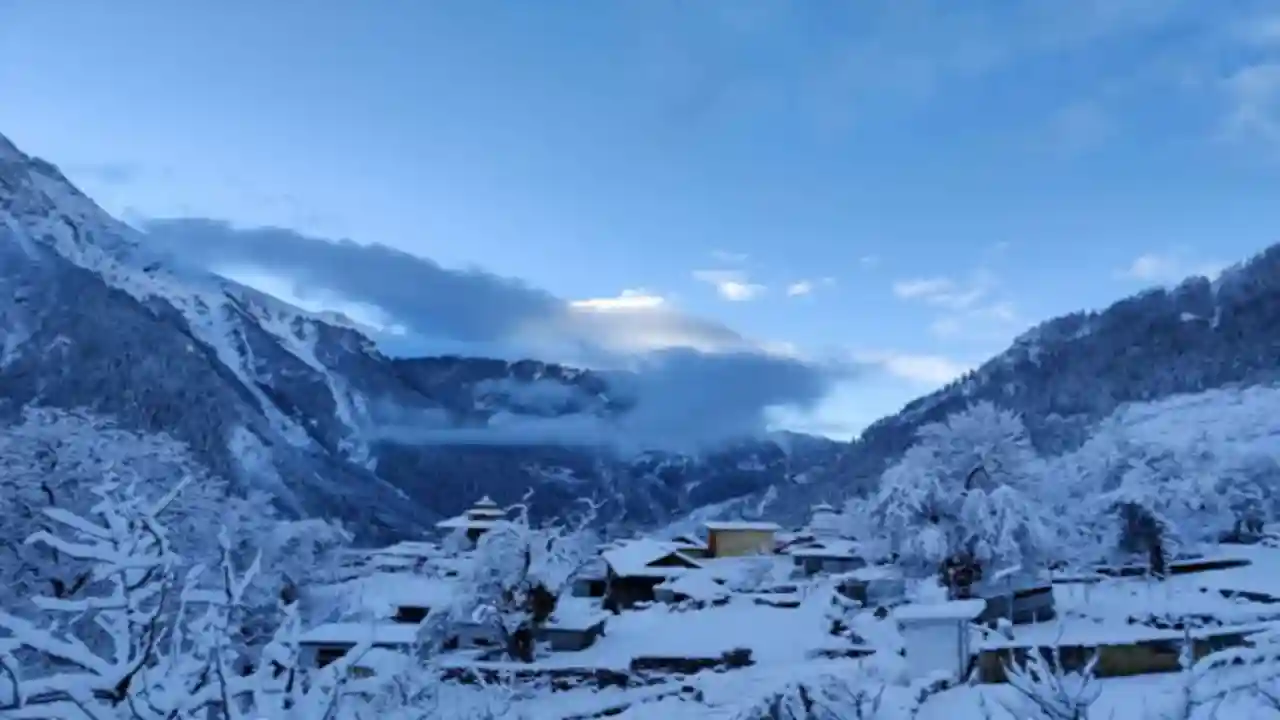
Long before Harsil Valley became a peaceful hideaway for travellers, it quietly lived at the crossroads of faith, nature, and time. For centuries, this serene valley lay along the sacred route to Gangotri, welcoming pilgrims, saints, and traders who passed through its forests and riverbanks. During the British era, Harsil found a new chapter when apple orchards were introduced, shaping both the landscape and local life. Its remote location and strategic importance kept development slow, allowing traditions and nature to remain untouched.
Harsil Valley Best Time to Visit
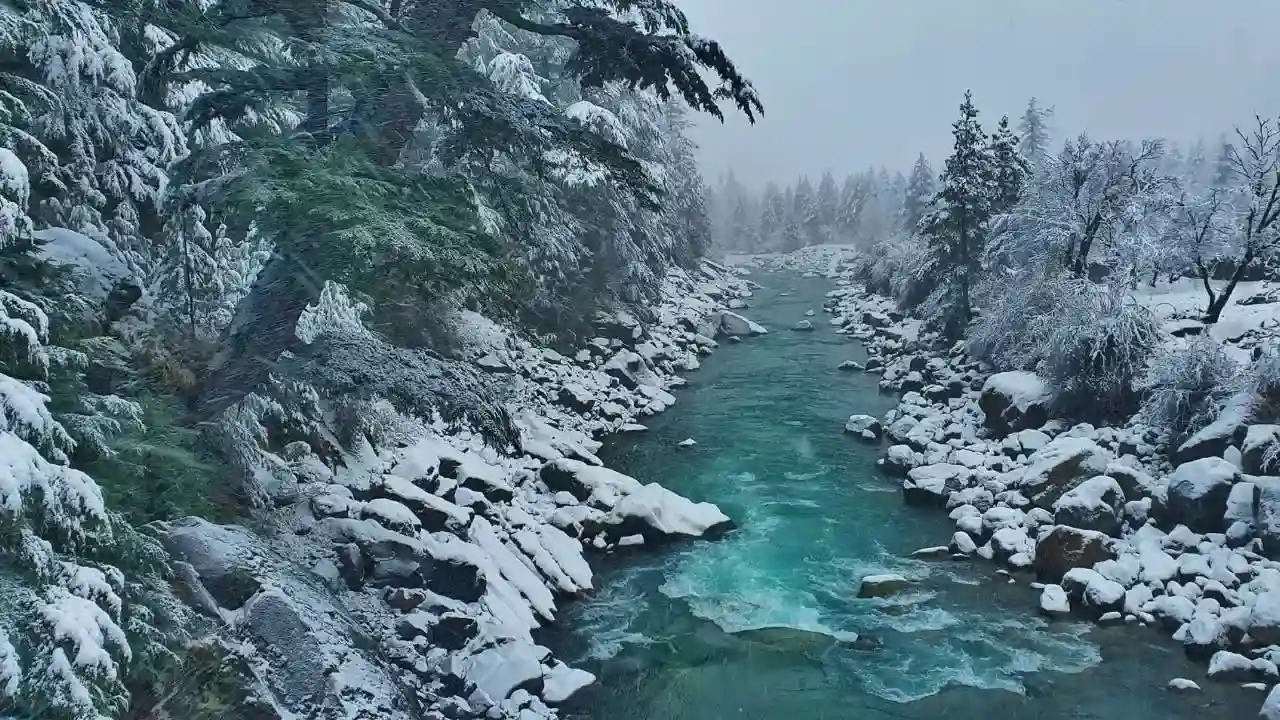
The best time to visit Uttarakhand depends upon the type of experience you are looking to have. Harsil Valley is stunning every season, yet the best time to visit depends on your desired experience - whether it's lush grassy landscape, snow, or the peaceful weather of the mountain.
Monsoon (July – September): Best for Nature Lovers
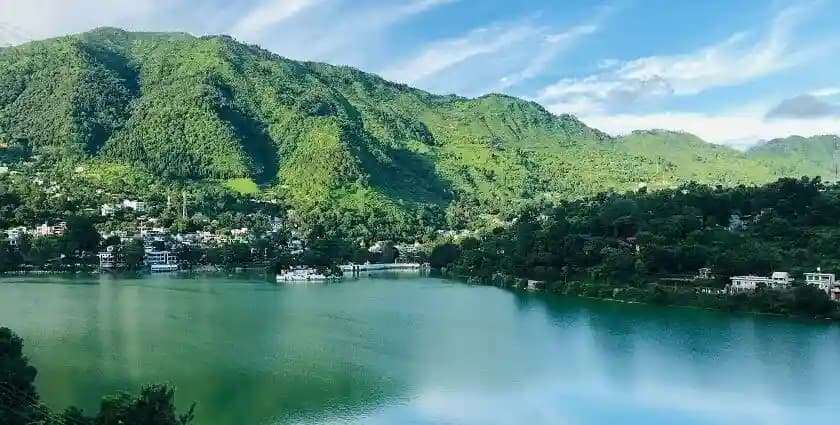
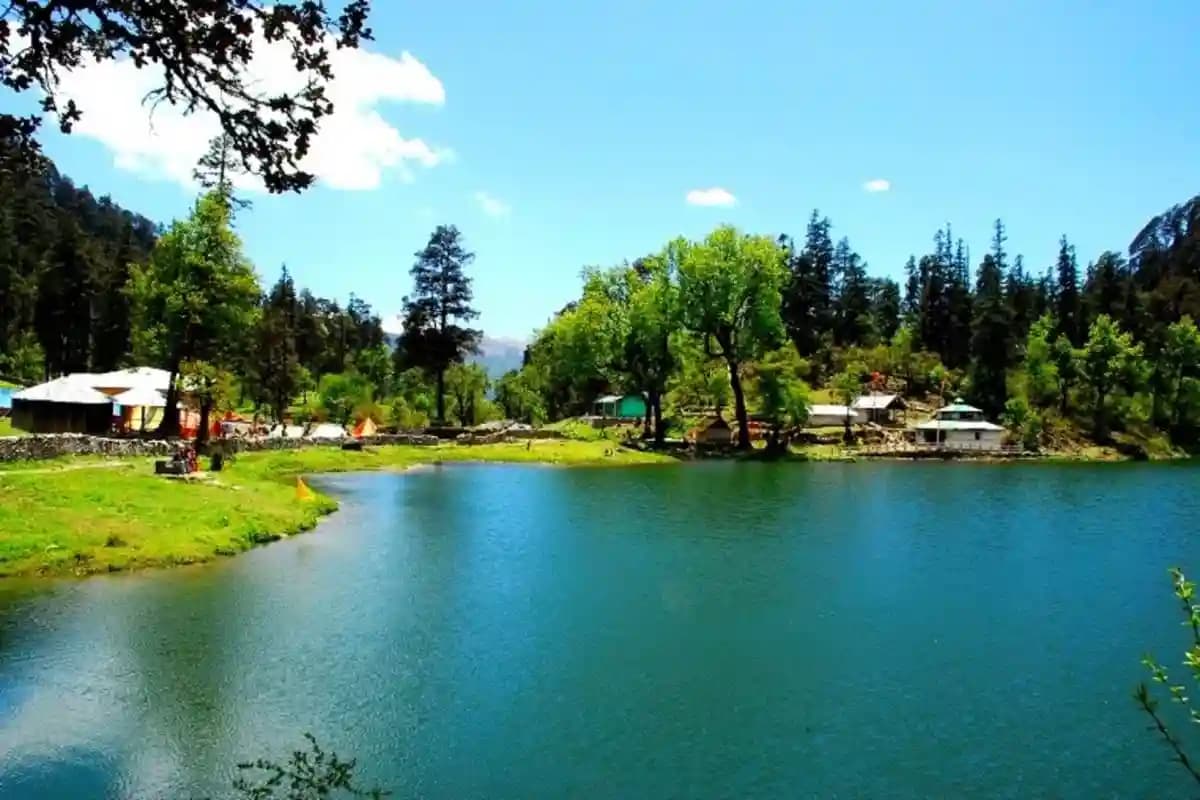
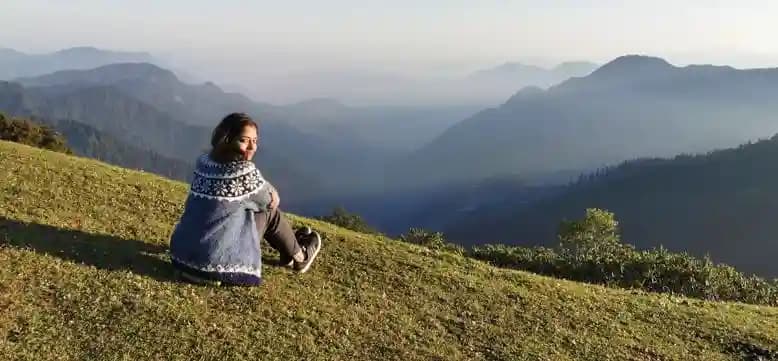
Harsil Valley is said to be at its best when you visit in the summer months. During these times, the Harsil Valley weather is pleasant, you have clear skies, and the valley will be in full bloom.
Harsil Valley Temperature: 10°C to 22°C
Optimum for sightseeing and photography
Excellent for short treks and nature walks
The route to Gangotri Temple is open
Best time to visit for families and adventurers.
Summer (April – June): Optimal Period for a Visit
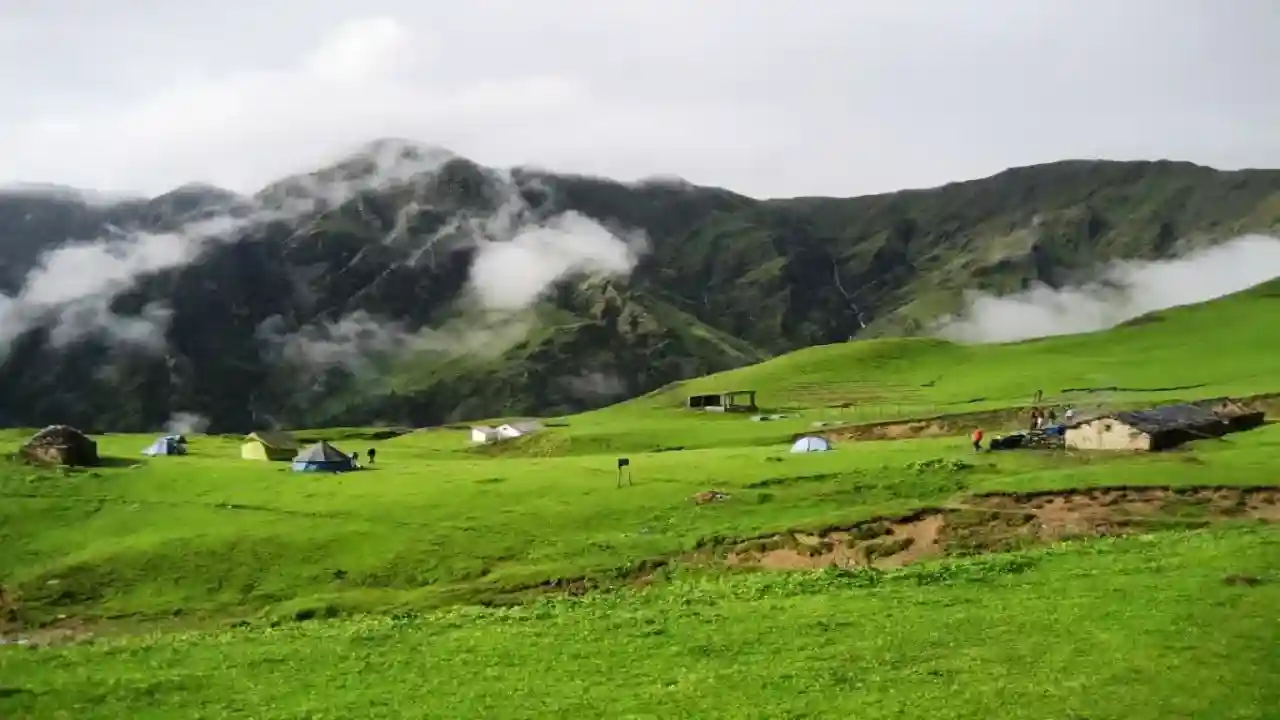
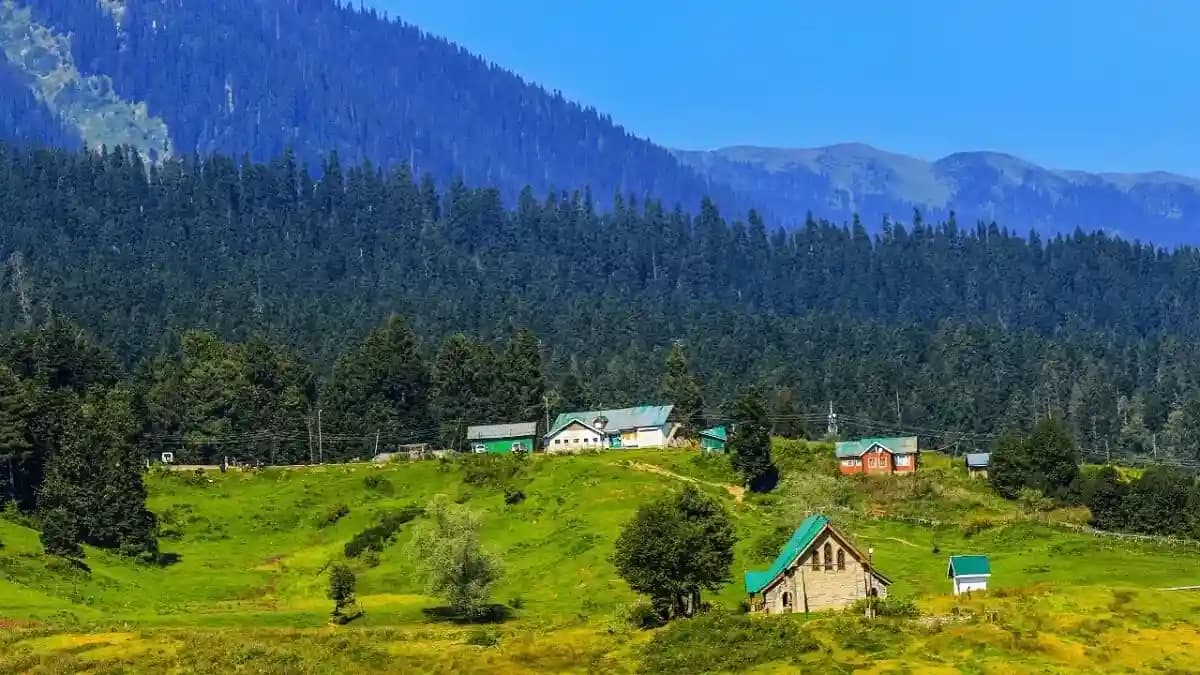
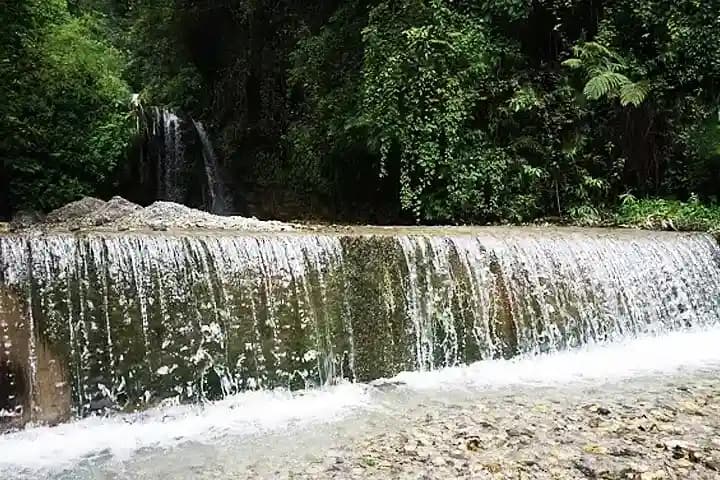
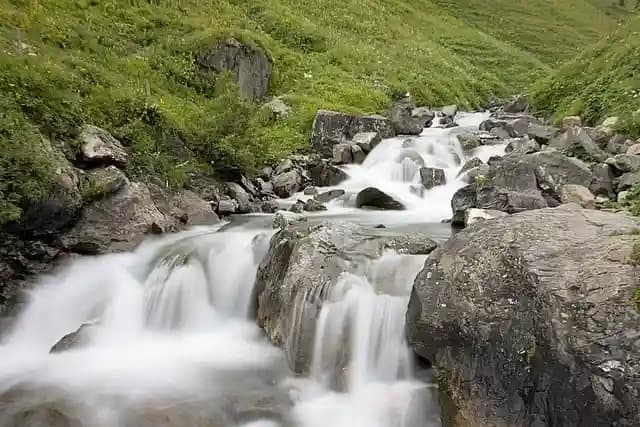
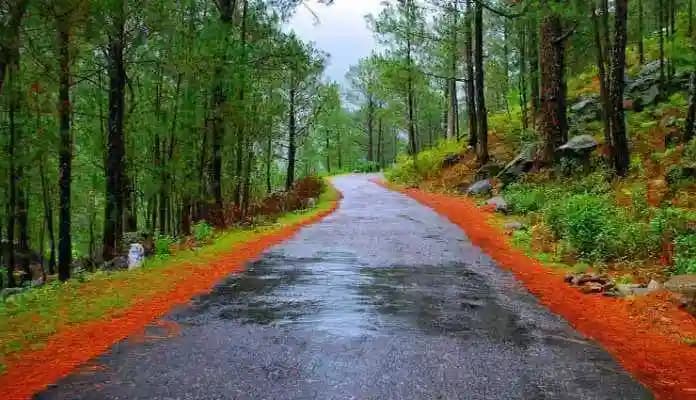
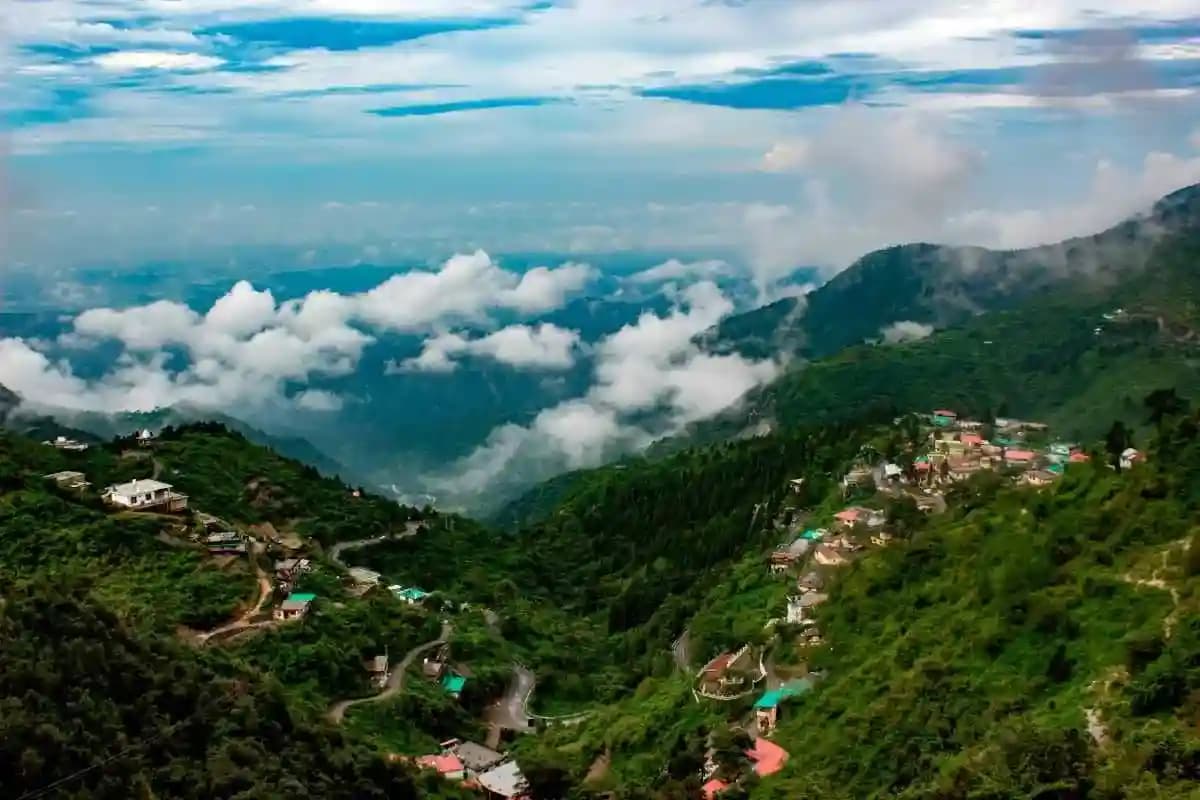
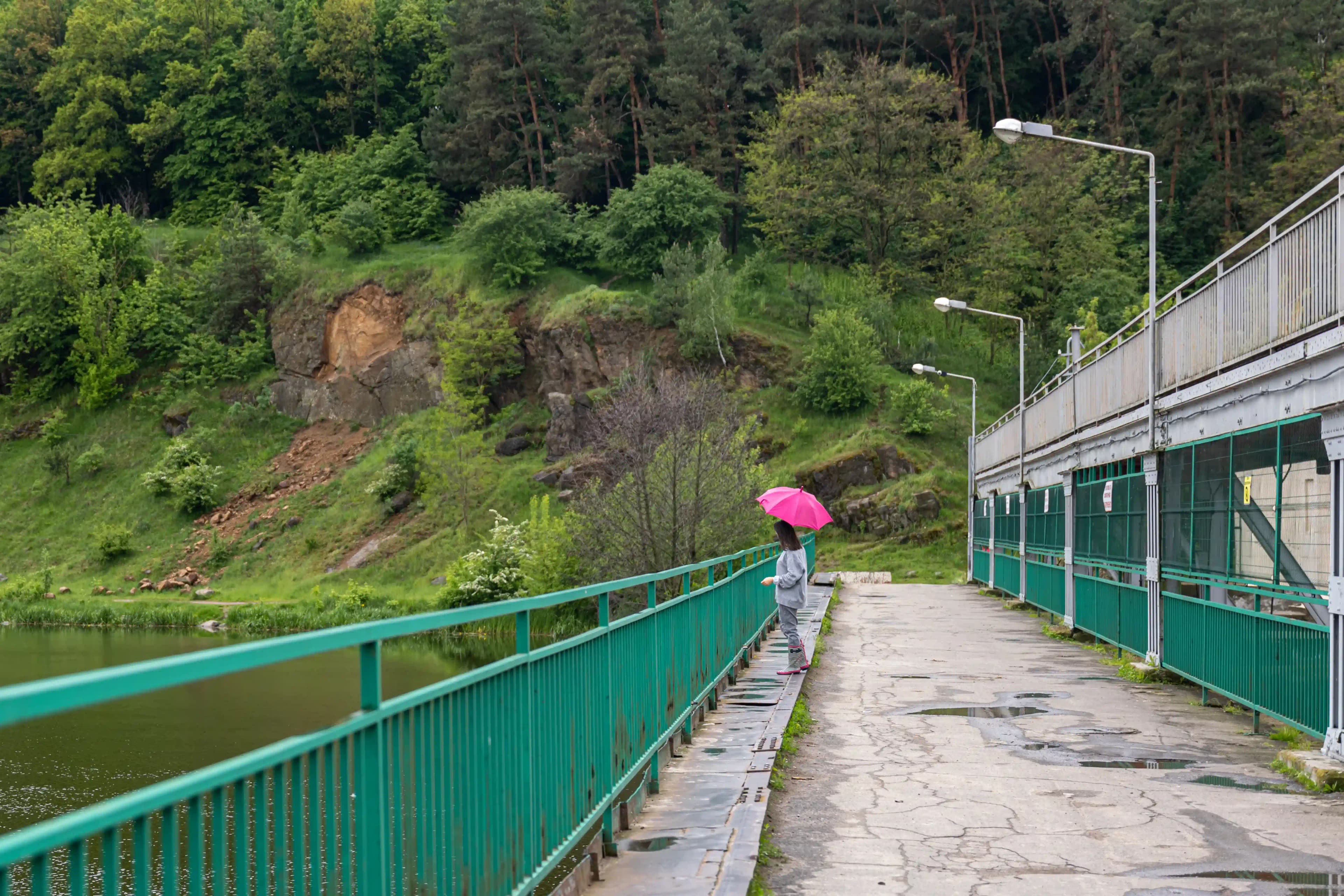
During the monsoon, Harsil Valley will be green and lush. Note that the rain will bring the landscape back to life, and from your experience, this is the quietest time if you appreciate peace and isolation!
Harsil Valley Temperature: 8°C to 18°C
Very quiet: Fewer tourists
Best for photography and unwinding
Consider the weather prior to going; you may experience landslides.
Winter (October – February): Best for Snow Lovers
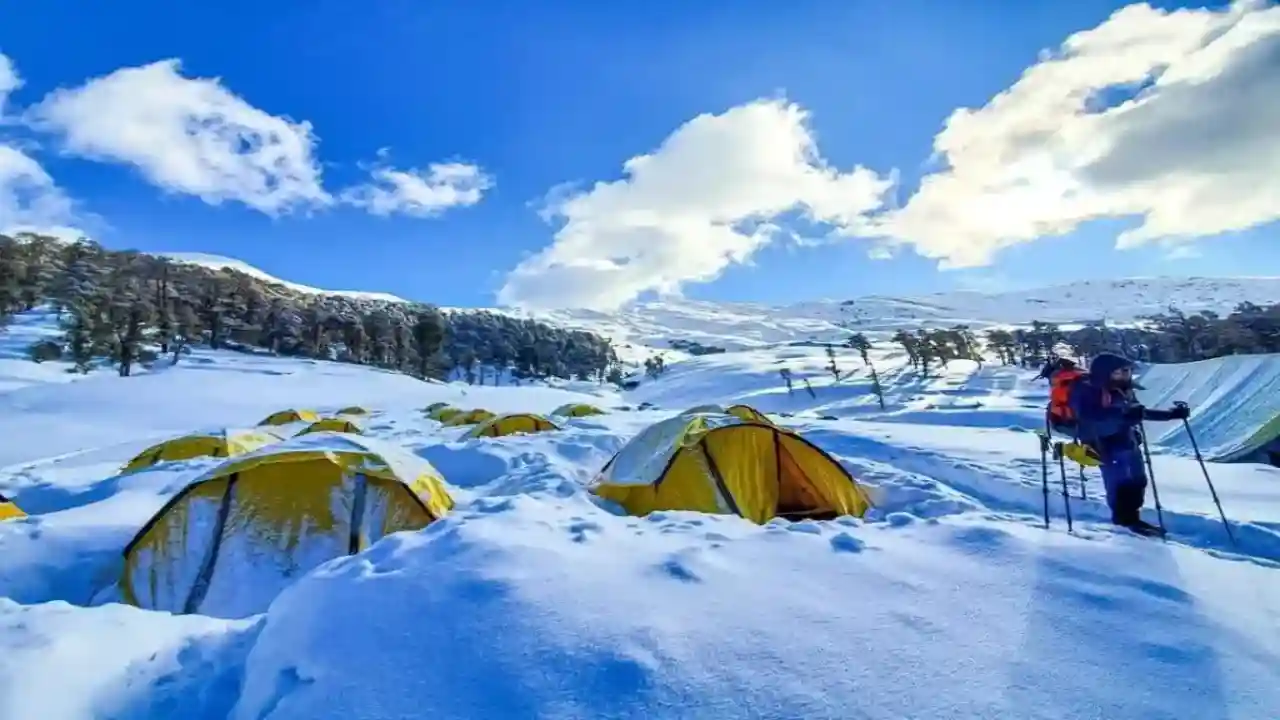
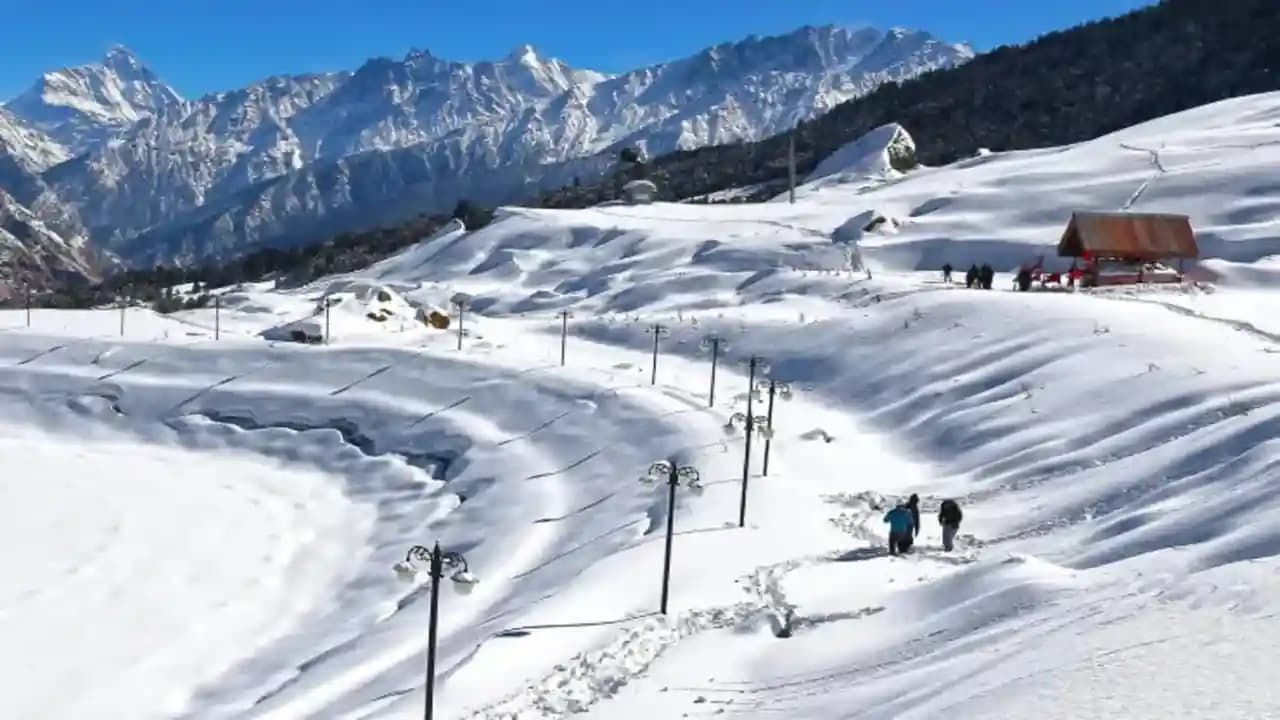
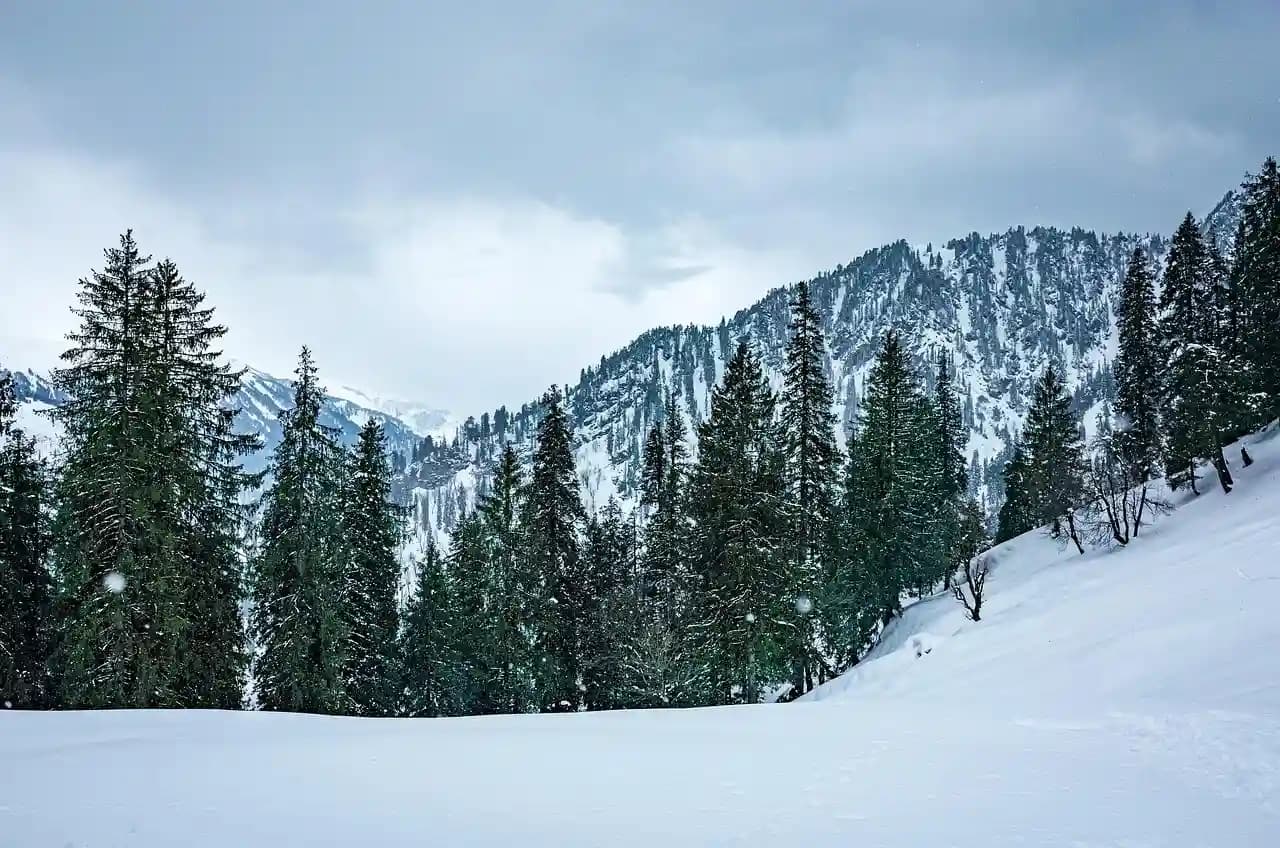
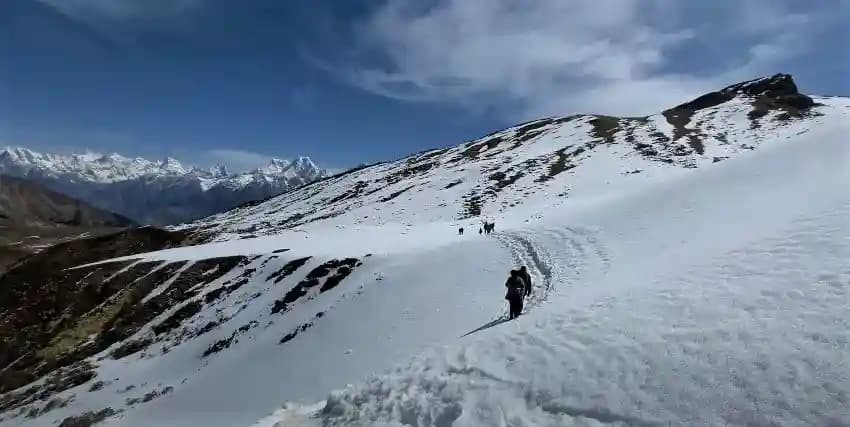
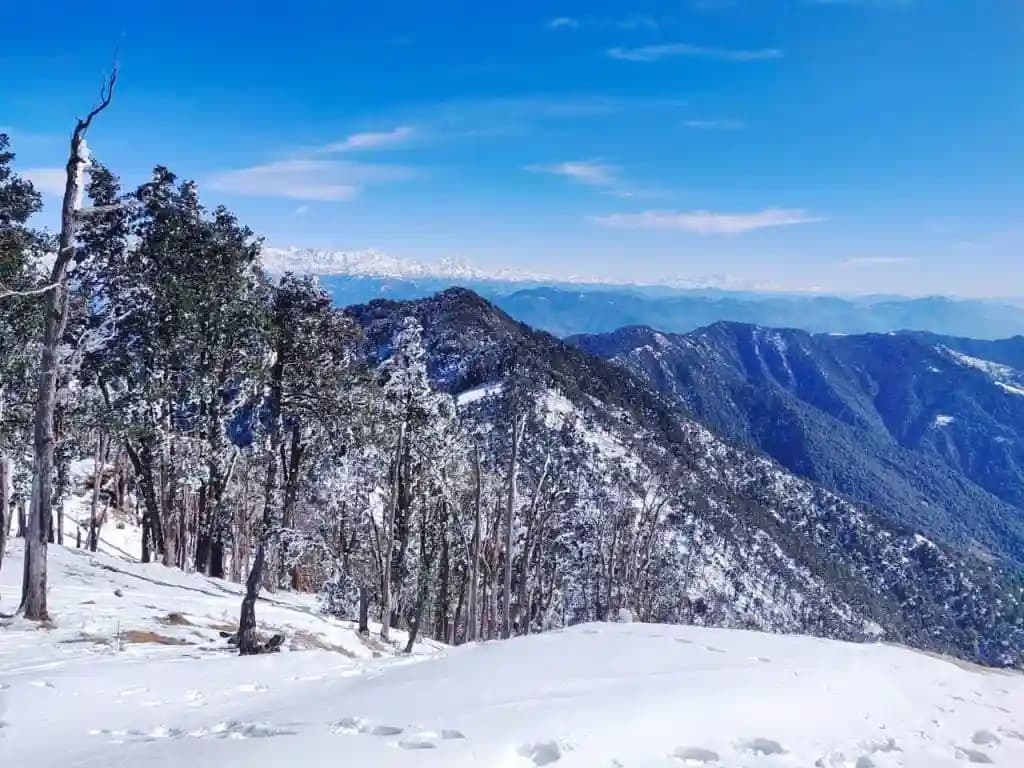
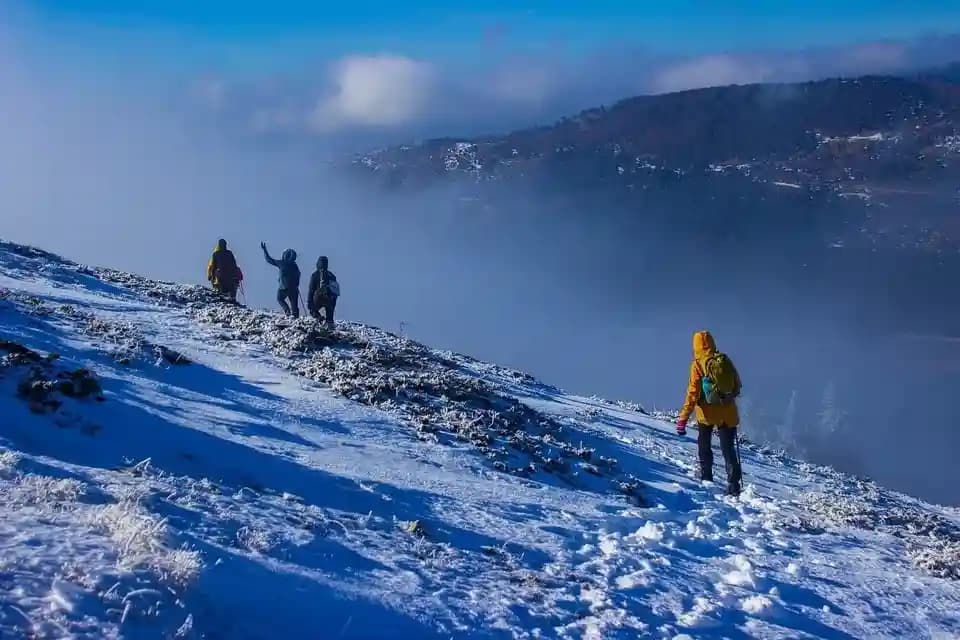
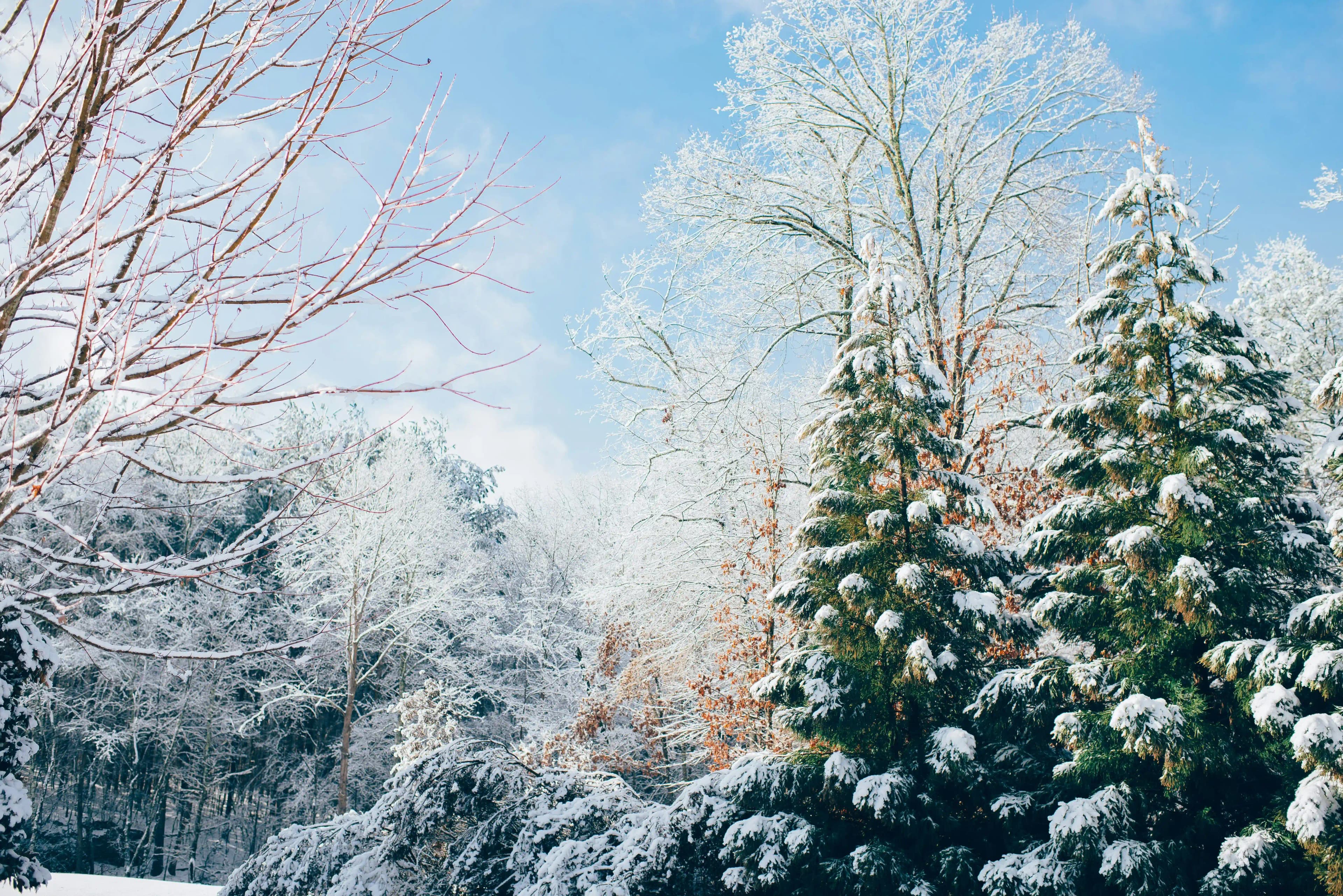
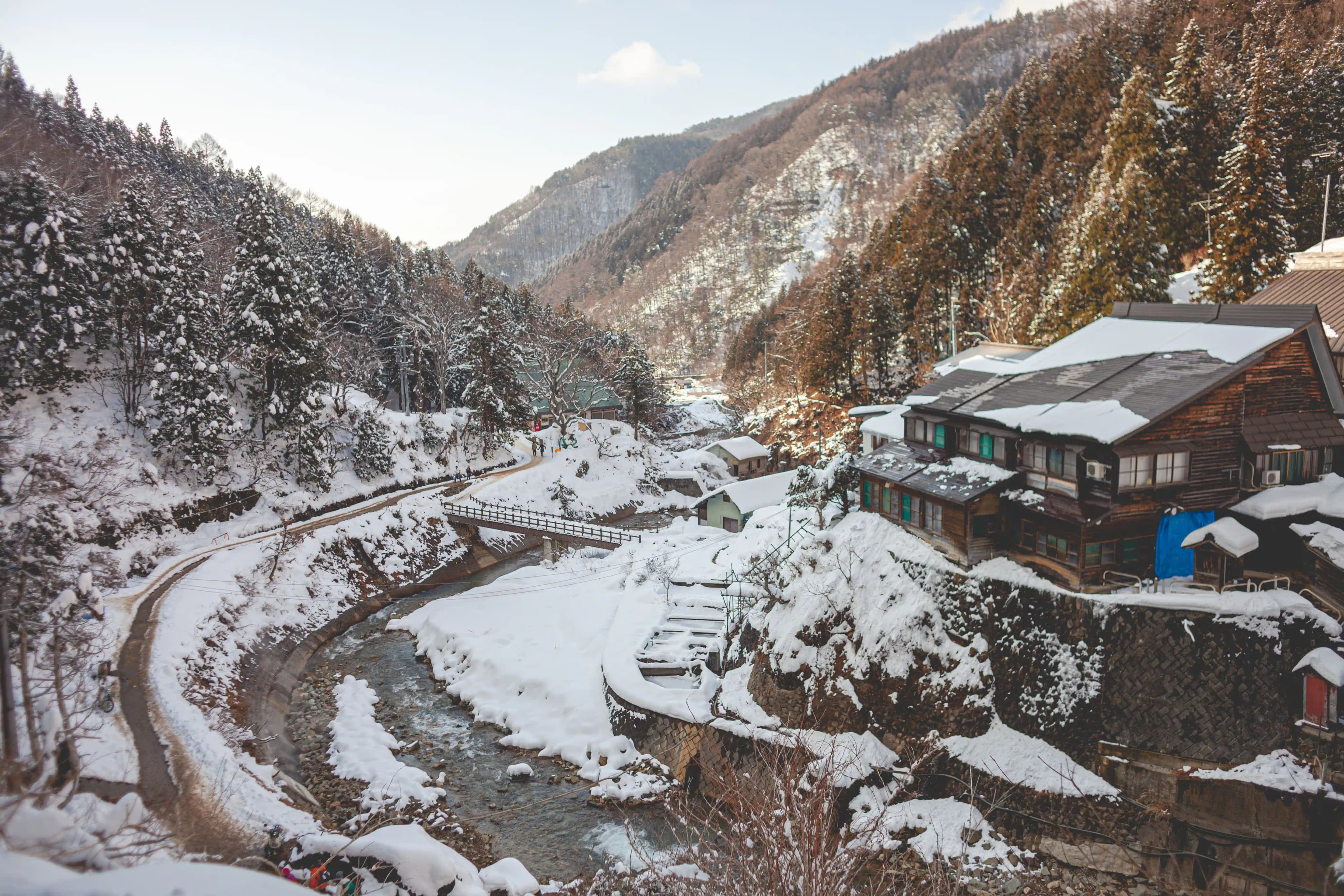
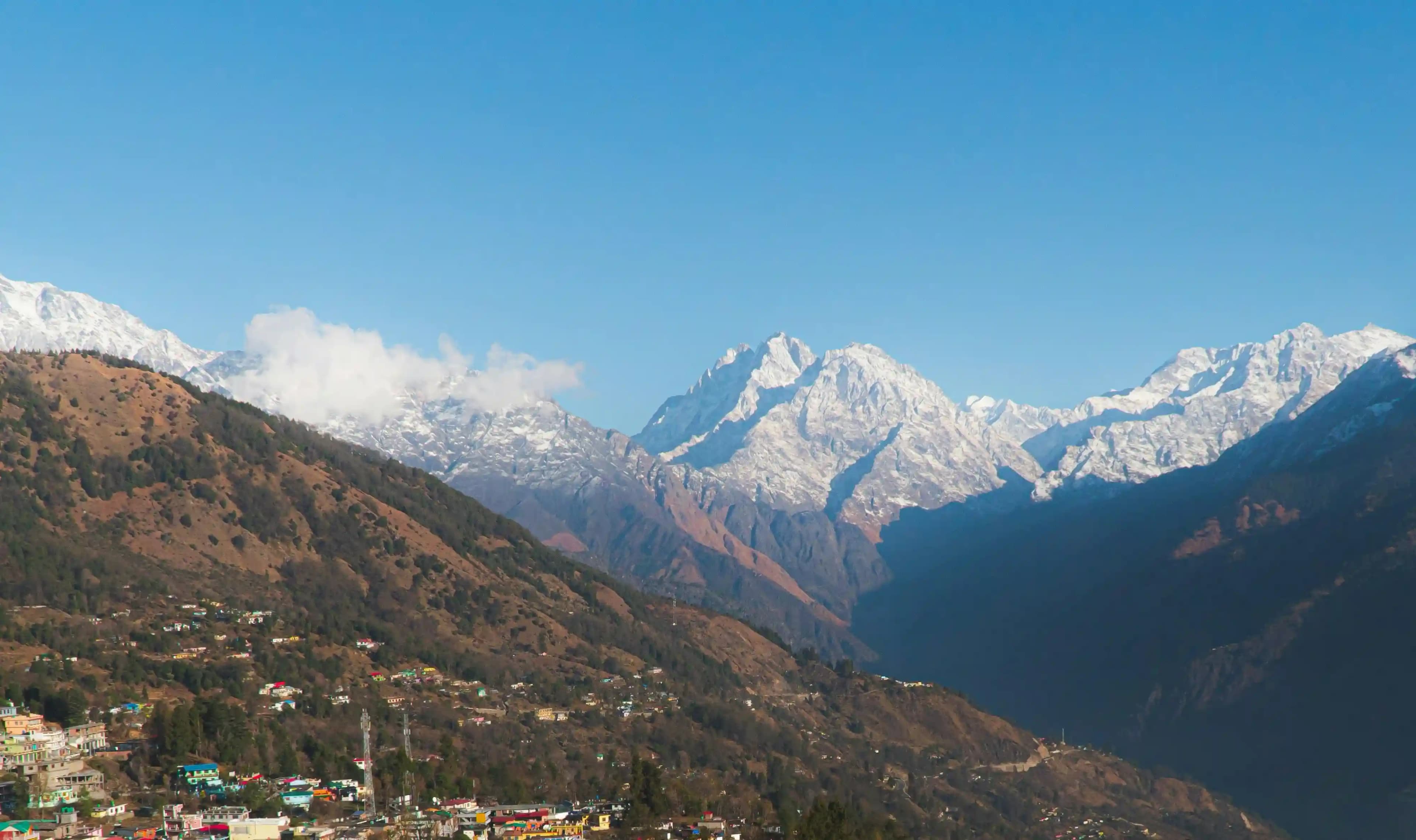
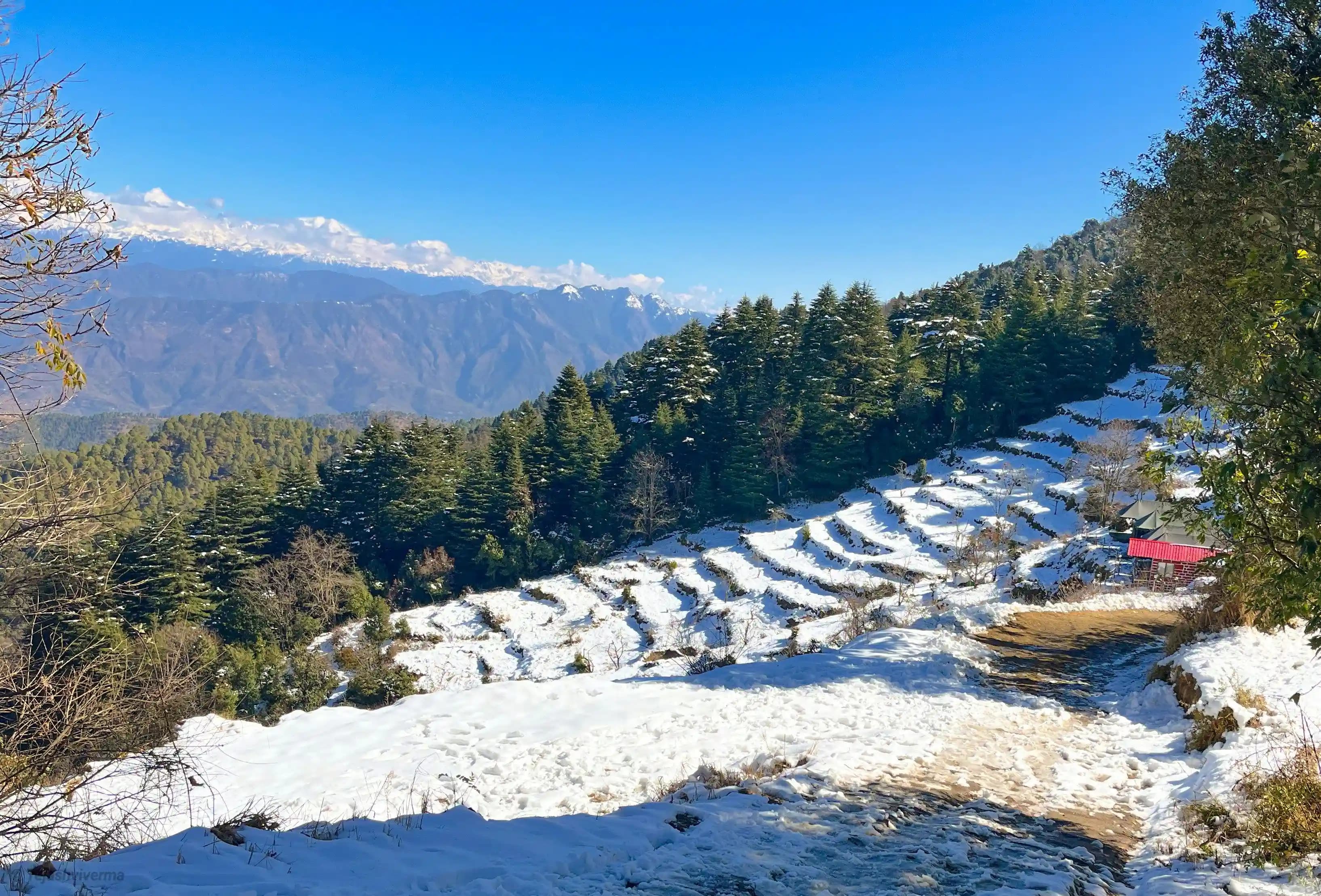
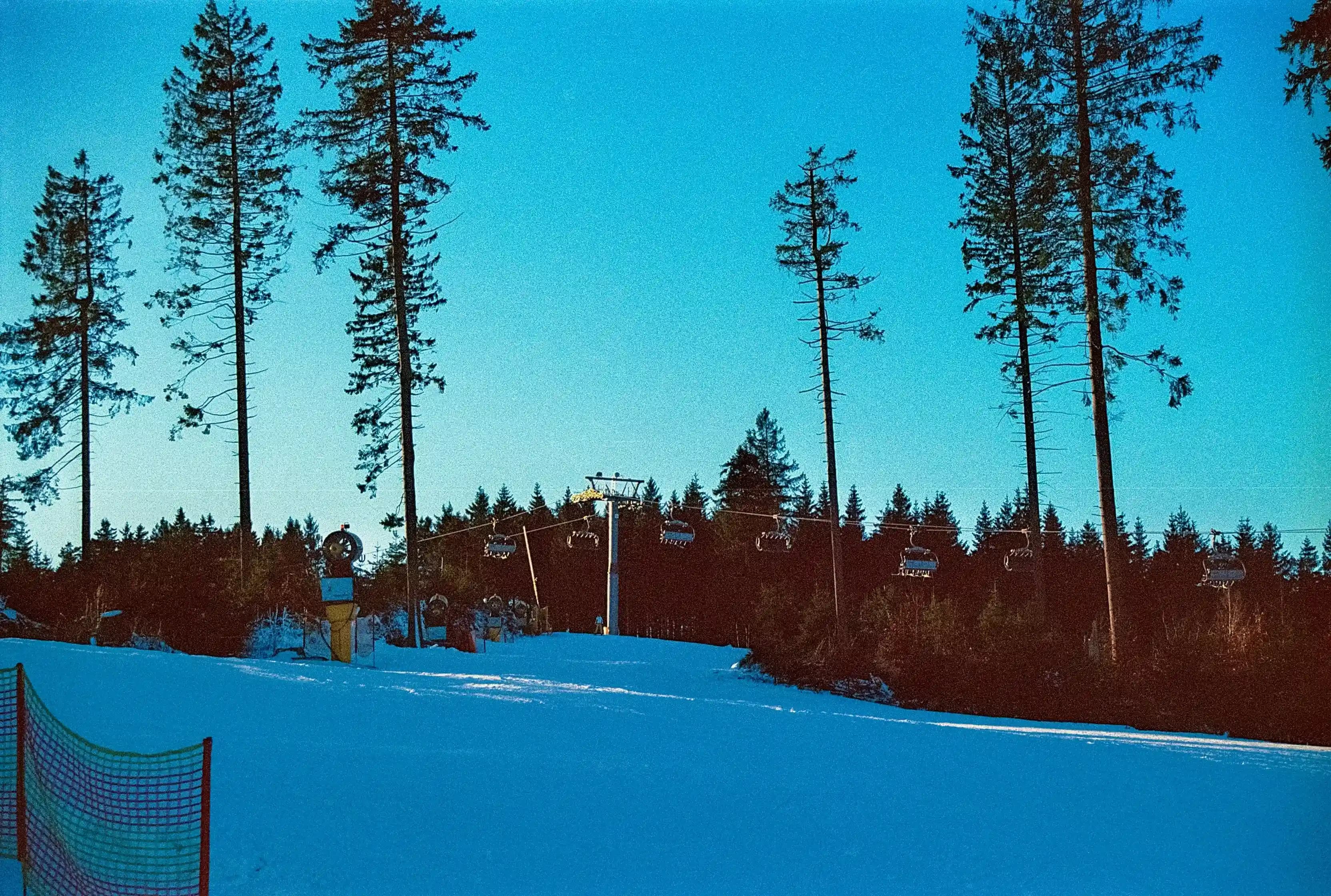
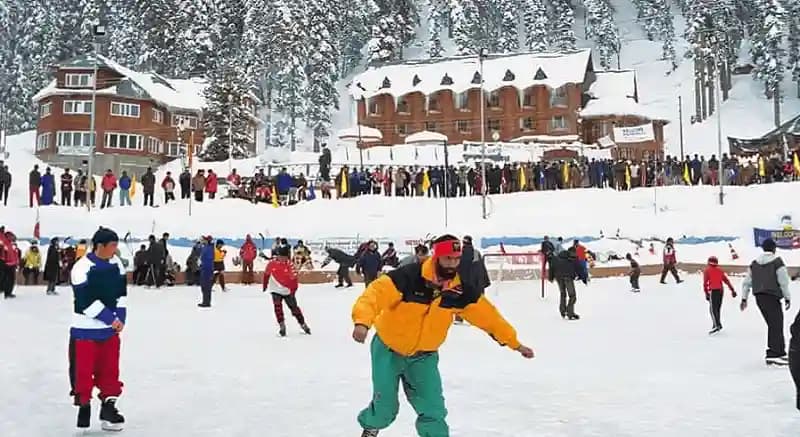
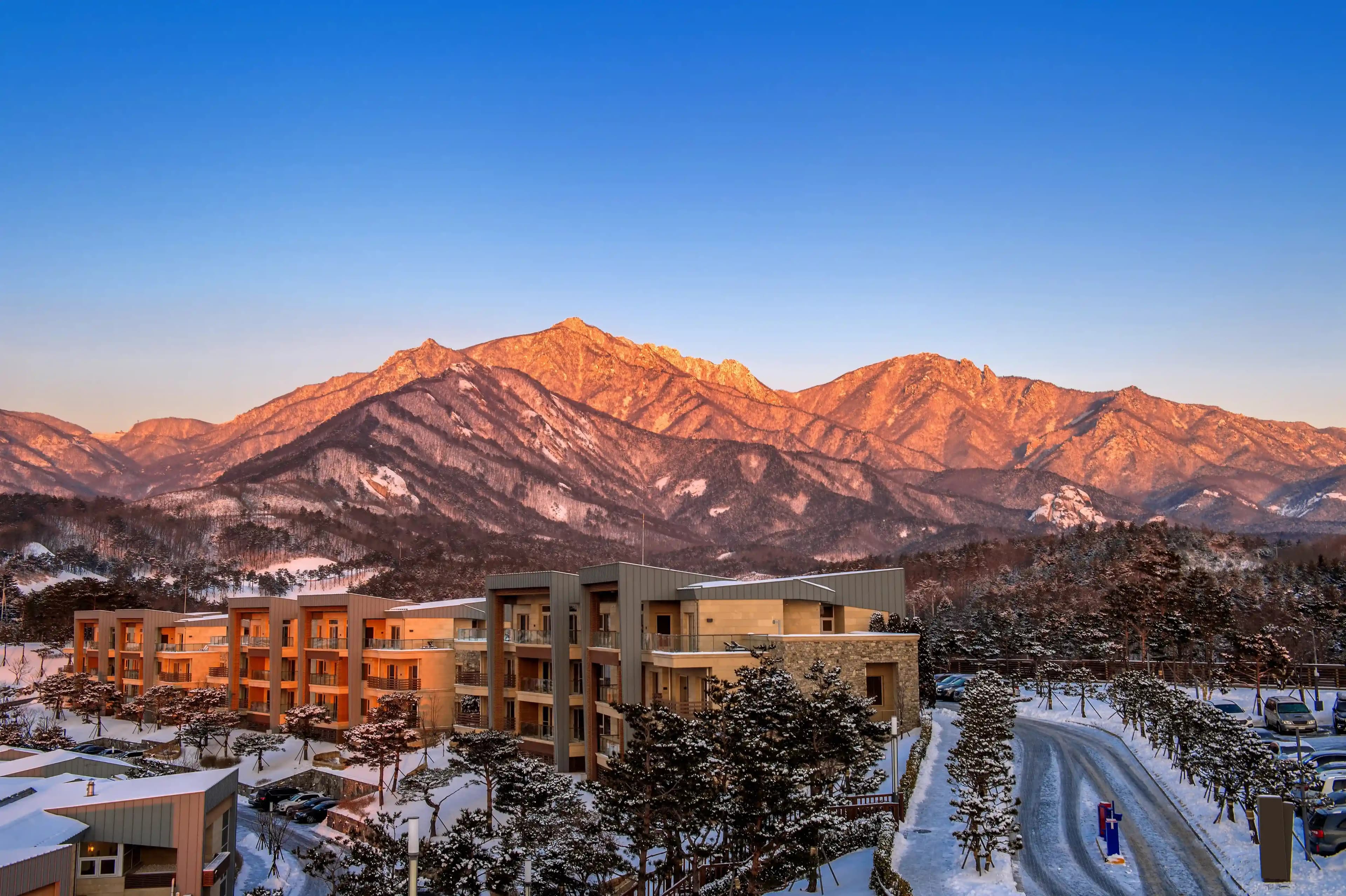
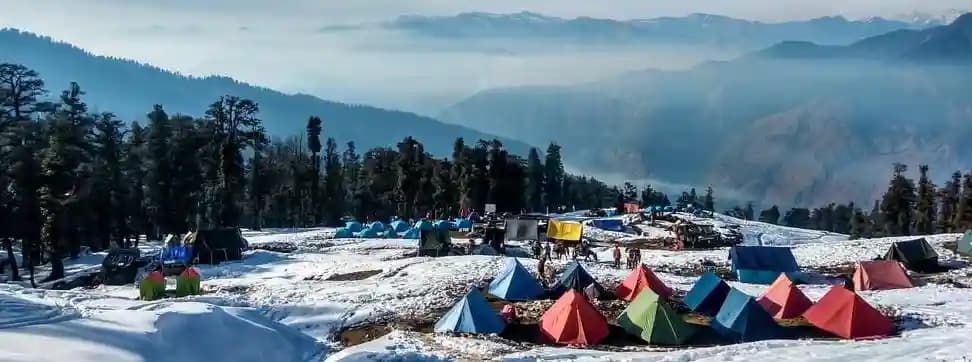
When you visit in the winter, Harsil Valley, Uttarakhand is a snow wonderland. The icy winds, snow and misty winter nights create a dramatic setting for those who enjoy seclusion in the mountains.
Harsil Valley Temperature: Temperature of Harsil valley in Winter ranges between -5°C to 10°C
Best time to experience snow and cosy up
Ideal if you are a photographer or enjoy silence
Dress warmly, it could be freezing, and/or the roads could be snow-covered.
How to Reach Harsil Valley
Harsil Valley from Delhi is approximately 470 km. The scenery throughout the trip is filled with mountains, river valleys, and picturesque Himalayan villages. Depending on how you choose to travel, by road, rail, or air, you will have a unique experience.
By Road
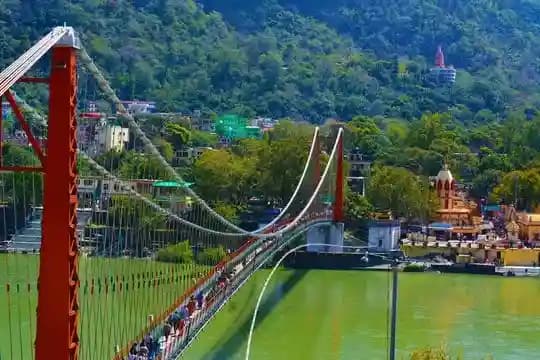
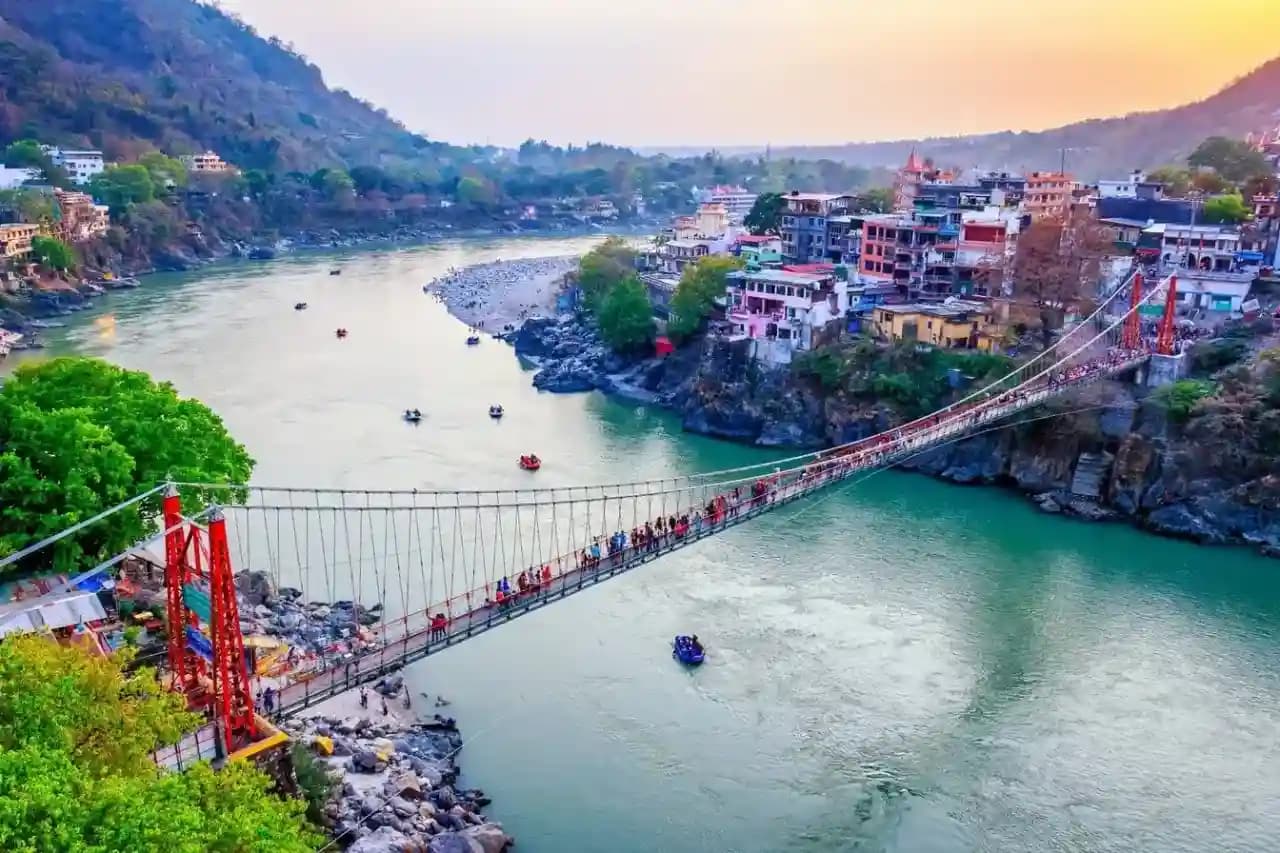
The most common way to travel to Harsil Valley is by road. Below are specifics about the journey, which allows for views of beautiful villages such as Rishikesh, Uttarkashi, and Gangnani before finally arriving in Harsil.
Distance: Approx. 470 km from Delhi | 250 km from Rishikesh
Travel Time: 11–13 hours from Delhi | 8–9 hours from Rishikesh
Common Route: Delhi / Rishikesh → Chamba → Uttarkashi → Bhatwari → Harsil
Travel Suggestions:
Leave early in the morning to avoid bridges and traffic in the area of Rishikesh.
After Uttarkashi, the roads are steep in the mountains. However, if there is anything good after Uttarkashi, it is that at least the roads are well-paved in the hilly region.
Carry light snacks for the trip and fill up on petrol/diesel before starting from the Uttarkashi region.
By Train
There are no direct trains to Harsil Valley. The closest railway stations are Rishikesh and Dehradun. You can book a taxi or find a shared cab service from either station to Harsil.
Nearest Railway Station(s):
Rishikesh Railway Station (approximately 250 km)
Dehradun Railway Station (approximately 260 km)
Travel time: Time taken to travel to Harsil (by road) after train travel: 8-9 hours.
By Air
The closest airport to Harsil Valley is Jolly Grant Airport in Dehradun, and there are frequent flights to Dehradun from Delhi. You can then arrange for a taxi or bus service to Harsil Valley via Uttarkashi.
Nearest Airport: Jolly Grant Airport, Dehradun (approximately 232 km)
Flight Duration (Delhi to Dehradun): 1 hour
Travel time: Time taken for travel by road (Dehradun to Harsil): 8-9 hours
Best Way to Travel
If you like scenic drives and have flexibility in deciding, road travel from Delhi is the best option. If you're looking for a travel experience, the best option is to fly into Dehradun and travel to the Harsil region by road.
Nearby Attractions to Harsil Valley
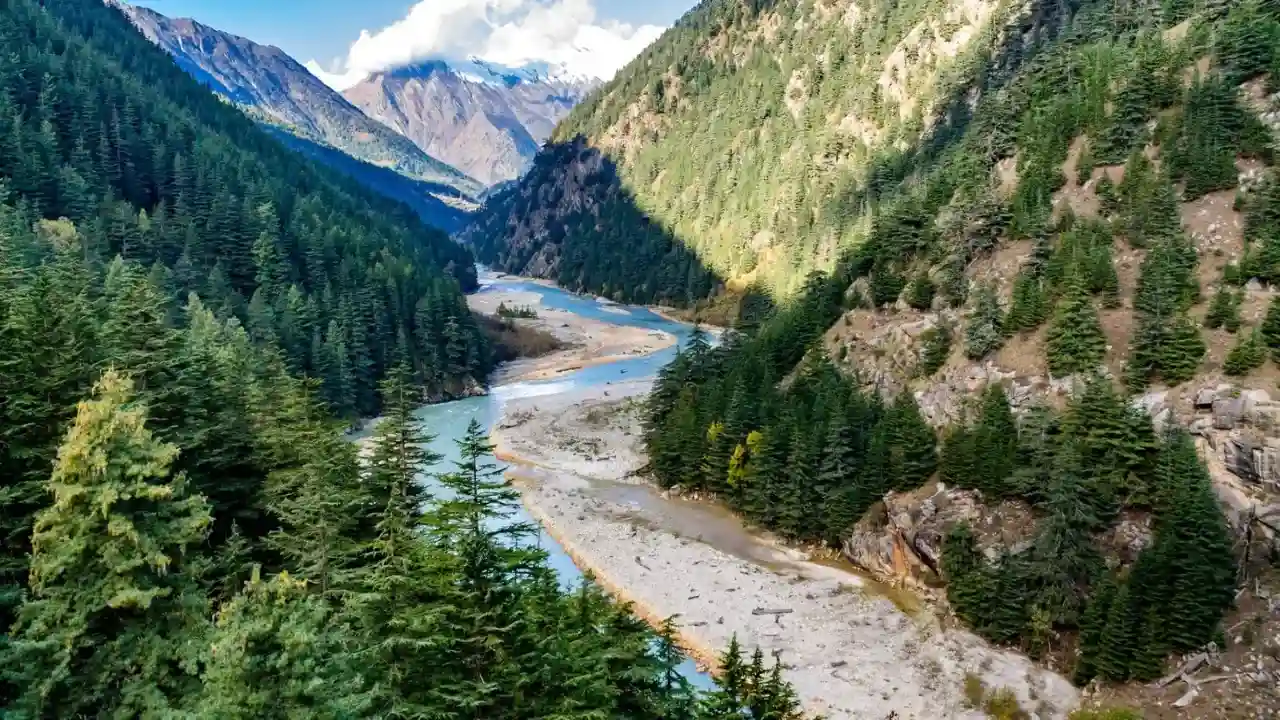
There are various places to visit in Uttarakhand, but some of the major attractions near Harsil Valley are-
1. Harsil Village
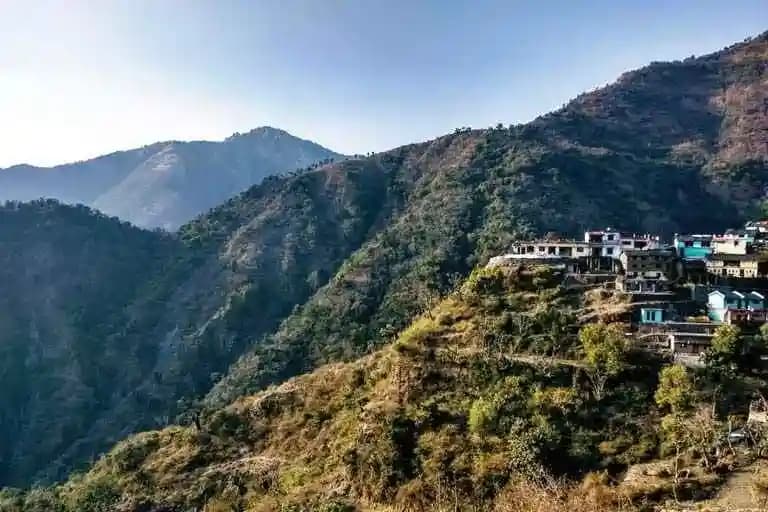
The heart of the valley, known for its wooden houses, friendly locals, and riverside views. A simple walk through the village often becomes the most memorable experience.
2. Bagori Village
One of the oldest villages in the region, Bagori reflects traditional Garhwali architecture and slow rural life, untouched by modern tourism.
3. Bhagirathi River Banks
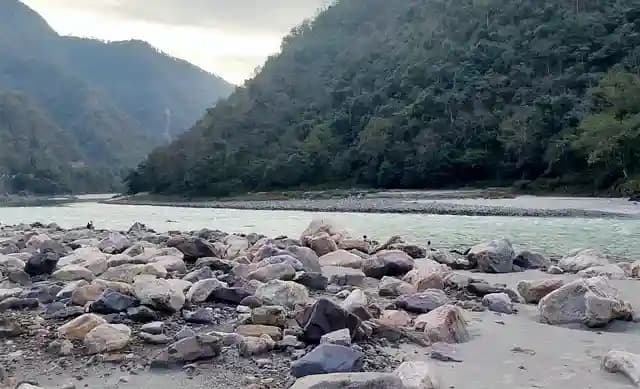
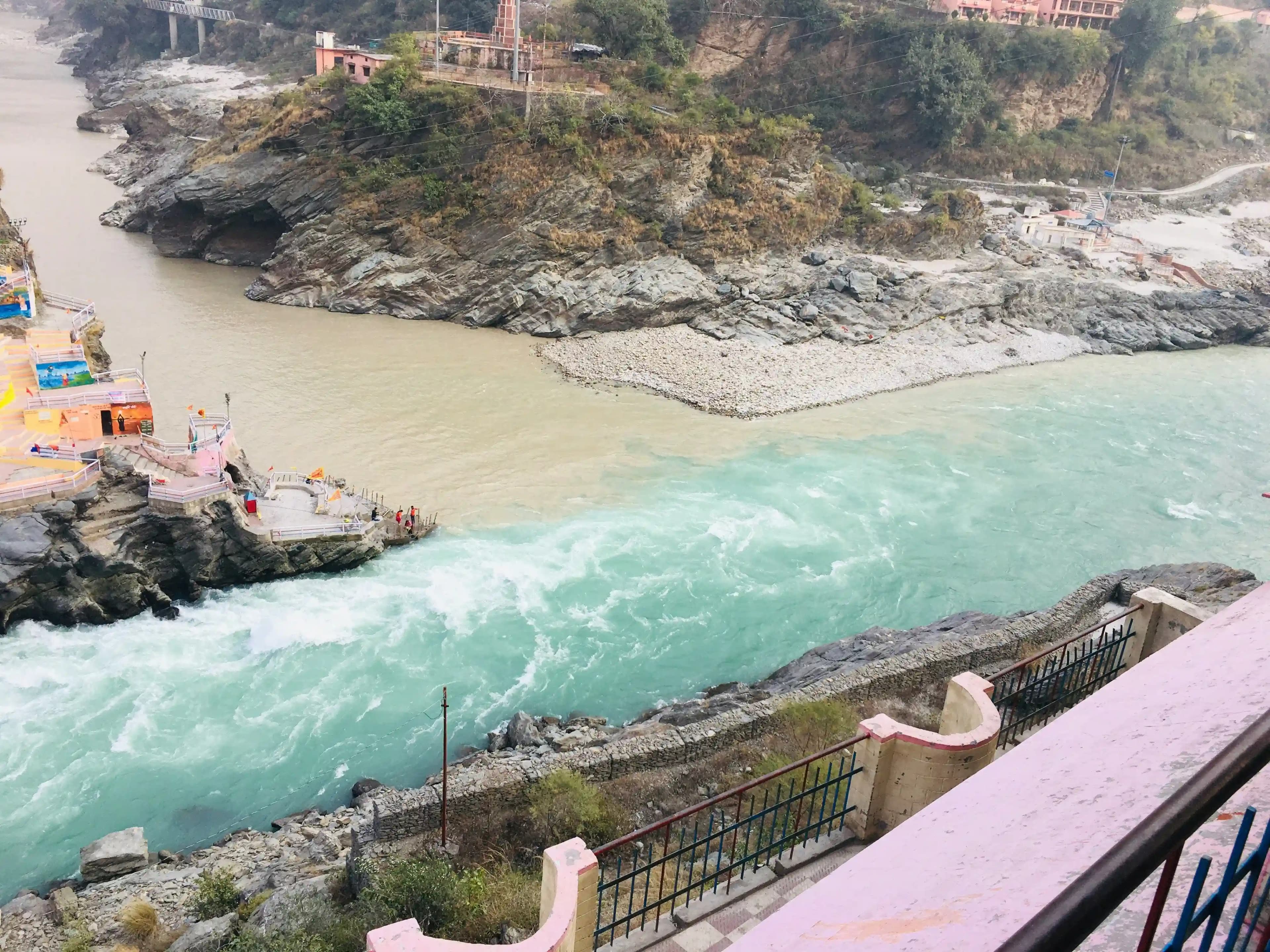
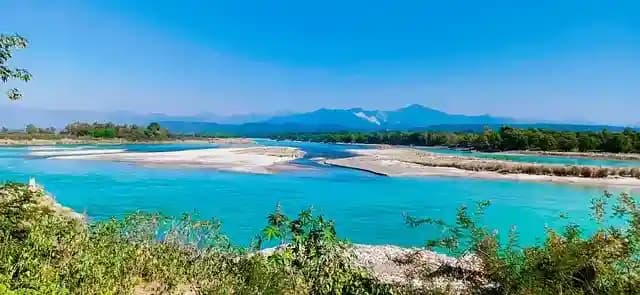
Flowing quietly beside the valley, the river adds calm to the surroundings. Early mornings here are especially peaceful.
4. Dharali
Famous for apple orchards, Dharali is a short drive away and perfect for photography and cultural exploration.
Things to Do in Harsil Valley
There are various things to do in Uttarakhand, one of them is exploring Harsil Valley. Harsil isn’t about ticking off attractions, but it’s about some beautiful experiences too. Let’s know some of the things to do in Harsil Valley-
Slow riverside walks along the Bhagirathi
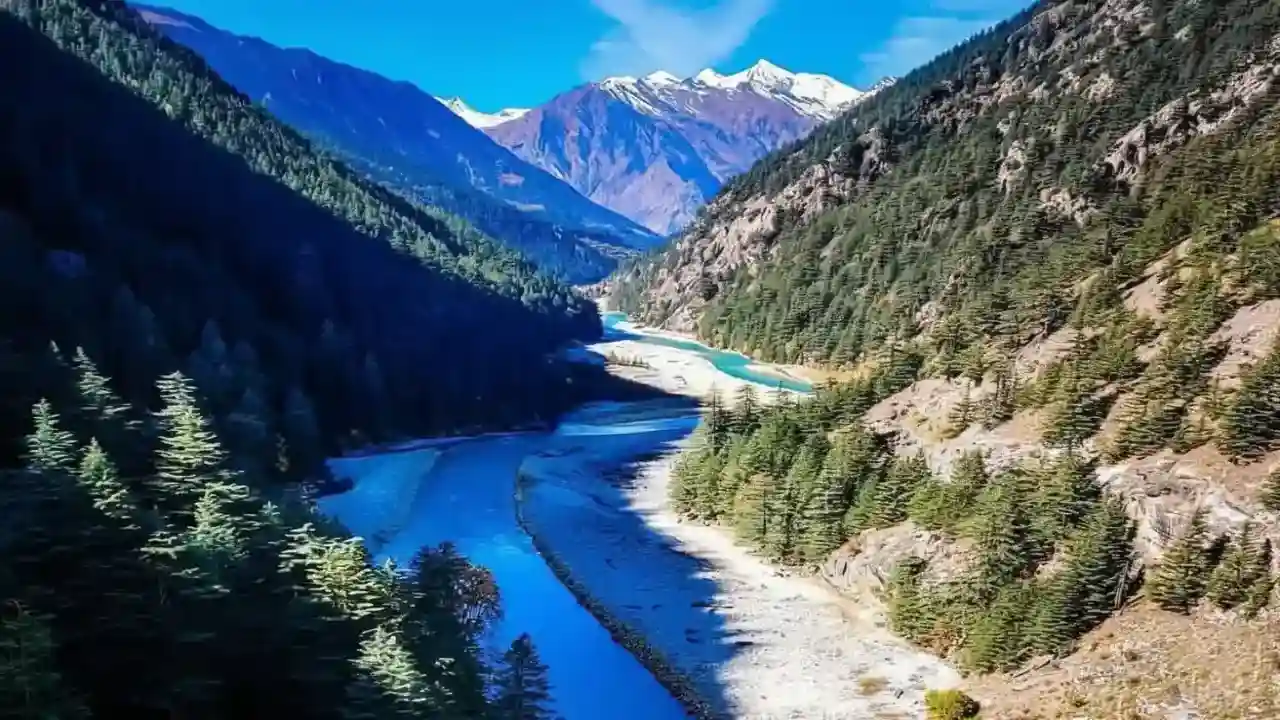
It is the best thing to experience in Harsil village. Imagine vibing with flowing water, breathing fresh mountain air, and distant peaks that create a naturally meditative atmosphere. Early mornings and quiet evenings are especially soothing, perfect for slowing down and reconnecting with nature.
Explore forest trails and villages
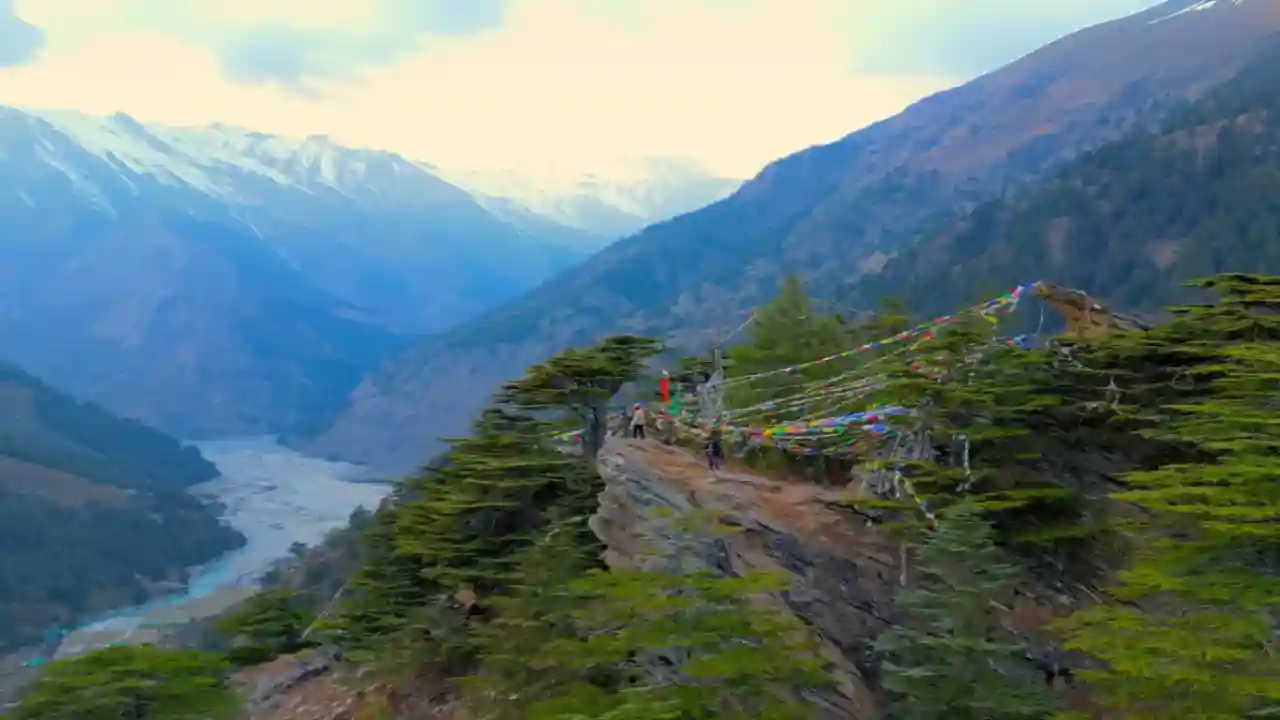
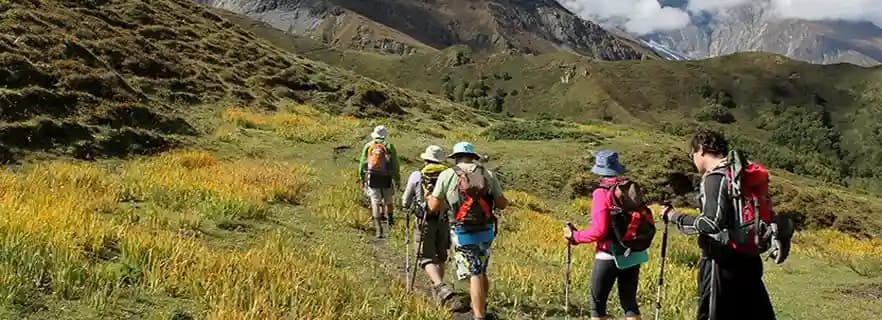
Explore the forest trails and the nearby village attractions through the pine forest with deodar and oak trees, opening up to hidden viewpoints and small villages. Walking through places like Dharali or Bagori offer you a glimpse into high-altitude local life, where local traditions remain unchanged, and hospitality feels welcoming.
Enjoy local Garhwali cuisine
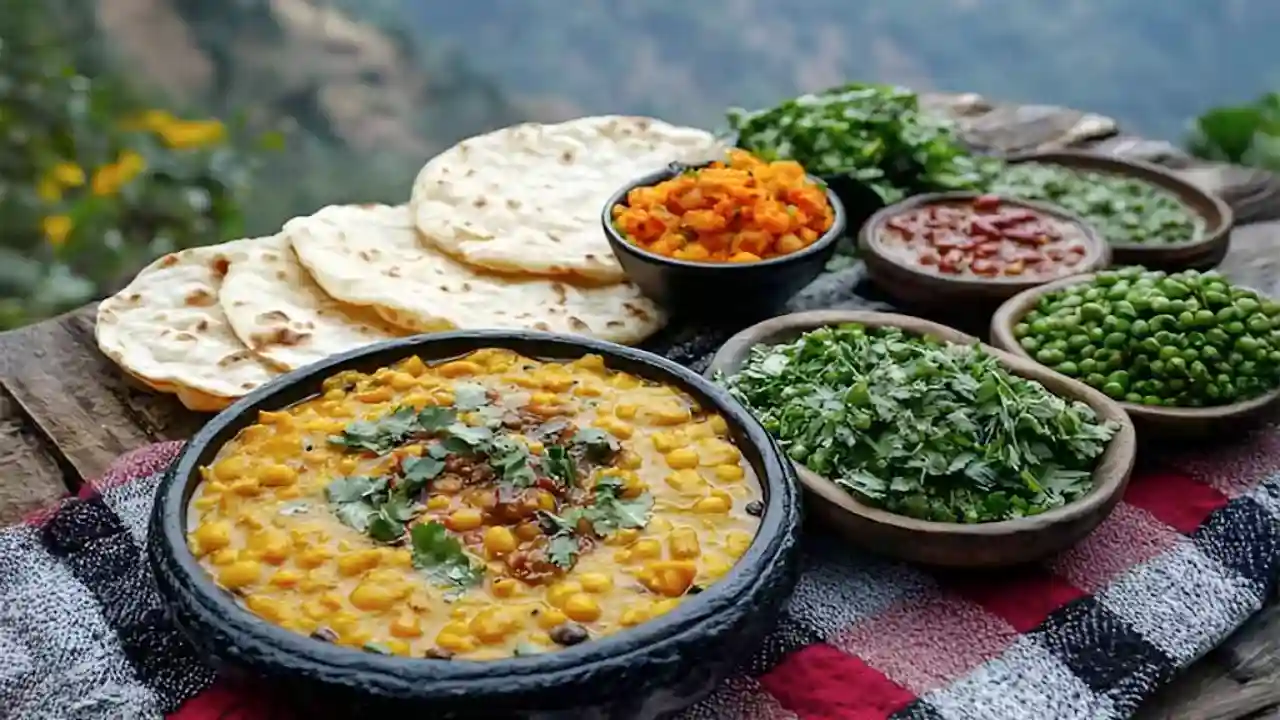
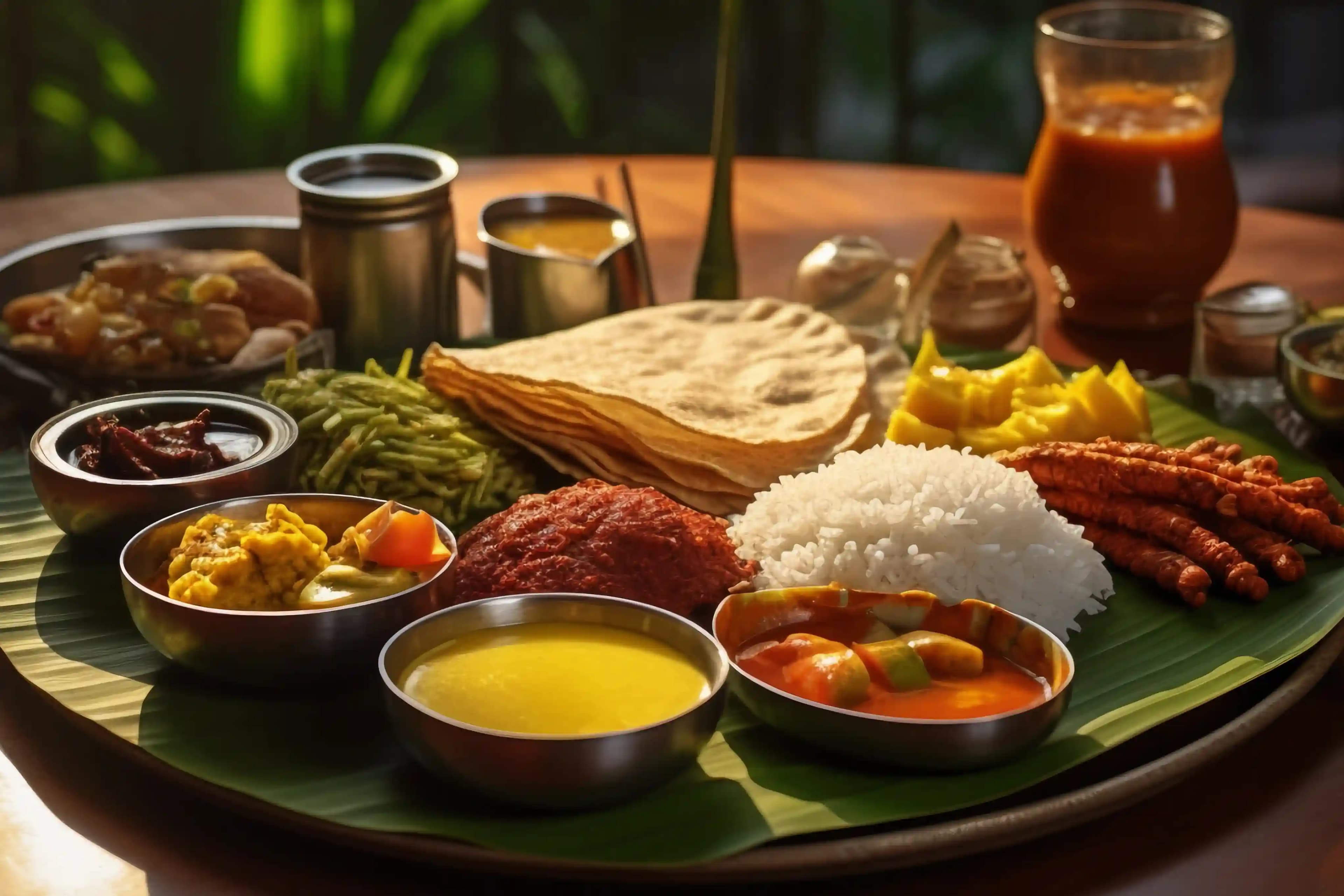
You can simply enjoy the local cuisine here, like Garwali, made with the help of local grains and seasonal vegetables. Local meals made you experience a unique flavour that let you enjoy the taste of another region.
Photography
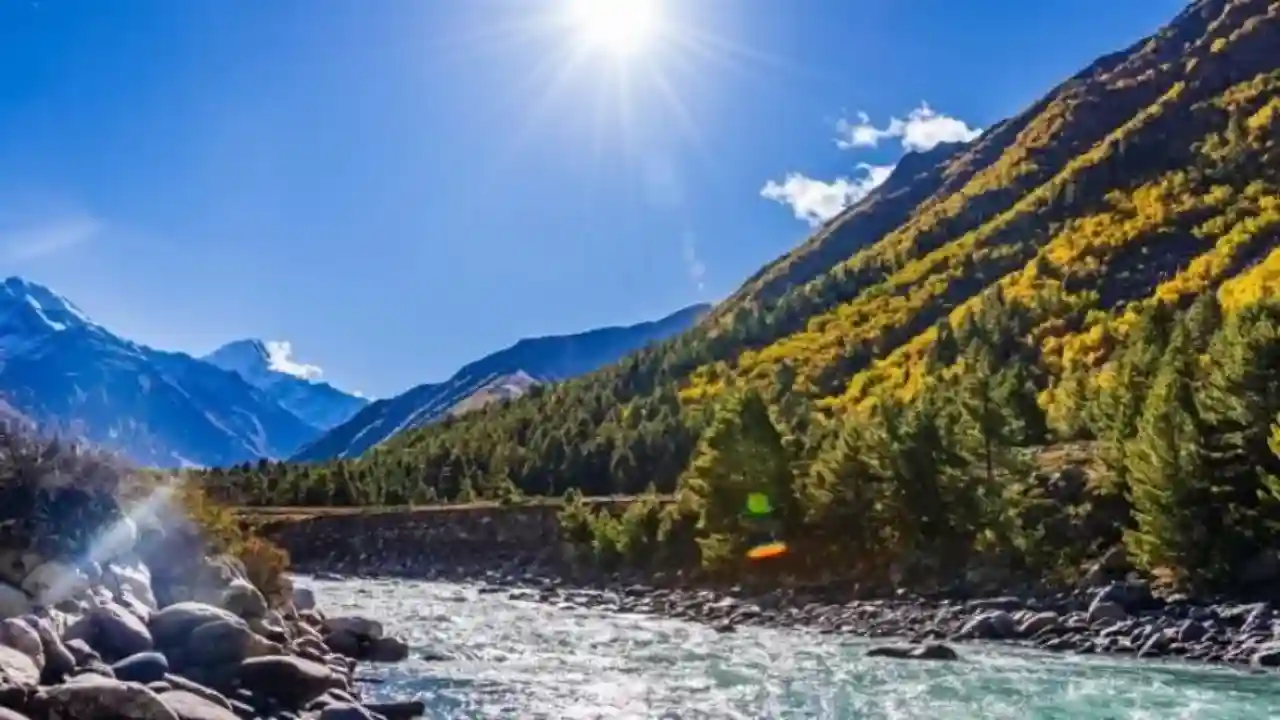
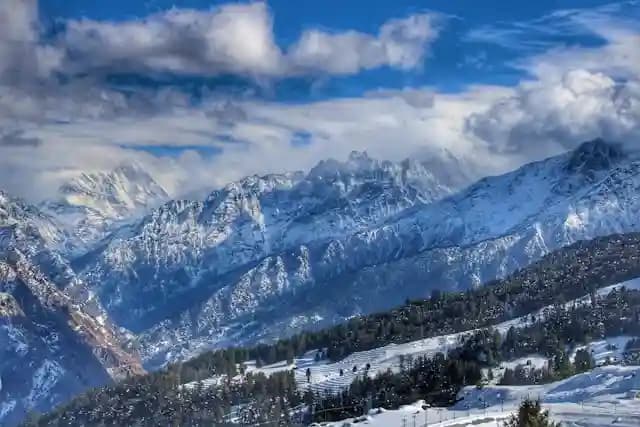
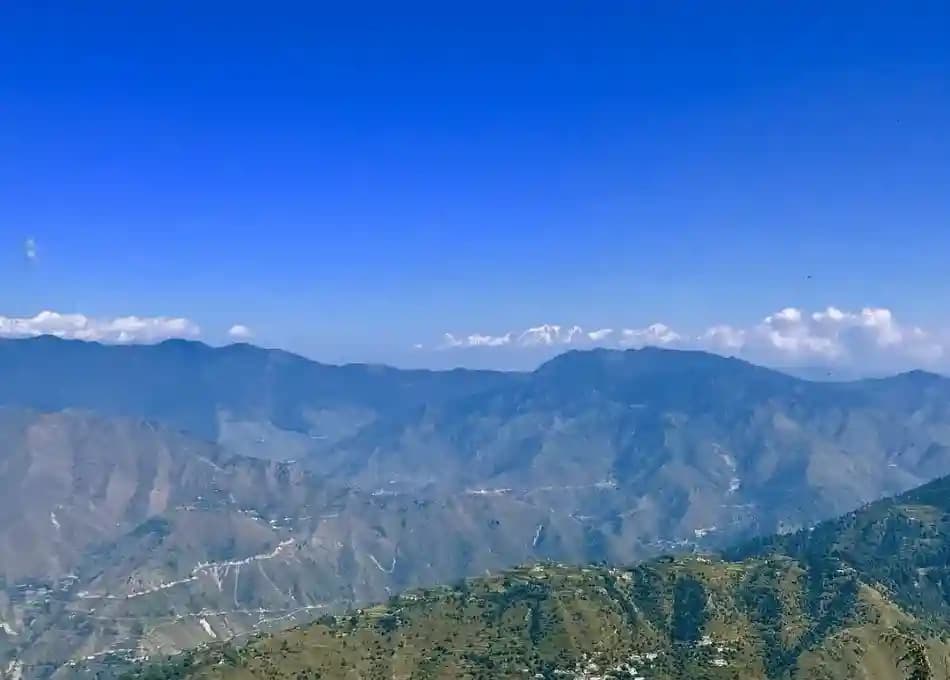
Harsil is a dream for photographers. Snow-capped peaks, misty mornings, wooden houses, and clear night skies offer endless frames. With minimal light pollution, stargazing and night photography become unforgettable experiences.
Disconnect from Chaos
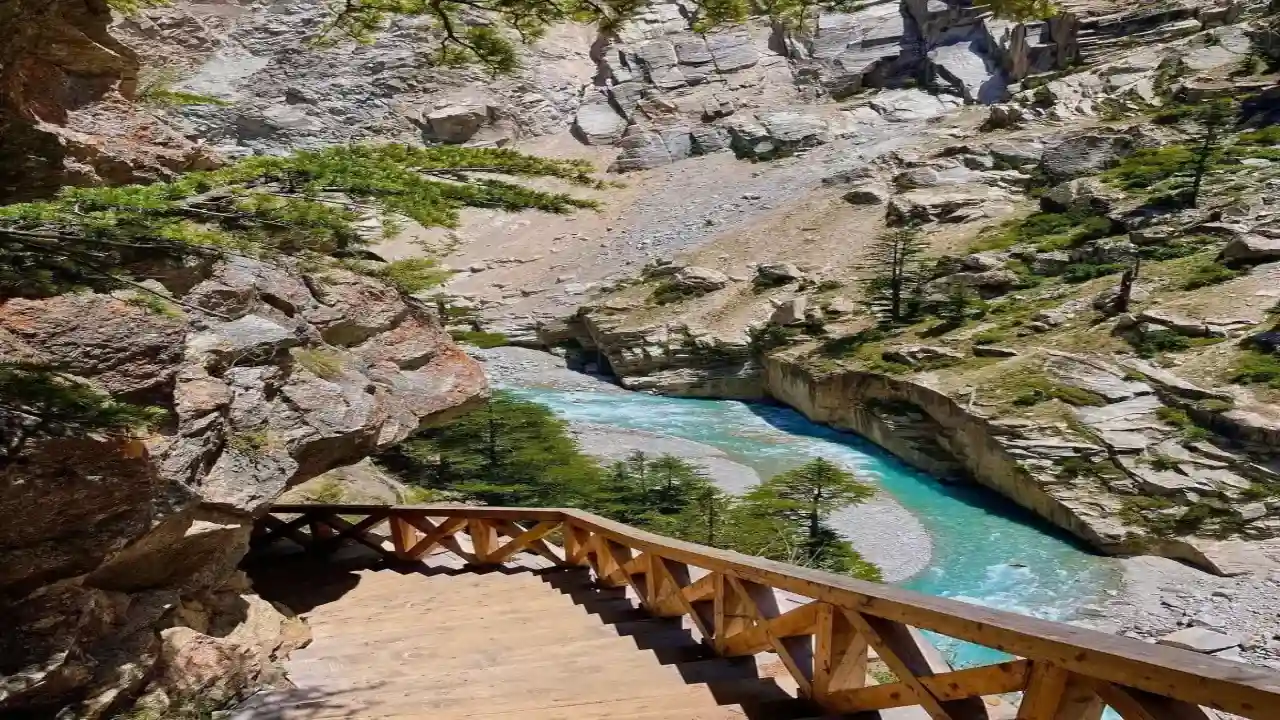
Harsil invites travellers to do nothing without guilt. With limited network coverage and no rush, it’s easy to read a book, journal thoughts, or simply sit quietly by the river. This slow rhythm is what makes the valley truly restorative.
Conclusion
To summarise, the Harsil Valley is a gem in winter for travellers. Regardless of whether you depart from Delhi or Rishikesh, the route to Harsil offers amazing views of rivers, greenery, pine forests, and snow-capped peaks.
Given its pleasant summers, snowy winters, and tranquillity, Harsil Valley is the perfect destination for trekkers, nature lovers, or anyone wanting to escape the crowds of conventional hill stations in Uttarakhand. From apple orchards, to hiking in the mountains, to visits to Gangotri, at every turn you feel like you have walked into a postcard come to life.