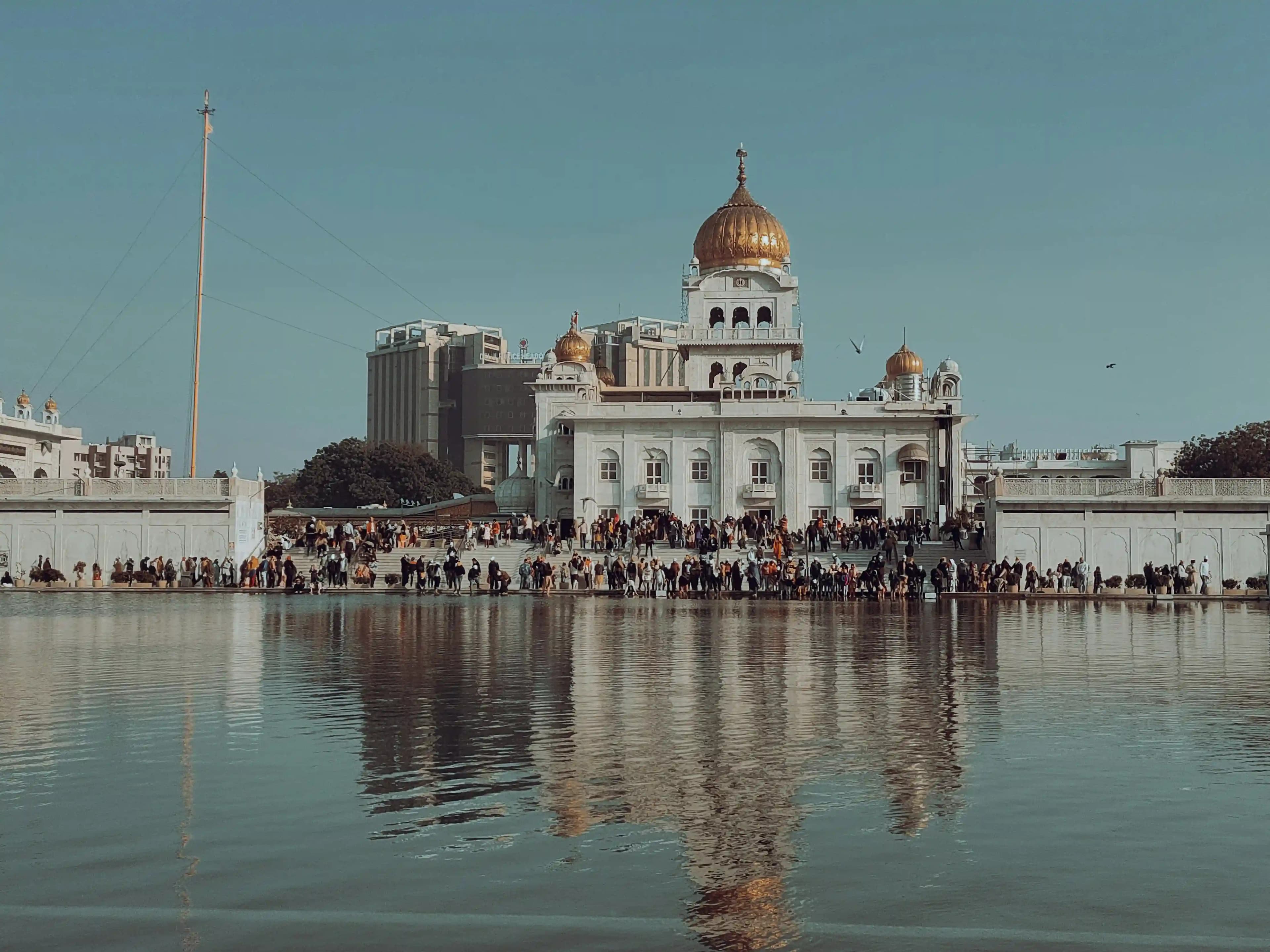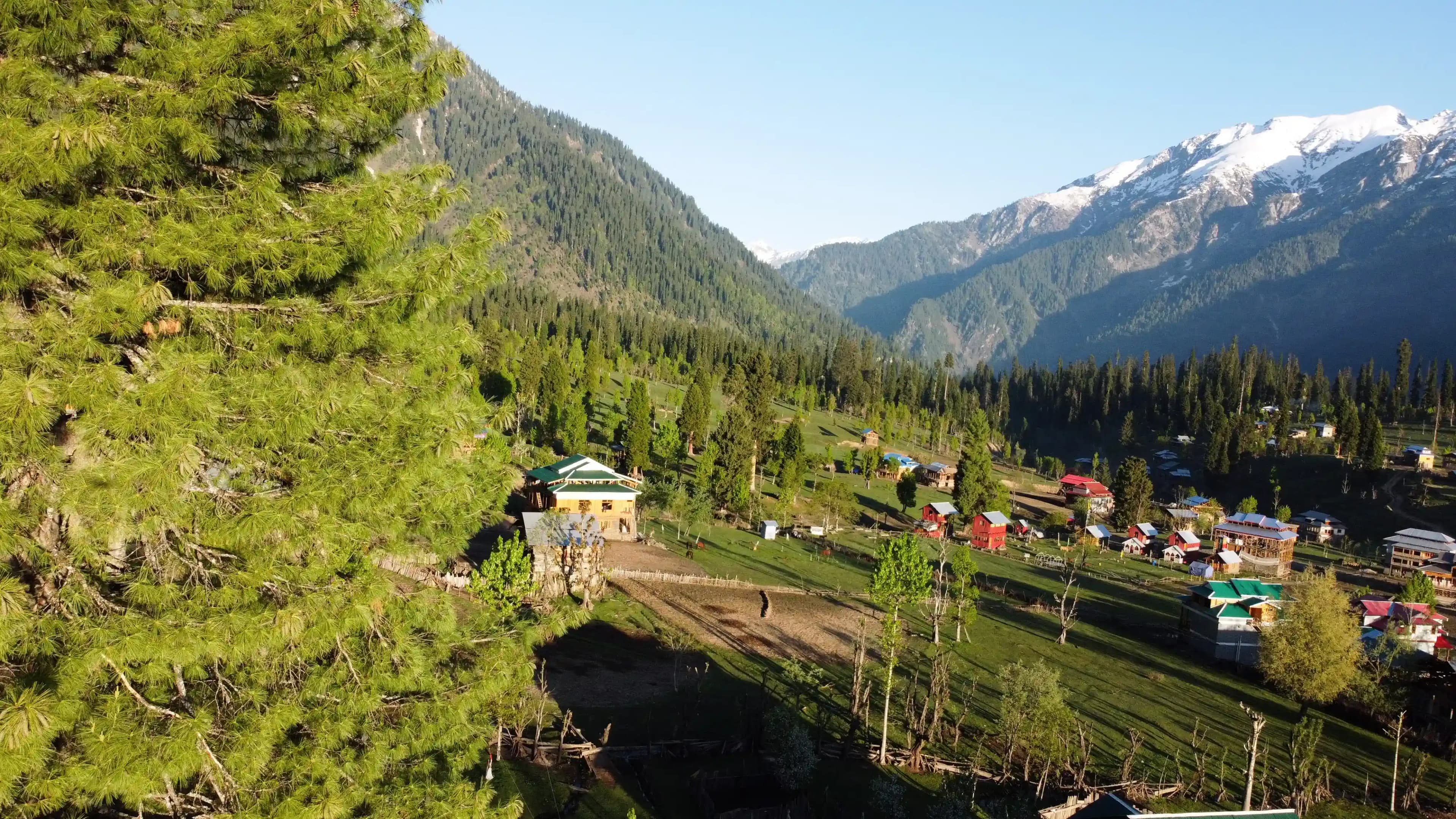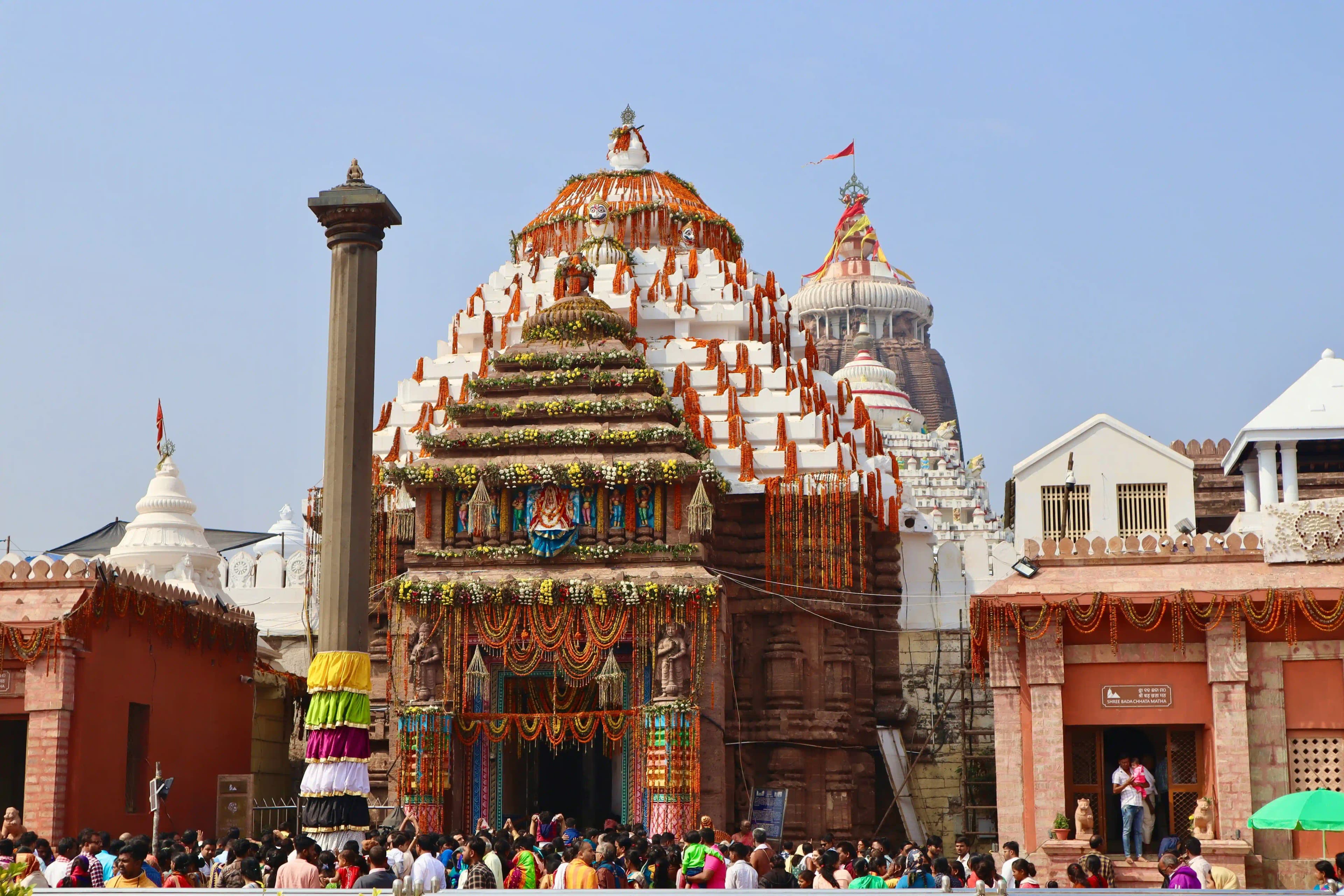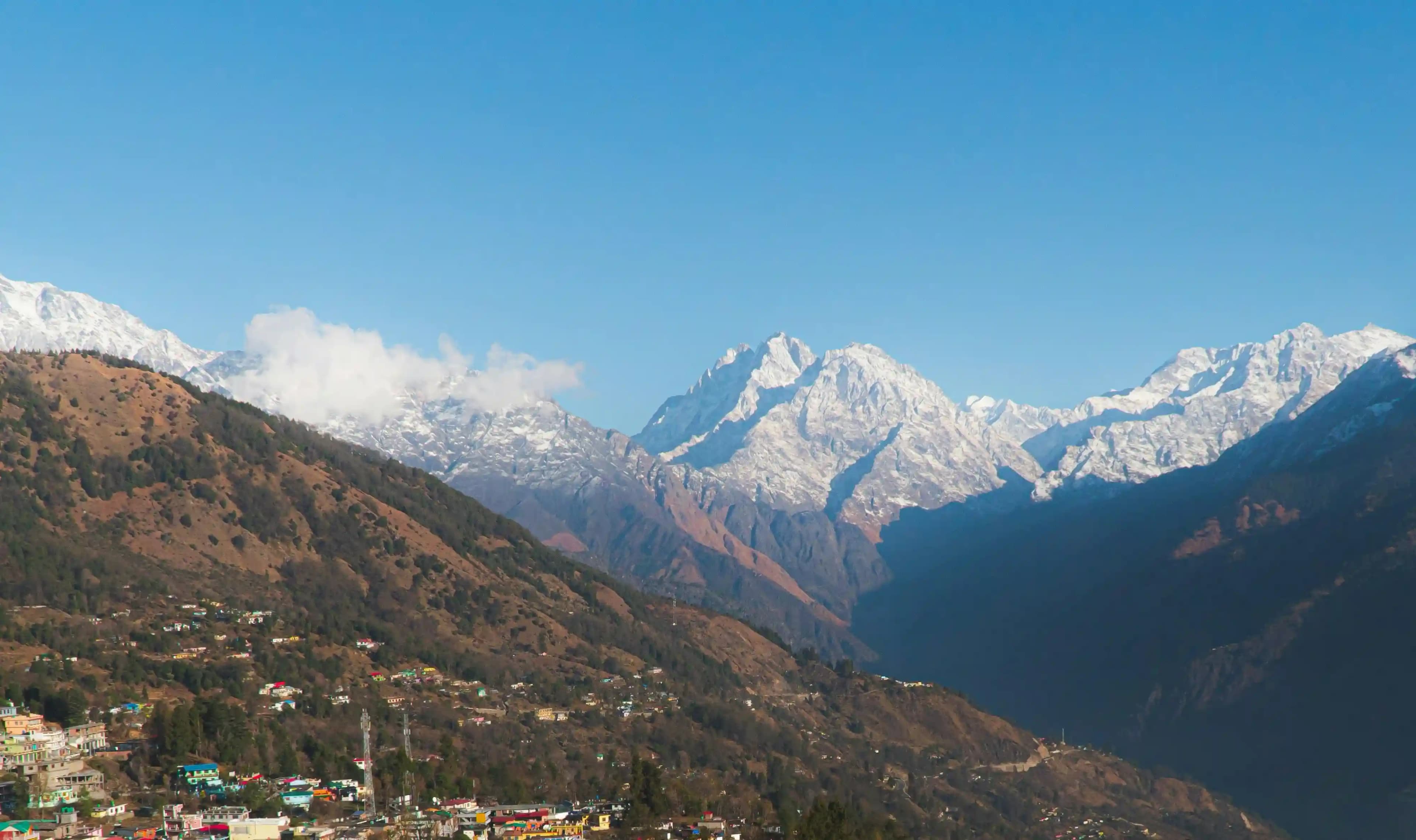
At 10,279 feet above sea level, Badrinath Temple opens for only part of the year, yet draws large numbers of pilgrims within that short window. Set in Chamoli district along the Alaknanda River, it is one of the Char Dham sites and part of the 108 Divya Desams dedicated to Lord Vishnu as Badrinarayan.
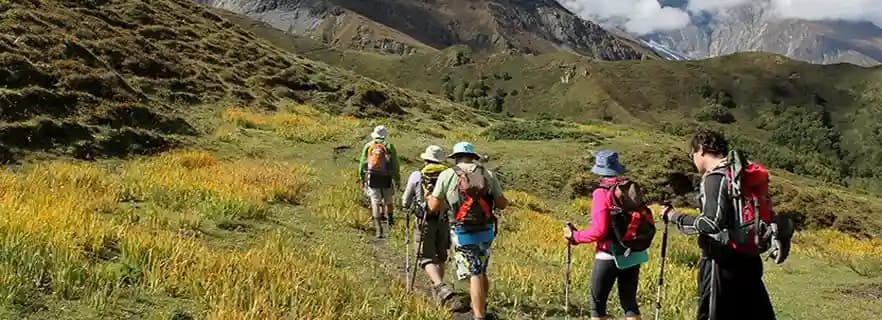
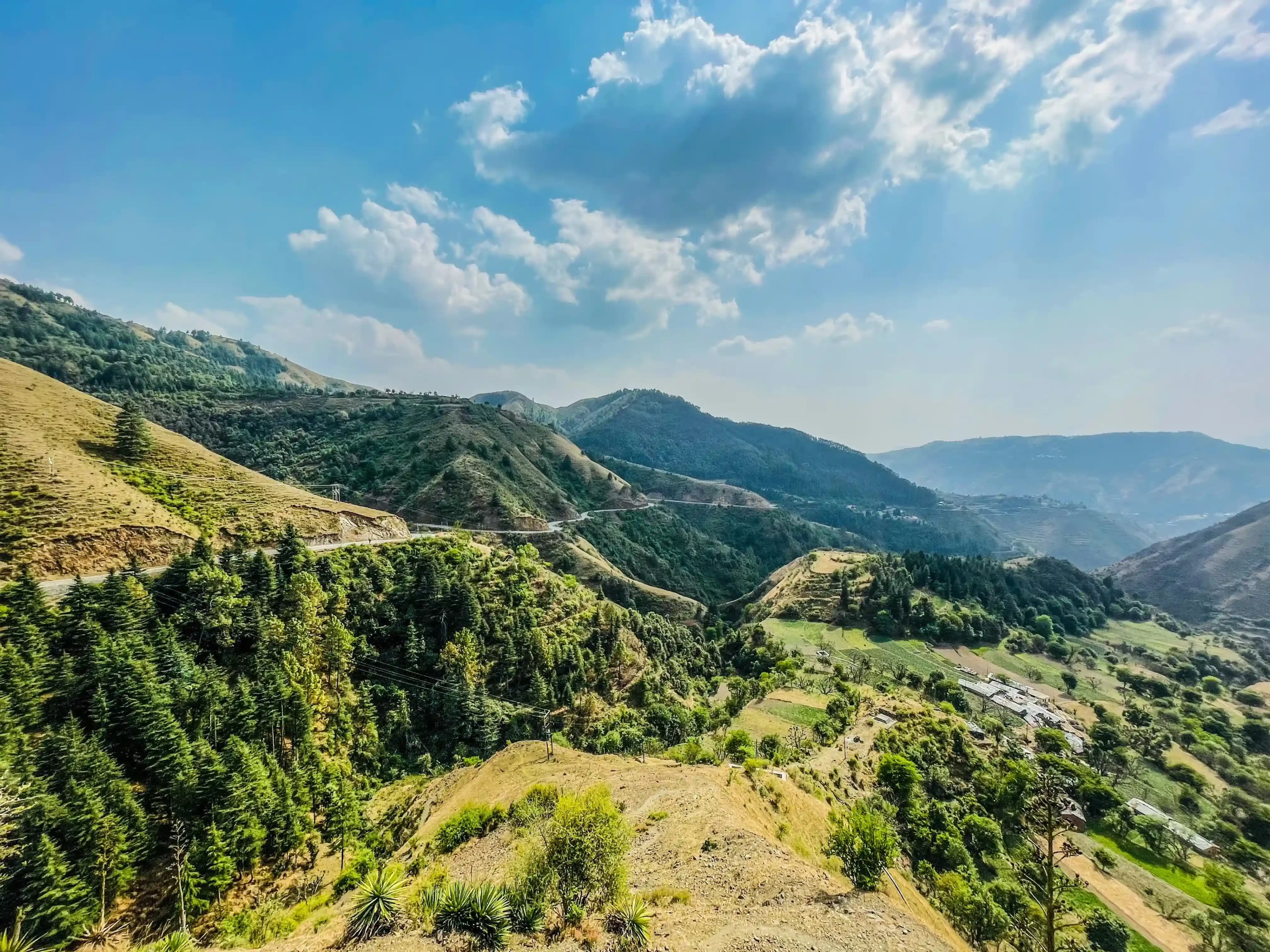
The journey is rarely simple. Most visitors travel by road through long mountain routes where landslides, traffic, and sudden weather changes are common. Even in May and June, the altitude and thin air affect those who are not prepared.
Some details often go unnoticed. The temple stays closed for nearly six months, and during that period, the deity is moved to Joshimath. When the gates reopen, visitor numbers rise quickly, leading to long queues. This makes planning essential. Knowing the timings, seasonal conditions, and on-ground realities helps avoid delays and confusion during the visit.
Badrinath Temple History
The story of Badrinath Temple begins with a legend tied to its name. As mentioned in many Hindu Texts, Lord Vishnu was meditating in this valley, unaware of the cold. Goddess Lakshmi took the form of a Badri tree to shield him. The place came to be known as Badrika Ashrama, later shortened to Badrinath.
The temple’s present form is linked to Adi Shankaracharya. He located the idol of Badrinarayan in the Alaknanda River and installed it near the current site. Before this, the area had Buddhist associations. He also set the practice of appointing Namboodiri Brahmin priests from Kerala, which continues today.
The structure has been rebuilt several times. The 1803 Garhwal earthquake caused heavy damage, after which the King of Jaipur funded reconstruction. Earlier work came under the Garhwal rulers. Today, management rests with the Shri Badrinath-Kedarnath Temple Committee, formed in 1939.
Best Time to Visit: May–June, September–October
Location: Chamoli district, Uttarakhand, along the Alaknanda River
Ideal For: Char Dham pilgrims, Vishnu devotees, travellers interested in temple history
Badrinath Temple Weather: Which Month Actually Works For You
Weather controls every part of a visit to Shri Badrinath Temple. At this altitude, conditions change fast, and first-time visitors often feel the difference as soon as they arrive.
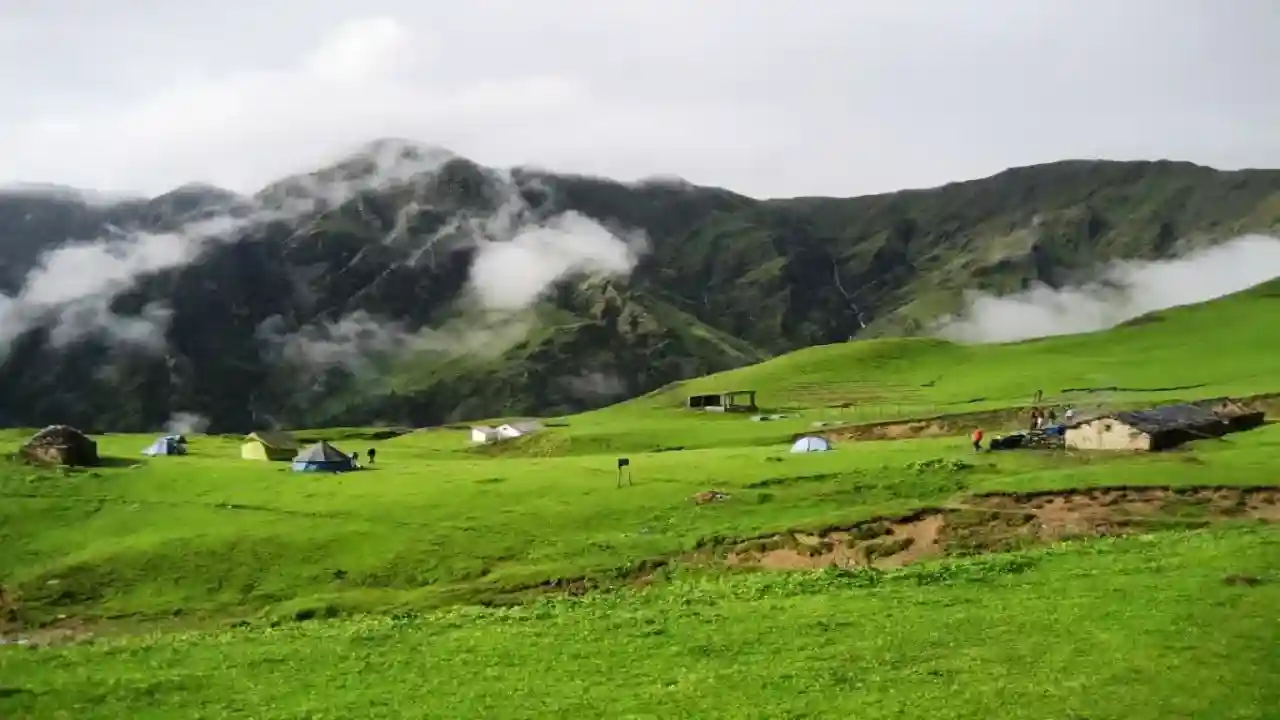
Summer brings the highest footfall. Between May and June, temperatures stay around 7°C to 18°C. Roads remain open, and travel is easier, but queues grow long, and rooms fill quickly.
Monsoon creates uncertainty. July and August see frequent rain, low visibility, and a higher chance of landslides. Darshan continues, but reaching the temple can take much longer than expected.
September and October offer more stable conditions. Skies clear up, crowds reduce, and temperatures range between 5°C and 14°C. Many travellers find this period easier to manage.
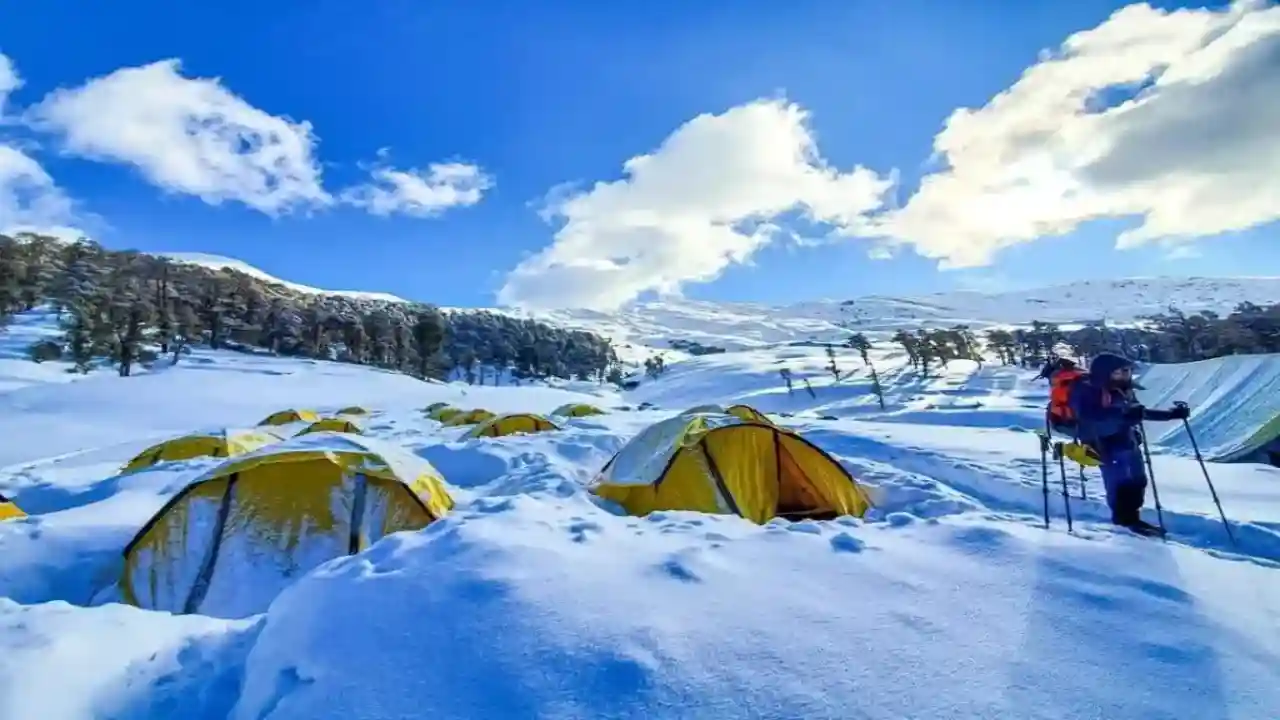
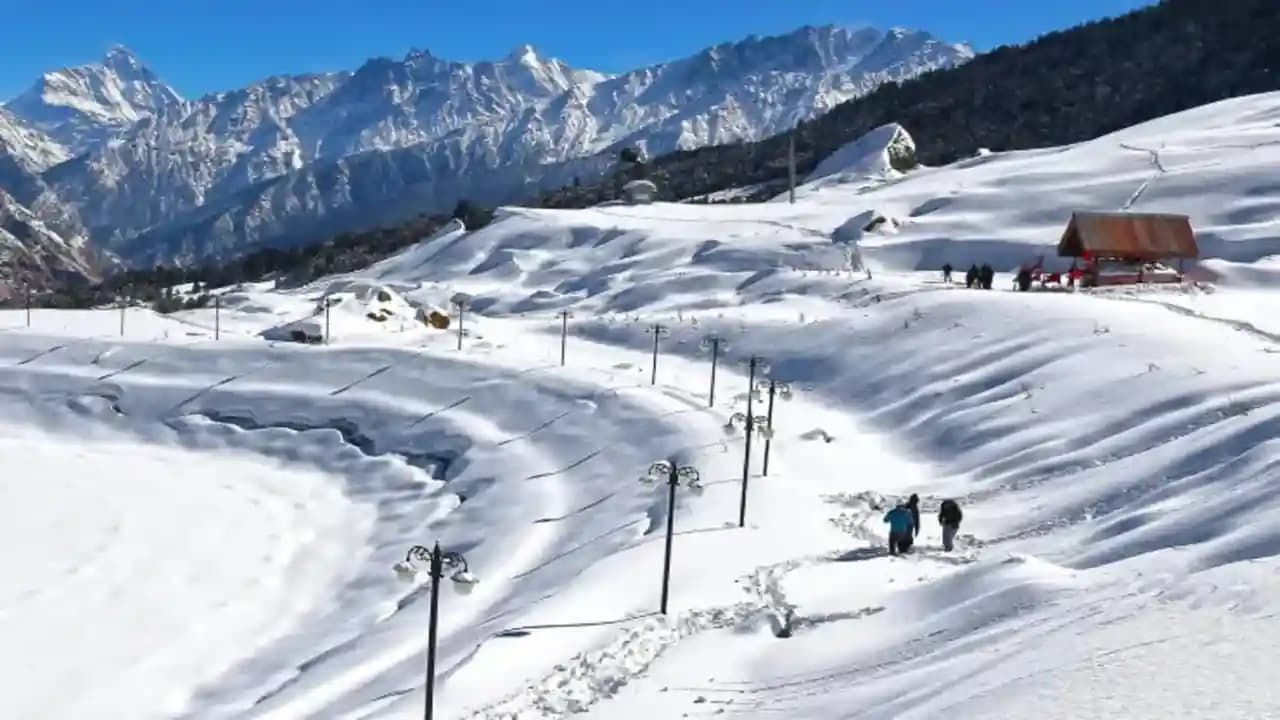
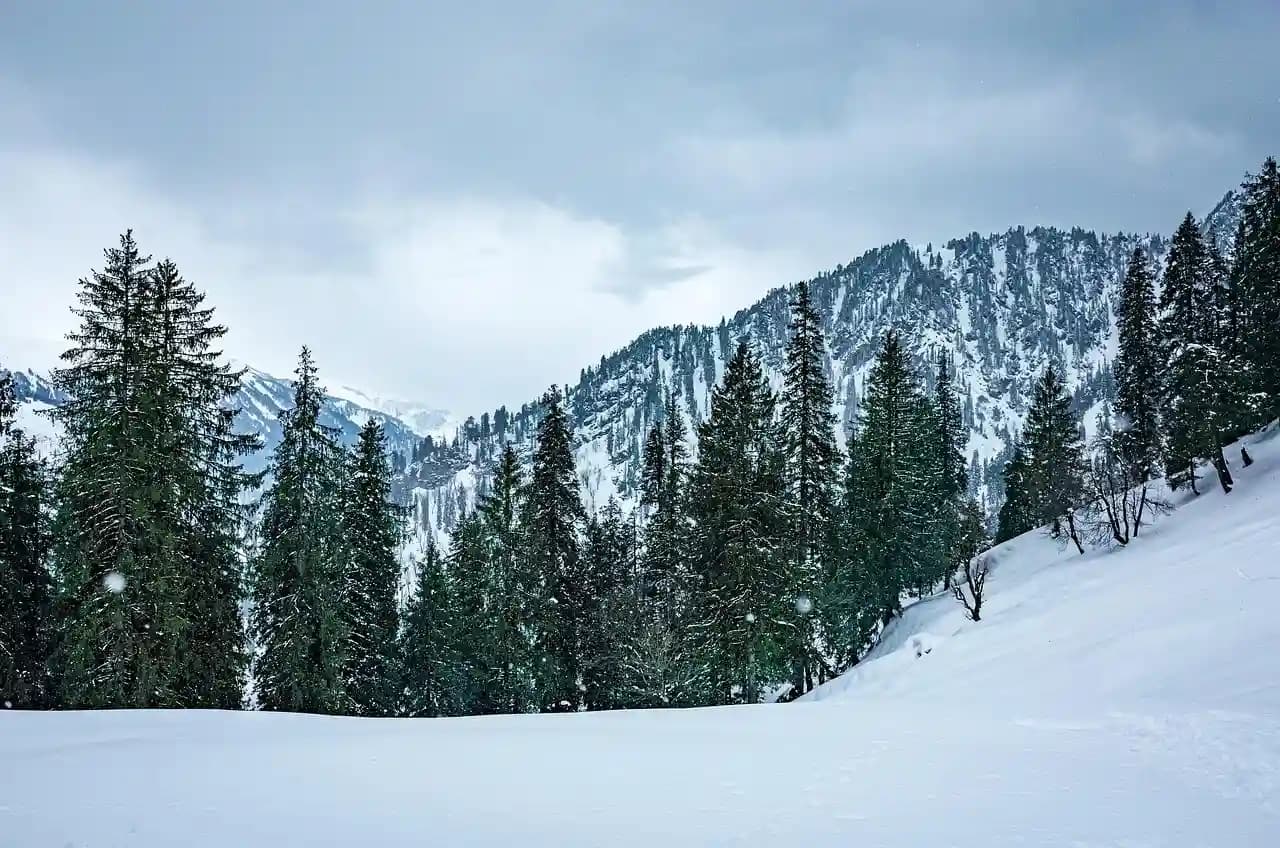
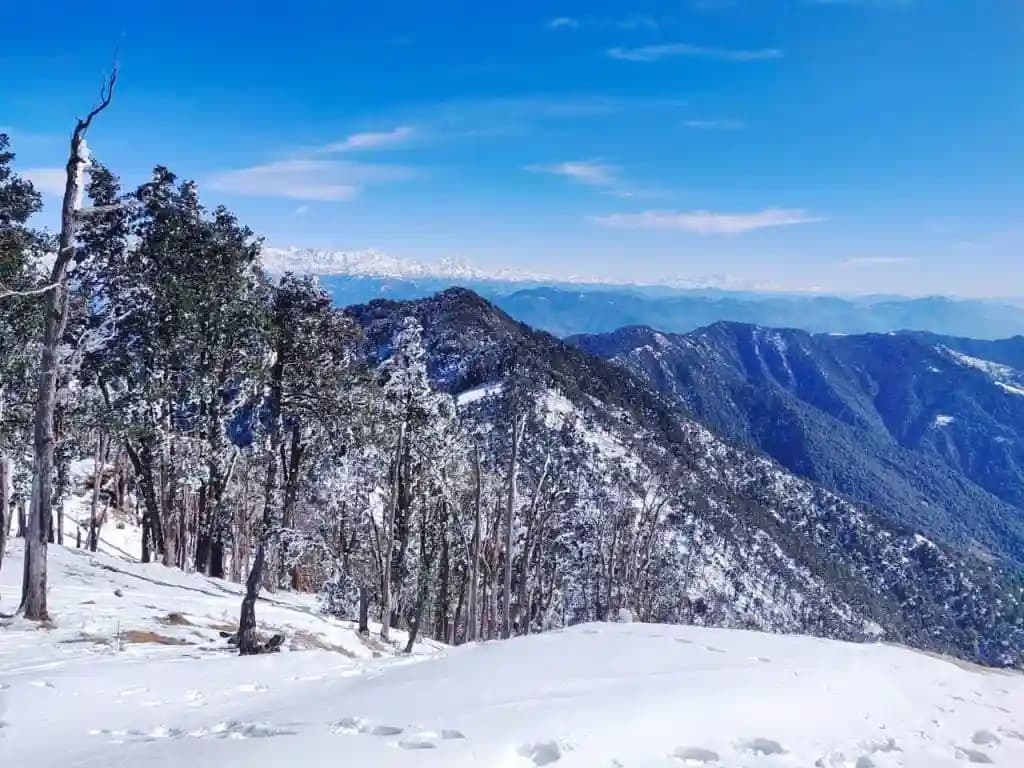
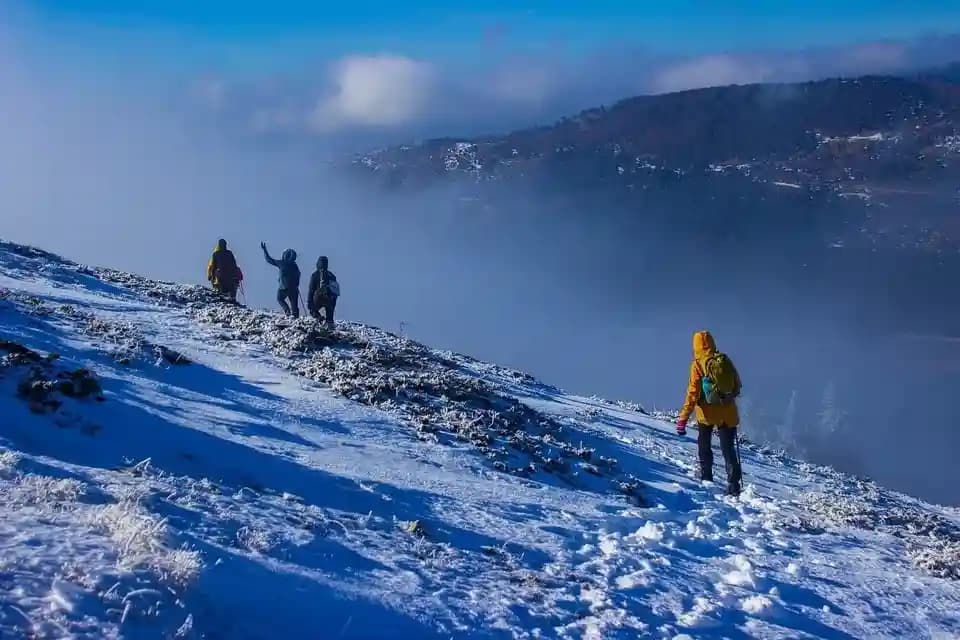
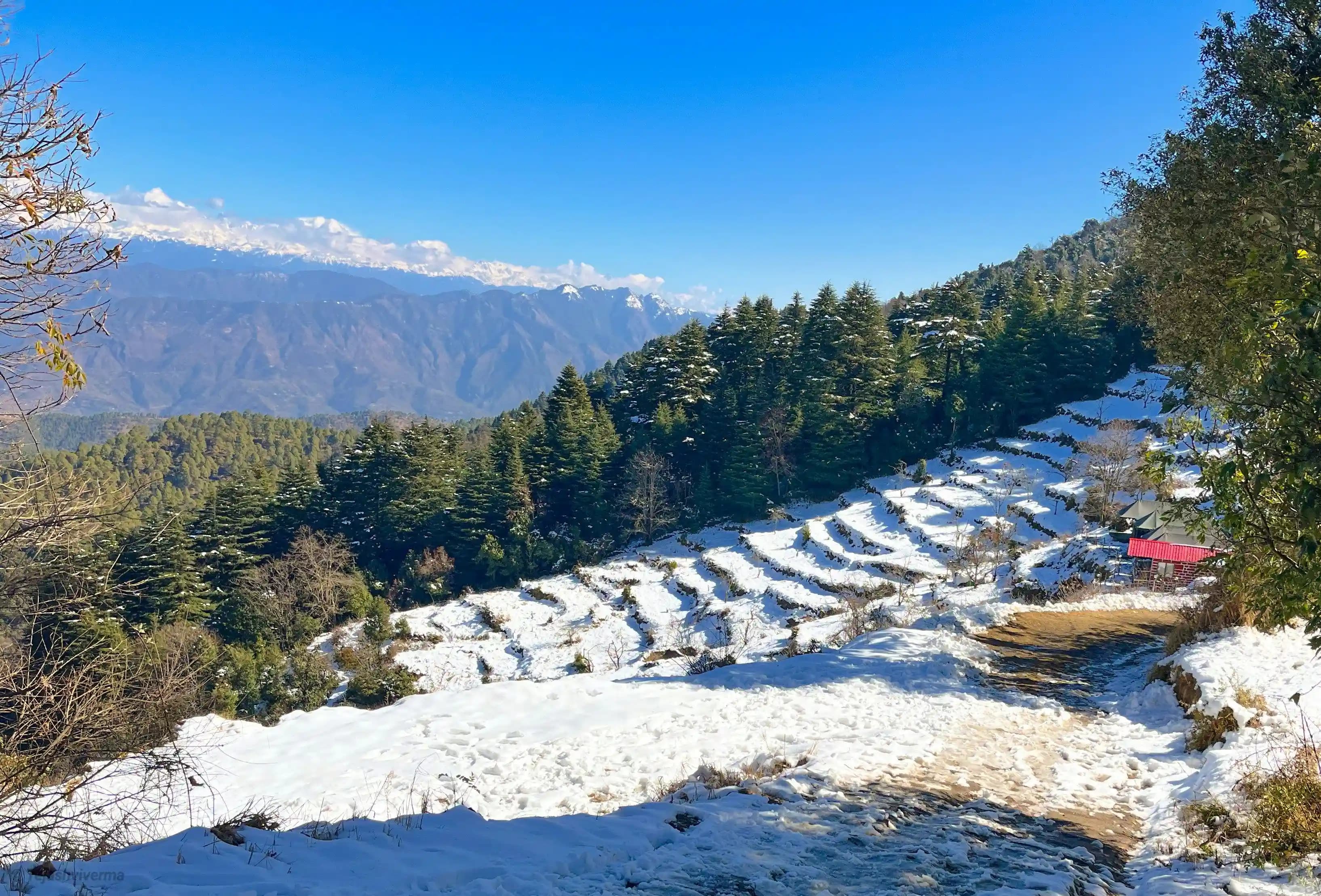
Winter closes the route. From November to April, heavy snowfall blocks access, and the temple shuts down while worship shifts to Joshimath.
Best window: May- June for access, September- October for fewer crowds
Avoid: July–August for landslides; November- April due to closure
Tip: Carry woollens and halt at Joshimath to adjust to the altitude
Shri Badrinath Temple Timings And Kapaat Dates
At Badrinath Temple, timing is fixed and enforced. Darshan follows a daily schedule, and missing a slot often leads to long queues or limited access.
The day starts early. Rituals begin around 4:30 AM with Maha Abhishek. General darshan usually opens by 7:00 AM and continues until noon, after which the temple closes for a few hours.
The evening session begins around 4:00 PM and runs until about 9:00 PM. Kapoor Aarti and Shayan Aarti draw the highest footfall during this period, with queues building well in advance.
Seasonal access shapes the entire visit. In 2026, the temple is set to open on 23 April at 6:15 AM. The closing date is announced on Vijayadashami and usually falls near Bhai Dooj after Diwali.
Before opening, rituals such as the Tel Kalash Yatra and Gadu Ghada ceremony take place. During winter, worship shifts to Narsingh Temple.
Morning darshan: Around 7:00 AM; earlier arrival reduces wait
Peak hours: 9:00 AM to 12:00 PM and evening aarti slots
Seasonal window: Late April to October or early November
Registration And Darshan
Entry to Badrinath Temple is free, but movement is tracked. Every traveller must complete the Char Dham registration before starting the journey. Checkpoints along the route verify your details before allowing you to proceed.
The process is straightforward. Registration is done online using ID proof such as Aadhaar or Passport, along with a mobile number, travel dates, and an emergency contact. Keeping a digital or printed copy helps at verification points.
Darshan's planning affects the waiting time. General entry is open to all, but a VIP ticket, usually around ₹300, is available at the temple counter for quicker access during peak periods.
Badrinath Temple Timings have more impact than the ticket. Reaching by 5:00 AM, especially on weekdays, reduces wait times compared to late-morning hours in May and June.
Registration: Mandatory; carry proof
VIP option: Available for faster entry
Best time: Early morning slots are easier to manage
Badrinath Temple Height In Feet And Architecture
At 10,279 feet, movement slows down for most visitors. Badrinath Temple sits at an altitude where oxygen levels are lower, and many pilgrims feel the effect if they arrive without halting at places like Joshimath.
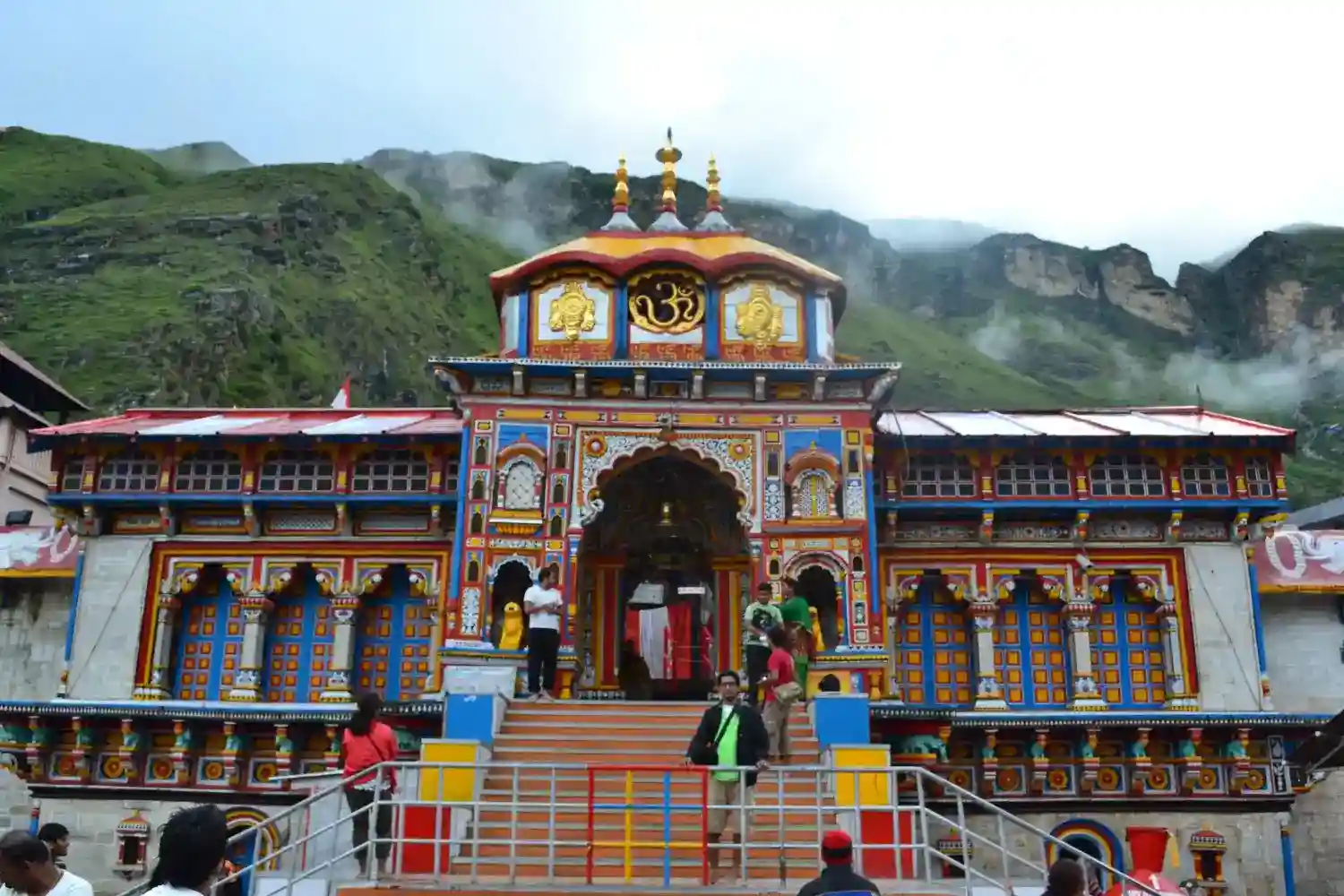
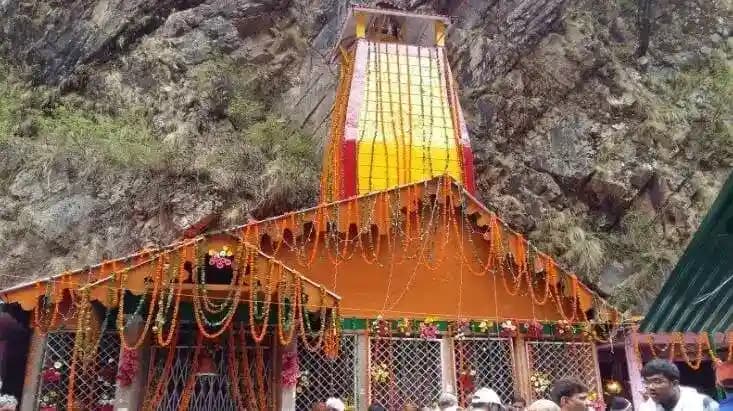
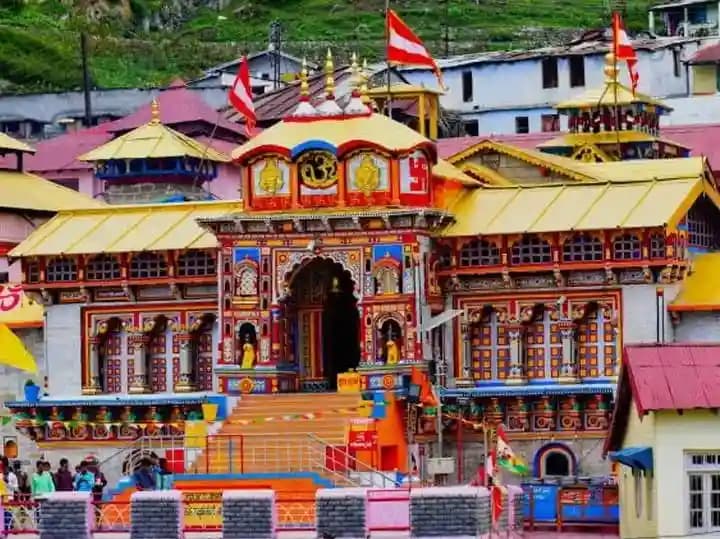
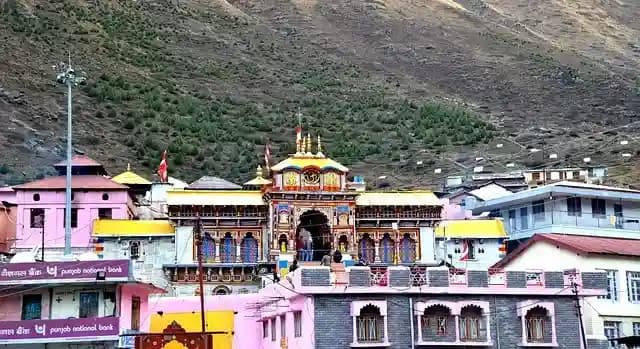
The structure rises with clear intent rather than scale. The temple stands about 50 feet tall, with a conical sanctum roof topped by a gold-gilt cupola. This design handles snowfall while keeping the shrine visible against shifting mountain light.
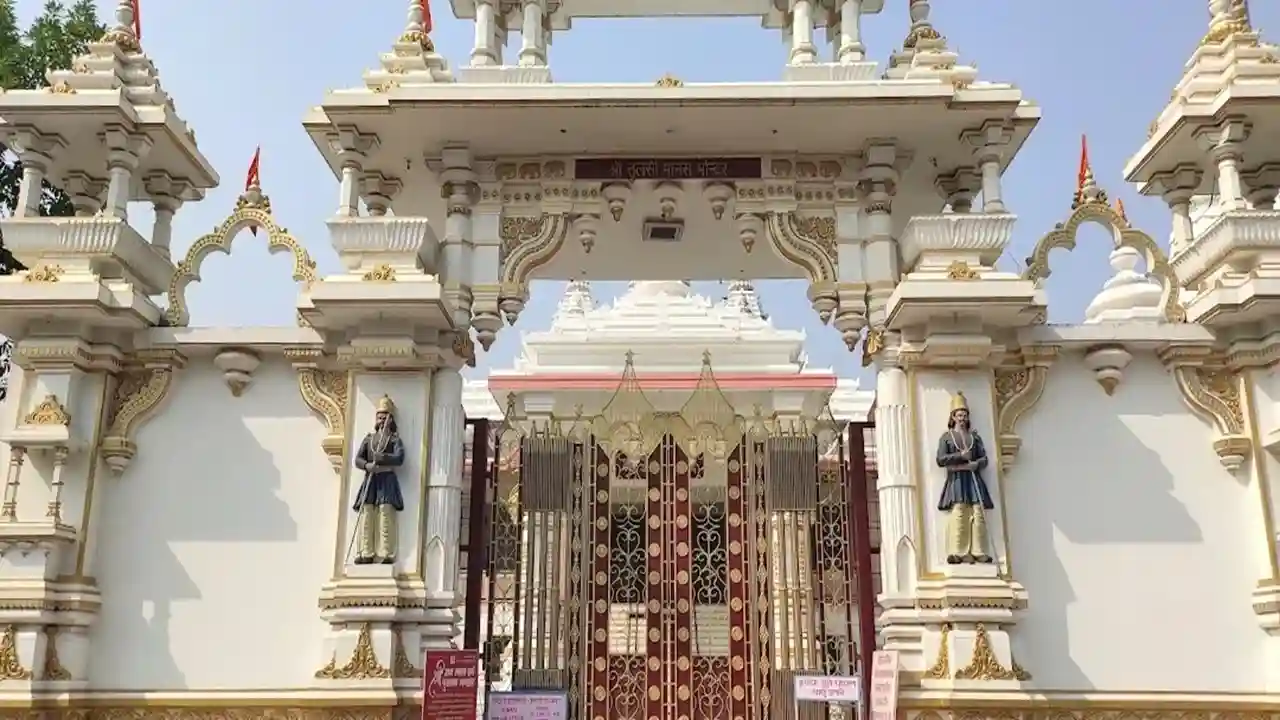
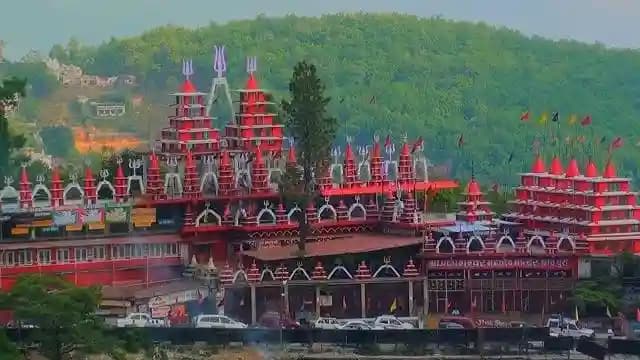
The layout follows the North Indian Nagara style. Three sections define the space: Garbhagriha, Darshan Mandapa, and Sabha Mandapa. The painted façade, arched windows, and wooden detailing reflect local Himalayan building methods along with visible Buddhist influences.
A staircase leads to the Singhdwar, the main entrance marked by bright colours and a Garuda idol, guiding visitors into the complex in an orderly flow.
Elevation impact: 10,279 ft can cause breathlessness; gradual acclimatisation helps
Structure: Three-part layout manages ritual flow and crowd movement
Visual detail: Compact height, gold-gilt top, and painted exterior suited to mountain conditions
Badrinath Temple Murti: The Self-Manifested Deity
At the centre of Shri Badrinath Temple sits a relatively small idol with strong ritual importance. The main murti of Lord Vishnu, worshipped as Badrinarayan, stands about one metre tall and is carved from black Shaligram stone, a material linked to the Gandaki River and Vaishnavite worship.
The posture sets it apart. Instead of the reclining Vishnu seen in many temples, the deity here sits in the padmasana pose. This reflects meditation and ties to the belief that Vishnu performed penance at this exact location. The detailing follows established temple tradition. The idol carries a gold crown with embedded stones and a visible tilak, placed under a gold canopy inside the sanctum.
The shrine includes more than the central figure. Idols of Nara, Narayana, Lakshmi, Narada, Kubera, and Garuda are placed around it, forming a complete Vaishnavite setting. The Badrinath Temple murti is treated as self-manifested. During the winter closure, it is moved to Joshimath, where worship continues.
How to Reach Shri Badrinath Temple
There is no direct air or rail access to the Badrinath Temple. The last stretch is always by road.
By Air The nearest airport is Jolly Grant Airport, around 317 km away. From here, taxis and buses run toward Joshimath and then Badrinath. The journey usually takes 10 to 12 hours.
By Train Haridwar Junction railway station is the most convenient railhead. From Haridwar or Rishikesh, the rest of the journey continues by road.
By Road from Delhi From Delhi, the drive takes about 12 to 14 hours, depending on traffic and halts. Many travellers stop overnight at Haridwar or Joshimath.
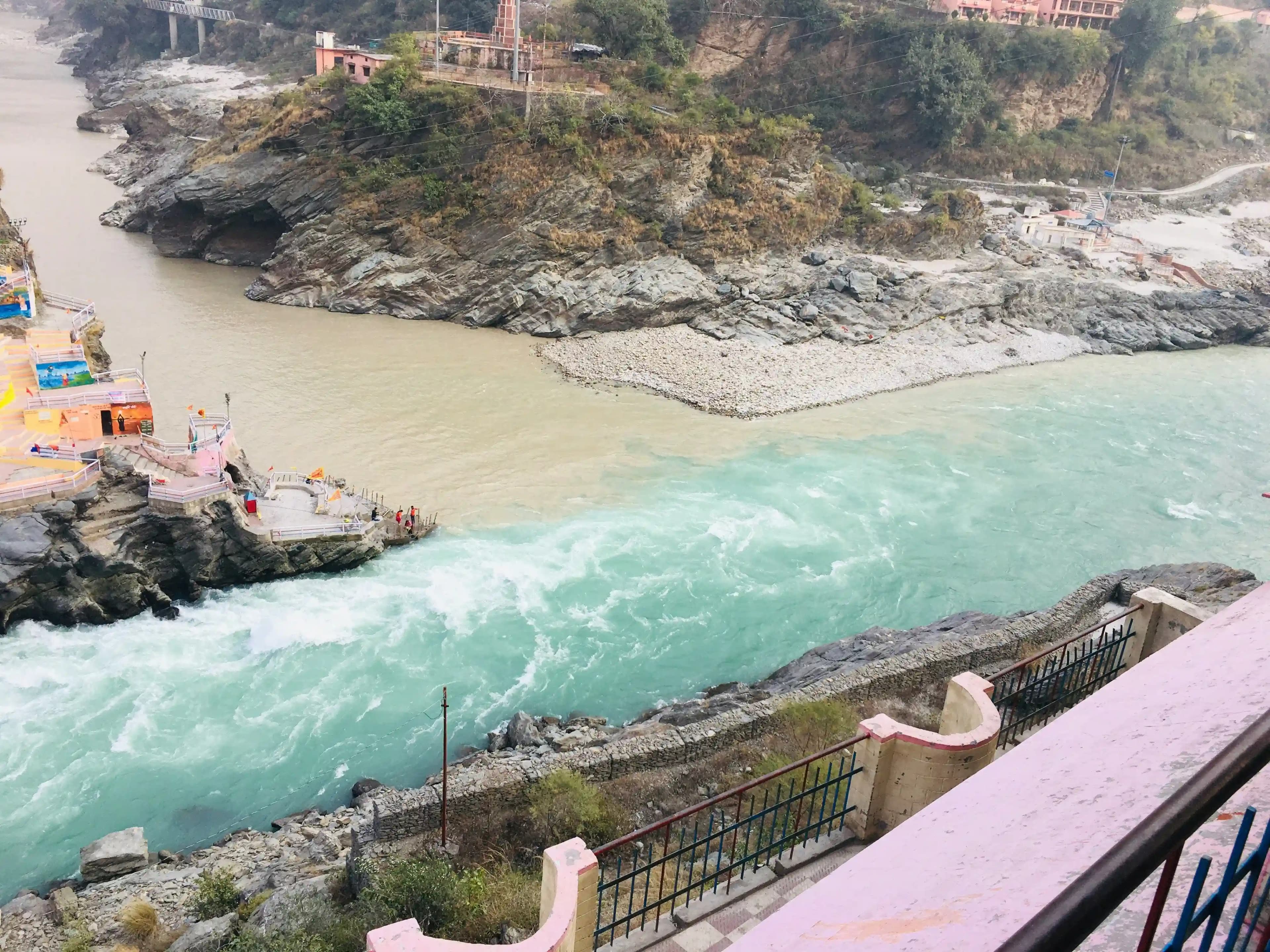
By Road from Rishikesh The 295 km route passes through Devprayag, Rudraprayag, Karnaprayag, and Joshimath. Travel time ranges between 9 and 11 hours.
By Helicopter Helicopter services operate from Dehradun, reducing travel time to under an hour, subject to weather conditions.
Travel Tips And Important Things To Know Before Visiting
Planning a visit to Badrinath Temple comes down to timing and preparation.
Complete Char Dham registration before travel and keep a digital or printed copy for checkpoints.
Reach by 5:00 AM on weekdays to avoid long queues later in the day.
A ₹300 ticket at the temple counter can reduce waiting time during peak hours.
Stay at Joshimath, about 42 km before Badrinath, to adjust to the altitude and split the journey.
Carry basic medication, stay hydrated, and avoid rushing the ascent.
Pack woollens, thermals, rain protection, sturdy shoes, and light snacks, even in summer.
Phones and cameras are not allowed beyond the Singhdwar near the entrance.
Wear modest clothing and avoid alcohol or non-vegetarian food in the area.
Many pilgrims take a dip at Tapt Kund before darshan.
Visit Mana Village, 3 km ahead, after completing darshan.
Conclusion
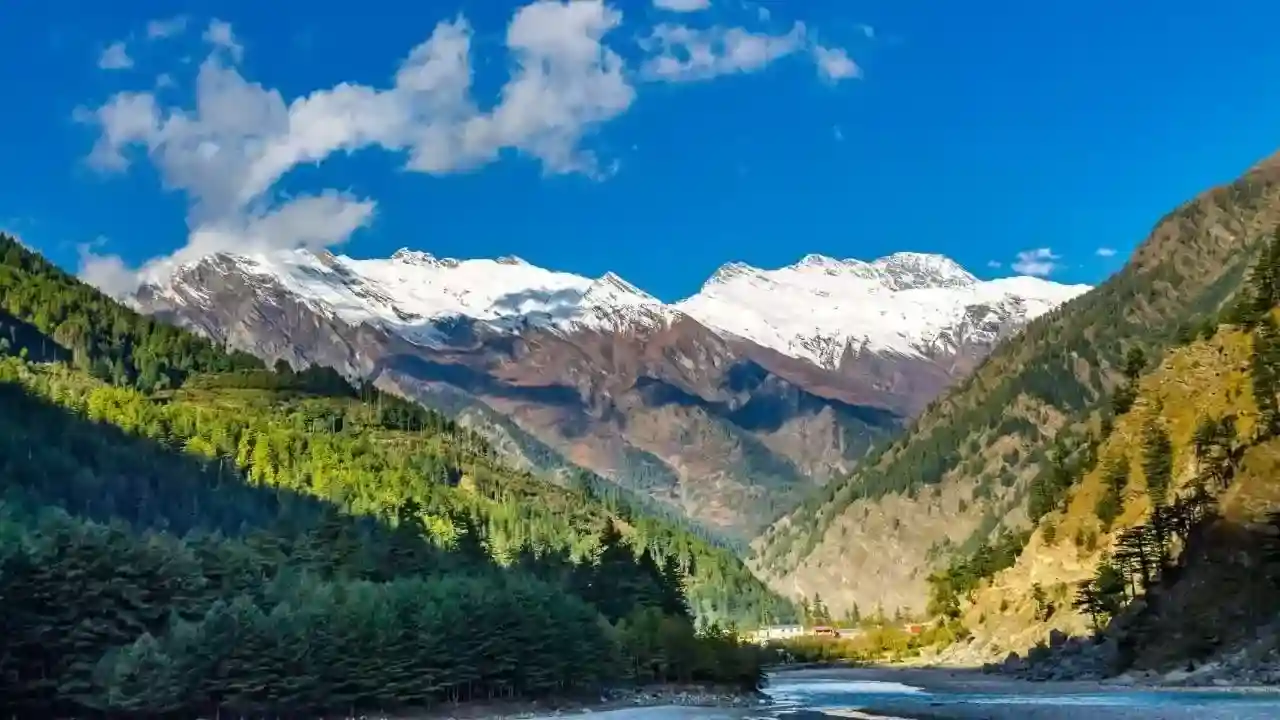
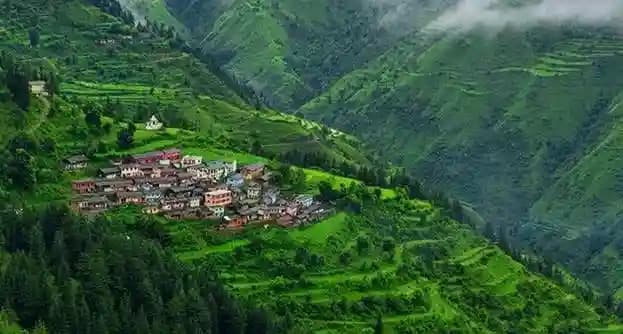
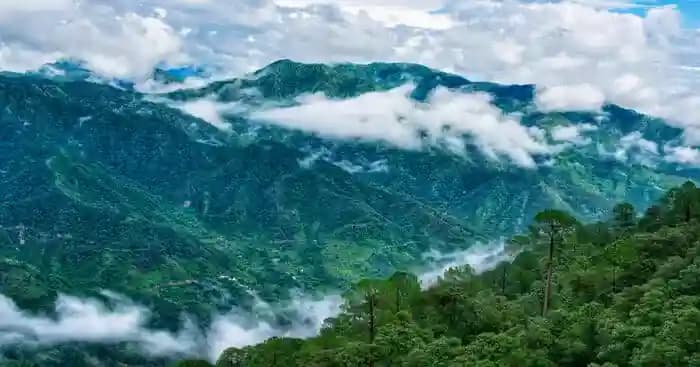
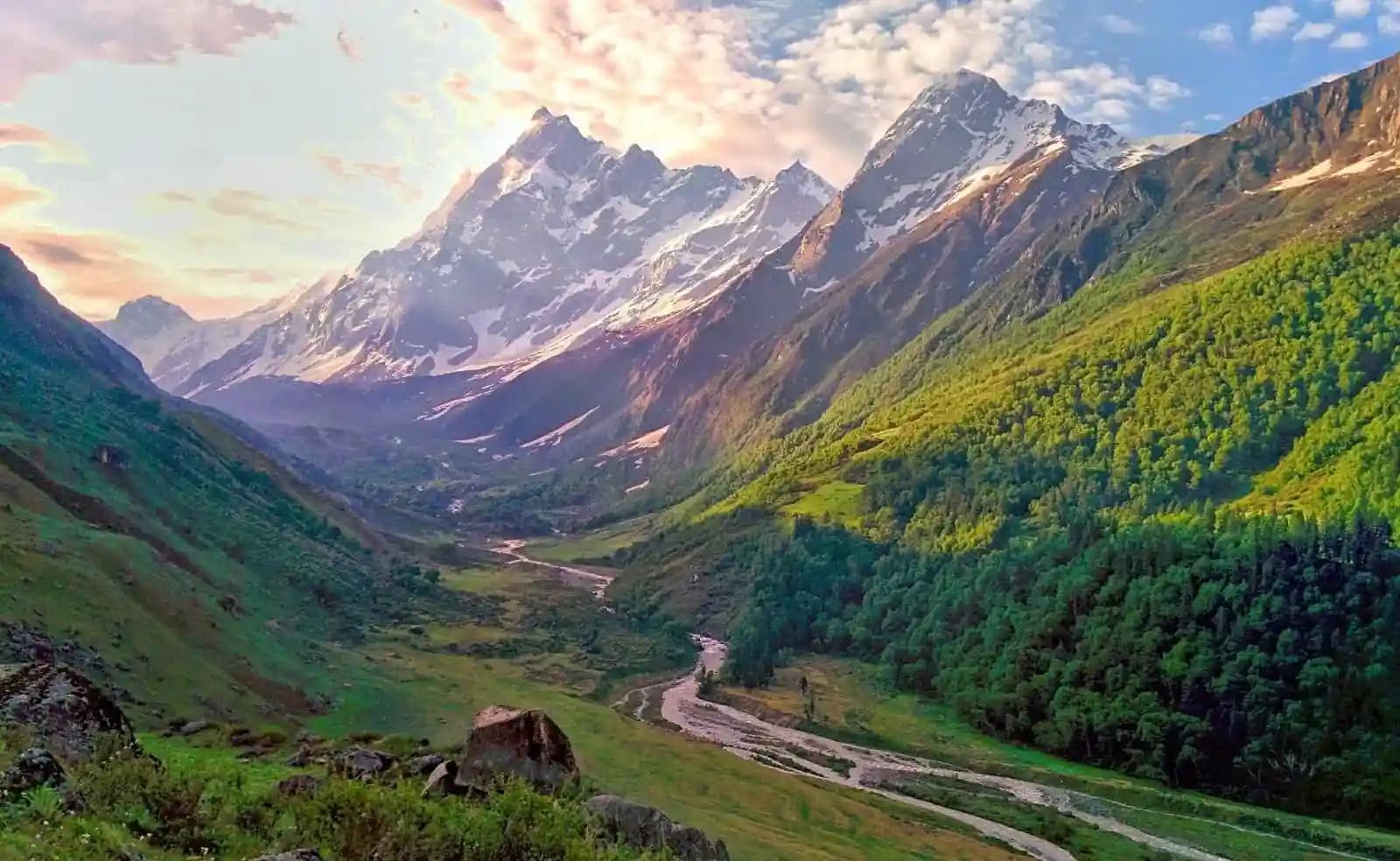
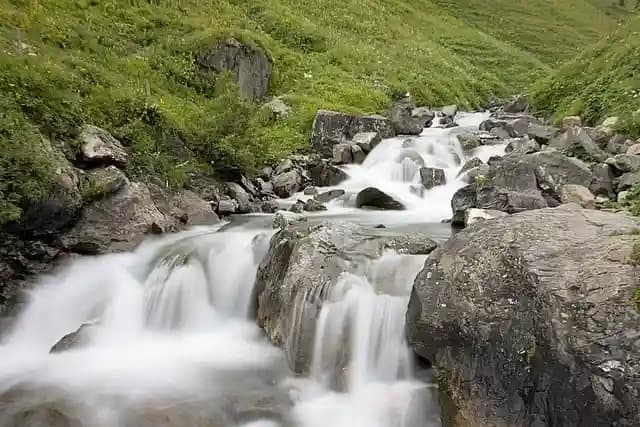
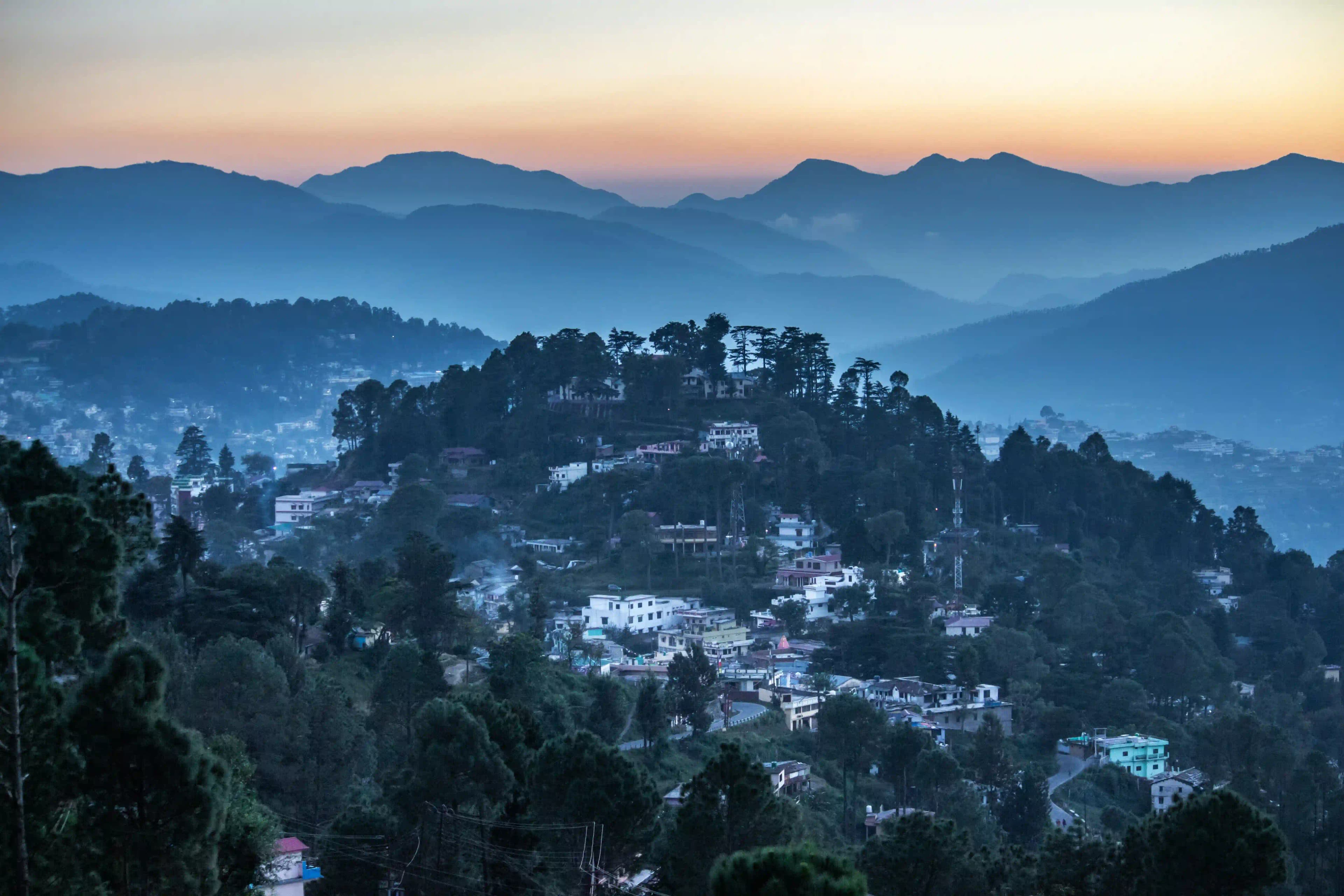
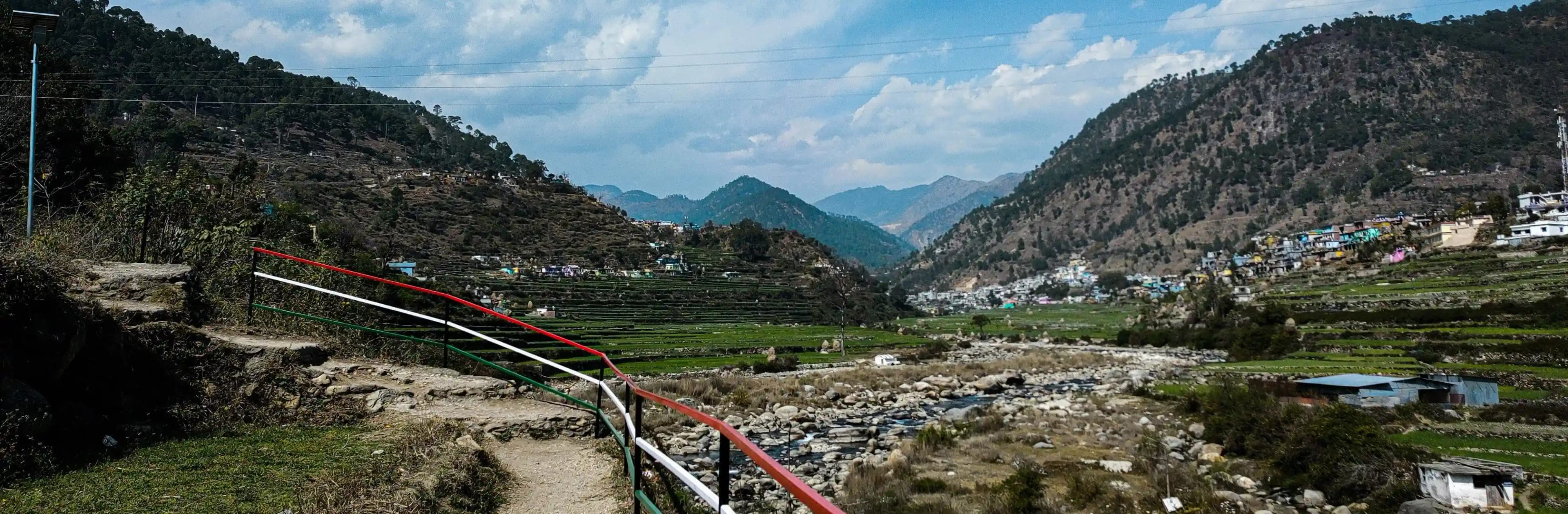
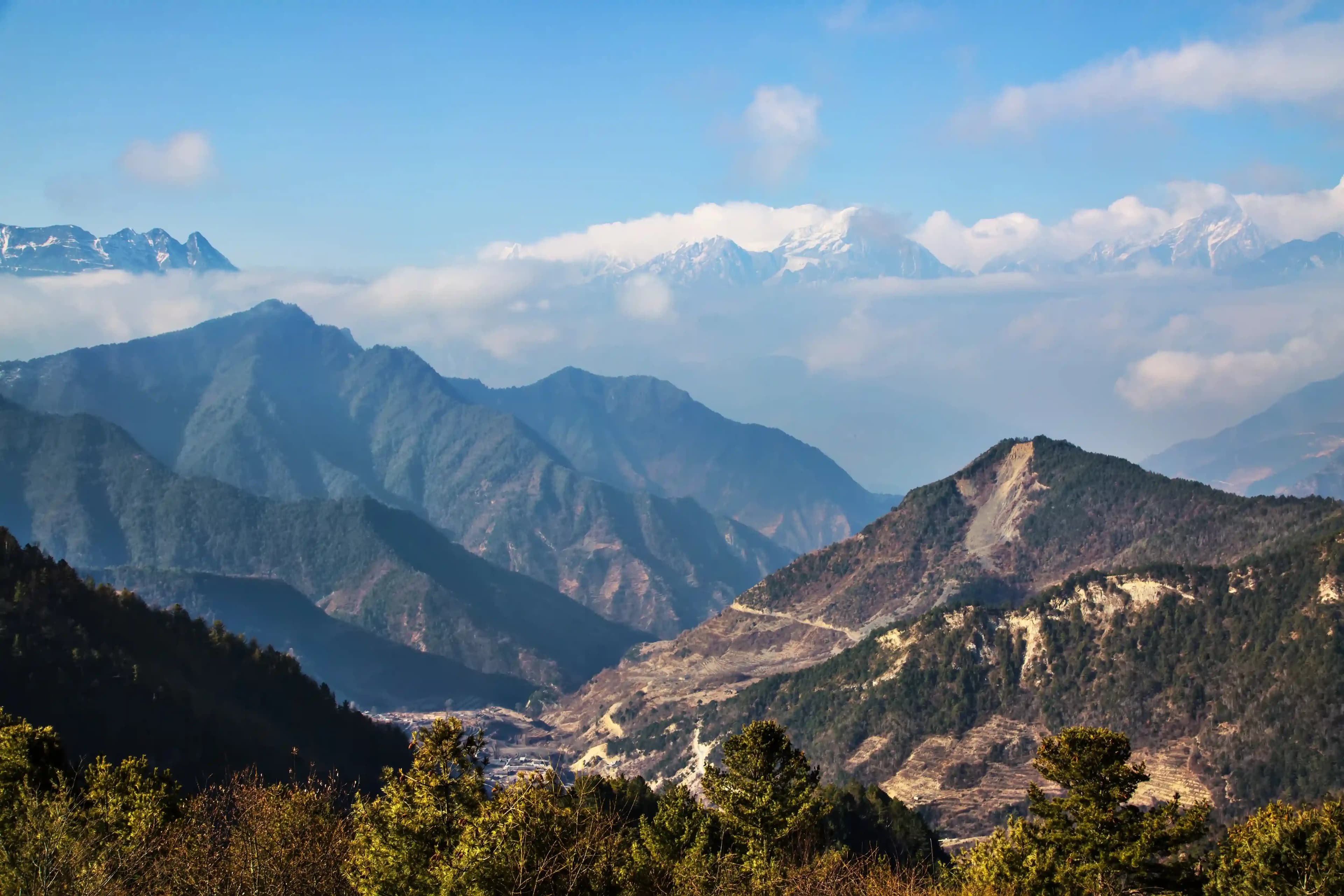
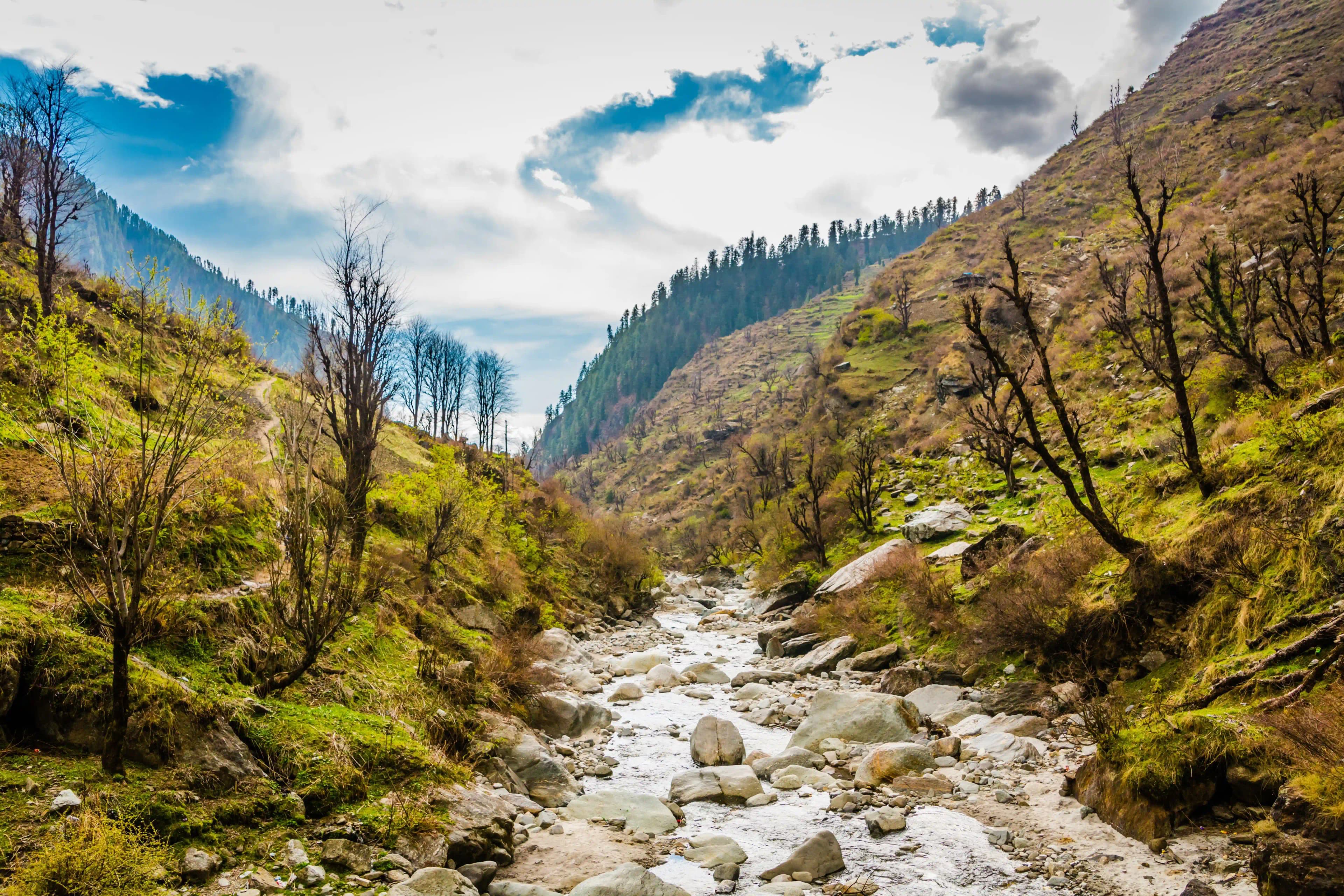
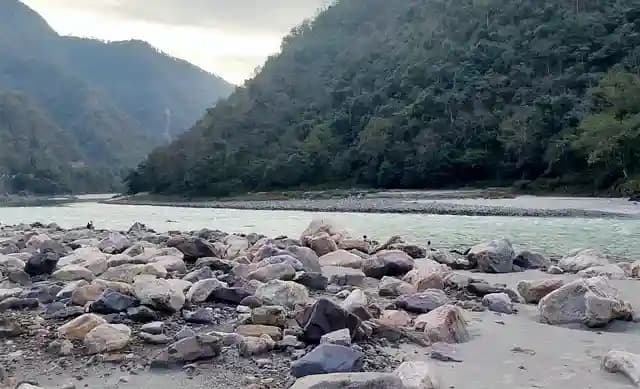
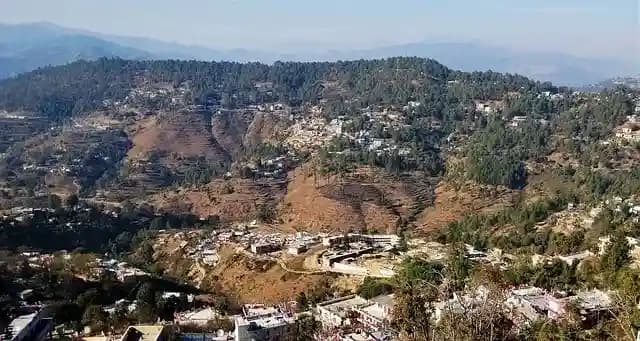
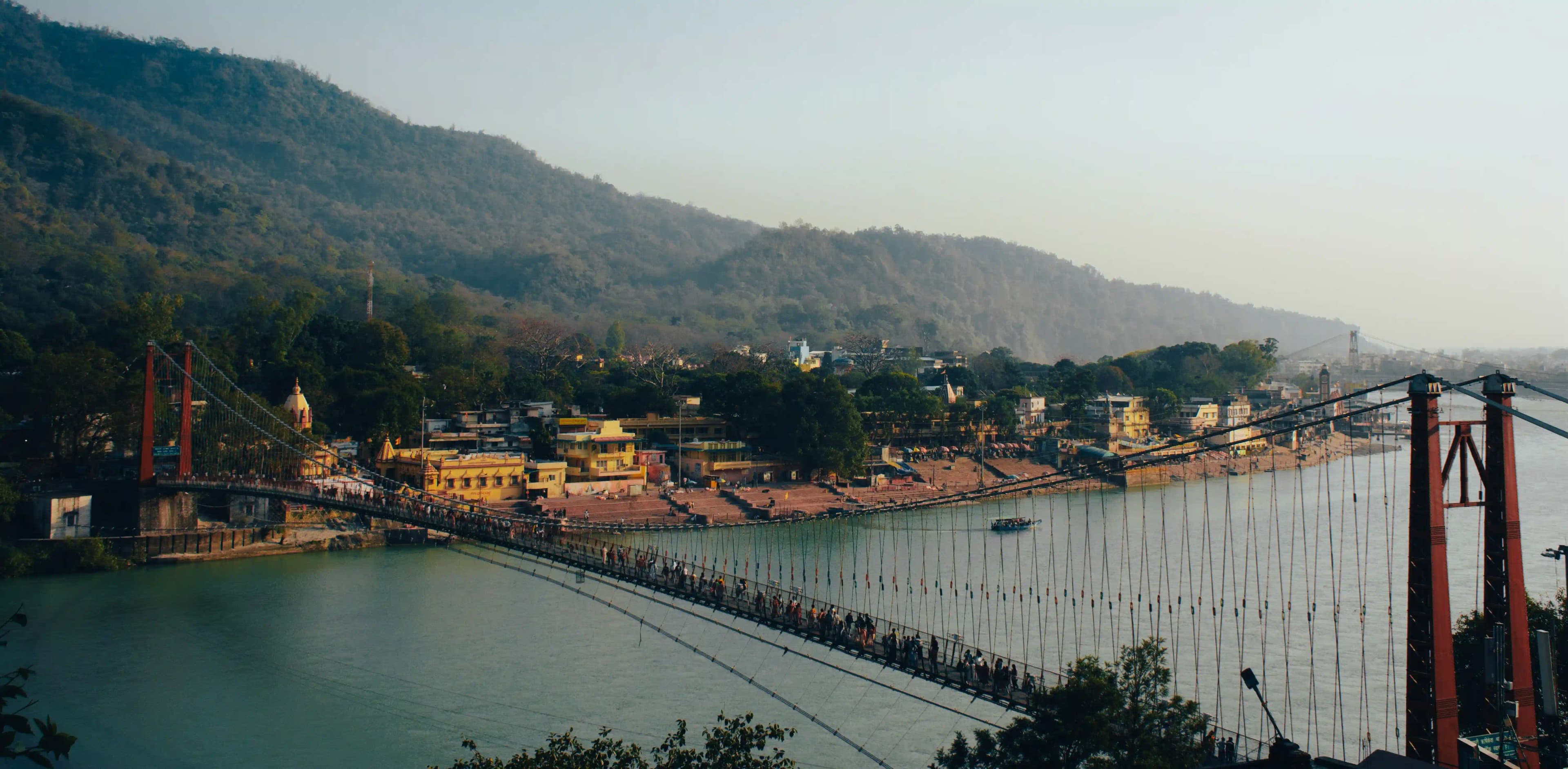
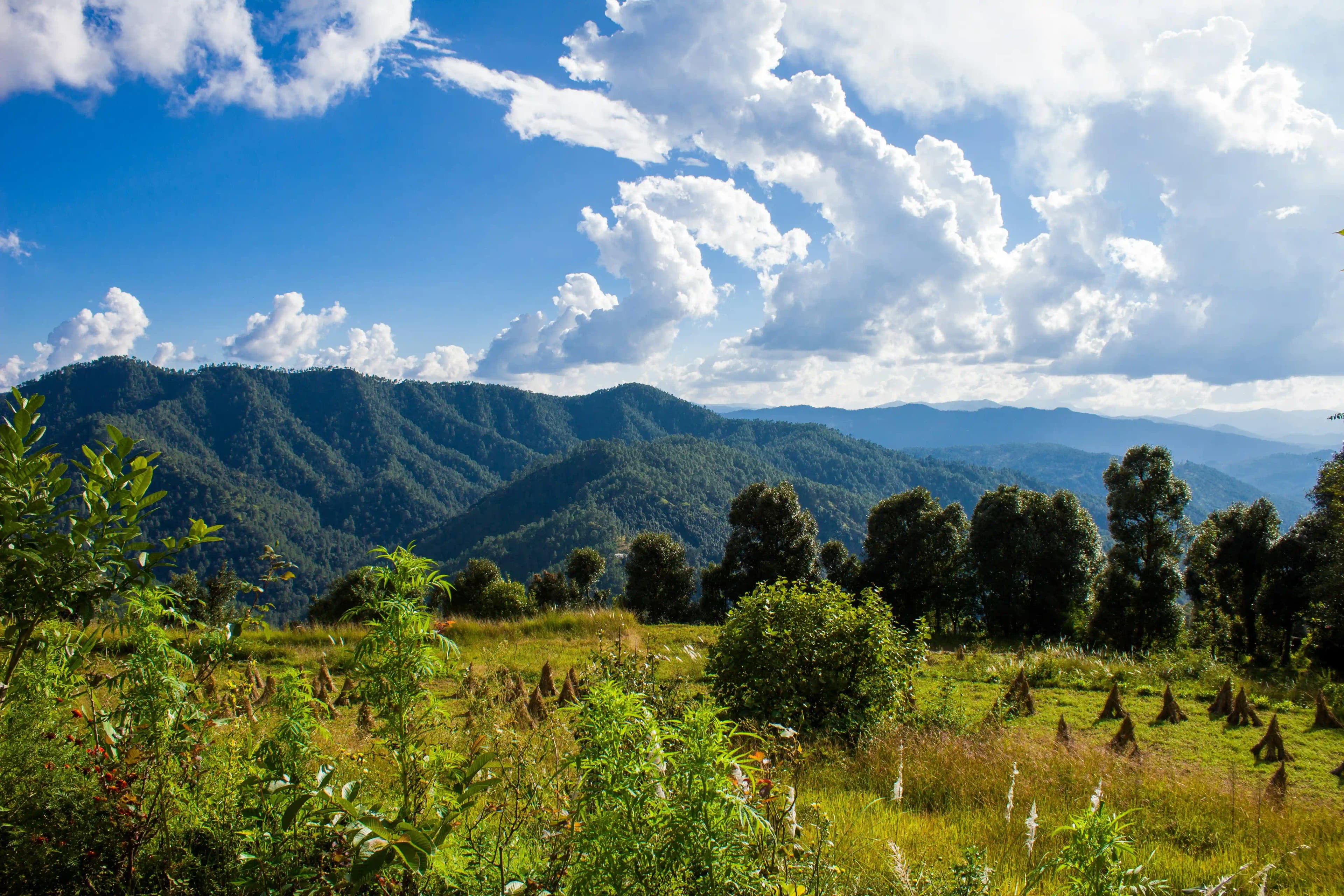
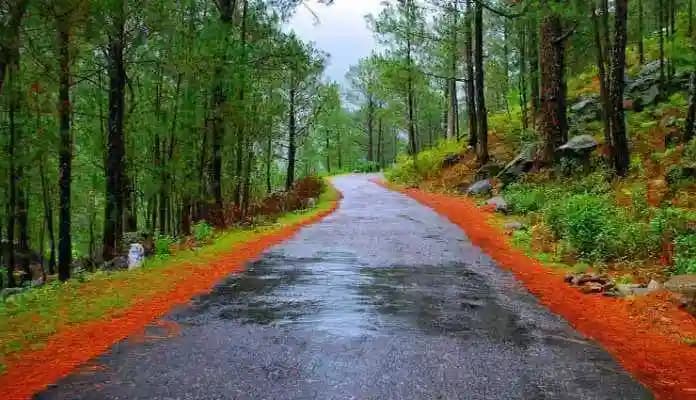
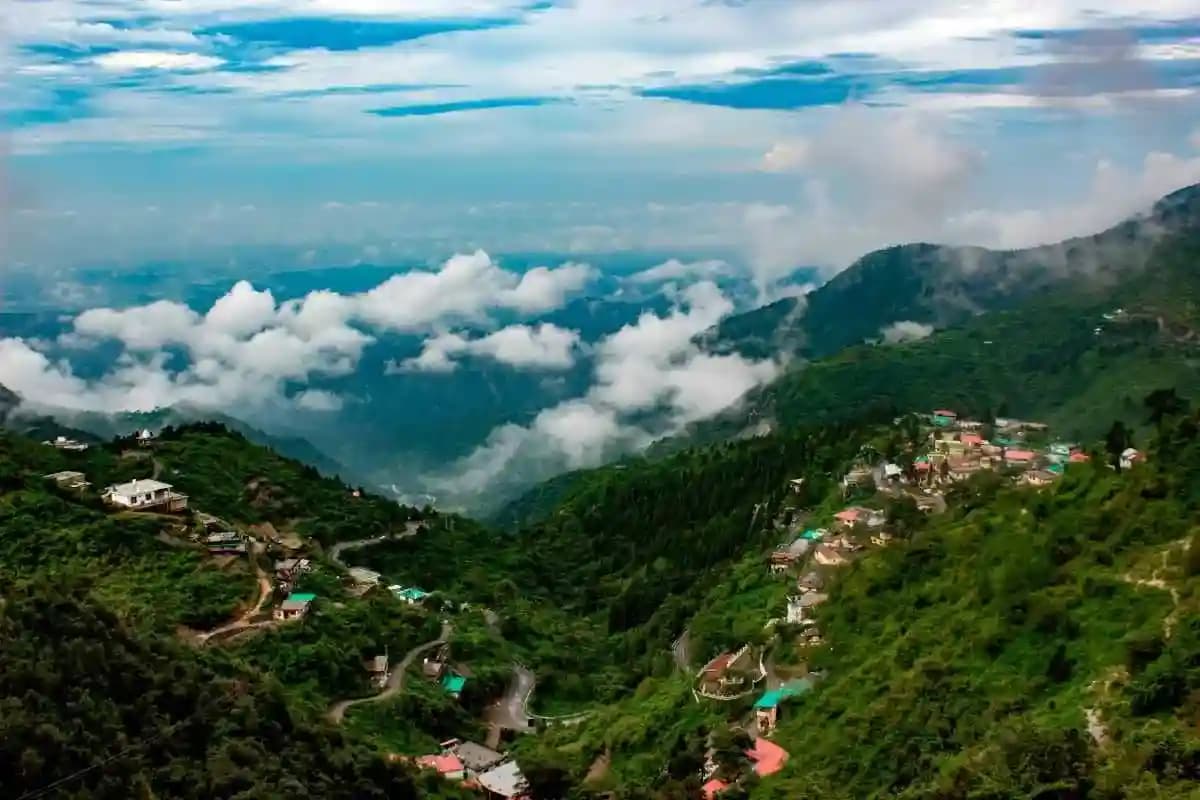
The journey begins well before reaching Badrinath Temple. The route winds through mountain roads alongside the Alaknanda River, where changing terrain gradually slows you down and resets expectations.
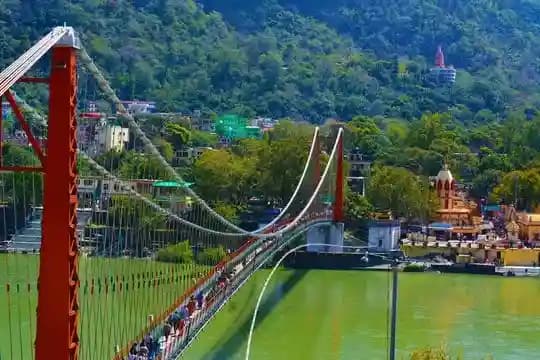
The experience builds in stages. From the Panch Prayag confluences to the final steps at Singhdwar, each stretch adds context to the visit, so arrival feels earned through the journey itself. What you carry back depends on what you look for. Some spend time at Brahma Kapal for rituals. Others stop at Tapt Kund or sit quietly near the temple Parisar. The visit stays with you, not because of a single moment, but because of everything that leads up to it.