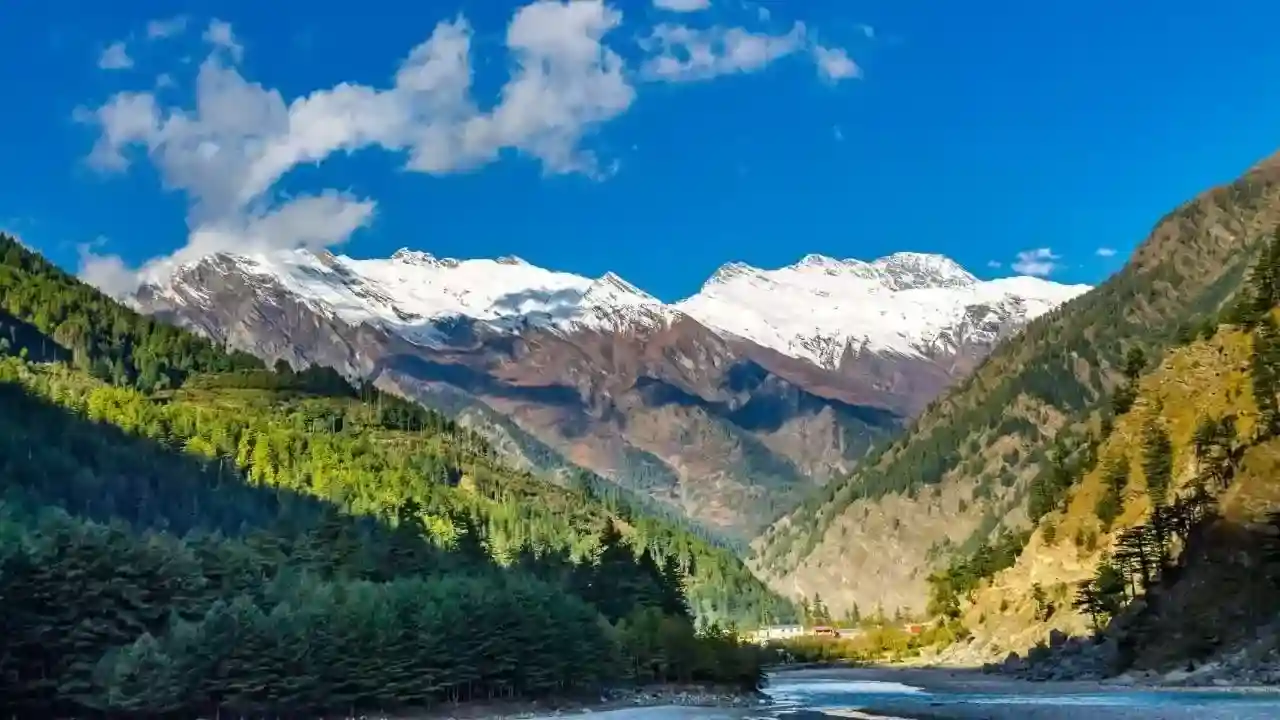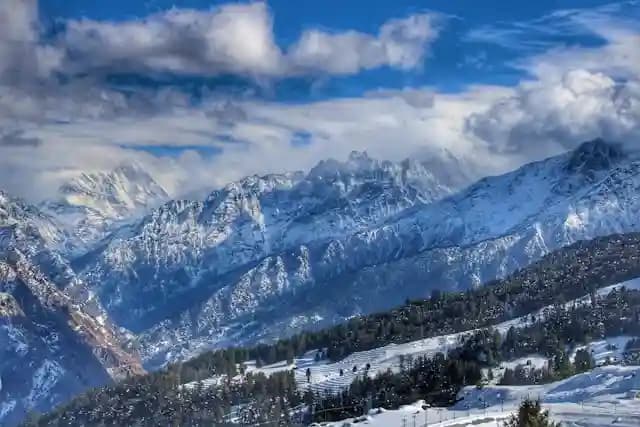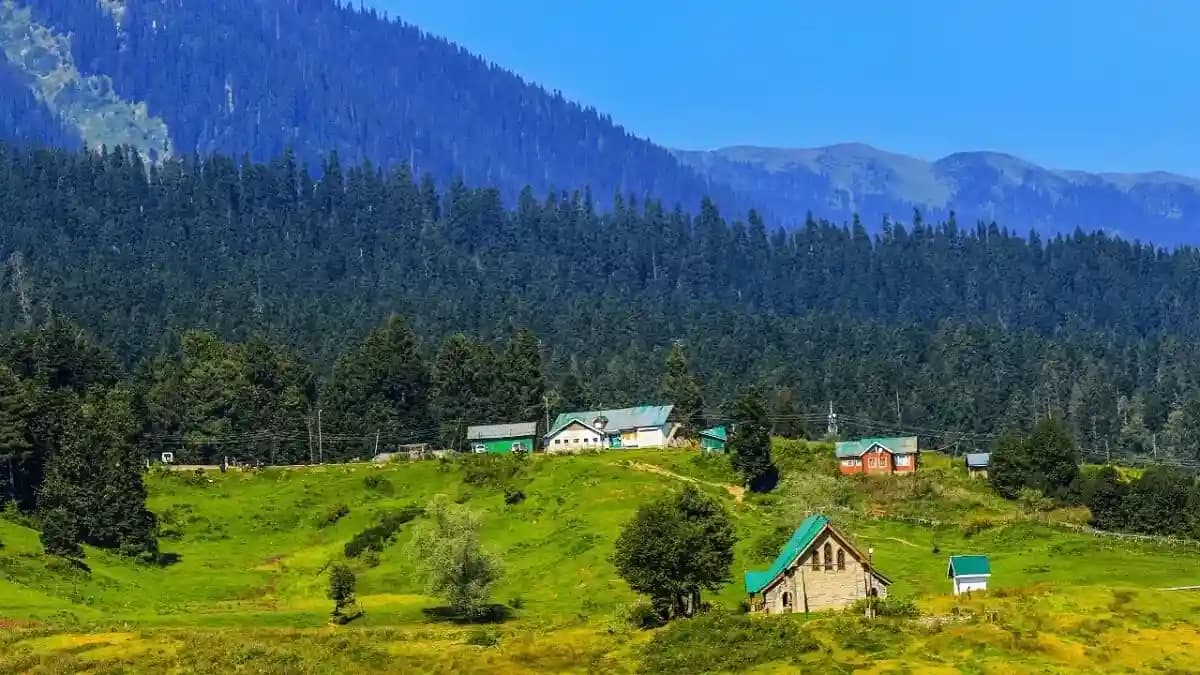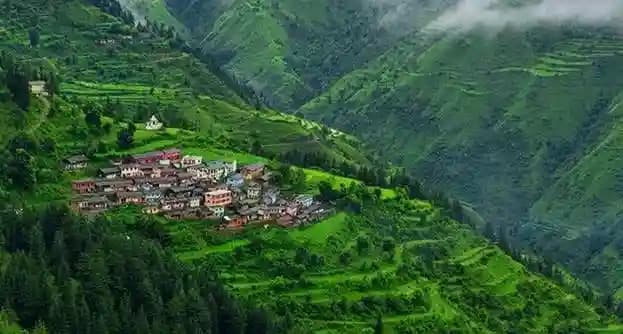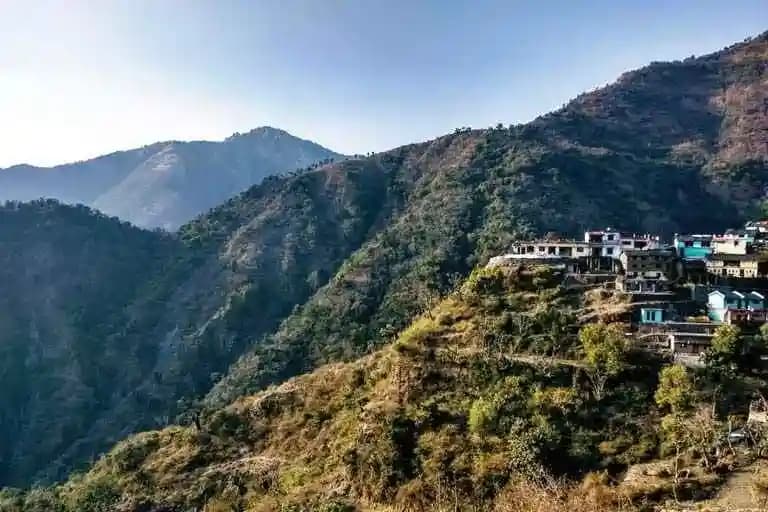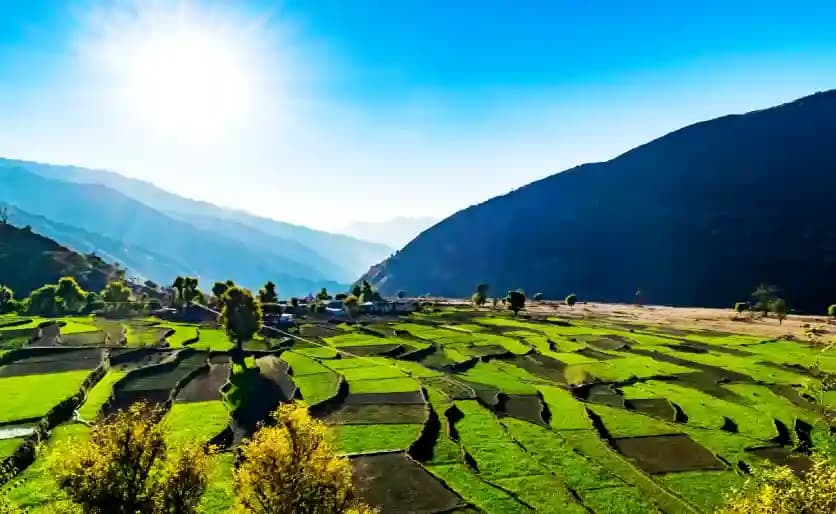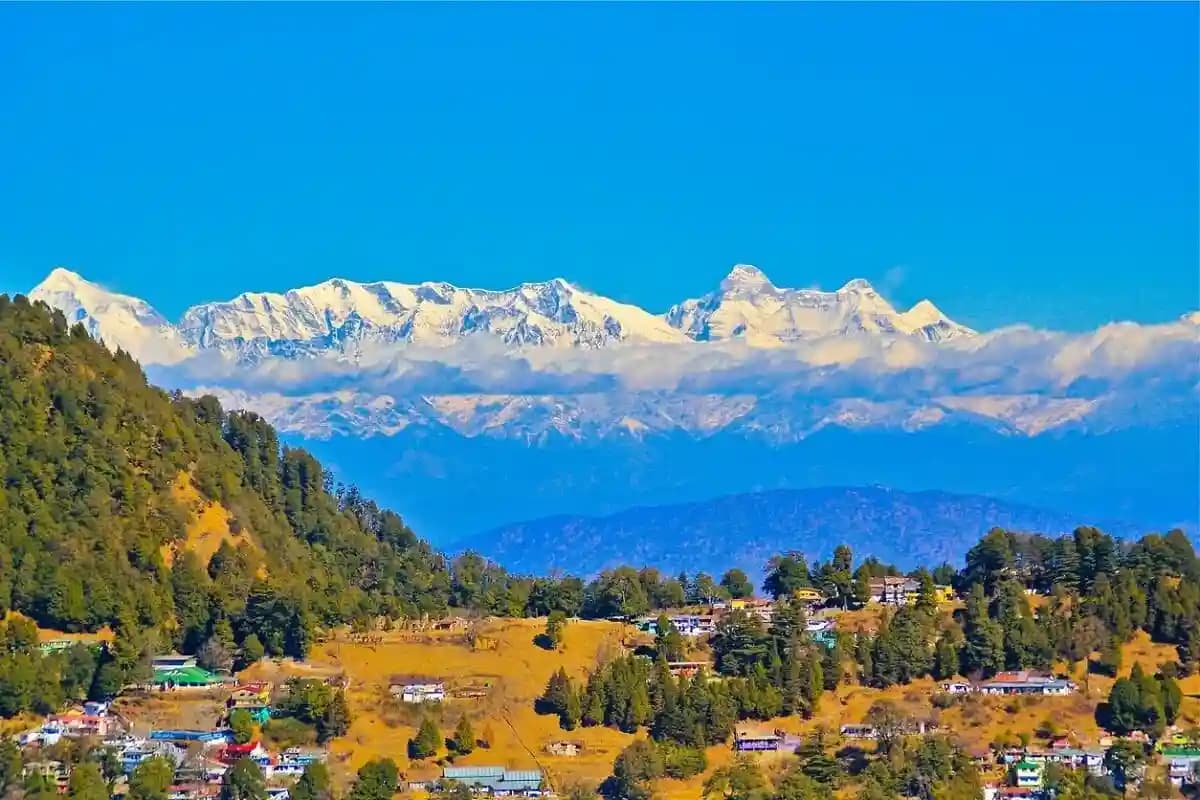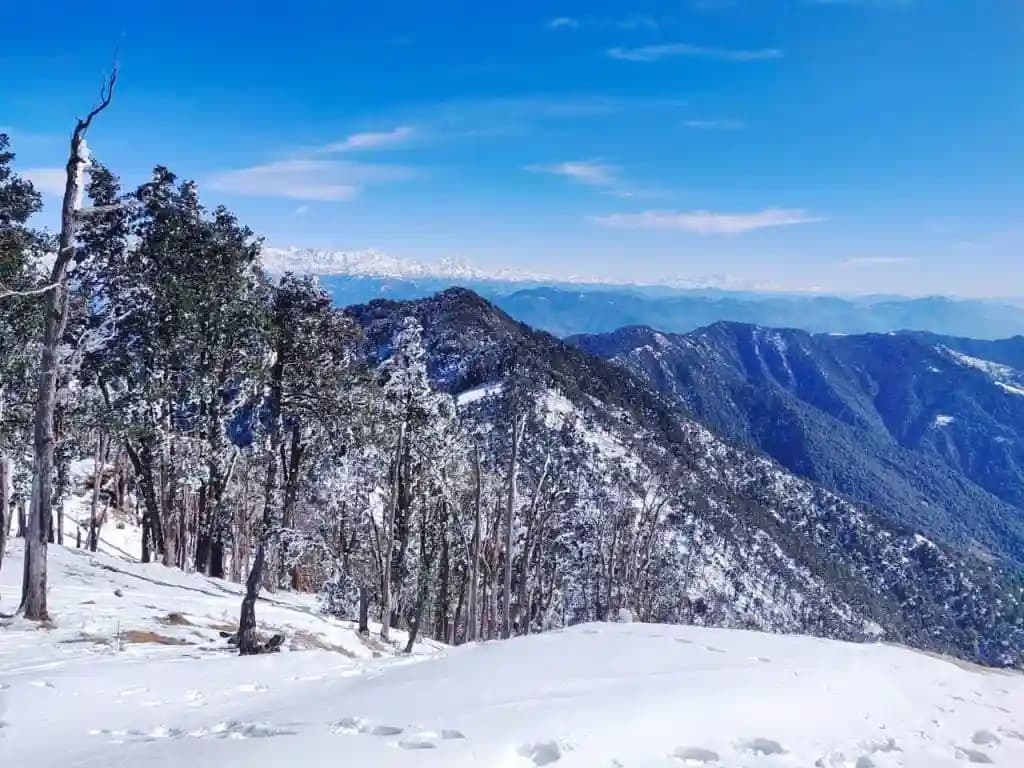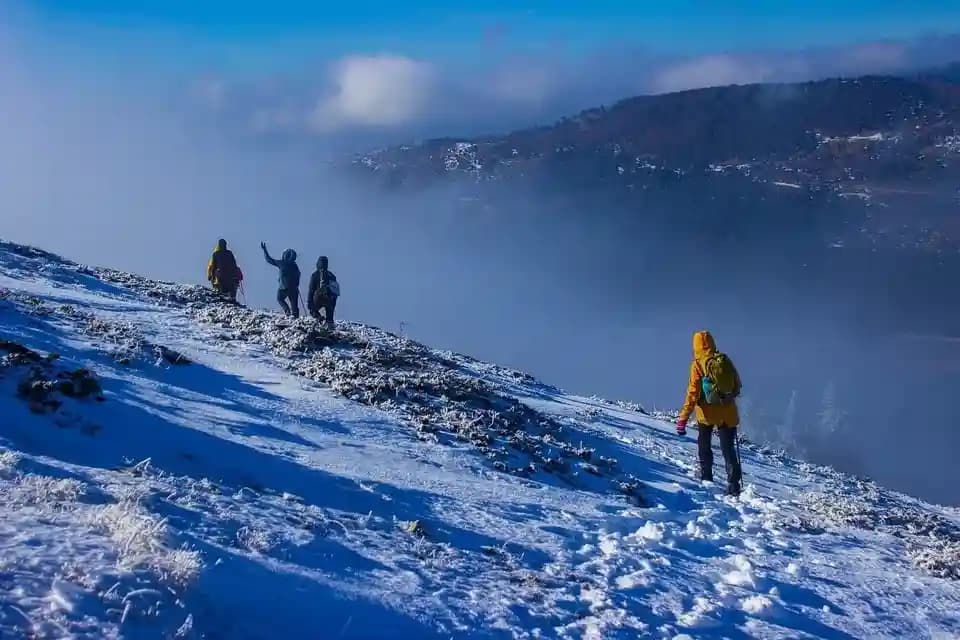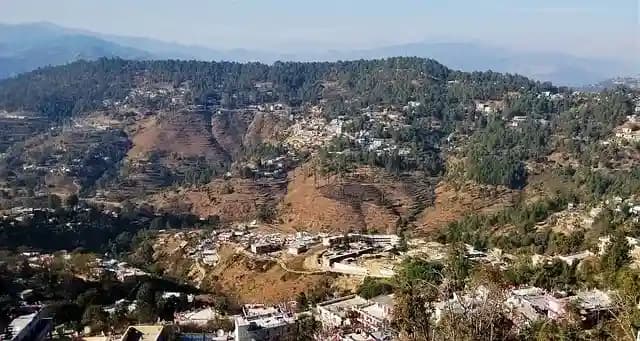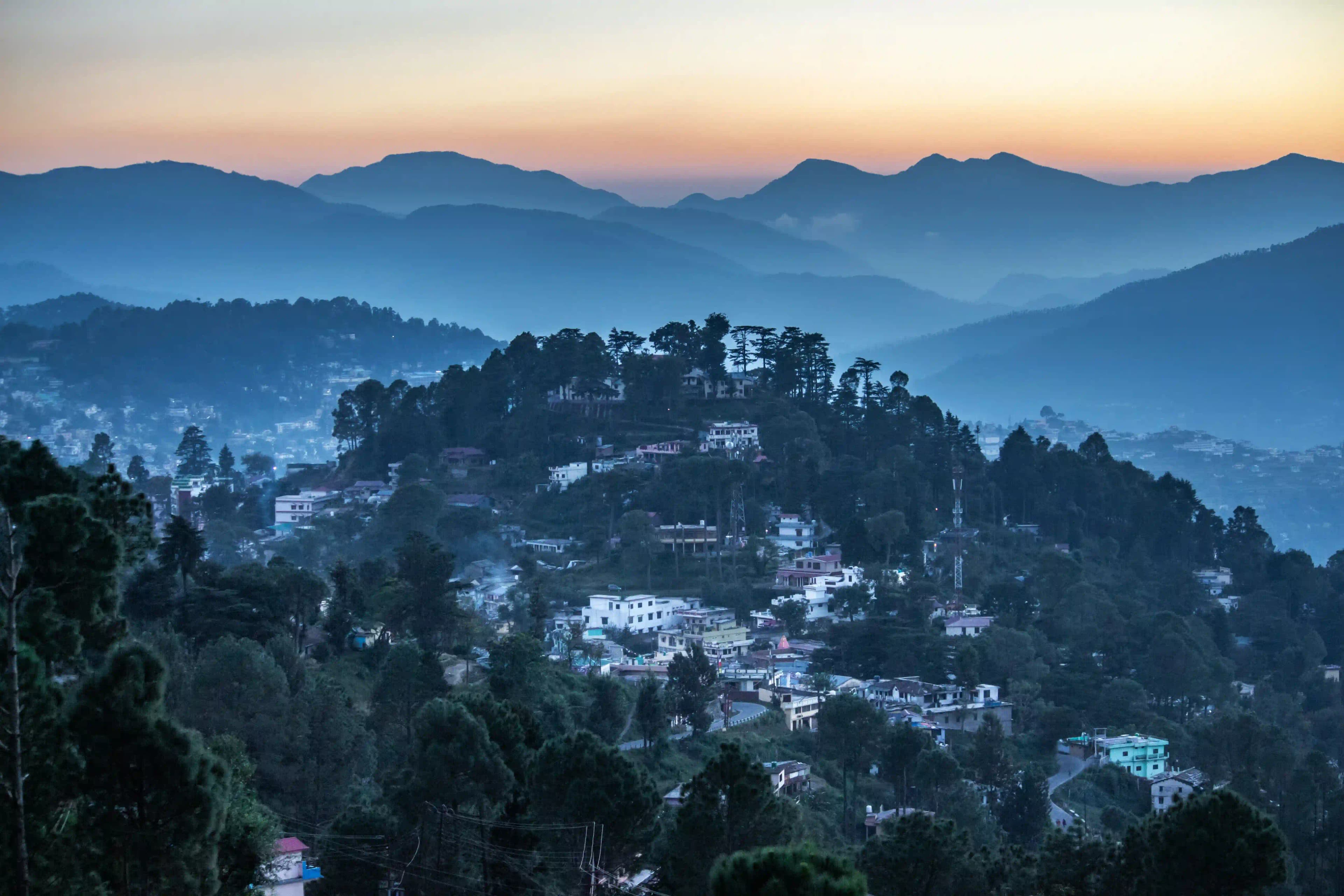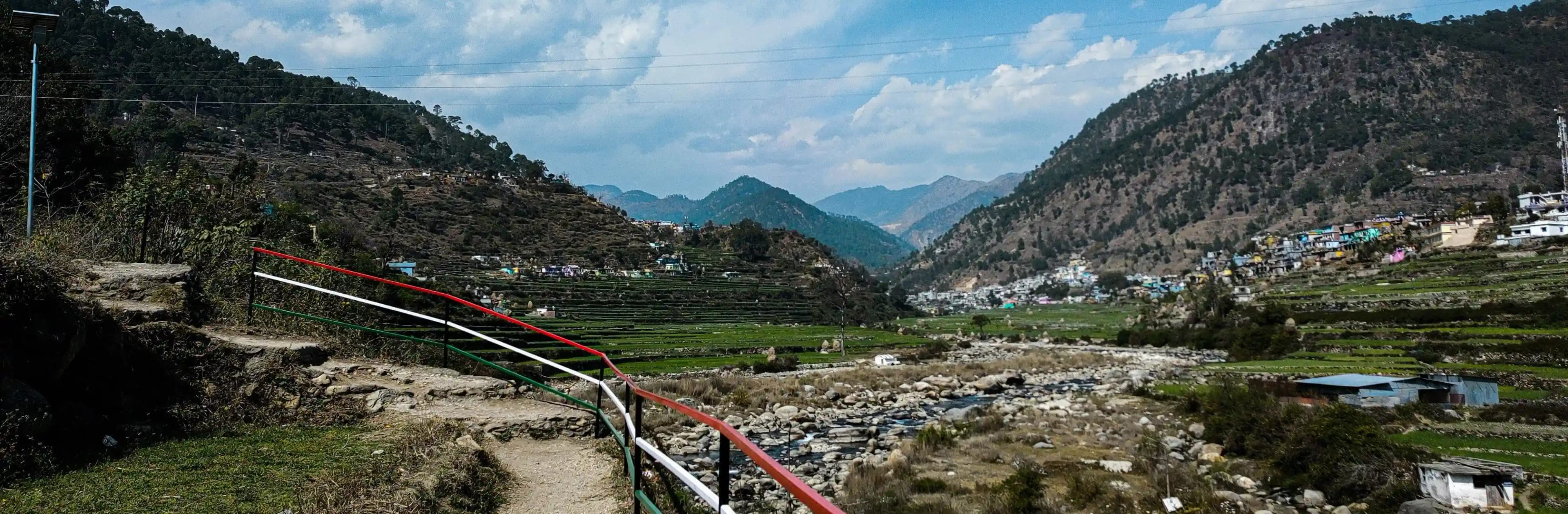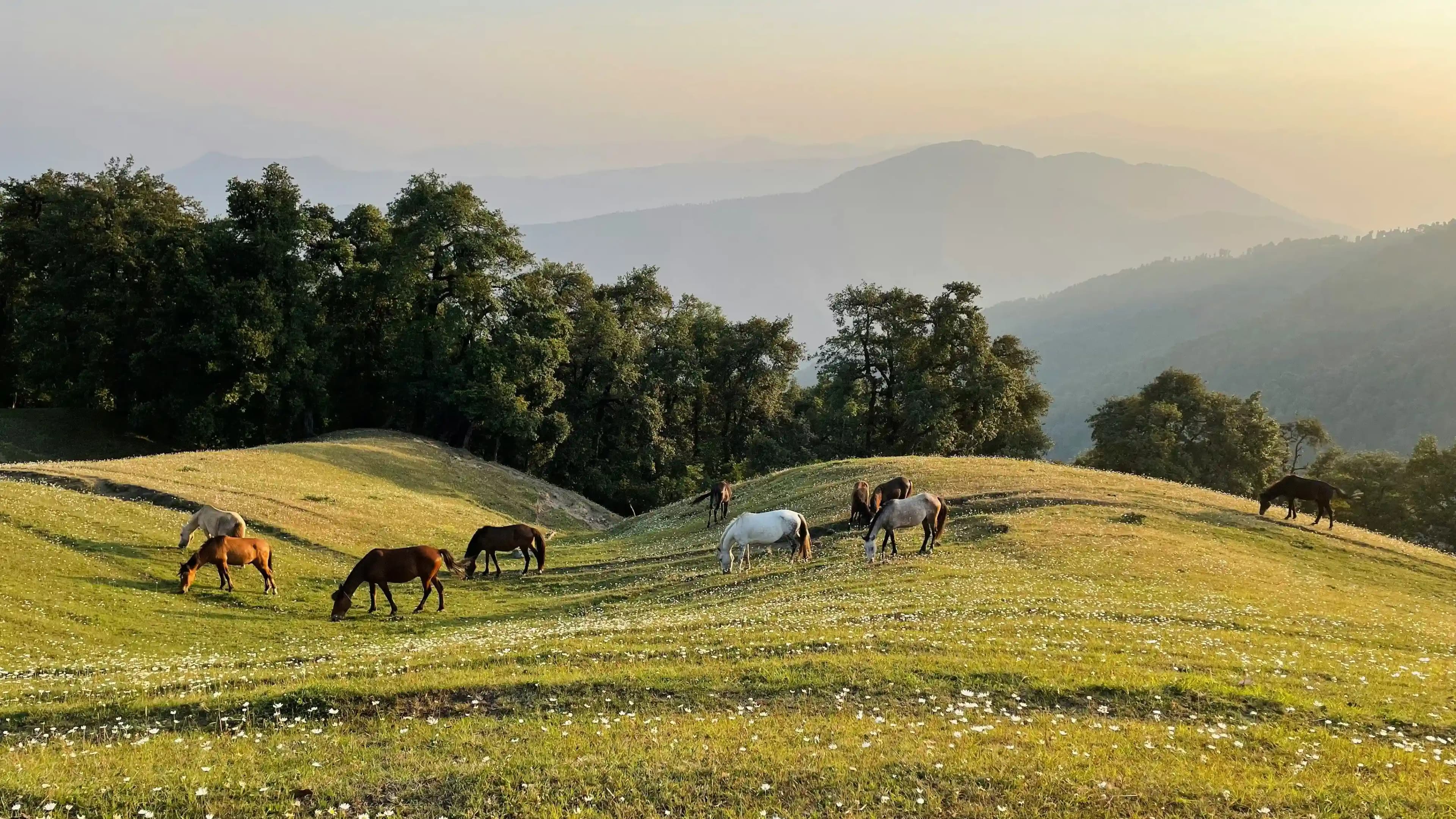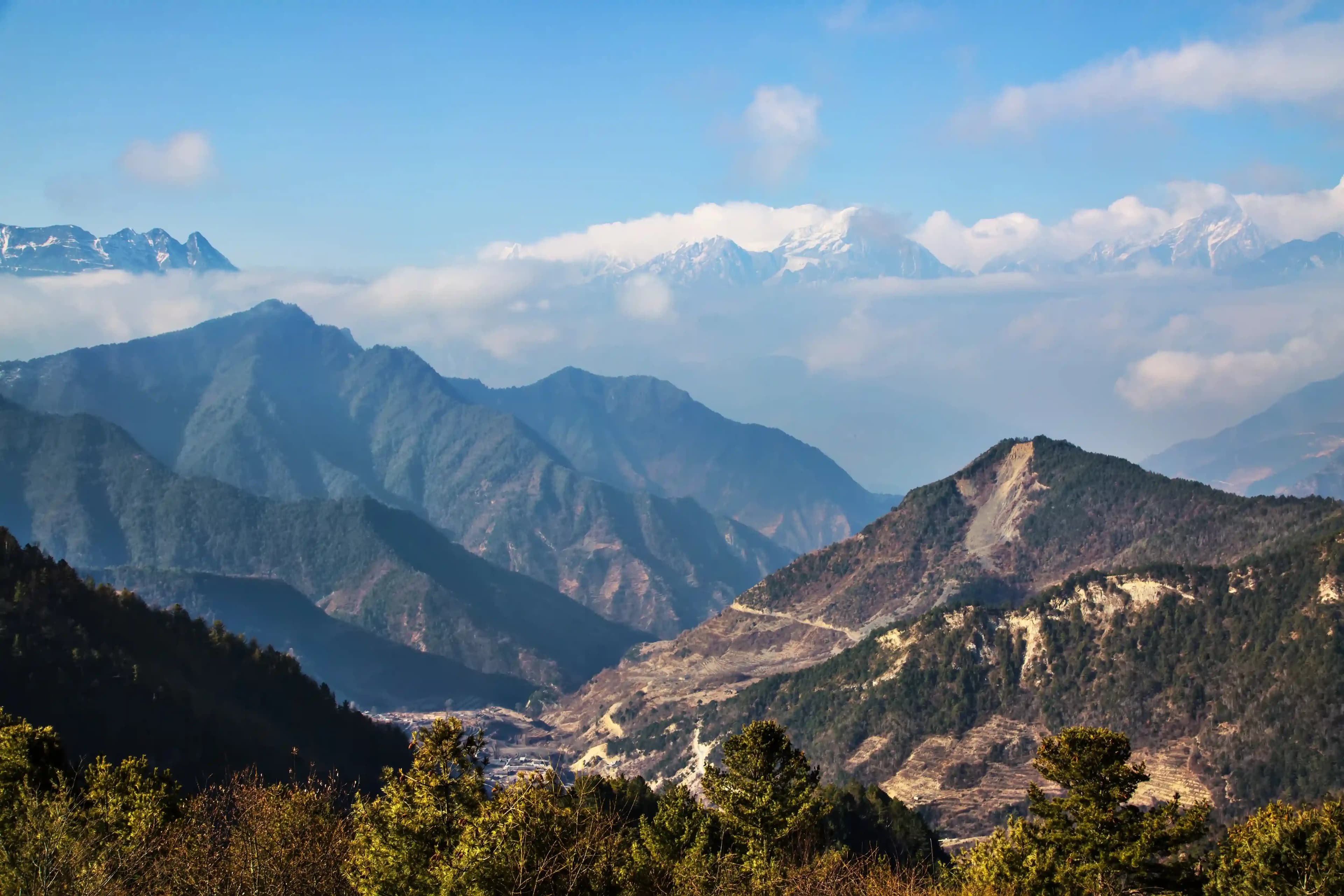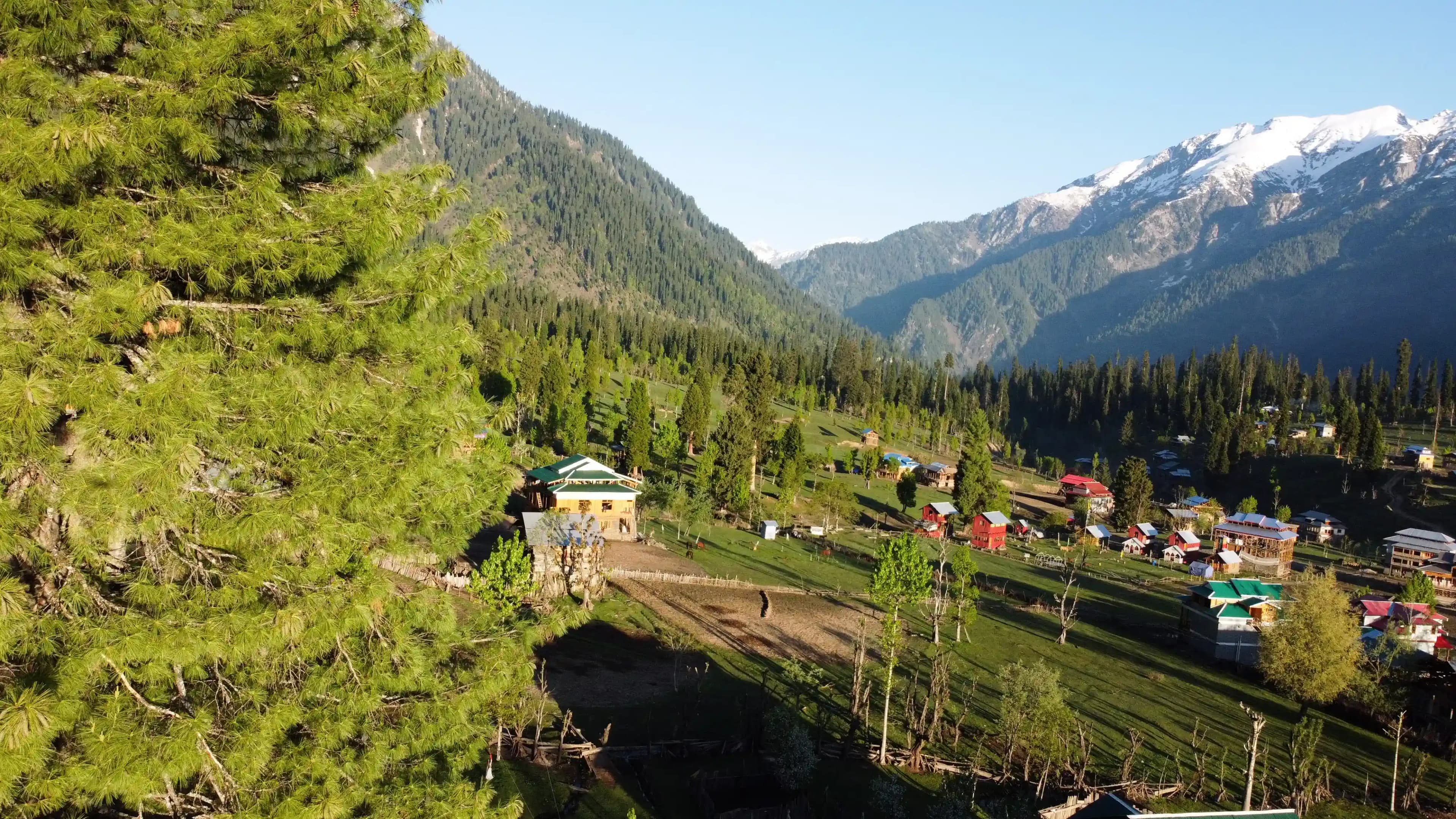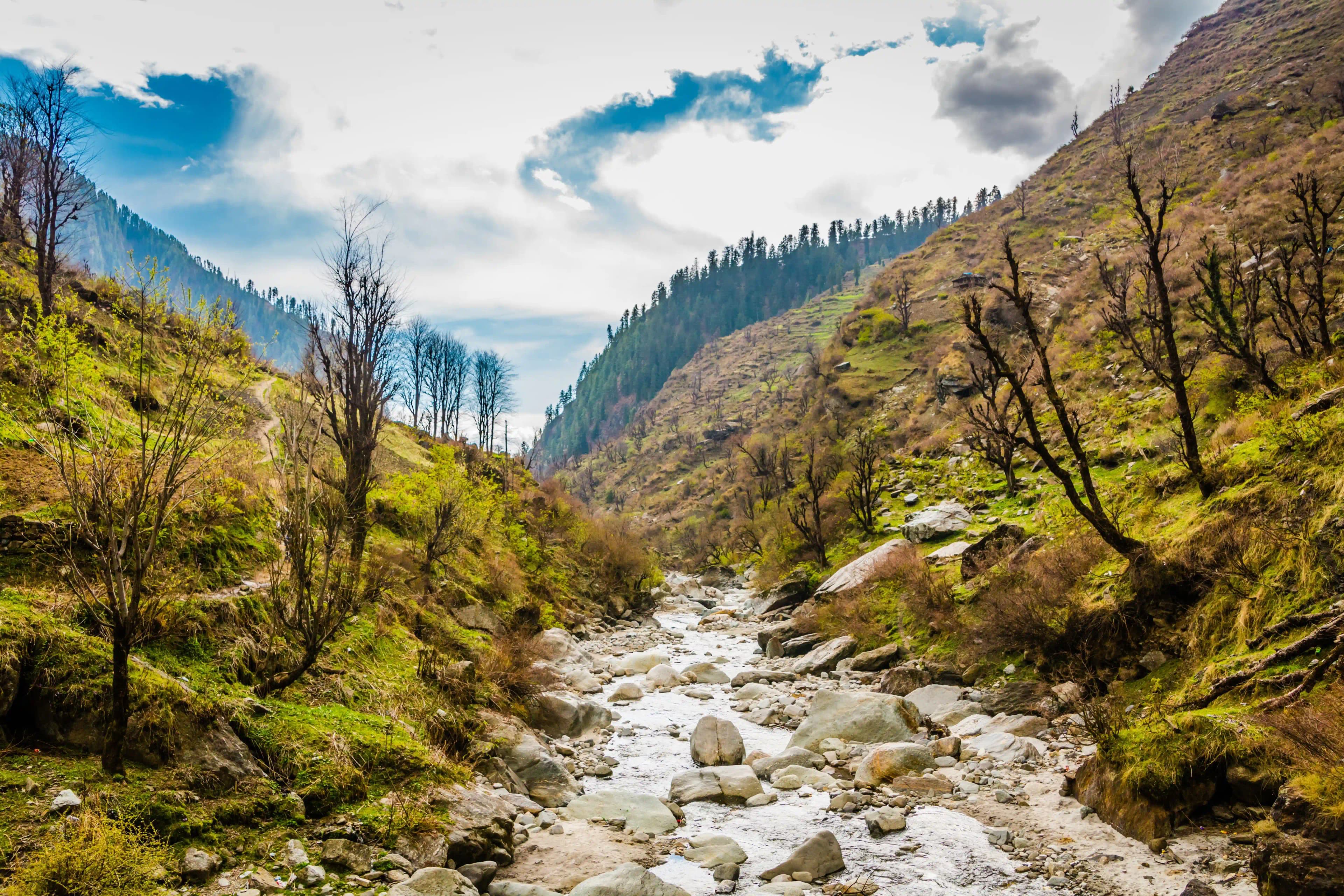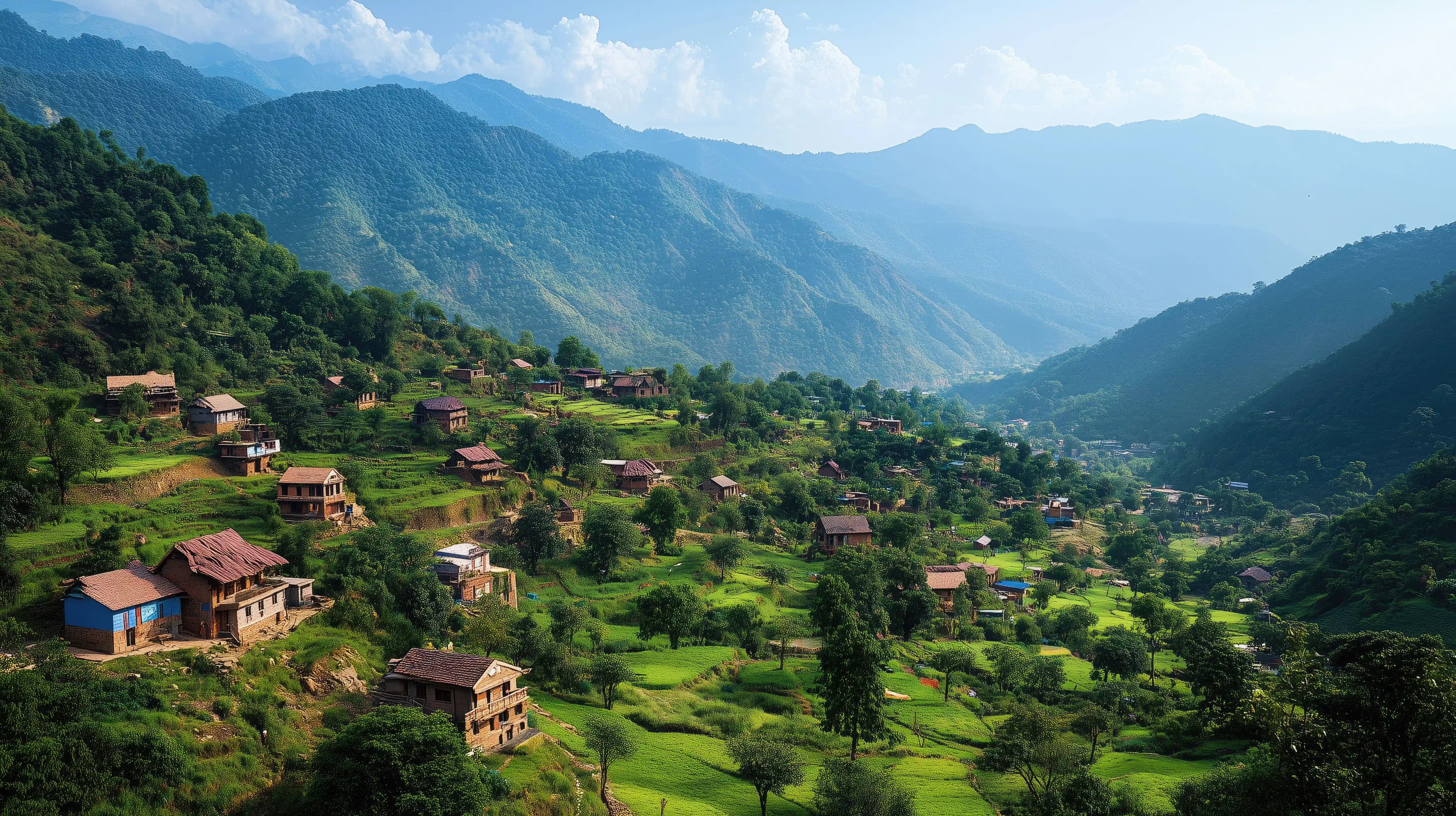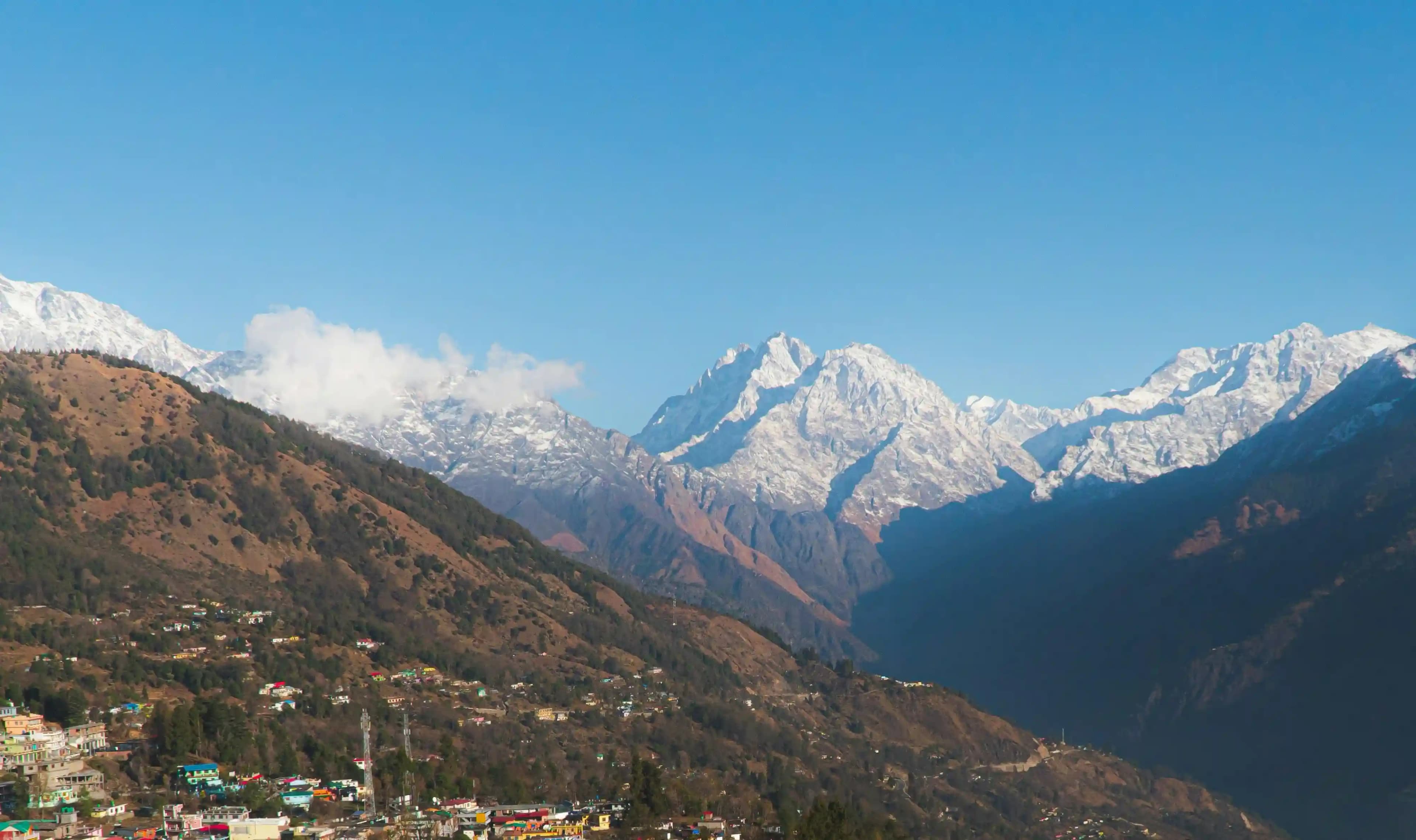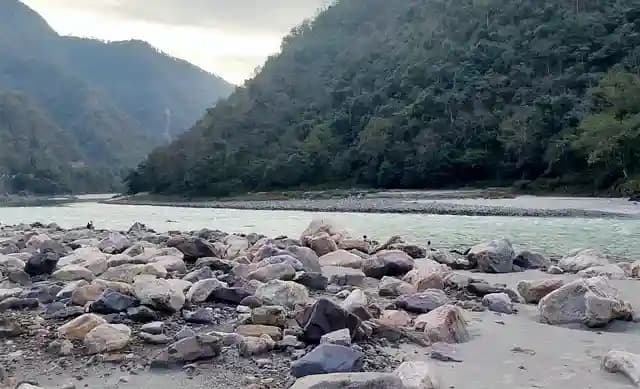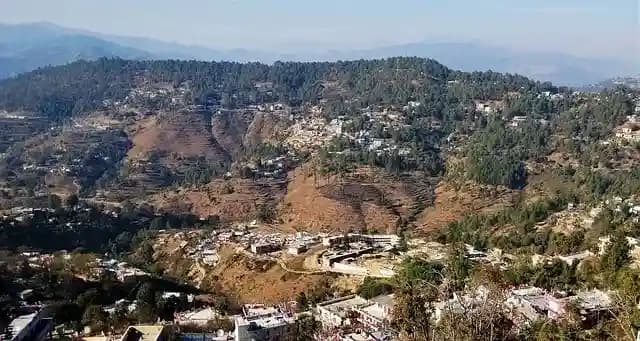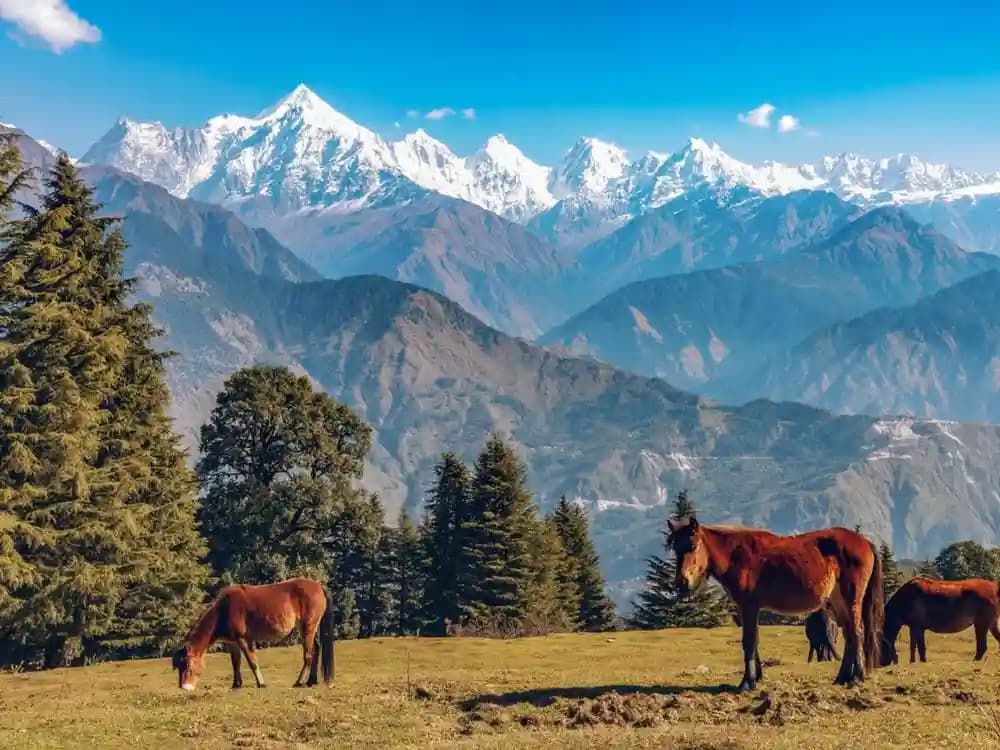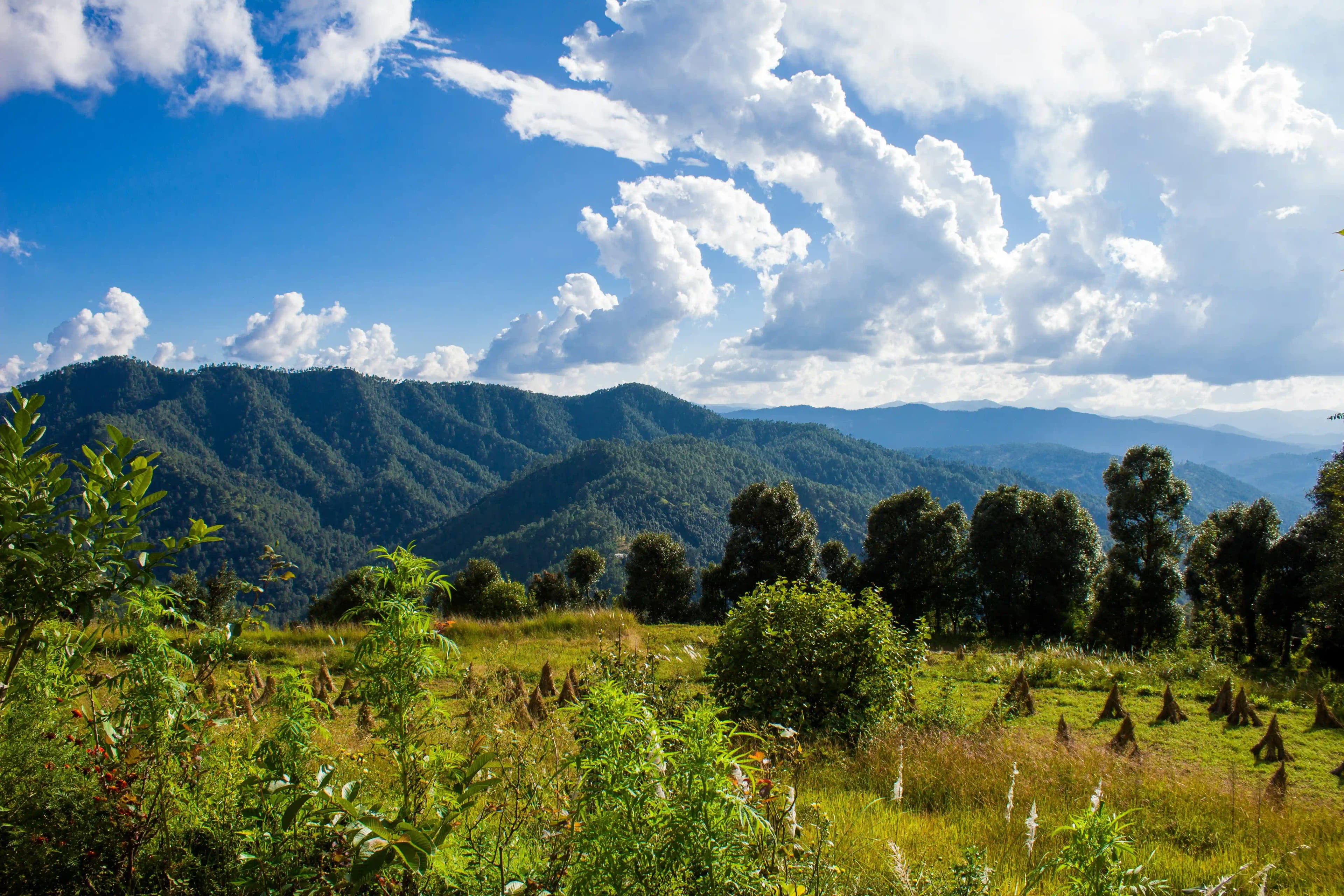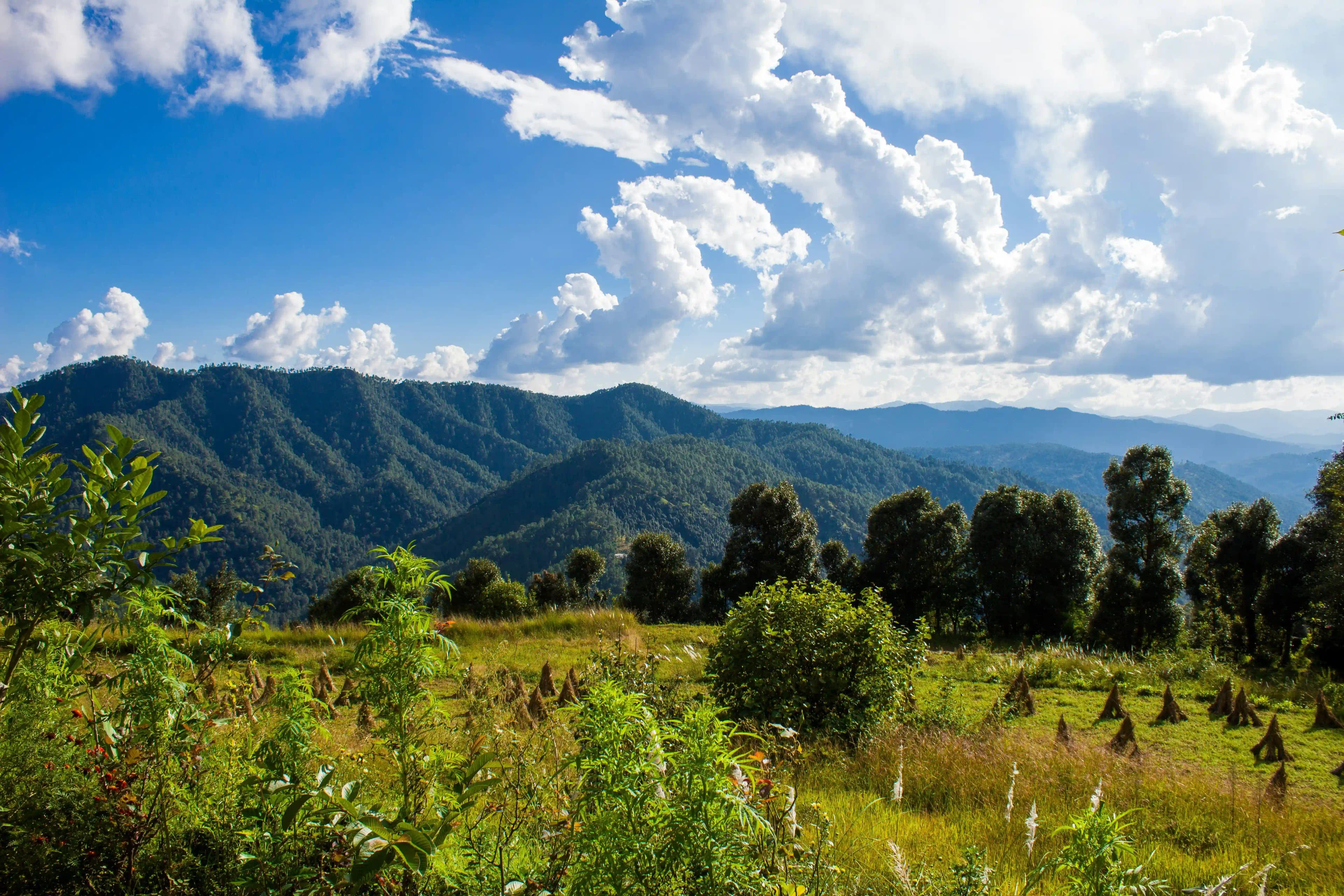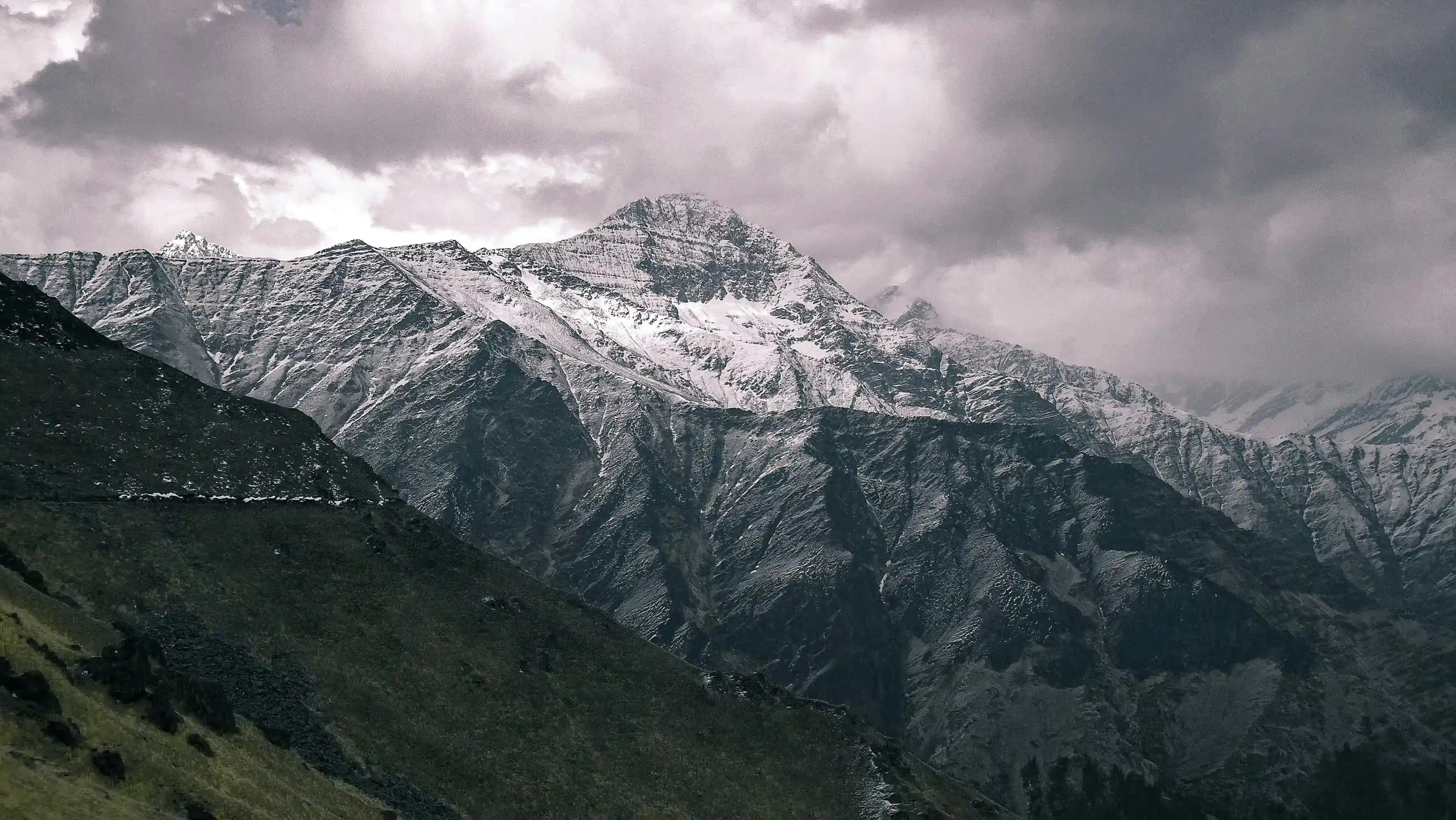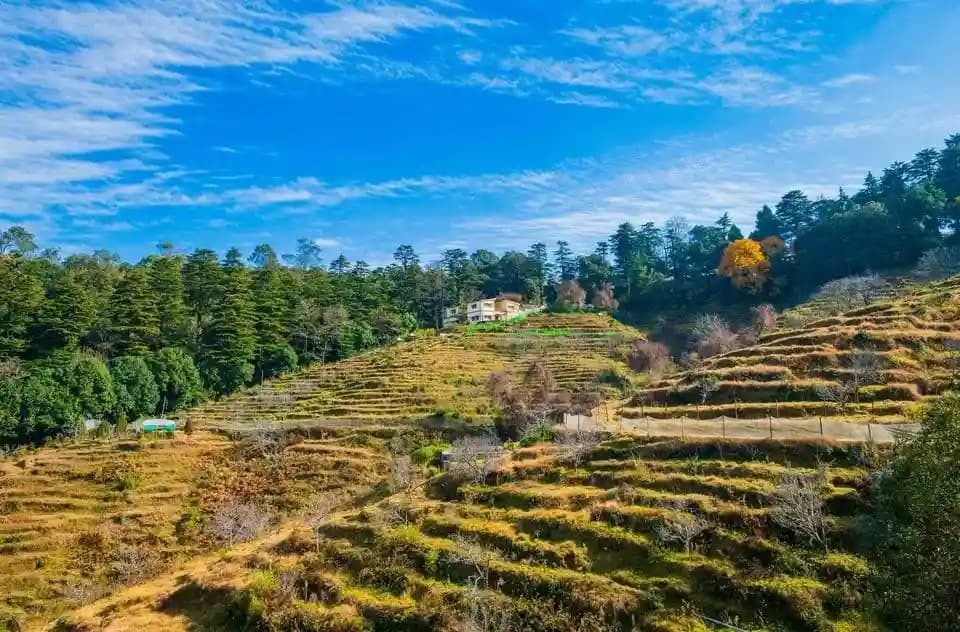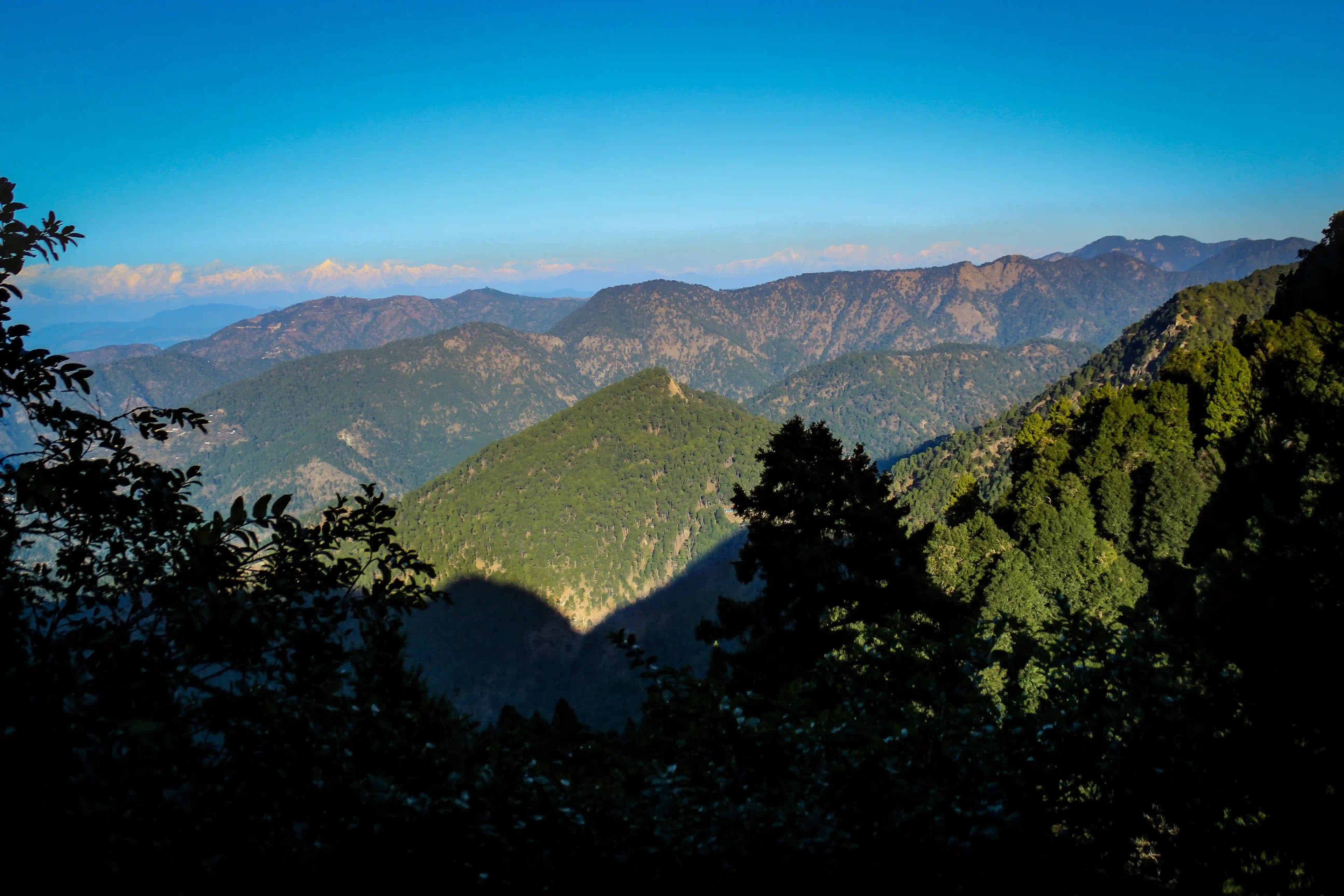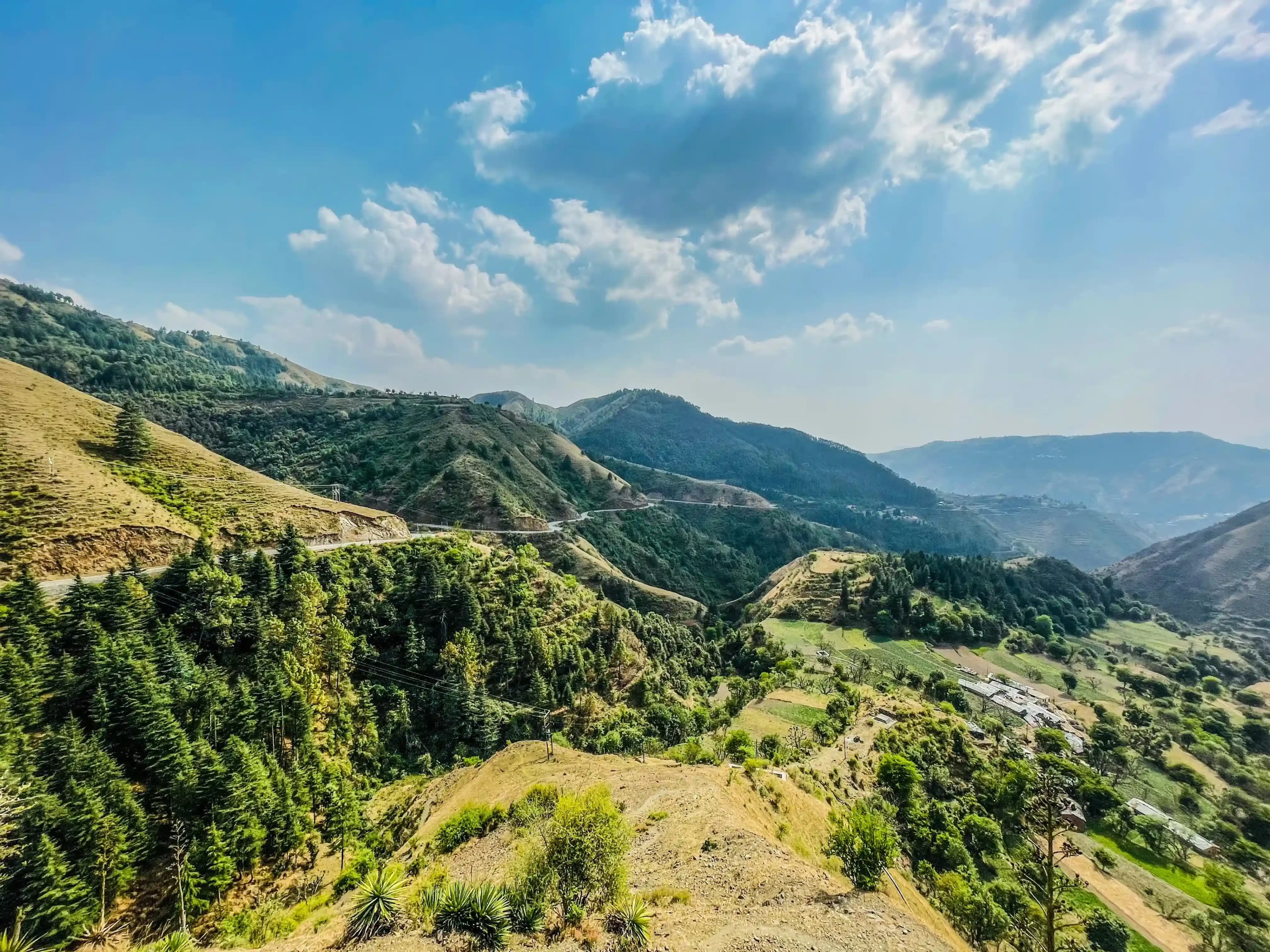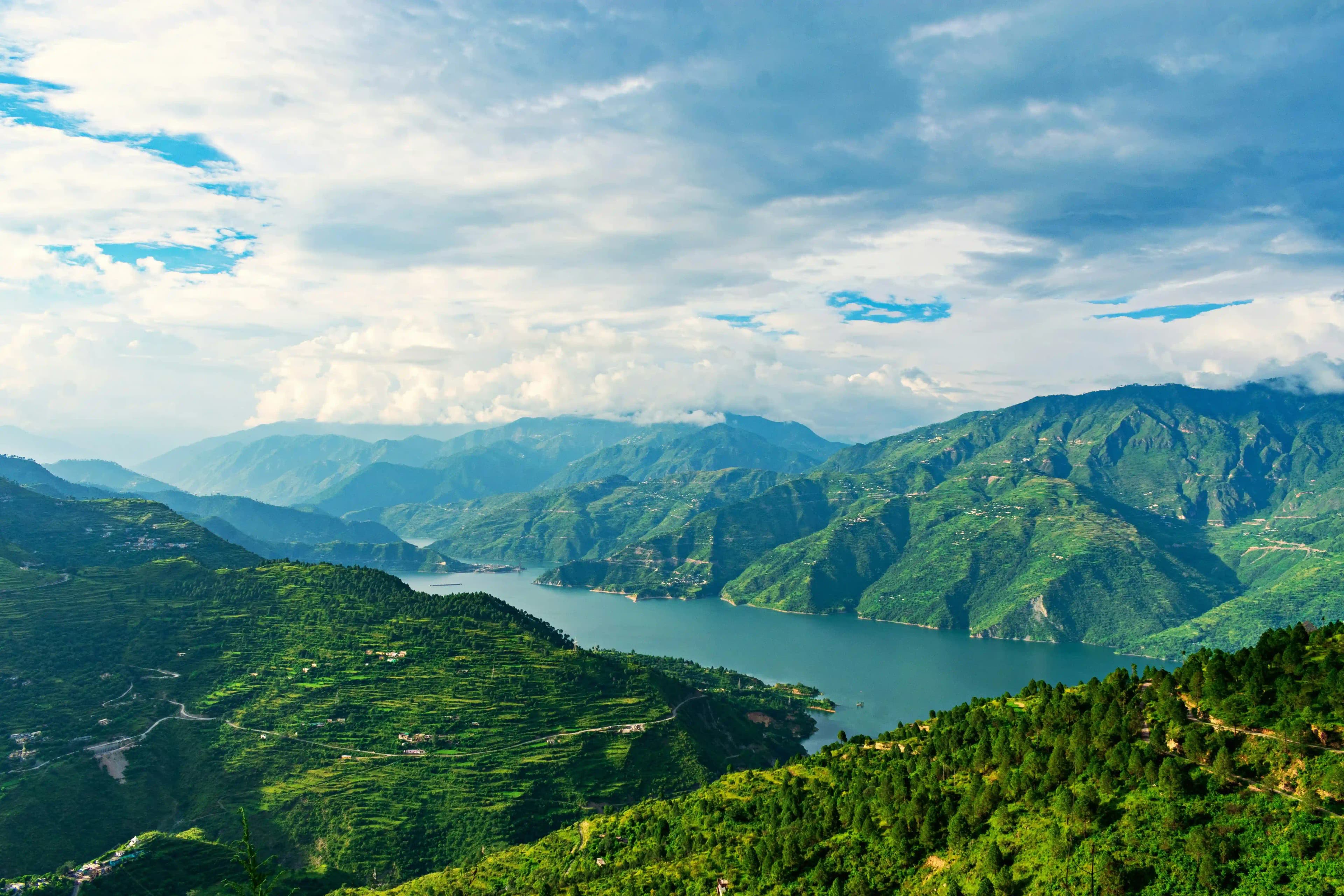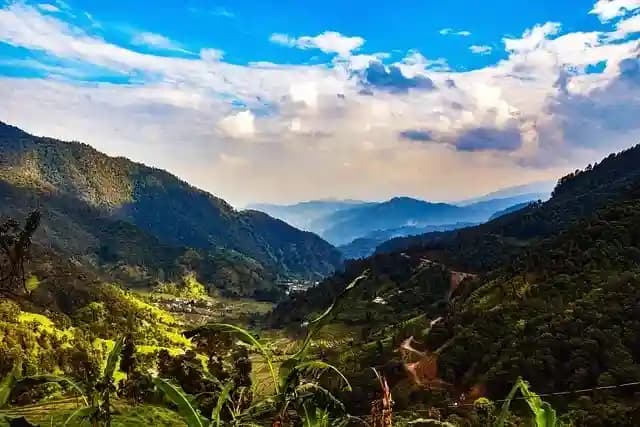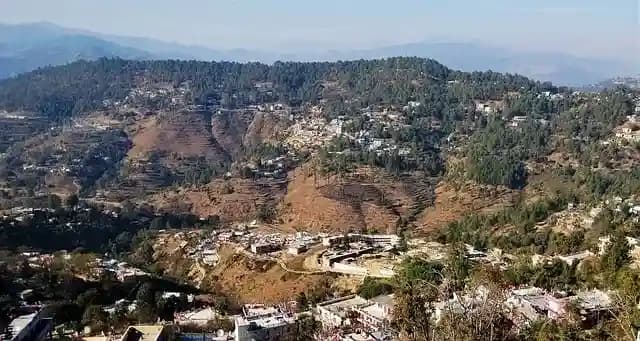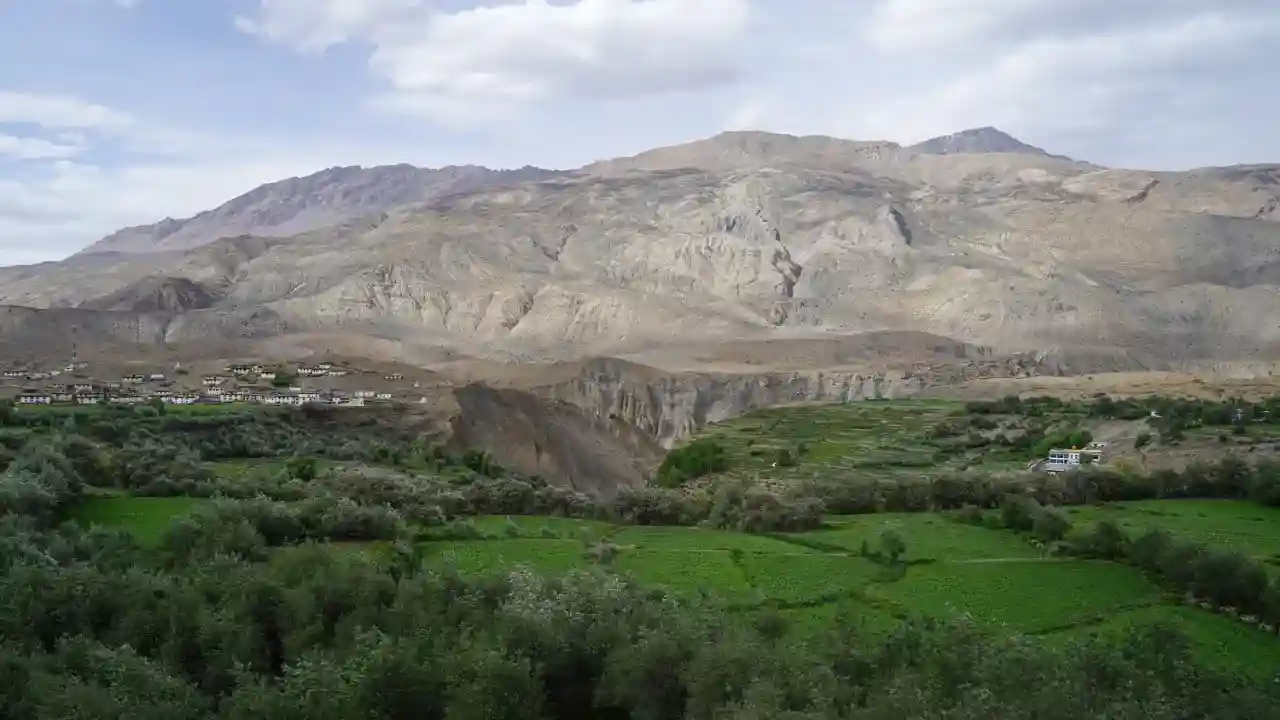
High up on the cold desert slopes of Spiti Valley, lies Mane Village, in the midst of the rugged mountains and the silence of the Himalayas. A visit here feels untouched by time and away from all the city rush and noise. Its mud-built houses, terraced green fields, and twisting mountain paths reflect a way of life that has been shaped over a thousand years. The Mane village offers stunning nature, old monasteries, and a chance to connect with the local Buddhist culture, all wrapped in the warm hospitality of locals whose lives reflect the rhythm of the mountains. So, if you’re planning a trip to Spiti Valley, this guide will reveal all the secrets of this hidden village, nestled deep in Spiti, for a peaceful and unreal experience.
Essential Information About Mane Village
Mane village is a small and traditional village that offers a truly Himalayan experience. If you’re wondering how to plan a trip to Spiti Valley, these are the key details to take note of before heading out on the road:
Mane Village Location: On the right bank of the Spiti River, Spiti Valley, Himachal Pradesh
Altitude: Around 3,650 m (11,980 feet) above sea level.
Village structure: There are two parts of the village: Mane Kogma (lower) and Mane Yogma (upper).
Mobile connectivity: Limited or no connectivity.
Best Time to Visit Mane Village
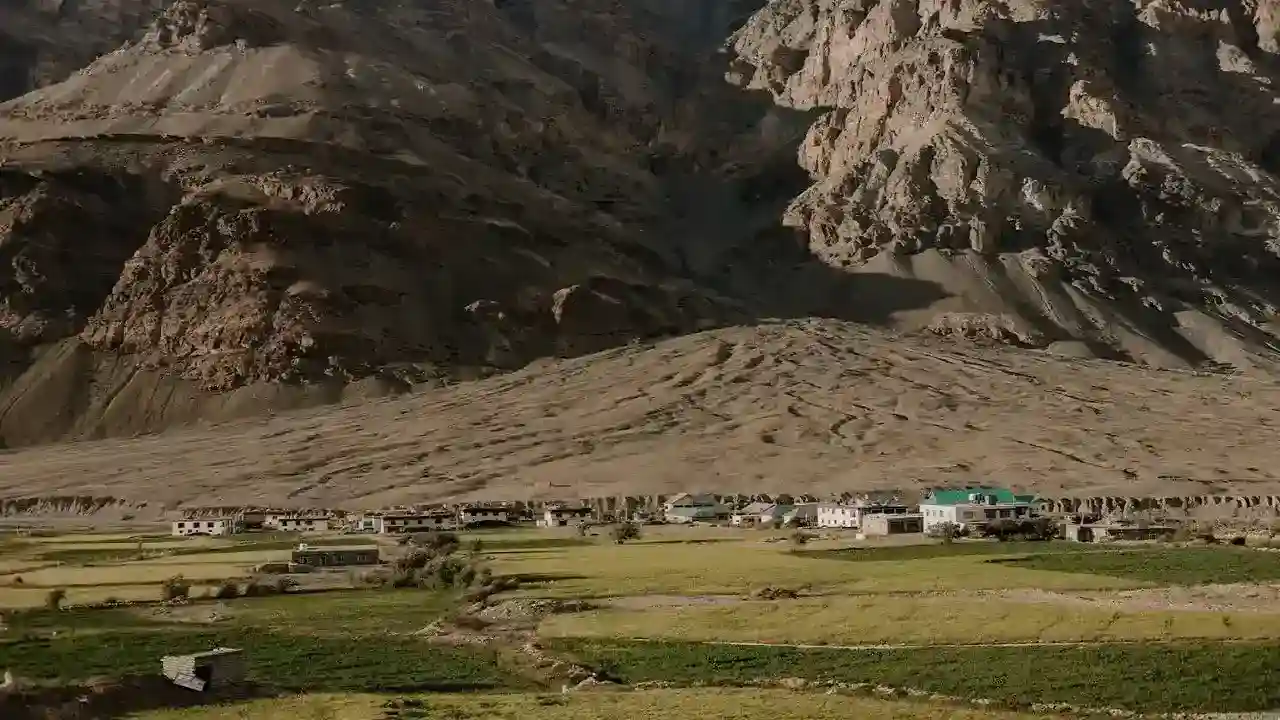
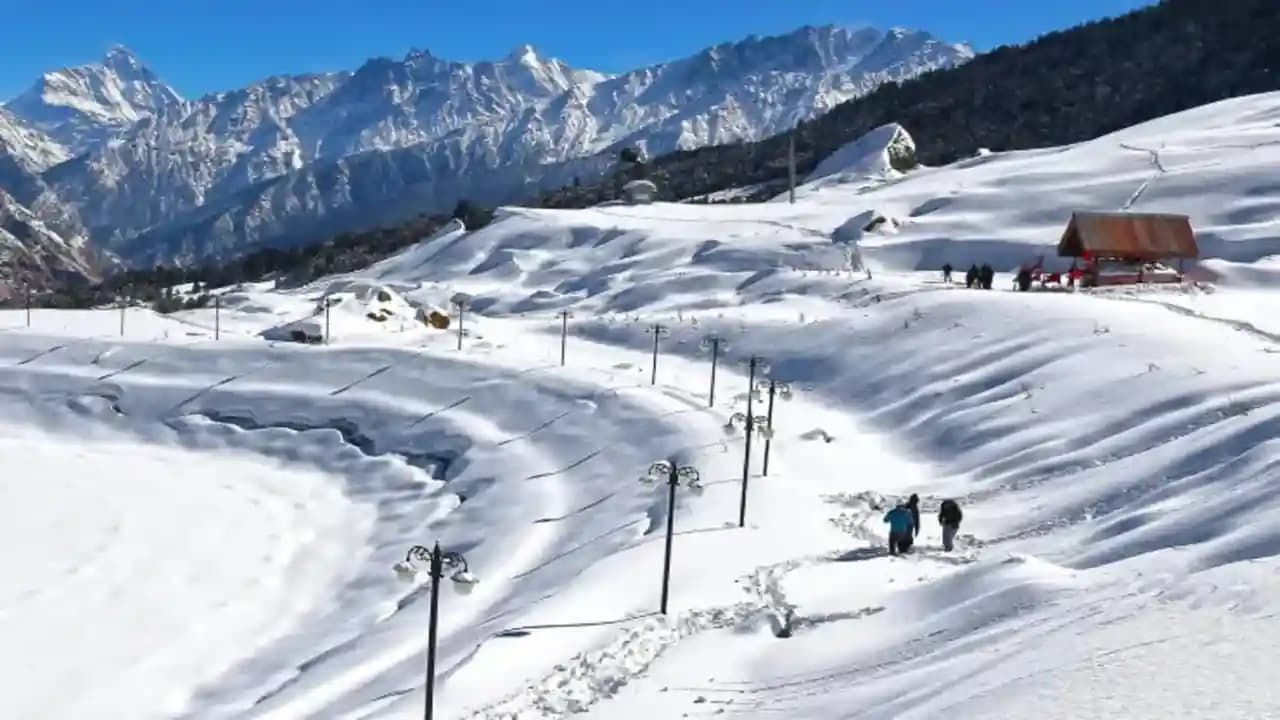
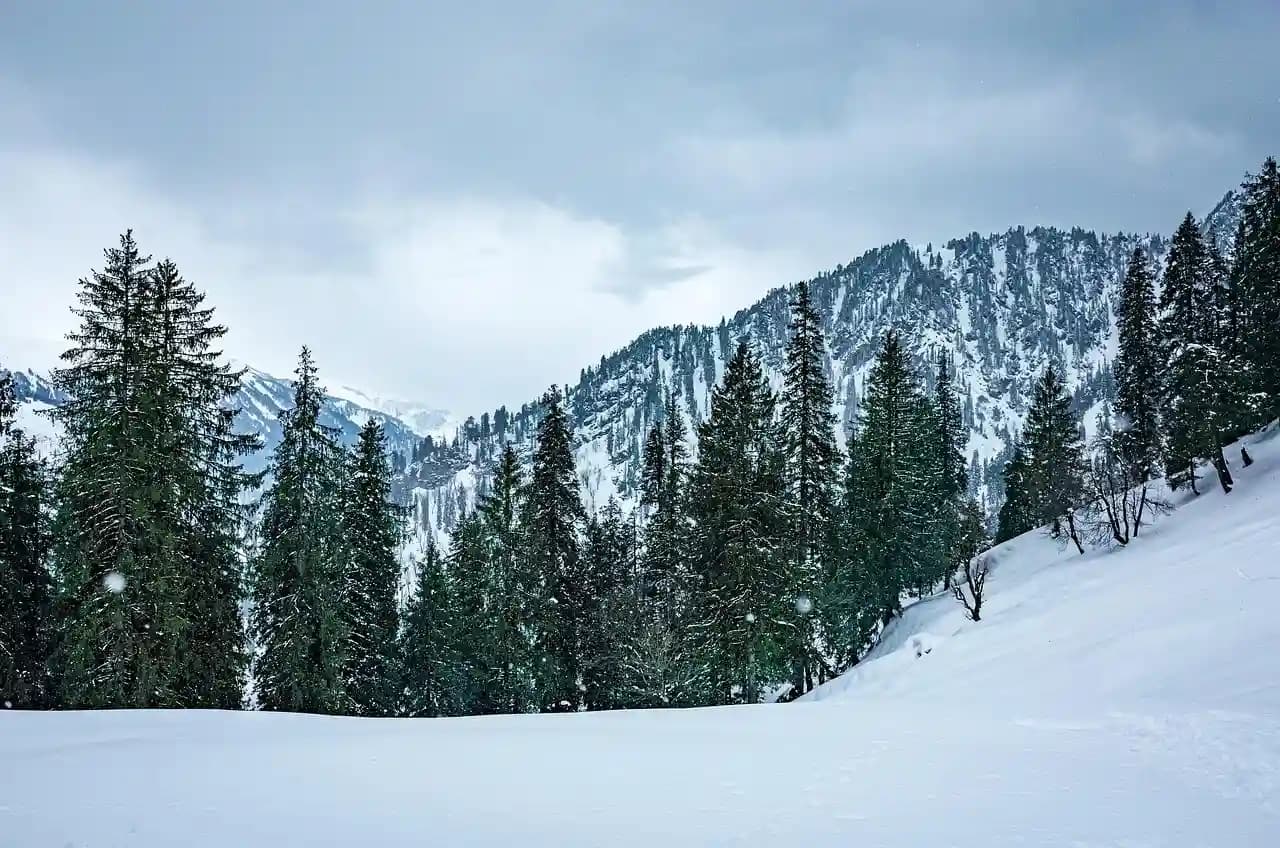
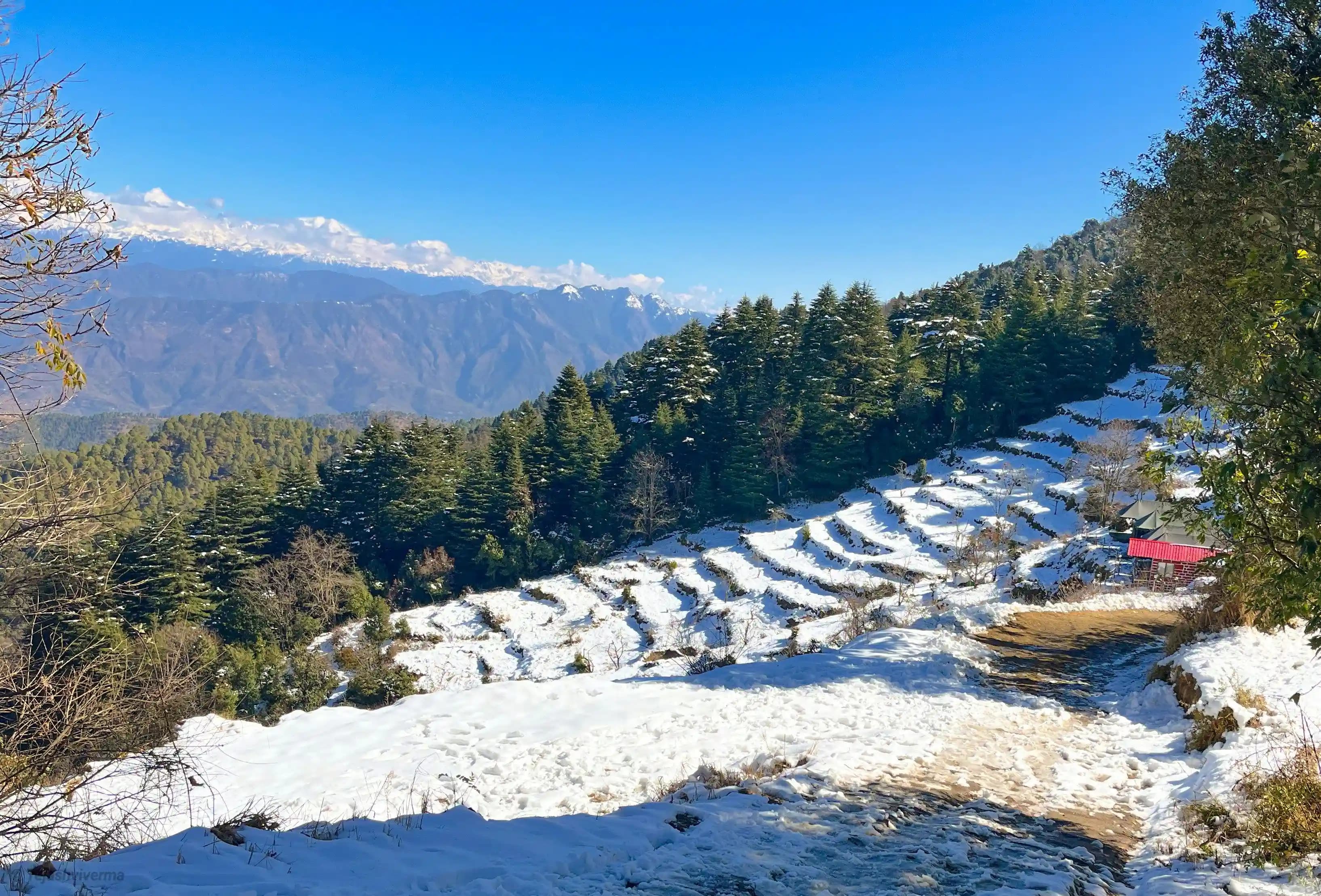
The months of June to September are the best time to visit Spiti Valley and especially Mane Village. During the Himalayan summer, temperatures remain cool, rarely exceeding 20°C, and clear skies result in safer and more enjoyable travel. Summer is also the time for going on treks to Sopona Lake, camping under star-studded skies, and interacting with the locals without the bite of winter cold. Avoid monsoon months, as roadblocks and landslides are normal and travelling to Spiti in winter months is not recommended, as there is a lot of snow which blocks access to the village.
How to Reach Mane Village
The journey to Mane Village is part of the adventure, especially in Spiti Valley in winter, with high-altitude roads that reveal ancient landscapes. The most common route is from Kaza, some 35 km away. From Kaza, cross the Spiti river via a bridge near Mud village and then cover a 6 km unpaved uphill way towards Mane. Depending on where you are starting from, there are two major approaches to choose from:
Shimla-Reckong Peo- Tabo- Kaza- Mane. It remains open longer in the year.
Manali- Rohtang- Kunzum Pass- Kaza is very scenic, but typically only accessible in summer and can be blocked by snow in early summer.
Places to Visit Near Mane Village
Beyond Mane Village, the surrounding region features some of the most remarkable places to visit in Spiti Valley, showcasing its dramatic landscapes, ancient monasteries, and remote Himalayan charm. The top five among them are:
1. Dhankar Monastery
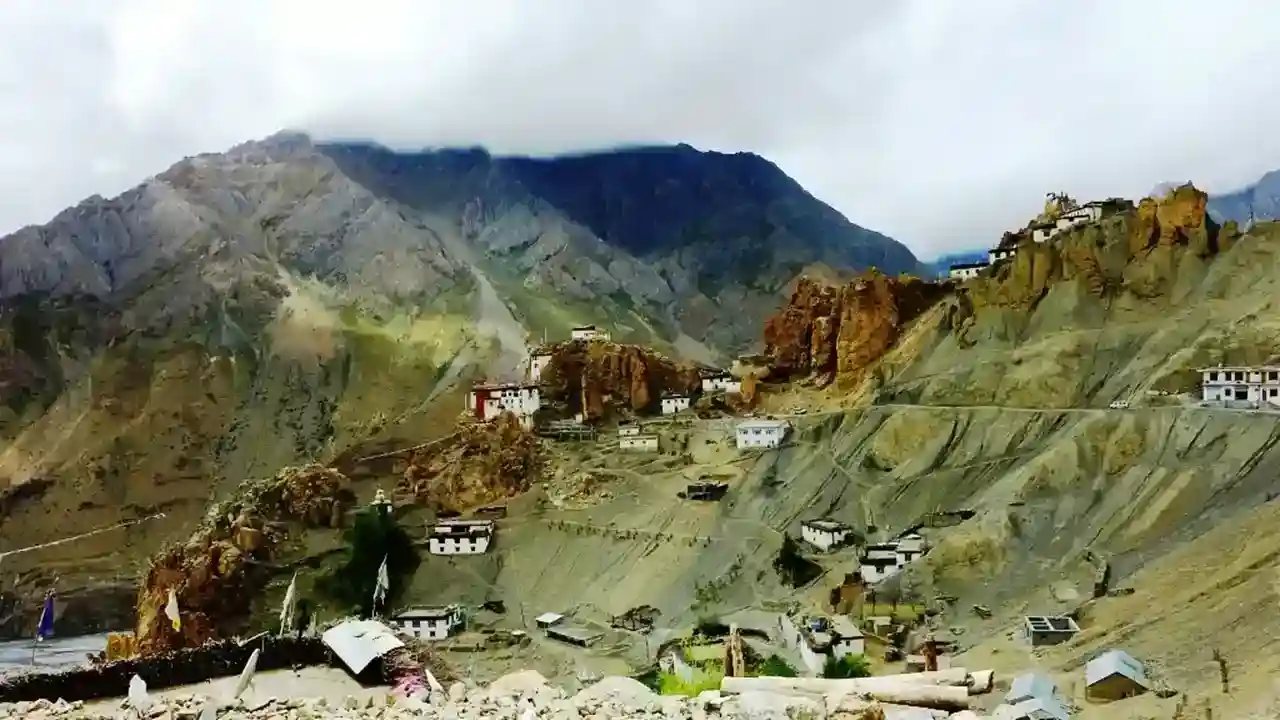
Perched on a cliff and offering sweeping views of the Spiti River, Dhankar Monastery is one of the most breathtaking sites of the region. Its white-washed walls and old prayer halls are built over a spectacular gully that attracts visitors to explore the centuries-old Buddhist art and architecture.
Distance: 30 km from Mane.
Best Time: June–September.
Things to Do: Look around at some murals, hike around the trails nearby.
2. Tabo Monastery
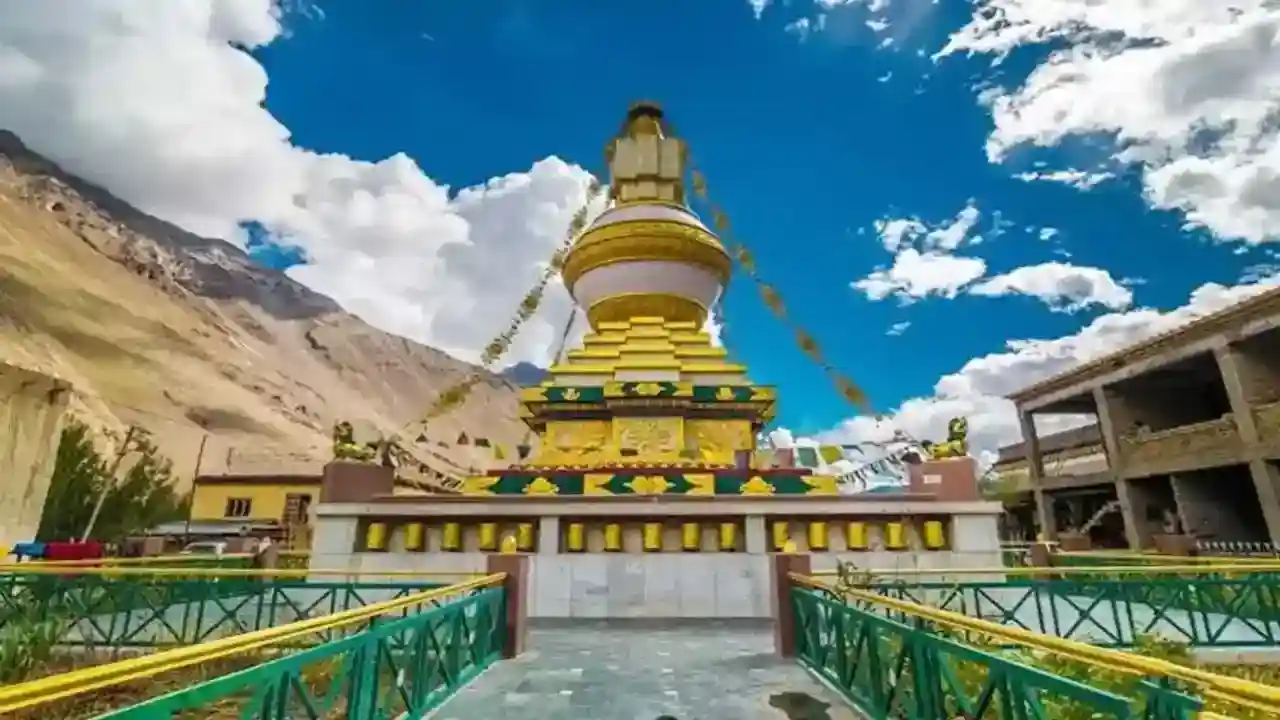
Called the “Ajanta of the Himalayas,” Tabo Monastery is renowned for its well-preserved murals and ancient thangkas. A spiritual centre since the 10th century, it offers deep insight into the history of Buddhism in the trans-Himalayan region and stands out as one of the most significant places to visit in Mane Village and its surrounding area.
Distance: 45 km from Mane.
Best Time: Summer months.
Things to Do: Art viewing and meditation.
3. Kaza Town & Market
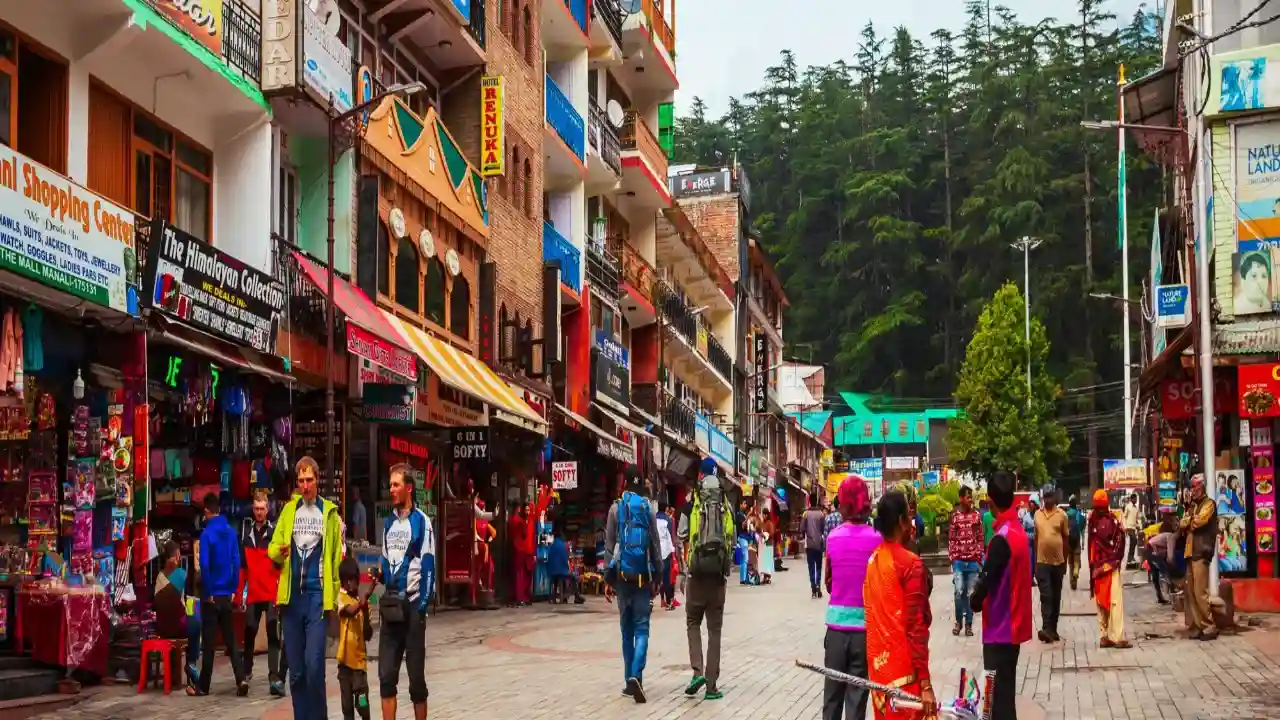
Kaza is the administrative centre and one of the best places to visit in Spiti Valley, where one can visit the local Kaza market, cafes, and daily life. It is a great foundation for planning the journey and getting supplies before heading to remote villages such as Mane.
Distance: 35 km from Mane.
Best Time: June- September.
Things to Do: Shopping and trying local food.
4. Langza Village
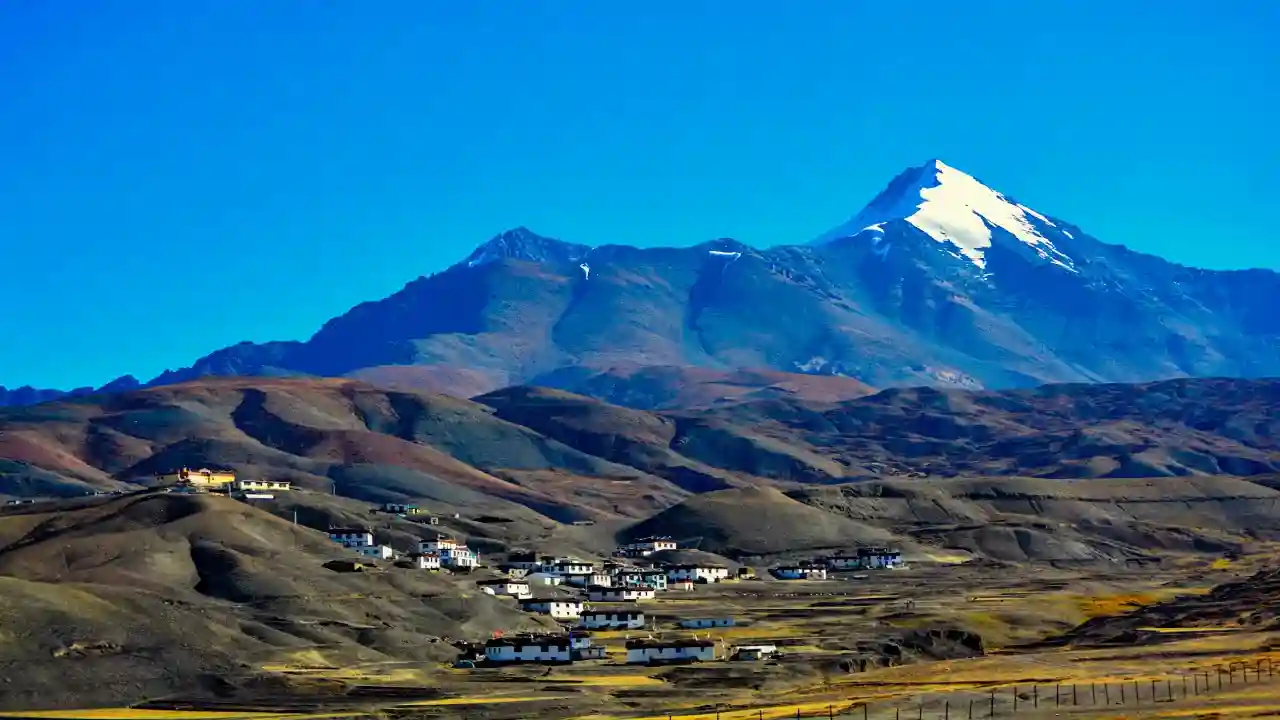
Langza Village is well known for its giant Buddha statue and fossil-rich landscapes, which create a unique cultural and geological interest at Langza Village. The views of the snow-capped mountains are unforgettable here.
Distance: 60 km from Mane.
Best Time: Summer.
Things to Do: Fossil hunting and photography.
5. Pin Valley National Park
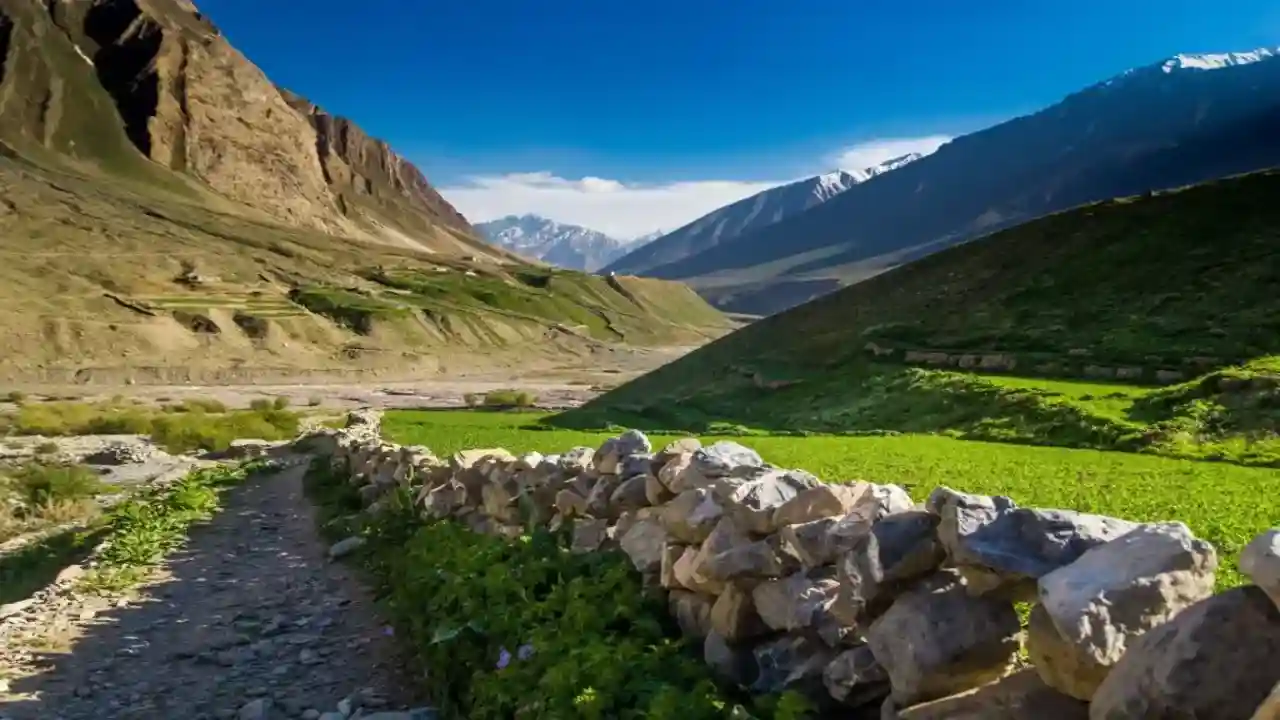
For nature and wildlife lovers, the best destination is the Pin Valley National Park. This protected area has snow leopards, Himalayan ibex, and many bird species as well, especially in summer when temperatures are cool.
Distance: 40 km from Mane.
Best Time: June- September.
Things to Do: Wildlife spotting and nature walks.
Things to Do In Mane Village
Are you wondering what all you can do in this secluded, quiet village? Here are the best 5 things that you must try.
1. Hike to Sopona Lake
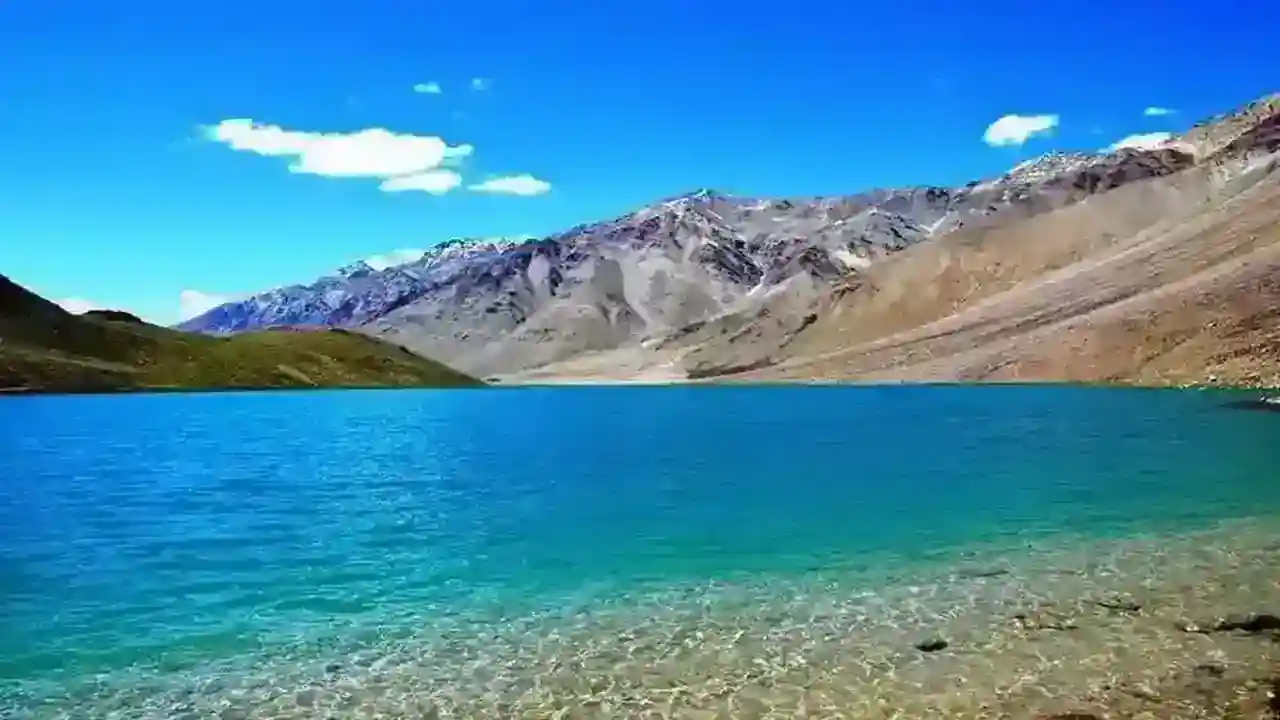
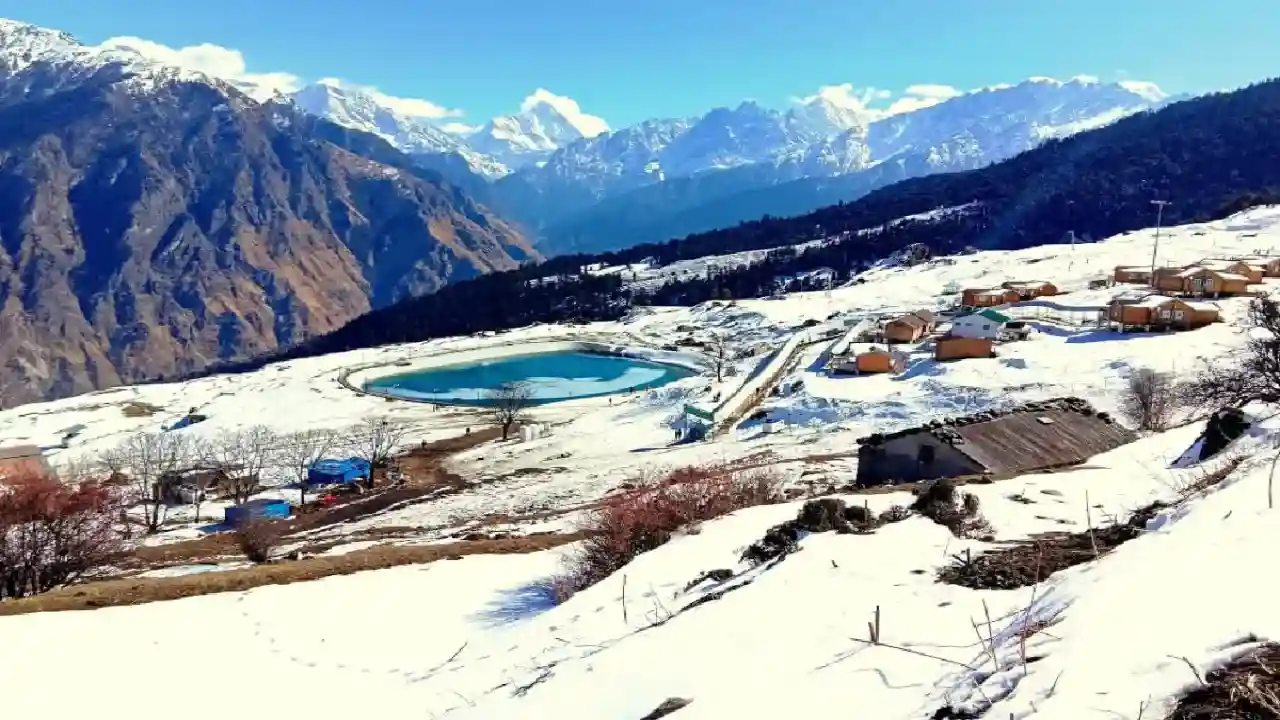
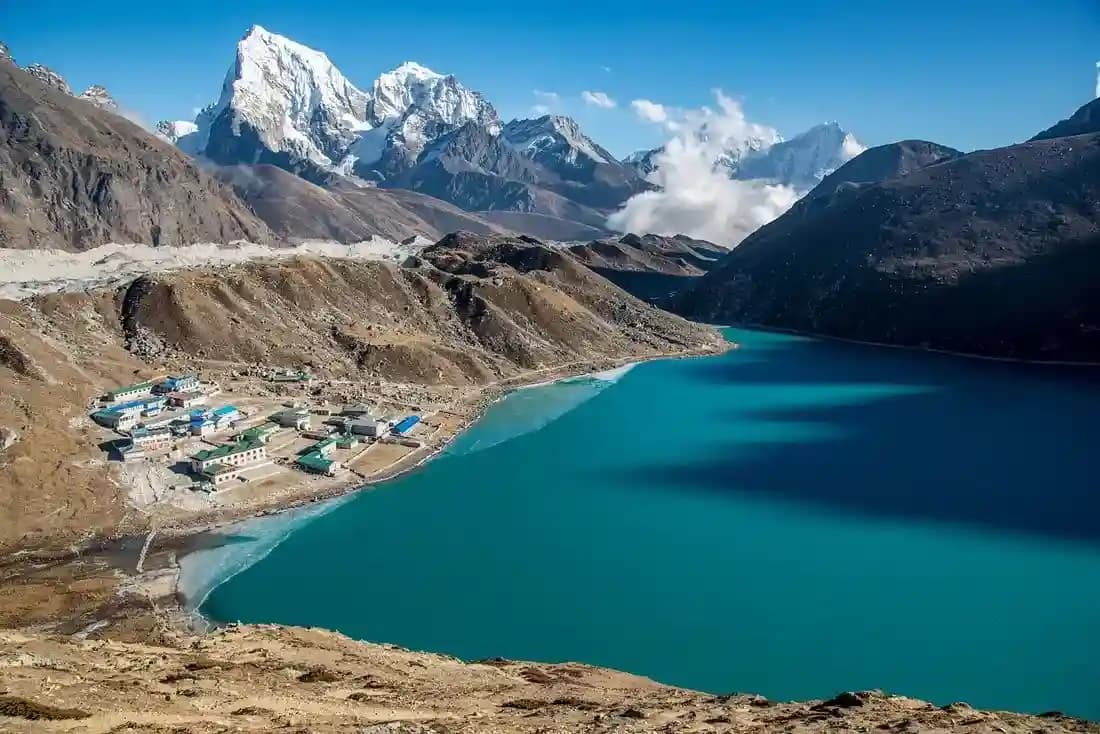
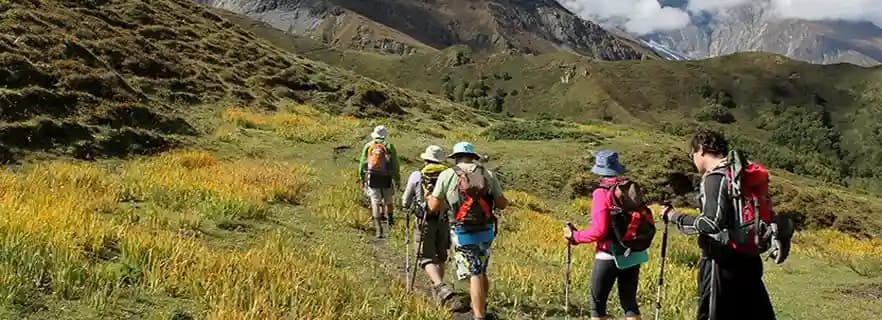
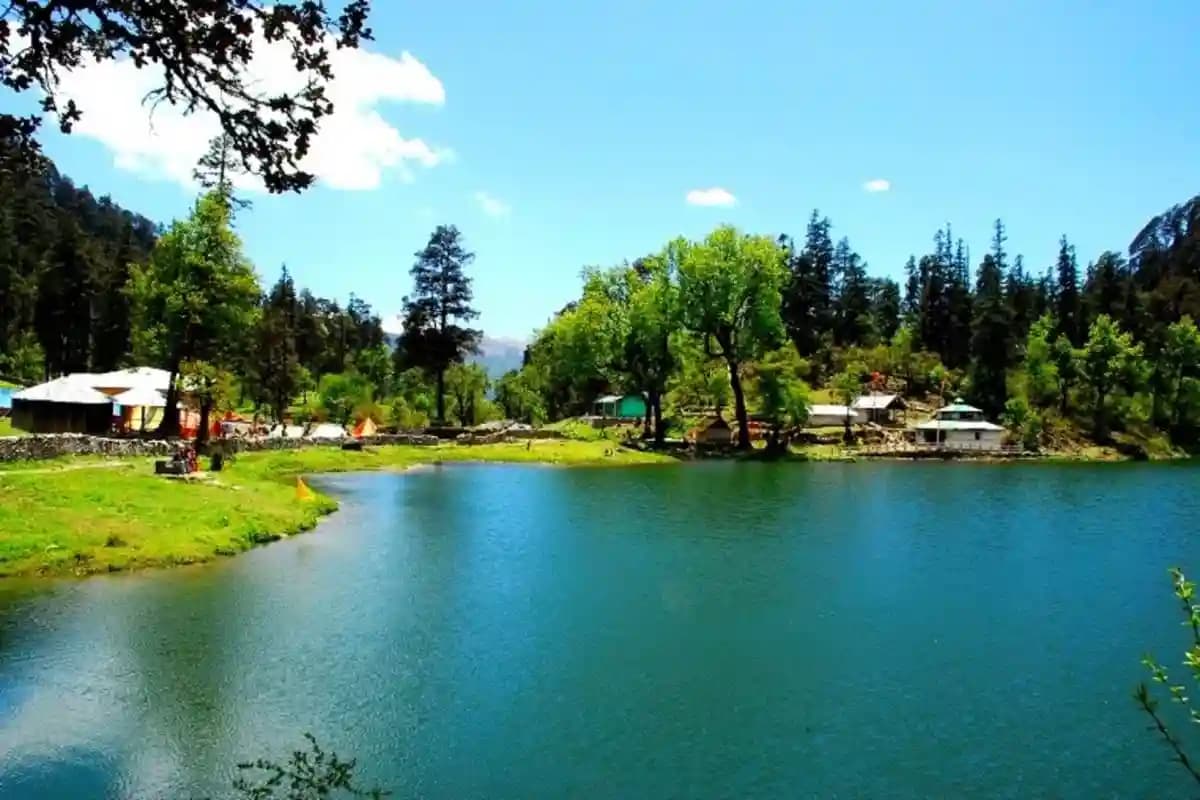
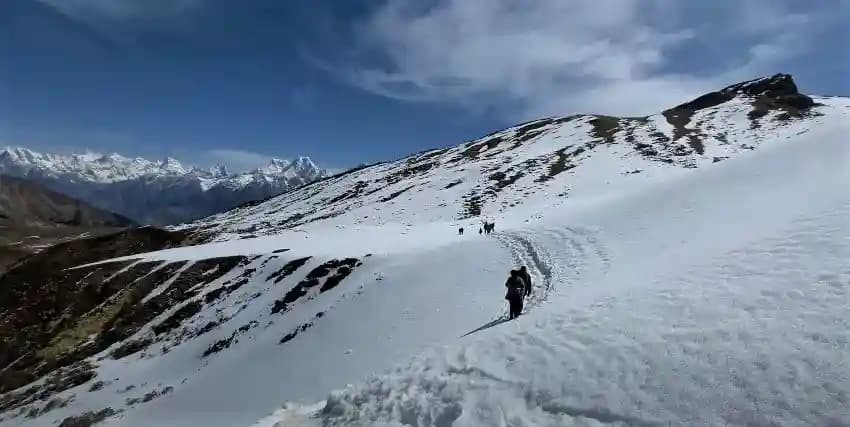
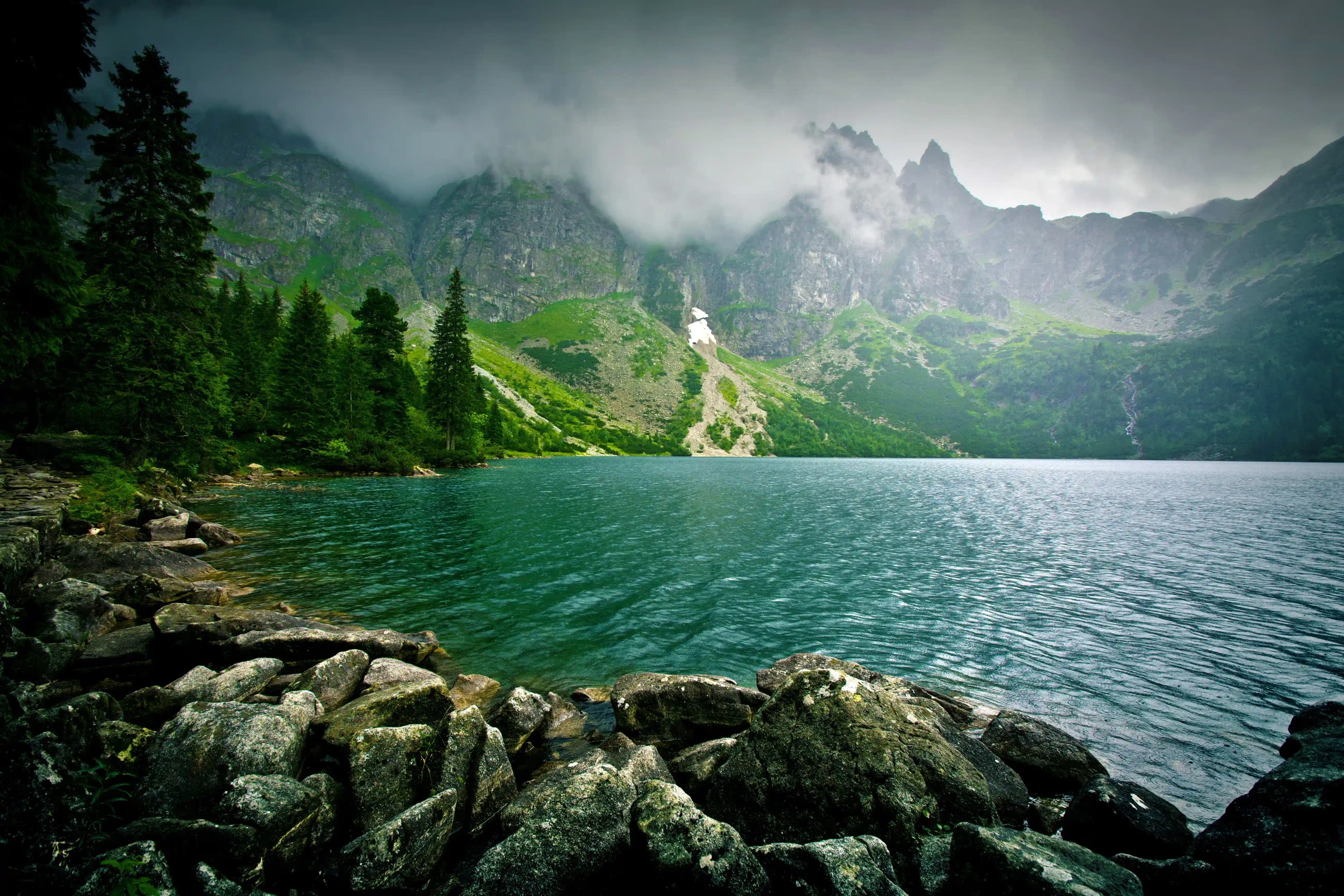
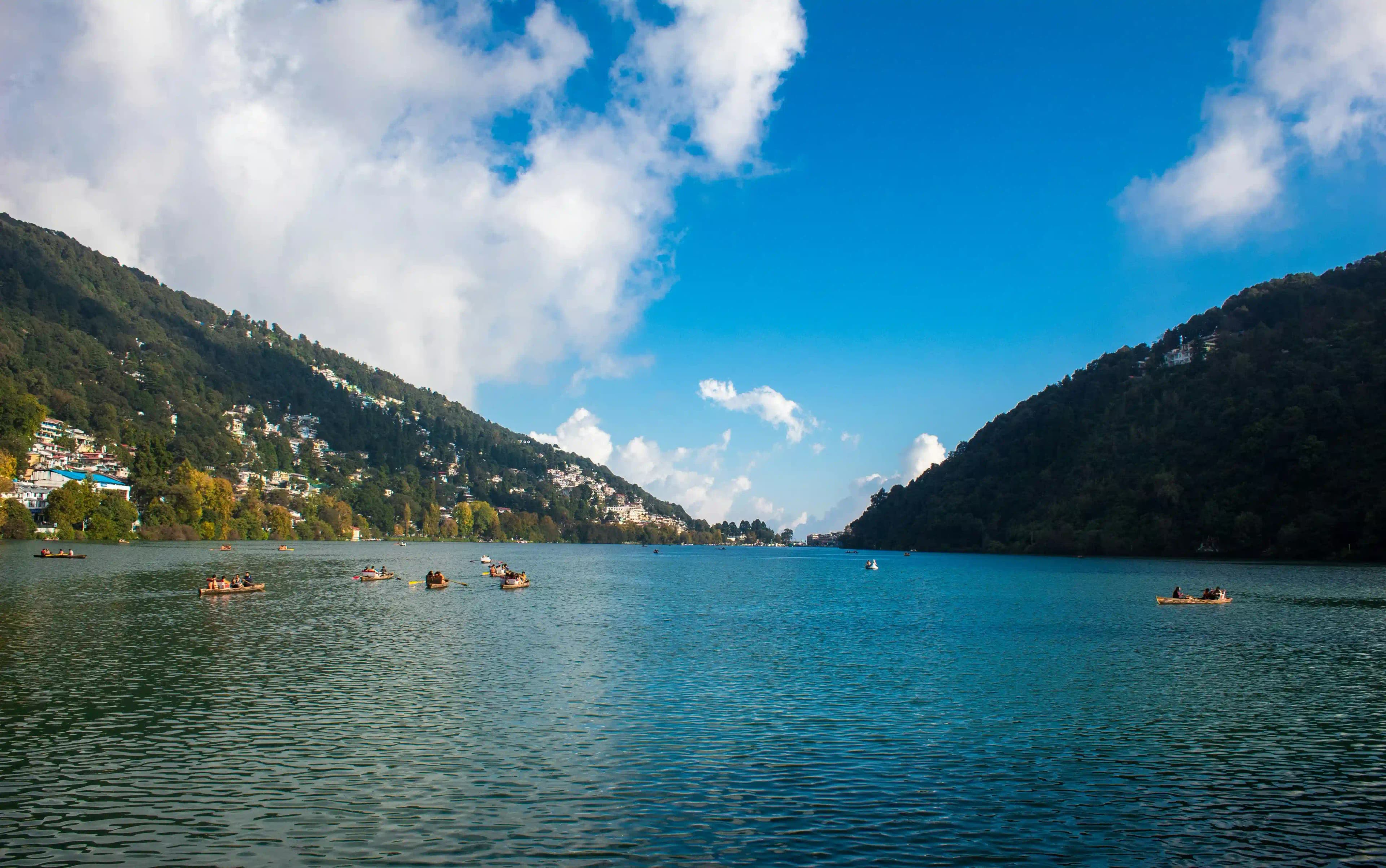
One of Mane's highlights is the trek to Sopona Lake. From Upper Mane (Mane Yogma), which is 2-3 hours through rocky terrain, one reaches a seasonal glacial lake which is above the valley. The path rewards with sweeping views of snow-capped peaks, a wide sky, and Himalayan quietness, making it one of the most offbeat things to do in Spiti Valley. At the lake, the water mirrors the surrounding peaks, which is a tranquil and awe-inspiring sight.
2. Camping Under Open Skies
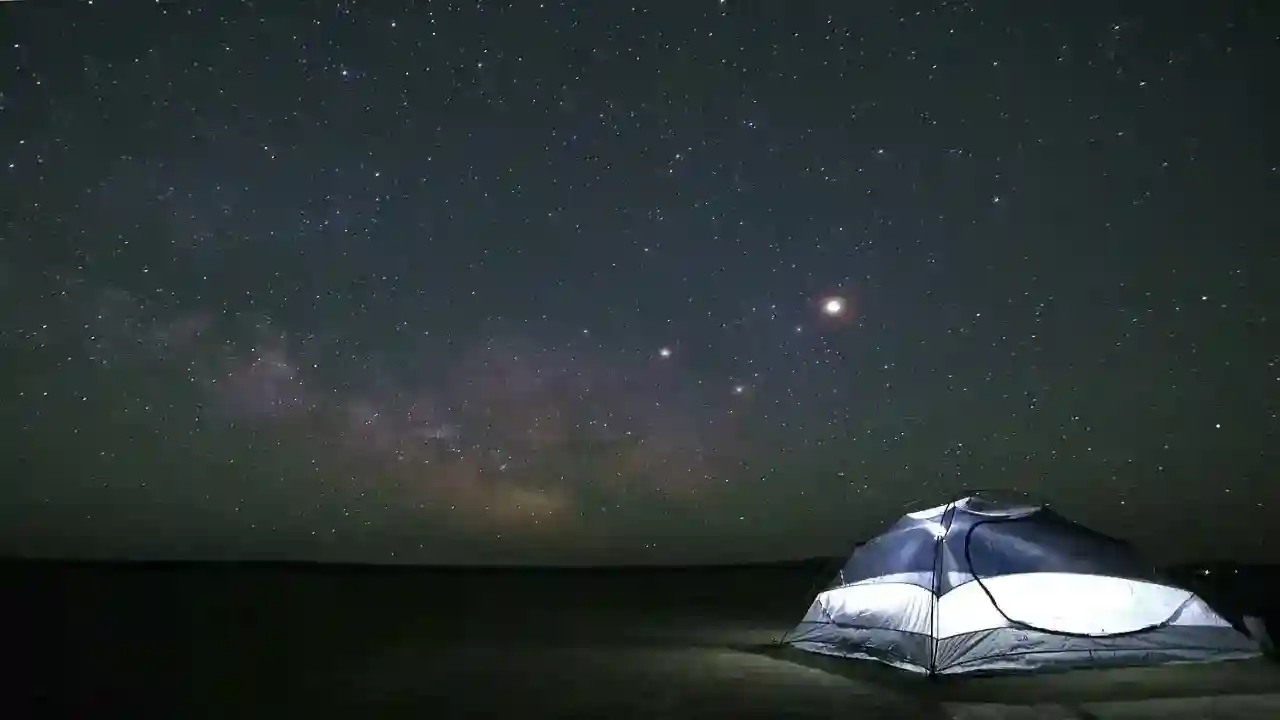
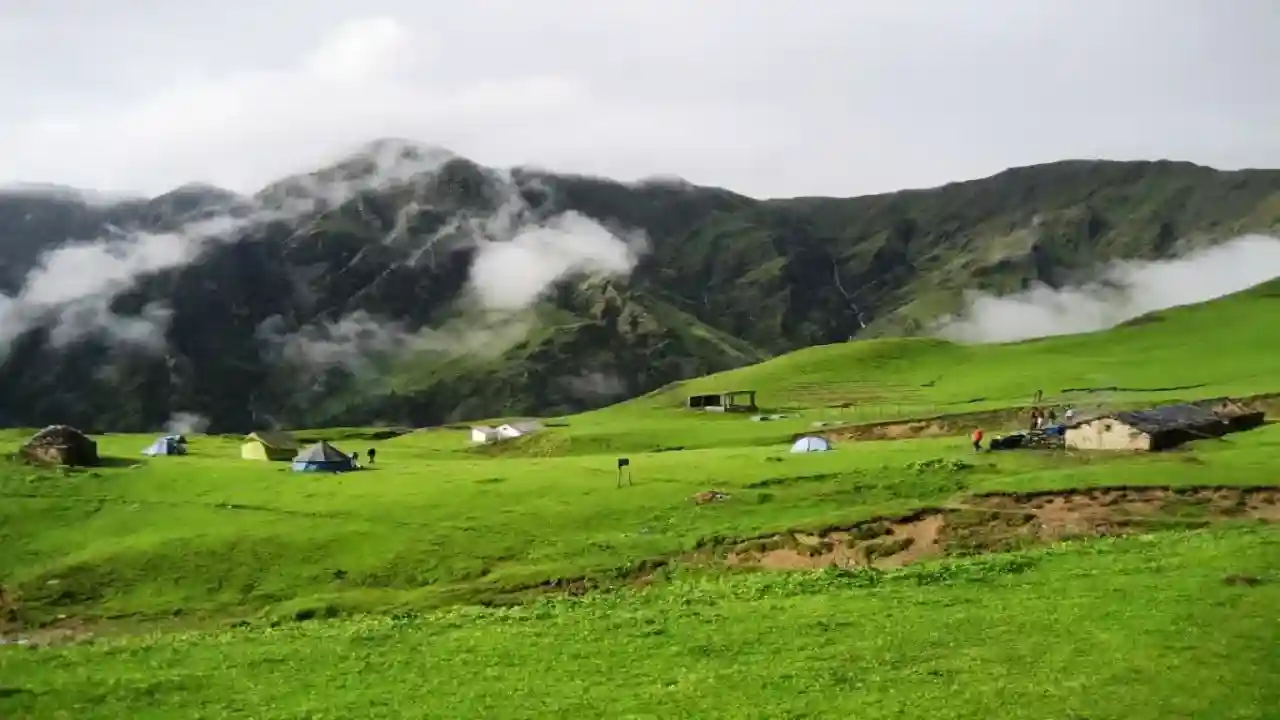
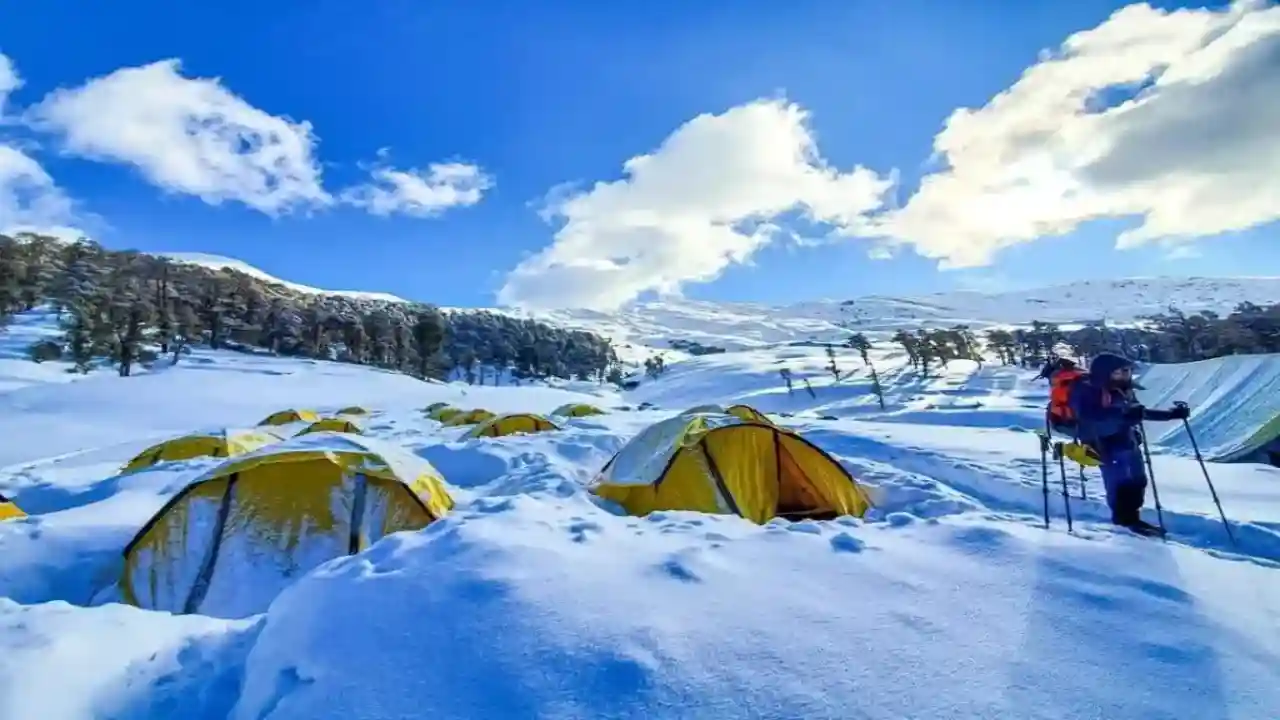
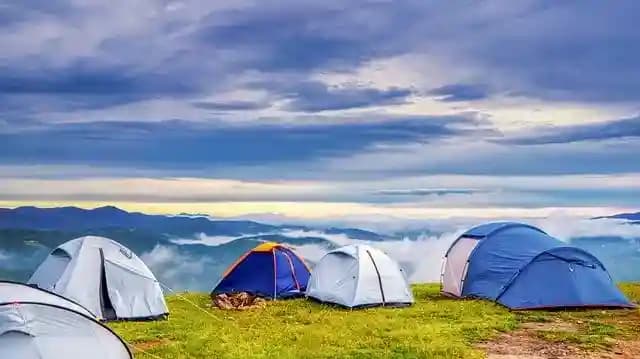
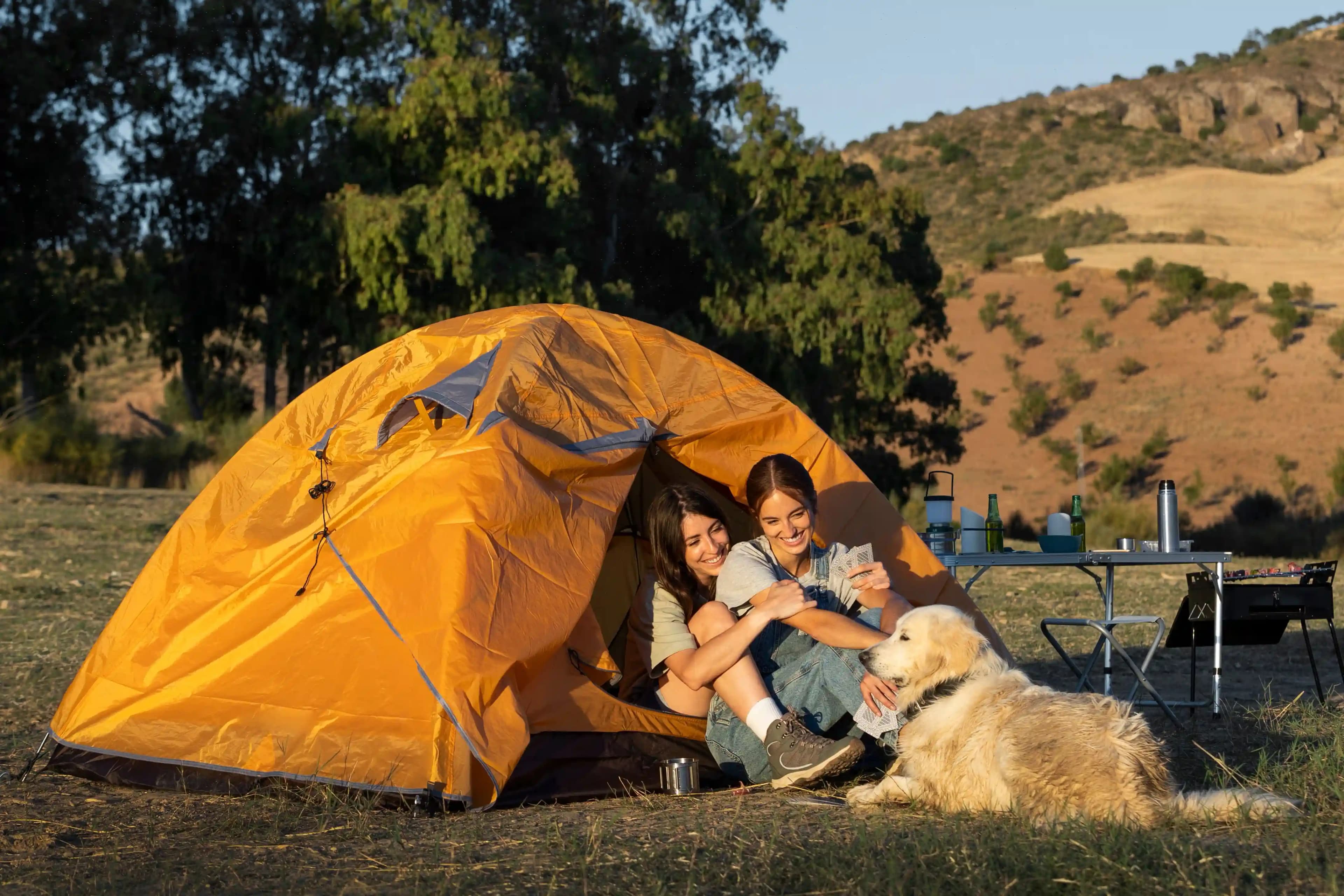
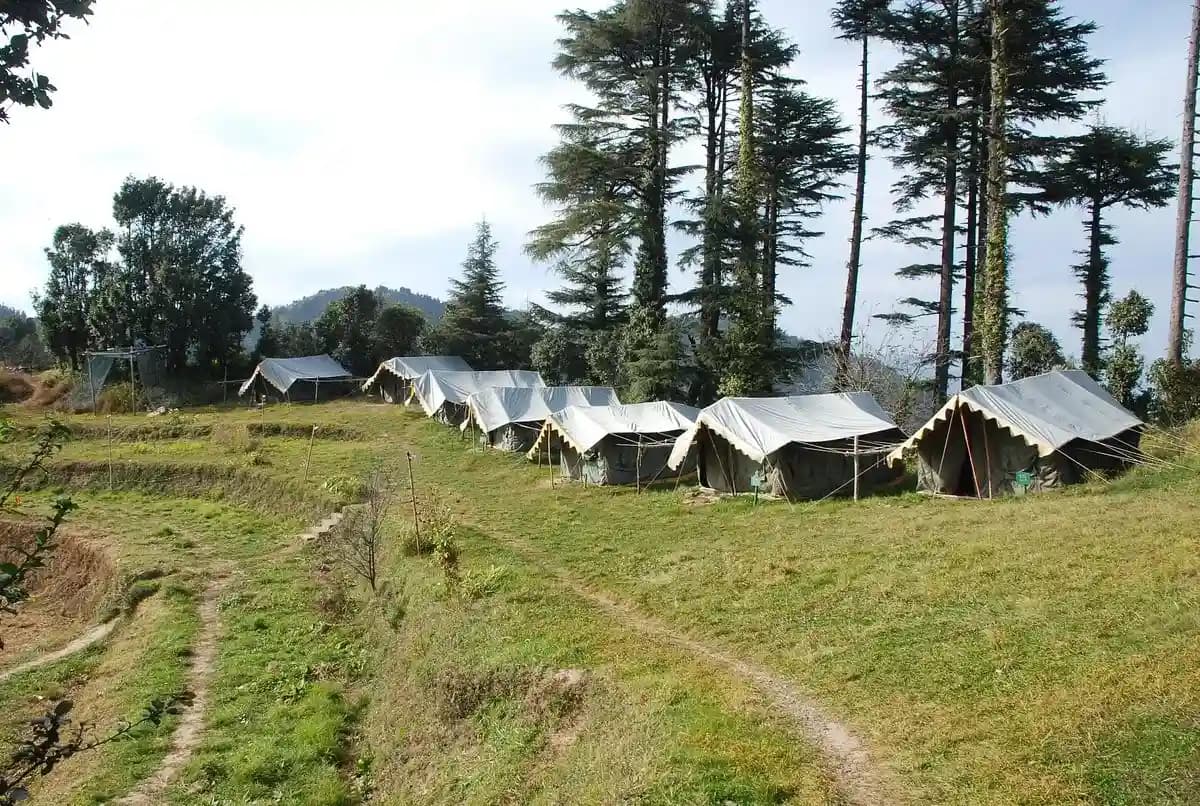
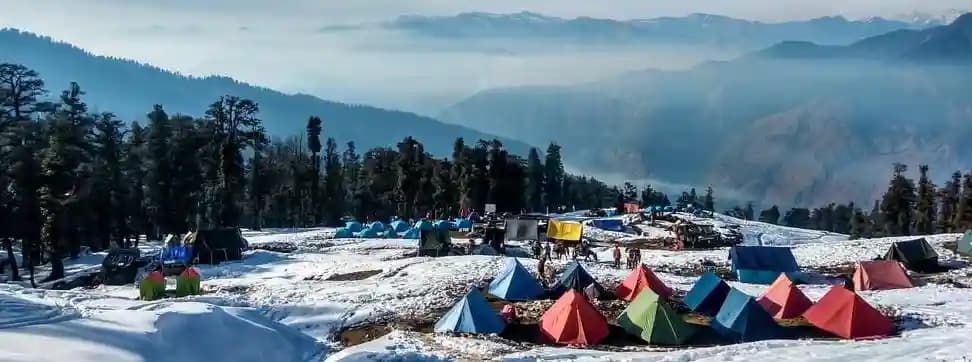
Camping around Mane Village means that you're under a wide-open starry sky. With negligible light pollution, the evenings are sparkling with stars, the Milky Way, and occasional meteor showers. Pick a spot in the village fields to sit down or by Sopona Lake for a peaceful and unforgettable experience. Local people can offer you recommendations for the safe spots and, if you are lucky, they can also share stories around a campfire.
3. Experience Local Life
With only a few dozen homes, Mane is a living museum of Himalayan culture and one of the most authentic Spiti Valley villages you can experience. As you walk along its stone paths, you can witness villagers work the land and livestock, and listen to the unique Bodi language. Staying in a homestay means that you can have the opportunity to have meals with the family, learn more about local crafts, and experience life away from the hustle and bustle of the city.
4. Taste Local Delicacies
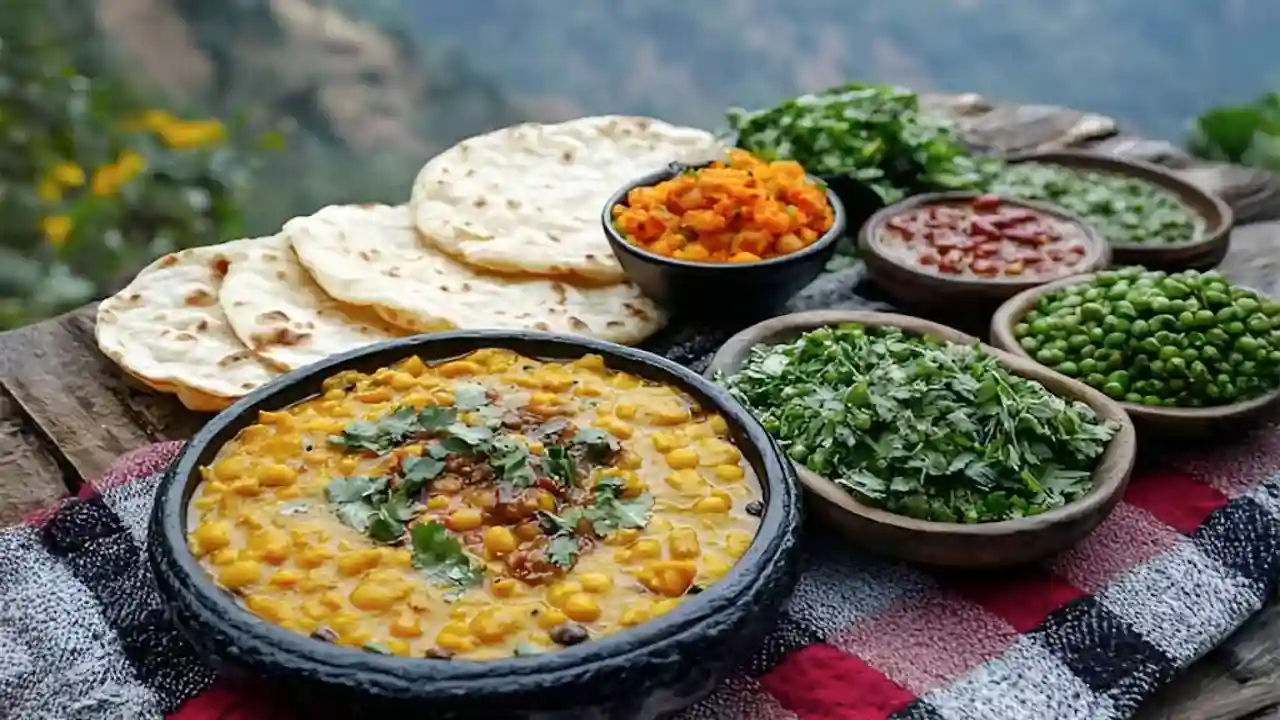
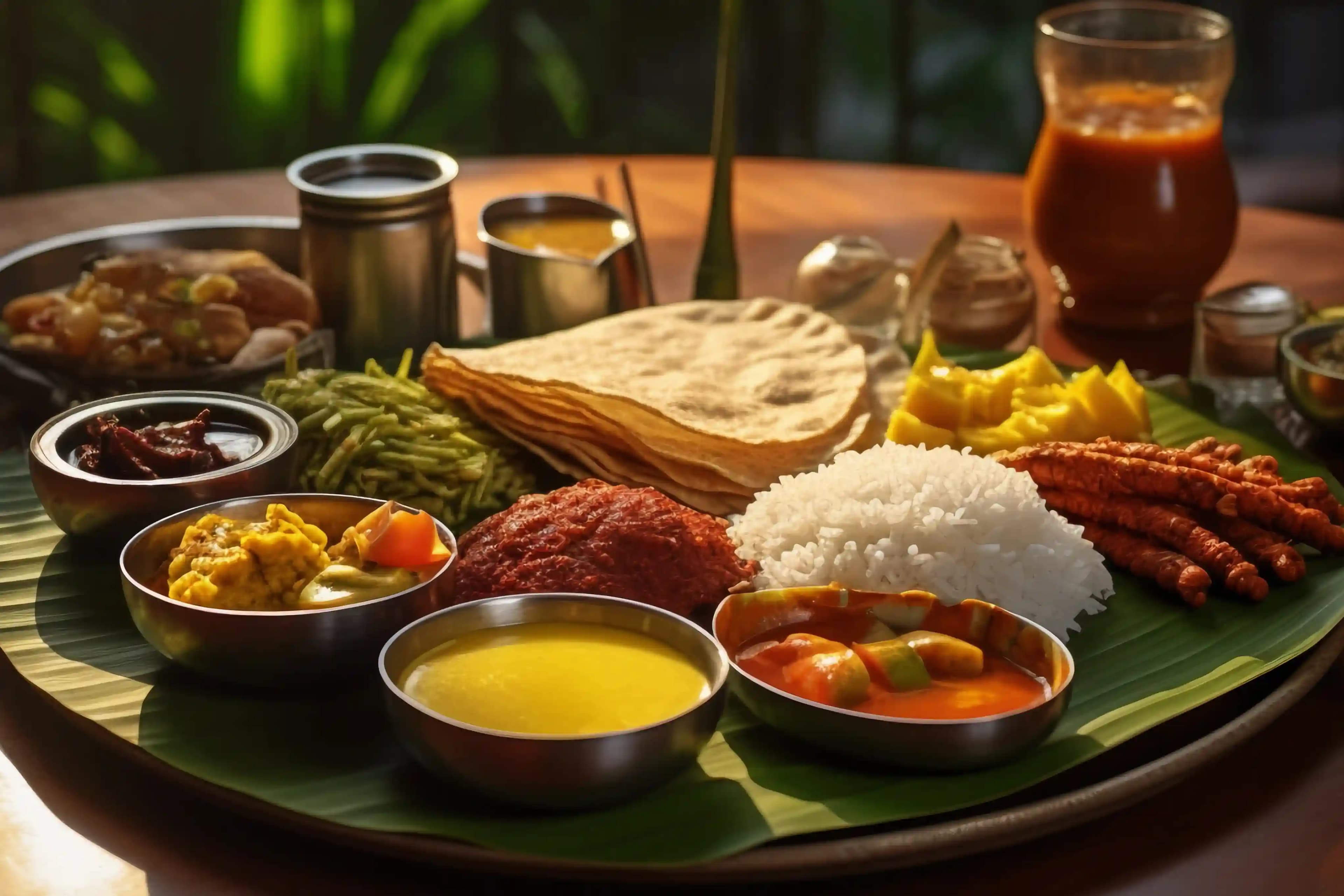
Food in Mane Village has a sense of authenticity and is a reflection of the local lifestyle. With no hotels or restaurants, the meals are simple and home-cooked and laden with mountain traditions. Warm lentils, hearty vegetables, fresh rotis, and healing soups recharge you after hiking or exploring. Slow-cooked meals offer comfort from the cold winds of the mountains, and each bite is a story of life high up in the Himalayas.
5. Visit the Ancient Monasteries
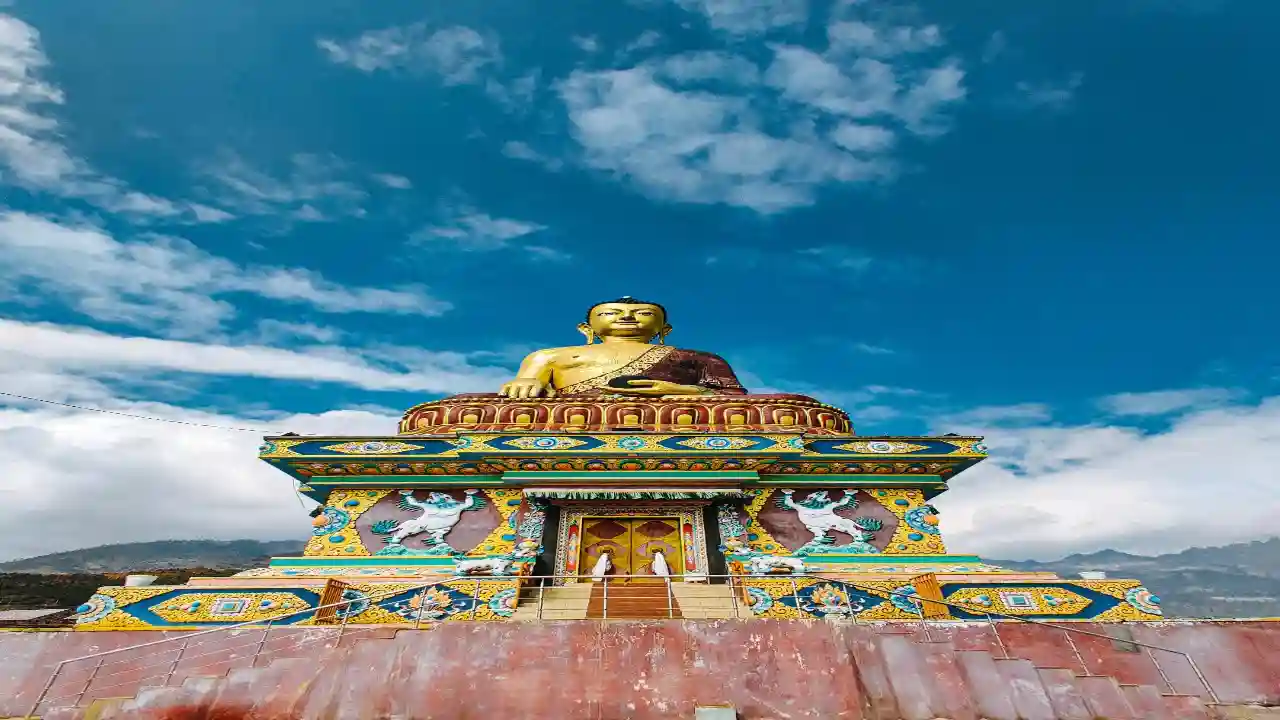
A spiritual highlight of the Spiti Valley is the hilltop Gompa at Mane village that captures the Buddhist soul of this beautiful valley. Small but serene, the monastery is above fields with prayer flags fluttering in the sky, and there is an atmosphere of peace and reflection. Inside, you'll find prayer wheels, murals, and statues that speak of centuries of faith and local tradition.
Conclusion
Mane village in the Spiti valley is more than just a dot on the map of the Himalayas; it reflects a life of mountains, calmness, and culture. From sharp alpine mornings to silent nights under the starry sky, from traditional food to breathtaking trekking trails, this village doesn't just offer travellers the pleasure of sightseeing but something deeper. When you finally stand under huge peaks, surrounded by silence and stone, you will understand why this hidden gem of the Himalayas keeps calling the travellers back.