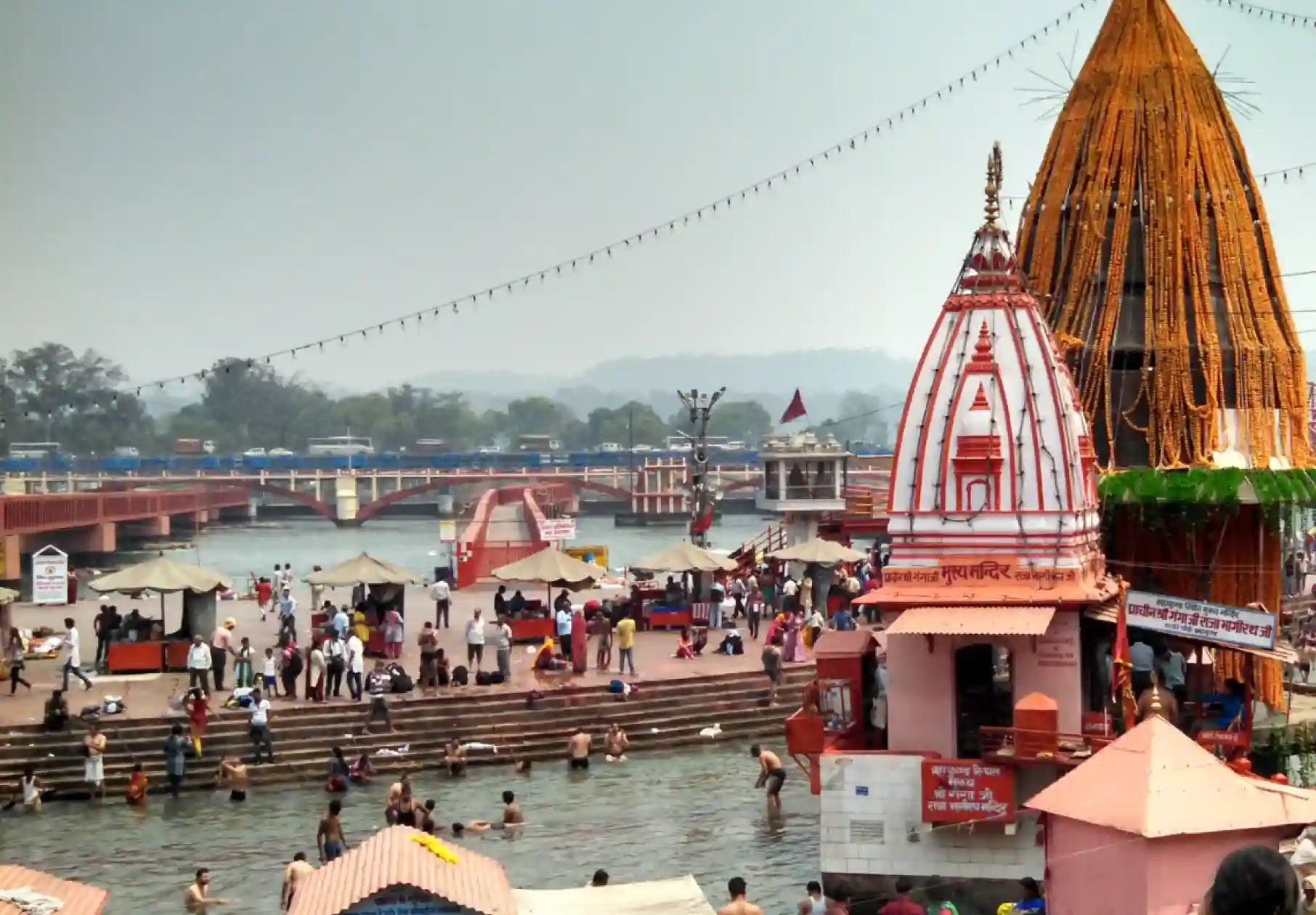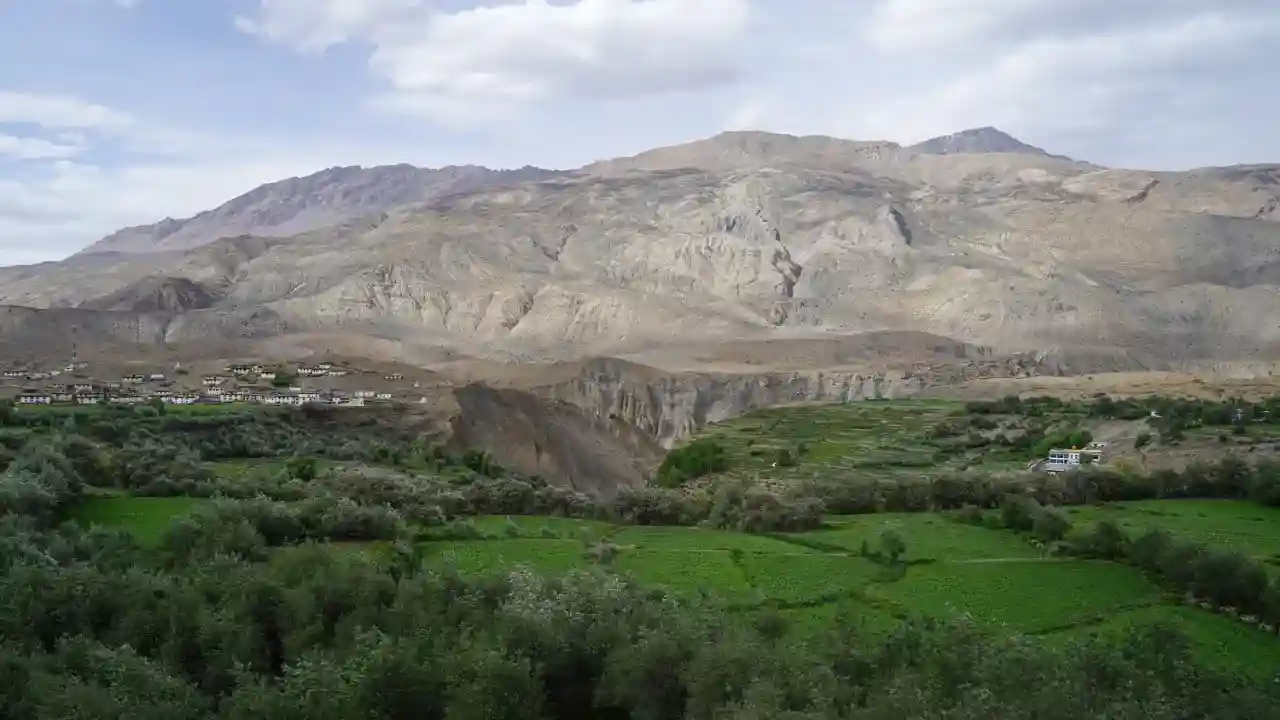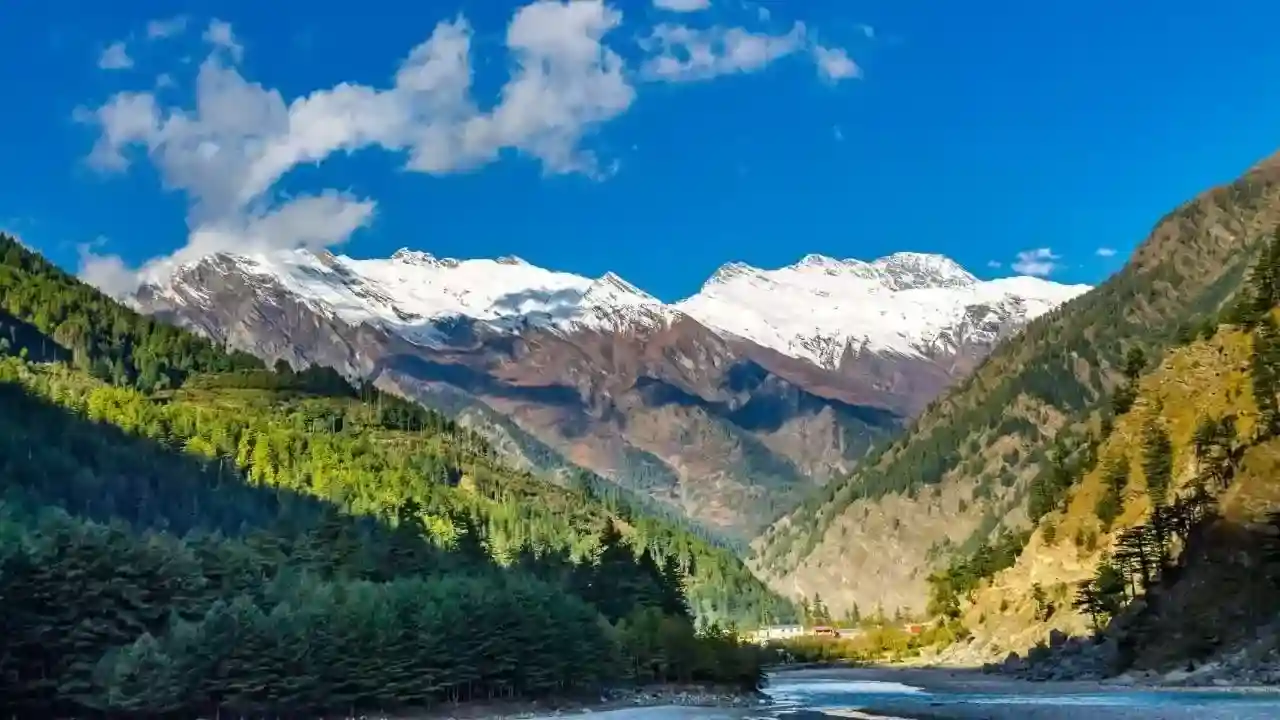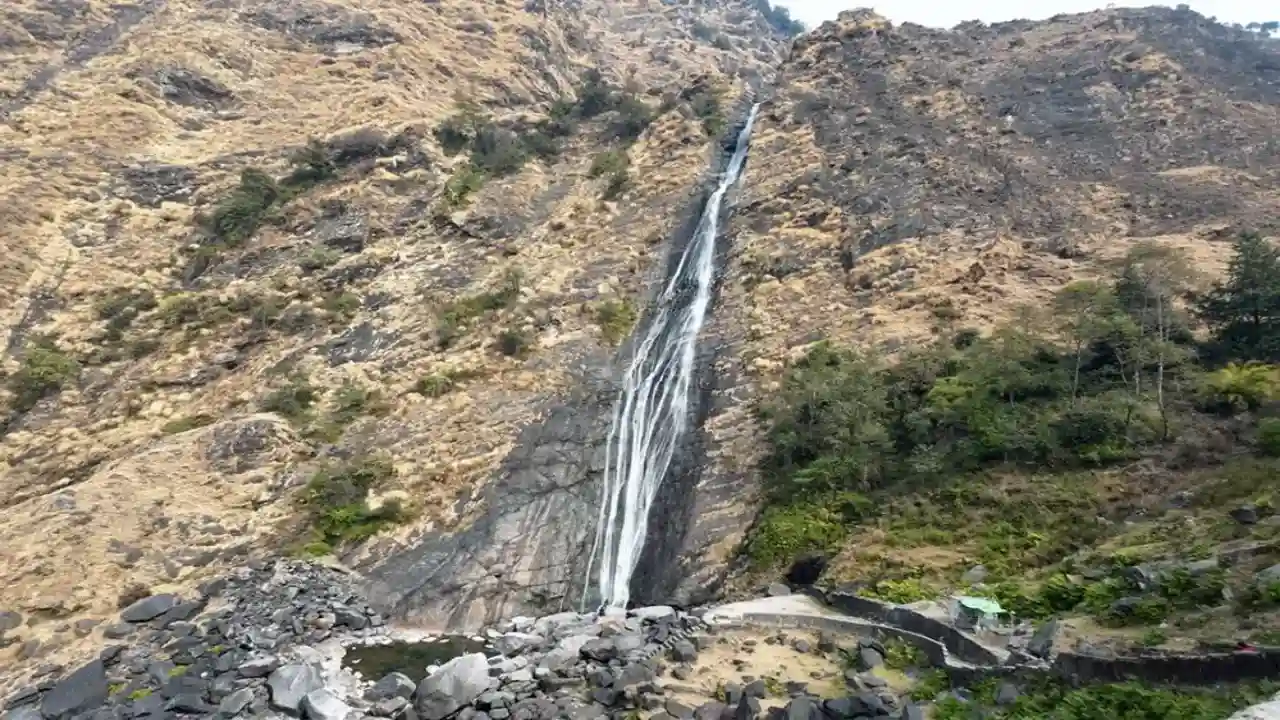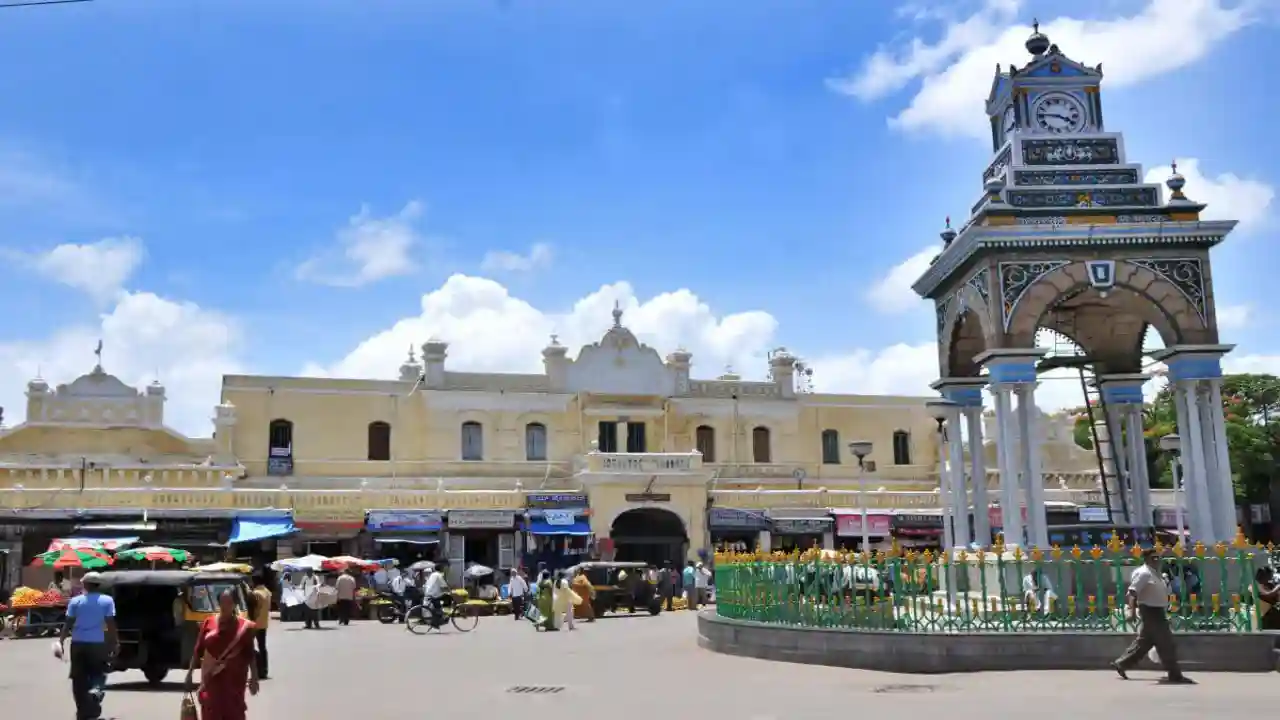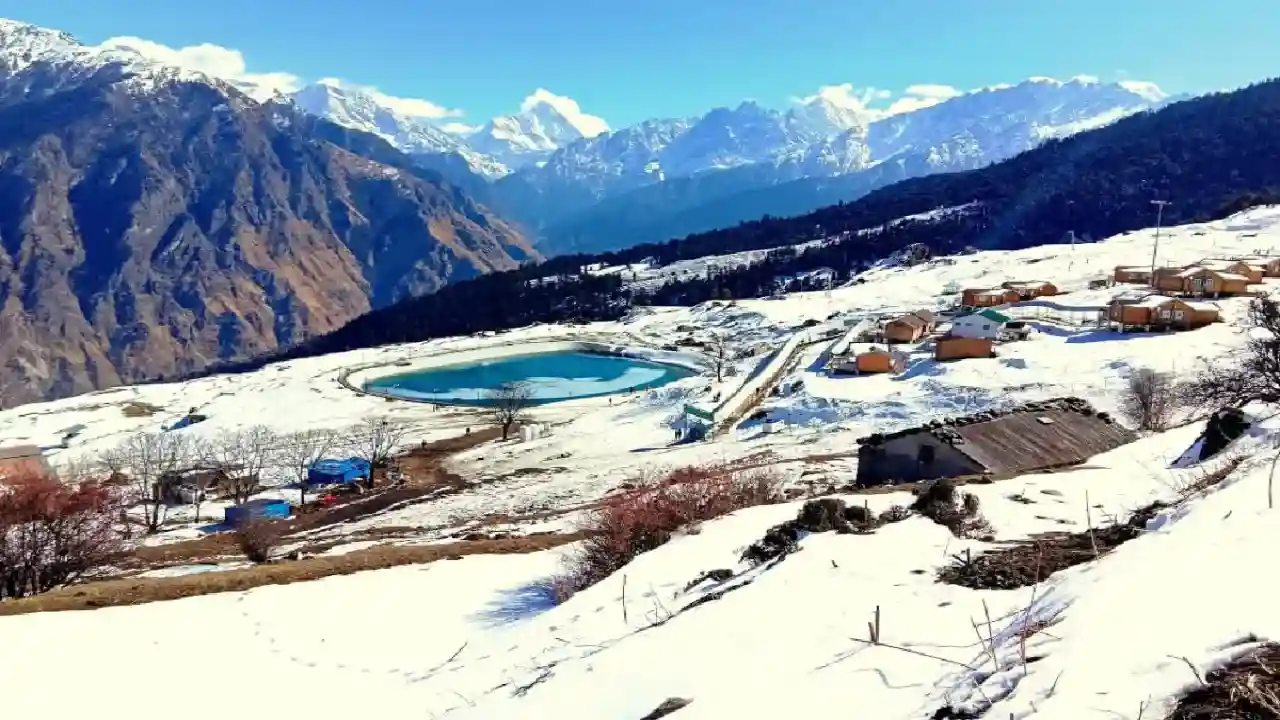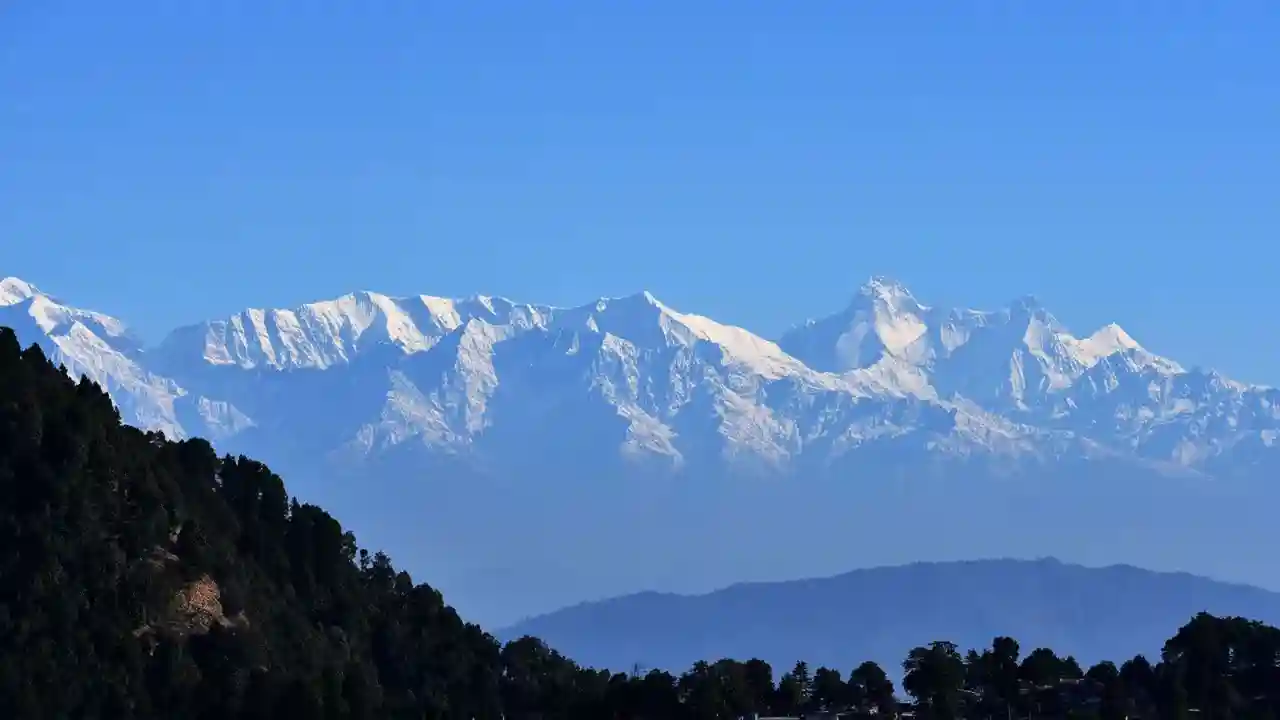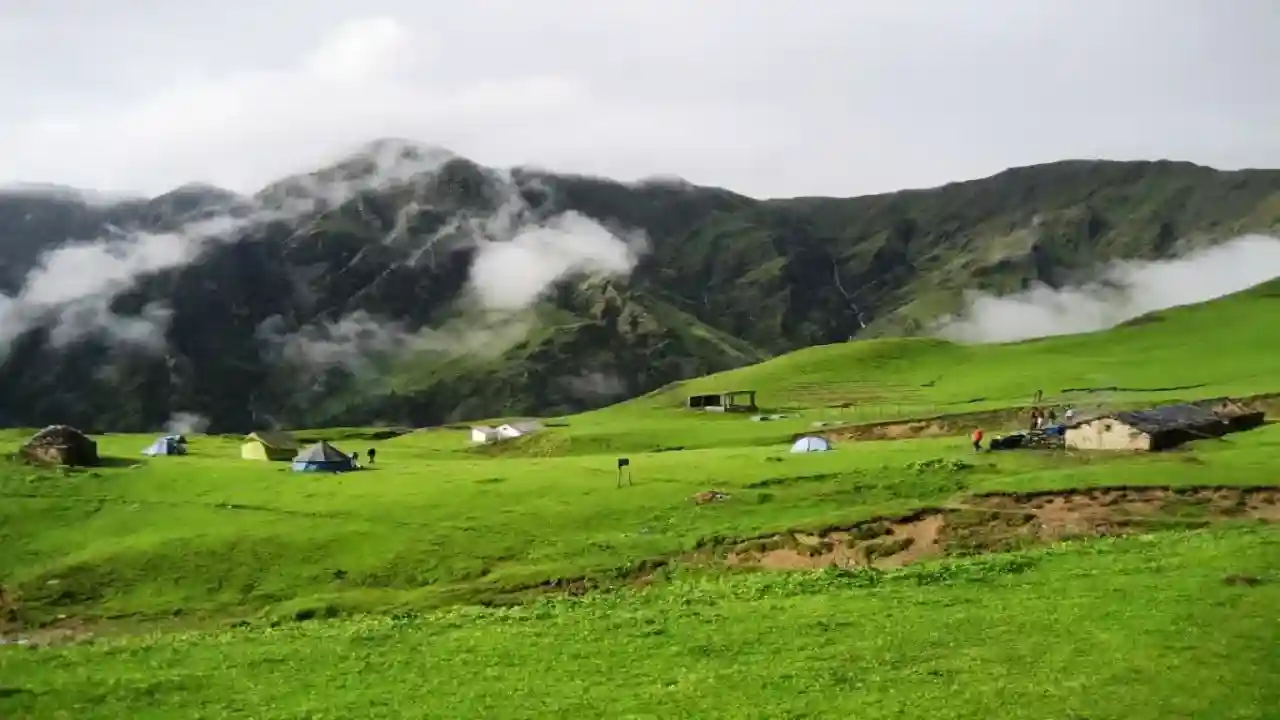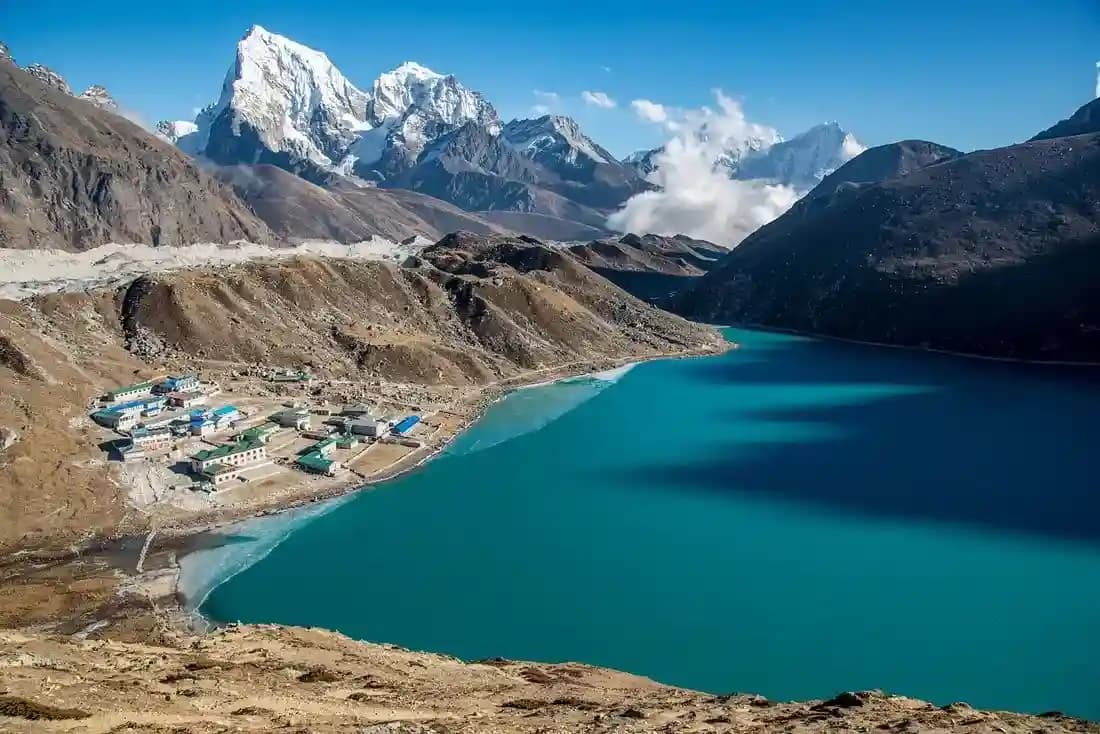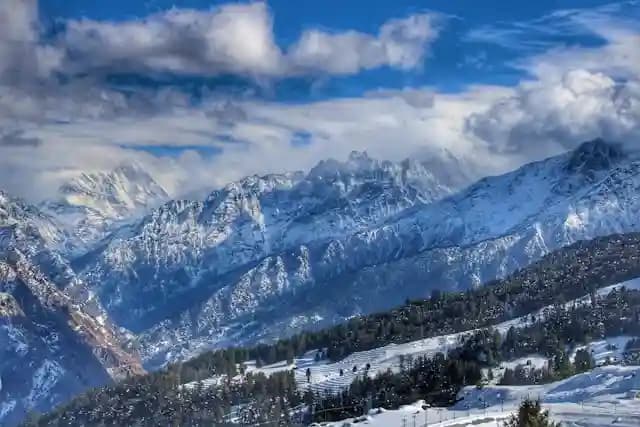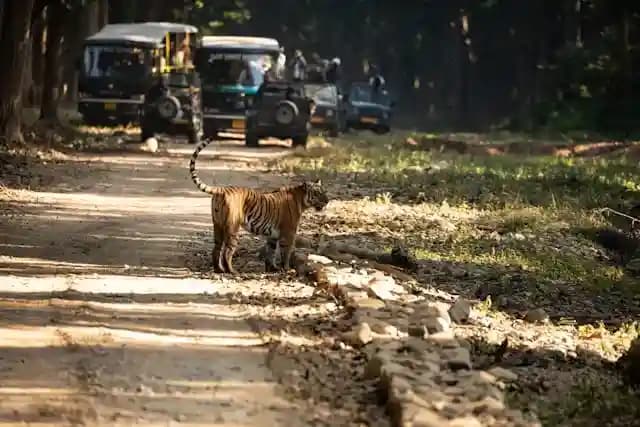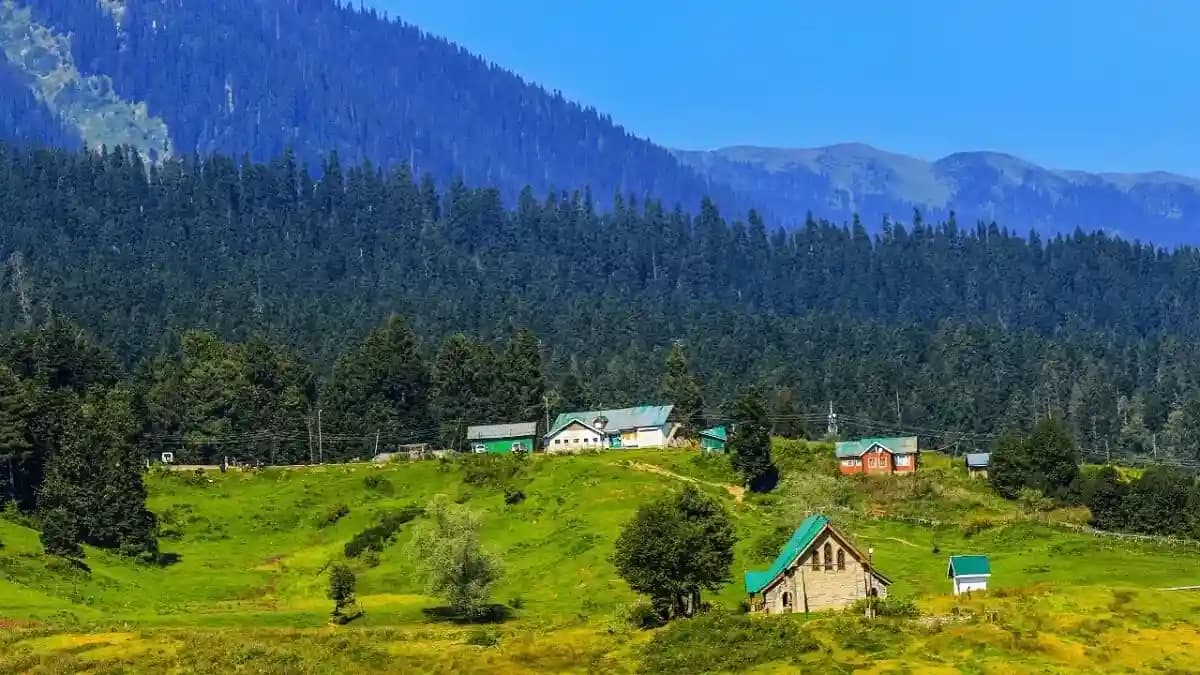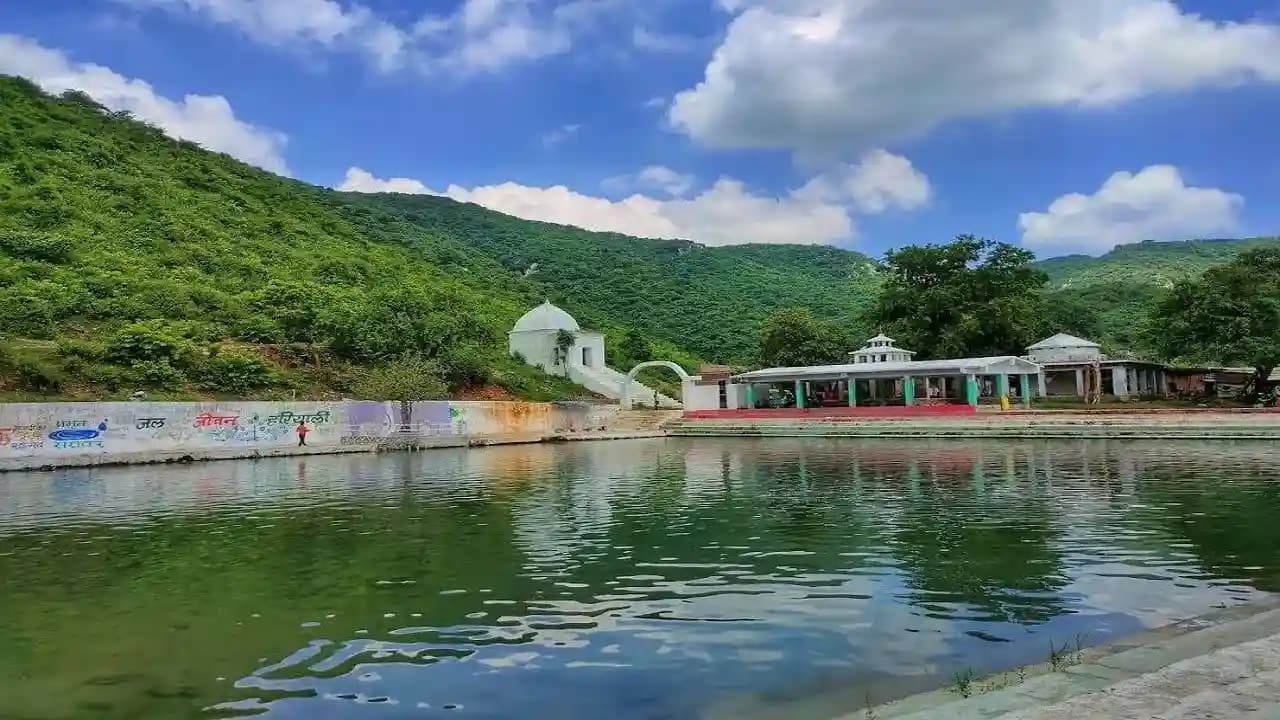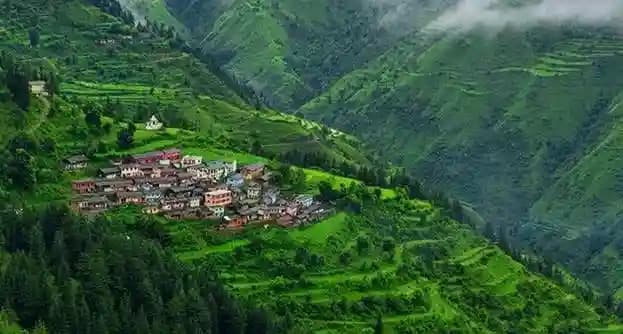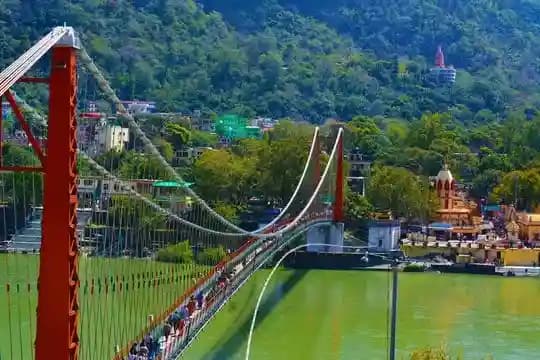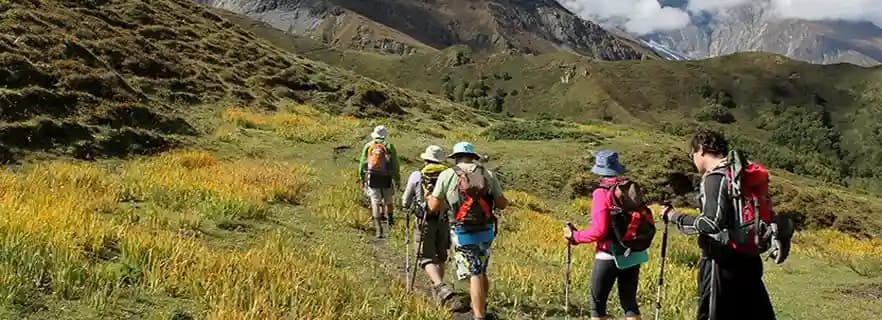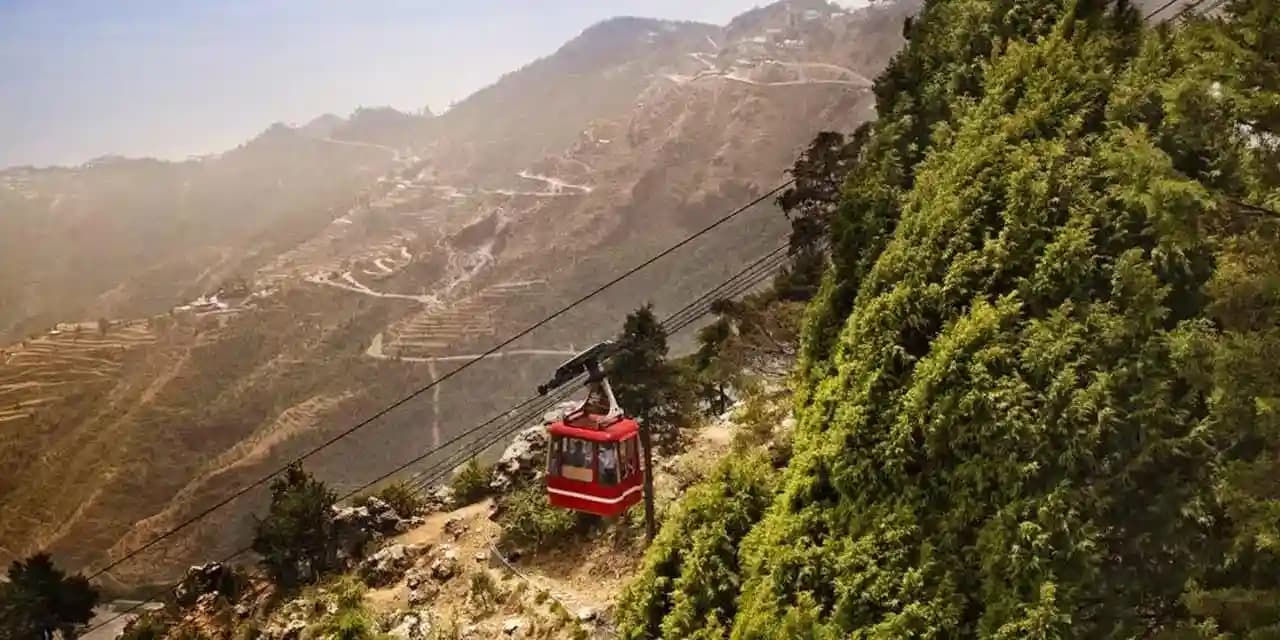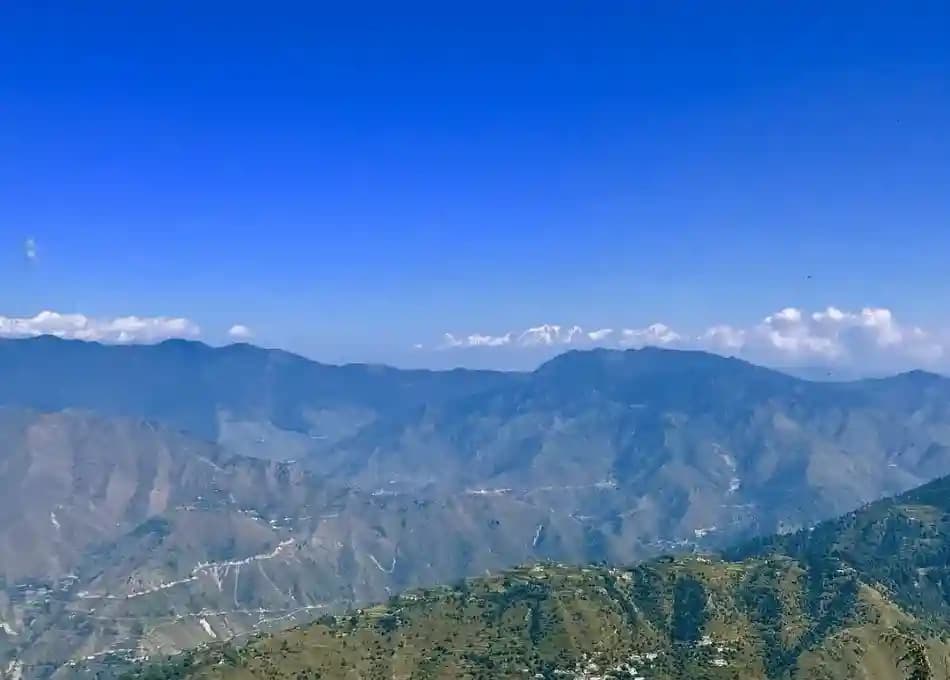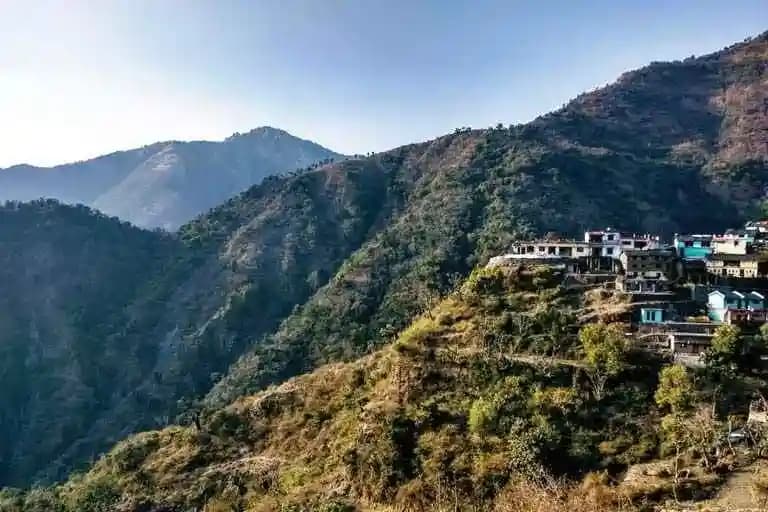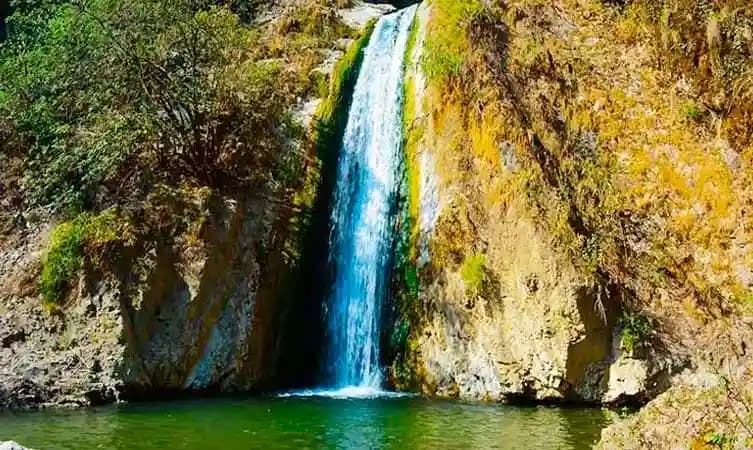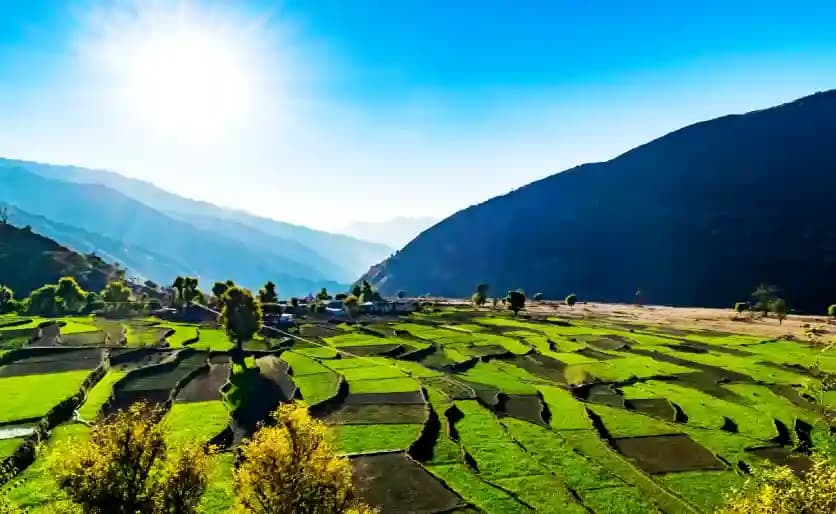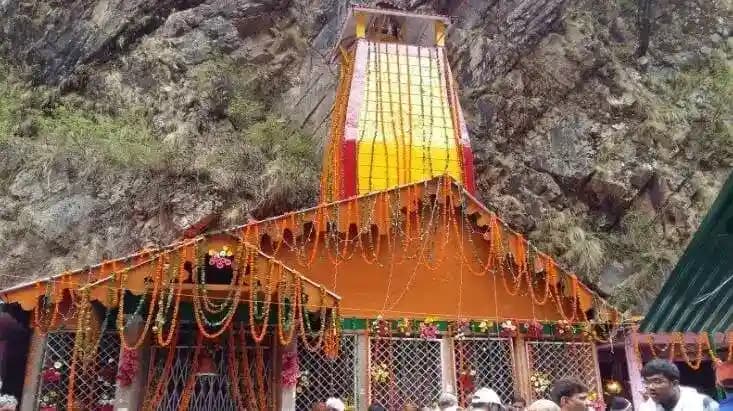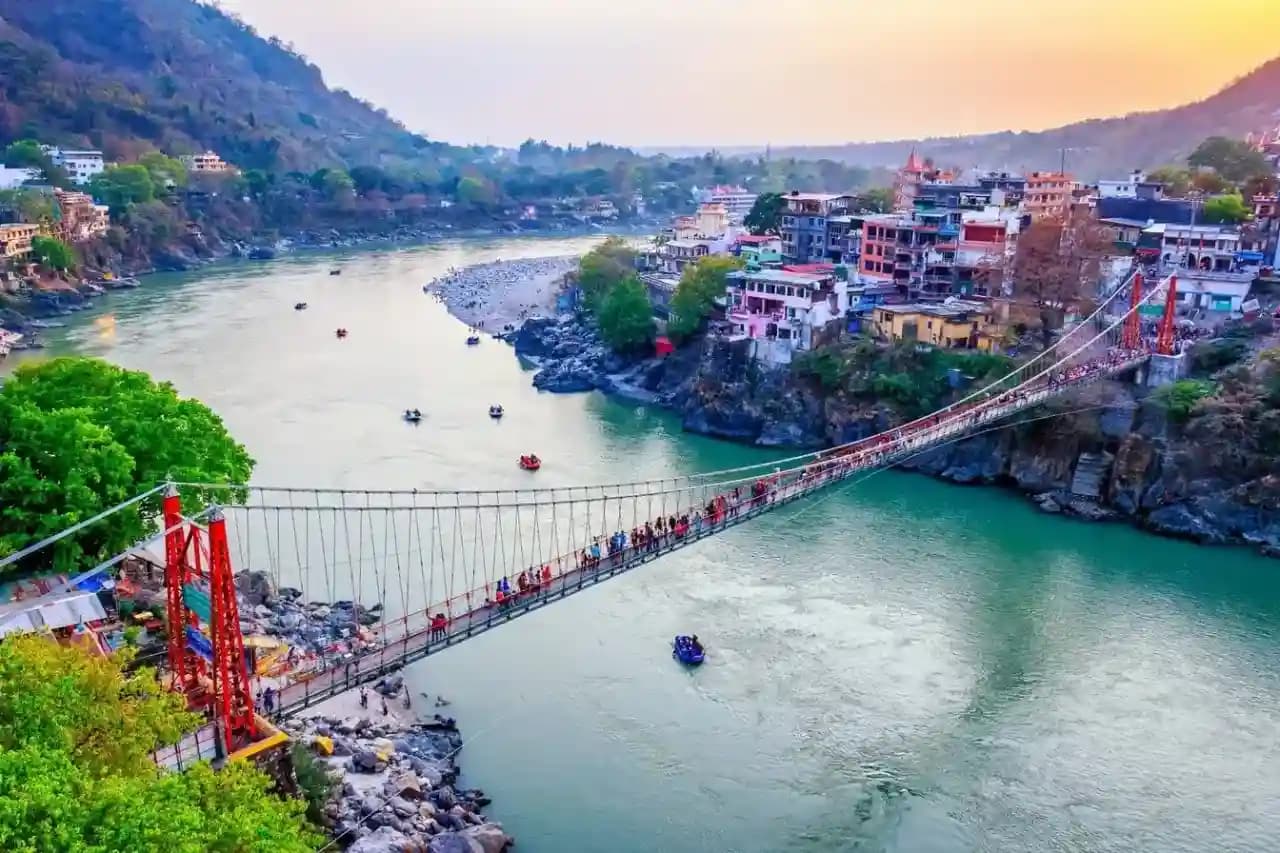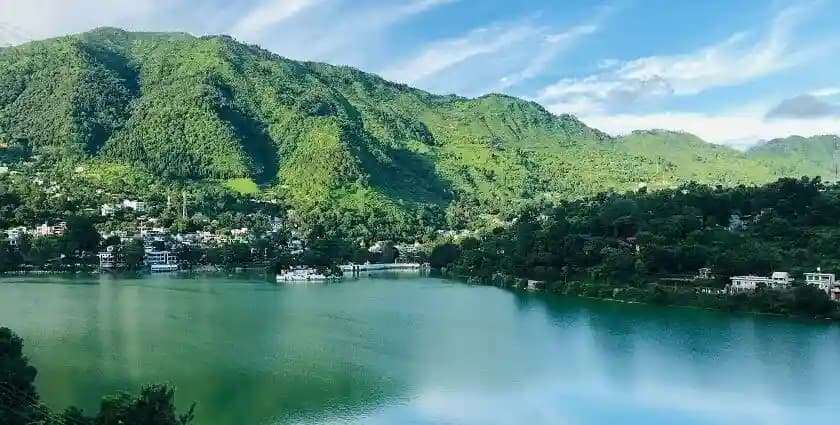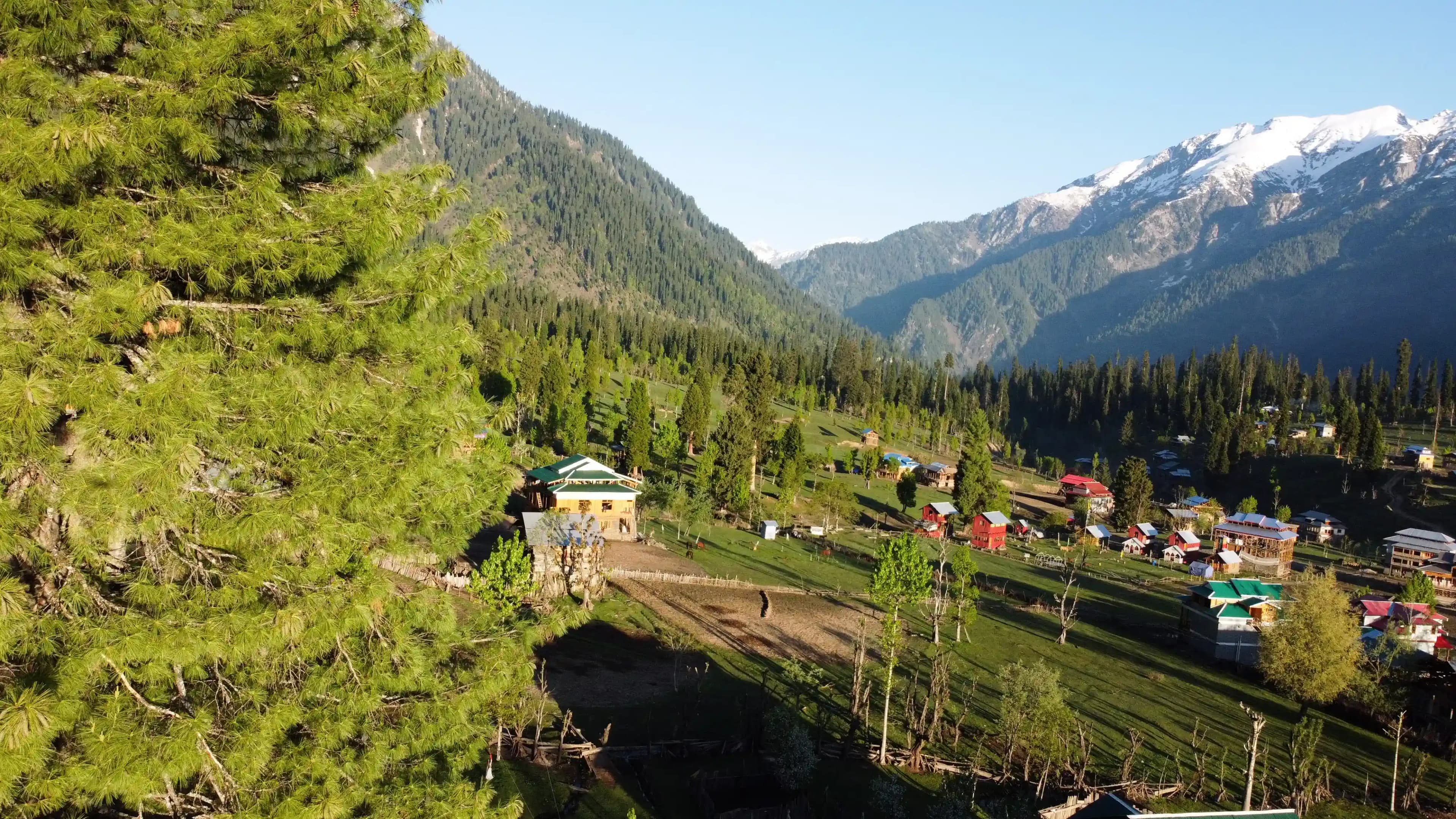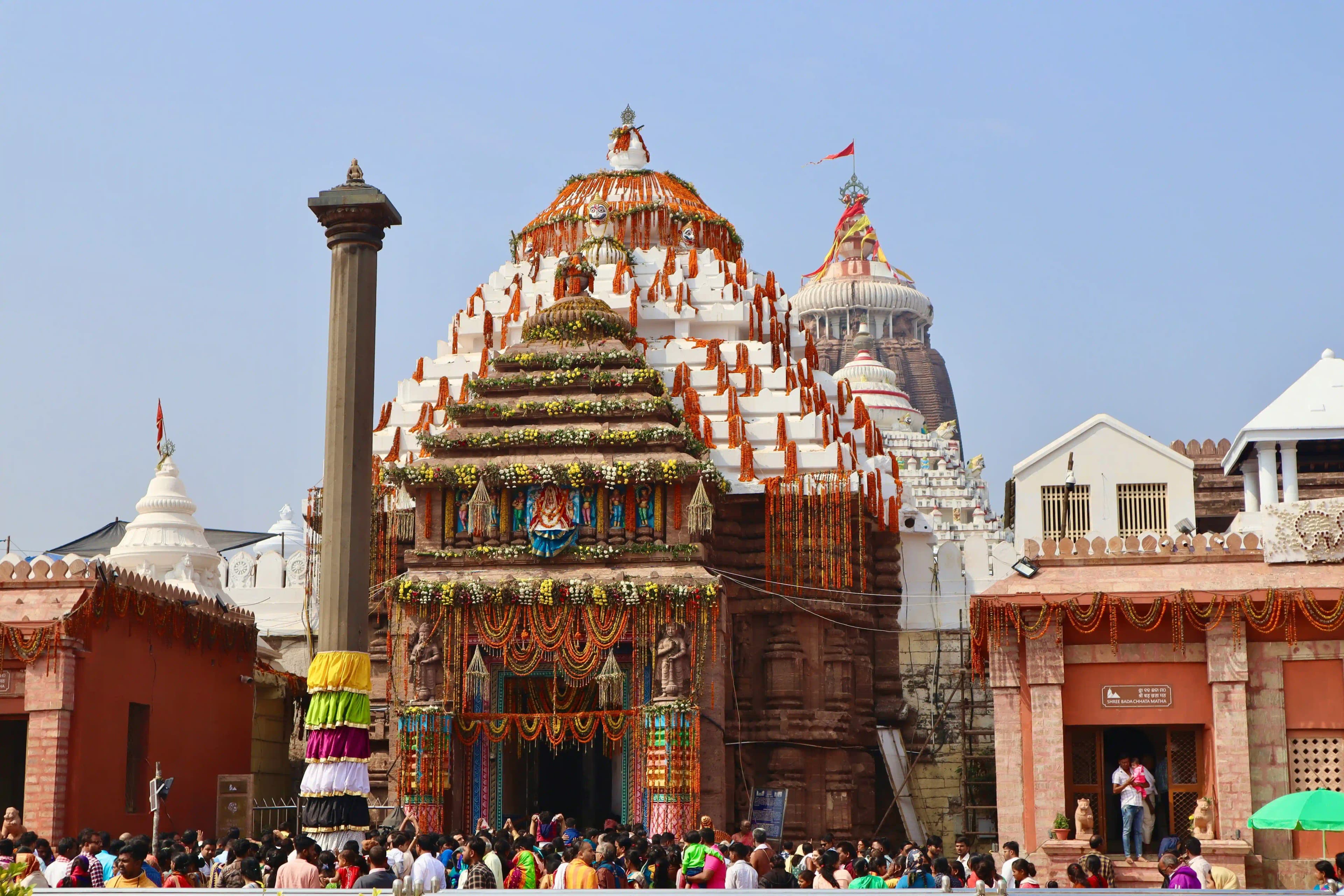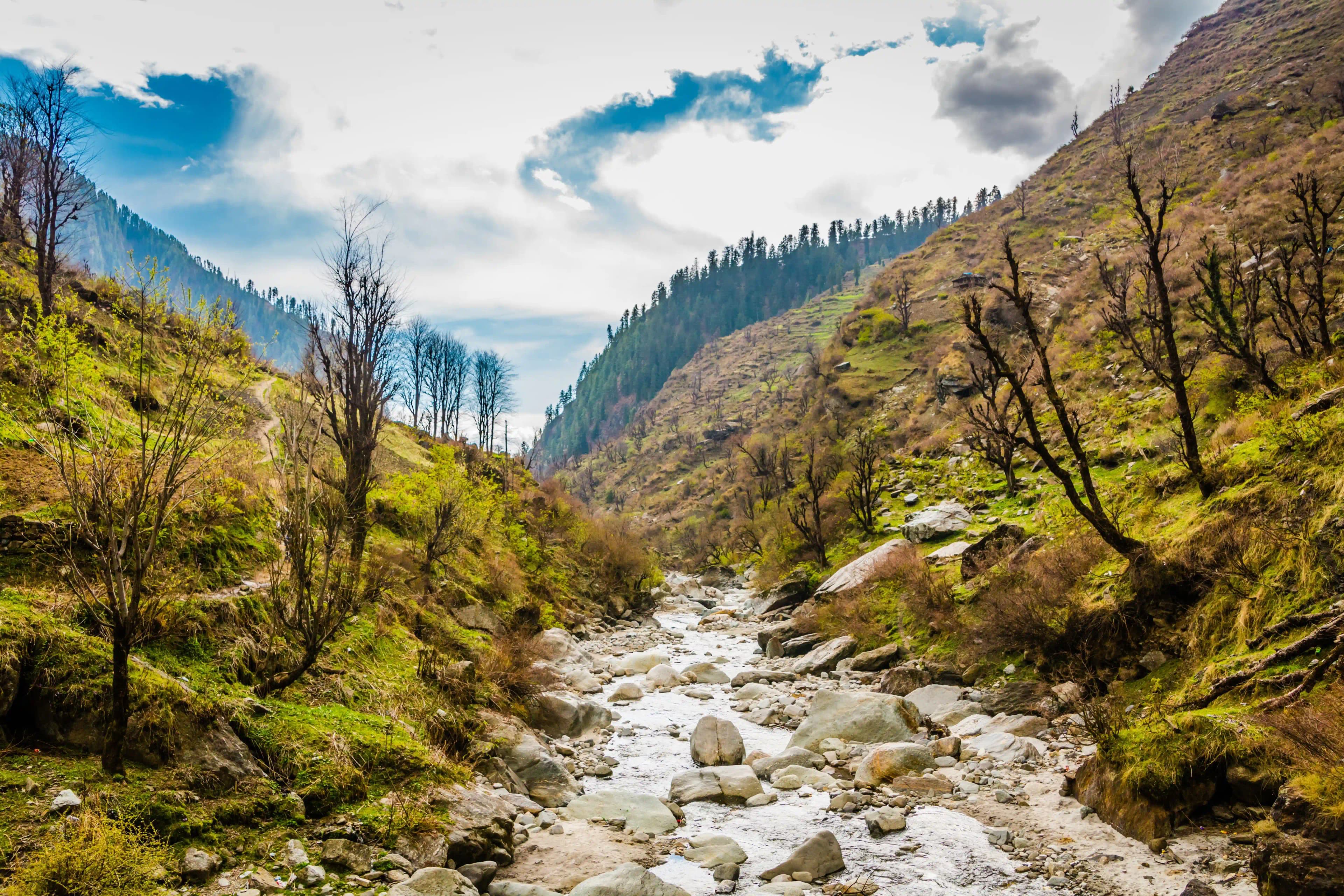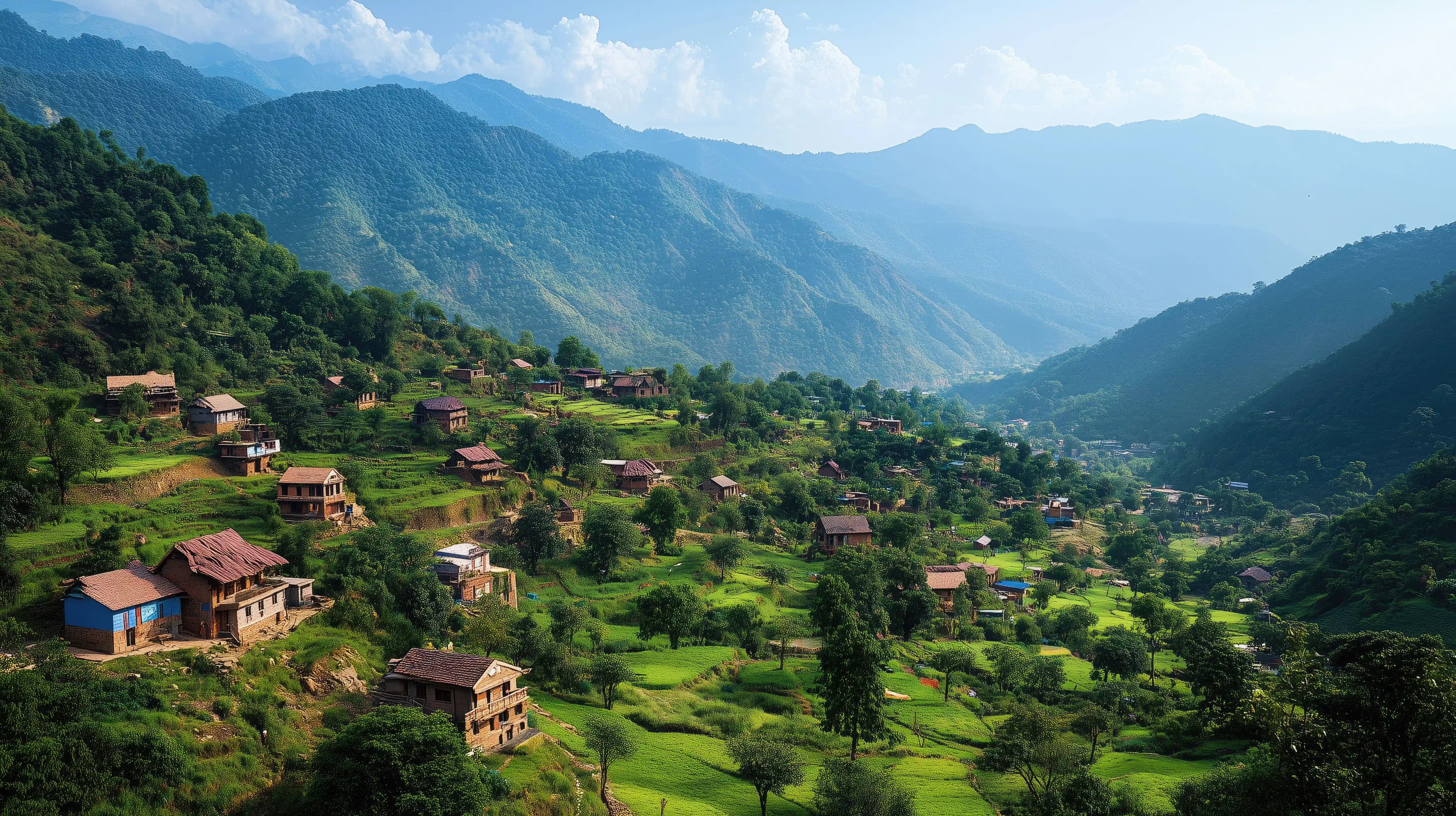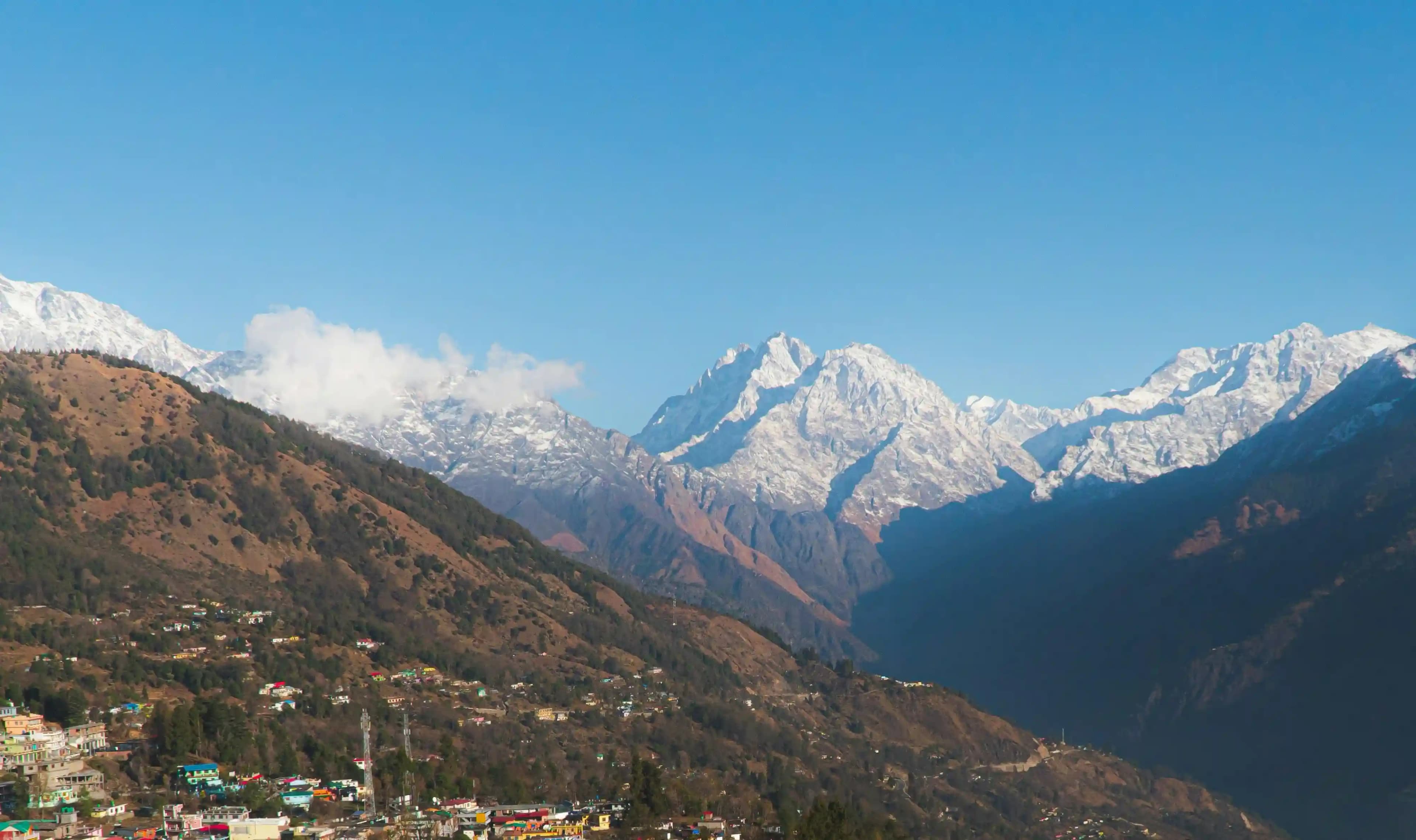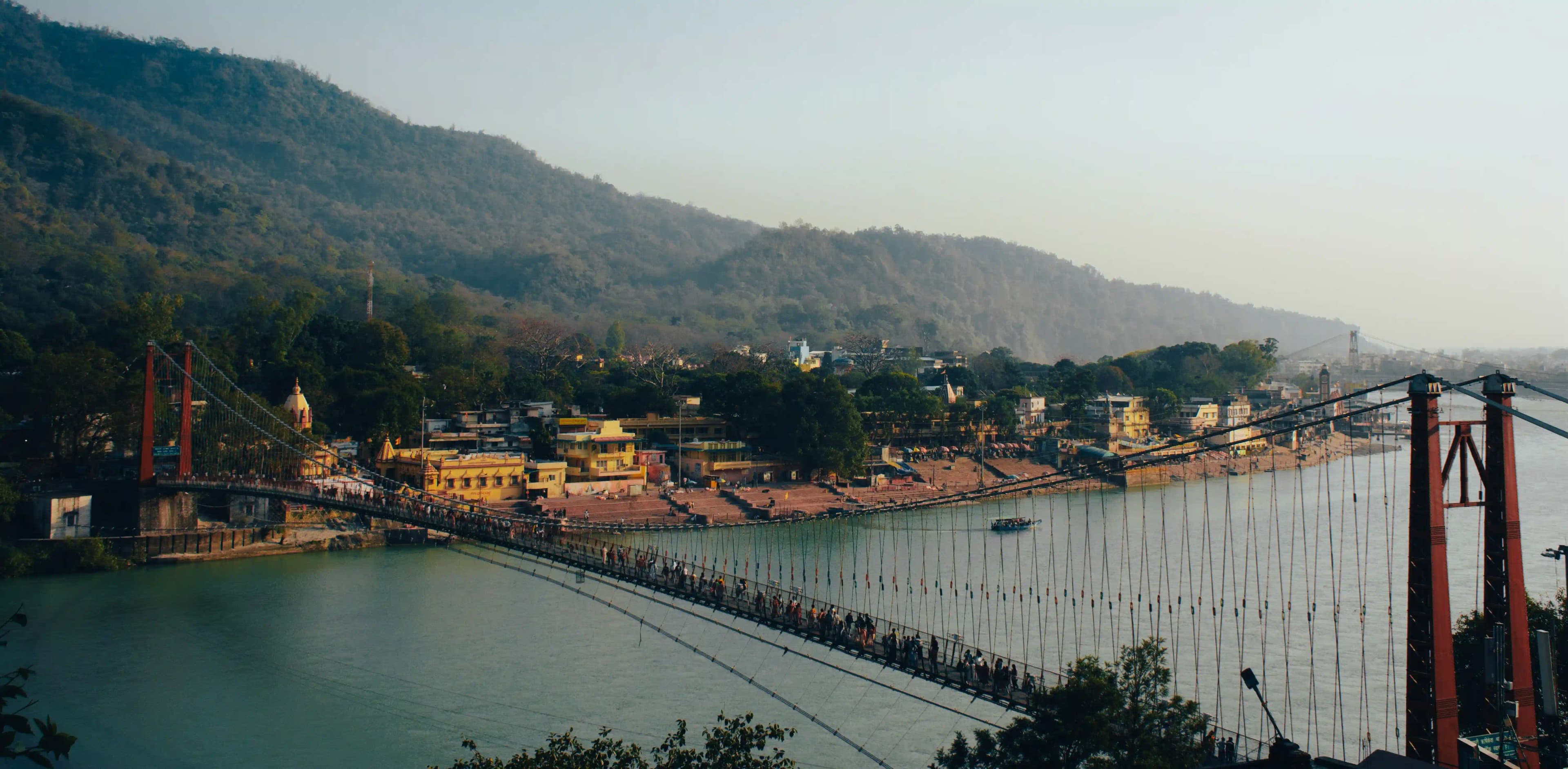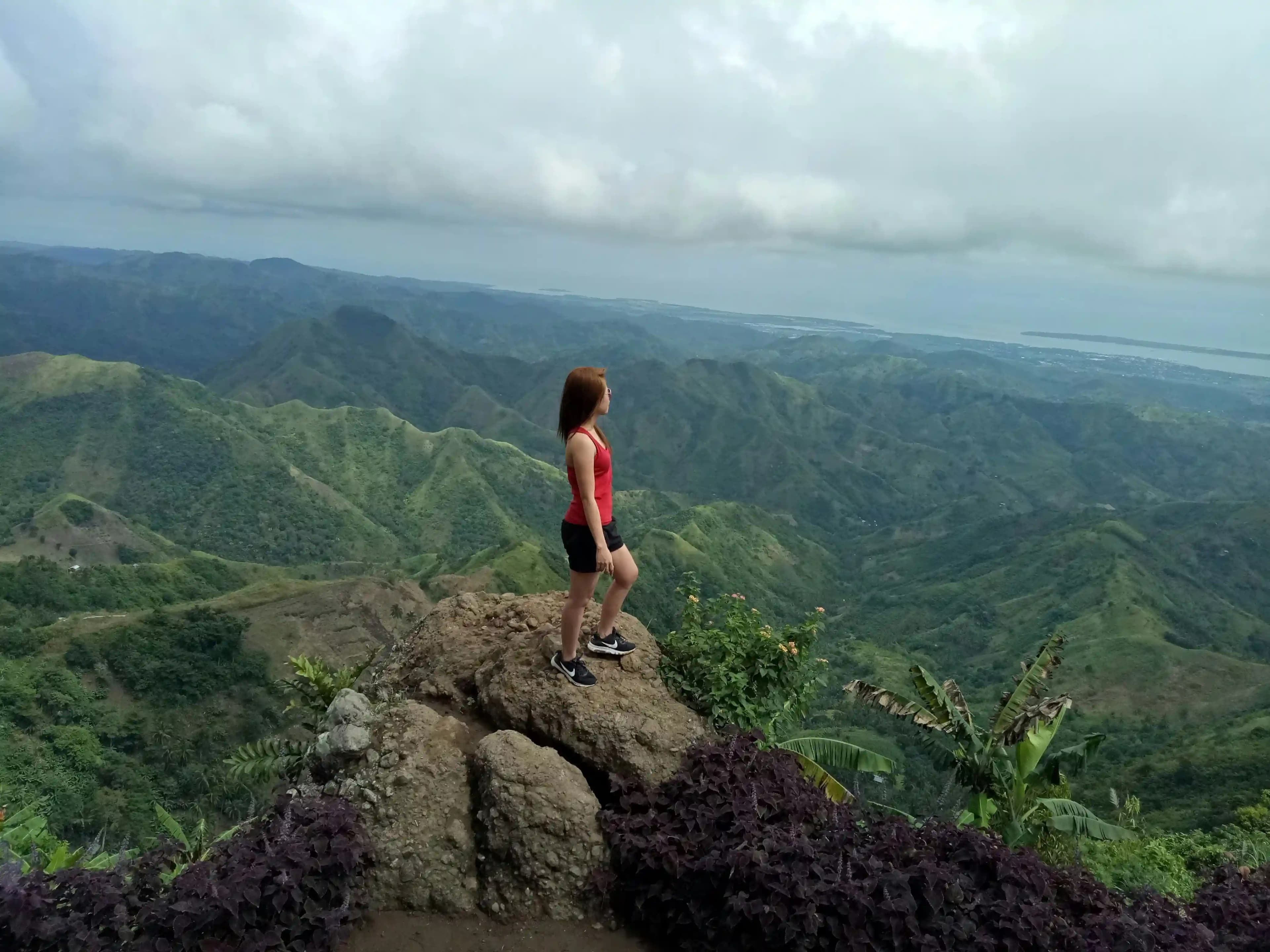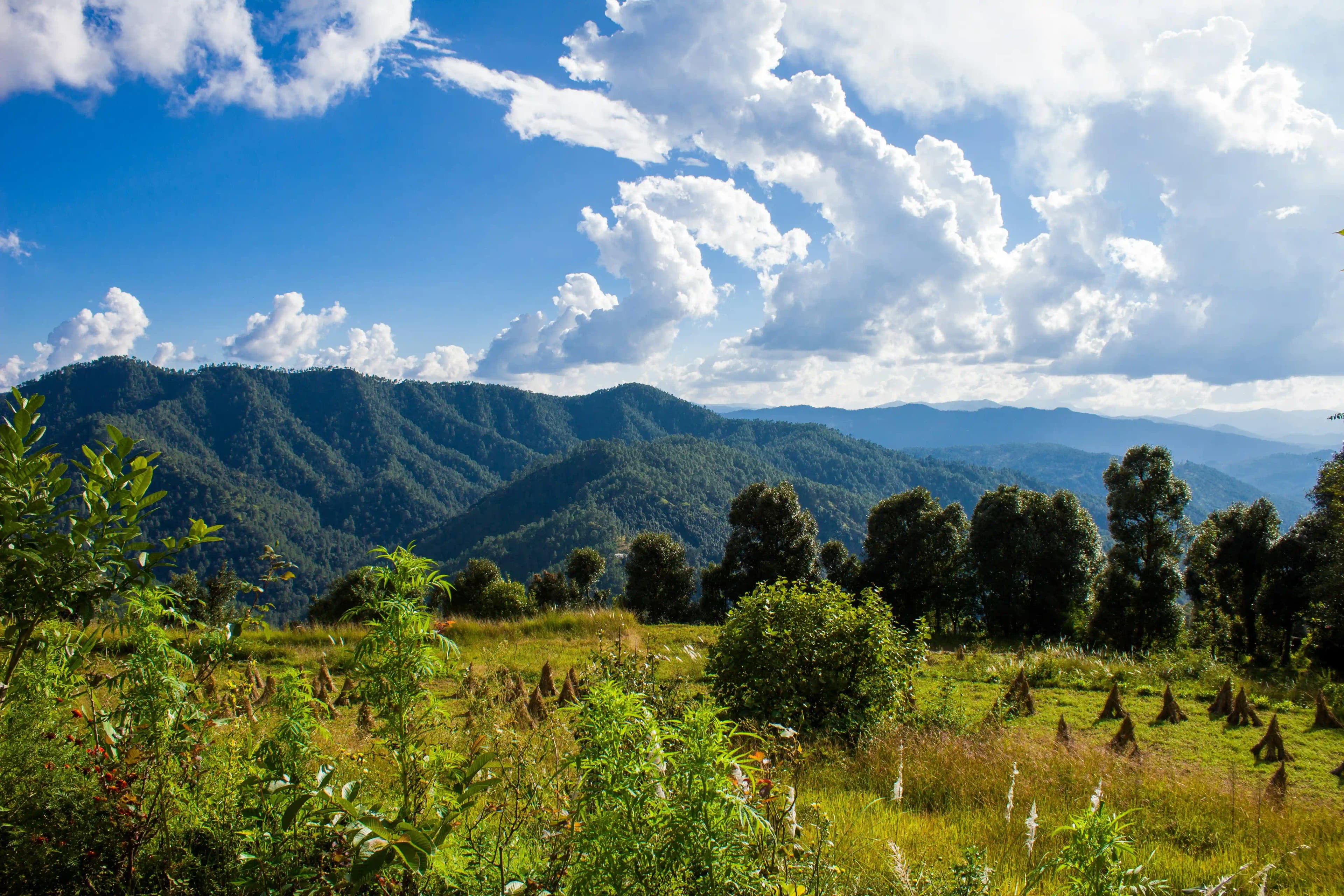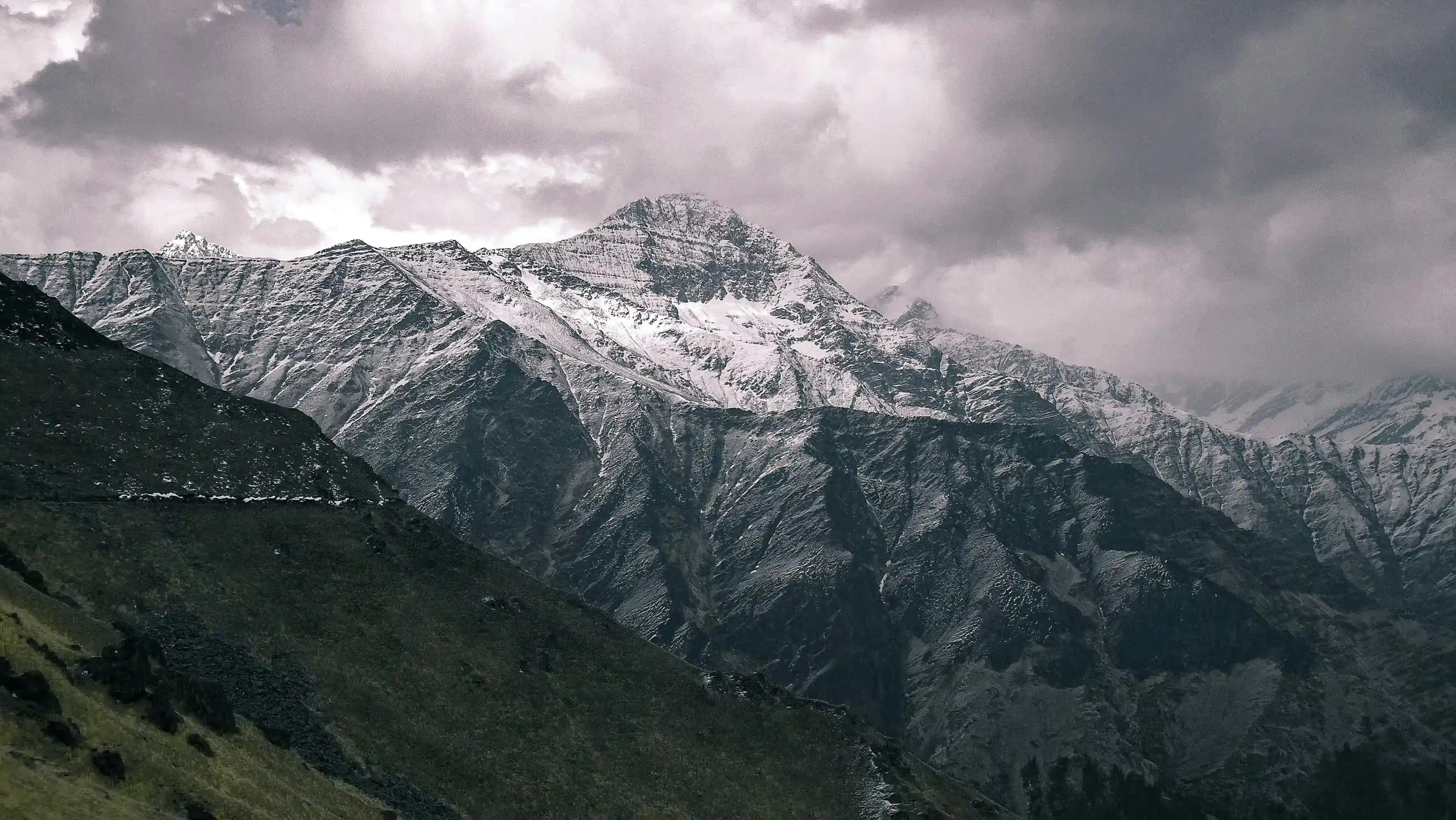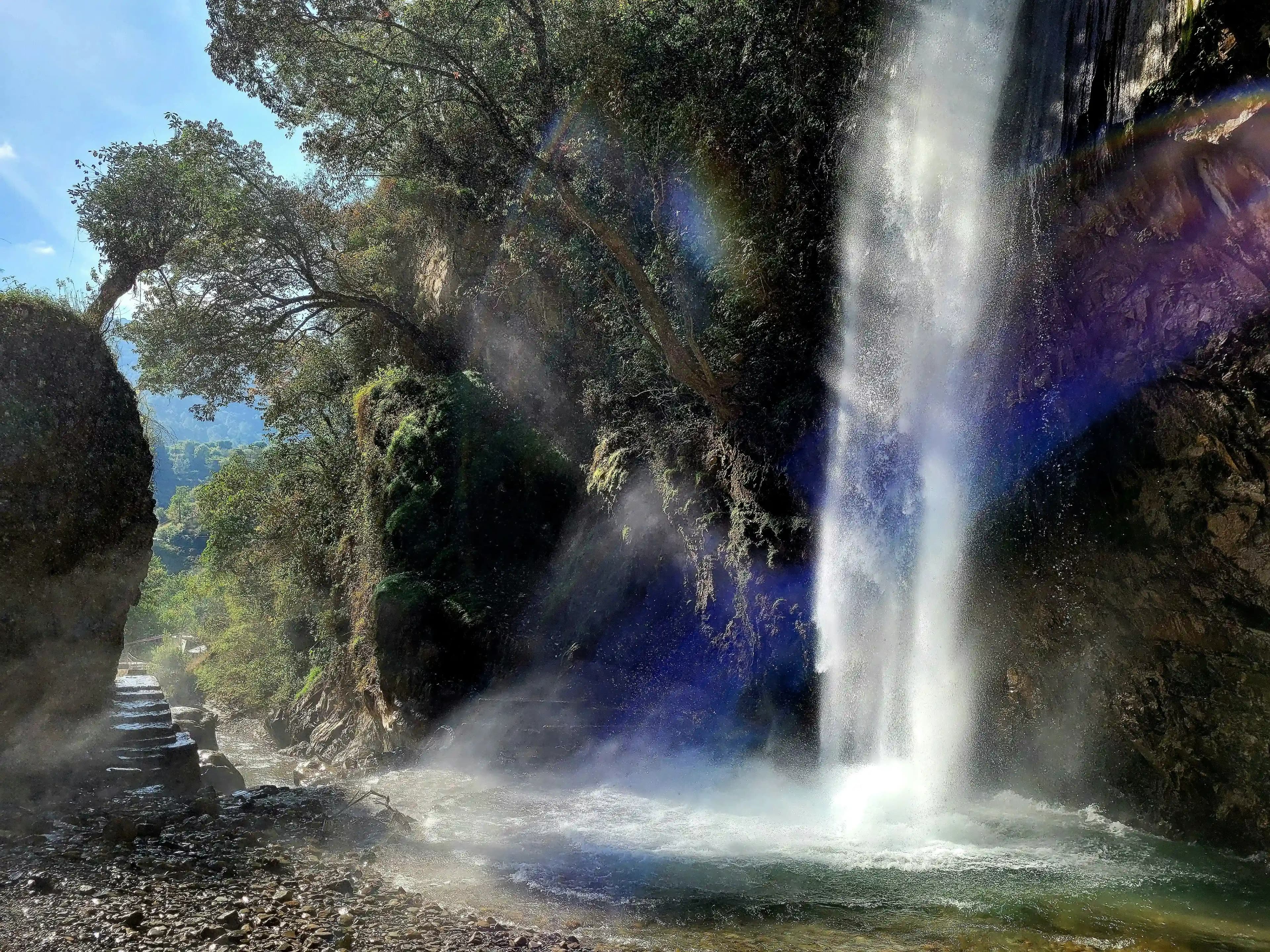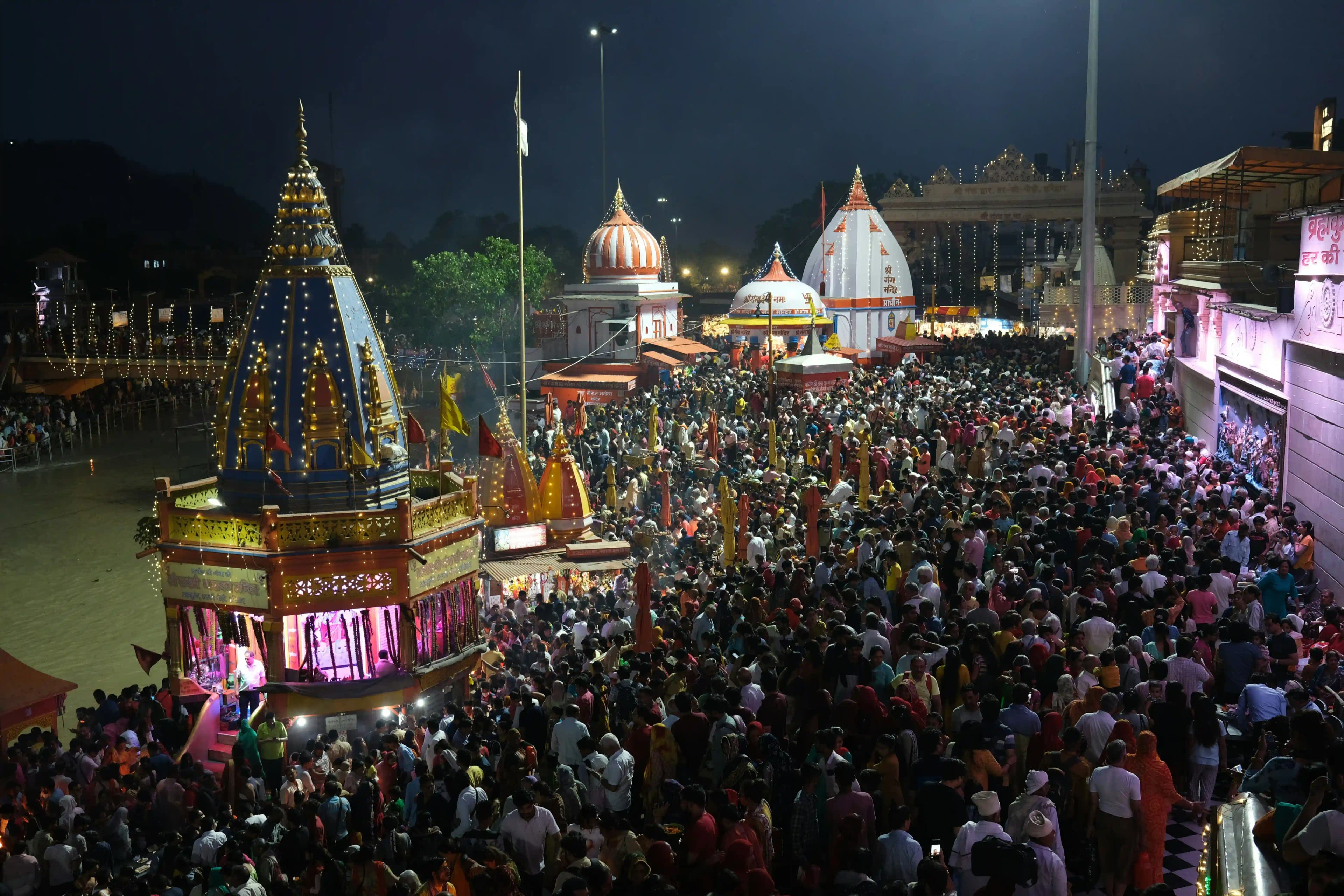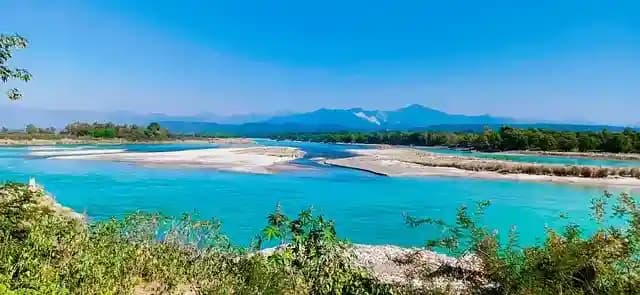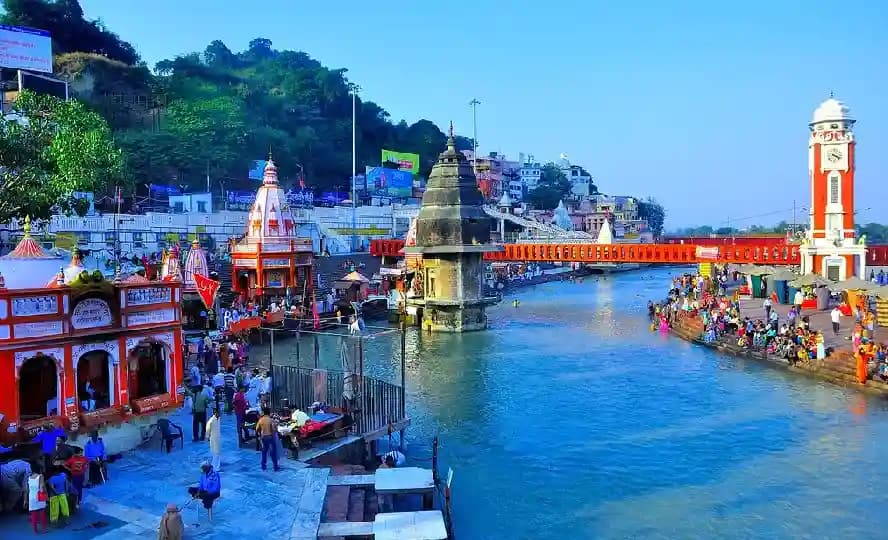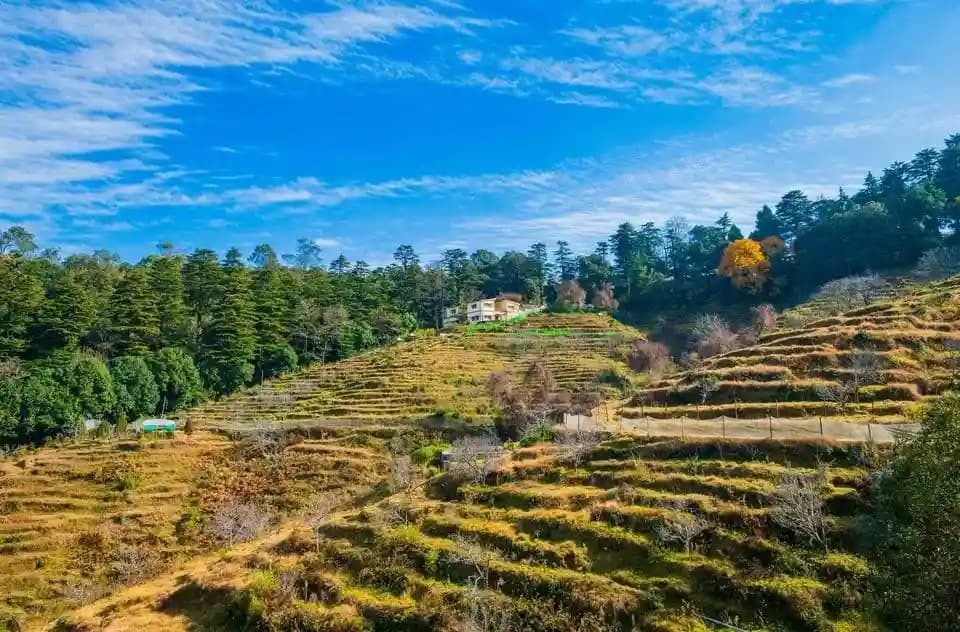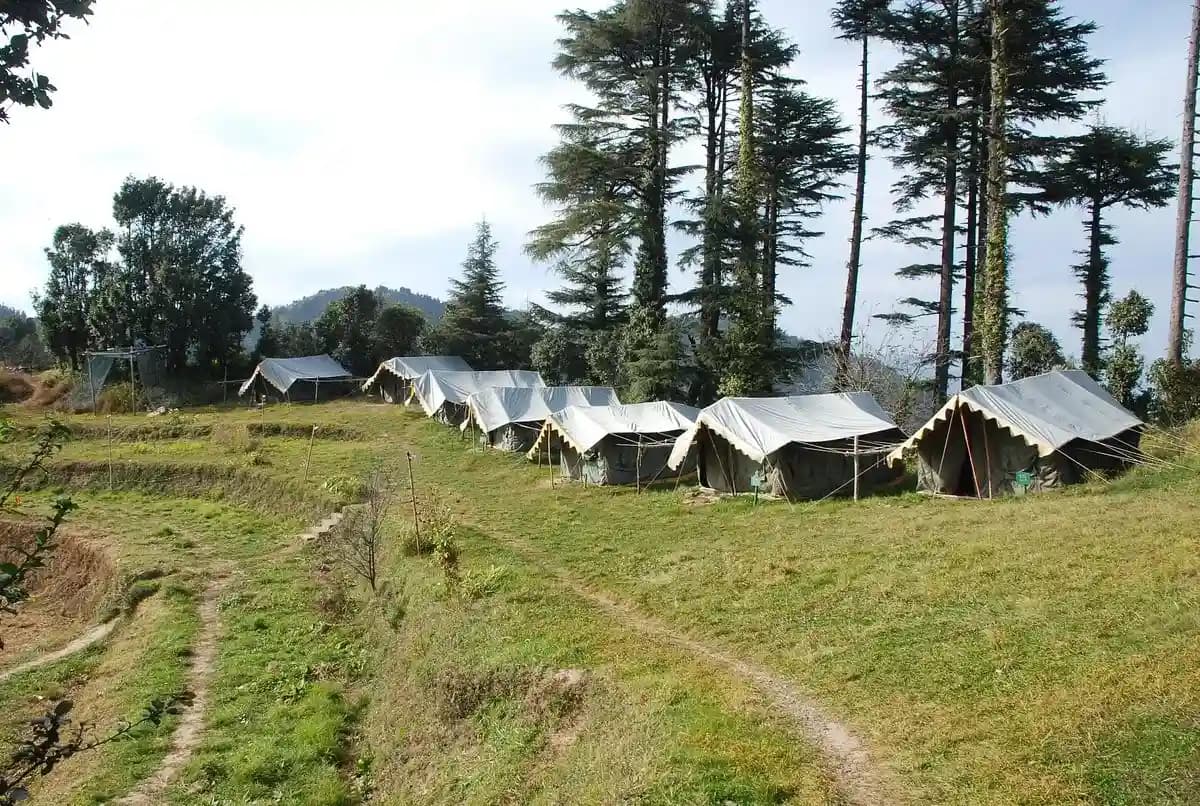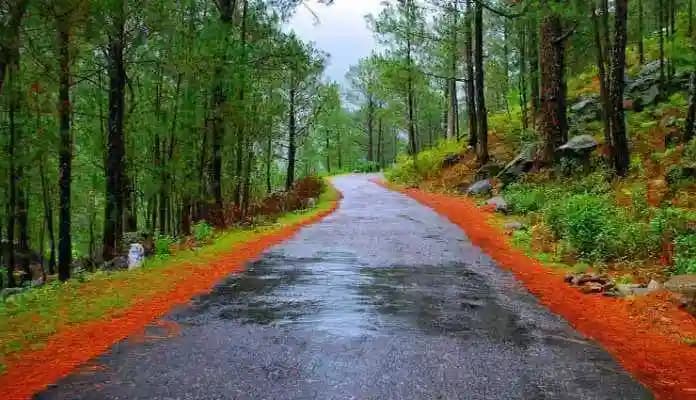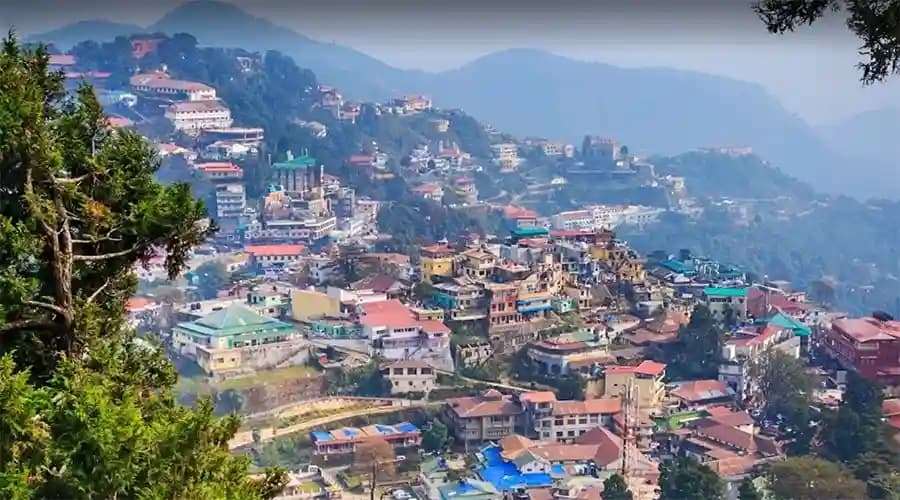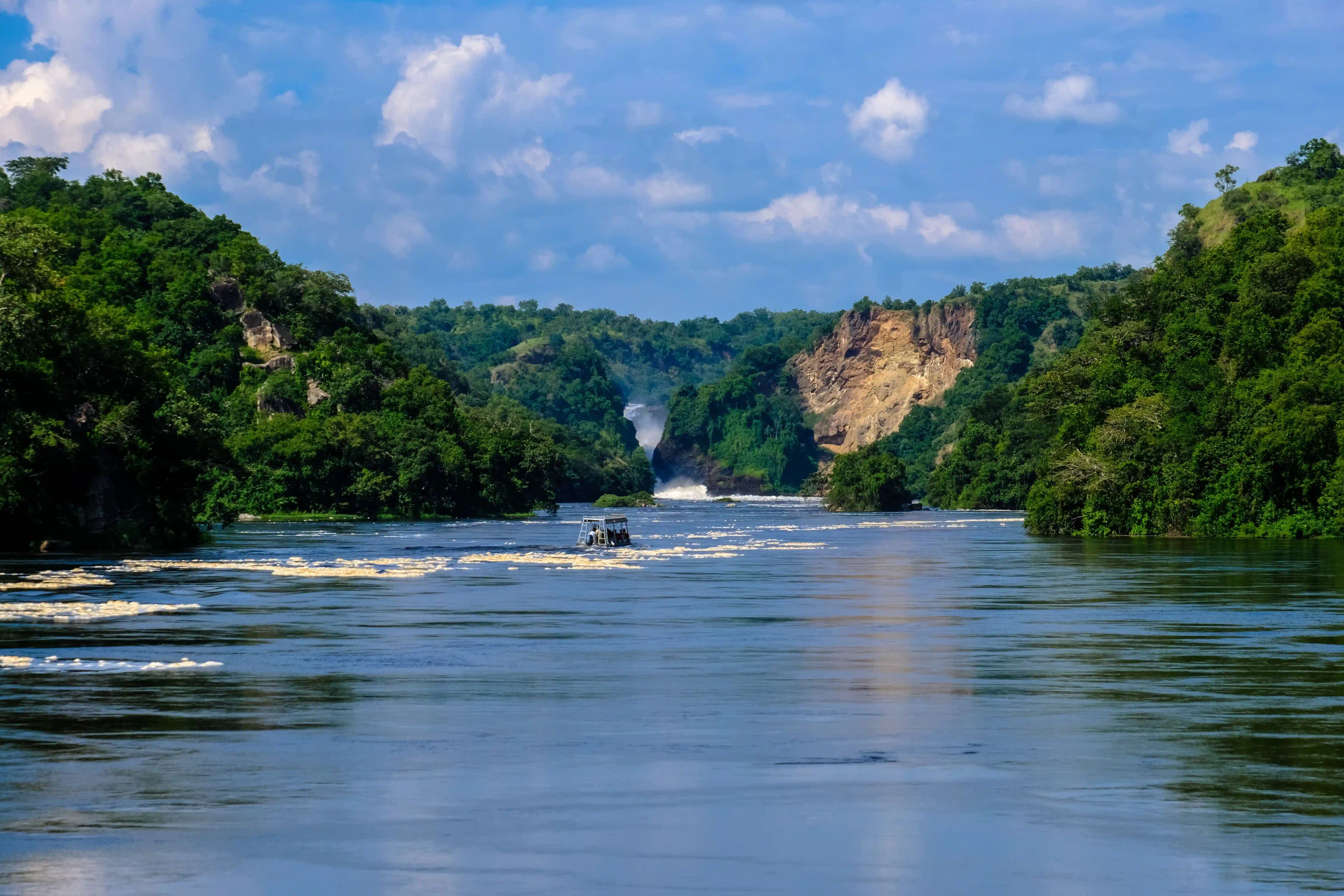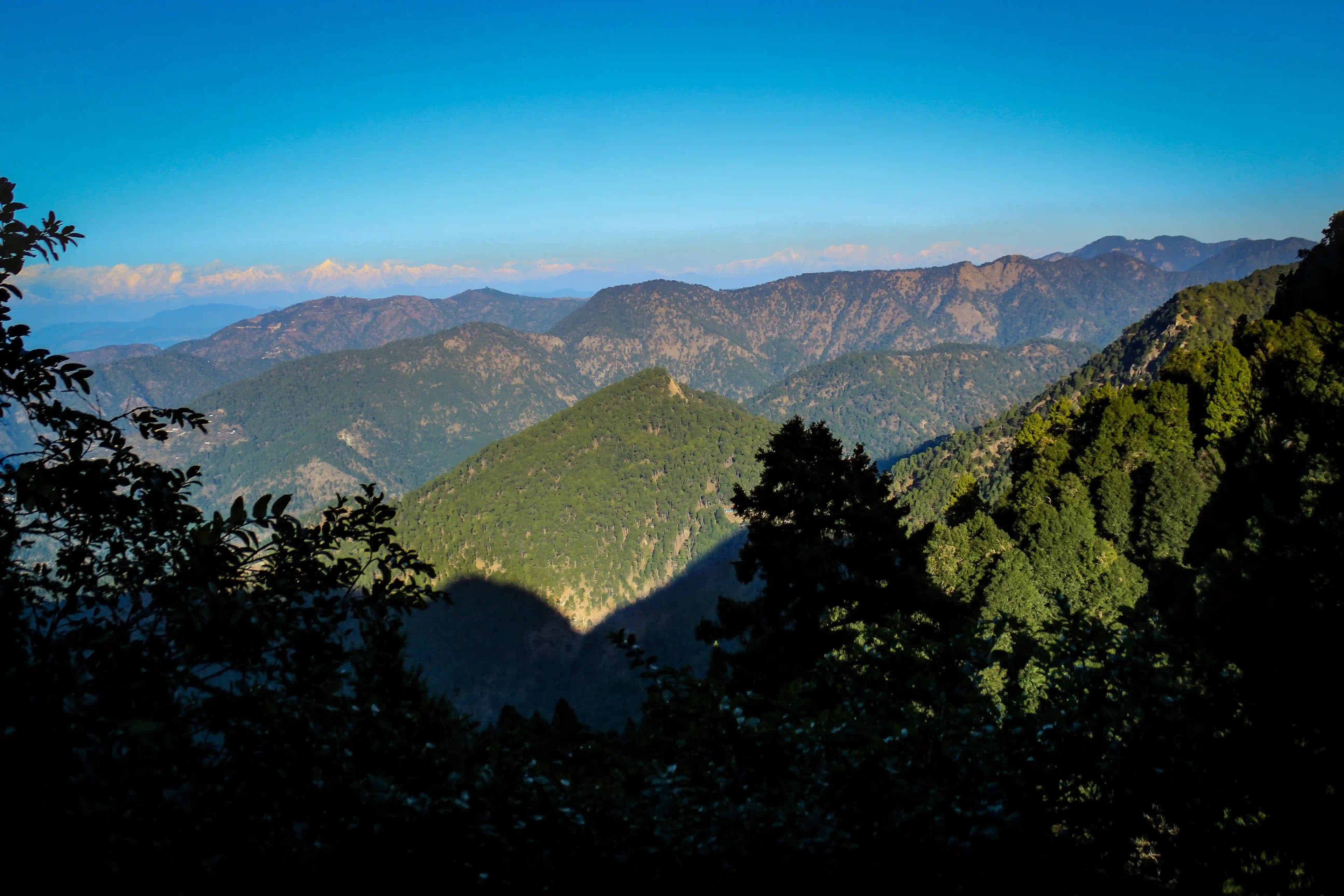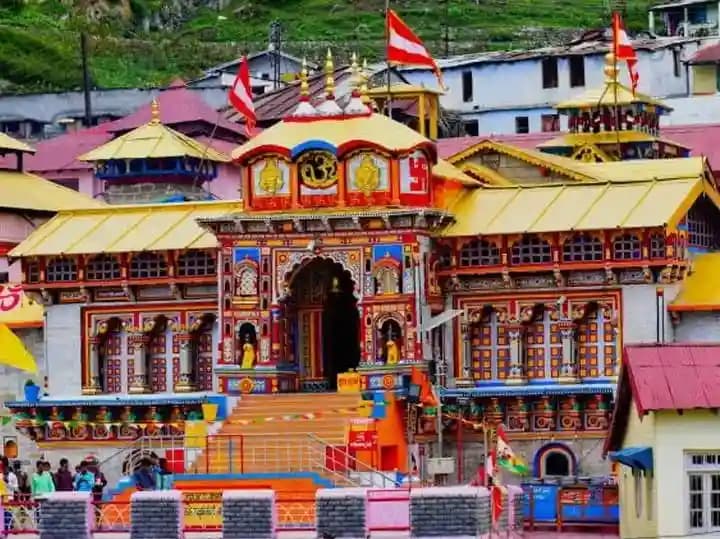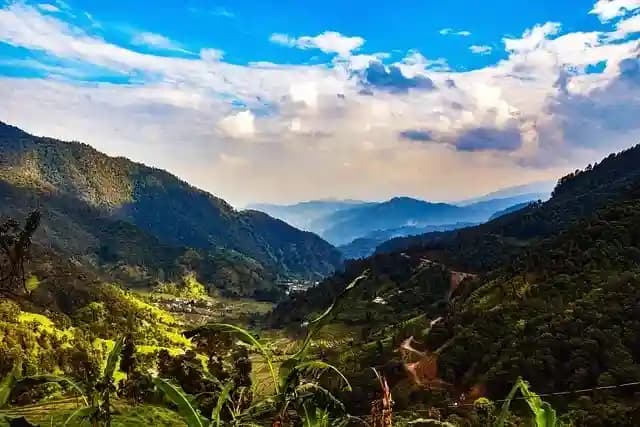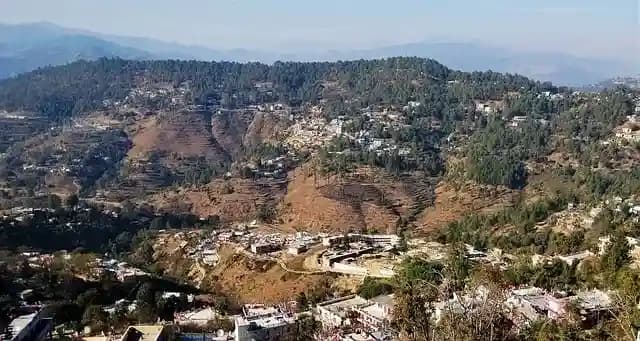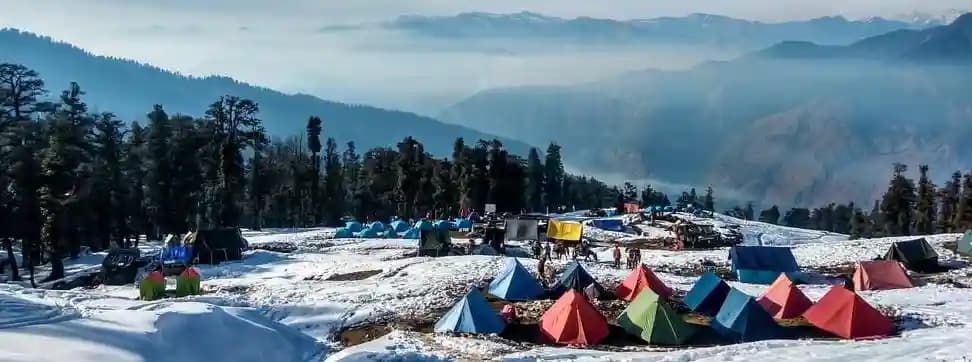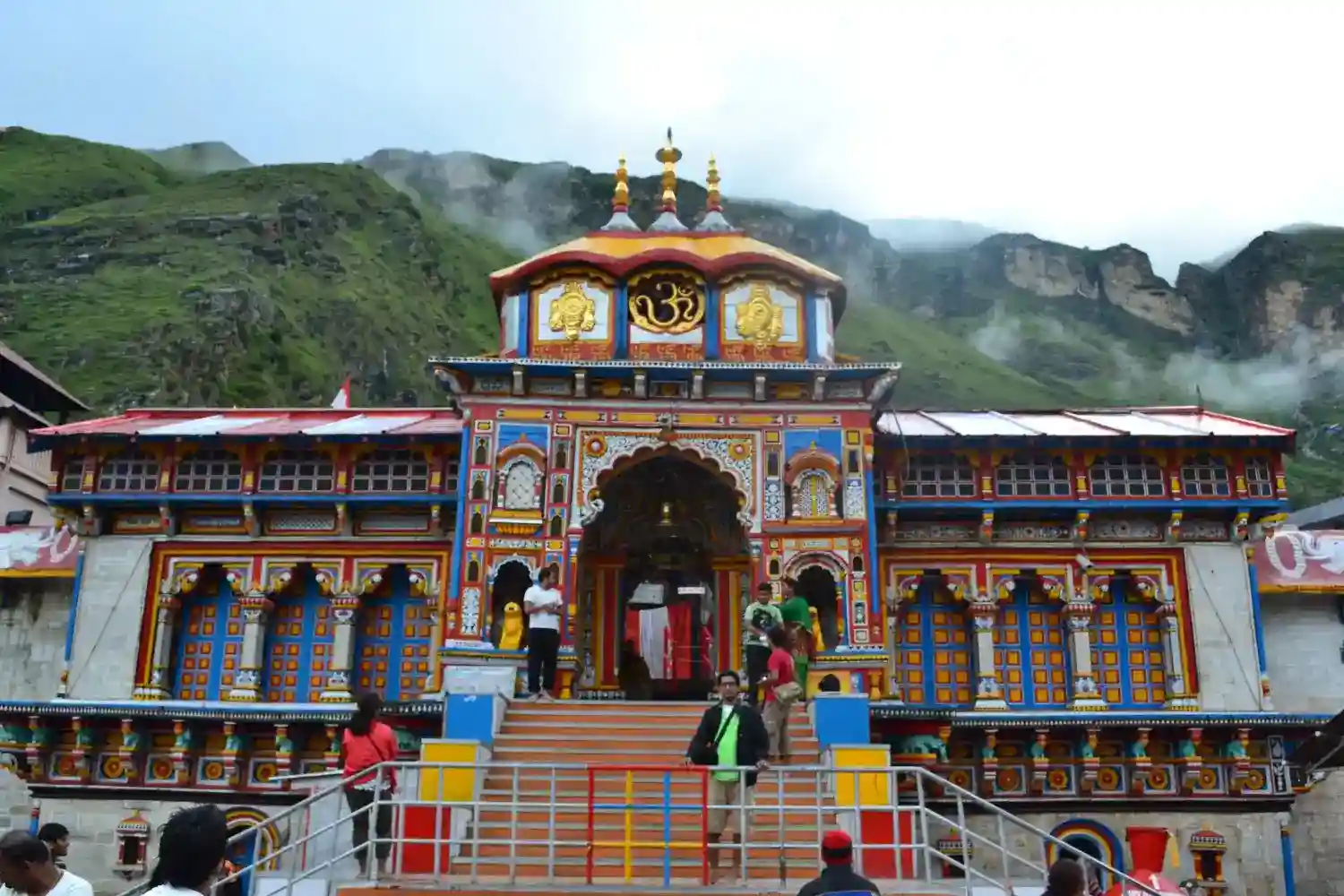
The Char Dham Yatra, Uttarakhand, takes you above 3,000 metres into the Garhwal Himalayas. The route covers four temples: Yamunotri, Gangotri, Kedarnath, and Badrinath. The order isn’t random. Adi Shankaracharya set this sequence in the 8th century. You start at Yamunotri, then Gangotri, move to Kedarnath, and finish at Badrinath. Even today, people follow this path instead of choosing whatever route looks easier on a map.
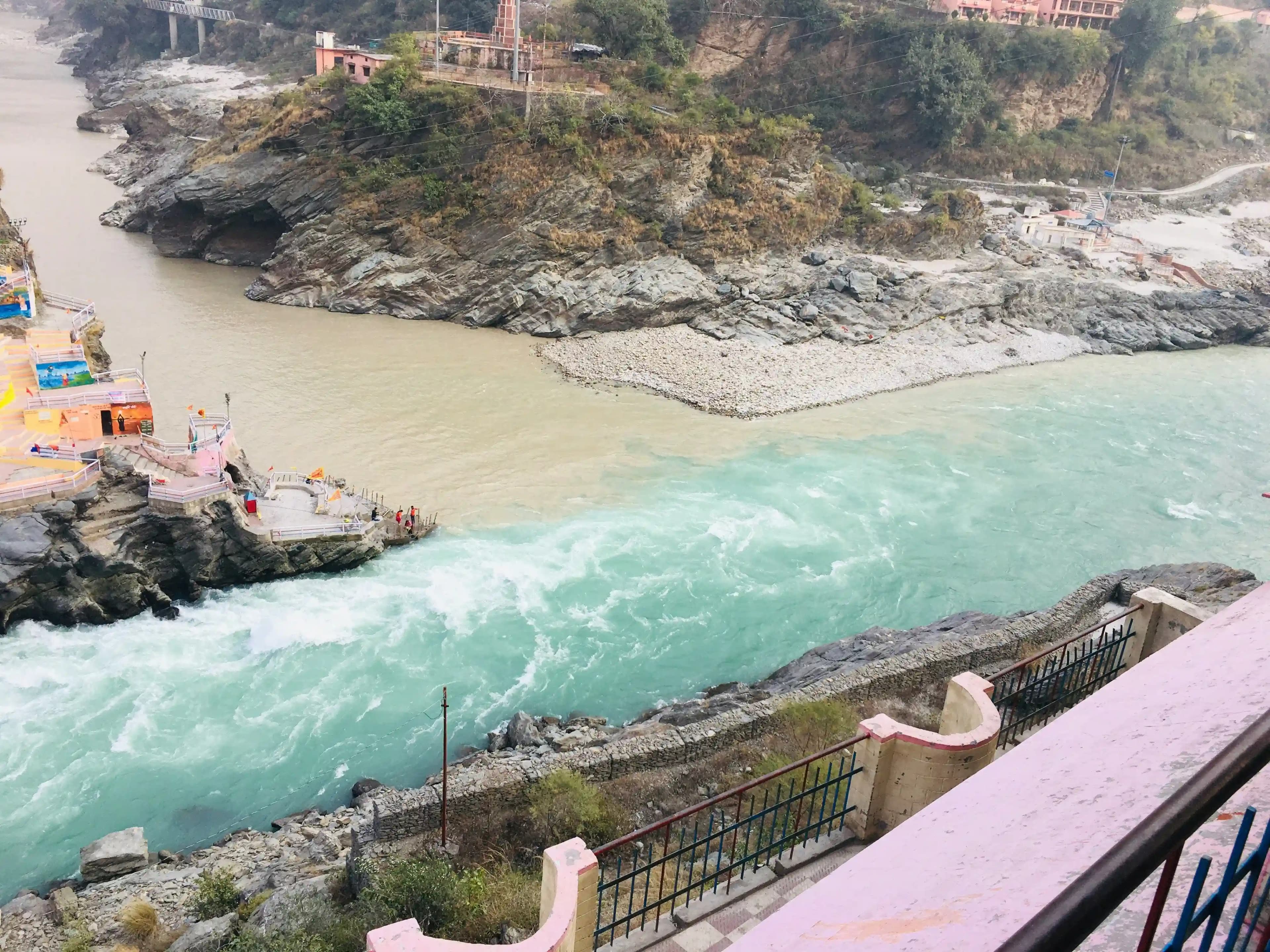
The first two stops are tied to rivers. Yamunotri marks the source of the Yamuna, and Gangotri is linked to the Ganga. After that, the journey shifts toward temples: Kedarnath, dedicated to Shiva, and Badrinath, dedicated to Vishnu. People don’t come here for comfort. The air gets thinner, roads can be rough, and the weather can change within hours. Still, thousands travel every season because they believe completing the yatra helps clear past karma and moves them closer to moksha.
If you’re planning to go, belief alone won’t carry you through. You need to think about registration, travel routes, costs, and how your body will handle the altitude. This guide breaks those down step by step.
Best Time To Visit Char Dham Yatra 2026
The Char Dham Yatra in India runs on a fixed seasonal window. The temples usually open between late April and early May and close around October or early November, depending on weather and temple decisions. Picking your dates affects everything. Road access, crowd size, and how smoothly you move between locations all change through the season.
Season-Wise Breakdown
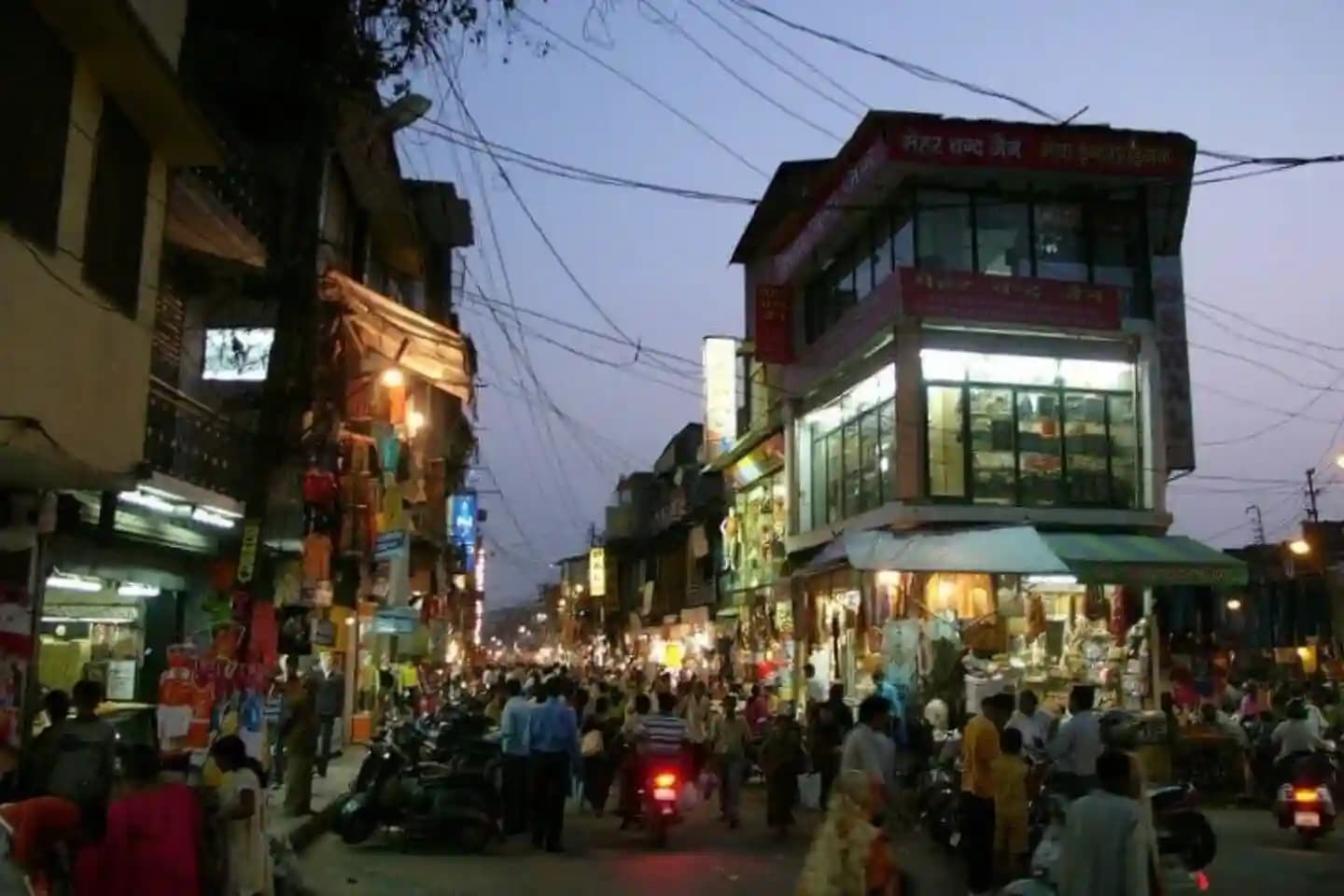
May to June (Peak Season) This is when most people travel. Roads are open, and the weather stays relatively stable. Expect heavy crowds at all four dhams. Long queues, traffic near temple towns, and higher hotel prices are common.
July to August (Monsoon) Travel during these months is risky. Landslides and roadblocks occur frequently, particularly in the direction of Kedarnath and Badrinath. Delays can stretch for hours or even days.
September to October ( Balance) This period has clear skies and fewer people compared to peak months. Roads are usually in better condition after monsoon repairs. Many travellers find this window easier to manage than May–June.
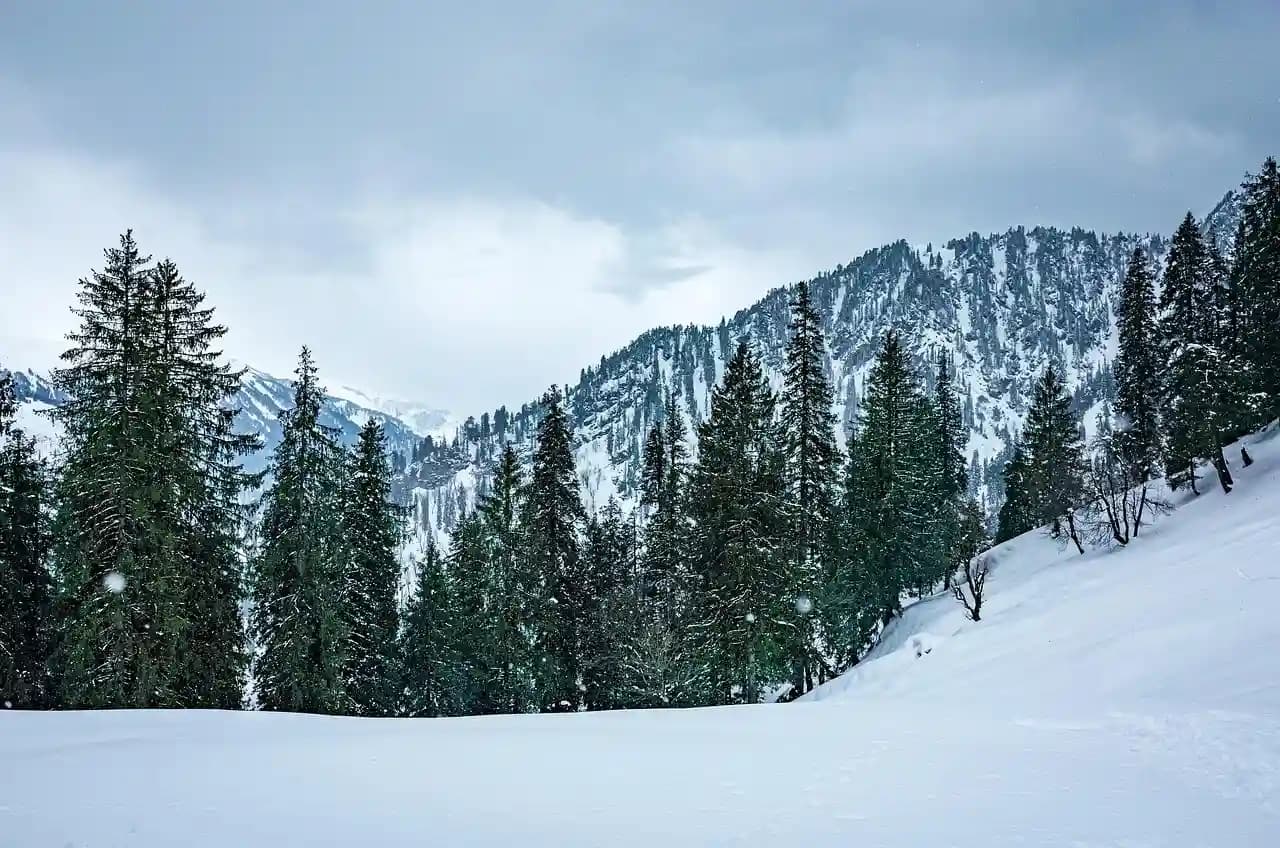
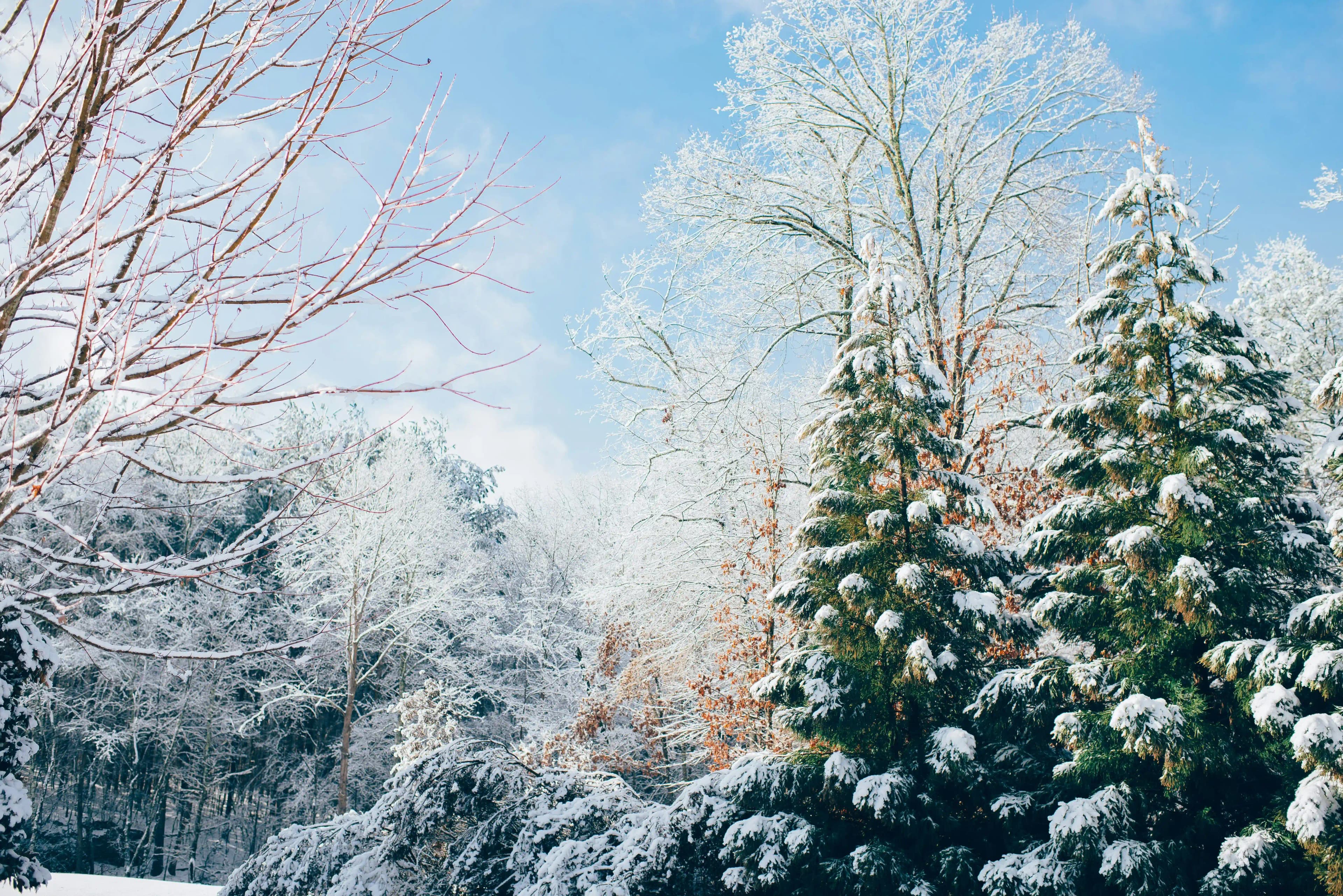
Late October to November (Closing Phase) Temperatures drop quickly. Snowfall can begin, and temple closures start based on weather conditions. Facilities along the route begin shutting down as the season ends.
How to Register for the Char Dham Yatra, Uttrakhand (2026)
For the Char Dham Yatra, registration is now required for every traveller. The system was introduced after the 2013 Uttarakhand floods. Authorities use it to track movement across routes and control the number of people at each dham. You won’t get through without it. Checkpoints at Barkot, Sonprayag, and Pandukeshwar scan passes before allowing entry.
Step-by-Step (Online Method)
The simplest way is through the official portal run by the Uttarakhand government.
Here’s how it works:
Visit the Tourist Care Uttarakhand website
Sign up using your mobile number
Select your travel dates and the dhams you plan to visit
Enter traveller details and upload ID proof
Submit and download your Char Dham Yatra e-pass with QR code
The process does not cost anything. If someone charges money just for registration, they’re offering something you can do yourself in a few minutes.
Documents Needed
Keep these ready before you start:
Government ID (Aadhaar, Passport, Voter ID)
Mobile number for OTP verification
Emergency contact details
Passport-size photo (only needed for offline registration)
Errors here can slow things down, especially during peak months.
How the E-Pass Works
The char dham yatra e-pass acts as your entry record for the entire route. At each checkpoint, officials scan the QR code to log your movement. This helps manage crowd flow and respond faster if there’s an emergency on the route. If you lose your pass, you can download it again from the same portal using your login details.
Char Dham Yatra Places and Location
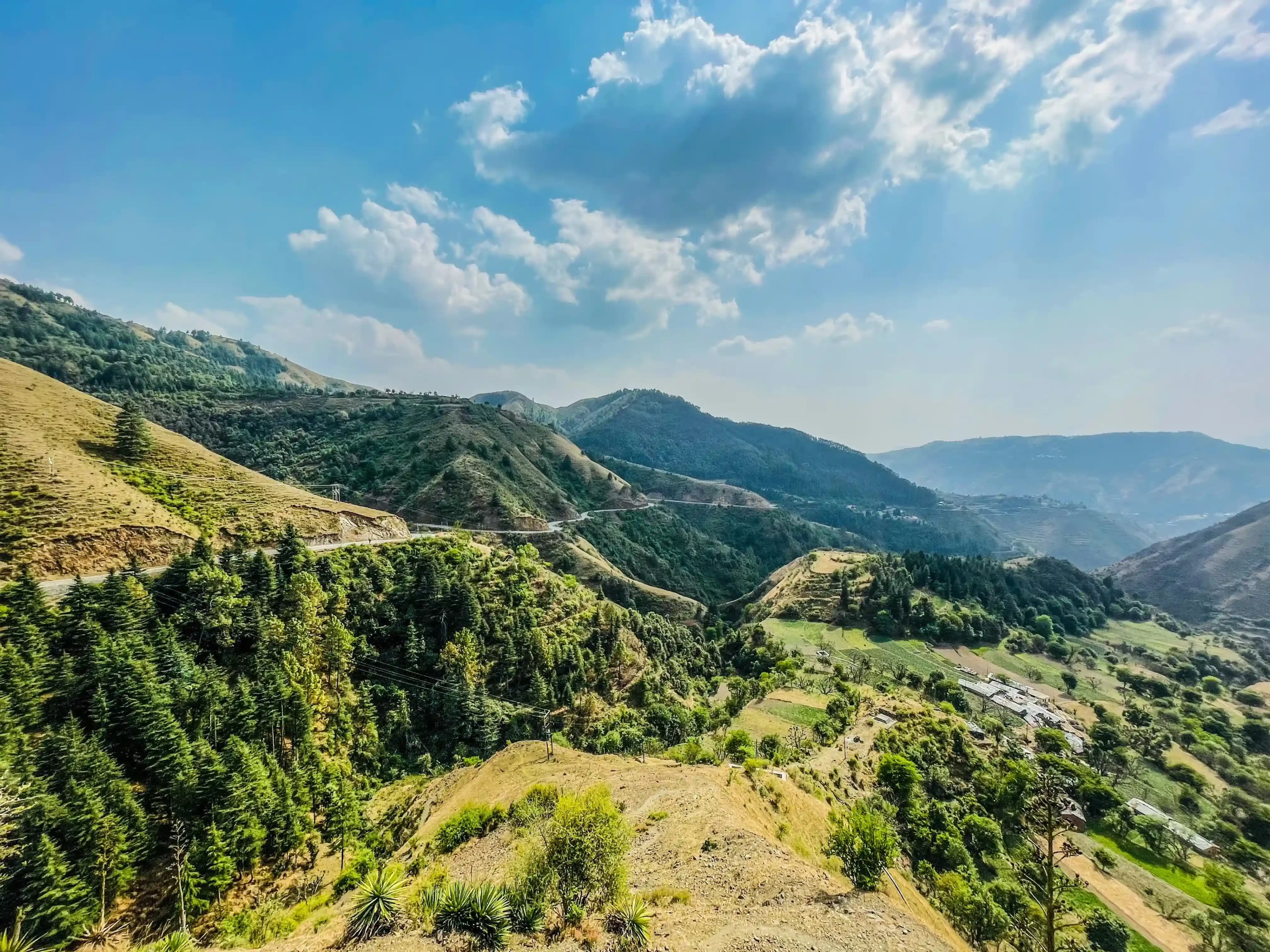
The Char Dham Yatra isn’t one place. It’s a route across four temples in different parts of Uttarakhand’s Garhwal Himalayas. These temples sit in separate valleys, not next to each other. Yamunotri and Gangotri fall in the Uttarkashi district, Kedarnath in Rudraprayag, and Badrinath in Chamoli. You can’t move between them casually. The journey needs a fixed plan because each leg takes hours on mountain roads.
1. Yamunotri
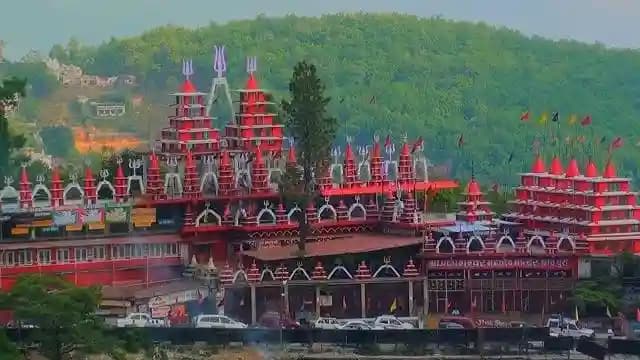
Yamunotri is the first stop in the Char Dham Yatra, and it sets the tone for everything that follows. The temple sits at 3,293 metres in the Uttarkashi district, but reaching it takes effort. There is no direct road access. The journey ends at Janki Chatti, after which you walk. The 6–7 km stretch is steep in parts and crowded during peak season. First-time travellers often underestimate it because of the short distance. The climb, combined with altitude, slows people down. Ponies and palkis move along the same narrow track, so the pace depends on crowd flow as much as your stamina.
Best Time To Visit: May to June, September to October
Location: Uttarkashi district, Uttarakhand
Who it suits: Travellers comfortable with a short but physically demanding trek
2. Gangotri
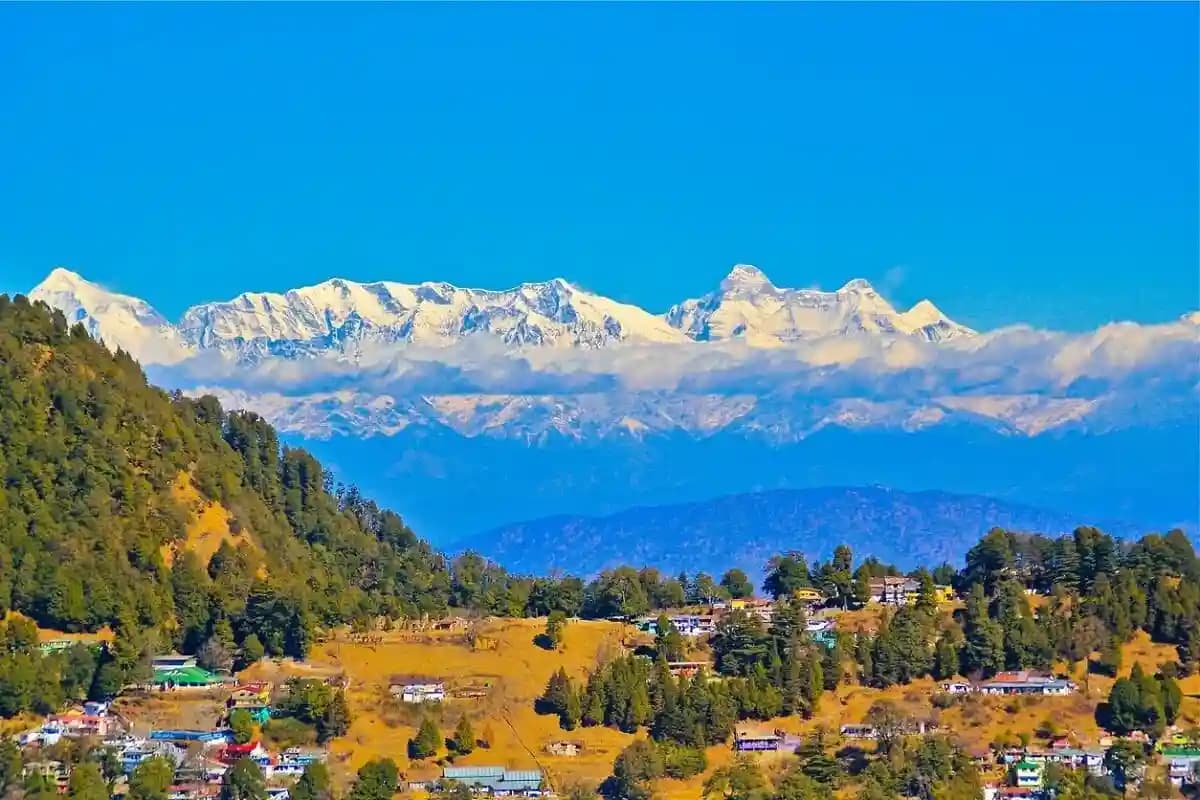
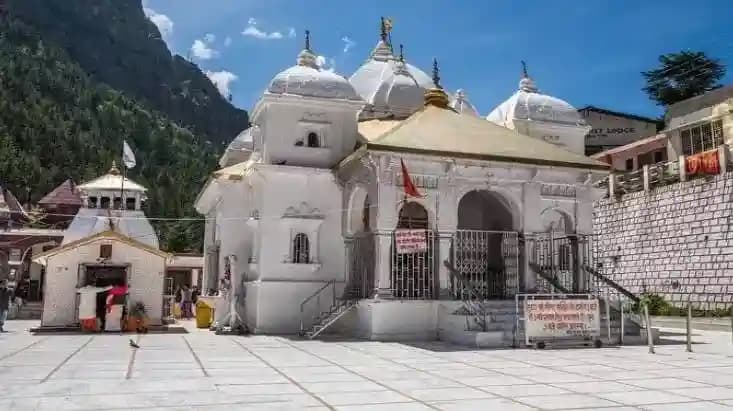
Gangotri comes after Yamunotri and feels easier at first, mainly because you can reach the temple by road. It sits at 3,048 metres in Uttarkashi district, right on the banks of the Bhagirathi river. The drive to Gangotri is long but straightforward compared to the previous trek. That said, altitude still affects many people here. Breathlessness, fatigue, or headaches are common if you move too quickly from lower regions. A stop at Uttarkashi before heading further up helps the body adjust. Skipping acclimatisation often leads to discomfort that could have been avoided with a slower approach.
Best Time To Visit: May to June, September
Location: Uttarkashi district, Uttarakhand
Who it suits: Travellers who prefer road access but can handle high-altitude conditions
3. Kedarnath
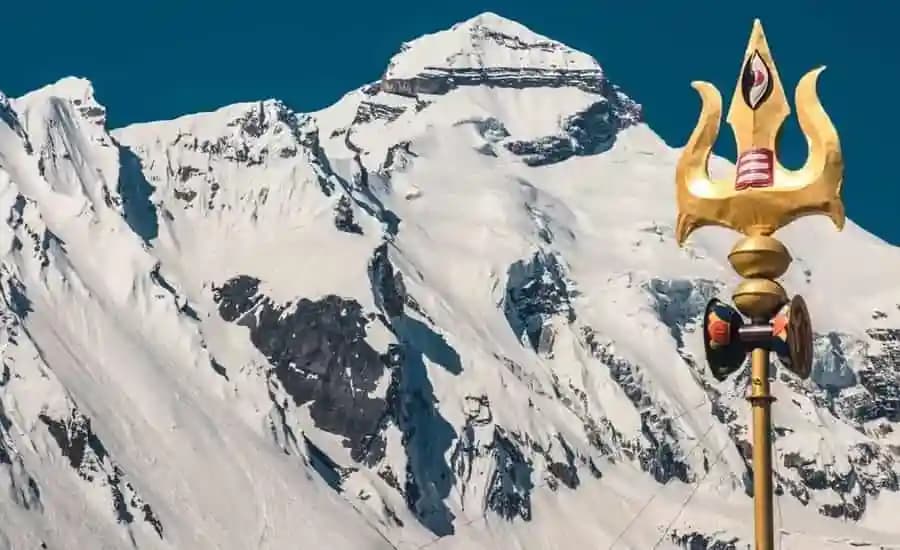
Kedarnath is where the yatra becomes physically demanding. The temple stands at about 3,583 metres in the Rudraprayag district, and reaching it requires a long uphill journey from Gaurikund. The trek ranges between 14 and 20 km, depending on the route and diversions. This is not a casual walk. The climb tests stamina, especially in thin air. Weather adds another layer of difficulty. Rain, fog, or sudden drops in temperature can slow or stop movement. Helicopter services run here, but they depend on clear conditions and often face delays. Anyone planning Kedarnath Char Dham Yatra needs buffer days, not tight schedules.
Best Time To Visit: May to June, September to mid-October
Location: Rudraprayag district, Uttarakhand
Who it suits: Physically prepared travellers or those opting for pony, palki, or helicopter support
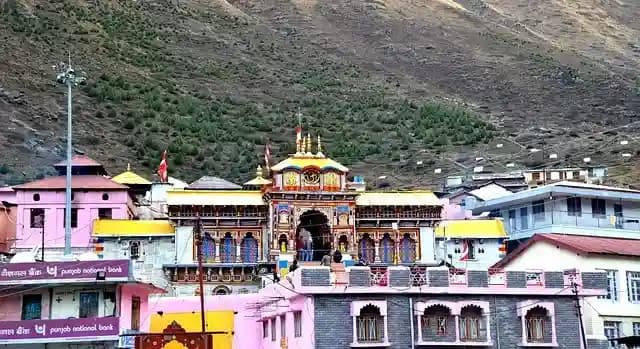
4. Badrinath
Badrinath is the last stop of the route and the easiest to access. The temple lies in Chamoli district, between the Nar and Narayana mountain ranges, and is connected by road. After the effort required for Kedarnath, this part feels more manageable for most travellers. Here, the issue is not about climbing, but rather about the crowd. Badrinath is the most visited of the four dhams. Queue lines for darshan can be quite lengthy during the peak season, particularly in the mornings. It is advisable to plan your darshan either early in the morning or in the evenings.
Best Time To Visit: May to June, September to October
Location: Chamoli district, Uttarakhand
Who it suits: All travellers, including elderly pilgrims and those avoiding trekking
Char Dham Yatra Distance and Route
Planning the Char Dham Yatra route plan is where most people misjudge the trip. On a map, the four temples look close. On the ground, the road cuts through mountains, river valleys, and narrow stretches where traffic often stops completely. Time matters more than distance here.
The route follows a fixed order: Yamunotri → Gangotri → Kedarnath → Badrinath. This sequence avoids unnecessary detours and keeps the journey moving in one direction through the Garhwal region.
Route Plan (Traditional Order)
Most people as begin from Haridwar or Rishikesh. From there, the journey moves step by step instead of jumping between char dham yatra locations.
Standard route:
Haridwar → Barkot → Yamunotri → Uttarkashi → Gangotri → Guptkashi → Kedarnath → Joshimath → Badrinath → Haridwar/Rishikesh
Each leg takes longer than expected. A 150–200 km stretch often turns into a full day because of road width, traffic near towns, and weather interruptions. Shortcuts usually don’t save time. They add confusion and often push travellers into worse road conditions.
Distance Breakdown
The total circuit usually falls between 1,600 and 1,800 km, depending on the exact route and diversions.
Approximate segments:
Haridwar → Barkot: 180 km
Barkot → Janki Chatti: 45 km + 6 km trek (Yamunotri)
Barkot → Uttarkashi: 100 km
Uttarkashi → Gangotri: 100 km
Uttarkashi → Guptkashi: 220 km
Guptkashi → Gaurikund: 30 km + 16 km trek (Kedarnath)
Guptkashi → Badrinath (via Joshimath): 220 km
Badrinath → Haridwar: 300 km
These numbers don’t reflect effort. Continuous driving on mountain roads, combined with altitude, makes even a 200 km day tiring.
Char Dham Yatra by Road
Most people travel by road using buses, taxis, or private cars. Driving here is slow. Roads are narrow, turns are sharp, and falling rocks are common in certain stretches. During peak season, vehicle queues near temple towns can delay you by hours. This is not highway driving. Even experienced drivers need to stay cautious, especially on routes toward Kedarnath.
Chardham Yatra from Haridwar
Haridwar is the most practical starting point. It gives your body time to adjust before gaining altitude. Travellers coming from cities like Delhi benefit from this gradual climb instead of heading straight into higher regions. A full trip usually takes 9 to 12 days. Trying to finish faster often leads to exhaustion or missed darshan timings.
Char Dham Yatra Helicopter Booking and Price
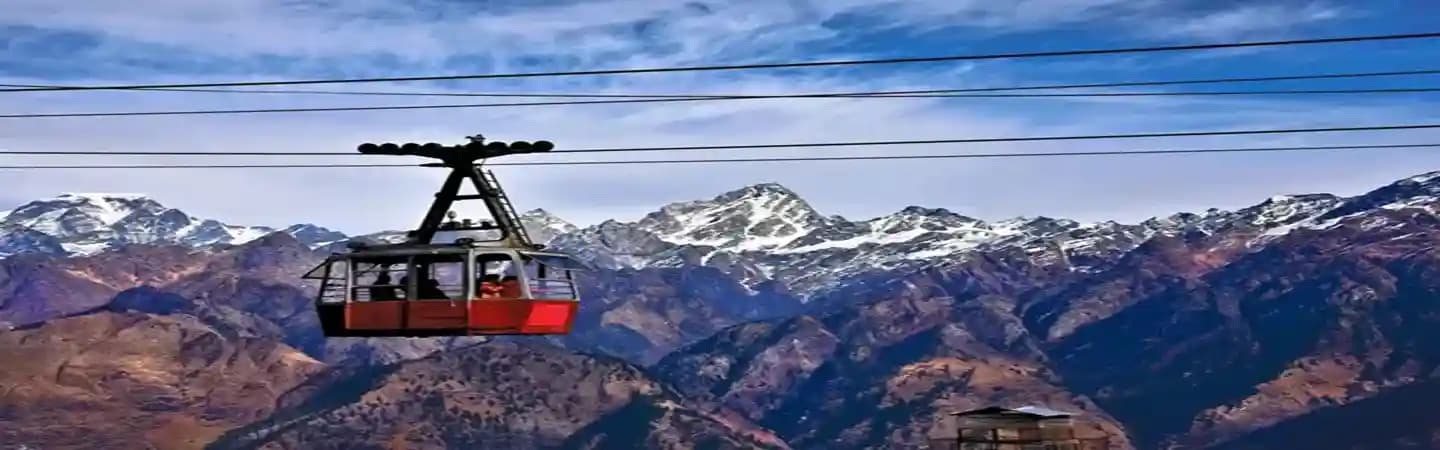
The Char Dham Yatra 2026 can be done by helicopter if you want to skip long road journeys and treks. A trip that usually takes 10 to 12 days by road can be completed in 4 to 6 days. This option is often chosen by older travellers or those who can’t manage the Kedarnath trek. Flights operate from Dehradun, specifically from Sahastradhara Helipad. Departures usually start early in the morning. Each leg is short, often under an hour, but timing depends entirely on the weather.
Types of Helicopter Services
There are two main options. Mixing them up leads to booking issues.
Kedarnath Shuttle (via IRCTC): This covers only Kedarnath. You fly from places like Phata, Guptkashi, or Sersi to the temple area. It’s the most common and relatively affordable option.
Full Char Dham Packages (Private Operators): These packages cover all four temples. They usually include hotel stays, meals, local transfers, and priority darshan. The schedule is fixed, and you move as part of a group.
Char Dham Yatra by Helicopter Price Range
Costs vary based on what you choose:
Kedarnath shuttle: ₹6,000 to ₹12,000 (approx, round trip)
Full Char Dham package: ₹1.8 lakh to ₹2.5 lakh per person
Weight limits apply. Most operators cap it around 75 kg, and extra weight leads to additional charges.
Travel Tips For Char Dham Yatra
The Char Dham Yatra tests your planning more than your intent. Long drives, changing weather, and altitude all come into play. Small mistakes early in the trip tend to build up over the next few days.
What Helps
Give your body time to adjust Don’t move straight to higher altitudes. A night in Uttarkashi or Guptkashi makes a difference. People who skip this often deal with headaches or fatigue the next day.
Start your day early Most delays begin after mid-morning. Roads near Yamunotri, Kedarnath routes, and Badrinath get crowded fast. Leaving early helps you stay ahead of traffic and reach on time.
Pack for conditions, not for comfort Weather shifts quickly. Carry warm layers even in May or June. Add a rain jacket, basic medicines, a power bank, and some light snacks. Heavy luggage only slows you down during transfers.
Fix bookings in advance Hotel rooms and taxis get expensive during peak weeks. Booking early keeps costs under control and avoids last-minute scrambling in remote areas.
Eat light and keep drinking water Heavy meals don’t sit well at altitude. Simple food and regular water intake help you stay steady through long travel days.
What To Avoid
Trying to finish the route in fewer days than needed
Travelling in July or August when landslides are common
Skipping registration or ignoring local instructions
Conclusion
The Char Dham Yatra is not a trip you figure out on the way. The route, weather, and altitude don’t leave much room for guesswork. Each part of the journey asks for a different kind of preparation. Yamunotri and Kedarnath test your physical effort. Gangotri and Badrinath demand better timing because of road access and crowd flow. The distances look manageable until you account for mountain conditions, traffic, and delays.
People who plan properly move through the route with fewer problems. That means choosing the right season, keeping buffer days, booking early, and completing registration before anything else. Once those basics are in place, the journey becomes smoother.