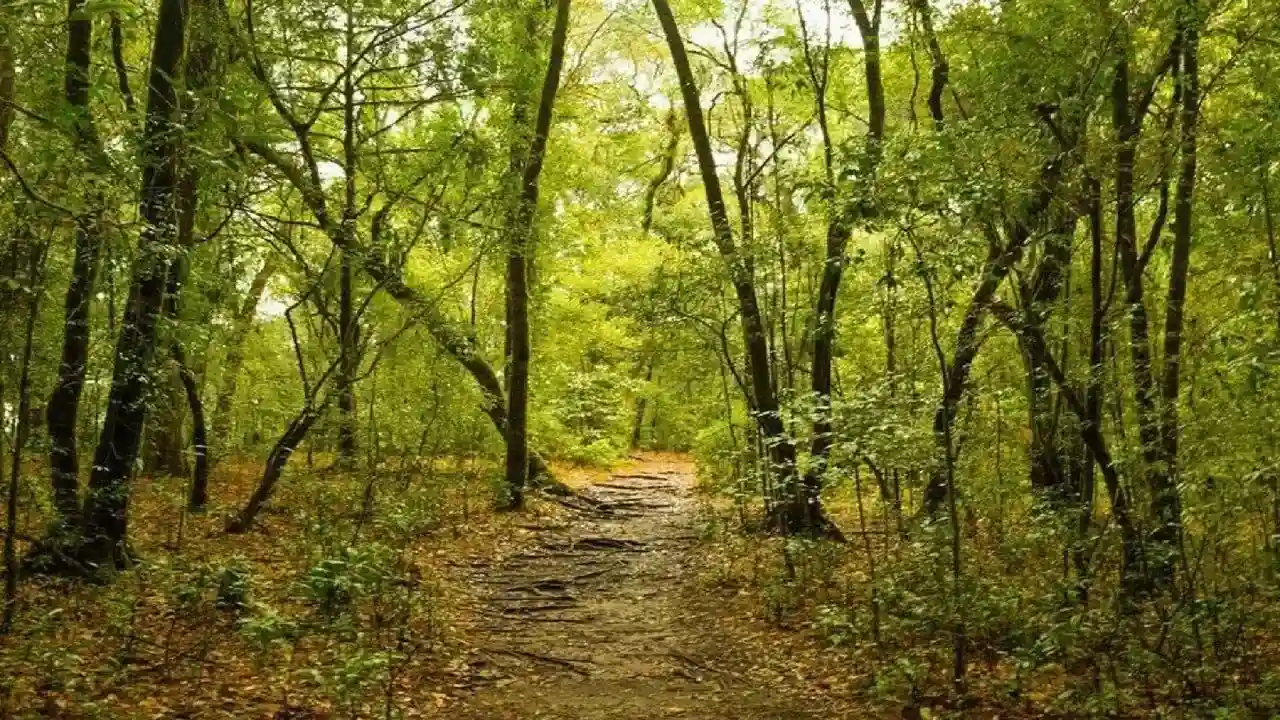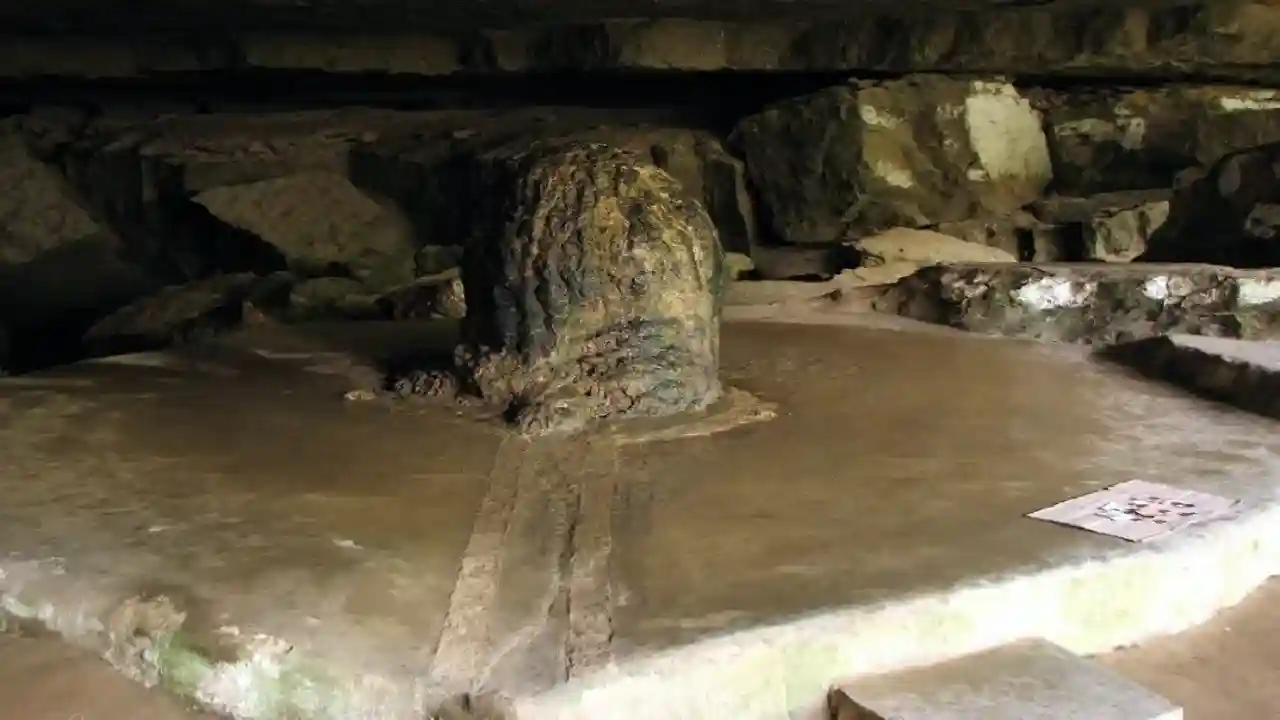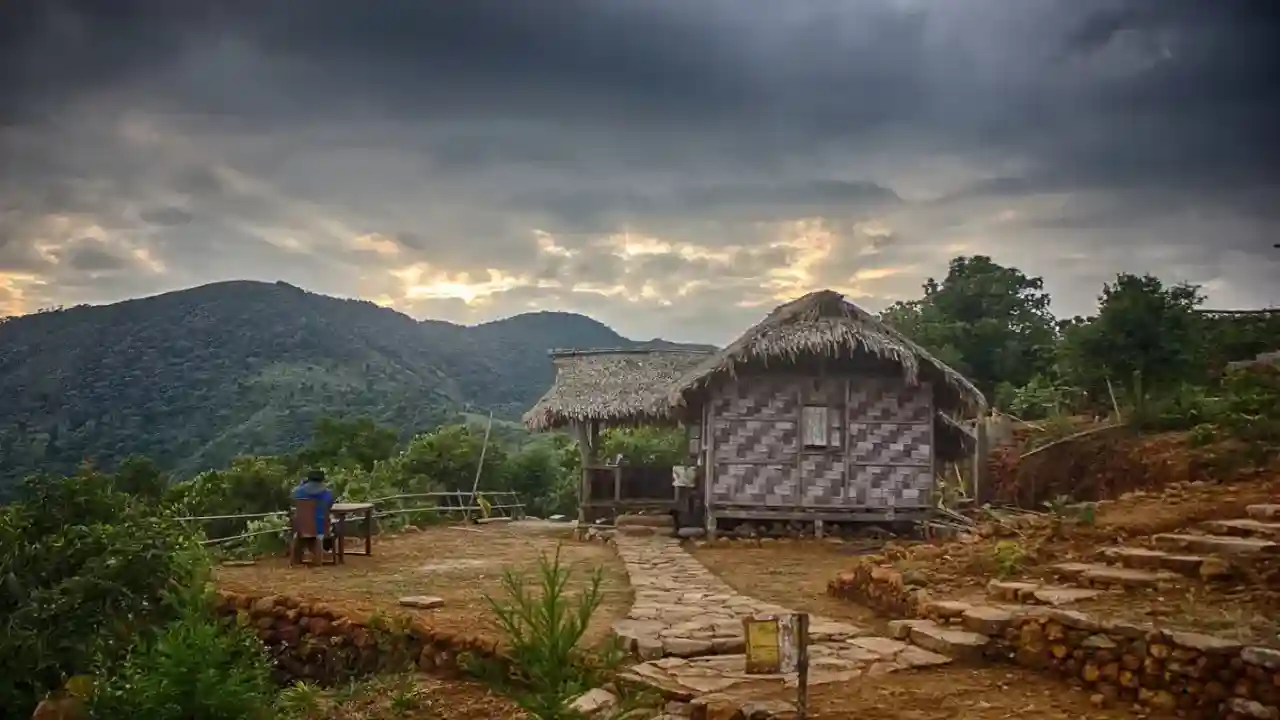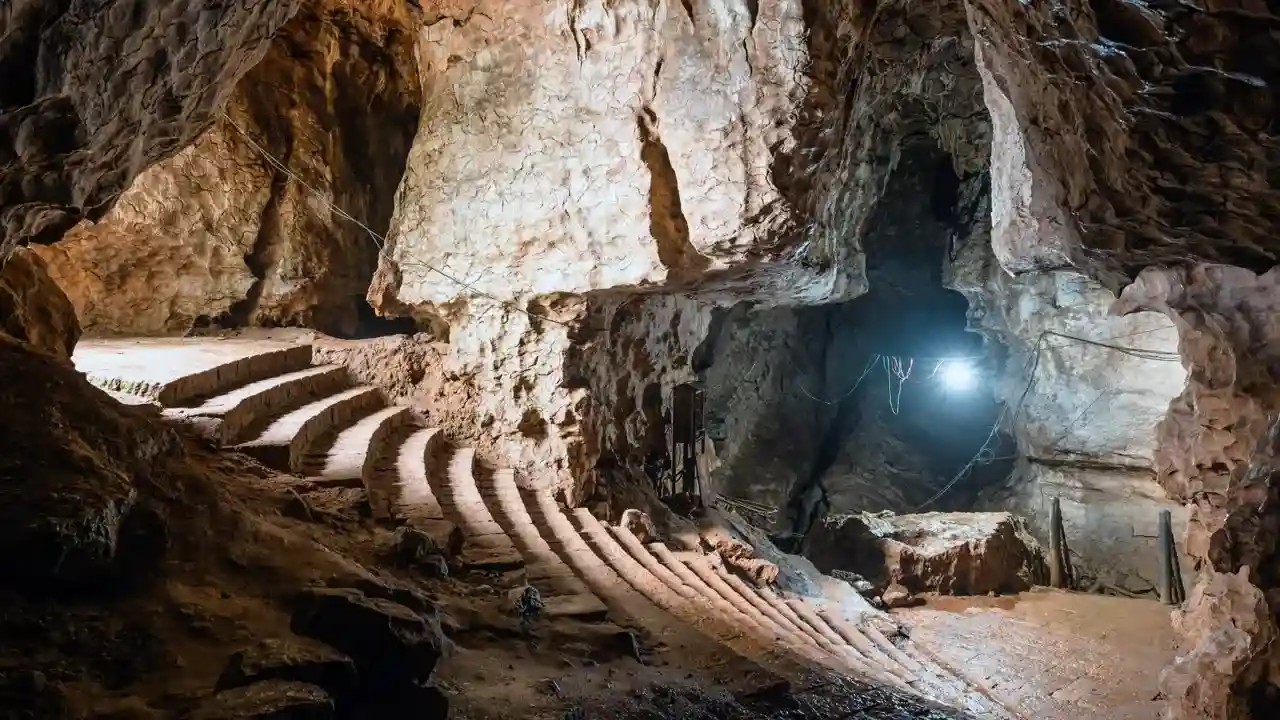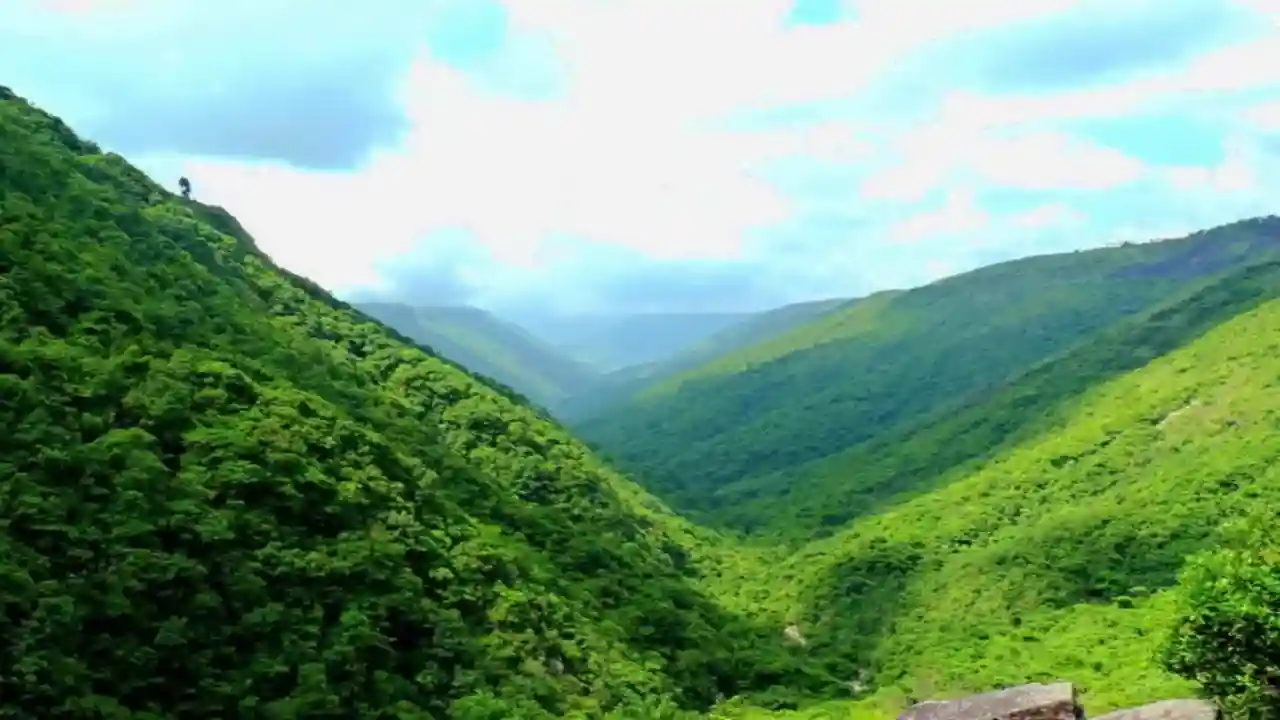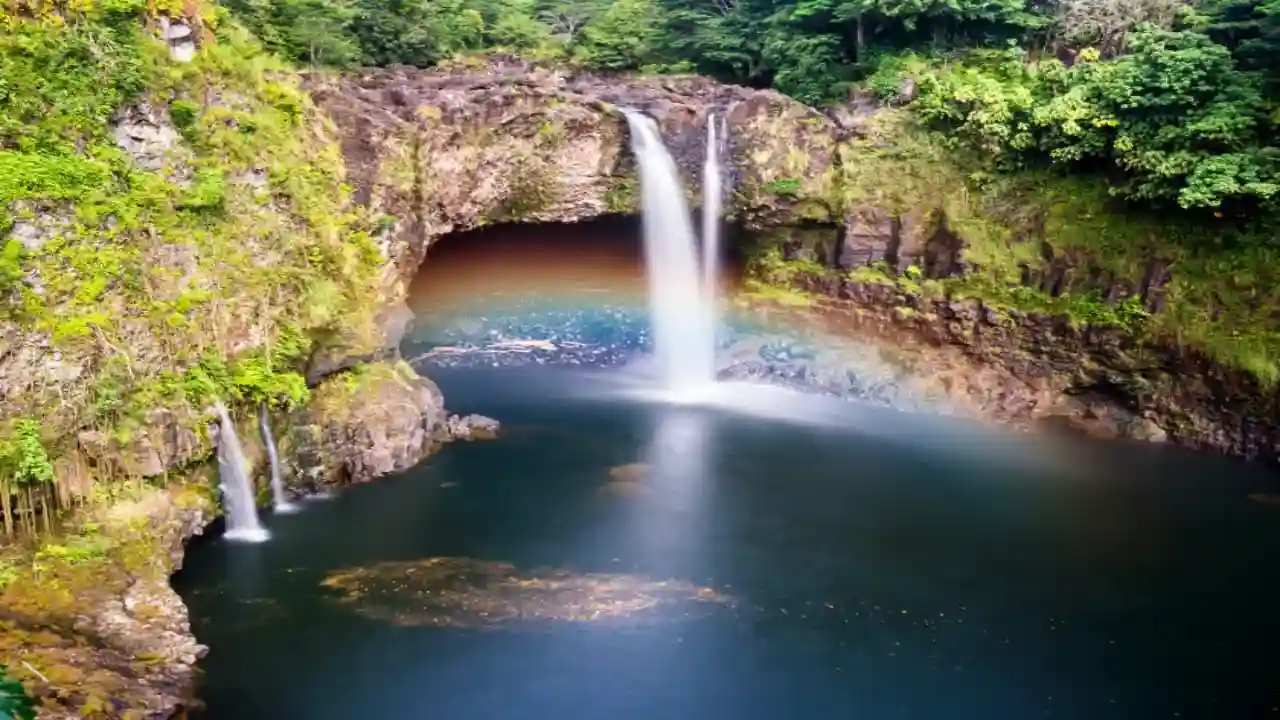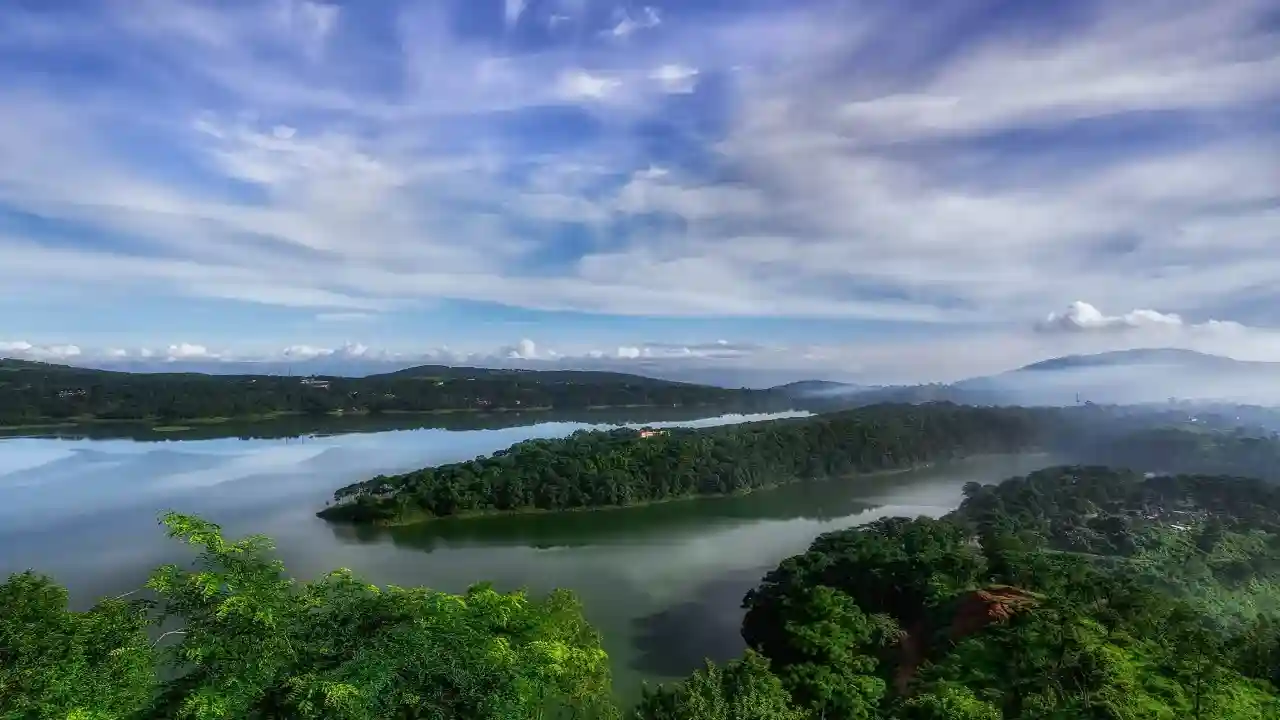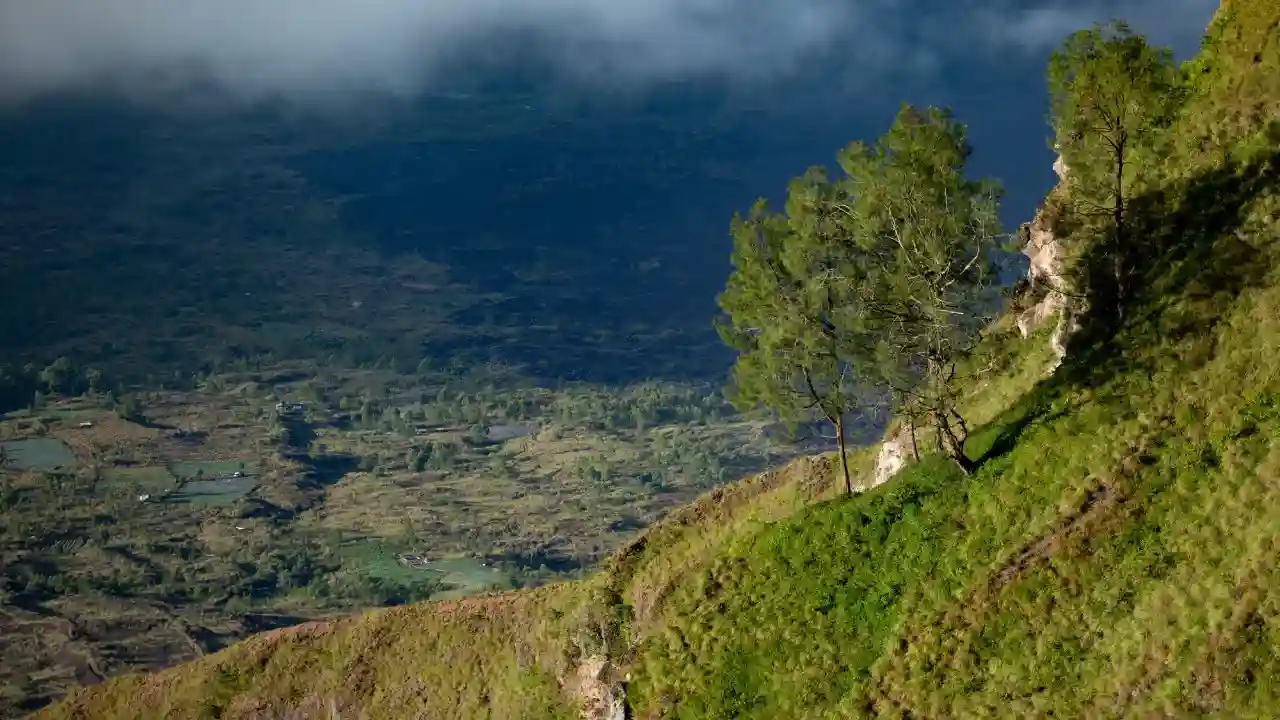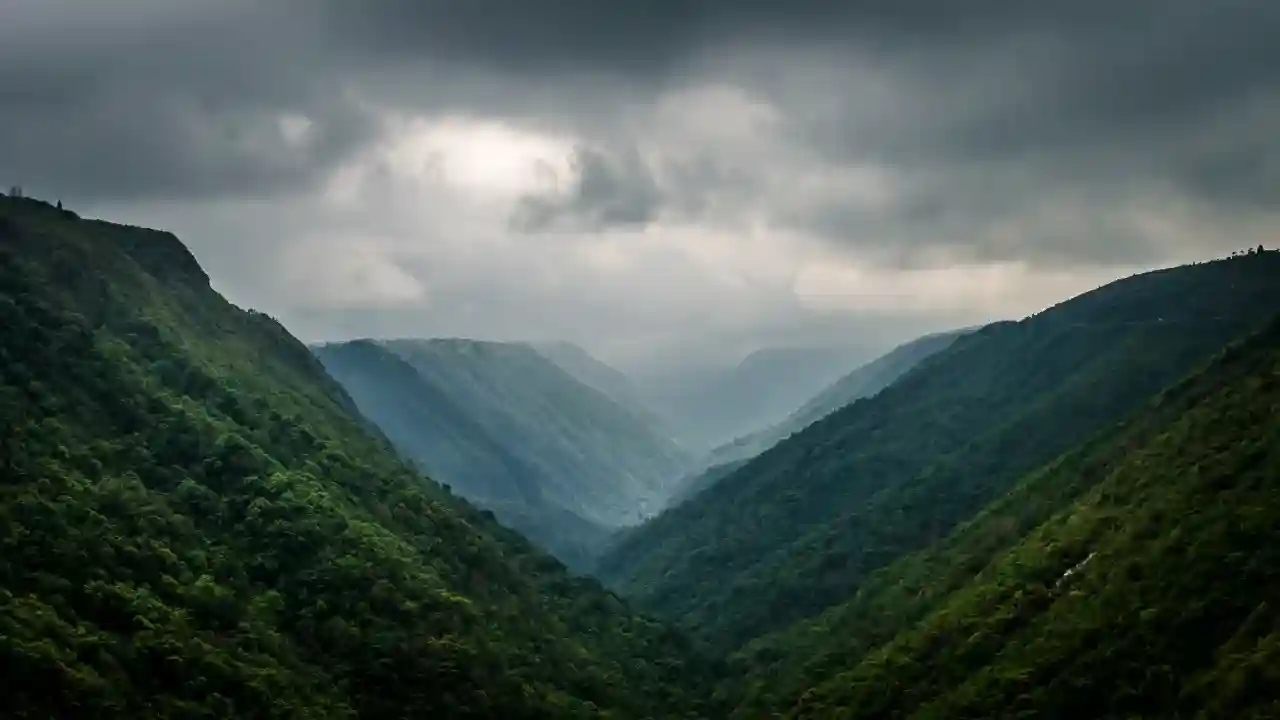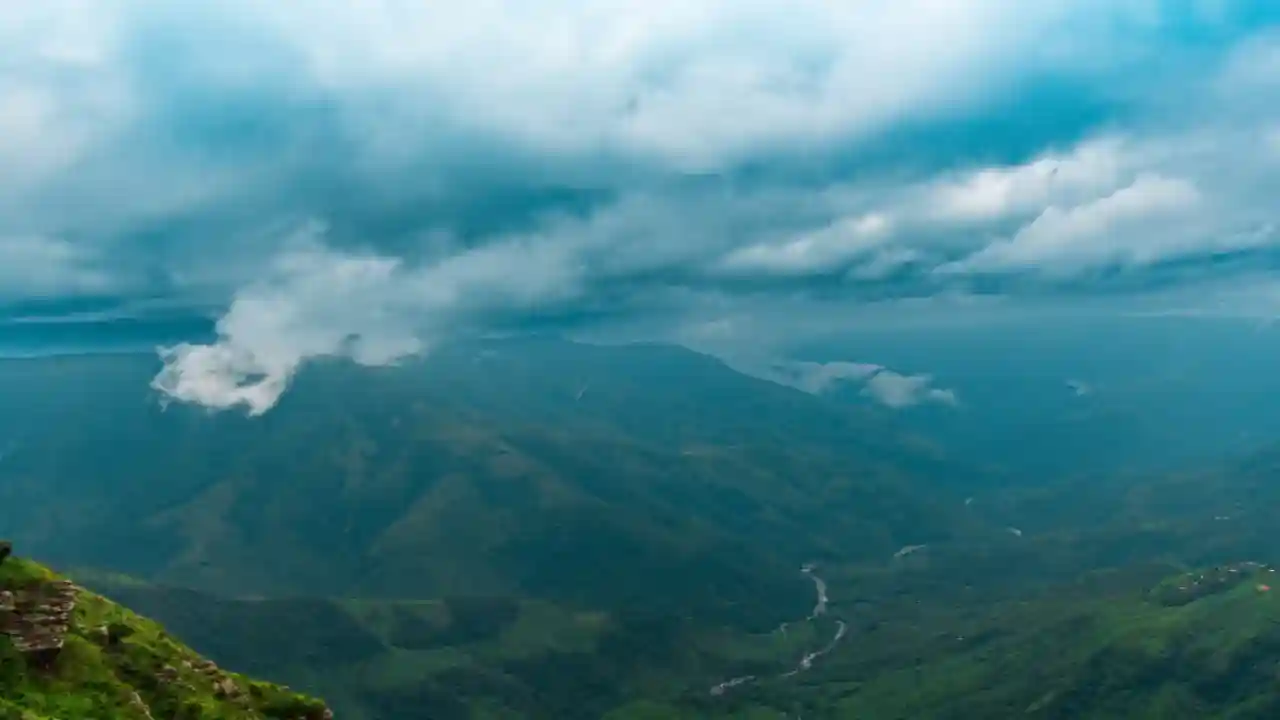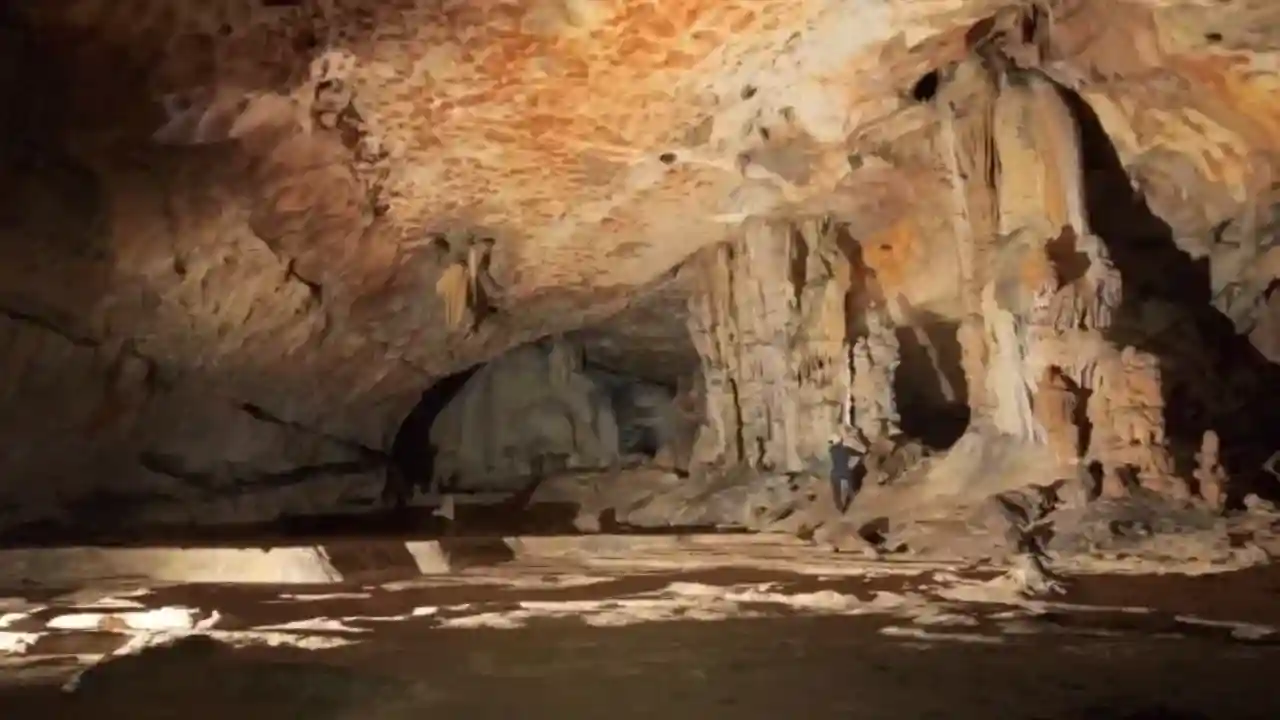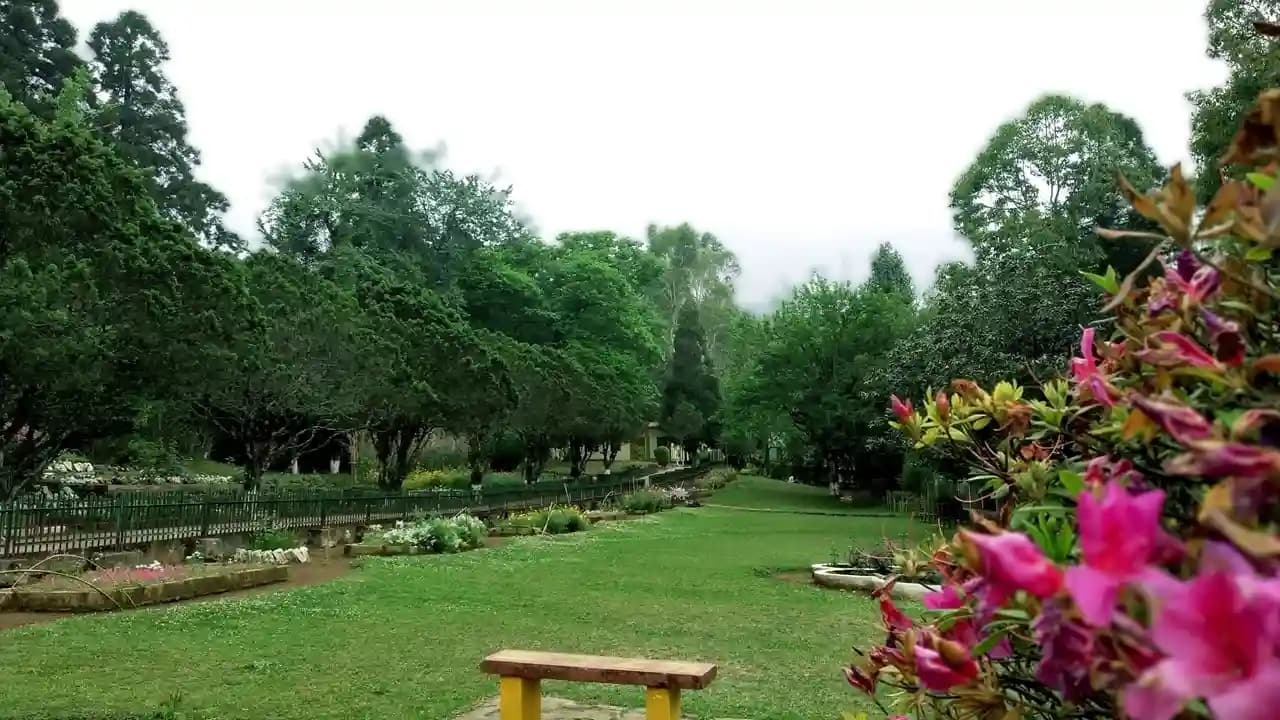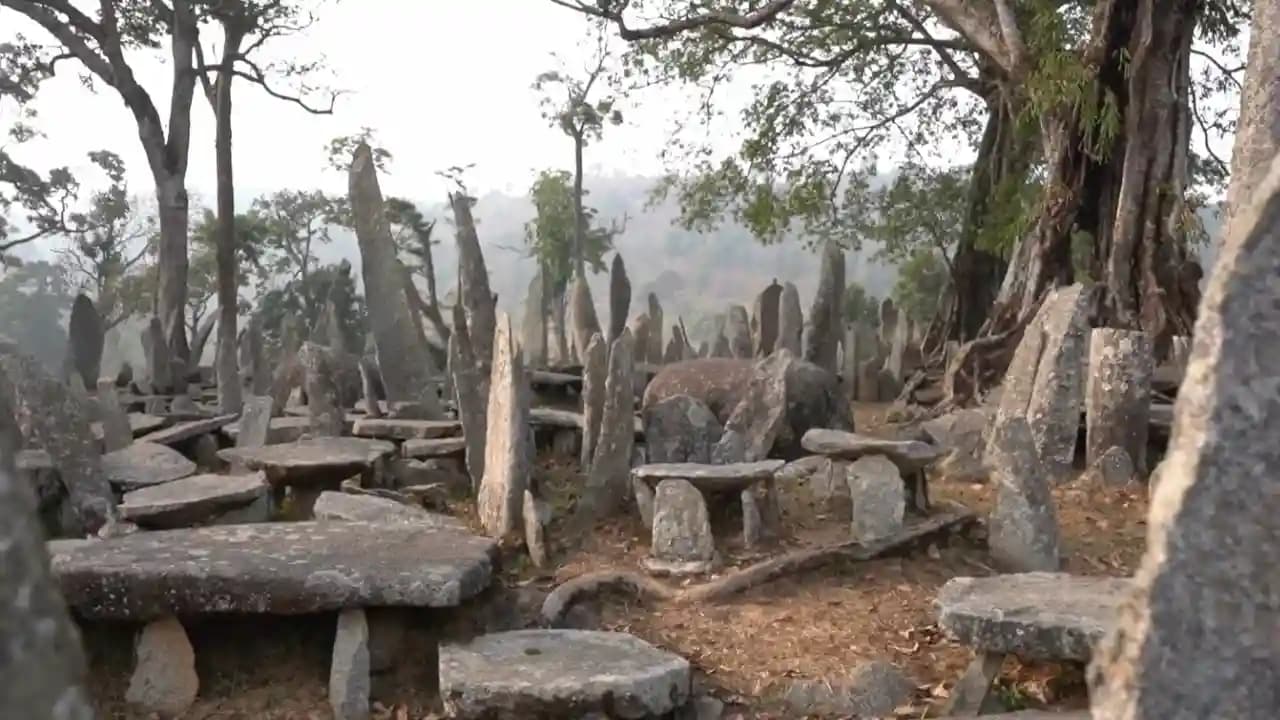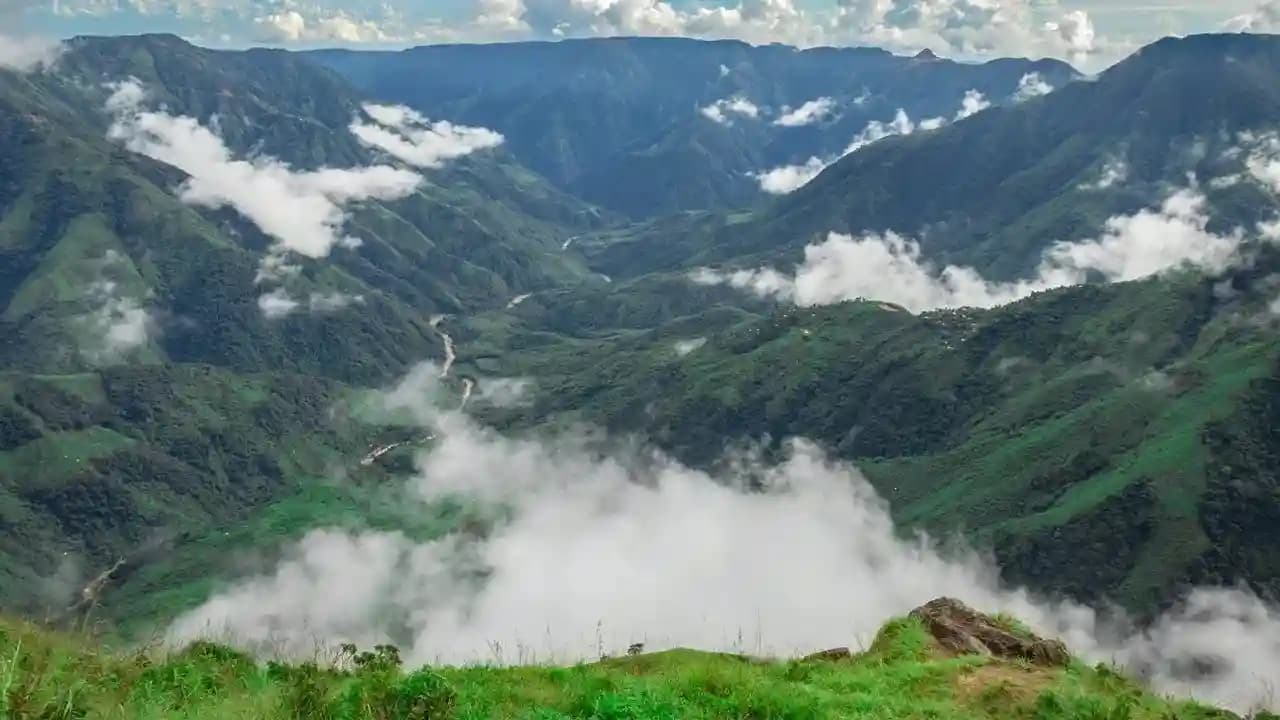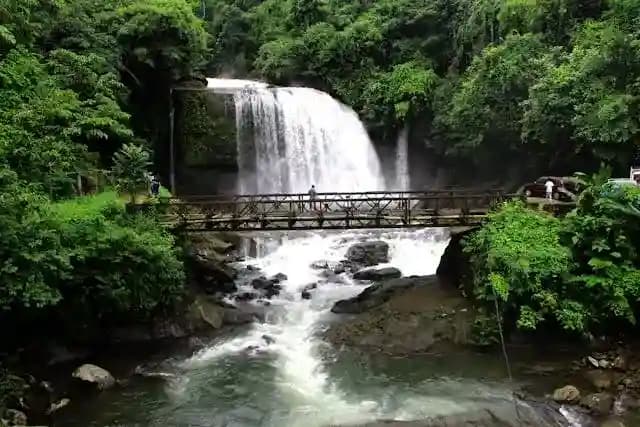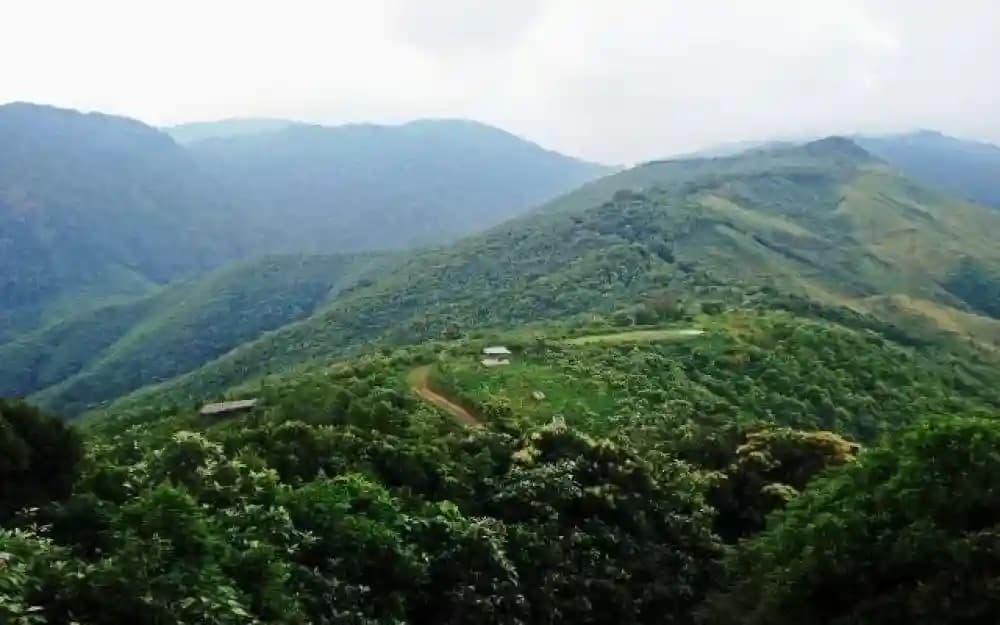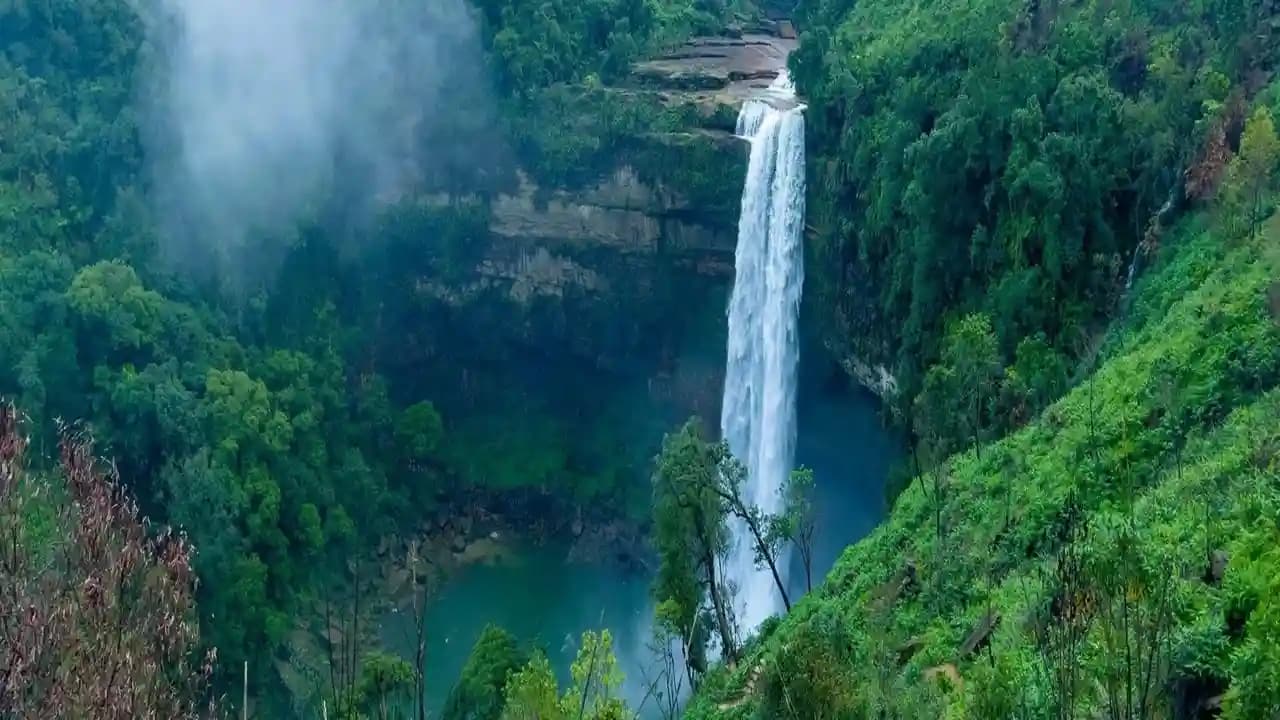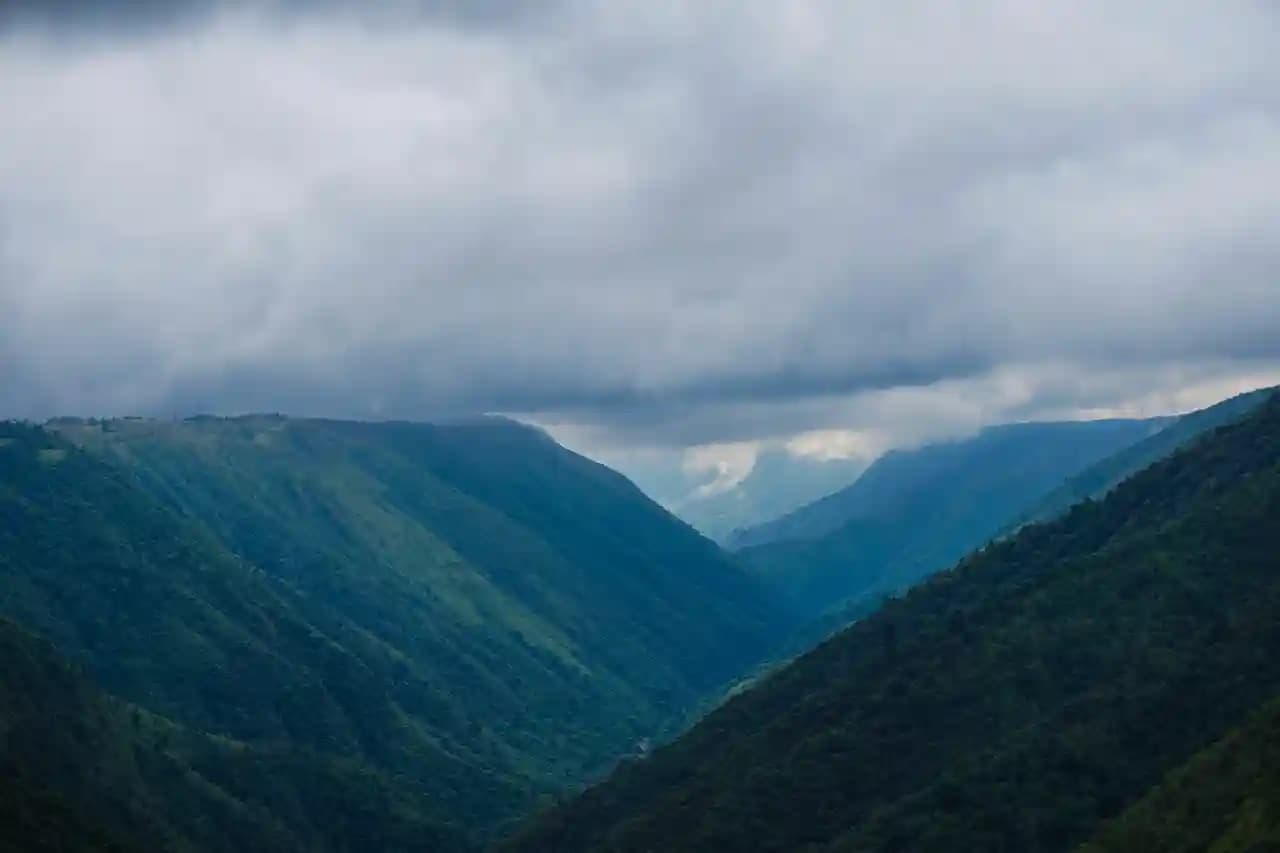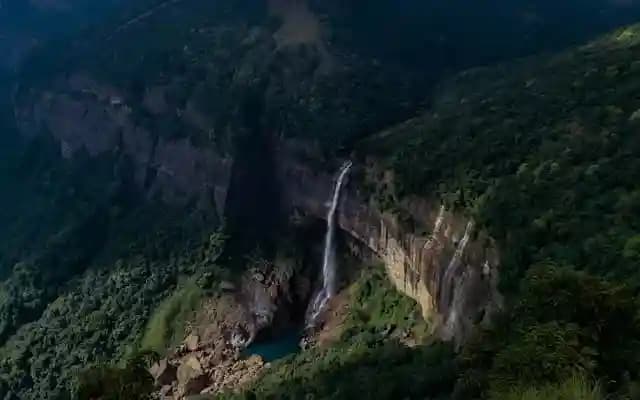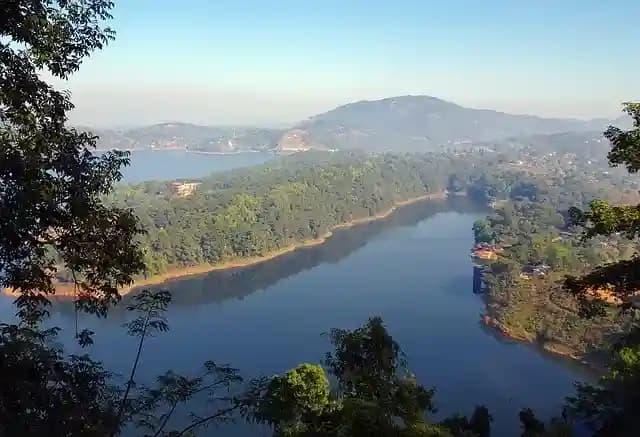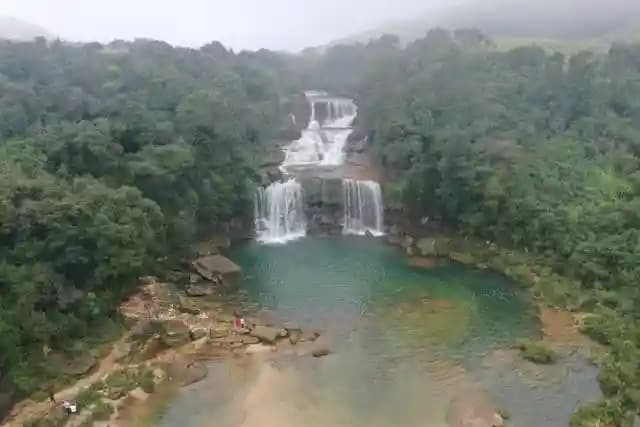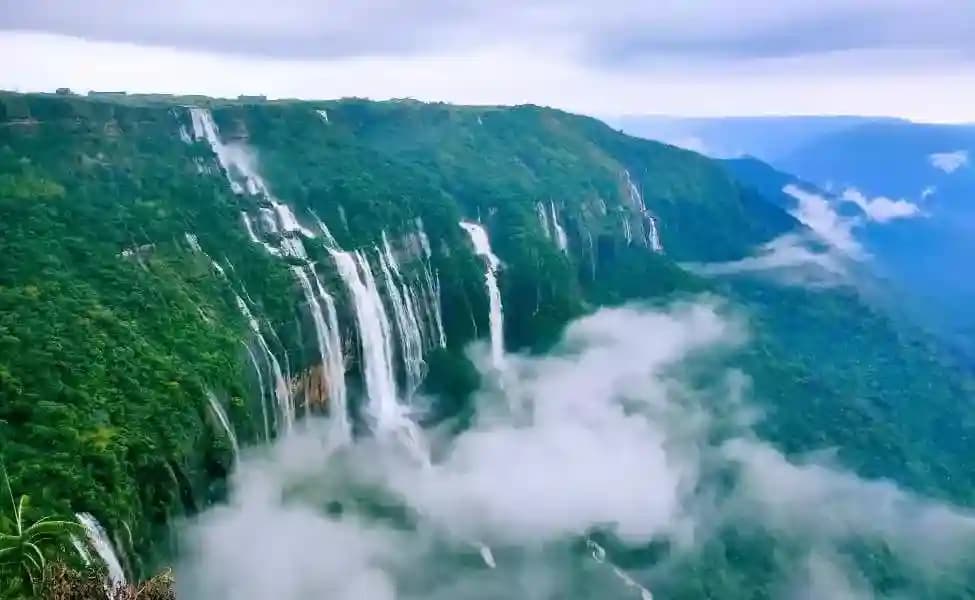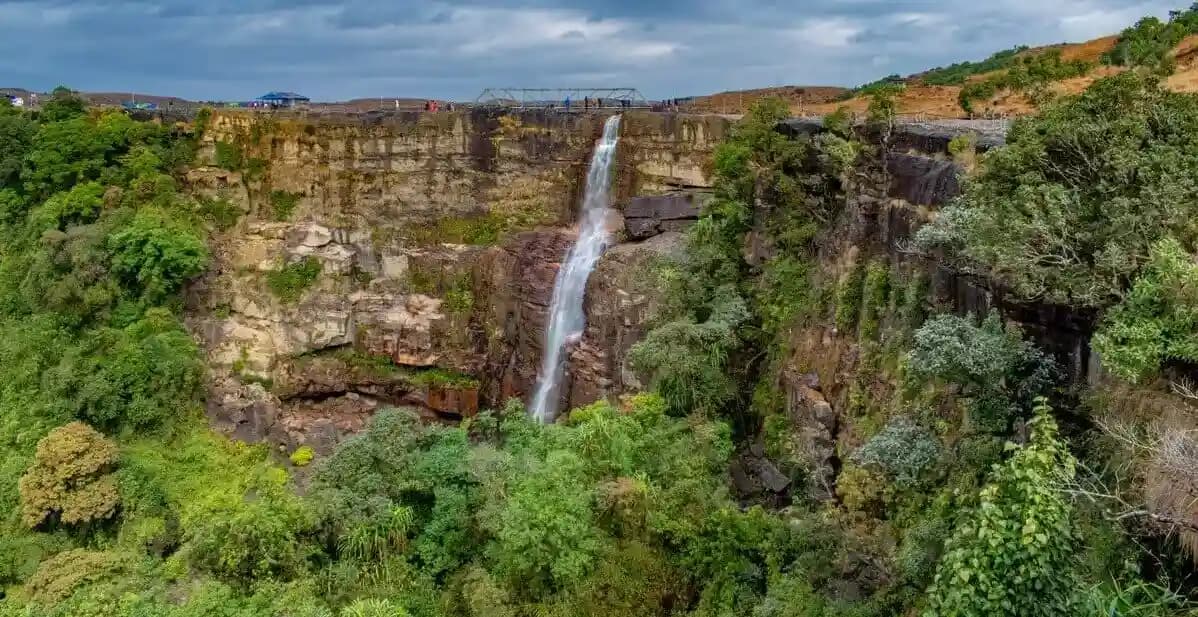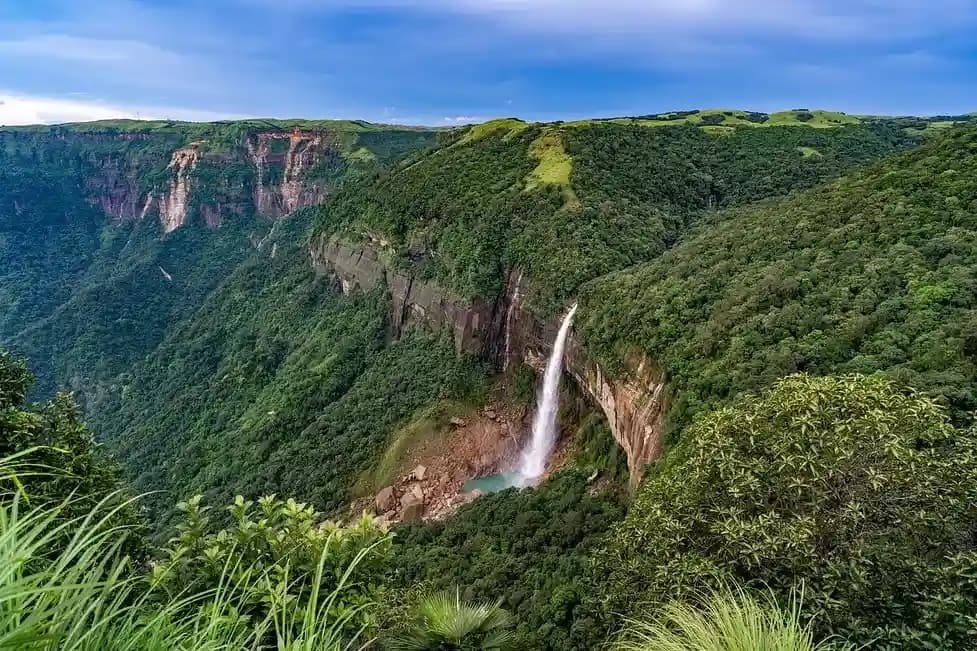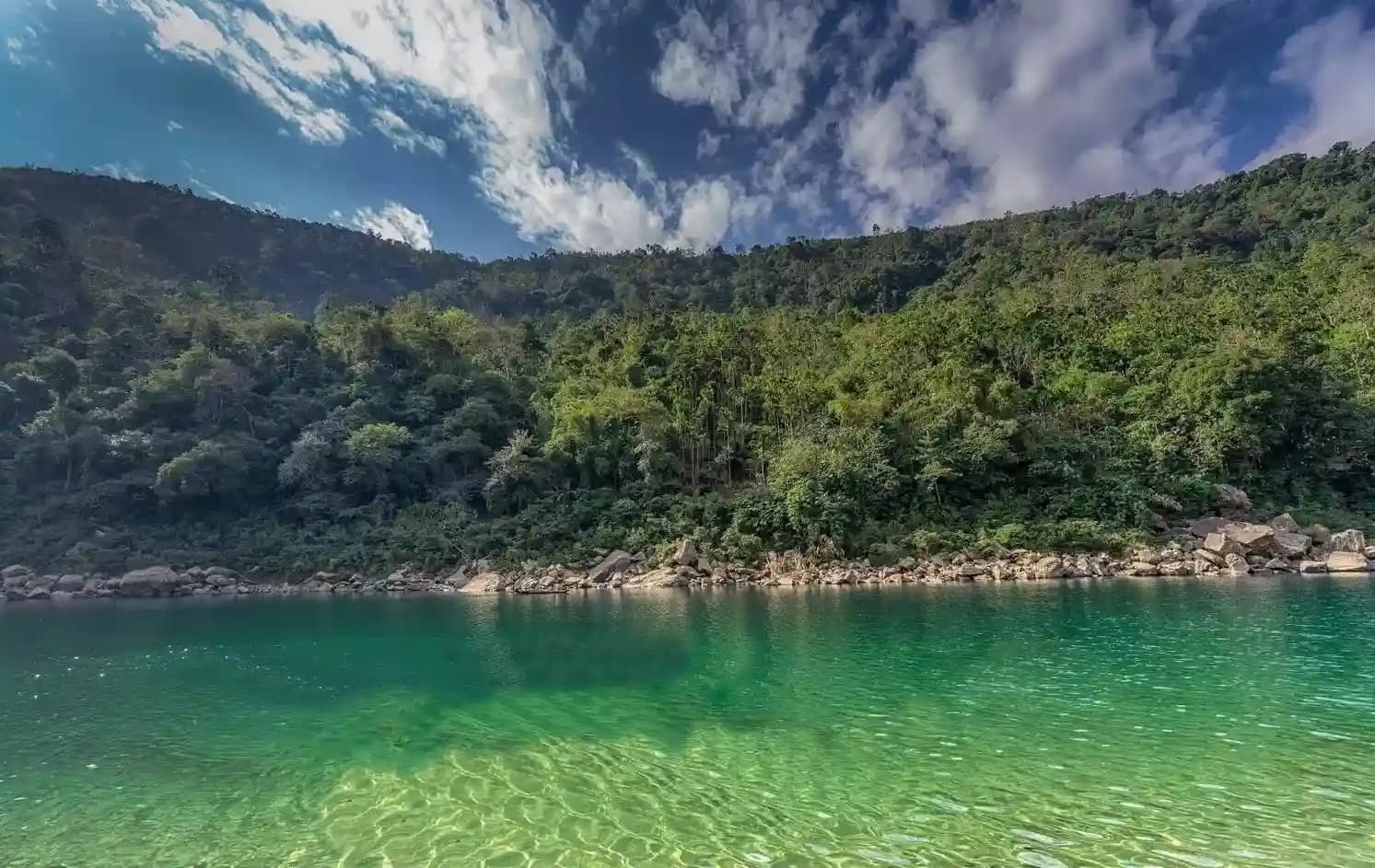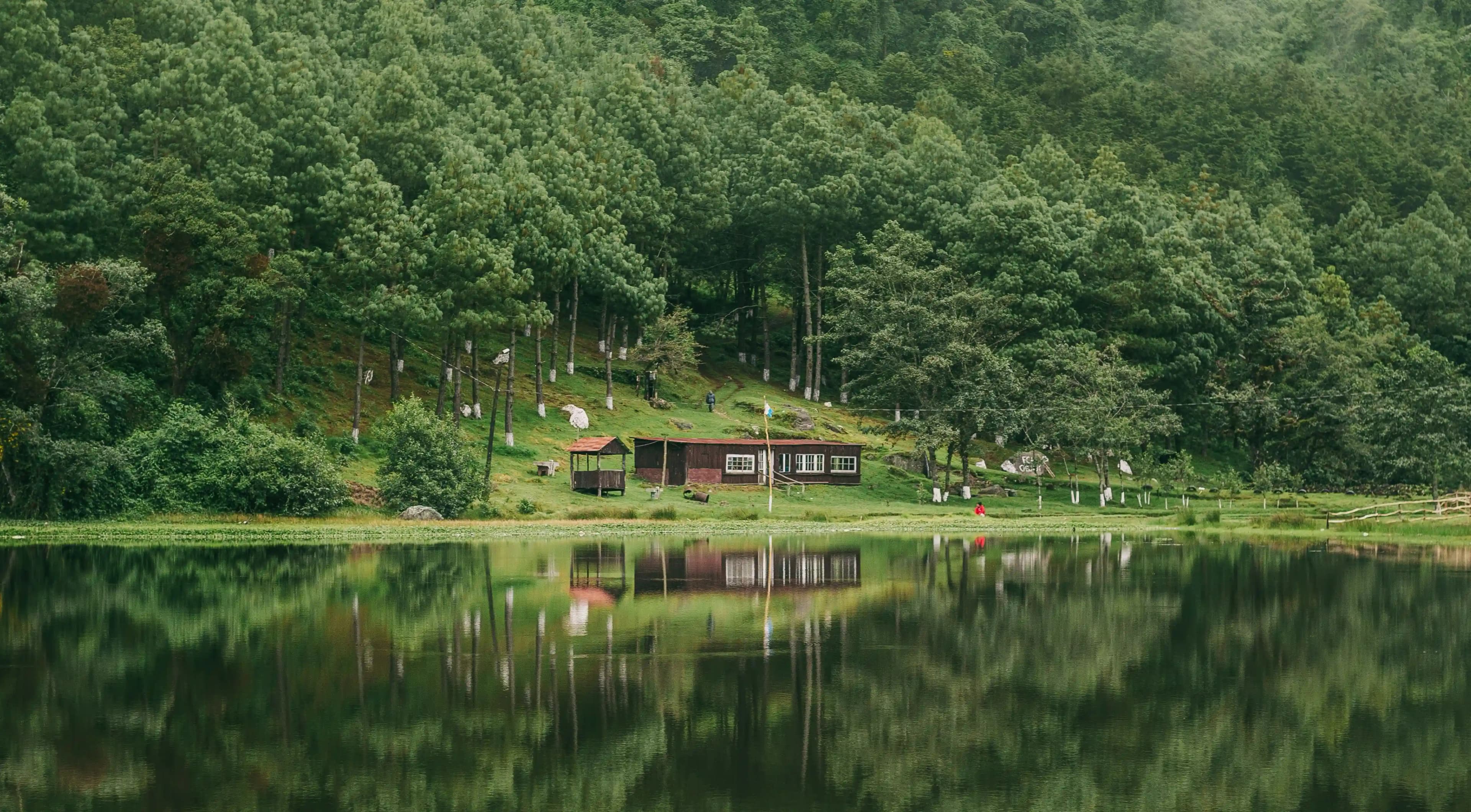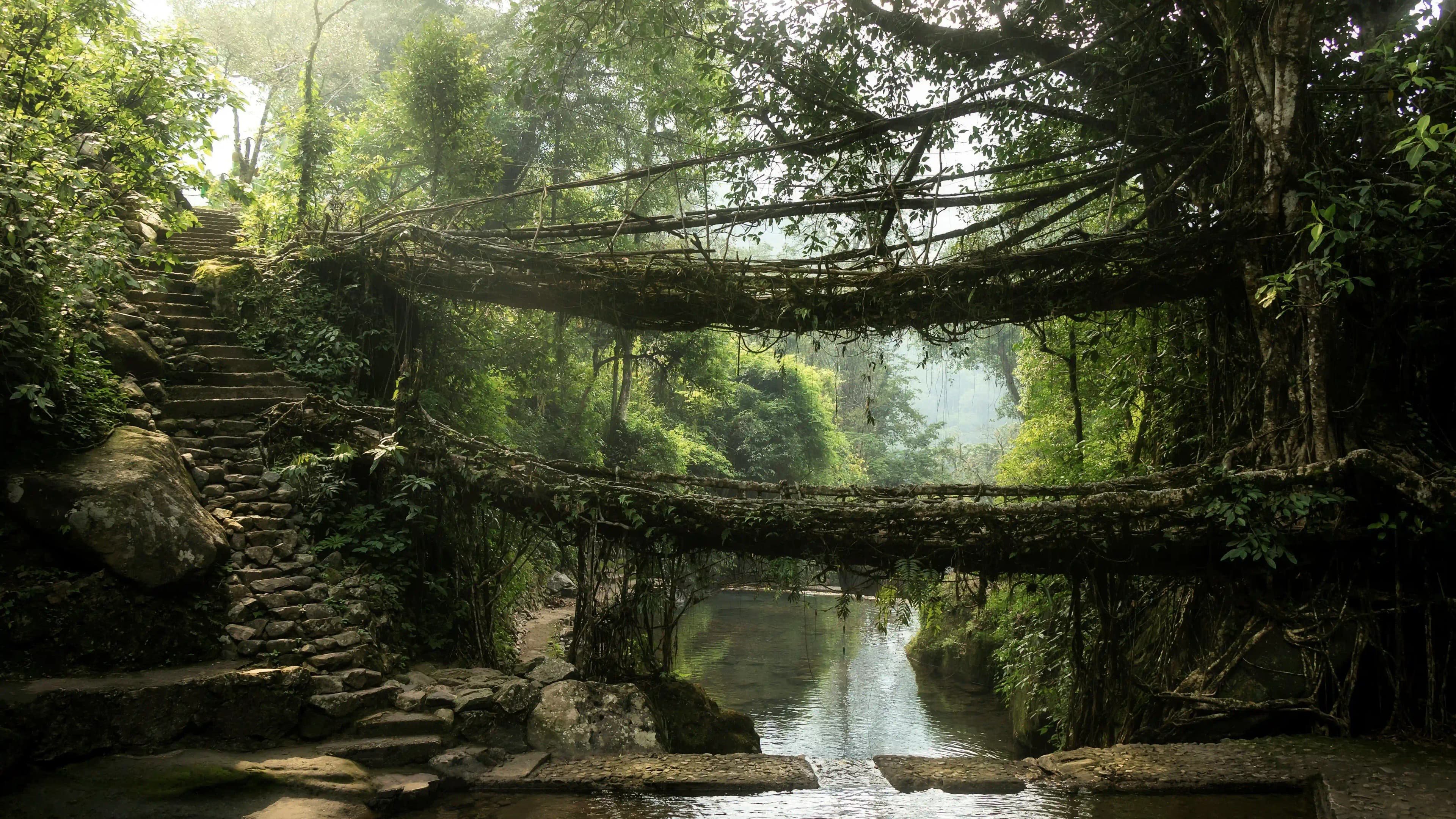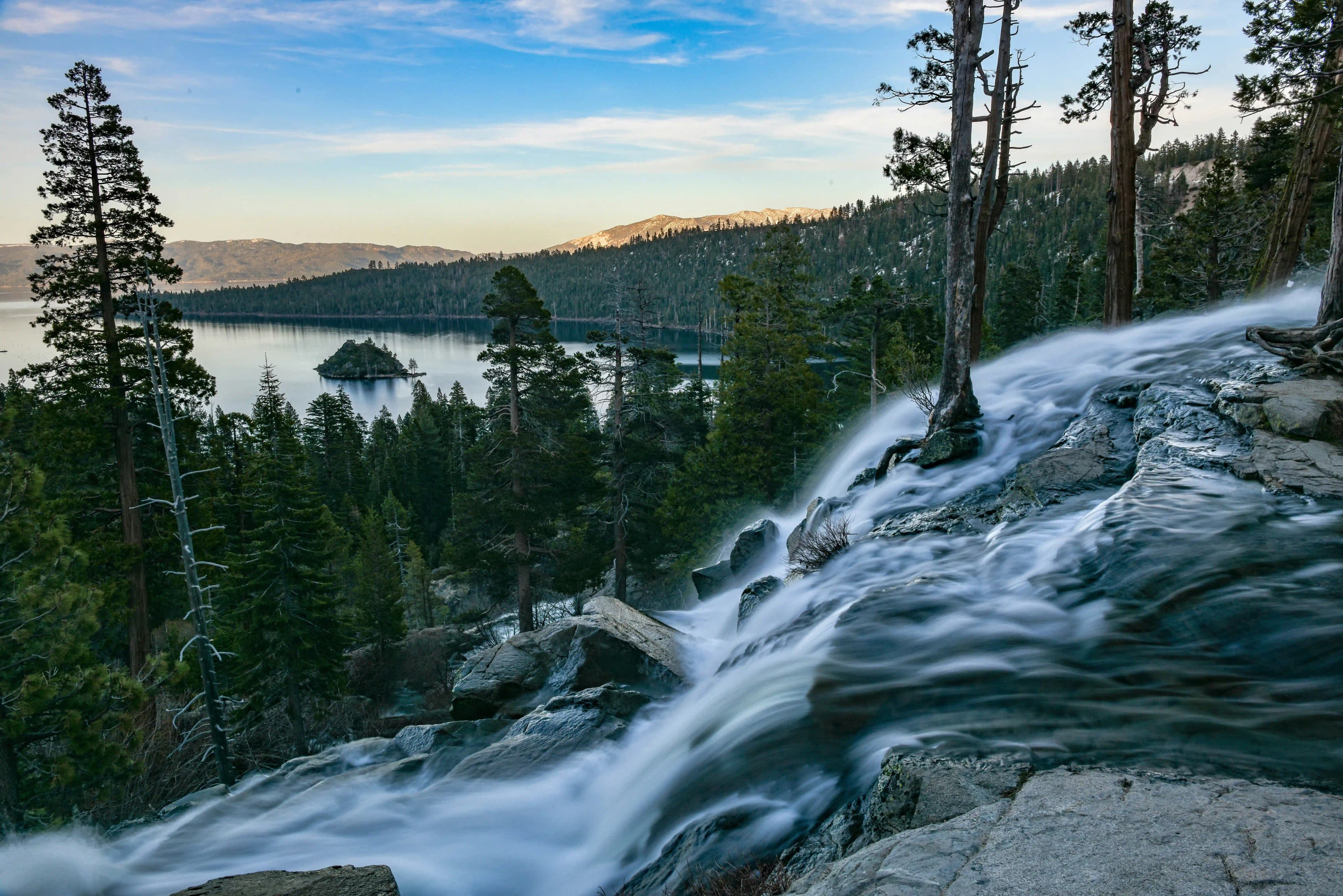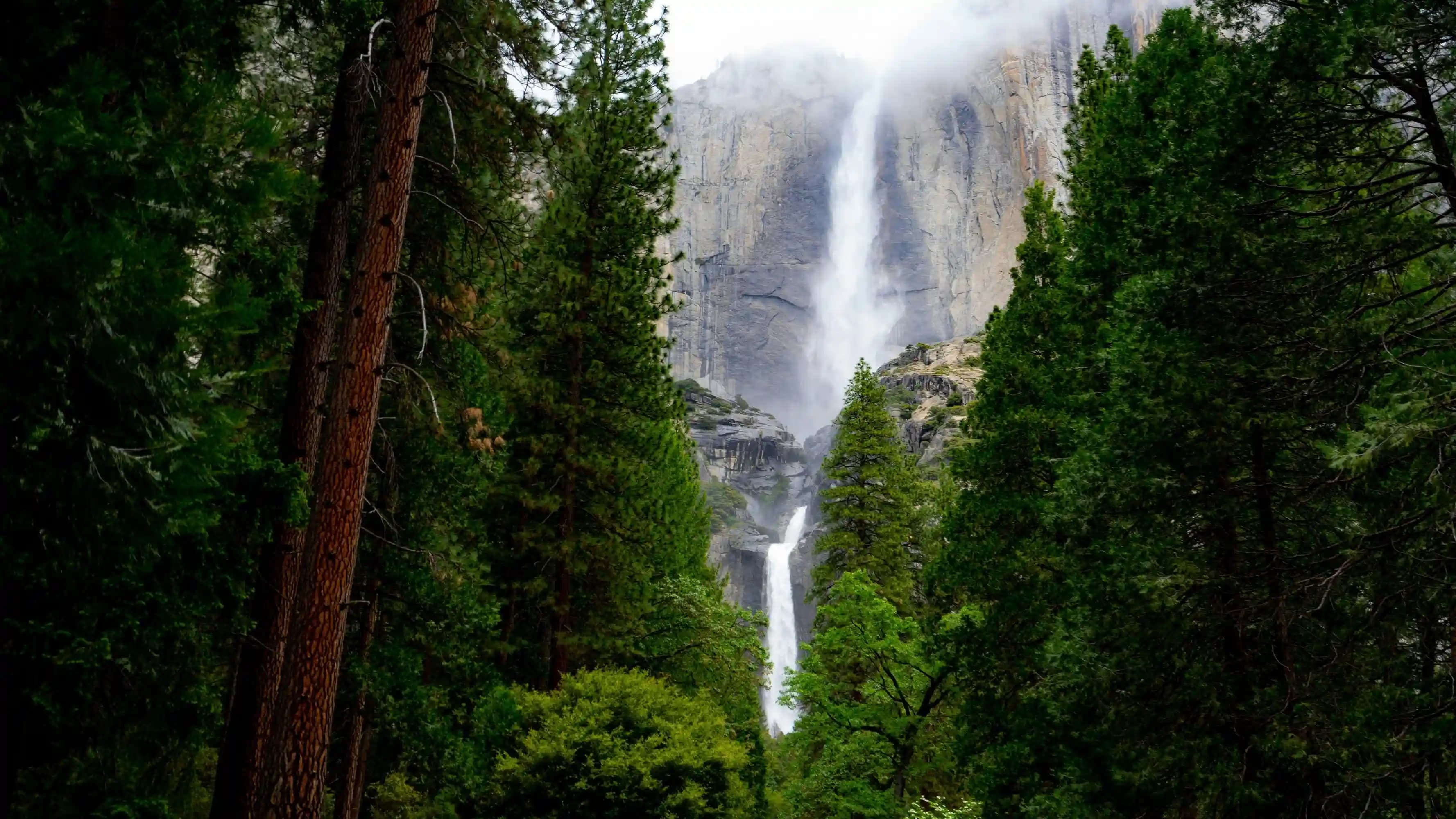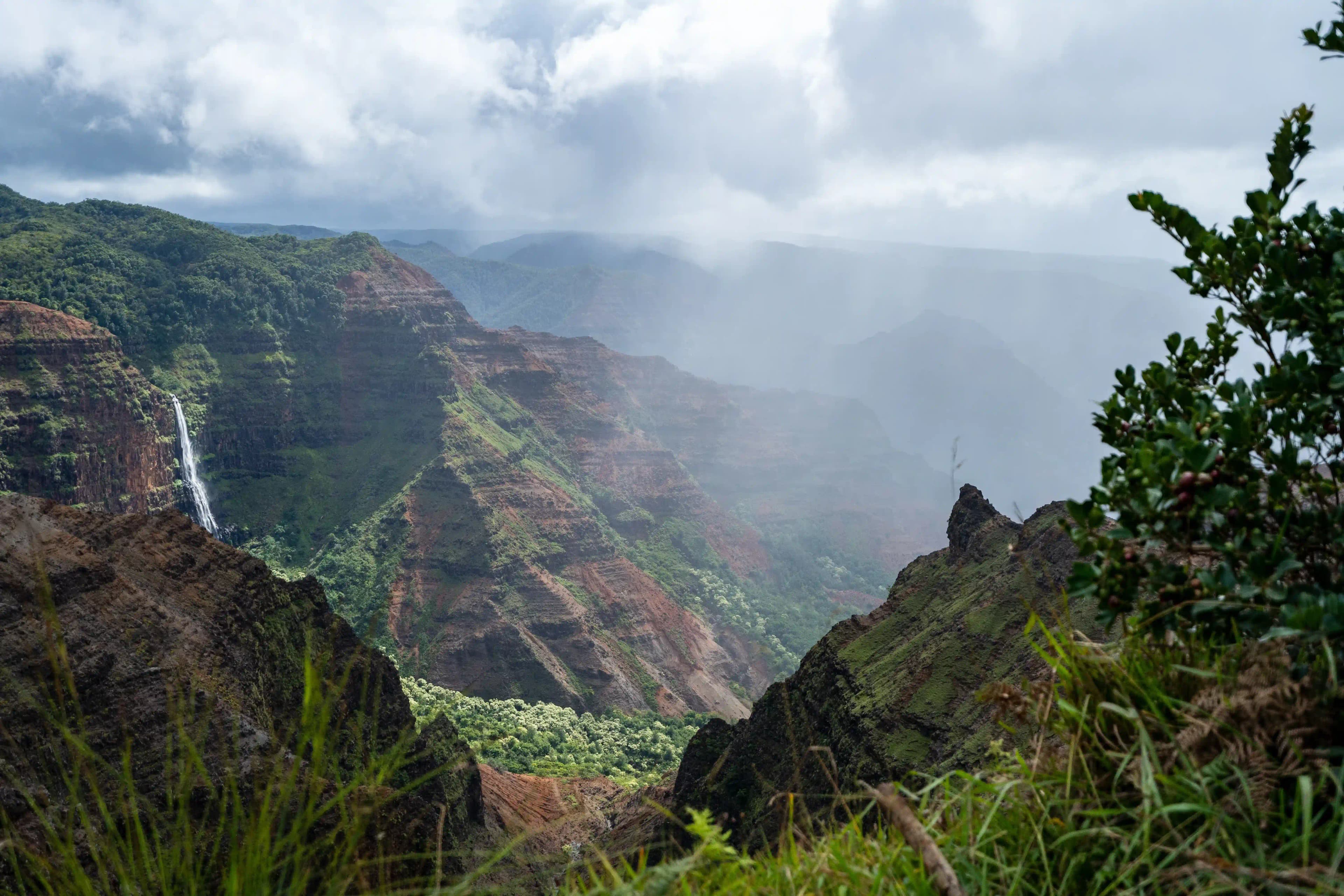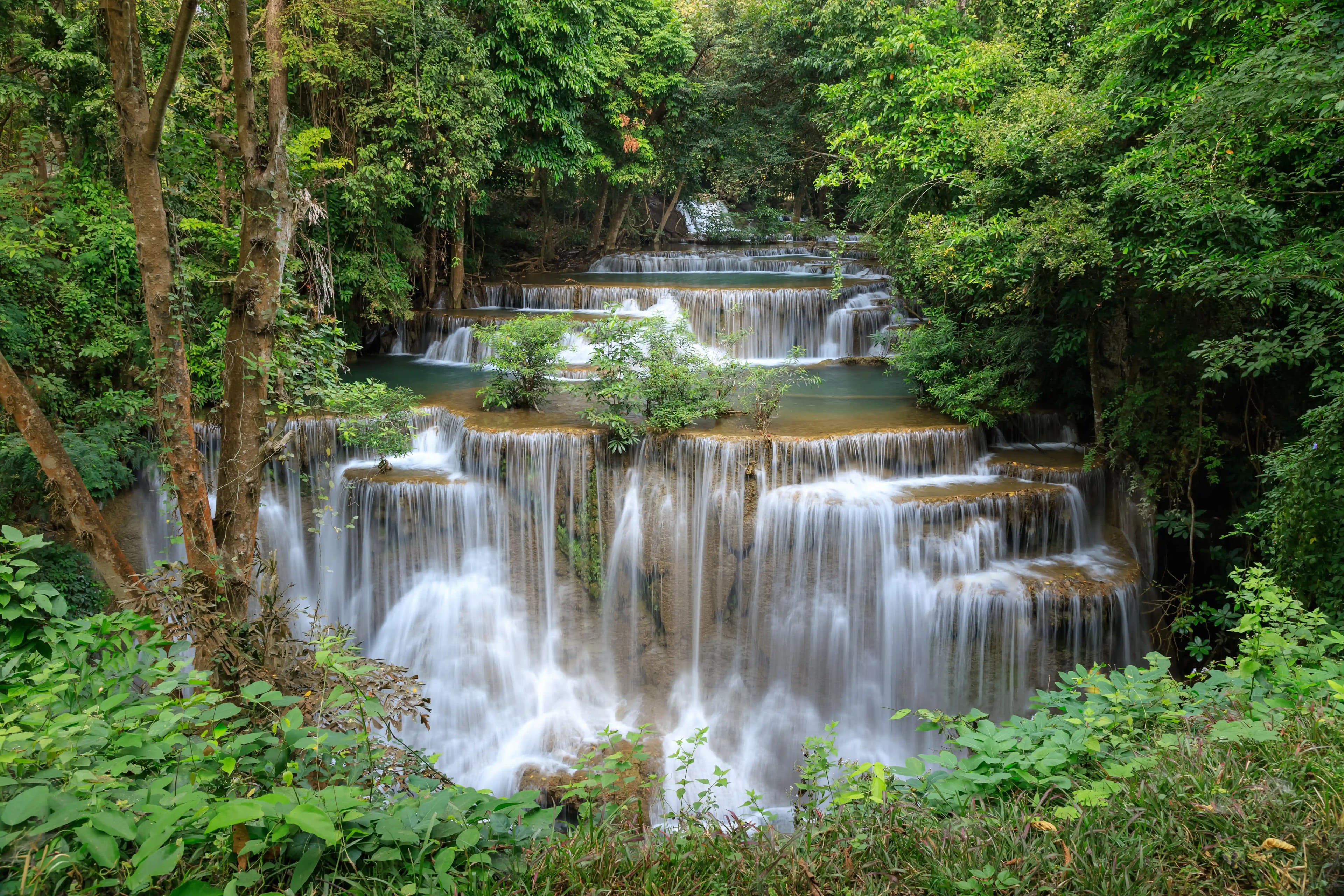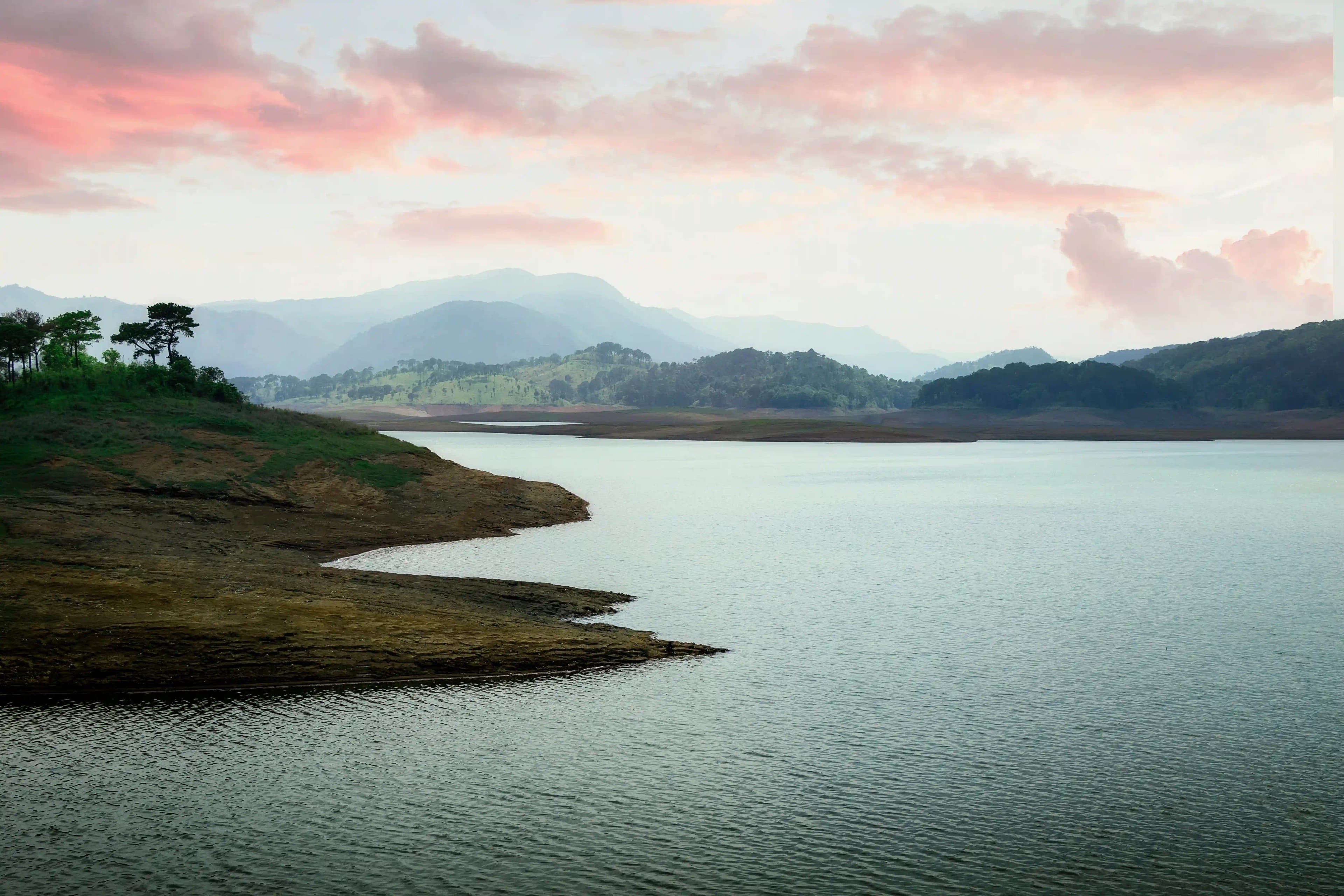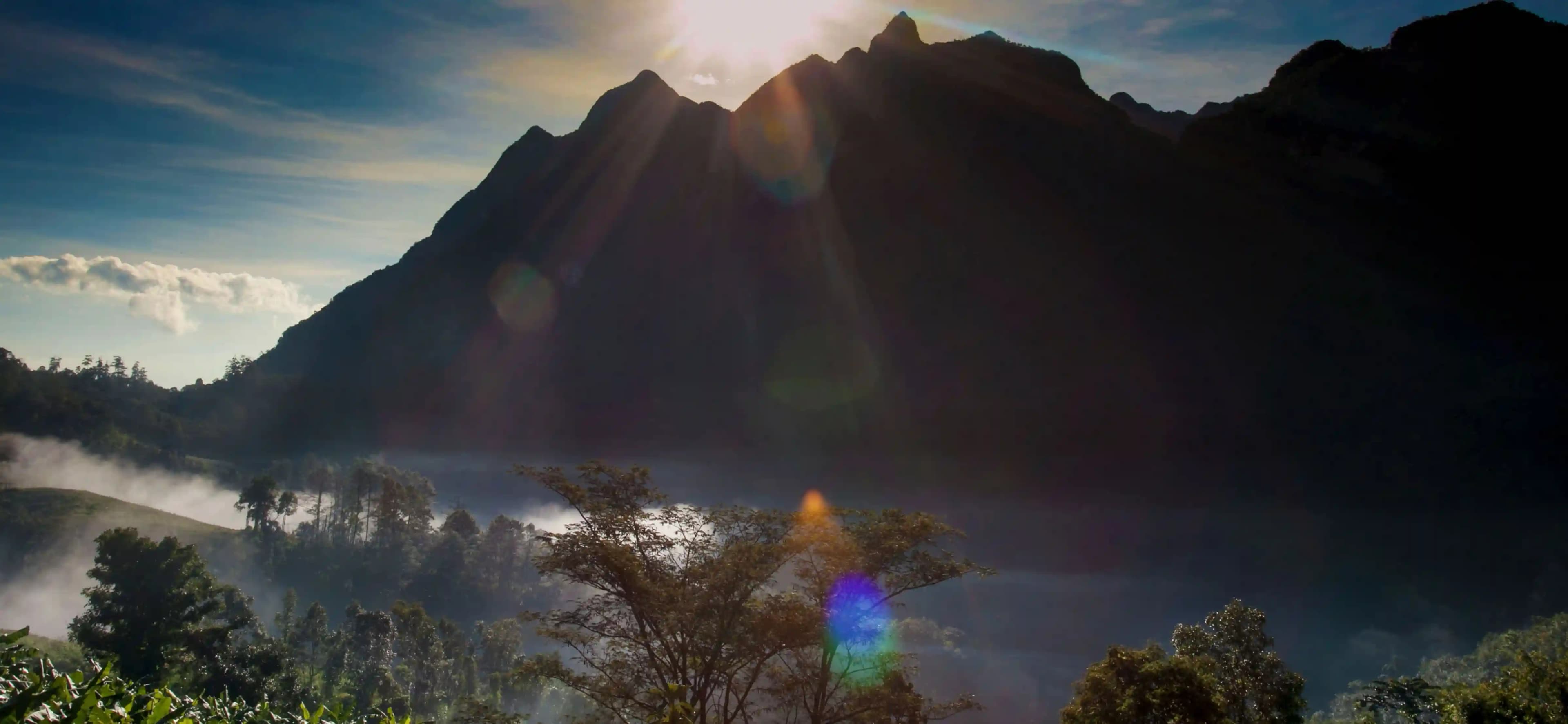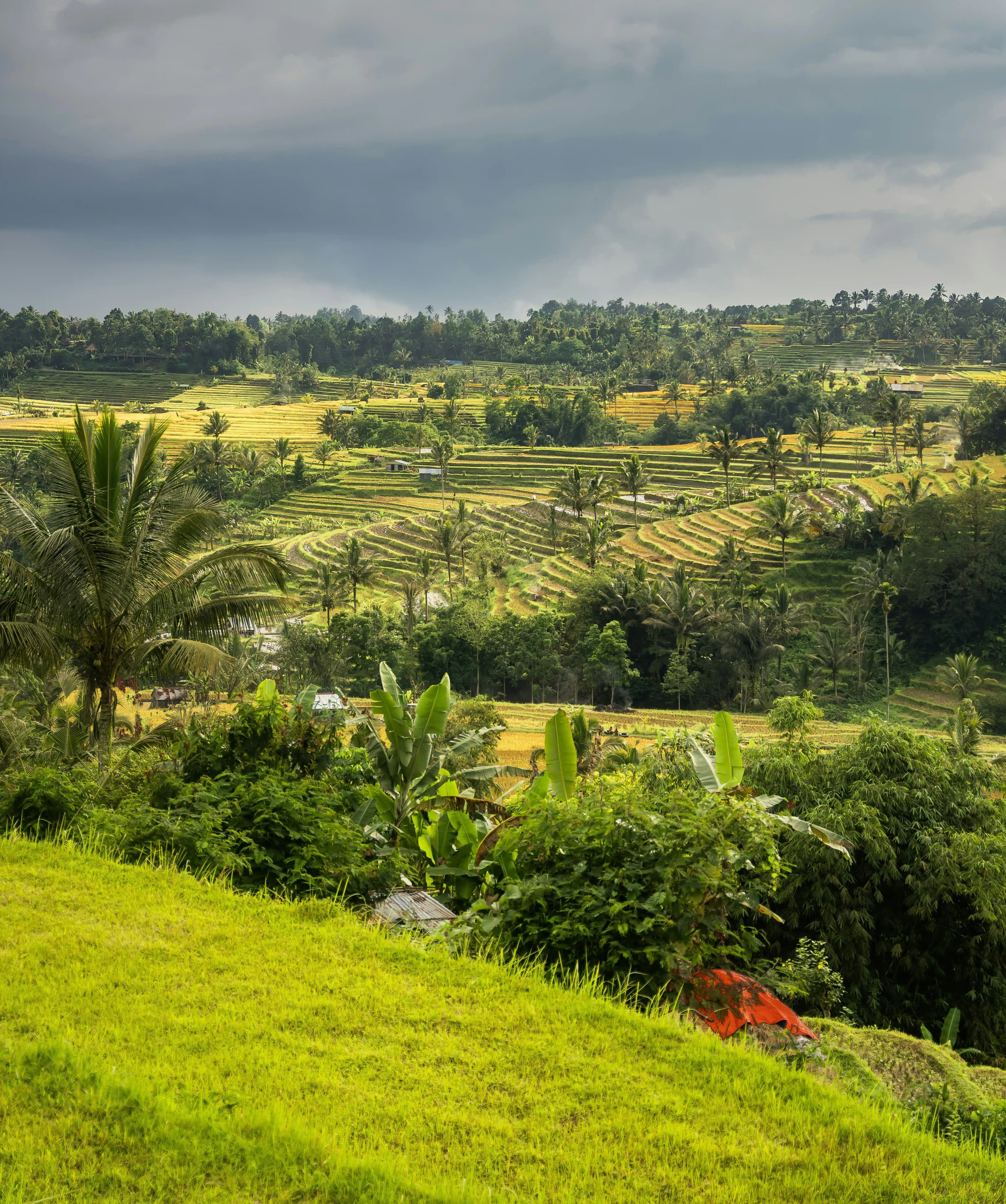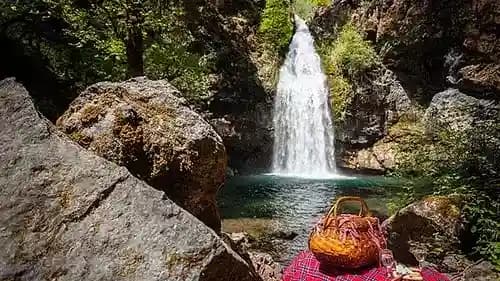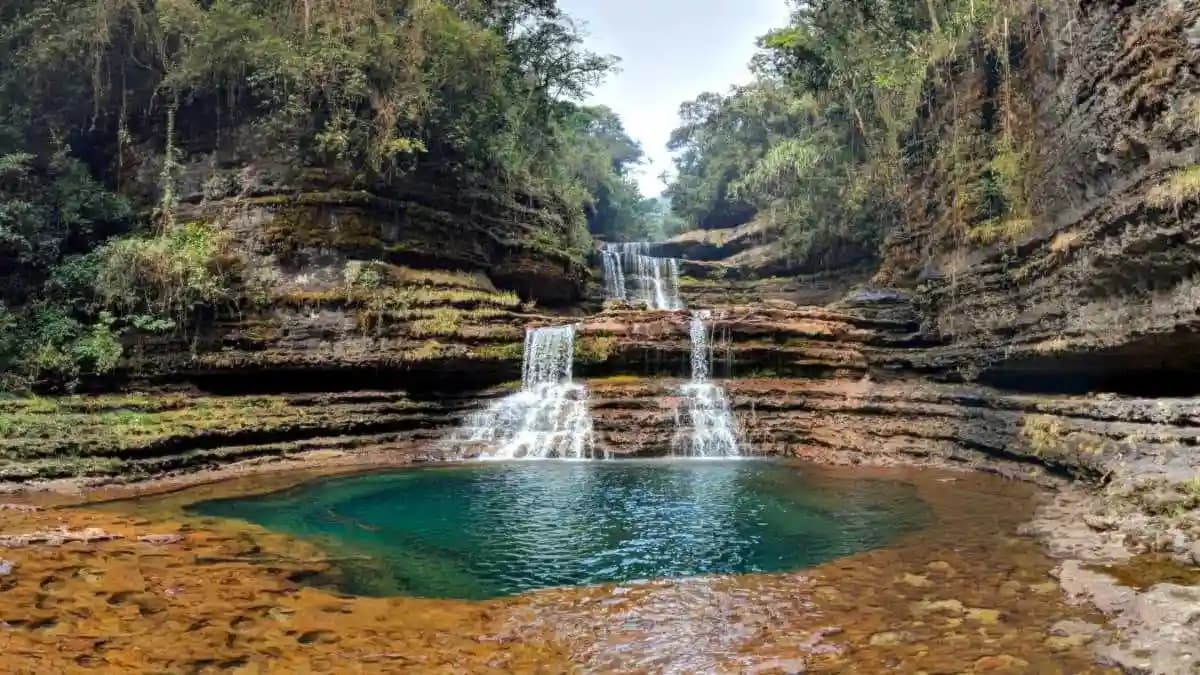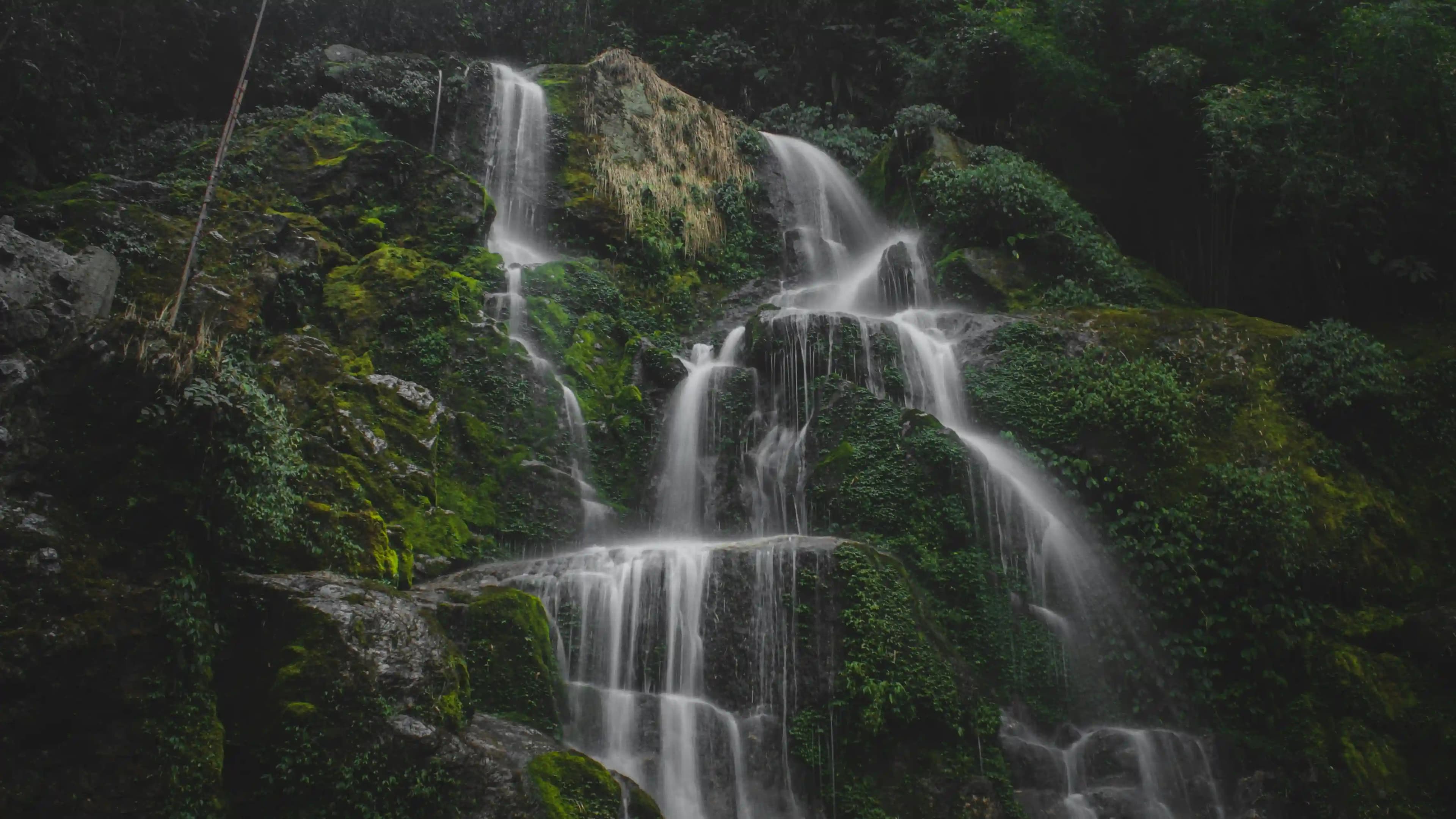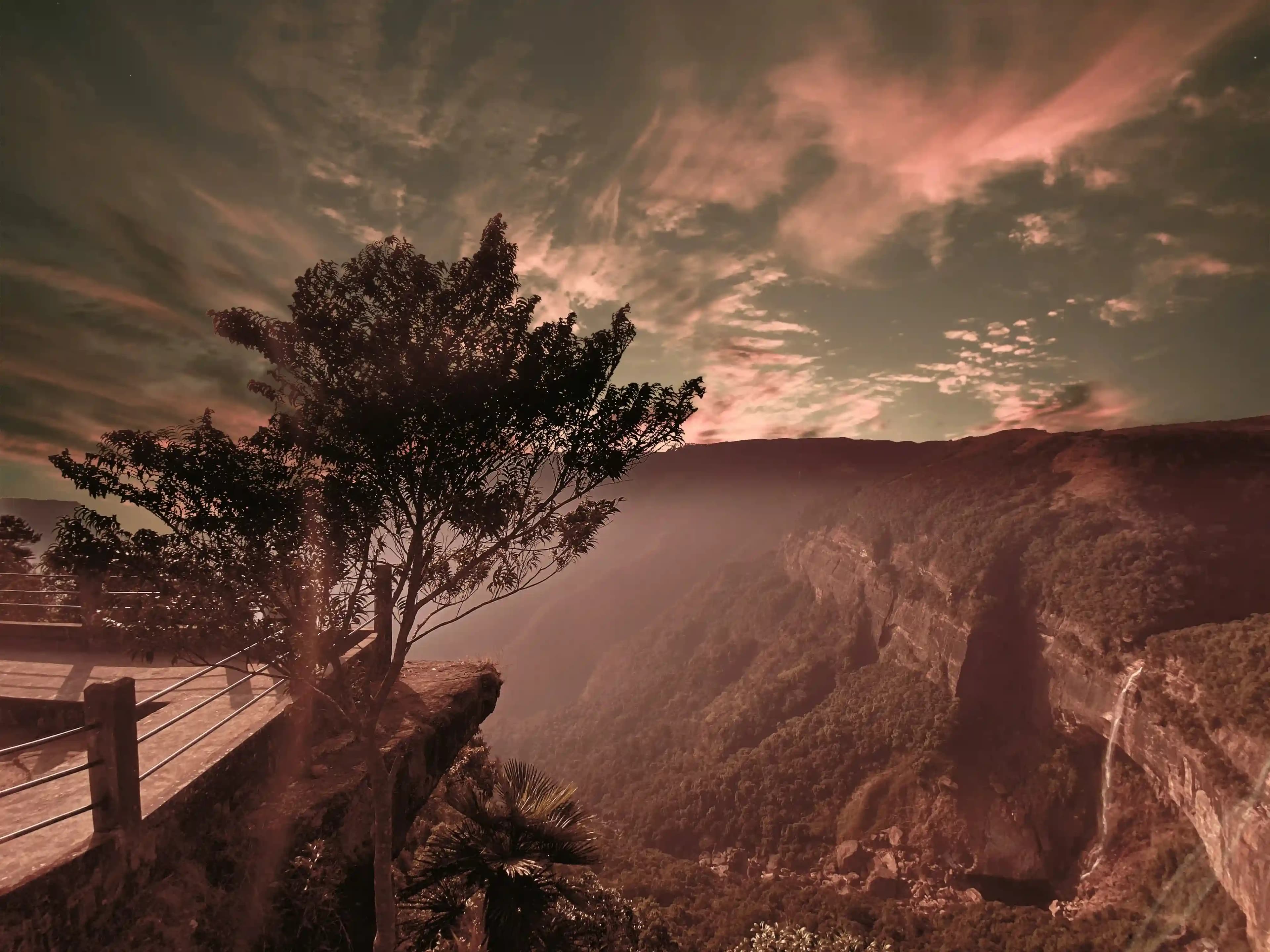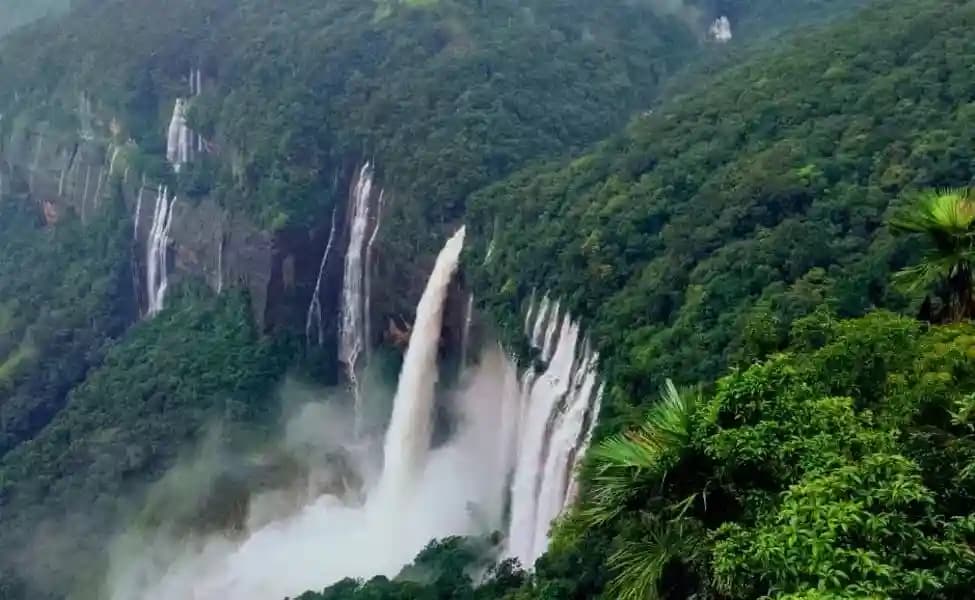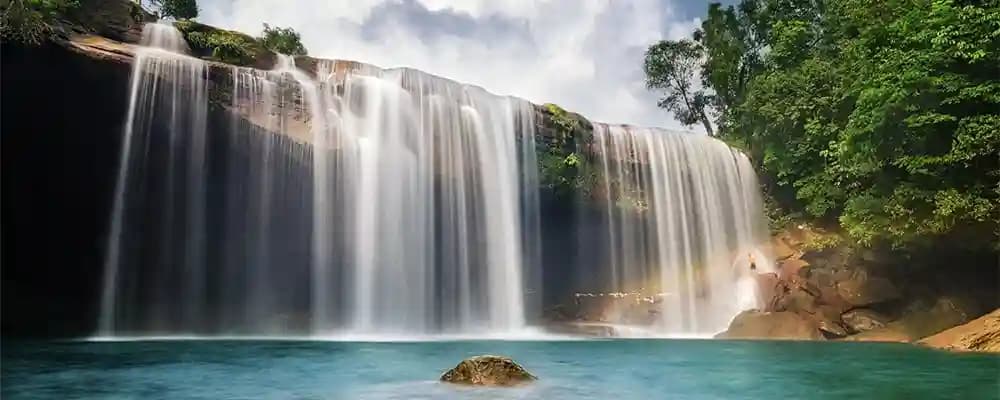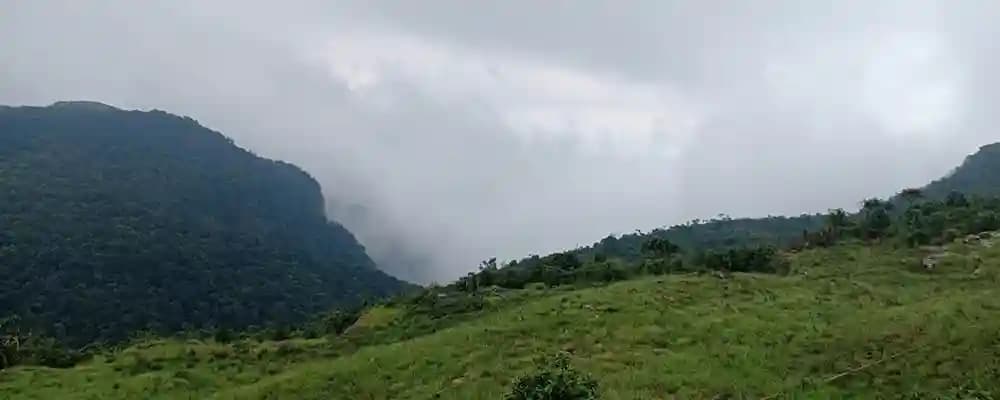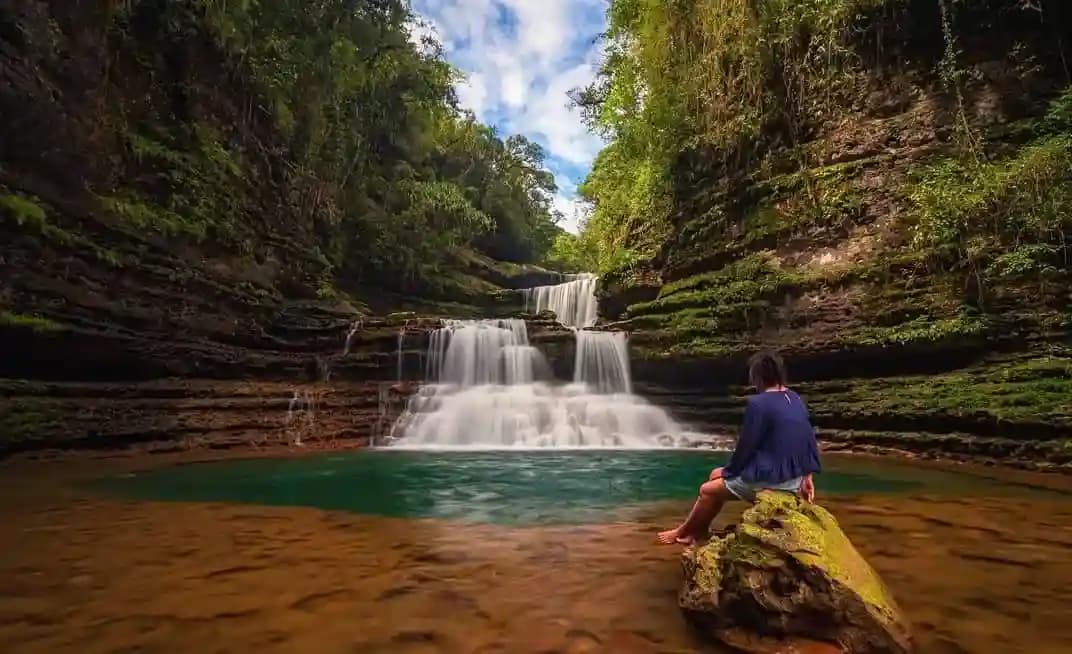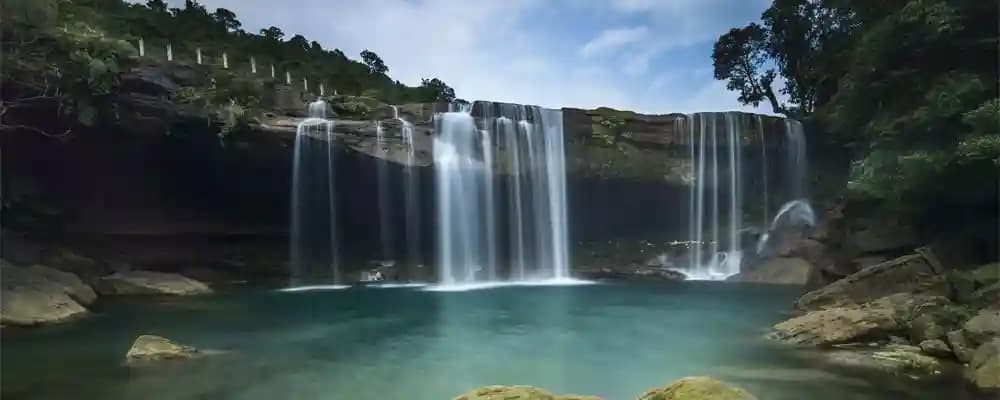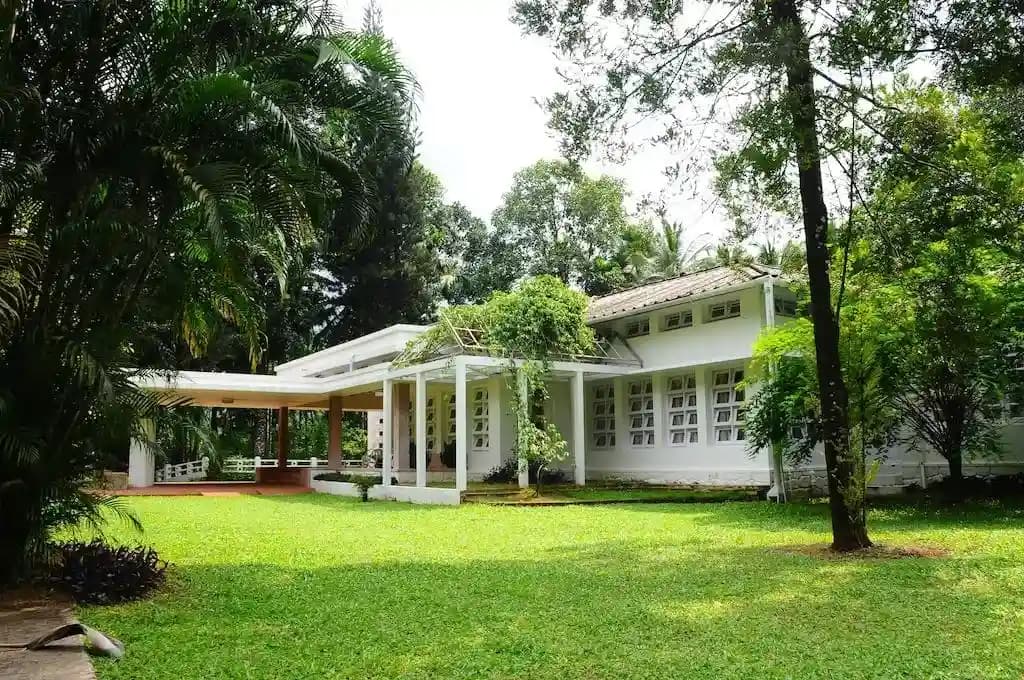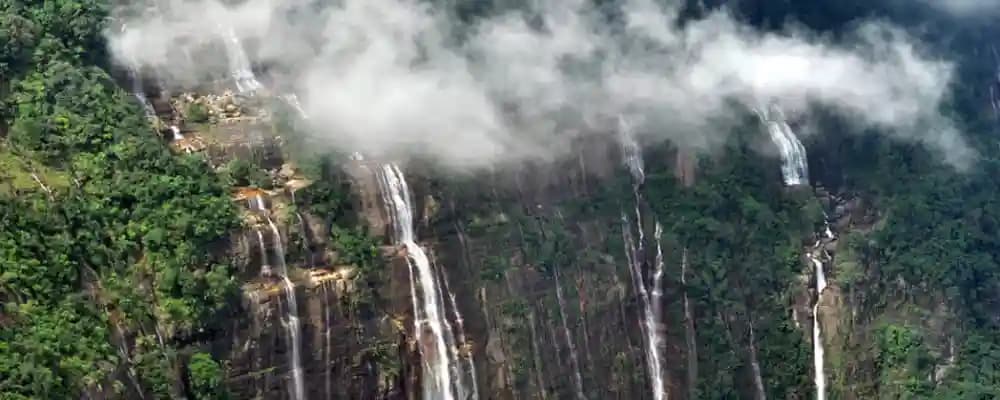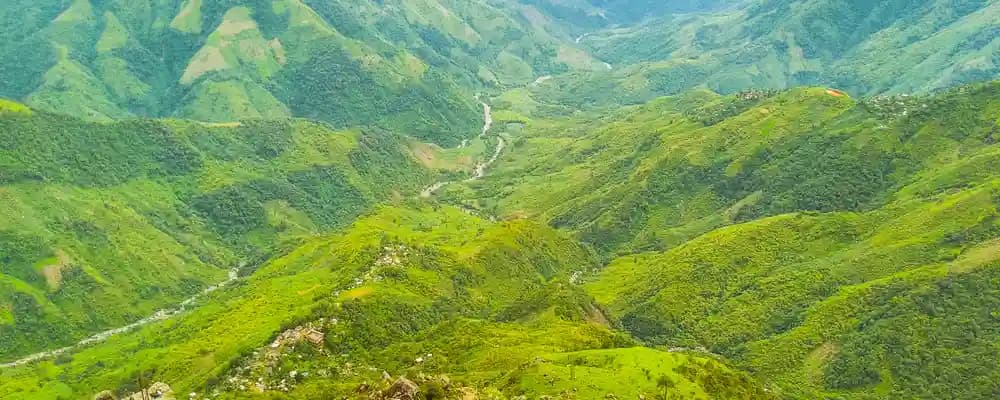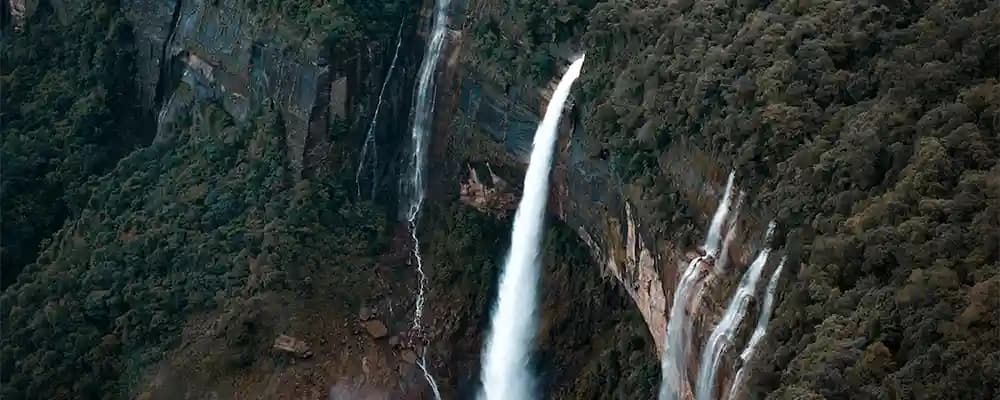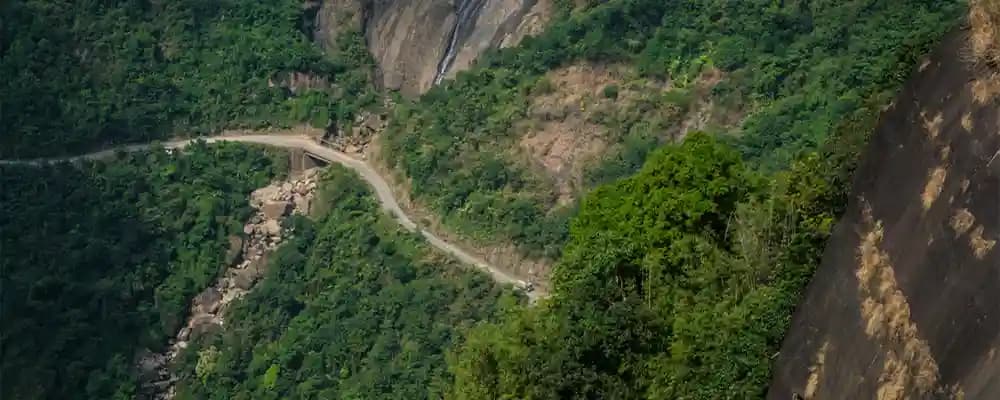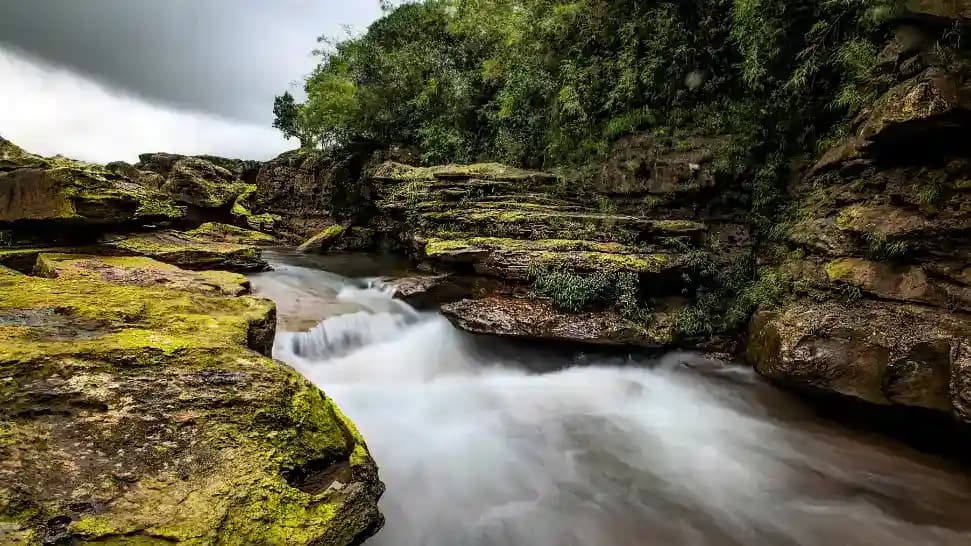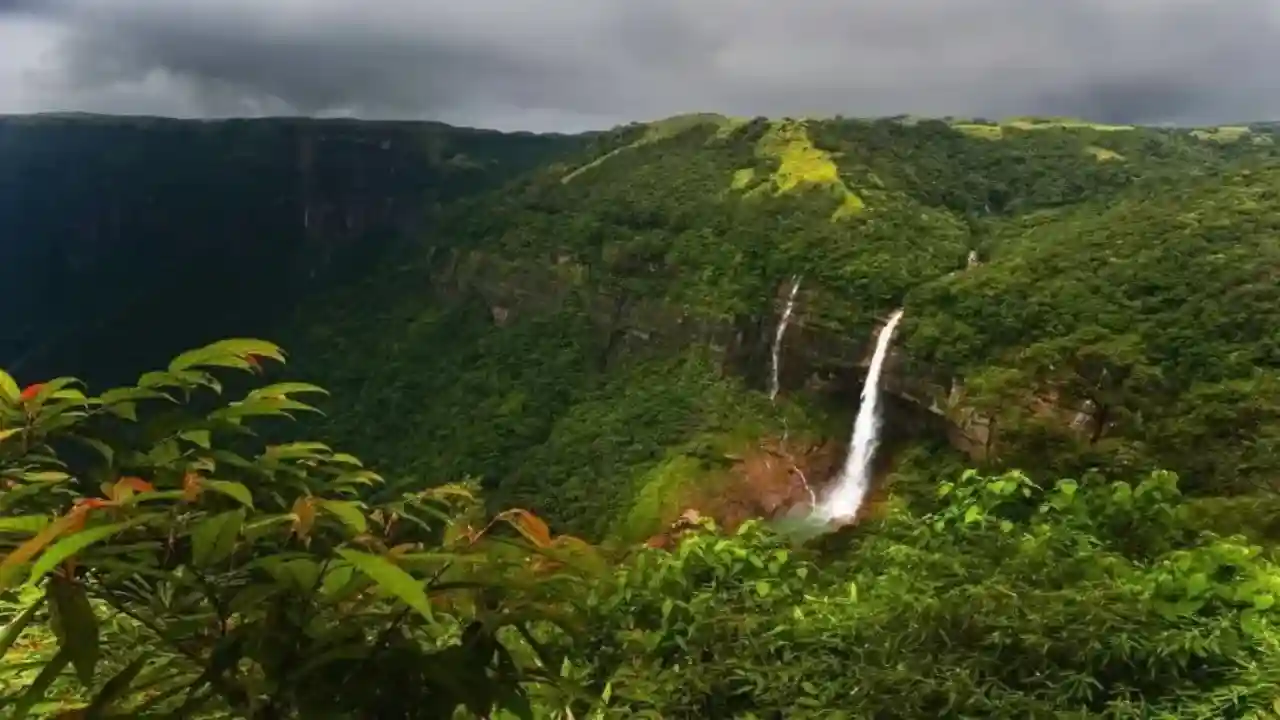
Hills covered with mist, old stone bridges, and calmly flowing rivers all add to the charm of the David Scott Trail. When you are walking, you become a part of a story in which nature and history walk hand in hand. The trail is buried deep in the green heart of Meghalaya, and it is not only a trek but a journey through time, silence, and untouched beauty.
Every step will provide fresh air, the soft flow of water, and panoramic views that will calm your mind. Through the dense woods to the fresh river, the route will make you slow down and experience the land. If you like to step into some light adventure, learn about some history, and enjoy tranquil walks, then this trek invites you with open arms with the help of the Meghalaya tour package. Keep reading, as this guide is going to reveal all the secrets about the David Scott Trail.
About the David Scott Trail Trek
The David Scott Trail is one of Meghalaya's most scenic and peaceful treks, perfect for beginners and nature enthusiasts. This 16-kilometre route starts at the David Scott Trail entry point near Mawphlang Sacred Forest and ends at the David Scott Trail exit point in Lad Mawphlang village, winding through lush forests, open valleys, rivers, and charming villages. Unlike challenging mountain paths, this non-hectic trail offers a relaxed day hike that brings you close to nature's beauty and can be easily completed within a day. It is one of the most accessible and rewarding options for trekking in Meghalaya, offering a perfect introduction to the region’s natural beauty and historical significance.
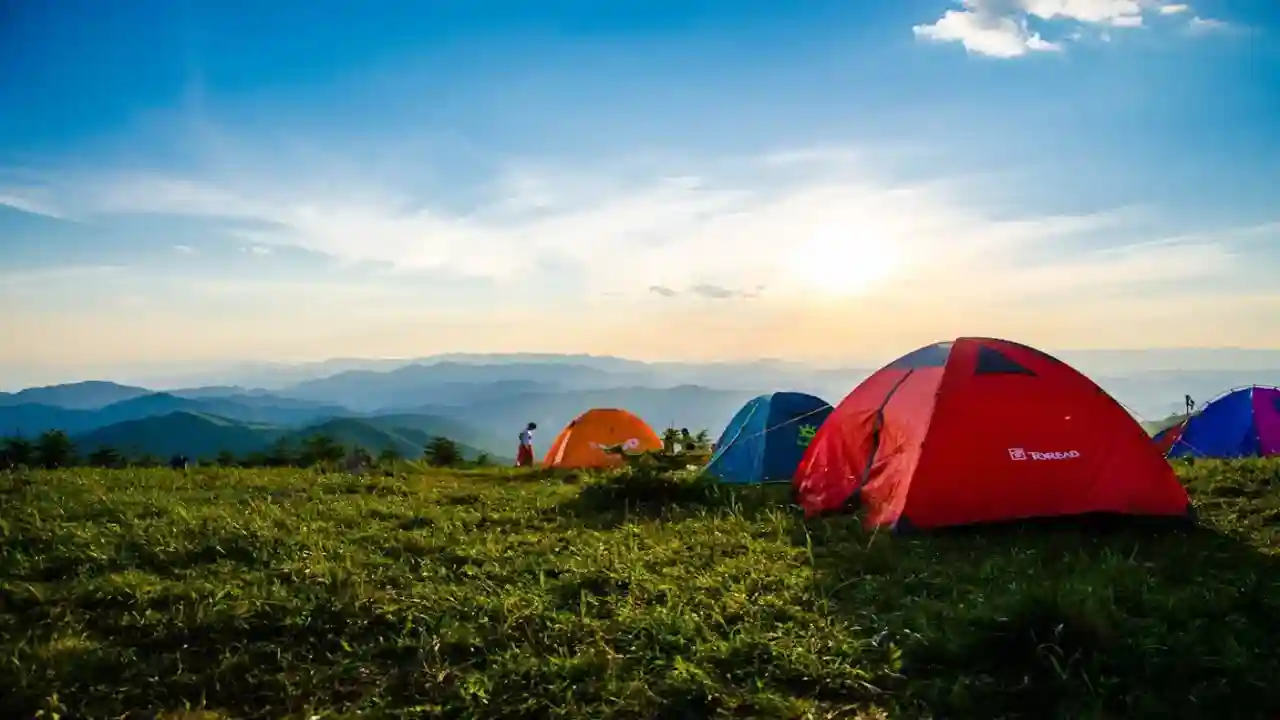
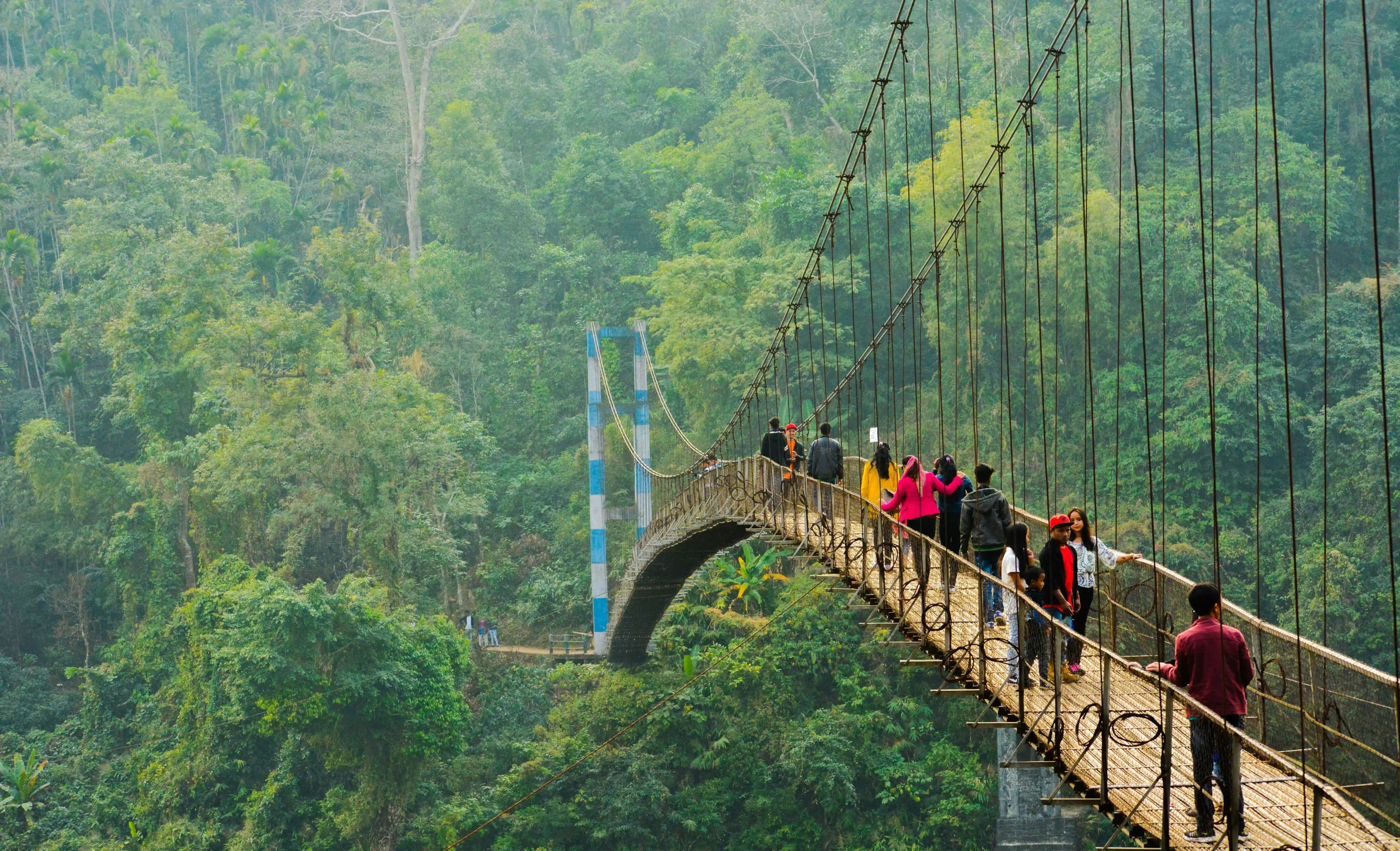
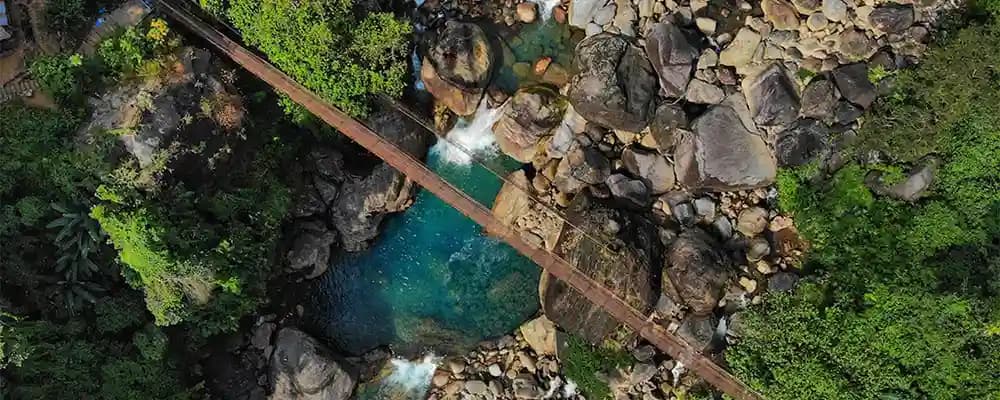
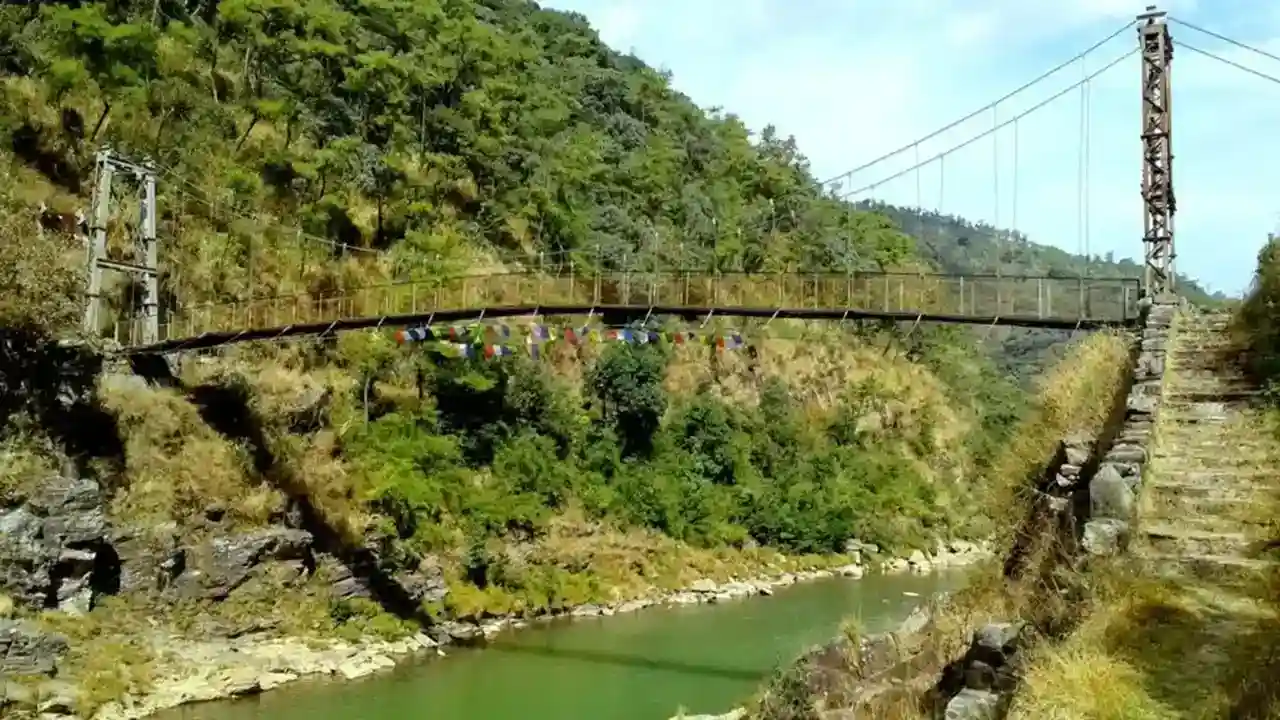
One of the landmarks of the trail is the famous David Scott Trail Bridge. This stone bridge is standing silently above a river, and this reminds the trekkers of the rich history of the route. David Scott Trail camping experience offers nights filled with stars and the soft sound of rushing water.
Important Information About The David Scott Trail
Before starting your trek, here's some essential practical information to help you prepare. While the David Scott Trail is beginner-friendly, basic fitness and patience are important since you'll be walking for several hours. Many visitors combine this trek with other things to do in Shillong, such as exploring local markets, trying Khasi cuisine, and experiencing the city's music scene.
David Scott Trail location: Begins near the Mawphlang Sacred Forest.
David Scott Trail distance: 16 km one way.
Levels of difficulty: Easy- Moderate.
Trek Duration: 5‑ 6 hours
Water supply: Water streams (laden with purification pills)
Camping: Only in special zones.
Guides: Suited to first-time visitors.
David Scott Trail History
The David Scott Trail history dates back to the early 19th century during British rule, when David Scott, a British administrator of Assam, carved this route through the Khasi Hills. He needed a safer path between the Brahmaputra Valley and the Surma Valley (present-day Bangladesh), as the thick forests and steep mountains made travel extremely difficult. What began as a vital colonial lifeline soon became the main corridor for British officers, traders, soldiers, and messengers carrying supplies and official correspondence through these challenging terrains.
Over time, as modern roads emerged, the trail fell into quiet disuse. Nature gradually reclaimed it, covering the old stone bridges and river crossings with grass, trees, and silence. What was once a bustling route for duty and commerce has transformed into a peaceful footpath. Today, trekkers follow the same historic path not out of necessity, but for the simple joy of walking through nature, discovering adventure, and connecting with a piece of living history.
Best Time to Trek the David Scott Trail

The David Scott Trail can be trekked year-round, but the experience varies with weather and trail conditions. The best time to visit is between October and March, when temperatures range from 10°C to 20°C, skies are clear, and the ground remains dry and safe for walking. During these months, river crossings are manageable, the trail is well-defined, and the pleasant weather makes it ideal for beginners. It's perfect for photography, leisurely breaks, and even David Scott Trail camping along riverbanks or open valleys.
During the monsoon season (June to September), temperatures hover around 15°C to 25°C, but heavy rainfall makes the trail muddy and slippery, rivers swell considerably, and thick mist reduces visibility. While the landscape turns beautifully green, these conditions are better suited for experienced trekkers with proper guidance. For a safe and enjoyable trek, choose months with stable, predictable weather. This period is also the best time to visit Shillong, allowing you to enjoy both the trek and the city’s attractions in ideal weather conditions.
How To Reach David Scott Trail
Reaching the David Scott Trail is straightforward, especially from Shillong. Most trekkers base themselves in Shillong and then travel to the David Scott Trail entry point near Mawphlang village, which is about 25-30 kilometres away, roughly an hour's drive. The journey itself is scenic, winding through rolling hills and small villages that offer a pleasant preview of what's to come.
The trailhead is located close to the Mawphlang Sacred Forest, making it easy to find. The most convenient way to get there is by hiring a local taxi from Shillong or arranging transport through a travel agency. Taxis are reliable and comfortable, which is important since public bus services to this area are quite limited. Many first-time visitors prefer pre-booking a taxi for both drop-off and pick-up, ensuring a hassle-free experience on both ends of the trek. Since most trekkers spend a day or two in Shillong, it's worth exploring popular places to visit in Shillong like Elephant Falls, Shillong Peak, and Ward's Lake.
Nearest city: Shillong
Distance from Shillong: 25‑30 km
The closest airport: Shillong Airport (Umroi)
The closest railway station: Guwahati
Most convenient mode of transport: Taxi/ personal vehicle
David Scott Trail Itinerary
This 16-kilometre trek follows an ancient path through the Khasi Hills, connecting Mawphlang to Lad Mawphlang. The route is scenic and peaceful, winding through forests, rivers, villages, and open meadows. The hike starts at the David Scott Trail entry point near Mawphlang village and ends at the David Scott Trail exit point near Lad Mawphlang on the Shillong-Sohra road. Here's what to expect along the way:
Segment 1: Trailhead to Ka Kor Shon Mai
The trek begins at Mawphlang village, where you'll find small shops for quick snacks. The path starts flat and easy, leading you to Ka Kor Shon Mai, your first resting spot. It's a peaceful place to catch your breath before the trail becomes more interesting.
Distance: 0.5 km
Terrain: Flat and easy
Highlights: First rest point
Segment 2: Ka Kor Shon Mai to Mawkorsahep
From here, the path gently descends through lush greenery. You'll catch glimpses of distant rivers and tree-covered slopes. Soon, you'll reach Mawkorsahep, where a small tomb built in 1843 stands in memory of a child named Camilla. The area offers lovely forest views and a sense of history.
Distance: 1.5 km
Terrain: Gentle forest descent
Highlights: Camilla's tomb, forest views
Segment 3: Mawkorsahep to the Suspension Bridge
The trail winds upward from the tomb, leading you to the famous David Scott Trail Bridge—a suspension bridge spanning the River Umiam. The bridge sways gently as you cross, giving you a thrilling old-world trekking experience. The river below sparkles beautifully in the sunlight.
Distance: 3 km
Terrain: Winding path with gradual descent
Highlights: David Scott Trail Bridge over the Umiam River
Segment 4: Suspension Bridge to Wahtham Valley
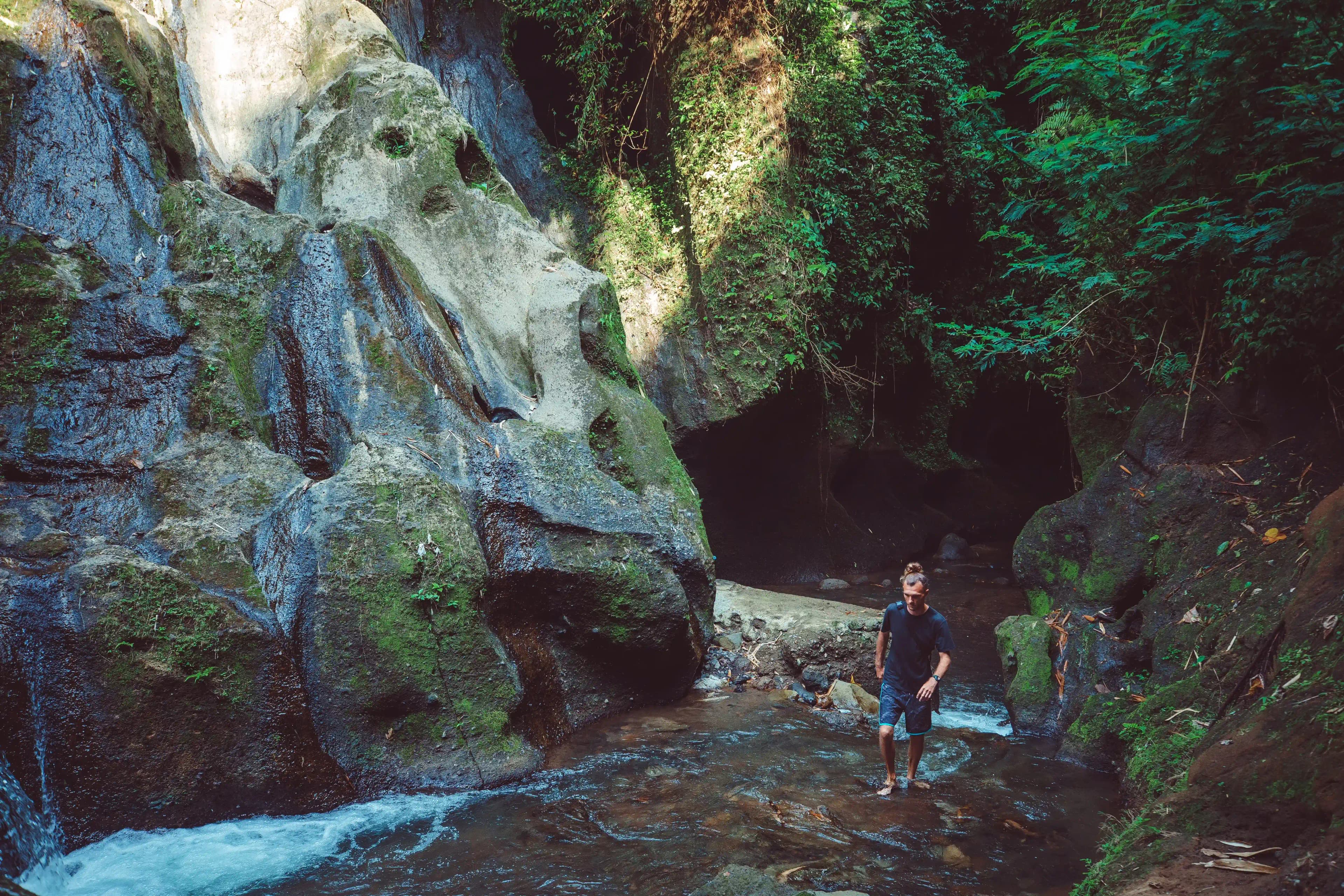
After crossing the bridge, the trail narrows and takes you deeper into the green forest. You'll reach Wahtham Valley, the lowest point of the trek, where a clear stream flows alongside the path. Many trekkers stop here to rest and refill their water bottles. River crossings involve hopping across rocks, which adds a bit of fun.
Distance: 4 km
Terrain: Forest path with stream
Highlights: Wahtham Valley, crystal-clear stream
Segment 5: Wahtham Valley to Laithsohma Village
Leaving the stream behind, the path climbs gradually through wooded and rocky terrain. After about 2 kilometres, you'll arrive at Laithsohma, a quiet village with goats, chickens, and friendly locals. This is the perfect spot to rest, have lunch, and enjoy some red tea or local snacks with the hospitable Khasi villagers.
Distance: 4 km
Terrain: Gradual ascent
Highlights: Laithsohma village, tea break
Segment 6: Laithsohma Village to Historic Arch Bridge
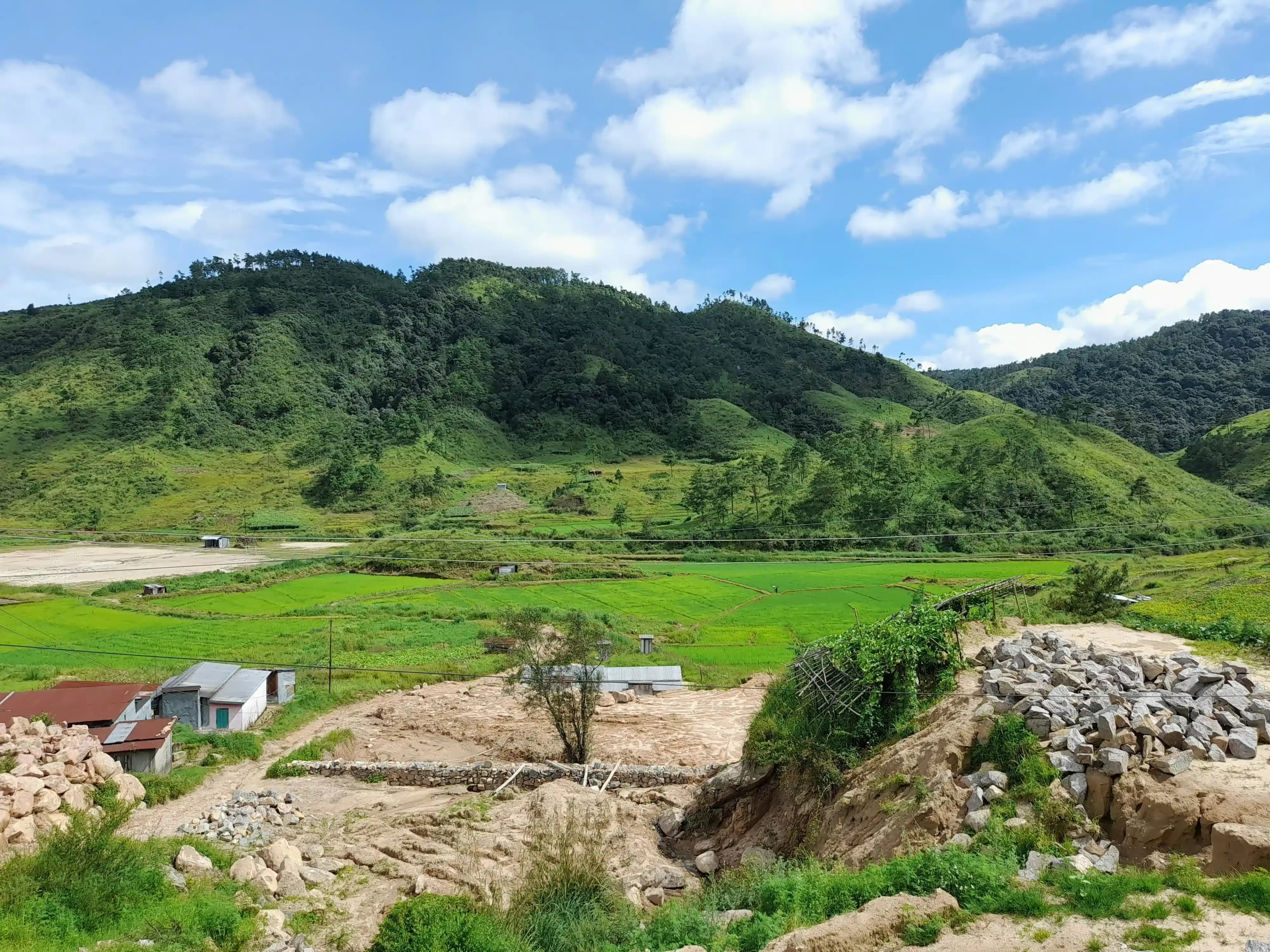
The trail opens up into green meadows and a plateau with stunning views and fresh breezes. Shortly after, you'll come across an old stone arch bridge that looks like something from a history book. Nearby, large rock formations like Mawnguid-Briew stand tall, carrying stories from ancient Khasi folklore.
Distance: 3 km
Terrain: Flat plateau and meadows
Highlights: Stone arch bridge, rock formations
Segment 7: Arch Bridge to Lad Mawphlang (Exit Point)
The final stretch gently descends into Lad Mawphlang village. You'll walk across flat ground to a resting bench at Kor Parkti, then continue downward to the Wah-Umiong River. The trail concludes at the David Scott Trail exit point in Lad Mawphlang, where you can enjoy a refreshing drink or tea while watching the sunset paint the hills.
Distance: 4 km
Terrain: Flat then gentle descent
Highlights: Wah-Umiong River, sunset views
Conclusion
Walking through green valleys, ancient bridges, and flowing rivers, the David Scott Trail offers a journey where nature and history come together beautifully. This isn't about rushing or chasing thrills. It's about slowing down, breathing in the fresh air, and feeling truly connected to the land around you. The trail welcomes everyone with its simple charm, whether you're a beginner, a nature lover, or someone curious about history. When you want an adventure that feels peaceful and real, this is the place to be. Pack your essentials, put on your walking shoes, and see for yourself why this trek is so loved.