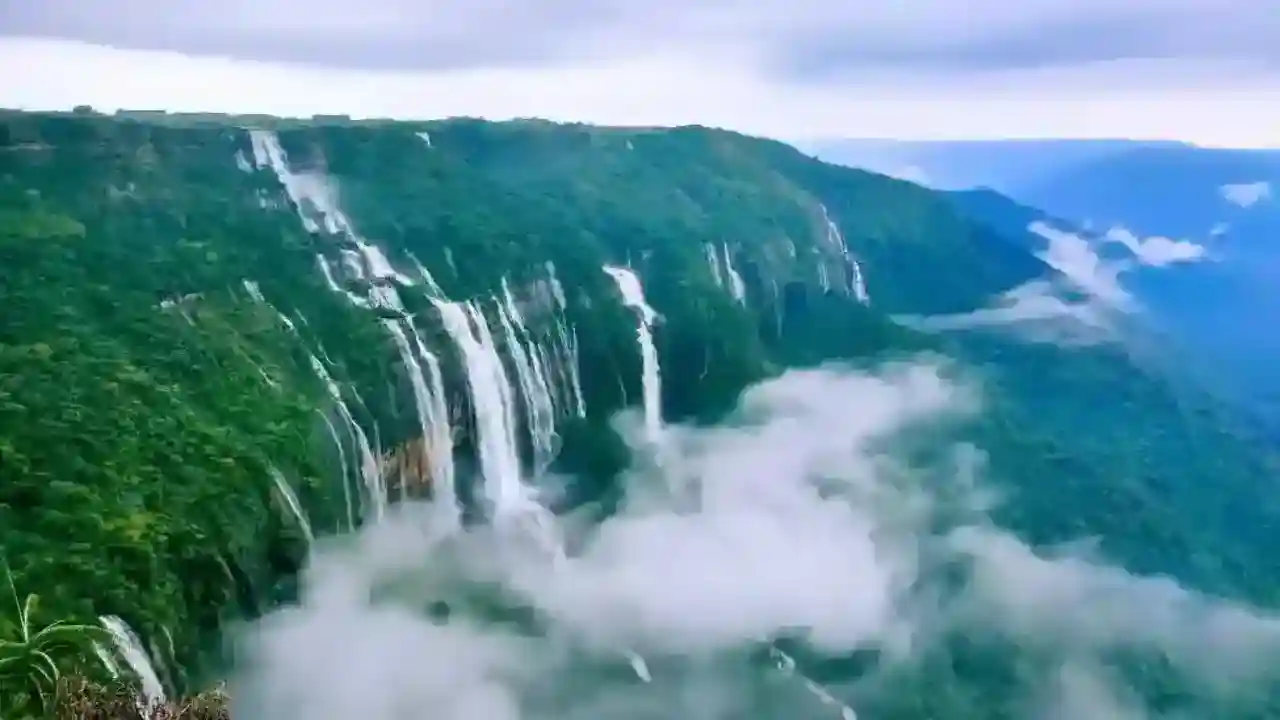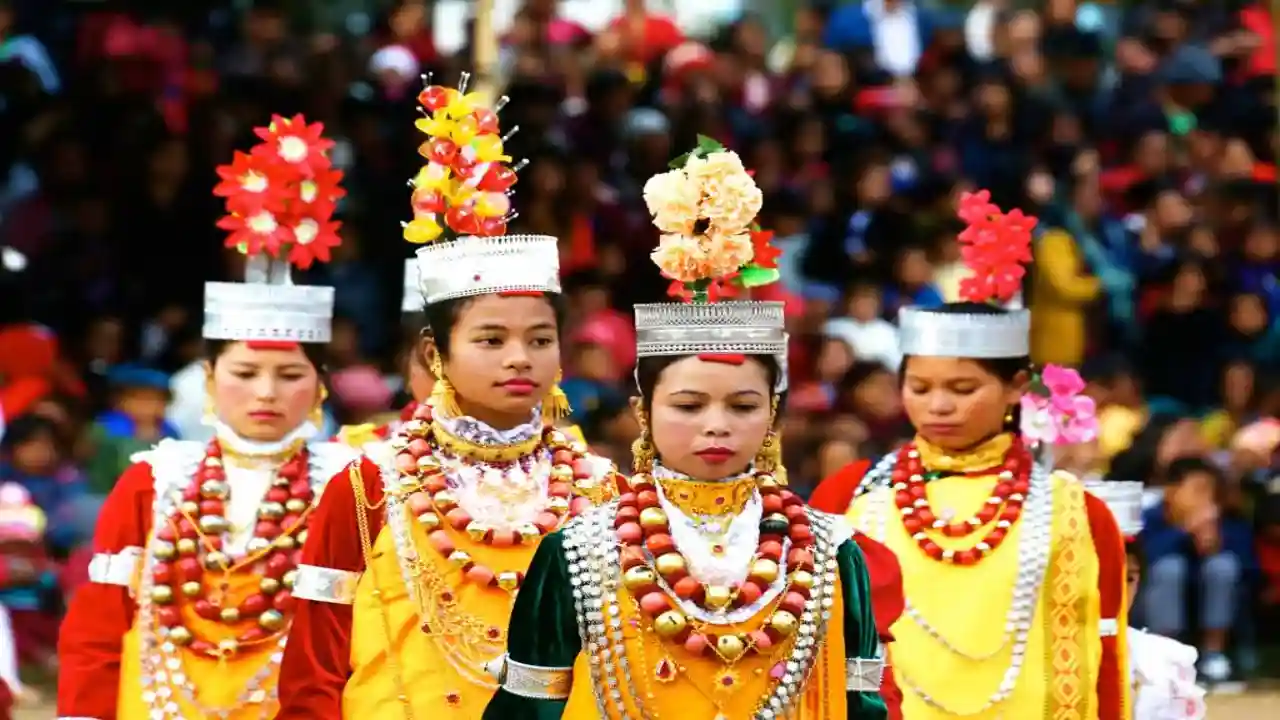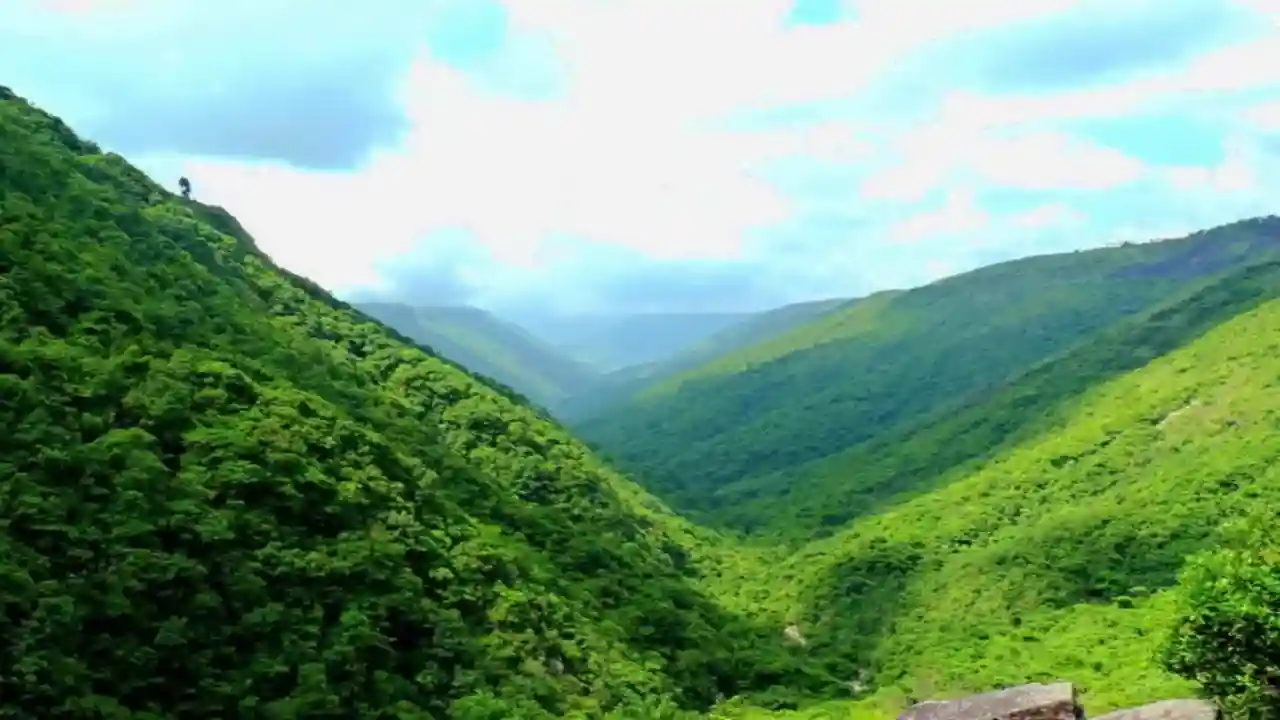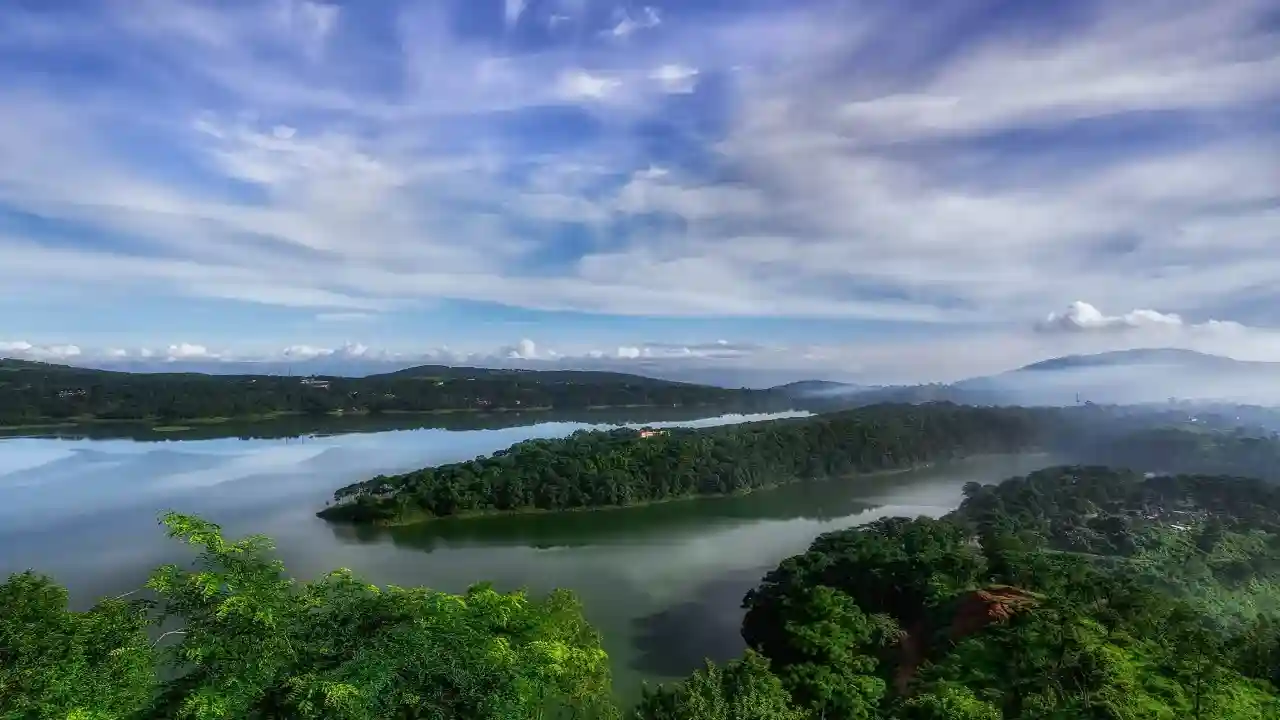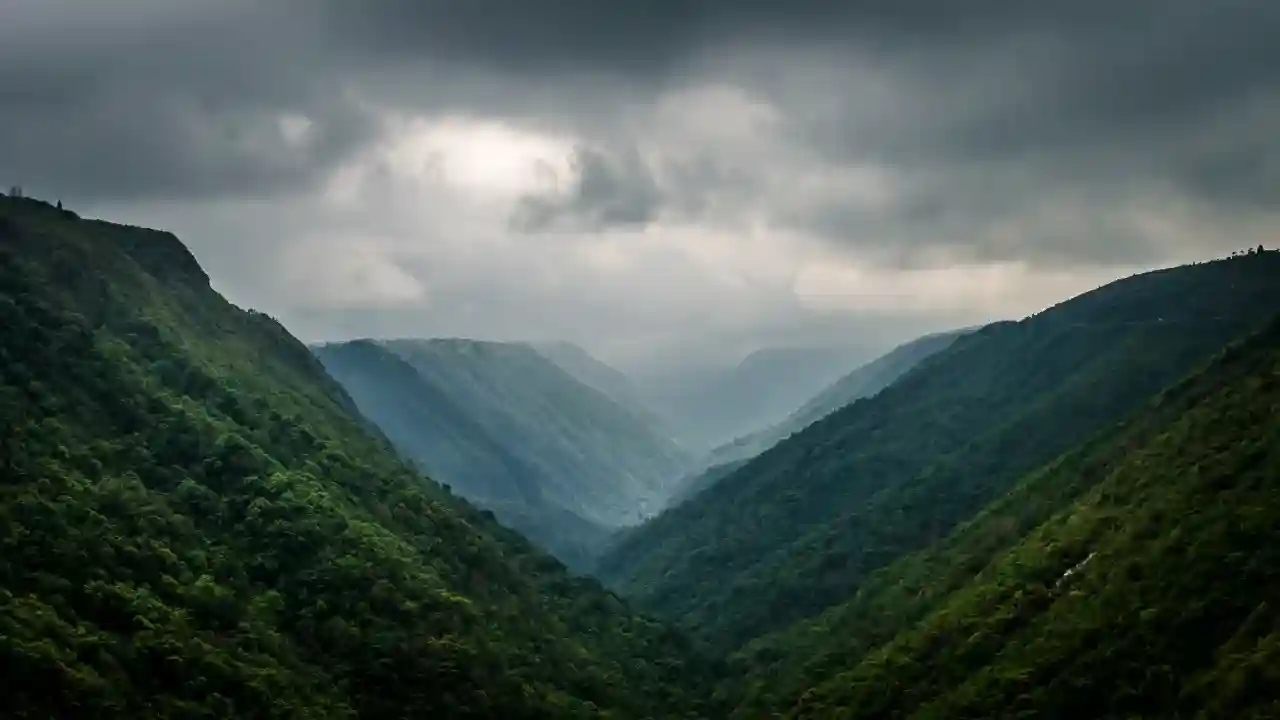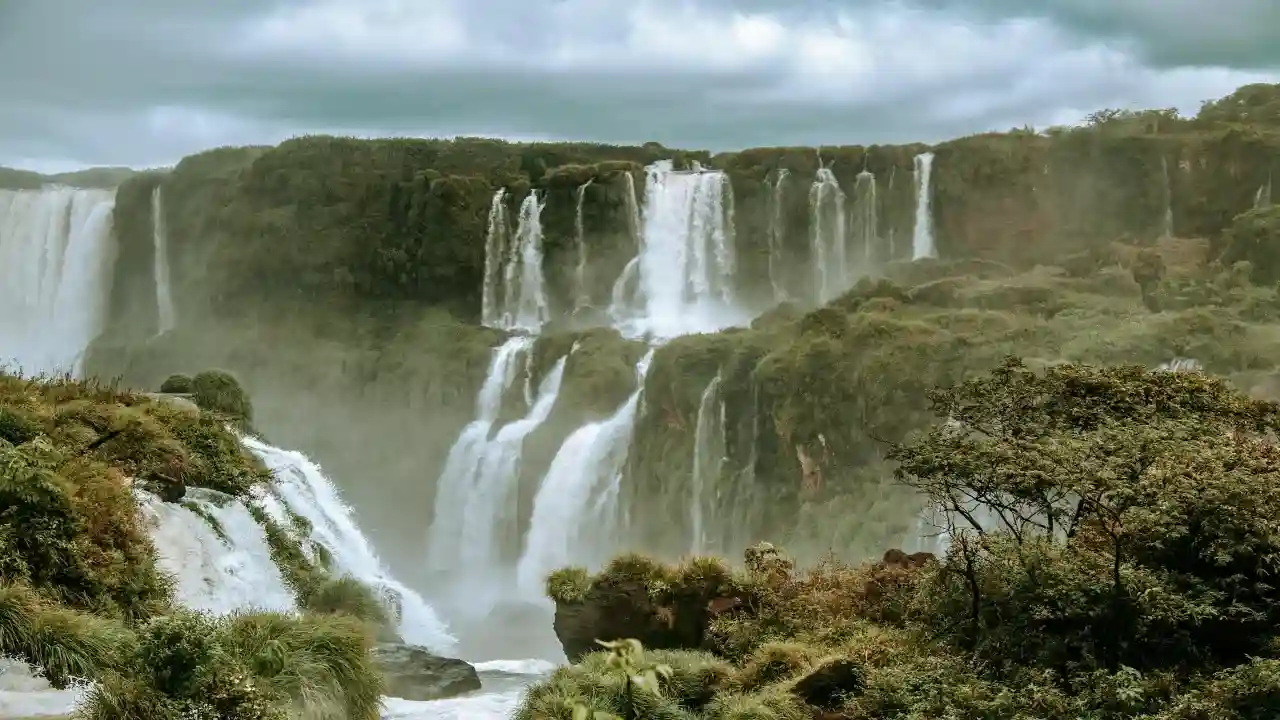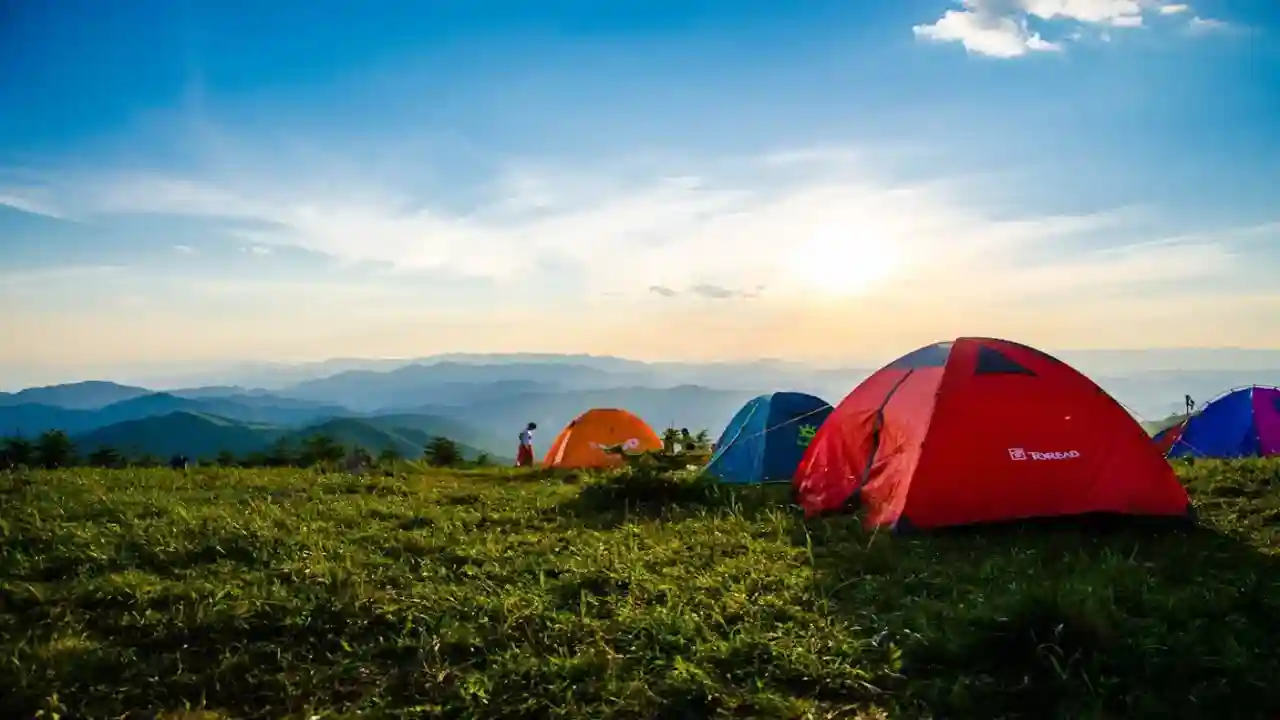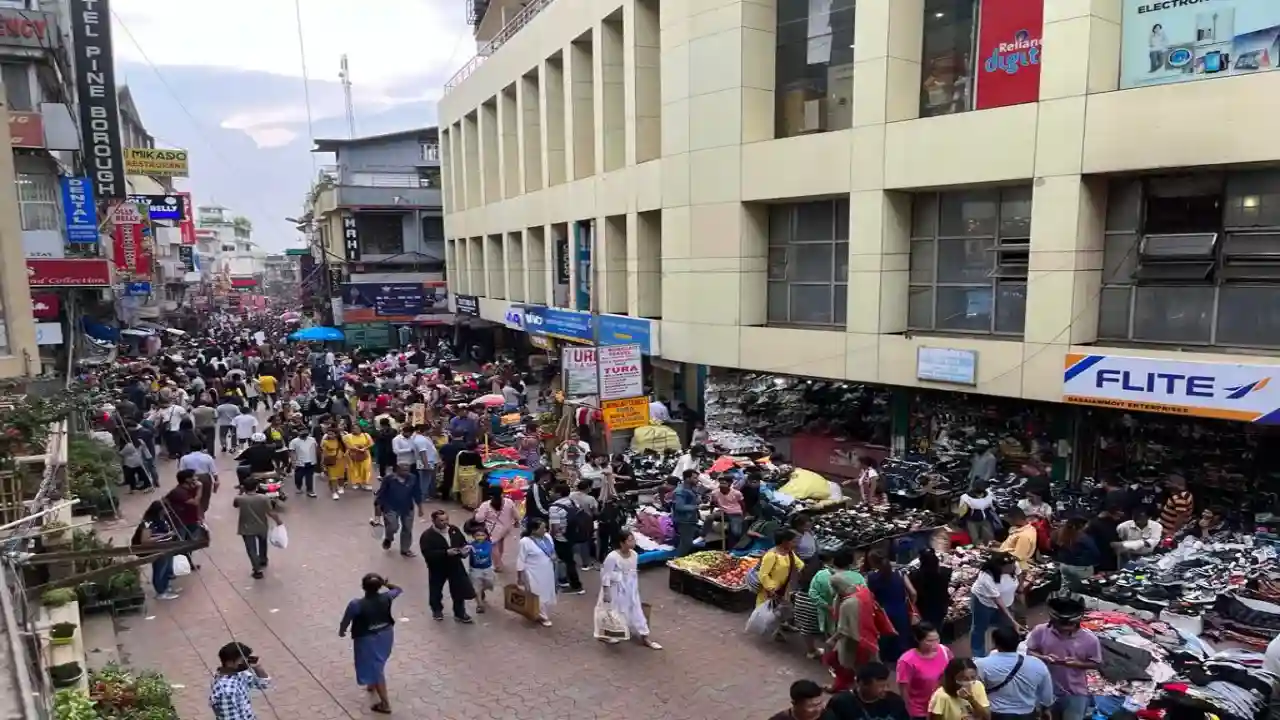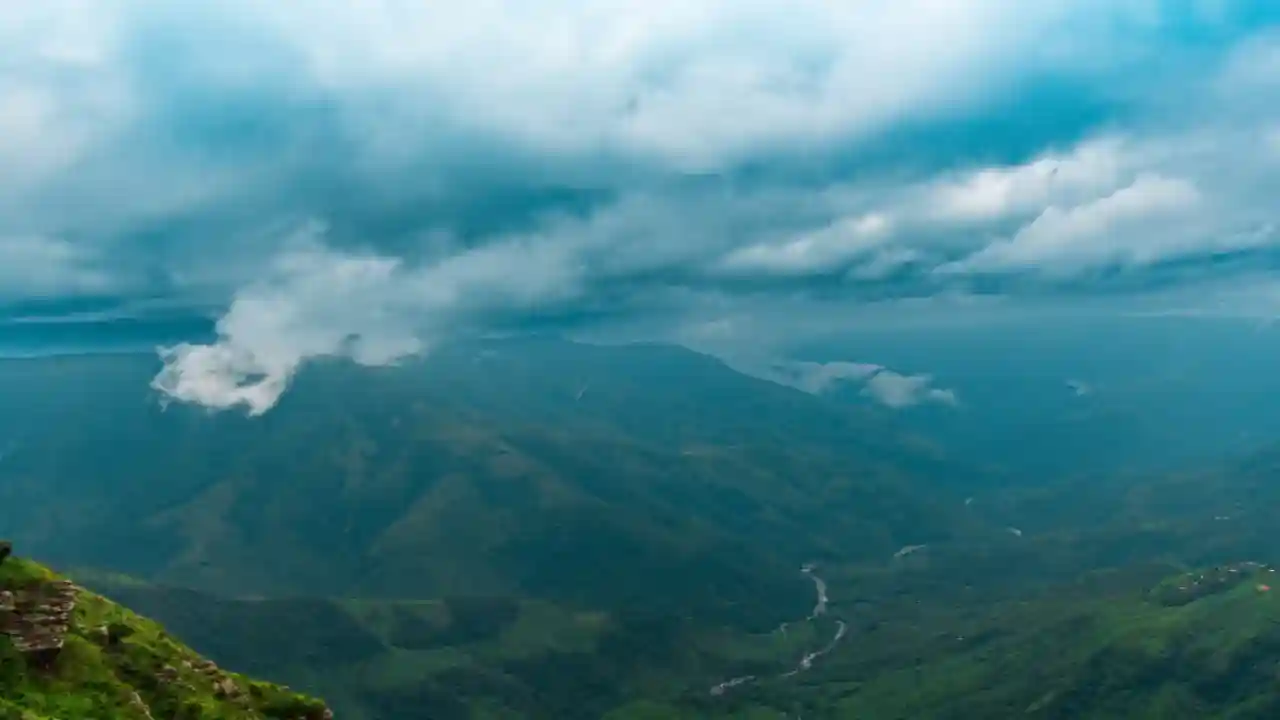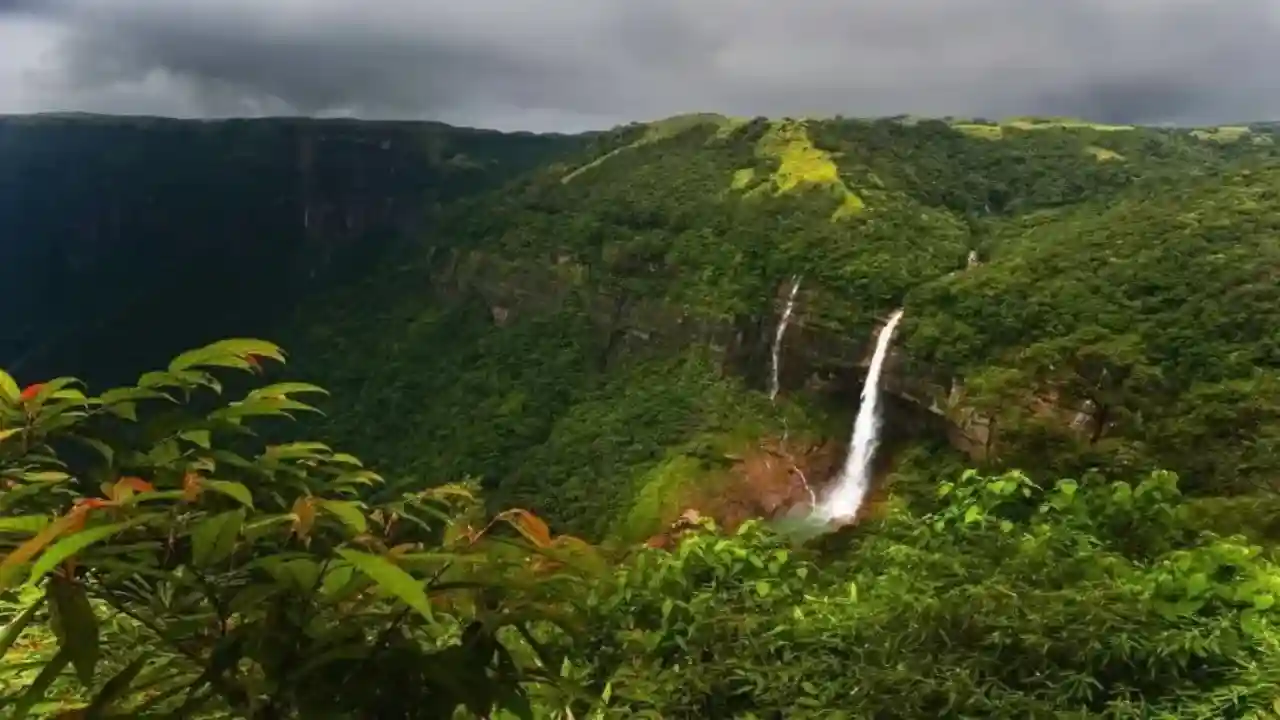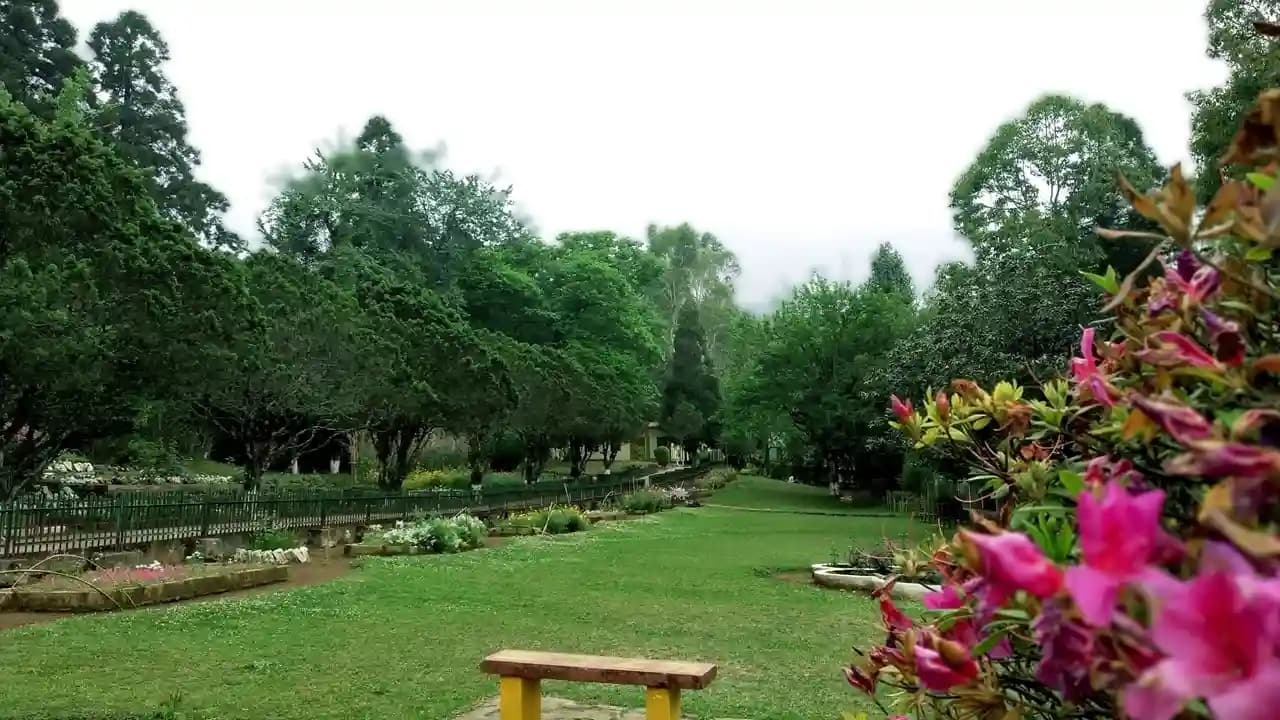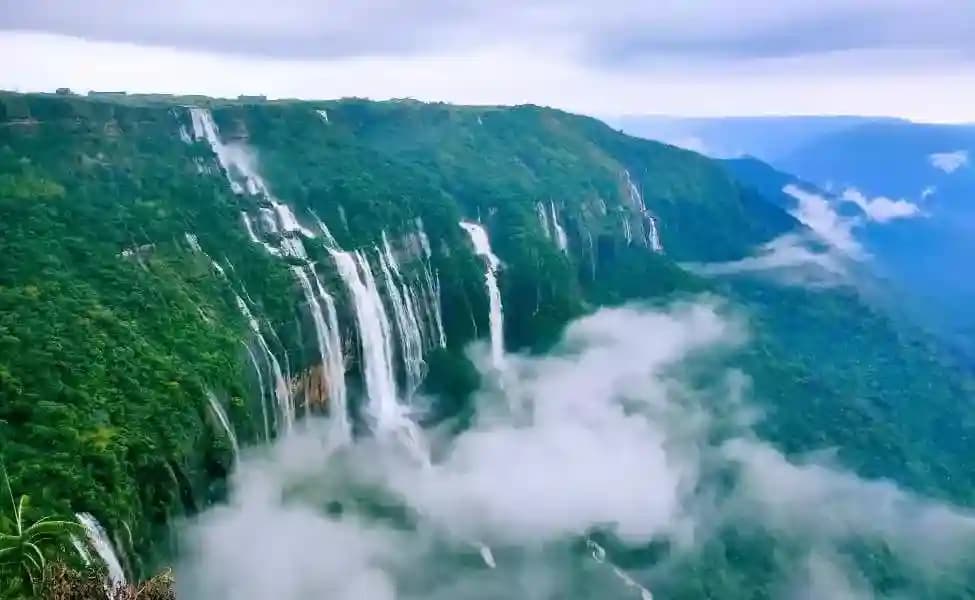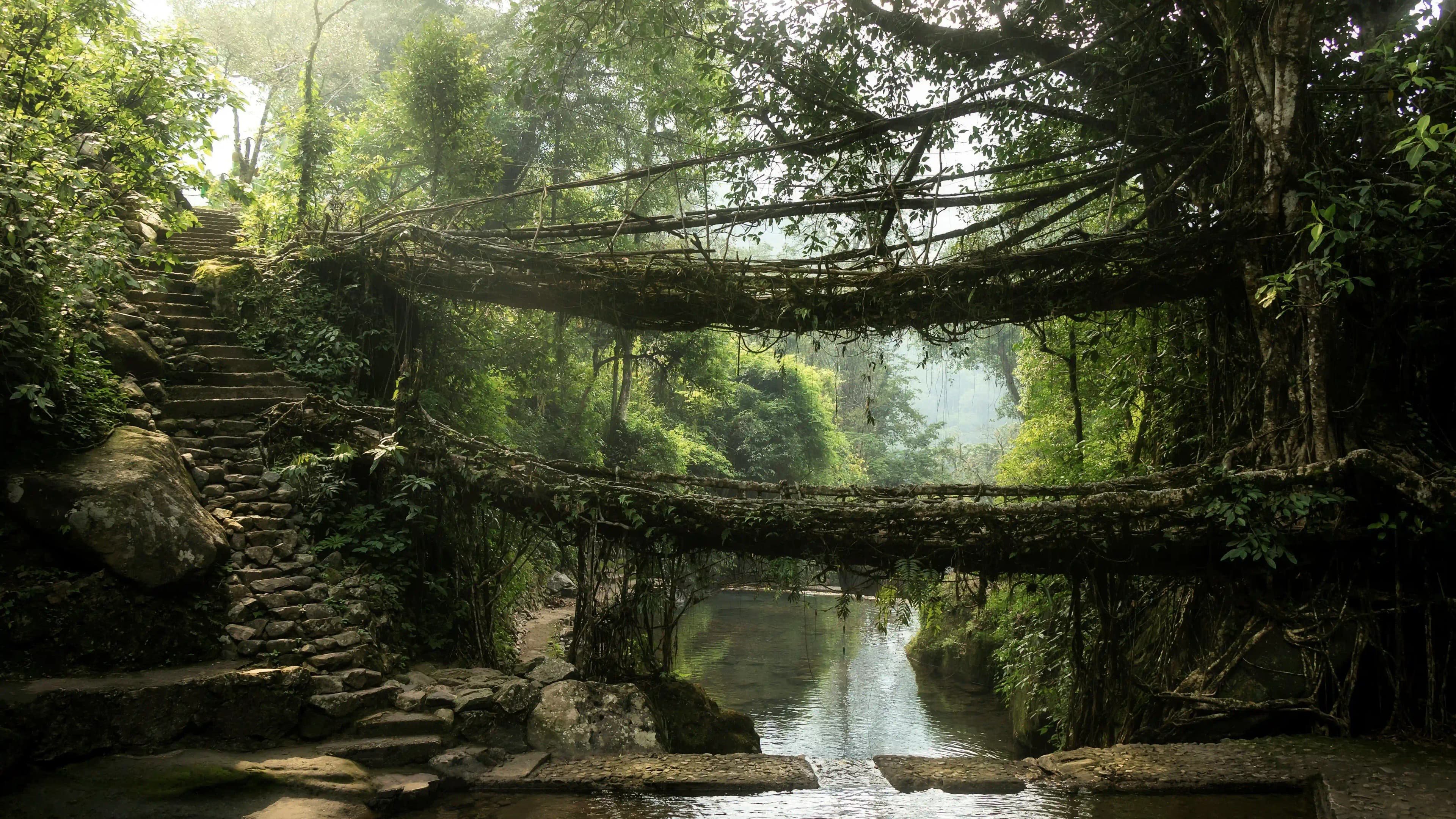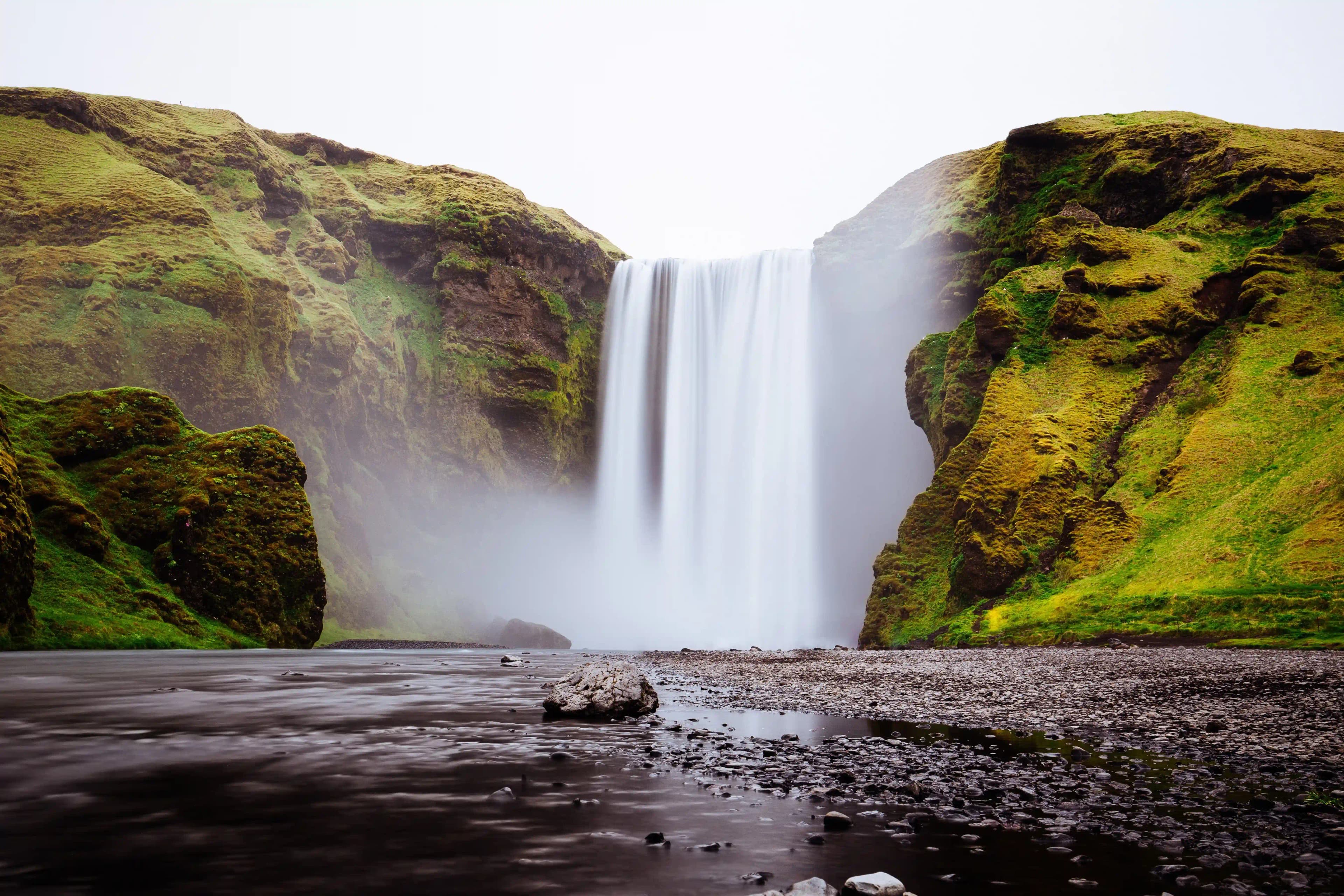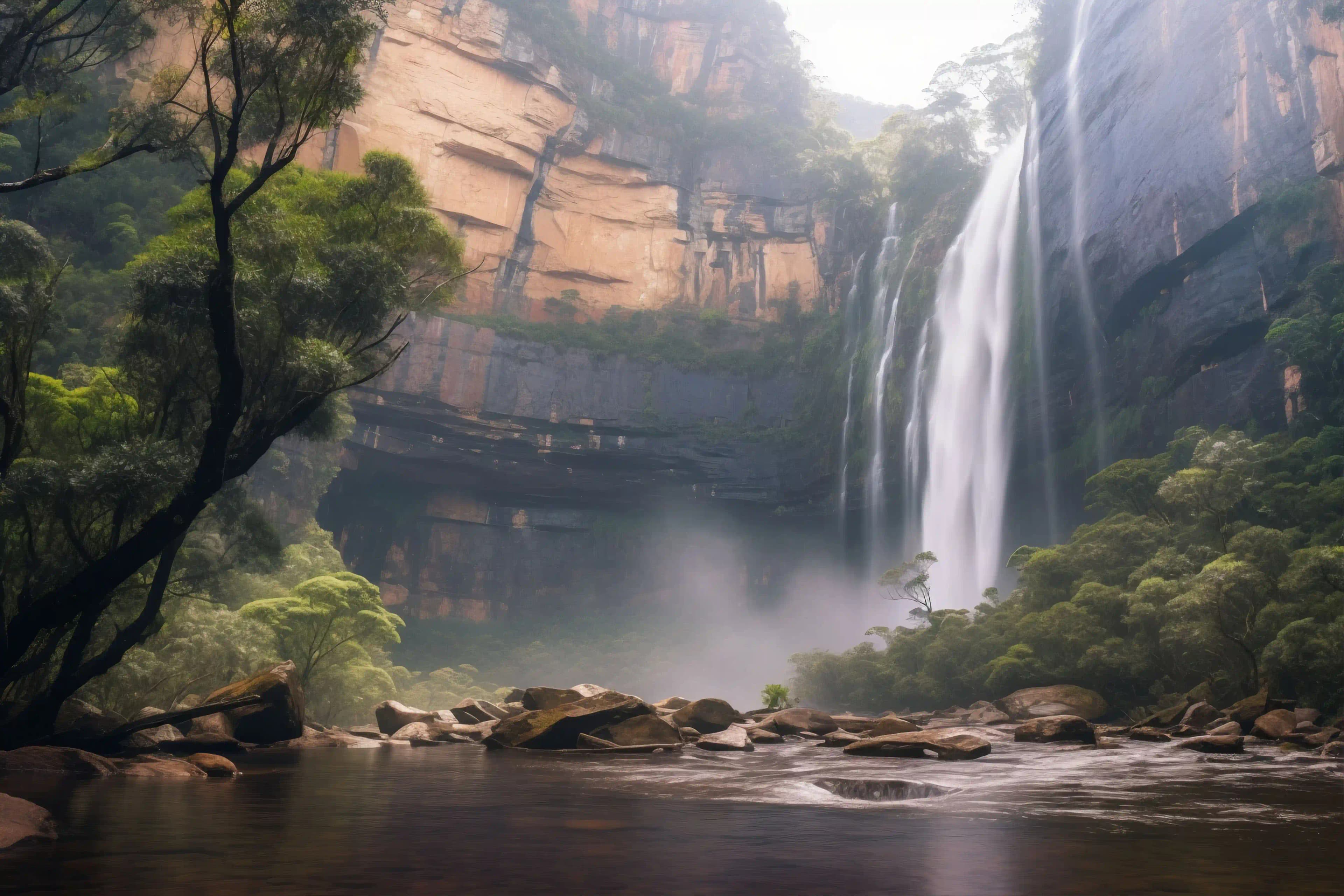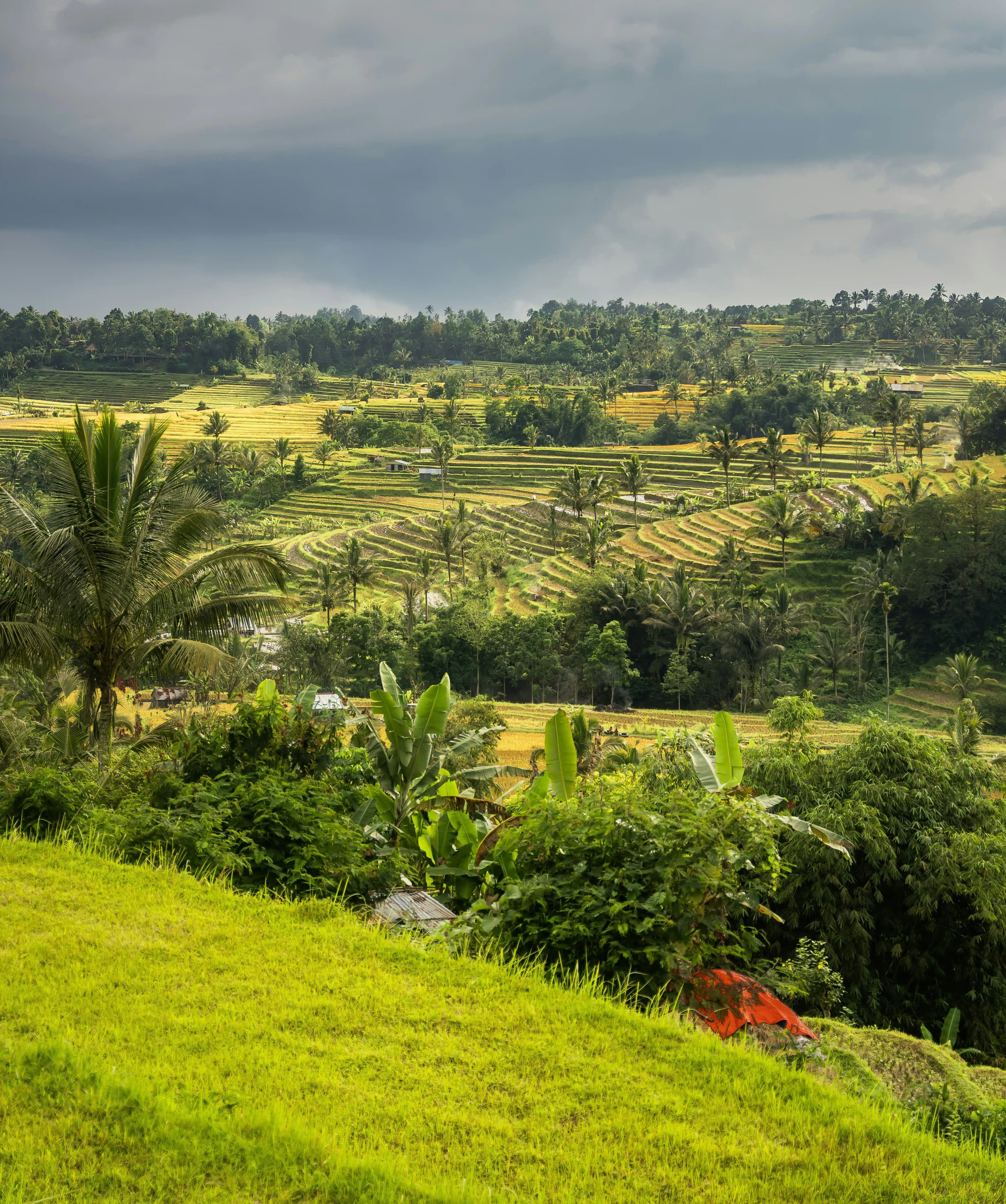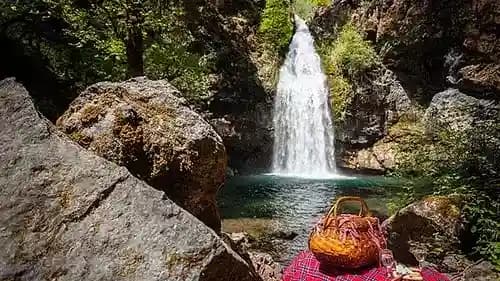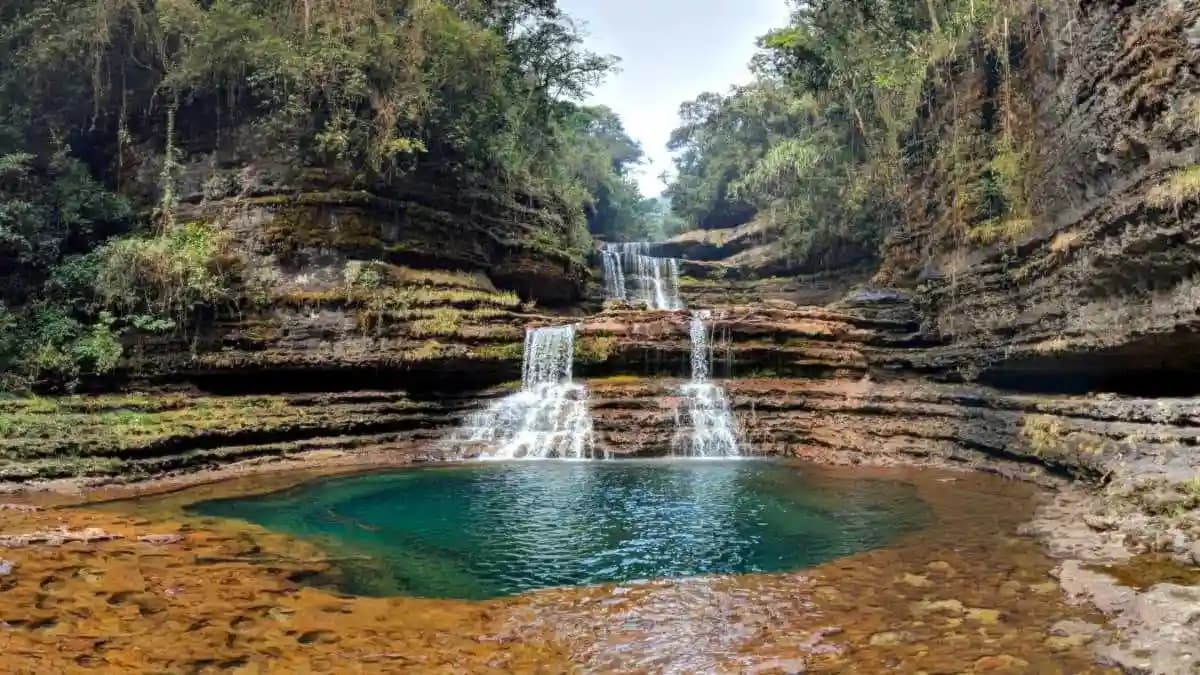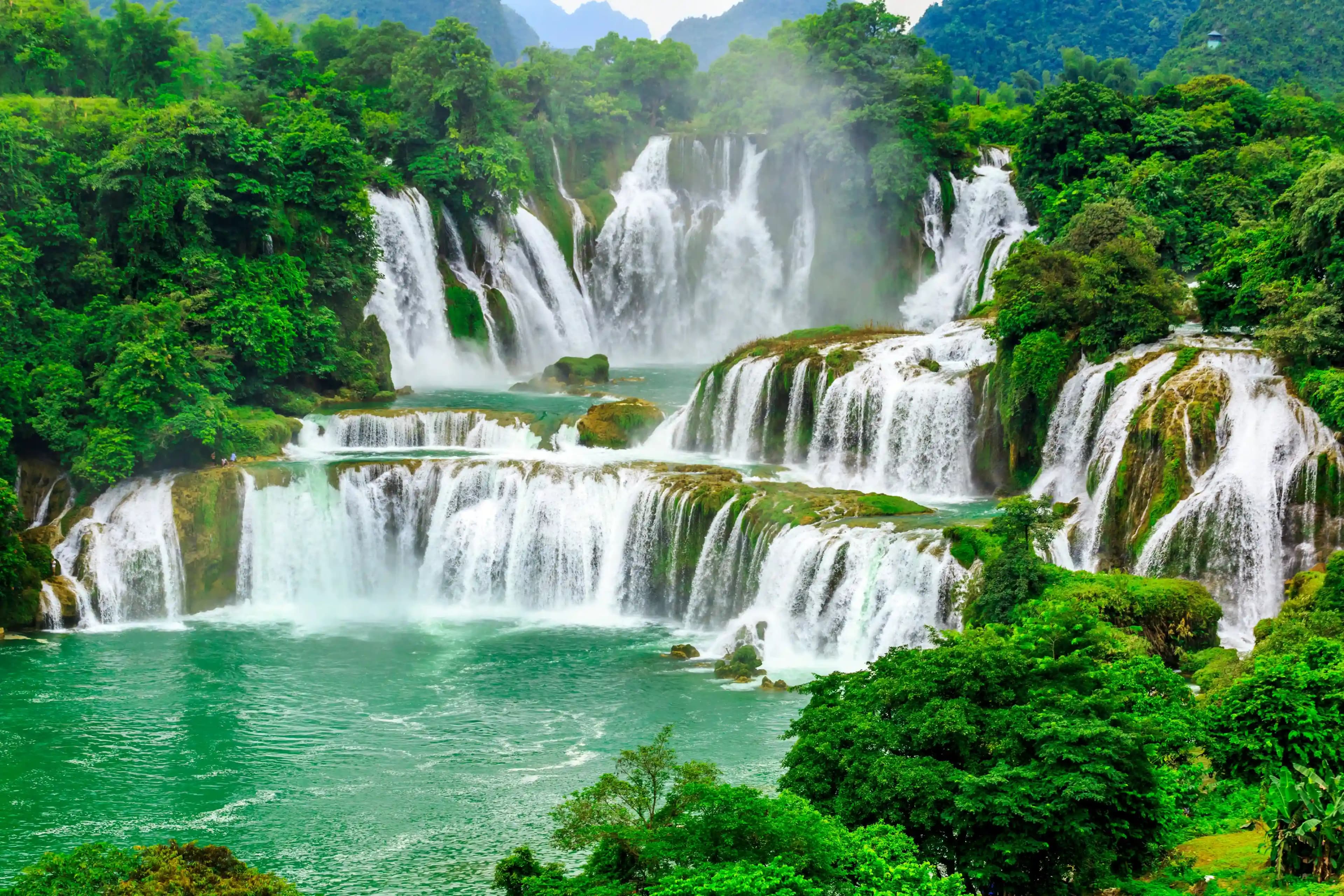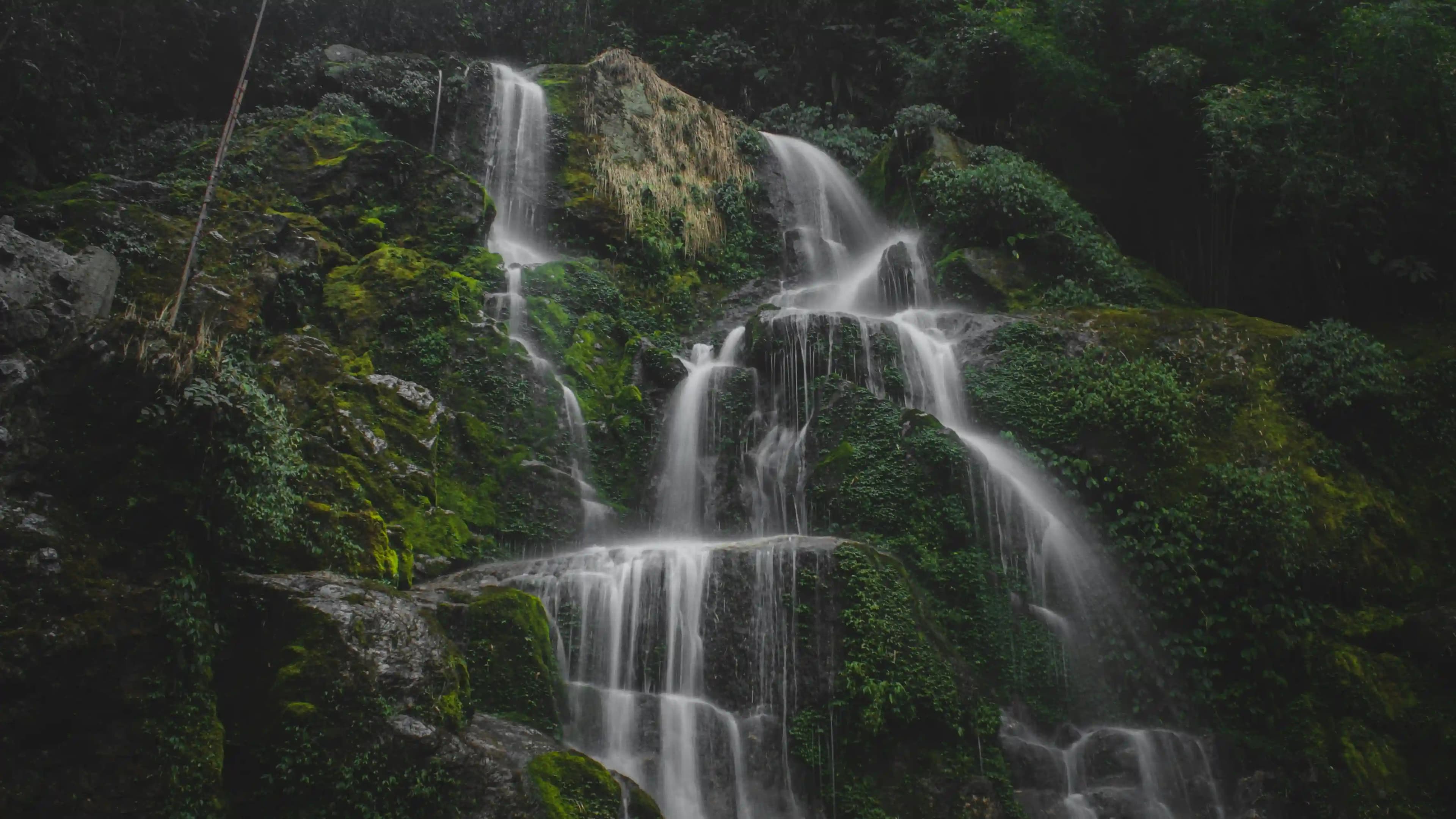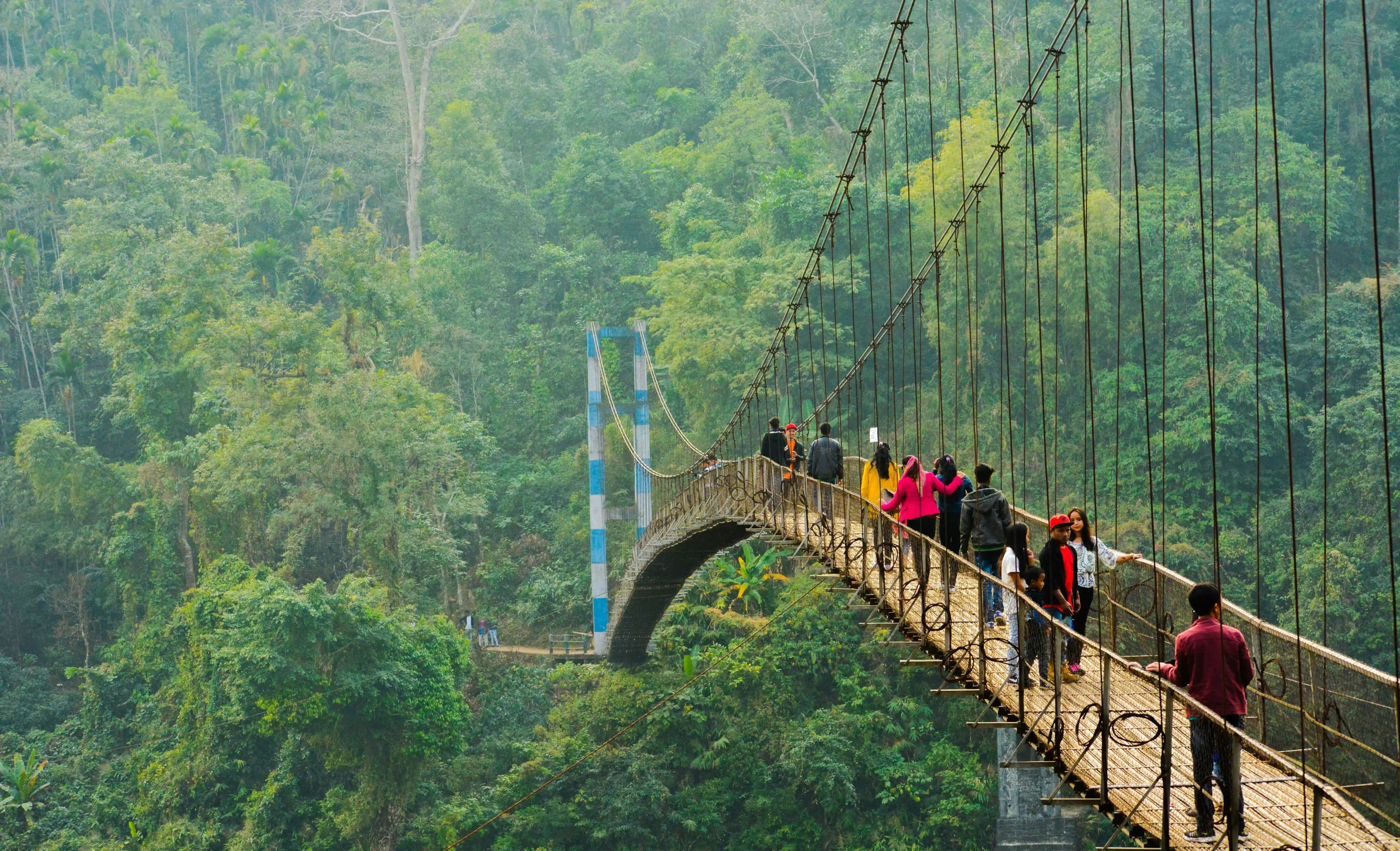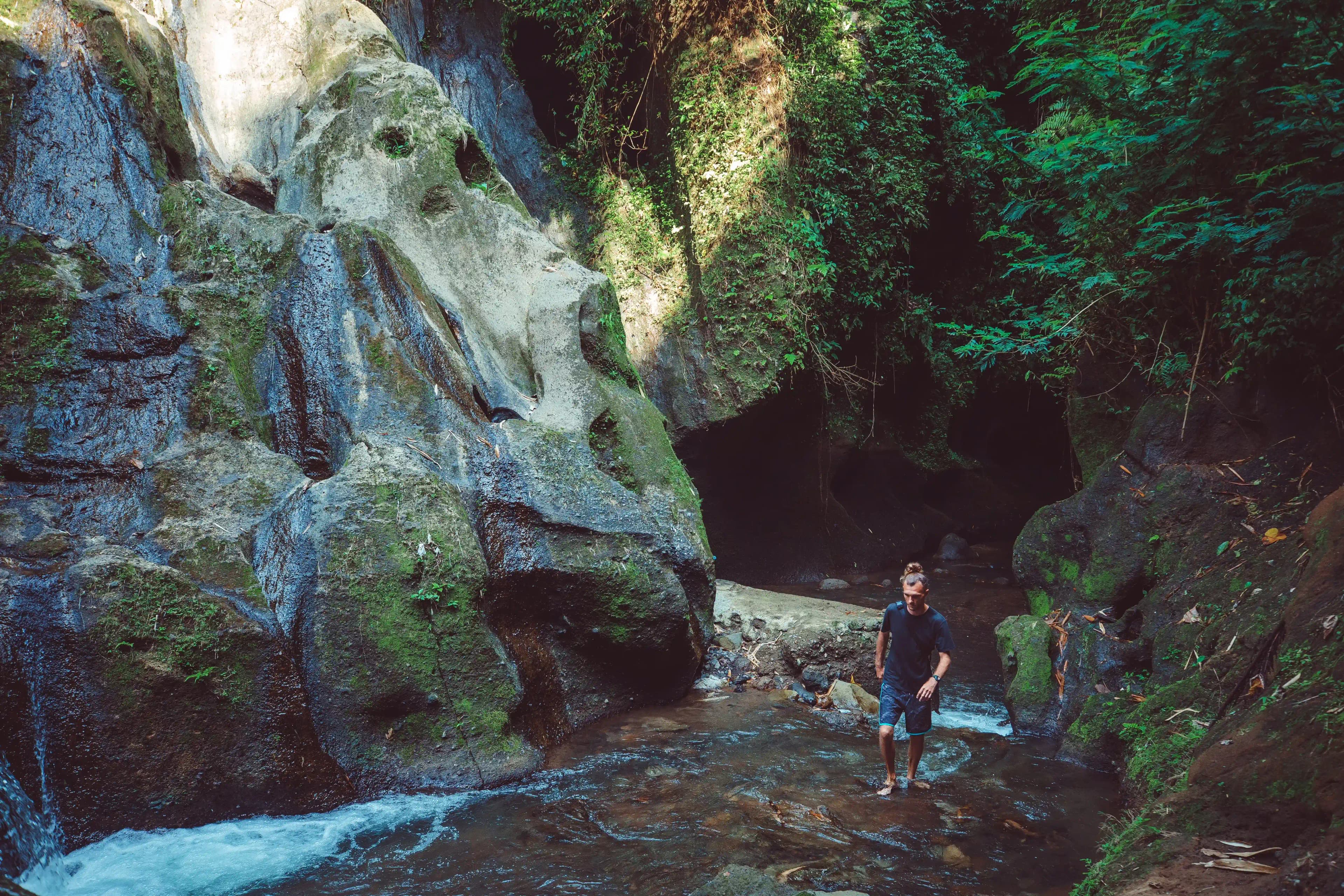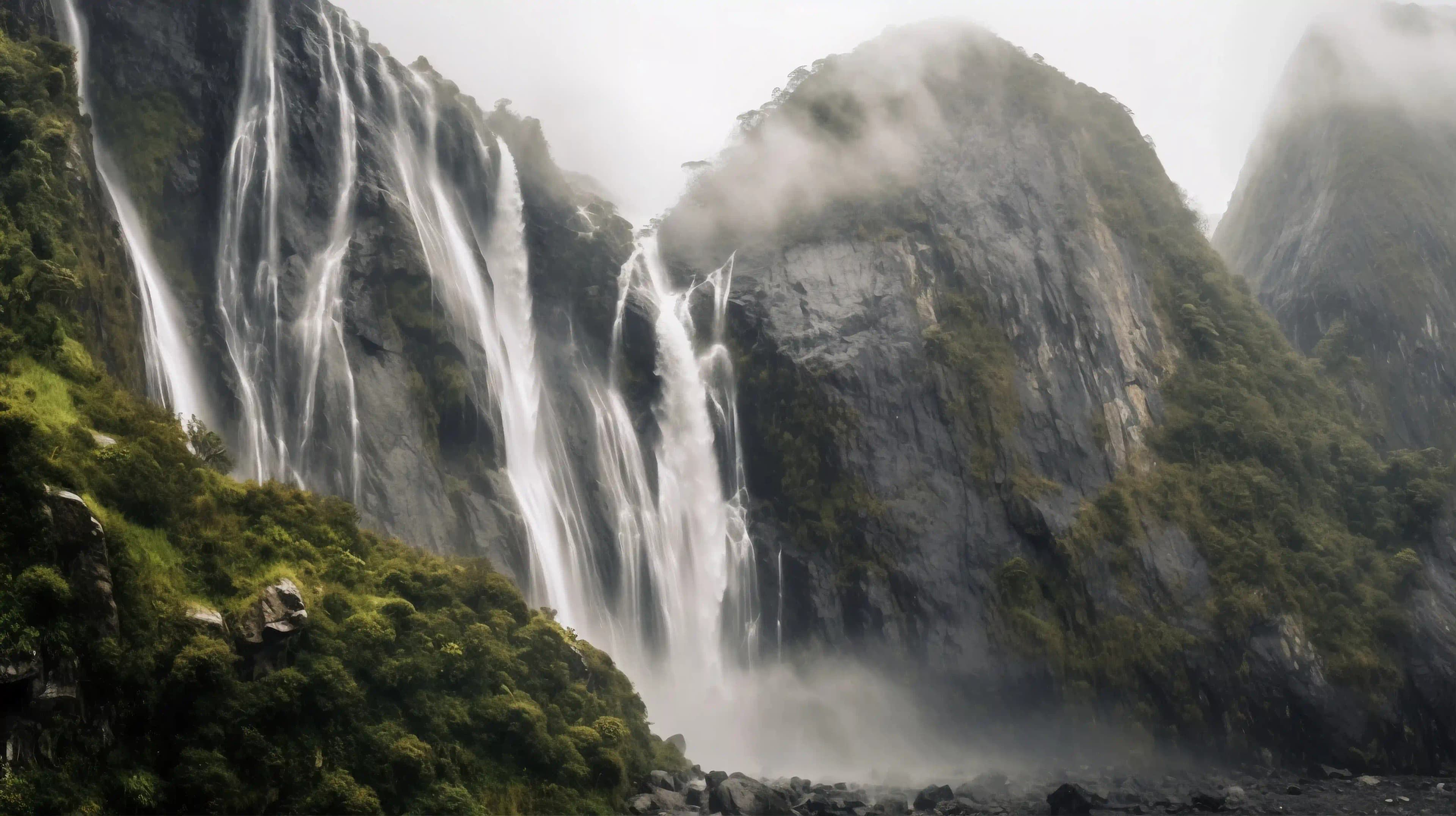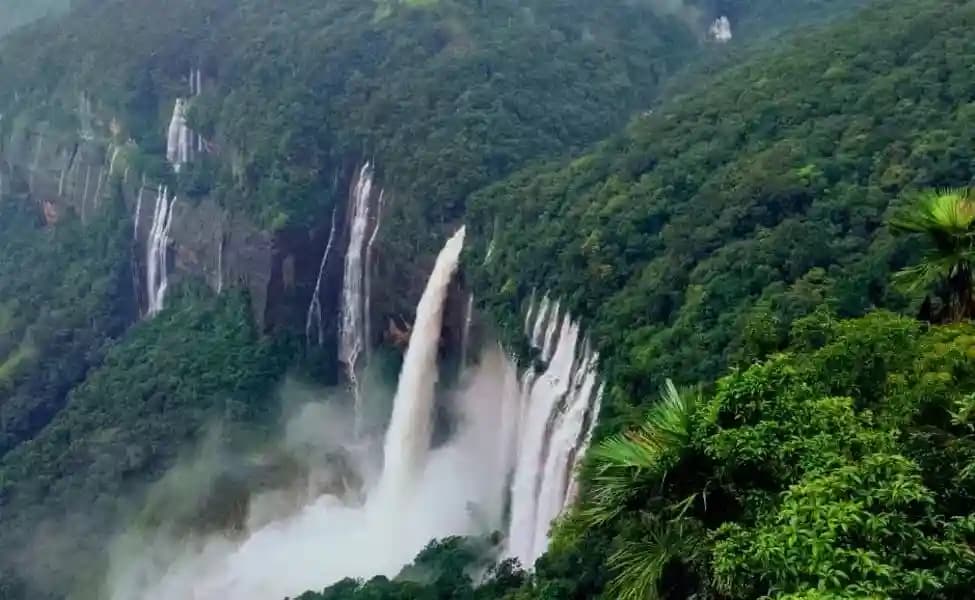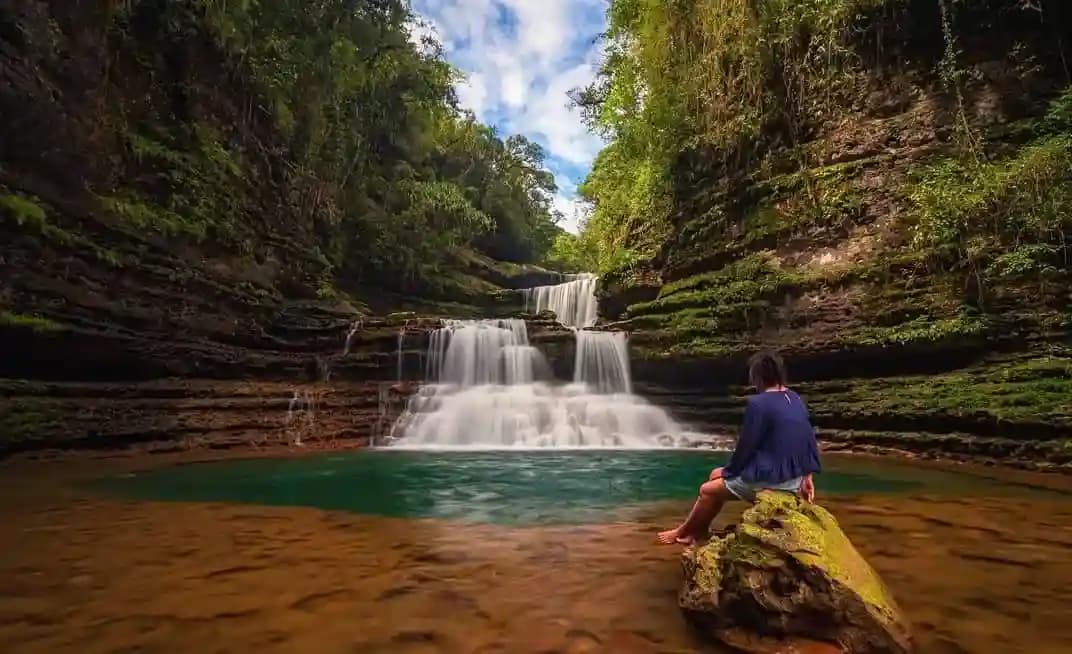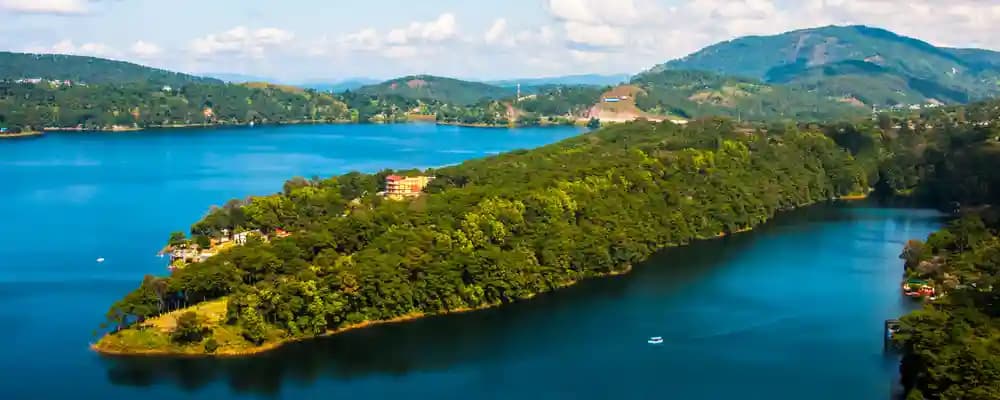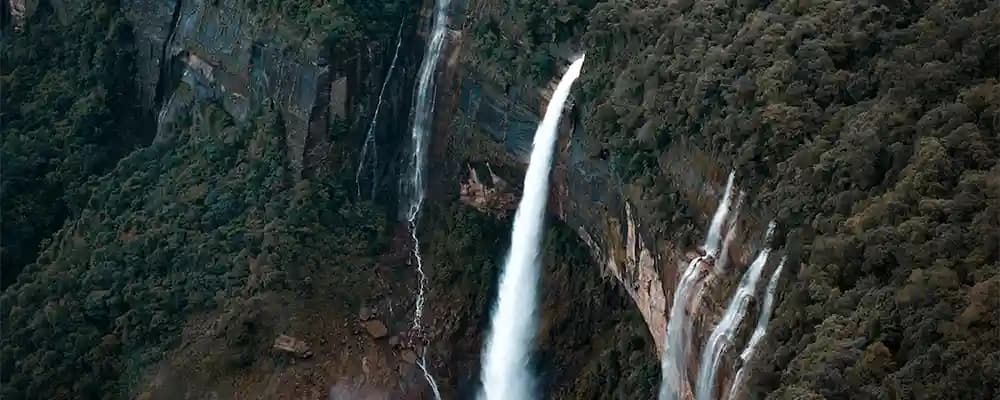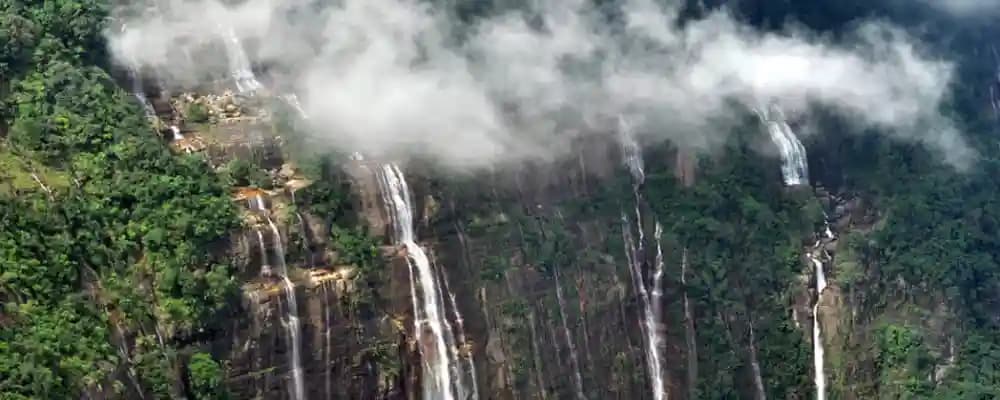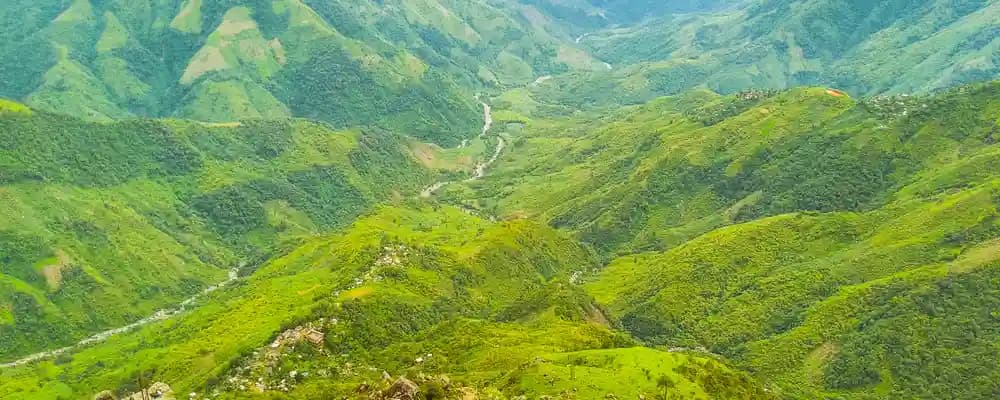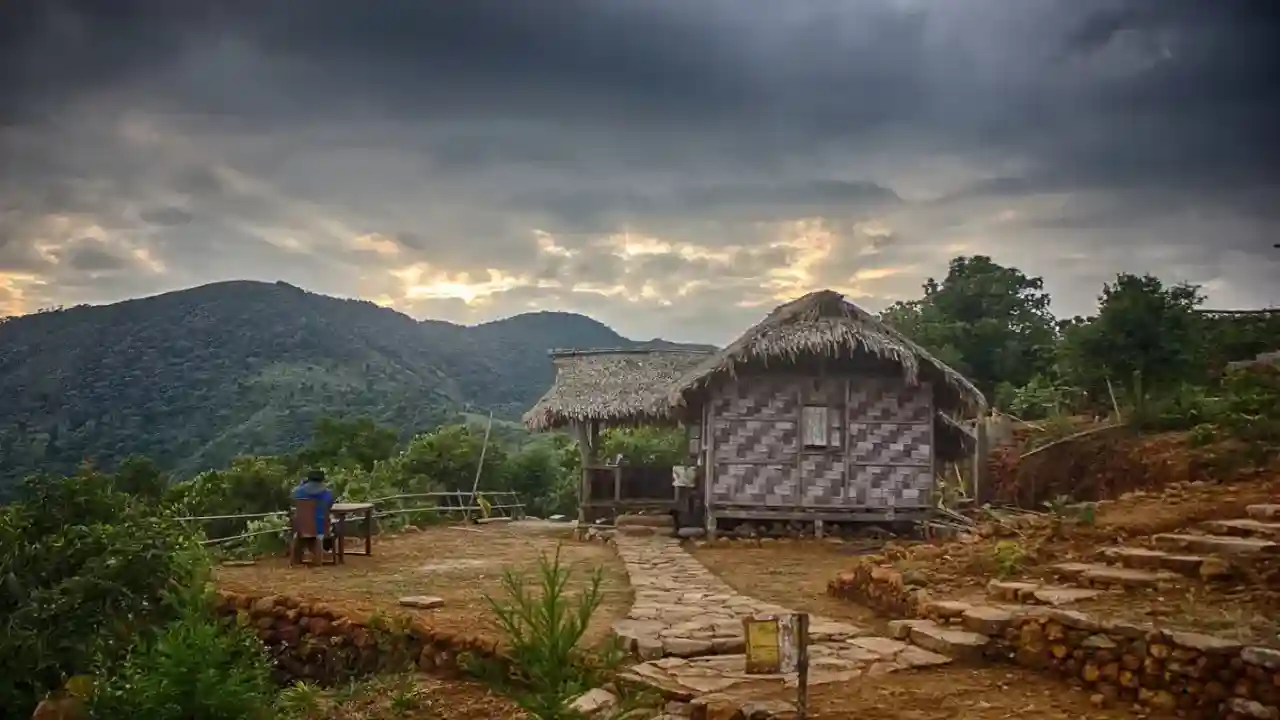
Where do you go when regular tourist spots feel too ordinary? Meghalaya has settlements where people grow bridges from tree roots instead of building them with concrete. Rain here doesn't just drizzle, it pours for six months straight and turns hillsides into giant waterfalls. The villages in Meghalaya stand out because life moves at a completely different pace. Women head households, kids grow up speaking languages you won't hear elsewhere, and farming methods haven't changed in centuries.
Your Meghalaya trip changes when you visit these smaller places instead of just the popular spots. This blog covers 10 villages that most people miss completely. There are no fancy stays or Instagram-famous cafes in these areas. But you'll meet families who've farmed the same land for generations and taste food that exists nowhere else. Let's find the Meghalaya that tourists usually miss.
Top 10 Villages in Meghalaya
Meghalaya has thousands of villages scattered across its hills and valleys, but some just hit different. Here's the list of 10 villages that locals actually recommend and travellers keep coming back to visit again. When looking for places to visit in Meghalaya beyond the usual tourist spots, these villages offer the most authentic experiences and rank among the best villages in Meghalaya.
1. Mawlynnong Village
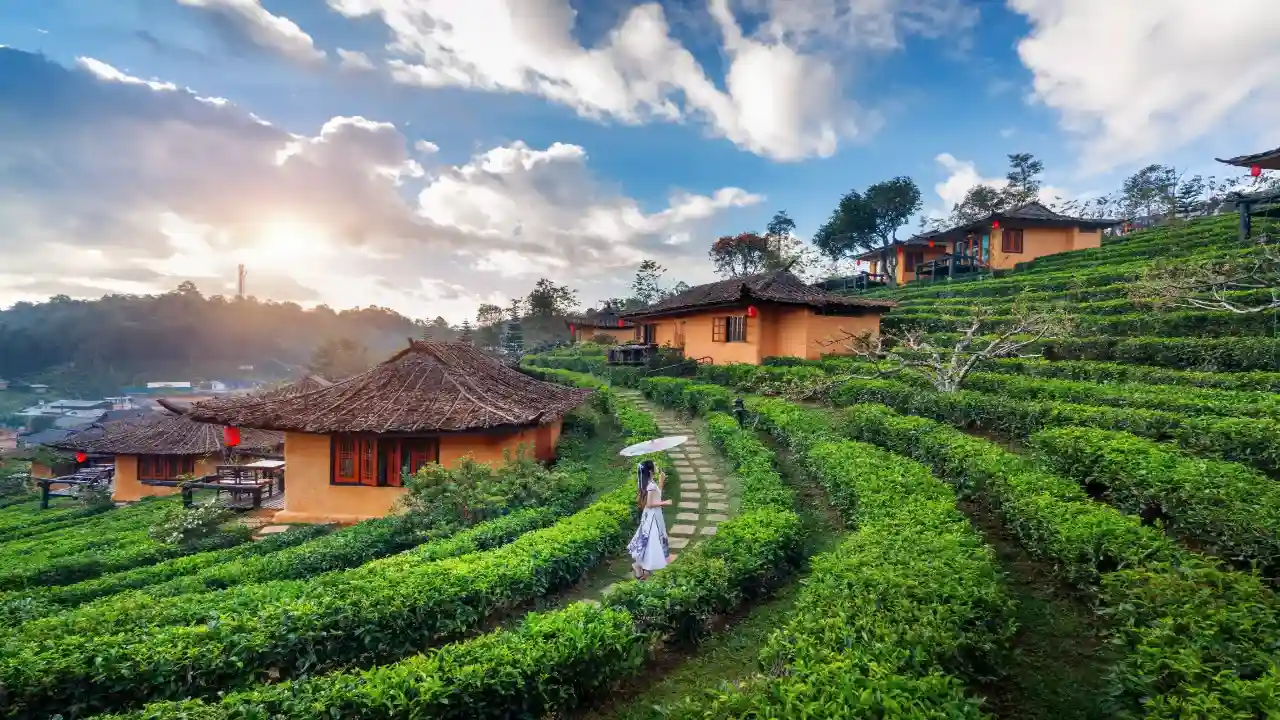
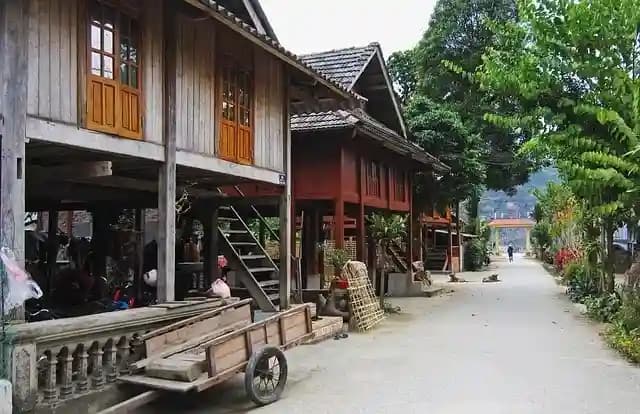
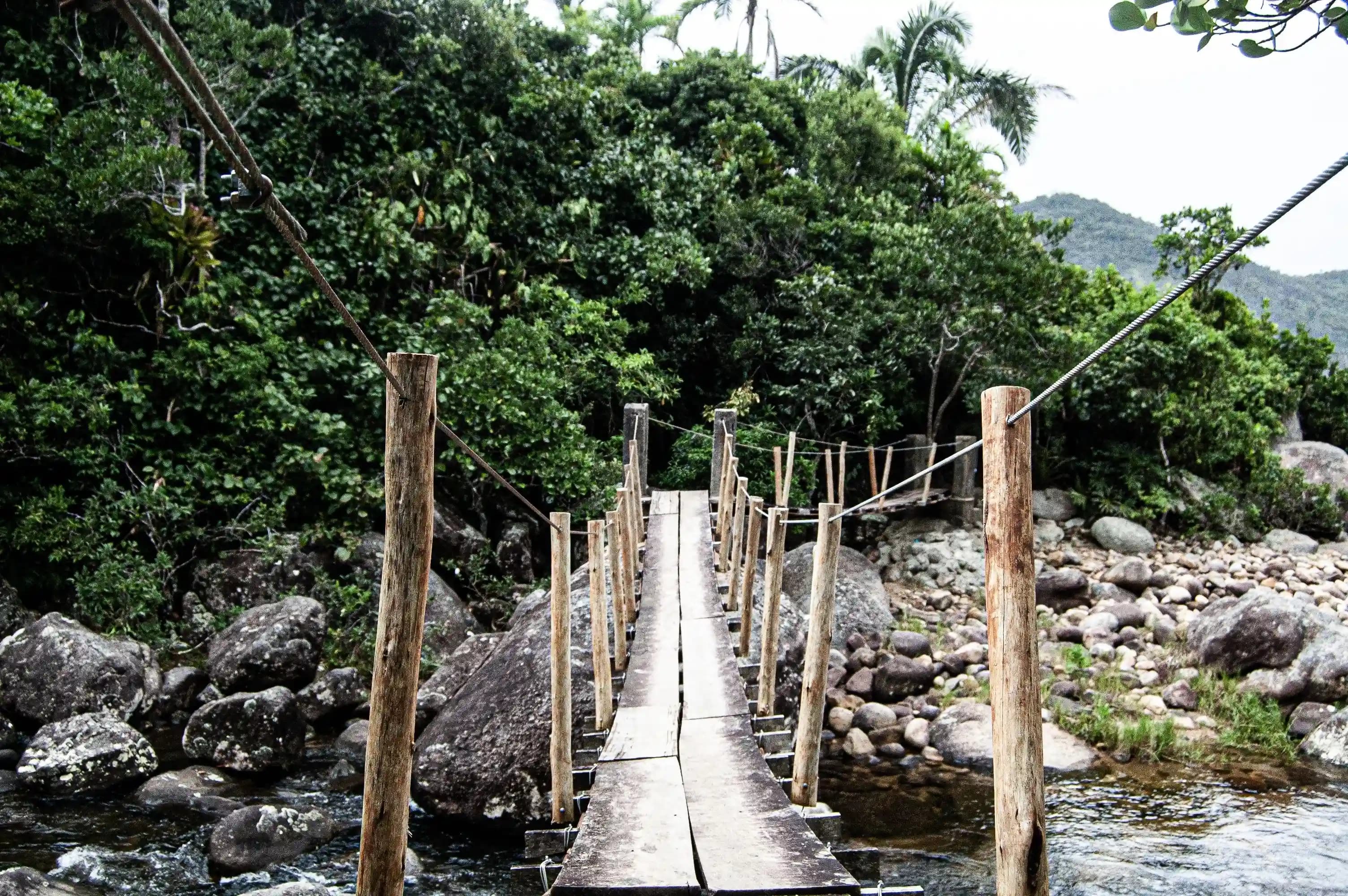
Maylynnong village earned the title of cleanest village in Asia, and you can see why within minutes of arriving. Bamboo dustbins line the pathways, and locals sweep their courtyards every single morning without fail. A living root bridge near the village takes about 20 minutes to reach through forest trails. The Sky View, a tall bamboo structure, lets you look over the treetops into Bangladesh on clear days. Homestays here serve simple Khasi meals, and the cleanest village in Meghalaya makes a perfect first stop for understanding local culture.
Things to do: Walk the living root bridge, climb Sky View tower, and stay in homestays.
Cultural significance: The Khasi tradition of spotless villages and eco-friendly root bridges.
Best time to visit: October to April.
2. Kongthong Village
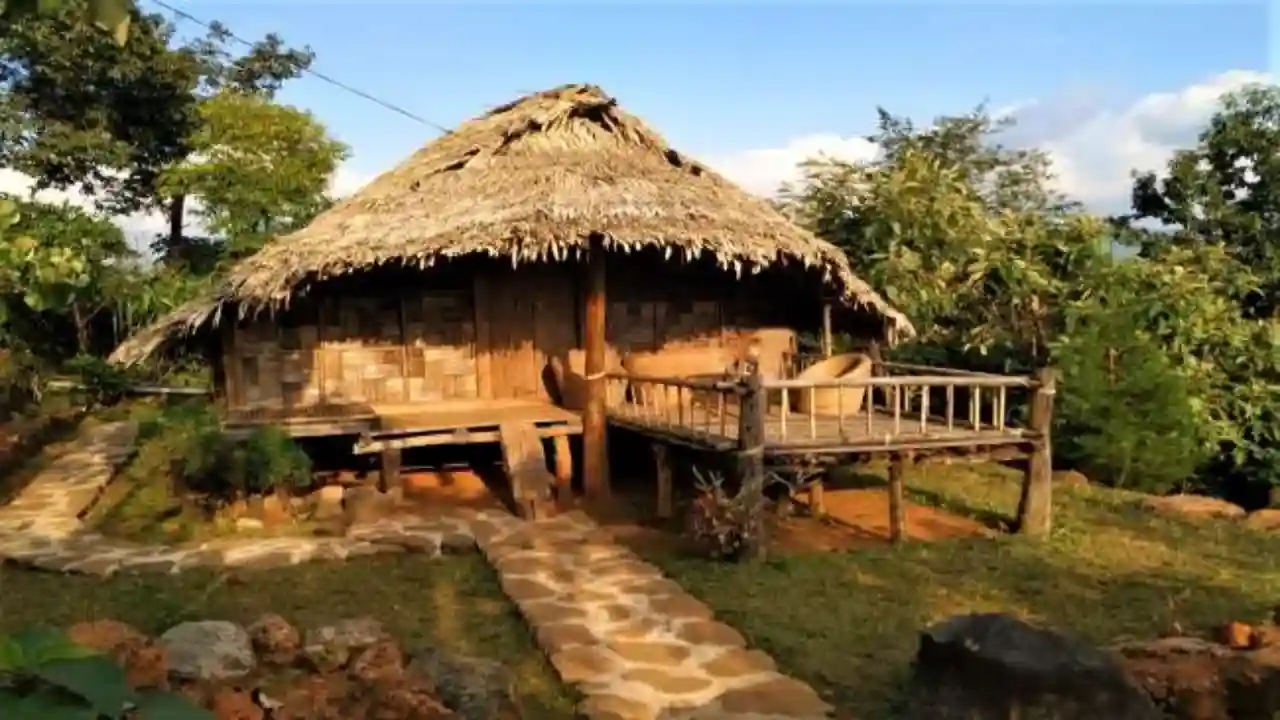
People here don't call each other by regular names but by unique tunes their mothers composed at birth. Every person has their own melody that family and neighbours whistle instead of shouting their name. The village spreads across a hillside with about 120 families living in traditional bamboo and tin houses. The best time to visit Meghalaya is between October and May when the weather stays clear. During these months, you can hear the whistles echo across valleys without heavy rains interrupting everything. Trekking trails from here lead deeper into the forest, where streams and smaller settlements appear occasionally. Among the tribal villages in Meghalaya, Kongthong offers something you won't find anywhere else in India.
Things to do: Hear whistling calls, trek forest trails, visit bamboo homes.
Cultural significance: Mothers compose unique lullaby tunes as personal names.
Best time to visit: October to May.
3. Nongriat Village
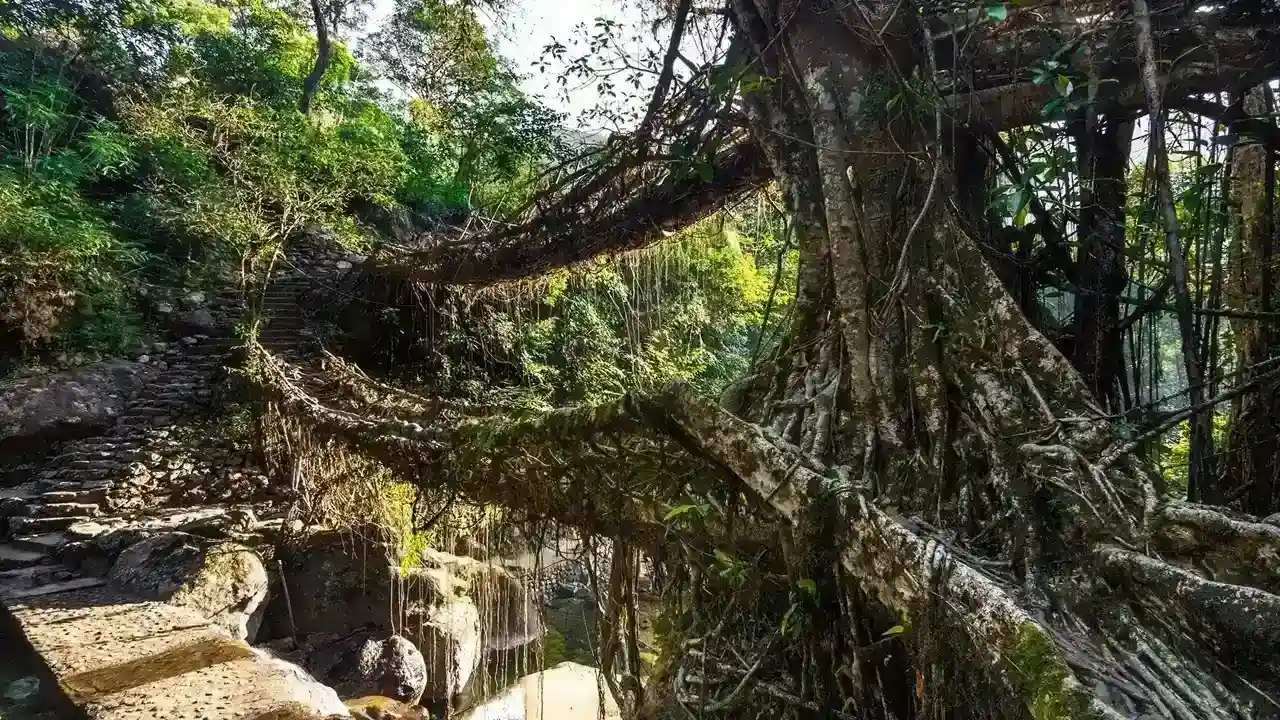
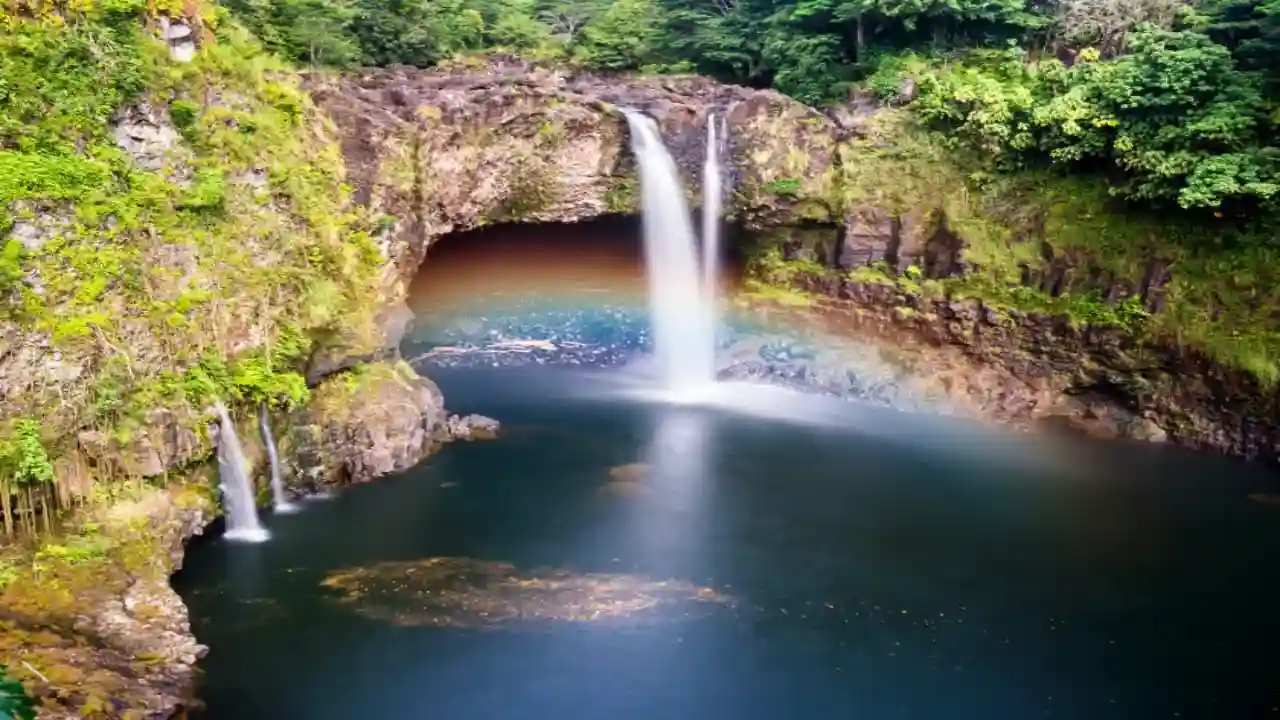
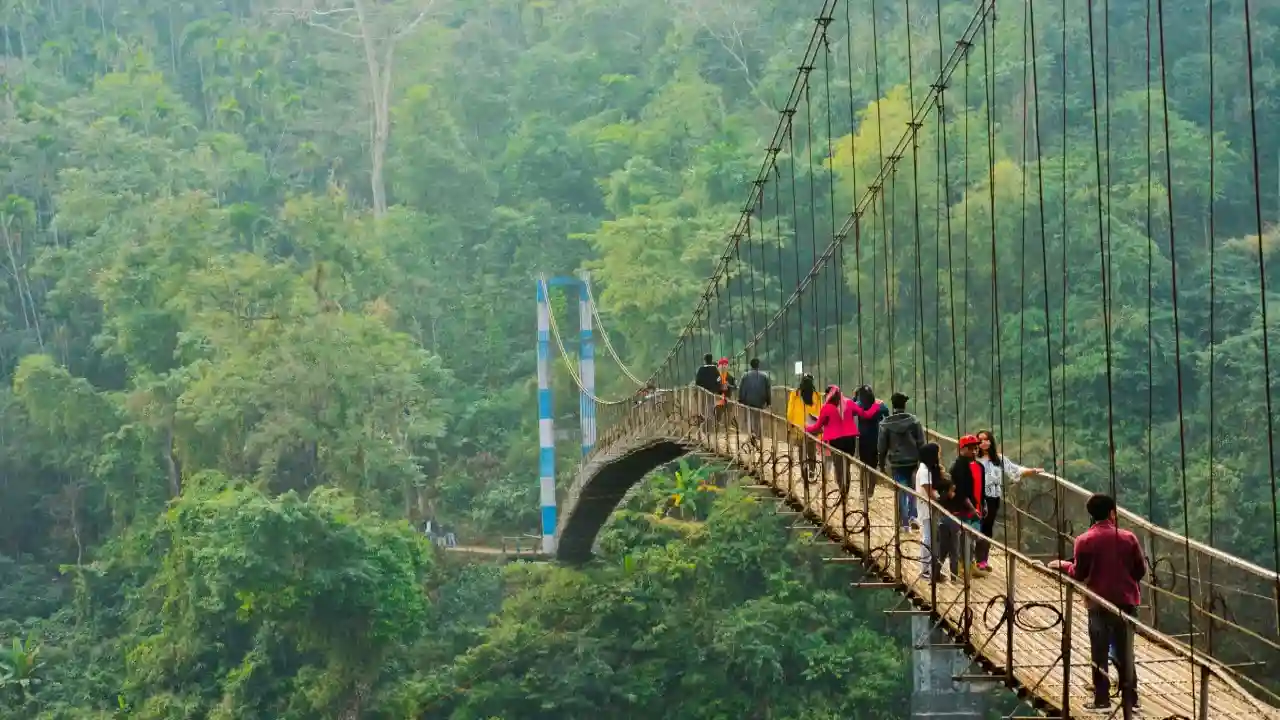
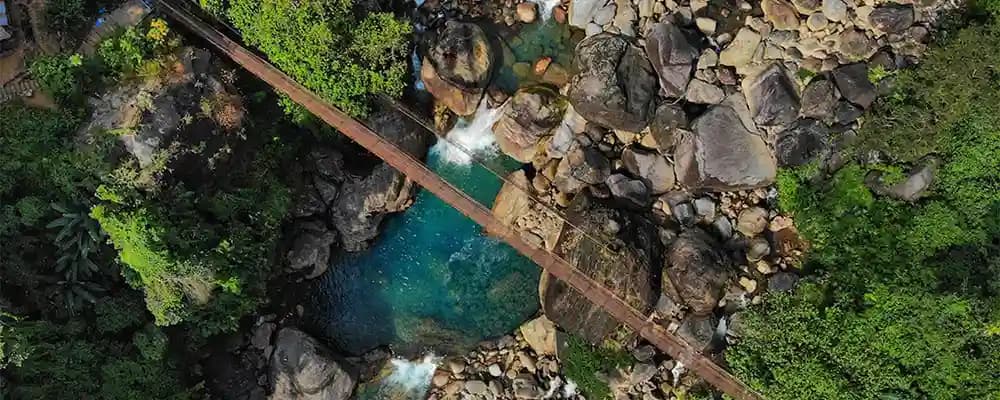
Getting here means descending over 3,500 steps through dense jungle and multiple stream crossings along the way. The famous double-decker living root bridge waits at the bottom, grown over centuries by the Khasi people. A natural pool below the bridge stays cold year-round and deep enough for proper swimming. Rainbow Falls lies another hour's trek beyond Nongriat through more forest and slippery rocks when wet. The climb back up those steps tests your legs, but the villages in Meghalaya rarely get more spectacular than this. Most visitors stay overnight because doing the trek in one day feels brutal in the heat.
Things to do: Hike 3,500 steps, swim under a double root bridge, trek to Rainbow Falls.
Cultural significance: Ancient Khasi bio-engineered double-decker living bridge.
Best time to visit: October to May.
4. Mawsynram Village
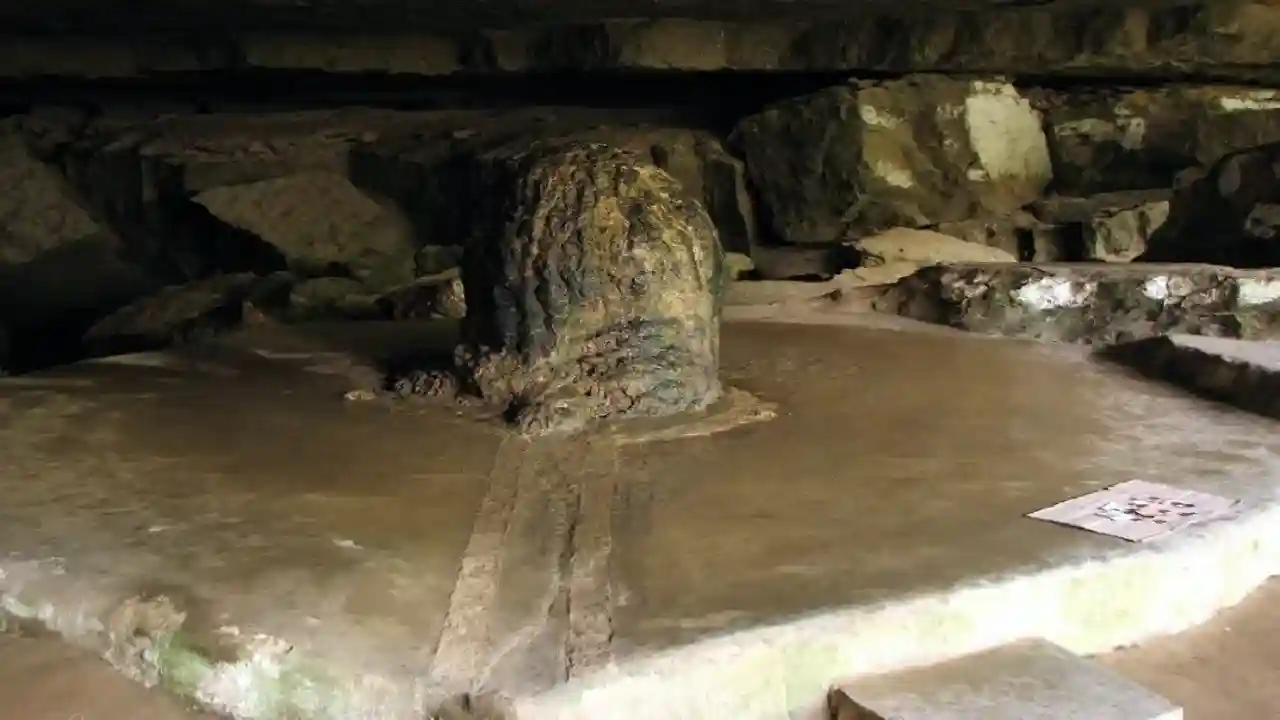
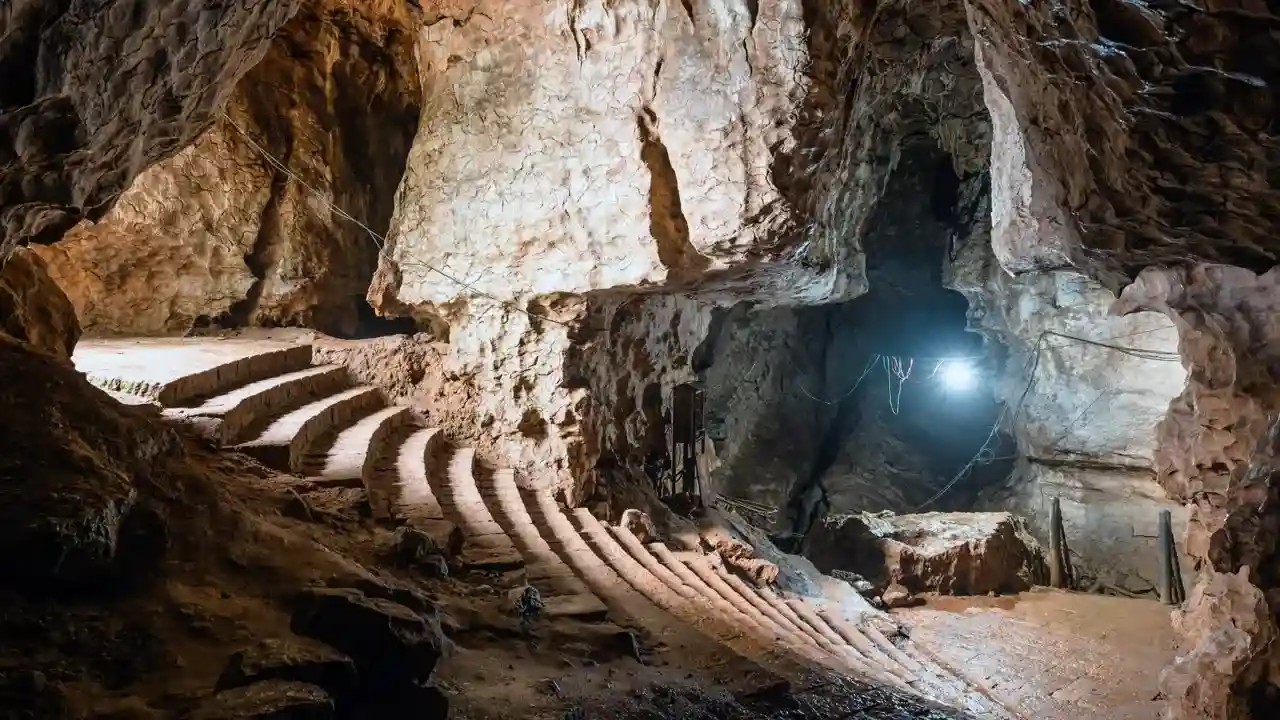
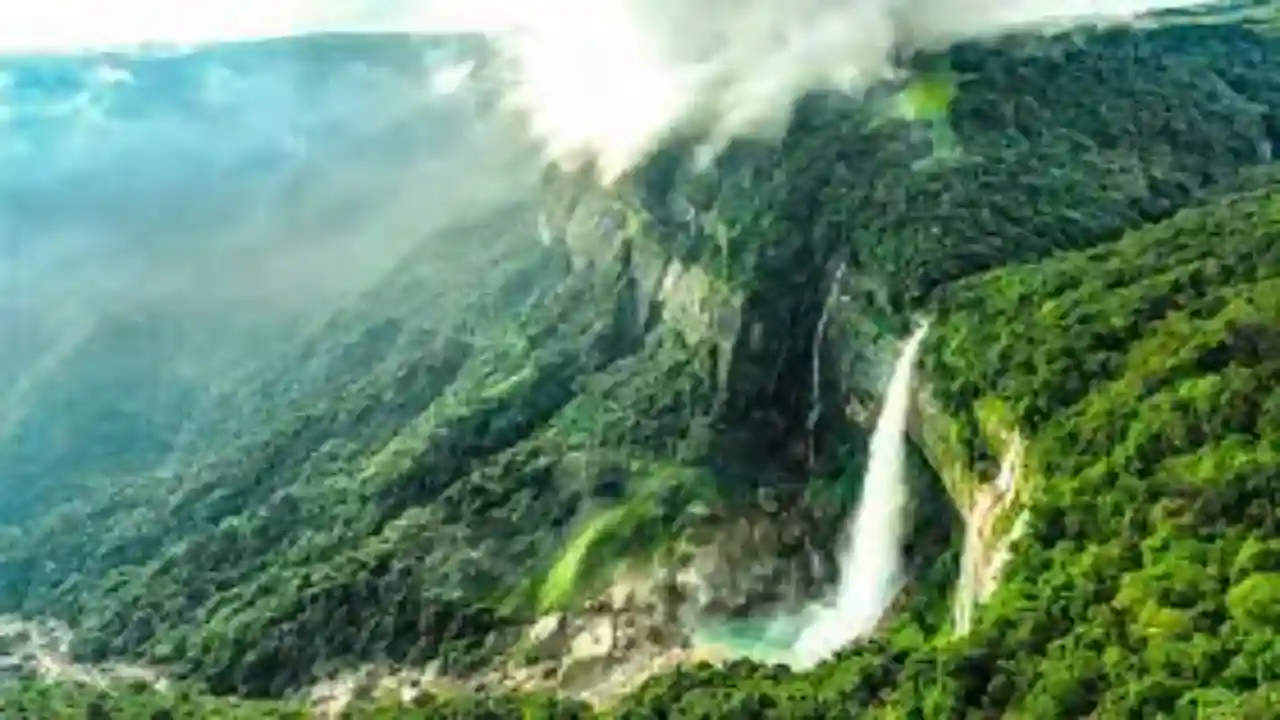
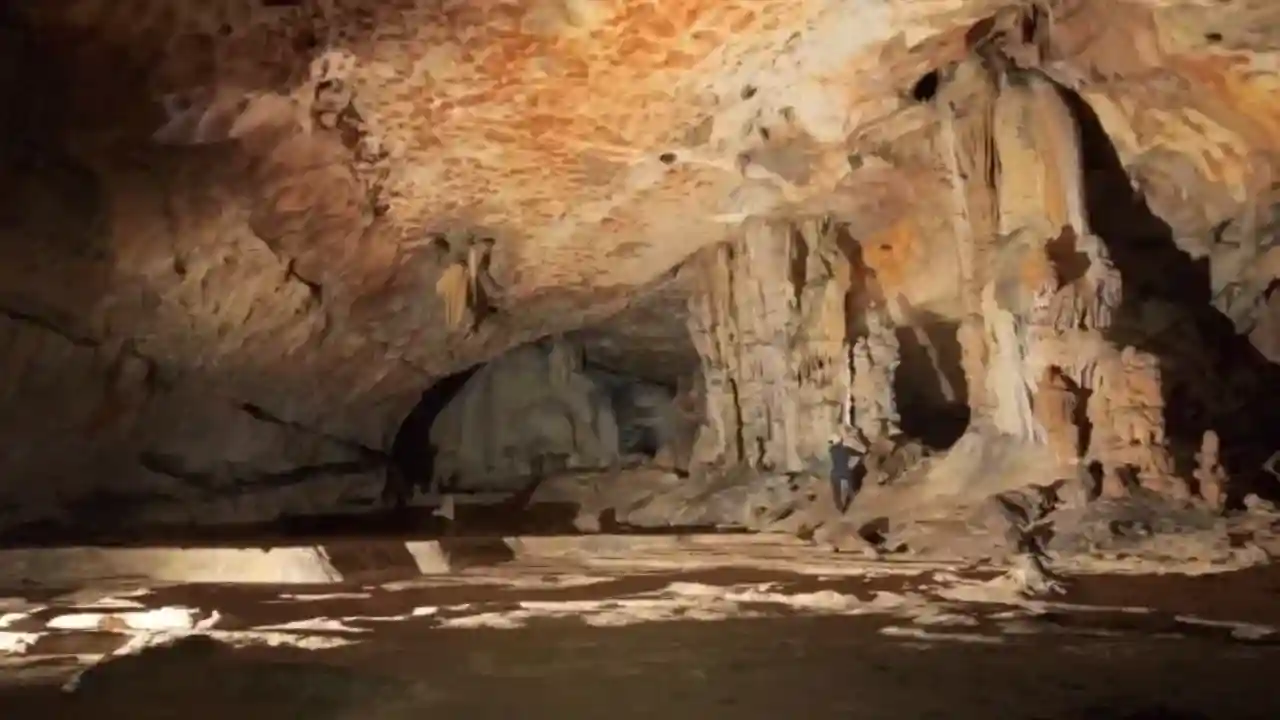
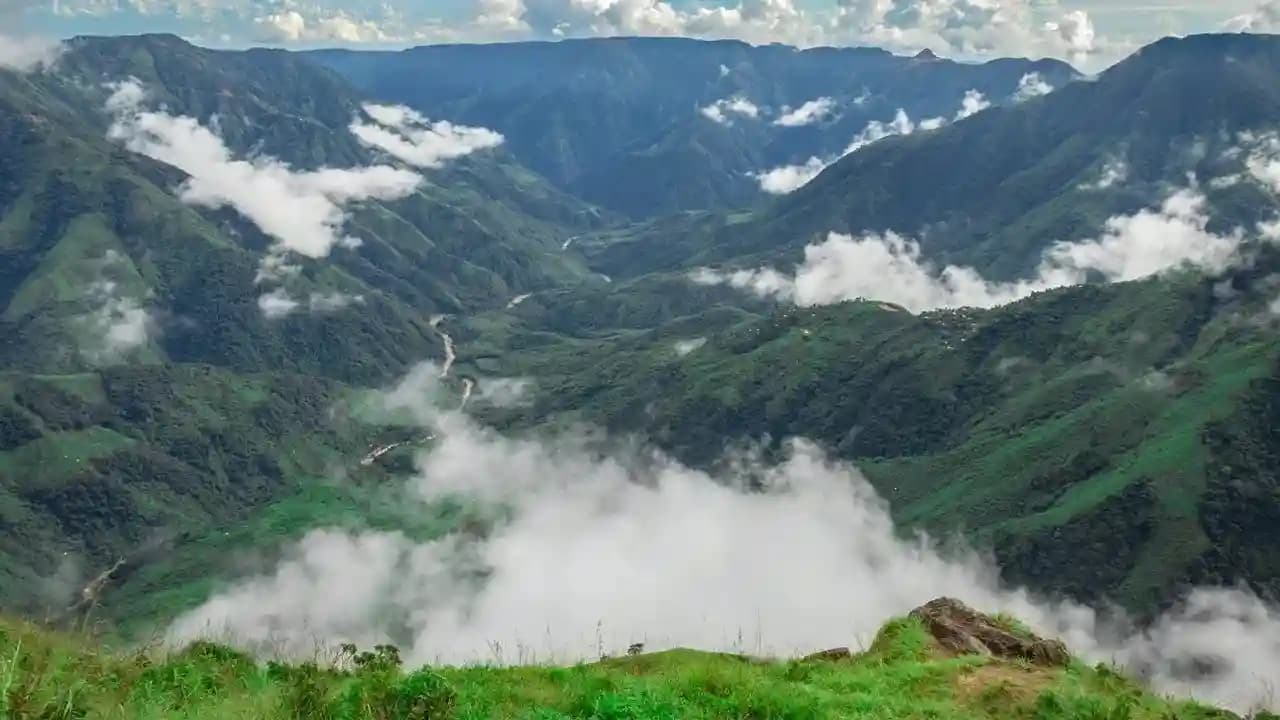
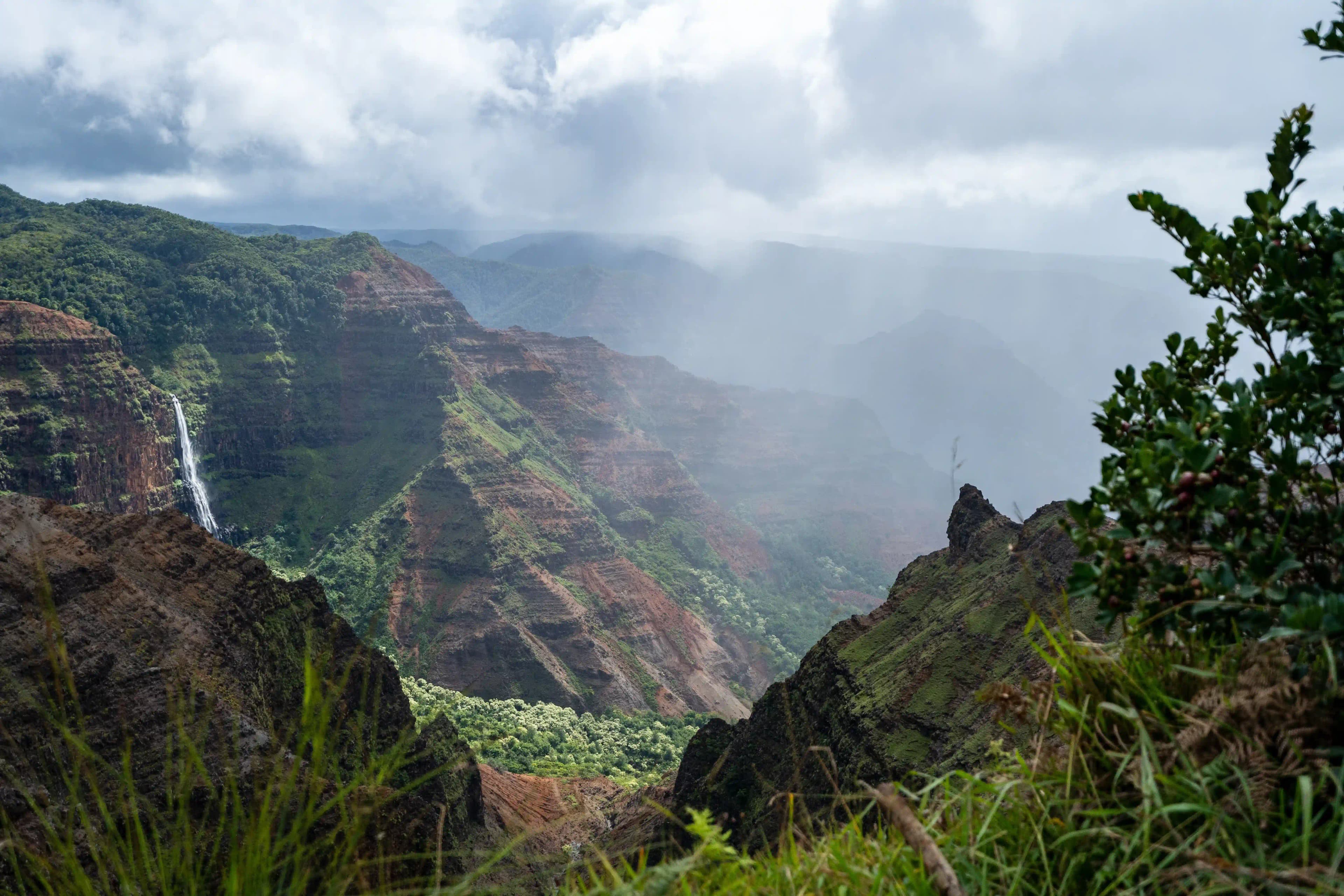
Records show this as the wettest place on Earth with over 11 metres of rain annually. Locals wear special cone-shaped bamboo shields called knups that cover their entire back when working in fields. The Mawjymbuin Cave near Maysynram has a massive stalagmite formation that locals consider sacred and pray to regularly. Everything grows lush and green here, but the constant rain from June to September makes roads tricky. Visiting during winter, from November to February, makes you experience the landscape without getting completely drenched. This remains one of the famous villages in Meghalaya despite the relentless rainfall that defines daily life here.
Things to do: Explore Mawjymbuin sacred cave, see rain shields, and walk lush trails.
Cultural significance: Khasi rituals at stalagmite shrines in the world's wettest place.
Best time to visit: October to April.
5. Riwai Village
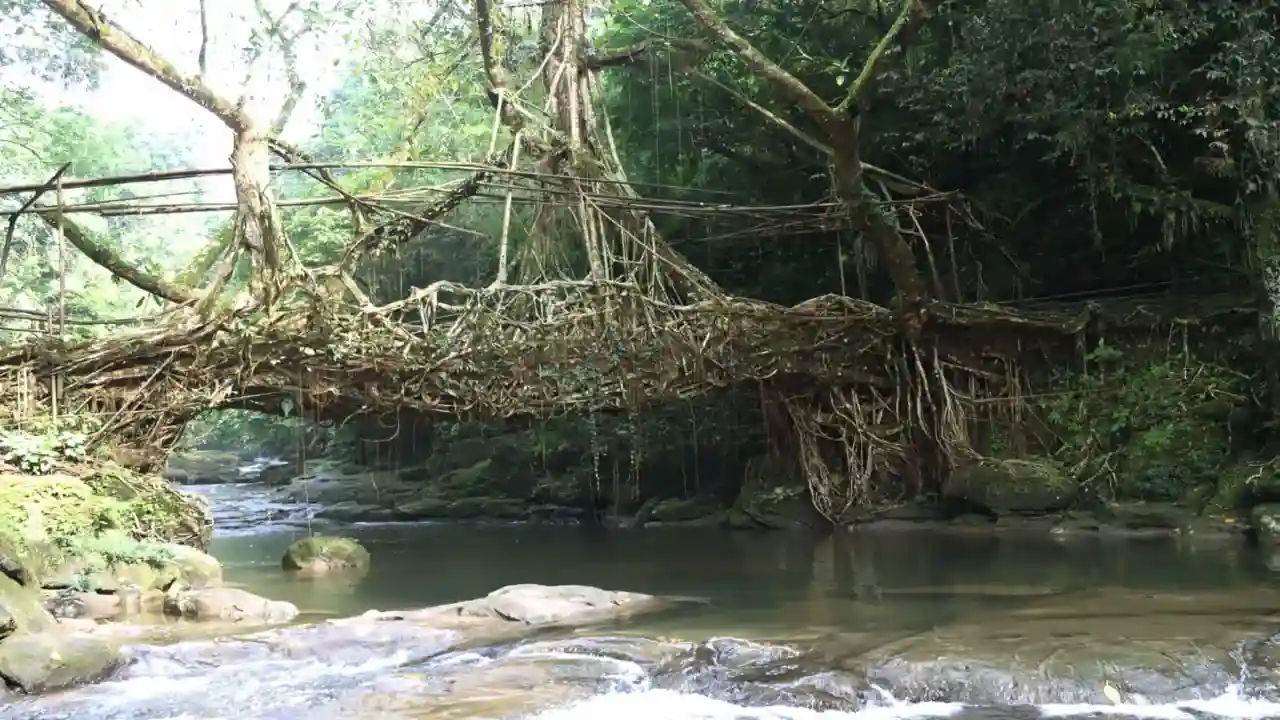
The root bridge here might be the longest single-span living bridge in the entire state of Meghalaya. Local Khasi communities have been training fig tree roots across the river for over 600 years. The bridge can hold around 50 people at once, and locals use it daily for crossing during monsoons. Riwai gets way fewer tourists than Nongriat, so it feels much quieter. Among villages in Meghalaya, exploring these hidden root bridges is one of the unique things to do in Meghalaya that most itineraries skip. Small waterfalls pop up along the trail when it rains. A couple of homestays have basic rooms and cook proper meals if you stay overnight.
Things to do: Cross the longest root bridge, chase small waterfalls, overnight homestay.
Cultural significance: 600-year-old single-span root bridge craftsmanship.
Best time to visit: October to June.
6. Pynursla Village
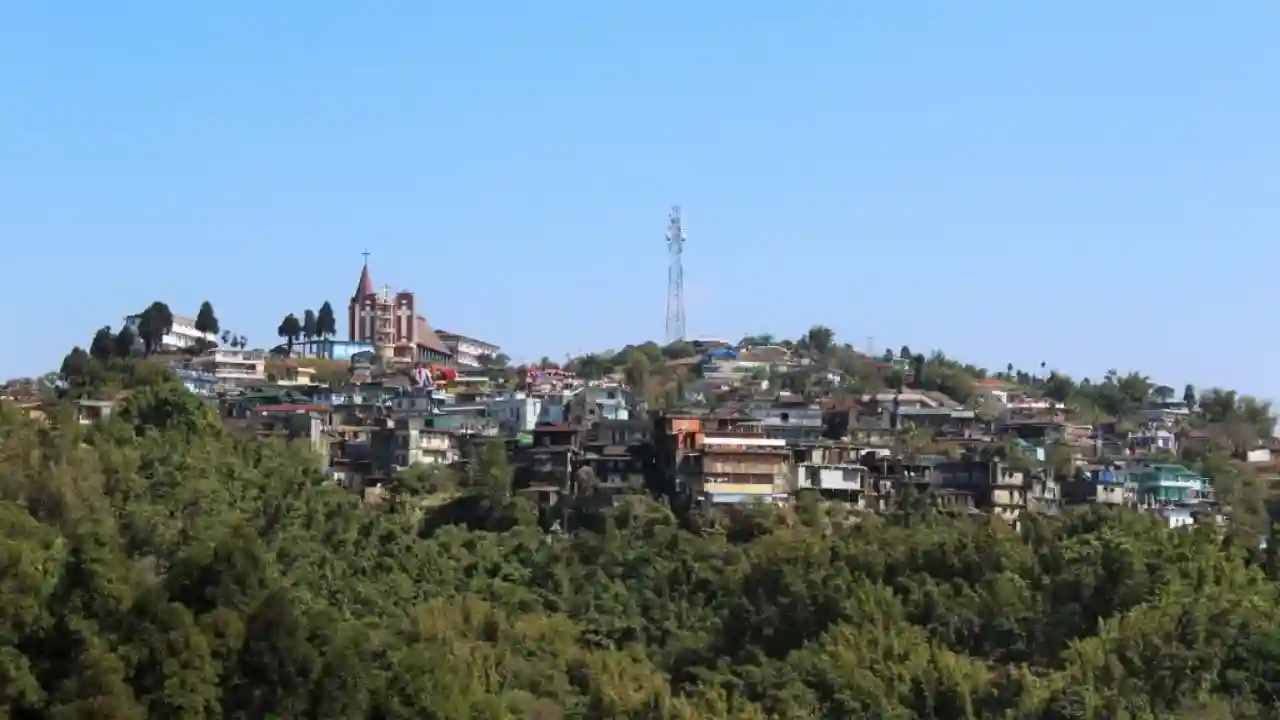
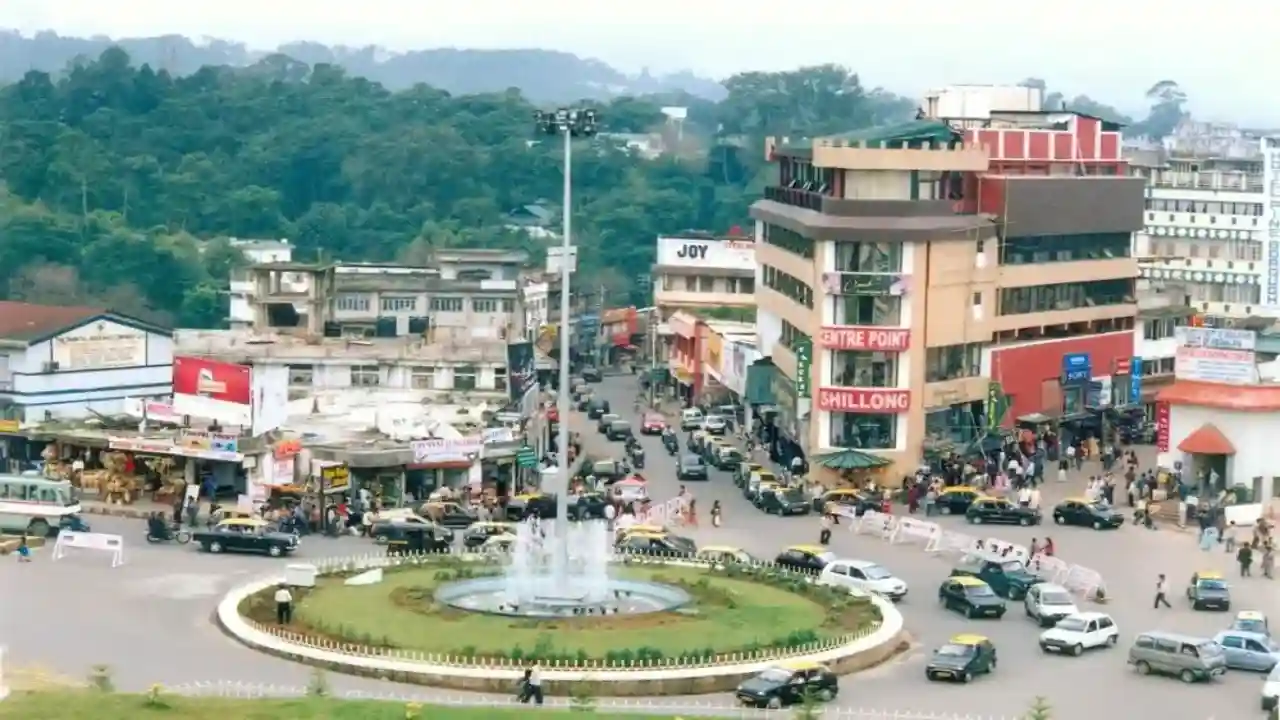
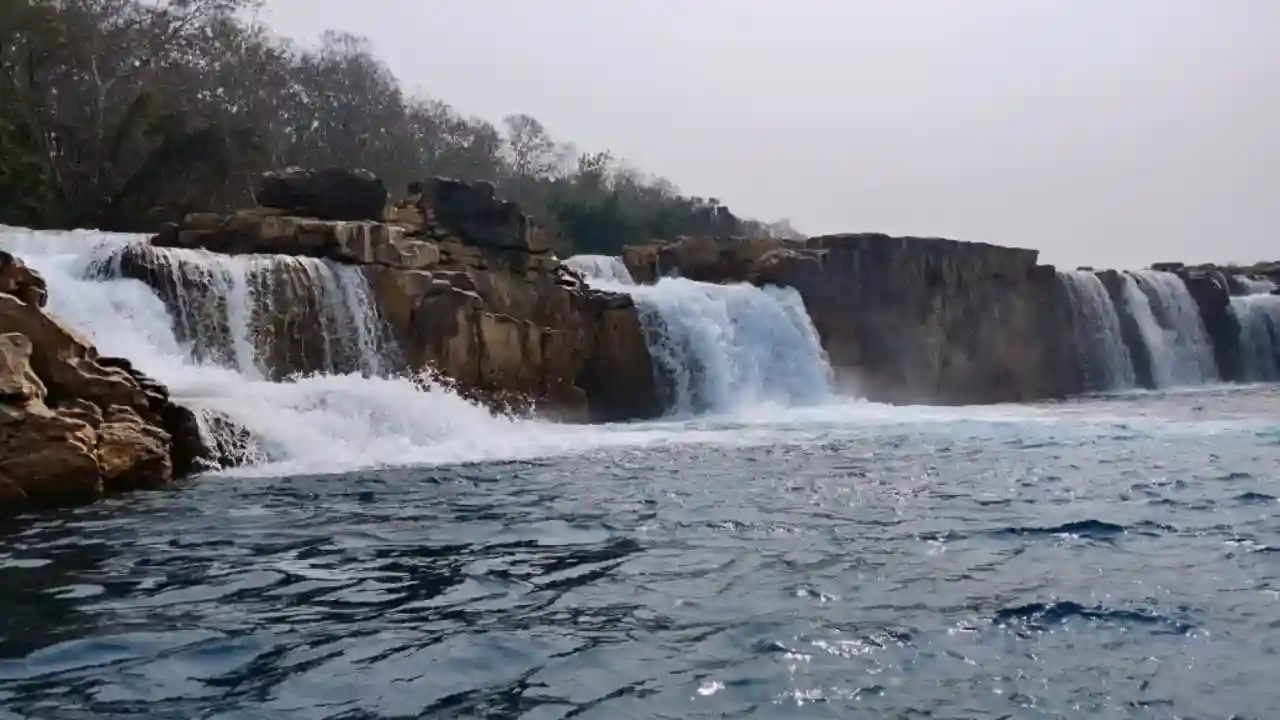
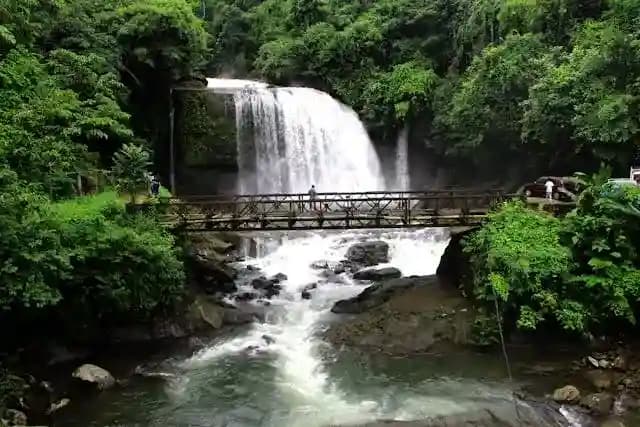
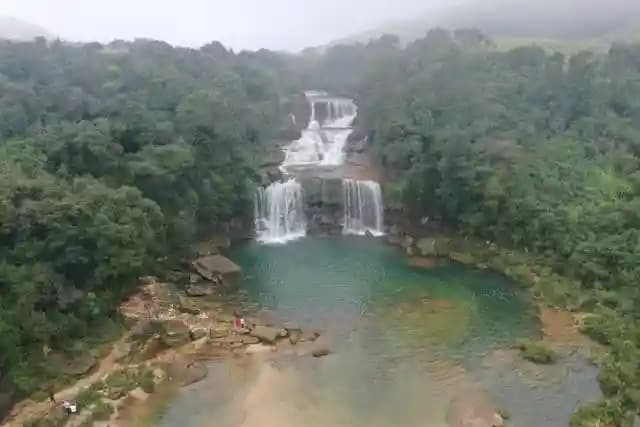
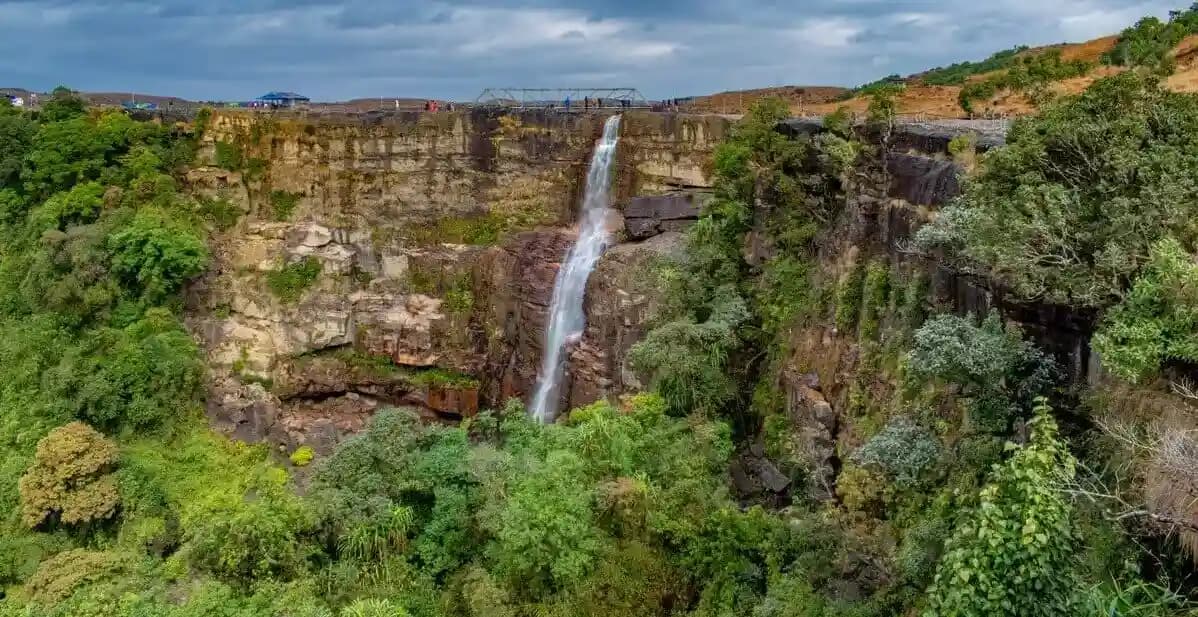
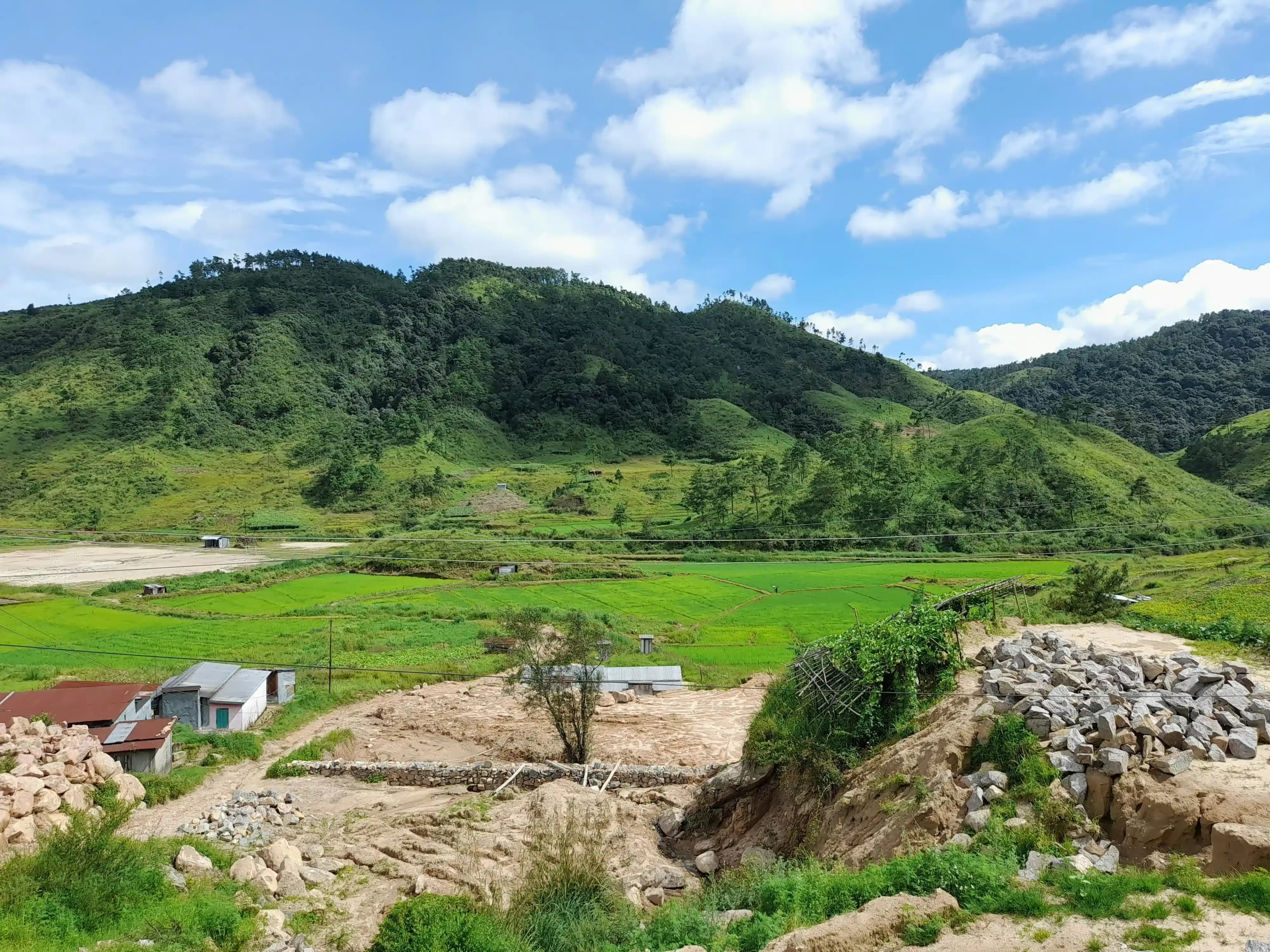
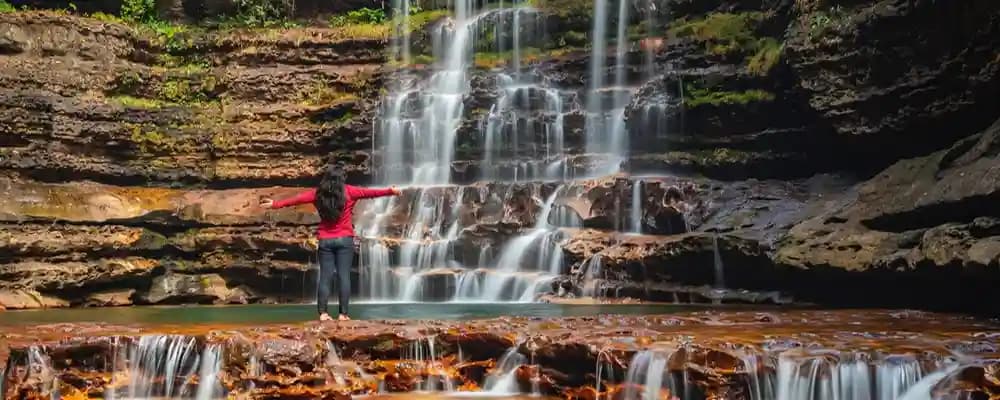
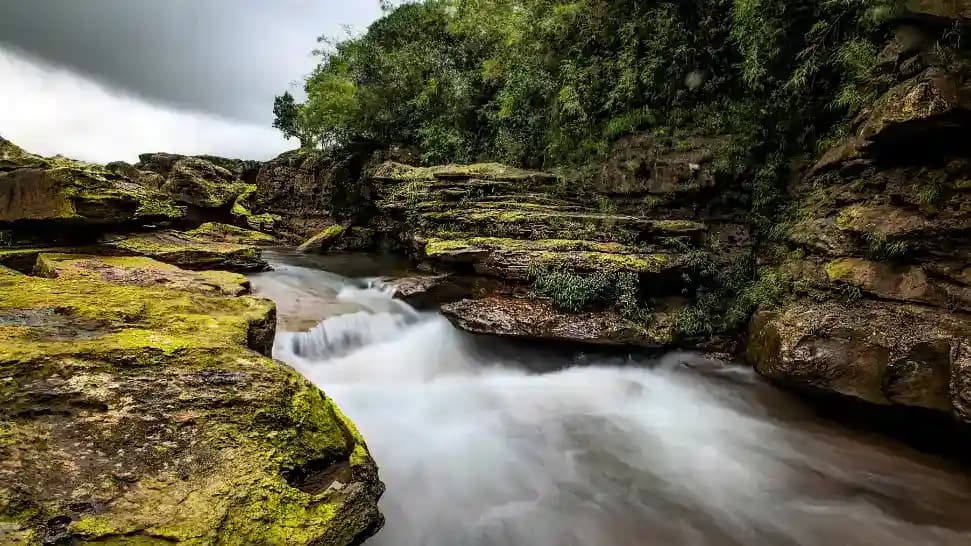
This market town serves as the main hub for several smaller villages scattered across the surrounding hills. Weekly markets on Wednesdays and Saturdays bring villagers from remote areas selling vegetables, fish, and handwoven textiles. The village connects to Mawsynram and other villages in Meghalaya through decent motorable roads that stay open most of the year. Wei Sawdong Falls near Pynursla requires a short trek through private land, and you need permission from the landowners. The three-tiered waterfall creates natural pools perfect for swimming when water levels are safe.
Things to do: Shop at Wednesday markets, trek to Wei Sawdong Falls, and meet locals.
Cultural significance: Khasi trading hub with private land waterfall traditions.
Best time to visit: October to May.
7. Nongjrong Village
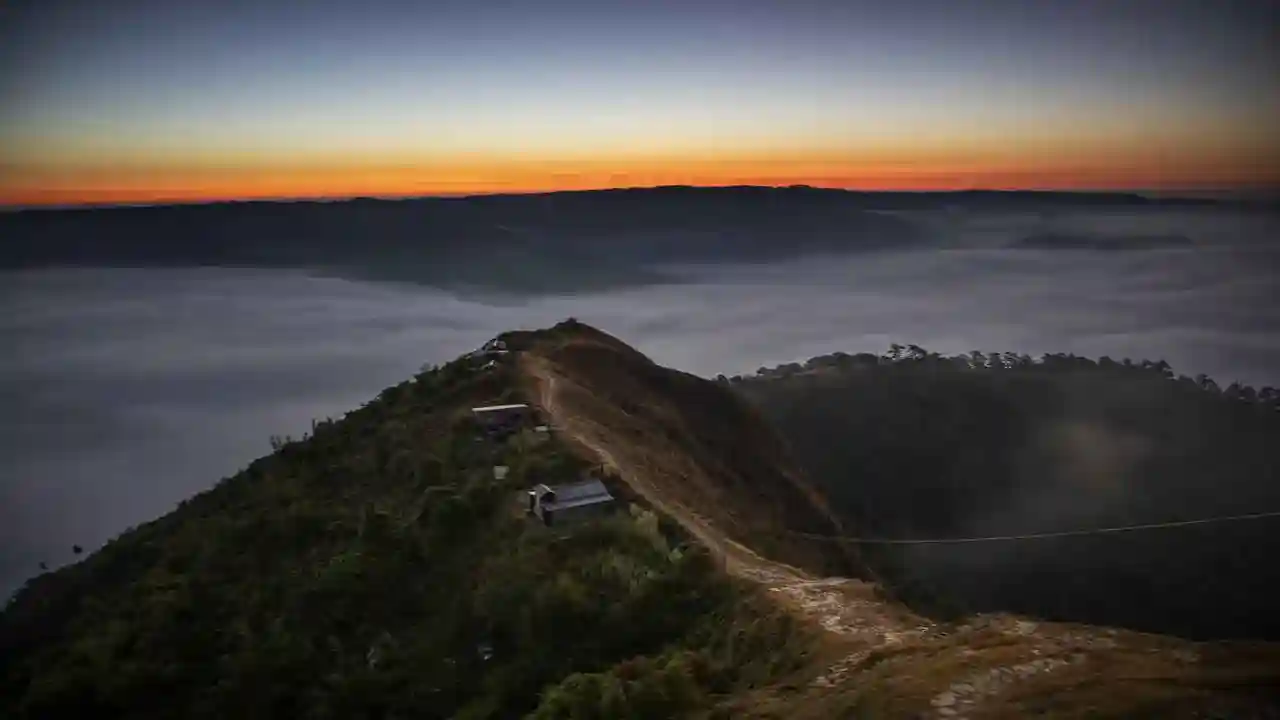
Locals here run their own tourism project and take visitors around to show how they actually live. Women sit at handlooms weaving Khasi shawls in their homes and sell them right there to guests. The village has trekking paths to waterfalls and viewpoints, making trekking in Meghalaya feel more personal with guides who grew up walking these trails. Bamboo cottages let tourists stay overnight, and the money goes into projects that help everyone in the village. During festivals, they hold archery competitions, and you can try if you ask them nicely. Picking villages to visit in Meghalaya, like Nongjrong, means your money goes to families here, not some company outside.
Things to do: Watch shawl weaving, join archery, and hike village trails.
Cultural significance: Community-led tourism preserving Khasi crafts and festivals.
Best time to visit: November to March.
8. Mawphlang Village

The sacred forest near this village has remained untouched for centuries because of traditional Khasi beliefs and protection laws. Local guides from the village take visitors through the forest, explaining which plants have medicinal uses. Nobody can take even a leaf or twig from this sacred grove, and the rules are enforced strictly. Mawphlang also has a heritage village project showcasing traditional Khasi architecture and farming methods still practised today. Markets here sell local honey, handicrafts, and traditional instruments made by village artisans using old techniques.
Things to do: Tour the sacred forest, learn about medicinal plants, and visit heritage huts.
Cultural significance: Protected sacred grove holding ancient Khasi spiritual beliefs.
Best time to visit: October to April.
9. Mawphanlur Village
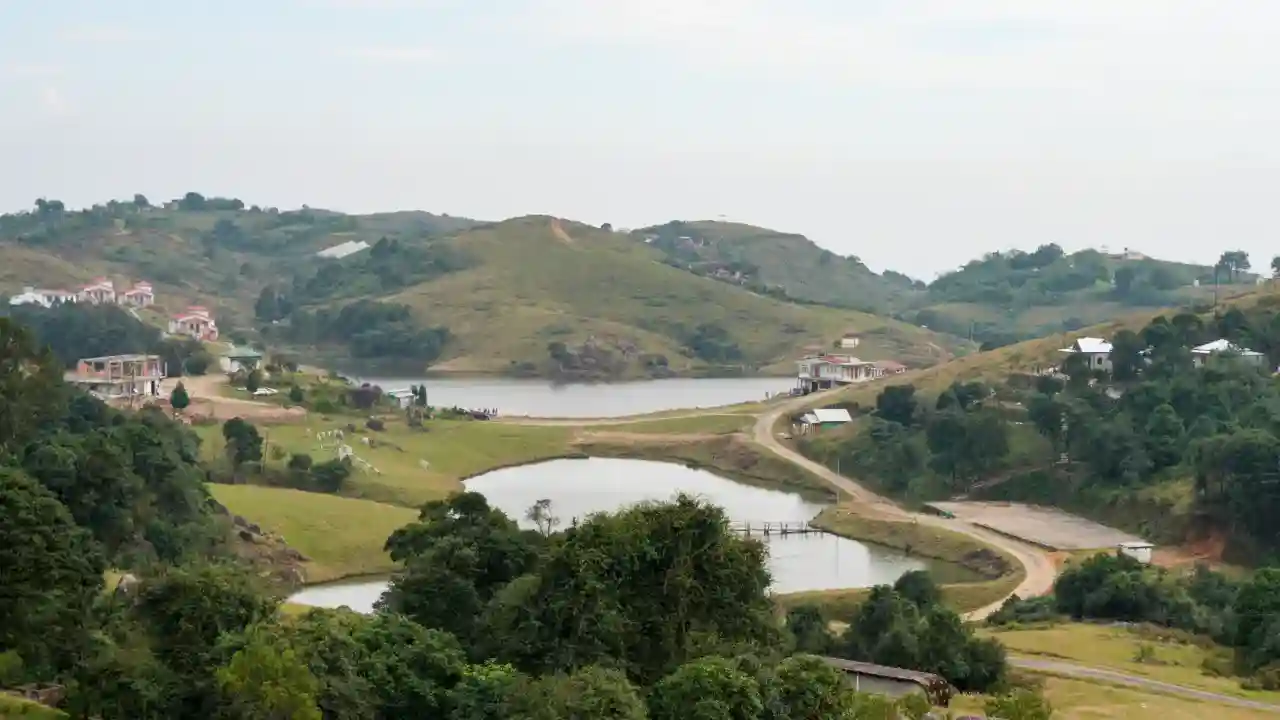
Bamboo craft workshops here produce everything from baskets to furniture using techniques passed down through generations. Visitors can learn basic bamboo weaving if they stay for a few days. Streams running through the village provide water for irrigation, and terraced fields climb the hillsides. During the festivals of Meghalaya, a small community hall hosts cultural programs where traditional Khasi dances are performed with drums. The village remains relatively unknown to tourists, offering authentic experiences in one of the tribal villages in Meghalaya.
Things to do: Join bamboo workshops, walk through the terraced fields, and see cultural dances.
Cultural significance: Passed-down bamboo weaving skills sustain generations.
Best time to visit: October to May.
10. Nartiang Village

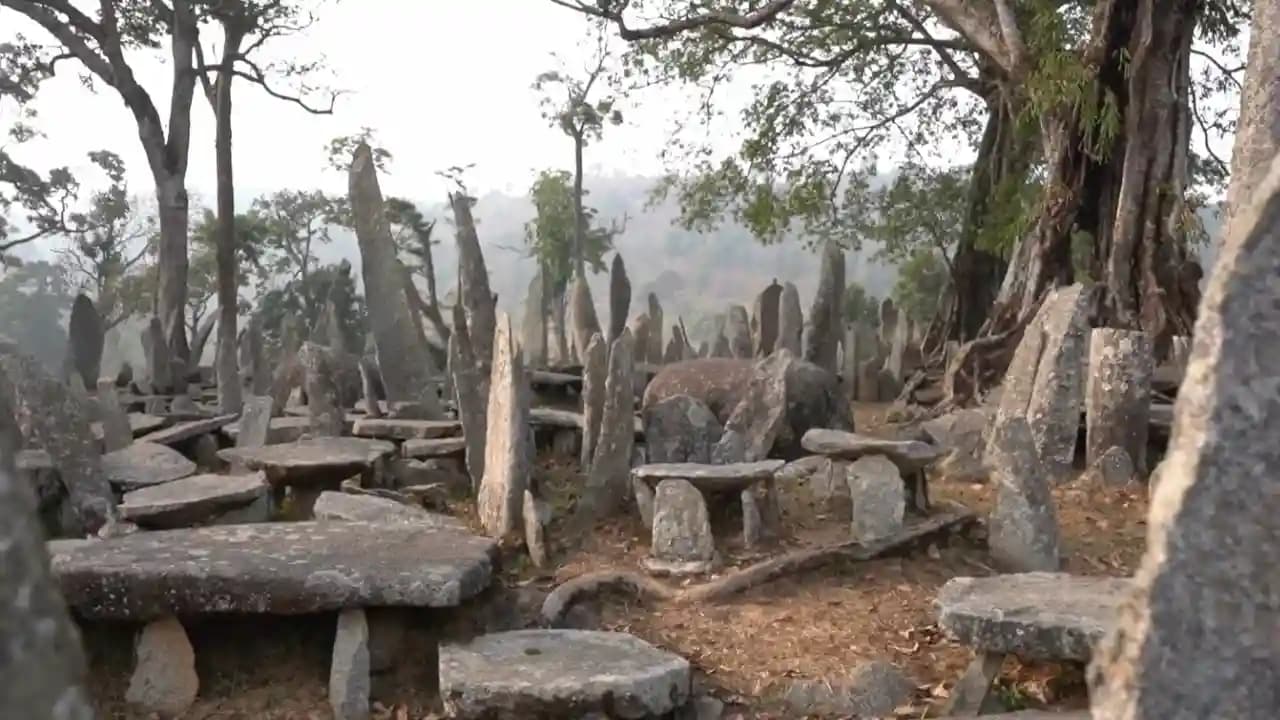
The Nartiang Monoliths here form one of the largest collections of standing stones in the entire Meghalaya region. These stones were erected by Khasi kings and warriors centuries ago to commemorate victories and important events. The tallest monolith reaches about 8 metres high and requires hundreds of people to move and raise it. Locals still consider the site sacred, and small offerings appear at the base of certain stones regularly. Nartiang gives you a glimpse into the pre-Christian history of villages in Meghalaya before missionary influences changed local practices.
Things to do: Admire towering monoliths, learn stone-raising stories, and see offerings.
Cultural significance: Largest megalith site honouring Khasi kings and warriors.
Best time to visit: October to March.
Meghalaya's smaller settlements offer something you won't get from standard tourist circuits. These aren't just photo stops or weekend getaways. The villages in Meghalaya show you how people actually live when they're not trying to impress outsiders. You'll walk on bridges that took centuries to grow, eat meals cooked the way grandmothers taught, and meet communities that still value traditions over trends. Some places will test your fitness with steep climbs. Others will challenge what you thought village life looked like. But each one leaves you with stories worth telling and experiences that guidebooks can't quite capture. Pick a few from this list and see for yourself what makes these places different.