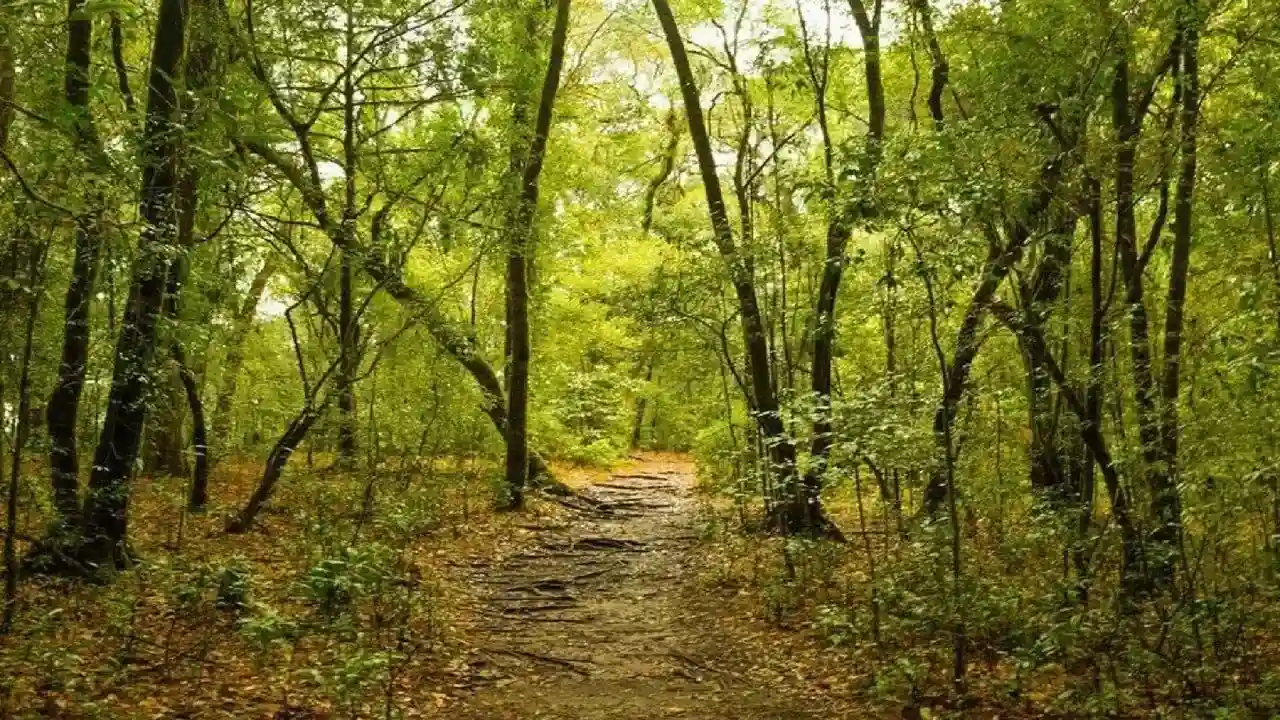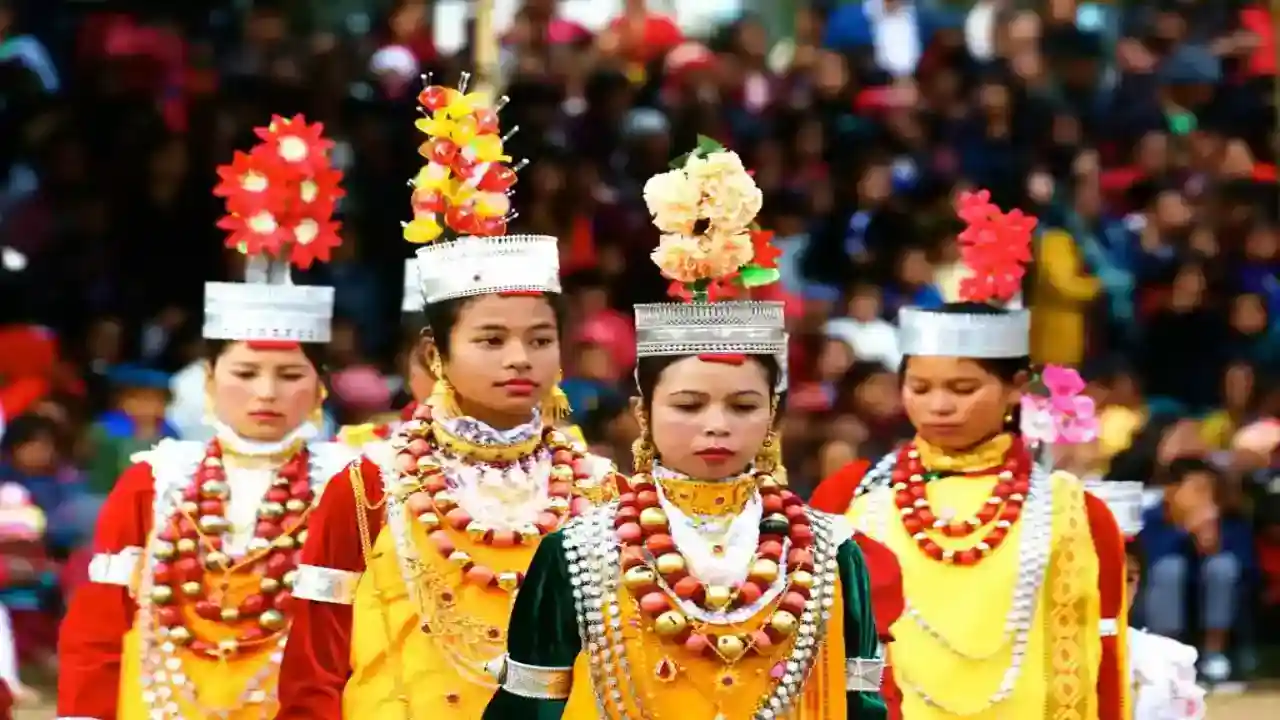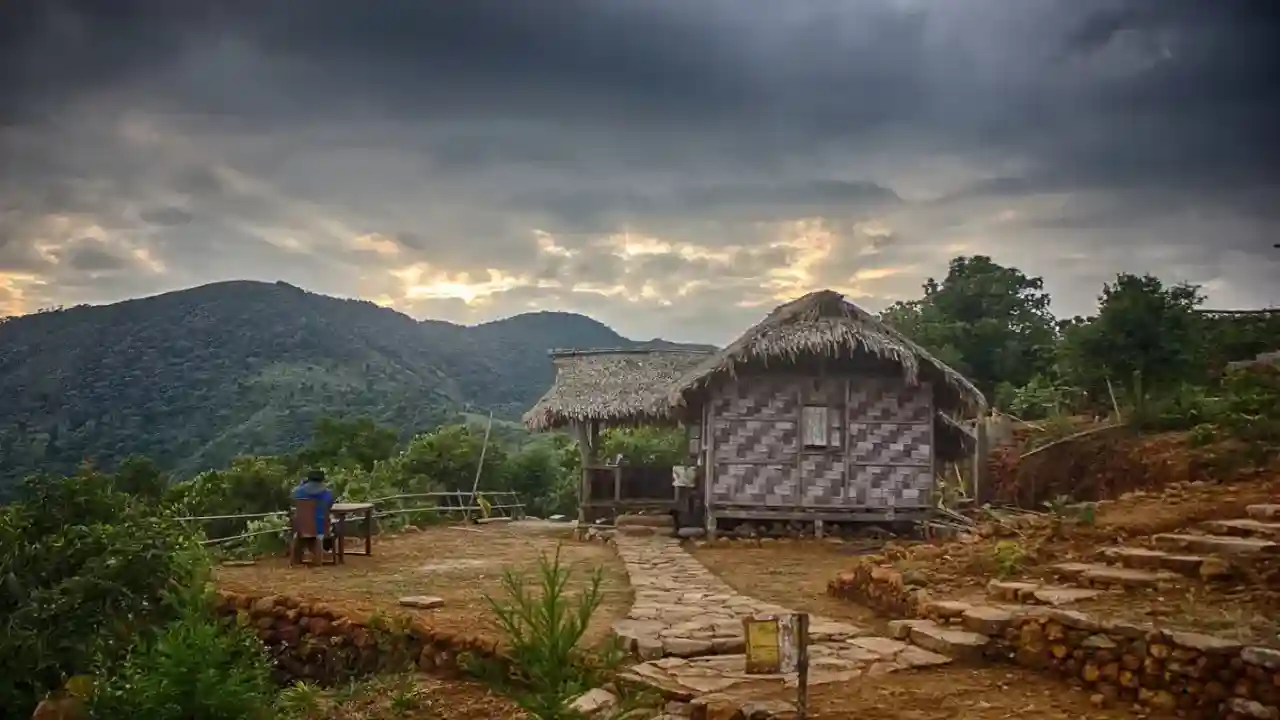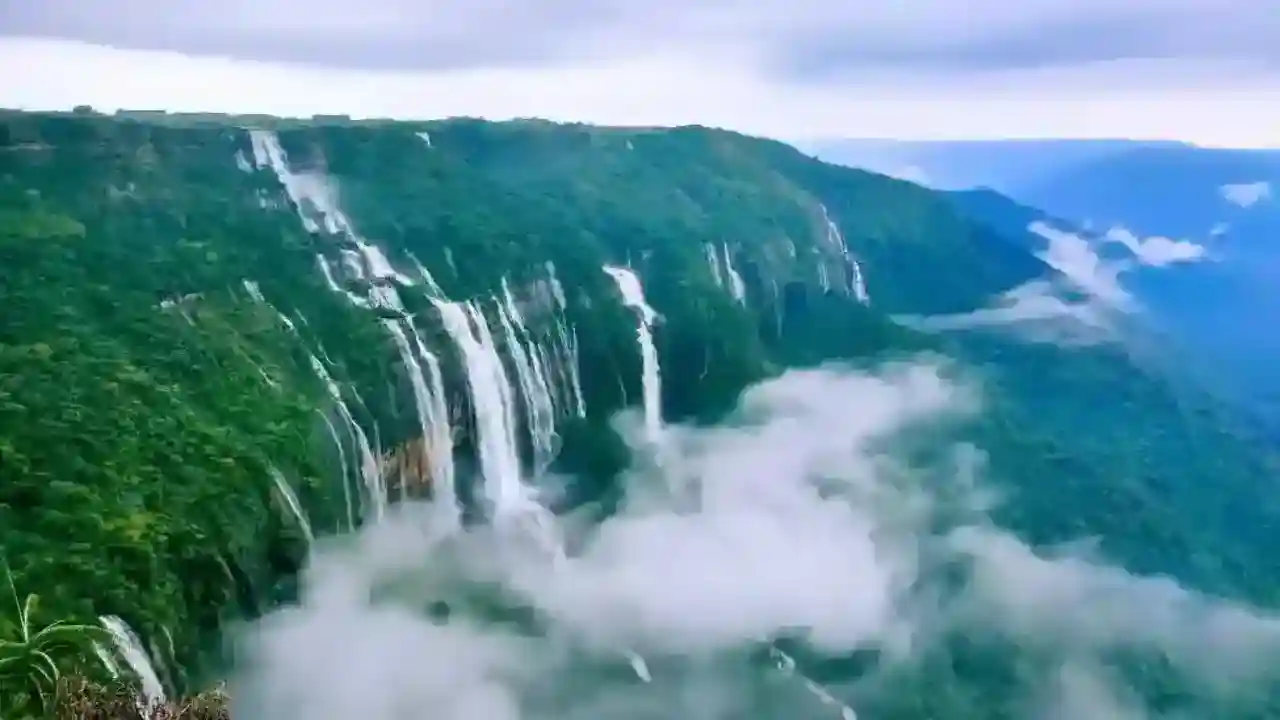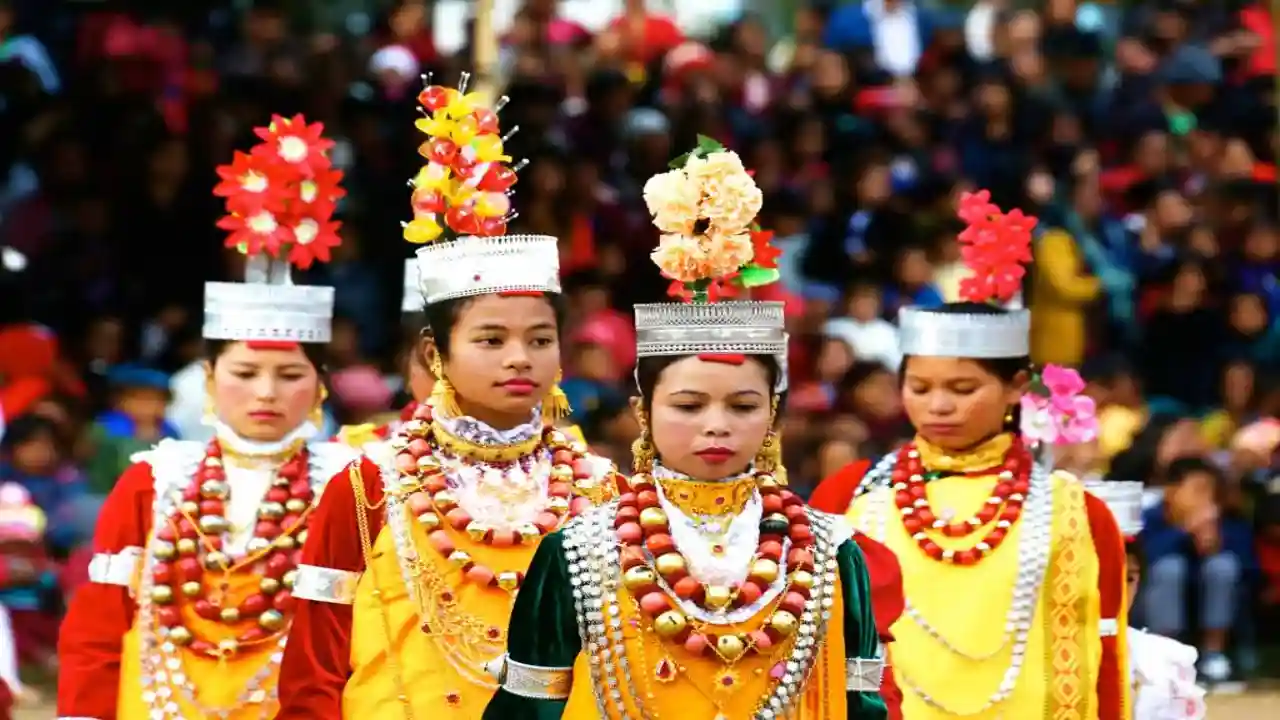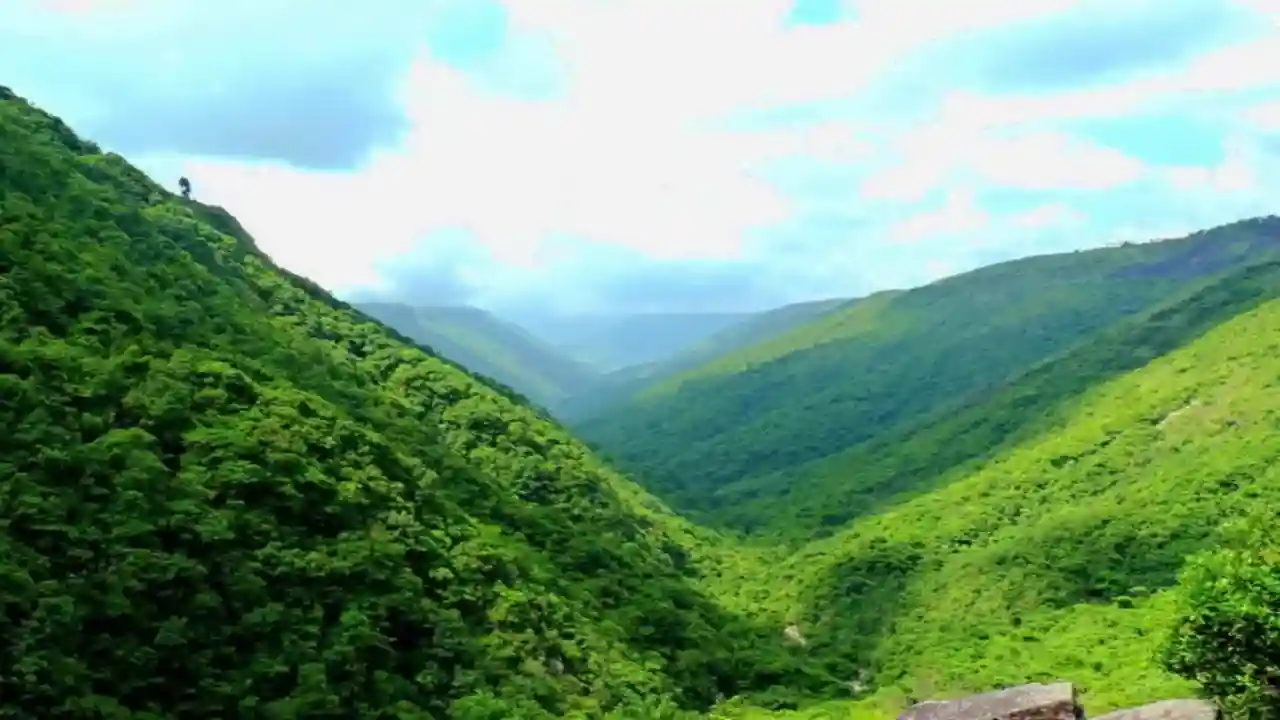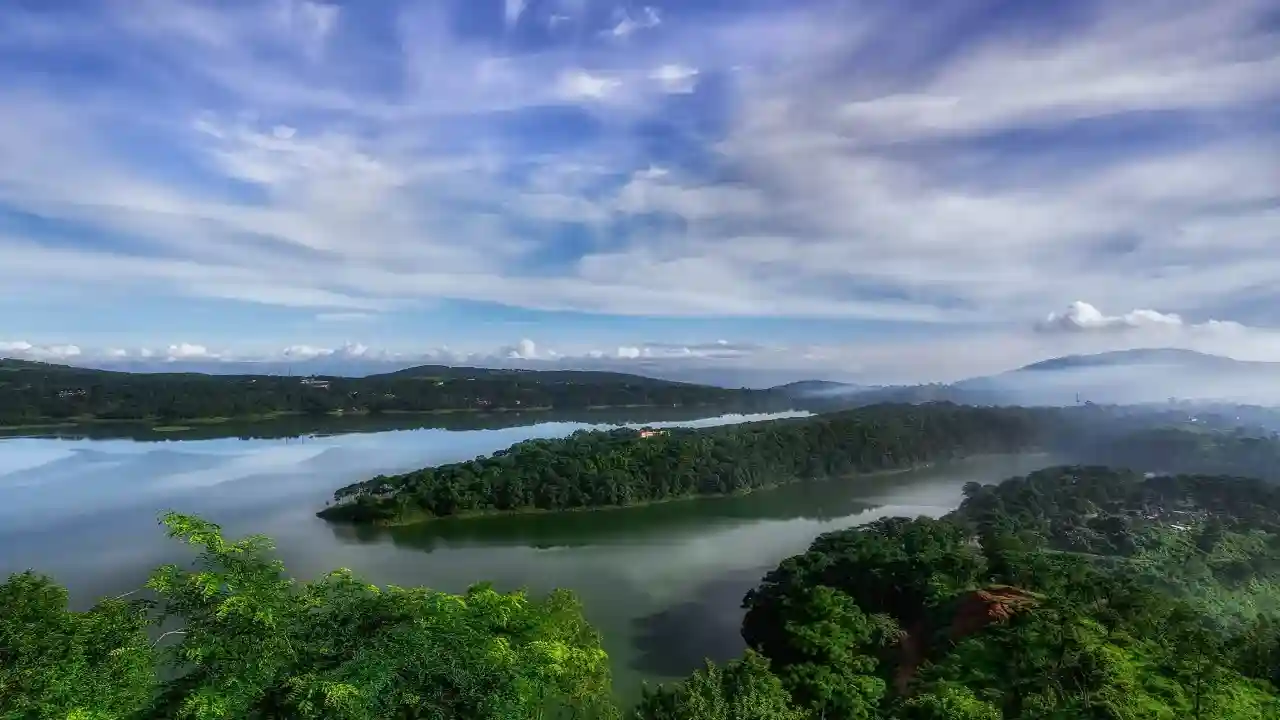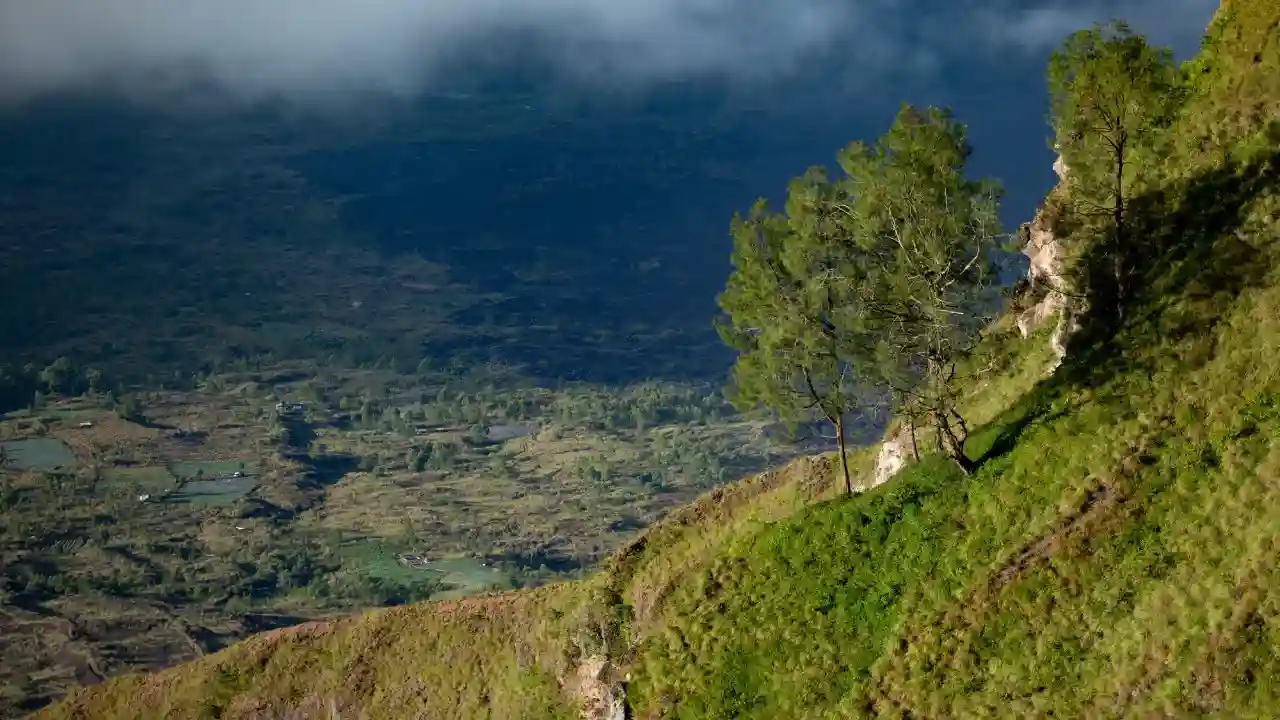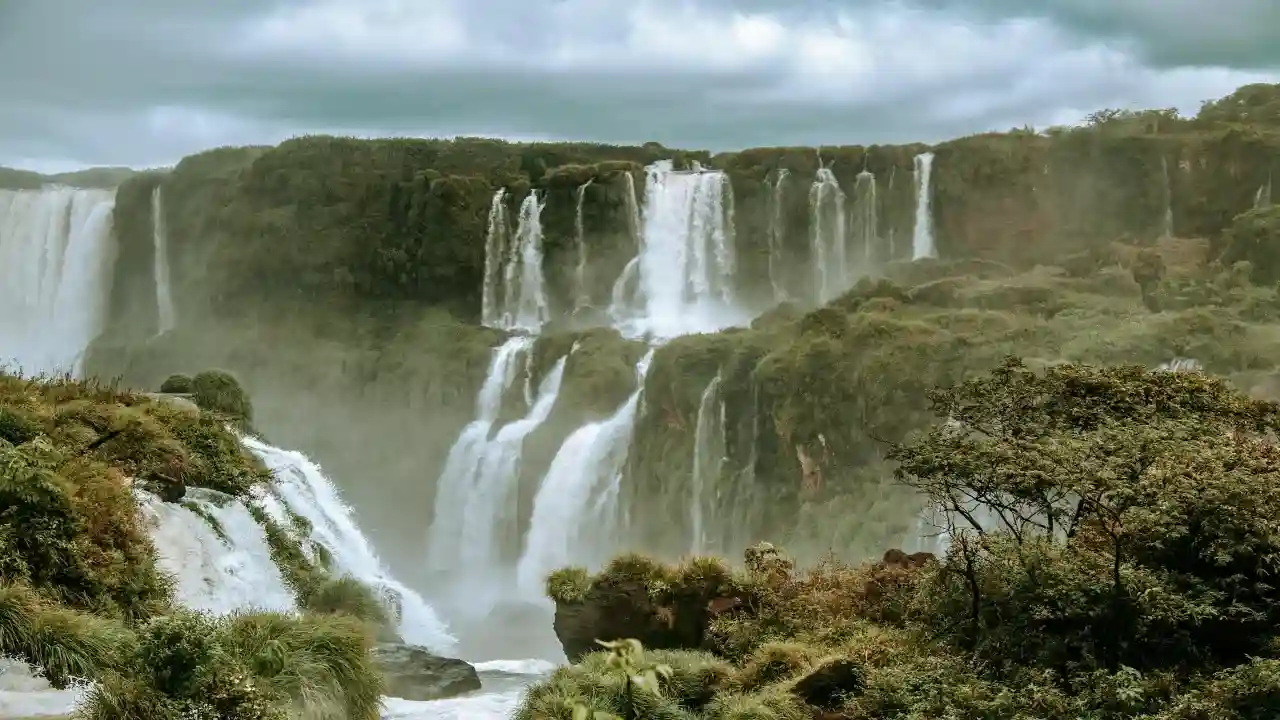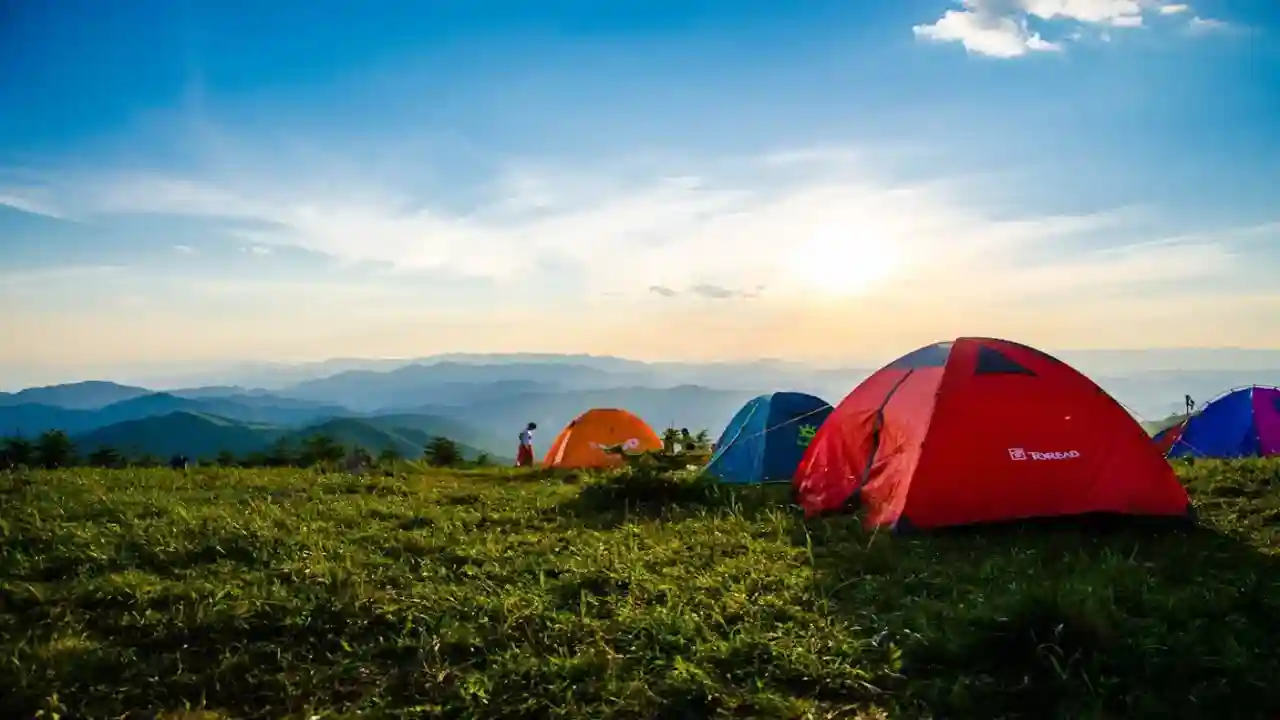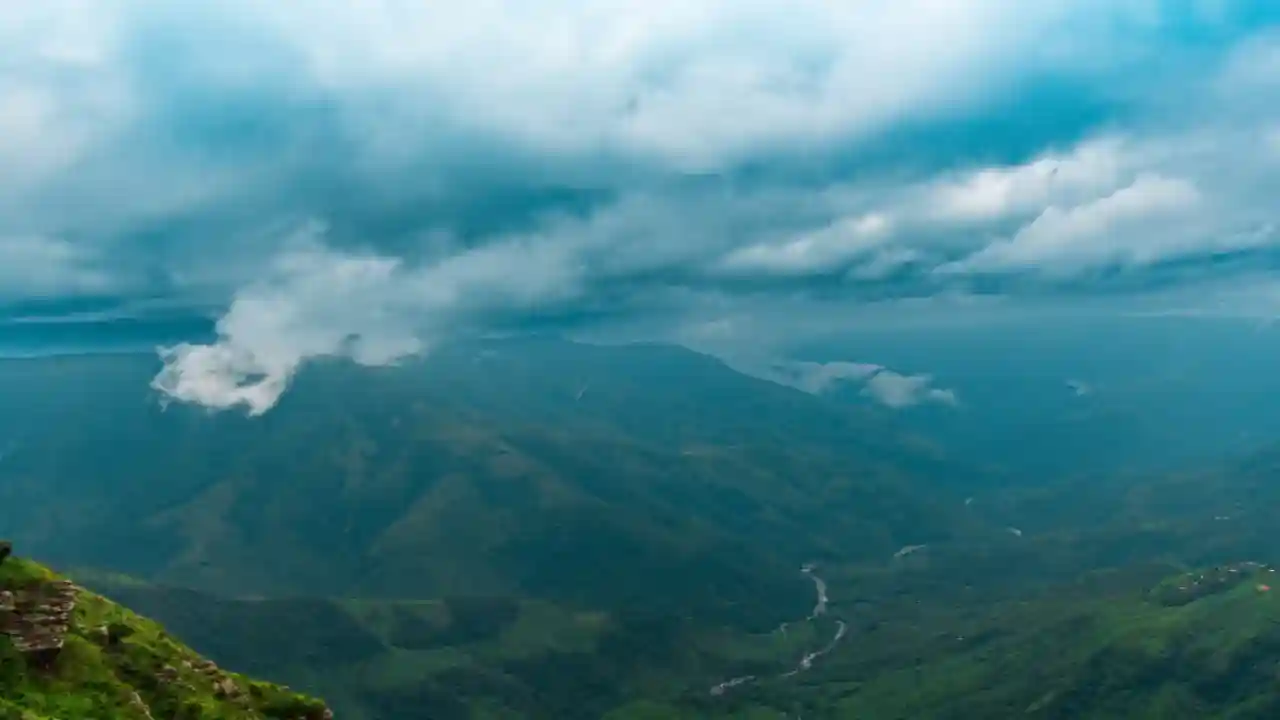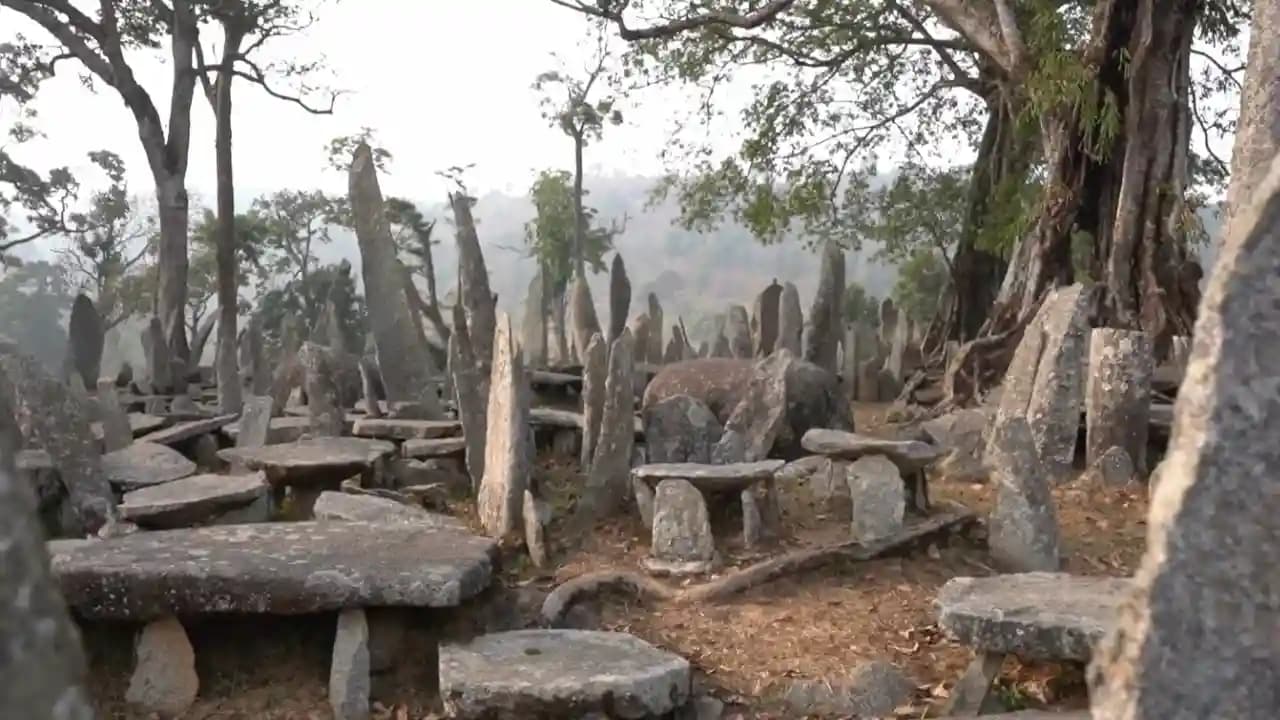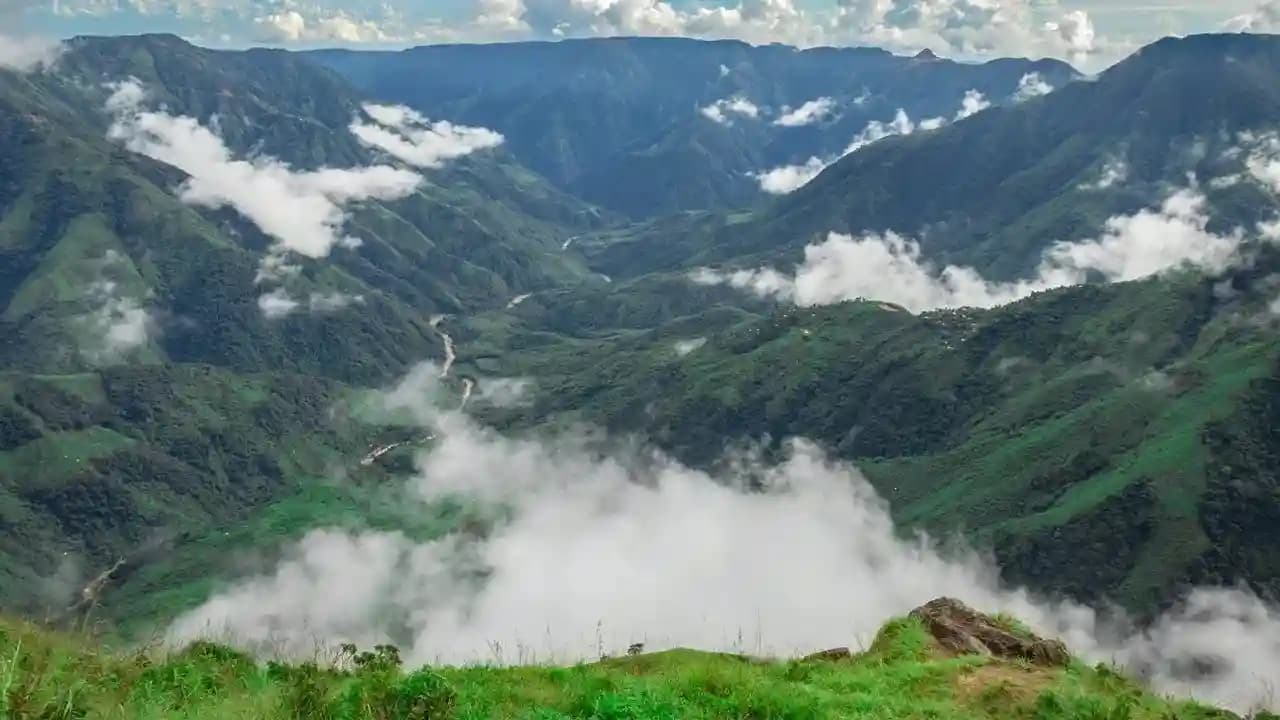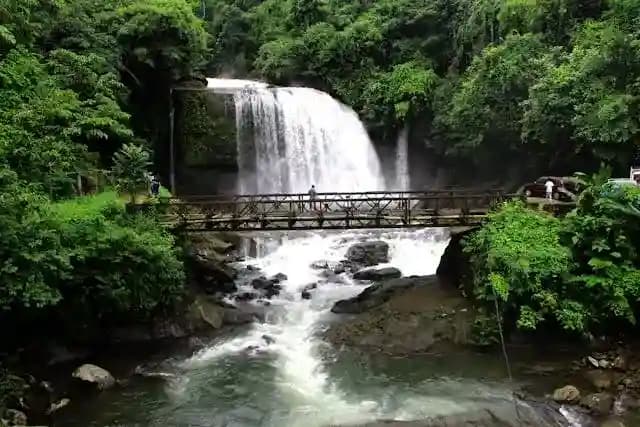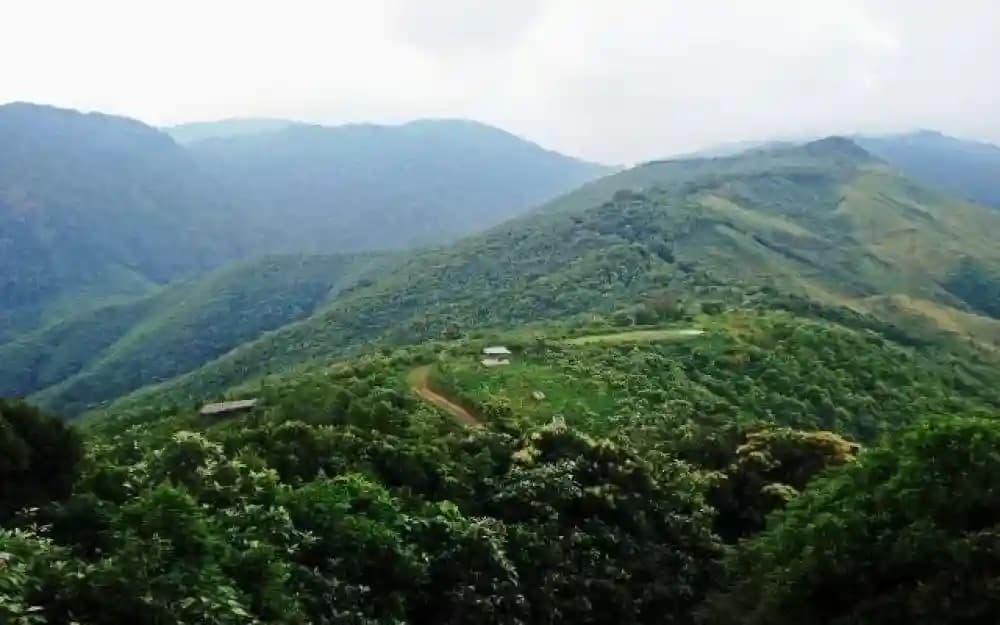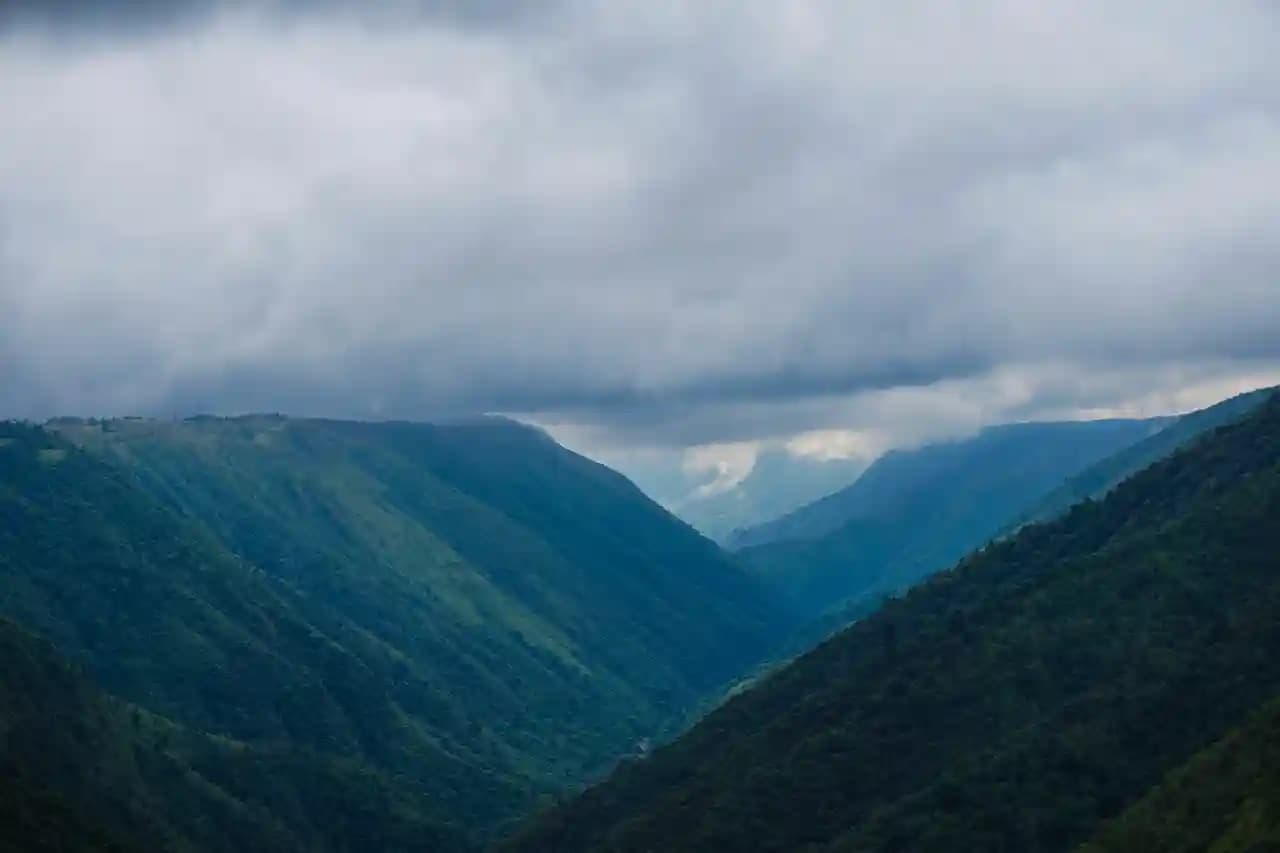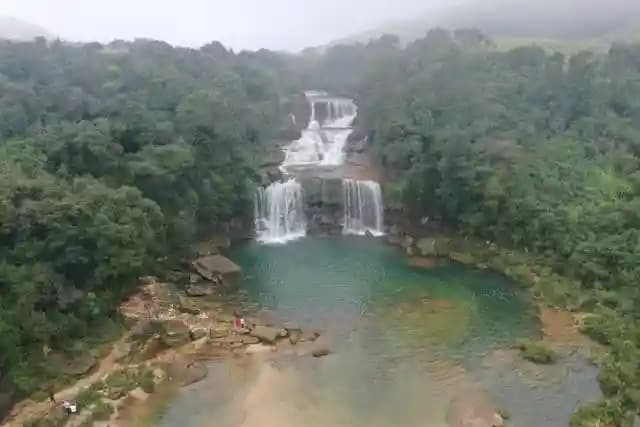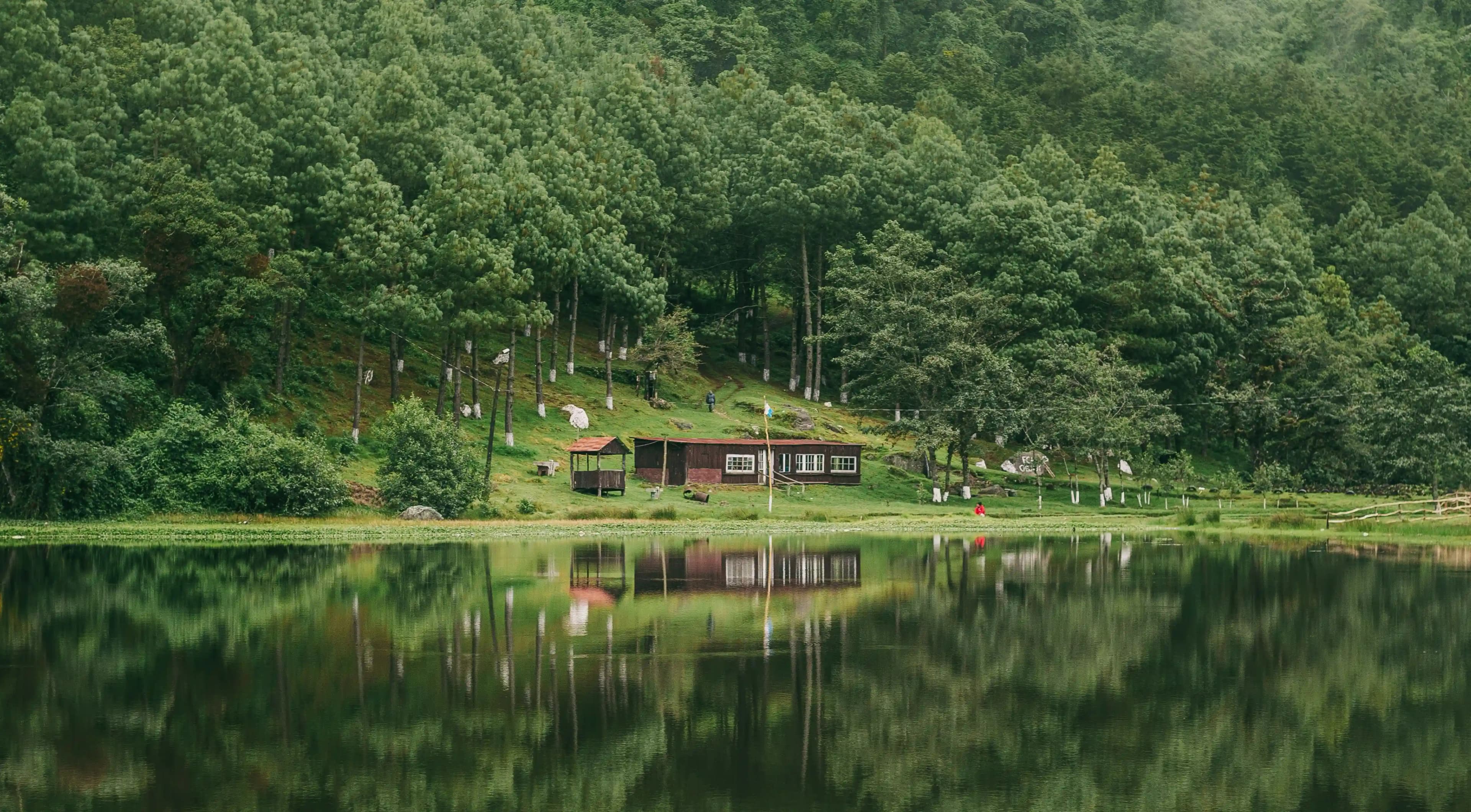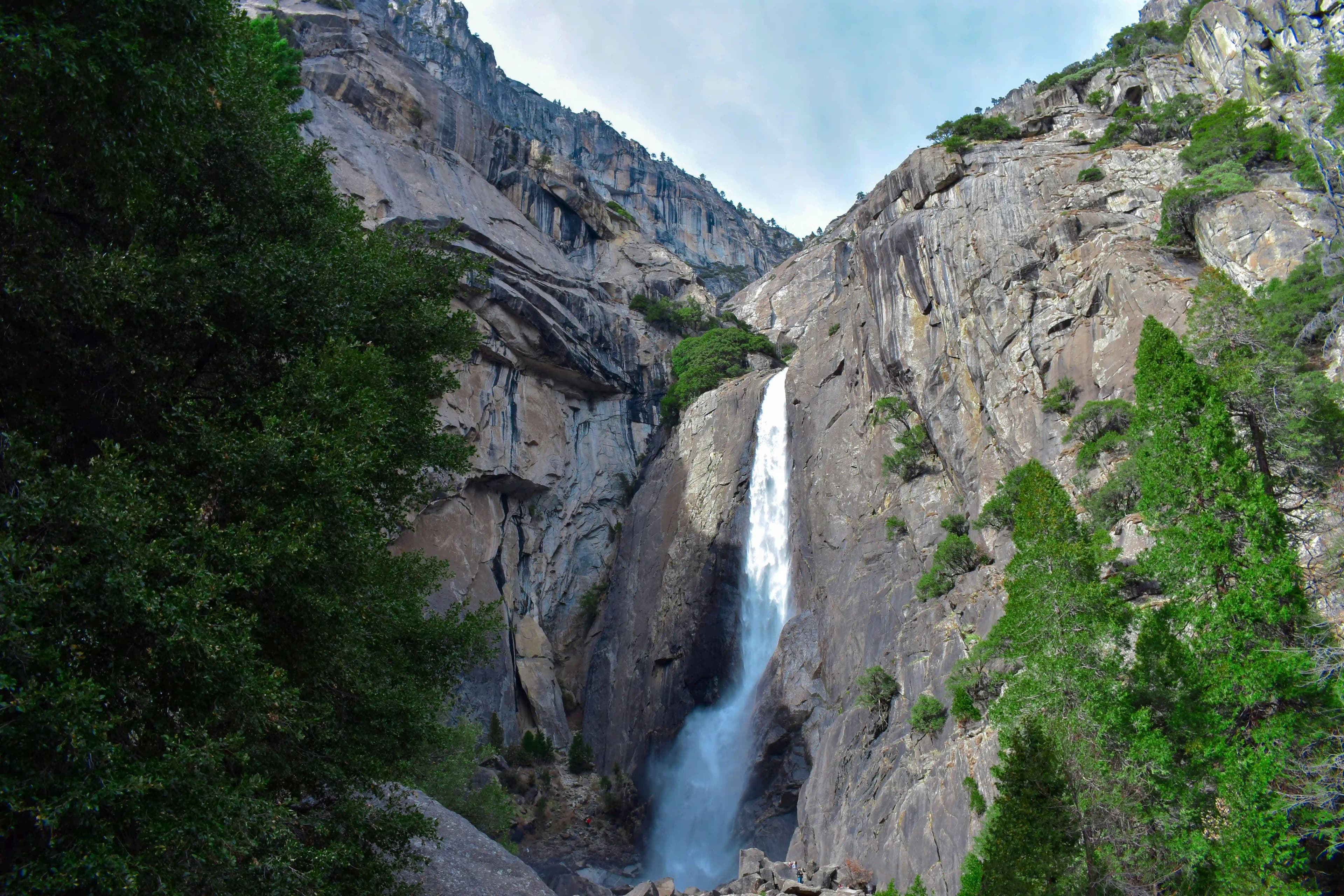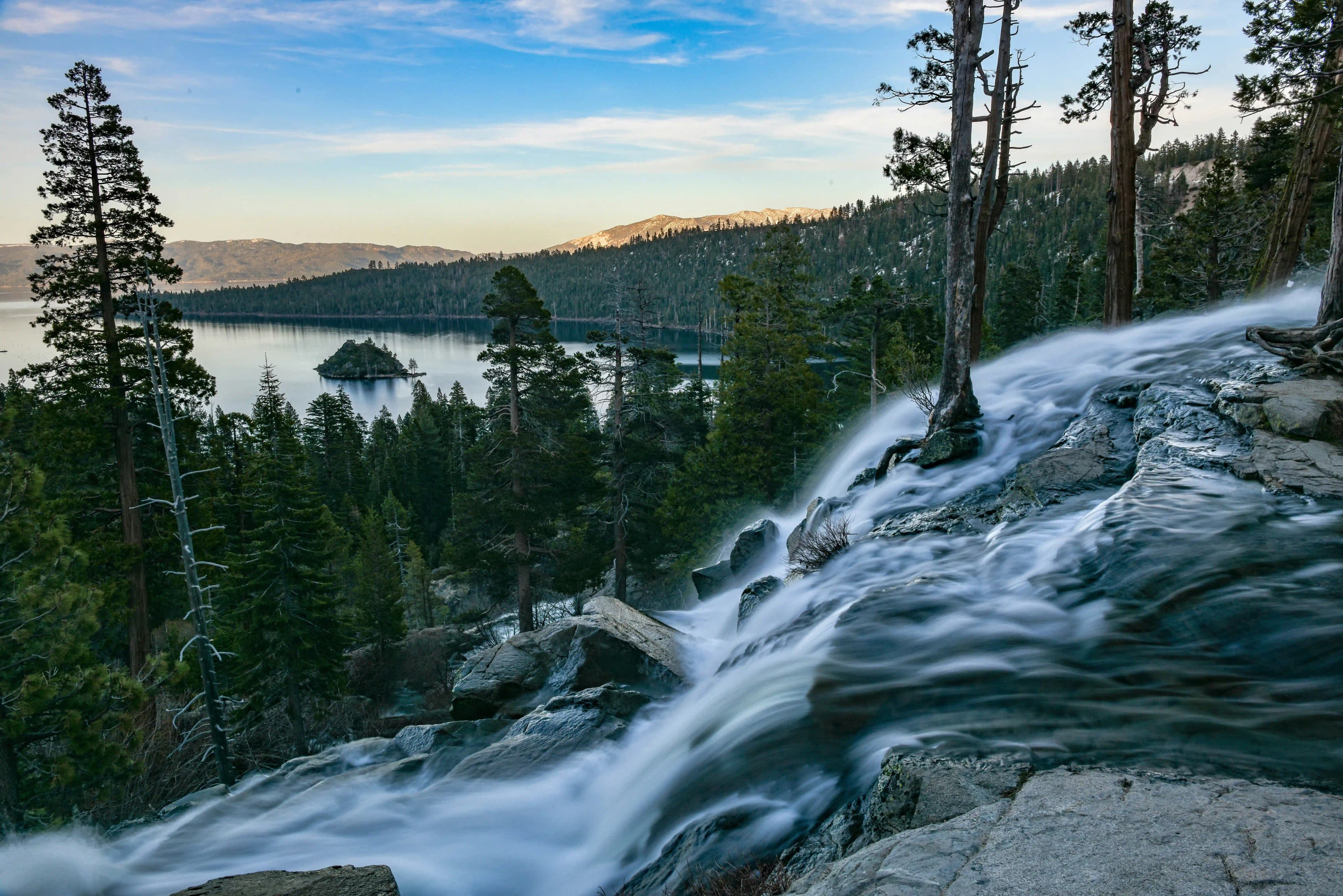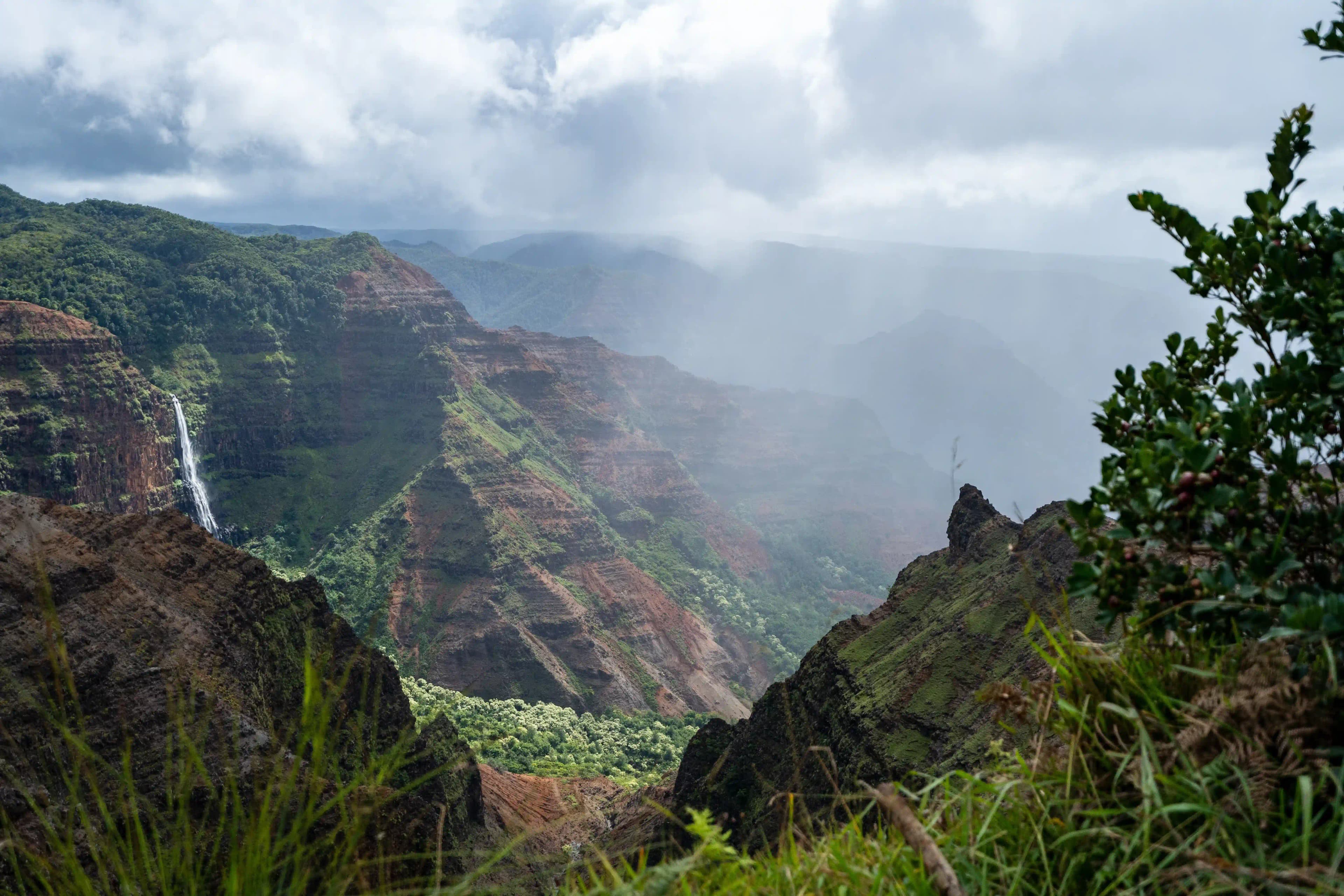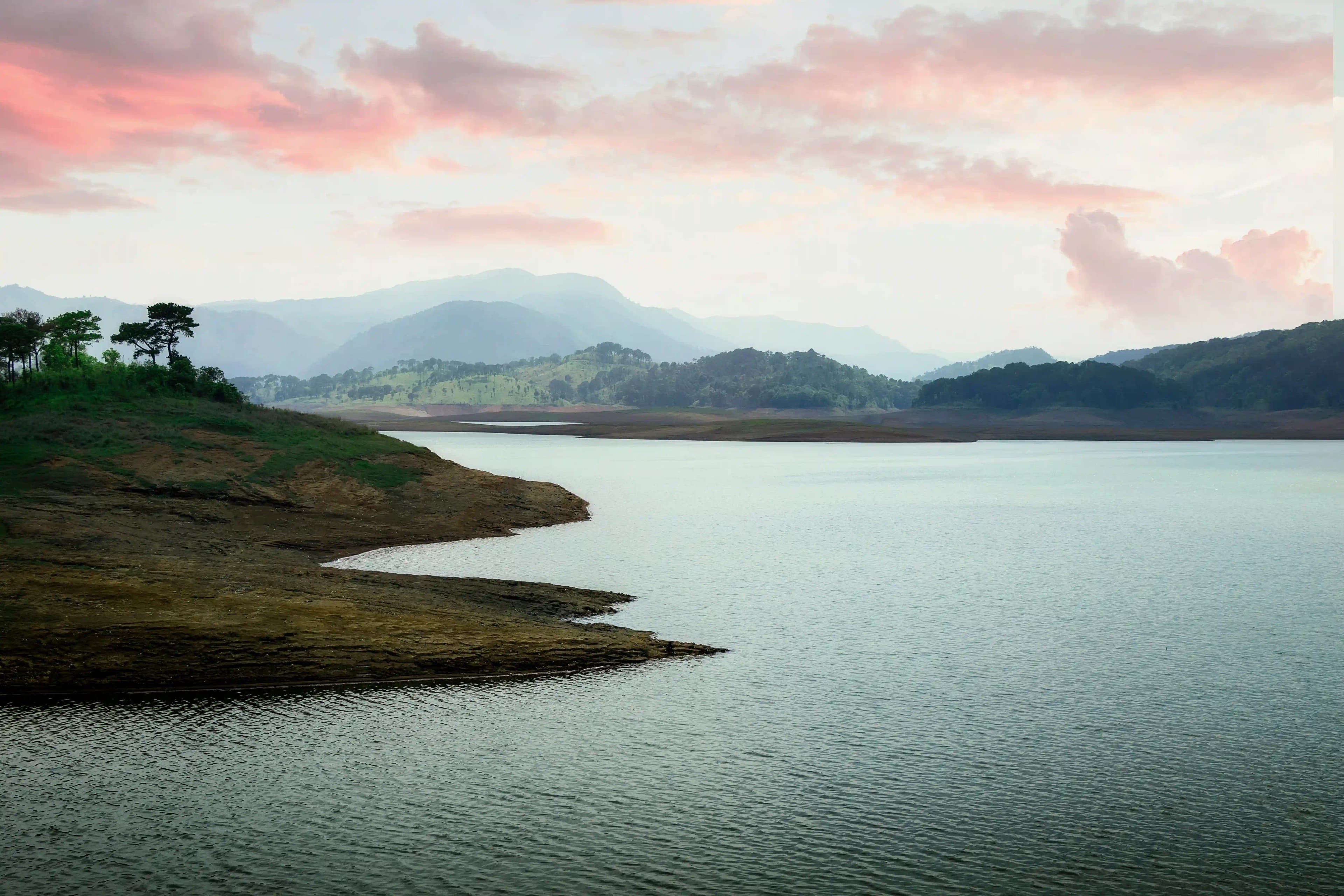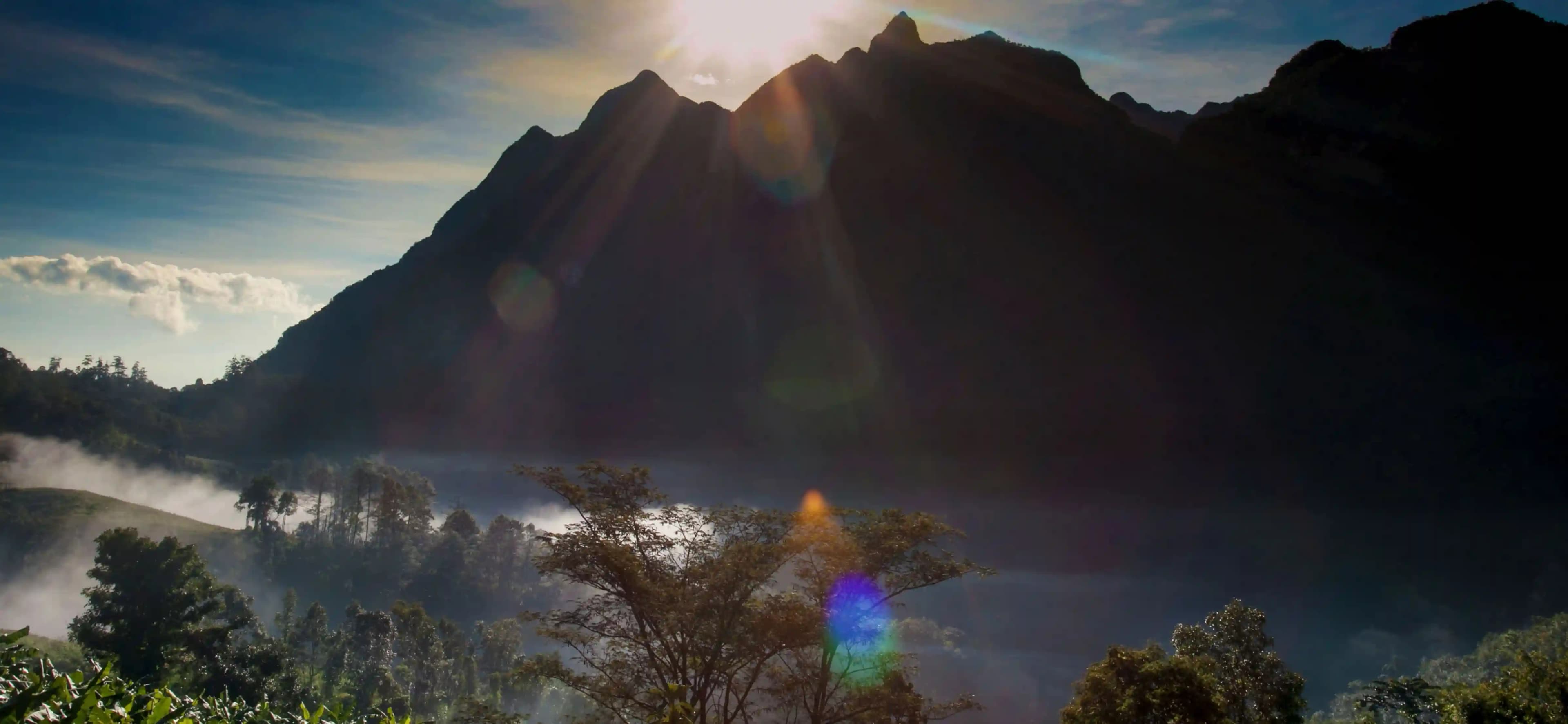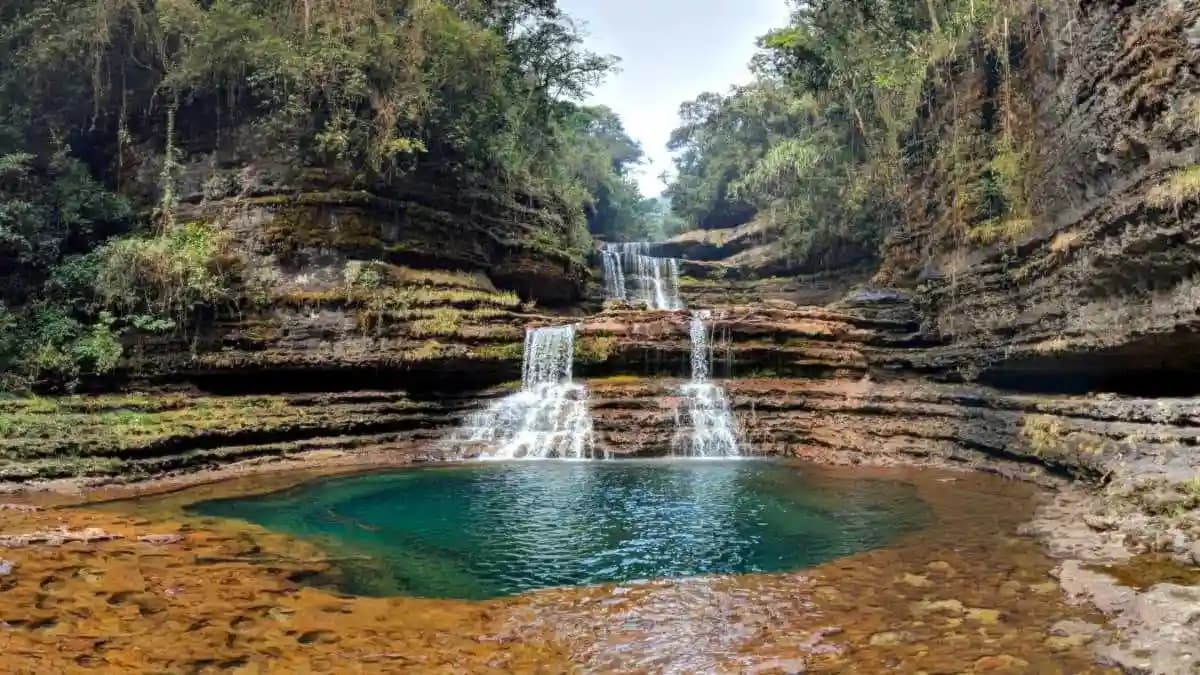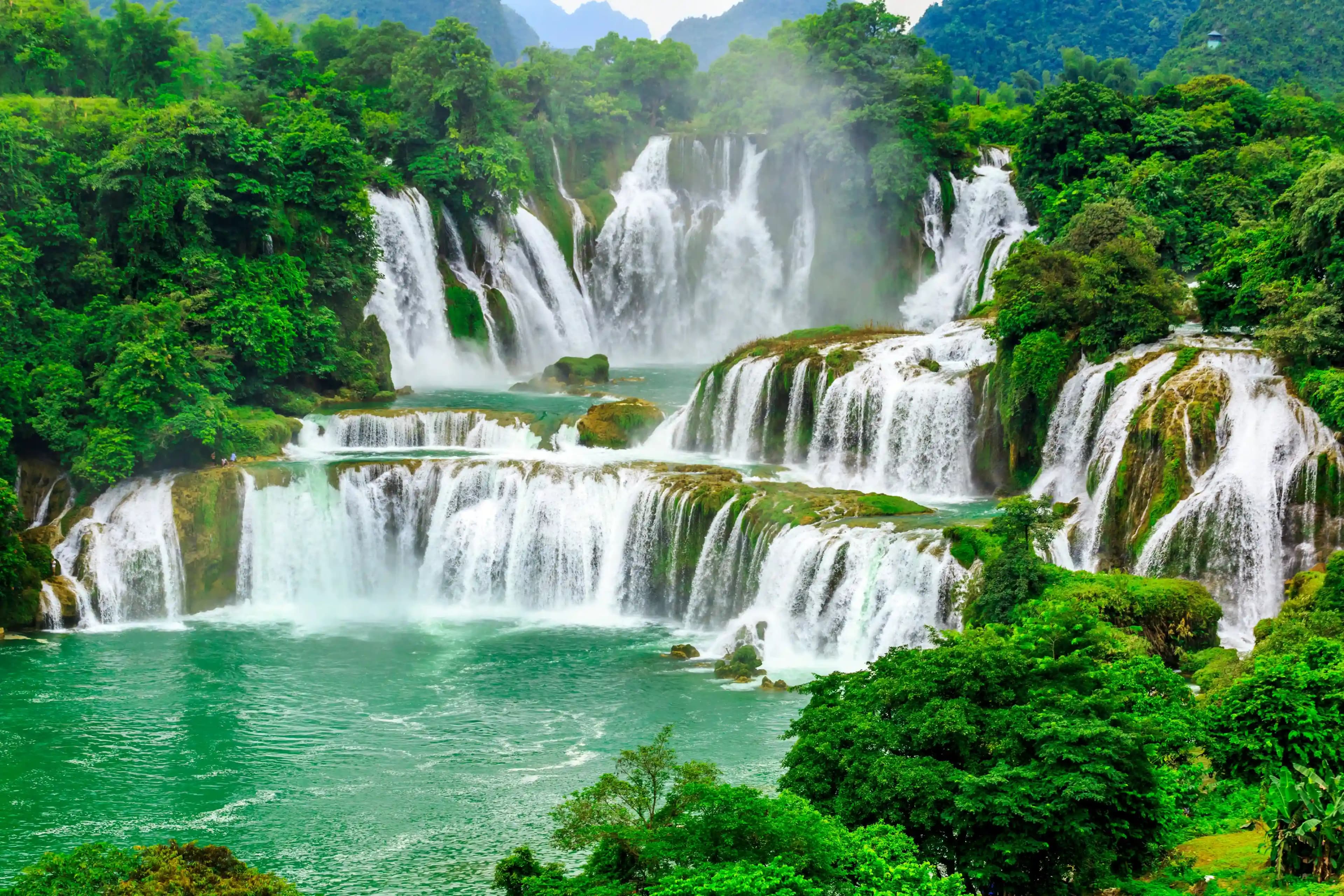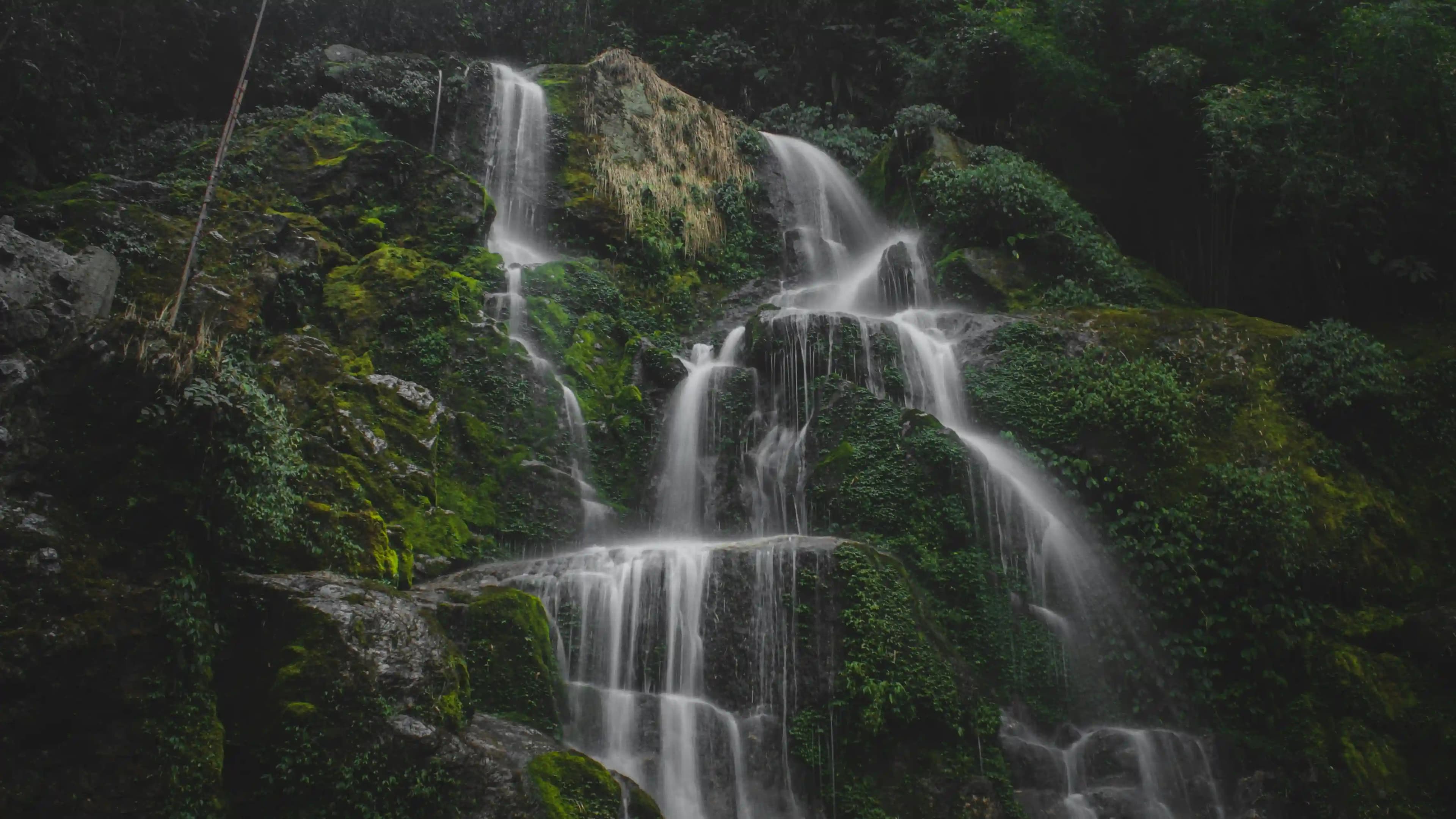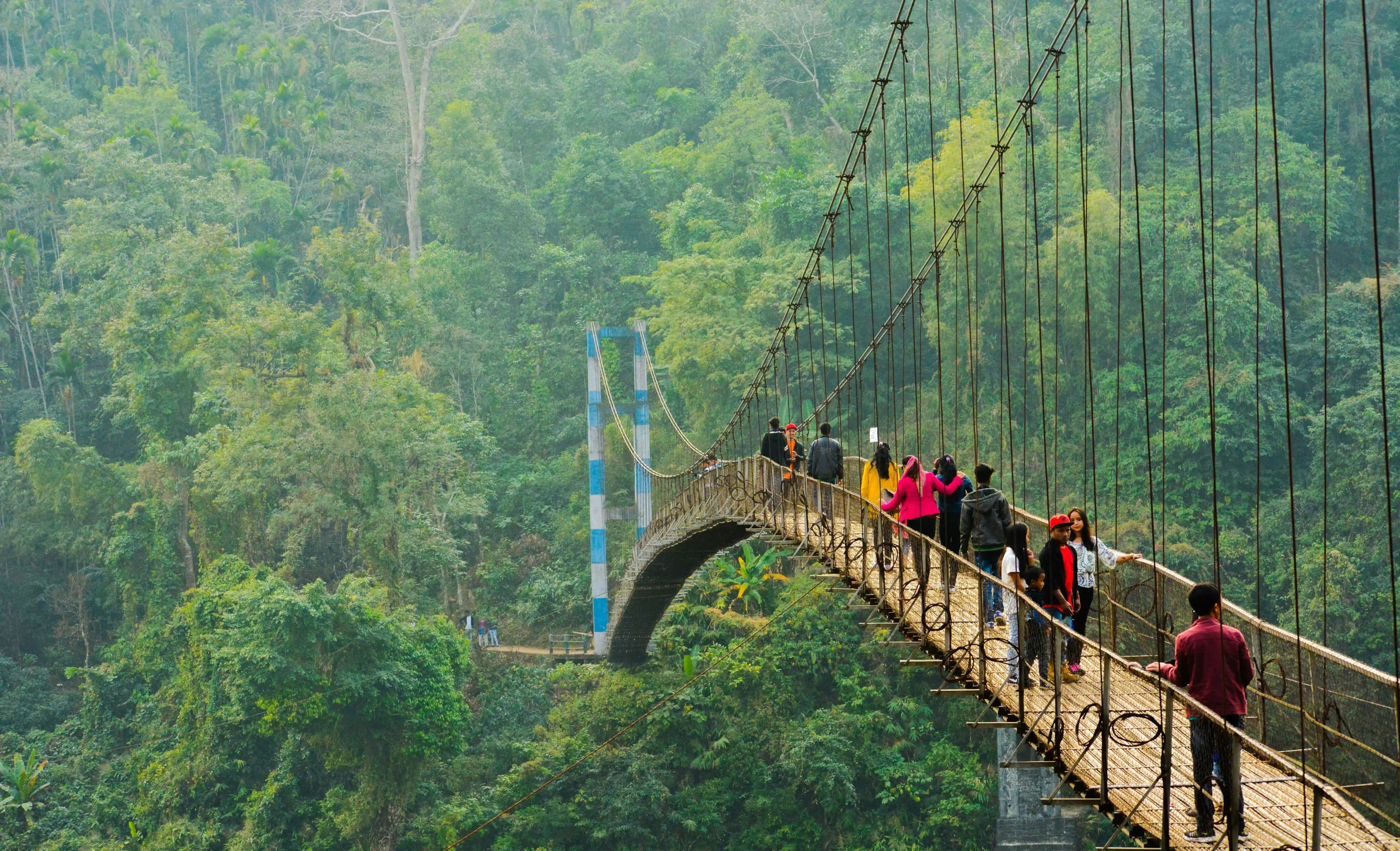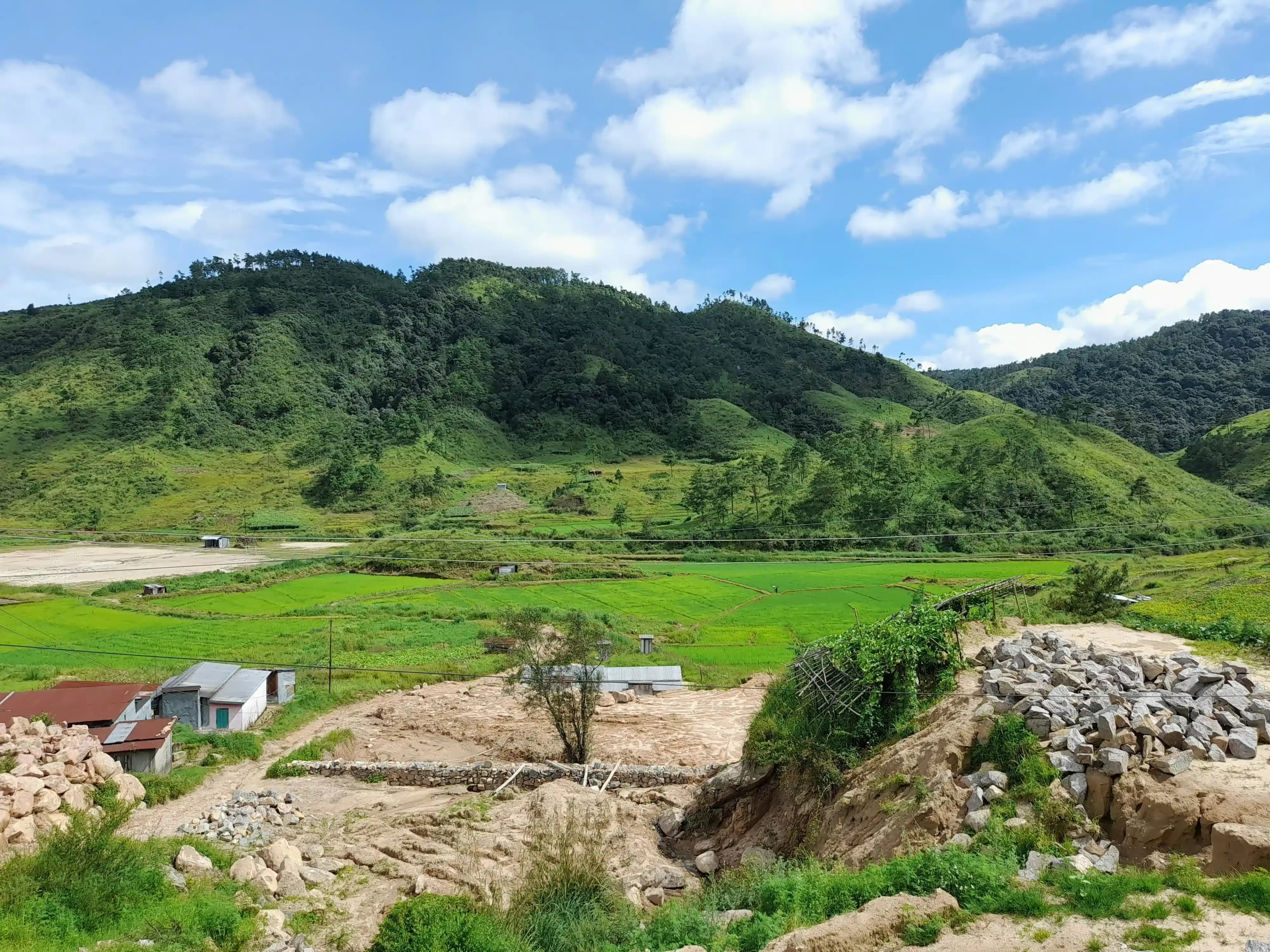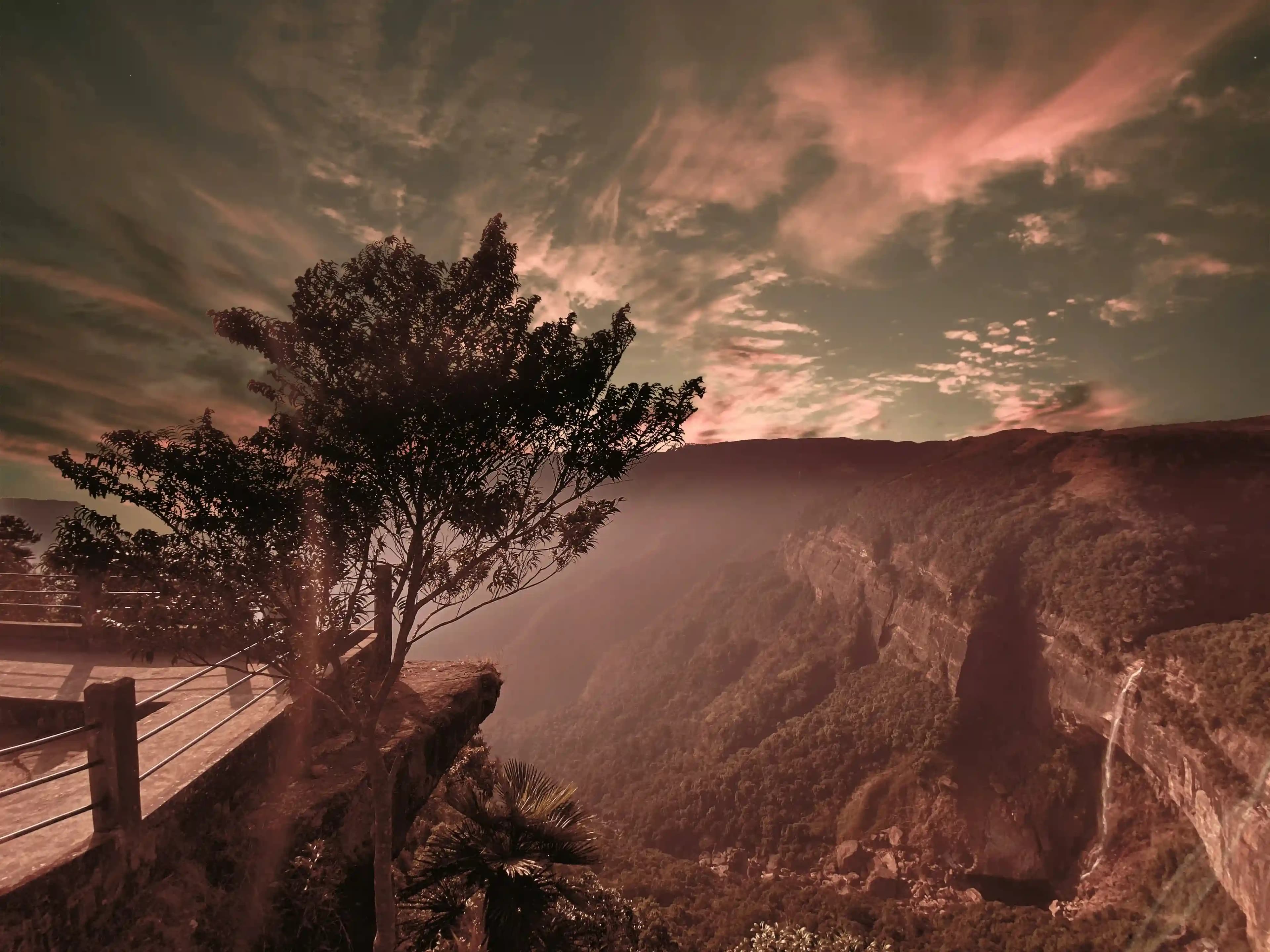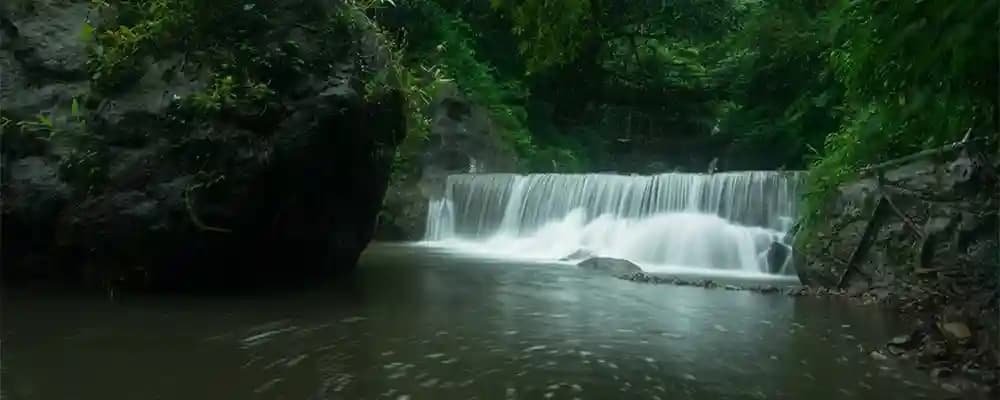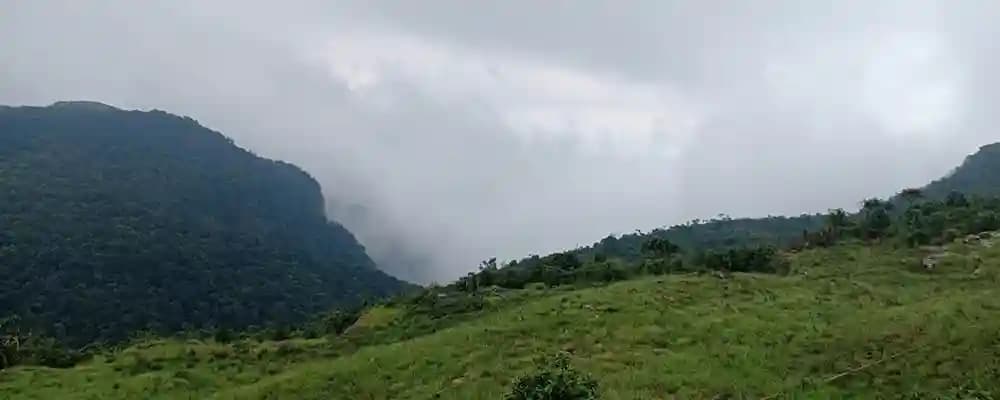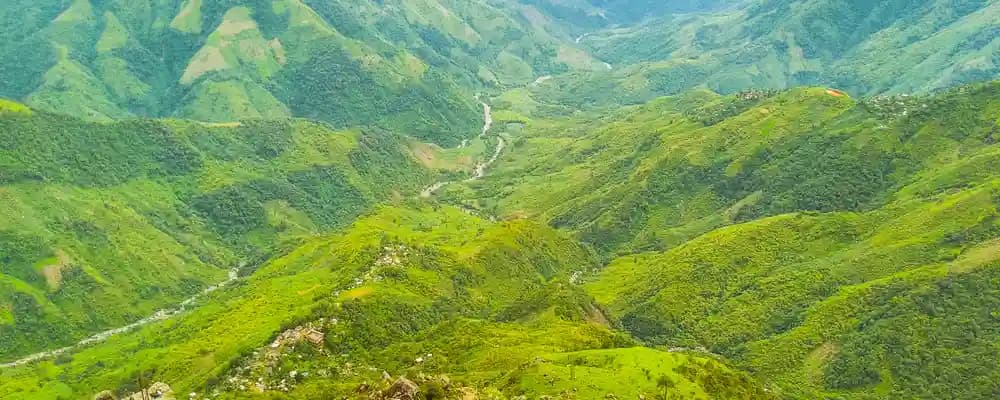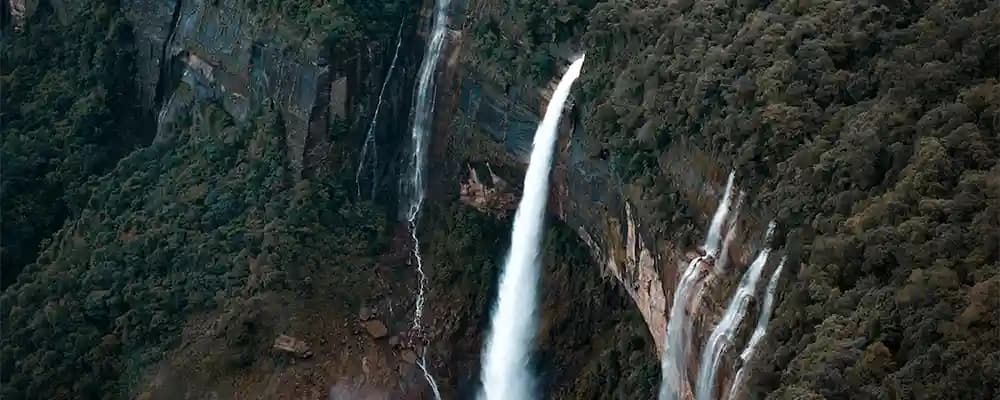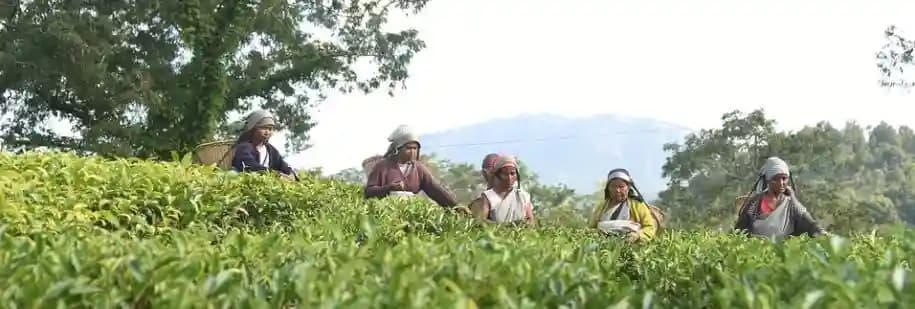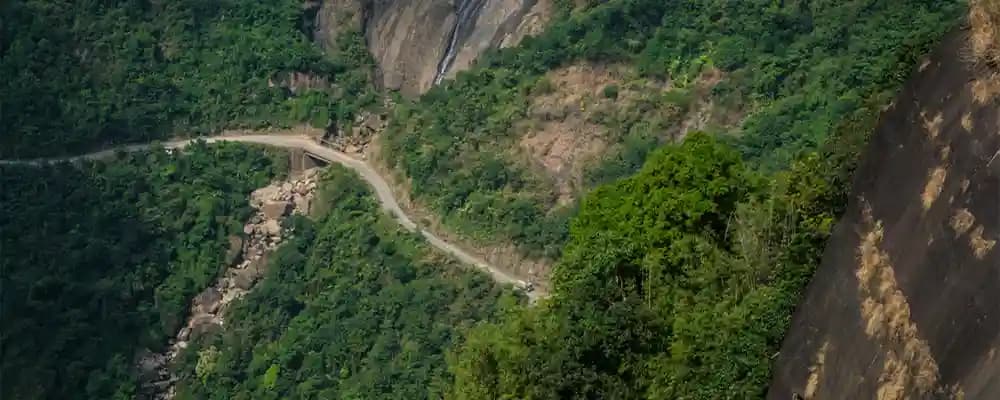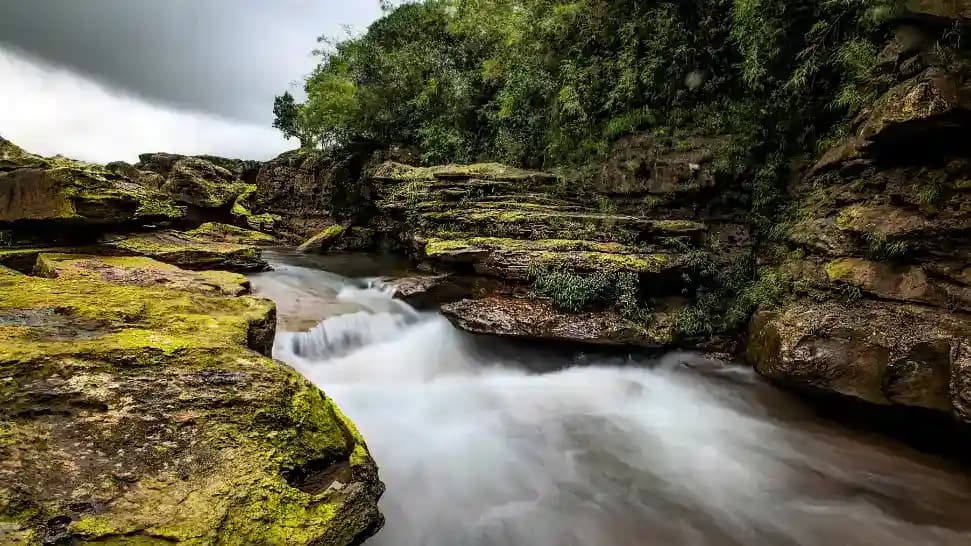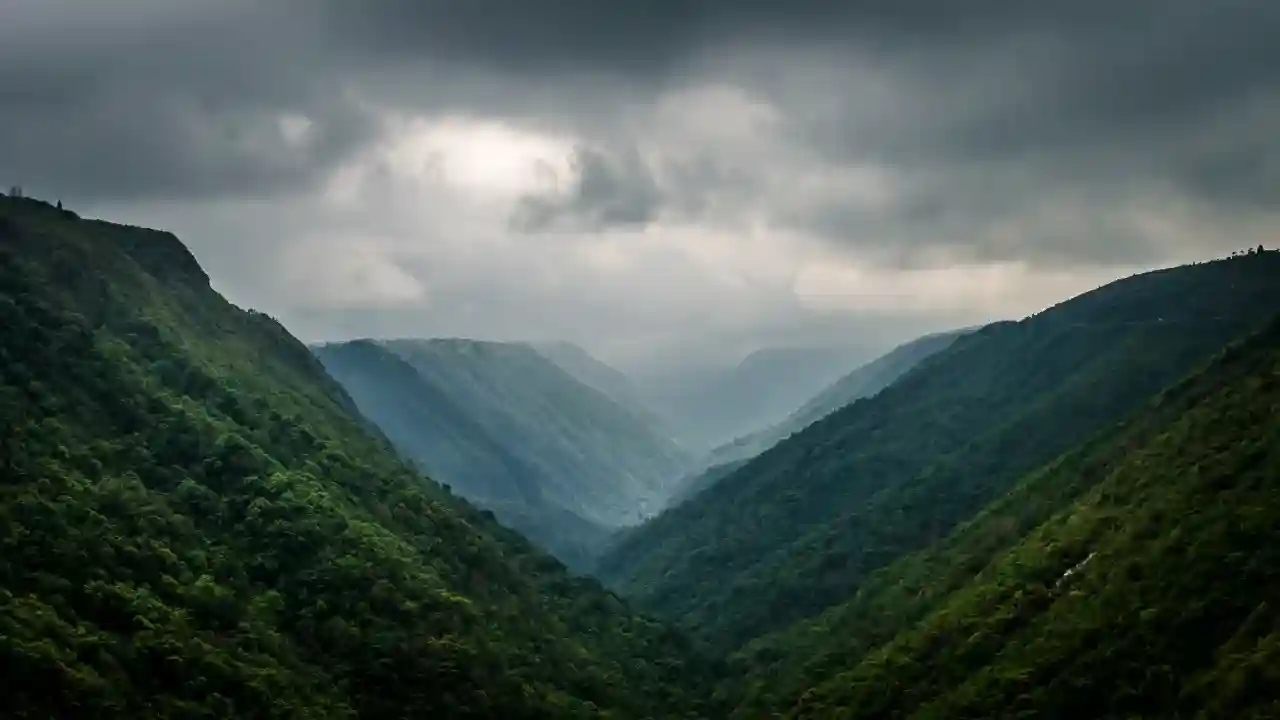
Why do some places just feel different the moment you arrive? The Khasi Hills in Meghalaya have that rare quality. Endless green valleys, waterfalls that roar during monsoons and villages where people still live by traditions passed down for generations. The Khasi people here follow something quite unique. They have a matrilineal system where kids take their mother's surname, and property goes through the women in families. It's been this way for centuries, and honestly makes their culture really different from most places in India.
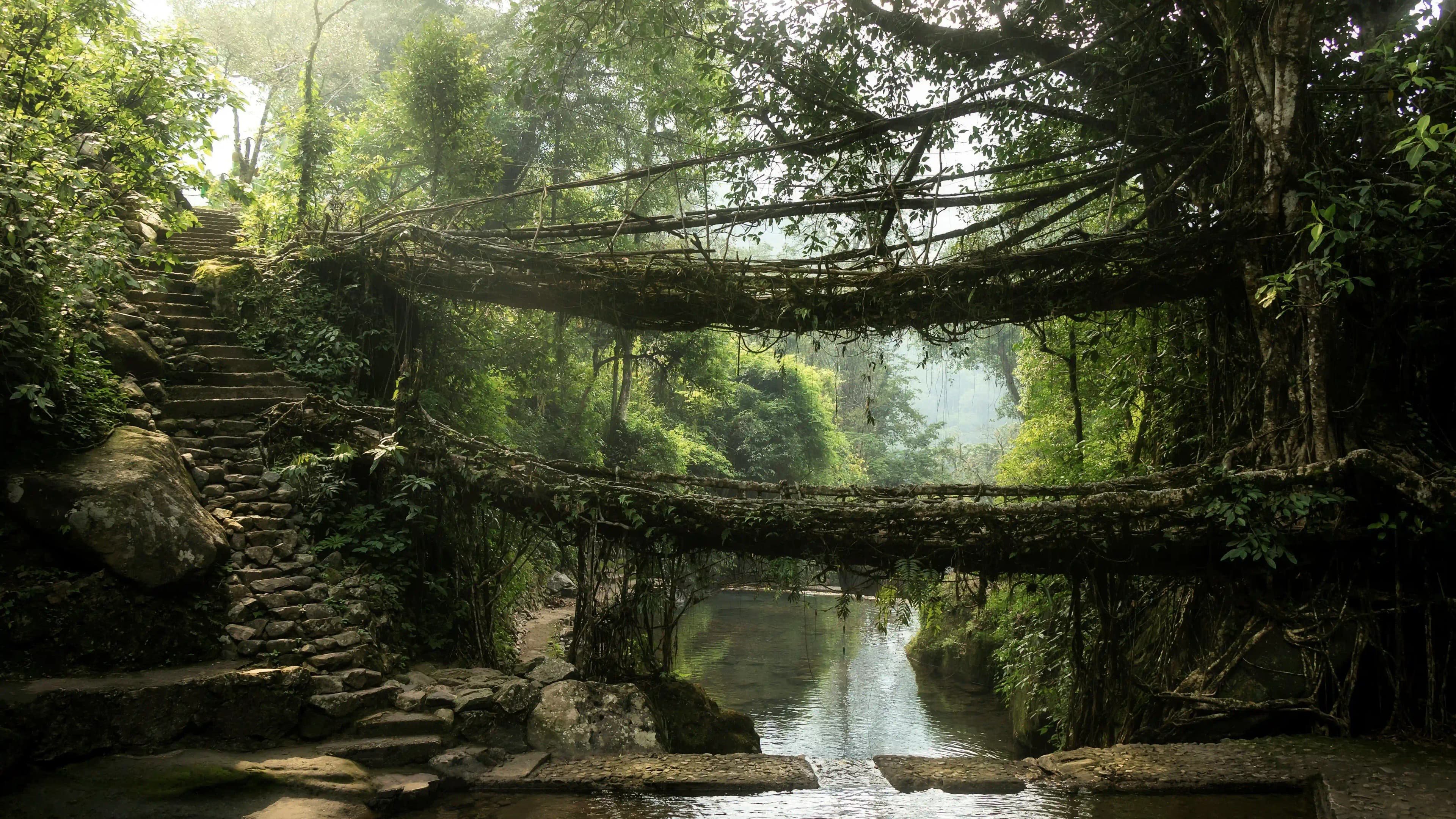
Walking across living root bridges is surreal. These are actual bridges grown from tree roots over decades. Trying local food with ingredients you've never heard of before or just sitting back in the cool air, there's plenty to experience. Some travellers book Meghalaya tour packages to sort out plans easily. This guide talks about the culture, when to visit, places nearby and things to do around the Khasi Hills.
Best Time to Visit Khasi Hills
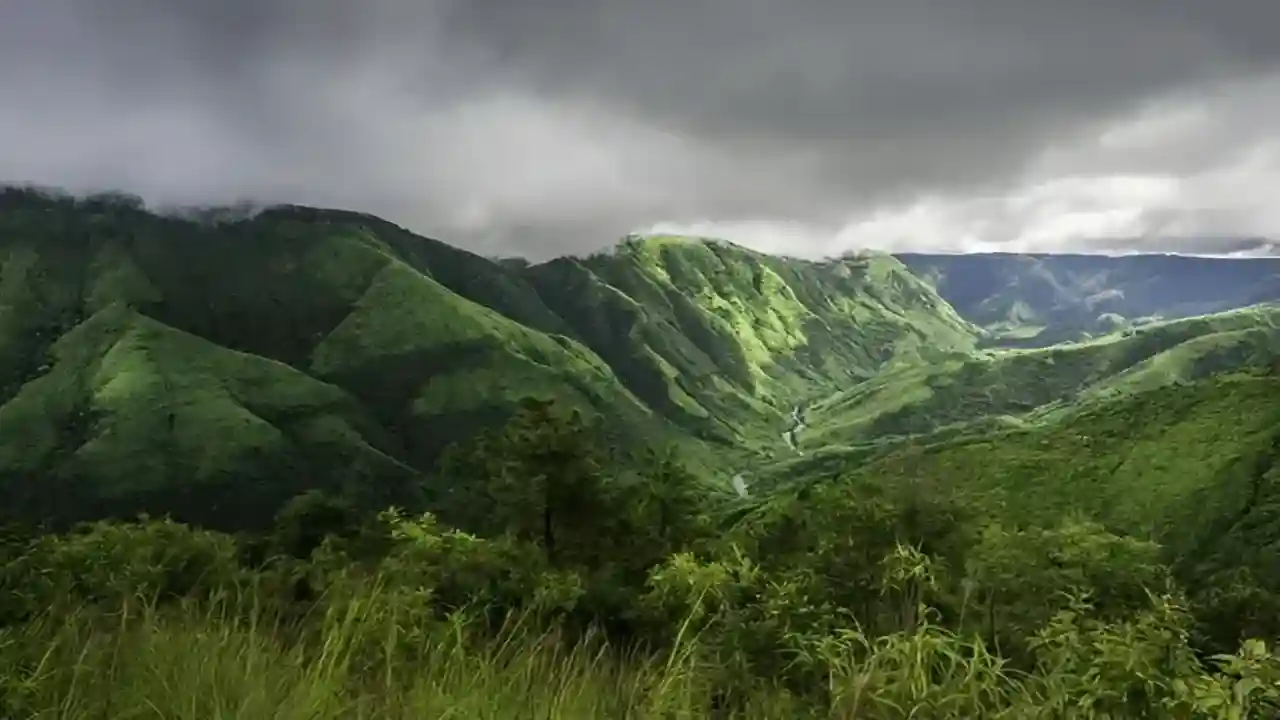
The best time to visit the Khasi Hills is from October to April. Temperatures stay between 10°C and 23°C during these months, which feels comfortable for exploring. The skies are generally clear, and the hills appear fresh and green following the rains. This is also the best time to visit Meghalaya if you want a hassle-free trip. The Khasi Hills weather during this period is predictable. You can visit waterfalls and villages without worrying about heavy rain or too much heat.
June to September brings the monsoons with heavy rainfall. Temperatures range from 15°C to 25°C, but roads get slippery, and some areas become difficult to access. The Khasi Meghalaya region looks incredibly green, though. May is warmer at 20°C to 28°C and acts as a transition before the rains start. Each season offers something different, but most people prefer October to April for the pleasant weather.
How to Reach Khasi Hills
The Khasi Hills location is spread across Meghalaya, with Shillong being the main gateway. Most travellers fly into Guwahati Airport in Assam, which is about 125 kilometres away. The drive to Shillong takes 3 to 3.5 hours. Taxis are available right outside the airport, or you can book shared cabs to cut costs. If trains work better, Guwahati Railway Station is the nearest big stop. Buses and taxis leave from there regularly. Roads are alright, but mornings can get foggy, especially when the Khasi Hills weather turns cooler between November and February.
From Shillong, getting to other spots in the Khasi Hills is easy. Cherrapunjee is 54 kilometres south and takes about 2 hours. Mawlynnong and Dawki are around 78 and 82 kilometres away, roughly 2.5 to 3 hours each. Local taxis are everywhere, and renting a car with a driver for a few days makes exploring simpler. Just avoid monsoons from June to September if possible because roads get slippery. Late evening travel on hill roads isn't great either, since visibility drops and phone signals disappear in remote areas.
Places to Visit Near Khasi Hills
The Khasi Hills open up to some stunning spots that deserve a proper visit. From living root bridges to crystal clear rivers, places to visit in Meghalaya cover a wide range of experiences. Here are five spots you shouldn't miss when exploring this region.
1. Shillong
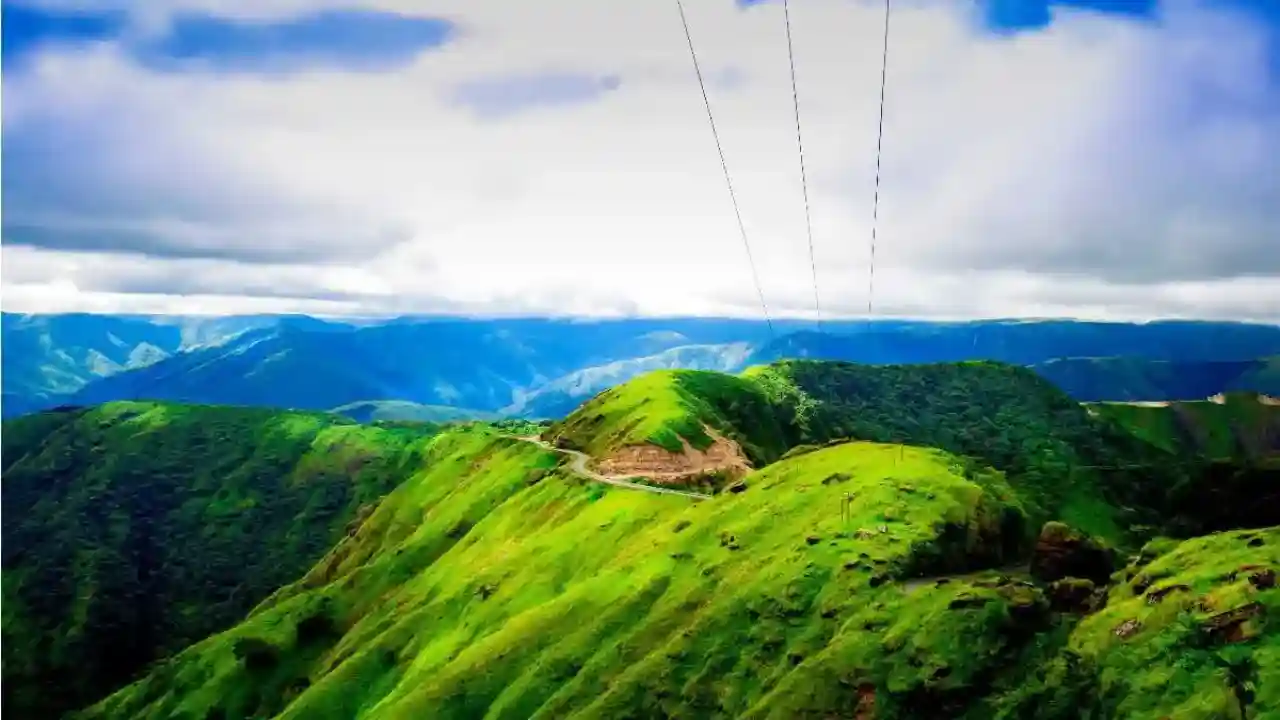
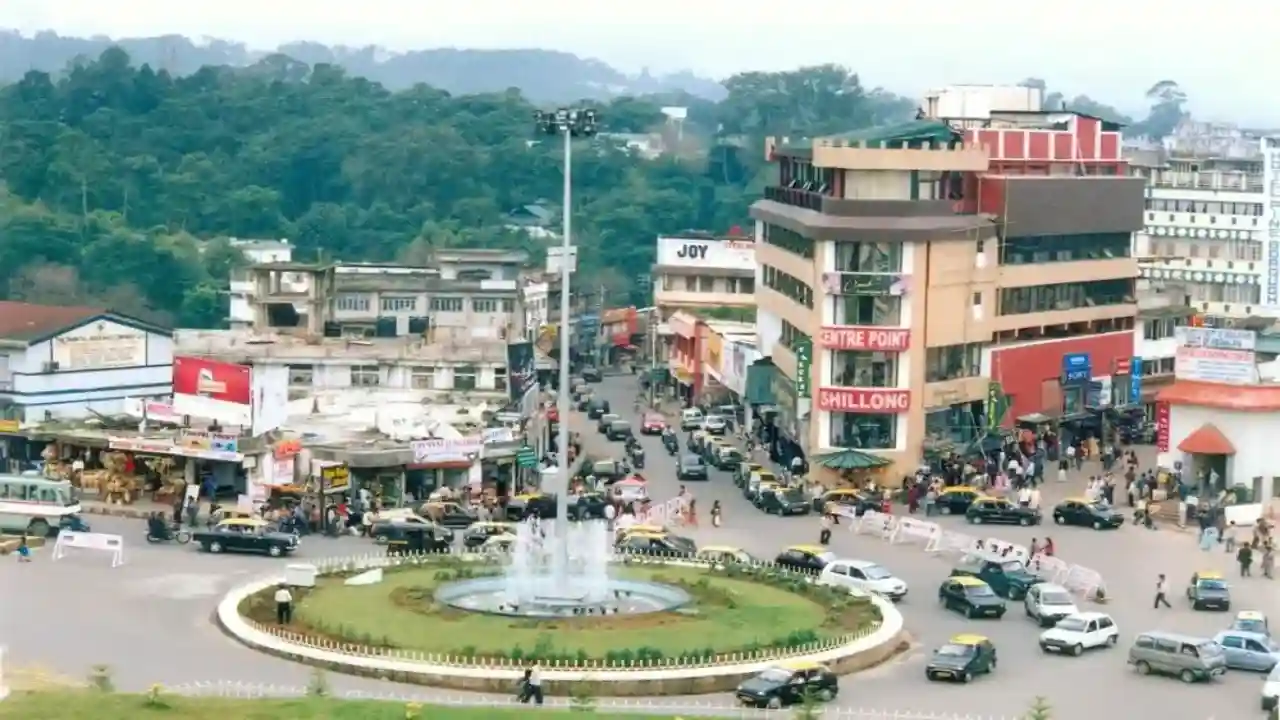
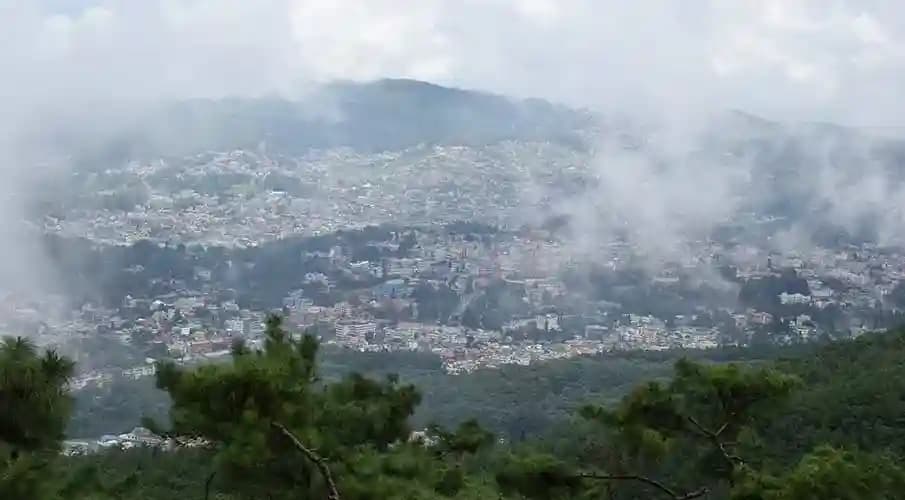
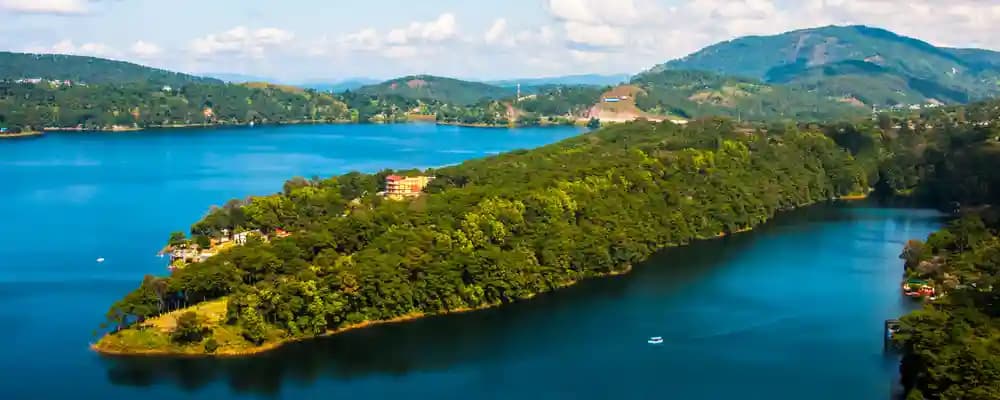
Often called the Scotland of the East, Shillong sits at about 1,496 metres and serves as Meghalaya's capital. The town has a relaxed buzz with cafes, live music spots and markets selling local handicrafts. Ward's Lake is nice for a quiet walk, and the Don Bosco Museum gives a deep look into Northeast India's tribal cultures. Shillong Peak, the Khasi Hills' highest peak, stands at 1,965 metres and offers sweeping views of the entire city and surrounding valleys. The weather stays cool most of the year, which makes wandering around pretty comfortable. You'll notice a strong connection to music here since rock bands and jazz clubs are part of daily life.
Location: Central Khasi Hills and the capital of Meghalaya
Best time to visit: March to June and September to November
2. Cherrapunji
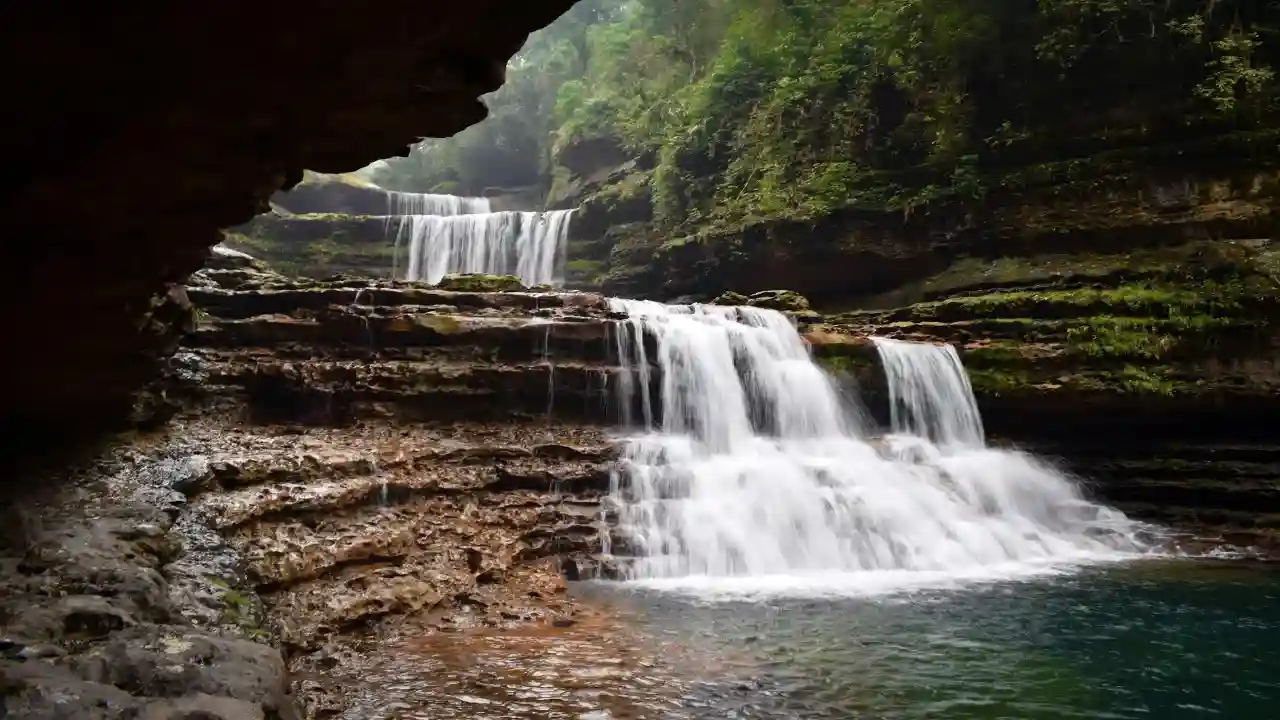
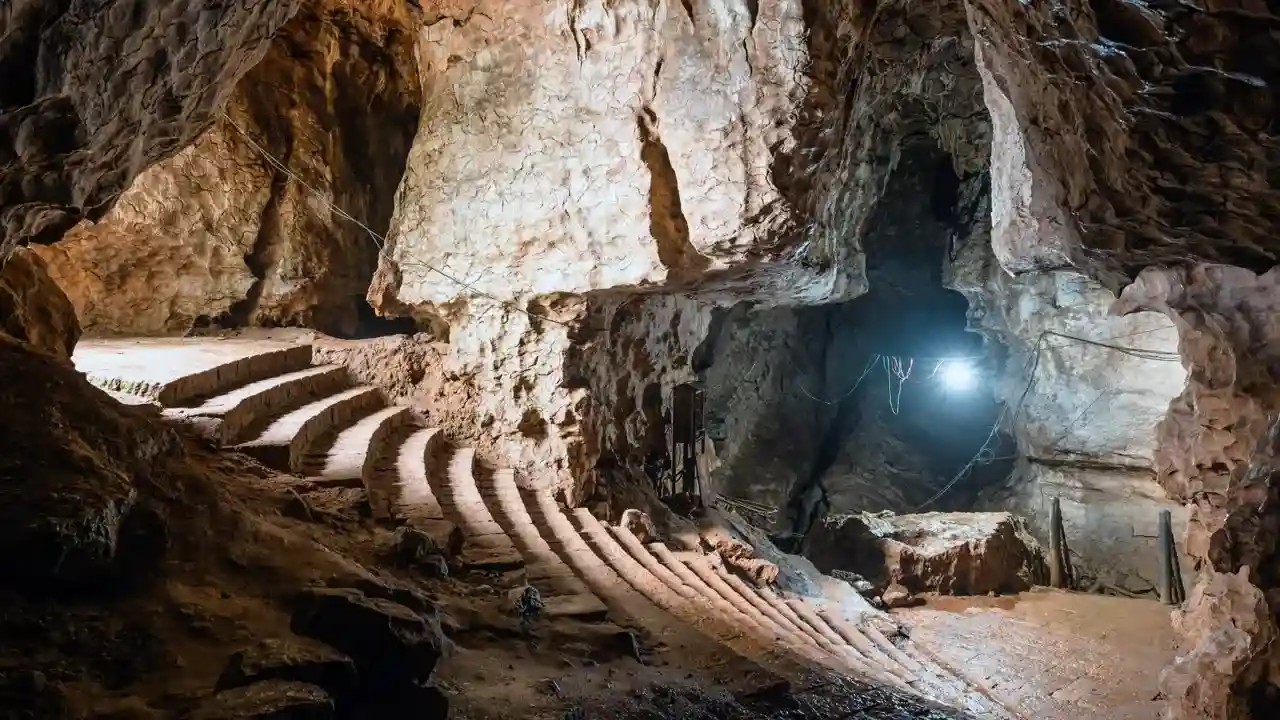
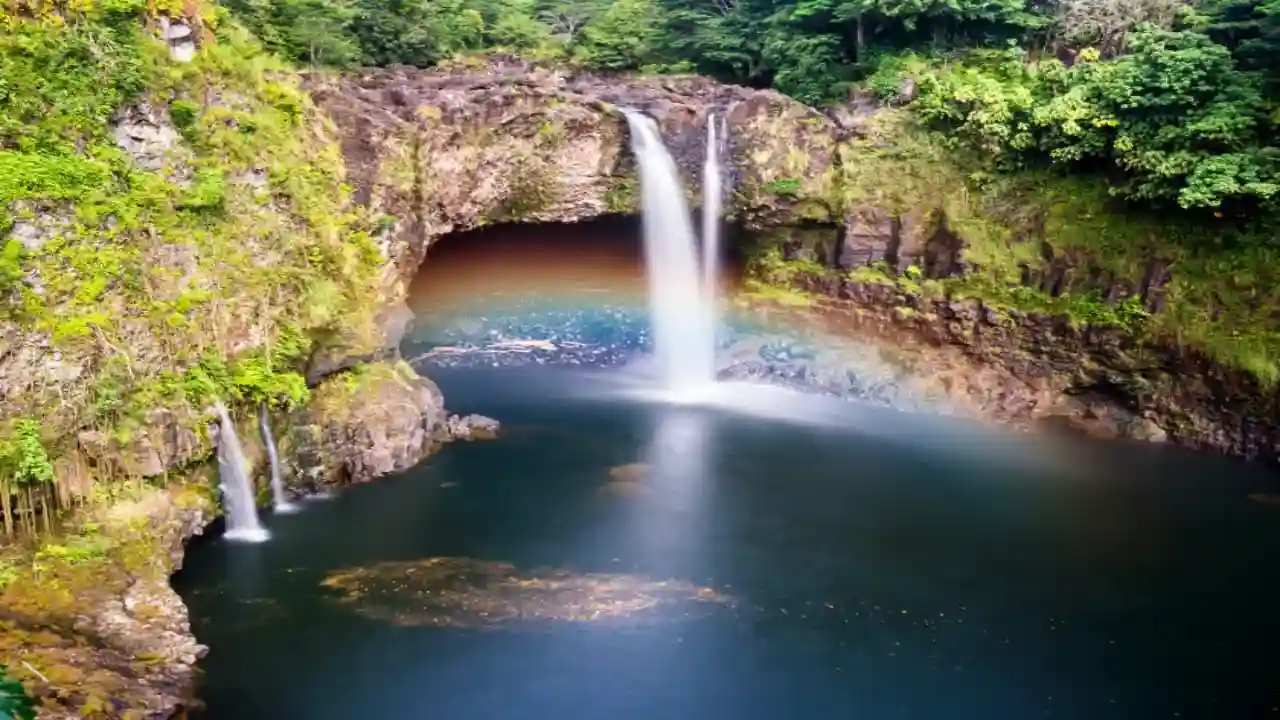
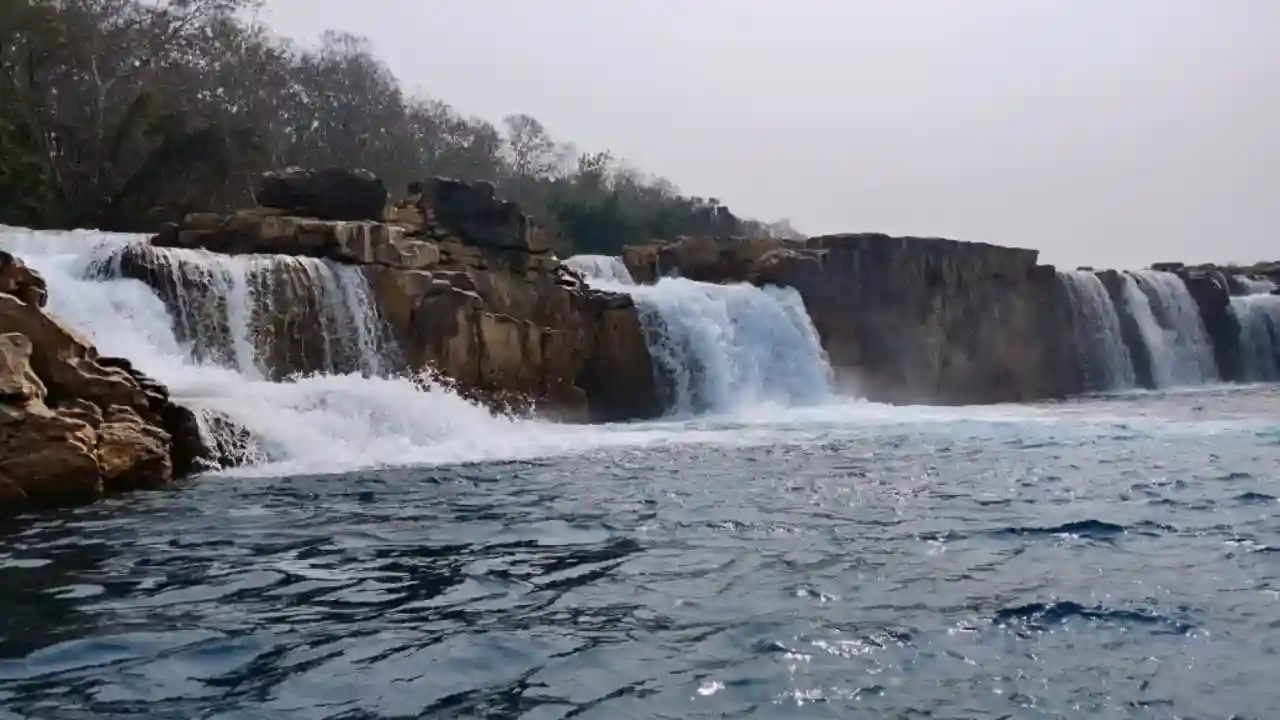
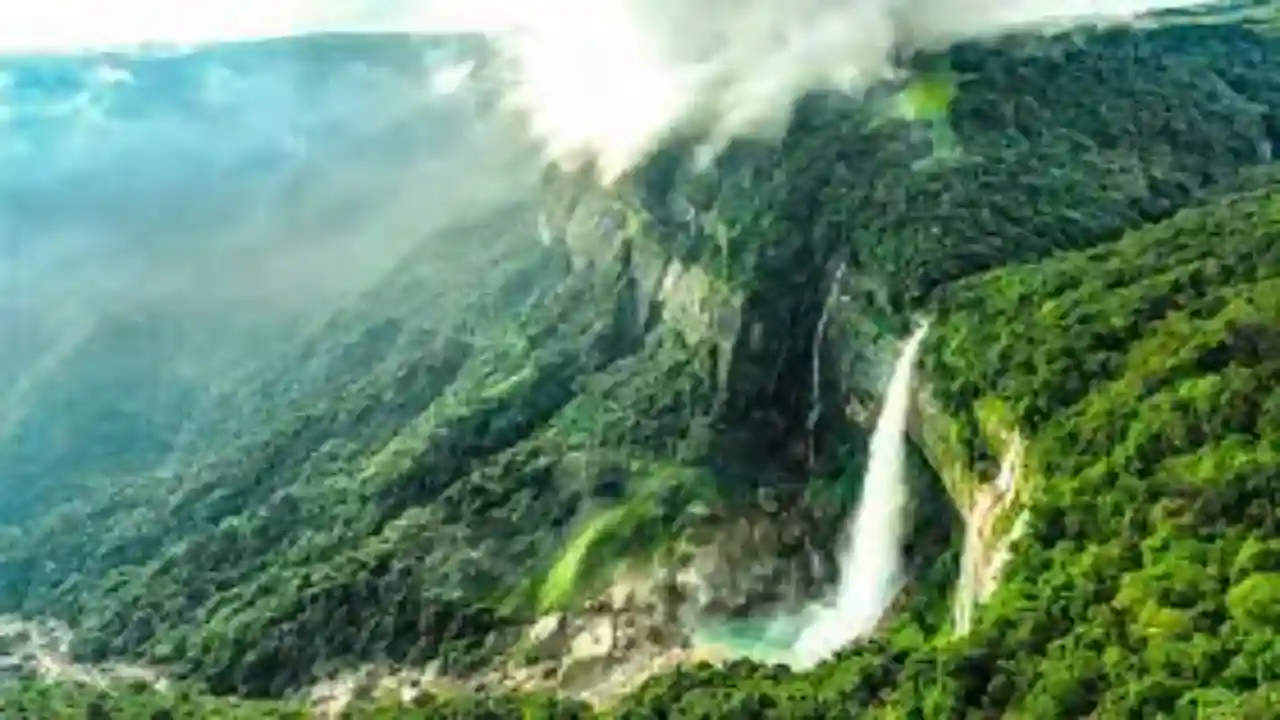
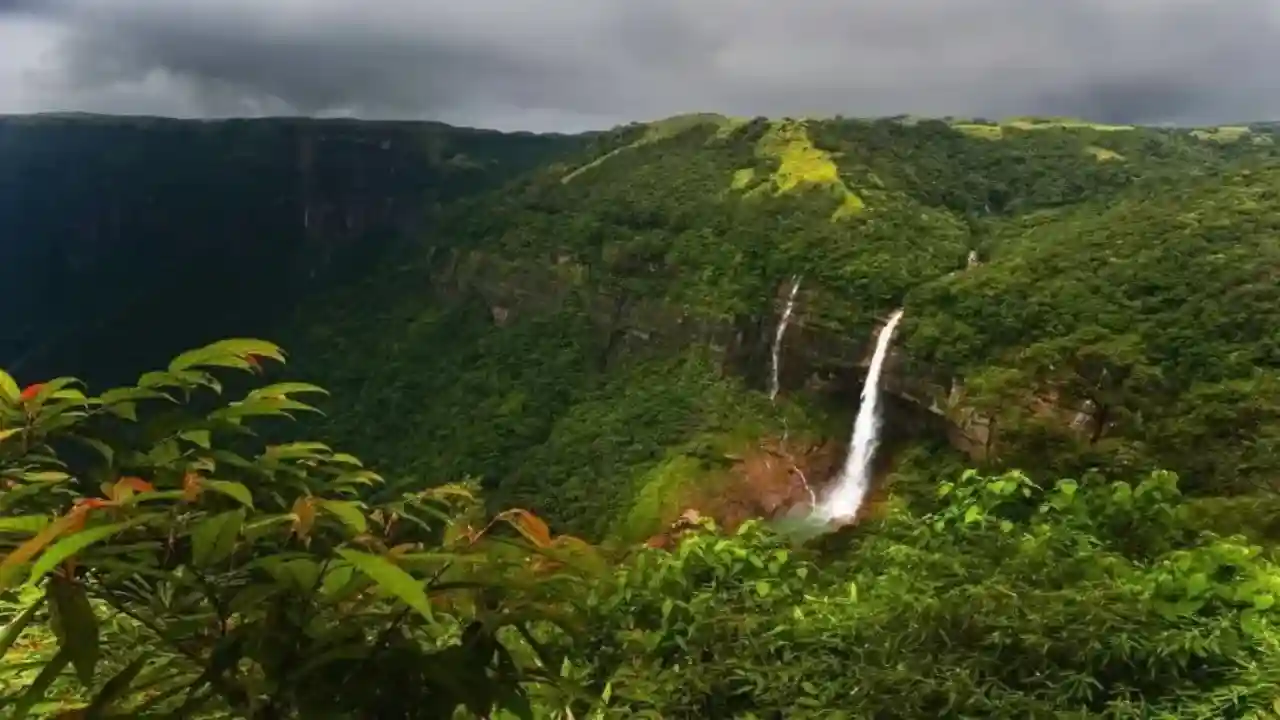
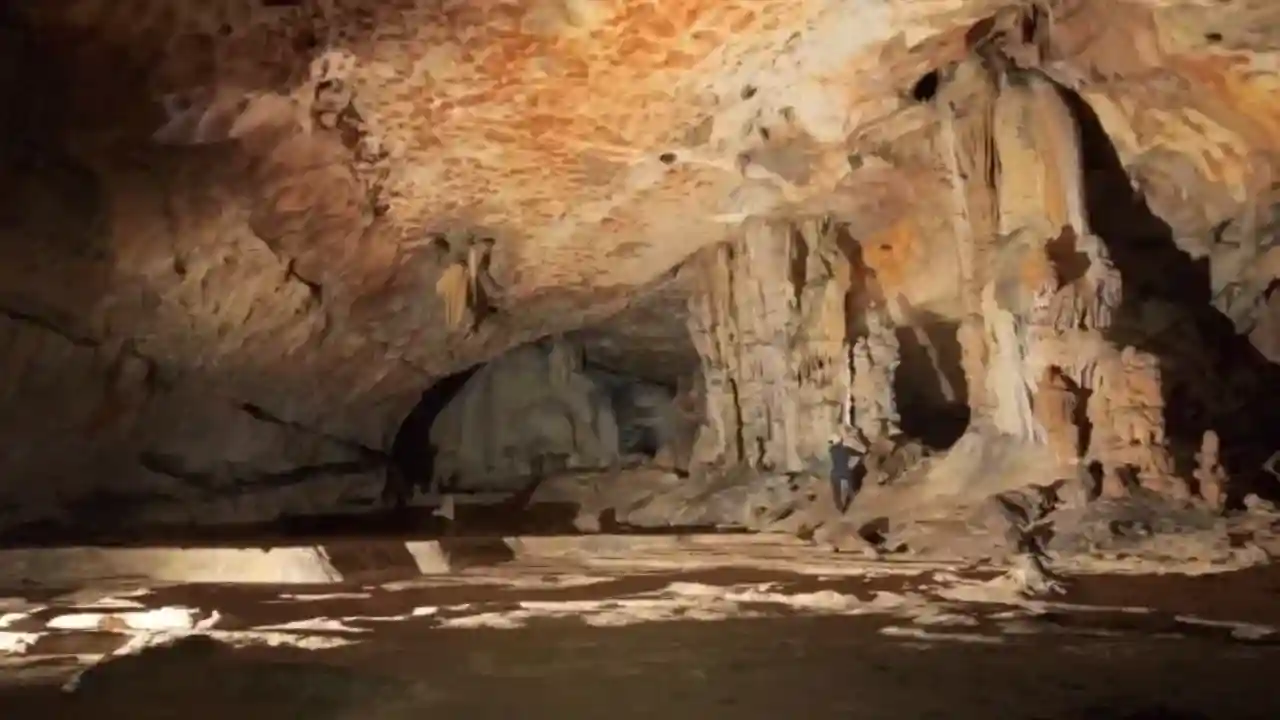
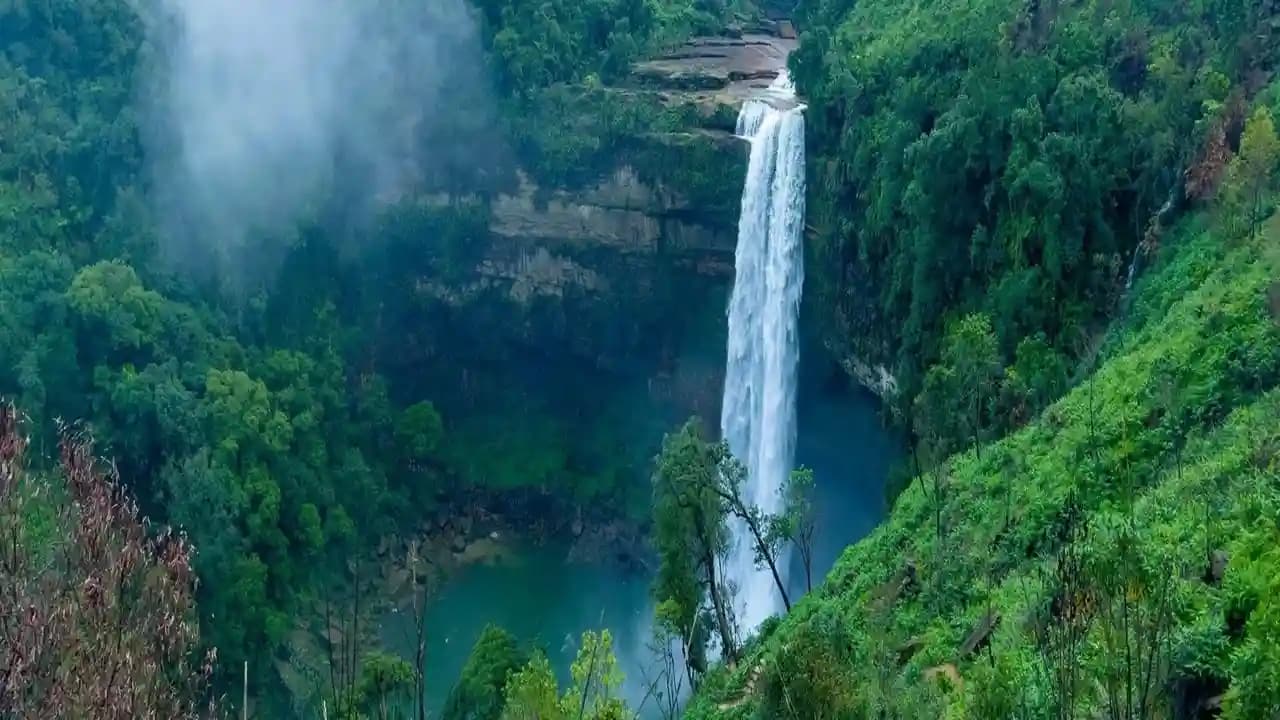
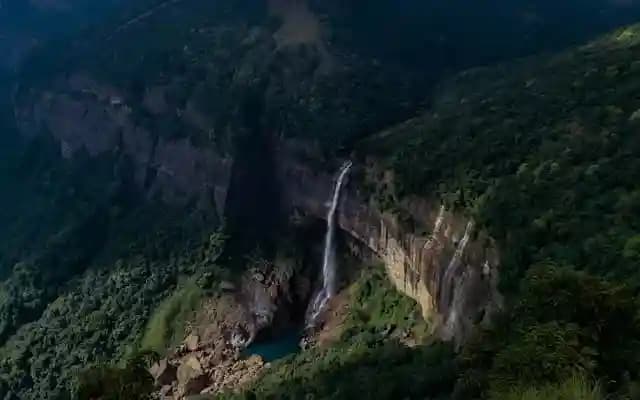
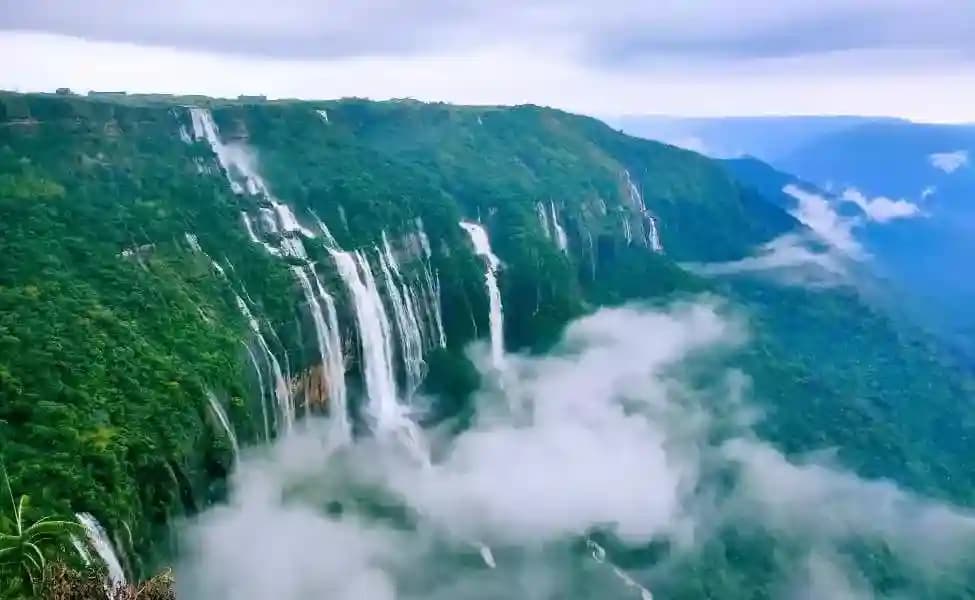
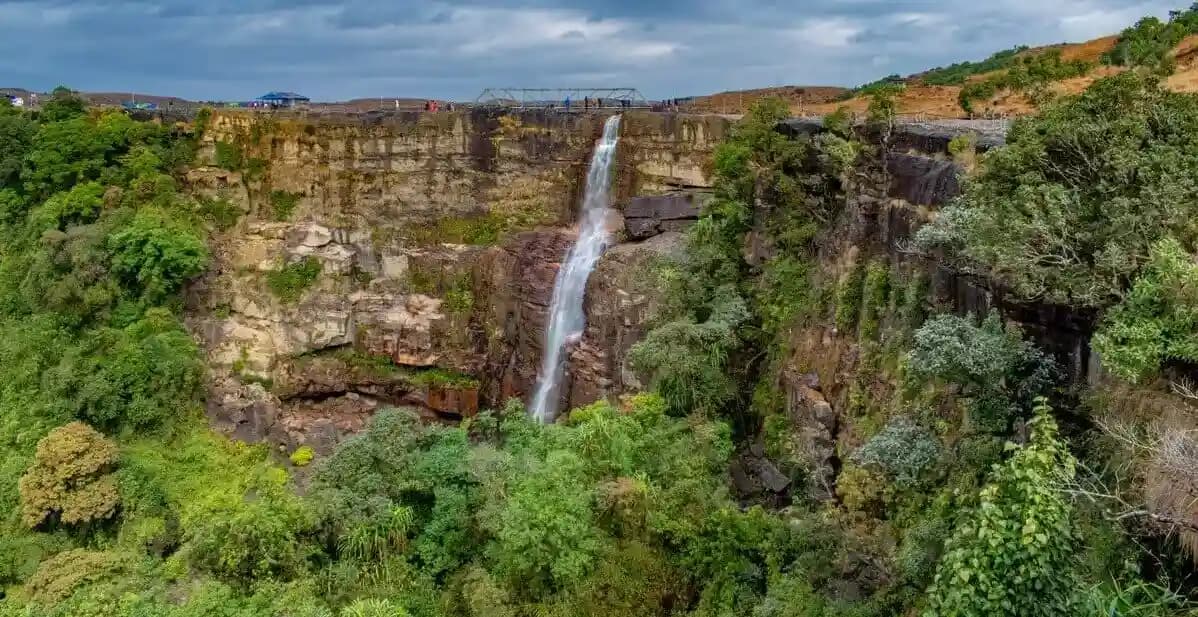
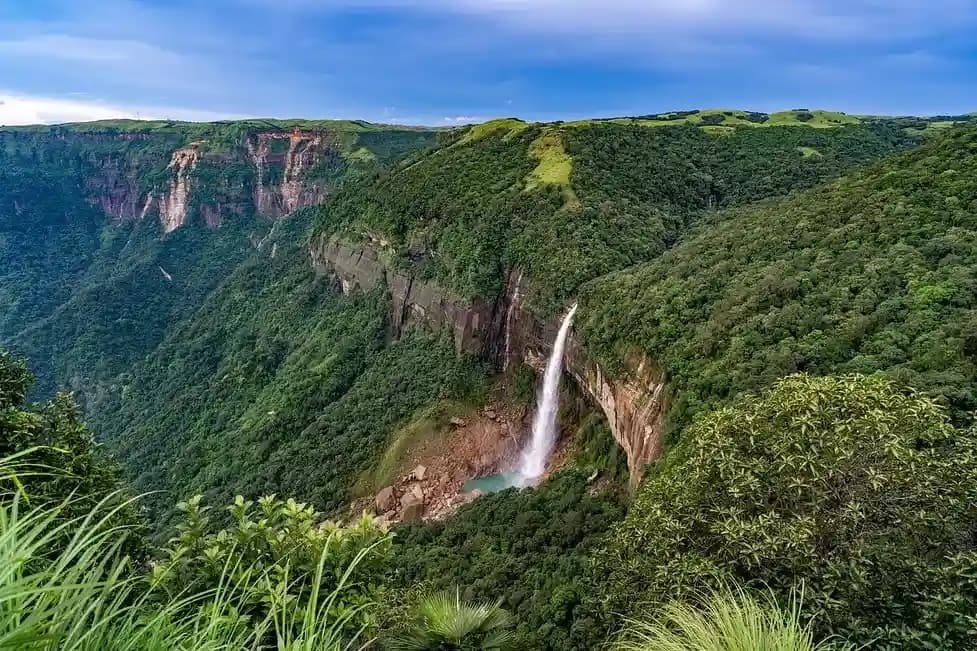
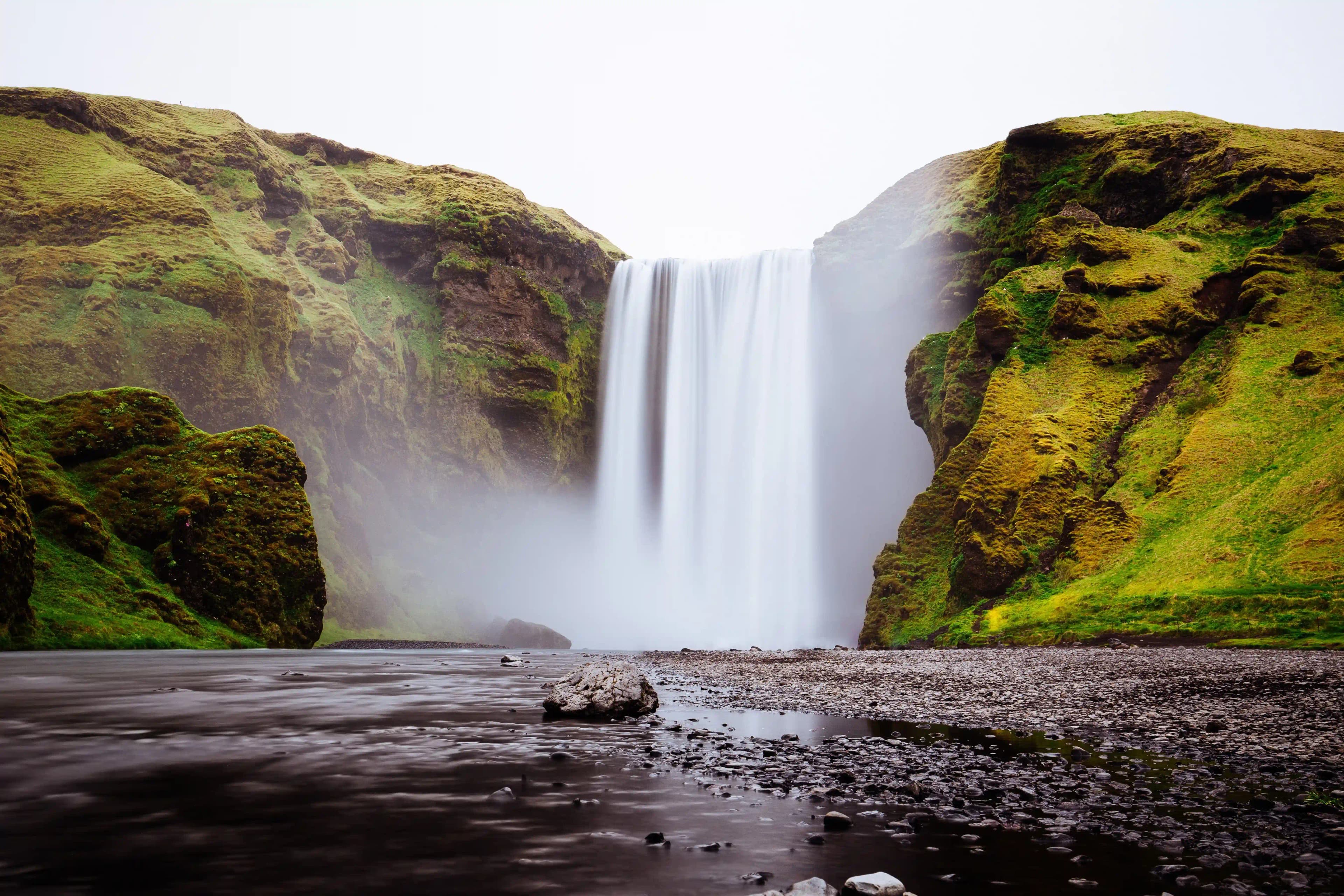
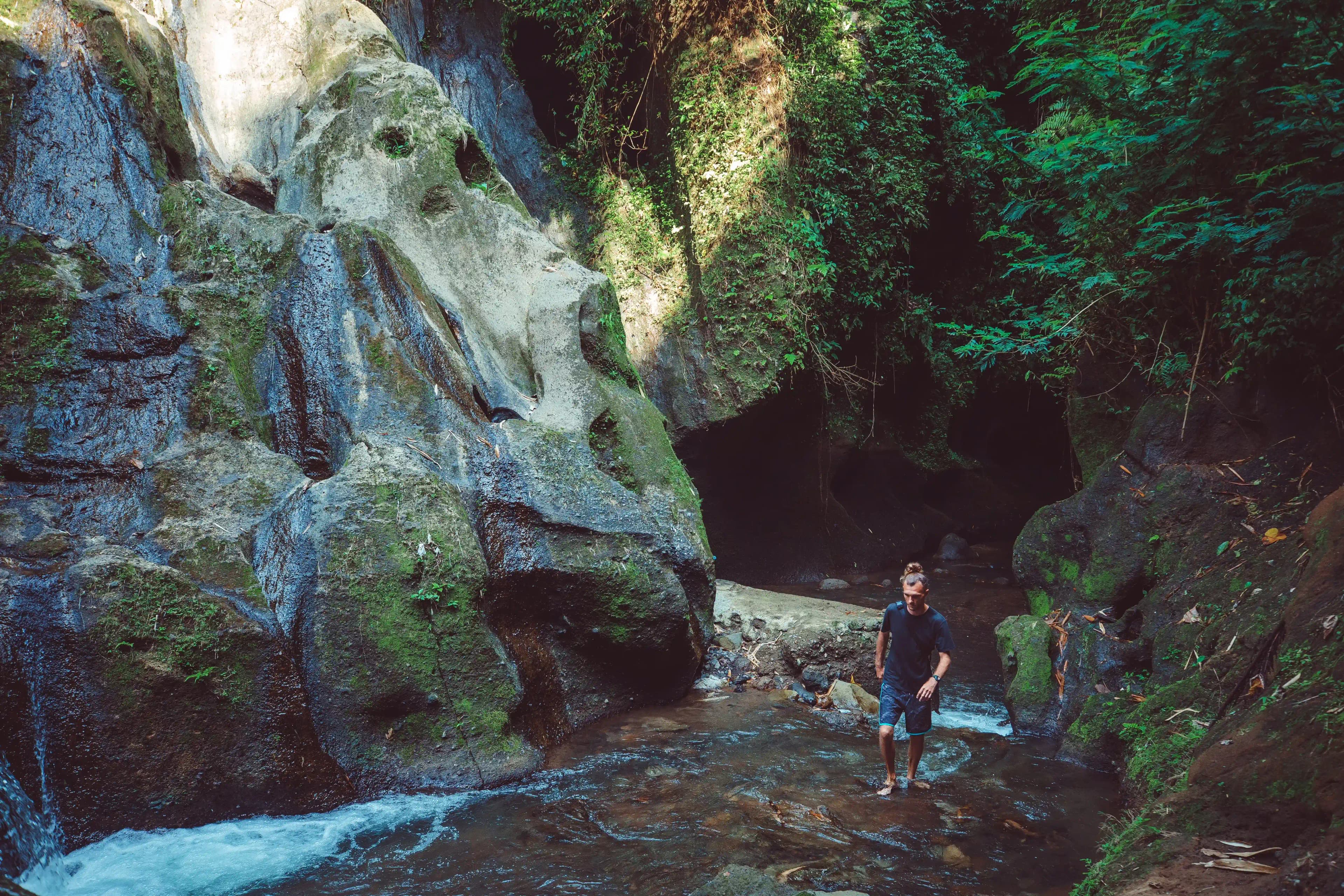
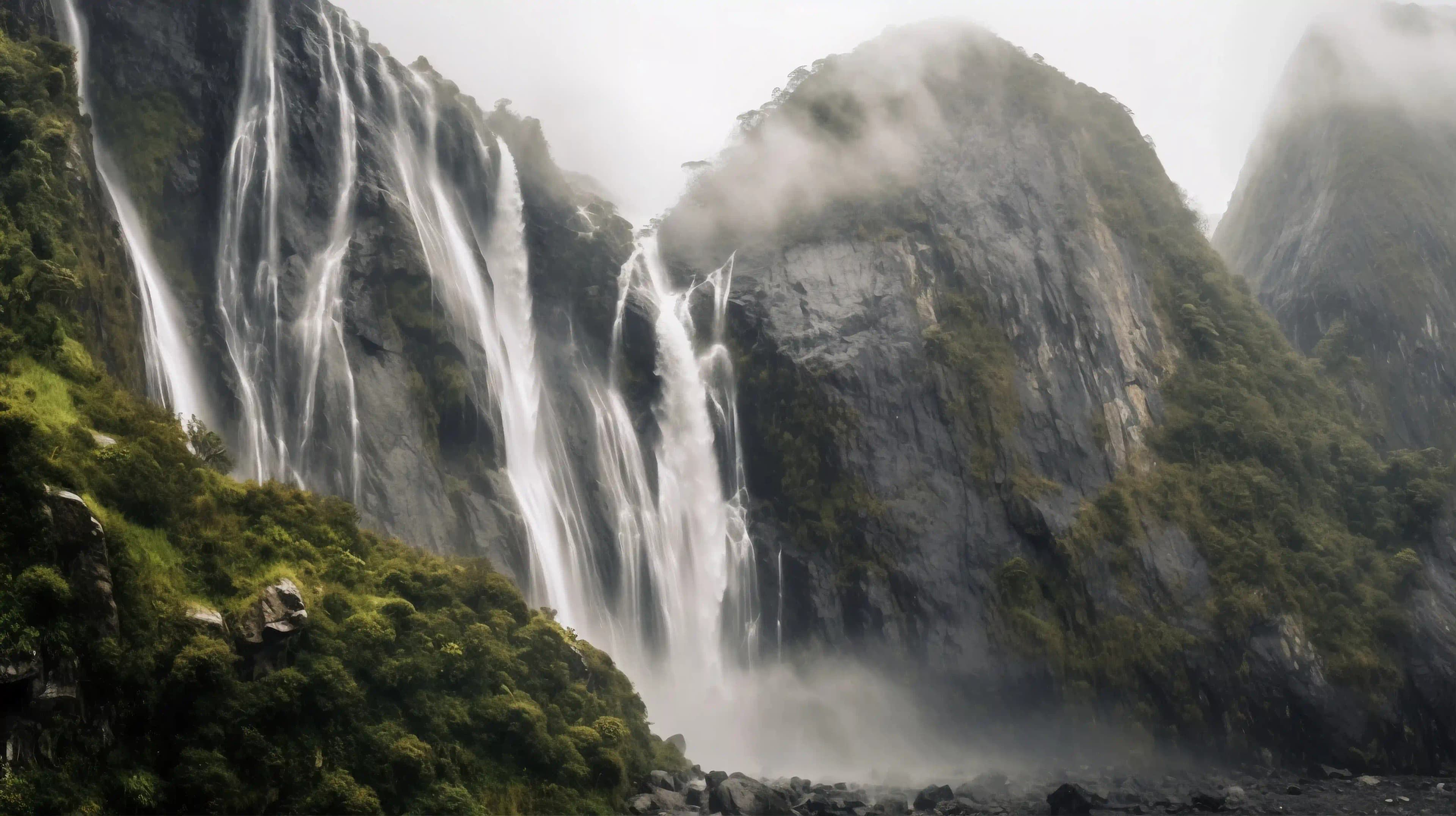
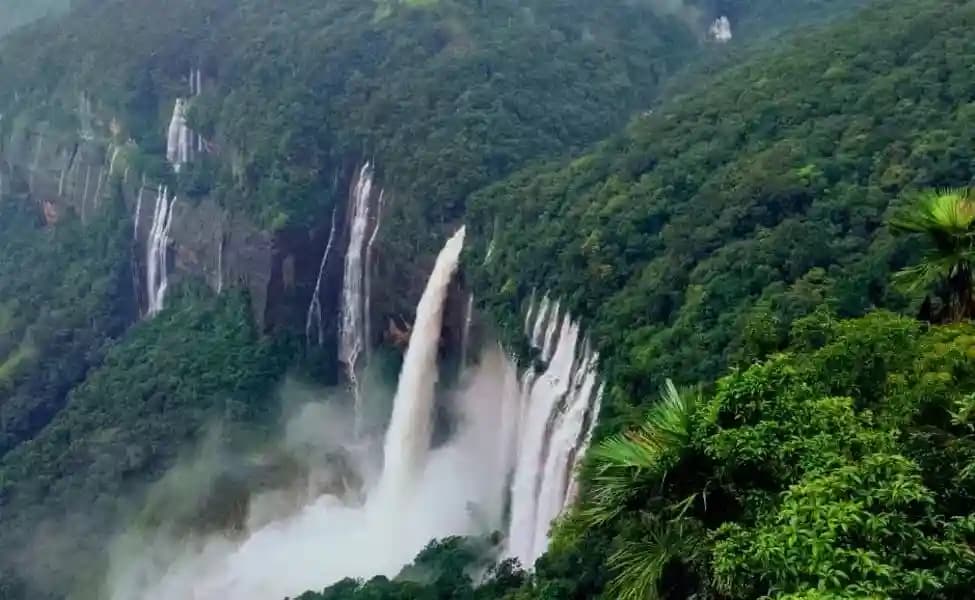
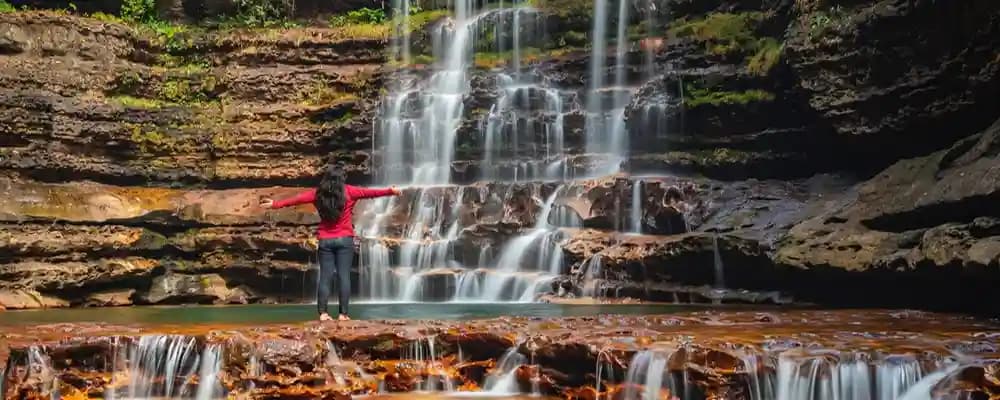
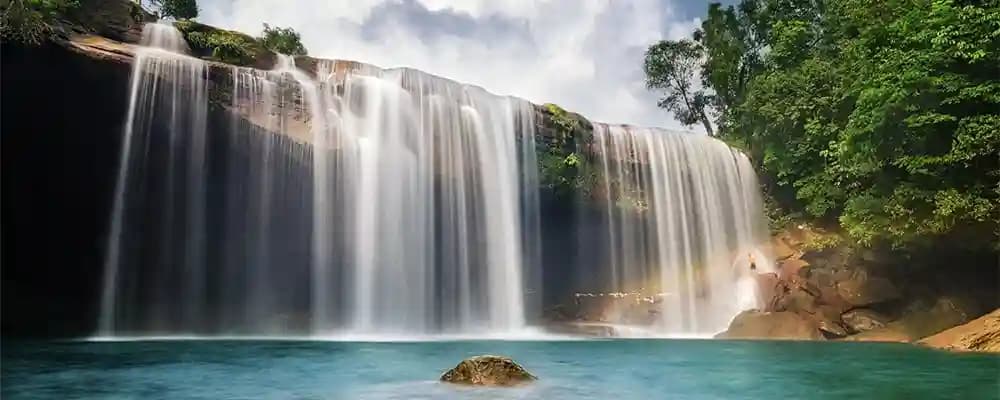
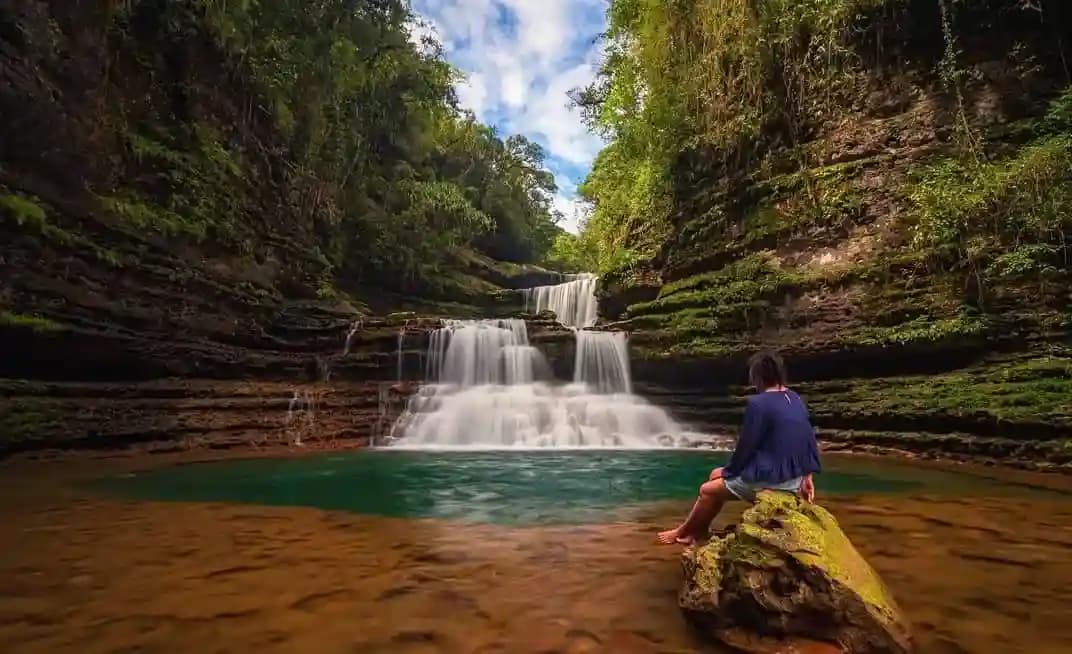
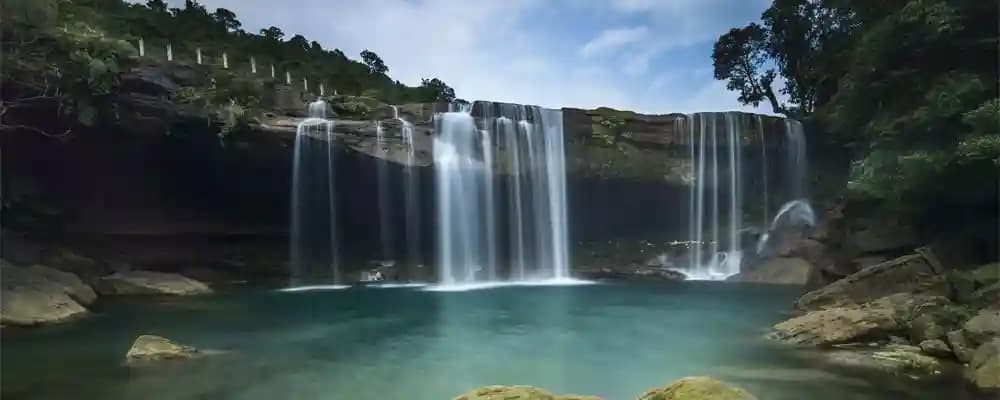
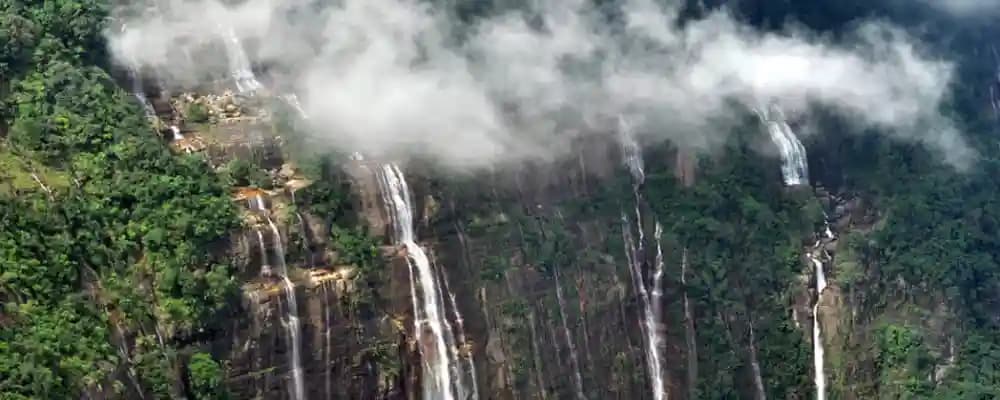
This place is one of the wettest spots on earth. Cherrapunji gets soaked during monsoons, and that's why the waterfalls here are so powerful. Nohkalikai Falls drops from 340 metres, and the view from the top is something else. The living root bridges are grown by the Khasi people over decades using rubber tree roots. Mawsmai Cave has natural limestone formations, and it's one of the few caves in Meghalaya that tourists can actually walk through. The valleys stretch far, and mist hangs around most of the time.
Location: Southern edge of the Khasi Hills plateau
Best time to visit: October to April
3. Mawlynnong
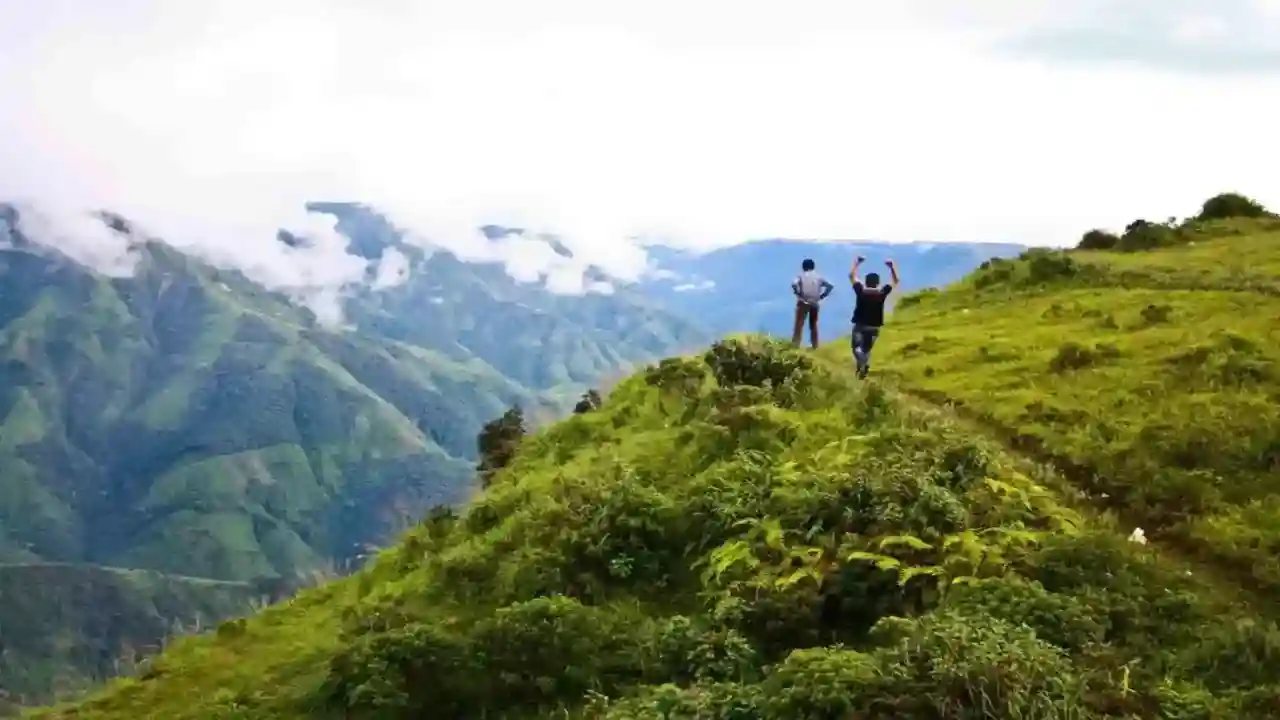
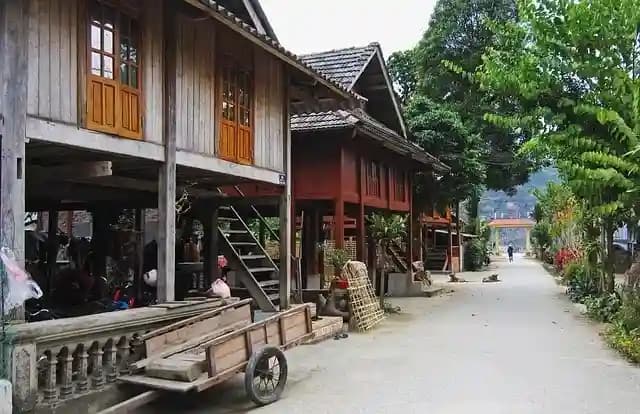
Asia's cleanest village isn't just a title here. Mawlynnong actually looks spotless with bamboo dustbins placed everywhere and not a single wrapper lying around. The village itself is small, and you can walk through it in an hour. There's a sky view platform made of bamboo that gives you a bird's eye view of the surrounding forests and plains of Bangladesh in the distance. A living root bridge sits nearby and takes about 15 minutes to reach on foot. Locals are friendly, and many homes offer homestays if you want to experience village life in Khasi Meghalaya.
Location: Eastern Khasi Hills near the India-Bangladesh border
Best time to visit: October to March
4. Dawki
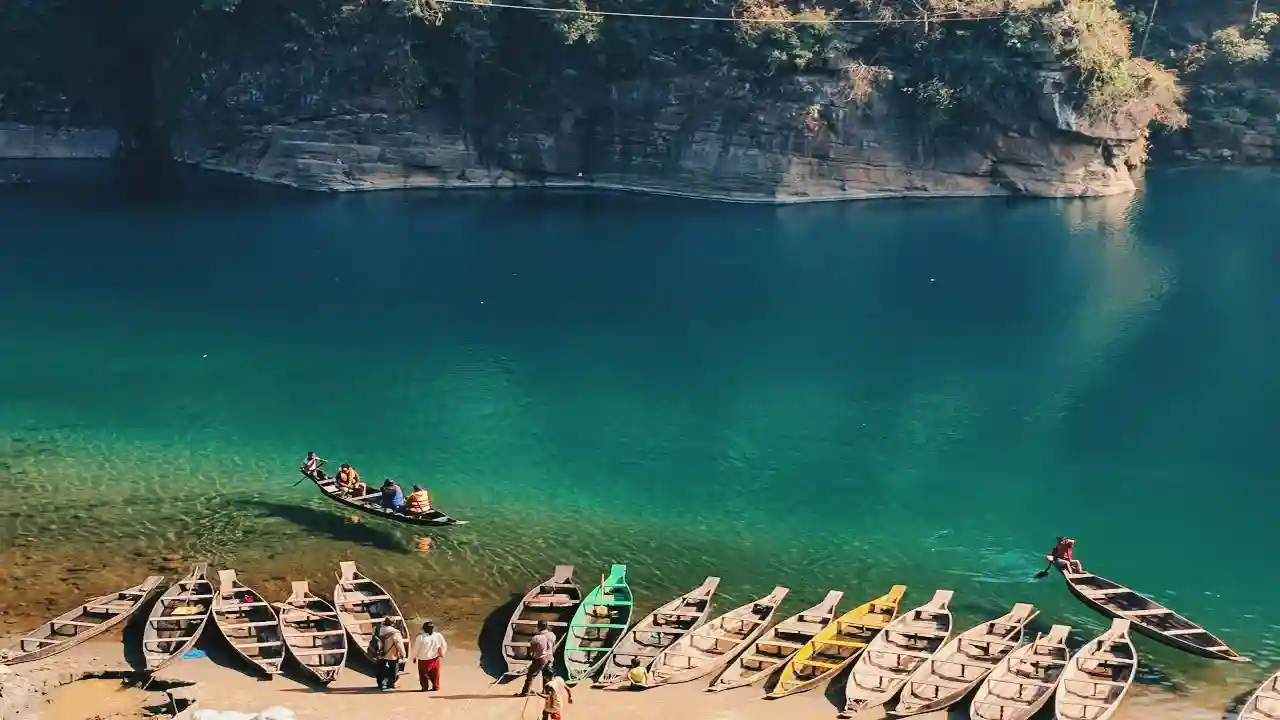
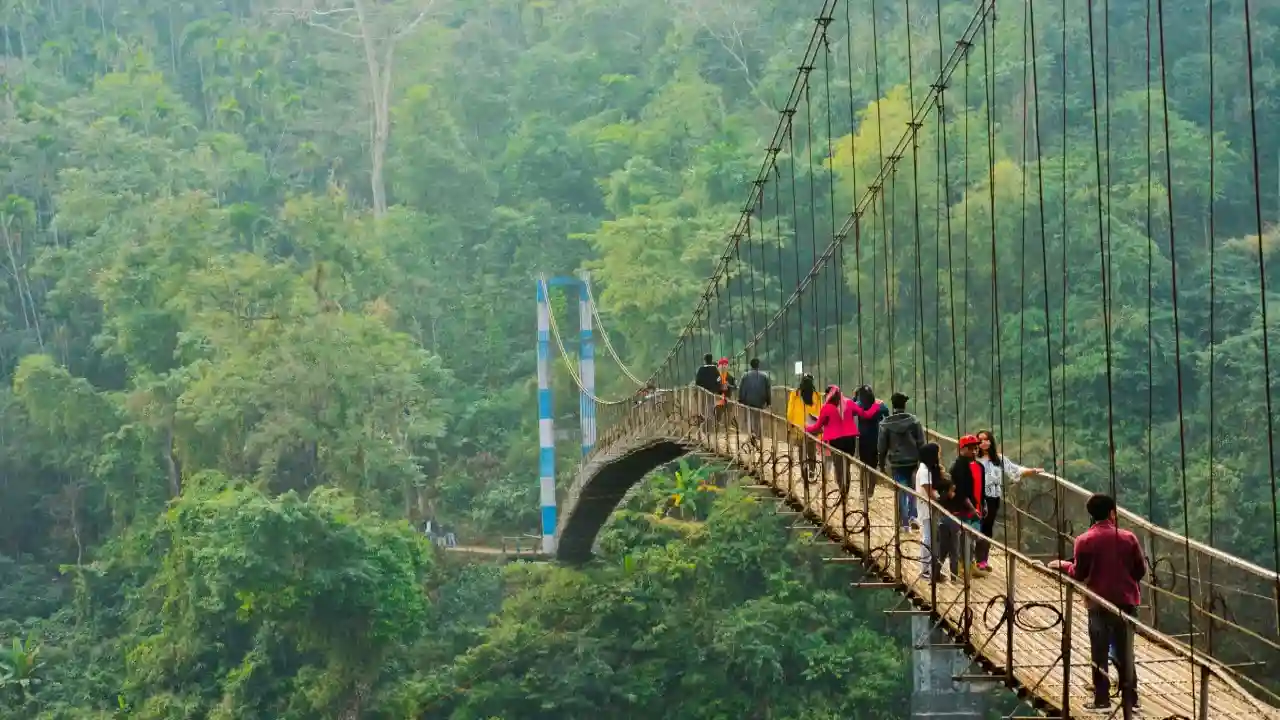
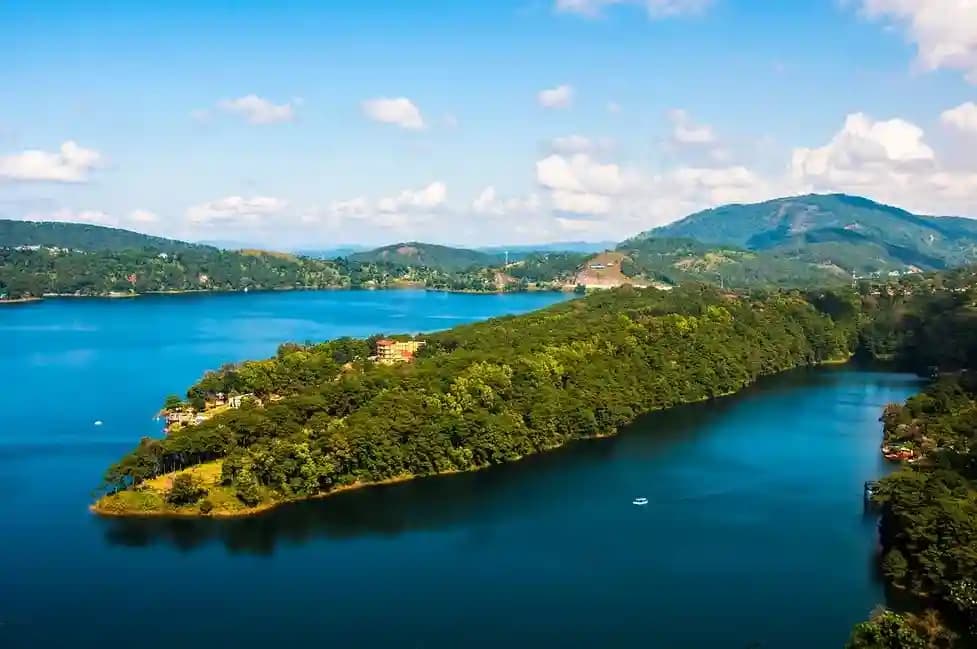
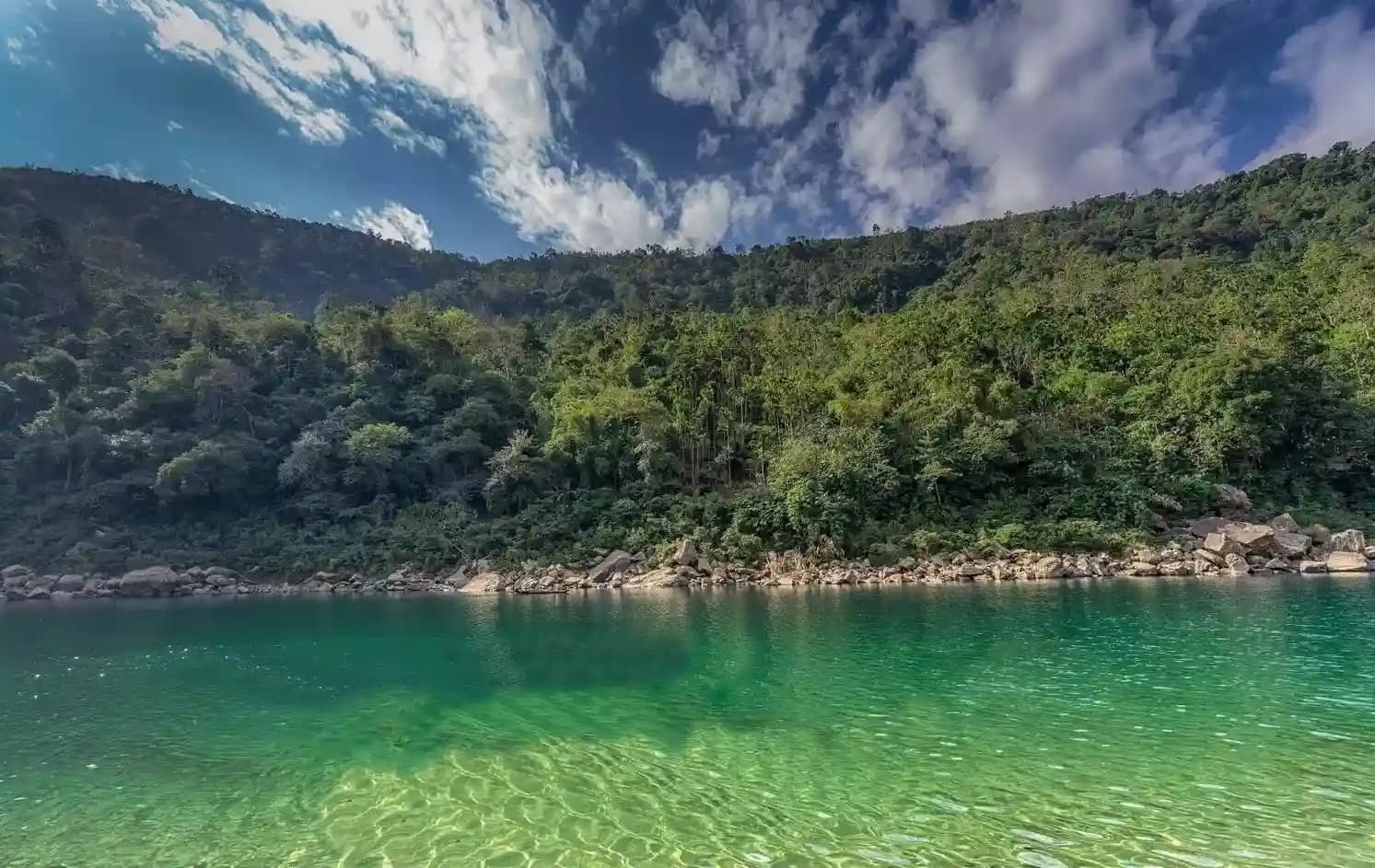
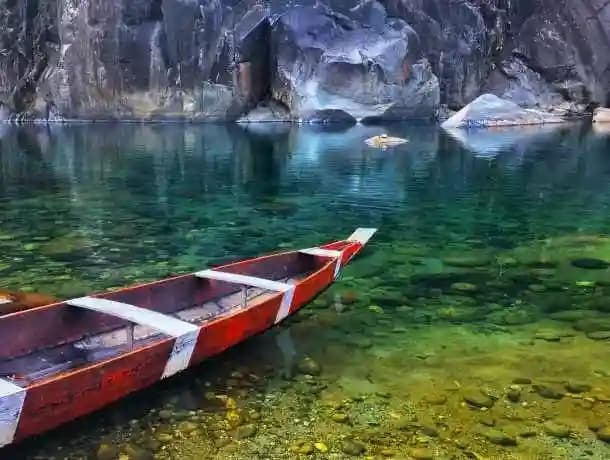
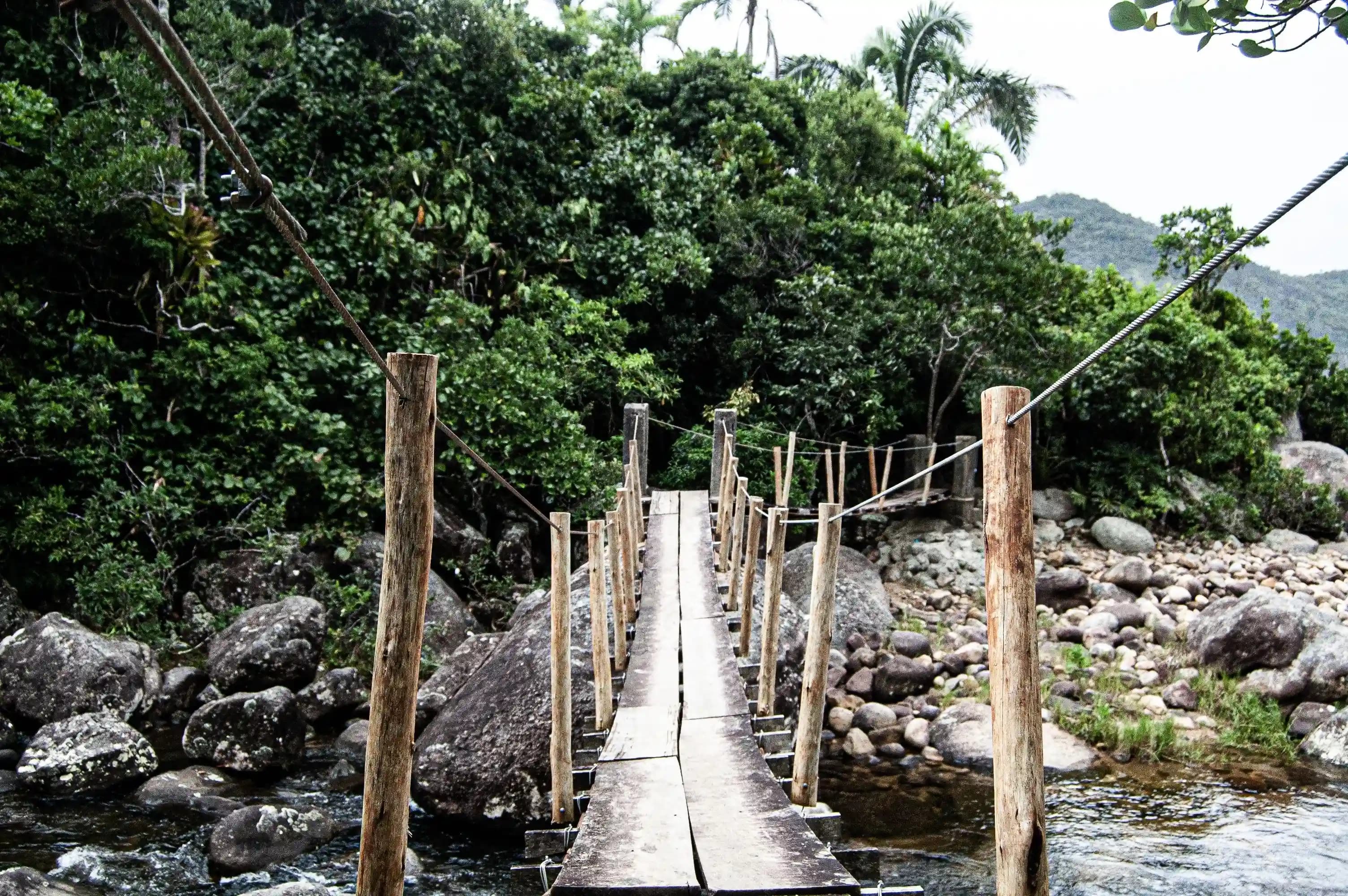
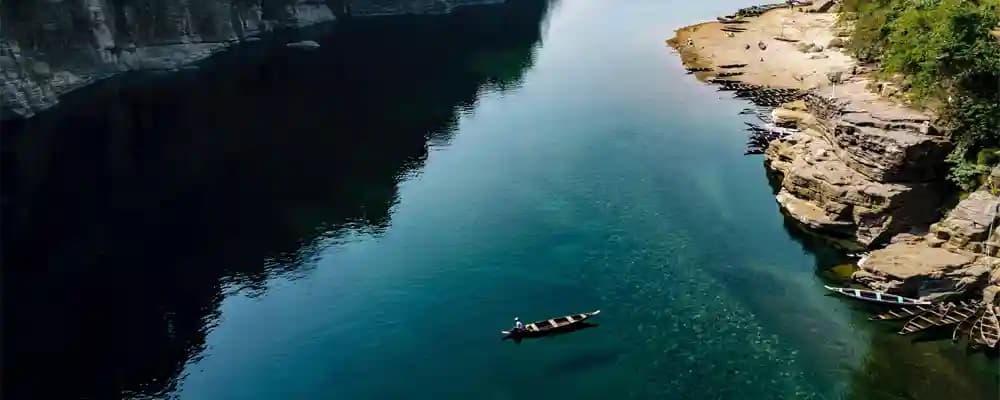
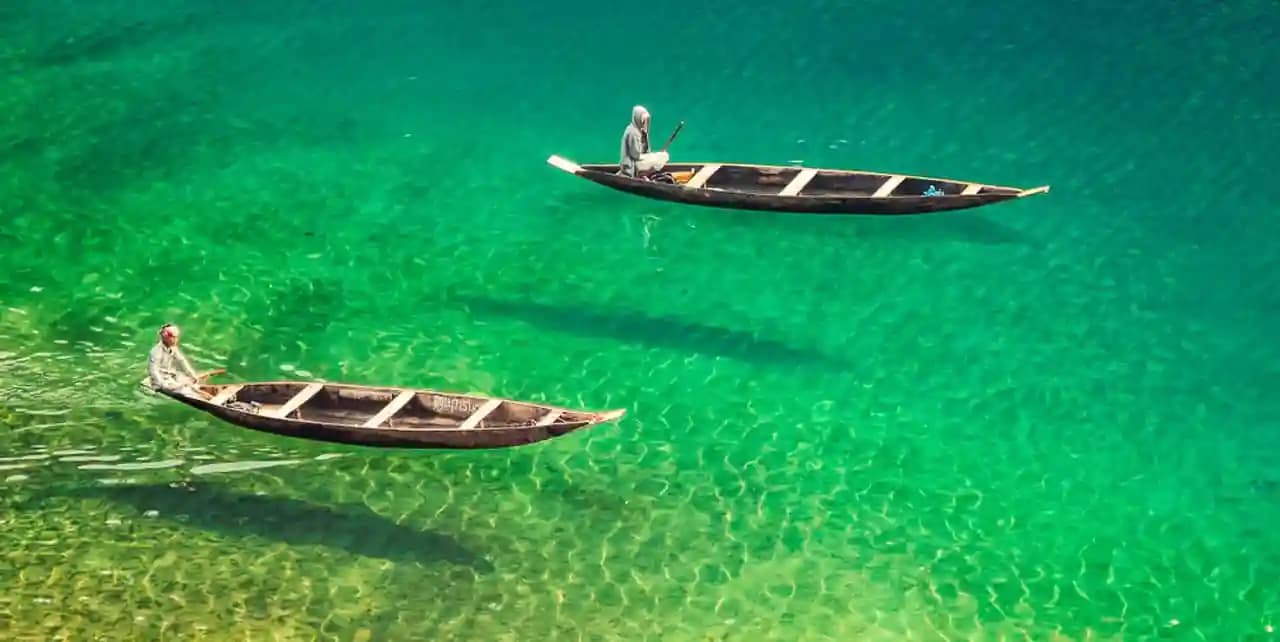
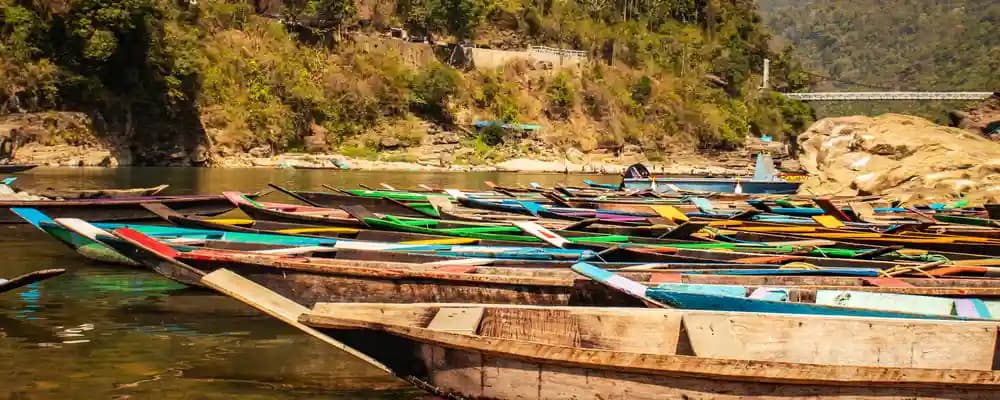
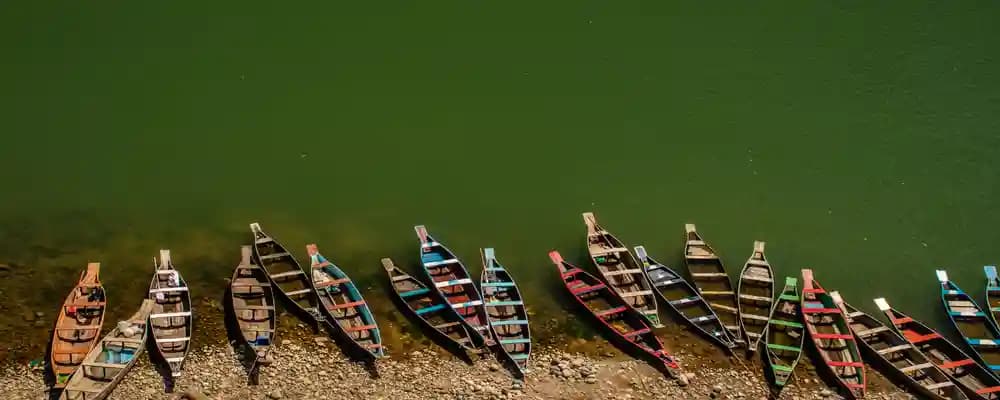
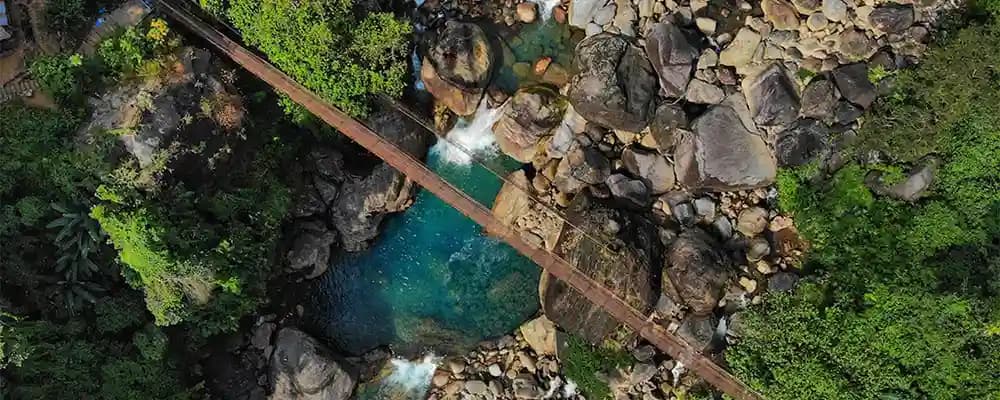
The Umngot River in Dawki has water so clear that boats look like they're floating in the air. The riverbed stays visible even when the water is several feet deep. Boating costs around 200 to 400 rupees, depending on what type you pick. This river marks the border between India and Bangladesh, so you can actually see the neighbouring country from the banks. There's a suspension bridge close by that's worth a quick look. The drive from Shillong takes about 2.5 hours through hills and small villages.
Location: At the base of the Khasi Hills along the Umngot River
Best time to visit: November to February
5. Nongriat
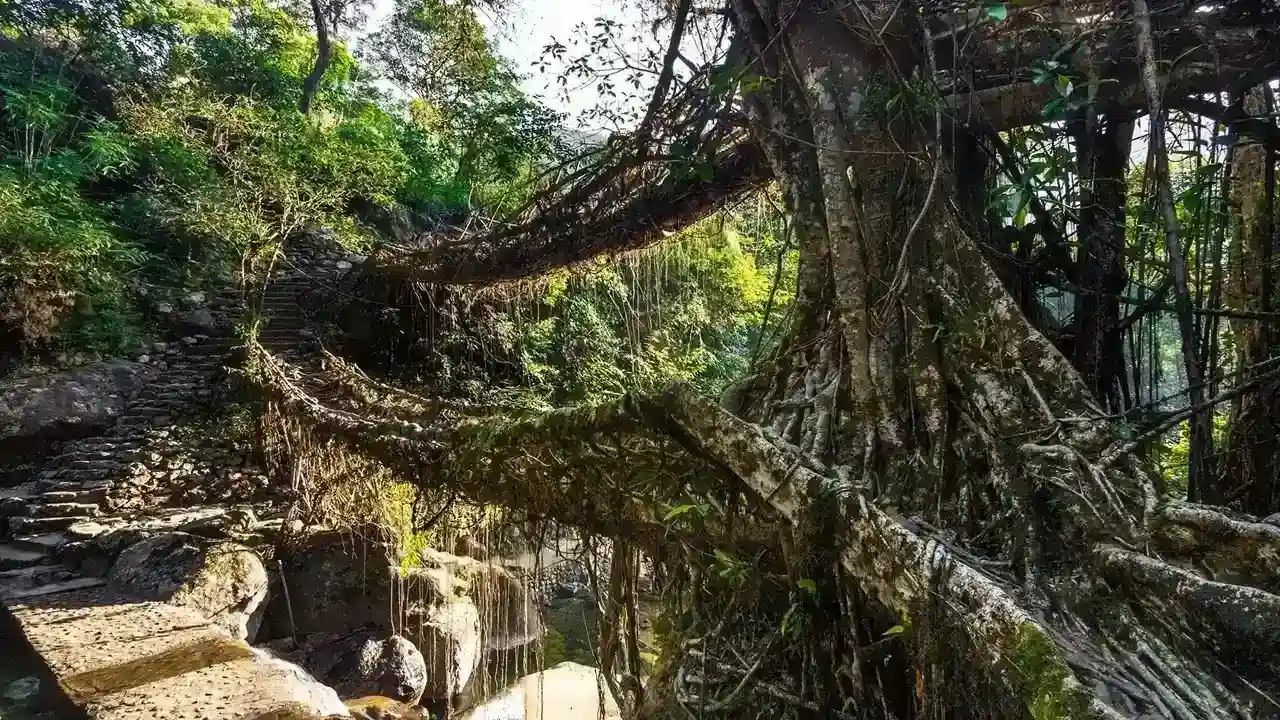
Getting to Nongriat means going down around 3,500 steps through thick forests. It's tiring, but the double-decker living root bridge makes it worth the climb. This bridge took over 500 years to grow and it's one of the most photographed spots in the Khasi Hills. The structure can hold 50 people at once. Nongriat village is small with just a few houses and a couple of homestays. The trek back up is tougher than coming down, so leaving early helps. Most visitors combine this with Cherrapunji since both are in the same area.
Location: Deep inside the forested Khasi Hills near Cherrapunji
Best time to visit: October to March
Things to Do Near Khasi Hills
Beyond sightseeing, there's plenty to actually do around here. Whether you're into adventure or just want to soak in the local culture, things to do in Meghalaya cover different interests. Here are five activities that bring out the best of this region.
1. Trek to Living Root Bridges
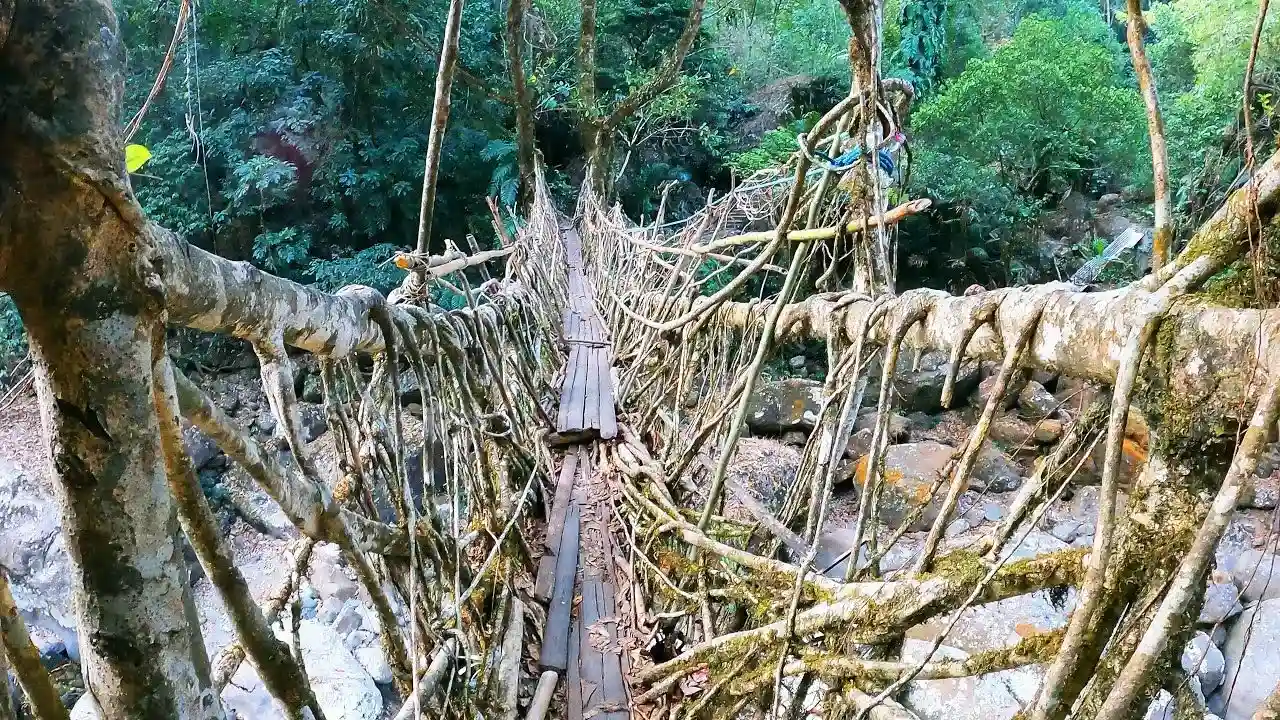
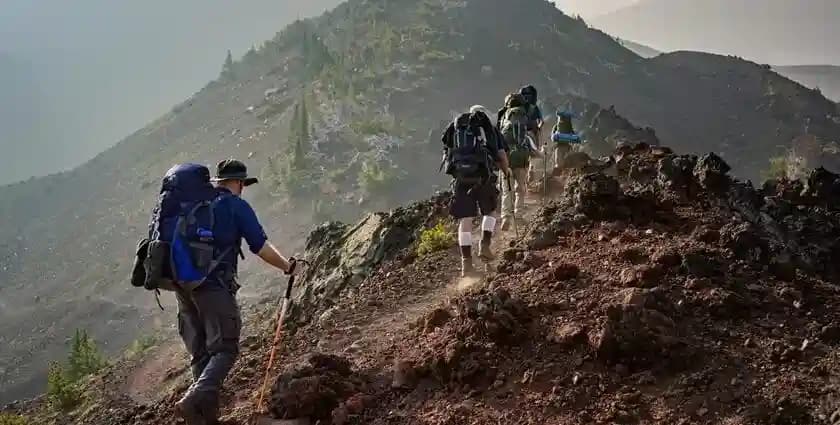
Walking to the living root bridges is probably the most unique thing you can do here. These bridges are grown naturally by the Khasi people using rubber tree roots, and some are over 100 years old. The double-decker bridge in Nongriat is the most famous and requires a steep trek. The paths go through forests with streams and small waterfalls. It's tiring, but seeing the bridge up close is worth it.
2. Go Boating in Dawki

Boating on the Umngot River feels surreal because the water is so transparent. You can see rocks and fish clearly from the boat. It's peaceful, and the surrounding hills make great photos. The best time is between October and May when the river is at its clearest. Local boatmen charge reasonable rates, and the ride lasts around 30 minutes, depending on what you pick.
3. Explore Caves
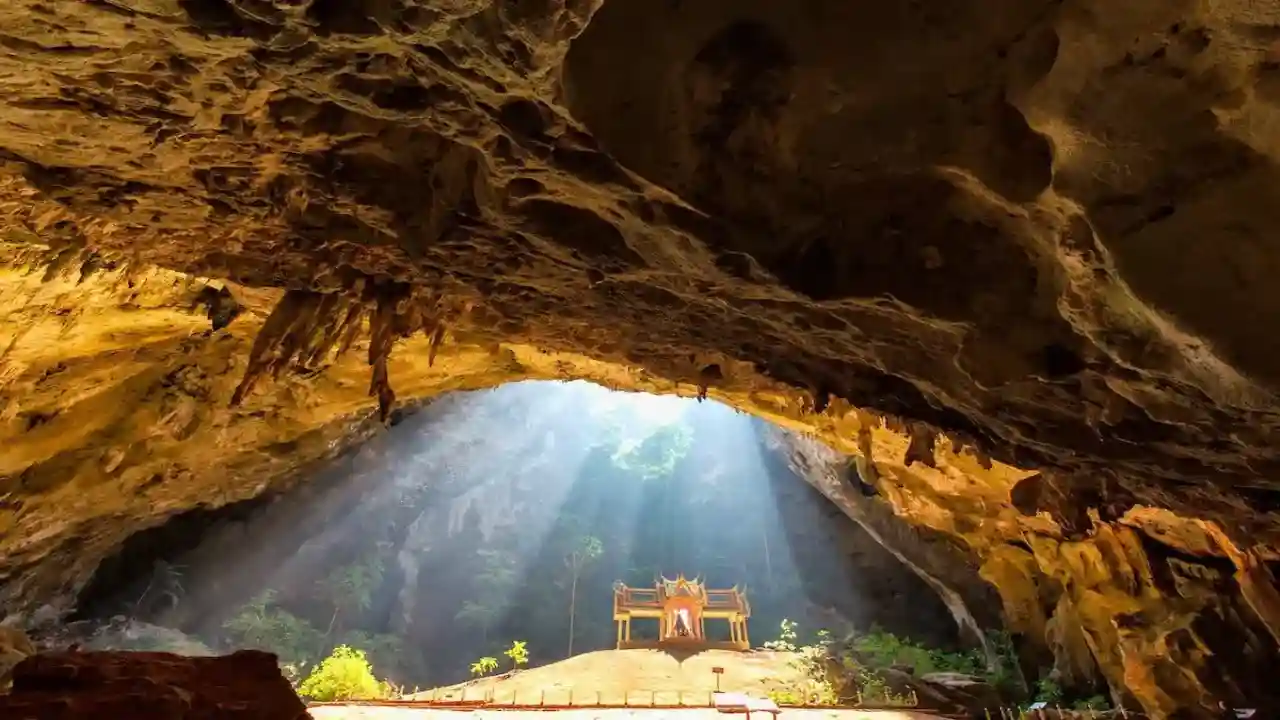
Khasi Meghalaya has several limestone caves that are open for exploration. Mawsmai Cave near Cherrapunji is the easiest to access and well-lit inside. Arwah Cave and Krem Mawmluh are for people who want something more adventurous with narrower passages. You'll need a guide for the tougher ones. The formations inside these caves took thousands of years to form, and some sections require crawling through tight spots.
4. Try Local Khasi Cuisine
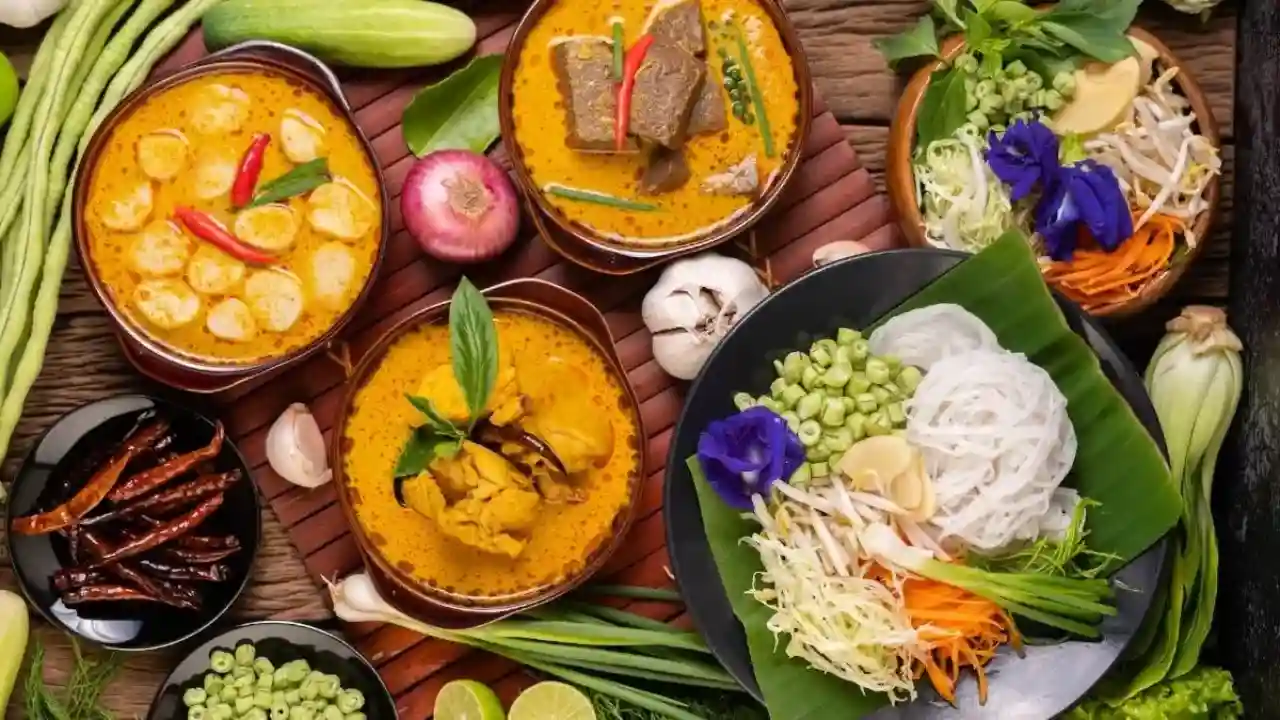
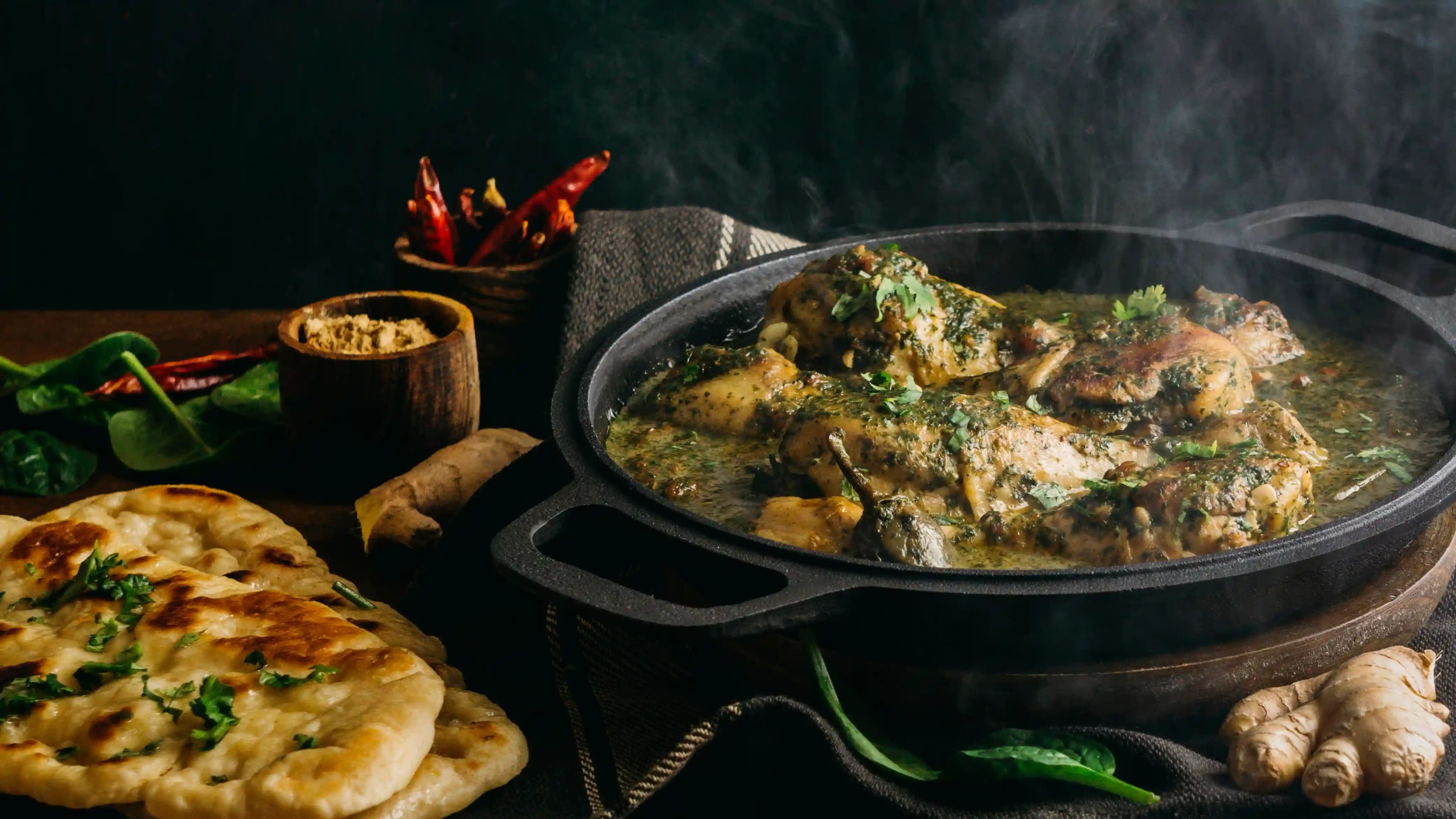
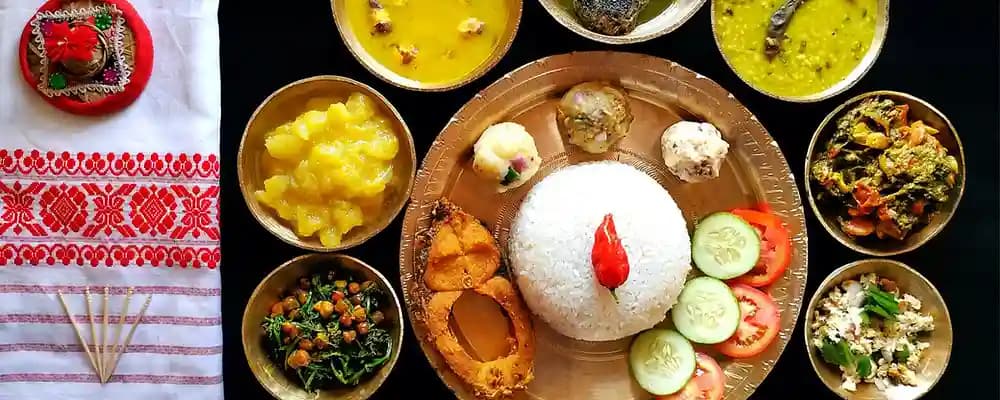
Food here is different from what most Indians are used to. Jadoh is a red rice dish cooked with meat, and it's a staple in the Khasi hills. Dohneiiong is pork cooked with black sesame and tastes rich. Tungrymbai is fermented soybean curry that locals love. Most local eateries in Shillong and villages serve these dishes fresh. Trying the food gives a real sense of what daily life is like here.
5. Visit Weekly Markets
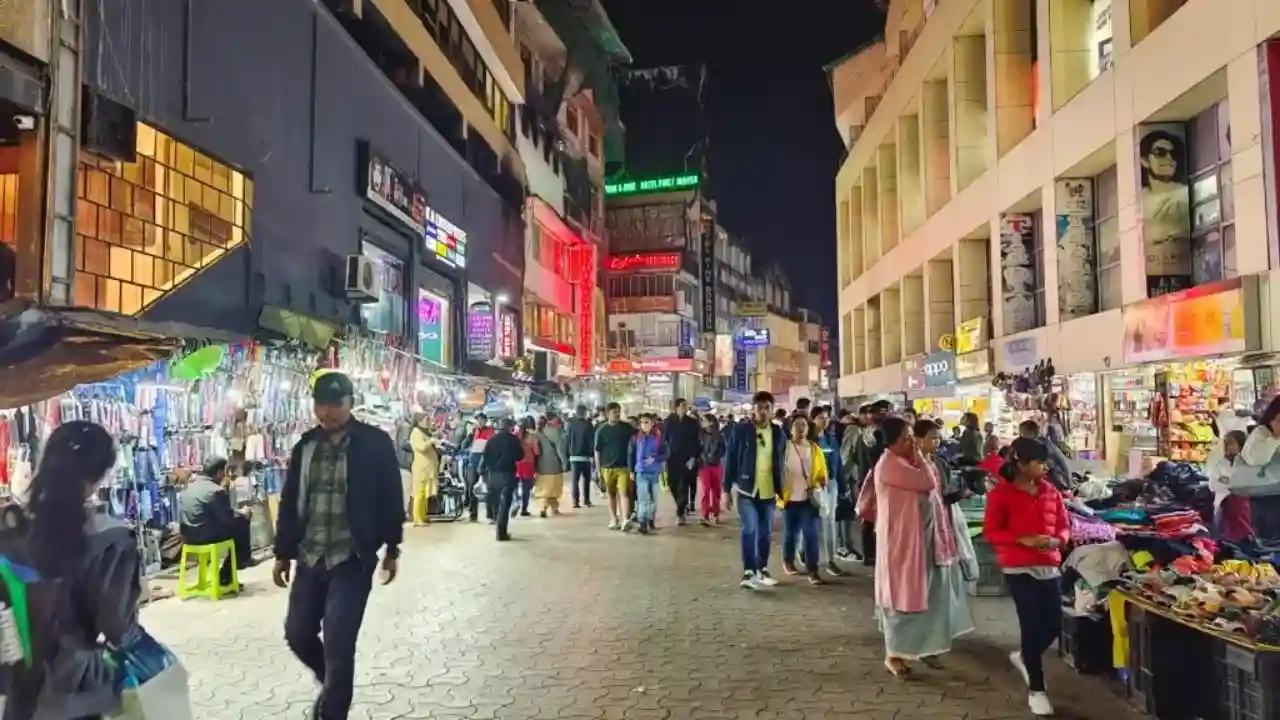
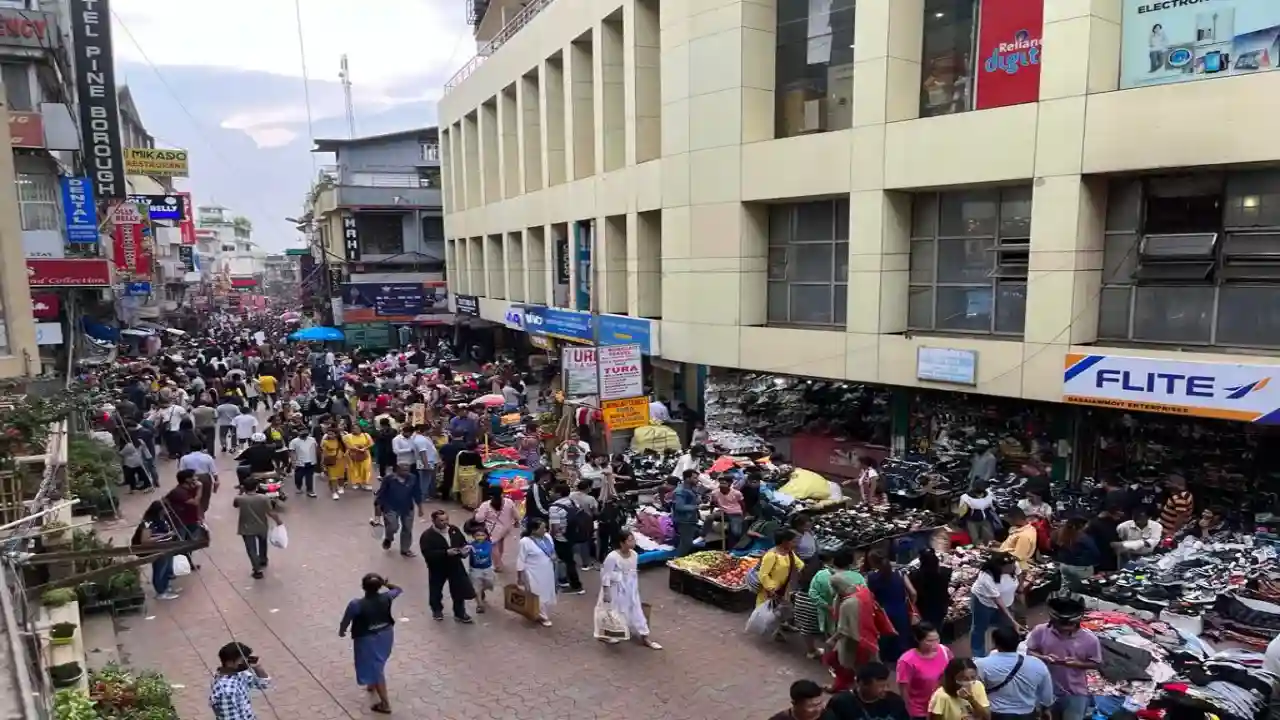
Local markets here get pretty chaotic, but that's part of the experience. Iewduh market in Shillong has everything: vegetables, meat, handmade shawls, and bamboo products. The Khasi Hills are famous for these traditional bazaars, and most stalls are run by local women. Bara Bazar is the biggest and at weekends, sees massive crowds. You're supposed to bargain, so the first price is never the final one. It's noisy and packed, but it shows what daily life actually looks like.
Conclusion
The Khasi Hills offer something that's hard to find in most tourist spots today. Real culture, untouched nature and people who still live by their own traditions. Whether it's trekking down thousands of steps to see a living root bridge or just sitting by a clear river watching boats glide past, every bit of it feels genuine. The food is different, the weather stays pleasant most of the year, and there's always something new around the next bend. It's not overly commercialised yet, which makes exploring here feel more personal. If you've been thinking about a trip to Northeast India, this region should be high on your list. Pack light, keep an open mind, and just go experience it yourself.