Did you know this sanctuary has two names, yet almost everyone uses only one? Officially called the Shaheed Chander Azad Sanctuary, it is widely known as the Okhla Bird Sanctuary, a name that locals recognise more than its actual name.
Located near Delhi-NCR, Okhla Bird Sanctuary holds a surprising ecological record, with over 300 bird species documented within a compact stretch of wetland that barely spans a few square kilometres in a heavily urbanised zone. Nearly half of these species are migratory, arriving seasonally, which means timing directly affects what visitors experience rather than what brochures promise. In this blog, you’ll get to know the Okhla Bird Sanctuary timings, entry details, and the best season for birdwatching.
Okhla Bird Sanctuary, Noida, Location
Positioned at the edge of two regions, Bird Sanctuary Okhla sits exactly where the Yamuna River exits Delhi and enters Uttar Pradesh. Part of the sanctuary is located in Delhi, while the other half is under the jurisdiction of the Noida authorities. This distinction is not often relevant to visitors of the sanctuary. However, the division between the two authorities has had an impact on long-term conservation decisions.
The area today defined as a natural wetland is actually the result of the establishment of a large body of water created by the Okhla Barrage (constructed in 1986) that began to attract migratory birds. Both naturally occurring and human-made, the wetland provides habitat for hundreds of bird species, and serves as an example of how artificial habitats can ultimately become viable habitats over time if left undisturbed.
Okhla Bird Sanctuary Timings (Season-Wise Variations)
The sanctuary runs on fixed timings, but many visitors miss one important detail before planning their trip. The Okhla Bird Sanctuary timings usually start around 7:30 AM in winter and 7:00 AM in summer, with closing time between 5:00 PM and 5:30 PM, while staying shut every Monday.
Early mornings are the most rewarding. Bird activity is higher, the air is quieter, and you are more likely to spot species without disturbance, especially on weekdays when footfall remains low. By noon, noise increases, sunlight gets harsh, and bird movement drops noticeably, which changes the entire experience.
Summer (April – September): 7:00 AM to 5:30 PM
Winter (October – March): 7:30 AM to 5:00 PM
Best Time for Bird watching: For the most active bird sightings, aim to arrive between 6:00 AM and 9:00 AM.
Okhla Bird Sanctuary Ticket Price And Permits
The Okhla bird sanctuary ticket price usually includes a basic entry fee, yet carrying a DSLR or professional camera can add a significant extra charge ranging roughly between ₹500 and ₹1,000, while videography permits can go much higher depending on usage.
Smartphone users are generally not affected, which creates a noticeable gap in experience between casual visitors and serious photographers. Many first-time visitors overlook this detail and end up either paying unexpectedly or leaving their equipment behind, which can limit the overall birdwatching experience.
Okhla Bird Sanctuary ticket price;
Indian Citizens: ₹30 per person
Foreign Tourists: ₹350 per person
Children/Students: ₹10
Camera Charges: ₹500–₹1,000 for DSLRs; higher for video equipment
Permit Advice: Ask clearly at entry to avoid confusion on what counts as “professional gear”
Also note that it is important for the visitors to carry cash with them, as most of the gates or counters do not accept digital payments.
Best Time To Visit Okhla Bird Sanctuary
Timing decides everything here. The Okhla Bird Sanctuary is best visited between November and February, when migratory birds arrive in large numbers, and the wetland feels active with constant movement and sound.
Winter mornings provide the best experience. Birds are most active in the early morning, which makes sightings clearer and more frequent. Later in the day, their activity slows down.
Peak Season: November to February for the maximum number of migratory birds
Best Months: The best months to visit are from December to February
Best Time Of Day: Early morning for the highest activity and better visibility
What You Actually See Inside Okhla Bird Sanctuary
This is not a zoo-like experience. Inside the Okhla Bird Sanctuary, sightings depend heavily on patience, distance, and timing rather than guaranteed close encounters.
Bird Species You Can Expect
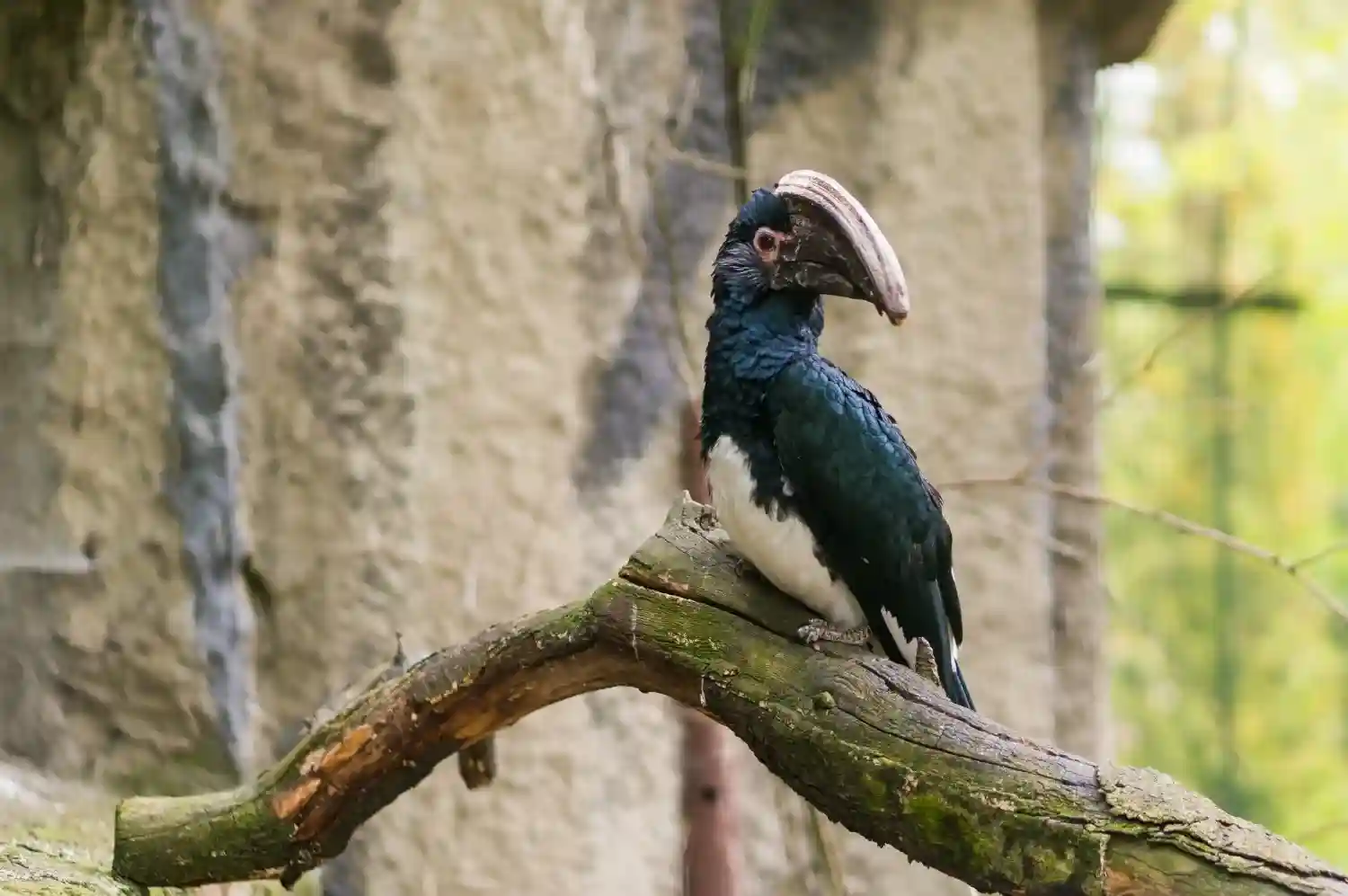
The sanctuary supports remarkable bird diversity. Over 300 species have been recorded here, including flamingos, herons, kingfishers, and seasonal ducks, along with rare and vulnerable species like the Sarus Crane and Baer’s Pochard, though spotting them is never certain.
Its status as an Important Bird Area matters. Recognised globally for conservation value, it attracts serious birders who understand that rarity often comes with unpredictability.
How To Reach the Okhla Bird Sanctuary, Noida
Reaching the Bird Sanctuary, Okhla, is fairly precise if planned right. Located near the Delhi–Noida border, Okhla Bird Sanctuary is best accessed by metro, especially for those trying to avoid traffic and parking issues.
There is even a metro station named after it. Okhla Bird Sanctuary Metro Station on the Magenta Line offers direct connectivity, and while the entrance is within walking distance, many visitors still prefer a short auto ride to avoid confusion around the correct gate.
Driving here can be inconvenient. Parking near the entrance is limited and often chaotic on weekends, making public transport a more reliable option.
Nearest Metro: Okhla Bird Sanctuary (Magenta Line)
By Road: Reach via the Noida or Kalindi Kunj routes
Recommended Mode: Use the metro to avoid parking hassle and last-minute delays
Important Tips for Visiting
A visit here needs preparation. The Okhla Bird Sanctuary is not a casual park visit, and small oversights can quickly affect both your comfort and your chances of spotting birds.
Silence is not optional here. Even slight noise can push birds deeper into the wetlands, which is why early mornings and quiet movement matter far more than most visitors expect.
Enter from Gate 2 if possible, as it is closer to the main birding zones, while Gate 1 involves a longer walk
Carry water, snacks, and cash, since facilities inside are limited and digital payments may not work
Bring binoculars or a zoom lens, because most birds stay far from walking trails
Wear neutral colours and sturdy shoes, as bright clothing and uneven paths can affect both sightings and comfort
Stick to marked trails only, as stepping into marshy areas can be unsafe and harmful to the habitat
Do not feed the birds, throw stones, or disturb their nests.
Visit watch towers or cross the bamboo bridge for better viewing spots away from the usual crowd
Final Thoughts
This sanctuary works on patience. The Okhla Bird Sanctuary is not built for instant gratification, but for those willing to observe quietly and wait, it reveals a level of biodiversity that feels surprising for its urban setting.
What makes it truly significant is what you might not always see. It supports critically endangered and vulnerable species like the Sarus Crane and Baer’s Pochard, and while sightings are never guaranteed, the possibility itself adds depth to every visit. Visiting the place is for sure a meaningful experience.