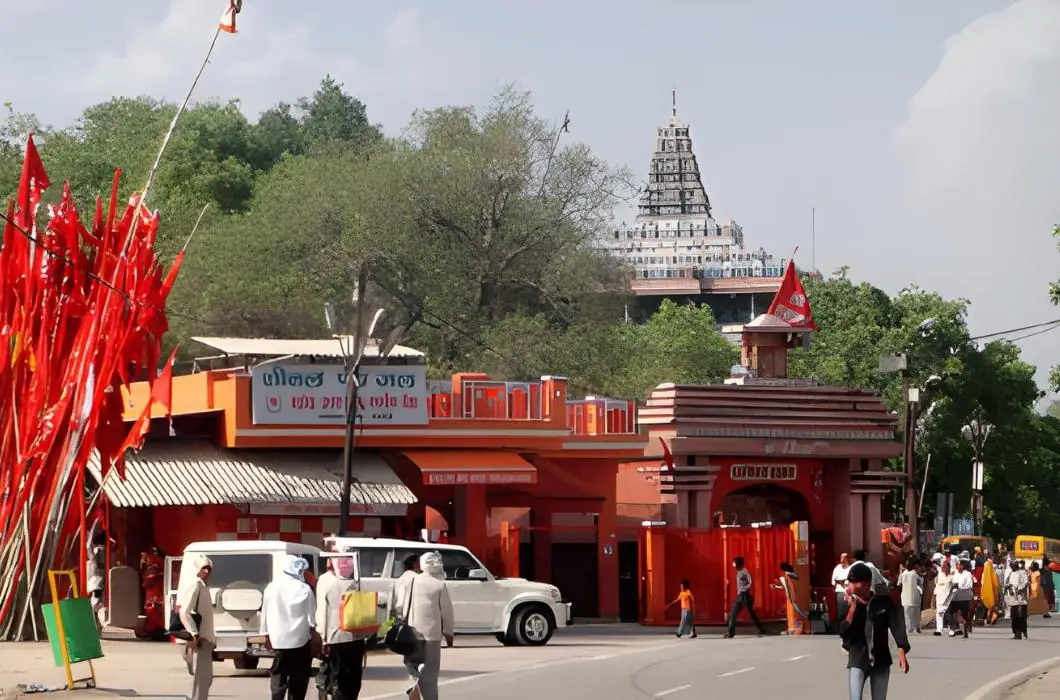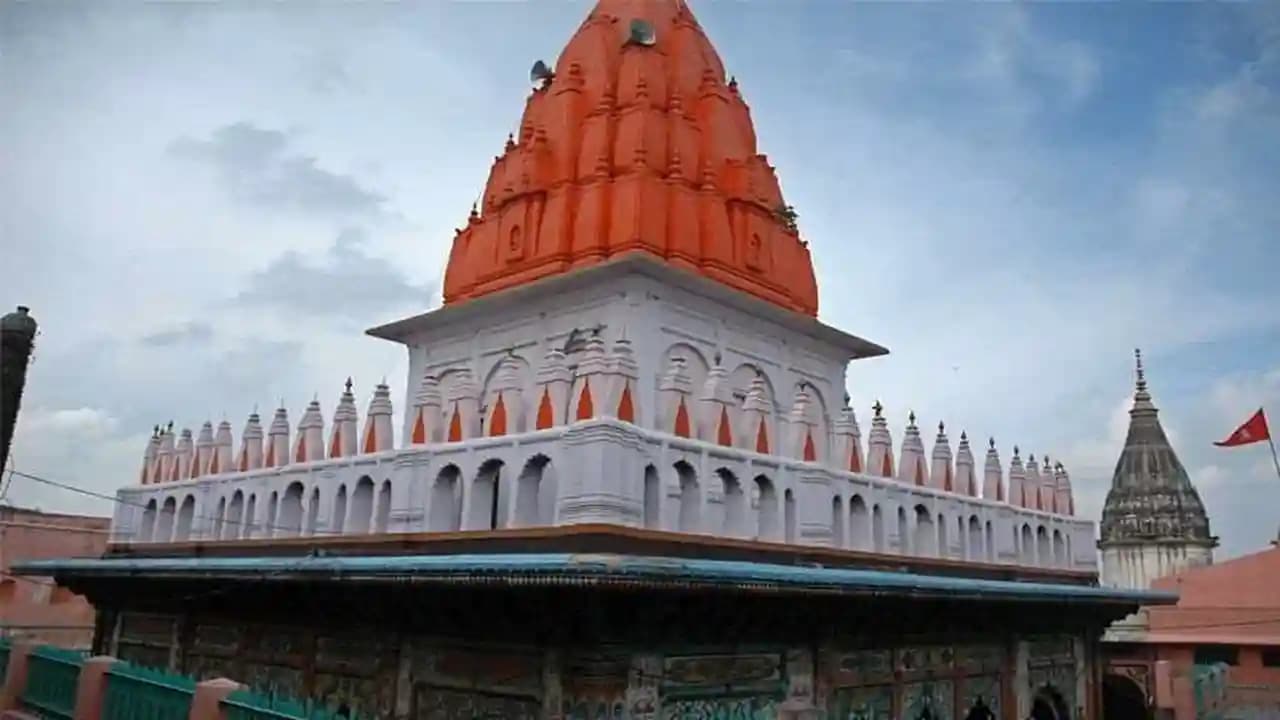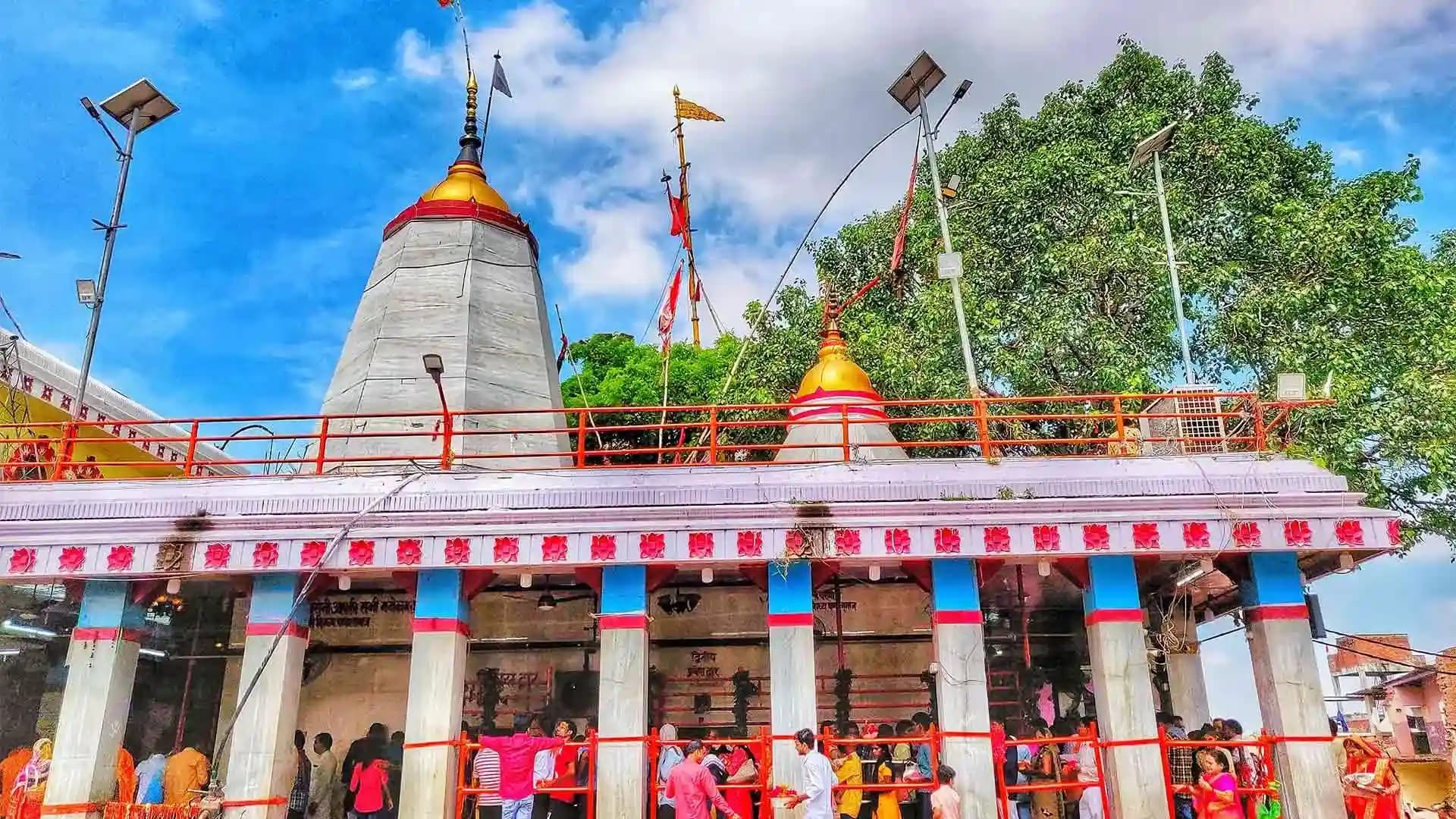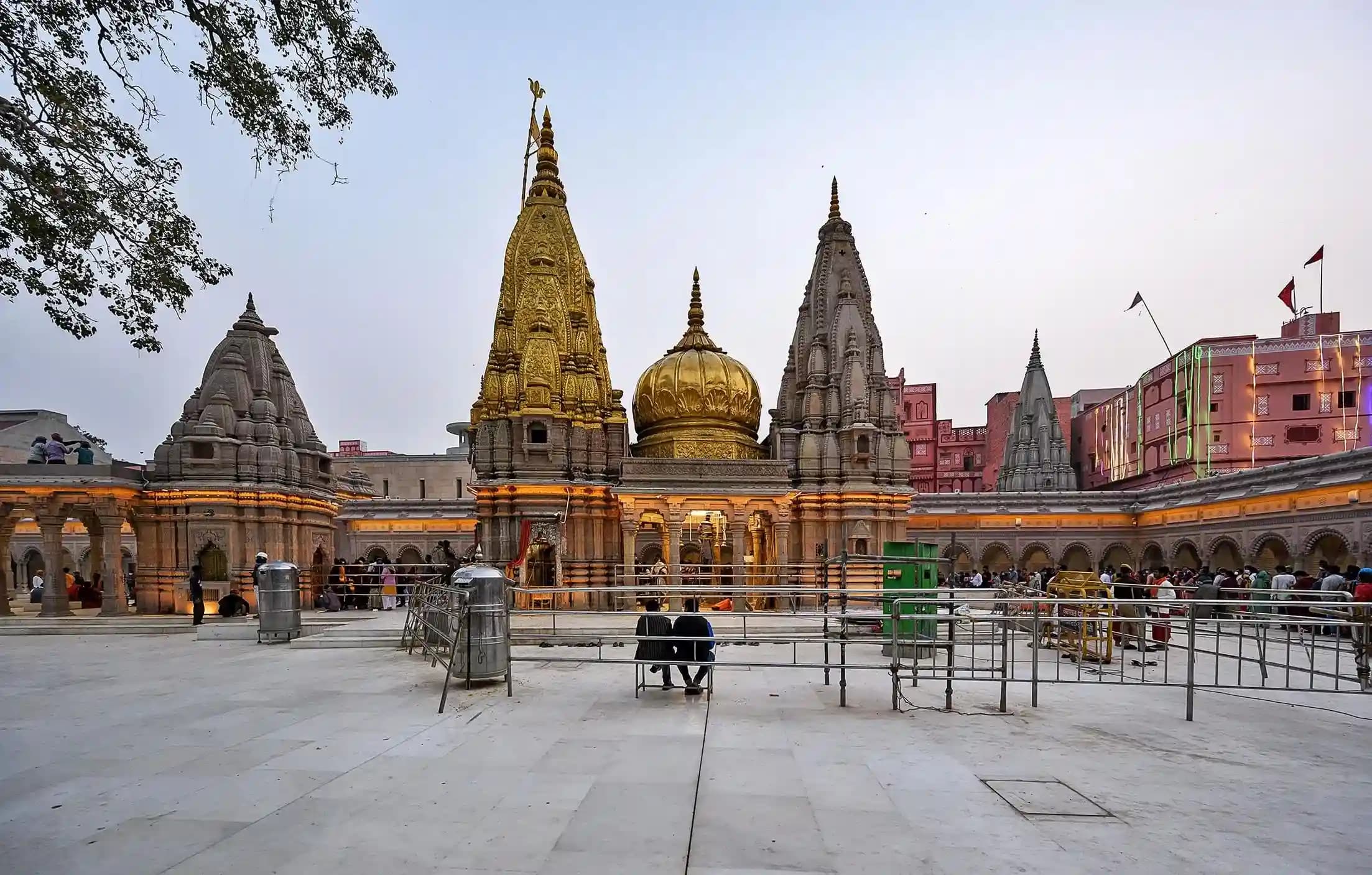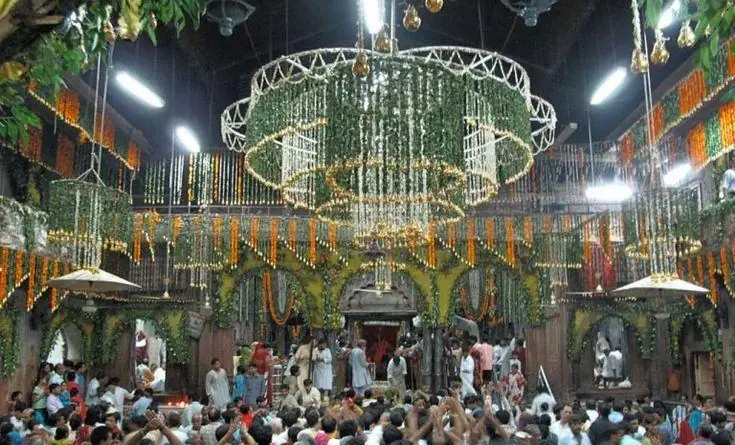
Walk through the busy lanes of Vrindavan and you’ll reach one of its most loved temples - Banke Bihari Temple. The atmosphere here is lively from the start, with chants, crowds and a constant sense of devotion in the air. Unlike most temples, darshan here happens in short glimpses as the curtains open and close every few moments. This unique style makes the experience feel more engaging and different. Dedicated to Lord Krishna, the temple draws thousands of visitors daily, all coming to witness this special connection and be part of its vibrant spiritual energy.
History of Banke Bihari Temple
The history of Banke Bihari Temple Vrindavan is closely linked to Swami Haridas, a 16th-century saint born in 1478 near Aligarh. A follower of the Bhakti movement and believed to be the incarnation of Lalita Sakhi, he spent most of his life in deep meditation and music in Nidhivan, which was then a dense forest. During his spiritual practice, he was blessed with the divine darshan of Radha and Krishna. On his request, the divine couple merged into a single black idol so devotees could experience their presence without being overwhelmed.
This idol, known as Banke Bihari Ji, was first placed in Nidhivan. Later, a grand temple was built in 1862 in Vrindavan by devotees. The responsibility of seva was given to his disciple Jagannath Goswami and the tradition continues through his descendants. The unique darshan style, with curtains drawn frequently, also comes from the belief that prolonged eye contact with the deity can deeply affect devotees.
Rituals and Seva at Banke Bihari Temple
The seva (worship) at Banke Bihari Temple follows a unique daily routine that sets it apart from most temples. The rituals are divided into three main parts - Shringar, Rajbhog and Shayan. Shringar takes place in the morning and includes bathing, dressing and decorating the idol with clothes and jewellery like crowns and necklaces. This is followed by Rajbhog, where food is offered to the deity as part of the midday ritual.
In the evening, Shayan seva is performed, symbolising rest. Unlike many temples, there is no early morning Mangala Aarti here. This tradition comes from Swami Haridas, who believed that Lord Krishna should not be disturbed from sleep as he is worshipped in a child-like form.
Banke Bihari Temple Timings
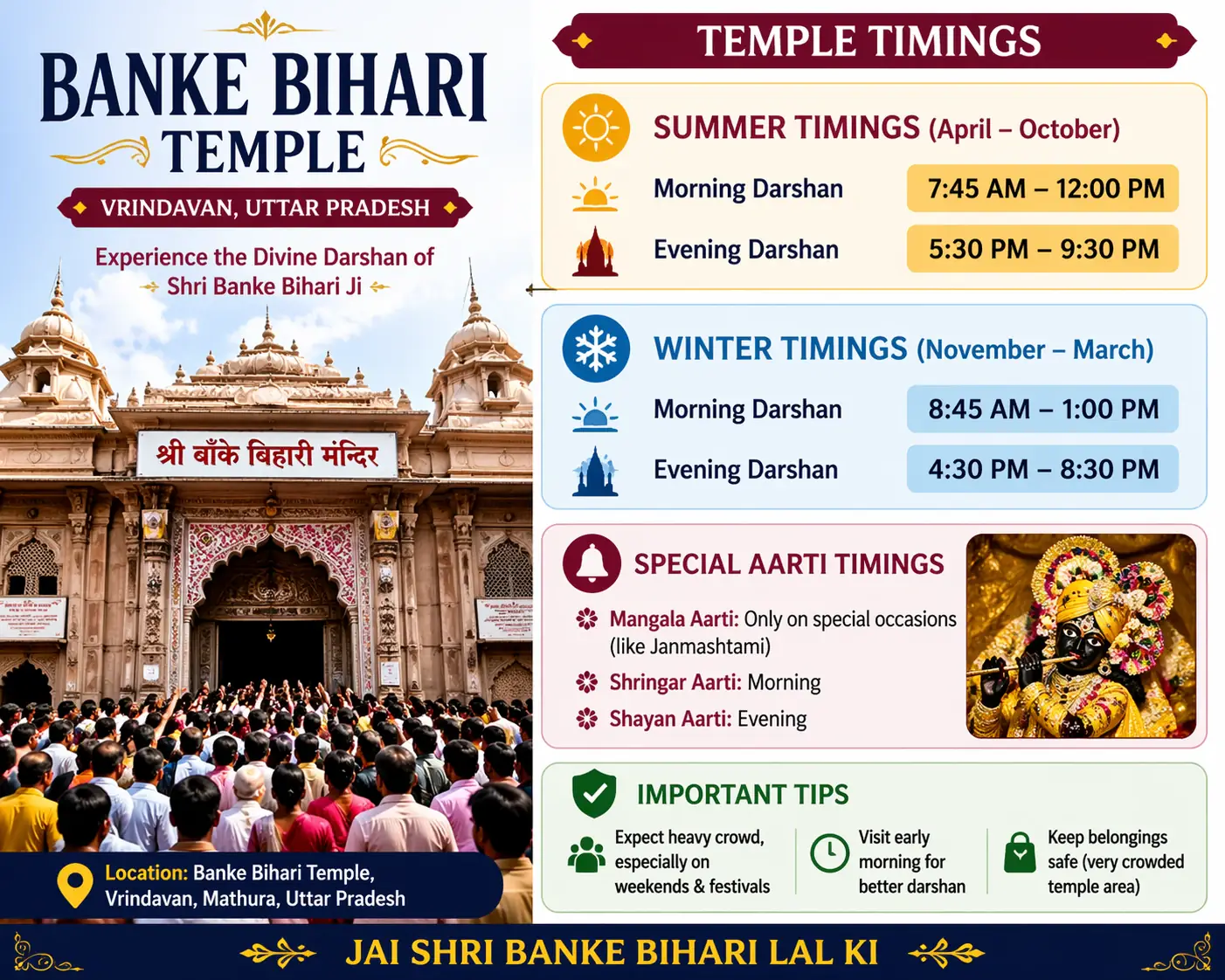 The Banke Bihari Temple Vrindavan timings follow a fixed daily schedule, divided between morning and evening darshan. The temple remains closed in the afternoon for rest and rituals. Since darshan happens in short intervals with curtains opening and closing, it is best to plan your visit accordingly.
Temple Opening Time: 7:45 AM
Shringar Aarti: 7:55 AM
Morning Darshan: 7:45 AM - 12:00 PM
Rajbhog (Bhog Time): 11:00 AM - 11:30 AM
Temple Closes (Afternoon): 12:00 PM
Evening Opening Time: 5:30 PM
Evening Darshan: 5:30 PM - 9:30 PM
Evening Bhog: 8:30 PM - 9:00 PM
Aarti & Closing Time: 9:30 PM
Best Time to Visit Banke Bihari Temple
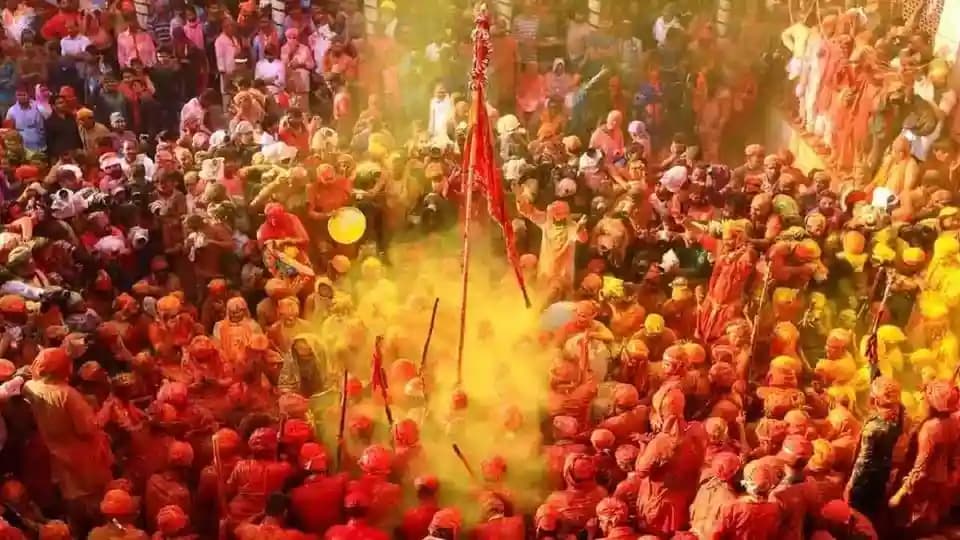
The best time to visit is between October and March, when the weather in Vrindavan is comfortable for walking through crowded lanes. Early morning and late evening are the best times during the day to avoid heavy rush. Festivals like Janmashtami and holi in Banke Bihari Temple Vrindavan attract huge crowds and offer a very different experience but they can be overwhelming. For a more peaceful visit, weekdays and non-festival days are better.
How to Reach Banke Bihari Temple
Reaching the temple is quite easy as it is well-connected to major cities by rail and road. The nearest railway station is in Mathura and from there, local transport is easily available to reach Vrindavan. The last stretch involves walking through narrow market lanes as vehicles are not allowed close to the temple entrance.
By Train: Nearest station is Mathura Junction (10-12 km away)
By Road: Autos, e-rickshaws and taxis available from Mathura to Vrindavan
By Air: Nearest airport is Delhi (around 150 km away)
Last Stretch: 5-10 minute walk through local lanes to reach the temple
Location Tip: Situated in the Goda Vihar area of Vrindavan
Places to Visit Near Banke Bihari Temple
There are several important spots located close to the temple that you can explore easily on foot or with a short ride. From famous temples to historic sites, the area around Vrindavan has plenty to see beyond the main shrine.
1. Prem Mandir
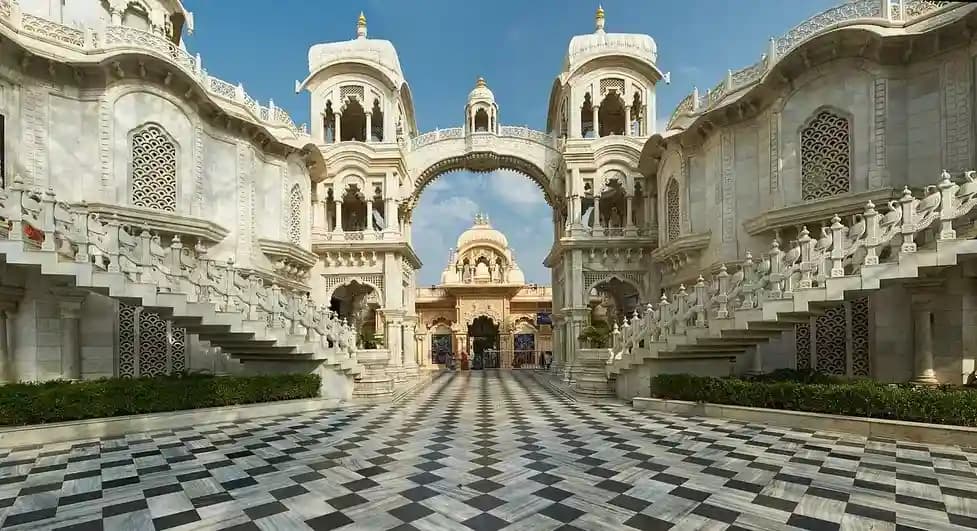
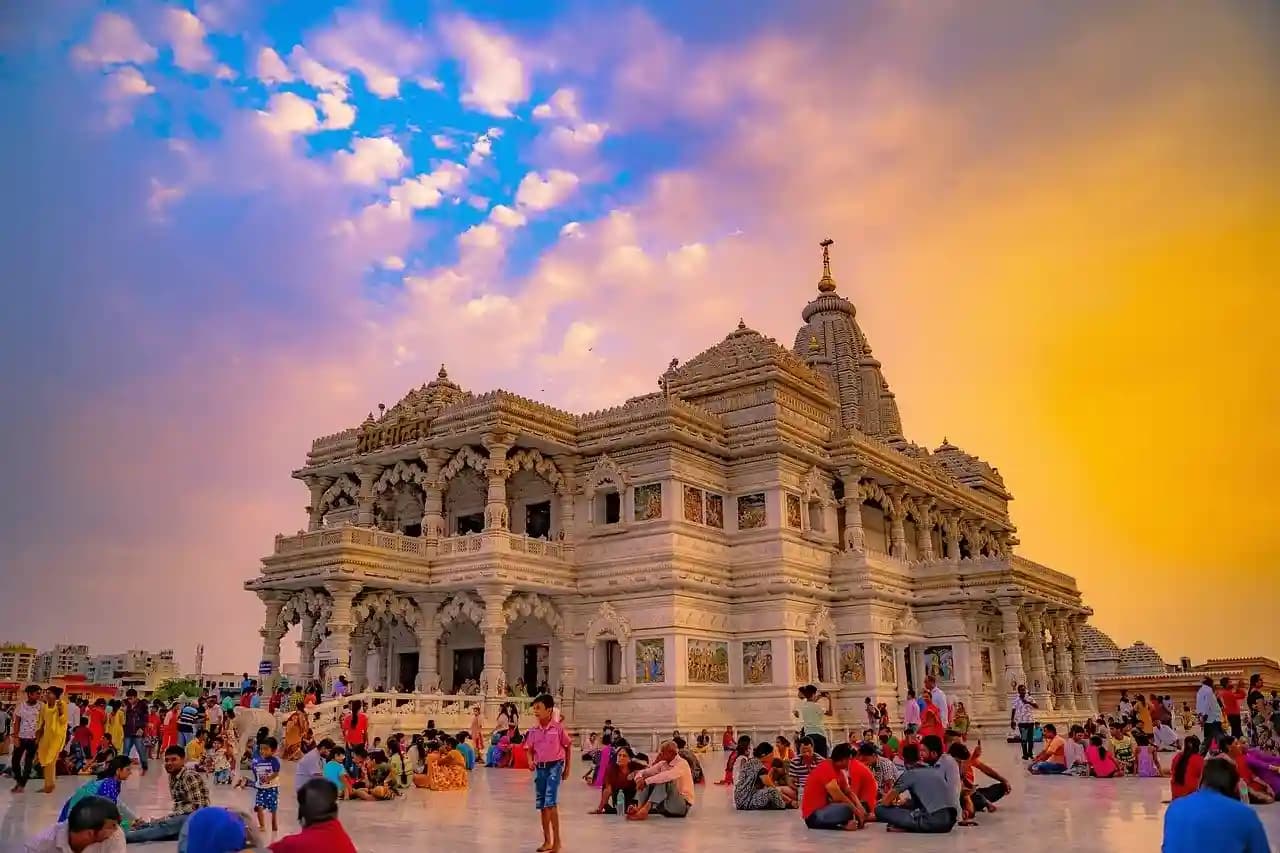
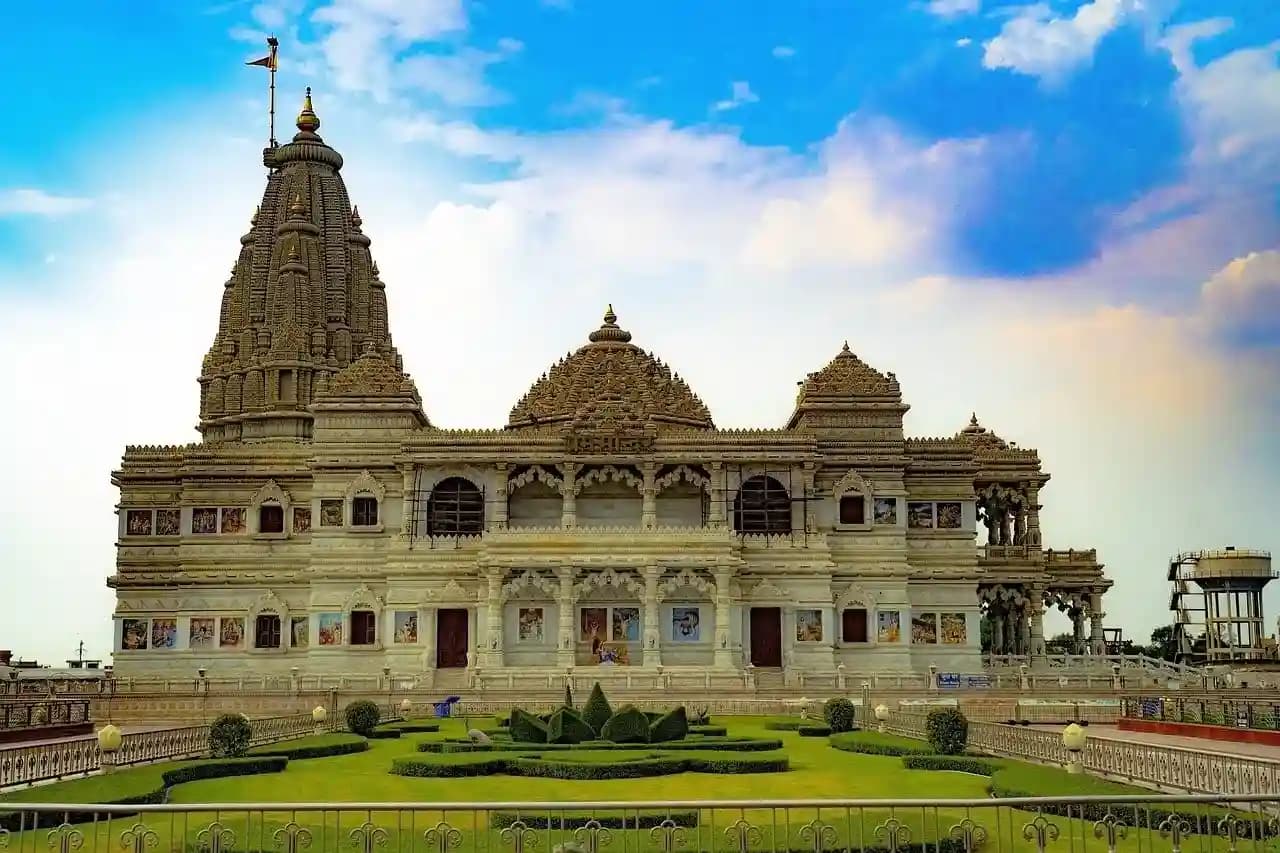
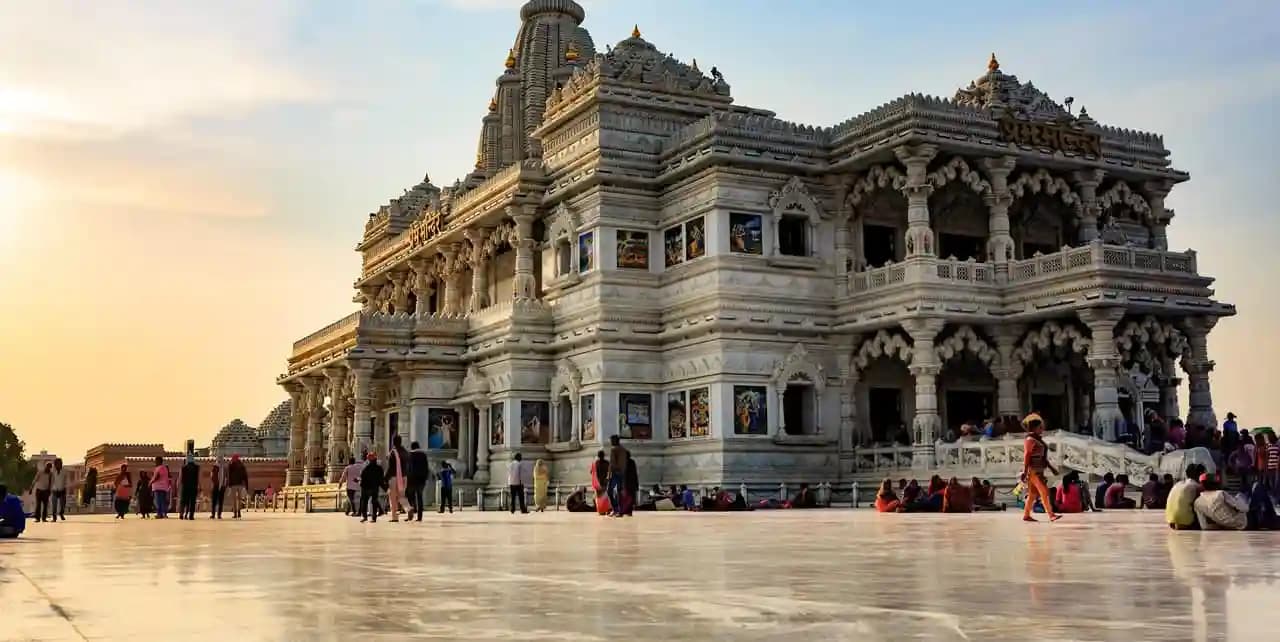
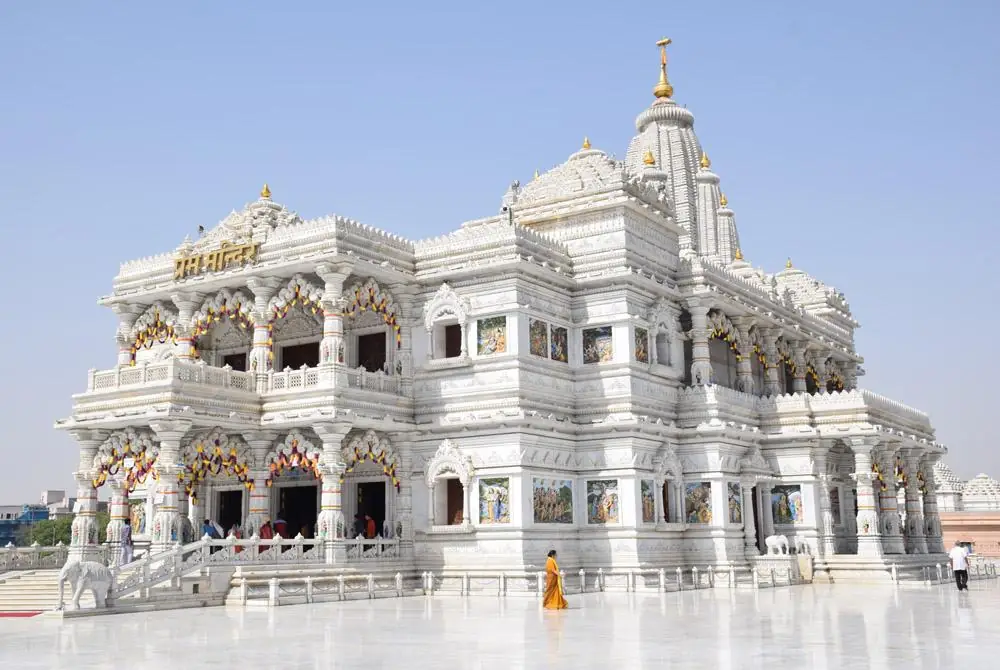 Prem Mandir is one of the most beautiful temples in Vrindavan, known for its white marble structure and detailed carvings. The temple complex is spacious and well-maintained, making it very different from the crowded lanes near Banke Bihari Temple. In the evening, the musical fountain and light show attract many visitors. The temple also displays scenes from Lord Krishna’s life through sculptures, which makes the visit more engaging. It is a good place to spend time after darshan.
Distance: 2.5 km (Banke Bihari Temple to Prem Mandir distance)
Timings: 5:30 AM - 12:00 PM, 4:30 PM - 8:30 PM
Entry Fee: Free
2. ISKCON Temple Vrindavan
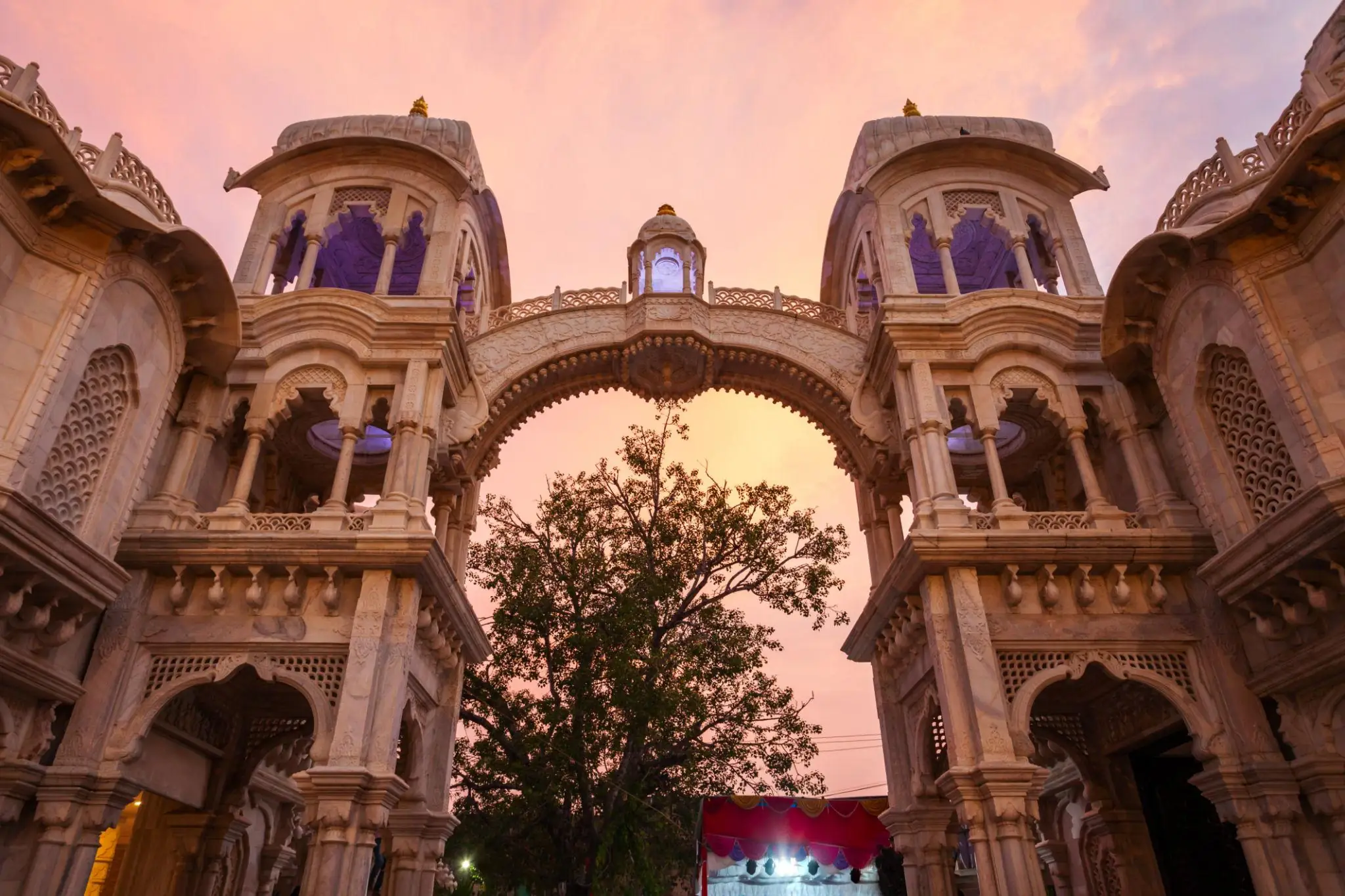 The ISKCON Temple, also known as Krishna Balaram Mandir, offers a more organised and peaceful environment compared to other temples in Vrindavan. It is popular among international visitors and has a clean, well-managed परिसर. The temple is known for its kirtans, where devotees sing and dance in devotion. The atmosphere here feels calm yet lively, making it a good place to sit and spend some quiet time.
Distance: 2 km
Timings: 4:30 AM - 1:00 PM, 4:00 PM - 8:30 PM
Entry Fee: Free
3. Nidhivan
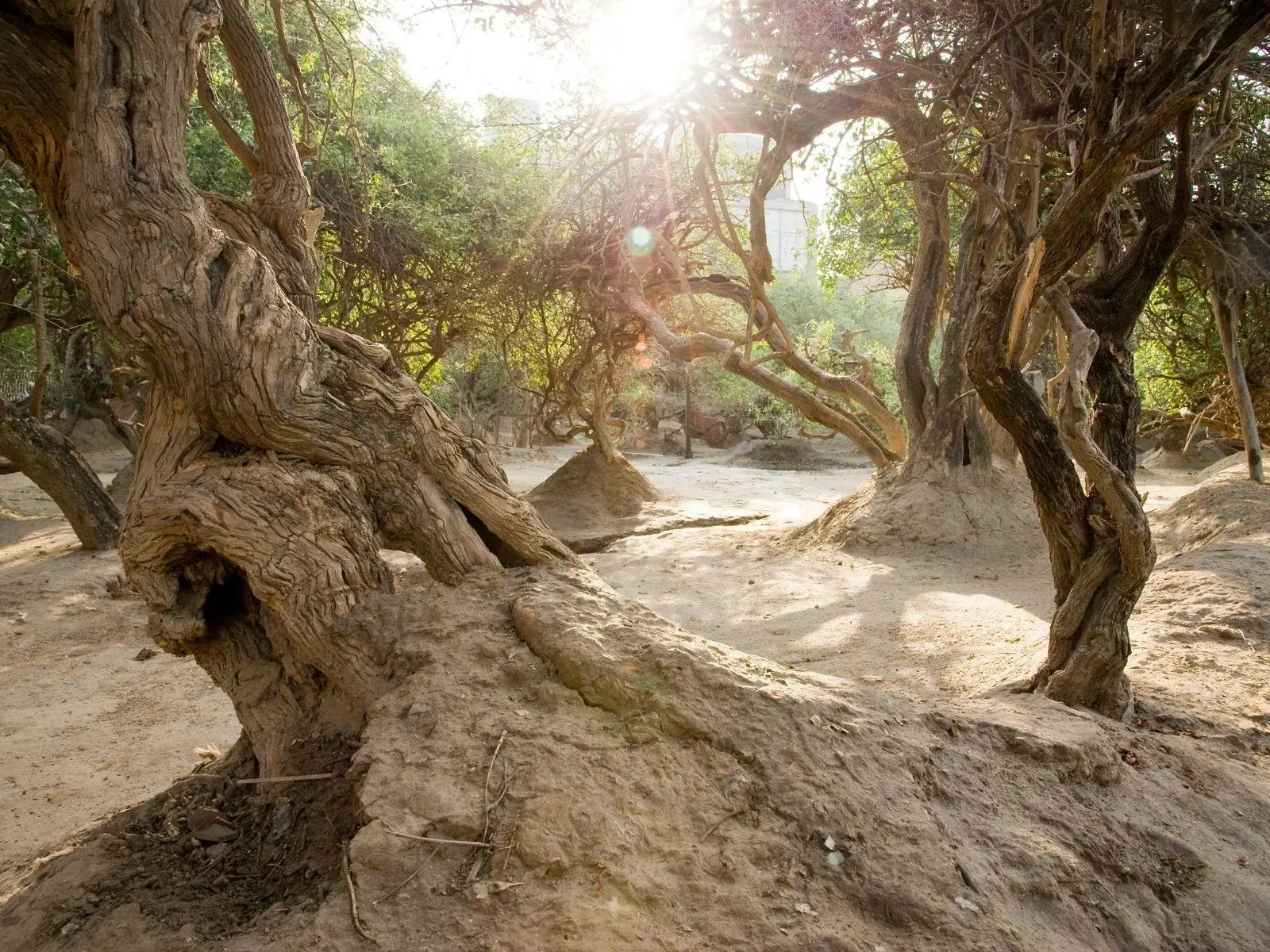 Nidhivan is a sacred grove associated with many legends of Lord Krishna. It is believed that divine activities still take place here at night, which is why entry is restricted after evening hours. The area has dense trees and a unique atmosphere that feels very different from the rest of the town. Many visitors come here out of curiosity as well as devotion. It is also closely linked to the life of Swami Haridas.
Distance: 1 km
Timings: 6:00 AM - 6:00 PM
Entry Fee: Free
4. Radha Raman Temple
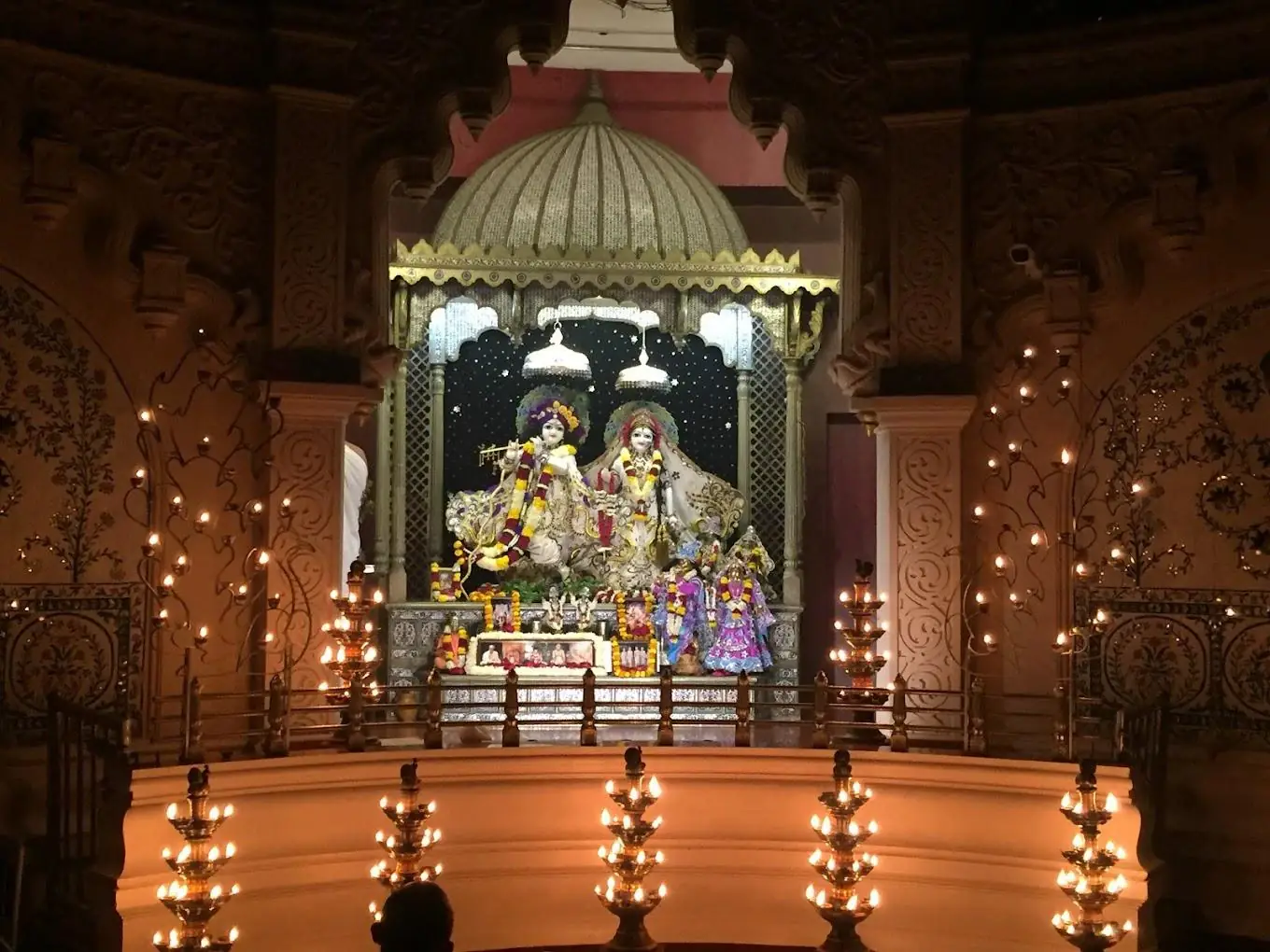 Radha Raman Temple is one of the oldest temples in Vrindavan and is known for its peaceful atmosphere. The idol here is considered self-manifested, which makes it very important for devotees. Unlike larger temples, this one feels more traditional and less crowded. The rituals are performed with great care and the temple has a strong spiritual vibe. It is a good place for those looking for a quieter darshan experience.
Distance: 800 metres
Timings: 8:00 AM - 12:30 PM, 6:00 PM - 8:00 PM
Entry Fee: Free
5. Seva Kunj
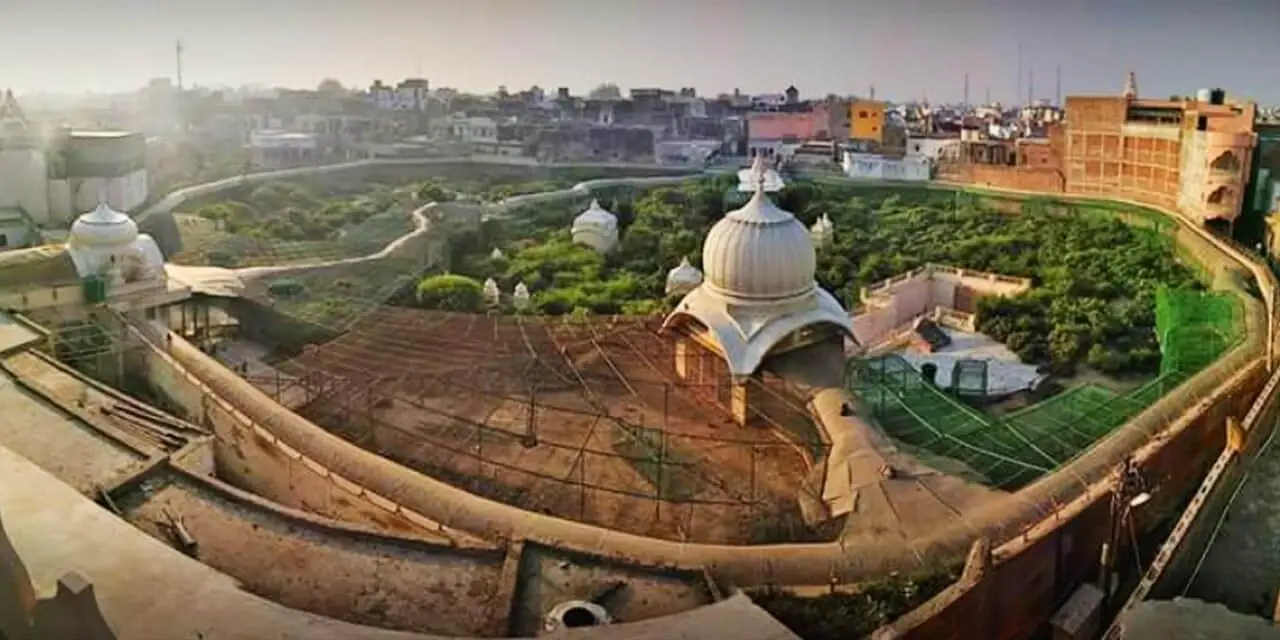 Seva Kunj is another important spiritual spot linked to Lord Krishna’s stories. It is believed to be one of the places where Krishna performed Raas Leela. The area has a garden-like setting with temples and shaded spaces. Like Nidhivan, entry is restricted after evening due to local beliefs. It is a calm place during the day and often less crowded than major temples.
Distance: 1 km
Timings: 7:00 AM - 6:00 PM
Entry Fee: Free
Travel Tips for Banke Bihari Temple
Visit early morning or late evening: Crowds are slightly lower during these hours
Avoid peak festival days: Janmashtami and Holi can get extremely crowded
Keep footwear simple: You will need to walk through narrow lanes before entering
Carry minimal belongings: The area is crowded so avoid carrying valuables
Stay alert in queues: Darshan happens quickly due to curtain system
Respect temple rules: Photography is not allowed inside
Use local transport wisely: E-rickshaws are the easiest way to move around Vrindavan
Stay hydrated: Walking through busy lanes can be tiring
Watch out for monkeys: Keep glasses, phones and bags secure
Plan nearby visits together: Cover nearby temples in the same trip to save time
Conclusion
A visit to Banke Bihari temple is not just about darshan but about experiencing the unique energy of Vrindavan. The temple’s lively atmosphere, short darshan glimpses and deep-rooted traditions make it stand out from other religious sites. From its rich history linked to Swami Haridas to its distinctive rituals, everything here feels different and meaningful. The surrounding lanes, nearby temples and spiritual vibe add to the overall experience. For anyone exploring Vrindavan, this temple remains one of the most important and memorable places to visit.