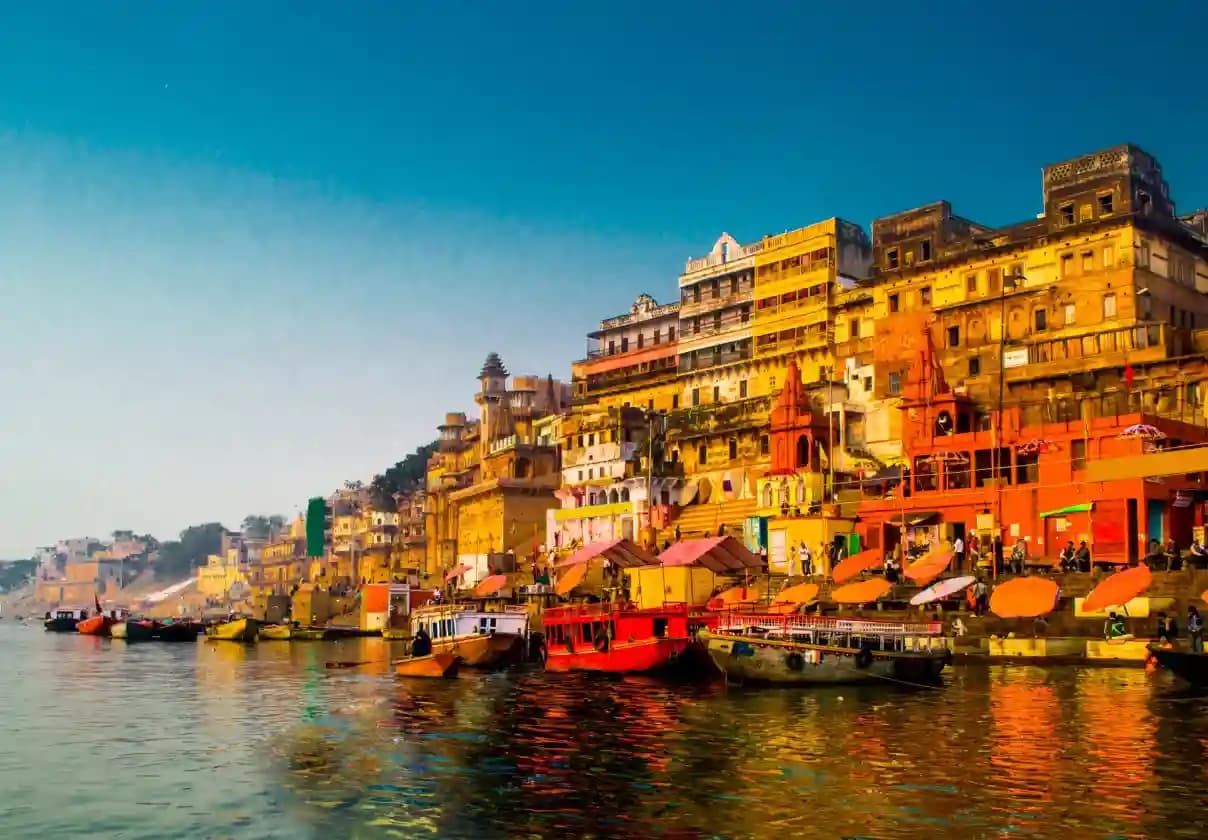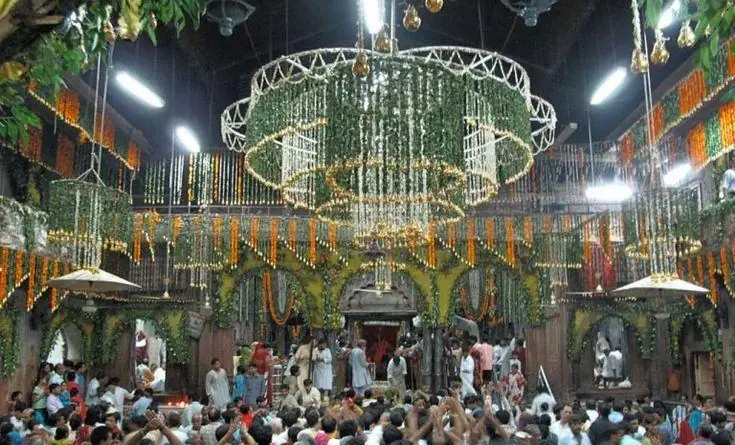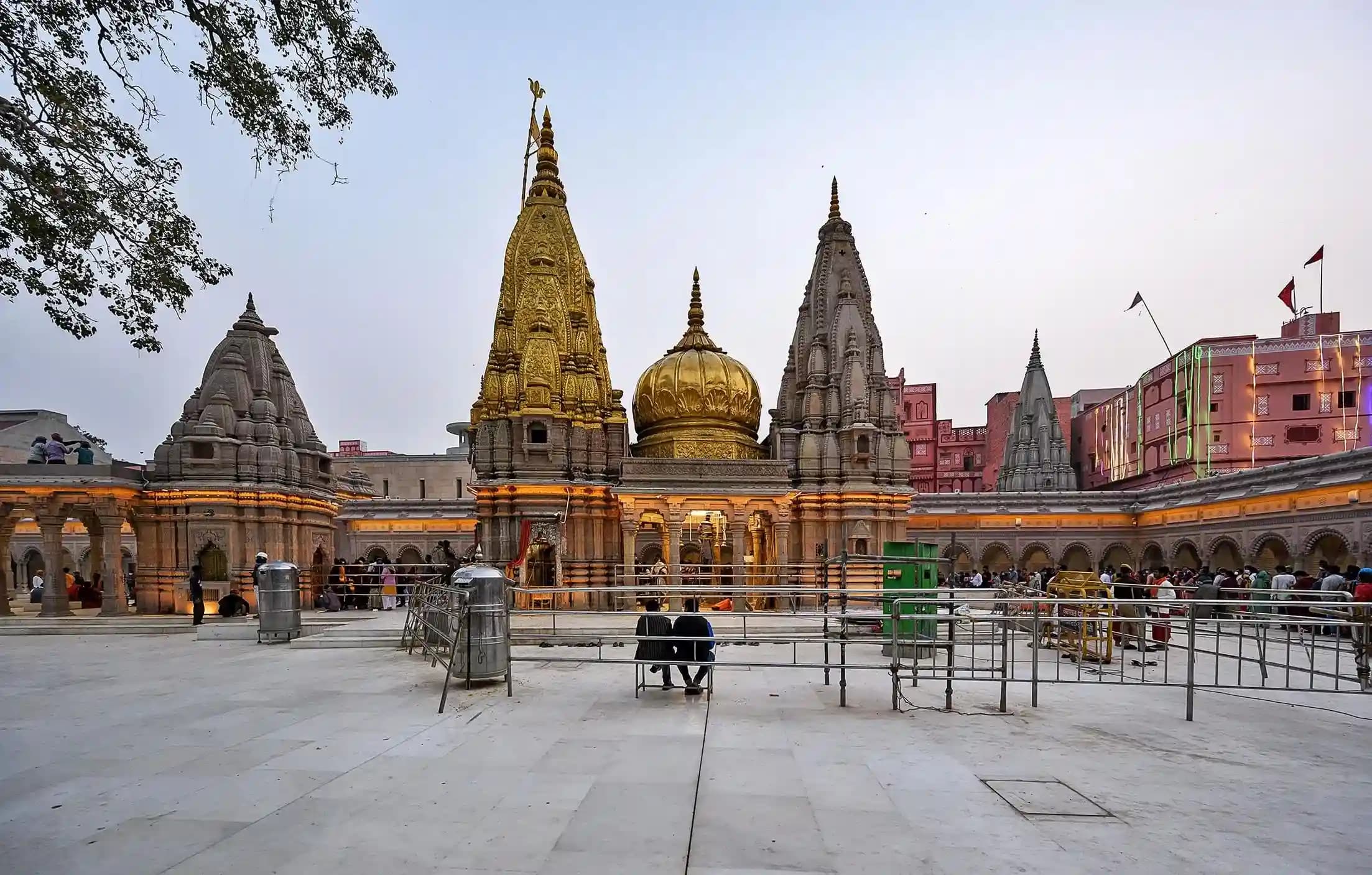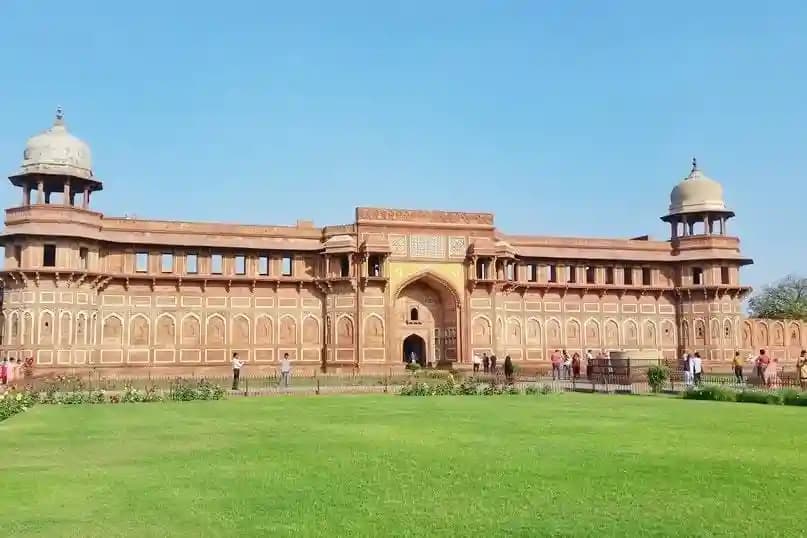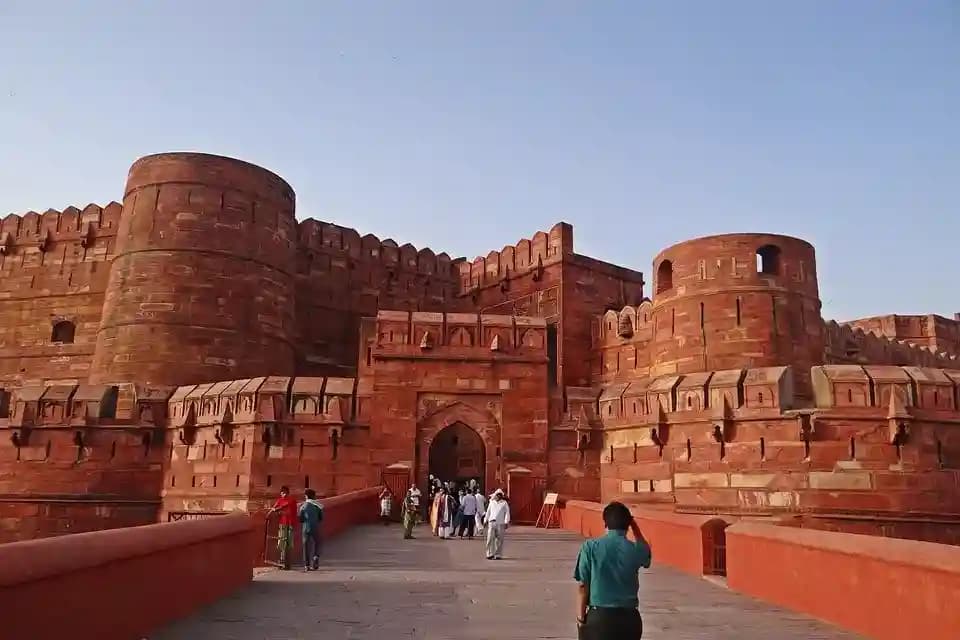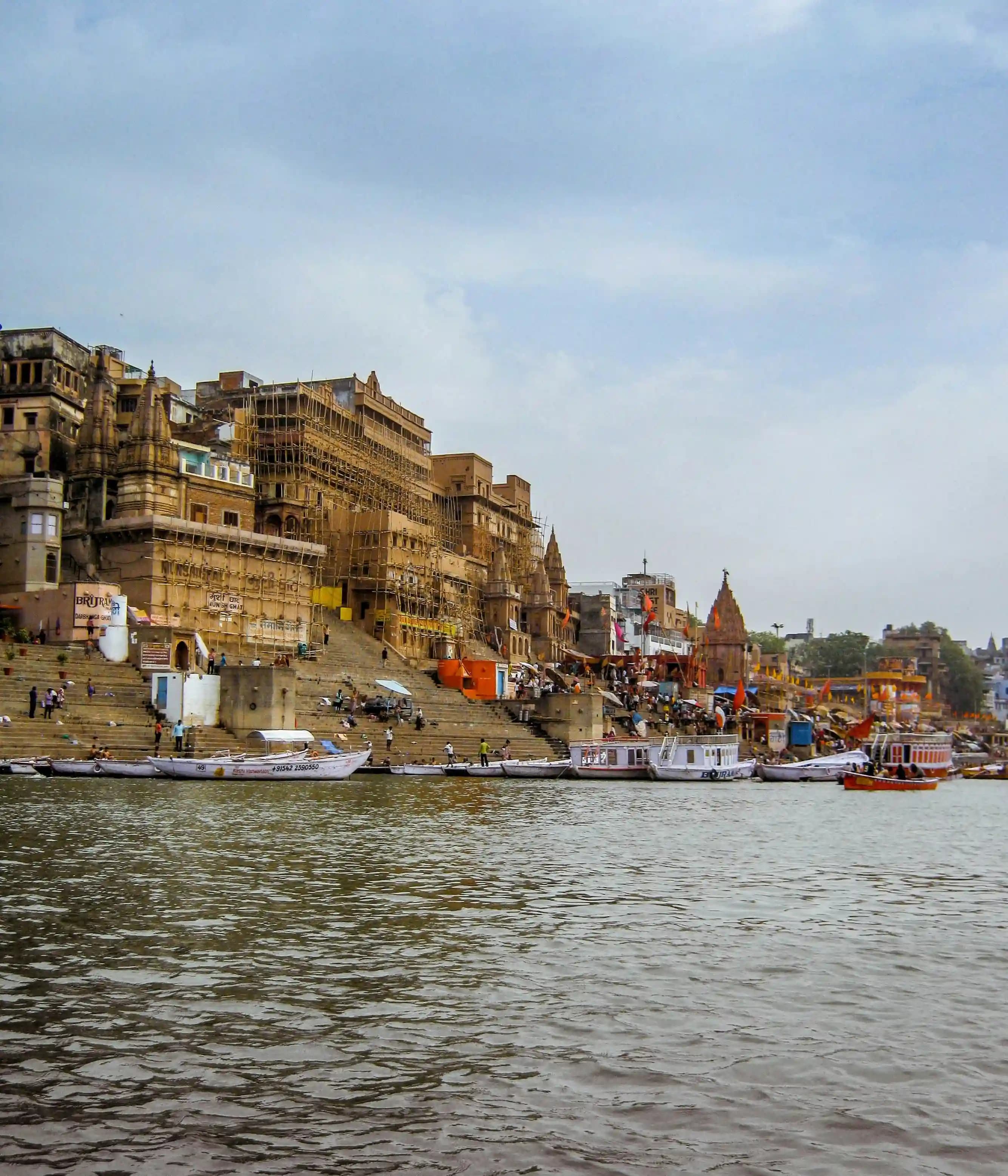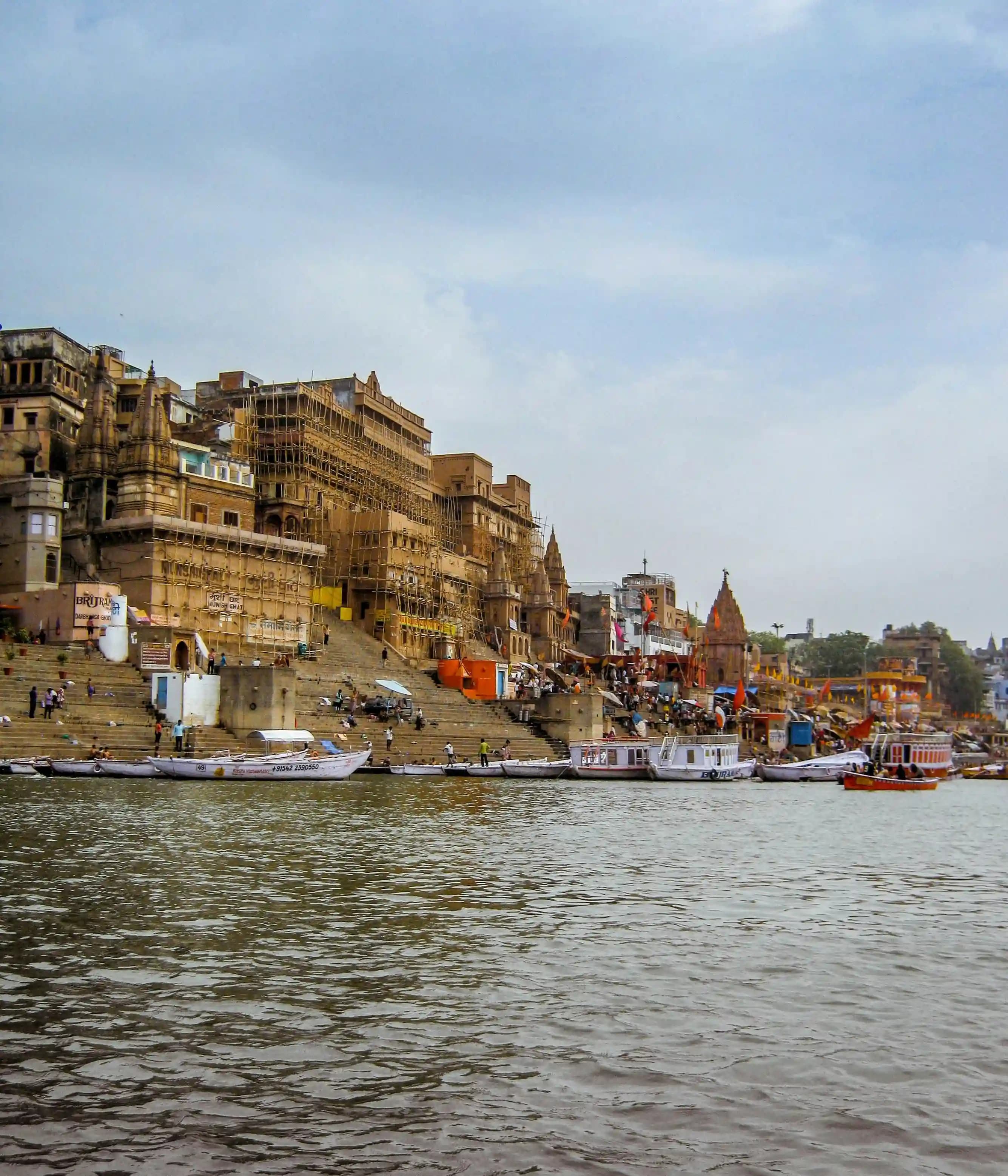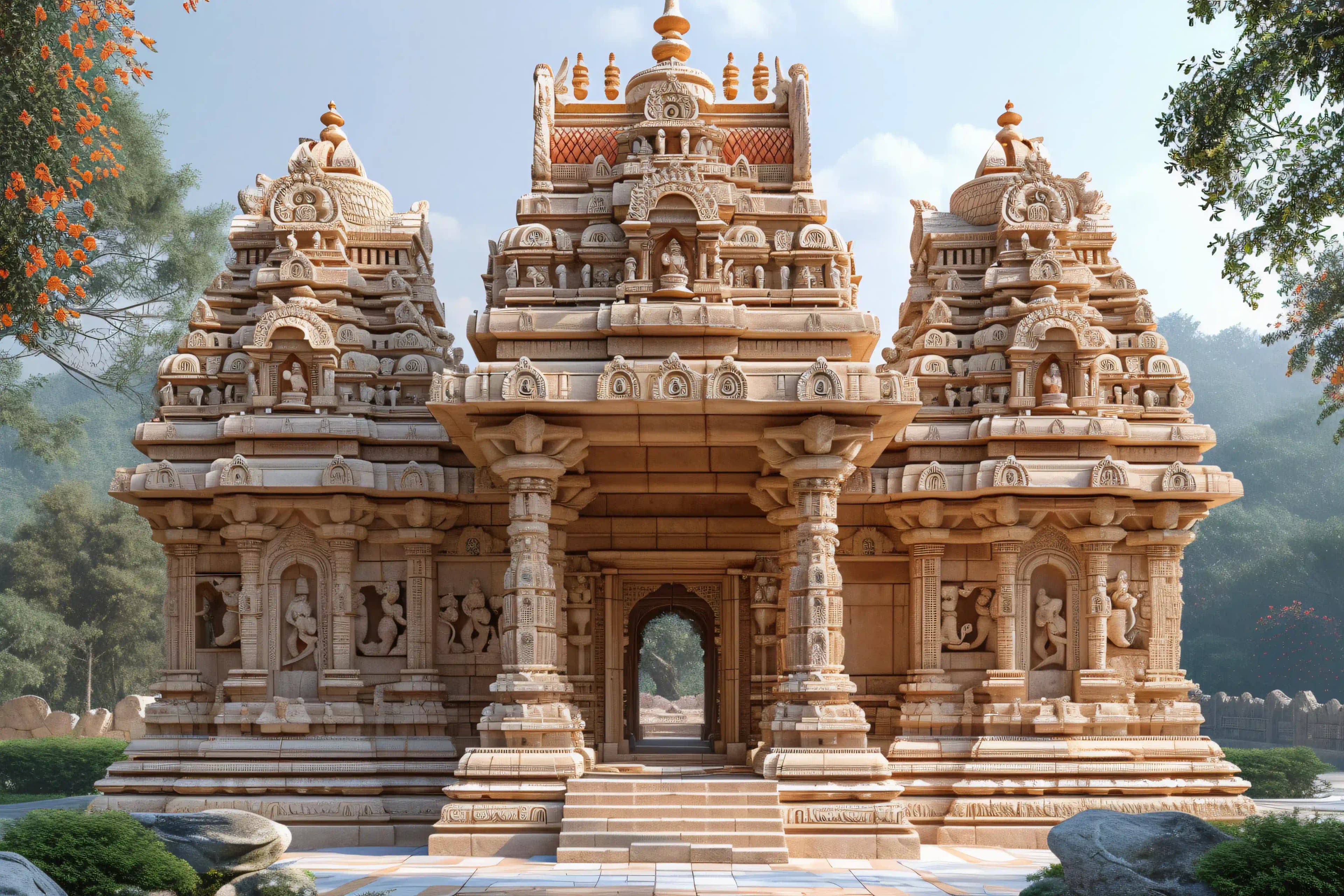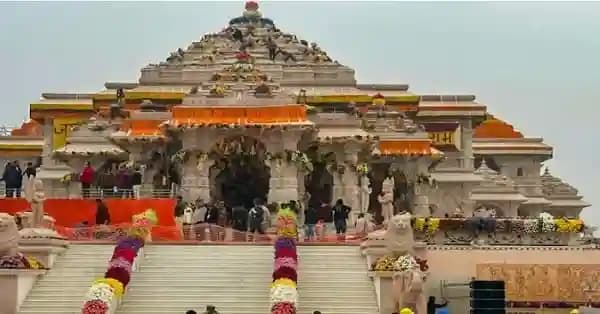
Beyond being just another place to visit on your itinerary, Ayodhaya is a spot where feelings, religion, and history all come together. You feel at peace as soon as you arrive at this destination. Whether you walk along the holy Sarayu River, listen to the evening aarti chants, or visit old temples, they are all full of spiritual energy. Many people plan to visit Ayodhaya to seek blessings, but choosing the best time to visit Ayodhaya makes the experience even more beautiful and comfortable.
Annually, Ayodhaya experiences four distinct seasons, each with its own special charm. The weather is nice for visiting temples in the winter, but it gets hot in the summer, and the monsoon season brings cool rain and a calm environment. We will help you plan your trip to Ayodhaya in the most important and peaceful way by telling you about the weather, temperature, and sights that are unique to each season in this blog.
Best Time to Visit Ayodhaya Dham
Travellers can really plan a peaceful and important pilgrimage if they know the best time to go to Ayodhaya. Ayodhaya has become one of India's most spiritual places, and knowing what to expect at different times of the year makes the trip easier and more fun for families, older people, and people who are visiting for the first time.
Winter (December through February)
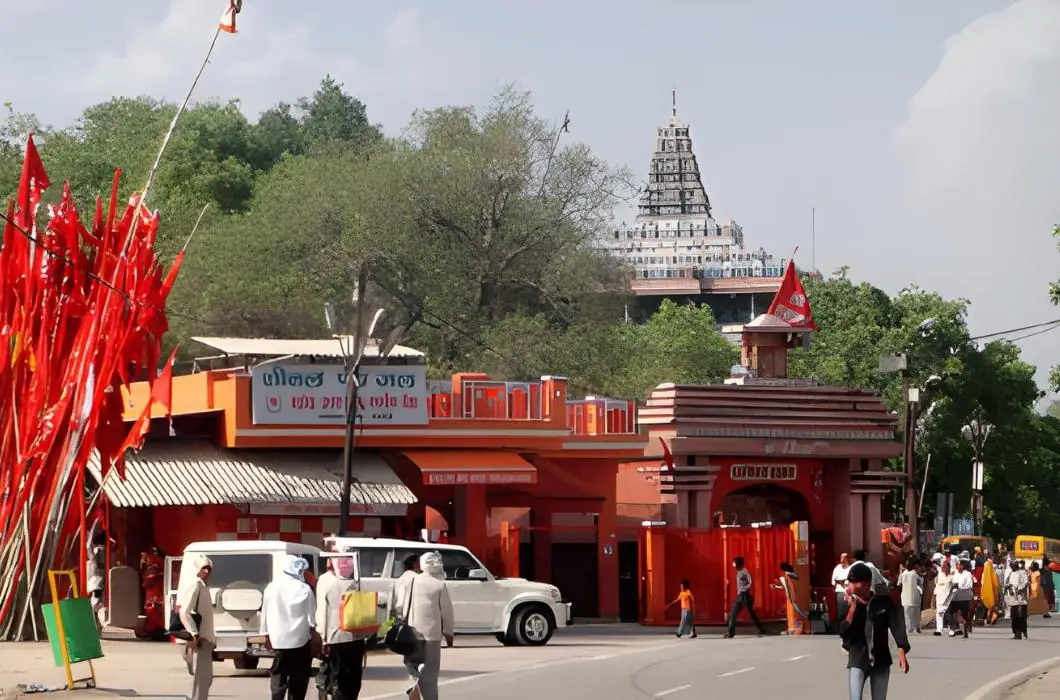
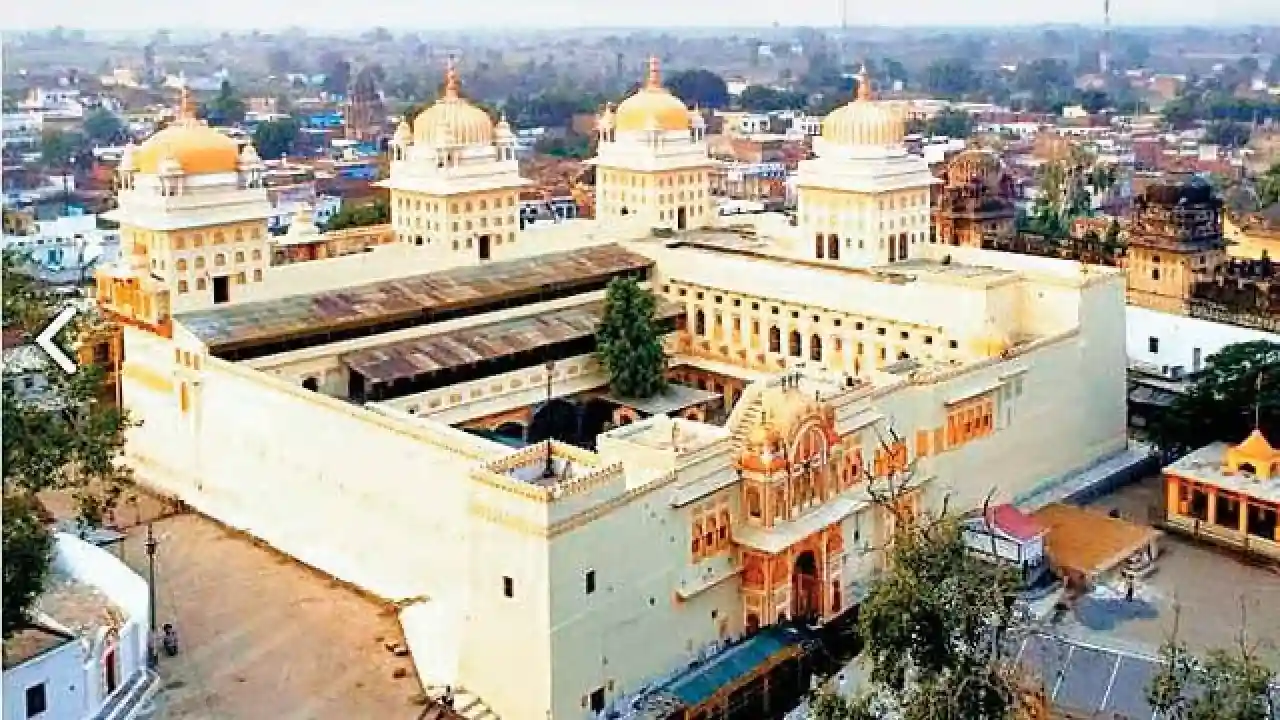
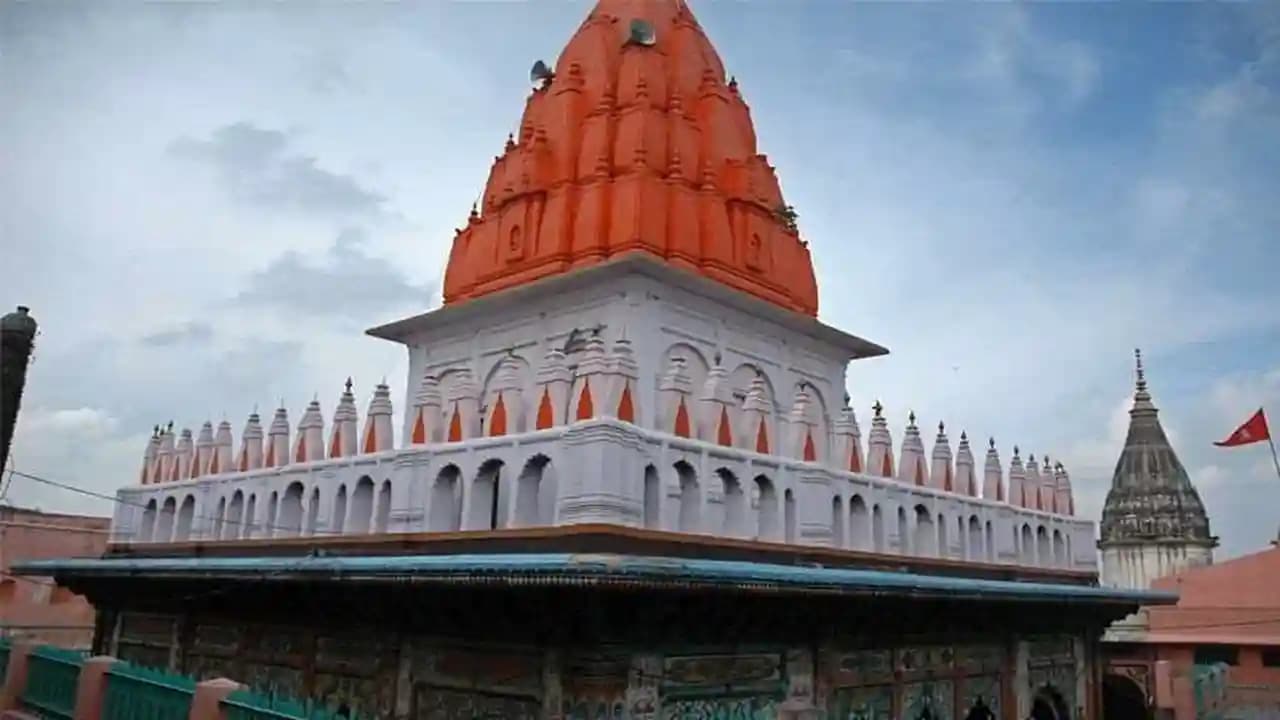
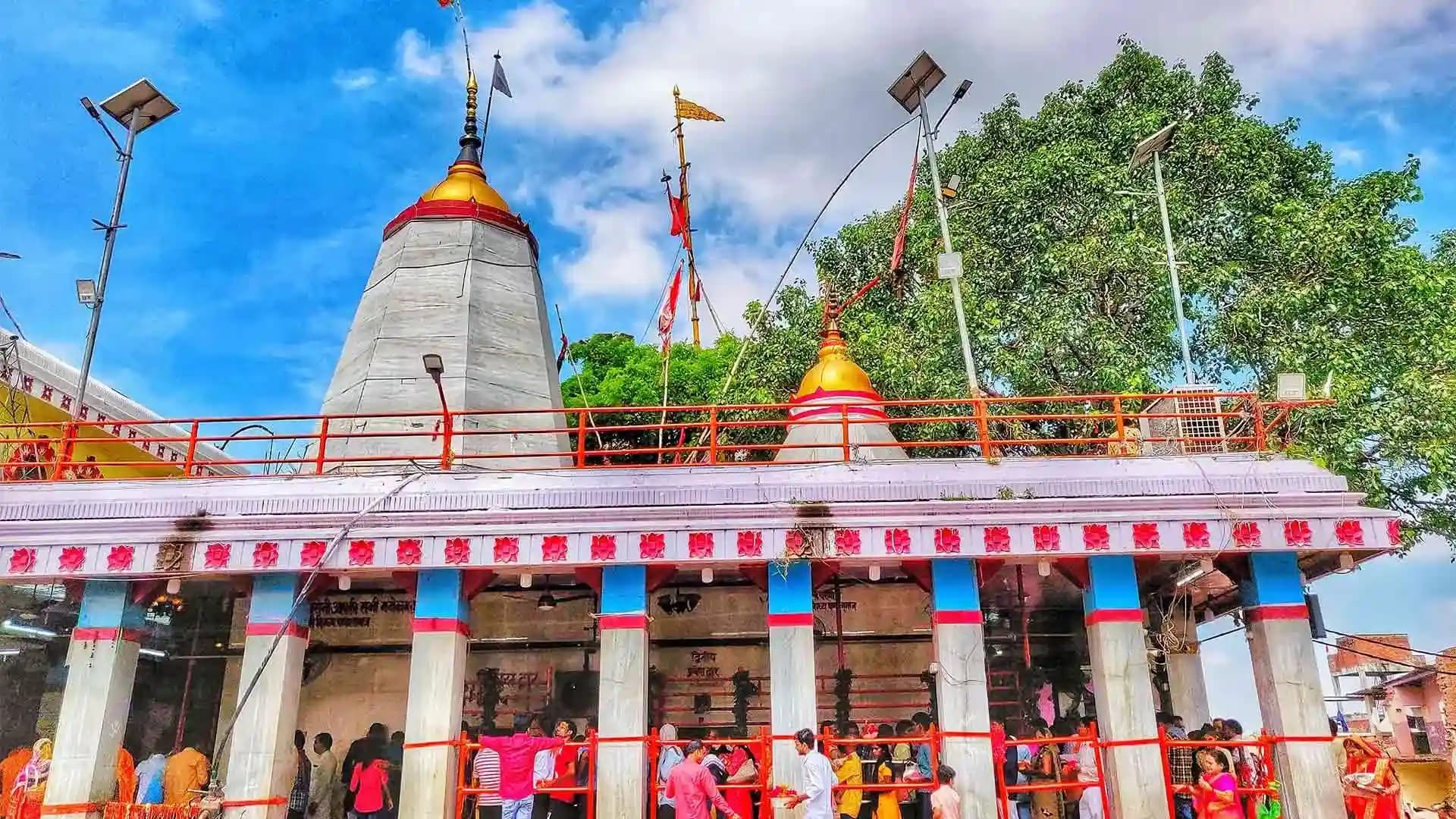
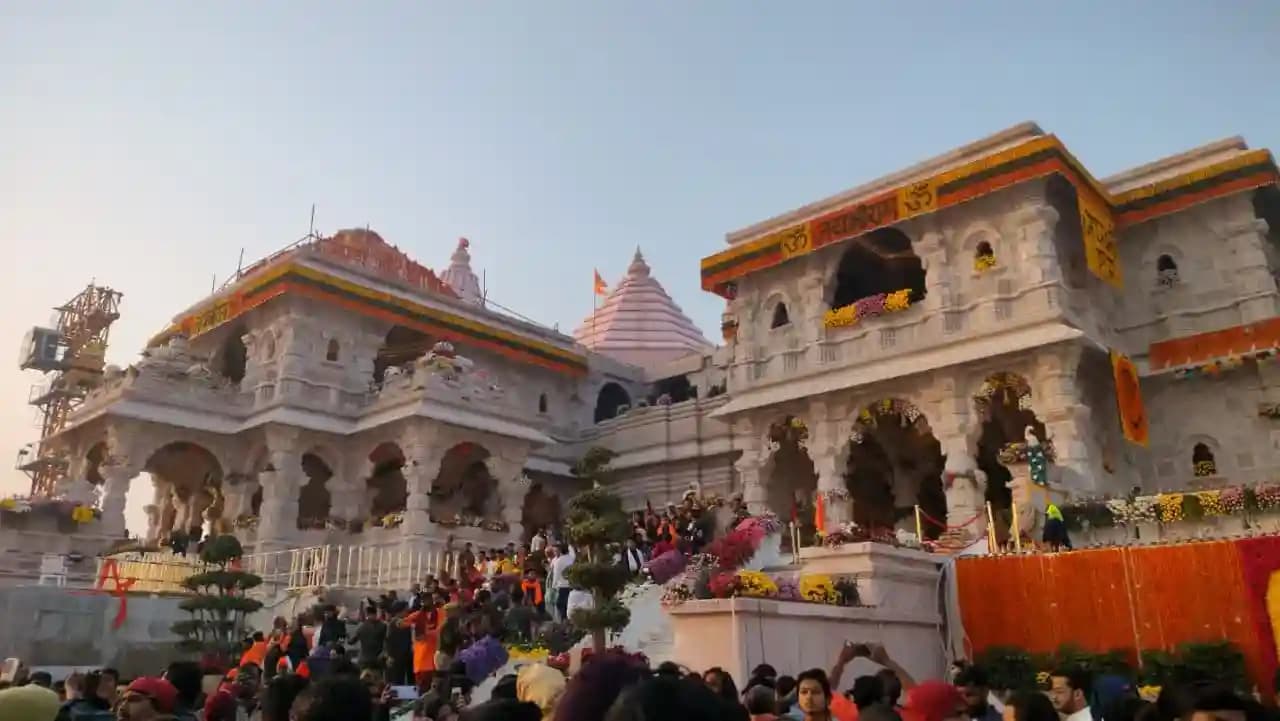
Many people think that winter is the best season to visit Ayodhaya. From December to February, the weather is cool and pleasant, making it a great time to visit temples, go on long walks through heritage sites, and spend the nights by the ghats. Darshan at Hanuman Garhi, Ram Mandir, and other temples is especially memorable in the early morning, when the air is cool and full of life.
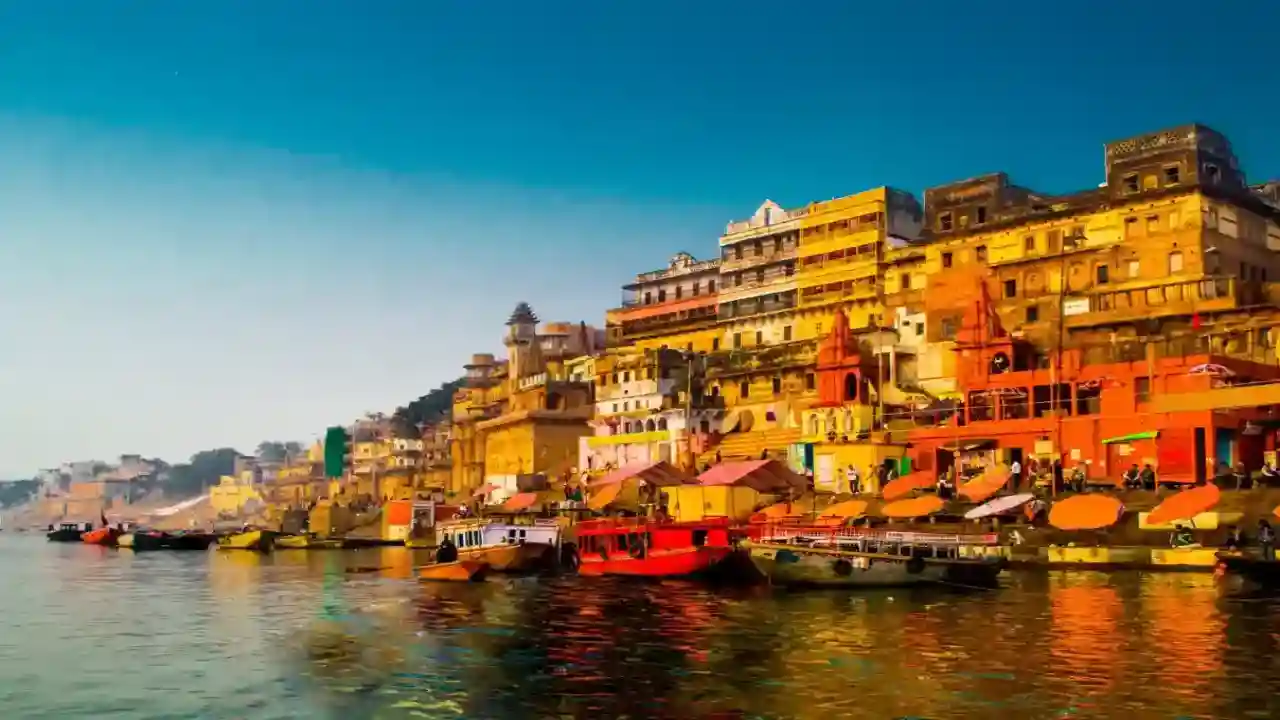
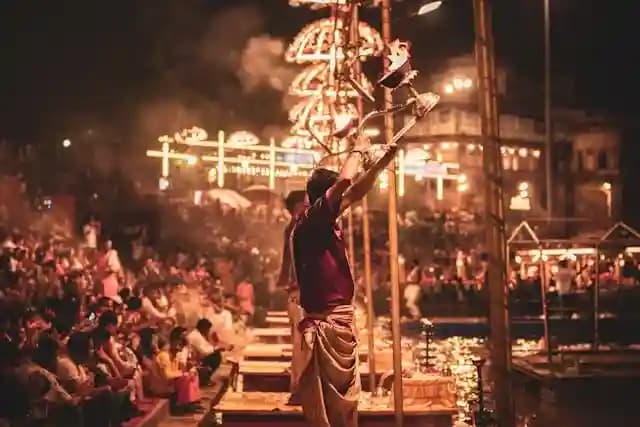
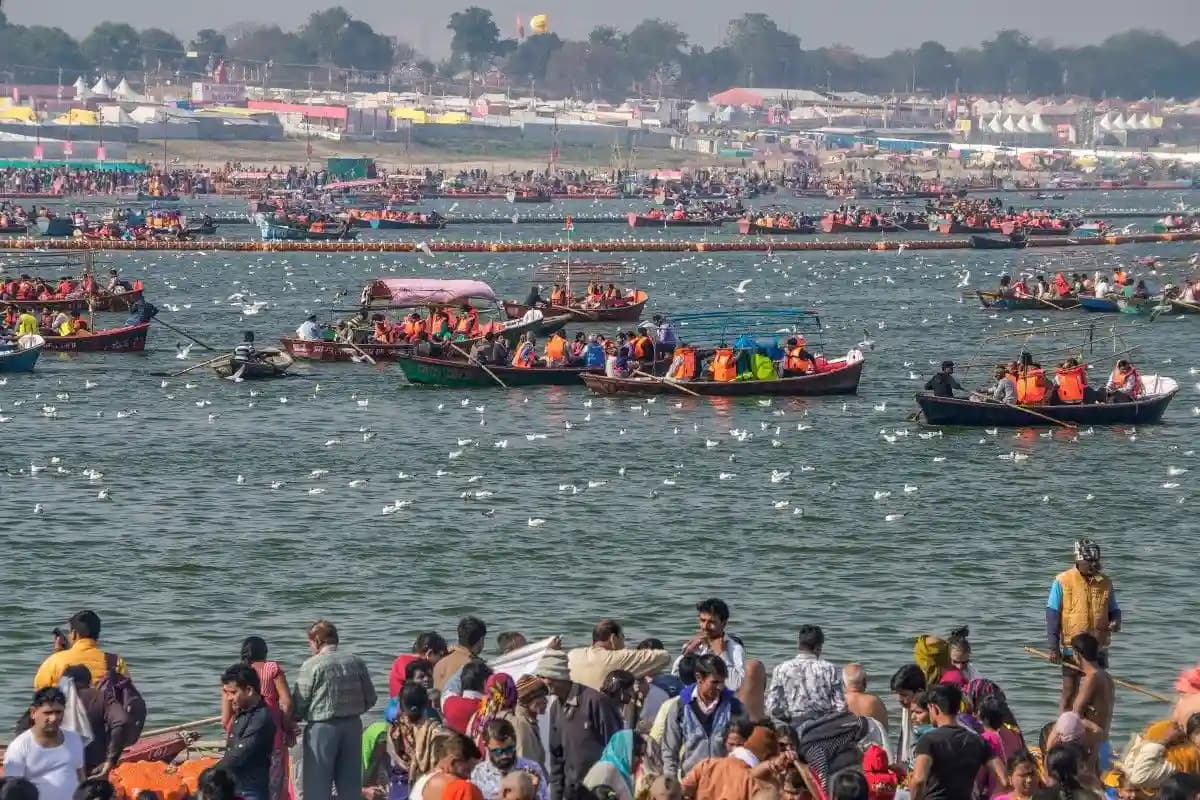
Sit back and enjoy the hot kesar doodh, kachori, and other winter-themed street snacks as you walk through the well-lit lanes at night. When you walk along the Saryu Ghat and watch the Ganga Aarti in the cool air, it's an event that you will never forget. People come from all over India to worship during this time of year, so be prepared for crowds. However, the atmosphere is so joyful that everyone should experience it at least once in their life.
Temperature: 8°C to 22°C
Climate: Cool days, cold but comfortable nights
Things to do: Darshan at Hanuman Garhi & Ram Mandir, river aarti at Saryu Ghat, heritage walks, street food, and shopping
Tourist flow: Highest during this time, especially during Ram Navami, Makar Sankranti, and New Year holidays. You can expect long queues and heavy footfall across the city.
Ayodhaya in Summer (March - June)
The summer season in Ayodhaya starts in March and goes through June. Every day the city gets warmer and lighter. The afternoon heat can be rough, but the early morning and late evening still have a nice mental calm. A lot of people go to Ayodhaya in the summer, when school breaks are over, and it's easier for families to plan a long trip to the temple together. The city's devotion never stops, even when it gets hot outside. The temples are always full of chants, prayers, and peaceful smiles.
In the summer, the streets of Ayodhaya seem more lively than normal. There are more people in the candy shops, rickshaws move more slowly through the lanes, and the smell of the flowers being sold in churches gets stronger. If you like to take things slowly, this is a great time to do them. You can visit sites early in the morning, rest in your hotel during the hottest part of the day, and then go out again in the evening. A lot of tourists also like to visit nearby heritage sites and ghats at night, when the breeze from the Saryu River feels nice. Summer is also a good time for travellers on a budget because there aren't as many people around compared to winter and event seasons.
Temperature: 28°C to 42°C
Climate: Hot afternoons, warm evenings, pleasant mornings
Things to do: Early-morning darshan at Ram Mandir & Hanuman Garhi, evening river aarti at Saryu Ghat, heritage and food walks after sunset, shopping for prasad and souvenirs
Tourist: Moderate, mostly families during summer vacations; queues are shorter than winter season and festival months
Ayodhaya in Monsoon (July - September)
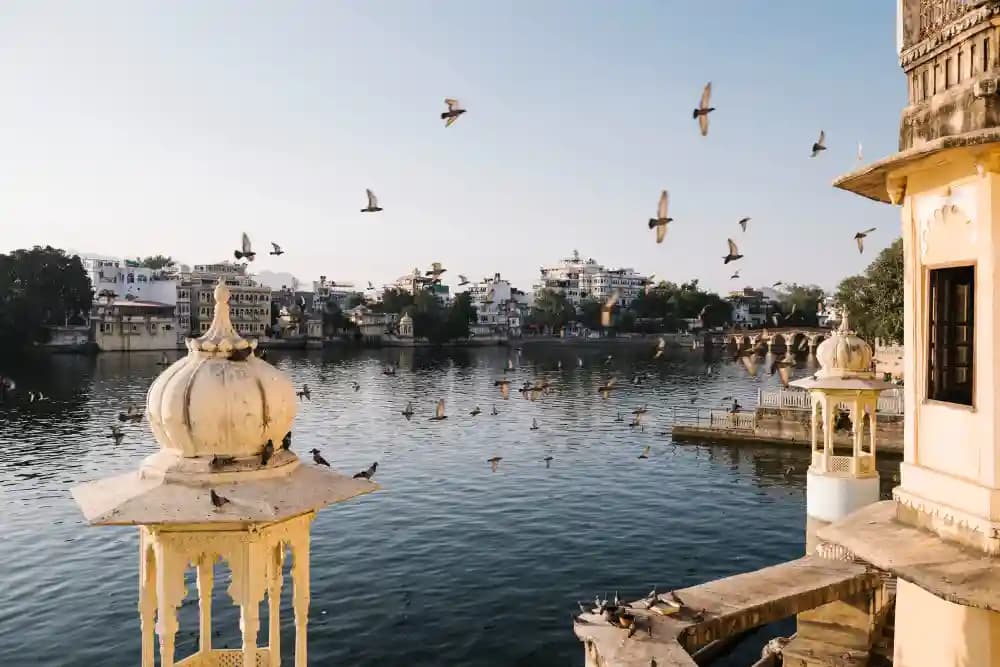
When the rain comes, Ayodhaya shines in a very different way. After the first rain, the streets smell clean, the ghats look calm and clean, and the temples feel even quieter. This time of year is beautiful if you like taking your time, seeing lots of green, and feeling spiritually calm. The rain makes visiting temples more relaxing, and many travellers will remember watching the Saryu River during light rain for years to come.
But the rain can come at any time. Some days it might drizzle a little, and other days it might rain a lot. This means that visits to temples may need to be planned around different times, and boat rides depend on how high the water is. Still, Ayodhaya in the rain is a soulful place to visit. It's the kind of trip where you can take your time, sit in a temple hallway, listen to chants, and just enjoy the peace.
Temperature: 24°C to 32°C
Climate: Humid days with frequent rainfall; evenings are cool and breezy
Things to do: Temple visits with fewer crowds, Saryu Aarti (post-rain), photography of lush surroundings, café hopping, and peaceful heritage walks
Tourist flow: Moderate, mostly pilgrims; fewer long-queue situations except weekends and major festival days
Conclusion
Choosing the best time to visit Ayodhaya can truly shape the experience you take back home. This holy city has a unique appearance during each season. Winter is a time of devotion and nice weather, summer is a time for temple events and quieter times with fewer people, and monsoon brings fresh air and peace to the ghats and temples. It doesn't matter what time you get there; the aarti bells, chants, temples, and calm flow of the Saryu River will move your heart. Ayodhaya greets all pilgrims with faith, warmth, and memories that will last a lifetime, whether they come for spirituality, history, or just to feel the divine atmosphere.