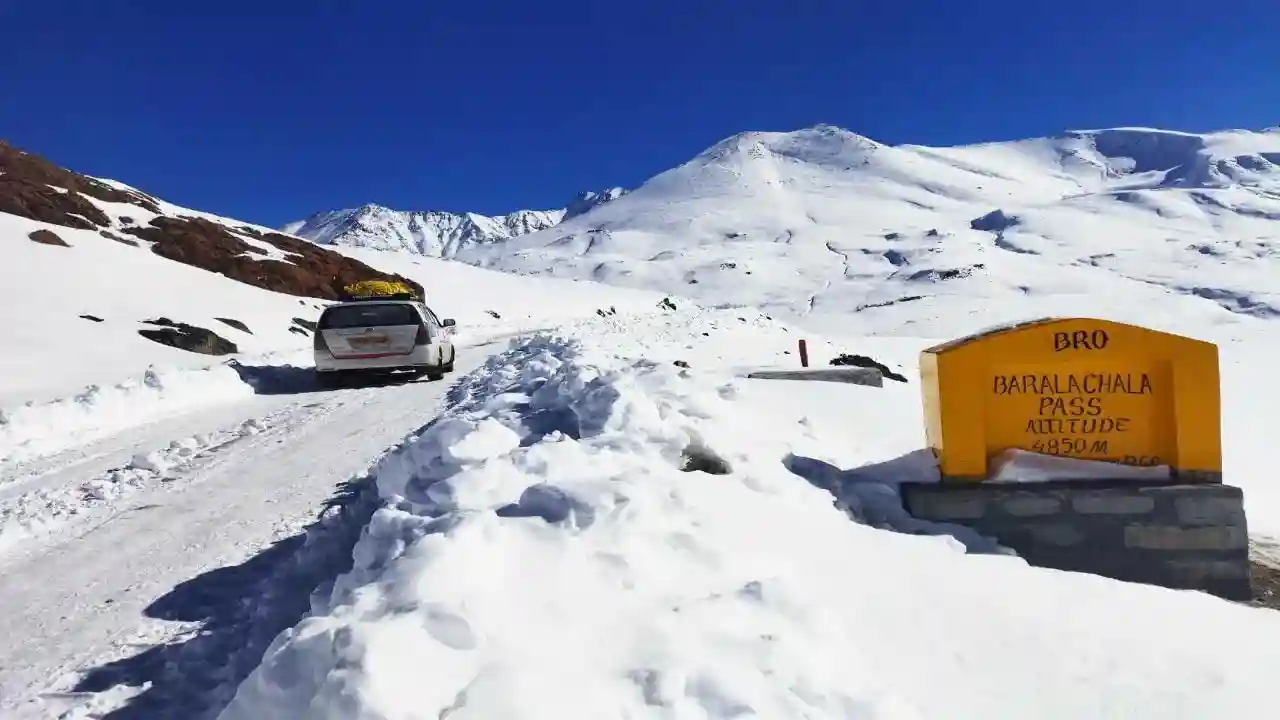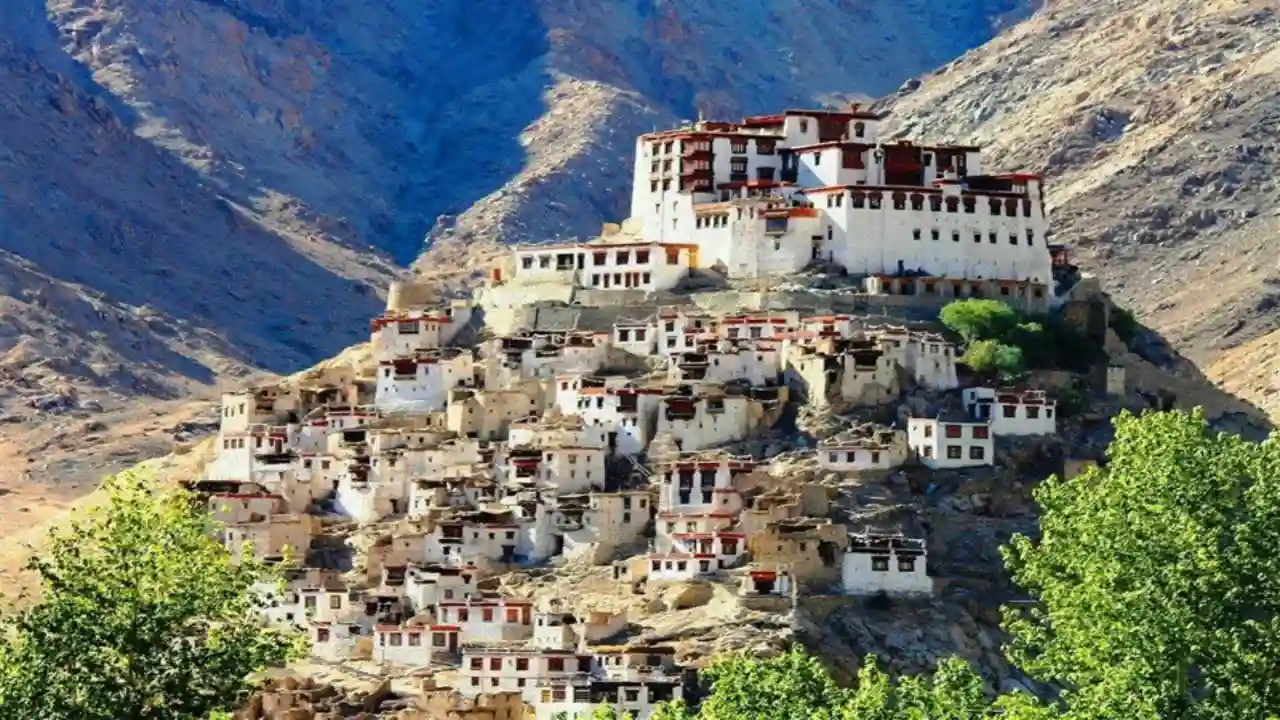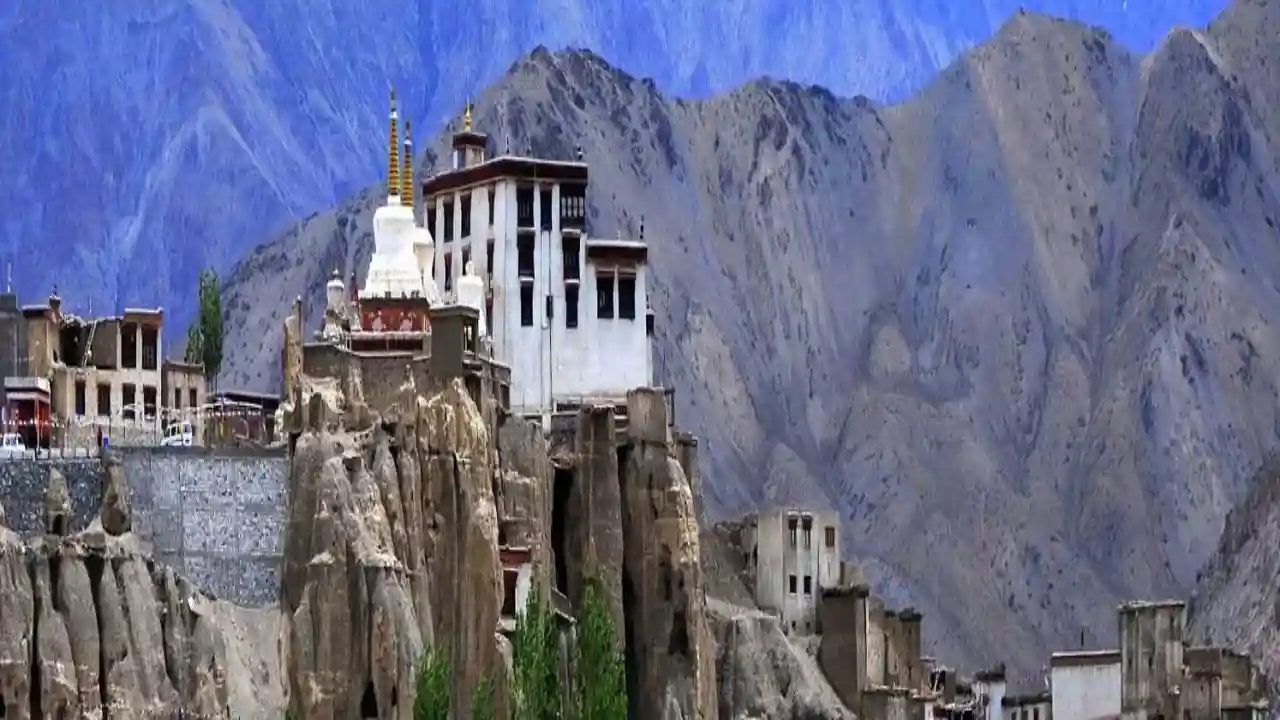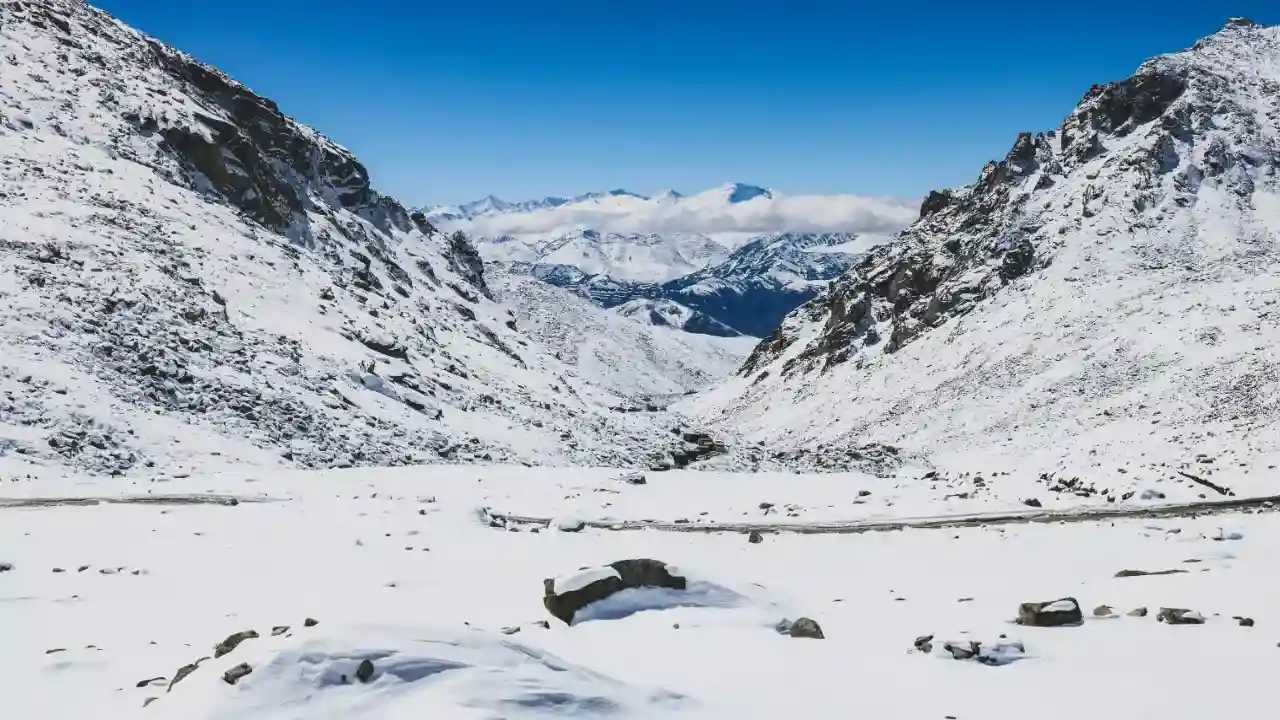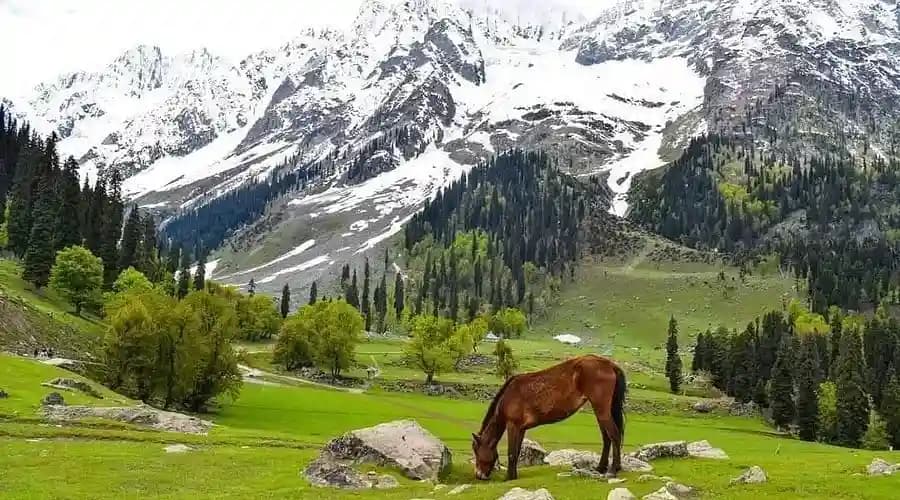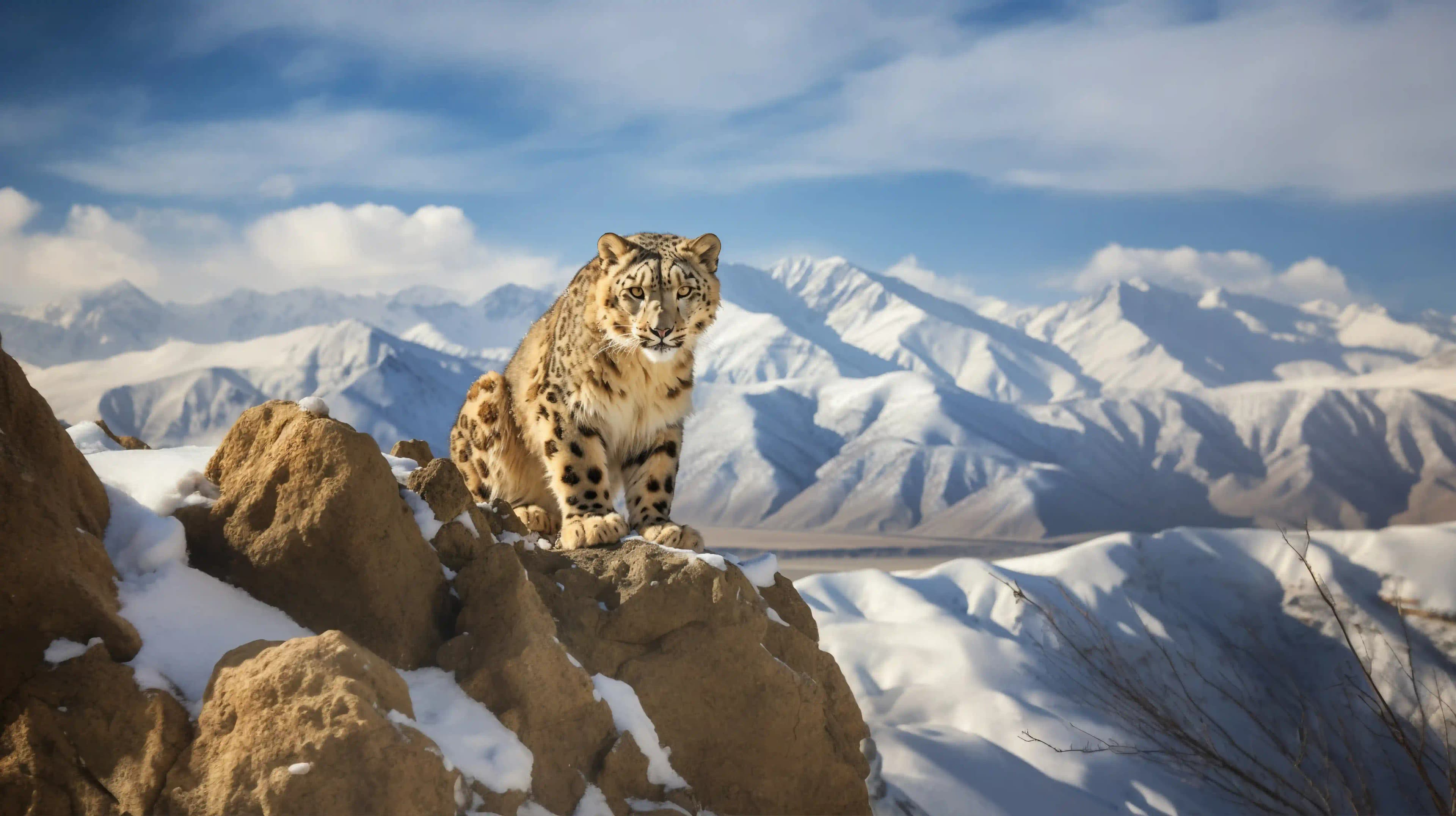
Where do animals survive at heights that leave you gasping? The Changthang Wildlife Sanctuary spreads across the Tibetan Plateau at extreme heights, making it one of the highest protected areas in the world. Snow leopards move silently across rocks, Tibetan wild ass gallop through vast plains, and rare black-necked cranes fly thousands of miles to reach this cold desert every year.
This blog covers everything you need to know before planning your visit. You'll discover the best time to explore, how to reach this remote paradise, what wildlife awaits you, and the must-see spots within the sanctuary. Whether you're adding this to your trip to Leh Ladakh or making it your main destination, the tips shared here will help you prepare properly. Get ready to explore a place where nature defies all odds and every sighting feels like winning a wildlife lottery.
About Changthang Wildlife Sanctuary
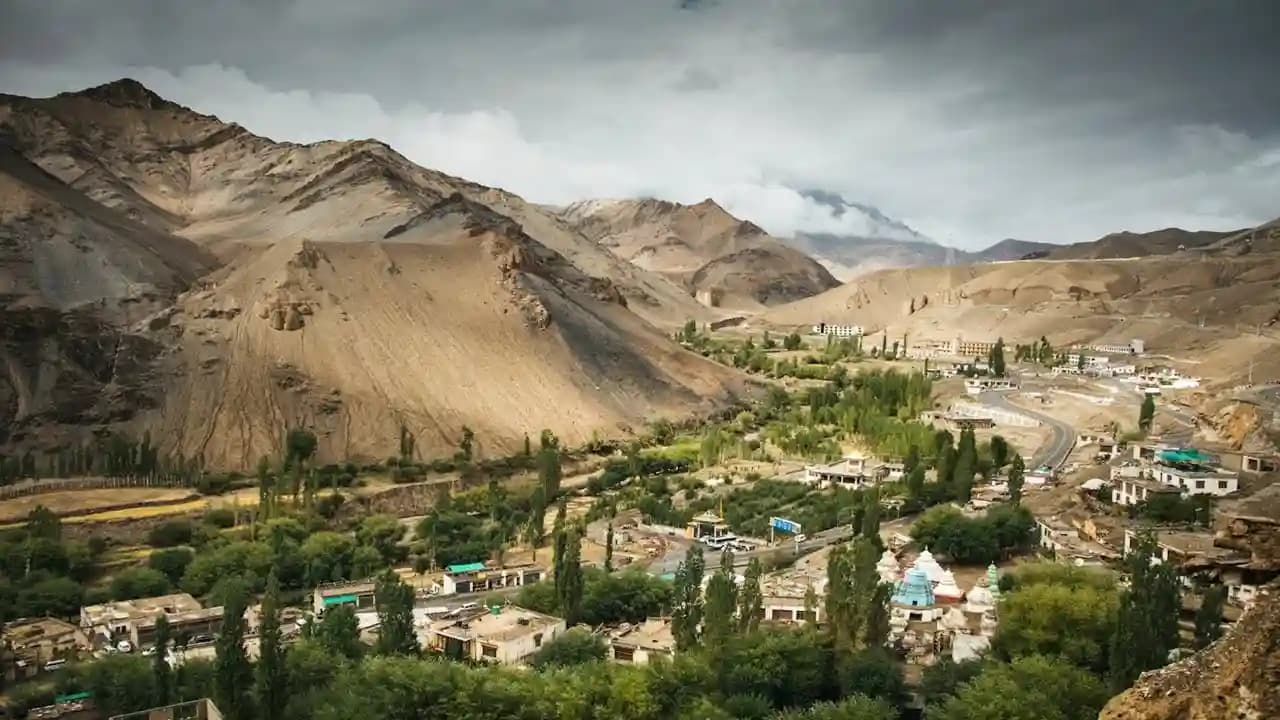
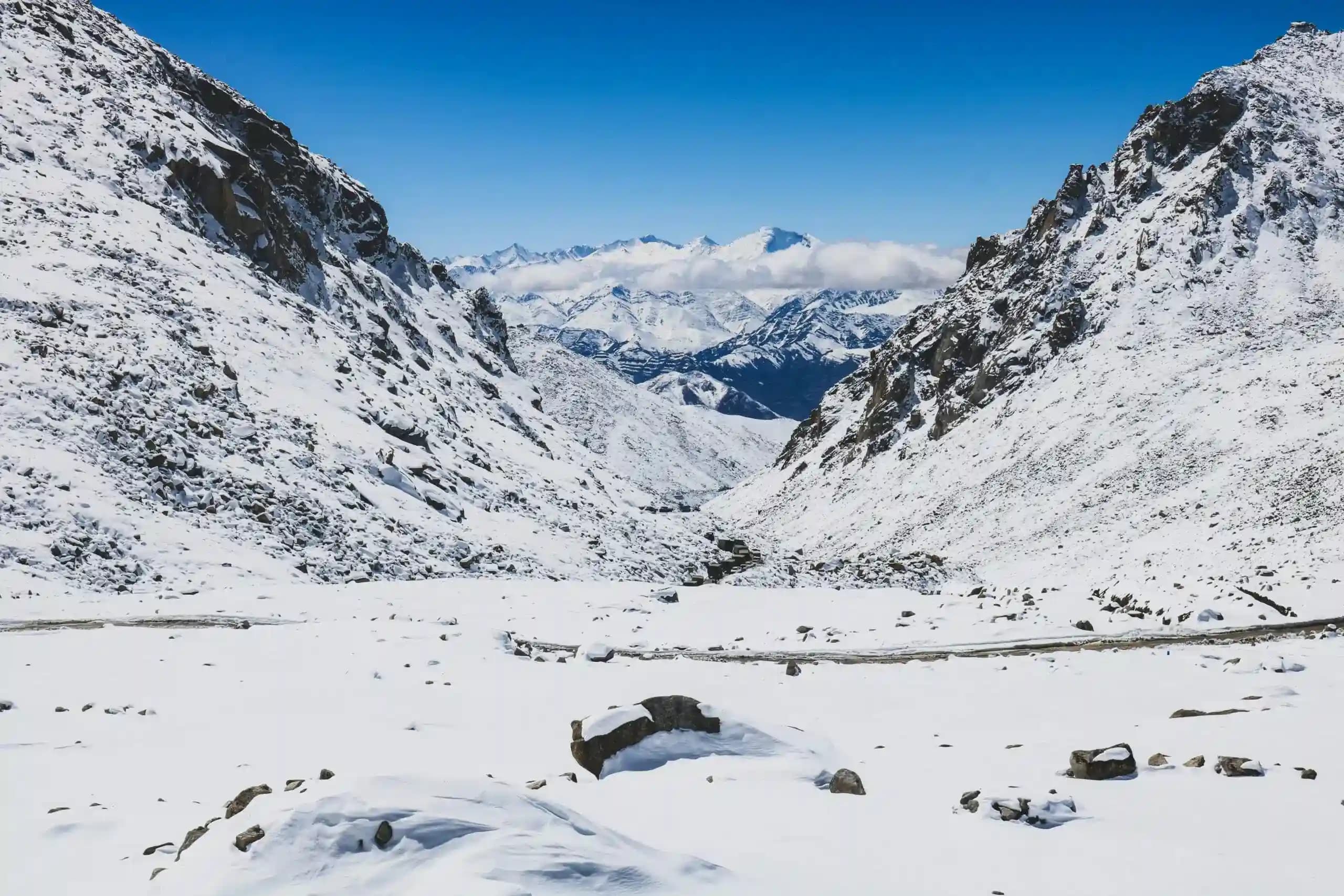
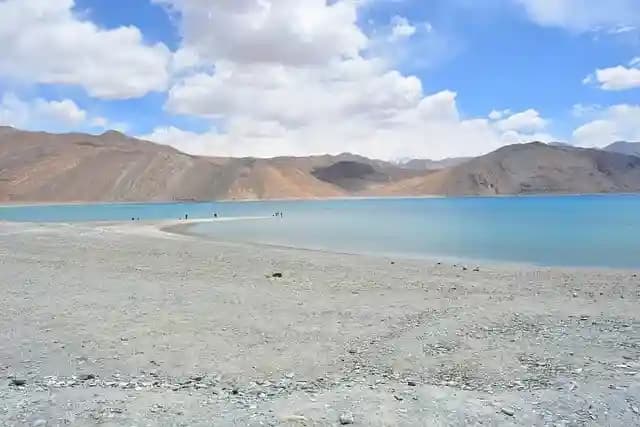
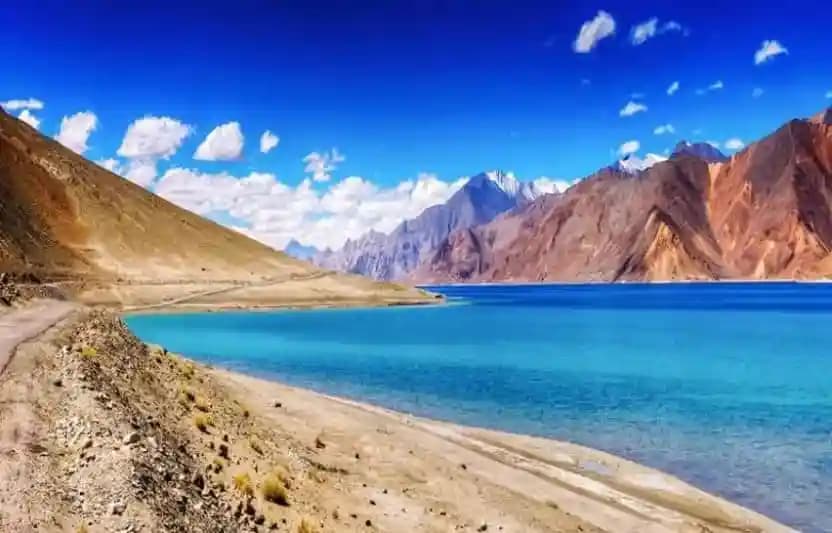
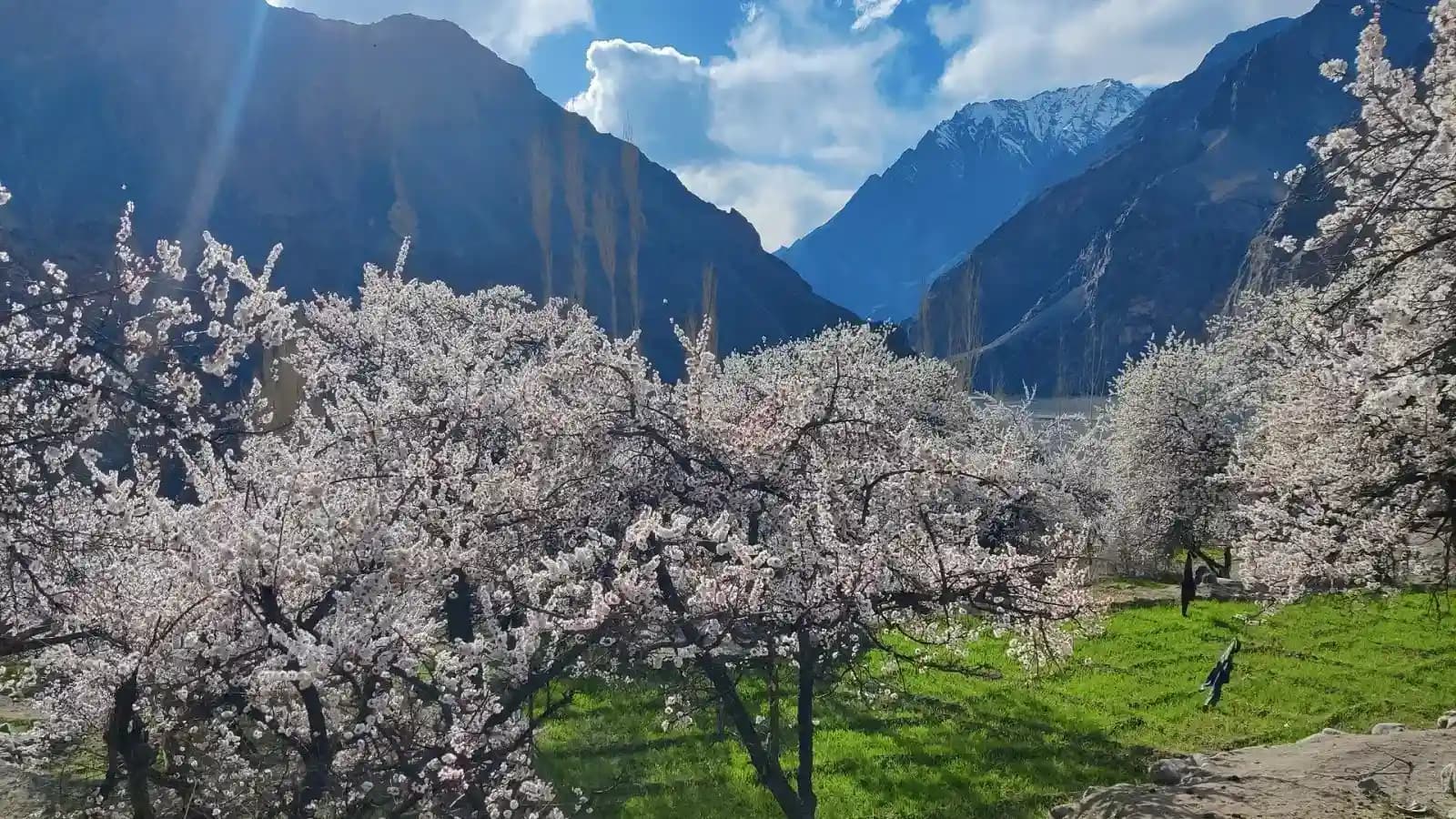
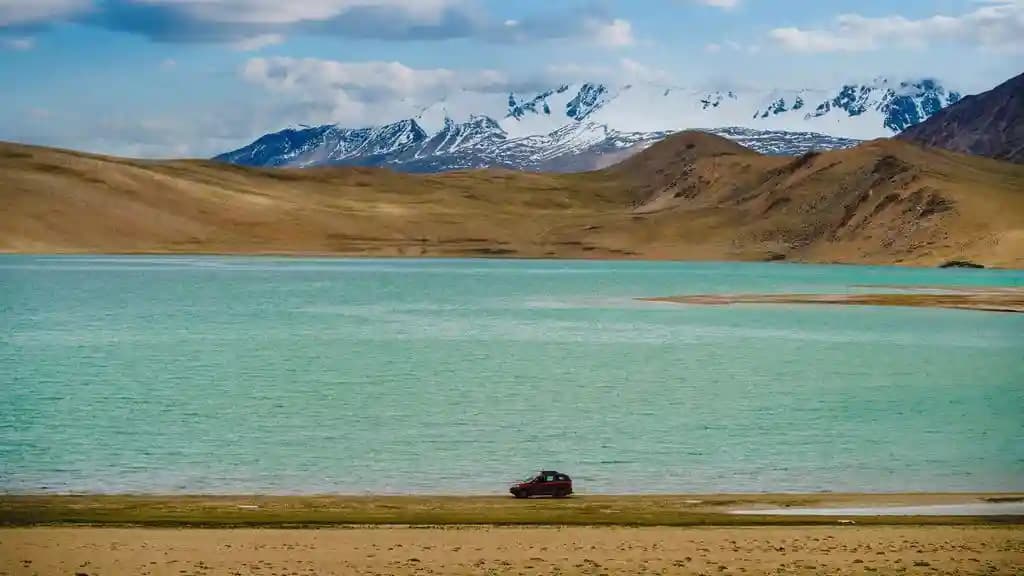
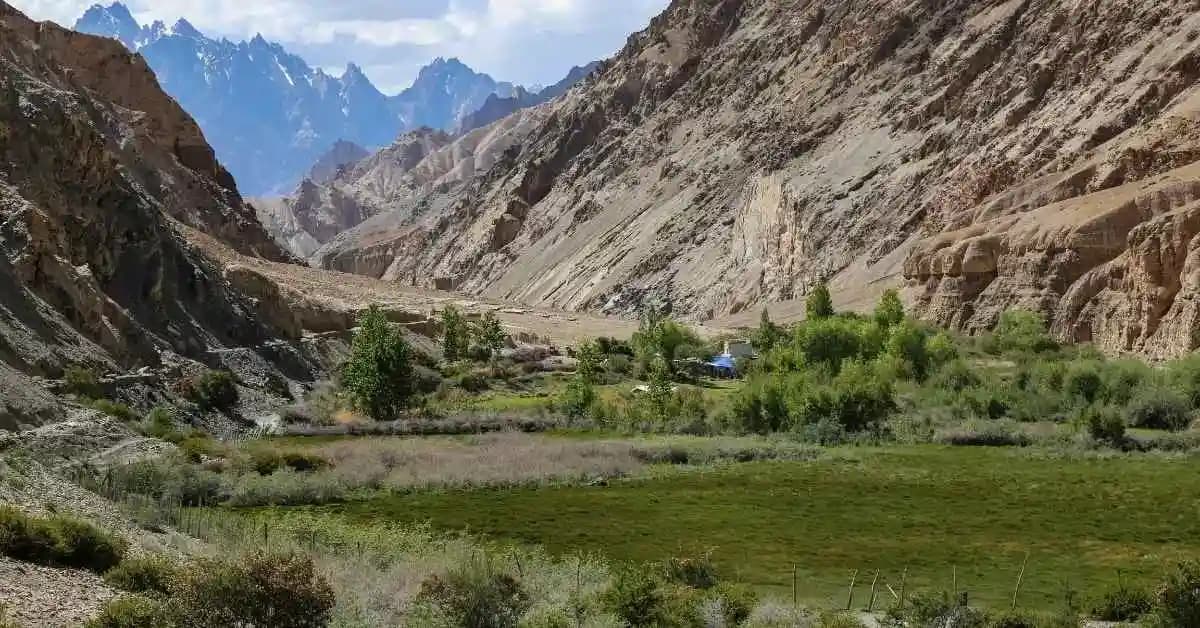
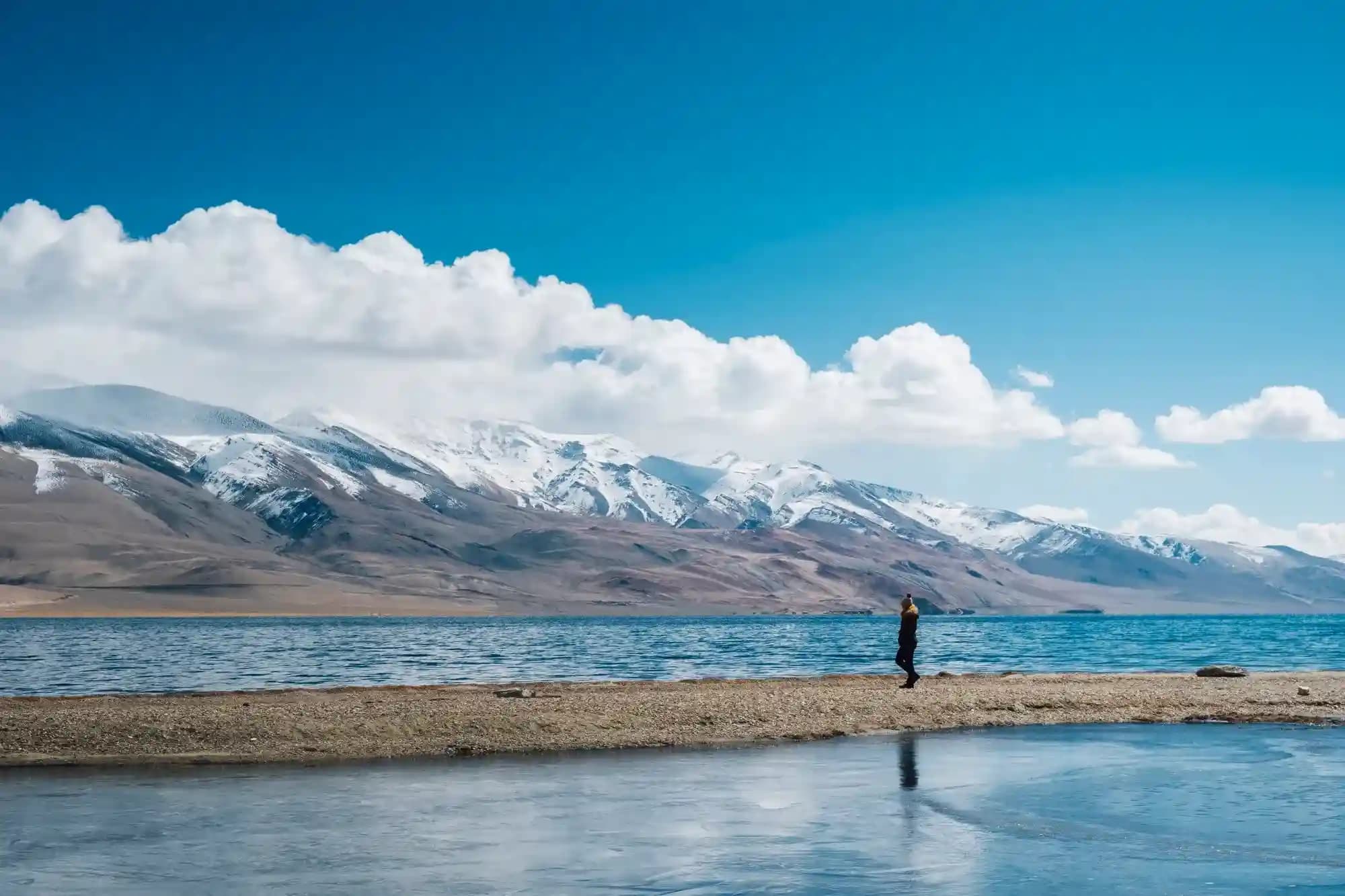
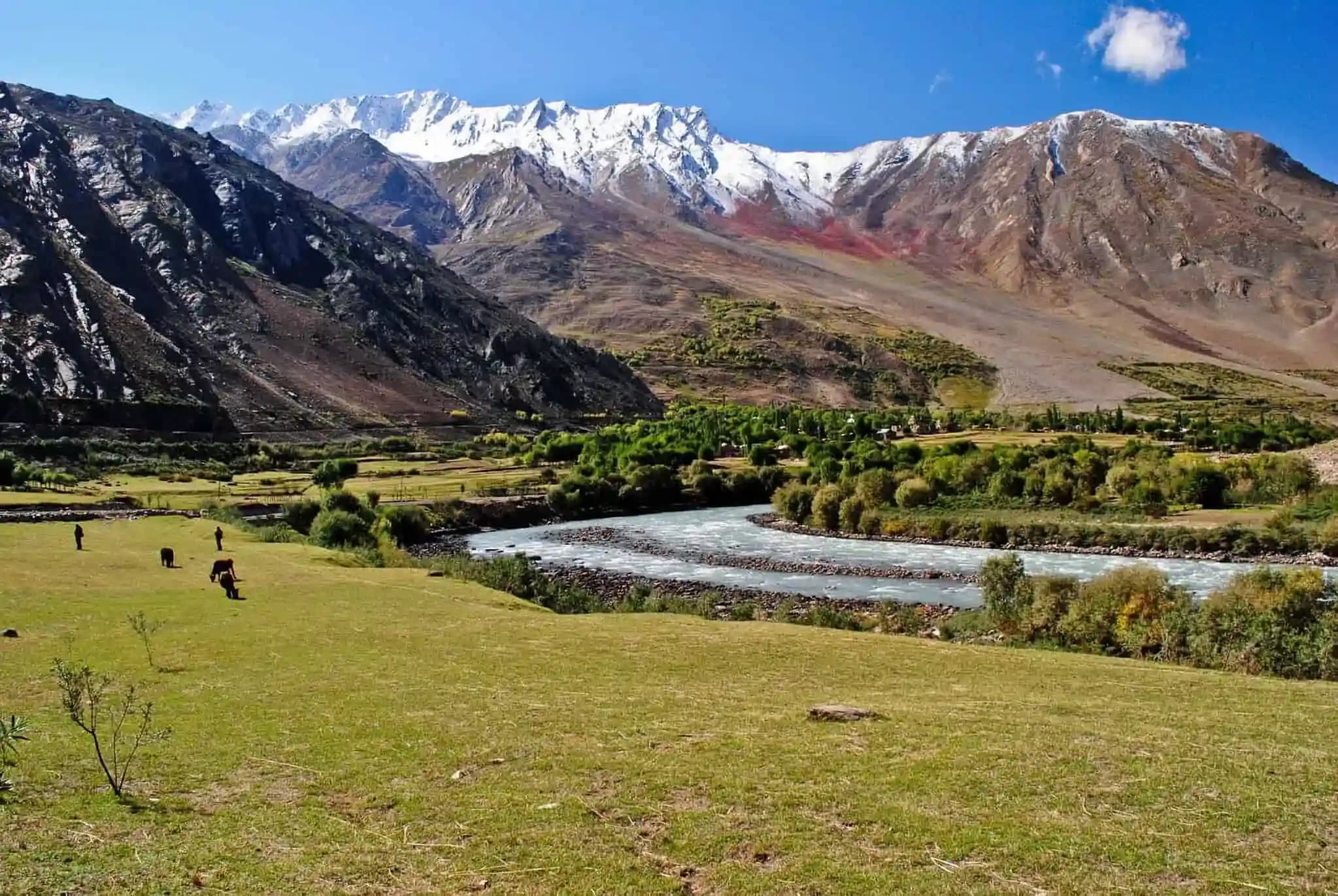
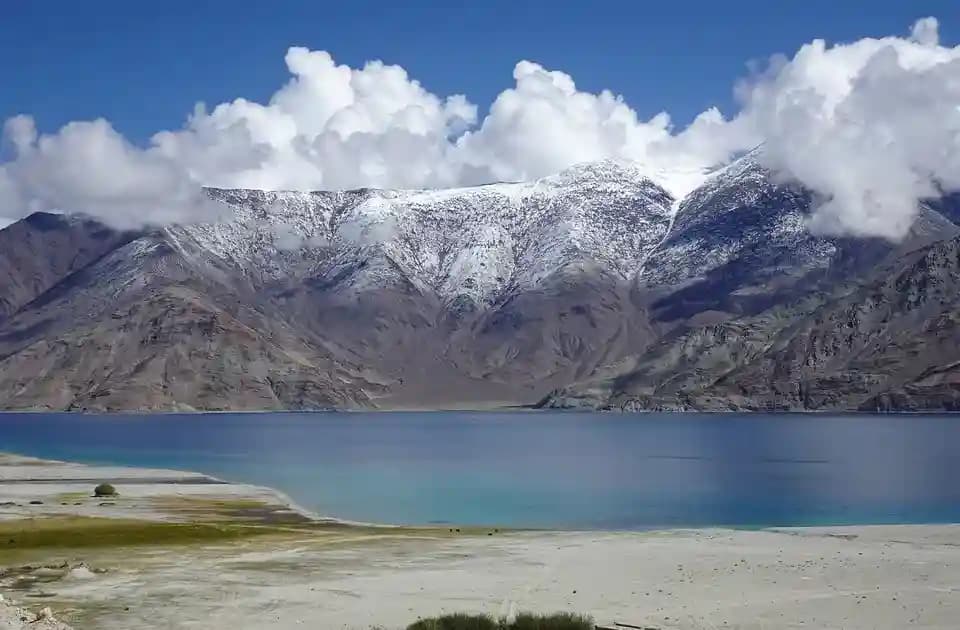
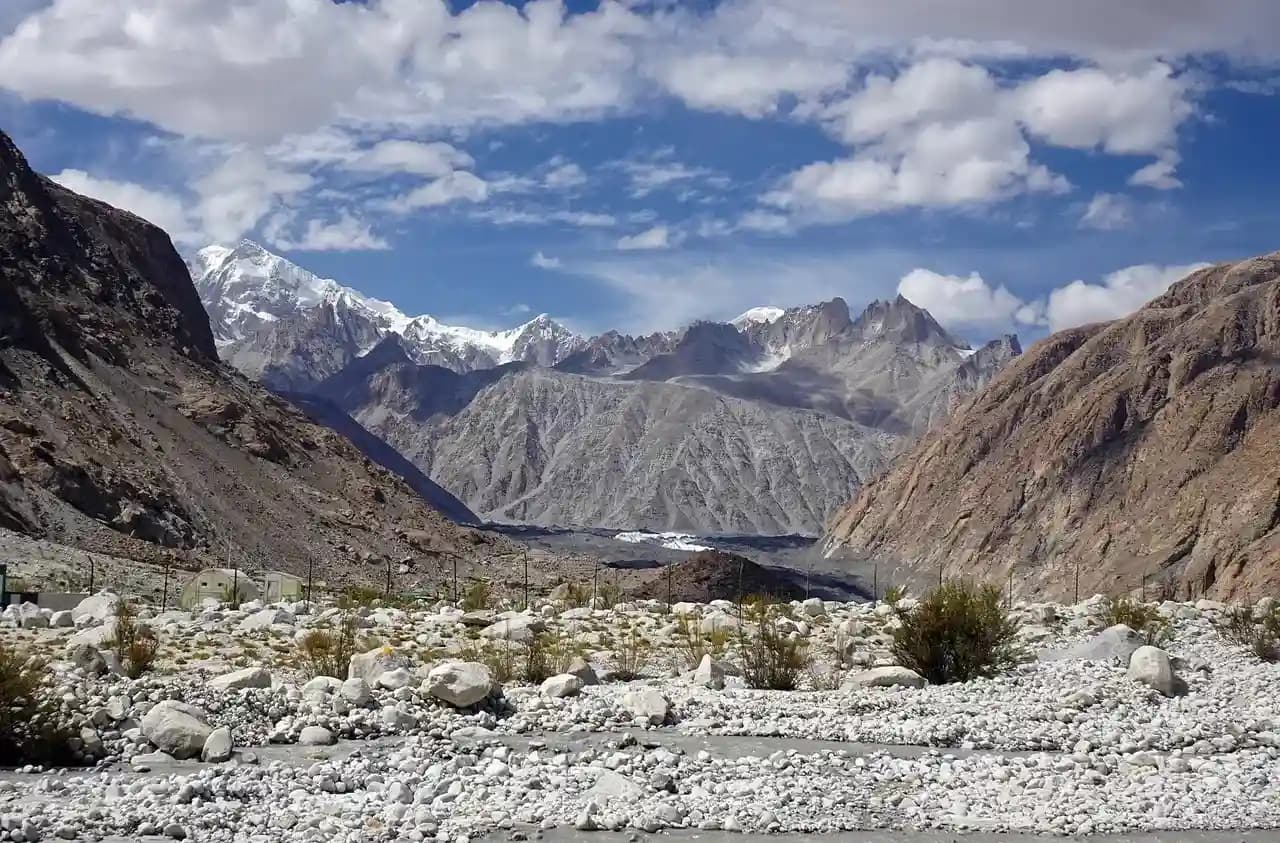
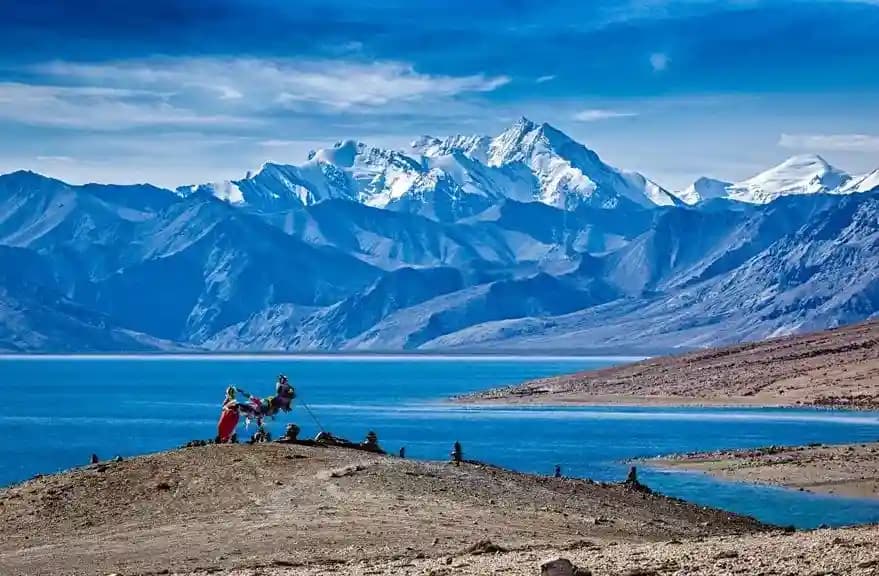
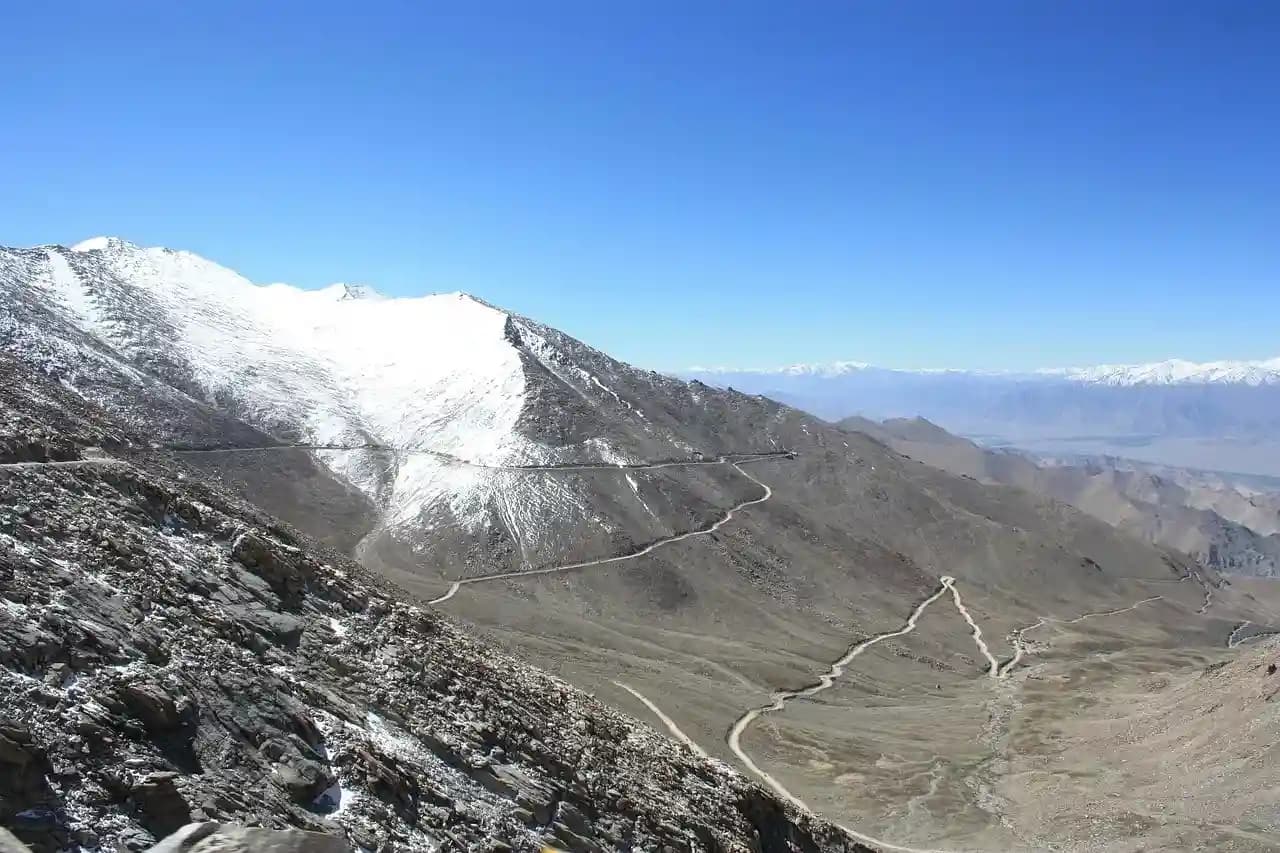
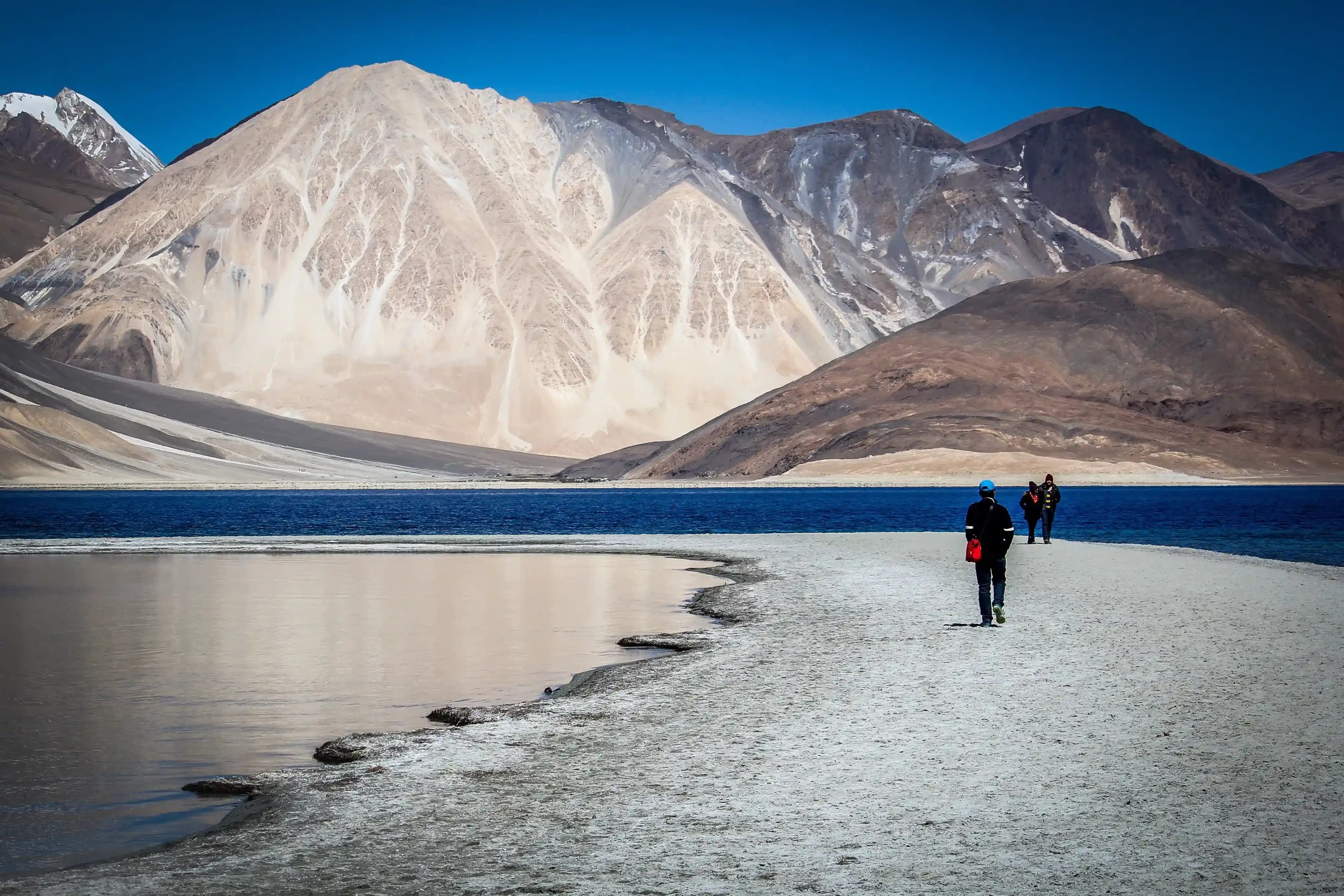
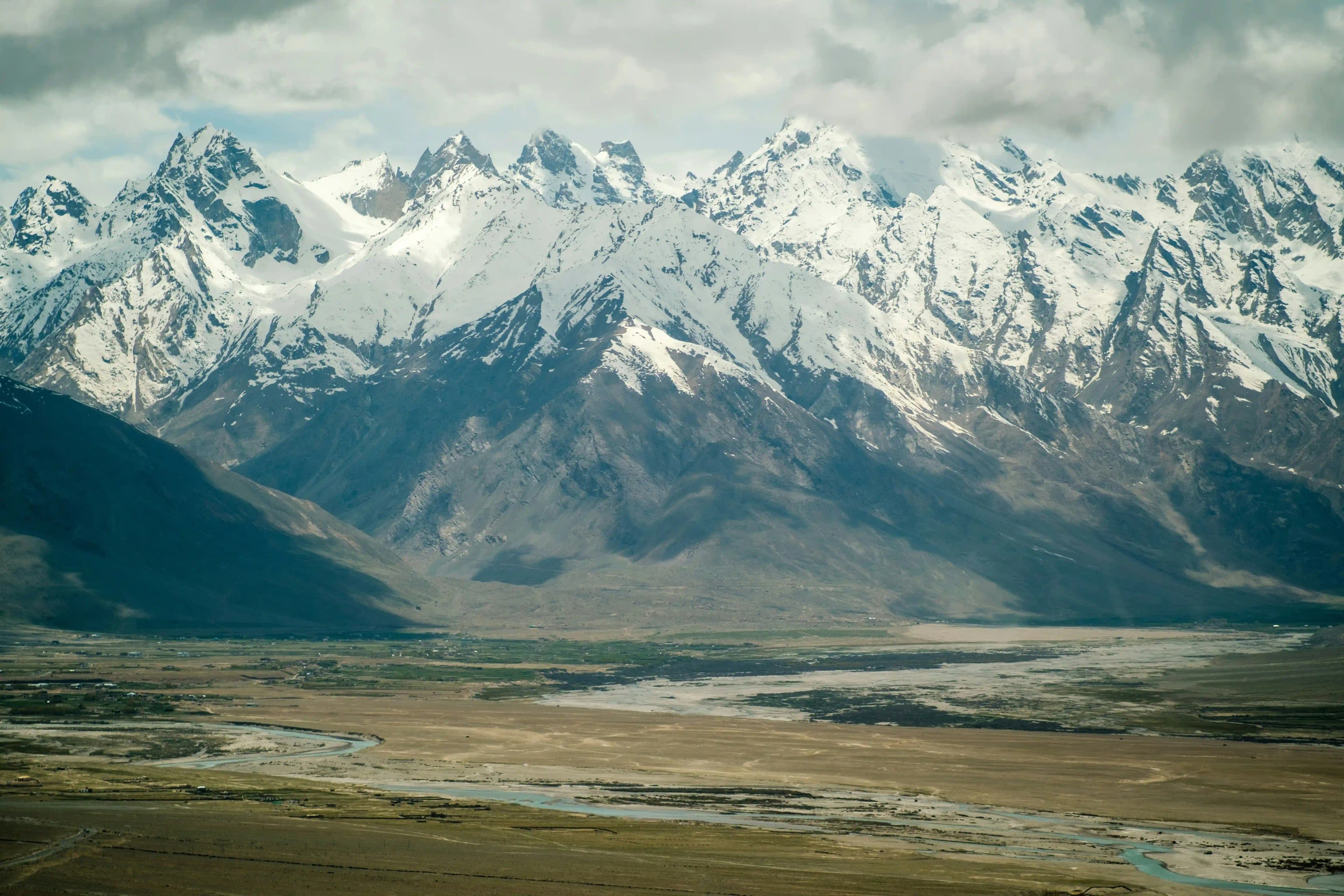
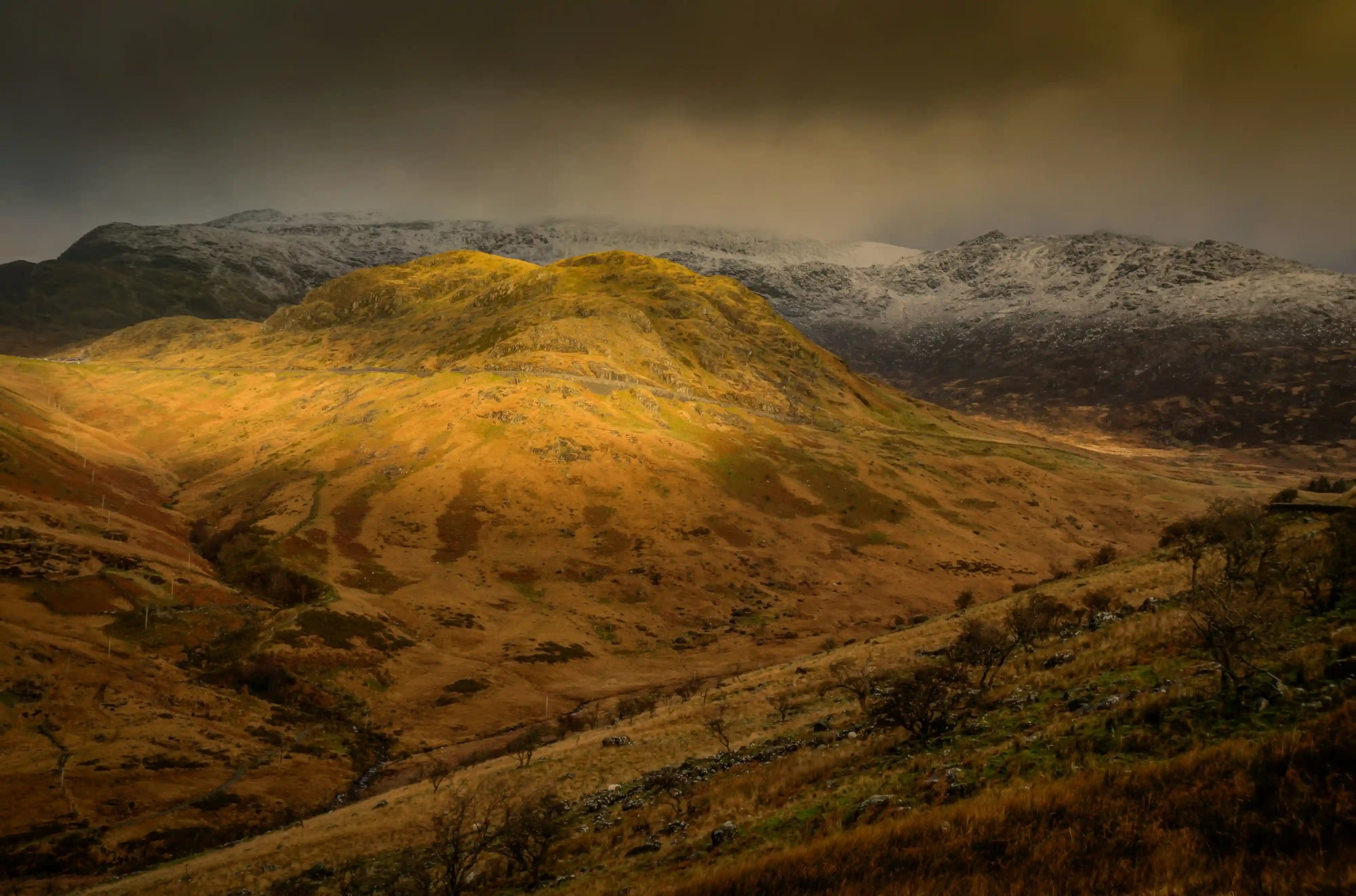
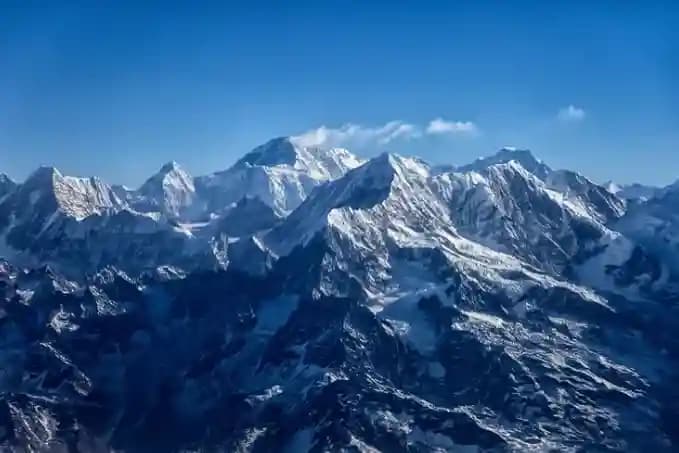
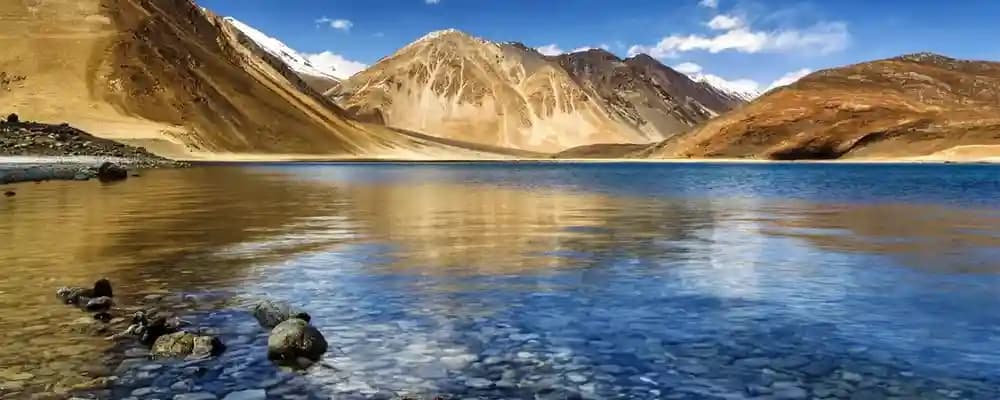
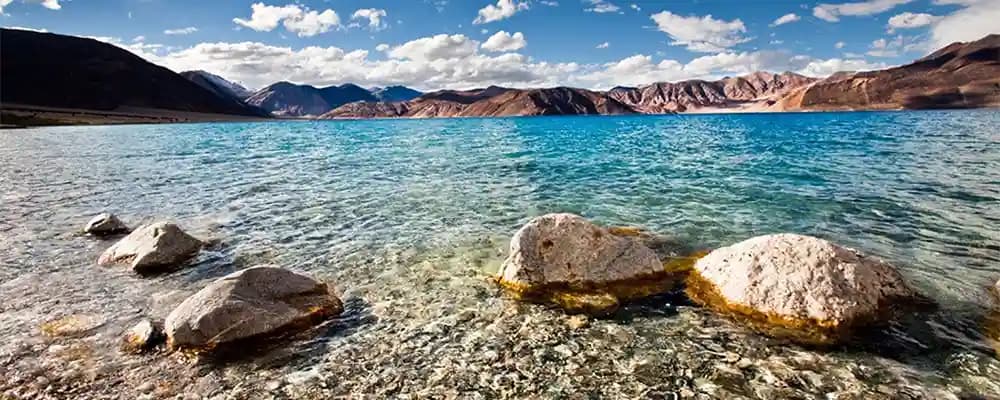
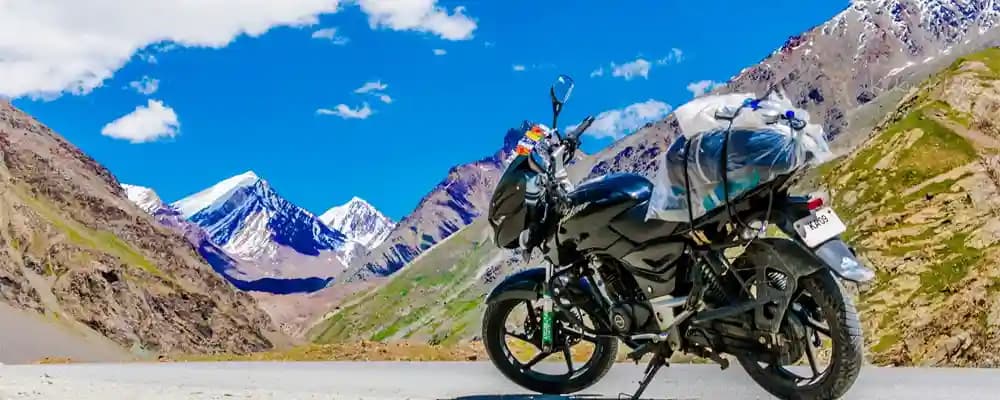
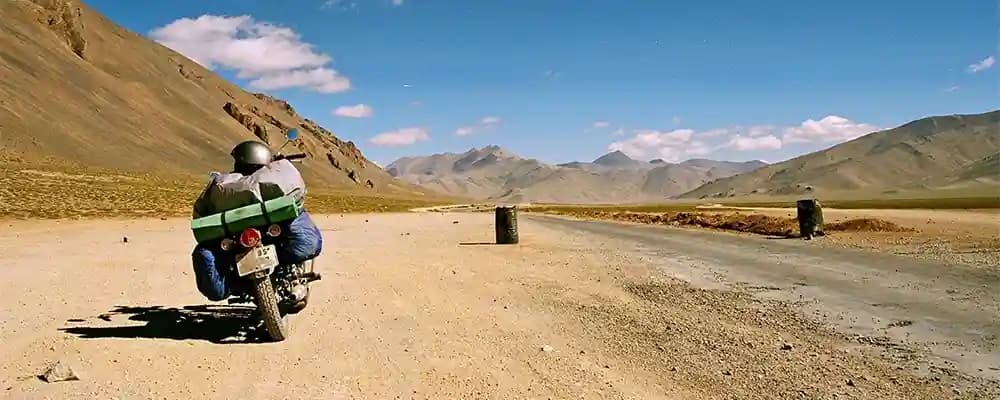
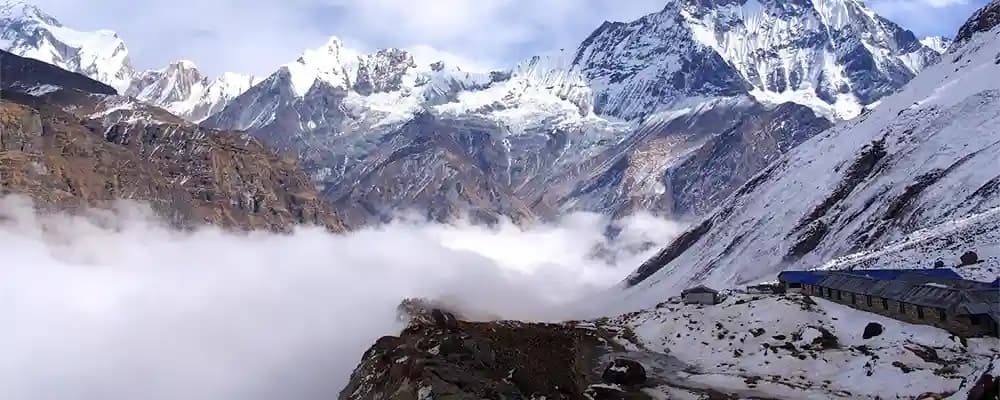
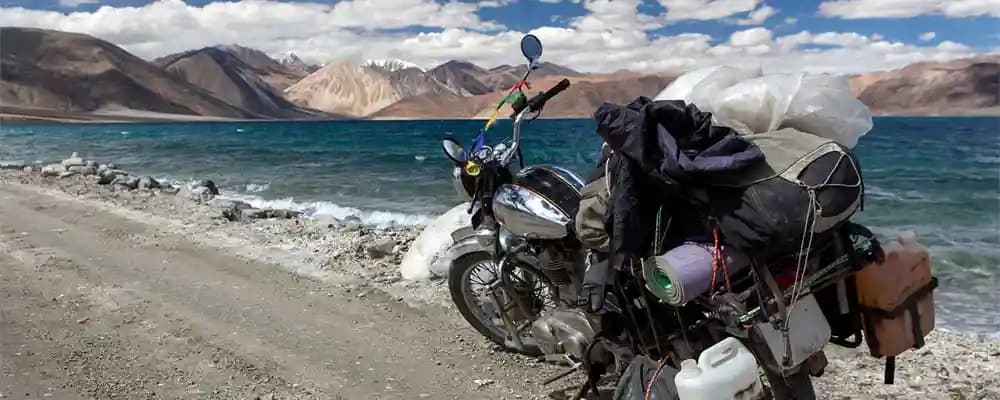
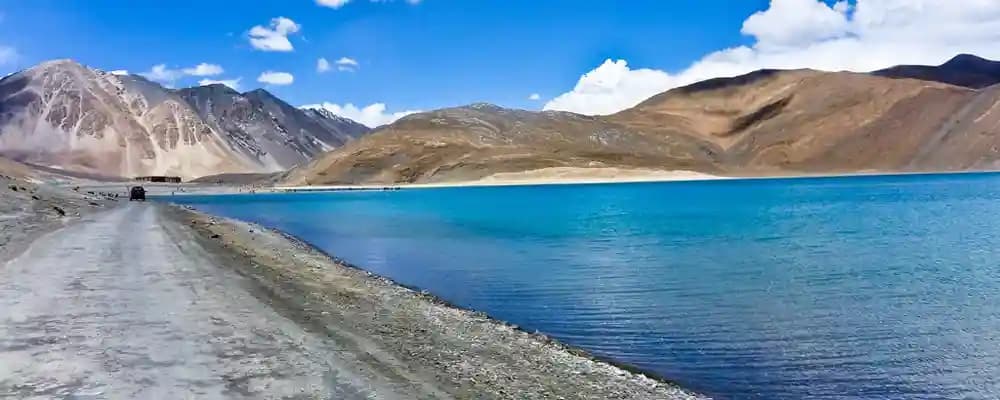
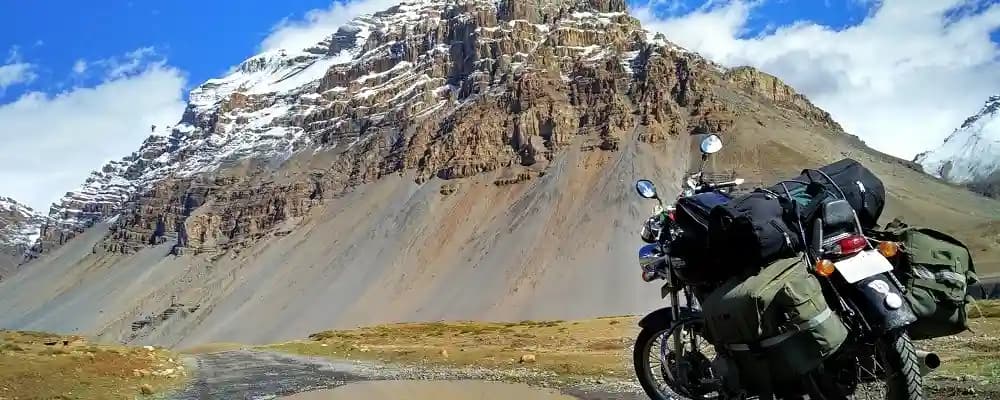
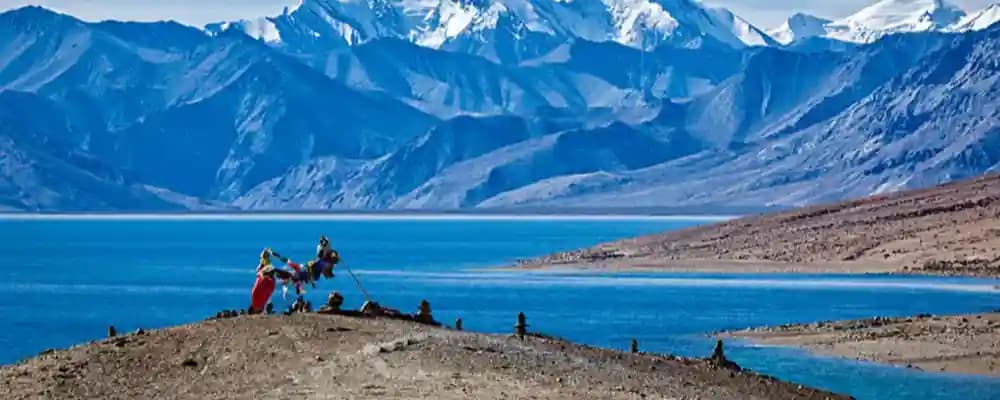
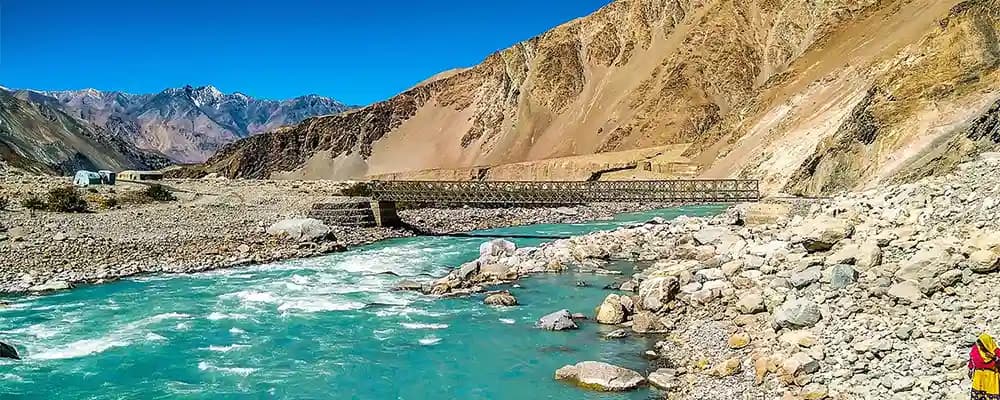
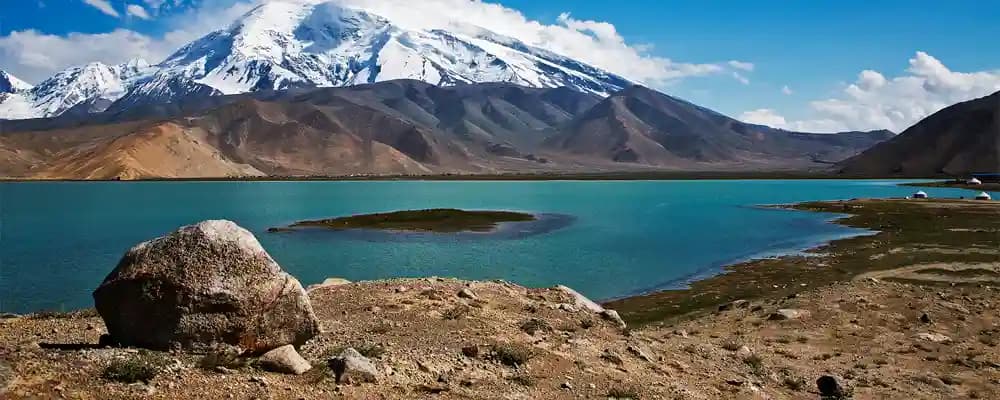
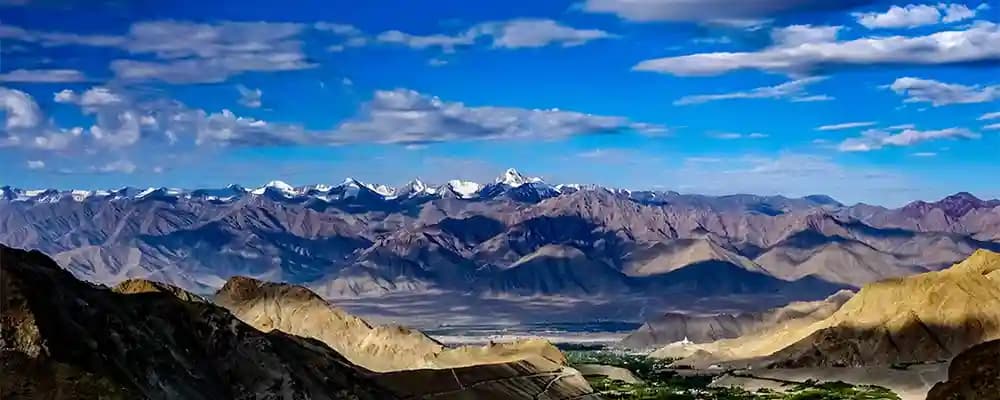
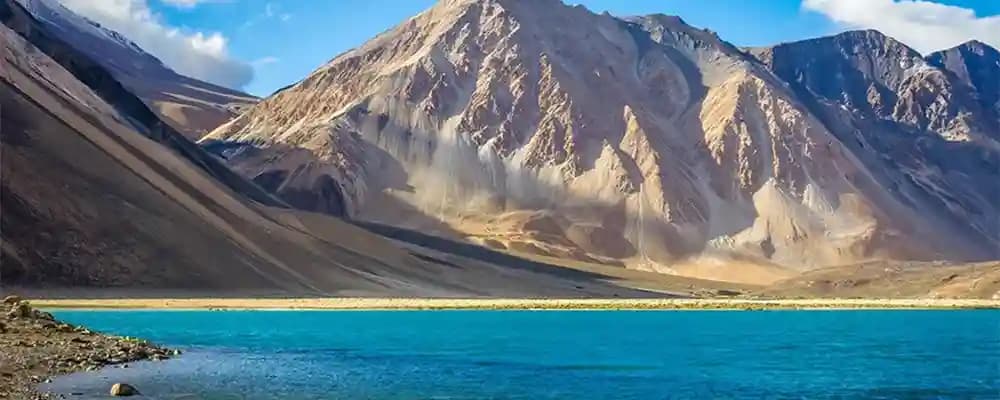
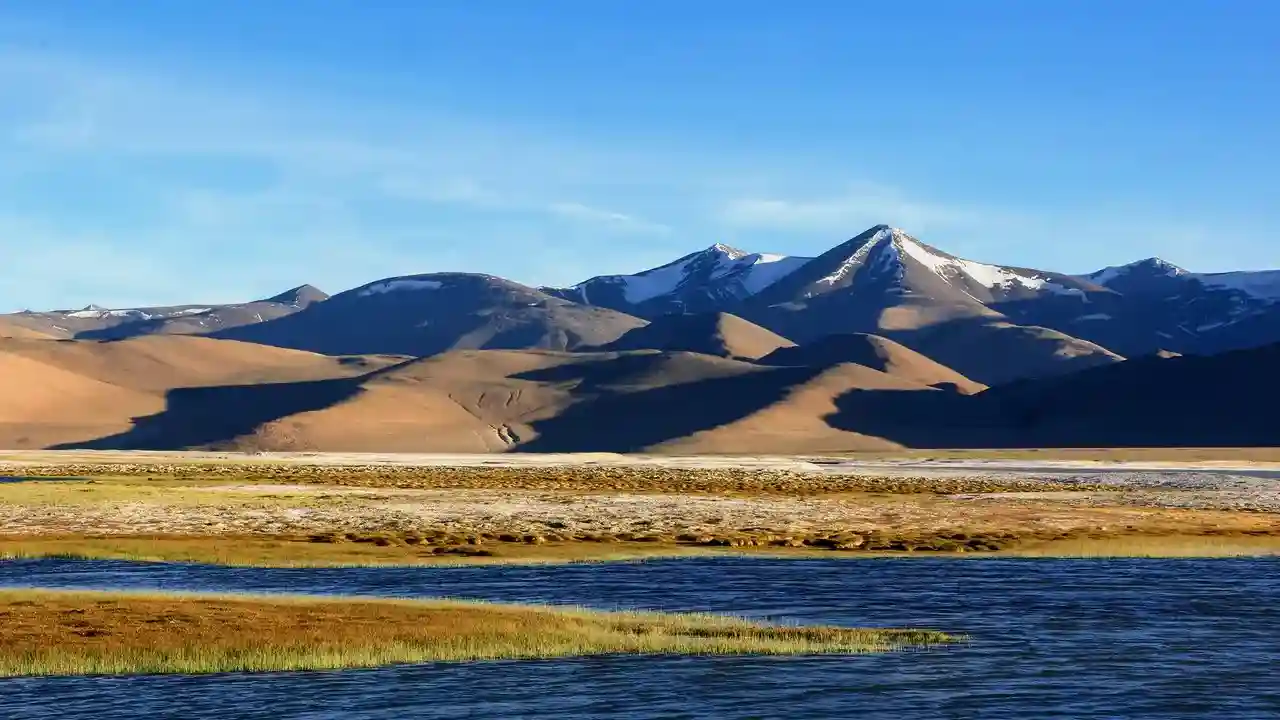
The Changthang Wildlife Sanctuary covers 4,000 square kilometres in remote eastern Ladakh. It sits between 14,000 to 19,000 feet on the Changthang Plateau near the Indo-Tibet border. The landscape looks completely barren with endless plains and frozen lakes like Tso Moriri and Tso Kar. Snow-capped peaks stretch as far as you can see in this cold desert. The government created the sanctuary in 1987 to protect endangered Tibetan animals disappearing everywhere else. Changthang Wildlife Sanctuary is one of the most important national parks in Ladakh, and Changthang Wildlife Sanctuary is famous for sheltering some of Earth's rarest high-altitude creatures. These animals survive extreme cold and thin air that would kill most other species easily.
Key Information for Visitors:
Changthang Wildlife Sanctuary Location: Leh district, via Karu to the Tibetan Plateau.
Changthang Wildlife Sanctuary Timings: May-September (best access).
Changthang Cold Desert Wildlife Sanctuary Entry Fee: ₹20-25 Indians, ₹100-150 foreigners.
Permits Required: Inner Line Permit from the Leh DC office.
Wildlife Found in Changthang Wildlife Sanctuary
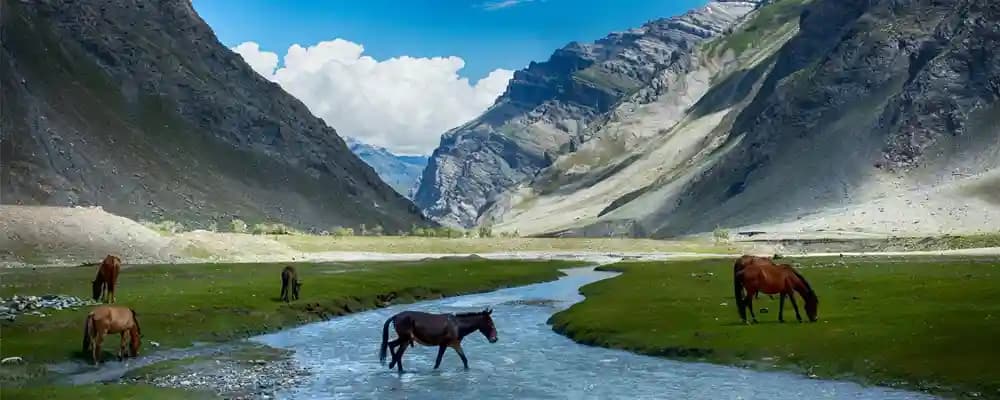
The Changthang Wildlife Sanctuary area has animals that survive in one of Earth's toughest places, making it a perfect place to experience the wildlife of Ladakh up close. Snow leopards and Tibetan wolves hunt across the frozen landscape as top predators here. The kiang and Tibetan gazelle graze peacefully on whatever sparse vegetation they can find. The Changthang cold desert wildlife sanctuary also protects rare birds that fly here every year. Black-necked cranes, bar-headed geese, and Tibetan snowcock arrive seasonally to breed in these cold wetlands. Tiny Himalayan marmots dig burrows in the frozen ground while massive Tibetan argali sheep graze across windswept plains. What you spot depends entirely on the season and weather when you visit.
Best Time to Visit Changthang Wildlife Sanctuary
The best time to visit Changthang Wildlife Sanctuary is between May and September, when the roads actually open, and it also matches the best time to visit Ladakh for most travellers. The summer months from June to August feel the most comfortable with days around 15°C to 25°C. Nights still get cold though, dropping to 5°C to 10°C regularly, so pack warm layers. Migratory birds fly in during these months, and animals gather near lakes like Tso Moriri. Roads stay clear, and you can actually move around without ice blocking everything.
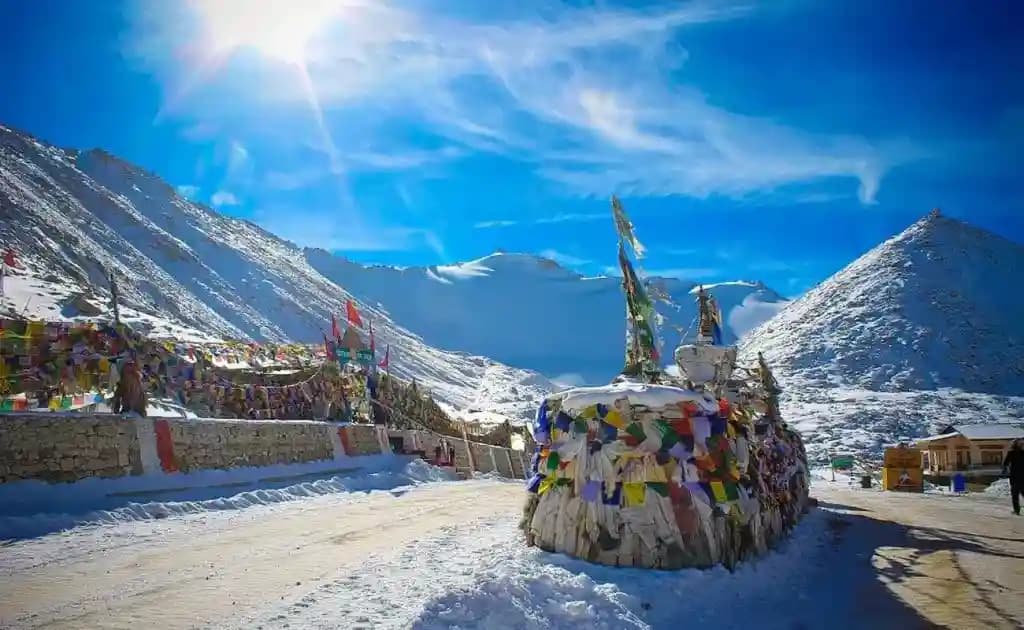
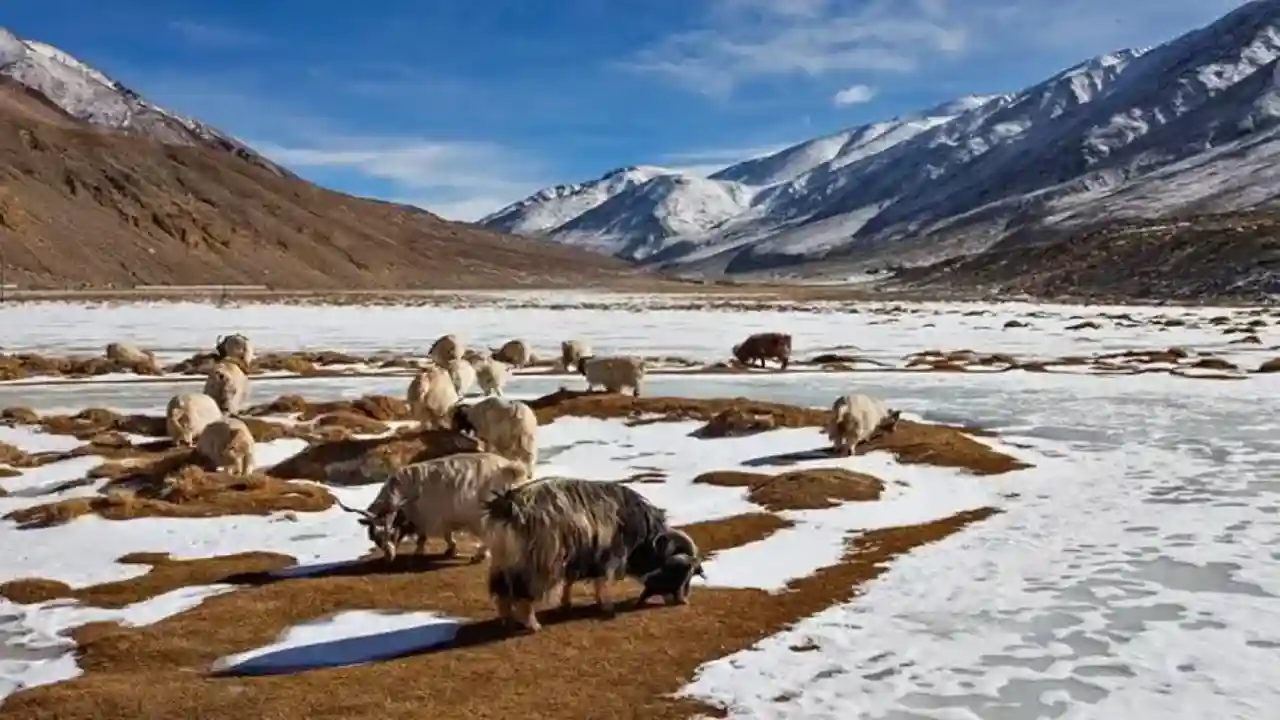
Winter from October to April gets dangerously cold with temperatures hitting -30°C or worse. The Changthang Wildlife Sanctuary area becomes almost unreachable as snow buries the roads completely. Most places shut down, and just staying warm becomes the main challenge instead of watching wildlife. Some experienced people visit between January and March, hoping to see snow leopards at lower heights. But unless you really know how to handle freezing conditions, winter here is too risky.
How to Reach Changthang Wildlife Sanctuary
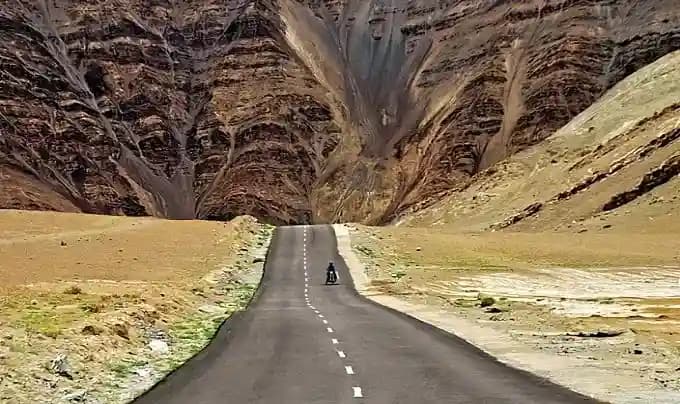
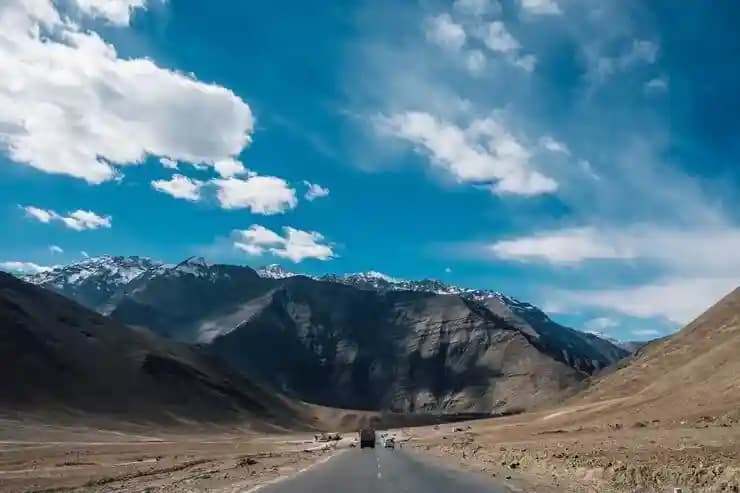
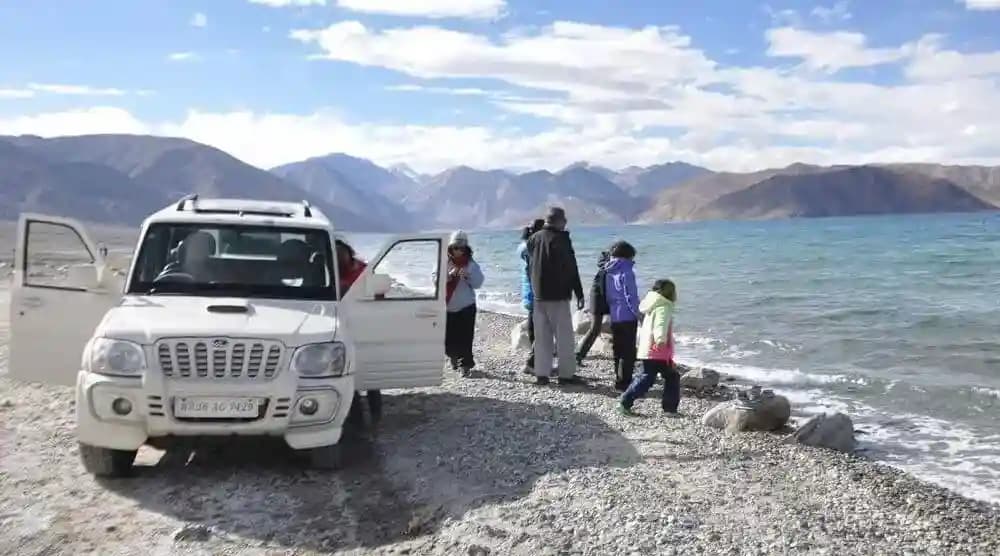
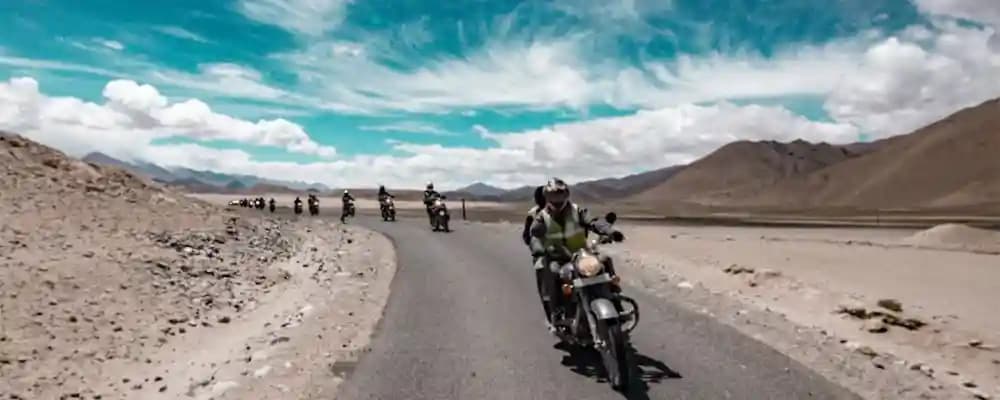
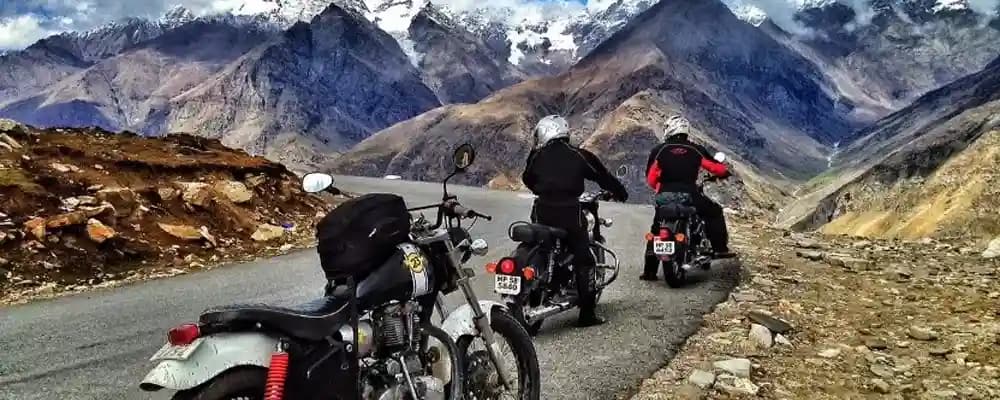
The only way to reach Changthang Wildlife Sanctuary is by road from Leh. It takes approximately 5-7 hours with 140-220 kilometres to get to Leh to Changthang Wildlife Sanctuary, depending on the location you visit. Most people rent private taxis or SUVs from Leh, which costs approximately around ₹4,000 to ₹7,000 per day. There is no real shared taxi here, and this means that you have the option of having a private vehicle, where you will have the freedom to stop anywhere to spot wildlife.
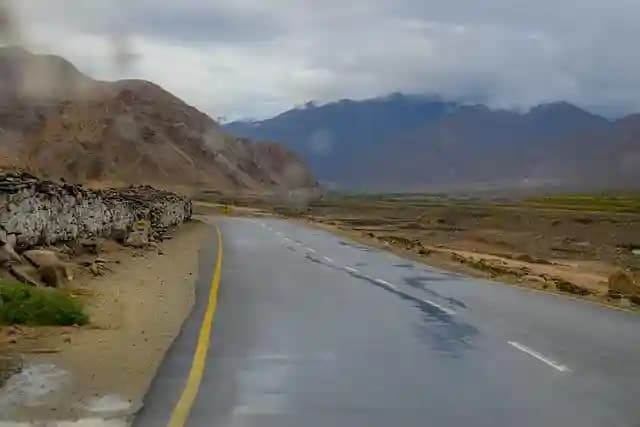
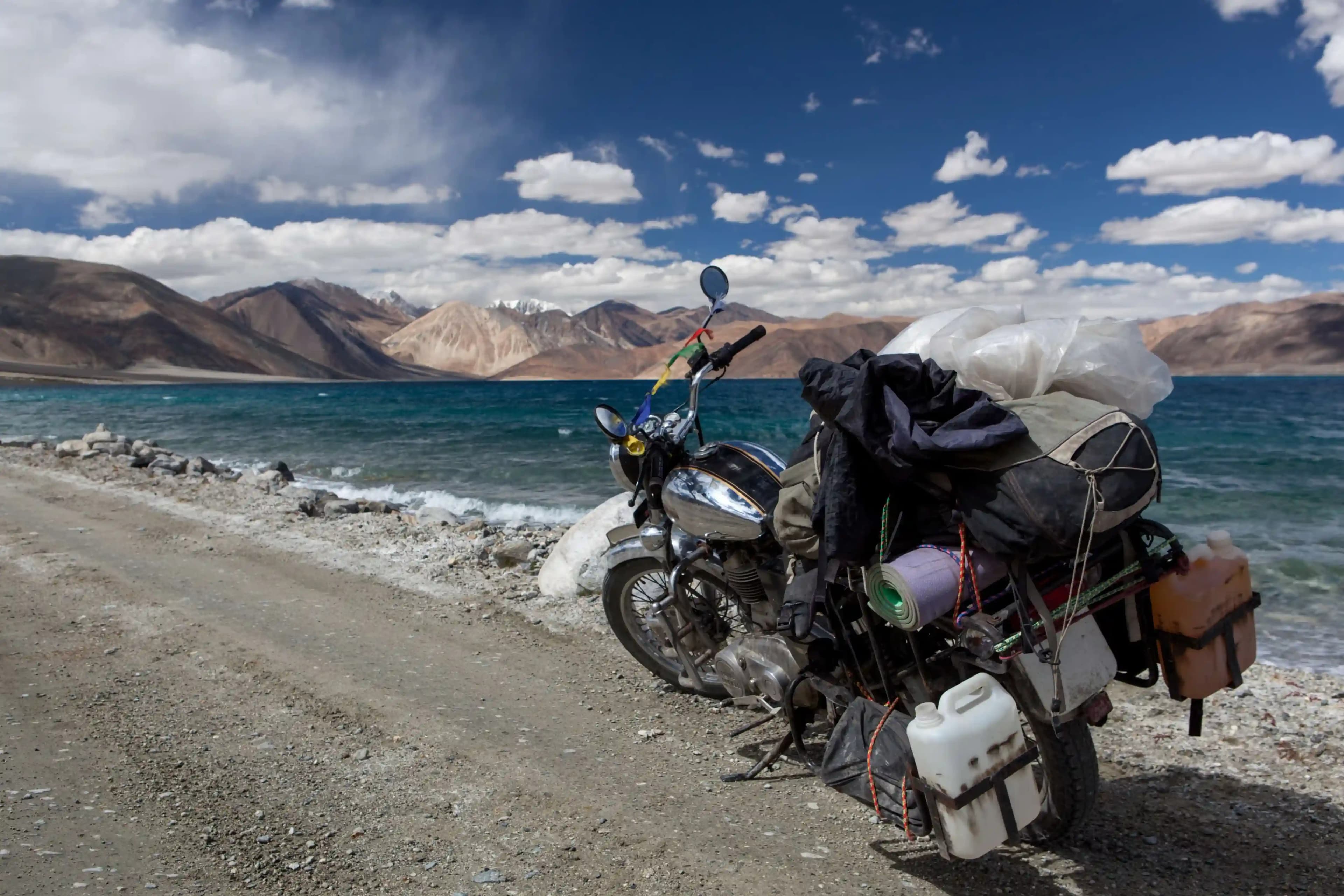
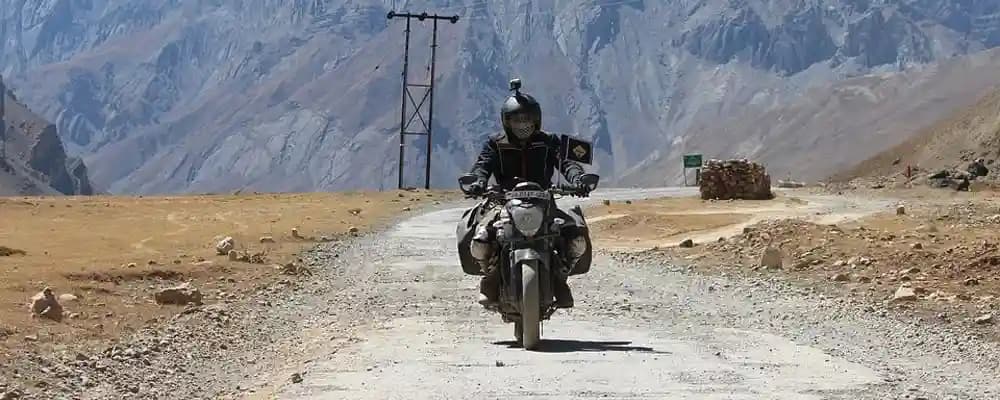
The route goes through Karu and then splits towards Tso Moriri or Tso Kar lakes. Road conditions mix between smooth sections and rough patches with water crossings that need strong vehicles. Spend at least two days in Leh before heading out because the altitude hits hard, and it also gives you time to cover a few places to visit in Leh Ladakh before going remote. Carry extra fuel, snacks, and warm layers because you won't find anything once you leave Leh, and phone signals vanish after an hour.
Top Things to Do in Changthang Wildlife Sanctuary
Visiting Changthang Wildlife Sanctuary gives you experiences you won't find anywhere else on your things to do in Ladakh list. The extreme height and remote location create raw wilderness encounters that feel like real adventures instead of regular tourist activities.
1. Wildlife Spotting and Tracking
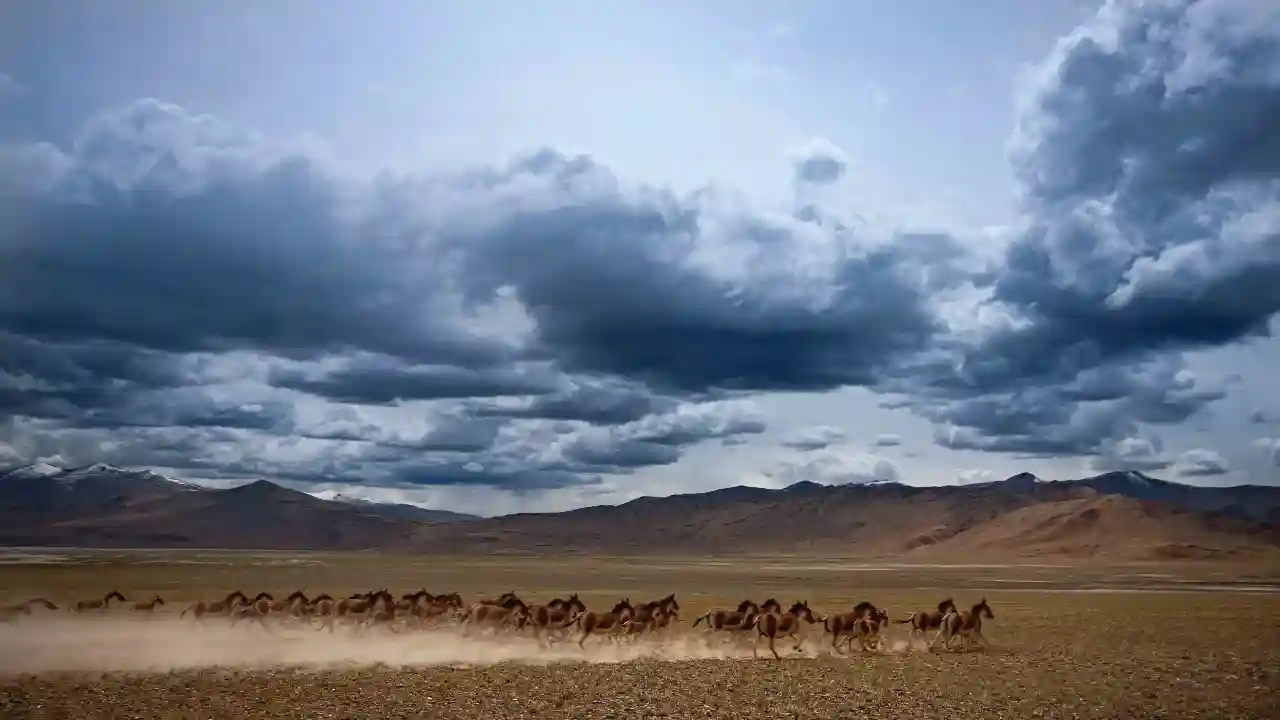
Most people visit the Changthang Wildlife Sanctuary area to see rare high-altitude animals in the wild. Early mornings and late afternoons work best for spotting Tibetan wild ass, kiang herds, Tibetan gazelles, and rarely snow leopards. Go to water sources like Tso Moriri and Tso Kar, where animals come to drink regularly. Hiring a local guide helps a lot because they know animal patterns and can read tracks you'd never notice.
2. Bird Watching at High-Altitude Lakes
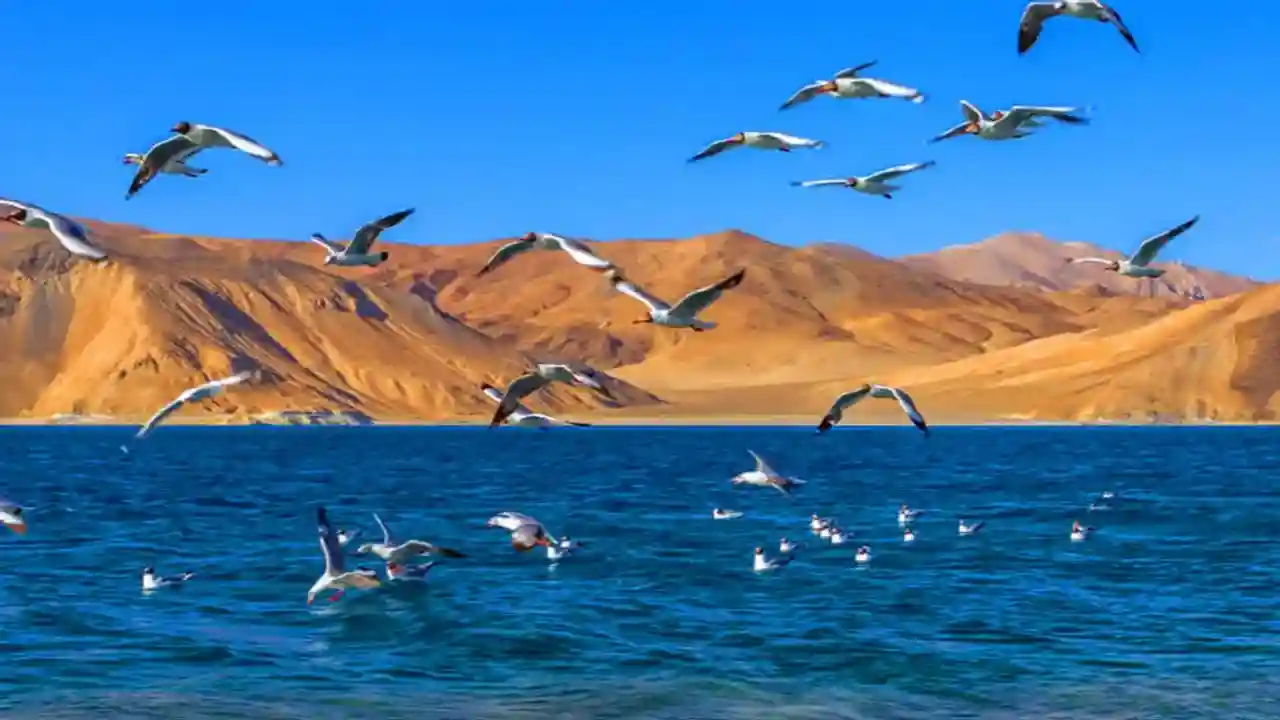
The Changthang cold desert wildlife sanctuary becomes a heaven for bird lovers between May and September when migrants arrive. Black-necked cranes, bar-headed geese, Brahminy ducks, and Tibetan snowcocks gather around lakes and wetlands here. Tso Kar attracts huge flocks because the marshlands make perfect nesting spots for these birds. Bring a camera with a good zoom because the birds stay cautious and won't let you get close.
3. Camping Under the Stars
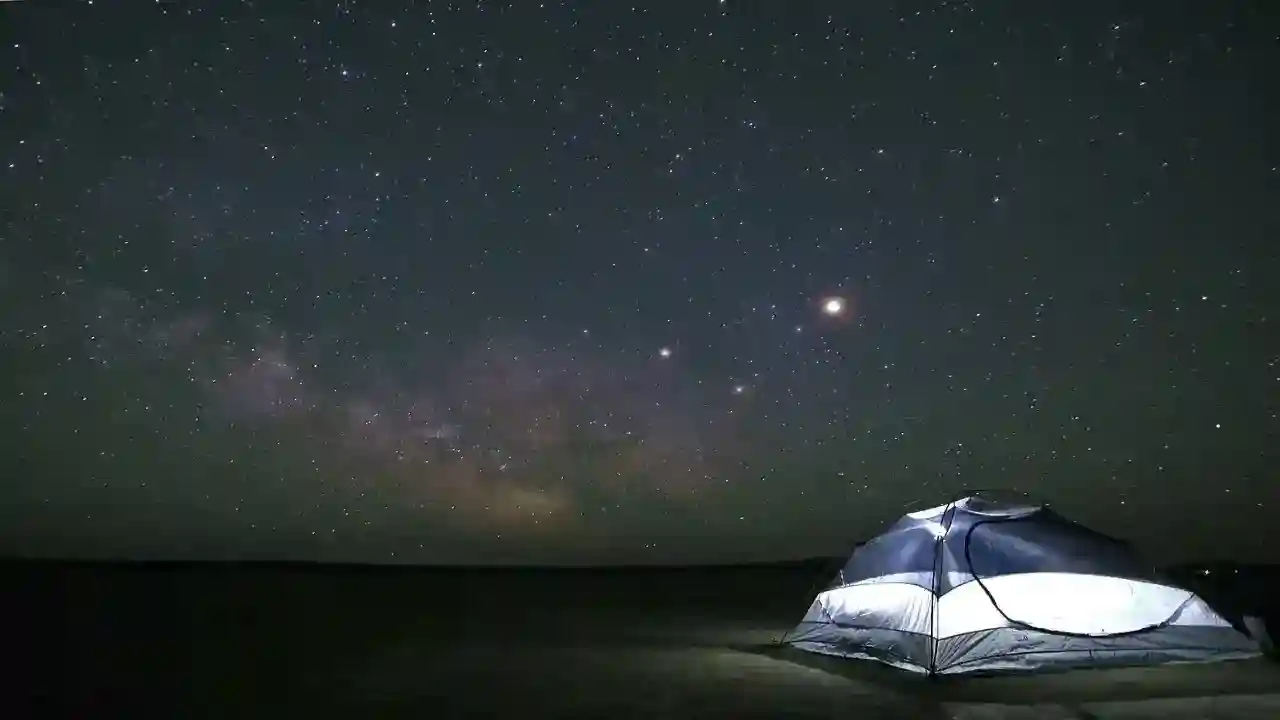
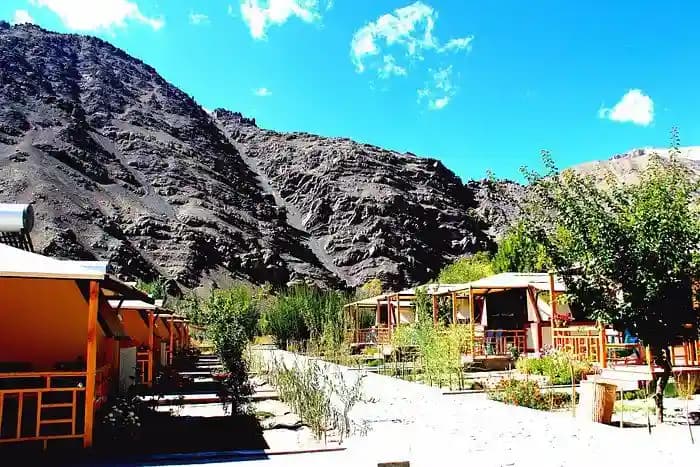
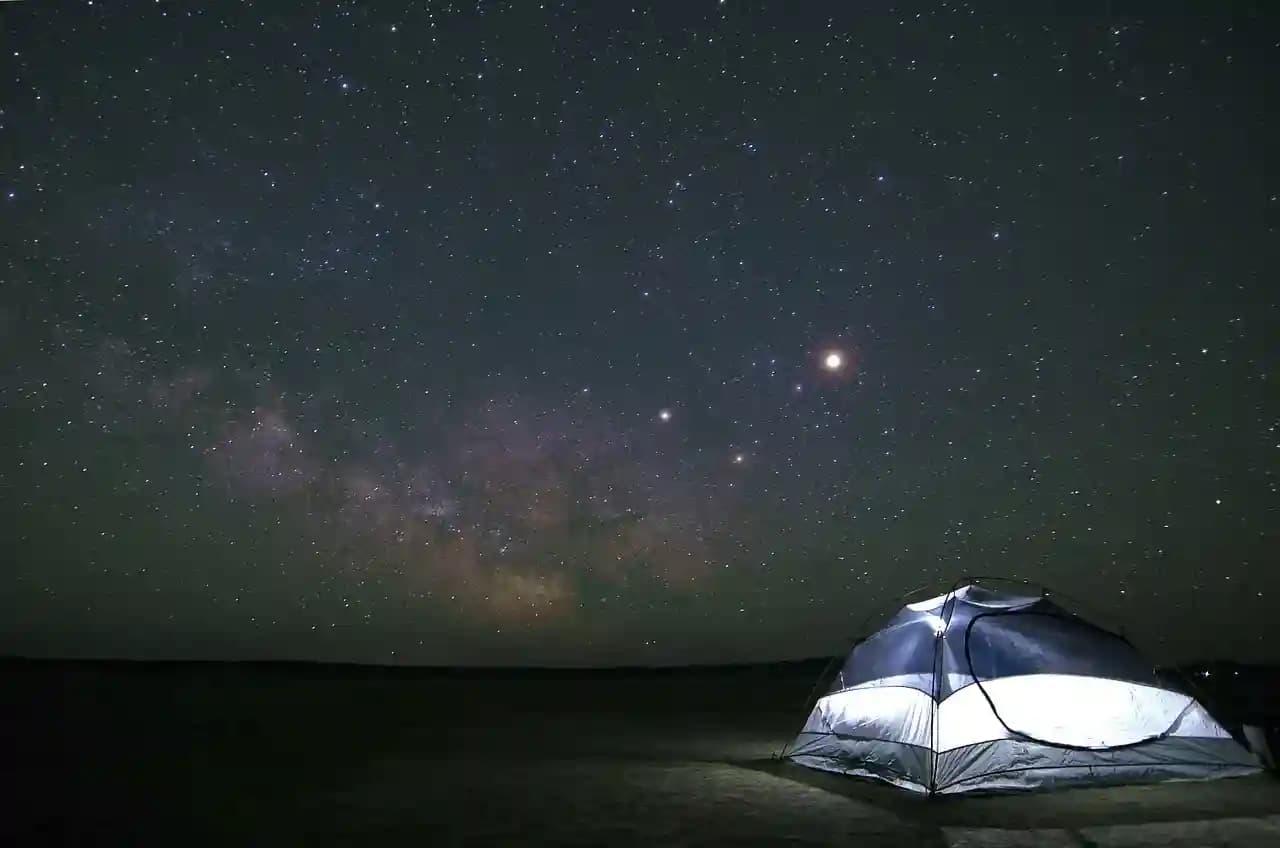
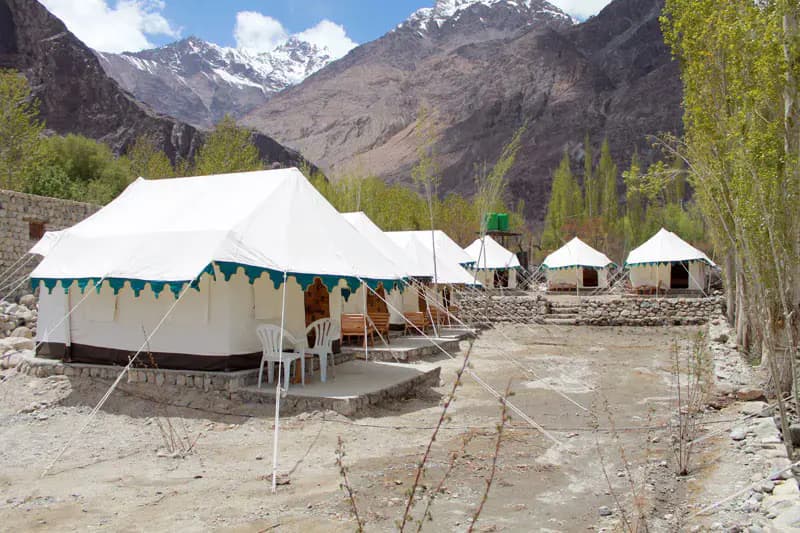
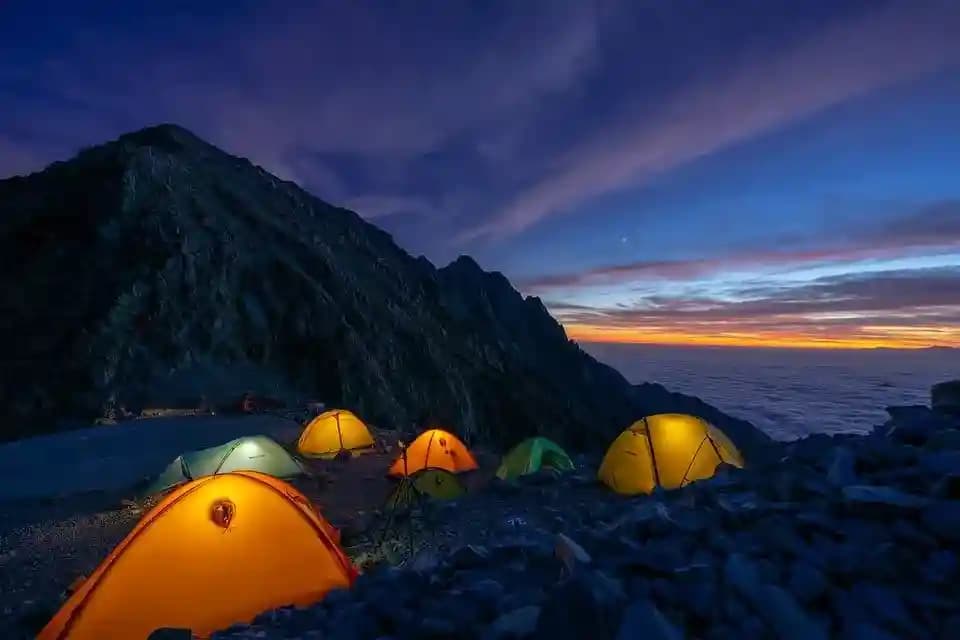
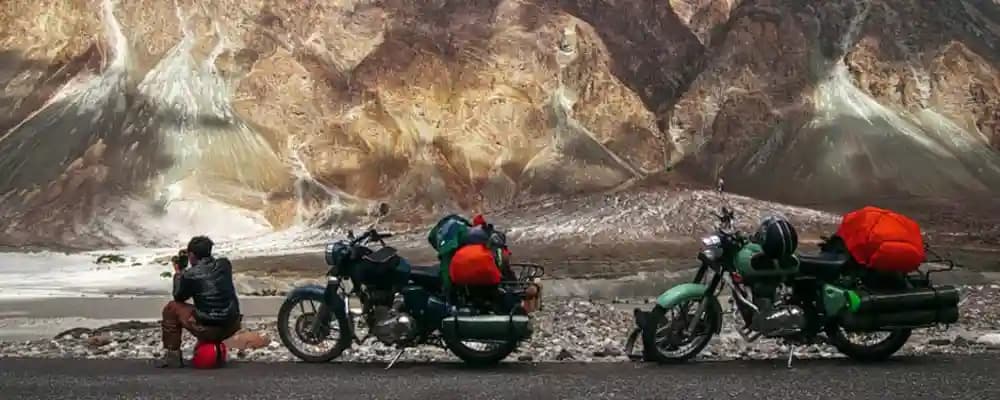
The high altitude, zero light pollution, and dry air create unbelievable stargazing in Ladakh conditions you won't forget. This ranks among the best camping in Leh Ladakh experiences available anywhere in the region. You can pitch tents near lakes or stay in basic homestays with local nomadic families. Nights get freezing cold even in summer, so carry a four-season tent and a sub-zero sleeping bag always.
4. Exploring High-Altitude Lakes
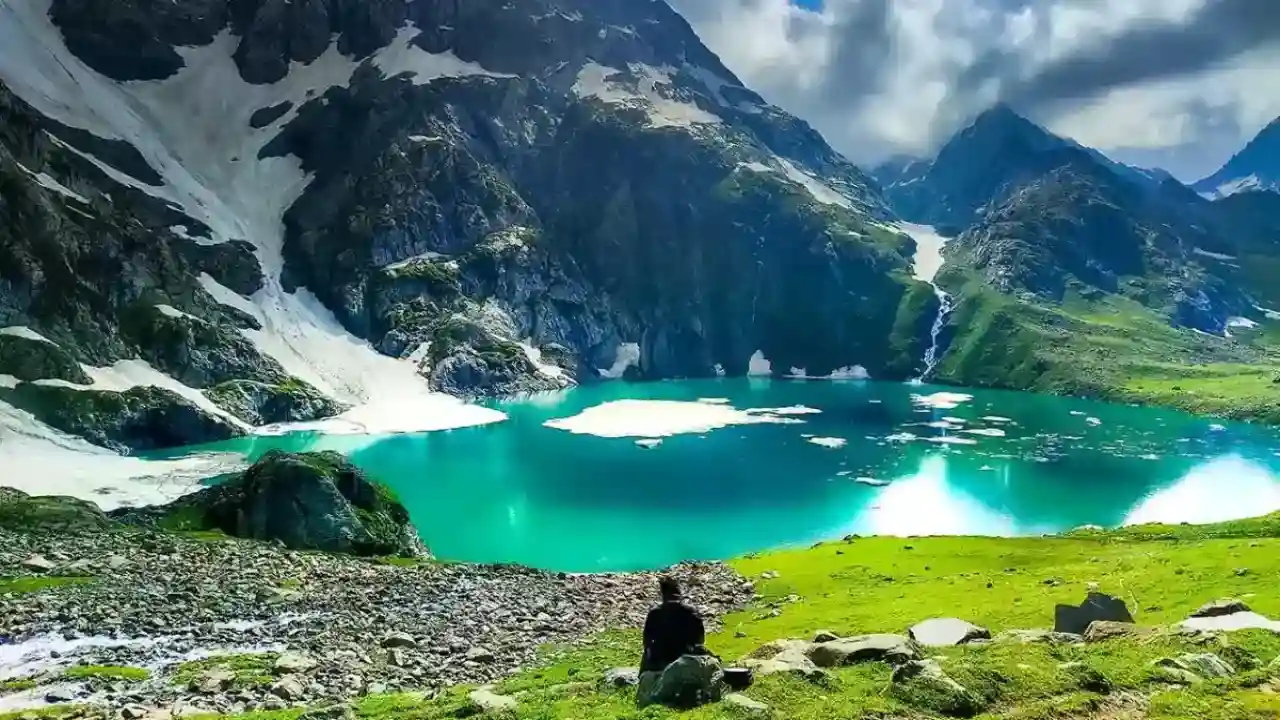
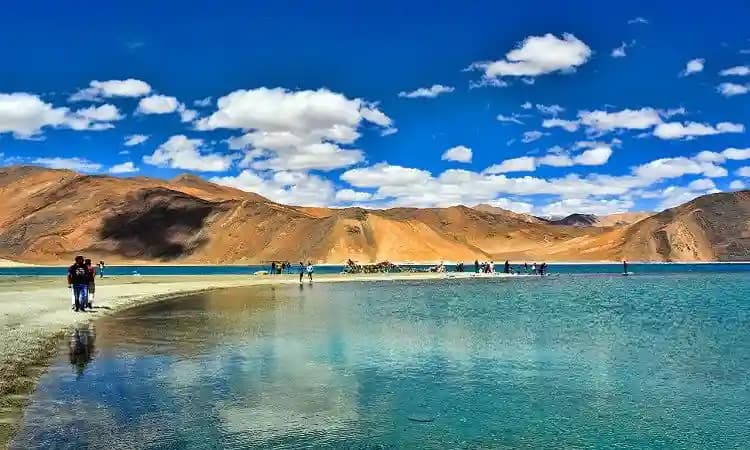
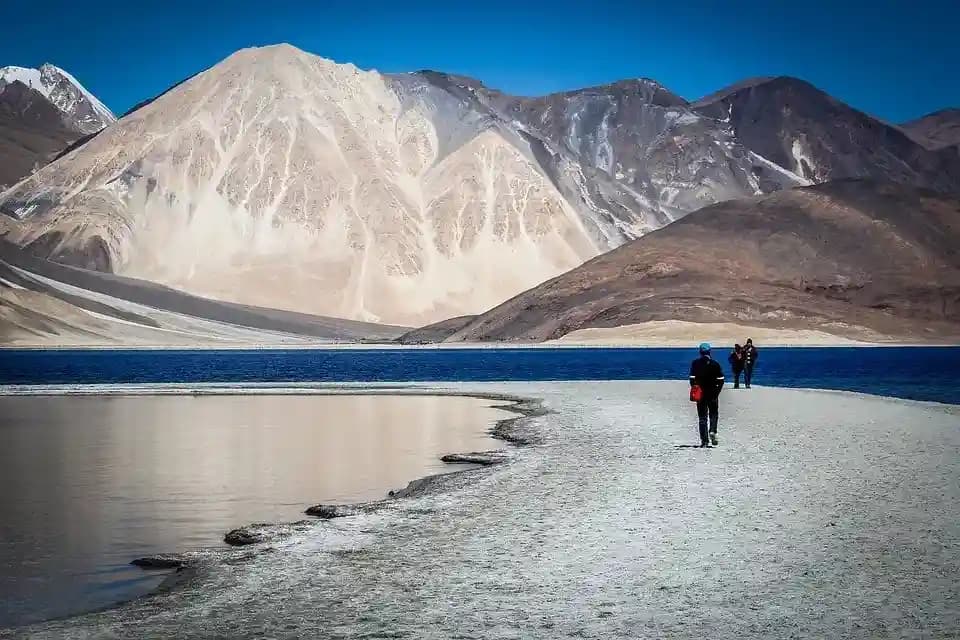
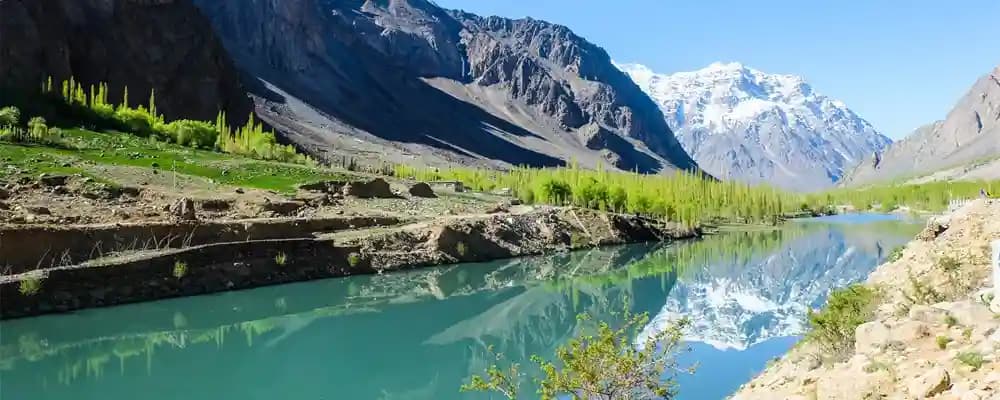
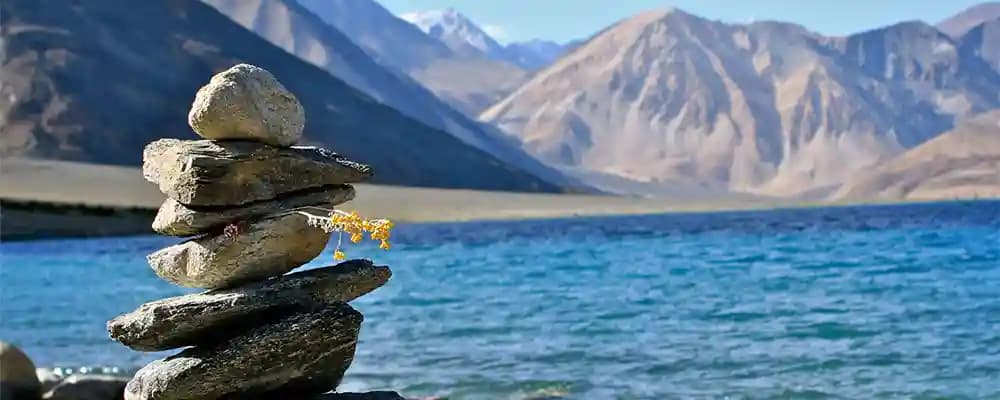
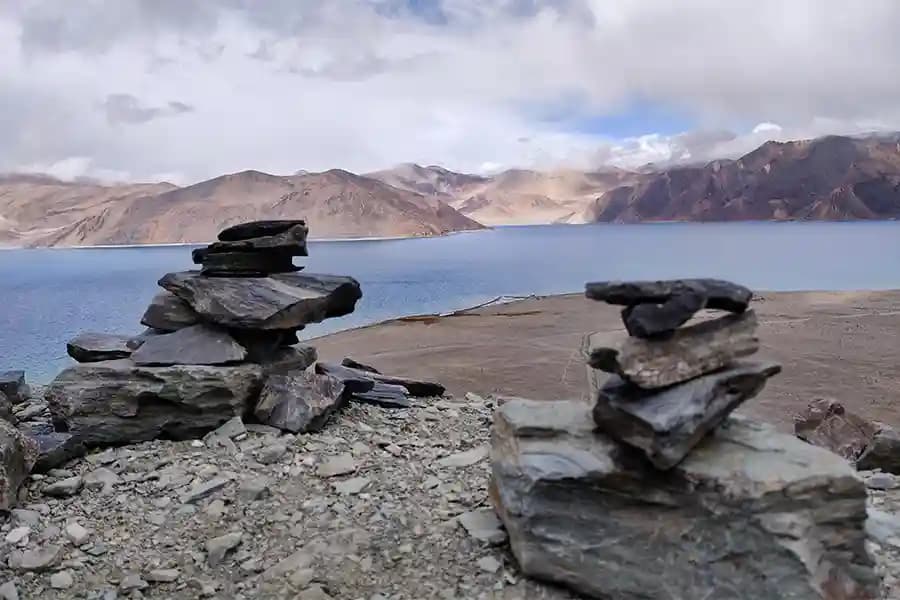
The stunning high-altitude lakes scattered across the sanctuary need proper time to explore fully. Tso Moriri, Tso Kar, and smaller, unnamed lakes reflect surrounding peaks like giant mirrors, changing colours all day. Walk along the shores, photograph the landscapes, and watch wildlife coming to these precious water sources. These lakes hold spiritual value for locals, so respect restricted areas and don't disturb the fragile ecosystem around them.
Tips for Visiting Changthang Wildlife Sanctuary
Visiting Changthang Wildlife Sanctuary requires proper planning because the extreme altitude and remote location can catch unprepared travellers off guard. These practical tips will help you stay safe, spot more wildlife, and make the most of your time in this incredible wilderness.
Acclimatise Properly Before Visiting: Spend at least two to three days in Leh before heading to the sanctuary to avoid altitude sickness.
Carry Essential Medications: Pack Diamox for altitude sickness, basic first aid, and any personal medicines since medical facilities don't exist here.
Hire an Experienced Local Guide: Local guides know wildlife movement patterns and can navigate Changthang Wildlife Sanctuary's vast terrain much better than maps.
Pack Warm Layered Clothing: Temperatures swing wildly between day and night, so carry thermals, windproof jackets, and warm sleeping gear even in summer.
Bring Sufficient Food and Water: No shops or restaurants operate within Changthang Wildlife Sanctuary, so stock up completely in Leh before leaving.
Respect Wildlife and Maintain Distance: Never approach animals closely or make loud noises that disturb their natural behaviour and feeding patterns.
Get Required Permits in Advance: Inner line permits take time to process, so apply at least a day before your trip through the Leh DC office.
Carry Backup Power Sources: Mobile networks and electricity don't exist here, so bring power banks, extra batteries, and offline maps downloaded beforehand.
Conclusion
Visiting this remote corner of Ladakh isn't just another tick on your travel list. The frozen lakes, rare animals, and endless barren landscapes create memories that actually stick with you for years. Changthang Wildlife Sanctuary challenges you physically with its altitude and remoteness, but rewards you with sights most people never get to witness in their lifetime. Whether you spot a snow leopard or just watch kiangs galloping across the plains, every moment here feels earned and real. Pack your warmest clothes, get those permits sorted, acclimatise properly, and prepare yourself for one of India's wildest adventures. The plateau is waiting, and it's worth every bit of effort getting there.