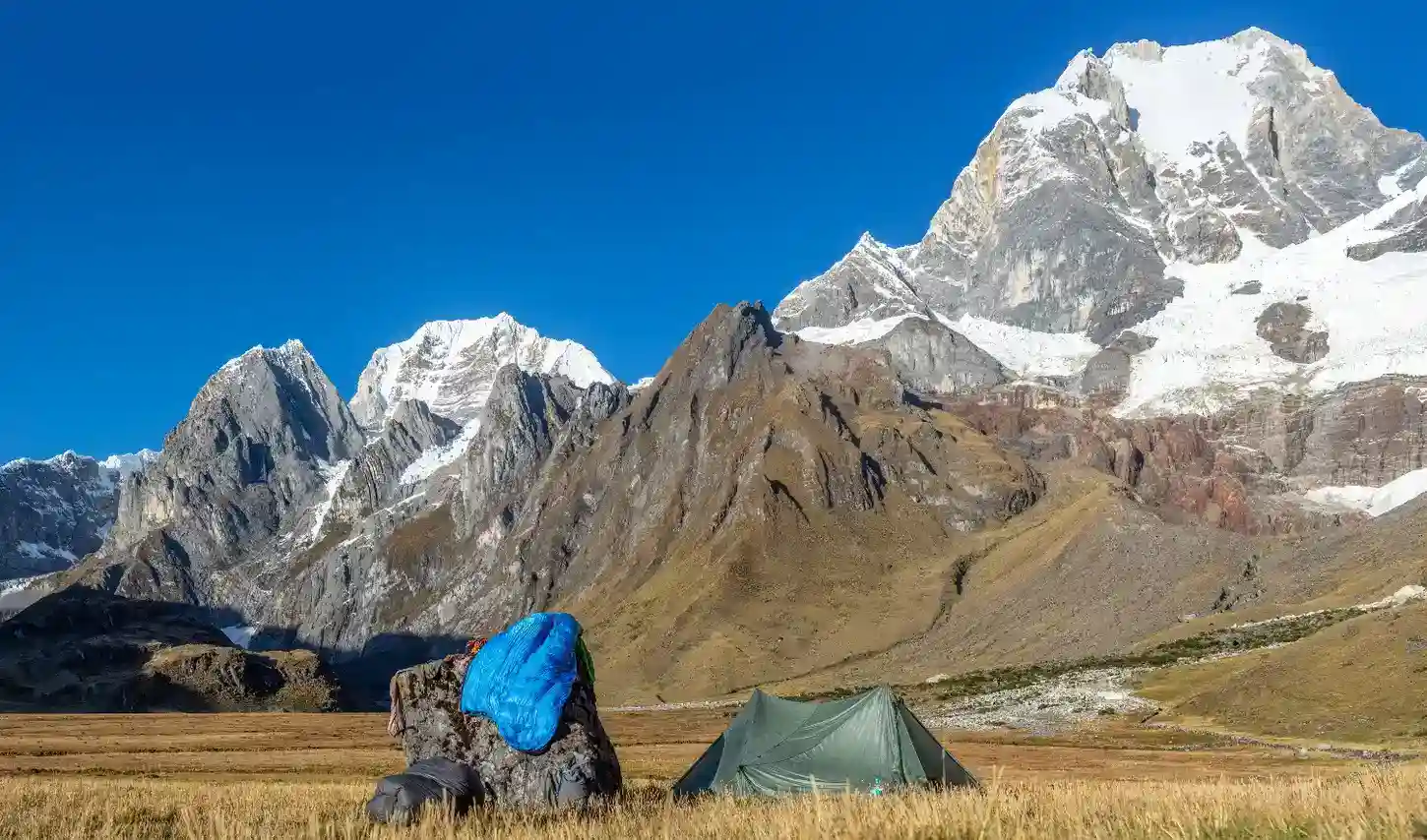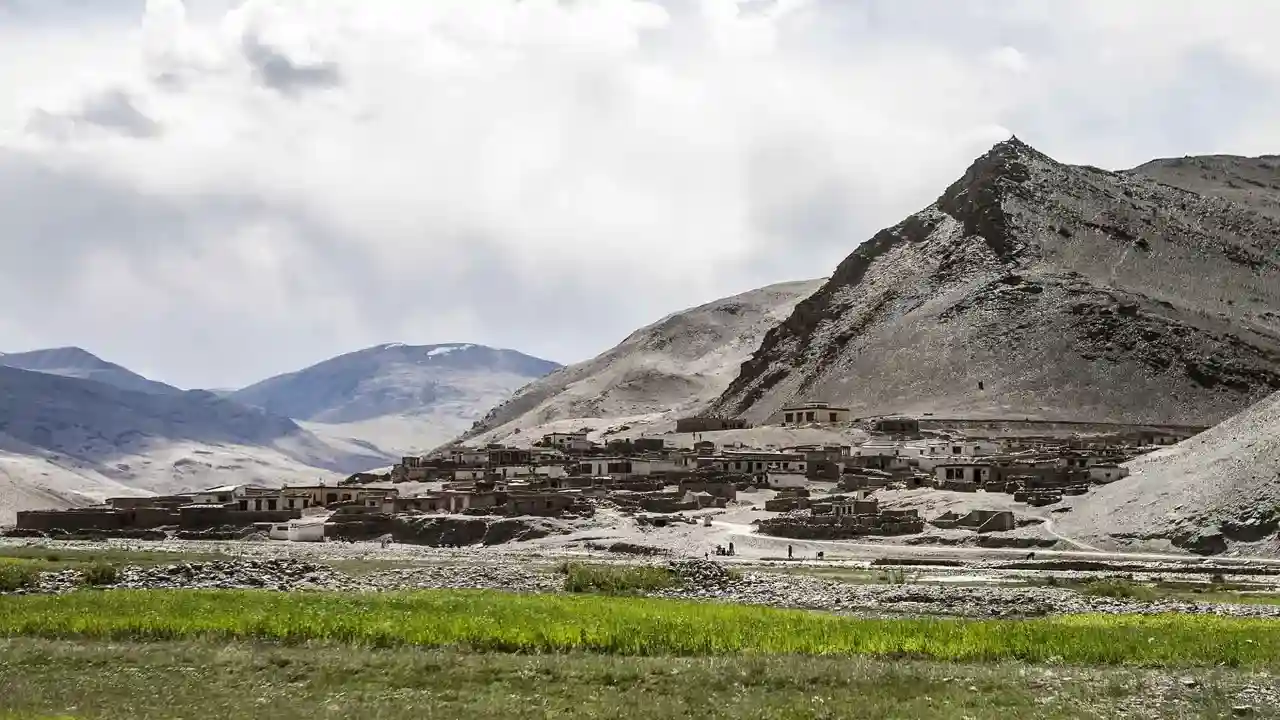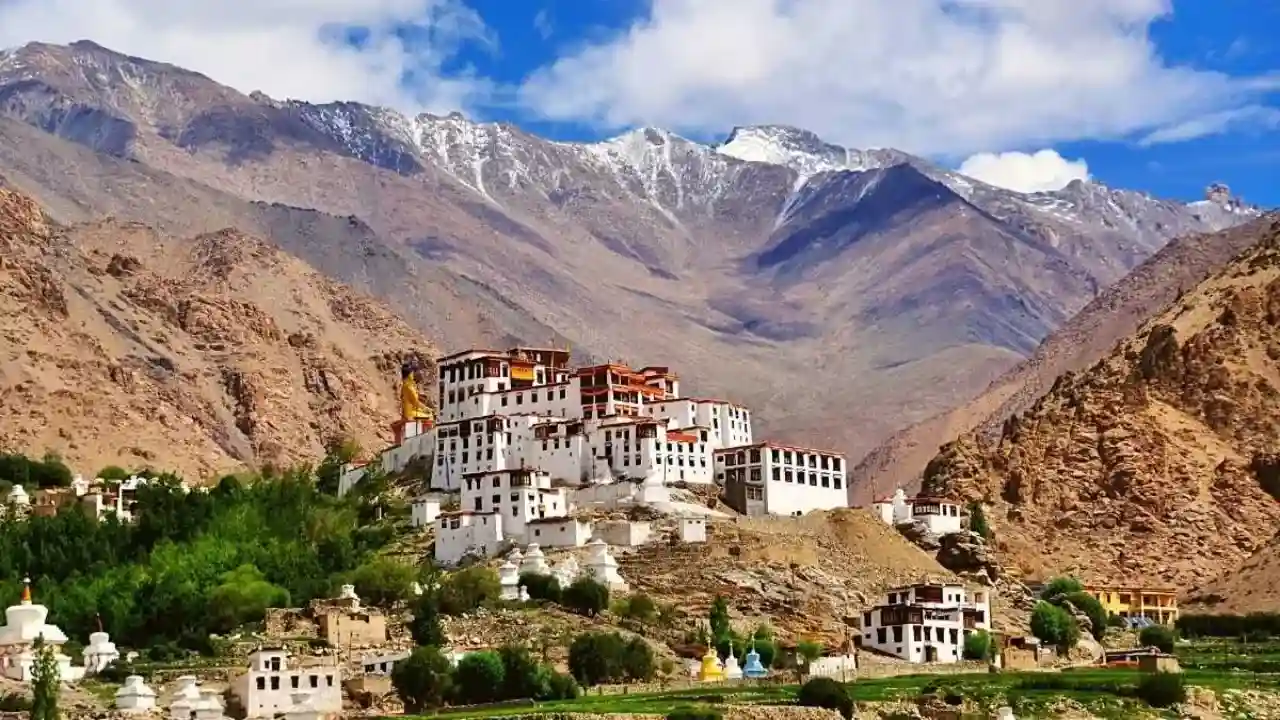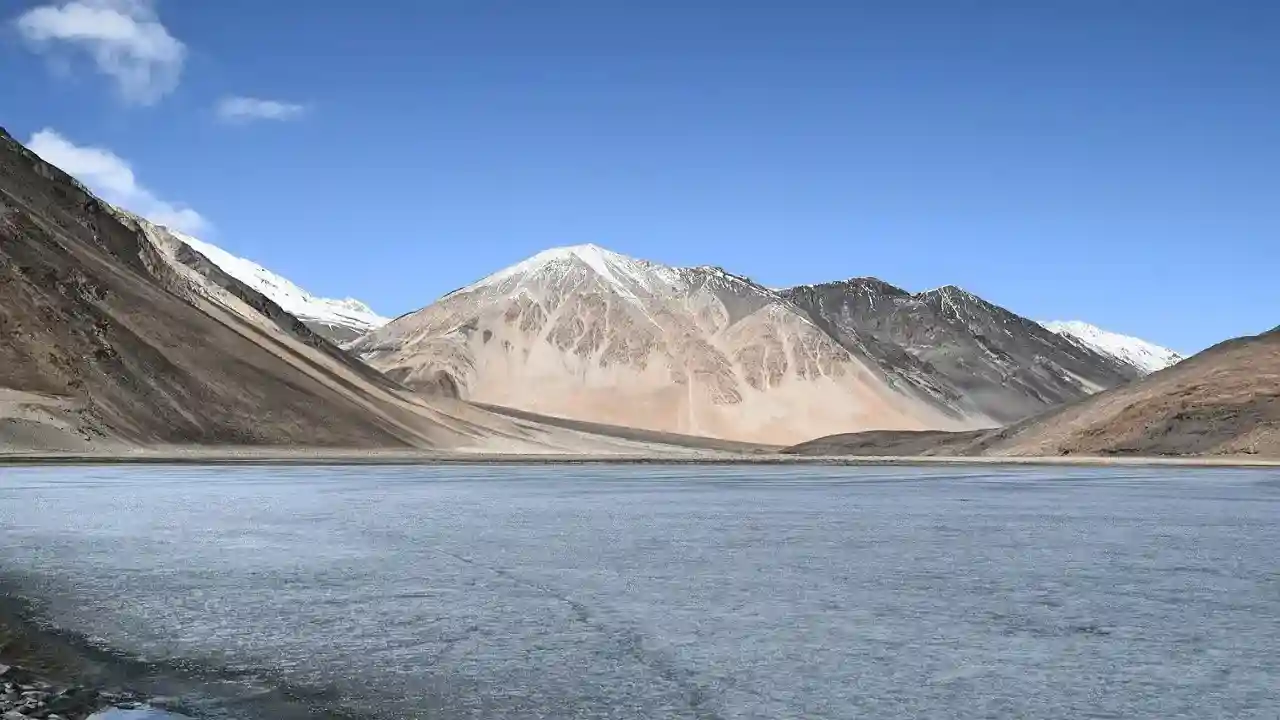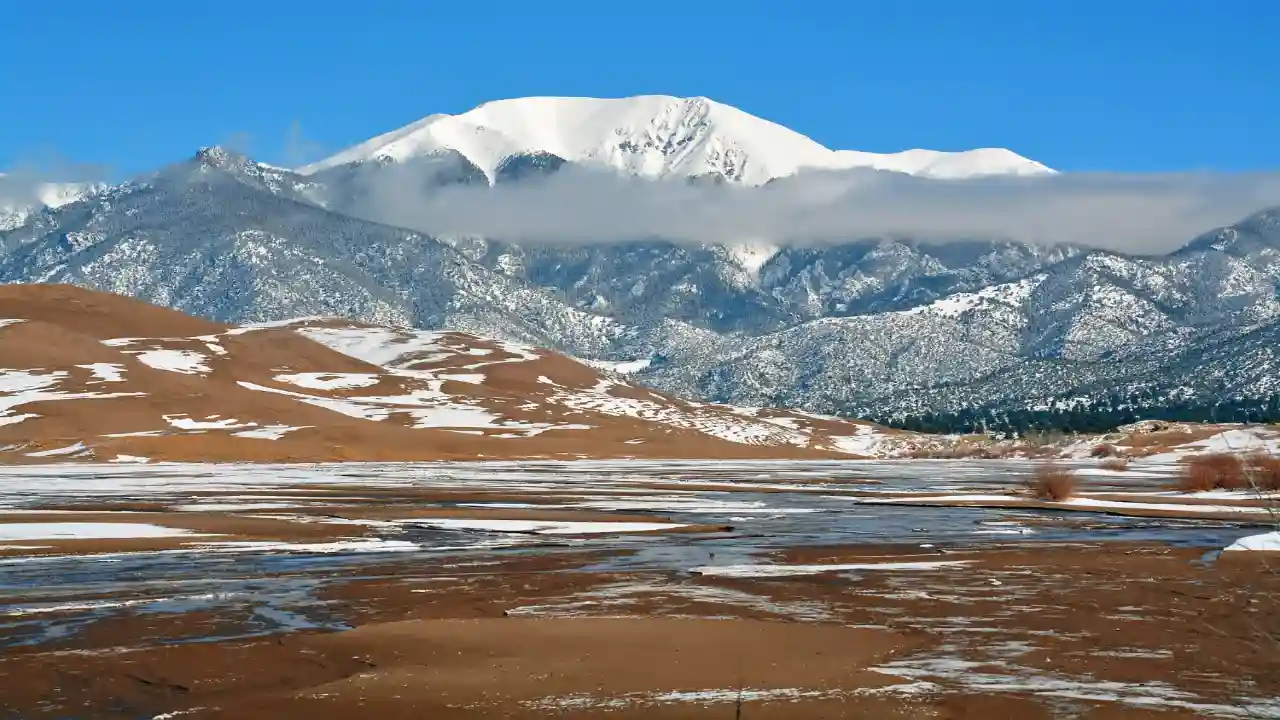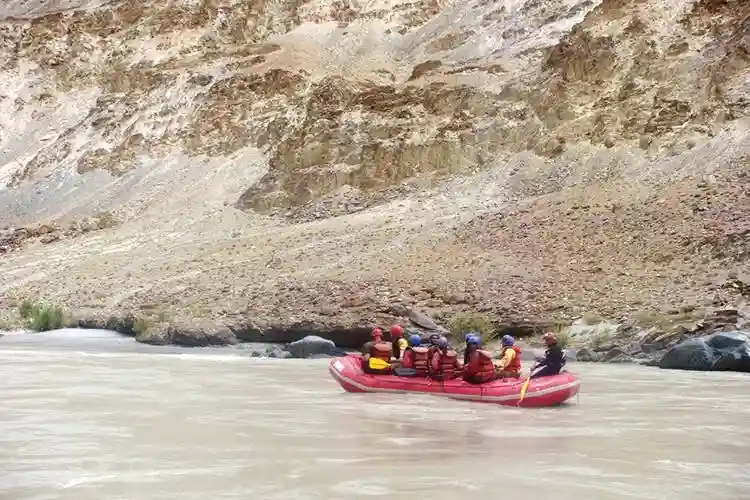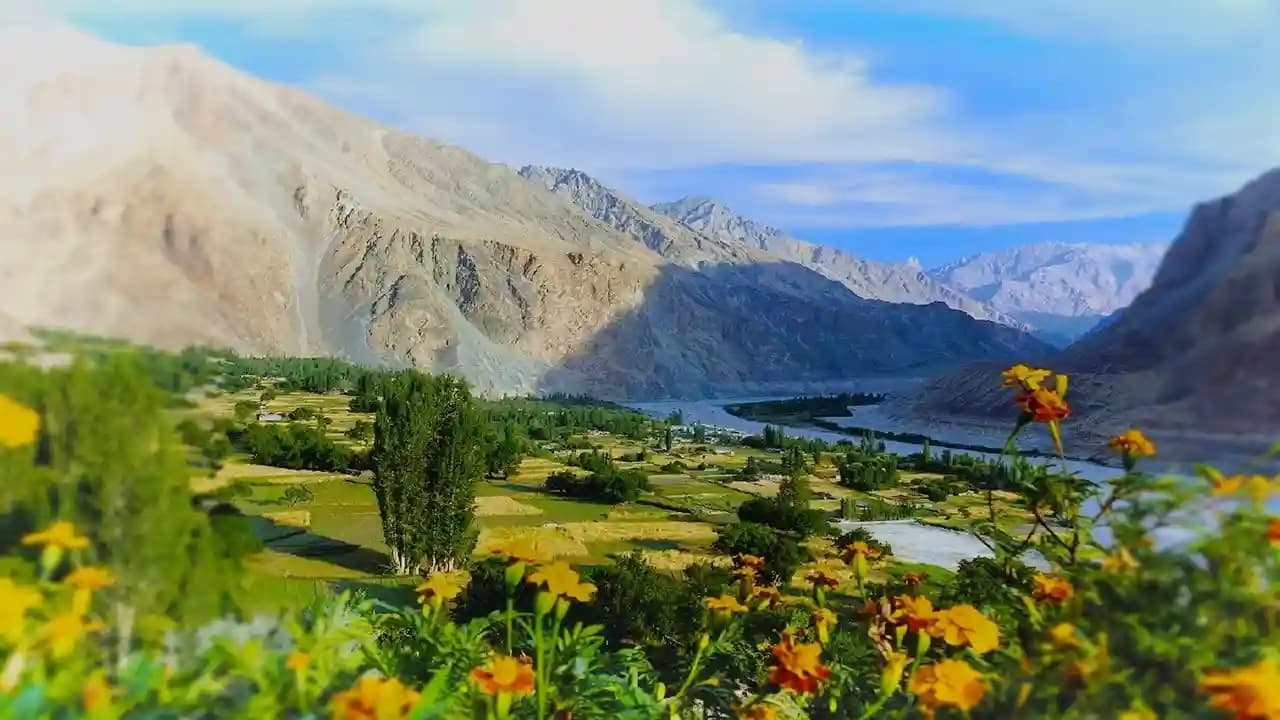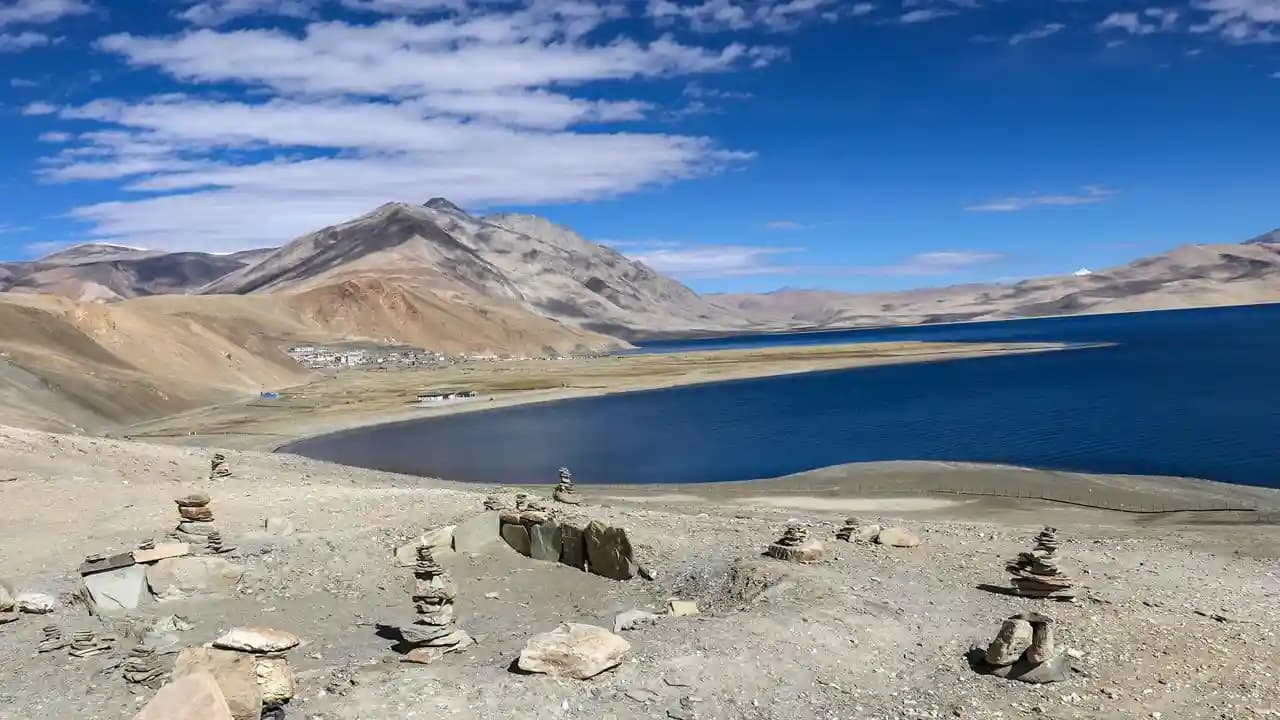
The dramatic landscape of Ladakh is made up of wide brown valleys, jagged mountains and deep blue lakes. Although the majority of travellers visit Ladakh because of the high passes and monasteries, the wildlife of Ladakh is also a favourite among the tourists. These cold desert lands are the habitat of animals, which can live even in the extreme cold weather, high winds and low oxygenated environment. There are green fields bordering crystal lakes, which is home to rare species of mammals and birds that cannot be found in any other parts of India. Stretching across 59,146 sq. km, Ladakh is rich in terms of biodiversity. Choose the best Leh Ladakh Tourand get ready to explore the wildlife tourism of Ladakh which provides a close insight into the way nature evolves and thrives even in the harshest conditions and, in turn, makes the area much more than just another high-altitude tourist destination.
Wildlife in Ladakh: 15 Animals That Call Ladakh Home
Ladakh’s cold desert landscape supports a surprising range of wildlife that has adapted to extreme weather and high altitudes. Be it elusive predators, hardy herbivores or high-altitude birds, the wildlife of Ladakh reflects the unique balance of Ladakh’s fragile ecosystem.
1. Snow Leopard
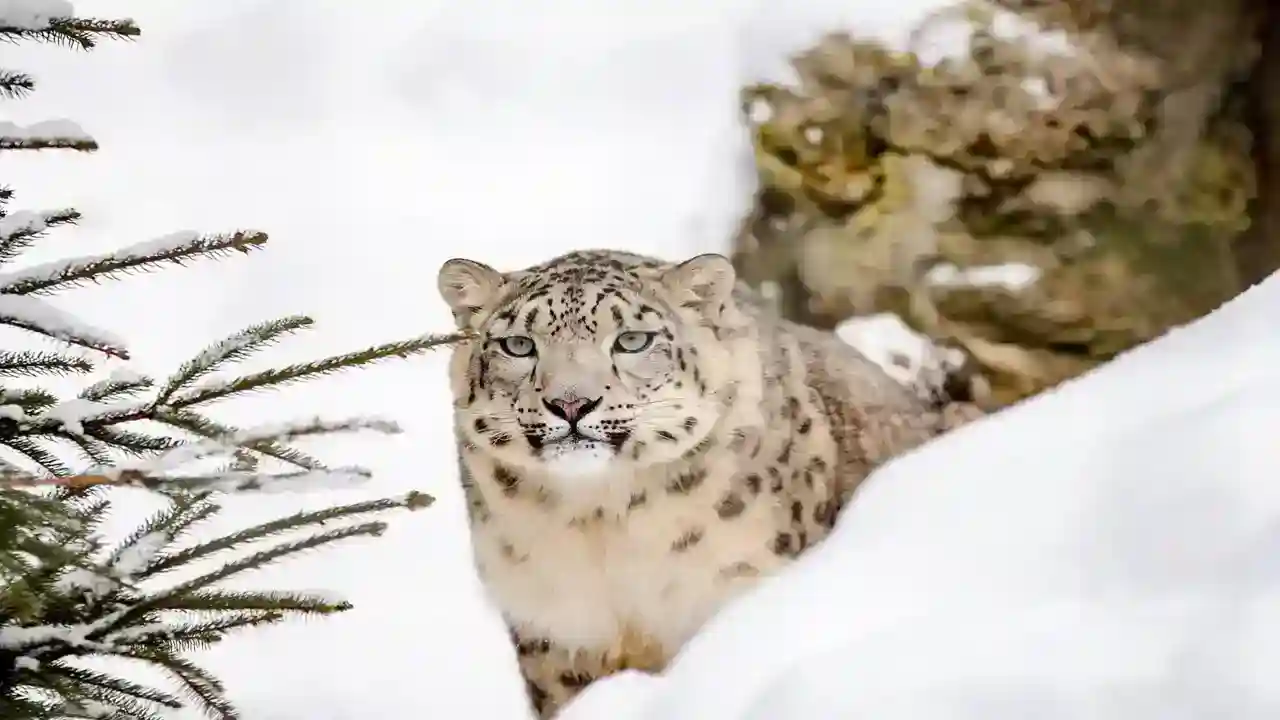
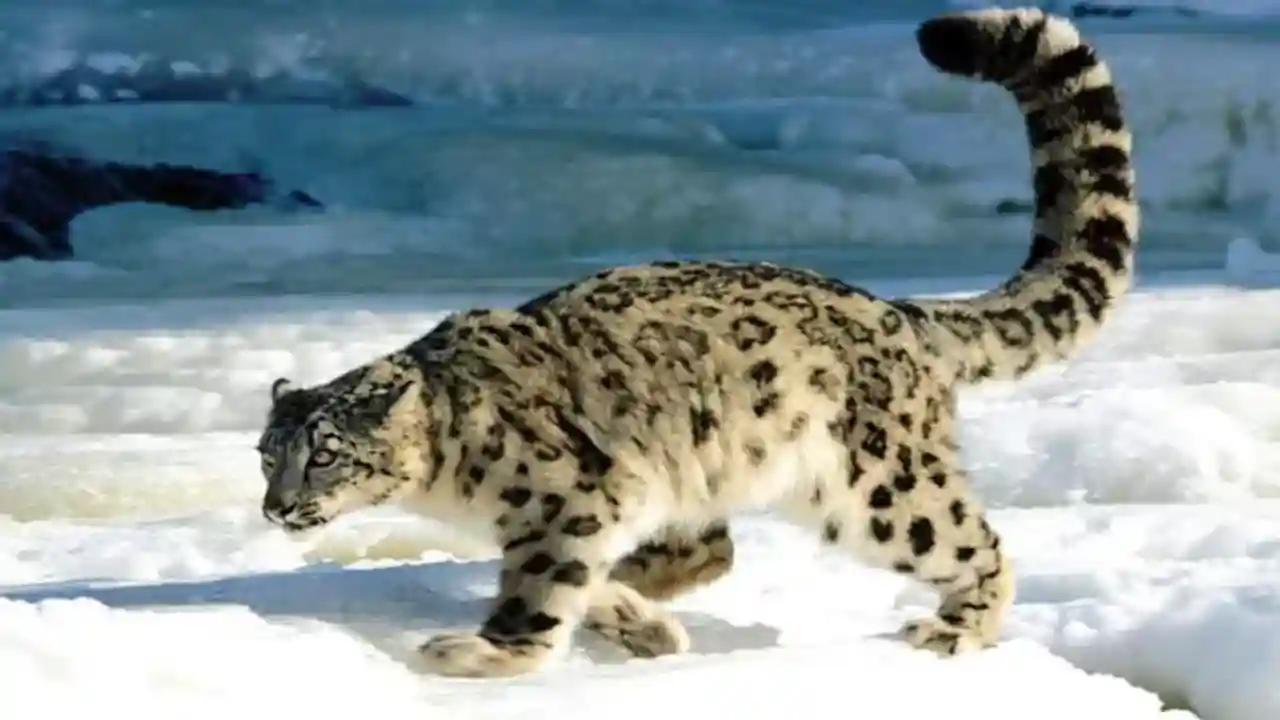
The most popular animal of the Ladakh wildlife is the snow leopard, which is known for its secretive nature and has excellent camouflage in the rocky slopes. It is an elusive big cat that lives in the cold desert of northern India and is deemed to be a symbol of the wildlife in Leh Ladakh. The snow leopards are adapted to survive in extreme winters- thanks to their thick fur and huge paws, which make them walk up and down hilly slopes. Hemis National Park is known to have snow leopard sightseeing and conservation programs that are being used to conserve the increasing population. It is a unique and memorable experience that is hard to spot, yet it is one of the most interesting facts about the wildlife of Ladakh.
Local Name: Schan
Best Locations for Sighting: Hemis National Park, Nubra Valley
Spotted in: October- mid-March
2. Tibetan Wild Ass (Kiang)
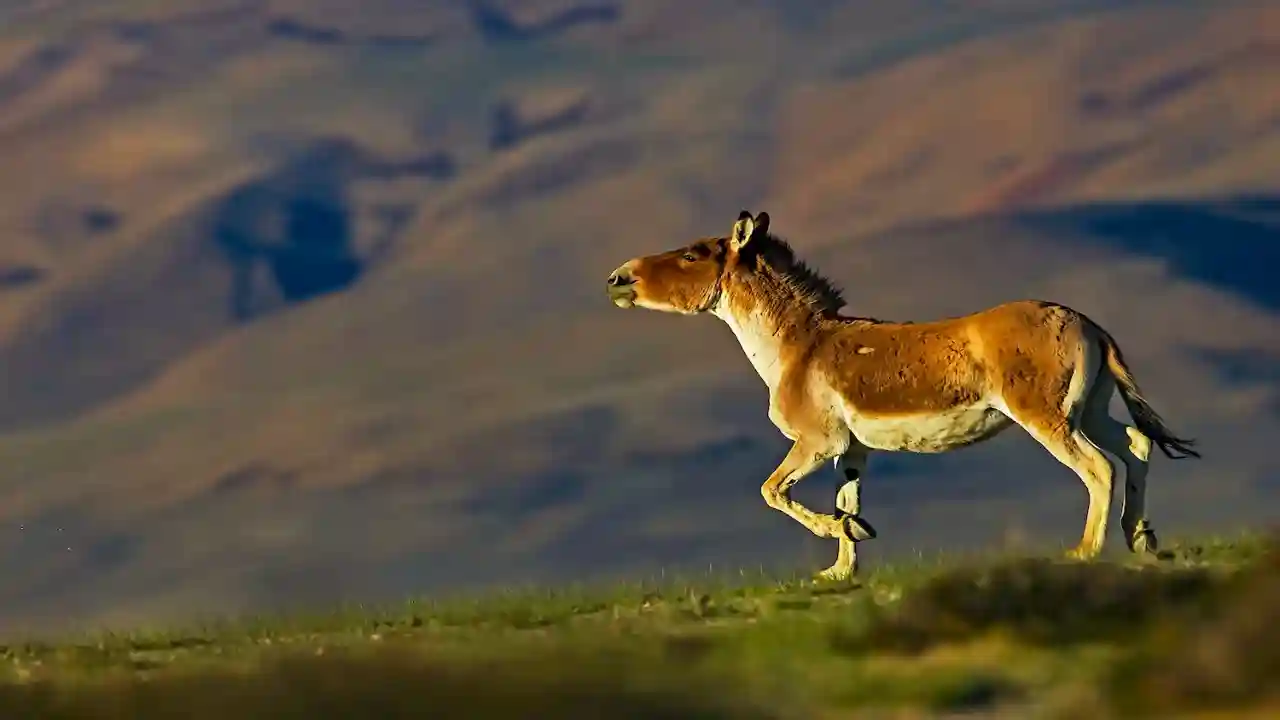
One of the most prominent Ladakh animals that can be seen in the open plateaus of eastern Ladakh is the Tibetan wild ass or the kiang (as it is commonly referred to by the locals). Kiangs are the heaviest of all the wild asses and are reddish-brown in colour and adapted to the high altitude grasslands where oxygen is thin, and the vegetation is sparse. They travel in groups across the Changthang region around lakes such as the Tso Moriri and Tso Kar. The species is an important component of the natural vegetation and fauna of Ladakh that contributes to the preservation of the grassland ecosystem through grazing and moving across large ranges.
Local Name: Kiang
Best Locations for Sighting: Changthang Plateau, Tso Moriri, Tso Kar
Spotted in: April-September (warmer months)
3. Blue Sheep (Bharal)
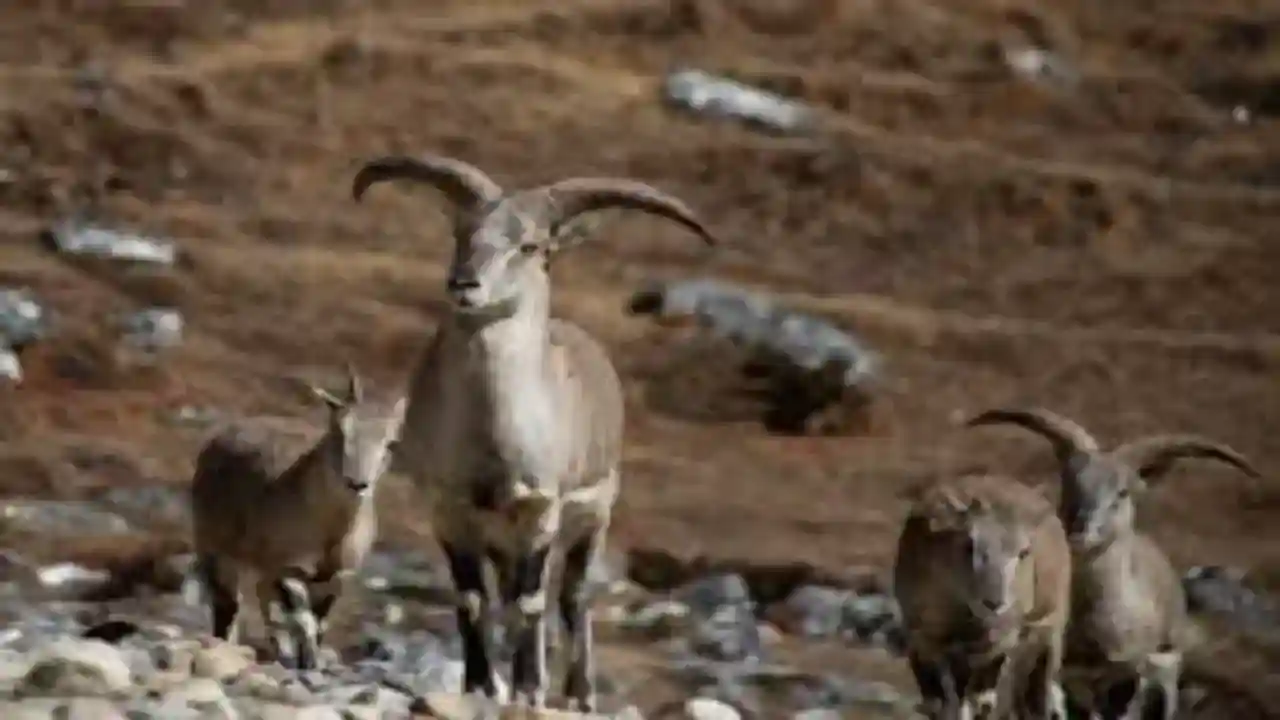
Bharal or blue sheep are hard-hooved creatures and blend into the grey-brown hills of Ladakh because of their striking camouflage. They are also a typical component of Ladakh wildlife, particularly in the higher altitudes, and are a major food source for predators such as the snow leopard. Bharal are agile creatures that dwell on steep cliffs and consume shrubs, grass and herbs that can survive in cold desert conditions. They are a good sign of a good mountain ecosystem and one of the most important species that belongs to the wildlife of Ladakh that makes it an ecologically significant area.
Local Name: Napo
Best Locations for Sighting: Hemis National Park, Ladakh ranges
Spotted in: All seasons (easier to see in spring & autumn)
4. Black-Necked Crane
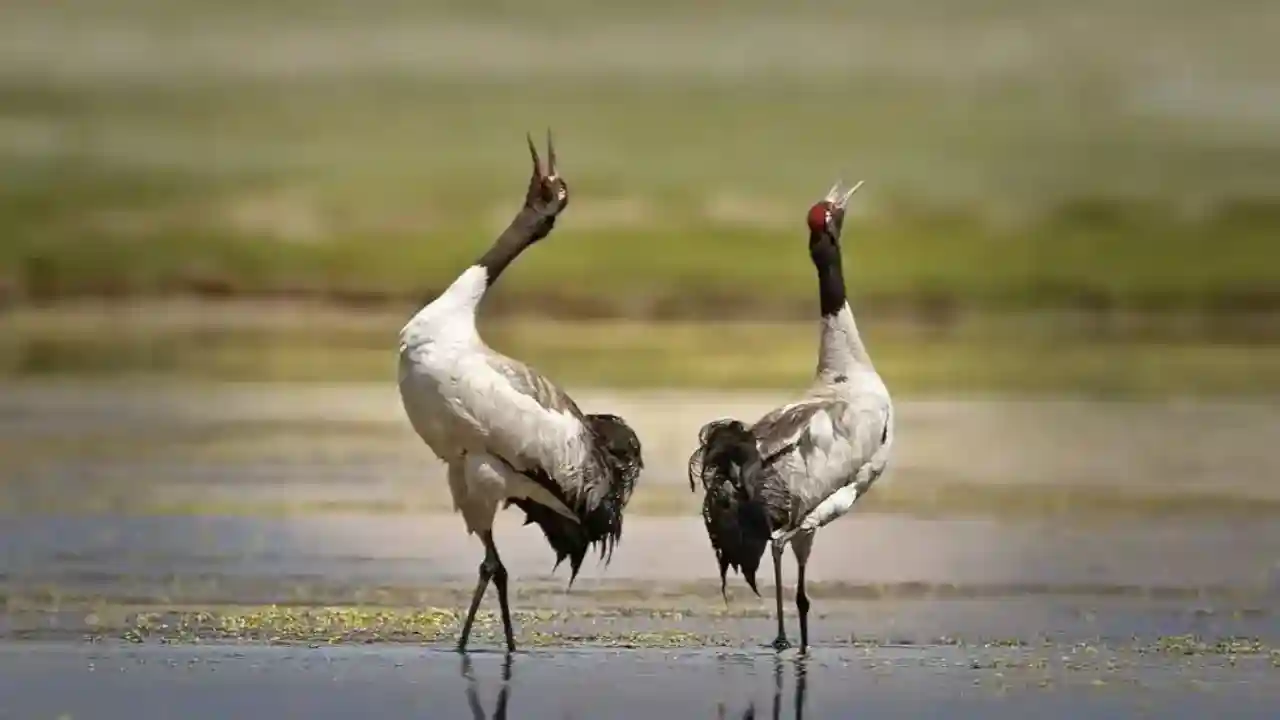
One of the rarest birds that is a part of the wildlife of Ladakh is the black-necked crane. During the breeding season, this graceful crane migrates from the Tibetan Plateau to the wetlands of the Ladakh region and may be found in the best places to visit in Leh Ladakh, such as the Tso Mori and Tso Kar lakes. Such cranes are culturally respected by the local people and they constitute a significant feature of the Ladakh wildlife conservation program. Their conspicuous black neck and red crown can be easily distinguished in the wetlands. The black-necked cranes require rich grassland as well as lake habitats, which sustain numerous other Ladakh animals and birds.
Local Name: Cha thung-thung
Best Locations for Sighting: Tso Moriri, Tso Kar wetlands
Spotted in: May-September (breeding season)
5. Himalayan Marmot
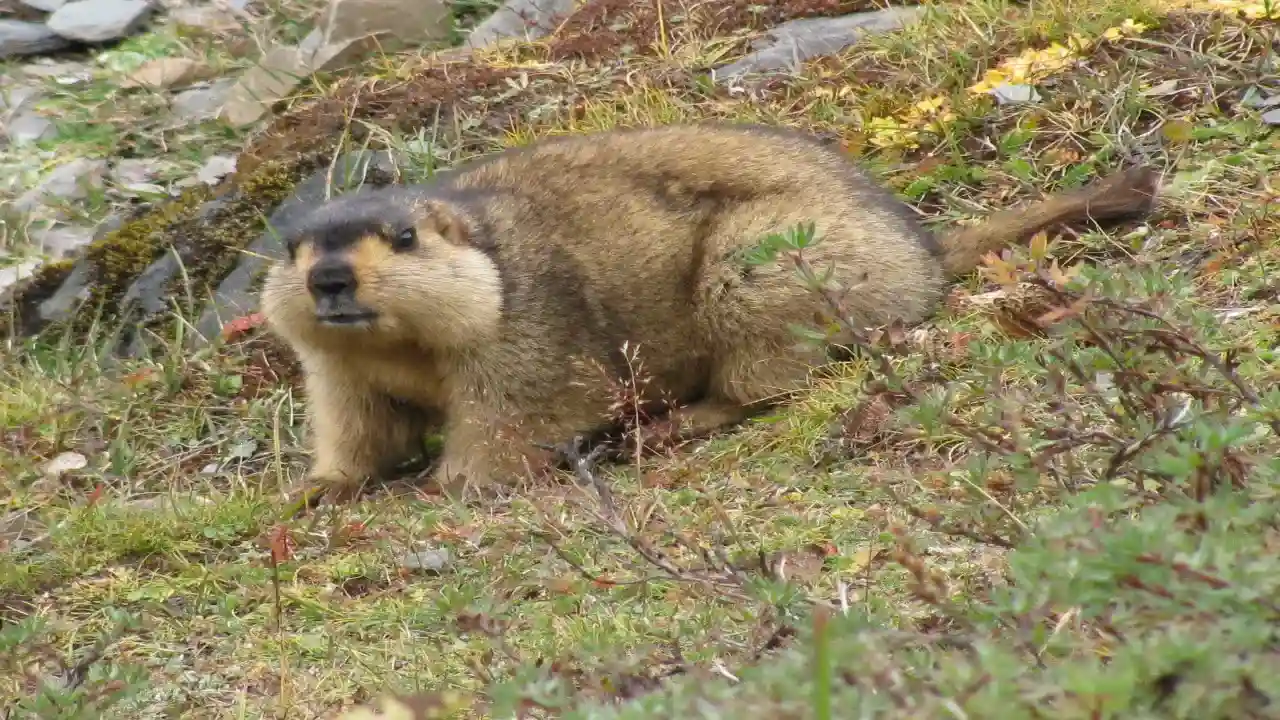
The Himalayan marmot is a common sight in the grasslands and alpine meadows of Ladakh. This stout rodent inhabits intricate burrows in which it undergoes prolonged hibernation during the severe winter. Marmots are among the few Ladakhic fauna species that persist in open, sparse natural vegetation and wildlife of Ladakh, subsisting on grasses, roots and seeds. Their whistle-like calls frequently indicate danger and contribute to the characteristic soundscape of Ladakh’s natural vegetation and wildlife. Photographers and wildlife lovers enjoy spotting marmots near trails and meadows, especially where the cold desert meets greener valleys.
Local Name: Phiya
Best Locations for Sighting: Hemis National Park, Alpine Meadows
Spotted in: May-September (active season)
6. Tibetan Wolf
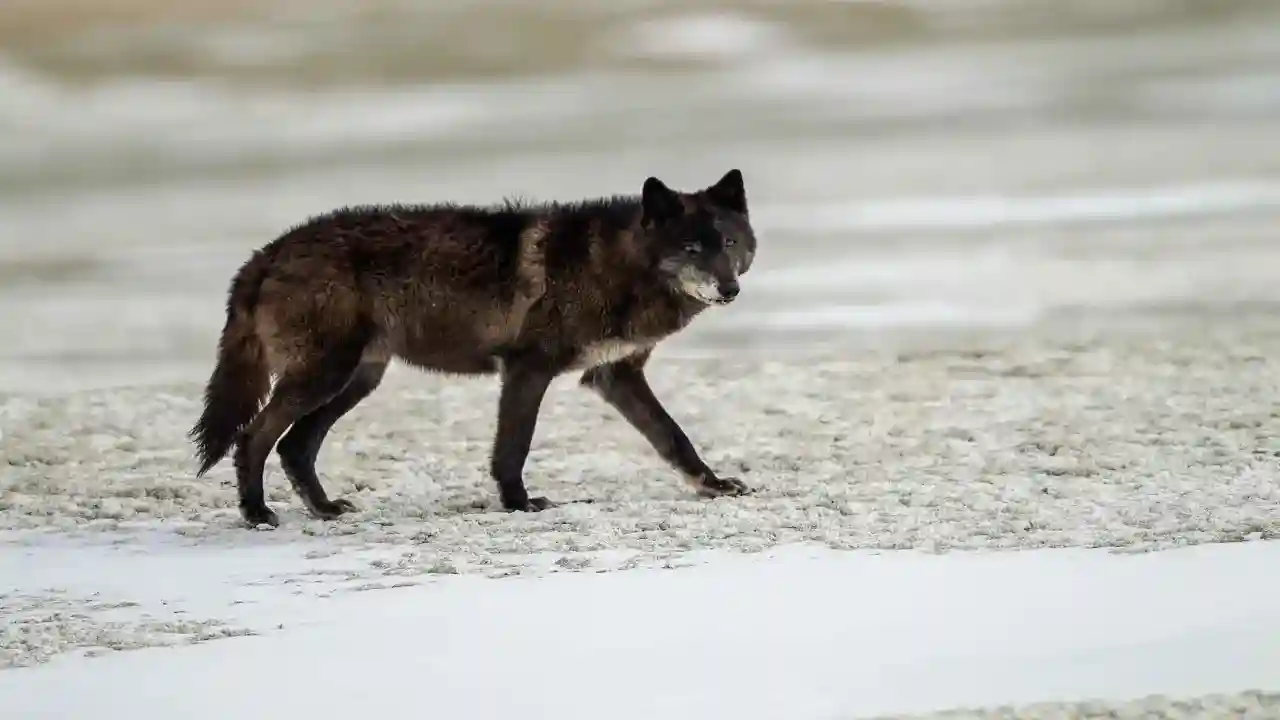
The Tibetan wolf is a rare and powerful predator found in Ladakh’s remote plateaus as well as valleys. Built for endurance rather than speed, this wolf survives extreme cold with thick fur and strong lungs adapted to low oxygen levels. Unlike forest wolves, it hunts in open landscapes, and they often prey on bharal, marmots and smaller mammals. Sightings are uncommon due to its cautious nature and vast roaming range. The Tibetan wolf plays a vital role in maintaining ecological balance by controlling herbivore populations across Ladakh’s fragile grassland ecosystem.
Local Name: Chanku
Best Locations for Sighting: Changthang region, Hanle Valley
Spotted in: May-October
7. Himalayan Ibex
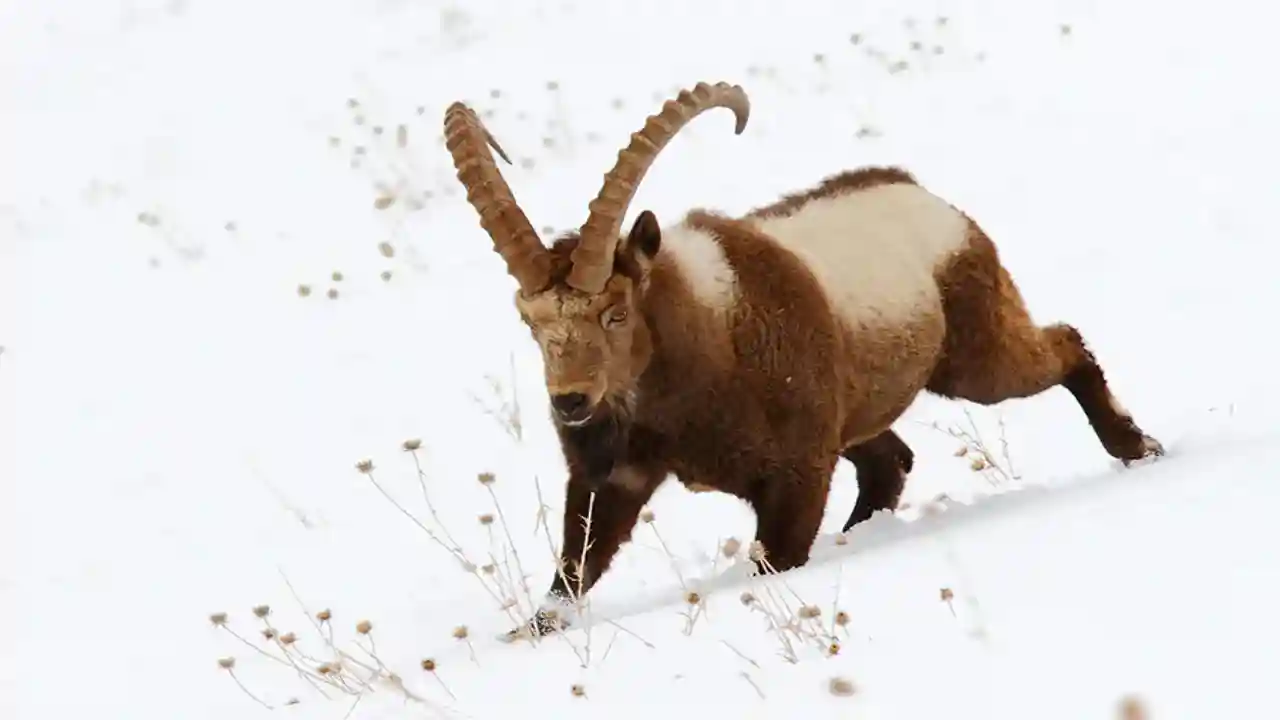
The Himalayan ibex is a strong mountain goat with long, curved horns and great climbing skills. It inhabits rocky slopes and steep cliffs on which few other species can persist. Ibex feed on alpine grasses, shrubs and herbs; they are often seen grazing in small groups at high elevations. Their surefootedness allows them to escape predators, such as snow leopards, on near-vertical terrain. They are most active in the early morning and late afternoon, making them a rewarding sight for patient observers.
Local Name: Skin
Best Locations for Sighting: Hemis National Park, Zanskar ranges
Spotted in: April-November
8. Eurasian Lynx
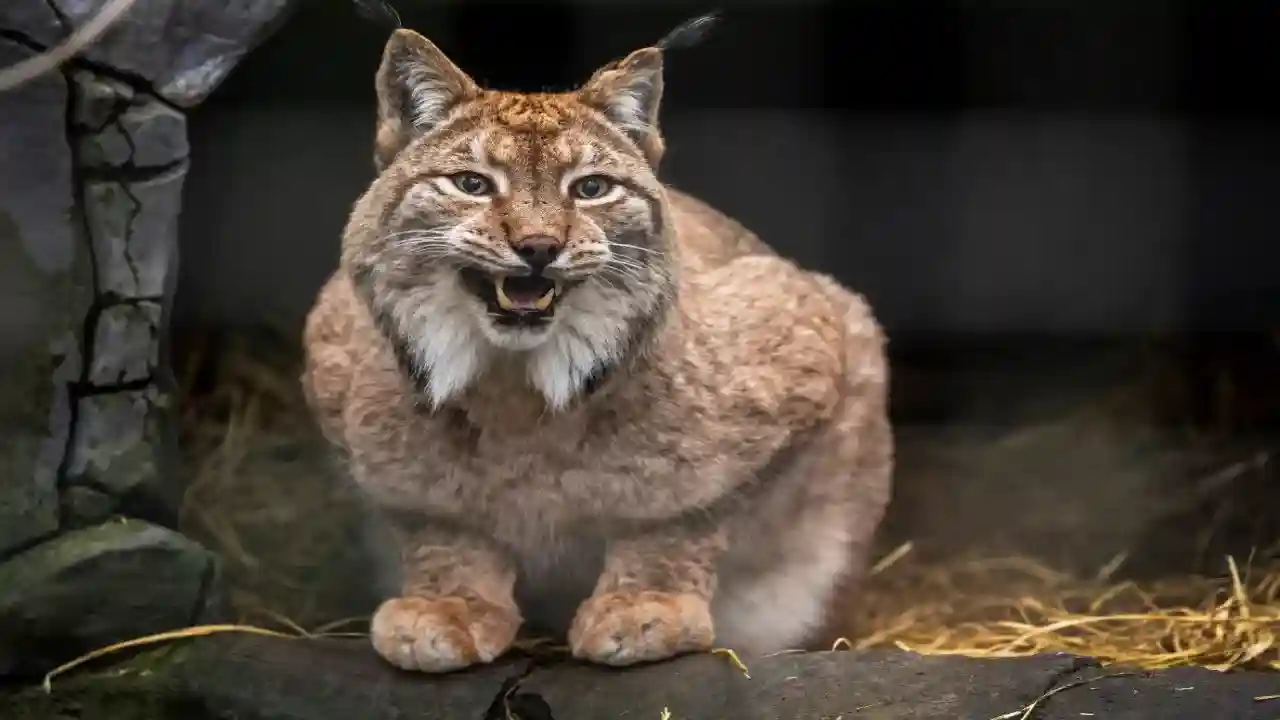
The Eurasian lynx is one of the rarest carnivores among the wildlife of Ladakh. Smaller than the snow leopard, this wild cat has tufted ears, a short tail and eyesight adapted to hunting in rocky terrain. It inhabits remote valleys and isolated patches of forests near the tree line, feeding on hares and birds. Its nocturnal habits and low population density make spotting a lynx a matter of patience and luck and one of the best things to do in Ladakh, thus making eurasian lynx one of the most elusive mammals in Ladakh.
Local Name: Ee
Best Locations for Sighting: Nubra Valley, Changthang region
Spotted in: Late autumn to early spring
9. Tibetan Argali
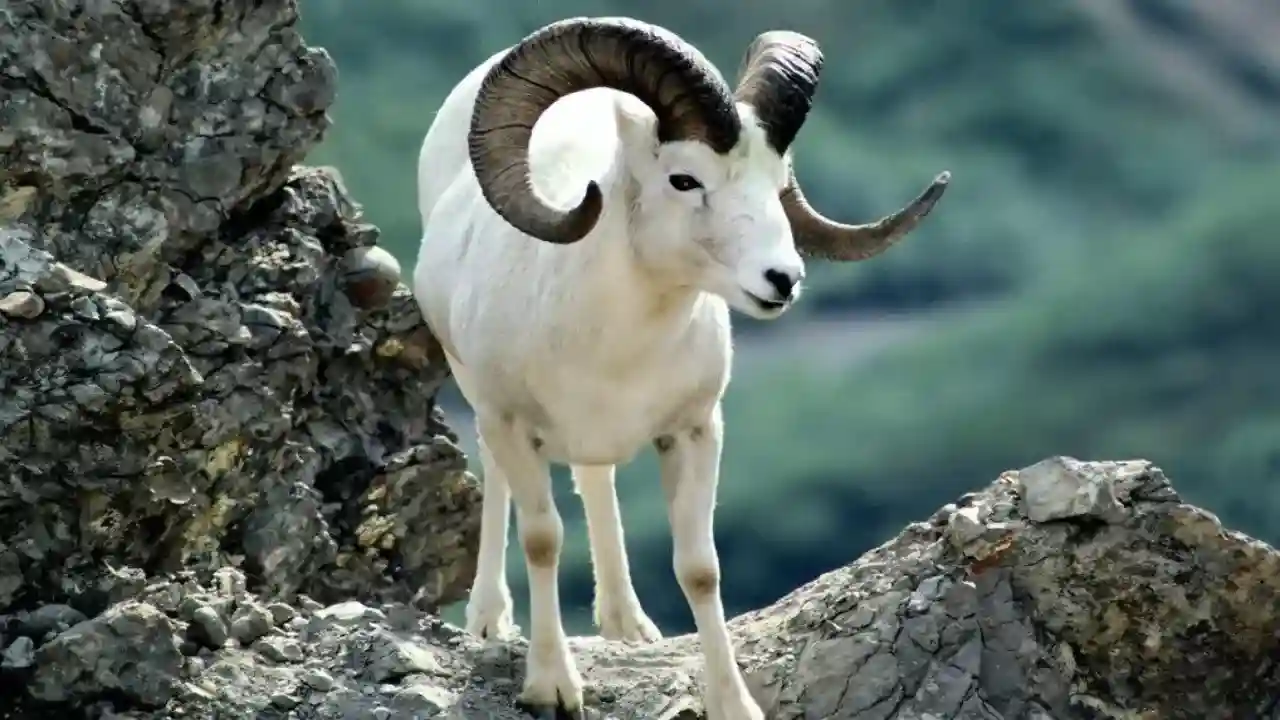
The Tibetan argali is the largest species of wild sheep, known among the wildlife of Ladakh, for their huge, spiralled horns and a very large body. It can be found in open plateaus and rolling hills with good visibility and minimal vegetation. Argali are usually found in small herds and are quite vigilant, fleeing quickly when sensing danger. Due to habitat loss and a small population size, sightings are rarely experienced and considered noteworthy. Conservation efforts have stressed the need to protect grazing areas and minimise human disturbance in eastern Ladakh.
Local Name: Nyan
Best Locations for Sighting: Changthang Plateau, eastern Ladakh
Spotted in: June-September
10. Lammergeier (Bearded Vulture)
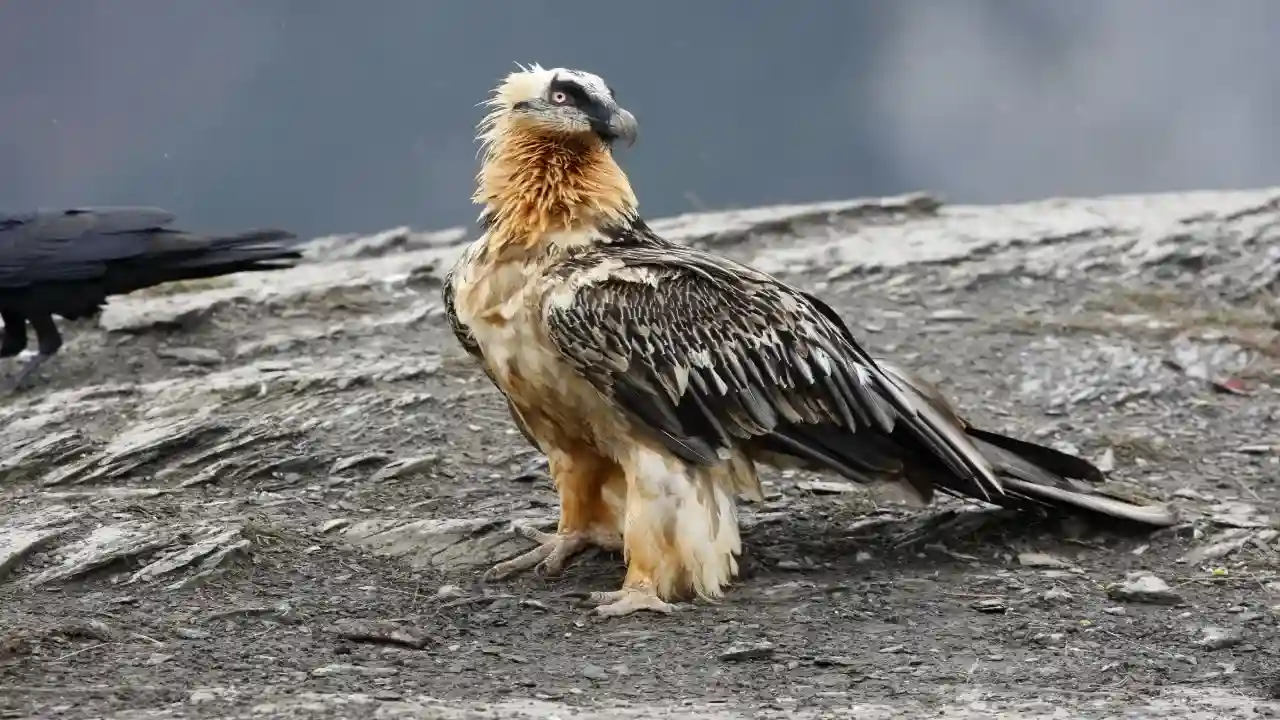
The lammergeier, or bearded vulture, is one of the most fascinating birds found in Ladakh. Known for its habit of dropping bones from heights to crack them open, this large bird feeds mainly on bone marrow. With a wingspan of nearly three metres, it can be seen gliding effortlessly over cliffs and valleys. Lammergeiers prefer high-altitude rocky regions and are often spotted near nesting sites along steep mountain faces. Their unique feeding behaviour makes them easy to identify in flight among the wildlife of Ladakh.
Local Name: Gya Eagle
Best Locations for Sighting: Zanskar Valley, Hemis region
Spotted in: All year (clear days preferred)
11. Red Fox
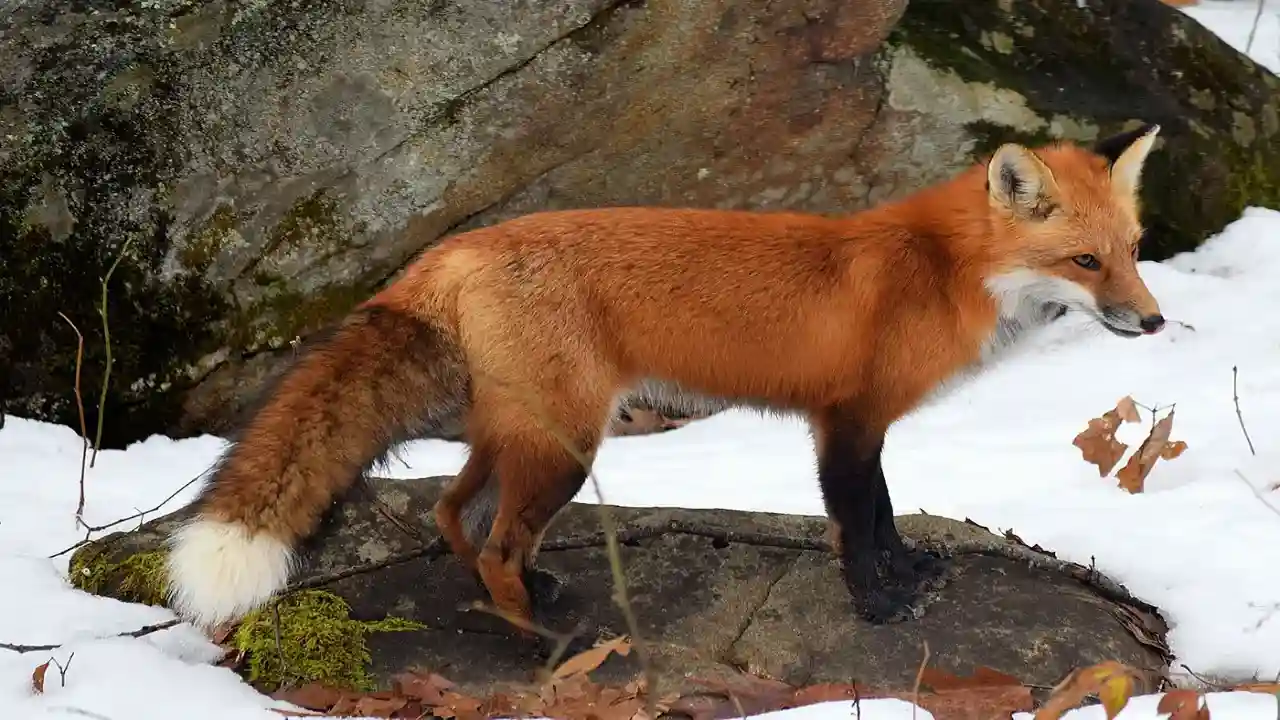
The red fox is one of the most adaptable mammalian species in Ladakh's harsh environment. Smaller and more slender than the lowland foxes, they cope with extreme cold by consuming rodents, birds, insects and residual food scraps near human settlements. Red foxes are generally seen alone, traversing open plains or rocky slopes with speed. Thicker fur during the season provides additional insulation during winter. Though relatively common compared with other predators, individuals remain cautious and vigilant, affording short but memorable sightings.
Local Name: Watse
Best Locations for Sighting: Nubra Valley, Changthang region
Spotted in: All year (more active early morning and evening)
12. Pika
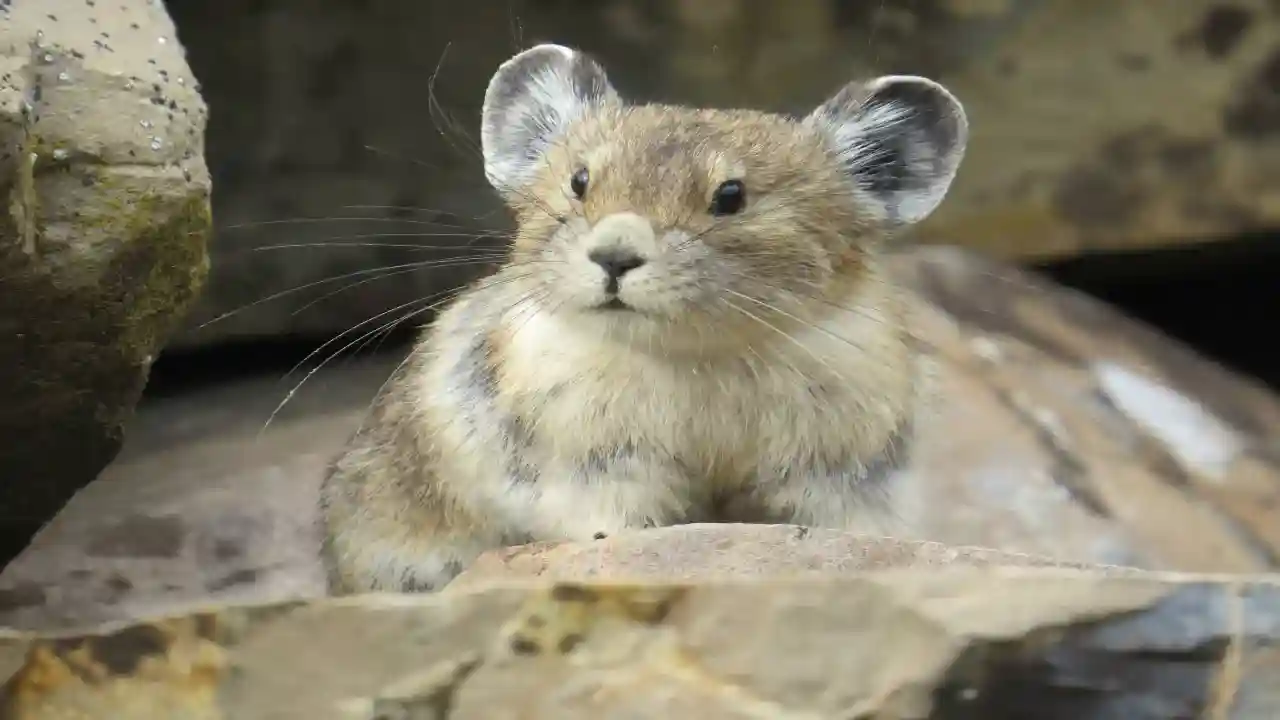
Pikas are small, rabbit-like mammals that are commonly seen along rocky slopes and boulder fields in Ladakh. Despite their size, they play an important role in the mountain ecosystem by spreading seeds and maintaining soil health. Pikas do not hibernate, but during summer, they collect grasses that they pile in haystacks and use during winter. Distinctive, sharp calls often herald the presence of pikas before they are seen. A lively and energetic animal, they are part of the wildlife of Ladakh that are commonly encountered near trails and rocky meadows.
Local Name: Zabala
Best Locations for Sighting: Rocky slopes near the Kaza-Ladakh border, Hemis area
Spotted in: May-October
13. Tibetan Gazelle
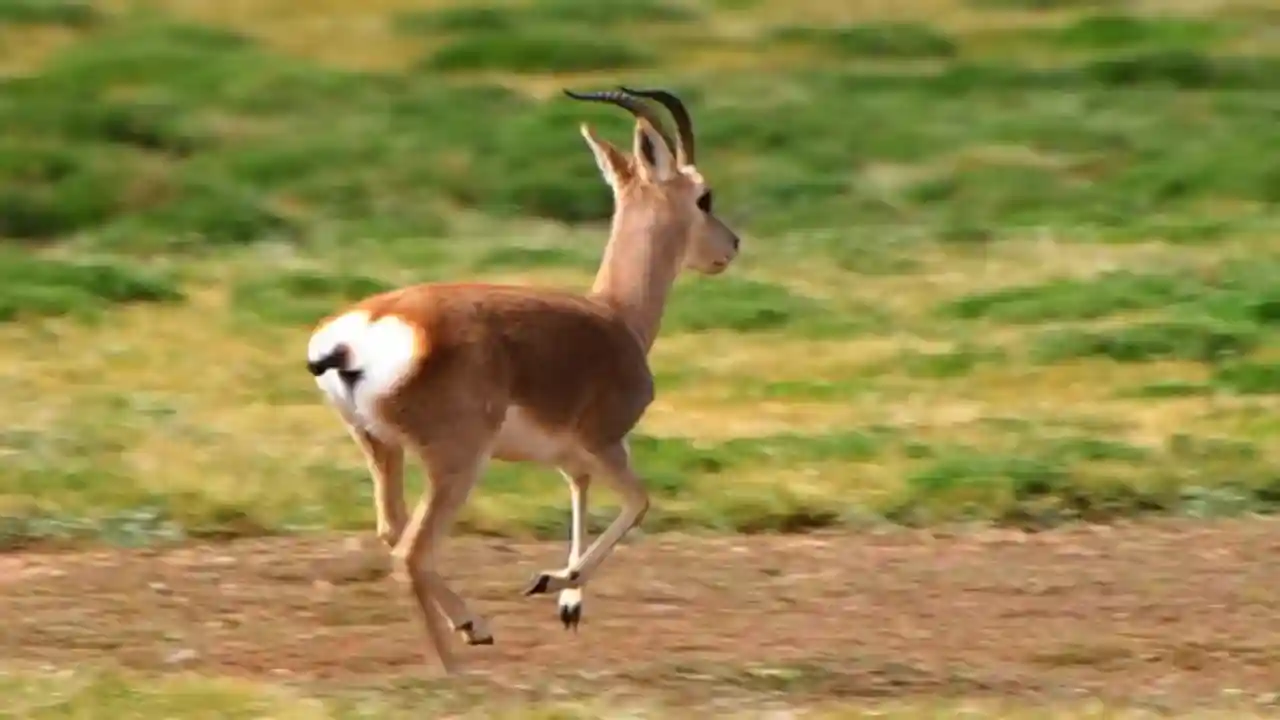
The Tibetan gazelle is a shy and fast-moving antelope found in Ladakh’s open plateaus. It favours flat grasslands and gently rolling topography where it feeds on alpine grasses and shrubs. In contrast to larger ungulates, gazelles rely on speed rather than strength to evade predators. They are usually observed in small groups and rapidly vanish at the slightest disturbance. Due to habitat pressure, their numbers are limited, making sightings rare and special for people looking forward to exploring the wildlife of Ladakh.
Local Name: Goa
Best Locations for Sighting: Changthang Plateau, Hanle region
Spotted in: June-September
14. Golden Eagle
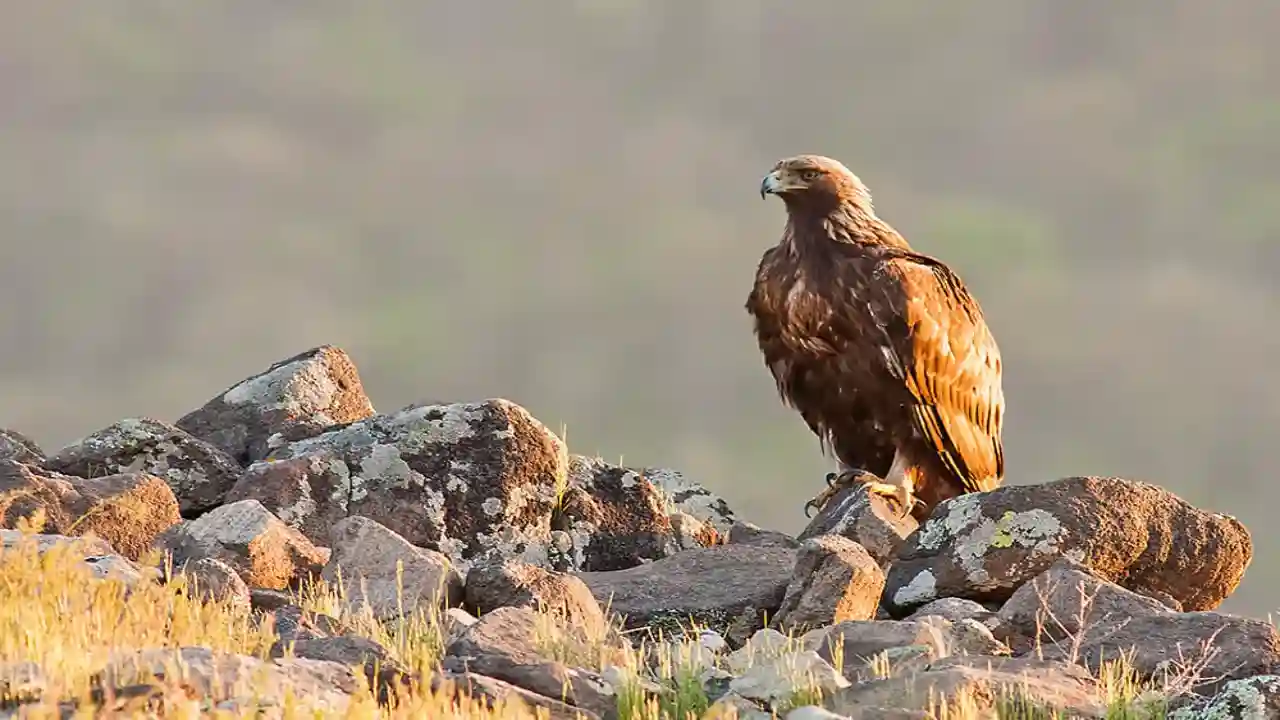
The golden eagle is one of the most powerful birds of prey seen soaring over Ladakh’s valleys and cliffs. They have excellent eyesight as well as strong talons. Golden eagles hunt for marmots, hares, and smaller birds. These eagles prefer open landscapes that allow wide flight paths along with clear views of the prey below. Often seen gliding silently on air currents, they are a common sight near mountain ridges. Golden eagles are also culturally respected in the region for their strength and dominance.
Local Name: Ser Eagle
Best Locations for Sighting: Zanskar Valley, Ladakh ranges
Spotted in: All year
15. Ladakh Urial

Compared to other mountain ungulates, the Ladakh urial is a rare species of wild sheep that inhabits lower altitudes. It is distinguished by its curved horns and reddish-brown coat, and it favours open slopes and dry hills with little vegetation. When disturbed, urials quickly run away because they are so vigilant. Sightings are rare because of habitat loss and restricted distribution. For this species to survive in the wildlife of Ladakh, grazing grounds must be protected, and human interference must be minimised.
Local Name: Shapo
Best Locations for Sighting: Lower Ladakh valleys, Indus region
Spotted in: October- March
Conclusion
Ladakh’s wildlife reflects the real spirit of survival in one of the harshest places on planet Earth. Be it the vulnerable snow leopard that wanders along the high altitude ridges, or the small pika that lives in the rocky valleys, the wildlife of Ladakh draws plenty of tourists from all across the country. The natural vegetation and wildlife in Ladakh have adapted over centuries to extreme cold, low oxygen levels and limited resources. The study of Ladakh’s wildlife is not only about the rare sightings, but also about understanding how life keeps on going despite all the odds. These rare species need to be safeguarded through responsible travel and respect of these habitats. So, get ready, pack your bags and plan the most exciting trip to Ladakh to explore the beauty of the wildlife present here.