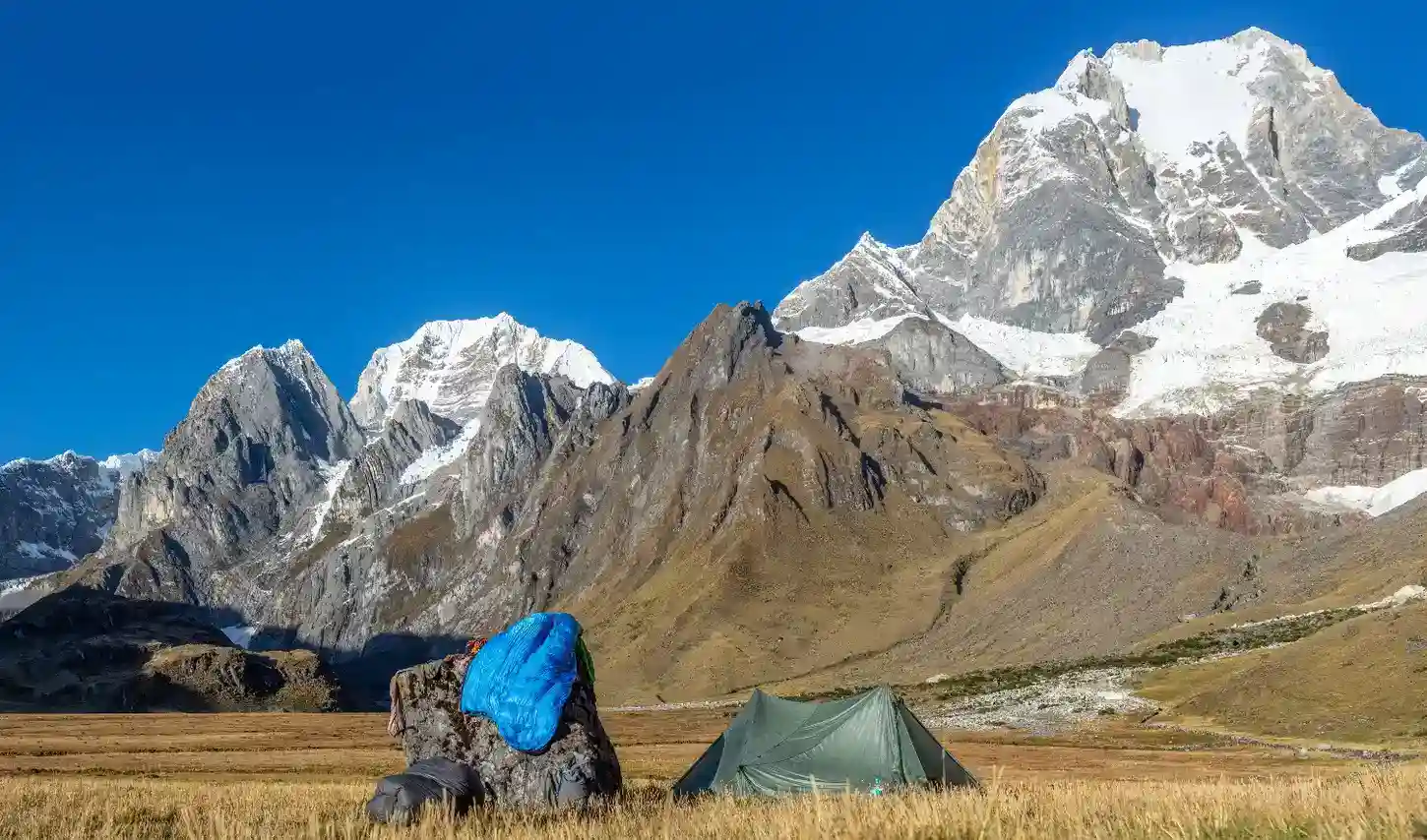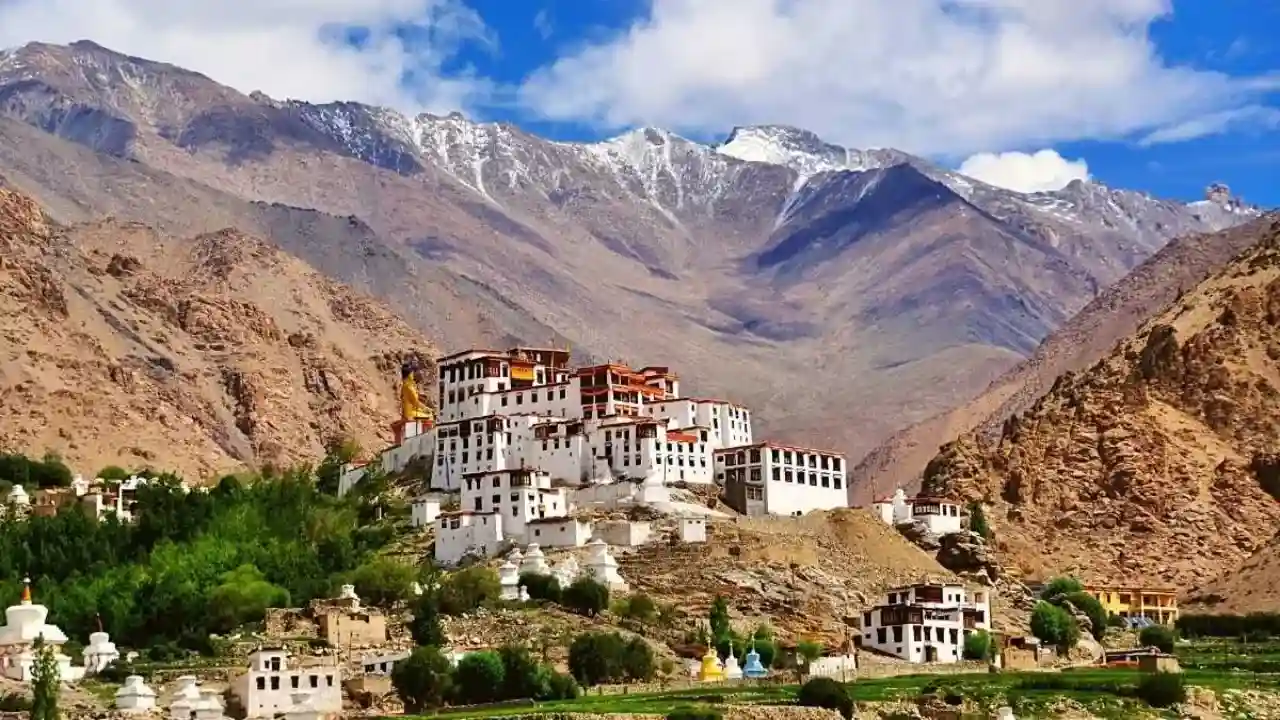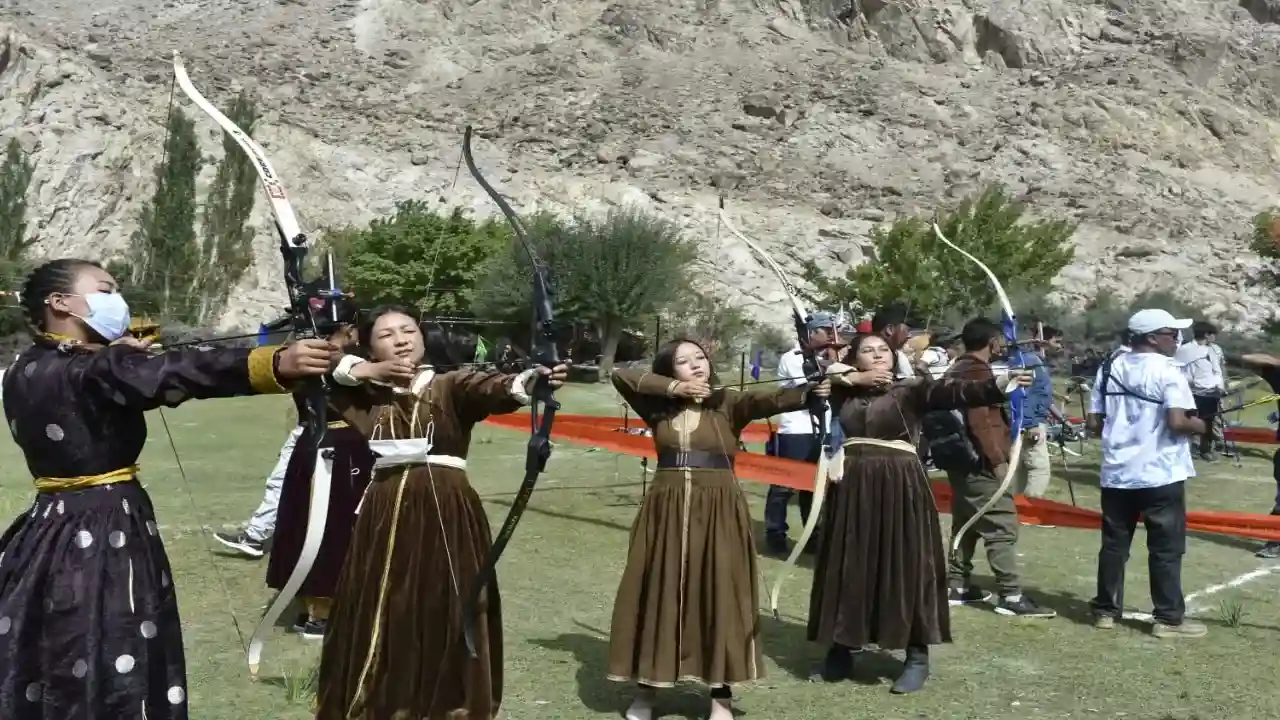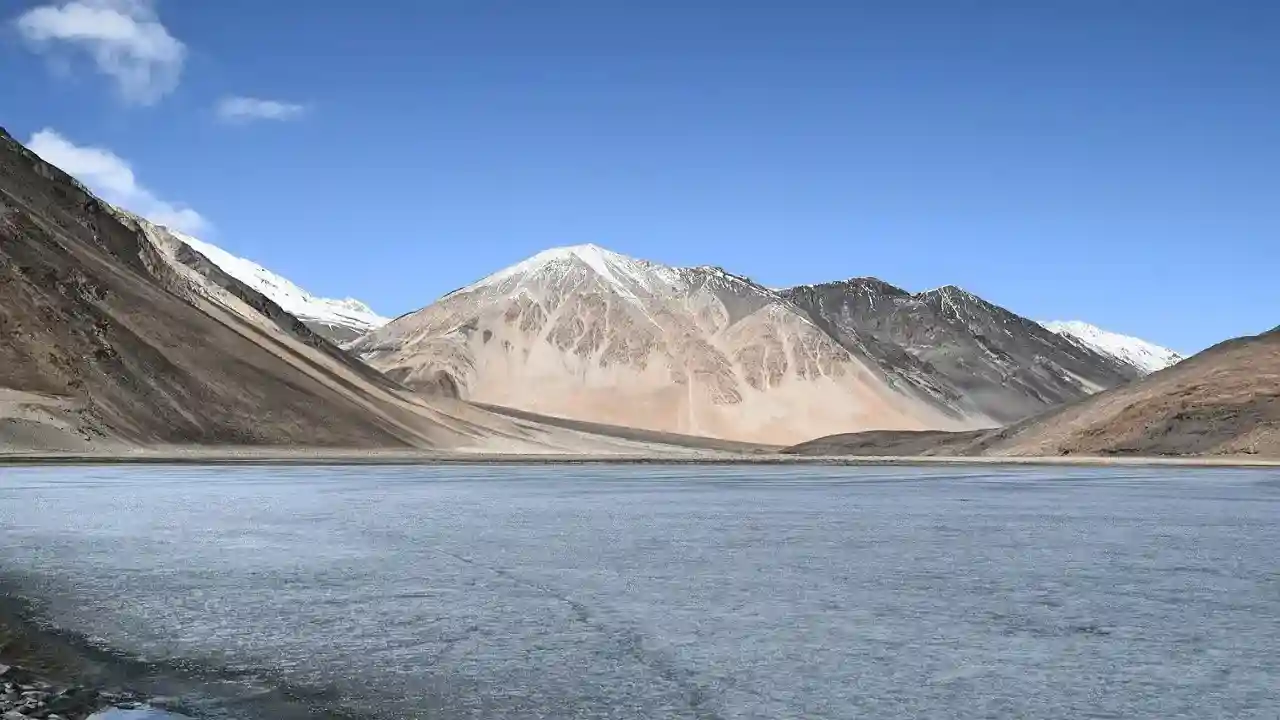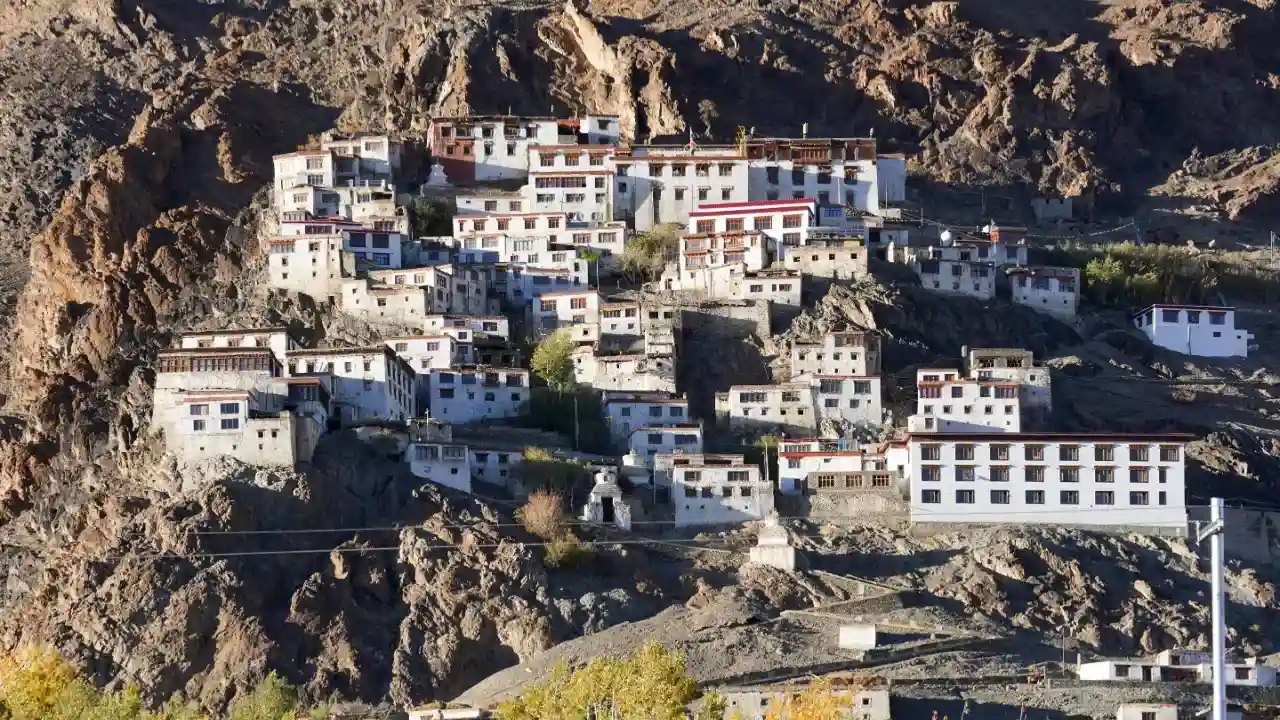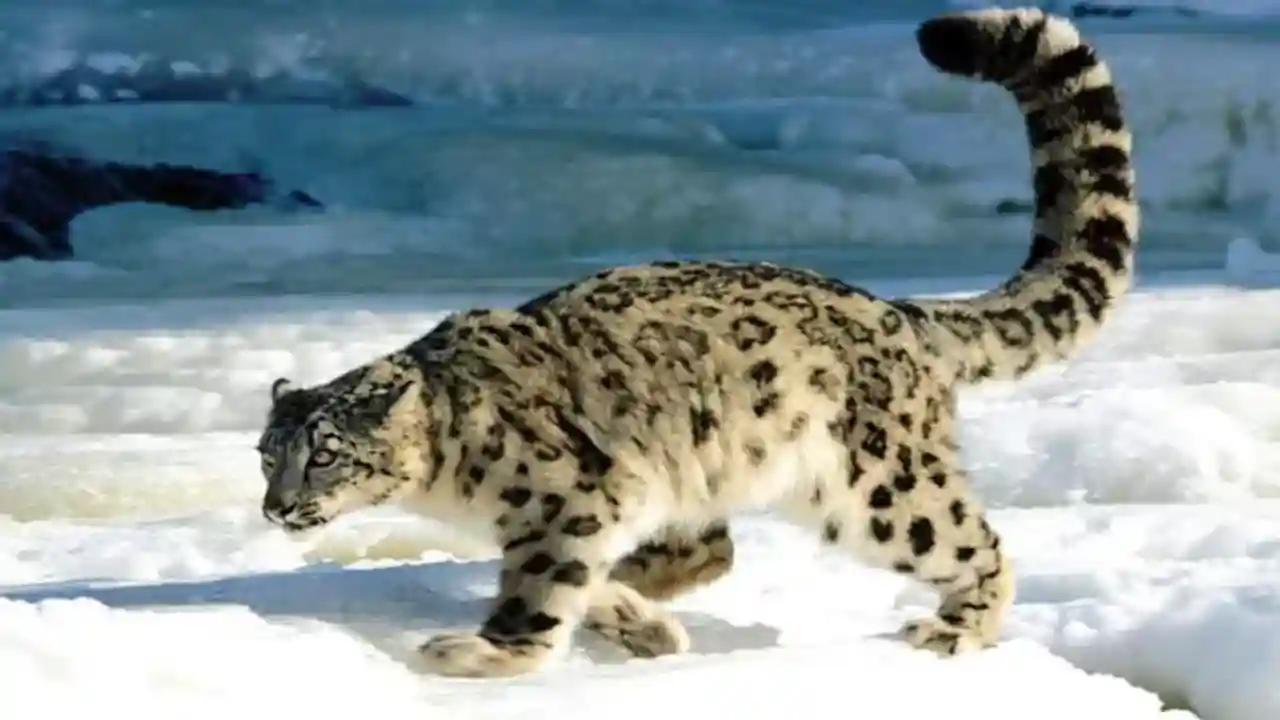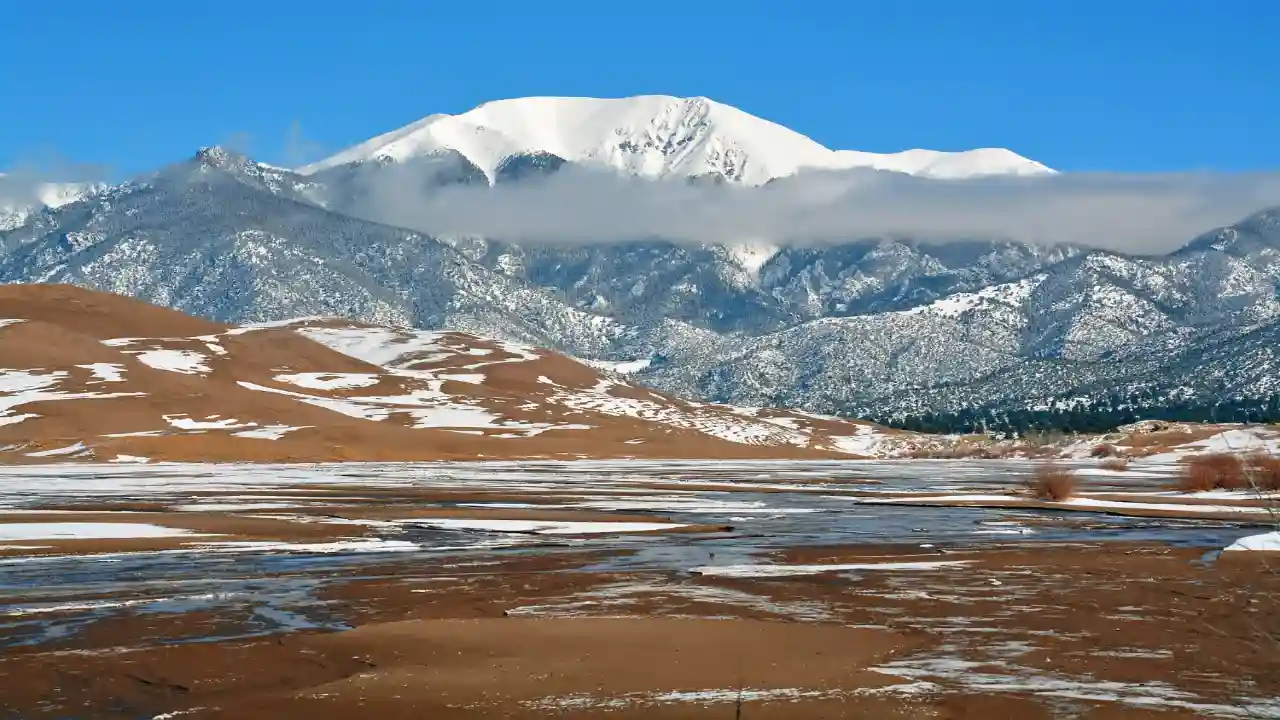
What if the best parts of Ladakh aren't the famous monasteries or mountain passes? The real magic often hides in tiny settlements where life moves more slowly, and locals still follow centuries-old traditions. Ladakh villages offer something completely different from the usual tourist circuit. These places show you how people actually live at extreme altitudes, farming barley and raising yaks despite harsh conditions. Prayer flags flutter everywhere, mud-brick homes blend into rocky landscapes, and hospitality comes naturally.
This blog covers 12 villages that deserve attention during any trip to Ladakh. Some sit near turquoise lakes, others cling to cliffsides with monasteries perched above them. Each village has its own character, whether that's ancient architecture, unique festivals, or simply stunning views that photographs never quite capture. Ready to discover which remote settlements should make it onto your travel list?
Most Beautiful Ladakh Villages
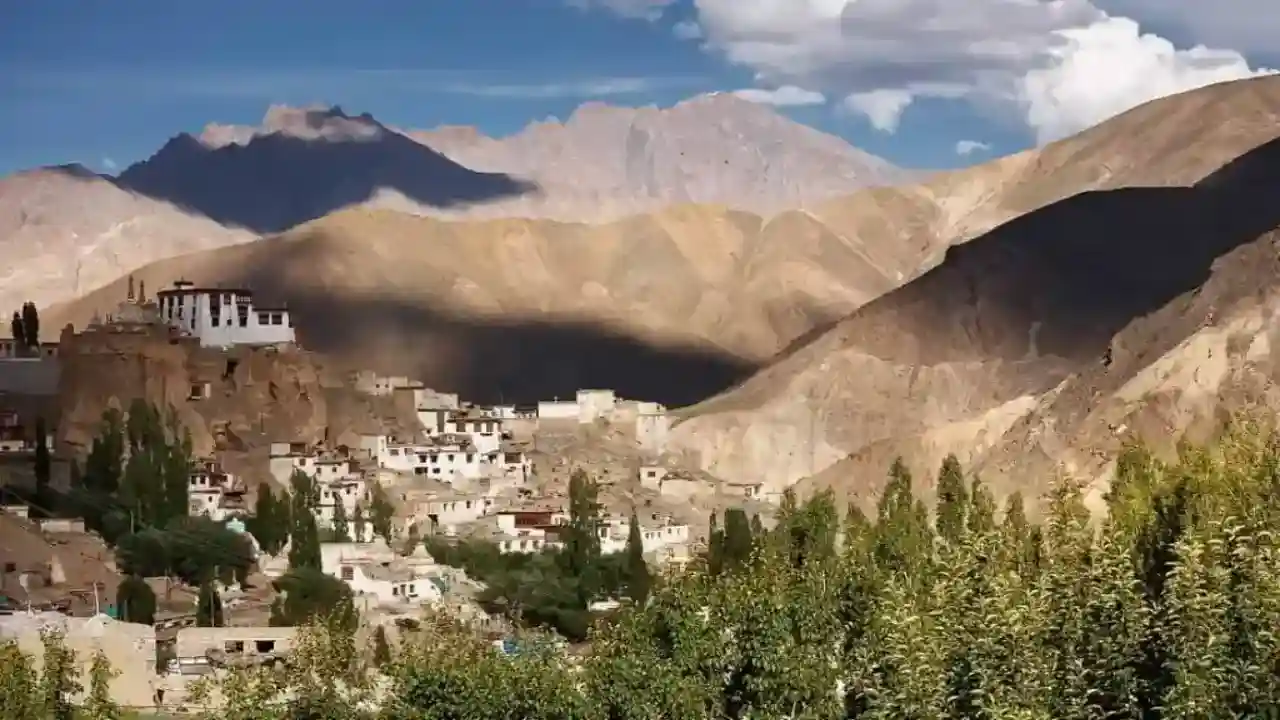
The villages of Ladakh show a quieter side of the Himalayas, where culture and nature blend into everyday life. Beyond the usual places to visit in Leh Ladakh, these beautiful villages in Ladakh offer riverside views, high-altitude hamlets, and life near ancient monasteries. Here is the list of 12 most famous villages in Ladakh worth exploring.
1. Turtuk Village
Turtuk is a quiet village in the Nubra Valley, near the international border, that introduces visitors to the warm Balti culture that appears to be distinct from the rest of Ladakh. The village has groves, stone houses, and serpentine trails, and the residents welcome visitors with genuine curiosity. Staying in a homestay in any Ladakh Villages teaches you traditional culture. In Turtuk village, experience the unique Balti cuisine and how agriculture is carried out during the short growing seasons. Treks along the Shyok River provide breathtaking views, while trails in the villages lead to old watchtowers that recall the region's strategic past and unforgettable mountain hospitality.
Famous for: Balti culture, apricot orchards, border village history, and traditional family-run homestay experiences.
Location: Nubra Valley is located near the India-Pakistan border, north of Leh, on the Shyok River route.
Things to do: Stay with locals, explore orchards, walk along riverbanks, see heritage towers, and sample traditional Balti cuisine.
2. Dha Hanu Villages
The Dha and Hanu group of villages are one of the most culturally significant in Ladakh, and are frequently associated with the Drokpa people and their vibrant culture. Any visitor will immediately notice the people's distinctive clothing, flower headgear, and hospitality. These Aryan villages in Ladakh are located on the banks of the Indus River and are easily accessible while driving from Leh to Kargil. In Ladakh Villages, cultural walks with guides will provide insight into agriculture, society, and festivals that are still practised. Dha Hanu offers plenty of photography opportunities, from colourful faces to fields along riverbanks and homes nestled in mountain ranges.
Famous for: Drokpa culture includes floral headgear, old customs, and colourful village celebrations along the Indus River.
Location: Western Ladakh, near the Indus River, between Leh and Kargil, along the scenic highway.
Things to do: Participate in cultural walks, local festivals, riverside fields, and traditional homestays.
3. Hunder Village
It is located in the Nubra Valley and features an arid environment as well as lush fields and calm rivers. Hunder is another well-known place among Ladakh villages for its unusual sunsets and Bactrian camels. Visitors typically stay in this village to enjoy camel rides in the morning, cycling routes through the villages, relaxing in the evenings at guest houses, or choosing Nubra Valley camps for a closer desert experience with local cuisine and hospitality. The village is also a convenient location for those visiting Diskit Monastery and the river paths. It is also a convenient overnight stop for those travelling to Turtuk, Panamik, or further into the Nubra Valley region.
Famous for: Dunes, double-humped Bactrian camels, picturesque river views, and cosy village guest houses.
Location: Nubra Valley is located north of Leh, near Diskit, and can be reached via the Khardung La mountain pass.
Things to do: Camel safari, cycling through village routes, visiting Diskit Monastery, and photographing the sunset on the dunes.
4. Hanle Village
This isolated village is ideal for those who enjoy stargazing and learning about the region's science. Hanle is one of the most unique Ladakh villages, as it is located at a high altitude and houses the Hanle Observatory. The nights are simply magical due to the clear skies, and the daytime treks include a visit to the Hanle Monastery, which is located at the top of the valley. The scarcity of fuel and shopping options necessitates careful planning, but the result is a very peaceful experience influenced by the expansive surroundings.
Famous for: The Indian Astronomical Observatory, the clear night skies, the high-altitude monastery, and the picturesque village.
Location: The Changthang region, southeast of Leh and near the Tibetan Plateau, is surrounded by massive highland ranges.
Things to do: Stargaze at night, visit Hanle Monastery, hike village trails, and photograph open high-altitude plains.
5. Chilling Village
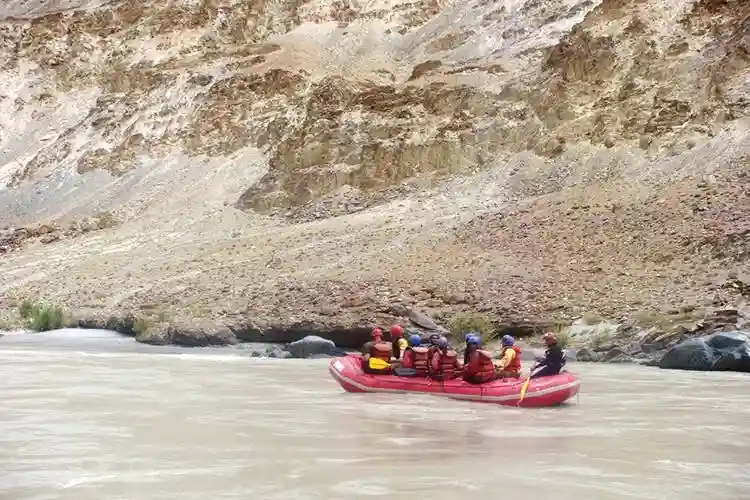
Chilling is well-known among trekkers and river rafters as a convenient location on the Zanskar River. The village has a long history of metalworking, and visitors can see artisans at work making copper and brass products. In the summer, river rafting trails attract adventurers, and in the winter, the region serves as the starting point for the famous frozen river trek. The friendly village atmosphere makes it easy to communicate with the locals. Many tourists visiting Ladakh villages stop here for an extra day to explore suspension bridges, riverbank spots, and nearby monasteries.
Famous for: Metalworking tradition, rafting based on the Zanskar River, trekking opportunities, and proximity to the winter Chadar trek route.
Location: Located on the banks of the Zanskar River, southwest of Leh, and accessible by road from Nimoo.
Things to do: Participate in river rafting, metal workshops, trekking trails, and riverside homestays.
6. Panamik Village
Panamik is one of the most peaceful Ladakh villages in the Nubra Valley, known for its natural hot springs that create a rare contrast against the cold desert surroundings. Located near the northern edge of tourist access, the village offers open views of snow-covered peaks and quiet agricultural fields. Travellers often stop here after exploring Diskit and Hunder to relax in the warm, sulfur-rich pools believed to ease muscle fatigue and skin conditions, and some continue onward to visit Yarab Tso Lake for a short, peaceful detour. Simple homestays and small rest houses provide a calm overnight stay, while nearby trails lead toward Ensa Monastery for light hiking and photography.
Famous for: Sulfur-rich hot springs, Nubra Valley scenery, quiet atmosphere, and traditional village bathing experiences.
Location: Northern Nubra Valley, about 150 kilometres from Leh, near Sumur village and Ensa Monastery.
Things to do: Bathe in hot springs, hike to Ensa Monastery, explore village fields, and stay in homestays.
7. Merak Village
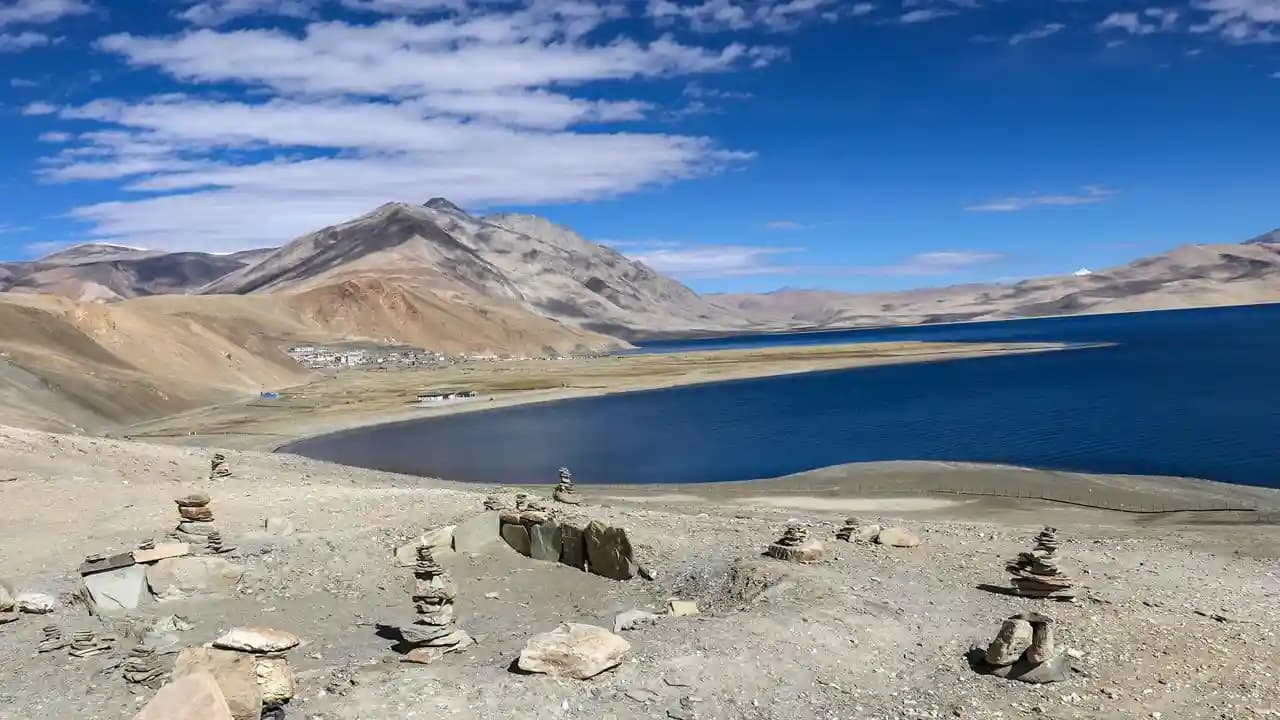
Merak is a small lakeside village near Pangong Lake that offers a peaceful alternative to the busier side of the lake, making it one of Ladakh’s most tranquil villages for slow travellers. Some visitors consider it one of the most serene Ladakh villages. Spending quiet time by the water here is among the simple things to do in Ladakh for those who prefer calm over crowds. The changing light creates clear reflections of the mountains across the lake. Homestays let travellers taste Ladakhi food and understand daily life in the high altitude Changthang region.
Famous for: Homestays in a tranquil lakeside village with views of Pangong, migratory birds, and a relaxing village atmosphere.
Location: Eastern Ladakh, near Pangong Lake, on the Changthang plateau near the border regions.
Things to do: Take a walk along the lakeshore, photograph sunrise reflections, stay in a homestay, and watch birds.
8. Dras Village
Dras is one of Ladakh's coldest inhabited villages and has historical significance due to its role during the Kargil war. In the summer, the village is surrounded by mountains and valleys, and nature and the story of struggle are inextricably linked. Visitors usually visit the Kargil War Memorial before heading to the village. The village also serves as a starting point for treks to the Mushkoo Valley and mountain passes. During your trip to Ladakh Villages, while travelling from Srinagar to Leh, you can stay in homestays or budget hotels.
Famous for: Kargil War Memorial, cold weather, mountain ranges, and military history.
Location: Western Ladakh, on the Srinagar-Leh Highway, near Kargil and the Mushkoo Valley.
Things to do: Visit the war memorial, village markets, explore the nearby valleys, and photograph the mountain ranges.
9. Alchi Village
Alchi is one of Ladakh's picturesque villages, combining natural greenery and a rich cultural heritage. It is especially known for the Alchi Monastery, the historic monastery complex that dates back to the 11th century. The village sits at a relatively lower elevation, which makes it a good place to acclimatise. Visitors can walk through apricot orchards, along the Indus River, and relax in small cafes serving Ladakhi food in garden settings. Many travellers combine Alchi with other Sham Valley villages for a slower tour focused on monasteries, river views, and homestays that reflect the region’s artistic roots.
Famous for: The Ancient Alchi Monastery, greenery along the rivers, traditional murals, and peaceful village walking trails.
Location: Located west of Leh, on the banks of the Indus River, and accessible via the Leh-Kargil Highway.
Things to do: Explore monastery halls, go for orchard walks, stop by local cafes, and discover riverbank viewpoints.
10. Lamayuru Village
Lamayuru is easily distinguished from other Ladakh Villages by its stunning "moon-like" scenery and ancient monastery. The scenic badlands, also known as Lamayuru Moonland, provide a striking environment for road travellers between Leh and Kargil. The monastery in the village also hosts some of the area's oldest and most colourful festivals, which attract both tourists and locals. Photographers and geography buffs may want to stay in this area to capture the play of light on the badlands, while basic guest houses make a good base for sunrise viewing, badlands treks, and listening to monastery chanting.
Famous for: Moonland topography, an ancient monastery, mask dances at festivals, and eroded mountain formations.
Location: On the Leh-Srinagar highway, west of Leh, near the Fotu La mountain pass.
Things to do: Hike the Moonland trails, attend monastery festivals, explore the ruins of the old village, and capture landscape photos.
11. Stok Village
Stok is only a short drive from Leh, but with its traditional houses and mountainous setting, it feels like a world away. The Stok Palace Museum houses royal items, fabrics, and historical documents that provide insight into Ladakh's former monarchy. Stok is also a trekking point for the Stok Kangri trek, making it a popular destination for trekkers among other Ladakh Villages. Homestays in Stok provide the best of both worlds. Residents of Stok welcome visitors into their homes, where they can eat local cuisine and hear stories about mountain traditions and changes.
Famous for: The Stok Palace Museum serves as a trekking base for Stok Kangri and houses preserved royal heritage collections.
Location: Located south of Leh, on the southern bank of the Indus River, near the Stok mountain range.
Things to do: Visit the palace museum, go trekking, visit village farms, and stay in a homestay.
12. Gya Village
Gya is a tranquil village on the Leh-Manali road, nestled between mountains and glacier-fed streams. It is known for its terrace farming and irrigation system, which distributes meltwater to farmlands. The village is also historically significant because it was one of the region's first administrative centres. Travellers of Ladakh Villages frequently stop at this point to take a break, visit local museums housed in traditional homes, and observe the daily lives of farmers. This location is also ideal for motorcyclists travelling overnight through high passes, while short hikes to nearby stupas, barley crops, and riverbanks provide moments of peace.
Famous for: Terrace farming, glacier-fed irrigation, a historic village museum, and a tranquil mountain environment.
Location: Southeast of Leh, on the Leh-Manali highway, near roads to Tso Kar Lake.
Things to do: Visit the village museum, walk through the irrigation canals, observe farming activities, and stay at a homestay.
Conclusion
Visiting Ladakh Villages takes you beyond the usual tourist spots into places where life hasn't changed much over generations. These settlements show you a different side of the region, one that's quieter and more connected to old traditions. Each village has something unique, whether that's culture, landscapes, or just the way locals go about their daily routines at impossible altitudes. Getting to some of these places requires effort and planning, but the experiences justify the journey. The homestays, conversations with villagers, and mountain views create memories that generic hotel stays simply can't match. Pick a few villages that sound interesting, factor in extra days for your itinerary, and give yourself time to actually explore instead of just passing through.