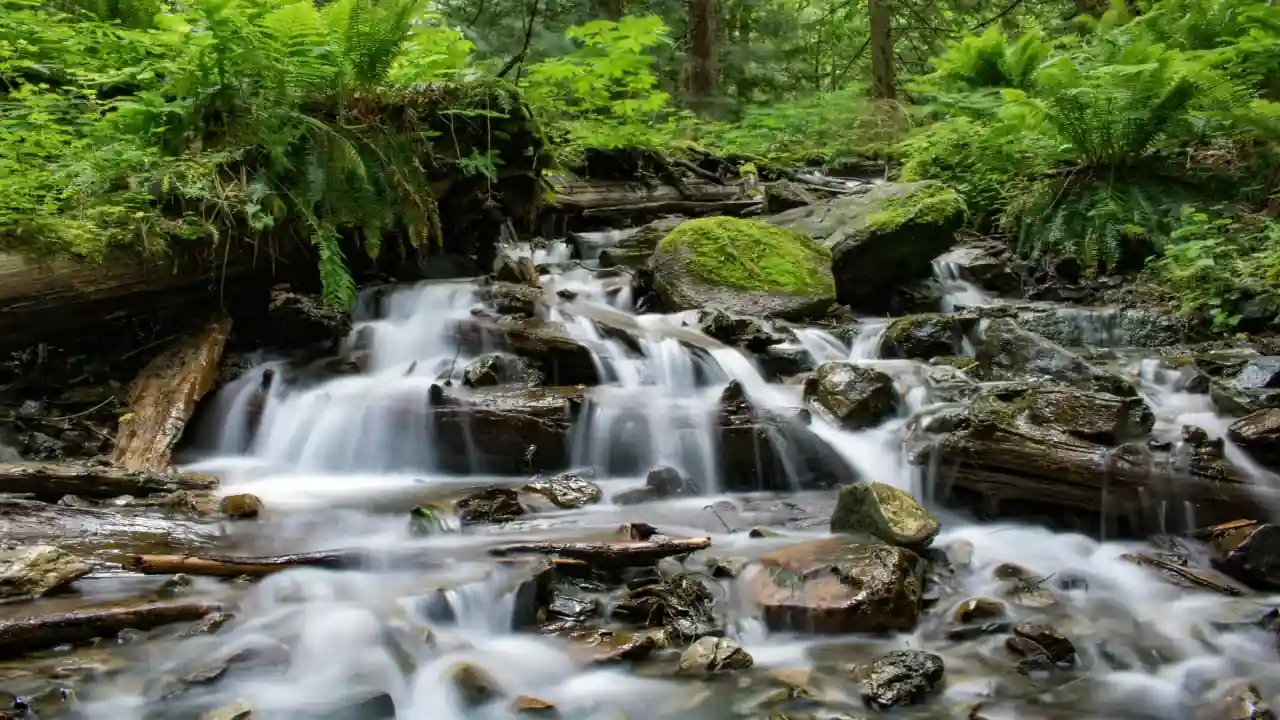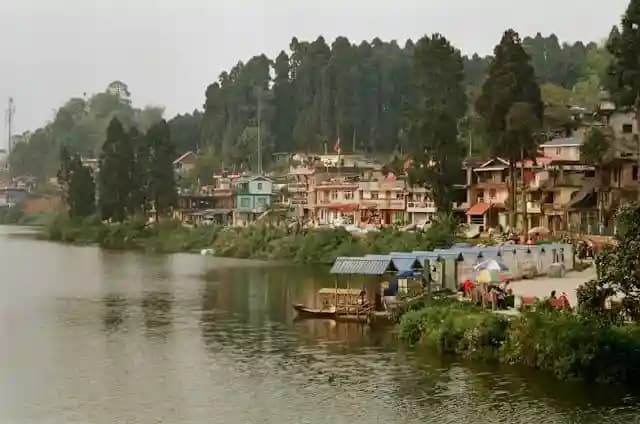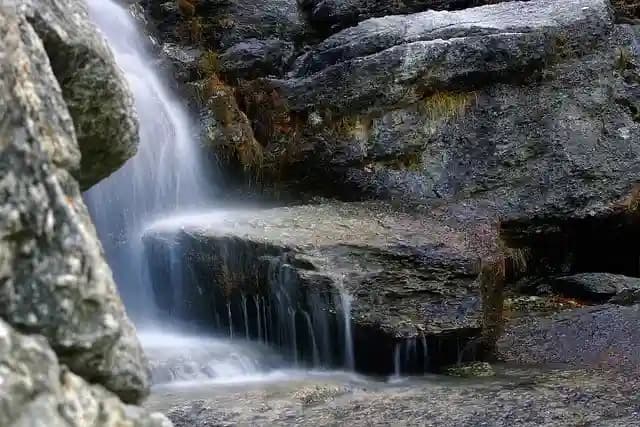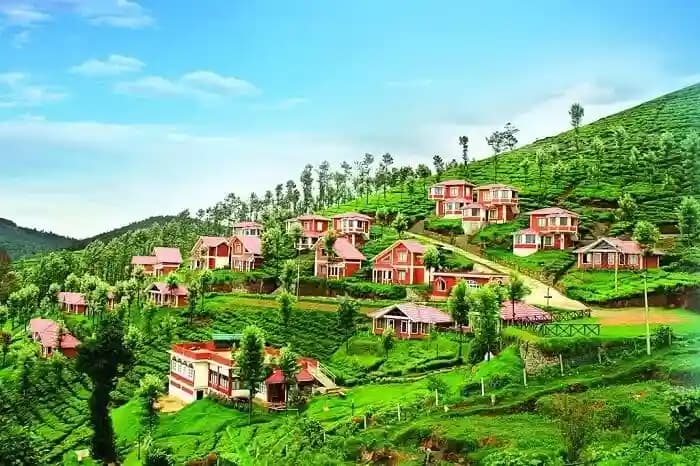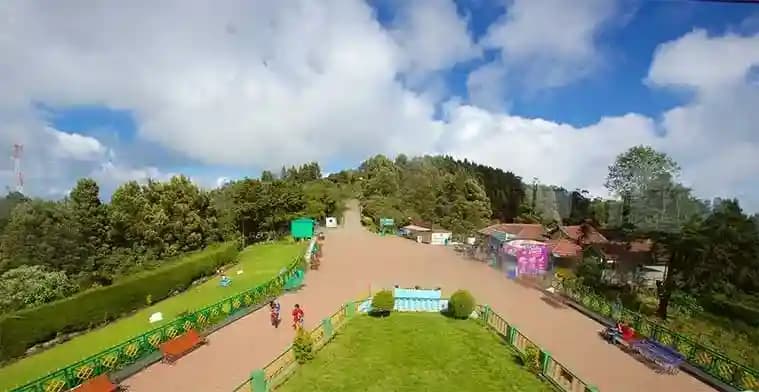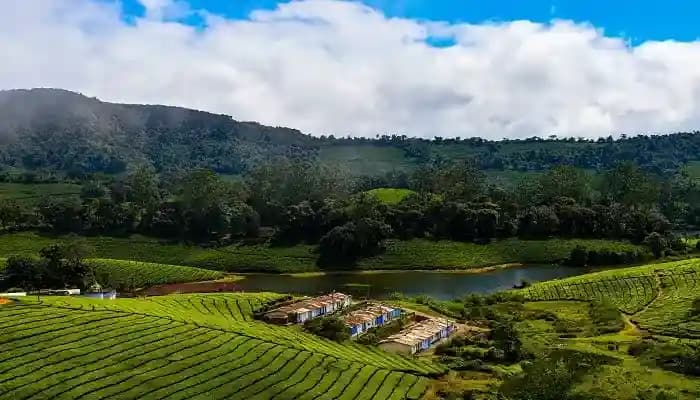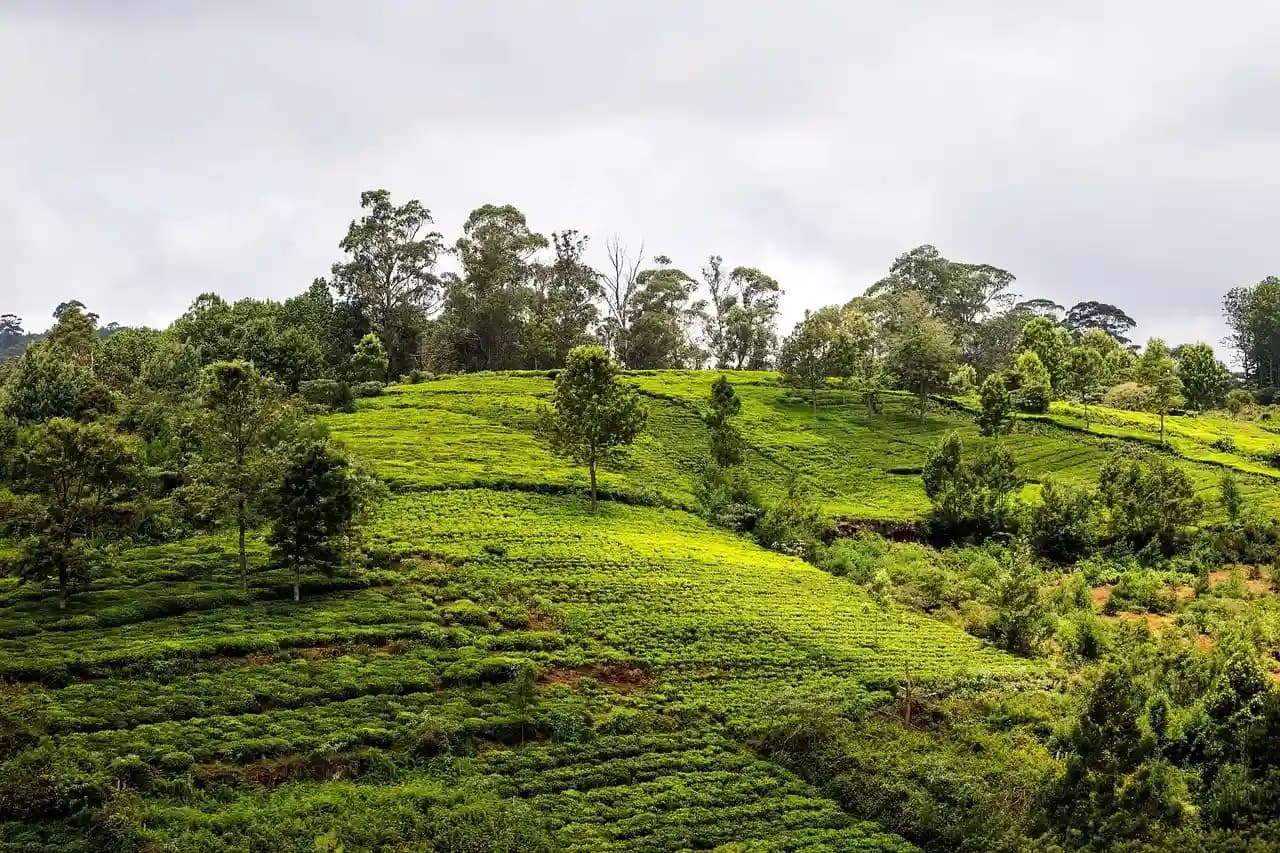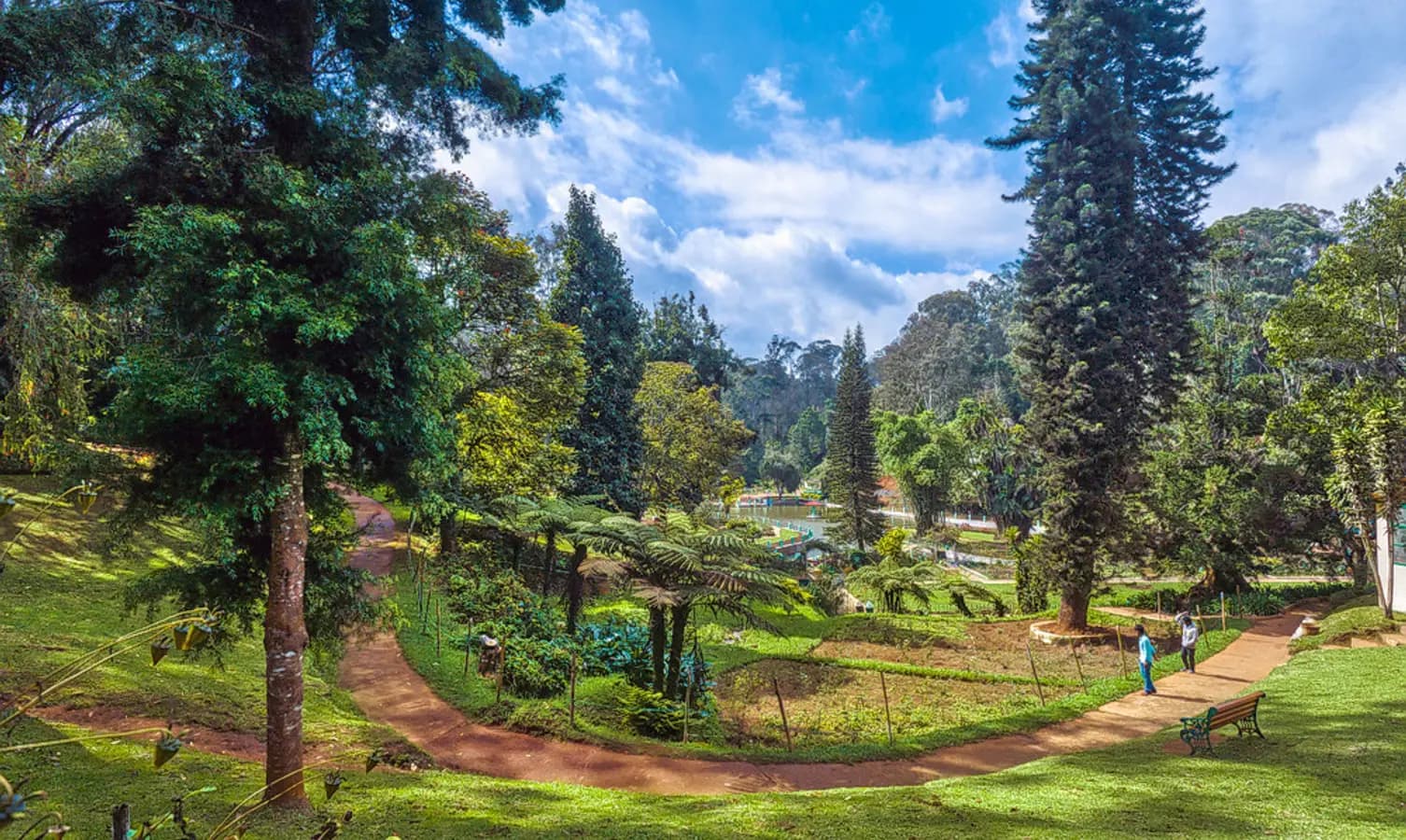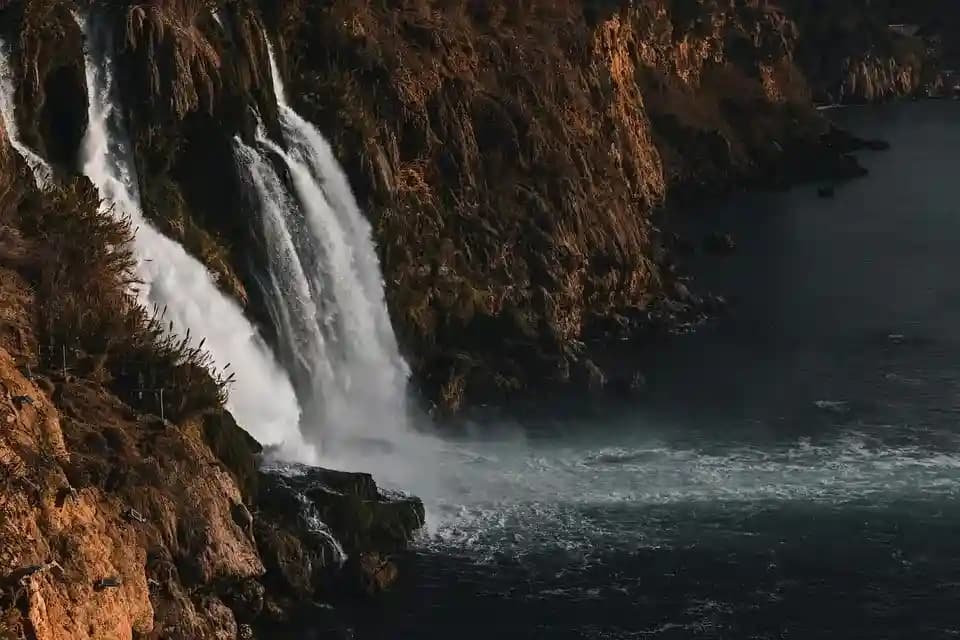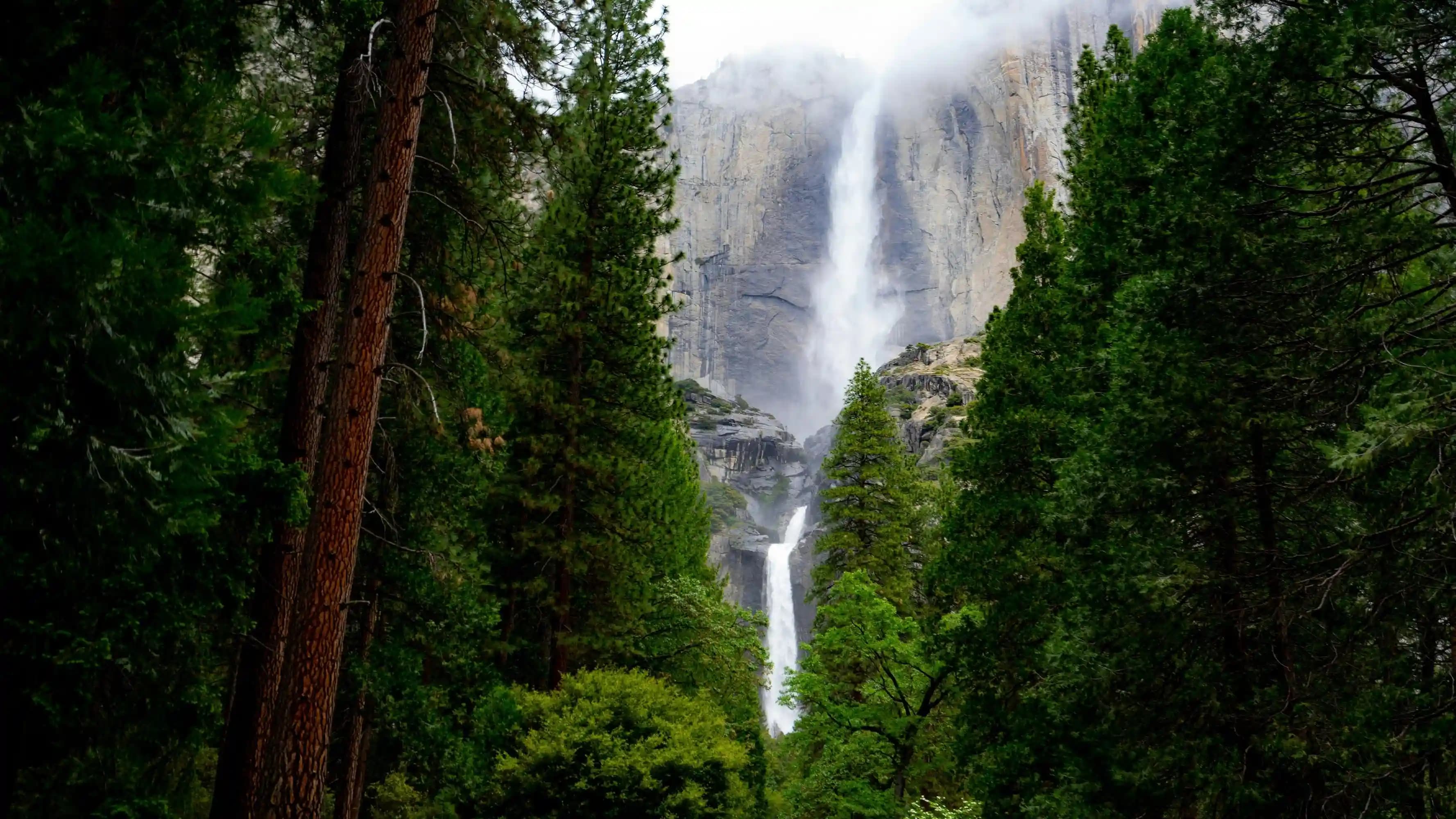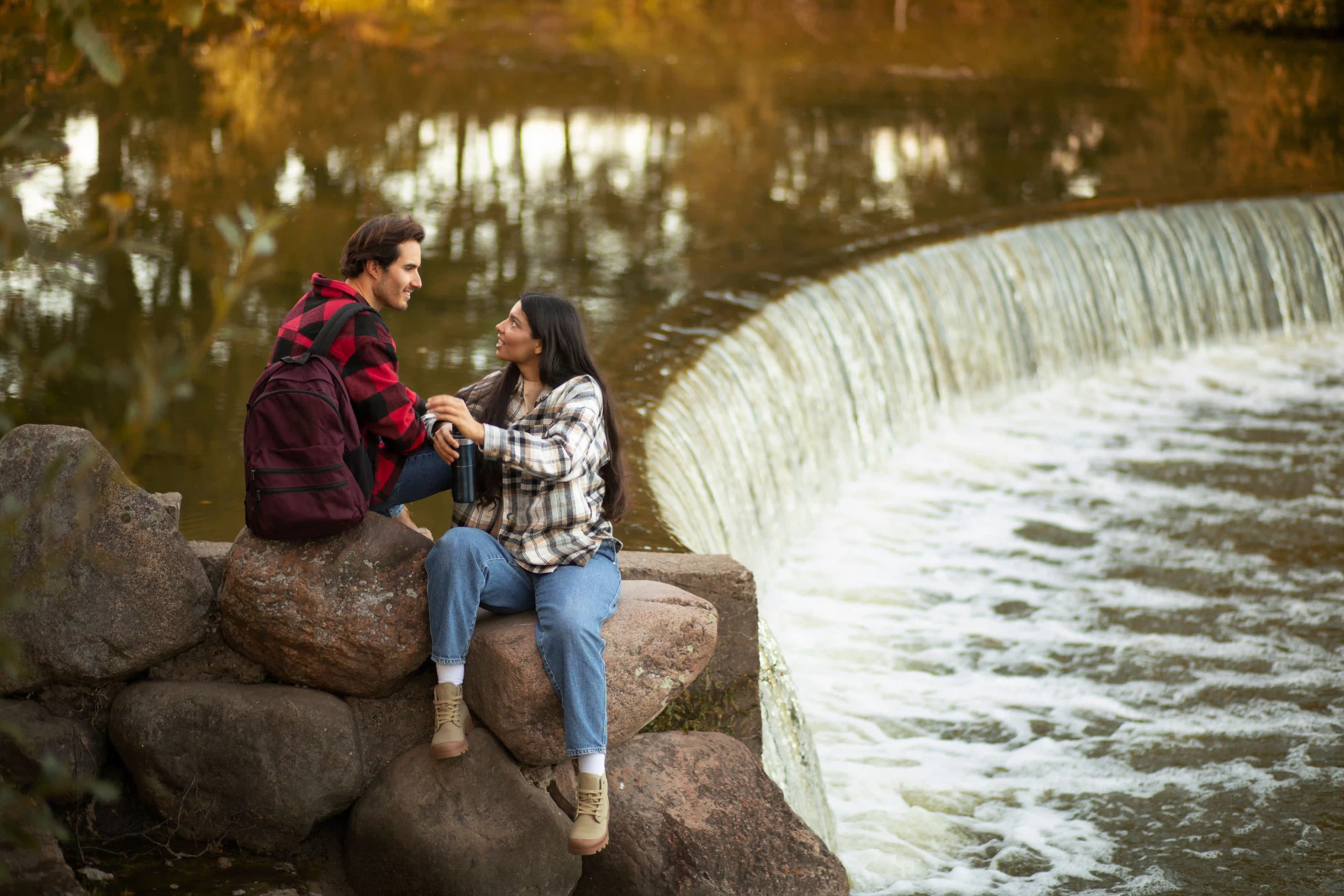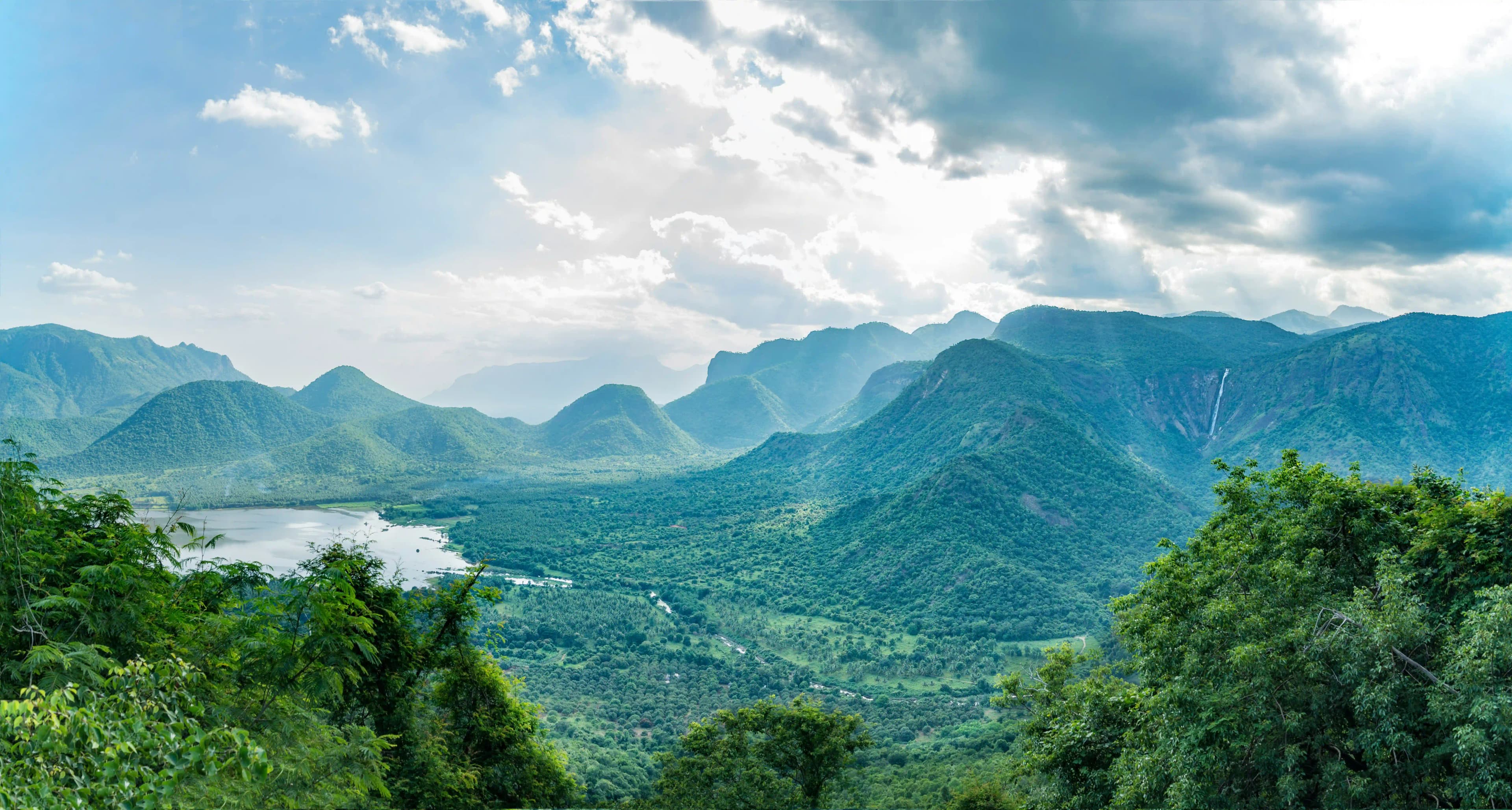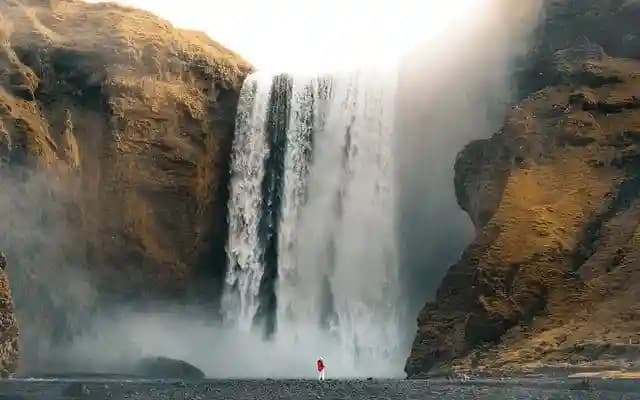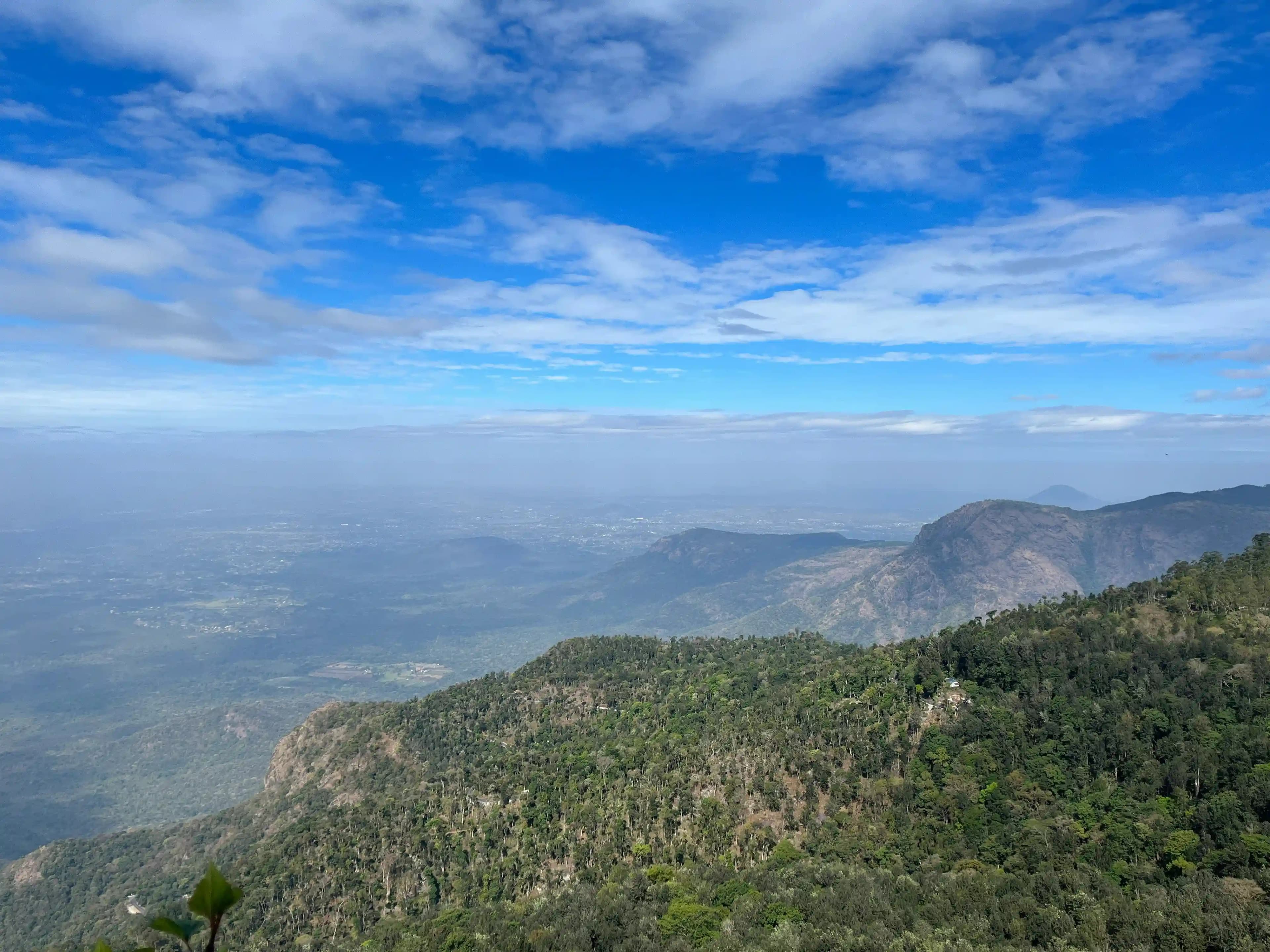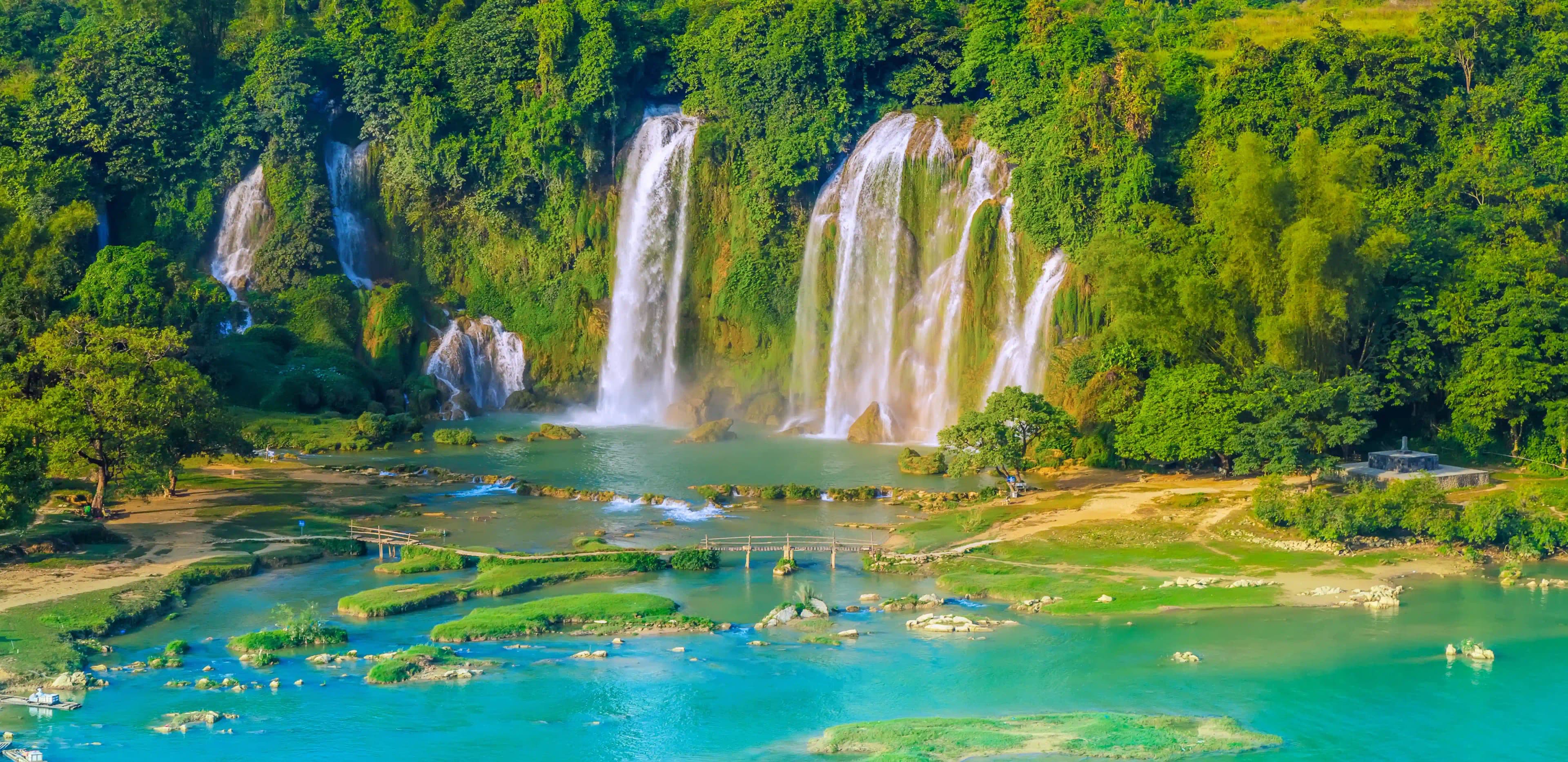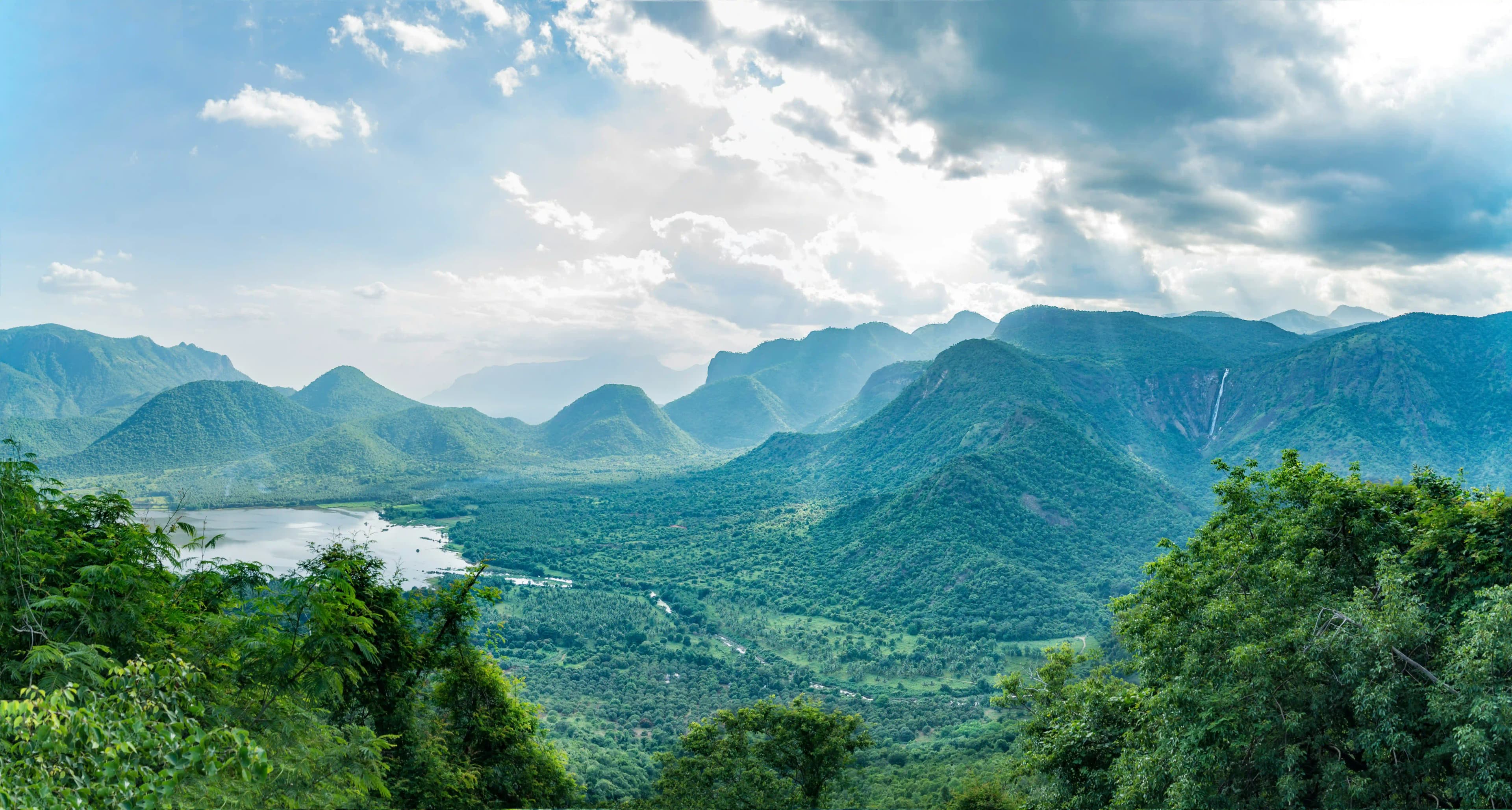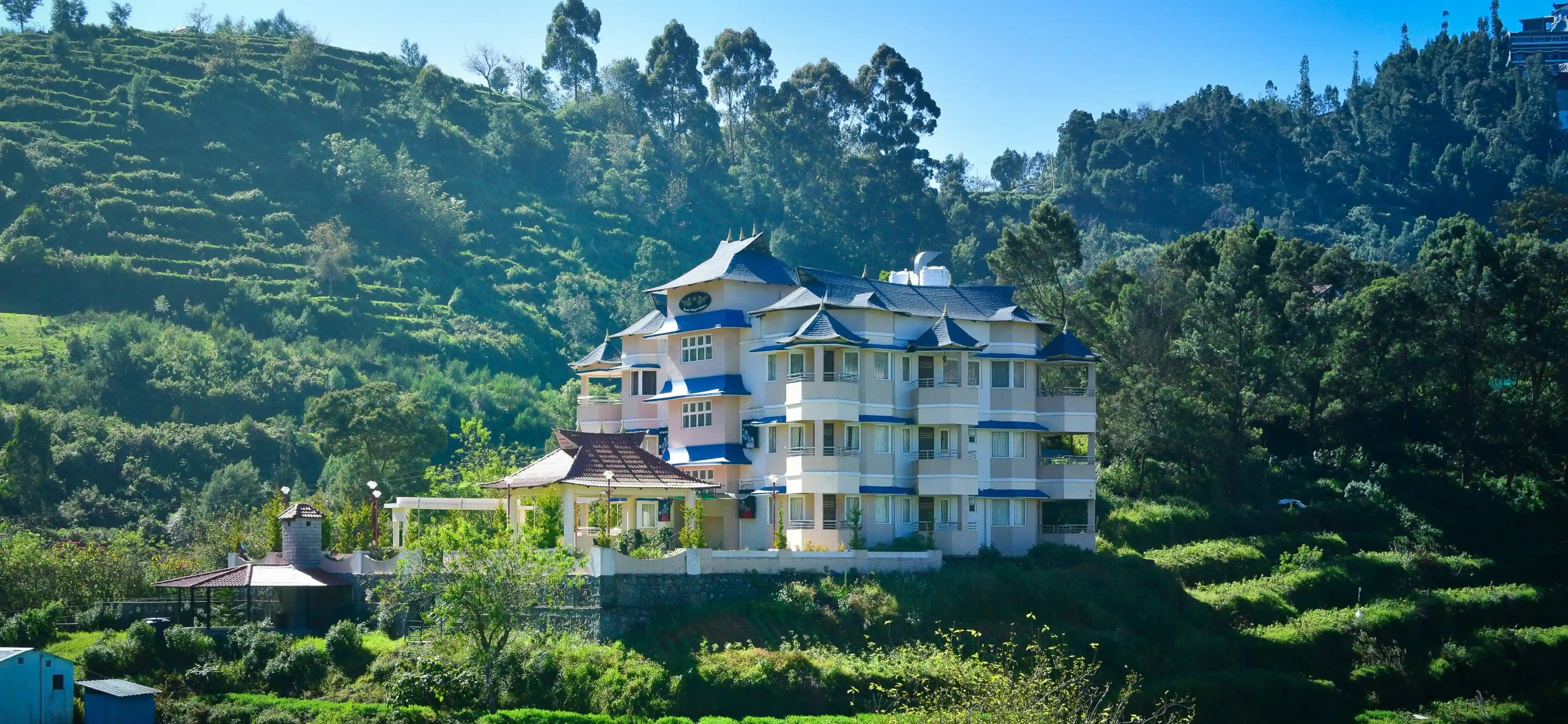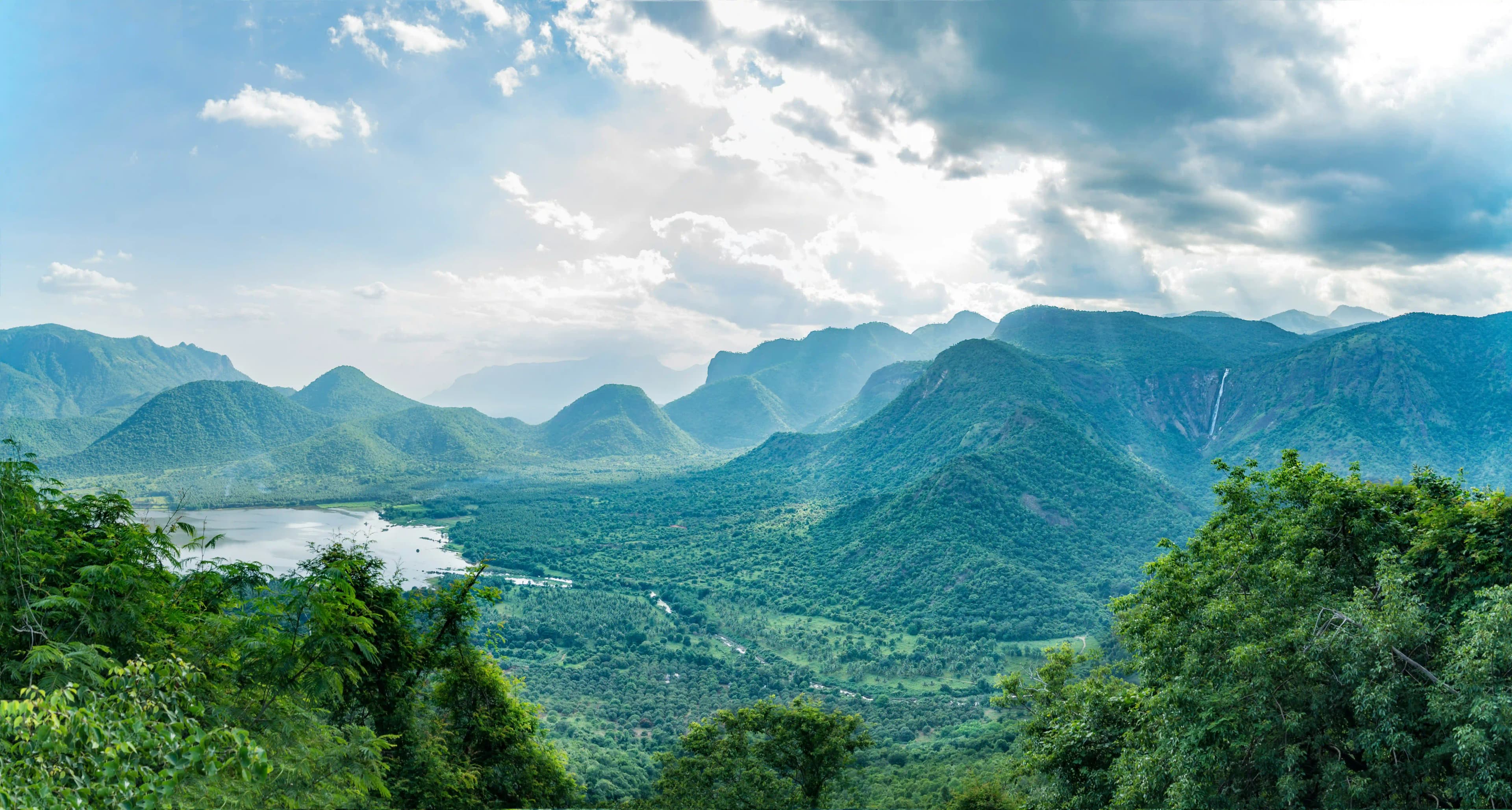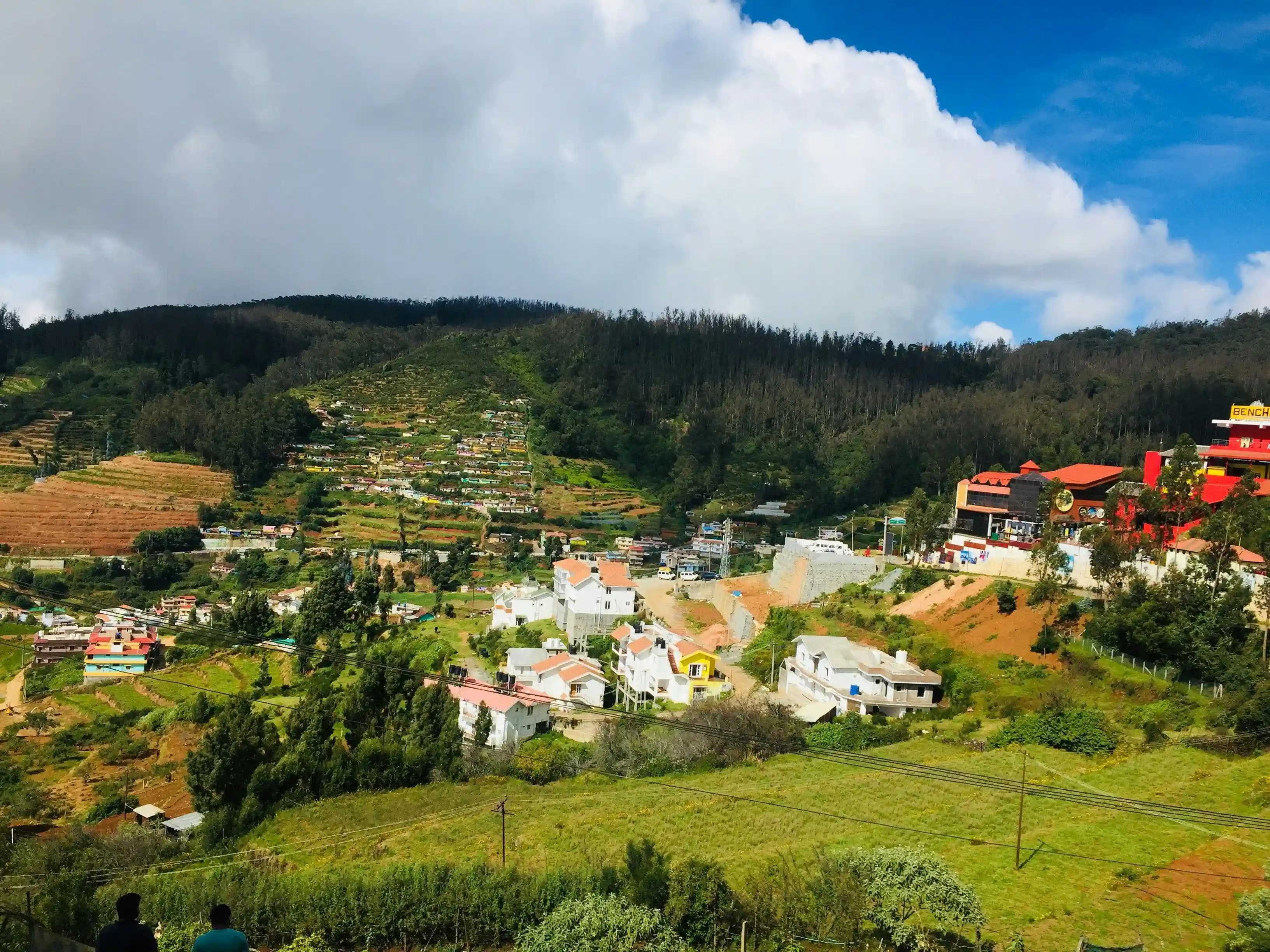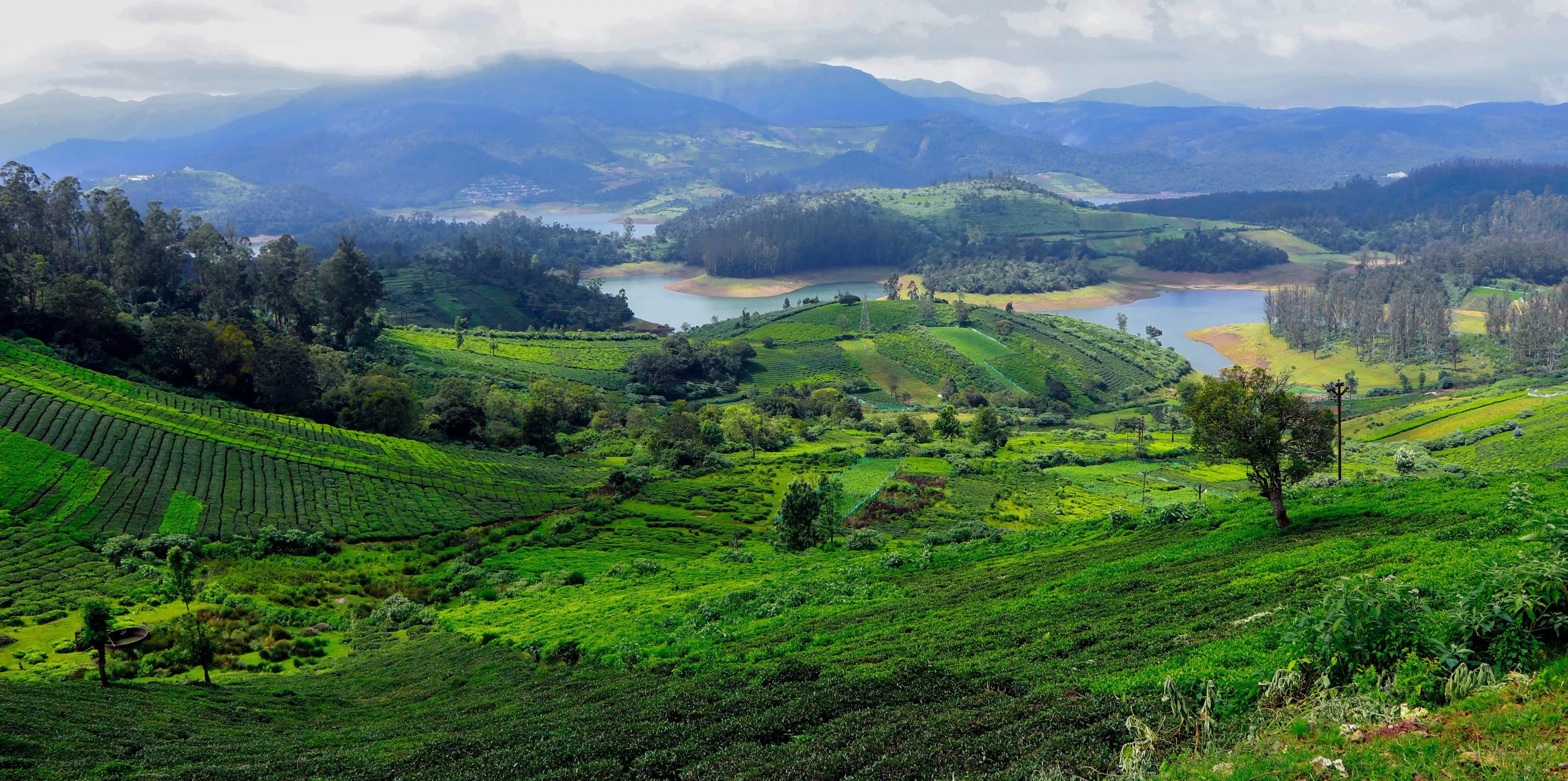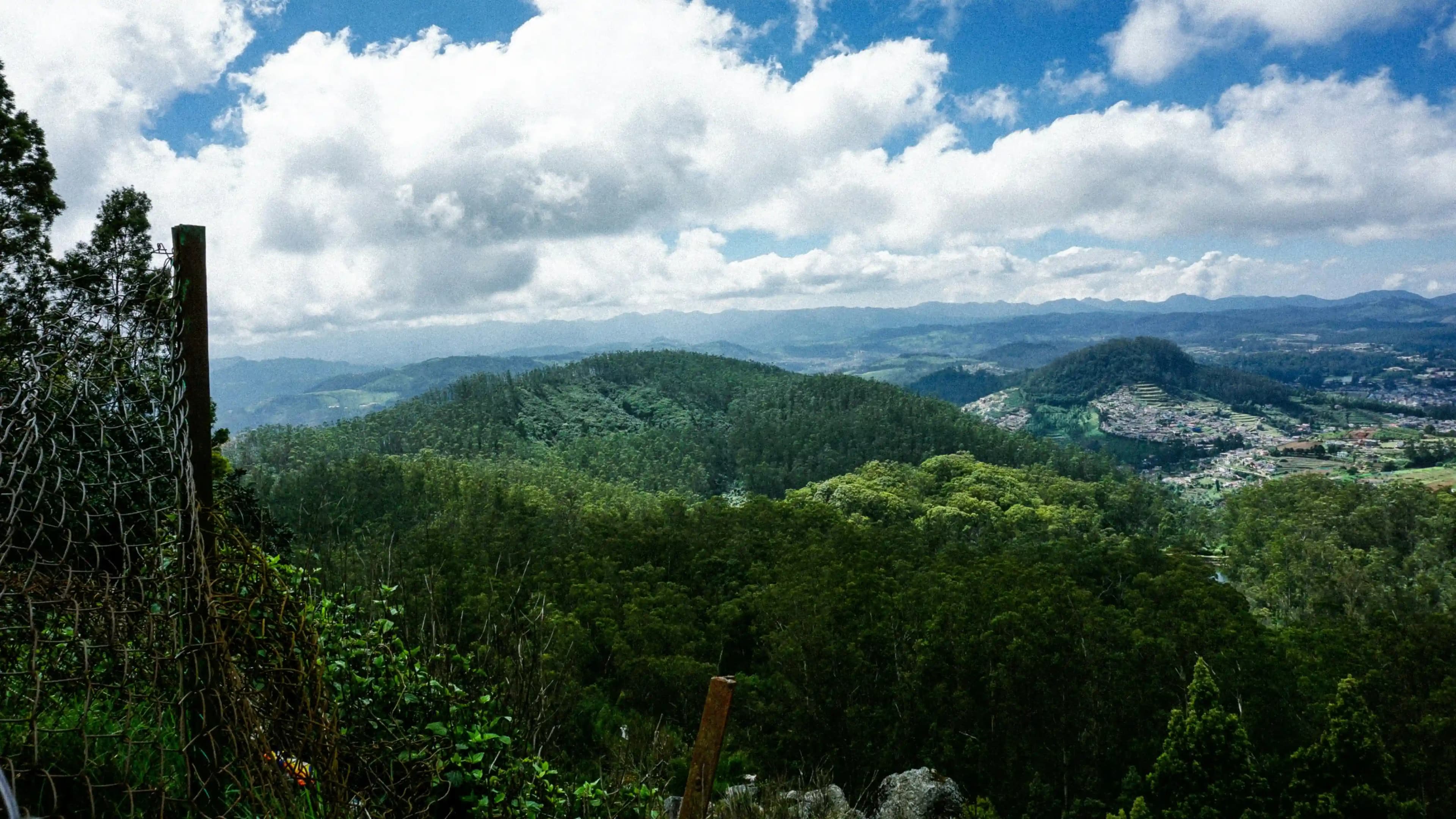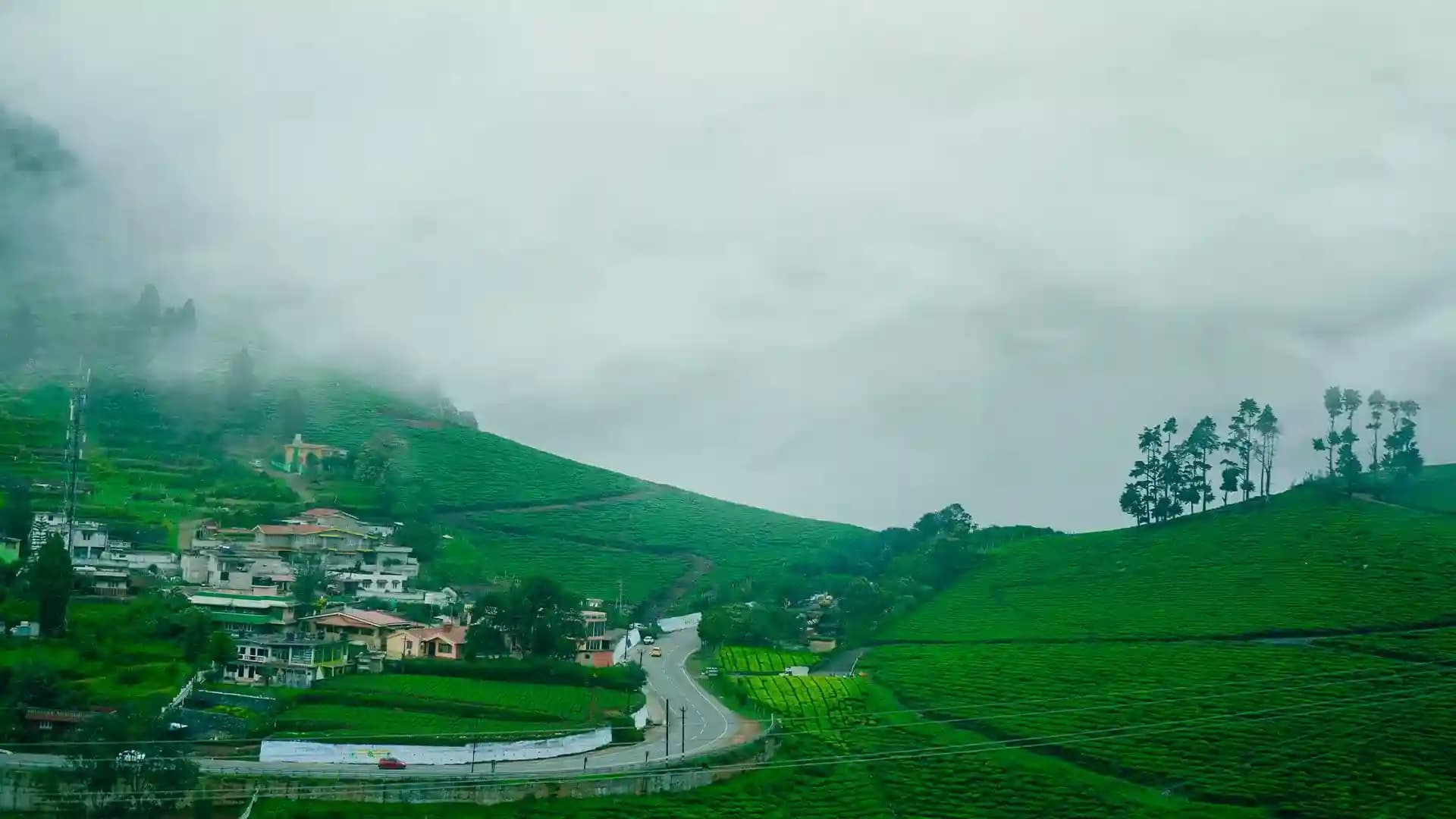
Can waterfalls really make or break a hill station? Ooty has tea gardens and colonial streets that look nice in photos. But the waterfalls in Ooty are what people actually remember weeks after going back home. Some roar loud enough to hear from the road while others hide behind forest bends waiting for you to find them. A few look safe from far away but get dangerous up close when rocks turn slippery.
Seasons change everything about how these waterfalls behave and what you'll actually see. October shows you powerful cascades while March might give you bare rocks with barely any water. This blog covers the most famous waterfalls in Ooty plus hidden ones that don't show up on every tourist map. Find out which falls let you get close and which ones are better admired from a distance.
List of Famous Waterfalls In Ooty You Shouldn’t Miss
The Nilgiri hills get uneven rainfall throughout the year and that decides how each waterfall behaves. Some turn powerful for just a few weeks then fade into barely visible trickles. Others keep flowing steadily well into winter months when most dry up completely. Here's the list of 8 waterfalls worth visiting during the best time to visit Ooty.
1. Pykara Waterfall In Ooty
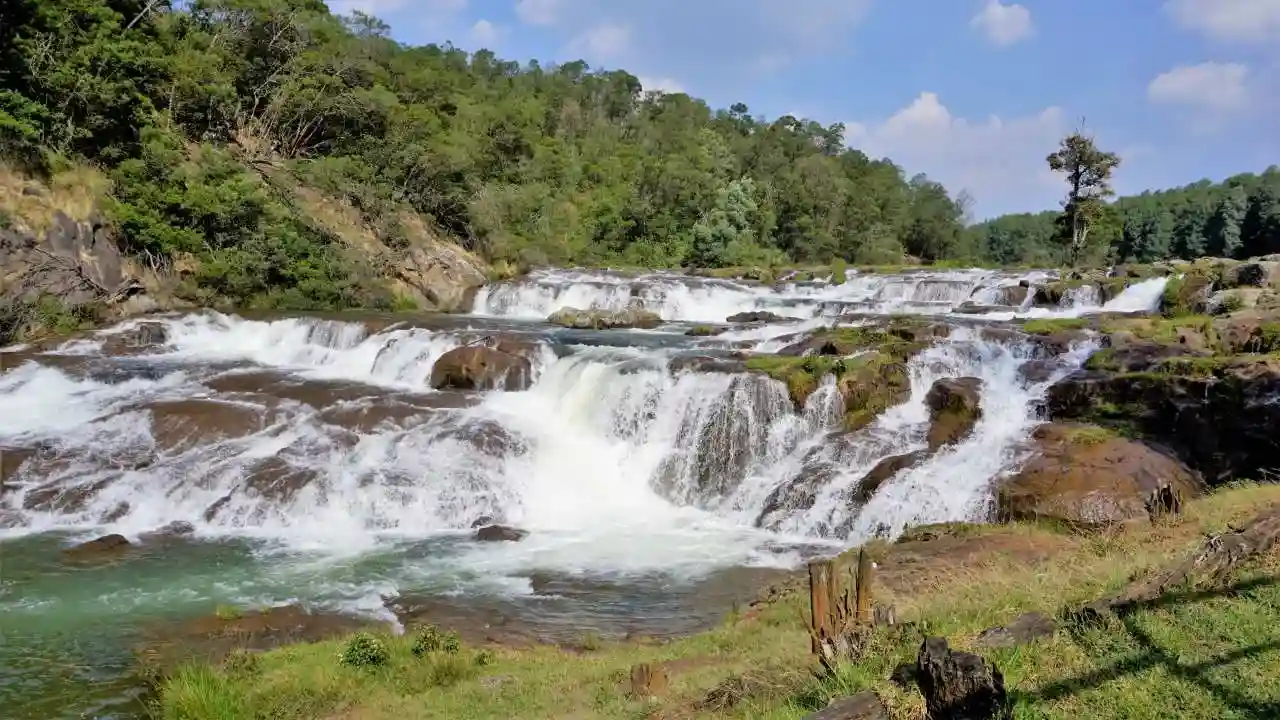
Pykara falls remains the most recognisable among all famous waterfalls in Ooty and sits about 20 km from town. The Pykara River drops across wide rock steps creating upper and lower sections both visible from maintained viewpoints. During monsoon months, the sound alone tells you how powerful it gets before you even see it. Post-monsoon, the flow calms down a bit making it easier to enjoy without getting pushed by crowds everywhere. The area around the waterfall has walking paths and spots to sit quietly watching the water rush past, making it one of the most relaxing things to do in Ooty.
Best Time To Visit: August to October
Ideal For: Scenic stops, first-time visitors, photography
2. Catherine Waterfalls Ooty
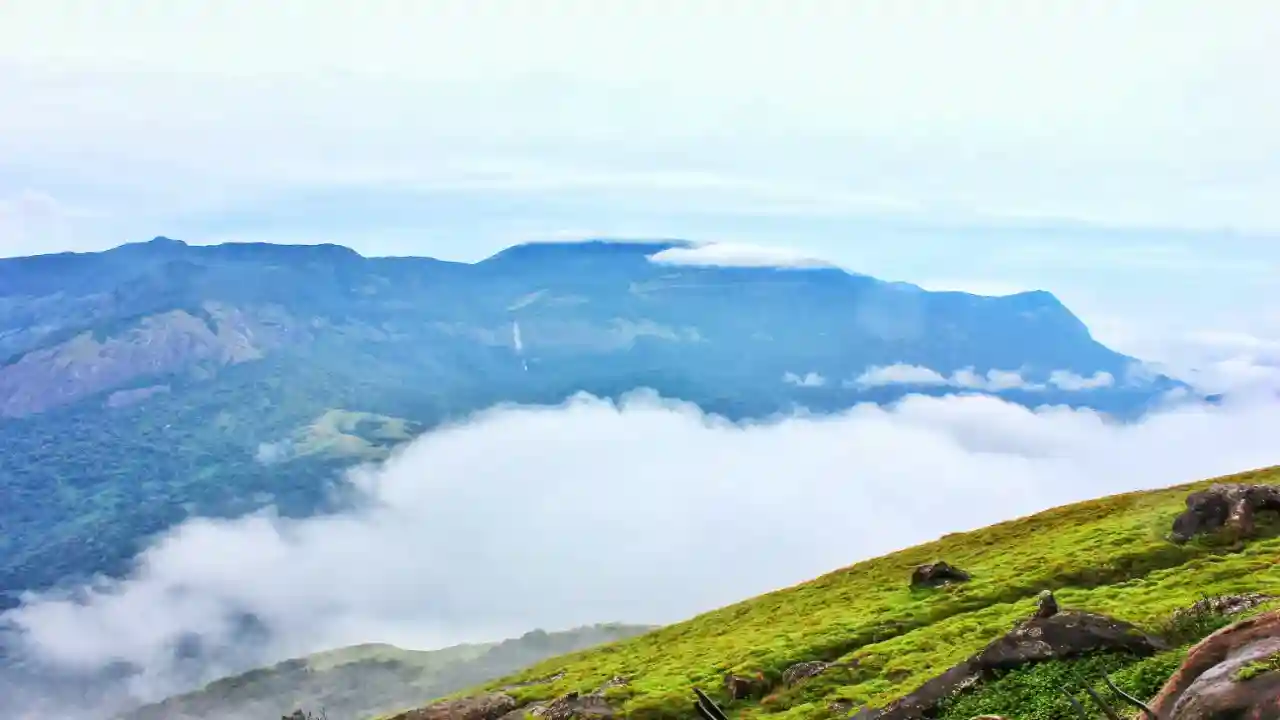
Catherine Falls drops from over 250 feet near Kotagiri and looks best from viewpoints rather than up close. Mist drifts across the valley, hiding the fall completely sometimes then suddenly revealing it when you least expect. The road getting here passes through tea estates, and many travellers also pair this route with a quick stop at Doddabetta Peak for panoramic Nilgiri views. Early mornings give you the clearest views before clouds roll in and cover everything. This waterfall stays distant, but the height and surroundings make it worth the trip out there.
Best Time To Visit: September to November
Ideal For: Viewpoints, calm observation
3. Katary Waterfalls
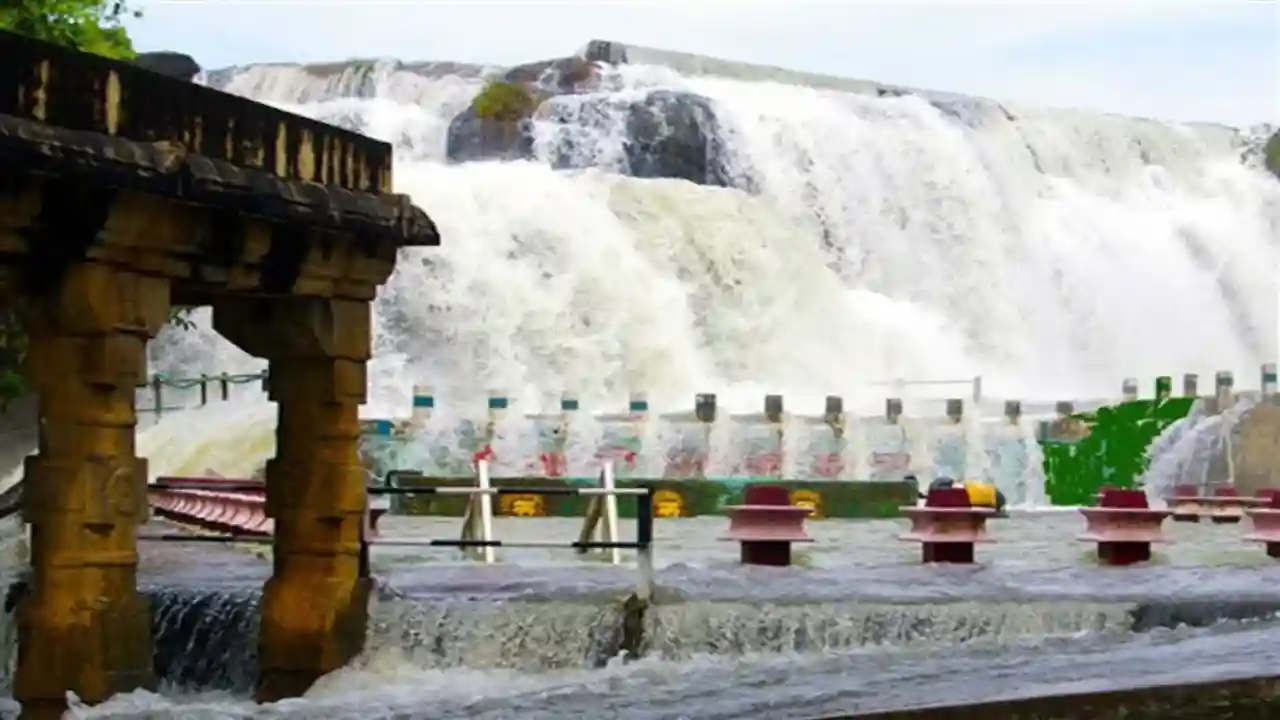
Katary Falls sits near a hydroelectric dam and feels way less touristy than the popular ones. Getting to the base needs a short but steep walk down and the trail gets slippery after any rainfall. Caution helps more than rushing down because the rocks stay wet even days after rain stops. The waterfall looks raw and powerful during peak flow when monsoon water pushes through hard. Fewer people come here so the silence gets broken only by water smashing against rocks below.
Best Time To Visit: October to December
Ideal For: Quiet exploration, nature-focused travellers
4. Twin Falls Ooty
Twin Falls features two parallel streams dropping side by side through thick forest cover around them. There are no signboards pointing the way and no proper parking spots which keeps most crowds away naturally. Local guidance actually makes a real difference here because the trail blends into surrounding vegetation, especially after rain. When water flow stays moderate, the view feels almost private like you discovered it yourself. Among the hidden waterfalls in Ooty, this one rewards those willing to ask locals and walk a bit off the usual path, and it easily counts as one of the best hidden places in Ooty.
Best Time To Visit: October and November
Ideal For: Offbeat exploration
5. Law's Falls
Law's Falls sits around 5 km from Coonoor and counts among the best waterfalls in Ooty for its accessibility and scenery. The waterfall drops about 180 feet through dense Shola forest creating a misty atmosphere all around. A small trek from the parking area takes you closer to the base where the sound gets louder with each step. The surrounding forest stays thick and green, giving you that calm pine forest Ooty vibe and making it feel cooler even on warmer days. Fewer tourists know about this spot compared to Pykara so it often feels quieter and more personal when you visit.
Best time to visit: October to March.
Ideal for: Photographers and nature lovers seeking quiet escapes.
6. Kalhatti Falls
Kalhatti Falls drops near a small temple dedicated to sage Agasthya adding spiritual significance to the natural beauty here. The waterfall flows down rocky terrain creating multiple smaller cascades before gathering at the bottom pool. A flight of steps leads down to the temple and viewing areas where you can watch water rushing past. This is one of the falls near Ooty that stays active even outside peak monsoon months due to consistent water sources. The combination of temple architecture and waterfall background makes it unique among waterfalls in Ooty for photography and quiet reflection.
Best time to visit: September to February.
Ideal for: Spiritual seekers and temple visitors.
7. Halasana Falls
Halasana Falls hides deep in forest areas and needs local knowledge to locate properly without getting lost. The waterfall appears after a moderate trek through vegetation that gets thicker as you go deeper inside. When water flow stays good, the base pool becomes one of the waterfalls in Ooty for bathing that locals actually use. The surrounding rocks provide natural seating and the forest canopy keeps the area shaded throughout the day. Visit during weekdays because weekends see families from nearby villages coming here to spend time by the water.
Best time to visit: June to January (post-monsoon flow).
Ideal for: Local bathers and families on weekdays.
8. Kolakambai Falls
Kolakambai Falls remains lesser known and requires determination to reach compared to the roadside waterfalls around Ooty. The trek involves crossing small streams and navigating forest paths that aren't clearly marked everywhere. Once you arrive, the waterfall reveals itself dropping through layered rocks creating multiple viewing angles to explore. The isolation means you might spend time here without seeing another person for hours straight. Among all waterfalls in Ooty, this one feels the most untouched by tourism and commercial development around it.
Best time to visit: April to June or September to December.
Ideal for: Adventure trekkers wanting isolation.
Tips to Follow While Visiting Waterfalls in Ooty
Visiting waterfalls in Ooty needs more preparation than you'd think because weather and terrain change constantly. Here are some practical tips that help you stay safe and actually enjoy the experience.
Good footwear matters more than clothes. Slippery stones and wet mud stay common even in dry months.
Don't stand too close to edges even with railings. Soil erodes differently every year around waterfalls.
Mobile networks disappear near forest routes. Download offline maps before heading out.
Carry light rain protection regardless of forecasts. Ooty weather changes without warning.
Respect restricted areas near dams and power stations. Water release schedules change suddenly.
Drive slower than usual. Roads stay narrow and wildlife crossings happen often.
Listen to locals like tea workers and drivers. They know which waterfalls are actually flowing right now.
Conclusion
Ooty has enough waterfalls to keep you busy for days if you really want to explore them all properly. Some need just a quick stop from the road while others demand an actual trek through slippery trails and thick forest. The waterfalls in Ooty change completely depending on when you visit so don't expect the same experience twice. Monsoon turns them wild and powerful while summer might leave you staring at bare rocks with minimal water trickling down. Pack proper shoes, carry rain protection, and give yourself extra time because these places rarely cooperate with tight schedules. The best waterfall is usually the one you didn't plan to visit.