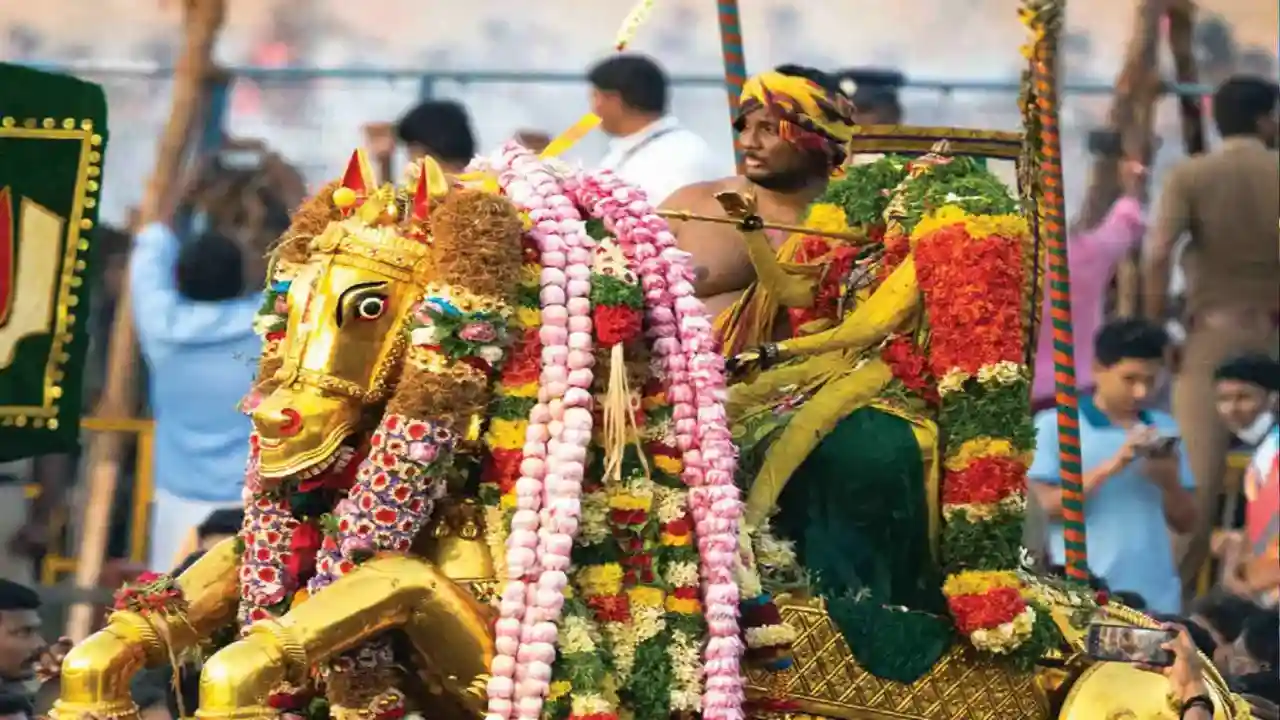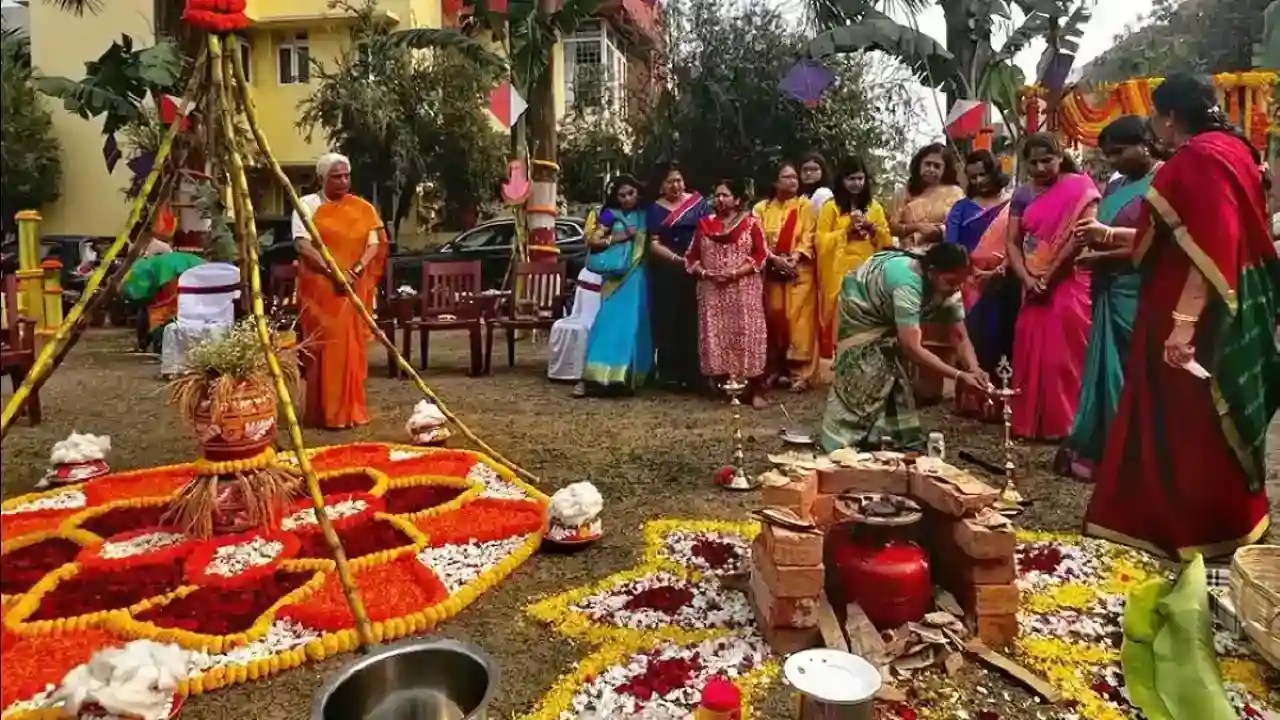
The scent of freshly boiled rice spilling over a clay pot, the sound of people laughing echoing through the village streets, the warmth of the winter sun on smiling faces- this is what the Pongal festival is all about; it arrives like a celebration of life and beyond. This lively harvest festival is not just about the rituals or traditions surrounding it; rather, it is about gratitude, unity and a reminder to appreciate the gifts of nature. Rooted deeply in Tamil culture, Pongal marks a fresh start and this is when people decorate their houses, thank the fields for the blessing and celebrate the beginning of the sun’s northward journey, also known as Uttarayan. Being one of the best festivals celebrated in India, Pongal embodies abundance and joy in its purest state- be it through the colourful kolams or delicious feasts.
What Is Pongal?
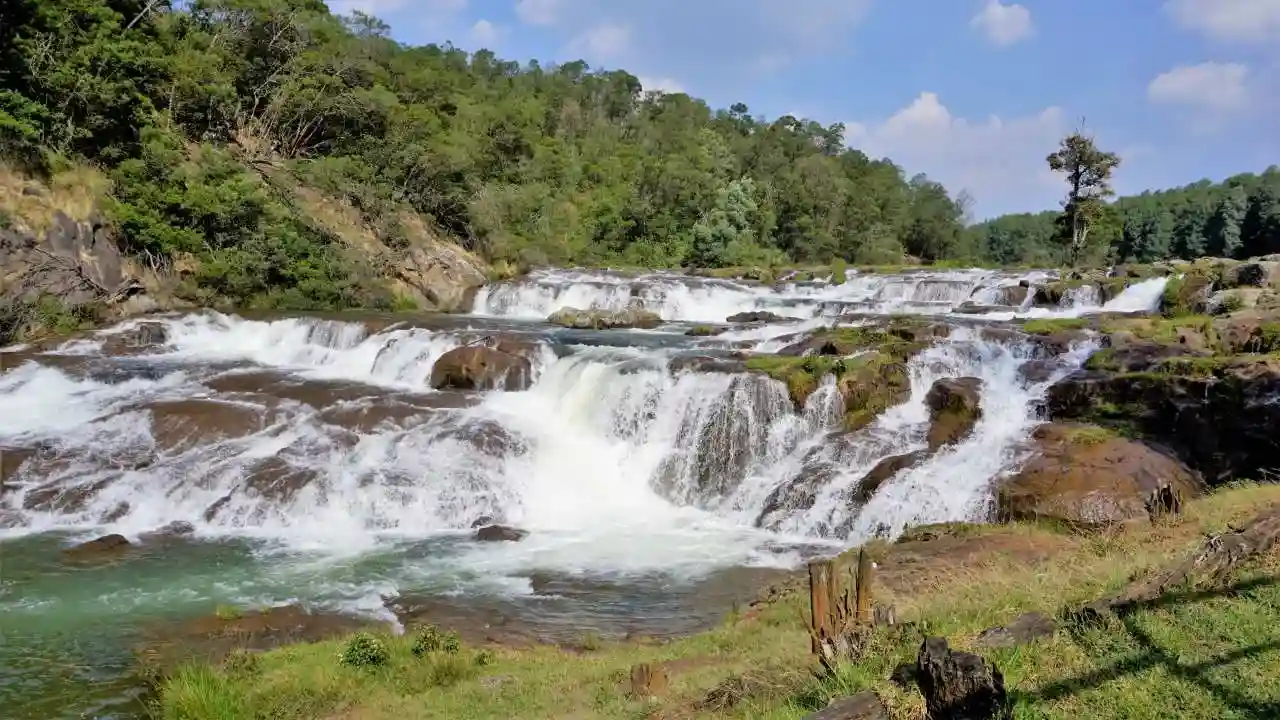
The Pongal Festival in Tamil Nadu is a traditional harvest festival and is primarily celebrated in Tamil Nadu and by Tamil communities all around the world. It marks the end of the winter solstice and the start of the northward movement of the sun, also referred to as Uttarayan. Pongal is observed over four days in January to convey thanks to nature, farmers, cattle and the Sun God for a good harvest, with celebrations taking place in homes, temples, and even natural spots like waterfalls in Tamil Nadu. The festival is named after the Tamil word “Ponga”, which means “to boil over” and hence represents prosperity and abundance.
The Pongal Festival Type: Harvest festival celebrating agricultural abundance
Primary Region: Tamil Nadu, with celebrations across South India and Tamil communities worldwide
Main Deity Honoured: Surya (Sun God)
The Pongal Festival Duration: Four days (Bhogi, Thai Pongal, Mattu Pongal, Kaanum Pongal)
Key Symbol: Boiling of rice and milk until it overflows, representing prosperity
Pongal Festival Dress: Women wear traditional sarees, while men dress in veshti or dhoti, keeping the look simple, festive and rooted in Tamil culture
Pongal Festival Significance: Gratitude towards nature, farmers and livestock
Pongal Festival History
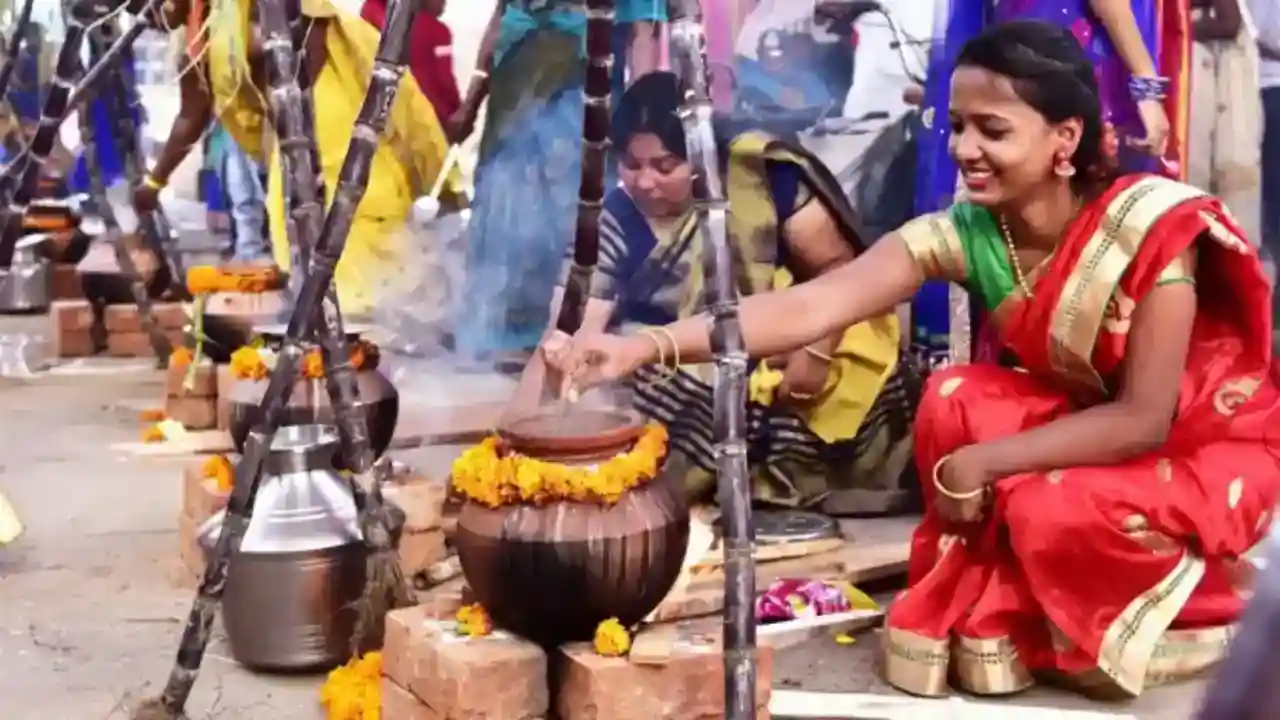
The Pongal Festival has a long and rich history, which is connected to the ancient Tamil culture and their agrarian culture and traditions. Pongal festival has been celebrated for over 2,000 years and is also mentioned in the Sangam period Tamil literature. The festival started as a way for the farming communities to thank the Sun God (Surya), nature and farm animals to mark the beginning of a successful harvest season. Since agriculture was the foundation of the Tamil society, Pongal was a festival of abundance, thanksgiving and regeneration.
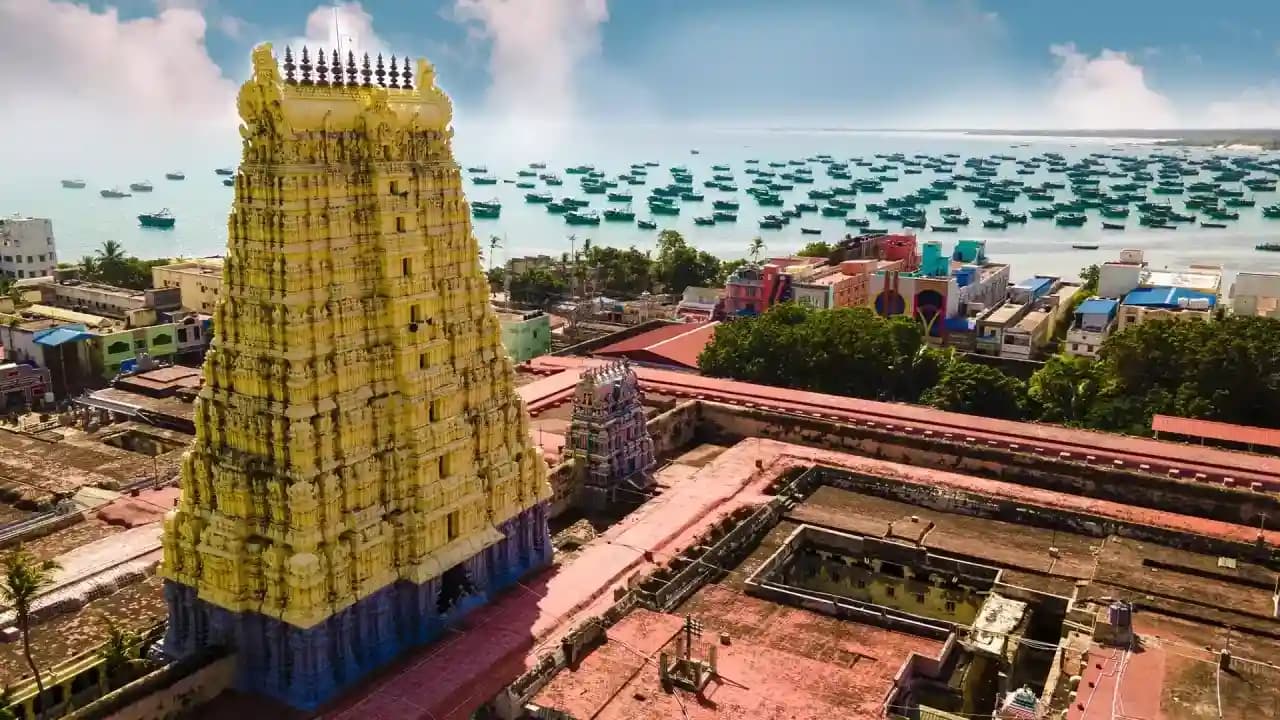
The word Pongal comes from the Tamil word “pongu”, meaning to boil over, symbolising prosperity and overflowing happiness. Conventionally, freshly picked rice is cooked in milk and jaggery and presented to the Sun. Over time, the festival expanded into four days, honouring nature (Bhogi), the Sun (Thai Pongal), cattle (Mattu Pongal) and social bonding (Kaanum Pongal). Despite modern changes, Pongal continues to reflect Tamil Nadu's strong connection with land, seasons, historical places in Tamil Nadu, and community life.
Pongal Festival Dates 2026
Pongal in 2026 will be celebrated over four days, from 14 January to 17 January. This marks the arrival of the Tamil month of Thai, a month that is considered highly auspicious. Pongal is one of the major festivals in January in India and holds special importance in the Tamil calendar. The festival follows the Tamil solar calendar, not the Gregorian calendar. Pongal begins when the Sun enters the zodiac sign Capricorn (Makara), which signals the Sun’s northward journey. Even though the Pongal festival always falls in mid-January, this astronomical shift is the key reason the dates of Pongal change slightly every year. The Harvest Festival in Tamil Nadu is observed on the same days with traditional rituals, festive cooking as well as cultural celebrations.
Bhogi Pongal: 14 January 2026 (Wednesday)
Thai Pongal / Surya Pongal: 15 January 2026 (Thursday)
Mattu Pongal: 16 January 2026 (Friday)
Kaanum Pongal: 17 January 2026 (Saturday)
Four Days of Pongal Festival 2026 Explained
As one of the famous festivals in India, Pongal is celebrated over four meaningful days, each marking a different aspect of life, nature and gratitude. From renewal and abundance to honouring animals and strengthening family bonds, every day has its own rituals and significance rooted deeply in Tamil culture.
Day 1: Bhogi Pongal - January 14, 2026
Bhogi marks the start of Pongal festivities and represents a fresh start and a new beginning. On this day, the families sweep their houses thoroughly and get rid of old or unutilized goods to get rid of negativity in their lives. In the morning, bonfires are set up called Bhogi Mantalu, the old belongings are set ablaze as a symbolic gesture of letting go. The houses are painted and good rainfall, prosperity and a successful harvest season in the future are prayed upon.
Day 2: Thai Pongal / Surya Pongal - January 15, 2026
The most significant day of the festival is Thai Pongal which is devoted to the Sun God. The traditional food is made of freshly harvested rice, milk and jaggery. When the milk exceeds the boiling point, people joyfully chant Pongalo Pongal which means abundance and good fortune. It is first offered to the Sun God as a sign of gratitude for energy and life. Kolams are also coloured and they are drawn at the entrances of houses which further adds on to the festive feel. Thai Pongal is considered sacred among all festivals of Tamil Nadu celebrated during this season.
Day 3: Mattu Pongal - January 16, 2026
Mattu Pongal is a festival that celebrates cattle which are very important in agriculture and farming. Cows and bulls are bathed, decorated with flowers, bells and painted horns and given special food that is cooked at home. Women pray for the welfare and success of their families. Cultural events and traditional activities are held in the rural areas, which celebrate the bond between humans and animals. This is a holiday that shows a high degree of respect towards livestock and their role in the life of the rural world.
Day 4: Kaanum Pongal - January 17, 2026
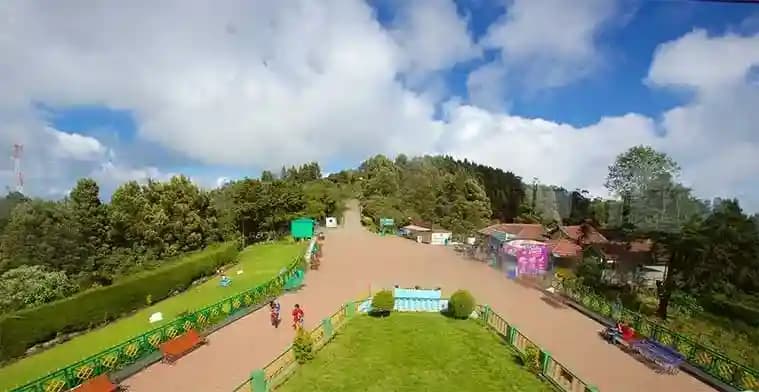
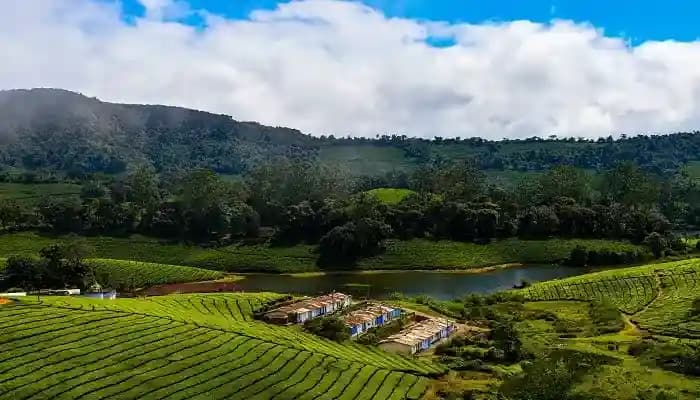
Kaanum Pongal marks the conclusion of the festival and focuses on togetherness and social bonding. Families visit relatives and friends, exchange festive food and share sugarcane as a symbol of sweetness and joy. Picnics are commonly organised near rivers, parks, hill stations in Tamil Nadu or open spaces. Communities come together to relax, celebrate and enjoy the festive mood. Thus, this day is a joyful wrap-up to the Pongal celebrations.
Pongal Festival Delicacies
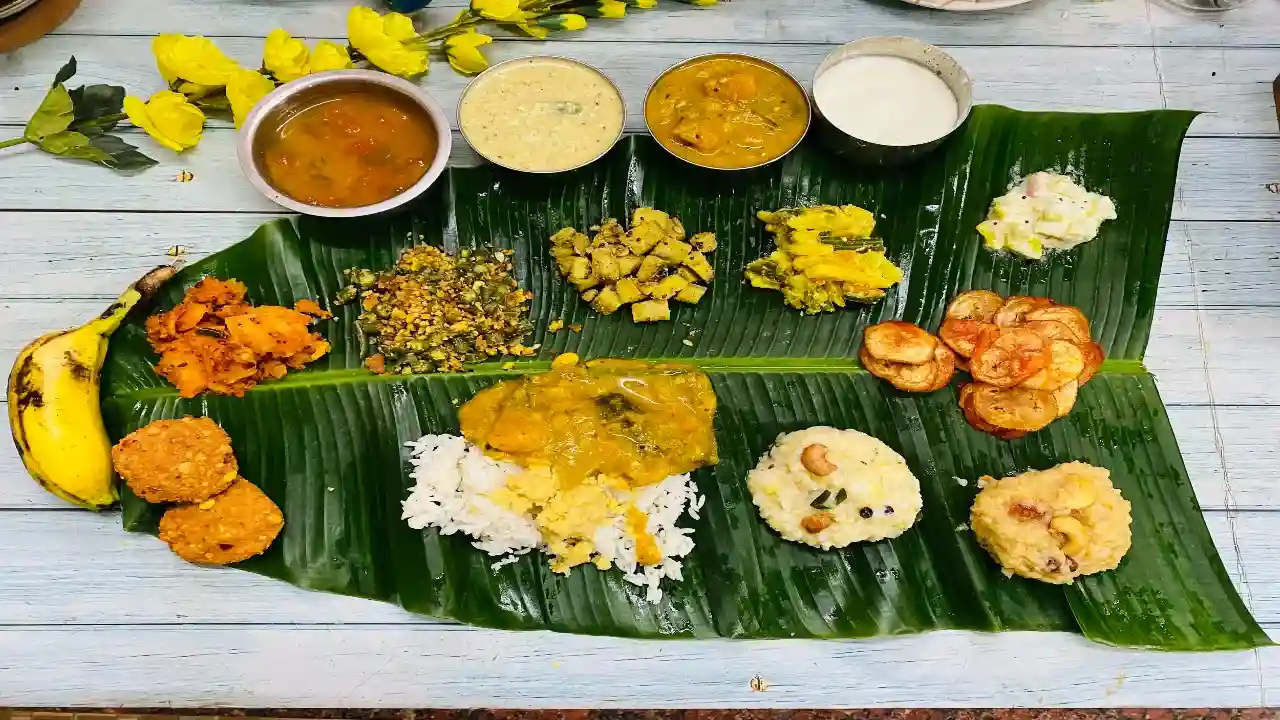
Pongal celebrations are incomplete without its traditional and festive delicacies. Each of them reflects the harvest season as well as the local flavours of Tamil Nadu. From sweet to savoury, these dishes hold cultural as well as spiritual significance.
Sakkarai Pongal: Sweet version made with rice, jaggery, moong dal, milk, and ghee; offered to the Sun God as prasadam
Ven Pongal: Savoury preparation of rice and lentils, seasoned with spices and ghee; also a popular breakfast dish
Pongal Kootu: Lentil and vegetable stew made with seven seasonal vegetables like pumpkin, sweet potato, raw banana, and broad beans
Kara Murukku: Crispy snack made from urad dal flour, shaped in coiled rounds; served as a festive treat during evenings.
Conclusion
Pongal is a celebration of gratitude, harmony and balance with nature. The festival, which has its roots in ancient Tamil customs, serves as a reminder to cherish the sun, the land, animals, and the hard work and efforts of farmers who provide for daily life. Every day of the Pongal festival conveys a significant message, ranging from rebirth and abundance to respect for livestock and togetherness within families and communities. The traditions of cooking Pongal in clay pots, drawing colourful kolams, and decorating cattle keep the spirit of this festival alive across generations. Pongal is one of Tamil Nadu's most culturally rich and emotionally significant festivals and it continues to uphold these ancient ideals even in the present.