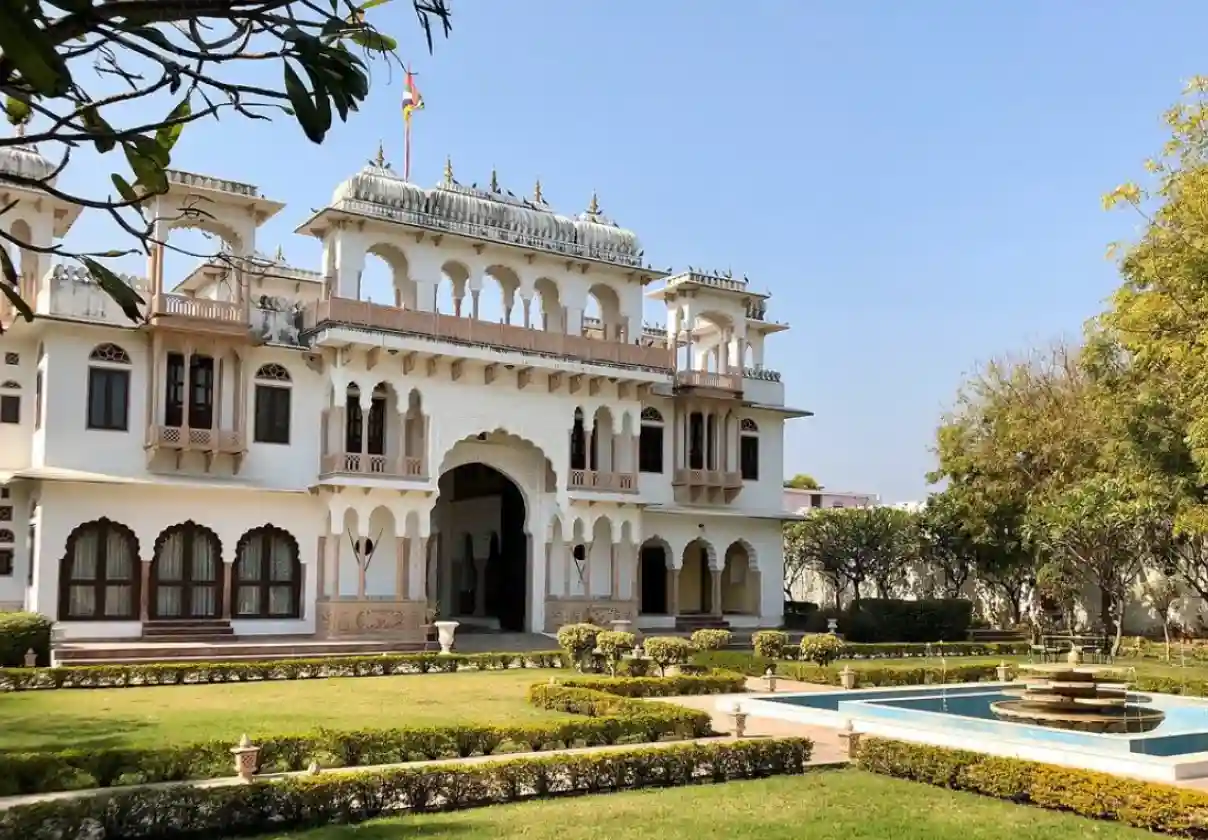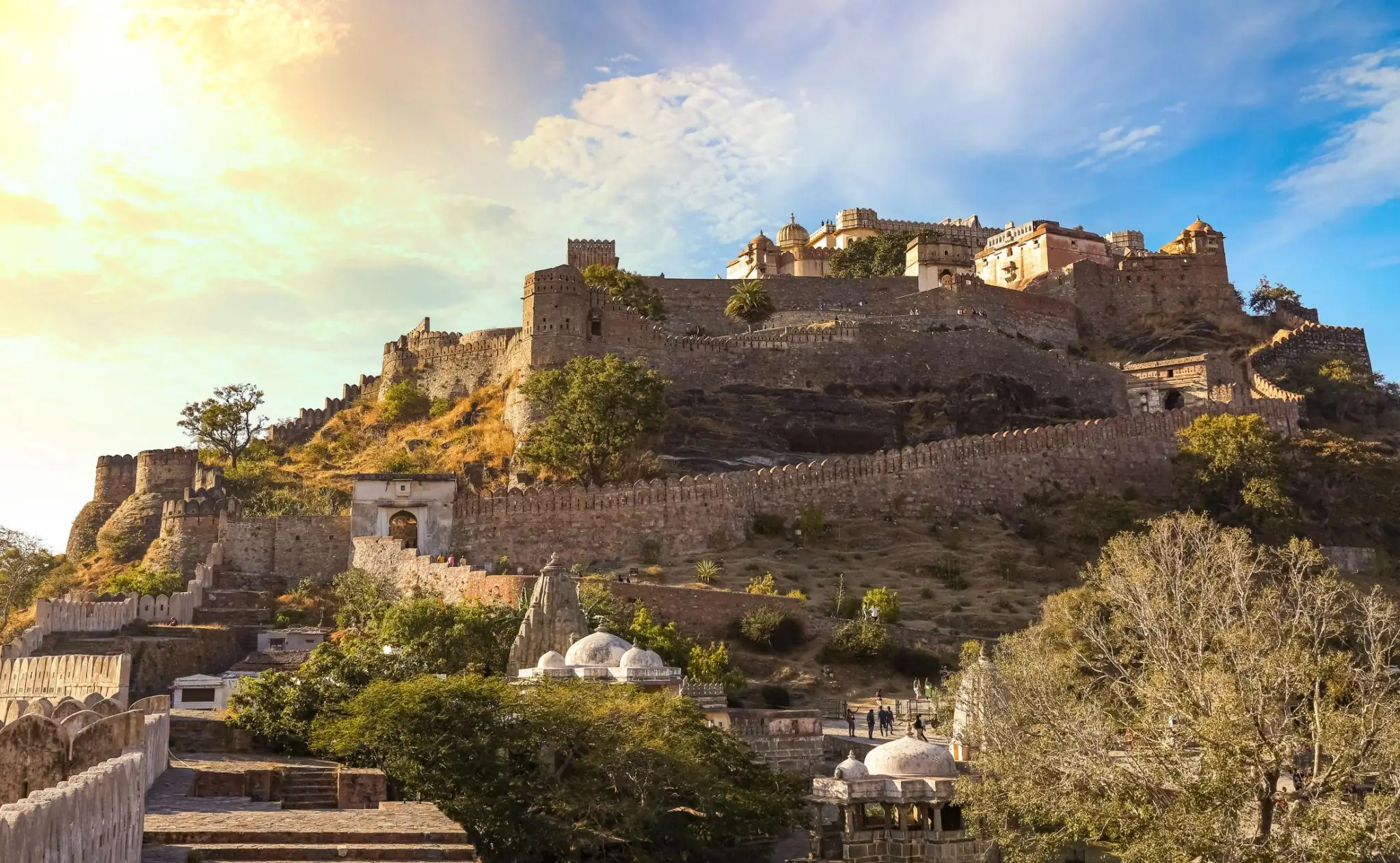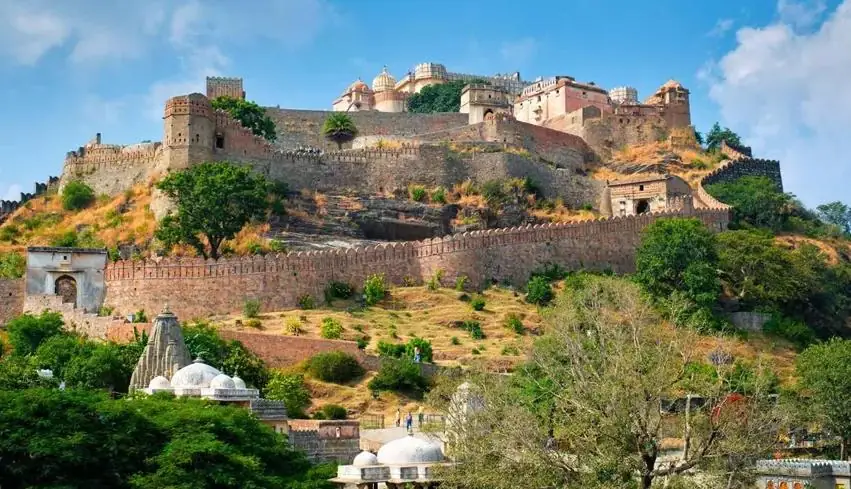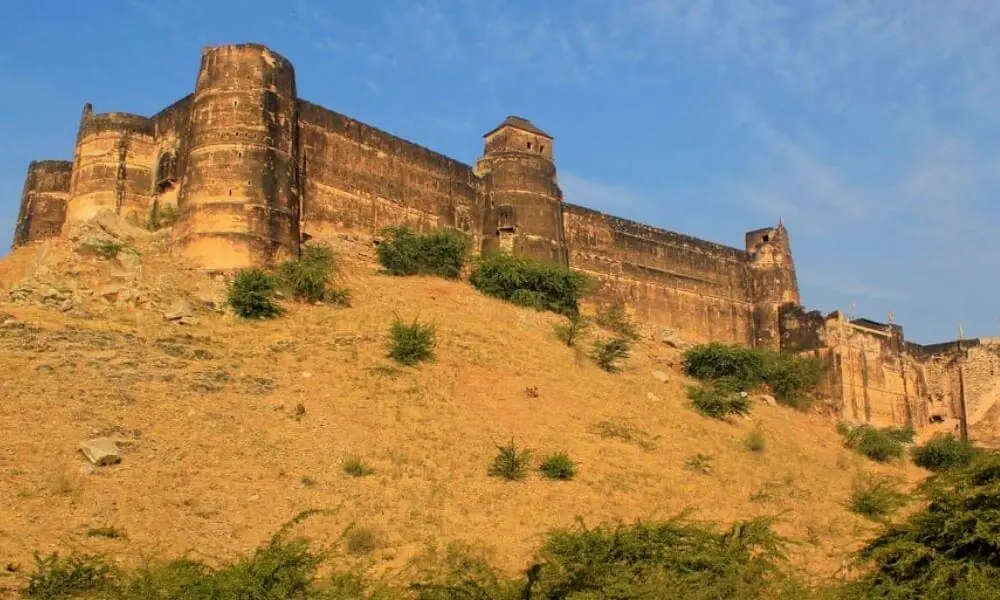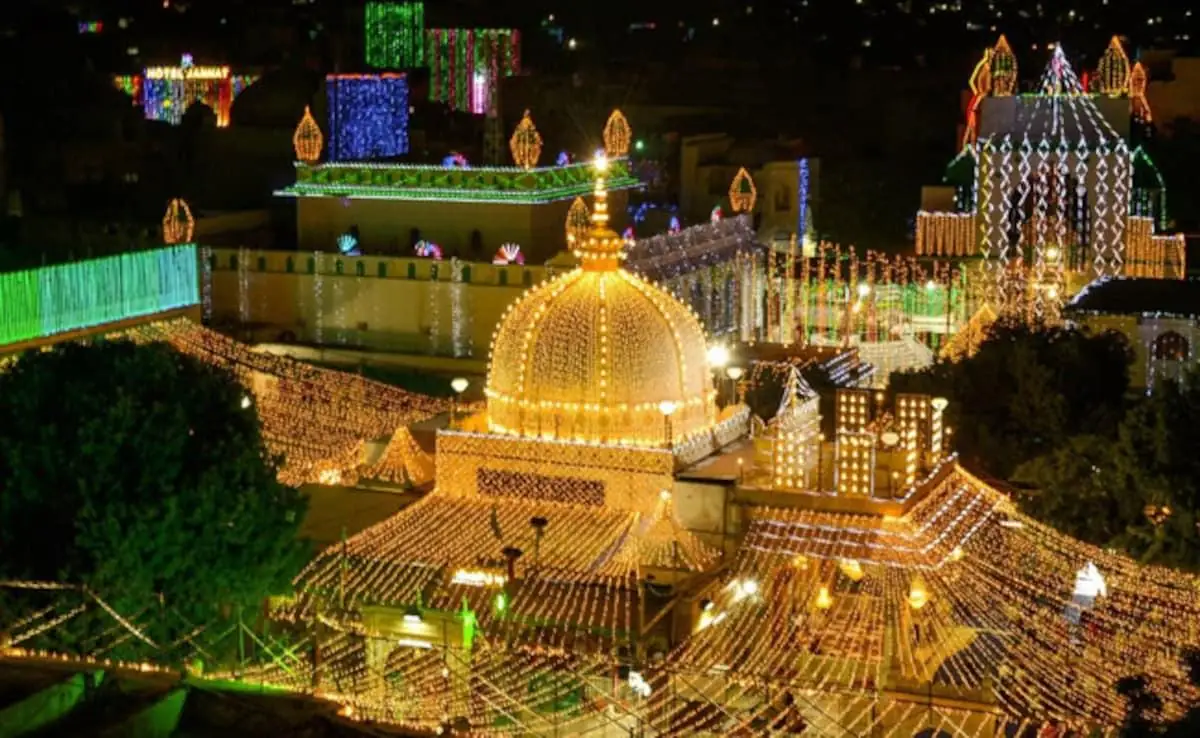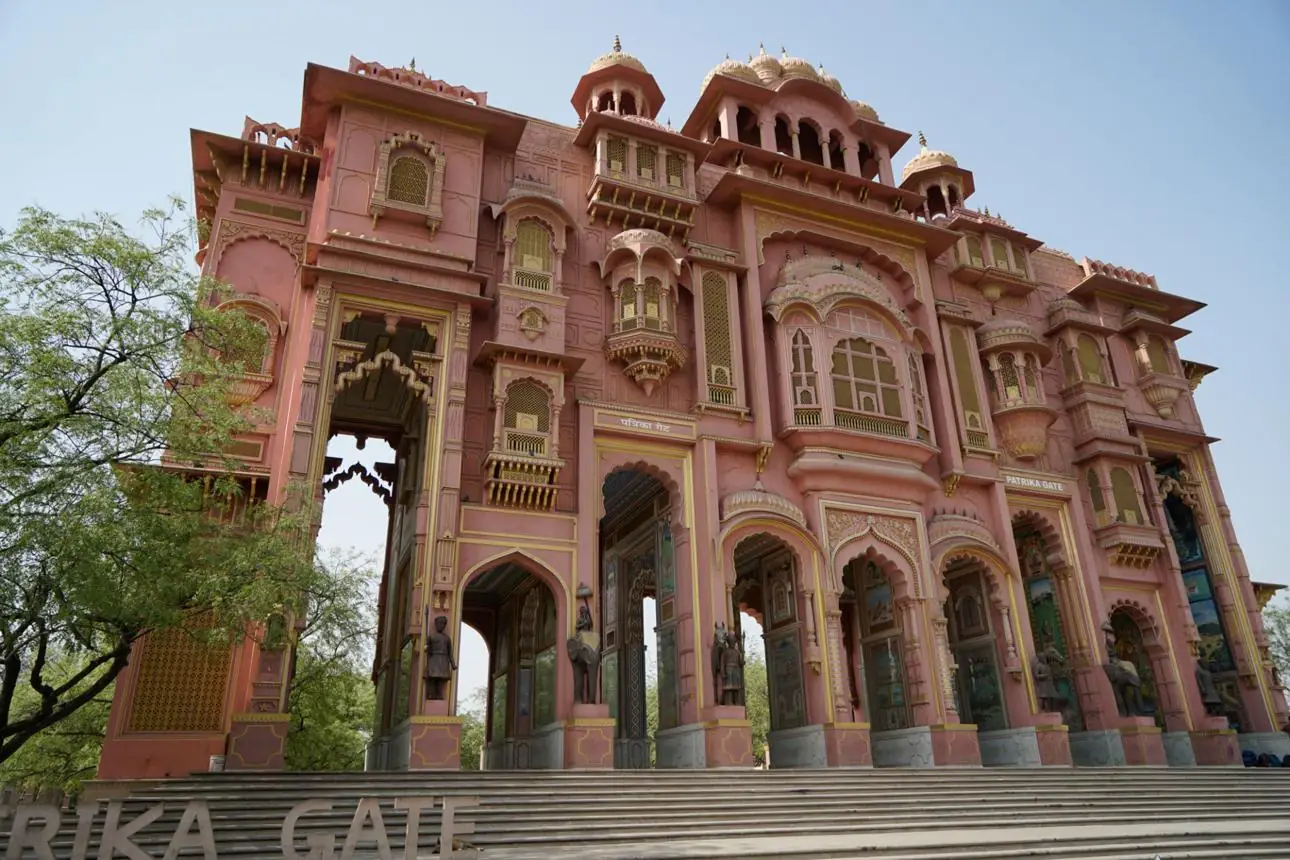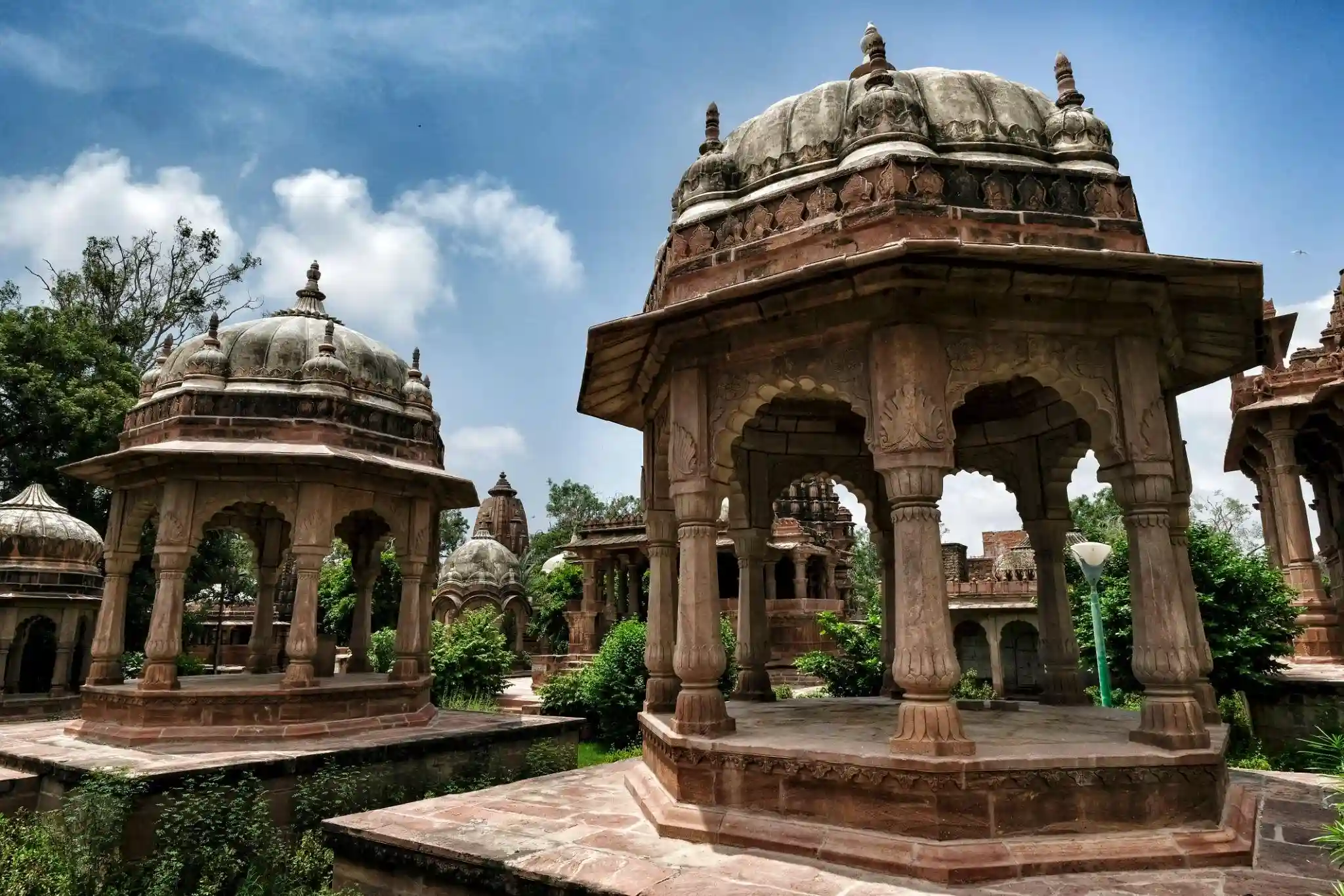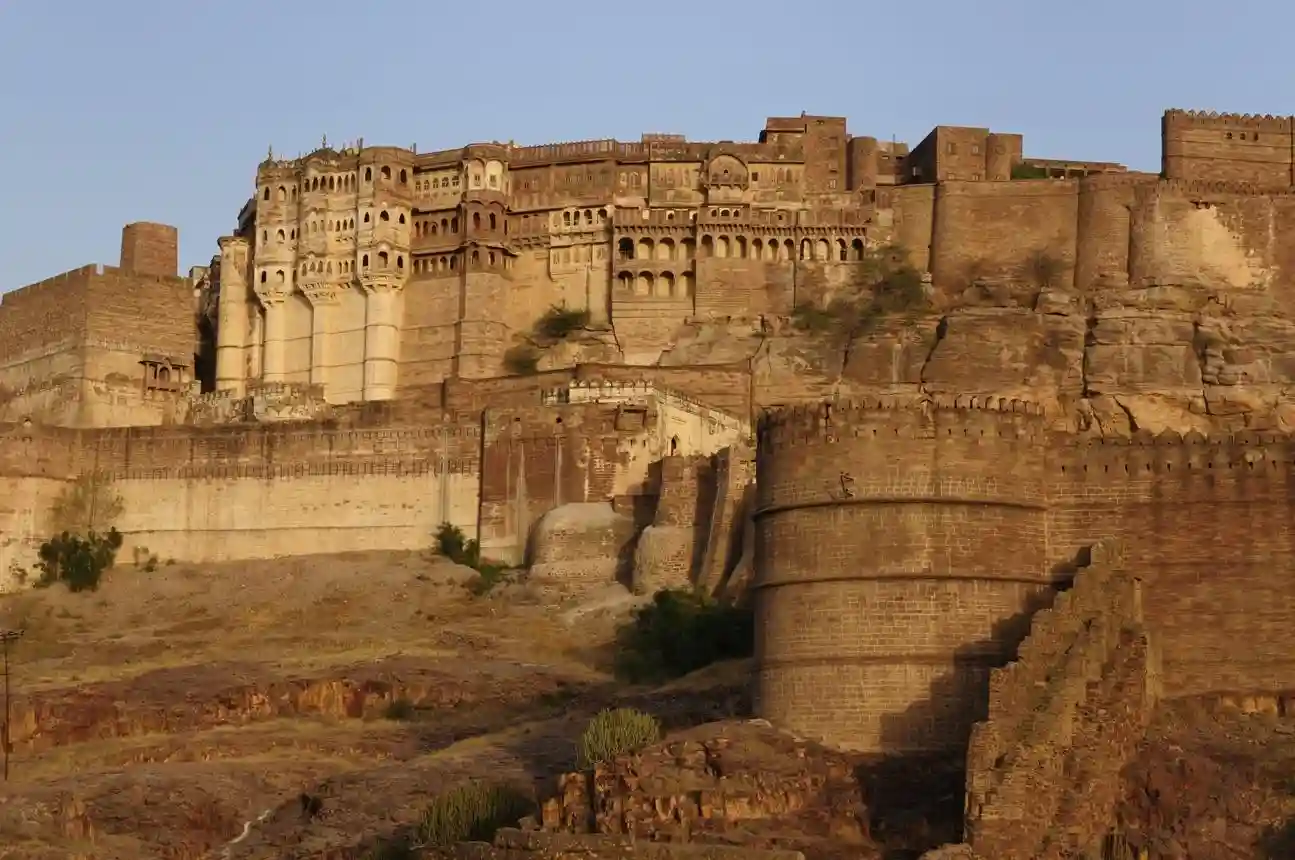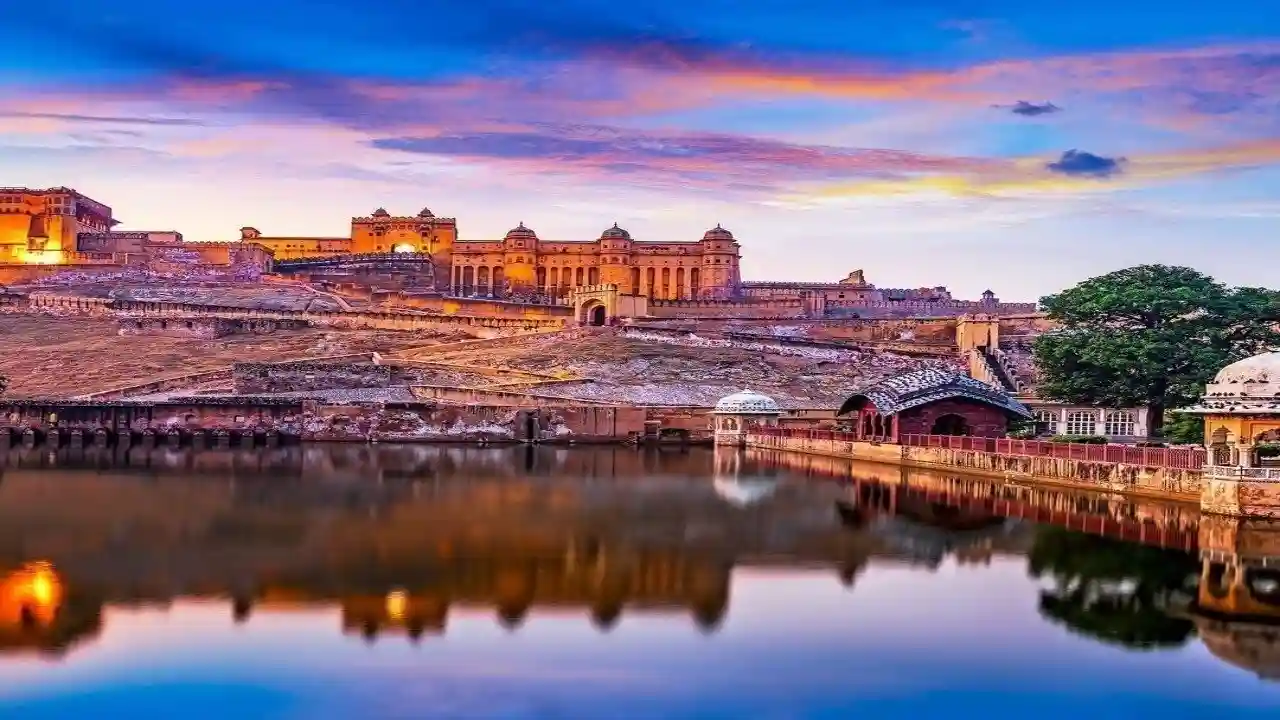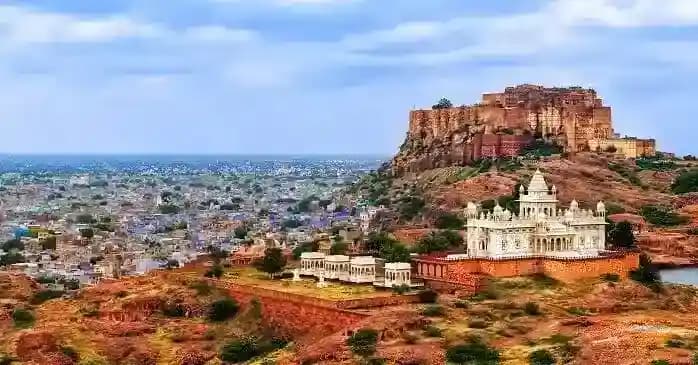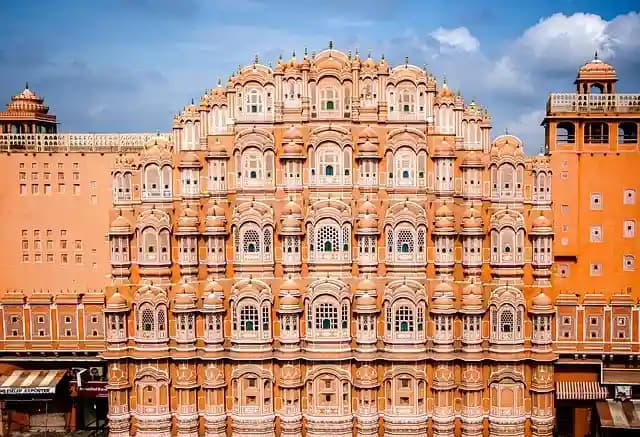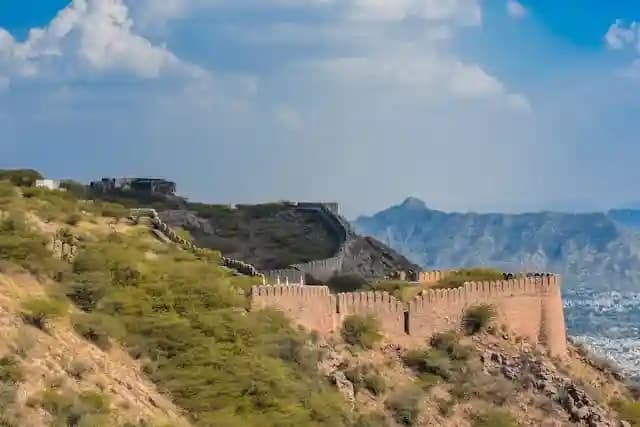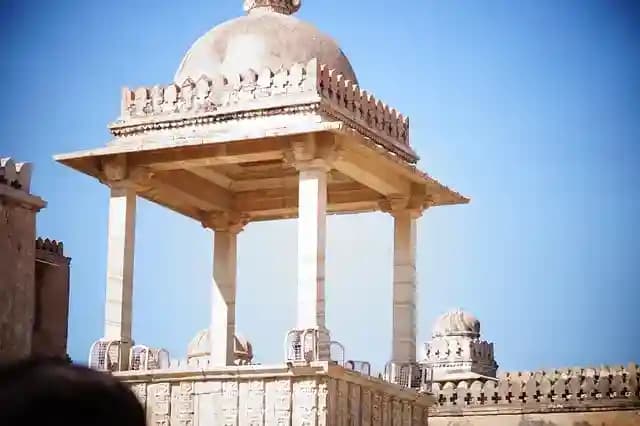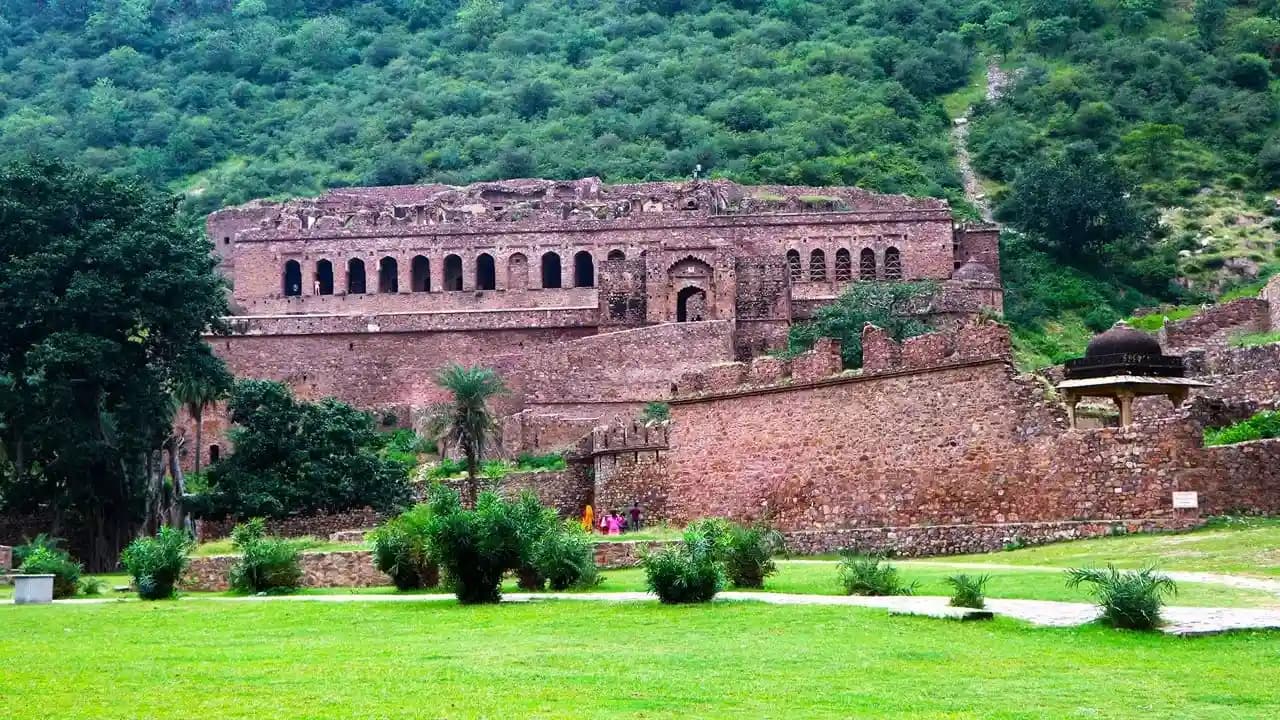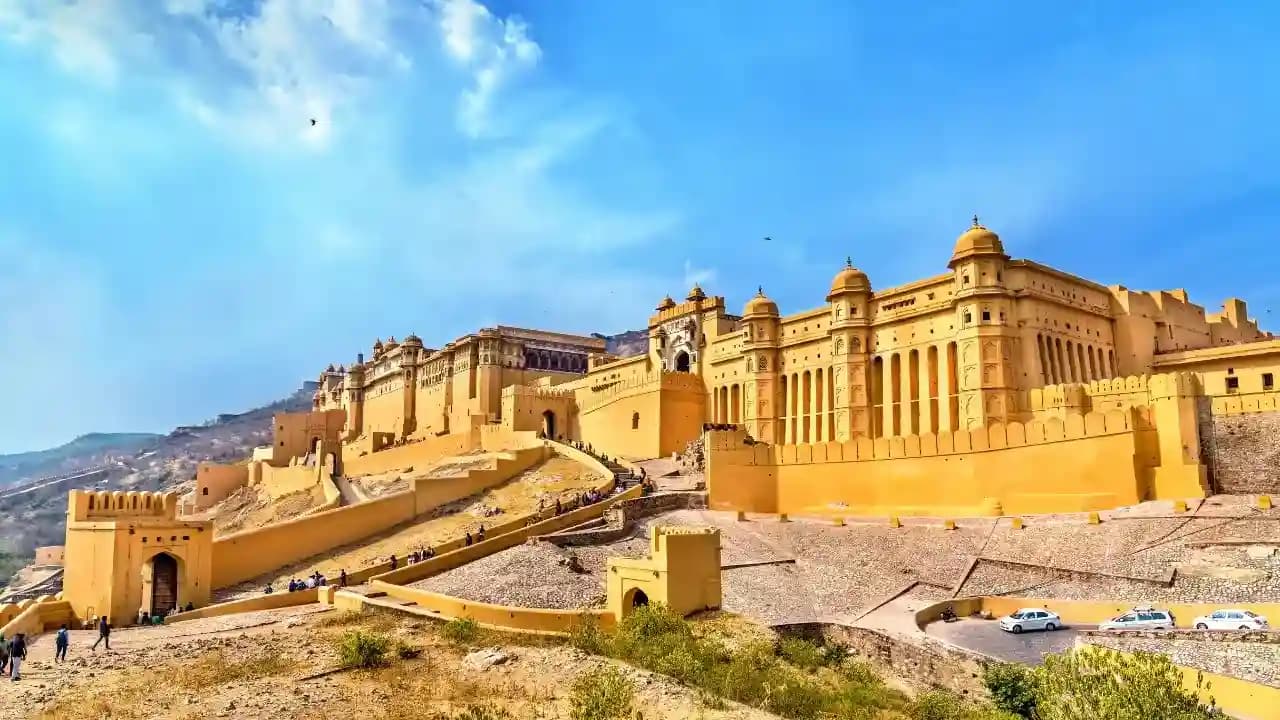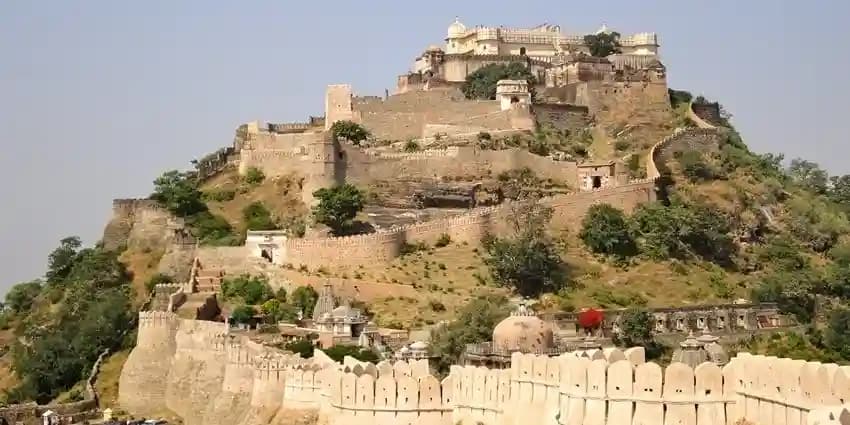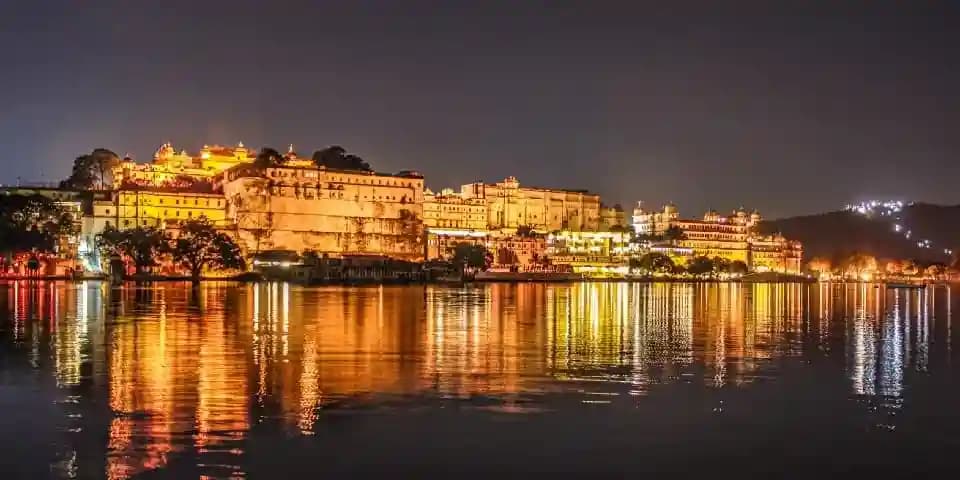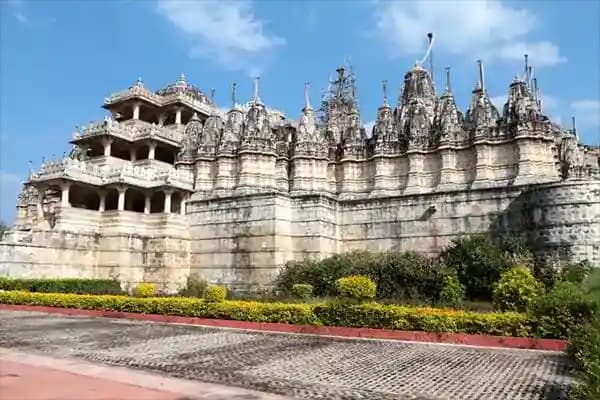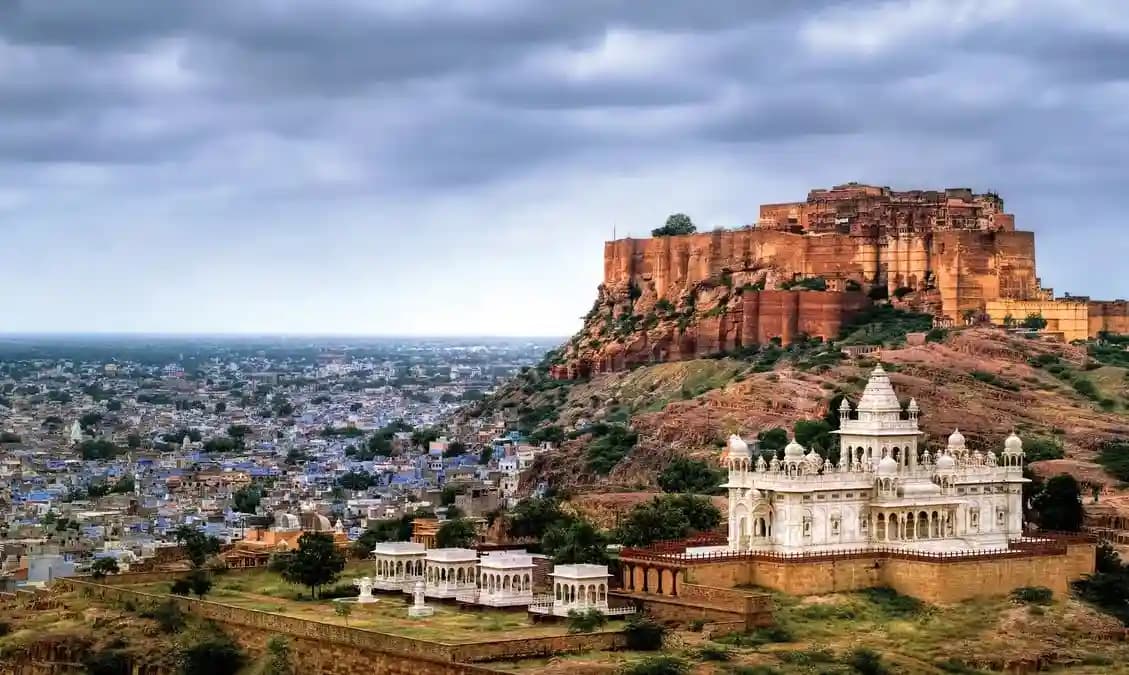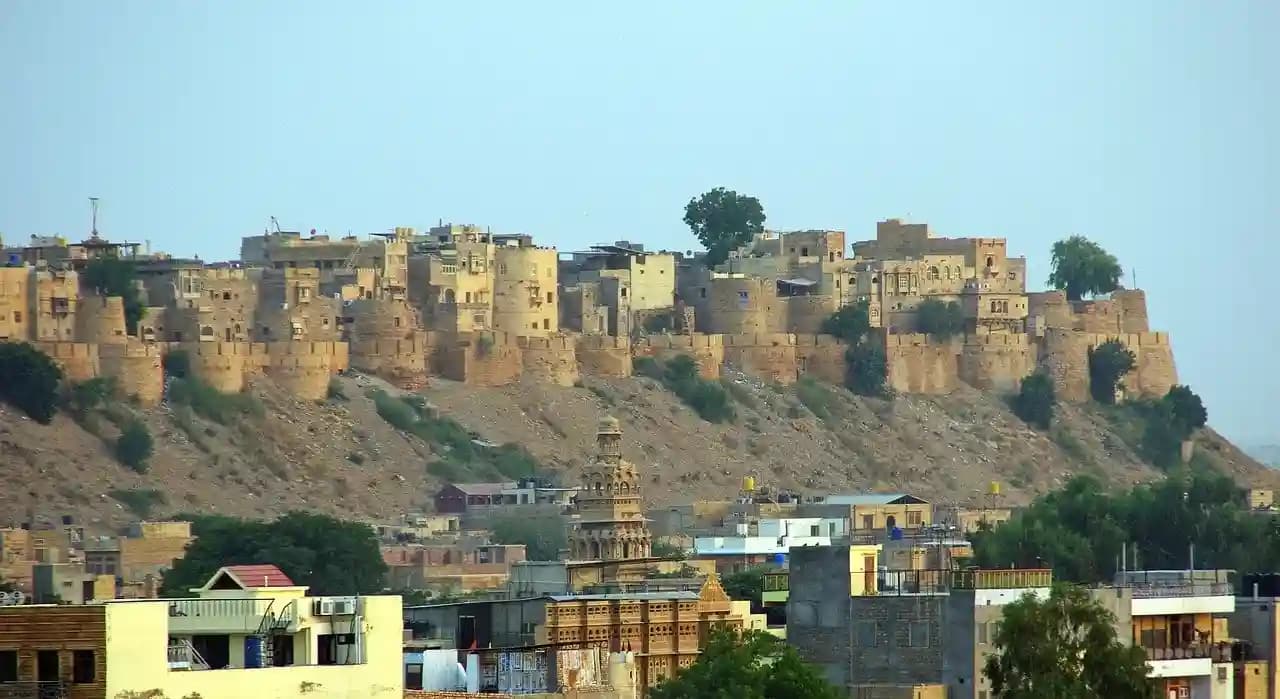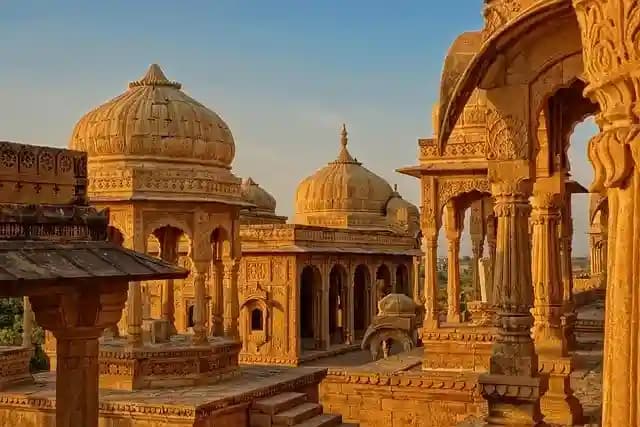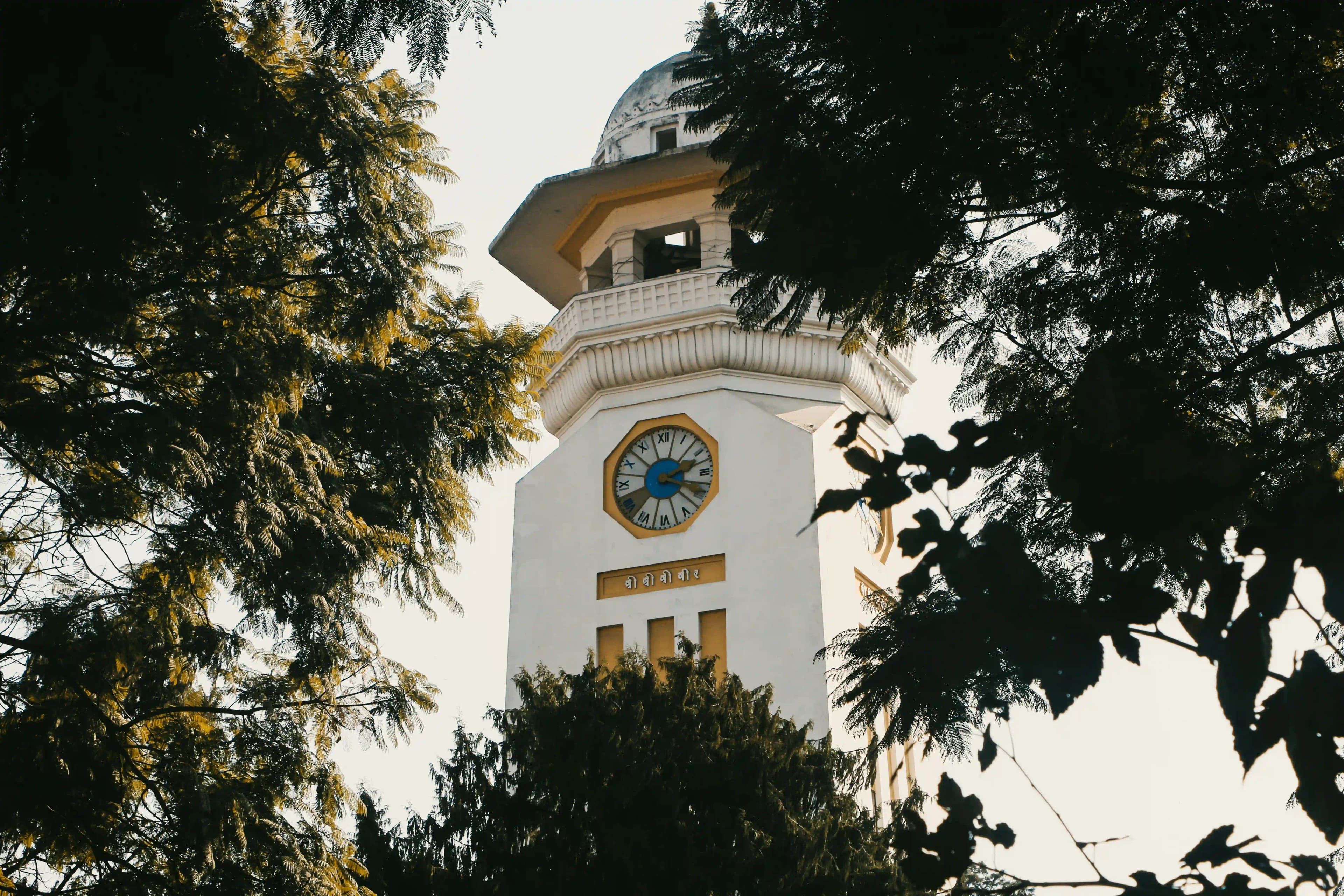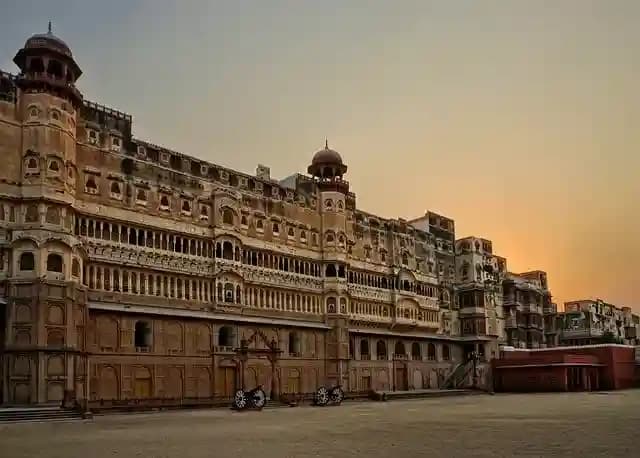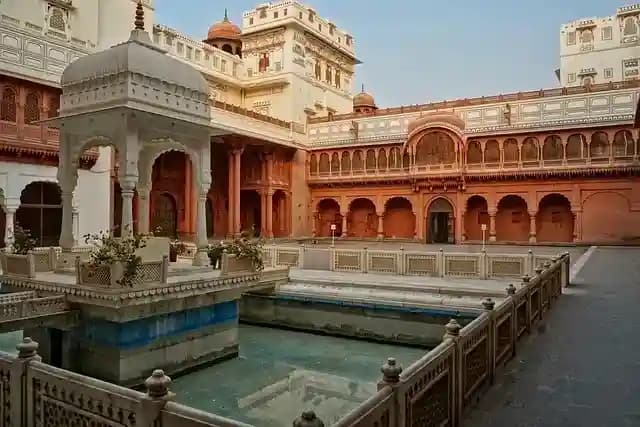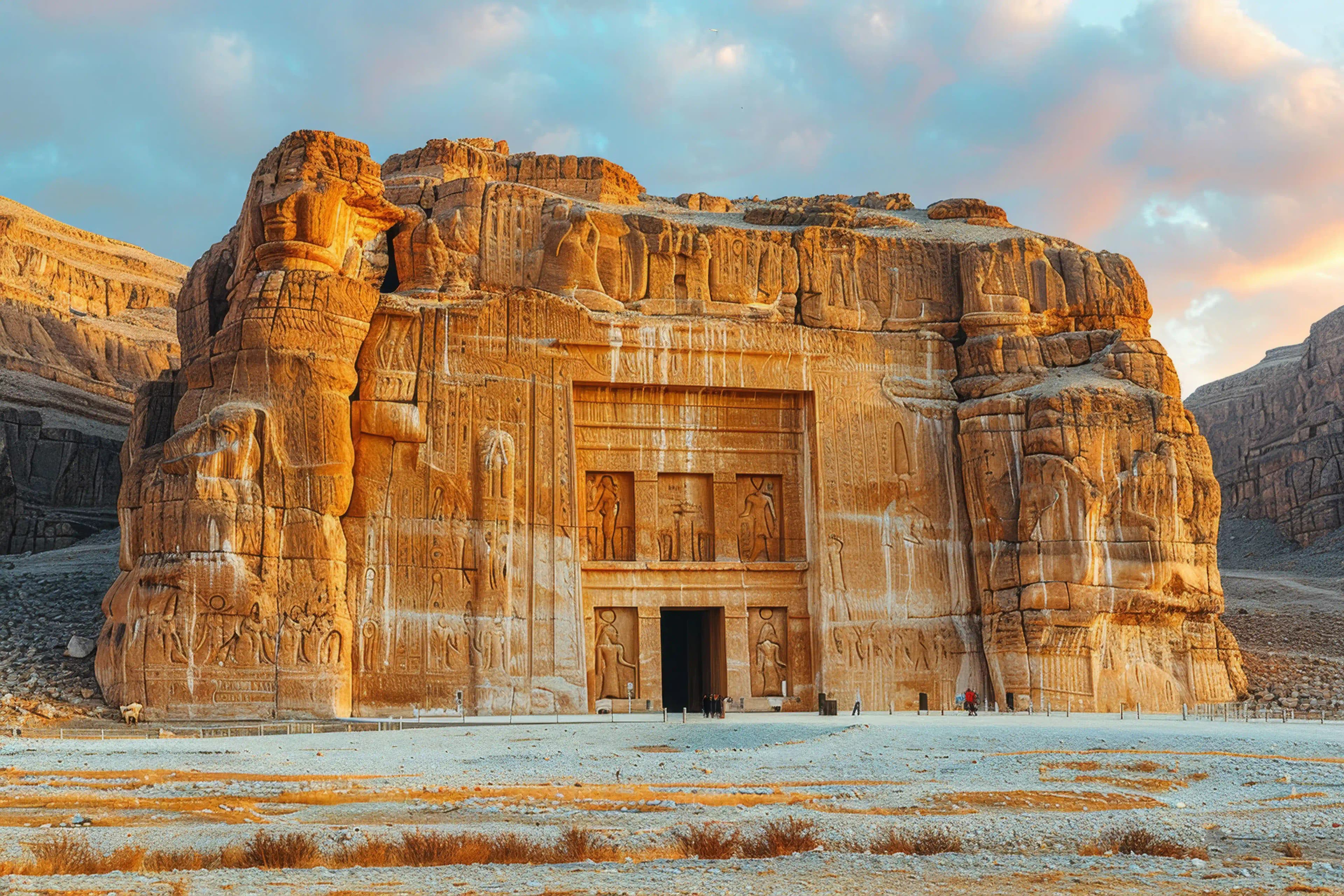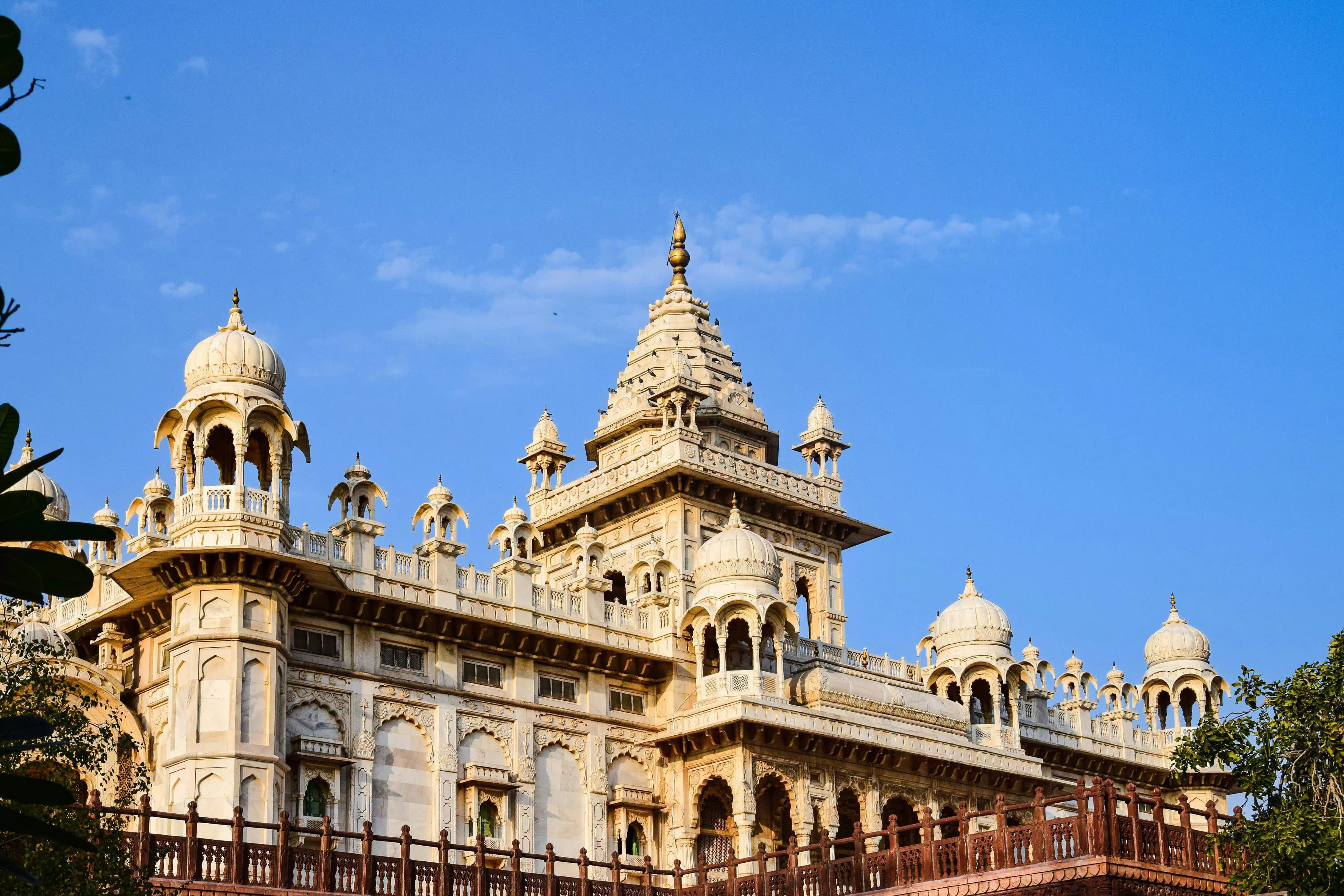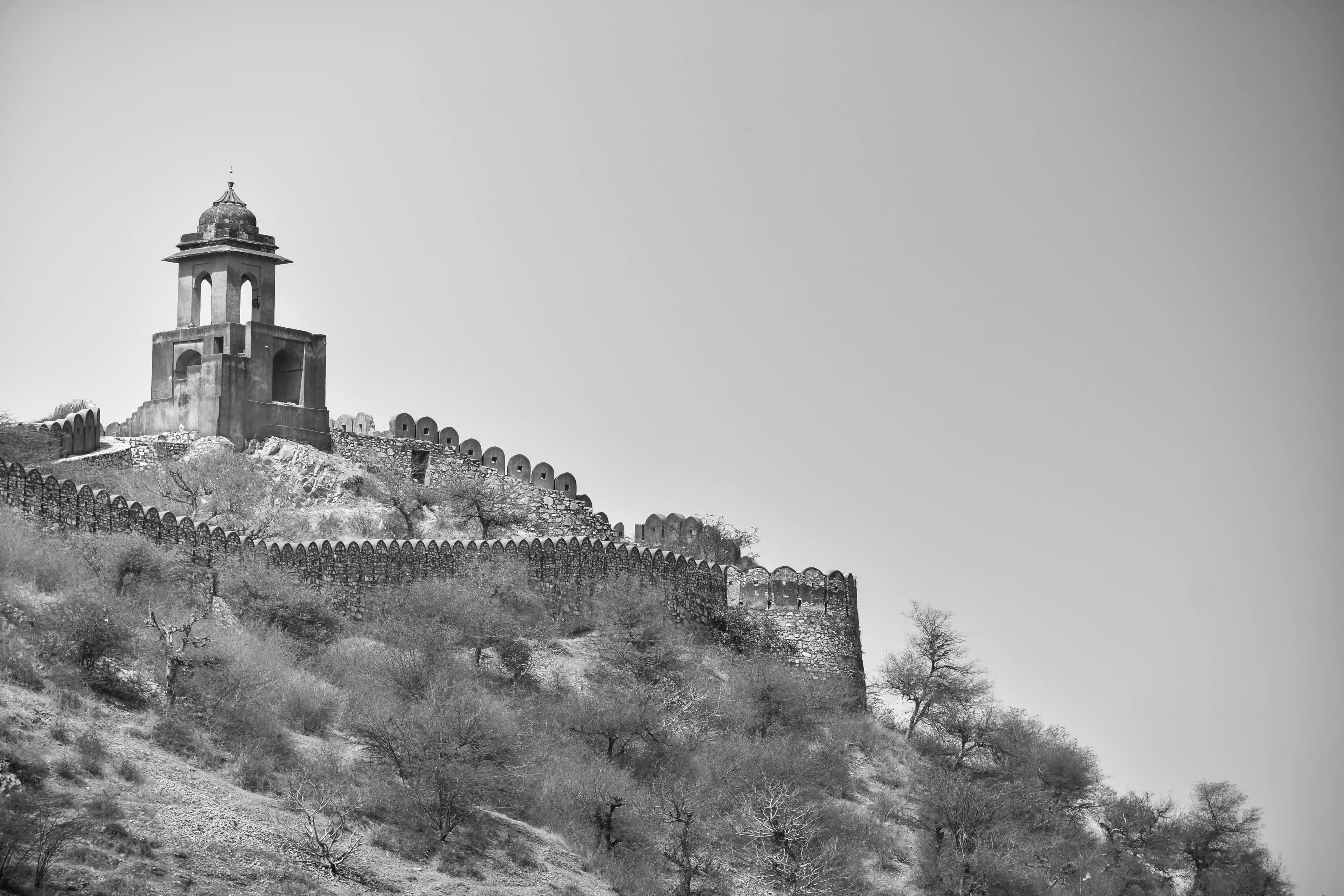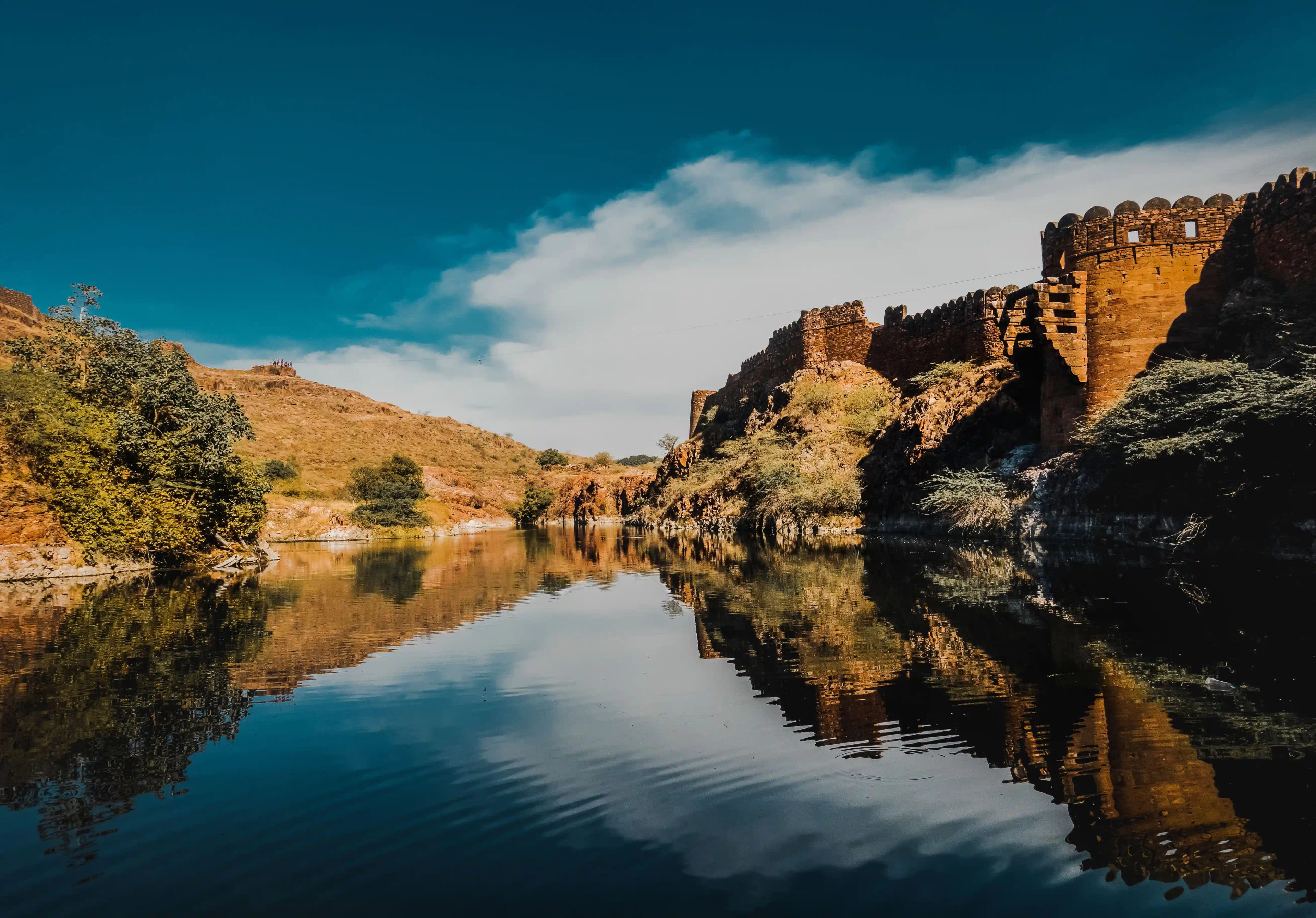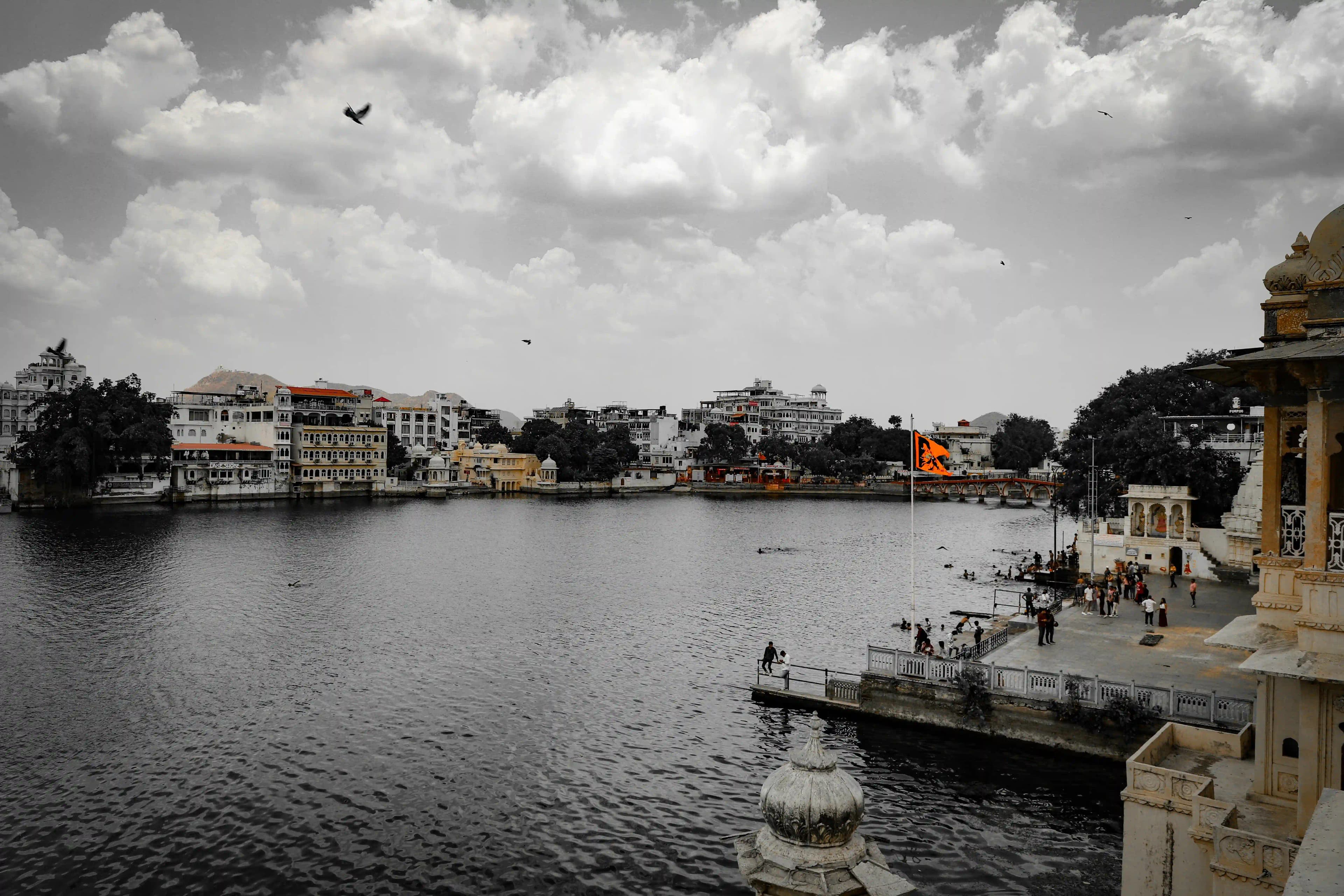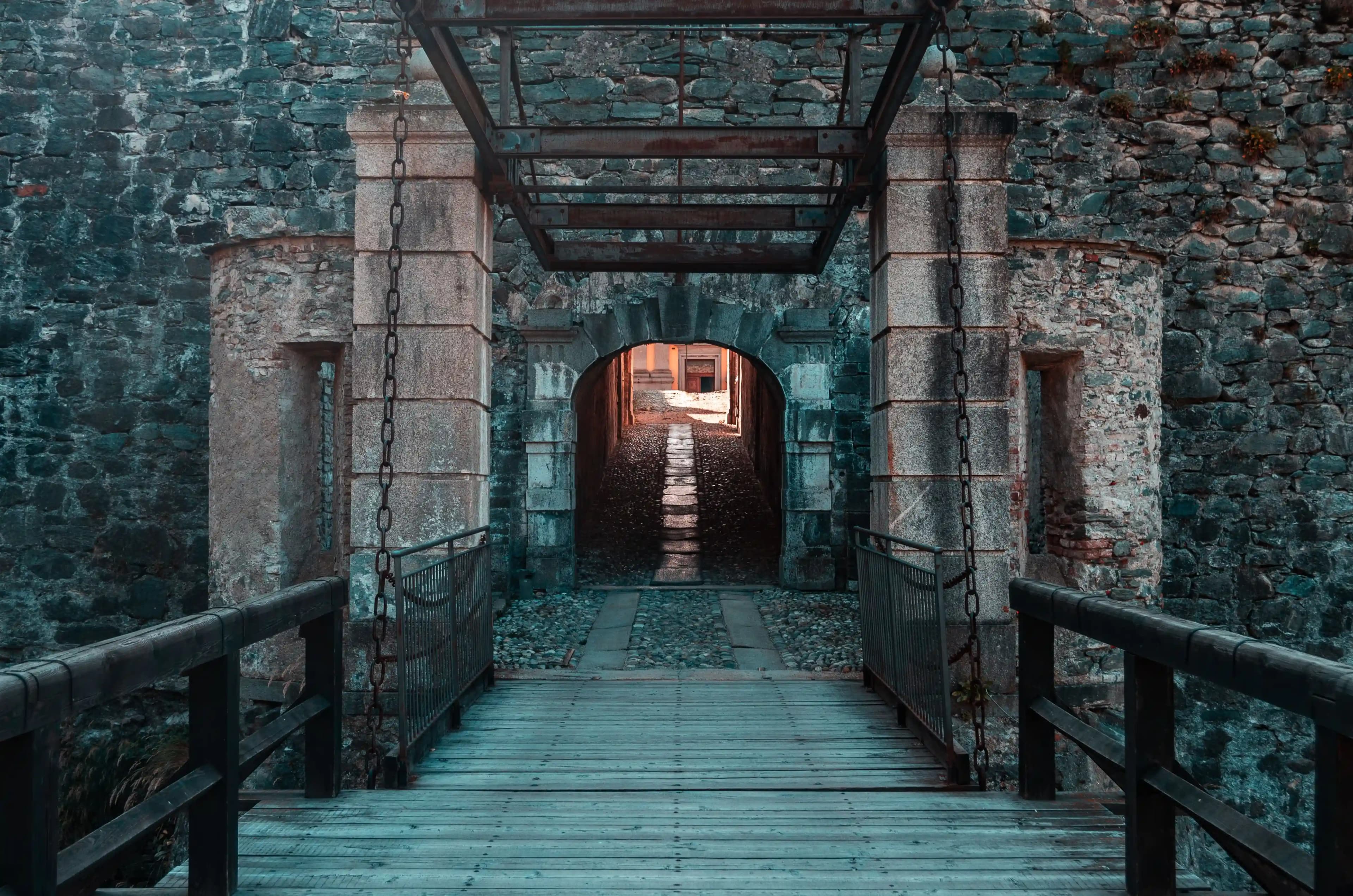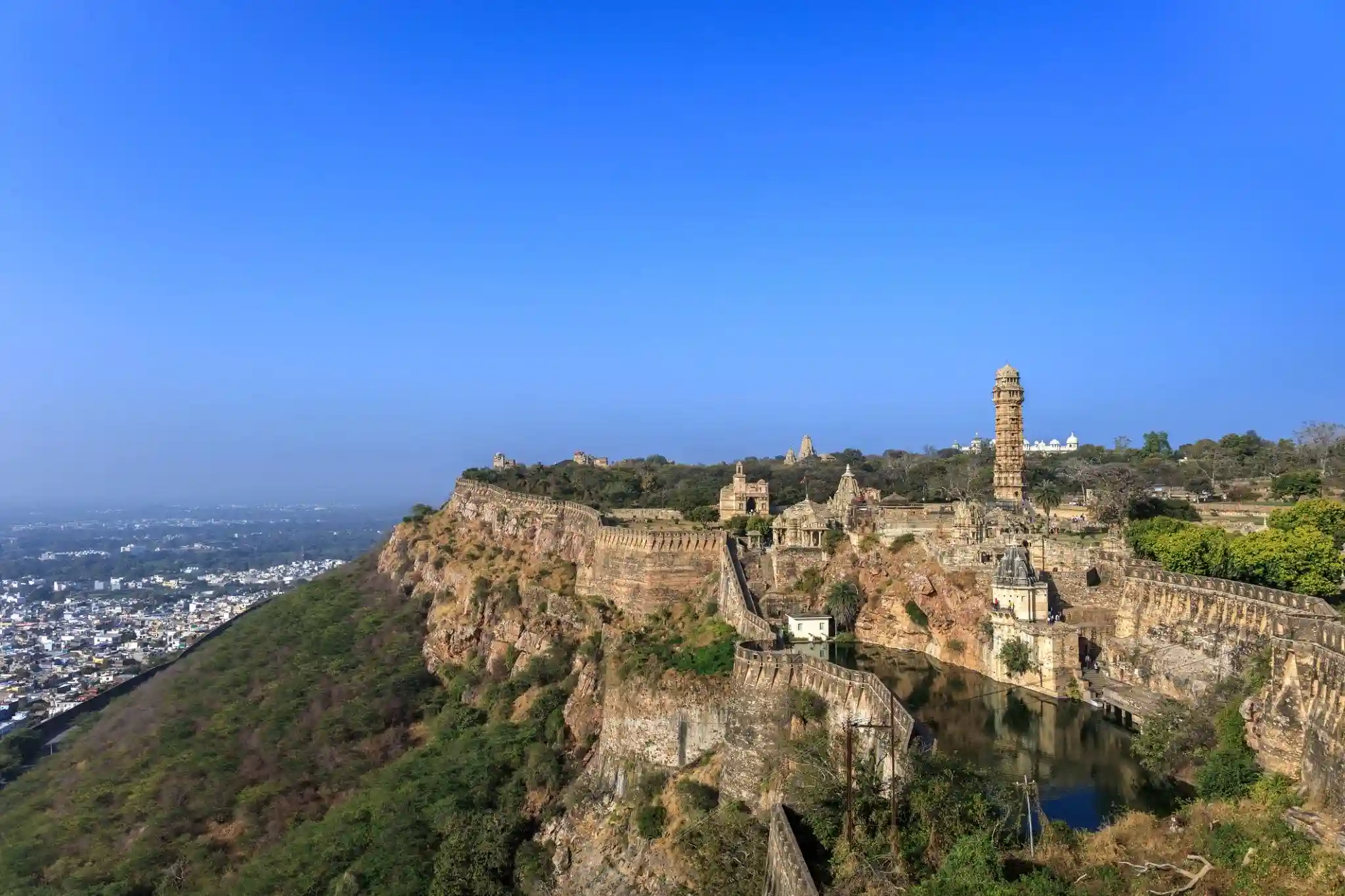
Ever seen a fort that tells stories of bravery at every step? Chittorgarh Fort is not just big, it is one of the largest forts in India. It stands on a hill in Chittorgarh, Rajasthan, spread over a huge area of around 700 acres. The Fort is a UNESCO World Heritage Site, recognised as part of the “Hill Forts of Rajasthan” for its outstanding history, architecture and cultural value.This place is known for its strong walls, grand gates and powerful history linked to Rajput pride and sacrifice. From the Victory Tower (Vijay Stambh) to ancient temples and palaces, every corner feels alive with stories. The view from the top is wide and beautiful. If history and real stories excite travellers, this fort easily becomes a must-visit.
Chittorgarh Fort History
The history of the fort begins in the 7th century when it was built by the Mauryas, with Chitrangada Mori often linked to its early construction. In 734 CE, Bappa Rawal of the Guhila (Sisodia) dynasty took control and made it the capital of Mewar. Over the next few centuries, it grew into a powerful Rajput stronghold.
The fort faced three major sieges. In 1303, Alauddin Khilji attacked to capture this strategic centre. Legends connect this attack to Rani Padmini Chittorgarh Fort, though historians see it mainly as a political move. In 1535, Bahadur Shah of Gujarat attacked again, causing heavy destruction. The third and most damaging siege came in 1567–68, when Akbar captured the fort after a long battle. During these attacks, mass self-sacrifice took place at the Jauhar Kund Chittorgarh Fort, where women chose death over capture. After Akbar’s victory, the capital shifted to Udaipur, but the fort remained a strong symbol of Rajput courage and resistance.
Chittorgarh Fort Timings
The fort is open every day for visitors and the general Chittorgarh Fort timings are from 9:00 AM to 6:00 PM. Since the area is very large, it is best to enter early in the day to cover all major spots like Vijay Stambh, Rana Kumbha Palace and temples without rushing. Late afternoon visits are also good for softer light and better views. Try to avoid reaching too late, as exploring the full fort takes time and some sections may start closing by evening.
Opening Time: 9:00 AM
Closing Time: 6:00 PM
Best Time in a Day: Morning or late afternoon
Best Time to Visit Chittorgarh Fort
The best time to visit is during the winter months from October to March. The weather stays cool and comfortable, which makes walking around the fort easier. Summers in Rajasthan can be very hot, especially from April to June, making it tiring to explore such a large area. Monsoon months bring some greenery but the weather can be humid. Winter offers the best mix of pleasant weather and clear views, making the visit more enjoyable.
Chittorgarh Fort Ticket Price
Visitors need to buy an entry ticket at the main gate before entering the fort. The ticket price is reasonable and allows access to most areas inside. Separate charges may apply for cameras or vehicles entering the fort complex. The Chittorgarh Fort ticket system is simple and tickets are easily available at the counter.
Indians: ₹40 per person (approx.)
Foreign Tourists: ₹600 per person (approx.)
Two-Wheelers: Extra charges apply
Four-Wheelers: Extra charges apply
Camera: May have additional fee
How to Reach Chittorgarh Fort
Being one of the best places to visit in Rajasthan, Chittorgarh Fort is well connected by road, rail and air, making it easy to reach from major cities in Rajasthan. The fort is located around 5 km from Chittorgarh Railway Station, so it takes about 15 minutes by auto or cab. The nearest airport is Udaipur Airport, about 90 km away. From there, taxis are easily available. Roads are in good condition and buses also run regularly from cities like Udaipur, Jaipur and Kota. Once in the city, local transport like autos and taxis can take visitors directly to the fort entrance.
By Air: Udaipur Airport (around 90 km)
By Train: Chittorgarh Railway Station (around 5 km)
By Road: Well connected by buses and taxis
Local Transport: Autos and cabs easily available
Top Things to Do at Chittorgarh Fort
This fort is one of the best historical places in Rajasthan. It is about walking through real history. Every structure inside has a name, a story and a purpose. Plan your visit well so you don’t miss the key spots.
1. Climb Vijay Stambh (Victory Tower)
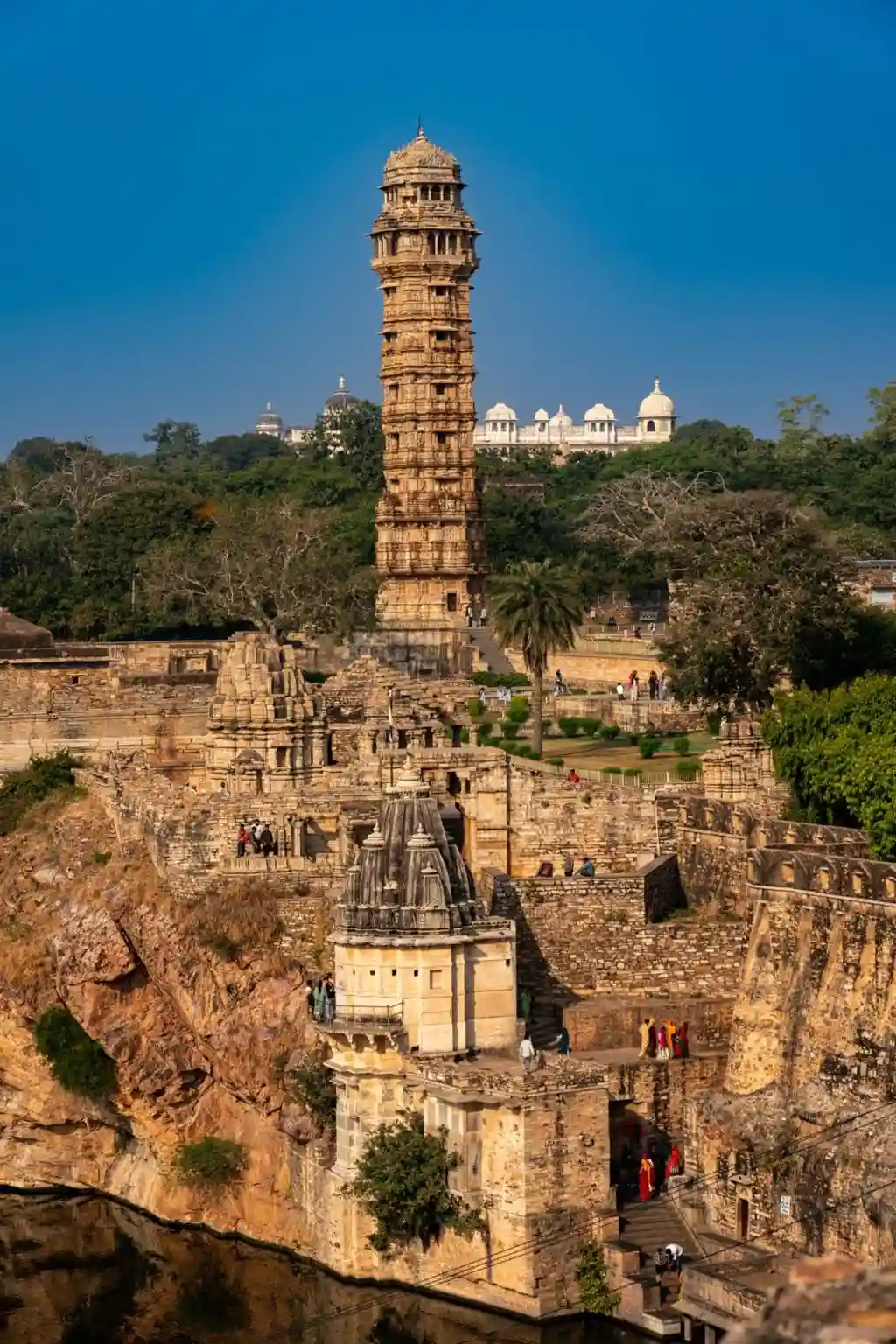
Vijay Stambh is one of the most famous structures inside the fort. Built by Rana Kumbha in the 15th century, this nine-storey tower stands tall as a symbol of victory. Visitors can climb the narrow staircase to reach the top. The climb is steep but worth it. From the top, the view of the entire fort and surrounding plains is clear and wide. The walls are covered with detailed carvings of gods and stories, which makes the tower more than just a viewpoint.
2. Explore Rana Kumbha Palace
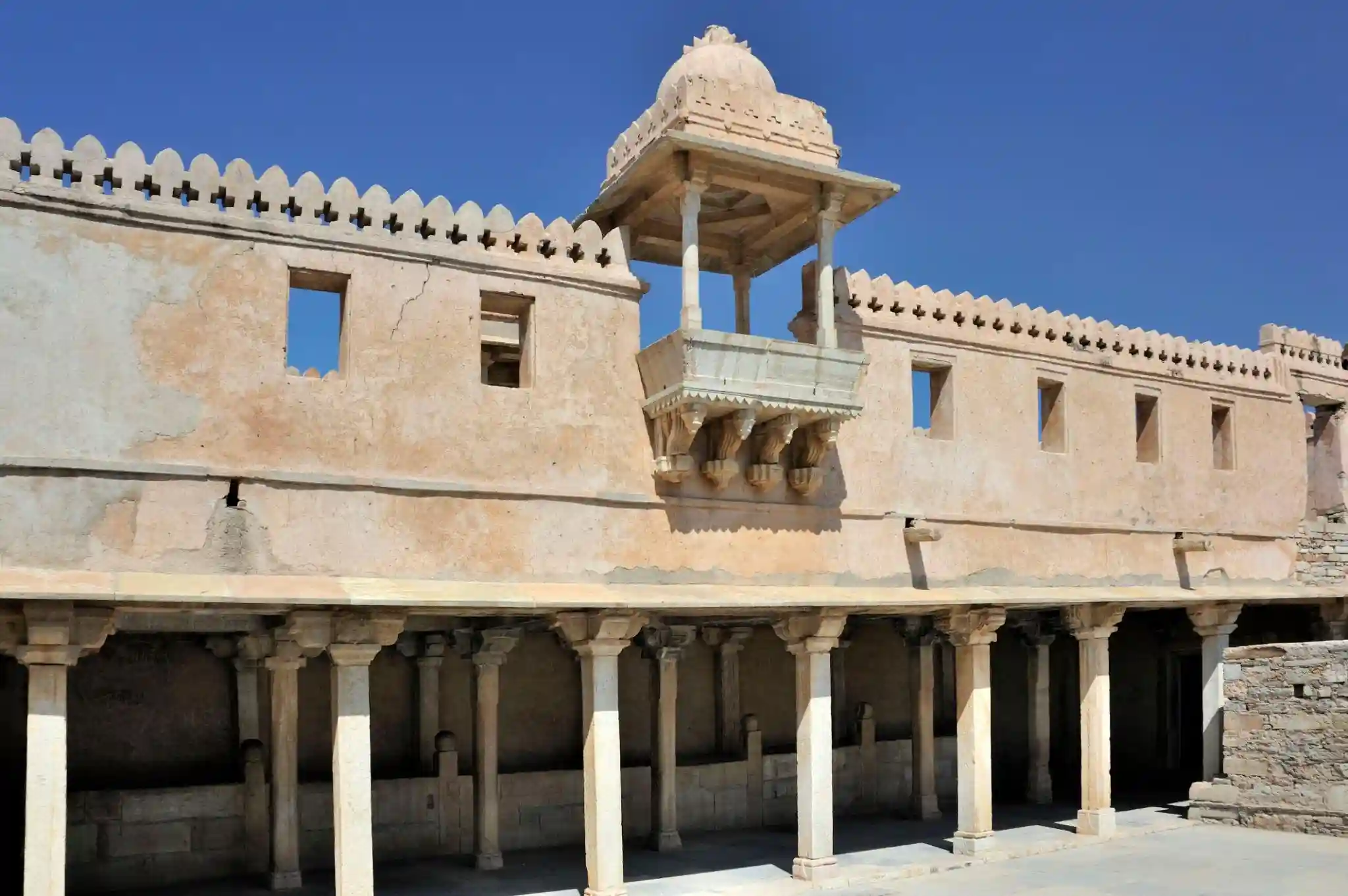
Rana Kumbha Palace is one of the oldest and largest palaces inside the fort complex. Today, it stands in ruins but the layout still shows its past grandeur. This palace is also linked to important historical events and is believed to be the place where royal families once lived. Underground cellars and open courtyards make it interesting to explore. It is one of the best places to visit in Chittorgarh and is also connected to stories of sacrifice, which adds depth to the visit beyond just architecture.
3. Visit Padmini Palace
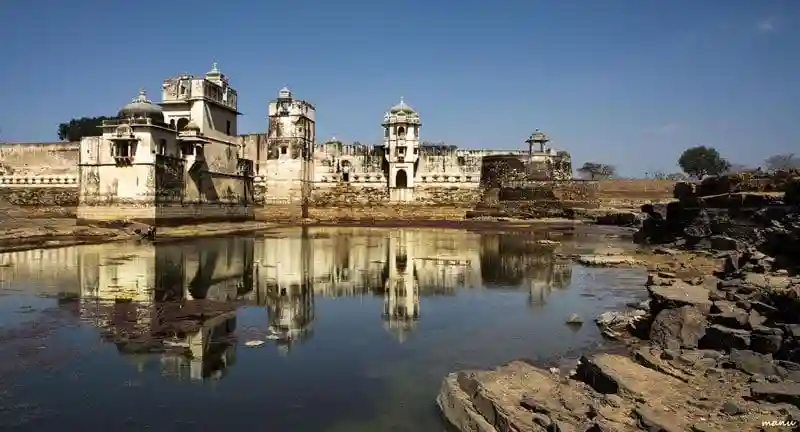
Padmini Palace is located near a water body and is known for its simple yet elegant design. This place is closely linked to the story of Rani Padmini. The palace has a unique structure where reflections in water were used as part of royal traditions. The setting feels calm compared to other parts of the fort. The surrounding area is open and peaceful, making it a good spot to slow down and take in the history.
4. See Kirti Stambh
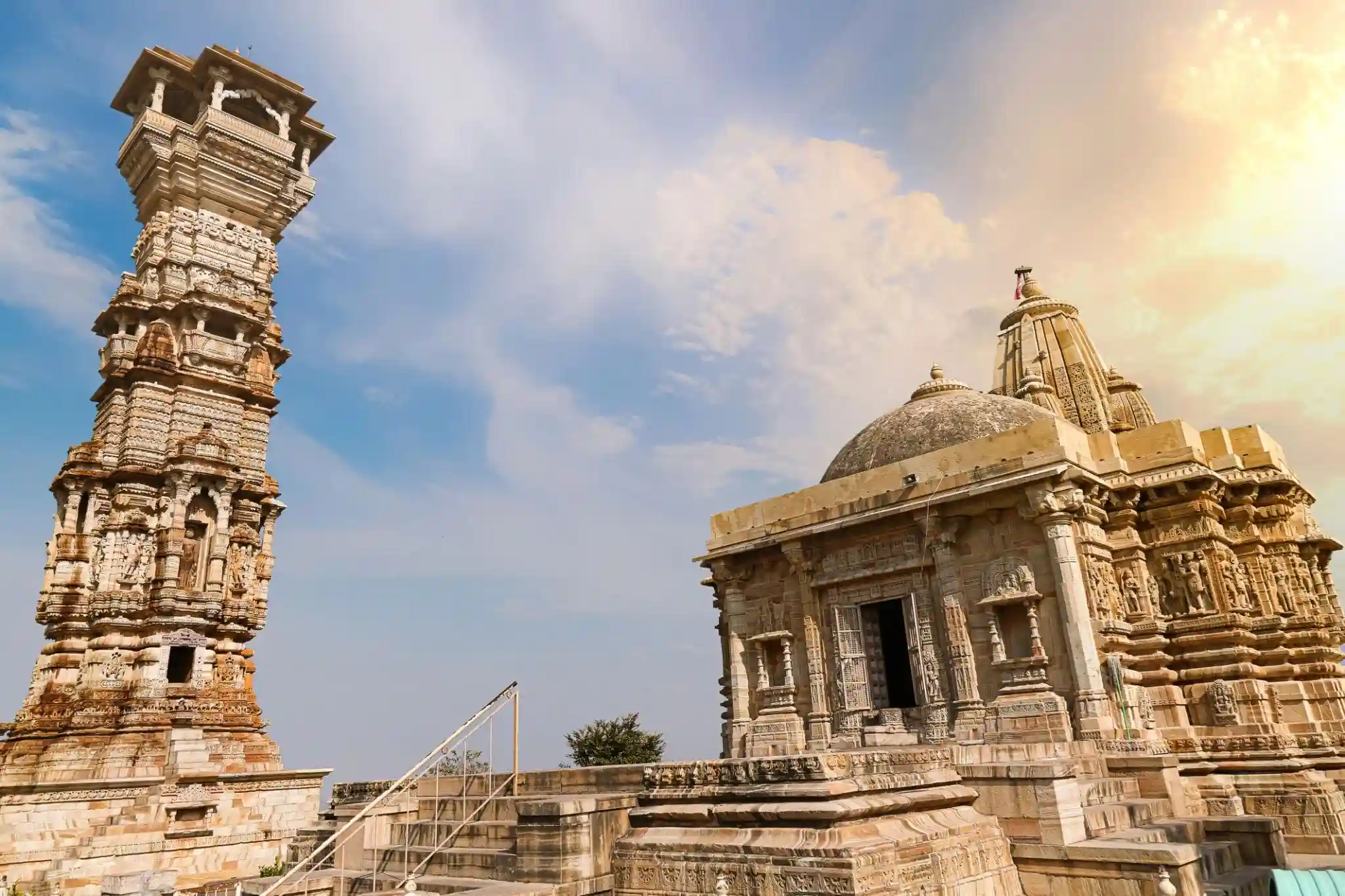
Kirti Stambh is another important tower inside the fort but smaller than Vijay Stambh. It is dedicated to Jain traditions and has detailed carvings of Jain Tirthankaras. The structure is older and shows a different style of architecture. Visitors often stop here to observe the carvings closely. It may not be as tall but it holds strong cultural value and adds variety to the experience inside the fort.
5. Visit Meera Temple and Kumbha Shyam Temple
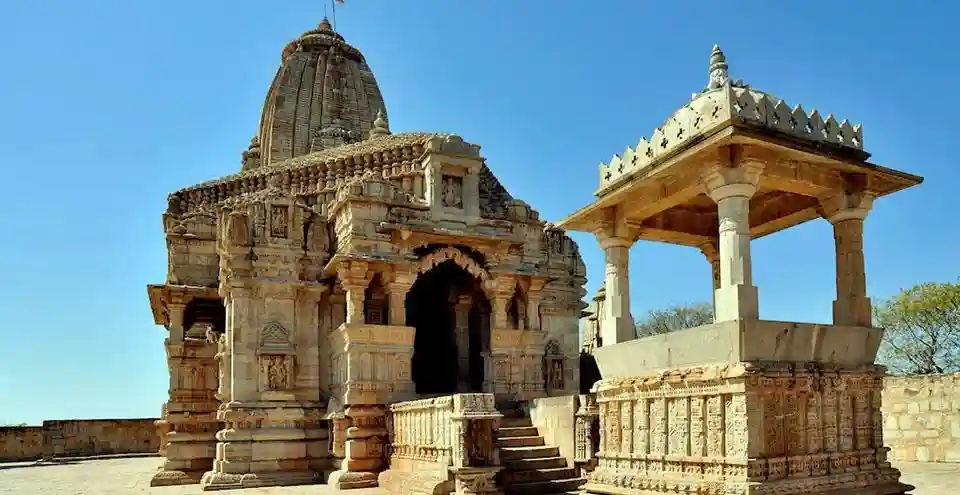
These temples are dedicated to Meera Bai and Lord Krishna. The Meera Temple is simple but holds deep spiritual value. Right next to it is the Kumbha Shyam Temple, known for its detailed design and carvings. The area feels calm and less crowded compared to other spots. Visitors interested in history and devotion will find this section meaningful. The temples are well maintained and easy to access during the fort visit. Visiting these temples are among the best things to do in Rajasthan
6. Walk Around Gaumukh Reservoir
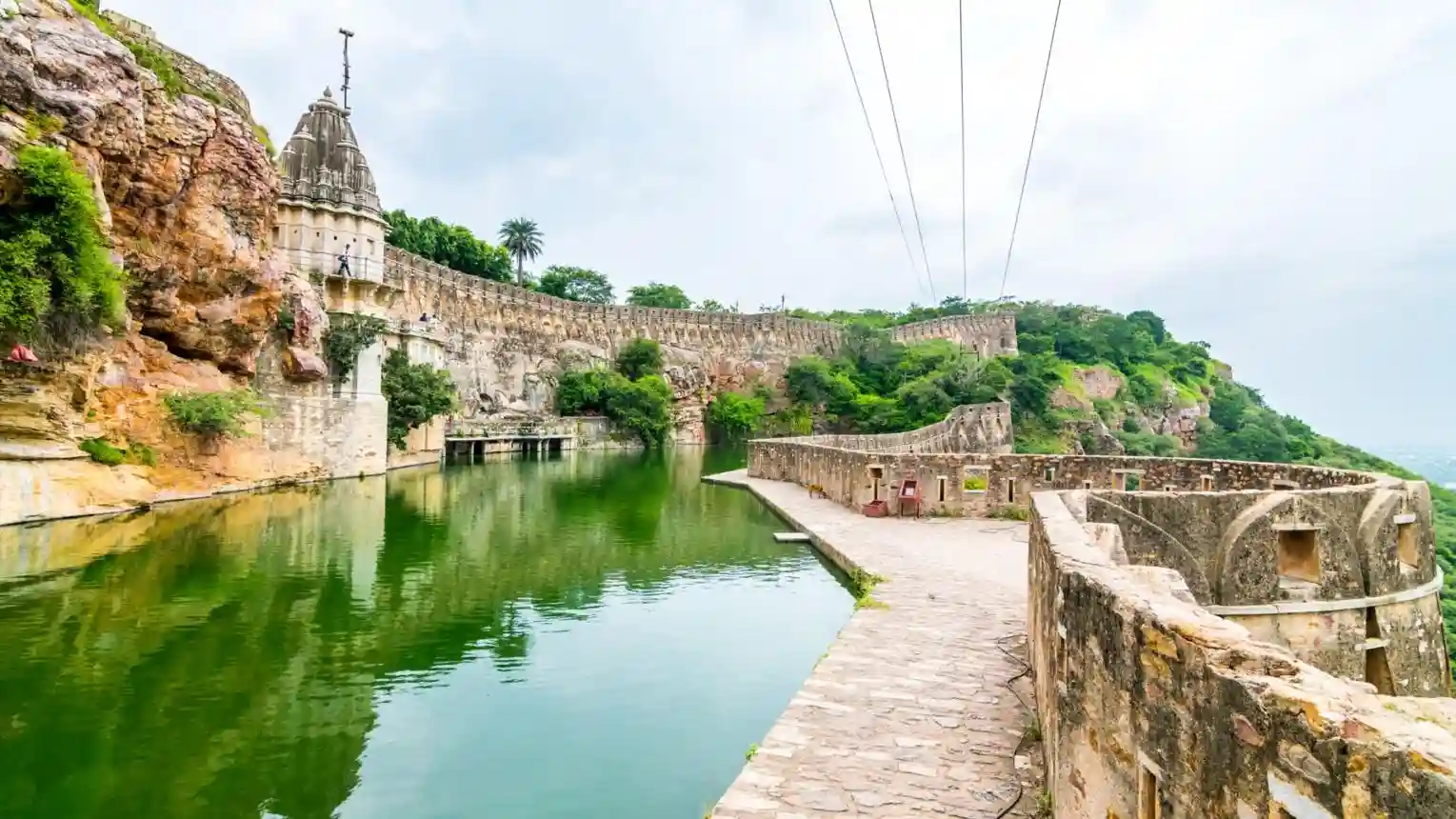
Gaumukh Reservoir is an important water source inside the fort. Water flows from a rock shaped like a cow’s mouth into a deep tank. Even today, the water looks clean and continuous. Visitors often stop here to rest and observe the system that supported life inside the fort during long battles. The area also offers a good view of the lower plains, making it both useful and scenic.
7. Visit Kalika Mata Temple
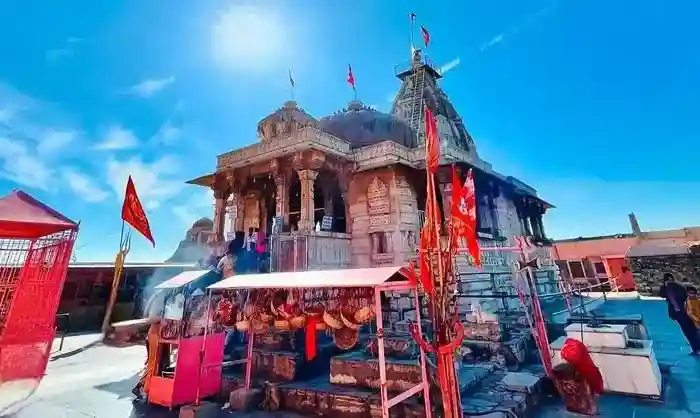
Kalika Mata Temple is one of the oldest temples inside the fort and is still active. It was originally built as a Sun Temple and later converted. Devotees visit regularly, so the area feels lively. The temple stands on a raised platform, offering wide views around. It is a good mix of history and present-day culture, where visitors can see how old structures are still in use today.
Travel Tips
Start early in the day to cover the large fort area comfortably.
Hire a local guide or take a vehicle inside to save time and understand the history better.
Wear comfortable shoes, as there is a lot of walking and uneven paths.
Carry water, especially in warmer months, as shops are limited inside.
Visit key spots like Vijay Stambh, Rana Kumbha Palace and Padmini Palace first.
Avoid peak afternoon hours in summer due to strong heat.
Keep a few hours in hand, as the fort is spread over a very large area.
Conclusion
The fort is not just a place to visit, it is a place to feel history. Every wall, tower and palace has a story of courage and sacrifice. The size of the Chittorgarh Fort, along with its important sites, makes it one of the most powerful historical places in India. From Vijay Stambh to Padmini Palace, each stop adds something meaningful to the visit. The views from the top are wide and peaceful, giving a break from the strong history around. A well-planned visit helps cover all major spots without rushing. For anyone interested in real stories and strong heritage, this fort is truly worth exploring.