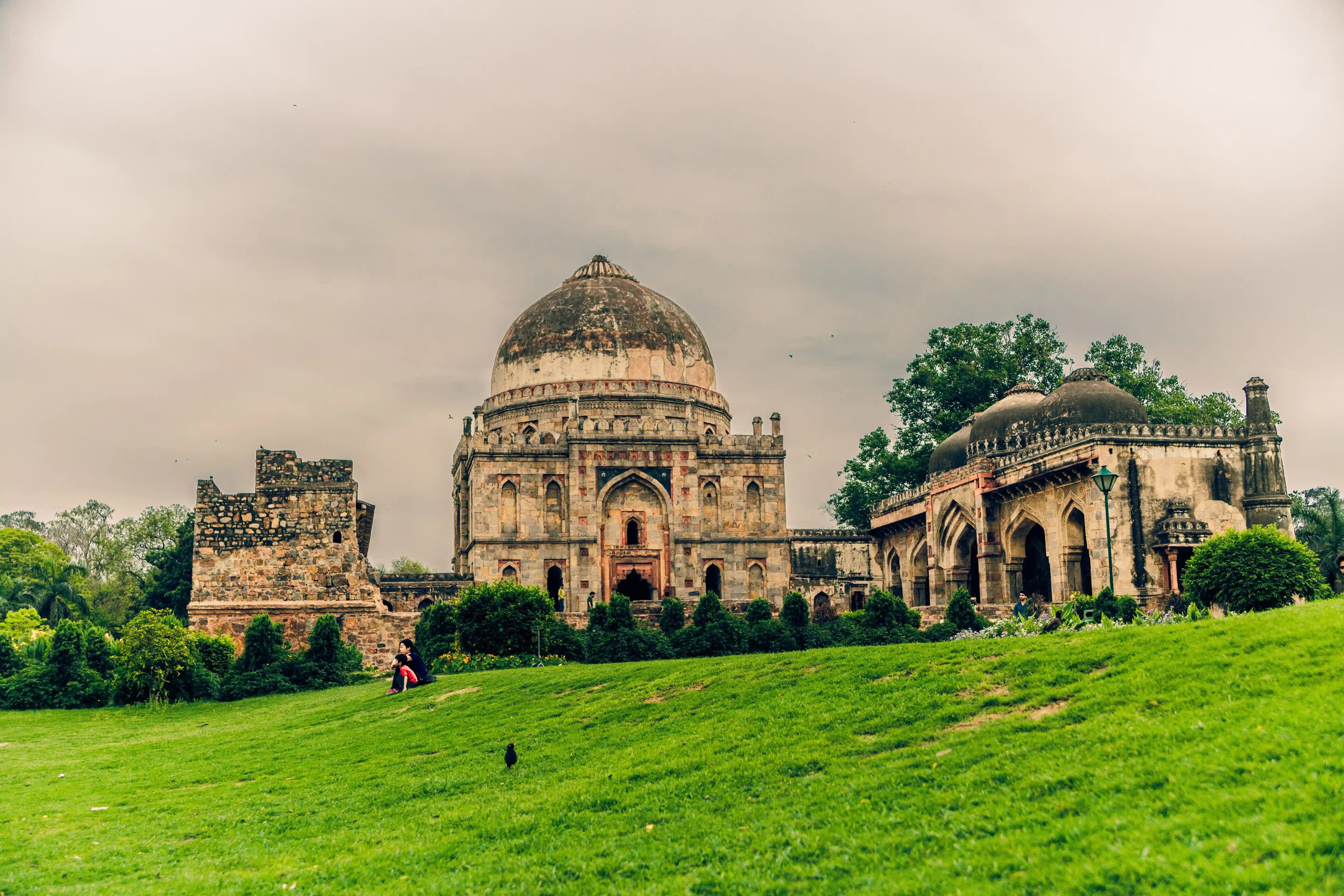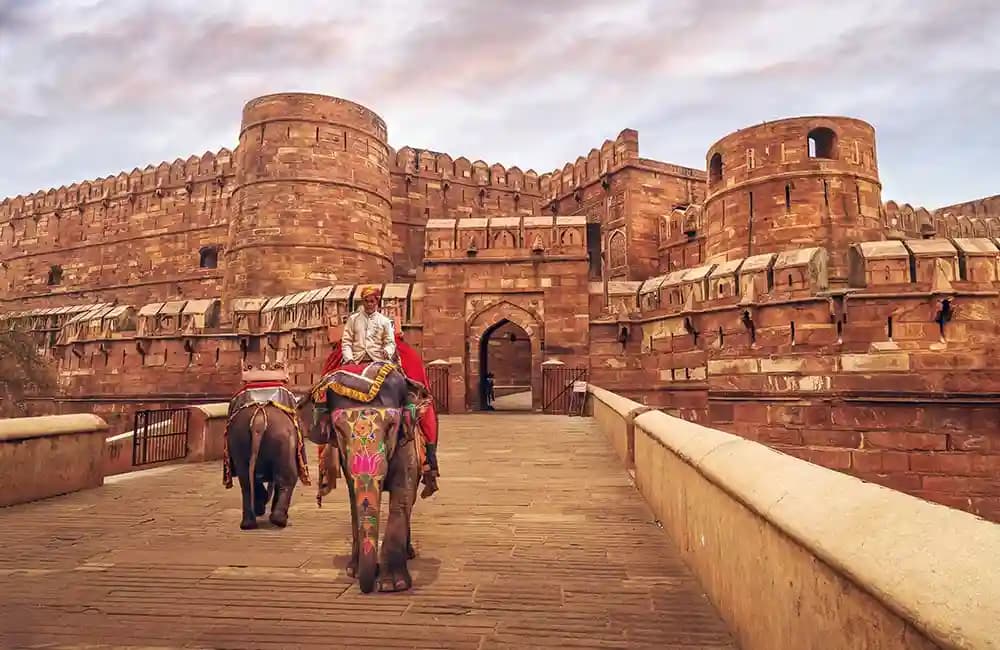
Delhi rarely feels empty. Yet just a short drive from its traffic-heavy roads lies Tughlaqabad Fort, a place where silence dominates and entire stretches of stone stand without movement, noise, or crowd pressure. It was meant to be a capital city. Built in the 14th century with massive ambition, this fort was designed not as a monument but as a fully functioning fortified city, which explains its unusual scale and scattered layout today.
What exists now is incomplete. Instead of restored halls or curated pathways, visitors walk through broken walls, collapsed structures, and open terrain that feels closer to an abandoned settlement than a tourist site.
This is where expectations matter. Those looking for clean, maintained heritage spots may find it difficult to navigate, while those interested in raw history, architecture, and lesser-known Delhi locations often find it worth exploring. Planning is not optional here. In this blog, you’ll get to know Tughlaqabad Fort timings, ticket price, and what to expect inside.
Tughlaqabad Fort History
Beginning with grand hopes, Tughlaqabad Fort stands as a mark of plans left incomplete. In 1321, construction began under Ghiyas-ud-din Tughlaq, the founder of the Tughlaqabad dynasty, aiming to shape Delhi’s third urban core following earlier settlements. Rising into view, massive walls - some reaching 25 metres - formed part of a layout built for survival. Instead of relying on outside help, its design included storage spaces, cisterns, and concealed pathways. Purpose-shaped form: defence against assault guided every angle, yet silence now fills what once echoed with intent.
A swift pace marked the construction process. Records from that period indicate workers came from various parts of the Delhi Sultanate, brought together to raise the large settlement. However, the vision did not last long. Today, the remains reflect an incomplete city.
Tughlaqabad Fort Timings
The fort remains open on all days of the week. Visitors can enter during fixed hours, and it is important to plan accordingly since the area inside is large and takes time to explore.
Opening Time: 7:00 AM
Closing Time: 5:00 PM
Last Entry: Around 4:30 PM
Reaching early in the day works better for most visitors. Morning hours offer a more comfortable experience, and you get enough time to walk through different sections of the fort without rushing before closing time.
Tughlaqabad Fort Ticket Price And Entry Fee
The monument is managed by the Archaeological Survey of India (ASI). Tughlaqabad fort ticket price is standardised based on visitor category, but the difference between online and cash payment becomes relevant during busy hours.
The fee structure is fixed. Budget-wise, digital purchases often cost less compared to paying in person; skipping the line becomes possible when reserving a spot online. Booking digitally can help avoid waiting time at the counter.
Entry Fee Details (As per ASI):
Indian Adults: ₹20 (online), ₹25 (cash)
Foreign Tourists: ₹250 (online), ₹300 (cash)
SAARC & BIMSTEC Visitors: ₹20
Children (Below 15 Years): Free
A single entry cost covers everything. There is no separate camera fee. Visitors can carry mobile phones and cameras without additional charges, but drones are not allowed without permission. Carry a valid ID proof.
Best Time to Visit Tughlaqabad Fort
Tughlaqabad Fort in Delhi stretches nearly 7 km and features immense stone fortifications. That is why, considering the closing time of the fort, it is advisable to visit in the morning so that you can explore the place with a sense of calm.
Also, summer afternoons in Delhi can be really hot. Planning your visit at the right time makes the experience easier. Morning hours are usually the best. Arriving between 7:00 AM and 10:00 AM gives enough time to walk through different sections without feeling tired due to the heat.
Best Time of Day: Morning (7:00 AM – 10:00 AM)
Best Season to Visit: October to March
Avoid: Afternoon hours (12 PM – 3 PM)
Tughlaqabad fort for couples offers a quiet and less crowded setting, but its isolated and unfinished nature reflects the abrupt end of his vision.
How To Reach Tughlaqabad Fort
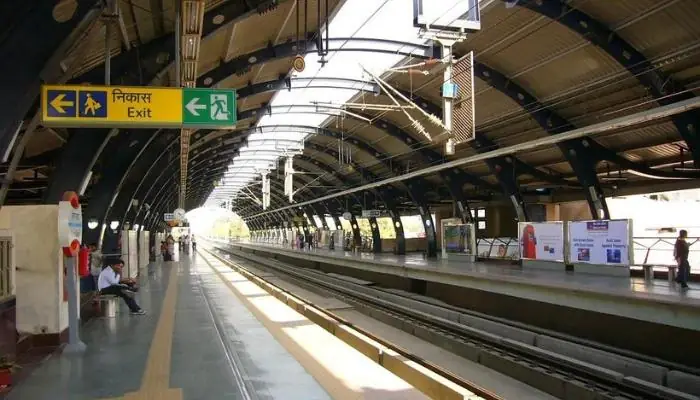
The fort is easily accessible by road. However, even the nearest metro station, Tughlaqabad, is 2-3 km away. From there, you will need to take an auto, e-rickshaw, or cab to reach the fort.
Nearest Metro Station: Tughlaqabad (Violet Line)
Distance from Metro: Approx. 2–3 km
Best Option: Cab, auto or e-rickshaw from the metro
Travel Tips for Visiting Tughlaqabad Fort
A little planning can make your visit smoother. The fort is large, open, and has limited facilities, so it is better to be prepared in advance.
Because you will be walking on uneven ground, wear comfortable shoes.
Since there isn't much shade inside, bring water bottles.
When visiting during the day, wear a cap or sunglasses.
To avoid the heat and properly explore, start early.
Avoid going near closing time because the area will be empty.
Conclusion
Tughlaqabad Fort in Delhi offers a different experience. It is not a maintained tourist site, but a vast area of ruins that requires time, effort, and planning to explore properly. Arriving early, carrying essentials, and managing your time well make a noticeable difference in how much of the fort you are able to cover. Those drawn to quiet ruins and untold stories often find their rhythm here.
When approached before heat rises or crowds gather, the stone expanse offers clarity. A journey through fractured walls and forgotten corridors becomes possible under calm skies. Fewer footsteps echo in these parts of the city, leaving space for unguided discovery. The past feels closer, where modern noise fades behind dust and elevation.