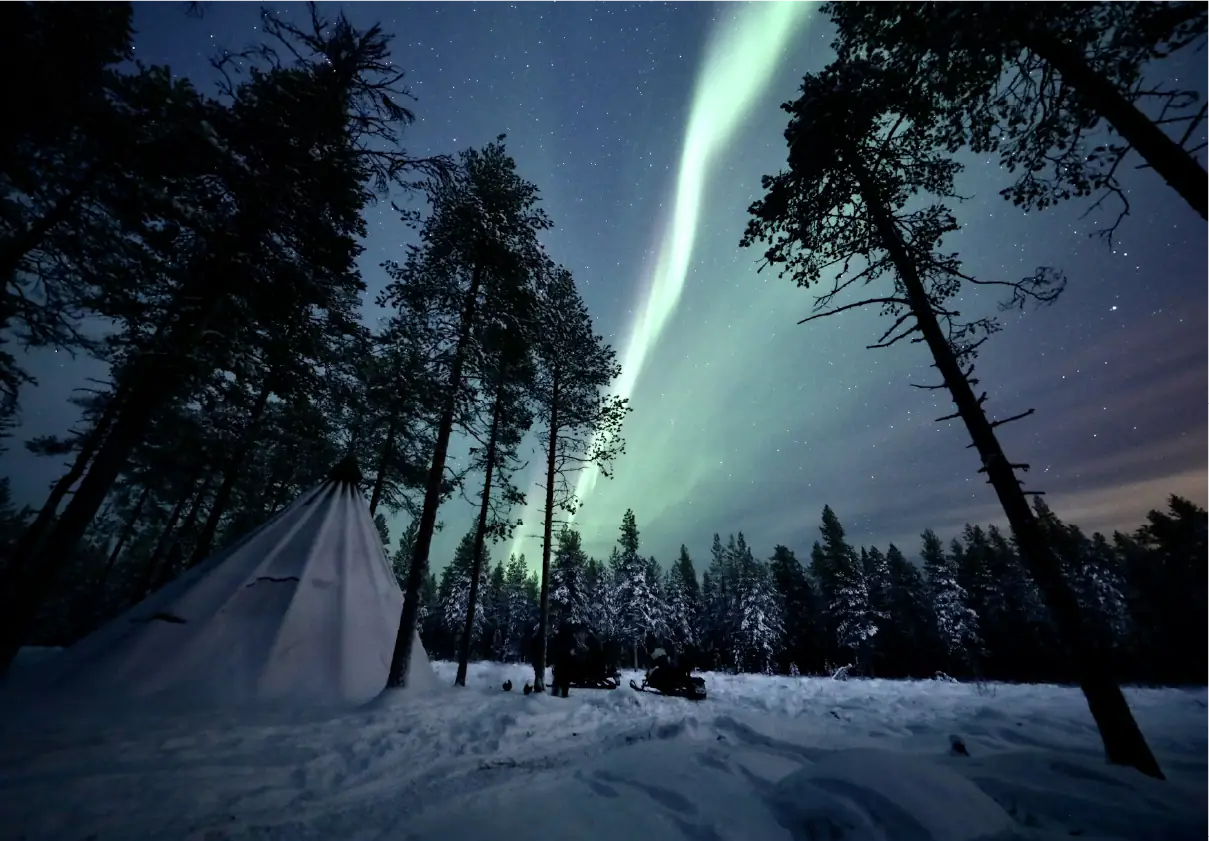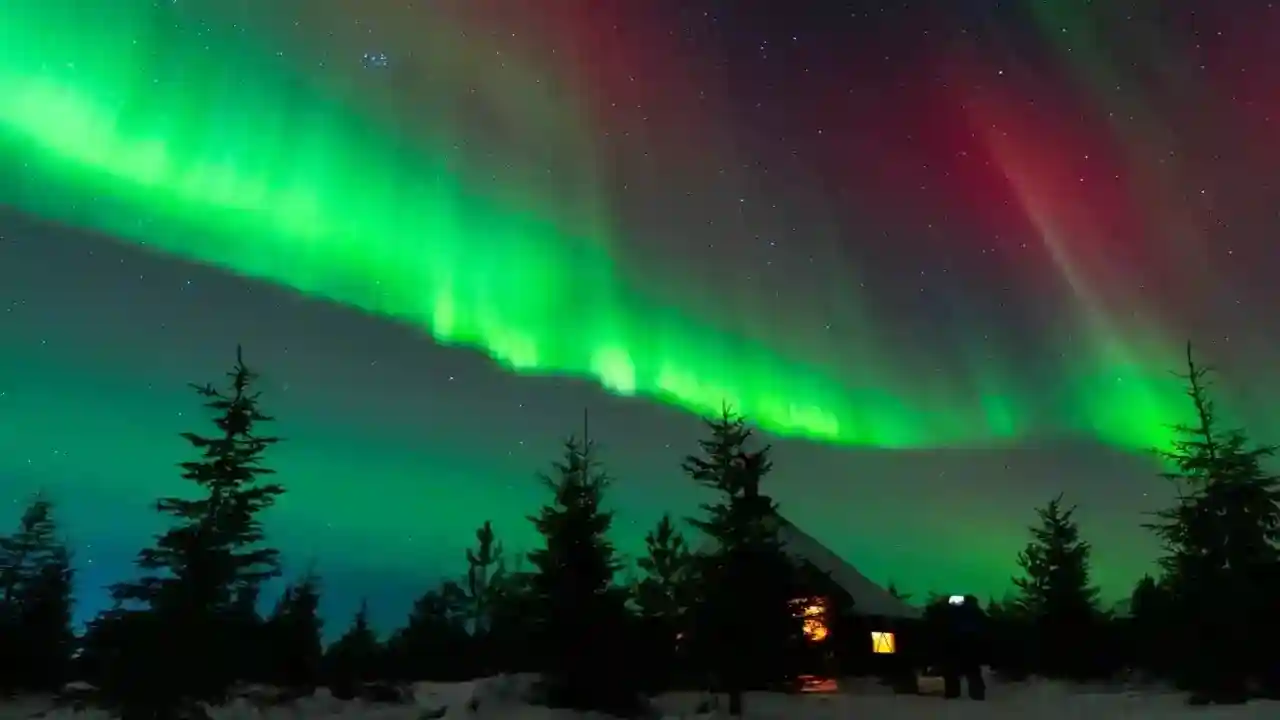
What if the sky just started glowing in colours that don't seem real? Green lights moving across the darkness, sometimes with hints of purple or pink mixed in. That's what the Northern lights in Europe look like. It's not just pretty to watch. It's one of those things that makes you feel small in the best way possible. You're standing there in the cold, everything's quiet, and then the sky just comes alive above you.
Europe actually has some really good spots to see this happen. You don't have to head to some remote corner of the planet either. This guide talks about when to go, where you're most likely to see them, and how to avoid standing in the cold for nothing. If planning feels overwhelming, a Northern Lights tour package can sort out the details so you just focus on the experience. Let this guide inspire your own northern sky moment.
Best Time to See Northern Lights in Europe
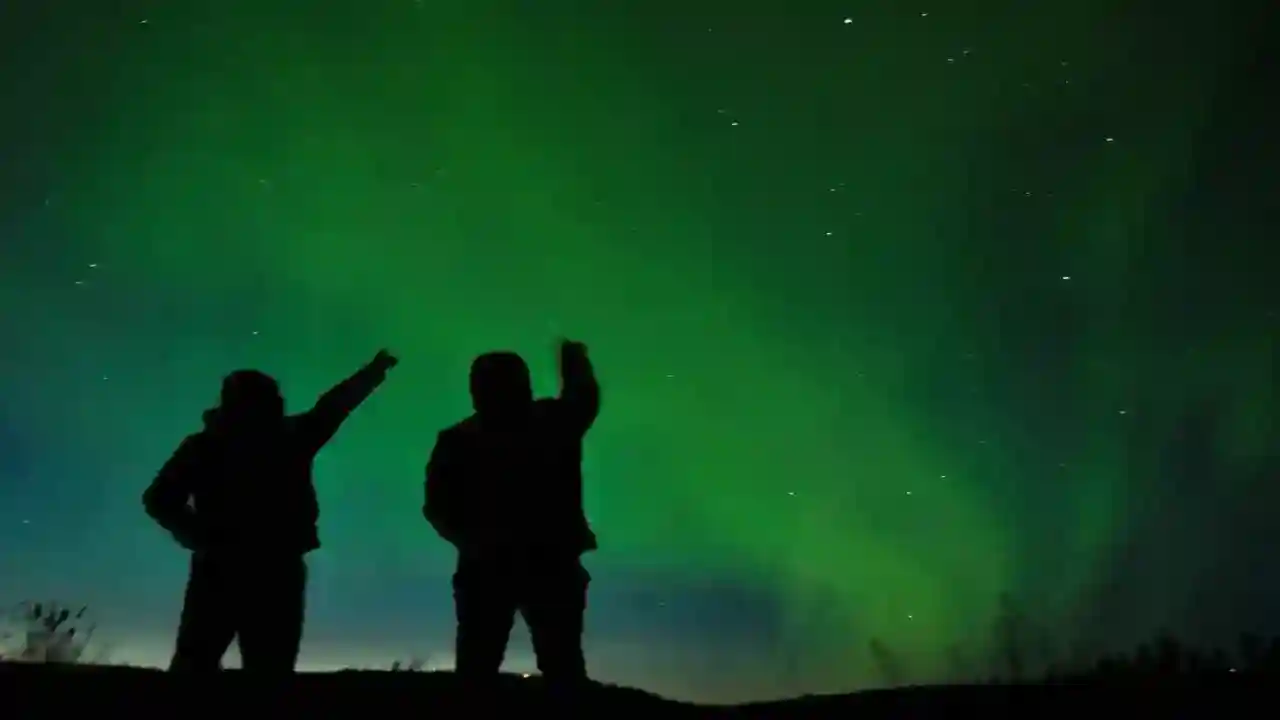
The best time for northern lights in Europe is from late September to early April when the nights stay long, and the sky becomes darker for more hours. Winter brings the clearest chances because the sun sets early and the cold air often keeps the sky clean. Temperatures drop to around minus 5 to minus 25°C in these areas, but that cold air seems to make the colours stand out more. Most people pick these months because the nights stretch on forever, giving you loads of chances to see the lights.
The rest of the year has shorter nights and warmer air, which can make northern lights visibility in Europe less frequent. April to August sees lighter skies and the midnight sun in some regions, so the lights are harder to spot even when activity is strong. Autumn has mild cold and clearer nights, usually around 0 to 10°C, which also works well for people who prefer less extreme weather. Each season gives you something different, but winter's still the most reliable time for sightings
Top Places to See Northern Lights in Europe
Here are the top ten spots where travellers often go for clear aurora views. Each place has its own mood and gives you a different way of experiencing the sky. These locations also help you understand where to see northern lights in Europe without feeling lost about where to start.
1. Tromsø, Norway
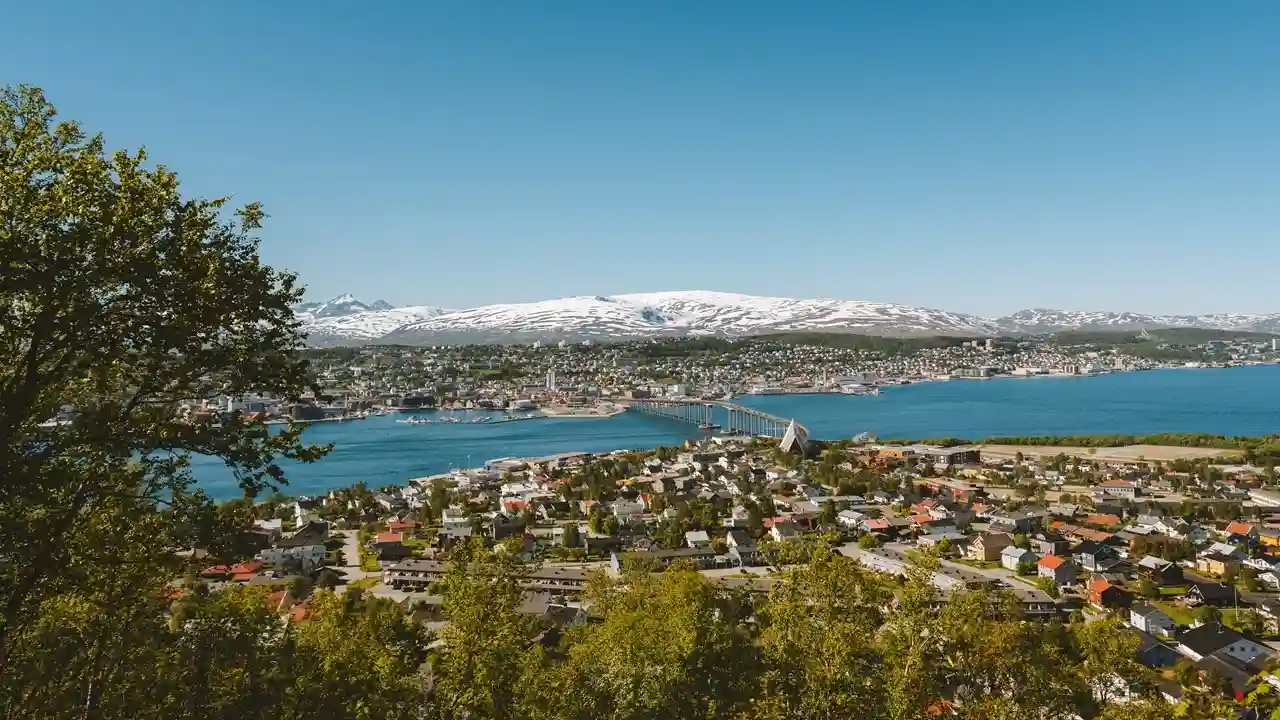
In Tromsø, the sky often opens up in a soft and steady way that makes the aurora feel close and bright. The long winter nights give strong chances to see the colours shift across wide open skies, and the city sits right under the auroral oval. People visiting for northern lights in Europe often start here because the conditions stay reliable through the season. The northern lights visibility in Europe feels very clear in this region due to low light pollution just outside the main town.
Best Viewing Months: September to March
Average Winter Temperature: minus 5 to minus 15°C
Ideal Time of Night: 9 pm to 2 am
2. Abisko, Sweden
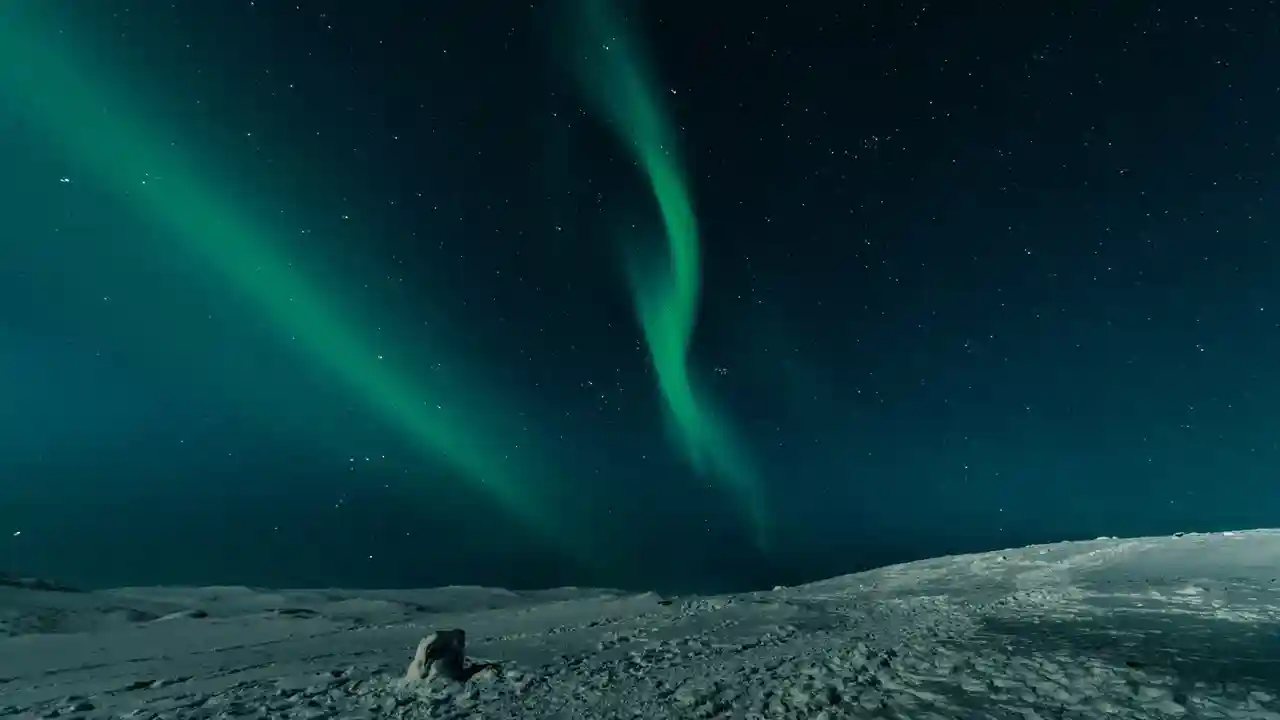
In Abisko, the sky stays clearer than in many other Arctic regions because the town sits in a dry valley. This clear weather gives you a strong chance to watch the aurora on most winter nights. The famous Aurora Sky Station also sits on a hill where the wind keeps the clouds away, so the colours appear brighter and more stable. People come here because the northern lights visibility in Europe feels very dependable in this region. It is quiet, dark and perfect for travellers who want a calm setting to enjoy the northern lights in Europe without rushing anywhere.
Best Viewing Months: November to March
Average Winter Temperature: minus 8 to minus 20°C
Ideal Time of Night: 10 pm to 1 am
3. Rovaniemi, Finland
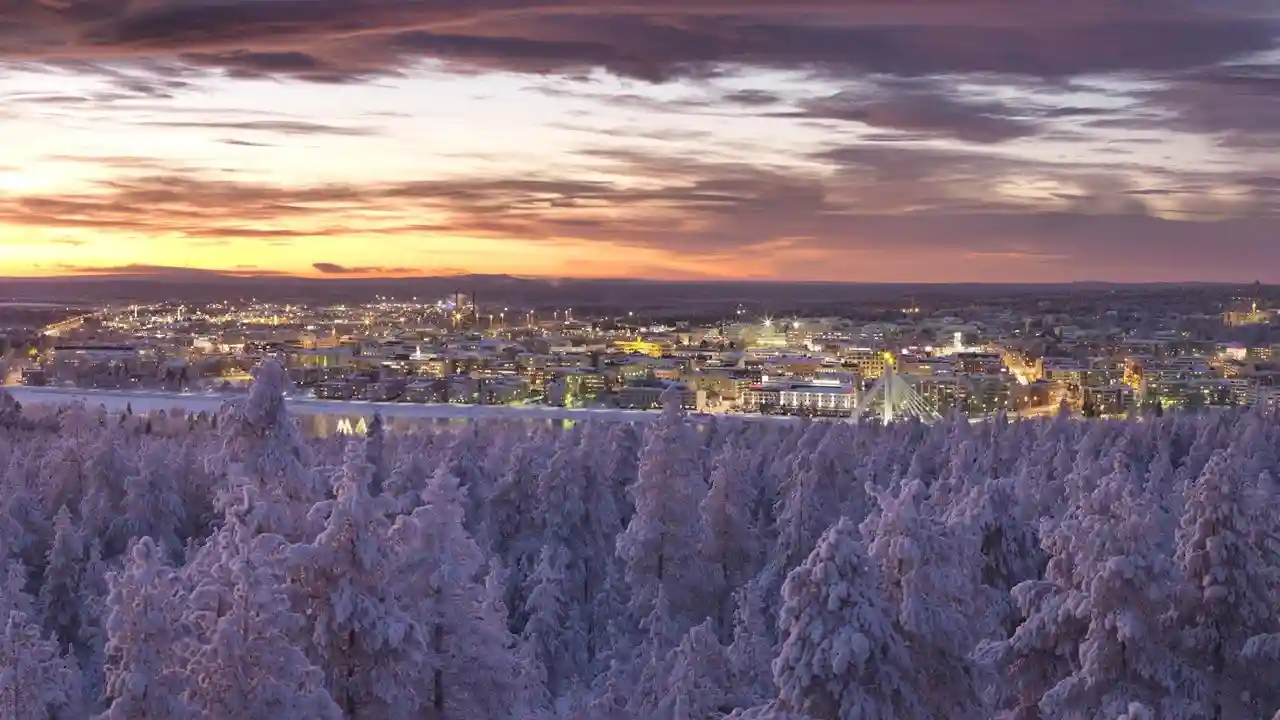
Rovaniemi feels almost magical when the sky starts to glow in winter. The town sits right on the Arctic Circle, so the chances of seeing the aurora are strong on clear nights. Snow-covered forests surround the area and they make the colours in the sky look even brighter. Finland in winter has this stillness that seems to make the lights more vivid, especially when you're standing in an open field or by a frozen lake. The space feels quiet and wide, which is perfect for watching. It's also easy to reach, which is a big reason people include it while planning for Northern lights in Europe trips.
Best Viewing Months: September to March
Average Winter Temperature: minus 6 to minus 18°C
Ideal Time of Night: 9 pm to 2 am
4. Reykjavik, Iceland
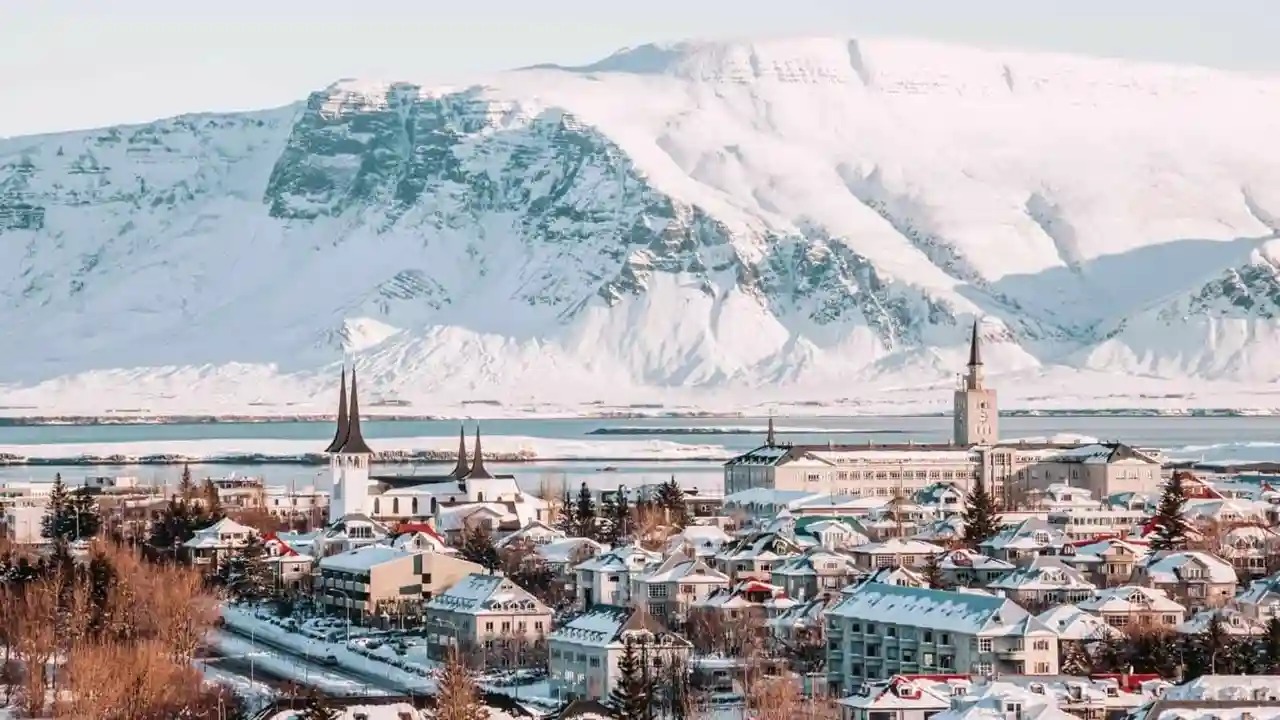
On clear winter nights, the sky above Iceland’s capital often lights up in soft greens and purples that feel almost unreal. Reykjavík sits close to wide open areas, so you can step just a little outside the city and still catch strong displays of Northern lights in Europe. The cool air, low light pollution and quick access to darker viewing spots make it easy for travellers to wait for the glow. It also fits well for anyone wondering where they can see northern lights in Europe without travelling too far from a main city.
Best Viewing Months: September to April
Average Winter Temperature: 0 to -5°C
Ideal Time of Night: 10 pm to 1 am
5. Kiruna, Sweden
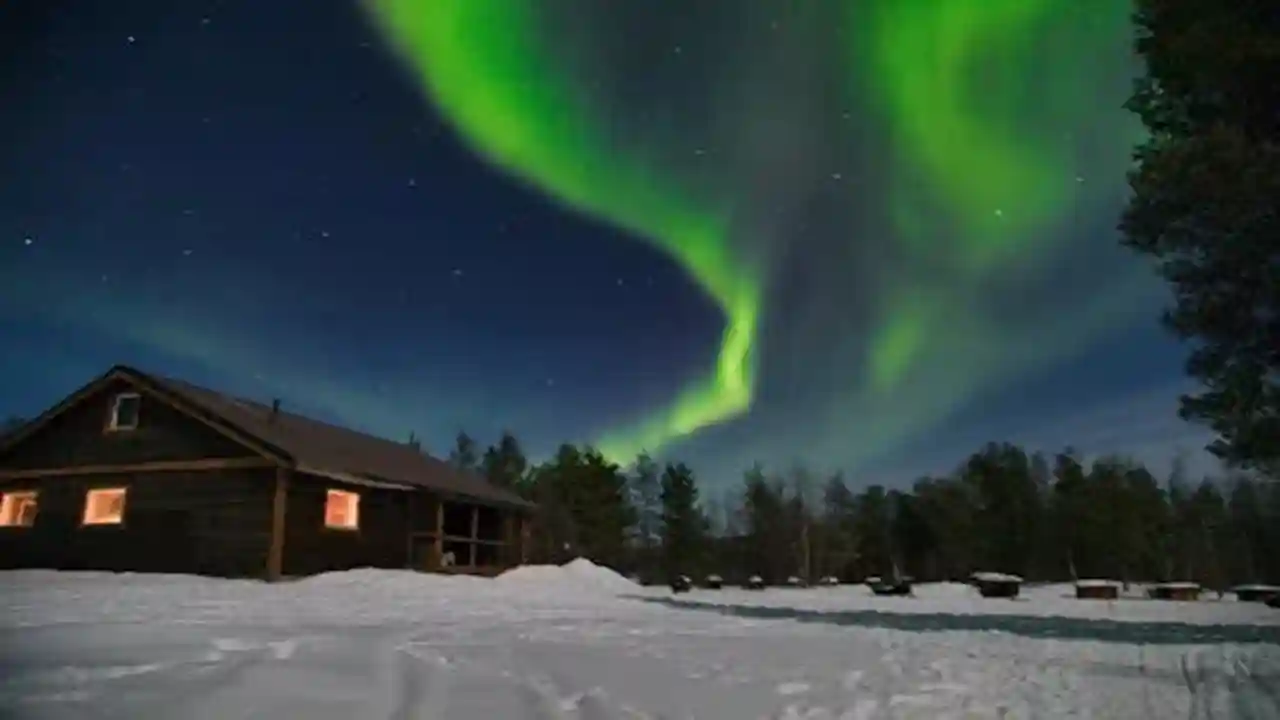
Some travellers say the quiet nights around Kiruna feel made for watching the sky. The town sits far enough north for steady aurora activity, and the open landscapes give you huge sky views with almost no light blocking the colours. Winter nights get long and cold, often dropping below minus fifteen, but the stillness makes the moment stronger. Kiruna works well for anyone hoping to see the northern lights in Europe without moving too far from a small but lively town.
Best Viewing Months: October to March
Average Winter Temperature: minus 10 to minus 25°C
Ideal Time of Night: 9 pm to 2 am
6. Svalbard, Norway
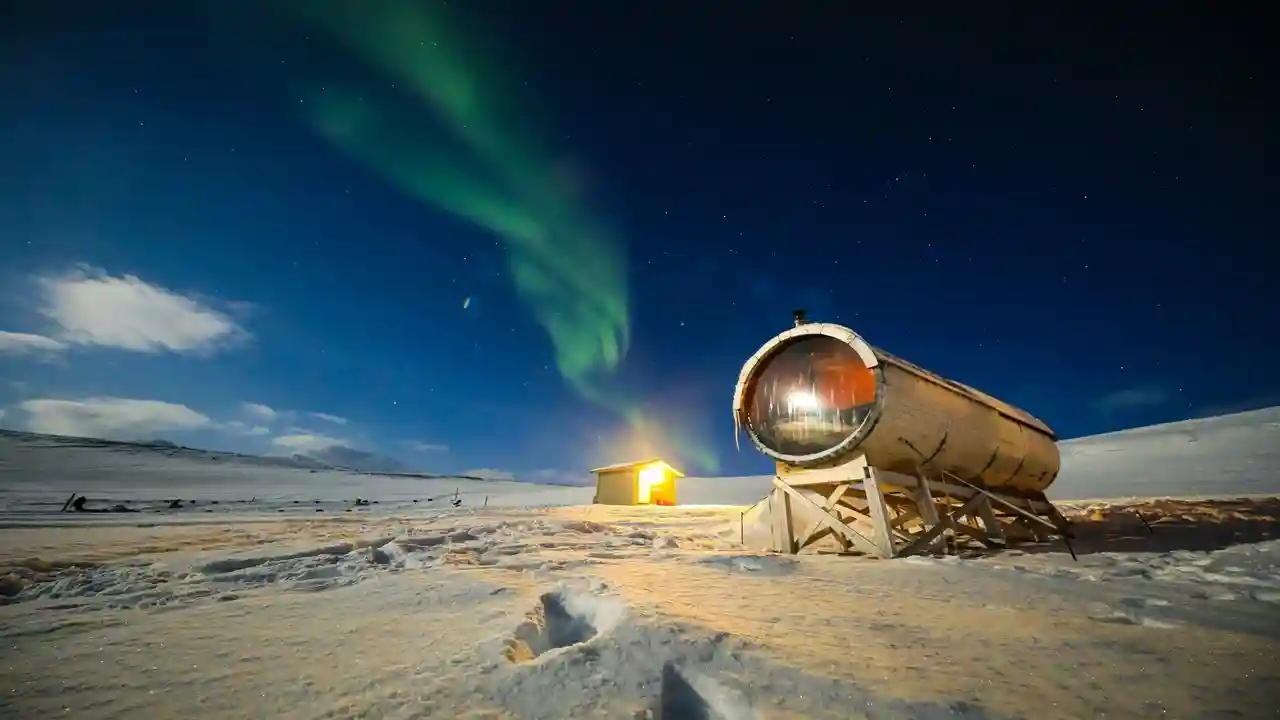
In Svalbard, the sky turns into the main attraction for months at a time. The polar night makes the daylight disappear, so you get dark skies even in the afternoon, which gives more chances for the aurora to appear. The experience feels raw and untouched because the area is remote and quiet. Standing out in the cold while the colours move above you feels like something completely outside routine. It is one of the most unusual places for northern lights in Europe.
Best Viewing Months: November to February
Average Winter Temperature: minus 10 to minus 20°C
Ideal Time of Night: 6 pm to midnight
7. Finnish Lapland
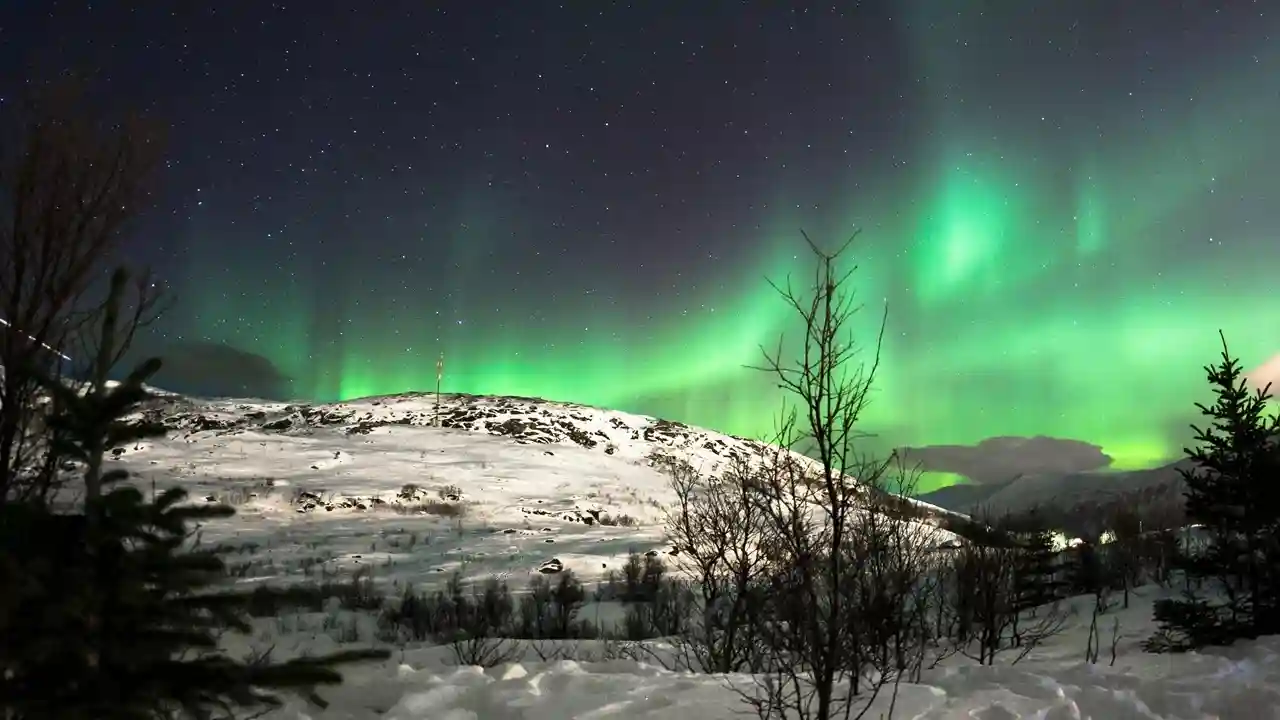
Up in Lapland, the northern lights show up against snowy forests and frozen lakes that go on for miles. The nights are long and dark, which is exactly what you need. You can watch from the edge of a lake, wander through quiet trails, or stay in one of those glass cabins where you don't even have to go outside. The lights here often spread out in wide arcs that cover the whole sky, and when they reflect off the snow, everything gets this soft glow. It's one of the easier spots to reach if you're chasing northern lights in Europe.
Best Viewing Months: September to March
Average Winter Temperature: minus 10 to minus 25°C
Ideal Time of Night: 9 pm to 1 am
8. Faroe Islands
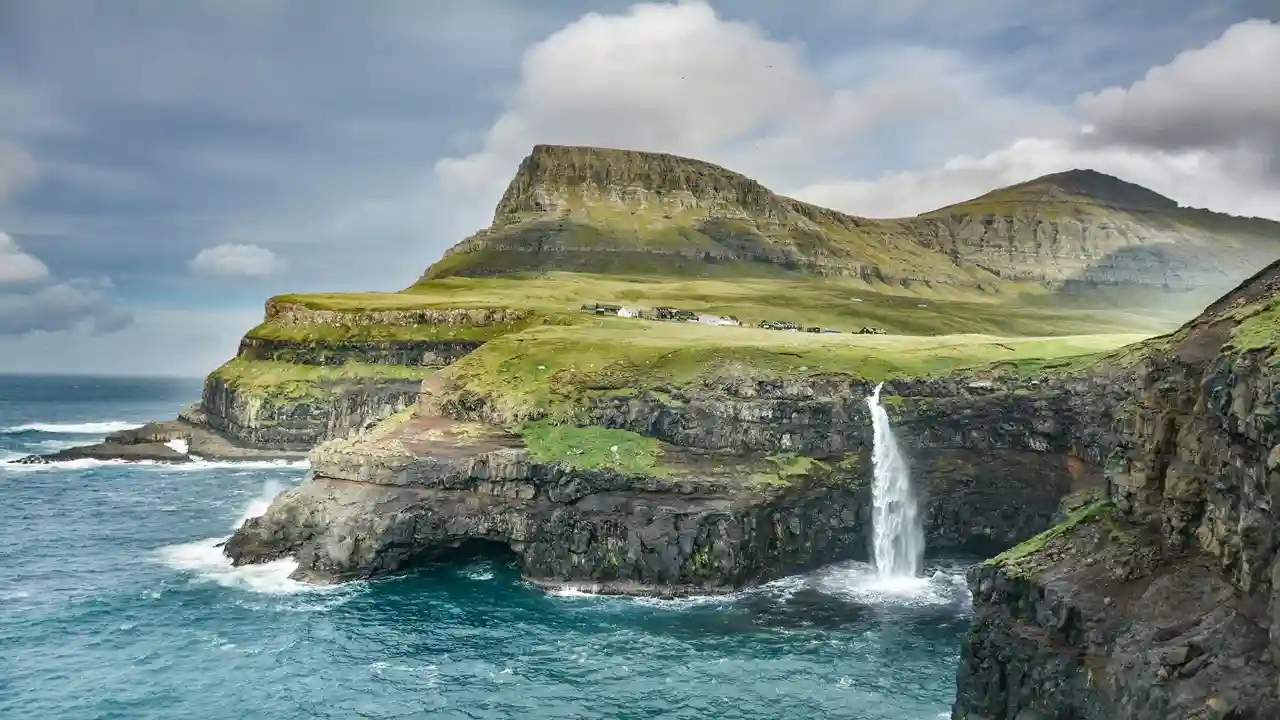
The Faroe Islands give you quiet cliffs and wide open skies with barely any light pollution around. These islands are properly remote, so when the aurora shows up on cold winter nights, you get a clear view. Weather changes fast here, which makes every sighting feel like a bit of luck. What makes it special is how the colours spread across the sea and hills in this slow, sweeping motion. It's raw and remote, and the northern lights in Europe just hit different when you're watching from these edges.
Best Viewing Months: October to March
Average Winter Temperature: 1 to 5°C
Ideal Time of Night: 9 pm to midnight
9. Lofoten Islands, Norway
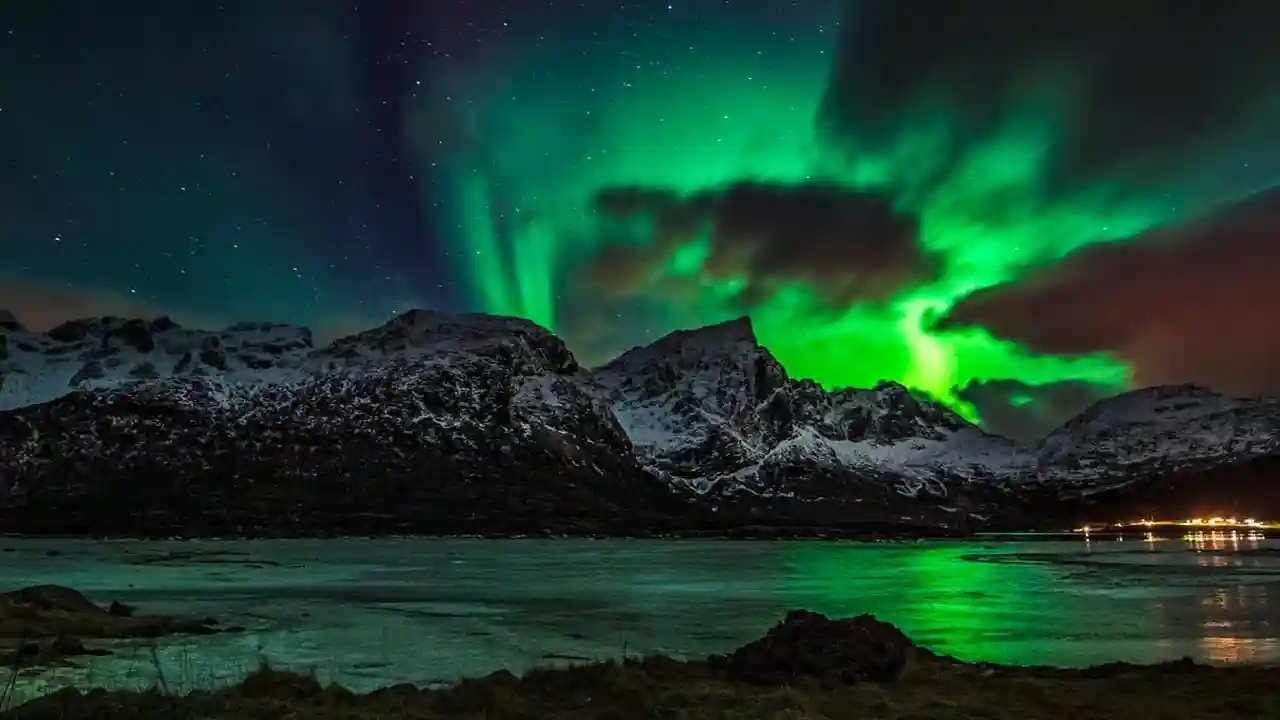
Sharp mountains sit right next to small fishing cabins and open water in the Lofoten Islands, and that backdrop makes the aurora look unreal. Nights here are peaceful and the sky can clear without much warning. When the lights start moving, they stretch across the fjords in long, soft bands. The colours seem to hover right over the villages, close enough that it feels like you could touch them. It's one of those places where Europe's northern lights feel more intense because the landscape is so dramatic.
Best Viewing Months: September to March
Average Winter Temperature: minus 1 to minus 5°C
Ideal Time of Night: 10 pm to 2 am
10. Scotland's Highlands
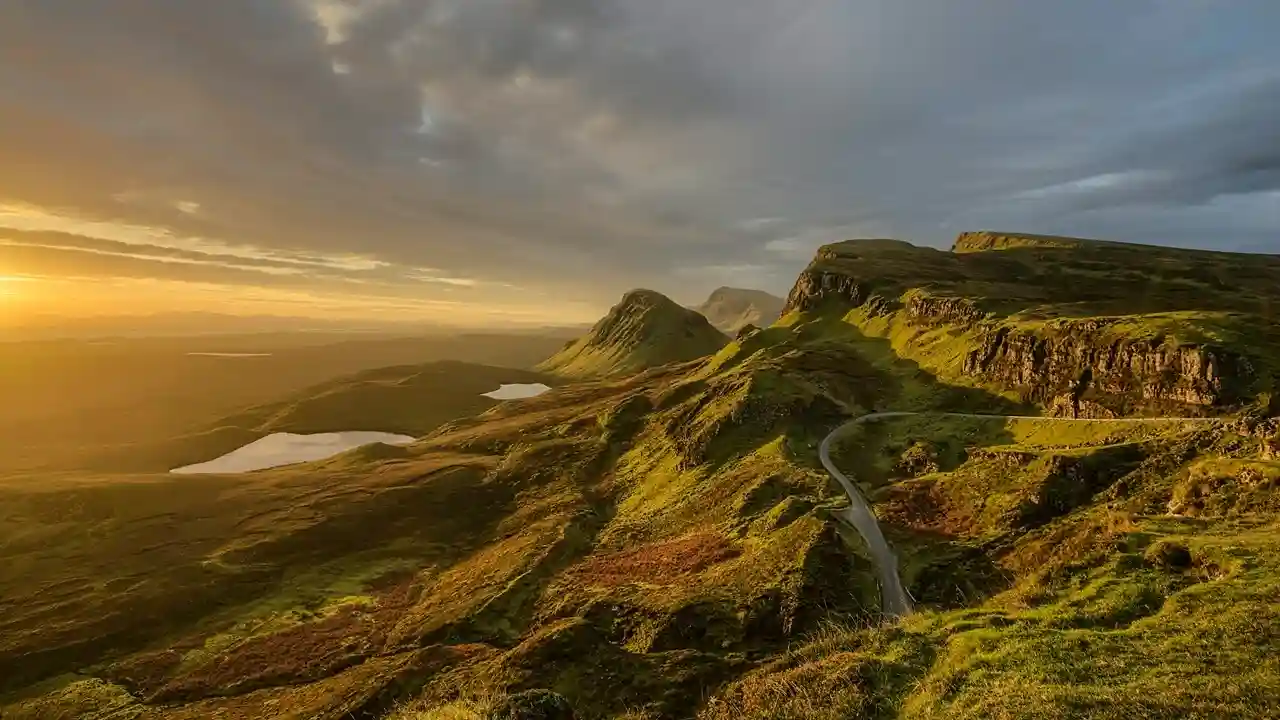
The Scottish Highlands aren't where you'd expect to see the aurora, which makes it even better when it actually shows up. The dark countryside stretches out for miles with nothing to block the view. Wide moors, still lakes, and clear winter skies turn into something magical when those colours start dancing overhead. What people love about catching northern lights in Europe from here is how unexpected and natural it feels. No crowds, no fuss, just you and the sky. Plus, it's way further south than most aurora spots, so you don't have to trek to the Arctic to see it happen.
Best Viewing Months: October to March
Average Winter Temperature: 0 to 5°C
Ideal Time of Night: 10 pm to 2 am
Tips for Seeing the Northern Lights
A little preparation helps you enjoy the trip more, especially when you are chasing the northern lights in Europe during winter. These simple tips make the experience smoother and easier.
Check the Aurora Forecast: A quick look at daily aurora activity helps you plan your nights better.
Keep Nights Free: The lights appear anytime between late evening and early morning, so stay flexible.
Dress in Warm Layers: Temperatures can fall very low, so wear proper winter clothing and keep spare gloves.
Pick Dark Spots Away from Towns: Streetlights reduce the glow, so move a little away from the main areas.
Carry a Tripod for Photos: Long exposure shots need a steady camera, especially when capturing the northern lights in Europe.
Stay Patient and Calm: The lights may show up quickly or may take time, so enjoy the moment instead of rushing.
Conclusion
Seeing these places across Europe helps you understand how calm and beautiful the sky can look on a winter night. Each spot offers its own experience, from quiet snow-covered towns to open coastlines where the colours move slowly over the horizon. Watching the northern lights in Europe is not just about chasing a natural event but enjoying the small moments that happen around it. The cold air, the stillness and the feeling of waiting for the first hint of light make the journey meaningful. Use this guide to plan a trip that feels relaxed and well prepared, so your aurora hunt becomes something you can enjoy every step of the way.