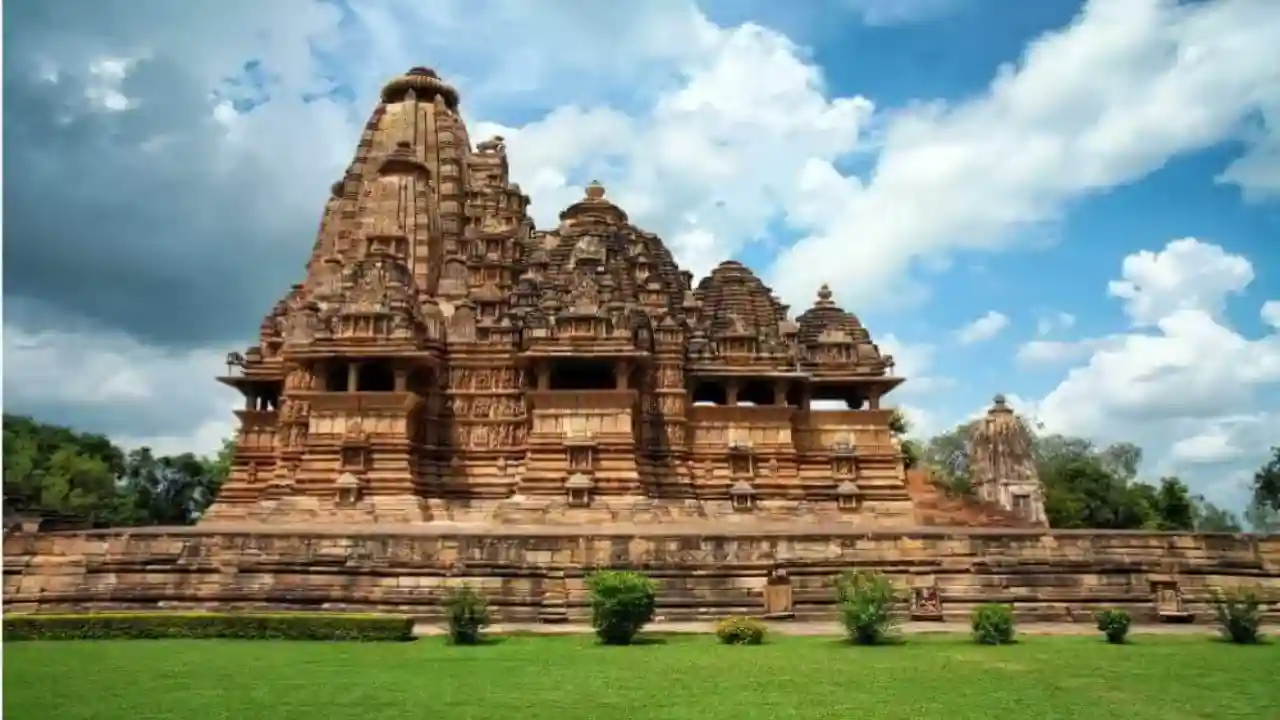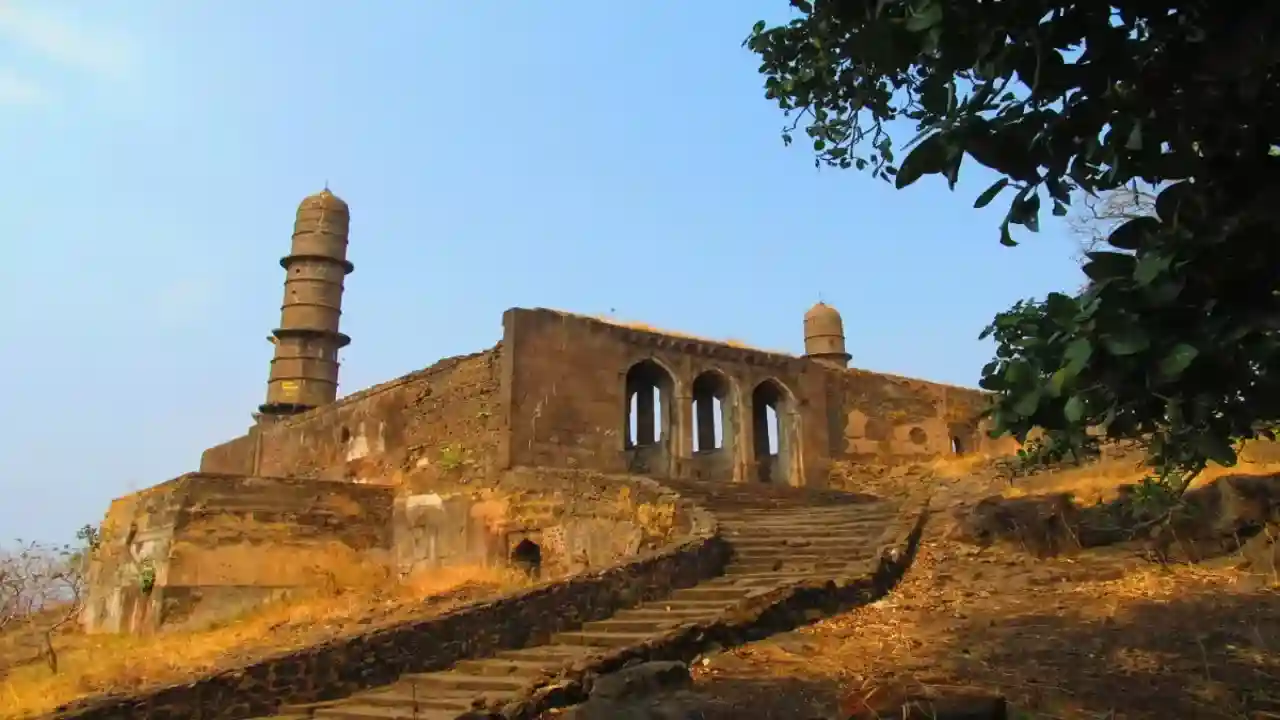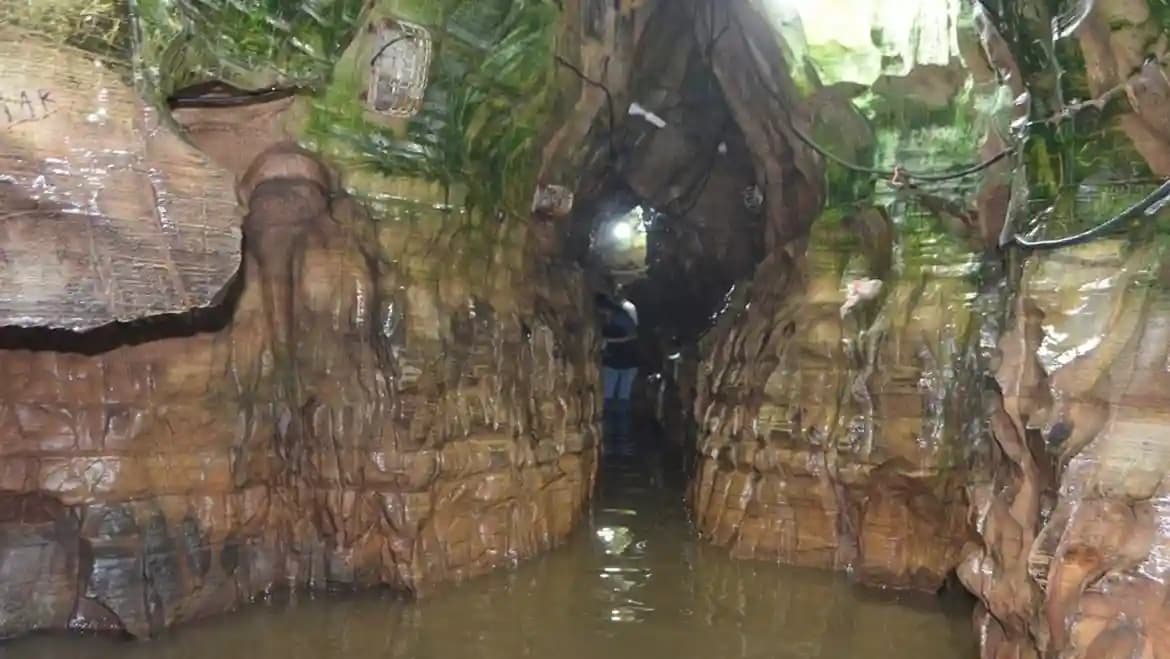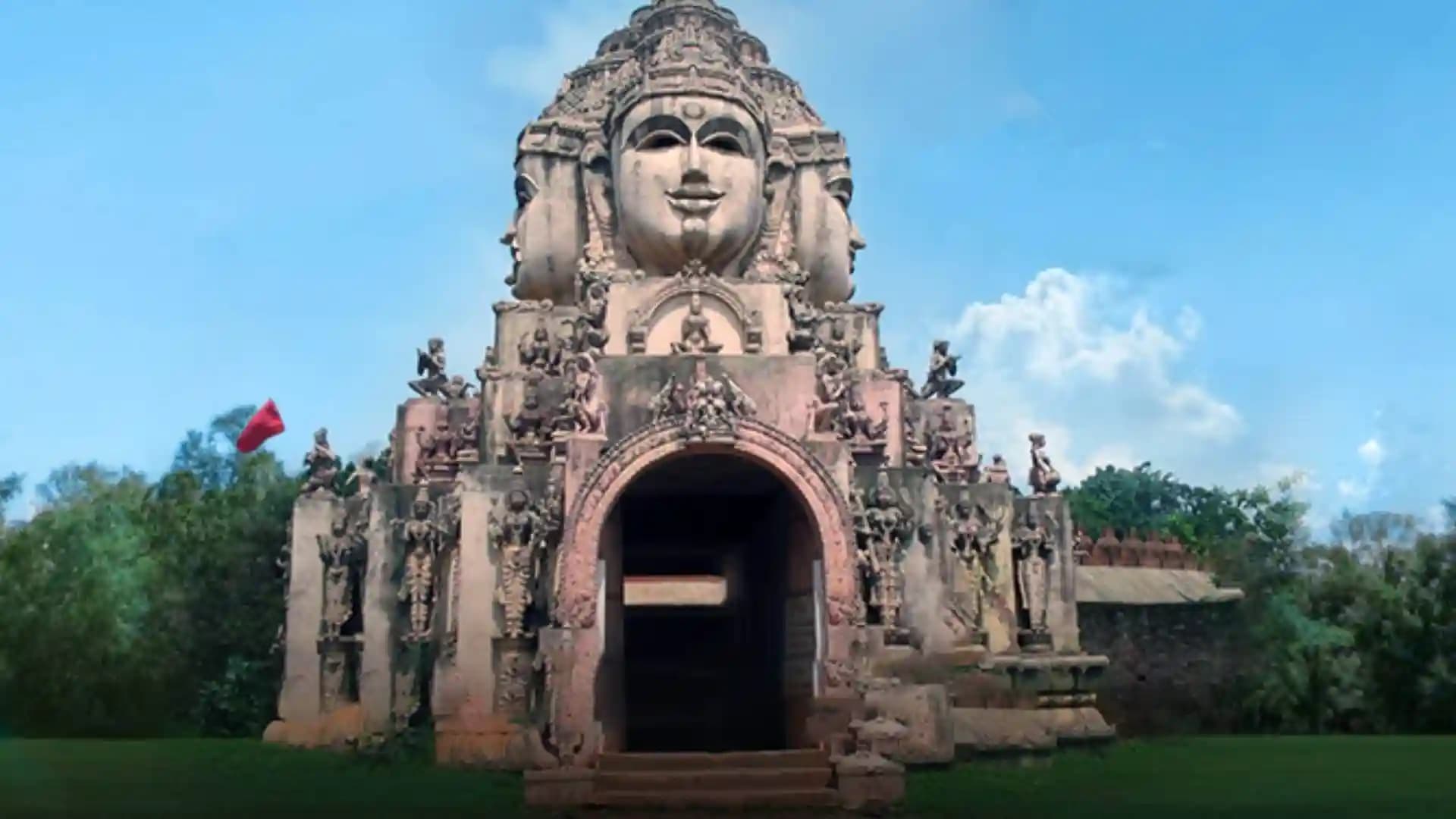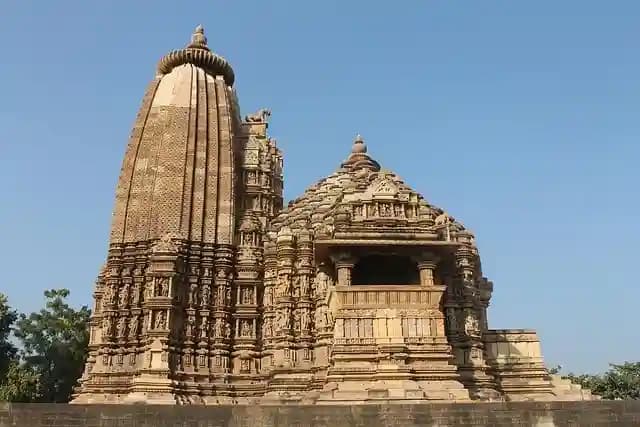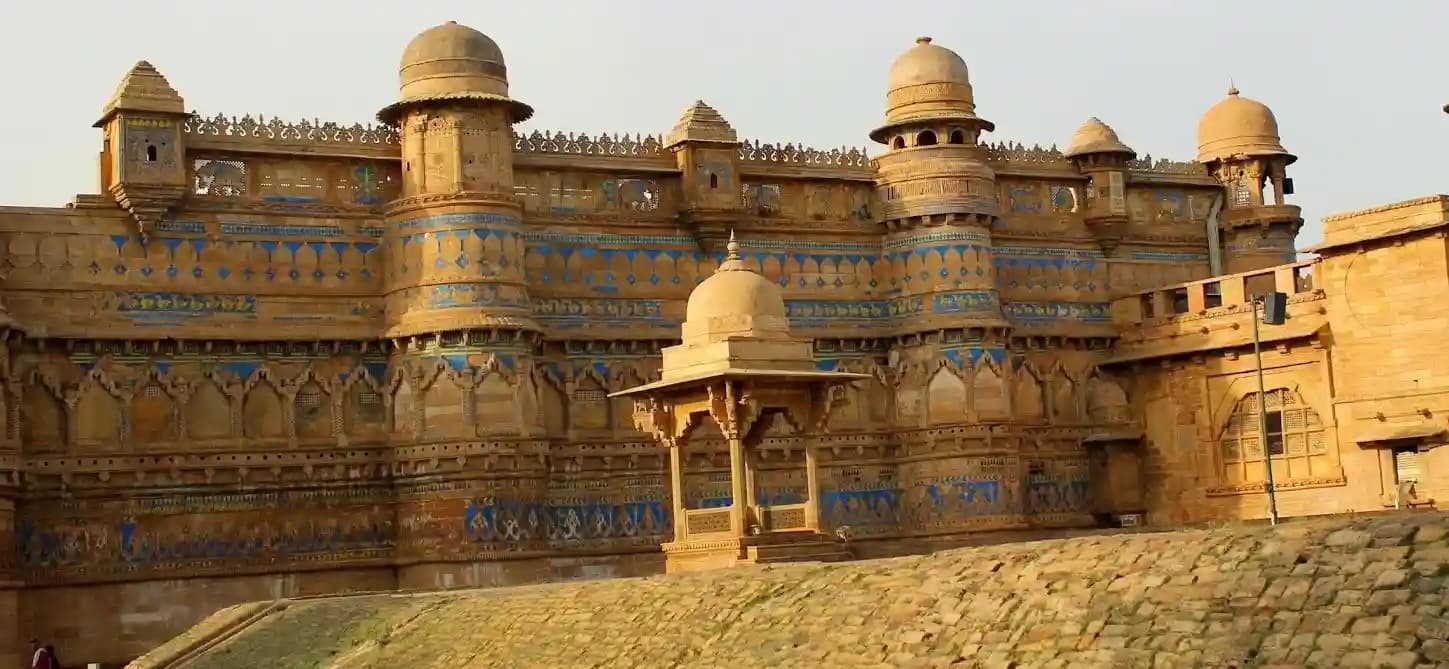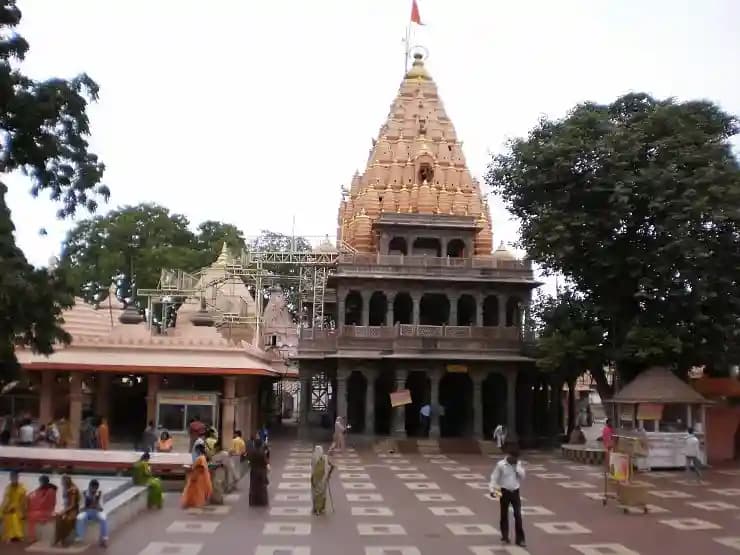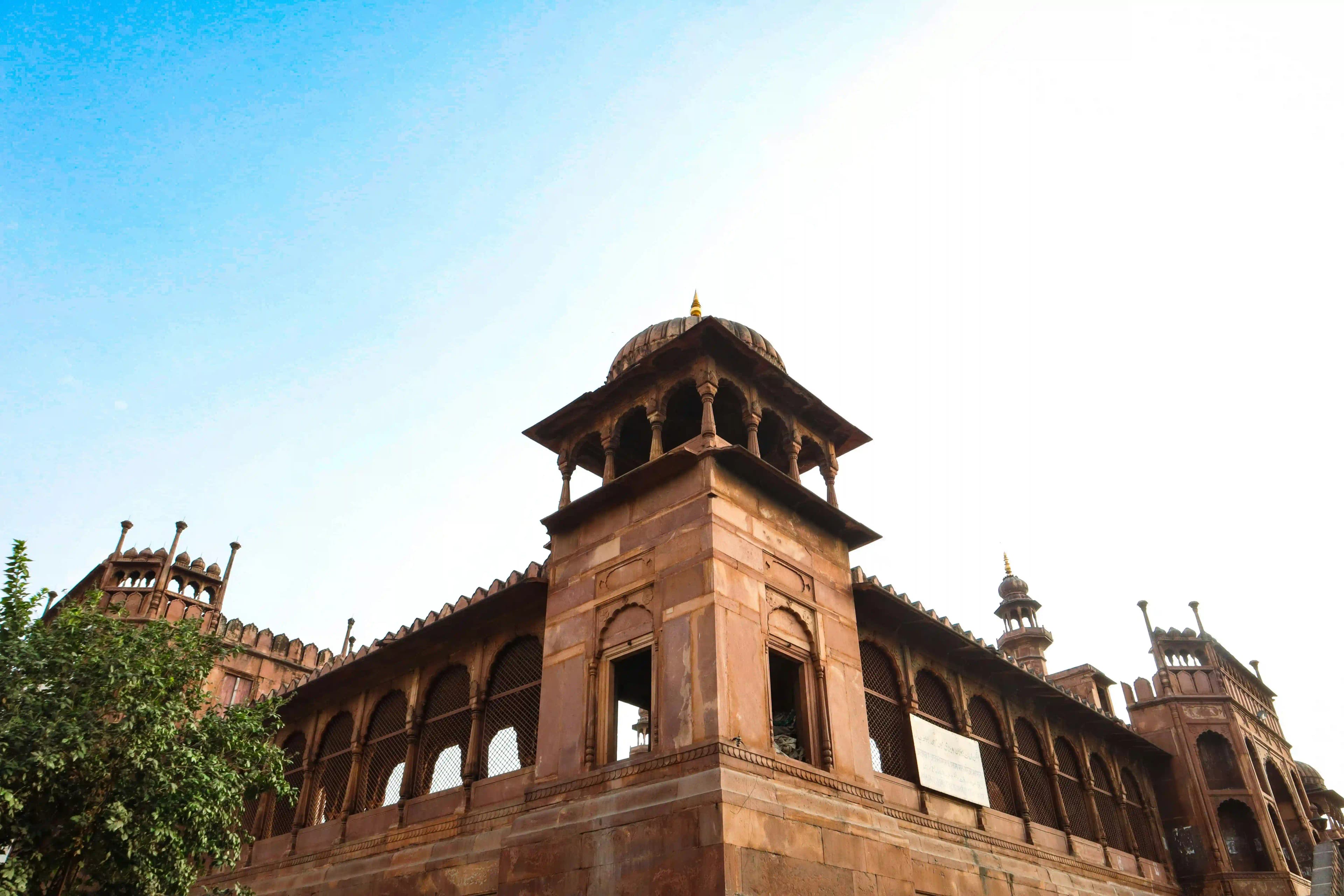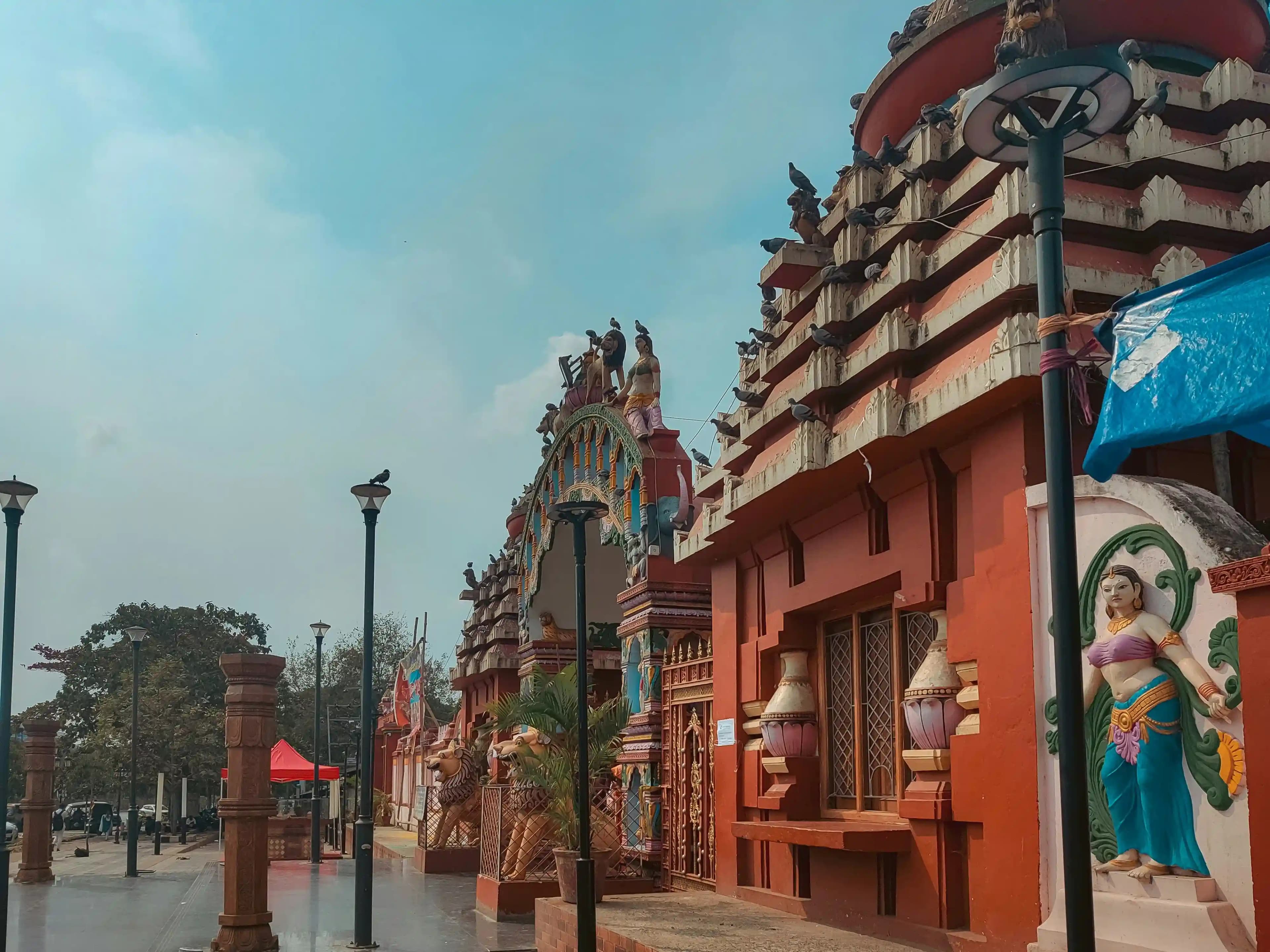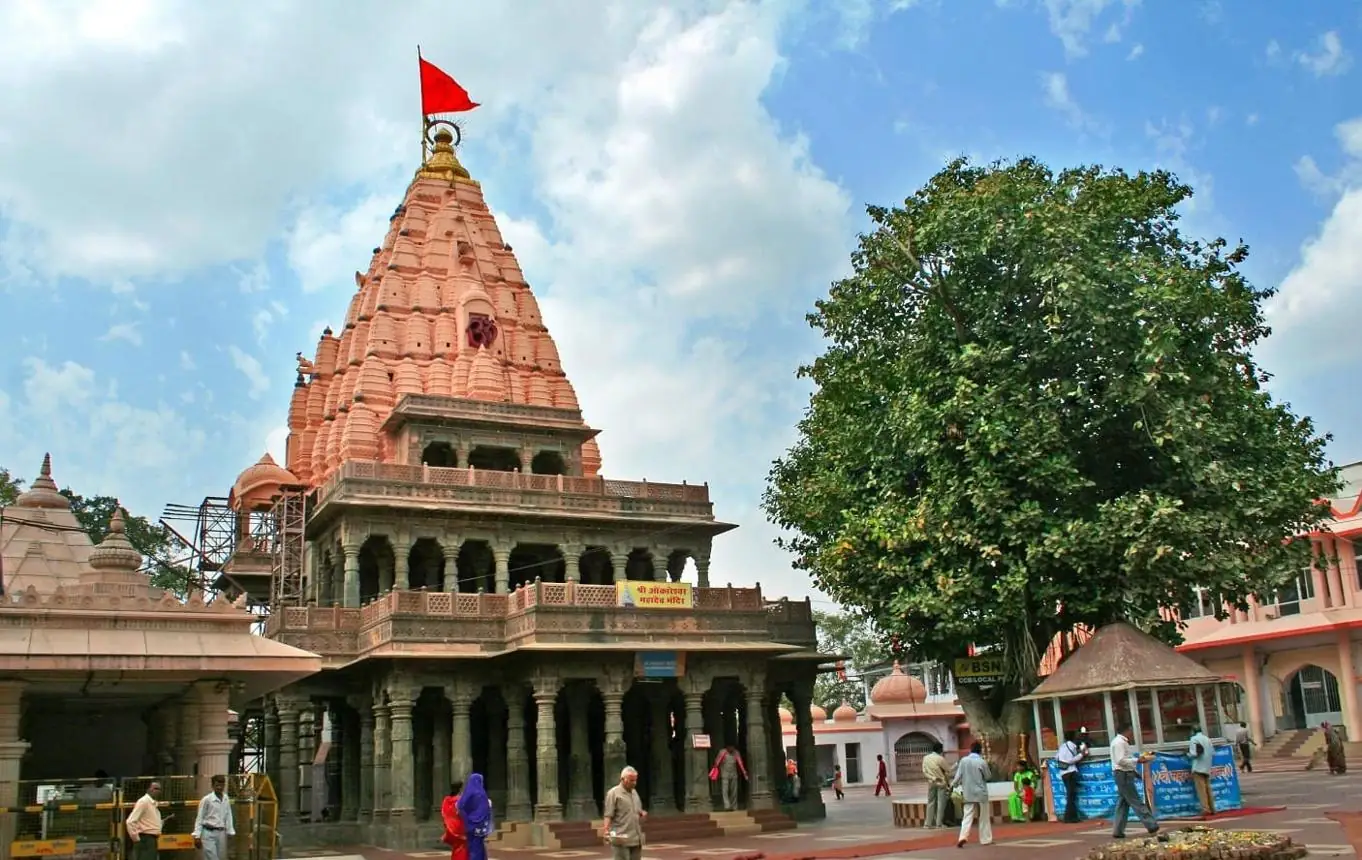
There’s a city in Madhya Pradesh where no sitting Prime Minister, Chief Minister, or President stays overnight. The reason isn’t security. Ujjain already has a ruler. That ruler is Mahakal. At the centre of the city stands the Mahakaleshwar Jyotirlinga, treated not just as a temple but as the seat of that authority. This isn’t a half-forgotten belief repeated for tourists. It still shapes how the city sees itself and how visitors are expected to approach it.
If you’re coming to Ujjain for the first time, that one detail explains more than any description of the architecture ever will. The Mahakaleshwar Jyotirlinga is one of the twelve Jyotirlingas in India, yet it operates on its own terms. The orientation of the deity, the underground sanctum, the pre-dawn Bhasma Aarti, and even the structure of the temple complex set it apart. This guide focuses on what you need to know before you go: what makes this temple different, how to secure a Bhasma Aarti slot without guesswork, and the parts of the complex that most visitors walk past without noticing.
The History Behind the Temple
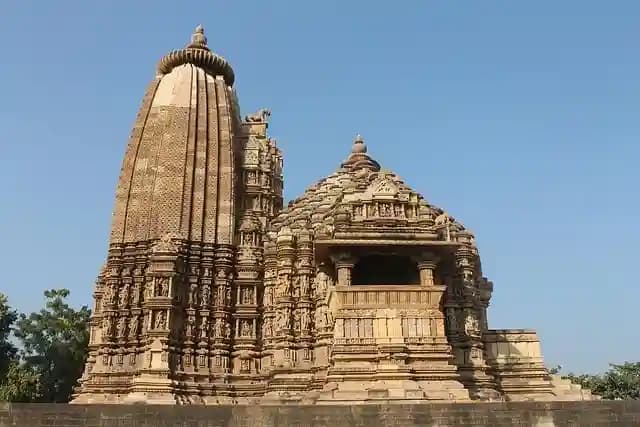
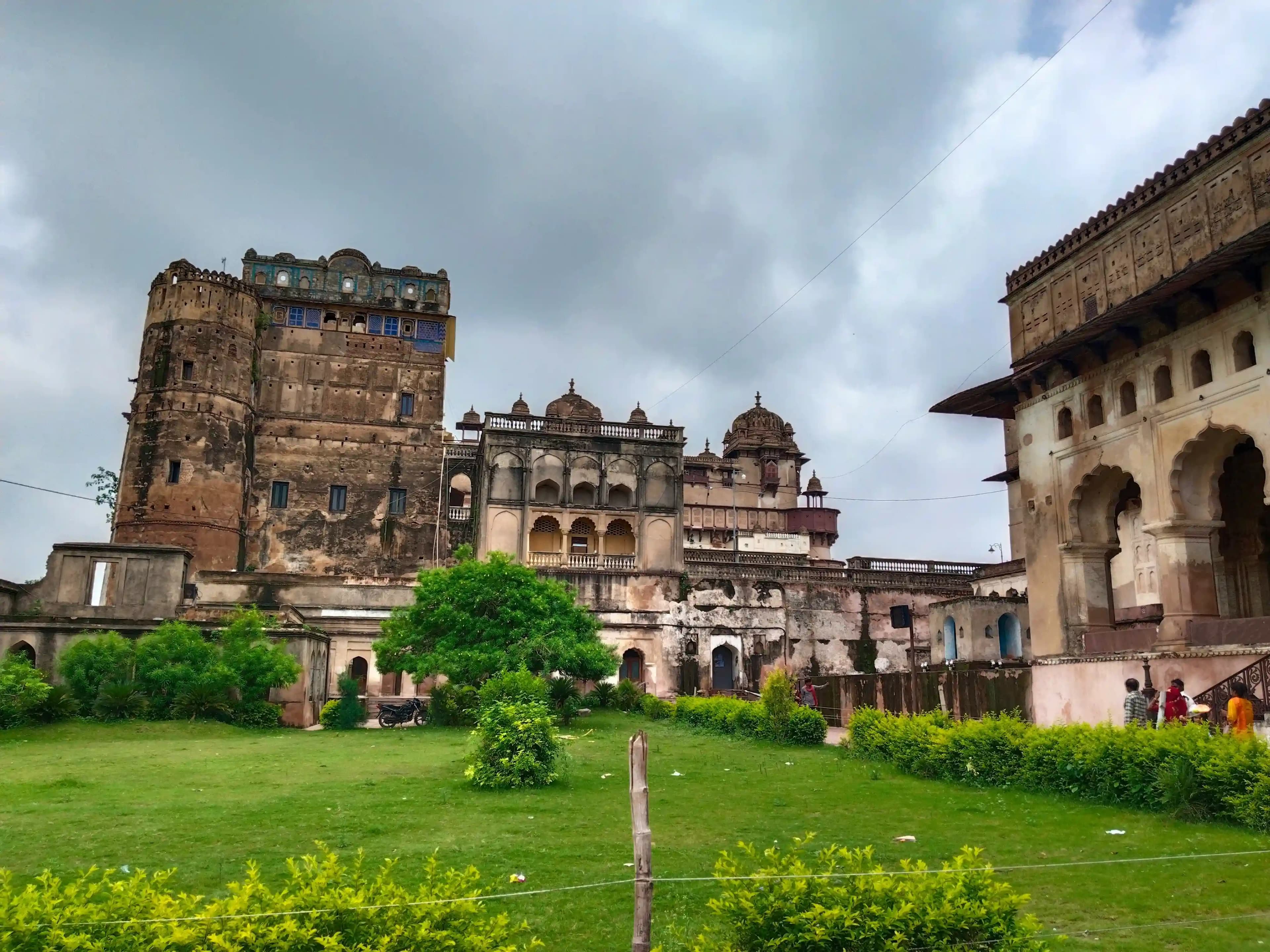
The temple you see today is the result of repeated destruction and rebuilding over several centuries. In 1234–35 CE, Sultan Shams-ud-Din Iltutmish attacked Ujjain, demolished the temple, and threw the Jyotirlinga into the Koti Teerth Kunda. Later rulers, including Jalaluddin Khalji and Alauddin Khalji, also targeted the site. The present structure took shape in the 18th century under Ranoji Shinde, serving Bajirao I. The Jyotirlinga was reinstated, rituals resumed, and the temple continued as an active place of worship.
Mahakaleshwar Jyotirlinga Darshan Timings
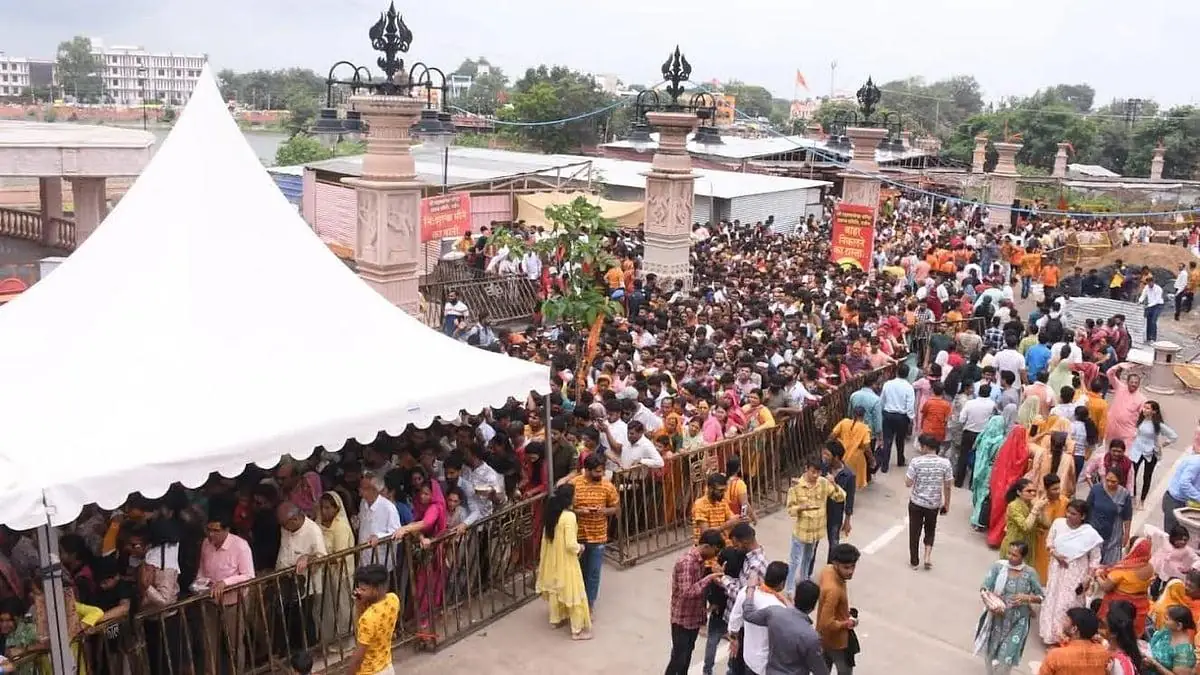
The temple opens at 4:00 AM with the Bhasma Aarti and remains accessible to devotees throughout the day without any afternoon closure, which is uncommon among major temples in India. Darshan continues steadily after the early morning rituals, with peak crowd hours usually during mornings and evenings. The Jyotirlinga Mahakaleshwar Temple in Ujjain closes at 11:00 PM after the Shayan Aarti, marking the end of the day’s worship cycle. Visitors can plan their entry based on crowd tolerance, with early mornings offering quicker access and evenings providing a different devotional setting with lamps, chants, and a steady flow of local devotees.
Quick Timings:
Opening Time: 4:00 AM
Closing Time: 11:00 PM
Open All Day: No afternoon closure
Best Time to Visit Mahakaleshwar Jyotirlinga
When you visit Mahakaleshwar Jyotirlinga, Jaisinghpura, Ujjain, Madhya Pradesh, the entire experience changes. The same temple can feel calm and manageable on one day, and completely packed on another. Weather, festivals, and even the time of day all make a noticeable difference.
October to March: The weather is easier to handle, and weekday mornings usually mean shorter queues
Shravan Month (July–August): Mondays get extremely crowded; visit during this time only if you want to see the temple at its busiest
Festival Days (Mahashivratri, Nag Panchami): Expect long waits, heavy crowds, and limited hotel availability
Time of Day: Early morning after Bhasma Aarti for quicker entry; evening for a more active temple atmosphere
Mahakaleshwar Jyotirlinga Bhasma Aarti booking and Darshan Schedule
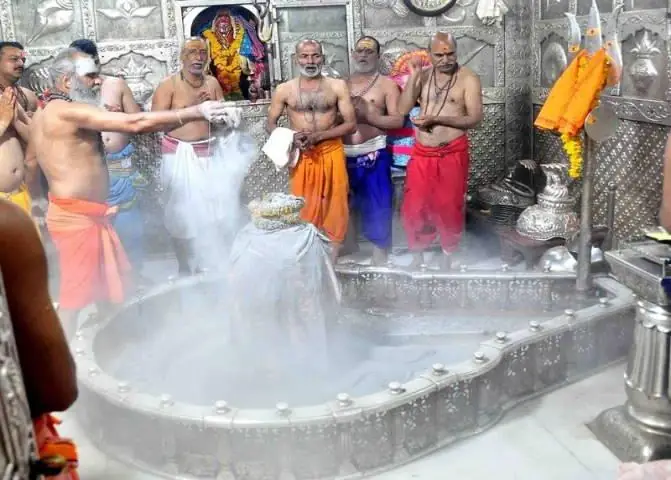
The day at Mahakaleshwar starts early and follows a fixed rhythm of rituals.
4:00 AM – 6:00 AM: Bhasma Aarti: The first and most restricted ritual of the day; entry requires prior booking and dress code compliance
After 6:00 AM: General Darshan: Open to all visitors; crowd levels vary depending on the day
Mid-morning: Bhog Aarti: Food is offered to the deity; usually less crowded than early morning
Evening: Sandhya Aarti: Lamps are lit, bells ring continuously, and the crowd shifts to families and local devotees
Night: Shayan Aarti: Final ritual before the temple closes at 11:00 PM
If you don’t get a Bhasma Aarti slot, attend the Sandhya Aarti. It’s easier to access and gives you a complete sense of the temple’s evening routine.
The Main Sanctum and the Five-Level Structure
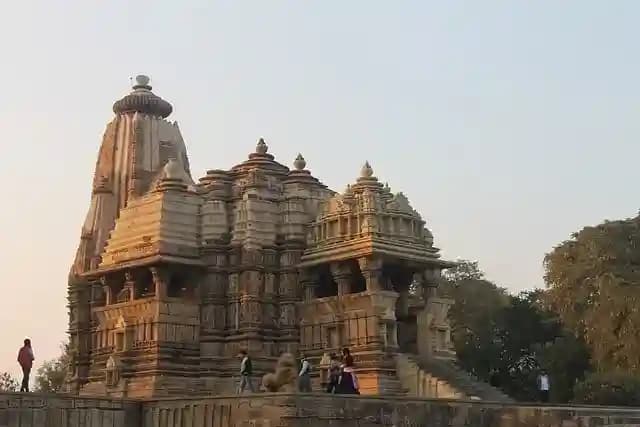
Most visitors stop at the main shrine and leave, but the Jyotirlinga Mahakaleshwar Temple in Ujjain is built across multiple levels. The Jyotirlinga sits underground, while other shrines and details are layered above it. If you take a little extra time, you’ll notice parts of the complex that many people miss.
The Nagchandreshwar Shrine
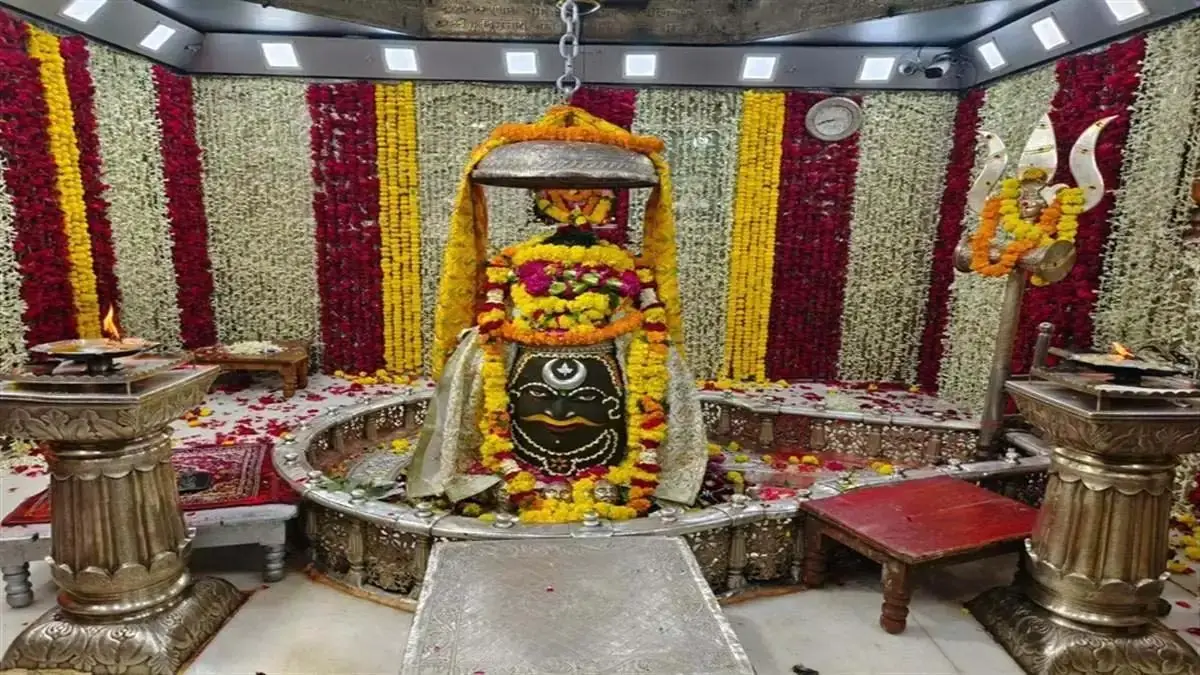
Hidden on the upper level, this shrine opens only once a year. Most visitors never see it unless they plan specifically for that day, which is why it remains one of the least-seen parts of the temple.
Best Time To Visit: Nag Panchami (July–August)
Location: Third floor of the temple complex
Mahakal Lok Corridor
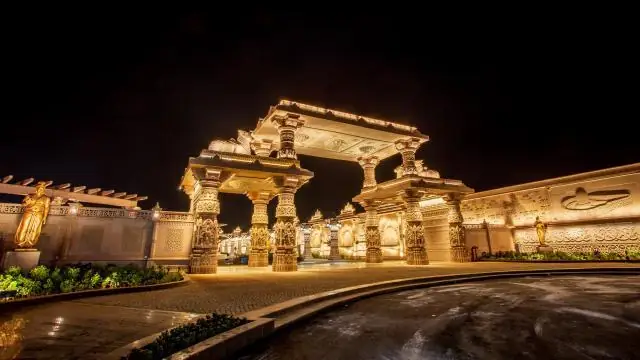
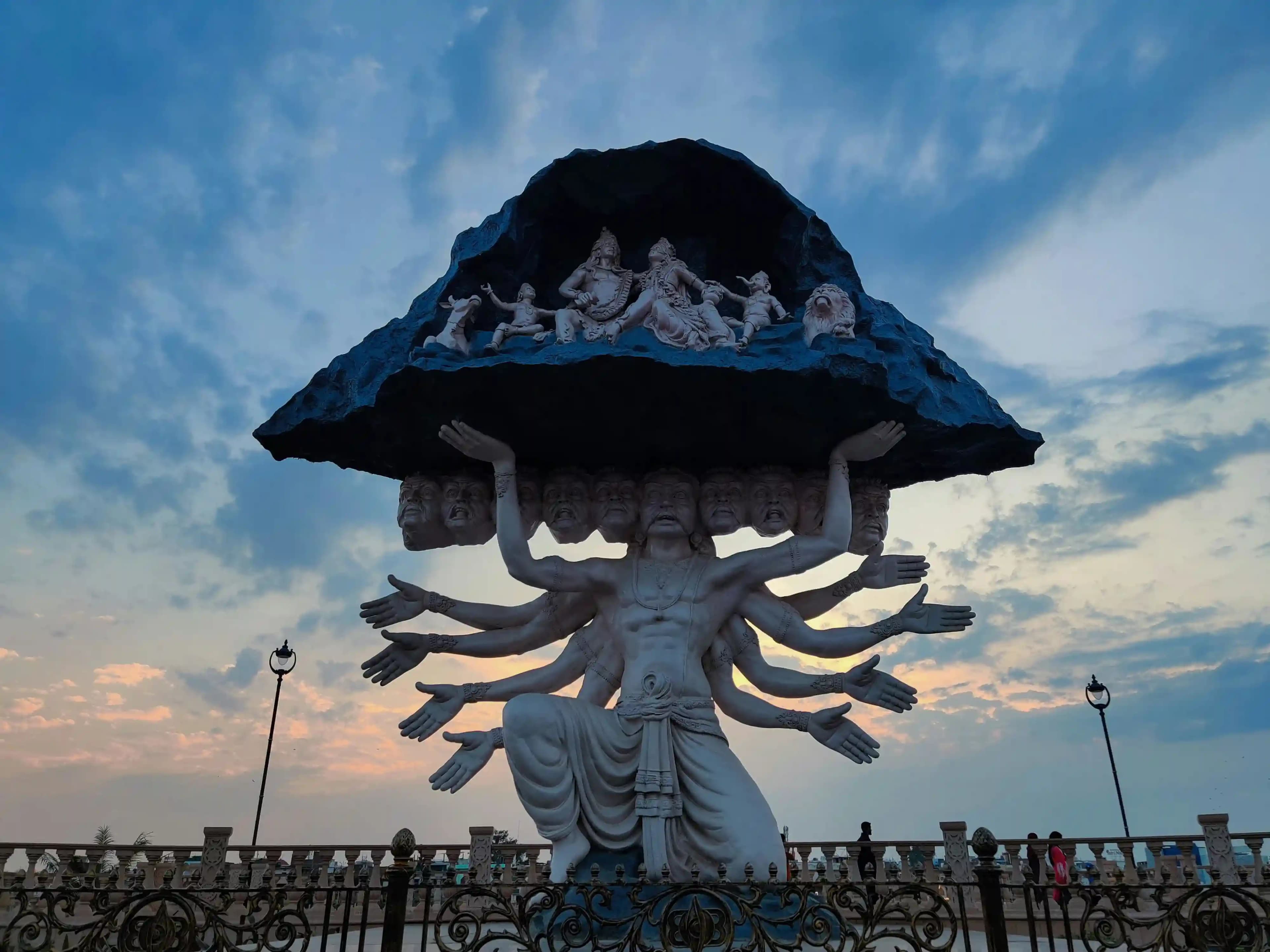
The Mahakal Lok Corridor is the approach to the temple, but it’s more than just a pathway. Sculptures, murals, and open space make it worth walking slowly instead of rushing through.
Best Time To Visit: Evening (6:00 PM – 8:00 PM)
Location: Entrance corridor leading to the Jyotirlinga Mahakaleshwar Temple in Ujjain
When Mahakal Leaves the Temple: Understanding the Sawari
During Shravan (July - August), every Monday, and on the first two Mondays of Bhadrapada, Mahakal is taken out of the temple in a procession. The idol is placed on a silver palanquin, moving through different parts of Ujjain each week. Priests, drummers, and a police escort accompany it, and the streets fill quickly. Many people line the route rather than enter the temple, since this is their chance to see the deity up close. The last Sawari of the season draws the largest crowd. If you plan to attend, book your stay early; the city fills up fast during these weeks.
The Rule of Mahakal: How the City Treats Its Deity as King
In Ujjain, Mahakal is treated as the only ruler of the city. This belief is still followed in practice: no sitting Prime Minister, Chief Minister, or President stays overnight here. The idea is simple: the city has one authority, and that authority is Mahakal. Some accounts also mention that King Vikramaditya governed from outside the city for the same reason. Local tradition places the Mahakaleshwar Jyotirlinga at Jaisinghpura, Ujjain, Madhya Pradesh, among three primary lingas across the three realms, with this one representing the world of the living. When you visit, the temple does not feel like one landmark among many; everything in the city seems to revolve around it.
How to Reach Mahakaleshwar Jyotirlinga
Ujjain is easy to reach from most major cities, but your timing matters, especially if you’re planning for early morning darshan. Arriving the night before is usually the safer choice.
By Train - Nearest Railway Station
Nearest station: Mahakaleshwar Jyotirlinga, nearest railway station is Ujjain Junction (2 km from temple)
Direct trains from Delhi, Mumbai, Bhopal, Indore, and Kolkata
Last-mile travel: Auto-rickshaws and shared tempos (10–15 minutes)
If you’re attending Bhasma Aarti, stay near the temple instead of arriving early morning from the station
By Air - Nearest Airport
Nearest airport: Devi Ahilya Bai Holkar Airport, Indore (55–58 km)
Travel time to Ujjain: around 1 to 1.5 hours by taxi
Prepaid taxis available at the airport
Regular buses also run between Indore and Ujjain
Best option: fly to Indore, stay overnight in Ujjain before your temple visit
By Road - Distance from Nearby Cities
From Indore: ~55 km (under 90 minutes via NH52)
From Bhopal: ~185 km
Options include private cabs, state buses, and shared vehicles
Within Ujjain: Auto-rickshaws are the easiest way to move between:
Mahakaleshwar Jyotirlinga, Jaisinghpura, Ujjain, Madhya Pradesh
Ram Ghat (Shipra River)
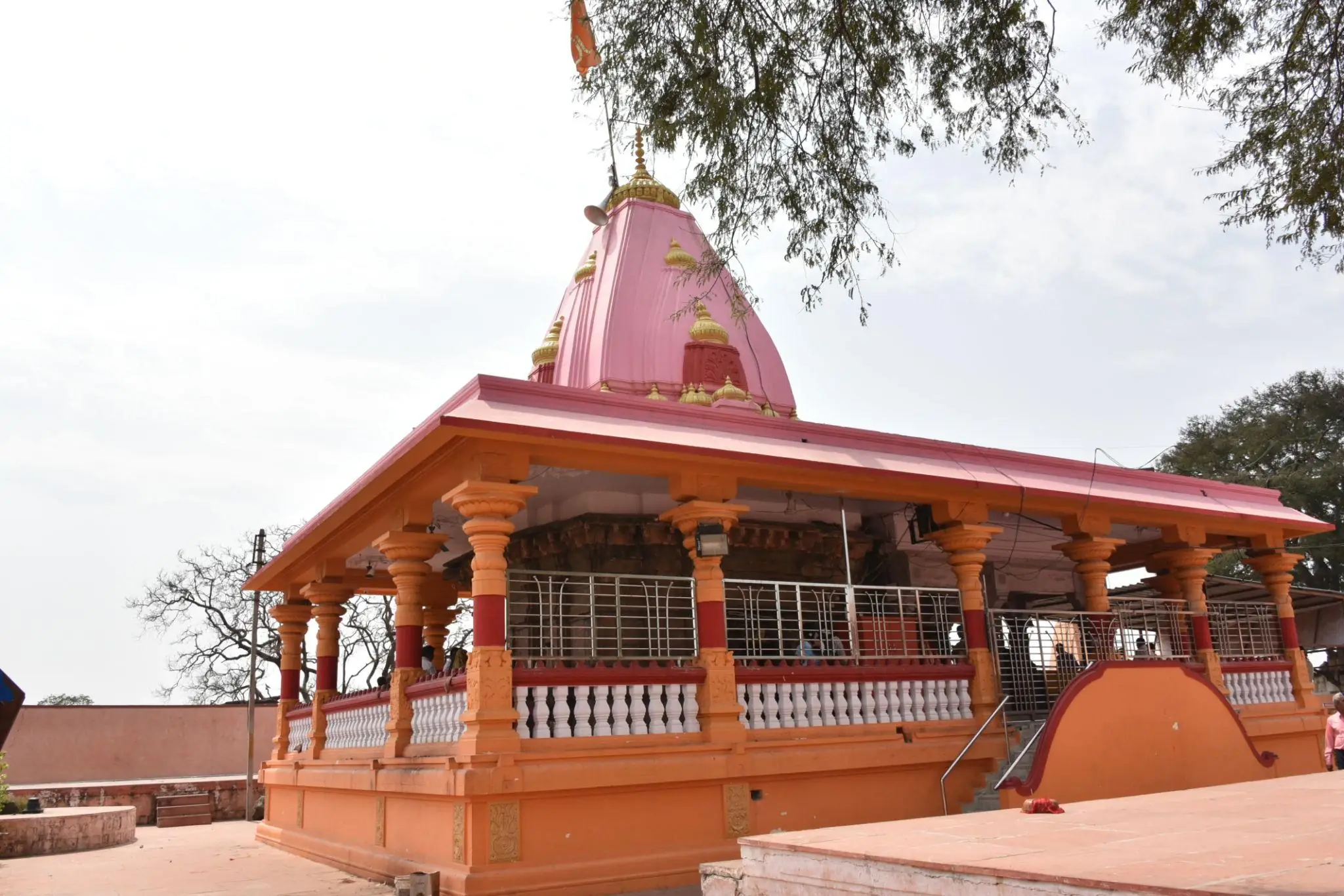
Kal Bhairav Temple
Travel Tips for Mahakaleshwar
Most problems at the Mahakaleshwar Jyotirlinga tour come from poor planning, not lack of information. These are the things that actually make or break your visit.
Book Bhasma Aarti only on the official website: Use shrimahakaleshwar.com. Third-party agents either resell at higher prices or fail to deliver. If your entry is denied, you won’t get help at the gate
Avoid arriving on Shravan Mondays without a hotel booking: Rooms near the temple get booked weeks in advance. Last-minute arrivals usually end up far from the temple or waiting overnight
Don’t rely on Sheeghra Darshan during festivals: On Mahashivratri, Nag Panchami, and Shravan Mondays, even the faster queue takes hours. Early morning on regular weekdays is still the most reliable option
Walk the Mahakal Lok Corridor in the evening: Better lighting, fewer tour groups, and a more relaxed pace compared to late morning
Carry proper clothing: Traditional attire avoids issues at entry points. Renting clothes near the temple costs more and wastes time
Check the official website before travelling: Timings, booking rules, and entry systems change during peak periods. Don’t rely on old information
Conclusion
Mahakaleshwar Jyotirlinga Ujjain is not a place you visit casually. The experience depends on timing and preparation. The underground sanctum, the Bhasma Aarti before sunrise, the Nagchandreshwar shrine that opens once a year, and the Shravan processions all require planning in advance. Miss the timing, and you miss the experience. The temple’s history, marked by destruction and rebuilding, adds another layer to the visit that you only notice when you slow down. If you’re including Ujjain in your travel plans, start with the Bhasma Aarti. Once that is fixed, the rest of your visit becomes much easier to structure.