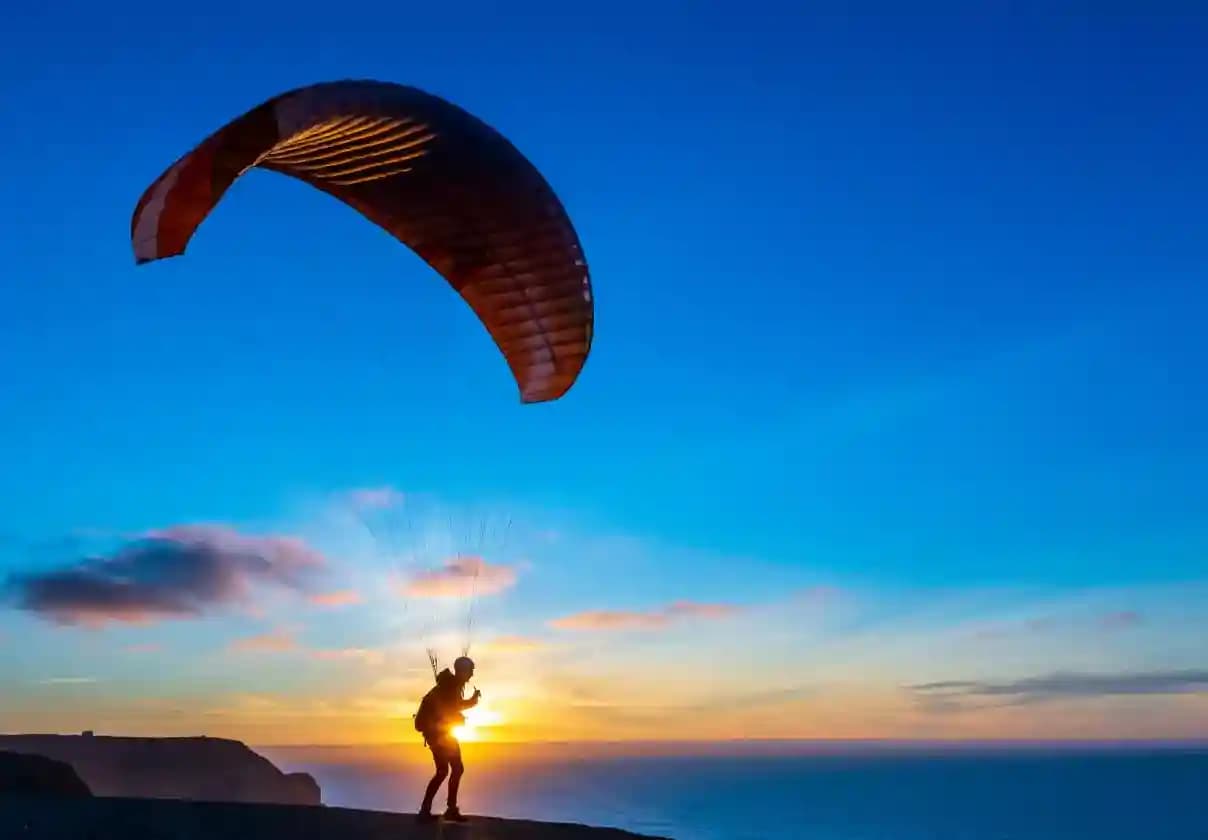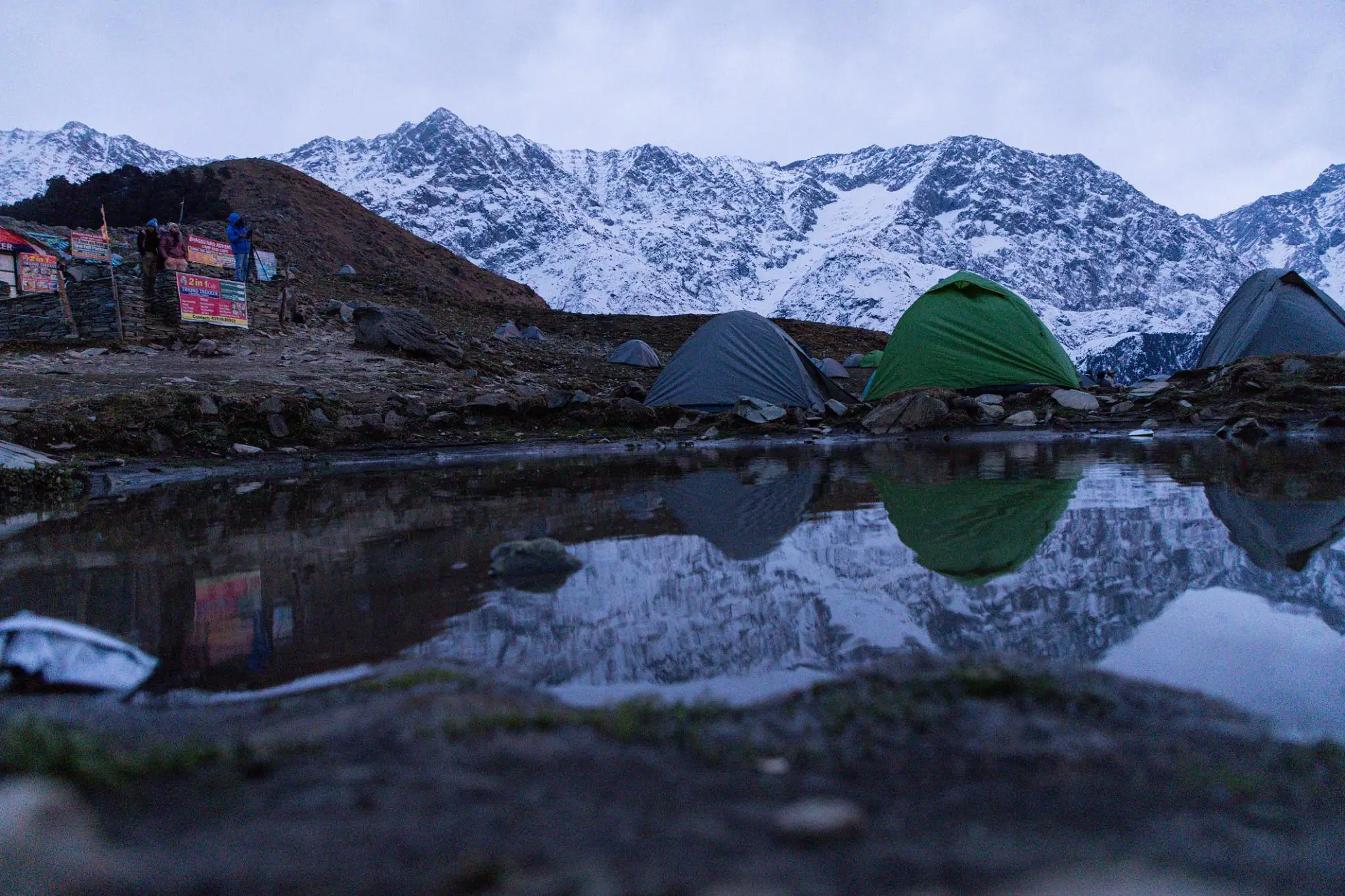
What stays with most people after trekking in McLeodganj isn’t just the views, but how quickly the world changes with every step. A quiet monastery road turns into a pine forest, the forest thins into open ridges, and suddenly the Dhauladhar wall feels close enough to touch. This closeness is what defines treks in McLeodganj. The trails don’t ask for elaborate planning or long approaches; they begin where daily life ends. Over time, these routes have shaped McLeodganj into a trekking base that feels personal and welcoming to both; cautious first-timers and trekkers seeking altitude and solitude.
This guide verifies the listed attractions and enhances them with real terrain insights, seasonal considerations, altitude details, and practical travel tips—helping readers clearly understand what each trek and viewpoint in McLeodganj truly involves.
Mcleodganj Trekking Distance
McLeodganj sits at roughly 1,770 metres and lies directly beneath the Dhauladhar range, one of the steepest mountain walls in the Himalayas. This geography creates short approach treks with rapid altitude gain, which explains why even short treks in McLeodganj deliver dramatic views quickly. Well-marked paths, local villages, water sources, and established campsites reduce dependency on technical gear for most routes.
Another advantage is flexibility. Trekkers coming from Delhi, Chandigarh, or even treks in McLeodganj from Mumbai can plan compact itineraries without long acclimatisation schedules, provided altitude rules are respected.
Popular Treks in McLeodganj
These routes work well for first-timers, casual walkers, and travellers with limited time. Distances are short, trails are clear, and rescue access is relatively easy.
1. Bhagsu Nag Waterfall Trek
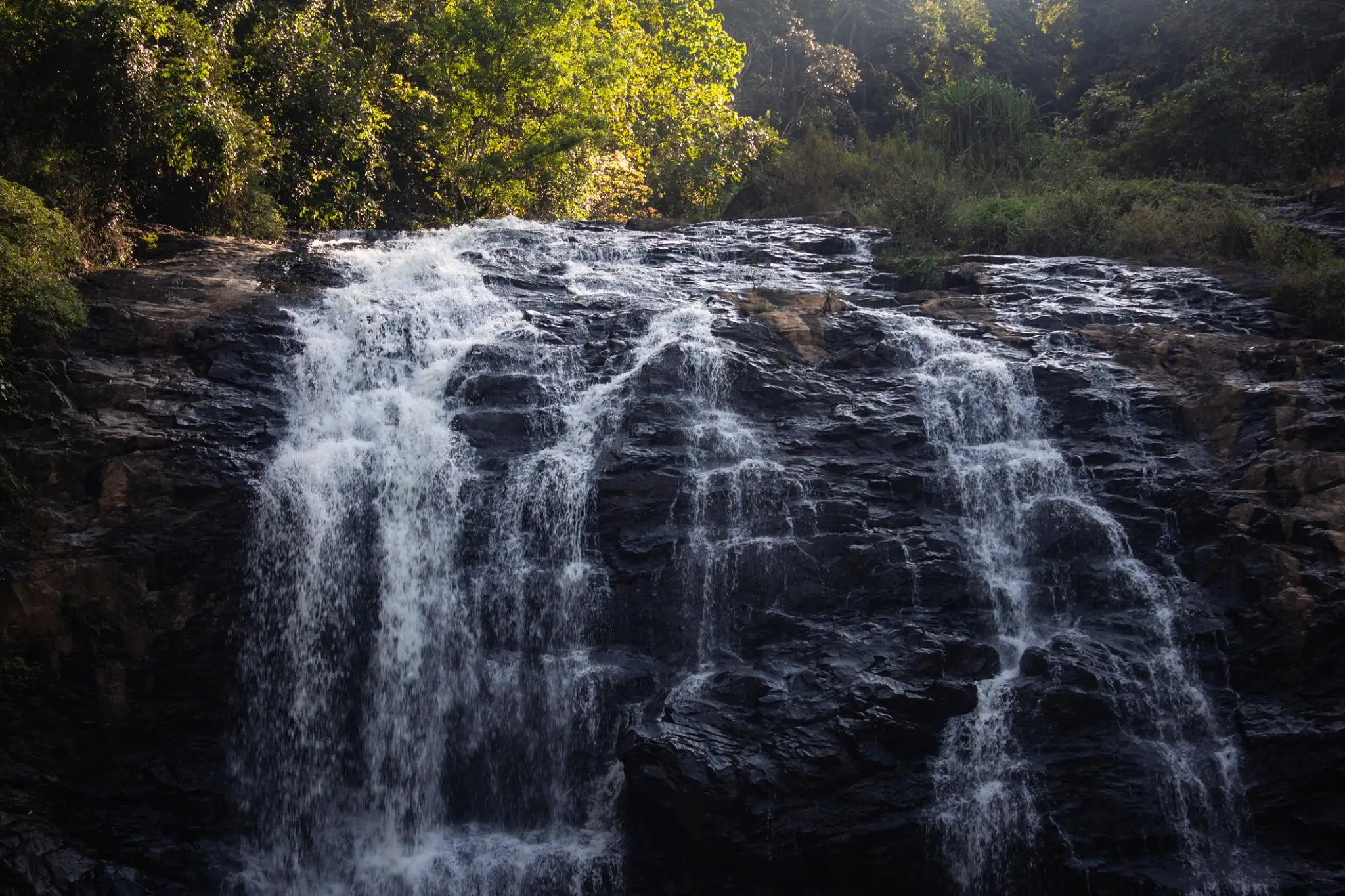 This is the easiest and most walked trail near McLeodganj. Starting from Bhagsu Nag Temple, the path climbs gently through stone steps and café-lined stretches before narrowing into rocky terrain near the waterfall. While often crowded, it offers a quick introduction to Himalayan walking. The real value lies in accessibility rather than solitude.
Best time to visit: Year-round (post-monsoon for stronger water flow)
Location: Bhagsu village, near McLeodganj
Distance: ~3 km (round trip)
Difficulty Level: Easy
2. Guna Devi Temple Trek
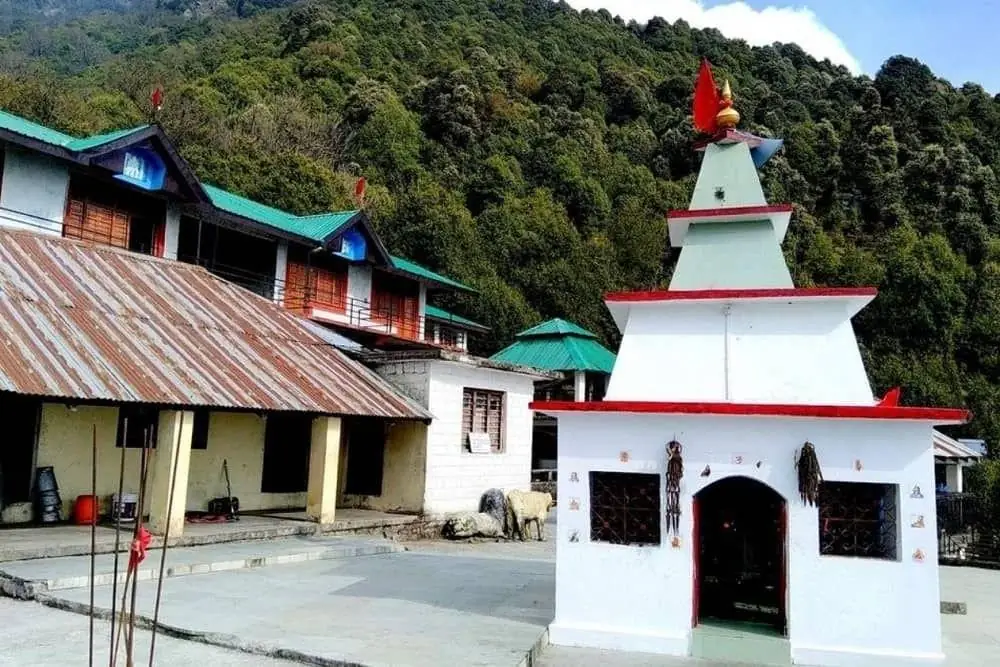 This forest trail runs through dense deodar and oak cover, ending at a quiet hilltop temple. Starting points vary between Naddi and Gallu Devi, depending on route choice. The trail feels noticeably calmer than Bhagsu and introduces gentle elevation gain without physical strain. It’s often chosen by those seeking peaceful short treks in McLeodganj away from cafés and crowds.
Best time to visit: March–June, September–November
Location: Naddi–Gallu Devi forest belt
Distance: ~8 km (round trip)
Difficulty Level: Moderate
3. Dharamkot To Naddi Trail
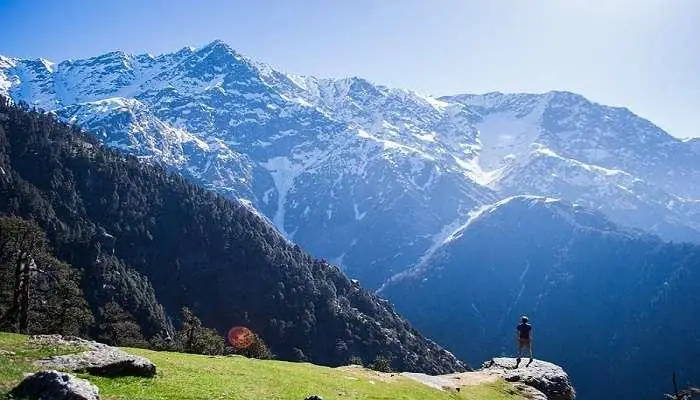 This ridge walk links two popular villages and stays mostly level, making it suitable for acclimatisation walks. Views open toward the Kangra Valley on clear days. Though short, the trail helps trekkers adjust before attempting steeper routes like Triund or Kareri. These routes involve sustained climbs and are often extended into overnight camping trips. They represent the core appeal of the best treks in McLeodganj.
Best time to visit: March–June, September–December
Location: Dharamkot village
Distance: ~4 km (one way)
Difficulty Level: Easy
4. Triund Trek
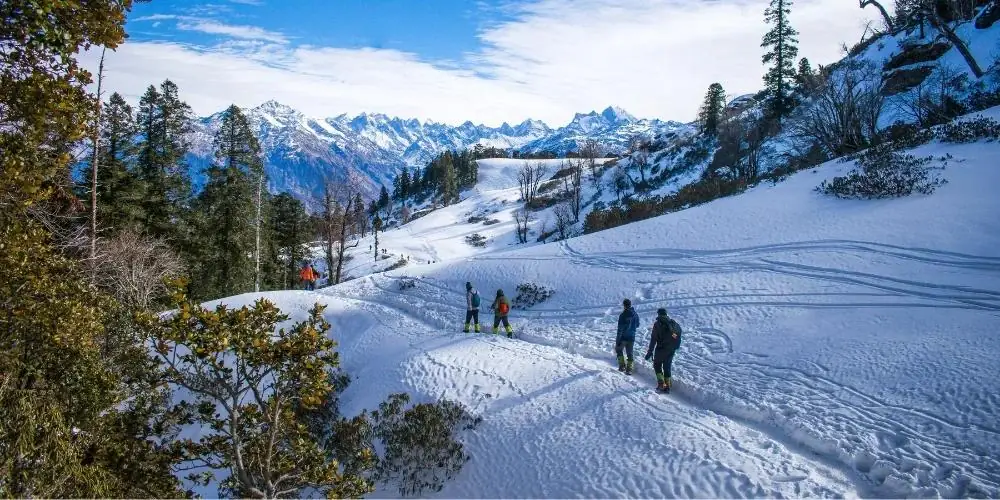 At around 2,850 metres, Triund is the most well-known McLeodganj to Triund trek. The trail begins at Gallu Devi Temple and climbs steadily through forest and rocky switchbacks. While strong hikers can complete it in a day, staying overnight allows proper rest and sunrise views of the Dhauladhar wall. Camping regulations fluctuate, with many trekkers now using Snowline or Mana Village instead of the ridge itself.
Best time to visit: March–June, September–December
Location: Gallu Devi Temple trailhead
Distance: ~9 km (one way)
Difficulty Level: Moderate
5. Thatharana Trek
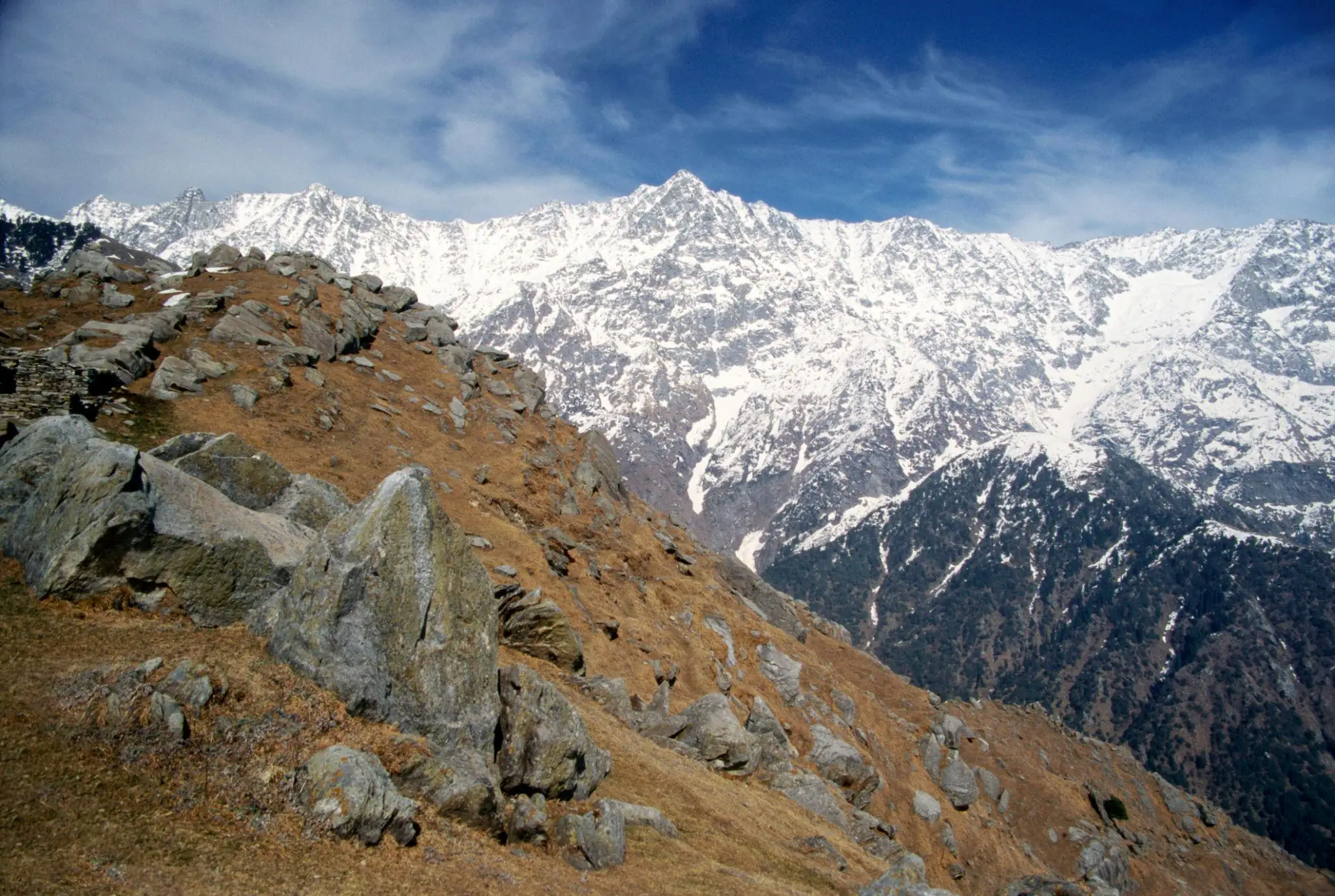 Often described as the quieter cousin of Triund, Thatharana starts from Kharota village, about a 30-minute drive from McLeodganj. The gradient is gentler, and the campsite offers wide views across the Kangra Valley.The trek is ideal for people seeking comparable scenery but with less tourists and lower footfall.
Best time to visit: March–June, October–November
Location: Kharota village
Distance: ~5 km (round trip)
Difficulty Level: Easy to Moderate
6. Snowline Café Trek
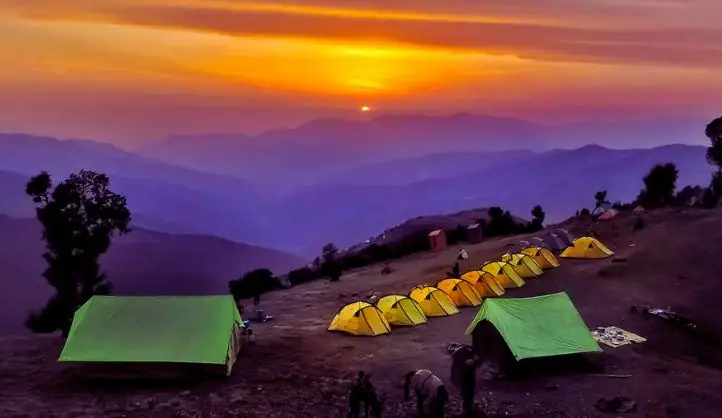 Snowline isn’t a separate trail but an extension beyond Triund. It sits higher on the ridge and brings trekkers closer to the snowfields below the Dhauladhars. This route adds altitude stress and weather exposure, making it suitable only for those comfortable beyond basic hikes. The access to this trek may be restricted seasonally due to extreme weather conditions.
Best time to visit: April–June, September–November
Location: Beyond Triund ridge
Distance: ~12 km (round trip)
Difficulty Level: Moderate
7. Laka Glacier Trek
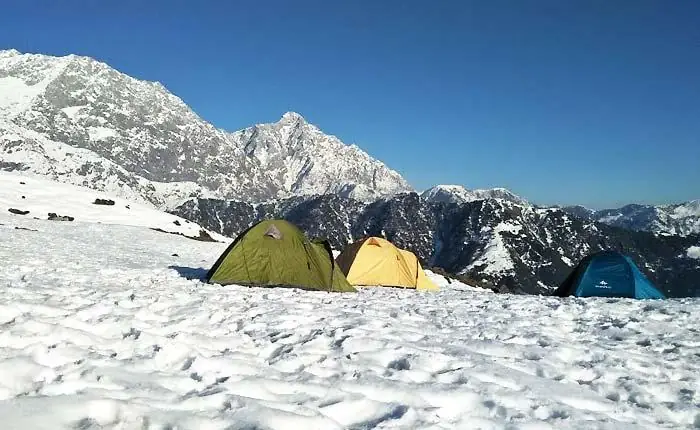 This path extends from Snowline to seasonal ice formations. While the title "glacier" may be deceiving, spring snowfields dominate the trail. It's physically demanding because of the cold, loose terrain, and altitude exposure, particularly at the beginning of the season.
Best time to visit: March–June (for snow), September–November Location: Triund–Snowline extension
Ideal for: Fit trekkers with snow experience
Distance: ~13 km (round trip)
Difficulty Level: Moderate to Difficult
8. Kareri Lake Trek
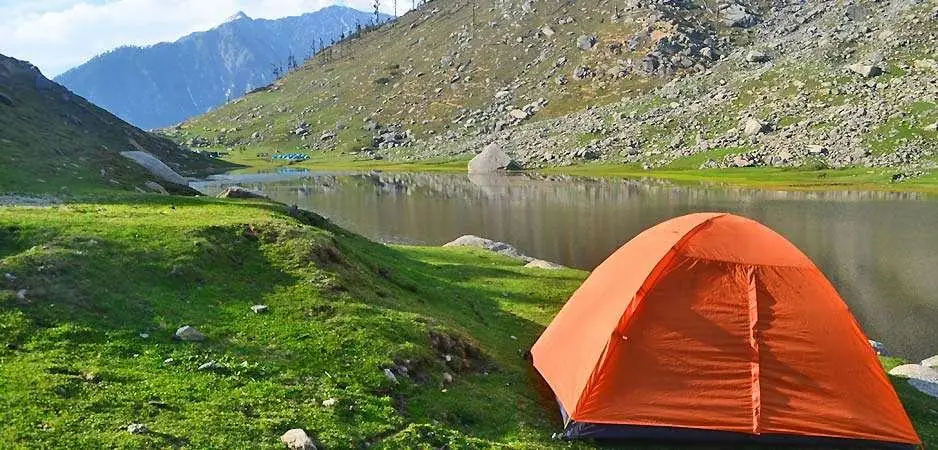 Kareri Lake sits at 2,934 metres and is reached via Ghera village. The trail passes along Nyund Stream, using wooden bridges and shepherded paths involving the Gaddi tribesmen. Although a medium-level trek, its length and height warrant endurance and strength. The lake is shallow and freezes during winter.
This is a trek involving high fitness levels and requires planned multiday trekking and attention to weather conditions. They represent the upper limit of treks near McLeodganj.
Best time to visit: May–July, September–November
Location: Ghera village
Distance: ~26 km (round trip)
Difficulty Level: Moderate
9. Indrahar Pass Trek
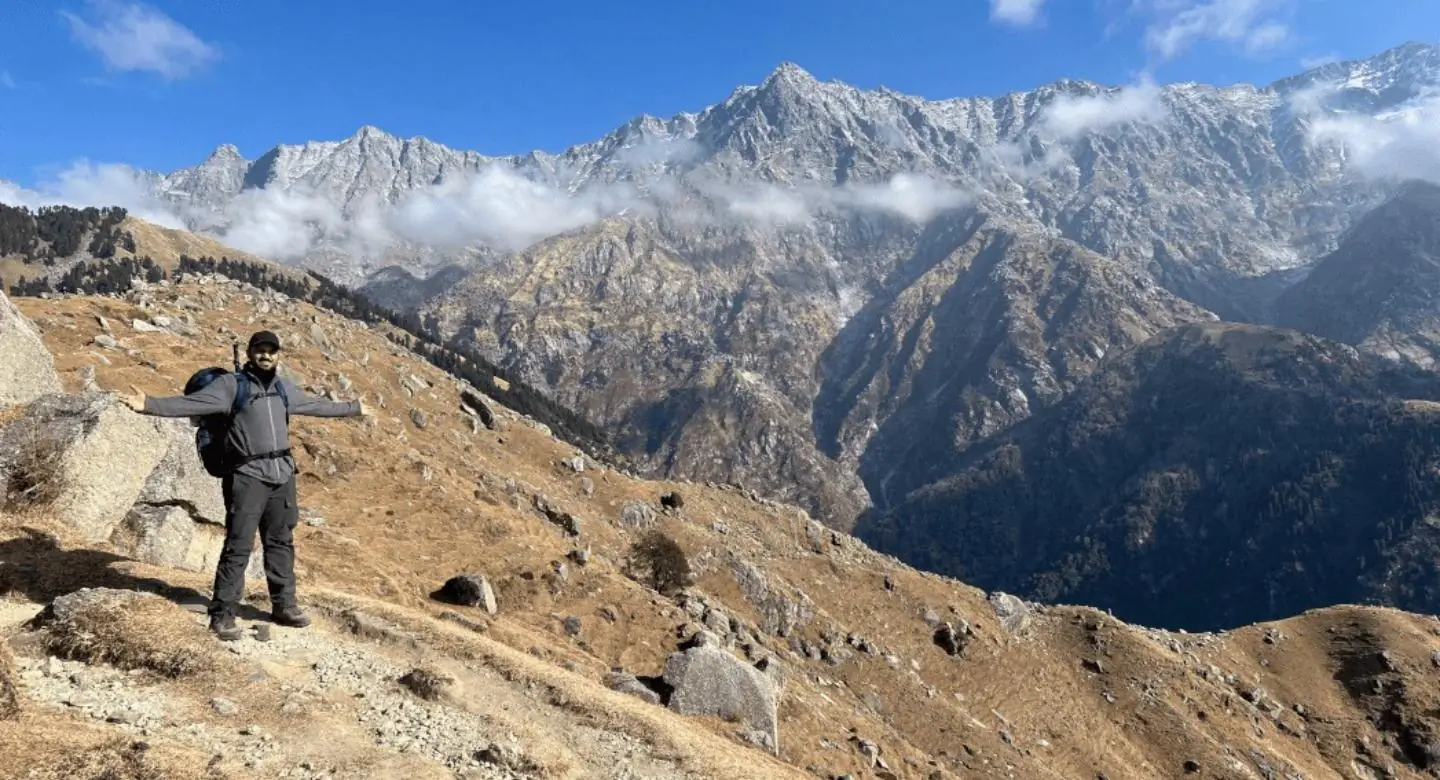 At 4,342 metres, Indrahar Pass is the most demanding trek in this region. The route passes Triund, Lahesh Caves, and steep scree slopes before crossing into Chamba district. Weather changes rapidly, and snow can persist even in early summer. This trek requires careful acclimatisation and experienced navigation.
Best time to visit: May–June, September–October
Location: McLeodganj via Triund
Distance: ~35 km (round trip)
Difficulty Level: Difficult
10. Minkiani Pass Trek
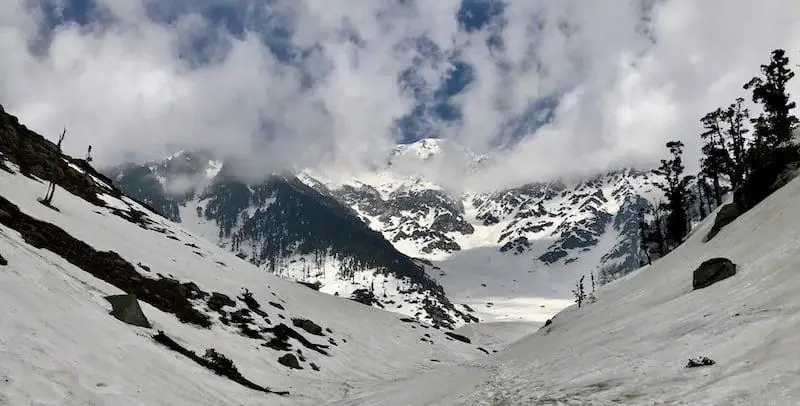 Typically done from Kareri Lake, the Minkiani Pass is a path that has a lot to offer in the way of vistas but is a route that requires a lot of time and knowledge of how to navigate. It is a less-visited route than the Indrahar one, meaning that there is an element of risk involved.
Best time to visit: May–June, September–October
Location: Kareri Lake region
Ideal for: Advanced trekkers
Distance: ~48 km (round trip)
Difficulty Level: Moderate to Difficult
Seasonal And Safety Advisory
Heavy snowfall during the winter months prevents access to higher passes. While Triund remains accessible, proper gear becomes mandatory. During monsoon season, there are chances of landslides, leeches, and slippery trails; hence, despite greenery everywhere, trekking is risky. The months during and after the monsoon, up to winter, give a perfect balance between the weather and visibility.
Altitude sickness is a real concern due to rapid elevation gain. Even on the most popular routes, gradual pacing and hydration are absolutely non-negotiable.
Conclusion
Treks in McLeodganj range from café-lined village walks to strenuous high-altitude trails, providing a surprising variety within a small mountain region. Some trails are ideal for beginners searching for short, enjoyable hikes, while others challenge experienced hikers with long climbs and exposed terrain. Each route necessitates consideration of weather, elevation fluctuations, and physical limitations. With well-marked trails and easy access to guides, this region strikes a mix between safety and adventure. A deliberate approach to pacing and acclimatisation can mean the difference between a weary walk and an enjoyable mountain excursion.