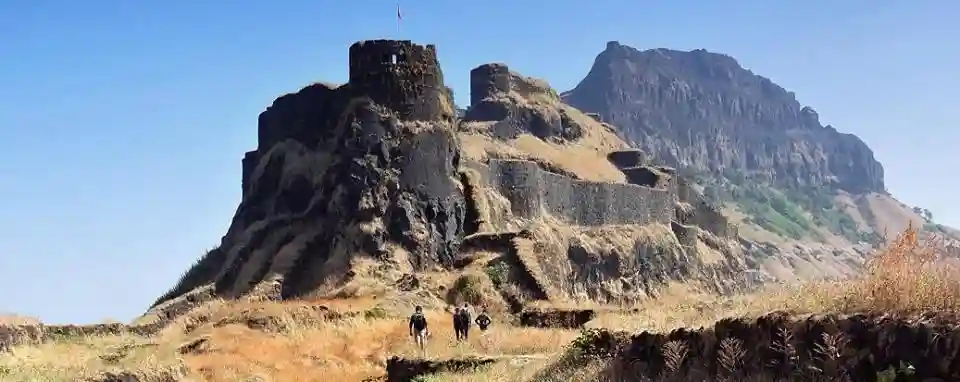
Are you in search of a fort that is rugged, magnificent as well as historic? One of the best choices is Rajgad Fort. It is situated approximately 60 km from Pune, in the Sahyadri hills of Maharashtra. This fort was the capital of the Maratha Empire under Chhatrapati Shivaji Maharaj. What really makes Rajgad special is its sheer size, strong fort walls and expansive views of the beautiful green valleys. The trek to the summit is very interesting and feels rewarding. Other renowned forts such as Torna can be viewed from the top. A visit to Rajgad is an experience of a lifetime- one that brings the perfect blend of history, nature and adventure. In this blog, we will take you through everything that you need to know about the fort- its history, best time to visit, how to reach the fort and a lot more.
About Rajgad Fort Maharashtra
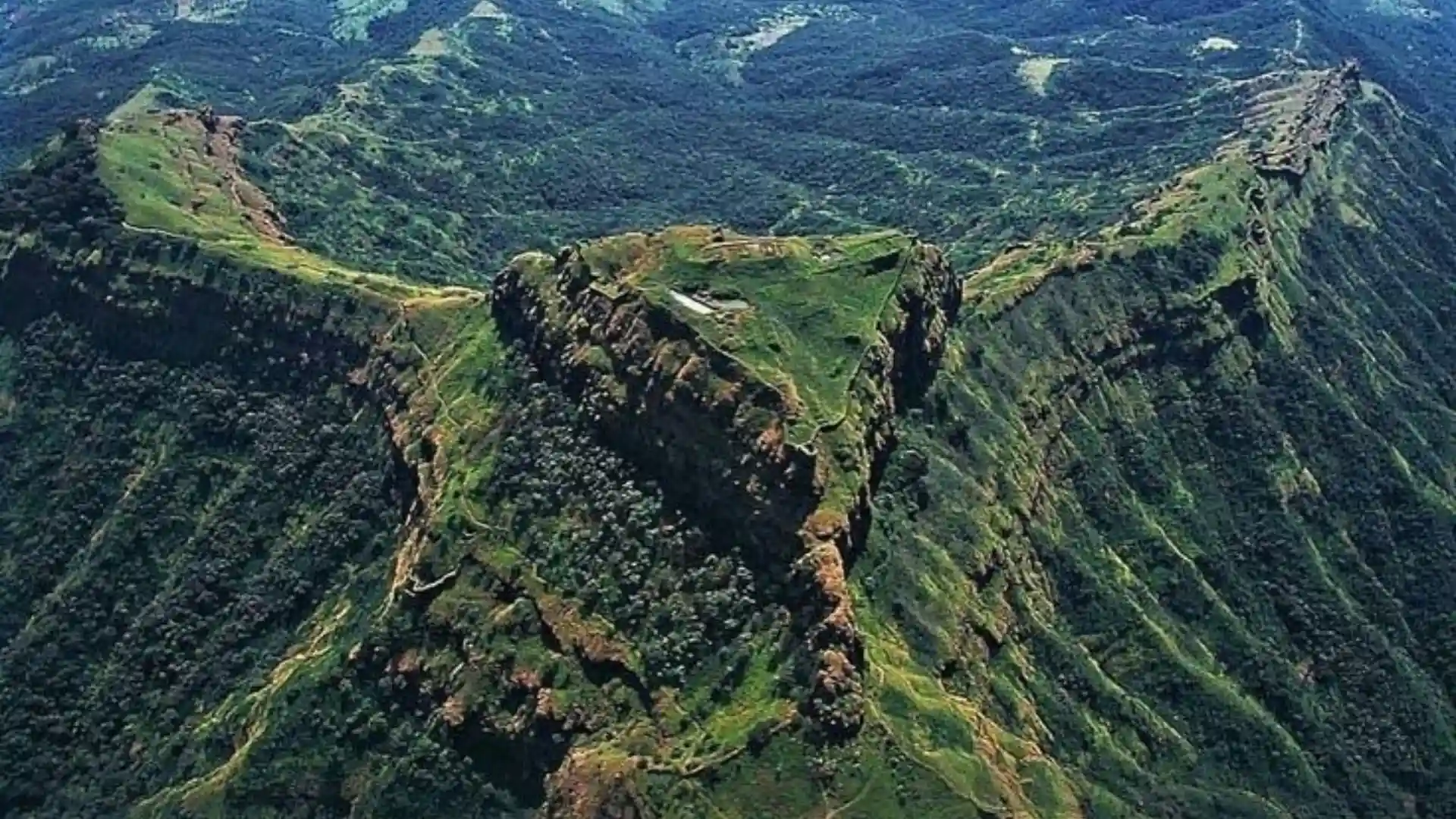
Rajgad Fort Pune is one of the most important historical places in Maharashtra, with a powerful history and an immense size. It is located in the Sahyadri hills and was the capital of the Maratha Empire for almost 25 years under Chhatrapati Shivaji Maharaj. The height of the fort is approximately 1,376 metres (4,514 feet) above sea level. It is distributed over a broad region and has three main parts known as Padmavati, Suvela and Sanjivani Machi. The Rajgad Fort trek is popular among beginners as well as professional trekkers owing to its scenic paths and historic trails. The fort has expansive scenery, ancient buildings and a connection with Maratha history.
Location: Near Gunjavane village, Pune district, Maharashtra
Rajgad Fort Height: 1,376 metres (4,514 feet)
Best For: Trekking, history and nature views
Famous For: Former capital of Chhatrapati Shivaji Maharaj
Main Sections: Padmavati Machi, Suvela Machi, Sanjivani Machi
Trek Difficulty: Easy to moderate
Rajgad Fort History
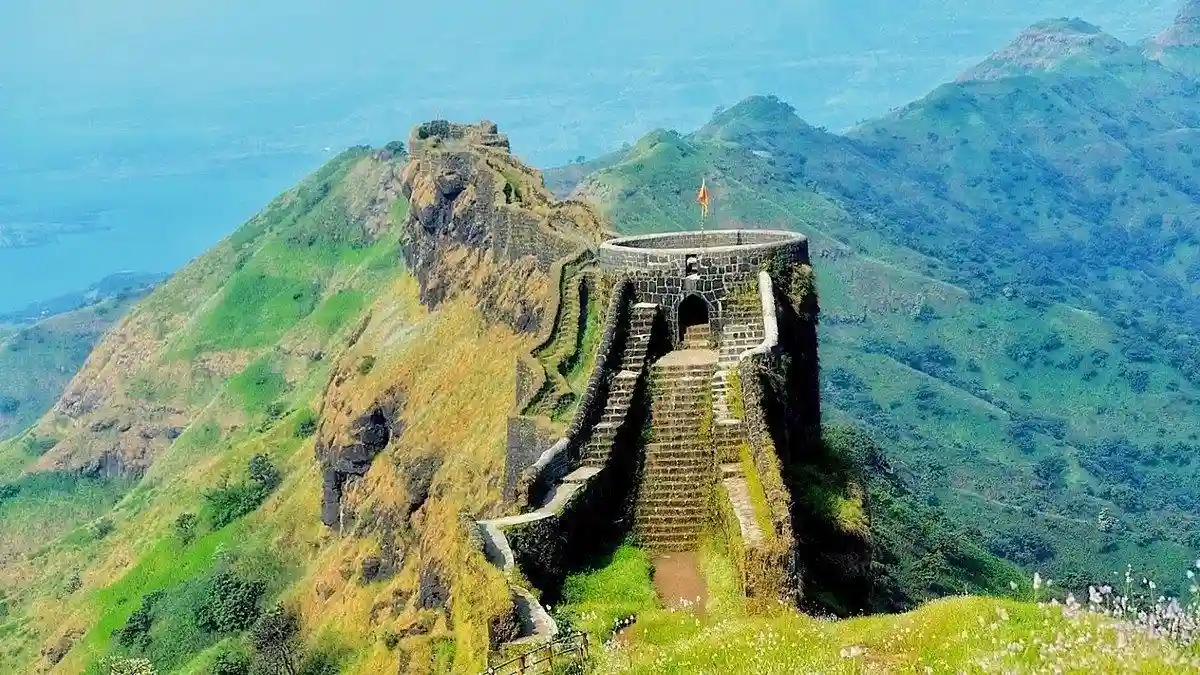
The Fort has a strong link with the early days of the Maratha Empire. It was earlier known as Murumbdev Fort and was later rebuilt and expanded by Chhatrapati Shivaji Maharaj in the 17th century. He established it as his capital and here important decisions of the empire were made. Several important events occurred in this fort such as military campaign planning. And it is also believed that the son of Shivaji Maharaj, Rajaram Maharaj, spent time here. Many years later, the capital was moved to Raigad Fort, which was easier to control. The fort walls, gates and structures are a reminder of its rich history and strong defence system, even today.
Best Time to Visit Rajgad Fort
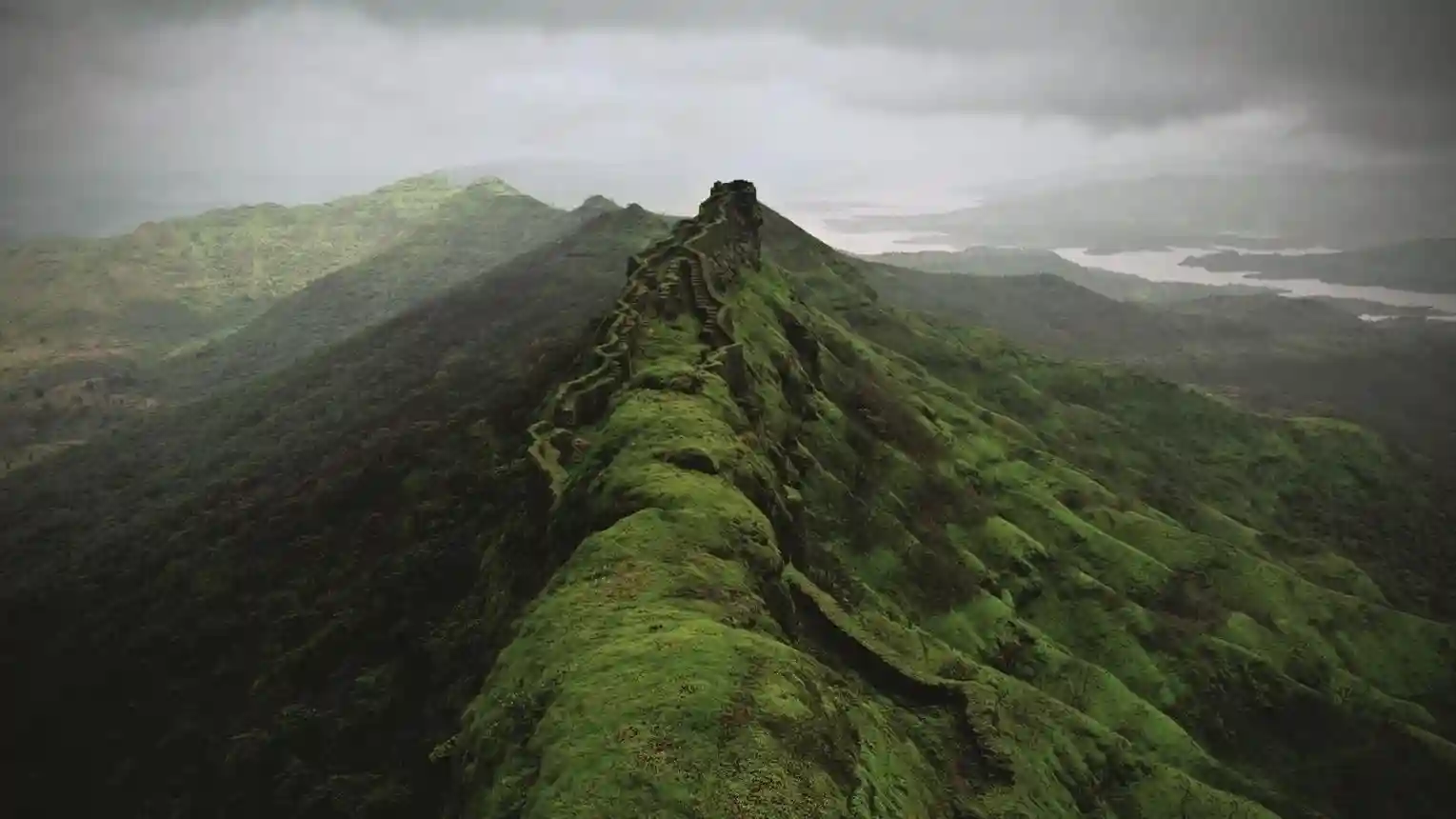
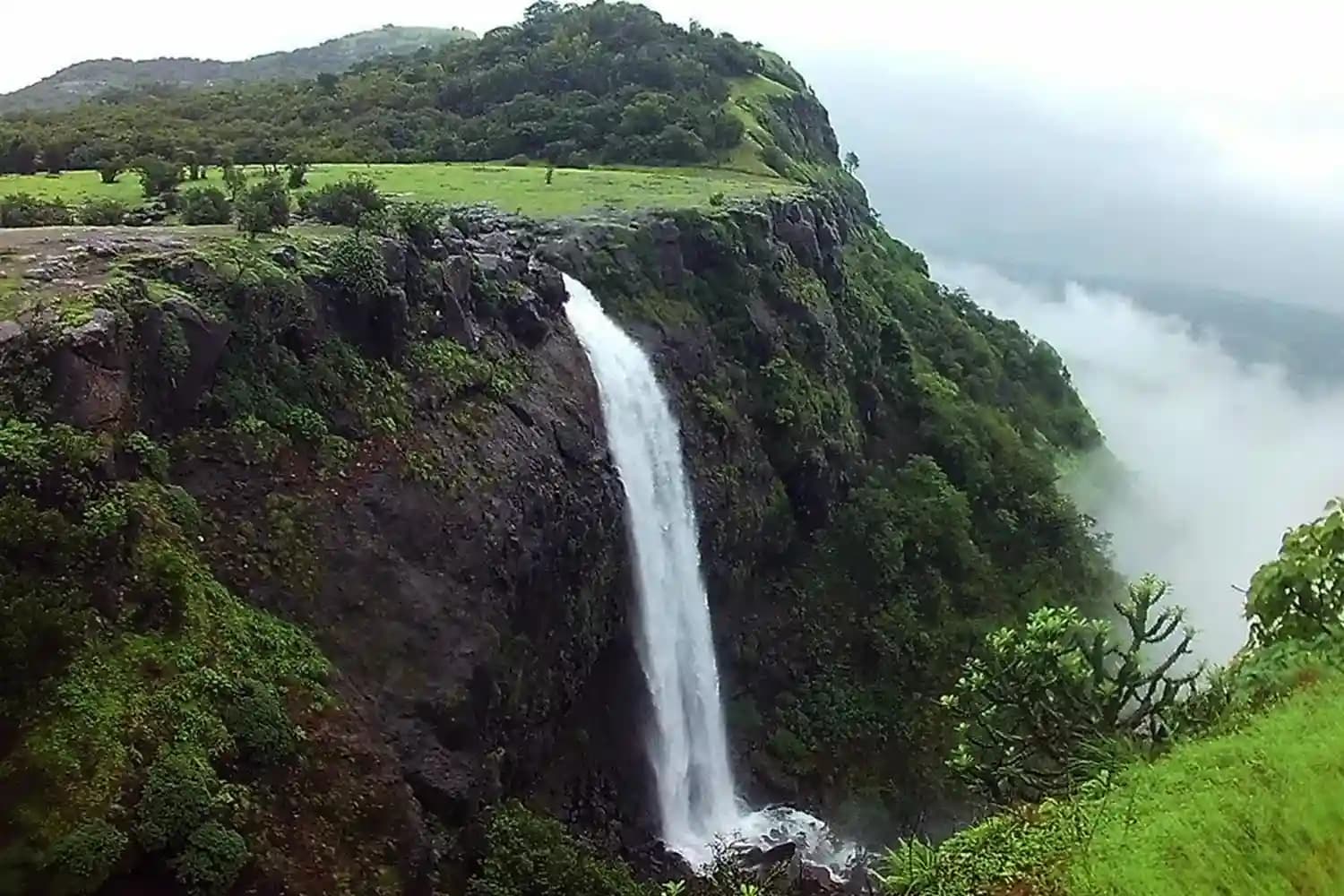
The fort is best visited during October-February when it is cool and clear. During these months, the trek becomes easier and more enjoyable due to pleasant temperatures. Monsoon season (June to September) also attracts numerous trekkers as the fort gets covered with green waterfalls but the routes may be dangerous and slippery. Summers (March to May) are normally hot and tiring, particularly during the climb. The most comfortable time to begin the trek is during early mornings and late afternoons.
How to Reach Rajgad Fort
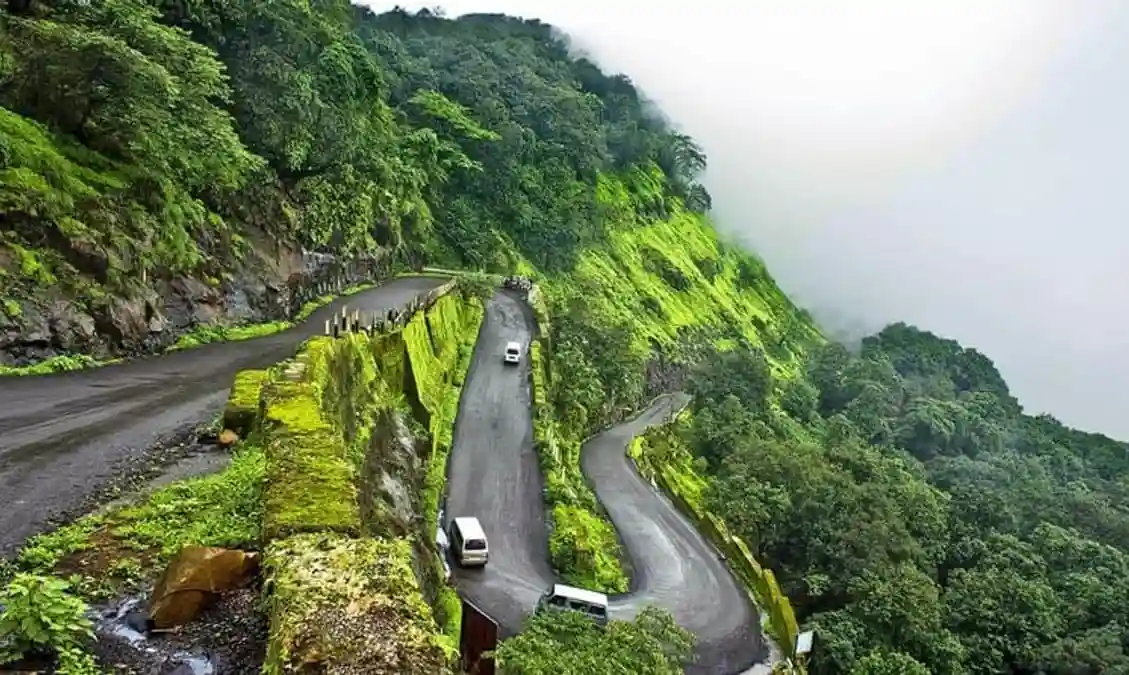
It is very easy to reach Rajgad Fort from Pune by road and thus it is popular among the places to visit in Maharashtra. The Rajgad fort distance from Pune is approximately 60 - 65 km, according to the route followed. The trek has its base villages as Gunjavane, Pali and Bhutonde, the most popular point being Gunjavane. The trekking distance of the Rajgad Fort between Gunjavane base to the top is approximately 3 - 4 km that normally takes 2-3 hours to cover. The base village is accessible by local or private vehicles. The road is picturesque and passes through small villages and hills.
By Road: Drive or take a cab from Pune to Gunjavane village
By Bus: MSRTC buses available till nearby villages like Velhe
By Train: Nearest railway station is Pune, then travel by road
Nearest Airport: Pune International Airport (approx. 65 km)
Trek Start Point: Gunjavane village (most popular route)
Rajgad Fort Trek Guide
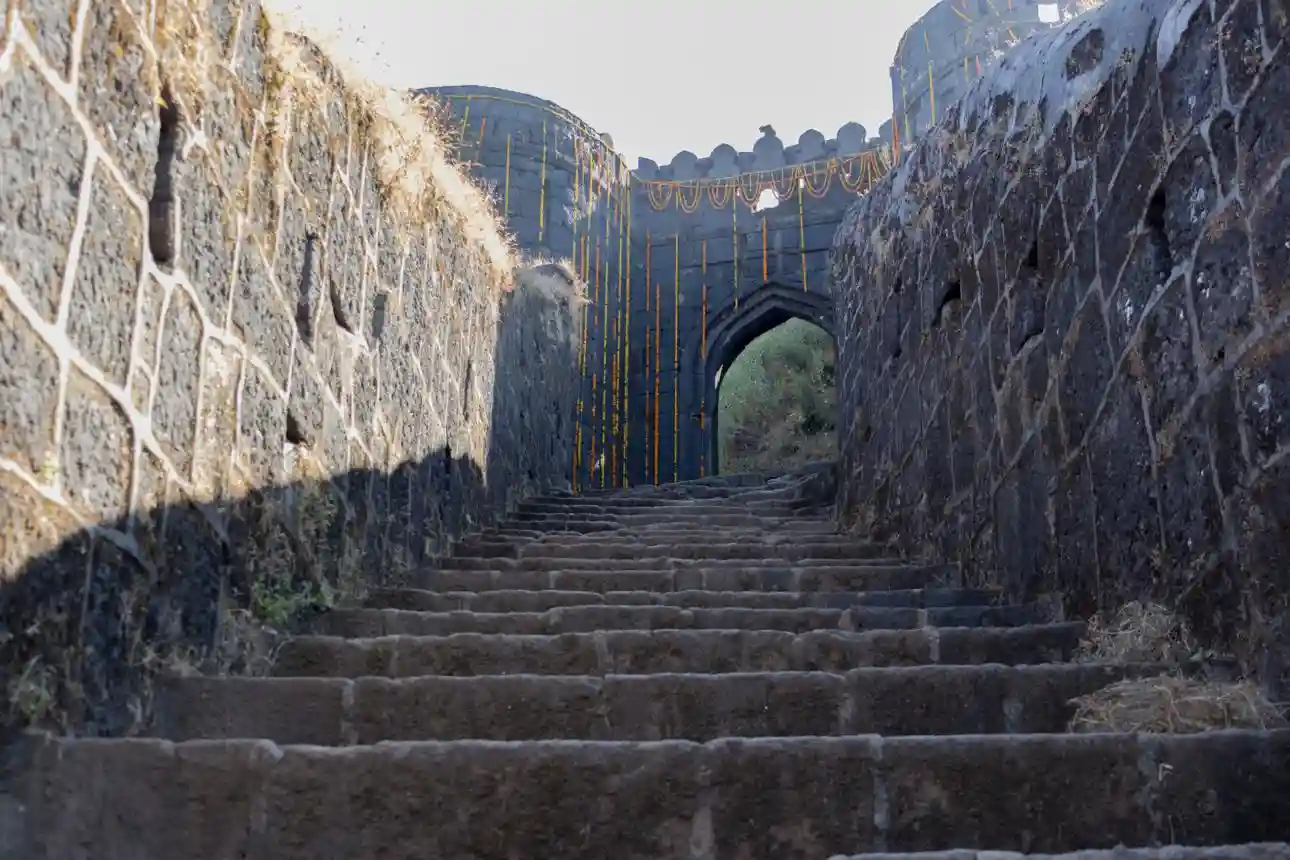
One of the most popular treks in Maharashtra is the Rajgad Fort trek which can be done by beginners as well as experienced trekkers. The most common trek route is the one beginning at the Gunjavane village. There is a distinct and well-marked path for this route. It normally requires 2 - 3 hours to hike to the summit depending on speed and climate. The trail consists of moderate ascents, rocky areas as well as narrow sections that can be handled with basic fitness. There are really very less options for water and food along the road and it is advisable to carry essentials. There is ample space to camp in the fort, particularly on Padmavati Machi.
Starting Point: Gunjavane village
Rajgad Fort trek distance:
From Gunjavane village (most popular route): 3 to 4 km one way
From Pali village route: 4 to 5 km one way
From Bhutonde route: 5 to 6 km one way (longer but less crowded)
Rajgad Fort Trek Time: 2 - 3 hours (one way)
Difficulty Level: Easy to moderate
Stay Option: Camping allowed on the fort
Best Route: Gunjavane route (safe and popular)
Travel Tips for Rajgad Fort
Start the trek quite early in the morning to avoid heat and crowds
Wear really good trekking shoes for better grip on rocky paths
Carry at least 2 - 3 litres of water per person
Pack light snacks as well as energy food as options are quite limited
Avoid trekking during heavy rain as trails get really slippery
Keep a torch or headlamp if you’re staying overnight
Travel in a group for safety, especially if you’re new to trekking
Do not litter and help keep the fort clean
Check weather conditions before planning your visit
Mobile network may be really weak so plan accordingly
Conclusion
This Fort is an ideal combination of history, nature and adventure. It is where the history of the Maratha Empire is echoed. The vast views, strong fort walls and serene environment make the experience really unique. The Rajgad Fort trek is fun and can be enjoyed by a majority of individuals who have basic fitness. It is also an excellent choice for a short visit out of Pune. With the right planning along with simple preparation, the visit becomes smooth as well as memorable. The Fort leaves you with a strong sense of achievement and a deeper connection to history and nature.