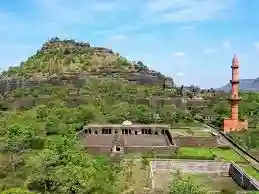
Can you imagine a place where you would feel the power of history as soon as you enter it? That is what the great Daulatabad Fort greets you with. The fort, which stands on a conical hill and has watched over Aurangabad for centuries, is like a place where courage, strategy, and engineering come into action. When passing by the dark lanes, enormous gateways, and steep ladders, you experience the excitement of walking into a secret book of Maharashtra. Whether you love the stories, buildings, or the stunning scenery, Daulatabad Fort Aurangabad, leaves you with an experience that you will not forget even after the visit. This guide will assist you in learning about the history of the fort, the most favoured attractions, and all the information you need to have a smooth and exciting trip to the fort.
Daulatabad Fort History
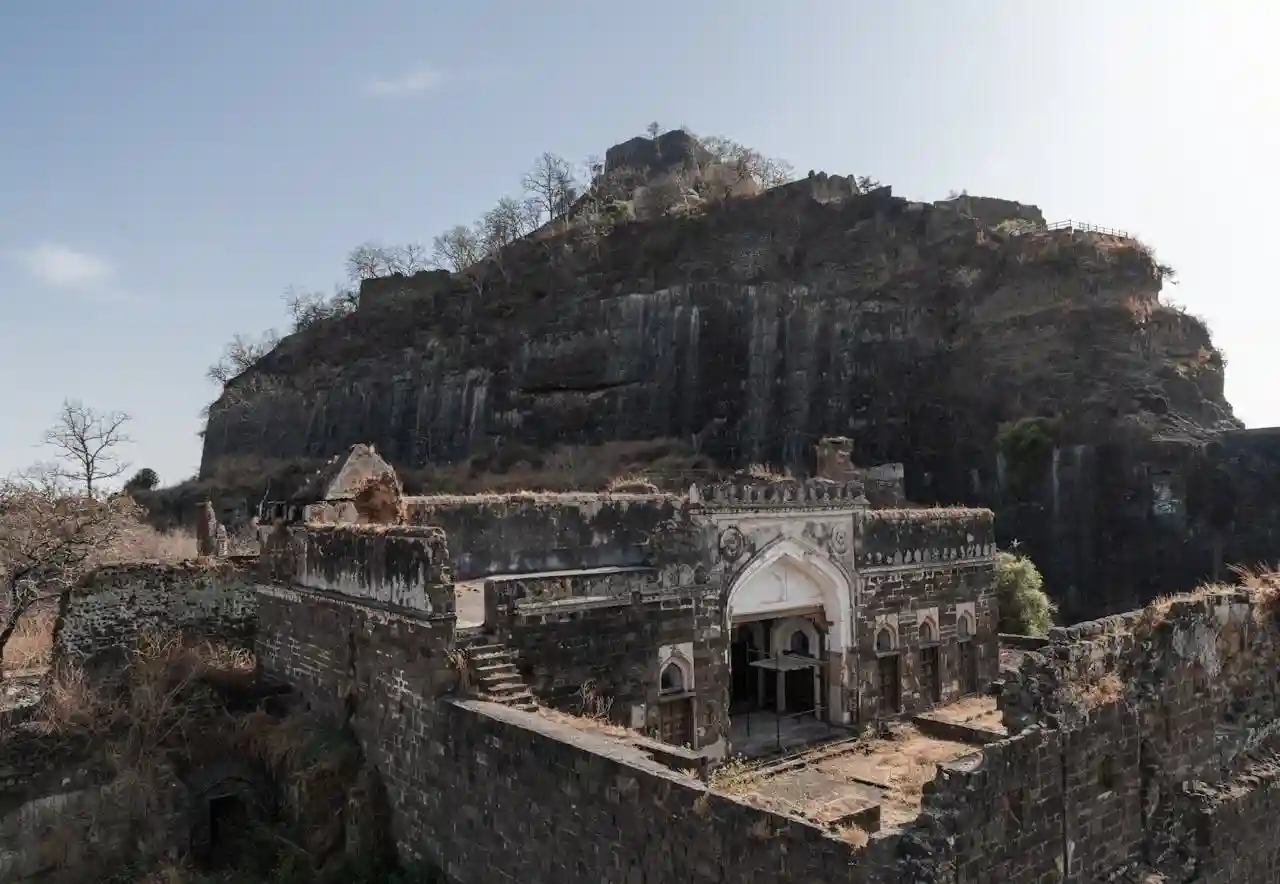
It will be good to know the history of Daulatabad Fort before you start your exploration within the fort. If you’re wondering who built Daulatabad Fort, then it was constructed as the Devgiri fort in the 12th century by the Yadava king Bhillama V. Strong rulers like the Delhi Sultanate, the Mughals and the Nizams later assumed power and added new defensive structures and walls. The most well-known one was when Sultan Muhammad Tughlaq attempted to change his capital to Daulatabad out of Delhi. This experiment was a failure, yet it made the fort a significant element in Indian history. The fort is one of the symbols of power, tactics and architectural brilliance today.
Architecture of Daulatabad Fort
Do you know why this massive fort is one of the most intelligent defence walls in India? The fort was designed in a way that would send the enemy down a rabbit hole that they would never get themselves out of. There is purpose to every twist, passage and slope within. You cannot help but admire the genius who created this masterpiece once you see it.
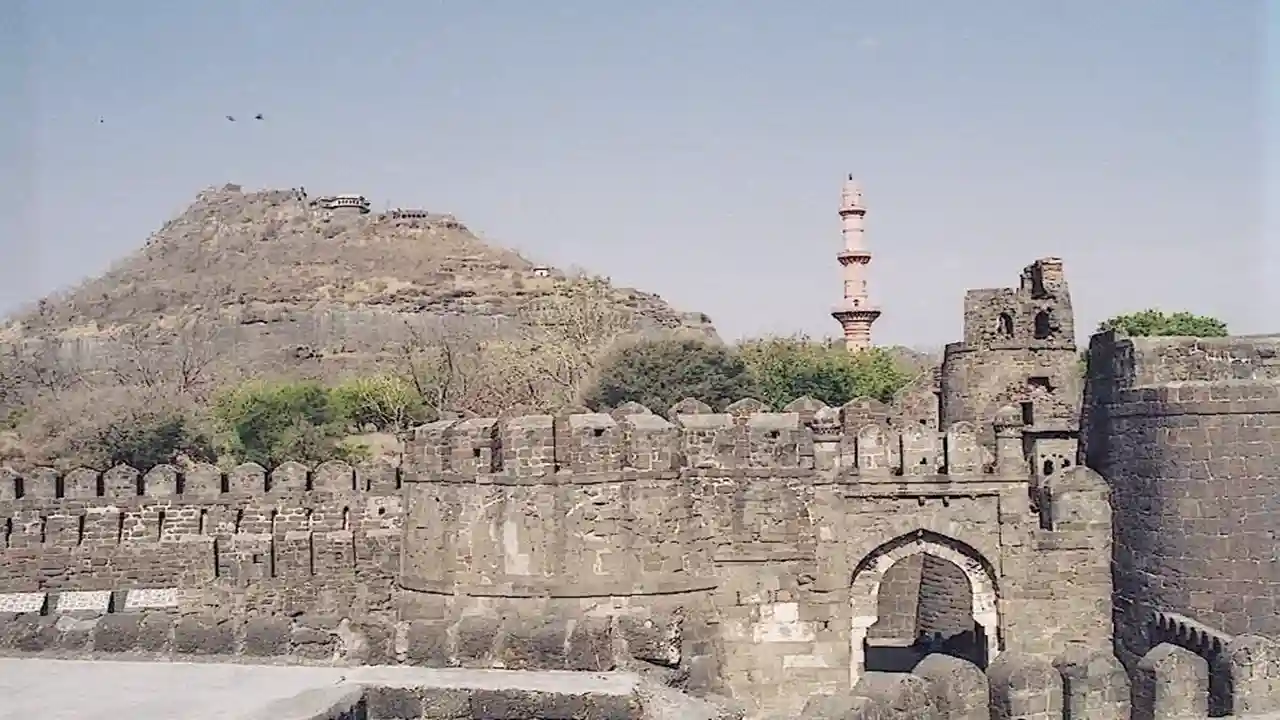
The fort is located on a conical hill, which stands nearly 200 metres high and offers a spectacular Daulatabad Fort top view to the visitors. It features a zig-zag design, doors studded with iron to prevent attacks by elephants, dark tunnels, a “bhool bhulaiyya” like maze passage and a great moat which used to be home to crocodiles. Each step in the fort will remind you that the fort was created to live and win, and it is not surprising that the kings struggled for centuries to dominate the fort.
Moat System: This was a moat that was filled with water, and enemy entry was almost impossible.
Dark Passages: Curved and dark passages which are meant to confuse intruders.
Brahmani Gate: It is one of the strongest gates, which is covered with iron spikes.
Chand Minar: It is a 30-metre minaret constructed in the Persian style.
Hill-top Citadel: Gives one a beautiful bird-eye view and depicts the strategic height of the fort.
Essential Information About Daulatabad Fort
To make your trip even better, you must be aware of some essential information about the fort.
Daulatabad Fort timings: 9.00 AM -6.00 PM.
Daulatabad Fort ticket: ₹10 (Indians) and ₹100(Foreigners)
Daulatabad Fort height: Around 200 metres
Total Climbing Time: 2.5‑ 4 hours
Parking: Parking is available close to the entry.
Peak Season: November to February.
Daulatabad Fort distance from Aurangabad: 15 km
Best Time to Visit Daulatabad Fort
The right season would ensure that your trip is easy and pleasant. The fort entails much walking, climbing, and venturing into the open spaces, and hence, the weather is of great concern.
The most suitable season is between November and February. These months have cool breezes, favourable sunshine, and comfortable weather, which is ideal for climbing up the steps of the fort of Aurangabad. It can be very hot during summer, up to 40 °C, and that can make the climb very tiring. The fort can be seen as green and magical with the help of monsoons, but the steps can be slippery. These are the months to relax, admire the beauty of the fort, and appreciate the serene environment without any haste. Winter makes it all better, whether you are planning to explore the sunrise or spend a quiet afternoon with a walk. If you're figuring out the best time to visit Mumbai for sightseeing, these cooler months work well for exploring other forts and monuments too.
Season‑wise Quick Guide
Winter (Nov -Feb): It is the best time, which is perfect for climbing.
Summer (Mar -Jun): Excessively hot and too tiresome to explore.
Monsoon (Jul -Sep): Picturesque but hazardous roads.
Average Time Taken: 2.5 to 4 hours based on your pace.
How to Reach Daulatabad Fort
Daulatabad Fort is easily and conveniently accessible to people, as you can reach here via road, rail and air. Coming here is easy and hassle-free, whether you are coming from Mumbai, Pune, or any part of Maharashtra.
By Road
The fort is situated approximately 15 km away from Aurangabad city and hence is a safe and fast drive. It is accessible by taxi, personal car, or even by the local buses. The streets are in excellent condition, and the drive itself is gorgeous.
By Train
Aurangabad Railway Station has good access to other major cities in India. The fort is within 17km of the station. There are local auto-rickshaws and taxis all day long.
By Air
Aurangabad Airport is approximately 28 km away from the fort and has frequent flights available between it and the major cities such as Delhi, Mumbai, Hyderabad, and Bengaluru. Taxis are available at the airport.
Major Attractions of Daulatabad Fort
If you’re wondering what to see in Daulatabad Fort, then everything inside the fort has a story to share, and every building was constructed with a mission. Exploring these structures is among the best things to do in Maharashtra for history lovers. The five most important attractions within the fort are listed below.
1. Chand Minar
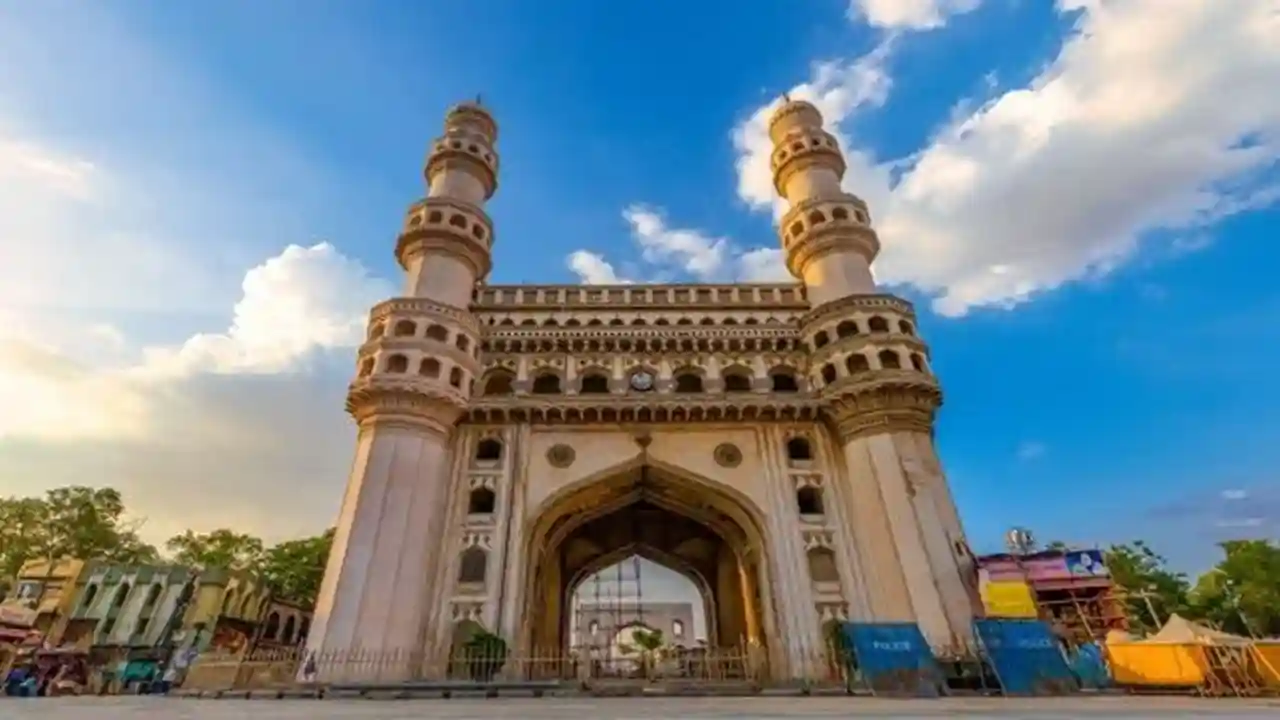
The Chand Minar is among the most prominent buildings within Daulatabad Fort Aurangabad. This 30-metre tower is a Persian-inspired minaret constructed to celebrate victory. It is a gorgeous structure with its circular shape, impressive use of tiles, arched windows, and pastel remnants. The Minar used to serve a role as a watchtower and a representation of authority. The tower is warmly lit by the sun, with an ancient beauty that catches your attention.
2. Andheri (Dark Passage)
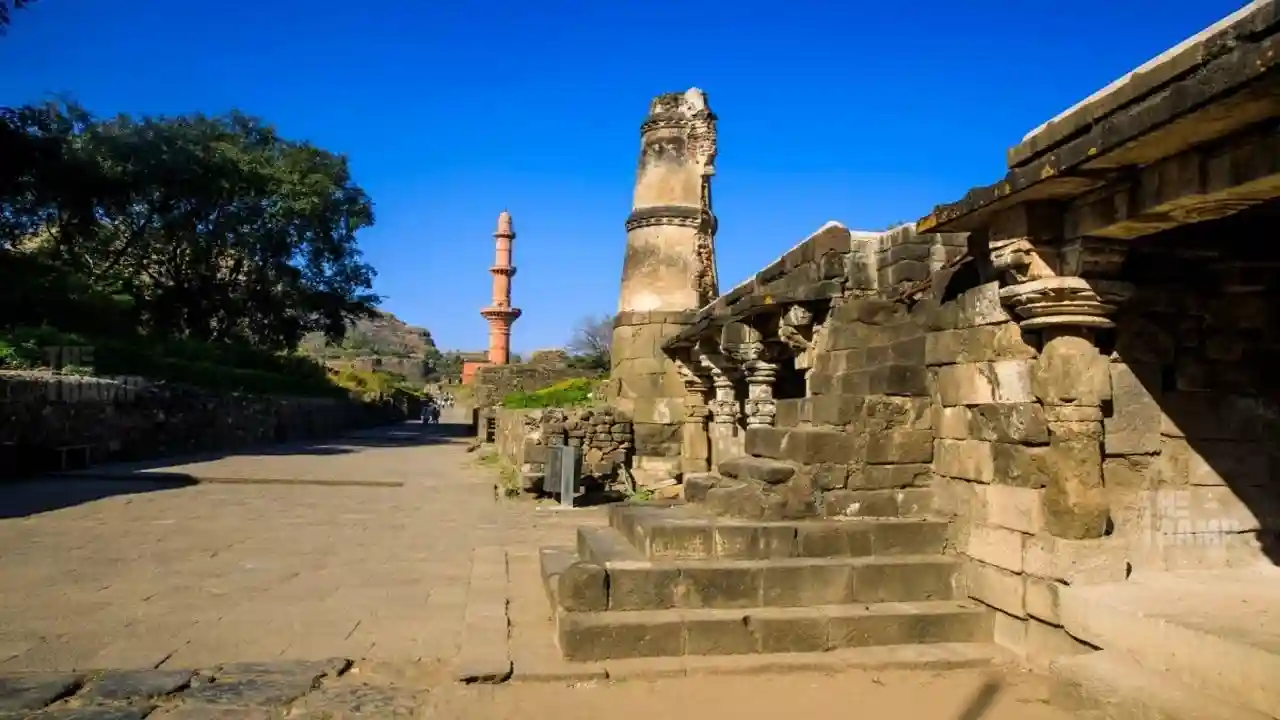
The Andheri, or the dark passage, is among the most intelligent structures in the history of Daulatabad Fort. This is a long, curvy tunnel, which was meant to confuse the enemy by putting them into the dark. It gives the feeling of suspense even now when you enter from the inside with its low light and narrow turns. This tunnel was earlier used by soldiers to attack enemies either from the top or at the back and the enemy could hardly evade the soldiers. It is among the most thrilling sections of the fort.
3. Moat (Khandak)
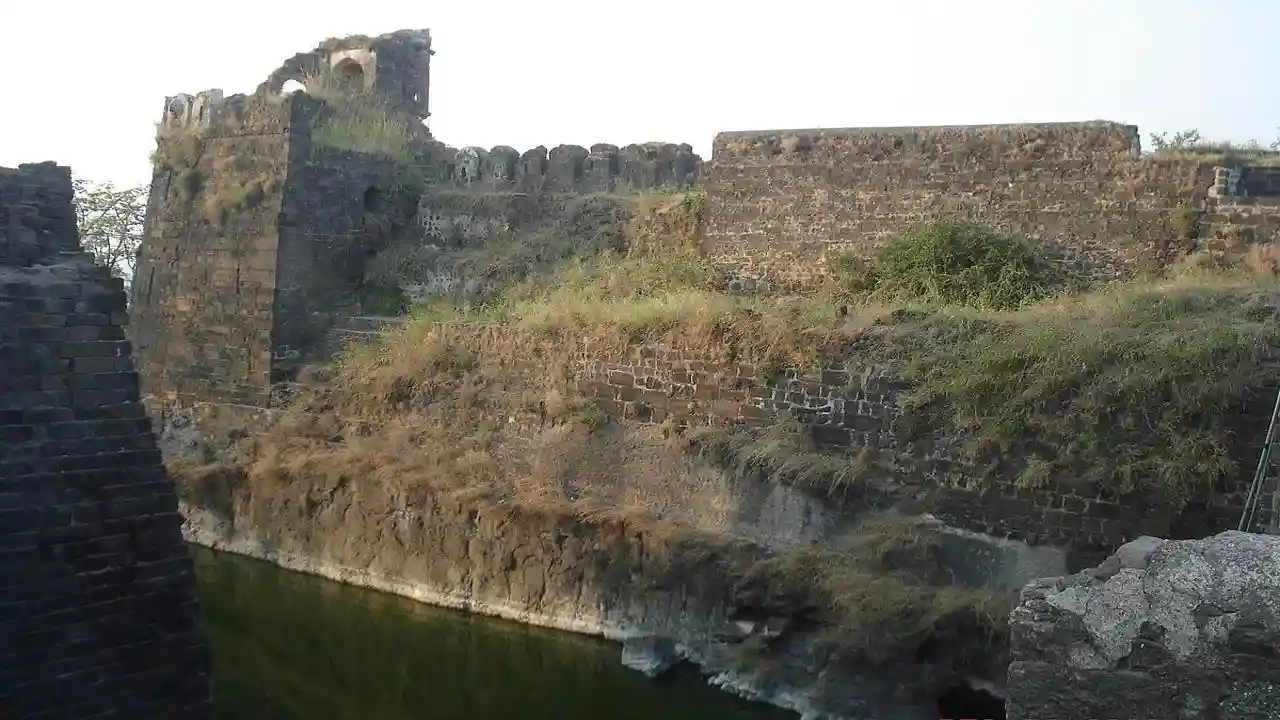
The massive moat which surrounds Daulatabad Fort served as the initial defence line. In the past, this trench of deep water was very difficult to pass because of the crocodiles. The moat was also an obstacle, both physical and psychological, ensuring that the enemies could not enter the main entrance. Being close to the moat in today’s time, you cannot help but imagine how frightening and difficult it was during the war.
4. Bharat Mata Temple
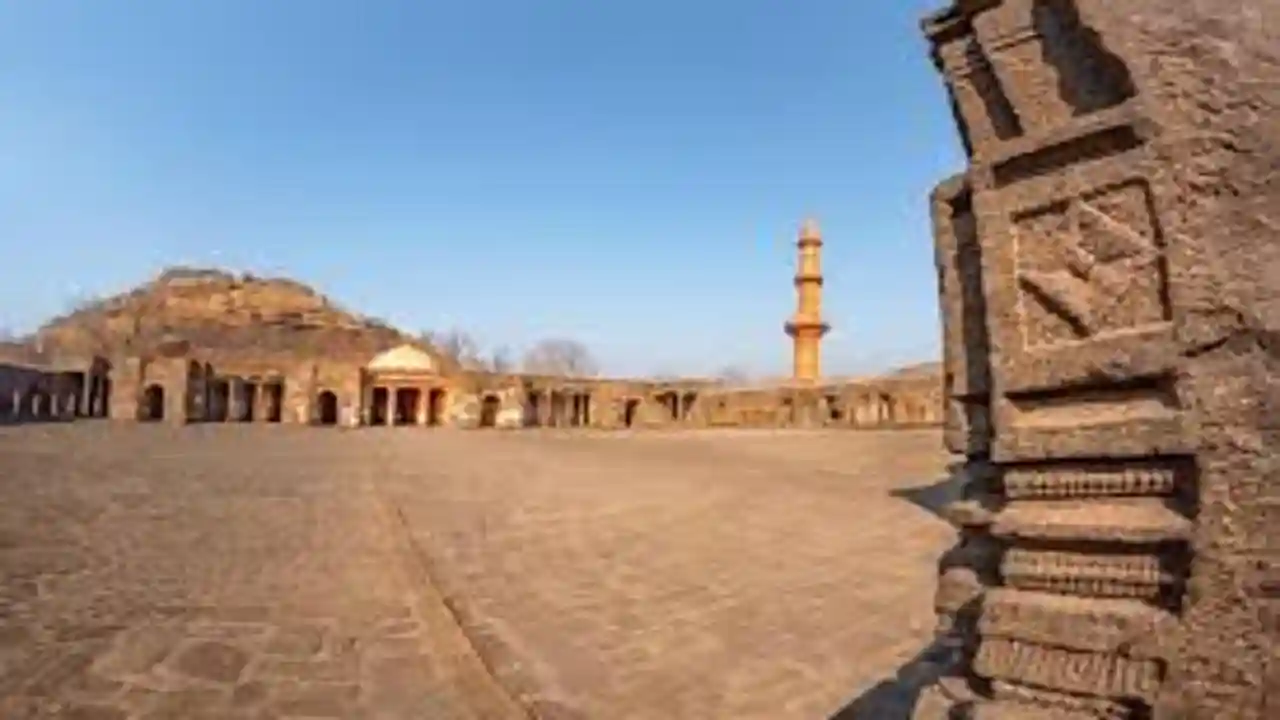
There is a serene and peaceful Bharat Mata Temple found inside the fort, and it seems really beautiful amid the rugged environment. It is a symbol of patriotism and togetherness. The plain walls of the building, minimalistic architecture, and silent environment make it a pleasant place to relax. A large number of tourists come here to take a breath and enjoy the view, then proceed to climb up the fort even higher.
5. Hilltop Citadel
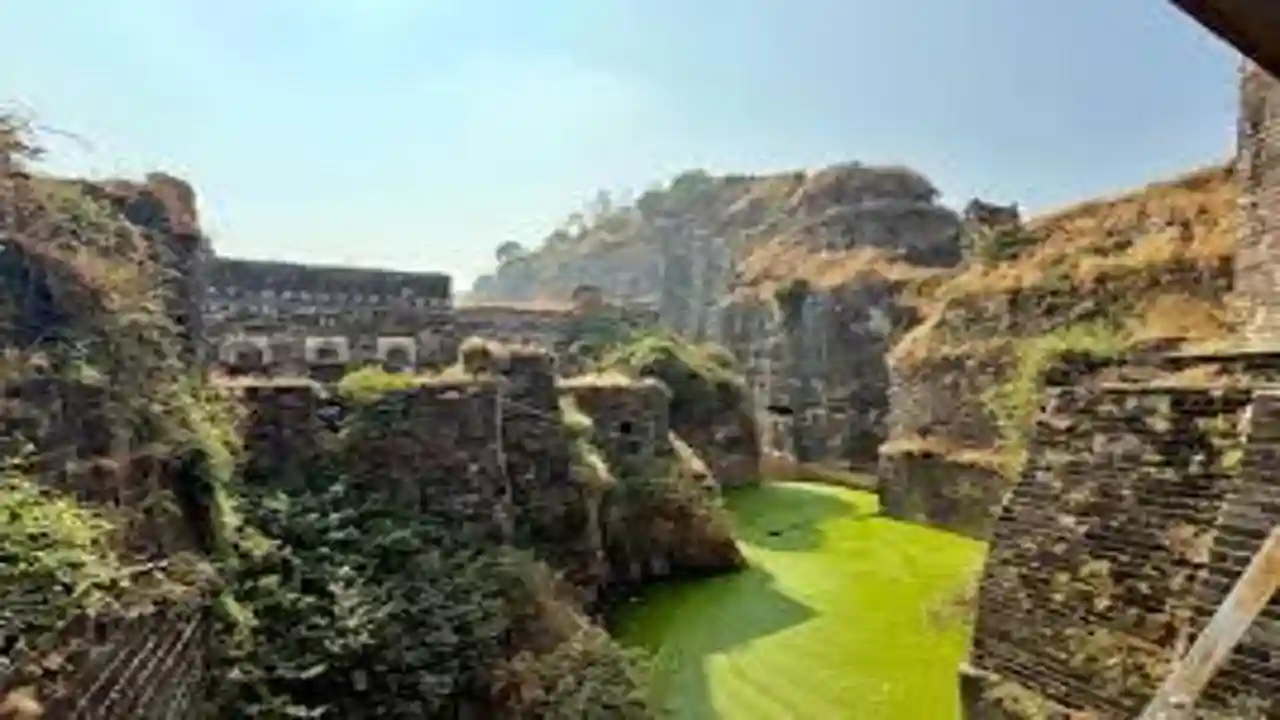
The last ascent leads you towards the hilltop citadel, which is the summit of the fort. After you get to this point, you will experience the view of the Daulatabad Fort top, which justifies all your efforts to get there. Looking down from it, you can see all the territory, the walls curving around the hills, and the vast expanse of land, formerly under the protection of past kings. This citadel was at one time the dwelling place of mighty kings, and it gives a clue as to how these kings led a magnificent life.
Places To Visit Near Daulatabad Fort
While the Daulatabad fort is an experience in itself, there are various beautiful and unique places which you can visit near it for a complete trip. These spots are among the top historical places in Maharashtra and give you a deeper look into the region's rich past.
1. Ellora Caves 
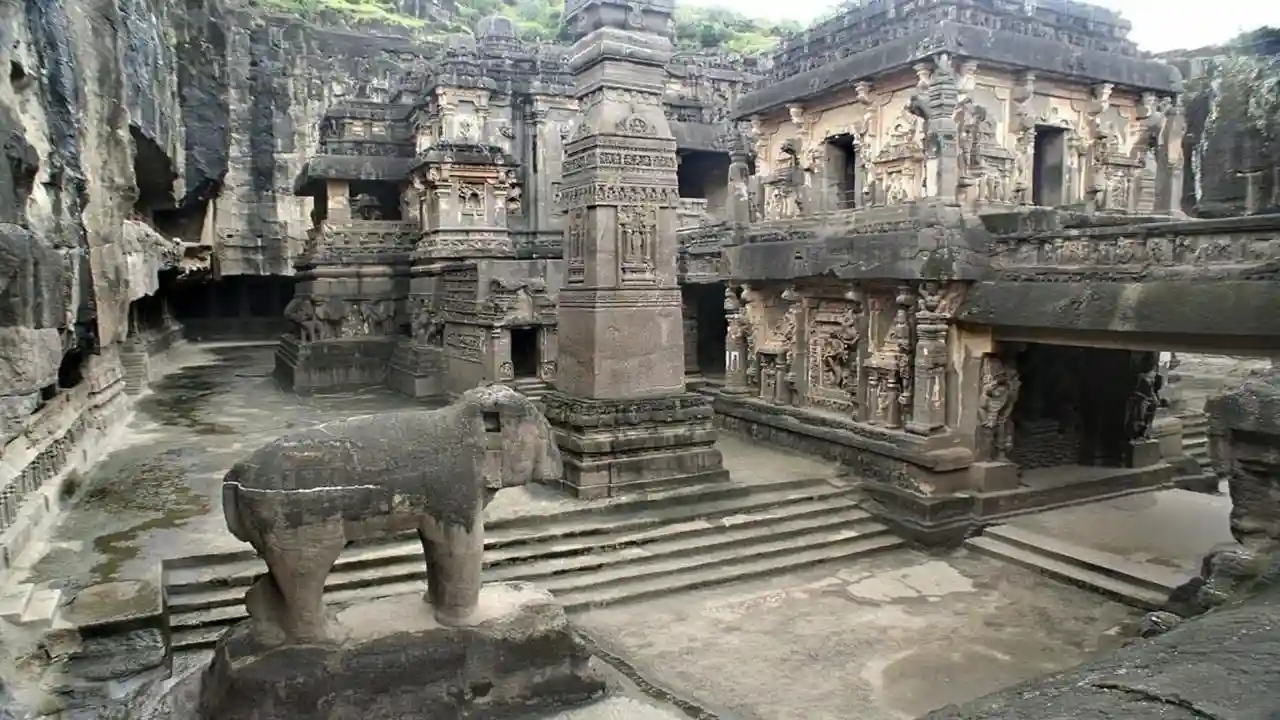
The Ellora Caves are a UNESCO World Heritage site that has monumental rock-cut temples and is only a few minutes' drive from Daulatabad Fort. Ellora is an Indian art masterpiece that is characterised by 34 caves that showcase Hinduism, Buddhism, and Jainism. The Kailas Temple is a single block of stone structure which leaves every visitor numb. If you have time, the Ajanta and Ellora caves make for a perfect combination to explore ancient rock-cut architecture in one trip. One feels like moving back in time when visiting this place, and is trapped in a world of faith and art.
Distance: 14 km
Timings: 6:00 AM-6:00 PM (Tuesdays Closed)
Entry Fee: ₹40 (Indians), ₹600 (Foreigners)
2. Bibi Ka Maqbara
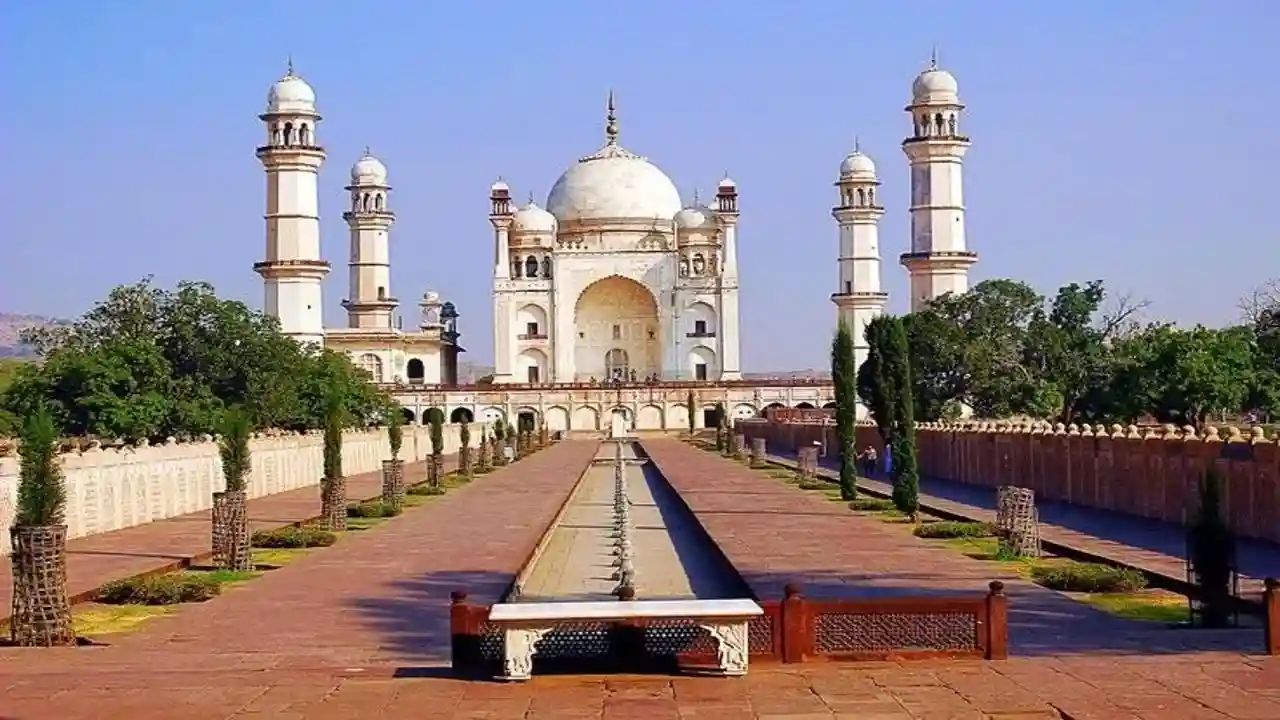
Another nearby site, popularly known as the Mini Taj Mahal due to its smaller size, but perfectly complements your trip to Daulatabad Fort, Aurangabad, is the Bibi Ka Maqbara. This monument was constructed by Aurangzeb’s son, and it is dedicated to the wife of Aurangzeb and is reputed to have a great Mughal architecture. Marble dome, fountains, carefully designed gardens, and stone carvings are a representation of the love and creativity of that time. It is the ideal location for history and architecture enthusiasts.
Distance: 18 km
Timings: 8:00 AM‑8:00 PM
Entry Fee: ₹25 (Indians), ₹300 (Foreigners)
3. Aurangabad Caves
The Aurangabad Caves are created out of soft basalt rocks, which provide a combination of Buddhist architecture, peaceful environment, and historic secrets. These are minor caves, which are just as mesmerising. The caves are widely scattered over two small hills, and they have artistic carvings, prayer halls, and sculptures that depict Buddhist culture. It is an ideal place to relax after an exciting journey through Daulatabad Fort due to its peaceful atmosphere.
Distance: 21 km
Timings: 9:00 AM‑5:00 PM
Entry Fee: ₹10 (Indians), ₹100 (Foreigners)
4. Panchakki

Panchakki is an ancient water mill in which the flow of water is used to mill grain. Very advanced for the time, the design demonstrates the sharpness of medieval Indian engineering. It is situated among gardens, waterways, and ancient buildings and provides a tranquil and refreshing atmosphere.
Distance: 16 km
Timings: 9:00 AM‑6:00 PM
Entry Fee: 10
5. Grishneshwar Temple
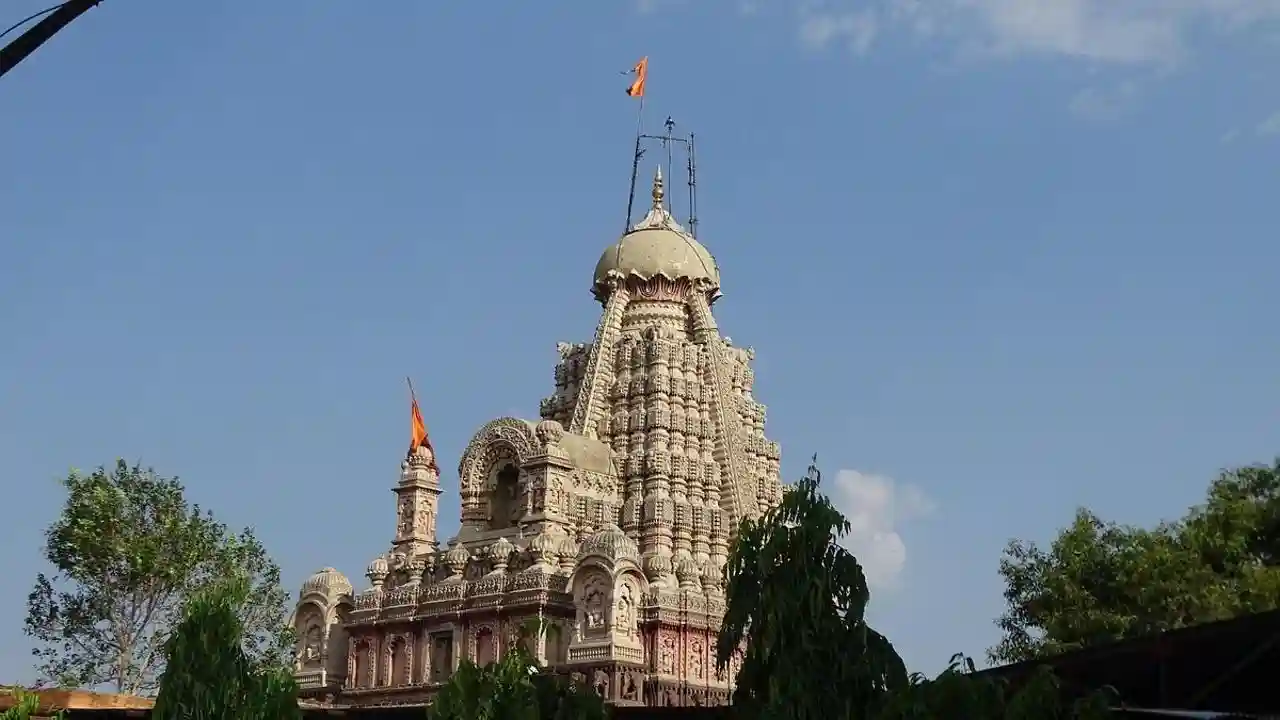
This is an ancient Shiva temple, which is among the 12 jyotirlingas in India and is located near Ellora. The temple is detailed, artistic, and spiritual in nature. Having sculpted pillars, stone figures, and a peaceful environment, it links the visitors with the high religious culture of Maharashtra. Combined with Daulatabad Fort, it creates one of the most spiritually enriching places to visit in Maharashtra, providing visitors with an experience of the whole culture.
Distance: 13 km
Timings: 5:30 AM‑9:30 PM
Entry Fee: Free
Tips For Visiting Daulatabad Fort
Some tips that will help ease your trip to the Daulatabad fort are as follows:
Wear comfortable shoes because the walk up is long, and it is worth it.
Bring light water bottles to stay hydrated.
Go early in the morning and enjoy the calm views and nice weather.
Staircases are slippery, so one cannot afford to go during the monsoon.
Carry a little torch in the dark.
Take quick breaks as you climb to enjoy the views.
Conclusion
Visiting Daulatabad Fort is not merely a trip, but it is a journey into history, heroism and intelligence. Every individual structure has a story to be remembered even after you have gone, and the hilltop views add charm to its mighty defensive design. If you love history, adventure, or you just need to have a refreshing break, this fort is a one-stop place. The Daulatabad Fort Aurangabad, with its beauty, its tunnels, and its heritage, is a place that is a must-visit in the state. So get ready to experience the ultimate heritage of Maharashtra.