Some forts in India feel powerful the moment you see them, and Bidar Fort is one of those places. It is located in a higher region in the north of Karnataka and looks the same even after decades. The fort does not feel full of people, which makes it impressive. Many tourists know popular forts in Rajasthan or Maharashtra, but they are surprised when they first hear about Bidar Fort.
This fort is special because it has a Persian design with local architecture. It has big open spaces and beautiful palaces. The whole area remains peaceful because the fort is located away from the busy parts of the city. Bidar Fort once played a big role in the Bahmani Sultanate. It was strong, well-planned, and built to protect the area.
In this blog, you will get to know the history of Bidar Fort, who built it, timings, entry fee, distance, best time to visit, things to see inside, how to reach, and useful travel tips.
Quick Facts About Bidar Fort
Here are a few basic details that help you plan your visit better. These points give a clear idea of what to expect before you reach the fort.
Bidar Fort Location - Bidar, Karnataka
Bidar Fort Timings - 9:00 AM to 5:00 PM
Bidar Fort Entry Fee - Free for all visitors
Who Built Bidar Fort - Ahmad Shah Wali of the Bahmani Sultanate
Architectural Style - Persian and Indo-Islamic
UNESCO Status - Protected Monument under Archaeological Survey of India
Bidar Fort History
The story of Bidar Fort begins in the 15th century when the Bahmani Sultanate ruled the Deccan area. Ahmad Shah Wali is the ruler who built Bidar Fort, and his decision to shift the capital from Gulbarga to Bidar made this fort an important place. The fort was designed with ideas from Persian architecture, which is why its walls, doors, and carvings look different from many other Indian forts.
Bidar had a strong position in the Deccan because it is located on a higher area. This made it a safe place for the rulers. The area around the fort was known for its cool climate compared to nearby areas, and this helped the rulers build palaces and learning centres around it. The Bidar Fort History also includes many battles and political changes as the control went from the Bahmani Sultanate to the Barid Shahi rulers and later to the Mughals.
Architecture & Layout of Bidar Fort
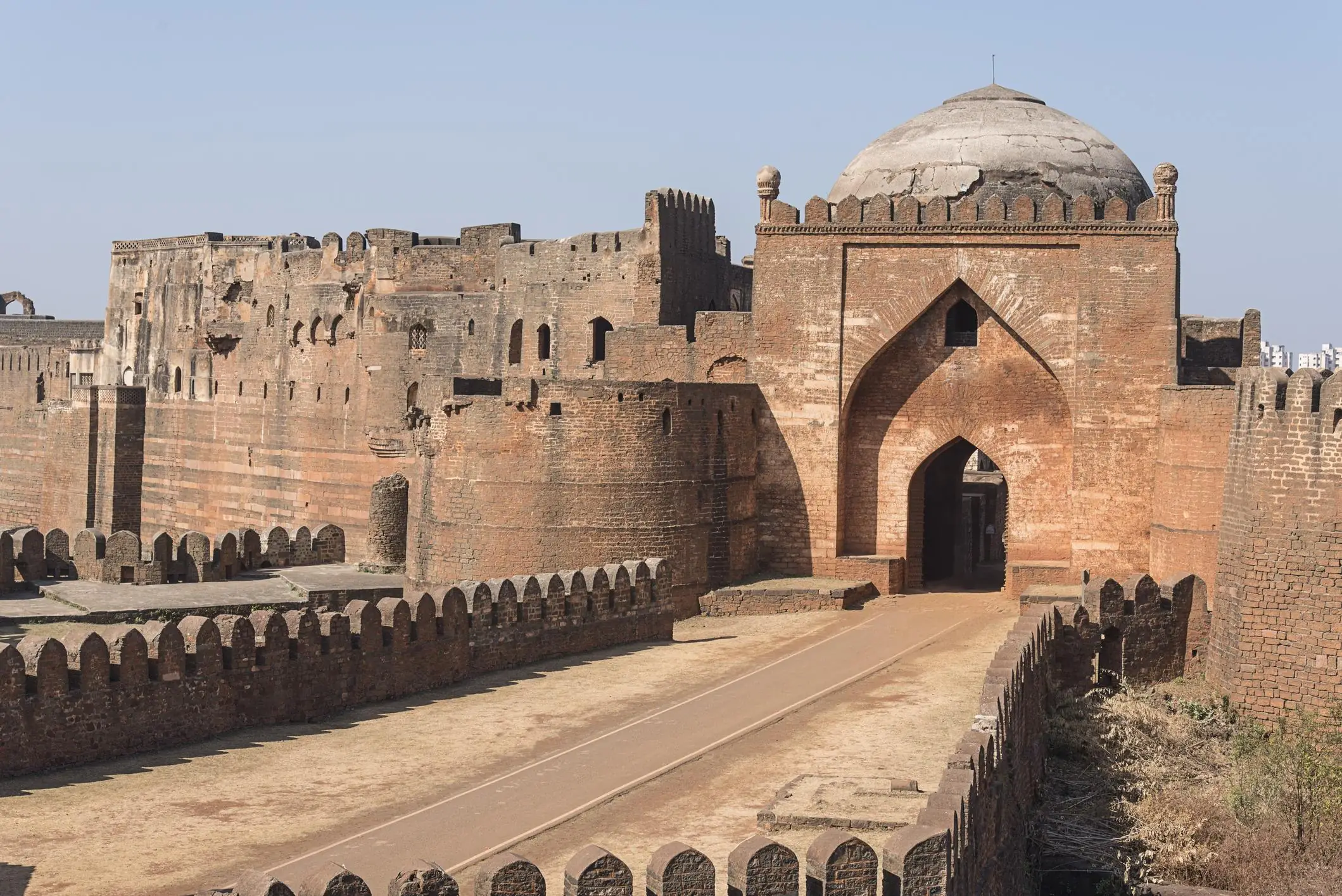
Bidar Fort is known for its strong defence planning. The fort is spread over nearly 1.3 kilometers, making it one of the larger forts in the area. Its outer walls are almost 30 feet high. The fort has 37 bastions, each set at equal distances. Many of them still have old cannons. The double moat system around the fort made it difficult for enemies to enter. The main entrance, called the Gumbaz Darwaza, shows the Indo-Islamic style through its large arches and strong wooden doors covered with iron spikes.
Many buildings inside the fort have a blend of Persian tile work, calligraphy, and geometric patterns. Water channels and storage spaces show how the fort was planned to support life inside for long periods.
What to See Inside Bidar Fort
There are many interesting places inside Bidar Fort, and each one shows a different part of the history. These places help us understand how people lived and built things in the old days.
1. Rangeen Mahal
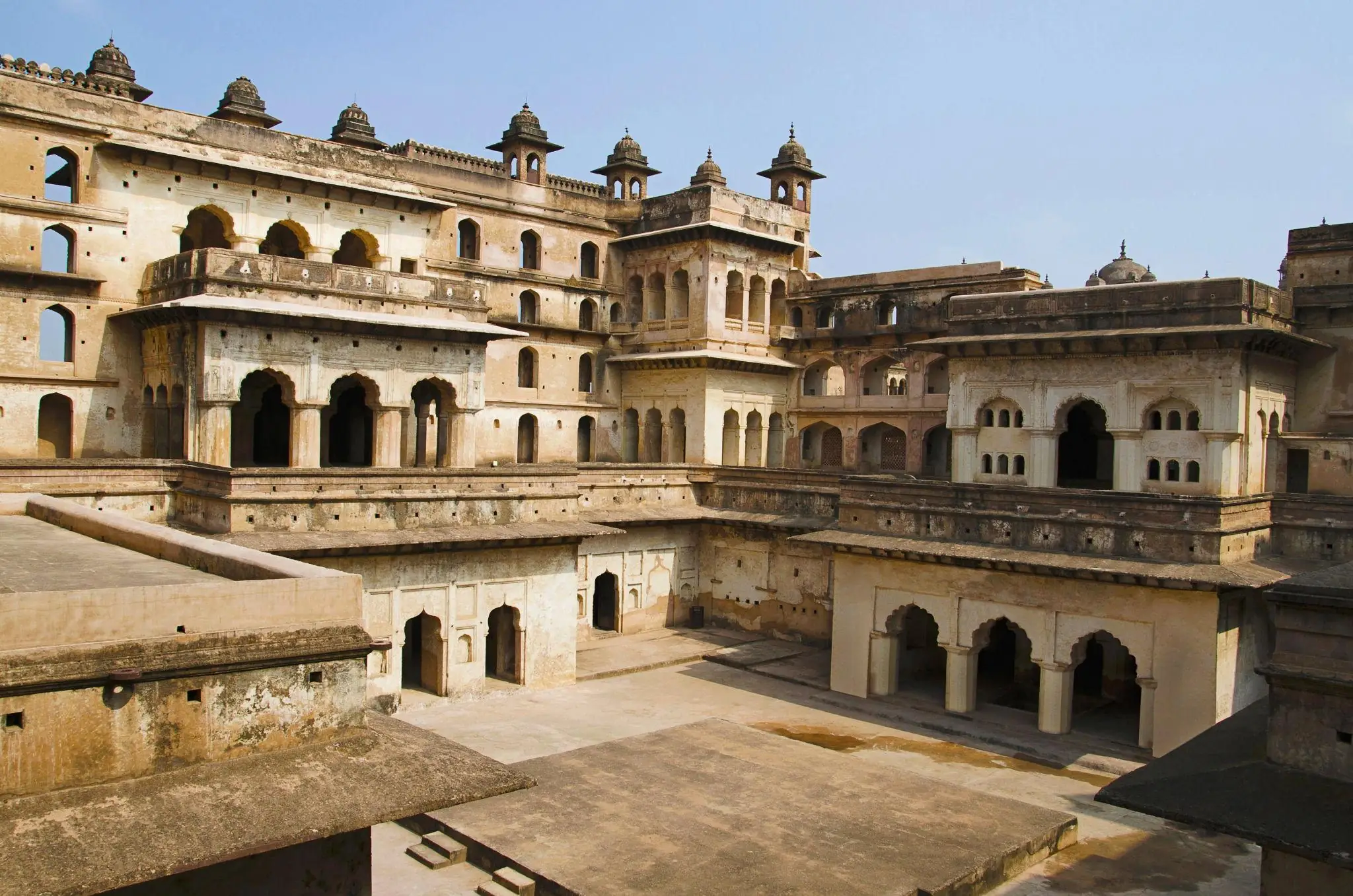 Rangeen Mahal is one of the most beautiful and detailed buildings inside Bidar Fort. It was built during the rule of the Bahmani Sultanate and is known for its colourful tile work. The walls once had Persian-style tiles in different colors.
Today, you can walk through its empty rooms and notice the carvings and patterns on the walls. The layout shows that this place may have been used for private gatherings or royal meetings.
2. Tarkash Mahal
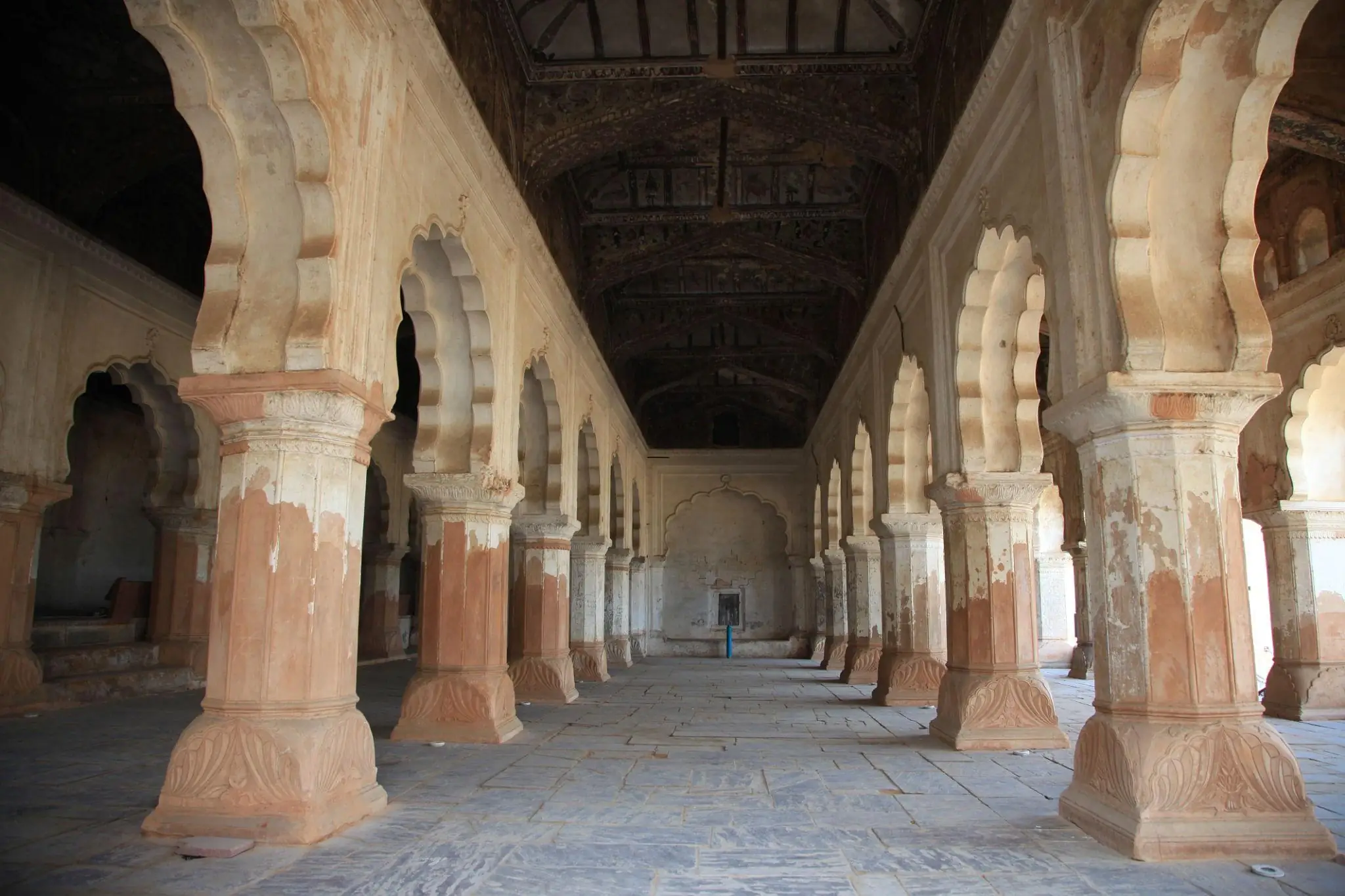 Tarkash Mahal is believed to have been built for the queens and women of the royal family. According to local records, it was constructed during the Barid Shahi period. The word “Tarkash” means quiver, but the place itself was a residential space and not a military one.
Today, you can see open halls, arches, and small rooms that once formed the living area. Even though the building is partly destroyed, the shape of the windows and the arches still shows the beauty.
3. Gagan Mahal
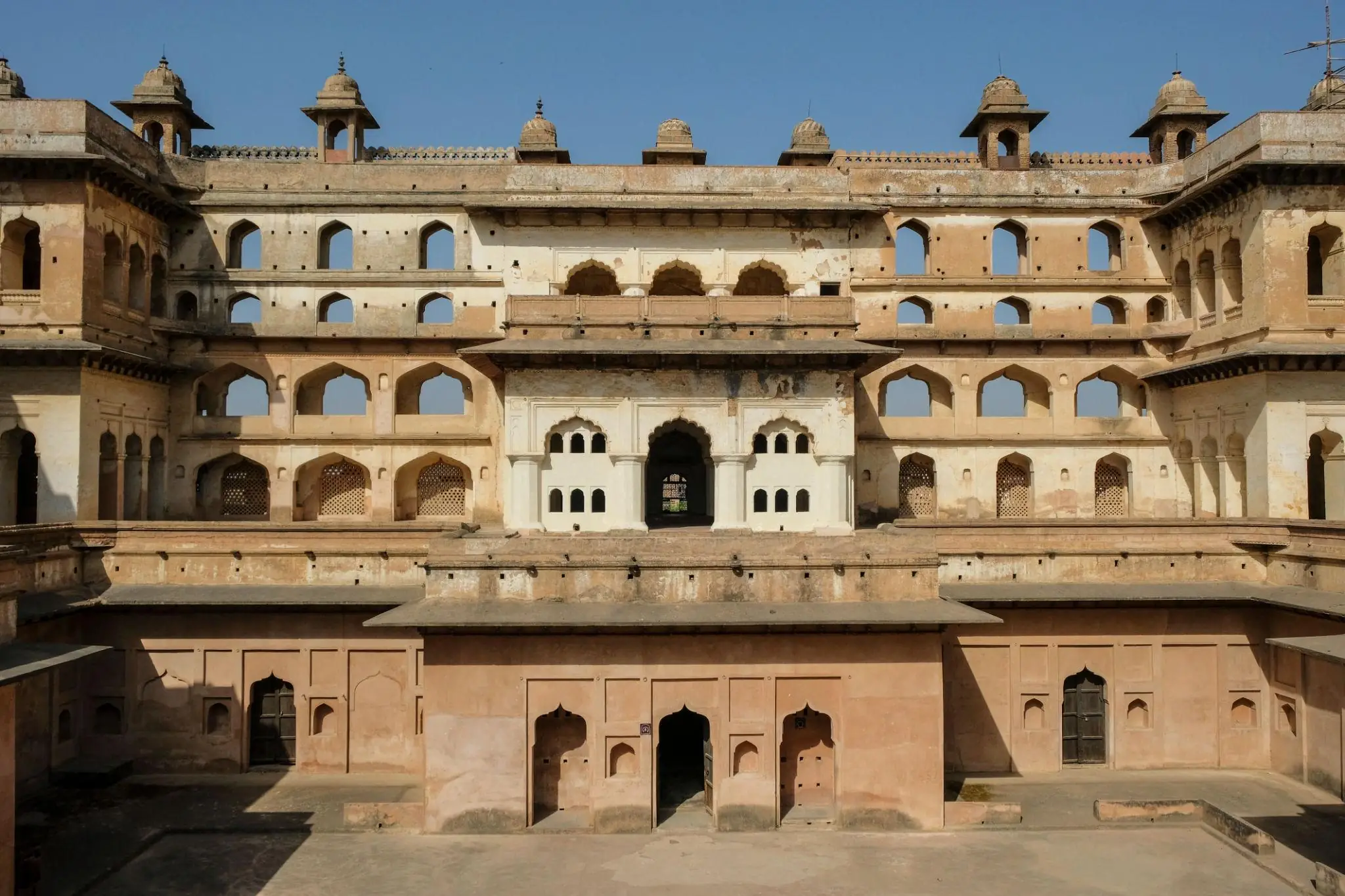 The name Gagan Mahal means “Sky Palace,” and it once served as the king’s residence and a space for large gatherings. It was built by the Bahmani rulers, who wanted a grand hall that could host officials, guests, and important meetings. The area had two floors, big verandas, and open spaces that allowed fresh air inside.
Today, the palace might not look the same, but the size of the building still shows how grand it must have been. When you walk inside, you can imagine how the court might have looked with carpets, lamps, and the pillars.
4. Solah Khamba Mosque
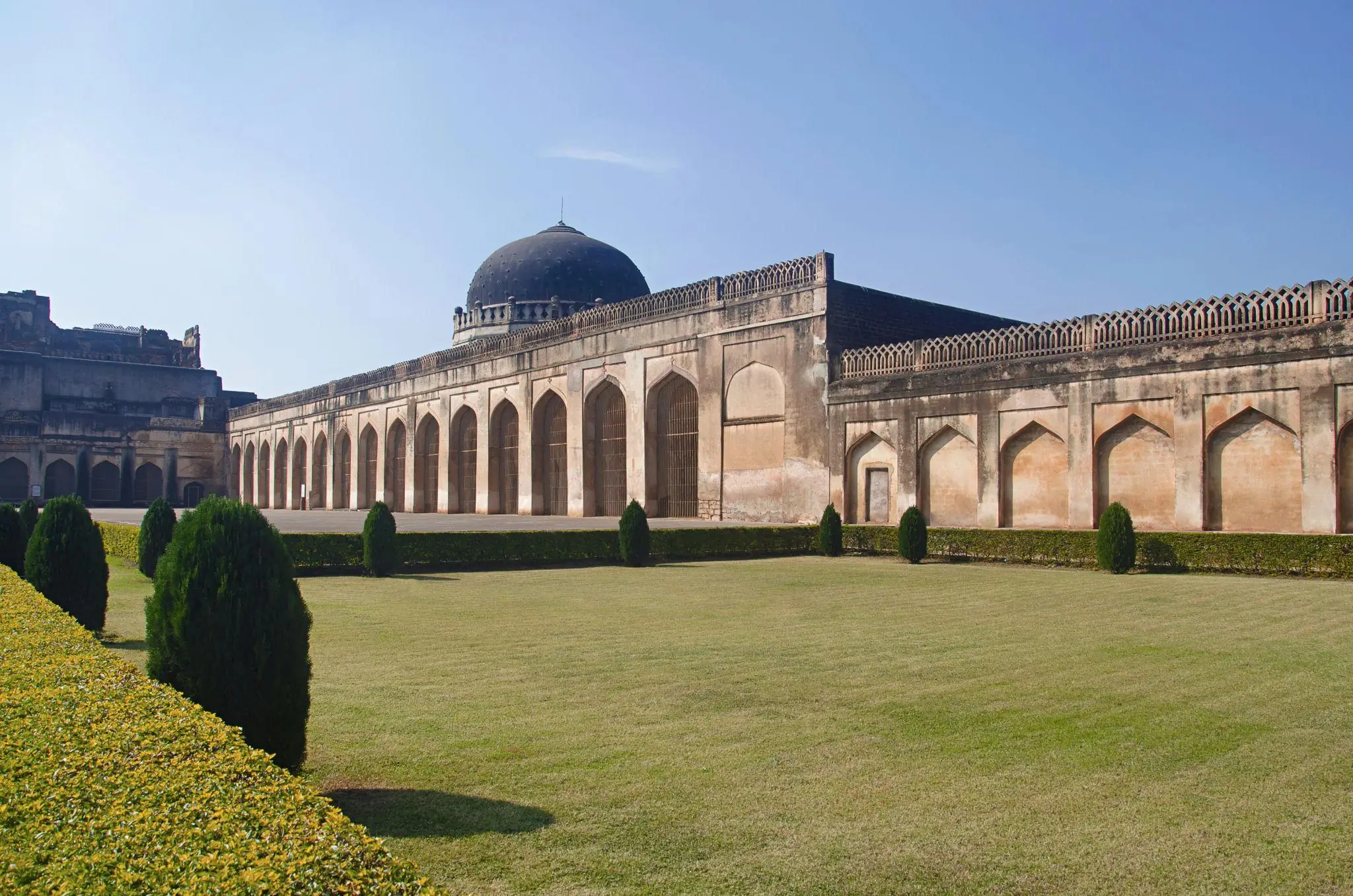 The name comes from the sixteen pillars that support the front hall. It was built in the mid-15th century during the rule of the Bahmani Sultanate and served as the main mosque for the royal families and soldiers living inside the fort. The mosque has a big prayer hall and a courtyard. Even though the interiors have faded over time, the structure still feels powerful and steady.
5. Madrasa of Mahmud Gawan
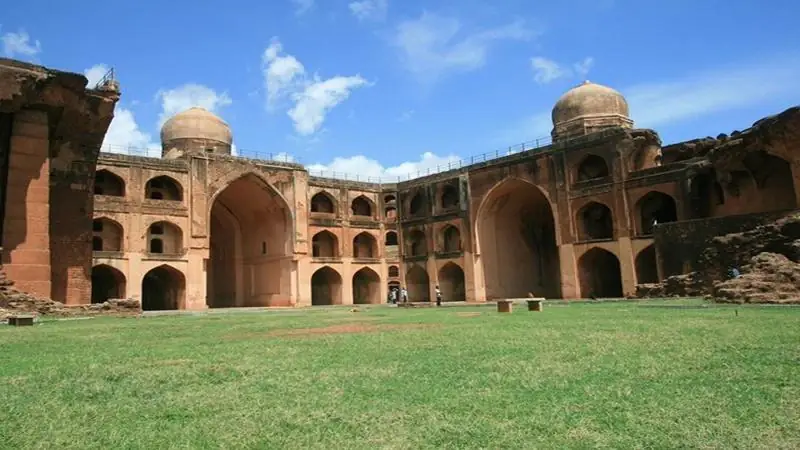 The Madrasa of Mahmud Gawan is not inside Bidar Fort but is located very close to it. It was built in the late 15th century by Mahmud Gawan, a powerful minister of the Bahmani Sultanate. The madrasa was designed as a teaching place similar to the famous institutions in Persia and Central Asia. The structure once had three floors, student areas, and prayer halls. You can still see the remains of its colourful Persian tile work, especially the bright blue tiles that once covered the walls.
6. Royal Pavilion
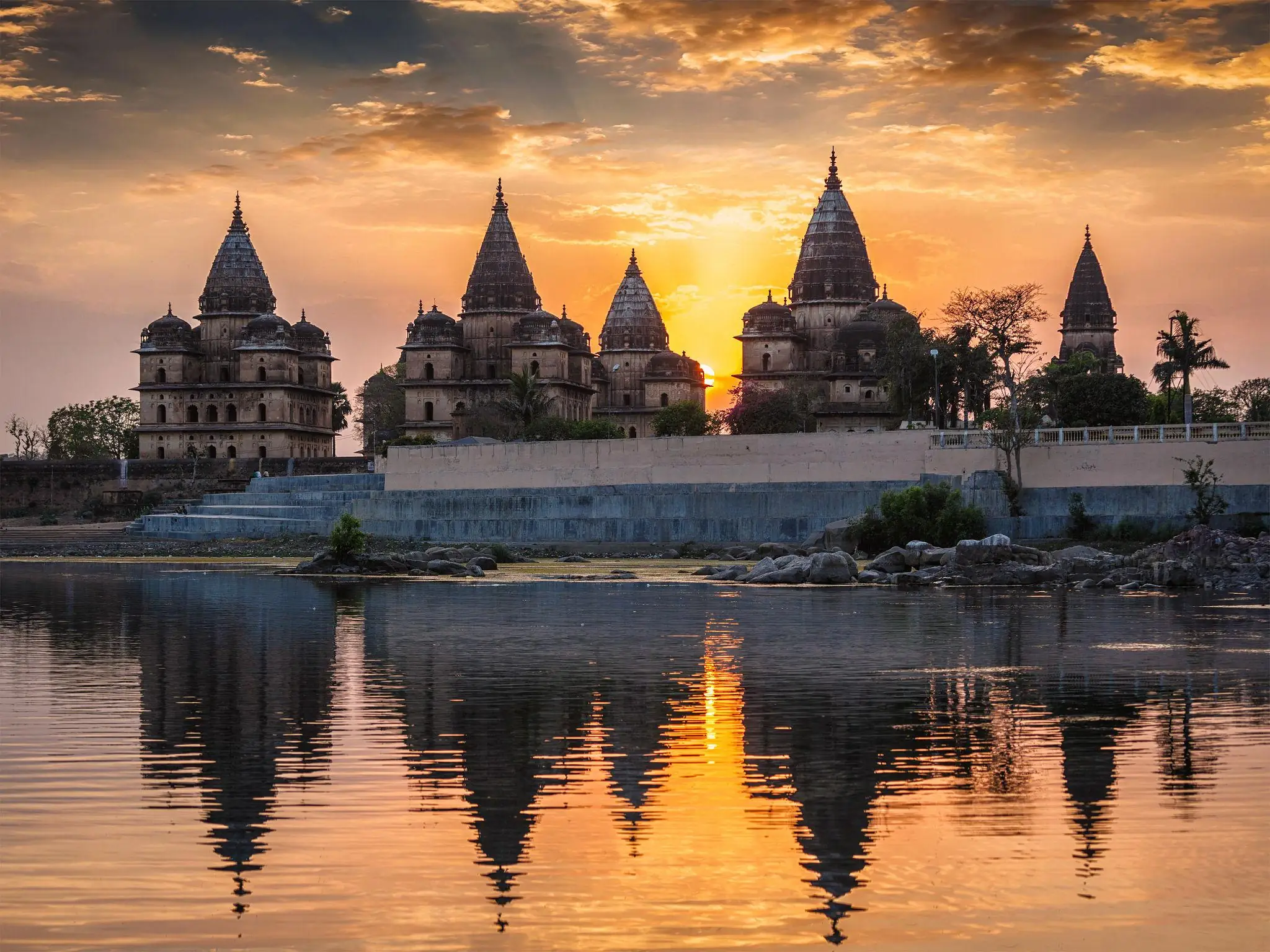 The Royal Pavilion was not as grand as the main palaces, but it played an important role in day-to-day royal life. The open design helped the space stay airy, which made it comfortable during the summer season. Today, the pavilion stands with its stone columns and platforms still visible. The spot is good for taking pictures.
Best Time to Visit Bidar Fort
The best time to visit Bidar Fort is during the cool months from November to February. The weather during this time stays pleasant. Summers in Bidar can get quite hot. March to June comes with strong heat, and the open courtyards inside the fort may feel warm. Monsoon months bring greenery around the fort, but the area may be slippery after heavy rain. If you want less crowd, weekdays are a good choice. Winter mornings and evenings create the best atmosphere for exploring the palaces.
How to Reach Bidar Fort
Reaching Bidar Fort is simple because the city is connected by road, rail, and nearby airports. The fort is close to the main town, so the final travel stretch is easy for visitors.
By Road
Bidar has good road links with big cities.
From Hyderabad, the Bidar Fort distance is around 140 km and takes about 3 hours.
From Gulbarga, it takes about 2 hours.
From Bangalore, the drive takes 6 to 7 hours.
By Train
The nearest railway station is Bidar Railway Station, located about 3-4 km from the fort. Auto-rickshaws and taxis are easily available outside the station.
By Air
The nearest airport is Hyderabad Airport (Rajiv Gandhi International Airport). From there, you can take a taxi or bus directly to Bidar. The airport-to-city distance is around 150 km.
Places to Visit Near Bidar Fort
Here are a few interesting places you can visit around Bidar Fort. Each one shows a different part of the culture and history.
Bahmani Tombs - The Bahmani Tombs are located in Ashtur village, a short drive from the fort. These tombs belong to the rulers of the Bahmani Sultanate.
Narasimha Jhira Cave Temple - This is a unique cave temple dedicated to Lord Narasimha. People walk through water that flows inside the cave to reach the inner shrine.
Papnash Temple - Papnash Temple is an old Shiva temple believed to be built during the Chalukya period. It is near a natural spring that fills a small lake.
Chaubara Tower - Chaubara Tower is a tower in the centre of Bidar town. From the top, you can see the whole city in all directions.
Gurdwara Nanak Jhira Sahib - This gurdwara is an important Sikh pilgrimage site. It is believed that Guru Nanak Dev Ji visited this place, and a natural spring was created here.
Tips for Visiting Bidar Fort
Here are some simple tips that make your visit smooth and comfortable.
The fort area is large, and you will walk through open grounds and uneven paths. Good shoes make the visit easier.
There are fewer shops inside the area, so keeping a bottle helps you stay hydrated.
Bidar can get warm during the day. Mornings and evenings are better for exploring the fort.
Talk to the local guides as they share stories and facts about the history.
It’s a heritage site, so avoid throwing garbage. Use dustbins wherever available.
Conclusion
Bidar Fort is one of the strongest and impressive heritage sites in the Deccan area. From huge buildings like Rangeen Mahal and Gagan Mahal to peaceful areas, every part of the fort has something to show. If you plan a slow visit and pick the right season, you will enjoy the experience even more. Bidar Fort is not just a monument, but a reminder of powerful kingdoms, skilled craftsmen, and rich culture.