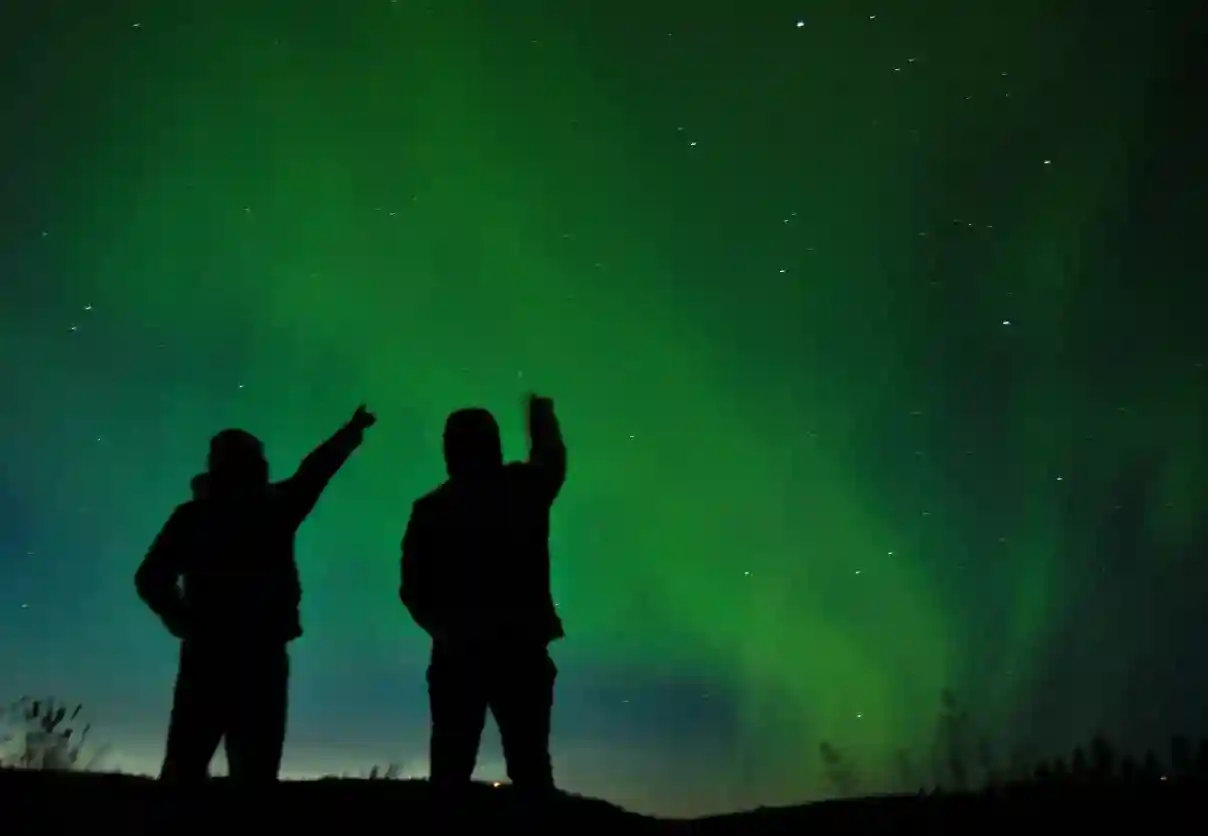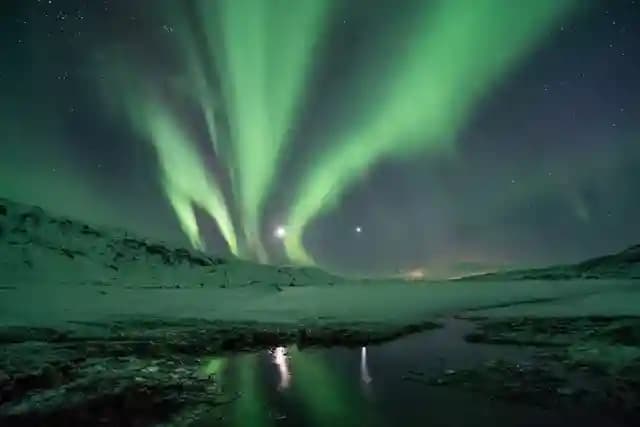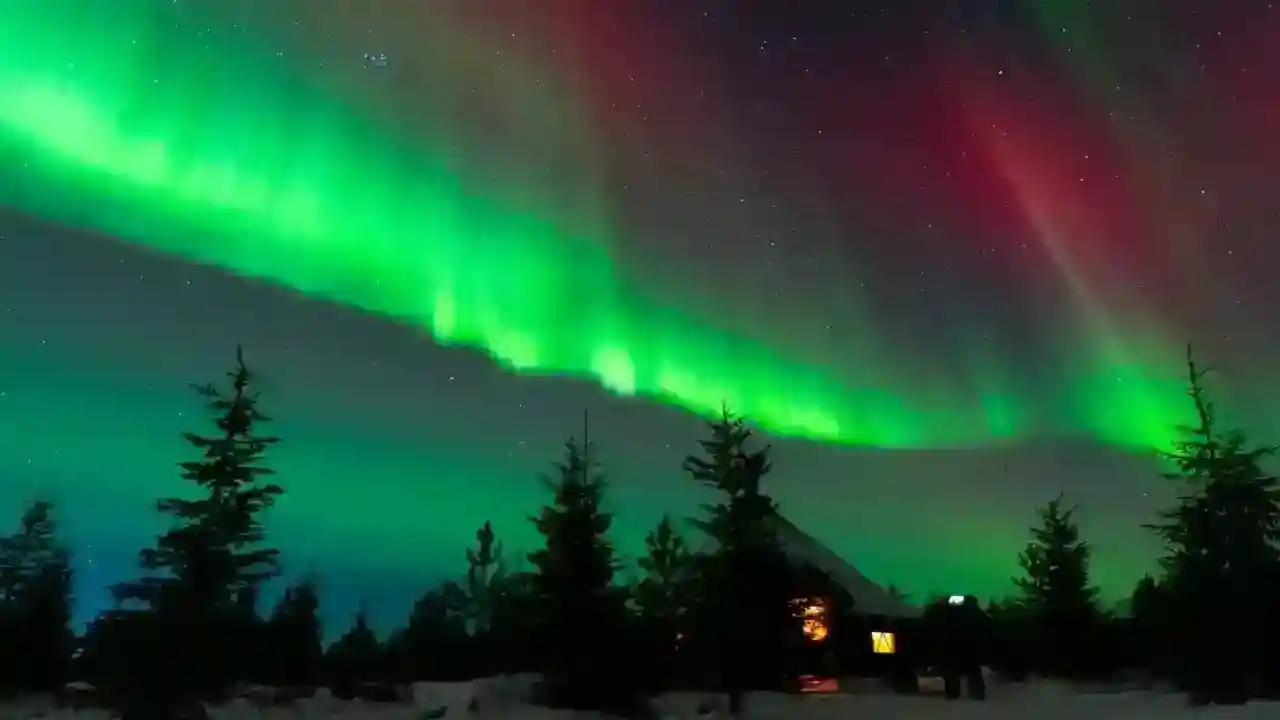
Witnessing the Northern Lights is magical and is one of the most ethereal experiences you’ll ever have. One moment, the sky is dark and still. Next, it glows in shades of green, purple, and pink. and flows like living light across the horizon. However, the reality that most travellers discover too late is that, to see the aurora, one doesn't only need to be in the right country, but they also need to know well about the best time to see the Northern Lights.
This usually depends on a number of factors such as the level of darkness of the night sky, the intensity of the sun, weather conditions, and the geographical location. Choose the wrong month, and you may return with nothing but cold memories. Choose the correct one, and you will be able to see one of the rarest phenomena of nature. That is exactly what this blog will help you with- to choose the time when you can see the northern lights at their best, such that you can plan your trip accordingly with the best Northern lights Tour Package.
Best Season to See the Northern Lights: Monthly Guide
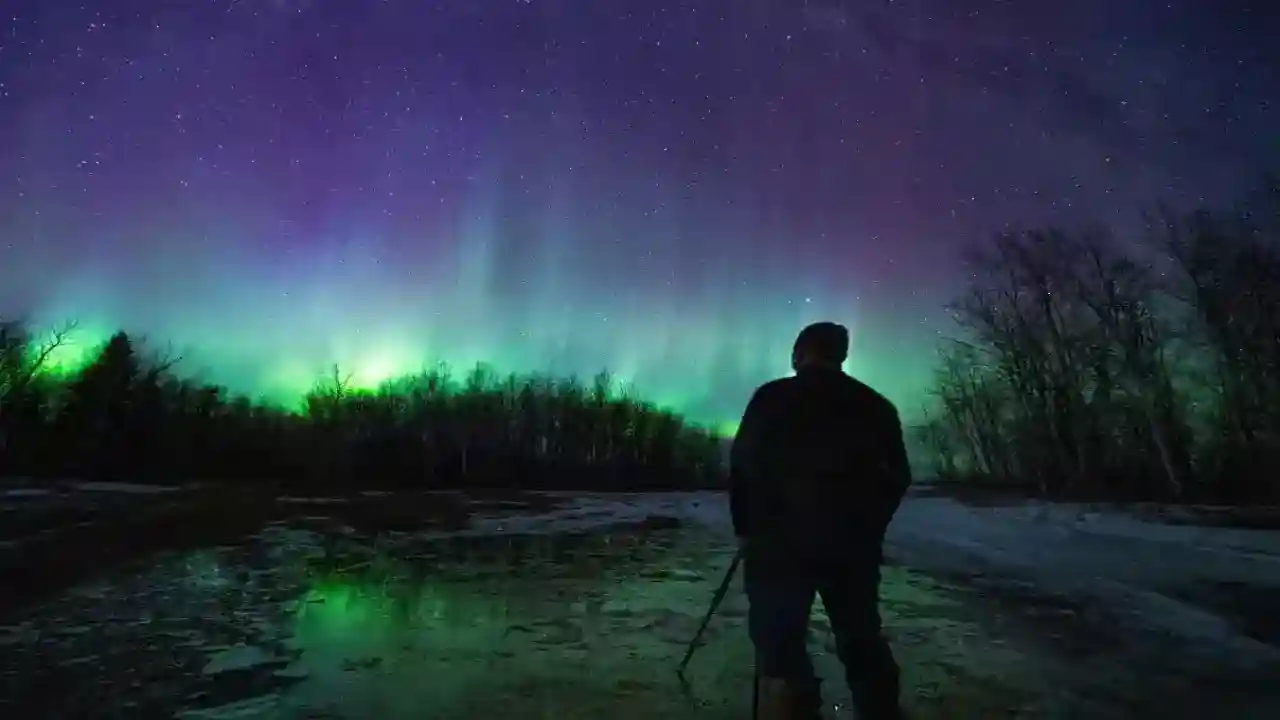
The Northern Lights season stretches from late summer to early spring, but visibility varies greatly depending on darkness, solar activity and weather conditions. While longer nights improve chances, factors like cloud cover, twilight hours and seasonal transitions also play a major role. This month-wise breakdown explains exactly how aurora visibility changes through the year, and it will help you to choose the best time of year to see northern lights as well as the best places to see Northern Lights based on realistic conditions.
August
August is the beginning of the Northern Lights season in Scandinavia. For areas lying just south of the Arctic Circle, there is a possibility that aurora activity may appear at the beginning of the month, but for the far north, common observations start around the middle and late periods of the month when the nights gradually get darker. Even then, it never gets completely dark, and displays are commonly visible only during astronomical or nautical twilight. Hence, only strong solar storms result in displays that can be seen, making sightings less common but possible for the early-season traveller.
Aurora Visibility: Low to moderate; sightings require strong solar activity due to limited darkness and twilight conditions
Best Regions: Southern Arctic Circle, Iceland, coastal Norway.
September
September is generally considered the start of the strong auroral season and is often mentioned as one of the best months to see the Northern Lights. The nights get dark fast, but the temperatures are still relatively warm. By mid-September, the sun sets as early as 7:00- 7:30 pm in Tromsø, Luleå and Rovaniemi, offering long nights to view Northern Lights in Europe. The time around the autumn equinox is known for high geomagnetic activity, significantly improving the chances of frequent and spectacular displays when the skies are clearer. The best time to see the Northern Lights in Norway is from late September to March, when nights are long, and darkness prevails for longer intervals.
Aurora Visibility: High; equinox-related geomagnetic activity significantly increases aurora strength and frequency
Best Regions: Tromsø (Norway), Rovaniemi (Finland), Luleå (Sweden), Iceland
October
October offers excellent Northern Lights viewing conditions, with long, dark nights and bearable cold. The equinoctial effect is still present, which means better auroral intensities and the likelihood of stronger displays. Lakes are often free from ice, allowing shots of reflections of aurorae on water surfaces-a big plus for photography. This month usually falls outside peak winter tourism in many northern destinations and should therefore offer more reasonably priced accommodations and travel arrangements, providing a good balance between affordability and reliability. The best time to see the Northern Lights in Iceland is between October and March, when darkness dominates a large part of the day.
Aurora Visibility: High and consistent; darker nights support vibrant and frequent displays
Best Regions: Northern Norway, Swedish Lapland, Finnish Lapland, Icelandic countryside
November
In November, the days become shorter as autumn rapidly changes into winter. Snowfall usually starts in northern Scandinavia, and by the end of the month, cities such as Alta and Tromsø can enter Polar Night, a period when the Sun does not rise. The long darkness provides an extended viewing window for the aurora; however, November is also known to be a month with generally disturbed weather conditions and frequent cloud cover. For clear skies on nights with active aurorae, sometimes additional travel is required.
Aurora Visibility: High; extended darkness allows long viewing windows despite cloudier weather
Best Regions: Tromsø and Alta (Norway), northern Sweden, Finnish Lapland
December
December represents the darkest part of the year, with many regions having no sunrise. Even cities that are close to the Arctic Circle will have only two to three hours of daylight, as evidenced in Rovaniemi, where the Sun rises at 11 am and sets shortly after 1 pm during the winter solstice. Continuous darkness should theoretically be beneficial for observing auroras, but the often cloudy weather in the area may render viewing quite inconsistent. December also falls into the peak of the travel season, and correspondingly, higher prices along with crowded cities may impact the experience
Aurora Visibility: Moderate; long darkness helps, but cloud cover and storms reduce reliability
Best Regions: Finnish Lapland, northern Norway, Arctic Circle villages
January
January is a dependable month for Northern Lights viewing, offering long nights and fewer crowds than December. Clear skies are more common, improving visibility despite extremely cold temperatures. In many areas, temperatures remain well below freezing and can drop to -30°C or lower, making proper winter gear essential. By mid-January, Polar Night ends in places like Tromsø and Kiruna and daylight gradually returns, allowing a better balance between daytime activities and night-time aurora hunting. The best time to see the Northern Lights here is in January.
Aurora Visibility: High; stable winter conditions and clearer skies improve success rates
Best Regions: Tromsø, Kiruna (Sweden), Finnish Lapland, Lofoten Islands.
February
February is usually considered one of the best months to see the Northern Lights, offering an optimal balance between daytime activities and longer dark hours that are so essential for viewing the lights. The landscapes of northern Scandinavia are generally snow-covered and add to the scenery. Although this is usually one of the coldest months, weather conditions are usually stable, with often clear skies. For most tour operators, this month is considered to be in the peak season due to consistent high-quality aurora activity.
Aurora Visibility: Very high; optimal balance of clear skies, darkness, and solar activity
Best Regions: Northern Scandinavia, Arctic Norway, Lapland regions
March
March brings a number of favourable factors together: longer daytime hours, still dark skies and clearer skies, which is also reinforced by the spring equinox effect. All of these make March one of the most powerful months for strong auroral displays. The temperatures are milder than in January and February, but the landscapes are still covered with snow, which makes winter sports possible alongside aurora tourism. Although it is very much a spring month, March is often referred to as "sunny winter" since the weather is often clear and crisp.
Aurora Visibility: Very high; spring equinox boosts geomagnetic activity
Best Regions: Norway, Sweden, Finland, Iceland’s interior regions
April
April marks the gradual end of the Northern Lights season as darkness fades quickly. The first week of April may still present good chances for spectacular displays due to the proximity to the spring equinox and residual nocturnal hours. Temperatures increase and the skies are often clearer, which, along with increasing daylight, enhances visitor comfort. By mid-to-late April, the nocturnal illumination gets too bright to maintain consistent views of the aurora, therefore ending the season effectively.
Aurora Visibility: Low to moderate; strongest during early April before darkness fades
Best Regions: Northern Norway, Swedish Lapland, far-north Finland
Conclusion
Experiencing the Northern Lights is all about correct timing, location and realistic expectations. The aurora season is most likely to be seen between August and April, the best time to see Northern lights is all about the balance of darkness, clear skies and reliability of the weather. September and October stand out for comfortable temperatures and strong activity and February and March offer the most reliable conditions with long nights and frequent displays. The months of early winter with long periods of darkness are accompanied by more cloud cover, and late spring slowly closes the viewing window as nights grow brighter. It is best to plan the trip around equinox periods, select the places above the Arctic Circle and spend several nights. With the right month, proper planning and a bit of patience, witnessing the Northern Lights becomes less about luck and more about smart timing.