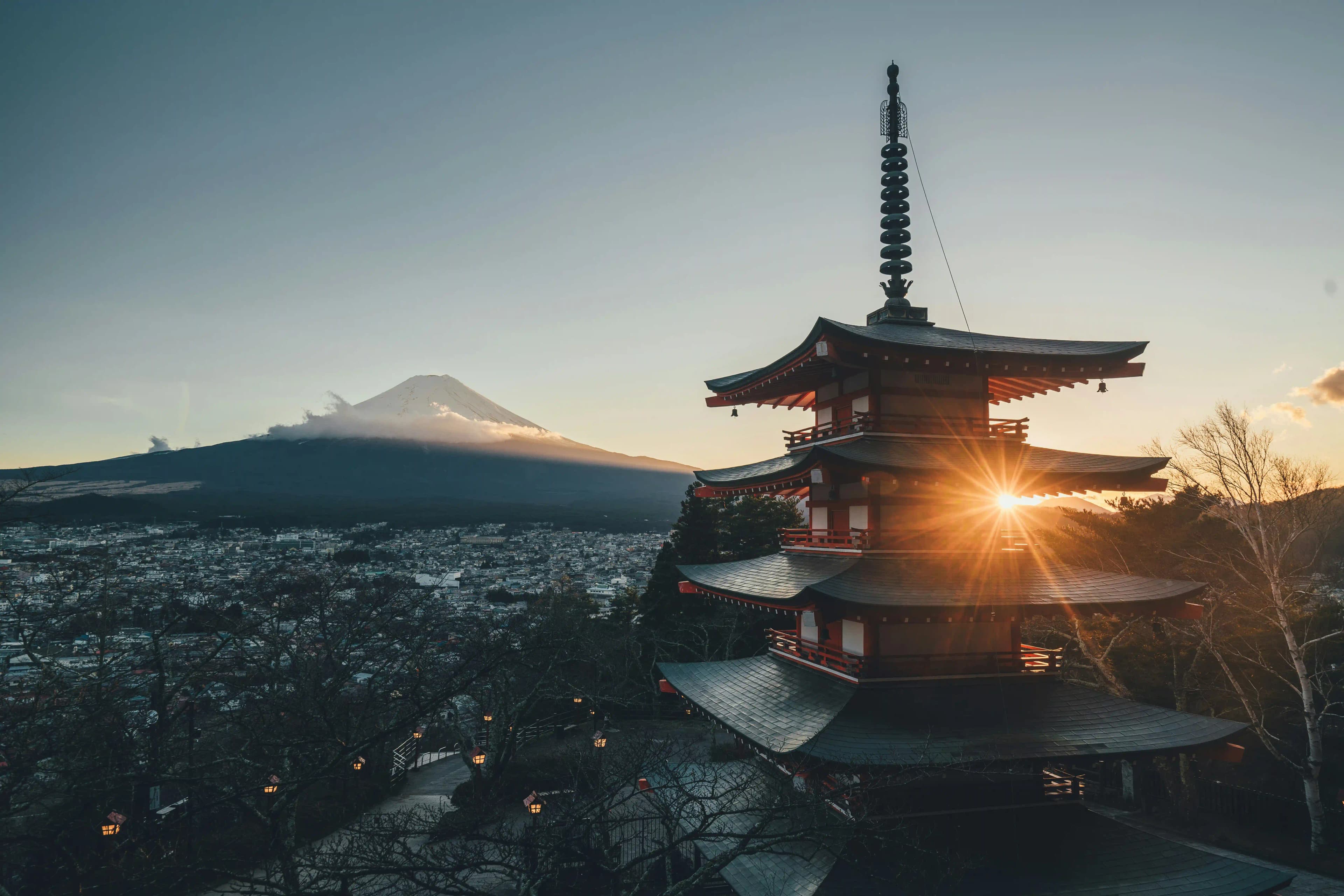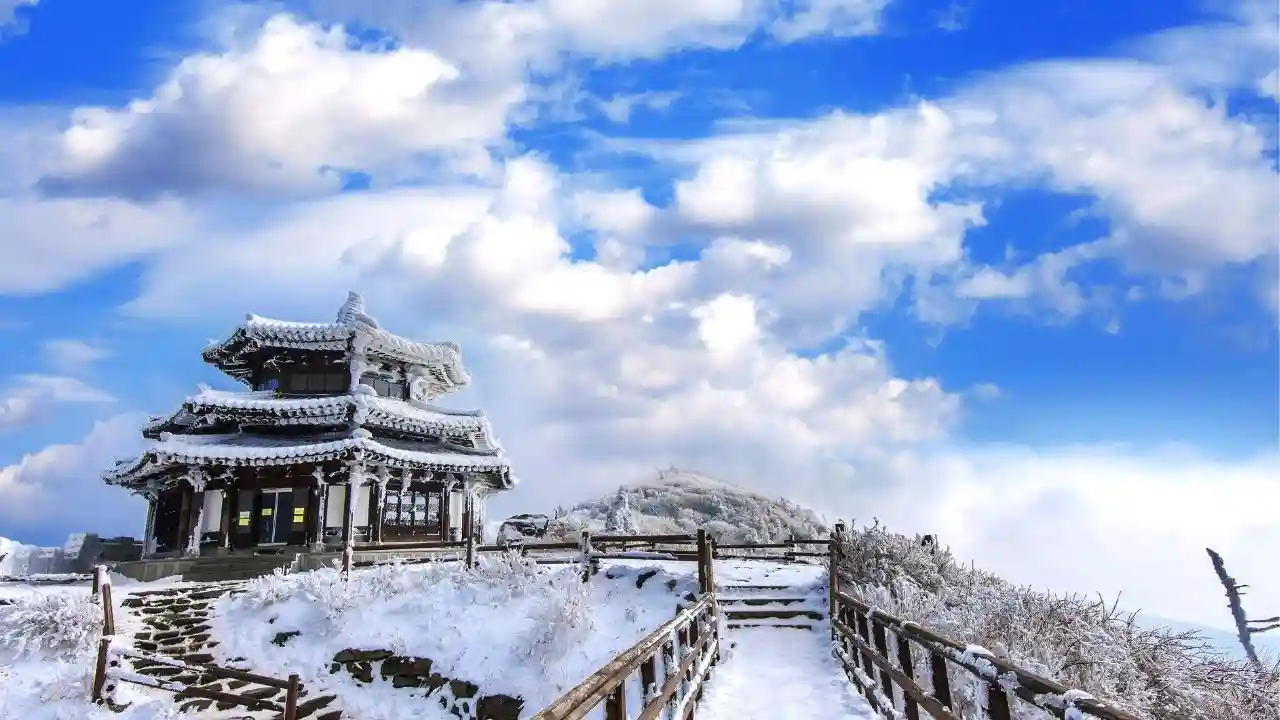
The month of January in Japan is silent, cold and perfectly harmonised. Snow falls softly on top of temple roofs, steam comes out of open-air onsens, and the cities become lazy after the New Year rush. Japan in January is all about winter, presenting its most beautiful phase with clear skies, quiet streets and scenery that feels almost poetic. Be it the snow-covered villages in the
Japanese Alps or sunny coastal cities in the south, Japan has the most dramatic differences in weather, culture and experience. With seasonal festivals, winter food at its comforting best and fewer crowds at major attractions being included, January is one of the most rewarding months to visit Japan at a leisurely, slow pace. Choose the best Japan Tour Packages and read on to explore everything you want to know to plan the best trip this January.
Japan Weather in January
The winter in Japan is in full force during January, and thus it is all about cold temperatures, clear skies and is full of snow in the northern and mountainous parts. It is also one of the driest months in most parts of the country, hence sunshine days and excellent visibility of the sightseeing areas. Whereas areas such as Hokkaido and the Japanese Alps are covered with snow, the Southern parts are relatively hot. Most cities have weather that is not harsh but crisp, and thus it is comfortable to go out to explore the outdoors with the right winter clothes.
Temperature in Japan in January:
Tokyo & Central Japan: 1°C to 10°C, cold mornings, sunny days
Kyoto & Osaka: 2°C to 9°C, chilly with low rainfall
Hokkaido: -12°C to 0°C, heavy snowfall and winter landscapes
Okinawa: 15°C to 20°C, mild and pleasant, light winter vibes
Best Places in Japan to Visit in January
January is one of the most underrated months to explore the places to visit in Japan. Snow landscapes, fewer crowds, seasonal festivals, and crisp winter skies change the mood of even the most popular destinations.
1. Jigokudani Monkey Park (Nagano)
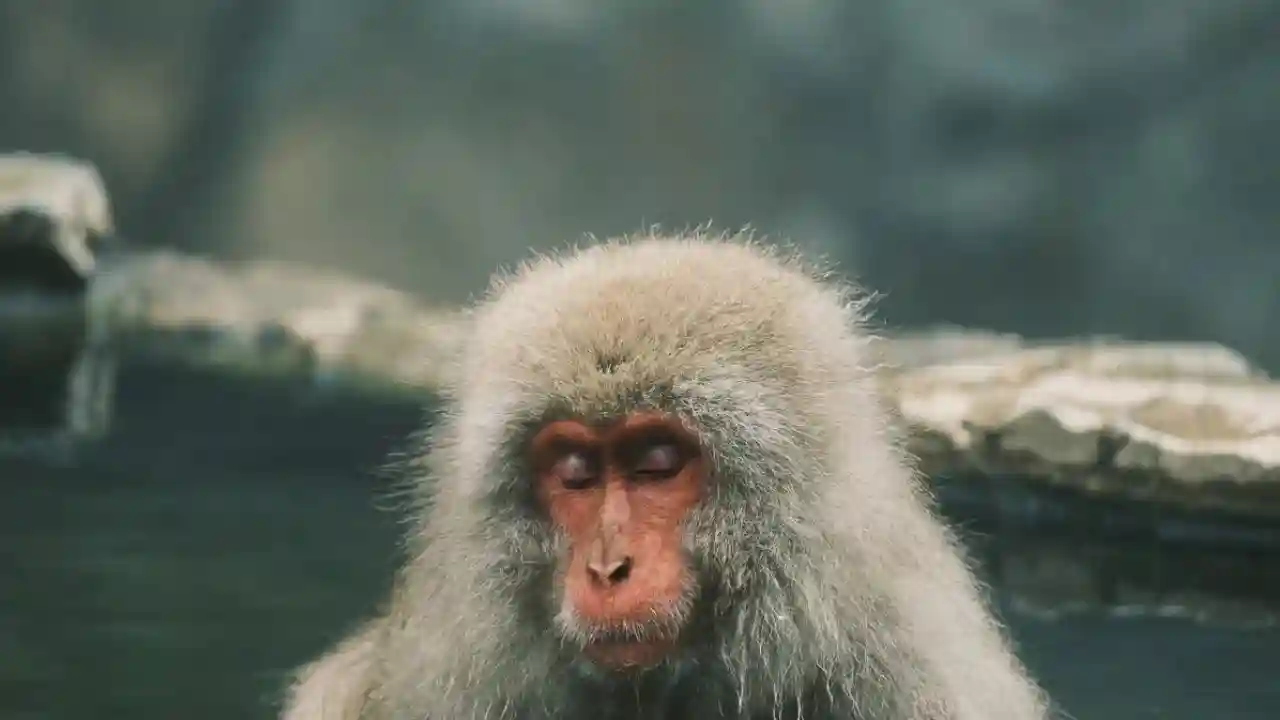
One of the most popular winter experiences in Japan in January is visiting the Jigokudani Monkey Park, which is known to have the wild Japanese macaques bathing in the natural hot springs. In midwinter, the trees around are covered by a heavy snow cover, and the hot onsen pools make a great contrast to the cold air. The monkeys leave the mountains to keep warm, and therefore, in January, it has the highest chance of seeing this rare behaviour. The park has an access road and a scenic forest trail, which contribute to the experience. The image of monkeys in the snow bathing in the hot springs is very Japanese and memorable.
Location: Yamanouchi, Nagano Prefecture
Entry Fees: ₹450- ₹500 (¥800) for adults; ₹225- ₹250 (¥400) for children
Timings: 9:00 AM - 4:00 PM (winter schedule)
2. Shirakawa-go Village (Gifu)
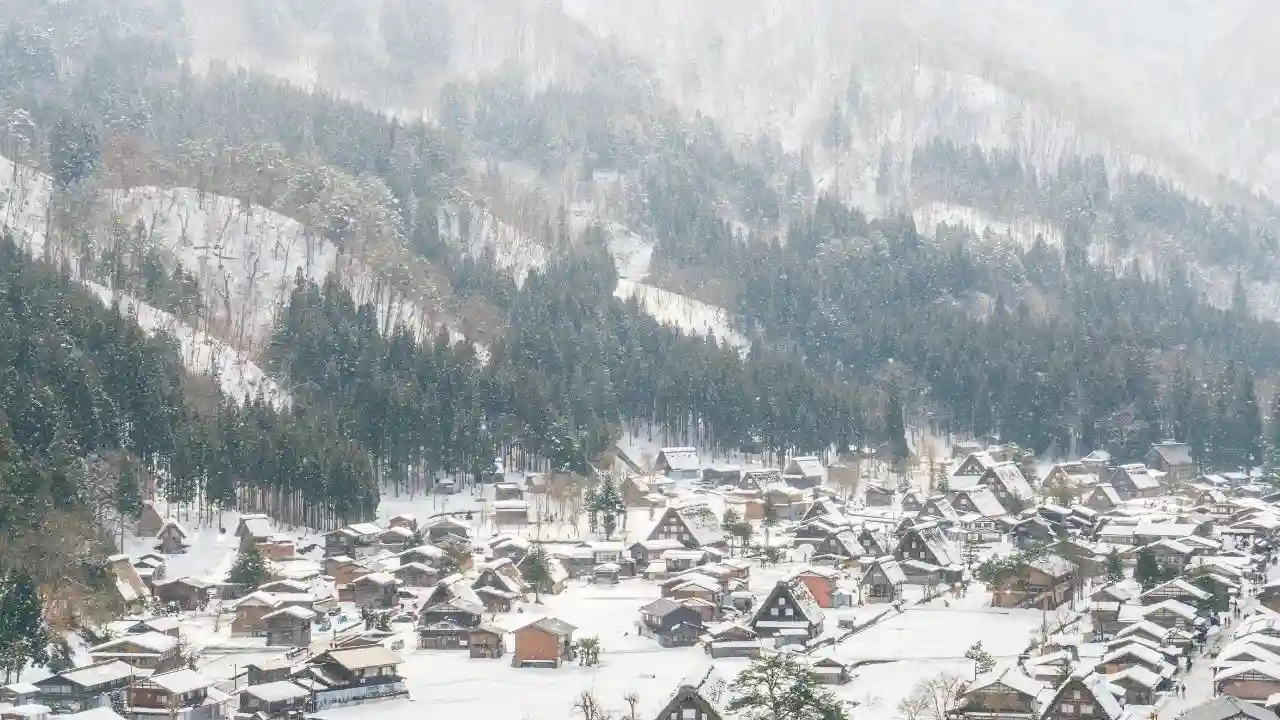
In January, Shirakawa-go becomes a winter wonderland when heavy snow turns this UNESCO-designated village into one of the most photogenic destinations in Japan in January. The steep, thatched gasshō-zukuri houses are anthropogenically designed to bear the load of snow and create a striking white landscape in winter. A walk through the village provides a glimpse into the traditional livelihood of the mountain people, well-preserved over centuries. The nightlife in Japan during winter is made more magical by illuminations and draws visitors from all over the country. This makes January an especially good time for tourists who want to blend cultural insight with dramatic snowscapes.
Location: Ogimachi, Shirakawa-mura, Gifu Prefecture
Entry Fees: Free village access; ₹170- ₹350 (¥300- ¥600) for museum houses
Timings: 9:00 AM - 5:00 PM (museum timings vary)
3. Hakone & Lake Ashi (Kanagawa)

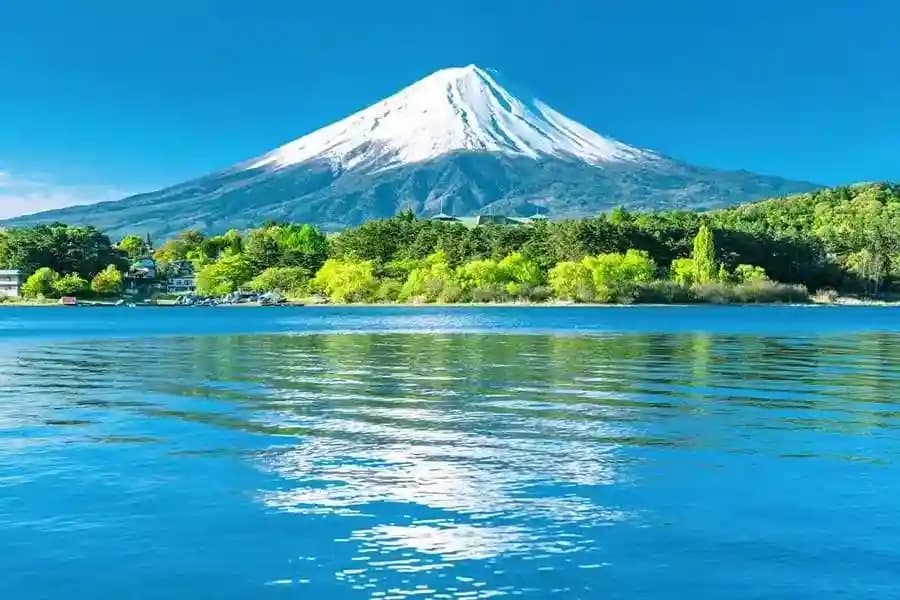
Hakone offers a serene and picturesque winter getaway, making it one of the top destinations to visit in Japan in January. Brisk, clear days increase the chances of seeing Mt. Fuji from Lake Ashi, especially in the morning. It is famous for its hot springs, which take on enhanced soothing qualities during winter, along with ropeway rides, lake cruises, and the volcanic activity of Owakudani. Compared to high seasons, January sees fewer visitors, so you can travel at a much more leisurely pace. Hakone also suits nature lovers and those who would enjoy cultural experiences and relaxation without travelling far from Tokyo.
Location: Hakone, Kanagawa Prefecture
Entry Fees: ₹300- ₹1,200 (¥500- ¥2,000) for onsens; cruise fees vary
Timings: Onsens generally 7:00 AM - late evening; cruises operate during the day
4. Niseko Ski Resorts (Hokkaido)
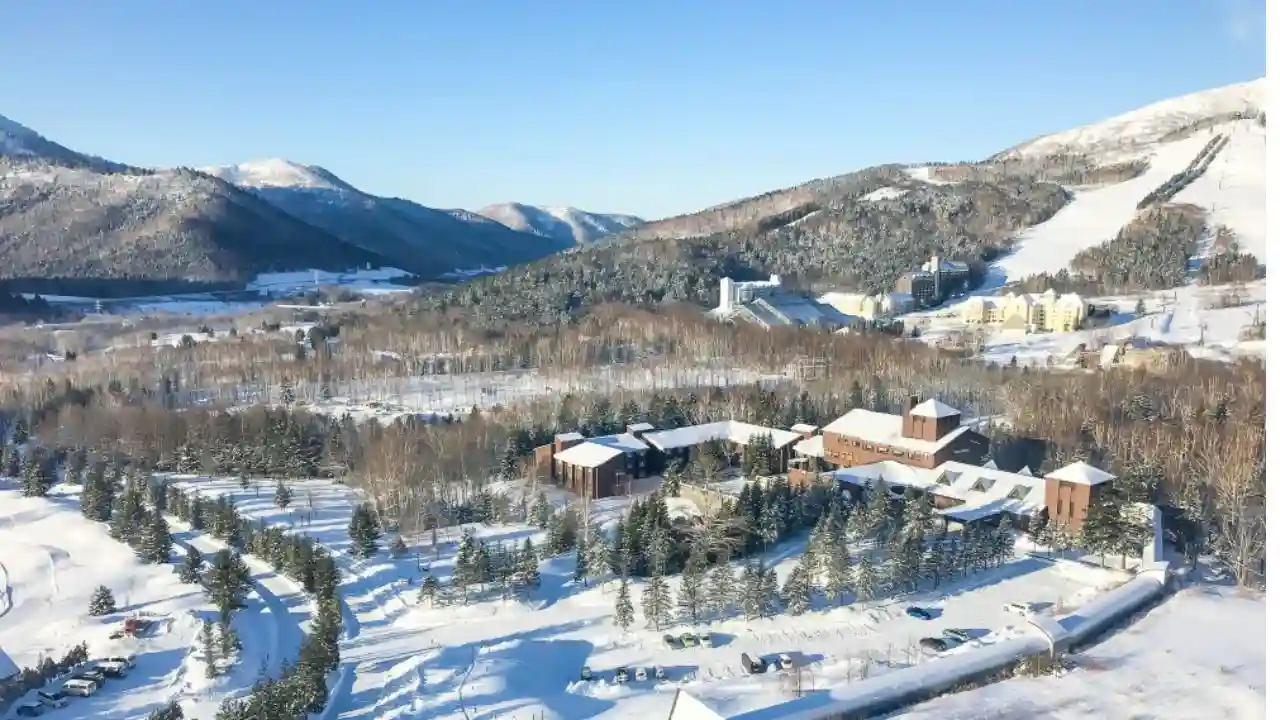
January is the heart of the skiing season in Hokkaido, and Niseko boasts international fame for light, powder-like snow. Tourist resorts include Grand Hirafu, Annupuri, and Hanazono, all with wonderful terrain available for both the novice and more seasoned skier. Visitors who do not ski may be equally pleased with the lushly snowed landscapes, warm cafés, and hot spring baths after outdoor activities. Niseko boasts an international atmosphere, many English-speaking facilities, and almost guaranteed snowfall. For lovers of snow, January in Niseko provides some of Asia's best skiing conditions.
Location: Niseko, Hokkaido
Entry Fees: ₹2,800- ₹3,200 (¥5,000+) for daily lift passes
Timings: Ski lifts usually 8:30 AM - 4:00 PM (varies by resort)
5. Ginzan Onsen (Yamagata)
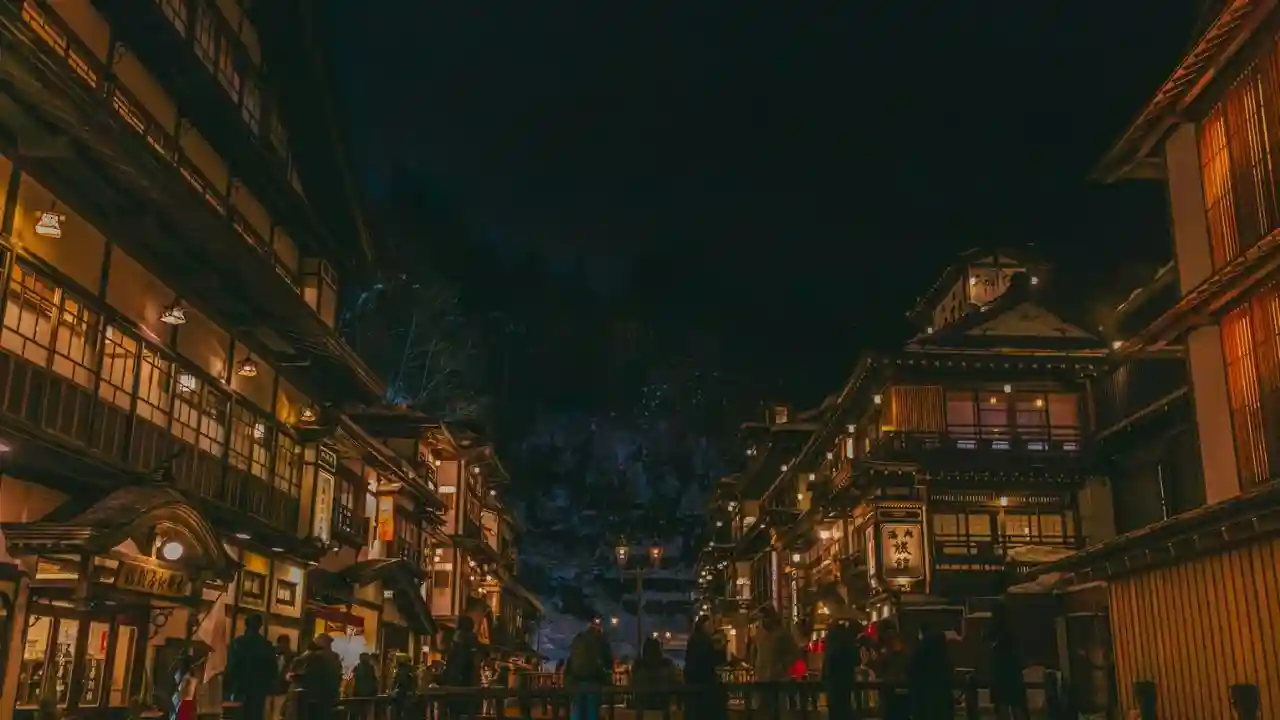
Ginzan Onsen is among the most atmospheric winter towns to visit in Japan in January when deep snow lines the narrow streets, and the wooden ryokans shine under soft lantern lights. The whole town seems to exude historical continuity, with its traditional architecture, tranquil views of the river, and steaming hot spring baths that immerse one in a fairy-tale winter atmosphere. Visitors meander through the village, try local sweets, and bathe in public onsen as snow falls softly. The dramatic visual effect is best in January, making Ginzan Onsen another great destination for travellers in search of romance, nostalgia, or just classic Japanese winter magic.
Location: Ginzan Onsen, Yamagata Prefecture
Entry Fees: Free town access; ₹170- ₹300 (¥300- ¥500) for public baths
Timings: Public baths generally 10:00 AM - 9:00 PM
6. Sapporo Snow Festival (Hokkaido)
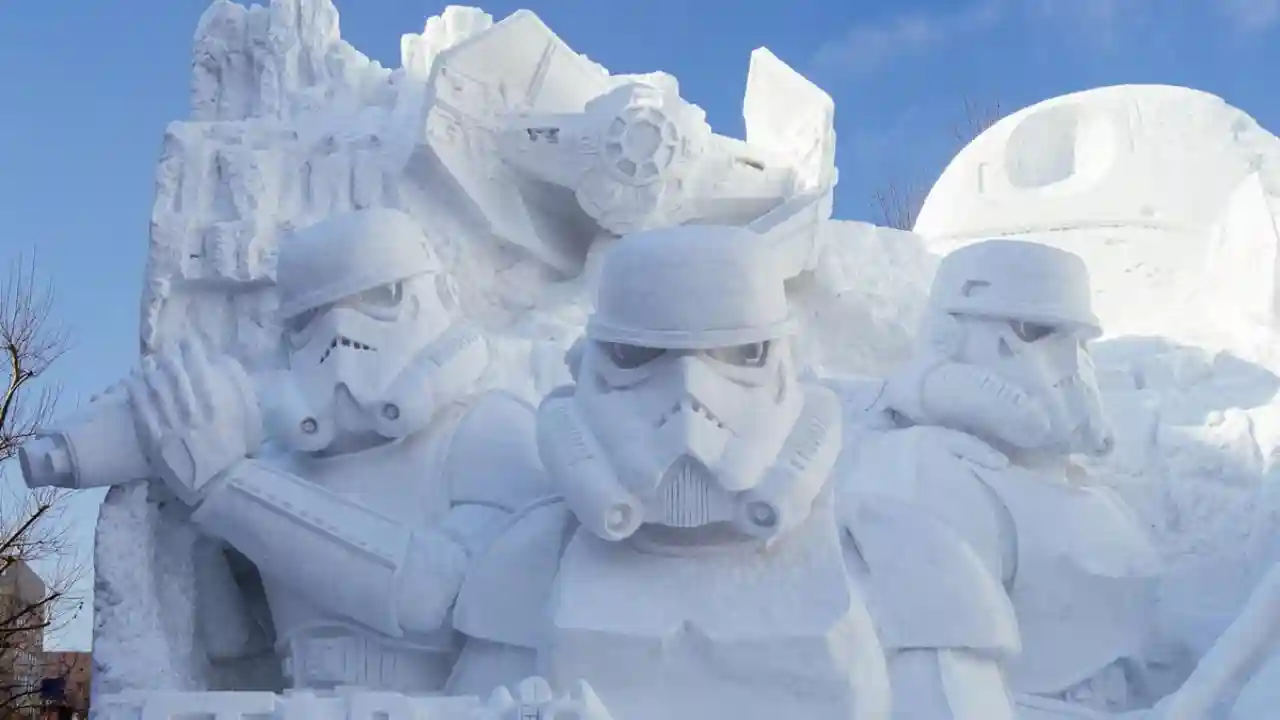
The Sapporo Snow Festival is one of the biggest winter events in Japan in January, held annually in early February, but with snow attractions visible through late January. Large snow and ice sculptures fill Odori Park, Susukino, and Tsudome sites, drawing in visitors from abroad. January is a very good time to see Sapporo before the peak festival crowds while still being able to experience snow-covered streets, winter food stalls, and cityscapes in winter. Linked with the nearby ski slopes and hot springs, it sets up Sapporo as a complete cold-weather destination.
Location: Sapporo City, Hokkaido
Entry Fees: Free (public festival areas)
Timings: Open all day; illuminations after sunset
7. Kyoto Temples in Winter (Kyoto)
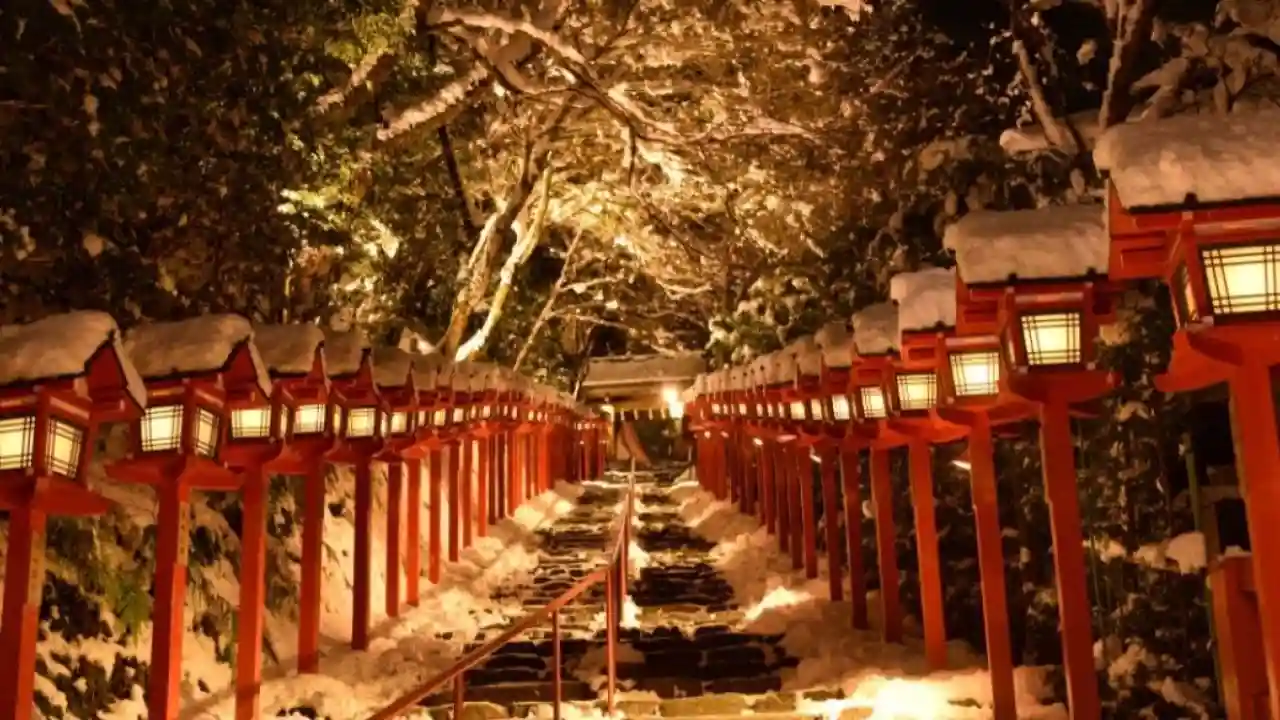
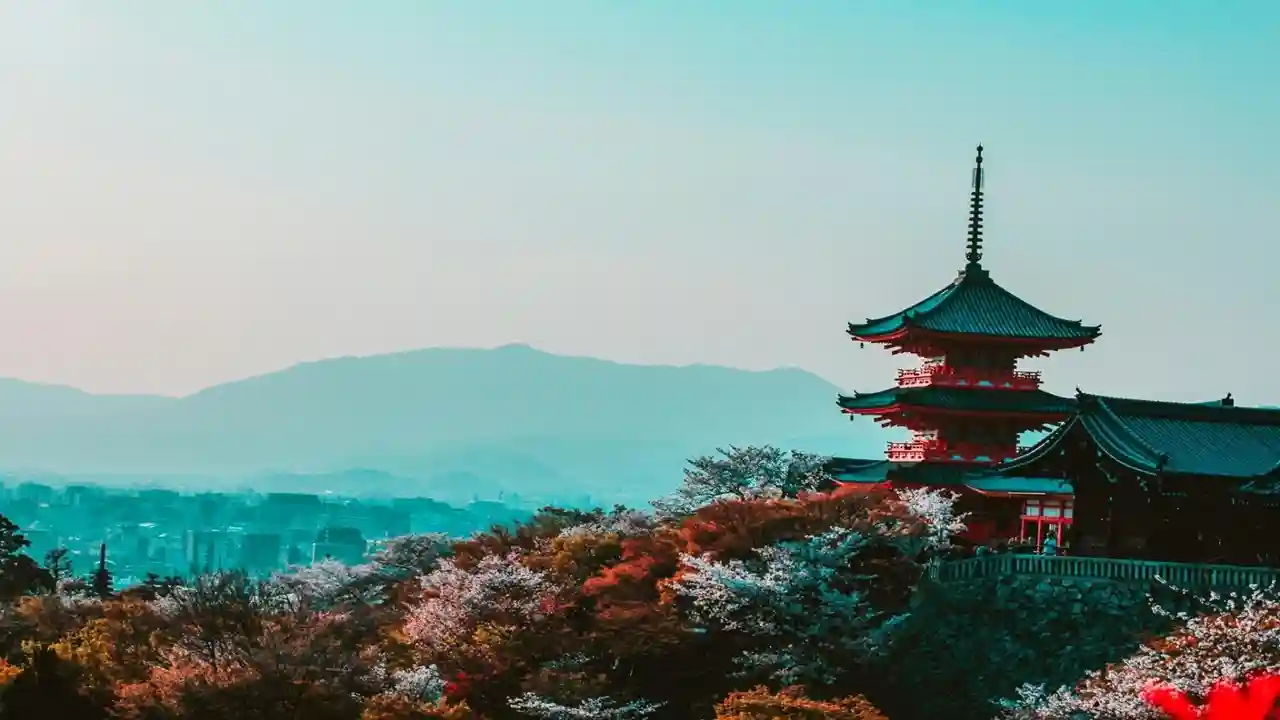
Kyoto is serene and quiet in Japan in January, unlike the months of cherry blossoms that involve crowds of visitors. Light snowfall may sprinkle iconic temples, such as Kinkaku-ji, Ginkaku-ji, and Kiyomizu-dera, with a light dusting on rare occasions. Crisp mornings give clear skies and reduced tourist numbers allow for tranquil temple visits. January has unique winter temple openings and traditional rituals. A winter visit to Kyoto allows a deeper appreciation of its heritage, architecture, and gardens at a more leisurely pace, in keeping with itineraries that are culture-driven.
Location: Kyoto City, Kyoto Prefecture
Entry Fees: ₹230- ₹350 (¥400- ¥600) per temple
Timings: 9:00 AM - 5:00 PM (varies by temple)
8. Takayama Old Town (Gifu)
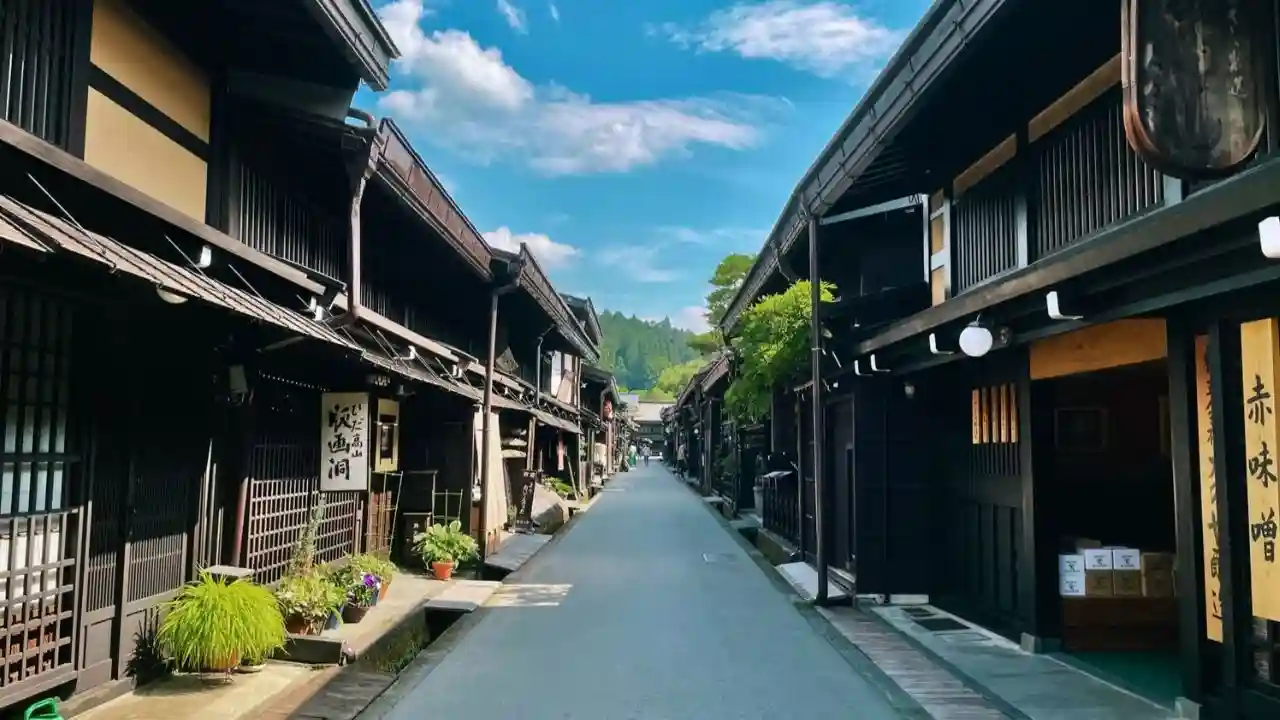
Takayama's well-preserved old town becomes even more atmospheric in January, with snow settling over wooden merchant houses and narrow lanes. Winter enhances its Edo-period charm, with local markets and sake breweries still operating, albeit in the cold. The month of January is also an excellent time to enjoy hot Hida beef meals and warm sake tastings. Compared to the peak seasons, there are fewer visitors in Takayama, which enables a better personal experience. The surrounding mountains add scenic depth to this destination, making it ideal for those in search of culture, food, and the aesthetics of winter.
Location: Takayama, Gifu Prefecture
Entry Fees: Free old town access; ₹170- ₹300 (¥300- ¥500) for museums
Timings: Old town accessible all day; museums 9:00 AM - 5:00 PM
9. Zao Onsen & Snow Monsters (Yamagata)
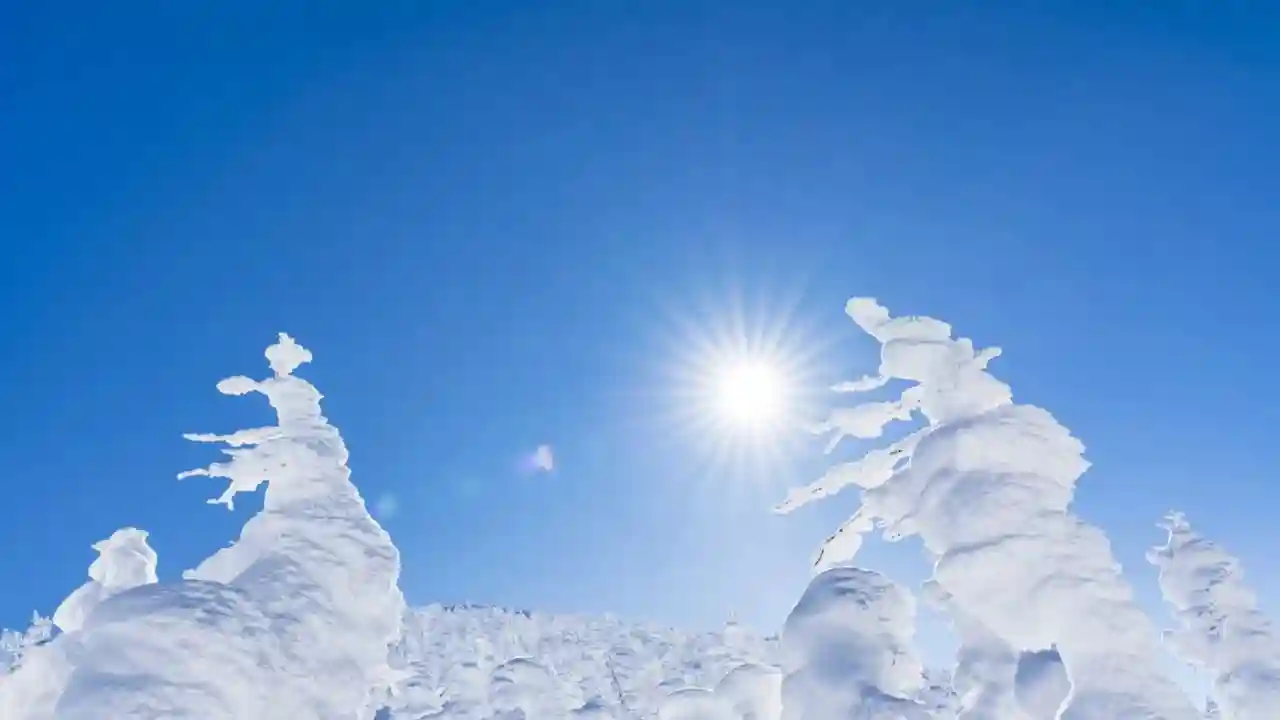
Zao Onsen is famous for its “snow monsters,” formed when freezing winds coat trees with layers of ice and snow. January is the month when this natural phenomenon can be seen at its height. This region offers skiing, ropeway excursions, and traditional hot spring baths, so one can enjoy these adventurous and relaxing types of activities. Night illuminations of the snow monsters create a surreal winter atmosphere. Zao Onsen would be just perfect for travellers in search of dramatic winter scenery without the crowds characteristic of larger ski resorts.
Location: Zao Onsen, Yamagata Prefecture
Entry Fees: ₹1,300- ₹1,600 (¥2,200- ¥2,600) for ropeway rides
Timings: Ropeway usually 8:30 AM - 4:30 PM
10. Tokyo Winter Illuminations (Tokyo)
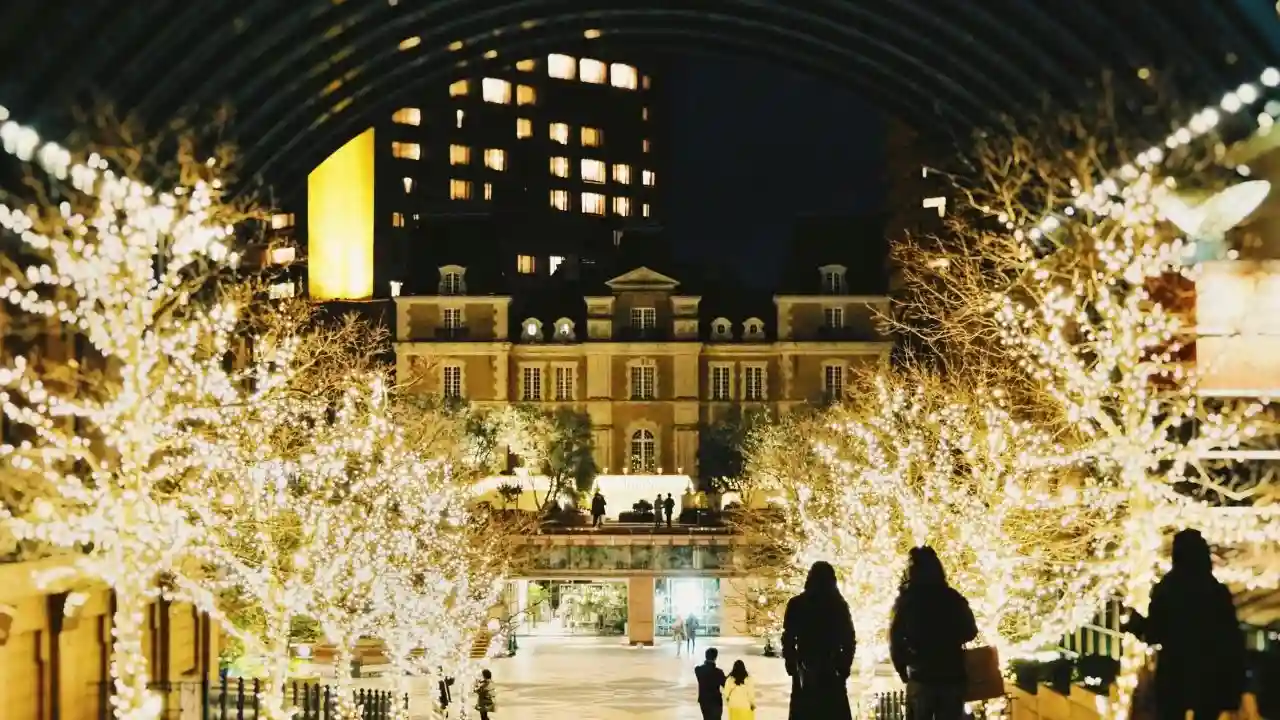
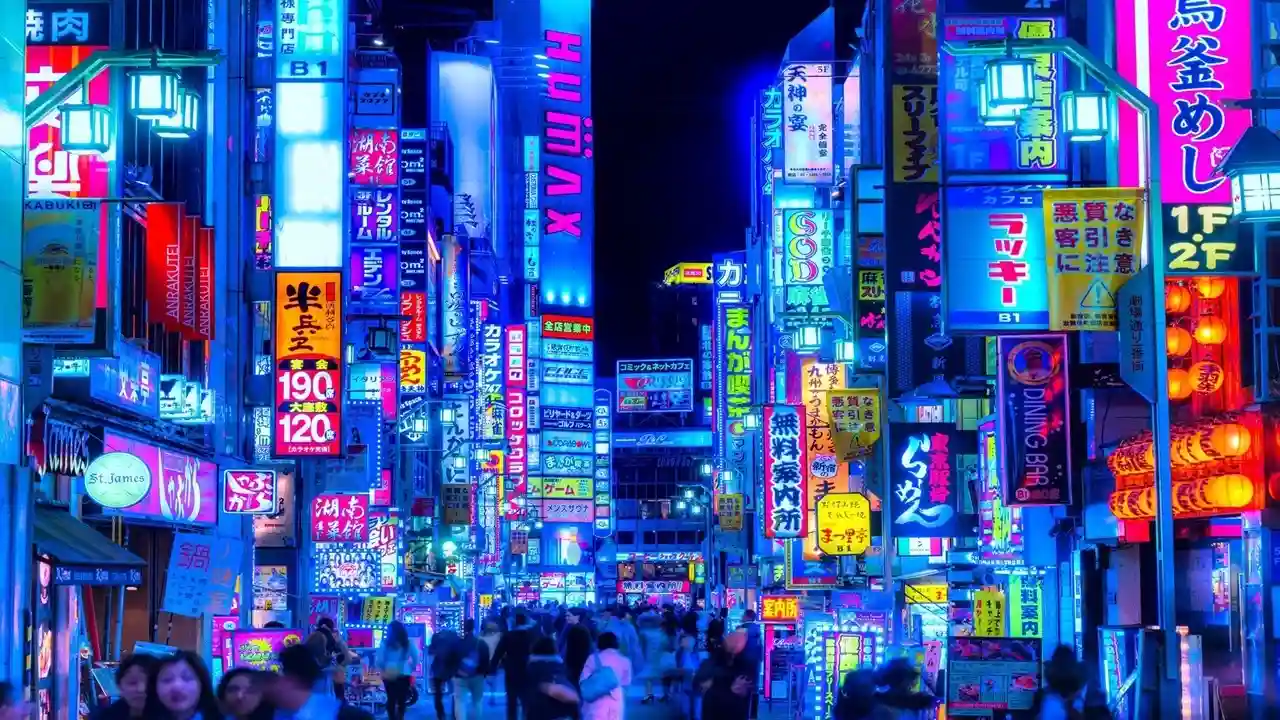
Tokyo in January balances festive illuminations with everyday city life, making it an attractive metropolitan destination during winter travel. Places like Shibuya, Roppongi, Marunouchi, and Tokyo Midtown have grand winter illuminations that often run well into January. Colder weather brings clearer skies, making city views and evening strolls possible. January sales, seasonal foods, and fewer tourists make shopping and sightseeing more comfortable. It is lively yet manageable, which pleases both the first-time tourist and the returning traveller.
Location: Tokyo City
Entry Fees: Mostly free (public illumination areas)
Timings: Illuminations typically 4:30 PM - 11:00 PM
Things to Do in Japan in January
Japan in January is about experiencing the things to do in Japan and the winter in a Japanese way. Be it snow adventures, seasonal food or cultural rituals, this month offers experiences that simply don’t exist at any other time of the year.
1. Soak in Outdoor Onsens Surrounded by Snow
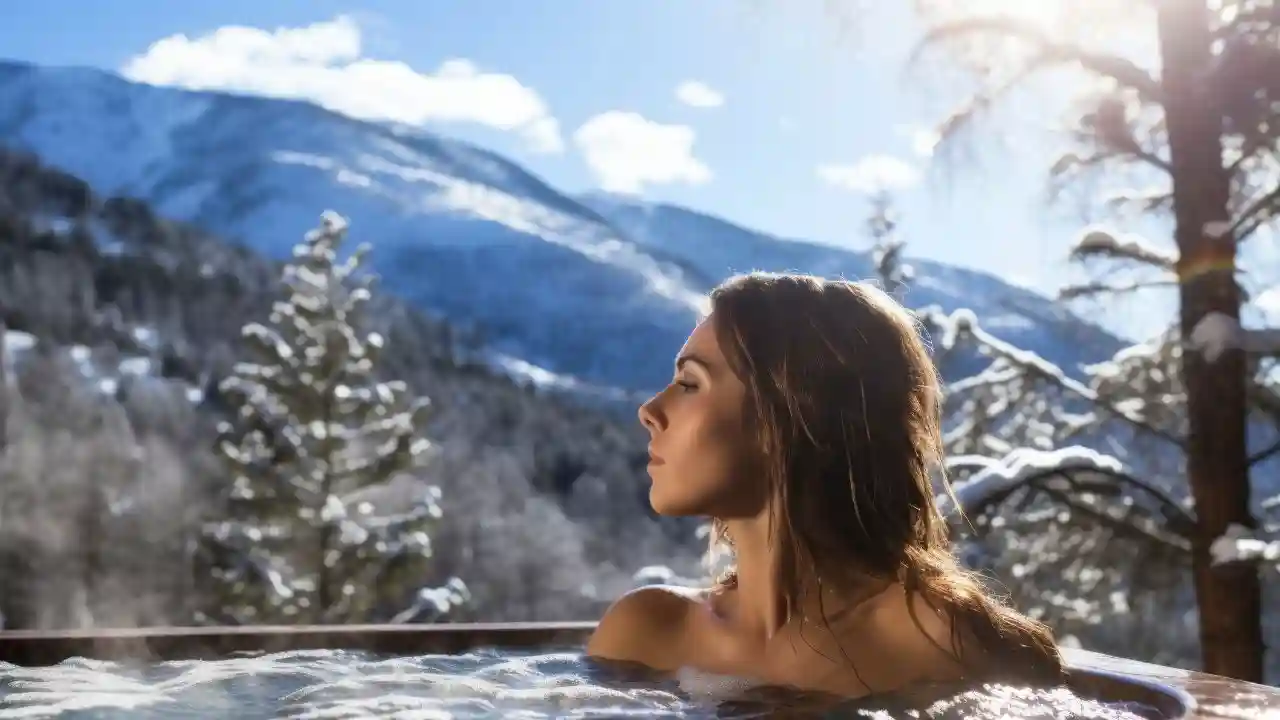
The hot springs of Japan in January are at their best if you want to enjoy the hot springs in Japan, especially the open-air rotenburo baths. The difference between the cold air and the hot mineral water makes a very soothing effect. Snowfall is also prone to add to the mood and make a mere soak seem almost meditative. Onsens are also reputed to make one feel less tired, enhance blood flow and heat the body after a winter walk. In Japan, winter bathing is also a part of the culture; it is a cultural and wellness experience.
2. Experience Japan’s World-Class Powder Snow
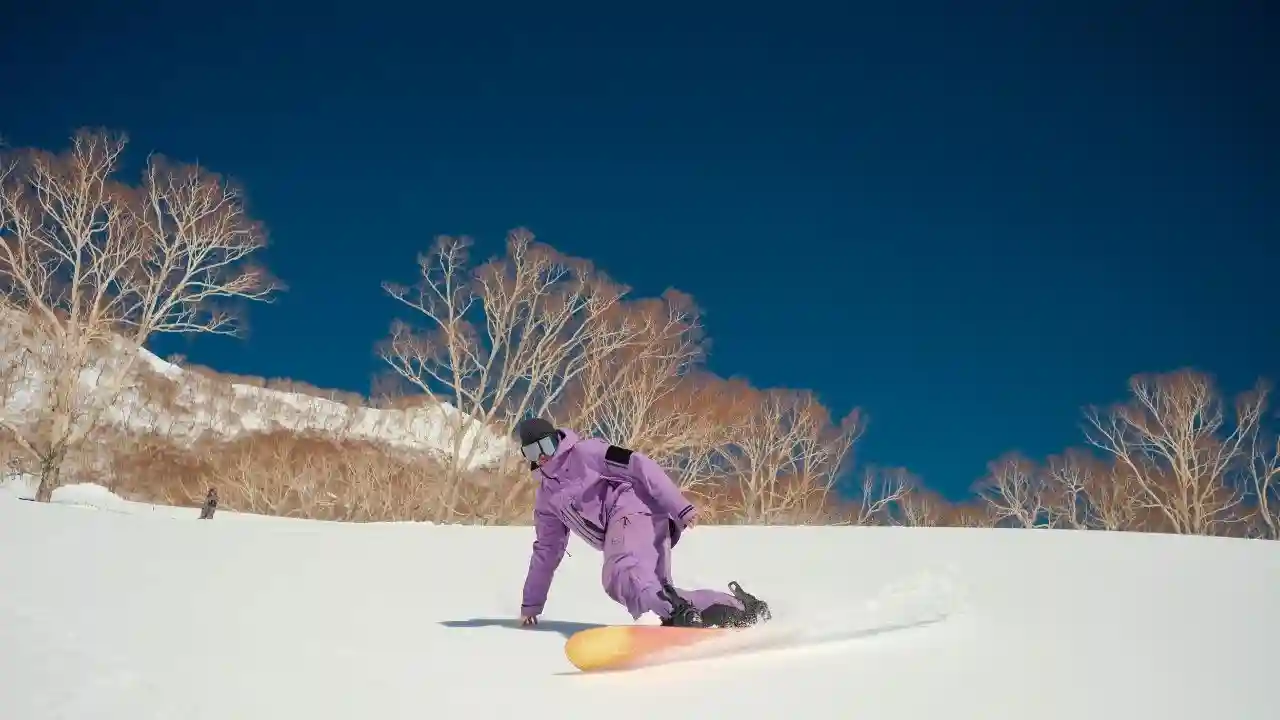
The snow that falls in winter, particularly in the northern parts of Japan in January, is known to be light and powdery. January is the most predictable month in terms of snowfall, skiing and snowboarding. Newbies can play on the smooth slopes, and the seasoned riders are able to play on the deep powder runs. In addition to sporting activities, there are snow activities such as sledging, snowshoeing and winter hiking that are highly accessible all month long, and one does not have to be an expert to enjoy the outdoor adventure.
3. Witness Snow Festivals and Ice Sculptures

The winter festivals start gaining momentum in January, and snow and ice figures are found in colder places. Massive hand-carved structures, artistic winter street food and light displays are the highlights of these festivals. January is the month that enables travellers to visit the early installations with fewer people, even before the peak festival dates. The process of strolling through light snow parks during the winter in freezing weather is surreal and festive, and one of the most visually impressive winter experiences in Japan.
4. Enjoy Seasonal Winter Food and Hot Comfort Dishes

The winter food in Japan is best tried during January, as it is all about warmth and food. Menus are dominated by hot bowls of ramen, often simmered with vegetables and fish cakes, grilled seafood and seasonal crab dishes. Winter strawberries, mochi sweets and hot sake are also introduced. Cold weather adds flavours to food, making food experiences richer and more comforting. Eating in winter is more leisurely, more substantial and more fulfilling than eating in other seasons.
5. Take Part in New Year Traditions and Temple Visits

Early January is when Japan observes traditional New Year customs, known as Hatsumode. Locals visit temples and shrines to pray for health, success and happiness. Visitors can witness the best of new year in Japan through rituals like bell ringing, fortune slips and ceremonial offerings. Even later in the month, temples remain calm and spiritually charged. Participating respectfully in these traditions offers insight into Japanese beliefs and everyday life beyond typical tourist experiences.
Travel Tips for Visiting Japan in January
January brings crisp winter weather, snow-covered landscapes and fewer crowds across Japan. While travel during this month is rewarding, cold temperatures and shorter days require better planning. Packing right, managing daylight hours and understanding winter transport conditions will help make the trip smoother and more comfortable, especially in snow-heavy regions.
Pack thermal layers, waterproof jackets, gloves and non-slip winter shoes
Expect shorter daylight hours; plan outdoor sightseeing earlier in the day
Check train and bus schedules in snow regions before travelling
Book ski resorts and onsen towns in advance due to winter demand
Carry cash for rural areas and small eateries
Use heat packs (kairo) for extra warmth during outdoor walks
Avoid tight travel connections in snowy destinations
Take advantage of fewer crowds for relaxed sightseeing
Choose accommodation close to train stations to avoid long walks in the cold
Keep extra time for transfers when travelling to mountain or snow areas
Use luggage forwarding services to avoid dragging bags through the snow
Try winter-only foods and seasonal menus available in January
Check the opening hours of attractions, as some close earlier in winter
Carry lip balm and moisturiser, as winter air can be very dry
Download offline maps in case of weak signals in rural regions
Conclusion
January is one of the most underrated times to explore Japan. This is because Japan in January offers a whole new, different side of the country that many travellers miss. Landscapes covered with snow, steaming hot springs, winter festivals and peaceful cities- all come together to create a one-of-a-kind atmosphere that is magical and out of the world. If you’re someone who loves fewer crowds, clearer skies and seasonal food at its best, you should definitely choose this month to experience a more relaxing and immersive travel.
Be it the adventurous skiing in powder snow or visiting quiet temples as well as evening illuminations, every experience here feels more personal during this month. Plan smart such that the rewards are well worth it. For travellers who enjoy winter beauty, cultural depth and slower exploration, Japan in January delivers unforgettable moments without the rush of peak seasons.