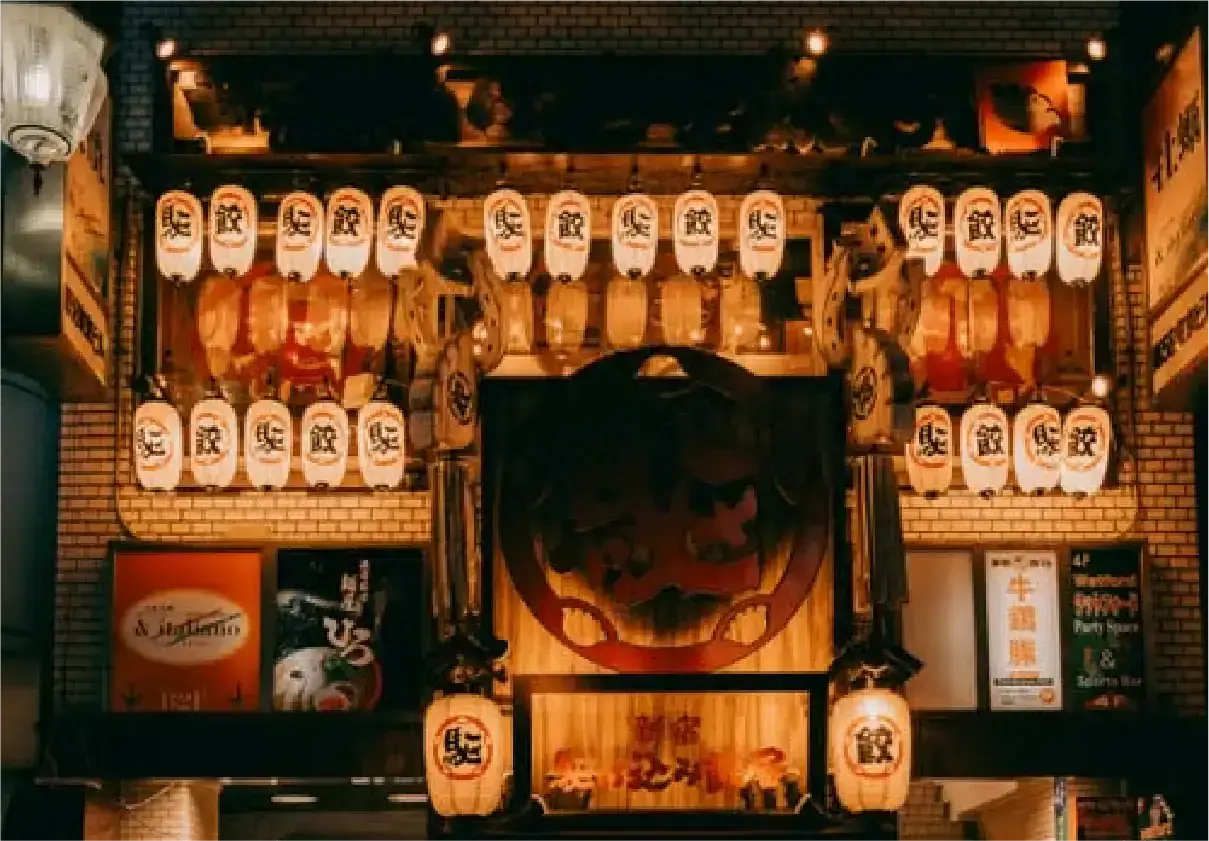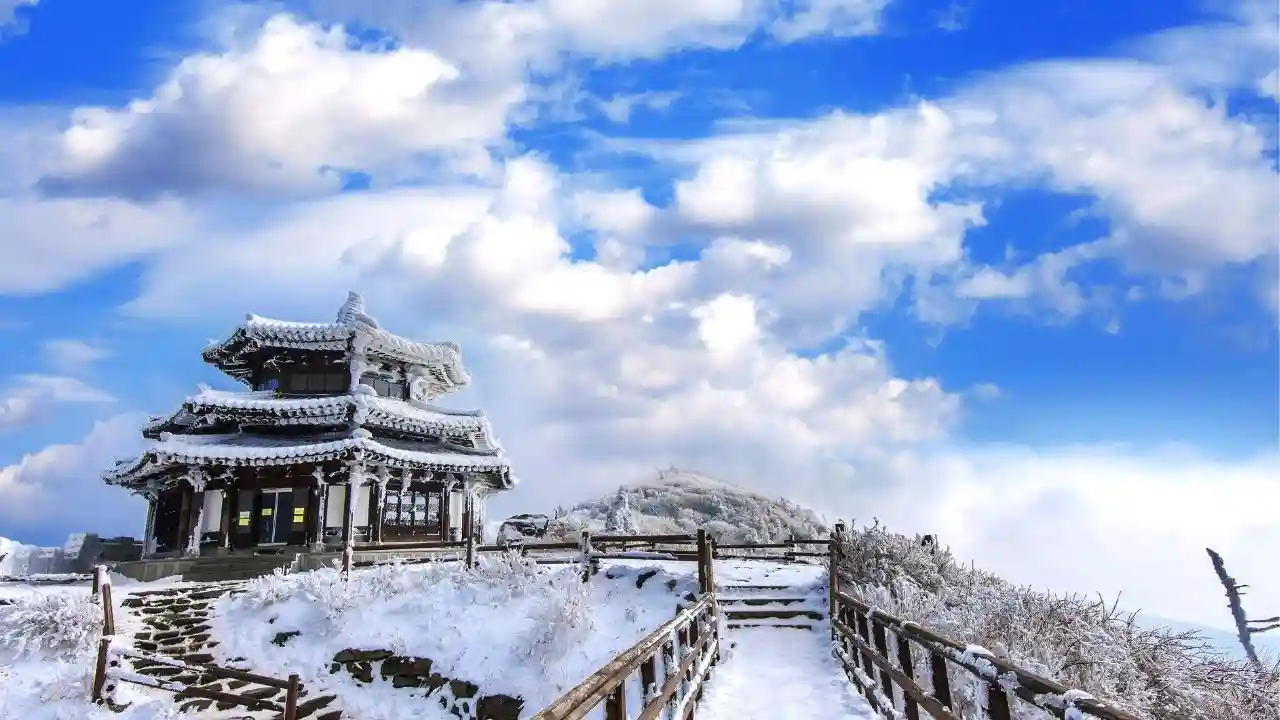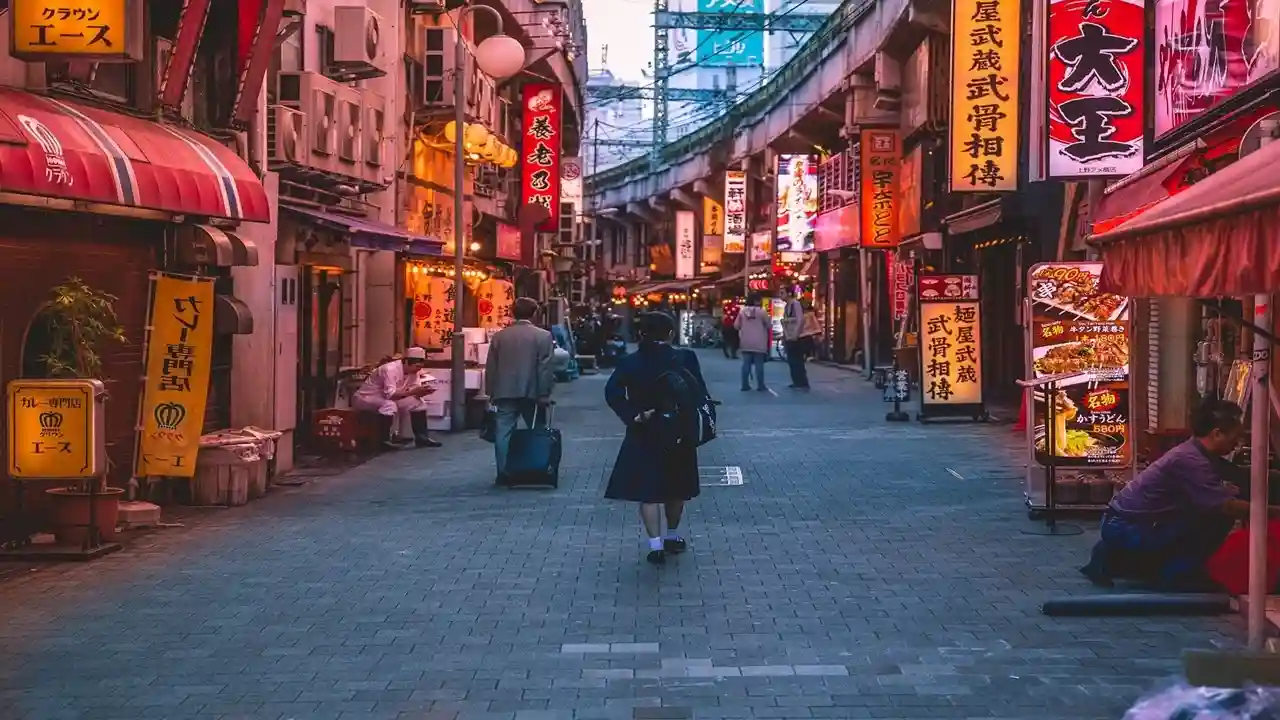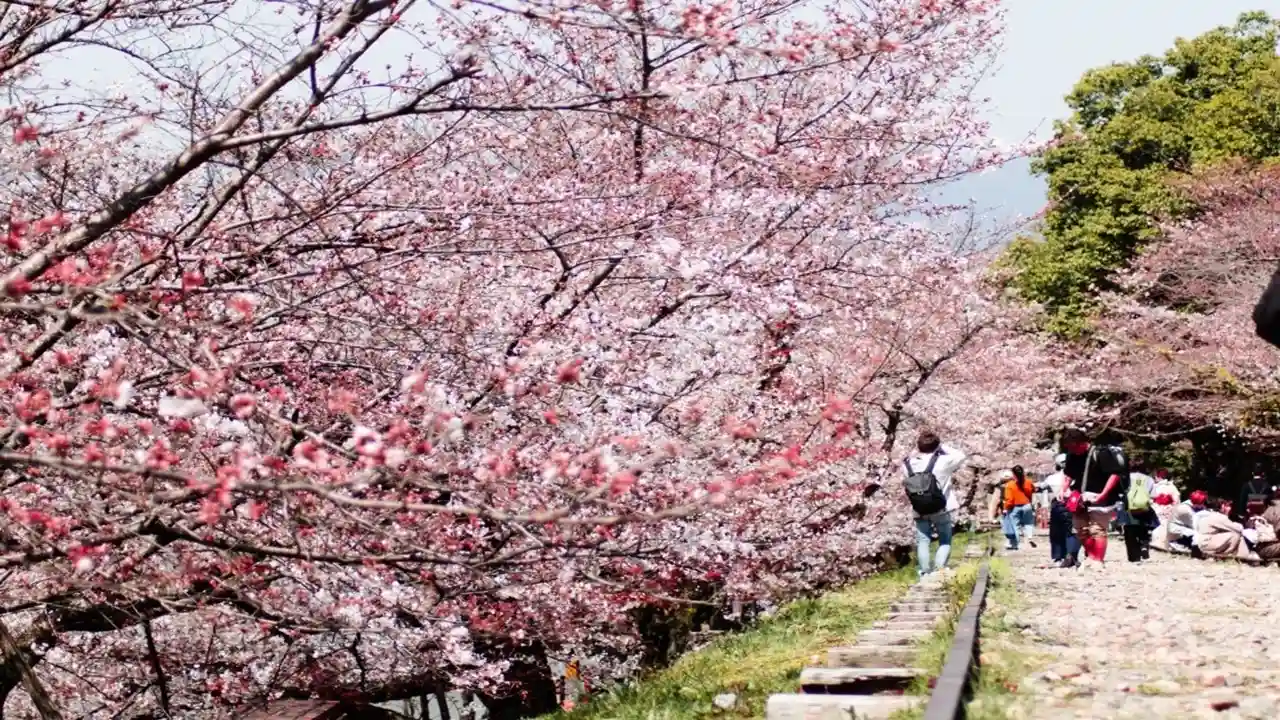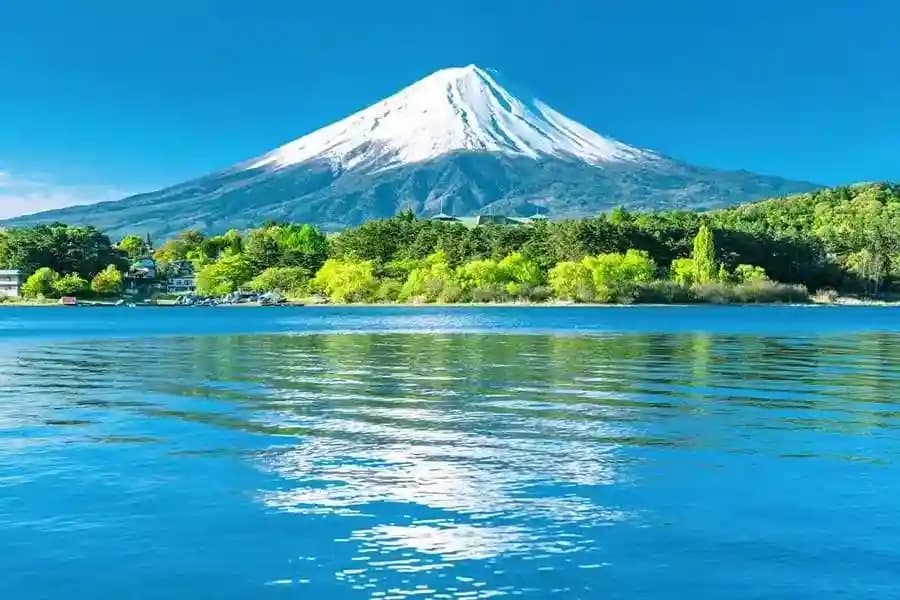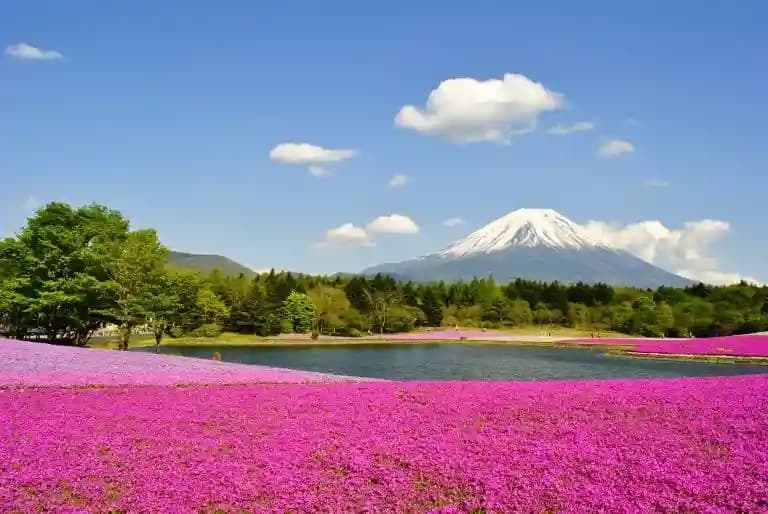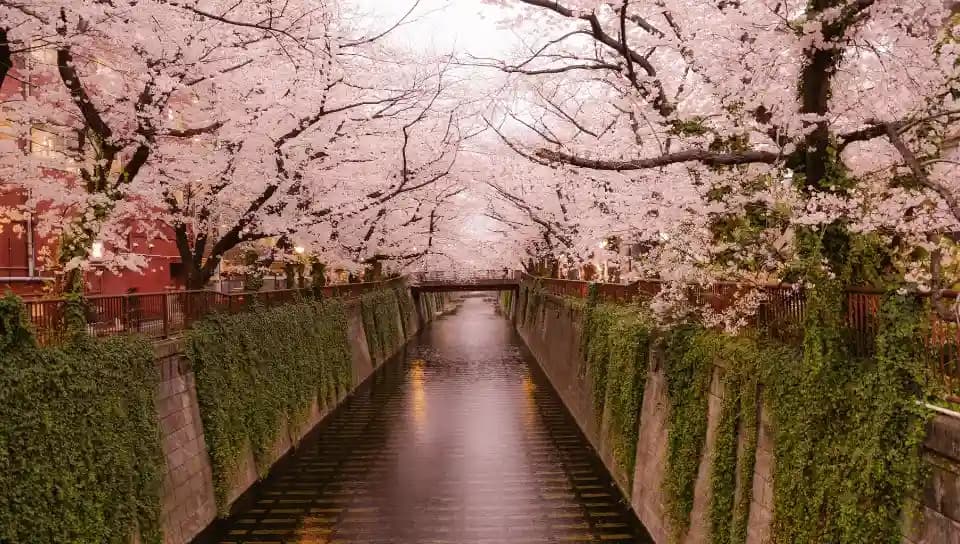
Kyoto remains one of Japan’s most charming cities, where centuries-old temples, quiet gardens and lantern-lit streets sit beside lively markets. The city feels warm and inviting, with many small moments that stay with you as you explore. For anyone looking for the best places to visit in Kyoto, the city offers beauty in every season, from cherry blossoms to autumn colours and peaceful morning walks.
This guide brings together the main attractions along with timings, seasons and simple travel pointers that help you plan without confusion. It suits travellers who like exploring at an easy pace and want clear details in one place. Many visitors also choose a Japan tour package to make their trip smoother. With a bit of planning, your time in Kyoto can feel relaxed, scenic and easy to enjoy.
15 Best places to visit in Kyoto
Kyoto has countless temples and scenic spots, but a few classics always stand out. Below is a curated list of 15 best Kyoto tourist places, designed to give you a smooth and culturally rich experience.These spots also appear often in guides about Japan tourist places, making them ideal for anyone exploring the country for the first time.
1. Fushimi Inari Taisha: The Endless Gates
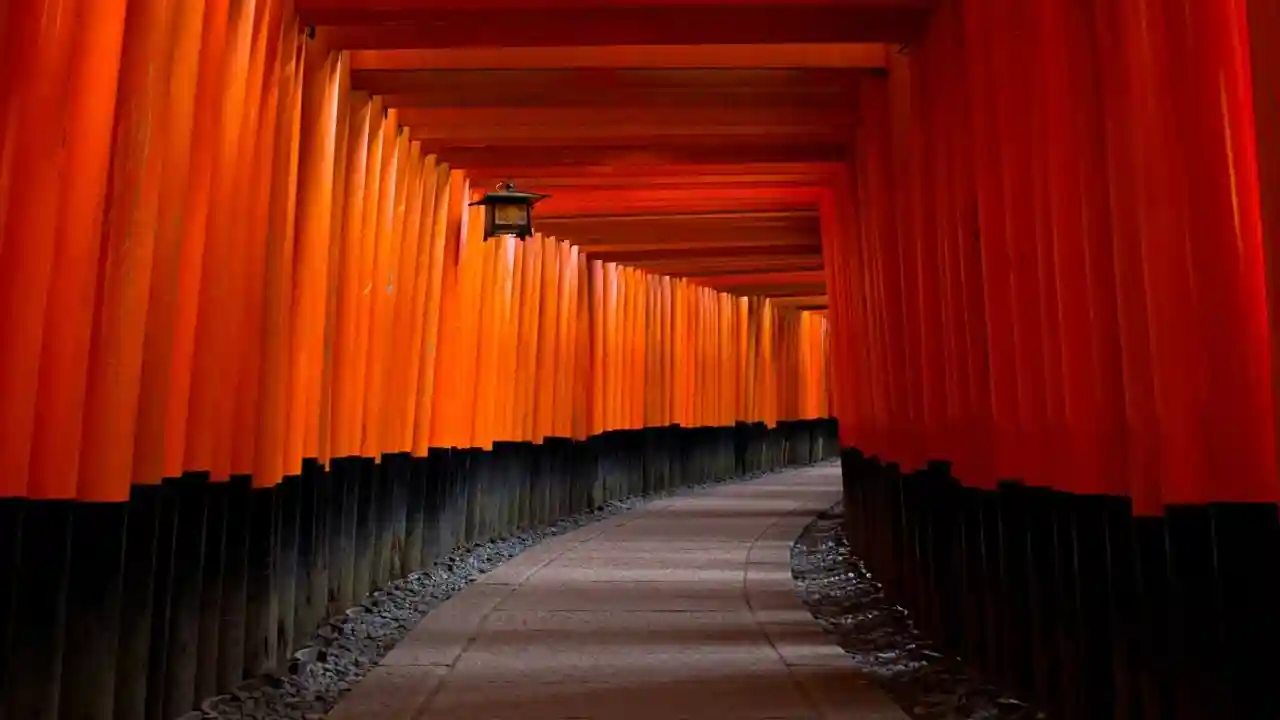
Fushimi Inari is arguably the most famous of all the best places to visit in Kyoto Japan. It is renowned for its thousands of bright red torii gates that form long, photogenic tunnels winding up the sacred Mount Inari. Dedicated to Inari, the Shinto god of rice and sake, this shrine is visually stunning and spiritually significant.
Many visitors walk only the lower stretches; those who climb higher enjoy quieter paths and small sub-shrines. Night visits are possible and sometimes feel magical under lantern light, but early morning gives the clearest photos and fewer crowds.
Timings: Always open; Admission is free.
Best Season: Spring and autumn are visually stunning and offer pleasant hiking temperatures.
Tip: Early morning (before 8 AM) gives the clearest photos and fewer crowds.
2. Kinkaku-ji (Golden Pavilion): A Glowing Landmark
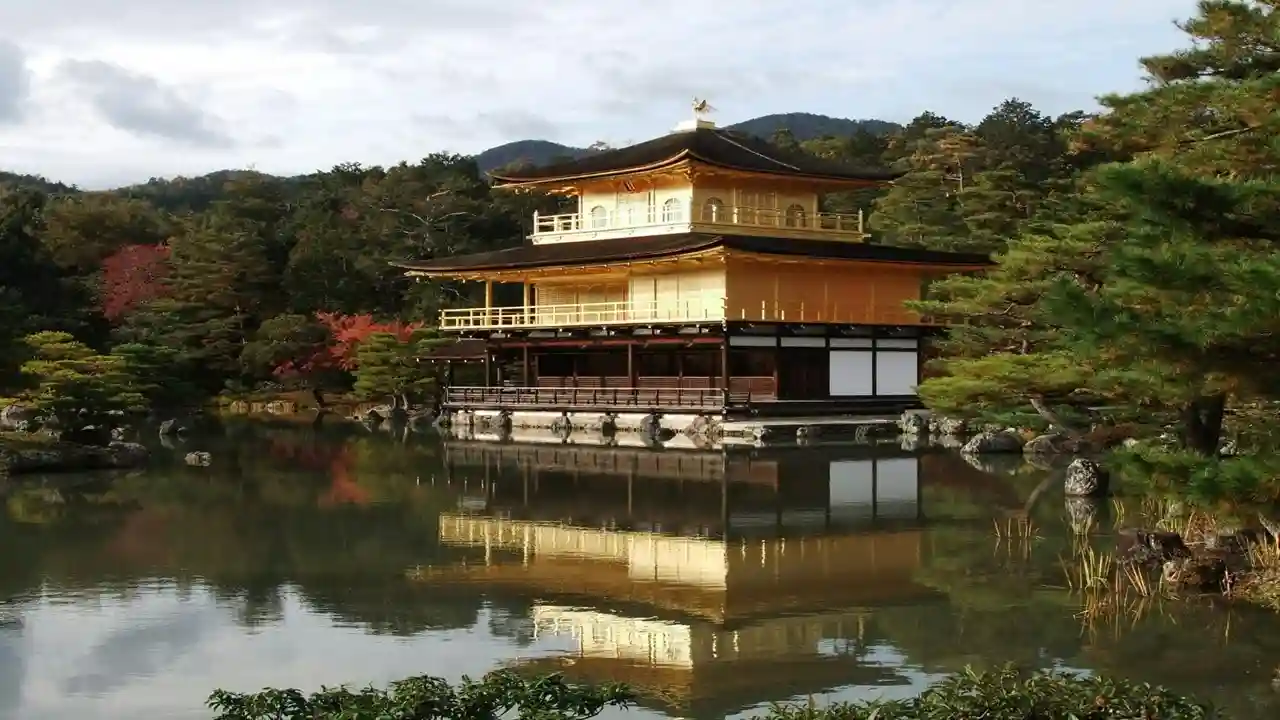
Known as the glowing landmark of the north, Kinkaku-ji features gold-leaf upper floors that shine beautifully above the calm Mirror Pond (Kyoko-chi). Originally built as a retirement villa for Shogun Ashikaga Yoshimitsu, it was later converted into a Zen temple. Its reflection on a clear day is one of the most recognisable views in the country.
The garden path leads you past the pavilion, the former head priest’s living quarters, and finally to a charming tea garden where you can enjoy matcha and sweets. The contrast of the brilliant gold against the green pine trees and blue sky is unforgettable, making it one of the top places to visit in Kyoto for any itinerary.
Timings: 09:00 – 17:00.
Best Season: Year-round; however, crisp autumn colours and snowy winter mornings are especially pretty.
3. Ginkaku-ji (Silver Pavilion)
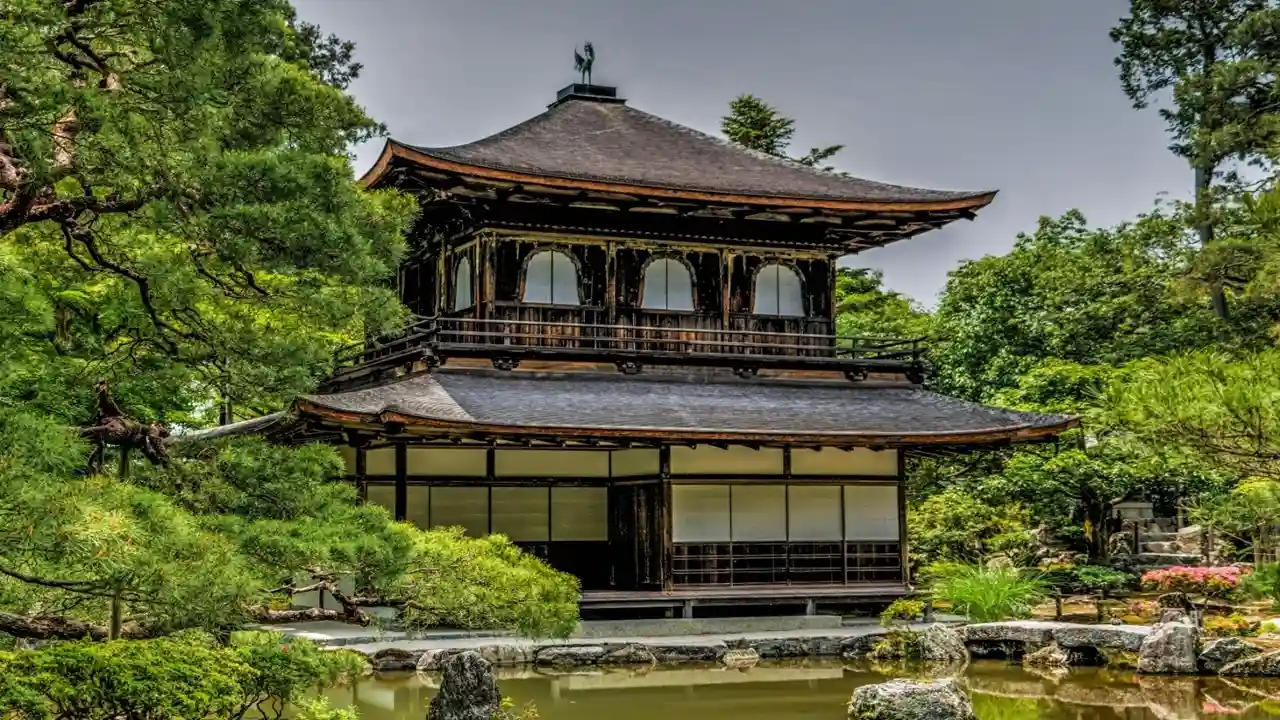
In contrast to the gold, Ginkaku-ji is a calm, beautiful temple famous for its meticulously raked sand garden, moss paths, and peaceful forested surroundings. Known as the "Sea of Silver Sand," the dry sand garden features a massive cone symbolising Mount Fuji.
It is an excellent place for slow walks and thoughtful photography. The walking path takes you up a small hill behind the buildings, offering a lovely view of the entire temple complex set against the city backdrop.
Timings: 08:30 – 17:00.
Best Season: Spring and autumn look especially scenic.
Tip: Combine this stop with the Philosopher’s Path for a smooth half-day route.
4. Kiyomizu-dera & Higashiyama Stroll

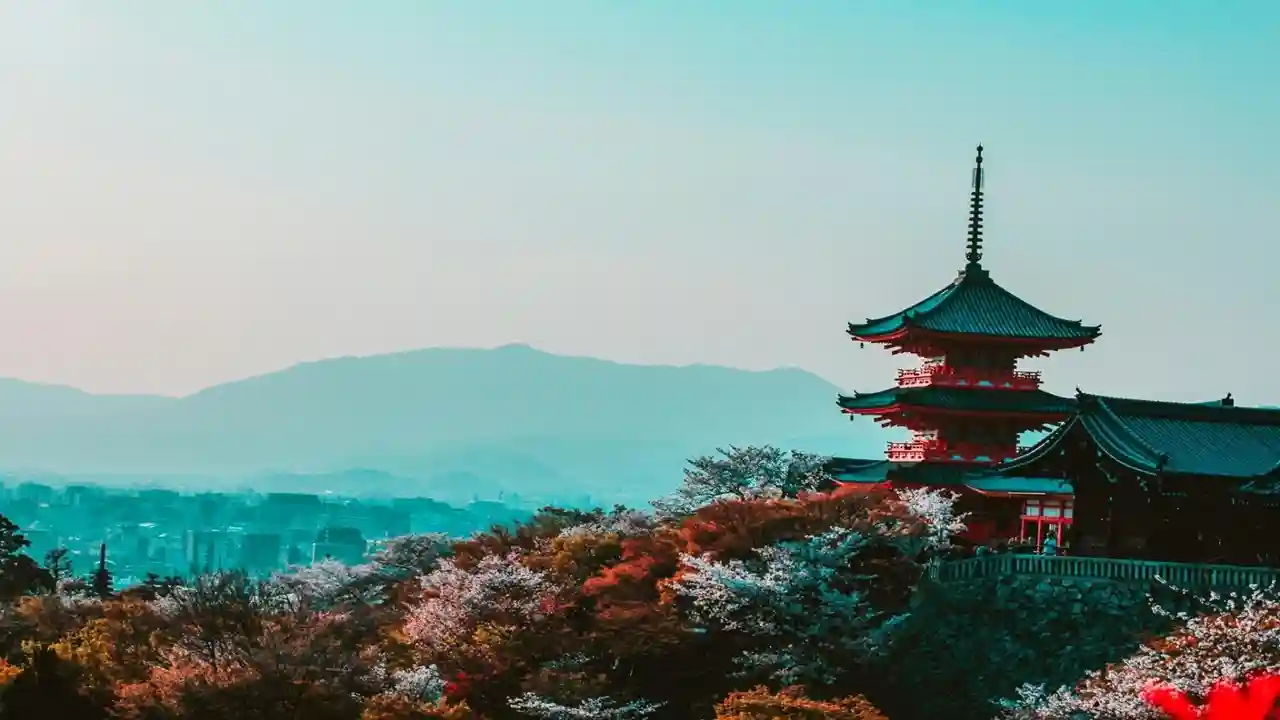
Kiyomizu-dera’s wooden stage looks over Kyoto and is part of a lovely walk through the Higashiyama district - narrow lanes, traditional shops and teahouses. The complex includes smaller temples and the famous Otowa waterfall where visitors drink from three streams (each stream has its own symbolic wish). The surrounding streets (Ninenzaka & Sannenzaka) are perfect for souvenir hunting and casual photography.
Timings: Opens early morning (around 6:00 AM) and closes evening (varies by season).
Best Season: Spring blossoms and autumn leaves frame the wooden stage perfectly.
Note: This is a UNESCO World Heritage site and a must visit of any Kyoto itinerary.
5. Arashiyama Bamboo Grove & Tenryū-ji
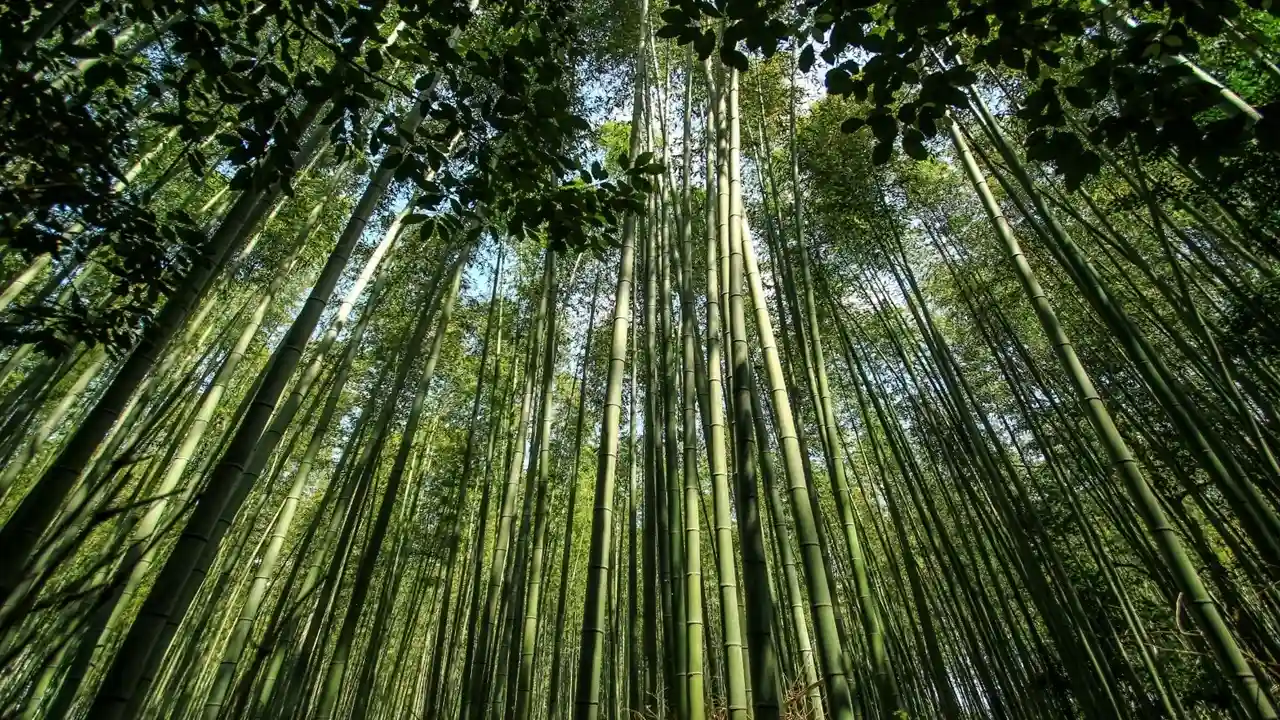
For nature lovers, the Arashiyama area in western Kyoto offers a serene bamboo grove walk and the UNESCO-listed Tenryū-ji temple. The towering bamboo stalks create an otherworldly atmosphere as they sway in the wind.
After walking through the grove, visit the Tenryū-ji garden, which is one of the finest examples of "borrowed scenery" (shakkei) design, using the Arashiyama mountains as a backdrop for the garden’s pond. You can also cross the iconic Togetsukyo Bridge and feed the wild macaques at the Iwatayama Monkey Park.
Timings: Bamboo grove is open 24/7; Tenryū-ji garden hours are typically 08:30 – 17:00.
Best Season: Spring and autumn for extra colour; winter for quieter visits.
Tip: Arrive by 7:00 AM to hear the rustling bamboo without the noise of crowds.
6. Nishiki Market
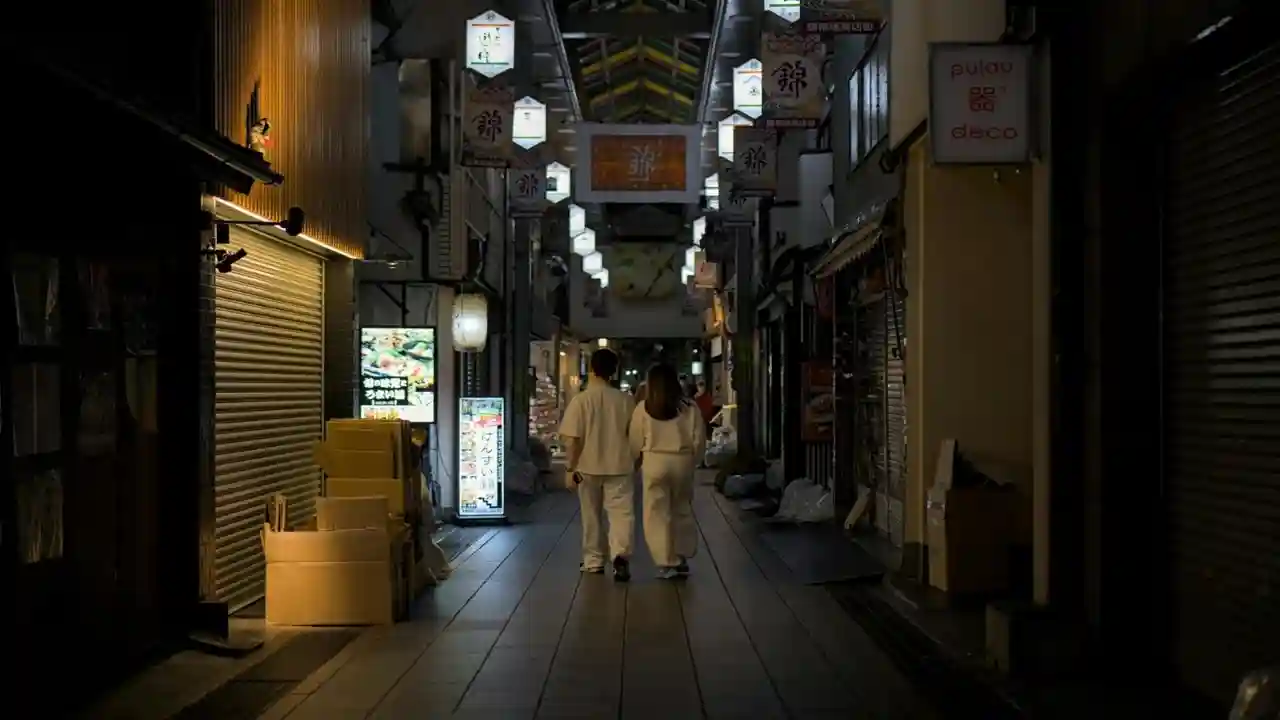
Known as "Kyoto’s Kitchen", Nishiki Market is a narrow shopping street ideal for sampling pickles, Japanese sweets, fresh seafood, and street snacks. It is a five-block long retail market with over one hundred shops and restaurants. Here you can try local specialities like Tako Tamago, soy milk doughnuts, and senbei (rice crackers). It is perfect for a casual food crawl or buying foodie souvenirs. Nishiki Market is often included in lists of popular things to do in Japan because it gives travellers a simple and tasty way to try local flavours in one place.
Timings: Most stalls open from late morning (10:00) to early evening (18:00).
Best Season: Year-round; winter mornings are less crowded.
Tip: Go around 11 am to try fresh snacks without heavy crowds.
7. Nijo Castle & Imperial Palace

These historical sites offer deep insights into Kyoto’s political past. Nijo Castle, the former residence of the Tokugawa Shogun, is famous for its "nightingale floors" that chirp when walked upon to warn of intruders. The Ninomaru Palace within the castle grounds features lavish painted sliding doors and tatami rooms that showcase the power of the Shogun.
Timings: 08:45 – 16:00 (Entry closes).
Best Season: Spring for blossoms and mild weather; autumn for clear views.
Tip: Rent an audio guide for simple explanations of each section.
8. Nanzen-ji Temple
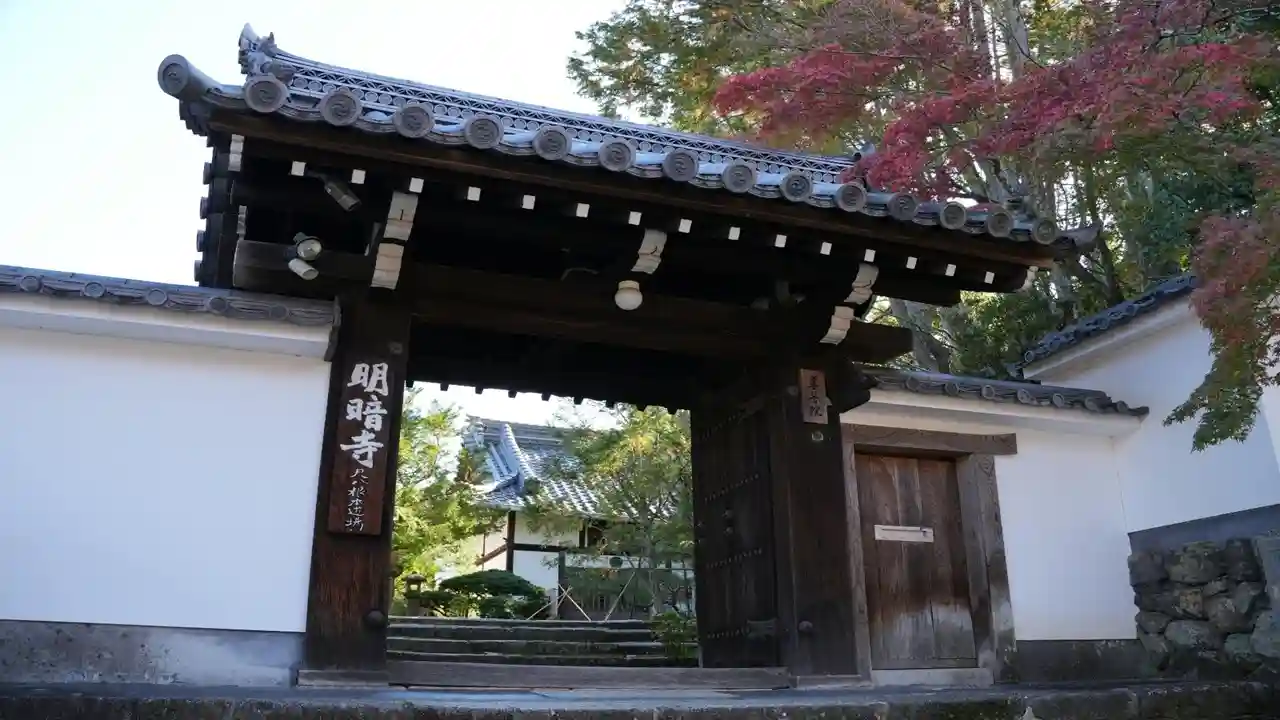
Located at the southern end of the Philosopher’s Path, Nanzen-ji is a massive Zen temple complex. It is famous for its tall Sanmon entrance gate, which you can climb for a wide view of the city, and a unique brick aqueduct that runs through the grounds from the Meiji era. Its calm setting and easy walkways make it one of the best places to visit in Kyoto for first timers, especially if you enjoy temples with open spaces.
Timings: 08:40 – 17:00.
Best Season: Spring and autumn when the gardens look brightest.
Tip: Climb the Sanmon Gate early in the day for a quiet view of the city.
9. Philosopher’s Path
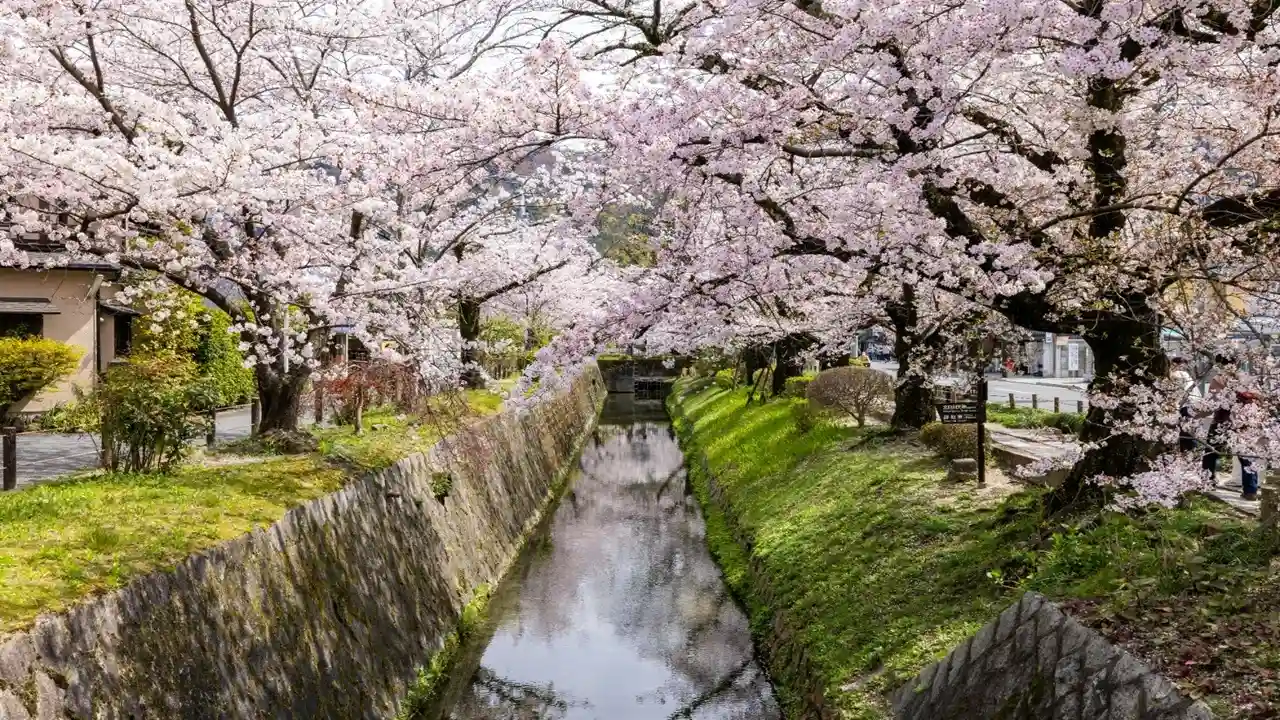
Philosopher’s Path turns into a calm pink walkway when cherry blossoms bloom along the canal. The petals fall gently on the water, and the whole stretch feels quiet and soothing. Small cafés and tiny craft shops appear along the route, giving the walk a warm local touch. It becomes one of the most loved places to visit in Kyoto during spring because you can enjoy the blossoms without rushing. Early mornings here feel especially peaceful.
Timings: Always open; free to walk.
Best Season: Spring for cherry blossoms; also pleasant in early autumn.
Tip: Visit early morning around 7 am for quiet paths.
10. Tōfuku-ji Temple
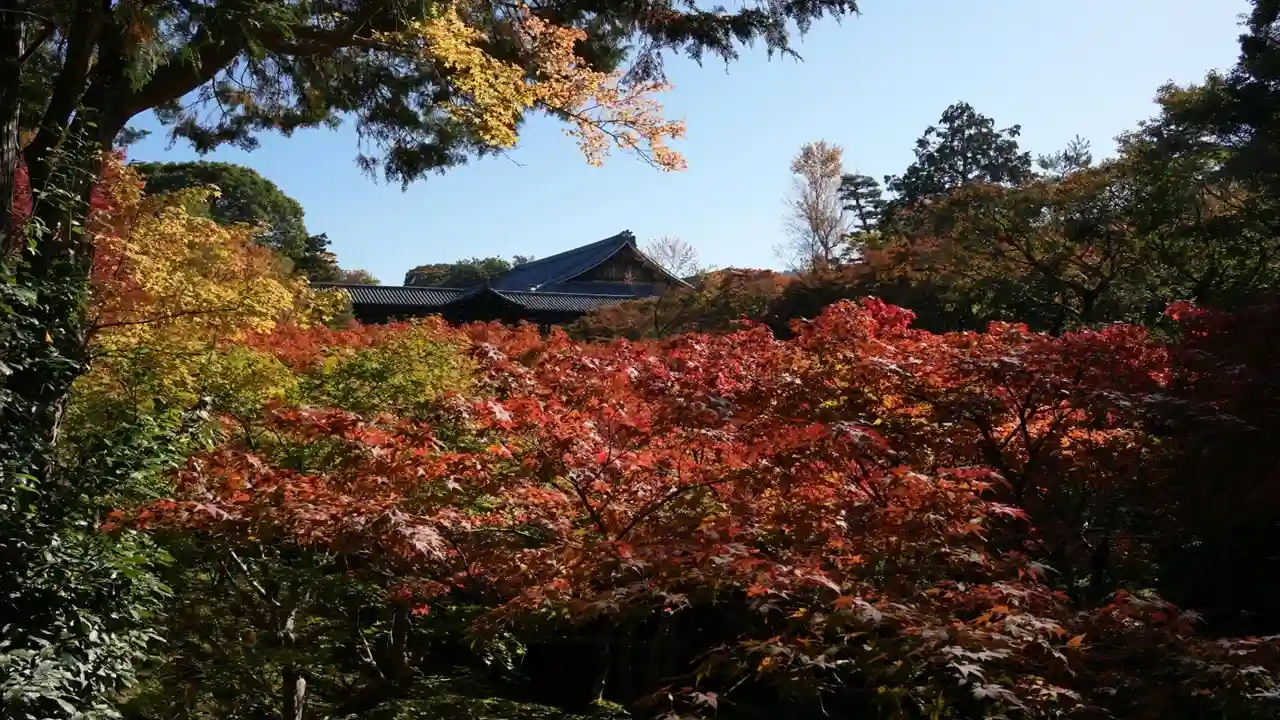
Tōfuku-ji is famous for its bright autumn colours that fill the valley under the Tsutenkyo Bridge. The maples turn deep red, orange and gold, making the scenery look almost painted. Wide temple paths let visitors move slowly and enjoy the view from different angles. This makes the temple one of the most beautiful places to visit in Kyoto during autumn, especially for travellers who love seasonal landscapes. Arriving early helps you enjoy it in quieter surroundings.
Timings: 8:30 am – 4:30 pm (varies slightly by season).
Best Season: Late autumn for peak maple colours.
Tip: Arrive close to 8:30 am to avoid crowds.
11. Ryoan-ji Temple

Ryoan-ji is known for its peaceful Zen rock garden, where carefully placed stones sit on perfectly raked gravel. The stillness here makes many visitors pause longer than they expect. A walk around the pond garden adds another gentle moment to the visit. This temple naturally stands out among the calming places to visit in Kyoto, not because of size or grandeur, but because it encourages slow, thoughtful time. It suits anyone who enjoys quiet corners.
Timings: 8:00 am – 5:00 pm.
Best Season: Spring and autumn.
Tip: Spend a few minutes sitting at the rock garden for a calm experience.
12. Yasaka Shrine Night Walk
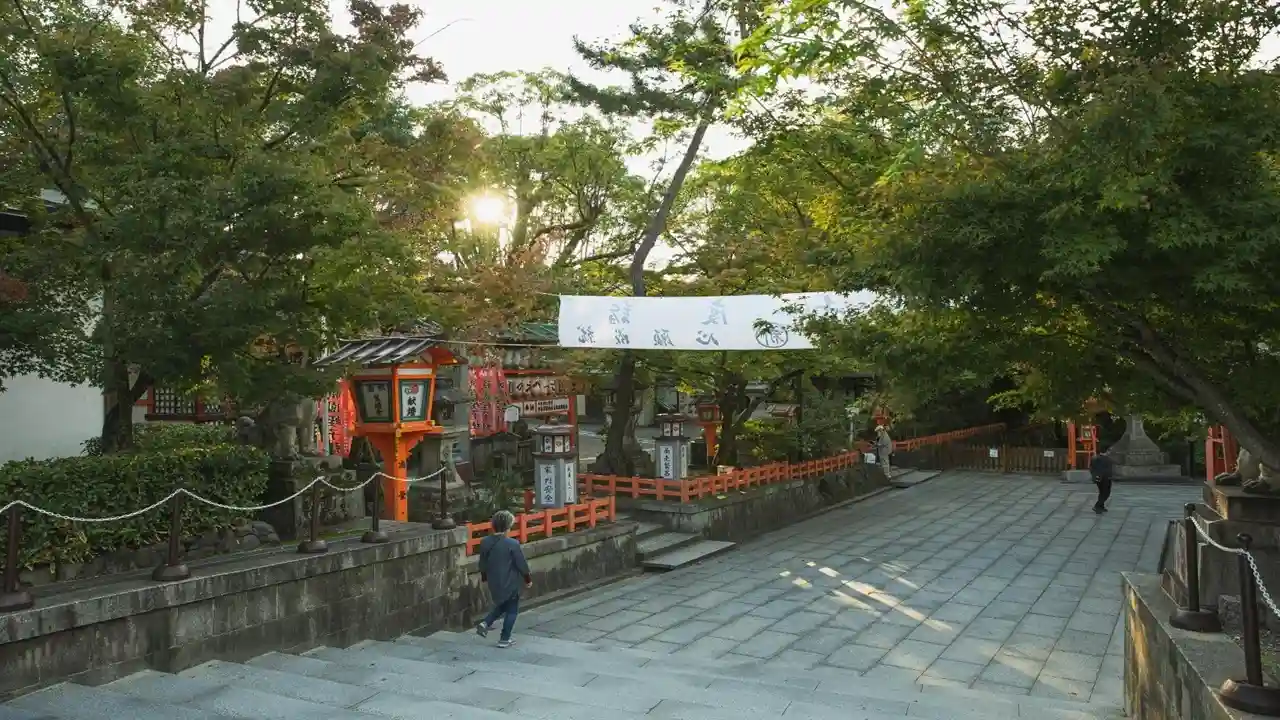
Yasaka Shrine takes on a warm, glowing look at night when lanterns light up the walkways. People often visit after dinner to enjoy the calm atmosphere before strolling toward Gion or Pontocho. The open grounds make the night walk feel safe and relaxed, even when it gets slightly busy. It is one of the most enjoyable places to visit in Kyoto at night, especially if you prefer soft lighting over crowded nightlife spots. The experience feels gentle and unhurried.
Timings: Open 24 hours; grounds always accessible.
Best Season: Year-round; summer evenings feel lively.
Tip: Try visiting around 7 pm then walk toward Gion.
13. Kyoto Imperial Park

Kyoto Imperial Park spreads across a large open area filled with tall trees, shaded paths and peaceful lawns. Locals come here for picnics, morning walks and simple outdoor time. Travellers enjoy it because it offers a calm break between temple visits and busy sightseeing. It is often included in guides about places to visit in Kyoto since it blends nature and history in the middle of the city. The park feels refreshing in every season and never too crowded.
Timings: Open 24 hours; free entry.
Best Season: Spring for sakura; autumn for mild weather.
Tip: A bicycle makes it easier to explore the large grounds.
14. Shimogamo Shrine
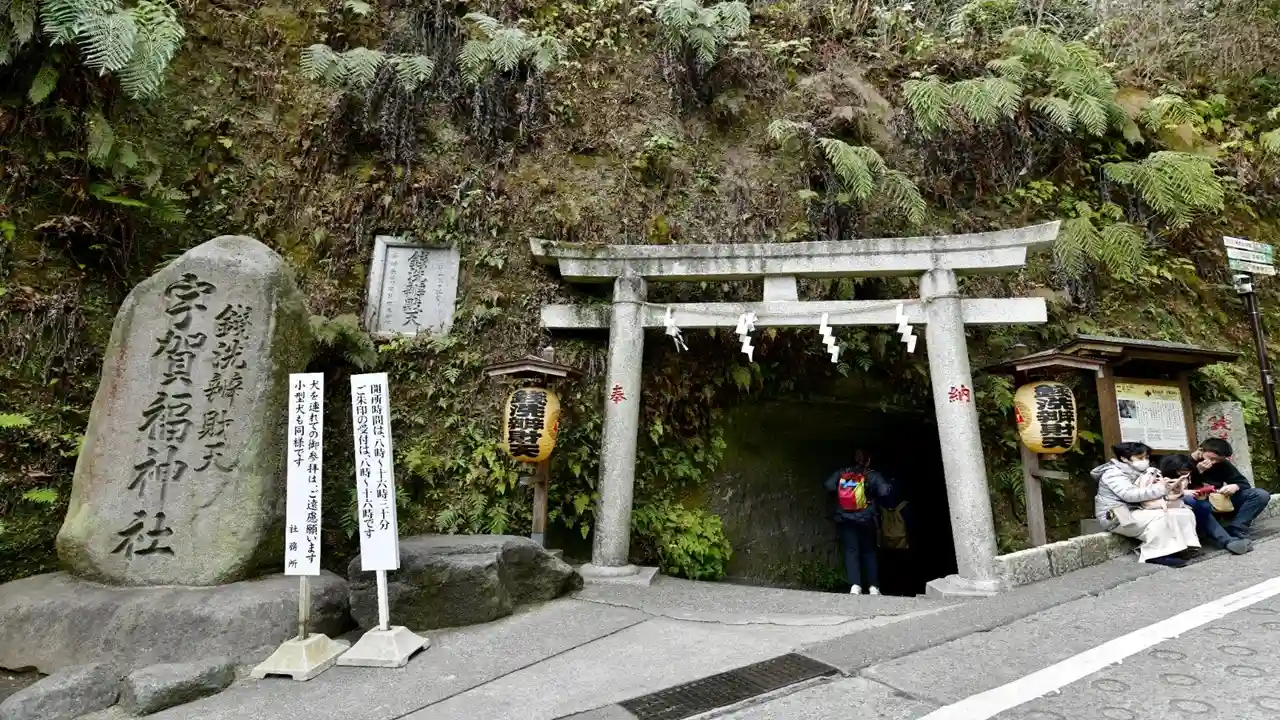
Shimogamo Shrine rests inside the cool forest of Tadasu-no-Mori, where sunlight filters gently through the trees. The walk to the shrine feels soothing, and the grounds remain quiet even during busy hours. Many visitors appreciate how natural and grounded the place feels. It often appears in lists of the best places to visit in Kyoto because the shrine offers culture, calm and greenery all at once. It is a lovely stop for slow, easy sightseeing.
Timings: 6:30 am – 5:00 pm.
Best Season: Spring and early summer for fresh greenery.
Tip: Pair with Kamigamo Shrine for a simple half-day route.
15. Heian Shrine Garden
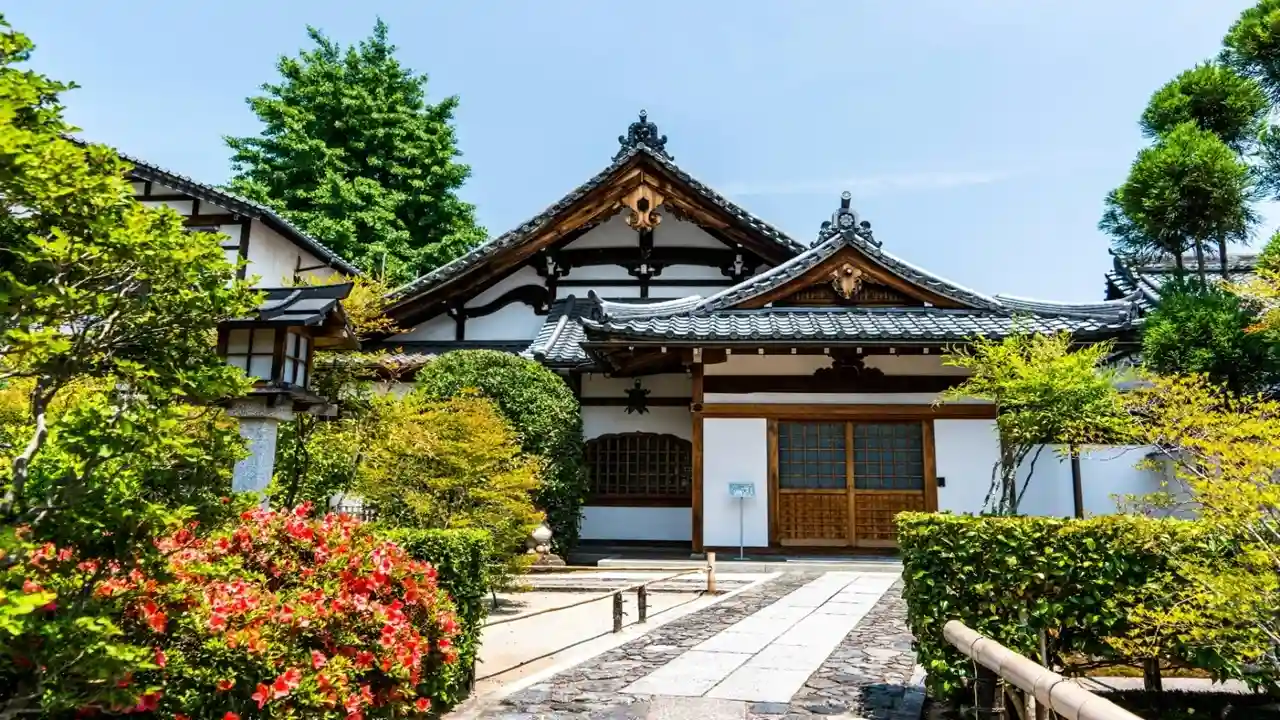
Heian Shrine’s large garden feels peaceful in winter, especially when a thin layer of snow settles on the red bridge and still ponds. The open pathways make the visit comfortable even on colder days. Travellers appreciate the soft colours and quiet spaces that winter brings to the garden. It is one of the gentler best places to visit in Kyoto in winter, ideal for slow photography and relaxed wandering. The setting feels calm and beautifully simple.
Timings: 8:30 am – 5:00 pm.
Best Season: Winter for snow scenes; spring for plum blossoms.
Tip: Visit the garden after the main shrine to enjoy the full walk.
Practical Tips for Visiting Kyoto
A few smart planning tips can make your Kyoto trip smoother and far more enjoyable.
Transport: IC Cards and Buses: The bus network in Kyoto is extensive but can be confusing for newcomers. For easy travel around Kyoto, get an IC card (like ICOCA or Suica) or a 1-day/2-day Kyoto bus & subway pass — it saves time queuing for tickets, especially if you plan 2–3 visits/day.
Start Early, especially for popular spots: Temples like Fushimi Inari Taisha, Kinkaku-ji, and Arashiyama Bamboo Grove attract large crowds by mid-morning. Arriving at opening time gets you better photos, fewer crowds, and relaxed exploration.
Check the season and weather: Spring (cherry blossom) and autumn (foliage) are stunning but crowded—book accommodation early. Winter mornings can be misty but peaceful; summer can be hot and humid, so carry water and sun/rain gear.
Carry Cash:While modernization is happening, many small shops, markets (like Nishiki), and temple ticket counters still accept only cash. Keep a coin purse handy for bus fares and shrine offerings.
Wear comfortable shoes: Kyoto’s old districts (like Higashiyama or Gion) have slopes, narrow alleys, and stone paths. A full-day itinerary means 8-12,000 steps easily. You will also be taking your shoes off frequently to enter temple halls, so wear slip-on shoes if possible.
Respect Local Customs: At shrines and temples, keep voices low, avoid selfies in restricted zones, and dress modestly. In Gion, do not chase or touch the Geisha; it is considered extremely rude.
Plan Logistics Smartly: To avoid long commutes, group nearby sites per day. For example, combine Fushimi Inari + Higashiyama + Kiyomizu-dera in one loop, and Arashiyama + Tenryū-ji + Bamboo Grove in another. This saves time and energy.
Conclusion
Kyoto brings together quiet temples, leafy gardens, small markets and cosy evening streets in a way that feels easy to enjoy. You can spend an hour in a peaceful shrine, walk through an old lane or sit by the river without planning too much. The city feels welcoming in every season and keeps changing in small, pleasant ways. With so many places to visit in Kyoto, your trip can stay simple yet full of memorable moments. Take it slow, explore at your own pace and let the city show you a side of Japan that feels calm, gentle and beautifully put together.