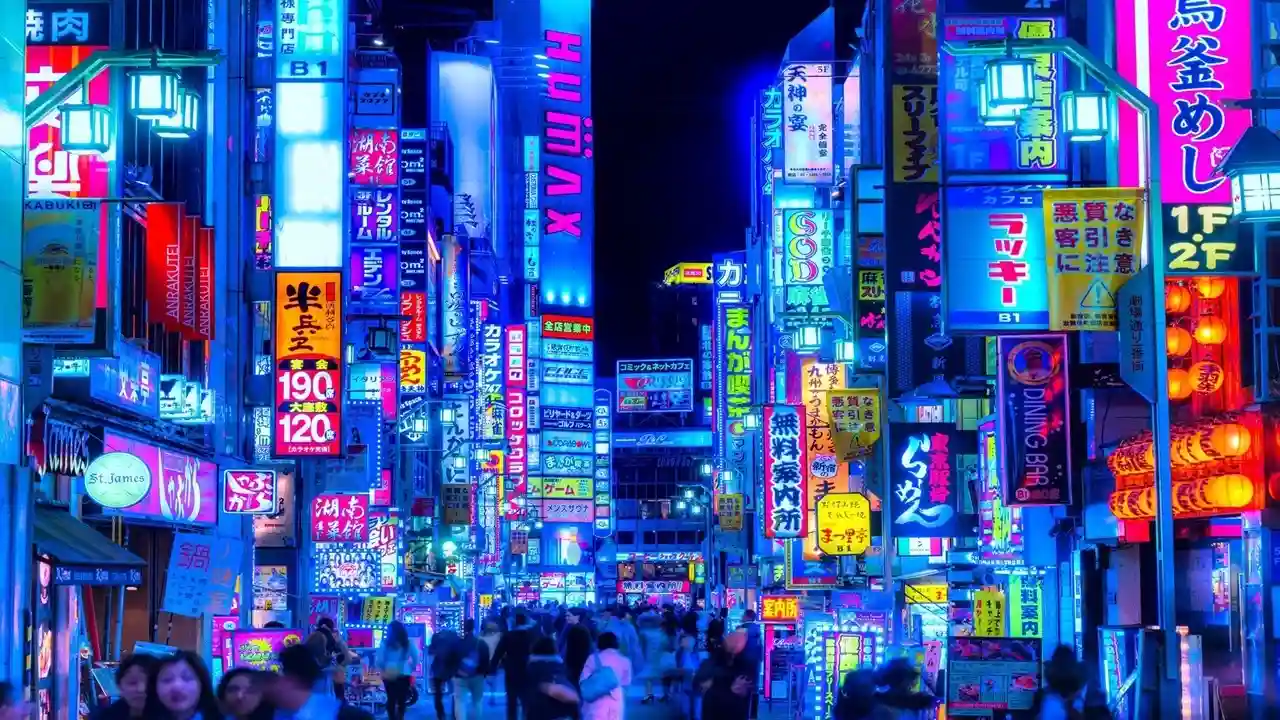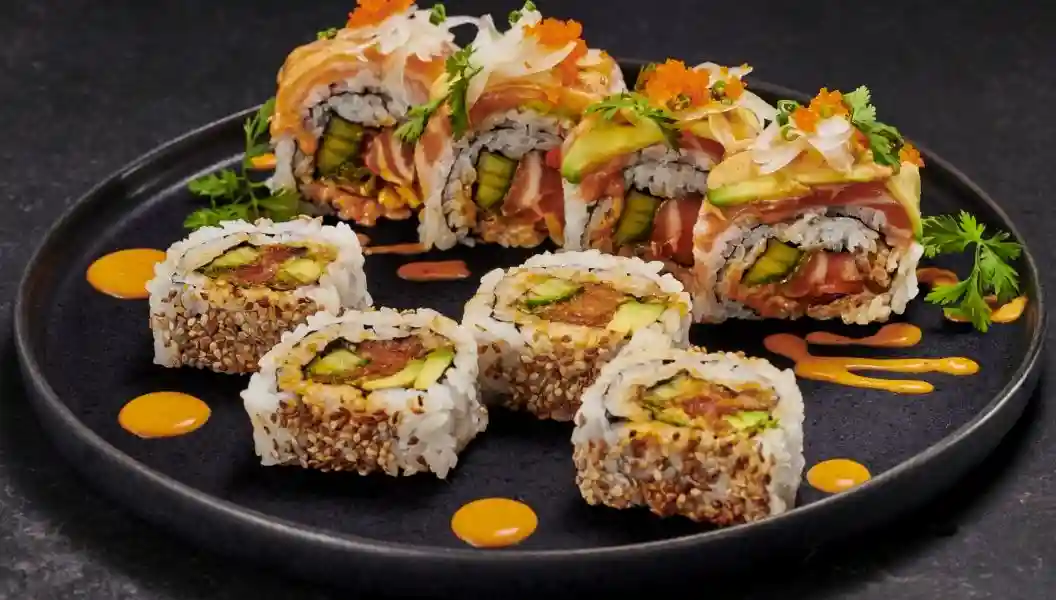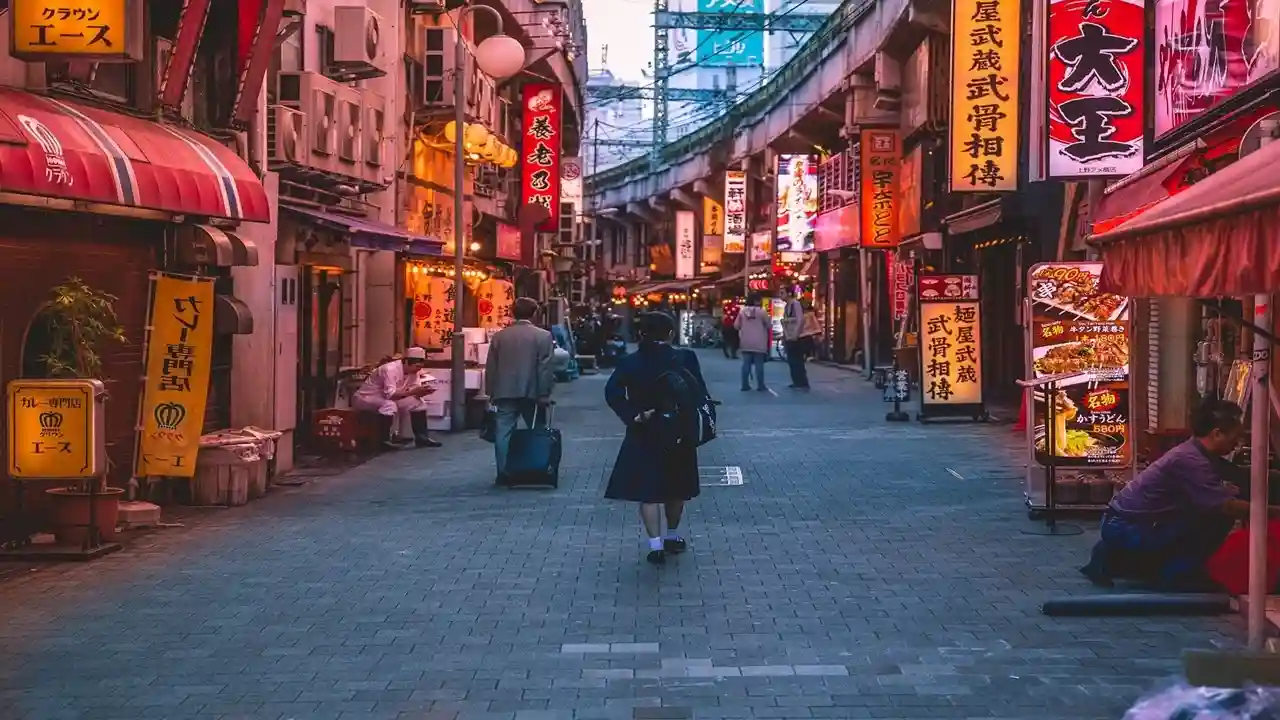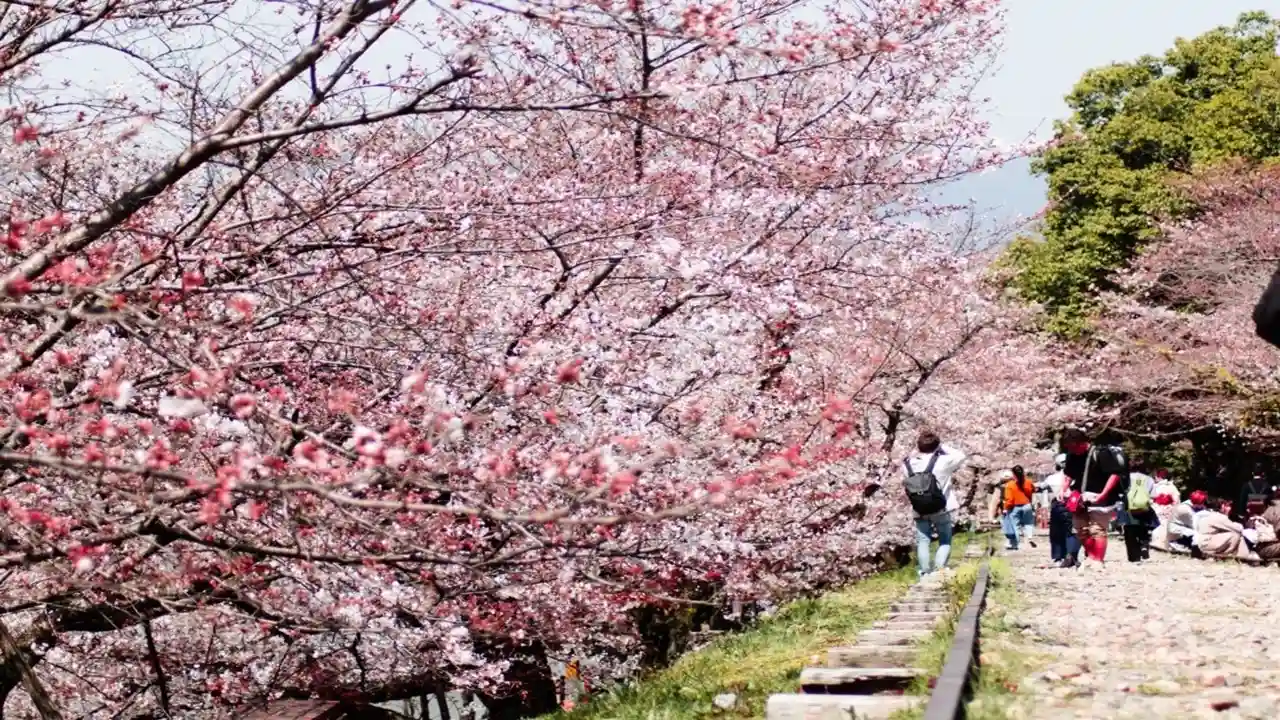
Want to celebrate New Year differently this time? Imagine standing in cold mountain air as temple bells ring 108 times at midnight, watching the first sunrise of the year from a sacred peak, or sharing traditional noodles with a local family. New Year in Japan, called Oshogatsu, is the country's most important holiday, and experiencing it feels like stepping into a place where ancient traditions blend beautifully with modern celebrations. It's not just a trip, it's a cultural immersion you won't forget.
This guide covers everything you need to know about celebrating the Japanese New Year: the history behind Oshogatsu, key traditions like shrine visits and temple bells, the best things to do, top places to celebrate, and special foods you must try. Whether you want quiet cultural moments or lively countdown parties, Japan offers both. Ready to plan an unforgettable start to 2026? Explore the Japan tour package options and get ready for the celebration of a lifetime.
History of New Year in Japan

The New Year in Japan is such a big deal, and you want to know why? Let's get back in time! The Japanese New Year, known as Oshogatsu or Shogatsu, is the most loved celebration in the whole country, even more important than Christmas! Japan originally celebrated the New Year using the lunar calendar, as done in China and the other Asian countries. In 1873, however, when Japan started to use the Gregorian calendar, the celebration was shifted to January 1st. Nevertheless, the gorgeous traditions remained unchanged. The term 'Oshogatsu' simply translates as 'the first month', and this month is seen to be highly sacred. According to the ancient Shinto beliefs, there are special gods known as kami who come to the homes of people during this period to bring good fortune in the year ahead. That is why Japanese families strive to clean and make special decorations in their houses; they want to make these divine guests welcome!
The New Year Traditions in Japan
New Years in Japan are full of the wonderful traditions that have been transmitted over a long time, and each of them has its unique meaning. Every practice has its own story, whether it is the hanging of special decorations or using greeting cards, striking temple bells or going to holy shrines. Let’s discuss the most significant traditions of the Japanese New Year!
1. Kadomatsu- The Lucky Pine Gate Decorations
Walk through Japanese streets in late December, and you'll see bamboo and pine decorations at almost every door. These are called Kadomatsu, and they're not just for show. They invite the spirits of ancestors and deities down from the heavens to bless the family. The bamboo shoots come in three different lengths, representing heaven, earth, and humanity, while the pine branches symbolise long life. You'll spot them from December 26th to January 7th.
2. Shimekazari- Sacred New Year Wreaths
Shimekazari are rope wreaths hung over doorways during the New Year in Japan. They're made from braided straw rope (shimenawa), white paper strips (shide), pine branches, fern leaves, and a bitter orange (daidai). Each part has meaning. The rope marks sacred space and keeps evil spirits out, while the white paper represents purity. It's a simple tradition that carries deep significance.
3. Nengajo- New Year Greeting Cards
Sending Nengajo cards is a lovely Japanese custom, much like Christmas cards in the West. People send them to friends, family, and colleagues to share appreciation and good wishes for the year ahead. Japan Post makes sure every card arrives on January 1st. Some people design their own with photos and messages, while others buy pre-made ones featuring the zodiac animal of the coming year.
4. Joya no Kane- The 108 Temple Bell Rings
Joya no Kane is one of the most beautiful traditions of New Year in Japan. Temple bells ring 108 times on December 31st, with the final strike marking the start of the New Year. Why 108? In Buddhism, this number represents the 108 earthly desires that cause human suffering - things like greed, anger, and jealousy. Each ring symbolically cleanses one desire, purifying hearts and souls for a fresh start.
4 Best Places to Celebrate New Year in Japan
Confused about the best places to celebrate New Year in Japan? Worry not, here are the top 4 places to visit in Japan which will give you an unforgettable experience.
1. Yokohama Chinatown
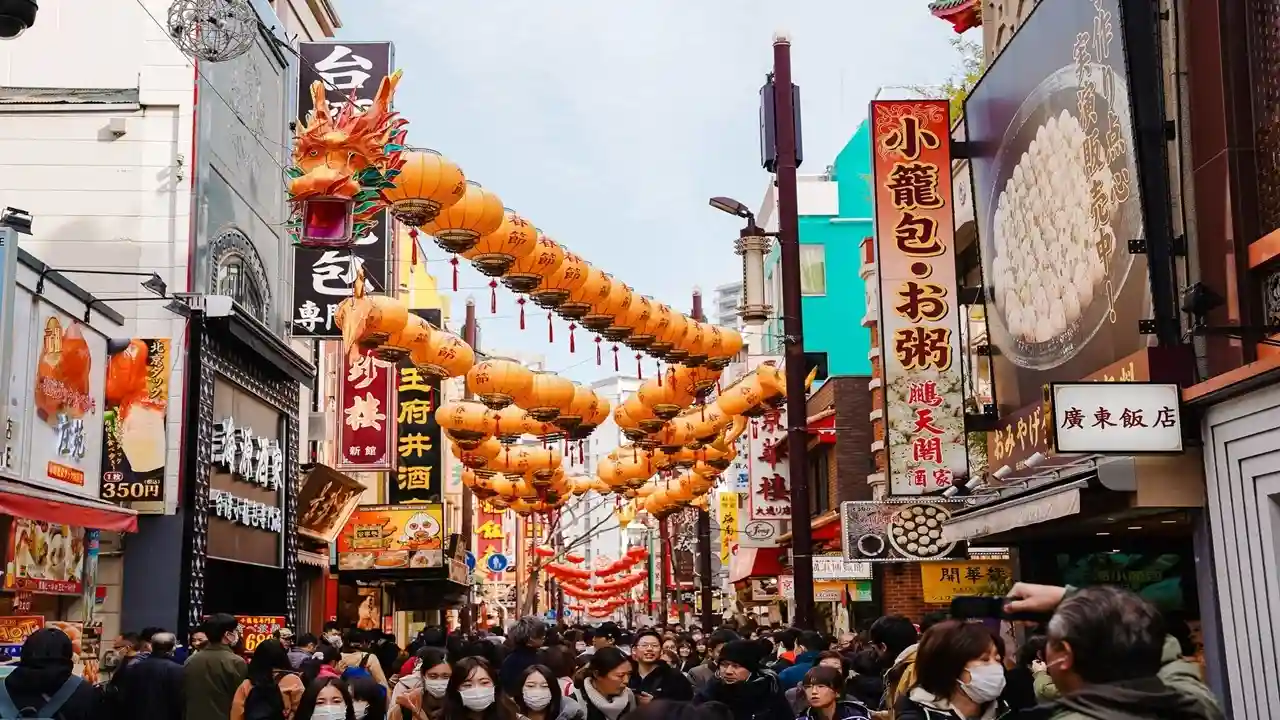
Yokohama Chinatown is the best place to celebrate New Year in Japan, as it is a colourful and fun place to be. It is the biggest Chinatown in Japan, which has over 500 shops and restaurants in a small area. On New Year's Day the entire area comes alive with red lanterns, golden decorations and traditional Chinese celebrations. You will see lion dances and dragon dances put on by the dancers, wearing colourful costumes. The food is delicious, and you must try the hot dumplings, sweet buns, and special New Year food.
Location: Only 30 minutes from Tokyo (via the train)
What to See: Dragon dances, Lion dances, and red lamp (lanterns) decorations
Perfect for: Families, foodies, and people that love colourful festivals
2. Kobe Chinatown (Nankin‑machi)
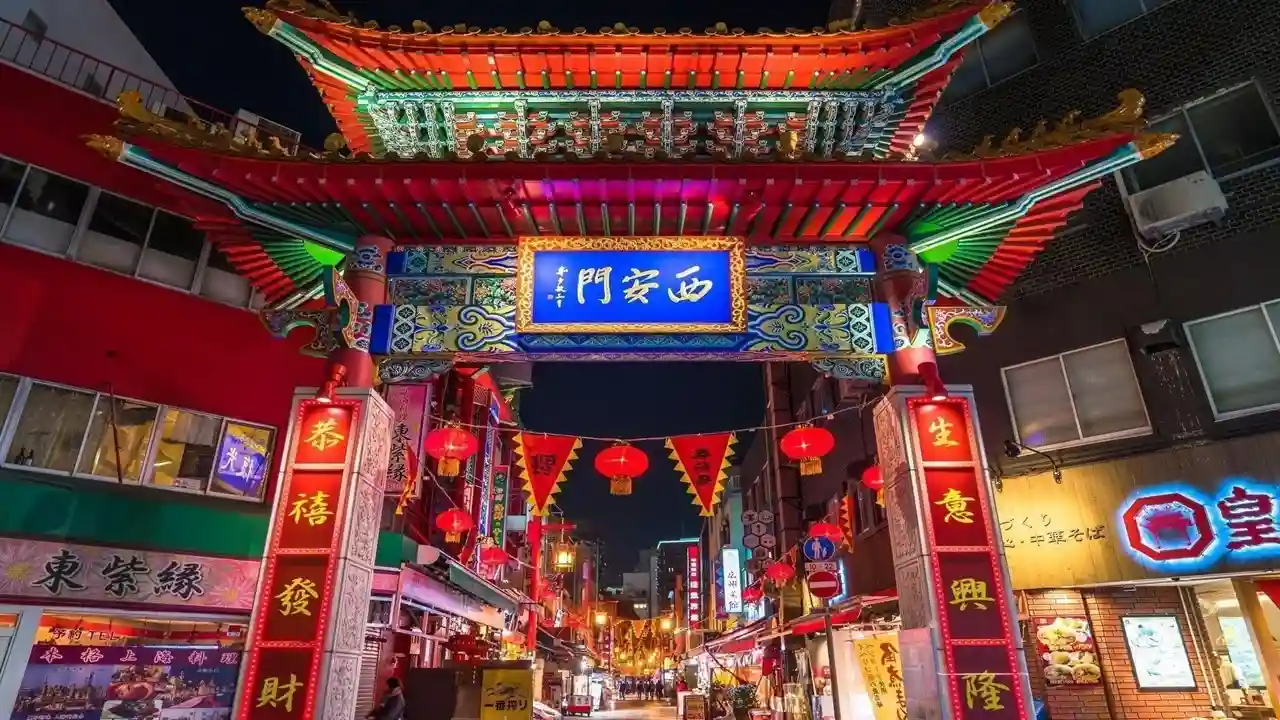
Kobe Chinatown, known as Nankin-machi by locals, is a small and cosy place to celebrate the New Year in Japan. It is much smaller than Yokohama Chinatown, which you can walk across in only 10 minutes, but it is charming and lively. The main square has a Chinese-style gate and a colourful pavilion in the middle. During New Year, the area is filled with people eating street foods from small stalls. Try the famous Kobe pork buns; they are hot, juicy and delicious! Everything is very friendly and welcoming.
Location: Kobe City, around 30 min away from Osaka.
What to see: Chinese gate, pavilion, and traditional performances.
Perfect for: Short visits, trying street food, and experiencing local atmosphere.
3. Nagasaki Chinatown (Shinchi Chukagai)
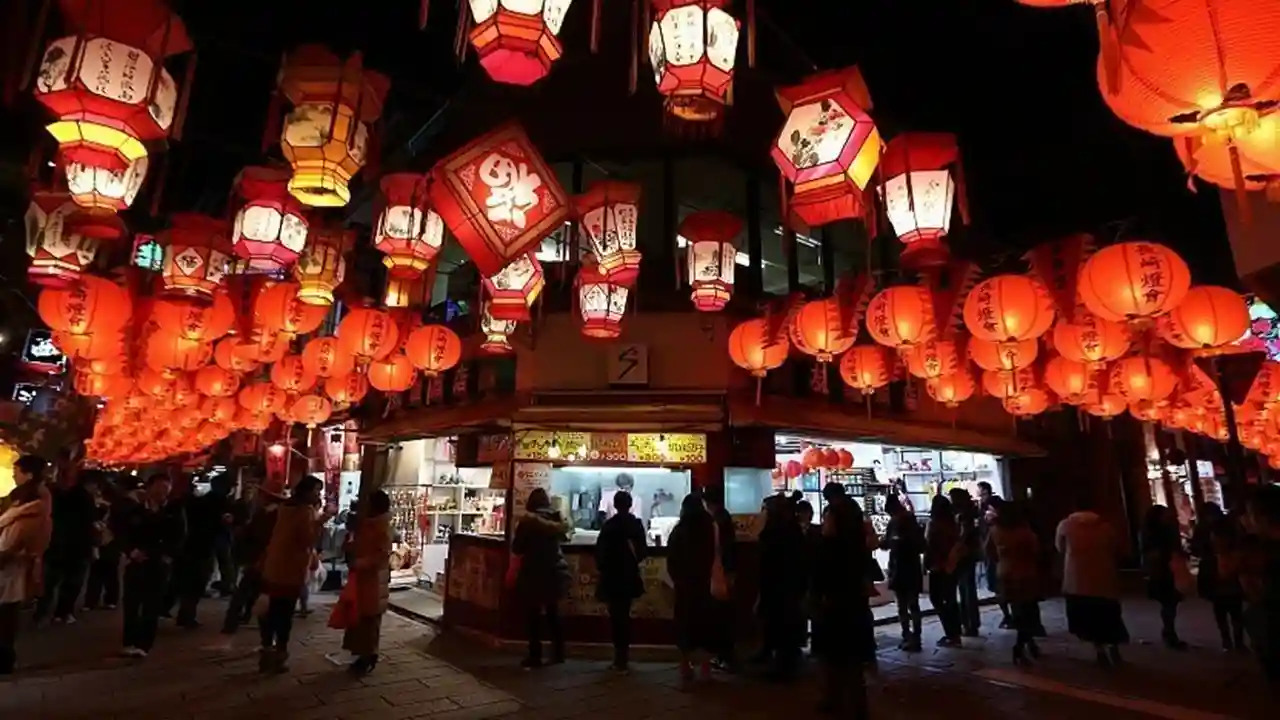
Nagasaki Chinatown is one of the oldest Chinatowns in the country and is a good way to celebrate the Japanese New Year. The Chinatown is small but special and has stone-paved streets and traditional buildings. Especially during Lunar New Year, Nagasaki has the well-known Lantern Festival, which lights up the whole city. You can enjoy Chinese food, enjoy traditional performances, and see beautiful displays. The festival lasts like two weeks, so you have plenty of time to come and enjoy the atmosphere.
Location: In southern Japan, Nagasaki city.
What to see: Seeing Lantern Festival with thousands of colourful lanterns
Perfect for: Photography lovers and light lovers.
4. Ryukyu Islands (Okinawa)
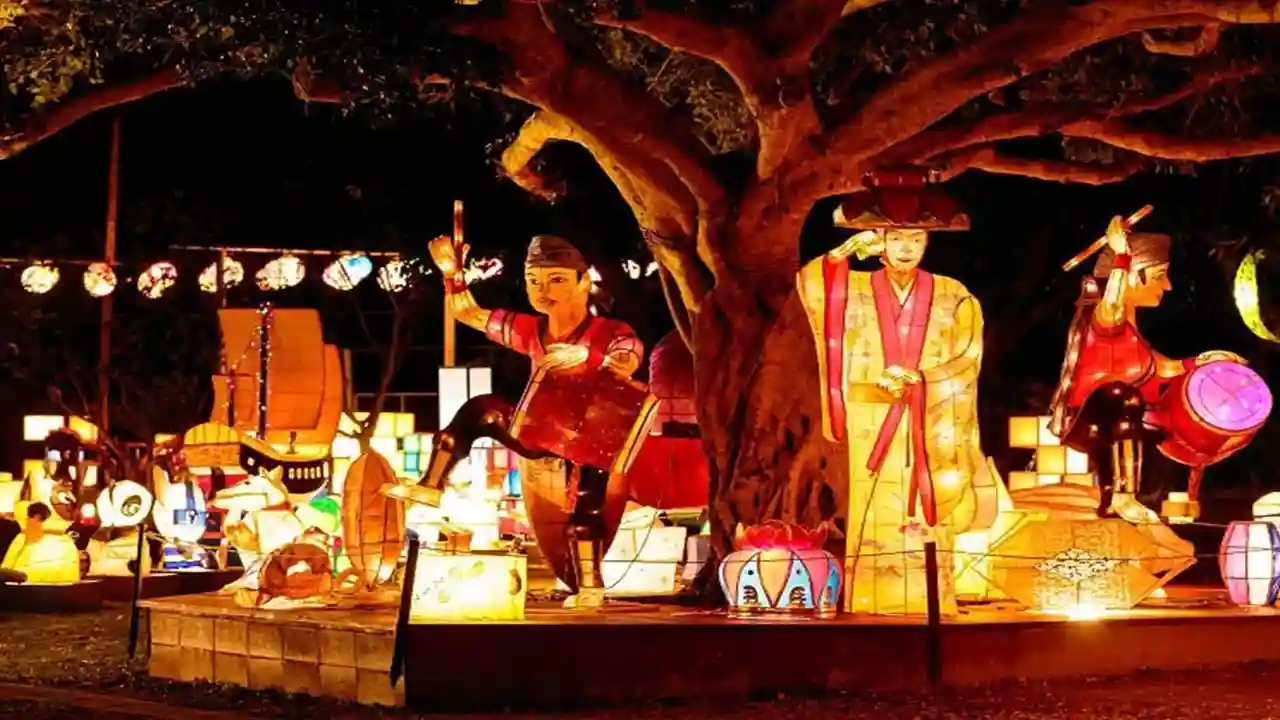
The Ryukyu Islands, particularly Okinawa, have a very different way of celebrating New Year in Japan, with warm weather and beach vibes. While the rest of Japan is cold and snowy, Okinawa has mild and pleasant weather that is great for outdoor activities. The New Year celebrations here are Japanese-influenced along with indigenous Ryukyuan culture. During Lunar New Year, you can see dragon dances in some places, and traditional Ryukyuan music and dance performances are performed. The islands are renowned for their beautiful beaches, coral reefs and laid-back island lifestyle.
Location: Okinawa Prefecture, Southern Japan (2.5 hours flight from Tokyo)
What to see: Shuri Castle, beaches, and traditional Ryukyuan culture.
Perfect for: Beach lovers and those that want to experience warm weather and unique cultural experiences.
5 Best Things to Do During Japanese New Year in Japan
If you're wondering, "How to celebrate New Year in Japan?" here are the best things to do that'll help you celebrate like a local and create unforgettable memories!
1. Hatsumode: Visit of the First Shrine of the Year
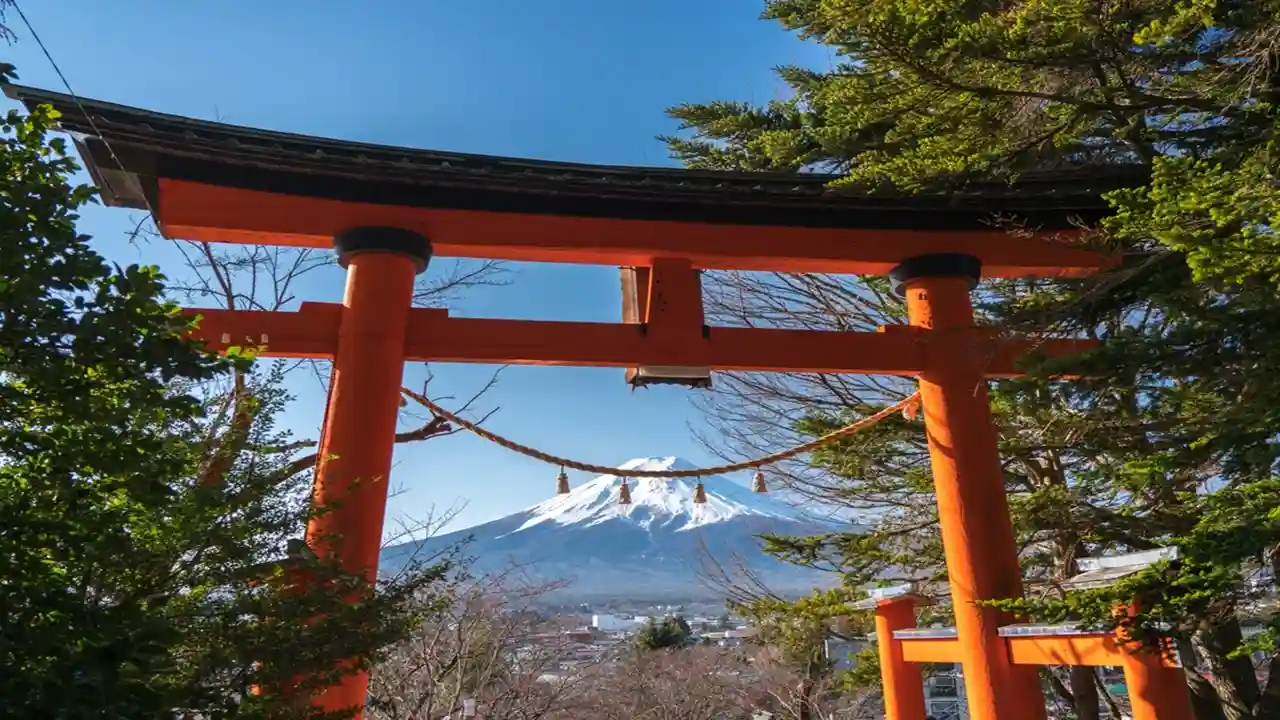
Hatsumode is the first shrine or temple visit of the New Year and one of the most important Japan New Year traditions. Millions visit shrines during the first three days of January to pray for health, happiness, and prosperity. Popular spots like Meiji Shrine in Tokyo, Fushimi Inari in Kyoto, and Sumiyoshi Taisha in Osaka draw huge crowds. You can buy fortune charms (omamori), draw fortune slips (omikuji), and grab street food. Want fewer crowds? Visit smaller local shrines instead.
2. Watch Hatsuhinode – The First Sunrise
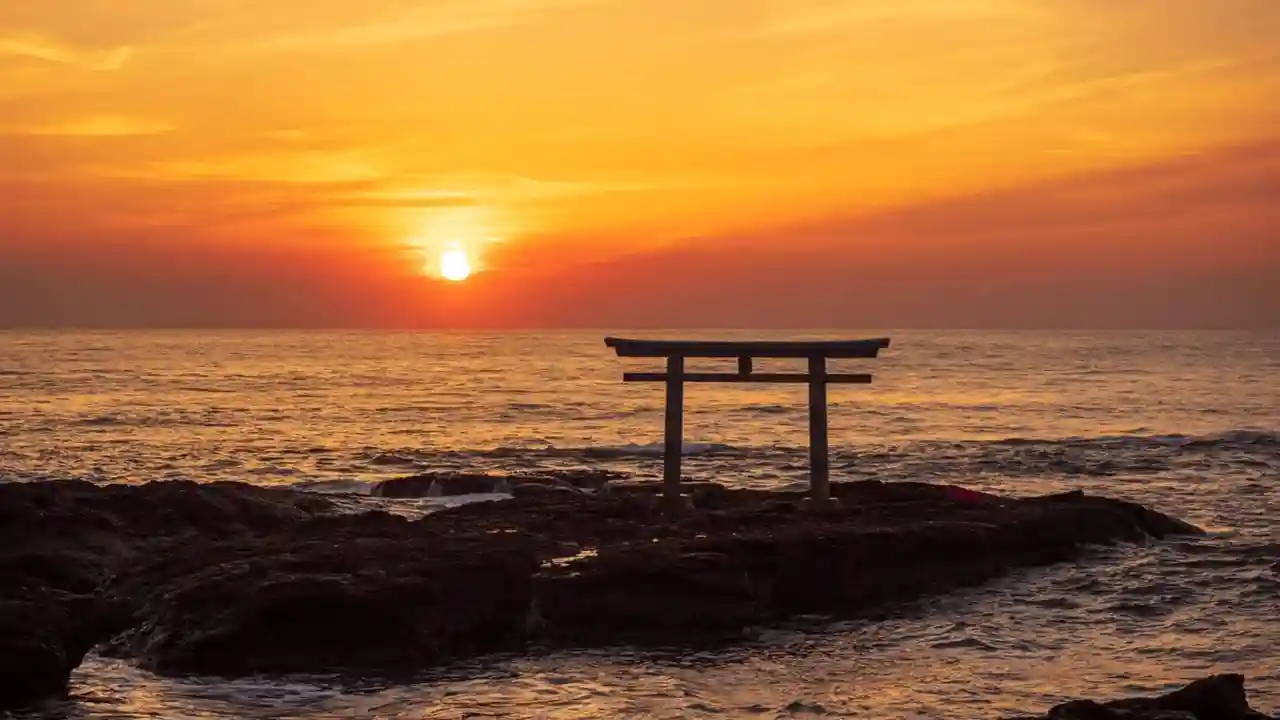
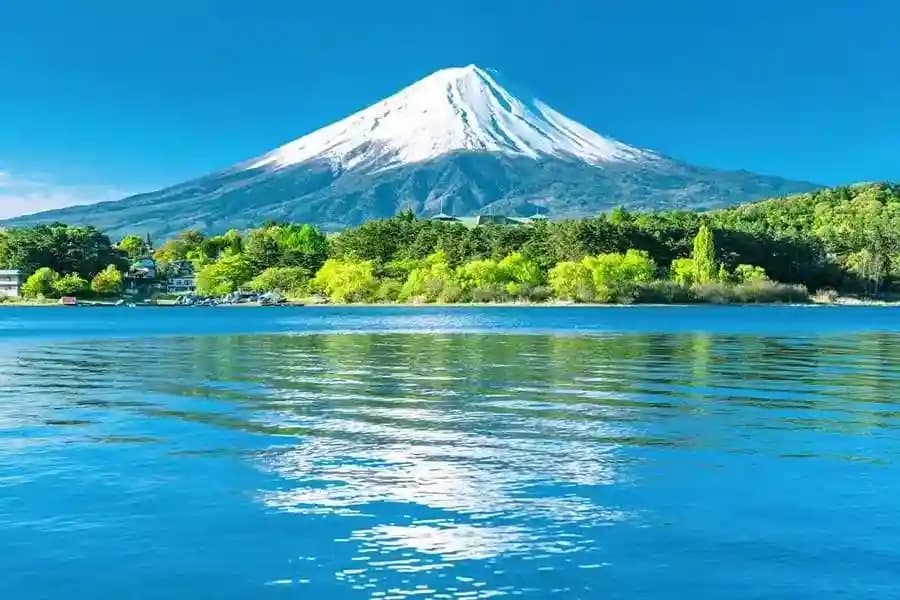
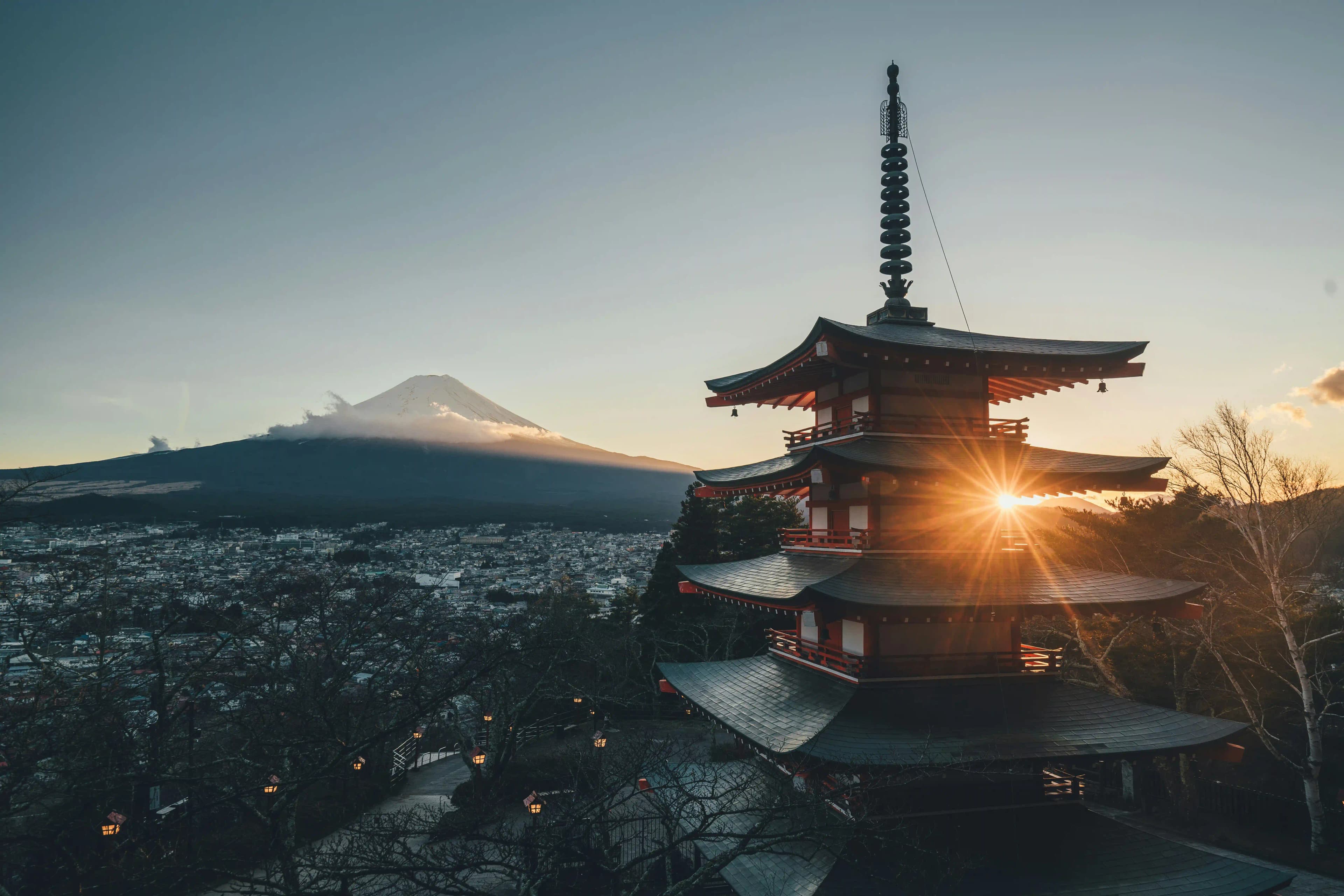
Watching the first sunrise of the New Year, called Hatsuhinode, is one of the most meaningful things to do in Japan during this time. Many wake up early on January 1st to catch the sunrise from mountains, beaches, or observation decks. Mount Fuji, Tokyo Tower, and Tokyo Metropolitan Government Building are some of the best places to celebrate New Year in Japan for this. It symbolises fresh beginnings and new opportunities. Best viewing time is 6:30–7:10 AM.
3. Eat Toshikoshi Soba during Christmas.
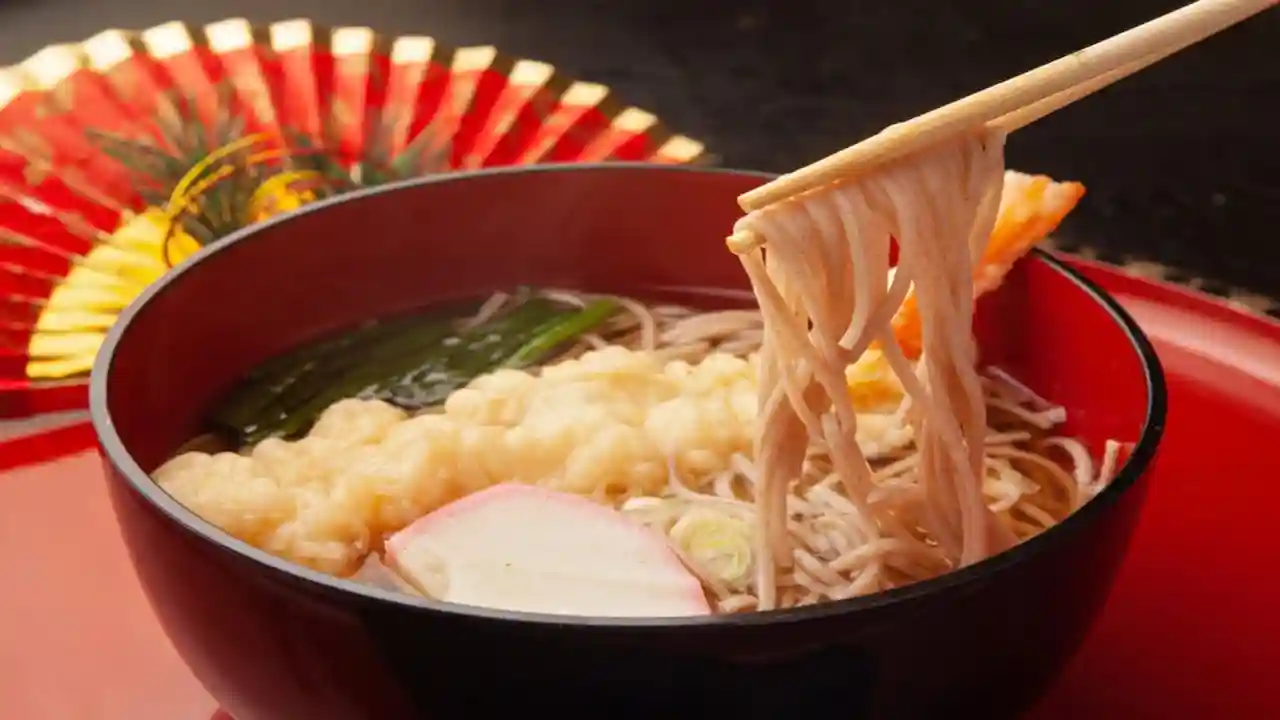
Toshikoshi Soba are long buckwheat noodles eaten on December 31st before midnight, and they're central to New Year in Japan celebrations. They represent long life and the shift from one year to the next. Families enjoy them hot in soup or cold with dipping sauce. The tradition symbolises cutting off last year's misfortunes and welcoming prosperity. You'll find them in restaurants and homes across the country.
4. Try Osechi Ryori- Traditional New Year Feast
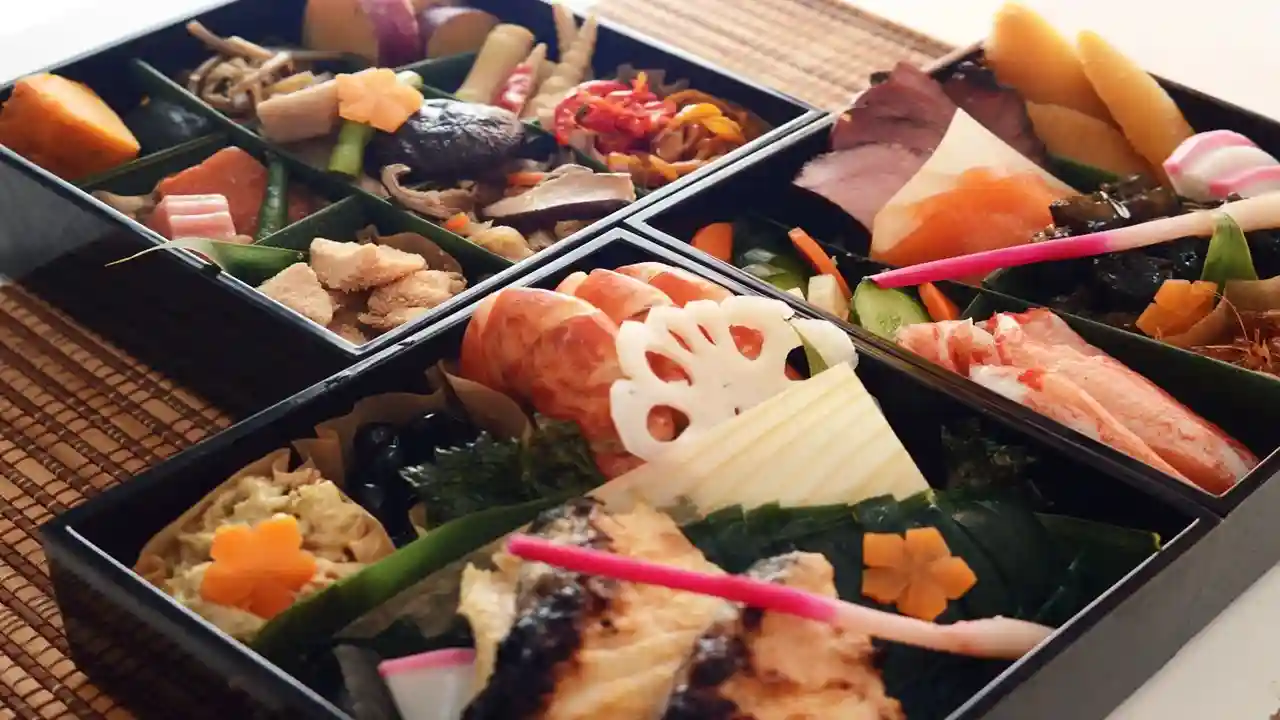
Osechi Ryori is the traditional feast served on New Year's Day, packed in beautiful lacquered boxes called jubako. Each dish has meaning: black beans for health, herring roe for fertility, shrimp for long life, candied chestnuts for prosperity. While some families prepare it at home, many order ready-made sets from stores and restaurants. It's among the most beloved Japanese New Year traditions and a must-try for authentic celebrations.
5. Participate in Countdown Events in Tokyo
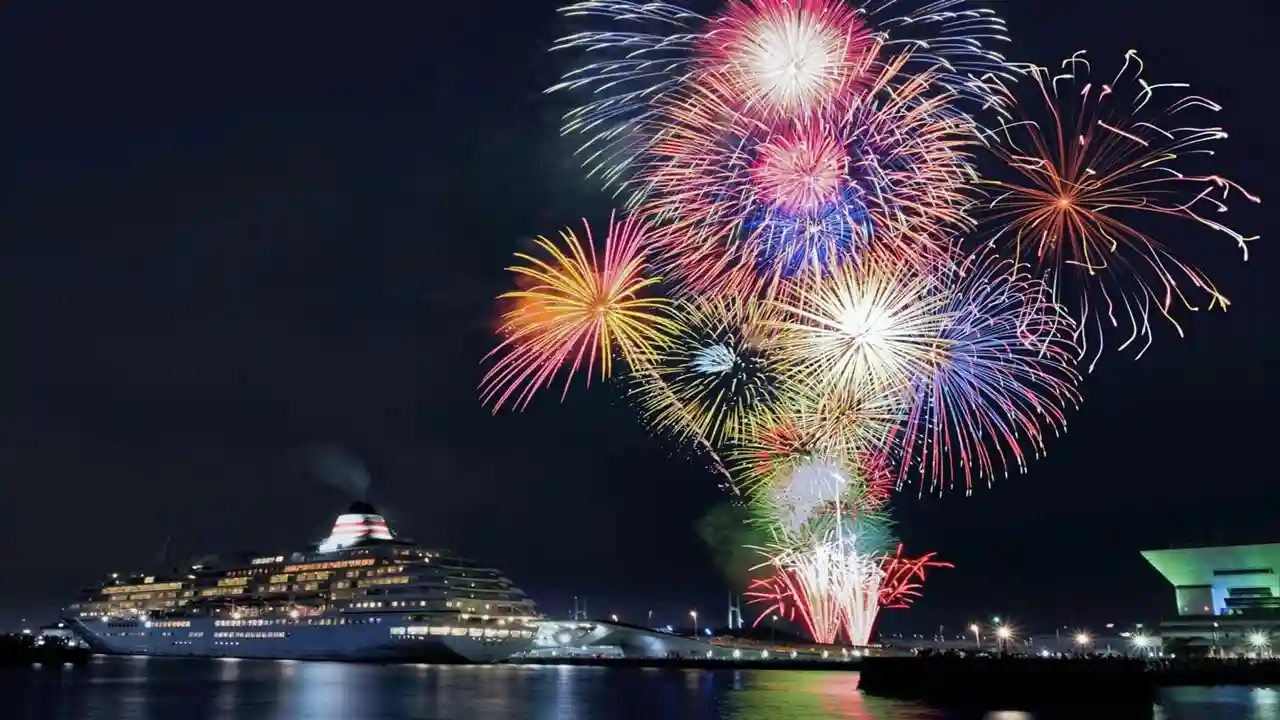
If you want a modern way to ring in the New Year in Japan, Tokyo has great countdown events. Big hotels, clubs, and entertainment centers throw lively New Year's Eve parties with music, drinks, and dancing. Roppongi is popular, though Shibuya Crossing gatherings aren't allowed anymore. For something special, try a Tokyo Bay cruise with dinner, champagne, and live music.
Food and Drink at New Year
Special foods are eaten by people during the Japanese New Year. Each region has its interpretations, and thus, tasting Japanese New Year food is a little adventure in itself.
Osechi Ryori: The food is packed in jubako, the lacquered boxes in which each dish symbolises something unique.
Toshikoshi Soba: These are long buckwheat noodles that are eaten by the Japanese families on New Year’s Eve.
Ozoni: Along with Toshikoshi Soba and Osechi Ryori, there is also the Ozoni, a soup composed of mochi, vegetables, and occasionally chicken dashi.
Mochi: Mochi plays a significant role both in the decorations and meals.
Otoso: To prevent bad luck and attract good luck, people also take a medicinal shake, which is known as 'Otoso', before New Year meals.
Conclusion
The New Year in Japan is an experience you will not forget your entire life. You are able to listen to temple bells, purchase lucky bags, eat Osechi Ryori, and witness the first sunrise of the year. New festivals and old customs come together to blend in, making experiences very special. Visiting shrines of Tokyo, sampling local cuisine or performing historic rituals makes you feel that you are living a part of history rather than being on a casual vacation. Wish to have the best New Year in Japan? Stop thinking and start planning to make memories of a lifetime.