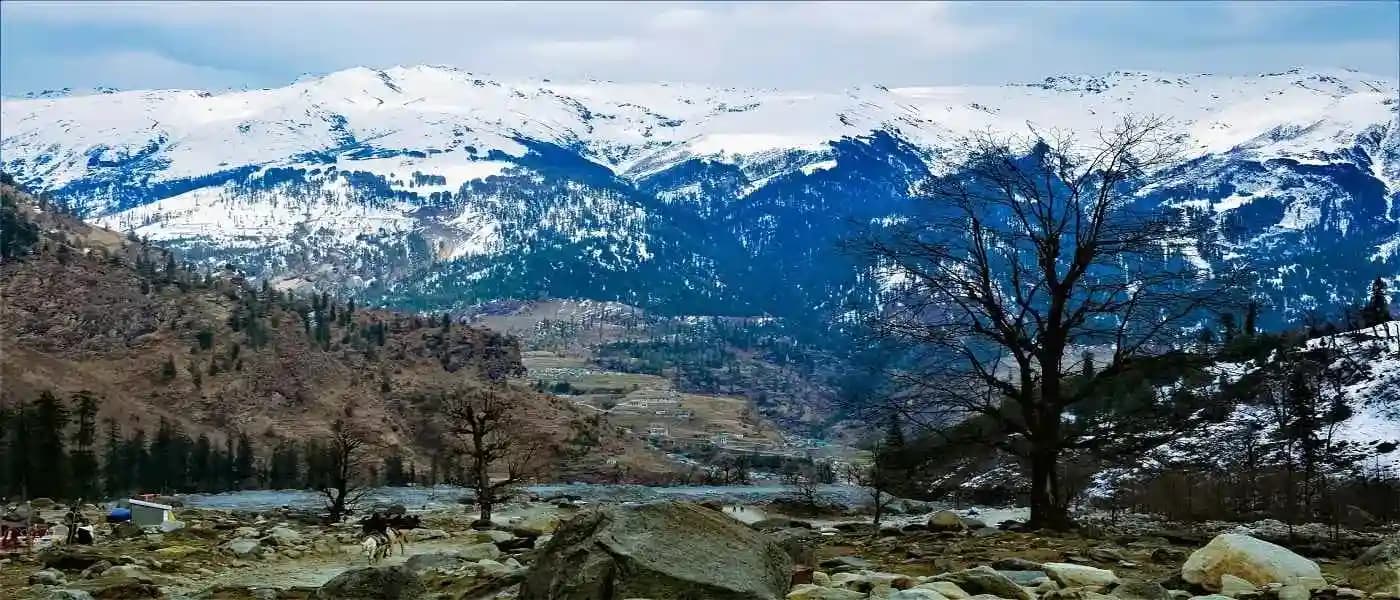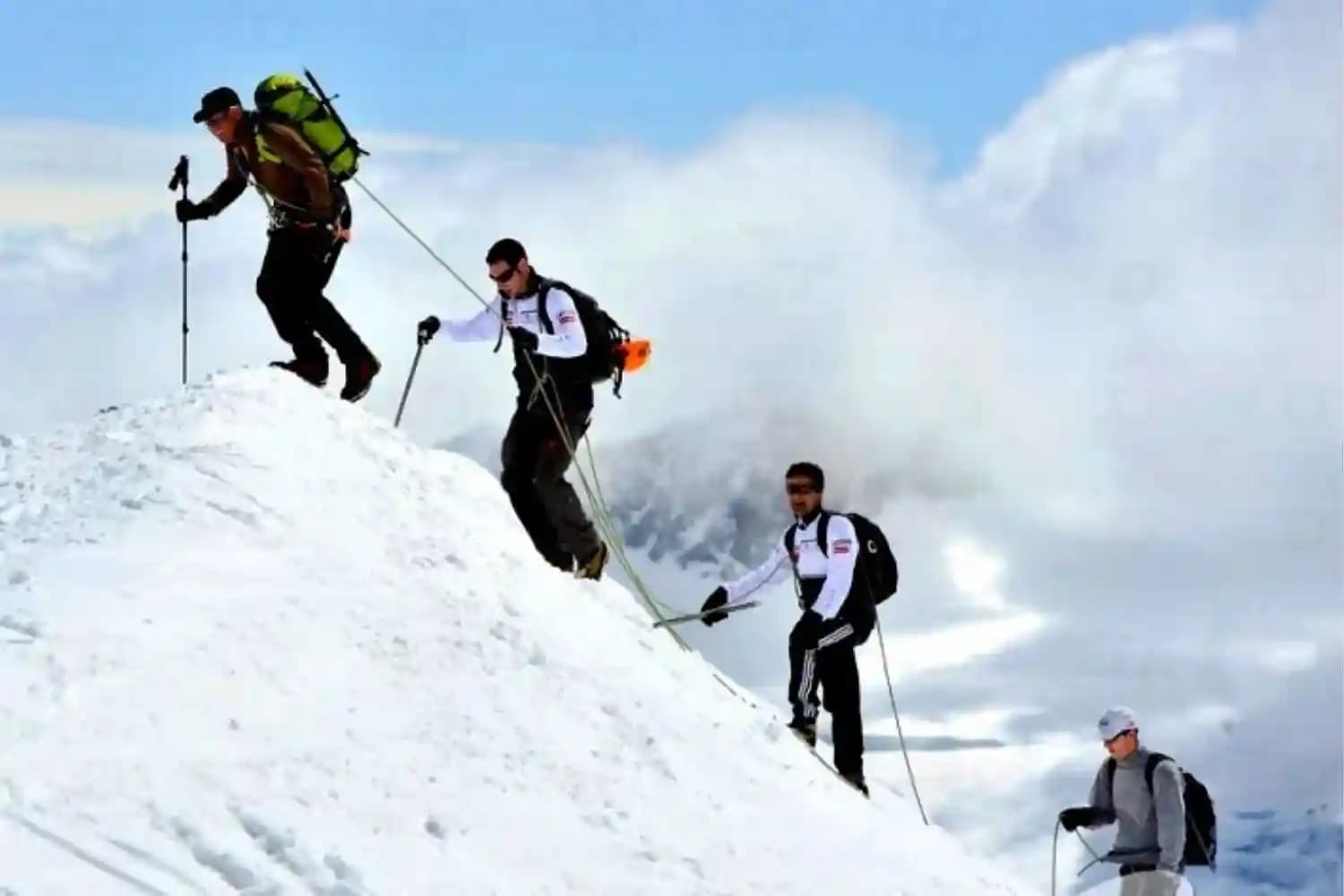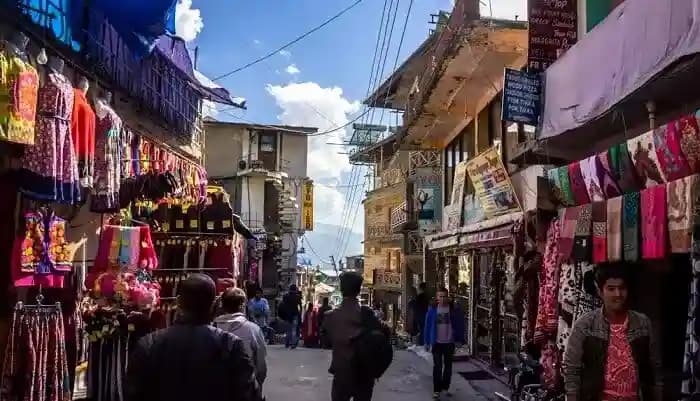
When should you pack your bags for Solang Valley? This beautiful spot sits just 14 km from Manali and looks completely different every few months. The best time to visit Solang Valley depends on what you're looking for. Want to ski down snowy slopes? Winter is calling. Prefer paragliding over green meadows? Summer has that covered. The valley keeps switching its mood throughout the year.
This blog breaks down each season, so planning becomes much easier. Many Himachal Pradesh tour packages include Solang Valley, but timing makes a massive difference to what you'll experience there. Snow, sunshine, or something in between? Each season paints Solang in its own colours and brings different adventures to the table. Time to figure out which version of Solang Valley sounds perfect for your next trip.
Best Time to Visit Solang Valley
Choosing when to visit Solang Valley really comes down to your travel style. Want snow and skiing? Winter has you covered. Prefer paragliding and trekking? Summer is your season. Here's the detailed season-wise breakdown to help you decide.
Winter (December to February)

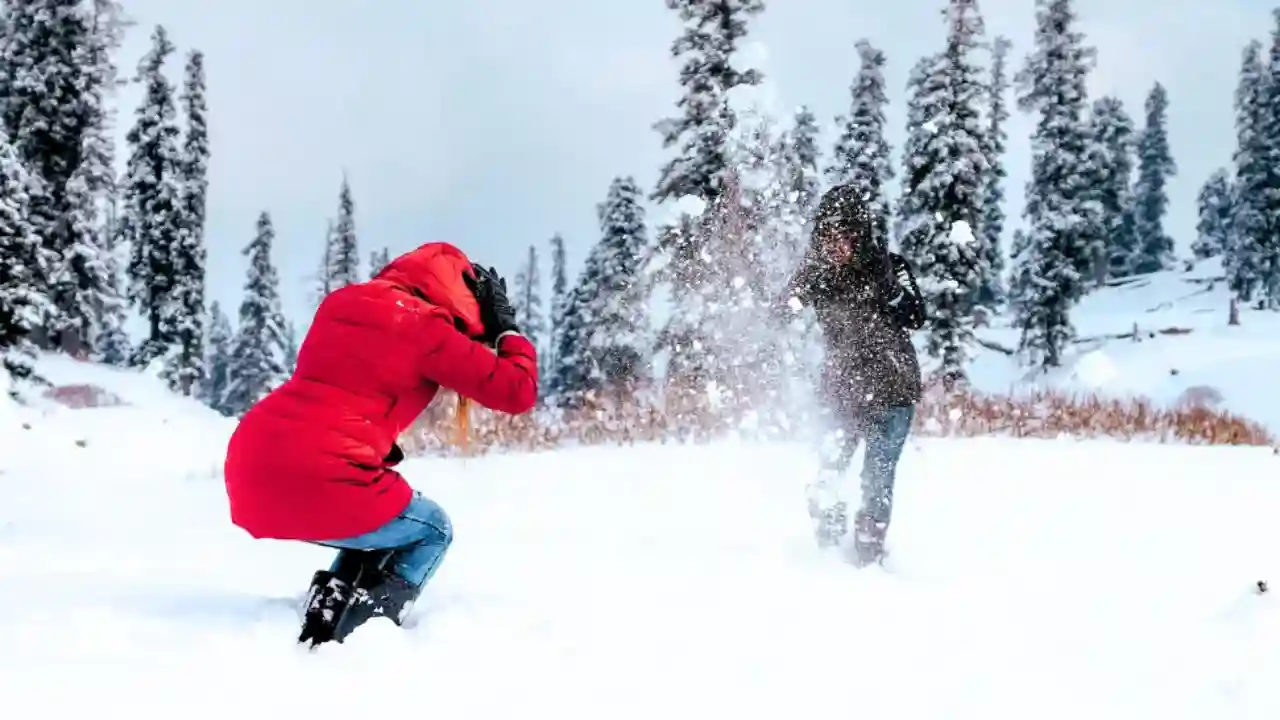
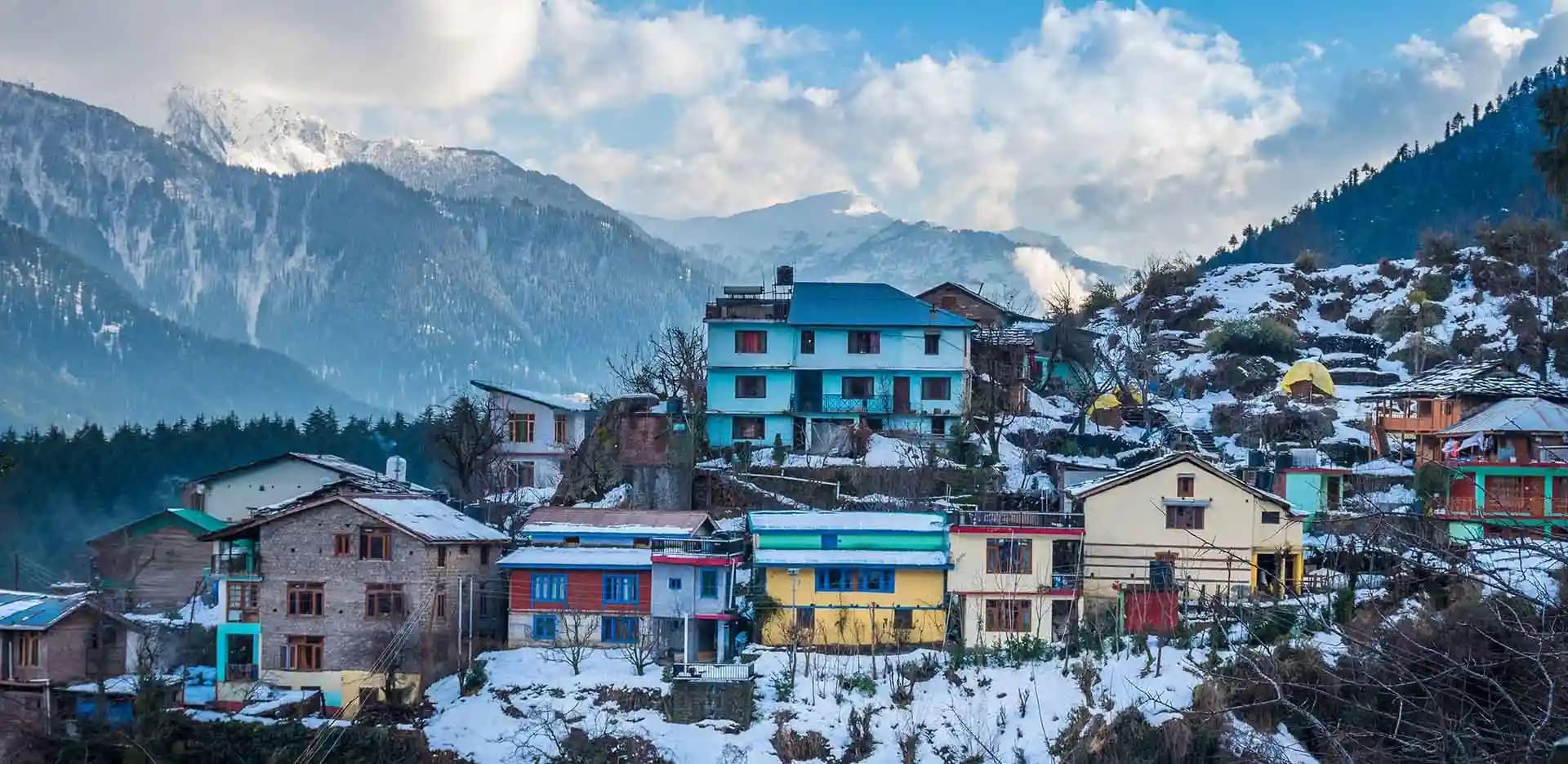
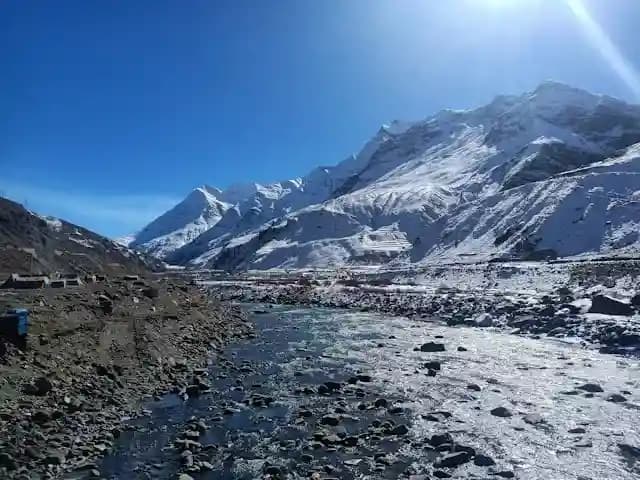
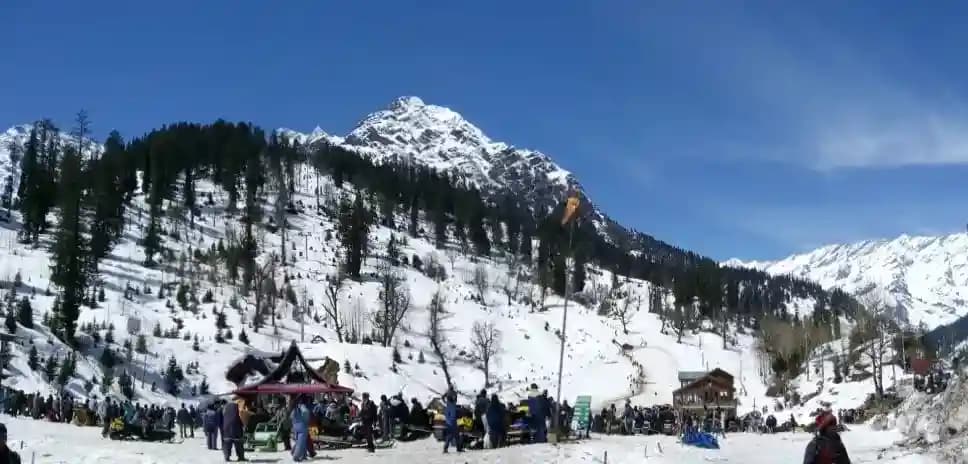
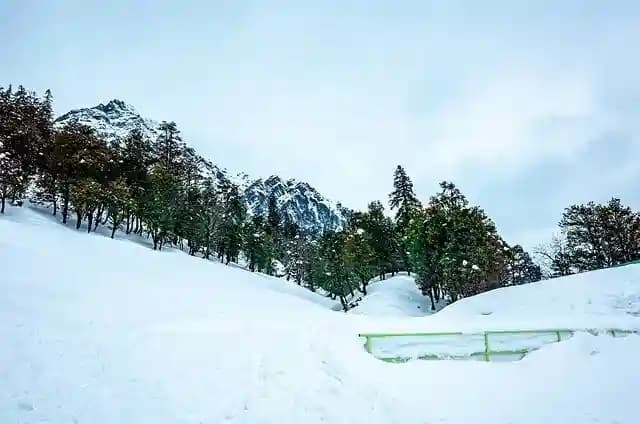
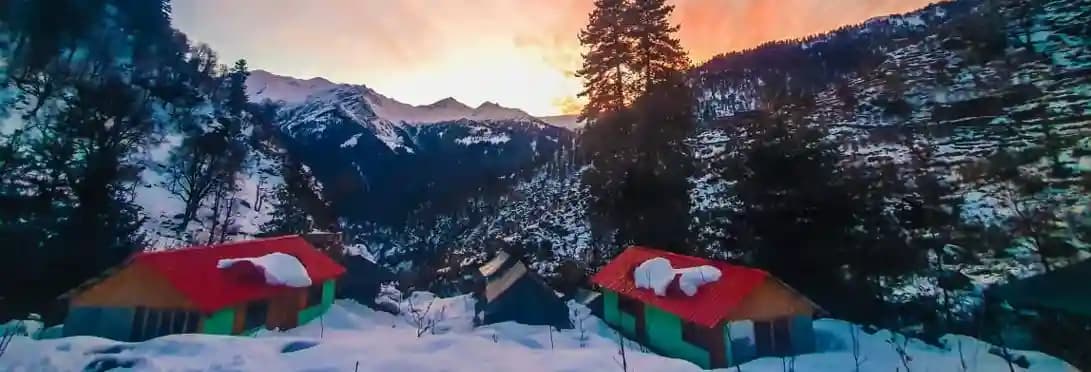
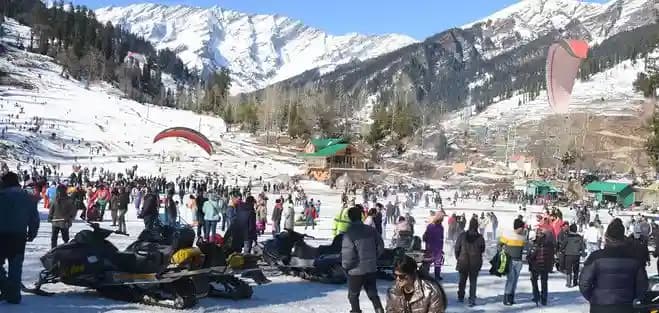
Winter turns Solang Valley into a snowy playground that adventure lovers dream about. This is the best time to visit Solang Valley for snowfall, with temperatures dropping between -5°C to 10°C. Heavy snow starts in December and continues through February, with January seeing the most snowfall. This makes it the best time to visit Solang Valley for snow if you want the full winter experience. The valley gets crowded during Christmas and New Year week, so late January or early February works better for peaceful visits.
Snow Activities: Skiing, snowboarding, and snow scooter rides are in full swing. The slopes get packed with tourists trying winter sports.
Temperature (-5°C to 10°C): Mornings and nights go below freezing. Afternoons are slightly warmer but still chilly. Pack heavy woollens and waterproof jackets.
Roads: Roads get tricky after fresh snowfall. Chains are often needed for vehicles. The best time to visit Solang Valley from Delhi during winter is late December or early January, when roads are better maintained.
Getting There: Flights and buses run normally to Manali. Local taxis charge extra during peak season.
Crowds: New Year's celebrations bring huge crowds. Hotels and activity operators get fully booked, so booking in advance helps.
Solang Valley snowfall time: December to February, with January seeing the heaviest snowfall. Late December and early February also get good snow cover.
Spring (March to April)
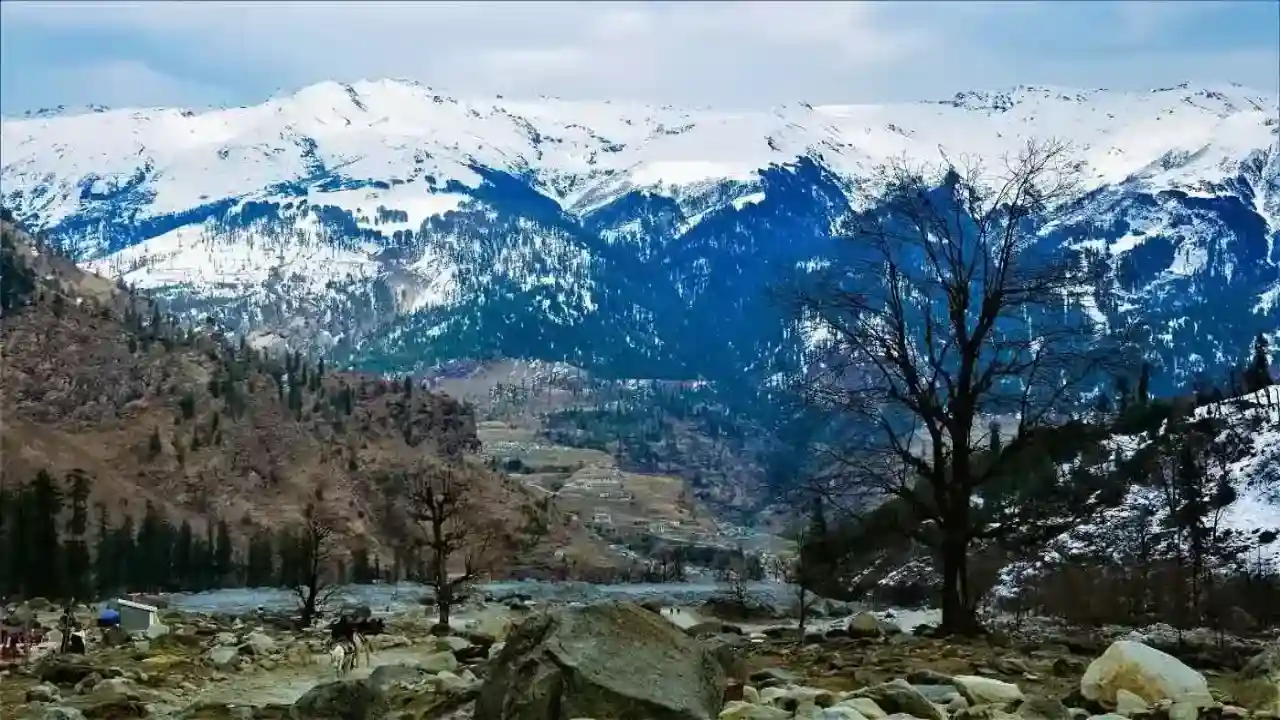
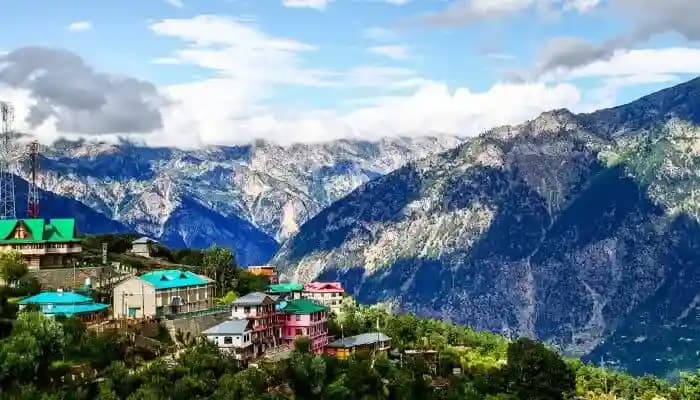
Spring brings a nice shift as snow melts away and the valley comes back to life. Temperatures range from 5°C to 20°C. Days feel mild and easy while mornings stay cold. You'll still see some snow at higher spots, but lower areas start turning green. Spring doesn't get much attention compared to other seasons, which means hotels cost less than usual.
Weather: Unpredictable with occasional light showers. Carry a light jacket for evenings and early mornings.
Activities: Paragliding season begins in late March. Trekking routes open up as snow clears. Zorbing and cable car rides start operating.
Roads: Much better than winter. Snow has melted from the main roads. Travel becomes easier and safer.
Crowds: Tourist numbers drop significantly after February. This makes spring one of the best months to visit Solang Valley if you prefer peace.
Transport: All options run smoothly. No weather disruptions usually happen during this time.
Summer (May to June)
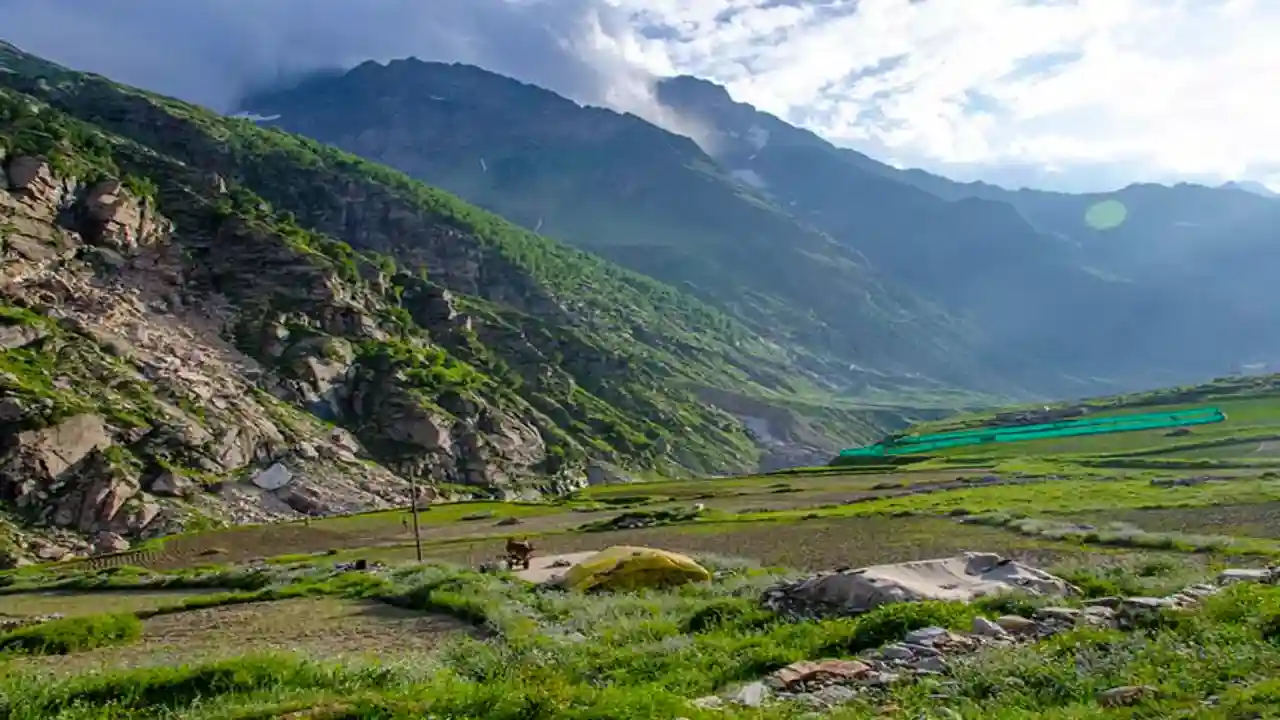
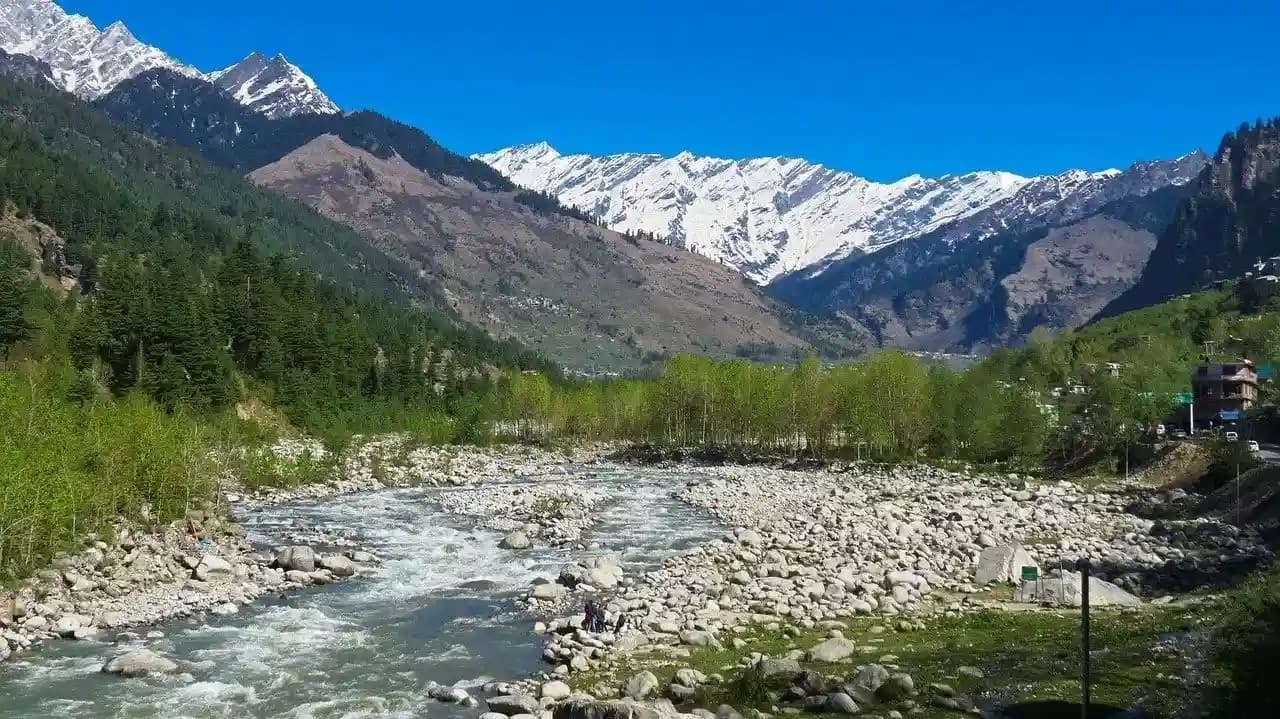
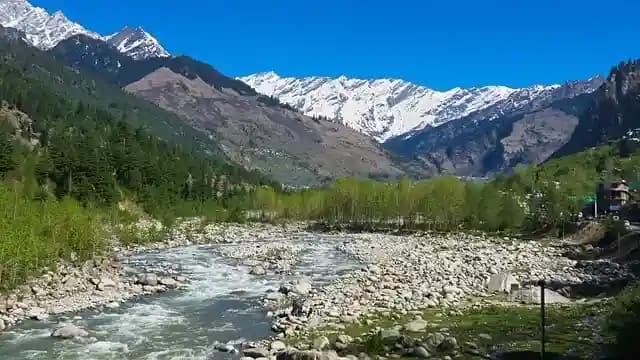
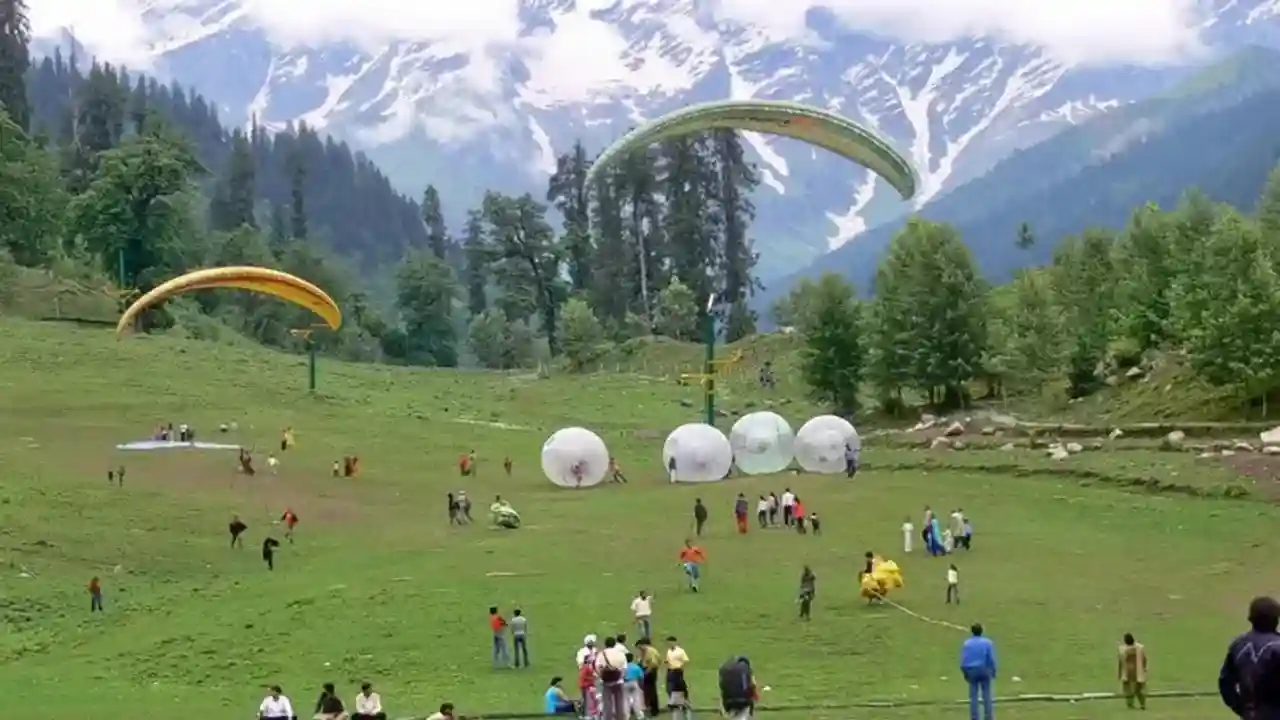
Summer is when Solang Valley gets maximum visitors escaping the plains' heat. The best season to visit Solang Valley for adventure sports is definitely summer. Temperatures stay between 10°C to 25°C. The valley turns completely green with wildflowers blooming everywhere. Light jackets are enough for evenings. Summer also sees the Solang Valley Summer Festival in May. Book accommodations well in advance, as hotels fill up quickly.
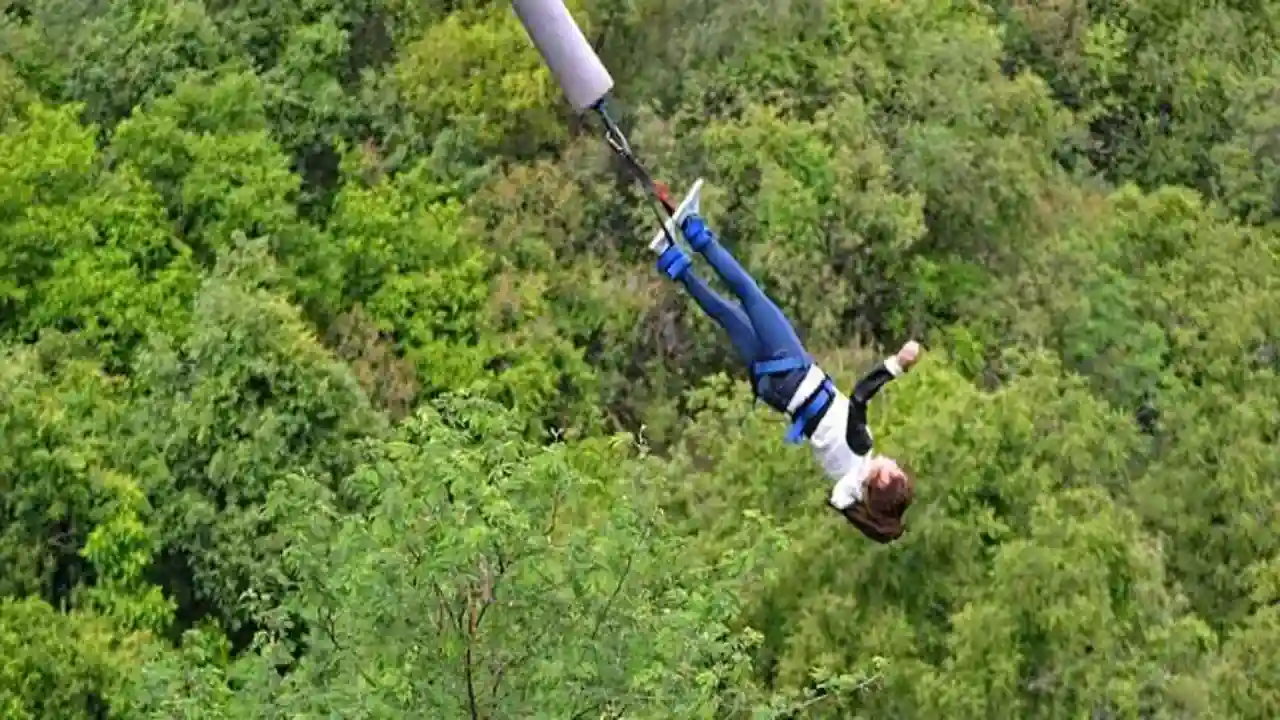
Adventure Sports: Paragliding reaches its peak. Zorbing, horse riding, and quad biking are all available. The cable car offers stunning valley views.
Temperature (10°C to 25°C): Pleasant and comfortable throughout the day. Nights remain cool. No humidity makes the air feel fresh.
Roads: All roads are in excellent condition. The journey from Delhi to Solang Valley takes around 14-15 hours by road.
Transport: Peak season means everything operates at full capacity. Buses, taxis, and flights are easily available.
Crowds: Expect heavy footfall, especially on weekends. May and June are school holiday months so families visit in large numbers.
Monsoon (July to September)
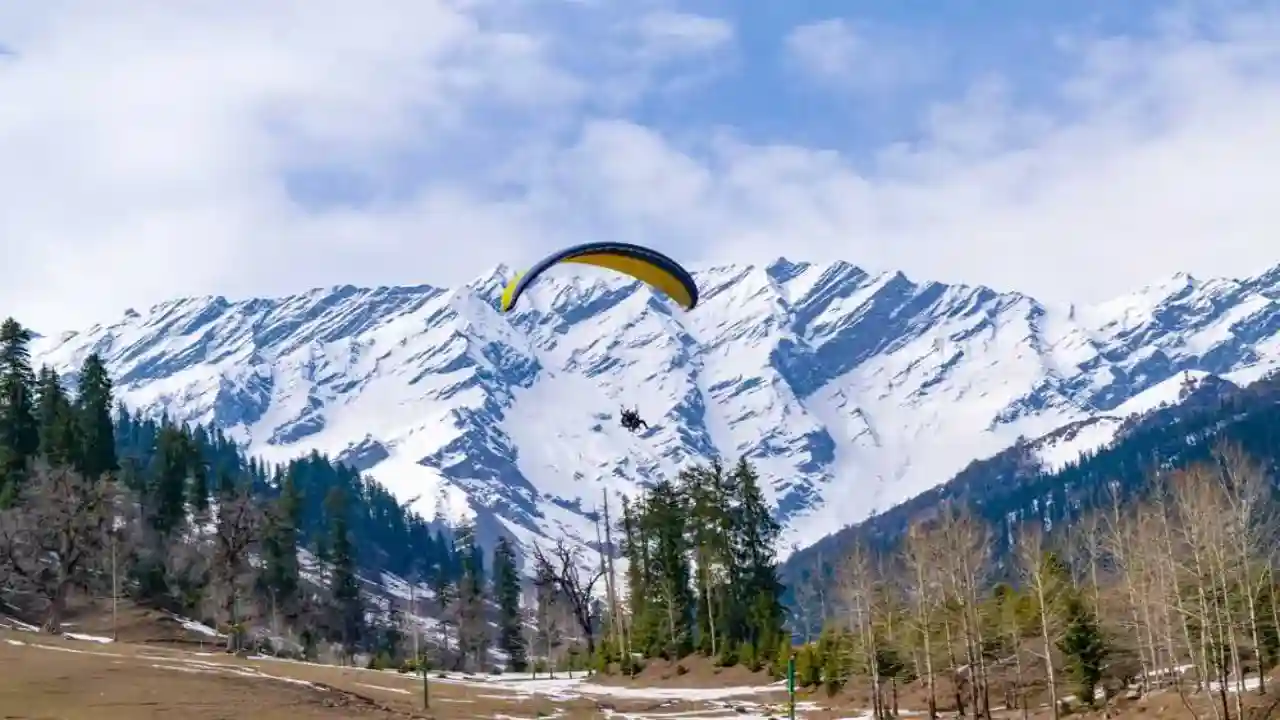
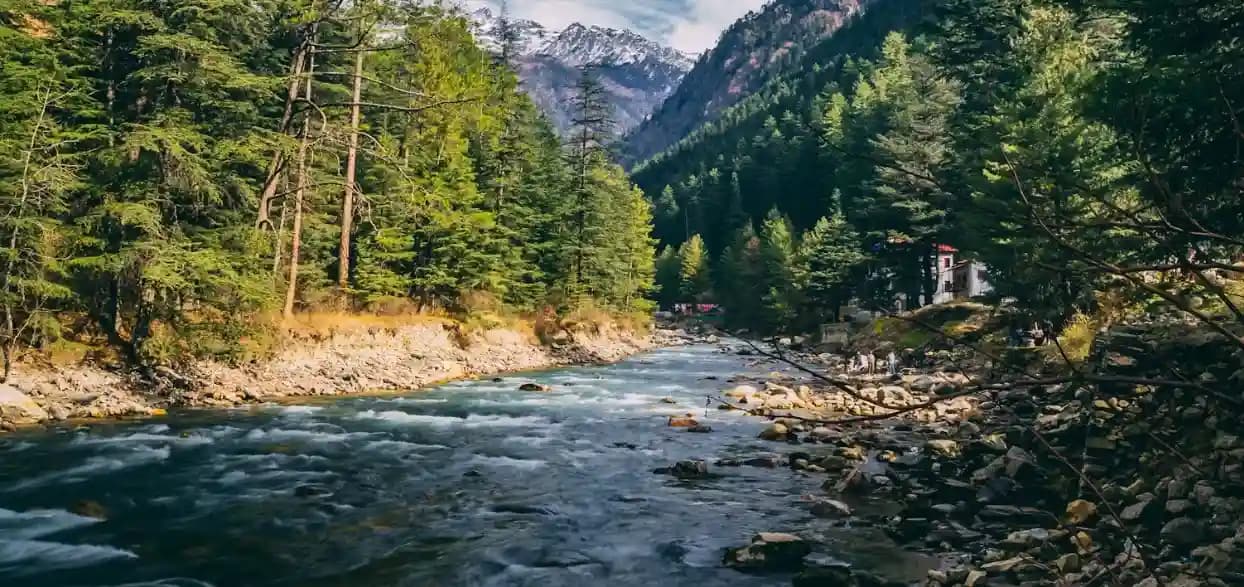
Monsoon is the quietest season with very few tourists around. Rainfall is moderate to heavy, with temperatures ranging from 10°C to 20°C. July and August see frequent showers, while September experiences lighter rainfall. Everything turns incredibly green. Monsoon is the Solang Valley snowfall; people should avoid it unless they enjoy rain. Photography enthusiasts love the misty mornings. Budget travellers find this season attractive due to affordable hotel rates.
Activities: Most adventure sports shut down during heavy rain. Paragliding and zorbing stop completely. The cable car operates on clear days only.
Temperature (10°C to 20°C): Cool and pleasant but damp. Carry rain gear and waterproof shoes. Humidity levels stay low despite the rain.
Roads: Landslides are common on mountain roads. The Manali-Solang route sometimes closes temporarily after heavy rain.
Travel: Not recommended for first-time visitors. Only go if you're comfortable with unpredictable weather and possible disruptions.
Crowds: Extremely low tourist numbers. Hotels offer huge discounts. You can have the valley almost to yourself on weekdays.
Autumn (October to November)
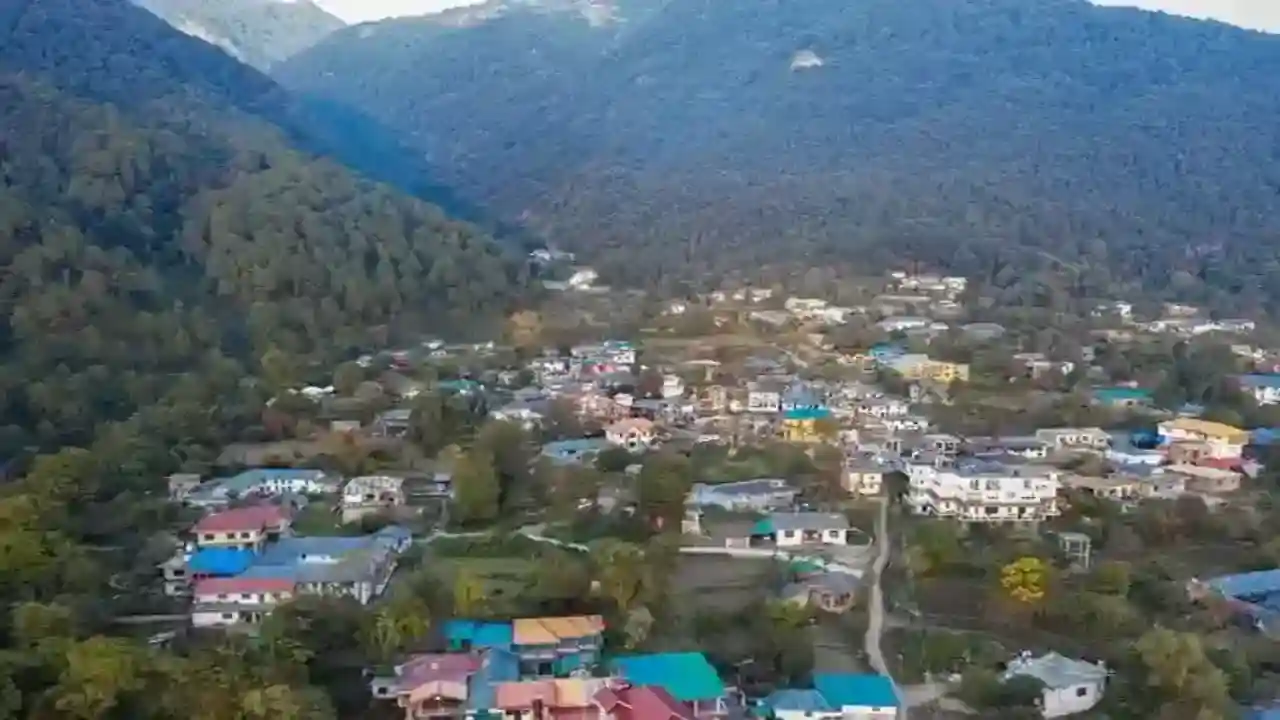
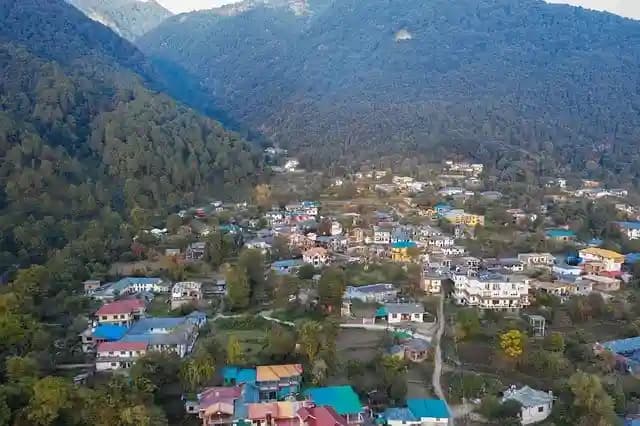
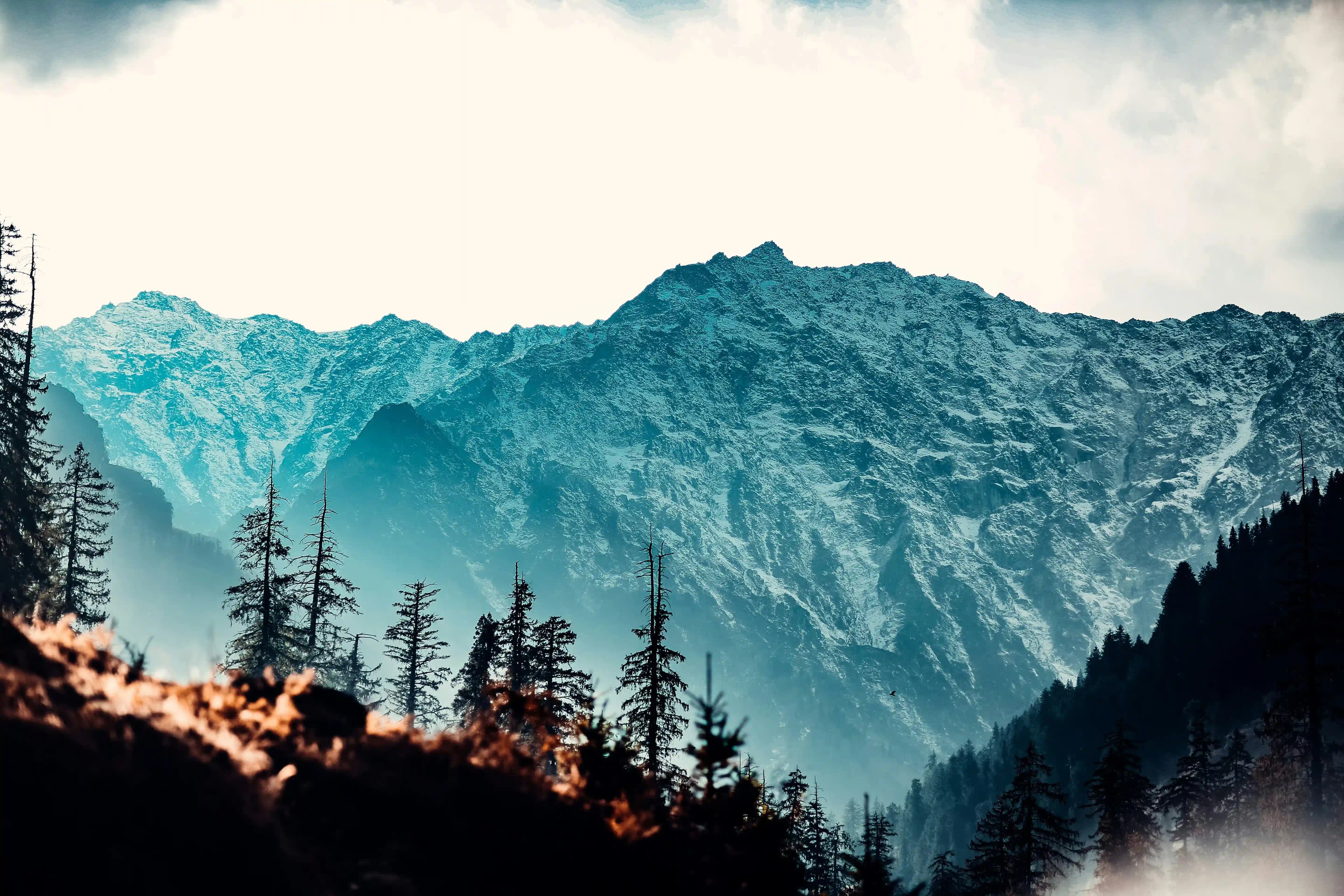
Autumn brings back clear skies and comfortable weather after the monsoon ends. This is another best time to visit Solang Valley for those who want good weather without summer crowds. Temperatures range from 0°C to 15°C. The valley looks golden brown as the grass dries up. Snow starts appearing on distant peaks by late November. Late October and early November offer the best combination of clear weather and fewer crowds. This season works perfectly for people travelling from Delhi who want a quick weekend getaway.
Activities: All adventure sports resume full operations. Paragliding conditions are perfect with stable winds. Trekking has become popular again.
Temperature (0°C to 15°C): Gets progressively colder as November approaches. October feels pleasant, but November mornings turn quite chilly.
Roads: Perfect for travel. No rain, no snow. One of the easiest times to drive through mountain routes.
Transport: Smooth and hassle-free. All transport runs on schedule. No weather delays happen during this period.
Crowds: Moderate tourist numbers. Much less crowded than summer. You get a good balance between people and peace.
Festivals: Diwali usually falls in October or November. Some tourists visit during this time for mountain celebrations.
Conclusion
Solang Valley undergoes a complete transformation with every season, and each one brings something unique. Your ideal time to visit really depends on the type of trip you want. Snow lovers should head there in winter, adventure seekers will love summer, and budget travellers can make the most of monsoon discounts. Spring and autumn work great if you want fewer crowds and comfortable weather. The best time to visit Solang Valley is whenever it matches your travel plans and interests. Just pick your season, pack accordingl